Philadelphia local news, sports, jobs, cars, homes

Category: Business

Business news and market updates

  • How these Philly-area consumers are spending $150 on all their holiday gifts

    How these Philly-area consumers are spending $150 on all their holiday gifts

    Kacii Hamer has no financial stress this holiday season.

    In past years, “holidays were always ‘give, give, give,’ and that’s what I always felt like I had to do,” said Hamer, a 33-year-old pre-K teacher and wedding photographer. Back then, “I couldn’t imagine thrifting gifts or DIYing gifts. You have that fear of ‘Oh my god, are these people going to judge me?’ or ‘Is this good enough?’”

    This year, however, Hamer is celebrating “Thriftmas,” a social-media trend where participants buy many of their holiday gifts secondhand.

    Between a family Pollyanna, a gift for her boyfriend, and a present for her goddaughter, she plans to spend no more than $150 total. For her goddaughter, she is sanding and repainting a $14 rocking horse that she got at the 2nd Ave. Thrift store in South Philadelphia.

    The thrift-focused holiday season will mark a fitting end to what Hamer calls her first “hardcore” low-buy year, one during which she cut out most nonessential spending.

    Hamer, who splits her time between the Philadelphia region and Scranton, was one of several low- and no-buyers whom The Inquirer talked with in April.

    These Philly-area residents are doing No-Buy 2025. Here’s how much they’ve saved.

    The frugal challenge took off this year amid broader economic pressures, including continued inflation. Philly-area participants said they were trying to save money, pay off debt, reduce waste, and, in some cases, stop patronizing large retailers that don’t align with their values.

    Now as the holidays approach, some low- and no-buyers are making exceptions for gifts, or using some of their recent savings to fund their festivities.

    Others, however, are standing firm in their low-spending habits. They’re setting budgets, trimming their gift-recipient lists, or shopping secondhand.

    Shoppers descend on the King of Prussia Mall on Black Friday in this 2022 file photo.

    This time of year, some local low-buyers said, it requires extra strength to resist consumerist pressures and go against the norm. Each U.S. adult is expected to spend about $628 on average on holiday gifts this year, according to the National Retail Federation, which anticipates overall holiday spending will surpass $1 trillion for the first time ever.

    At the same time, others say economic uncertainty has made for easier conversations about gifting.

    “I’m not under pressure to spend, and I think this year it’s actually easier to [cut back on gifts] than in years past,” said Mylena Sutton, 48, of Voorhees. “A lot of my friends are sensitive to what’s happening in the economy … you don’t have to explain.”

    Parents buying less for Christmas

    Some Philly-area parents have found that Santa can be thrifty, too.

    Heather Fertig, 38, of Fishtown, said about 80% of her toddler’s Christmas gifts will be secondhand. They’ll include a marble run, which she bought this week from a local thrift store, and a wooden train table, for which she remains on the hunt.

    Thanks to secondhand stores, Facebook marketplace, and neighborhood parent groups, Fertig, a stay-at-home mom, said she and her husband will likely spend about $150 in all.

    These Philly-area residents bring in hundreds of dollars a month selling stuff online. Here’s how.

    Her motivation is as much environmental as it is financial.

    After having her son, she realized, “Wow, there is so much waste,” Fertig said. “I kind of felt, previous to that, that there was a stigma around getting things secondhand.”

    But “it was never there,” she added. “It was this made-up thing that everything had to be brand-new to you.”

    Santa James Claus greets children at the Fashion District in this 2022 file photo. Some local parents have found Santa can cut back on spending, too.

    For young children, whose interests change so quickly, it makes even more sense to buy items secondhand, Fertig said. On Christmas morning, her 2-year-old doesn’t know the difference.

    “He’s just as happy as if I bought it straight from Walmart,” she said.

    In Montgomery County, Jenna Harris-Mosley said she takes a combo approach to gift-giving for her 5-year-old daughter, whose birthday is on New Year’s Eve.

    The 41-year-old bought some smaller, new gifts, including Shrek snow globes and Squishmallow stuffed toys, throughout the year to spread out spending.

    She plans to get other items secondhand, including one or two American Girl dolls for $20-$30 each. And she will set aside some money for experiences, such as an upcoming day trip to New York City for tea at the American Girl store — with the new-to-her doll, of course.

    Harris-Mosley said she took an especially intentional approach to spending this year after getting laid off from her job in tech sales in October. It has helped that she had already bought many of her daughter’s Christmas and birthday gifts when she found deals earlier in the year, she said.

    “I have things hidden in every corner of my house,” she said. And as for grown-ups “I don’t stress myself about holiday gifts,” figuring most adults in her life have the things they need — and can buy things they don’t.

    In Port Richmond, Rachel Dwyer is making homemade felt ornaments for the adults on her list, and getting two books for each child. The 34-year-old nanny has learned that too many toys and trinkets can be overwhelming for kids and parents.

    “It’s just a lot of clutter,” she said, “and a lot of junk.”

    People walk through the Shops at Liberty Place in this 2021 file photo.

    How to spend less on holiday gifts

    Seasoned low-buyers say it’s hard to cut back on spending. But once you get over the initial hurdle, they say, it’s freeing.

    “Push through the fear,” Hamer said. “It feels nice going into the holidays with such a positive attitude.”

    In South Jersey, Sutton has never been a big holiday gift-giver, saying she prefers to buy loved ones presents intentionally throughout the year.

    If others feel overwhelmed by their holiday gifts-to-buy list, she recommends they ask themselves: “Do you do these things because they have value for you? Or do you do these things because they are expected?”

    People browse the Christmas Village at LOVE Park in this 2021 file photo.

    “Be brazen about it,” said Sutton, a consultant and leadership coach. That might mean telling people: “If you only get me a gift because you expect an exchange, don’t buy me one.”

    “People who have stayed away from thrifting should get back into it,” said Jen Benner, 34, of Conshohocken. “The thrift stores are jam-packed with very good stuff.”

    If you aren’t sure about buying secondhand, “start small. Start with a child’s gift or a truck or a train or something little,” Fertig said. “Work your way up to bigger items.”

    Benner, a real estate agent, keeps a running list on her phone of gift ideas that her loved ones mention throughout the year. This can save time and anxiety around the holidays, and reduce the urge to overspend.

    Remember, too, that the most meaningful gifts can be among the least expensive, Dwyer said. She recommends personalized, handmade gifts or framed photos, as well as gifts of time or skills, such as a babysitting session, a home-cooked meal, or a family-photo session.


    December 7, 2025
  • Sarah Test 2-  Adding elements – Update on 12/10

    Sarah Test 2- Adding elements – Update on 12/10

    Heading 1

    Heading 2

    Heading 3

    Heading 4

    Heading 5
    Heading 6
    1. Social link

    This is Table

    Col1Col2Col3
    Item 1item 3item 5
    Item 2item 4item 6

    This is divider


    This is Interstitial link

    » READ MORE: The summer of Super Steve still sticks to the soul of this fan who saw greatness up close

    This is Gallery

    Image test collection

    Adding hyperlinks

    SEPTA strike is ‘imminent,’ say TWU leaders

    Its cash reserves have fallen to $208 million, while its debt stands at $1.6 billion, according to Fitch. Fitch called that “precipitously weak.” By contrast, Temple University Health System reported Wednesday that its cash reserves amounted to 218% of its debt at the end of June.

    Tower’s low cash reserves and large debt load mean that its ability to invest in its facilities is extremely limited, effectively only fixing things that break, Fitch said. Long-term, that would make it increasingly difficult to attract patients.

    [Temple University Health System reported a $64 million annual operating loss, its first since 2014] Edit info

    Fitch noted, however, that Tower had improved financial performance from April through June.

    This is image

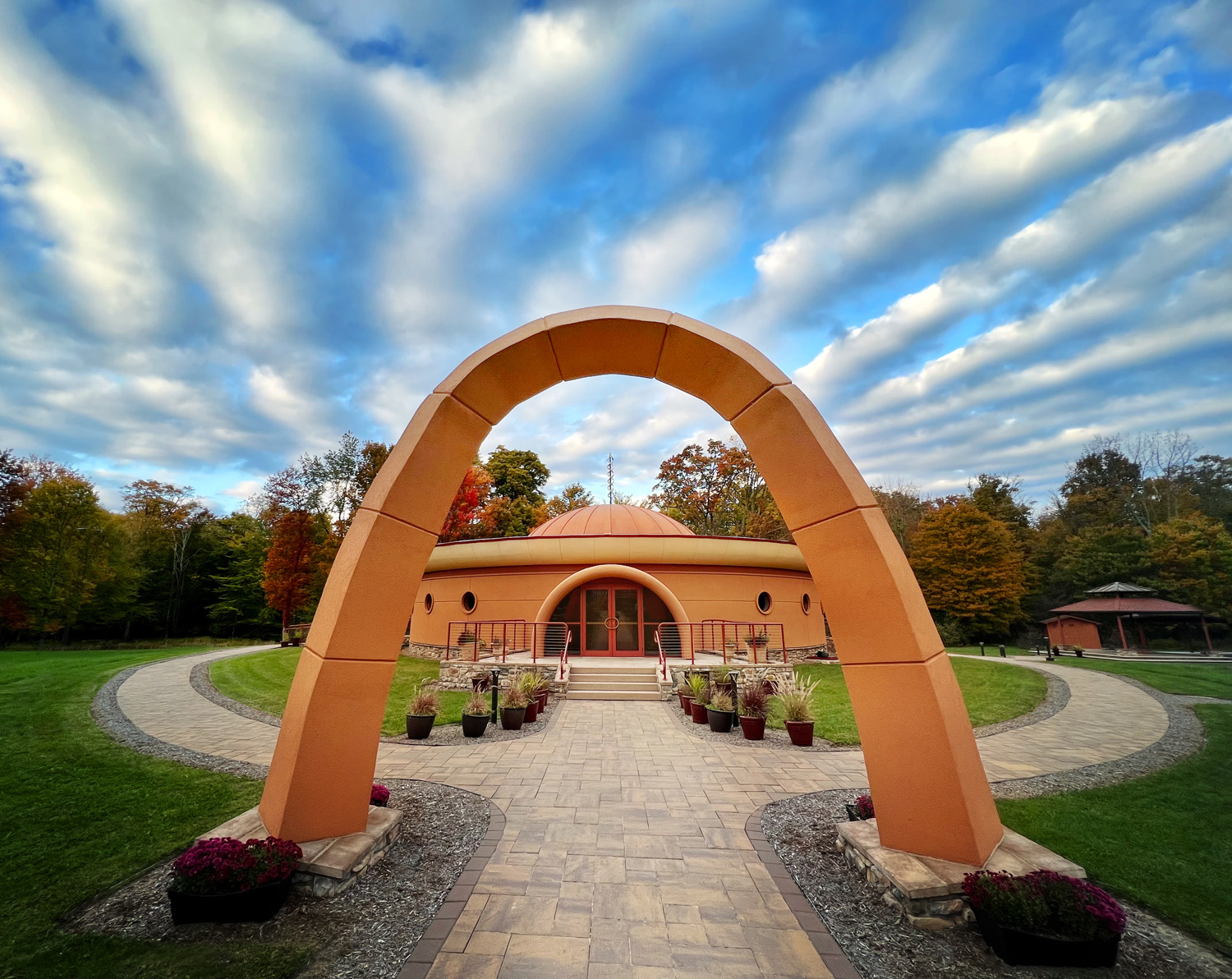
    The Himalayan Institute, In Honesdale, Pa.
    The Himalayan Institute, In Honesdale, Pa.

    This is video

    This is Instagram

    This is Facebook

    New gallery

    South Jersey's Isabeau Levito will be skating in a show at the Penn ice rink this weekend, along with other Olympic hopefuls.
    South Jersey’s Isabeau Levito will be skating in a show at the Penn ice rink this weekend, along with other Olympic hopefuls.
    Eagles quarterback Jalen Hurts has maintained a 46.3 passer rating when under pressure since Week 10.
    Eagles quarterback Jalen Hurts has maintained a 46.3 passer rating when under pressure since Week 10.
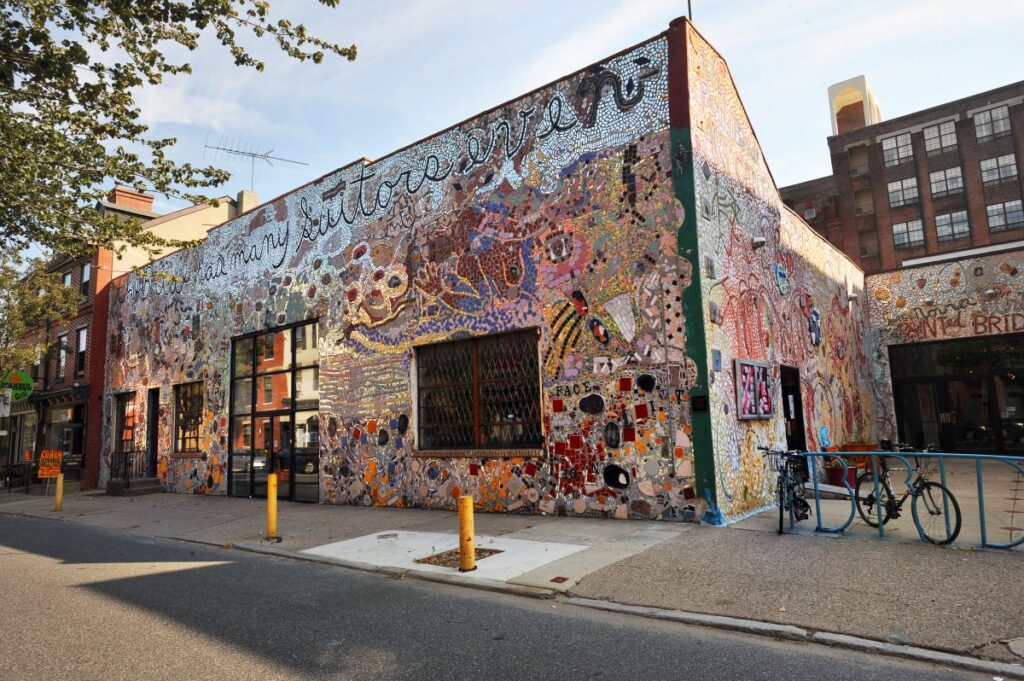
    Exterior of Painted Bride Art Center in Philadelphia in September 2010.
    Exterior of Painted Bride Art Center in Philadelphia in September 2010.
    Remediation work continues on Ridley Creek Tuesday, Dec. 9, 2025, under the Route 1 overpass in Media, Delaware County, where a tanker overturned spilling thousands of gallons of home heating oil in September.
    Remediation work continues on Ridley Creek Tuesday, Dec. 9, 2025, under the Route 1 overpass in Media, Delaware County, where a tanker overturned spilling thousands of gallons of home heating oil in September.
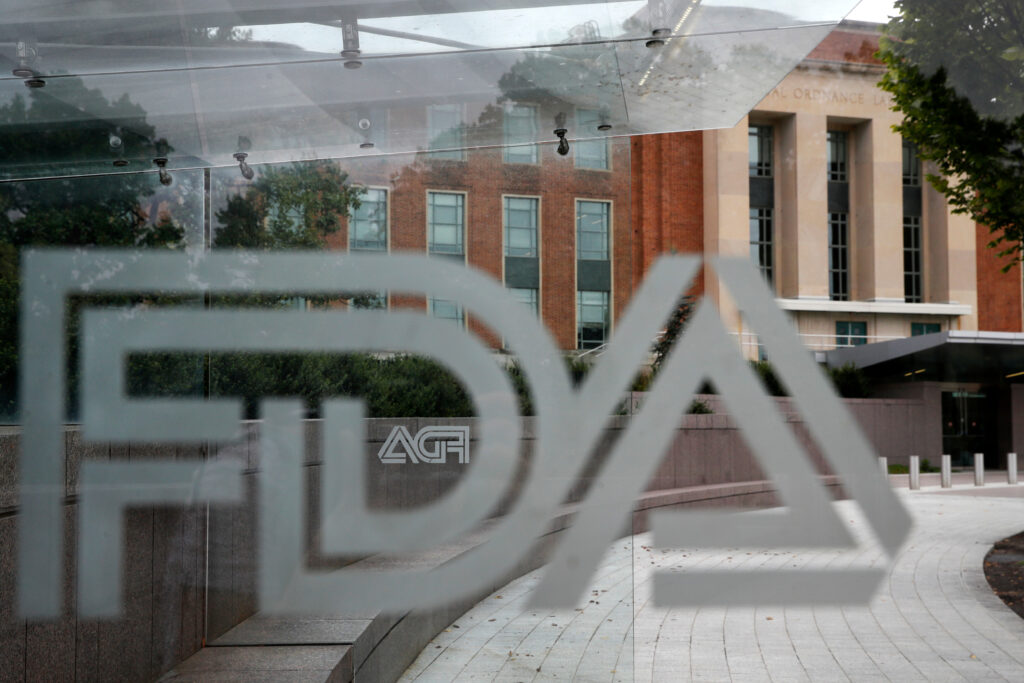
    The U.S. Food and Drug Administration building in Silver Spring, Md.,
    The U.S. Food and Drug Administration building in Silver Spring, Md.,
    The obverse of the new Declaration of Independence quarter with Thomas Jefferson is shown on screen as the U.S. Mint unveils new coins for the Semiquincentennial at the National Constitution Center in Philadelphia Wednesday night. The reverse features the Liberty Bell.
    The obverse of the new Declaration of Independence quarter with Thomas Jefferson is shown on screen as the U.S. Mint unveils new coins for the Semiquincentennial at the National Constitution Center in Philadelphia Wednesday night. The reverse features the Liberty Bell.

    Hellossssss

    Gallery 2

    Carter Hart was on the ice Thursday at Xfinity Mobile Arena but will not start vs. Flyers.
    Carter Hart was on the ice Thursday at Xfinity Mobile Arena but will not start vs. Flyers.
    Villanova will need to lean on its defense and run game to overcome Tarleton State in the FCS quarterfinals on Saturday.
    Villanova will need to lean on its defense and run game to overcome Tarleton State in the FCS quarterfinals on Saturday.
    Flyers defenseman Cam York had a "hard practice Thursday" and seems to be getting close.
    Flyers defenseman Cam York had a “hard practice Thursday” and seems to be getting close.

    December 6, 2025
  • Ocean City’s mayor files for personal bankruptcy but he plans to stay in office

    Ocean City’s mayor files for personal bankruptcy but he plans to stay in office

    Ocean City Mayor Jay A. Gillian has filed for personal bankruptcy.

    The “extraordinarily difficult decision” was made after a combination of business decisions he made, personal financial obligations, and outside circumstances led to “serious financial strain” on his family, Gillian said in a statement shared on Ocean City’s government website.

    “Like many individuals and families across our nation who encounter unexpected hardship, I found myself in a position where traditional methods were no longer viable,” Gillian said. “It is my hope that by being transparent and direct, others facing similar hardships will feel empowered to seek help, take responsible action, and work toward rebuilding.”

    Despite this personal challenge, Gillian said his leadership of Ocean City remained “unwavering,” and he would stay in his role as mayor. In the statement, the mayor assured residents that his personal financial issues had no impact on city finances and operations were uninterrupted.

    “Safeguards, oversight, and the structure of municipal government ensure that personal finances and public finances remain entirely separate,” Gillian said.

    Gillian referred to his public statement when asked for additional comment.

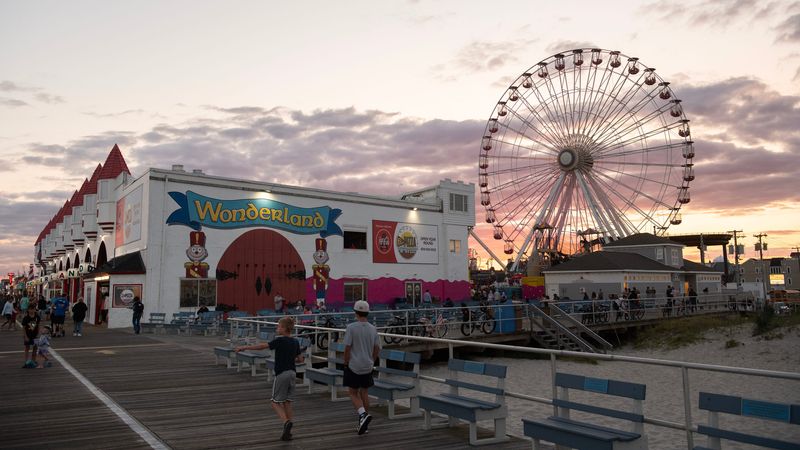
    A sign welcomes visitors to Gillian’s Wonderland Pier in Ocean City on Tuesday, August 20, 2024.

    While the mayor, who has been in office since 2010, did not specify what led to the bankruptcy beyond his statement, the Gillian family, which owned Gillian’s Wonderland Pier since 1965, sold the property to developer Eustace Mita, of Icona Resorts, in 2021. At the time, the Gillian family had defaulted on $8 million in loans, with the pier as collateral.

    Mita has since embarked on plans to transform the site, first into a $150 million luxury hotel, and later, into townhomes. After a City Council vote Thursday, the property is now under review by the Ocean City Planning Board to determine whether the property should be rehabilitated or rezoned for new development.

    December 5, 2025
  • Gillian’s Wonderland Pier property is now under review for possible redevelopment

    Gillian’s Wonderland Pier property is now under review for possible redevelopment

    The saga of Gillian’s Wonderland Pier continues as Ocean City Council voted last night to allow the local planning board to take the next steps in the property’s future.

    Councilmembers voted 4-3 to refer the 600 Boardwalk Avenue site to the Ocean City Planning Board to evaluate its possible rehabilitation.

    “This is basically a first step in what could potentially be an extensive review process, if it were to continue to move forward,” said Doug Bergen, Ocean City’s public information officer.

    City Council President Terry Crowley Jr. and council members Jody Levchuk, Tony Polcini, and Pete Madden voted in favor, while Keith Hartzell, Dave Winslow, and Sean Barnes voted against.

    This means the council is requesting the planning board to deem the property “an area of rehabilitation,” which kick-starts a wave of inspections, public input, and planning.

    In the next 45 days, Bergen said the planning board must assess the site and make a recommendation to City Council on whether the once iconic amusement park property meets the criteria for rehabilitation. If council votes to make that determination, then the site developer and owners can negotiate with City Council to devise a redevelopment plan. “With lots of further review down the road,” Bergen said.

    A coalition of various business associations, from restaurants to boardwalk shops, put pressure on City Council Wednesday in a news conference. Both the presidents of the Boardwalk Merchants Association — co-owner of Surf Mall, Wes Kazmarck — and the local restaurants association — owner of Cousin’s, Bill McGinnity — were joined on Wednesday by the Philadelphian property developer Eustace Mita.

    In 2021, Mita, who owns Icona Resorts, bought Gillian’s Wonderland property from the Gillian family for a reported $14 million after the property was put in foreclosure for nearly $8 million in unpaid loans.

    Since the nearly century-old boardwalk amusement park closed last year, plans for the site’s redevelopment have been swirling around town. Mita initially proposed a 7-story luxury hotel, the “Icona in Wonderland Resort,” but council members refused to send that proposal to the planning board in August.

    A month later, Mita announced that he was considering transforming the site into townhouses, after courting offers from Phillip Norcross (brother of South Jersey power broker George E. Norcross III) and from Virginia-based NVR Inc., to redevelop the site.

    Now, the site’s future will be in the hands of the planning board’s assessment, which, for some business owners, is the right call. In a video posted to Facebook earlier this week, Kazmarck urged Ocean City residents to contact their council members and ask them to vote in favor of the planning board review.

    “This is about City Council being able to make a better decision on what to do with this property. Everyone’s opinion here is a valuable opinion, but I think now we’re at that point where we should bring in experts,“ Kazmarck said. ”That’s the planning board. The planning board hires experts to evaluate the site to decide if the site should be an area of rehabilitation.”

    While it may feel like redevelopment plans are coming swiftly, Kazmarck reassured residents that local business owners have been discussing these next steps since last year, he said in the video.

    December 5, 2025
  • Netflix to buy Warner Bros Discovery’s studios, streaming unit for $72 billion

    Netflix to buy Warner Bros Discovery’s studios, streaming unit for $72 billion

    Netflix has agreed to buy Warner Bros Discovery’s TV, film studios and streaming division for $72 billion, a deal that would hand control of one of Hollywood’s most prized and oldest assets to the streaming pioneer.

    The agreement, announced on Friday, follows a weeks-long bidding war in which Netflix offered nearly $28-a-share, eclipsing Paramount Skydance’s close to $24 bid for the whole of Warner Bros Discovery, including the cable TV assets slated for a spinoff.

    Buying the owner of marquee franchises including “Game of Thrones,” “DC Comics” and “Harry Potter” will further tilt the balance of power in Hollywood in favor of Netflix.

    It would help the streaming giant, which has so far built its dominance without major deals or a large content library, to ward off competition from Walt Disney and the Ellison family-backed Paramount.

    The two companies together will “help define the next century of storytelling,” said Netflix co-CEO Ted Sarandos, who had once said “the goal is to become HBO faster than HBO can become us.”

    Strong antitrust scrutiny likely

    The deal, however, is likely to face strong antitrust scrutiny in Europe and the U.S. as it would give the world’s biggest streaming service ownership of a rival that is home to HBO Max and boasts nearly 130 million streaming subscribers.

    David Ellison-led Paramount, which kicked off the bidding war with a series of unsolicited offers and has close ties with the Trump administration, had questioned the sale process earlier this week and alleged favorable treatment to Netflix.

    Even before the bids were in, some members of Congress said a Netflix–Warner Bros Discovery deal could harm consumers and Hollywood.

    Cinema United, a global exhibition trade association, said on Friday the deal poses an “unprecedented threat” to movie theaters worldwide.

    “In light of the current regulatory environment this will raise eyebrows and concerns. The combined dominant streaming player will be heavily scrutinized,” said PP Foresight analyst Paolo Pescatore.

    “We should expect this to wrangle on given Paramount Skydance pursuit for Warner Bros Discovery.”

    Looking to allay some concerns, Netflix said the deal would give subscribers more shows and films, boost its U.S. production and long-term spending on original content and create more jobs and opportunities for creative talent.

    The company argued in deal talks that a combination of its streaming service with HBO Max would benefit consumers by lowering the cost of a bundled offering.

    The company has told Warner Bros Discovery it would keep releasing the studio’s films in cinemas in a bid to ease fears that its deal would eliminate another studio and major source of theatrical films, according to media reports.

    Cash-and-stock deal

    Warner Bros Discovery shares were up 2.4% at $25 in premarket trading, while Netflix fell nearly 3% and Paramount 2.2%. Comcast, the third suitor, was trading little changed.

    Paramount and Comcast did not immediately respond to requests for comment.

    Under the deal, each Warner Bros Discovery shareholder will receive $23.25 in cash and about $4.50 in Netflix stock per share, valuing Warner at $27.75 a share, or about $72 billion in equity and $82.7 billion, including debt.

    The deal represents a premium of 121.3% to Warner Bros Discovery’s closing price on September 10, before initial reports of a possible buyout emerged.

    The deal is expected to close after Warner Bros Discovery spins off its global networks unit, Discovery Global, into a separate listed company, a move now set for completion in the third quarter of 2026.

    Netflix has offered Warner Bros Discovery a $5.8 billion breakup fee, while Warner Bros Discovery would pay Netflix $2.8 billion if the deal collapses.

    Netflix said it expects to generate at least $2 billion to $3 billion in annual cost savings by the third year, after the deal closes.

    Netflix growth worries

    Analysts have said Netflix is driven by a desire to lock up long-term rights to hit shows and films and rely less on outside studios as it expands into gaming and looks for new avenues of growth after the success of its password-sharing crackdown.

    Its shares are up just 16% this year, after surging more than 80% in 2024, as investors worry its breakneck growth could be slowing, especially after it stopped disclosing subscriber figures earlier this year.

    The company has leaned on its ad-supported tier to drive growth, but that is not expected to become a major revenue engine until next year, while analysts say its push into video games has stumbled amid strategy shifts and executive turnover.

    Buying Warner Bros would also deepen its gaming bet, as WBD is one of the few entertainment companies to notch big successes in the sector, including its Harry Potter title “Hogwarts Legacy,” which has generated more than $1 billion in revenue.

    December 5, 2025
  • A bilingual credit union is opening in Philly, seeking ‘unbanked’ customers to buy homes, build family businesses

    A bilingual credit union is opening in Philly, seeking ‘unbanked’ customers to buy homes, build family businesses

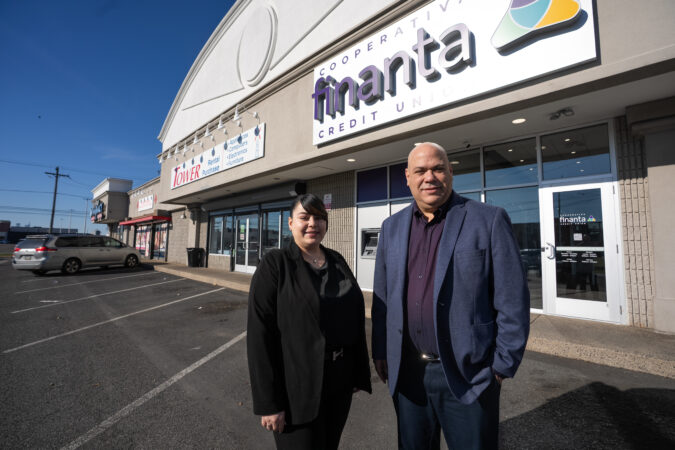
    At a former restaurant in a drive-up shopping strip on the edge of Port Richmond, a bilingual credit union has joined the neighborhood.

    The newest branch of federally-chartered Finanta credit union, which also calls itself Cooperativa Finanta, “is not just a banking place,” says Pedro A. Rivera II, Finanta’s board chair, president of Thaddeus Stevens College of Technology in Lancaster, and a graduate of Kensington High School.

    “We are focused on people that are unbanked: small business owners and workers who go to check-cashing agencies and use money orders and sometimes predatory [high-rate private] lenders,” said Daniel Betancourt, the credit union’s president and CEO.

    Finanta Federal Credit Union offers mortgages, personal and small business loans, Visa debit cards, and interest on deposits. And credit union staff help customers learn to use these products — in English and Spanish.

    Branch manager Iris Santiago signed off on one of its first home mortgages to cleaning-service co-owner Libra Rivera, on Wednesday. The credit union office at 2313 E. Venango St. officially opened Friday but began accepting deposits and booking loans earlier.

    Iris Santiago, branch manager, and Bart Rivera, assistant branch manager, at Finanta Federal Credit Union, in Philadelphia.

    Rivera said the concept takes him back to his North Philly youth, when he banked both the funds of the Amigos de Roberto Clemente youth track and field association and his newly minted teacher’s pay at the former Borinquen Federal Credit Union at Front and Allegheny, which shut in 2011.

    “It was the size of a rowhouse. You’d go in and connect to the tellers in a space where you could catch up what was going through the community and ask questions about percent yield, about how to leverage dollars in a place that was trusted,” Rivera said.

    He got that same feeling when he visited Finanta’s pilot branch in Lancaster after it opened in 2023. Rivera agreed to serve as Finanta’s chairman and went to work lining up support to speed its growth.

    Now, bolstered by private foundations and a state investment, Finanta is opening what it expects to be its largest branch in Port Richmond, with others to follow in Reading, Northeast Philly, Allentown, and other communities with large English-and-Spanish-speaking populations.

    The Lancaster branch signed up 2,000 members in three years. Betancourt expects as many in Philadelphia by next fall.

    This growth is not yet organic. Mackenzie Scott’s Yield Giving foundation in 2023 pledged $2 million a year for seven years to help finance loans. Santander Bank and M&T Bank each invested $1 million as part of their community-banking mandates.

    State House Appropriations Committee chair Jordan Harris, at the recommendation of state Rep. Jose Giral and state Sen. Tina Tartaglione, all Philadelphia Democrats, granted $4 million to build the Reading and Port Richmond branches.

    The credit union made its first mortgage this summer and offers home loans up to $400,000, enough to purchase homes in many but not all Philadelphia neighborhoods.

    The credit union also has made business loans to local firms like Puerto Rican bakery and restaurant El Coqui in Kensington. El Coqui had previously borrowed from the Finanta loan fund, which Betancourt also leads.

    Founded in 1996, the fund later merged with the larger Community First Fund of Lancaster and now lends in several cities under the Finanta name.

    The fund’s Philadelphia clients include developers such as HACE, projects such as Charles Lomax’s Village Square on Haverford in West Philly, and family-owned stores such as Silvia’s Bakery and Mucho Perú.

    Alicia Placeres, member sales representative, working at Finanta Federal Credit Union.

    A new credit union, open to everyone but anchored in the Latino communities, “is very much needed,” said Pedro Rodriguez, cofounder of Café Don Pedro coffee roasters in Brewerytown.

    He’s worried about loan volume amid the Trump administration’s push to arrest and deport immigrants. “They have people scared of their shadow,” he added.

    Others call the credit union a lifeline for people under pressure.

    “Our immigrants are very brave. A lot of the people who come to us are pursuing mortgages, pursuing small business loans, they say what’s going on is not unusual for them, and they are persisting” in building lives here, said Will Gonzalez, head of Ceiba, a Philadelphia-based economic-development advocacy coalition.

    Gonzalez has noted a drop this year — from almost one a day to less than two a month — in noncitizens filing for the first time to pay their income taxes with help from his agency, but those who have already been assigned IRS numbers have returned to file again even if their own immigration status is unresolved.

    “People are paying taxes because it’s the right thing to do,” Gonzalez added. “And because they want to borrow to put their kids in college and to buy a house. To do that, they know they need to show the lenders they have paid their taxes.” It’s a sign they see their long-term future in Philadelphia.

    He said the former Borinquen credit union was badly needed but was underfunded — “a little tree in a desert.” It operated from 1974 to 2011 until it was taken over by regulators and closed after suffering losses. A manager was sentenced to 7½ years in federal prison for stealing from the institution and members from 2006 to 2009.

    The Finanta credit union board Rivera heads, which oversees Betancourt and his growing staff, includes Mennonite Church USA moderator Elizabeth Soto Albrecht, Amalgamated Bank first vice president and 2016 Democratic National Convention CFO Jason O’Malley, and other professionals based in cities with large bilingual populations.

    For all his experience overseeing institutional budgets, Rivera said he and the other directors have had to learn banking in accordance with National Credit Union Administration guidelines.

    “I take my fiduciary responsibility seriously. We are now facing the regulatory expectations and demands of the banking world,” he said. “We know what is expected of us.”

    Gonzalez said Finanta’s focus on Pennsylvania cities with large and growing Latino populations makes it a natural support network.

    ”They are helping these communities build political and economic power,” he said. “They are in the right place at the right time.”

    December 5, 2025
  • Popular THC drinks will soon be illegal. Companies are fighting to save the billion-dollar industry.

    Popular THC drinks will soon be illegal. Companies are fighting to save the billion-dollar industry.

    Right now, any Philadelphian 21 or older can go online or walk into a regional smoke shop and buy a THC-infused drink as potent as products in legal dispensaries.

    But soon, that might all change.

    The billion-dollar intoxicating beverage industry exploded in recent years, with THC-infused seltzers, lemonades, and teas that resemble popular products like Surfsides or White Claws. Sold in local gas stations, smoke shops, and liquor stores outside of Pennsylvania, these weed drinks deliver a cannabis high that is infused into bubbly, sweet canned beverages.

    While marijuana is still federally illegal, the hemp industry had found a way to manufacture and sell hemp-derived THC drinks across the country through a legal loophole that is soon closing.

    Last month, Congress banned all intoxicating hemp products, a slew of THC-infused smokeable, vape-able, and edible products that are derived from hemp plants but could be mistaken for actual marijuana. In many cases, the drinks are just as potent as conventional weed.

    Starting in 2027, almost all of them will be illegal, spurring a nationwide movement within the industry to save the burgeoning market.

    Arthur Massolo, the vice president of national THC beverage brand Cycling Frog, which sells its wares locally, said these restrictions will have devastating effects on the producers of thousands of hemp-derived products, like THC, but also CBD, the non-intoxicating cannabinoid popular for treating anxiety, sleep, and pain.

    Will Angelos, whose Ardmore smoke shop and wellness store, Free Will Collective, relies on THC drinks for nearly 40% of its business, is hoping for some saving grace. “We’re either looking to pivot or we’re disappearing,” he said.

    Adults share Cycling Frog canned THC drinks in this marketing photo provided by Cycling Frog.

    What are THC-infused drinks?

    Seltzers, sodas, teas, mocktails, and lemonades all infused with THC — and sometimes non-intoxicating CBD — exploded onto the scene a few years ago and grew into a billion-dollar business, said hemp market analyst Beau Whitney.

    “These drinks have transformed the hemp industry into this low-dose intoxicating health and wellness, alcohol-adjacent product,” said Massolo, who is also the president of U.S. Hemp Roundtable, a hemp business advocacy organization.

    The THC-infused drinks sold in gas stations, smoke shops, and liquor stores are supposedly formulated using legally grown hemp, which is allowed to be grown under the 2018 Farm Bill that opened the door to hemp farming in the U.S.

    Lawmakers carved out an exemption from federal drug laws for cannabis plants containing 0.3% or less of THC. These low-THC plants are considered “hemp” and are legal to grow. Cannabis plants over that THC threshold are considered marijuana and can carry felony charges if the plant is not being grown by state-licensed growers in places where adult use or medicinal marijuana is legal, like New Jersey and Pennsylvania.

    While intoxicating hemp products have enjoyed consistent growth in the past years, these THC-infused drinks have increasingly appeared in aisles of liquor stores and supermarkets in some states, allowing adults who normally don’t visit dispensaries to pick up a bottle of infused wine in the same place they grab groceries, said New Jersey cannabis lawyer Steve Schain.

    Hemp products photographed at the Philadelphia Inquirer, November 21, 2025.

    The ease of access to THC drinks allowed the national market to grow to $1.3 billion in annual sales, and if access continues, Whitney said, that figure could reach $15 billion in the coming years.

    This is all thanks to what Whitney calls the “FPS,” or “Female Power Shopper.” These women, ages 29 to 45, are the ones who are likely shopping for a household in grocery and liquor stores, and may jump at the chance to try cannabis products without diving headfirst into dispensaries, Whitney said.

    Women are becoming the fastest-growing demographic in the industry, and 2022 marked the first time daily marijuana users outnumbered daily alcohol drinkers. As alcohol consumption reaches historic lows, liquor stores and beer distributors have been “wonderfully buoyed” by THC drinks to keep them afloat, Schain said.

    Mary Ellen, 55, of Bucks County, who asked to not to be identified by her last name over concerns for her cannabis use and employment, said these THC drinks are the perfect way to unwind after a long day, especially for adults like her who choose not to drink alcohol. As a medical marijuana patient, she uses regulated cannabis for a variety of ailments, but also enjoys THC drinks like Nowadays’ infused mocktails that she buys at Angelos’ Ardmore store.

    “I’d rather come home and have a glass of Nowadays. That’s a lot better than having a glass of vodka or a benzodiazepine,” she said. “I’m not going to forget what I did the night before, and I’m not going to wake up feeling crappy the next morning.”

    City smoke shop exterior in the 1000 block of Chestnut Street Monday, July 21, 2025.

    What are the concerns over THC drinks?

    As the money started to roll in for THC drinks, fear among local communities and law enforcement began to grow. In the Philadelphia suburbs, the Bucks, Chester, and Montgomery County district attorneys’ offices finished a 10-month investigation into intoxicating hemp products and the local stores that sell them.

    The 107-page grand jury report speaks of a public health crisis unfolding in “plain sight” across Pennsylvania, where retailers have little to no oversight, in some cases selling actual marijuana.

    Montgomery County District Attorney Kevin Steele said the industry created a “Wild West situation” and urged state lawmakers to regulate the industry similarly to alcohol and tobacco, including age requirements, licensing, and mandatory lab testing.

    Stakeholders in the industry support regulation of some kind. While hemp-derived THC companies fear the economic collapse of their industry, Massolo and Angelos say there is concern that these products will leave overt brick-and-mortar operations known by local officials for more covert, illicit operations, similar to how these products were purchased before the 2018 Farm Bill.

    “We’ve basically traveled back to 10 seconds before the Farm Bill of 2018 was signed,” Schain said.

    Mary Ellen says the lack of regulation is a major sticking point for consumers who flock to these products, but would like some reassurance on the drinks they are ingesting.

    But, even if the ban goes into effect, she said, “people will just figure out another way for us to get it. It’ll be like a prohibition that we’ve seen in this country with alcohol and marijuana.”

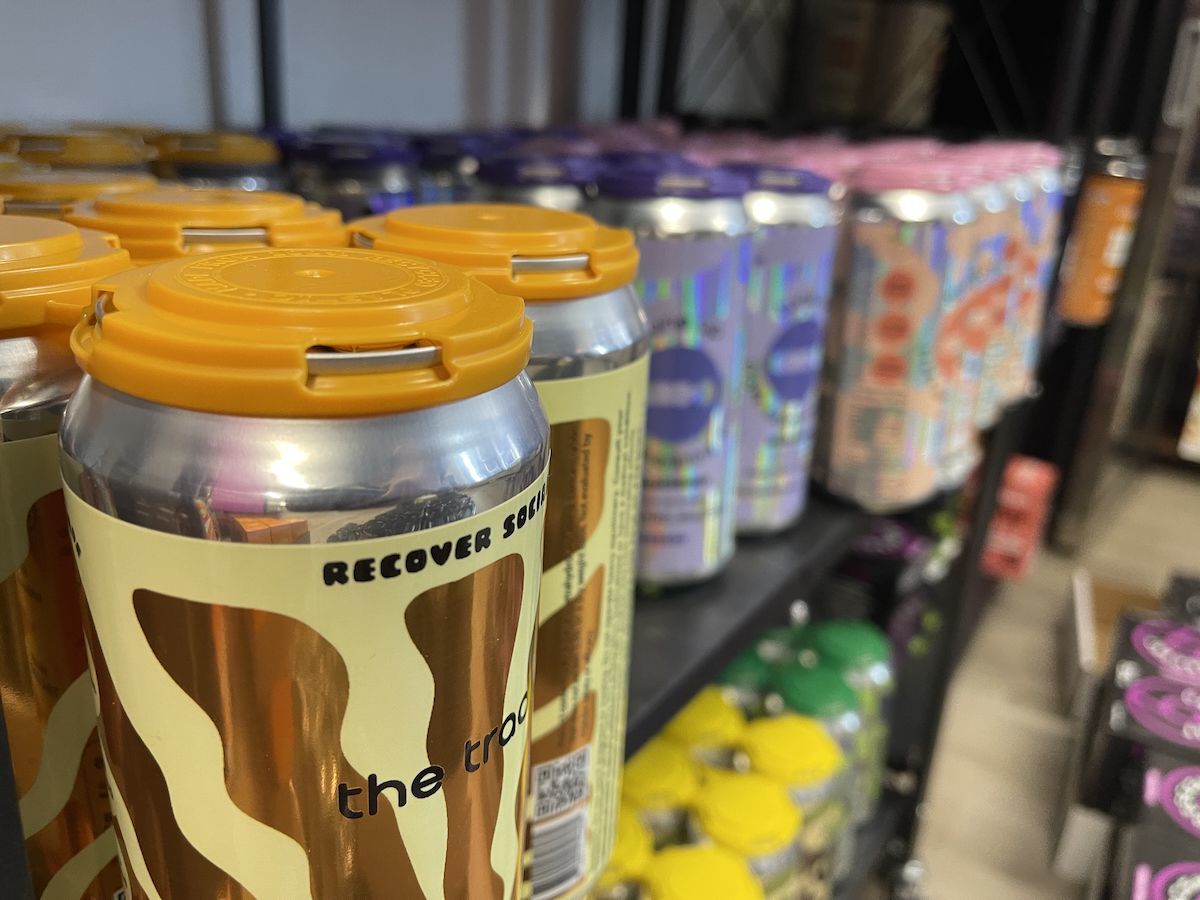
    THC and CBD-infused beverages on the shelves of Free Will Collective, an Ardmore smoke shop and wellness store owned by Will Angelos. As Congress moves to ban most intoxicating hemp products, business owners like Angelos aren’t sure they will be able to keep the doors open long past 2027 if current regulations go into effect.

    Will THC-infused drinks be banned or saved by 2027?

    Now, as the industry’s yearlong grace period begins before the ban takes effect, companies are scrambling.

    The intoxicating hemp manufacturers and retailers who spoke to The Inquirer said the game plan is to offload all of the intoxicating hemp products in stock, including THC-infused drinks, flower, vapes, and even CBD products.

    Some companies will see almost their entire product catalog become illegal, in some cases dwindling from 45 products on offer down to two, Whitney said of the firms he works with. The far-reaching impact will also hurt industrial hemp products, cannabis tourism, alcohol distributors, and even the legal cannabis industry, as some of their products, including CBD, will now have to contend with these new regulations, Schain and Whitney said.

    At the U.S. Hemp Roundtable, Massolo is having daily board meetings, including on weekends, to coordinate a response to federal lawmakers. It’s now a race against the clock to remedy or claw back some of the new regulations before damage is done to the industry’s distribution pipelines, Massolo said. The group hopes to rally other industries, like traditional beverages, wellness products, and supplements, to bolster its case.

    Among the U.S. Hemp Roundtable’s recommendations to lawmakers are an extension of the hemp ban grace period to two years, raising the limit on hemp-derived THC products, and allowing states to regulate these products as they see fit, to name a few.

    Stakeholders say they want regulations to help legitimize this billion-dollar endeavor and save it from annihilation, but smaller operators like Angelos hope it’s not at the expense of small independent businesses.

    While precautions like rigorous age verification systems and lab testing are necessary, Angelos said, if regulators “overtax, or over gate-keep,” many of the smaller retailers — who he said enjoy the benefit of knowing their local government officials and community — won’t be able to compete in the market.

    “There obviously has to be standards, but I’m scared of an overcorrection,” Angelos said of the hemp ban. “It’s not just a singular choice. If you want your kids to be safe, have a mechanism where you can keep your eyes on the product.”

    December 5, 2025
  • Amazon is testing out 30-minute delivery in Philadelphia

    Amazon is testing out 30-minute delivery in Philadelphia

    Amazon delivery is getting faster in Philadelphia.

    The online retailer is testing out a new delivery model that aims to get items to customers in 30 minutes or less. The service, which is being called Amazon Now, was announced on Dec. 1 and will be available only in areas of Philadelphia and Seattle.

    “Building on our decades of delivery innovation, we’re now testing an ultrafast delivery offering of the items customers want and need most urgently in parts of Seattle and Philadelphia,” the company said in a news release.

    The service seems comparable to those offered by DoorDash and Gopuff, which allow consumers to purchase food and retail items to be delivered to their homes same-day.

    Customers in areas where the new program is offered will see an option in their Amazon app or webpage navigation bar for “30-Minute Delivery.”

    Thousands of items are eligible for the service, according to the company, including produce, milk, eggs, diapers, and over-the-counter medicine.

    Prime members will pay at least $3.99 for quick delivery, while the fee for nonmembers starts at $13.99. Customers will also incur an additional fee of $1.99 if their order is worth less than $15.

    “Amazon is utilizing specialized smaller facilities designed for efficient order fulfillment, strategically placed close to where Seattle- and Philadelphia-area customers live and work,” notes the news release.

    “This approach prioritizes the safety of employees picking and packing orders, reduces the distance delivery partners need to travel, and enables faster delivery times,” the company said.

    Amazon’s quick delivery model has changed how consumers shop, in part setting the expectation of a quick shopping process and fast delivery — and Philadelphians are no exception.

    When Amazon launched same-day delivery in 2009, Philadelphia was among the first cities elected to roll out the service. At the time, the company already offered two-day delivery on orders, which was available to Prime members for no extra cost after their $79 annual subscription. The same-day delivery service, when it was announced, cost an additional $6 per item.

    Prime members today pay $14.99 a month or $139 for a year and get access to free delivery. Amazon saw an increase in Prime membership during the pandemic and has said this year that it offers over 300 million items eligible for delivery with the program compared to 1 million in 2005 when the model first got its start.

    The company also continues to expand its network. In April, Amazon announced that it was investing more than $4 billion to broaden delivery in more rural parts of the country.

    December 4, 2025
  • David E. Loder, longtime attorney, multifaceted board member, and education advocate, has died at 71

    David E. Loder, longtime attorney, multifaceted board member, and education advocate, has died at 71

    David E. Loder, 71, of Flourtown, longtime attorney at Duane Morris LLP, multifaceted trustee and board member, education advocate, mentor, and volunteer, died Thursday, Oct. 23, of complications from lymphoma and scleroderma at his home.

    A graduate of Germantown Friends School and what is now the University of Pennsylvania’s Carey Law School, Mr. Loder spent 43 years, from 1982 to his retirement in 2024, as an associate, partner, and chair of the health law group at the Duane Morris law firm. He became partner in 1989 and helped the health law practice gain national recognition for its success.

    Mr. Loder and his team represented the Hospital and Healthsystem Association of Pennsylvania, the Pennsylvania Trauma Systems Foundation, and other medical providers in all kinds of consequential litigation. In 2006, he helped local hospitals win a multimillion-dollar settlement with an insurance company. In 2010, he supervised a case that successfully revived a state abatement program that alleviated medical malpractice costs for physicians and hospitals.

    In a tribute, former colleagues at the Pennsylvania Trauma Systems Foundation praised “his ability to see both the legal complexities and the human dimensions of every situation.”

    Mr. Loder stands with Blanka Zizka , the Wilma Theater’s artistic director, at an event in 2018.

    He was adept in vendor contract law, board governance, policy development, and human relations issues. He took special interest in doctor-patient relations and told the Daily News in 2016: “While it is critical that the healthcare provider convey necessary and accurate information to patients concerning their health condition, it is also important to remain sensitive to the patient’s interest and willingness to hear such information.”

    Matthew A. Taylor, chair and chief executive officer at Duane Morris, said in a tribute: “He was one of the nation’s most respected healthcare lawyers.”

    Mr. Loder also represented the Philadelphia Zoo, homeowners fighting increased property assessments, participants in gestational-carrier programs, and other clients. “He was a shrewd judge of character,” said his son Kyle. “He was thoughtful and strategic. He became a confidant and adviser to many of his clients.”

    John Soroko, chair emeritus at Duane Morris, said in a tribute: “Dave had a unique ability to turn friends into clients. But, even more importantly, to turn clients into friends.”

    This photo of Mr. Loder (right) representing the Philadelphia Zoo appeared in The Inquirer in 1989.

    Away from the law firm, Mr. Loder was chair of the board for the Wilma Theater and served on boards at Germantown Friends, the old University of the Sciences, the World Affairs Council of Philadelphia, and other groups. He was a trustee at the Dolfinger-McMahon Foundation and the Christian R. and Mary F. Lindback Foundation, and represented the Lindback regularly at its annual distinguished educators awards ceremony.

    “There’s a firm belief in the importance of excellence in education in the public schools,” he told The Inquirer at the 2016 Lindback ceremony. In 2017, he said: “All of us need to recognize that the Philadelphia public schools are serving an incredibly important function.” In 2018, he said: “People need to know that there are some exceptional educators in Philadelphia public schools.”

    He mentored many other lawyers and volunteered to help students in need. In online tributes, friends noted his “kind advice,” “voice of reason and compassion,” and “sense of humor, keen intellect, love of sports, and limitless knowledge on so many topics.”

    In 1998, he was featured in an Inquirer story about the challenges parents face when dealing with young children stuck inside during the cold winter months. He said: “I find that if you can get the kids down by 6 p.m. and have a glass of wine in front of the fireplace, it gets you through.”

    Mr. Loder enjoyed sports and the outdoors.

    His family said in a tribute: “He took life seriously but never too seriously, and his warmth, humor, guidance, and generosity will be remembered.”

    David Edwin Loder was born April 22, 1954, in Yalesville, Conn. His father, noted theologian Theodore Loder, moved the family to West Mount Airy when Mr. Loder was a boy, and he graduated from Germantown Friends in 1972.

    He starred in football, basketball, and baseball in high school, and went on to play basketball and earn a bachelor’s degree in political science at Wesleyan University in Connecticut in 1977. He worked briefly after college as a high school history teacher, served an independent study fellowship in Poland, earned his law degree at Penn in 1981, and studied international law at the London School of Economics and Political Science.

    He married Nadya Shmavonian, and they had sons Marek and Kyle, and a daughter, Julya, and lived in Philadelphia and Flourtown. After a divorce, he married Jennifer Ventresca and welcomed her children into the family.

    Mr. Loder liked hiking in New York’s Adirondack Mountains and relaxing at his getaway home on Long Beach Island.

    Mr. Loder enjoyed tennis, squash, and golf at the Philadelphia Cricket Club. He liked hiking in New York’s Adirondack Mountains and relaxing at his getaway home on Long Beach Island, N.J.

    He doted on his family and Labrador, and played cards every month for years with an eclectic group of old friends.

    Survivors give advice about mourning their loved ones, as told to The Inquirer’s obit writer

    “David embodied the values of faith, service, and integrity,” his family said. His son Kyle said: “He was magnetic, gracious, thoughtful, and curious. He was easy to talk to.”

    In addition to his wife, children, and former wife, Mr. Loder is survived by a granddaughter, a sister, two brothers, and other relatives.

    Mr. Loder “was magnetic, gracious, thoughtful and curious,” his son Kyle said.

    A memorial service and celebration of his life were held earlier.

    Donations in his name may be made to the Penn Medicine Scleroderma Center, Attn: Amanda Hills, 3535 Market St., Suite 750, Philadelphia, Pa. 19104.

    December 4, 2025
  • Pennsylvania’s $80 billion school pension fund gets a new director

    Pennsylvania’s $80 billion school pension fund gets a new director

    Uri Monson, Gov. Josh Shapiro’s longtime confidant and Pennsylvania’s budget secretary, is the new executive director of the $80 billion-asset Pennsylvania school pension and investment system, known as PSERS.

    The move puts Monson, a former top finance officer for the School District of Philadelphia and for Montgomery County government while Shapiro was its top elected official, atop the agency responsible for paying retirement checks to half a million current and retired school employees.

    Monson has shown “exceptional financial leadership and integrity,” Shapiro said in a statement, citing Monson’s bond refinancing work that shaved state interest costs and helped boost its credit ratings so they are no longer among the lowest of the 50 states.

    He is making the move to PSERS following a 135-day state budget impasse that resolved last month with a $50.1 billion budget deal between Shapiro and the divided legislature.

    Zachary Reber, a deputy secretary in Monson’s office with 30 years of state government experience, will become the state’s new budget secretary. Shapiro credited Reber as a top negotiator for the 2025-26 budget, helping clinch the deal with legislators.

    At PSERS, Monson will lead a staff of 350. The board picked Monson “because of his extensive public-sector financial experience,” board chair Richard Vague said in a statement that also said Monson’s hiring followed “a nationwide search.”

    The new executive director “understands both the financial demands of a pension system and the responsibility” to school staff and retirees, said vice chair Sue Lemmo, a retired teacher.

    Monson pledged to work with the board, staff, and other stakeholders — who include taxpayers and pension system members — to ensure “retirement security.”

    He holds both a master’s degree in public policy and a bachelor’s degree from Columbia University and a second bachelor’s from the Jewish Theological Seminary of America.

    PSERS is one of the most expensive state programs, consuming $5.5 billion directly from public revenues last year, including both state and local property tax funds, plus $1.2 billion routed through school workers’ paychecks.

    The system also collects profits from its wide-ranging investments, totaling $5.7 billion last year.

    The switch will likely mean a significant pay raise for Monson, who earned $211,000 a year as budget czar, the most of any Pennsylvania cabinet officer and more than the lieutenant governor.

    While working as the top budget officer in the state since 2023, Monson oversaw Shapiro’s annual state budget proposals, which guide spending for the next five years.

    Republican lawmakers criticized Shapiro’s 2025-26 budget proposal for counting on new revenue streams, such as marijuana taxes, that had yet to be approved by the General Assembly.

    Pennsylvania faces a tough fiscal outlook, as the state will spend more than it brings in this year, led by ballooning Medicaid expenses and pension costs.

    Monson’s predecessor at PSERS, Terrill Savidge Sanchez, was paid $317,000 in fiscal 2024. A longtime PSERS employee who also headed the smaller Pennsylvania state workers’ pension system (SERS), Sanchez announced her retirement earlier this year. Chief investment officer Ben Cotton stepped in as interim director after she left.

    Sanchez was tapped for the top PSERS job in 2022 after the departure of Glen Grell, a former state representative and lawyer who tripled his legislative paycheck by joining PSERS in 2015.

    Grell and other top staffers retired during a federal investigation into the system’s exaggerated earnings and secretive land deals, which was followed by changes in pension investment, financial reporting, audit, and travel practices.

    Monson worked closely with Shapiro, then a county commissioner, in Montgomery County’s 2013 decision to fire dozens of Wall Street money-management firms and turn its pension funds over to locally based Vanguard Group and SEI Investment Corp., cutting fees and reporting better returns over the next 10 years.

    As governor, Shapiro has not attempted such a purge, either at PSERS, where he controls three of 15 trustee seats, or at the SERS state employee pension system, where the governor appoints six of the 11 trustees.

    PSERS trustees on their own have scrapped hedge funds and cut back on private-equity funds in recent years, citing high fees and poor returns compared to the rising U.S. stock market.

    PSERS, like the state workers’ pension system, was among the first state pension systems to invest heavily in private assets in the late 1990s and 2000s.

    PSERS’s private investments underperformed U.S. stocks during the 2010s bull market. Those investment returns, plus rising retirements and pension underfunding in the early 2000s, required higher taxpayer payments in recent years to keep the fund from growing less solvent.

    Pennsylvanians now pay 34 cents into the PSERS plan for every $1 in school staff wages.

    Some owners of private money managers who solicit top leaders of PSERS and other state pension funds for investments are major political donors at the national level, though an SEC rule has barred them from collecting state and local pension fees after donating to state or local candidates.

    U.S. Sen. David McCormick (R., Pa.) was chief executive of hedge fund Bridgewater Associates when it was PSERS’s largest money manager. It oversaw about one-tenth of the state’s investments and collected more than $750 million in Pennsylvania investment fees over the 20 years before PSERS trustees voted to drop hedge funds in 2021.

    Staff writer Gillian McGoldrick contributed to this article.

    December 4, 2025
←Previous Page
1 … 35 36 37 38 39 … 50
Next Page→

Philadelphia local news, sports, jobs, cars, homes

  • Blog
  • About
  • FAQs
  • Authors
  • Events
  • Shop
  • Patterns
  • Themes

Twenty Twenty-Five

Designed with WordPress