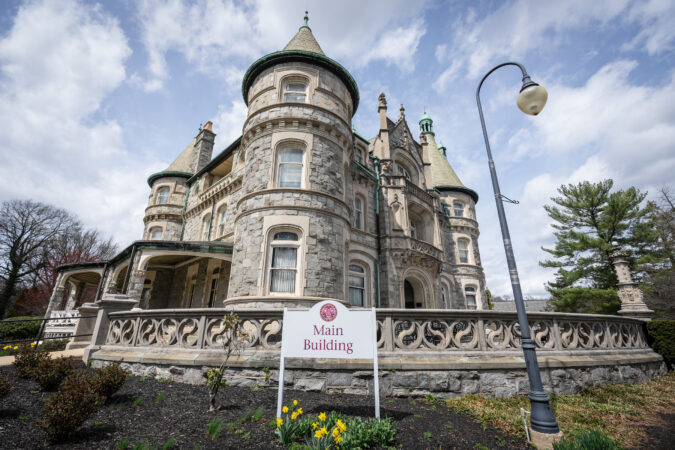
Rosemont College’s accrediting body has asked the school for information on its student records and finances and policies “to ensure truthfulness in public relations announcements.”
The private, suburban liberal arts college has until Tuesday to submit a report to the Middle States Commission on Higher Education, according to an announcement on the accrediting body’s website.
Rosemont announced last spring that it was planning to close for good in 2028 and that nearby Villanova University is purchasing its campus. The college’s enrollment for thefall semester stood at 428, down about 45% from last year.
The freshman class of 21 students is just a quarter of the size of last year’s first-year enrollment. And it will be the last freshman class to enter the 104-year-old Catholic college.
It’s unclear what prompted Middle States to ask Rosemont for the report; the body doesn’t elaborate on its posted actions. Rosemont President Jim Cawley did not respond to a request for comment.
The questions are a likely indicator that more action is coming, which could be as basic as accepting the college’s report, or could be more serious, such as an accreditation warning. Colleges need accreditation to keep their students eligible for federal aid.
Middle States also asked Rosemont to provide evidence of “fair and transparent policies and procedures regarding the evaluation and acceptance of transfer credits, policies and procedures for the safe and secure maintenance and appropriate release of student information and records, including student athletics” and “full disclosure and financial information … that includes realistic enrollment and budget projections and the assumptions on which they are based, is adequate to support educational purposes and programs.”
The college in 2022 received a warning from the commission that its accreditation could be in jeopardy because it did not appear to be meeting requirements around planning, budget and academic assessment. But in 2023, the warning status was removed and the school’s accreditation was reaffirmed through 2028-29.
It could become increasingly challenging for the school to operate as it enrolls fewer students each year until its closure. Another hit could come next year, when NCAA sports are discontinued and more athletes may transfer. Under the merger agreement, Rosemont is expected to receive some financial support from Villanova through 2028.
Rosemont was one of 13 colleges The Inquirer examined in 2024 and found was in poor financial health, using an index developed by a finance executive at a small college in Illinois. The school had reported operating losses for five straight years through June 2023.
A disabilitywatchdog group has closed its investigation into child abuse in the autistic support program at a Central Bucks elementary school.
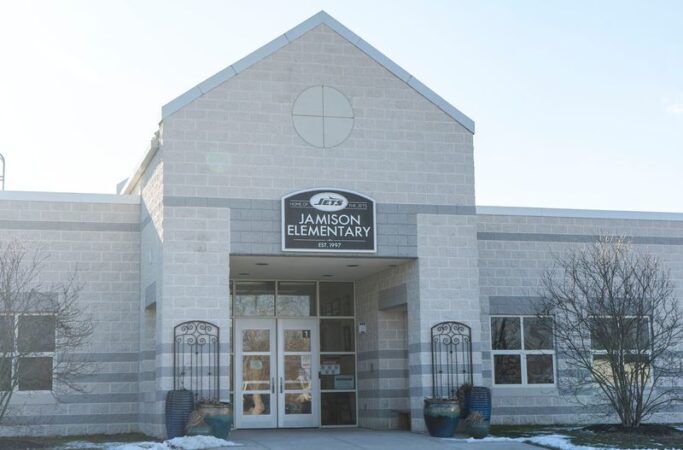
The group,Disability Rights PA, published an April 2025 report finding that students were abused at Jamison Elementary School and administrators failed to adequately investigate, setting off a firestorm of district investigations, terminations, and lawsuits.The group visited the elementary school in November and noticed improvements to district practices, policies, and personnel,according to a Dec. 19 letter from Andrew Favini, the organization’s staff attorney, to Central Bucks officials. They then closed the investigation.
In the wake of the initial Disability Rights report, Central Bucks fired former Superintendent Steven Yanni and former Jamison principal David Heineman.Gabrielle McDaniel and Rachel Aussprung, the teacher and education assistant in the classroom who allegedly abused students, have also been terminated, the district said.
During the Novembervisit, Disability Rights PA found “no new reports of abuse and neglect” after conducting interviews with district staff that teach in or provide support to autistic support classrooms, according to the letter.
The organization also interviewed new Jamison principal Lauren Dowd and assistant principal Dave Filson, who, according to Favini, appeared “earnest and sincere.” The administrators shared that they spent “significant time” in the autistic support classrooms and that there is new training on mandatory reporting for child abuse and using restraints in classrooms.
“The changes presented to DRP during the November 21, 2025, visit were substantial and emphasized a focus and dedication to improving the autistic support programs,” Favini wrote in the letter.
A spokesperson for Central Bucks also said the district’s pupil services program will be audited by the Center for Applied Research and Educational Improvement at the University of Minnesota.
The evaluation will, among other things, identify areas for improvement and will focus on staffing, student outcomes, and conformity with state regulations, the spokesperson said.
“The district and school board are committed to continuous improvement and pursuing and implementing multiple strategies to support this effort in all areas,” interim Superintendent Charles Malone said in a statement Monday.
The April Disability Rights PAreport found that McDaniel and Aussprung illegally restrained students in an autistic support classroom and did not report the use of restraints to the Pennsylvania Department of Education. They noted that students also observed or experienced demeaning treatment, nudity, and neglect.
Room 119, the center of Disability Rights PA’s investigation, is no longer being used as an autistic support classroom at Jamison, Favini wrote in his letter. The class that would typically be in 119 has been relocated to another nearby roomthat administrators can more directly access.
While the disability rights watchdog has closed its investigation, Favini noted in the letter that the district must continue to amend necessary policies and “support its staff with heightened awareness of the District’s history.”
“As always, even though the investigation is closed, DRP will remain vigilant regarding reports of abuse within Central Bucks School District; we anticipate the District will do the same,” Favini wrote.
Yanni’s appeal in Bucks County Court of Common Pleas and Wright’s federal lawsuit are still pending, while the stateDepartment of Education has not yet made a decision in Heineman’s appeal.
Staff writer Abraham Gutman contributed to this report.
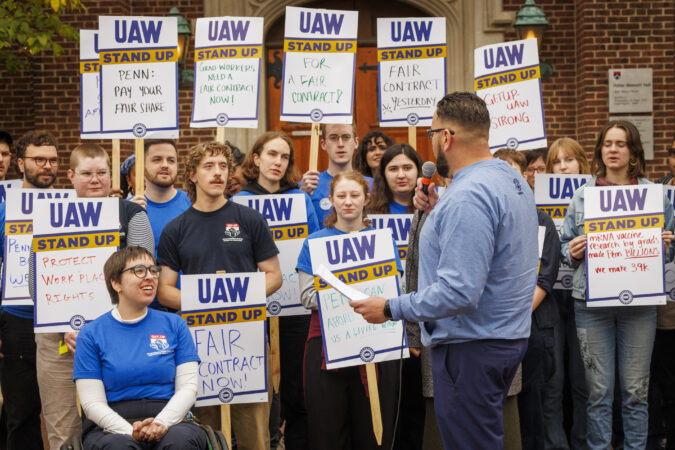
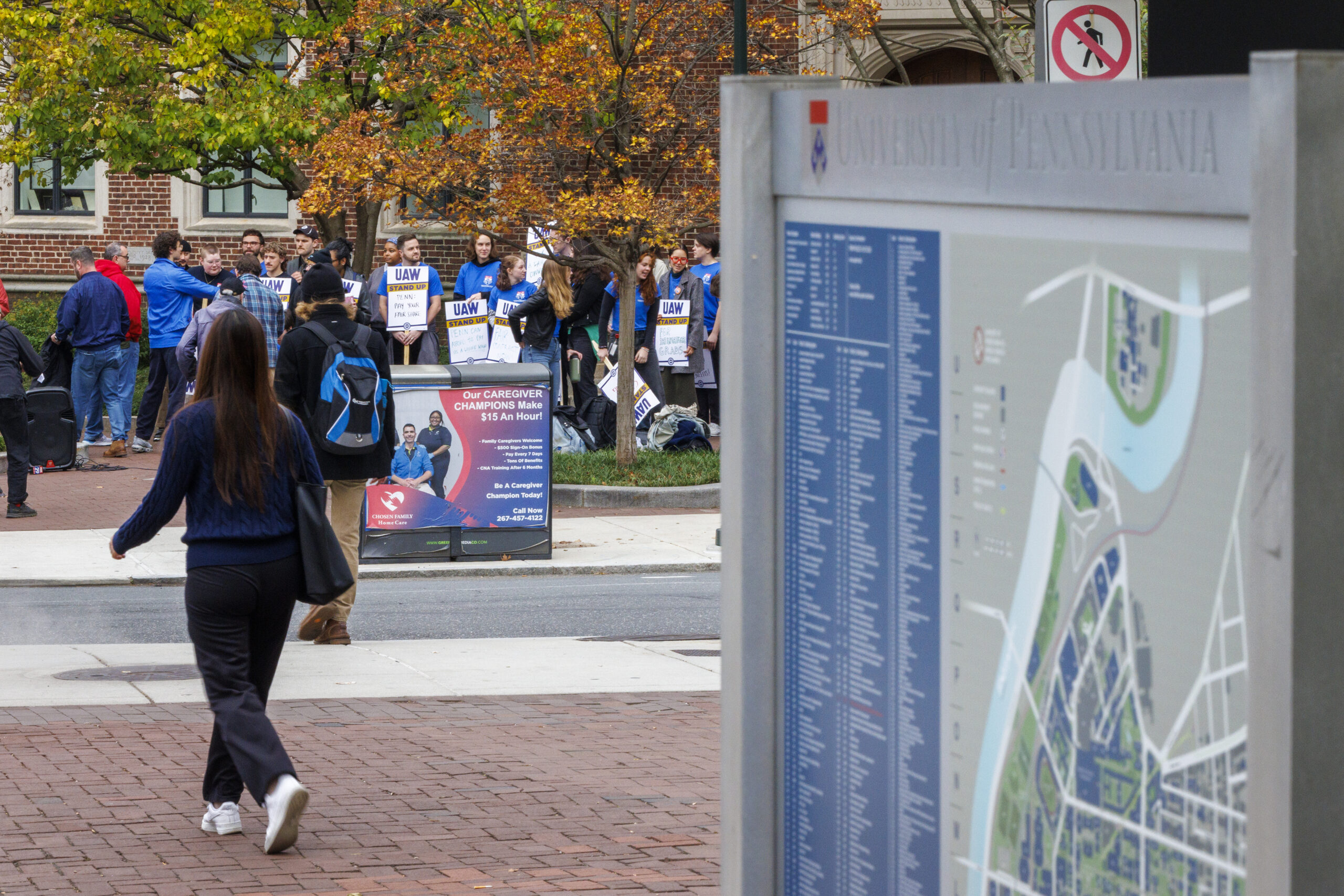
The union that represents about 3,400 University of Pennsylvania graduate student workers says they will go on strike Feb. 17 if they do not reach a contract deal with the university by then.
“We love our jobs, but Penn’s administration is leaving us no choice but to move forward with a strike,” said Nicolai Apenes, a Ph.D. candidate and research assistant in immunology, in a statement shared by the union Tuesday. “We are ready to stand up and demand that our rights are respected.”
Penn’s graduate student workers voted to unionize in 2024. The union has been negotiating with the university since October 2024 for a first contract, and some tentative agreements have been reached on a number of issues.
Sticking points in bargaininginclude wages, healthcare coverage, and more support for international student workers.
In November the teaching and research assistants voted to authorize a strike if called for by the union, which is known as Graduate Employees Together-University of Pennsylvania (GET-UP) and is part of the United Auto Workers (UAW).
A spokesperson for the University of Pennsylvania said in a statement Tuesday that Penn has engaged in good faith negotiations with the union, and has reached 23 tentative agreements through 39 bargaining sessions with additional sessions planned.
“We believe that a fair contract for the Union and Penn can be achieved without a work stoppage, but we are prepared in the event that the Union membership strikes,” said the Penn spokesperson. “Efforts are underway to ensure teaching and research continuity, and the expectation is that classes and other academic activities will continue in the event of a strike.”
“While we hope that Penn comes to the table and negotiates a fair contract for these essential workers, we know that these workers are a powerful force that Penn cannot break,” said Daniel Bauder, Philadelphia AFL-CIO president, in a statement Tuesday. “We are proud to stand with them and the broader Coalition of Workers at Penn as they fight the biggest employer in the region and bring union power to the University of Pennsylvania.”
The region has also seen a couple other university strikes in recent years. In 2023 graduate workers at Temple University walked off the job for 42 days amid contract negotiations, and in a separate action at Rutgers University, educators, researchers, and clinicians went on strike for a week.
University of Pennsylvania graduate students hold a press conference and rally calling for a strike vote against the university at the corner of South 34th and Walnut Street, Monday, Nov. 3, 2025.
Crystal Edwards didn’t see a dentist until she had a deep cavity at age 10: growing up in a struggling Philadelphia family, the resources to access dental checkups just weren’t there.
So she jumped atthe opportunity to locate a dental clinic in the school where she is now principal, W.D. Kelley, a K-8 in North Philadelphia.
“This dental clinic is saving lives,” said Edwards.
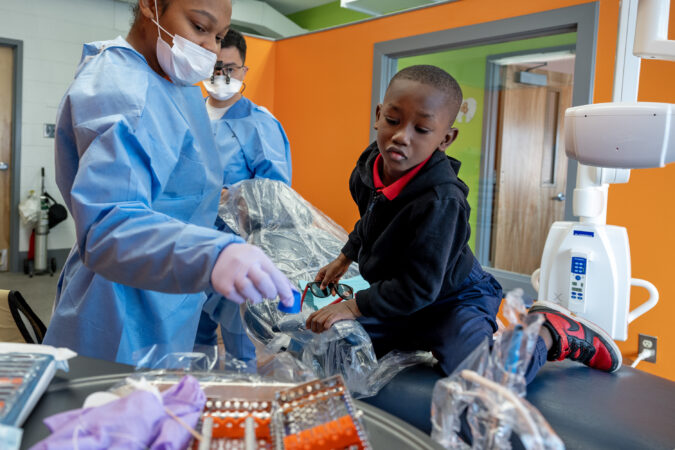
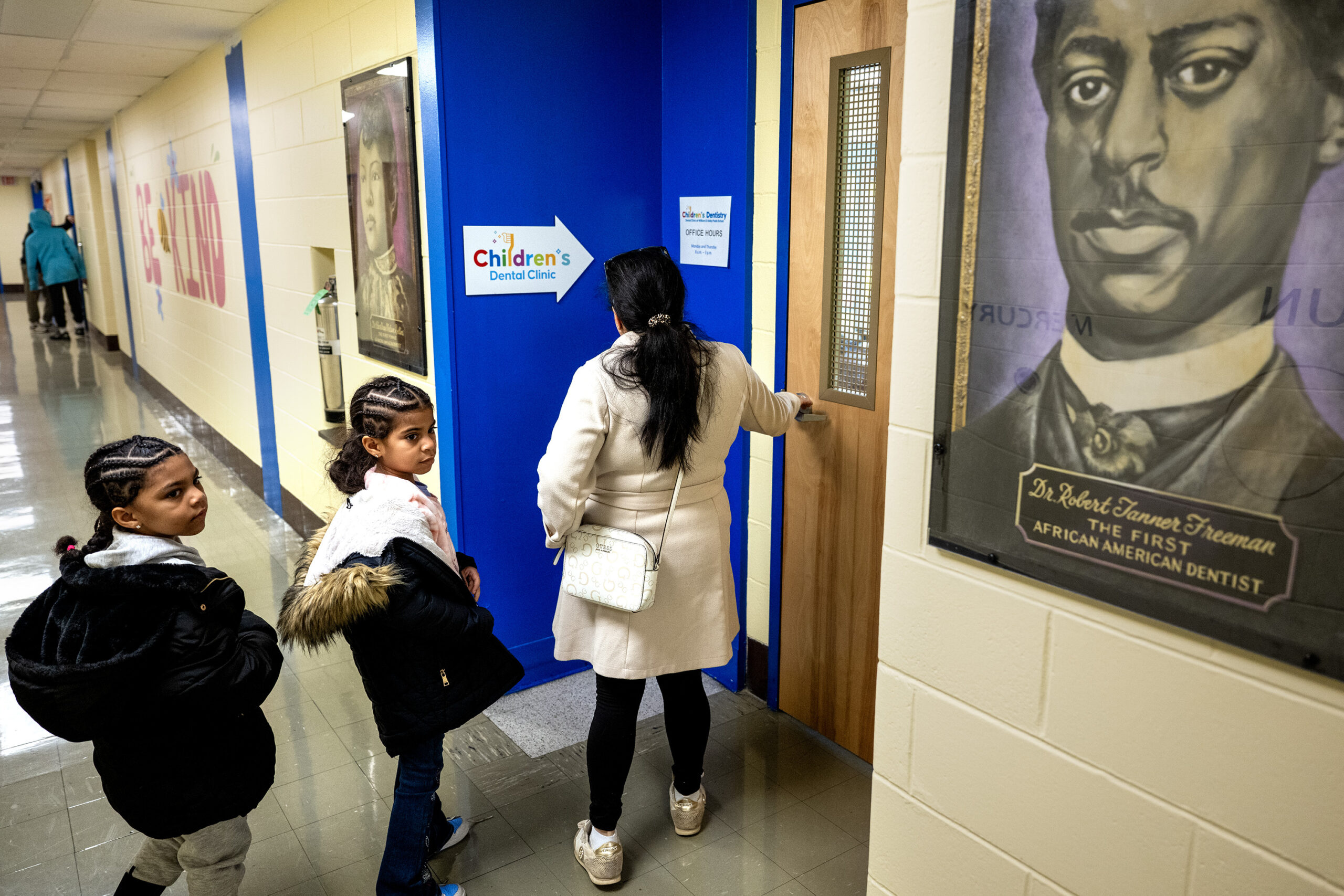
Tucked into a converted science lab on the school’s third floor, the Dental Clinic at William. D. Kelley, operated by Temple University’s Maurice H. Kornberg School of Dentistry, is nearing its third year of operation. It is open to all Philadelphia children, including those who do not attend Kelley, regardless of insurance status.
School district officials have pointed to the Kelley clinic as a model as it prepares to make facilities master plan decisions,which will result in closing, combining, and reconfiguring some school buildings. The clinic is an example, they say, of how the system could use available space in some of its schoolsfor public good.
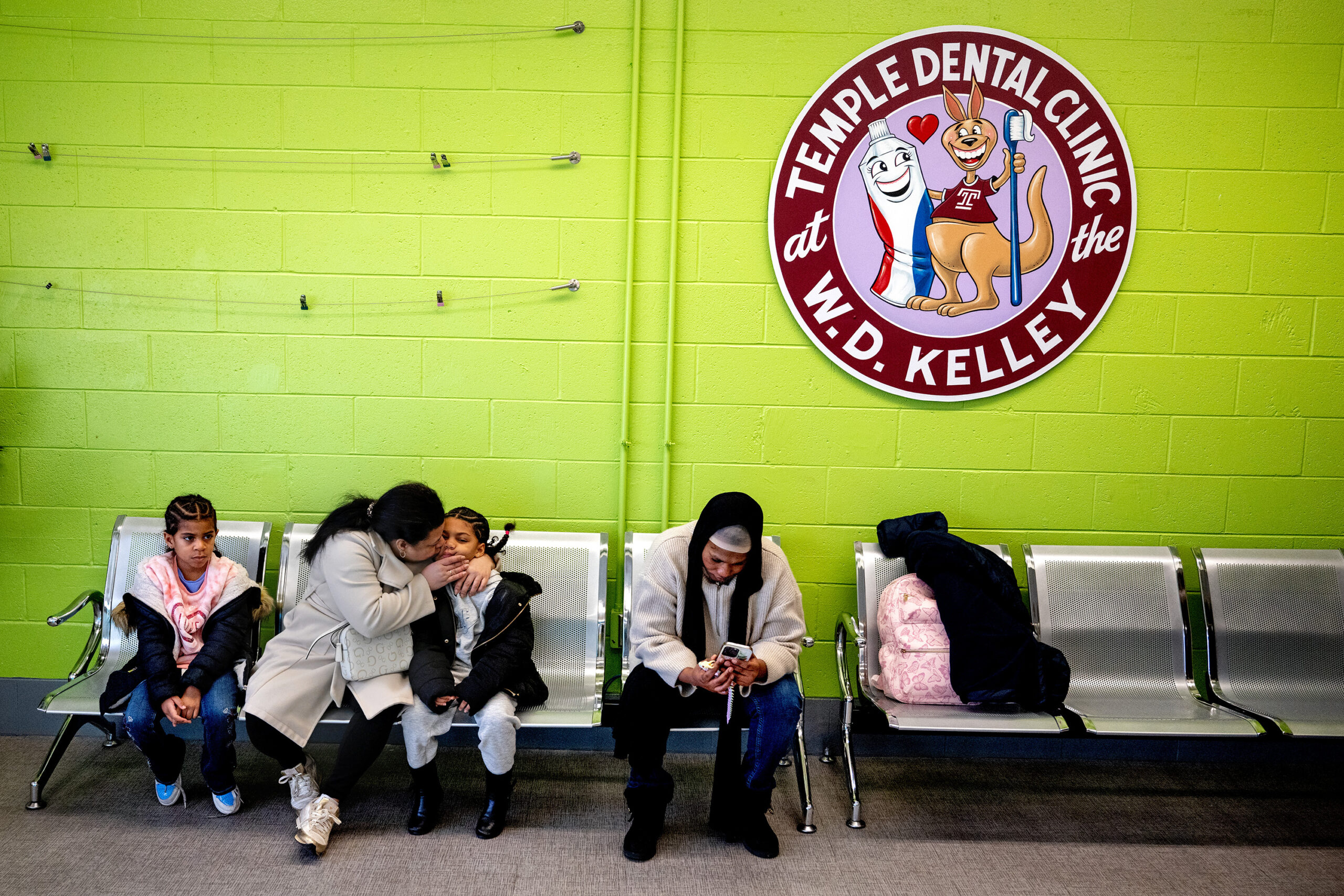
Soribel Acosta arrives at the Dental Clinic at William D. Kelley public school on Thursday, with her children, Andrea Jimenez (left), 6. And Sayra Jimenez, 7.
“This is certainly a great example of what can happen when a university partners with a school district to create life-changing opportunities and outcomes for young people,” Superintendent Tony B. Watlington Sr. said in a statement in 2023, when the clinic opened.
Temple dental school officials said more clinics could follow elsewhere in the city.
Taking care of every child
The underlying concept is simple, said Eileen Barfuss, the Temple dental professor who leads the clinic.
“If your tooth hurts, if you’re not feeling well, you’re not going to learn,” said Barfuss. “In the past, there have been a lot of barriers to care for dentistry that weren’t there for medicine, but preventative care is so important so it doesn’t get to the point of pain.”
The clinic accepts all comers, including those who are uninsured or underinsured, and sometimes treats students’ parents. (Most, but not all, patients have Medicaid dental, and grants help cover treatmentfor those without insurance.)
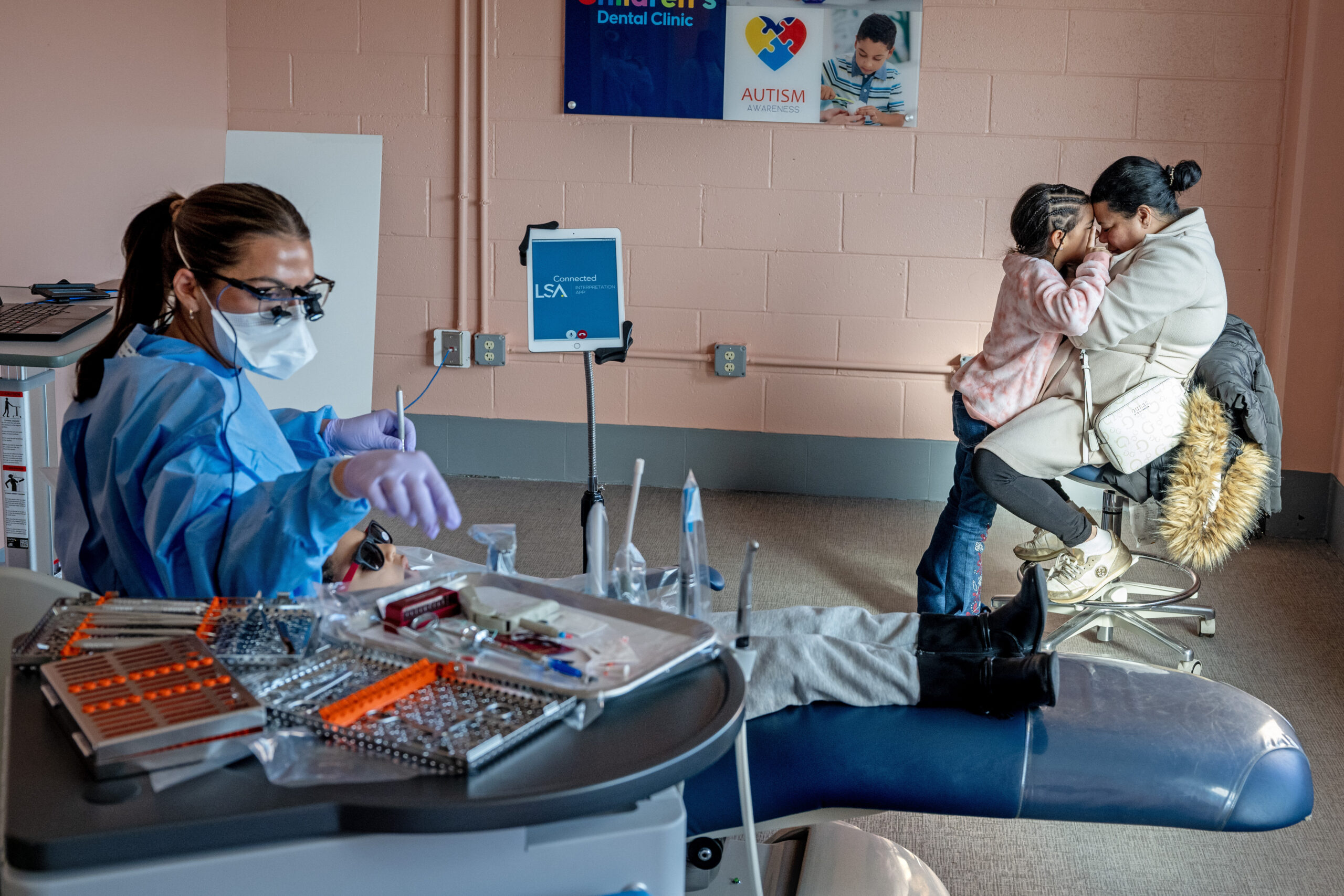
Temple dentistry student Carly Pandit works on the teeth of Andrea Jimenez, 6, as her mother, Soribel Acosta, entertains sister Sayra Jimenez, 7, waiting her turn in the char at the dental clinic at William D. Kelley public school on Thursday.
“We try to take care of every child in the Philadelphia School District,” said Barfuss. “There’s a place that they can come and get comprehensive care and establish a dental home.”
To date, the clinic has seen nearly 700 patients, some of whom are repeat visitors. Patients are treated both by Barfuss and dental students she supervises.
Students do come from other schools to the clinic; Barfuss said her team does outreachat community events andspreads the word through the district’s school nurses, who often send patients to the clinic. And staff teach lessons in Kelley classrooms on oral health andthe importance of seeing a dentist twice a year.
Being in a school helps normalize the dentist for many kids, who might poke their heads into the clinic to look around andsee the friendly dental staff in their scrubs in the hallways, Barfuss said.
‘This is a good dentist’
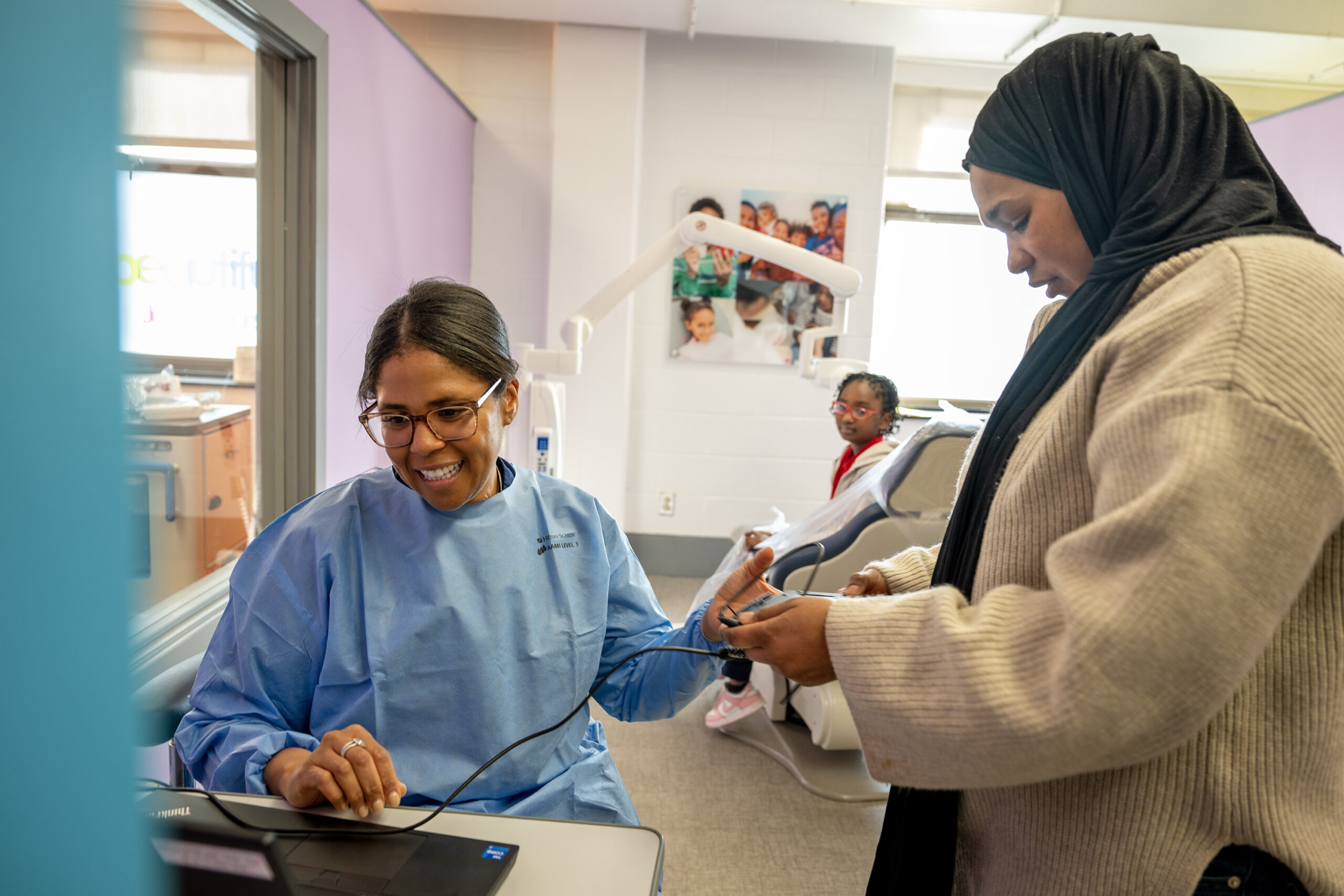
On Thursday, Fatoumata Bathily, a fourth grader with pink glasses and a bright smile, swung her legs down from a Kelley clinic dentist chair after a successful checkup.
Eileen K. Barfuss (left), a pediatric dentist and Temple dentistry instructor consults with Fily Dramera after her daughter Fatoumata Bathily (rear), 9, was seen by a Temple student dentist at the Dental Clinic at William D. Kelley public school on Thursday.
“It’s good here,” said Fatoumata, who attends nearby Robert Morris Elementary, and came for preventive care along with her brother, Abubakr. “This is a good dentist. I like that it’s colorful, and the people are nice.”
Amid Ismail has wanted to bring such a model to the city since he became dean of Temple’s dental school in 2008. Decades ago, some schools offered dental care via city services, but as funding dried up, those clinics went away, Ismail said.
Ismail raised the idea of a Temple-district partnership, but it took several years to get off the ground. Edwards, an award-winning principal who takes pride in bringing the community into Kelley, got the vision intuitively, he said.
Temple paid to transform a large science lab into the dental clinic; the district provides the space and does not charge rent. There are four chairs, including one in a space specifically designed for patients with autism who might need a quieter environment and more room. Rooms are bright and modern.
“The message to the parents and caregivers is that this is a nice place where all treatment is provided,” Ismail said. “A lot of children do have dental problems, but here we can treat them easily — they miss one class, max, and they don’t have to stay a long time.”
Soribel Acosta waits for their appointment with her children, Sayra Jimenez (left), 7; and Andrea Jimenez (right), 6, at the Dental Clinic at William D. Kelley public school on Thursday.
The clinic, which is about to celebrate its third anniversary, just expanded its schedule — it’s open four days a week, and officials eventually hope it will be open five days.
Edwards fought for the clinic to come to Kelley, and it’s been just the boon she had hoped, she said.
“This is a historic community that was really devastated and hard hit by the crack and drug pandemic,” said Edwards. “The dental office has really given us leverage on how to serve the community better.”
A New Jersey school resource officer has been charged with misconduct and child endangerment after an altercation with a juvenile in 2024, Gloucester County prosecutors said.
Charles P. Rudolph, 51, of Franklinville, was indicted on second-degree official misconduct and second-degree endangering, abusing, or neglecting a child on Wednesday, according to the Gloucester County Prosecutor’s Office.
Both counts carry a maximum sentence of 10 years in state prison.
Prosecutors say that while employed as a school resource officer, on behalf of the Gloucester County Sheriff’s Office, Rudolph “forcefully pushed” a juvenile’s neck, face, and chest onto a table while the juvenile was handcuffed during an incident that occurred on Dec. 19, 2024.
Officials did not release moreinformation on the incident that led to the altercation between Rudolph and the juvenile, any identifying details about the child,or the school where Rudolph worked.
The Gloucester County Sheriff’s Office declined to comment on the case.
Rudolph’s lawyer could not be reached for comment.
A court appearance is preliminarily scheduled for Feb. 5, according to prosecutors.
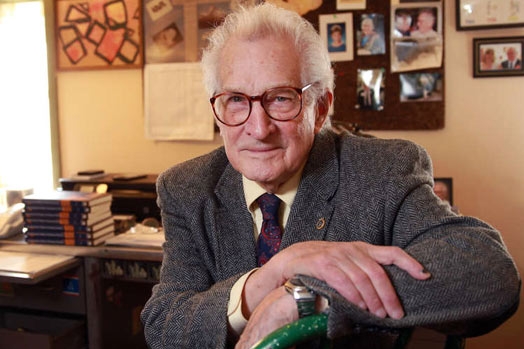
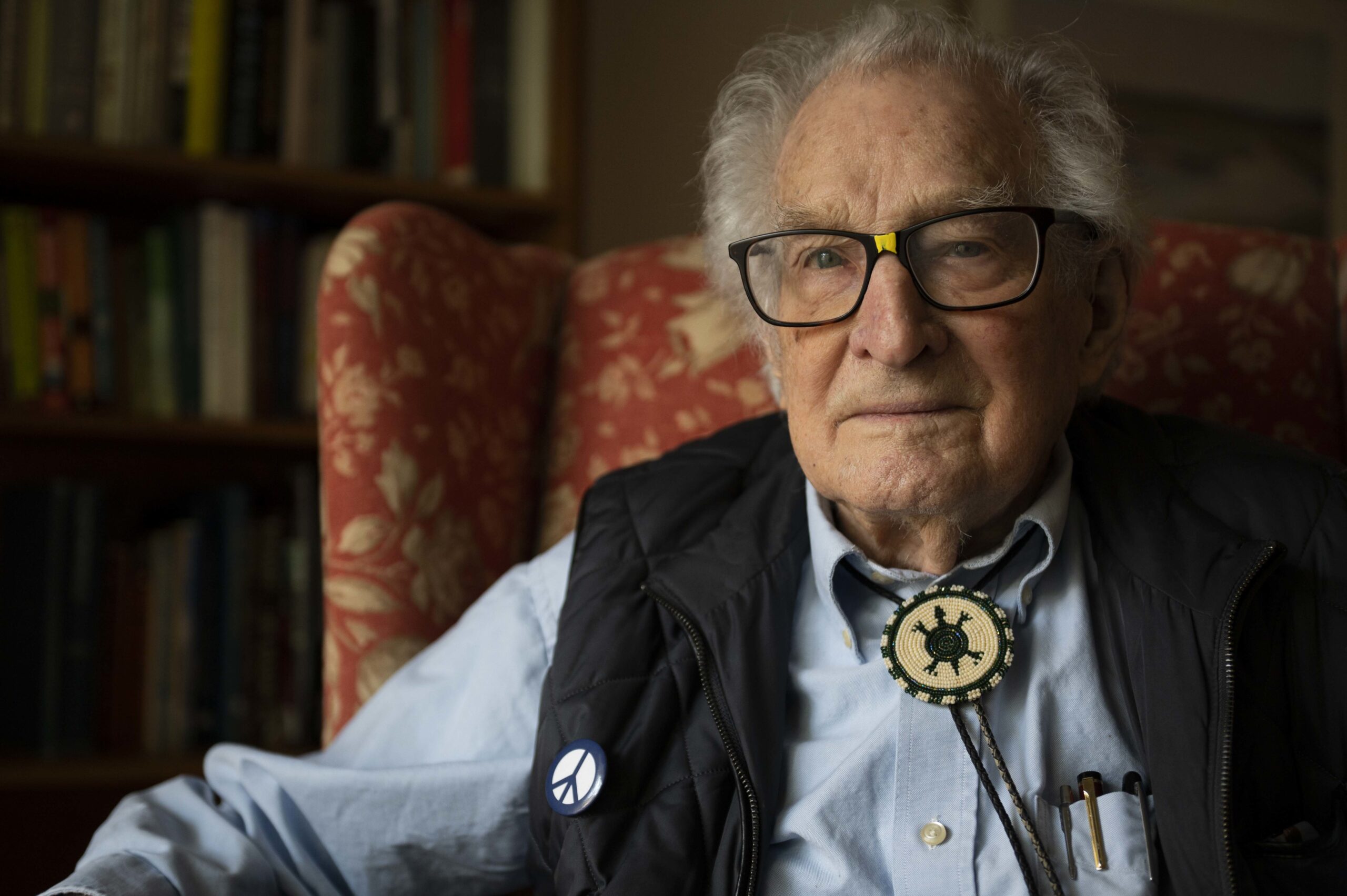
Kenneth W. Ford, 99, of Gwynedd, Montgomery County, theoretical physicist who helped develop the hydrogen bomb in 1952, university president, college professor, executive director, award-winning author, and Navy veteran, died Friday, Dec. 5, of pneumonia at Foulkeways at Gwynedd retirement community.
Dr. Ford was a 24-year-old physics graduate student at Princeton University in 1950 when he was recruited by a colleague to help other scientists covertly build a hydrogen bomb. “I was told if we don’t do it, the Soviet Union will,” Dr. Ford told The Inquirer in 2023, “and the world will become a much more dangerous place.”
So he spent one year at the Los Alamos National Laboratory in New Mexico and another back at Princeton, creating calculations on the burning of the fuel that ignited the bomb and theorizing about nuclear fission and fusion. The H-bomb was tested in 1952.
Dr. Ford’s expertise was in nuclear structure and particle and mathematical physics. He and Albert Einstein attended the same lecture when he was young, and he knew Robert Oppenheimer, Fredrick Reines, John Wheeler, and dozens of other accomplished scientists and professors over his long career.
He came to Philadelphia from the University System of Maryland in 1983 to be president of a startup biotech firm. He joined the American Physical Society as an education officer in 1986 and was named executive director of the American Institute of Physics in 1987.
“He always seemed to be the head of something,” his son Jason said.
He retired from the AIP in 1993 but kept busy as a consultant for the California-based Packard Foundation and physics teacher at Germantown Academy and Germantown Friends School. Michael Moloney, current chief executive of the AIP, praised Dr. Ford’s “steady and transformative leadership” in a tribute. He said: “His career in research, education, and global scientific collaboration puts him among the giants.”
As president of the New Mexico Institute of Mining and Technology from 1975 to 1982, Dr. Ford oversaw improvements in the school’s enrollment, faculty, budget, and facilities. He “was an accomplished researcher, scholar and teacher,” Michael Jackson, interim president of New Mexico Tech, said in a tribute, “a techie through and through.”
Dr. Ford wrote “Building the H Bomb,” and it was published in 2015.
Before Philadelphia, he spent a year as executive vice president of the University System of Maryland. Earlier, from 1953 to 1975, he was a researcher at Indiana University, physics professor at Brandeis University in Massachusetts and the University of Massachusetts, and founding chair of the department of physics at the University of California, Irvine.
Officials at UC Irvine said in a tribute: Dr. Ford “leaves an enduring legacy as a scientist, educator, and institution builder. … The School of Physical Sciences honors his foundational role in our history and celebrates the broad impact of his distinguished life.”
He told The Inquirer that he hung out at the local library as he grew up in a Kentucky suburb of Cincinnati and read every book he could find about “biology, chemistry, geology, you name it.” He went on to write 11 books about physics, flying, and building the H-bomb.
Two of his books won awards, and 2015’s Building the H Bomb: A Personal History became a hit when the Department of Energy unsuccessfully tried to edit out some of his best material. His research papers on particle scattering, the nuclear transparency of neutrons, and other topics are cited in hundreds of publications.
Dr. Ford was a popular professor because he created interesting demonstrations of physics for his students.
In 1976, he earned a distinguished service citation from the American Association of Physics Teachers. In 2006, he earned an AAPT medal for notable contributions to the teaching of physics.
He was the valedictorian at Phillips Exeter Academy in New Hampshire in 1944. He served two years in the Navy and earned a summa cum laude bachelor’s degree in physics at Harvard University and his doctorate at Princeton in 1953.
In 1968, he was so opposed to the Vietnam War that he publicly declined to ever again work in secret or on weapons. “It was a statement of principle,” he told The Inquirer.
Kenneth William Ford was born May 1, 1926, in West Palm Beach, Fla. He married Karin Stehnike in 1953, and they had a son, Paul, and a daughter, Sarah. After a divorce, he married Joanne Baumunk, and they had daughters Caroline and Star, and sons Adam and Jason. His wife and former wife died earlier.
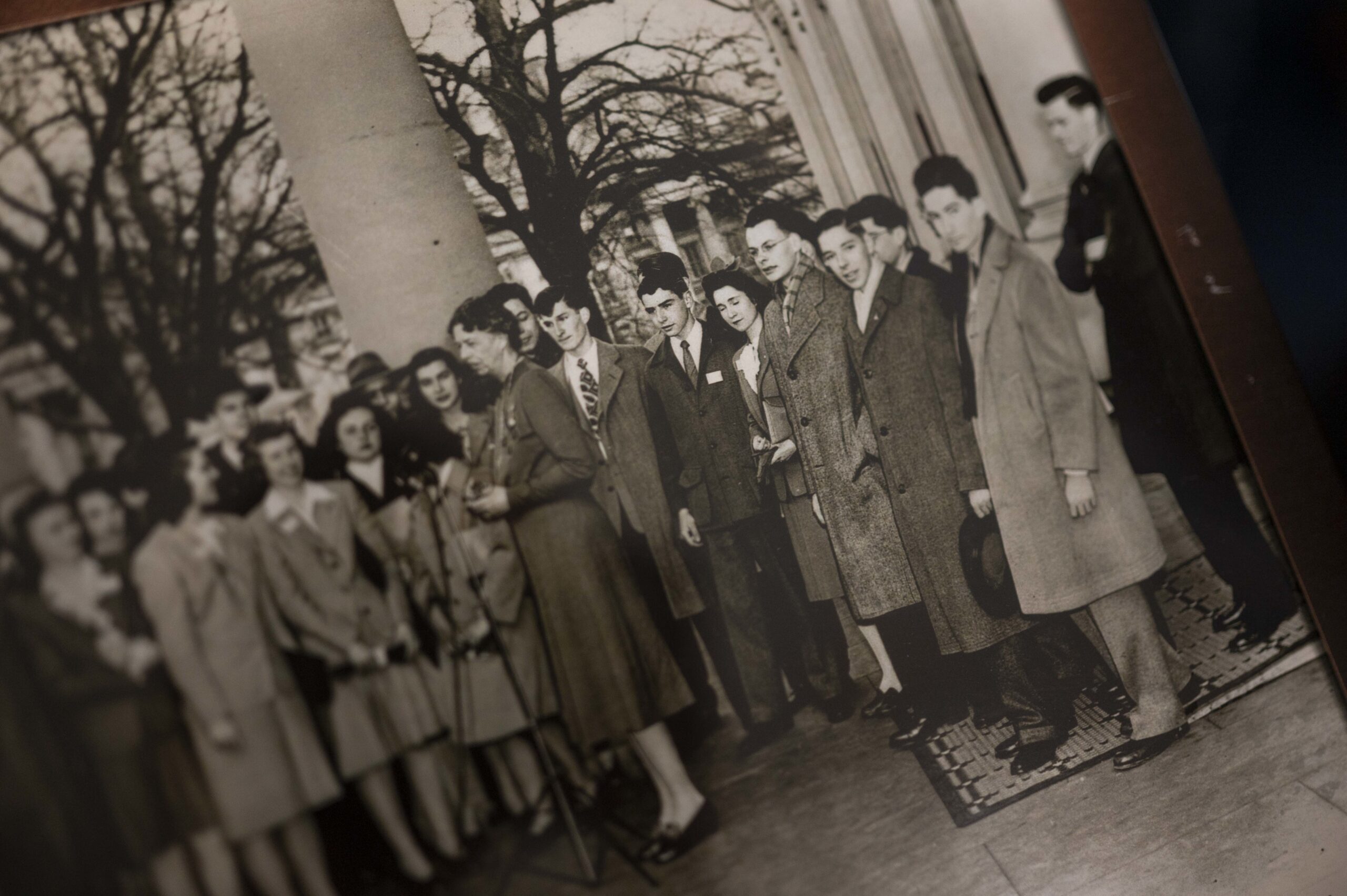
This photo shows Dr. Ford (center) and other students listening to former First Lady Eleanor Roosevelt speak in 1944.
Dr. Ford lived in University City, Germantown, and Mount Airy before moving to Foulkeways in 2019. He was an avid pilot and glider for decades. He enjoyed folk dancing, followed the Eagles closely, and excelled at Scrabble and other word games.
He loved ice cream, coffee, and bad puns. He became a Quaker and wore a peace sign button for years. Ever the writer, he edited the Foulkeways newsletter.
In 2023, he said: “I spent my whole life looking for new challenges.” His son Jason said. “He found connections between things. He had an active mind that went in all different directions.”
In addition to his children, Dr. Ford is survived by 14 grandchildren, a great-grandson, a sister, a stepdaughter, Nina, and other relatives.
Services are to be from 2 to 4:30 p.m., Saturday, Jan. 24, at Foulkeways at Gwynedd, 1120 Meetinghouse Rd., Gwynedd, Pa. 19436.
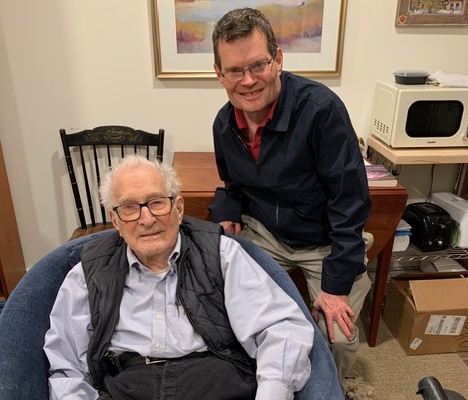
Dr. Ford and his son JasonDr. Ford wore a peace sign button for years.
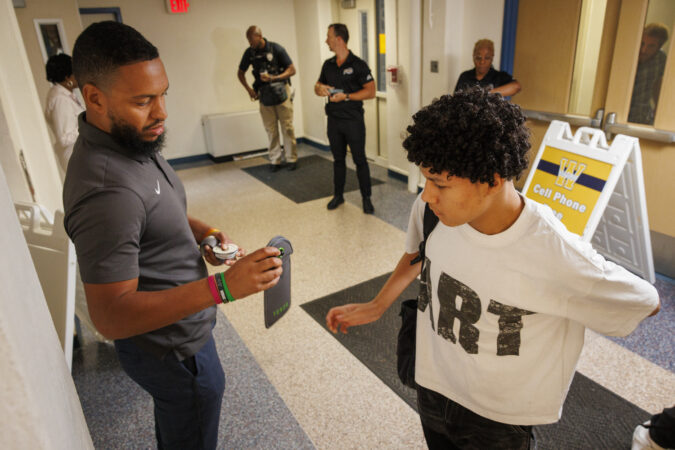
Gov. Phil Murphy signed a law Thursday banning cell phones in New Jersey public schools from “bell to bell”in an effortto help students focus on learning.
During a bill-signing event at Ramsey High School in Bergen County, Murphy said the law would promote improved academic performance and student mental health.
“By getting rid of needless distractions, we are fundamentally changing our schools’ learning environments and encouraging our children to be more attentive and engaged during the school day,” Murphy said. “This is a sensible policy that will make a world of difference for our children.”
Murphy, who said he refrains from bringing his phone into meetings, borrowed a phone to use as a propfor the news conference because his was locked in his car.
“That will be locked up until I’m no longer governor,” said Murphy, who leaves office Jan. 20.
The bill was heavily endorsed by principals and teachers, who said valuable instruction time is lost when they have to direct students to put away the devices during class.
Experts say cell phones have become a growing distraction and hinder learning. Students have been using their phones to text friends and even towatch movies during class. The devices have also been used for cyberbullying.
Bans will not go into place in schools around the state, however, until next school year.The law requires the state Department of Education to develop guidelines for districts to draft polices restricting the use of cell phones and devices by students in classrooms and during the school day.
Local school boards that operate more than 600 districts across the state must then adopt a new policy. The law takes effect for the 2026-2027 school year.
Many districts in South Jersey, including Cherry Hill, Deptford, Moorestown, Washington Township, and Woodbury, already restrict cell phone use in classrooms, but the policies have not been consistently enforced and punishments vary. Some require students to store their phones in lockers all day, while others allow phones during lunch and breaks.
Some districts only require students to keep their phones turned off, while others provide locations for the devices to be stored during the school day.
Under the bell-to-bell approach of the new state law, students will not be permitted toaccess their phones for the entire school day.
Lianah Carruolo, a seventh-grade student at Woodbury Junior-Senior High School, unlocks her cell phone pouch in September 2024.
Woodbury Superintendent Andrew Bell said a cell-phone-free campus policy at Woodbury Senior High School has drastically changed the culture. There are fewer disciplinary issues and students interact more with classmates and teachers, he said.
“Students are noticeably happier, engaged and present in their classrooms, and connected to one another,”said Dwayne Dobbins Jr., acting co-principal of Woodbury Junior-Senior High School.
What happens next?
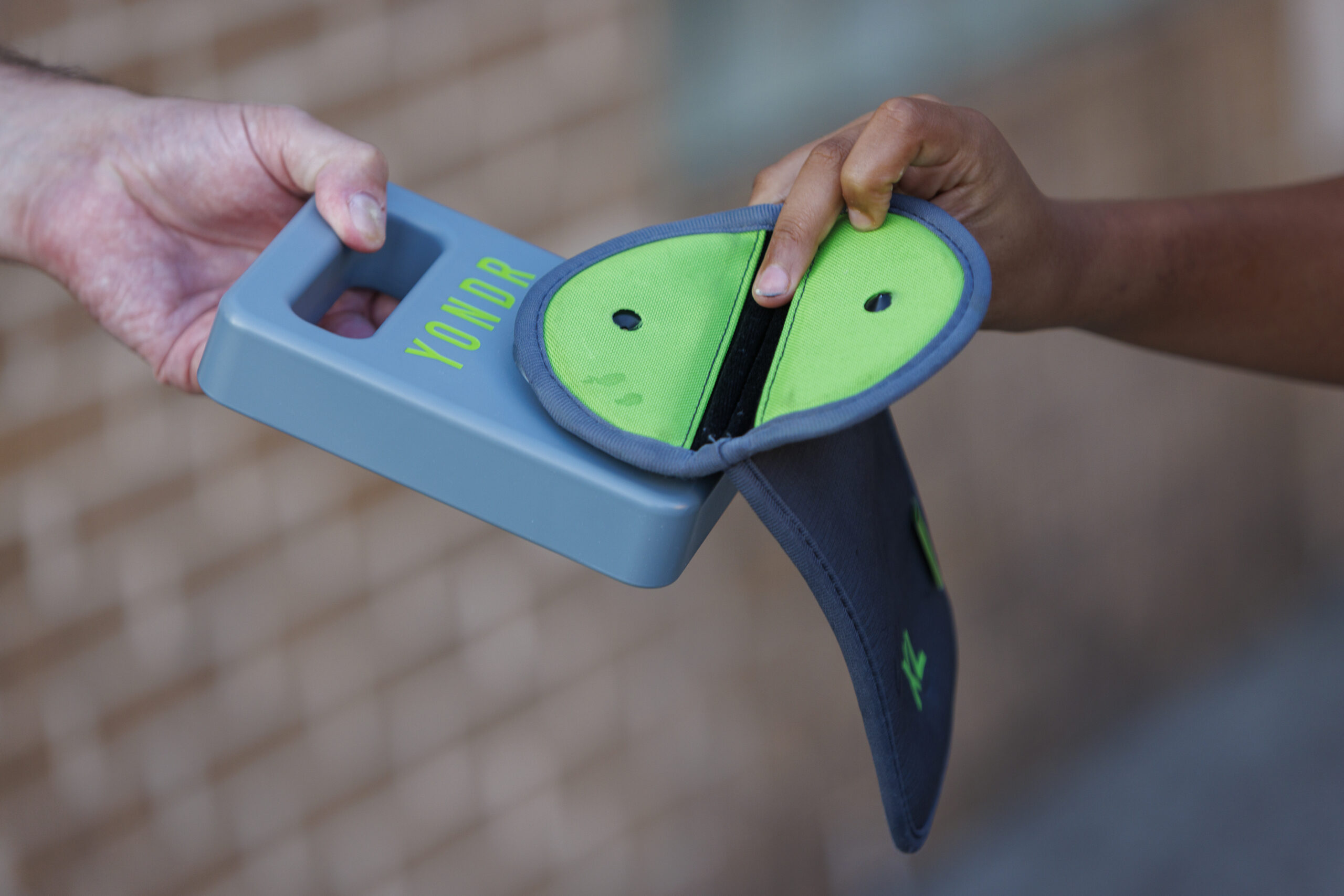
Districts must adopt policies restricting cell phones during the entire school day. That may require students to lock up the devices when they arrive or secure them in locked pouches.
In South Jersey, 12 districts in Burlington, Camden, and Gloucester Counties received grants. The grant amounts varied depending on the size of each district.
window.addEventListener(“message”,function(a){if(void 0!==a.data[“datawrapper-height”]){var e=document.querySelectorAll(“iframe”);for(var t in a.data[“datawrapper-height”])for(var r,i=0;r=e[i];i++)if(r.contentWindow===a.source){var d=a.data[“datawrapper-height”][t]+”px”;r.style.height=d}}});
Gloucester City Superintendent Sean Gorman said his district used a $10,823 grant to install cabinets in classrooms where students in grades 7-12 must lock up their devices when they arrive for homeroom. Younger students are instructed to leave the devices at home, he said.
“We know it’s right for kids,” Gorman said. “If you let them bury their head in their phone for a good portion of the day they will.”
Other districts, like Woodbury, have opted to use locked pouch systems to store students’ phones. They retrieve their phones at the end of the day.
Some parents have expressed concern that they will not be able to reach their children, especially in the event of an emergency. School officials say parents will still be able to contact their children through the main office.
There have also been arguments by opponents that states are overreacting with the cell phone bans and that the legislation is unlikely to have the intended impact.
But groups have parents have also mobilized to speak out against cell phone use, circulating pledges to wait until eighth grade or high school to purchase phones for their children.
Are there exceptions to the ban?
Districts will have some flexibility to allow exceptions. For example, some students use their phones for medical conditions such as glucose testing.
Exceptions may also be made for students with individual education plans or IEPs and use devices such as tablets and ear buds as part of their curriculum.
Before the law signed Thursday, some districts allowed students to retrieve their phones during breaks, in the hallways between classes or during lunch. The law no longer permits that.
Will students be penalized?
It will be left to districts to decide how policy violations should be handled. Some districts with policies already have opted for a progressive discipline approach.
Gorman said Gloucester City has had 60 violations at its high school since the new policy took effect in September, down from 130 the previous year. The school has 731 students.
First-time offenders are given a two-day, in-school suspension and their phone is confiscated, Gorman said. A second offense gets a four-day, in-school suspension; three-time offenders are given a three-day, out-of-school suspension and remanded to an alternative program, he said.
Gorman said students have largely accepted the policy. The school has had fewer disciplinary problems and conflicts typically escalated through text messages have decreased, he said.
“We barely had any repeat offenders,” Gorman said.
WASHINGTON — A federal judge has temporarily blocked the Trump administration’s efforts to remake Head Start, ordering it to stop purging words it associates with diversity, equity and inclusion from grant applications and barring it from laying off any more federal employees in the Office of Head Start.
The order came this week in a lawsuit filed in April against Department of Health and Human Services Secretary Robert F. Kennedy Jr. and other officials. The lawsuit accuses the Trump administration of illegally dismantling Head Start by shutting down federal Head Start offices and laying off half the staff. It also challenges the administration’s attempts to bar children who are in the U.S. illegally from Head Start programs and to ban language they view as suggestive of DEI.
The plaintiff organizations representing Head Start providers and parents said in a court filing last month that officials told a Head Start director in Wisconsin to axe the terms “race,” “belonging” and “pregnant people” from her grant application. They later sent a list with nearly 200 words the department discouraged her from using in her application, including “Black,” “Native American,” “disability” and “women.”
A Health and Human Services spokesperson said he could not comment on the judge’s order.
Head Start, founded six decades ago as part of President Lyndon B. Johnson’s War on Poverty, is an early education and family support program that serves hundreds of thousands of children who come from low-income households, foster homes or homelessness. It is federally funded but operated by nonprofits, schools and local governments.
Joel Ryan, who heads the Washington State Head Start & Early Childhood Education and Assistance Program, said the order halts an attack on Head Start centers.
“When a Head Start program has their funding withheld because of their efforts to provide effective education to children with autism, serve tribal members on a reservation, or treat all families with respect, it is an attack on the fundamental promise of the Head Start program,” Ryan said.
The directive on the forbidden words raised confusion for Head Start directors, who must describe how they will use the money in grant applications and are required by law to provide demographic information about the families they serve. A director in Washington state said in a court filing the guidance led her to cancel staff training on how to support children with autism and children with trauma.
The order from U.S. District Judge Ricardo S. Martinez of Seattle, published Monday, bars Health and Human Services from cutting any more employees and from punishing Head Start providers if they use the prohibited language.
Two new schools are coming to the Philadelphia School District.
Both schools, a K-8 and a high school,district officials said Wednesday, will have resources to help eliminate long-standing achievement and opportunity gaps for kids from underresourced communities.
They’ll be part of the “North Philadelphia Promise Zone,” Superintendent Tony B. Watlington Sr. announced. Watlington said they would be the first schools in the United States to replicate the success of the acclaimed Harlem Children’s Zone, with the blessing of its founder, Geoffrey Canada,who pioneered a model that takes a birth-to-career approach to tackling generational poverty.
Watlington said the schoolswould be “true year-round schools.” They would bring a new approach to the new Philadelphia public schools, where prior attempts to replicate the Harlem Children’s Zone blueprint have shown mixed results.
Harlem Children’s Zone runs charters in New York City, but the proposed Philadelphiaschools will be run by the district using the organization’s educational model,which includes extra resources and a longer school day and school year, as well as extensive social service supports.
Members of the West Philadelphia Marching Orange & Blue perform before Philadelphia Mayor Cherelle L. Parker speaks on the state of Philadelphia schools during a gathering at Edison High School in Philadelphia, Wednesday, Jan. 7, 2026.
“We’re going to be partners in opening these two state-of-the-art schools,” Watlington said at his state of the schools address, held Wednesday at Edison High School in North Philadelphia.
The district has big hopes for the schools, which officials said will be opened in existing Philadelphia school buildings — no new school structures will be involved.
“Not only will they get better, but get better faster than our district average. We’re going to make sure the school is staffed with the very best, most effective principals,” Watlington said. “We’re going to ensure that these schools are staffed with the very best, most effective teachers.”
They will be schools of choice, meaning parents can opt into having their children attend rather than basing enrollment on where students live.
The schools will also pull in Temple University; Watlington said that via the Temple Future Scholars program, “every single one of these graduates from this K-8 and high school” will be college-ready.
Many details were not clear Wednesday, including when the schools will open, what the year-round model will look like, the exact relationship with Harlem Children’s Zone, how the schools will be funded, and who will staff them. The district said it could not give more details immediately.
News of the new schools caught an important partner off guard. Arthur Steinberg, president of the Philadelphia Federation of Teachers, said Watlington’s speech was the first he heard of the initiative.
“Any changes in working conditions must be negotiated with the PFT,” Steinberg said. “We will not agree to anything that requires members to work additional days or hours.”
Watlington said the K-8 school will open first, and he has tapped Aliya Catanch-Bradley, the respected principal of Bethune Elementary in North Philadelphia, to lead the efforts to open the North Philadelphia Promise Zone schools.
Catanch-Bradley said it was too soon to discuss the particulars about the schools, which will be built with significant community involvement.
But, she said, North Philadelphia is a prime location for the cradle-to-career Harlem Children’s Zone model.
“We know that it’s not a food desert, because food… deserts are natural,” she said of North Philadelphia. “It is food insecure by design, right? And so, we now know that you have a resource drought there, to which it’s going to take an intentional pouring of all types of resources to wrap around a community, to help expand and become a very successful ecosystem.”
Philadelphia district officials will take time to study Harlem Children’s Zone, “but also to understand the landscape of Philadelphia, what needs to be augmented to echo the needs of this community,” Catanch-Bradley said.
Mayor Cherelle L.Parker campaignedon the promise of year-round schools, and her administration has put extended-day, extended-year programs into 40 district and charter schools. But those programs are essentially before- and after-care and summer camps, paid for with city funds and offered free to 12,000 students, rather than traditional year-round education.
Harlem Children’s Zone schools have longer school days and longer school years. It’s not clear what form the proposed North Philadelphia Promise Zone schools might take, and how these efforts would differ from prior attempts around the country to replicate the success of the Harlem Children’s Zone. Former President Barack Obama in 2010 highlighted the model and selected20 communities, including Philadelphia, to start “Promise Neighborhood” programs that would improve access to housing, jobs, and education. Those efforts were met with varying degrees of success, and no schools opened in Philadelphia.
Watlington’s new-school announcement capped a two-plus-hour, pep-rally-style event where he and others underscored progress the district has made in the past year — and since the superintendent came to Philadelphia four years ago.
Philadelphia Mayor Cherelle Parker (left), Superintendent Tony B. Watlington Sr. (center), and school board president Reginald Streater during a ceremony on the state of Philadelphia schools at Edison High School on Wednesday.
Other news from the state of Philadelphia schools event
Parker, who led off the event, said she was pleased with the state of schools.
“The school district has continued to make steady and meaningful progress,” Parker said. “Test scores are rising, attendance is rising. Dropout rates are declining, and those gains are real, and they reflect what happens when we invest in our students.”
Parker emphasized her desire to have the city take over a list of abandoned district buildings. The school board took the first step in December, voting to authorize Watlington and his administration to begin negotiating with the city to do just that.
Parker said thatsome of the buildings have been vacant for as long as 30 years. The district has not yet released a list of buildings to consider transferring, but the mayor said it includes at least 20 former schools.
“I want you to be clear about what my goal and objective is,” Parker said. “It’s not OK for me to have 20, 21 buildings consistently vacant, red on the school district’s balance sheet, generating no revenue and not at all working at their best and highest use. We’re going to find a way to do what has never been done in the city of Philadelphia before — develop a plan for those persistently vacant buildings.”
Watlington alsoran down a laundry list of accomplishments, including ongoing fiscal stability and improvementson the National Assessment of Educational Progress, known as the nation’s report card.
He said the district would “retire” its structural deficit completely by 2029-30 though declined to give details.
He and Reginald Streater, president of the city’s school board, said the district still has a ways to go but has made strides. More than half of all district students still fail to meet grade-level standards in reading and math.
But, Watlington said, “I can assure you we’re making progress. We’re going to double down. More for our children, not less. More opportunities, more access, more exposure, more good things to come in 2026.”
A veteran Vineland educator has been named the state-appointed superintendent to oversee the Camden school system, state Education Commissioner Kevin Dehmer announced Wednesday.
Alfonso Q. Llano Jr. was selected after a national search that began in June. He will begin heading the troubled South Jersey school system starting March 1.
He will be the first Hispanic superintendent to lead the district. Demographics in Camden have shifted in recent years, and 56% of its traditional public school students are now Hispanic, 42% are Black, and 1.2% are white.
Dehmer made the long-awaited announcement at the monthly state Board of Education meeting in Trenton. The board unanimously approved the appointment.
“I’m honored for the opportunity to serve the Camden City School District,” Llano said. “Together, we’re going to work through transparency and tough times. We’re going to achieve great things.”
Llano will receive an annual salary of $260,000 under a three-year contract.
In Vineland, he was the highest-paid superintendent in Cumberland County with an annual base salary of $206,000.
Carstarphen and other officials praised Llano’s appointment in a statement released Wednesday. The mayor lauded the state “for identifying someone who will bring meaningful change for Camden’s students.”
“I am confident he will be an excellent leader who prepares our students for the future and always puts our students’ academic interest first,” Carstarphen said.
N’Namdee Nelson, president of the Camden City Advisory School Board, said: “We want to ensure that every child in the school district has access to a great school.”
Others, like former longtime school board member Jose E. Delgado, wished Llano well but were less optimistic. He said the selection of a Hispanic superintendent was “long overdue.”
“He’s stepping into a very dysfunctional environment that will require a wide array of fiscal, administrative, and educational skills,” Delgado said.
The changing educational landscape in Camden poses the biggest challenge. Thousands of students have left the city’s traditional public schools for Renaissance and charter schools, which are publicly funded but privately run and now lead the district’s enrollment.
Camden is the only district in New Jersey with three school types. Charters enroll 3,236 students, and Renaissance schools have 6,664 students.
Last spring, McCombs cited the declining enrollment in part for a $91 million budget deficit. She cut more than 100 positions and laid off teachers and support staff in a massive restructuring.
Camden Education Association president Pamela Clark, who represents more than 1,000 teachers and support staff, said she hopes to meet with Llano soon to discuss concerns about possible layoffs and school closures.
“I will continue to advocate fiercely to protect my members’ jobs and school closures, and I hope the new superintendent brings fairness, transparency, and unity to our city,” she said.
During a meeting in June, the Vineland board was bitterly divided over whether to renew his contract. The board must give six months’ notice if it plans to terminate a superintendent. The motion to not renew it failed, and it was unclear what direction the board would pursue.
In Vineland,Llano oversaw a diverse district of more than 10,200 students enrolled in 16 schools. About 63% of the students are Hispanic, 14% are Black, and 18% are white. About 17.4% of its students are multilingual learners.
Vineland has some of the same issues as Camden schools — low test scores and chronic absenteeism. The majority of the students in the sprawling 68-square-mile community are economically disadvantaged.
Llano also spent 10 years in the Trenton school system, most recently as the interim schools chief for nearly a year prior to moving to Vineland. He previously was the district’s chief academic officer for six months. He also was an assistant superintendent and principal in Trenton.
According to his LinkedIn profile, Llano also had stints in the Readington Township and Howell Township school districts in a career spanning 27 years.
He is pursuing a doctoral degree in education at Seton Hall University. He holds master’s degrees from New Jersey City University and Kean University, and a bachelor’s degree from Rowan University.
Interim State-appointed Camden school Superintendent Davida Coe-Brockington.
Coe-Brockington said Llano’s reputation precedes him and that she was looking forward to working with him to “focus on the progress we’ve made in the district and focus on creating better outcomes for the students and families of Camden City.”
It was unclear Wednesday whether Coe-Brockington would remain in the central office when Llano takes over or return to Creative Arts High School, where she has been principal since it opened in 1999.