Category: Education

  • Three years ago, the school choice debate shut down Harrisburg. Now Democrats are ready to engage.

    Three years ago, the school choice debate shut down Harrisburg. Now Democrats are ready to engage.

    HARRISBURG — Three years after a bitter budget standoff over allowing state funding to be used for private school tuition, top Democrats in Harrisburg are ready to engage on school choice.

    Legislative action and comments from a top House Democrat this week expressing openness to a federal school-choice program marked a notable change from 2023, when a fight over school vouchers put Democratic lawmakers at odds with both Republicans and Gov. Josh Shapiro, a member of their own party.

    The shift comes as Shapiro, who has embraced school choice and is a likely 2028 presidential contender, faces a deadline to opt in to President Donald Trump’s new federal tax credit program.

    House Majority Leader Matt Bradford (D., Montgomery) said this week that some of the uses of Trump’s tax credits, which are opposed by the country’s largest teachers unions, are “intriguing.” And he noted he is proud of some money the state now pours into one of the tax credits to fund private-school scholarships for low-income families in low-achieving districts. Those comments from Bradford, a top leader in Harrisburg, suggested a public softening on an issue that was previously a non-starter for his party — and signaled the school-choice debate may once again factor into state budget negotiations.

    “For our members of our caucus who want to see alternatives for the poorest kids in the poorest schools, we’re being responsive to the needs of those constituents,” he said in an interview, referencing growing support for school choice among some House Democrats, particularly those from Philadelphia.
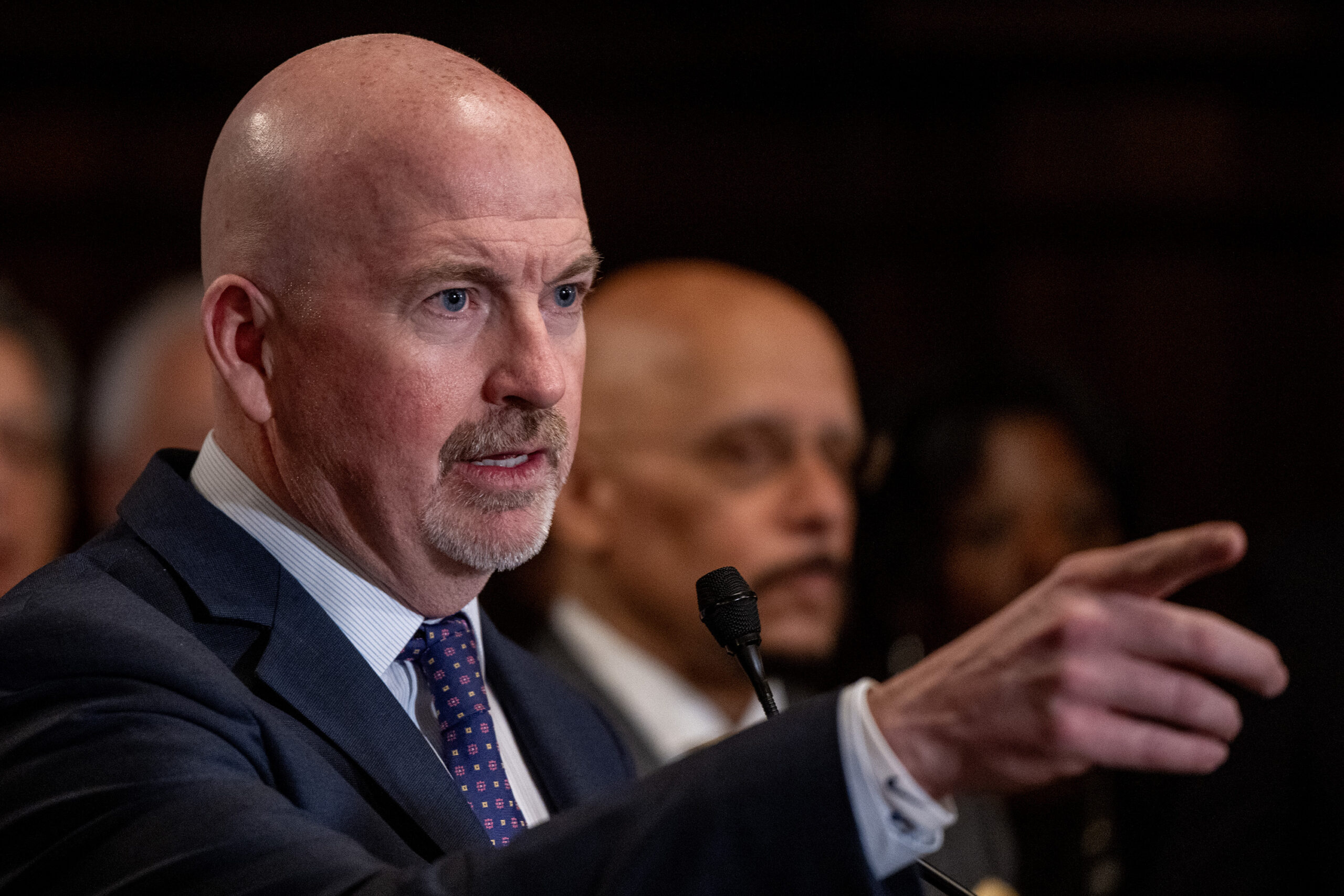
    State Rep. Matt Bradford (D., Montgomery County) during a press conference at the Capitol in Harrisburg Feb. 3, 2026.

    The school-choice movement, a largely Republican-backed effort to allow public dollars to go to private schools, faces strong opposition from education advocates who say such programs can take money from public schools.

    And that debate is sure to continue. Bradford said more oversight — and an overall reform of the current tax credits — is needed to make sure the state tax dollars are actually reaching poor students.

    Earlier this week, House Democrats fast-tracked an overhaul to the state’s current $680 million school-choice tax-credit programs to require additional reporting from private schools in order to secure funding. The legislation is likely to face opposition in the GOP-led Senate, where Republicans on Thursday advanced a $25 million increase to the programs ahead of a June 30 deadline to pass a state budget.

    Senate Republicans called the tax credits a “priority for empowering parents,” while the Archdiocese of Philadelphia said the House bill would be “devastating” to local Catholic schools and lead to fewer scholarships for students.

    A spokesperson for Shapiro said his office is reviewing the House bill, and declined to comment on whether his position on school choice has changed. Shapiro, who has sent his own children to private school in Montgomery County, has previously said he supports school choice, including school vouchers.

    Shapiro has until the end of the year to decide whether to opt in to the federal program. But the signal of openness from Bradford, who is close with the governor, offers potential insight into his path forward.

    That program, enacted last year under Trump’s “One Big Beautiful Bill Act,” would offer federal tax credits to donors for giving to organizations that grant private school scholarships. Many GOP-led states have already signed on, while some Democratic governors have declined to participate.
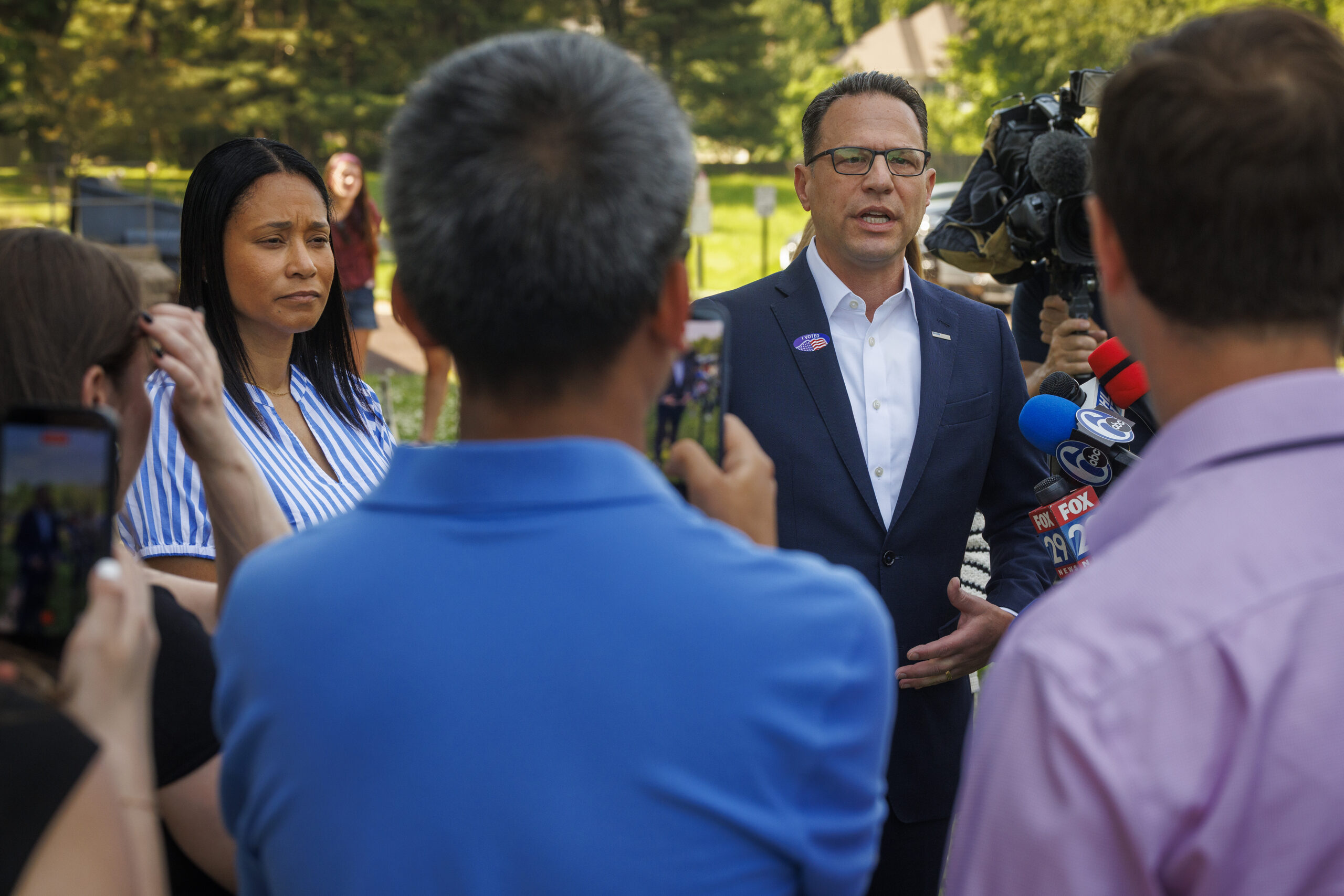
    Pennsylvania Governor Josh Shapiro taking questions from media on election day, Tuesday, May 19, 2026. He voted today at Rydal Elementary (West) 1231 Meetinghouse Road Rydal, PA. At left is Jamila H. Winder, Chair, Montgomery County Commissioners.

    Shapiro will also likely face questions about school choice on the campaign trail.

    He is running for reelection in November against Republican Treasurer Stacy Garrity. Garrity’s platform focuses, in part, on expanding school-choice options in Pennsylvania and she has the support of Commonwealth Partners, a political action committee largely funded by Pennsylvania’s richest man, Jeff Yass, which has poured money into supporting school choice.

    The issue will also likely surface a national stage if Shapiro enters the 2028 Democratic presidential primary race. His support for vouchers drew criticism from fellow Democrats in 2024, when he was a potential vice presidential nominee.

    Debate over state tax credits

    Pennsylvania does not have a direct school voucher program. Instead, the state sets aside $680 million each year for tax credits that allow businesses and individuals to write off charitable giving that supports private school scholarships.

    House Democratic support for those credits has quietly grown in recent years. In a June 2025 letter recently obtained by The Inquirer, 10 House Democrats, including five from Philadelphia and the head of the Pennsylvania Legislative Black Caucus, asked their leadership to expand a portion of the tax credits for students in the lowest-achieving school districts — revealing more Democratic support for the programs than was previously known.

    Public education advocates who oppose voucher programs say the state is funneling money to private schools with little accountability.

    “It’s just a pot of money that a bunch of people get, and nobody really knows where it goes or what happens to it,” said Susan Spicka, executive director of Education Voters PA.

    New requirements approved by the state legislature last year are set to take effect in November and will require scholarship organizations to report the dollar amount of each award, the recipient’s district of residence, and where they attend private school.

    The bill advanced by the House in a 105-97 vote this week would also require organizations to report each scholarship recipient’s income level — reducing the current limit to $144,000 for a family of four — and the amount of remaining tuition charged to a student. Advocates, including Spicka, called that information key to gauging whether scholarships are going to families who otherwise could afford private school.

    Bradford said he’s proud of the $110 million earmarked in existing state tax credits to provide additional money to kids attending schools where a majority of students are getting scholarships. House Democrats say their newest proposal would steer more money toward those students.

    But the proposed legislation — which would also reduce the tax credit donors could claim for some contributions, and require scholarship organizations to set 2% of funding aside for state oversight of the programs — drew swift backlash from private school advocates.

    Philadelphia Archbishop Nelson J. Pérez is “deeply concerned that this legislation would have a devastating impact,” said spokesperson Ken Gavin. “The clear intent is to lead to the dilution or elimination of the programs, which are vital.”

    Schools affiliated with the Philadelphia archdiocese educate nearly 44,000 students across 117 schools in the region, according to its website.

    Bradford, who is Catholic, said the Archdiocese’s response “missed the mark,” arguing that this legislative effort is trying to achieve a similar goal of serving students from poor families who attend the roughest schools.

    “I’m proud of my own Catholic faith. I love when my Catholic Church stands for those communities,” Bradford added. “No one should ever fear transparency, especially when you’re talking about three-quarters of a billion dollars of state tax dollars.”
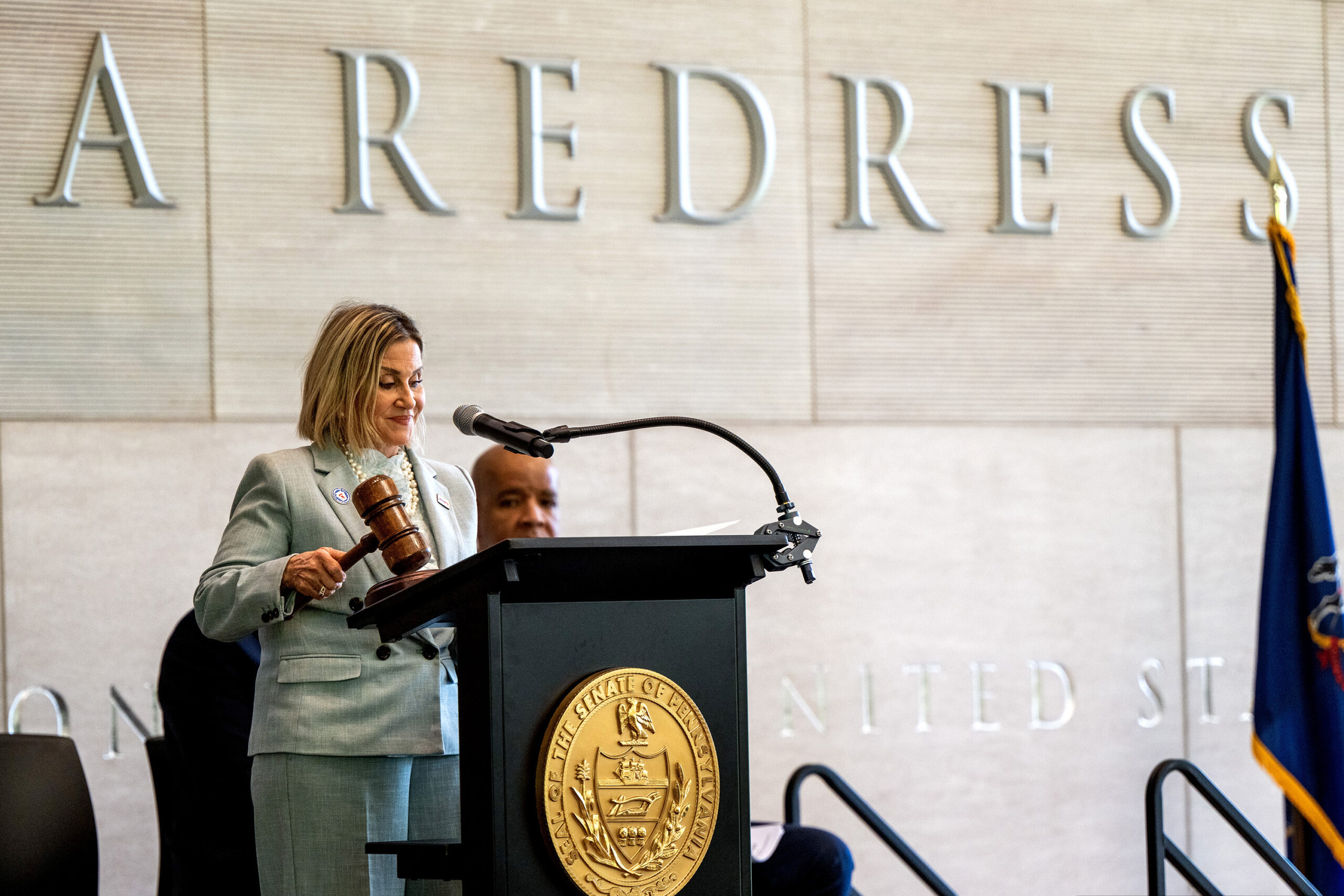
    President Pro Tempore Kim Ward gavels the opening as the Pennsylvania Senate hosts a ceremonial meeting at the National Constitution Center Tuesday, May 5, 2026.

    Meanwhile, Senate Republicans on Thursday amended another House bill to increase the state’s current tax credit programs to $705 million.

    President Pro Tempore Kim Ward (R., Westmoreland), a staunch supporter of school vouchers, said in a statement that Bradford‘s attention to school choice is disingenuous, criticizing the House Democrats’ bill as “overly burdensome auditing requirements disguised as ‘transparency.’”

    The 2023 budget breakdown, where Shapiro ultimately vetoed the school voucher program he‘d helped draft with Senate Republicans because it couldn’t pass the Democratic-controlled House, continues to tarnish his relationships with top GOP leaders, including Ward. He and Ward have hardly spoken since.

    “While Senate Republicans have consistently advanced legislation to provide scholarships to disadvantaged students, the track record for Gov. Josh Shapiro and House Democrats has been nothing more than a case of whiplash as their words and actions rarely align,” Ward said. “To me, it seems like the support for school choice by the House Democrat Leadership is more of a façade as they continue to cater to political special interests.”

    Ward has also called for changes to Pennsylvania’s new public school funding system, which includes an adequacy formula that directs more money to the state’s poorest school districts, including Philadelphia.

    Bradford, in response, said he is open to conversation about accountability and transparency, but that debate needs to include private schools benefiting from taxpayer dollars.

    “We shouldn’t carve out any portion of our K-to-12 education,” Bradford added. “That conversation needs to be uniform.”

    A choice for states on Trump’s tax credits

    Shapiro has previously said he would wait for more details before making a decision on whether to participate in the new federal tax credit program. The U.S. Department of the Treasury earlier this month released additional details, including that it will allow individuals to receive up to $1,700 in credits for making donations to private school scholarships that can cover tuition, tutoring, and more. In Philadelphia, families making $368,100 annually, or 300% of the county’s gross median income, would be eligible to receive the scholarship.

    School-choice advocates say Pennsylvania taxpayers will be able to claim the credit regardless of whether Shapiro opts in. But in order for Pennsylvania schools and students to benefit, the governor needs to join.

    Shapiro’s press secretary Rosie Lapowsky said the governor appreciates the guidance, but continues to await information on “how this will affect use of our existing tax credits, how states will be expected to administer the program, and how eligibility will be determined.”

    Twenty-eight states have opted in to the program, most of which are led by Republicans. And Democrats are facing pressure to stay out of the program.

    In a letter sent to Democratic governors this week, American Federation of Teachers President Randi Weingarten and National Education Association President Becky Pringle called the program “a Trojan horse carrying near-universal K-12 private school vouchers into every state that participates.”

    So far, Democratic governors elsewhere have taken differing approaches to the program. New York Gov. Kathy Hochul has said her state will participate but is waiting for final guidance before officially signing on. Other governors like Minnesota Gov. Tim Walz and Oregon Gov. Tina Kotek have announced that their states will not participate. Democratic governors in Arizona and Wisconsin have vetoed legislative efforts to force their states to opt in, while governors’ similar vetoes in North Carolina and Kentucky were overridden by legislators.

    Bradford said it’s “an abomination” that funding for Trump’s program came from Republicans making other cuts to the federal budget, and emphasized that state Democrats remain committed to increasing public education funding.

    “Here in Pennsylvania,” he said, “we are a humble 102 [Democrats] in the Pennsylvania House and we are nimble and pragmatic.”

  • Haverford parents are worried about chatbots in classrooms after a vote to buy AI tools

    Haverford parents are worried about chatbots in classrooms after a vote to buy AI tools

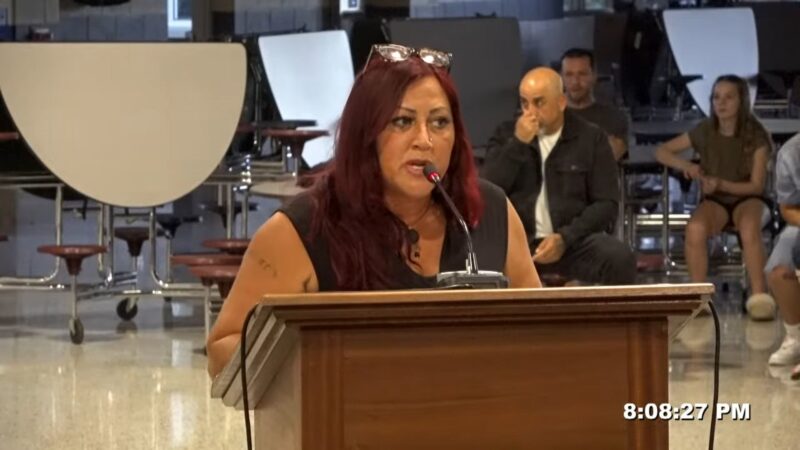
    A move by the Haverford Township School District to buy artificial intelligence tools for students and teachers has been met with protest from parents who fear the technology will erode learning.

    At a meeting last week, the Haverford school board voted 5-3 to approve contracts with School AI, which features AI “tutors,” and Brisk, which automates tasks for teachers, like developing quizzes and giving students feedback.

    While administrators said the tools wouldn’t supplant teaching and learning, critics said it was inevitable that AI would be used inappropriately — making it easier for kids to avoid work.

    “The idea of putting chatbots on computers — I don’t even care what age. I’m pretty disgusted by that,” said Christine Seewagen, a district parent of rising 12th and 7th graders.

    The district already struggles to manage technology in the classroom, said Seewagen, who said her older child has observed students run math questions through an AI tool on their phones. Her younger child, meanwhile, had a teacher who directed students to upload essays to an AI tool to get feedback, Seewagen said.

    “They’re just using AI, and not really being instructed on how to do it,” Seewagen said in an interview.

    Administrators said they were recommending buying AI tools in part because teachers are already using freely available versions, and they want to “eliminate free roaming around platforms,” Robert Anderson, the district’s technology director, said at the June 18 board meeting.

    Haverford’s superintendent, Matthew Hayes, said the School AI contract would “allow us to have a resource so that as we go through the process of the strategic plan and looking at all the implications down the line,” the district could begin teaching AI “thoughtfully, responsibly, ethically.”

    He added: “And also reducing screen time,” without providing further details.

    The controversy around AI in Haverford is the latest example of area parents pushing back on what they see as excessive and unchecked technology use in schools.

    In Lower Merion, parents have pushed to opt their kids out of district-assigned laptops or tablets; the district is planning changes to reduce usage for younger students, but has told parents they cannot opt out entirely. Parents in other districts are also raising concerns about too much Chromebook use.

    In Haverford, some parents said they were caught off guard by the proposal to adopt technology they felt posed risks to their kids.

    Patrick Burland, the parent of an incoming 10th grader and 6th grader, noted he’d had to sign numerous permission slips for his younger child to participate in end-of-year celebrations.

    “Apparently, sugar requires a signature, but cognitively rewiring her brain does not,” Burland told the board.

    Anderson said Haverford had been considering how to incorporate AI for years. He said the district sought feedback from teachers, including through an AI working group, before proposing the contracts.

    Board members who voted for the AI tools, meanwhile, said kids needed to learn how to use the technology responsibly.

    “Not acknowledging that it’s here … we don’t gain anything, right? We actually lose and we put ourselves farther behind because it’s not going anywhere,” said board member LaTonia Lee.

    But some raised questions about what the district was planning to do with the tools.

    Dave Schwartz, another board member, said he would support teaching kids about AI. But the district hasn’t said how it plans to do that, he said.

    “We’ve been talking very much in vague terms, and I can’t vote for something that I don’t understand,” Schwartz said.

    A district spokesperson did not respond to a question this week about examples of how School AI might be used.

    Board member Chris Shelton asked Anderson about criticism that the tool’s “historical figure” chatbots were giving students inaccurate information. (Last year, School AI acknowledged that responses from an Anne Frank character “didn’t provide critical historical details about the Nazis’ role in the Holocaust.”)

    Anderson called it “unfortunate” that the company had promoted the historical figures feature, but said the district “would have the option to potentially not use something like that.”

    John Flagler, a board member and English teacher, said he understood the burdens placed on teachers, “but I also believe there are lines that should not be crossed.”

    The suggestion that grading papers is a “menial task” that could be offloaded to AI “is an insult to both the teacher and the student,” Flagler said, calling grading essential to teachers learning about students.

    Administrators said Brisk wouldn’t be used for grading, but would provide “first-level feedback” — informing students they’re missing a topic sentence, for instance, said Meridith Herne, the district’s technology integration coordinator.

    “We insist that our teachers read it over and modify it so it’s in their own voice,” Herne said of Brisk’s feedback. Hayes said that 97 district teachers already use a free version of the tool.

    He said the tool was not meant to replace teachers.

    “That’s not my intent at all,” Hayes said, describing Brisk as “an option for individuals who want exposure to it.”

    He noted that the contracts with Brisk, for $22,260, and School AI, for $12,999, were each limited to one year.

    Teachers will be trained on the School AI platform, Anderson said; it will be up to them to decide whether they want to use it. He said the district envisions the platform being used in high school and “potentially” middle school, but isn’t planning for it to be used in elementary schools.

    Parents like Burland and Seewagen, who said like-minded parents have been organizing on social media, weren’t persuaded.

    “It does not feel like to me they have put any guardrails on,” Burland said in an interview. He questioned whether the district would have considered turning off School AI chatbots, for instance, had it not been asked at the board meeting.

    Seewagen said many parents who have learned about the AI plans aren’t happy.

    “It did not go under the radar,” she said.

  • Lotteries and other school equity reforms can have mixed results

    Lotteries and other school equity reforms can have mixed results

    As final grades post, lockers empty and end-of-year celebrations draw to a close, anxiety about the future looms. For many children in Philadelphia a lottery determined where they’ll head to school next year. The city is far from alone in adopting a practice that one online forum likened to “wading through some kind of toxic gas.” The goal, broadly speaking, is to ensure that any student anywhere can benefit from excellent schools despite entrenched housing segregation in many of America’s cities.

    Yet, despite the endorsement of the Nobel Prize committee, the question of whether these lotteries actually enhance equity is complicated.

    Consider the case of Washington D.C., where 76% of the public school system is Black and Hispanic, 43% of students are designated as “at risk” academically and 15% are English language learners. For more than a decade, the city has embraced what is called the “common lottery.” Families enter for a variety of reasons, including seeking a particular type of education—dual language immersion, or an arts-centric curriculum—or even looking for a school in close proximity to a caregiver’s workplace. For some students, the lottery has offered a ticket to a superior educational experience than the one at their neighborhood school. The history informing the adaptation of the common lottery, however, suggests that such a fix can both promote and evade equity, serving as a bandaid to old, not fully healed wounds.

    Over a half century ago, Washingtonians came together to rethink how place determined the quality of education. In 1967, local activist Julius Hobson successfully sued the superintendent of schools for discriminating against Black and poor public school children. Federal Judge J. Skelly Wright, who previously desegregated schools in New Orleans, ordered multiple remedies, including boundary revisions to foster racial and socioeconomic integration.

    To fulfill one of the court’s mandates, in February 1968, a group of 35 civic-minded residents from every section of the city formed a committee to redraw how the district set attendance boundaries. After several weeks of deliberation, the committee produced six maps and settled on two, one for junior high schools and one for high schools, to present to the board of education. On May 8, 1968, the nine-member board approved the changes, affecting approximately 9,000 of the District’s 146,000 students.

    Yet, the ink had barely dried on the new maps when the school board considered additional revisions to school assignments. Enrollment patterns explained some of the changes, such as long-awaited school construction to alleviate overcrowding. But other changes looked more like carving out loopholes, blurring the lines between families’ legitimate appeals and race and class biases.

    In July 1969, the school board laid out the list of reasons that might justify a student transferring from their assigned school to one outside of their assigned geographic boundary. They included “medical reasons,” “diplomatic requests” and “gross inconvenience to parents and/or family routine.”

    The board also unanimously approved shifting 21 students, 18 white and three Black, from Gordon Junior High, located in Georgetown, to Alice Deal Junior High in upper Northwest, a historically white and affluent area of the city. In 1970, Gordon Junior High was only 53% white, whereas Alice Deal was 60% white. School board member Albert Rosenfield proposed the change on behalf of his well-to-do, well-connected constituents. For Rosenfield, the city “must have a tax base,” and appeasing a few families, some with seats in Congress, could prevent their exit and help sustain the city’s coffers.

    Concerned white parents who believed the transfers “enhance[d] segregation” quickly sued the board, and the court agreed.

    Yet, the legal victory didn’t stop the school board from implementing quieter administrative measures which enabled parents to justify transferring their children to schools outside of their assigned boundaries to alleviate a purported burden. For the 1971-1972 school year, families submitted 700 appeals at the elementary school level and 1,639 for junior high and high school. The district approved 90% of transfer requests for elementary school students and over half of those coming from secondary students.

    And so, by the 1980s, even though the boundary changes were supposed to help equalize educational opportunities regardless of one’s address, a system of widespread exemptions had created had made that promise illusory for many families. For example, in the spring of 1983, a third of Alice Deal’s 987 students were from outside of the school’s geographic boundaries. Their families had successfully navigated the sysem, which now determined which students could get exemptions on a first come, first served basis. Parents could even claim that “curriculum offerings” necessitated a transfer. This approach to fairness spurred competition for entrance into some prestigious schools. In 1986, approximately 175 parents assembled overnight outside of district offices for a chance to claim a coveted spot in their school of choice.

    Over the next 40 years, families’ ability to navigate the public school system only grew more complicated: controversial school closures, expanding citywide (or magnet) school options and the emergence of charter schools all affected how students could pursue a public education. Recognizing the burden to families and school administrators, in 2014, D.C. Public Schools and most charter schools turned to a common lottery to streamline the application process. (That same year, the district also accepted recommendations for boundary revisions, the first since 1968.)

    The lottery was a well-intentioned step toward expanding educational opportunity—and it has worked for many families. For the 2026-2027 school year, 74% of the 20,987 families who tested their luck received good news: a chance to enroll at one of their selected schools. And in recent years, the district’s new Equitable Access option gives students who are “at-risk” academically a higher chance of success on lottery day.

    Of course, none of this matters for some families; indeed, according to the D.C. Policy Center, residents in the city’s Jackson-Reed High School feeder pattern were the least likely to use the lottery, opting instead to attend their in-boundary school assignment, or a private school. But for those who want, or need, the lottery, as the state superintendent remarks, it provides a chance to take advantage of “the strength of so many D.C. education programs and the meaningful learning experiences they create.”

    Made By History sponsors. FOR USE ON MADE BY HISTORY STORIES ONLY.

    Still, luck isn’t a guaranteed pathway to equity. The lottery made no matches for one quarter of this year’s applicants, who may or may not get off of waitlists.

    The good news is the district has witnessed the dividends of more systemic efforts to nurture students. In math, researchers recently crowned the nation’s capital first among 38 states for “academic recovery” following the Covid-19 pandemic; and the same goes for reading performance among 35 states. But the work continues. As the city prepares to search for new leadership over D.C. Public Schools, the district is still chasing pre-pandemic benchmarks, and despite evidence of progress, nationally, math (ranked 27th) and reading (ranked 45th) are two subjects ripe for growth.

    Philadelphia public schools, which also offers a lottery, is currently bracing for school closures and hundreds of teacher and staff cuts in response to a budget deficit. Lotteries can be useful additions to the equity landscape, but they can only do so much to reach the most vulnerable students.

    Erica Sterling is an assistant professor of history at the University of Virginia.

    Made by History takes readers beyond the headlines with articles written and edited by professional historians. Opinions expressed do not necessarily reflect the views of The Inquirer.

  • An Upper Darby student was honored at the White House for a proposal to use AI to fight human trafficking

    An Upper Darby student was honored at the White House for a proposal to use AI to fight human trafficking

    As a student at Upper Darby High School, Khandakar Mahin was intrigued when the school installed a weapons detection system two years ago.

    Mahin, who was interested in the artificial intelligence behind the system, wrote email newsletters to the student body, describing how it worked.

    “I had fun doing that,” describing “how AI algorithms were working on a microscopic level,” Mahin said.

    Now an Upper Darby graduate, Mahin, 18, was honored at the White House earlier this month for a proposal he created for another use for AI: to combat human trafficking.

    First lady Melania Trump praised Mahin and the other five winning teams of the inaugural Presidential AI Challenge at a June 9 ceremony.

    “You saw AI’s potential and created ideas that will shape America’s future in many areas, including healthcare, nutrition, public safety, and beyond,” Trump told the winners, who were chosen from a field of 20,000.

    Upper Darby graduate Khandakar Mahin, right, poses for a picture with First Lady Melania Trump at a June 9 ceremony honoring Mahin and other winners of the Presidential AI Challenge.

    Mahin — who said he got to see the Oval Office and “network with many different types of people” — won for a proposal to use computer vision to match photos from the dark web to a database of 64,000 hotels.

    The tool would identify details like carpet designs or headboard features in photos depicting trafficking, then match them to known hotels, using images scraped from the internet. Mahin created a framework and demonstration of the tool, and said his proposal included ideas for how it could be scaled to be used by law enforcement nationwide.

    The award, which Mahin said came with a $22,500 prize, was yet another achievement for Mahin, who will attend Harvard University this fall; he was also accepted to Yale and Princeton.

    While at Upper Darby High School, he took 16 Advanced Placement classes and won an array of awards and scholarships, including being selected for the Amazon Future Engineers and the Disney Dreamers Academy earlier this year.

    “This is a very bright kid who’s been looking into things like this for a long time,” said Dan McGarry, the superintendent of the Upper Darby School District.

    Mahin immigrated to the United States with family from Bangladesh 12 years ago and has attended Upper Darby schools since then.

    Mahin has been “heavily invested in being a contributor in a positive way to his school community,” McGarry said, noting that the recent graduate was involved in setting up local libraries. “It’s not just artificial intelligence. He’s also a good kid.”

    But Mahin has a particular interest in AI. Mahin, who recently served as a student representative on Upper Darby’s school board, was among a group of students who joined school leaders in meeting with company representatives about the weapons detection system.

    The students made a video about the system, which McGarry said was critical in getting student buy-in.

    The district also sends students to the Delaware County Intermediate Unit to share their perspectives; Mahin has addressed other superintendents about AI, “the good and the bad,” McGarry said.

    At Harvard, Mahin hopes to study political science and government with an aim toward creating “more ethical AI policies,” he said.

    Mahin, who has already participated in programs at Princeton and MIT, credits teachers in Upper Darby — not just in computer science and math, but English, he said — with teaching him “how to have the grit to do research.” His award-winning AI project was supervised by Roseann Burns, an Upper Darby teacher who McGarry said works with gifted students.

    Despite being an underfunded district, Upper Darby “has a lot of opportunities,” Mahin said. “As a student, you really have to seek out the opportunities if you really want it.”

    While Mahin may stand out for the level of recognition he has received, McGarry said Upper Darby has many “amazingly talented, bright” students.

    “That’s often overlooked, unfortunately,” McGarry said. He said Mahin “represents what I think makes this country great. … Every opportunity that was there, he took it.”

  • A gift to Temple will create the first endowed editor position at its student newspaper

    A gift to Temple will create the first endowed editor position at its student newspaper

    Jack Pinkowski relished his time as a photojournalist for Temple University’s student newspaper when he was enrolled there in the 1960s.

    And he always admired the work of his father, the late Edward Pinkowksi, an historian and author who founded a small newspaper in the Montgomery County borough of Bridgeport.

    This month, Pinkowski, a 1968 Temple grad, and his wife, Monica, gave Temple a $1.25 million gift, a portion of which will for the first time endow the editor-in-chief position for the Temple News, as well as increase other staff salaries and pay for some story-related travel and new equipment.

    Pinkowski said the need for journalists has never been more important, and he lamented the struggles print journalism has faced.

    “We hope to show it a lifeline, give it some support to encourage people to go into that as a field of endeavor,” said Pinkowski, 78, of Plantation, Fla. “This named editorship is a tribute to my father for starting a newspaper and having a lifetime as a critical mind that searched for facts and put them together and brought stories to the enjoyment of people.”

    Of the gift, $250,000 will be used to create an endowment for the student newspaper, and the remaining $1 million will fund scholarships of up to $10,000 per academic year for students to study at Temple’s Rome campus. Applicants must have knowledge of, coursework in, or a commitment to promoting Polish or Italian studies, history, or culture.

    The Pinkowskis made their money by investing in and managing real estate as well as through other careers.

    The couple both worked in businesses with global ties — Jack as an importer of furniture and Monica as an importer of gourmet foods to restaurants — and saw the merit in global study. They also both attended a study abroad program for adults at Temple Rome in 2024.

    Given the federal government’s policies affecting foreign students, Pinkowski said, he thought it was important to support the Rome campus so that students have an alternative way to attend an American university.

    Temple president John Fry said he especially likes that the gift is so personal and that it is widening access to students to participate in both studying on the Rome campus and working for the student newspaper.

    “These are two really important experiences that many students have to forgo, and I think the Pinkowskis are making both of those possible,” Fry said. “Its meaning and impact are significant.”

    The gift comes as the college prepares to close a record fundraising year, led by a record $55 million gift from alumnus Christopher Barnett in October and a large gift in April from alumna Jane Creamer Sullivan and her late husband, Thomas J. Sullivan, to start its new honors college.

    A boost for the Temple News

    John DiCarlo, managing director of student media and adviser to the Temple News, said its portion of the Pinkowski gift will be incredibly important in supporting the newspaper with a staff of 37, which last academic year ran on a $115,596 budget that largely covers salaries and print costs.

    Most of the costs were covered by the university, with the newspaper responsible for raising $23,500 through ad revenue and other means. If the publication exceeds that goal — which it did last year, raising over $29,000 — it can funnel the additional money back into operations, DiCarlo said.

    The new endowment, DiCarlo said, will bring in an additional $10,000 to $12,000 annually, depending on its earnings.

    Incoming senior Sienna Conaghan, 20, who will be the inaugural Edward Pinkowski Editor-in-Chief, said she is grateful for the funding, which will cover her approximate $5,400 salary. And she is glad that salaries for other staffers can get boosted, too.

    “We’re asking them to do full-time jobs on a college student’s budget and a college student’s schedule,” DiCarlo said. “It takes a lot out of them because they really care.”

    Conaghan, a journalism major from West Yellowstone, Mont., estimates that she spends about 30 hours a week on Temple News work. She freelanced freshman year, was assistant sports editor sophomore year, and worked as sports co-editor last year.

    The experience is more important than the paycheck, said Conaghan, who plans to pursue a career in sports journalism, but the money helps.

    “It has really been everything,” Conaghan said of her Temple News work. “I think I’ve learned so much from working at the Temple News, from how to be a journalist and also just how to be an adult and a person.”

    The Pinkowskis initially gave a gift to the Temple News in 2023 to help it reach a fundraising goal. The college wanted to be able to pay student journalists a little more because some were having to take on second jobs to generate more income, DiCarlo said. At that time, he said, he had no idea the couple would return with such a large gift three years later; it is the largest gift the Temple News has ever received.

    “Monica and I are avid readers and avid followers of print journalism,” said Jack Pinkowski, a graduate of Philadelphia’s Central High School.

    Pinkowski said his father decided to start the now-defunct Bridgeport South Side Press in 1950 because the community did not have a local paper. He also wrote history books about the local area, using skills he developed as a journalist, Pinkowski said.

    The Pinkowskis have had other career experience in addition to real estate and import businesses.

    He was a general contractor and wedding photographer early on and later spent 18 years as an associate professor of public administration at Nova Southeastern University’s school of business and entrepreneurship in Florida.

    And she was a flight attendant at one time and as a child grew up working in a family traveling carnival business in Missouri — which helped pay for her education at the University of Missouri-Kansas City.

    Jack Pinkowski said the common thread in their endeavors has been “inquisitiveness and intellectual curiosity and the ability to take something where there’s nothing and make something of it.”

    Both Temple officials and the Pinkowskis hope their gift will motivate others.

    “I do believe that other people pay attention to that, and it makes them say, well, maybe they can do something as well,” Jack Pinkowski said.

  • New Collingswood agreement opens playgrounds after school, grants $10.5 million to revamp athletic fields

    New Collingswood agreement opens playgrounds after school, grants $10.5 million to revamp athletic fields

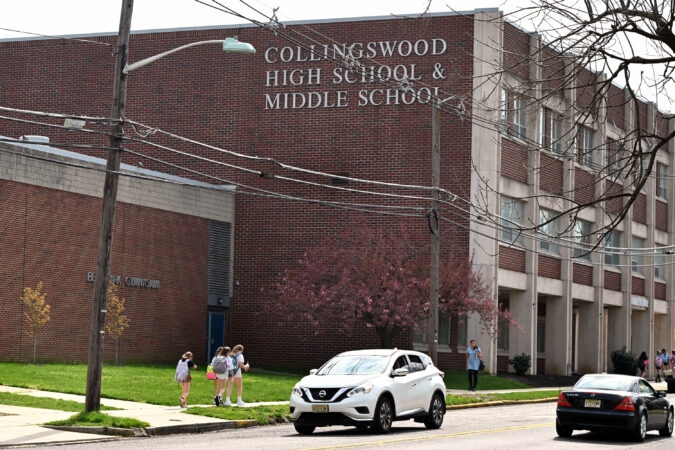
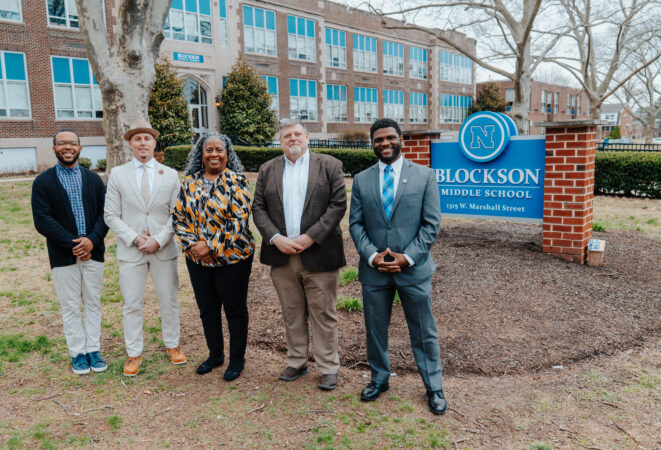
    A new agreement between the Collingswood Board of Education and Collingswood Borough approved this week will open the door for a $10.5 million renovation of the school district’s athletic complex.

    The three-person Collingswood Board of Commissioners voted in favor of the shared service agreement on June 17, and the 11-member Board of Education followed suit unanimously at its Monday meeting.

    The agreement aims to update the school district’s recreation spaces and give the borough more access to school properties formerly closed to nonstudents, including auditoriums, classrooms, and athletic fields.

    The public can now visit the district’s playgrounds and track facilities from 7 a.m. until dusk on days when students aren’t at school, including the summer months, weekends, and holidays. When school is back in session, those facilities will open when after-school activities end and close at dusk.

    The changes come just as the school district moves into its summer season, and months after the district announced that one of its elementary schools will not reopen next school year due to budget cuts.

    A new field, track, bleachers and more

    The $10.5 million renovation project for the athletic fields at Collingswood Middle and High School is financed by $15 million in bonded funds the borough authorized last spring for the redevelopment of fields and facilities in Collingswood.

    The new shared service agreement just lays out the formal framework for that collaboration and ensures the borough gets perks in return, like use of school property for July 4 celebrations and access to the new facilities.

    Amy Henderson Riley, one of Collingswood’s commissioners, said the agreement gives the spending a dual purpose.

    “When you work together, things can be kind of amazing. Everybody is being squeezed,” Henderson Riley said. “The word of the year is affordability.”

    The project proposal, presented in October at a community forum on Collingswood’s recent 310-page recreation master plan, has a long list of goals. The district wants to convert the current grass football field into a multisport artificial turf field and build a new eight-lane track, along with adding a grass softball field, a concessions building, new bathrooms, a 1,500-seat grandstand, a student press box, and more improvements.

    The firms involved so far include Remington & Vernick Engineers and Garrison Architects, Superintendent Fredrick McDowell said. A construction company won’t come on board until Collingswood and its school board publicize a bid package for construction work and review those bids at least 30 days later.

    McDowell said Wednesday the goal is to start the project as soon as possible, though there’s no timeline yet for when the project could begin or wrap up. Students will continue to use existing facilities in the meantime.

    A new grade school and park improvements

    The remaining $4.5 million in bonded funds from the borough will likely be split between improvements to Knight Park, a 70-acre green space in the middle of Collingswood, and the potential acquisition of a new upper grade school.

    The recreation presentation from October reported that $2.5 million of the $15 million bonded funds will go toward Knight Park upgrades.

    Henderson Riley said her fellow commissioner Jim Maley is overseeing the steering committee for the Knight Park project. Maley did not return requests for comment.

    The other $2 million could go to the acquisition of the former Good Shepherd Catholic School on Lees Avenue. The Collingswood School District has sought for years to convert Good Shepherd into an upper grade school building for fourth and fifth graders.

    Henderson Riley said there is currently no information to share on the status of acquiring Good Shepherd.

    The only way the school district could have afforded the athletic field renovations and these projects without collaboration with the borough is through a bond referendum, McDowell said, a vote at the ballot box to determine whether a school can borrow funds through the sale of bonds.

    In 2024, about 70% of Collingswood voters voted against a bond referendum that would have funded the athletic field redesign.

    It would have also closed two elementary schools and allowed the district to acquire Good Shepherd and convert it into an upper grade school. The referendum would’ve raised Collingswood residents’ property taxes, since that’s how bonds are paid back.

    One of those elementary schools, James Garfield Elementary, still closed due to budget cuts this week.

  • An educational program that helped uplift a million Pa. students is under attack

    An educational program that helped uplift a million Pa. students is under attack

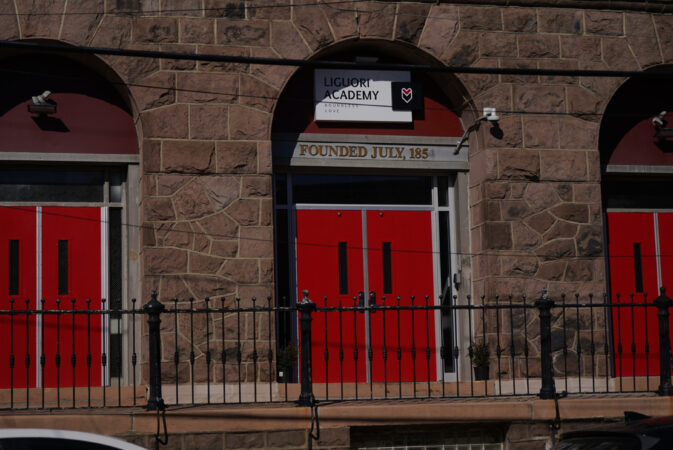
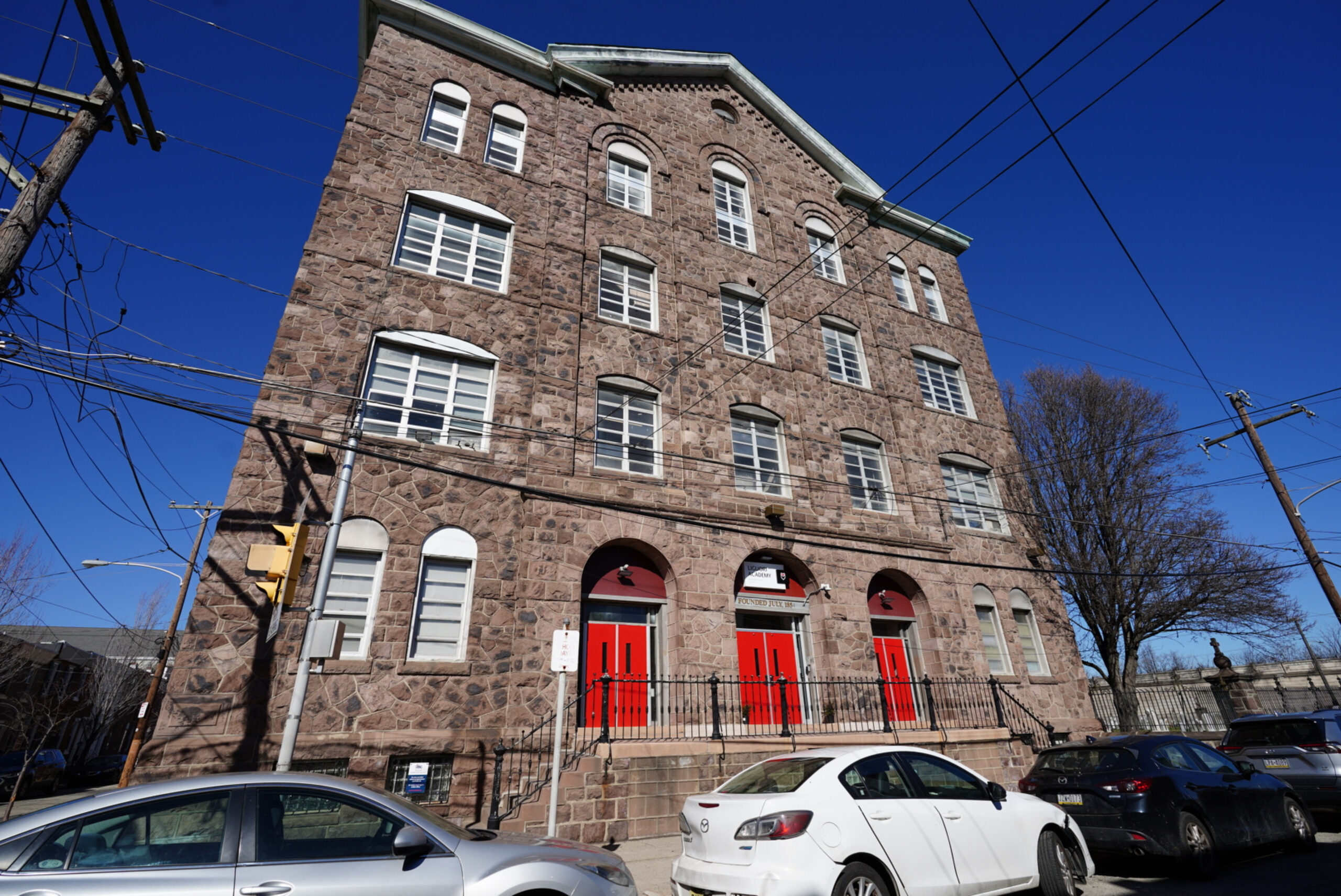
    As president and chairman of a private school, we might seem out of place commenting on public policy. But recent state legislation that would undermine a vital Pennsylvania program — one that thousands of families and students depend on — compels us to speak up.

    Conversations about education often focus on learning loss and declining academic performance, but students at our school, Liguori Academy, are moving in the opposite direction. Our students often arrive several grade levels behind, but they quickly recover and often surpass their peers.

    And we have the numbers to back that up. This year, between 67% and 72% of our students, depending on grade level, demonstrated measurable growth in reading, gaining one and a half to more than two grade levels in a single school year. Many are now reading at a college level. In mathematics, between 58% and 74% of students also improved, with our ninth graders posting the strongest gains.

    Conversations about education often focus on learning loss and declining academic performance, but students at Liguori Academy are moving in the opposite direction, write Michael Marrone and Joseph Marano.

    Watching those students, who were so far behind academically, gain confidence, earn industry certifications, secure internships, and prepare for college and careers is a reminder of what is possible when students are given the support and opportunities they deserve.

    And what has made this educational growth possible? It’s simple, really: Pennsylvania’s Educational Improvement Tax Credit program.

    Unfortunately, state lawmakers may gut this life-changing program. The Pennsylvania House Education Committee passed legislation that would decimate the state’s wildly popular tax credit scholarship programs. Originally, House Bill 2632 proposed slashing $102 million from the Educational Improvement Tax Credit and robbing Pennsylvania kids of about 30,000 scholarships.

    A committee amended the bill to avoid the cuts, but the updated bill still cuts tax credit levels, eliminates supplemental scholarships, hamstrings student eligibility, and imposes onerous taxes and regulations on scholarship organizations.

    Critics of these programs — including many of the lawmakers sponsoring and supporting HB 2632 — will wrongly characterize this as a public vs. private issue. They claim the Educational Improvement Tax Credit “robs” funding from public education.

    But nothing could be further from the truth. Although it may appear like a line item in the state budget, the Educational Improvement Tax Credit doesn’t use public funds. Instead, it relies on donations to scholarship organizations and the donors who receive a tax credit for their charity. Without the generosity of these donors, the Educational Improvement Tax Credit wouldn’t exist. If it went away, so would the philanthropy that funds it.

    The timing of this bill is interesting, to say the very least. The Educational Improvement Tax Credit recently celebrated its 25th anniversary, having served more than 101,000 scholarships to kids across the state in conjunction with its partner program, the Opportunity Scholarship Tax Credit. Over their lifetime, these programs have awarded more than one million scholarships.

    Despite this volume, there aren’t enough scholarships to go around. Even after awarding a record-level number of scholarships last year, nearly 70,000 scholarships went unfulfilled. But this isn’t because the students weren’t eligible; rather, state-legislated caps limit the number of available scholarships.

    State lawmakers should take note: Pennsylvania families are demanding more, not fewer, scholarships.

    These scholarships change lives and fuel academic success. The Children’s Scholarship Fund Philadelphia, one of the largest scholarship organizations in Pennsylvania, commissioned a report showing scholarship recipients from both programs outperforming their public and private school peers academically.

    These scholarships provide equity for families struggling financially. The average household income for Liguori families, for example, is about $37,000, which is barely above the federal poverty line.

    None of this happens without the Educational Improvement Tax Credit.

    That is why what happened in Harrisburg recently should alarm every Pennsylvanian who believes every child — regardless of zip code or income — deserves a chance. This newly introduced legislation would take away much-needed scholarships not only from Liguori kids, but also from tens of thousands of Pennsylvania kids who worked hard to better themselves educationally.

    As school leaders, we understand and welcome accountability. If scholarship programs are going to continue, schools must be prepared to demonstrate strong academic outcomes, sound financial stewardship, and compliance with program requirements.

    But we have also seen the difference educational choice makes. We have watched students who arrived years behind their peers grow into young people ready for college and the workforce. That transformation is real — and the Educational Improvement Tax Credit made it possible.

    Pennsylvania should be building more doors like ours, not slamming them shut.

    Michael Marrone is the president and founder of Liguori Academy. Joseph Marano is chairman of the board of Liguori Academy.

  • Abington schools are reviewing security after a man charged with trying to rape a girl repeatedly entered the high school

    Abington schools are reviewing security after a man charged with trying to rape a girl repeatedly entered the high school

    The Abington School District is reviewing security procedures after police charged a 25-year-old man with trying to rape a student who repeatedly let him into Abington Senior High School.

    Police charged Raeem Grange-Allen of Philadelphia on Friday with attempted rape by force and attempted statutory sexual assault, among other charges. The student, a 14-year-old girl, told police she had met Grange-Allen at the high school.

    Grange-Allen initially identified himself as a student and began communicating with the girl through text messages and social media, according to a police affidavit.

    Grange-Allen later asked the girl to let him into the school “and requested she perform oral sex on him behind a stairwell,” according to the affidavit. The girl told police she “saw him or let him into the school approximately three to four times.”

    In a message to families Tuesday, Abington Superintendent Jeffrey Fecher said the girl let Grange-Allen into the high school on two occasions in March, opening a back door during the school day.

    “Video footage shows he was wearing a hoodie and was able to briefly blend in as a student while moving in the hallways,” Fecher said.

    On March 27, Grange-Allen came to the girl’s home in Abington Township, where he held her down and attempted to rape her, according to the police affidavit. The girl screamed, and her mother caught Grange-Allen, according to the affidavit. The girl went to the police the next day.

    Fecher said there were “numerous unresolved questions about this man’s presence in the high school, as well as, where and when he initially encountered the victim.”

    The district is “launching a third-party internal investigation” and reviewing security protocols, Fecher said. While exterior doors are locked throughout the school day, “building occupants always have the ability to open them from the inside for evacuation purposes, as required by law,” he said.

    Fecher said the district would be working with the Montgomery County Department of School Safety “to determine whether additional security measures can be put in place.”

    “We share in the concern and shock that this information causes, and we are committed to addressing it effectively,” Fecher said.

    As of Wednesday, Grange-Allen was being held at the Montgomery County Correctional Facility on $250,000 cash bail.

  • The Spring-Ford school district is moving to fire a Spanish teacher supported by community members

    The Spring-Ford school district is moving to fire a Spanish teacher supported by community members

    The Spring-Ford Area School District is moving to fire an eighth-grade Spanish teacher over protests from parents and students who say she is being unfairly terminated.

    The school board voted Monday to approve a statement of charges surrounding the dismissal of an employee, who was not identified in board documents. The statement of charges was not made public, which is typical procedure for school district personnel matters.

    But numerous supporters of Jasmine Ewing, including her husband, spoke out at Monday’s meeting against the dismissal, describing “Señora Ewing” as a passionate and dedicated educator who had positively impacted their lives.

    They also urged the board not to fire her over what some characterized as false accusations.

    “What foundation are we setting for the kids to know that they can retaliate against a teacher who is trying to hold them accountable for extremely inappropriate actions?” said Miranda Dombrosky, a 2010 Spring-Ford graduate and district parent.

    Dombrosky, who described herself as a friend of Ewing’s, referred to a student who had “bragged about getting a teacher fired” and accused the district of punishing “an innocent teacher.”

    Tamika Jeter, a district parent who credited Ewing with fostering her son’s enthusiasm for learning Spanish, told the board “it would be a big mistake to let a small thing that was considered playful among students cause her to lose her job.”

    Erin Crew, a district spokesperson, said Tuesday that “out of respect for the students and families involved, and because this is an ongoing personnel matter, the district will not comment on matters related to an individual’s employment.”

    The resolution approved by the board Monday “authorizes moving forward with a statement of charges while providing all due process rights required by law,” Crew said.

    As a result of the board’s vote, Ewing plans to request a public evidentiary hearing, her husband, Brian Ewing, said at Monday’s meeting.

    Brian Ewing told the board that he and his wife had “statements and factual information that directly dispute these claims against Jasmine, and raise serious concerns about this process.”

    “If the district insists on dragging this forward, the public will see what was done, who did it, and why it never should have happened,” said Ewing, who said his wife was not present Monday because she was leading students on a trip to Costa Rica.

    At a school board meeting the week before, at which supporters also spoke on her behalf, Jasmine Ewing said it was “devastating to stand here facing termination” after devoting herself to her teaching career.

    As a Latina, she said, “Spanish has always meant something deeper to me,” and she viewed her job as not just an educator, but a “cultural ambassador.” She said the support shown by community members was a “legacy I will carry with pride for the rest of my life.”

    Some supporters told the board that Ewing was an asset to the district as a teacher of color, providing valuable representation.

    Former students like Sofia McClintock said Ewing had broadened their horizons through international trips she had led.

    “Teachers who truly care are not easy to replace,” McClintock said. “They are the teachers that students remember years after leaving their classrooms because of the difference that they made, and that is Señora Ewing for me.”

    While supporters of Ewing dominated the school board meetings Monday and last week, one former student spoke out against the teacher, accusing Ewing of participating in antisemitic bullying.

    The student, Kayla Woodman, who graduated from Spring-Ford earlier this month, said that when she had Ewing for Spanish in eighth grade, boys repeatedly harassed her for being Jewish, including through a “Heil” chant.

    Ewing, Woodman said, not only did not tell the boys to stop, but “joined in and laughed.”

    It was not clear whether Woodman’s accusations were connected to the reasons the district is now seeking to dismiss Ewing.

    Woodman, who described the experience as “some of the darkest times in my life,” said that she had been afraid to go to administrators and that her parents had had a private conversation with Ewing.

  • The Norristown school board plans to hire Delaware’s Superintendent of the Year

    The Norristown school board plans to hire Delaware’s Superintendent of the Year

    The Norristown school board plans to vote Monday to hire Delaware’s Superintendent of the Year as the district’s next leader.

    The board announced Sunday that it had selected Dorrell Green, the superintendent of the Red Clay Consolidated School District in New Castle County as its pick for superintendent.

    Green is expected to start as superintendent in the Norristown Area School District on July 20, under a five-year term with an initial salary of $270,000, according to an agenda for Monday’s meeting.

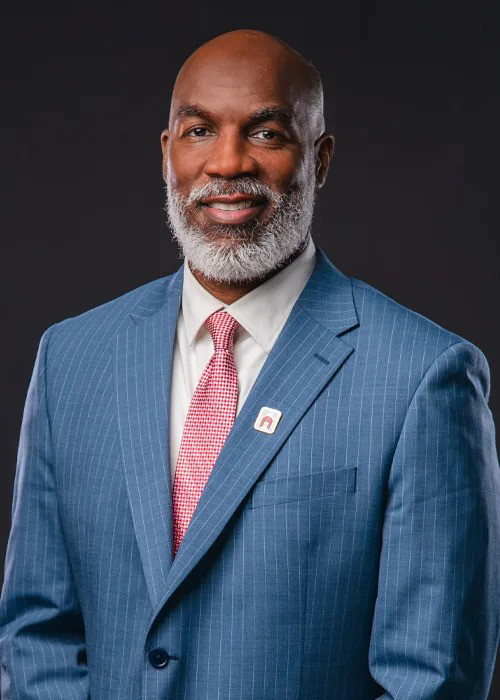
    Dorrell Green, the superintendent of the Red Clay Consolidated School District in New Castle County, Del., is to join Norristown Area School District as superintendent on July 20, 2026.

    Green’s selection comes after the board, which has a new majority after November’s school board elections, moved this spring to oust Superintendent Christopher Dormer, citing poor test scores. The board has since sparked controversy with other changes, including eliminating its DEI director.

    Throughout the superintendent search process, “our community made it clear that they were seeking a visionary leader who is committed to student achievement, educational excellence, and meaningful engagement with all stakeholders,” the board’s president, Jeremiah Lemke, said in a statement.

    He said Green’s “experience, leadership record, and commitment to serving diverse school communities” set him apart during a search process that was led by a consulting group and attracted 88 applicants.

    Green has worked in public education for more than 25 years, including as a teacher, principal, and assistant superintendent.

    In Red Clay, Delaware’s largest school district with 15,000 students, Green has served as superintendent since 2019. He expanded early childhood education during his tenure there and increased access to advanced course work, according to the Norristown board.

    Before that, Green was the first executive director of the Delaware Department of Education’s Office of Innovation and Improvement, an office created by former Delaware Gov. John Carney to support the state’s neediest schools.

    Green has a bachelor’s degree in elementary education and master’s degree in educational leadership from the University of Delaware. He has a doctoral degree in organizational leadership from Wilmington University.