Category: Education

  • This Philly charter is starting its own college so kids can graduate with high school diplomas and college credits — for free

    This Philly charter is starting its own college so kids can graduate with high school diplomas and college credits — for free

    A Philadelphia charter school is building its own college.

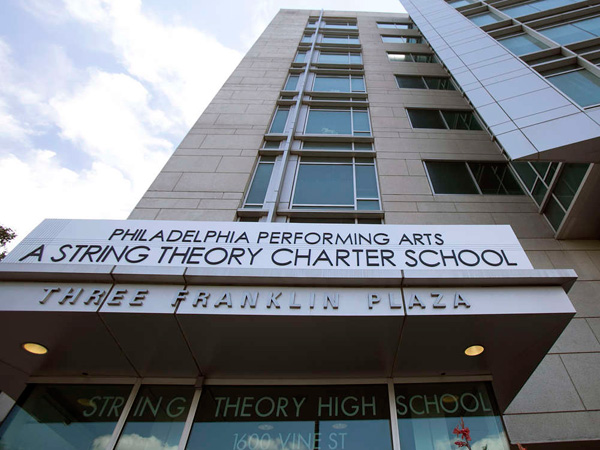
    Students at the Philadelphia Performing Arts Charter School, a K-12 facility of about 2,500 with campuses in South Philadelphia and Center City, should soon be able to graduate with high school diplomas and 60 college credits — for free.

    PPACS is not the only early college in the city — the Philadelphia School District has Parkway Center City Middle College, and other schools allow students to take college courses while in high school. Some schools offer dual enrollment, and a new early college charter will open in the city in the fall.

    But instead of partnering with existing colleges, String Theory, the education management organization that runs PPACS, is in the process of opening its own degree-granting institution.

    String Theory College will focus on design, technology, and entrepreneurship, offering PPACS students more flexibility than prior dual-enrollment partners had, said Jason Corosanite, the college president. Students won’t have to leave the school’s Vine Street campus to attend classes, either.

    “The whole goal is to get all kids prepared for college, with as many college credits as possible,” Corosanite said.

    The college already has Pennsylvania Department of Education approval, and its Middle States Commission on Higher Education accreditation vote is scheduled for March, commission officials said. Once schools are candidates for accreditation, that opens up college transferability, student loans, and Pell grant opportunities, though PPACS students pay no tuition because the school is a publicly funded charter.

    Corosanite said he is confident the school will gain Middle States approval and ultimately be able to offer students associate’s degrees.

    With Philadelphia’s crowded higher education market and a looming college enrollment cliff, it’s fair to question whether the city needs more degree-granting institutions, said Shaun Harper, a professor of education, public policy, and business at the University of Southern California. Some would say it does not.

    But, Harper said, “if this new creation is going to expand access and make higher ed more affordable, I think that is a spectacular thing. We need more innovative models in education that create more seamless pipelines from high school to college.”

    Harper’s research once centered on the experiences of high-achieving Black and Latino boys in New York schools who, once in college, “suddenly they realized that they were not as prepared for college as they had been led to believe by their high school teachers and by the grades they received in high school.”

    That makes Harper consider whether String Theory students “are really going to be pushed to do college-level work, and perform like college students would otherwise be able to perform? I think that is a thing to be concerned about.”

    Ultimately, Harper said, he is intrigued by the model.

    “There’s a real opportunity for [String Theory] to ensure that they are providing the right kinds of professional learning and professional development experiences for these educators, so they amass the skills that will be able to make the curriculum much more complex, much more college-level,” Harper said. “They may have a real shot here at teaching the rest of the nation something that ultimately becomes replicable.”

    High school and college in one stop

    The seeds of the idea trace back to PPACS’ first high school graduates — the Class of 2017.

    When Corosanite and other String Theory officials tracked those students, “some of our best and brightest kids were dropping out of college because of cost,” he said. “It wasn’t because they couldn’t do it. They were looking at the value proposition of these schools and dropping out. I felt the burden of, ‘We’re telling all these kids, yeah, you have to go to college,’ and then they graduate and can’t afford life. How do we solve for that?”

    Enter String Theory College.

    The program is already underway — about 40 students who participated in a pilot program are on track to graduate with college credits in June, and about 40 more are in 11th grade now.

    The college will initially be open only to students enrolled in PPACS. Going forward, every 11th- and 12th-grade honors and Advanced Placement course at the school will be a college-level course, and the PPACS faculty who teach the courses are college faculty.

    Course offerings include multivariable calculus, linear algebra, biotechnology, entrepreneurship, and design.

    Students still have access to the trappings of high school: All non-honors classes are still within the PPACS confines. And students must still meet state requirements for their high school diplomas — they are learning math, but it might be a design-focused math class, for instance.

    “Kids still have their high school experience — they still come to school on time, they still go to the lunchroom with everybody they go to school with,” Corosanite said. “They still see their friends, they still have prom, but they also have college. It makes it a lot easier.”

    There is no budget impact for PPACS, Corosanite said. The school, which as a charter is independently run and publicly funded, pays the college a per-credit hour rate that is roughly equivalent to community college, and that money covers teachers’ salaries and benefits.

    “We’re trying to be as efficient as possible with the classes the teachers have, and the college is in our building,” he said. “We’ve designed it to be cost-neutral. This is not a moneymaker — it’s mission-driven.”

    Going forward, Corosanite dreams of a graduate school of education — String Theory already offers continuing education for teachers — and offering college courses to other schools and districts.

    ‘This is a good opportunity’

    Hasim Smith, a PPACS senior, was pitched on the idea of taking college classes in high school when he was a 10th grader.

    Smith’s dad had heard about the pilot program and urged his son to go for it.

    “He said, ‘This is a good opportunity. I don’t want you to miss out on it,’” Smith said. “I like to challenge myself and do things that other people see as hard. And I like that it’s free — it helps with college costs.”

    Smith was game and now, at age 18, he’s looking forward to collecting his high school diploma and transferring dozens of credits to another college. (He’s already been accepted to 10 and is awaiting more decisions.)

    The courses are challenging, he said, but manageable, especially with his teachers’ support. He’s enjoyed the design challenges in particular, Smith said.

    “We had to learn a lot — it gets really deep. We have to learn about design, and different theories, and entrepreneurship,” Smith said.

    He had always thought he might want to pursue nursing as a career, but his String Theory college experience has him also considering architecture, he said.

    How to apply

    The college-in-a-high-school program has a limited number of slots for students who will be in 10th through 12th grade for the 2026-27 school year, and is accepting applications for those seats and for its incoming ninth-grade class.

    The school’s application deadline is Jan. 30.
  • Pa. public universities didn’t get a state funding increase this year, and they’re preparing for a tough enrollment outlook

    Pa. public universities didn’t get a state funding increase this year, and they’re preparing for a tough enrollment outlook

    The universities in the Pennsylvania State System of Higher Education were flat-funded this year for the first time since 2021-22.

    That funding, approved in the state budget deal lawmakers reached in November after a monthslong standoff, follows three years of state funding increases. In 2022-23, the system got a historic 15.7% increase.

    PASSHE includes the 10 state-owned public universities. (State-related universities, including Pennsylvania State and Temple, are funded separately.)

    Cheyney University, which is part of the system, got a special $5 million earmark “to develop and implement an enhanced transfer and workforce development initiative in partnership with a community college.” Cheyney, a historically Black college in Delaware and Chester Counties, and Community College of Philadelphia recently announced a partnership that will allow students to transfer seamlessly from CCP to Cheyney and earn bachelor’s degrees while remaining on CCP’s Philadelphia campus.

    The state system had asked the state for a 6.5% increase in its general appropriation, which currently stands at $625 million. That would have brought in an additional $40 million for the 10-university system, said Christopher Fiorentino, chancellor of the system.

    But he said the system has been preparing for the possibility of a funding freeze and had increased tuition this year for the first time in seven years, raising an additional $25 million.

    “We knew it was going to be difficult, given the revenue situation in the commonwealth,” he said. “We weren’t blindsided by this.”

    He said he was grateful for the system’s appropriation.

    “That’s a huge amount of money,” he said. “… It is a significant commitment to public higher education, and we really appreciate that support.”

    The system has requested a 5% state funding increase for 2026-27, which would allow universities to freeze tuition again, Fiorentino said.

    But Kenneth M. Mash, president of the Association of Pennsylvania State College and University Faculties, the faculty union, said that would not be enough if tuition is to be frozen. And he has concerns about the freeze in state funding this year.

    “Too often, we go in there and act as if this is what we need to maintain the status quo, but the status quo is not good,” he said, citing technology and program needs. “We don’t have the support for students that we should have. We need to start paying attention to the quality of education and make sure it doesn’t suffer.”

    The system has been in a state of readjustment as it has lost about a third of its enrollment since 2010, including merging six of its universities into two entities. The system’s universities are: Cheyney, Commonwealth, East Stroudsburg, Indiana, Kutztown, Millersville, Penn West, Shippensburg, Slippery Rock, and West Chester.

    Planning for a drop in enrollment

    Another enrollment cliff is expected to begin this year as the population of high school graduates begins to drop.

    “The demographics right now going forward are unfavorable, so we have to continue to be prepared for the fact that even if we maintain our market share, we’re going to see declines in enrollment,” Fiorentino said.

    The system is attempting to recruit in new markets and bring back to college those who have some credits but no degree, he said. Older students may want more weekend, night, and online courses, and that is something the system is reviewing, too, he said.

    The system also is contemplating partnering with area doctoral institutions, such as Temple, to bring in doctoral students to teach at the system’s universities. That would save money on faculty hiring, while cultivating new potential talent for the system, he said.

    And the system is reevaluating its programs, he said. Ninety-five percent of students are graduating from half the programs the system offers, he said. Some of the larger enrollments are in business, education, health, and engineering, he said.

    But only 5% of students are enrolled in the other half of the system’s programs.

    “We have to take a look at that,” he said. “How do we redeploy the money that we currently are receiving to make sure that we’re supporting the programs that are critical to the success of the commonwealth?”

    Mash, the union president, said that bringing in doctoral students would create a viable stream of quality candidates, and that, under the contract, the system is permitted to employ a certain number of adjuncts. But he is concerned about eliminating programs with lower enrollments.

    “We should be providing as broad of a spectrum of opportunity for students as we can,” he said.

    Fiorentino said he was pleased to see Cheyney get the additional funding. The school, which has struggled with enrollment, saw an increase of 234 students — nearly 38% this year, the highest percentage increase of any school in the system. Cheyney enrolls 851 students this year, its highest enrollment since 2014.

    The new effort will allow Philadelphia students to get a Cheyney degree without having to travel to the rural campus, he said.

    “A lot of their market is Philadelphia,” Fiorentino said of Cheyney, “and for a lot of the Philadelphia students, transportation has become more and more difficult.”

    Temple and Penn State were flat-funded again this year. Temple said in a statement that it was grateful to see the budget pass.

    “We also continue to be deeply grateful for the ongoing financial support that the university receives to reduce tuition costs for Pennsylvania residents,” the school said.

  • Martin Luther King Jr. spoke to Philly students in 1967. These men say it influenced the rest of their lives.

    Martin Luther King Jr. spoke to Philly students in 1967. These men say it influenced the rest of their lives.

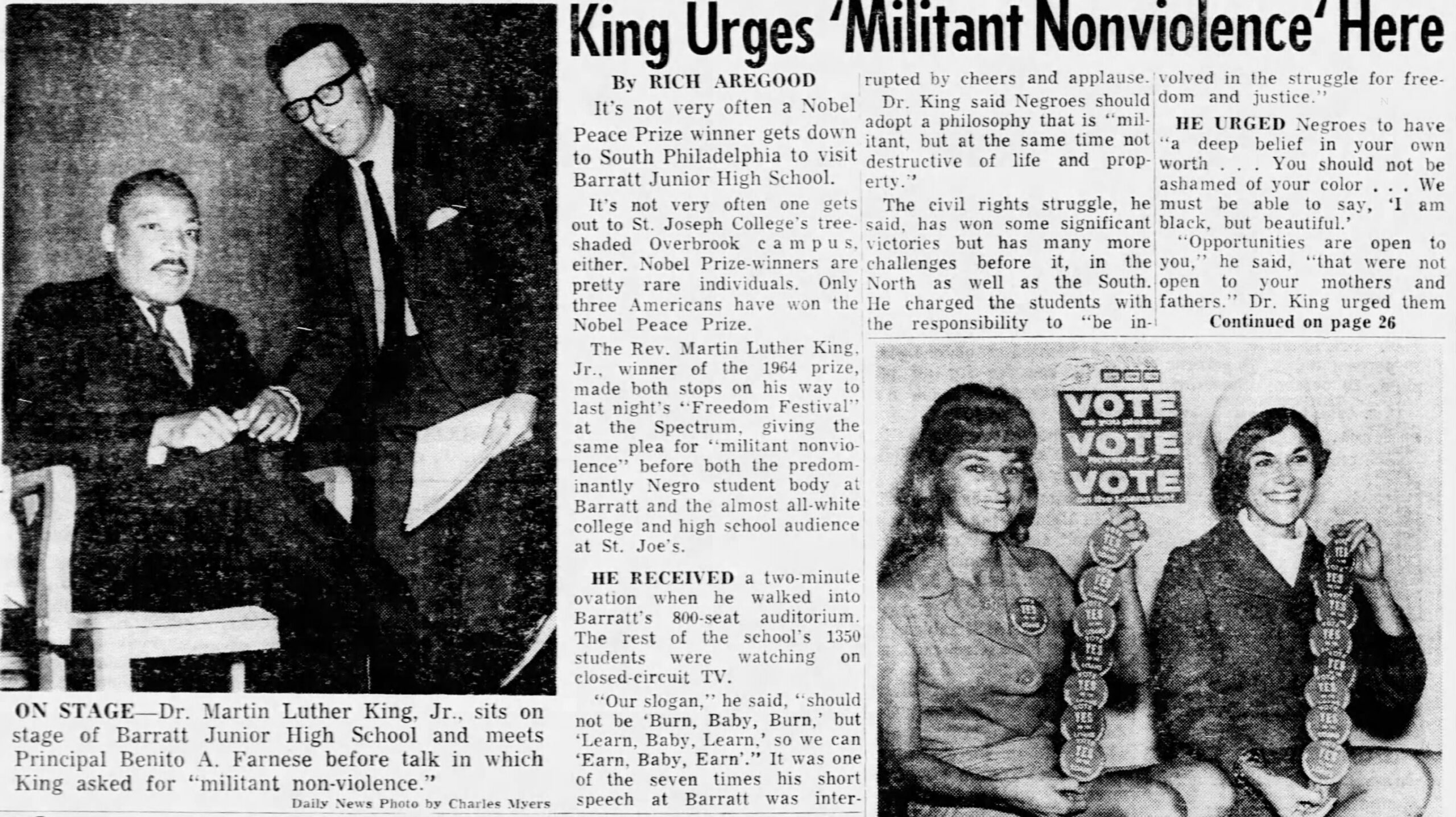
    The limousine door burst open, and the Rev. Dr. Martin Luther King Jr. stepped out onto the sidewalk in front of Dennis Kemp’s South Philadelphia school.

    Kemp was 13 that day in October 1967, a member of the stage crew and the basketball team asked by the principal of Barratt Junior High to greet the school’s surprise special guest.

    “In just about every Black household that I went into those days, there were three pictures hanging: Jesus, John Kennedy, and Dr. King,” said Kemp, now 72. “To actually meet this guy, it just blew me away.”

    King’s historic speech, made six months before he was assassinated, had a profound effect on Kemp and many of the 800 students crowded into the school auditorium.

    “What is your life’s blueprint?” King asked the students. “This is a most important and crucial period of your lives, for what you do now and what you decide now at this age may well determine which way your life shall go.”

    The community will mark the historic moment Monday, on Martin Luther King Jr. Day, with a showing of the speech in the auditorium of the school now known as Childs Elementary, then a day of service projects inside the building. One group hopes to apply to have a historical marker commemorating the visit placed outside the school.

    Kemp is glad that people still view and discuss King’s speech. Although he was a child, he sensed that he was part of something significant.

    Though nearly 1,000 students had packed into the Barratt auditorium, crowding into aisles and leaning over balconies, the room was silent save for King’s voice, Ben Farnese, then the school’s principal, told The Inquirer in 2006. In a nearby overflow room, 450 more students watched King on closed-circuit TV.

    “I took it in,” said Kemp, who was in the auditorium. “I said, ‘I’m going to keep this with me as long as I live.’”

    Charles Carter, a ninth grader who was in the auditorium, remembers the quiet.

    “Just figure — kids can be a little rowdy,” Carter said. “But we were transfixed, we were glued. We weren’t rowdy that day.”

    Jeffrey Miles, another Barratt student, had a good seat that day. He had heard a speaker was coming to school, and he was excited — he thought it might be Georgie Woods, the prominent DJ.

    After he heard King speak, he couldn’t help himself.

    “I had the end seat, and I jumped up out of my seat,” said Miles, who had turned 14 a few weeks before King spoke. “The speech was so exhilarating and so electrifying, I couldn’t control myself. He was walking down the aisle with [DJ] Georgie Woods, and I said, ‘Dr. King, can I shake your hand?’”

    King said yes. Miles grabbed his hand, which was sweaty — a detail that sticks in his mind, along with the sound of the Barratt students clapping thunderously for King.

    A belief in ‘somebodiness’

    King was in town for a “Stars for Freedom” show at the new Spectrum, opened the prior month in South Philadelphia.

    The Philadelphia Daily News recounted Martin Luther King Jr.’s visit to Barratt Junior High in October, 1967.

    “I know you’ve heard of that new impressive structure called the Spectrum, and I know you’ve heard of Harry Belafonte and Aretha Franklin and Nipsey Russell and Sidney Poitier and all of these other great and outstanding artists,” King said. He told the students to urge their parents to attend. “And I hope you will come also, for it will be a great experience and, by coming, you will be supporting the work of the Civil Rights Movement.”

    King did not use notes, Farnese said. He spoke for 20 minutes, an address that would eventually be known as his “What is Your Life’s Blueprint?” speech.

    The Barratt students, seventh, eighth, and ninth graders, were poised to move into a time that would determine the course of the rest of their lives.

    The great civil rights figure, who had by that time already won the Nobel Peace Prize, told the young people to have “a deep belief in your own dignity, your own worth, and your own somebodiness. Don’t allow anybody to make you feel that you are nobody.”

    Take pride in your color, your natural hair, King told the students, most of whom were Black.

    “You need not be lured into purchasing cosmetics advertised to make you lighter, neither do you need to process your hair to make it appear straight,” King said. “I have good hair and it is as good as anybody else’s in the world. And we’ve got to believe that.”

    ‘Learn, baby, learn’

    King urged the crowd to set upon a path to excellence, whatever that looks like.

    “I say to you, my young friends, that doors are opening to each of you — doors of opportunity are opening to each of you that were not open to your mothers and your fathers,” King said. “And the great challenge facing you is to be ready to enter these doors as they open.”

    Kemp remembers being surprised that King came to South Philadelphia.

    “Our neighborhood was pretty poor,” said Kemp, who grew up as one of nine children in a family that struggled. “There really wasn’t too much to look forward to in our neighborhood.”

    King acknowledged the “intolerable conditions” faced by many of the children he addressed. But, he said, it was incumbent on them to stay in school, to build a good life.

    “Set out to do a good job and do that job so well that the living, the dead, and the unborn couldn’t do it any better,” King said. “If it falls to your lot to be a street sweeper, sweep streets like Michelangelo painted pictures.”

    The civil rights hero told students to commit to “the eternal principles of beauty, love, and justice. Don’t allow anybody to pull you so low as to make you hate them.”

    King, who encouraged peaceful resistance, urged “a method that can be militant, but at the same time does not destroy life or property.”

    “And so our slogan must not be ‘Burn, baby, burn,’” King said, referring to a chant that had become associated with the 1965 Watts riots in Los Angeles. “It must be ‘Build, baby, build. Organize, baby, organize.’ Yes, our slogan must be ‘Learn, baby, learn’ so that we can earn, baby, earn.

    “And with a powerful commitment, I believe that we can transform dark yesterdays of injustice into bright tomorrows of justice and humanity.”

    ‘I’ll never forget it’

    Some of the members of the Barratt class in the room that day soared: Kevin Washington, who was on the basketball team with Kemp, went on to become the first Black president of the national YMCA.

    Kemp was bright, but his family’s economic struggles weighed on him, he said. He dreamed of college, but it wasn’t in reach. He ended up leaving South Philadelphia High without a diploma, eventually earning a GED.

    He raised children, built a life working — often in maintenance. He spent time as a school basketball coach.

    After suffering medical and marital issues, Kemp fell on hard times. He spent four months without a home, sleeping in parks and at 30th Street Station.

    “Dr. King’s speech really helped,” he said. “That used to come to mind when I was on the street. I’ll never forget it.”

    Kemp rallied; he now lives in an apartment in South Philadelphia.

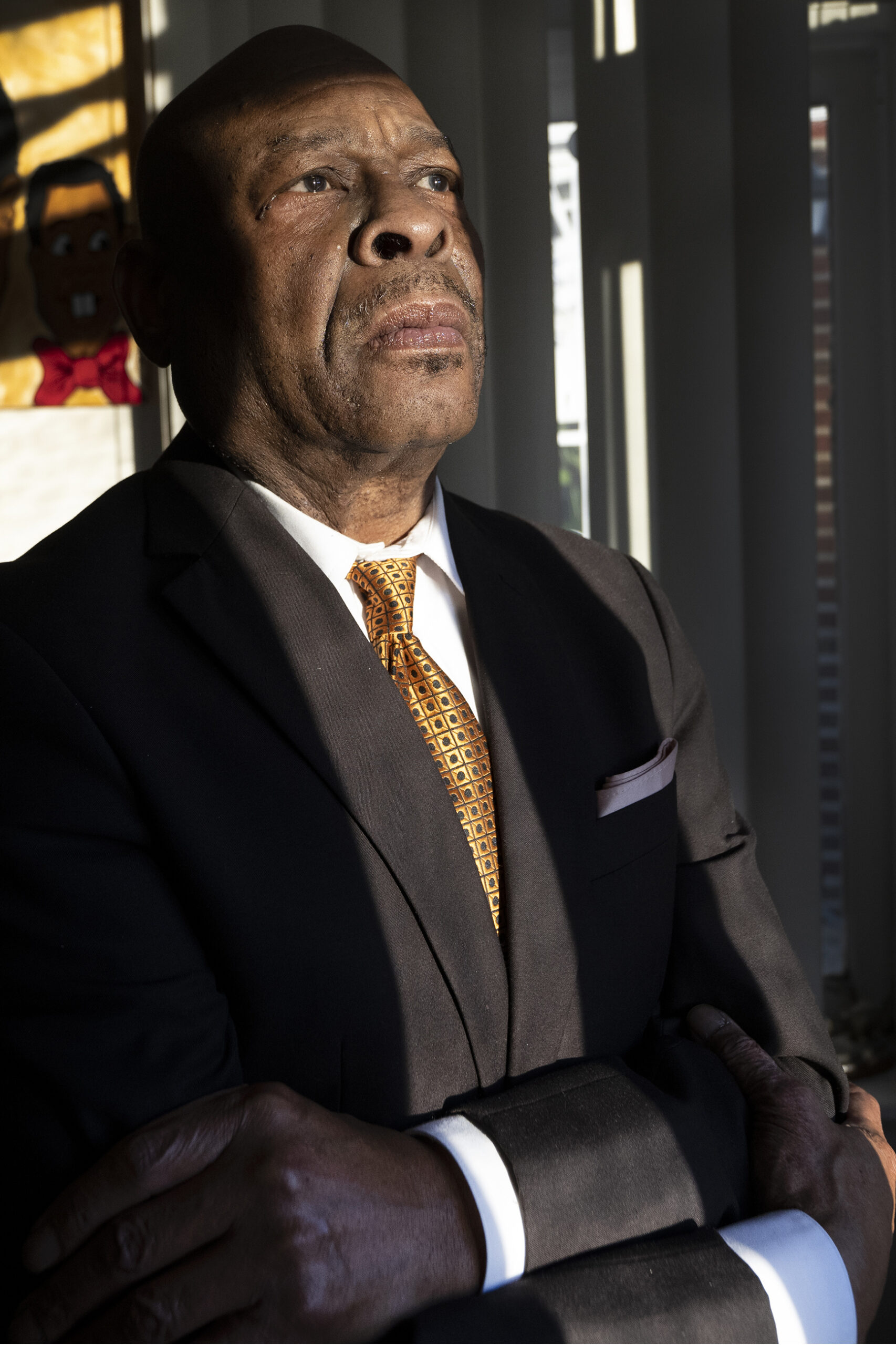
    Jeffrey Miles is photographed at his home in Philadelphia on Friday, Jan. 16, 2026. Miles was 13 in October 1967 when he shook the hand of the Rev. Dr. Martin Luther King Jr. and witnessed a speech that altered the course of his life.

    The speech also altered the course of Miles’ life.

    “I was a member of a gang in South Philly,” said Miles, now 72. “I never paid attention to adults and teachers. But that day I paid attention to Dr. King.”

    King’s words — reach for more, do your best, no matter your struggles — resonated. He buckled down at school, graduated from high school, from college. He became an optician and even taught students at Salus University.

    “When Dr. King said, ‘instead of burn, baby, burn, learn, baby learn,’ that gave me a window,” said Miles, who lives in West Oak Lane. “It gave me hope.”

  • A former nun and her husband give $5 million to Neumann University for its nursing program

    A former nun and her husband give $5 million to Neumann University for its nursing program

    When Jackie Fegley, a former nun, got married 51 years ago, money was tight. So she borrowed a dress from a friend.

    And when her husband looked at her nurse’s salary the first year he did her taxes, he said: “Do you know you’re borderline poverty?”

    But all that changed over the ensuing decades, and on Friday, Jackie and her husband Bill Fegley Jr., who made his career in accounting, gave a $5 million gift to Neumann University. Jackie is a 1971 graduate of Neumann — then called Our Lady of Angels College.

    She also spent 10 years as a nun with the Sisters of St. Francis of Philadelphia, which founded Neumann in 1965.

    It’s the largest single gift Neumann — a Catholic university in Aston, Delaware County — has received from an individual, and the university in recognition named its nursing college The Jacquelyn Wilson Fegley ’71 College of Nursing.

    “Bill and I were both lucky to receive a good education,” said Jackie, 81, who lives in Blue Bell with her husband, a Drexel University graduate. “So we decided that’s where we’d really like to give our money.”

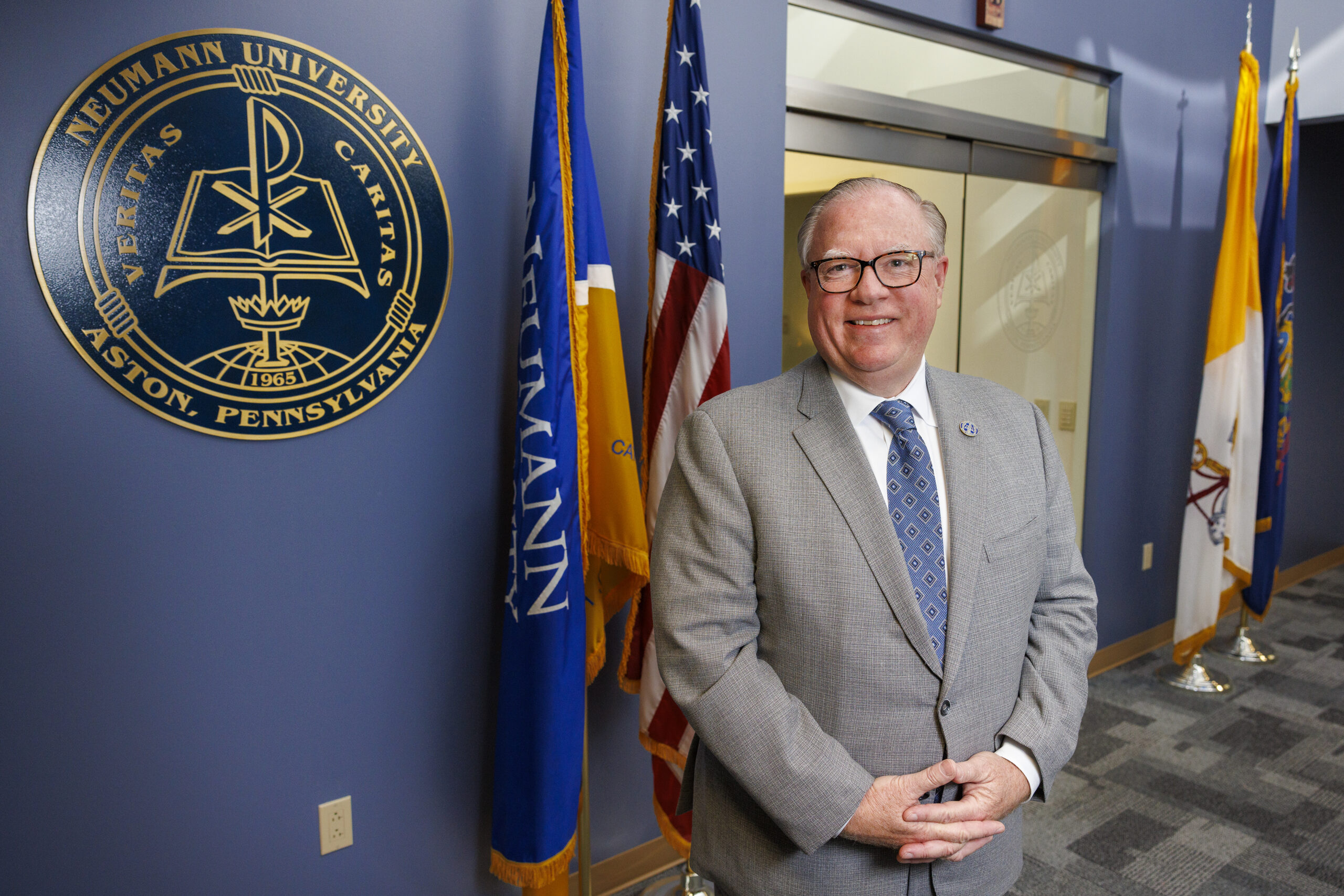
    Chris Domes, president of Neumann University

    Neumann President Chris Domes said $4.5 million will be used for undergraduate nursing scholarships for students with the most need and highest achievement, and the other $500,000 for lab equipment. The scholarships will begin to be awarded in the fall, with 22 to 25 students benefiting each year and continuing to get the funds over four years.

    Nursing is the largest major at Neumann, with 368 undergraduate and graduate students enrolled. That’s about 17% of the 2,174-student body.

    “If the scholarships give somebody an opportunity to change their life, it’s amazing,” said Bill, 78, who started his public accounting career with Arthur Young and then founded his own firm, Fegley & Associates, in 1975.

    Domes said he hopes the gift encourages others to invest in higher education.

    “It sends a signal that Neumann is a place that is financially strong and getting stronger,” he said. “It’s a real sign from Bill and Jackie that they believe in what we are doing here.”

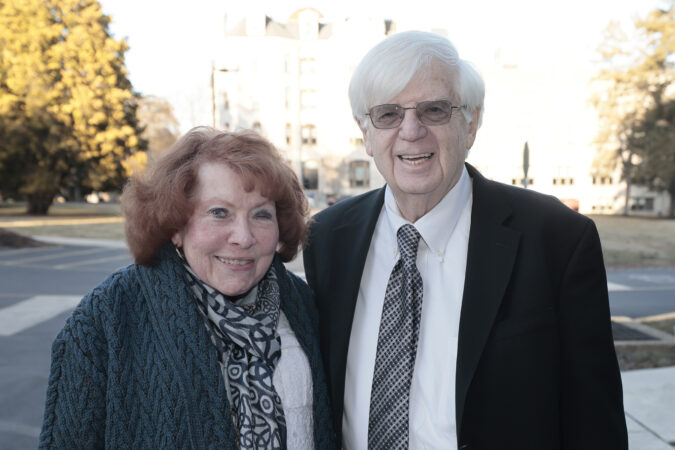
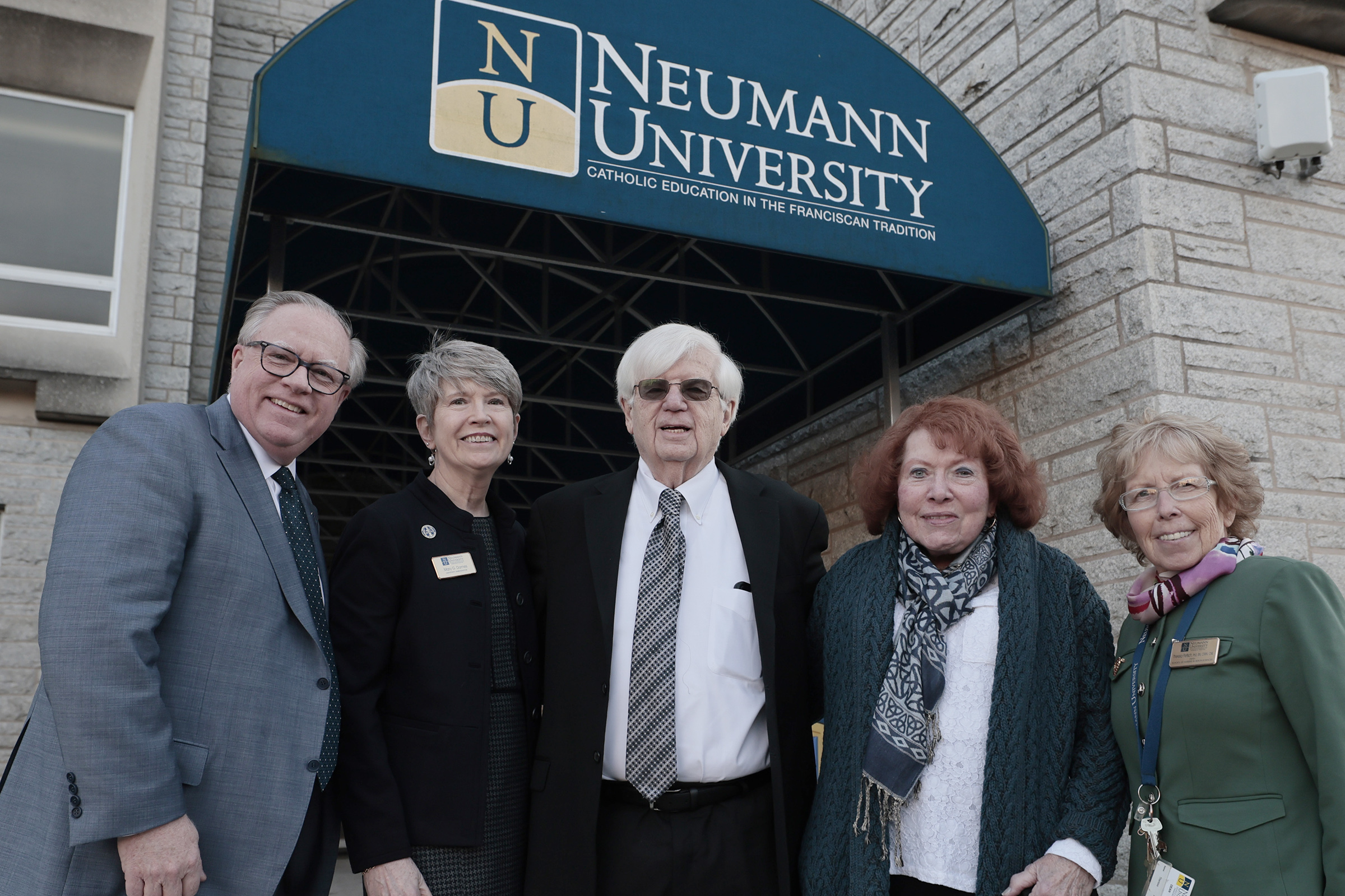
    Neumann University President Chris Domes (from left) and his wife Mary Domes, William Fegley Jr. and his wife Jacquelyn Fegley, of Blue Bell and Neumann’s Nursing Health Sciences Dean Theresa Pietsch at Neumann University in Aston, Pa. on Friday, Jan. 16, 2026.

    Born in Chester, Jackie said she grew to admire the Franciscan sisters at her local parish and stayed in touch with them through high school. When she graduated from Notre Dame High School in Moylan in 1962, she joined the order.

    During her decade there, she taught grade school, including one year at an orphanage where the children ranged in age from 3 to 9. She said that’s when she started to think she wanted a family.

    She got her bachelor’s degree while in the order, first taking classes at St. Joseph’s University and then moving over to Our Lady of Angels when it opened. She was part of the college’s second nursing graduating class.

    “I think there were 10 of us in the class,” she said, including other nuns and lay people. “It was a wonderful experience integrating everyone together.”

    After leaving the convent, she worked as a nurse at Holy Redeemer Hospital in Meadowbrook and Nazareth Hospital in Northeast Philadelphia. In January 1974, she met Bill, who grew up in Tamaqua, at a dance at a local pub. In September of that year, they married.

    They have five children, now ages 40 to 50, who work as accountants, a personal trainer, a doctor, and a minimart operator.

    Jackie has remained in contact with the sisters through the years.

    “I love the sisters,” she said. “I still consider myself a Franciscan, just not a Franciscan sister.”

    Bill — whose accounting firm has since merged with Morison Cogen LLP, where he continues to serve as a partner — has served on the foundation board for the Sisters of Saint Francis and has chaired it for about four-and-a-half years. And nine months ago, he joined Neumann’s board of trustees. He also has served as a lecturer at the University of Pennsylvania and an adjunct professor at Drexel and Pennsylvania State University.

    The couple has visited Neumann to see how the educational program has grown and were pleased to see its Franciscan spirit thriving.

    “I was really thrilled to see that this was how it was progressing,” Jackie said.

    The couple attended the naming celebration and gift announcement at Neumann on Friday.

    “We’re just pleased that God put us in a position that we’re able to do this,” Bill said.

  • A charter seeking to open on Valley Forge Military Academy’s campus has withdrawn its application

    A charter seeking to open on Valley Forge Military Academy’s campus has withdrawn its application

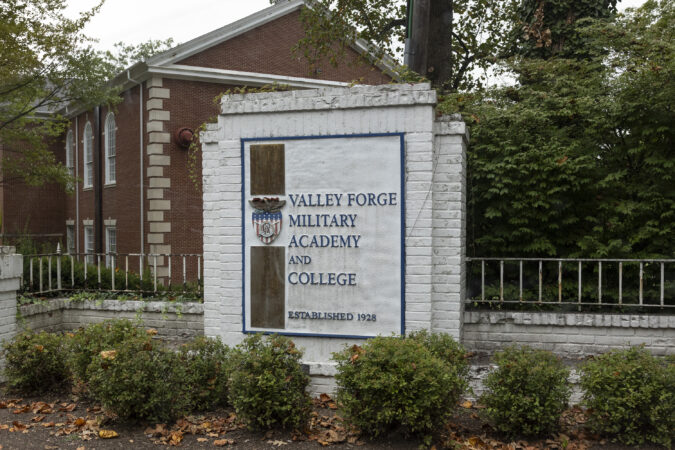
    A group seeking to open a charter school on the Valley Forge Military Academy campus has withdrawn its application, citing a move by Radnor Township to take some of the land by eminent domain.

    The board of the proposed Valley Forge Public Service Academy says it plans to resubmit its application to the Radnor school board once the township’s plan to take 14 acres by eminent domain “has been clarified sufficiently to ensure the welfare and safety” of potential students and staff.

    The Radnor Township Board of Commissioners voted last week to authorize the township’s solicitor to acquire the land from the military academy, which is set to close in May amid financial turmoil and abuse allegations.

    Township officials say they want to prevent more development around North Wayne. At a meeting last week, Radnor Commissioner Jack Larkin said the township had reached out to military academy officials to negotiate a deal, but had not heard back.

    Alan Wohlstetter, a charter school consultant who is backing the proposed Valley Forge charter, said the move to use eminent domain was “clearly not something we could have anticipated.”

    “Clarification is now needed on a number of items in order for us to proceed with our application,” Wohlstetter said in a statement Thursday.

    Plans for the charter — which was proposed to open this fall and enroll up to 150 students — had been in the works since last year, even before the military academy announced its closure. The once-storied academy, which has struggled with declining enrollment, mounting costs, and a series of abuse scandals, had discussed renting its campus to the proposed new charter.

    It was the latest plan for a charter school — a school that is publicly funded but privately managed — to rent facilities from the military academy.

    The Radnor school board — which like other Pennsylvania school boards has the power to approve or deny applications for new charters seeking to open in their districts — has rejected two previous charter proposals at the military academy campus.

    The board held its first hearing on the latest proposal in December and a second hearing had been scheduled for this month.

    The academy spans about 70 acres. In December, Eastern University entered an agreement to buy 33 acres of the property.

    In pursuing eminent domain, Radnor officials say they are considering taking 14 acres to build a replacement for the township’s recreation center, along with a park.

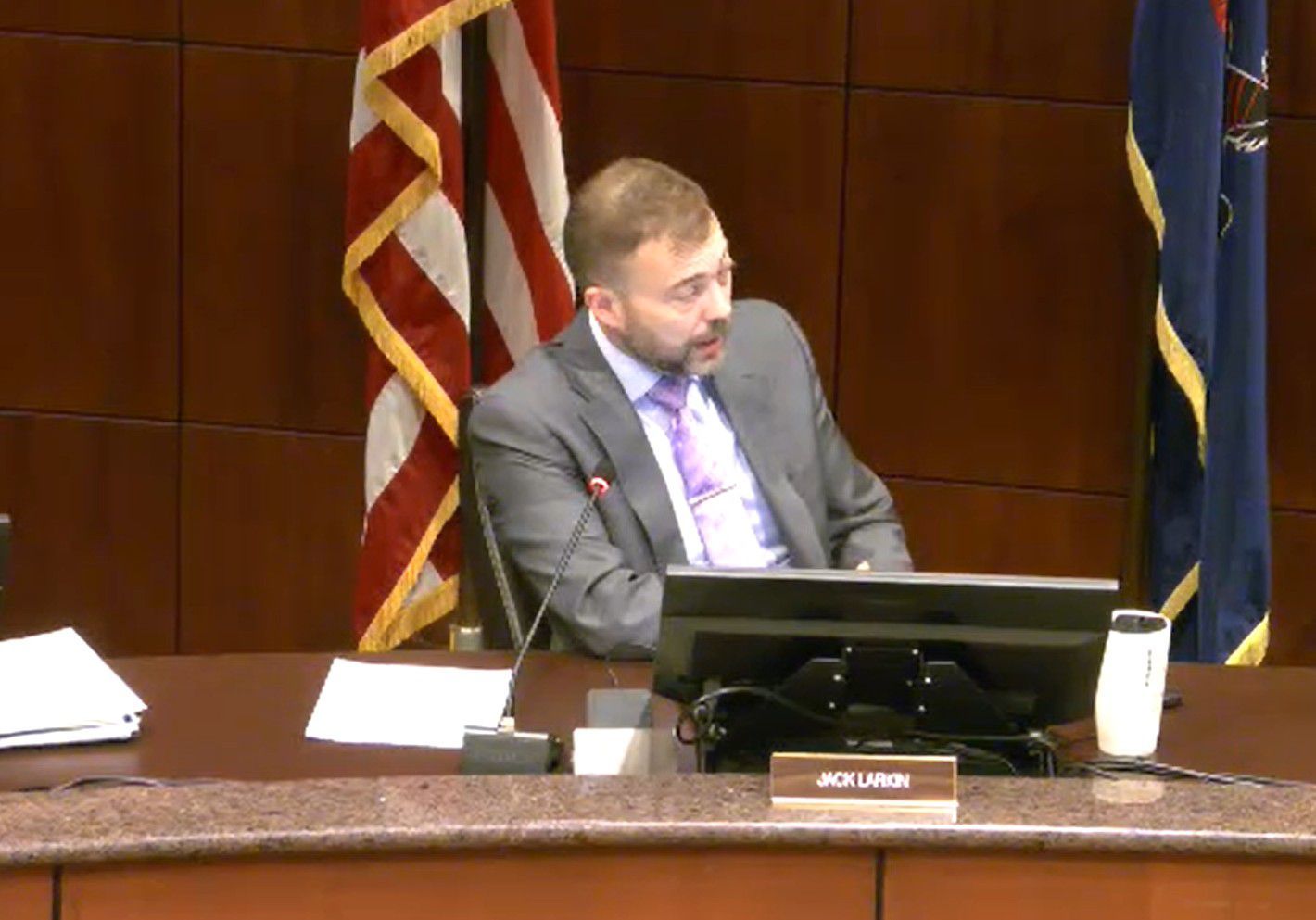
    A video still of Radnor Commissioner Jack Larkin speaking at a Jan. 5 township meeting regarding the possible taking of 14 acres of Valley Forge Military Academy through eminent domain.

    While Larkin said he did not believe the plan would conflict with the proposed charter school, Wohlstetter said the charter’s backers needed clarity on which acres would be affected, and how the plan would impact traffic and parking.

    The uncertainty impairs the charter’s ability to pre-enroll students, Wohlstetter said — adding that the charter wants to be “good partners to the Radnor community.”

    Wohlstetter said the charter would resubmit its application to the school board “at a future date.” The proposed charter would enroll students in grades six to 12, with a focus on preparing them for careers in public service fields like law enforcement, firefighting and EMS.

  • Philly students are posting their best math performance in years

    Philly students are posting their best math performance in years

    Philadelphia students are performing the best they have in math in years, showing steady improvement since the pandemic.

    Still, just a quarter of city third through eighth graders passed Pennsylvania math assessments, with 25.1% of students scoring proficient or advanced on the 2024-25 exam, up from a 22% pass rate the prior year and 18.9% in 2016-17.

    That means the district surpassed the school board’s goal of a 22.2% pass rate for last school year — but fell well below the 2029-30 target of 52% proficiency.

    Philadelphia students still lag Pennsylvania averages considerably, though — for the 2024-25 year, 41.7% of students in grades three through eight statewide passed math tests.

    Scores are slightly stronger in the lower grades. Overall, 33.7% of Philadelphia third graders passed the state test, compared to 27.4% the prior year. The board’s third-grade target is 57.5% for 2029-30; it was 28% last year, a nod to prior performance.

    Officials said the jumps are due in part to the new math curriculum the district adopted in 2023-24.

    The school board devoted its full Thursday night progress monitoring session to examining math goals. The highlighted findings include:

    Attendance correlates with math scores

    Students’ attendance generally correlates to their math performance. Of pupils who attended school 90% of the time or more, the highest percentage of students were at or above benchmark (29%) and the lowest percentage needed the most intense interventions (24%).

    The reverse is true for students who are considered “chronically absent” — those who attend school less than 80% of the time. In that category, more than half of students — 52% — needed intense interventions, and just 7% scored proficient or above.

    Improvements for students learning English

    English language learners’ math skills are improving, as measured by Star tests, which the district gives periodically throughout the school year to measure student learning.

    The math proficiency of third grade English learners, for example, was up year-over-year as marked by the winter Star exam. This school year, 23% of English learners passed the test, compared with 18% at the same point in 2024-25.

    Slight improvements for students with disabilities

    Students with disabilities scored lower. Overall, 11% of students with disabilities passed the winter Star exam, up slightly from 10% last year.

    Focus on early math skills

    Officials said gains were made in part because of a focus on building foundational math skills.

    Students in kindergarten and first and second grades all saw jumps from fall to winter in mastering skills such as numeral recognition, addition to 10, and subtraction to 10, as measured by Star tests. The district showed significant gains in third grade performance this year.

  • A car accident derailed his education 25 years ago. Now he’s returning to college alongside others with physical disabilities.

    A car accident derailed his education 25 years ago. Now he’s returning to college alongside others with physical disabilities.

    In 2000, Aaron Deede was an 18-year-old Delaware college student who enjoyed acting and had dreams of becoming a playwright.

    But a car accident left him paraplegic with a traumatic brain injury that upended his plans.

    “It was a little detour,” Deede said.

    Now, at 43, he is returning to college along with four other residents of Inglis House, a nursing facility in Philadelphia’s Wynnefield section for people with severe physical disabilities who use wheelchairs and have conditions such as multiple sclerosis, cerebral palsy, spinal cord injuries, or challenges following strokes.

    Deede and three other Inglis residents on Monday started online classes — some may go in person in subsequent semesters — at Community College of Philadelphia, with a fifth student scheduled to start this summer. Inglis pays for the students’ education from a donor-supported fund.

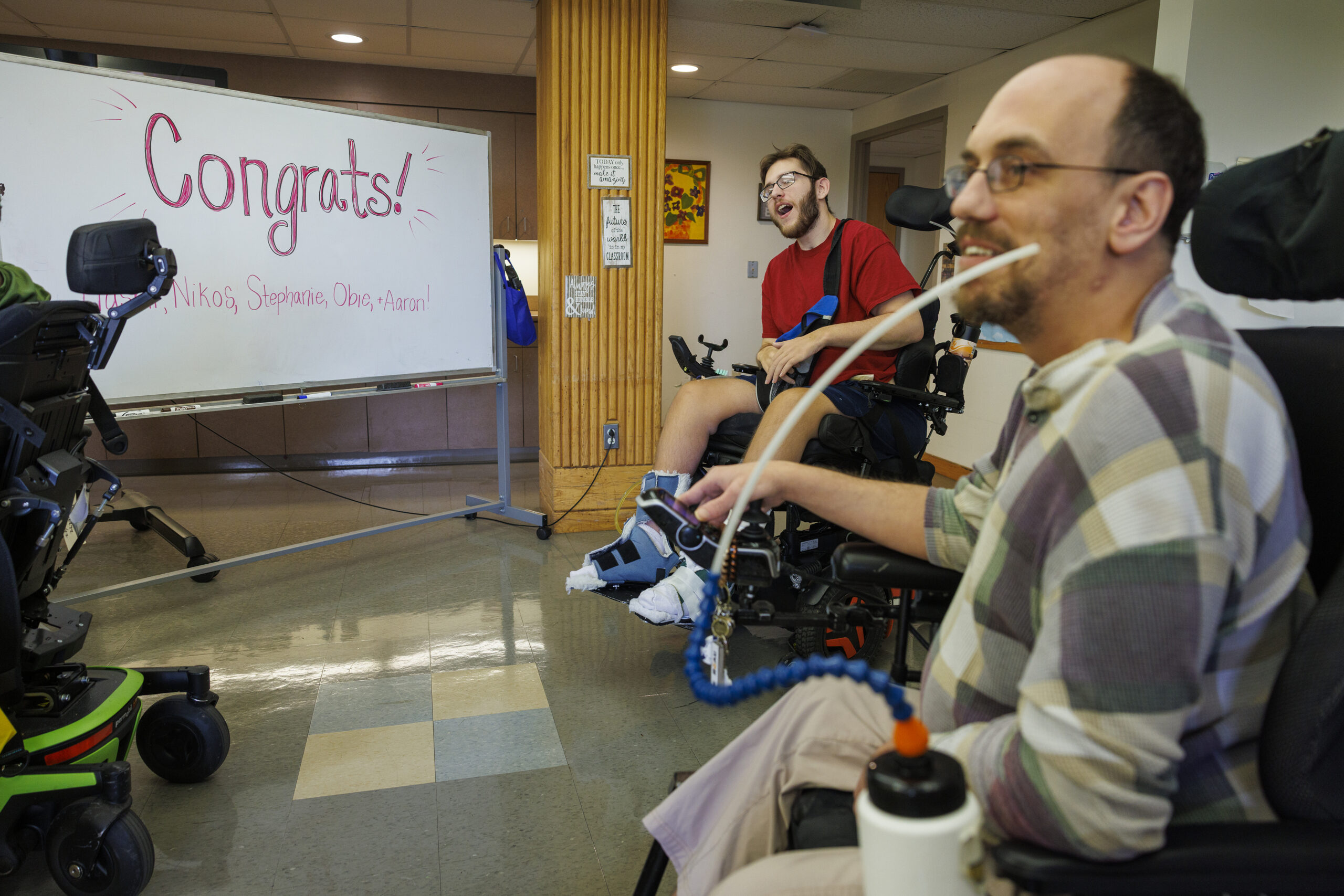
    “I love it. I can’t wait,” Deede said Friday during a celebration Inglis held for the new students at its Belmont Avenue complex, giving each of them a backpack to start their journey.

    At right is Aaron Deede a resident of Inglis House. He is starting to take classes at Community College of Philadelphia. At left, Jaclyn Monaco, director of Therapeutic Life Enrichment, offers treats during the celebration for students.

    Dozens of Inglis residents — who range in age from 18 to their 70s — have taken college classes over the years, and some have earned degrees. But this is the largest group to start together since the 1990s, said Jacklyn Monaco, Inglis’ director of therapeutic and life enrichment.

    “Things sort of ebb and flow as far as the types of resident who move in and their personal goals,” she said. “Sometimes they’re recreational goals. Sometimes they’re physical goals. Sometimes they’re educational goals. At this point in time we have a lot of younger folks who are really interested in pursuing higher education.”

    Nikos Rapach, 21, had been planning to join either the Army or the Coast Guard when he was in a car accident and lost the use of his legs and the mobility of his fingers.

    Nikos Rapach, a resident of Inglis House, sets up at his workstation in the computer lab.

    “I’m not going to be able to swing a hammer, so I have to start using my brain more,” said Rapach, who is from Hazleton.

    He is taking English and trigonometry classes at CCP. He will use the computers at Inglis that have adaptive technology to assist with note-taking.

    “Everything here is a stepping stone for me,” said Rapach, who moved to Inglis in May. “I want to go back home. I want to get a job. I basically want to get my life back on track.”

    He aspires to become a history teacher, he said.

    “Like they say, if you don’t know your history, you are doomed to repeat it,” he said.

    Deede, who came to Inglis in 2023, also would like to become a teacher, preferably at the elementary level.

    Another resident who is taking classes at CCP aims to become a social worker at Children’s Hospital of Philadelphia, said Jeremy Ault, Inglis’ therapeutic education instructor. Another hopes to become an Urdu-to-English translator.

    Stephanie Shea, 59, who is from Maryland and has a genetic neuromuscular condition, is taking liberal arts classes with the goal of getting a degree.

    “It’s kind of a bucket-list thing,” said Shea, who recently got married to another resident. “It’s something I’ve always wanted to have.”

    Founded in 1877, Inglis House currently serves about 180 residents, nearly 40% of whom are involved in educational activities — not just college. Classes are offered at Inglis in subjects such as history, law, science, poetry, and creative writing, as well as foundational skills like reading and personal finance.

    Aaron Deed (right) and Nikos Rapach are starting taking classes at Community College of Philadelphia.

    Inglis staff accompanied the students to CCP’s campus to take their placement tests, register for classes, and visit’s CCP’s Center on Disability, the office that helps students with disabilities.

    “We suggest accommodations based on their needs,” said Lisa Papurt, coordinator of disability services at the center, which typically serves 400 to 500 students with disabilities per semester.

    Those services could include extra time for tests or technology to assist with note-taking or assistance in communicating with professors.

    Papurt said she is excited to see the Inglis students start their educational journey.

    “I hope to be able to support them through getting degrees, graduating, and moving on to a four-year institution,” she said.

    When students entered their surprise celebration Friday, Ault, the therapeutic education instructor, told them it was time for them to celebrate.

    “I’m so proud of you guys for doing so well this past year,” he said. “You guys have been such a pleasure to teach and be part of your lives really.”

    Ault is helping students prepare for entry into college.

    “I’m working on my writing skills and grammar,” Rapach said. “Jeremy has been giving me essay prompts to help me be a better writer so that when I get to college, I’m not trying to relearn everything.”

    He said he’s excited to get started.

    “I feel good,” he said. “I’m ready for it.”

  • Cheltenham High football ‘toxic’ culture led to hazing, investigation concludes; team may not play in 2026

    Cheltenham High football ‘toxic’ culture led to hazing, investigation concludes; team may not play in 2026

    Nearly 20 people witnessed an assault in the Cheltenham High football team’s locker room last fall, according to an external investigation commissioned by the school district.

    No one tried to stop it, “and several participated freely in it,” Superintendent Brian Scriven told the Cheltenham community in an e-mailed message Thursday. “Several students also filmed the assault.”

    The assault — which happened Sept. 3 — ultimately resulted in the cancellation of the team’s season in October and led to the hazing investigation, for which Scriven released the results Thursday night. His message did not include additional details about the assault.

    Though a pattern of hazing was “not fully substantiated,” Scriven wrote, other troubling findings include: inadequate student supervision in the locker room, “a failure to prioritize student safety by the coaching staff and/or adult volunteers,” no anti-bullying or anti-hazing education for team members, and “a toxic and negative culture within the current football program.”

    The team’s head coach, according to a 2025 Cheltenham news release, had been Terence Tolbert, a business teacher at the school and a former semi-professional football player. When reached Thursday, Tolbert declined to comment.

    Cheltenham’s football program will be rebuilt eventually, Scriven said, and the district will adopt investigators’ recommendations, including identifying, hiring, and training a “new coaching staff with strong commitment to leading student-athletes in a positive and responsible manner,” and strengthening team supervision.

    But, Scriven said, fielding a team in 2026 is not a given for the district.

    The superintendent alluded to “a general lack of credibility on the part of many of those interviewed during the investigatory process” and said parent, student, and staff cooperation going forward is crucial.

    “Those students who were not involved in this situation are especially important to rebuilding the culture of our program,” Scriven said. “If all of these conditions are met, the district will stand up a football team for the 2026 season.”

    It is not yet clear whether the students involved could face punishment or criminal charges. Multiple students have ongoing Title IX and disciplinary matters, which could affect their eligibility to play football. Cheltenham Township police and the Montgomery County District Attorney’s Office are both still investigating the incident, according to the district’s message Thursday.

    Staff writer Robert Moran contributed to this article.

  • Jewish students and faculty at Penn ask that their names not be turned over in federal antisemitism investigation

    Jewish students and faculty at Penn ask that their names not be turned over in federal antisemitism investigation

    Several groups at the University of Pennsylvania representing Jewish students, faculty, and staff are seeking to protect their names and personal information from being turned over to the U.S. Equal Employment Opportunity Commission, which is suing Penn for the data.

    The EEOC filed suit in November after the Ivy League university refused to comply with a subpoena seeking information for an investigation it began in 2023 over the school’s treatment of Jewish faculty and other employees regarding antisemitism complaints.

    In its quest to find people potentially affected, the commission demanded a list of employees in Penn’s Jewish Studies Program, a list of all clubs, groups, organizations, and recreation groups related to the Jewish religion — including points of contact and a roster of members — and names of employees who lodged antisemitism complaints.

    In a legal filing in federal court this week, several groups argued that their personal information should be kept private.

    “In effect, these requests would require Penn to create and turn over a centralized registry of Jewish students, faculty, and staff — a profoundly invasive and dangerous demand that intrudes deeply into the freedoms of association, religion, speech, and privacy enshrined in the First Amendment,“ the groups charged in the filing.

    The motion was filed on behalf of the American Academy of Jewish Research — the oldest organization of Jewish studies scholars in North America — Penn Carey Law School’s Jewish Law Students Association, the national and Penn chapters of the American Association of University Professors, and the Penn Association of Senior and Emeritus Faculty. All the groups include Jewish students, faculty, and staff whose information could be affected, according to lawyers involved in filing the motion.

    No matter the EEOC’s motives, “creating a list of Jews in an era where data security is questionable, against the backdrop of rising antisemitism … and white supremacy, is terrifying,“ Amanda Shanor, a Penn associate professor of legal studies and business ethics and one of the lawyers who filed the motion, said in an interview.

    The groups argued that providing the personal information to the commission could harm future membership.

    “The prospect that the subpoena or a similar future subpoena could be enforced will chill the Jewish community members’ willingness to join and participate in these organizations for years to come,” the filing said.

    And while Penn has resisted compliance, the groups worry that could change if President Donald Trump’s administration applies financial or other pressure, according to the filing.

    Penn last summer entered into an agreement with the Trump administration over transgender athletes after $175 million in federal funding was paused. Penn agreed to apologize to members of its women’s swim team who were “disadvantaged” by transgender swimmer Lia Thomas’ participation on the team in the 2021-22 season and remove Thomas’ records, giving them instead to swimmers who held the next-best times. The school also agreed to abide by Title IX — the civil rights law that prohibits sexual harassment and discrimination — “as interpreted by the Department of Education” in regard to athletics and state that all its practices, policies, and procedures in women’s athletics will comply with it.

    Lawyers for the groups in the EEOC case pointed to that settlement in their filing.

    “The proposed intervenors cannot leave their rights to chance and must be permitted to protect their rights,” lawyers for the groups said in their filing this week.

    Shanor said while Penn “has been very firm on this in a way that I am very struck by and impressed with,” it is important for the faculty and students to “assert those interests directly and explain to the court from the people who actually would be harmed by this why this is unconstitutional.”

    Steven Weitzman, a professor of religious studies at Penn, said he got involved in part because the EEOC was seeking the names of faculty and staff who participated in confidential listening sessions as part of Penn’s task force on antisemitism.

    “We promised the participants it would be confidential,” said Weitzman, who, as a member of the task force, helped set up the listening sessions.

    Penn provided notes from the sessions, but not participants’ identities, he said.

    As part of the Jewish studies program, his information also would have been vulnerable to the EEOC’s demand. He said even though Penn did not provide the information, the commission somehow got his personal cell number and called last week. He does not intend to call back, he said.

    Asking the university to compile a list of Jewish faculty and staff is wrong, he said.

    “Even if their motives are perfectly benign, they can’t guarantee they will always control that information, and it’s setting a dangerous precedent,” he said.

    Penn declined to comment on the groups’ filing, but in a statement in November, the school said it had cooperated extensively with the EEOC, including providing more than 100 documents and over 900 pages.

    But the private university refused to disclose the personal information.

    “Violating their privacy and trust is antithetical to ensuring Penn’s Jewish community feels protected and safe,” Penn said.

    Penn provided information on employees who complained and agreed to be contacted, the school said, and offered to reach out to employees and make them aware of the EEOC’s request to speak with them.

    The original complaint was launched by EEOC Commissioner Andrea Lucas, now chair of the body, on Dec. 8, 2023, two months after Hamas’ attack on Israel that led to unrest on college campuses, including Penn, and charges of antisemitism. It was also just three days after Penn’s then-president, Liz Magill, had testified before a Republican-led congressional committee on the school’s handling of antisemitism complaints; the testimony drew a bipartisan backlash and led to Magill’s resignation days later.

    Lucas, whom Trump appointed chair last year, also brought similar antisemitism charges against Columbia University that resulted in the school paying $21 million for “a class settlement fund.”

    EEOC complaints typically come from those who allege they were aggrieved. Lucas, according to the complaint, made the charge in Penn’s case because of the “probable reluctance of Jewish faculty and staff to complain of harassing environment due to fear of hostility and potential violence directed against them.“

    The EEOC’s investigation ensued after Lucas’ complaint to the commission’s Philadelphia office that alleged Penn was subjecting Jewish faculty, staff, and other employees, including students, “to an unlawful hostile work environment based on national origin, religion, and/or race.”

    The allegation, the complaint said, is based on news reports, public statements made by the university and its leadership, letters from university donors, board members, alumni, and others. It also cited complaints filed against Penn in federal court and with the U.S. Department of Education over antisemitism allegations and testimony before a congressional committee.

    “Penn has worked diligently to combat antisemitism and protect Jewish life on campus,” Penn said in its November statement about the EEOC lawsuit.

  • Temple, Villanova, and Penn State are among local schools beginning to pay athletes. Here’s how it’s going so far.

    Temple, Villanova, and Penn State are among local schools beginning to pay athletes. Here’s how it’s going so far.

    At local colleges with major sports programs, some student athletes are now getting paychecks — from their athletic departments.

    Pennsylvania State University, Temple, Villanova, St. Joseph’s, Drexel, and La Salle are among the Pennsylvania schools that have begun to directly pay athletes following a settlement last year in federal class-action lawsuits over student athlete compensation.

    The move arguably ends college athletes’ status as amateurs and begins to address long-standing concerns that players haven’t fairly profited from the lucrative business of some college sports.

    It also raises questions about how schools will fund the athletes’ pay and whether equity complaints will arise if all athletes are not comparably awarded. Some also question how it will impact sports that are not big revenue makers.

    Locally, most colleges have been mum on how much they are paying athletes, and some have also declined to say which teams’ athletes are getting money through revenue sharing, citing competitive and student privacy concerns. Villanova, a basketball powerhouse that has 623 athletes across 24 sports, said it will provide money primarily to its men’s and women’s basketball teams.

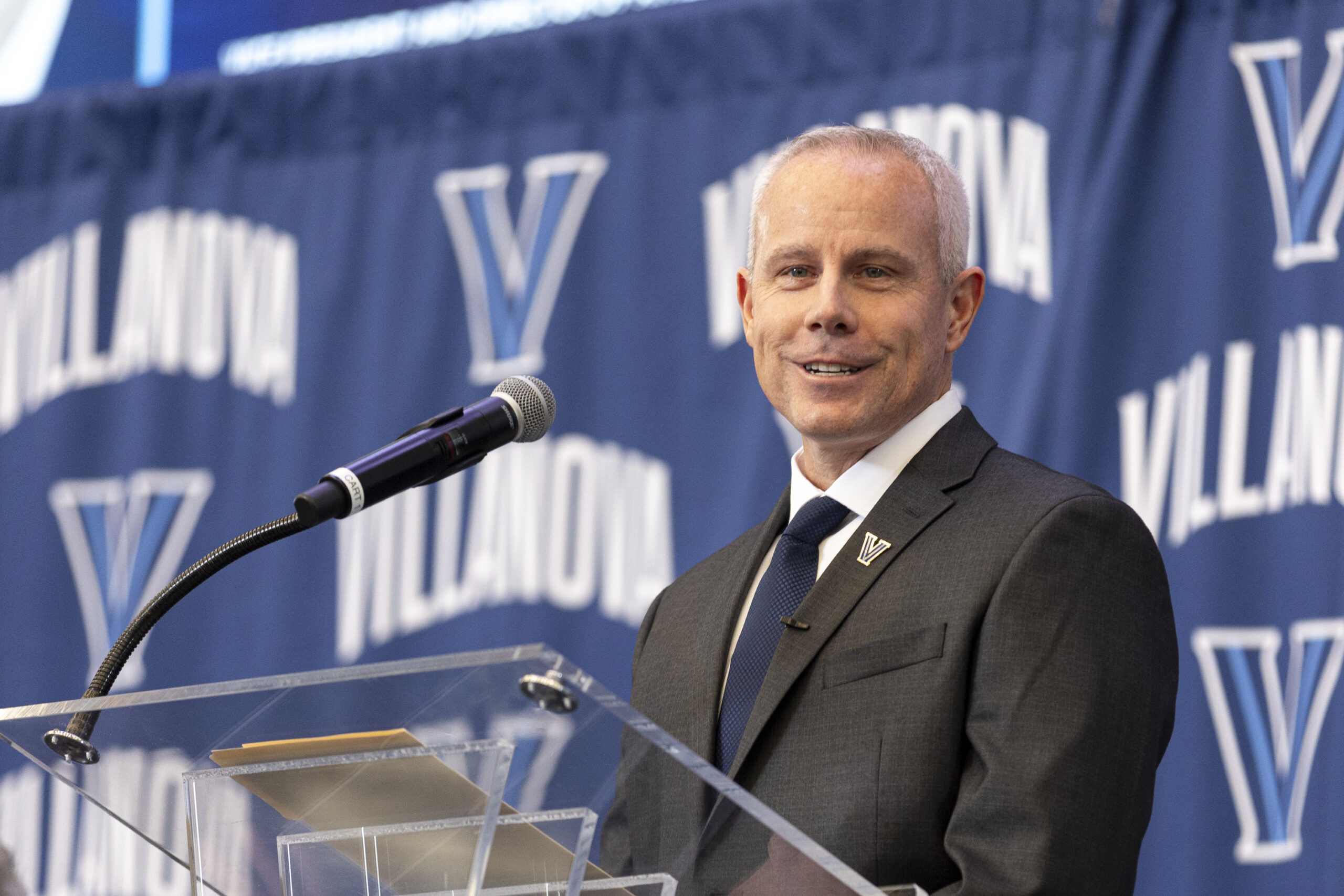
    Erica Roedl, Villanova’s vice president and athletic director, speaks during a news conference at the school’s Finneran Pavilion in 2024.

    “Our objective is to share revenue at levels which will keep our basketball rosters funded among the top schools in the Big East [Conference] and nationally,” Eric Roedl, Villanova’s vice president and director of athletics, said in a June message after the court settlement.

    St. Joe’s, another basketball standout, said its arrangement is also with men’s and women’s basketball athletes, like its peers in the Atlantic 10 Conference.

    Temple University established Competitive Excellence Funds that allow all of its 19 teams to raise money for revenue sharing, but declined to say which teams are currently distributing money to athletes.

    “Donors could, if they wanted to, make sure their money went to a certain sport,” said Arthur Johnson, Temple’s vice president and director of athletics. “They have that ability.”

    Other local colleges, including St. Joseph’s and Villanova, also launched funds to help raise money for revenue sharing. And all three schools also plan to use athletic revenue.

    Under the revenue-sharing framework established by the court settlement, each college can pay its athletes up to a total of $20.5 million this academic year. Football powerhouse Penn State, which has about 800 athletes, has said it intends to reach the cap, according to a June 7 statement from athletic director Pat Kraft.

    “This is a rapidly evolving environment that we are monitoring closely to ensure our approach remains consistent with applicable rules, while supporting the well-being and academic success of our student-athletes,” said Leah Beasley, Penn State’s deputy athletic director for strategic engagement and brand advancement.

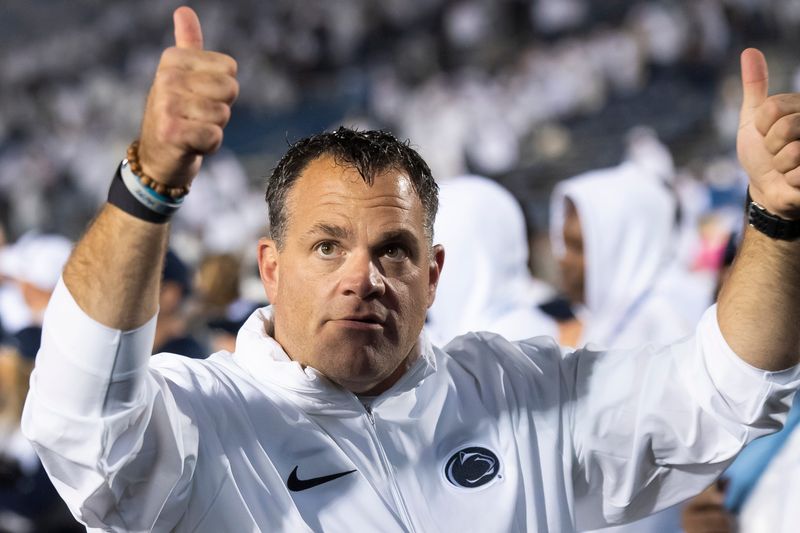
    Penn State athletic director Pat Kraft gives two thumbs up to the student section following a 31-0 win in a football game against Iowa in 2023.

    ‘It’s a job’

    To athletes, revenue sharing seems only fair, given many are so busy practicing and playing through summers and other breaks that they don’t have time to work.

    “It is a job at the end of the day,” said former Villanova University basketball player Eric Dixon, who holds the Wildcats’ record as all-time leading scorer. “You put a lot of time into it every single day, every single week.”

    Players get hurt and can see their sports careers harmed or halted, said Dixon, who grew up in Abington and played at Villanova from 2020 to 2025. College may be their only time to earn money for their sports prowess.

    Villanova’s Eric Dixon drives against Alex Karaban of UConn during the 2025 Big East Tournament at Madison Square Garden in New York.

    Dixon didn’t benefit from revenue sharing. But he got money through external name, image, and likeness (NIL) endorsements and sponsorships that the NCAA began allowing in 2021. Dixon declined to specify how much he received, but said it was “seven figures” over four years and allowed him to help his family.

    Like some other schools, Villanova, he said, provided players with financial guidance so they could make wise decisions on how to use their money.

    External NIL arrangements, though, he said, were a little “like the Wild West.” (NIL compensation is allowed to continue under the lawsuit settlement, but deals of more than $600 have to be reported.) Revenue sharing from colleges will offer athletes more predictable income, said Dixon, who now plays for the Charlotte Hornets’ affiliated team in the G League.

    Tyler Perkins, a Villanova junior from Virginia, currently plays for the Wildcats, who won national championships in 1985, 2016, and 2018. While he declined to say how much he is receiving, he said revenue sharing is helping him prepare for his future and “set up for the rest of my life.”

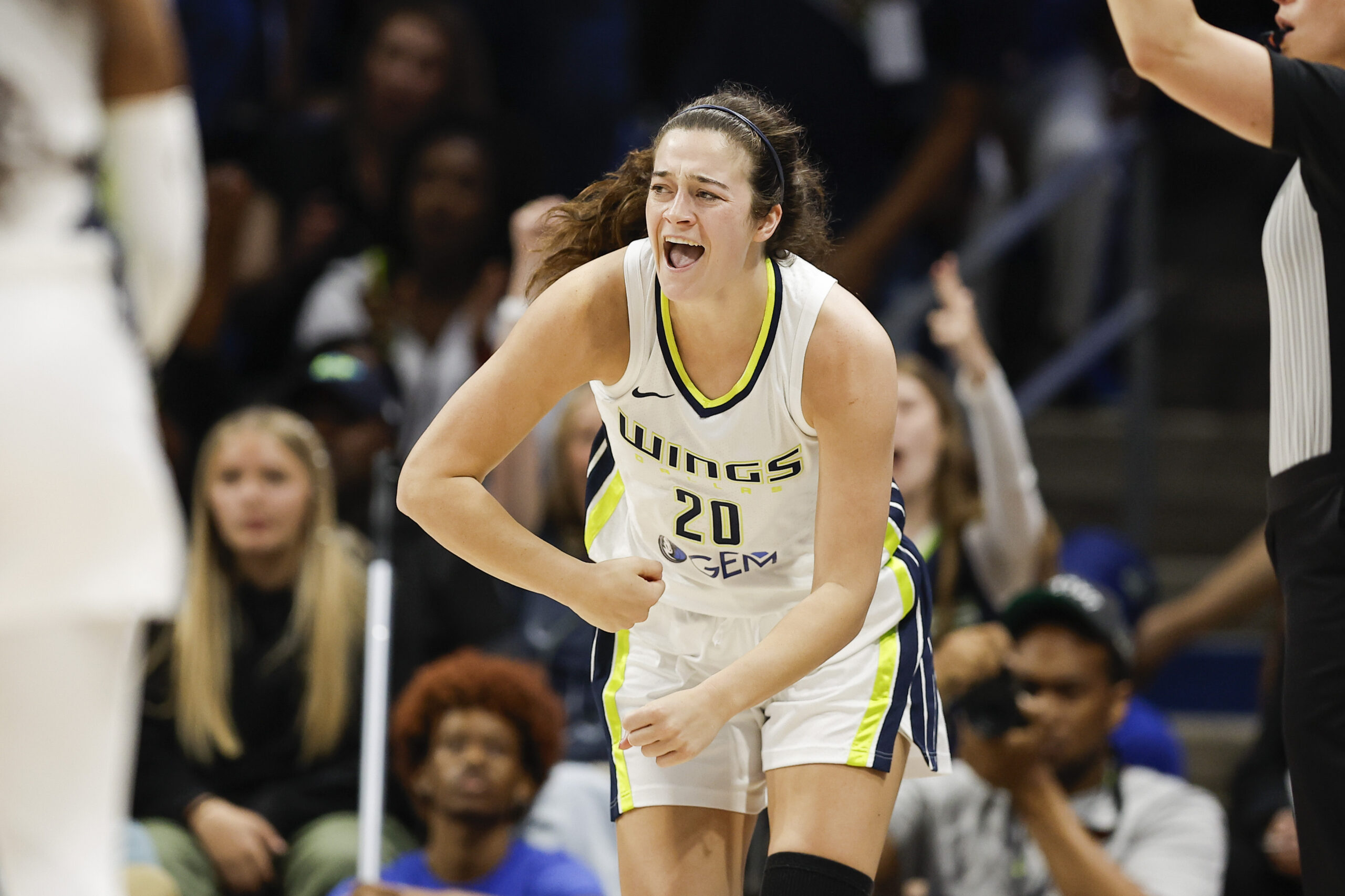
    Maddy Siegrist, also a former Villanova basketball player who now plays for the Dallas Wings in the WNBA, is pleased universities are able to share revenue directly with athletes.

    “It will be interesting to see how it all plays out,” said Siegrist, the Big East’s all-time leading scorer in women’s basketball and Villanova’s overall highest scorer, of men’s and women’s basketball.

    Dallas Wings forward Maddy Siegrist celebrates a three-point shot during a WNBA basketball game against the Chicago Sky in 2024 in Arlington, Texas.

    While the big revenue sports are likely to see the money first, she said, “I would hope there will be a trickle-down effect where almost every sport is able to benefit.“

    A lawsuit spurs changes

    For years, there have been growing concerns that athletes were not getting their fair share of the profits from college sports, which make money on broadcast rights, ticket sales, and sponsorships. Meanwhile, coaches can be among the highest paid in a university’s budget.

    In 2020, former Arizona State swimmer Grant House became the lead plaintiff in House vs. NCAA, a class-action antitrust lawsuit that argued athletes should be able to profit from the use of their name, likeness, and image and schools should not be barred from paying them directly.

    The settlement approved in June of that suit and two others against the NCAA requires the NCAA and its major conferences to pay $2.8 billion in damages to current and former Division 1 athletes. Another provision gave rise to the revenue sharing.

    It initially applied to the major sports conferences: the Big Ten, Atlantic Coast Conference, Southeastern Conference, and the Big 12. Penn State belongs to the Big Ten and the University of Pittsburgh to the Atlantic Coast.

    But other athletic conferences, along with many of their members, decided to opt in to the agreement to remain competitive in select sports. St. Joseph’s, La Salle, Villanova, Drexel, and Temple all are part of conferences participating in revenue sharing with athletes this year.

    “We support student-athletes’ ability to pursue value among their peers and to leverage commercial opportunities that may benefit them or the institution,” said Maisha Kelly, Drexel’s vice president and director of athletics and recreation.

    Temple belongs to the American Athletic Conference, which said its members must agree to pay at least $10 million over three years to its athletes. Johnson, Temple’s athletic director, noted that total also includes new scholarships, not just pay.

    No tuition, state dollars to be used

    Pitt alumnus J. Byron Fleck has called on the Pennsylvania State Board of Higher Education to advise three state-related colleges — Penn State, Temple, and Pitt — not to use tuition dollars, student fees, or state appropriations to fund athlete payments. He also asked lawmakers to take action.

    “It doesn’t relate to any educational or academic purpose,” said Fleck, a 1976 Pitt alumnus and lawyer in California.

    Fleck said he was especially concerned about how Pitt could afford it. Pitt had a $45 million deficit in its athletics department budget in 2023-24, according to Pittsburgh’s Public Source.

    Karen Weaver, an expert on college athletics, higher education leadership, and public policy, said the same concerns about public funds being used to pay athletes have risen in other states, including Michigan and Washington.

    But Penn State, Temple, and Pitt all said in statements that they would not use tuition, student fees, or state appropriations to fund revenue sharing with athletes.

    “Penn State Intercollegiate Athletics is a self-sustaining unit of the university,” said Beasley, Penn State’s deputy athletic director.

    Pitt said it would use athletic revenues.

    In addition to donations, Temple, too, is using athletic department revenues, such as ticket sales, but it is also looking at other “nontraditional ways” to raise money, Johnson said.

    “We’re turning over every stone,” he said.

    Weaver, an adjunct professor at the University of Pennsylvania, said she worries that as the caps on revenue sharing get higher and costs grow, schools, especially those tight for cash, may start raising recreation and other student fees. The University of Tennessee added a 10% student talent fee for season ticket renewals, according to the Associated Press, while Clemson is charging a $150 per semester student athletic fee, according to ESPN.

    Roedl, the Villanova athletic director, said in a statement that it had launched the Villanova Athletics Strategic Excellence (VASE) Fund to raise money for the payments.

    “Additionally, we are looking for other ways to maximize revenue through ticketing, sponsorships, and events, and identifying cost efficiencies throughout our department,” he said.

    St. Joe’s, which has about 450 student athletes, said that it started a Basketball Excellence Fund to raise revenue and that payments also are funded by the basketball program. Athletes that receive funds “serve as brand ambassadors for the university,” the school said in a statement. “… These efforts have included community engagement — particularly with youth in the community — and marketing initiatives that directly support the Saint Joseph’s University brand.”

    La Salle declined to say how much student athletes receive or in what proportion.

    “We can share that any funds provided to students come from external sources and not tuition dollars,” said Greg Nayor, vice president for enrollment management and marketing.

    Weaver, author of a forthcoming book, Understanding College Athletics: What Campus Leaders Need to Know About College Sports, said plans that call for the bulk of revenue sharing to go to football and basketball players would lead to legal action, charging that female athletes are not being treated equally.

    “Any day now I expect we’ll see a huge Title IX lawsuit,” she said.