Category: Movies

  • Bill Wine, Emmy Award-winning film and TV critic, and longtime La Salle professor, has died at 81

    Bill Wine, Emmy Award-winning film and TV critic, and longtime La Salle professor, has died at 81

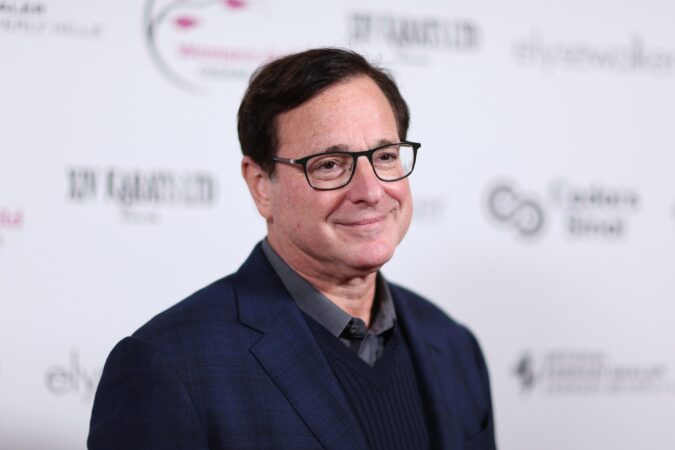
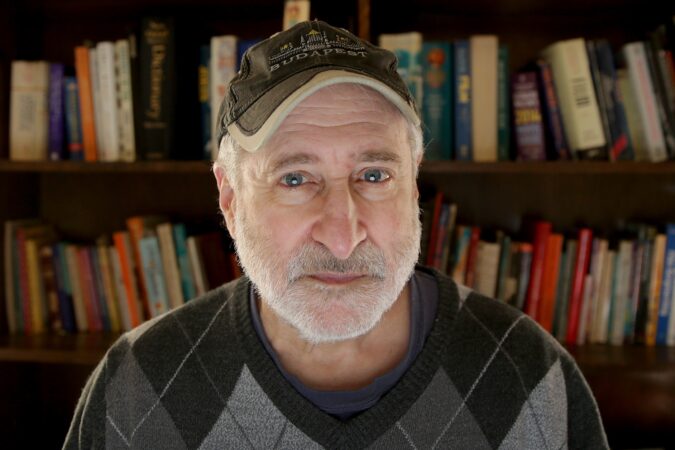
    Bill Wine, 81, of Philadelphia, three-time Mid-Atlantic Emmy Award-winning film and TV critic, retired tenured associate professor of TV and film at La Salle University, onetime freelance TV critic for the Daily News, freelance writer, playwright, and popular lecturer, died Sunday, June 14, of complications from Parkinson’s disease at his home in Chestnut Hill.

    The son of two part-time amateur actors and a lifelong devotee of theater, film, TV, writing, and teaching, Mr. Wine was a film critic for WTXF-TV, Channel 29, for 12 years and KYW radio for 17 years. Known for his pithy, witty, and often acerbic reviews, and a breezy conversational style of writing, he worked at Channel 29 from 1990 to 2002 and KYW from 2001 to 2018.

    “Bill Wine was a character out of a Neil Simon comedy, more Oscar than Felix,” said Carrie Rickey, former Inquirer movie critic. “You didn’t have to wait long for the punchline.”
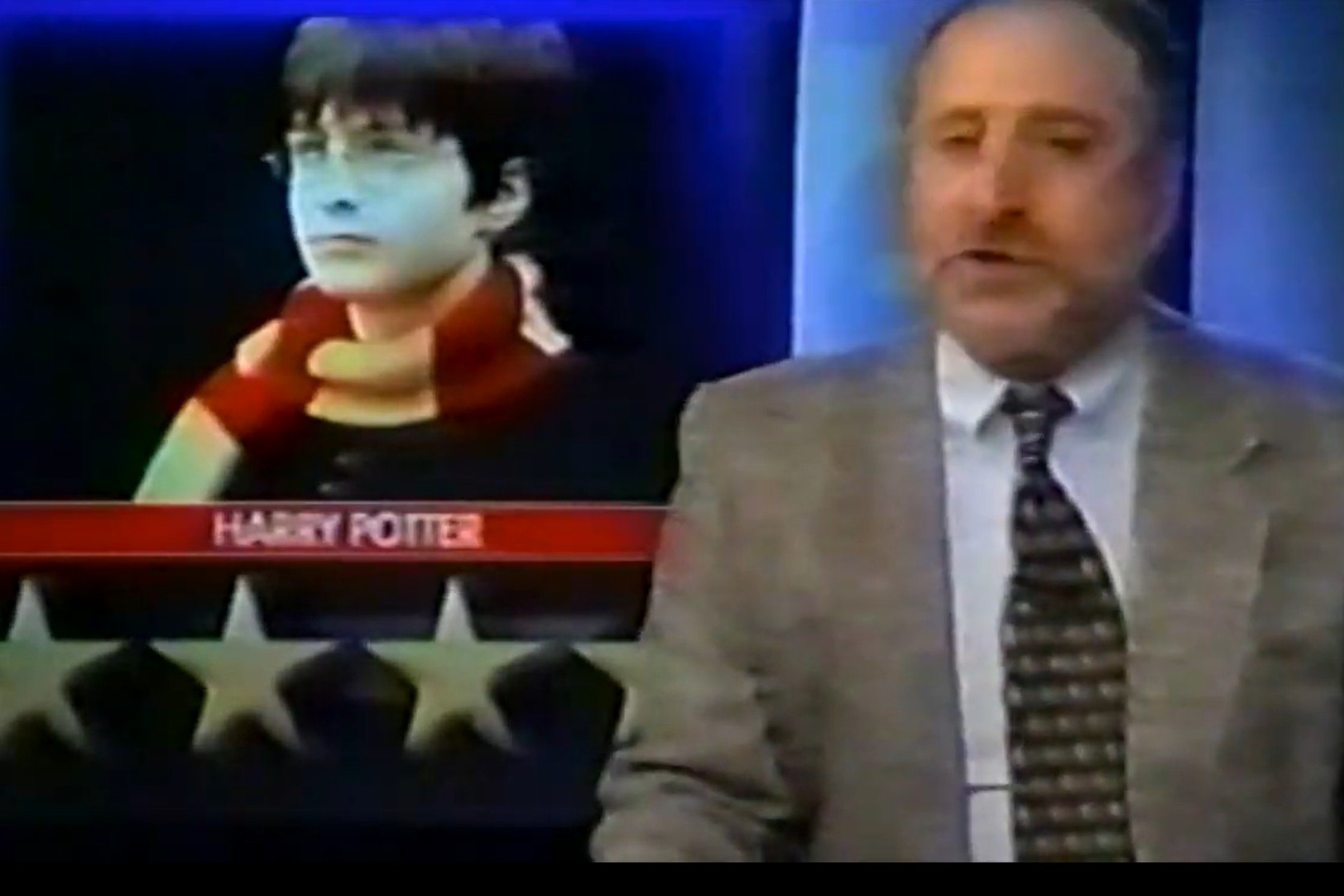
    Mr. Wine’s film reviews on Channel 29 were often funny and entertaining.

    At Channel 29, Mr. Wine was nominated for eight regional Emmy Awards for commentary and writing, and won three. He appeared regularly on the station’s Ten O’Clock News, in primetime movie preview and review programs, and later on Mondays, Wednesdays, and Fridays on Good Day Philadelphia.

    By 1990, he had already written hundreds of freelance film reviews for the Daily News and Courier-Post, done radio reviews for WPEN, and taught a variety of classes about film and writing for a decade at La Salle. So, despite no previous TV experience, he was hired at Channel 29 over 60 other film critic applicants.

    “I had never been on TV, but I wasn’t nervous,” he told the Daily News in 2001, “because I had been standing in front of 100 students for 10 years.”
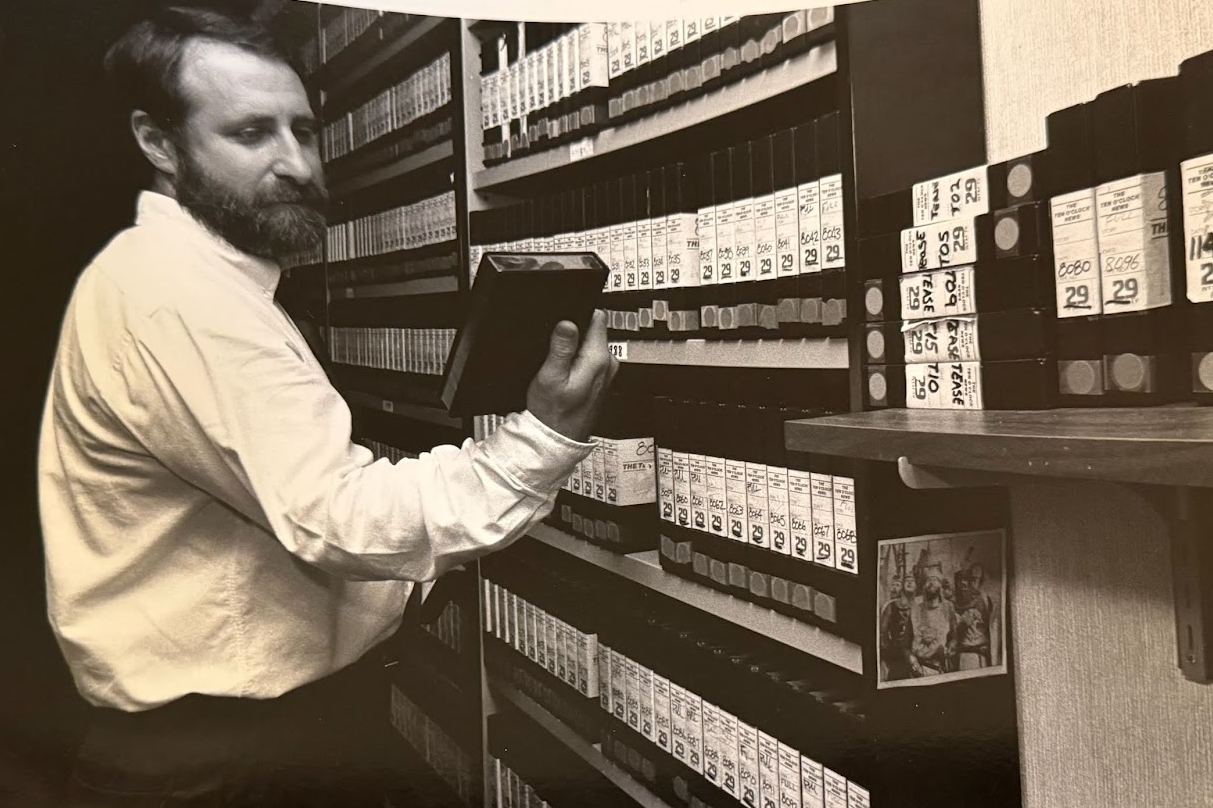
    Mr. Wine worked at at WTXF-TV, Channel 29, for 12 years.

    He started at KYW radio in 2001 and usually aired reviews and reports on Thursdays, Fridays, and Saturdays. Sometimes, he watched three movies in one day. He left Channel 29 in 2002 and KYW in 2018 only after both companies eliminated their local film critic position.

    “When I started [writing film reviews], it was before the internet,” he told The Inquirer in 2018. “A lot of people [now] feel like, ‘Who the heck is a movie critic to come on in a minute and to dismiss something that took hundreds of people and millions of dollars to create?’”

    In the 1970s and ‘80s, he wrote articles and reviewed films, TV shows, books, and plays for WPEN, The Inquirer, Courier-Post, Philadelphia Magazine, and other outlets. In 1975, he wrote dozens of freelance TV columns called “On the Air” for the Daily News.
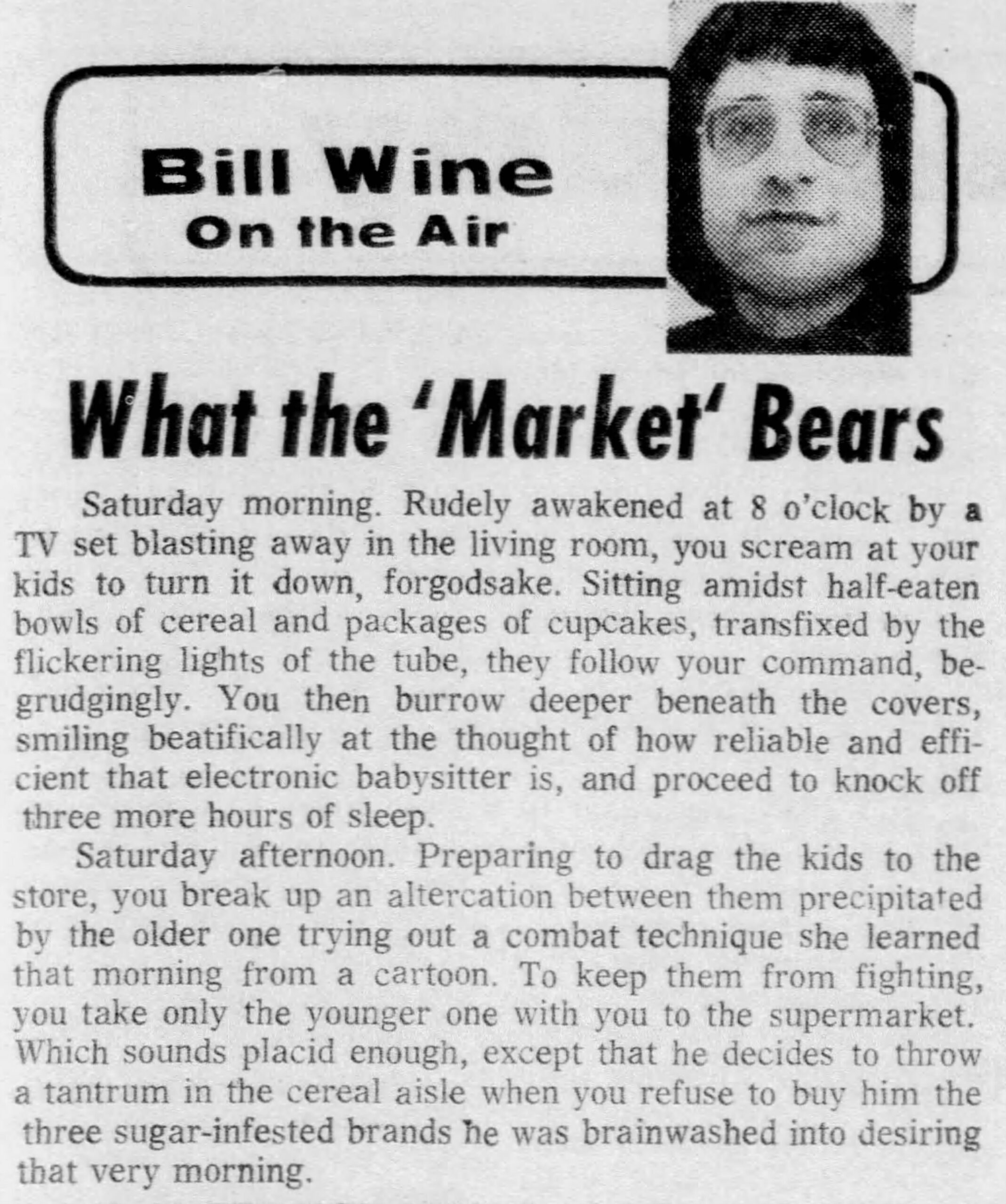
    Mr. Wine wrote dozens of columns as a freelance TV critic for the Daily News in 1975.

    He spent three years in California in the 1970s working on plays and film and TV scripts. He hobnobbed with famous writers, producers, and actors in Los Angeles, staged one of his own plays, and was a winning contestant on a new TV game show.

    He wrote 11 plays over the years, and several made it to the stage. “Now the people who disagree with my reviews can come and find out if I’m as dumb as they think I am,” he told The Inquirer in 2002.

    He aired reviews on WIP radio and lectured often at libraries, schools, community centers, theaters, and other venues about his favorite films, adapting books to film, and other topics. “He could be wickedly funny, especially when delivering a pan of a movie,” his family said in a tribute. “One of his favorite quotes was: ‘I had a bad seat. It was facing the screen.’”

    Mr. Wine was a prolific playwright who enjoyed table readings with family and friends.

    Mr. Wine earned a bachelor’s degree in math at Drexel University and a master’s degree in communications at Temple University. He helped design La Salle’s nascent Communication Department in the 1980s, and school officials called him one of their “Founding Fathers.” He also taught briefly at Drexel, and came close to earning a doctorate at Temple.

    In 2001, he was featured in a Daily News story about “celebrity professors” and said: “You have to remind yourself that this is television, not the classroom. You mention, say, ‘film noir’ on TV, and you get a memo.”

    William David Wine was born June 21, 1944, in Germantown. He grew up in West Oak Lane and Cherry Hill, attended Central High School, and graduated from the old Cherry Hill High School.
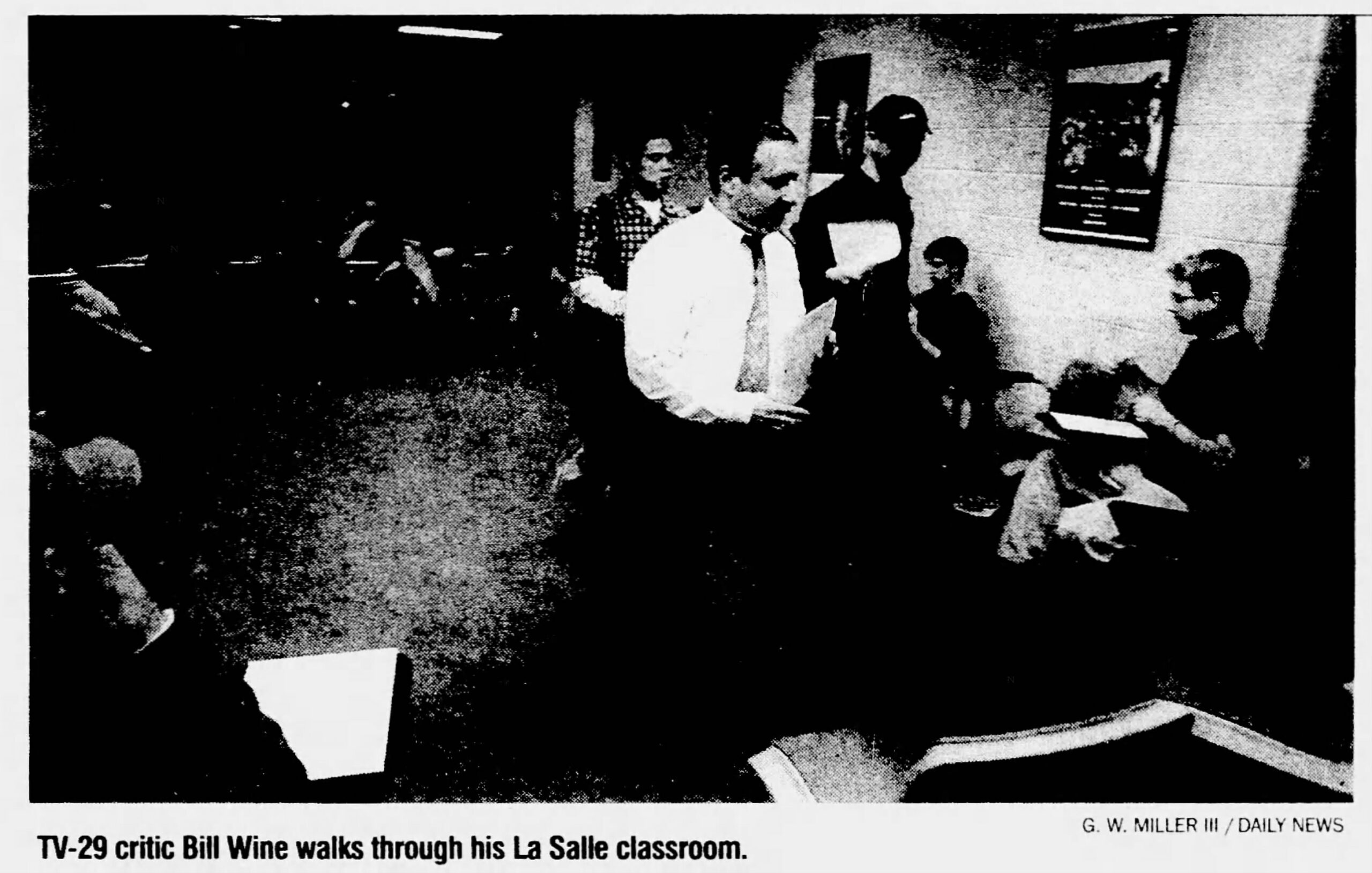
    A story and this photo of Mr. Wine about his time as a professor at La Salle appeared in the Daily News in 2001.

    As a boy, he devoured newspaper movie reviews and fell in love with film after seeing Alfred Hitchcock’s 1954 thriller Rear Window. He got positive reviews of his own freelance movie review when he was at Temple, and he knew then, he said later, that writing about movies was his creative niche.

    “The first time I saw my byline, I was hooked,” he told Drexel Magazine in 2016.

    He married Dina Lichtman, and they divorced later. He married Suzanne Monsalud in 1981, and they had daughters Simone and Paulina, and lived in Germantown, Wyncote, and Chestnut Hill.
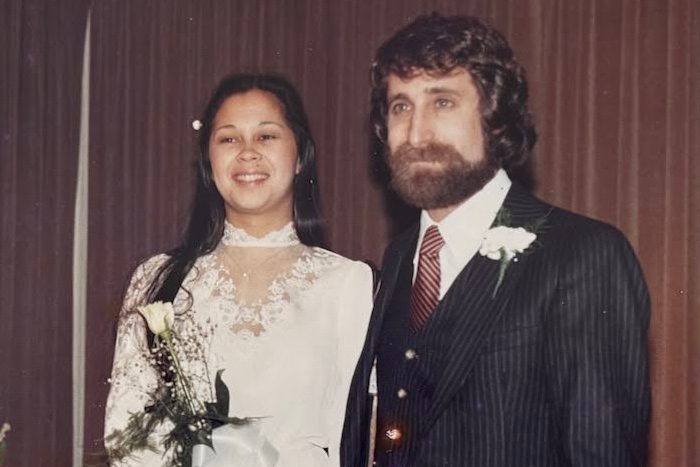
    Mr. Wine and his wife, Suzanne, married in 1981.

    Together, Mr. Wine and his family traveled to Paris and London, and he and his wife honeymooned in Rio de Janeiro, Brazil. He doted on his daughters and sometimes took them to his La Salle classroom, the Channel 29 TV set, and movie screenings.

    Friends, former colleagues, and former students called him “a force of nature,” “smart and gifted,” and “a rare combination of kindness, professionalism, and humor.” His daughter Simone said: “His humor, warmth, and presence made life brighter.”

    Mr. Wine played tennis, third base on adult softball teams, and pickup basketball into his 70s. He followed the Phillies, 76ers, and Eagles closely, and hit tennis balls with Hall of Famer Rod Laver at a publicity event in Los Angeles.

    Mr. Wine and his family made memorable trips to Paris, London, and elsewhere.

    “He was a wonderful father and a dedicated teacher,” his wife said. “He was a real Philadelphian, and we complemented each other.”

    His daughter Paulina said: “Dad, I think you cracked the code. We’ll see you at the movies.”

    In addition to his wife and daughters, Mr. Wine is survived by three grandchildren, a sister, Marcia, and other relatives. A sister died earlier.

    A celebration of his life was held earlier.

    Donations in his name may be made to the Bill Wine Scriptwriting Award at La Salle University, 1900 W. Olney Ave., Philadelphia, Pa. 19141.
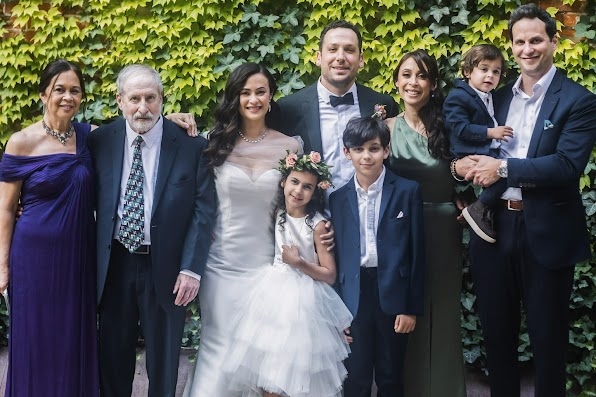
    Mr. Wine (second from left) enjoyed time with his family.
  • ‘I was thrilled’: Tony Shalhoub looks back at ‘Big Night,’ the ultimate Jersey Shore movie that turns 30

    ‘I was thrilled’: Tony Shalhoub looks back at ‘Big Night,’ the ultimate Jersey Shore movie that turns 30

    Big Night is a food movie, an Italian American movie, a movie about brotherhood, and a movie about the immigrant experience. And , it’s a Jersey Shore movie.

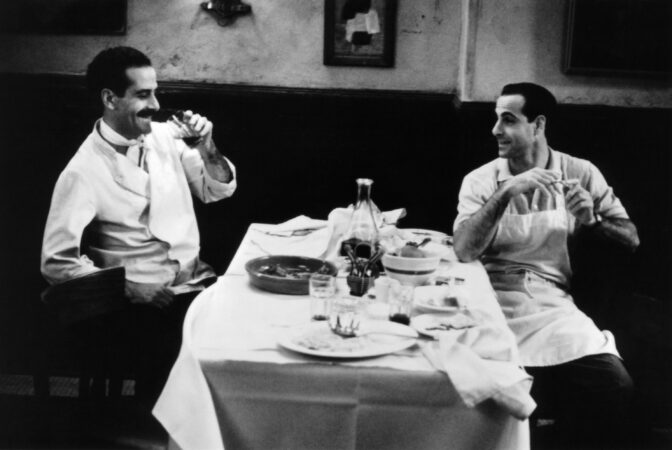
    Released in 1996, it stars Tony Shalhoub and Stanley Tucci as Primo and Secondo, a pair of Italian immigrant brothers who operate an authentic but failing Italian restaurant in an unnamed Jersey Shore town in the 1950s.

    Chafing under the competition of the more successful but less authentic restaurant across the street, the brothers stake it all on the eponymous “Big Night” when they’ve been told the jazz bandleader Louis Prima is coming to dine at their spot. Presumably, he’d then talk up the food and save their restaurant.

    Big Night is full of mouth-watering food, starting with the timpano, a complex dish that includes a crust, meat, pasta, and more.

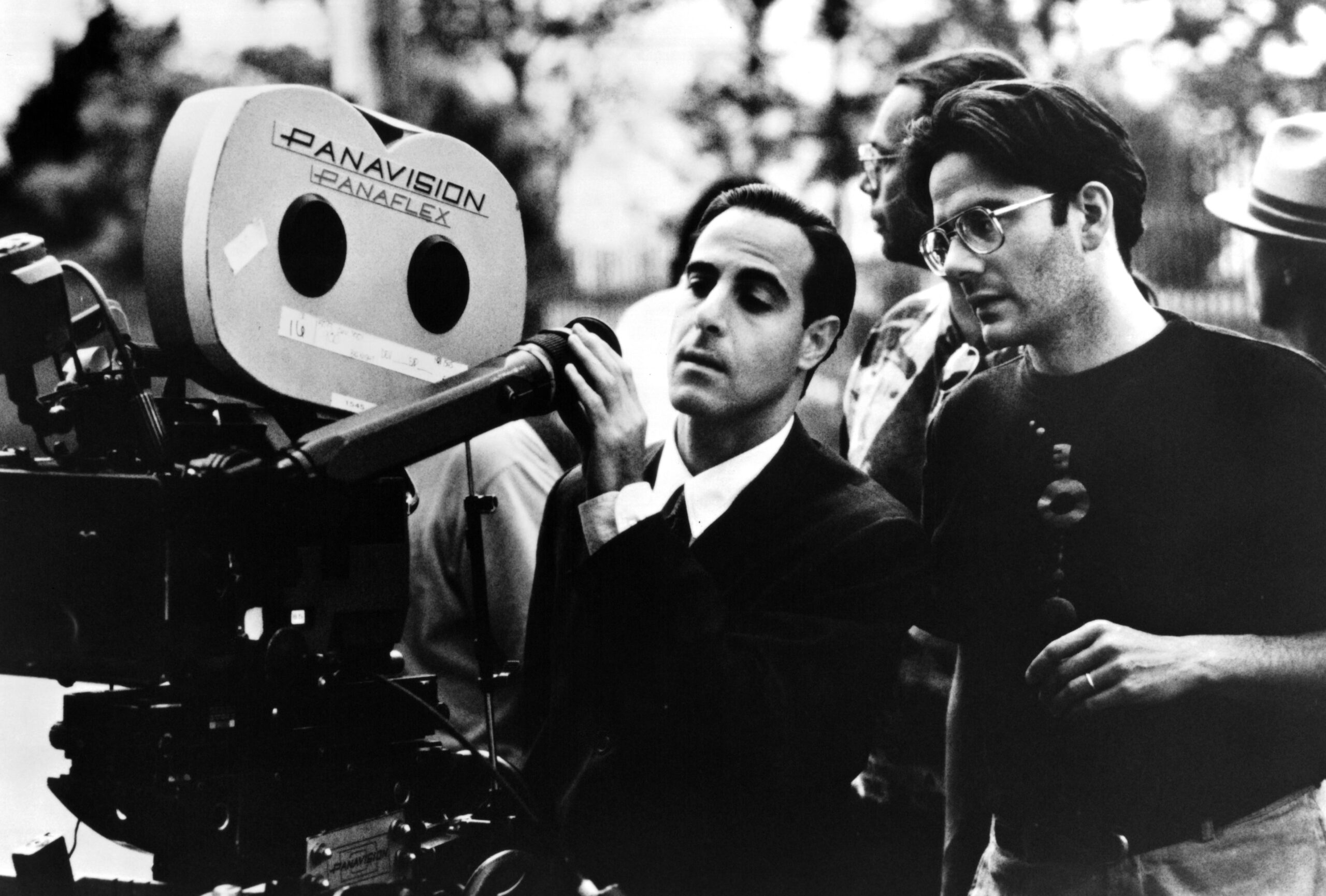
    Codirectors Stanley Tucci (left) and Campbell Scott, on set of the movie “Big Night,” circa 1996. (Photo by Michael Ochs Archives / Getty Images)

    While the film’s exteriors were shot in Monmouth County’s Red Bank and Keyport, the film never specifies exactly where it is set. The interiors were shot on a soundstage in New York City.

    “It was really one of those towns that had not changed too much,” Shalhoub said to The Inquirer. “The town, the outside of the restaurant, the beach sequences, were all shot in Jersey.” Even in 1996, the areas easily stood in for the 1950s Jersey Shore.

    Shalhoub, well-known for the TV series Monk and The Marvelous Mrs. Maisel, among numerous movie roles, shot Big Night during a summer hiatus from his sitcom Wings.

    “I knew Stanley Tucci; we had done a play together in the late ‘80s,” he said. “We were both actors in New York, I had seen his work in the theater, [and] we had similar friends and directors in common.”

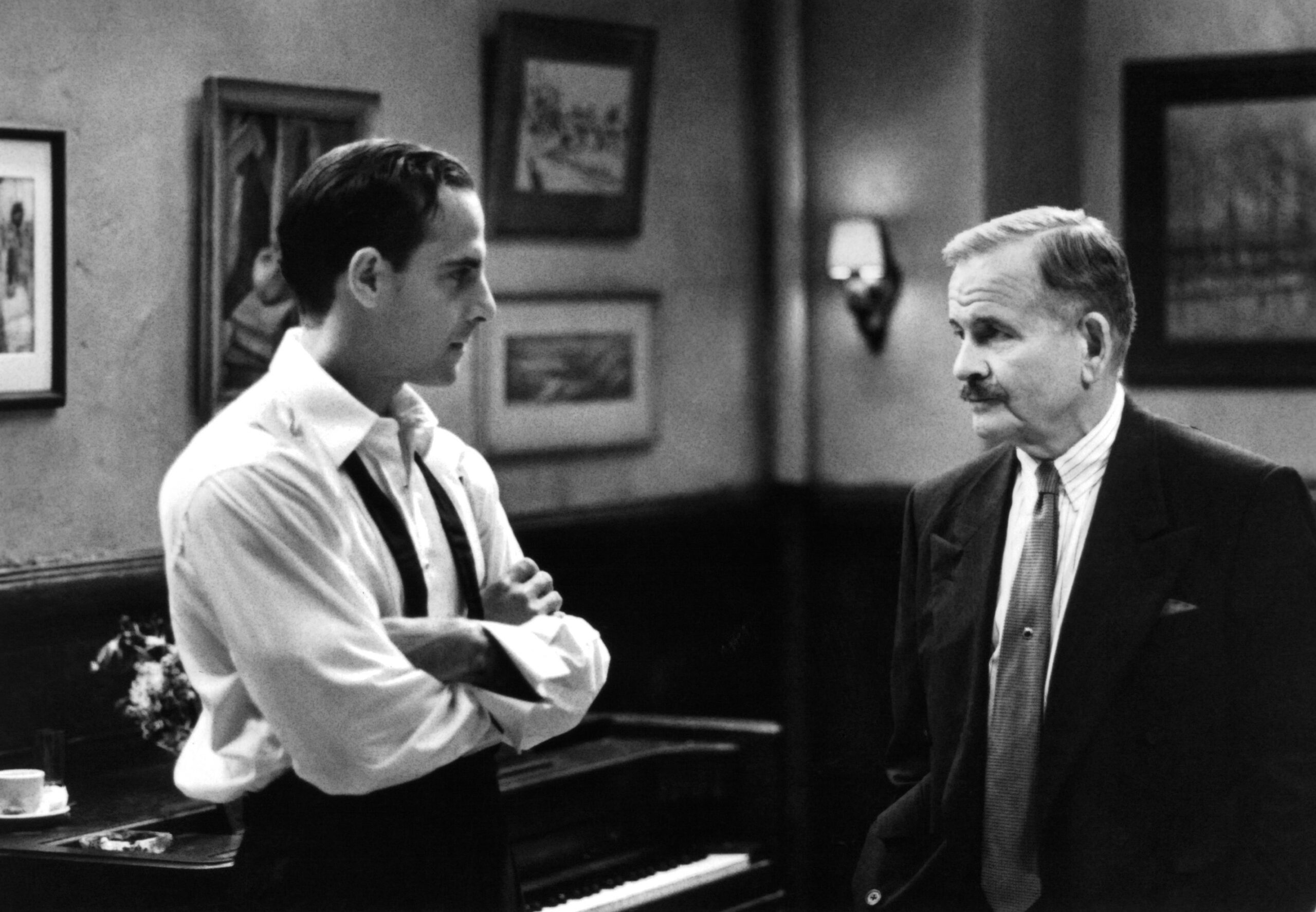
    Actors Stanley Tucci and Ian Holm on set of the movie “Big Night,” circa 1996.

    There was a specific reason Tucci decided to make Big Night, Shalhoub said.

    “[He wanted] to sort of begin to establish himself as an actor … not to be pigeonholed into the stereotypical Italian Mafia zone.”

    There was no mention of that in Big Night.

    “It’s all about the brothers,” Shalhoub said. “It’s about the period, it’s about the food, it’s about the old country, Primo having one foot still in the old country.”

    “The closest we get to violence is those two clowns rolling around. They don’t even know how to fight,” the actor said during a conversation recently following a special screening of the film at the Lighthouse International Film Festival on Long Beach Island.

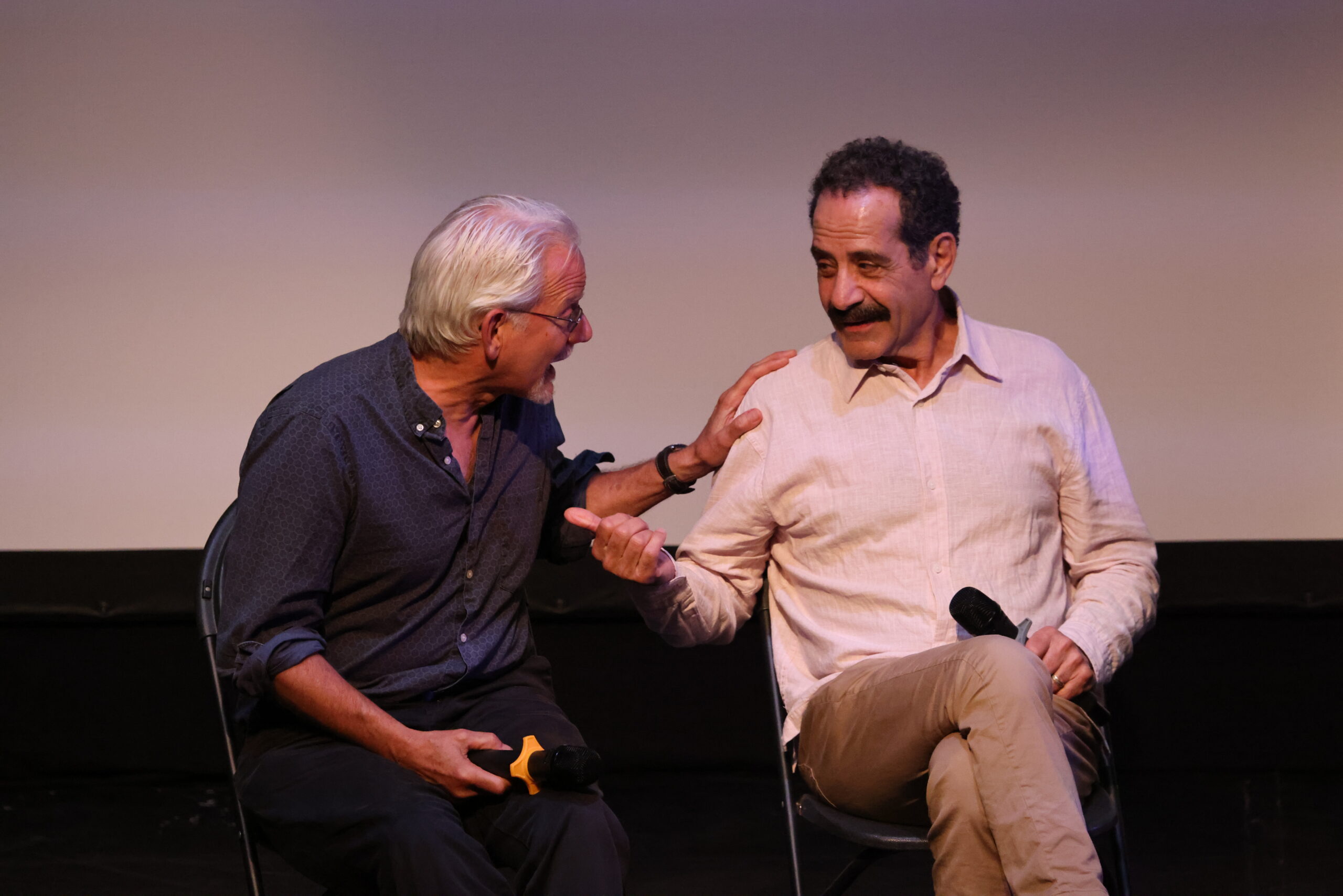
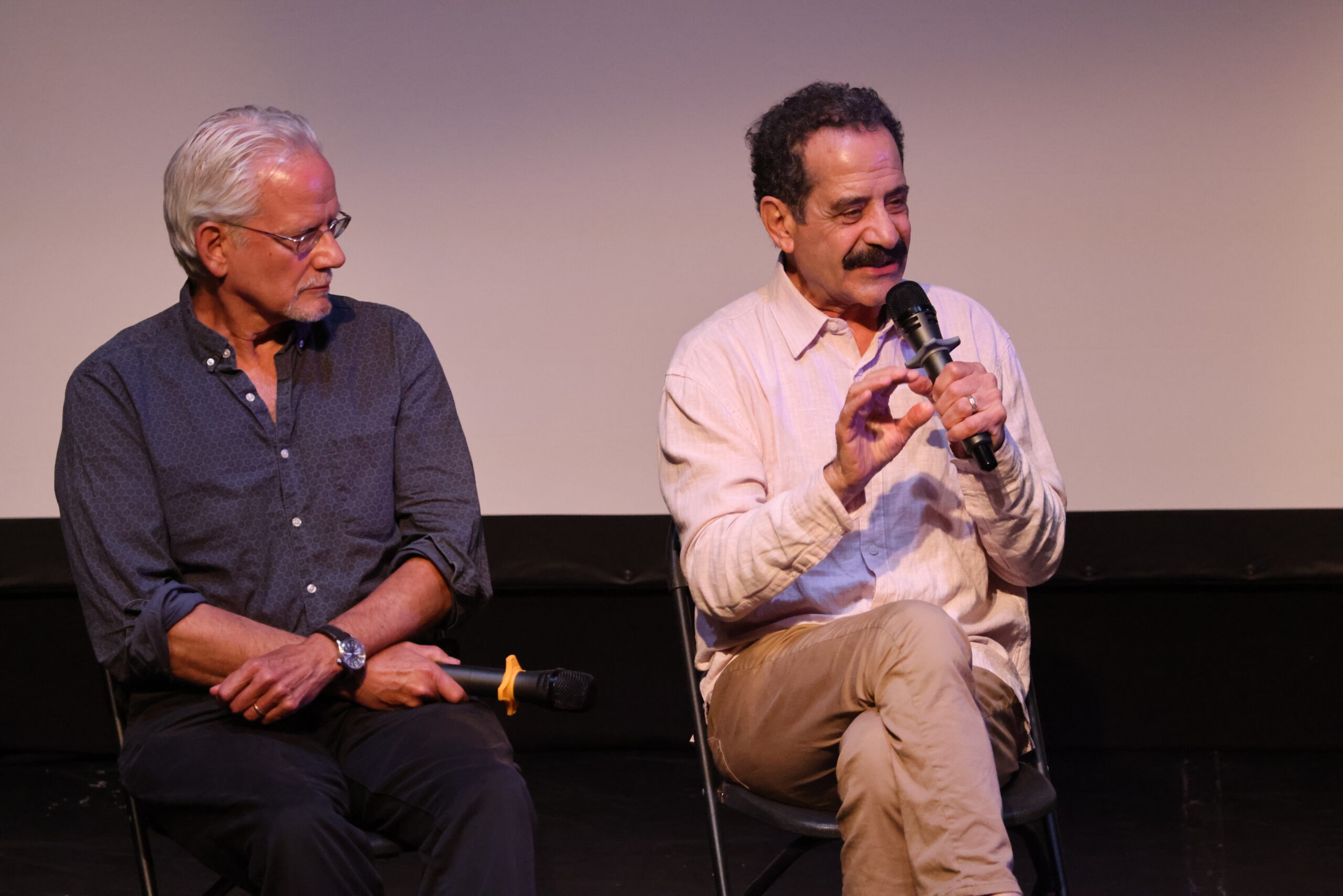
    Campbell Scott (left) and Tony Shalhoub speak at a 30th anniversary screening of their film “Big Night” at Lighthouse International Film Festival on Long Beach Island, on June 12, 2026.

    Big Night had been “in the pipeline” for many years, and Shalhoub had originally auditioned for the role of Pascal, the rival restaurant owner ultimately played by Ian Holm.

    It finally came together in the summer of 1995; the shoot lasted about four weeks.

    “I was thrilled,” Shalhoub said. “Any part, either part, I was happy to join, because I loved the material, and I had a lot of respect for Stanley.”

    Tucci and Campbell Scott, actors who had been high school classmates, codirected the film, which was cowritten by Tucci and his cousin Joseph Tropiano.

    “I don’t know how he wore all those hats,” Shalhoub said of Tucci. “Being a cowriter … and co-directing, and being in almost every scene, and it being his first film.”

    Shalhoub, who is from a large Lebanese American family in Green Bay, Wisc., had limited exposure to Italian American culture growing up. He also didn’t live anywhere near an ocean.

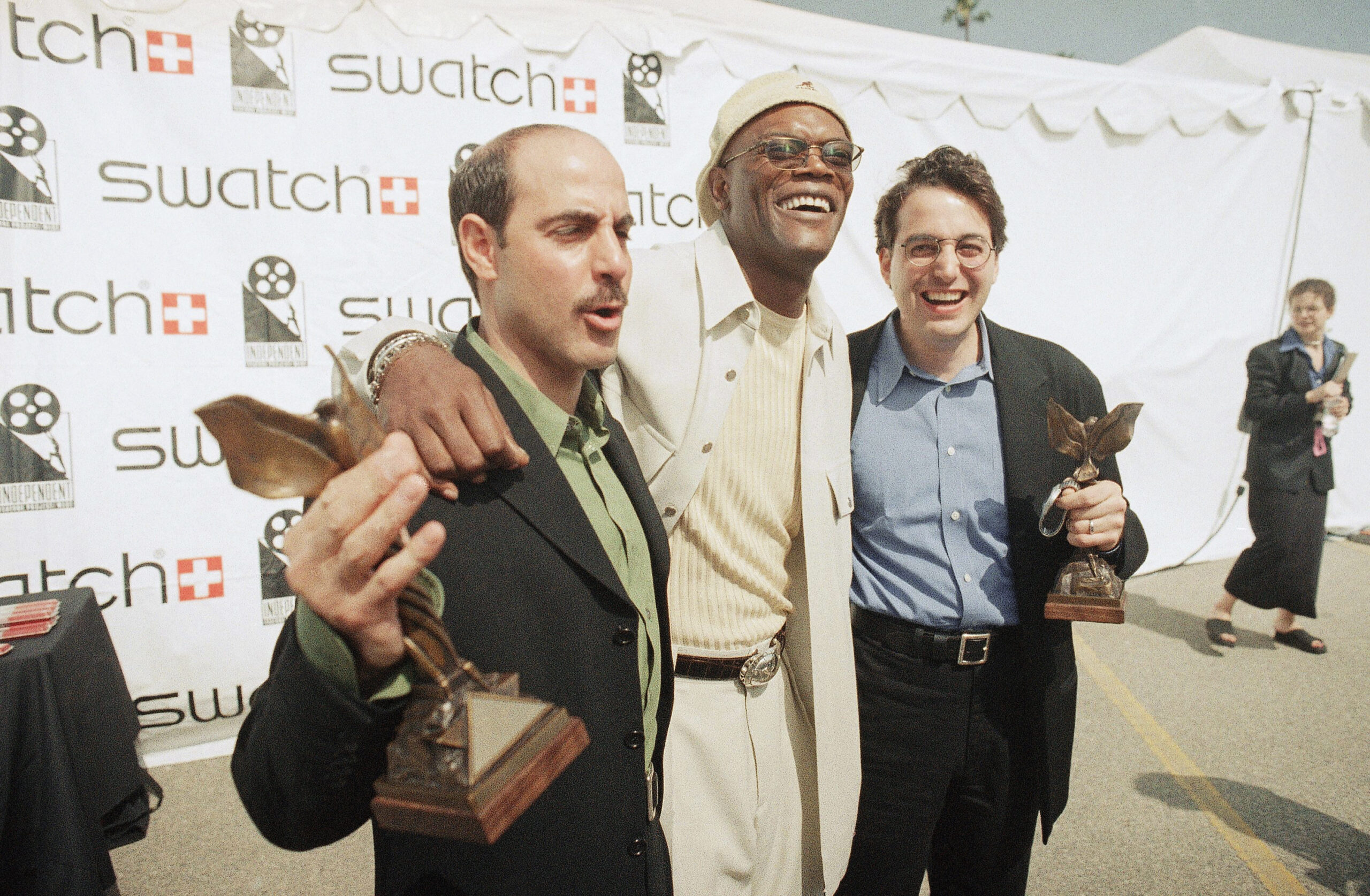
    Master of Ceremonies for the 12th Annual Independent Spirit Awards ceremony, Samuel L. Jackson (center) jokes with Best First Screenplay winners Stanley Tucci (left) and Joseph Tropiano for “Big Night,” on March 22, 1997, in Santa Monica, California.
    (AP Photo/E.J. Flynn)

    The Big Night shoot was his first time at the Jersey Shore. He had, however, had some experience with Italian food.

    Growing up, he remembers being taken to a family friend’s apartment, where an “older Italian woman” made “some pasta dishes.”

    “I don’t know what I was eating, but I couldn’t get enough of it.”

    At 19, after heading East for college at the University of Southern Maine, Shalhoub had his first “Italian sandwich, which I’d never heard of before … And all the variations on an Italian sub, and all those great Italian deli meats.”

    On the sets of Big Night, he said, the crew had food stylists preparing the dinners shown in the film.

    “All these meals that we had to consume on camera … it was delicious!” he said.

    Campbell Scott (left) and Tony Shalhoub speak at a 30th anniversary screening of their film “Big Night” at the Lighthouse International Film Festival on Long Beach Island, on June 12, 2026.

    The film ends with a famous scene — five minutes of no dialogue, just Tucci cooking an omelet and the brothers sitting down to eat it.

    The film’s financiers didn’t understand that scene and wanted it changed or removed, Scott said at the screening. The directors then pulled the old Mel Brooks trick; they said they’d take the scene out but didn’t.

    Tucci and Shalhoub, 30 years later, are not only busy actors, but both have recently hosted food-focused travel shows: Hulu’s Tucci in Italy and HBO’s Breaking Bread, respectively.

    “I could never have imagined that this movie would have the legs that it has, that 30 years in, it would still be a film that people go back to and consider one of the best food movies,” Shalhoub said.

    Philadelphia chef and restaurateur Marc Vetri is a fan.

    “In 1996, chefs were in this kind of zone,” said Vetri, who watched the film shortly after it came out. “We all made the menus, and we had our visions, and we didn’t want to alter anything, and [said] ‘this is how we do it’.”

    He still remembers the unveiling of the timpano in the film.

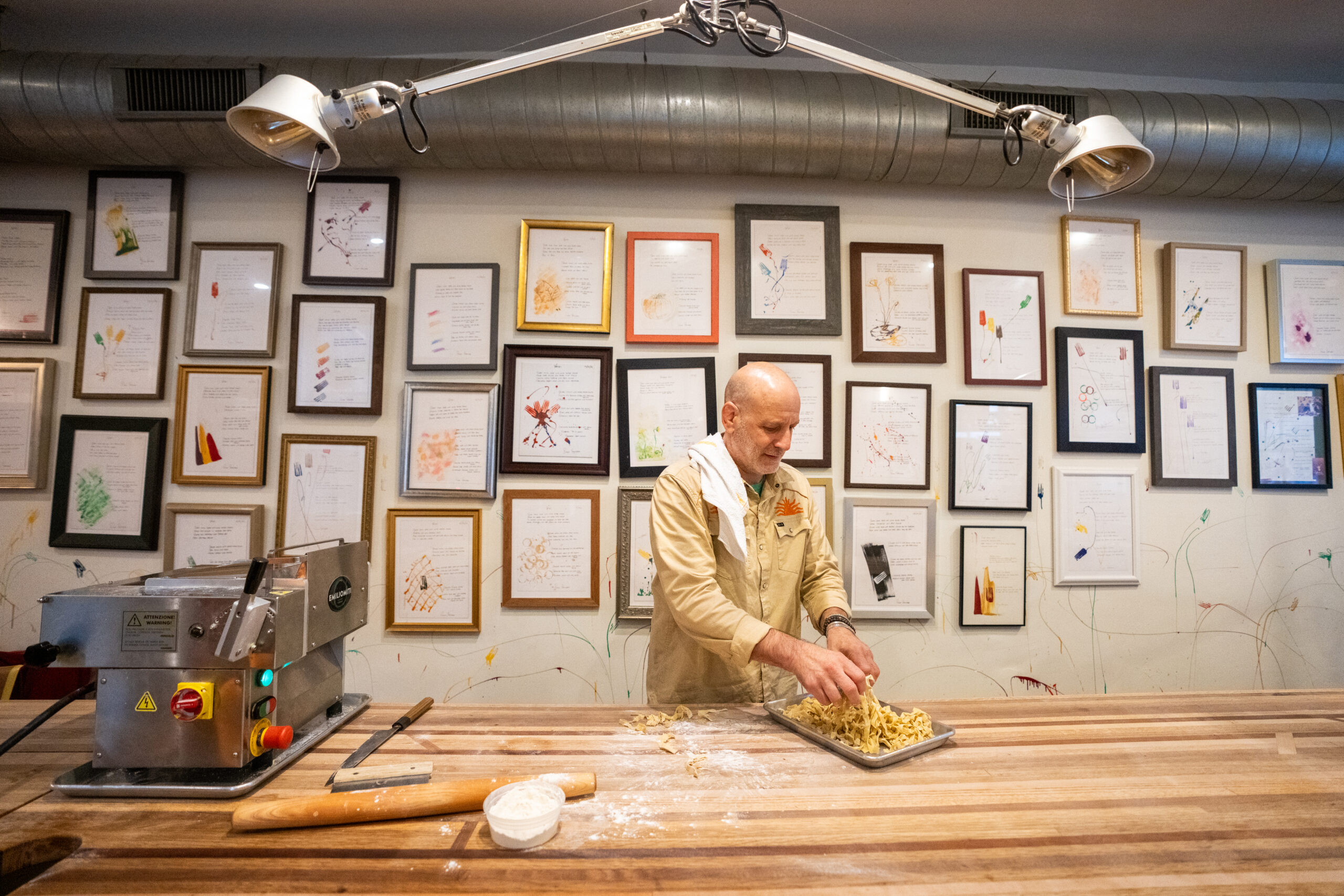
    Marc Vetri makes pasta at Vetri Cucina, in Philadelphia, Oct. 30, 2025.

    “For me, that was magic,” he said. “I was like, ‘I gotta make that’ … I get that because when I finish something that I’m working on, I have that same look, that same feeling; it looks like I’m in love. That never leaves us.”

    Vetri, who has gone on to cook for many famous people, said the film always reminds him of when, early in the life of his first restaurant, he cooked for famed French chef Jacques Pépin. He cooked whole roasted fish, with cherry tomatoes and olives.

    Thirty years on, Vetri — like many others — remains a fan.

    “The music, the vibes, and even the ending … Everything [with] cooking, you always just want to make it the most awesome thing. Having them make that omelet — it’s just that magical thing that they’re sharing.”

  • ‘Riverbend,’ the lost 1989 film that was brought back to life in Norristown

    ‘Riverbend,’ the lost 1989 film that was brought back to life in Norristown

    In the 1990s, before Michael Dennis was a filmmaker, screening host, or archivist, he worked at the Video Library, the fabled video store in Mount Airy. He remembers the 1989 film Riverbend being on the shelves, but he had never watched it.

    Dennis, who founded the Philadelphia-based production company Reelblack in 1999, finally got around to watching the film in 2019. Charles Woods, Dennis’ mentor and podcast cohost, had asked him to transfer a VHS copy of the film to digital. He wanted to post the film on Reelblack TV’s YouTube channel.

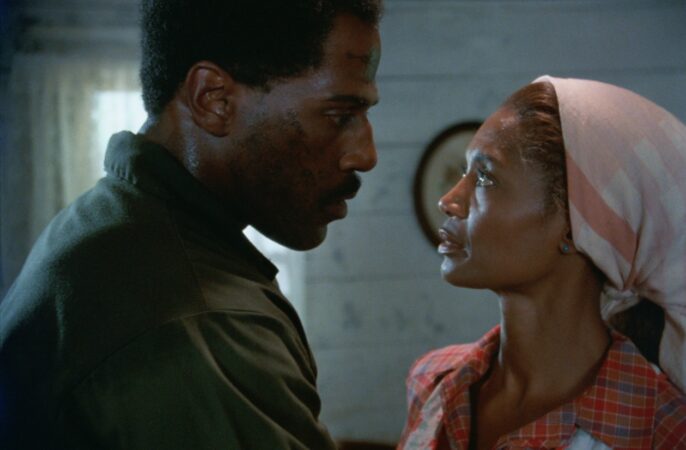
    Riverbend, directed by Sam Firstenberg, is set in 1966 and tells the story of a group of Black Vietnam veterans who lead an uprising against a racist sheriff in a small Southern town. It’s an action-adventure film, in the tradition of the Rambo and Missing in Action series, firmly rooted in the B-movie style of the late 1980s — complete with a synthesizer-heavy musical score — but with much more of a social message than was typical of that time.

    The film had only a perfunctory theatrical release and was released on VHS in 1990. In its brief run, the film opened only in New York, Texas, and Florida. But now, it has gotten an unlikely revival in Philadelphia, a city where it was never shown.

    “The film itself is very revolutionary in some respects,” Dennis said. “I mean, it’s a genre picture, of course, but the theme is very revolutionary … and I was interested to talk to Sam about how the movie actually got made because it’s so different from most American films, nearly all American films.”

    A few months after he posted the film on YouTube, Dennis received an email from Firstenberg, a B-movie stalwart whose credits also include American Ninja, American Samurai, and Breakin’ 2: Electric Boogaloo.

    “I thought it was going to be a cease-and-desist letter, but instead he said, ‘No, you’re doing this movie a great service because it’s an orphan film and it was financed independently, and it’s basically lost,’” said Dennis, who teaches a course on race and ethnicity in American Cinema in Temple’s Film and Media Arts Department.

    During the COVID-19 lockdown, Dennis saw a 35 mm print of Riverbend being sold on eBay by a seller in South Africa. He put in a winning bid for the print that’d take months to reach him.

    Dennis considers himself an archivist, although he hadn’t previously mounted a full-scale restoration of a film before. But in keeping with Reelblack’s long-stated mission of encouraging the appreciation of Black film, especially rarer ones, he sought to restore Riverbend.

    The eBay print, he said, had “every scratch known to mankind on it.” It was also missing seven minutes of material. Replacing the missing scenes with materials from the VHS, calling it a “sort of grindhouse cut,” Dennis gave the film its first public screening in decades at the Denton Black Film Festival in Texas in 2024. There, he met Valerie Vance, the widow of the film’s screenwriter and producer, Sam Vance.

    “We were trying to find out where [Riverbend’s] negative was,” Dennis said, “And we had no luck because all the labs had closed and have become different companies.”

    He got in touch with Dennis Doros, who runs the Missing Movies Instagram account and Milestone Films, a company known for rescuing “lost films.” Within days, the film assets were located at the film lab FotoKem, with Amazon/MGM paying the bills to host it.

    Missing Movies, Vance, and Realblack worked out a deal to acquire the film’s negative and other assets.

    The film then traveled to Norristown, where it was restored at Reel Revival, a company that provides scanning services. Austin Squitieri, its proprietor, started by scanning and digitizing the Riverbend negative. What followed was a painstaking process of digital repair, which included dirt removal, some Photoshopping, and final assembly of the edited footage.

    Squitieri had not seen the film before working on the restoration, although he had heard of it.

    “It’s a fun title,” he said. “It tackles something serious, and you can tell it was made passionately, as some of the more niche films tend to be.”

    After premiering at the American Cinematheque Aero Theater in Los Angeles last October, the restored version of Riverbend is now headed to Philadelphia. The film will screen at Film Society East on Thursday and will be released on Blu-ray on June 27, through a new label called Reelblack Renaissance.

    “There’s so many great Black independent films that are in danger of being lost or forgotten,” Dennis said. Reelblack Renaissance’s mission is “to restore them, reclaim them, and represent them in the Blu-ray and streaming market.”

    Firstenberg, 76, will be on hand for the Philadelphia premiere.

    “He tours the country supporting his body of work. And, this is like rescuing a lost child for him,” Dennis said.

    “Riverbend” will be shown at 7 p.m. Thursday at Film Society East, 125 S. Second St. Information: filmadelphia.org/movies/riverbend/

  • Dr. Martin Luther King Jr.’s ‘I Have a Dream Speech’ wouldn’t be the same without a ‘bad dude’ from North Philly

    Dr. Martin Luther King Jr.’s ‘I Have a Dream Speech’ wouldn’t be the same without a ‘bad dude’ from North Philly

    It’s clear that the Rev. Dr. Martin Luther King Jr.’s nonviolence movement benefited from Clarence B. Jones’ North Philly swag.

    Jones’ gravelly voice narrates The Baddest Speechwriter of All, Steph Curry and Academy Award-winning director Ben Proudfoot’s 30-minute documentary, which won the Sundance Film Festival’s Grand Jury Prize for short films this year.

    It rises and falls to the crescendo of the film’s emotional jazz riffs, matching the gravity of the civil rights struggle.

    Proudfoot drops a cadre of never-before-seen black-and-white images of lawyer Jones’ backing King up, a display of Jones’ behind-the-scenes prowess. He was a speech writer and close friend of King’s.

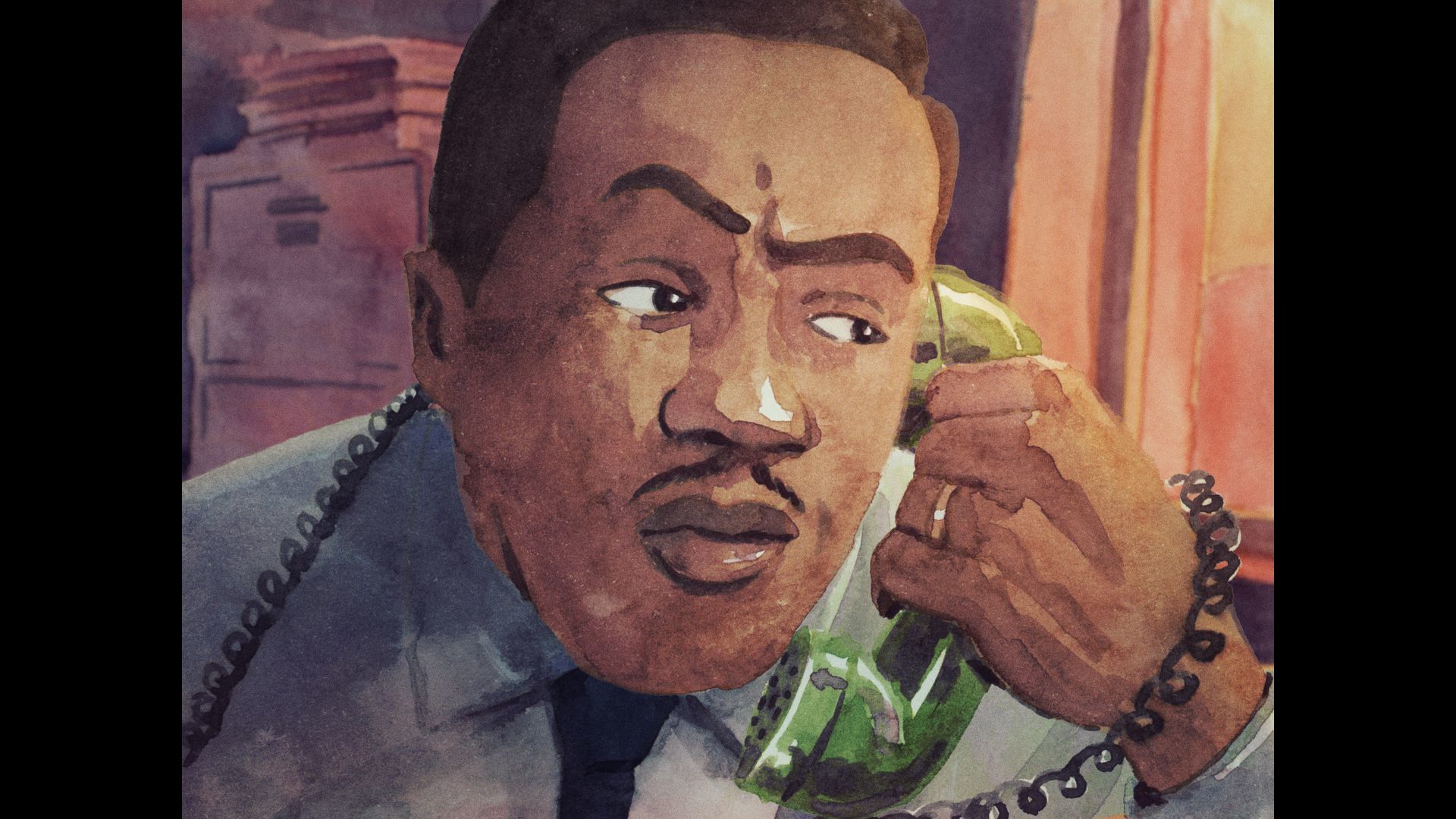
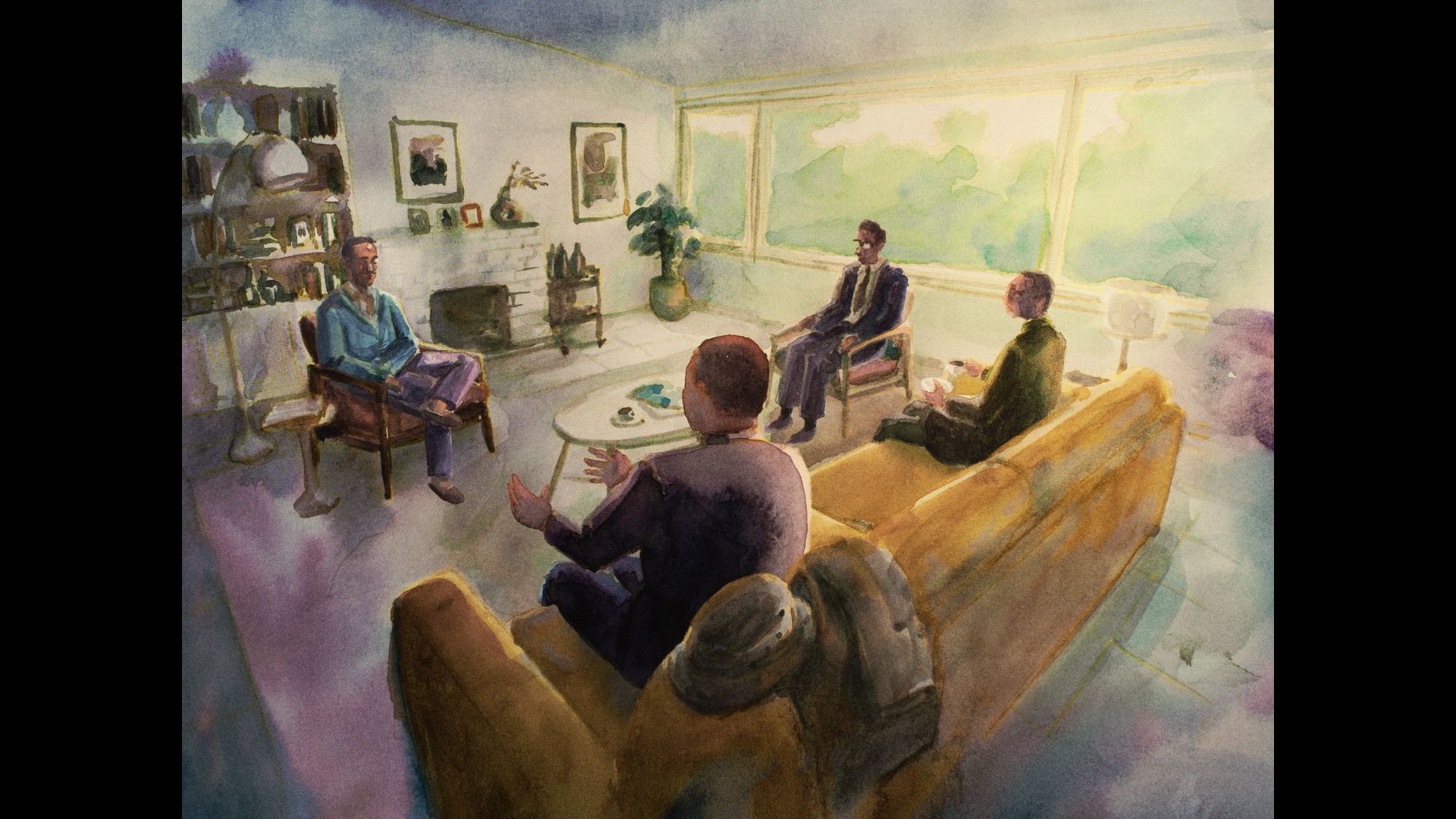
    But it’s the directors’ deft use of watercolor animations by Brazilian artist Daniel Bruson’s (Autism Goes to College) that brings a tenderness to Jones’ sometimes cynical, always cut-to-the-chase personality.

    You see, Jones is that cat who, back in the day, stayed casket clean in sharp three-piece suits and sparkling Rolex watches. He’s that uncle who dared white men to tell him that he didn’t belong; that educated Black man who didn’t have time for racism. And it’s for that reason, King kept him in the background, but also in his ear.

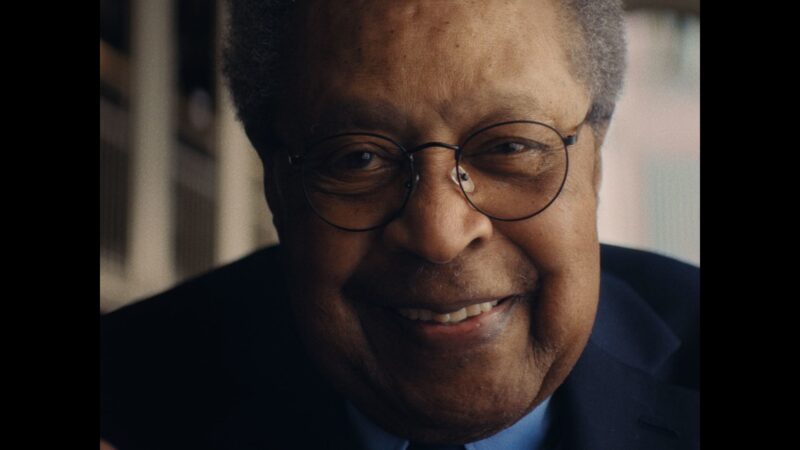
    Clarence B. Jones in an animated scene from “The Baddest Speechwriter of All.”

    “I told Martin straight up,” Jones says in Baddest, answering Curry, who is making his directorial debut with the film. “Don’t put me near any demonstration. … If a white man puts his hands on me, they are going down.”

    Three thousand watercolor images move seamlessly through Baddest narrating Jones’ life in a slow, jazzy rhythm. We watch him develop civil rights strategies with King and a coalition of like-minded Jewish people.

    We are with Jones the night he matter-of-factly writes the first seven paragraphs of King’s “I Have a Dream” speech, arguably one of the world’s most important addresses. We watch King give the speech as Jones looks from the wings, surprised and in awe.

    “I didn’t know he was going to read my words word-for-word,” Jones, 95, told The Inquirer in a recent video chat.

    He closes his eyes often as he talks, punctuating his speech every so often with a well-placed, “You hear me?” or “You understand me?”

    His hair is a short white Afro. Soft and defiant.

    A wintertime soldier from North Philly

    Jones was the only child of domestic workers, born in the 1300 block of Master Street, where Temple University’s sports complex stands today. Shortly after, his parents found work as live-in help at the Riverton, Burlington County, country estate of Edgar and Eleanora Lippincott, a Quaker family and part owners of a prosperous 19th-century Philadelphia-based clothing firm.

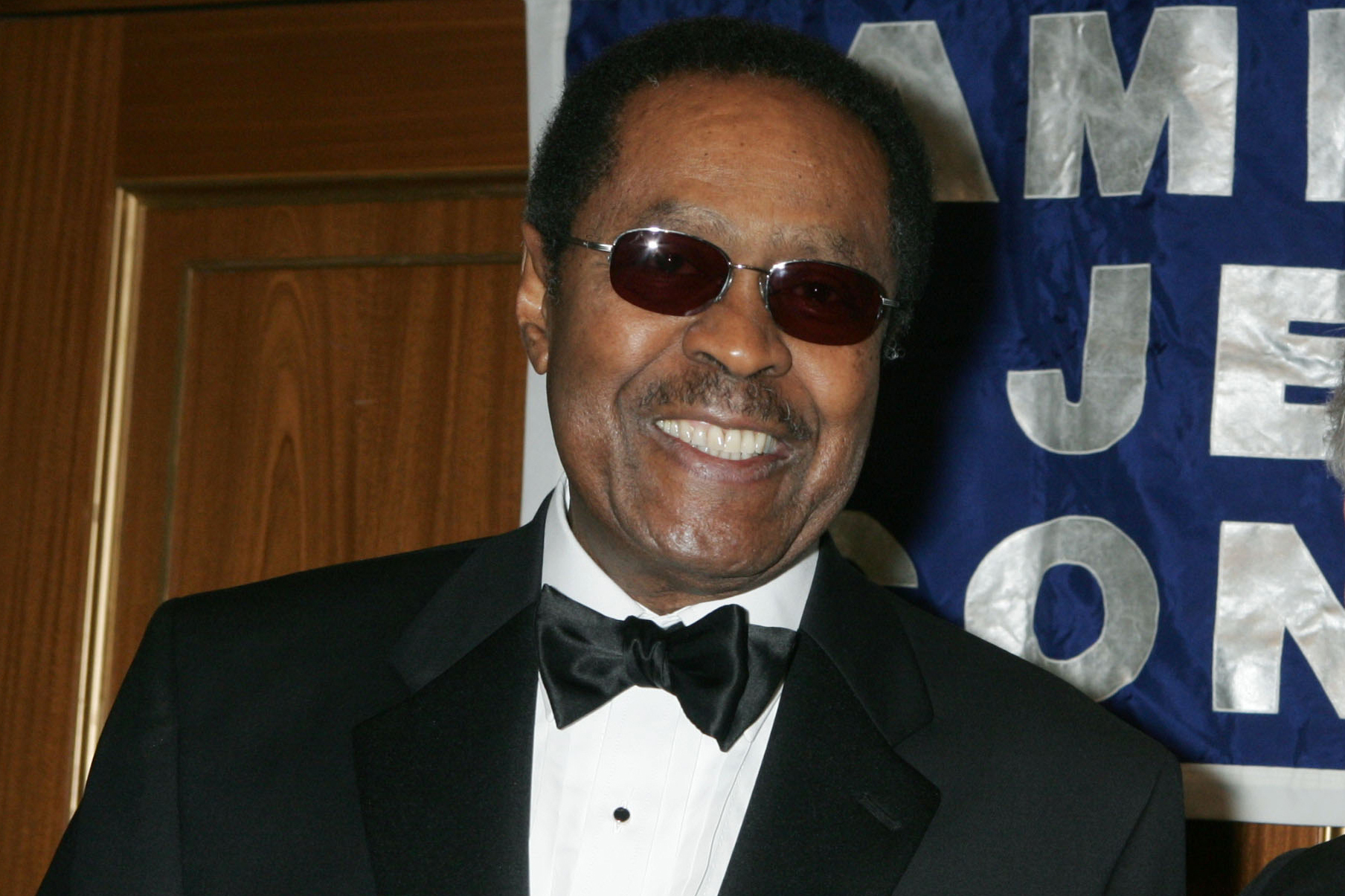
    Clarence B. Jones before he received the American Jewish Congress’ “Isaiah Award,” on March 1, 2006, in New York.

    “I lived there [with the Lippincotts] until they sent me to a Catholic boarding school [the Sisters of the Blessed Sacrament],” Jones said. “I was raised by Catholic nuns who told me, ‘Master Jones, you are a good boy, Jesus loves you. You are beautiful.’”

    The positive reinforcement turned Jones into a force, at a time when Black people’s education and career options were limited by racism. He finished Palmyra High School in New Jersey, the current home of the Clarence B. Jones Institute of Social Advocacy, at the top of his class. He attended the summer program at the Juilliard School in Manhattan for two years and studied clarinet. There he fine-tuned the musical ear that, he said, aided him in writing King’s speeches.

    He graduated from Columbia University, did a brief stint in the Army, and graduated from Boston University Law School. By the late 1950s, he was working as an entertainment lawyer for Revue Studios, which was absorbed into what is now Universal.

    Clarence B. Jones in an animated scene in his living room in “The Baddest Speechwriter of All.”

    Jones was at home one evening in 1960 when his mentor and former New York judge Hubert T. Delany asked him to defend King, then a young preacher and budding Civil Rights Movement leader, against a tax evasion charge in Montgomery, Ala.

    Jones said no.

    “I wondered whether he [King] was real,” Jones said. “‘Cause I’m saying he [King] comes from a middle-class Black family. He didn’t have to do this. I come from the kitchen.”

    Yet, he agreed after hearing King preach at a church in neighboring Baldwin Hills. Jones was struck by his sermon imploring educated Black people not to turn their backs on the struggle.

    He joined the team of attorneys who successfully persuaded an Alabama jury to acquit King of tax evasion and perjuryand stayed on as his personal attorney.

    In 1963, King was jailed again. This time in for leading demonstrations, marches, and sit-ins against racial segregation in Birmingham, Ala. Jones smuggled out notes that King wrote to his fellow clergymen while incarcerated and compiled the missives into King’s “Letter from a Birmingham Jail.”

    That same year Jones worked with singer Harry Belafonte to secure $100,000 from the Rockefellers to bail Birmingham protesters out of jail. The Rockefellers asked him to sign a promissory note, that they later tore up. Jones references that promissory note in his draft of King’s speech.

    “I was sharing a room with King in Albany, Ga.,” Jones told The Inquirer. “And he said, ‘Anybody can walk with me in the warm sunlight of an August summer. But only a wintertime soldier walks with me at midnight in the alpine chill of winter. You, Clarence, are my wintertime soldier.’”

    How ‘Baddest’ came to be

    Proudfoot and Curry met through a mutual friend in the late 2010s. A few years later, Curry helped produce Proudfoot’s 2022 Oscar-winning documentary The Queen of Basketball, the story of women’s basketball pioneer Lusia Harris.

    Curry met Jones in 2022 when Golden State Warriors coach Steve Kerr invited Jones to speak to the team. Curry was intrigued with the elder statesmen’s stories and asked Proudfoot if he would be interested in working on a documentary about Jones’ life.

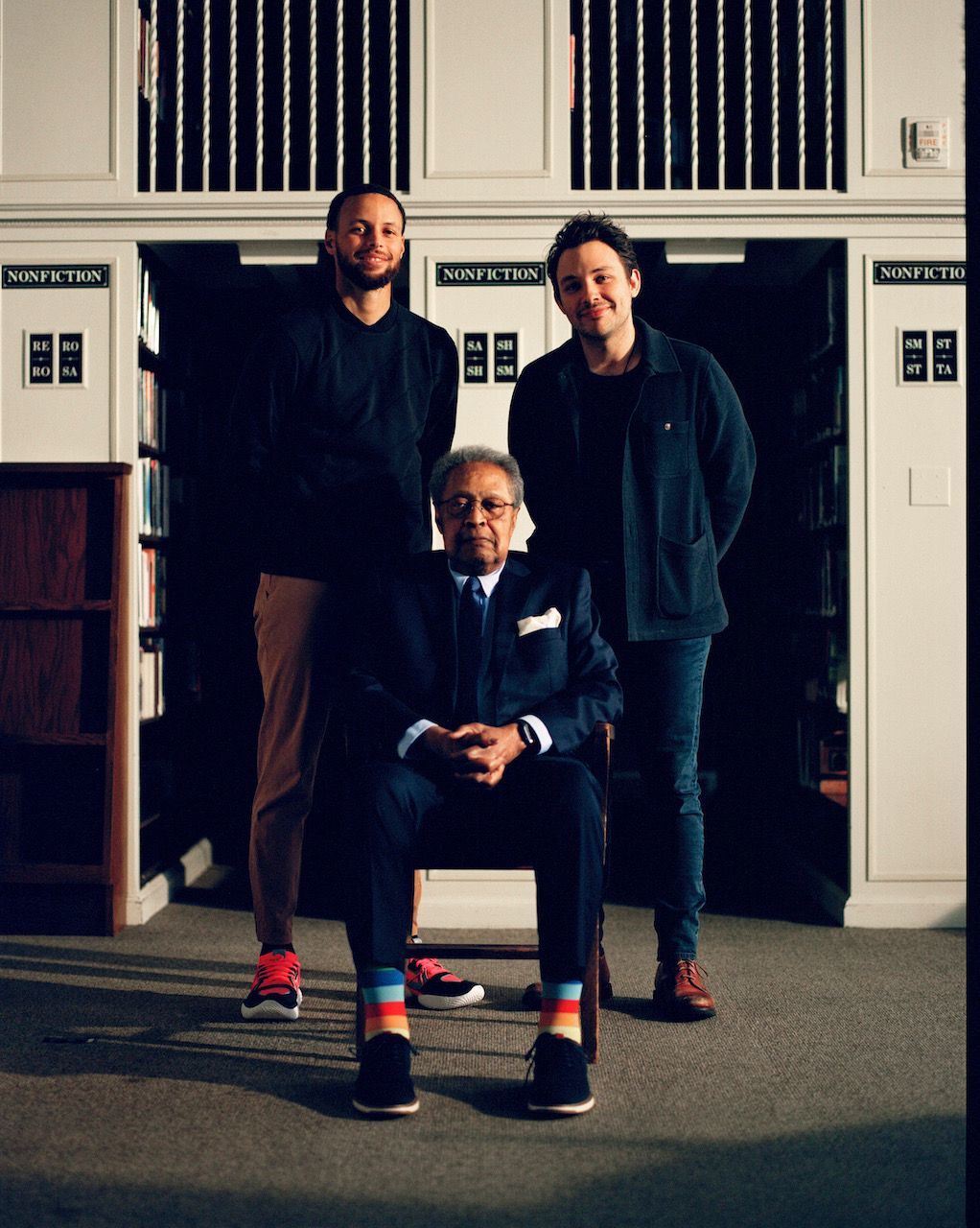
    Stephen Curry, Clarence B. Jones, and Ben Proudfoot on the set of “The Baddest Speechwriter of All.”

    “As a storyteller, I’m always interested in approaching well-known pieces of history through a fresh perspective,” said Proudfoot, a 35-year-old Nova Scotia native and two-time Academy Award winner. (Proudfoot’s credits also include the 2024 Netflix documentary The Turn Around, about Phillies superfan John McCann.)

    “Clarence wasn’t just sitting there waiting for Dr. King to call him,” Proudfoot said. “He was a reluctant participant. He made a decision to live in comfort or live with purpose.”

    Between Curry’s busy NBA schedule and detailed animation, it took three years to complete Baddest. In February, Netflix announced that the film will premiere on its streaming platform this year.

    A ‘bad man’

    Jones was King’s attorney until his assassination in 1968. In the late 1960s he became a partner at what is now Cogan, Berlind, Weill & Levitt, making him the first African American partner at a Wall Street investment banking firm. During that time he also became the first Black person to become an allied member of the New York Stock Exchange.

    During the 1970s, Jones served as the chairman of the New York-based Inner City Broadcasting, where he and Percy Sutton — once Malcolm X’s attorney — founded New York’s WBLS, the blueprint for today’s R&B radio stations. There, he also had a hand in developing the long-running variety show, . From 1971 to 1974, Jones was editor and publisher of the New York Amsterdam News.

    “I’m telling you,” Jones said as a sly grin crawled across his face. “I was a bad man.”

    In recent years, Jones has enjoyed a renewed spotlight.

    He was featured in a 2024 Super Bowl commercial paid for by the Foundation to Combat Antisemitism. “I’d remind people that all hate thrives on one thing, silence,” he says, urging viewers to stand up to Jewish hate. President Joe Biden awarded him the Presidential Medal of Freedom — the highest civilian honor — in May that same year.

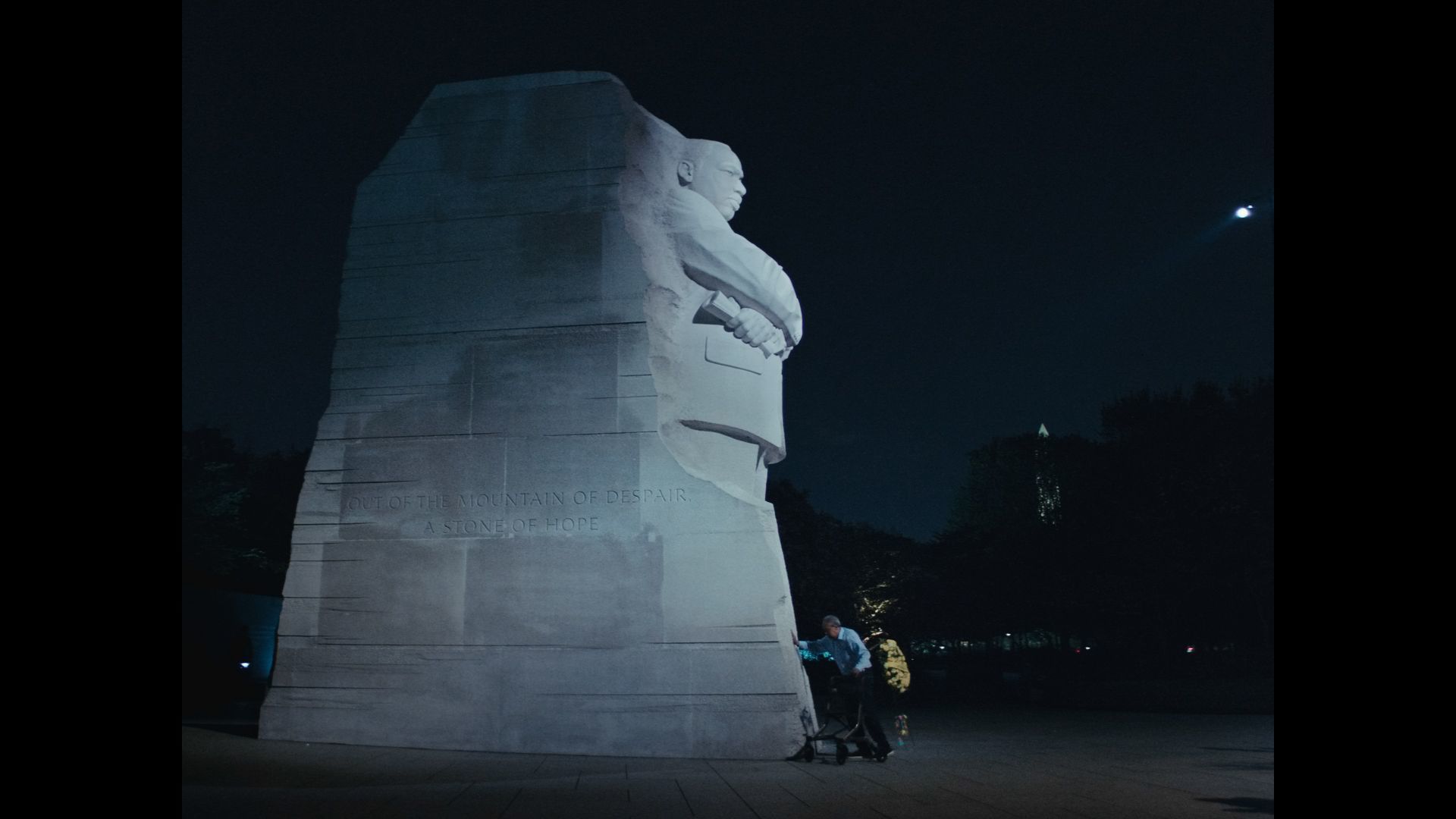
    Clarence B. Jones visiting the Martin Luther King Jr. Memorial in Washington in an animated scene of “The Baddest Speechwriter of All.”

    Just days after the death of the Rev. Jesse Jackson, Jones remembered Jackson as a leader in the civil rights struggle. “I looked upon Jesse Jackson as someone who was a warrior in the battle who has fallen,” Jones said. “I regard him with great love and affection.”

    At a time when the historical civil rights language Jones had a hand in drafting is seen by this presidential administration as racist toward white Americans, Jones is reflective.

    If people would focus more on love, perhaps America would be a better place.

    “King’s work was about love,” he said. “The love he had for his work, for his people … the love he had for me.”

  • Frederick Wiseman, documentarian behind the Northeast High-filmed ‘High School,’ dies at 96

    Frederick Wiseman, documentarian behind the Northeast High-filmed ‘High School,’ dies at 96

    Frederick Wiseman, 96, the renowned documentarian who chronicled life at Northeast Philadelphia High School in a 1968 film that caused a yearslong controversy in the city, has died.

    Zipporah Films, a company that has distributed Mr. Wiseman’s films for more than 50 years, confirmed the filmmaker’s death in a statement Monday.

    Known for his direct cinema style, Mr. Wiseman started his career as a law professor at the Boston University Institute of Law and Medicine before turning to film. His lengthy filmography stretches back to 1967 with the release of Titicut Follies, a controversial exposé focused on the treatment of the patient-inmates of Bridgewater State Hospital for the Criminally Insane in Massachusetts.

    That film was banned in Massachusetts for more than two decades.

    His follow-up, 1968’s High School, a foundational cinema verite documentary filmed at Northeast High School in Philly between the assassinations of the Rev. Dr. Martin Luther King Jr. and Sen. Robert F. Kennedy, was similarly controversial. In fact, Northeast High leaders found it so incendiary that it did not receive a local premiere until 2001 — 32 years after its initial release — for Mr. Wiseman’s fear of legal action.

    At 75 minutes, High School depicted what viewers at the time saw as a bleak vision of life at Northeast High. Contemporary reviews agreed, with Variety writing that it showed the school taught “little but the dreary values of conformity, [and] blind respect for authority.” Newsweek noted that the film showed “high schools are prisons where the old beat down the young.”

    In one scene, a guidance counselor tells a student they may not be college material. In another, a teacher tells a girl her legs are too fat for a dress she sewed. Another shows a dean shutting down a student who was complaining about unfairly receiving detention.

    As early as mid-1969, Mr. Wiseman refused to make a copy of the film available locally, citing “legal repercussions,” according to Inquirer reports from the time. The Philadelphia Board of Education, meanwhile, declared the documentary “biased” and demanded it be shown to students and faculty.

    High School, however, would not receive its first official local public showing until August 2001, at the Prince Music Theater. About 400 people attended, The Inquirer reported, most of whom were faculty or alumni of Northeast High.

    Five days later, it aired on the PBS series POV Classic.

    “I took him to the annual press tour the year we aired High School and never had a funnier, more incisive companion to compare notes with on the state of cinema,” said Cara Mertes, who was then the executive producer of POV Classic. “He was perpetually young, incredibly smart, and did not suffer fools, and still he was always generous with his time and immense talent as one of America’s greatest chroniclers, in any medium.”

    Ten years before, in 1991, High School was selected for preservation in the United States National Film Registry by the Library of Congress.

    “It is everything you need to know about 1968 middle-class America in microcosm,” Mertes said. “So many scenes and characters have taken on iconic status. It captures the tectonic social shifts happening in the most ordinary of exchanges in the day-to-day of a touchstone of American life: the high school experience.”

    “Wiseman pulled a fast one on Northeast,” said English department head Irene Reiter after seeing the film. “It was a setup to attack the educational system.”

    Former students, however, largely seemed to disagree. Andrea Korman Shapiro, a student featured in a scene in which a vice principal admonishes her for wearing a minidress to prom, called it “accurate.”

    “[It’s] a chronicle of the inner life of people not permitted to speak,” she said.

    Even others who had more positive experiences at the school argued the film’s strengths outweighed its shortcomings. As Marilyn Kleinberg, a 1978 graduate, put it: “It felt real to me, even though I had an excellent experience.”

    Shapiro, meanwhile, said it would be wise to view High School as a “trauma model.”

    “A trauma, if it doesn’t get resolved, gets replayed and reenacted,” she said. “There needs to be some kind of learning to let it go.”

    The year High School debuted in Philadelphia, Mr. Wiseman told Current, a nonprofit news organization associated with American University’s School of Communication, that his concerns about legal action over the film were perhaps overblown.

    “This was soon after the Titicut Follies case, and I didn’t want another lawsuit on my hands,” he said. Possible legal threats, he added, were merely the “vague talk of no one particular individual.”

    In 2016, Mr. Wiseman received an honorary Oscar at the 89th Academy Awards for his “masterful and distinctive documentaries” that “examine the familiar and reveal the unexpected.” Making films, he said in his acceptance speech, presented opportunities to “learn something about a new subject.”

    “The variety and complexity of the human behavior observed in making one of the films, and cumulatively all of the films, is staggering,” Mr. Wiseman said in the speech. “And I think it is as important to document kindness, civility, and generosity of spirit as it is to show cruelty, banality, and indifference.”

    The article has been updated with quotes from Cara Mertes.

  • They grew up correcting everyone about their last name. Years later, they discovered the deep Philly history behind it.

    They grew up correcting everyone about their last name. Years later, they discovered the deep Philly history behind it.

    Twin brothers Larry and Kelly Ganges grew up outside of Trenton with people constantly mispronouncing their last name. “Grange, Grain, Ganger,” they’ve heard it all.

    So they developed a standard reply: “It’s Ganges like the river [in India].”

    Decades on, they’d find out the deep Philadelphia story behind it.

    When the brothers, now 72, got older and traveled, they’d grab the phone book in whatever town they were in to see if anybody with their last name was listed. Then they’d call and ask if they knew anybody in their family; they often did.

    “So we all thought, no matter where we were,” said Larry, “we were connected with somebody,”

    But they were also connected with something — a ship, a travesty, and a providence.

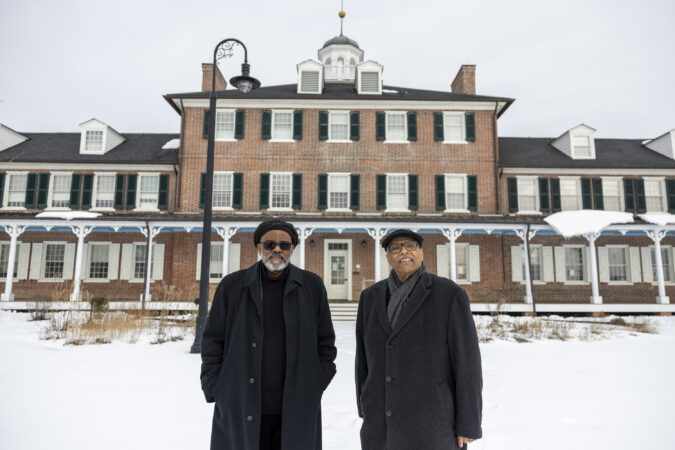
    (From left to right) Twin brothers Larry Ganges, and Kelly Ganges, pose for a portrait at the Lazaretto in Tinicum, Pa., on Friday, Feb. 6, 2026. “It allows us to view and experience Black history,” Kelly said. “Pride in knowing our family was in this journey.”

    The brothers’ first clue of their extended heritage arrived in 1975, when Kelly, was a student at Trenton State College. His journalism teacher, familiar with Bucks County cemeteries, asked if Kelly knew about the gravestones of two soldiers buried there.

    Torbert and William Ganges had fought in the Civil War’s colored regiment, but Kelly couldn’t be sure if they were his relatives.

    Nearly 30 years later, the brothers still don’t know if they are related to the soldiers, but they have discovered that their heritage is, as Kelly describes, “bigger than us, [it] extends beyond the continental United States and involves potentially the world.”

    That information came in a phone call.

    In the early aughts, Larry was working as the New Jersey Department of Health’s assistant commissioner for the HIV/AIDS division. His secretary told him that David Barnes, a University of Pennsylvania professor of history and the sociology of science, was on the line to talk about a different epidemic.

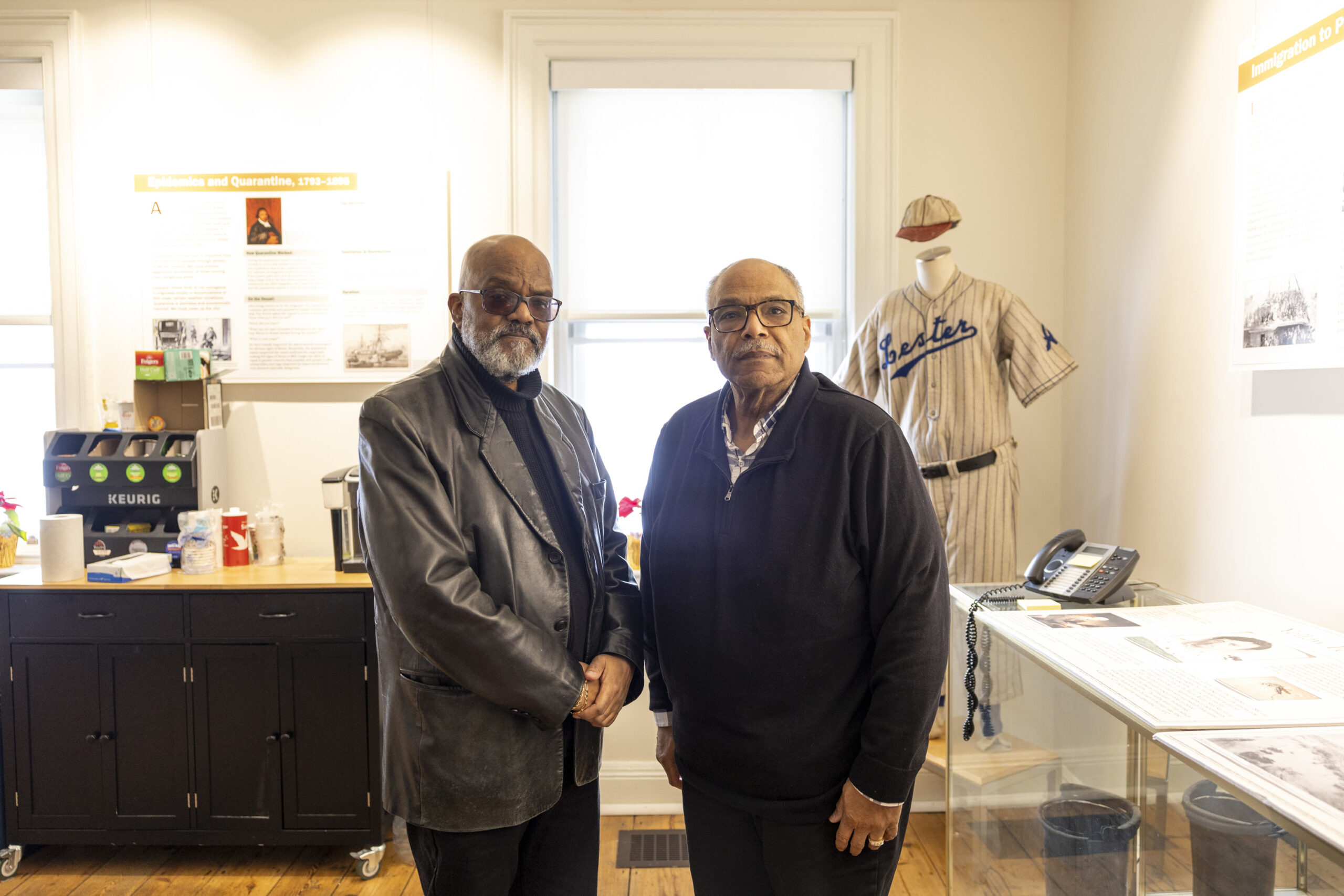
    72-year-old twin brothers Kelly Ganges (left) and Larry Ganges, pose at the Lazaretto in Tinicum, Pa., on Friday, Feb. 6, 2026.

    Barnes, who was seeking anyone with the Ganges name, had found Larry by chance in a New Jersey state employees directory. He wanted to discuss the 135 Africans who arrived in Philadelphia in 1800 and were detained at the old Lazaretto along the Delaware River.

    At the time, every vessel arriving in Philadelphia was required to stop and be inspected at the Lazaretto — a hospital and quarantine station — where patients with yellow fever were treated.

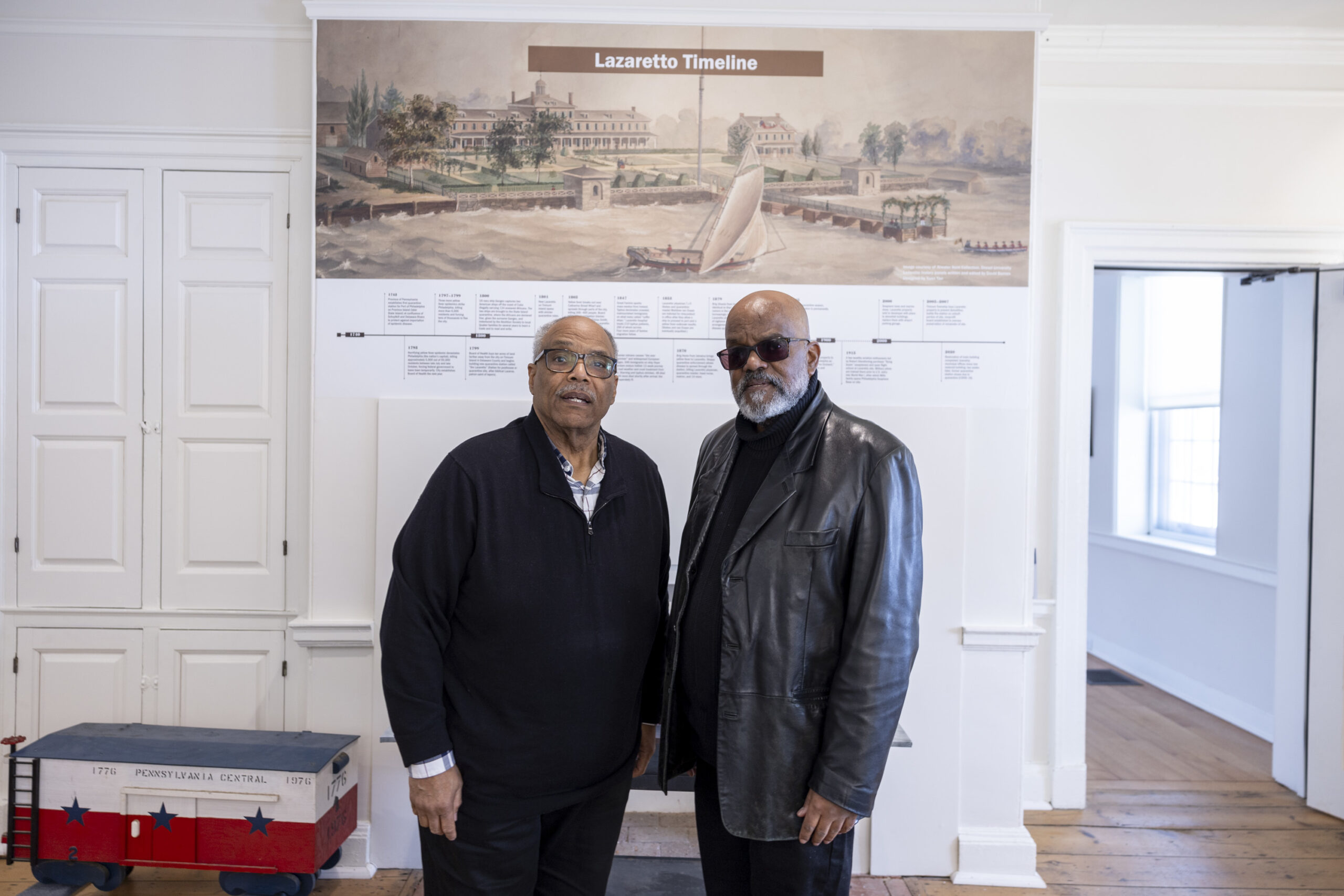
    Later, a brick facility replaced the old Lazaretto. Downriver from the original, the “new” Lazaretto, operational from 1801-1895, stands near present day Tinicum. It is the oldest surviving quarantine station in the Western Hemisphere and one of the 10 oldest in the world.

    By the call’s end, Larry had learned not just the origin of his name but how his ancestors arrived in America.

    “Wow, we had never heard about it. We just didn’t know,” he said.

    The story goes: In 1800, the United States naval ship Ganges intercepted two schooners (the Phoebe and the Prudence) off the coast of Florida, near Cuba. Despite a new federal law banning the carrying of human beings for enslavement, the schooners, which experts believe disembarked from near Sierra Leone, contained 135 people from Africa, imprisoned as slaves, bound for the New World.

    Ganges’ naval officers boarded the schooners — the Phoebe on July 19, 1800, and the Prudence on July 21, 1800 — took the enslaved into custody, and delivered them to the Ganges’ home port: Philadelphia.

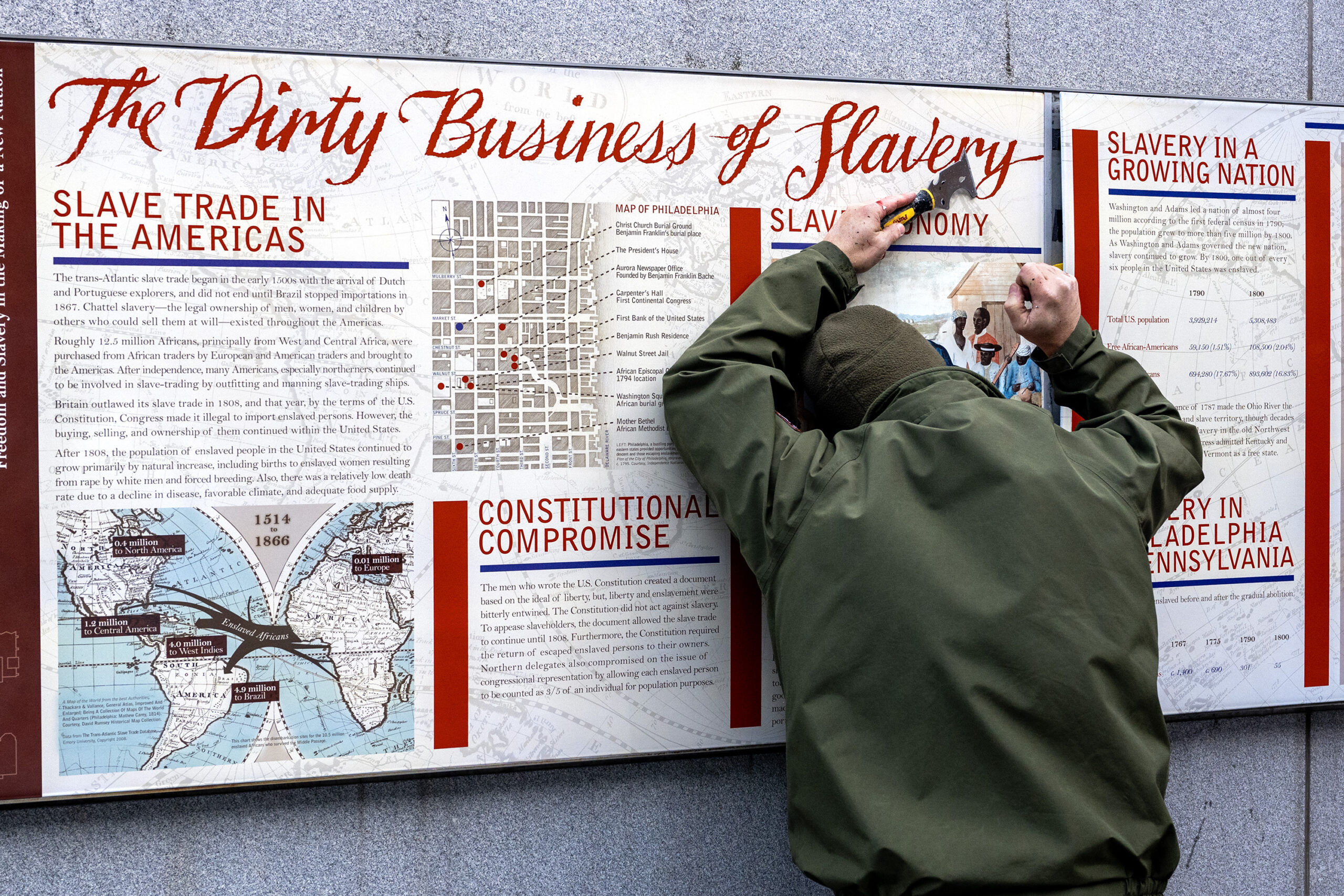
    A NPS worker removes an interpretive panels – “The Dirty Business of Slavery” – at the President’s House site in Independence National Historical Park Thursday, Jan. 22, 2026.

    When the schooners’ owners sued to reclaim their “property,” a Philadelphia judge ruled that the 135 aboard were people (not property) and ordered them freed. The Africans were remanded to the old Lazaretto for quarantine where they remained for up to three months.

    Subsequently Sambo, Milnor, Yelle, and Culico Ganges and the rest of the 123 survivors were indentured to Pennsylvania Abolition Society members and others.

    After Barnes’ phone call, the twins and their (late) older brother, Tendaji Ganges, visited the Lazaretto. At that time, the dilapidated building was locked. But Kelly returned with Barnes and gained access inside.

    “I saw all of the little rooms … it was interesting to touch a piece of history, and know that that’s the genesis of how our family came to the United States,” he said.

    “These modern-day heirs carry the legacy of resistance and survival into today’s conversations around justice, identity, and belonging,” said filmmaker Rah Crawford, whose documentary The Art of Brotherly Love focuses on the Ganges’ story.

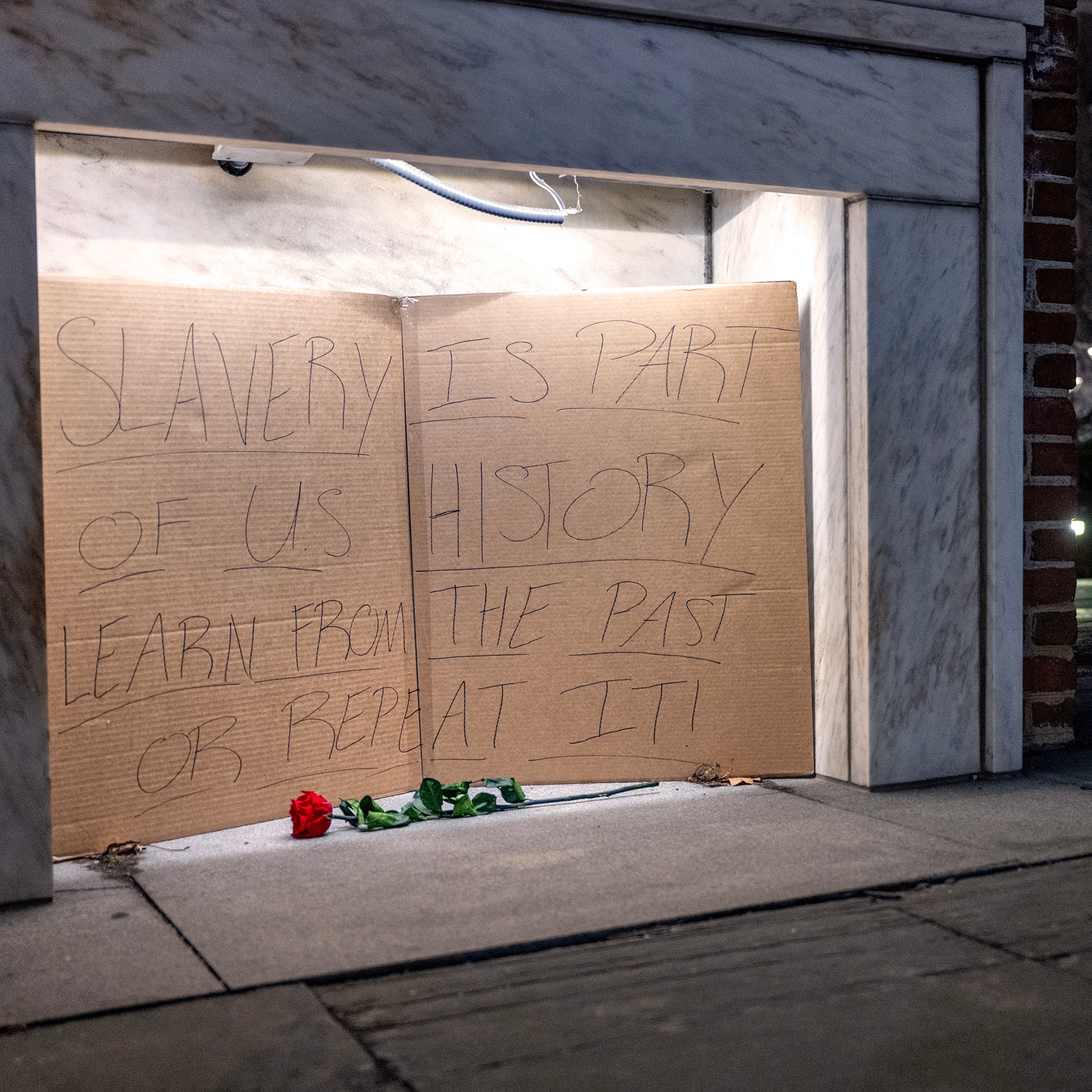
    A single rose and a handwritten cardboard sign (“Slavery is part of U.S. history learn from the past or repeat it”) are inside an empty hearth at the President’s House site in Independence National Historical Park late Thursday, Jan. 22, 2026 after workers removed display panels about slavery.

    When the film premiered in Brooklyn last year, Larry said that as he sat in the audience watching, he was shaking, almost in tears. His wife asked, “Are you OK? Are you cold?”

    He was overcome with emotions: “I was sad, I was happy, I was mad.”

    Although, as the brothers say, “we’ve got the generic connection to the name,” they don’t have a connection to identify individual family members that came through the old Lazaretto; they can’t yet determine how their bloodline was carried to them.

    But thanks to the efforts of family historian Michael Kearney, who is tracking descendants of the Ganges’ survivors, Larry is confident that “my children and my children’s children [are going] to know what the story is, and to know how to access it, and know who the players are …. And hopefully this movie is not the last of what’s going to occur.”

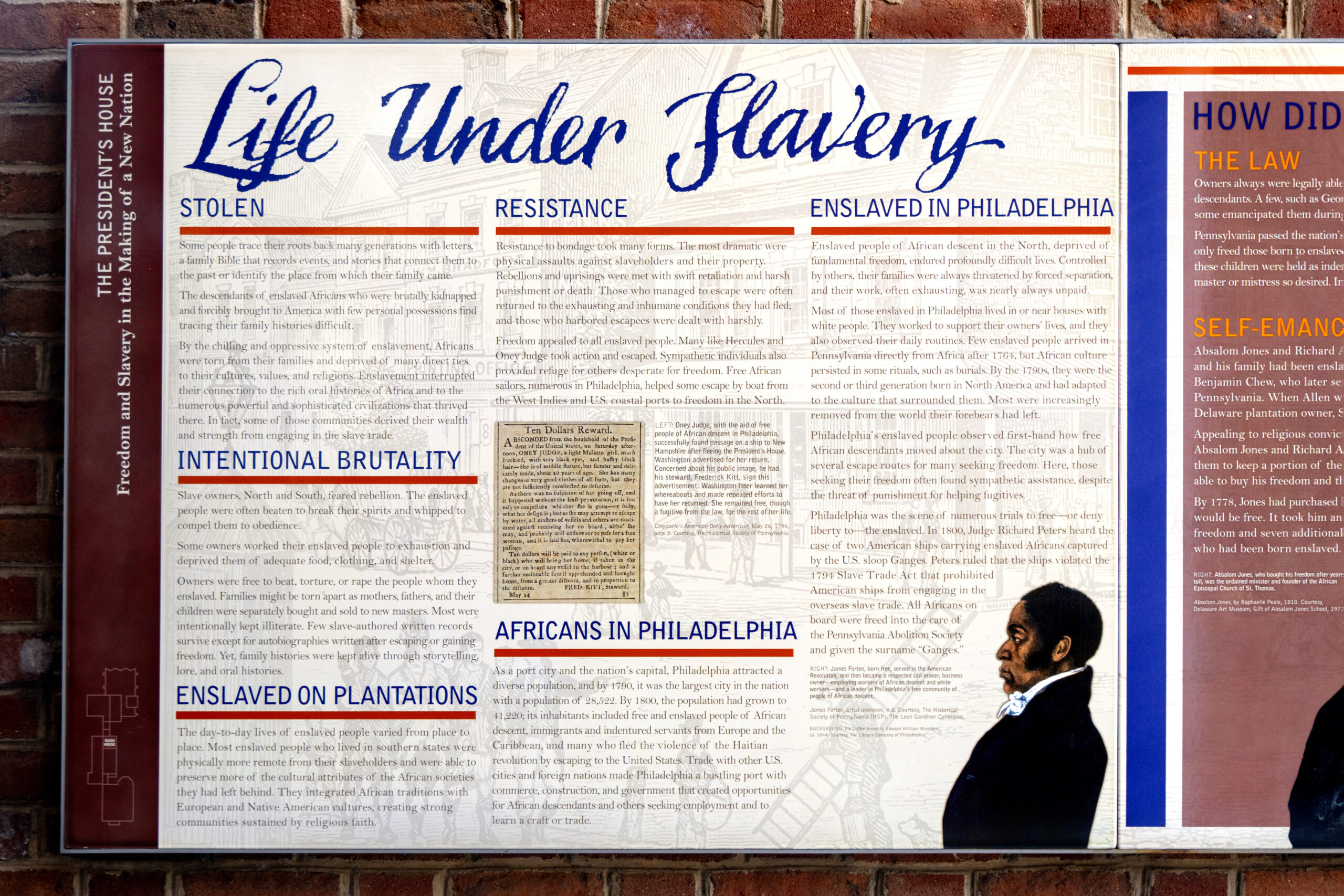
    The “Life Under Slavery” sign at the President’s House in the Independence National Historical Park. The sign has since been removed. Photo from Sunday, Aug. 3, 2025.

    Despite federal efforts to mute the history of enslavement in America — history panels at the President’s House referencing the Ganges story were removed from the site last month — the Ganges brothers know it’s important to share their story.

    “People made it through the troubled journey, the Middle Passage, and landed on American soil and contributed to make America a great nation,” said Kelly, “And nobody can ever deny that, and people can try and whitewash it and try to erase it, but it’s not going to work, because it’s real. Our contribution is documented.”

    Prior to the opening of the President’s House in 2010, filmmaker Crawford was commissioned to create storyboards for a video installation at the site. Through his research, he first learned of the Ganges’ story, launching a 15-plus-year journey to produce the documentary.

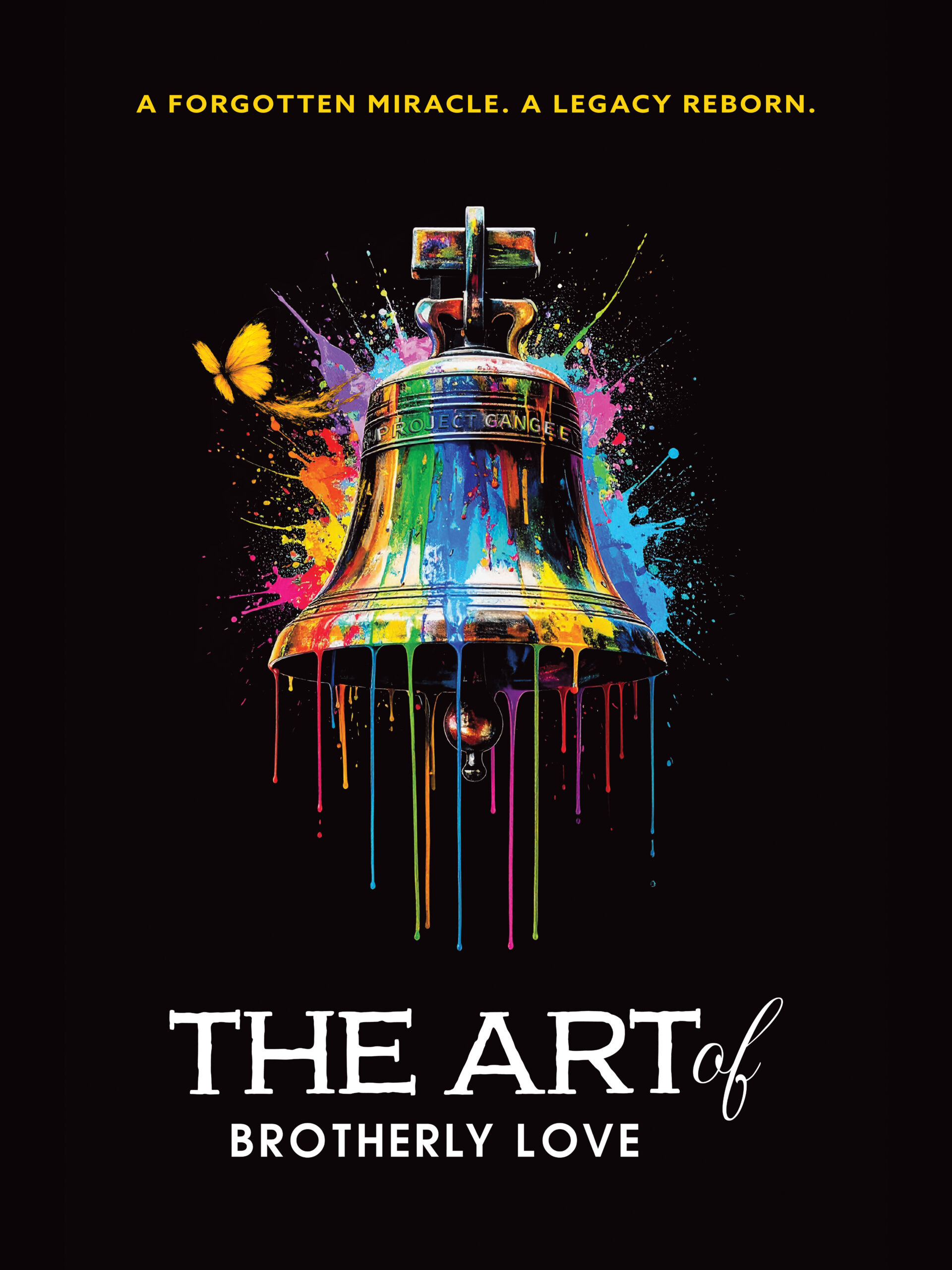
    Filmmaker Rah Crawford’s documentary “The Art of Brotherly Love” documents the story of the long-forgotten rescue of 135 enslaved Africans by the “Ganges” in the 1800s,

    The Art of Brotherly Love, presented in partnership with Creative Philadelphia, is both a documentary and a trailer for a forthcoming animated feature. The Philadelphia premiere is slated for Feb. 14 at Ritz Five.

    After the documentary screens, Kelly Ganges hopes that, “it just continues to cascade out — to inspire more genealogists and historians, and to reach more descendants and the next generation.”

    “The Art of Brotherly Love,” Feb. 14, 11:30 a.m., Landmark’s Ritz Five, 214 Walnut St., eventbrite.com

  • An Old City studio has a documentary about comedian Bob Saget’s life in the works

    An Old City studio has a documentary about comedian Bob Saget’s life in the works

    Old City-based 9.14 Pictures is working on an untitled documentary about comedian Bob Saget, the Philly-bred funny man who rose to fame in the 1980s as the affable Danny Tanner on the ABC sitcom Full House.

    Deadline first reported the news.

    The announcement comes on the heels of the studio’s successful projects centering celebrities with local ties including Disney+’s Taylor Swift: The End of an Era and Prime Video’s most-watched documentary, Kelce. Both were directed by the studio’s owners, Don Argott and Sheena M. Joyce.

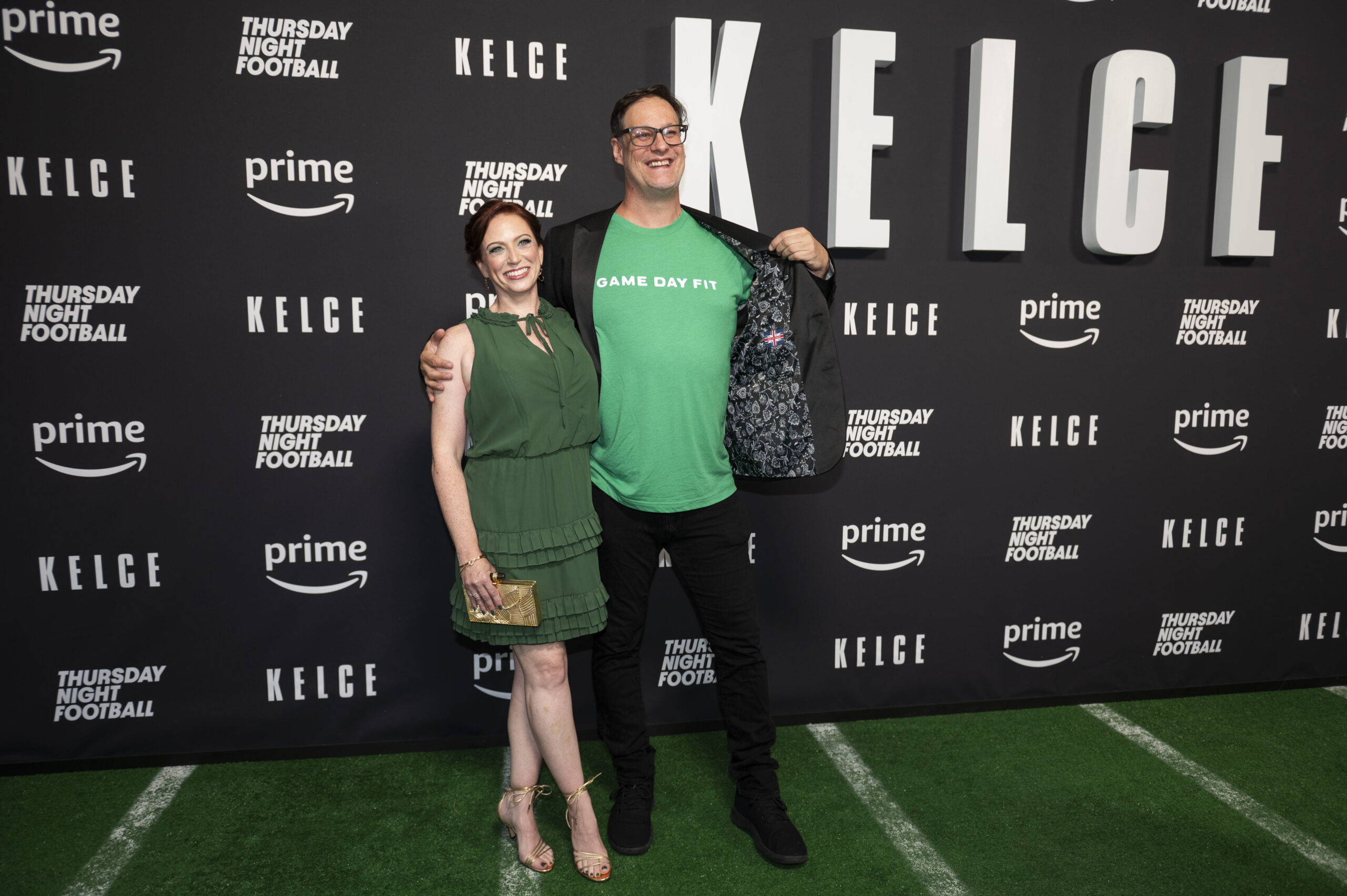
    9.14 Pictures Sheena M. Joyce and Don Argott arrive at the premier of “Kelce” at the Suzanne Roberts Theater in Philadelphia on Friday, Sept. 9, 2023. The film is a feature-length documentary featuring Jason Kelce and the Eagles’ 2022-23 season.

    According to Deadline, Argott and Joyce will direct this piece, too, and were given access to Saget’s rare home videos and never-before-seen footage.

    “The film will reveal the complex life, devastating losses and enduring kindness behind the laughter,” Deadline stated.

    The documentary will ultimately help viewers understand how and why Saget’s comedy turned so dark and raunchy before his untimely death in 2022 at a Ritz-Carlton in Orlando, from what medical examiners said was an accidental blow to the head. He was 65.

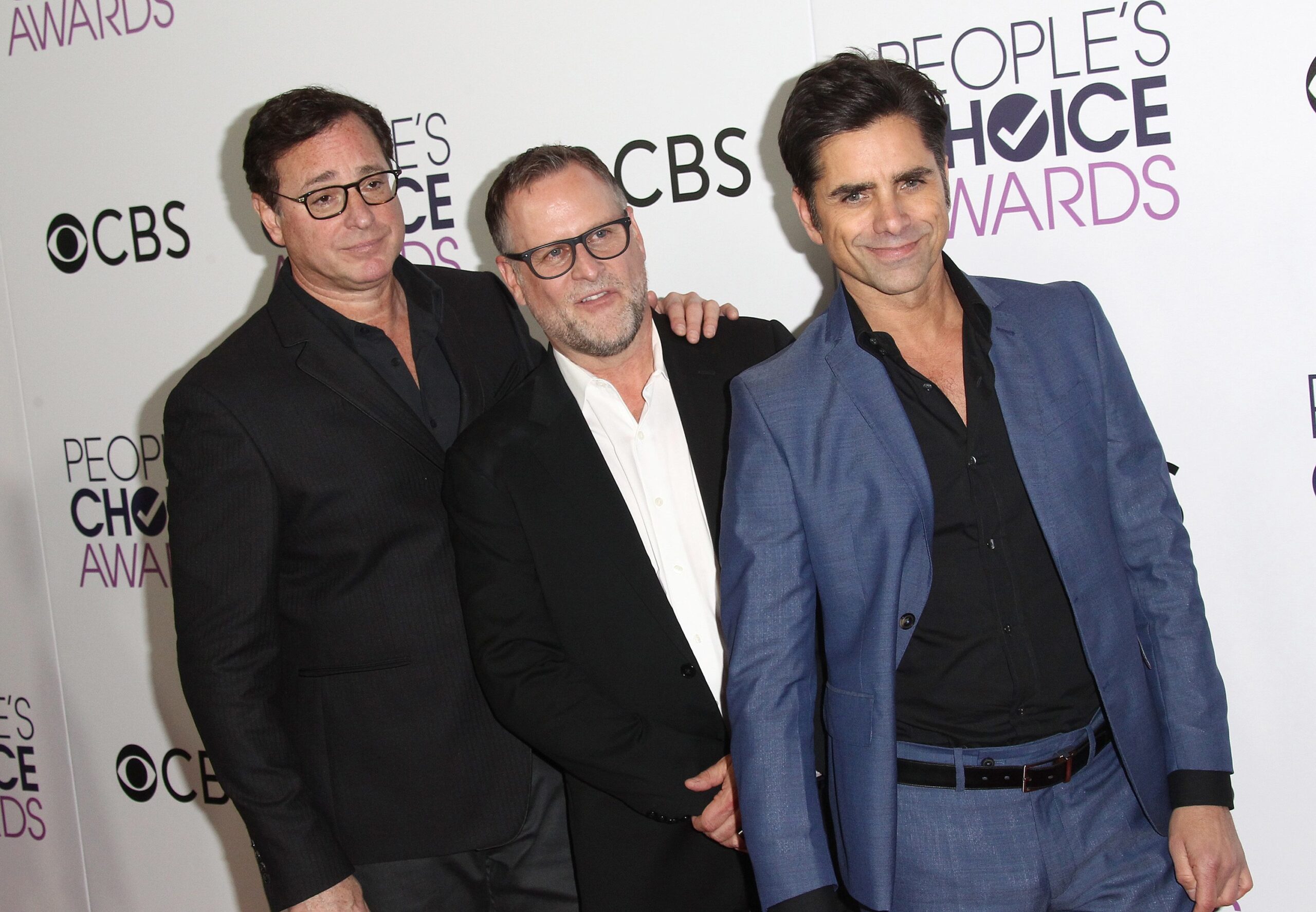
    From left, actors Bob Saget, Dave Coulier, and John Stamos at the People’s Choice Awards 2017 at Microsoft Theater in Los Angeles on Jan. 18, 2017. (Tommaso Boddi/AFP/Getty Images/TNS)

    Saget, who also hosted America’s Funniest Home Videos for eight seasons, was born in Mount Airy, moved to Virginia, and moved back to the area when he was a teenager. He graduated from Abington Senior High and went on to attend Temple University, where he studied film.

    While at Temple University, he practiced his stand-up at Philadelphia restaurateur Stephen Starr’s then-Queen Village nightclub. He also won a student Oscar in 1978 for his 11-minute documentary, Through Adam’s Eyes, the story of an 11-year-old boy who underwent a grueling facial surgery.

    After Temple, he moved to the West Coast and attended the University of Southern California’s film school but dropped out to do stand-up.

    For the next seven years, he was the emcee at the Comedy Store, working among such comedians as David Letterman, Robin Williams, Michael Keaton, Billy Crystal, Jay Leno, Johnny Carson, and Richard Pryor.

    He also warmed up the crowd before tapings of Bosom Buddies, the Tom Hanks-Peter Scolari sitcom. The producer later hired Saget to play Danny Tanner on Full House, on which he portrayed a morning TV host in San Francisco.

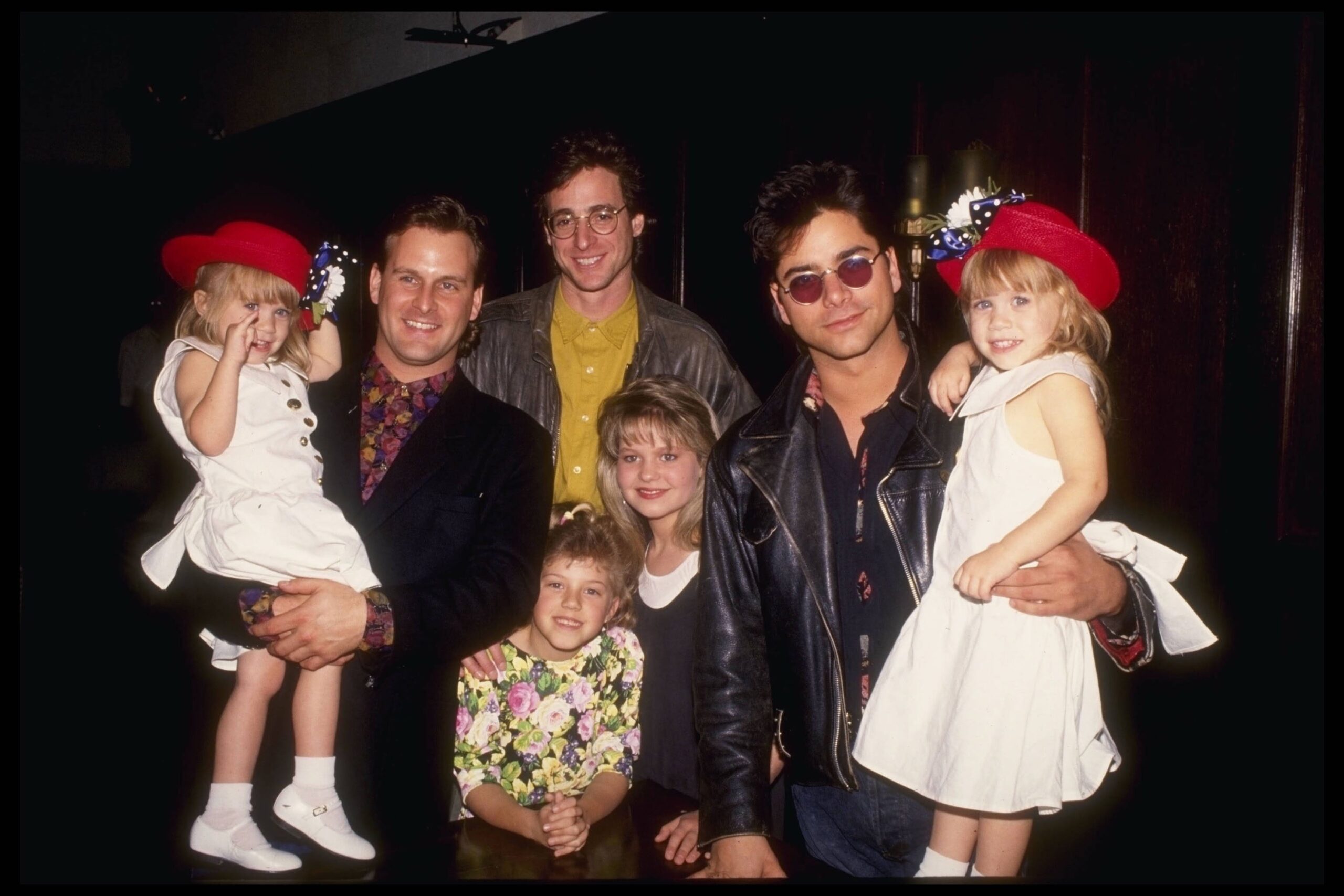
    In an undated photo, the cast of the television sitcom “Full House,” from left, Ashley Olsen, Dave Coulier, Jodi Sweetin, Bob Saget, Candace Cameron, John Stamos and Mary-Kate Olsen. (Kathy Hutchins/Zuma Press/TNS)

    Saget lost one sister to a rare autoimmune disease and another to a brain aneurysm, he told The Philadelphia Inquirer in 1994. Those losses, he said, helped him prioritize his life and led to his maudlin sense of humor.

    The Bob Saget documentary will be produced by Story Syndicate, Revue Studios, and 9.14 Pictures.

  • Catherine O’Hara, Emmy-winning comedian of ‘Schitt’s Creek’ and ‘SCTV’ fame, has died at 71

    Catherine O’Hara, Emmy-winning comedian of ‘Schitt’s Creek’ and ‘SCTV’ fame, has died at 71

    LOS ANGELES — Catherine O’Hara, a gifted Canadian-born comic actor and SCTV alum who starred as Macaulay Culkin’s harried mother in two Home Alone movies and won an Emmy as the dramatically ditzy wealthy matriarch Moira Rose in Schitt’s Creek, died Friday. She was 71.
    Ms. O’Hara died at her home in Los Angeles “following a brief illness,” according to a statement from her representatives at Creative Artists Agency. Further details were not immediately available.
    Ms. O’Hara’s career was launched with the Second City comedy group in Toronto in the 1970s. It was there that she first worked with Eugene Levy, who would become a lifelong collaborator — and her Schitt’s Creek costar. The two would be among the original cast of the sketch show SCTV, short for “Second City Television.” The series, which began on Canadian TV in the 1970s and aired on NBC in the U.S., spawned a legendary group of esoteric comedians that Ms. O’Hara would work with often, including Martin Short, John Candy, Andrea Martin, Rick Moranis, and Joe Flaherty.

    Ms. O’Hara would win her first Emmy for her writing on the show.

    Eugene Levy (from left), Annie Murphy, Daniel Levy, and Catherine O’Hara, cast members in the series “Schitt’s Creek,” pose for a 2018 portrait.

    Her second, for best actress in a comedy series, came four decades later, for Schitt’s Creek, a career-capping triumph and the perfect personification of her comic talents. The small CBC series created by Levy and his son, Dan, about a wealthy family forced to live in a tiny town would dominate the Emmys in its sixth and final season. It brought Ms. O’Hara, always a beloved figure, a new generation of fans and put her at the center of cultural attention.

    She told the Associated Press that she pictured Moira, a former soap opera star, as someone who had married rich and wanted to “remind everyone that (she was) special, too.” With an exaggerated Mid-Atlantic accent and obscure vocabulary, Moira spoke unlike anyone else, using words like “frippet,” “pettifogging” and “unasinous,” to show her desire to be different, Ms. O’Hara said. To perfect Moira’s voice, Ms. O’Hara would pore through old vocabulary books, “Moira-izing” the dialogue even further than what was already written.

    Ms. O’Hara also won a Golden Globe and two SAG Awards for the role.

    At first, Hollywood didn’t entirely know what to do with Ms. O’Hara and her scattershot style. She played oddball supporting characters in Martin Scorsese’s 1985 After Hours and Tim Burton’s 1988 Beetlejuice — a role she would reprise in the 2024 sequel.

    She played it mostly straight as a horrified mother who accidentally abandoned her child in the two Home Alone movies. The films were among the biggest box office earners of the early 1990s and their Christmas setting made them TV perennials. They allowed her moments of unironic warmth that she didn’t get often.

    Her co-star Culkin was among those paying her tribute Friday.

    “Mama, I thought we had time,” Culkin said on Instagram alongside an image from Home Alone and a recent recreation of the same pose. “I wanted more. I wanted to sit in a chair next to you. I heard you. But I had so much more to say. I love you.”

    Meryl Streep, who worked with O’Hara in Heartburn, said in a statement that she “brought love and light to our world, through whipsmart compassion for the collection of eccentrics she portrayed.”

    Roles in big Hollywood films didn’t follow Home Alone, but Ms. O’Hara would find her groove with the crew of improv pros brought together by Christopher Guest for a series of mockumentaries that began with 1996’s Waiting for Guffman and continued with 2000’s Best in Show, 2003’s A Mighty Wind, and 2006’s For Your Consideration.

    Best in Show was the biggest hit and best-remembered film of the series. She and Levy play married couple Gerry and Cookie Fleck, who take their Norwich terrier to a dog show and constantly run into Cookie’s former lovers along the way.

    “I am devastated,” Guest said in a statement to the AP. “We have lost one of the comic giants of our age.”

    Born and raised in Toronto, Ms. O’Hara was the sixth of seven children in a Catholic family of Irish descent. She graduated from Burnhamthorpe Collegiate Institute, an alternative high school. She joined Second City in her early 20s, as an understudy to Gilda Radner before Radner left for Saturday Night Live. (Ms. O’Hara would briefly be hired for “SNL” but quit before appearing on air.)

    Nearly 50 years later, her final roles would be as Seth Rogen’s reluctant executive mentor and freelance fixer on The Studio and a dramatic turn as therapist to Pedro Pascal and other dystopia survivors on HBO’s The Last of Us. Both earned her Emmy nominations. She would get 10 in her career.

    “Oh, genius to be near you,” Pascal said on Instagram. “Eternally grateful. There is less light in my world.”

    Earlier this month, Rogen shared a photo on Instagram of him and Ms. O’Hara shooting the second season of “The Studio.”

    She is survived by her husband, Bo Welch, a production designer and director who was born in Yardley; sons Matthew and Luke; and siblings Michael O’Hara, Mary Margaret O’Hara, Maureen Jolley, Marcus O‘Hara, Tom O’Hara, and Patricia Wallice.

  • Grammar nerds and language lovers gather for a sold-out documentary at the Bryn Mawr Film Institute

    Grammar nerds and language lovers gather for a sold-out documentary at the Bryn Mawr Film Institute

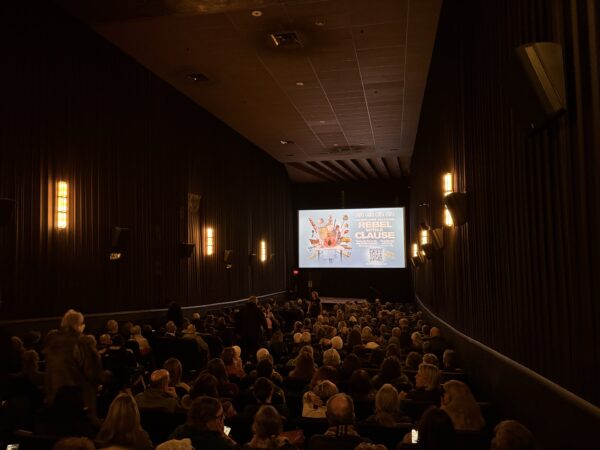
    Despite frigid temperatures and the specter of the Philly area’s largest snowstorm in years, hundreds of language lovers and grammar nerds gathered in Bryn Mawr on Saturday for a screening of Rebel with a Clause, the hottest “road trip, grammar docu-comedy” on the indie movie circuit.

    Rebel with a Clause follows language expert Ellen Jovin as she takes her makeshift “Grammar Table” on a journey across the United States, from Bozeman, Mont., to New York City (and everywhere in between). From behind the table, Jovin asks strangers to divulge their questions, comments, and concerns about the English language, from when it’s best to use a semicolon to how to properly punctuate “y’all.” What starts as an amusing grammar refresher turns into a moving text on Americans’ shared humanity, even in polarizing times.

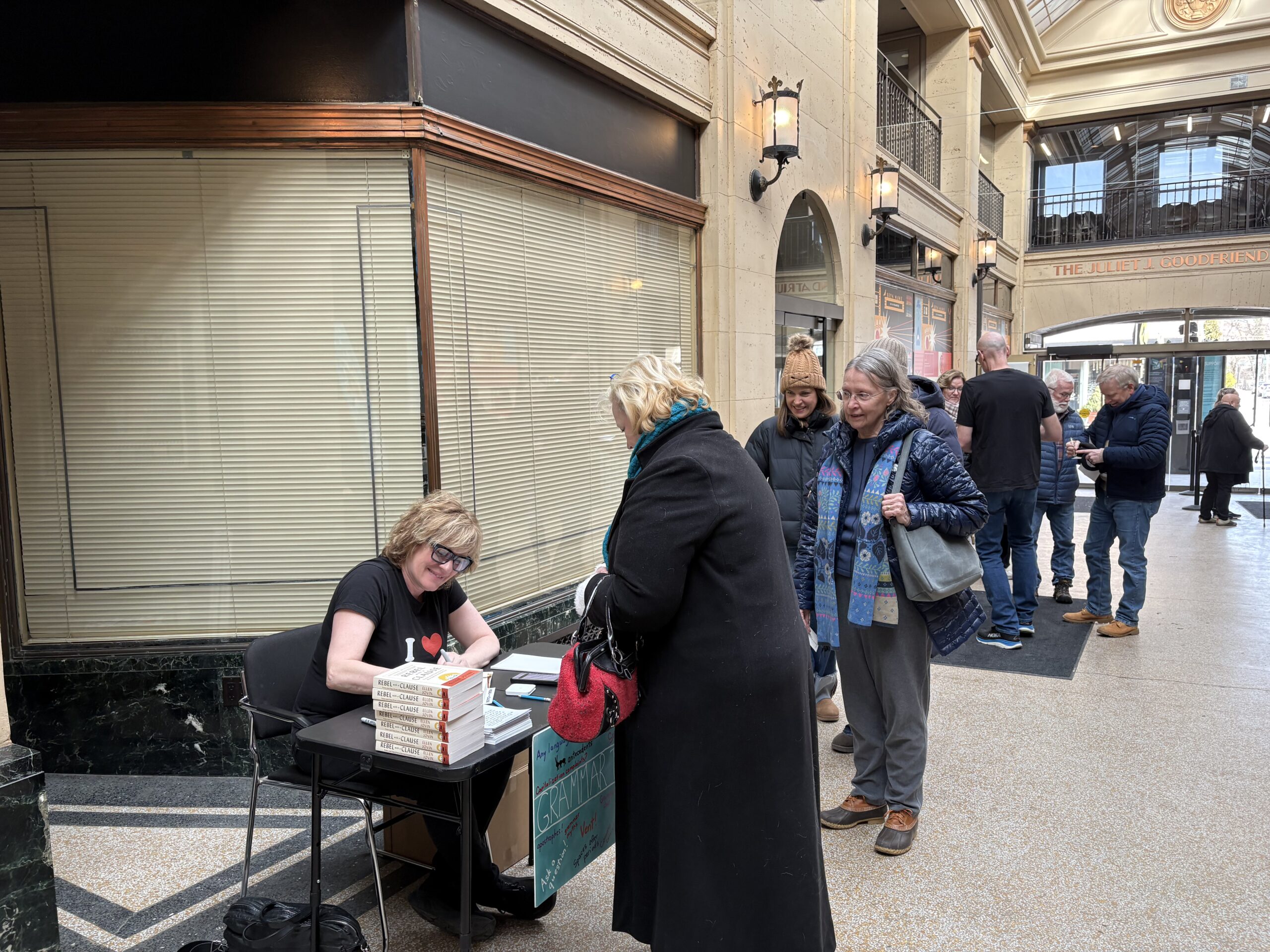
    Ellen Jovin, subject of “Rebel with a Clause,” signs books at a screening at the Bryn Mawr Film Institute on Jan. 24, 2026.

    Jovin, the movie’s star, has written four books on writing and grammar, including Rebel with a Clause: Tales and Tips from a Roving Grammarian, a reflection on her cross-country tour. The movie was directed and produced by Brandt Johnson, a writer and filmmaker who also happens to be Jovin’s husband.

    Jovin and Johnson, who are based in New York, are on a second cross-country tour as the Rebel with a Clause movie graces audiences. The Bryn Mawr screening marked the film’s first public showing in the Philly area.

    As he handed out optional grammar quizzes and grammar-themed chocolates in the Bryn Mawr Film Institute’s foyer, Johnson said the response to the movie has been “extraordinary.”

    “Ellen’s Grammar Table that she started in 2018 was about grammar, for sure, but it turned out to be as much about human connection,” Johnson said.

    “Just as a life experience, oh my gosh,” he added. “It’s been something that I certainly didn’t anticipate.”

    “Rebel with a Clause” producer Brandt Johnson hands out grammar-themed chocolates to moviegoers at the Bryn Mawr Film Institute on Jan. 24, 2026.

    Before the screening, attendees waited for their turn at the table, where Jovin was signing books and answering pressing questions about commas and ellipses.

    Mary Alice Cullinan, 76, said she and her friends are fascinated by grammar and how it seems to be losing ground among younger generations.

    Cullinan, who lives in Blue Bell, spent her career working in the restaurant industry but always read and wrote on the side.

    “I read to live,” she added.

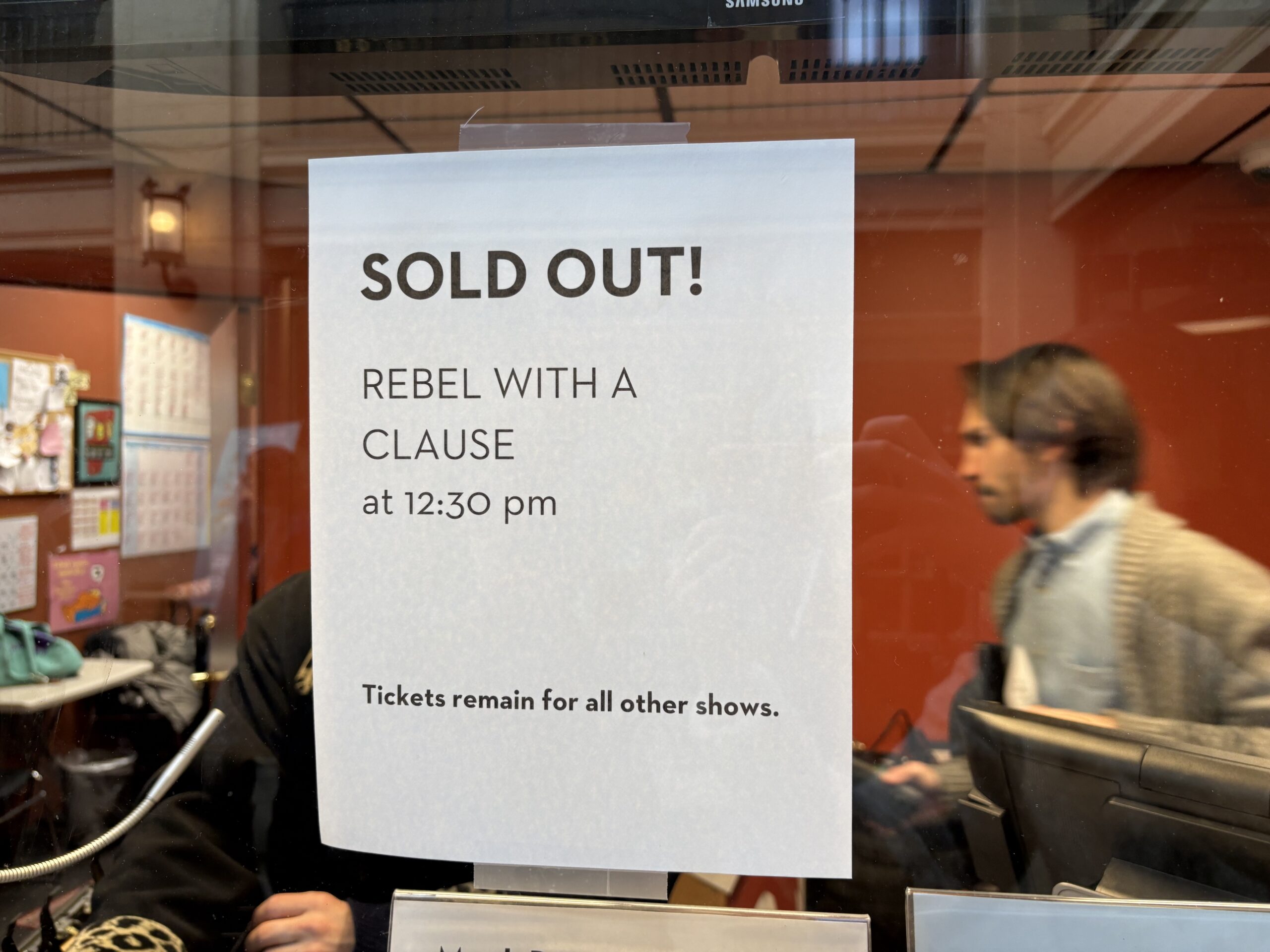
    The Bryn Mawr Film Institute was packed with retired teachers, avid writers, and grammar aficionados who came armed with gripes about commas, parentheses, and quotation marks. At five minutes to showtime, an employee plastered a “SOLD OUT!” sign on the box office window.

    A sign announcing that the Bryn Mawr Film Institute’s screening of “Rebel with a Clause” was sold out. The grammar-themed documentary played at the Main Line movie theater on Jan. 24, 2026.

    Jen Tolnay, 63, a copy editor from Phoenixville, heard about the movie at an editors’ conference. She was so excited that she moved a haircut appointment to be there.

    The 86-minute film provoked regular laughter in the audience (and a line about Philadelphians’ pronunciation of the wet substance that comes out of the sink got a particularly hearty laugh).

    During a post-screening question-and-answer session, moviegoers complained about the poor grammar of sportscasters, praised Jovin and Johnson, and inquired about the colorful interactions Jovin had at the Grammar Table.

    For Katie McGlade, 69, grammar is an art form.

    The retired communications professional from Ardmore described herself as a habitual grammar corrector who would often fight with her editors about proper language usage. Now, as an artist, she makes colorful prints that center the adverb.

    “I love that’s she’s bringing joy to the word,” McGlade said of Jovin. ”We need joy and laughter, and we need to communicate with each other.”

    This suburban content is produced with support from the Leslie Miller and Richard Worley Foundation and The Lenfest Institute for Journalism. Editorial content is created independently of the project donors. Gifts to support The Inquirer’s high-impact journalism can be made at inquirer.com/donate. A list of Lenfest Institute donors can be found at lenfestinstitute.org/supporters.

  • Here’s where you can watch this year’s Oscar-nominated movies, online and in theaters

    Here’s where you can watch this year’s Oscar-nominated movies, online and in theaters

    The 98th Oscar nominations are out. If you are like many of us, you haven’t seen all of the films — yet, any way.

    Not to worry. The Oscars don’t air until March 15, so you have plenty of time to catch up. And with this week’s forecast of more than a foot of snow, why not stay home and get started early.

    Here’s how and where you can check out some of the Oscar nominated films of 2025.

    Best Picture

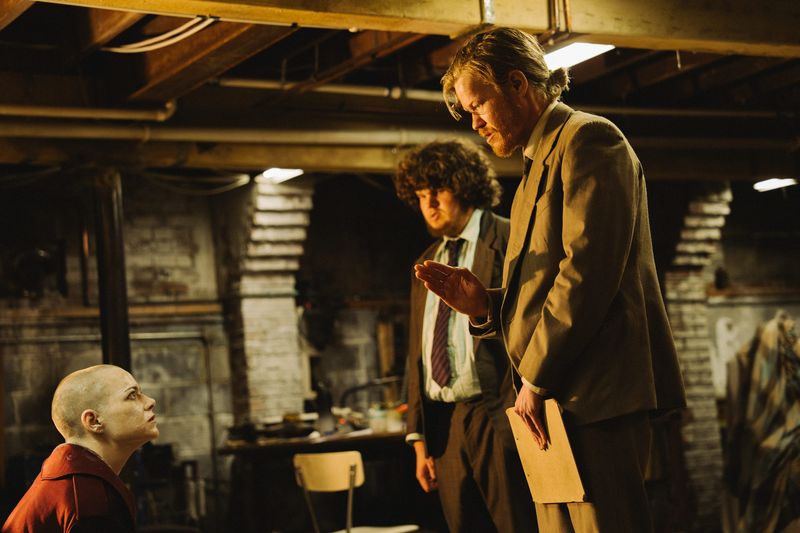
    Michelle (Emma Stone) gets interrogated by cousins Teddy (Jesse Plemons, far right) and Don (Aidan Delbis) in “Bugonia.”

    ‘Bugonia’

    This dark comedy stars Emma Stone as Michelle Fuller, the CEO of the fictional pharmaceutical conglomerate Auxolith. She’s abducted by conspiracy theorist Teddy Gatz (Jesse Plemons) and his cousin, Don (Aidan Delbis) after Teddy starts to believe an Auxolith drug has caused his mother’s comatose state. Adding to the creepiness, Teddy also believes Michelle is an alien. Bugonia received four nominations, including a best actress nod for Stone.

    Available to rent: Peacock, YouTube, Apple TV.

    Damson Idris, left, and Brad Pitt star in “F1.” MUST CREDIT: Warner Bros. Pictures/Apple Original Films

    ‘F1′

    Brad Pitt stars in this fast-paced drama about a star Formula One driver who returns to the game after being gone for 30 years. His mission: to help his friend’s underdog team take it all. F1 received four Academy Award nods.

    Available to rent: Apple TV, YouTube.

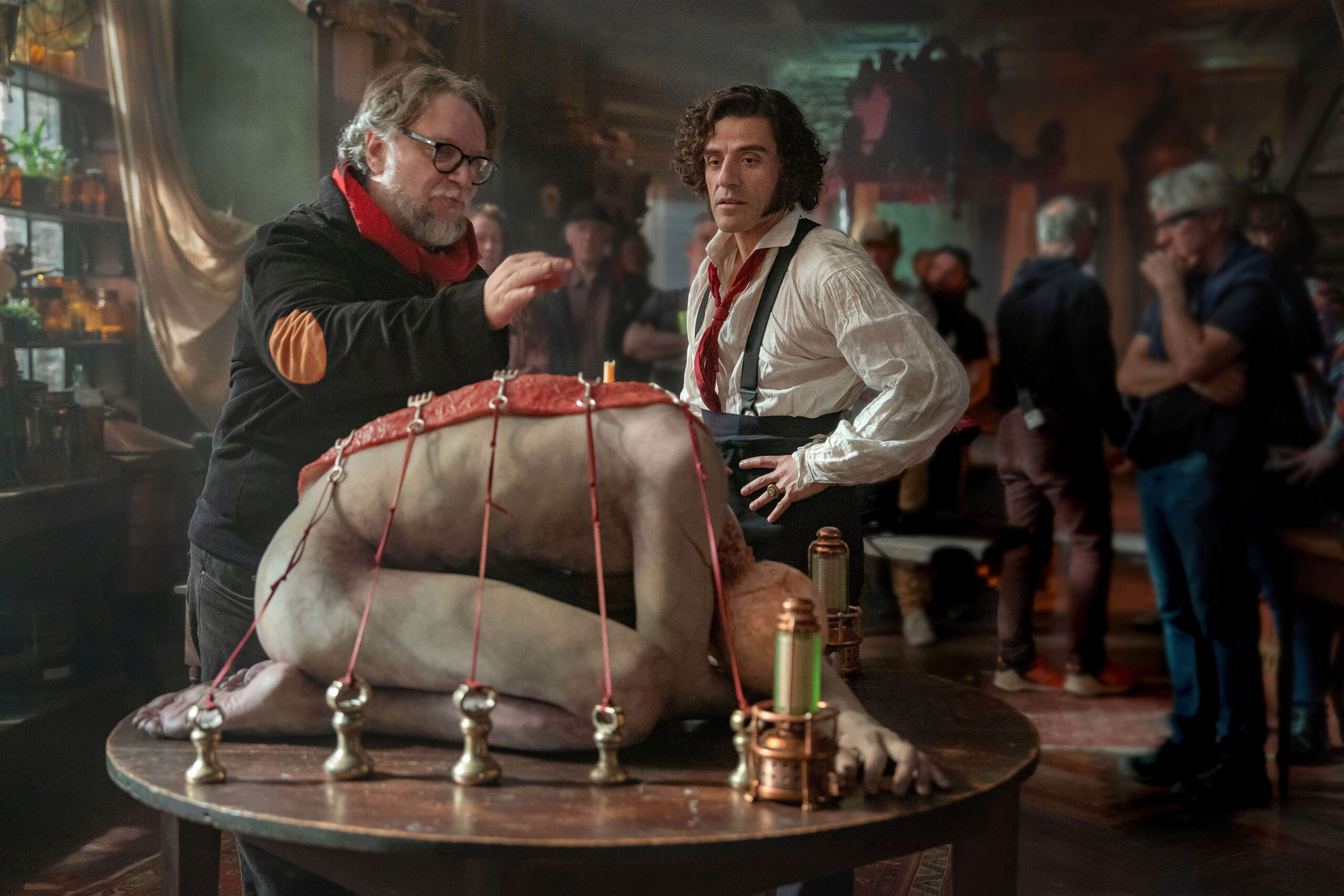
    This image released by Netflix shows director Guillermo del Toro, left, and Oscar Isaac on the set of “Frankenstein.” (Ken Woroner/Netflix via AP)

    ‘Frankenstein’

    A cinematic adaptation of the 1818 Mary Shelley classic features Oscar Isaac as Victor Frankenstein and Jacob Elordi as his ghoulish creation. This 2025 film is director Guillermo del Toro’s attempt to be as faithful to the book as he possibly can. Frankenstein earned nine nominations.

    Streaming: Netflix

    Playing: Landmark’s Ritz 5, 214 Walnut Street.

    This image released by Focus Features shows Jessie Buckley in a scene from “Hamnet.” (Agata Grzybowska/Focus Features via AP)

    ‘Hamnet’

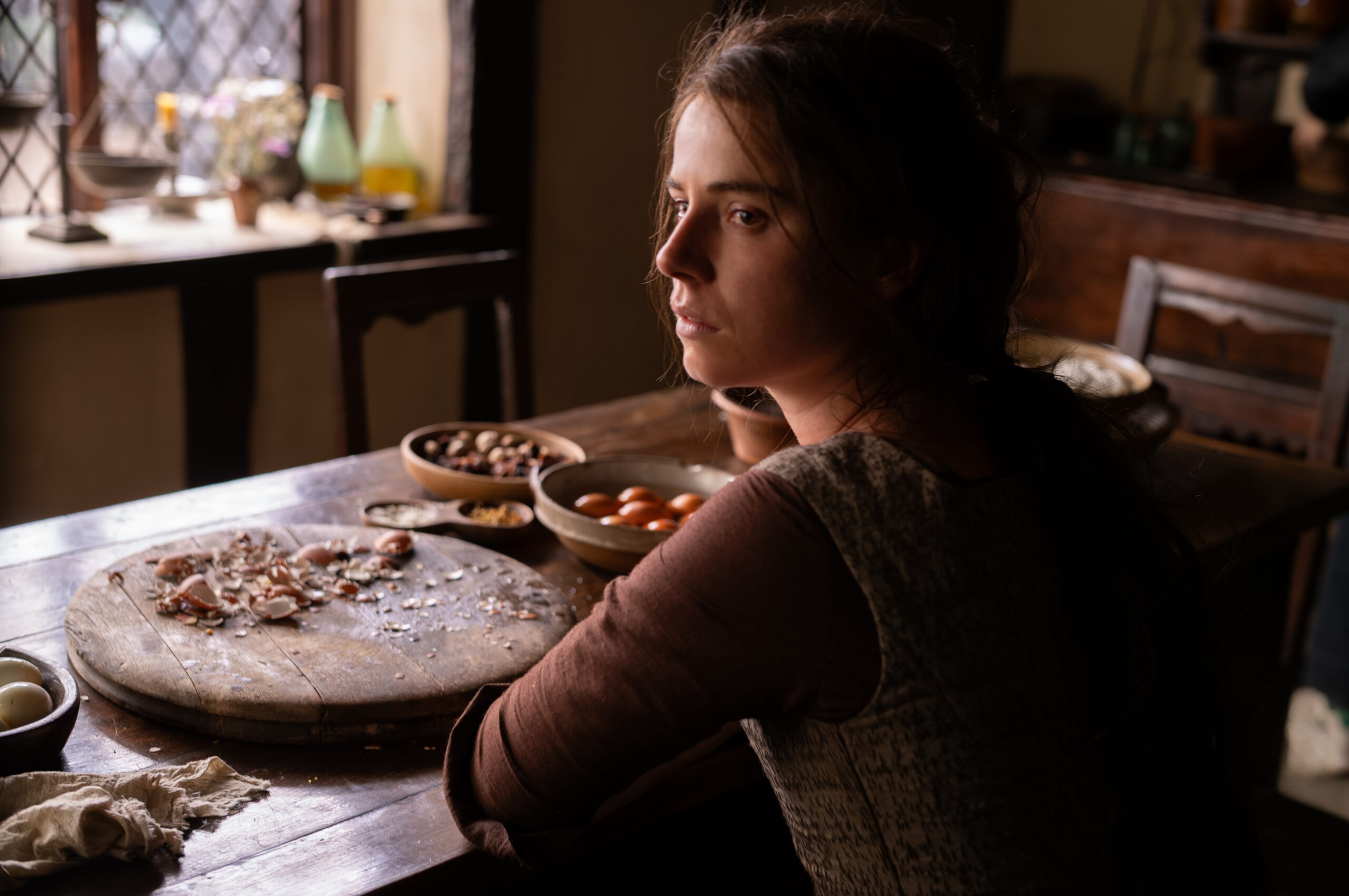
    William Shakespeare (Jesse Buckley) and his wife, Agnes, (Anne Hathaway) mourn the death of their son in this film based on Maggie O’Ferrel’s 2020 eponymous historical fiction novel. Hamnet received eight nominations.

    Playing: Film Society Bourse, Landmark’s Ritz Five, Reel Cinemas Narbeth, Bryn Mawr Film Institute, AMC Cherry Hill 24.

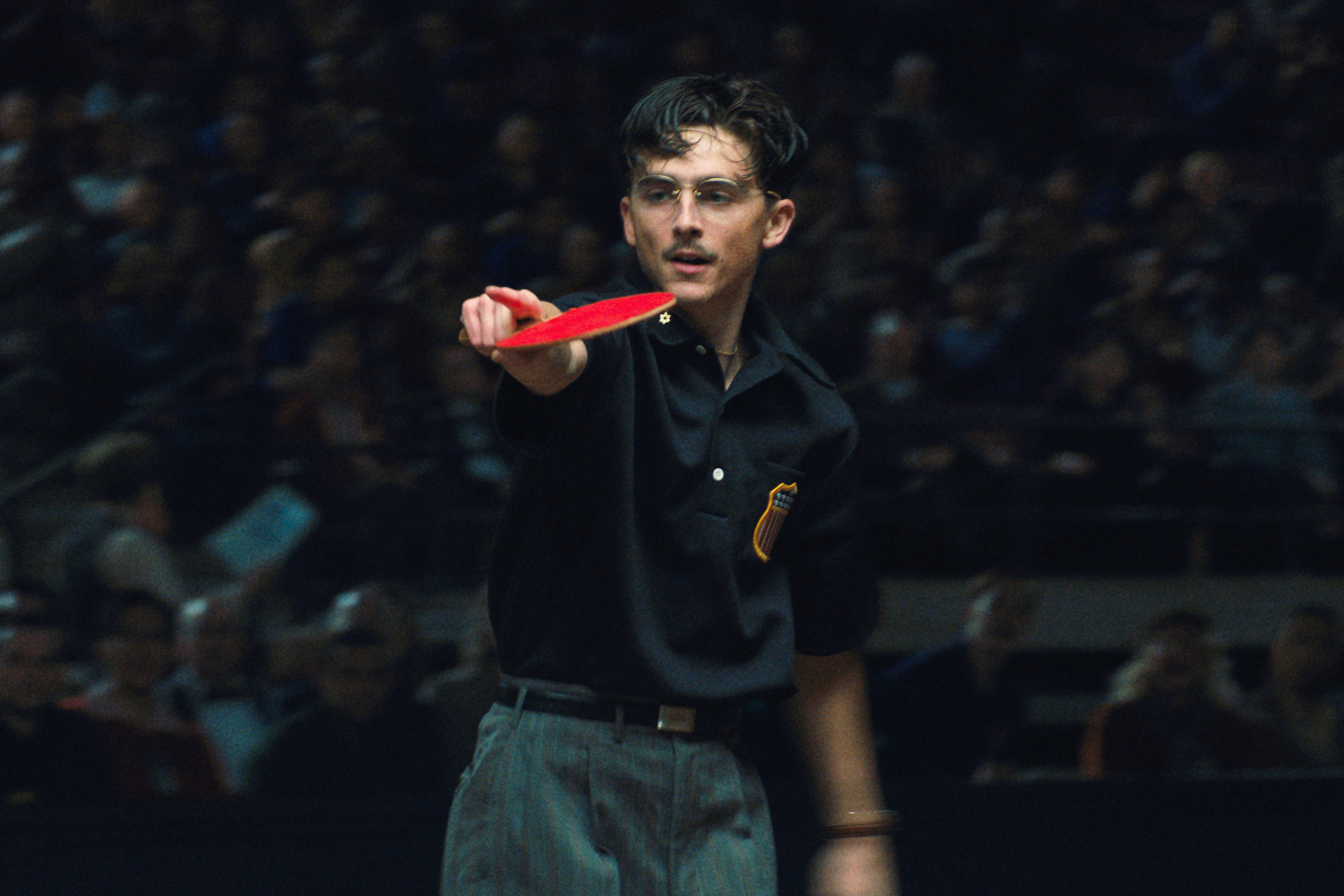
    This image released by A24 shows Timothée Chalamet in a scene from “Marty Supreme.” (A24 via AP)

    ‘Marty Supreme’

    Timothée Chalamet is Marty, an ambitious table tennis hustler in 1950s New York whose story is inspired by the real life scammer Marty Reisman. The anxious sports drama follows Marty’s quest for table tennis glory that takes him to Japan. The movie picked up nine nominations including a best actor nod for Chalamet.

    Playing: AMC Broad Street 7, Cinemark University City Penn 6, AMC Dine-in Fashion District 8, Film Society Bourse, Film Society East, Landmark Ritz 5, AMC Deptford 8, Bryn Mawr Film Institute, Cinemark Somerdale 16 and XD, AMC Marple 10, Regal Moorestown Mall, AMC Voorhees 16, Regal Plymouth Meeting, AMC Marlton 8

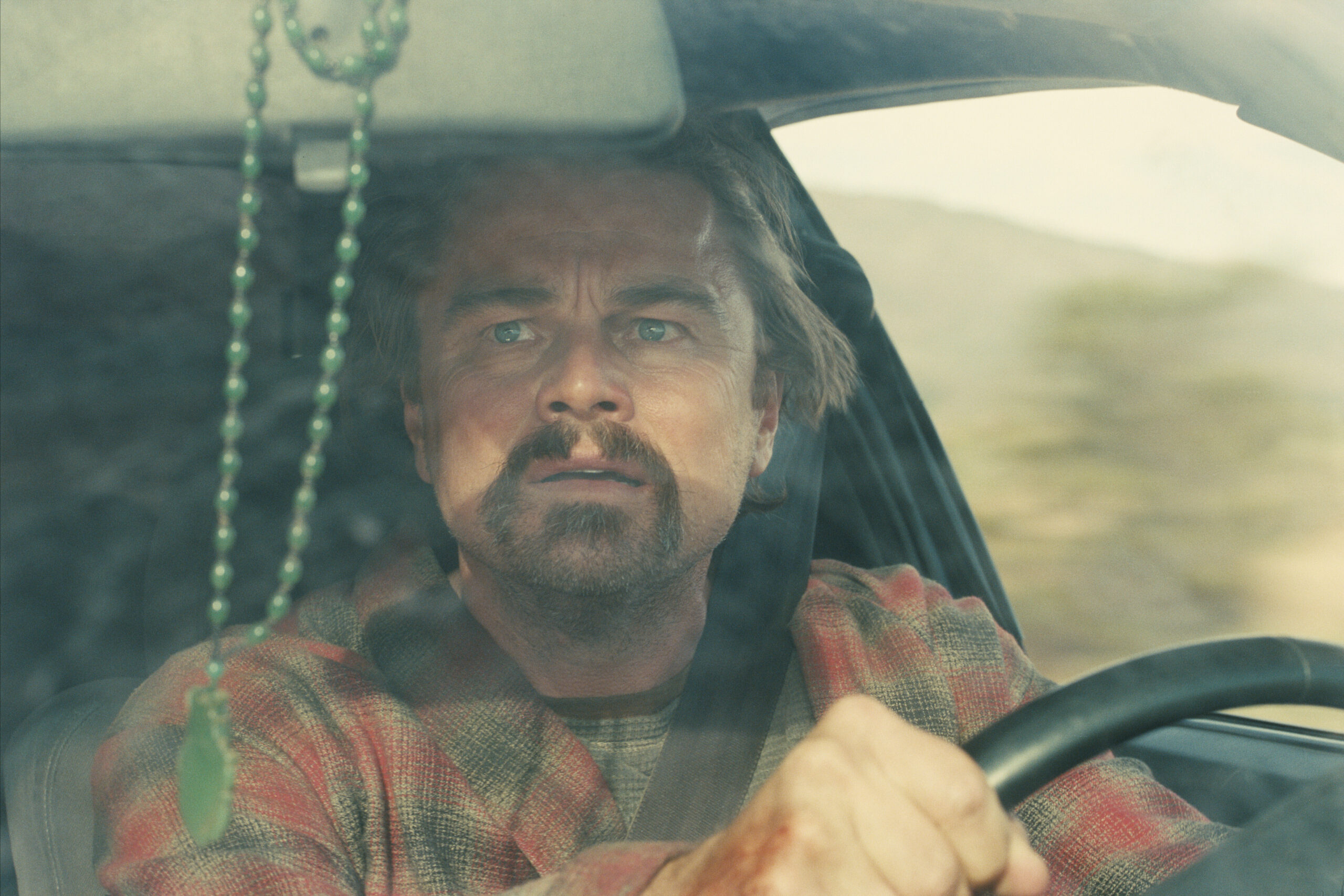
    This image released by Warner Bros. Pictures shows Leonardo DiCaprio in a scene from “One Battle After Another.” (Warner Bros. Pictures via AP)

    ‘One Battle After Another’

    In this dense, action-packed thriller by Paul Thomas Anderson, a has-been revolutionary (Leonardo DiCaprio) has to find his missing daughter whose disappearance is connected to his past association with a radical group. This film has 13 Oscar nominations.

    Available to rent: HBO Max, YouTube

    Playing: Landmark’s Ritz Five, AMC Cherry Hill 24, Hiway Theater in Jenkintown, Regal UA King Of Prussia, Regal Cross Keys, AMC Neshaminy 24, Regal Brandywine Town Center, Regal UA Oxford Valley, Regal Cumberland Mall, Regal Peoples Plaza, and more.

    A person buys a ticket for the Oscar-nominated film, The Secret Agent, at a self-service ticket kiosk, at a movie theater in Sao Paulo, Thursday, Jan. 22, 2026. (AP Photo/Andre Penner)

    ‘The Secret Agent’

    A historical nonfiction follows former professor and political dissident Armando (best actor Oscar nominee Wagner Moura) is on the run from mercenary killers in this 1977 Brazilian thriller from Cannes-winning filmmaker Kleber Mendonça Filho.

    Playing: Film Society Bourse, Bryn Mawr Film Institute, the Colonial Theatre, County Theater in Doylestown, the Princeton Garden Theatre, Montgomery Cinemas in Skillman, NJ, and more.

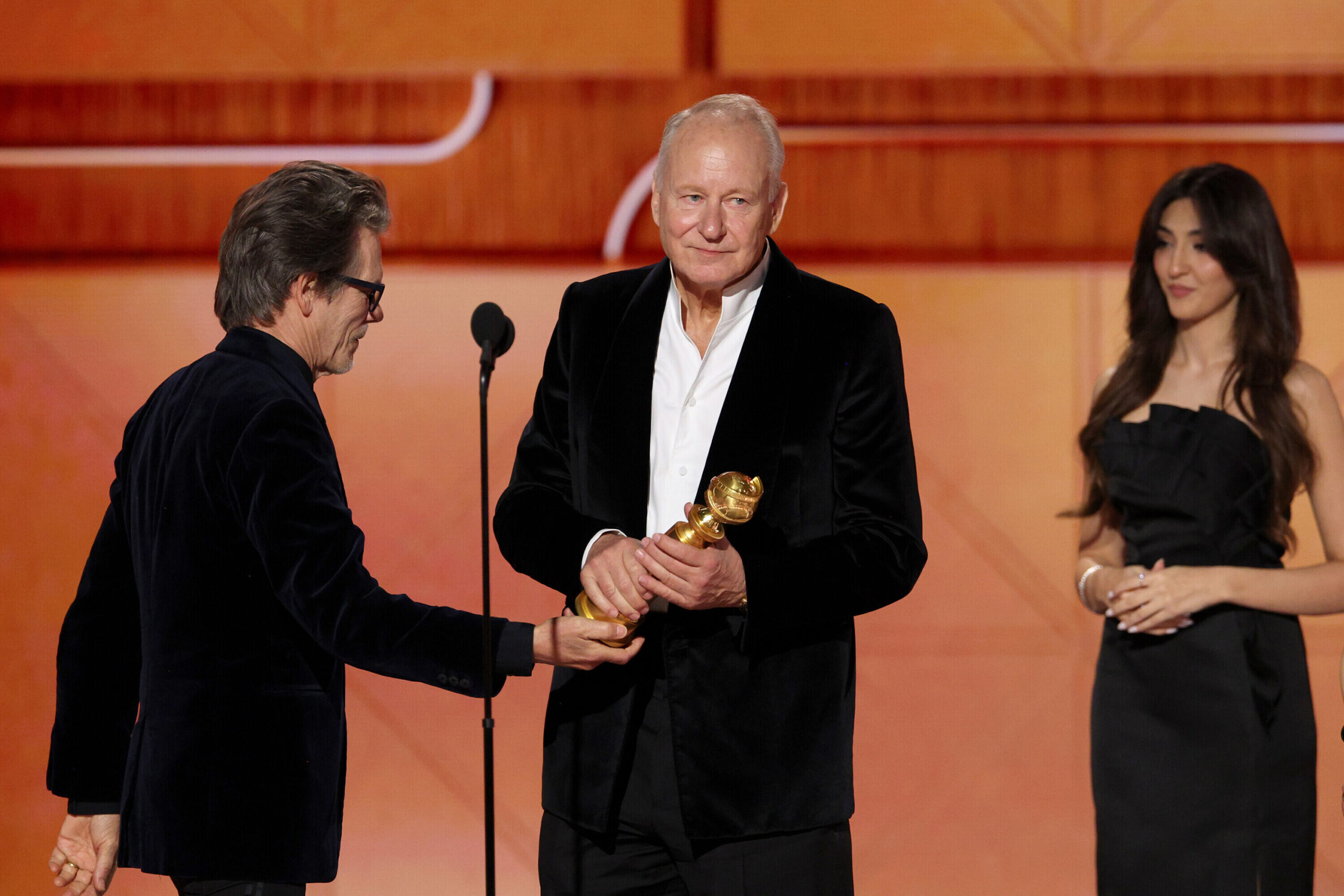
    This image released by CBS Broadcasting shows Stellan Skarsgård accepting the award for best performance by a supporting actor in a motion picture for “Sentimental Value,” from presenter Kevin Bacon, left, during the 83rd Golden Globes on Sunday, Jan. 11, 2026, at the Beverly Hilton in Beverly Hills, Calif. (Kevork Djansezian/CBS Broadcasting via AP)

    ‘Sentimental Value’

    Sisters Nora (Renate Reinsve playing a theater actor) and Agnes (Inga Ibsdotter Lileaas) reunite with their distant father Gustav (Stellan Skarsgard), a famous director. The reunion forces the family to confront past trauma and their shared artistic practice as Gustav works on a film based on his family members.

    Available to rent: YouTube, Google Play, Apple TV

    Playing: Bryn Mawr Film Institute

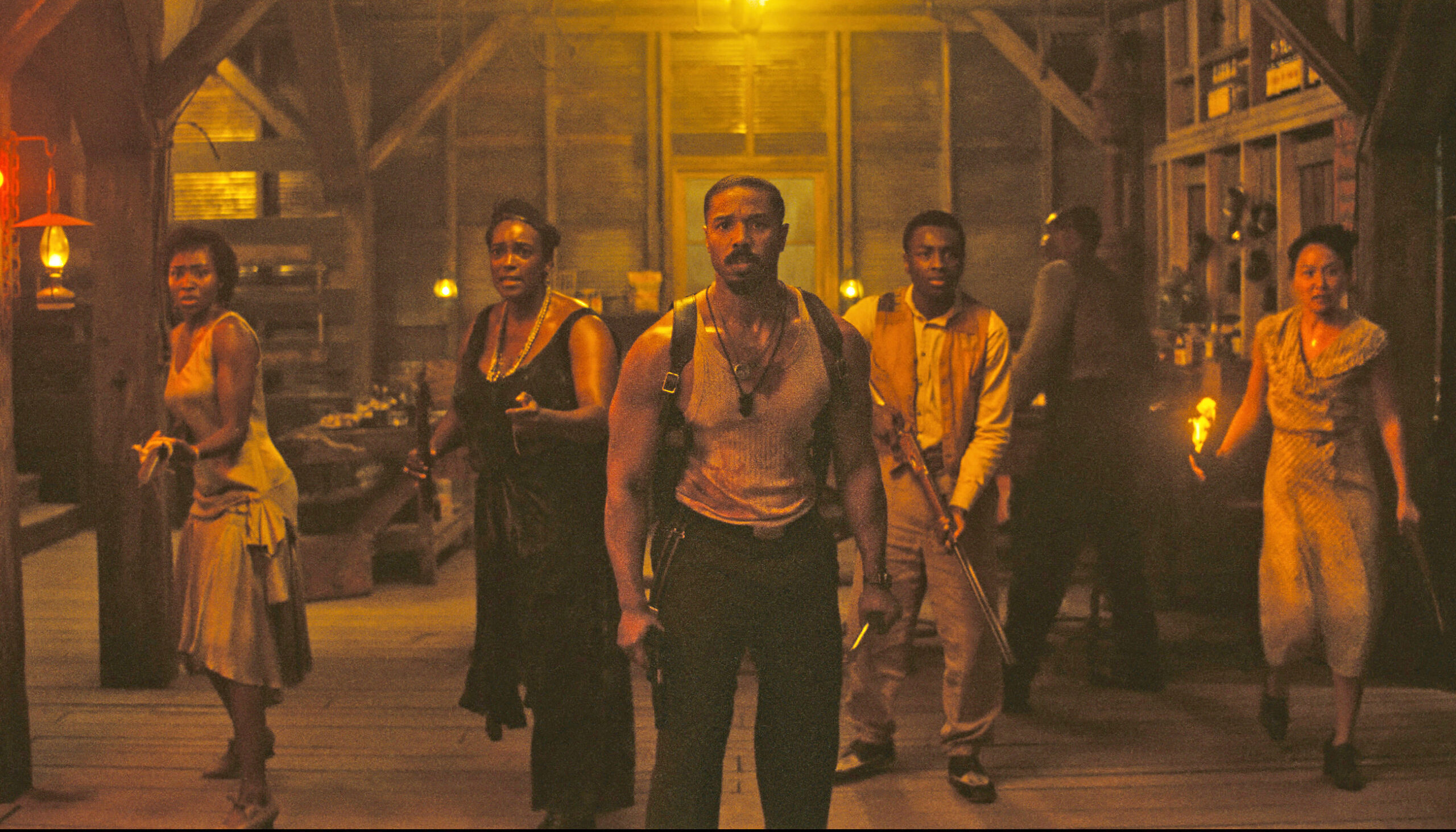
    This image released by Warner Bros Pictures shows Michael B. Jordan, center, in a scene from “Sinners.” (Warner Bros. Pictures via AP)

    ‘Sinners’

    Rich from Chicago bootlegging schemes, twins Smoke and Stack (Michael B. Jordan) return to their home in the Deep South during the 1930s to open a juke joint. Here they come fact-to-face with vampires intent on stealing their souls. The film, directed by Ryan Coogler, received a record-breaking 16 nominations including one for Jordan, who is nominated for best actor.

    Available to rent: HBO Max, Amazon Prime Video

    Playing: Landmark’s Ritz Five, AMC Cherry Hill 24, Cinemark Somerdale 16 and XD, Regal UA King Of Prussia, AMC Neshaminy 24, Regal Warrington Crossing, CAMC Center Valley 16, and more.

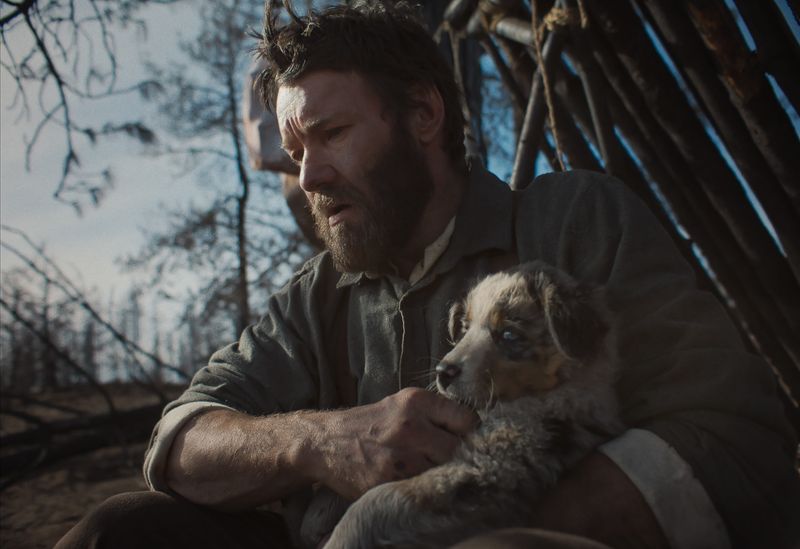
    Joel Edgerton navigates personal tragedy and decades of working on the railroad in the period drama “Train Dreams.”

    ‘Train Dreams’

    Early 20th century logger Robert Grainer (Joel Edgerton) builds a life with his wife Gladys (Felicity Jones) only to lose it all to wildfires, violence, and changing times. The film is based on Denis Johnson’s novella and received four Oscar nominations.

    Streaming: Netflix

    International Feature

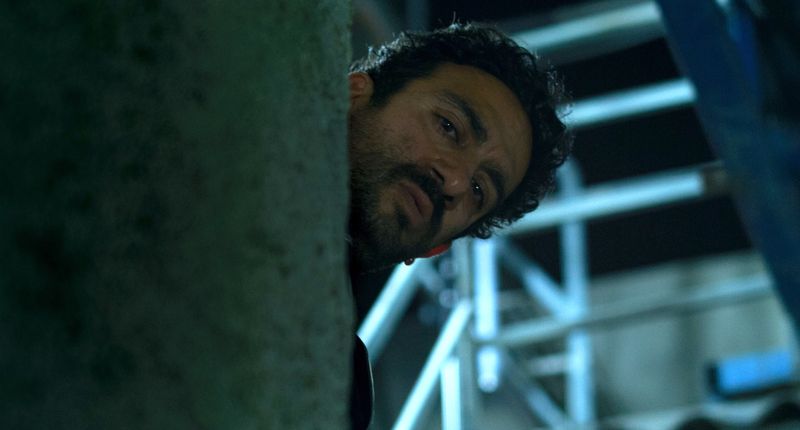
    Vahid Mobasseri plays a mechanic and former Iranian political prisoner who kidnaps his former torturer in the genre-mashing thriller “It Was Just an Accident.”

    ‘It Was Just an Accident’

    This Iranian thriller from legendary filmmaker Jafar Panahi follows a mechanic named Vahid (Vahid Mobasseri) who, along with fellow rebels, encounters their former prison tormentor and vows revenge.

    Available to rent: YouTube, Google Play, Apple TV

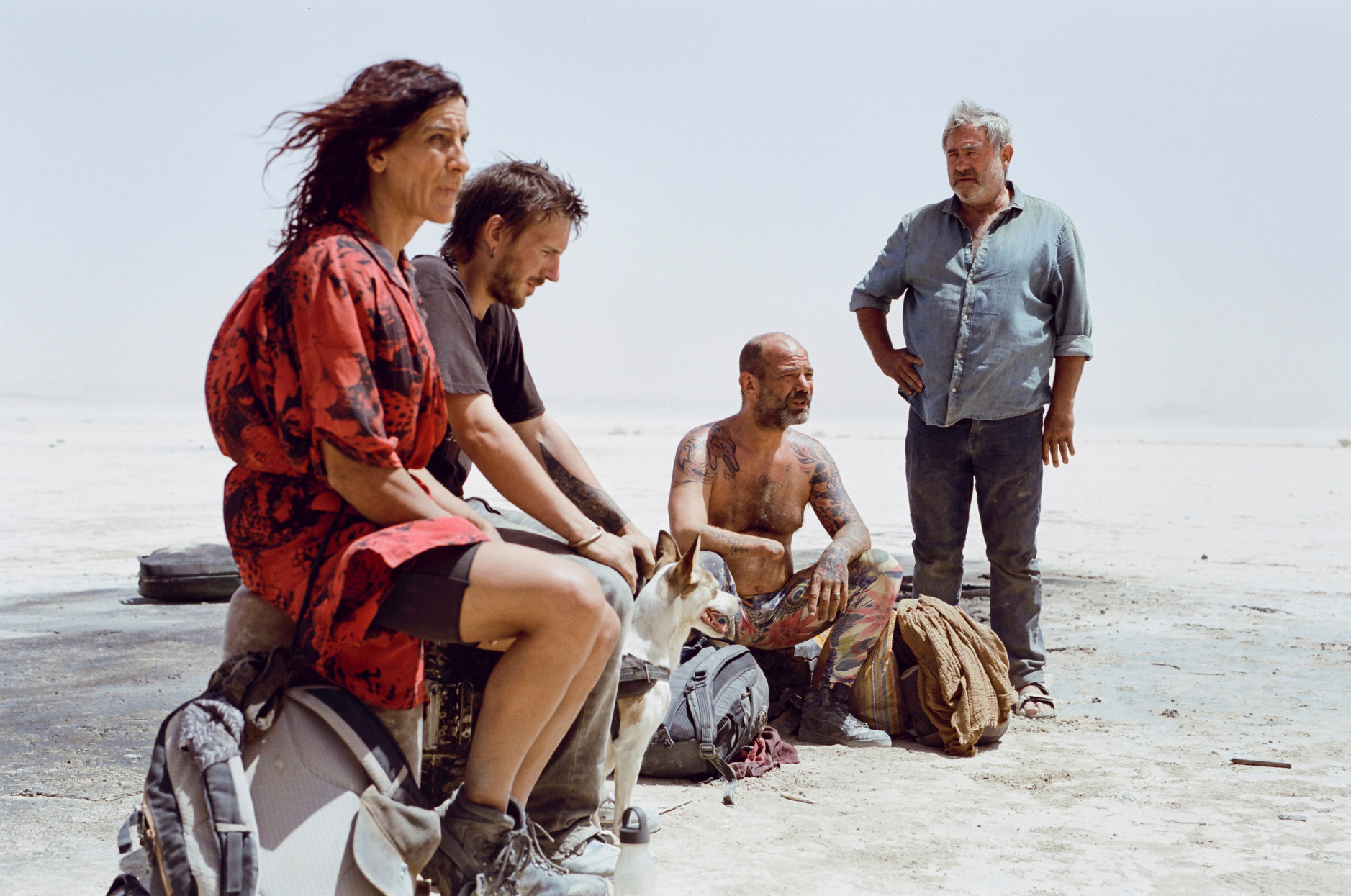
    This image released by Neon shows, from left, Stefania Gadda, Joshua Liam Herderson, Richard Bellamy and Sergi López in a scene from the film “Sirat.” (Neon via AP)

    ‘Sirāt’

    A film in French, Arabic, English, and Spanish about a family searching for their missing daughter during a music rave in a southern Moroccan desert. Add to that an armed conflict that escalates into a World War III-like tussle.

    Streaming: Apple TV

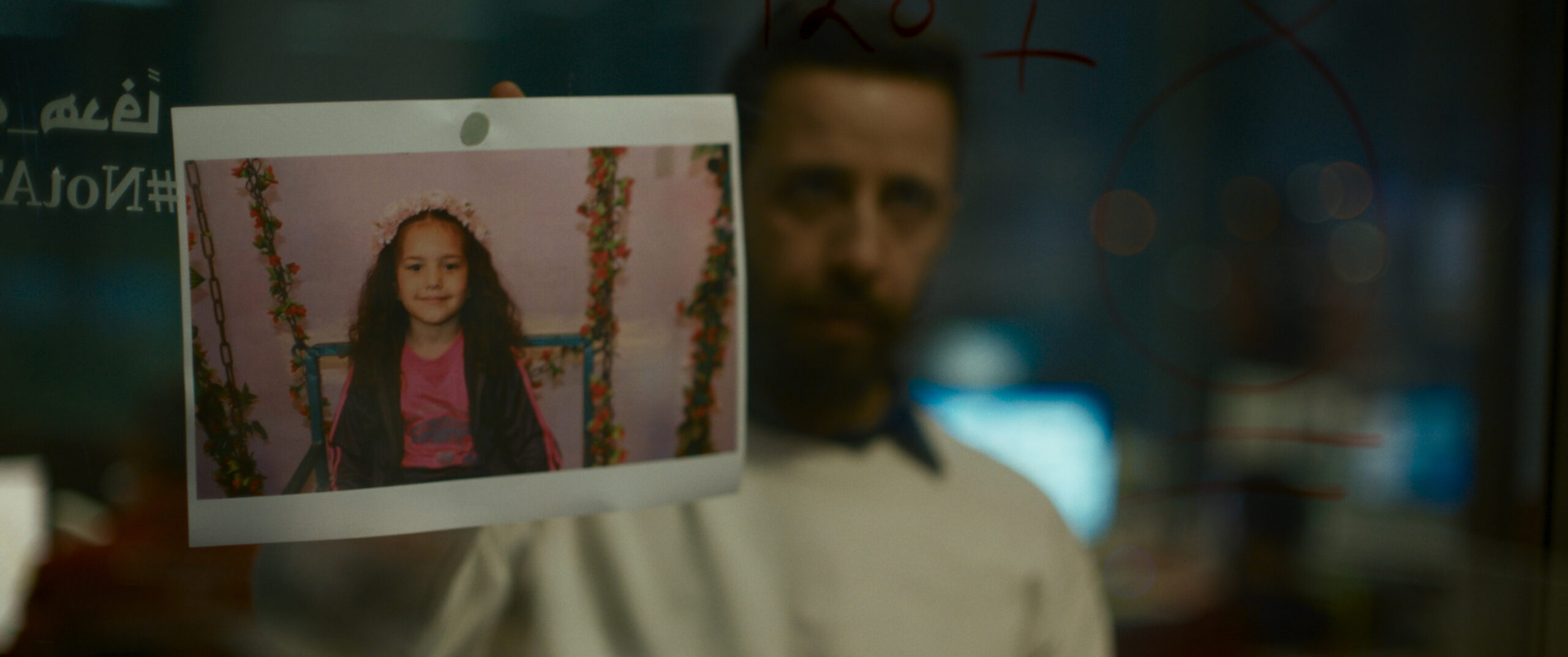
    Motaz Malhees stars in “The Voice of Hind Rajab” as a Palestinian Red Crescent Society worker who receives a distress call from 6-year-old Hind Rajab, seen in the photograph. MUST CREDIT: WILLA

    ‘The Voice of Hind Rajab’

    Tunisian filmmaker Kaouther Ben Hania’s docudrama chronicles the killing of Hind Rajab, a 5-year-old Palestinian girl in Gaza using an emergency call Red Crescent volunteers received on January 29, 2024.

    Available to rent: Apple TV

    And if you’re still looking for more recommendations, here are some best documentary nominees.

    Best feature documentary

    Best short documentary

    • All the Empty Rooms on Netflix
    • Armed Only with a Camera: The Life and Death of Brent Renaud on HBO Max, YouTube
    • Children No More: Were and Are Gone on Kinema
    • The Devil is Busy on HBO Max