Category: Expert Opinions

  • Teen with unexplained pain, rash, bruises suddenly couldn’t walk | Medical Mystery

    Teen with unexplained pain, rash, bruises suddenly couldn’t walk | Medical Mystery

    The bruises didn’t make sense. Neither did her pain. A 16-year-old female came to the emergency department suddenly unable to walk. She had rolled her ankle about a month earlier, but now was experiencing significant pain, along with a rash and bruises all over her legs. She said the rash and occasional bruising had been present over the past two years, but she could not identify a specific pattern and thought the rash was just from shaving.

    In the emergency department she was awake, alert, and oriented. She appeared to be a normal weight and was developmentally appropriate for her age. Extensive bruising was noted on the back of her legs and buttocks. She had stretch marks on her lower extremities, but none on the upper extremities. Her rash appeared to be centered around her hair follicles, a condition called perifollicular petechiae.

    The physician ordered blood tests and an MRI and admitted her to the hospital for further evaluation since she couldn’t walk. Her MRI revealed generalized fasciitis — inflammation of the muscles which is often attributed to infection. But in her case, there were no secondary signs of infection, such as fever or elevated white blood cell count.

    What caused this patient’s symptoms?

    Many different diagnoses can cause symptoms of joint pain and rash. Infectious causes such as sepsis (blood stream infection), tick bite infections including Lyme disease and Rocky Mountain spotted fever, and viral infections such as hand, foot, and mouth disease can present with rash and joint pain. However, infections are usually associated with a fever, which this patient did not have.

    Rheumatologic (autoimmune) conditions such as lupus, vasculitis, and dermatomyositis can also present with joint pain and rash. Rheumatologic conditions occur when the body creates antibodies that attack the patient’s own cells. These can be more insidious and tend to develop over time rather than all at once.

    Other causes of rash and unexplained bruising include nutritional deficiencies such as iron, copper, zinc, vitamin D, and vitamin C. Patients should be evaluated with a detailed dietary history if there is any concern for nutritional deficiency.

    Solution

    Physicians from numerous subspecialties weighed in on this case, conducting many tests. Finally, the patient was asked to produce a detailed dietary history. She revealed a very limited intake consisting of only five foods, without any vegetables, vitamins, or minerals. The patient was diagnosed with avoidant restrictive food intake disorder, or ARFID, which had caused a vitamin C deficiency also known as scurvy. The patient underwent nutritional rehabilitation to correct her nutritional deficiencies, and anti-inflammatory medication was used to help with her pain. Her pain gradually improved, and within a few weeks she was back to walking like normal.

    ARFID

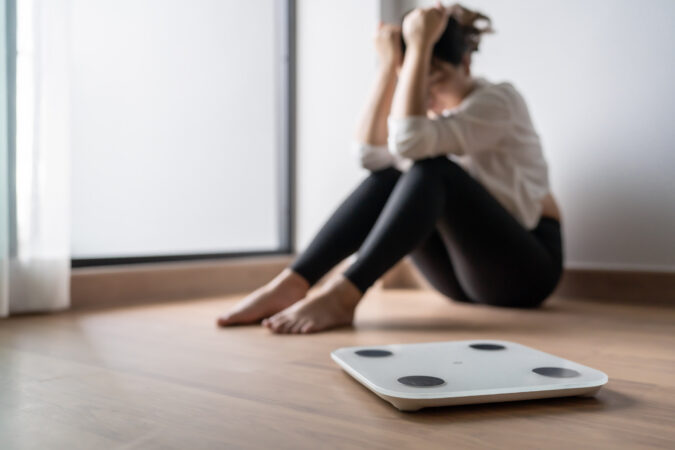
    According to the American Academy of Pediatrics, ARFID is a relatively newly recognized eating disorder in which patients severely limit their food intake. This restrictive diet is not due to lack of access to food, and it is not due to negative body image or desire to change one’s body like some eating disorders. Patients with ARFID often avoid foods due to their color, smell, texture, temperature, or taste. Patients often have “safe foods,” or only a few foods that they will regularly eat. This can lead to nutritional deficiencies like our patient experienced.

    Scurvy

    Scurvy is often thought of as a disease sailors suffered from centuries ago. But in this case, it was masked by a modern eating disorder in an otherwise healthy teenager. The classic signs of scurvy include dry, brittle, and coiled hairs called corkscrew hairs, rashes around hair follicles, and gingival (gum) bleeding. Severe leg pain has been documented in prior cases of scurvy, and scurvy has also been known to mimic rheumatologic conditions. This case highlights the importance of considering scurvy, even in patients with normal growth. Early identification and correction of vitamin C deficiency are essential for a full recovery. Treatment includes vitamin C supplementation, dietary modification and counseling, and feeding therapy.

    Katherine Musto is a second year pediatric resident and Hayley Goldner is a pediatrician in the adolescent medicine department at Nemours Children’s Hospital, Delaware.

  • Dry drowning isn’t real: What parents should know about water safety | Expert opinion

    Dry drowning isn’t real: What parents should know about water safety | Expert opinion

    No parent should lose sleep over a condition that doesn’t exist.

    Yet every summer, viral headlines resurface the myth of “dry drowning,” the misleading belief that a child can suddenly die days after a normal swim from water hidden in their lungs.

    As a pediatric emergency room doctor, I know these rumors are not harmless. Terms like “dry drowning” create anxiety about letting children enjoy the water. They also generate false expectations about the need for long-term vigilance after swimming. Instead, we must help families recognize the real signs of respiratory distress after a water incident.

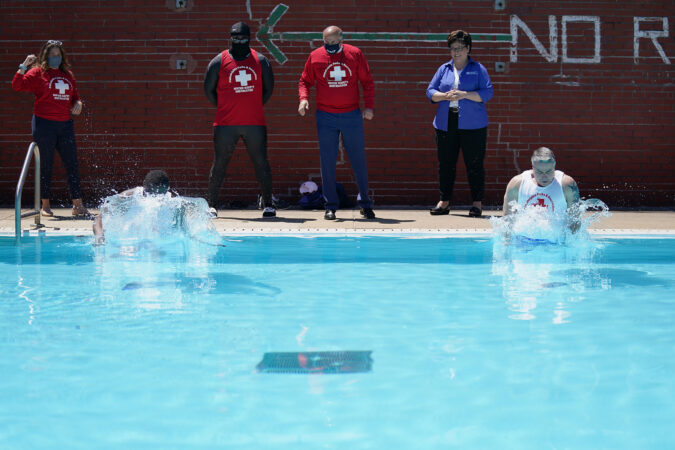
    Water play and swimming are fun ways for kids to stay cool and active in the summer, but water safety should always come first. Drowning is the No. 1 leading cause of death in children 1 to 4 years of age in the U.S., and a major risk for older children as well. Inaccurate information can distract from proper prevention, recognition, and treatment, so we must understand the facts to stay safe around water.

    What is drowning?

    Drowning occurs when water gets in the way of normal breathing. This can happen quickly (in under 30 seconds) and silently; most kids do not scream and splash like in the movies. Drowning is not always fatal; symptoms can present or persist after a child gets out of the water but they occur shortly after the event, not days later.

    Symptoms of drowning include coughing, trouble breathing, chest pain, vomiting, pale or blue-appearing skin, or being unusually sleepy, irritable, or less interested in playing. These symptoms occur as a result of the body’s natural response to drowning; the body tries to clear water from the windpipe and lungs through protective reflexes like coughing before critical organs like the heart and brain suffer from a lack of oxygen. Children who develop concerning symptoms should be promptly evaluated by a medical professional.

    Drowning can occur in either salt water or fresh water, or any kind of liquid. And it doesn’t just happen in oceans and pools; young children have drowned in bathtubs, buckets, and even toilets. All it takes is a few inches of water.

    Why is ‘dry drowning’ a myth?

    “Dry drowning” — the idea that a child can look well after a water incident and then deteriorate days later without warning due to water in their lungs — doesn’t exist. Drowning by definition requires breathing issues caused by water. Since oxygen is necessary for life, the body does not wait days before telling you that something is awry.

    So how long should parents monitor their child? Multiple analyses of drowning events have shown that symptoms occur immediately or shortly after water exposure — usually within eight hours. If water reaches the lungs, it can trigger inflammation that may take several hours to become apparent. A child who is acting like their normal self is unlikely to develop symptoms from drowning beyond this initial period.

    If we recognize drowning and intervene quickly, we can help a child before breathing issues can lead to organ failure and death. The effects of non-fatal drowning range from no injury at all to severe complications, including brain damage or permanent disability. Swift action, however, can help limit the long-term consequences.

    If a child gets sick days after playing in the water, they haven’t drowned, but they still need to be seen by a healthcare professional to be evaluated for other serious conditions.

    How to prevent drowning

    I once cared for a young child who wandered out of her house without her parents noticing, only to be found unconscious in her neighbor’s unfenced pool. Kids are naturally curious and want to explore the world; it is up to us to keep them safe. Using multiple layers of protection can greatly reduce the risk of drowning:

    • Swim lessons: Swimming is a life skill; the American Academy of Pediatrics recommends that all children start swim lessons after their first birthday. Similar to putting on your own oxygen mask before helping others in an airplane emergency, supervising adults should know how to swim so they can help others. Check out classes in Philadelphia and the surrounding area for you and your children.
    • Properly fitted life jackets: Small children and weak swimmers should wear U.S. Coast Guard-approved life jackets whenever they are near water, including pools and waterparks. Everyone should wear a life jacket when boating or participating in water-based activities in open water, such as lakes, rivers, and oceans. Inflatable aids like “floaties” are not safe substitutes as they can deflate and do not prevent drowning. Refer to the U.S. Coast Guard brochure for guidance on choosing a properly fitted life jacket.
    • Four-sided pool fencing with a self-latching gate: Fencing that surrounds pools decreases the risk of drowning by a whopping 83% compared to three-sided fencing or no fencing. Barriers should be a minimum of four feet high, and avoid horizontal bars, chain links, or nearby patio furniture that children could easily climb.
    • Close supervision: Even with a lifeguard present, adults should closely supervise infants, toddlers, and noncompetent swimmers at all times when near water, staying within arm’s reach and avoiding distractions like phones, socializing, or alcohol. This applies to bathtubs, buckets, and toilets as well. Caregivers should always clearly hand off supervision responsibilities. 
    • Emergency preparedness: Parents, caregivers, and pool owners should be CPR trained in case of an emergency. Older children and adolescents can learn too. For the patient I cared for, CPR saved her life. A year later, she is thriving with no residual deficits. 

    With the right precautions, we can help kids enjoy the water safely all summer long. Talk to your pediatrician or visit CHOP Pediatric Health Chat whenever you have questions about kids’ health.

    Priya Shah is a fellow physician in Pediatric Emergency Medicine at Children’s Hospital of Philadelphia. She earned her medical degree from Harvard Medical School and is board-certified in General Pediatrics. Her work focuses on child injury prevention.

    The views expressed in this article are those of the authors and not necessarily those of CHOP. This information is not intended to provide medical advice, diagnosis, or treatment. Always consult a qualified healthcare professional regarding any health or medical concerns.

  • Safe sleep tips for babies to avoid SIDS and other injuries

    Safe sleep tips for babies to avoid SIDS and other injuries

    I remember the four-month-old boy, unmoving in his hospital bed, who had suffered severe brain damage from a sleep accident. This four-month-old boy had slept on the couch with a parent. When morning came, he was lying between couch cushions and not breathing.

    Paramedics revived the baby and took him to a hospital. The baby survived, but his brain went so long without oxygen that he would likely never grow up to walk or talk. He was the first of too many babies that I have seen who sustained severe injuries, or have died, from suffocation or Sudden Infant Death Syndrome (SIDS).

    Parents visiting in pediatrician’s offices in the last 30 years have probably heard us talk about “safe sleep.” We see a lot of misinformation and confusion about sleep practices these days, with social media rife with images of sleeping babies in hazardous conditions. Serene captions misleadingly encourage improper positioning and unsafe environments.

    Many people who get their health information online are unaware of what “safe sleep” means.

    The American Academy of Pediatrics (AAP) defines safe sleep as having babies sleep solo on their backs on a firm, flat mattress. Loose blankets, pillows, toys, or other soft objects should be kept out of the sleep space. In pediatric clinics, we call these recommendations the “ABCs” of safe sleep: Alone, on their Back, in a Crib.

    We know this advice saves lives. After the AAP recommended that babies be placed on their backs to sleep in 1992 rates of SIDS plummeted by over 50% in 10 years. Yet this progress has plateaued. SIDS remains the leading cause of death in children under 1.

    Frances Avila-Soto is a physician in her second year of residency training at the Children’s Hospital of Philadelphia.

    As pediatricians, we still have work to do to prevent SIDS deaths. For starters, we must address persistent racial and ethnic disparities.

    Black and American Indian/Alaska Native infants throughout the 2010s were more than double or triple as likely to die of SIDS, compared with white infants. The reasons are complex. Low socio-economic status, unemployment, and housing instability are associated with higher risk for SIDS. These issues often stem from systemic racism.

    We can’t trace how many SIDS deaths result from online misinformation. That makes me all the more committed to talking about the importance of safe sleep practices.

    At my primary care clinic in South Philadelphia, I see patients from a wide range of cultural and ethnic backgrounds. I often hear questions about babies sleeping from families flooded with conflicting information from social media or their peers.

    Here are some common concerns, and what I share to educate families:

    “I’m worried that if they’re not next to me, I won’t notice if something is wrong.”

    Avoiding bedsharing doesn’t mean your baby can’t be near you. The AAP recommends sleeping in the same room as your baby for at least the first six months. This means you can keep an eye on them and comfort them easily, but they still have their own space where they can sleep safely.

    “Our babies have always slept in bed with us. It’s part of our culture.”

    It is true that cultures have different sleep practices. But the sleep environment can also be different in many countries — including bedding/mattresses, the house, environmental exposures, and other factors. Here in the U.S., we know from decades of research that following the ABCs is what’s safest for your baby. 

    “My baby will only sleep in my arms. They won’t sleep when I put them in the crib.”

    Babies are constantly learning new skills, such as rolling, eating, and babbling. They can learn to sleep on a new surface. It’s all about establishing a routine. You can still comfort and hold your baby until they fall asleep, then move them to their own sleep surface. If you must share a bed with your baby — or worry that you may fall asleep while your baby is in your bed — make sure to remove any pillows, sheets, blankets, or any objects that could cover your baby’s face.

    Your pediatrician is not judging you by asking how your baby is sleeping. We know how challenging sleep is with infants. We want your baby to be safe and to minimize harm from confusing or misleading advice.

    Discuss questions about safe sleep with your pediatrician. You can also visit CHOP’s Pediatric Health Chat for more information on safe sleep and children’s health.

    The views expressed in this article are those of the authors and not necessarily those of CHOP. This information is not intended to provide medical advice, diagnosis, or treatment. Always consult a qualified healthcare professional regarding any health or medical concerns.

    Frances Avila-Soto is a physician in her second year of residency training at the Children’s Hospital of Philadelphia, with a focus on leadership development in issues involving equity, advocacy, and policy.

  • Stroke survivors can counterintuitively improve recovery by strengthening their stronger arm | Expert Opinion

    Stroke survivors often face substantial and long-lasting problems with their arms. Both arms often decline together: When one arm is more severely affected by the stroke, the other becomes more difficult to use as well. Compared with a healthy person’s dominant hand, a stroke survivor may take up to three times longer to complete everyday tasks using their less-impaired arm.

    This creates a frustrating reality. People with severe impairment in one arm must rely almost entirely on their other arm for daily activities, such as eating, dressing, and household tasks. When that “good” arm works slowly or awkwardly, even simple activities become tiring and discouraging, and some people may begin to avoid them altogether.

    But that good arm can be strengthened. In our newly published research in the journal JAMA Neurology, we found that training the less-impaired arm in people living with chronic stroke can improve everyday hand function, in some cases even better than focusing only on the most impaired arm.

    What is a stroke?

    A stroke occurs when the flow of oxygen-carrying blood to part of the brain is interrupted by a blockage in a blood vessel or by bleeding. Without oxygen, brain cells begin to die.

    Because each side of the brain mainly controls the opposite side of the body, a stroke often causes movement problems on the side of the body opposite the brain injury. For this reason, stroke rehabilitation has traditionally focused on restoring movement in the most impaired arm.

    If someone’s face is drooping, their arm is weak or they’re having difficulty with speech, it’s time to call 911.

    However, research over the past few decades has shown that both sides of the brain contribute to controlling movements for both arms, although they play different roles. As a result, damage to one side of the brain can affect movement on both sides of the body.

    As expected, the arm opposite the brain injury often has major problems with weakness, stiffness, and voluntary control, limiting its use for reaching, grasping, and manipulating objects. But the other arm, usually thought to be unaffected from the stroke, is frequently not normal either. Many stroke survivors experience reduced strength, slower movements, and poorer coordination in the less-impaired arm.

    Training the less-impaired arm

    As neuroscientists who study how the brain controls movement after stroke, these findings led us to a simple question: Could training the less-impaired arm help it work better?

    In a clinical trial of over 50 patients, we studied people living with chronic stroke who had severe impairments in one arm, making it unusable for everyday tasks. These individuals depended almost entirely on their less-impaired arm to manage daily life.

    Participants were randomly assigned to one of two rehabilitation groups: one that trained their most-impaired arm, and one that trained their less-impaired arm. Both received five weeks of therapy that involved challenging, goal-directed hand movements, including virtual reality tasks designed to improve coordination and timing.

    Compared to those who trained their most-impaired arm, we found that participants who conditioned their less-impaired arm became faster and more efficient at everyday hand tasks, such as picking up small objects or lifting a cup. These improvements remained six months after training ended.

    We believe the lasting benefit of training the less-impaired arm may come from a simple feedback loop: When their arm works better, people naturally use it more, and that extra practice in daily life helps lock in those gains.

    Strengthening what remains

    Stroke rehabilitation has long focused on the arm that is most visibly impaired. But for many people, full function in that arm never returns. They adapt and rely on their less-impaired arm to get through the day.

    “Less-impaired,” however, does not mean unaffected. When this arm becomes the sole tool for daily activities, even mild problems can have major consequences for independence and quality of life. Improving how well this arm works could make everyday tasks faster, easier, and less exhausting, even years after a stroke.

    Future work will focus on how best to combine training of the less-impaired arm with standard therapy for the more-impaired arm, and how these approaches translate into everyday life at home.

    For many survivors, recovery may not mean restoring what was lost but strengthening what remains.

    Candice Maenza is a research project manager and associate director of the Center for Translational Neuromechanics in Rehabilitation at Penn State; Robert Sainburg is a professor of kinesiology and neurology at Penn State.

    Reprinted from The Conversation

  • How medical misinformation is changing the exam room | Expert Opinion

    How medical misinformation is changing the exam room | Expert Opinion

    A glance at the clock told me that I had only five more minutes to finish examining my patient in his early 60s.

    During my family medicine rotation at a primary care clinic affiliated with Cooper Medical School of Rowan University, where I am training to become a physician, we are usually allotted 20 minutes for a standard patient checkup. In that time, I have to cover a patient’s medical history, review their medications, conduct a physical exam, and discuss test results.

    I had little time for conversation about my patient’s bloodwork, where a few numbers popped up as concerning. His total cholesterol and LDL (harmful cholesterol) had climbed sharply since his last visit. I entered the values into a cardiovascular risk calculator, a routine step in deciding whether to start medication. My patient also smoked and had a family history of heart disease.

    The calculation assessed his 10-year risk of heart attack or stroke as near 20%. That’s well above the 7.5% risk threshold where we typically recommend starting treatment.

    I explained the results and encouraged my patient to consider starting a statin to lower his cholesterol.

    He shook his head. “I Googled it. I wasn’t too pleased with the side effects. What good is preventing heart disease if I get muscle breakdown? There are doctors online saying they’re overprescribed,” he told me.

    I walked him through the evidence. Yes, muscle pain can happen, and in rare cases, more serious muscle injury. I urged him to look past fears of rare side effects, but he wasn’t convinced. “It sounds like the medication lowers the risk of some things and raises the risk of others,” he said.

    Conversations like this reveal how medical misinformation enters routine care decisions. It starts with an article read online, a TikTok video about side effects, a social media thread questioning whether doctors overprescribe. Over time, this incomplete information reshapes how patients weigh risk. Like my patient, some end up fearing rare complications more than than the threat posed by common diseases.

    The consequences extend to issues like vaccine hesitancy. Unsubstantiated fears of side effects and debunked links to autism have led many parents to forgo routine immunizations. We are already seeing the results in rising outbreaks of preventable diseases like measles.

    In medical school, I have seen that doctors rarely can promise certainty. My profession pieces together evidence and offers guidance based on what is most likely to happen, not what is guaranteed. We talk in terms of risk and percentages.

    That nuance can feel unsatisfying, especially when someone else — a friend, family member, influencer — is making bold, confident claims about hidden harms. In high-stakes situations, it’s easy to mistake that confidence for competence.

    To earn this patient’s trust, I needed a different playbook. As my allotted minutes for his visit ran out, I stepped out of the exam room to briefly to discuss his case with my attending physician. We re-entered the room together, and the experienced doctor showed me a different approach.

    He didn’t start talking about statistics. Instead, he listened carefully and acknowledged the patient’s concerns. Yes, muscle symptoms can happen. No medication is completely without risk.

    Then he reframed the conversation. What would a heart attack mean for your life? What is most important to you?

    The tone in the room shifted. The discussion stopped being about whether the internet was right or wrong and became about values and tradeoffs. Neither of us was trying to “win” the argument. We wanted to show our interest in the patient.

    Misinformation is best addressed with transparency and a willingness to acknowledge uncertainty and meet patients where they are. These conversations take time, but are necessary.

    Misinformation doesn’t disappear if we ignore it, overwhelm it with data, or lean on whatever authority we think comes with a white coat. It goes away when patients feel heard, when risks and benefits are explained plainly, and when trust is built one conversation at a time.

    Ian Millstein is a rising fourth-year medical student at Cooper Medical School of Rowan University, currently pursuing an MPH in Health Management at the Harvard T.H. Chan School of Public Health.

  • Why can’t this teen stay awake during his classes? | Medical Mystery

    Why can’t this teen stay awake during his classes? | Medical Mystery

    A 14-year-old boy and his mother went to his pediatrician because the teen had just been placed on a three-day suspension. The reason? His loud snoring was disrupting his classes.

    His doctor asked many questions to understand what was going on, and learned his patient had been frequently falling asleep in class over the last several months. He told the doctor that no matter how much he tried to stay awake, he couldn’t help dozing off. Previously he had received As and Bs in his classes, but since he was missing so much in class, lately he had been getting more Cs and even a D. He and his mother were both worried about this. He was also embarrassed over his loud snoring making him the center of attention in class.

    His sleepiness was also causing problems at home. He and his mother agreed that waking up in the morning was a nightmare because he kept falling back asleep after his alarm sounded. His mother said that it often took up to an hour to get him out of bed.

    The doctor reviewed his medical history and saw that he was a generally healthy teen who didn’t have any chronic conditions or take any daily medications. He had his tonsils and adenoids removed eight years prior for a reason his mother did not remember. His pediatrician noted that he had gained a significant amount of weight over the last two years and his body mass index (a ratio of weight to height) was now in the obese range.

    His doctor then asked more questions about his sleep. Generally, he went to bed at 10 p.m. and woke up around 6:30 a.m. for school. He had already tried measures to improve his “sleep hygiene” which are the habits around sleep. He left his phone charging outside his room in the hallway so he wouldn’t be tempted to scroll all night long. He tried to pick a consistent sleep and wake up time, even on weekends.

    He didn’t typically have problems falling asleep, and he didn’t wake up at night. He denied having restless legs that interrupted sleep. His mother told the doctor that he snored loudly enough that she could hear it outside the door. One or two times she had also noticed that he paused in breathing during sleep for a few seconds, without waking up. The doctor asked if the teen ever had muscle weakness when having a strong emotion. Both he and his mother were amused by the question but didn’t think this had ever occurred; the doctor explained that she was describing “cataplexy,” which can be seen in people with a neurological problem with sleep called narcolepsy.

    The doctor then asked to speak with the teen one-on-one. She was worried that his sleepiness issues might be indicative of a problem like depression, anxiety, or drug use. The teen denied symptoms like a loss of pleasure in doing things or feeling worthless. He told her that his favorite thing to do was play in the band, where he played five different band instruments. Unfortunately, he had been kicked out of his band due to his declining grades and his suspension. He wasn’t someone who was easily anxious and he didn’t have anxious thoughts at night keeping him up. He had never tried alcohol, vaping, marijuana, or other substances.

    The doctor invited the teen’s mother back in the room for the physical examination. She assessed his blood pressure, heart, thyroid, lungs, abdomen, and neurological system and did not find anything abnormal.

    Answer:

    The doctor referred the teen to a pulmonologist, or lung specialist for a sleep study to see whether the teen may have narcolepsy or obstructive sleep apnea. For the sleep study, also called polysomnography, the teen slept overnight in the hospital while his oxygen saturation, breathing patterns, and brain activity were monitored.

    Due to many episodes of apnea (pauses in breathing during sleep) and hypopnea (partial decrease in air flow during sleep), he was diagnosed with severe obstructive sleep apnea. Obstructive sleep apnea (OSA) is a condition where the throat becomes closed or narrowed during sleep, causing pauses or decreases in air flow, which can cause oxygen levels in the body to drop.

    This causes the body to wake up, even if the person doesn’t notice it. If this happens throughout the night, the person cannot get restful sleep and can be very tired during the day. Risk factors for OSA include male sex, obesity, and having large adenoids and/or tonsils.

    The teen was grateful to understand that his sleepiness was not his fault or a sign of laziness. He started treatment with continuous positive airway pressure (CPAP) overnight to help keep his airway open. Once his daytime sleepiness improved, he was able to do more physical activity during the day. The best part was that his school let him back into the band, and he decided to challenge himself to learn another instrument.

    Take home points

    1. Teens generally need 8 to 10 hours of sleep to best support their health.
    2. Daytime sleepiness is common in adolescents and can affect their schoolwork, relationships with peers and family, and daily activities.
    3. Common methods to improve sleep hygiene include a consistent schedule of going to bed and waking up (even on weekends), avoiding screens in the bedroom, having a consistent bedtime routine, and being active daily but avoiding heavy exercise for at least an hour before bed.
    4. In some cases excessive daytime sleepiness may be an indicator of an underlying health condition, such as obstructive sleep apnea. Be sure to talk to your child’s doctor if you have these concerns — OSA is becoming more common in children due to obesity, though it can have other causes as well.

    Samantha Starkey is a third-year pediatric resident and Hayley Goldner is a pediatrician in the adolescent medicine department at Nemours Children’s Hospital, Delaware

  • AI can offer patients a starting point | Expert Opinion

    AI can offer patients a starting point | Expert Opinion

    A friend’s medical odyssey recently prompted me to ask whether AI could have helped. As an experienced primary care doctor, I was surprised to discover how much potential a chatbot has to serve as your true partner navigating the healthcare maze.

    My friend, a middle-aged woman, was experiencing numbness and tingling in her hands and torso. A week went by, with no relief — occasionally the symptoms caused her to lose hand grip strength. She sought an evaluation at a busy urgent care clinic, which showed only a borderline elevated blood sugar. She was bewildered to receive a preliminary diagnosis of nerve inflammation from diabetes, since she was diligent about regular checkups and had no history of diabetes.

    She decided to schedule both primary care and endocrinology visits. The specialist could see her first and ordered extensive blood testing which showed only prediabetes unlikely to cause nerve injury. She left with a follow-up plan to prevent her from developing overt diabetes, but no diagnosis for her symptoms. She was encouraged to pursue nerve testing and meet with her primary care physician (PCP).

    It took her an agonizing three weeks to get an appointment to see her PCP, who reviewed the prior tests and agreed she should see a neurologist. By now, she had already self-scheduled the specialist appointment. Her symptoms resolved by the time she saw the neurologist, who was concerned that this may have been a sign of a chronic condition such as multiple sclerosis. For a third time, she left a medical appointment without a clear diagnosis.

    My friend’s story shows how difficult it can be to get a timely and accurate medical evaluation when new symptoms arise. Access to primary care is constrained, and self-referral to specialists can sometimes land you in a rabbit hole of testing.

    I was curious to see how an AI chatbot might have helped in my friend’s scenario, so I logged onto Microsoft Copilot and typed in the following prompt:

    I have had numbness and tingling in my hands and torso for 1 week and occasional loss of grip strength. What could be wrong with me?

    I received a warning that the chatbot could not formally diagnose me, followed by a list of possible diagnoses that were stunningly relevant. Next, the chatbot generated a list of warning signs that would require emergency care, and some tests that a clinician would likely order to zero in on the diagnosis.

    As a doctor, I know it is still important to avoid trying to diagnose yourself. My advice is to continue to view your PCP as the best starting point when you have new symptoms that aren’t an emergency. Your PCP can perform an initial assessment and guide you toward appropriate specialty care. Your primary care office is also the medical “home” you can always return to if you encounter a follow-up problem, or develop new or worsening symptoms. But AI chatbots can help you along the way by proposing questions to ask and giving you a sense of what your doctor may be concerned about. It is important to be open with your doctor about your AI query, so you can have a thorough discussion together about the diagnostic possibilities and why some of these may require further evaluation while others do not.

    Physicians today expect patients to use technology to advocate for themselves, so your AI findings should be received with curiosity and concern, especially from a doctor with whom you have a well-established trusting relationship. If you are met with dismissal or defensiveness, this may be a sign of a nonideal physician-patient partnership. A few months ago, I wrote about my first office encounter with a patient who openly discussed her use of an AI chatbot as a health advocate. That patient visit left me with cautious optimism about the role of AI in clinical care, with a caveat that these tools are designed to profit in a rapidly changing healthcare marketplace, not necessarily to keep you well. But they can still help you get there.

    Some health systems, like the one where I work, are developing plans for personalized chatbots built into the electronic health record. Patients might interact with a bot in preparation for a visit, following prompts to answer questions about their health history or current symptoms. These advances may help with way-finding within the system, continuity of care, and tee up a more useful clinic appointment.

    Doctors themselves use AI platforms like OpenEvidence, which helps us to quickly parse the latest medical research, to enhance their own diagnostic skills. AI tools like ambient listening are even being woven into medical school curricula to help students develop clinical reasoning and communication skills. The hope is that instead of spending time memorizing and re-memorizing facts, energy can be shifted to active listening and thoughtful problem solving.

    The collaboration between patients, doctors, and AI is a new frontier with great potential to improve clinical care. It may have saved my friend a lot of time and angst searching for the right specialist, even as she continues to search for a diagnosis. But the promise of AI in patient care still hinges on effective communication, trust, and human connection. Sir William Osler’s famous adage will always remain our true north: “A good physician treats the disease; the great physician treats the patient who has the disease.”

    Jeffrey Millstein is an internist and regional medical director for Penn Primary and Specialty Care.

  • Epstein files offer lessons to parents on keeping kids safe | Expert Opinion

    Epstein files offer lessons to parents on keeping kids safe | Expert Opinion

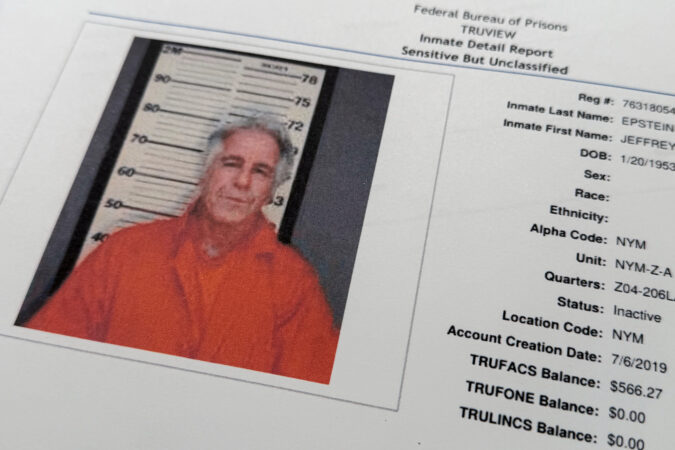
    A millionaire’s private island filled with luxury goods, gourmet food, and fine wine seems like a reality a million miles from yours, so what can Philadelphia-area parents learn from the Epstein files?

    Plenty.

    There are people like Jeffrey Epstein everywhere. He just had a bigger field.

    Epstein started small. In her memoir Nobody’s Girl, the late Virginia Roberts Giuffre, abused and trafficked by Epstein starting at age 16, describes how Epstein told her that as a teacher, he traded sex for grades. Alumni of New York’s elite Dalton School have described inappropriate conduct toward girls. Yet he was dismissed from the school simply for “poor performance.”

    Back in the 1970s, when Epstein taught, sex abuse prevention programs were primarily directed at kids. Teaching kids to recognize “good touch/bad touch” would have done nothing for teenage girls, likely targeted for their insecurity, for whom attention from a cute, popular new teacher felt like affection and status. Today, the most effective school-based sex abuse prevention programs involve the entire school helping faculty and staff recognize and respond to inappropriate behavior. Policies explicitly identify acceptable and unacceptable behaviors around issues from touching to communicating with students outside of school. Ongoing prevention programs empower everyone to act if they see a breach. Parents are included as partners to reinforce healthy messages at home. One great example is Safety STARS — Enough Abuse.

    What are the lessons for parents? I can count at least four:

    1. Learn what sexual abuse prevention program is offered in your school or district and participate in the parent component. Confirm that it follows best practices, such as requiring a code of conduct for faculty, staff, and students, and commitment from administration to continuous monitoring of adherence to the policies.

    Almost 20 years ago, Epstein was convicted of trafficking children for sex but escaped serious punishment in a now widely criticized plea deal. Defense attorneys at the time used the phrase “underage women” to soften how his acts against children sounded. I urge parents and all adults to more accurately call his crimes “child rape.” This helps challenge the social norm that it is somehow acceptable to have sex with minors who may be dressed up to appear older than they truly are.

    2. For decades, social scientists have distinguished a pedophile — someone primarily attracted to prepubescent children — from ephebophiles, people attracted to older adolescents and teens. Either way, acting on such attractions is a crime against children.

    Adults who target older youth may be more subtle in how they approach their targets, and that’s why parents should monitor all their teens’ relationships with adults, both virtual and in real life. A 17-year-old may look grown, and may balk at this supervision. But their brain still has nearly a decade before it can consistently make mature decisions.

    Adolescence is a time of deep insecurity, when teens are highly sensitive to others’ opinions. As Giuffre noted in her memoir, people like Epstein are adept at “reading a room.” They can intuit what a vulnerable teen needs, and offer it, exacting their price later.

    3. Even as maturing teens pull away, parents must work harder to stay connected and know what is happening in their teens’ lives. Set special times — driving to school can be ideal — to ask questions that require more than a yes-no answer. Take the time to learn the names of their friends, teachers, and coaches, so they know you’re really interested. Leave a surprise note on their bed telling them you’re proud of something they did. Teens need steady validation of their worth — not only for achievements, but simply for who they are. Keeping their self-esteem “cup” as full as possible is an important protective factor.

    Predators are master manipulators. They can patiently work their way into an adolescent’s confidence, shoring up fragile self-esteem. That’s why it’s so critical for parents to be their children’s consistent support. Predators don’t just live on private islands and roam the world in private jets; they can run the social hierarchy as the “alpha” in a high school, or orchestrate hazing in a college fraternity or sorority.

    4. Use the Epstein news as a moment to remind kids what a bully really is: someone who repeatedly uses their power to hurt, scare, or control a more vulnerable person. It is also a crucial chance to talk about sexual health and safety. Explain how youth of any age can be vulnerable to exploitation, and be explicit that sex should never be traded for anything.

    A colleague raising teens put it starkly when I asked how she was handling the Epstein stories: “Kids are watching how we handle this as adults, and they are not impressed.” The children of this attorney are likely not the only ones who wonder why Epstein went so lightly punished, or why our culture seems to condone sexualized images of teens.

    Ask your children what they’ve read and heard, what they think it means, and listen. Then share your thoughts and values. All adults can show the young people in our lives that we can do better — by talking openly about abuse, bullying, harmful media messages and whatever else is troubling our children. We can show them that we stand behind them and will advocate for safer policies in schools and communities.

    Janet Rosenzweig MS, PhD, MPA is author of the book “The Sex-Wise Parent,” a senior policy analyst at The Institute for Human Services, and a member of the board of directors of The National Coalition to Prevent Child Sexual Abuse and Exploitation.

  • Take a breath: Medicaid hasn’t changed yet | Expert Opinion

    Take a breath: Medicaid hasn’t changed yet | Expert Opinion

    “Another month without insurance,” our patient’s mother sighed. She had brought her 18-month old to all his doctor’s appointments in his first year. Then his Medicaid coverage was cut off, and she had no idea why.

    She tried multiple times to contact Medicaid, but couldn’t get through, and assumed incorrectly that this must be due to changes in the state-federal insurance program she had heard about on the news. She spent a week’s wages on care so her baby would not fall behind on his recommended visits, but wondered if she could afford future appointments. What would happen if he needed emergency care?

    As pediatricians, we worry about kids not getting the care they need. Health insurance, particularly Medicaid and CHIP (Children’s Health Insurance Program), is essential to children receiving recommended care. Navigating insurance coverage is confusing on a good day. We know it’s about to become even more challenging for children to get and stay covered because of changes coming to the Medicaid program.

    Fortunately, there was positive news to share with our patient that we wanted to share with everyone: Medicaid has not changed yet. Plus, there are things families can do to prepare for upcoming changes.

    Medicaid is the federal and state insurance program that covers two in five Pennsylvanian children and over half of children nationally.

    What has happened, and what can you expect?

    • January 2026: Premium tax credits expired. These tax credits helped low- and middle-income people without affordable employer insurance pay for Affordable Care Act marketplace coverage, based on a sliding scale.
    • October 2026: Many legally residing immigrants previously eligible for Medicaid will lose coverage, including refugees, asylum-seekers, and victims of trafficking.
    • January 2027: Certain adults will have work requirements and need to prove Medicaid eligibility every six months rather than annually. This will apply to adults who are not pregnant, disabled, or the parents or caregiver for a child under 14 or foster youth under age 26. Six month redetermination will also apply to moderate-income Pennsylvanians who became eligible under Medicaid expansion a few years ago.

    What does this mean for families?

    • If you have private insurance with ACA tax credits, you may pay more for coverage.
    • Even if your own Medicaid eligibility changes, your child will likely remain eligible, and you must show they’re eligible annually, not every six months. .This is important as research shows that children are less likely to stay enrolled when parents lose coverage.

    How can Pennsylvania families prepare?

    In this changing policy landscape, pediatricians aren’t just clinicians — we’re essential partners in keeping children covered and cared for. We will always want to hear from you. So, tell your pediatrician about any insurance struggles. If you have questions or are confused by information you hear, visit Pediatric Health Chat and tell CHOP what topics you’d like to learn more about. Because we will always advocate for health insurance that covers all children and gives them a healthy future.

    Elizabeth Salazar and Diana Montoya-Williams are attending neonatologists at the Children’s Hospital of Philadelphia (CHOP), Assistant Professors of Pediatrics at the University of Pennsylvania, and health services researchers at CHOP PolicyLab and the Penn Leonard Davis Institute of Health Economics.

  • Your brain can be trained, much like your muscles | Expert Opinion

    Your brain can be trained, much like your muscles | Expert Opinion

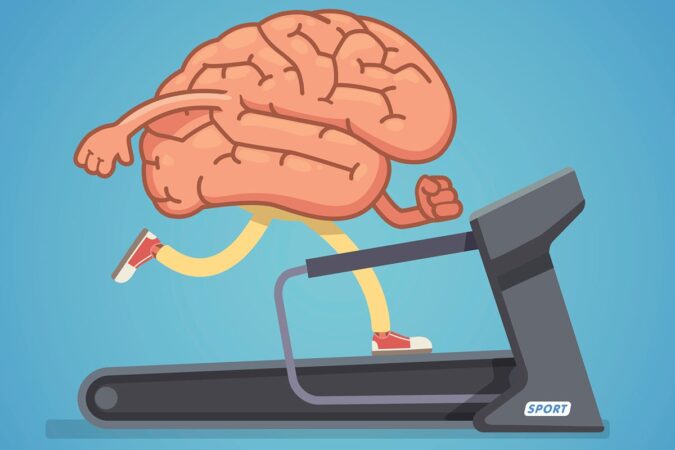
    If you have ever lifted a weight, you know the routine: challenge the muscle, give it rest, feed it, and repeat. Over time, it grows stronger.

    Of course, muscles only grow when the challenge increases over time. Continually lifting the same weight the same way stops working.

    It might come as a surprise to learn that the brain responds to training in much the same way as our muscles, even though most of us never think about it that way. Clear thinking, focus, creativity, and good judgment are built through challenge, when the brain is asked to stretch beyond routine rather than run on autopilot. That slight mental discomfort is often the sign that the brain is actually being trained, a lot like that good workout burn in your muscles.

    Think about walking the same loop through a local park every day. At first, your senses are alert. You notice the hills, the trees, the changing light. But after a few loops, your brain checks out. You start planning dinner, replaying emails, or running through your to-do list. The walk still feels good, but your brain is no longer being challenged.

    Routine feels comfortable, but comfort and familiarity alone do not build new brain connections.

    As a neurologist who studies brain activity, I use electroencephalograms, or EEGs, to record the brain’s electrical patterns.

    Research in humans shows that these rhythms are remarkably dynamic. When someone learns a new skill, EEG rhythms often become more organized and coordinated. This reflects the brain’s attempt to strengthen pathways needed for that skill.

    Your brain trains in zones too

    For decades, scientists believed that the brain’s ability to grow and reorganize, called neuroplasticity, was largely limited to childhood. Once the brain matured, its wiring was thought to be largely fixed.

    But that idea has been overturned. Decades of research show that adult brains can form new connections and reorganize existing networks, under the right conditions, throughout life.

    Some of the most influential work in this field comes from enriched environment studies in animals. Rats housed in stimulating environments filled with toys, running wheels, and social interaction developed larger, more complex brains than rats kept in standard cages. Their brains adapted because they were regularly exposed to novelty and challenge.

    Human studies find similar results. Adults who take on genuinely new challenges, such as learning a language, dancing, or practicing a musical instrument, show measurable increases in brain volume and connectivity on MRI scans.

    The takeaway is simple: Repetition keeps the brain running, but novelty pushes the brain to adapt, forcing it to pay attention, learn, and problem-solve in new ways. Neuroplasticity thrives when the brain is nudged just beyond its comfort zone.

    The reality of neural fatigue

    Just like muscles, the brain has limits. It does not get stronger from endless strain. Real growth comes from the right balance of challenge and recovery.

    When the brain is pushed for too long without a break — whether that means long work hours, staying locked onto the same task, or making nonstop decisions under pressure — performance starts to slip. Focus fades. Mistakes increase. To keep you going, the brain shifts how different regions work together, asking some areas to carry more of the load. But that extra effort can still make the whole network run less smoothly.

    Neural fatigue is more than feeling tired. Brain imaging studies show that during prolonged mental work, the networks responsible for attention and decision-making begin to slow down, while regions that promote rest and reward-seeking take over. This shift helps explain why mental exhaustion often comes with stronger cravings for quick rewards, like sugary snacks, comfort foods, or mindless scrolling. The result is familiar: slower thinking, more mistakes, irritability, and mental fog.

    This is where the muscle analogy becomes especially useful. You wouldn’t do squats for six hours straight, because your leg muscles would eventually give out. As they work, they build up byproducts that make each contraction a little less effective until you finally have to stop. Your brain behaves in a similar way.

    Likewise, in the brain, when the same cognitive circuits are overused, chemical signals build up, communication slows, and learning stalls.

    But rest allows those strained circuits to reset and function more smoothly over time. And taking breaks from a taxing activity does not interrupt learning. In fact, breaks are critical for efficient learning.

    The crucial importance of rest

    Among all forms of rest, sleep is the most powerful.

    Sleep is the brain’s night shift. While you rest, the brain takes out the trash through a special cleanup system called the glymphatic system that clears away waste and harmful proteins. Sleep also restores glycogen, a critical fuel source for brain cells.

    And importantly, sleep is when essential repair work happens. Growth hormone surges during deep sleep, supporting tissue repair. Immune cells regroup and strengthen their activity.

    During REM sleep, the stage of sleep linked to dreaming, the brain replays patterns from the day to consolidate memories. This process is critical not only for cognitive skills like learning an instrument but also for physical skills like mastering a move in sports.

    On the other hand, chronic sleep deprivation impairs attention, disrupts decision-making, and alters the hormones that regulate appetite and metabolism. This is why fatigue drives sugar cravings and late-night snacking.

    Sleep is not an optional wellness practice. It is a biological requirement for brain performance.

    Exercise feeds the brain too

    Exercise strengthens the brain as well as the body.

    Physical activity increases levels of brain-derived neurotrophic factor, or BDNF, a protein that acts like fertilizer for neurons. It promotes the growth of new connections, increases blood flow, reduces inflammation, and helps the brain remain adaptable across one’s life span.

    This is why exercise is one of the strongest lifestyle tools for protecting cognitive health.

    Train, recover, repeat

    The most important lesson from this science is simple. Your brain is not passively wearing down with age. It is constantly remodeling itself in response to how you use it. Every new challenge and skill you try, every real break, every good night of sleep sends a signal that growth is still expected.

    You do not need expensive brain training programs or radical lifestyle changes. Small, consistent habits matter more. Try something unfamiliar. Vary your routines. Take breaks before exhaustion sets in. Move your body. Treat sleep as nonnegotiable.

    So the next time you lace up your shoes for a familiar walk, consider taking a different path. The scenery may change only slightly, but your brain will notice. That small detour is often all it takes to turn routine into training.

    The brain stays adaptable throughout life. Cognitive resilience is not fixed at birth or locked in early adulthood. It is something you can shape.

    If you want a sharper, more creative, more resilient brain, you do not need to wait for a breakthrough drug or a perfect moment. You can start now, with choices that tell your brain that growth is still the plan.

    is an associate professor of neurology at the University of Pittsburgh.

    Reprinted from The Conversation.