
Category: Expert Opinions

  • ‘Tis the season for laser treatments

    ‘Tis the season for laser treatments

    After a summer under the sun, my patients’ skin is telling me the story of their beach days and backyard gatherings, especially for those who spend weekends at the Jersey Shore. What started as cute freckles in June now appear as stubborn brown spots; fine lines deepen; redness and rough texture emerge; and that “sun-kissed glow” begins to look more like early aging.

    In my dermatology clinic, I call the fall months our laser season.

    I tell patients that fall is the perfect time to reduce the harmful effects of summer sun and prepare their skin to look its best for the holidays and the year ahead. The cooler weather, shorter days, and slower pace create the perfect conditions for skin renewal, allowing us to repair damage and restore radiance.

    Why fall is the sweet spot for laser treatments

    Lasers and energy-based treatments are among the most effective tools for improving skin tone, pigmentation, texture, and fine lines — but timing is everything. After any laser or energy-based procedure, the skin becomes temporarily more sensitive to UV rays. That’s why fall is a sweet spot: the UV index drops, we spend more time indoors, and therefore recovery is easier and more comfortable.

    Cooler weather also makes it easier to protect healing skin with hats, scarves, and cozy layers which help shield it from the sun. The conditions will stay good all winter, but many of my patients prefer to start treatments now, giving their skin time to fully recover by the holidays.

    What can we address with lasers?

    Lasers and energy-based treatments can treat a variety of skin concerns:

    • Resurfacing lasers stimulate collagen production and improve fine lines, brown spots, acne scars, and uneven tone. They can also treat precancerous skin changes and help prevent the development of skin cancer.
    • Vascular lasers target redness, rosacea, and broken capillaries for a clearer complexion.
    • Pigment-specific lasers address brown spots, post-inflammatory hyperpigmentation, and unwanted tattoos.
    • Radiofrequency devices provide subtle skin tightening and enhance collagen production.

    Downtime can range from none at all to about a week, depending on the treatment. Most patients need a series of sessions to achieve their desired results.

    One of my patients, a 42-year-old marketing executive from the Philadelphia suburbs, came to see me after a summer filled with travel. “My freckles have gotten so dark, and my rosacea is flaring,” she said. “What can I do to make my skin look better?”

    We created a combination plan to target pigmentation, fine lines, and redness using both a fractional resurfacing laser and a vascular laser. The procedure took less than an hour, and after a week of mild downtime, her skin looked brighter, smoother, and more even.

    After a month, the collagen stimulation was starting to become noticeable and her skin appeared plumper, firmer, and healthier. She told me, “I feel like all that sun damage was aging me 10 years. Now I finally look like myself again.”

    Not just cosmetic

    Beyond cosmetic procedures, certain lasers can remove or treat precancerous lesions called actinic keratoses, which are rough, sun-damaged patches that sometimes progress to skin cancer if untreated.

    1. By gently removing these damaged cells and stimulating healthy new growth, laser resurfacing not only improves the skin’s appearance but also reduces future skin cancer risk.

    As a cosmetic dermatologist and Mohs surgeon, I approach each patient not only from the perspective of how they can look better, but also how we can enhance skin quality and skin health.

    Finding that intersection, where beauty meets prevention, is one of my favorite parts of practicing dermatology. Ultimately, healthy skin simply looks better: free of pigmentation, redness, fine lines, and rough texture.

    We’re now in the peak of what I call laser season, and my advice to patients is to seize the pause between the intensity of summer and the rush of the holidays to help their skin recover from UV exposure.

    Alternatives to lasers

    Of course, laser treatment isn’t for everyone. Lasers offer a safe, medical approach to address damage before it worsens, but some people can’t tolerate downtime associated with some lasers. Others are looking for a more affordable option, as lasers can range in cost from $450-1200 per session, depending on the laser and location, with multiple sessions typically recommended.

    Another powerful option is a regimen known as the “ABC’s plus sunscreen.” This means using products with vitamin A (a retinoid) to boost cell turnover and promote collagen production, vitamin B (niacinamide) to calm inflammation and support the skin barrier (and for some patients, an oral form may be appropriate after discussing with their dermatologist), and vitamin C to brighten and protect against environmental stress.

    Protection is always the best prevention. I consider daily sunscreen a nonnegotiable, even on cloudy days. I recommend a broad-spectrum sunscreen with SPF 30 or higher, and UPF clothing adds another reliable layer of protection. A consistent skincare routine can meaningfully prevent and even reverse signs of sun damage and skin aging, no lasers required.

    May Elgash is a board-certified dermatologist and Mohs surgeon practicing at the Jefferson Laser Surgery and Cosmetic Dermatology Center.
  • Seeking answers on autism: A CHOP expert debunks the top 5 myths | Expert Opinion

    Seeking answers on autism: A CHOP expert debunks the top 5 myths | Expert Opinion

    Several parents asked for my opinion when the Food and Drug Administration recently announced a warning label on acetaminophen for its alleged link to autism, and when the agency supported the use of leucovorin as an autism treatment despite a lack of scientific evidence. And I am sure I will get questions about the Centers for Disease Control and Prevention’s new claim on its website that the link between vaccines and autism cannot be “ruled out.”

    As a developmental and behavioral pediatrician who cares for many children on the autism spectrum, I love to talk with families about what they’re hearing.

    Families with children on the spectrum can feel whiplashed by online “influencers” hawking different theories, products, and alternative treatments. These families want to do everything they can to support their children, and so they seek out information everywhere they can find it.

    Families look for alternatives because many of our current treatments are not effective for all children, and even those that work well can require intensive effort from teachers, therapists, and caregivers. As a clinician, I try to share the available evidence with families so they can make informed decisions.

    Hype for particular treatments and theories about autism’s rise are not new. But when the highest officials in government shout about autism from the rooftops and the internet is awash in “information” untethered from scientific proof, it is more important than ever for clinicians and public health officials to approach parents with compassion, honesty, and evidence.

    At Children’s Hospital of Philadelphia (CHOP), Pediatric Health Chat is tracking medical myths and rumors, including those about autism. Based on that data and conversations with parents, here are the top five things I wish my families knew:

    1. Autism is not an epidemic

    While it is true the number of children with autism spectrum disorder continues to rise across all sociodemographic groups, there is no evidence a single environmental toxin or other factor is the cause. In fact, the strongest studies show that most of the rise in autism over the past 20 years is due to increased recognition of the condition that has meant earlier, incorrect diagnoses can be set aside; and the fact that more characteristics and behaviors are known to be signs of autism. So, while autism diagnoses are rising, there is no evidence of an epidemic — autism is growing, but it’s not a sudden outbreak like COVID .

    2. Vaccines do not cause autism

    The myth that vaccines cause autism originated in a British study back in the 1990s on just 12 children that was so fraudulent, the journal that published it wound up retracting it. Some people continue to insist that because autism has continued to increase — and new vaccines have been developed — there must be some kind of a link. But just because two things occur at the same time does not mean that one causes the other. (A classic example is that both ice cream purchases and drownings increase in the summer, but no one is claiming that ice cream causes drowning!)

    As CHOP’s Vaccine Education Center lays out, there have been numerous, well done studies that have not found a link between vaccines and autism. Vaccines save lives, and the evidence in favor of vaccine safety with respect to autism is overwhelming. I encourage all of my patients’ families to vaccinate their children. I am proud to say that I vaccinate my own children following recommended schedules — to protect them from preventable infections.

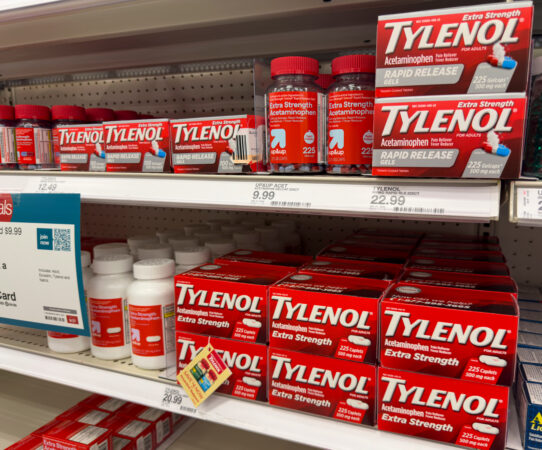
    3. Acetaminophen does not cause autism

    While a few small studies have found an association between prenatal acetaminophen use and autism, the largest and strongest studies have found no association. Studies that do not include factors like why the pregnant person is taking acetaminophen or whether siblings are on the autism spectrum may inaccurately conclude that acetaminophen is a cause when it is not. The truth is that high fevers during pregnancy are known to be dangerous, and acetaminophen, the active ingredient in Tylenol, is the safest medication we have for treating fever. I would have no hesitation recommending acetaminophen during pregnancy as needed.

    4. Leucovorin is not a proven treatment for autism

    Last spring, a news story appeared about a child who became more verbal after taking leucovorin (also known as folinic acid, a medication that is used for cancer patients undergoing chemotherapy). Since that time, requests from families in the autism community to begin leucovorin have skyrocketed. Yet the evidence for leucovorin’s effectiveness is incredibly limited. For example, children in placebo groups — those that didn’t get any leucovorin — showed similar gains as those that got it. Some families dropped out of the trials because their children became more aggressive while receiving leucovorin. We need larger, well designed, randomized control trials before I would feel comfortable recommending leucovorin to my patients.

    5. So-called facilitated communication does not help children with autism

    Several decades ago, facilitated communication (in which a facilitator touches a patient to “help them spell” on a keyboard or letter board) was thoroughly debunked by studies proving the facilitator was guiding responses, not helping the person to truly communicate their own thoughts.

    Yet facilitated communication (FC) has made a comeback in the form of other “therapies” like supported typing and through the “Telepathy Tapes” podcast. However, these are just FC by another name and are also unsupported by evidence.

    On the other hand, augmentative or alternative communication, through which individuals themselves use alternative strategies or “talker” devices to express themselves (instead of having a facilitator physically help them), is strongly supported by evidence. While I understand why families want to give their children every opportunity to express themselves, I strongly urge them to go with the methods that are proven to help them achieve their goals.

    Most troubling to me is that woven through all these myths and misinformation is the implicit belief that individuals with autism lack value, or that they cannot lead happy, successful lives. While some individuals on the autism spectrum struggle to live independently and may have some challenging behaviors, all these people are worthy of dignity and respect. Continuing to find ways to best support people with autism and their families, to allow them to reach their highest potential, needs to be the focus.

    Editor’s note: Pediatric Health Chat is an online initiative at Children’s Hospital of Philadelphia taking aim at the latest myths and misconceptions about children’s health. Kate E. Wallis, MD, MPH, is a developmental behavioral pediatrician with the Division of Developmental and Behavioral Pediatrics at Children’s Hospital of Philadelphia.

  • Patients’ use of AI chatbots makes sense, but tread carefully

    Patients’ use of AI chatbots makes sense, but tread carefully

    It finally happened this week.

    One of my patients, a woman in her 40s with chronic abdominal pain, told me that she had a new companion named Astrid joining her during an office visit. But she was alone in the exam room. It took me a few awkward seconds to realize that Astrid was a chatbot.

    She went on to explain that Astrid helps her remember what to ask me about and alerts her to worrisome causes of her symptoms. She often has difficulty scheduling an office appointment and gets a quicker response to simple questions from Astrid than from our patient portal. I felt an odd combination of humbled, curious, and dismayed. And I was relieved that my patient still showed up for her visit, albeit with Astrid’s advice visible on her iPhone screen.

    Many of my patients have long consulted the internet about their symptoms; some even apologize for doing it. I reassure them that Googling is normal these days, and often preempt their fears by asking up front, “Is there anything you researched about your symptoms that has you worried?” But Astrid seemed different, like I was in a brave new world of truly sharing my space in a medical clinic with something (or someone) that I am not sure if I can trust.

    And this is only the beginning. Companies like Counsel Health have developed “AI-first” platforms that promise to take the first run at triaging a patient’s medical needs, then escalate cases needing further review to a human clinician. Similarly, Massachusetts General Hospital has launched “Care Connect,” an AI chatbot app for patients without a primary care doctor.

    I’ve been reading everything I am able to find about AI chatbots, but I still felt unprepared to face this in my own clinic. I think part of the reason is that doctors generally assume that bedside skills are squarely in our wheelhouse. In fact, it is these abilities — rather than medical diagnostic and therapeutic capabilities — that many of us cite when discussing the most profound moments in our careers. In my specialty of primary care, relational skills — empathy, presence, communication, patient education — are quintessential, almost like what performing an operation is to a surgeon. As much as personal connection is a high priority for patients, it is also a vital source of meaning and purpose for many doctors.

    So it stands to reason that the idea of AI chatbots at the bedside provokes a variety of emotions in doctors like me, including disbelief, worry, anger, anxiety, sadness, or outright denial. Many of us prefer to dismiss the idea that they could be our competition for patients’ loyalty. We prefer to discuss ways in which we can define how AI tools streamline processes, improve efficiency, and relieve task overload.

    That said, what are patients with a time-sensitive medical concern supposed to do if they are told there are no appointments available for two weeks? People lead busy and complex lives. They may get in quickly at Urgent Care or on a telemedicine service, but will likely receive a transactional visit with a clinician who does not know them, with no continuity if things don’t go as expected.

    Even for those fortunate enough to get an appointment at the office for a new concern, these visits can be quite short, and a patient may find that their true concerns compete with your primary care doctor’s agenda to address preventive health, and other issues for which they have a financial incentive through healthcare’s complex payment systems.

    And patients see doctors’ human limitations. We get tired and impatient; we are biased; we interrupt; we take cognitive short cuts; it takes time for us to learn. The rates of harmful human medical errors and inaccurate diagnoses is still intolerably high.

    So now there is Astrid and her brethren — tireless, always available, prepared to share vast knowledge in seconds, apparently non-judgmental, and even empathic. There are studies that describe how patients often lie to their doctors and are sometimes more at ease being vulnerable and sharing emotionally difficult matters with chatbots.

    Generative AI is truly remarkable, and maybe someday chatbots will best doctors at our craft. But before you fully give over to AI temptation, consider a few words of caution.

    Technology developers do not uphold any long-held tradition, or take an oath to act in your best interest. They simply aspire to create the most useful and marketable tools possible. Chatbots can “hallucinate,” and provide information that is false or unsubstantiated. They are designed to please you and can be seductively sycophantic. They cannot form long-term, honest, collaborative relationships with you — like committed primary care doctors can — nor can they coordinate the complex, overlapping array of concurrent medical, social, emotional, and financial issues that characterize a journey through illness.

    The promise of AI chatbots speaks loudly, and the message is being received with interest and concern. Many physicians and healthcare leaders are replacing our apprehension with curiosity, endeavoring to better understand the allure. It implores us to overcome decades-long inertia and deliver primary care that is accessible, efficient, and prioritizes patients’ stories, needs and concerns above all else. Practicing this version of primary care also stands a better chance of keeping more primary care doctors in the workforce and attracting more new medical graduates to the specialty.

    Doctors are working with developers to help make medical AI better, safer, equitable, and ethically sound. Chatbots have far greater potential as doctor-patient partners, rather than as alternatives. My request of my patients: Use them carefully, keep your appointments. And share your learnings — my colleagues and I need to hear what Astrid is recommending.

    Jeffrey Millstein is an internist and regional medical director for Penn Primary and Specialty Care.

  • Treating chronic pain faces obstacles in light of the opioid epidemic

    Treating chronic pain faces obstacles in light of the opioid epidemic

    A woman in her mid-50s was my fifth patient on a long day treating people with severe chronic pain, all with similar stories. An automobile accident 25 years before left her with severe lower back and neck pain.

    At the time of her accident, she was a mother with three small children. Her primary care physician had been treating her for all this time with a relatively high and stable dose of opioid pain medications.

    Prescription painkillers were viewed differently when she first began taking these potent medications. It was a common and legitimate medical practice to offer higher doses of opioid medications — so long as the patients required them for pain relief, didn’t abuse them, and didn’t have any concerning side effects.

    These medications had given this patient significant relief and had allowed her to raise her children and live a relatively normal life.

    With her primary care physician now retiring, she was looking for a doctor willing to allow her to continue her medications, and even slowly taper them under supervision. But she couldn’t find a provider, not even one specializing in pain management, willing to take her on as a new patient.

    Eventually, she found her way to me through a referral. I specialize in carefully treating patients with severe pain with the medications that they require to relieve their suffering.

    I had heard nearly identical stories from the four patients that I had already treated that morning, all suffering from severe chronic pain. They had previously sought relief through surgery or nerve blocks and procedures like spinal cord stimulators, but they still were suffering from unrelenting pain.

    My medical opinion was that the only option available to them at this stage was opioid medication. They had ended up in my clinic, however, because the pain specialists they had been seeing were not willing to increase their doses, even under close supervision.

    Twenty-five million Americans suffer from high impact chronic pain — defined as daily pain that negatively affects their quality of life and ability to work. In the 1990s and early 2000s, improper prescribing of opioids by inadequately trained healthcare providers — along with immoral actions and misleading information from some pharmaceutical and medication-supply companies — led to the “opioid crisis.”

    Many unwitting patients became addicted to these substances and suffered great harm.

    Today, however, I am seeing a new crisis among patients who truly suffer from debilitating, life-limiting, and sometimes life-destroying pain. They cannot get the care they need.

    Chronic pain patients are maligned, misjudged, disrespected, and often treated in a punitive way. The overwhelming majority of patients with chronic pain, who are treated appropriately by highly skilled and empathetic physicians, use these medications to help ameliorate severe pain, not because they are looking to get high or satisfy an addiction.

    When treated with expertise, they obtain great benefit, and many can resume something of a normal life.

    The woman and the four patients whom I had already treated that morning each benefited from higher levels of medication. Each tolerated them without adverse effects, and none abused, diverted, or misused the medications. What had led to our medical system being unwilling to give them the treatment they needed?

    Concern about regulatory oversight and potential civil and criminal legal issues have prompted many physicians, including pain specialists, to stop prescribing opioid pain medications. (I cannot explain this contradiction — how can a pain physician not prescribe effective pain medications?)

    Many pharmacists also tell me that they are reluctant to dispense these medications, even if the patient has an appropriate prescription from a qualified physician. The pharmacists say that they are under scrutiny by the Drug Enforcement Administration and that their suppliers can be threatened with disciplinary actions if they fill even completely proper prescriptions above their quota.

    It’s not unusual for my patients to tell me that they had to call 25 to 50 pharmacies before they found one to fill their prescriptions.

    In Pennsylvania, the recent closure of Rite Aid pharmacies has exacerbated the problem. Patients who had been getting their pain medications from Rite Aid are now searching for alternatives. But most of the remaining pharmacies have reached their quotas of controlled medications such as opioids with established patients and are not able to serve new patients.

    In some particularly egregious situations, pharmacies have had their entire supply of controlled substances suspended for seemingly minor issues.

    I am a pain specialist, caring for many patients with severe pain. Most of my patients have exhausted or failed other potential therapeutic options. Over 90% of my patients who use opioid medications as their last available option get significant pain relief and have improved quality of life.

    Yet due to the current situation, I now have many patients who are struggling to obtain these valuable medications, with many also having to deal with symptoms of withdrawal.

    Many of my patients often wonder to me why they are punished because of others’ misdeeds and say that they have done nothing wrong and have simply been unfortunate to have suffered injuries and illness, that it’s not fair and is cruel.

    It’s time that we begin to correct this travesty. We can treat these patients with expertise. The “opioid crisis” will not worsen by proper and dignified treatment of patients with chronic pain. They certainly deserve our care and their prescribed, helpful medications.

    Ira Cantor, M.D., is an internal medicine physician specializing in pain management at Steiner Medical & Therapeutic Center in Phoenixville.

  • Does the full moon make us sleepless? A neurologist explains the science behind sleep, mood, and lunar myths

    Does the full moon make us sleepless? A neurologist explains the science behind sleep, mood, and lunar myths

    Have you ever tossed and turned under a full moon and wondered if its glow was keeping you awake? For generations, people have believed that the Moon has the power to stir up sleepless nights and strange behavior — even madness itself. The word “lunacy” comes directly from luna, Latin for Moon.

    Police officers, hospital staff, and emergency workers often swear that their nights get busier under a full moon. But does science back that up?

    The answer is, of course, more nuanced than folklore suggests. Research shows a full moon can modestly affect sleep, but its influence on mental health is much less certain.

    I’m a neurologist specializing in sleep medicine who studies how sleep affects brain health. I find it captivating that an ancient myth about moonlight and madness might trace back to something far more ordinary: our restless, moonlit sleep.

    What the full moon really does to sleep

    Several studies show that people really do sleep differently in the days leading up to the full moon, when moonlight shines brightest in the evening sky. During this period, people sleep about 20 minutes less, take longer to fall asleep, and spend less time in deep, restorative sleep. Large population studies confirm the pattern, finding that people across different cultures tend to go to bed later and sleep for shorter periods in the nights before a full moon.

    The most likely reason is light. A bright moon in the evening can delay the body’s internal clock, reduce melatonin — the hormone that signals bedtime — and keep the brain more alert.

    The changes are modest. Most people lose only 15 to 30 minutes of sleep, but the effect is measurable. It is strongest in places without artificial light, such as rural areas or while camping. Some research also suggests that men and women may be affected differently. For instance, men seem to lose more sleep during the waxing phase, while women experience slightly less deep and restful sleep around the full moon.

    The link with mental health

    For centuries, people have blamed the full moon for stirring up madness. Folklore suggested that its glow could spark mania in bipolar disorder, provoke seizures in people with epilepsy, or trigger psychosis in those with schizophrenia. The theory was simple: lose sleep under a bright moon and vulnerable minds might unravel.

    Modern science adds an important twist. Research is clear that sleep loss itself is a powerful driver of mental health problems. Even one rough night can heighten anxiety and drag down mood. Ongoing sleep disruption raises the risk of depression, suicidal thoughts, and flare-ups of conditions like bipolar disorder and schizophrenia.

    That means even the modest sleep loss seen around a full moon could matter more for people who are already at risk. Someone with bipolar disorder, for example, may be far more sensitive to shortened or fragmented sleep than the average person.

    But here’s the catch: When researchers step back and look at large groups of people, the evidence that lunar phases trigger psychiatric crises is weak. No reliable pattern has been found between the Moon and hospital admissions, discharges, or lengths of stay.

    But a few other studies suggest there may be small effects. In India, psychiatric hospitals recorded more use of restraints during full moons, based on data collected between 2016 and 2017. In China, researchers noted a slight rise in schizophrenia admissions around the full moon, using hospital records from 2012 to 2017. Still, these findings are not consistent worldwide and may reflect cultural factors or local hospital practices as much as biology.

    In the end, the Moon may shave a little time off our sleep, and sleep loss can certainly influence mental health, especially for people who are more vulnerable. That includes those with conditions like depression, bipolar disorder, schizophrenia, or epilepsy, and teenagers who are especially sensitive to sleep disruption. But the idea that the full moon directly drives waves of psychiatric illness remains more myth than reality.

    Other theories fall short

    Over the years, scientists have explored other explanations for supposed lunar effects, from gravitational “tidal” pulls on the body to subtle geomagnetic changes and shifts in barometric pressure. Yet, none of these mechanisms hold up under scrutiny.

    The gravitational forces that move oceans are far too weak to affect human physiology, and studies of geomagnetic and atmospheric changes during lunar phases have yielded inconsistent or negligible results. This makes sleep disruption from nighttime light exposure the most plausible link between the Moon and human behavior.

    Why the myth lingers

    If the science is so inconclusive, why do so many people believe in the “full moon effect”? Psychologists point to a concept called illusory correlation. We notice and remember the unusual nights that coincide with a full moon but forget the many nights when nothing happened.

    The Moon is also highly visible. Unlike hidden sleep disruptors such as stress, caffeine, or scrolling on a phone, the Moon is right there in the sky, easy to blame.

    Lessons from the Moon for modern sleep

    Even if the Moon does not drive us “mad,” its small influence on sleep highlights something important: Light at night matters.

    Our bodies are designed to follow the natural cycle of light and dark. Extra light in the evening, whether from moonlight, streetlights, or phone screens, can delay circadian rhythms, reduce melatonin, and lead to lighter, more fragmented sleep.

    This same biology helps explain the health risks of daylight saving time. When clocks “spring forward,” evenings stay artificially brighter. That shift delays sleep and disrupts circadian timing on a much larger scale than the Moon, contributing to increased accidents and cardiovascular risks, as well as reduced workplace safety.

    In our modern world, artificial light has a much bigger impact on sleep than the Moon ever will. That is why many sleep experts argue for permanent standard time, which better matches our biological rhythms.

    So if you find yourself restless on a full moon night – and you’ll have a chance to test this come Nov. 5 – you may not be imagining things, because the Moon can tug at your sleep. But if sleeplessness happens often, look closer to home. It is likely a culprit of the light in your hand rather than the one in the sky.

    Joanna Fong-Isariyawongse is an associate professor of neurology at the University of Pittsburgh.

    Reprinted from The Conversation.

  • I was an AI scribe-skeptical doctor. And then I actually tried it.

    I was an AI scribe-skeptical doctor. And then I actually tried it.

    It was magical. I clicked the record button on my cell phone, placed it on the exam room desk, turned away from the computer, and began a conversation with my patient. After we completed the visit, I went back to my office and opened her electronic record — and found a clear, concise narrative description of our encounter, complete with my physical exam findings and a numbered problem list, plus assessments and follow up plans.

    I did not write these medical notes — an artificial intelligence scribe called DAX (Dragon Ambient eXperience) Copilot did. And it was nearly perfect.

    AI scribes are new, but not brand new. I am actually a little late to the game. You may have already noticed that some of your own doctors are using this technology during office visits. DAX was developed by an AI and speech recognition company called Nuance that was acquired by Microsoft in 2022. First, clinical conversations are recorded using a cell phone mobile app. AI then processes the recording and generates a progress note, minimizing computer distraction and allowing clinicians to focus more attention on our patients.

    In the last couple of years, I have read everything I can find about AI, a new frontier that will be a growing presence in clinical medicine. Until now, I’ve also done a great job convincing myself not to use an AI scribe — one of the most accessible current AI tools.

    By typing brief notes with lots of abbreviations, I worked hard to make sure chart documentation was not interfering with my ability to develop rapport and engage with patients. I also thought any time saved with DAX would be erased by time that I would have to spend reviewing and editing the AI generated notes. Not so. The AI notes are concise and amazingly accurate. They are a truer representation of what actually occurred during the visit. My truncated notes, or those written or dictated hours after the visit, often missed essential information, patient perspective, or did not capture the nuanced rationale for my medical decisions.

    The scribe notes are not word-for-word transcriptions. This AI has been trained using millions of hours of real-world clinical encounters and medical dictation. The program then takes recorded conversations and converts them into clinical notes, based on what it has learned about how these notes are structured.

    Patients and clinicians have raised some concerns: Where does this data go? Are there privacy concerns? In fact, the data is sent securely from the clinician’s cell phone app to a Nuance company server for processing. Once a note is created, sent to, and stored permanently in the patient’s electronic health record, the data is deleted from the mobile app and servers to comply with privacy standards. Of course, your clinician should always obtain your consent before using DAX or other comparable tools.

    AI scribes are a game changer — in my view, an all-around win. They free clinicians to engage more with patients in the exam room, capture a real-time, accurate synopsis of the visit, and create something cogent and readable. They help your doctor, while better honoring your medical story.

    DAX was an opportunity that stood in front of me for some time before I recognized it as such. Like University of Pennsylvania Wharton School professor Adam Grant writes in his insightful book, Think Again, “anchor your sense of self in flexibility rather than consistency.” How ironic that an AI tool — algorithmic and predictable — taught me a lesson in changing my ways.

    Jeffrey Millstein is an internist and regional medical director for Penn Primary and Specialty Care.