Category: Expert Opinions

  • Reconciling with a difficult parent may seem impossible. Being their caregiver might help. | Expert Opinion

    Reconciling with a difficult parent may seem impossible. Being their caregiver might help. | Expert Opinion

    There are two remarkable scenes of family reconciliation in this past fall’s Bruce Springsteen biopic, Deliver Me from Nowhere. After years of alienation from his alcoholic, physically abusive father, Dutch, a slowly maturing Bruce begins to recognize that his father has struggled with lifelong mental illness. By this stage of his later years, Dutch has been diagnosed with bipolar disorder and is becoming increasingly confused as he ages.

    In the first reconciliation scene, Bruce searches for his father in bars and restaurants all over Los Angeles at the request of his mother after Dutch disappears for several days. Bruce finally finds him sitting at the bar of a Chinese restaurant. Rather than upbraiding him, Bruce sits down next to his father and asks, gently like an old friend, if he would like to go out for breakfast before heading home.

    In the second scene, a disoriented Dutch asks Bruce to sit on his lap — as if his son is 3 years old, not 32. Bruce obliges but feels awkward, telling Dutch that he never asked him to sit on his lap before. “I didn’t?” Dutch asks, appearing shocked and regretful that he hadn’t sought loving contact with Bruce when he was a child.

    These scenes come at the end of a narrative arc illuminating the surprising turnabout that can be achieved through family caregiving for an older adult: A harshly punitive parent can turn into a softer, “toothless tiger” as they become frail. An angry adult child can develop greater empathy for the vulnerability of that hated parent while witnessing their decline. The parent-child relationship is transformed through the giving and receiving of care. Reconciliation is possible, the scenes suggest, by letting go of the past and extending kindness and understanding to a now diminished and needy parent.

    Some viewers may regard this plot line as unrealistic, corny, and overly Hollywood. Our current cultural moment seems to favor alienation and complete estrangement, not reconciling. In our clinical psychology practices, we have also worked with adult children and parents who have decided to cease talking with one another after years of conflict, frustration, and continued emotional pain. These are not bad therapeutic outcomes. They represent hard, courageous work on the part of clients who now refuse to be hurt any longer. We respect their decisions.

    But as clinicians specializing in supporting family caregivers, especially those caring for aging parents, we have also seen ways that alienation can be surmounted and improved relationships formed. It requires adult children to risk getting hurt all over again by deciding to care for an aging parent who previously tormented them. Taking this chance in the hopes of forging something better doesn’t work out well in every case, but it does produce emotionally powerful results for some.

    We saw this happen with one of our patients, Gloria, who at age 43 never expected to find such healing. She had always felt belittled by her mean, narcissistic mother from whom she kept a healthy geographic and emotional distance to protect herself throughout her adult life. But then her aging mother developed diabetic complications, including sensory neuropathy in her feet, and suffered a series of harmful falls. After weighing the pros and cons, Gloria decided to become her mom’s caregiver.

    This could have gone disastrously. Gloria might have allowed herself to hope that she’d finally win her mother’s approval by being there in her hour of need — only to be rejected by her mother yet again. Like Bruce Springsteen in the biopic, Gloria avoided reliving this destructive family dynamic by being her own person, refusing to allow her hurtful parent to loom over her life. The twist here is that she managed this while immersing herself in her mom’s day-to-day care.

    To motivate her caregiving, Gloria drew on her moral convictions, not some old yearning for her mother’s love. Helping others had always provided her with a deep sense of meaning. It underpinned her successful career as a hospital floor nurse and, later, an administrative leader in her health system. She could tend to her mother’s needs because that was consistent with her values and core identity, not simply because her “patient” now would be the woman who gave birth to and raised her.

    Secondly, Gloria made a point of approaching the present as the present, not the past. Certainly, she still craved some measure of justice for the years of mistreatment that she endured as a child. An apology on her mother’s part would be a nice start. But the caregiving was not about winning justice; the current mission was limiting her mother’s falls to help her live out her final years with less suffering. Gloria had the skills and professionalism to achieve this goal.

    Perhaps most importantly, she decided to just accept her mother for the very flawed person she had always been. It no longer made sense to Gloria to wish her mother was kinder or to believe she had the power to make her happy. Mom was a sour person who inflicted her sourness on others, especially her only daughter, a personality that did not grow sweeter with her diabetic complications later in life.

    True to form, Gloria’s mother initially found a dozen ways to criticize Gloria for how she provided care. But Gloria now shrugged off her barbs, keeping her focus on helping a vulnerable older adult. To her great surprise, her mother responded by changing her behavior, too. It was akin to what happens when you steadfastly ignore the taunts of a schoolyard bully. Once her daughter stopped reacting emotionally, Mom began to respect her more. During the last two years of the mother’s life, the dynamic between them slowly shifted from mean mom/hurt child to appreciative mom/competent adult child. For the first time in her life, Gloria didn’t feel that her mother resented her. While not exactly love, it was pretty good.

    Just like there are not many Bruce Springsteens in the world, there aren’t that many Glorias so able to separate their past from present circumstances that they can turn caregiving into a transformative experience of reconciliation. But there is always that possibility. If you are like Gloria or Bruce and decide to provide some care, we have several suggestions to keep in mind:

    • Maintaining rage against a parent takes energy; it can be a relief to let it go.
    • Choosing to be a parent’s caregiver shouldn’t be undertaken with the intent of proving or winning anything; it should be about living your values.
    • You are not offering forgiveness — especially if, as is likely, your parent never expresses remorse. You are gaining pride in who you are, regardless of how your parent was or is.

    Barry J. Jacobs, Psy.D. and Julia L. Mayer, Psy.D. are clinical psychologists based in Media and the co-authors of the 2025 book, “The AARP Caregiver Answer Book.”
  • What Medicare can learn from Best Buy and Walmart | Expert Opinion

    What Medicare can learn from Best Buy and Walmart | Expert Opinion

    Imagine you are a 70-year old patient sitting in your oncologist’s office, processing a life-altering diagnosis. Your doctor prescribes a pill for your cancer that offers the best chance of survival. You arrive at the pharmacy, expecting a co-pay, but the bill looks more like a mortgage payment. “That will be $2,000 for the prescription,” the pharmacist says.

    Now, imagine Medicare offers a payment plan to soften the blow. There’s just one catch: You need to know the program exists so you can sign up for it — which itself can be tricky. The Medicare Prescription Payment Plan (MPPP) may be the program’s best-kept secret, one that could help you or someone you love afford life-saving drugs. But most Medicare patients don’t know about it.

    For millions of seniors, high costs for prescription drugs aren’t a hypothetical nightmare; they are a structural failure built into the Medicare Part D drug program. For years, the rules on coverage for the costliest drugs — for conditions like cancer, rheumatoid arthritis, and multiple sclerosis — have been an open scandal. Just a few years ago, many cancer patients had to pay $20,000 out-of-pocket annually for their medicines.

    The Inflation Reduction Act (IRA) was designed to fix this. The law capped annual out-of-pocket drug costs at $2,000 in 2025 for all Medicare patients. This translates to an astounding 90% discount for many cancer patients. This annual maximum will slowly rise in future years.

    On paper, this appears to be a long overdue fix. In reality, a critical flaw remains. While the total amount a patient owes in a year is lower, the timing of that expense can still be crippling. A patient needing an expensive cancer drug may owe their entire $2,000 annual maximum for a single prescription fill at the pharmacy.

    Unless they pay upfront, patients must forgo treatment.

    Our recent research reveals how the IRA’s annual out-of-pocket cap on its own falls short as an affordability fix. In 2024, as initial IRA protections phased in, fewer than half of Medicare patients filled their cancer prescription through their insurance. Nearly a decade ago, our team at Penn had warned that even with an annual cap, patients would still be hit with “too much too soon.” We proposed the idea that Medicare let patients “smooth” out these costs more evenly across the year.

    Retailers like Best Buy and Walmart know how to make big-ticket items like televisions, laptops, or refrigerators affordable for consumers. They prominently advertise payment plans alongside any big purchase, allowing consumers to seamlessly enroll at the point-of-sale and spread the costs over longer periods.

    Why hasn’t Medicare done the same?

    To its credit, Medicare has created a payment plan as well. The Medicare Prescription Payment Plan (MPPP) allows members to spread prescription drug costs over the remaining months in the calendar year. Instead of a $2,000 lump sum for a single prescription in January, members could pay as little as $167 a month over the course of the year. In some ways, the MPPP beats out payment plans from many retailers, with 0% interest and no fees.

    The problem? Medicare’s MPPP is buried in fine print. Unsurprisingly, surveys show that 75% of seniors have “never heard” of the new payment option, or don’t know enough about it. In the first half of 2025, among Medicare patients using expensive specialty drugs, enrollment was only 6%.

    We have built a financial bridge for patients but failed to put up signs directing them to it.

    Patients must be informed about the MPPP and allowed to enroll at the point of purchase. If this level of convenience to improve affordability is standard for consumer products, it should not be out of reach for life-saving medications.

    In the meantime, patients needing expensive medications can enroll in the MPPP through their Part D plan, either online, by phone, or through the mail.

    The earlier in the year a patient enrolls in the MPPP, the more months they have to spread out the costs. Enrolling in January means 12 smaller payments. Enrolling in November divides the payment by just two.

    If they miss it, thousands of patients can expect sticker shock at the pharmacy counter, and too many will walk away without life-saving medication.

    John Lin, MD, MSHP is assistant professor in the Department of Health Services Research at The University of Texas MD Anderson Cancer Center. Jalpa Doshi, PhD, is a senior fellow at the Leonard Davis Institute of Health Economics and is the Leon Hess Professor of Internal Medicine at the Perelman School of Medicine at the University of Pennsylvania.

    Editor’s note: This story has been updated to note the role of a University of Pennsylvania team in proposing the idea behind Medicare’s payment plan.

  • A baby with fussiness, constipation, and poor feeding | Medical Mystery

    A baby with fussiness, constipation, and poor feeding | Medical Mystery

    A 4-week-old baby girl came into the emergency room because she’d been fussy for a full day, and wouldn’t drink from her bottle. On further questioning, the parents said that she had not pooped for 3 days, had been drooling more, had a weaker cry, and seemed very floppy.

    In the ER, she was very weak with low muscle tone, droopy eyelids, and a significant amount of drool. The ER physicians could not elicit her normal newborn reflexes. Due to her severe weakness and concern for her ability to keep breathing on her own, the decision was made to insert a breathing tube into her airway to help her breathe.

    Low muscle tone and weakness in a newborn baby can have many different causes. Some of these causes include infection, low blood sugar, thyroid problems, neuromuscular diseases, brain bleeds, drug exposure, and genetic or metabolic disorders.

    All babies are screened 48 hours after birth for a variety of genetic and metabolic conditions. This baby had a normal newborn screen, so metabolic disorders were unlikely, though. The ER also collected thyroid studies which were normal. This baby had been healthy with normal muscle tone prior to this event, probably eliminating other genetic disorders such as trisomy 21.

    Infections, such as sepsis (blood infection), meningitis (brain infection), pneumonia (lung infection), and urinary tract infections can also present with low muscle tone in newborns. In this patient a lumbar puncture, or spinal tap, proved negative for meningitis. Urine and blood cultures were negative for infection. A chest X-ray did not show pneumonia, and a nasal swab was negative for any respiratory viruses.

    Drug ingestions or exposures can also present with altered mental status or low muscle tone, but neither turned up in a urine drug screen.

    Problems within the brain, such as a tumor or bleed, can also cause low muscle tone. But a head CT scan on our patient was normal.

    Finally, low muscle tone can be a feature of some disorders of the neuromuscular system, which is the pathway between the brain and muscles that make muscles work properly. Some examples of these disorders are spinal muscular atrophy, myasthenia gravis, Guillan-Barre syndrome, or infant botulism.

    The solution

    Given this patient’s age and symptoms, and after eliminating other possibilities, a test for botulism in the baby’s stool was performed. While awaiting the results, this outcome appeared so likely that the baby was treated for presumed botulism.

    Botulism is caused by the bacteria Clostridium botulinum, which causes a neuromuscular paralysis that starts with symptoms at the head and descends to the toes. It can occur when infants ingest spores of these bacteria, which sometimes appear in dirt and honey, among other sources. It predominantly affects babies younger than 12 months. Because of the immaturity of a baby’s gut microbiome, the spores can stay in their intestines longer than they would in an older child or adult, and release the botulism toxin.

    Pennsylvania has one of the highest rates in the country of these spores, accounting for 17% of all cases in the United States in 2018. It is most commonly reported in infants who live near construction zones. This infant’s father was a construction worker and had a project going on in their backyard.

    Fortunately, a treatment exists. It is called botulism immunoglobulin, otherwise known as BabyBig. This treatment provides antibodies to the bacteria, which bind to and neutralize the toxin. Even with this therapy, recovery is a slow process that can take several months. However, patients who are hospitalized and treated quickly should expect a full recovery.

    This patient is doing well, and no longer needed the breathing tube after receiving BabyBig. She still has some trouble with feeding and required a feeding tube for some time.

    Her treatment was started immediately because test results take so long, and the treatment would not have harmed her if she hadn’t tested positive. In her case, we got the results after she went home from the hospital and it confirmed the botulinum toxin.

    Our advice

    Do not give honey to any baby under the age of 12 months. If a family member works in construction, especially in high-risk states, make sure to bathe and change into clean clothes before touching a young baby..

    BriarRose Edwins is a second-year pediatric resident and Hayley Goldner is a pediatrician in the adolescent medicine department at Nemours Children’s Hospital, Delaware.

  • Shared stories on social media can fight addiction | Expert Opinion

    Shared stories on social media can fight addiction | Expert Opinion

    When you think of tools for studying substance use and addiction, a social media site like Reddit, TikTok, or YouTube probably isn’t the first thing that comes to mind. Yet the stories shared on social media platforms are offering unprecedented insights into the world of substance use.

    In the past, researchers studying peoples’ experiences with addiction relied mostly on clinical observations and self-reported surveys. But only about 5% of people diagnosed with a substance use disorder seek formal treatment. They are only a small sliver of the population who have a substance use disorder — and until recently, there has been no straightforward way to capture the experiences of the other 95%.

    Today, millions of people openly discuss their experiences with drugs online, creating a vast collection of raw narratives about drug use. As a doctoral student in information science with a background in public health, I use this material to better understand how people who use drugs describe their lives and make sense of their experiences, especially when it comes to stigma.

    These online conversations are reshaping how researchers think about substance use, addiction, and recovery. Advances in artificial intelligence are helping make sense of these conversations at a scale that wasn’t possible before.

    The hidden population

    The vast majority of people diagnosed with a substance use disorder address the issue informally — seeking support from their community, friends or family, self-medicating, or doing nothing at all. But some choose to post about their drug use in dedicated online communities, such as group forums, often with a level of candor that would be difficult to capture in clinical interviews.

    Their social media posts offer a window into real-time, unscripted conversations about substance use. For example, Reddit, which is comprised of topical communities called subreddits, contains over 150 interconnected communities dedicated to various aspects of substance use.

    In 2024, my colleagues and I analyzed how participants in drug-related forums on Reddit connect and interact. We found that they focused on the chemistry and pharmacology of substances, support for drug users, recreational experiences such as festivals and book clubs, recovery help, and harm reduction strategies. We then selected a few of the most active communities to develop a system for categorizing different types of personal disclosures by labeling 500 Reddit posts.

    Policymakers and public health experts have expressed concerns that social media encourages risky drug use. Our work did not assess that issue, but it did support the notion that platforms such as Reddit and TikTok often serve as a lifeline for people seeking just-in-time support when they need it most.

    When we used machine learning to analyze an additional 1,000 posts, we found that most users in the forums we focused on were seeking practical safety information. Posters often posed questions such as how much of a substance is safe to take, what interactions to avoid, and how to recognize signs of trouble.

    We observed that these forums function as informal harm reduction spaces. People share not just experiences but warnings, safety protocols, and genuine care for each other’s well-being. When community members are lost to overdose, the responses reveal deep grief and renewed commitments to keeping others safe. This is the everyday reality of how people navigate substance use outside medical settings — with far more nuance and mutual support than critics might expect.

    We also explored TikTok, analyzing more than 350 videos from substance-related communities. Recovery advocacy content was the most common, depicted in 33.9% of the videos we analyzed. Just 6.5% of the videos showed active drug use. As on Reddit, we frequently saw people emphasizing safety and care.

    Why AI is a game changer

    Platforms like Reddit, TikTok, and YouTube host millions of posts, videos, and comments, many filled with slang, sarcasm, regional language, or emotionally charged stories. Analyzing this content manually is time-consuming, inconsistent, and virtually impossible to do at scale.

    That’s where AI comes in. Traditional machine learning approaches often rely on fixed word lists or keyword matching, which can miss important contextual cues. In contrast, newer models — especially large language models like OpenAI’s GPT-5 — are capable of understanding nuance, tone, and even the underlying intent of a message. This makes them especially useful for studying complex issues like drug use or stigma, where people often communicate through implication, coded language, or emotional nuance rather than direct statements.

    These models can identify patterns across thousands of posts and flag emerging trends. For example, researchers used them to detect shifts in how Canadians on X, the social media site formerly called Twitter, discussed cannabis as legalization approached — capturing shifts in public attitudes that traditional surveys might have missed.

    In another study, researchers found that monitoring Reddit discussions can help predict opioid-related overdose rates. Official government data, like that from the Centers for Disease Control and Prevention, typically lags by at least six months. But adding near-real-time Reddit data to forecasting models significantly improved their ability to predict overdose deaths — potentially helping public health officials respond faster to emerging crises.

    The role that stigma plays in substance use disorder is difficult to capture in traditional surveys and interviews.

    Bringing stigma into focus

    One of the most difficult aspects of substance use to study — and to address — is the stigma.

    It’s deeply personal, often invisible, and shaped by a person’s identity, relationships, and environment. Researchers have long recognized that stigma, especially when internalized, can erode self-worth, worsen mental health, and prevent people from seeking help. But it’s notoriously hard to capture using traditional research methods.

    Most clinical studies rely on surveys or interviews conducted at regular intervals. While useful, these snapshots can miss how stigma unfolds in everyday life. Stigma scholars have emphasized that understanding its full impact requires paying attention to how people talk about themselves and their experiences over time.

    On social media platforms, people often discuss stigma organically, in their own words, and in the context of their lived experiences. They might describe being judged by a healthcare provider, express shame about their own substance use, or reflect on how stigma shapes their relationships. Even when posts aren’t directly naming the experience as stigma, they still reveal how stigma is internalized, challenged, or reinforced.

    Using large language models, researchers can begin to track these patterns at scale, identifying linguistic signals like shame, guilt, or expressions of hopelessness. In recent work, my colleagues and I showed that stigma expressed on Reddit aligns closely with long-standing stigma theory — suggesting that what people share on social media reflects recognizable stigma processes, not something fundamentally new or separate from what researchers have long studied.

    That matters because stigma is one of the most significant barriers to treatment for people with substance use disorder. Understanding how people who use drugs talk about stigma, harm, recovery, and survival, in their own words, can complement surveys and clinical studies and help inform better public health responses.

    By taking these everyday expressions seriously, researchers, clinicians, and policymakers can begin to respond to substance use as it is actually lived — messy, evolving, and deeply human.

    Layla Bouzoubaa is a doctoral student in information science at Drexel University.

    Reprinted from The Conversation.

  • Why don’t doctors just order tests for everything? | Expert Opinion

    Why don’t doctors just order tests for everything? | Expert Opinion

    This past week, two patients came in with different versions of the same request. A healthy man in his late 40s brought in a printout of his exhaustive blood test panel and wanted my advice on how to interpret it. Many of the results (some slightly out of range) were obscure, like unusual mineral and vitamin levels.

    The second patient, a mid-30s man who struggles with weight gain and has early warning signs of diabetes, asked me to test him “for everything.” When I asked him what he meant by everything, he explained that he did not have a specific medical concern:, “You know, everything — testosterone, all of the other hormones, cholesterol particles — just do it all,” he said.

    Both of these patients had done ChatGPT research and were interested in preventing disease or, at the very least, catching it early. Neither patient had any symptoms of illness, but each shared a story about a friend or relative who had been diagnosed with a disease that, if caught earlier, may have led to far less suffering. As I talked about their concerns, I ended up exploring with both patients the important difference between screening and diagnostic testing, and why doctors do not look for everything.

    Screening is a medical evaluation for patients without symptoms to identify possible health problems or risk factors early on, when disease is preventable or treatment can be most effective. An example is measurement of blood pressure and cholesterol; when one or both are elevated, diet and lifestyle modification, and sometimes medication, can reduce the risk of heart attack, stroke, and kidney disease. Mammography and colonoscopy screening are able to detect breast and colon cancers at early stages when they are most responsive to treatment or curable.

    Diagnostic testing, on the other hand, helps to solve medical puzzles by analyzing blood, examining tissue samples, viewing X-rays or other exams — such as a stress test or endoscopy — to evaluate abnormal symptoms or better understand a physical issue. For instance, a doctor may order a blood count or thyroid blood tests to evaluate a patient with increased fatigue, or a stress test for someone with chest pain.

    So how do doctors decide what to screen or test for?

    Screening is recommended when there is high-quality scientific evidence that indicates finding a problem early will lengthen or improve the quality of your life. Your primary care doctor can review which screening tests are most appropriate for your age group.

    Before ordering a diagnostic test, doctors often ask themselves — what will I do once I have the result? The patient interview, examination, and clinical thinking come first, and careful testing follows to prove or disprove a theory about what is wrong.

    So what’s the matter with just being extra thorough? We have all heard stories of tests showing results that doctors were not exactly looking for that led to an important diagnosis. Why not cast a wide net and look for everything?

    This kind of accidental good fortune is rare in medicine. More often, haphazard overtesting produces confusing results, as happened with my 40-something patient. This creates pressure on doctors to seek clarity by ordering even more tests, or to send the patient for consultations with specialists. Further, when diagnostic tests are ordered for patients without a strong likelihood of a disease, false positives — abnormal results when there is actually no disease present — can occur. Follow-up is needed, which may sometimes lead to unnecessary invasive procedures that can actually risk harming the patient. Financial cost and anxiety can soar along the way. Fortunately, my patient and I agreed that we didn’t need to chase the minor, obscure test irregularities in his blood work results.

    My second, mid-30s patient wanted me to order excessive screening. We discussed which screening tests, supported by evidence, would be most helpful for preventive health. His AI-derived advice was very thorough but did not address practical matters like what his insurance would pay for, and the potential for a sweeping test panel to do more harm than good.

    Testing or screening for everything sounds like a great idea but is fraught with risk. Avoiding this pitfall requires doctoring that is still hard to find online — a trusting relationship with an expert who puts your best interests at the top of the priority list.

    Jeffrey Millstein is an internist and regional medical director for Penn Primary and Specialty Care.

  • The healing power of televised resuscitation | Expert Opinion

    The healing power of televised resuscitation | Expert Opinion

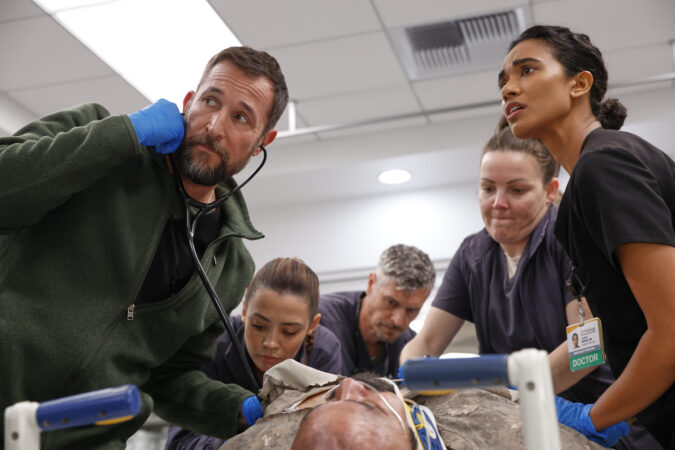
    Television characters who experience cardiac arrest outside a hospital are more likely to receive CPR than people in real life. But the CPR on these shows often depicts outdated practices and inaccuracies about who is most likely to experience cardiac arrest and where, according to newly published research from my team at the University of Pittsburgh.

    How CPR is portrayed in the media is important to understand because research has shown that health content on screen can influence viewers. When Buffalo Bills player Damar Hamlin suffered cardiac arrest during a game in January 2023, the world watched as medical professionals swiftly performed cardiopulmonary resuscitation. Hamlin went on to make a full recovery, and in the aftermath, a team of emergency medicine professionals and I at the University of Pittsburgh — where Hamlin is an alumnus — worked to teach all Division I athletes hands-only CPR.

    During the CPR training we held at Pittsburgh area middle schools and college athletic programs, participants frequently asked whether they should check for a pulse or give rescue breaths. Many mentioned seeing CPR on television shows like “Grey’s Anatomy.” While these are steps that medical professionals do when giving traditional CPR, hands-only CPR is an effective version recommended for untrained bystanders. After determining the person needs help and the scene is safe, hands-only CPR has just two steps: Calling 911 and giving hard and fast chest compressions.

    As someone who researches how medical topics on screen influence viewers, this piqued my curiosity. I wondered whether participants asked about checking a pulse or giving breaths in part because they saw these practices on screen.

    The power of media

    In 2022, my team and I analyzed 165 studies on the effects that health and medical content on scripted television has on viewers. We found that TV stories can influence viewers’ health-related attitudes, knowledge, and behaviors. Sometimes this influence can be harmful, such as exposing viewers to inaccurate information about organ donation from television. But sometimes it can be positive — one study found that viewers of an “ER” storyline about breast cancer were more likely to recommend screening and a patient navigator who supports patients through treatment.

    However, we hadn’t found any studies examining how seeing CPR on screen influences viewers. While previous studies on in-hospital cardiac arrest and CPR found inaccuracies with chest compression technique and survival rates in media, none had looked at portrayals of cardiac arrest that occur outside of hospitals and CPR conducted by a lay rescuer.

    Performing CPR on TV

    My team searched the internet Movie Database to identify episodes in American TV shows that depict out-of-hospital cardiac arrest or hands-only CPR. We limited our results to episodes released after 2008 — the year the American Heart Association first endorsed hands-only CPR. Of the 169 episodes that fit our criteria, we documented the sociodemographic characteristics of the character experiencing cardiac arrest and the primary witnesses, as well as whether, how, and where hands-only CPR was administered.

    On a positive note, we found that over 58% of on-screen characters who experienced cardiac arrest outside a hospital had a layperson perform CPR. But in real life, fewer than 40% of people who suffer cardiac arrest outside a hospital receive CPR. Seeing such high rates of CPR being performed on screen could motivate viewers to act, as in the case of a 12-year-old boy who saved a life in 2023 using the CPR techniques he saw on “Stranger Things.”

    However, fewer than 30% of episodes showed hands-only CPR being performed correctly. Almost 50% of episodes showed characters giving rescue breaths, and 43% of episodes had characters checking for a pulse. While we didn’t directly assess whether these episodes influence how viewers behave, based on our observations while conducting CPR training, it’s clear that these depictions may mislead viewers about how to administer hands-only CPR.

    Who gets CPR and where on screen

    Our findings also raise concern that how cardiac arrest is depicted on TV may mislead viewers about where cardiac emergencies happen and who may need CPR the most.

    Of the on-screen cardiac arrests that didn’t occur at a hospital, we found that only 20% happened at home. In real life, over 80% of nonhospital-based cardiac arrests occur at home.

    Additionally, those experiencing cardiac arrest on screen were younger than those in real life, with over 50% of characters under age 40. In real life, the average age is about 62.

    Lastly, we found that almost 65% of the people receiving hands-only CPR and 73% of rescuers performing CPR were white and male. This is consistent with real-world statistics, where people of color and women who experience cardiac arrest outside the hospital are less likely to receive CPR from a layperson.

    Accurate TV to save lives

    The American Heart Association’s 2025 guidelines for CPR and emergency cardiovascular care emphasized the need to help the general public envision themselves performing hands-only CPR and improve CPR education to ensure all people who need CPR receive it.

    Our team is working to understand what viewers take away from TV depictions of CPR, with the goal of collaborating with public health and medical professionals to improve how CPR is portrayed in Hollywood.

    Previous research has shown that entertainment narratives have the power to inspire altruistic behavior, and news reports have documented instances of people who perform CPR after seeing it on screen. Similarly, I believe scripted, compelling television may be a powerful, cost-effective way to improve CPR education and ultimately save lives.

    Beth Hoffman is an assistant professor of behavioral and community health sciences at the University of Pittsburgh.

    Reprinted from The Conversation.

  • The doctor is always in | Expert Opinion

    The doctor is always in | Expert Opinion

    It’s reassuring to have a doctor around when an unexpected medical emergency occurs.

    “Is there a doctor in the house?” is the infamous call when someone has chest pain on an aircraft, falls in the grocery store, faints in the theater, or experiences any sudden physical ailment or mishap. Recently, a physician colleague shared a story that illustrated the value of a foundational doctoring skill — empathetic communication — even in a situation that wouldn’t ordinarily call for a doctor’s expertise.

    My colleague was in a crowded pharmacy, and a number of customers were growing irritated by the slow progress at the photo station. A part required replacement, which slowed the processing of print orders. When one customer approached the store manager to air his frustration, the manager appeared to ignore him. Then the manager abruptly turned to the customer and shouted, “You can leave my store!”

    By now, lines were also getting longer at another checkout area, since the manager was too preoccupied with the photo problem to address the cashier’s issue. When he finally made it over, a customer expressed his frustration that so few checkout lanes were open.

    “You can leave my store!” the manager responded.

    My friend is a seasoned medical specialist who had been in line for a half hour himself. He observed the commotion and the manager’s dismissive retorts.

    He decided to approach the manager, but with a different opener. “You seem to be having a really awful day.”

    The manager looked up in surprise and replied, “You’re right. It’s been a horrendous day.”

    “You know,” my friend whispered with a half smile, “if you keep telling everyone to leave your store, that might not be so great for business.”

    They both chuckled a bit, and the tension in the room eased. The manager continued moving from task to task without much enthusiasm but my friend did not hear him invite anyone else to “leave my store.”

    Compassionate communication is not unique to medicine, but it is the skill that I consider most essential to ensuring that patients leave feeling relieved and reassured after a doctor’s visit.

    In the pharmacy, my friend never identified himself as a doctor, nor was he recognized as one. He didn’t need to. At the time, doctoring was not on his mind.

    As I listened to his story, it was clear that his ability to notice someone’s distress and convey empathy is now so professionally innate as to be just part of the way he exists in the world.

    Like the store manager, many of us may have been helped by a doctor in a nonclinical setting without realizing it. It’s nice to know those interpersonal skills don’t shut down at the conclusion of office hours.

    Jeffrey Millstein is an internist and regional medical director for Penn Primary and Specialty Care.

  • Is nutrition the key to ADHD? | Expert Opinion

    Is nutrition the key to ADHD? | Expert Opinion

    Years ago, I took my kindergartener with attention-deficit/hyperactivity disorder (ADHD) to a pediatric specialist for advice. She suggested we try the Feingold diet, an elimination diet that requires avoiding artificial dyes, sweeteners, and salicylates, naturally occurring substances found in many fruits and vegetables. With an already picky eater, I worried about how much I would need to eliminate and found the list included foods such as apples, berries, cucumbers, and tomatoes.

    I wondered, was diet the best way to manage ADHD?

    As a pediatrician, I often get this question from parents as they look for alternatives to stimulant medications for ADHD. The Feingold diet our pediatrician mentioned has been around since 1973. If it were a miracle cure, the parents of 7 million children with ADHD would have popularized it. However, the research on this diet is mixed, with the benefits being modest and not universal for all children with ADHD.

    Whenever confronting medical myths or treatments with limited, but potential benefits, I ask myself: is there harm in trying it?

    Elimination diets can cause some harm, especially if a child already has a limited palate, and further cuts may not meet their nutritional needs. In addition, as any parent of a child with food allergies knows, a restrictive diet requires strict adherence, meaning holidays, birthday parties, and traveling become extra challenging.

    Top federal health officials have presented a plan to phase out petroleum-based synthetic dyes from the food supply by 2028. Artificial dyes, especially Red No. 40, have been highlighted as triggers of hyperactivity, yet research indicates that only 8% of children with ADHD are sensitive to artificial dyes. Given that so few children are in this group, rather than focusing on elimination, a better approach may be emphasizing a healthy diet overall.

    Lately, rather than elimination diets, social media has popularized adding foods like saffron to the diet to manage hyperactivity symptoms. The research on saffron seems promising, with a similar effect on hyperactivity to methylphenidate, a popular stimulant medication for managing ADHD. However, the studies that exist are small and short- term, and the dosing needed is much more than would typically be used in cooking. Saffron is not regulated like medications are, so purity can’t be certain. This makes it hard to recommend saffron as a standard treatment at this time.

    Social media, which we scrutinize for accuracy on the Pediatric Health Chat website, seems to prefer addressing ADHD through diet rather than medication. This sends the message that medications are bad or to be avoided. Yet we know stimulants have been used for ADHD for over 85 years and are well tolerated by most children with a success rate of 70-90%. This success is measured through improvements in academic performance and lower risk of injuries. I have seen the use of stimulant medications provide life-changing benefits for some of my patients and their families.

    So, for my family, the Feingold diet’s cons outweighed the potential benefits, but to others it may not. We try to avoid artificial dyes and sweeteners, but also emphasize exercise, sleep hygiene, and screen time limits.

    ADHD management is more than nutrition or medication management, but includes important interventions like behavior training for parents, school-based supports, organizational skills training, and helping children learn to regulate their emotions. There’s no one-size-fits-all approach. A child’s treatment may evolve over time, as they develop and their ADHD symptoms change. Children with ADHD are much more varied than social media portrays, and families deserve the facts and freedom to make decisions that fit their child.

    Katie Lockwood MD, MEd is a primary care pediatrician at Children’s Hospital of Philadelphia. She and CHOP neonatologist Joanna Parga-Belinkie, MD, are co-founders of Pediatric Health Chat, (chop.edu/pediatric-health-chat), an online initiative providing resources for families looking for good information on the latest myths and misconceptions about children’s health.

  • The nursing crisis has a cure — and it begins in the classroom | Expert Opinion

    The nursing crisis has a cure — and it begins in the classroom | Expert Opinion

    The nation’s nursing shortage is straining hospitals, clinics, and long-term care facilities. Yet as this well-known crisis reaches a critical point, a quieter one threatens to make it worse: the growing shortage of nursing faculty. Without enough educators to train the next generation of nurses, efforts to expand the nursing workforce will fall short.

    A survey by the American Association of Colleges of Nursing last year found nearly 1,700 faculty vacancies in 808 schools nationwide. As a result, thousands of capable and motivated future nurses are turned away each year — not for lack of talent or drive, but because nursing schools do not have enough faculty to educate them. In 2024, more than 65,000 qualified applicants were not accepted into entry-level undergraduate nursing programs nationally. Expanding the educator pipeline is a critical piece of the solution to issues such as understaffing at hospitals and burnout among nurses facing increasing workloads.

    But building up the nursing faculty ranks involves challenges unique to academia. Many nurses pursue the doctoral education needed to become professors later in their careers, after years of clinical work. Those who do pursue doctoral degrees often have to reduce work hours, resulting in less income, and they have limited access to financial support for their education or loan repayment programs.

    Then nurses who go into teaching typically earn significantly less. Practicing nurses can earn up to $40,000 to $50,000 more annually than those in academia. Given this pay gap, and heavy teaching loads and administrative duties for faculty at nursing schools, it is no surprise that many nurses choose the bedside over the classroom.

    The Bureau of Labor Statistics predicts a steady 6% annual growth in nursing jobs through 2033 — meaning nearly 200,000 new nurses will be needed each year. We simply can’t graduate enough new nurses if there aren’t enough qualified faculty to educate them.

    Another growing challenge is the shortage of clinical placements — essential hands-on experiences through which nursing students train. Today, healthcare systems are accepting fewer nursing students for clinical training than they did a decade ago, when educating the next generation was seen as an institutional responsibility. One reason is that healthcare organizations now employ many nurses who are new to practice themselves and may not feel prepared to precept students. There’s also more pressure on healthcare organizations to focus on financial efficiency, with providers caring for more patients to generate more revenue.

    This has left hospital nurses and physicians increasingly reluctant to serve as preceptors — mentors who guide nursing students during clinical rotations. Facing intense pressure to meet productivity targets, they worry that mentoring students will slow down patient care, impacting them financially. This shortage of preceptors makes it challenging for students to complete the clinical hours required to graduate.

    To address this concern, several Philadelphia-area nursing deans, including myself, are advocating for policy changes that could attract more physicians and nurses to serve as clinical preceptors. We’re meeting with Pennsylvania state leaders in Harrisburg to lobby for tax incentives adopted successfully in several states, such as to provide $2,000 to $3,000 in annual tax relief directly to the nurses, and sometimes the institution, as an incentive to address preceptor shortages.

    Simulation learning centers offer another promising strategy to give nursing students hands-on experience without always needing bedside placements. But to truly move the needle on the nursing shortage, universities must also support and invest in educators. At Villanova University, we’re trying to innovate with programs such as the Conway Scholars Program — an accelerated PHD program in which scholars are prepared for and commit to nursing education positions upon completion. This program is unique because students are supported financially to complete the training within three years, in contrast with the typical four-to six-year trajectory.

    To patients, the nursing shortage may mean longer time spent in the waiting room and slower care at the bedside. But for those of us in healthcare education, it signals a looming crisis that threatens patient outcomes. We must act now.

    Donna S. Havens, PhD, RN, FAAN is the Connelly Endowed Dean and Professor at Villanova University’s M. Louise Fitzpatrick College of Nursing. She is a registered nurse and health services researcher focusing on nurse workforce issues.

  • Buscando respuestas sobre el autismo: un experto de CHOP desmiente los 5 mitos principales

    Buscando respuestas sobre el autismo: un experto de CHOP desmiente los 5 mitos principales

    Varios padres me pidieron mi opinión cuando la Administración de Alimentos y Medicamentos (FDA) anunció recientemente una advertencia sobre el acetaminofén por su supuesto vínculo con el autismo, y cuando la agencia apoyó el uso de leucovorina como tratamiento para el autismo pese a la falta de evidencia científica. Y estoy segura de que recibiré preguntas sobre la nueva afirmación en la página web de los Centros para el Control y la Prevención de Enfermedades (CDC) de que no se puede “descartar” un vínculo entre las vacunas y el autismo.

    Como pediatra del desarrollo y del comportamiento quien atiende a muchos niños dentro del espectro autista, me gusta conversar con las familias sobre lo que escuchan.

    Las familias con niños en el espectro pueden sentirse desorientadas por los “influencers” del internet quienes promocionan diferentes teorías, productos y tratamientos alternativos. Estas familias quieren hacer todo lo posible para apoyar a sus hijos, por lo tanto buscan información en todas partes.

    Las familias buscan alternativas porque muchos de nuestros tratamientos actuales no son efectivos para todos los niños, y aquellos que funcionan bien pueden requerir un esfuerzo intenso por parte de maestros, terapeutas y cuidadores. Como doctora, intento compartir con las familias la evidencia disponible para que puedan tomar decisiones informadas.

    La promoción de tratamientos y teorías sobre el supuesto aumento en autismo no es nueva. Pero cuando los funcionarios del gobierno hablan mucho sobre el autismo y el internet está lleno de “información” desconectada de la prueba científica, es más importante que nunca que los clínicos y los funcionarios de salud pública se acerquen a los padres con compasión, honestidad y evidencia.

    En el Hospital de Niños de Filadelphia (CHOP), El Pediatric Health Chat está rastreando mitos y rumores médicos, incluyendo aquellos relacionados al autismo. Basado en esos datos y en conversaciones con padres, aquí están las cinco cosas principales que desearía que mis familias supieran:

    1. El autismo no es una epidemia

    Aunque es cierto que el número de niños con trastorno del espectro autista sigue aumentando en todos los grupos sociodemográficos, no hay evidencia de que un único tóxico ambiental u otro factor sea la causa. De hecho, los estudios más sólidos muestran que gran parte del aumento del autismo durante los últimos 20 años se debe a una mayor detección de la condición, lo que ha permitido dejar de lado diagnósticos incorrectos establecidos antes; y al hecho de que ahora se conocen más características y conductas como señales de autismo. Así que, aunque los diagnósticos de autismo estén en alza, no hay evidencia de una epidemia: el autismo está aumentando, pero no es un brote de enfermedad repentino como COVID.

    2. Las vacunas no causan autismo

    El mito de que las vacunas causan autismo se originó en un estudio británico de los años 90 con apenas 12 niños que resultó ser tan fraudulento que la revista científica que lo publicó terminó retrayéndolo. Algunas personas insisten en que, dado que el autismo ha seguido en aumento —y se han desarrollado vacunas nuevas— debe existir algún tipo de vínculo. Pero que dos cosas ocurran al mismo tiempo, no significa que una cause la otra. (Un ejemplo clásico es que tanto las ventas de helado como los ahogamientos aumentan en verano, pero nadie afirma que el helado cause ahogamientos).

    Como explica el Centro de Educación de Vacunas de CHOP, han habido varios estudios bien realizados que no han encontrado vínculo entre las vacunas y el autismo. Las vacunas salvan vidas, y la evidencia sobre su seguridad en relación con el autismo es extensiva. Animo a todas las familias de mis pacientes a vacunar a sus hijos. Me enorgullece decir que vacuno a mis propios hijos siguiendo los calendarios recomendados, para protegerlos de infecciones prevenibles.

    3. El acetaminofén no causa autismo

    Aunque algunos estudios pequeños han encontrado una asociación entre el uso prenatal de acetaminofén y el autismo, los estudios más grandes y sólidos no han encontrado esa asociación. Estudios que no consideran factores como el motivo por el que la persona embarazada toma acetaminofén o si hay hermanos en el espectro autista pueden concluir de manera inexacta que el acetaminofén es una causa cuando no lo es. La verdad es que las fiebres altas durante el embarazo son peligrosas, y el acetaminofén, el ingrediente activo de Tylenol, es el medicamento más seguro que tenemos para combatir la fiebre. No dudaría en recomendar acetaminofén durante el embarazo cuando sea necesario.

    4. La leucovorina no es un tratamiento probado para el autismo

    La primavera pasada apareció una noticia sobre un niño que se volvió más verbal tras tomar leucovorina (también conocida como ácido folínico, un medicamento usado en pacientes con cáncere quereciben quimioterapia). Desde entonces, las solicitudes para empezar leucovorina de parte de familias en la comunidad del autismo han aumentado. Sin embargo, la evidencia sobre la efectividad de la leucovorina es extremadamente limitada. Por ejemplo, niños en grupos con placebo —los que no recibieron leucovorina— mostraron mejoramientos similares a los que la recibieron. Algunas familias abandonaron el tratamiento porque sus hijos se volvieron más agresivos al recibir leucovorina. Necesitamos ensayos controlados aleatorizados más grandes y bien diseñados antes de sentirme cómoda recomendando leucovorina a mis pacientes.

    5. La suspuesta “comunicación facilitada” no ayuda a los niños con autismo

    Hace varias décadas, la comunicación facilitada (en la cual un facilitador toca al paciente para “ayudarle a deletrear” en un teclado o tablero de letras) fue completamente desacreditada por estudios que demostraron que el facilitador guiaba las respuestas y no ayudaba a la persona a comunicar sus propios pensamientos.

    Sin embargo, la comunicación facilitada (CF) ha reaparecido en forma de otras “terapias” como la mecanografía apoyada y a través del podcast “Telepathy Tapes”. No son más que CF con otro nombre y tampoco llevan evidencia.

    Por otra parte, la comunicación aumentativa o alternativa, mediante la cual los individuos usan por sí mismos estrategias alternativas o dispositivos “hablantes” para expresarse (en lugar de que un facilitador les ayude físicamente), está fuertemente respaldada por la evidencia. Entiendo por qué las familias quieren brindar a sus hijos todas las oportunidades para expresarse; por eso les insto a optar por los métodos que han demostrado ayudarles a alcanzar sus objetivos.

    Lo que más me preocupa es que, entrelazado en todos estos mitos y desinformación, esté la creencia implícita de que las personas con autismo no tienen valor o no pueden llevar vidas felices y exitosas. Si bien algunas personas del espectro autista tienen dificultades para vivir de forma independiente y pueden presentar conductas desafiantes, todas estas personas merecen dignidad y respeto. Seguir encontrando maneras de apoyar mejor a las personas con autismo y a sus familias, para permitirles alcanzar su máximo potencial, debe ser la prioridad.

    Gracias a Dra. Gloria Gutierrez por su ayuda con la traducción.

    Nota del editor: El Pediatric Health Chat es una iniciativa en el internet del Hospital de Niños de Filadelphia (CHOP) que investiga a los mitos y conceptos erróneos más recientes sobre la salud infantil. Kate E. Wallis, MD, MPH, es una pediatra del desarrollo y del comportamiento en la División de Pediatría del Desarrollo y del Comportamiento del Hospital de Niños de Filadelphia (CHOP).