Category: Health

  • Penn doctor studied PCOS symptoms for more than a decade to rename the syndrome PMOS

    Penn doctor studied PCOS symptoms for more than a decade to rename the syndrome PMOS

    University of Pennsylvania doctor Anuja Dokras spent the last 14 years working to rename a common medical condition that can impact fertility in women, called polycystic ovary syndrome, or PCOS.

    Rooted in outdated science, the name often confused her patients into incorrectly thinking they had cysts on their ovaries.

    It also made people think the disorder — which affects one in eight women — was primarily gynecologic in nature, when it actually has whole-body effects.

    “We knew this was a misnomer,” Dokras said.

    An international group of experts, including Dokras, announced in May that PCOS would now be called polyendocrine metabolic ovarian syndrome (PMOS), in an article published in the medical journal The Lancet.

    The new name is meant to capture the broader hormonal and metabolic effects of the condition.

    Dokras estimates it will take another three years to formally classify PMOS as an endocrine condition, change insurance billing codes, and update published literature.

    Scientists also need to get the word out to patients, doctors, and the public at large. The previous name had been around since 1935.

    The Inquirer spoke with Dokras, director of the Penn PMOS Center, about the name change and the impact she hopes it makes.

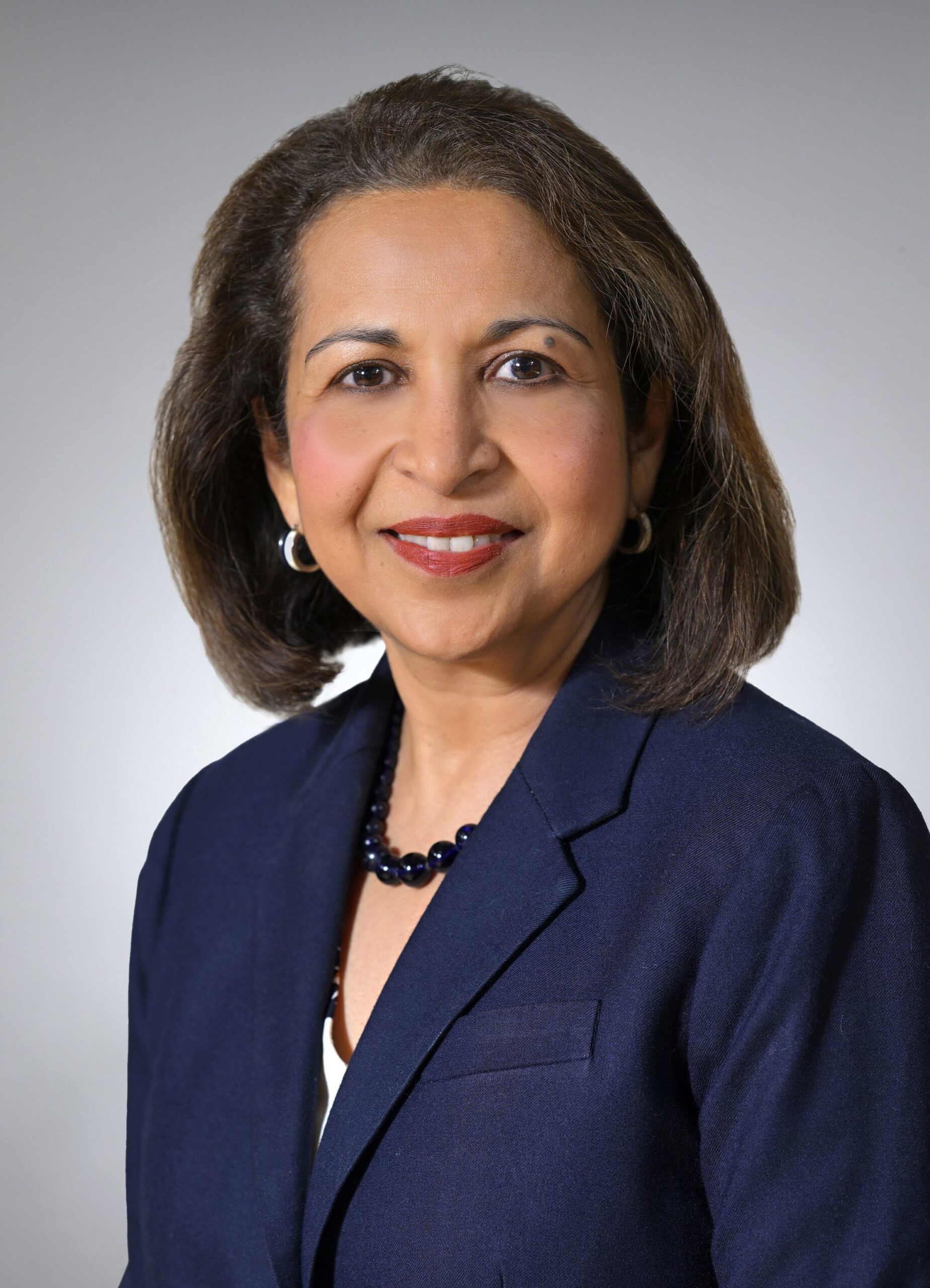
    Anuja Dokras directs the Penn PMOS Center and played a key role in the renaming process.
    What is PMOS?

    It’s the most common endocrine disorder in women.

    The presentations are typically irregular menses (menstrual periods) and increased hair growth and acne. We also typically see lots of follicles within the ovaries. Those three become the criteria for making the diagnosis.

    Research from my group and others has shown that these patients are at a high risk for cardiometabolic complications, including high cholesterol, high blood pressure, diabetes, or problems with their blood sugar and weight gain. They also have an increased risk of mental health conditions like depression, anxiety, and disordered eating.

    When did you start to question the name PCOS?

    When I began to work in this space, it was clear that women [with PCOS] did not have large cysts on their ovaries. What they had were small follicles, and each of the follicles contain eggs. It’s part of their fertility.

    As we asked patients what symptoms they were most concerned about, they talked about ovarian cysts, which was because of said misnomer.

    We spend a lot of time correcting that misinformation when patients come to see us. Then we have to reassure them and say, ‘you don’t have a big cyst in the ovary. It’s not going to rupture, it’s not going to twist.’

    How did the idea for a name change came up?

    The first time it was brought up was when we had a meeting at the National Institutes of Health in 2012. The reviewing panel came back and said, “We suggest you change the name, because the name doesn’t represent everything that you have shared with us about the advances in this condition.” That’s when the journey began.

    What did the renaming process involve?

    Surveys went out to patients and the providers that offer care. We made sure that there were responses from different world regions as well.

    The patients didn’t want a word that would be stigmatizing. If you have a condition that’s going to affect your fertility, that is not viewed favorably by families, and patients were very concerned about the choice of words. They also wanted words where there’s clarity, so you can communicate easily.

    Finally, there were workshops where the medical professional societies and patient groups across the globe sent one representative each.

    How did the name polyendocrine metabolic ovarian syndrome (PMOS) come about?

    This is an endocrine condition, which means that there are certain organs within the body that are making hormones and those hormones are not working well. They’re either over-secreted or under-secreted. The word ‘poly’ was attached, because it was not just one hormone. A lot of different endocrine glands or organs are involved.

    Then metabolic was added because there are a number of cardiometabolic abnormalities: the high cholesterol, glucose problems or diabetes, high blood pressure, and obesity.

    We left ovarian because we also had marketing input and there were some suggestions to not be completely different (from PCOS) because that’s going to be confusing.

    And we needed the word syndrome because it still describes a constellation of features.

    How has the response been to the name change?

    It was more than what we had expected. I think we live in a very different world now, where communicating with the patients is on a different level. It’s not just through publications. The patient community and the advocates got the news very quickly because of social media. It was lit up.

    In terms of getting the information out to the medical community, it’s always going to be a little slower. We’ll continue to do that at different meetings.

    We’ve said it may be a three-year transition.

    What work remains?

    The first step was the communication and getting the message out. Then in parallel, there needs to be a smooth transition in terms of our research publications. We don’t want to lose out what was published under the name of PCOS because now it’s PMOS.

    When patients go to see their doctors, there’ll have to be a transition in the electronic health records, in terms of the terminology and insurance companies trying to understand this new word PMOS. The codes for billing will need to change.

    We’re also trying to do a research reclassification. PMOS was formally considered an ovarian condition, and we’re trying to switch it now to become an endocrine condition.

    What do you hope this name change accomplishes?

    I’m hoping that, from the patient perspective, they’re going to be less worried about cysts in the ovaries. I’m also hoping they will get earlier diagnoses because the name includes endocrine and metabolic. Now we’re hoping that all these different specialties will take some ownership of the syndrome, and that way the patient is not hopping between different caregivers.

    For the researchers — I’m one of them — I do hope that there’ll be increased funding. We still have a lot of gaps in knowledge, and we need to do a lot more research.

    We hope that there would be funding, not just from the institutions that support women’s health, but from those that support diabetes, endocrinology, heart disease, dermatology, and mental health.

    We hope that a name that’s so comprehensive and broad gets more people invested in helping answer some of these very important questions.

  • We asked nurses. Here are the at-home medical items they swear by.

    We asked nurses. Here are the at-home medical items they swear by.

    Peeking inside somebody’s medicine cabinet is a no-no, which is a big part of what makes poking around all those tubes and bottles so tempting. (Still, don’t. It’s not only rude, but also an egregious violation of privacy.) But what if someone were to invite you into their medicine cabinet, and then took it a step further by showing you the items they swear by for every ailment under the sun? Fabulous!

    In service of bringing you that exact experience, we asked nurses — and, truly, who better than nurses? — to tell us what they always keep stocked in their medicine cabinets. And any items you can’t do without? Let us know in the comments.

    (Responses have been edited for length and clarity.)

    Hanna Weitzman-Flanigan, a nurse-practitioner in New York City

    Tylenol is the universal answer. Headache? Tylenol. Sore back after a 12-hour shift? Tylenol. Low-grade fever? You guessed it. It’s the “don’t overthink it” solution — reliable, effective, and always within reach.

    Rubbing alcohol is one of those quiet MVPs. Need to clean a cut? Done. Disinfect something quickly? Easy. Somehow get marker, sticker residue or who knows what on your skin? Rubbing alcohol has entered the chat. I love it because it’s simple and it works without fuss.

    I use Band-Aids for almost everything. Paper cut, kitchen nick, blister from new shoes … it’s getting a Band-Aid. Part comfort, part prevention, all habit.

    Benadryl cream is a favorite for all the annoying things — bug bites, mystery rashes, skin that just suddenly decides to act up. It’s the “Why is this itchy, and how do I make it stop immediately?” solution. And it usually works.

    Vicks VapoRub is basically magic. Congestion? Vicks. Cough? Vicks. Headache, sore muscles, questionable life decisions? Somehow … also Vicks. It’s part remedy, part nostalgia, and 100% a staple in my home.

    Zac Shepherd, an intensive care unit travel nurse

    Electrolytes. I keep these around because they’re useful in a lot more situations than people realize. Travel, stomach bugs, heat, long days, hard workouts, or simply not drinking enough water. As an ICU nurse, I’ve seen firsthand how much electrolyte imbalances can affect the body. That said, more isn’t always better — don’t take them just for the sake of taking them. Electrolytes that are too high can be just as dangerous as electrolytes that are too low.

    Vaseline. It’s not exciting, but I probably use it more than anything else on this list. Dry skin, chapped lips, minor cuts, irritated skin. There’s always a tub of it somewhere in my house.

    A blood pressure cuff. Working in the ICU has made me appreciate having objective information. If something feels off, getting a useful piece of data like your blood pressure can help you decide what to do next. Checking it periodically can also help you understand what’s normal for you, especially if white coat syndrome tends to make you run higher at the doctor’s office or hospital.

    Ibuprofen (Advil). It’s a staple for a reason. Headaches, sore muscles, back pain, minor injuries. It’s one of those things that has a permanent spot in my medicine cabinet. When appropriate, alternating it with Tylenol can be a very effective way to manage pain.

    Jennifer Armendariz, a nurse-practitioner in Texas

    Oscillococcinum is a homeopathic product that I keep on hand at all times. As soon as someone starts to feel a cold coming on, we start taking it.

    Excedrin migraine. My daughter and I both suffer from migraines. I keep this at home and in my purse.

    Magnesium glycinate to help with sleep. I will also pair Excedrin and magnesium when I have a headache.

    Arnica ointment for any bruising to help speed up the healing process.

    Aloe vera gel is especially helpful during the summer if you’re out in the sun too long. The plant is best, but you can get the gel as well.

    Icy Hot or Biofreeze are great for muscle aches or joint pain.

    Bonnie Fecowicz, a registered nurse in New Hampshire

    Aleve, cortisone cream, Band-Aids, and antidiarrheal meds. Nothing impairs you more than having to find a bathroom frequently! I used to host teenagers and young adults for summer vacations, and no matter what they were up to the night before, these things got them through the next day.

    Louis Joseph, a neonatal ICU nurse in Chicago

    Castor oil. It helps with digestion, skin care, hair care, hair growth. I was born in Haiti, and it’s something everyone keeps in their home.

    Vicks VapoRub. When you rub it on your chest or under your nose, all that menthol and the minty smell help to open your sinuses. It warms and cools your skin, and it seems as if it can fix anything, like a headache, a cold, or a stuffy nose. It may be a superstitious thing, but someway, somehow it helps you feel better.

    Baby aspirin. It’s good for treating pain, and it’s an antiplatelet.

    Albuterol inhaler for asthma. Cold and flu medication. Tums.

    Also, in my backpack that I take everywhere, I carry a mini medicine cabinet that has baby aspirin, cough drops, acetaminophen (Tylenol),a blood pressure cuff, a stethoscope, an ophthalmoscope, and emergency albuterol. There are a lot of kids in the city and in my neighborhood with asthma because of air pollution. So I like to keep things around just in case. Everyone around me knows that I’m the go-to for anything.

    Diane Plas, a family nurse-practitioner in Texas

    Second-generation antihistamines, like loratadine (Claritin), cetirizine (Zyrtec), fexofenadine (Allegra), or levocetirizine (Xyzal), are multipurpose medicines. When the weather changes, when a wind storm blows in, or when new flora blooms, they come to the rescue to treat troubling allergies. You can also grab these antihistamines to treat itchy skin and rashes caused by allergies, and they also come in handy for skin breakouts due to new cosmetics and self-care items, irritation from certain fabrics, food allergies, and pet allergies. It’s best to have antihistamines on hand year-round.

    I always have a trio of meds to cover all GI issues: Gaviscon — you want something quick and chewable to help with heartburn, indigestion, and GERD. An antidiarrheal may not be needed very frequently, but when you need it, you need it! No one wants to go out to the pharmacy during a bout of this type of tummy trouble. Stool softeners like Colace or Miralax that pull water into the bowel without a stimulant. You can ensure everything keeps moving without the dramatics of a stimulant. This is also great for travel.

    Antifungal cream for itchy rashes along toes, underarms, and skin folds. They often increase in hot, humid, and sweaty areas and can be very bothersome. Treating these rashes quickly helps prevent them from spreading.

    You can put hydrocortisone on so many trouble spots. It will help with inflammation and itchy areas due to contact dermatitis, allergies, and yeast.

    Jessica Varghese, a registered nurse in New York

    Vicks VapoRub is my go-to solution for everything. From headaches, to chest congestion, to general uneasiness, Vicks is the remedy. When I was pregnant, the smell even helped my nausea. It’s the answer to many ailments.

    I carry Benadryl in my purse and have used it in emergency situations in the community. Benadryl can be used when there is some type of allergic reaction. Having a child with an egg allergy, it has come in handy when certain things you don’t account for have egg, such as brioche or certain ice creams. It can also be used to help with itching, induce sleep, or as a treatment for hay fever.

    Tweezers. Someone is always getting something stuck somewhere. It’s very helpful for splinter removal, ticks, and bee stings, which happen a great deal outdoors.

    Chai calms you from the inside out (I usually store that in my kitchen cabinet, not my medicine cabinet, but it still serves the same medicinal purpose). I make it with ginger and cardamom, and it is very therapeutic for healing.

    Pam Vollmer, a registered nurse in Florida

    Fever reducer. Acetaminophen is the best choice here.

    Nonsteroidal anti-inflammatory. I prefer ibuprofen for this, but naproxen (Aleve) is another excellent over-the-counter choice. Doses of ibuprofen range from 400 to 800 mg. My rule of thumb is that if the pain I have is not bad enough to need an 800-mg dose, then I don’t take anything at all.

    Antihistamine for severe reactions. My go-to for this is diphenhydramine (Benadryl). The antihistamine kept on hand should be something that can treat allergic emergencies, not simply daily or seasonal type allergies.

    Sandra Russo, a registered nurse in New York City

    Two pain relievers: plain acetaminophen and plain ibuprofen, both in one standard strength so nobody has to squint at labels when they don’t feel well. If someone has a low‑grade fever, a headache, or just feels achy, we start with acetaminophen. If it’s something clearly inflamed, like a twisted ankle, a sore back after too much lifting, or dental pain, that’s when I pull out the ibuprofen.

    There’s always a nondrowsy antihistamine (I usually buy cetirizine), a small bottle of diphenhydramine and a tube of 1% hydrocortisone cream. Between those three, we’ve gotten through bug bites, surprise rashes from who‑knows‑what, and random hives that show up right before bed. Aloe gel and a battered bottle of calamine lotion live there, too, because in the summer someone is always coming home sunburned or bitten.

    For stomach and “I knew that second slice was a bad idea” problems, I keep chewable antacids, loperamide (Imodium), and a couple of electrolyte drinks or powder packets.

    If there’s a bug going around, I add honey, throat lozenges, and saline spray to the rotation before I reach for anything stronger.

    And because the nurse part of my brain never fully clocks out, there’s a small first aid box tucked nearby — containing bandages in too many sizes, gauze, tape, antibiotic ointment, alcohol wipes, tweezers, a tiny pair of scissors, gloves — and a reusable ice pack waiting in the freezer.

    A plain digital thermometer is the unsung hero of the whole setup. It’s not glamorous, but it’s the thing I reach for first.

    Veneta Simone Easter, a registered nurse in California

    I find myself always reaching for the following three things again and again that I will always recommend having. Witch hazel should be a staple for everyone because it’s so versatile. It can be used to soothe irritated skin, calm any redness, refresh your skin when needed. It’s also great if you get a bug bite or a minor scrape as it gives you fast relief. This product is inexpensive and simple, and I highly recommend it.

    Medical-grade hyaluronic acid is great in the serum form, and for skin care this is my top recommendation. No better way to get healthy, hydrated skin. A quality serum helps maintain and protect the skin’s barrier, gives you instant hydration and can be used for all skin types. A win-win for everyone.

    Sunscreen is next, and this is nonnegotiable! Go for a mineral sunscreen with an SPF of at least 30 for daily sun protection and use. This product will help prevent premature aging, hyperpigmentation and, of course, protect your skin from sun damage.

    Jeff Doucette, a chief nurse officer in Pennsylvania

    The three must-haves in my medicine cabinet are a tub of CeraVe Moisturizing Cream for all the handwashing and rehydrating; it’s second to none! Lumify eye drops: With all my travel, something to clear up red eyes from flights and different hotels, no day starts without a couple of drops. SPF 30 light facial moisturizer: No face should leave the house without it.

    Karen Selby, registered nurse and patient advocate in Florida

    I always have a supply of the classic first aid kit essentials: burn cream, antibiotic ointment, aspirin, antacids, and Tylenol. But in addition to those, I always have a supply of Tegaderm transparent dressing. This is a great way to keep wounds clean and dry, especially in the summer months.

    Another must-have is some type of woven sleeve bandage, which is perfect for keeping those scraped knees and elbows clean and covered.

    Jessica Wise, a licensed practical nurse in Pennsylvania

    Burn gel is crucial to stop wounds from continuing to burn and blister.

    Saline wound wash as a “hurt free” rinse for boo-boos. My kiddos think it’s magic! Butterfly dressings to help keep wounds/cuts closed.

    A Dechoker helps remove foreign objects from airways — you will never know when you need it!

    All the Band-Aids: every shape, size, color, and character of Band-Aids, because the kids go through 100 a day, even if they aren’t actually needed.

    Fedline Lysius, a senior nurse clinician in New York City

    A heating pad is one of my go-to recommendations because it can provide soothing relief for muscle tension, menstrual cramps, back pain, and stress-related tightness.

    I keep oral rehydration packets on hand, as they can be especially helpful during illness, after travel, following strenuous activity, or any time dehydration contributes to fatigue, headaches, or dizziness.

    I swear by aromatherapy rollers containing ingredients such as peppermint. Many people find these useful for easing tension headaches, promoting relaxation, and creating a sense of calm during stressful moments.

    Another favorite is a simple stress ball, which can serve as a practical mindfulness tool by helping release nervous energy, improve focus, and encourage grounding during periods of stress and overwhelm.
  • NovaCare Rehabilitation’s parent, Select Medical, was sold in $3.9 billion private equity deal

    NovaCare Rehabilitation’s parent, Select Medical, was sold in $3.9 billion private equity deal

    NovaCare Rehabilitation’s parent company, Select Medical Holdings Corp., was taken private in $3.9 billion private equity deal this week.

    NovaCare has more than 100 physical therapy locations in the Philadelphia region, including some through a partnership with Rothman Orthopaedics.

    For 25 years, NovaCare sponsored the Philadelphia Eagles practice complex in South Philadelphia. Jefferson Health took over the sponsorship this year.

    Top management joined private-equity firm Welsh, Carson, Anderson & Stowe in the acquisition of Select Medical, which is based in Mechanicsburg, Pa. The sale was completed Wednesday. The price per share was $16.50 per share, an 18% premium to the latest close before the deal was announced in November.

    In addition to outpatient physical therapy through NovaCare and other subsidiaries at 1,850 locations in 36 states, Select Medical operates 104 long-term acute-care hospitals in 28 states and 38 rehabilitation hospitals in 15 states. The company has more than 45,000 employees and had $5.5 billion in revenue last year.

    Select Medical acquired NovaCare in 1999. Publicly traded NovaCare fell on hard times because of Medicare reimbursement changes under the federal Budget Reconciliation Act in 1997. The law capped reimbursement for speech, physical, and occupational therapy in nursing homes.

    The company, then headquartered in King of Prussia, lost $700 million in annual revenue because of those changes, The Inquirer reported at the time.

  • Connolly Dermatology, a once fast-growing practice, faces N.J. lawsuit over unpaid wages

    Connolly Dermatology, a once fast-growing practice, faces N.J. lawsuit over unpaid wages

    A former Connolly Dermatology employee filed a lawsuit Thursday in Atlantic County, N.J., seeking unpaid wages for herself and other employees of the once fast-growing skin care practice.

    The plaintiff, Tracy Piccardo, worked in the Linwood office as a receptionist. More than 70 employees owed back pay had been identified, according to her lawsuit, filed in Superior Court by David R. Castellani. Piccardo did not immediately respond to a text seeking comment on the lawsuit.

    The practice’s owner, dermatologist Coyle S. Connolly, did not provide an on-the-record comment.. At its peak, Connolly had 30 locations, mostly in New Jersey and Pennsylvania. It’s not clear if any of them are open now.

    Connolly’s practice stood out as Medicare’s top biller three consecutive years for a skin cancer treatment that saw a 40% reimbursement cut this year under the government insurance program.

    The lawsuit alleges violations of the state’s Wage Payment Law/Wage Theft Act, breach of contract, and unjust enrichment.

    It seeks payment of back wages with interest, damages to be determined at trial, and attorney’s fees. The complaint had no estimate of how much money is at stake.

    Increasing financial pressure

    Piccardo told The Inquirer in May that the practice had been short on supplies, such as paper towels, toilet paper, paper toner for months.

    At that point, Piccardo and other employees hadn’t been paid for three weeks, she said at the time. That was the second payroll lapse this year, Piccardo and other employees told The Inquirer.

    The New Jersey Department of Labor said in May that it was investigating complaints about missed payrolls.

    At least two Connolly landlords have sued over unpaid rent since May.

    In early May, the owner of a Montgomeryville office sued to take possession of it after Connolly allegedly failed to pay rent in April.

    Last month, a landlord sued Connolly for unpaid rent on a property in Middle Township, N.J., that the practice had occupied since 2007. The lawsuit says Connolly was delinquent on more than $39,000 of rent.

  • Inside Pa.’s measles outbreak: A family rides out the virus, doctors treat severely ill children

    Inside Pa.’s measles outbreak: A family rides out the virus, doctors treat severely ill children

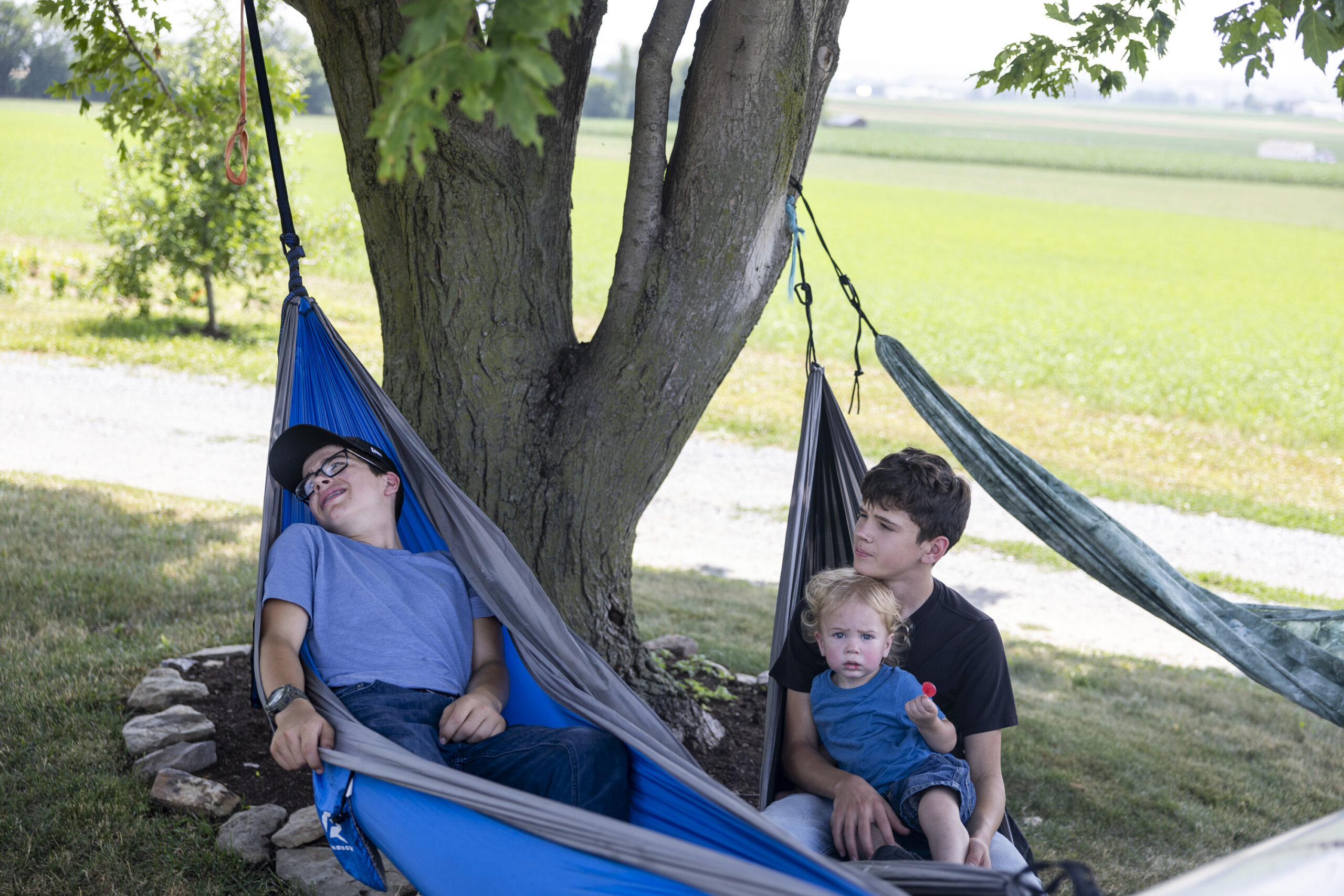
    On a small Lancaster County farm last month, five of the eight King siblings sprawled on the living room floor, sucking on ice pops and listening to calming music, trying not to scratch their itchy skin.

    The next county over, in Hershey, children were lying in hospital beds as their immune systems battled an infection damaging their organs.

    They all had measles.

    One of the most contagious diseases has made a resurgence in Pennsylvania and across the country as growing numbers of people are refusing the highly effective vaccine that prevents its spread.

    Pennsylvania is now seeing its worst measles outbreak in 30 years, centered around rural counties just west of the Philadelphia metro area. Lancaster County has emerged as a particular hot spot, with 51 of the 89 total measles cases reported this year in the state.

    Anti-vaccination sentiment is prevalent in Lancaster County, where vaccination rates among kindergarteners are some of the lowest in the state. Known for its agricultural bounty and the Amish and Mennonite communities that dot its rural landscapes, Lancaster is also home to the state’s eighth-largest city with an economy heavily supported by tourism and entertainment.

    In Lancaster, doctors say many are flocking to local clinics and pop-up vaccination events as cases rise. But others, like the King family, remain resolute in their decision not to vaccinate, instead preparing to ride out what they hope will be an inconvenient summer interruption that builds character and family bonding.

    The family isolated in their home for weeks in June while all eight unvaccinated children, who range in age from a 1 to 15, recovered from measles. Their 14-year-old son experienced the most severe symptoms, and went to the emergency department when coughing and nausea rendered him unable to keep down water or medicine.

    “Measles isn’t fun, seeing your kids sick isn’t fun,” said Gina King, 41, who lives outside New Holland. But, she added, “I know this is going to be added to the King family core memories.”

    The 89 cases Pennsylvania has recorded so far this year exceed by more than five times the cases recorded in 2025. Doctors say the official tally may be an undercount, with many cases going unreported.

    The virus reached the Philadelphia region earlier this week, when Chester County reported two cases.

    An Inquirer analysis found both the metropolis and state increasingly have become vulnerable to a major outbreak. In the 2024-2025 school year, kindergarten vaccination rates in 50 of Pennsylvania’s 67 counties were below the 95% vaccination rate scientists consider necessary to keep the virus from spreading. And even in counties with vaccination rates near so-called “herd immunity,” school-level vaccine data show that susceptible communities pockmark the region.

    The majority of measles cases resolve in weeks with mild-to-moderate flulike symptoms, but the disease can take life-altering and even deadly turns, especially for young children.

    Doctors and nurses who spoke to The Inquirer could not comment on the King family’s experience because they did not treat them.

    But they cautioned that they have seen the harm measles can do to a child’s body: neurological damage, respiratory infections, and pneumonia, which can lead to death.

    “Each one of those cases where a child suffers something really devastating — it only takes seeing one for it to really be something that hits home very hard,” said Evan Shirey, a pediatric infectious disease physician who has treated several children with measles at Penn State Health Golisano Children’s Hospital this year.

    On the front lines of measles

    As a medical student, Shirey never expected he would treat a measles case himself. By 2000, vaccination rates across the United States were so high that the disease was declared eliminated.

    “I read the textbooks like they were history books,” Shirey said.

    But as vaccination rates decreased, he and other providers began preparing in the last couple of years. He feared inevitably seeing cases like the several adults and children treated at Penn State hospitals this year.

    He declined to share details on the cases, saying hospitalization numbers are low enough that doing so would risk compromising patients’ privacy.

    Shirey said he’s also fielding “constant” phone calls from pediatricians all over the state as they prepare for — or deal with — emerging measles cases.

    Intensive protection measures implemented at Penn State hospitals in Dauphin County, for example, include testing patients with respiratory symptoms, or who were potentially exposed to measles, and isolating them while they wait for test results.

    The virus is so contagious, it can infect nine in 10 people who haven’t been vaccinated.

    “Airborne diseases are a whole other world,” said Nancy Himmelberger, a critical care registered nurse at Golisano Children’s Hospital and the vice president of its nurses’ union, which is affiliated with SEIU.

    Shirey tries to explain to parents why vaccination is the best defense against measles. “I do encounter a lot of parents who truly want the best for their child, and they’re afraid because of what they see on TV or social media.”

    The Centers for Disease Control and Prevention recommends children receive two doses of the measles, mumps, rubella (MMR) vaccine at 1 year of age and before starting kindergarten, typically around age 5.

    The vaccine is among those required for students to attend school, though Pennsylvania’s lax rules allow families to opt out for medical, religious, or philosophical reasons.

    In response to rising cases, Pennsylvania earlier this year updated its guidelines to recommend babies be given their first dose as early as 6 months.

    Once someone is infected with measles, Shirey stresses, no treatments are available that specifically target the virus.

    Vitamin A may be given to children who have been hospitalized with severe measles symptoms, but it is not a cure and cannot prevent the disease. Excessive amounts of vitamin A can be dangerous.

    “For measles, it is supportive care and trying to manage the complications that occur,” Shirey said.

    Gina King and her daughters pick strawberries at their home in Lancaster County.

    Trying to change vaccine perspectives

    When King and her husband, Shawn, began their family 15 years ago, they thought carefully about each vaccine recommended for their babies. They read package labels and looked up ingredients. For each shot, they considered whether they were more comfortable with the risk of side effects from the vaccine, or the risk of illness from skipping it.

    When their pediatrician recommended a hepatitis shot before traveling to India, the Kings decided the risk of the disease was greater than any potential side effects.

    But when it came to the measles, mumps, rubella (MMR) vaccine, they were uncomfortable that the rubella portion of the vaccine was developed using cells of an aborted fetus.

    The approach used in some vaccines grows viruses in fetal cells. Scientists then extract proteins from the viruses to develop vaccines, according to the Children’s Hospital of Philadelphia’s Vaccine Education Center.

    Vaccines themselves do not contain fetal material. And most major religions promote vaccination, even if they oppose abortion, reasoning that parents have a moral duty to protect their children and the health of the public.

    Gina and Shawn King’s sons relax in hammocks after being cooped up inside with measles for several days.

    Measles at home

    The Kings weren’t aware their children had been exposed to measles, but knew cases were spreading locally. When their two oldest sons, aged 14 and 15, began showing symptoms, they locked down their home.

    They appreciated how people can be contagious before and after they experience symptoms. They have relatives with cancer and Down syndrome, conditions that could put them at risk of severe illness if they contracted measles.

    “If you made the choice to not vaccinate, you knew there was a risk of getting sick,” King wrote in a tip sheet she created to share with other families. “We should care about others enough to be willing to make some sacrifices to protect vulnerable people.”

    Grandparents offered to help care for the children, but the Kings declined for fear of getting anyone else sick.

    Instead, friends and family left treats for the kids on the front porch, picked up grocery orders, and checked in through video chat.

    Days four, five, and six, were the thorniest, King said. She draped chilled washcloths over the foreheads of her usually independent teens, brought them tea, and read books to them.

    She spent at least one night sitting beside the bed of her 14-year-old son, whose coughing and nausea were so bad he couldn’t eat or drink, and she worried he’d become dehydrated.

    “I just wanted to be there and keep an eye on him,” she said.

    A few days after the boys started feeling well enough to go outside, the five girls, who range in age from 4 to 12, were sick. The baby experienced the most mild symptoms among the siblings.

    King, who is vaccinated, also got sick, though her husband, who is not vaccinated, has yet to develop symptoms. Vaccinated people, in rare instances, can contract measles, and infection is more likely in an outbreak.

    After being inside all day, it became part of the family’s routine to tuck the kids into the back of their family ATV with blankets and more ice pops, and ride around their property to say goodnight to the sheep, cows, horses, and fruit trees.

    (function() {
    var l2 = function() {
    new pym.Parent(‘HE_MEASLES6.html’,
    ‘https://media.inquirer.com/storage/inquirer/projects/innovation/arcgis_iframe/HE_MEASLES6.html’);
    };
    if (typeof(pym) === ‘undefined’) {
    var h = document.getElementsByTagName(‘head’)[0],
    s = document.createElement(‘script’);
    s.type = ‘text/javascript’;
    s.src = ‘https://pym.nprapps.org/pym.v1.min.js’;
    s.onload = l2;
    h.appendChild(s);
    } else {
    l2();
    }
    })();

    Community support

    Elsewhere in Lancaster, church communities and friend groups are encouraging people who are sick to stay home, as well as those who are unvaccinated with a higher risk of severe illness.

    Claudia Beiler, a Lancaster mother of five and a Christian wellness influencer, said she has dropped off vitamins, coffee, and dinner for friends and others in her community who were quarantining at home.

    Beiler has posted frequently to her more than 110,000 Instagram followers about her decision not to vaccinate her children. She has also offered tips about how to weather measles cases at home.

    Like the Kings, she says families who don’t vaccinate must avoid spreading the virus to vulnerable people.

    “There’s a seriousness I’m proud of,” she said. “It feels like a lot of care and kindness.”

    At Penn Medicine Lancaster General Hospital, physician Jeffrey Martin is heartened when he hears that residents have decided to isolate themselves when diagnosed with the virus. He sees it as a measure of the community spirit inherent to Lancaster County.

    But isolating once symptoms emerge isn’t enough to protect the community, since the virus can spread days before the first sneeze or cough. The disease’s signature rash typically does not appear for several days.

    “‘I can accept the risk’ doesn’t play well with infectious disease,” he said. “Creating space for people to think about that on another level is really important.”

    Amid the latest outbreak, Martin said, clinics run by the state health department and Penn Medicine have seen high attendance, with unvaccinated patients choosing to get the shot.

    Martin and his colleagues don’t ask many questions about why: “We’re just thankful that people are showing up,” he said.

  • Dream of becoming physician assistant thwarted by new loan rules

    Dream of becoming physician assistant thwarted by new loan rules

    Benjamin Pinckney, 46, has dreamed of becoming a physician assistant since just after his 20th birthday.

    He had been targeted by a drive-by shooter in Jacksonville, Fla., and hospitalized with two gunshot wounds. During his weeklong hospitalization, he said, a physician assistant changed the course of his life by visiting his hospital bed each day and warning him that Black men with gunshot wounds often end up paralyzed — or worse.

    “I used to run the streets, you know, on the wrong sides of the track,” Pinckney said. “He made me promise that I would never come into his ER that way again. That was the last conversation we had, right before I was discharged.”

    His goal since then has been to become a physician assistant. Pinckney, who spent most of his career working for New York City’s Department of Sanitation and as an Army Reserve medic, recently took a step toward achieving it. In May, he graduated with departmental honors from Lehman College with a Bachelor of Science degree.

    After moving from New York to Prince George’s County, Md., he’d planned on applying for physician assistant school this year. But now, he’s worried his dream may be thwarted by new student loan rules.

    Starting July 1, the amount of money graduate students will be allowed to borrow from the federal government will be capped. The new student loan limits are part of the GOP’s tax-and-spending legislation known as the One Big Beautiful Bill Act, which President Donald Trump signed into law last year.

    The caps are intended to curb the cost of higher education and student loan debt, according to the Trump administration.

    But critics widely agree the new limits are too low, especially for students allowed to borrow only $20,500 a year in federal loans due to the law’s controversial definition of a “professional degree.” On June 24, a federal judge temporarily blocked the Department of Education from enforcing that definition. Still, for many students, the new caps won’t cover the combined cost of tuition, housing, and living expenses.

    This could leave hundreds of thousands of students who borrow money for graduate school each year at the mercy of private lenders with higher interest rates and fewer repayment options.

    Some experts and students also worry that the limits will threaten efforts to diversify the healthcare workforce by deterring minorities and people from low-income households from applying to graduate programs. A drop in incoming students could worsen existing rural and primary care shortages, they argue.

    Many politicians and loan experts have acknowledged that the cost of higher education needs to be addressed. But the new federal loan limits are “just not going to achieve that goal,” said Todd Pickard, president of the American Academy of Physician Associates, one of several organizations that have sued the Department of Education over the rules.

    “It’d be like if you had a hangnail and I cut your whole arm off instead of just taking care of your hangnail,” Pickard said. “The treatment doesn’t match the problem.”

    ‘A rock and a hard place’

    Students working toward what the law describes as “professional degrees” — including trainee doctors, dentists, pharmacists, and chiropractors — will be allowed to borrow up to $200,000 total, and no more than $50,000 a year.

    Meanwhile, the median cost of attending a public medical school is nearly $300,000 over four years, while the median cost of a private medical school education exceeds $400,000, according to the Association of American Medical Colleges.

    The caps were set even lower for those pursuing other “graduate” degrees, who face a $100,000 borrowing limit for federal loans over the course of their degree programs. The annual limit for this category of students is only $20,500. Students pursuing physical therapy, physician assistant, and nursing degrees were originally included in this group. But according to new guidance issued by the Department of Education on June 29, some of these students will at least temporarily be able to borrow up to the higher limit, according to The Associated Press.

    The Department of Education, which has been sued by clinician trade groups and about two dozen states over the new rules, did not respond to questions for this article.

    As the law was written, a physician assistant student who completed their degree within the average two to three years would not have been eligible to borrow the full $100,000. Meanwhile, physician assistants typically start their careers with an average debt of $112,000, meaning some could be forced to finance their education with higher-interest private loans.

    “I feel like I’m between a rock and a hard place,” said Olivia Trull, 24, who is scheduled to begin the physician assistant program at Northwest University in Kirkland, Wash., this summer. The 28-month program costs $137,000, with about $62,000 in tuition and fees estimated for the first year, she said. That doesn’t include living expenses.

    Before the court order, Trull said she qualified for the maximum annual allotment under the new rules of $20,500 in federal loans during her first year of graduate school. The balance would need to be financed through a private lender.

    She anticipated she would need up to $100,000 in private loans to finance her graduate degree and would face loan payments of more than $3,000 a month when she was done.

    “I have to actually sit down and have a conversation with myself,” Trull said, to consider “if I want to be drowning in debt for the next 10 years of my life.” One private bank offered her a loan with an interest rate of nearly 14%, she said.

    Pinckney, who said he finished his undergraduate degree with about $10,000 in federal student loan debt, said some of his friends who have already applied for private student loans have been quoted interest rates as high as 13%. Meanwhile, interest rates for federal loans for graduate students, which are set annually, are currently about 8-9%. Federal loans also offer more flexible repayment options than private loans typically do.

    In May, 25 states and the District of Columbia filed a federal lawsuit against the Department of Education over the new rules. The complaint described the law’s “professional degree” definition as “arbitrary and capricious.”

    In a separate federal lawsuit filed in June, the American Academy of Physician Associates and the PA Education Association alleged that the new rules deny students the loan amounts needed to attend physician assistant schools. They argue that PA students should be able to access the higher loan limits available to students in medical school and other professional degree programs. (While “physician assistant” and “physician associate” typically refer to the same role, the AAPA adopted the title “physician associate” in 2021 because of “concern that ‘assistant’ does not reflect the important role of PAs in delivering high-quality healthcare to patients.”)

    Meanwhile, Trump administration officials have contended the cost of graduate school is too high across the board. Education Secretary Linda McMahon, speaking before a House committee in May about the new limits, said, “It is our overall goal to bring down the cost of college and education.”

    Indeed, some experts acknowledge that the new limits may be helpful in bringing down costs. The federal Grad PLUS loan program, established by Congress 20 years ago, did not cap the amount graduate students could borrow in federal loans. That program was eliminated in the One Big Beautiful Bill Act.

    “There is considerable evidence that people borrowed more than they really needed to go to school,” said Sandy Baum, a higher education economist and a senior fellow at the Urban Institute.

    Already, some graduate programs have lowered tuition prices, Baum said. In May, for example, the University of California-Irvine announced it would lower the cost of its MBA programs by tens of thousands of dollars to fall below the new federal lending thresholds.

    And yet Baum doesn’t anticipate many other schools will follow suit.

    “I don’t think we’re going to see some dramatic decline in prices,” she said. “I think some programs could close down because they can’t manage.”

    ‘Tears have been shed’

    The new lending limits will also disproportionately affect Black students, Baum said, because they have historically borrowed more than white and Hispanic students.

    For some students who borrowed money to finance their undergraduate degrees, the new limits will hit especially hard. Under the new rules, they will be subject to a lifetime limit of $257,000 in federal student loans.

    “There will be students who can’t enroll,” Baum said.

    Andrei Robu, 26, a medical student at the Medical University of South Carolina, leads the Financial Literacy Interest Group on the Charleston campus. He said many of his peers are worried that the lending limits will make the student body less diverse.

    He is also concerned that, because the demand for acceptance into medical school is already so high, schools could prioritize entrance for students from wealthy backgrounds and “still fill up their classes.”

    “That’s just not what we want in our physician workforce,” said Robu, who isn’t subject to the new rules as a current student. “We want to represent the population of the country at large.”

    Jasmine Vasquez, 26, who has been accepted into the physician assistant program at South College in Atlanta, decided to defer her enrollment until 2027, partly to see if her financing options change. She is worried about taking on too much debt from a private bank.

    “Tears have been shed multiple times,” said Vasquez, who is due to give birth in September. “It’s nothing that’s within my control.”

    Betsy Mayotte, president of the Institute for Student Loan Advisors, expects the new rules will force some graduates into bankruptcy when they can’t afford to repay private loans.

    First, though, she expects enrollment numbers to drop and some graduate programs to close because they can’t recruit enough students. Completion rates will also drop, she expects, as students run into federal loan limits partway through their degree programs.

    Beyond that, she predicts healthcare graduates will seek jobs in high-paying specialties, exacerbating shortages in rural and underserved communities.

    “They’re going to go where they can make the most money,” Mayotte said.

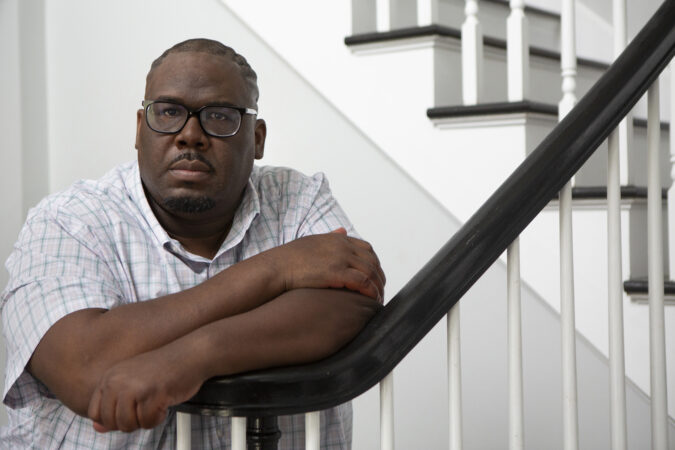
    Benjamin Pinckney wants to go to graduate school to become a physician assistant. But he worries new federal student loan limits may force him to borrow money from a private bank at a higher interest rate. (Erica S. Lee for KFF Health News)

    Pinckney said he is “not really sure” what the future holds. He paid for most of his undergraduate education by working while he was in school, but that’s typically not possible for full-time physician assistant students.

    He has considered applying to a biomedical science graduate program instead, which he estimated would cost about $30,000 — an amount that’s “a lot more doable,” he said. It would allow him to potentially work in a lab or in pharmaceuticals, he said. It’s still aligned with medicine, he said, but it wouldn’t help him realize his goal of working with patients.

    “Maybe this thing will blow over,” he said of the new federal loan limits. In the meantime, he’s holding out hope.

    “If I can influence one person’s life, that would be my way of paying him forward for what he did,” he said, referring to the physician assistant who inspired him back in 1999. “It’s very hard to pivot from that dream.”

    KFF Health News is a national newsroom that produces in-depth journalism about health issues and is one of the core operating programs at KFF — the independent source for health policy research, polling, and journalism.

  • Goodwill opens new medical equipment store in South Jersey

    Goodwill opens new medical equipment store in South Jersey

    The young woman with muscular dystrophy wanted a motorized scooter, but her health insurance would only cover a wheelchair.

    So she went to Goodwill’s only medical equipment store in South Jersey, where she found a dozen scooters to choose from. She test drove one she liked and bought it at a steep discount.

    “She burst into tears and said, `You have no idea what a difference this is going to make in my life,’” recalled Mark Boyd, Goodwill’s president and CEO.

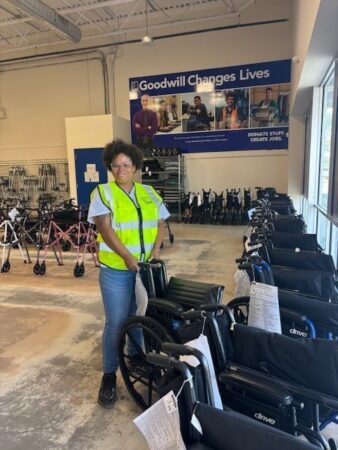
    Goodwill Home Medical Equipment on Wednesday opened the region’s second location. The new store is located in Gloucester County, while its flagship, 16,000-square-foot retail store and warehouse is in Camden County.

    Both sell sanitized and refurbished medical equipment, including power and manual wheelchairs, hospital beds, canes, walkers, and lift and shower chairs. The stores also offer unopened medical supplies, like adult diapers and colostomy bags.

    “When people go to a Goodwill store, they don’t really know what they are looking for — they’re on a treasure hunt,” Boyd said. “But when you get sick or somebody in your family gets sick, all of the sudden you need a specific piece of equipment, and it can be quite daunting.”

    The nonprofit thrift organization began offering used medical equipment at roughly one-third the retail price about 15 years ago, Boyd said.

    “Financially, it’s a break-even operation, but it’s such a great service to the community,” he said, adding they cater to people with no or limited insurance, or high deductibles.

    The new store on Mantua Pike in Woodbury Heights will be open Monday through Saturday from 9 a.m. to 6 p.m., and Sundays from 10 a.m. to 6 p.m. The location on Benigno Boulevard in Bellmawr is open Monday through Saturday from 9 a.m. to 3 p.m., and Sundays from 9 a.m. to 1 p.m.

    The two South Jersey stores are the only Goodwill Home Medical Equipment retail locations in the country, according to spokesperson Juli Lundberg.

    “The savings are so great that people do travel to us from New York City, the Philly burbs, and Jersey Shore,” Lundberg said. “We have had many other Goodwills across the country inquire about the concept.”

    People can donate their medical equipment and unopened supplies at any Goodwill location in New Jersey and Pennsylvania. Donation sites and regular thrift stores can be found at https://www.goodwillhomemedical.org/store-locator. Goodwill staff also will pick up home medical equipment that is too large for a car, according to Lundberg.

  • July in Philly has become 4.4 degrees hotter since 1940 on average. Nights are even warmer.

    July in Philly has become 4.4 degrees hotter since 1940 on average. Nights are even warmer.

    Philadelphians sweated through Julys in the 1940s, brooding over World War II as temperatures averaged in the mid-to-upper 70s, including nighttime lows.

    Today, as the city prepares to mark the nation’s 250th anniversary, they swelter under average July temperatures of around 80 degrees — and those nighttimes have gotten warmer.

    Over the past 85 years, Julys in Philadelphia are running on average 4.4 degrees warmer than in 1940, based on an analysis of historical weather data. That translates to an increase of about 0.52 degrees per decade.

    (function(){function e(){window.addEventListener(`message`,function(e){if(e.data[`datawrapper-height`]!==void 0){var t=document.querySelectorAll(`iframe`);for(var n in e.data[`datawrapper-height`])for(var r=0,i;i=t[r];r++)if(i.contentWindow===e.source){var a=e.data[`datawrapper-height`][n]+`px`;i.style.height=a}}})}e()})();

    Nights are even toastier, showing a rise of 4.8 degrees over the same time period.

    (function(){function e(){window.addEventListener(`message`,function(e){if(e.data[`datawrapper-height`]!==void 0){var t=document.querySelectorAll(`iframe`);for(var n in e.data[`datawrapper-height`])for(var r=0,i;i=t[r];r++)if(i.contentWindow===e.source){var a=e.data[`datawrapper-height`][n]+`px`;i.style.height=a}}})}e()})();

    “Science shows that while summer heat is nothing new, climate change is pushing it beyond what we’ve experienced in the past,” Zachary Labe, a climate scientist at the nonprofit Climate Central, said in an email.

    The Inquirer used 1940 as a base year in its analysis because it is the oldest year for consistent records at Philadelphia International Airport. The data from the National Oceanic and Atmospheric Administration’s Regional Climate Centers ends at July 2025.

    The data does not include this July, which could set records.

    105 degrees possible

    The National Weather has issued an extreme heat warning with possible record highs starting Thursday and heading into the July 4 weekend.

    And Philadelphia has declared a heat emergency, activating the city’s pioneering heat-response system.

    High temperatures Thursday, Friday, and Independence Day are all forecast to top 100 degrees and threaten daily records. The current record highs for those dates are 103 degrees for Thursday, 104 for Friday, and 103 for the Fourth.

    The record-warmest lows are 82, 77, and 79 for those days respectively, according to data from the National Weather Service’s Mount Holly office.

    The weather service says dangerously hot conditions with heat index values between 100 and 110 degrees are expected each day. Very warm low temperatures in the mid-70s to the low 80s at night won’t offer much relief, the office noted.

    When combined, multiple days of such high temperatures and humidity will exacerbate impacts, say those meteorologists. The hottest conditions are expected Thursday through Friday.

    Climate change

    Although it’s difficult to pin any single heat wave to climate change, the majority of climate scientists say the burning of fossil fuels has led to ever-increasing amounts of heat-trapping greenhouse gases in the atmosphere and transformed the climate.

    The Princeton-based Climate Center says human activities have warmed the planet by about 1.2°C (2.2°F) above pre-industrial levels. The Princeton-based organization of scientists says that since 1970, July has warmed in 94% of the 243 U.S. cities it studied. Temperatures for the month have risen by 2.6 degrees on average.

    “That includes hotter and more humid nights like those this week, which raise health risks because the body has less time to cool down and recover,” Labe said.

    A big impact on cities

    Excessive heat hits urban areas like Philadelphia hard, said Mathy Stanislaus, of the Philadelphia Climate Justice Collective.

    The collective is a partnership of the Mantua Civic Association, SEAMAAC, Esperanza, Overbrook Environmental Education Center, and the Environmental Collaboratory at Drexel University. Stanislaus is vice provost and executive director of The Environmental Collaboratory.

    In the most densely populated, least tree-lined parts of Philadelphia temperatures can soar 20 degrees higher than in greener, wealthier neighborhoods, he notes.

    That’s because of the heat island effect, which occurs when cities are significantly warmer than surrounding areas because of the lack of tree canopy combined with high concentrations of heat-absorbing pavement, dark roofs, and buildings.

    It’s something many people in the suburbs, or wealthier areas, might not think about, Stanislaus said.

    “I don’t think people realize the gravity of the circumstances for lower income urban communities who have an affordability crisis compounded by the heat crisis,” he said.

    Stanislaus said some households in the city don’t have air-conditioning, and those that do can face a choice as to whether they should use it or not.

    “Even if they have an AC, they may not be able to afford to actually run it,” he said.

    According to a report by the collective, Philadelphia households overall on average spend about 6.7% of their income on energy, but that the burden is much higher for Black and Hispanic households. The poor conditions of many homes because of their age contribute to the strain.

    Stanislaus says temperatures strain critical public and healthcare systems.

    He credits Philadelphia for its array of cooling centers, pools, and spraygrounds. But, he said, many residents are not aware of them or lack transportation. He’d like to see more money devoted to public awareness during heat waves.

    In addition, he said healthcare systems need more staff trained in heat-related care and education, as well as better tracking heat-related illnesses and deaths.

    There has been one death attributed to heat so far this year, according to data from the Philadelphia Department of Public Health. In the past two decades, the biggest number of deaths came in 2011 and 11 with 35. But the city has upped its response measurably since then and the number of deaths has trended down.

    Stanislaus believes heat-related deaths and illnesses are underreported.

    “There’s an urgency to heat,” Stanislaus said. “We need to meet the moment.”

  • 6 ways to shift your stress mindset to dial down daily anxiety

    6 ways to shift your stress mindset to dial down daily anxiety

    To deal with a stressful world, many of us try to avoid and reduce the stress. But what we believe about stress may have just as important a role in helping us deal with it.

    Psychologists call this our “stress mindset” — our belief that stress can debilitate us or enhance us and have positive consequences.

    Research from the past decade shows that these beliefs can affect our psychology and physiology; people who are more inclined to see the positives of stress are more likely to experience improved performance, boosted mood and, in fact, reduced stress.

    Importantly, you can change your stress mindset, experts say.

    “If somebody perceives that stress has benefits for them, they’re likely to engage in a stressful situation much more adaptively,” said Sarah Williams, a sport and performance psychologist and associate professor at the University of Birmingham in England.

    Having a stress-is-enhancing mindset is less about “Pollyannaish” positive thinking or toxic positivity and more about acknowledging that a stressful experience can “lend itself to growth, to opportunities,” said Alia Crum, an associate professor of psychology at Stanford University who first developed a psychological measure for stress mindsets in 2013.

    “So rather than trying to remove stresses and calm everybody down, it’s about trying to help people understand the benefits of when they feel stressed, what those responses can do for them, how they can fuel them to perform better,” Williams said.

    In other words, stress — and how we think about it — may actually help us thrive.

    What our mind does to stress

    The negative effects of stress are still real. Stress, especially if it is chronic, can cause physical and mental illnesses or premature aging.

    But the true nature of stress is more complex.

    “The body’s stress response was not designed to kill us,” Crum said. “It was designed evolutionarily to help our bodies, brains, and minds rise to the occasion and meet the challenges and threats that we are faced [with].”

    (When most people say “stress,” they are usually referring to “distress,” the negative side of stress. Eustress, by contrast, is what researchers consider motivating and energizing stress.)

    There are four ways that our mindsets change how stress affects us, Crum said.

    First, what we believe changes what we pay attention to. Believing that stress is inherently harmful can cause people to overly fixate on the bad and “freak out or check out” as a result, Crum said.

    Second, our stress mindset changes what we are motivated to do. When people believe stress can be enhancing, they are more likely to engage with it in appropriate ways.

    Third, what we believe changes our emotions. “Something I always tell people is often the detrimental thing is not the stress,” Williams said. “It’s the stressing about the stress.” Conversely, believing that stress is enhancing can boost positive emotions, research shows.

    And fourth, there is evidence that mindset can change our body’s physiological response to stress, including by decreasing levels of salivary cortisol, our body’s principal stress hormone.

    Research shows that having a more stress-is-enhancing mindset is linked to better mental health outcomes in the long run, including higher resilience, more optimism, and lower anxiety and depressive symptoms, Williams said.

    Crum said she has tested stress mindsets in different groups of people — students, athletes, workers — across different cultures, and, on average, all groups fell more on the stress-is-debilitating side of the scale.

    The one exception she has found? Candidates working to become Navy SEALs. “These are people who are literally choosing to go into one of the most stressful experiences, professions that exist on the planet,” Crum said. “So they must have a belief that stress can serve them.” (Nevertheless, Navy SEAL candidates who had greater stress-is-enhancing mindsets were more likely to persist through training, have faster obstacle course times, and have fewer negative evaluations from their peers or instructors.)

    This is not to say that the stressor, whether it’s a big job interview, getting an F on an exam, or a tough relationship conversation, is necessarily a good thing or something we enjoy.

    But the stressor is distinct from our experience of the stress.

    “You’re only stressed about things that matter to you,” Crum said. We should “welcome stress” because stress is “a sign that there’s something you care about.”

    Malleable mindsets

    Shifting stress mindsets — and reaping the benefits — is possible for anybody, even for those with the deepest struggles, researchers say.

    Early research found that presenting people with evidence of the benefits of stress could shift their mindset and confer psychological and physiological benefits.

    In a 2017 study published in the journal Anxiety, Stress, & Coping, Crum and her colleagues presented 113 participants with a three-minute video that emphasized either the enhancing or debilitating properties of stress. Afterward, participants took part in a mock job interview — a typically stressful activity — and received either positive or negative feedback.

    Participants who learned that stress is enhancing experienced more improvements to their positive emotions regardless of whether they were told they performed well or poorly. They also exhibited more cognitive flexibility, which is the ability to adapt our thinking and behavior to different contexts. Conversely, participants who learned that stress is debilitating had worse cognitive and emotional outcomes.

    But more recently, Crum and colleagues found that giving a more holistic perspective of stress and emphasizing the power of mindsets may be even more effective, according to a 2023 study in Journal of Experimental Psychology: General. This “metacognitive” approach improved self-reported physical health symptoms and work performance compared with people who were wait-listed for the training.

    And compared with participants who learned only about the positive benefits of stress, those who received the metacognitive approach were more able to maintain the stress-is-enhancing mindset even when presented with evidence of negative effects of stress a week or two later.

    People who can imagine themselves succeeding in a stressful situation may further shift their belief that stress can be enhancing, according to a 2023 study conducted by Williams and colleagues. “We’re almost training the brain to connect the responses to stress with that positive outcome,” Williams said.

    Researchers are careful to note that just because our stress mindset matters, it doesn’t mean it’s “all that matters,” Crum said. “It’s just one piece of the puzzle to help us live happier, healthier, more productive lives.”

    How to shift your stress mindset

    Here are steps experts say you can take to shift your stress mindset.

    Acknowledge the stress. Instead of denying it or trying to suppress it, say what is stressing you aloud. Notice your physiological responses — elevated heart rate, sweatier palms — and remind yourself that “this is my body preparing for me to perform,” Williams said.

    Welcome the stress. It is a sign that there’s something you care about, which can be focusing and energizing if you allow it to be.

    Use the stress response. Instead of expending effort and resources trying to avoid the stress, “utilize the narrowed focus, the increased arousal and energy that happens in the body in order to meet the goals that you have,” Crum said.

    Fuel your stress mindset. Think about a time in your life when you’ve excelled or grown the most. “Anytime you want to, you know, level up, there’s usually some stress involved,” Crum said. “So we just need to remember that is evidence to fuel and sustain the belief.”

    Try stress-mindset micropractices. Take moments to reflect on what stresses you have and what you care about most. This is something Crum says she does when she makes the transition going up the stairs into her workplace and again when returning home.

    Complement with other stress management strategies. More research needs to be done about what contexts and scenarios call for different approaches to stress, experts say. But strategies such as reframing negative experiences and slowing our breath also can help alleviate stress and improve mood.

  • Temple Hospital asks public for help identifying patient

    Temple Hospital asks public for help identifying patient

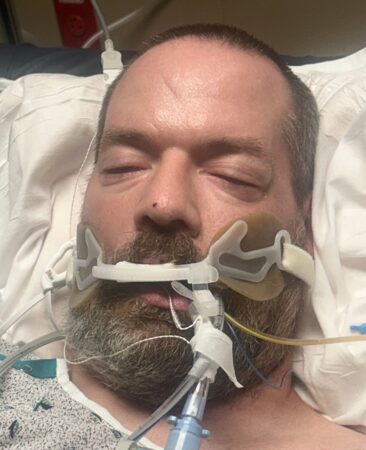
    Editor’s note: The patient has been identified, Temple officials said Wednesday afternoon.

    Temple Health seeks help from the community identifying a patient at its main hospital in North Philadelphia.

    The health system on Wednesday released a photo of the patient, who appears to be in his 50s and was admitted to Temple University Hospital on June 8. It hopes to locate his friends and family.

    Anyone with information can call 215-707-2000.