Category: Health

  • Wistar scientists pinpoint a new approach to ovarian cancer treatment

    Wistar scientists pinpoint a new approach to ovarian cancer treatment

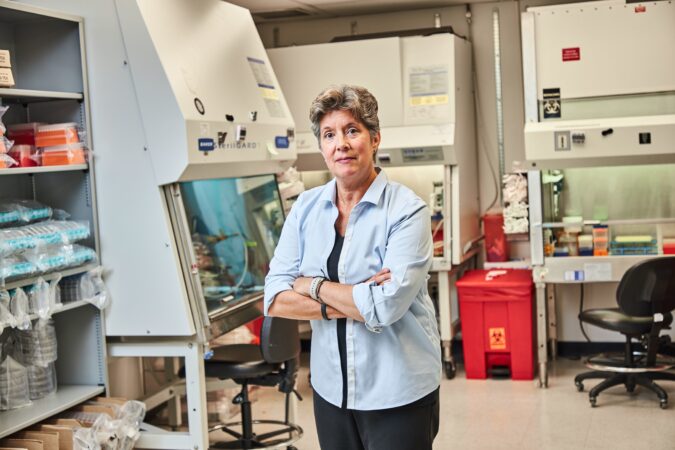
    Wistar Institute scientist Maureen Murphy wants to solve a decades-long mystery: Why is ovarian cancer often resistant to hormone therapy?

    In a recently published study, she shared a new theory as to why treatments designed to block or remove hormones, known as hormone therapy, often fail in ovarian cancer — and a potential approach to make them more effective. Such therapies have cut the risk of death from certain breast cancers by a third and reduced the odds of a recurrence by half.

    She pinpointed a problem facing hormone therapy — the vast majority of ovarian cancer cases have mutations in a key protein called p53.

    Her study, published last month in the medical journal Genes and Development, suggests that mutations in p53, a protein that normally works to stop tumors from growing, drive resistance to hormone therapy and that their effects could be reversed.

    Ovarian cancer is notoriously deadly. The most common form of ovarian cancer, high-grade serous ovarian cancer, has an 80% relapse rate after initial treatment and a five-year survival rate of 34%. It’s also highly resistant to immunotherapy.

    “There are very few drugs that treat it,” Murphy said.

    Her p53 mutation discovery led to her identifying a drug currently in clinical trials that’s promising in a small number of cases. Murphy wants doctors to start testing the combination of the drug and hormone therapy in ovarian cancer.

    If the approach makes it into a clinical trial, it would still take years to evaluate the safety and efficacy of the combination. Most treatments tested in clinical trials do not become standard practice.

    “For ovarian cancer, the treatment hasn’t changed much in the last 20 years, and so we really do need new treatments,” Murphy said.

    How does hormone therapy work?

    Hormones are like the body’s mail service.

    These chemicals carry messages to cells throughout the body, controlling mood, growth, reproduction, and development.

    Tumors can co-opt hormones for their own purposes using proteins called receptors, which act like mailboxes to receive the messages.

    Breast cancers, for example, often have estrogen receptors so that they can receive more of a hormone called estrogen. Similar to how bodybuilders use steroids to build muscle, tumors use estrogen to grow and divide.

    “Breast and ovarian tumors love estrogen. They grow on it,” Murphy said.

    Hormone therapy works by either blocking the receptors from receiving the hormones, or reducing the amount of hormones in the body altogether.

    One of the first hormone therapy drugs for cancer, tamoxifen, was approved in the U.S. in 1977 to target the estrogen receptor in metastatic breast cancer.

    In this study, Murphy looked at fulvestrant and elacestrant, two anti-estrogen drugs approved for breast cancer.

    More than 70% of cases of the most common type of ovarian cancer express estrogen receptors, making them theoretically a good target for hormone therapy, if the p53 problem can be fixed.

    Solving the mystery

    In her first professor job at Temple’s Fox Chase Cancer Center in 1998, Murphy chose to study the tumor suppressor protein p53, with a focus on genetic variants in women of African and Ashkenazi Jewish descent that put them at risk of cancer.

    Decades later, Murphy expanded her focus at Wistar to look at hundreds of genetic variants of the protein found in the general population, in an effort to predict people’s risk of cancer.

    Murphy started to wonder whether mutant p53 controlled the function of the estrogen receptor, and how it might affect the response of tumor cells to hormone therapy.

    That led her team to look at ovarian cancer because of its high prevalence of p53 mutations. They used cell lines and a lab model to mimic stage 3 and 4 tumors.

    The researchers found that when mutant p53 was bound to the estrogen receptor in these models, it inhibited part of the estrogen receptor’s activity, driving resistance to hormone therapy.

    By simply removing the mutant protein, tumors “responded great” to the hormone therapy, Murphy said.

    A lab at the Wistar Institute in Philadelphia.

    Hope for hormone therapy?

    While it’s easy to take away p53 in the lab, it’s not as easy in a patient.

    There is, however, a promising drug currently being tested in clinical trials. Called rezatapopt, it can convert mutant p53 into a normal-functioning version of the protein.

    It works for one particular mutation, Y220C, found in roughly 4% of ovarian cancers.

    Murphy’s team found administering rezatapopt alongside hormone therapy led to 75% shrinkage of ovarian tumor models, versus 50% shrinkage when the hormone therapy was given alone.

    This finding lined up with rezatapopt’s early data from clinical trials.

    “For reasons we didn’t understand, women with ovarian cancer were responding best to this drug,” Murphy said.

    Nineteen out of 44 women treated with rezatapopt alone saw their tumors shrink, with one even having a complete response, according to recent interim results from a phase 2 trial.

    Murphy hopes this paper will prompt clinical trials to test rezatapopt in combination with anti-estrogen therapy.

    However, since rezatapopt only targets one p53 mutation, this approach is limited to a small subset of patients. Murphy hopes that more drugs can be developed that fix other mutant forms of p53 seen in ovarian cancer.

    Murphy’s findings make sense conceptually and present a “promising avenue for future clinical trials,” said Tian-Li Wang, the head of the Molecular Genetics Laboratory of Female Reproductive Cancer at Johns Hopkins University, who was not involved in the Wistar study.

    A caveat is that the study looked at a limited number of cell lines, she said.

    She thinks the results should be confirmed in cases of ovarian cancer that have other types of p53 mutations to see if it could be applied more broadly.

    “[I’m] really interested to see if the approach can benefit patients,” Wang said.

  • Honesdale’s massive Himalayan Institute is no longer so secret after more than 50 years of yoga and meditation

    Honesdale’s massive Himalayan Institute is no longer so secret after more than 50 years of yoga and meditation

    The silence in the Himalayan Institute’s shrine redefines silence, quiet enough to hear your heartbeat, to pick up a whisper from across the room, and, perhaps most importantly, to feel every breath, in and out, while you meditate.

    The institute, founded in 1972, moved into the massive, former seminary on 400 hilly, forested acres in Honesdale, Wayne County, in 1977, a time when yoga was still a niche practice. For more than 50 years, the institute has been offering yoga training, spirituality, meditation, and holistic health practices, along with getaways and retreats.

    “It’s for anyone, for any creed, religion, sex, or gender,” said Greg Capitolo, a California native who became the institute’s president after attending retreats there. “There’s really no religious affiliation at all.”

    As yoga exploded in popularity and modern meditation apps abound, the Himalayan Institute has seen growing interest worldwide. It hasn’t hurt that downtown Honesdale has seen its own popularity grow over the last decade as Philadelphia and New York City residents look for properties and business opportunities outside of traditional urban escapes, like upstate New York.

    “I like to sat this is the best-kept secret in Wayne County,” Capitolo said. “I hope we become less of a secret to the people here. ”

    The Inquirer went to Honesdale during a frigid weekend last December and confirmed it: even in single-digit temps, the town’s gift shops, bakeries, buzz-worthy restaurants, art galleries, and book stores were alive with tourists and locals up and down Main Street.

    Afterward, several readers mention the Himalayan Institute as a “must-visit.”

    The Himalayan Institute, In Honesdale, Pa.

    On a Monday in late November, the main, dormlike building was abuzz with “residents” who were doing volunteer work in the kitchen for access to classes, yoga training, and other programs the institute offers. Capitolo said the institute can house up to 80 residents, who commit to staying for a year as part of the $800 per month “Residential Service Program.”

    Meals are vegetarian, and on this afternoon, lunch was beet subzi and kimchari. The Himalayan Institute follows Ayurvedic principles, which discuss balance and digestion, among other things.

    “The Ayurvedic system says you should eat your biggest meal around lunchtime, when the sun’s at its highest, point, because your digestion will be optimally ready to break down food,” Capitolo said.

    There’s also a gift shop and a trail network at the Institute, along with a popular Wellness Center that offers several types of massage, including hot stone. One of the Wellness Center’s most popular offerings is an Ayurvedic therapy known as Shirodhara Treatment, which includes “streaming warm oil onto the forehead to clear and calm the mind.”

    The Himalayan Institute, In Honesdale, Pa.

    The simplest structure and offering at the Himalayan Institute may be the Sri Vidya Shrine, a simple, domed building that sits behind the former seminary on the campus. The shrine is the twin of the Sri Vidya Shrine at the Himalayan Institute’s Khajuraho campus in central India, and its meditation hall is not so simple: that unique silence was part of the design.

    The shrine’s meditation hall is referred to as the mandapa, literally “the canopy for seekers to gather.”

    Capitolo sat silently in the hall for several minutes, hands folded, focusing on his breath. He, too, was a seeker, leaving a lucrative job in Silicon Valley to head east to Honesdale, before it was hip.

    “I was happy and seemingly had everything I needed,” he said outside the shrine. “But something was missing. This place satisfied what was missing.”

    The Himalayan Institute, In Honesdale, Pa.
  • Philly doctors decry hepatitis B vaccine decision by CDC advisory committee

    Philly doctors decry hepatitis B vaccine decision by CDC advisory committee

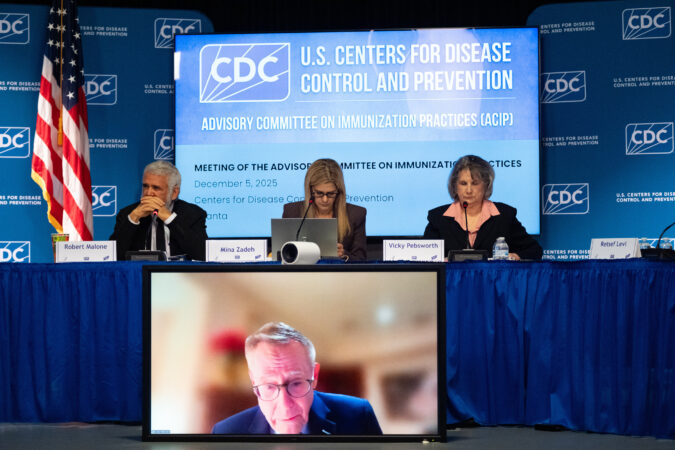
    In Philadelphia, the city where the hepatitis B vaccine was discovered, experts sharply criticized a decision on Friday by the nation’s leading vaccine advisory panel to end a longstanding recommendation that all infants be immunized at birth against the serious liver disease.

    The Advisory Committee on Immunization Practices, a committee that makes recommendations to the Centers for Disease Control and Prevention on the vaccines that Americans should receive, voted 8-3 to change its guidance on when and to whom the hepatitis B vaccine should be administered.

    National medical professional societies have opposed changes to the administration of a vaccine proven to be safe and effective, crediting it with all but eliminating the spread of the virus in young children.

    The hepatitis B vaccine revisions underscored growing concern that the federal government’s vaccine guidance is no longer credible under President Donald Trump’s administration.

    “Cases will go up,” said Sarah Long, an infectious disease pediatrician and a professor of pediatrics at Drexel University’s College of Medicine.

    She called the vote “outrageous,” saying it’s much safer to ensure every child gets protection as soon as possible from a virus that can have lifelong effects, causing in some people cirrhosis and liver cancer.

    “Why wouldn’t you want to apply a cancer-preventing vaccine to every potential susceptible child?” Long said.

    Long is herself a former member of the committee of independent experts. Her term ended in July 2024, about a year before Health and Human Services Secretary Robert F. Kennedy Jr. fired all of ACIP’s 17 members and reappointed handpicked members that included some who, like Kennedy, have advocated against vaccines.

    At meetings on Thursday and Friday, the committee reviewed a recommendation in place since 1991: that, shortly after birth, infants receive the first in a series of hepatitis B vaccinations.

    ACIP will now recommend that infants receive a hepatitis B shot at birth only if their mother was not tested or tests positive for hepatitis B.

    Parents can still decide with their doctors to give a dose at birth if the baby’s mother tests negative.

    The committee recommended delaying the shot, recommending that babies should get their first hepatitis dose at “no earlier” than two months if they do not receive a birth dose.

    Parents who test negative for the virus should discuss “vaccine benefits, vaccine risks, and infection risks” with their doctors to decide “when or if their child will begin the hepatitis B vaccine series,” HHS officials wrote in a statement.

    Some committee members said most babies are not at high risk for infection and questioned whether there’s adequate research to support the shots for infants, The Associated Press reported. But two others said there was no evidence that birth doses harm babies. The CDC’s own website cites decades of studies showing few risks from the vaccine.

    ‘Why wait until two months?’

    The decision makes little sense, said Paul Offit, a nationally renowned vaccine expert and physician who leads Children’s Hospital of Philadelphia’s Vaccine Education Center and has often clashed with Kennedy.

    “I don’t think this RFK Jr.-appointed anti-vaccine group calling itself the ACIP understands critical aspects of this virus,” he said. “This vaccine is as safe at two months as it is at birth. Why wait until two months?”

    It’s dangerous to wait to vaccinate babies against hepatitis B because the virus is highly contagious and can spread from a mother to a child at birth, and through actions as seemingly innocuous as sharing a toothbrush, a washcloth, or a razor.

    Pennsylvania has seen a 95% reduction in acute hepatitis B cases since the birth dose was implemented, health officials said in a news release earlier this week, calling transmission to newborns, infants, and toddlers “nearly eliminated.”

    Across the state, no mothers have passed the disease to their children at birth since 2019, and no cases have been detected in children under 4 since 2007.

    State health officials had urged the committee to keep the birth dose recommendation.

    Secretary of Health and Human Services Robert F. Kennedy Jr. at a November meeting of the Western Governors’ Association in Scottsdale, Ariz.

    Public perceptions of the vaccine

    Most Americans support hepatitis B vaccinations for newborns, a recent study from the University of Pennsylvania’s Annenberg Public Policy Center found.

    The center surveyed 1,637 Americans last month, noting that the CDC recommended that all children be vaccinated for hepatitis B at birth, and three-fourths of respondents said they were very likely or somewhat likely to recommend the vaccine for a newborn in their household.

    Though a majority of survey respondents across political parties said they were likely to recommend the vaccine, Republicans were least likely to recommend it.

    About 40% of respondents correctly answered a question about the disease the hepatitis B vaccine prevents. One-third said they were not sure what disease it prevents.

    Next steps

    ACIP’s recommendations must be adopted by the CDC director. The White House fired former CDC director Susan Monarez this summer, in part because she had refused to unquestioningly sign off on ACIP recommendations.

    In her place, the acting director, Jim O’Neill, will decide whether to adopt the new recommendations.

    Pennsylvania and New Jersey are among the states that have moved this year to ensure residents can continue to access vaccines amid the reconstituted panel’s earlier controversial changes to the vaccine schedule.

    In Pennsylvania, Gov. Josh Shapiro signed an executive order in October aimed at protecting access to vaccines. One of its directives asks the state Department of Insurance to require that insurance companies cover vaccines recommended by leading national medical associations, including the American Academy of Pediatrics, which continues to recommend hepatitis B vaccines at birth.

    In a statement after Friday’s vote, Pennsylvania’s Secretary of Human Services, Val Arkoosh, urged doctors and parents to follow AAP recommendations when vaccinating infants.

    And the state’s insurance commissioner, Michael Humphreys, said that insurers in the state will continue to cover the vaccine for newborns, “full stop.” He added insurers have already committed to covering birth doses through at least 2026, and that the department expects insurers to continue their coverage beyond that date.

    In a post on X, the social media platform formerly known as Twitter, Shapiro criticized Friday’s decision as “threatening access to safe, effective Hepatitis B vaccines for newborns, putting them at risk of getting a serious infection with lifelong consequences.”

    In New Jersey, insurance companies are expected to continue to cover all immunizations recommended by the state health department, which includes birth doses of the hepatitis B vaccine, the state Department of Banking and Insurance said in a statement after the committee’s vote.

    The department’s commissioner, Justin Zimmerman, said the federal government is “taking actions that threaten the health of residents.”

    CHOP’s Offit said he believed most doctors will continue to recommend the birth dose.

    “Doctors will know this is a bad idea and will do what they’re always doing — recommend the birth dose,” he said.

    But he and Drexel’s Long are among the experts increasingly concerned about the confusion ACIP’s decision could sow.

    And the decision from one of the nation’s highest-profile public health authorities could push more people to forgo the vaccine, Offit said.

    “I think people will feel empowered to say, ‘I don’t want this vaccine because ACIP said I don’t have to get it,” he said.

  • For every person who enrolls in ACA coverage through Pennie, two drop their plans

    For every person who enrolls in ACA coverage through Pennie, two drop their plans

    For every person who signed up for Obamacare health insurance in Pennsylvania last month, two others dropped their plans in anticipation of skyrocketing costs.

    The average cost of a health plan through Pennsylvania’s Affordable Care Act marketplace, Pennie, is expected to double, on average, with some people paying several times more in 2026, if Congress allows a key financial incentive program to expire at the end of this year.

    Pennie leaders say sticker shock for 2026 is undermining a program they credit for driving historically low uninsured rates.

    Nearly 31,000 people canceled their Pennie health plan in November, the first month of open enrollment, which runs through the end of January. About 16,000 people signed up.

    Pennie administrators previously estimated that roughly 150,000 of the nearly 500,000 people who bought plans in 2025 will drop out because they find their options for 2026 unaffordable.

    Some level of turnover is normal, as people move out of state, find new jobs, or become eligible for other government programs, such as Medicare or Medicaid. But the sharp rise in plan cancellations — more than the marketplace saw in all of 2025 — shows that cost remains a driving factor in health decisions.

    “People want health coverage, and when it can fit in their budget, they buy it,” said Devon Trolley, Pennie’s executive director.

    A partisan divide over the so-called enhanced premium tax credits was at the center of this fall’s longest-ever federal government shutdown. The subsidies have helped offset the cost of Obamacare premiums, ensuring no one spends more than 8.5% of income on health insurance through Democrats’ signature health coverage reforms implemented under President Barack Obama.

    The federal budget ultimately approved by the current Republican-controlled Congress did not include an extension of the tax credits, and it is unclear whether Democrats or Republicans will be able to secure enough votes for the fixes they have proposed.

    U.S. Rep. Brian Fitzpatrick, a Bucks County Republican, is proposing legislation that would extend the tax credits for two years, with some restrictions.

    The subsidies have been particularly beneficial to working individuals and families who earn too much to qualify for other, income-based Obamacare tax credits, but who cannot afford to pay full price and do not have access to insurance through an employer. Income-based tax credits for people who earn below 400% of the federal poverty rate are part of the original ACA law and will not expire.

    The add-on tax credits have been approved annually by Congress since 2021, and the vast majority of people who buy coverage through Pennie qualify for at least some amount of financial assistance.

    Pennie will work to update rates as quickly as possible if Congress renews the tax credits before the end of the year.

    In the meantime, marketplace leaders are urging people to consider all the plan options — which range from high-deductible plans with low premiums to plans with steep monthly costs but fewer out-of-pocket expenses — before canceling their coverage entirely.

    Plan costs and expected increases vary, depending on age, income, and geography, which is why it is important for people to review their options, Trolley said.

    Philadelphia’s Pennsylvania suburbs are expected to see costs increase an average of 40% to 70%, while costs are rising an average of 400% or more in rural communities in the middle of the state.

    Increased outreach amid tax credit confusion

    State-based marketplaces and their partners have ramped up marketing and outreach in an effort to make sure people are aware of the cost increases.

    Pennsylvania Health Access Network has doubled the amount of text messages, phone calls, and emails it is sending past clients. Messages remind people of the deadline to enroll and urge them to review their plan online — even if they intend to keep it.

    The nonprofit has seen an increase in people reaching out early for information, compared with past enrollment seasons, as well as more people waiting to make a final decision about coverage, said Antoinette Kraus, the organization’s executive director.

    “We’re seeing fewer people say, ‘All right, sign me up today,’” Kraus said. “They’re taking time to figure out how this fits in the budget.”

    New Jersey announced it was expanding outreach efforts for its marketplace, Get Covered New Jersey, with more than three dozen enrollment events at shopping malls and grocery stores across the state.

    New Jersey has not released enrollment data for 2026.

    Justin Zimmerman, commissioner of New Jersey’s Department of Banking and Insurance, urged people not to put off buying a plan, despite uncertainty about tax credits. In New Jersey, people must sign up by Dec. 31 for coverage to take effect Jan. 1.

    “It is especially important for consumers to shop and compare plans to find the best options for them,” Zimmerman said in a statement announcing outreach plans.

    Fitting health insurance into the budget

    People who are used to their plan automatically renewing at the end of the year may be particularly surprised by the new prices when insurers begin sending January premium bills by mid-December.

    Pennsylvania’s deadline for insurance that begins in January is Dec. 15, but people have until the end of January to make any changes to their coverage.

    That means people who are automatically reenrolled in their existing plan still have time to change it, if they realize after getting their first bill that they cannot afford it and want to look for a less expensive option.

    And people who canceled their coverage earlier in the enrollment period can still sign up if they change their mind.

    As of Feb. 1, when the enrollment period ends, people can still cancel their plan, but they will not be able to pick a new one until the coming fall.

    The marketplace’s enrollment specialists work with people to price out all their options. But Pennie’s executive director fears that without an extension of the add-on tax credits, many will not find an option they can afford.

    “We are doing the best we can to provide people with the best information,” Trolley said. “But ultimately, we cannot fill the hole of federal funding.”

  • U.S. vaccine advisers say not all babies need a hepatitis B shot at birth

    U.S. vaccine advisers say not all babies need a hepatitis B shot at birth

    NEW YORK — A federal vaccine advisory committee voted on Friday to end the longstanding recommendation that all U.S. babies get the hepatitis B vaccine on the day they’re born.

    A loud chorus of medical and public health leaders decried the actions of the panel, whose current members were all appointed by U.S. Health Secretary Robert F. Kennedy Jr. — a leading anti-vaccine activist before this year becoming the nation’s top health official.

    “This is the group that can’t shoot straight,” said William Schaffner, a Vanderbilt University vaccine expert who for decades has been involved with ACIP and its work groups.

    Several medical societies and state health departments said they would continue to recommend them. While people may have to check their policies, the trade group AHIP, formerly known as America’s Health Insurance Plans, said its members still will cover the birth dose of the hepatitis B vaccine.

    For decades, the government has advised that all babies be vaccinated against the liver infection right after birth. The shots are widely considered to be a public health success for preventing thousands of illnesses.

    But Kennedy’s Advisory Committee on Immunization Practices decided to recommend the birth dose only for babies whose mothers test positive, and in cases where the mom wasn’t tested.

    For other babies, it will be up to the parents and their doctors to decide if a birth dose is appropriate. The committee voted 8-3 to suggest that when a family elects to wait, then the vaccination series should begin when the child is 2 months old.

    The acting director of the Centers for Disease Control and Prevention, Jim O’Neill, is expected to decide later whether to accept the committee’s recommendation.

    The decision marks a return to a health strategy abandoned more than three decades ago

    Asked why the newly appointed committee moved quickly to reexamine the recommendation, committee member Vicky Pebsworth on Thursday cited “pressure from stakeholder groups,” without naming them.

    Committee members said the risk of infection for most babies is very low and that earlier research that found the shots were safe for infants was inadequate.

    They also worried that in many cases, doctors and nurses don’t have full conversations with parents about the pros and cons of the birth-dose vaccination.

    The committee members voiced interest in hearing the input from public health and medical professionals, but chose to ignore the experts’ repeated pleas to leave the recommendations alone.

    The committee gives advice to the director of the Centers for Disease Control and Prevention on how approved vaccines should be used. CDC directors almost always adopted the committee’s recommendations, which were widely heeded by doctors and guide vaccination programs. But the agency currently has no director, leaving acting director O’Neill to decide.

    In June, Kennedy fired the entire 17-member panel earlier this year and replaced it with a group that includes several anti-vaccine voices.

    Hepatitis B and delaying birth doses

    Hepatitis B is a serious liver infection that, for most people, lasts less than six months. But for some, especially infants and children, it can become a long-lasting problem that can lead to liver failure, liver cancer and scarring called cirrhosis.

    In adults, the virus is spread through sex or through sharing needles during injection drug use. But it can also be passed from an infected mother to a baby.

    In 1991, the committee recommended an initial dose of hepatitis B vaccine at birth. Experts say quick immunization is crucial to prevent infection from taking root. And, indeed, cases in children have plummeted.

    Still, several members of Kennedy’s committee voiced discomfort with vaccinating all newborns. They argued that past safety studies of the vaccine in newborns were limited and it’s possible that larger, long-term studies could uncover a problem with the birth dose.

    But two members said they saw no documented evidence of harm from the birth doses and suggested concern was based on speculation.

    Three panel members asked about the scientific basis for saying that the first dose could be delayed for two months for many babies.

    “This is unconscionable,” said committee member Joseph Hibbeln, who repeatedly voiced opposition to the proposal during the sometimes-heated two-day meeting.

    The committee’s chair, Kirk Milhoan, said two months was chosen as a point where infants had matured beyond the neonatal stage. Hibbeln countered that there was no data presented that two months is an appropriate cut-off.

    Cody Meissner, a professor of pediatrics at the Geisel School of Medicine at Dartmouth, also questioned a second proposal — which passed 6-4 — that said parents consider talking to pediatricians about blood tests meant to measure whether hep B shots have created protective antibodies.

    Such testing is not standard pediatric practice after vaccination. Proponents said it could be a new way to see if fewer shots are adequate.

    A CDC hepatitis expert, Adam Langer, said results could vary from child to child and would be an erratic way to assess if fewer doses work. He also noted there’s no good evidence that three shots pose harm to kids.

    Meissner attacked the proposal, saying the language “is kind of making things up.”

    Health experts say this could ‘make America sicker’

    Health experts have noted Kennedy’s hand-picked committee is focused on the pros and cons of shots for the individual getting vaccinated, and has turned away from seeing vaccinations as a way to stop the spread of preventable diseases among the public.

    The second proposal “is right at the center of this paradox,” said committee member Robert Malone.

    Some observers criticized the meeting, noting recent changes in how they are conducted. CDC scientists no longer present vaccine safety and effectiveness data to the committee. Instead, people who have been prominent voices in anti-vaccine circles were given those slots.

    The committee “is no longer a legitimate scientific body,” said Elizabeth Jacobs, a member of Defend Public Health, an advocacy group of researchers and others that has opposed Trump administration health policies. She described the meeting this week as “an epidemiological crime scene.”

    Republican Sen. Bill Cassidy, a liver doctor who chairs the Senate health committee, called the committee’s vote on the hepatitis B vaccine “a mistake.”

    “This makes America sicker,” he said, in a post on social media.

    The committee heard a 90-minute presentation from Aaron Siri, a lawyer who has worked with Kennedy on vaccine litigation. He ended by saying that he believes there should no ACIP vaccine recommendations at all.

    In a lengthy response, Meissner said, “What you have said is a terrible, terrible distortion of all the facts.” He ended by saying Siri should not have been invited.

    The meeting’s organizers said they invited Siri as well a few vaccine researchers — who have been vocal defenders of immunizations — to discuss the vaccine schedule. They named two: Peter Hotez, who said he declined, and Paul Offit, who said he didn’t remember being asked but would have declined anyway. Offit is a nationally renowned vaccine expert and physician who leads Children’s Hospital of Philadelphia’s Vaccine Education Center.

    Hotez, of the Texas Children’s Hospital in Houston, declined to present before the group “because ACIP appears to have shifted its mission away from science and evidence-based medicine,” he said in an email to the Associated Press.

  • A heart surgeon saved his life as a teen. Now they perform surgeries together.

    A heart surgeon saved his life as a teen. Now they perform surgeries together.

    The first time Mesfin Yana Dollar assisted with an open-heart surgery, his patient was a teenage girl from Ethiopia. She was scared and crying.

    He went to her bedside at Emory University Hospital in Atlanta and spoke to her in Amharic, explaining he would be running the machine that would function as her heart and lungs during the surgery.

    “I had the same surgery, and things are going to be just fine,” he told her, adding that as a teen he also had rheumatic fever that became rheumatic heart disease.

    The girl told him, “You must be an angel.”

    Years later, he still sees himself in every patient.

    “I was on that same operating table,” Mesfin said.

    Mesfin was born in a small village in Ethiopia in 1985. There was no electricity or running water, but he said he didn’t want for anything. He was surrounded by family and he was happy — until he got sick when he was around 10 or 11 years old.

    At first, he felt like he couldn’t run as fast and he became short of breath easily. Then he couldn’t walk to school anymore, and his cough kept him awake at night. His parents tried tribal medicine and taking him to doctors in nearby cities. He still didn’t know what was wrong — but he didn’t want to feel like a burden to his family. One day, he got a ride to the capital, Addis Ababa, and walked into Mother Teresa’s Missionaries of Charity. That’s where he met American doctor Rick Hodes.

    “I saw this young, short White man with a stethoscope hanging around his neck,” Mesfin said of Hodes, who lives in Ethiopia and helps patients with rheumatic heart disease and spine problems. “He was joking with the kids and joking with the patients.”

    Hodes, Mesfin learned, is known for saving thousands of lives in Ethiopia, often finding creative ways to fund treatment for the poorest and sickest patients. Hodes has adopted children so he could put them on his health insurance and send them to the United States for spinal surgeries.

    Leaving home for surgery

    Hodes listened to Mesfin’s heart and lungs, then ordered a battery of tests before telling Mesfin that he had a serious heart condition. He would need surgery.

    There was no open-heart surgery in Ethiopia at the time, so Hodes started working on finding a place for Mesfin to get surgery in the U.S.

    “He showed up out of nowhere, diagnosed me, and now he’s looking into surgery,” Mesfin recalled. He credits Hodes with saving his life.

    Mesfin flew to Atlanta when he was about 15 to get the surgery, which was funded in part by the nonprofit Children’s Cross Connection International. Jim Kauten, a cardiothoracic surgeon at Piedmont Heart Institute, repaired Mesfin’s mitral valve to improve his heart function. The surgery went well, and Mesfin returned to a host family nearby in Atlanta to recover.

    His host happened to be a dentist, and he recommended Mesfin have his wisdom teeth pulled before returning to Ethiopia. He recovered from his surgery, had his teeth pulled and returned to Addis Ababa, where he stayed with Hodes so the doctor could continue to monitor his recovery.

    Then the site of Mesfin’s wisdom teeth became infected. He developed endocarditis, a life-threatening condition. Hodes treated him in his living room with drugs, but Mesfin was getting sicker.

    “I told Dr. Rick, you know what, you did everything possible,” Mesfin recalled saying. “This is the will of God, and if I die, there’s no problem now.”

    Hodes said he would not let Mesfin die. He sent him back to Atlanta for emergency surgery. An ambulance met him at the airport.

    Instead of a valve repair, the doctors replaced his valve with a mechanical one that would last longer. But this meant Mesfin would need blood thinners and monitoring for life — so he couldn’t go back to his home in rural Ethiopia, where care wasn’t readily available.

    Mesfin’s cardiologist, Allen Dollar, decided to take Mesfin into his home — and the teen joined the Dollars’ growing family in Atlanta, which includes biological and adopted children. Mesfin eventually took the family’s name.

    “It kind of reminded me of home because I have 11 brothers and two sisters,” Mesfin said. “This is as large a family as I had back in Ethiopia.”

    ‘A second life’

    As a teenager at school in Atlanta, Mesfin studied hard to improve his English and quickly caught up to his peers.

    “I was blessed with a second life,” he said.

    Cardiovascular disease is a leading cause of death in young adults in Ethiopia, and rheumatic heart disease, Allen Dollar said, is a top reason. Rheumatic fever can develop when strep throat, or sometimes scarlet fever, isn’t properly treated.

    “Until recently, there literally were no heart surgeons for 100 million people,” Allen said.

    The hospital where he worked, Piedmont Heart Institute, started bringing more kids over for surgeries.

    Allen said that Mesfin quickly adapted to the rhythms of American life.

    “Mesfin was the most studious of any of our kids,” Allen said. “I never saw a kid study so much in my life.”

    Mesfin knew he wanted to work in healthcare. He went to Georgia State University and studied to be a respiratory therapist. That’s where he met his wife, Iyerusalem. They have two sons. Mesfin worked in Atlanta for a couple of years before moving his young family to Texas. He trained to be a cardiac perfusionist at the Texas Heart Institute and eventually got a job at the Mayo Clinic in Minnesota, where his wife now works, too, as a cardiac sonographer.

    At the Mayo Clinic, Mesfin, 40, runs the heart-lung machine for patients during some of the most complex open-heart surgeries in the world.

    He and the surgeon who saved his life return to Ethiopia to do surgeries there through the nonprofit Heart Attack Ethiopia.

    On the first surgery mission trip a couple of years ago, Mesfin surprised Kauten by showing up.

    “That was especially nice in my mind,” Kauten said. “For him to be able to pay back to his community services that he received in the United States, and he was able to pay it back in Ethiopia.”

    Kauten said that in addition to being a skilled perfusionist, Mesfin acts as an interpreter for the Ethiopian and American healthcare workers, and helps the team with a sense of cohesion. He also spends hours with students training to be perfusionists, like him, to help them learn.

    As much as Mesfin loved his new life, he missed his biological family. He eventually helped bring his parents and several of his siblings to the U.S.

    Allen said he is proud of his adoptive son’s professional success — but also of the person he has become.

    “He has retained this spirit of gratitude,” he said. “He has never lost sight of what his life could have been and all the people along the way.”

    “I’m always grateful,” Mesfin said. “I’m grateful for my family, for just being in the United States. It’s a resurrection for me. You know, I was once lost, dead, and I was resurrected and I’m living a new life.”

  • These creative activities may help slow down brain aging

    These creative activities may help slow down brain aging

    Playing music, dancing, creating art — and even playing some types of video games — aren’t just immersive and emotionally rewarding. They may actually slow down brain aging, a new study suggests. By analyzing brain activity data, the researchers found that engaging in creative pursuits of all kinds is linked to a younger-looking brain. The study was published by Nature Communications in October.

    “This is not just a solution for the da Vincis of the world. Anyone can benefit from having a creative hobby, not just geniuses or professional artists,” said study author Agustín Ibáñez, director of the Latin American Brain Health Institute at Universidad Adolfo Ibáñez. “We are living in a world full of stress, uncertainty, and despair. Creating a little bubble through art or music can have a positive impact on your brain health.”

    Delayed aging

    The researchers analyzed imaging data of brain activity taken from 1,467 healthy participants from around the world, including tango dancers, musicians, visual artists, and strategy video game players. To quantify brain aging, they used brain clocks, which are computational models that can estimate the difference between a person’s chronological age and their brain’s biological age.

    “We use brain connectivity metrics to predict your brain age, and there is a gap between this estimated age and your real age,” Ibáñez said. “This gap is informative for assessing accelerated or delayed brain aging.”

    Accelerated aging of the brain, as indicated by a person’s brain appearing older than their actual age, has been observed in some people with psychiatric and neurological conditions. In the current study, Ibáñez and his colleagues wanted to investigate what other factors are associated with delayed brain aging.

    The researchers found that all four creative and challenging pursuits they looked at — dance, music, visual art, and strategy video games — were associated with delayed brain aging. And greater expertise and performance level seemed to help. Experts with years of practice had younger brains compared with hobbyists. Out of all participants, highly skilled tango dancers seemed to have the most youthful brains — an average of seven years younger than their chronological age.

    However, even participants who learned a creative skill managed to reap some antiaging benefits. The researchers trained 24 people to play “StarCraft II,” a video game that requires strategic thinking and imagination. A control group was trained in “Hearthstone,” a rule-based video game with limited improvisation and creative play. After 30 hours of training, spread over three to four weeks, the “StarCraft II” group showed slower brain aging compared to the “Hearthstone” group.

    The study used strong, well-validated methods, and its findings align with previous research showing that participation in the arts is related to younger biological age, said Daisy Fancourt, a professor of psychobiology and epidemiology at University College London.

    “There have been increasing studies identifying associations between arts engagement and both cognitive preservation and delayed time to dementia onset,” said Fancourt, who was not involved in the research. “So while replication of the findings in this new paper in other data sets will be important, they overall reinforce the importance of continued research on the health benefits of the arts.”

    Protective effects even from passive activities

    Even taking in art made by others — such as going to a concert or play — may have protective effects that help buffer against age-related cognitive decline. Other research suggests such receptive arts engagement may help preserve cognitive function in later life.

    In a 2022 study, Jill Sonke, a research professor in the Center for Arts in Medicine at the University of Florida, and her colleagues analyzed data from 4,344 older adults based on six cognitive tests given in 2004 and 2011. While test performance slightly declined overall in the seven years from baseline to follow-up, engaging in receptive arts activities (such as going to a concert, play, or museum) for up to three hours a week was associated with better subsequent memory.

    A more recent study published in 2025 found that engaging in cognitively stimulating activities has a wide array of cognitive benefits, such as improved memory, better language ability, and improved executive functioning.

    The findings originate from the Long Life Family Study, a research project focused on families that have multiple people living into their 90s to uncover the biological, environmental, and behavioral factors that contribute to healthy aging. Older adults without a history of family longevity who frequently participated in hobbies such as reading and attending concerts, plays and musicals were able to match the same level of good cognitive functioning as those with familial longevity.

    “Even if you don’t have exceptional longevity in your family, what our results show is that you still can improve your chances for cognitive health by taking part in cognitively stimulating activities,” said Stacy Andersen, an assistant professor of medicine at Boston University’s Chobanian & Avedisian School of Medicine, and lead author of the September study. “There’s no time like the present to learn something new — like photography or how to play guitar — that can also help protect your future brain.”

    How to benefit from creative arts

    Here are some tips from experts on nurturing a creative activity:

    • Cultivate your flow state. Ibáñez thinks creativity’s power comes from entering the flow state, where stress and time fade away. Lean into activities and experiences that keep you fully engaged and deeply focused. “To truly have a creative experience demands focus, attention, and practice,” he said.
    • Participate in a hobby club or group. Having strong social connections is also linked to healthy aging, and a shared creative activity is one way to bond with others in your community.
    • Combine creativity with movement. “Some hobbies such as dance not only engage the mind but also engage the body,” Andersen said. “Anything that keeps your heart healthy is going to also help keep your brain healthy.”
    • Know that it’s never too late. Being excited to work on a creative project or hobby can provide a strong sense of purpose and fulfillment, particularly in retirement. At age 54, Sonke learned how to sing and play guitar. “It was just amazing taking up a new art form in midlife,” said Sonke, now 59. “I don’t strive to be a professional musician, but it is a huge part of my life now.”

    “The arts are phenomenally multimodal, in that they give us so many different kinds of benefits at the same time,” Sonke said. “They can engage us with information, physical movement, and uplifting activities that contribute to reduction of stress and improvement in mental health.”

  • As a doctor, here’s my simple, science-backed schedule for a healthier day | Expert Opinion

    As a doctor, here’s my simple, science-backed schedule for a healthier day | Expert Opinion

    How can I organize my day so I can feel as good as possible?

    The morning routines and “biohacks” you see on social media can seem extreme and often oversell the science. But consistent daily routines do matter.

    Routines are linked to better health, academic success, and even resilience. We can all take simple steps to synchronize our activities with our circadian rhythms and biology. Small tweaks in the timing of things can pay off.

    I analyzed dozens of studies to separate hype from science, and here’s my straightforward advice for a healthier day: Maximize your efforts in the morning — that’s when much of the magic can happen for your health and productivity. And be consistent with your nighttime rituals. The quality of your sleep, and your subsequent day, depend on it.

    Here’s a science-backed daily schedule to try. Think of it as a template to help you plan a healthier day.

    Early morning

    Goal: Get sunlight or light exposure early, engage in physical activity, and fuel up with protein and fiber. It may not be possible to pull all these off each morning — like if you’re a caregiver or have a long commute — but try to check as many of these boxes as possible.

    7 a.m.: Outdoor exercise then shower. If getting outside for an early walk or run is a nonstarter for you, think about investing in a light box to boost sunlike exposure and trying a quick and easy routine indoors to get your blood moving, like the 7-minute workout.

    8 a.m.: Eat a high-fiber, high-protein breakfast (aim for 25-30 grams of protein). Studies have found that when people pump up the protein at breakfast — think eggs, yogurt, and whole grains — they feel fuller and snack less later in the day. And getting in your daily coffee in the morning, before noon, is linked to a 16% lower risk of dying from all causes compared with people who sip throughout the day.

    8:30-9 a.m.: Morning commute or settle in for the day if you work from home.

    Why this works: Going outside first thing is key. Exposure to blue light halts melatonin production (the sleep hormone) and has been shown in randomized controlled trials to improve alertness, productivity, and depression.

    You’ll get bonus points if you exercise with a friend: A workout buddy boosts accountability, and social connectedness is an underappreciated key to longevity and happiness.

    And about those cold showers that are all the hype on social media: If you enjoy them, sure. But the data on cold water immersion isn’t slam dunk, and cold plunges may actually undo the benefits of strength training.

    Late morning

    Goal: This is the most productive window of your day, so tackle activities requiring greatest focus.

    9 a.m.-noon: Write the essay, read the stack of scientific papers piled on your desk, or finish working on that budget you’ve been procrastinating. Personally, this is when I leave my smartphone in another room and nix notifications.

    Why this works: Our alertness and intellectual performance peak as we approach midday. Riding the high of your early morning cortisol (and your first coffee), this is the window when you’re bringing your A-game.

    While you’re working, set a 50/10 timer for micro-breaks. A meta-analysis showed that a 10-minute or less break every hour — to stretch, stroll around the cubicles, or do a brief meditation exercise — can enhance, not hurt, performance.

    Afternoon

    Goal: Counter that post-lunch inertia with a brisk walk — not more caffeine. Then tackle simple tasks.

    Noon: Eat with a friend, family member, or colleague if you can, then take a 15-30-minute walk.

    1-4 p.m.: Now’s the time to get those mindless errands (or worse, mind-numbing meetings) out of the way.

    Why this works: Decision fatigue builds as the day goes on. We’re all susceptible: A 2019 study published in JAMA Network Open found that as the afternoon wears on, primary care doctors are less likely to order breast and colorectal cancer screening tests for their patients than in the morning — and perhaps more interestingly, patients are also less likely to follow through with future screenings if that first appointment is in the afternoon.

    High-stakes moments are better scheduled earlier, but you can help counter the fatigue with a post-lunch walk outdoors. Pro-tip: If the weather is bad, a 10-minute walk inside will help control your blood sugar after the meal, so still prioritize movement.

    Evening

    Goal: Eat early and start winding down.

    5 p.m.: Pick up the kids, drive home, prep dinner, and pair your evening grind with a joy snack. I enjoy a fun podcast, calling my mom, or even just doing random acts of kindness for my fellow commuters like pausing to allow someone to cut in.

    5:30 p.m.: Aim to eat within an 8 to 10-hour window each day, so chow down on the earlier side. If this time frame isn’t doable, try to eat ideally at least two hours before bedtime.

    8 p.m.: Think of this as your digital sunset — minimize screens and dim household lights, which can suppress melatonin.

    Why this works: Evidence for intermittent fasting is most promising when we’re talking about an eating window of 8-10 hours within a day. The exact same meal can raise your blood sugar more at night than if you ate it early in the morning due to circadian effects.

    Bedtime

    Goal: Avoid alcohol and vigorous exercise, and build in a nightly ritual to quiet the mind.

    9 p.m.: Take a warm bath one hour before bed or slip on some cozy socks.

    9:30 p.m.: Engage in a short mindfulness or journaling exercise.

    10 p.m.: Lights out. The next seven to nine hours are for you and your pillow. Nighty-night.

    Why this works: In my ideal schedule, I would have showered after my morning workout, so if you already bathed once, no need to repeat. Instead, wear some warmer clothes to start getting your body ready to sleep. This trick can be as effective as melatonin to help you fall asleep quicker by helping your core temperature drop.

    A randomized controlled trial found that mindfulness exercises — even starting with just five minutes daily — helped improve sleep quality compared with standard sleep hygiene education offering tips such as dimming lights and avoiding alcohol or caffeine at night. Journaling can also help the mind unwind: Studies have found that actually writing a gratitude letter to someone specific (regardless of whether you send it) is more effective than making a simple gratitude list.

    I also love to write a specific to-do list about the coming days. It helps alleviate nighttime worry, and a 2018 study found that people who do this fall asleep faster.

    What I want my patients to know

    New routines don’t stick overnight. A classic study found that it takes on average 66 days of practicing a new dietary or physical behavior each day before it becomes a habit. This routine is a great goal. But some days, with my two toddlers in the mix, work deadlines, and ruthless Boston traffic, I don’t nail it.

    You need to make it easy to make it last. So choose one habit and list every barrier that will keep you from hitting the mark. Then presolve each one. Is it too cold to go for a jog early in the morning? Find a good 30-minute cardio routine on YouTube that you can do in your bedroom.

    Don’t have time for a 15-minute walk after lunch? Turn one of your afternoon calls into a walking-and-talking meeting (a personal favorite), or take a smaller win with a 5-minute lap around the building.

  • One year of inspections at Riddle Hospital: November 2024 – October 2025

    One year of inspections at Riddle Hospital: November 2024 – October 2025

    Riddle Hospital was cited by the Pennsylvania Department of Health for failing to properly monitor a patient’s vital signs in the emergency department earlier this year.

    The incident was among six times inspectors visited the Media hospital, which is owned by Main Line Health, to investigate potential safety problems.

    Here’s a look at the publicly available details:

    • Jan. 10, 2025: Inspectors came to investigate a complaint but found the hospital was in compliance. Complaint details are not made public when inspectors determine it was unfounded.
    • June 30: Inspectors cited the hospital for failing to properly monitor a patient’s vital signs while waiting for care in the emergency department. Inspectors found that a patient was evaluated in the emergency department as a triage level 3, meaning their vital signs should be checked every four hours. Records show the patient’s vital signs were documented at 12:40 a.m., and not again until almost seven hours later. Administrators reviewed the hospital’s emergency triage policies and retrained staff.
    • Aug. 13: Inspectors came to investigate a complaint but found the hospital was in compliance.
    • Sept. 15: Inspectors came to investigate a complaint but found the hospital was in compliance.
    • Sept. 18: Inspectors visited for a special monitoring survey and found the hospital was in compliance.
    • Sept. 18: Inspectors followed up on the June citation regarding vital sign monitoring and found the hospital was in compliance.
  • A second woman says she was sexually abused by Philly doctor facing rape charges

    A second woman says she was sexually abused by Philly doctor facing rape charges

    A second woman is accusing Philadelphia doctor John Smyth Michel, the medical director and owner of Excel Medical Center, of sexual abuse. She said Michel touched her inappropriately when she worked for him several years ago, according to a recent court filing by the Philadelphia District Attorney’s Office.

    Prosecutors charged Michel with felony rape and sexual assault earlier this year after a female patient said he raped her during an October 2024 office visit.

    Michel, 55, of Jenkintown, told police and state medical licensing authorities that he had sex with the 39-year-old patient, but he claimed it was consensual, criminal and state licensing records show.

    The new accusations involve a former female employee who worked for Michel as a medical assistant from 2015 to 2019 at his East Mount Airy office on Stenton Avenue and at another location in Germantown on Chelten Avenue.

    She recently told law enforcement authorities that beginning in 2018 Michel touched her breasts over her clothing on multiple occasions while she was working in the office. He additionally groped her vagina over her clothing before she quit in 2019.

    The accusations have not resulted in new charges at this time, but the investigation remains ongoing, according to Marisa Palmer, a spokesperson for the DA’s office.

    Prosecutors are seeking to introduce the groping accusations as evidence to bolster its sexual assault case against Michel, given there were no witnesses to the alleged rape.

    “The incidents reveal a common plan, scheme or design on the part of the defendant to engage in unlawful and similar nonconsensual sexual conduct with vulnerable women in his medical offices,” Assistant District Attorney Eamon Kenny wrote in a Nov. 24 court motion.

    The judge presiding over the criminal case must decide whether to grant Kenny’s motion and put the 34-year-old former employee’s accusations before jurors at trial.

    The Inquirer does not identify alleged victims of sexual assaultwithout their permission.

    Michel did not return phone calls and emails from The Inquirer this week. His criminal defense lawyer, Andrew Gay Jr., declined to comment Wednesday.

    Michel founded Excel Medical Center, which grew to more than a dozen medical clinics located throughout the city, with about 20,000 patients and 200 employees.

    Last month, Excel’s general manager wrote a letter to patients informing them the practice “will be ceasing operations” as of Dec. 1. “We truly value the trust you have placed in us for your care,” the manager stated in the Nov. 11 letter obtained by The Inquirer.

    A woman who answered the phone at Excel’s main location in West Mount Airy on Thursday said the practice was not taking any new patients in preparation of closing. She said the practice might resume operations and accept new patients after the new year. Michel’s lawyer declined to comment when asked about the practice’s status.

    Criminal trial slated for February

    The criminal case, which is pending in Common Pleas Court, involves a then-38-year-old patient.

    According to police and court records, she accused Michel of kissing her during a May 2024 exam at his East Mount Airy location.

    She told him “no,” left the office, and did not report the kissing incident.

    About five months later, she went to an appointment at Michel’s North Philadelphia office on West Diamond Street. During the Oct. 14, 2024, visit, she says Michel raped her with such force that her head banged twice against the exam room wall.

    The exterior of Excel Medical Center at 2124 Diamond Street in Philadelphia.

    In early November 2024, she told her husband what had happened and subsequently filed a police report. Michel was arrested and charged about three months later.

    Michel’s trial was initially slated for Dec. 9, but during a hearing on Monday, a judge postponed it until Feb. 17 after the DA’s office asked for more time to investigate, court records show.

    Michel’s suspension nears end

    In June, the State Board of Osteopathic Medicine, which regulates and oversees licensure of osteopathic doctors like Michel, disciplined him for having sex with a patient — a violation of state regulations.

    He apologized to the board in a letter, saying, “I fully acknowledge that I crossed a professional boundary” and is “profoundly contrite.”

    The board suspended his medical license for six months, followed by 18 months of supervised probation, and fined him $4,000. Michel’s suspension is set to end on Dec. 11.

    If convicted in the criminal case, Michel could permanently lose his medical license.

    In an e-mailed statement on Thursday, the Pennsylvania Department of State, which oversees professional licensing boards, said its prosecution division “continues to closely monitor Dr. Michel’s criminal charges and review his compliance with the terms of the consent agreement.”

    Abuse in office hallways

    The accusations outlined in Kenny’s motion include new details of sexual misconduct. The former employee said Michel approached her from behind to “grab her breast over her shirt.”

    She was stunned and “hated the feeling,” but she feared losing her job so she didn’t say anything to him.

    Once, he simultaneously “cupped” her breast and vagina over her clothes with his hands. She turned around and screamed at him to stop touching her, according to the motion. He replied, “`You know you want it and you know you like it,’” she recounted.

    She said she couldn’t quit because she needed the income and told her co-workers about the abuse. Those colleagues helped her “avoid him” while at work. She also told her husband, though she persuaded him not to confront Michel.

    She resigned in 2019 after landing a new job. They had no contact until this year when he texted her.

    When she asked why he wanted to talk to her after so much time had passed, Michel texted nevermind, the former medical assistant told prosecutors. She then wrote back, “explaining how she felt about his abuse all these years later, that the thoughts of it still traumatized her.”

    Inquirer staff writer Chris Palmer contributed to this article.