Category: Life

  • Philly’s queen of Gay Bingo hangs up her heels after 30 years and $5 million raised for AIDS research

    Philly’s queen of Gay Bingo hangs up her heels after 30 years and $5 million raised for AIDS research

    The legendary redheaded drag queen Carlota Ttendant donned a baby-blue Eva Gabor-inspired gown — its plunging neckline revealing tasteful chest hair — and sensible black heels.

    At 65, arthritis stifles her strut in stilettos.

    “Drag is a young girl’s game,” she said.

    This was her swan song. At the close of its 30th season this Pride Month, the man behind the makeup, Michael Byrne, hung up his heels and bid adieu to his drag persona and his longtime gig hosting Gay Bingo, the camp, irreverent, slightly profane, and undoubtedly silly monthly HIV/AIDS fundraiser.

    “I know it’s time,” Byrne said. And, “I’m excited to never wear Spanx ever again.”

    Across three decades, Carlota Ttendant has called hundreds of games and elicited endless laughs, all while raising millions for people living with HIV/AIDS across the Delaware Valley. She helped steer a community through crisis, providing a respite to those experiencing immense loss and stigma. Even as medicine has advanced and HIV/AIDS has become manageable, she’s crafted a safe space for queer Philadelphians. For one night each month, she’s been an entertainer and an equalizer, responsible for uniting people — gay and straight, from Haddonfield to Phoenixville — around a common goal.

    And since Carlota came into Byrne’s life, she’s taught him to lead with courage, practice gratitude, and be unabashedly unafraid. He’s gone from being the “worst waiter ever” and selling cosmetics, to being a performer, licensed clinical social worker counseling older LGBTQ+ folks through their own next phases of life, and president of Philly AIDS Thrift’s board.

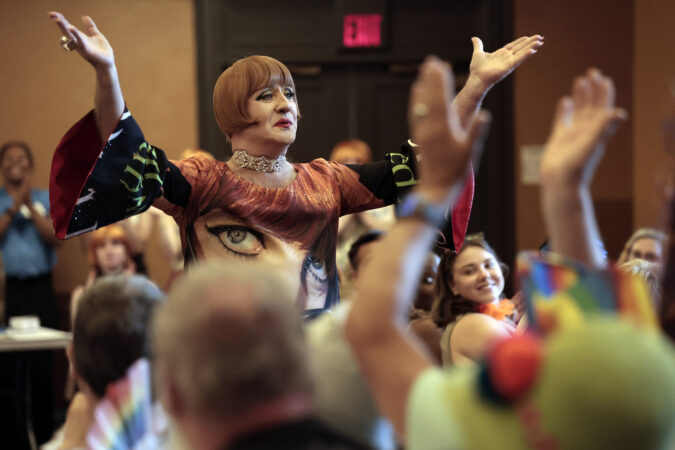
    “None of it would have been possible without all of you,” Carlota told the 400-person crowd — the biggest turnout in years — at her last Gay Bingo on June 13 in the basement ballroom at Congregation Rodeph Shalom. “In the ’90s there was horror happening, and today there is horror happening.

    “But please, let’s do some laughing,” Carlota said.

    “Let’s play bingo!”
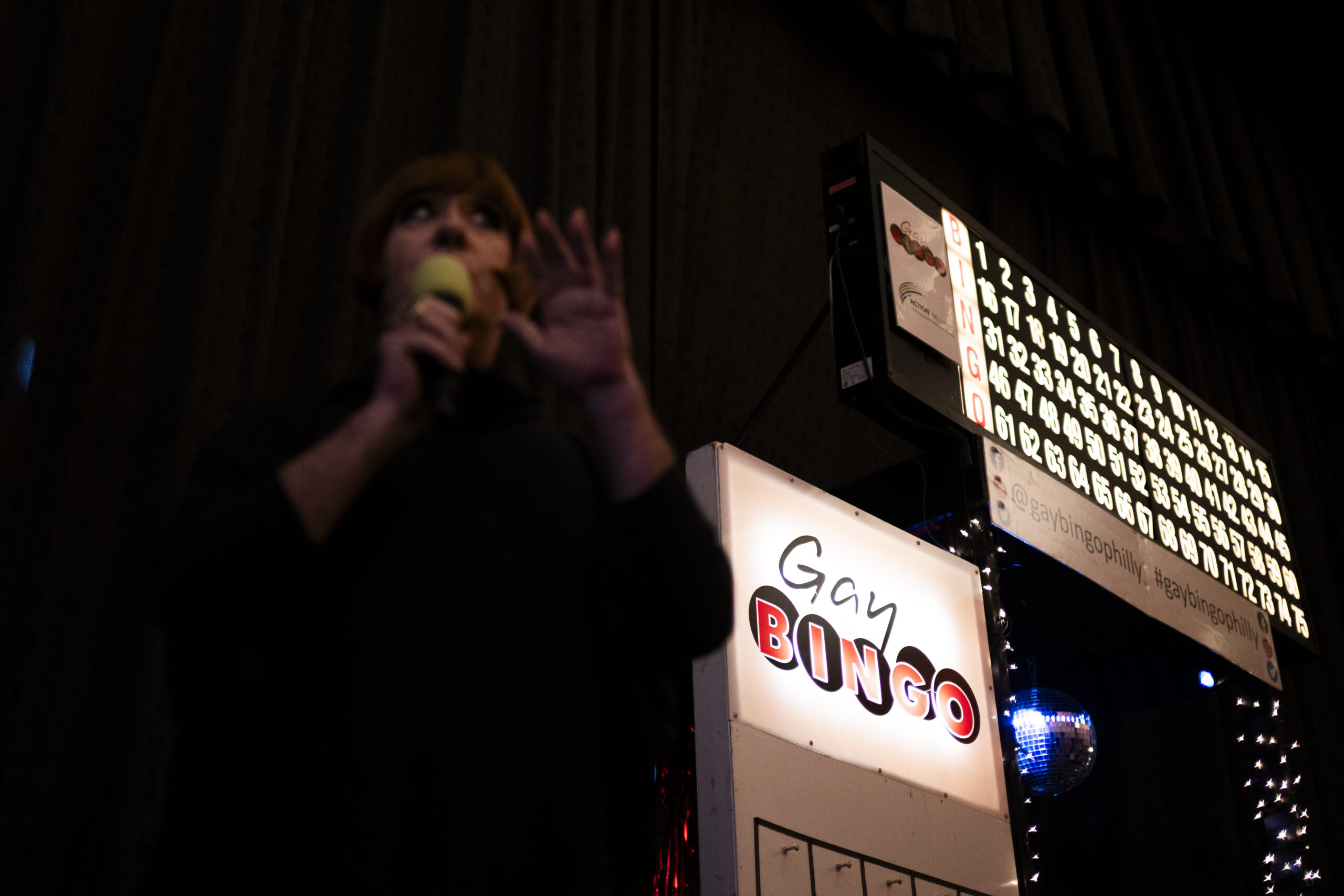
    Michael Byrne, as his drag persona Carlota Ttendant, during Gay Bingo on Saturday, May 9, 2026, at Congregation Rodeph Shalom in Philadelphia.

    Act I

    Like so many Saturdays before, Byrne, on June 13, slathered his face with foundation, carved out his cheeks, deepened his eyes, and painted on his red lip. There was haze — from the dusting of loose setting powder, bronzer, and blush — and musk — from sweat and heat and hairspray — in a Rodeph Shalom classroom, which moonlights as a bridal suite and a boudoir for the Bingo Verifying Divas or BVDs. At 10 minutes till curtain, he futzed with his press-on nails, shimmied into a mod swing dress, straightened the back seams of his tights, and dabbed on some glitter. With each gender-bending step, he transformed into his “twin sister,” Carlota.
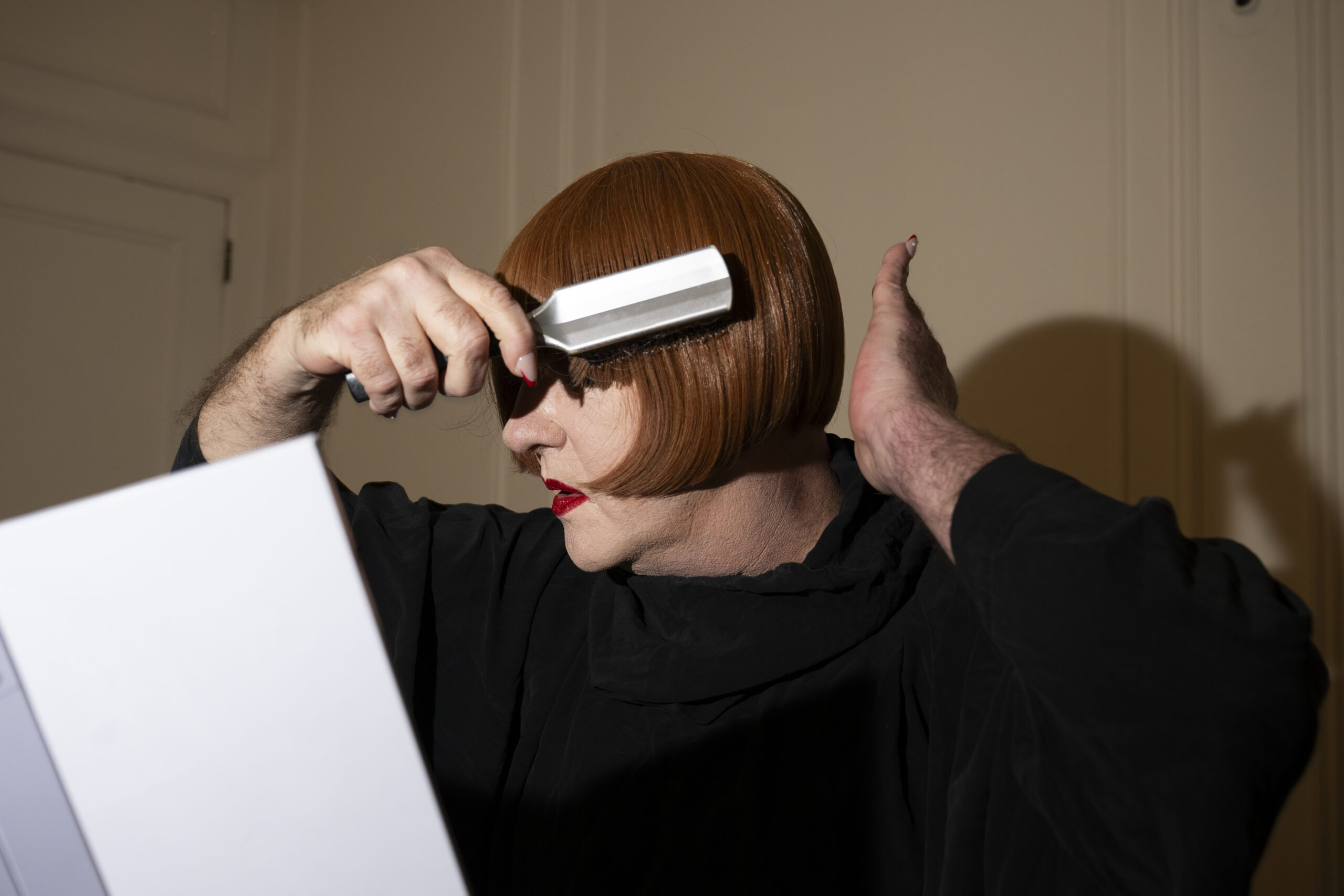
    Michael Byrne transforms into his drag persona Carlota Tendant ahead of Gay Bingo on May 9 at Congregation Rodeph Shalom in Philadelphia.

    Like all classy ladies, Carlota’s exact age is lost to time. In the 1990s, Byrne was organizing a fundraiser for Big Mess Theatre, an avant-garde troupe that he helped establish as the spinning axis of Philadelphia’s alternative performance scene, complete with vaudeville acts, an oompah orchestra, and live auction with a striptease routine. Byrne was to host and make his drag debut, and Carlota Ttendant (read as car lot attendant) was conjured up over bourbon and blackjack. (He learned, years later, that there was a ’60s stripper at the famed Trocadero Theatre with the same name.)

    Byrne never aimed to create a perfect, feminine illusion with Carlota. He left his chest unshaven and unstuffed, but short, thrifted dresses showed off his long and feminine legs. Carlota’s makeup was an extension of the exaggerated theater paint Byrne, who has been on stages since he was 10, knew; cheap wigs hid his sideburns. Nothing could mask his deep, raspy, anything-but-ladylike voice.
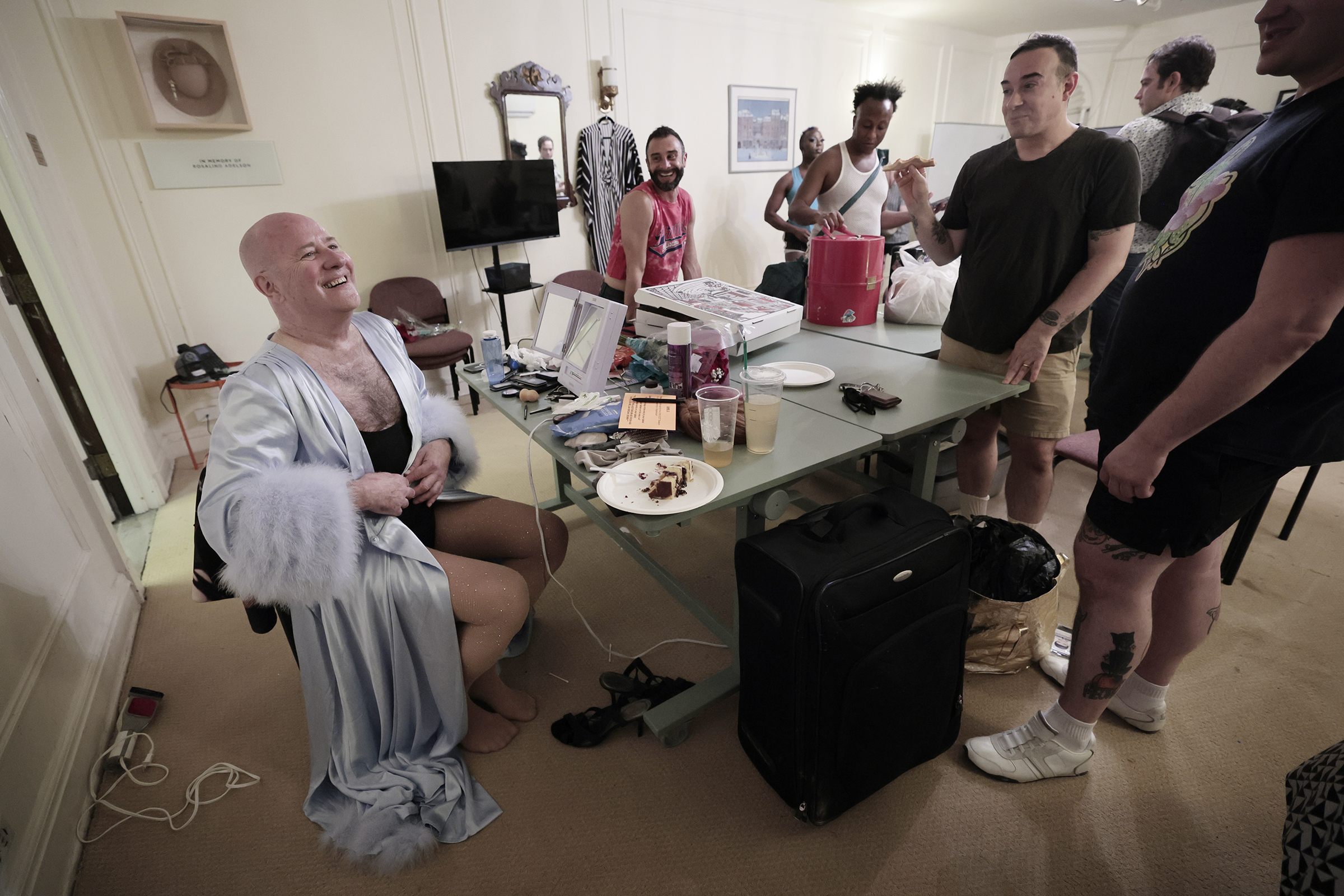
    Carlota Ttendant (Michael Byrne) (at left) laughs with friends and fellow performers after Carlota’s final evening cohosting Gay Bingo at Congregation Rodeph Shalom in Philadelphia on June 13.
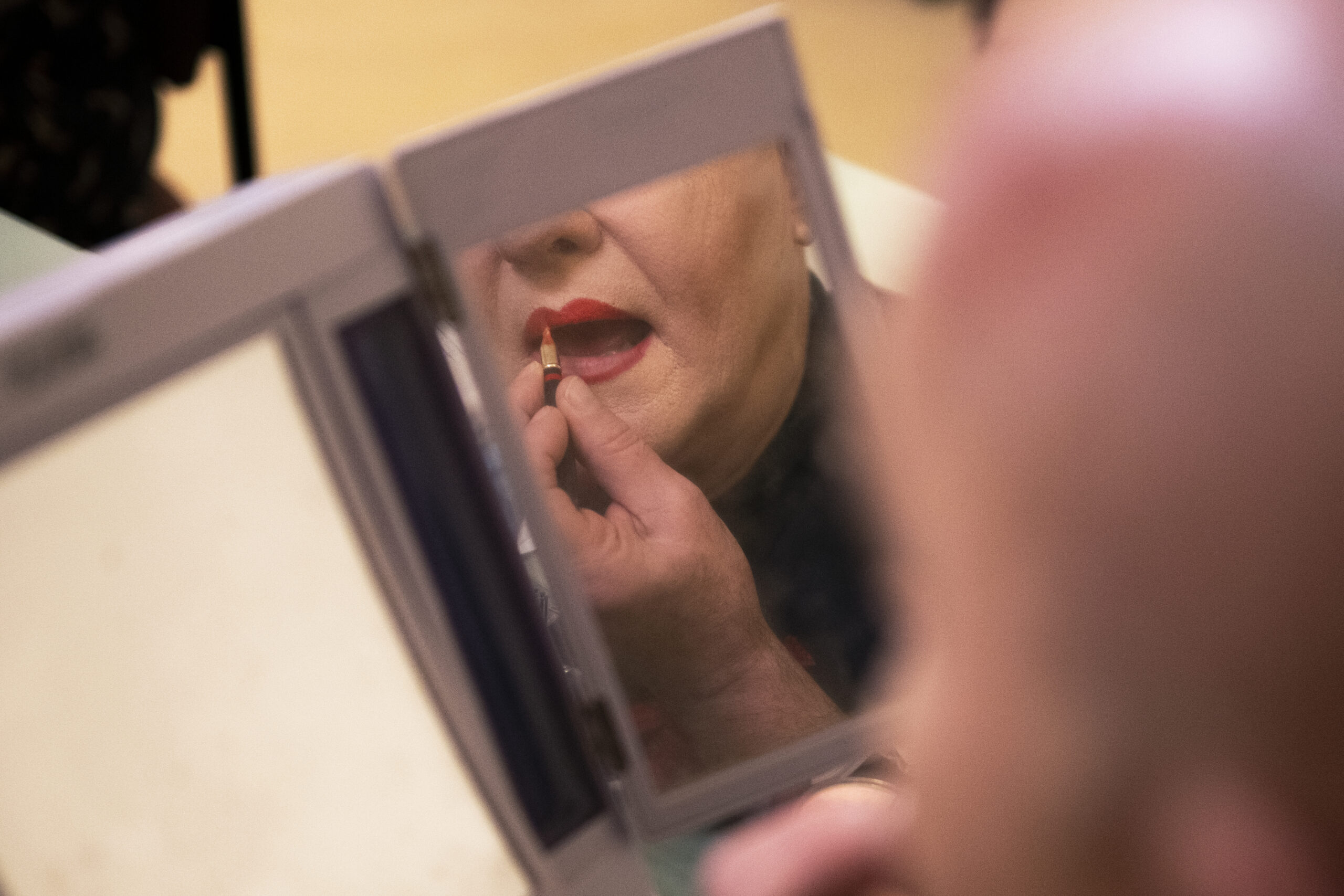
    Michael Byrne transforms into his drag persona Carlota Ttendant ahead of Gay Bingo on May 9 at Congregation Rodeph Shalom in Philadelphia.

    Carlota could be bossy and profane but never vulgar; she could poke fun at audiences without being cruel. She became the “drag queen you could bring your grandma to,” Byrne said.

    Around the time Carlota came to be, the number of new AIDS diagnoses and deaths peaked in Philadelphia. In 1992, new AIDS cases surpassed 1,500; in 1994, AIDS deaths topped 900, according to city data.

    (function(){function e(){window.addEventListener(`message`,function(e){if(e.data[`datawrapper-height`]!==void 0){var t=document.querySelectorAll(`iframe`);for(var n in e.data[`datawrapper-height`])for(var r=0,i;i=t[r];r++)if(i.contentWindow===e.source){var a=e.data[`datawrapper-height`][n]+`px`;i.style.height=a}}})}e()})();

    Misinformation about the disease, which strips the body of its natural defenses and leaves it vulnerable to life-threatening infections and ailments, was rampant. People alienated gay men, wrongly fearing HIV/AIDS could be transmitted through a handshake, a hug, or across a dinner table, The Inquirer and Philadelphia Daily News wrote. Diagnostic testing took weeks; what rudimentary treatments were available sometimes made people sicker; and HIV often progressed to AIDS within a few years.

    “It was not unusual to have people dying every month,” said Kevin Burns, who as a case manager with the nonprofit ActionAIDS (now called Action Wellness) connected clients to hospice care. Burns later served as Action Wellness’ executive director.

    The need for resources was rife, and in 1996, Philly’s nonprofit AIDS Fund set out to supplement the money it made from its annual AIDS Walk, according to Sandra Thompson, former chair of its board of directors. An article in City Paper about an irreverent bingo-drag night sweeping Seattle — which, by one report in the Seattle Times, raised $10,000 a night — caught the attention of Mark “Chumley” Singer, then a fledgling events producer, who pitched the idea to the AIDS Fund. (The fund folded in 2024 due to the decrease in new AIDS cases, and turned ownership of Gay Bingo over to Action Wellness.)

    Singer recalled thinking at the time: “I’ve been doing sad, mopey, candlelight vigil fundraisers. … Why can’t we raise money and have fun?”

    Singer and Byrne had never met before the latter was tapped to host Gay Bingo, but their chemistry was kismet.

    “There was never a show where we weren’t having more fun than everybody,” said Singer, who cohosted until the early aughts. Byrne and Singer left Gay Bingo around that time, but Byrne later returned.

    Byrne remembers the magic of those early years of Gay Bingo. He remembers when 600 seats would sell out in 10 minutes, and he remembers doing his glittered red lip from the floor of the Gershman Y’s mirrored dance studio. He remembers two-show Saturdays and how six hours in heels would make him catatonic on Sunday. He remembers riffing with and ribbing Singer and the laughs their off-color jokes and mild profanity elicited. He remembers the constant movement of the bold and bawdy BVDs, on Rollerblades, or the electricity when O-69 was called and hundreds stood up, shaking and shouting with the fervor of their libidos.

    But Byrne also remembers the solemn moments: the steelworker who told a documentarian about watching his bodybuilder son become emaciated; the families who sponsored games on the anniversary of their loved one’s death; the pharmacist who learned all he could about HIV drugs; Byrne’s own friends who were infected.

    “Our community was in crisis,” Byrne said, “while we focused on it, we also focused on being fun and laughing.

    “And we all needed that at that point.”

    Act II

    The “Rainbow Bombshell” Gay Bingo on June 13 doubled as a Pride extravaganza and an homage to all things Carlota. Her first outfit of the night was crafted from a promotional banner from her years hosting the Philadelphia Orchestra’s Halloween Concert. Alongside her, the BVDs dressed as Big Mess-era Carlota, Norma Kamali-inspired Carlota, Phillies Carlota, and fuzzy caftan-wearing Carlota. Attendees, ushers, volunteers, and even the American Sign Language interpreter wore that signature red bob — wigs that Action Wellness bought in bulk. One wore a T-shirt that read, “Dibs on the ginger.”
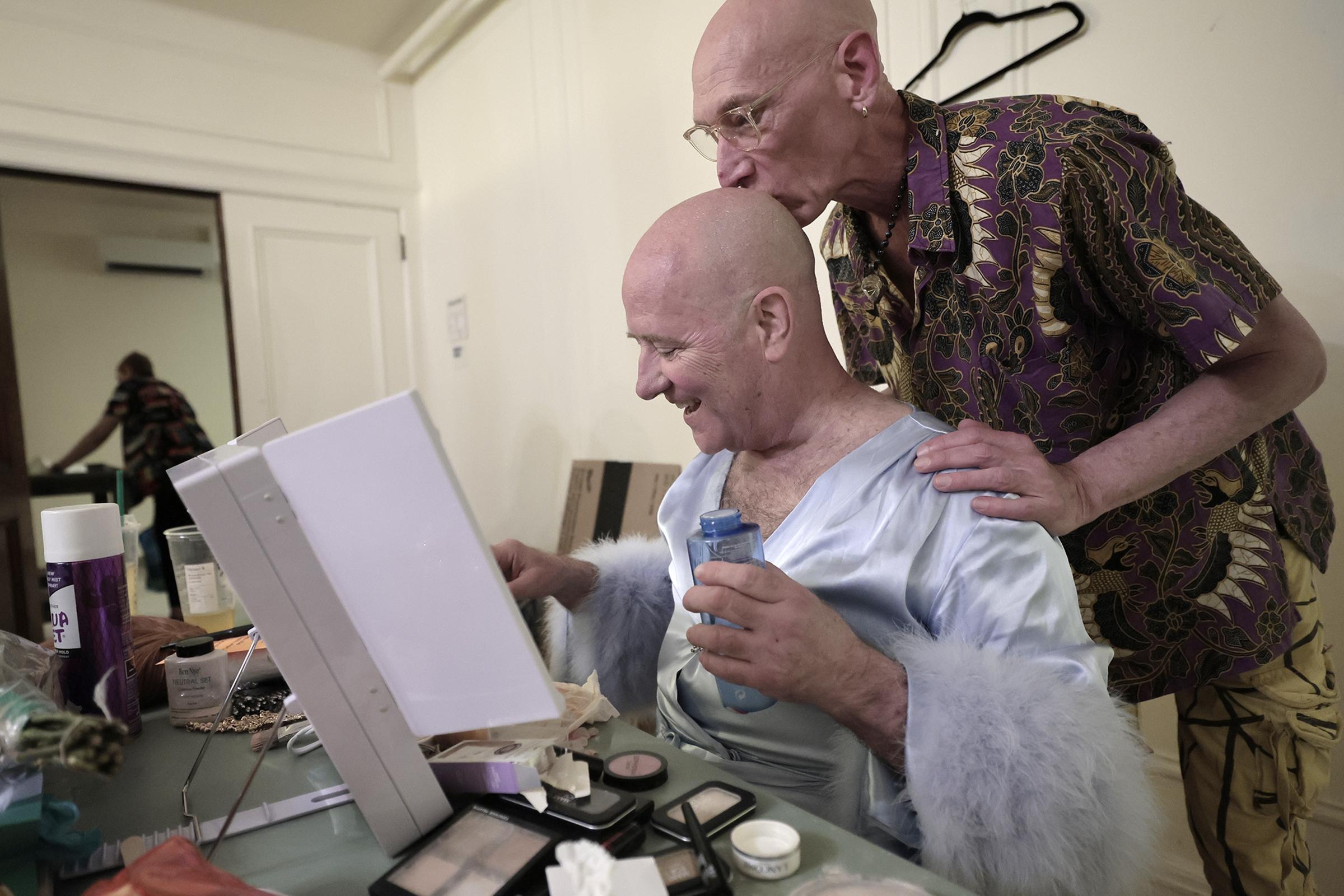
    In the dressing room, Tess Tickle (Paul Struck) kisses Carlota Ttendant (Michael Byrne) on the head after Rainbow Bombshell Gay Bingo at Congregation Rodeph Shalom in Philadelphia on Saturday, June 13, 2026. “I love him” said Struck as he walked out of the dressing room.
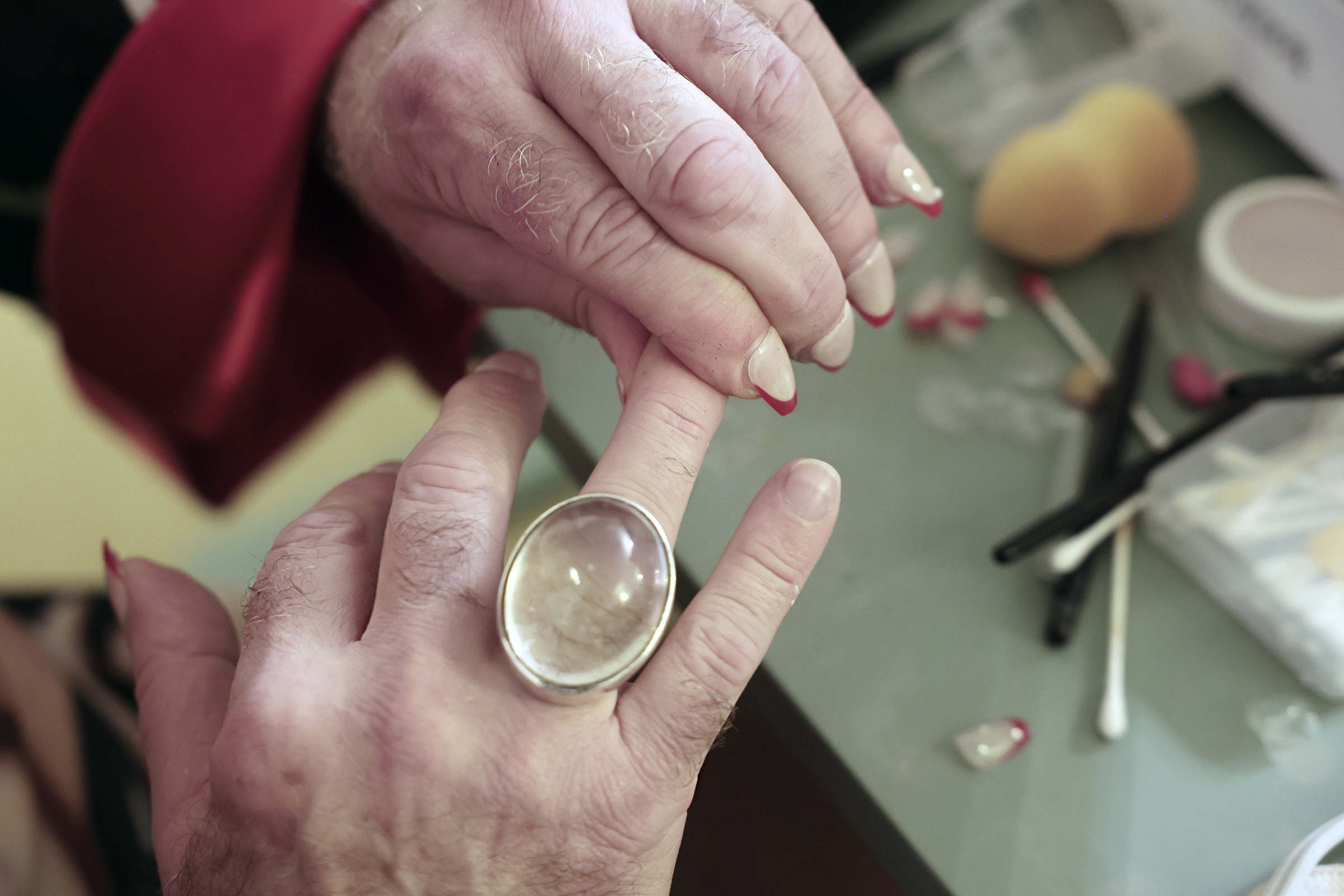
    Carlota Ttendant (Michael Byrne) puts on a favorite crystal ring and fake nails before cohosting Rainbow Bombshell Gay Bingo on June 13.

    “Are we ready to win some money?” Carlota said, hyping up the crowd before the first of 12 rounds of bingo. Councilmember Rue Landau, the Philadelphia City Council’s first openly LGBTQ+ member, called the first game:

    I-28.

    I-26.

    G-52.

    B-14.

    O-63.

    B-3.

    “Bingo!” someone cried out, as the audience let out an audible wave of disappointment, exasperation, and defeat, and the BVDs rushed over to authenticate.

    “Did you just get bingo, girl?” Carlota wisecracked.

    For 30 years, these Gay Bingo players have pledged each month to “keep on playing Gay Bingo until this crisis is over.” And today, HIV/AIDS deaths and new diagnoses have stagnated, according to the most recently available health department data, and drug cocktails have made it so people with HIV can live long, healthy lives and may never pass the disease onto others or have their illness advance to AIDS. Preventative medications, like PrEP, can also dramatically decrease the risk of becoming infected.
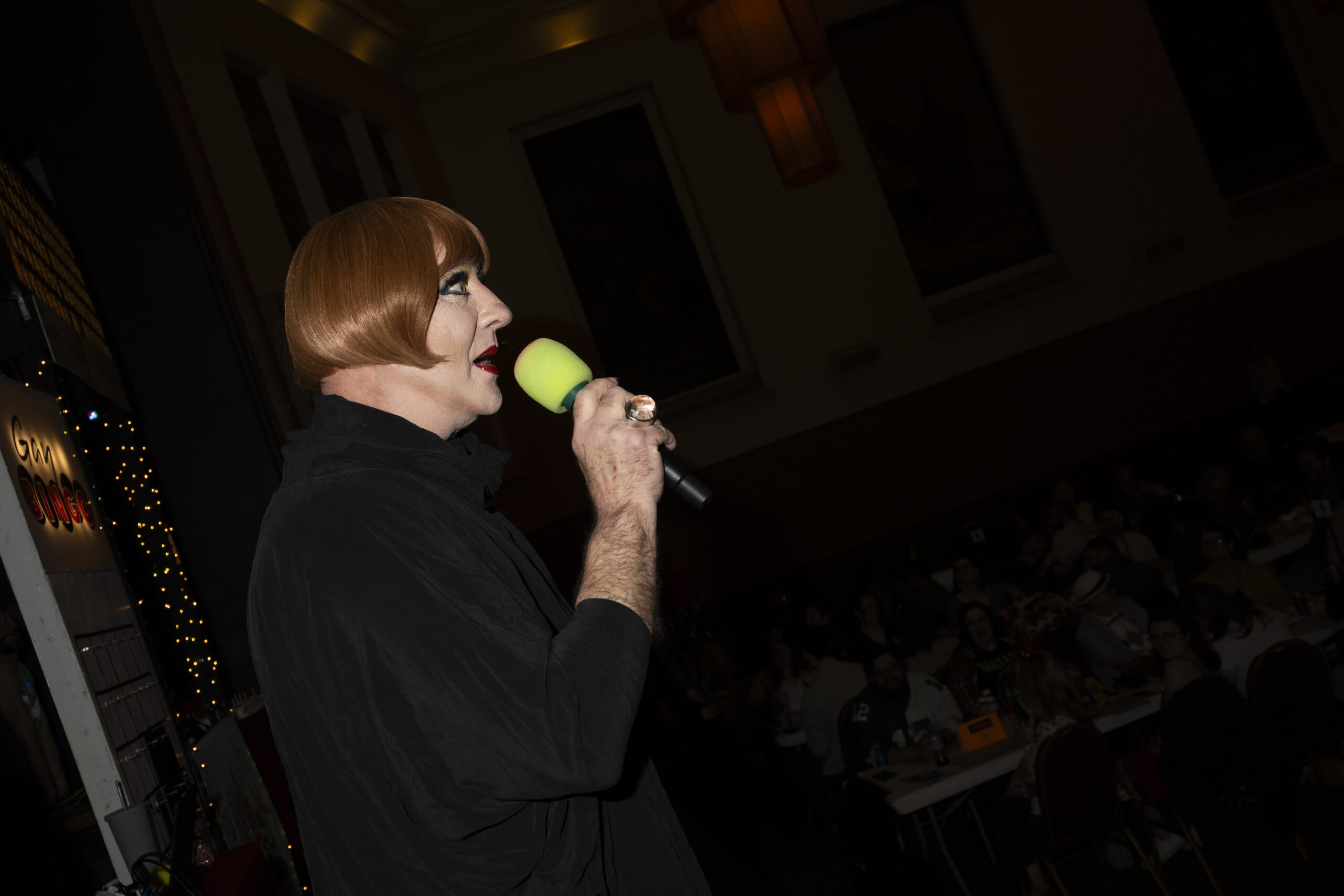
    Michael Byrne, as his drag persona Carlota Ttendant, on May 9 at Congregation Rodeph Shalom in Philadelphia.

    But there are still obstacles to ending the epidemic. HIV/AIDS disproportionately affects Black and brown communities and low-income people who experience barriers to healthcare, according to Action Wellness executive director Mary Evelyn Torres. The geographic disparities are also stark: Current drug regimens may be readily available in well-resourced countries, like the United States, but access is scarce in the world’s vulnerable pockets. These problems have only been exacerbated by President Donald Trump’s proposed cuts to domestic and foreign HIV/AIDS programs. The withdrawal of American dollars overseas, United Nations officials warned, could lead to more than 4 million AIDS-related deaths and 6 million more HIV infections by 2029.

    (function(){function e(){window.addEventListener(`message`,function(e){if(e.data[`datawrapper-height`]!==void 0){var t=document.querySelectorAll(`iframe`);for(var n in e.data[`datawrapper-height`])for(var r=0,i;i=t[r];r++)if(i.contentWindow===e.source){var a=e.data[`datawrapper-height`][n]+`px`;i.style.height=a}}})}e()})();

    Meanwhile, the Trump administration and state legislatures are attempting to roll back protections for LGBTQ+ people. In Philadelphia, Pride celebrations this month in the Gayborhood were disrupted after Philadelphia police pushed and confronted revelers using what some have called outsized and aggressive crowd-control tactics, although Police Commissioner Kevin Bethel said his department’s actions had nothing to do with Pride. City Council has since announced it will hold public hearings to examine the police response.

    “We’ve come a long way, but there’s still work to be done,” Torres said, “and that work is being threatened by this administration.”

    As the epidemic has changed, so has Gay Bingo: The money raised — more than $5 million since its inception — now goes toward Action Wellness’ social services and programming. The BVDs ditched their roller skates at the Gershman Y (because of the new, carpeted venue). Tickets cost $50-$60, compared to $10-$12 in May 1996, and these days, attendance averages between 150 and 200 a month.

    Drag has evolved, too. Spending centuries on the periphery as proto-punk-beatniks and after-midnight acts, queens disrupted and challenged the mainstream with wit and wonder. Then, the exploding popularity of RuPaul’s Drag Race, a drag reality-TV competition, seismically changed the culture, snubbing scrappiness for silicon and kitsch for couture. The show ushered drag into the zeitgeist: Its lingo became commonplace and its contestants turned into social media stars, with businesses, makeup brands, books, and podcasts, as the art form continues to face political bans and threats nationwide.

    The show “has taken everything to a whole other planet,” Byrne said, “and that’s amazing and that’s really great.

    “That’s also not what I do.”

    Carlota was never concerned with “affecting female mannerisms” or “trying to be this woman or this drag queen,” Singer said. To Byrne, she’s come to embody the fiercest, most unafraid, and righteous versions of himself. But “Michael was never far from Carlota,” Singer said.
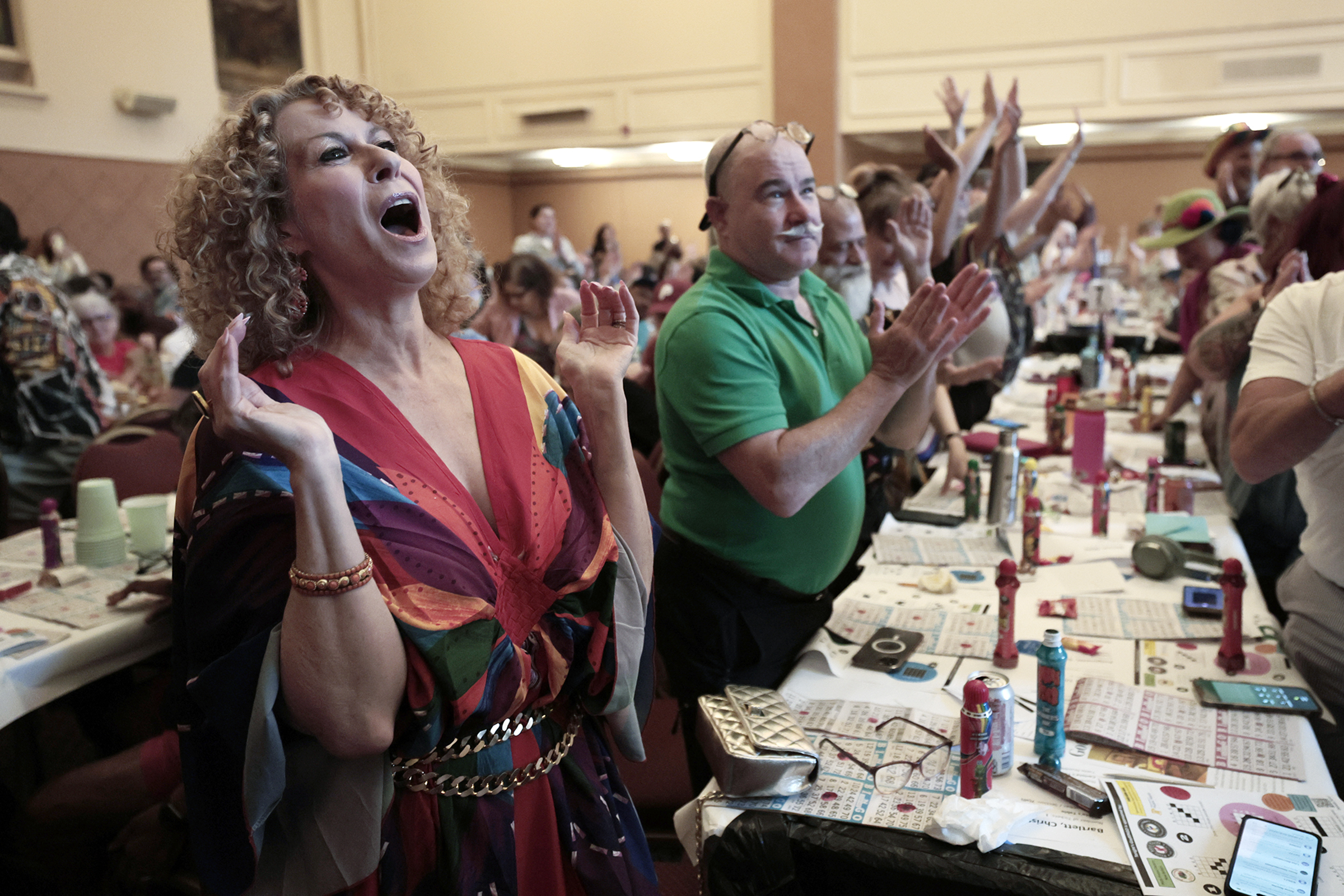
    Janie Lopez of Philadelphia cheers for her friend Carlota Ttendant during Gay Bingo at Congregation Rodeph Shalom.

    To those who know Byrne, Carlota’s come to represent someone purer and more singular, a testament to what joyful resistance and defiant resilience can achieve amid tragedy. Her ingenuity and authenticity have made her synonymous with Gay Bingo, according to Action Wellness event planner and cohost Tim Johnson (otherwise known as Stella D’Oro); her playfulness is what’s engaging, Burns said; the safe space she’s cultivated for the queer community is what keeps people coming back season after season, said regulars Cat Johnson, 47, and Katie Dickerson, 38, of Roxborough.

    “It’s going to be really different without Carlota,” Johnson said. “No one’s going to fill her shoes, but I think that the vibe and the energy is going to live on.”

    “It’s a lot easier to raise money when everyone is having fun,” said Amber Schlesman, 38, of Point Breeze, who’s been coming to Gay Bingo since its Gershman Y days. “And for the shoes, I’m guessing it’s a size 12.”

    All those shoes will be donated to Philly AIDS Thrift soon enough, Byrne said.

    Epilogue

    Byrne’s voice cracked as he thought of the people who made Carlota’s run possible: the AIDS Fund organizers, Singer, the original cast of BVDs, the volunteers, those who came back monthly, the victims, their families. Many sent her off June 13 with a trove of well wishes, notes that read, “thanks for the memories,” and “so proud of all you’ve done.” They told her, “I love you,” and “hang up those high heels, baby.”

    At the end of the night, Byrne’s best friend gifted him a throw pillow.

    “Don’t be a lady,” it said. “Be a legend.”
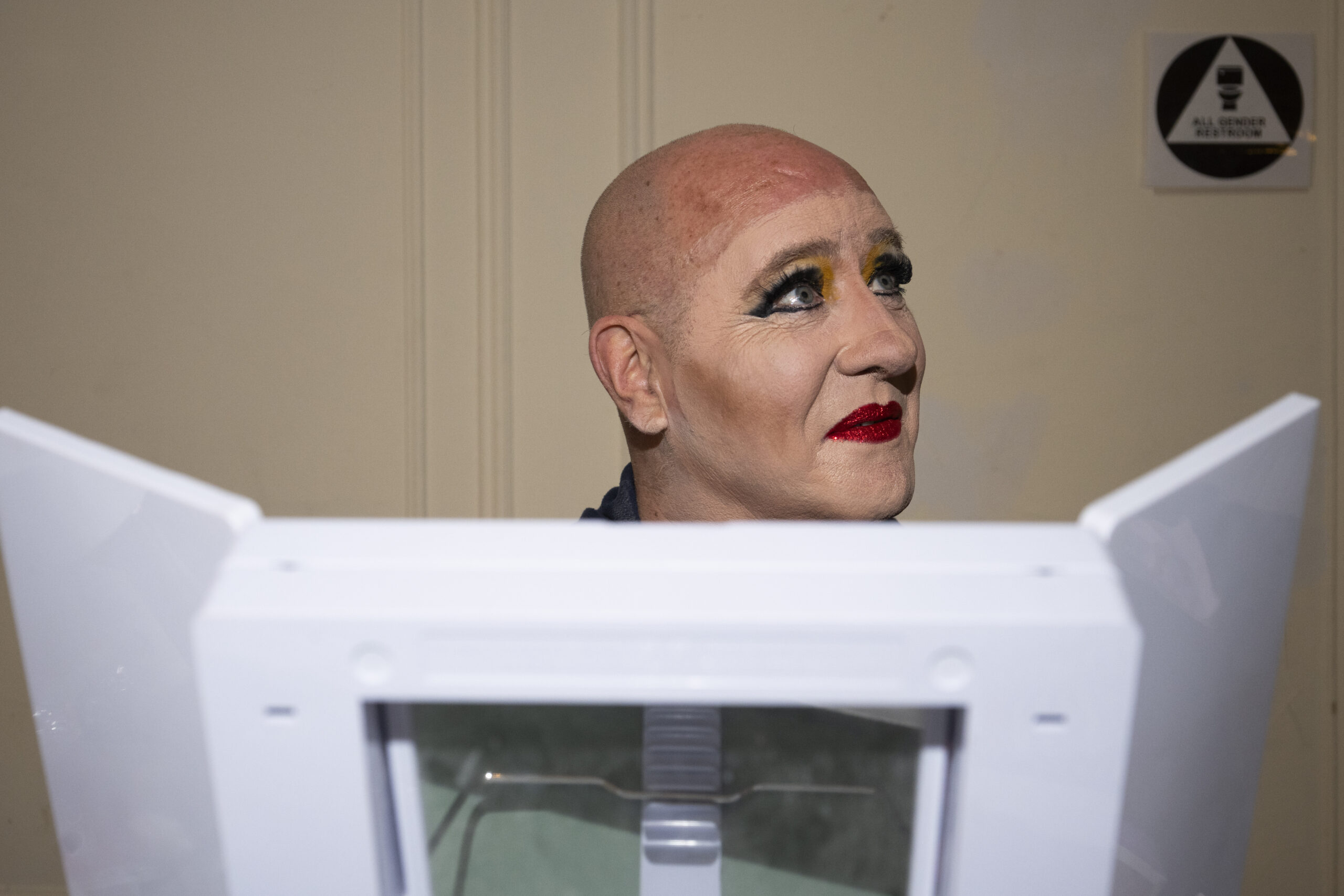
    Michael Byrne transforms into his drag persona Carlota Ttendant ahead of Gay Bingo on Saturday, May 9, 2026, at Congregation Rodeph Shalom in Philadelphia.
  • Boston thinks its Revolutionary history might be better than Philly’s. We think that’s pretty cute.

    Boston thinks its Revolutionary history might be better than Philly’s. We think that’s pretty cute.

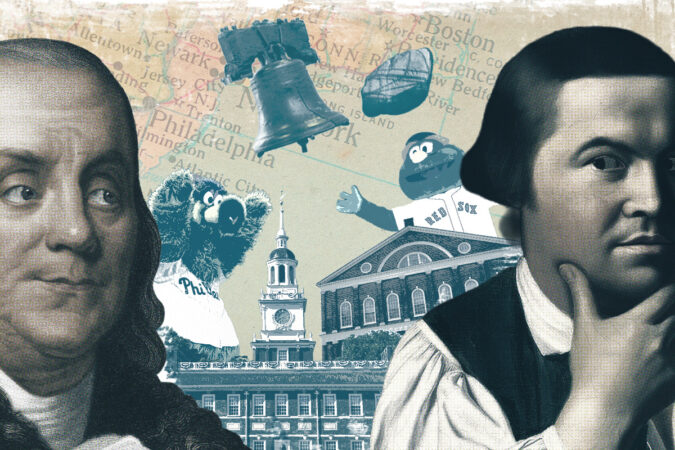
    BOSTON — Not long ago, the folks over at the Boston Globe turned their spotlight on, of all places, Philadelphia. With the nation’s 250th birthday fast approaching, the newspaper dispatched a reporter to our fair city to determine how it stacks up, historically speaking, to Boston.

    The story revealed that — despite being primarily known for bad weather and baked beans — Boston apparently fancies itself a city with a robust and impressive history. In fact, some seemed to be of the opinion that Boston’s Revolutionary history might even be better than Philadelphia’s.

    “As the old saw goes,” one Massachusetts historian told the paper, “Boston did the hard work of making the Revolution, while Philadelphia did the paperwork.”

    Admittedly, this came as a bit of a surprise to us here at The Inquirer. What we had assumed is that when your city lays claim to the Liberty Bell, the Declaration of Independence, the U.S. Constitution, and a starring role in the 2004 Nicolas Cage film National Treasure, any debate over historical prominence is bound to be a little one-sided.

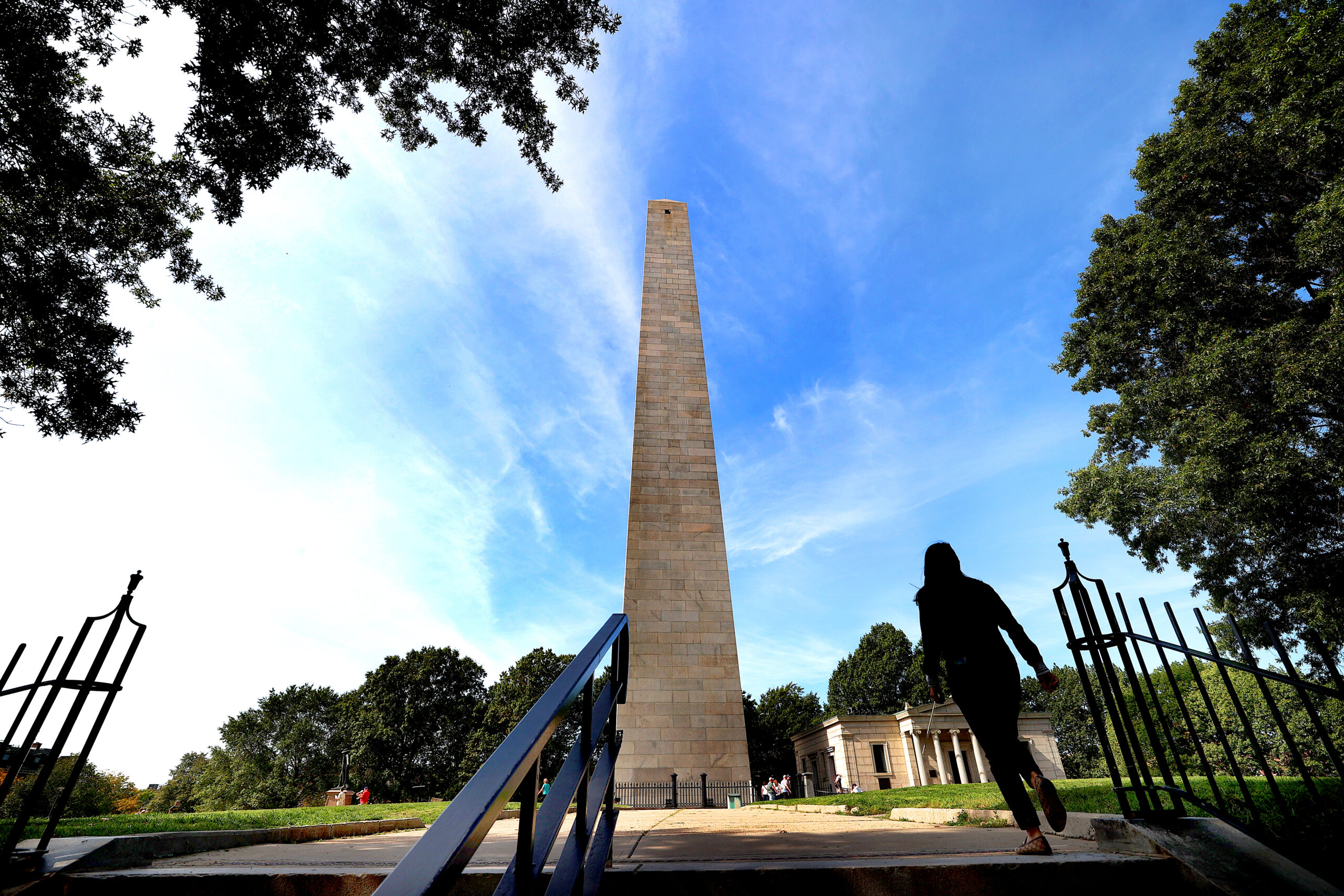
    The 221-foot Bunker Hill Monument – which actually sits atop Breed’s Hill – seen here on Sept. 30, 2025.

    Having myself once lived in Boston, I, too, was a bit miffed, as it had always been my understanding that the city’s history amounted to little more than drunken shenanigans and historical fan-fiction — a bizarre collection of half-truths and falsehoods.

    But like the Founding Fathers themselves (at least five of whom are buried at Philadelphia’s Christ Church, though who’s counting?), I remain open to new ideas.

    And so I set off recently for that little New England burg to the north, eager to experience firsthand the rich and vibrant history that we Philadelphians had apparently been missing out on.

    A trail of freedom and fabrication

    It was mid-June when I arrived in Boston, which meant that winter would be wrapping up in just a few short weeks, and the city was abuzz.

    Hollywood might have you believe that Boston is a grim, gray place where residents spend all their time robbing banks and inquiring about one another’s fondness for fruit, but in truth, the city is a lively hub of art, education, technology, and — as I’d recently learned — history.

    And how better to delve into that history than by joining a walking tour of Boston’s famed Freedom Trail, a 2.5-mile path featuring several of the city’s most significant historical landmarks?

    As a dozen or so of us set off with our guide, Kenneth — a friendly fellow dressed in authentic Revolutionary garb consisting of a polo shirt that said “Boston History Company” — it was hard not to feel a swell of patriotic pride.

    What quickly became apparent, however, is that — when it comes to its history — Boston has spent the past 250 years playing a little loose and fast with the facts.

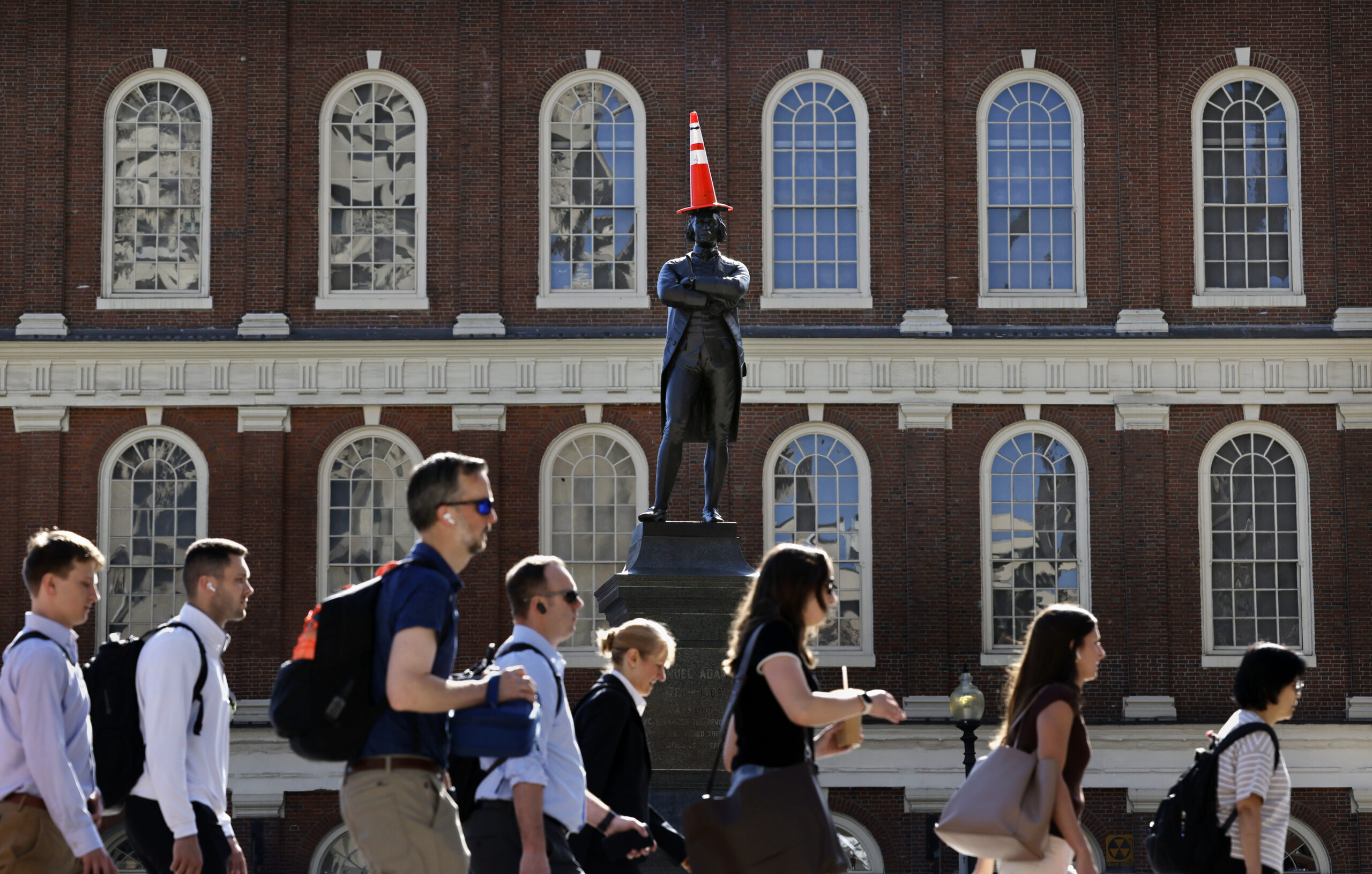
    A traffic cone sits atop the statue of Samuel Adams as morning commuters pass Faneuil Hall in Boston on June 17, 2026.

    Take Paul Revere, arguably the city’s best-known historical figure.

    You might recall Revere from his famous “midnight ride,” detailed in Henry Wadsworth Longfellow’s iconic poem, during which Revere successfully alerts fellow colonists of a coming British invasion.

    In reality, Kenneth explained, Revere had pulled on his boots, set off on horseback into the New England night — and been promptly captured by British soldiers.

    In fact, of the three riders sent out that night, our guide said, Revere was the only one who’d failed to complete the mission.

    There was also the matter of the city’s most famous Revolutionary battle, the Battle of Bunker Hill — namely, that it was fought not on Bunker Hill but at a completely different location, called Breed’s Hill.

    Rather than correct the record, Boston in 1843 built a massive 221-foot monument atop Breed’s Hill, labeled it “The Bunker Hill Monument,” and marketed it as a major civic attraction — though, luckily, there was a perfectly reasonable explanation for this bit of misdirection:

    “[Bunker Hill’s] got the better name,” Kenneth explained. “So that’s what we went with.”

    But a city’s history, of course, is about more than just names and dates and stories — it’s about monetizing those stories through a carefully curated local tourism industry.

    The tourist experience

    Proponents will tell you that, much like Philadelphia, Boston has done a terrific job preserving the city’s historical aesthetic, and this certainly seemed to be the case.

    For instance, if you ignored the Chipotle, the CVS, the Walgreens, the Sweetgreen, the TJ Maxx, the Shake Shack, the cell phone repair shop, the Falafel King, and the 47 or so Dunkin’ locations lining the Freedom Trail, it was pretty much impossible not to feel like you’d been transported right back to the 1700s.

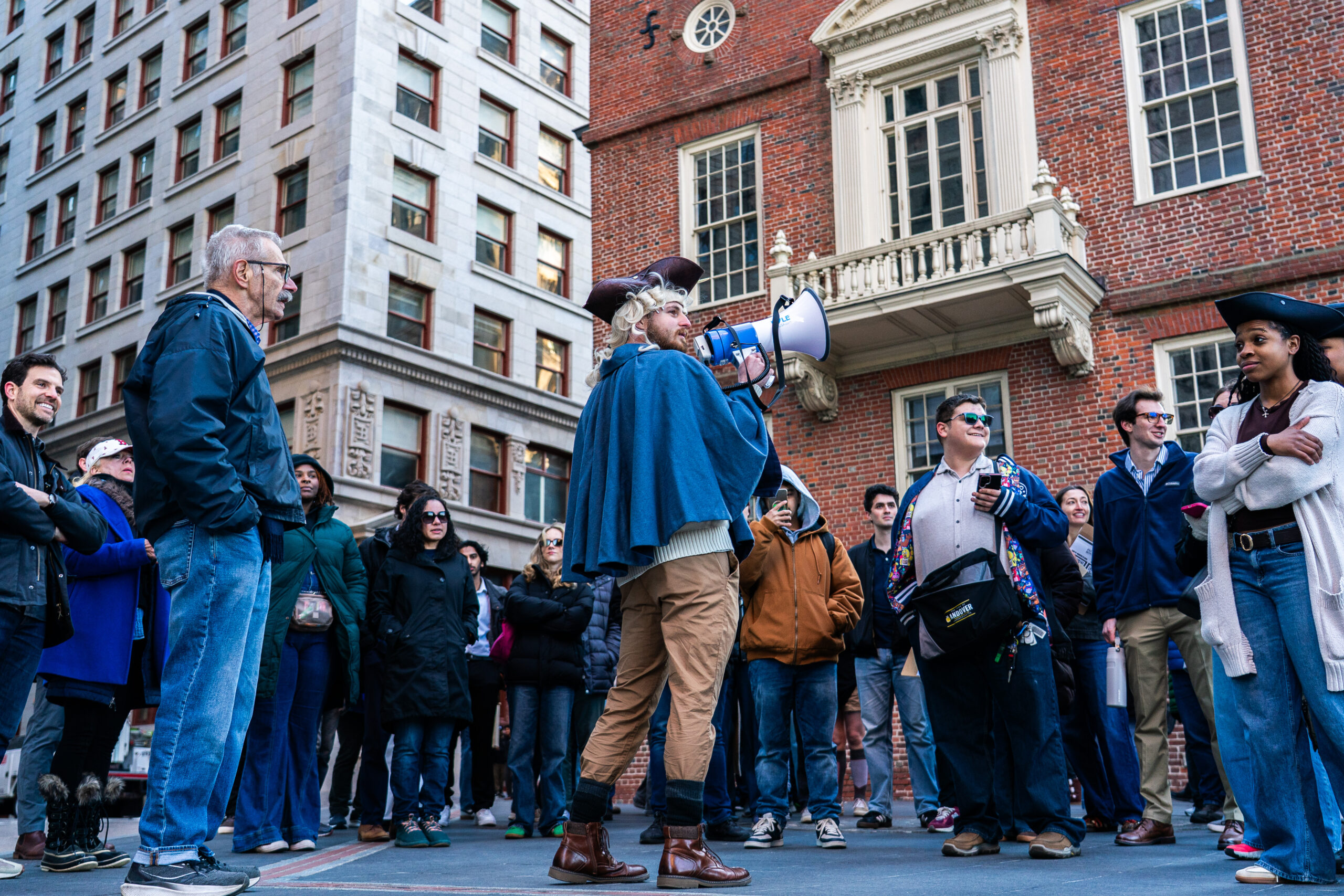
    Trey Fuccillo, 23, of Boston leads attendees during a “Democracy Walk” with David Hogg, co-founder of Leaders We Deserve, and Patrick Roath, candidate for Congress, outside of the Old State House in Boston on Wednesday, April 8, 2026.

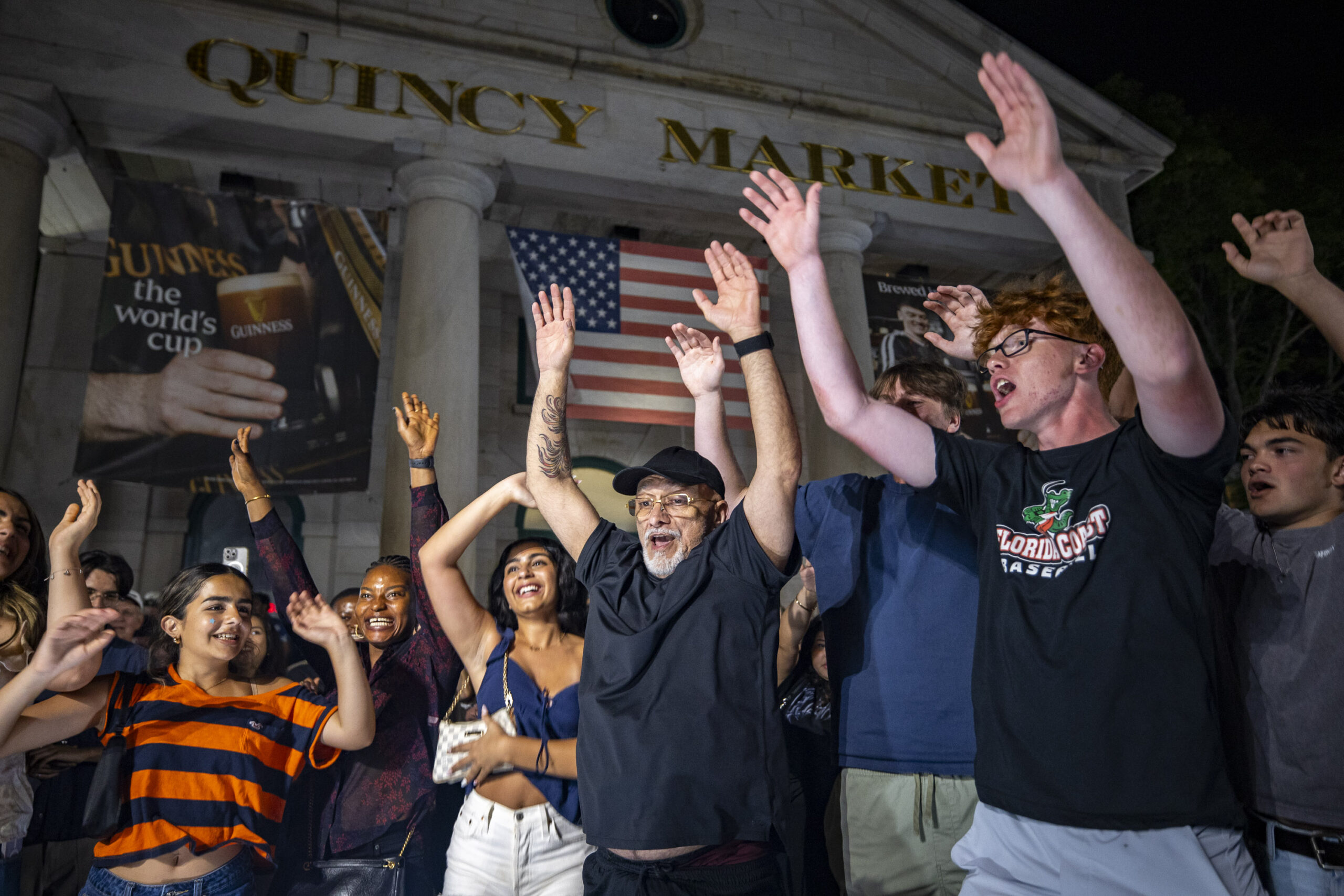
    The crown jewel of the city’s historical district is the bustling Faneuil Hall Markeplace — which once served as a prominent meetinghouse for the Sons of Liberty and today is a very good place to get, say, a $23 bowl of chowder and a key chain with a shamrock on it.

    Like Philadelphia’s Independence Hall, which remains a meticulously maintained ode to Philadelphia’s Revolutionary history, Boston’s Faneuil Hall — and nearby Quincy Market — is also a site that shows great reverence to the city’s past.

    For instance, when you walk past the Sephora and take a left at Jimmy Buffett’s Margaritaville — if you reach the Sunglass Hut, you’ve gone too far — you will eventually arrive at a small shop selling tasteful tributes to the city’s storied history, such as:

    • A T-shirt featuring three cartoon men in wigs, chugging beers below the words, “The ‘Pounding’ Fathers.”
    • A T-shirt featuring an image of Benjamin Franklin wearing sunglasses and holding a red Solo cup, along with the words, “Ben Dranklin.”

    Despite such thoughtful offerings, it turns out that Boston’s quest to attract history-focused tourists in the lead-up to America’s 250th birthday hasn’t always been easy.

    “Philadelphia’s been cleaning our clock in terms of getting people to come to Philadelphia to see history,” says Robert Allison, president of the Colonial Society of Massachusetts and co-chair of Revolution 250, a consortium of New England organizations dedicated to honoring the nation’s Semiquincentennial.

    But back to Ben Dranklin for a moment…

    Rambod Hashemi, center, leads dances as Cory Allen Staats performs outside Faneuil Hall in Boston on Saturday, June 20, 2026.

    The Franklin conundrum

    One issue that tends to get a little sticky between Boston and Philly is which city possesses a stronger claim to Benjamin Franklin, the wacky, kite-flying Founding Father.

    Franklin’s story is a tale as old as time: Child is born in a small town (Boston), longs for something more, and, as a teen, eventually works up the courage to set off for the big city (Philadelphia), whereby, suddenly surrounded by other brilliant minds, he blossoms.

    Despite this, Bostonians have struggled to relinquish their ties to Franklin, whose name and likeness are plastered across the city.

    One afternoon, for instance, I found myself at the Mount Auburn Cemetery in nearby Cambridge, staring up at an enormous monument marking Franklin’s burial spot.

    This was notable only in the sense that Franklin is very much buried 300 miles away, at the Christ Church Burial Ground in Philadelphia.

    During our tour, Kenneth, the guide, had shared an improbable story. Apparently, an eccentric rich man named Thomas Dowse — in an effort to get more people to visit Dowse’s own grave site — had arranged to have a false burial monument to Franklin constructed nearby.

    “A psych-out,” Kenneth called it.

    Certain Kenneth must be mistaken — that not even in Massachusetts could someone be so arrogant and status-obsessed as to erect a fake burial monument — I called the cemetery in question and sheepishly recounted the story I’d heard.

    “That’s absolutely true,” replied Meg Winslow, the senior curator of historical collections and archives at Mount Auburn — and a Philly native.

    “It’s pretty big,” she added of the monument. “In the cemetery world, we call it a ‘cenotaph’ — which is a memorial without a body.”

    As my first day in Boston drew to a close, I tried to take stock of what I’d learned. In truth, after 24 hours in the city, I’d yet to uncover the kind of historical magic I’d hoped to find.

    But maybe, I realized, I’d been setting my sights too narrow.

    To fully appreciate the local history, maybe I needed to go a bit further back in time.

    Plymouth Crock

    The next morning, I awoke early and — with a renewed sense of optimism — headed south on I-93, toward the one historical landmark that was guaranteed to impress: Plymouth Rock.

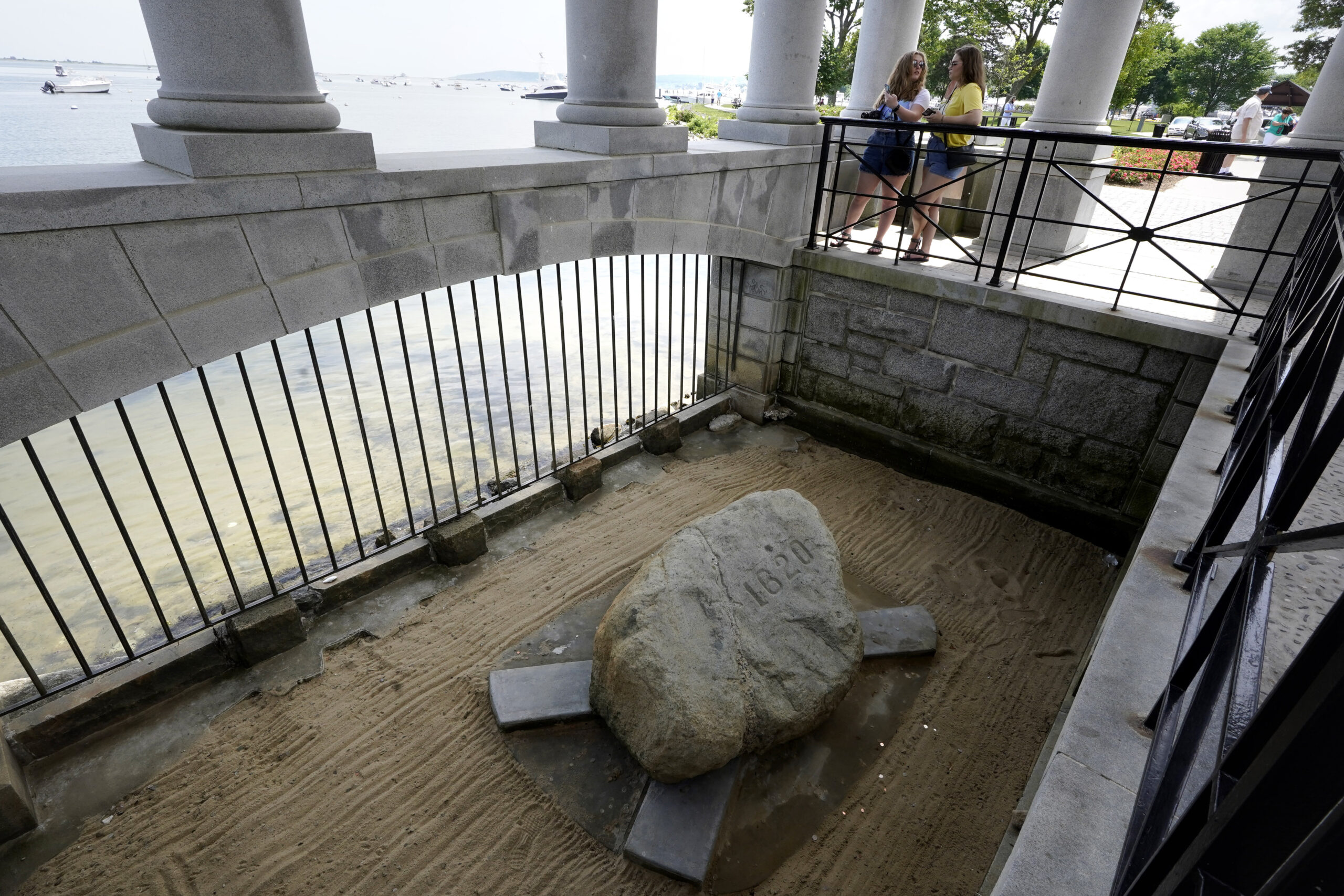
    Like every American child, I’d grown up learning about this vaunted slab of stone — the very rock where the Mayflower Pilgrims had made landfall back in 1620.

    Today, the rock is featured in a prominent seaside park 30 miles outside of Boston, and though some Yelp reviews have been lukewarm — “This rock is smaller than my dog’s bed.” … “How can a rock be so famous and [yet] such a let down at the same time?” … “I am so glad I am dying of a terminal disease so I don’t have to ever visit here again.” — I was not going to let a few naysayers dampen my spirit.

    Visitors stand in a pavilion that shelters Plymouth Rock, below, in Plymouth, Mass., in June 2021. (AP Photo/Steven Senne)

    While it’s true that the rock is on the smaller side, and that the vast majority of tourists who’d made the pilgrimage did not immediately appear blown away (“Corny-ass rock,” grumbled one teenager in headphones), none of that took away from the rock’s significance — or the sense of awe I felt while gazing upon it.

    This — right here in front of me — was the actual rock that the Pilgrims first set foot upon when they disembarked from the Mayflower more than 400 years ago.

    “Actually, that’s a little bit of a myth,” explained a nearby park ranger, a skinny fellow with a wily white beard. “They arrived in winter, so there was snow and ice. No one’s stepping onto rocks with snow and ice.”

    OK. But still: This — right here in front of me — was the very spot where the Mayflower had come ashore…

    “The Mayflower didn’t come in,” corrected the ranger. “It was anchored a mile and a half out. A smaller vessel came in.”

    Fine. But what was indisputable was that the town of Plymouth — the town in which I now stood, the town that has staked its entire identity to Plymouth Rock — was absolutely, positively the very first place the Mayflower Pilgrims landed when they arrived…

    I looked at the ranger.

    “They stopped first at the tip of [Cape Cod],” he said, “in a place called Provincetown.”

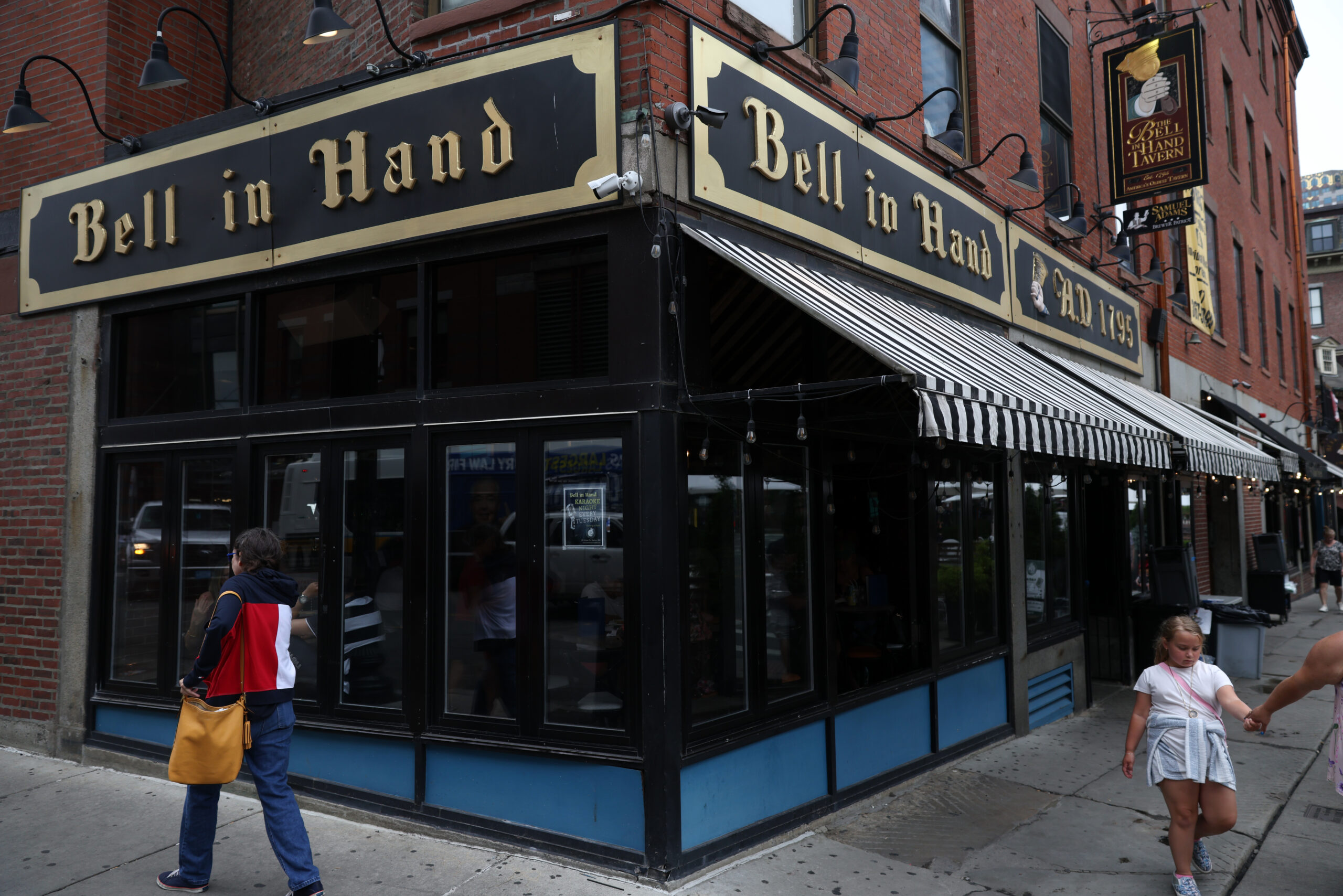
    The Bell in Hand Tavern on Tuesday, July 9, 2025.

    The verdict

    Back in Boston later that day, it was hard not to feel a bit dejected.

    I’d arrived in the city two days earlier with high hopes and an open mind, ready to immerse myself in its history; now, it seemed I’d be leaving with little more than some blisters and moderate-to-severe sun damage.

    On my last afternoon in town, I was wandering glumly through the city’s streets, wondering if the trip had been for naught, when I stumbled upon an old business.

    The Bell In Hand Tavern, a sign out front read. Oldest Tavern in America.

    I walked in and took a seat at the bar.

    Maybe it was the cool breeze flowing in from the open windows. Maybe it was the middle-aged finance guys flirting unsuccessfully with their server at a nearby table.

    But sitting there, in the oldest tavern in America — trying to decide, like so many great patriots before me, between the loaded nachos and the steak-and-cheese spring rolls — I suddenly realized that I’d been looking at things all wrong.

    In the end, history isn’t some gaudy competition. We all play a role in this great nation. Sometimes, as in the case of Philadelphia, that role includes having the Liberty Bell, the U.S. Constitution, the Declaration of Independence, and being the literal birthplace of democracy. And sometimes, as in the case of Boston, it means erecting fake burial monuments and celebrating small rocks of dubious historical significance.

    Does that make one city “better” than the other?

    Yes.

    Obviously.

    But the point is, it all matters.

    For the first time since my arrival, I felt a pang of appreciation for this scrappy New England city, with its cute little history tours and incorrectly placed monuments.

    And though my train back to Philadelphia would soon be departing, I was overcome by the urge to mark this moment in the only way that seemed right.

    “Excuse me,” I called to the bartender, brimming with a newfound sense of patriotism. “I’ll have a Samuel Adams lager.”

    “Unfortunately,” came the reply, “we’re out.”

  • Do we kick a neighbor out of our HOA group chat?

    Do we kick a neighbor out of our HOA group chat?

    This week’s question (Have your own? Submit it here.):

    I am in an HOA. We are all in one group chat and are friendly to one another. One of the women in our chat, who is very nice in person, uses the chat to complain, almost weekly.

    She thinks the kids are too loud playing outside on a Saturday afternoon. She says one of us put our trash out 20 minutes before we’re technically allowed to. She says one of us closes our front door so hard that it shakes the whole building. She constantly asks for us to get her Amazon packages and if we say we’re not home she says, “ANYONE ELSE?” Yes, in caps.

    So yeah, we don’t like her. We’ve tried! So there are some ideas floating around, the main one being: Do we mute that group chat and start a new one without her? Or do we just tell her what the deal is?

    Kiki Aranita, Food & Dining Reporter

    100% mute that chat and start a new one.

    Elizabeth Wellington, Features Columnist

    I agree with Kiki.

    But, we are trying to be helpful here and it’s a horrible thing when someone ignores the group chat. Have you established any ground rules in the chat? If not, maybe it’s time?

    Kiki Aranita

    Yeah, was this a chat established for getting packages for one another?

    Elizabeth Wellington

    I think at the very least you send a message out that starts with “No complaining.”

    My apartment complex had a similar group chat on WhatsApp. After a month, I opted out. I’d rather not be in the know then hear about all of these people’s incremental problems.

    Kiki Aranita

    I’m not in an HOA but I live on a block where I know my neighbors and we’re all super active in grabbing one another’s packages and super appreciative of one another.

    That said, we don’t complain in our group chats. Complaints are for friend group chats, not neighbor group chats.

    Elizabeth Wellington

    There are ways to keep people informed and, in this world, we need to be informed.

    So my suggestion in drawing up ground rules is: no complaining. Informing is not complaining.

    Kiki Aranita

    Create a mini version of a neighborhood Facebook group, which has established ground rules, and is actively monitored by admins.

    By the way — that last question of “do we tell her what the deal is?” I would not do this.

    Elizabeth Wellington

    I might though. People need to know when they are getting on your last nerves.

    Maybe she doesn’t know how annoying she is. Maybe telling her is the first step.

    Kiki Aranita

    I’m not scared of confrontation in general, but I think confrontation like this can make it difficult to live with someone in such close proximity.

    Elizabeth Wellington

    You don’t have to curse her out, just a gentle nudge… “Like, girl… some of your group chat messages have been off-putting. We try not to complain. We are solutions oriented.”

    Kiki, should we come up with a list of ground rules to help these folks out?

    Kiki Aranita

    First, no shouting/all caps.

    Elizabeth Wellington

    No making fun of people. No cursing. No complaining about things, especially other people. No gossip.

    Kiki Aranita

    Establish a motto like “to support and inform.”

    I also like the idea of multiple group chats for neighbors (because I have them). They’re like slack channels. One is just for packages. Another one of my friends also has multiple group chats. Unfortunately, one of them is “the rat chat” — it only deals with rats.

    Elizabeth Wellington

    It’s fine if neighbors want to splinter off to talk about other things like packages and other such things, but the HOA group chat should be accessible to everyone in the HOA and it should have guidelines and rules.

    You may not like old girl, but she lives there too.

    Just set ground rules going forward.

    Kiki Aranita

    With a positive motto.

  • The Paris of America, a Phanatic apartment, and Nic Cage | Weekly Report Card

    The Paris of America, a Phanatic apartment, and Nic Cage | Weekly Report Card

    Being called the Paris of America: A

    Philadelphians have spent decades developing an inferiority complex about New York.

    Maybe we’ve been comparing ourselves to the wrong city.

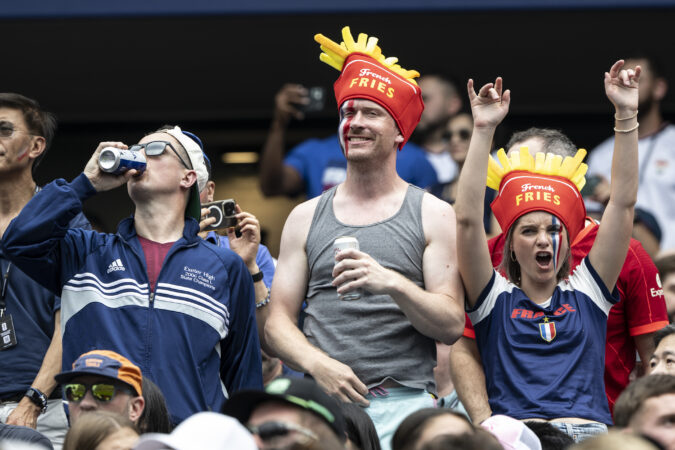
    French soccer fans visiting for the World Cup spent this week looking around Center City and noticing something many locals overlook: Philadelphia is surprisingly French. The Parkway was modeled after the Champs-Élysées. City Hall looks like it belongs in Paris. Even Michelin once called Philadelphia the “Frenchest city” in America.

    We’ll take it.

    Most American cities get compared to other American cities: Philadelphia gets compared to one of the most beautiful and romantic cities in the world.

    Sure, Paris has the Eiffel Tower. But Paris doesn’t have roast pork sandwiches, Gritty, or people arguing over parking permits at 7 a.m.

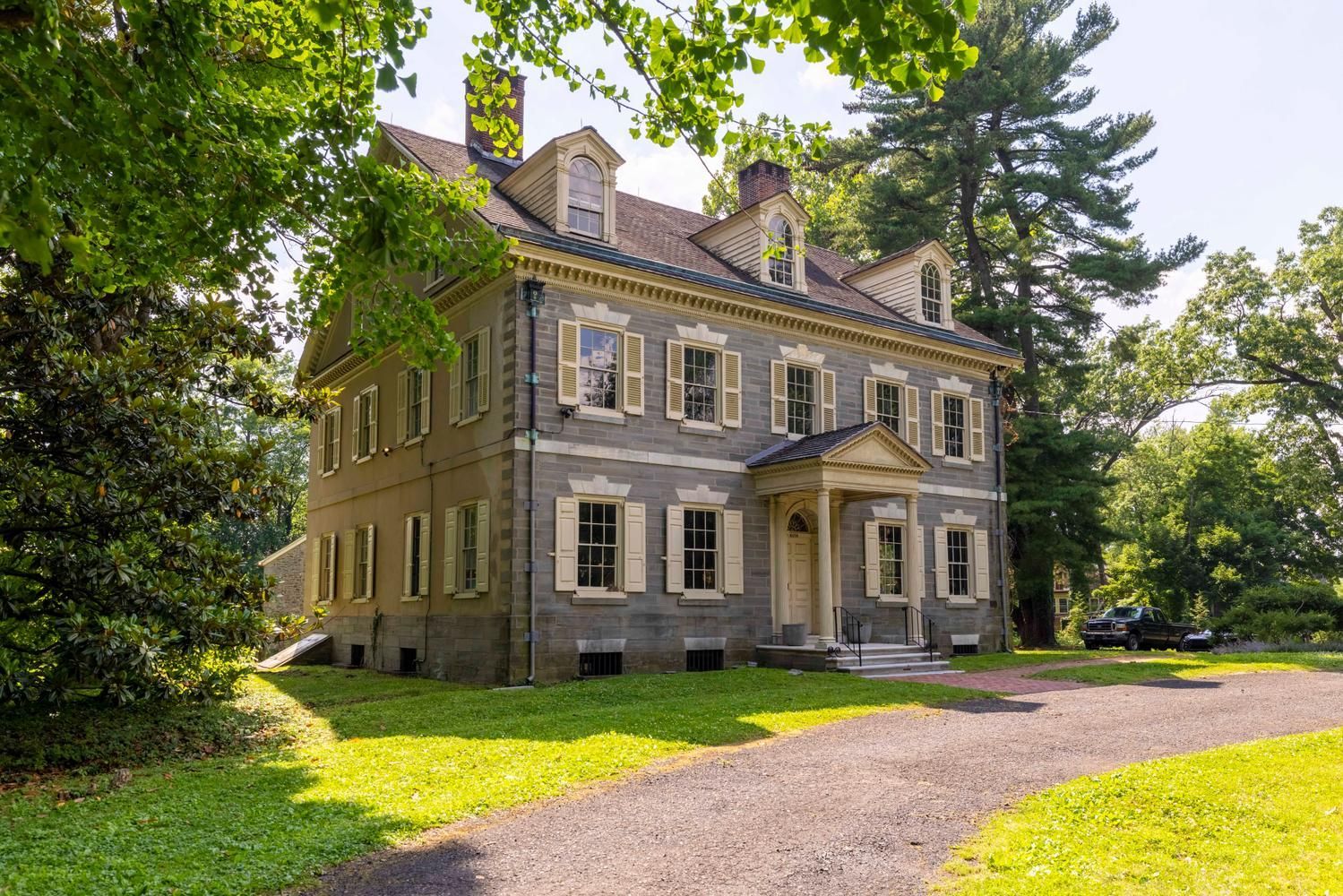
    Upsala mansion on the 6400 block of Germantown Avenue was built in 1798 and is currently up for sale.

    A house that comes with Revolutionary War reenactments: A

    Philadelphia real estate listings can get weird.

    You might get a rowhouse with a hidden speakeasy, a church converted into condos, maybe even a former firehouse.

    But a Germantown mansion that comes with a legally protected Revolutionary War battle reenactment on the front lawn is a different level.

    The owner of Upsala, a historic estate now listed for sale, revealed this week that the property’s easement requires future owners to allow reenactments of the Battle of Germantown. The reenactments haven’t happened since 2019, but the obligation remains, preserved in a 70-page legal document waiting for some future homeowner.

    For a city preparing to celebrate America’s 250th birthday, this is a nice reminder that in Philadelphia, history isn’t always tucked away in museums. Sometimes it’s written into the paperwork.

    A Phanatic-themed apartment: A+

    There are plenty of ways Major League Baseball could have celebrated the All-Star Game coming to Philadelphia.

    A logo, banners, a commemorative beer.

    Instead, someone decided to create an apartment that appears to have been designed by the Phillie Phanatic after consuming several energy drinks, Philly Voice reported.

    The result is a two-bedroom rental covered in green fur, baseball memorabilia, Phillies decor, and what can only be described as mascot maximalism. Two lucky fans can stay there for $19.78 a night and get tickets to All-Star festivities.

    The obvious question is why this exists. The Philly answer is why wouldn’t it?

    There’s a baseball glove chair, fuzzy green barstools, and a photo op with the Phanatic.

    Every detail sounds made up, but they’re not! Which is amazing.

    A Chicagoan discovers Philadelphia: A

    Philadelphians spend an awful lot of time explaining themselves. We feel underrated, maybe overlooked. And we’re not New York, D.C., or Boston.

    A Chicago man posted a lengthy love letter to Philadelphia recently after a trip that included cheesesteaks, hoagies, roast pork, dive bars, the Barnes Foundation, Reading Terminal Market, Magic Gardens, and City Hall, which he declared his favorite building in America.

    The review was so thorough that it started to feel like Visit Philadelphia had hired him.

    But the most revealing part was that he kept comparing Philadelphia to Chicago.

    Another city full of neighborhood pride, old bars, great sandwiches, beautiful architecture, and residents who spend half their time insisting everyone else overlooks them.

    The commenters understood immediately. One called Philadelphia a mini New York. Another argued Chicago and Philadelphia people have more in common with each other than either would like to admit. They’re probably right.

    But there’s no compliment Philadelphians love more than hearing someone came here expecting very little and left wondering why nobody told them how great it is.

    Ronnie Gunter, a lacrosse athlete and Drexel grad known for looking a lot like Eagles QB Jalen Hurts, is the latest bombshell on “Love Island USA.”

    The Jalen Hurts look-alike on Love Island: B+

    Philadelphia has reached a level of cultural dominance where even our quarterback’s doppelgänger is getting reality TV opportunities.

    A Drexel graduate entered the Love Island villa this week, and his main claim to fame isn’t being a former lacrosse player or nonprofit worker. It’s looking enough like Jalen Hurts that people have been stopping him for photos for years.

    Honestly, that feels very Philadelphia. We don’t just have celebrities, we also have backup celebrities.

    The funniest part is that nobody on the show seems to have noticed yet. Viewers back home immediately saw Jalen Hurts. The contestants on a tropical island in Fiji just saw a handsome guy in swim trunks. Give it time.

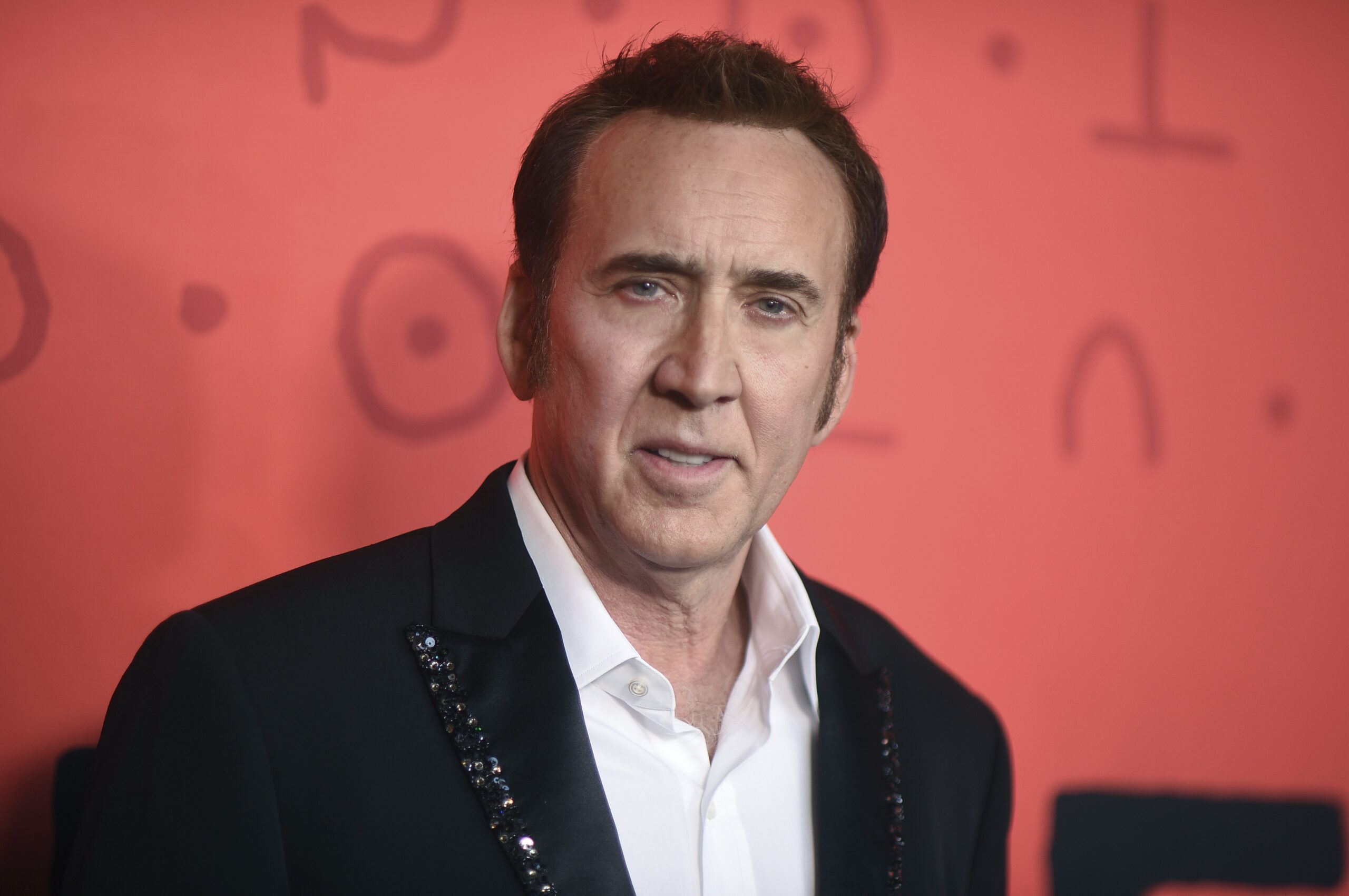
    Nicolas Cage arrives at the premiere of “Longlegs” at the Egyptian Theatre on Monday, July 8, 2024, in Los Angeles. (Photo by Richard Shotwell/Invision/AP)

    A Nicolas Cage bar crawl: A+

    Philadelphia spent years planning America’s 250th birthday celebration. And somehow nobody thought to include the man who stole the Declaration of Independence.

    Fortunately, Jenkintown stepped in.

    This weekend’s Nicolas Cage-themed bar crawl features Cage cocktails, Cage trivia, Cage competitions, Cage masks, Cage movies, and what appears to be a community-wide commitment to a bit that has gotten completely out of hand.

    The genius of Nicolas Cage is that nobody can quite agree whether he’s a great actor, a bizarre actor, or some third category that exists only for Nicolas Cage.

    The same could be said for this event.

    Jenkintown is hosting an evening built around a man whose filmography includes stealing national treasures, fighting John Travolta while wearing John Travolta’s face, and getting punched repeatedly in a wicker bear costume.

    Frankly, if we’re celebrating America this year, Nicolas Cage probably deserves a seat at the table.

  • Waterfalls, wineries, and Ithaca: A Finger Lakes weekend getaway | Field Trip

    Waterfalls, wineries, and Ithaca: A Finger Lakes weekend getaway | Field Trip

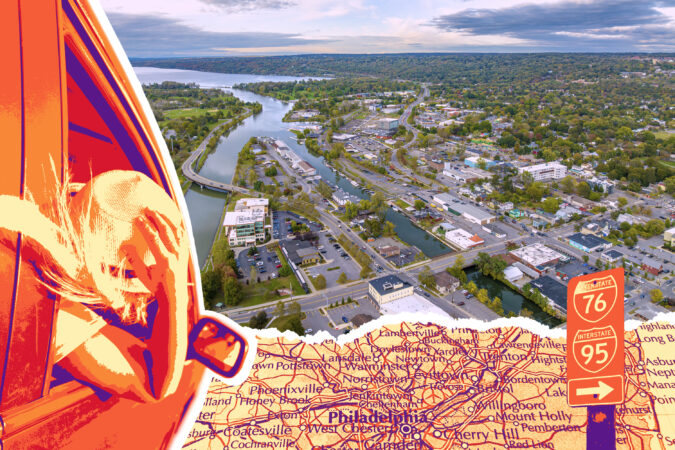
    Eleven long, skinny bodies of water comprise New York’s Finger Lakes, a wine region and resort destination for two centuries. Collectively they cover a wide swath of northern New York, with the easternmost and westernmost lakes over 90 miles apart.

    Since it takes more than four hours to get here from Philly, this itinerary focuses on just one finger, Cayuga Lake, at the southern end of which sits the Ivy League town of Ithaca, home to Cornell University. The trip also detours to Seneca Lake next door for some exciting natural wines.

    Expect waterfalls, eagle-spotting, ice cream, and plenty of outdoors. Start the car.

    Stay: Inn at Gothic Eves

    Check into the Inn at Gothic Eves (10 out of 10, no notes on the dramatic name), located 15 minutes from downtown Ithaca on the western shore of Cayuga Lake. Divided between two buildings linked by a two-acre landscaped patio, the resort’s eight suites take their names from the lakes they sit between — Cayuga and Seneca — and various grape varietals and wine regions. There’s a cozy spa with rock-walled treatment rooms and two hot tubs, nightly s’mores by the firepit, and epic breakfasts with house-made jams and locally sourced bacon.

    📍 112 E. Main St., Trumansburg, N.Y. 14886

    Hike: Cascadilla Gorge Trail

    The barrier between downtown Ithaca and nature is barely there. The head of the Cascadilla Gorge Trail begins right off a residential neighborhood, tucked between a church and dentist’s office. This 1.3-mile trail, stewarded by Cornell since 1909, connects downtown with the university’s Botanical Gardens and travels through ancient bedrock ravines and past six waterfalls.

    📍 Cascadilla Gorge Trail, Ithaca, N.Y. 14850

    Snack: Mama Said Hand Pies

    On Press Bay Alley, a pedestrian micro-mall built from a row of former storage units, Mama Said Hand Pies (another 10 out of 10 name) folds fillings like spiced peaches and Oaxaca cheese with mushrooms into flaky half-moon pastries. Drop in for a snack, and, if you’re lucky, some live music. As if you need another reason to like the place, a member of a recent bluegrass quintet can be seen on Mama’s Instagram performing in a Phillies shirt.

    📍 118 W. Green St., Ithaca, N.Y. 14850

    Sip: Osmote

    About 30 minutes west of Ithaca, near the shores of Seneca Lake, a simple wooden pavilion overlooks the water. This is where Osmote hosts picturesque tastings of its low-intervention wines. Four pours cost just $20 and may include bottles like the fizzy Cayuga White pét-nat or Marquette, whose tasting notes include “crunchy blackberry” and “cherry Pop-Tart.” The wines are made with locally sourced grapes while Osmote’s own vineyards, planted in 2024, mature.

    📍 3879 Marcia Ln., Burdett, N.Y. 14818

    Paddle: Paddle-N-More

    On summer Saturday nights, about an hour before sunset, single and tandem kayaks launch from Myers Park, on the east shore of Cayuga Lake. Join the two-hour guided eco-themed trip by Paddle-N-More, a popular outfitter with locations all around the lake. They provide the gear and the expertise, you provide the manpower (not that much) to cruise along the lakeshore, spotting bald eagles and herons.

    📍 1 Lansing Park Rd., Lansing, N.Y. 14882

    Dine: Moosewood Restaurant

    A national pioneer of vegetarian cooking and the local-organic movement, Moosewood Restaurant opened in 1972 and, impressively, continues to this day. While the restaurant is no longer worker-owned — Danica Wilcox, daughter of one of the founding members, took over in 2022 — the ethos that earned Moosewood three James Beard Awards and inspired a shelf full of cookbooks remains intact. Order the New York cheeseboard, oyster mushroom scampi, and, for dessert, the famous fudge brownie that Wilcox’s mother once baked for the restaurant.

    📍 215 N. Cayuga St., Ithaca, N.Y. 14850

    Indulge: Cayuga Lake Creamery

    Conveniently situated in the same building as Moosewood, Cayuga Lake Creamery is how you should end an Ithaca evening. This location opened in 2020 — the flagship, dating to 2004, is further up the lake in Interlake — and gives Cornell’s famous Dairy Bar a run for its money. Twenty to 30 house-made flavors rotate through the case, including tiramisu, Seneca Salt Caramel, and dark cherry sorbet dosed with Finger Lakes merlot.

    📍 215 N. Cayuga St., Ithaca, N.Y. 14850

  • His dream Shore house popped up on his phone over lunch at a Wildwood tavern | How I Bought This House

    His dream Shore house popped up on his phone over lunch at a Wildwood tavern | How I Bought This House

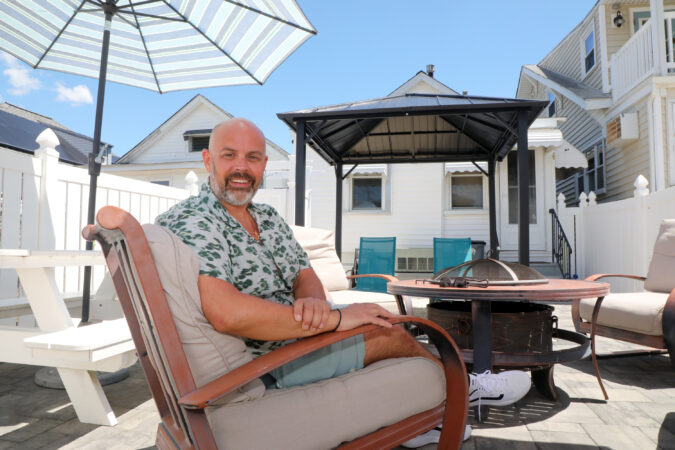
    The buyer: Jacob Wilson, 43, attorney.

    The house: An 800-square-foot two-bedroom, 1½-bath bungalow built in 1930 in Wildwood.

    The price: Listed for $444,000; purchased for $441,000.

    The agent: Marion Rowland, ReMax Surfside.

    The ask: Wilson lives in Venice Beach, Calif., but grew up in Wildwood and Atlantic County and missed the East Coast. When he was a toddler, the family lived at the Regency in North Wildwood, where his parents were the offseason managers. “It was around the time The Shining came out, and my aunt used to tease them about living there with my sister and me when the whole of Wildwood was shut down!“ he said.

    Wildwood was in his DNA for good. His dream was to buy a second home in Wildwood, a place with some old Shore charm, where he and the family could gather and revive traditions.

    The search: Wilson’s aunt is a local real estate agent in Wildwood, and they “combed the market for months,” he said.

    He put in an offer on a renovated triplex in Wildwood Crest toward summer’s end in 2024 but was outbid. “It got 12 other offers above the asking price,” Wilson said. “They were asking $575[000] I was willing to pay them $600,000.”

    After a day of house hunting in September 2024, the two sat down for lunch at the Dogtooth Bar & Grill. “We saw a listing two blocks away pop up,” he said. “We drove over to the house and started the process.”

    The appeal: As soon as he walked in the house, Wilson said he thought, “I know what I need to make this good.”

    The house checked a lot of boxes for him: charm, old-school bungalow feel, close to the ocean.

    Jacob Wilson added a dishwasher to the kitchen along with other improvements at his home in Wildwood.

    “My mom’s been a Realtor in the area for 40 years,” he said. “She has a 1900 Victorian. I’ve always admired the work my parents did on that home. My cousin had a Craftsman bungalow. It reminds me of houses here in Venice.”

    Both Wilson and his aunt appreciated being able to buy an original property in Wildwood and not tear it down.

    “I have deep ties to Wildwood,” he said. “I really didn’t want to do that.”

    A house across from his was recently torn down and a triplex built in its place. Plus, his house has a backyard.

    “That just doesn’t exist anymore,” he said. “In the offseason, I can hear the waves from my backyard.”

    The deal: Wilson said he put in an offer for the asking price and beat two other offers. “The house sold in three days,” he said. The inspection revealed some termite damage, and the seller reduced the price by $3,000, he said.

    “The work to remedy the problem was estimated to be over $10,000,” he said, “and it cost me around $15,000 altogether with foundation work and pest treatment.”

    Because of the competitive environment, he said, “I took the $3,000 reduction to make the sale happen.”

    Jacob Wilson wanted his Wildwood property to feel “like a modern beach house” and was happy that the previous owners had redone the floors with light gray planks.

    His aunt was proud of him for buying and preserving a house in Wildwood, he said, the place where two of his grandparents were born.

    The money: Wilson did it in a traditional way: 20% down payment, a mortgage with the local Ocean First Bank. “Kudos to Ocean First,” he said. “They don’t sell the mortgage.” His mortgage rate was 7%, higher due to its being an investment property, he said.

    Using the property part of the summer as a weekly rental and a longer-term winter rental covers his mortgage, he said. “I don’t really have too many out-of-pocket expenses,” he said. “Taxes are $4,000 a year. Utility bills a few hundred a month.”

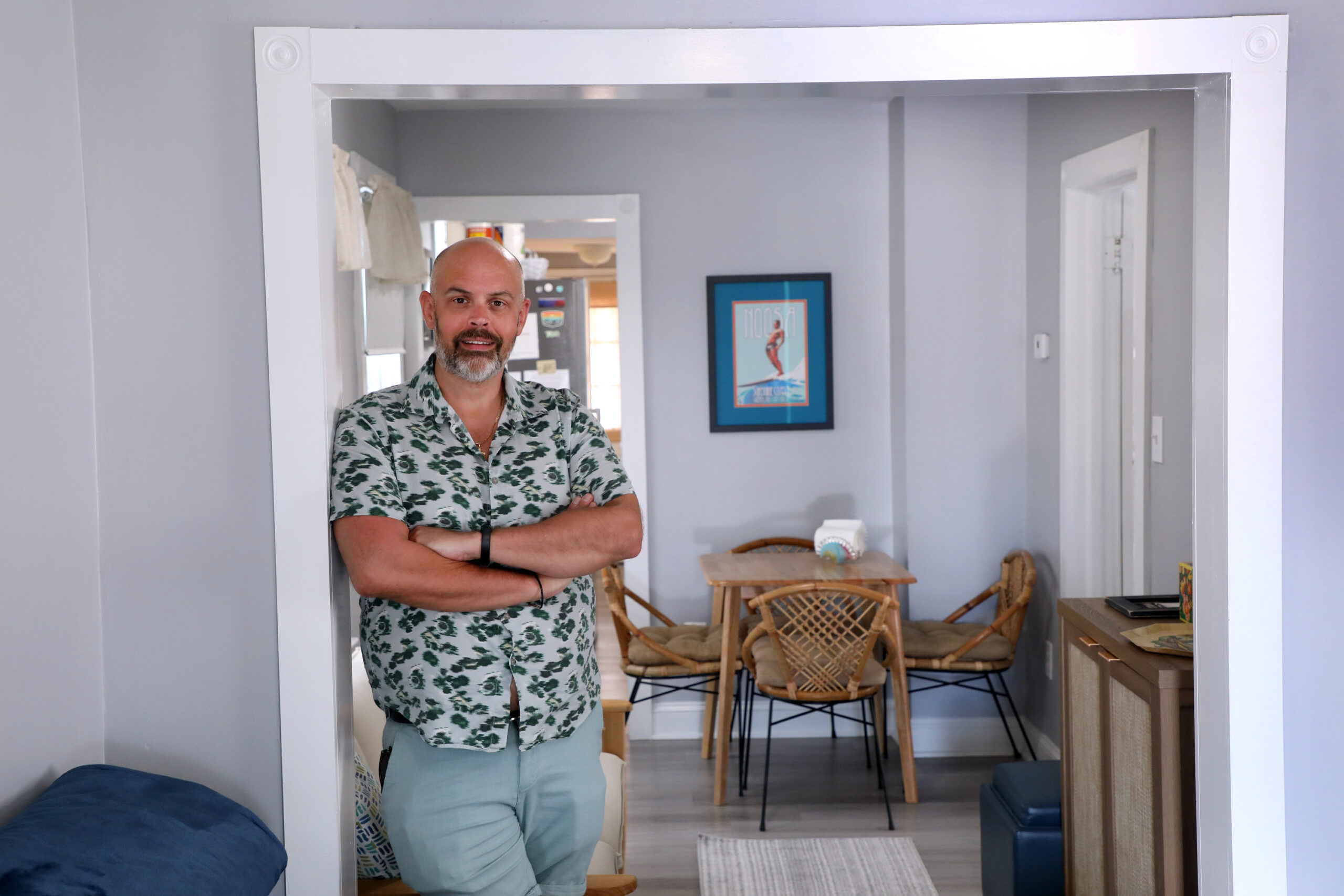
    The move: There were some changes. He liked the way the former owners used gray plank boards to replace the original parquet wood that made it “more like a modern beach house.”

    But, Wilson said, “some things inside were a little too country.”

    “I wanted to make it more beachy,” he said. There was shelving in the doorways that he got rid of, and some closets that inexplicably had the doors removed and curtains put up. Luckily, he found the original doors in the attic and put them back on. He replaced the door knobs and repainted the entire interior.

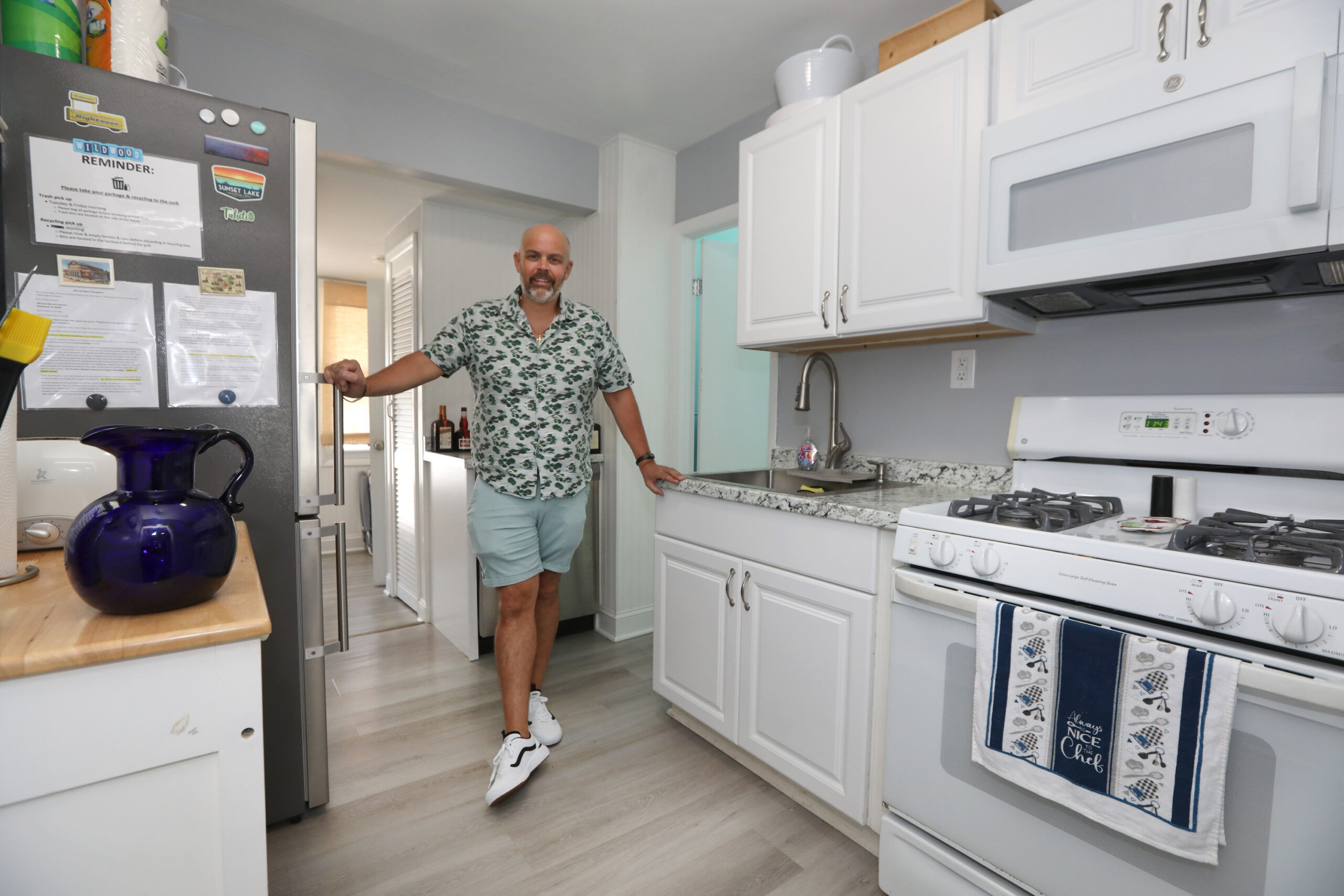
    “The big thing that showed up was termite damage,” he said. “I had to do a lot of foundation work when I bought the place.” He replaced the old insulation with spray insulation, he said, and installed a dishwasher and new refrigerator.

    “A lot of things like that to make it look sharp,” he said.

    A cozy bedroom in the Wildwood bungalow.

    Life after close: This will be his second summer using the Wildwood bungalow. He’s spending a month there over June and July and expecting a stream of visitors to revive old family traditions. He plans to block out more time for himself in the shoulder seasons.

    “It’s all kind of like nostalgia for me because we spent so much time there as a kid,” he said.

    “I had a lot of strong feelings about going back,” he said. “As an adult, I appreciate it more.”

    About six months after he bought the house, “Someone called me and asked if I was interested in selling it,” he said. No way.

    “Keeping it long term is my goal,” he said. “I feel like I made a good investment choice. No regrets.”

    Did you recently buy a home in the Philadelphia area or South Jersey? Share the story of how you did it. Email Inquirer real estate reporters at properties@inquirer.com.

  • Dear Abby | Mom’s rekindling with abusive father feels like a betrayal

    DEAR ABBY: I am estranged from my father and have been since I was 12. (I’m currently 26.) He was emotionally, psychologically and physically abusive to me, and cutting ties with him has been good for my well-being.

    My mom recently revealed to me that she has reconnected with him and they are dating again. This is infuriating, and I have been vocal about my disapproval of their relationship. She is convinced I am making the problem much bigger than it has to be, says it shouldn’t affect me and assures me I won’t have to see him.

    I can’t tell her what to do, but she can’t tell me how to feel. Today, over the phone, I told her that I’m feeling resentful. After I said it, she started crying, hung up on me and turned her phone off. I didn’t mean to hurt her feelings, but I had to speak my truth.

    I don’t want to lose my relationship with my mom, but I feel so hurt and unseen that I’m not sure how to get past it. It’s hard to have a conversation with her even about the weather without thinking in the back of my mind that she is attracted to someone who hurt me intentionally.

    I want a magic solution to my problems, which I know doesn’t exist. I’m at my lowest point and I really need some guidance. Please help me navigate this crisis.

    — EMOTIONAL IN NEBRASKA

    DEAR EMOTIONAL: Did your father abuse your mother as he did you? I’m sorry you didn’t reveal that in your letter. It’s a mother’s duty to protect her child, and she and your father did eventually separate.

    At this point, you are no longer a child. You are now an adult with the ability to protect yourself from anyone who tries to abuse you. You cannot prevent your mother from trying to find happiness, regardless of whether you (or I) think she’s making a mistake. By the way, there is no guarantee that her reunion will be a lasting one.

    There’s a price we pay for any decision we make. The price your mother may pay is that she’ll see much less of her offspring. As for you, it may take some sessions with a licensed psychotherapist to emotionally separate from both of your parents and heal. (You should have had therapy after the abuse you suffered when you were younger.)

    ** ** **

    DEAR ABBY: My husband met a couple with whom he wanted to socialize. He’s an extrovert. I’m an introvert. We started spending time with them, but I have never liked them. They are loud, argue constantly and talk over everyone else. I get seriously triggered by their behavior. They drink too much, and the man either passes out on our couch or makes a fool of himself in public.

    The problem is my husband still likes socializing with them. I’m fine with him seeing them by himself, but he’s unhappy I won’t go. This couple know how I feel and they keep inviting me. What do I do to meet both my husband’s and my own needs?

    — DOWNER IN THE EAST

    DEAR DOWNER: You do not have to be available whenever they snap their fingers. What you do to meet your needs (as well as your husband’s) is see this obnoxious couple less often than he does.

  • 🏖️ Know before you Shore | Outdoorsy Newsletter

    It’s officially summer, folks. ☀️

    Before we jump into what you can expect from the season, here’s what we’re getting up to today:

    ☂️ Your weekend weather outlook: There’s rain in the forecast, but Sunday should be clear.

    — Paola Pérez (outdoorsy@inquirer.com)

    If someone forwarded you this email, sign up for free here.

    It’s badge season

    Planning a beach trip? I’m sure you considered the cost of fuel and snacks already, but be sure you’re aware of required beach badges, too. These are prepaid entrance fees for visitors.

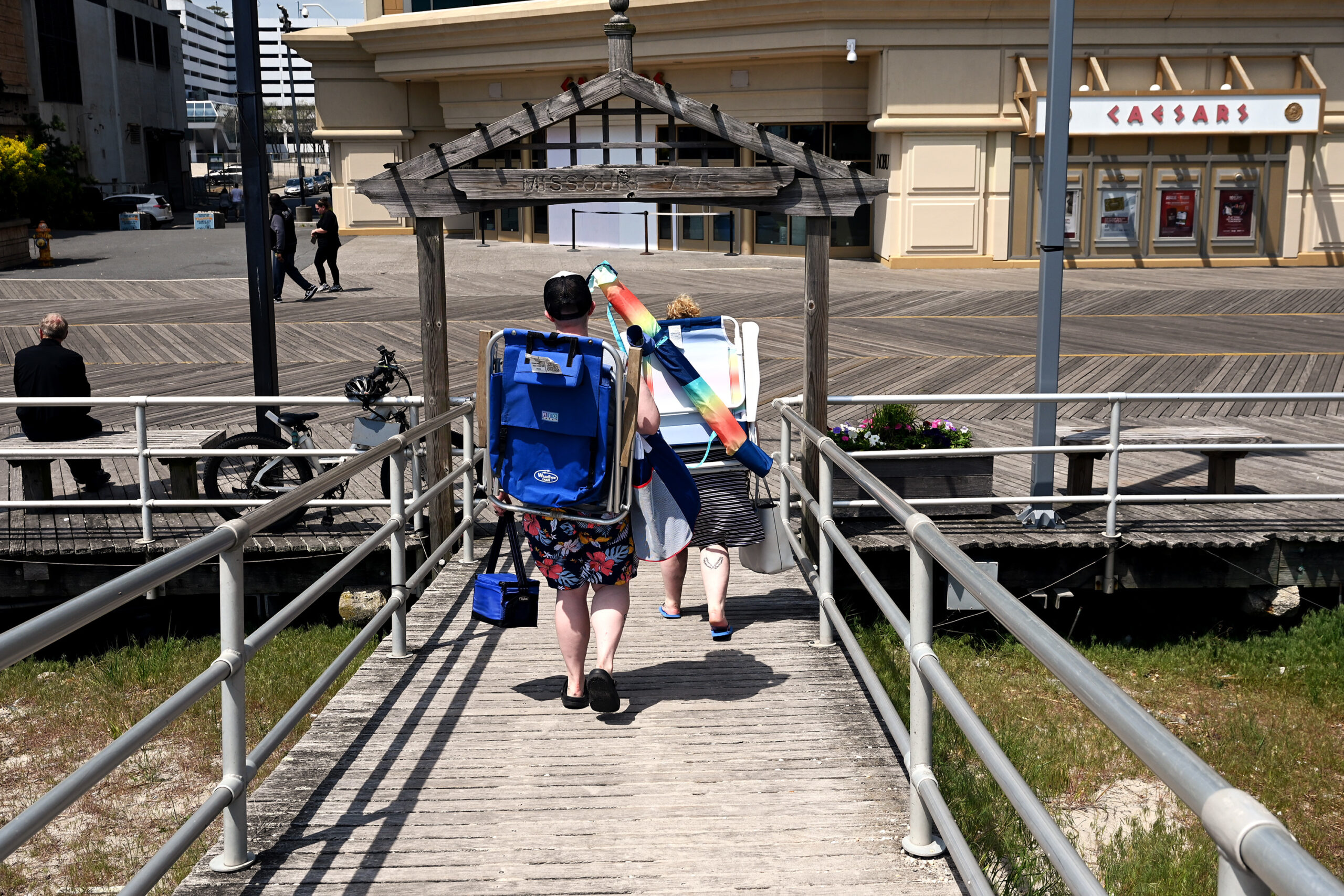
    Most beaches charge weekday and weekend rates, or offer seasonal tags, but a few of them are free. For instance, no beach tags are required at Atlantic City, Corsons Inlet State Park, North Wildwood, Sandy Hook, Strathmere, Wildwood, and Wildwood Crest.

    Here’s a breakdown of the price tags for the rest of the Shore.

    🌊 P.S. Be sure to check out my colleague Amy Rosenberg’s Down the Shore newsletter. From town happenings to debates about playing loud music on the sand, she’s got it all covered. Sign up here.

    News worth knowing

    🌳 Your outdoorsy experience

    Last time, I asked you to tell me where you go for a moment of calm. Bonnie Zetick wrote in with her pick, the Winterthur Museum, Garden & Library:

    Winterthur! Calm, something different blooming every time you go, trails or tram to get around.

    When I was working, if I had half a day off, let alone a whole day, I would head to Winterthur on Route 52 near Wilmington, Del. Winterthur now has a self-guided museum of the American Decorative Arts, permanent as well as temporary exhibits so always something to see that I’ve never seen before. Then you have the gardens! Lovingly developed and planned by Henry Francis du Pont, you will see spectacular colors, birds you may never have seen before, seasonal displays of azaleas (think Mother’s Day), mums, the house of 175 rooms (not all accessible to the public) dressed up for Yuletide, trees, some of which are very old — all lovingly cared for by knowledgeable, courteous, and committed staff. Winterthur also plays a leadership role in conservation, the latest techniques for care of these gardens, and research in their stewardship of this beautiful place. I love Winterthur!

    Thanks for sharing, Bonnie. I love that they also publish seasonal playlists on Spotify.

    📧 What are you enjoying out there? This is your spot to shine. Send your special stories and moments in an email — with a picture, if you have one. You may see it featured here.

    Predicting the unpredictable

    🎤 Now we’re passing the microphone to Tony Wood, our resident expert on all things about the atmosphere.

    Never in the history of meteorology have so many been so warned so often about severe weather.

    Yet so many of those cardiac-challenging smartphone alerts and fireball images on laptops and TV screens appear to evaporate without incident.

    In other cases, flooding downpours and damaging winds show up hours later than forecasts had suggested.

    And atmospheric mayhem has been known to occur with little or no notice.

    The short answer is, the science has limits, and so do the humans. — Tony Wood

    It’s all in Wood’s report. Discover the challenges and intricacies of weather forecasting in our area.

    Paola’s picks

    ☀️ A song:Weather Instrument” by Starcleaner Reunion.

    ❤️ An appreciation post: “The beautiful and mighty Wissahickon.”

    🐦 A good read: Unlikely birds with Tom Pluck.

    🍿 An activity: Watch Hoppers at Thomas Stokley Playground (Friday, free), and stop by City Tavern’s reopened garden.

    🦟 A lifehack: How mosquito experts protect themselves in the summer.

    A sparkling view

    Breathe in … and breathe out. I filmed this by the Schuylkill River along Kelly Drive.

    👋🏽 This newsletter is taking a break in observance of the Fourth of July. Rest assured, we will be back July 10. Until then, have fun and be safe out there.

    By submitting your written, visual, and/or audio contributions, you agree to The Inquirer’s Terms of Use, including the grant of rights in Section 10.

  • Dear Abby | Fiance tells widow no pictures of late husband in their home

    DEAR ABBY: I’ve been a widow for nine years and just got engaged. When I asked my fiance if I could put a picture of my late husband in our new home, he became upset. He said he shouldn’t have to walk into his own home and look at pictures of a man who once “had” me.

    I have three kids with my late husband. We were high school sweethearts, and I took his death extremely hard. I can’t help but think that my fiance is overreacting. I feel he wants me to just erase everything I had with my husband.

    My kids will be living with us, too. Should I respect his wishes, or should I stand my ground and make sure my late husband’s memory is alive for the sake of my children?

    — REMEMBERING IN AMERICAN SAMOA

    DEAR REMEMBERING: I hope you recognize that this is a huge red flag. Your fiance is jealous and insecure. If he would be upset seeing a photograph of your late husband, how is he going to feel when he interacts with your children, who are living symbols of the love you shared with another man?

    You are entitled to display a picture of their father if you wish. It needn’t be as large as a political poster nor hung in the front hall. It is important that you have further discussions about this with your fiance and, if you are wise, premarital counseling until this issue is resolved.

    ** ** **

    DEAR ABBY: My husband (a college-educated native English speaker) mispronounces a LOT of words, specifically common names, the name of our children’s school and some other frequently used words. How do I politely correct him? I feel this is because he doesn’t pay attention, and I’m sure others notice it as well.

    — ANNOYED IN CALIFORNIA

    DEAR ANNOYED: Make a list of your husband’s “trouble words.” Then, when the two of you are relaxed and well-fed, start a conversation with him and ask if he realizes he does this. When he asks you what you mean by that, pull out the list and go over it with him, pronouncing the words correctly. Explain that you are raising the subject because you love him, and you won’t bring it up again, but you think he should be aware.

    ** ** **

    DEAR ABBY: We love going to my aunt’s house for dinner, but she uses plug-in home fragrances that give all of us headaches. We have to come home and shower and wash our clothes to get the scent off us. She is an amazing baker, and the fragrance compromises the taste of the baked goods! How do we politely tell her this?

    — HESITANT NIECE IN NEVADA

    DEAR NIECE: Tell your aunt you love coming over to her house, but that you have developed an allergy to scents that causes you to get headaches. Then ask her to please unplug the scent dispensers and to air the place out for an hour or so before she has you over. It is a legitimate reason, and you are not the only person who can be affected by artificial scents.

  • These Philadelphians planned the perfect World Cup weekends for their families. Then their tickets never came.

    These Philadelphians planned the perfect World Cup weekends for their families. Then their tickets never came.

    Georgette Luna planned her Father’s Day weekend down to a T, splurging $3,000 on three tickets to the Friday World Cup match in Philadelphia. The Fishtown resident, her husband, and her father — who traveled from New York — would go to Reading Terminal Market, she thought, barhop to mingle with fans before the game, and then head to the stadium early to tailgate before seeing Brazil take on Haiti.

    She had purchased the tickets on the third-party ticket resale platform StubHub last fall, but the seller she bought the tickets from never transferred them. She called StubHub frequently in the months, weeks, and finally days leading up to the match, wondering when the transfer would go through.

    Every time, a StubHub representative said her “tickets would transfer to her on the day of the game,” Luna said. But by Friday, the group — who could not wait to see Brazil play, since their favored Chileans did not qualify for the World Cup — never made it into the stadium.

    “We’re standing outside the stadium and obviously everybody is in full celebration, and here we are, supposed to be living this World Cup moment together for the first time, and there’s just this feeling of disappointment,” Luna said.

    As the World Cup takes over the country, people across U.S. host cities have shared the same story: Fans in Atlanta, Boston, Dallas, Houston, New Jersey, Seattle, and, of course, Philadelphia arrived at stadiums hoping their tickets would be transferred to no avail, with most facing issues with StubHub. Other reports indicate fans are having similar issues on SeatGeek.

    StubHub, for one, blames FIFA’s tech infrastructure and the rollout of a new mobile phone app weeks before the tournament for why tickets have not been transferring on time. FIFA has urged fans not to buy tickets on third-party platforms, saying it “may result in issues, including the inability to cancel or accept transfers,” as well as a higher risk of fake or invalid tickets.

    This confusion is in addition to the long wait times, glitches, and extra hurdles placed on ticket buyers for original, face-value tickets from FIFA. FIFA’s ticketing practices are under investigation by the New York and New Jersey attorneys general.

    But fans who lost out on a generational moment are more interested in how platforms like StubHub plan to resolve these issues.

    Stephanie Fred of Bristol and her 9-year-old son, Levi, are heartbroken after their tickets to the Monday France vs. Iraq game never materialized, even as they stood outside the stadium. To make matters worse, Levi, a soccer player himself, had been trying to see his favorite player, French superstar Kylian Mbappé.

    Mbappé scored two goals, tying for the second-most goals scored by a player in men’s World Cup history. Fred’s son could hear the cheers from outside the stadium. He broke down into tears that did not stop even later that night, she said.

    During Philadelphia’s first World Cup game, between Ecuador and Ivory Coast, Jayden Quezada, 17, and his parents came to Philadelphia from Bensalem, hoping for an Ecuadorian victory. But they were turned away. The night before the game, the trio had spent $4,350 to get three tickets through the TickPick app after seeing a social media advertisement. By the time they arrived at the stadium, the tickets still had not been transferred to their FIFA app.

    “They have been the biggest fans since before I was born, and they don’t get to go to Ecuador often because of work,” Quezada said. He said they would try to get a refund, but missing the game was “really sad because we were looking forward to feeling the Ecuadorian pride.”

    For that game, a line of more than 50 fans waited for help with their failed tickets. Monica Rojas, 22, and her friend Jose Avil, both Spanish speakers, were confused about what to do after the ticket office explained the problem with their ticket in English. The pair had driven two hours from New York, after having bought tickets on StubHub for $2,000, including parking. After a FIFA volunteer interpreter intervened, the pair found out their tickets had been refunded.

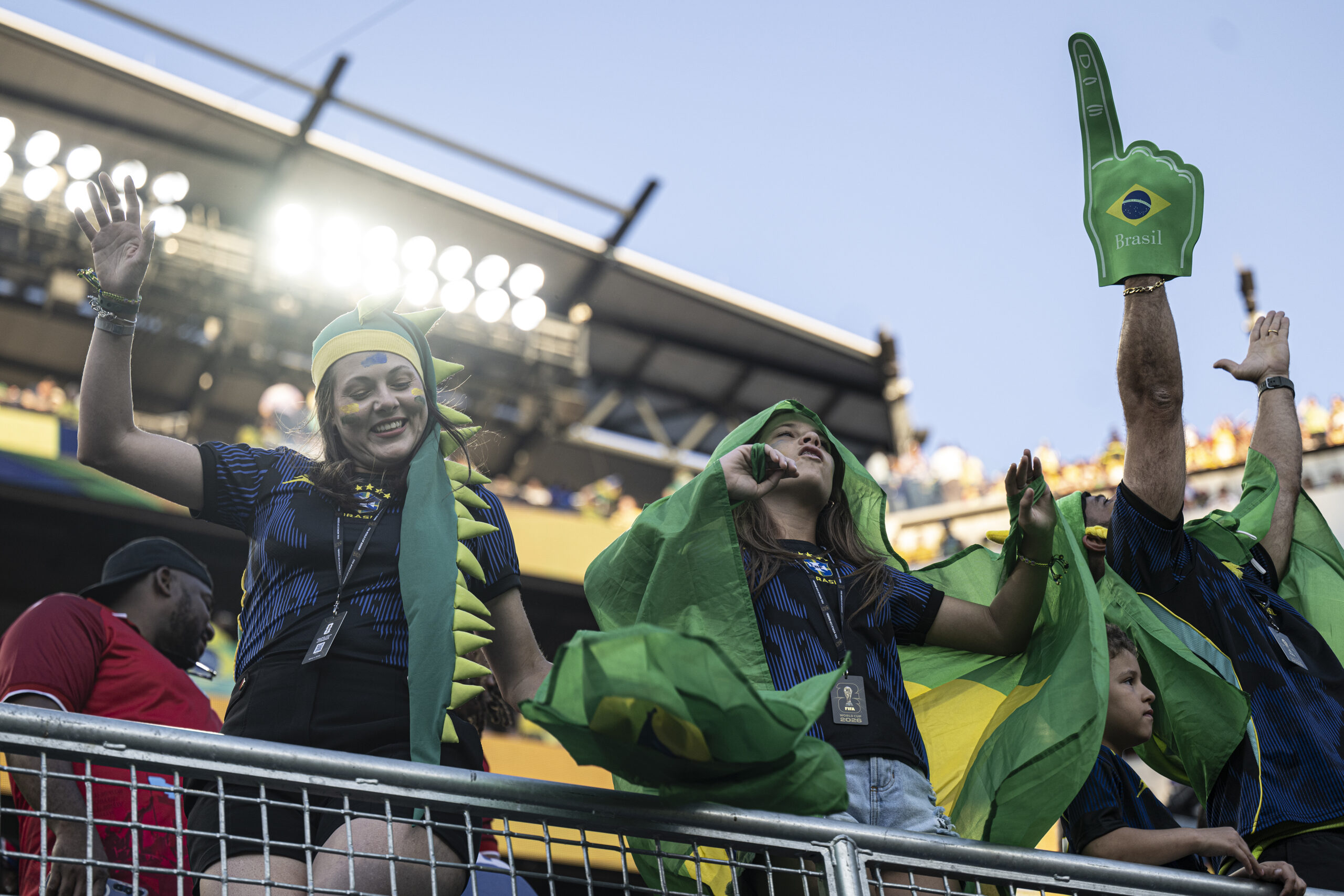
    Brazilian fans cheers before a FIFA World Cup Group C soccer match between Brazil and Haiti at Lincoln Financial Field on Friday, June 19, 2026, in Philadelphia.

    StubHub blames FIFA

    StubHub is aware that fans are not receiving the tickets that they bought, and a company representative blamed FIFA.

    “The issues fans have experienced at this World Cup are largely driven by performance problems with the event organizer’s own ticketing infrastructure, which has created transfer failures across all resale platforms,” a StubHub spokesperson said.

    StubHub said the launch of a new FIFA app right before the World Cup began has led to delays, failed transfers, and access issues that have affected all resale platforms, not just StubHub.

    The ticket reseller also said sellers are required to fulfill their ticket orders or they face financial penalties and bans from the platform.

    Bad actors on resale platforms can engage in a practice called “speculative ticketing,” where buyers will list a ticket that they do not yet own on StubHub and other platforms, in the hope that they will find a cheaper ticket later and recover profit, said Scott Friedman, owner of the Ticket Talk Network podcast and an industry veteran who is helping to sue StubHub on behalf of 160 buyers and sellers who said company practices harmed them.

    StubHub does offer a “FanProtect Guarantee‚” a promise the company will find replacement tickets or refund the order when a ticket does not transfer. But the policy repeatedly states that resolving these issues falls under StubHub’s “sole discretion.”

    StubHub ticket protection measures can look like replacement tickets, a full refund, or a voucher worth 120% of the value of the tickets. During the World Cup, the company said, it is prioritizing replacement tickets so fans can get to a match.

    France forward Kylian Mbappé sprints for a pass against Iraq during the first half of a FIFA World Cup Group I soccer match Monday, June 22, 2026, at Lincoln Financial Field in Philadelphia.

    Refunds can’t replace a once-in-a-lifetime moment

    All of this leads to confusion, and eventually disappointment, when the tickets never show, Luna said. As she and her family, hanging their heads low, took a depressing train ride home from the stadium last week, Luna continued to try to get answers.

    Finally, on Monday, she said, she received word StubHub would refund her June 19 match tickets and gift her similar tickets to the July 4 match in Philadelphia, which she said she would accept. But, later, Luna was told she would only receive replacement tickets.

    “Is this a wonderful outcome? For sure, but my father and I would have been happy with the perfect weekend that we had planned for ourselves as it was,” Luna said. “While they’re doing right by us, there are so many people who aren’t getting this result.”

    Fred’s family got word Tuesday that StubHub would provide them with tickets to France vs. Norway in Boston on Friday. Fred does not mind the drive as long as Levi can achieve his dream of seeing Mbappé play.

    “We don’t get this type of opportunity from where we come from,” Fred said. “Being able to provide a World Cup experience for our kids just means the world to us, and having that be ripped away from us, it was just so hard to process.”