As the Main Line contends with the recent abrupt closure of Di Bruno Bros. markets in Ardmore and Wayne, ahomegrown Italian-specialties purveyor — just as storied as its South Philly-rooted counterparts — remains open for business.
On the day before Valentine’s Day, shoppers at Carlino’s Market on County Line Road tucked heart-shaped macarons and chocolate-dipped cannoli into baskets already full with marinara sauce, freshly packed chicken cutlets, and imported cheese. Regulars stopped by for their pre-weekend deli orders, and shoppers took refuge from the cold amid aisles of driedpasta and prepared foods.
Carlino’s is an Ardmore institution, founded in 1983 as a small, family-owned pasta shop serving Lower Merion’s Italian community. In the decadessince, the market has grown into a suburban powerhouse, supplying Ardmore, West Chester, and the surrounding towns with prepared foods, baked goods, and high-end groceries seven days a week.
The Carlino’s brand has started to transcend its Ardmore roots: In recent years, the family-run operation has expanded its wholesale business to hundreds of grocery stores, from New York to Delaware and as far as Texas. Even as the company grows, its second- and third-generation leaders remain grounded in its origins as a mom-and-pop shop.
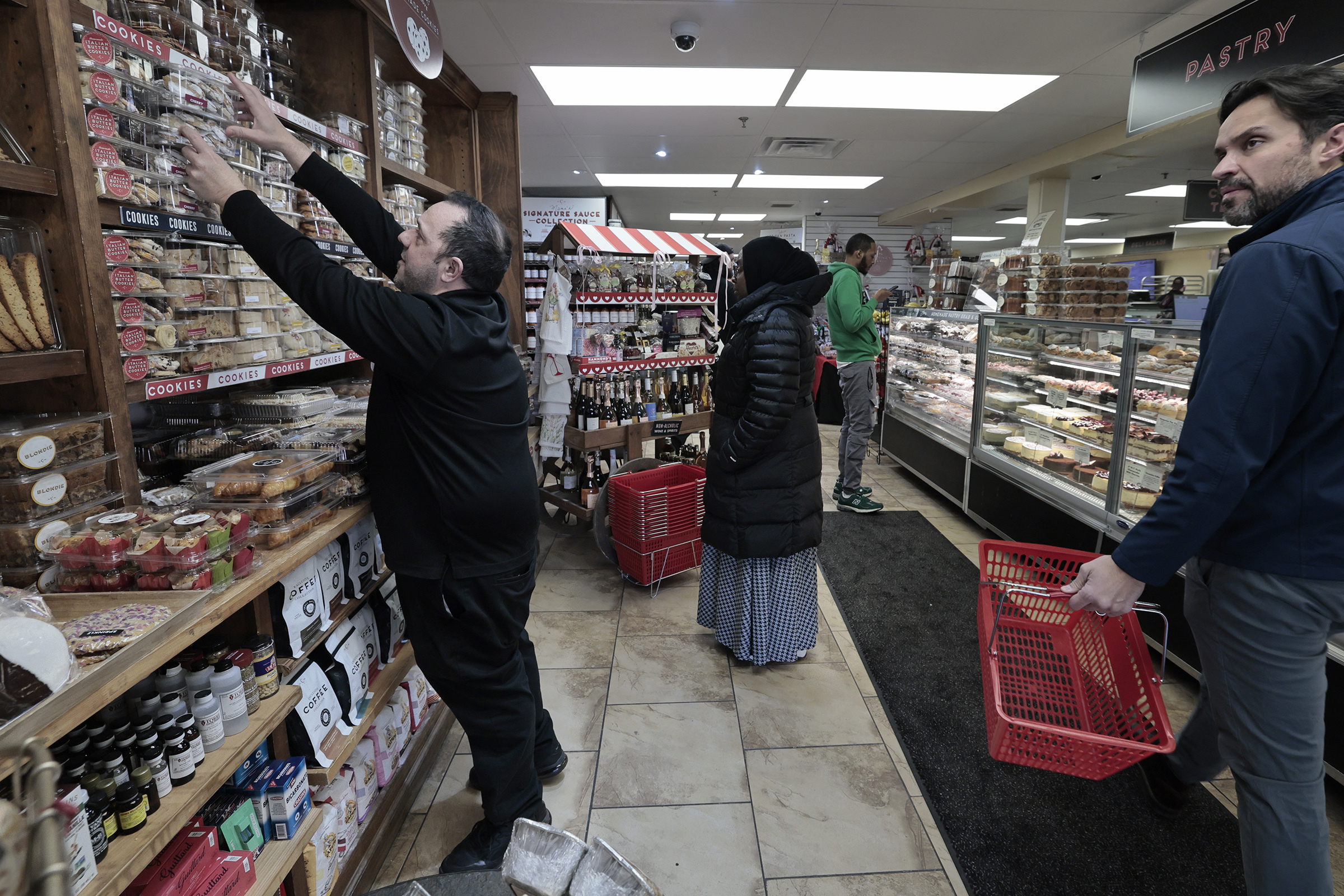
Carlino’s Market general manger Bruno DiNardo (left) restocks cookies, pastries and treats, all homemade, at Carlino’s Market in Ardmore on Friday, Feb. 13, 2026.
From Abruzzo to Ardmore
Carlino’s was founded by Nicola and Angela Carlino, who left Abruzzo in 1968 to move to the United States with their two sons, Pasquale (“Pat”) and Carmen. In Abruzzo, the Carlinos tended to olive groves and grape vineyards and raised livestock on Nicola’s family farm. They left in search of better opportunities for their sons, landing in Ardmore, where Nicola initiallyworked as a bus driver and groundskeeper at Mitchell Prep, a private school, while Angela sold cookies, fresh pastas, and sauces out of their home.
When Mitchell Prep closed in the early 1980s, Nicola and Angela decided to take a chance on a family business. They opened Carlino’s Homemade Pasta in a former barbershop on East County Line Road in South Ardmore — at the time, an Italian American enclave. Residents in search of a taste of home regularly patronized Carlino’s, and the family started wholesaling some products to local restaurants and casinos.
According to Pat Carlino, 63, now the company’s CEO, it’s easy to take the Philly area’s formidable Italian-food scene for granted. But when his parents opened Carlino’s in the 1980s, Pat said, you could barely find marinara sauce in the grocery store. No one knew what tiramisu was, or how to tell the difference between high-quality Parmigiano Reggiano and grocery-store sprinkle cheese. Mention of ciabatta would prompt blank stares.
Carlino’s was “an education to the public,” he said.
Customers look over some of the homemade soups, salads and ready to go meals available at Carlino’s Market in Ardmore on Friday, Feb. 13, 2026.
As time went on, the store expanded, subsuming other houses on its block, and shifted to a retail focus. The family renamed it Carlino’s Market andexpandedofferings to include baked goods, pizza, sandwiches and wraps, imported meats and cheeses, and groceries like sauces, olive oils, and coffee. By the mid-1990s, Carlino’s selection and specialties — handmade ravioli, freshly stuffed sausage, garden-grown bruschetta on house-baked bread, tiramisu cake, and more — attracted savvy customers from as far as New York City and Washington, D.C.
In 2022,Carlino’s began wholesaling its sauces, dry pastas, and pestos — which you can now find at other small, local retailers like Riverwards Produce and Kimberton Whole Foods, as well as large grocery chains like Wegmans and Giant. Carlino’s products are available in parts of Pennsylvania, Delaware, New Jersey, Maryland, Virginia, Washington, D.C., Florida, Texas, New York, and Massachusetts, and will soon be on shelves in California and the Chicago area.
While Carlino’s business is growing, Pat said his core customers are still people he knows—“people that I grew up with.”
Carlino’s also remains a family operation. Pat and his wife, Laura, are the company’s top executives, and their children — now the third generation of Main Line Carlinos — help manage marketing, wholesaling, importing, and manufacturing.
Talking about Carlino’s products, a word Pat comes back to regularly is “clean.”
Before influencers and foodies popularized the idea of “clean eating,” Carlino’s was doing it, Pat said. Nicola cooked with fresh tomatoes, cucumbers, and herbs he grew in his Ardmore garden. Pat said Carlino’s continues to rely on fresh produce, organic flour, and high-quality olive oil and French butter.
“Things that are trending now, we were doing 40 years ago,” Pat said.
“You can pick up anything and it’s clean,” he added, just like how your grandma would make it (or at least how a Carlino grandma would).
This suburban content is produced with support from the Leslie Miller and Richard Worley Foundation and The Lenfest Institute for Journalism. Editorial content is created independently of the project donors. Gifts to support The Inquirer’s high-impact journalism can be made at inquirer.com/donate. A list of Lenfest Institute donors can be found at lenfestinstitute.org/supporters.
A project to expand the Chester Valley Trail and repair the historic Downingtown Trestle Bridge, which has spent decades largely untouched, will kick off soon, Chester County officials said.
It’s part of a larger effort to expand the sprawling Chester Valley Trail, a 19-mile rail trail that runs through Chester and Montgomery Counties, from Exton to Atglen.
“The bridge is a really key part of it, because it’s multimodal,” said George Martynick, director of Chester County’s facilities and parks department. “Without that bridge, I really don’t know what we’d do with this project. It is the keystone of that project. It’s a big job.”
As the county kicks off the project, people can expect to see inspections taking place on the bridge in the coming months. The trestle will get a full inspection to make sure it meets federal standards, Martynick said. Design is slated to begin in the next year, and the rehabilitation and extension should be completed in five to seven years, he said.
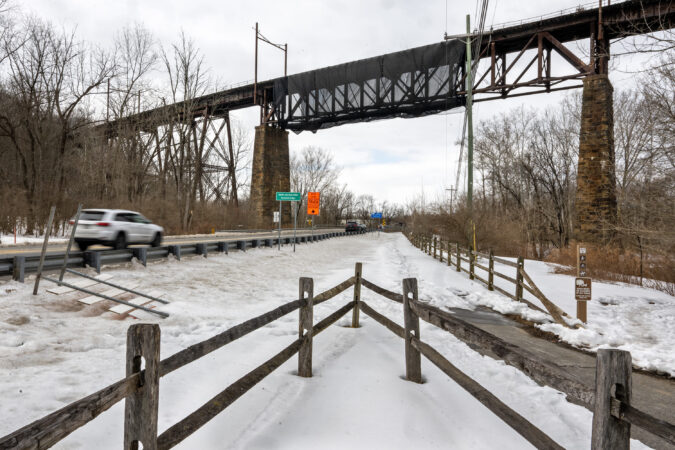
The bridge stretches 1,450 feet long and more than 130 feet high over the east Brandywine River. Known as the “Brandywine Valley Viaduct,” “Downingtown High Bridge,” or “Pennsylvania Railroad Freight Bridge”— but colloquially called the Downingtown Trestle Bridge — it was constructed in the early 1900s, according to the Downingtown Area Historical Society.
“This is taking on something much bigger than I think a lot of people understand,” Martynick said.
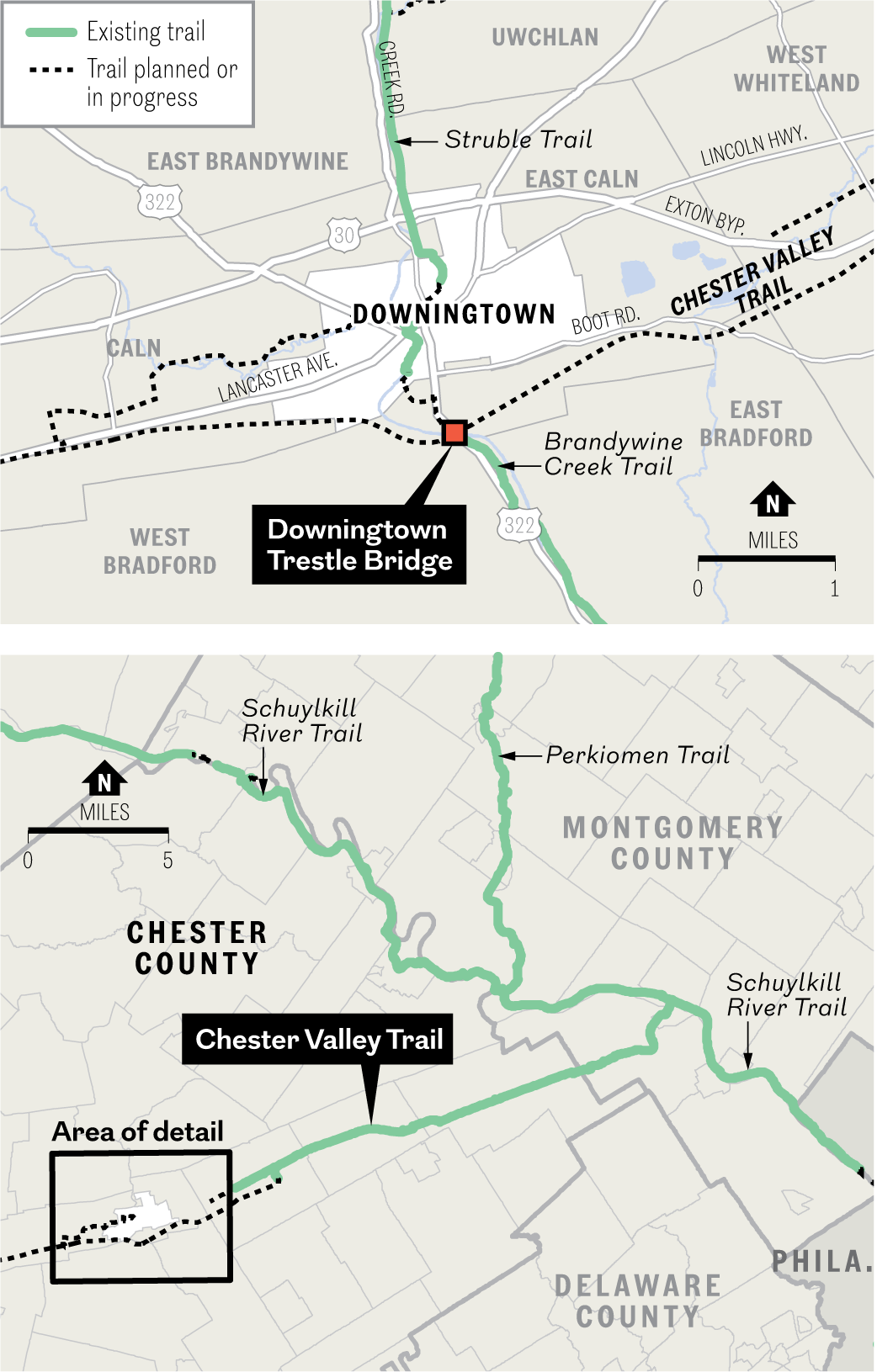
Map of the Downingtown Trestle Bridge and the Chester Valley Trail in Chester County.
The Trestle Bridge has been out of commission since the 1980s, with the track removed. Since then, the bridge has sat abandoned, and has had atroubled history. Security measures were added to prevent people fromaccessing it, and netting was put on it to keep debris from falling off it.
The county completed a drone inspection before it took ownership of the bridge last year.
In May, the county commissioners voted to purchase a portion of the former Philadelphia and Thorndale railroad corridor from the Pennsylvania Department of Transportation for $1.
Other than some growth and weeds, “it’s in fairly good shape,” Martynick said.
The county has received three grants for the project — two from the state department of conservation and natural resources, each for $500,000, and a Delaware Valley Regional Planning Commission grant for $200,000, said Brian Styche, the multimodal transportation planning director for the county’s planning commission.
The county is matching both of the conservation and natural resources grants, for a total of $2.2 million in funding toward the bridge’s design.
“It’s a good project. It’s going to take a lot of time and effort and a lot of patience, but it will be a pretty impressive project for the community,” Martynick said.
It’s a personally important project, too: Martynick applied to work in the county’s parks department because of his love of the trail.
“I love it,” he said. “It’s a very, very special trail.”
Within the serpentine halls and stairways of Olivet Covenant Presbyterian Church, congregants have established several private, off-limits rooms ― each a potential last-stand space where members would try to shield immigrants from ICE, should agents breach the sanctuary.
Church leaders call them Fourth Amendment areas, named for the constitutional protection against unreasonable search and seizure. The plan would be to stop ICE officers at the thresholds and demand proof that they carry legal authority to make an arrest, such as a signed judicial warrant.
“It’s a protective space,” said the Rev. Peter Ahn, pastor of the Spring Garden church. “While you’re here, you’re safe, is what we want to assert.”
Could it come to that? A pastor confronting armed Immigration and Customs Enforcement agents in the hallway of a church?
It’s impossible to know. But across Philadelphia, churches, community groups, immigration advocates, and block leaders are actively preparing for the time ― maybe soon, maybe later, maybe never ― that the Trump administration deploys thousands of federal agents. People say they must be ready if the president tries to turn Philadelphia into Minneapolis ― or Los Angeles, Chicago, or Washington, D.C.
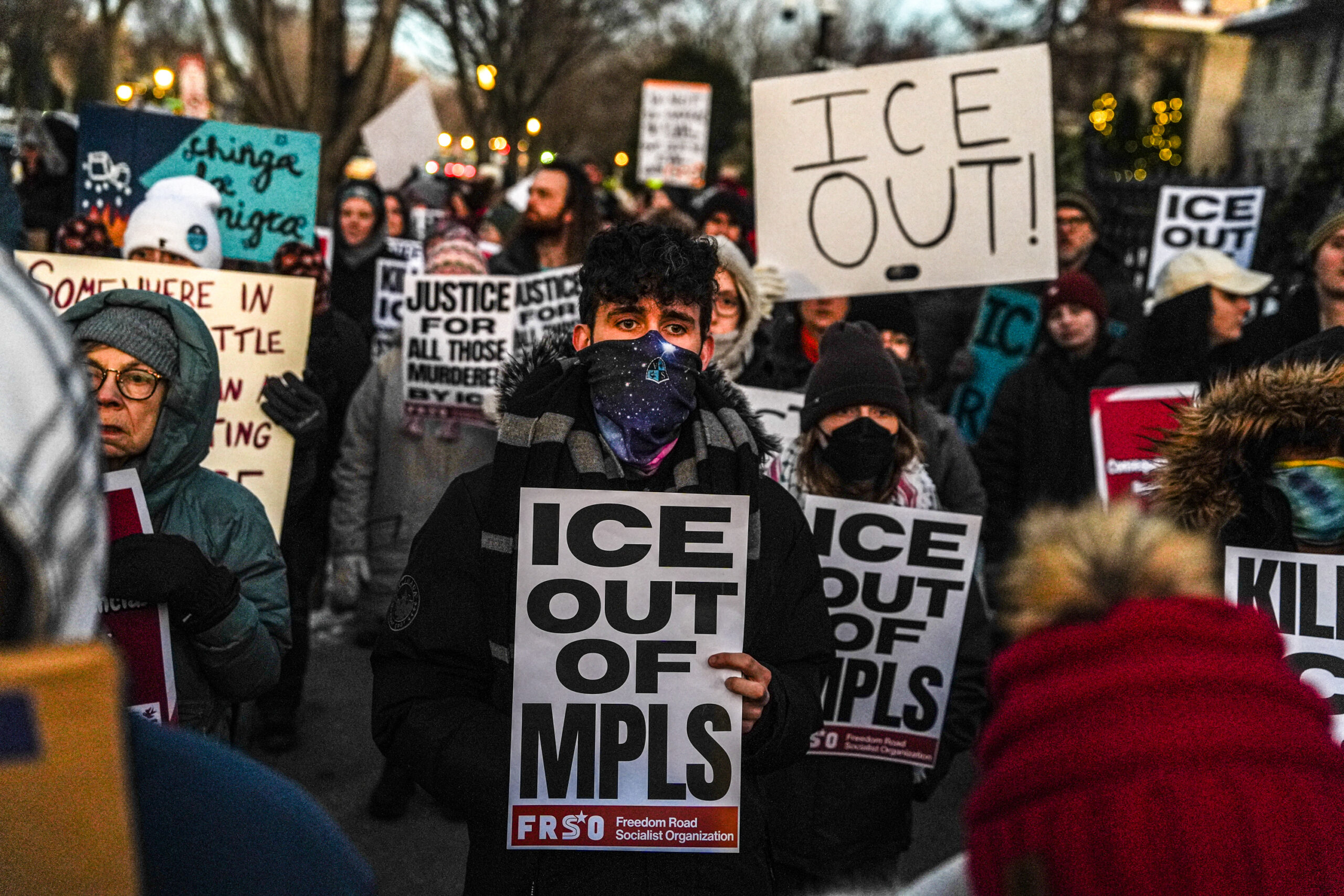
People participate in an anti-ICE protest outside of the Governors Residence on Feb. 6, in St. Paul, Minn.
Know-your-rights trainings are popping up everywhere, often to standing-room-only attendance, and ICE-watch groups are abuzz on social media.
The First United Methodist Church of Germantown held a seminar last week to learn about nonviolent resistance, “so that we will be ready for whatever comes,” said senior pastor Alisa Lasater Wailoo.
“That may mean putting our bodies in the path to protect other vulnerable bodies,” she said. “We’re seeing that in Minnesota.”
In Center City, Temple Beth Zion-Beth Israel has ordered 300 whistles ― portable and efficient tools to immediately alert neighbors to ICE presence and warn immigrants to seek safety.
“There was a sense of needing to support our neighbors if it comes down to it,” said Rabbi Abi Weber. “God forbid, should there start to be ICE raids in our neighborhood, people will be prepared.”
In other places around the country, immigrant allies have similarly readied themselves for ICE’s arrival, and organized to react in concert when agents show up.
In Washington state, the group WA Whistles has distributed more than 100,000 free whistles to create what it calls “an immediate first line of community defense.” Chicago residents set up volunteer street patrols to warn immigrants of ICE and to contact family members of those detained. In Los Angeles, people raised money to support food-cart vendors, and organized an “adopt a corner” program to protect day laborers who seek work outside Home Depot stores.
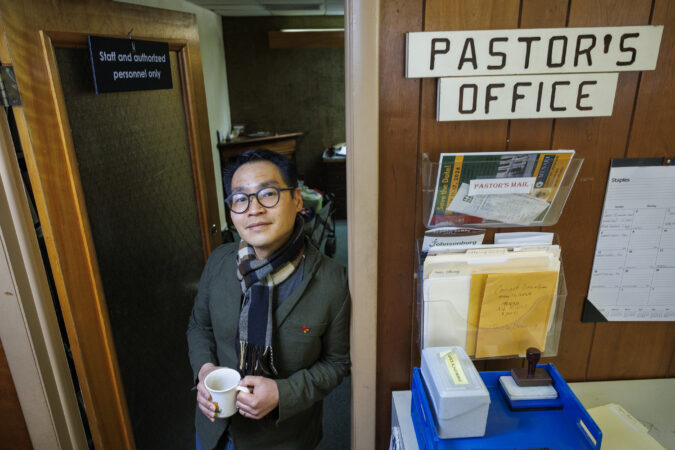
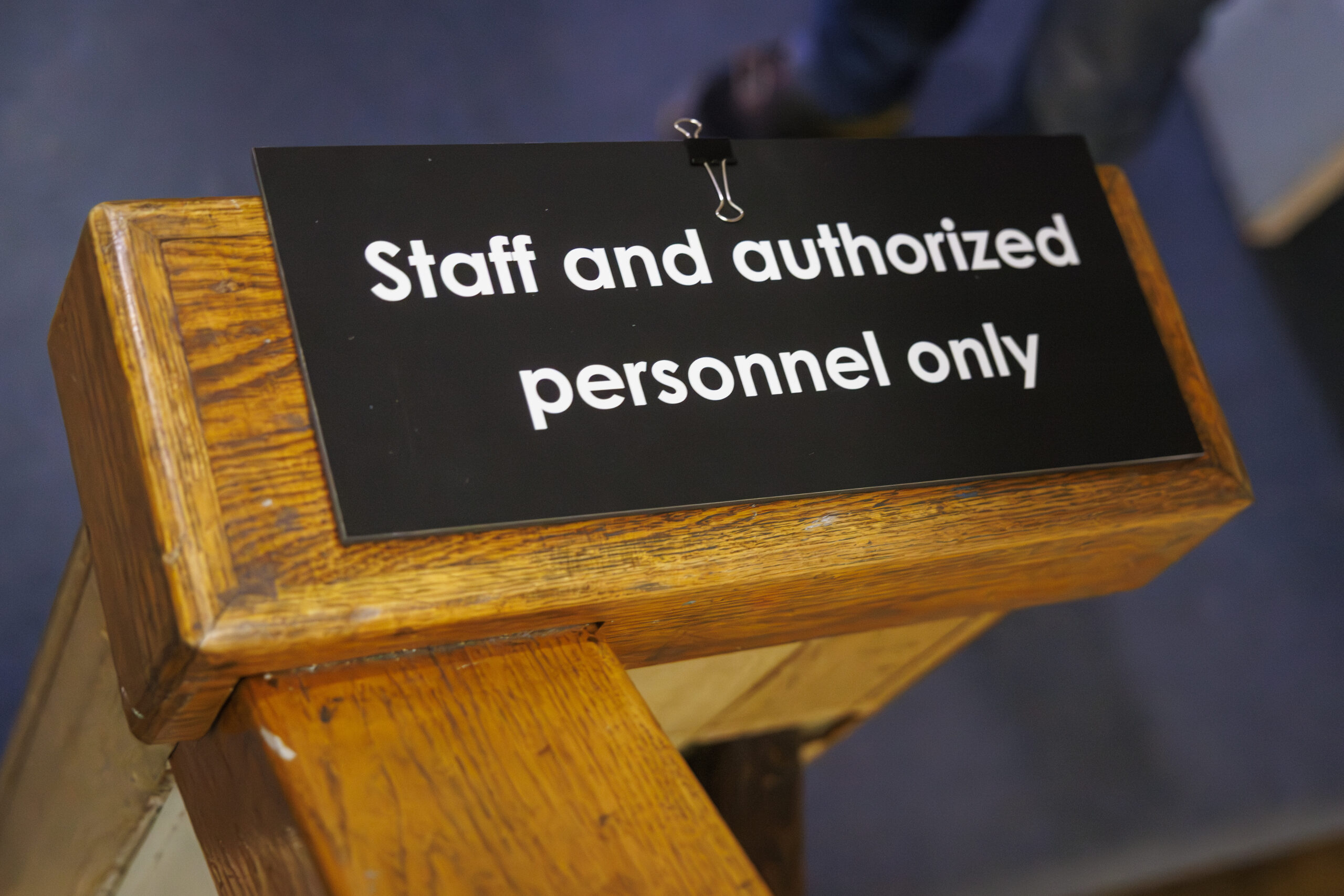
A small sign at the Olivet Covenant Presbyterian Church, where the Rev. Peter Ahn is creating space to shield immigrants if necessary.
The agency’s Philadelphia office serves as headquarters not just for the city but for all of Pennsylvania and for Delaware and West Virginia as well. Arrests take place every day in the Philadelphia region.
“You all seem to be ‘preparing’ for something that’s already happened,” veteran activist Miguel Andrade wrote on Facebook.
What has changed, however, is the dramatic escalation in ICE enforcement, particularly visible in Democratic-run cities like Minneapolis, where agents fatally shot two U.S. citizens in January.
ICE detained 307,713 people across the country in 2025, a 230% increase over the 93,342 in 2024. What federal immigration agencies record as detentions closely mirror arrests.
For immigrants who have no legal permission to be in the U.S. ― an estimated 14 million people ― the rising ICE presence steals sleep and peace of mind. They know not just that they could be arrested and deported at any moment, which has always been true, but also that the U.S. government is expending vast resources to try to make that happen.
A woman who came to Philadelphia from Jamaica last year, and who asked not to be identified because she is undocumented, said she rarely leaves her home. She said she steps outside only to go to the grocery store, a doctor, or an attorney.
She recently asked her daughter to check something on the computer, and the girl balked ― afraid to even touch the machine, worried that ICE could track her keystrokes and identify their location, the woman said.
“How can I tell her it’s going to be OK when I don’t know it’s going to be OK?”asked the woman, who came to the U.S. to escape potential violence in Jamaica. “You come here expecting freedom, but here it’s like you’re in jail except for the [physical] barriers of the four walls.”
Some say President Donald Trump doesn’t want to ruin the summer celebration of the nation’s 250th birthday, or spoil the grandeur of the World Cup or Major League Baseball’s All-Star Game. Others suggest that he might be timing an ICE deployment to do exactly that.
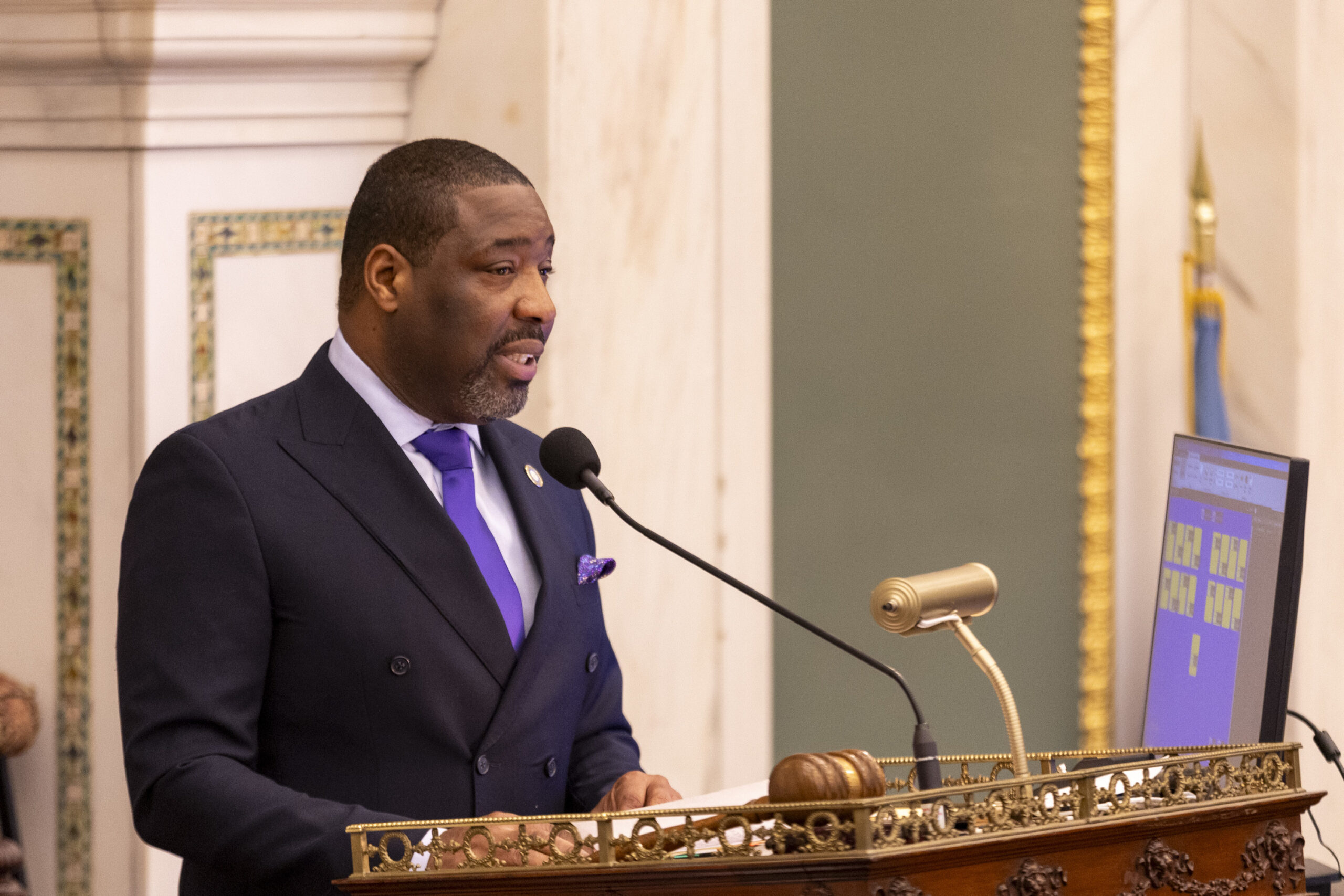
City Council President Kenyatta Johnson speaking at the City Council’s first session of the year Jan. 22. He said this month that it’s time to stand up for immigrants in Philadelphia. “It’s my responsibility to step up in this space and be more vocal,” he said.
Trump told NBC News this month that he is “very strongly” looking at five new cities.
Some people are not waiting to see if Philadelphia is on the list.
The monthly Zoom meeting of the Cresheim VillageNeighbors usually draws about 20 people. But a hundred logged on in January to hear a presentation: What to do if/when ICE comes to our neighborhood.
The short advice: If it happens, get out your phone and hit “record.”
“If I see ICE agents, I will film,” said neighbors group coordinator Steve Stroiman, a retired teacher and rabbi. “I have a constitutional right to do that.”
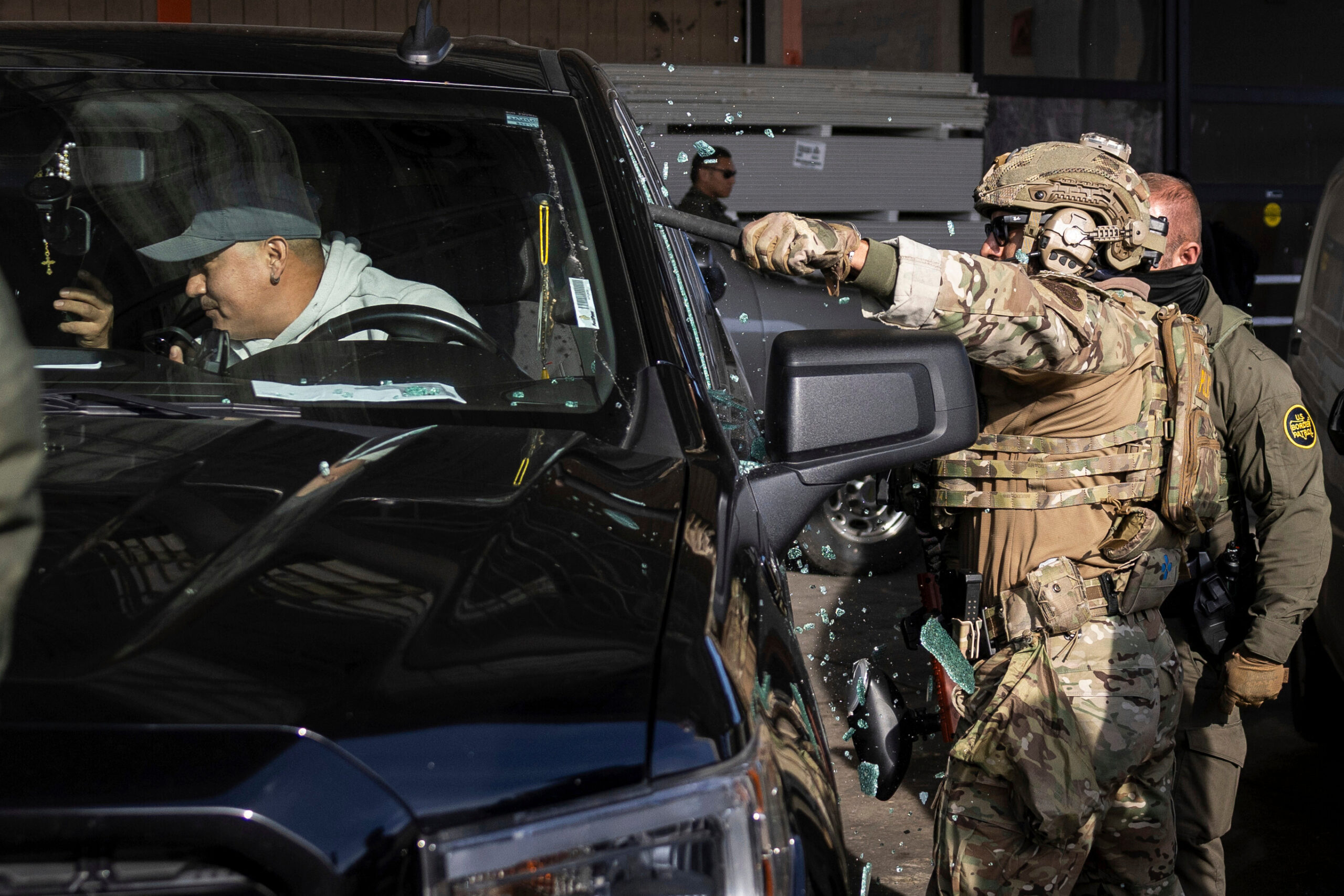
Federal immigration enforcement agents shatter a truck window and detain two men outside a Home Depot in Evanston, Ill., on Dec. 17, 2025.
In a sliver of University City, Miriam Oppenheimer has helped lead three block meetings where neighbors gathered to discuss how they would respond.
They set up a Signal channel so people can communicate. And they formulated a loose plan of action: People will come outside their homes and take video recordings ― and try to get the names and birth dates of anyone taken into custody, so they can be located later.
“Courage is contagious,” Oppenheimer said. “Everybody is waiting for somebody else to do something, but we have to be the ones.”
Inside Olivet Covenant Presbyterian Church, doorways to some rooms now bear black-and-white signs that say, “Staff and authorized personnel only.”
Issues around ICE access to churches have become more urgent since Trump rescinded the agency policy on “sensitive locations,” which had generally barred enforcement at schools, hospitals, and houses of worship.
Legal advocates such as the ACLU say ICE agents can lawfully enter the public areas of churches, including the sanctuaries where people gather to worship. But to go into private spaces they must present a warrant signed by a judge.
“There are many front lines right now,” said Ahn, the Olivet pastor. “We’re not trying to be simply anti-ICE, or anti-anybody. We’re just trying to be for the rights of the Fourth Amendment.”
Staff writer Joe Yerardi contributed to this article.
A 19-year-old man has been charged with murder in the death of another teen last summer in the East Germantown section of Philadelphia, police said Tuesday.
Tayvone Bibbs was taken into custody on Tuesday by a fugitive task force in connection with the shooting death of 19-year-old Michael Allen on July 3, 2025, police said.
Just after 5:30 a.m. that day, police responded to a report of a person with a gun on the 200 block of East Rittenhouse Street and found Allen lying in the street with a gunshot wound to his face. Medics pronounced him dead at the scene.
Police did not offer a possible motive for the killing or mention any other arrests.
Two weeks after Allen’s death, police released surveillance video of the minivan used in the shooting. Police noted in the video that the vehicle had at least three occupants.
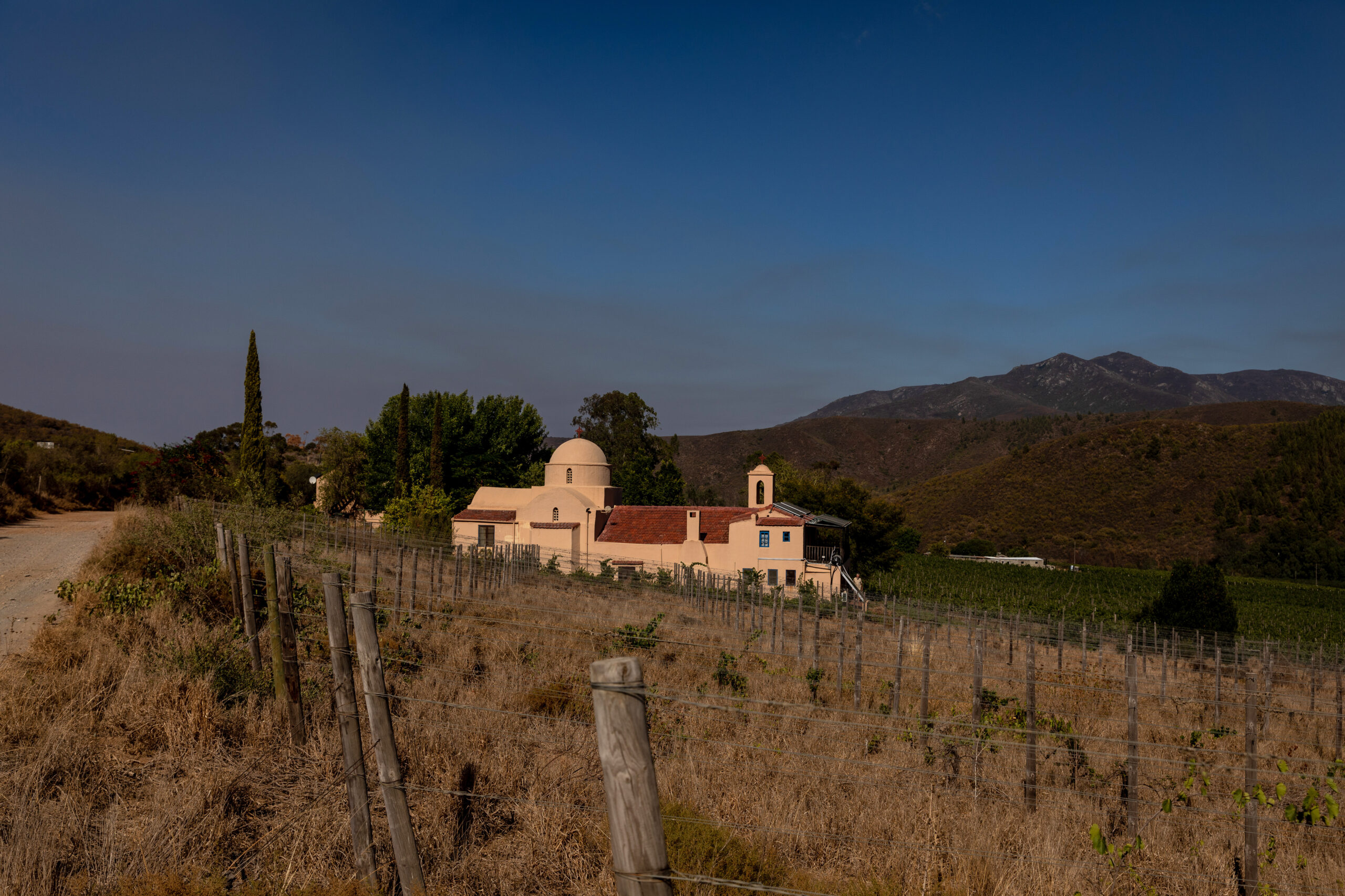
Deep in South Africa’s wine country near the town of Robertson, past rows of tin shacks and up a gravel road where barefoot children play, sits a little piece of Russia.
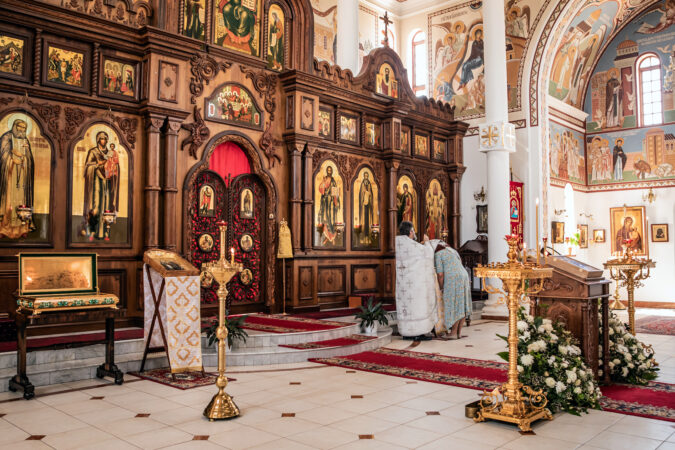
The apricot-hued building with its curved dome proclaims its affiliation with the Moscow Patriarchate of the Russian Orthodox Church on a sign in Afrikaans. The interior is adorned with icons, rugs, and candle stands, things more familiar to a place of worship in, say, St. Petersburg than South Africa’s Western Cape. But the outpost is just one of hundreds of similar churches that have spawned across Africa.
The continent has long been a target for Russia. The Soviet Union supported decolonialization and aided new independent states during the Cold War while the West engendered mistrust with policies such as doing little to oppose apartheid in South Africa.
Now, faced with more sanctions over its war in Ukraine and a new geopolitical era, Moscow is trying to leverage its old, soft power ties again in the absence of any significant economic hard power.
Recent years have seen China dominate, becoming Africa’s biggest trading partner and investing in roads, railways, and ports. The broader aim might be diplomatic, to garner international support from a continent with 54 votes at the United Nations. The Kremlin and its proxies, though, are also leaning on African countries for recruits to bolster its army and the workforce making munitions it uses in Ukraine.
“Russia is trying to develop its policy of influence in all African countries,” said Thierry Vircoulon, coordinator of the Observatory of Central and Southern Africa at the French Institute of International Relations, known as IFRI. “They want to project the image of a great country that is friendly to all Africans.”
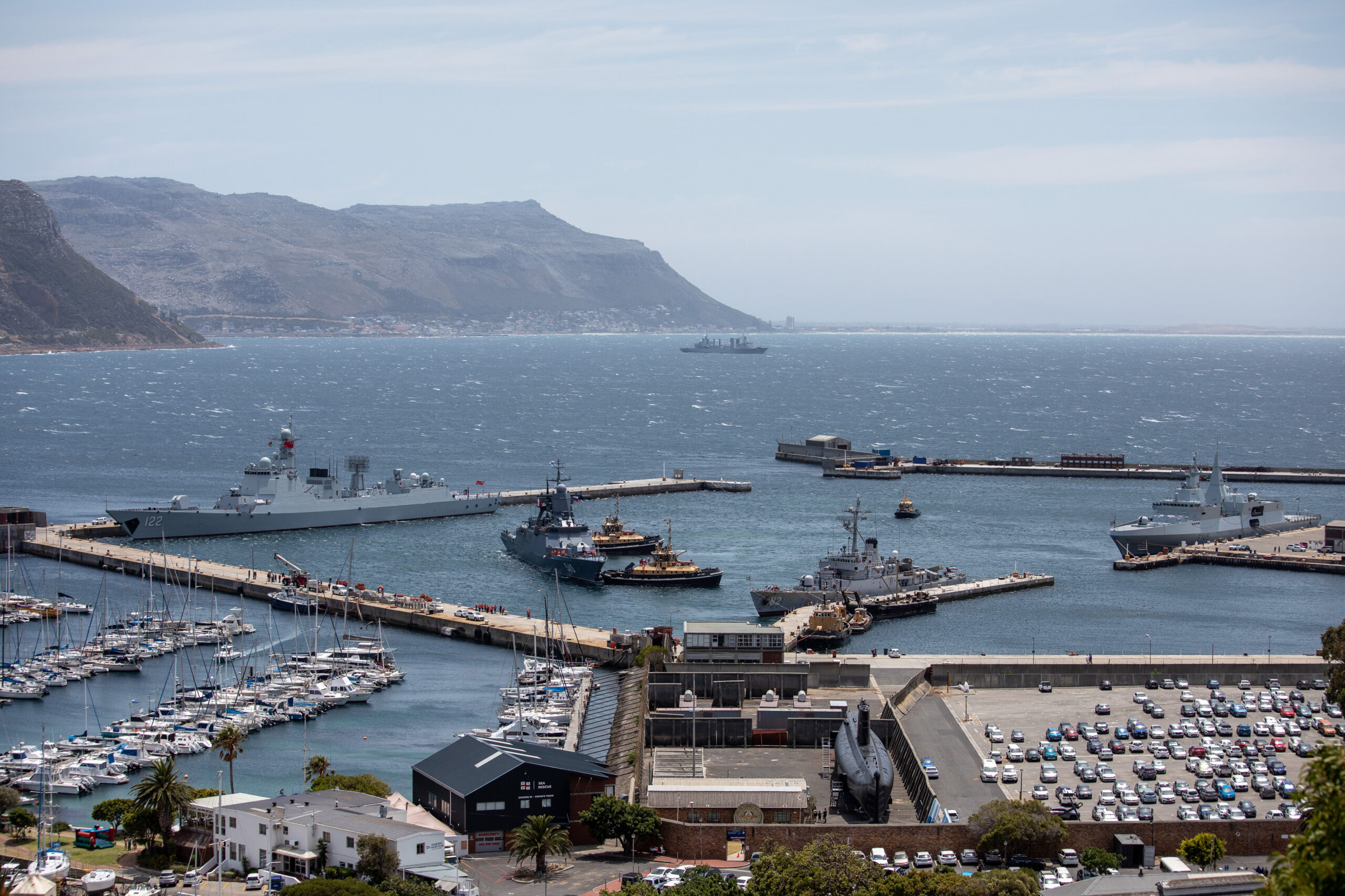
A Chinese destroyer and Russian and Iranian corvettes at Simon’s Town harbor in Cape Town on Jan. 9 ahead of multinational naval exercises.
President Vladimir Putin recently created a Kremlin department to coordinate Russia’s interactions and policies with nations personally selected by him. There will be a special team to look after Africa policy, two people familiar with the situation said.
Early on in its war against Ukraine, there were donations of a small amount of fertilizer and grains to African nations to help alleviate shortages caused by the full-scale invasion in February 2022. More recently, Putin ordered ships to sail around Africa, ostensibly to help countries such as Morocco and Senegal map out their stocks of fish.
What’s increasingly visible is the linguistic and cultural push. Russia has opened seven centers known as Russian Houses across the continent and plans more, holding talks over a new site in Namibia in early December. Russian, meanwhile, is being introduced at universities in cities including Abidjan in Ivory Coast and Harare in Zimbabwe.
In 2024, the foundation led by Putin’s daughter Katerina Tikhonova opened a lecture hall at Cheikh Anta Diop University in Dakar, Senegal, to facilitate the teaching of the language.
More than 32,000 students from Africa are currently studying at Russian universities, Russian Foreign Minister Sergey Lavrov said in December. Since 2020, the number of scholarships allocated to the African continent in Russia has nearly tripled, reaching more than 5,300 places. They are following in the footsteps of African leaders, many of whom had military or academic training in the USSR.
The Russian embassy in South Africa posted an advertisement for them in December and a politician in Lesotho facilitated sending students to Moscow-based Synergy University earlier in the year.
And, of course, there’s religion — a way of wielding influence going back to Christian missionaries in colonial times. In less than three years, the Russian Orthodox Church expanded to at least 34 countries in Africa from four, grew the number of clergy to 270 and registered 350 parishes and communities as of June 2024, the latest figures available from the church.
The geographical expansion might be the most significant in the Russian Orthodox Church’s history, Yuri Maksimov, chairman of the Africa Exarchate’s mission department, wrote in a 2025 academic paper.
The Russians attracted priests with better salaries, promises of church construction and rapid promotion, according to a study by Father Evangelos Thiani, an academic and Kenyan priest in the Greek Orthodox Church.
Russian orthodoxy welcomed Alexey Herizo, a Madagascan priest in the capital, Antananarivo, with “open arms.” He did online training with a seminary in Moscow, then practical training on site in 2023 for three months before being ordained as a deacon and then a priest within a few days.
That was after years of waiting for the Greek Orthodox Church to accept him, said Alexey, his religious name. The salaries provided by the Russian church allow us “to live decently, take care of our family’s health, and provide for our children’s education,” he said.
The church in Robertson affiliated with the Moscow Patriarchate of the Russian Orthodox Church.
Expanding outreach
It’s hard to estimate the number of worshipers the church has now in communities where religion and social conservatism play a large role in everyday life. The church on the outskirts of Robertson, a town named after a Scottish protestant, switched to the Russian branch of the Orthodox faith in 2022. It’s now home to a small congregation of largely white, Afrikaans-speaking South Africans.
While Russian Orthodox churches in South Africa have mainly recruited from Afrikaans communities, with its conservative values appealing to elements of that group, they have also been seeking to add to their numbers with outreach programs to rural, Black communities.
The expansion is aimed at “trying to pull more countries into their orbit,” said Tom Southern, director of special projects at the Centre for Information Resilience, who has looked at the growth. “It’s like spiritual colonialism.”
Russia’s longstanding ties with Africa loosened following the collapse of communism as the country turned to the West. The continent came back into focus after Putin annexed Crimea in 2014 and relations with the United States and Europe soured.
A report by the European Parliament said Moscow has military cooperation agreements with 43 African countries and is a key supplier of arms. Wagner Group paramilitaries were active trying to fight rebels in places like Mali, though the group has since been disbanded and folded into the government’s Africa Corps. Companies linked with Wagner, meanwhile, had contracts across the continent in security, oil services, and gold mining.
African countries have vast economic and human potential and are playing an increasingly significant role in global politics, Putin said in a written address to the plenary session of the Russia-Africa Partnership Forum conference in Cairo in December. Lavrov, his foreign minister, told the event that Russia plans to have trade missions operating in 15 African countries by the end of 2026.
A Russian warship in January joined naval exercises held off the coast of South Africa along with vessels from China, Iran, and the United Arab Emirates. The Russian embassy said they focused on maritime security.
Russia’s renewed push into Africa lacks the financial resources of its geopolitical rivals, though. While China is sub-Saharan Africa’s biggest trade partner, Russia ranks 33rd and is superseded by the UAE, U.S., Japan, and eight European nations.
China has built infrastructure in nations from Cameroon to Kenya while the UAE and other wealthy gulf states have become major sources of foreign money in recent years. The European Union is the biggest investor in South Africa and 600 American companies operate in the country.
Putin hosted a Russia-Africa summit in 2019 attended by 43 heads of state, while the second one in 2023 attracted just 17. The Kremlin blamed the low attendance on “unprecedented pressure” from the U.S. and its allies.
There’s an increasing effort to counter that. With President Donald Trump upending the world order with trade tariffs, rivalry with China and more recently the capture of Venezuela’s president, Russia is trying to assert its narratives in Africa.
The state-owned Sputnik news service is hiring South African journalists and in 2026 plans to open a bureau in the country. It would be the second in Africa, following Ethiopia in early 2025, said Viktor Anokhin, who will run the operation. “Our main goal, as it always has been, is to provide an alternative source of news,” Anokhin said when called by Bloomberg. “A balanced offering.”
Recruiting manpower
Russia has sponsored disinformation campaigns and stoked instability in conflict-ridden nations, according to research groups including the European Council on Foreign Relations. The country is also accused of using Africans to aid its war effort in Ukraine.
One of them was Alabuga Start, a recruitment arm of Russia’s Alabuga Special Economic Zone in Tatarstan. It set itself a target of hiring thousands of African women between the ages of 18 and 22, saying they will work in fields such as hospitality and construction.
Most of the young women end up in a military equipment factory, according to the authors of three reports from organizations including the Institute for Science and International Security.
“African women typically don’t have access to as many opportunities in life, opportunities to get a well-paying job, opportunities to get an education, opportunities to travel,” said Spencer Faragasso, a senior research fellow at Washington-based ISIS. “The Alabuga Start program really provides on the surface all those benefits. But in reality, they’re working in a drone production factory.”
Alabuga didn’t respond to requests for comment, while the Russian embassy in South Africa said in August it had no evidence that the rights of those recruited by Alabuga were being violated, describing reports as “biased.”
On the battlefield, Ukraine estimates that more than 1,400 Africans are fighting for Russia. Kenya’s foreign minister said in November at least 200 Kenyans had been recruited to Russia’s military, often after being told they would work as security guards or drivers.
A report this month by All Eyes on Wagner, a nonprofit research group, said Russia has recruited from about 35 African countries and provided the names of about 300 Africans killed while fighting for Russia.
In South Africa, where fighting for a foreign military or assisting it is a crime, a daughter of former President Jacob Zuma is being investigated by the police for allegedly helping to recruit about 20 men for Russia’s military. She told them they were going on a bodyguard training course.
Separately, South Africa arrested and charged state radio presenter Nonkululeko Mantula and four men she allegedly recruited for the Russian military. Her trial is due to start in April. Bloomberg reported on Jan. 7 that Russia targeted South African video gamers as part of the recruitment drive, according to documents involving two men who left to fight.
South Africa, Kenya, and Botswana have announced investigations into how their nationals became involved in fighting for Russia. South Africa and Lesotho have publicly warned against accepting some job opportunities and scholarships in Russia.
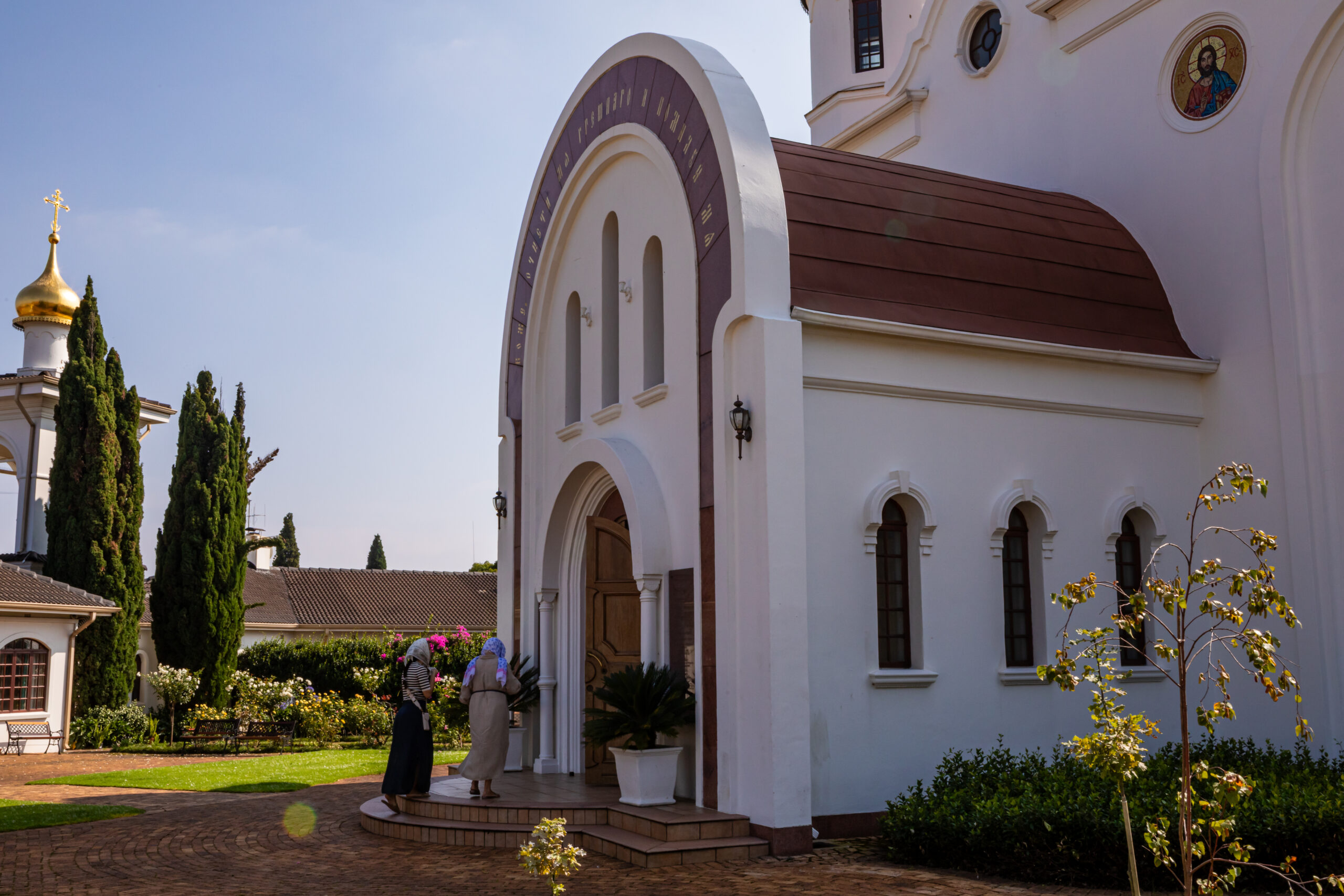
Worshipers enter the Cathedral of St. Sergius of Radonezh on the outskirts of Johannesburg.
Religious leaders
The widening footprint of the church is symbolic of Russia’s desire to sway Africans to its cause.
In a 2022 news conference to celebrate the first year of work in Africa, Leonid Gorbachov, the then Patriarchal Exarch of Africa, said the church works with Russian government agencies and was in talks with the government about the exarchate’s needs.
“It is religious leaders in Africa who remain the most trusted and respected, with religion taking center stage in politics, elections and developmental concerns,” Father Thiani, the Kenyan priest and academic, wrote in the July 2024 paper published by Studies in World Christianity. “The use of religion for entering Africa is therefore an ideal form of Russian soft power.”
Churches now range from rural outposts in Kenya, Madagascar and the one in Robertson to the St. Sergius of Radonezh cathedral on the outskirts of Johannesburg, which is adorned with grand golden cupolas. Founded in 2003, it was — until the establishment of the Africa Exarchate — the only Russian Orthodox Church in sub-Saharan Africa.
The activities of the Russian Orthodox Church have raised concerns in a number of countries outside Africa.
The Czech government placed Patriarch Kirill of Moscow on its sanctions list in April 2023. It cited his support for the invasion of Ukraine, a country who’s church declared full independence from the Moscow patriarchate in 2022.
In Moldova, a former Soviet state with eyes on EU membership, the government has described the Moscow-linked church as a tool of Russian influence aimed at spreading propaganda and causing instability.
Priests spoken to by Bloomberg denied the church expansion in Africa was related to Russia’s political objectives.
Nicholas Esterhuizen, who runs the Saint John of The Ladder Church above a café in Cape Town, said ties with Russia were spiritual and “transcend the current political climate.”
“If the state is the problem, if the state is at war, why do you need to draw the church into the state? The president is not a leader of the church,” said Daniel Agbaza, a Russian Orthodox priest in Nigeria, where a new church is being built in Benue State. “Because it is called Russian does not mean that it is a Russian government church.”
DNA from gloves found a few miles from the Arizona home of Nancy Guthrie did not match any entries in a national database, authorities said Tuesday, the 17th day of her disappearance.
“There were no DNA hits in CODIS,” the Pima County Sheriff’s Department said, referring to the national Combined DNA Index System.
“At this point, there have been no confirmed CODIS matches in this investigation,” the department said, suggesting that other DNA samples had been put through the system.
CODIS is a storehouse of DNA taken from crime suspects or people with convictions. Any hits could identify possible suspects in Guthrie’s disappearance.
The sheriff’s department said it’s looking to feed DNA evidence into other “genetic genealogy” databases. It did not elaborate.
Investigators, meanwhile, were seen inspecting exterior cameras at a neighbor’s house Tuesday. Vehicles were also arriving and departing from Guthrie’s Tucson-area home while a thick line of news media watched from the street.
The 84-year-old mother of NBC Today co-anchor Savannah Guthrie was reported missing from her home on Feb. 1 after spending the previous night with family, police said. Her blood was detected on the porch.
A porch camera recorded video of a man with a backpack who was wearing a ski mask, long pants, a jacket and gloves. The FBI said the suspect is about 5 feet, 9 inches tall with a medium build.
Gloves were found about 2 miles from Guthrie’s home. The FBI has said that the gloves appeared to match those worn by the man in the video.
“There is additional DNA evidence that was found at the residence, and that is also being analyzed,” the sheriff’s department said.
In addition, the department said it’s working with experts to try to locate Guthrie by detecting her heart pacemaker.
Parsons Corp. said its BlueFly device, which weighs less than a pound and has a range of up to 218 yards, can detect signals from wearable electronics and medical devices. The company said the technology has been used from the air and on the ground in Arizona. It declined further comment about the search.
The sheriff’s department released numbers to show how the public is reacting to Guthrie’s disappearance and the appeal for any information. There were 28,000 phone calls from Feb. 1-16, a 54% increase over the same period a year ago. Not all calls were tips.
Savannah Guthrie posted an Instagram video Sunday in which she issued an appeal to anyone with information about what happened to her mother.
“It is never too late to do the right thing,” she said. “And we are here. And we believe in the essential goodness of every human being, that it’s never too late.”
ILULISSAT, Greenland — When he was growing up in a village in northern Greenland, Jørgen Kristensen’s closest friends were his stepfather’s sled dogs. Most of his classmates were dark-haired Inuit; he was different. When he was bullied at school for his fair hair — an inheritance from the mainland Danish father he never knew — the dogs came to him.
He first went out to fish on the ice with them alone when he was 9 years old. They nurtured the beginning of a lifelong love affair and Kristensen’s career as a five-time Greenlandic dog sled champion.
“I was just a small child. But many years later, I started thinking about why I love dogs so much,” Kristensen, 62, told the Associated Press.
“The dogs were a great support,” he said. “They lifted me up when I was sad.”
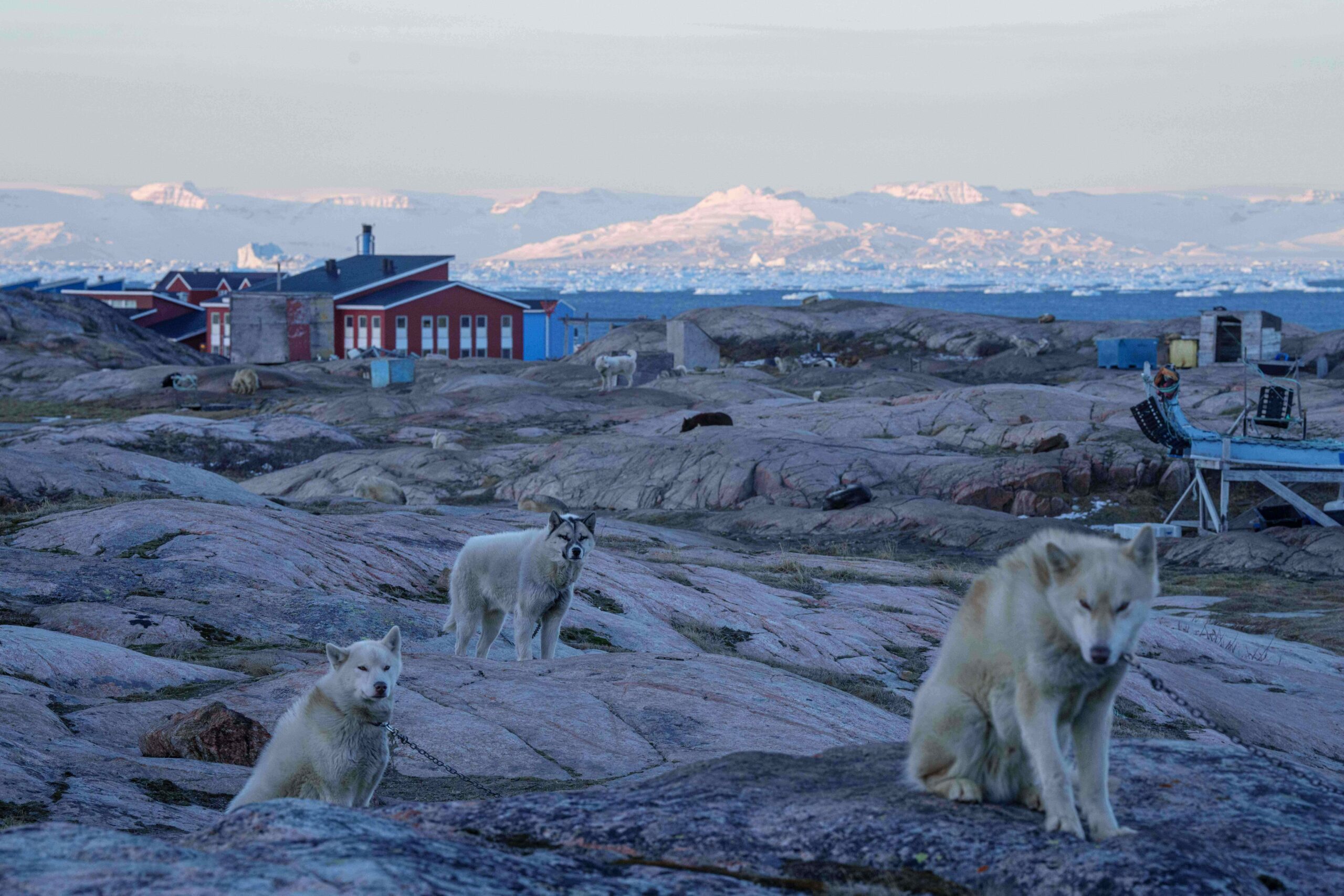
For more than 1,000 years, dogs have pulled sleds across the Arctic for Inuit seal hunters and fishermen. But this winter, in the town of Ilulissat, around 186 miles north of the Arctic Circle, that’s not possible.
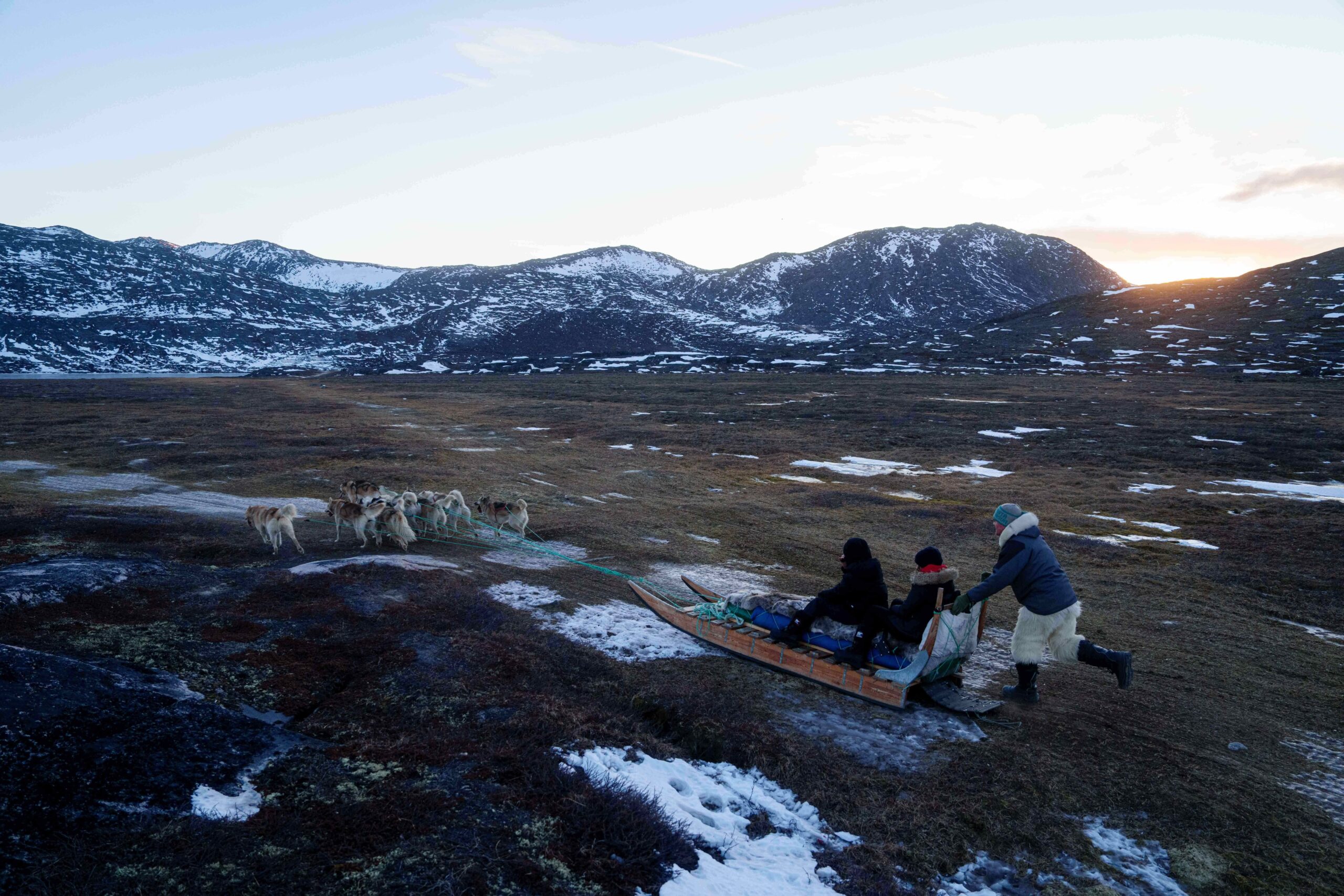
Instead of gliding over snow and ice, Kristensen’s sled bounces over earth and rock. Gesturing to the hills, he said it’s the first time he can remember when there has been no snow — or ice in the bay — in January.
The rising temperatures in Ilulissat are causing the permafrost to melt, buildings to sink, and pipes to crack but they also have consequences that ripple across the rest of the world.
The nearby Sermeq Kujalleq glacier is one of the fastest-moving and most active on the planet, sending more icebergs into the sea than any other glacier outside Antarctica, according to the United Nations cultural organization UNESCO. As the climate has warmed, the glacier has retreated and carved off chunks of ice faster than ever before — significantly contributing to sea levels that are rising from Europe to the Pacific Islands, according to NASA.
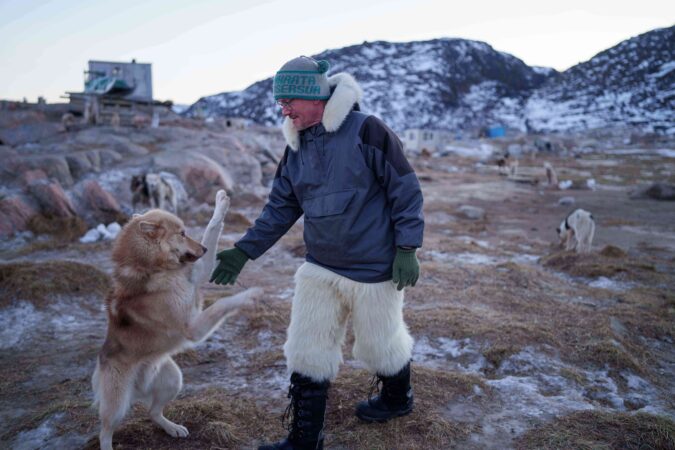
Jørgen Kristensen rides with his sled dogs in Ilulissat, Greenland, on Jan. 27.
In the 1980s, winter temperatures in Ilulissat regularly hovered around -13 Fahrenheit in winter, Kristensen said.
But nowadays, he said, there are many days when the temperature is above freezing — sometimes it can be as warm as 50 degrees.
Kristensen said he now has to collect snow for the dogs to drink during a journey because there isn’t any along the route.
Although Greenlanders have always adapted — and could make dog sleds with wheels in future — the loss of the ice is affecting them deeply, said Kristensen, who now runs his own company showing tourists his Arctic homeland.
“If we lose the dog sledding, we have large parts of our culture that we’re losing. That scares me,” he told AP, pressing his lips together and becoming tearful.
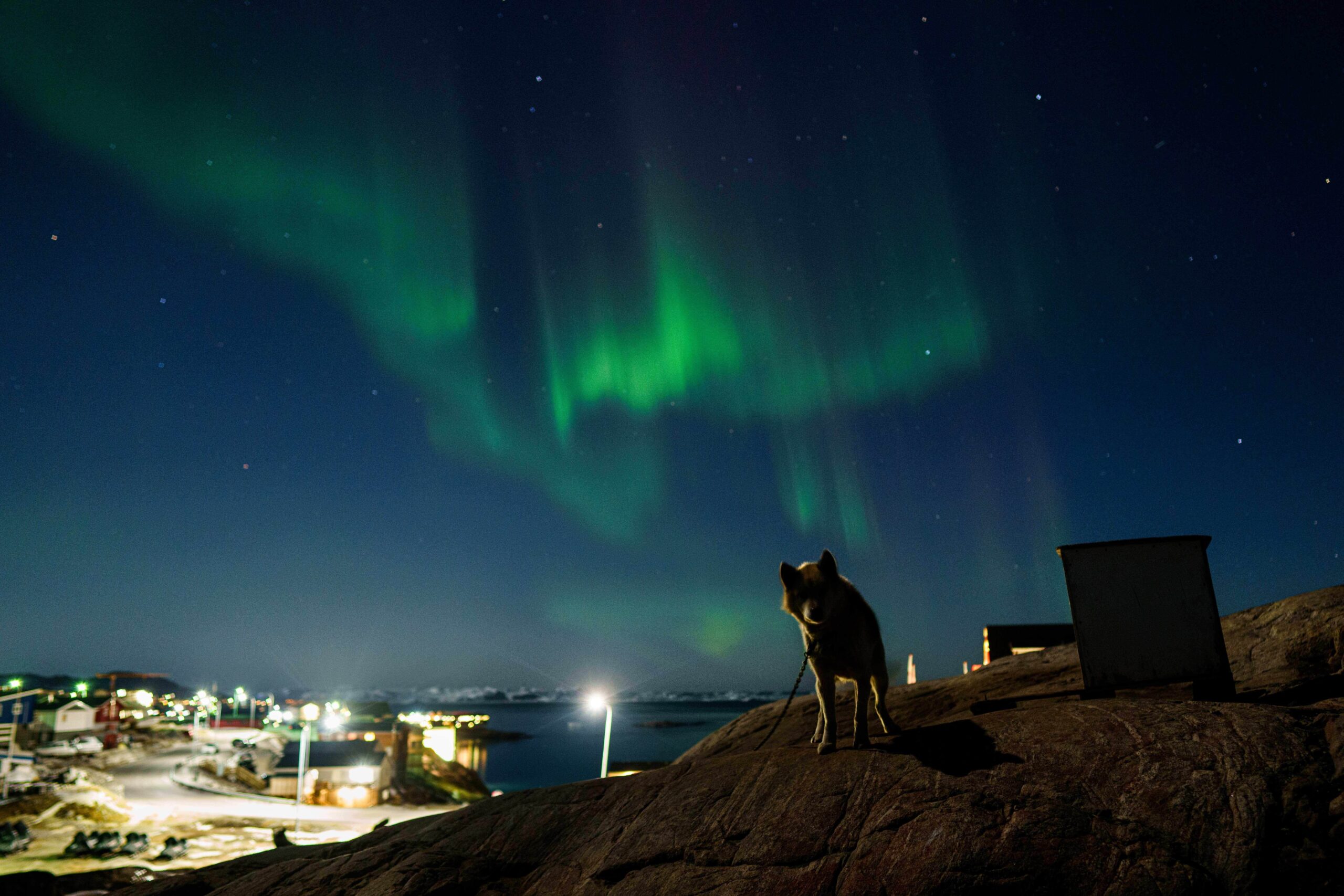
A sled dog stands as the northern lights shine over Ilulissat, Greenland, on Jan. 28.
The sea ice is disappearing
In winter, hunters should be able to take their dogs far out on the sea ice, Kristensen told AP. The ice sheets act like “big bridges,” connecting Greenlanders to hunting grounds but also to other Inuit communities across the Arctic in Canada, the United States, and Russia.
“When the sea ice used to come, we felt completely open along the entire coast and we could decide where to go,” Kristensen said.
This January, there was no ice at all.
Driving a dog sled on ice is like being “completely without boundaries — like on the world’s longest and widest highway,” he said. Not having that is “a very great loss.”
Several years ago, Greenland’s government had to provide financial support to many families in the far north of the island after the sea ice did not freeze hard enough for hunting, said Sara Olsvig, chair of the Inuit Circumpolar Council, which represents Inuit people from across Arctic nations.
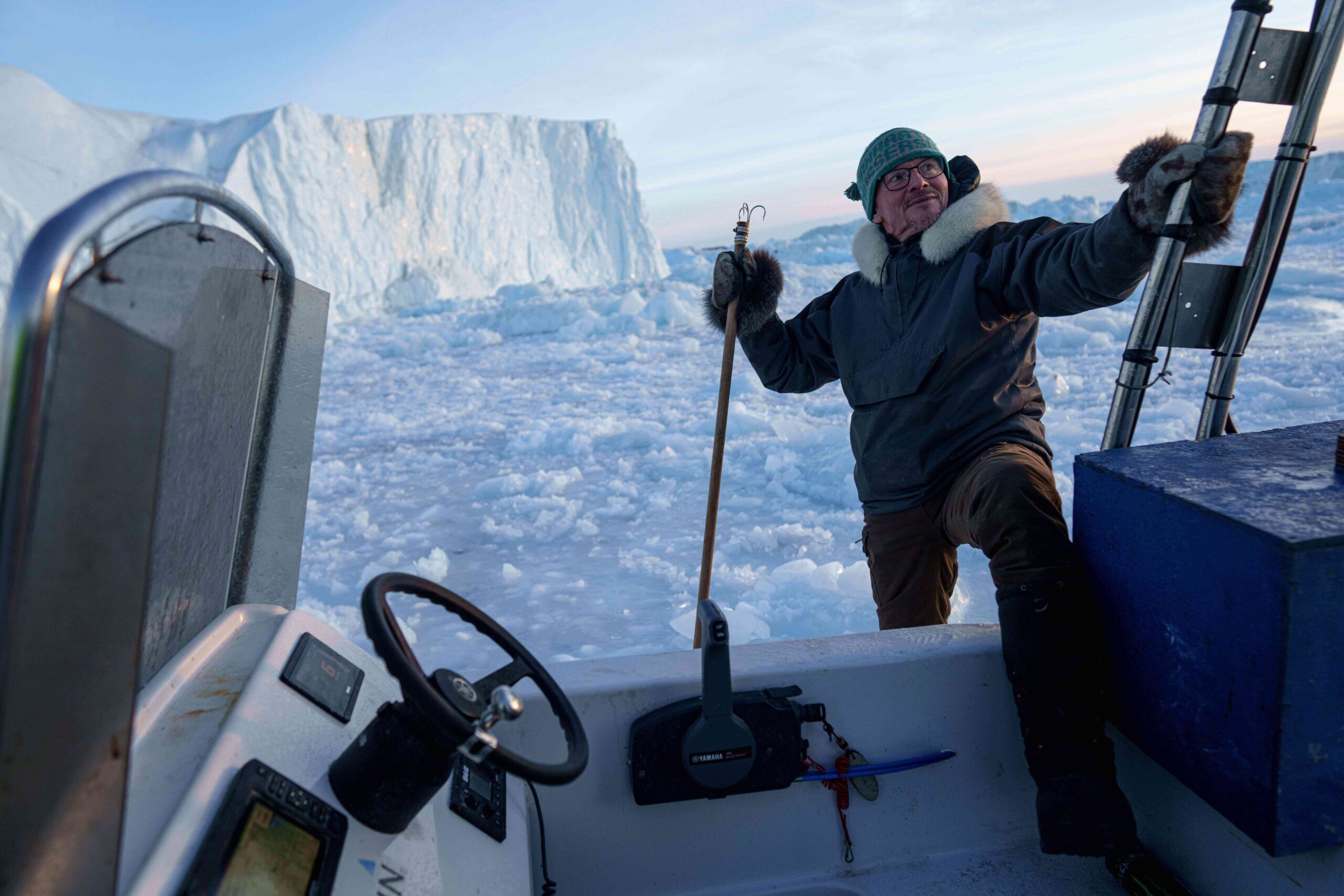
The warming weather also makes life more dangerous for fishermen who have swapped their dog sleds for boats, because there is more rain instead of snow, said Morgan Angaju Josefsen Røjkjær, Kristensen’s business partner.
When snow falls and is compressed, air is trapped between the flakes, giving the ice its brilliant white color. But when rain freezes, the ice that forms contains little air and looks more like glass.
A fisherman can see the white ice and try to avoid it, but the ice formed from rain takes on the color of the sea — and that’s dangerous because “it can sink you or throw you off your boat,” said Røjkjær.
Climate change, Olsvig said, “is affecting us deeply,” and is amplified in the Arctic, which is “warming three to four times faster than the global average.”
Greenlandic sled dogs stand in Ilulissat, Greenland, on Jan. 27.
The glaciers are melting
Over the course of his lifetime, the Sermeq Kujalleq glacier has retreated by about 25 miles, said Karl Sandgreen, 46, the head of Ilulissat’s Icefjord Center, which is dedicated to documenting the glacier and its icebergs.
Looking out of the window at hills which would normally be covered with snow, Sandgreen described mountain rock revealed by melting ice and a previously ice-covered valley inside the fjord where “there’s nothing now.”
Pollution is also speeding up the ice melt, Sandgreen said, describing how Sermeq Kujalleq is melting from the top down, unlike glaciers in Antarctica which largely melt from the bottom up as sea temperatures rise.
This is exacerbated by two things: black carbon, or soot spewed from ship engines, and debris from volcanic eruptions. They blanket the snow and ice with dark material and reduce reflection of sunlight, instead absorbing more heat and speeding up melting. Black carbon has increased in recent decades with more ship traffic in the Arctic, and nearby Iceland has periodic volcanic eruptions.
Many Greenlanders told AP they believe the melting ice is the reason Trump — a leader who has called climate change “the greatest con job ever” — wants to own the island.
Since Trump returned to office, fewer climate scientists from the U.S. have visited Ilulissat, Sandgreen said. The U.S president needs to “listen to the scientists,” who are documenting the impact of global warming, he said.
Jørgen Kristensen gets on a boat by an iceberg at Disko Bay near Ilulissat, Greenland, on Jan. 29.
Teaching children about climate change
Kristensen said he tries to explain the consequences of global warming to the tourists who he takes out on dog sled rides or on visits to the icebergs. He said he tells them how Greenland’s glaciers are as important as the Amazon rainforest in Brazil.
International summits, such as the United Nations climate talks in November in the Amazon gateway city of Belem, play a role, but it’s just as important to “teach children all over the world” about the importance of ice and oceans, alongside subjects like math, Kristensen said
“If we don’t start with the children, we can’t really do anything to help nature. We can only destroy it,” Kristensen said.
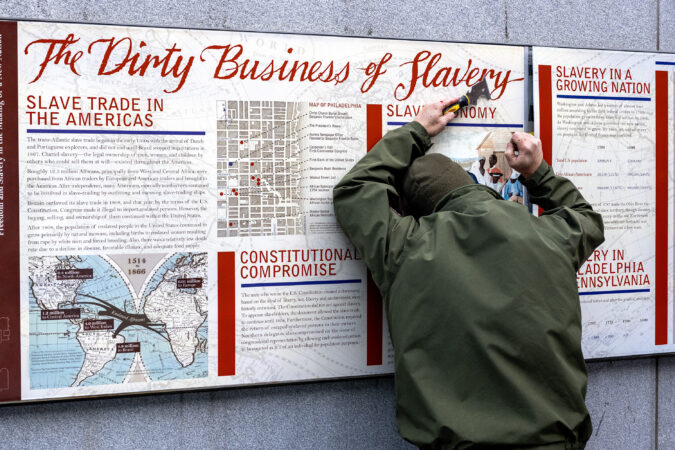
The U.S. attorneys representing the federal government argued previously that the White House has full discretion over the exhibits in national parks, an argument U.S. District Judge Cynthia M. Rufe called “dangerous” and “horrifying” during last month’s hearing.
The notice of appeal to the U.S. Court of Appeals for the Third Circuit at this stage does not require a brief arguing what the government says the judge got wrong when she issued the injunction. But the Department of the Interior and the National Park Service said in a statement Tuesday that the agencies “disagree” with the injunction.
“The National Park Service routinely updates exhibits across the park system to ensure historical accuracy and completeness,” the statement said. “If not for this unnecessary judicial intervention, updated interpretive materials providing a fuller account of the history of slavery at Independence Hall would have been installed in the coming days.”
Neither agency responded to a request for more information on the plan for alternative panels. The White House did not respond to a request for comment.
Rufe on Monday granted Philadelphia’s request for an injunction requiring the full restoration of exhibits removed from the President’s House on Jan. 22. She further enjoined the federal government from making any changes to the site without the agreement of the city.
The panels that tell the stories of the nine enslaved African people who lived in President George Washington’s house must be displayed again swiftly, the judge said in her 40-page opinion.
The order directs the agencies to comply “immediately” and “forthwith” but does not include a specific deadline.
“Each person who visits the President’s House and does not learn of the realities of founding-era slavery receives a false account of this country’s history,” wrote Rufe, who was appointed by former President George W. Bush.
In addition to the appeal, the federal government will need to ask for a stay on the order or risk not complying with Rufe’s injunction.
Parker addressed the injunction in a video Tuesday celebrating the ruling as a “huge win for the people of this city and our country.”
“This summer Philadelphia will lead a litany of Semiquincentennial celebrations in honor of America’s 250th birthday, and please know that we will do so with a great deal of pride,” Parker said. “A pride that comes from acknowledging all of our history, and all of our truth, no matter how painful it may be.”
Philadelphia’s lawsuit was the first in the nation challenging the removal of exhibits from national parks in accordance with President Donald Trump’s March 2025 executive order, which instructed the Interior Department to remove any content or displays that “inappropriately disparage Americans past or living.”
The federal government violated a 2006 cooperative agreement between the National Park Service and the city when it dismantled the exhibits without notice in what amounted to an unlawful “arbitrary and capricious” act, Philadelphia’s lawsuit said. Rufe found that the agreement is still binding.
As the city’s litigation proceeds following the injunction, it is not the only effort to address changes to historic exhibits on federal parks.
A lawsuit filed Tuesday by park conservation advocacy groups in Massachusetts federal court says that removals of the type that took place in Philadelphia violate “Congress’s clear instructions.”
The suit asks a federal judge to order the Interior Department and National Park Service to “cease all unlawful efforts to remove up-to-date and accurate historical or scientific information from the national parks, and order that interpretive materials that have been removed pursuant to the unlawful Order be restored.”
PAWTUCKET, R.I. — The person who opened fire Monday during a youth hockey game at a Rhode Island ice rink was specifically targeting family members, killing an ex-wife and son as many fans dived for cover while a handful rushed the shooter to stop the attack, authorities said.
Pawtucket Chief of Police Tina Goncalves said the shooter’s ex-wife Rhonda Dorgan and adult son Aidan Dorgan were killed and three others were injured: Rhonda Dorgan’s parents, Linda and Gerald Dorgan, and a family friend Thomas Geruso, all of whom remained in critical condition Tuesday afternoon, Goncalves said
Police identified the shooter as 56-year-old Robert Dorgan, who died from an apparent self-inflicted gunshot wound. Dorgan also went by the names Roberta Esposito and Roberta Dorgano, authorities said.
Goncalves said there was “no indication” there would be violence at the ice rink in Pawtucket on Monday afternoon, adding that Dorgan had been to many hockey games to watch family members play before without incident.
Gender identity apparently was a contributing factor to Dorgan’s wife filing for divorce in 2020 after nearly 30 years of marriage.
Court filings show Rhonda Dorgan initially wrote “gender reassignment surgery, narcissistic + personality disorder traits” as reasons for filing but crossed that out and wrote “irreconcilable differences which have caused the irremediable breakdown of the marriage.”
Court documents show that two shared the same last name even prior to getting married. Authorities have not provided additional details about the same name.
Under the name Roberta Dorgano, Dorgan posted on X that Rhonda Dorgan “hates the person who stole her husband” while posting about the couple’s marital troubles in 2018. A year later Dorgan wrote on social media: “Transwoman, 6 kids: wife – not thrilled,” and encouraged people to not let being transgender stop them from creating a family.
A day before the shooting, Dorgan responded on X to anti-transgender posts by actor Kevin Sorbo and Infowars conspiracy theorist Alex Jones by saying that constant criticism of transgender people is “why we Go BERSERK.”
Brutal attack ended when fans rushed to stop shooter
Goncalves on Tuesday credited several “good Samaritans” who intervened and quickly stopped the attack
At least three bystanders were able to contain Dorgan in the middle of the stands as the crowd fled and ran around them, but said Dorgan was still able to reach for a second firearm and died of a self-inflicted gunshot, Goncalves said.
The hockey game was livestreamed by LiveBarn, a streaming platform for youth sporting events, whose videos have been shared on social media showing players on the ice as popping sounds are heard. Chaos quickly unfolds as players on benches dive for cover, those on the ice frantically skate toward exits and fans flee their seats.
LiveBarn’s social media account has been issuing warnings to those who shared the video that they do not have permission to do so.
Michael Steven, who recorded video after the shooting, recalled crying parents trying to locate their children outside the arena and young people being taken out on stretchers.
“It happens far too often in our nation,” Steven told reporters.
Members of the community held a vigil at Slatersville Congregational Church in North Smithfield in the evening Tuesday.
“It’s absolutely mind-boggling that this could happen to people we know and love and support through everything,” said Amy Goulet, whose son is a hockey player in the community.
Shooter known for bad temper, coworker says
Dorgan was an employee of General Dynamics Bath Iron Works, a ship building facility in Bath, Maine, that contracts with the U.S. Navy, David Hench, a spokesperson for the shipyard, said Tuesday. Coworkers said Dorgan often used the first name Roberta at work.
A colleague, Destiny Mackenzie, recalled that Dorgan used the women’s bathroom and said the two of them would often talk about family. Mackenzie said Dorgan’s ex-wife never came up in conversation but a hockey-playing son was a frequent topic.
“What was supposed to be some seniors’ only chance at playoff games is now ruined,” she wrote in a message to The Associated Press. “Images that these kids and family’s now have to live with. That’s who I send my condolences to is those families.”
Mackenzie said Dorgan had a bad temper that sometimes led to screaming matches with colleagues.
Another coworker said Dorgan appeared to be split on the issue of transgender acceptance, one second being proud of transitioning and the next, embarrassed. That coworker, who spoke on condition of anonymity for fear of workplace reprisals, said they knew Dorgan owned guns but was unsure how many.
Dorgan briefly served in the Marine Corps, enlisting on April 26, 1988, according to military records provided by the service. Less than three months later, on July 13, Dorgan was separated from the service with the lowest military rank.
Maj. Jacoby Getty, a Marine Corps spokesman, told The Associated Press that the rapid discharge indicated Dorgan’s character “was incongruent with Marine Corps’ expectations and standards.”
Getty declined to provide more detail.
Monday’s shooting came nearly two months after the state was rocked by a shooting at Brown University that killed two students and wounded nine others, as well as left a Massachusetts Institute of Technology professor dead. Authorities later found Claudio Neves Valente, 48, dead from a self-inflicted gunshot wound at a New Hampshire storage facility.
“Our state is grieving again,” Rhode Island Gov. Dan McKee said in a statement. “As governor, a parent, and a former coach, my heart breaks for the victims, families, students, and everyone impacted by the devastating shooting at Lynch Arena in Pawtucket.”
GENEVA, Switzerland — Iran announced the temporary closure of the Strait of Hormuz on Tuesday for live fire drills in a rare show of force as its negotiators held another round of indirect talks with the United States over the Islamic Republic’s disputed nuclear program.
It was the first time Iran has announced the closure of the key international waterway, through which 20% of the world’s oil passes, since the U.S. began threatening Iran and rushing military assets to the region. It was not immediately clear if the strait had been closed, but such a rare and perhaps unprecedented move could further escalate tensions that threaten to ignite another war in the Middle East.
As the talks began, Iran’s state media announced that Iranian forces had fired live missiles toward the strait and would close it for several hours for “safety and maritime concerns.”
Supreme Leader Ayatollah Ali Khamenei meanwhile warned that “the strongest army in the world might sometimes receive such a slap that it cannot get back on its feet.”
Iranian diplomat sees ‘new window’ in talks
Iran’s foreign minister later adopted a different tone, expressing optimism about the talks and saying “a new window has opened” for reaching an agreement.
“We are hopeful that negotiations will lead to a sustainable and negotiated solution which can serve the interests of relevant parties and the broader region,” Abbas Araghchi told a U.N. disarmament conference after leading the Iranian delegation at the talks held in Geneva.
He added that Iran “remains fully prepared to defend itself against any threat or act of aggression,” and that the consequences of any attack on Iran would not be confined to its borders.
He made no specific mention of the military drills or the closure of the Strait of Hormuz.
President Donald Trump, who scrapped an earlier nuclear agreement with Iran during his first term, has repeatedly threatened to use force to compel Iran to agree to constrain its nuclear program. Iran has said it would respond with an attack of its own. Trump has also threatened Iran over the killing of protesters.
Vance says talks went well ‘in some ways’
Trump’s envoys, Steve Witkoff and Jared Kushner, led the U.S. delegation at the latest indirect talks, held inside the residence of the Omani envoy to Geneva. Oman, a longtime regional mediator, had hosted an earlier round on Feb. 6.
There was progress in the talks but many details remained to be discussed, according to a U.S. official who was not authorized to comment publicly and spoke on condition of anonymity. The Iranian delegation said they would present more detailed proposals in the next two weeks to narrow gaps, the official said.
“In some ways, it went well,” Vice President JD Vance said in an interview with Fox News Channel after he spoke with Witkoff and Kushner. “But in other ways, it was very clear that the president has set some red lines that the Iranians are not yet willing to actually acknowledge and work through.”
Araghchi, who led the Iranian side, also said he met with Director-General Rafael Grossi of the International Atomic Energy Agency on Monday in Geneva. The Iranian minister said they discussed the agency’s role in helping to achieve an agreement.
A live fire drill
Iran said its Revolutionary Guard started a drill early Monday in the Strait of Hormuz, the Persian Gulf, and the Gulf of Oman, which are crucial international shipping routes. It was the second time in recent weeks that Iran has held a live fire drill in the Strait of Hormuz.
Iran often carries out military drills in the strait that can impede maritime traffic, but the announced closure went a step further. Danny Citrinowicz, an Iran expert at Israel’s Institute for National Security Studies, said Iran last closed the strait during the war with Iraq in the 1980s, when it mined the waterway.
He said the latest announcement was a clear message to the international community that any strike on Iran would have global impact.
Khamenei meanwhile stepped up his warnings to the U.S. over its buildup of military forces in the region.
“Of course a warship is a dangerous apparatus, but more dangerous than the warship is the weapon that can sink the warship,” Khamenei said, according to Iranian state TV.
He also warned the U.S. that “forcing the result of talks in advance is a wrong and foolish job.”
U.S. increases military presence
Last week, Trump said the USS Gerald R. Ford, the world’s largest aircraft carrier, was being sent to the Mideast. It will join the USS Abraham Lincoln and its accompanying guided-missile destroyers, which have been in the region for three weeks.
U.S. forces shot down an Iranian drone that approached the Lincoln on the same day last week that Iran tried to stop a U.S.-flagged ship in the Strait of Hormuz.
Gulf Arab nations have warned any attack could spiral into another regional conflict in a Mideast still reeling from the Israel-Hamas war.
The Trump administration is seeking a deal to limit Iran’s nuclear program and ensure it does not develop nuclear weapons. Iran says it is not pursuing weapons and has so far resisted demands that it halt uranium enrichment on its soil or hand over its stockpile of highly enriched uranium.