Category: News

Latest breaking news and updates

  • QVC Group faces $30 million ‘unjustified termination’ lawsuit after report of potential bankruptcy

    QVC Group faces $30 million ‘unjustified termination’ lawsuit after report of potential bankruptcy

    QVC Group has been hit with a $30 million lawsuit amid broader financial problems for the West Chester-based home shopping network.

    The company is considering filing for Chapter 11 bankruptcy to reorganize billions in debt, Bloomberg reported last week.

    Antthony Mark Hankins, a Savannah, Ga.-based fashion designer who had a 31-year on-air career with HSN until he was terminated in July, filed the lawsuit last week against the network and its parent company, QVC Group, according to federal court documents.

    Hankins seeks at least $30 million in damages for what his attorneys describe in the documents as an “abrupt and unjustified termination” that “reflects a pattern of discriminatory treatment, retaliatory conduct, and operational mismanagement.” The lawsuit is filed in the U.S. District Court for the Eastern District of Pennsylvania.

    QVC Group spokespeople and general counsel did not return requests for comment. HSN operated out of a studio in St. Petersburg, Fla., until about a year ago, when it moved to QVC’s West Chester campus.

    A show is filmed at QVC’s studios in West Chester in 2023.

    Between 2023 and 2025, HSN executives reduced Hankins’ airtime and decreased promotion of his brand, Antthony Design Originals, to focus on a “TikTok-centered business model,” according to the designer’s lawsuit. As a result, he says his gross sales last calendar year were $13.24 million, more than $2 million less than projected. When he was more supported by the network, he said, his sales outperformed expectations.

    Hankins, who is Black, also says the company discriminated against him based on race, including by promoting him more heavily during Black History Month, firing him without cause, and immediately pulling him off the air despite decades of strong performance, according to the lawsuit.

    In the documents, Hankins also alleges breach of contract, defamation, interference with third-party business relationships, and misappropriation of his name and likeness in advertisements.

    In a Facebook post on his business page, Hankins said the lawsuit “is about standing up for the values my brand was built on, protecting my legacy, and ensuring that fairness and accountability matter — especially for creators who have given decades of their lives to their work.”

    Hankins’ attorney, Samuel B. Fineman of Semanoff Ormsby Greenberg & Torchia in Huntingdon Valley, did not return a request for additional comment.

    A QVC logo is shown outside its studios in an undated file photo. The company has been based in West Chester for more than 30 years.

    QVC has been based in West Chester for more than three decades, and merged with HSN as part of a $2 billion deal in 2017.

    The networks’ parent company, which rebranded as QVC Group last year, has struggled recently amid stiff competition from e-commerce and social-media platforms like TikTok Shop.

    Its revenue and operating income have been on the decline, and fewer people are shopping. As of September, about 7 million customers had made a purchase on the networks in the past year, down from 8.1 million in fiscal year 2023.

    The company is set to release its fourth quarter 2025 earnings report next week.

    According to Bloomberg’s report last week, company executives were talking with creditors about a potential bankruptcy, but had not made a decision on whether to file.

    A search for “QVC Group” in online court records did not show any bankruptcy filings as of Wednesday.

  • Bucks commissioners vote to oppose ICE facilities, say feds looked at two local sites

    Bucks commissioners vote to oppose ICE facilities, say feds looked at two local sites

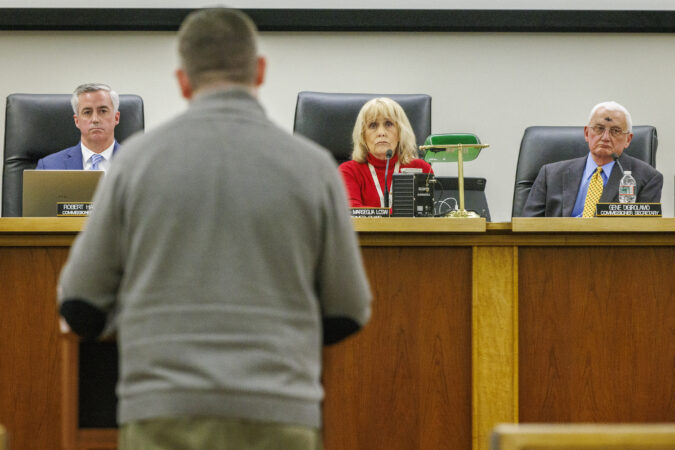
    The contentious national discussion over the rapid expansion of ICE came to the doorstep of the Philadelphia region on Wednesday, as the Bucks County commissioners voted to oppose having any processing or detention facilities in the county.

    Commissioners said they learned that the federal government had recently approached warehouse owners in two communities, Bensalem Township and Middletown Township, about possible conversions. Neither owner is going forward, they said.

    The commissioners voted 3-0 ― including the board’s lone Republican ― to approve a resolution that said such a center would be harmful for county residents and the people who would be confined there.

    ICE officials did not immediately reply to a request for comment.

    The commissioners voted a day after U.S. Rep Brian Fitzpatrick said that he would oppose such a facility ― and that he had received federal assurances none was planned in his district, which covers Bucks County and parts of eastern Montgomery County.

    Fitzpatrick, a Republican who is seeking reelection in the purple district, faces a likely November challenge from Democratic Bucks County Commissioner Bob Harvie, who also opposes ICE sites.

    In Doylestown on Wednesday, Commissioner Gene DiGirolamo, a Republican who serves with two Democrats, said he heard about the federal interest in two local sites and strongly disapproved.

    Jake Didinsky of Southampton, said he opposes ICE warehouses in his county, comparing them to Japanese interment camps.

    “Bucks County is not a county that needs or wants a detention facility,” he said.

    Harvie, the board’s vice chair, said Bucks County “is no place for these kinds of facilities” and cautioned: “We have been down this road before, with Japanese Americans. And with Italian Americans.”

    During World War II the U.S. government forcibly incarcerated thousands of people of Japanese descent, holding them in concentration camps mostly in the western part of the country. About two-thirds of those confined were American citizens.

    Some Italian Americans endured the same treatment.

    A resolution conveys the opinion and wishes of the board, but holds no force of law.

    The Bucks resolution said the county opposes “the use of warehouses or similar industrial facilities not intended for human occupancy as facilities to hold, jail, detain, house or otherwise store human beings.”

    In addition to humanitarian concerns, the resolution says, “such facilities, being hastily erected in areas and structures not intended for human occupation, would place unanticipated demands upon water and sewer systems, creating hazards to public health, as well as heaping new strain upon public safety services.”

    The vote came as the growth of ICE leasing and purchases has become contentious in Pennsylvania and across the United States.

    U.S. Immigration and Customs Enforcement expects to spend $38.3 billion to acquire warehouses around the country and retrofit them into immigrant detention centers to hold tens of thousands of people, the Washington Post reported. The newspaper analyzed agency documents that were provided to New Hampshire’s governor and published on the state’s website.

    ICE intends to buy and convert 16 buildings to serve as regional processing centers, each holding 1,000 to 1,500 immigrant detainees. An additional eight detention centers would hold 7,000 to 10,000 detainees and serve as primary sites for deportations.

    Two sites have been purchased in Pennsylvania ― one in Upper Bern Township, in northern Berks County, and another in Tremont Township, in Schuylkill County, where the purchase has drawn the ire of concerned residents.

    Last week Gov. Josh Shapiro formally asked Homeland Security Secretary Kristi Noem in a letter to reconsider the conversion of the Berks and Schuylkill sites, citing “real harms” to the communities.

    He questioned the legality of the facilities and hinted at a possible lawsuit, saying if DHS goes forward, his administration will “aggressively pursue every option to prevent these facilities from opening.”

    DHS spokesperson Tricia McLaughlin confirmed the plans for the Pennsylvania sites, saying that they would undergo community-impact studies and a rigorous due-diligence process, and that they would bring 11,000 jobs to the two Pennsylvania communities.

    The two sites would hold a combined 9,000 people.

    On Tuesday, Fitzpatrick’s office said it had received assurances from DHS and ICE that they had no plans or intention to open a detention facility within the First Congressional District.

    “After hearing from concerned residents, our office immediately contacted U.S. Immigration and Customs Enforcement, and we have received assurances that no such facility is planned,” Fitzpatrick said.

  • Narberth artist Emily Stewart is making ‘ephemeral’ public art out of snow

    Narberth artist Emily Stewart is making ‘ephemeral’ public art out of snow

    After the biggest snowstorm in a decade dumped more than nine inches of snow on the Philadelphia region, Narberth artist Emily Stewart woke up to a blank canvas.

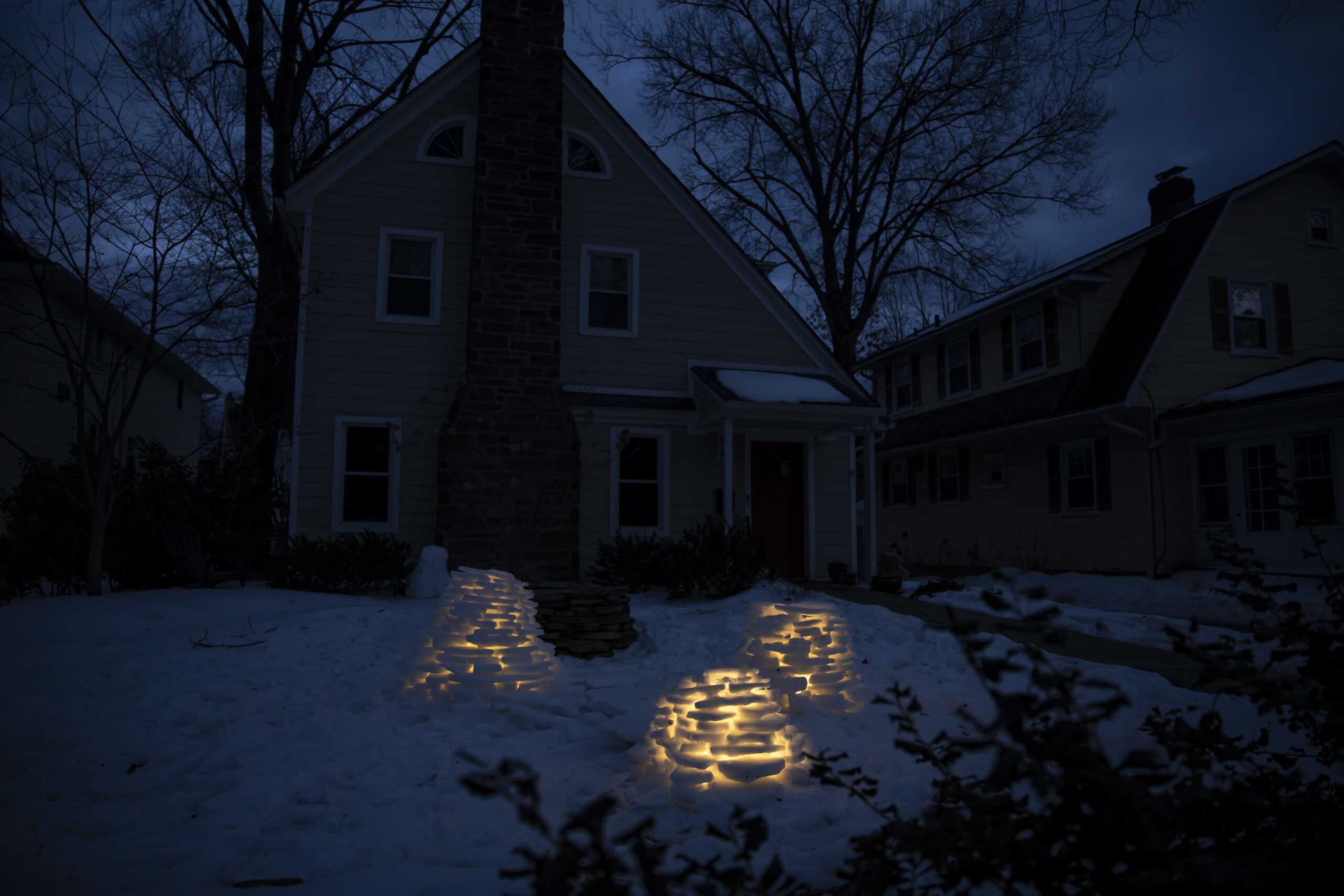
    With her front yard dusted in snow, Stewart zipped up her coat, laced up her boots, and braved the cold to build three Swedish lanterns out of snow and ice. Set against the darkness of winter, the lanterns have offered a glimmer of warmth during the coldest days of a historically frigid period in and around Philly.

    Ice sculptures made by artist Emily Stewart outside her Narberth home on Wednesday, Feb. 11. Stewart said she was inspired to make the structures after reading about Swedish lanterns. “I love working with snow in my yard or other public places because it is inherently social,” Stewart said. “As I work, people walk by, cars pull over, I get to have conversations with neighbors and meet new friends.”

    Stewart is a Main Line-based artist and community organizer who works with ink, graphite, wood, and, yes, snow. She is a lover of art and community building, passions that arose from her time in art school and serving in the Peace Corps. She is also the coordinator of Narberth Public Art, a community group that brings public art displays to downtown Narberth.

    An Ohioan by birth, Stewart isn’t bothered by the snow. In fact, she prefers a long, snowy winter to the Philly area’s increasingly hot summers.

    “I love, love winter,” Stewart said, adding that she has the “opposite of seasonal depression disorder.”

    Stewart grew up making snow sculptures in her hometown of Cleveland. In 2021, as pandemic measures kept Stewart and her family cooped up in their home, she picked up her kitchen spatula and began sculpting snow once again. She built life-size bears, an owl, a giant horse, and an eagle (go Birds). Neighbors began stopping by to ask about the sculptures, and people from outside Narberth even started paying visits to Stewart’s yard after hearing about her art through the grapevine.

    A creature built out of snow by artist Emily Stewart at her home in Narberth in February 2021.

    Though her snow sculptures began as a low-stakes artistic outlet, Stewart says they have become something deeper — a point of connection among neighbors in increasingly polarized and technologically dominated times. Public art provides a “cool little communal social interaction” that “detracts from all the negativity in the world,” she said.

    There’s much that Stewart loves about working with snow. It’s free, abundant, and surprising.

    When asked about the fleeting nature of her snow works, Stewart said it’s part of the beauty. Snow is temporary, as is everything.

    “It’s ephemeral,” she said. “Like, enjoy it, and it’s not yours to keep.”

    An eagle built out of snow by artist Emily Stewart in her Narberth backyard in February 2025.

    This suburban content is produced with support from the Leslie Miller and Richard Worley Foundation and The Lenfest Institute for Journalism. Editorial content is created independently of the project donors. Gifts to support The Inquirer’s high-impact journalism can be made at inquirer.com/donate. A list of Lenfest Institute donors can be found at lenfestinstitute.org/supporters.

  • Ousted South Korean president faces death penalty in insurrection case

    Ousted South Korean president faces death penalty in insurrection case

    SEOUL — A South Korean court is set to issue its verdict Thursday in the insurrection case against the country’s impeached president, who declared martial law in an alleged power grab in late 2024, and now faces the death penalty or life imprisonment if convicted.

    The impeached president, Yoon Suk Yeol, has been on trial for his failed attempt to install a military-led government in the democratic country late one night in December 2024. Yoon is charged with numerous crimes, including organizing an insurrection — which under South Korean criminal law carries possible sentences of life imprisonment, with or without labor, or death.

    Prosecutors have requested the death sentence.

    The case marks a pivotal moment in South Korea’s relatively young democratic history, which dates to 1987 after a democratic uprising toppled a brutal military-led government under Chun Doo-hwan. Chun was sentenced to death in 1996 after being convicted on similar insurrection charges for seizing power during a coup in 1979. On appeal, the sentence was commuted to life imprisonment, and he was later pardoned.

    Yoon’s conviction would uphold the rule of law and reaffirm the nation’s democratic system and principles, democracy advocates and experts say.

    “The conviction of an ex-president demonstrates that no one is above the law,” said Andrew Yeo, a senior fellow at Brookings Institution’s Center for Asia Policy Studies in Washington, adding: “The conviction of Yoon through the judicial process reflects South Korea’s democratic resilience.”

    If convicted, Yoon, too, ultimately could be spared execution.

    South Korea has not carried out an execution since 1997 and is widely regarded as a country where, for all practical purposes, the death penalty is banned.

    A death sentence for Yoon, nonetheless, would be highly symbolic as delivering accountability for a head of state who went rogue and attempted to use military force to halt operations of the legislature, seize control of the National Election Commission and arrest political opponents.

    “In practical terms, a death sentence would almost certainly remain symbolic, but the symbolism would be immense,” said Hannah Kim, a political scientist at Sogang University in Seoul. “It would reflect a judicial judgment that a ‘palace coup’ led by the constitutional guardian of the state is not just political misconduct, but a direct attack on constitutional sovereignty and the democratic order.”

    A lesser sentence of life in prison would still convey the seriousness of Yoon’s actions but would reflect “a degree of pragmatism among the justices,” Yeo said, especially in a deeply polarized country still reeling from the fallout of the declaration of martial law.

    Jeong Hye-won (center) and other protesters celebrate on April 4, 2025, in Seoul after the removal of Yoon from power by South Korea’s Constitutional Court.

    Two top aides to Yoon have been convicted on charges related to the decree of martial law. Former Prime Minister Han Duck-soo was sentenced last month to 23 years in prison for his role. Han is appealing the ruling. And former Interior Minister Lee Sang-min last week was sentenced to seven years in prison. He is also appealing the ruling, according to national media reports.

    In both cases, the court deemed the declaration of martial law an act of insurrection, which legal experts said was a key determination that could seal Yoon’s conviction Thursday.

    Yoon is facing eight separate trials stemming from his decree, but the insurrection case to be decided Thursday is the most consequential. Last month, a Seoul court sentenced him to five years in prison for abuse of power, obstruction of justice and falsifying documents, meaning Yoon will not go free even if acquitted.

    For many South Koreans, Yoon’s insurrection trial may feel familiar.

    Yoon is expected to stand in Courtroom 417 of the Seoul Central District Court, the same room where Chun, wearing a light blue prison jumpsuit, was sentenced to death nearly 30 years ago.

    During their sentencing request last month, prosecutors argued Yoon deserved the harshest possible penalty, citing the need to stop “history from repeating itself.” They referred to Chun’s case and South Korea’s authoritarian past.

    Yoon has denied all charges and contends that martial law was a legitimate exercise of the president’s emergency powers. Yoon has said that he declared martial law to confront the opposition-controlled National Assembly, which he said was paralyzing his administration through repeated efforts to impeach top officials. He has denied that the brief deployment of troops to the National Assembly was an act of insurrection.

    Yoon’s late-night decree on Dec. 3, 2024, made in a televised address, prompted thousands of protesters to mass outside the National Assembly and demand a return to democratic governance.

    As soldiers and police surrounded the National Assembly complex, lawmakers scaled the walls to bypass them. In defiance of the decree’s ban on political activity, they voted to reverse Yoon’s decision. And despite a gag order on the press, reporters from traditional and independent media alike flooded the scene and delivered live reports.

    Yoon lifted his order six hours later, but the incident shocked and outraged the nation — now a thriving democracy where political protests and marches of all stripes are a weekly occurrence — and it spurred South Korea’s most harrowing political crisis in decades.

    Yoon was impeached with his presidential powers suspended less than two weeks later, and ultimately removed from office.

    Yoon, formerly the nation’s top prosecutor, was a divisive president during his more than 2½ years in power. Rather than seeking to unify the deeply divided nation, Yoon instead appealed to his conservative base, exacerbating polarization and often deadlocking with opposition lawmakers.

    South Korean presidents are often disgraced. Nearly every president since South Korea’s democratization has become embroiled in scandals involving corruption, bribery, embezzlement, or abuse of power.

    Yoon’s downfall, however, stands apart even by South Korean standards, as the first democratically elected president to impose martial law and the first sitting president to face a criminal investigation.

  • Talks end in Geneva with no end to Russia’s war or hard-line demands

    Talks end in Geneva with no end to Russia’s war or hard-line demands

    U.S.-mediated talks between Moscow and Kyiv in Geneva, Switzerland, broke off on Wednesday without any significant progress or indication that Russia was ready to step back from its maximalist demands for subjugating Ukraine.

    The head of the Russian delegation, Vladimir Medinsky, tersely said the talks had been “difficult but businesslike” and had ended after just two hours of discussions on Wednesday following longer conversations the previous day.

    The reappearance of Medinsky, known to be a hard-line aide to Russian President Vladimir Putin, as head of the Kremlin’s delegation had signified that Russia was digging in its heels on core demands — including significant cuts to the Ukrainian military, the dismantling of Ukrainian President Volodymyr Zelensky’s government and guarantees for Ukraine’s neutrality, analysts said.

    Moscow has insisted that these steps are required to address what it describes as the “root causes” of the war. Ukraine’s position is that Russia’s invasion was unprovoked and that Moscow should end its illegal war of aggression and remove its troops that are occupying Ukrainian territory.

    Russian analysts said Moscow’s demands encompassed a far wider spectrum of issues than the territorial swaps proposed by President Donald Trump’s administration as a path to end the war.

    “As long as there is an armed anti-Russia on Ukrainian territory, there can be no peace,” said Sergei Markov, a pro-Kremlin political analyst. “I don’t think anyone had any big hopes that the talks would end in success. The positions are very, very far from each other.”

    “The idea of territorial swaps for peace is not Russia’s idea,” Markov added. “It is Trump’s.”

    Proponents of territorial exchanges envision that Russia would withdraw from some areas it occupies in Ukraine in exchange for Ukraine withdrawing its military from parts of the heavily fortified Donbas area, which Putin has failed to capture during four years of full-scale war.

    Zelensky’s administration has previously said it could agree to withdraw troops from the Donbas area. But Kyiv has said it would agree to a pullback only if the region becomes a demilitarized zone and if the United States first provides legally watertight security guarantees.

    Zelensky told reporters on Wednesday that the talks on “political” issues such as Russian demands for Ukraine to withdraw its forces from “the east” were “not easy” and that differences remain. But Zelensky also sought to put a positive spin on some of the trilateral discussions between Russia, the United States and Ukraine in Geneva, saying they had been “constructive” on ways to monitor any potential ceasefire.

    Zelensky appealed again at the Munich Security Conference over the weekend for U.S.-backed guarantees before he signs on to any deal with Russia to end the war. “Those guarantees answer the main question: how long there will be no war again,” he said then.

    The direct talks between Russia and Ukraine have stalled for weeks over core differences, namely territorial concessions, control of Europe’s largest nuclear power plant, which is occupied by Russia in Ukraine’s Zaporizhzhia region, and questions about Western guarantees for Kyiv, according to two European diplomats who spoke on the condition of anonymity to discuss sensitive diplomacy.

    “So far the Russian position is no boots on the ground from NATO allies, so there are outstanding points: territory, security guarantees and the future of the Zaporizhzhia plant,” one of those diplomats said. “Those are the big sticking points, so we need to see if it really happens.”

    In meetings with U.S. officials late last year, Ukraine’s chief European backers were encouraged by the U.S. interest in playing a role in securing a settlement to the war. France and Britain have led a coalition of allies planning ways to provide Ukraine with a U.S.-backed bulwark against future attack, including with some European troops and air or sea power.

    Still, the Trump administration appeared to want to sign a deal before fully committing, while Kyiv has maintained it needs the Western protection baked into any settlement, the diplomats said. Russia, meanwhile, has ruled out any presence of Western soldiers in Ukraine.

    Zelensky, who met with Secretary of State Marco Rubio over the weekend, has stressed Kyiv’s refusal to cede territory in the east that Russia does not militarily control and said Ukraine could only hold elections if there is a ceasefire.

    Analysts said it was clear the Kremlin had no intention of making any concessions.

    “As long as Putin is in power, Russia isn’t paralyzed by widespread protests, and there is at least some money left in the budget for weapons, the war will continue,” said Tatiana Stanovaya, a senior fellow at Carnegie Russia Eurasia Center, in a post on X. “The Kremlin will not make significant concessions even if faced with a protracted financial and economic crisis.”

    “That means there will be no final settlement either now or in the foreseeable future,” Stanovaya added. “Negotiations may intensify, a short-term ceasefire is possible, and documents may even be signed. But overall, this simulation of negotiations can only lead to the simulation of a ceasefire and the simulation of a settlement.”

    Russia has been facing increasing economic pressure after the U.S. administration imposed tough new sanctions on Russia’s two biggest oil companies, Rosneft and Lukoil, in October.

    The measures caused Russian oil revenue to plummet as Moscow was forced to accept discounts of more than $20 per barrel on its exports. Economists have warned of a nonpayment crisis as the economy grinds to a halt amid high inflation and high interest rates of 15.5% imposed by the Central Bank.

    Analysts say there are concerns in the Kremlin that Moscow could face a narrowing window to reach an advantageous deal because the Trump administration could grow distracted as midterm elections near — and then potentially could be weakened by the results.

  • Late-night host Stephen Colbert isn’t backing down from public dispute with CBS bosses

    Late-night host Stephen Colbert isn’t backing down from public dispute with CBS bosses

    Stephen Colbert isn’t backing down in an extraordinary public dispute with his bosses at CBS over what he can air on his late-night talk show.

    On The Late Show Tuesday, Colbert said he was surprised by a statement from CBS denying that its lawyers told him he couldn’t show an interview with Democratic Texas Senate candidate James Talarico — which the host said had happened the night before.

    He then took a copy of the network statement, wrapped it in a dog poop bag, and tossed it away.

    Colbert had instead shown his Talarico interview on YouTube, but told viewers why he couldn’t show it on CBS. The network was concerned about FCC Chairman Brendan Carr trying to enforce a rule that required broadcasters to give “equal time” to opposing candidates when an interview was broadcast with one of them.

    “We looked and we can’t find one example of this rule being enforced for any talk show interview, not only for my entire late-night career, but for anyone’s late-night career going back to the 1960s,” Colbert said.

    Although Carr said in January he was thinking about getting rid of the exemption for late-night talk shows, he hadn’t done it yet. “But CBS generously did it for him,” Colbert said.

    Not only had CBS been aware Monday night that Colbert was going to talk about this issue publicly, its lawyers had even approved it in his script, he said. That’s why he was surprised by the statement, which said that Colbert had been provided “legal guidance” that broadcasting the interview could trigger the equal time rule.

    “I don’t know what this is about,” Colbert said. “For the record, I’m not even mad. I really don’t want an adversarial relationship with the network. I’ve never had one.”

    He said he was “just so surprised that this giant global corporation would not stand up to these bullies.” CBS is owned by Paramount Global.

    Colbert is a short-timer now at CBS. The network announced last summer that Colbert’s show, where President Donald Trump is a frequent target of biting jokes, would end in May. The network said it was for economic reasons but others — including Colbert — have expressed skepticism that Trump’s repeated criticism of the show had nothing to do with it.

    This week’s dispute with Colbert also recalls last fall, when ABC took late-night host Jimmy Kimmel off the air for a remark made about the killing of conservative activist founder Charlie Kirk, only to reinstate him following a backlash by viewers.

    As of Wednesday morning, Colbert’s YouTube interview with Talarico had been viewed more than five million times, or roughly double what the comic’s CBS program draws each night. The Texas Democrat also reported that he had raised $2.5 million in campaign donations in the 24 hours after the interview.

  • A Minneapolis artist’s custom font, Times New Resistance, autocorrects Trump to ‘felon’ and ICE to ‘goon squad’

    A Minneapolis artist’s custom font, Times New Resistance, autocorrects Trump to ‘felon’ and ICE to ‘goon squad’

    Abby Haddican got tired of the rhetoric.

    The Minneapolis-based artist can’t unsee the impact ICE and directives from President Donald Trump’s administration’s have had on her hometown in recent months.

    “I don’t really know anyone whose life hasn’t been affected by the occupation in a tangible way,” she said. “Many people I know are volunteering to deliver meals, patrol schools, drive folks to work, and serve as peaceful observers — which is what both Renee Good and Alex Pretti were doing when they lost their lives at the hands of ICE agents.”

    The independent graphic designer thought about ways she could get involved when it hit her. She’s joining a larger tradition of subversive font design.

    Haddican, whose work focuses on typography, branding, and packaging, thought back to Moontype, a font created by designer Olli Meier that autocorrects “bad words,” like hate, into “good words,” like love.

    Then she thought about language and its use today.

    “It’s become impossible to ignore how blatantly the Trump administration is misusing language in order to control and distort the narrative,” she said. It clicked.

    “Wouldn’t it be cool if you could change someone else’s words?” Haddican said. “I decided that the best practical use of this font feature would be a practical joke.”

    This month, she launched Times New Resistance, a parody of the commonly used Times New Roman font, which autocorrects a slew of specific words as they’re typed. Notably, Times New Roman is the new (and old) official font of the State Department.

    Using Times New Resistance, the term ICE autocorrects to “the Goon Squad.” Trump autocorrects to “Donald Trump is a felon.” Gay becomes “gay rights are human rights.” Illegal alien becomes “human being.”

    Kingsley Spencer, a creative director and designer based in Jacksonville, Fla., says using the State Department’s own font is part of what makes Haddican’s font so powerful.

    “Using technology as a form of commentary against a political regime that decided to weaponize Times New Roman as a form of culture shaping is sharp for a designer,” he said. “I love how direct and comical it is.”

    The font is free, “just like America used to be,” Haddican‘s website says. She said Monday that it has been downloaded about 600 times so far. She describes it as a “social commentary meant to autocorrect the autocrats.”

    The hope is that some users might secretly install the font onto the computers of “an ICE apologist,” or “morally bankrupt American” as a way of unleashing mischief.

    To the untrained eye, the typeface looks like Times New Roman in the font menu — there’s just a sneaky extra space between the words Times and New. But it’s likely many downloads are by like-minded supporters who want to enjoy the font for themselves.

    The technology behind the font is simple.

    Haddican modified an existing open-source typeface that resembles Times New Roman and programmed the substitutions. She said the hardest part was deciding which autocorrections to make.

    “I know I’ve done an imperfect job. The corrections are a mixture of serious stuff (for example, the word ‘good’ autocorrects to ‘Renee Good was murdered by ICE’) and things that I find funny, like changing ‘Stephen Miller’ to ‘Nosferatu,’” she said.

    “The first draft was significantly more profane, but I toned it down. I wanted to offend people by speaking truth to power, not for swearing like a sailor.”

    Spencer said the font uses something in the typography world called ligatures, which replaces a set of recognized characters with a single character phrase. An example of this is when you type a fraction or date in a document and it’s automatically formatted.

    Haddican joins a group of other typography artists who have made jokes, social commentary, or both through text.

    Times Newer Roman is a typeface created by the Brooklyn-based art collective MSCHF (pronounced mischief) in 2018 that looks identical to Times New Roman, except each character is 5% to 10% longer, making essays appear slightly longer without changing formatting rules.

    It was billed as a font that could help students cheat on term papers. The font takes jabs at academic productivity culture, using typographic invisibility that’s undetected by the untrained eye.

    Sang Mun, a designer and former National Security Agency contractor, created a subversive “surveillance proof” font called ZXX in 2013. The fonts were created to be legible to the human eye, but difficult for surveillance software used by Google and other companies to scan text to read.

    More mainstream examples include Shepard Fairey, the artist behind OBEY and President Barack Obama’s iconic HOPE graphic, who is known for his use of single phrases and high-contrast graphics to make political propaganda-style art. In the 2024 presidential election, Fairey made a Kamala Harris poster that said FORWARD in the same style as his Obama art.

    On social media, reception for Haddican’s font has been strong, garnering over 6,000 likes on Instagram and hat tips from fellow designers.

    “I think just about anything can be a form of resistance, and I believe that humor and playfulness are powerful tools for pushing back against oppression and authoritarianism,” Haddican said. “The trickster (e.g. Bugs Bunny) always beats the martyr (e.g. Elmer Fudd) in the end.”

  • How a 911 dispatcher helped a woman save her husband | Inquirer Chester County

    How a 911 dispatcher helped a woman save her husband | Inquirer Chester County

    Hi, Chester County! 👋

    A 911 dispatcher has been recognized for helping a Willistown woman save her husband’s life when he went into cardiac arrest. Also this week, work to rehab the Downingtown Trestle is set to get underway, a Netflix series with West Chester ties is getting a tax credit for its latest season, plus, Tredyffrin officials are addressing residents’ concerns about a Department of Homeland Security lease.

    If someone forwarded you this email, sign up for free here.

    How a 911 dispatcher guided a woman through saving her husband’s life

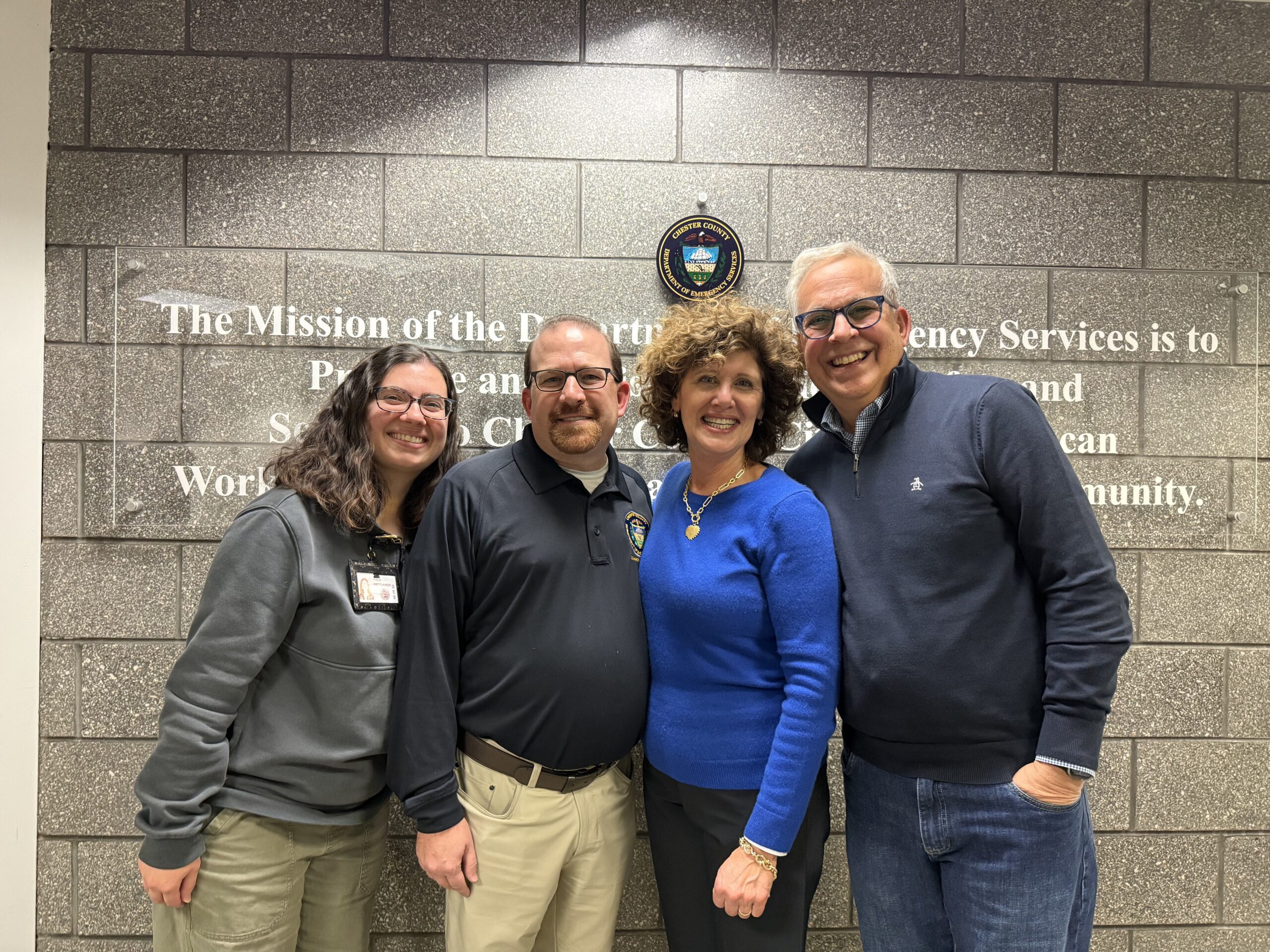
    Chester County 911 dispatcher Kayla Wettlaufer (left) guided Terri Borzillo (center right) through CPR on the phone when Bob Borzillo (right) went into cardiac arrest in November.

    When Willistown residents Terri and Bob Borzillo returned from a trip to Barcelona last fall, neither had expected that Terri would soon be holding “the balance of his life” in her hands.

    But that’s what happened one November evening when Bob, 65, went into cardiac arrest. With guidance from county dispatcher Kayla Wettlaufer, Terri, also 65, was able to perform compressions on her husband of more than 40 years years while she waited for EMTs to arrive.

    Wettlaufer’s direction helped saved Bob’s life in an often fatal situation, earning her honors from the county this month.

    The Inquirer’s Brooke Schultz spoke with the couple about the harrowing evening and why the experience made them proud to be longtime Chesco residents.

    ❤️ Plus, we’ve put together a guide for how to help someone in cardiac arrest.

    The Downingtown Trestle Bridge will be rehabbed, extending the Chester Valley Trail

    The Brandywine Valley Viaduct, better known as the Downingtown Trestle Bridge, will eventually help extend the Chester Valley Trail.

    The more than century-old bridge known as the Downingtown Trestle is set to be rehabilitated, a move that will eventually help extend the Chester Valley Trail. Work on the overall extension project is estimated to take five to seven years, with the design phase starting next year.

    The nearly 19-mile multi-use trail currently runs from Atglen to Exton and the trestle bridge is a “keystone” of the extension project, said Chester County’s director of facilities and parks department.

    Read more about how officials say the bridge and extended trail will benefit the community.

    📍 Countywide News

    • In case you missed it, an unknown number of annual mail ballot applications went out to county residents with the first and last names reversed earlier this month. Officials said the error won’t affect processing of the forms, but it comes at a time when some voters have expressed concerns after tens of thousands of independent and unaffiliated voters were left off November’s poll books.
    • In an address to the Senate floor, Sen. Dave McCormick used the county’s recent poll book blunder as an example of why there should be nationwide rules mandating proof of citizenship and photo identification for voters, like those outlined in the proposed SAVE Act. But the senator painted an incomplete and inaccurate picture of what happened in November and the SAVE Act wouldn’t have solved those problems, The Inquirer’s Katie Bernard reports.

    💡 Community News

    • Michael Phillips, a 44-year-old Coatesville man, was taken into custody last week after allegedly stabbing his 3-month-old son and then throwing him into the snow. The infant was taken to Children’s Hospital of Philadelphia for surgery and was later listed in critical but stable condition. Phillips faces charges of attempted homicide and aggravated assault.
    • Tredyffrin Township officials have responded to community concerns after the Department of Homeland Security, which oversees ICE, leased about 10,000 square feet of space at the Westlakes Office Complex. In a statement, they reiterated that local law enforcement agents don’t enforce immigration orders or work with ICE. The space “will not house ICE agents or support their operations. It is strictly for back-office officials, such as lawyers and analysts,” a spokesperson for the property told Wired.
    • Last week, shareholders approved the merger of American Water Works and Essential Utilities, which serves customers in parts of Chester County, including Phoenixville and West Chester. More details about the merger are expected in the coming weeks.
    • There have been recent leadership changes at two area police departments. Brian Barber, who previously spent over 26 years with the Pennsylvania State Police, is the new deputy police chief of Caln Township. In Uwchlan Township, James Fisher has been appointed as the department’s new head following Chief of Police Scott Alexander and Lieutenant Maureen P. Evans’ recent retirements.
    • The Netflix comedy show Tires has been awarded $6 million in tax credits for production of its third season. The Shane Gillis-led show takes place in a fictional West Chester auto shop and is expected to generate $24 million in the local economy.
    • Alisan Road Mercantile, a new general store stocking Pennsylvania-made goods, is now open at 89 N. Main St. in Spring City.
    • A new bookstore opened over the weekend in Kennett Square. Located at 121 W. State St., Forage Books also offers a selection of gifts.
    • Heads up for drivers: There are several construction projects causing delays around the county. In Uwchlan Township, there will be traffic restrictions on Route 113 between Gordon Drive and Lionville Station Road today from 9 a.m. to 3 p.m. for utility work. In East Pikeland Township, Rapps Dam Bridge will be closed today for maintenance. In West Whiteland Township, there’s a temporary new traffic pattern in effect for the next three weeks on Valley Creek Boulevard between Swedesford Road and the entrance of the Church Farm School. The southbound lanes will be closed from 7 a.m. to 5 p.m. for sewer line construction. In Easttown Township, Chester Road between South Fairfield and South Waterloo Roads is expected to be closed to non-local traffic from 9 a.m. to 3 p.m. through Friday for sewer improvements. And in and around East Marlborough Township, there may be delays on U.S. 1 between Schoolhouse Road and the Kennett Oxford Bypass tomorrow from 7 p.m. until 5 a.m. Friday as PennDot installs overhead signage.
    • After multiple power outages in East Marlborough and Pocopson Townships, Peco will be upgrading and installing new equipment as well as trimming trees over the next month. The $1.5 million project includes work along Folly Hill Road, East Doe Run Road, East Street Road, Brooks Road, Huntsman Lane, Schilling Drive, Windovr Way, Gideon Drive, and Valley Road.

    🏫 Schools Briefing

    • Kennett Consolidated School District’s finance committee is considering a 4.17% real estate tax hike in its 2026-27 preliminary budget, which would cost homeowners of the average assessed home an extra $268 annually. The hike would help to fund special education and student services, according to the finance committee. The proposed hike requires a referendum exception and could change between now and June when the board is expected to approve the final budget.
    • A Westtown School teenager is balancing being a kid with a burgeoning collegiate athletic career. As Jordyn Palmer looks ahead to college ball, the 6-foot-2 junior guard who’s averaged 23 points and 12 rebounds this season, “has not even scratched her full potential,” one coach said. Joseph Santoliquito recently profiled Palmer for The Inquirer.
    • Palmer scored 19 points in Westtown’s victory over Friends’ Central on Friday, clinching the team’s sixth Friends Schools League title. Westtown’s boys’ team similarly won its game against Academy of the New Church, giving the Moose its first league title in four years.

    🍽️ On our Plate

    • The Original Hot Bagels, a Delaware eatery specializing in bagels, breakfast sandwiches, and omelets, is opening its first Pennsylvania location in Landenberg. It will take over the former home of The Landenberg Store, at 100 Landenberg Rd., which closed in September.
    • West Chester Restaurant Week kicks off on Sunday and runs through March 1. Over two dozen restaurants will offer $40 to $60 specials during the eight-day event. See the full list of participating restaurants and their menus here.

    🎳 Things to Do

    🏠 Cabin Fever: This family-friendly event includes arts and crafts as well as a mobile zoo, where you can get up close to animals. Registration is requested. ⏰ Saturday, Feb. 21, 1-4 p.m. 💵 Free 📍 Malvern Borough Hall

    🎤 The Best of Carole King and James Taylor: Listen and sing along to hits from these iconic musicians at this benefit for Marvin’s Home, an organization that supports youth after foster care. ⏰ Saturday, Feb. 21, 7 p.m. 💵 $15 📍 Steel City Coffeehouse and Brewery

    🎶 Mad Dogs and Englishmen: A 20-piece band will recreate Joe Cocker’s live album and tour, Mad Dogs and Englishmen. ⏰ Saturday, Feb. 21, 8 p.m. 💵 $41.78-$83.18 📍 The Colonial Theatre, Phoenixville

    🏡 On the Market

    A sprawling Paoli home with a wet bar and wine storage

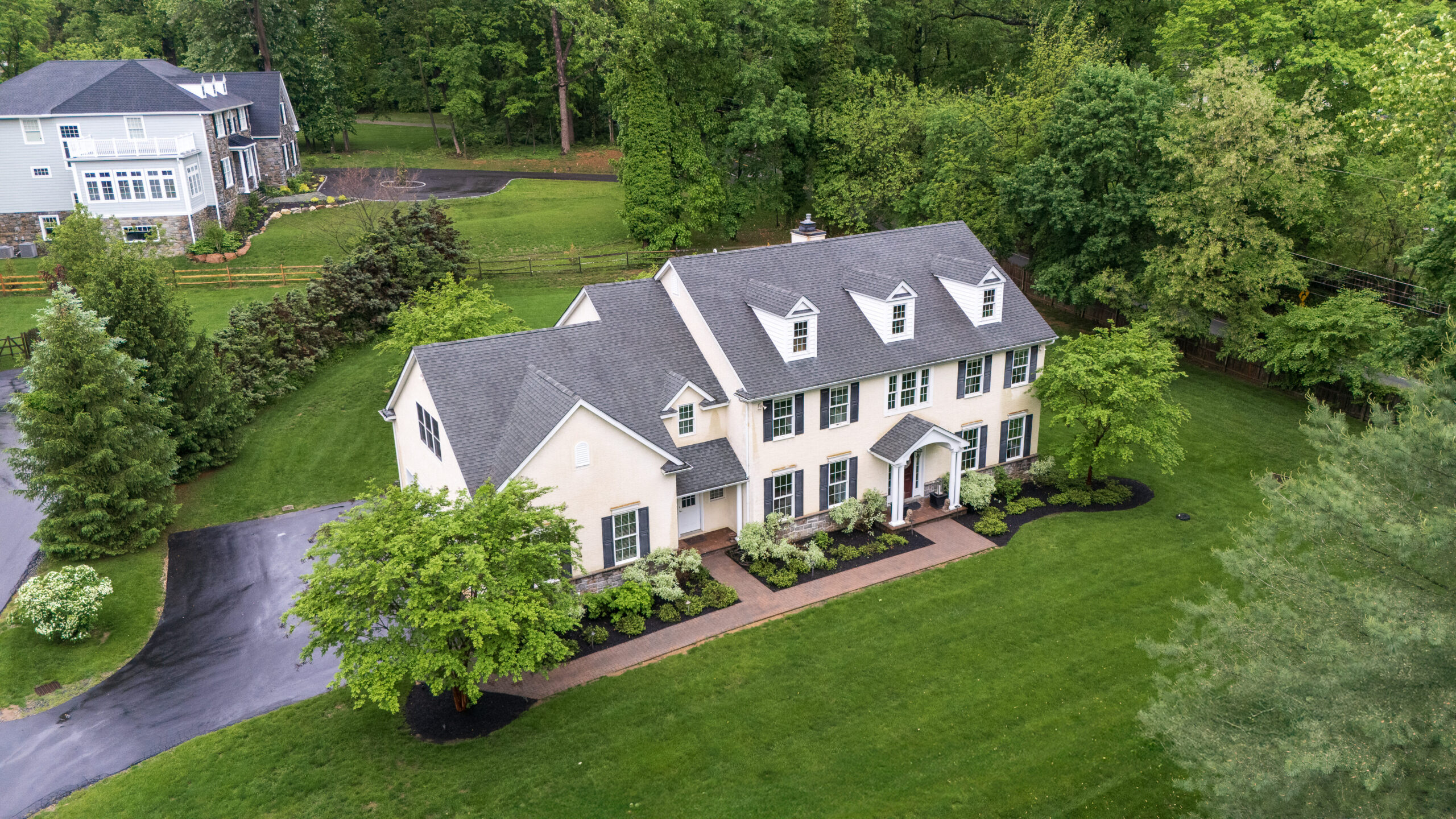
    The home sits on a nearly 1-acre lot.

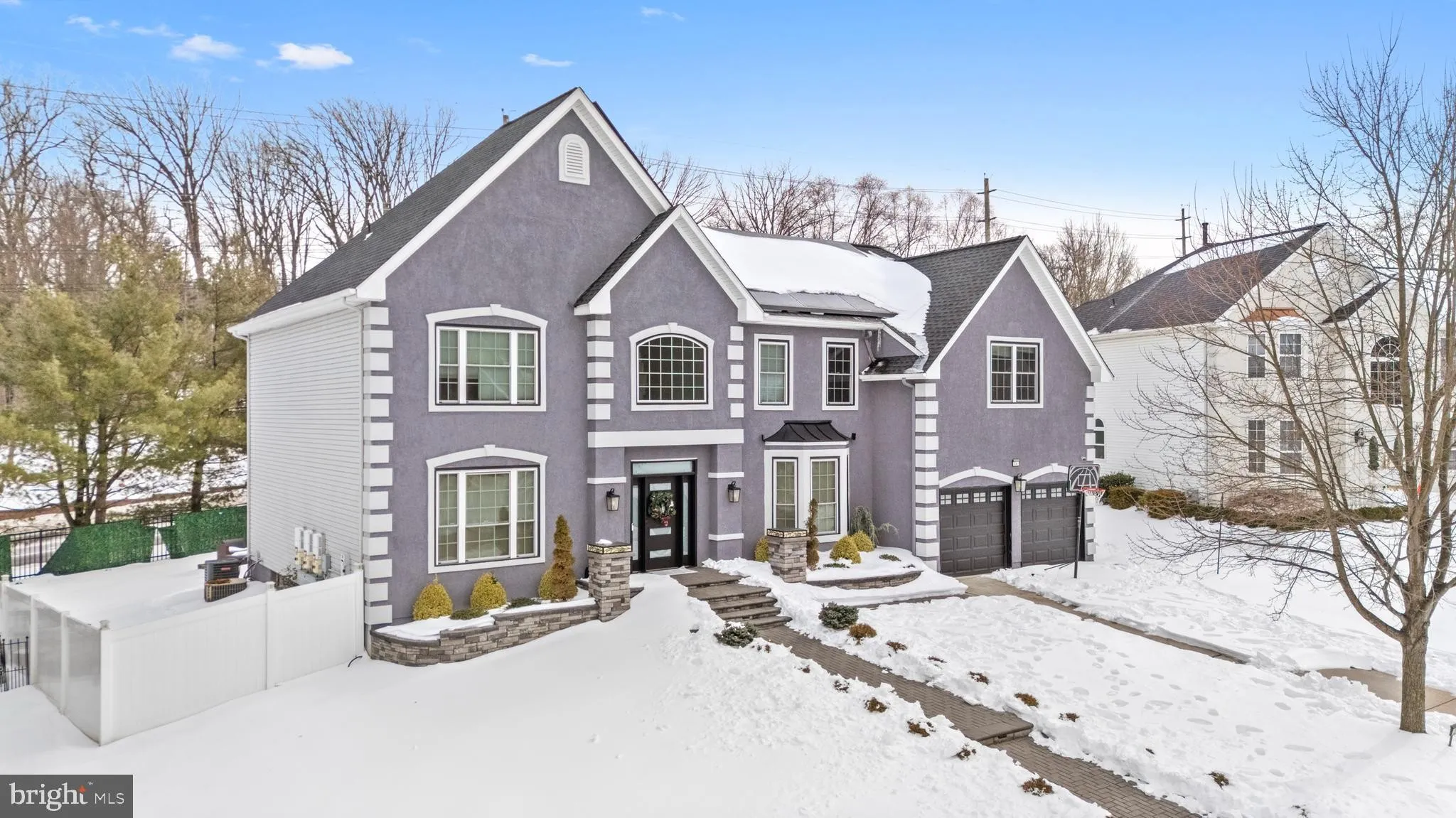
    This spacious five-bedroom Paoli home is a blend of classic details and modern amenities. Its first floor features a two-story foyer flanked by dining and living rooms; an office; an eat-in kitchen with cherry cabinetry, an island, and a butler’s pantry; and a family room with vaulted ceilings and a gas fireplace. There are four bedrooms upstairs, including the primary suite, which has a sitting area, two walk-in closets, and a bathroom with a soaking tub. Other features include a finished basement with a wet bar, wine storage, a full bathroom, a fifth bedroom, and another office. Outside, there’s a fenced yard and a brick patio with a firepit. There’s an open house Saturday from noon to 2 p.m.

    See more photos of the home here.

    Price: $1.55M | Size: 5,800 SF | Acreage: 0.94

    🗞️ What other Chester County residents are reading this week:

    By submitting your written, visual, and/or audio contributions, you agree to The Inquirer’s Terms of Use, including the grant of rights in Section 10.

    This suburban content is produced with support from the Leslie Miller and Richard Worley Foundation and The Lenfest Institute for Journalism. Editorial content is created independently of the project donors. Gifts to support The Inquirer’s high-impact journalism can be made at inquirer.com/donate. A list of Lenfest Institute donors can be found at lenfestinstitute.org/supporters.

  • 8 local happy hours to check out | Inquirer Cherry Hill

    8 local happy hours to check out | Inquirer Cherry Hill

    Hello, Cherry Hill! 👋

    Looking for a great happy hour deal? We’ve rounded up eight spots to check out. Also this week, a bomb squad was called in after residents discovered a cannonball in their backyard, the school district is no longer planning to redraw enrollment boundaries for elementary schools, plus Mikado is looking to add a small bar.

    If someone forwarded you this email, sign up for free here.

    8 local happy hours to check out

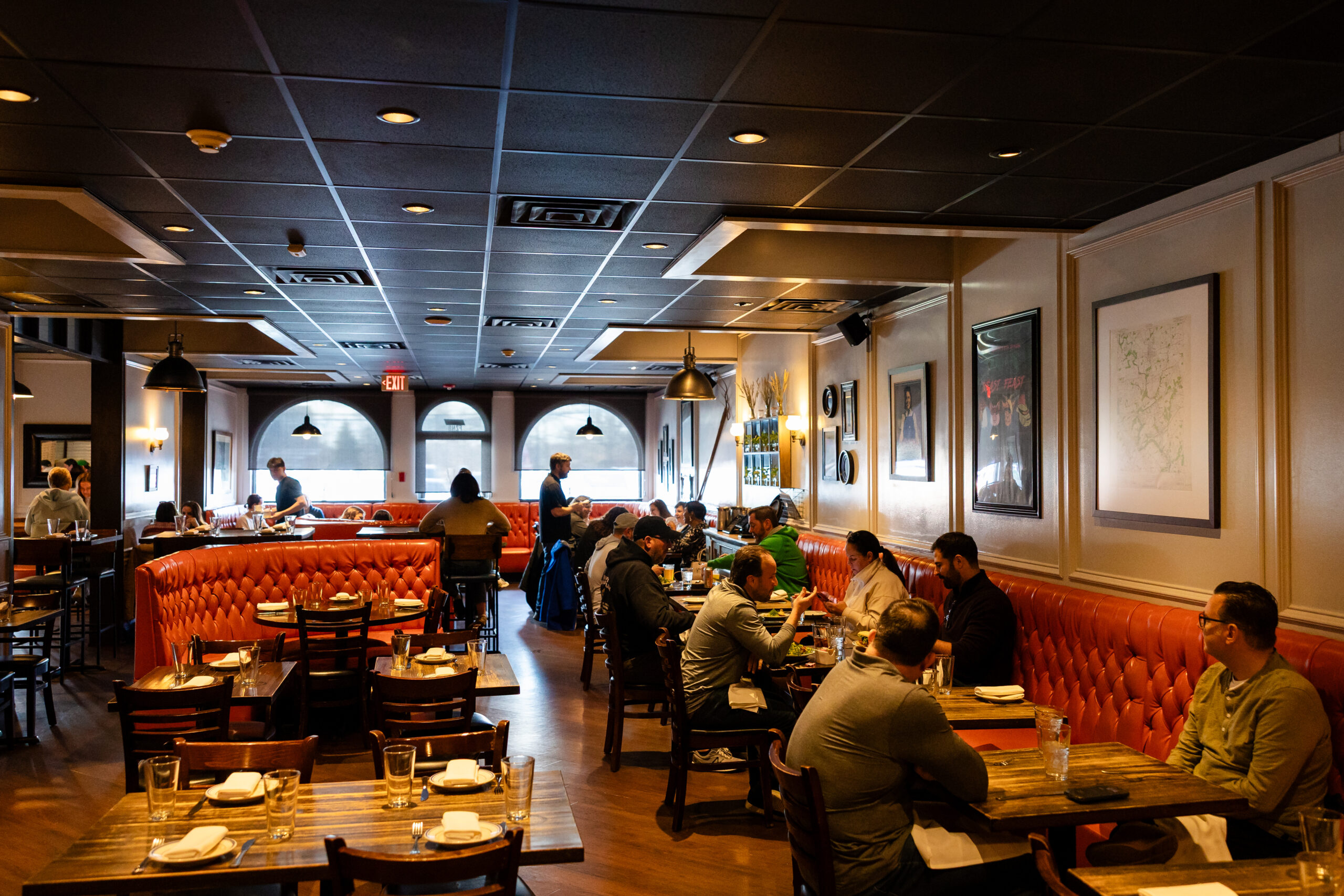
    The Farm and Fisherman Tavern has a happy hour special.

    Looking for a spot to score $3 tacos or $7 martinis? Luckily you don’t have to go very far, thanks to these eight restaurants’ happy hour deals.

    The Inquirer’s Denali Sagner has rounded up eight spots in and around Cherry Hill with happy hour offerings, including the nostalgia-inducing Steak 38, neighborhood bar Kaminski’s, and farm-to-table eatery Farm and Fisherman ($8 P.E.I. Mussels, anyone?).

    See what’s on the menu at these eight happy hours.

    💡 Community News

    • Residents on Woodstock Drive South found an old cannonball buried in their backyard Friday, prompting street closures and evacuations as the Camden County Sheriff’s Department Bomb Unit removed it. It’s unclear where the cannonball came from or how long it had been there.
    • Cherry Hill residential property taxes rose 5.23% from 2024 to 2025, according to new data from the state, outpacing the statewide average hike of 4.7%. The average household paid $9,874 in residential property taxes, which is slightly less than the statewide average of $10,570. The average Cherry Hill residence was valued at $227,125 in 2025, a 0.03% increase from 2024. (NJ.com)
    • Speaking of taxes, today is the extended deadline for residents to pay their tax bills for the first half of 2026.
    • The landmark former Cherry Hill Diner could soon be demolished after construction permits were recently filed for the site, which will make way for a new Tidal Wave Auto Spa. A second Tidal Wave is planned for 2301–2311 Route 70 West. Yet another carwash is in the works at 1507 Kings Highway North, where Speeders Car Wash is taking over the former Route 41 Car Wash. (42 Freeway and A View From Evesham)
    • As iconic diners like the Cherry Hill Diner continue to disappear across New Jersey, legislators are searching for ways to keep these businesses afloat. Last month, a bill was introduced in the state Senate that would establish a registry of historic diners and restaurants and give them a tax credit of up to $25,000.
    • Archaeologists working at Croft Farm have discovered evidence that the historic property was an active part of the Underground Railroad. A dig to assess the property ahead of planned drainage improvements has turned up cuts of meat and crockery possibly used by people who moved through there. Residents can see the work up close this weekend (more on that below). (70 and 73)
    • The township is seeking feedback from residents 55 and older for its senior needs assessment. The survey, which is open through March 31, is part of a grant-funded study about how Cherry Hill can better support older residents, who make up about a third of the township’s population. Find the survey, which is available in English, Spanish, and Chinese, here.
    • Registration for the township’s spring programs is now open. Programs include yoga, cardio kickboxing, golf, painting, and dancing.

    🏫 Schools Briefing

    • In case you missed it, the school district has decided against redrawing its elementary school boundaries to head off expected overcrowding in the coming years and instead is planning additions to Clara Barton Elementary School and Rosa International Middle School, which are anticipated to be the most impacted. The school board still has to approve the additions.
    • East’s boys’ and girls’ swim teams have advanced to the state semifinals after capturing their respective New Jersey State Interscholastic Athletic Association sectional titles for South Jersey last week. The boys’ team defeated Gloucester County Institute of Technology 111-59, a victory that led to its 17th consecutive title. The girls’ team defeated Egg Harbor Township High School 91-79, marking the team’s second consecutive title. The boys’ semifinals take place today, with the girls’ slated for tomorrow. (NJ.com)
    • There’s a board of education meeting on Tuesday at 6:30 p.m.

    🍽️ On our Plate

    • Mikado will ask the town zoning board this week for permission to turn its roughly 500-square-foot outdoor patio into an enclosed 10-seat bar and waiting area.
    • Indian Villa Restaurant reopened earlier this month in the Woodcrest Shopping Center, and introduced an updated menu featuring classic Indian dishes.
    • Looking for a great cup of soup? Hen Vietnamese Eatery has one of the best in the state, according to a new list from NJ.com.

    🎳 Things to Do

    🪏 Unearthing History: Archaeologists will be excavating part of the Croft Farm property, where 18th and 19th century artifacts, as well as earlier pieces of Native American history, have previously been found. The public can view the dig and ask questions at designated times. ⏰ Saturday, Feb. 21 and Sunday, Feb. 22, 10 a.m.-4 p.m. 💵 Free 📍Croft Farm

    🎹 A Time for Love: Vocalist and pianist Jay Daniels will perform some iconic love songs. Registration is required. ⏰ Saturday, Feb. 21, 2-3 p.m. 💵 Free 📍Cherry Hill Public Library

    ❤️ Healthy Heart Big Fitness Event: Part of the JCC’s heart health programming for February, this event will take attendees through pilates and fitness dancing demonstrations, followed by snacks. The event is open to anyone 12 and older. ⏰ Sunday, Feb. 22, 10 a.m.-12:30 p.m. 💵 $20 for members, $25 for non-members 📍Katz JCC

    🥐 Black Girl Magic Drag Brunch: VinChelle is hosting this drag brunch, which features performances by Mz Peaches, Cyrus K. Stratton, and Samara LaNegrá. ⏰ Sunday, Feb. 22, 2:30-5 p.m. 💵 $19.03 📍Vera

    ⛸️ LGBTQ+ Skate Night: Head to WinterFest Cottage at Cooper River Park for skating, a DJ, food, drinks, and access to local resources for the LGBTQ+ community. Registration is encouraged. ⏰ Monday, Feb. 23, 6-8 p.m. 💵 Free 📍Cooper River Park

    🏡 On the Market

    This home’s primary suite has a jacuzzi with a built-in sound system

    The home spans nearly 4,000 square feet.

    Located in the Springdale Crossing neighborhood, this four-bedroom home has a modern interior, including new flooring. It features a two-tone, two-story foyer, a dining room, an eat-in kitchen with a waterfall island and stainless steel appliances, plus living and family rooms. The family room has vaulted ceilings and a floor-to-ceiling stone fireplace. All four bedrooms are upstairs, including the primary suite, which has a jacuzzi tub with a built-in sound system, and a walk-in closet. Other features include a finished basement and a fenced backyard. There are open houses Saturday and Sunday from 11 a.m. to 1 p.m.

    See more photos of the home here.

    Price: $925,000 | Size: 3,954 SF | Acreage: 0.3

    🗞️ What other Cherry Hill residents are reading this week:

    By submitting your written, visual, and/or audio contributions, you agree to The Inquirer’s Terms of Use, including the grant of rights in Section 10.

    This suburban content is produced with support from the Leslie Miller and Richard Worley Foundation and The Lenfest Institute for Journalism. Editorial content is created independently of the project donors. Gifts to support The Inquirer’s high-impact journalism can be made at inquirer.com/donate. A list of Lenfest Institute donors can be found at lenfestinstitute.org/supporters.

  • This Southwest Philly school had resources poured into it thanks to the soda tax. Now it’s facing closure.

    This Southwest Philly school had resources poured into it thanks to the soda tax. Now it’s facing closure.

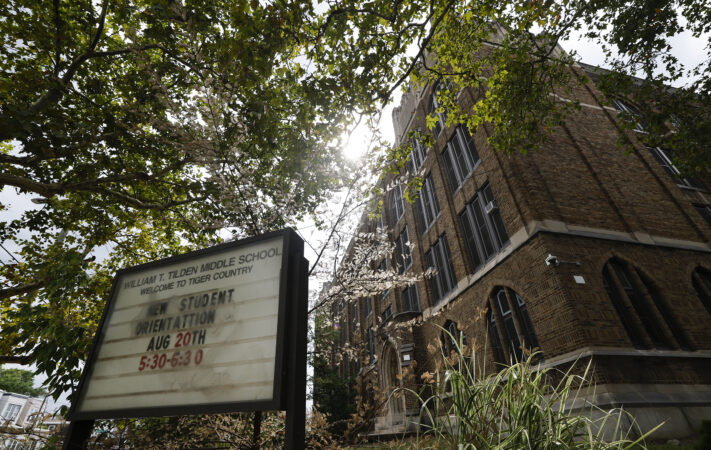
    Students streamed out the front doors of William T. Tilden Middle School on a recent Friday afternoon, past the “Welcome to Tiger Country” sign at the corner. As they shouted to friends and threw snowballs to celebrate the weekend, they were dwarfed by the massive brick school building behind them.

    That building, which spans half a city block in Southwest Philadelphia, is a primary reason the Philadelphia School District has proposed closing Tilden alongside 19 other schools.

    Capable of holding roughly 1,400 students, Tilden had only 266 enrolled last year, the district said. That means it is at just 18.5% capacity — the second-lowest of all the schools tapped to close, according to an Inquirer analysis. While enrollment in the school district overall has increased in the last four years, it has declined at Tilden, with just 24 students in this year’s fifth-grade class, district data shows.

    The district has rated Tilden’s building as “poor” when it comes to being safe and accessible, meeting environmental standards, and having modern technology. Tilden is also one of six middle schools that Superintendent Tony B. Watlington Sr. has proposed closing in an effort to shift the district’s focus to the K-8 model.

    Unlike some of the other schools on the chopping block, the Tilden community so far has not mounted an organized fight against its closure as the school board prepares to vote this winter on Watlington’s recommendations. Just a dozen employees and residents showed up to an in-person meeting on a frigid Saturday morning earlier this month to discuss the school’s possible closure, according to Chalkbeat Philadelphia, and about 30 attended a virtual meeting about Tilden a few days later. There is no online petition to keep it open, as there are for many other schools slated for closure.

    Students who were set to graduate before the proposed changes would take effect said in interviews outside the school that they did not care much about the possible closure, though some adults expressed more concern.

    “This school has had, and still does have, excellent community programs,” said Tilden teacher Cheryl Padgett through tears at the virtual meeting.

    The district’s draft facilities plan recommends that in the fall of 2027, Tilden stop accepting new fifth graders, and then gradually phase out its remaining classes, closing for good in 2030.

    All of Tilden’s current students would be able to graduate from the school under the proposal; new students who would have attended Tilden for middle school will instead stay at Patterson, Catherine, and Morton — the elementary schools that currently feed into Tilden. The district said all three of those schools would receive increased investment as they add grades and become K-8 schools.

    Tilden is in a neighborhood deemed especially vulnerable by the district, which ranked it as “high risk” to account for its experience with previous school closures, as well as its high poverty rate, lack of public transportation, and language barriers. (The district’s top vulnerability ranking is “very high risk.”)

    Tilden’s building would eventually be repurposed as a sports facility for Bartram High and the broader neighborhood under the plan.

    At the virtual meeting, community members worried that the buildings slated to become K-8 schools are not equipped for older children, and that younger students would be exposed to problematic behavior from older kids.

    Some community members said they feared that changes resulting from the district’s plan, which spans a 10-year period, would not come soon enough.

    “Do something now,” said Mama Gail Clouden, a longtime community activist. “While you’re talking about ‘in two years,’ and what you’re planning to do — right now, children and parents and staff are suffering in these schools.”

    Tilden also has received additional support and funding from the city’s tax on sweetened beverages through the community schools program pioneered by former Mayor Jim Kenney.

    “Our kids can succeed,” Kenney said at a 2017 news conference at Tilden announcing funding for the first group of schools. “They can meet their potential if we give them the resources.”

    As a community school, Tilden’s building serves as a center for such resources: The school hosts a food pantry every Friday, and families can access case management and utility and housing assistance and other supports through a partnership with Methodist Services.

    “These kids, they have a way of growing on your heart,” said Wanellie Cummings, an attendance case manager with Methodist Services assigned to Tilden.

    Cummings works with kids who have three or more absences to try to address any barriers at home that might prevent them from getting to school. She said she has not heard much from her clients about the potential school closure, though she did worry about Tilden’s food pantry closing.

    “When you take that away from a community, what’s left? If those grandmoms and grandpops have to go somewhere else to get food …,” she said.

    The district has said it would spend the 2026-27 year planning for how to maintain the resources now offered at Tilden.