Category: News

Latest breaking news and updates

  • Billionaire Jeff Yass is behind a plan to revitalize downtown Gladwyne

    Billionaire Jeff Yass is behind a plan to revitalize downtown Gladwyne

    Jeff Yass, Pennsylvania’s richest man, is behind a plan to redevelop much of downtown Gladwyne.

    Standing before a packed school auditorium, Andre Golsorkhi, founder and CEO of design firm Haldon House, unveiled the long-awaited redevelopment proposal for Gladwyne’s village center.

    Haldon House is working with Yass and his wife, Janine, on redeveloping a half-dozen properties in Gladwyne with historic architecture, green spaces, and new businesses. Golsorkhi called the proposal a “community impact project” for the Yass family, which has spent over $15 million acquiring the properties.

    Gladwyne village has long been home to small businesses, namely OMG Hair Salon, the Gladwyne Pharmacy, the Guard House, and Gladwyne Market. OMG Salon and the Gladwyne Market shuttered last year after the developers acquired their storefronts, sending ripples, and rumors, through the Main Line community. House values for the 4,096-person village are among the highest in the state, with a recent median sales price of $2.3 million, according to Realtor.com data.

    For the first time, Golsorkhi last week brought his development plans and his partnership with the Yass family to the public. He was met with both applause and skepticism from attendees. Some expressed optimism about the proposal, while others questioned why the developers would pour millions into a project with no apparent financial gain.
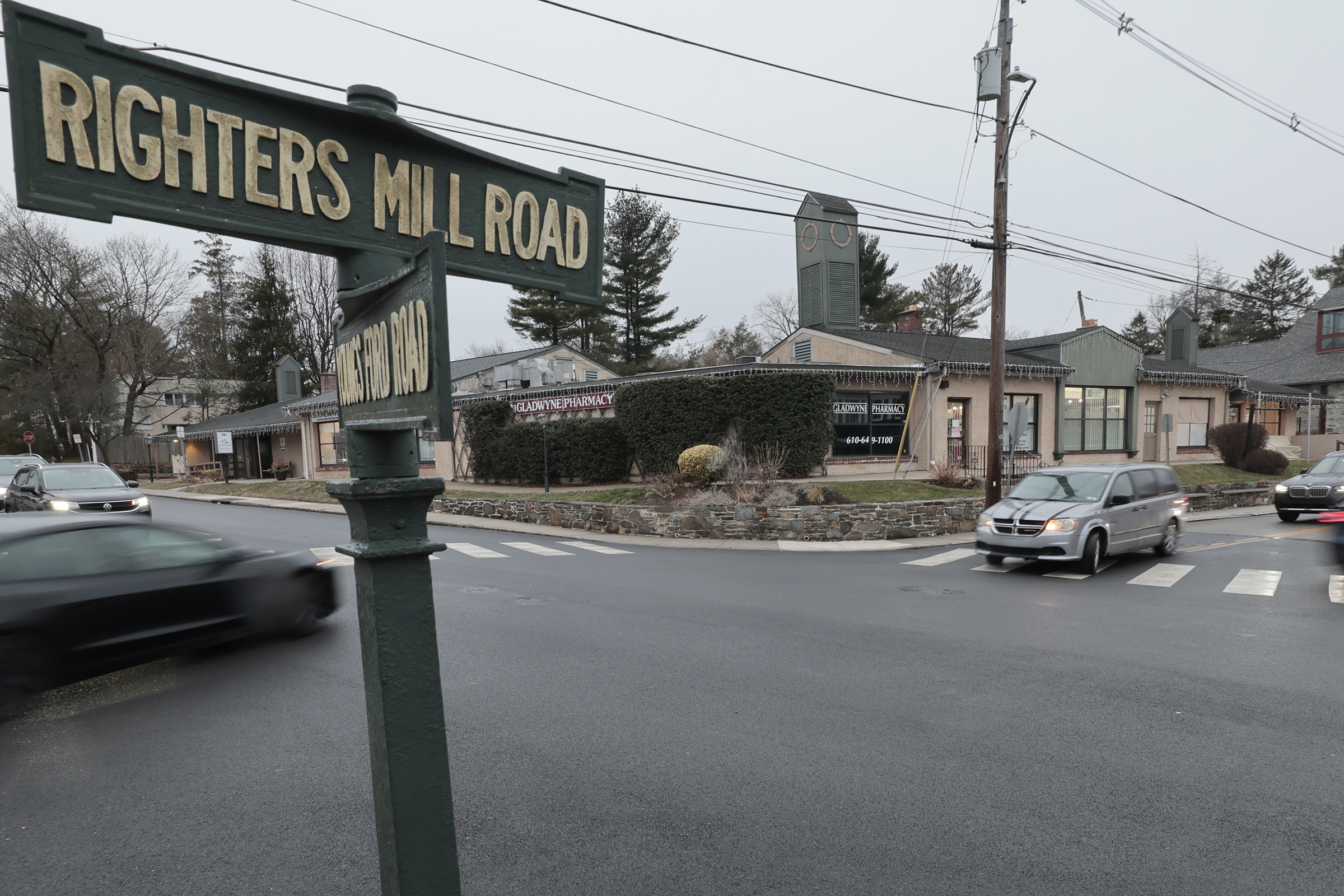
    The Village Shoppes, including the Gladwyne Pharmacy, at the intersection of Youngs Ford and Righters Mill Roads in Gladwyne on Friday, Jan. 9, 2026.

    Gladwyne ‘needs a revitalization’

    Haldon House’s proposal, as outlined by Golsorkhi, involves retaining much of Gladwyne’s historic architecture while bringing in new retailers, opening up green space, and increasing connectivity in the village’s downtown core.

    The developer plans to expand local café Homeroom and keep the Gladwyne Pharmacy while courting new businesses that “fit the character and are contextually relevant to the town.” There are no plans for residential development, national chain stores, or high-rise buildings.

    “This is a place that we grew up, that we love, that we care for tremendously, that has been protected for all the right reasons, but it has also not evolved,” Golsorkhi said. “It needs a revitalization.”

    Golsorkhi and his wife, Autumn Oser, the co-owner of Haldon House, are from the Gladwyne area.

    Yass is a billionaire, conservative megadonor, and founder of the Bala Cynwyd-based Susquehanna International Group. The Yass family has lived in Haverford for more than 40 years.
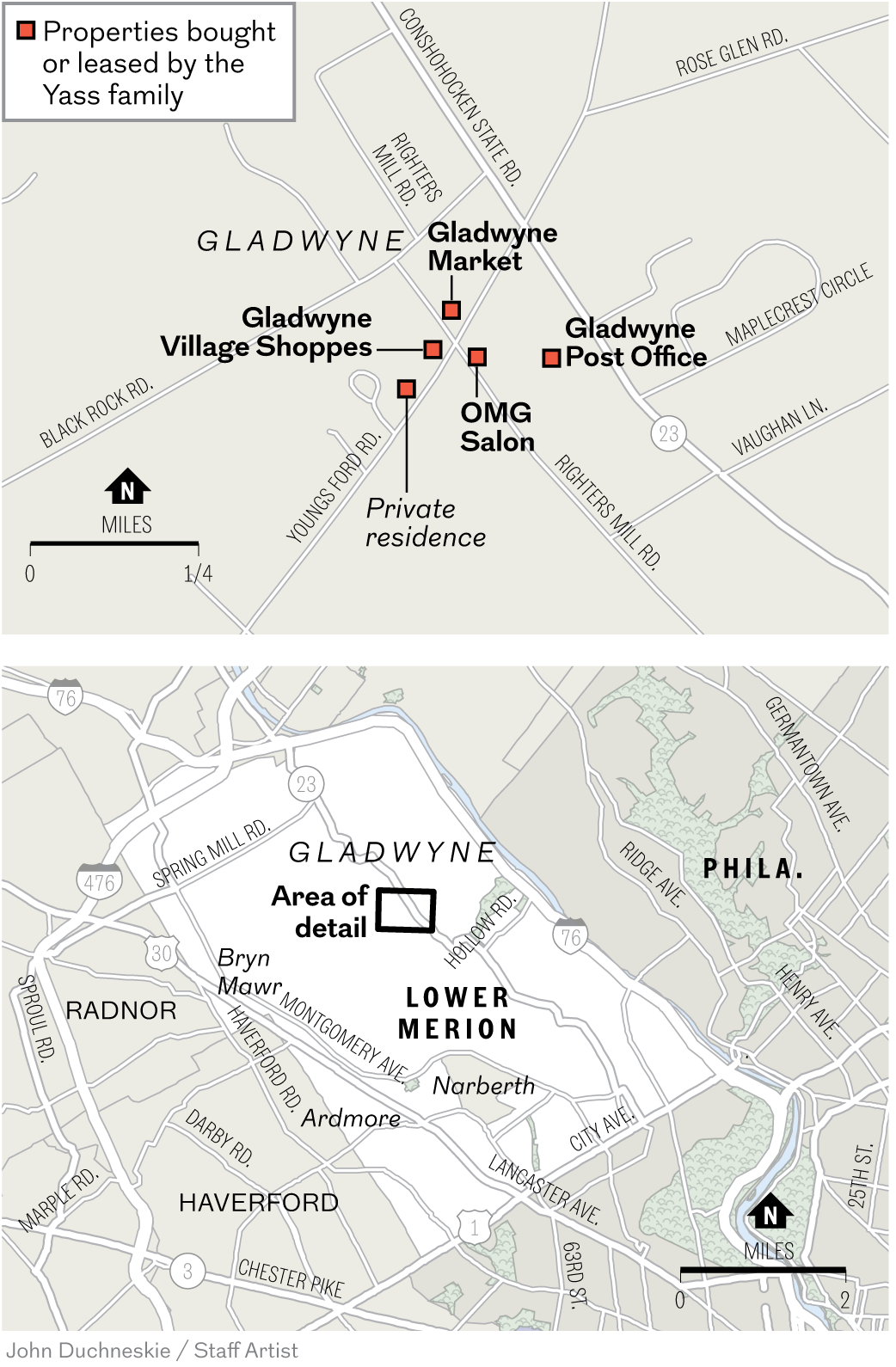
    Properties in Gladwyne acquired by the Yass family as part of their proposed revitalization project.

    Haldon House and the Yass family have purchased multiple properties at the intersection of Youngs Ford and Righters Mill Roads, including the former Gladwyne Market building, the Village Shoppes, a residential property on the 900 block of Youngs Ford Road, and the Gladwyne Post Office, according to Golsorkhi. They’ve also leased the former OMG Salon at 351 Righters Mill Rd.

    Citing the rumors that percolated in community after the shuttering of Gladwyne Market, Golsorkhi said there’s been “a lot of justified, warranted concern.”
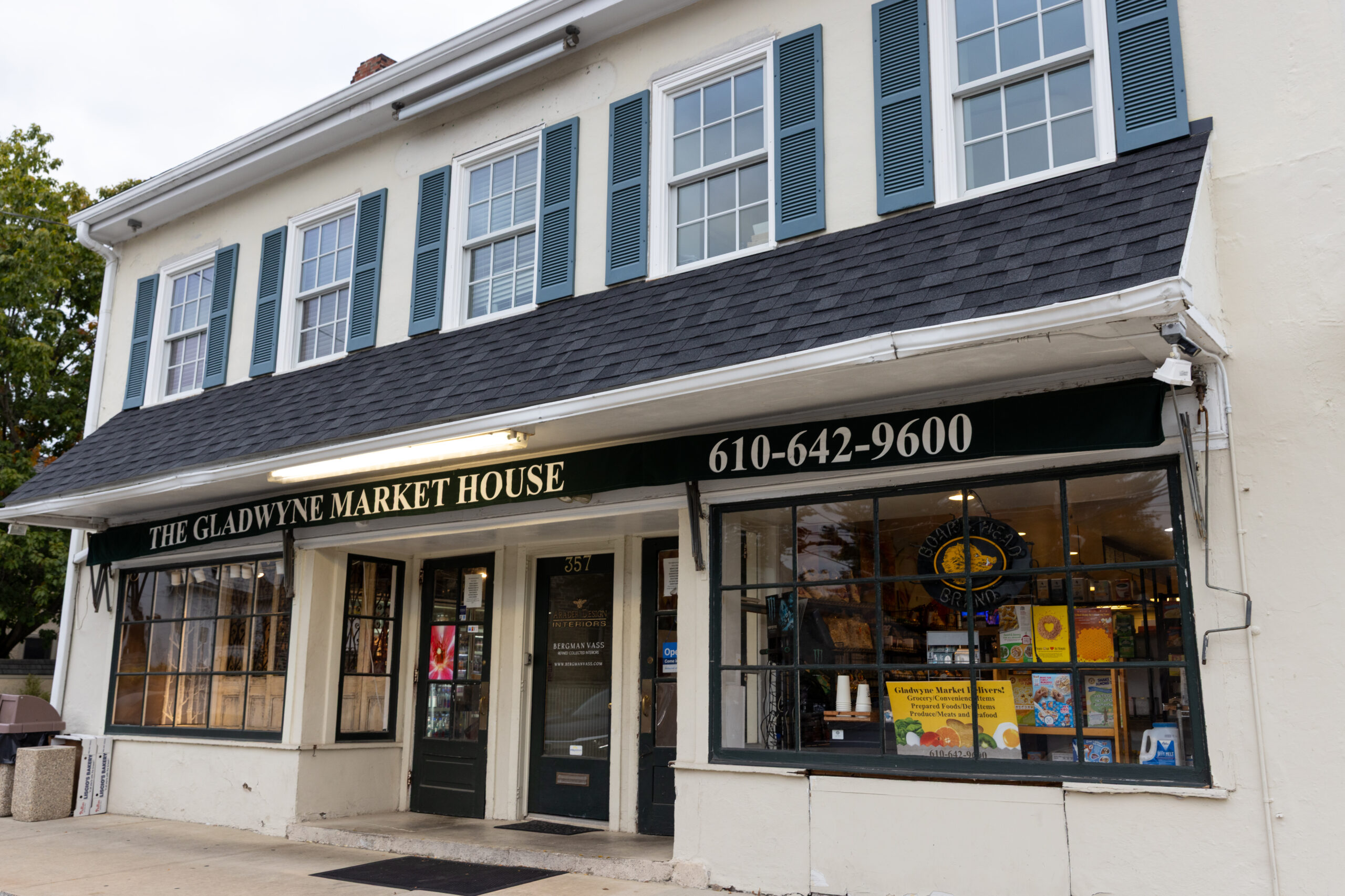
    Gladwyne Market shuttered in October after its building was purchased by developers Haldon House and the Yass family.

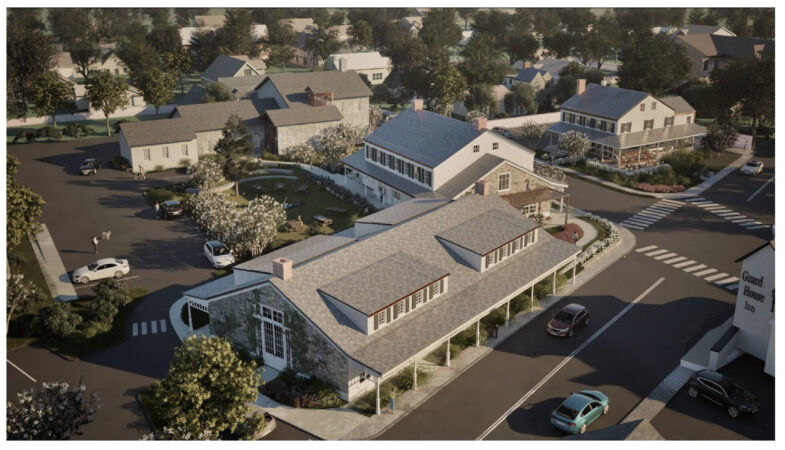
    Renderings of the proposal show the village’s core buildings retaining their late-1800s architecture, with new wraparound porches, ivy-covered stone walls, Adirondack chairs, hydrangeas, and “Gladwyne Square” branded signs.

    Golsorkhi said in an email that the developers were prepared to assume the costs and it was too early to specify how long the project would take.

    In addition to keeping Homeroom and the Gladwyne Pharmacy in place, the developers plan to put a “casual, but elevated and approachable” restaurant in the former Gladwyne Market site. They‘ll recruit independent retailers like bakeries, boutique fitness studios, and ice cream parlors. They also intend to expand the village’s open green space with picnic tables, open lawns, and venues for community events.
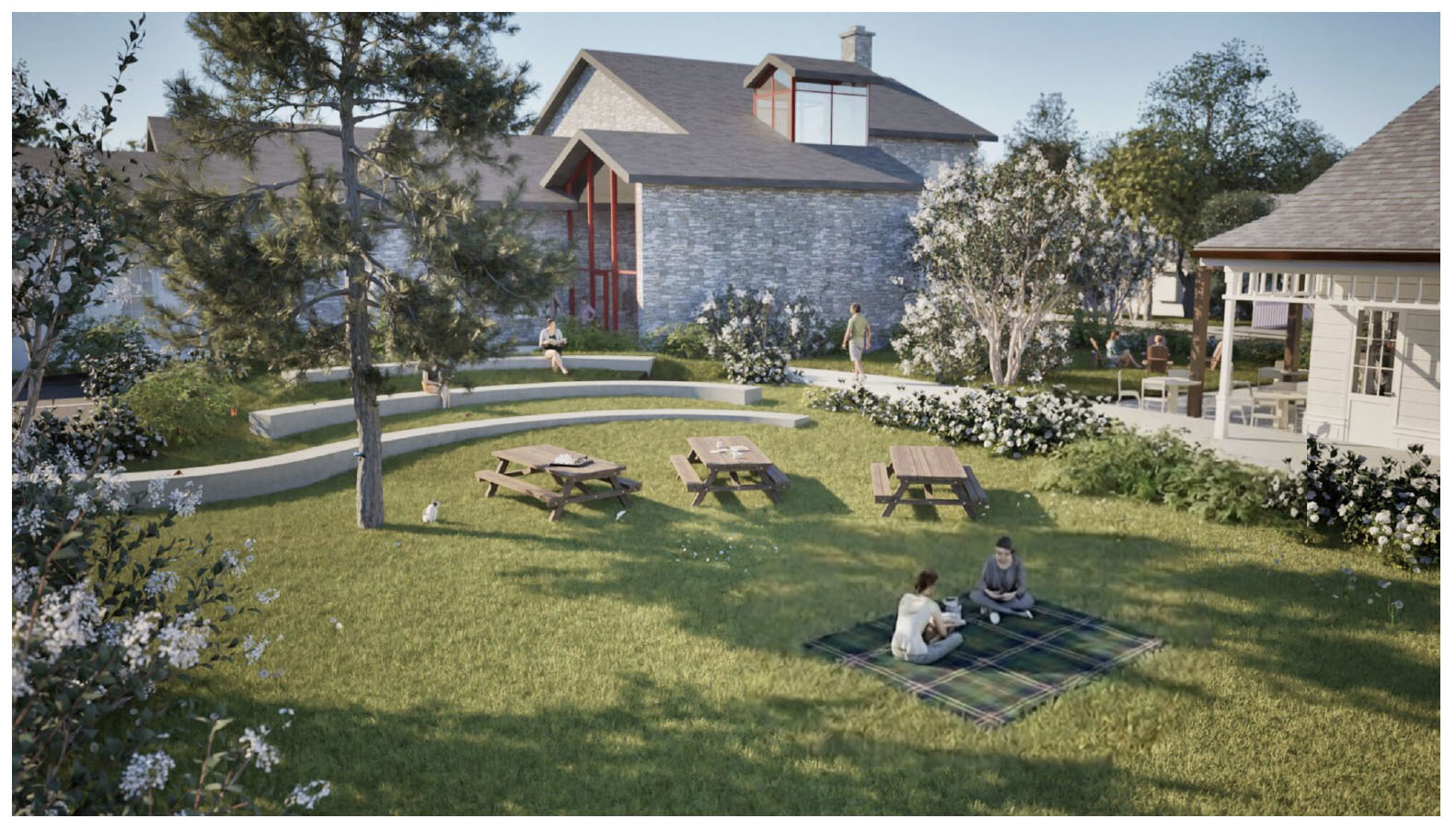
    Renderings of a proposed revitalization project in Gladwyne. Design firm Haldon House is working with longtime resident Jeff Yass to redevelop the Main Line village while preserving its historic architecture, developers told residents on Jan. 8.

    Golsorkhi said they would take a “forward and involved approach” with new and existing tenants, from designing storefronts to offering input on products to stock.

    They have worked closely with Gladwyne Pharmacy to help “reimagine” the “design and experience,” with “no expectation of return,” Golsorkhi said, adding that the pharmacy has “built up merchandise and square footage over time that isn’t necessarily best serving the business or the community.”

    “We’re doing that because we believe that the consistent experience and character of Gladwyne is really important,” he said.

    Golsorkhi told attendees at the meeting on Thursday that while they have “no particular intentions” for the recently purchased Gladwyne Post Office, it was “retiring its services” and there was potential to create a new, centralized storefront where residents could access USPS, UPS, and FedEx services.

    Paul Smith, manager of public affairs and communications for the Postal Service in the Philadelphia region, said the Gladwyne post office was not retiring its services. In early 2024, Gladwyne and other local post offices moved their letter carriers to a large delivery center in Wayne, where they pick up mail and distribute it to their routes. Gladwyne’s post office is still used for retail transactions, mailing items, and for P.O. box holders.

    Golsorkhi clarified in an email that he understood the post office’s changes. In case services are further reduced in the future, he said, “we want to be sure we’re ahead of it by considering what shipping hubs and/or shipping services we can bring to the village to ensure continuity of mailing services, while also augmenting USPS with other carriers.”
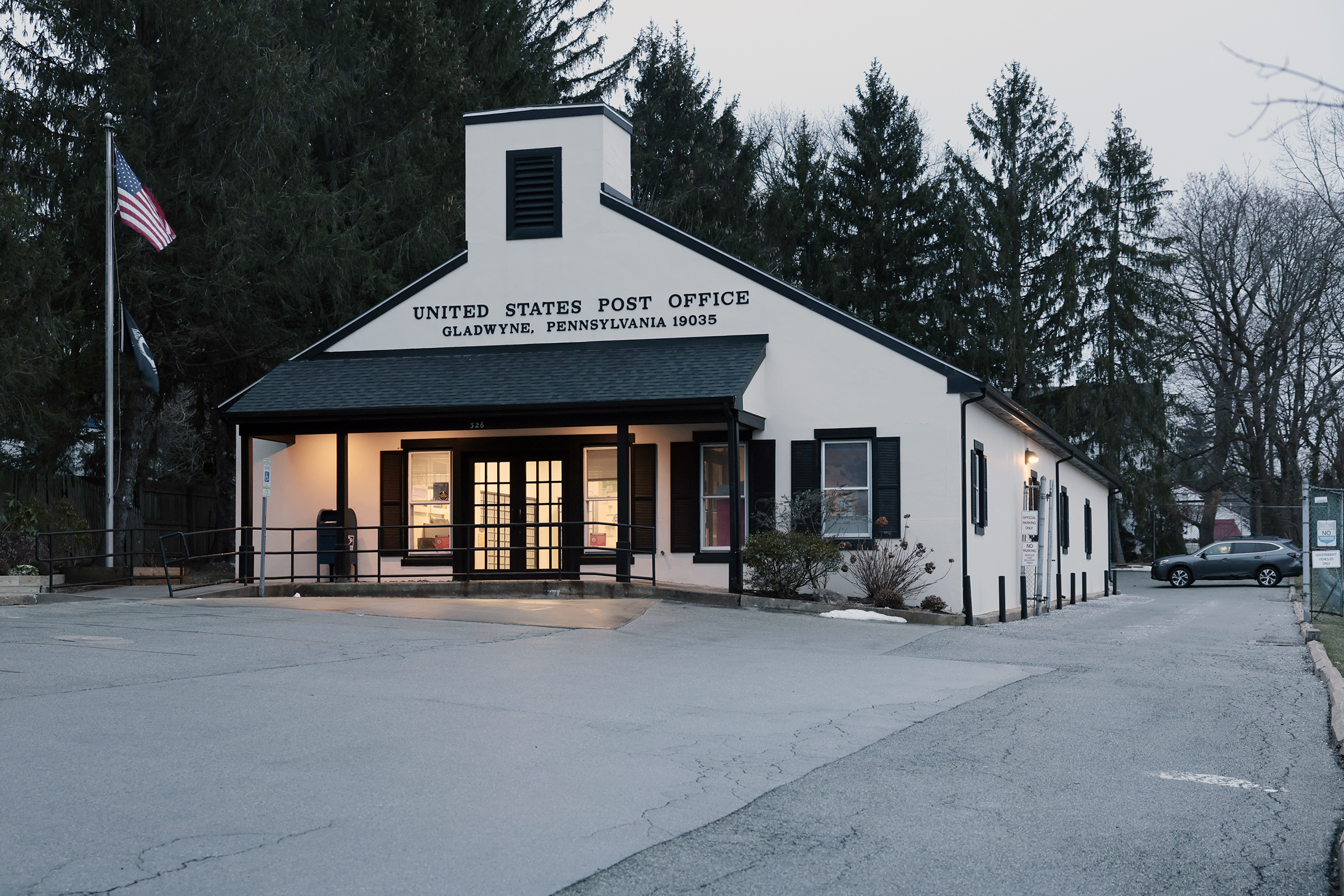
    The Gladwyne post office at 326 Conshohocken State Road in Gladwyne on Friday, Jan. 9, 2026.

    Excitement for some, skepticism for others

    Haldon House and the Yass family’s recent acquisitions left some business owners feeling slighted.

    OMG Salon owner Maurice Tenenbaum said the building’s owners more than doubled his rent last fall, forcing him to give up the salon space.

    Pete Liccio, owner of the now-closed Gladwyne Market, said in an October interview that he had also felt pushed out.

    At Thursday’s meeting, some residents said Gladwyne was ready for a revitalization, from new restaurants to more pedestrian-friendly infrastructure.

    “What I’m seeing here is a center of gravity and an identity for Gladwyne that’s well-deserved and long been needed,” one attendee said.

    Others expressed concern.

    “I just wonder what the end game is. There’s always a price for this, having someone come in and say, ‘I’m going to make your community really, really cool and don’t worry about the money,’” another Gladwyne resident said during a question-and-answer segment.

    “[This is an] investment and a philanthropic effort …,” Golsorkhi said. “I understand and I recognize that that is a challenging thing to sort of believe.”
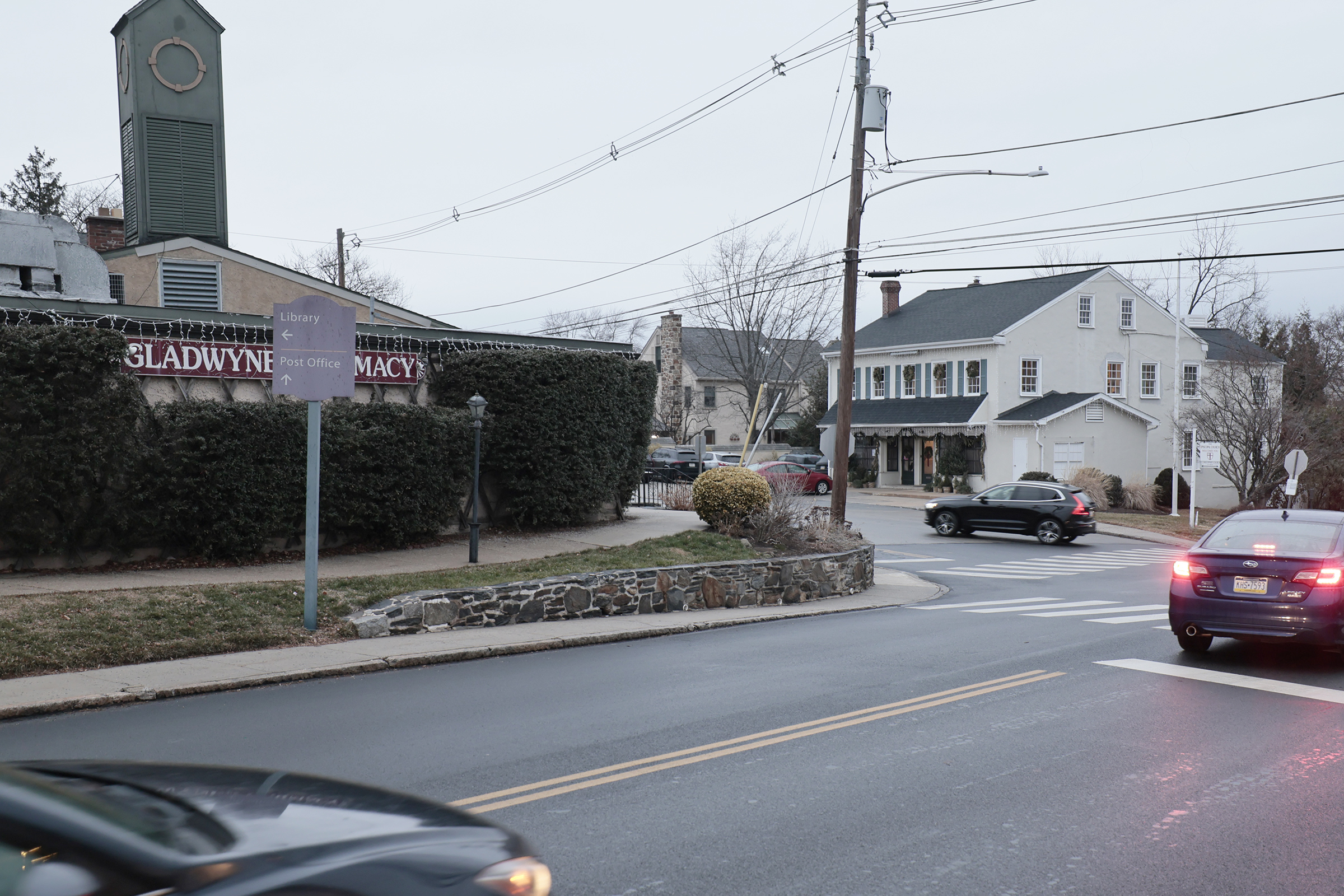
    The Village Shoppes, including the Gladwyne Pharmacy (left) and the now shuttered Gladwyne Market (right) at the intersection of Youngs Ford and Righters Mill Roads in Gladwyne on Friday, Jan. 9, 2026.

    This suburban content is produced with support from the Leslie Miller and Richard Worley Foundation and The Lenfest Institute for Journalism. Editorial content is created independently of the project donors. Gifts to support The Inquirer’s high-impact journalism can be made at inquirer.com/donate. A list of Lenfest Institute donors can be found at lenfestinstitute.org/supporters.

  • A New Jersey school resource officer charged for endangering a handcuffed child

    A New Jersey school resource officer charged for endangering a handcuffed child

    A New Jersey school resource officer has been charged with misconduct and child endangerment after an altercation with a juvenile in 2024, Gloucester County prosecutors said.

    Charles P. Rudolph, 51, of Franklinville, was indicted on second-degree official misconduct and second-degree endangering, abusing, or neglecting a child on Wednesday, according to the Gloucester County Prosecutor’s Office.

    Both counts carry a maximum sentence of 10 years in state prison.

    Prosecutors say that while employed as a school resource officer, on behalf of the Gloucester County Sheriff’s Office, Rudolph “forcefully pushed” a juvenile’s neck, face, and chest onto a table while the juvenile was handcuffed during an incident that occurred on Dec. 19, 2024.

    Officials did not release more information on the incident that led to the altercation between Rudolph and the juvenile, any identifying details about the child, or the school where Rudolph worked.

    The Gloucester County Sheriff’s Office declined to comment on the case.

    Rudolph’s lawyer could not be reached for comment.

    A court appearance is preliminarily scheduled for Feb. 5, according to prosecutors.

  • Five Democratic-led states sue HHS over frozen welfare funding

    Five Democratic-led states sue HHS over frozen welfare funding

    Five Democratic-led states are suing the Trump administration for freezing their share of federal food, housing, and childcare assistance dollars, saying officials failed to justify the sweeping actions that could strip billions in aid from needy families.

    New York, along with California, Colorado, Illinois, and Minnesota, asked for a temporary restraining order that would allow them to continue receiving the funds, in a lawsuit filed Thursday evening with the United States District Court for the Southern District of New York.

    The states argued that the Administration for Children and Families, which is within the Department of Health and Human Services, provided no evidence of fraud and acted illegally by enacting sanctions within the three welfare programs without following processes laid out by law. The administration wrote to the states earlier this week that the freeze was necessary to prevent “potential” fraud but didn’t detail what it meant, according to letters viewed by the Washington Post.

    “I will not allow this administration to play political games with the resources families need to help make ends meet,” New York Attorney General Letitia James (D) said in a statement.

    State officials and child advocates have said the funding freeze would wreak havoc on families relying on childcare aid and could cause ripple effects if parents are forced to quit their jobs to care for children or daycare centers shut down permanently.

    HHS General Counsel Mike Stuart wrote on X late Thursday that the agency “stands by its decision to take this action to defend American taxpayers.”

    “We identified serious concerns in these states that warranted immediate review and action,” he wrote. “These same officials were complicit in this perpetuation of this fraud and allowing it to happen.”

    Minnesota was already in the administration’s crosshairs amid investigations into billions of federal dollars authorities say were fraudulently claimed by individuals and groups purporting to help the state’s low-income population. HHS broadened its crackdown this week, saying nearly $2.4 billion in childcare grants have been frozen to the five states, as well as $7.35 billion in temporary grants for needy families and $869 million in social services funds. These programs help cover childcare, housing, food, and home utility costs for families with low incomes.

    Democratic leaders in those states blasted the move as politically motivated. Before the lawsuit was filed Thursday, New York Gov. Kathy Hochul (D) told reporters that the administration is “coming after Democratic governors, five of us, for no reason at all.”

    “I want them to know this, that you may think you’re punishing me as a Democrat, but this is a county program,” she said, referring to safety net programs in New York partly funded with federal dollars. “We are simply the pass-through. The money goes to providers selected by the counties. They run this.”

    Under the freeze, the states must submit justification and receipts before being able to collect funds from any of the programs. The administration wrote in letters to the states that the freeze wouldn’t be lifted until they put in place more verification measures to ensure the funds are being used properly for eligible recipients.

    A letter from HHS’s Administration for Children and Families to Colorado said the administration is committed to “rooting out fraud” and expressed concern that Colorado is providing “illegal aliens” government benefits.

    Fraud investigations into the three programs targeted by the administration are typically handled by states, former HHS officials said. New York’s Office of the Welfare Inspector General reported it secured nearly $600,000 in fraud-related restitution in 2024, for example.

    The administration froze childcare funding to nearly a dozen daycare facilities in Minnesota in late December after a viral video alleged they were collecting funds without caring for children — claims the state has rebutted. Federal prosecutors have charged 92 people with committing fraud in other, Medicaid-funded programs in the state.

    All five states involved in the lawsuit filed Thursday are among more than two dozen states that previously sued the Trump administration over withholding other federal funds including for education, disaster relief and public health, arguing the actions jeopardize critical services.

  • Philadelphia man who goes by “YP SlumBoy” accused of killing the mother of his child in October after arrest by U.S. Marshals

    Philadelphia man who goes by “YP SlumBoy” accused of killing the mother of his child in October after arrest by U.S. Marshals

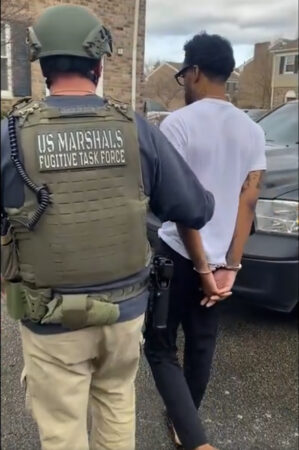
    A Philadelphia man who goes by the alias “YP SlumBoy” was arrested Thursday by U.S. Marshals and charged with killing the mother of his child, tampering with evidence and other crimes.

    Quamir Jones, 25, is accused of fatally shooting 23-year-old Siani Smith early in the morning of Oct. 12, according to an affidavit of probable cause for his arrest.

    Investigators say Smith was in the passenger seat of a vehicle with another man on the 7400 block of Dicks Avenue in the city’s Eastwick neighborhood when Jones pulled up in a car shortly after 5 a.m.

    Jones approached the front driver side of the vehicle, the affidavit says. The other man, surprised at Jones’ presence, asked whether he was blocking the driveway.

    After a short exchange between the two men, Jones drew a gun, stuck it inside the vehicle and fired once. As the vehicle sped off, Jones fired the weapon again, according to the affidavit.

    Finding Smith had been struck, the man drove her to a nearby hospital, where she was pronounced dead around 5:30 a.m.

    Meanwhile, Jones called Smith’s mother, police said. He told the woman that a group of men had been outside her home, and that she needed to go outside and pick up shell casings they left behind.

    Jones told Smith’s mother that the casings would lead back to a gun registered in his name, but she did not find any casings outside, according to the affidavit.

    Smith’s mother later told investigators she was asleep during the shooting but was awoken when she heard “five to six gunshots outside.”

    The last time Smith’s mother had seen her daughter was earlier that evening, when Smith arrived home after a night out.

    Smith’s mother said she had heard her daughter talking to the child she shared with Jones, according to the affidavit. Siani Smith and the child had moved back into the home two weeks prior.

    The woman told police Jones was known to carry guns, and investigators later learned Jones had a valid permit to carry a concealed firearm, a Glock 9mm pistol that was registered in his name in Delaware County.

    Jones had two prior arrests for gun crimes in 2022, according to the affidavit. One of those cases was dropped for reasons that were not immediately clear, and the other was dismissed for lack of evidence.

    On Thursday, Marshals arrested Jones on the 200 block of E. Mermaid Lane in Chestnut Hill, nearly three months after Smith’s death. It was not immediately clear where Jones resided during that time.

    In a post on X, the U.S. Marshals of Eastern Pennsylvania alleged Jones is a member of the city’s “Blumberg” gang.

    In addition to murder, prosecutors charged Jones with possessing an instrument of crime, criminal solicitation, recklessly endangering another person, and tampering with evidence.

    He is being held at the Curran-Fromhold Correctional Facility and was denied bail, court records show. He is represented by a court-appointed defense attorney.

    Philadelphia police confirmed Friday that Jones went by the alias “YP SlumBoy,” a rap name that has garnered a modest following on social media.

    A music video posted on YP SlumBoy’s Instagram in November includes a clip of a news anchor discussing the search for Tyvine Jones, or “Blumberg Eerd,” a North Philadelphia gang member arrested by Marshals in December for three separate killings.

    Another post on the page promotes a song called “Saddam” and features artwork depicting the former Iraqi dictator.

  • Pennsylvania Farm Show unveils a 1,000-pound butter sculpture honoring America’s 250th birthday

    Pennsylvania Farm Show unveils a 1,000-pound butter sculpture honoring America’s 250th birthday

    It’s January, and that means one of Pennsylvania’s grandest spectacles is back again: the annual Farm Show butter sculpture.

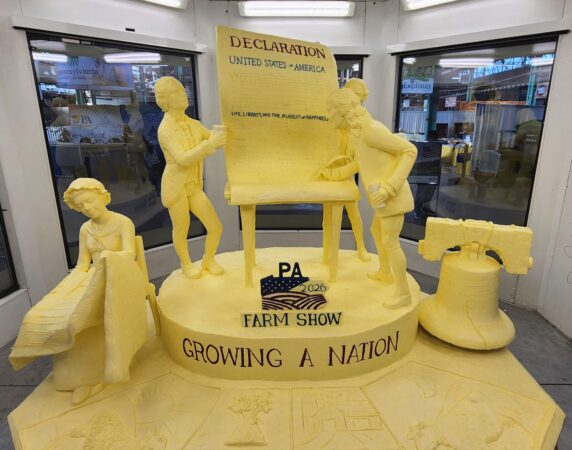
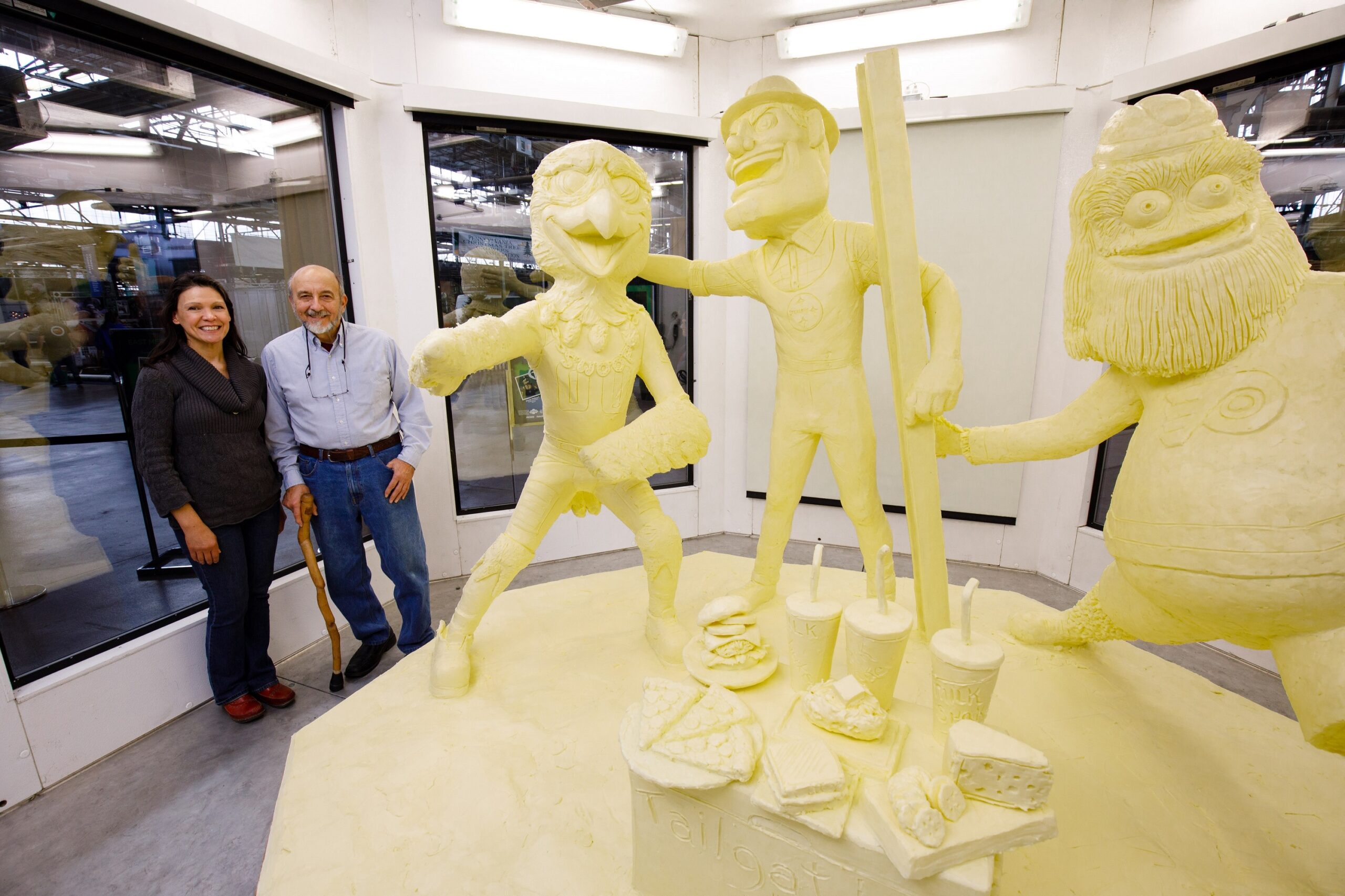
    Every year, in Harrisburg, a new 1,000-pound sculpture is unveiled to the public at the Farm Show Complex, a 1-million-square-foot event space that hosts the long-running show. Some years, the sculpture features mascots, like Gritty. This year’s sculpture is titled, “A Toast to Our Nation’s 250th Anniversary: Inspired by Founders. Grown by Farmers” in honor of America’s Semiquincentennial.

    “The butter sculpture is a people-pleasing favorite every year at the Pennsylvania Farm Show,” Pennsylvania Department of Agriculture Secretary Russell Redding said in a news release. “In this America250 year, it takes on a deeper meaning reflecting how agriculture has been the roots of our nation’s growth and prosperity for 250 years, and how Pennsylvania farmers will continue to lead us forward.”

    If you’ve been to the show, with its live calf births, livestock shows, concerts, and dizzying array of food options, then you know. If you haven’t been there, it’s time to call out sick and hit the Pennsylvania Turnpike.

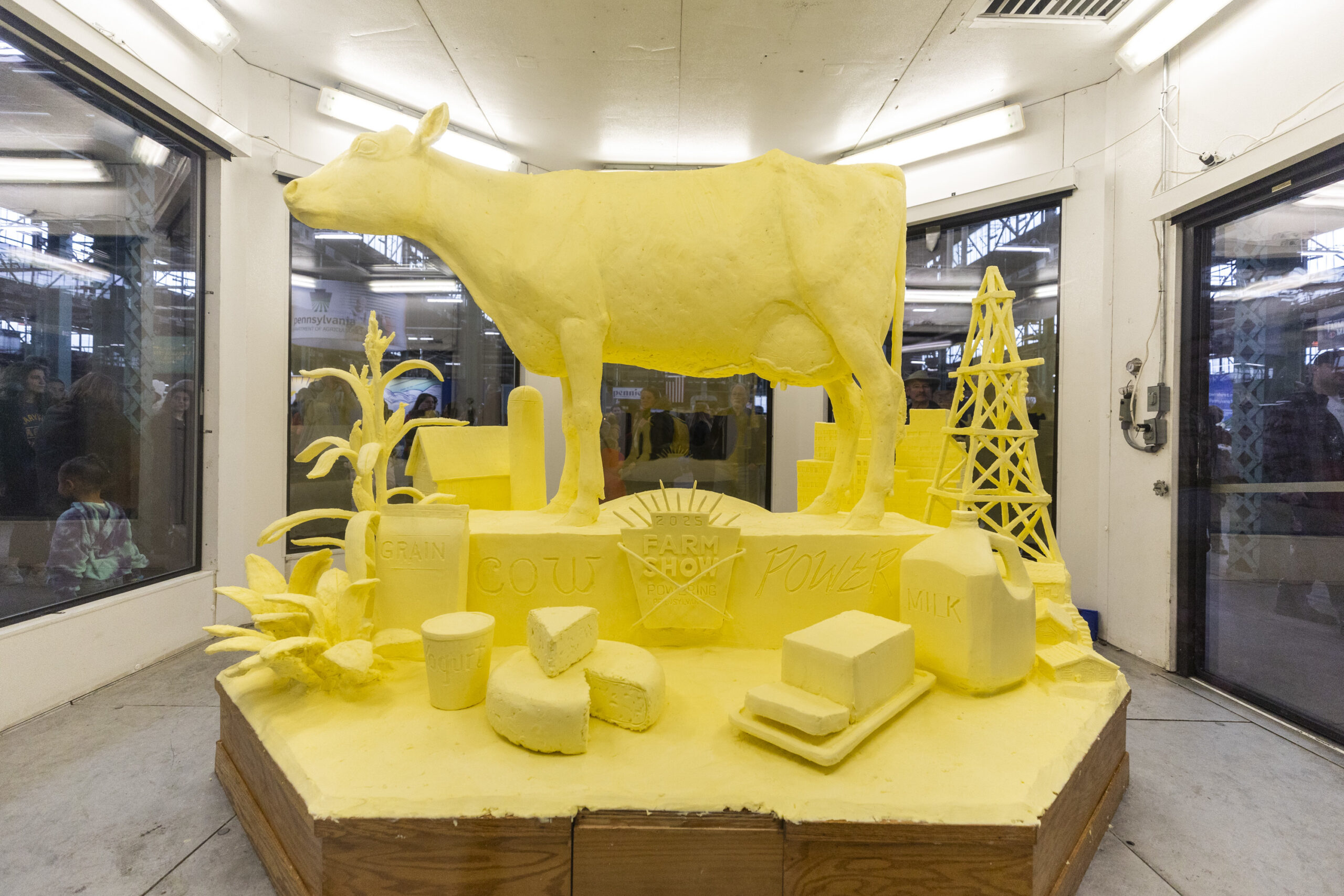
    The completed butter sculpture crafted from 1,000 pounds of butter over 14 days by Jim Victor and Marie Pelton at the Pennsylvania Farm Show in Harrisburg, Pa., on Saturday, Jan. 4, 2025.

    The show began on Friday and runs daily through Saturday. The butter sculpture, which has been part of the Farm Show for over half a century, is enclosed in a large, refrigerated case.

    This year’s sculpture is a 1776 Philadelphia tableau, featuring Benjamin Franklin and the Founding Fathers at the signing of the Declaration of Independence, complete with a celebratory toast with milk. The Liberty Bell and Betsy Ross make an appearance, too.

    Like most years, the butter sculpture was created by Conshohocken artists Jim Victor and Marie Pelton. They’ve worked with chocolate, cheese, and ice over their careers, but butter’s brought them the most acclaim.

    The butter is often donated by large national producers like Land O Lakes or Keller’s, and no, it can’t be melted and drizzled on popcorn.

    “It’s waste butter we get from plants,” Pelton told The Inquirer in 2020. ”It’s stuff that’s been extruded or cleaned out, or stuff that’s been damaged, or generally can’t be sold to the public.”

    According to the Department of Agriculture, the Pennsylvania Farm Show is the largest indoor agricultural expo in the nation, featuring nearly 5,000 animals, 12,000-plus competitive entries from more than 4,600 competitors, plus more than 250 commercial exhibits, and hundreds of educational and entertaining events. Admission is free. Parking is $15 per vehicle. Farming, according to the Department of Agriculture, provides 593,000 Pennsylvania jobs and contributes $132.5 billion to the state’s economy each year.

    Marie Pelton and Jim Victor with the mascot-themed butter sculpture they created for the 104th annual Pennsylvania Farm Show in Harrisburg in January 2020.
  • Philly has begun an $11.5 million beautification and anti-graffiti project before its big summer

    Philly has begun an $11.5 million beautification and anti-graffiti project before its big summer

    Philadelphia is cleaning up before the company gets here.

    Work is underway for a $11.5 million beautification and anti-graffiti project ahead of Philly’s coming summer of major events.

    The initiative will focus on major transportation gateways to the city. Each location will receive graffiti removal, new landscaping, fresh murals, and enhanced maintenance before visitors flock to Philly for the World Cup, the nation’s semiquincentennial, and the MLB All-Star Game.

    “We are ensuring that Philadelphia makes the right first impression as we prepare to welcome the nation and the world,” said Mayor Cherelle L. Parker at an event announcing the Gateways to Philadelphia initiative Friday.

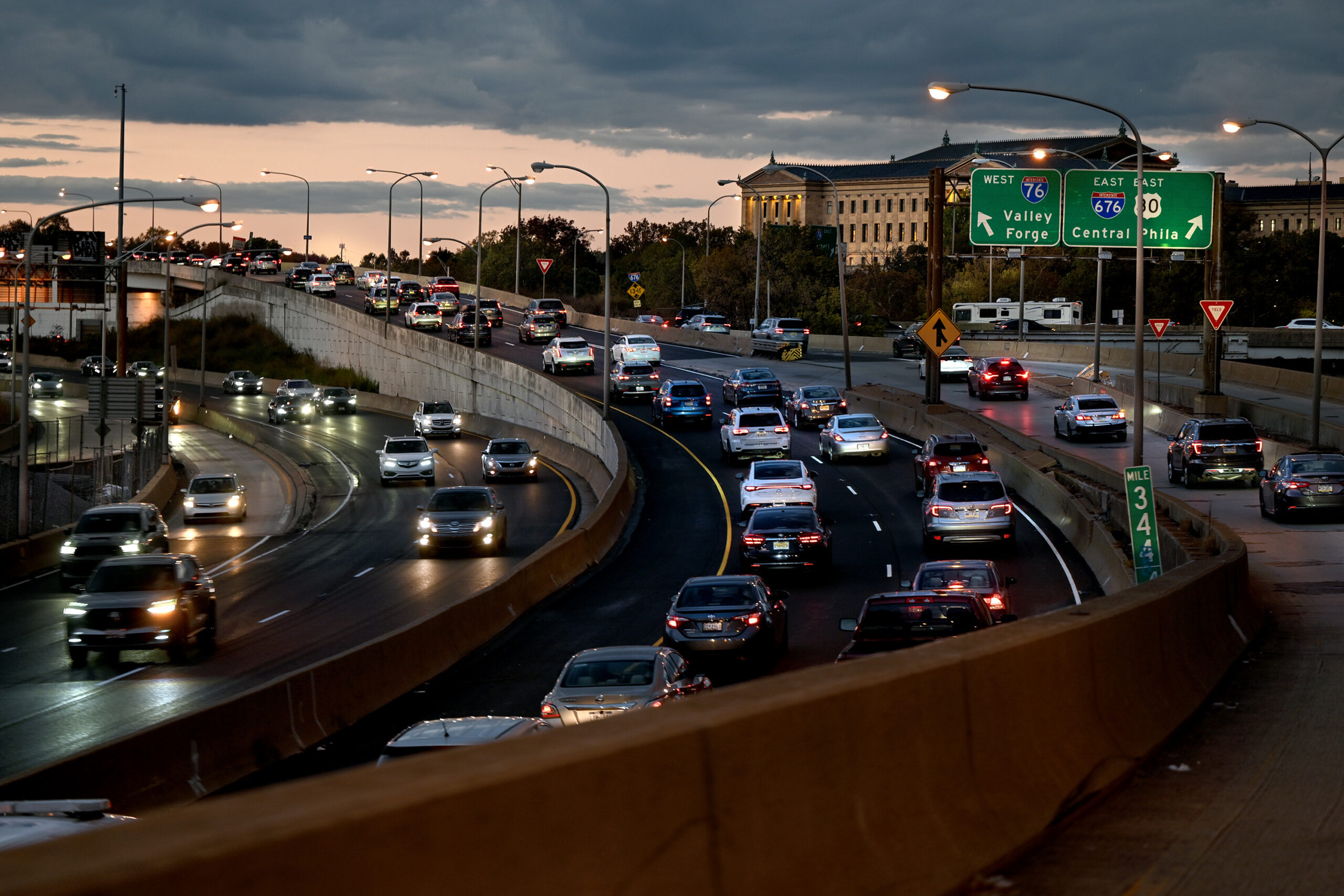
    Traffic on Interstate I-76 (Schuylkill Expressway) in Philadelphia Oct. 26, 2025. The Gateways to Philadelphia initiative will target several high traffic areas along the roadway.

    “This is our moment to make Philadelphia shine on the world’s biggest stage,” said Carlton Williams, director of the city’s Office of Clean and Green Initiatives.

    The project is led by a partnership between the city, Mural Arts Philadelphia, and the Pennsylvania Horticultural Society. It is funded by $6.5 million from the city, $3.5 million from the Pennsylvania Department of Transportation, private donations, and philanthropy.

    The beautification work will focus on seven locations in its first phase, including:

    • 26th Street at Penrose Avenue
    • South Street Bridge and ramps
    • 30th Street Station’s “honeycomb wall” and medians
    • I-76 and I-676 interchange at 15th and 16th Streets/Vine Street
    • I-76 and I-676 interchange at Sixth and Eighth Streets/Callowhill Street
    • I-76 and I-95 interchange at Second and Third Streets at Callowhill Street
    • CSX/Amtrak wall at Spring Garden Street

    Parker said that similar projects would be rolled out to other locations in the future. Work began in the fall, including the planting of 95,000 bulbs in the green spaces alongside roadways that are normally barren or filled with weeds. The project uses gold ribbons as a theme and color palette, with matching flowers and repainted walls.

    “This project is about elevating people’s experience, perception and expectations of Philadelphia, whether they live here or whether they’ve visiting for the first time,” said Pennsylvania Horticultural Society President Matt Rader.

    Mural Arts Philadelphia’s work will range from smaller murals of flowers on the blank walls hugging the interstate, to a wide Philadelphia landmark-themed mural on the CSX/Amtrak wall. Much of the mural construction will take place at night to avoid travel interruptions, but there could be some shutdowns coming on the Amtrak corridor to accommodate work, according to executive director Jane Golden.

    “Creativity belongs in public life, and even the most utilitarian of spaces can reflect care, dignity and imagination… it makes the shared spaces of our city feel alive with hope, with possibility and with beauty,” she said.

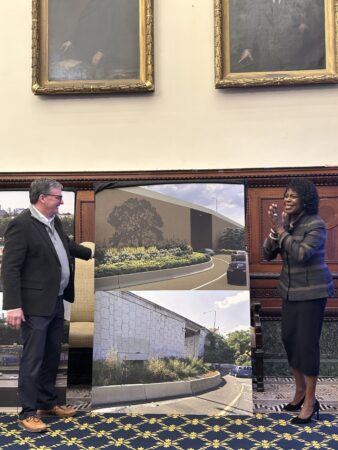
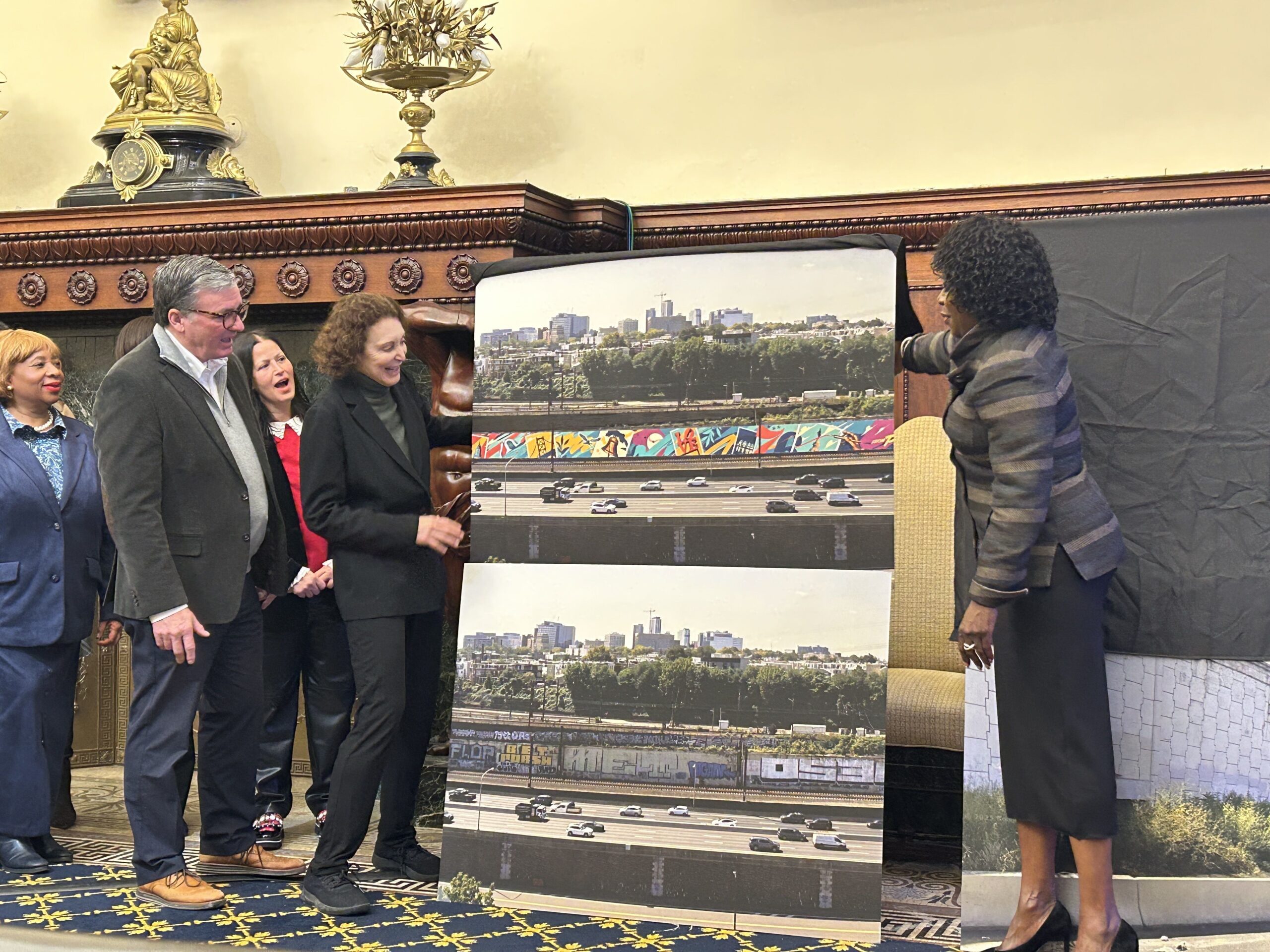
    Mayor Cherelle L. Parker and Jane Golden, Executive Director of Mural Arts Philadelphia, reveal a mockup for a new Philadelphia themed mural design coming to the CSX/Amtrak wall at Spring Garden Street. Their pasteboard shows a current look at the wall, which is filled with graffiti.

    While the project is happening largely because of visitors, speakers said they understood the need to maintain these new features for the city after the events end. PennDot’s $3.5 million contribution is meant to cover long-term maintenance.

    “As much as we want to welcome… the folks that visit Pennsylvania in 2026, it’s as much about that as it is about the folks that live in Fishtown and in South Philly,” said Pennsylvania Secretary of Transportation Michael B. Carroll.

    “This is about Philadelphia remembering who we are and getting our own house in order and making sure that it stays in order even after the company leaves,” Parker said.

    Parker said she intends for this initiative to have an impact on shaking what has become maybe Philadelphia’s most infamous nickname.

    “I’m unapologetic about this — we’re going to get rid of that ugly moniker ‘Filthadelphia,’“ she said.

  • South Carolina measles outbreak grows by nearly 100, spreads to North Carolina and Ohio

    South Carolina measles outbreak grows by nearly 100, spreads to North Carolina and Ohio

    South Carolina’s measles outbreak exploded into one of the worst in the U.S., with state health officials confirming 99 new cases in the past three days.

    The outbreak centered in Spartanburg County grew to 310 cases over the holidays, and spawned cases in North Carolina and Ohio among families who traveled to the outbreak area in the northwestern part of the state.

    State health officials acknowledged the spike in cases had been expected following holiday travel and family gatherings during the school break. A growing number of public exposures and low vaccination rates in the area are driving the surge, they said. As of Friday, 200 people were in quarantine and nine in isolation, state health department data shows.

    “The number of those in quarantine does not reflect the number actually exposed,” said Dr. Linda Bell, who leads the state health department’s outbreak response. “An increasing number of public exposure sites are being identified with likely hundreds more people exposed who are not aware they should be in quarantine if they are not immune to measles.”

    Since the outbreak started in October, Bell has warned that the virus was spreading undetected in the area. Hundreds of school children have been quarantined from school, some more than once.

    South Carolina is one of two active hot spots for measles. The other outbreak is on the Arizona-Utah border, where 337 people have gotten measles since August.

    Last year was the nation’s worst year for measles spread since 1991, end-of-year data from the Centers for Disease Control and Prevention shows. The U.S. confirmed 2,144 cases across 44 states.

    And as the one-year anniversary of the Texas-New Mexico-Oklahoma outbreak approaches — which sickened at least 900 people and killed three — health experts say the vaccine-preventable virus is on the verge of making a lasting comeback in the U.S.

    At that point, the U.S. would lose its status of having eliminated local spread of the virus, as Canada did in November. International health experts say the same strain of measles is spreading across the Americas.

  • Kenneth W. Ford, hydrogen bomb physicist, educator, and author, has died at 99

    Kenneth W. Ford, hydrogen bomb physicist, educator, and author, has died at 99

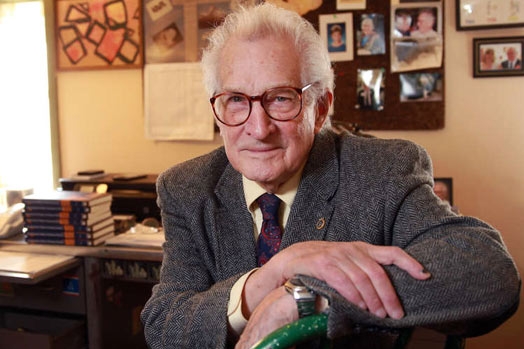
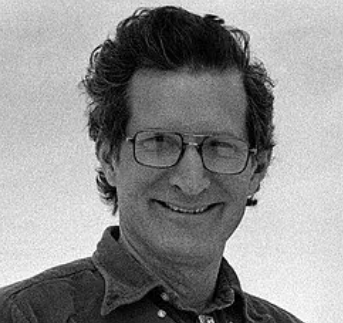
    Kenneth W. Ford, 99, of Gwynedd, Montgomery County, theoretical physicist who helped develop the hydrogen bomb in 1952, university president, college professor, executive director, award-winning author, and Navy veteran, died Friday, Dec. 5, of pneumonia at Foulkeways at Gwynedd retirement community.

    Dr. Ford was a 24-year-old physics graduate student at Princeton University in 1950 when he was recruited by a colleague to help other scientists covertly build a hydrogen bomb. “I was told if we don’t do it, the Soviet Union will,” Dr. Ford told The Inquirer in 2023, “and the world will become a much more dangerous place.”

    So he spent one year at the Los Alamos National Laboratory in New Mexico and another back at Princeton, creating calculations on the burning of the fuel that ignited the bomb and theorizing about nuclear fission and fusion. The H-bomb was tested in 1952.

    Dr. Ford’s expertise was in nuclear structure and particle and mathematical physics. He and Albert Einstein attended the same lecture when he was young, and he knew Robert Oppenheimer, Fredrick Reines, John Wheeler, and dozens of other accomplished scientists and professors over his long career.

    He came to Philadelphia from the University System of Maryland in 1983 to be president of a startup biotech firm. He joined the American Physical Society as an education officer in 1986 and was named executive director of the American Institute of Physics in 1987.

    “He always seemed to be the head of something,” his son Jason said.

    He retired from the AIP in 1993 but kept busy as a consultant for the California-based Packard Foundation and physics teacher at Germantown Academy and Germantown Friends School. Michael Moloney, current chief executive of the AIP, praised Dr. Ford’s “steady and transformative leadership” in a tribute. He said: “His career in research, education, and global scientific collaboration puts him among the giants.”

    As president of the New Mexico Institute of Mining and Technology from 1975 to 1982, Dr. Ford oversaw improvements in the school’s enrollment, faculty, budget, and facilities. He “was an accomplished researcher, scholar and teacher,” Michael Jackson, interim president of New Mexico Tech, said in a tribute, “a techie through and through.”

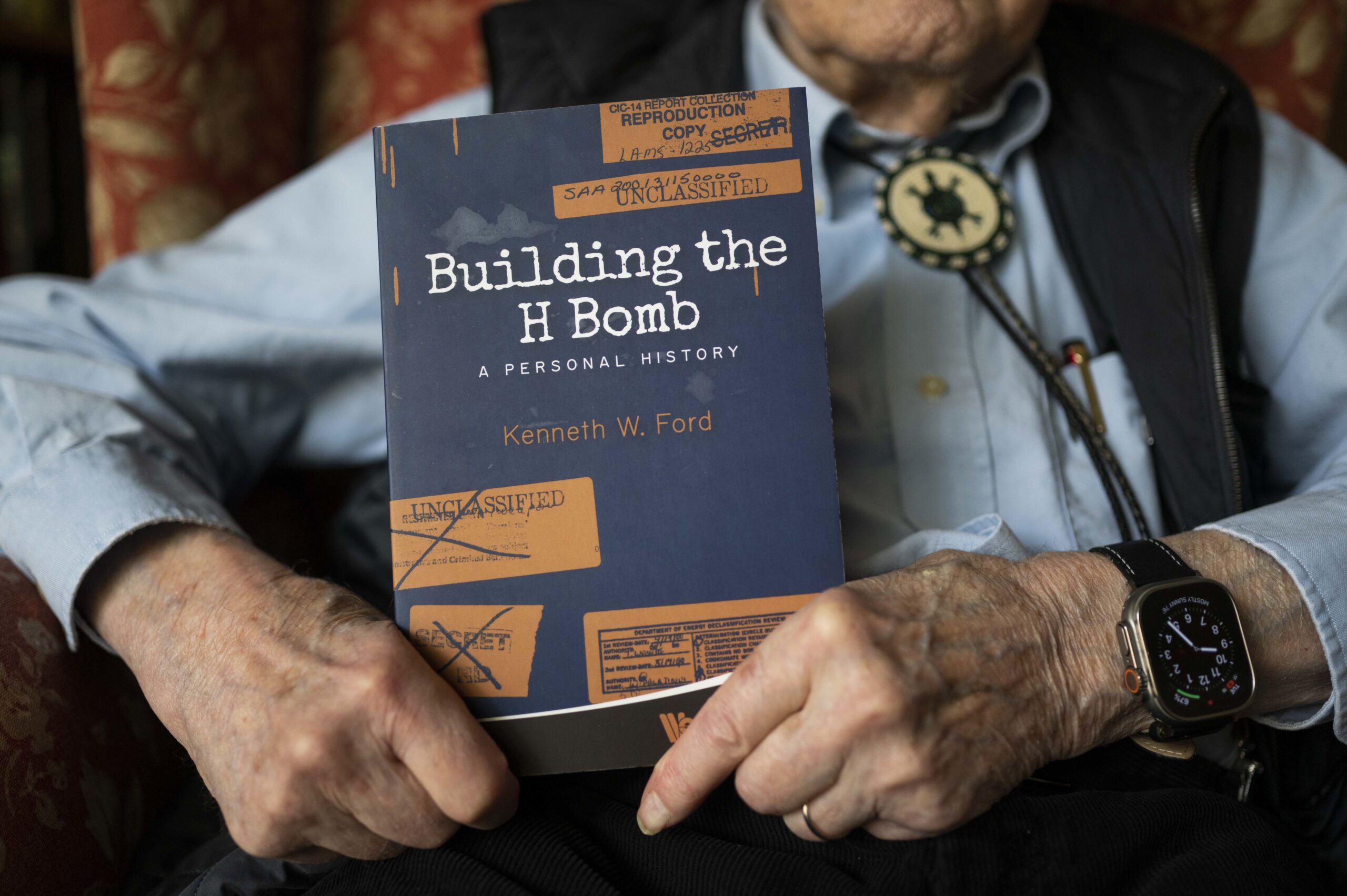
    Dr. Ford wrote “Building the H Bomb,” and it was published in 2015.

    Before Philadelphia, he spent a year as executive vice president of the University System of Maryland. Earlier, from 1953 to 1975, he was a researcher at Indiana University, physics professor at Brandeis University in Massachusetts and the University of Massachusetts, and founding chair of the department of physics at the University of California, Irvine.

    Officials at UC Irvine said in a tribute: Dr. Ford “leaves an enduring legacy as a scientist, educator, and institution builder. … The School of Physical Sciences honors his foundational role in our history and celebrates the broad impact of his distinguished life.”

    He told The Inquirer that he hung out at the local library as he grew up in a Kentucky suburb of Cincinnati and read every book he could find about “biology, chemistry, geology, you name it.” He went on to write 11 books about physics, flying, and building the H-bomb.

    Two of his books won awards, and 2015’s Building the H Bomb: A Personal History became a hit when the Department of Energy unsuccessfully tried to edit out some of his best material. His research papers on particle scattering, the nuclear transparency of neutrons, and other topics are cited in hundreds of publications.

    Dr. Ford was a popular professor because he created interesting demonstrations of physics for his students.

    In 1976, he earned a distinguished service citation from the American Association of Physics Teachers. In 2006, he earned an AAPT medal for notable contributions to the teaching of physics.

    He was the valedictorian at Phillips Exeter Academy in New Hampshire in 1944. He served two years in the Navy and earned a summa cum laude bachelor’s degree in physics at Harvard University and his doctorate at Princeton in 1953.

    In 1968, he was so opposed to the Vietnam War that he publicly declined to ever again work in secret or on weapons. “It was a statement of principle,” he told The Inquirer.

    Kenneth William Ford was born May 1, 1926, in West Palm Beach, Fla. He married Karin Stehnike in 1953, and they had a son, Paul, and a daughter, Sarah. After a divorce, he married Joanne Baumunk, and they had daughters Caroline and Star, and sons Adam and Jason. His wife and former wife died earlier.

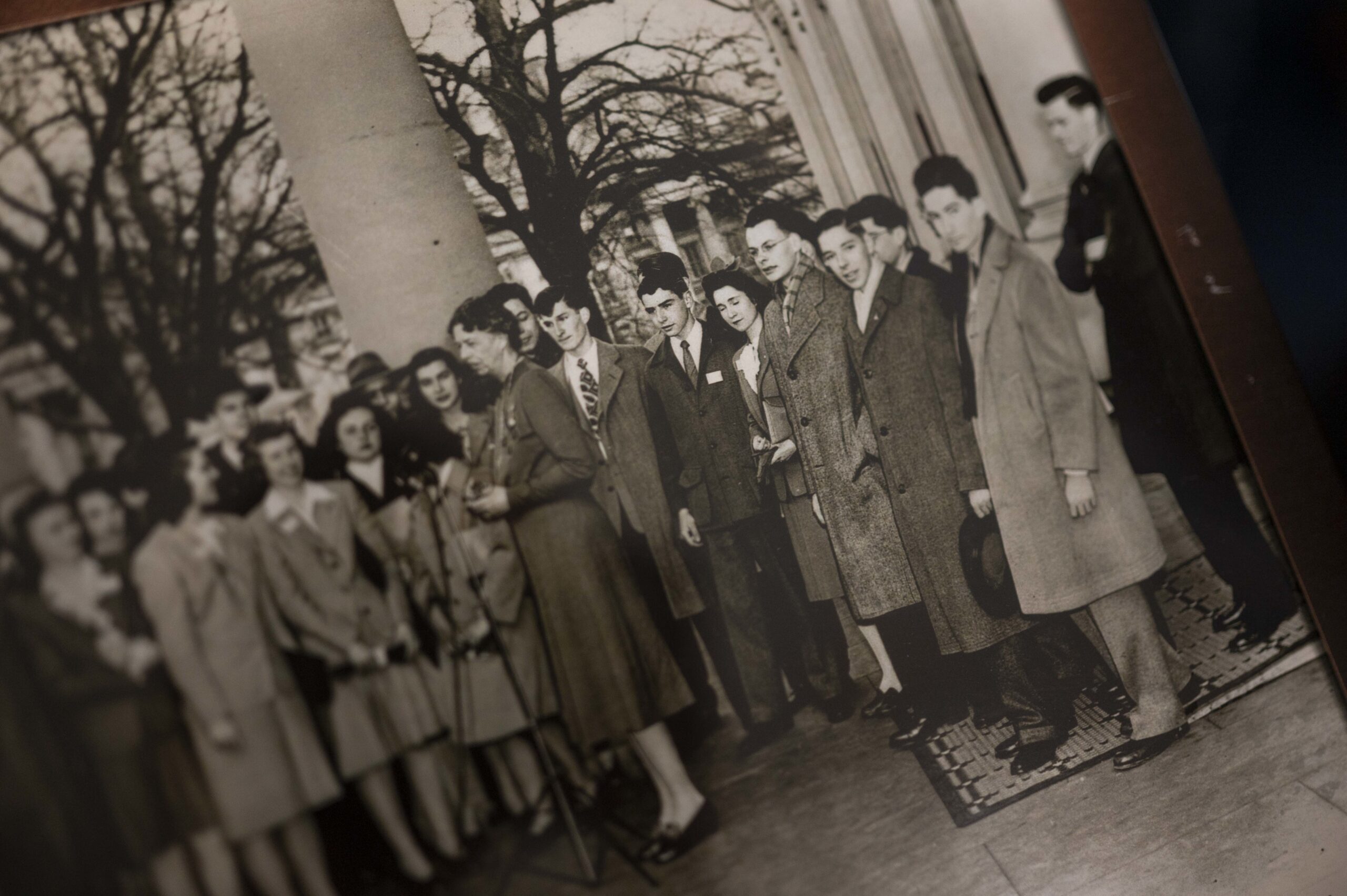
    This photo shows Dr. Ford (center) and other students listening to former First Lady Eleanor Roosevelt speak in 1944.

    Dr. Ford lived in University City, Germantown, and Mount Airy before moving to Foulkeways in 2019. He was an avid pilot and glider for decades. He enjoyed folk dancing, followed the Eagles closely, and excelled at Scrabble and other word games.

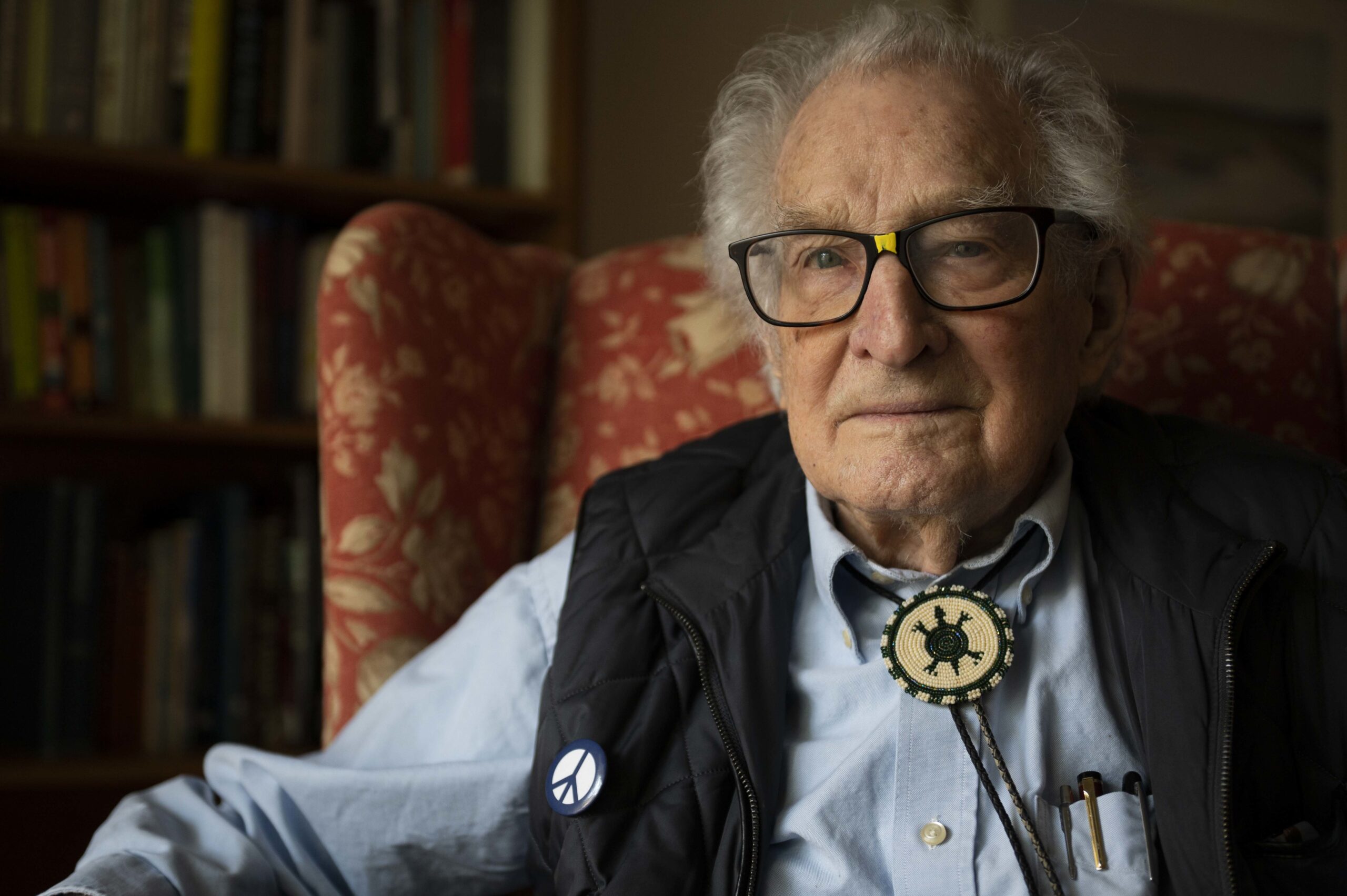
    He loved ice cream, coffee, and bad puns. He became a Quaker and wore a peace sign button for years. Ever the writer, he edited the Foulkeways newsletter.

    In 2023, he said: “I spent my whole life looking for new challenges.” His son Jason said. “He found connections between things. He had an active mind that went in all different directions.”

    In addition to his children, Dr. Ford is survived by 14 grandchildren, a great-grandson, a sister, a stepdaughter, Nina, and other relatives.

    Services are to be from 2 to 4:30 p.m., Saturday, Jan. 24, at Foulkeways at Gwynedd, 1120 Meetinghouse Rd., Gwynedd, Pa. 19436.

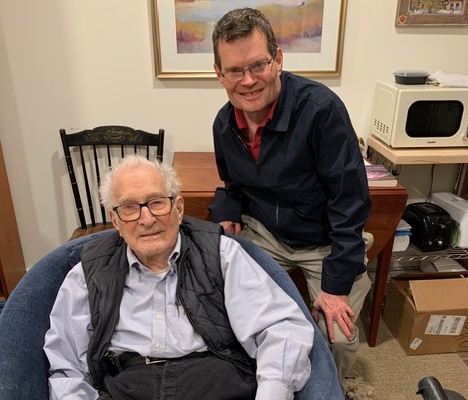
    Dr. Ford and his son Jason
    Dr. Ford wore a peace sign button for years.
  • An Indonesian man was deported on Christmas after being arrested at a routine immigration appointment in Philly

    An Indonesian man was deported on Christmas after being arrested at a routine immigration appointment in Philly

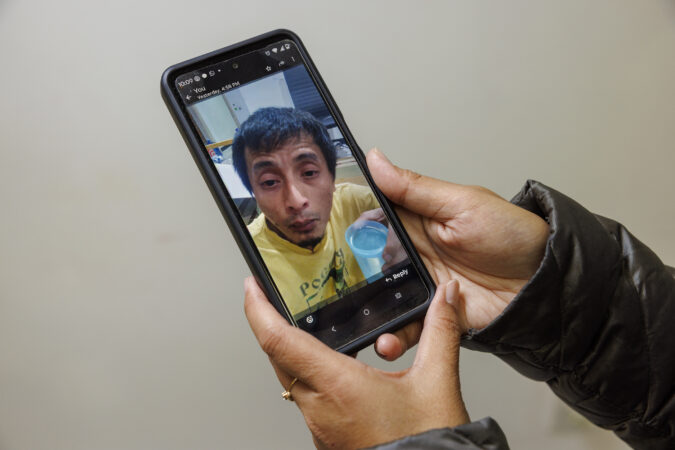
    A longtime Philadelphia resident who was arrested by ICE at a routine immigration appointment has been deported to Indonesia, his family said.

    Rian Andrianzah, 46, walked into a Philadelphia office of U.S. Citizenship and Immigration Services on Oct. 16, expecting to be fingerprinted and photographed and sent home, but instead was taken into custody and placed in detention.

    On Christmas night he was flown to Jakarta, the Indonesian capital, leaving behind his wife, also of Indonesia, and two children who are American citizens.

    The case angered the city’s Indonesian community ― and placed Andrianzah among a growing number of immigrants who have shown up for routine immigration appointments or check-ins, only to be handcuffed and taken into detention.

    Green-card applicants, asylum-seekers, and others who have ongoing legal or visa cases have been unexpectedly detained in what lawyers and advocates say is a Trump administration strategy to boost arrests and deportations.

    “It’s frustrating, because we’re going to be able to bring him back in the next few months,” said Philadelphia immigration attorney Christopher Casazza, who represents Andrianzah and his family. “They deported him simply [to gain] a statistic.”

    He expects Andrianzah could be able to return to the United States in the summer, via a legal process that could grant status to his wife and, through her, to him.

    Andrianzah’s wife, Siti Rahayu, 44, has a strong case to be awarded a T visa, the family’s lawyer said. That visa offers permission to live in the U.S. and a path to permanent residency and citizenship. As her husband, Andrianzah would receive those same benefits under her visa, said Casazza, of the Philadelphia firm Palladino, Isbell & Casazza LLC.

    Rahayu said in a text message that she was distressed and not up to discussing her husband’s deportation. Others said his removal hurts the family and the community.

    “Rian’s absence means a family without their father and our community without a friend,” said Kintan Silvany, the civic-engagement coordinator at Gapura, which works to empower local Indonesian Americans. “A warm, friendly face will no longer be seen at our annual festivals and cultural events. ICE has taken a beloved member who helped us and the folks around him.”

    Andrianzah, meanwhile, like other deportees faces a return to a homeland transformed by time, where family ties have dwindled and emotional and financial hardship looms, his lawyer said.

    Immigration and Customs Enforcement officials were unable to immediately reply to a request for comment.

    A T visa can be available to people who have been victims of human trafficking. It offers a near-blanket waiver on past immigration violations. Authorities say the issuance of T visas offer protection to victims while enhancing the ability of law-enforcement agencies to detect and prosecute human trafficking.

    Andrianzah legally entered the United States on a visitor’s visa in February 2000, but did not return to Indonesia before it expired. He was placed in removal proceedings in 2003, and a judge issued a final order of deportation in November 2006. His appeal was denied two years later.

    The removal order was never enforced, as had been common for those the government then saw as low-priority immigration violators. Some people with final orders have lived in the U.S. for decades.

    Since then Andrianzah worked factory and warehouse jobs, and married. He and his wife made a home in South Philadelphia and became parents of a son, age 8, and a daughter, 15, both U.S. citizens.

    Andrianzah and his wife went to USCIS that October day as part of her T-visa application. In an interview with The Inquirer, Rahayu said she was sent to the U.S. in 2001 by relatives who saw her as a means to pay off a debt, delivering her to an underground organization that puts people in low-paying jobs, then keeps them working indefinitely. Her work would help pay the debt owed by her relatives.

    Rahayu said that on Oct. 16, she completed her own biometrics appointment, then grew concerned when her husband did not appear. She soon learned he had been arrested.

    Some immigrants are required to appear every couple of weeks, some once a month, others once a year. The appointments help immigration officials keep track of people who in the past have been low priorities for deportation.

    Biometrics appointments are usually brief sessions at which the government captures fingerprints, a passport-style photo, and a signature. The immigrant may also be asked to provide information like height and weight.

    Despite the fresh risk of being arrested on the spot, immigrants have little option except to show up. Many types of immigration applications require in-person appearances. And failure to appear for a required ICE appointment can by itself result in an order for removal.

  • A man was charged with stealing skulls and bones from a Philly cemetery. Police say he may have tried to sell them on Instagram.

    A man was charged with stealing skulls and bones from a Philly cemetery. Police say he may have tried to sell them on Instagram.

    Documents released Friday offer new detail on how investigators assembled their striking case against Jonathan Christian Gerlach, who authorities say desecrated dozens of graves to steal human remains.

    Gerlach, 34, who is charged with stealing more than 100 skulls, bones, and body parts from Mount Moriah Cemetery, also posted dozens of photos of human remains on social media, records show, and authorities are investigating whether he may have offered to sell them.

    The investigation into Gerlach, who lives in Ephrata, spans multiple counties and law enforcement agencies. The historic cemetery stretches across Philadelphia and Yeadon, Delaware County, where officials charged Gerlach on Thursday.

    Gerlach’s lawyer, Anna Hinchman, declined to comment Friday, citing the pending criminal case.

    In all, Gerlach faces more than 500 counts of burglary, criminal trespassing, abuse of a corpse, theft, and related crimes.

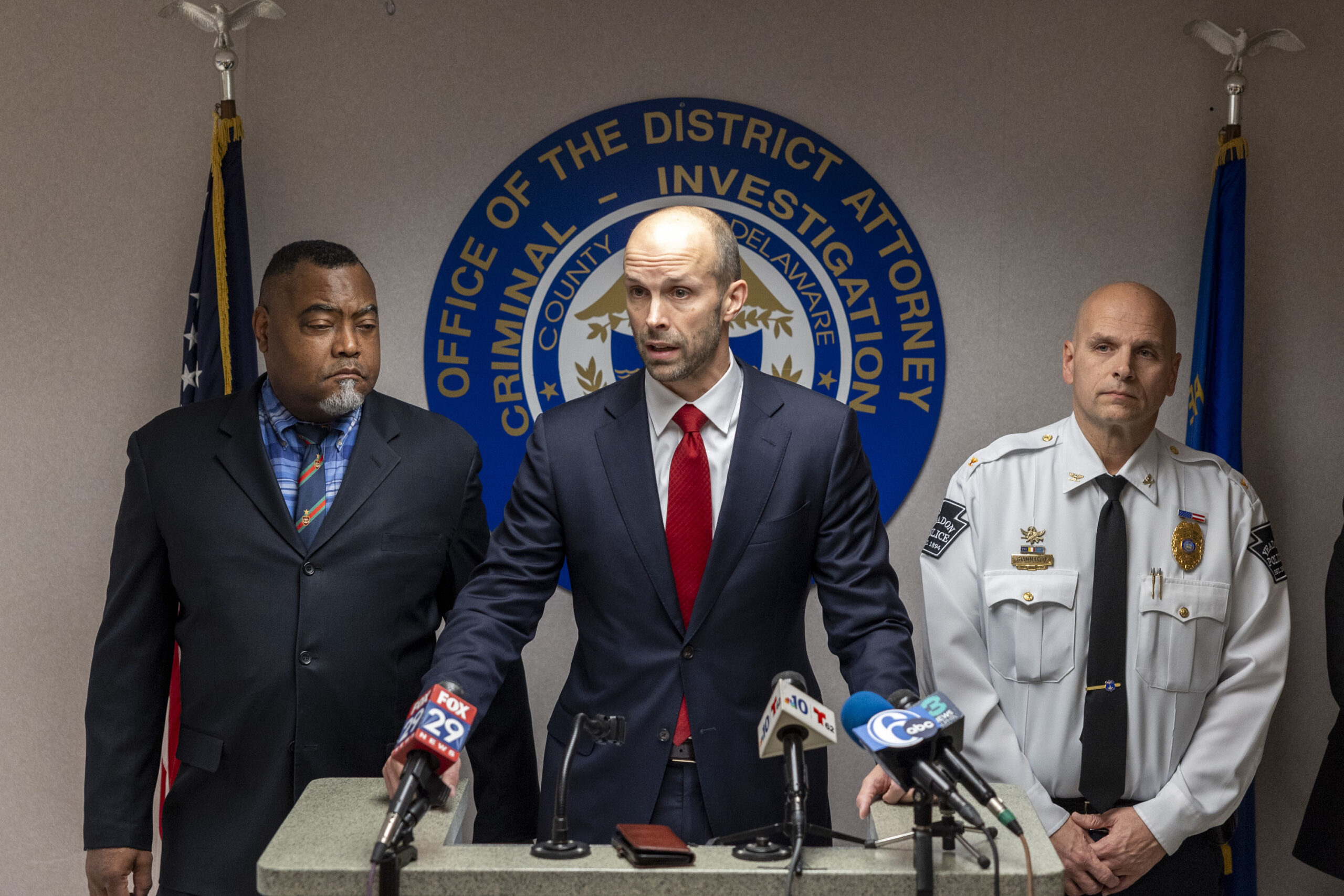
    “After 30 years, I can say this is probably the most horrific thing that I’ve seen,” said Yeadon Police Chief Henry Giammarco, whose department was involved in the investigation.

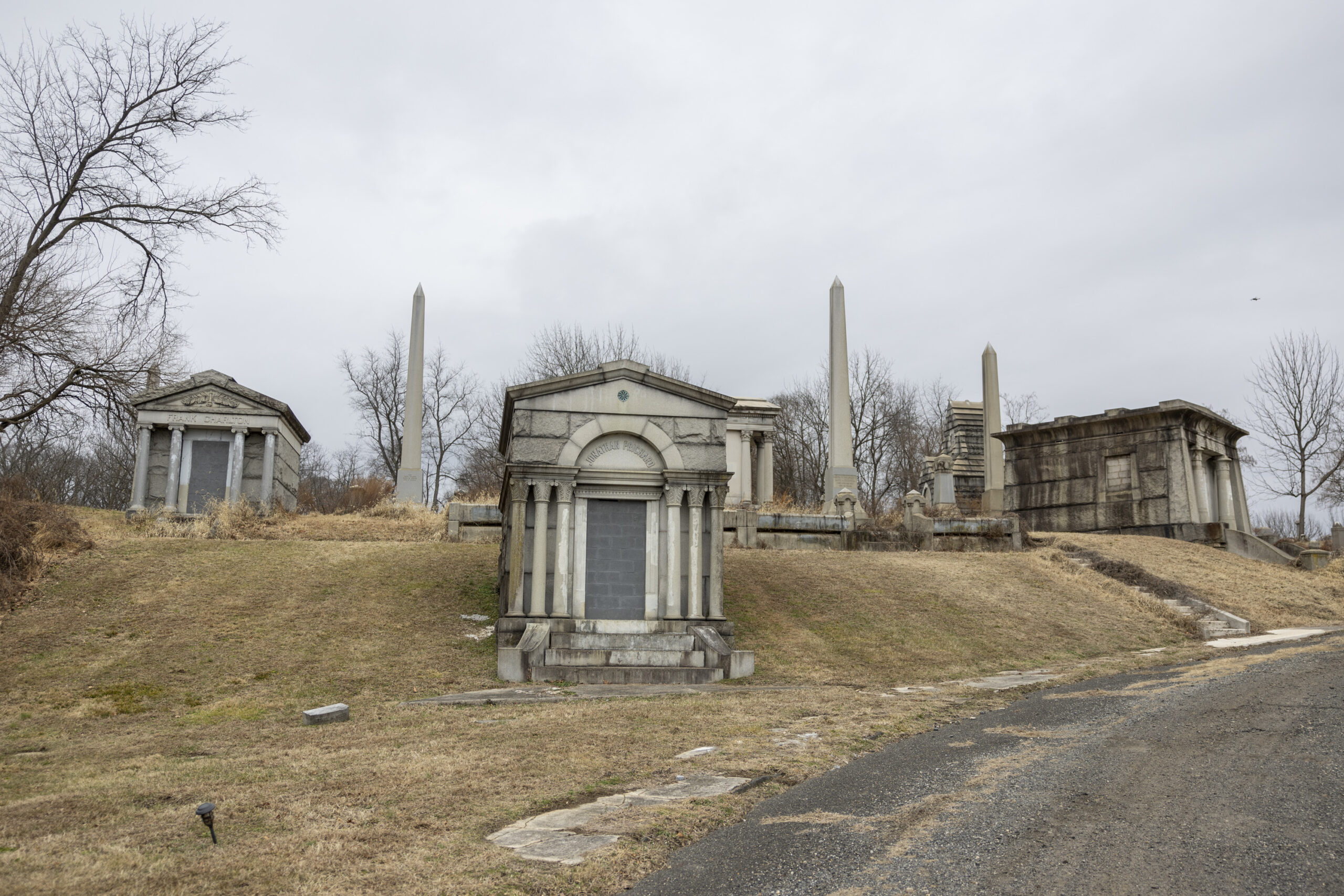
    A few Mausoleum’s that Jonathan Gerlach broke into at Mount Moriah Cemetery in Philadelphia.

    Grave sites damaged, remains stolen

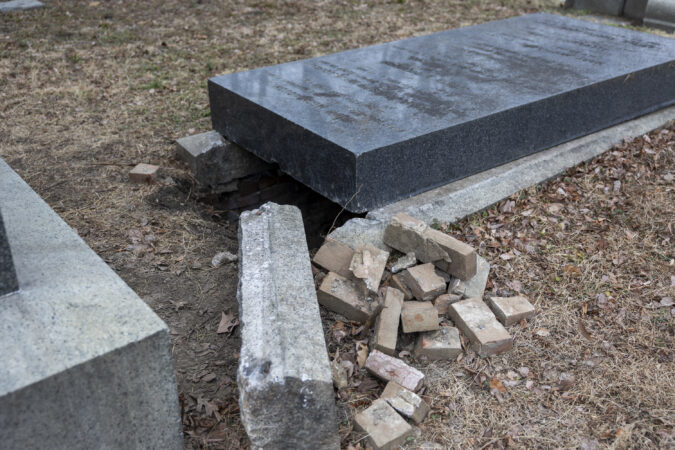
    Detectives were first dispatched to the burial ground on Nov. 7, according to the affidavit of probable cause for Gerlach’s arrest. There, a board member of the Friends of Mount Moriah Cemetery — the group that helps to maintain the burial ground — led the investigators to a mausoleum where a hole in protective cinder blocks revealed a damaged marble floor, 10 feet underground. A white rope, which detectives believe the thief used to rappel into the mausoleum, hung nearby.

    They discovered other disturbed burial sites, both that afternoon and weeks later, according to the affidavit: a crypt with its marble entrance stone ripped off, whatever was inside stolen; a damaged, empty casket inside a mausoleum; a clear plastic tarp covering human remains discarded on the ground of the cemetery.

    Investigators collected clues, including the rope, a “Monster” energy drink can, and a partially smoked Marlboro Menthol cigarette. Each will be sent for DNA testing, the affidavit said.

    On Dec. 23, the document shows, police received a tip pointing to Gerlach. “Look into Jonathan Gerlach,” the tipster said, according to the affidavit. “I know someone who’s friends with his family, and they mentioned that they recently discovered a partially decomposed corpse hanging in his basement, but were afraid to tell police.”

    The tipster also pointed investigators to Instagram. “You’ll see he follows accounts in taxidermy, skeleton collecting and sales,” the tipster said.

    Delaware County District Attorney Tanner Rouse speaks to reporters on Thursday about Jonathan Gerlach, who is charged with burglary, abuse of corpse and desecration, and theft or sale of venerated objects for allegedly stealing from graves.

    An Instagram trail

    The last post on the Instagram account that Delaware County authorities have linked to Gerlach appeared on Tuesday, the day that detectives took him into custody, after they say they witnessed him carrying a burlap sack filled with human remains out of the cemetery.

    A partial skull — its surface darkened and pitted with age, mounted upright like an artifact — appears in the post. Staged against a floral backdrop, the photo is paired with a caption that reads: “if you know, you know. skulls/bones available. dm to inquire.”

    The post and dozens of others like it on the account suggest that Gerlach may have been part of a largely unregulated and little-known marketplace in which human bones and remains are bought and sold online and in specialty shops. It’s a trade that can be legal under certain circumstances in a number of states, including Pennsylvania, and one that records suggest Gerlach may have engaged with — though investigators have not confirmed he ever successfully made a sale.

    Authorities say the investigation is continuing.

    Gerlach is charged with crimes associated with how authorities say he acquired the bones: by breaking into the cemetery’s mausoleums and underground vaults and stealing the remains.

    Investigators tied Gerlach’s vehicle to license plate readers near Mount Moriah, they said, and his cell phone to the area. A search of his recent purchases revealed trips to a hardware store to buy items that matched those that detectives had also recovered at damaged grave sites, including a stake.

    When detectives executed a search warrant at Gerlach’s home, in the 100 block of Washington Avenue, they said they found skulls arranged on shelves, and a collection of other bones, skeletons and mummified body parts, including feet and hands. They also found a torso hanging from the ceiling, said Delaware County District Attorney Tanner Rouse.

    Potential sales, and a call for change

    Rouse and Detective Christopher Karr said law enforcement officials are aware of social media accounts associated with Gerlach and are investigating what, if any, connection they may have to his alleged crimes.

    Rouse said accounts linked to Gerlach “certainly seemed to indicate” that Gerlach had attempted to sell the remains. “But whether that was real or not — whether a sale had ever been consummated — we can’t say for sure,” he said.

    The Instagram account, which dates back to 2023, includes images of human remains arranged on shelves and tables, or held in a man’s hands. Its posts raise questions about whether Gerlach’s alleged activity extended beyond what authorities have detailed so far.

    Investigators are working to determine when and where the images were taken and whether any of the items pictured were stolen from Mount Moriah, Rouse said.

    In addition to a curator and potential salesperson, the Instagram account presents Gerlach as a forensic practitioner and professional.

    In a recent post that pictured Gerlach holding a skull fragment beneath his heavily tattooed neck, the account’s operator wrote that he was completing a certification in forensic and osteological analysis, and planned to offer analysis through a planned company — describing services that would assess human remains using academic and forensic standards.

    Gerlach is being held in the Delaware County jail in lieu of $1 million bail.

    The investigation into Gerlach remains ongoing, Yeadon Borough Mayor Rohan Hepkins said Friday. Gerlach is suspected of burglarizing additional cemeteries, including in Ephrata, said Hepkins, who also sits on the board of the Friends of Mount Moriah Cemetery and said he helped to bring the case to police.

    In a written statement, the Friends of Mount Moriah Cemetery thanked law enforcement officials but declined to comment.

    Hepkins expressed dismay that the legal trade of human remains is even possible, and called for reform. “People never conceived that people would be stealing bones from graves and selling them in the market,” he said. “Politicians need to understand there is a type of individual out there — or a market out there — where legislation has to catch up with what’s happening out there.

    “It’s a bad situation but a lot of good, preventive maintenance could come out of it,” he added.