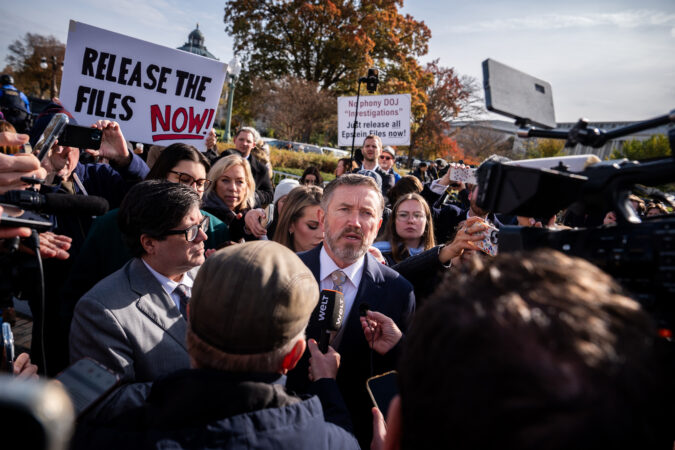
WASHINGTON — President Donald Trump has signed a bill to compel the Justice Department to make public its case files on the convicted sex offender Jeffrey Epstein, a potentially far-reaching development in a yearslong push by survivors of Epstein’s abuse for a public reckoning.
Both the House and Senate passed the bill this week with overwhelming margins after Trump reversed course on his monthslong opposition to the bill and indicated he would sign it. Now that the bill has been signed by the president, there’s a 30-day countdown for the Justice Department to produce what’s commonly known as the Epstein files.
“This bill is a command for the president to be fully transparent, to come fully clean, and to provide full honesty to the American people,” Senate Democratic Leader Chuck Schumer of New York said Wednesday.
Schumer added that Democrats were ready to push back if they perceive that the president is doing anything but adhering to “full transparency.”
In a social media post Wednesday as he announced he had signed the bill, Trump wrote, “Democrats have used the ‘Epstein’ issue, which affects them far more than the Republican Party, in order to try and distract from our AMAZING Victories.”
The swift, bipartisan work in Congress this week was a response to the growing public demand that the Epstein files be released, especially as attention focuses on his connections to global leaders including Trump, former President Bill Clinton, Andrew Mountbatten Windsor, who has already been stripped of his royal title as Prince Andrew over the matter, and many others.
There is plenty of public anticipation about what more the files could reveal. Yet the bill will most likely trigger a rarely seen baring of a sprawling federal investigation, also creating the potential for unintended consequences.
The bill compels Attorney General Pam Bondi to release essentially everything the Justice Department has collected over multiple federal investigations into Epstein, as well as his longtime confidante and girlfriend Ghislaine Maxwell, who is serving a 20-year prison sentence for luring teenage girls for the disgraced financier. Those records total around 100,000 pages, according to a federal judge who has reviewed the case.
It will also compel the Justice Department to produce all its internal communications on Epstein and his associates and his 2019 death in a Manhattan jail cell as he awaited charges for sexually abusing and trafficking dozens of teenage girls.
The legislation, however, exempts some parts of the case files. The bill’s authors made sure to include that the Justice Department could withhold personally identifiable information of victims, child sexual abuse materials and information deemed by the administration to be classified for national defense or foreign policy.
“We will continue to follow the law with maximum transparency while protecting victims,” Bondi told a news conference Wednesday when asked about releasing the files.
The bill also allows the Justice Department to withhold information that would jeopardize active investigations or prosecutions. That’s created some worry among the bill’s proponents that the department would open active investigations into people named in the Epstein files in order to shield that material from public view.
Rep. Marjorie Taylor Greene, a longtime Trump loyalist who has had a prominent split with Trump over the bill, said Tuesday that she saw the administration’s compliance with the bill as its “real test.”
“Will the Department of Justice release the files, or will it all remain tied up in investigations?” she asked.
In July, the FBI said in a memo regarding the Epstein investigation that, “we did not uncover evidence that could predicate an investigation against uncharged third parties.” But Bondi last week complied with Trump’s demands and ordered a federal prosecutor to investigate Epstein’s ties to the president’s political foes, including Clinton.
Still, Rep. Thomas Massie, a Kentucky Republican who sponsored the bill, said “there’s no way they can have enough investigations to cover” all of the people he believes are implicated in Epstein’s abuse.
“And if they do, then good,” he added.
The bill also requires the Justice Department to produce reports on what materials it withheld, as well as redactions made, within 15 days of the release of the files. It stipulates that officials can’t withhold or redact anything “on the basis of embarrassment, reputational harm, or political sensitivity, including to any government official, public figure, or foreign dignitary.”
Who could be named?
There’s a widely held expectation that many people could be named in case files for investigations that spanned over a decade — and some concern that just because someone is named, that person would be assumed guilty or complicit.
Epstein was a luminary who kept company with heads of state, influential political figures, academics and billionaires. The release of his emails and messages by a House Oversight Committee investigation last week has already shown his connections with — and private conversations about — Trump and many other high-powered figures.
Yet federal prosecutors follow carefully constructed guidelines about what information they produce publicly and at trial, both to protect victims and to uphold the fairness of the legal system. House Speaker Mike Johnson raised objections to the bill on those grounds this week, arguing that it could reveal unwanted information on victims as well as others who were in contact with investigators.
Still, Johnson did not actually try to make changes to the bill and voted for it on the House floor.
For the bill’s proponents, a public reckoning over the investigation is precisely the point. Some of the survivors of trafficking from Epstein and Maxwell have sought ways to name people they accuse of being complicit or involved, but fear they will face lawsuits from the men they accuse.
Massie said that he wants the FBI to release the reports from its interviews with the victims.
Those reports typically contain unvetted information, but Massie said he is determined to name those who are accused. He and Greene have offered to read the names of those accused on the House floor, which would shield their speech from legal consequences.
A woman was killed in a hit-and-run crash early Thursday morning in University City.
Meaza Brown, 48, of South Philadelphia, was walking with coworkers when a driver in a silver Chrysler 300 with tinted windows struck and killed her at 4:17 a.m. at 33rd and Market Streets, Chief Inspector Scott Small told reporters at the scene. The woman was pronounced dead at 4:59 a.m. at Penn Presbyterian Medical Center with multiple injuries and internal bleeding.
Police later recovered the vehicle they believe struck Brown at 34th and Race Streets. No arrest was reported, and the investigation is ongoing.
Small said that the woman was hit at such a high rate of speed, “she was launched out of her sneakers.” Police say the collision propelled the woman several hundred feet down Market Street.
“The driver of the striking vehicle did not remain on scene, did not render any aid, and just fled the scene,” Small said.
The driver drove away on Market Street, heading toward 30th Street Station. No other people were hit by the car or injured, police said.
The deadly crash occurred in the heart of Drexel University’s campus, in the intersection in front of the school library and student center, and only a few blocks from 30th Street Station.
Philadelphia has experienced fewer traffic deaths in the first half of this year than in any equivalent period since 2019, according to the Bicycle Coalition of Greater Philadelphia. Fatalities have been on a downtrend for years; however, the back half of each year tends to get more deadly.
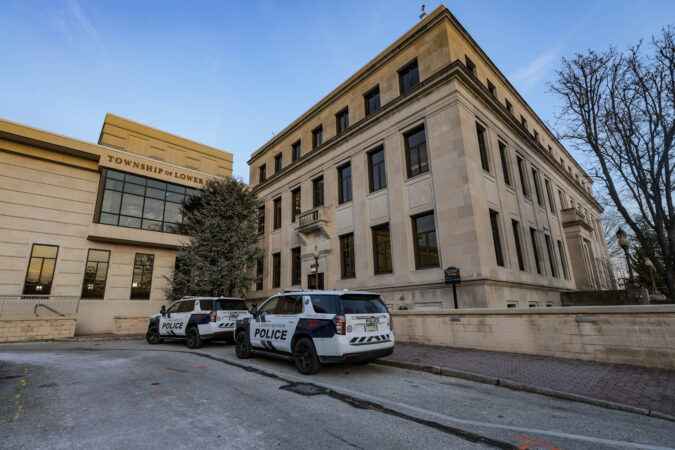
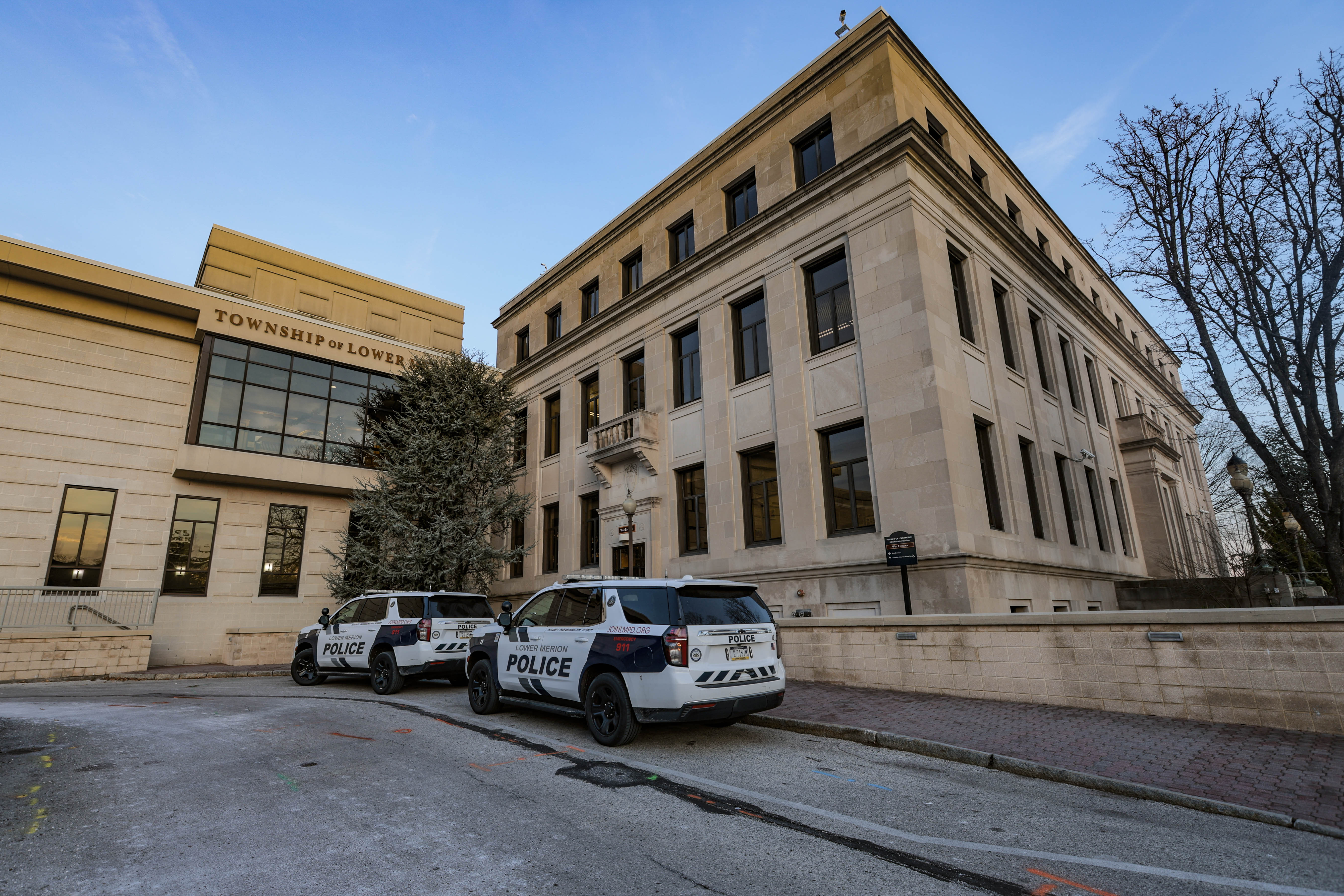
Lower Merion Township’s administrative building. The township’s board of commissioners is set to raise parking meter rates, reduce the speed limit on a main artery, and regulate vape and smoke shops in upcoming votes.
Lower Merion residents may want to brace for a few adjustments on the horizon, including a lower speed limit on parts of Lancaster Avenue and new rules surrounding where smoke and vape shops can operate.
Township commissioners considered multiple ordinances at their meeting last night, including the speed limit reduction and a proposal that would up the cost of parking in the township for the first time in 25 years, potentially generating around $900,000 annually.
Speaking of the state budget, the finalized plan provided no additional funding for SEPTA. Meanwhile, the transit agency completed its required inspections of all 223 Silverliner IV Regional Rail vehicles just ahead of its deadline, but travel woes aren’t likely to end with many cars yet to return to service.
Mark your calendars: There will be a concert honoring WMMR host Pierre Robert in Philly next month, where bands and musicians close to the former Gladwyne resident will gather to celebrate his memory after his recent death shocked the music world.
A Philadelphia man admitted to a hit-and-run that happened outside the Taco Bell on City Avenue last year. Jamal McCullough, 38, did not call 911 or help Tracey Carey, 61, after he struck her as she attempted to cross the highway in her wheelchair, according to police.
Two of this year’s prestigious Rhodes scholars boast local connections: Yale University senior Aruna Balasubramanian hails from Bala Cynwyd and is a Harriton High alumna while Alice Hall, studying at MIT, is the daughter of Welsh Valley Middle School Principal Chris Hall, according to the school district. The Inquirer’s Maggie Prosser caught up with the two,and Balasubramanian shares advice for other Main Line high schoolers.
Lower Merion’s compost pilot program is underway, providing the free service to eligible households within Bala Cynwyd. You can find more details on the yearlong initiative here.
A reminder that the Thanksgiving holiday will impact your trash and recycling pickup next week. Not sure when your holiday collection will be? Use the township’s address lookup tool to confirm.
A chemist and former executive at Conshohocken-based pharmaceutical company Cencora (formerly AmerisourceBergen) recently launched a luxury skincare line out of her Bryn Mawr home. Jennifer Sherak’s eponymous company caters to women over 40 and is looking to buck a “one-size-fits-all” approach. (Philadelphia Business Journal)
Harriton High School’s boys soccer team recently won its first-ever Central Athletic League title, as well as the PIAA District One 3A title, before advancing to the state semifinals, where the team lost to Abington Heights.
Today is picture retake day. Also, the book fair continues today and tomorrow at Bala Cynwyd Middle School. And tonight, the high schools kick off their fall plays. Harriton is performing Clue, which runs through Saturday, while Lower Merion High is putting on Legally Blonde, which is on until Sunday. Reminder for families: Elementary and middle school students don’t have class on Tuesday, and all students are out on Wednesday. The district is closed next Thursday and Friday for Thanksgiving. See the full calendar here.
Fox29’s Bob Kelly recently visited La Cabra Brewing Smokehouse in Bryn Mawr to sample its brews and barbecue. The Glenbrook Avenue eatery opened in 2019, where it smokes meats like brisket, pork, and chicken. See the segment here.
🎳 Things to Do
🤠 Barn Dance: Brush up on your dancing skills or learn some new steps at this event. ⏰ Friday, Nov. 21, 6:30-9 p.m. 💵 $25 📍 Riverbend Environmental Education Center
🎁 BHL Holiday Market: Belmont Hills Library is hosting the first of three holiday markets this weekend, where you can shop goods fromlocal artisans. ⏰ Saturday, Nov. 22, 2-7 p.m. 💵 Pay as you go 📍 Belmont Hills Library
🦕 Movie Matinee: Catch a screening of The Land Before Time at the library. Registration is required. ⏰ Tuesday, Nov. 25, 1-3 p.m. 💵 Free 📍 Penn Wynne Library
🍂 Fall Cornucopia Creations: Create your own Thanksgiving centerpiece. ⏰ Tuesday, Nov. 25, 6-7:30 p.m. 💵 $95 📍 Plant 4 Good
🚗 Worth the Drive: A Longwood Christmas: Longwood Gardens’ annual holiday display kicks off tomorrow and runs through early January. This year’s theme is inspired by jewels and gems. ⏰ Friday, Nov. 21-Sunday, Jan. 11, 10 a.m.-11 p.m. 💵 $25 for kids 5-18, $45 for adults 19 and older, free for members and kids under 5📍 Longwood Gardens
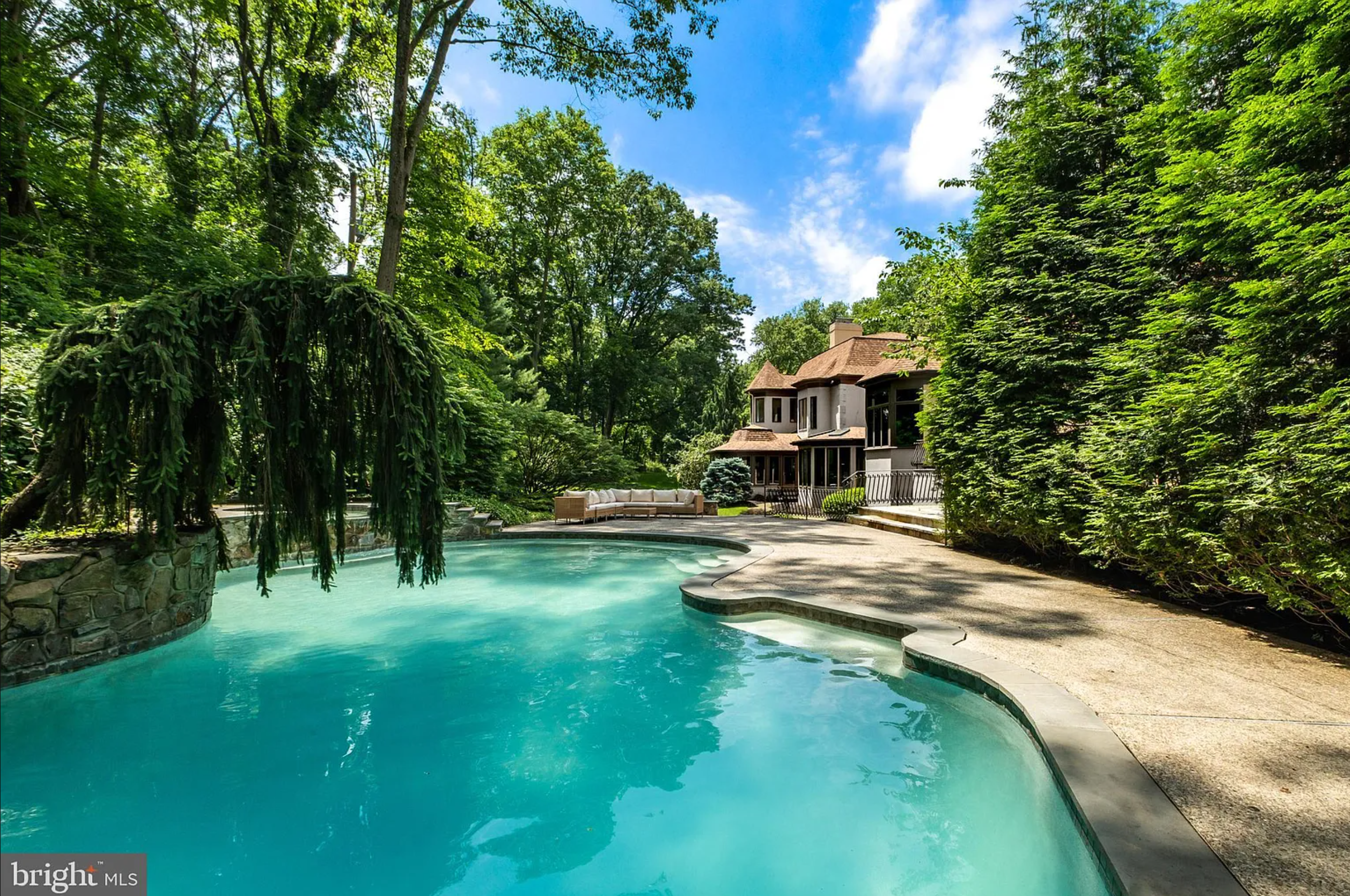
1075 Green Valley Road in Bryn Mawr is listed for $3.25 million.
This sprawling, nearly 8,000-square-foot gated estate in Bryn Mawr boasts five bedrooms and five-and-a-half bathrooms. Among its highlights? A sweeping staircase, gym, sauna, wine cellar, and lagoon-style pool.
By submitting your written, visual, and/or audio contributions, you agree to The Inquirer’s Terms of Use, including the grant of rights in Section 10.
This suburban content is produced with support from the Leslie Miller and Richard Worley Foundation and The Lenfest Institute for Journalism. Editorial content is created independently of the project donors. Gifts to support The Inquirer’s high-impact journalism can be made at inquirer.com/donate. A list of Lenfest Institute donors can be found at lenfestinstitute.org/supporters.
Chef Antonio Garcia (left) will balance being in the kitchen with being on the floor at his new restaurant, Taquero. He’s tapped Jose Rigoberto (right) as his sous chef.
Media is getting a new Mexican restaurant on Monday, when Chef Antonio Garcia of Ariano opens his own eatery, Taquero.
Garcia, who’s been in the kitchen at Ariano since it opened over a decade ago, has been working to bring his new BYOB on Veterans Square to life for over 18 months. There, he will be serving a range of modern and traditional dishes from his native Mexico, including some his grandmother used to make.
“Everybody says their grandma is the best cook. My grandma was, like, insane,” Garcia said. “Everything she cooked was so delicious.”
Taquero, which translates to taco-maker, will serve five types of tacos, as well as appetizers, soups, salads, entrées, and desserts. It will also offer mixers for people who bring their own alcohol. In crafting the menu, Garcia said he wanted to do “something that’s going to make me proud, for me and my family.”
The state’s long-awaited $50.1 billion budget, signed last week, includes $3 million in supplemental payments for Riddle Hospital, which has seen an increase in patients since Crozer-Chester Medical Center closed earlier this year. There was no additional funding for mass transit, however.
Meanwhile, Delaware County last week reported that during the state budget impasse — which began after a missed July 1 deadline — it had spent about $12 million monthly through October from its reserves to backfill for state funding. The county expects to be reimbursed by the state, but it’s unclear when.
SEPTA has finished inspecting all 223 of its Silverliner IV Regional Rail cars, but normal service on the commuter system may not return until at least mid-December.
Staff members arrived at the Delaware County Republican Party headquarters in Media yesterday morning to find the building’s glass door shattered — the second such incident in 13 months. “It’s just a sign of the times unfortunately,” said party chair Frank Agovino, who also said police are investigating the apparent vandalism.
In Philly and Delco, listings and sales of luxury homes are down from last year while prices have grown. In the combined market of both counties, 285 luxury homes sold between July and September of this year — down 16% from the same period in 2024, according to a Redfin analysis.
A Delaware County Overdose Response Team was recently added to Riddle Hospital in Media. The partnership between paramedics and a certified recovery specialist team is intended to reduce some of the burden on emergency services. Through the program, a Main Line Health certified recovery specialist will follow ambulances to certain 911 calls and provide additional support to those who have overdosed. (Daily Times)
When shopping at the Promenade at Granite Run recently, Inquirer columnist Stephanie Farr came across what she believes to be the most offensively Pennsylvanian outfit: matching camouflage sweat suits. “Here were outfits that managed to do what no state legislature or psychological expert ever has: They married rural and urban Pennsylvania,” she writes.
A reminder that the Thanksgiving holiday will impact your trash and recycling pickup next week. Not sure when your holiday collection will be? Check the Media or Swarthmore websites. If you live in Nether Providence Township, check with your private trash collector.
Nether Providence Township is hosting a bulk trash drop-off event on Saturday from 10 a.m. to 2 p.m., or until the bins are full, at Hepford Park and the South Media Fire Station.
Wallingford-Swarthmore School District is headed for a $2.6 million budget deficit that officials blame on a “spending problem.” Without implementing a “cultural shift” around spending, the district is staring down major fiscal problems for the 2027-28 school year, said business administrator DeJuana Mosley.
Book fairs continue at a couple RMTSD schools through Tuesday, and there are parent-teacher conferences at several schools on Monday, Tuesday, and Wednesday next week. There are no classes for kindergarten through eighth grade students starting Tuesday, and the high school has an early dismissal Wednesday. The district is closed next Thursday and Friday for Thanksgiving. See the full calendar here.
Wallingford Elementary’s book fair continues through tomorrow, and Saturday and Sunday are fall drama performances. There will be no classes next Wednesday, and the district is closed next Thursday and Friday for Thanksgiving. See the full calendar here.
Speaking of Thanksgiving, if you’re still in search of a fresh turkey, we’ve rounded up where you can buy them locally, including at Linvilla Orchards, which has whole birds or breasts. Preorders for turkeys are due today.
🎳 Things to Do
🛍️ Penncrest Band Annual Craft Show: Shop over 125 vendors, hear the band play, sample food, and try your luck at a raffle. ⏰ Saturday, Nov. 22, 10 a.m.-3 p.m. 💵 Pay as you go 📍 Penncrest High School, Media
🔥 Fire Pit Fridays: At the YMCA’s final fire pit event of the year, roast s’mores while connecting with other attendees. Hot chocolate will be available for purchase. ⏰ Friday, Nov. 21, 6-8 p.m. 💵 Free 📍 Rocky Run YMCA, Media
🥧 2nd Annual Hoedown and Pie Raffle Fundraiser: Put on your dancing boots for this family-friendly fundraiser that includes barbecue, kids’ crafts, a pie raffle, and a live band with a professional caller to shout out the steps. ⏰ Saturday, Nov. 22, 5 p.m. 💵 $15 for children ages 4 to 9, $35 for attendees 10 and older 📍 Park Avenue Community Center, Swarthmore
🌲 Cut-Your-Own Christmas Tree: Find your perfect Christmas tree among the pre-cut options or venture into the fields to chop down your own. ⏰ Opening Saturday, Nov. 22 through Tuesday, Dec. 23, times and days vary 💵 $119 per tree plus tax 📍 Linvilla Orchards, Media
🎭Little Women: Hedgerow Theatre’s newest show kicks off and is a stage adaptation of Louisa May Alcott’s beloved book. ⏰ Wednesday, Nov. 26-Sunday, Dec. 28, times and days vary 💵 $20-$35 📍 Hedgerow Theatre, Rose Valley
🏃➡️ Delco Turkey Trot: Sunday is the last day to register for this year’s race, which includes a 5K or a one-mile “little drumstick” run to benefit Nether Providence Elementary School’s parent-teacher organization. ⏰ Thursday, Nov. 27, 8:30 a.m. 💵 $25 for kids under 12, $40 for everyone else 📍 Nether Providence Elementary School, Wallingford
🚗 Worth the Drive: A Longwood Christmas: Longwood Gardens’ annual holiday display kicks off tomorrow and runs through early January. This year’s theme is inspired by gems. Timed reservations are required. ⏰ Friday, Nov. 21-Sunday, Jan. 11, 10 a.m.-11 p.m. 💵 $25 for kids 5-18, $45 for adults 19 and older, free for members and kids under 5 📍 Longwood Gardens
A custom bar and a hot tub? This four-bedroom, three-and-a-half bathroom home in Media boasts plenty of space for hosting. Other highlights include a farm sink, double ovens, multiple fireplaces, a two-story foyer, and more.
By submitting your written, visual, and/or audio contributions, you agree to The Inquirer’s Terms of Use, including the grant of rights in Section 10.
This suburban content is produced with support from the Leslie Miller and Richard Worley Foundation and The Lenfest Institute for Journalism. Editorial content is created independently of the project donors. Gifts to support The Inquirer’s high-impact journalism can be made at inquirer.com/donate. A list of Lenfest Institute donors can be found at lenfestinstitute.org/supporters.
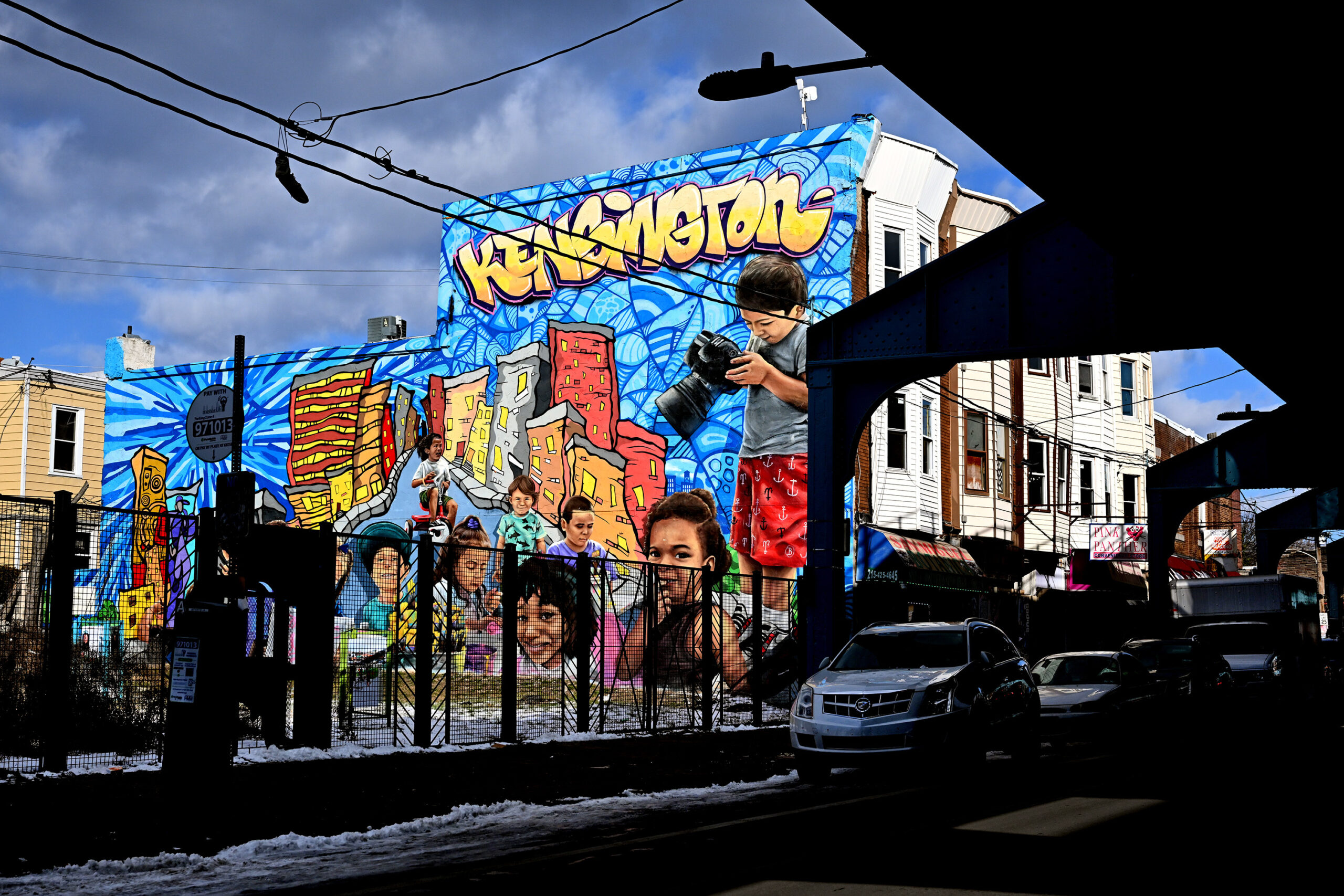
Gloria Cartagena Hart vividly remembers the scenes and sounds of her Kensington block just three years ago: The streets filled with trash. The sidewalks lined with dozens of people openly using drugs. Nightly pops of gunfire from dealers competing for turf, and the haunting screams that followed.
It was 2022, in the heart of one of the most notorious drug markets and poorest zip codes in America.
But Cartagena Hart, a longtime resident at Somerset and Jasper Streets, now says the neighborhood is experiencing something she once believed might never come.
“I see some progress,” she said.
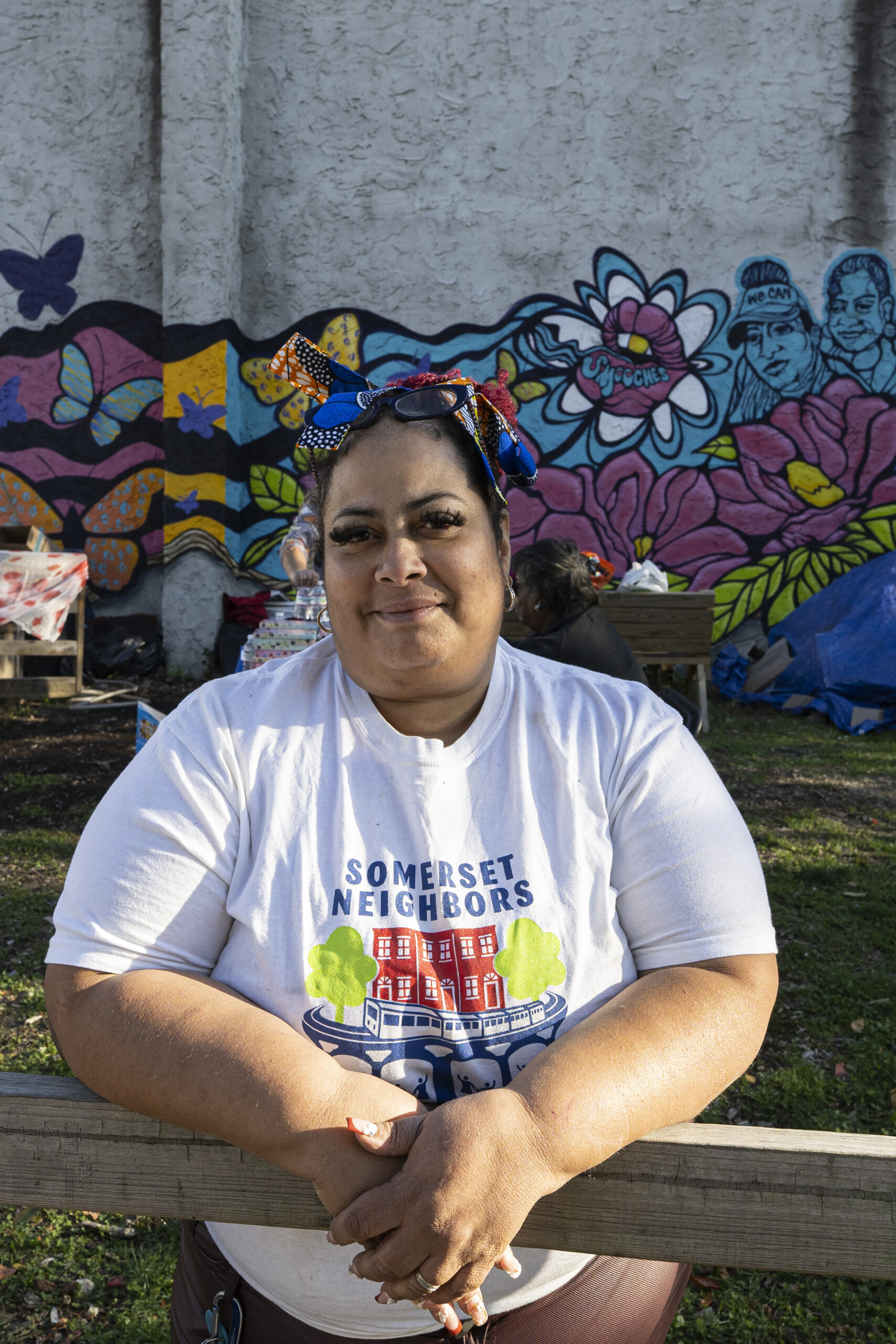
Gloria Cartagena Hart is a community organizer in Kensington who said she will never stop fighting for resources to stabilize the area.
For the first time in decades, under the renewed efforts of Mayor Cherelle L. Parker’s administration, some residents and city officials alike agree that many of Kensington’s most chronic challenges have been improving — albeit slowly.
Fewer dealers dot the corners. Three times as many police officers patrol the neighborhood, disrupting their business. Half as many people are living on the streets compared with last year, police said. Some residents say quality-of-life issues — trash pickup, abandoned car removals, 311 calls — are being addressed more quickly.
And gun violence — long a byproduct of the drug economy and fragmented crews fighting for turf — is at its lowest level in a generation.
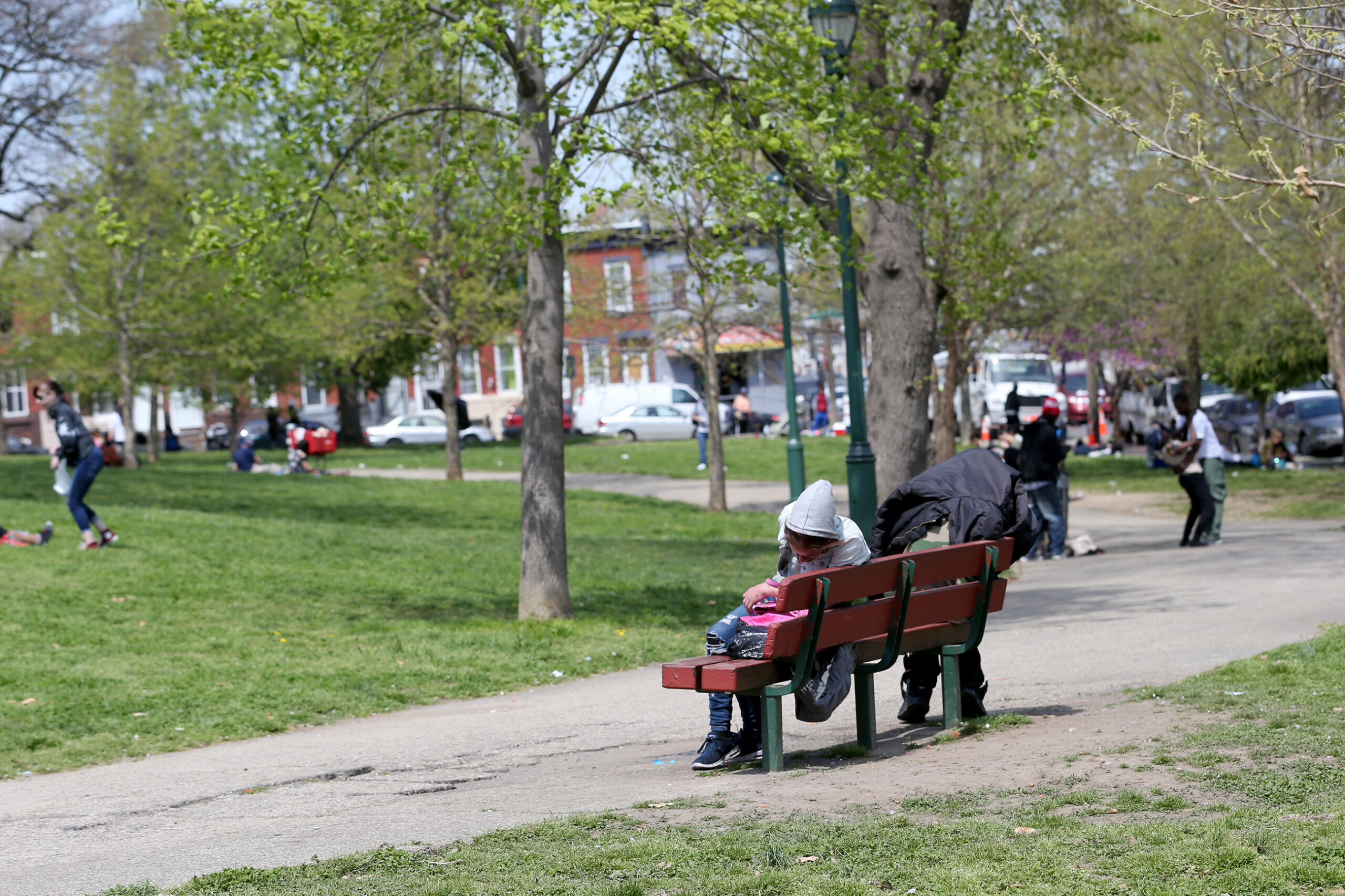
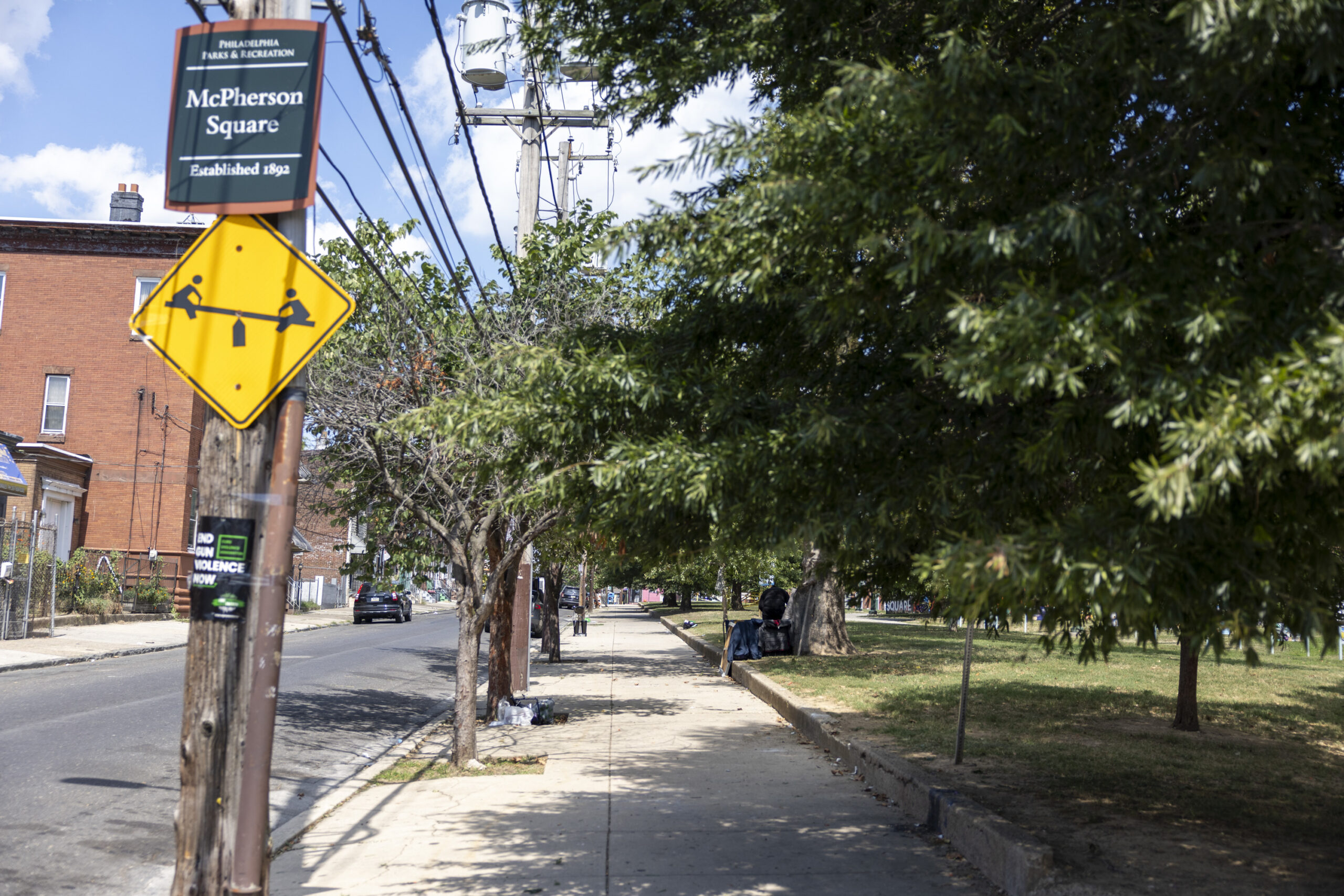
For years, McPherson Square was typically filled with people openly using drugs, as seen in this photo from April 2021. Residents could not let their children visit the park safely.This year, McPherson Square is a different scene. There are often a few people sitting along the edges, but police regularly sweep the park and ask people to leave.
City agencies and healthcare groups say they have also worked to get drug users into treatment more quickly, and have started building a network of care that they hope will keep fewer people from returning to the streets. Riverview Wellness Village, Parker’s new $100 million recovery and treatment facility, now houses about 200 people.
“Neighbors [are] telling me how many more people are sitting on their steps, how many more children are riding their bikes, how many more people may walk the commercial corridor,” Parker said this week. “To me, that’s progress. … We weren’t going to close our eyes and ignore it and walk around like it didn’t exist, or just contain it in one area.”
She’s committed to long-term change there, she said.
More dealers show up to give out free samples of drugs — and free pizza slices to go with them — in an effort to win over customers in a more competitive market, she said. She is constantly asking people to stay off her steps.
Deputy Police Commissioner Pedro Rosario sees the ongoing challenges.
“Am I where I want to be? No. Nowhere close to it,” said Rosario, who oversees the policing strategies in Kensington. “But ‘moving in the right direction’ is not giving us enough credit.”
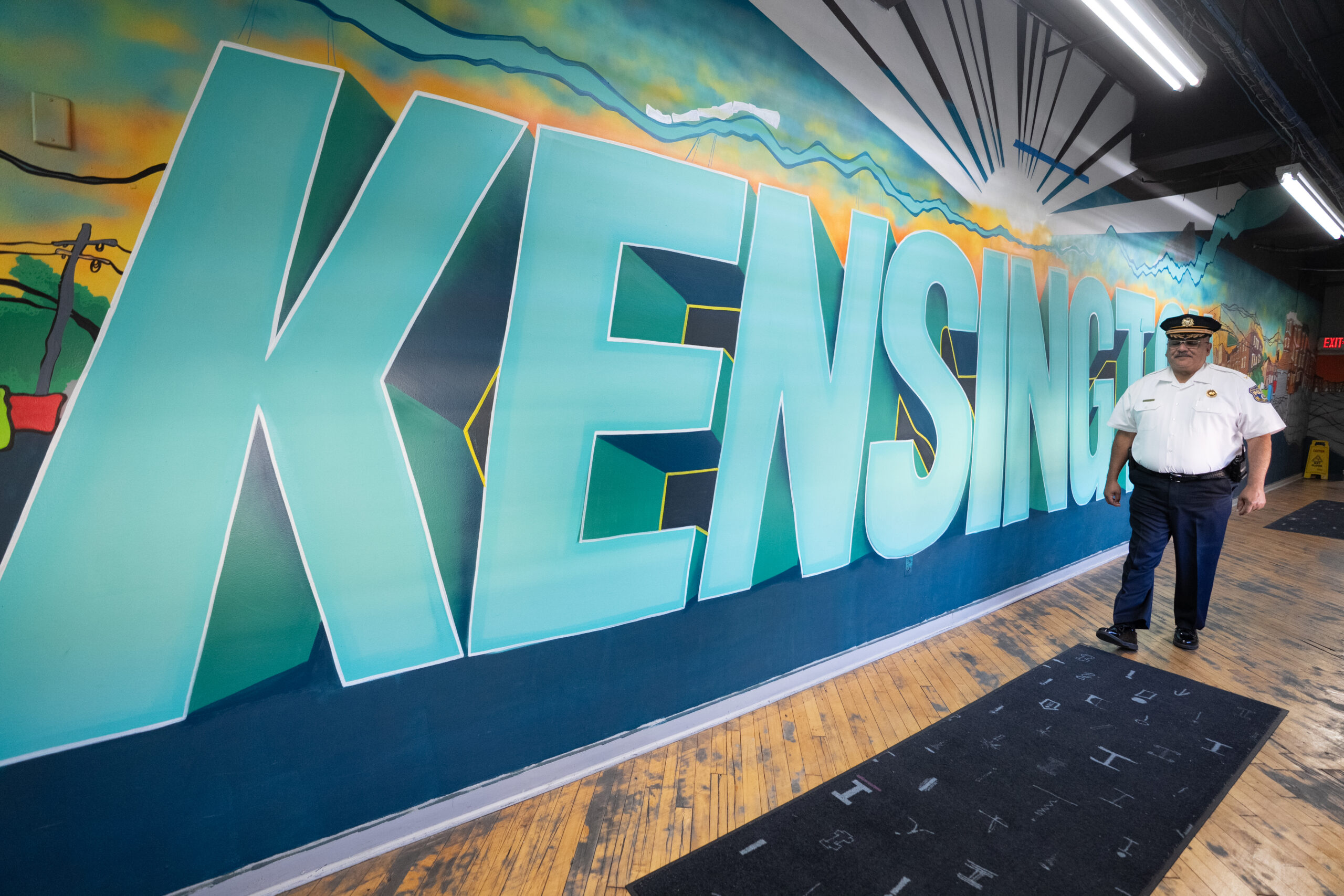
Deputy Commissioner Pedro Rosario walks through the mini police station on Allegheny Avenue.
Improvements in Kensington, he said, may always be limited by the depths of the drug crisis and economy.
“It’s never gonna be as good as everyone wants it to be,” he said, but “it’s like the first time we’re all kind of rowing in the right direction.”
Some harm-reduction groups said the progress is surface level, and criticized the city for pushing homeless people into other areas where they are harder to reach: Harrowgate, Center City, the SEPTA stops at Broad and Snyder, Erie Avenue, and 69th Street.
“They’ve made it more difficult for people to be visibly homeless,” Sarah Laurel, who heads the harm reduction organization Savage Sisters in Kensington, said of the city’s efforts. “But have they actually resolved the dire need of community members who are unhoused?”
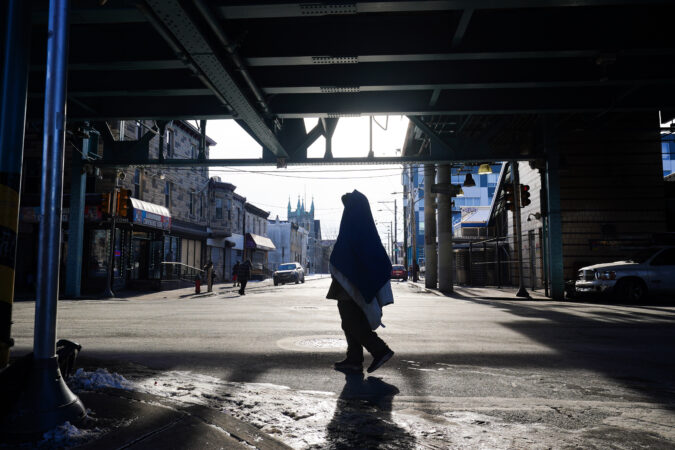
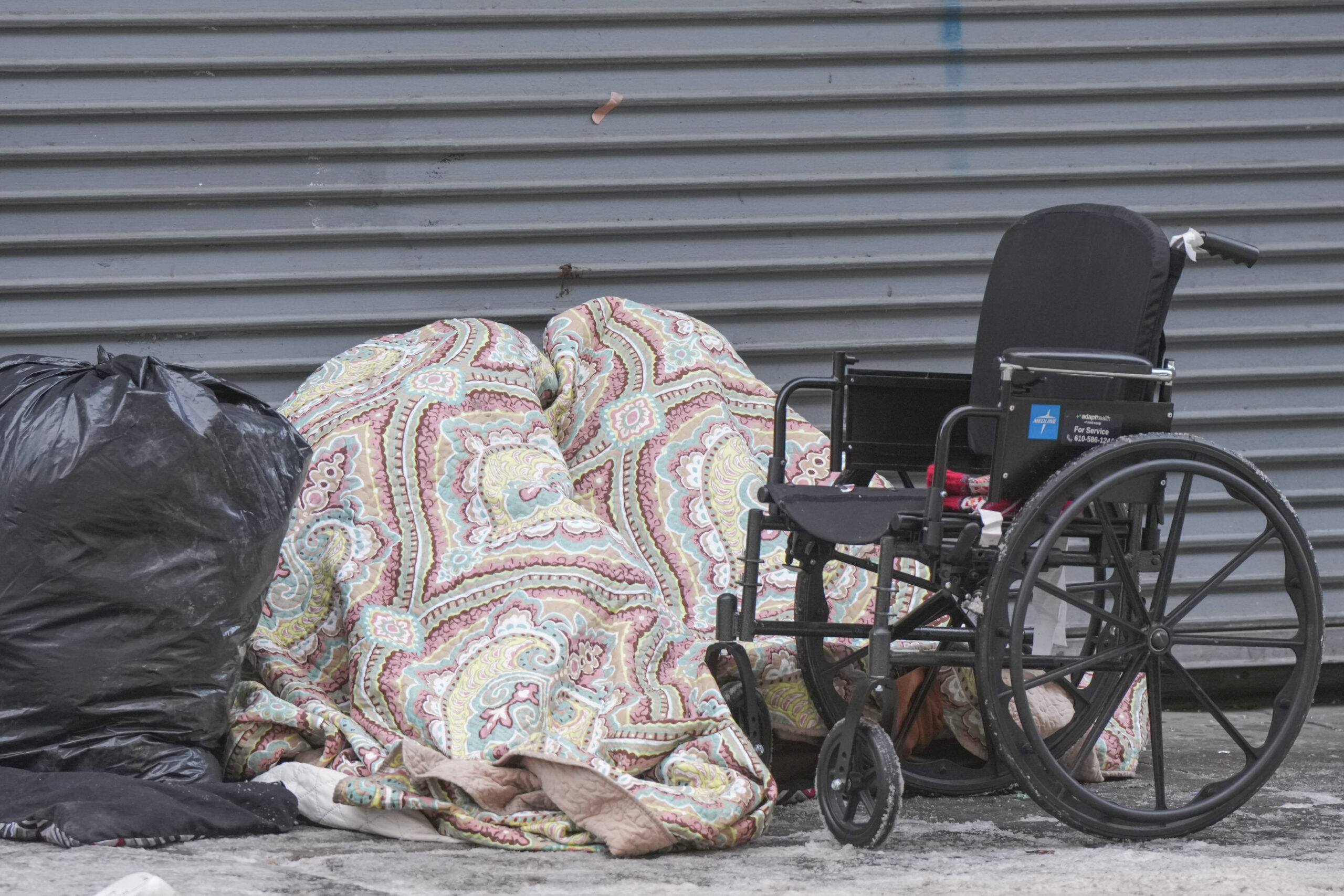
People experiencing homelessness and addiction sleep under blankets on Kensington Avenue in January.
Still, one woman in her 30s, who has come to Kensington on and off since she was 16, acknowledged the neighborhood is no longer the “free-for-all” it was at the height of the pandemic.
“It has changed,” she said, clutching a crack pipe on a quiet block away from police. “You can still get high on the street, you just can’t get caught doing it.”
And that, Rosario said, is progress.
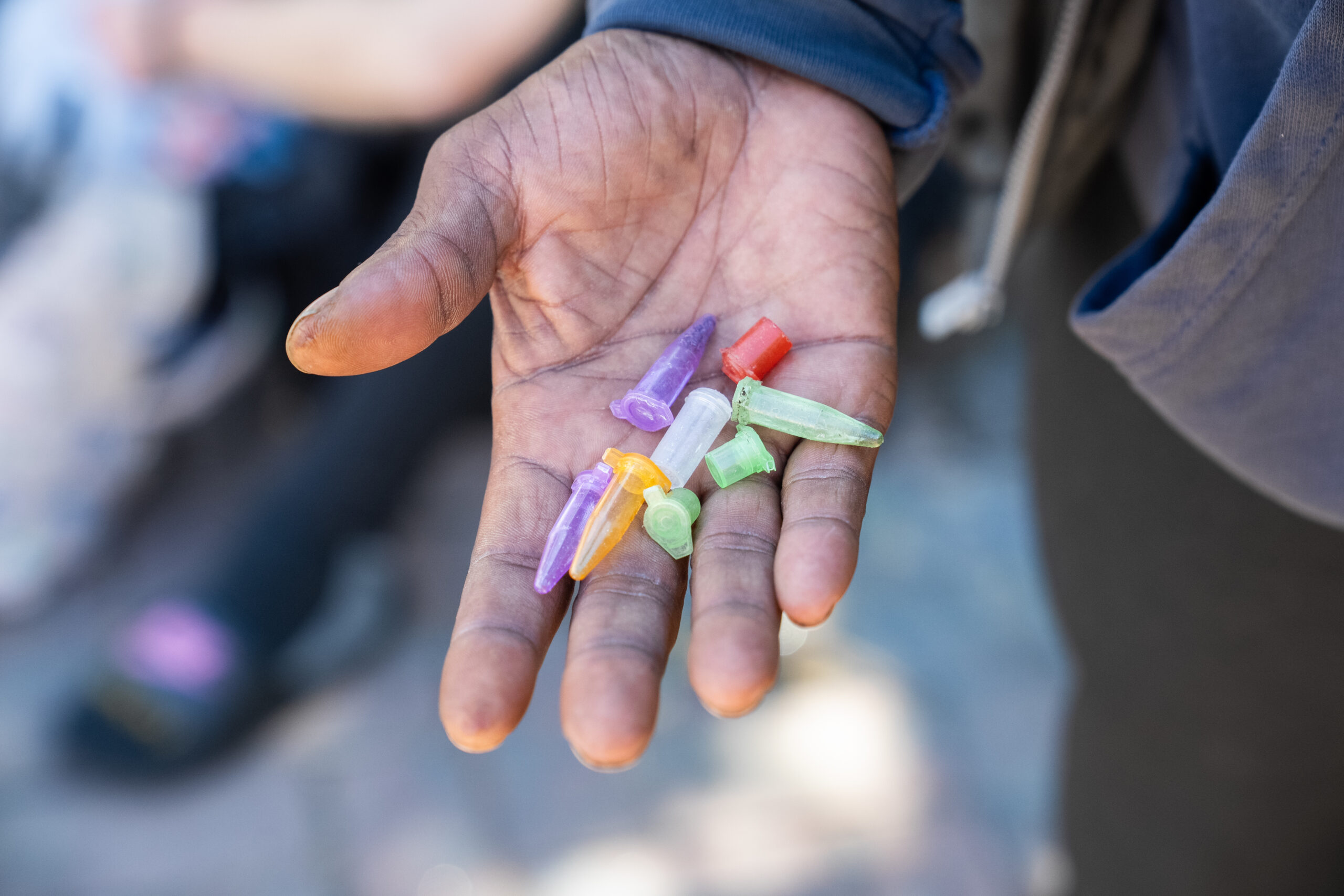
A man who sells drugs holds a collection of empty vials that typically hold meth, crack, and other illicit substances.
A drug ‘flea market’
Rosario has been a police officer in Kensington for 24 years, and saw how the neighborhood became what he calls “the flea market” of the city’s billion-dollar drug economy.
There have always been drug organizations that run specific blocks there — crews from Weymouth, Jasper, and Rosehill Streets, each with its own product, stamp, and employees to sell it.
But in the last five years, he said, blocks have been “leased out.” Someone in New York City or the Dominican Republic will often “own” a block, Rosario said, and rent it out to a local dealer to use for a week to make a stack of money and move on. Dealers even started using drug users to sell in the last few years, he said, because they are less obvious to police, can be paid less, and are seen as “expendable.”
That structure makes it challenging for police to identify and arrest the people in charge, he said. If a lower-level dealer is arrested — or killed — the top distributors can easily find a replacement.
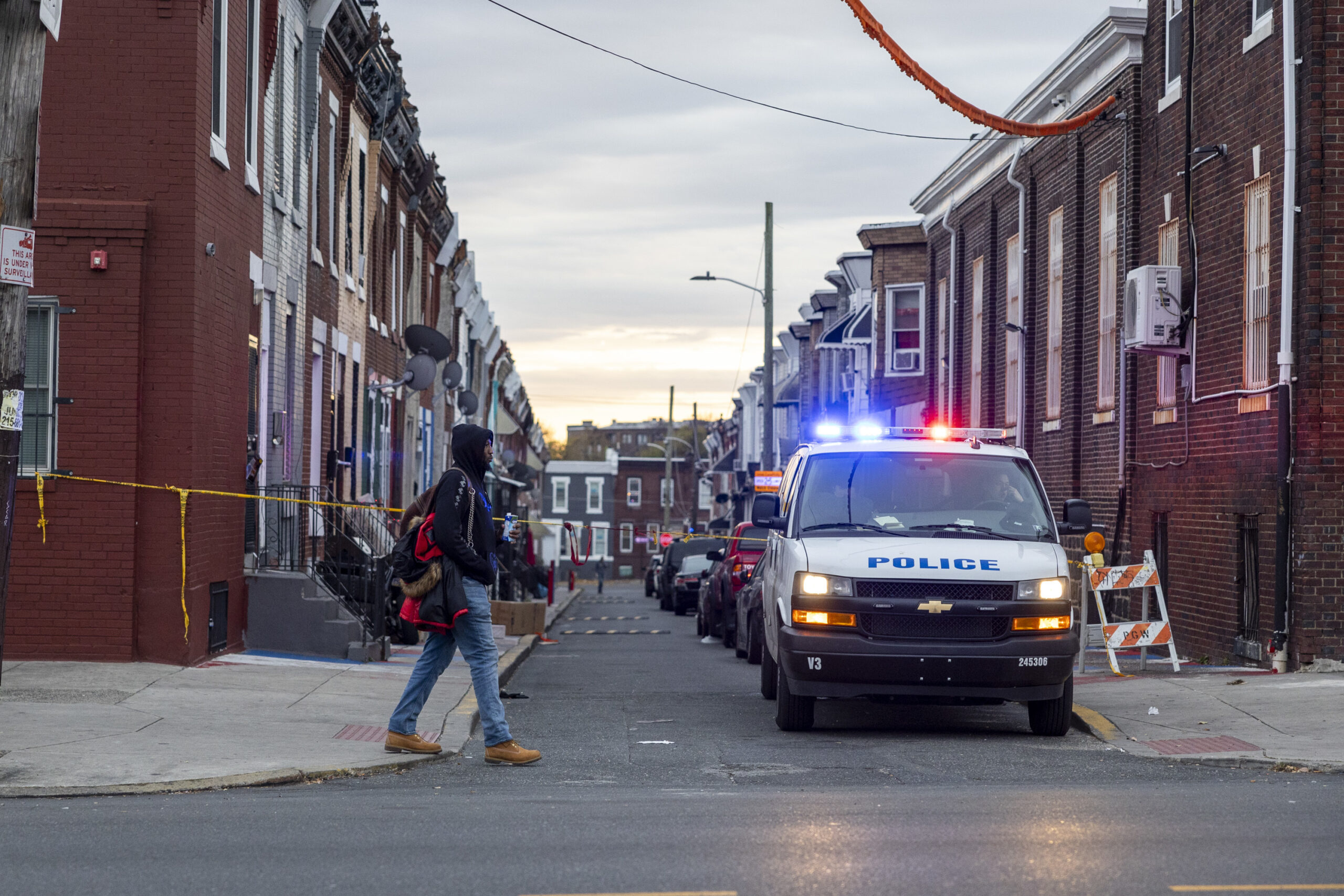
Philadelphia police officers have a shut down the 3100 block of Weymouth Street after federal agents raided the block and arrested 30 people last month.
And the dealers are fearless, he said. Just before the police department was set to open a mini station near F Street and Allegheny Avenue in November 2020, the building was firebombed, he said. He suspects it was dealers attempting to prevent a growing police presence. (The department has since opened a station at 1952 Allegheny Ave.)
Deputy Commissioner Pedro Rosario faces the challenge of overseeing the policing one of Philadelphia’s poorest and most challenging neighborhoods. He sees progress so far.
When Parker tapped Rosario to lead the police department’s plans in the neighborhood, his first order of business was to reduce the violence so that city workers felt safe enough to go into the neighborhood.
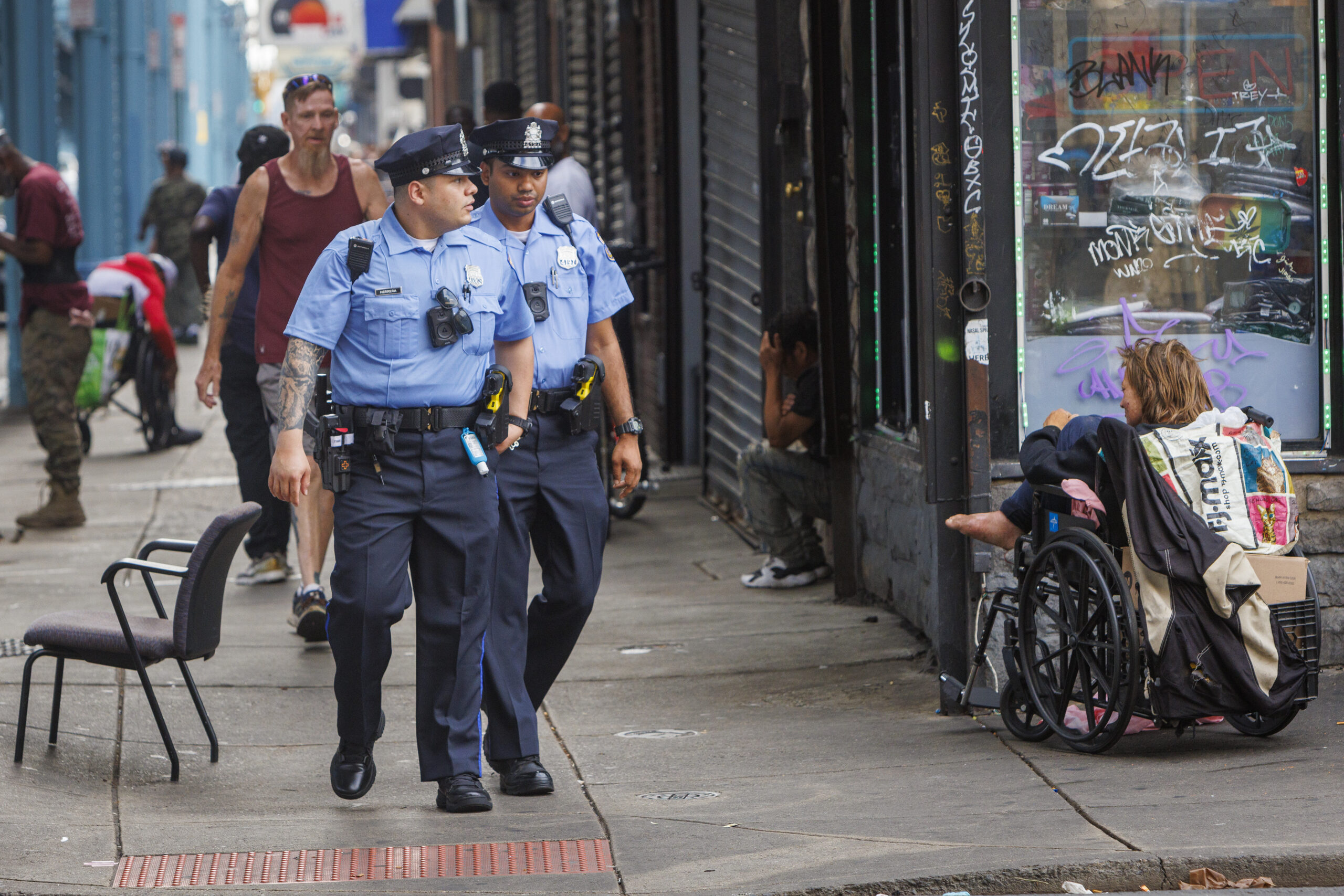
Last summer, the department assigned about 75 rookie cops to buttress existing patrols in the neighborhood, and it has continued to send in more officers. There are now three times as many police patrolling the main drag along Kensington Avenue as there were in 2021 — most of them on foot.
Rosario says the expanded police presence has contributed to a historic decline in violence.
(function() {
var l2 = function() {
new pym.Parent(‘kensington_2025’,
‘https://media.inquirer.com/storage/inquirer/projects/innovation/arcgis_iframe/kensington_2025.html’);
};
if (typeof(pym) === ‘undefined’) {
var h = document.getElementsByTagName(‘head’)[0],
s = document.createElement(‘script’);
s.type = ‘text/javascript’;
s.src = ‘https://pym.nprapps.org/pym.v1.min.js’;
s.onload = l2;
h.appendChild(s);
} else {
l2();
}
})();
While shootings citywide are down about 55% compared to three years ago, they have fallen even more in Kensington.
Through the second week of November, 46 people had been shot in the 24th Police District — an 82% drop from 2022, when, during the same time period, 259 people were shot. And there are half as many shooting victims as there were a decade ago.
“I cannot emphasize how important that is to resetting the norms in that community,” said Adam Geer‚ the city’s chief public safety director. “That is 82% less families dealing with the trauma. That is 82% less gunshots heard ringing in the night.”
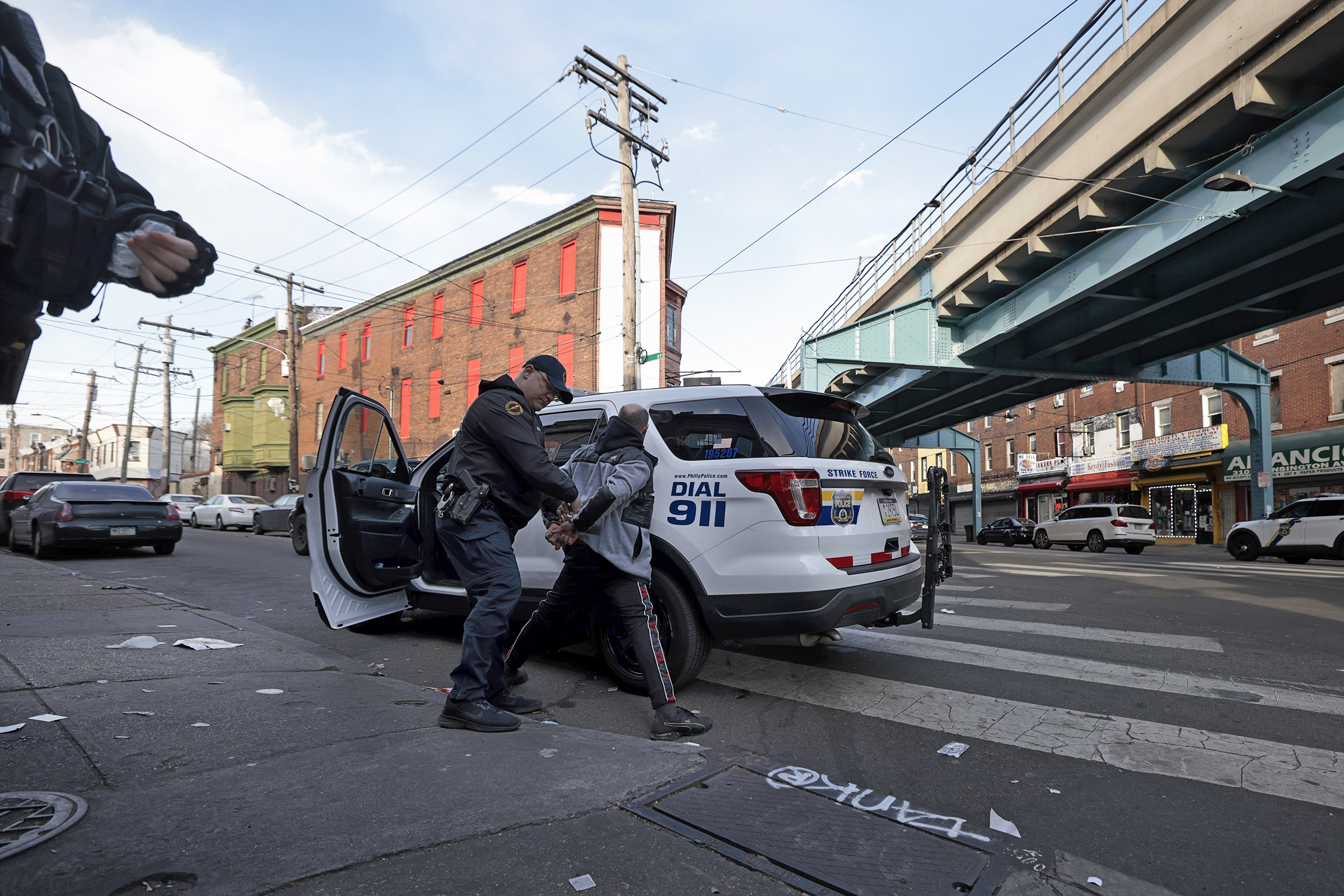
Philadelphia police take a man into custody at Kensington Avenue and G Street on March 20, 2024. Police searched the man and said they found small plastic bags containing what was believed to be illegal drugs (top left).
Through Nov. 15, arrests for drug dealing in the neighborhood were up 23% since Parker came into office. Still, overall, the city is on pace to see the fewest number of drug-related arrests in at least 15 years, city data show, and as law enforcement largely focuses in Kensington, arrests for selling drugs in other parts of the city are down about 34% compared with the 23 months before Parker was elected mayor.
Geer said the city is still in the beginning phases of its efforts. Illicit drug sales will likely always persist, he said, “but what we are really, really going after is the open, blatant, in the air using drugs and selling drugs toxic to this community.”
Rosario also said that reducing the area’s homeless population — by disbanding encampments and generally “being as disruptive as possible” — was critical to reducing the strain on the area’s services and residents, and lessening the open-air drug use and dealing.
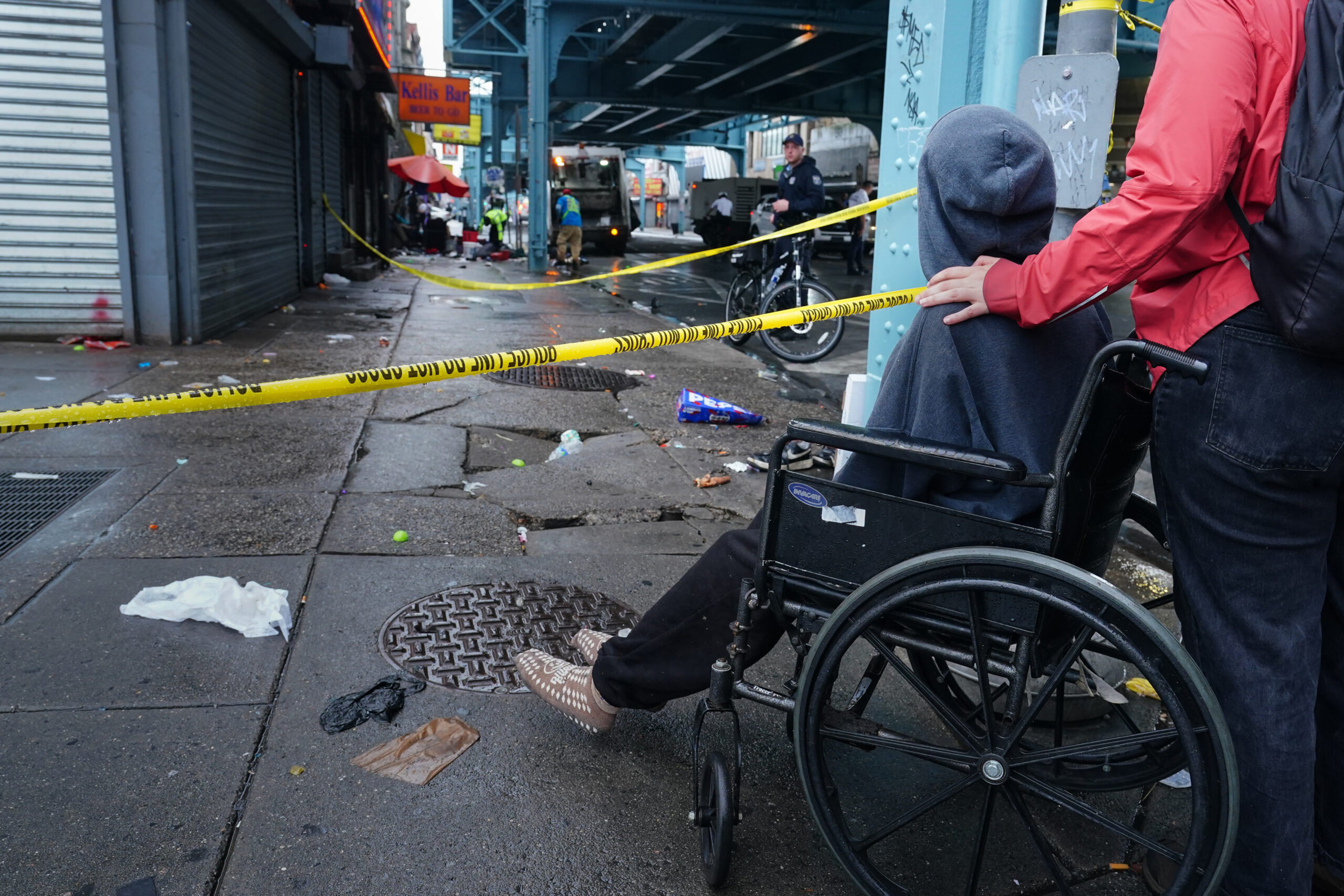
A woman in a wheelchair looks down Kensington Avenue after police cleared a large encampment in May 2024.
It has worked. Last September, there were about 750 people living on the streets in the area, according to a weekly count by police. During the same time this year, there were about 400.
But homelessness in the city generally has not improved, city data show.
There are actually about 400 more people experiencing homelessness this year than last, according to data from the Office of Homeless Services. Police and care providers believe some have simply moved to other neighborhoods to avoid the police presence.
Rosario acknowledged the dispersal, but said Kensington didn’t deserve to bear the burden of those crowds alone.
Because shutting down the drug market in Kensington, he said, “is like trying to stop a wave” at the beach.
“You can disperse it,” he said. “Maybe you can reengineer to kind of push it to a different direction.”
But you can’t stop it.
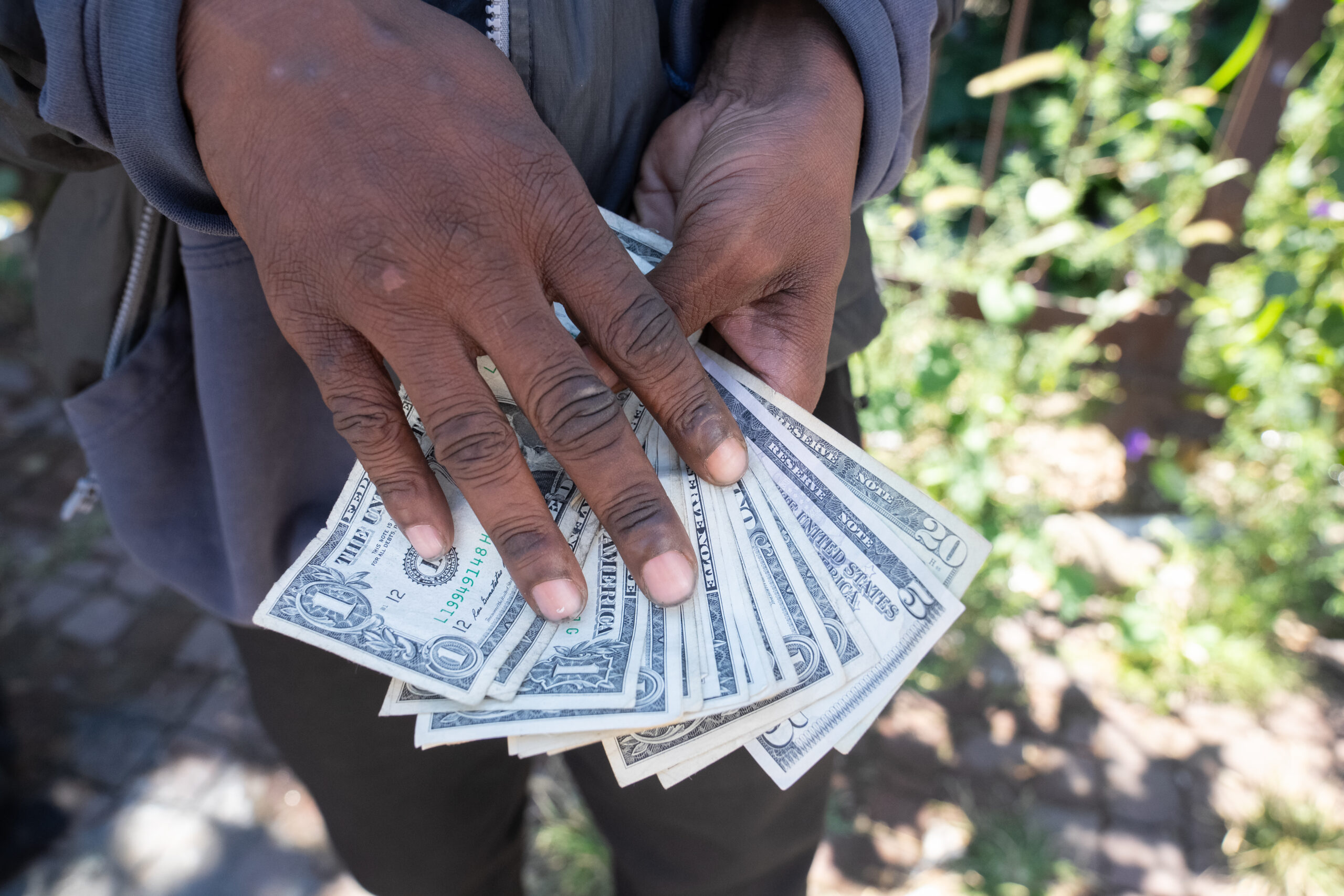
A man fans out the cash he has made on a recent day selling drugs. It’s not much — in part, he said, because there are fewer people in Kensington buying from him.
The view from the streets
One drug dealer can see the shift — and feel it in his wallet.
The 47-year-old man, who asked not to be identified because he sells illegal drugs, said he came to Kensington from New York in 2012 after serving time in prison for robbery. He’s been in the drug trade since he was 12, he said, taught by his parents, who hustled in the Bronx.
Today, he spends his days and nights on a quiet, trash-strewn corner, smoking K2 and selling crack, meth, and dope — whatever the man in the maroon Crown Victoria drops off that day.
During the pandemic, he said, business was booming. When he worked the overnight shift on Jasper Street, he said, he made at least $1,500 a week. Today, with more police on the corners and fewer customers on the streets, he’s lucky to clear $400.
A 28-year-old dealer along Kensington Avenue scoffed at the police enforcement. Where does the city expect the drug economy to go if not here? he asked. The drug trade is a constant, a viable employer with a stable customer base, and it has to go somewhere.
“They can’t put a cop on every f― block,” said the man, who asked not to be identified to discuss illegal activity.
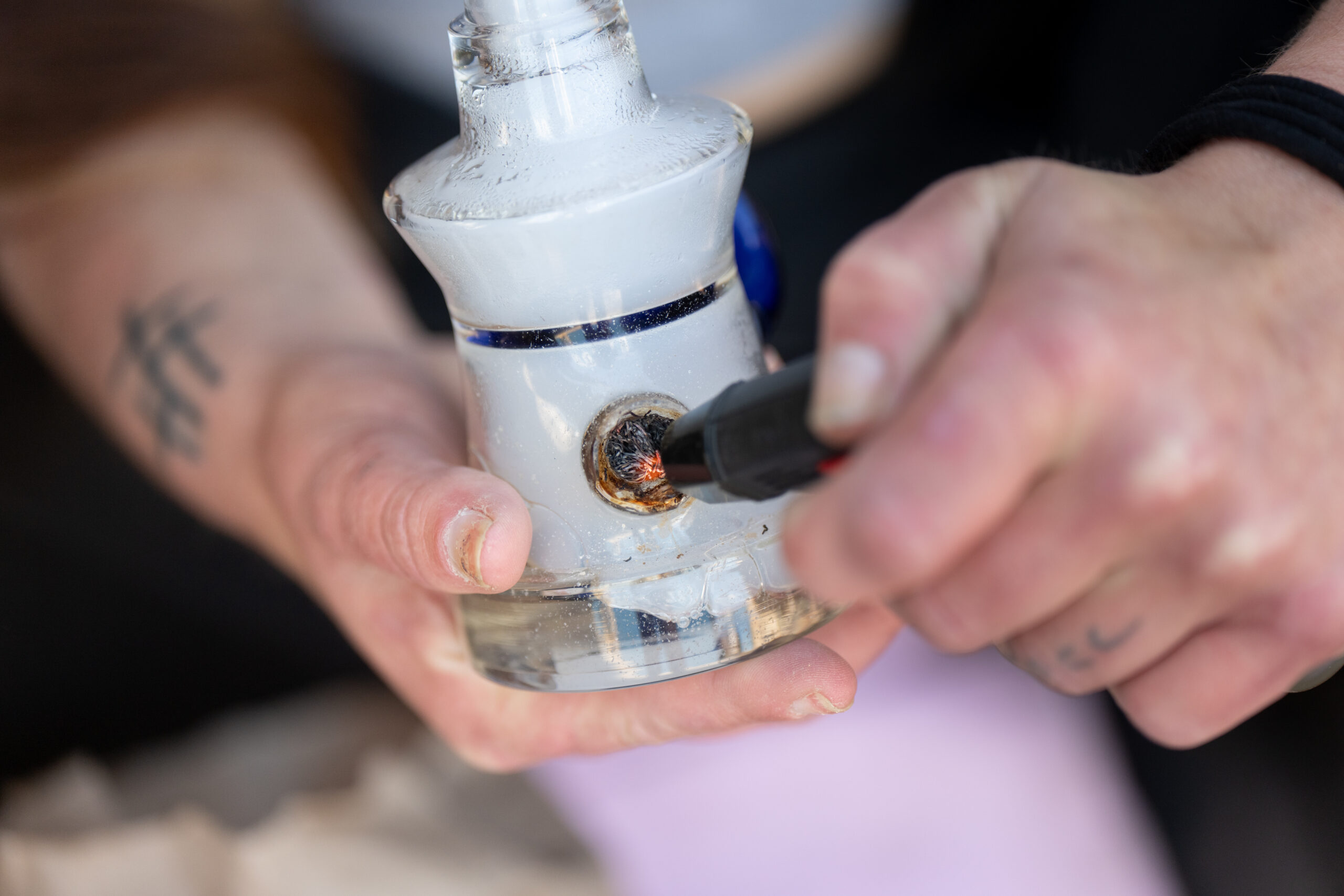
A woman smokes crack on a quiet street in Kensington.
A few streets over, a 36-year-old man who smokes fentanyl and crack said that, a year or two ago, there would be five or six dealers on the corner of Jasper Street and Hart Lane.
Now, he said, there’s one.
“It’s harder to get drugs,” he said.
As police have cracked down on retail theft — once an easy way for people in addiction to make quick cash by reselling the items — it’s also gotten harder to fuel his habit, he said. He usually gambles online on his phone to scrape together a few extra dollars, he said, getting paid through CashApp, which some dealers use to accept payment now.
Many people in addiction said life overall is harder in Kensington — police clear away their tents, shoo them out of parks, and remove the often-stolen grocery carts used to carry belongings. It makes them feel subhuman, said one 36-year-old woman who has struggled with addiction since she was 13.
“We just want to be safe and warm,” she said.
But the biggest fear on the block these days, people said, is the withdrawal.
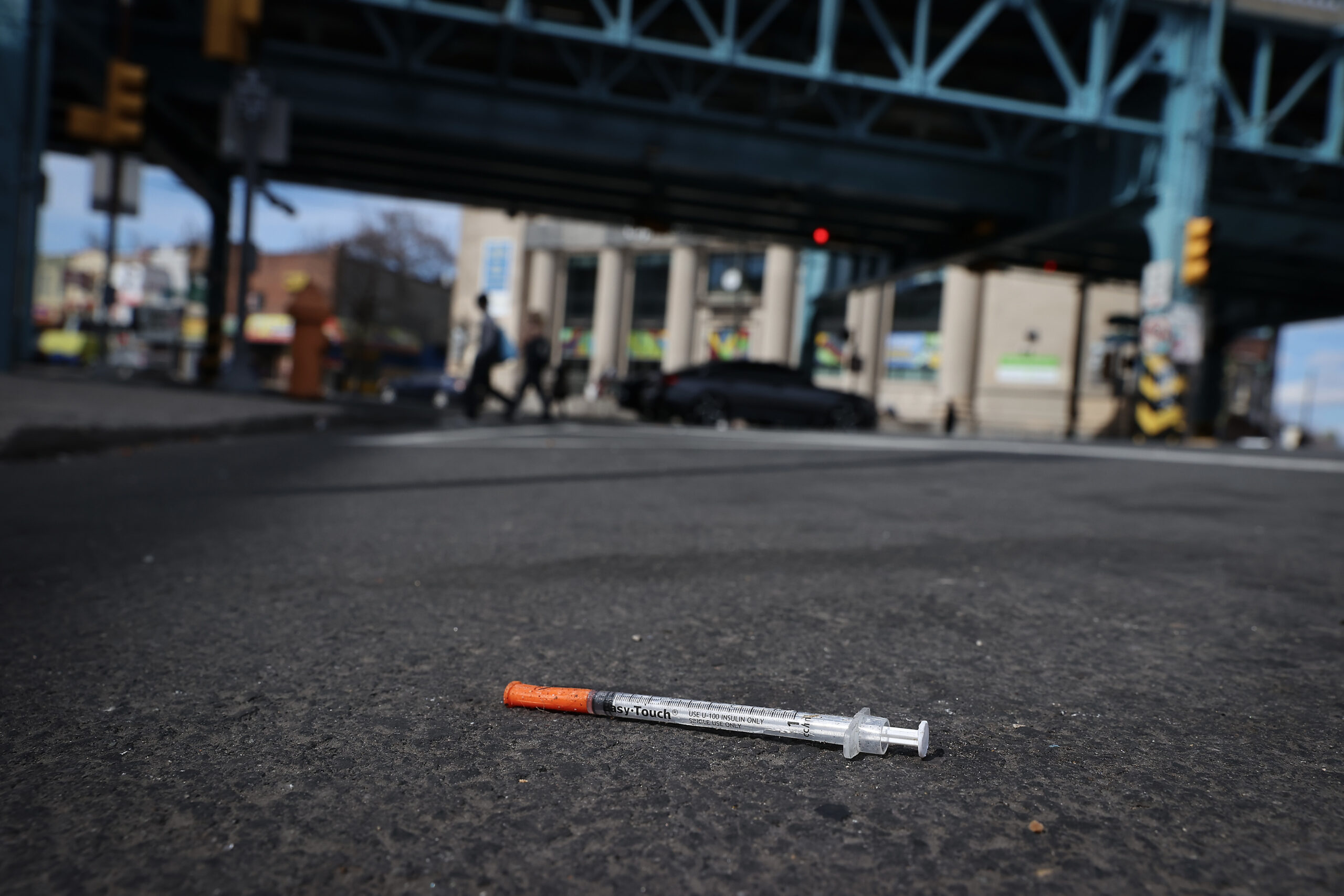
A used hypodermic needle rests on Allegheny Avenue at Kensington Avenue on March 17, 2024.
The withdrawal symptoms, which can begin within two hours, are so intense they can send people into cardiac arrest. Only hospitals can offer the most effective treatments for medetomidine withdrawal, and more people are ending up in intensive care units.
Dave Malloy, director of mobile services for Merakey, one of the city’s main addiction treatment providers, said the city has made strides in streamlining access to treatment in the last two years.
Evaluations that once required a daylong wait at a hospital can now happen in the field through mobile units like Malloy’s, getting people to rehab within hours. Doctors can also start patients on medications like Suboxone or methadone, to lessen their withdrawal symptoms, in as little as 45 minutes.
Malloy said that treatment providers, hospitals, police, and city agencies are working together better than they have in years.
“There was a realization that everybody had been siloed,” he said.
Only about 6% of the city’s homeless people who accepted help fromoutreach workers went to drug treatment and detox centers in recent years, according to city data — a statistic that, as of February, had not improved under Parker’s tenure.
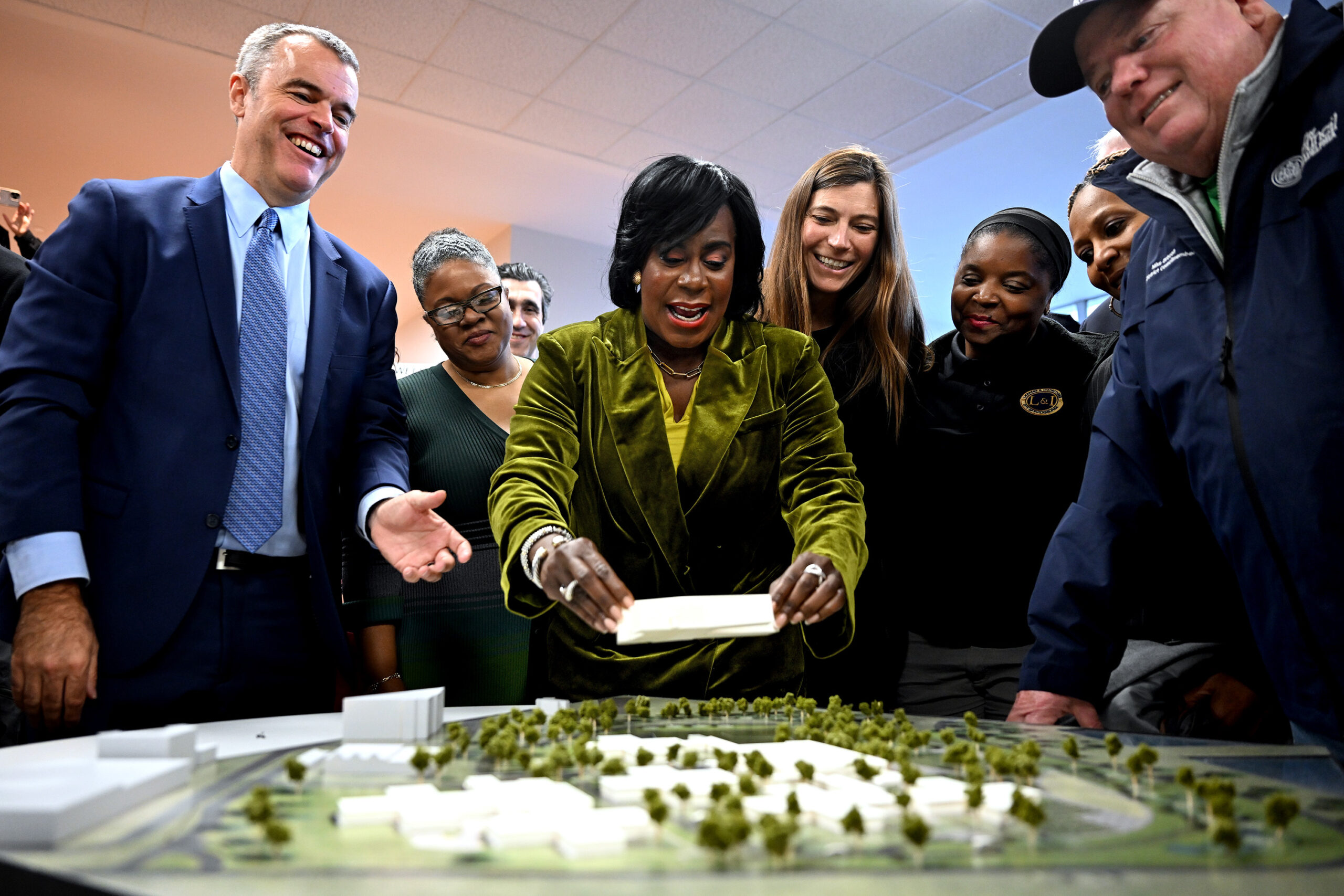
Mayor Cherelle L. Parker places a new block on the scale model of the Riverview Wellness Village Wednesday during the January unveiling of Philadelphia’s new city-operated drug treatment facility. At left is Managing Director Adam Thiel.
The city said it has also expanded the number of beds available for people in recovery by 66% through the opening of the Riverside Wellness Village, where people can live for up to a year after completing 30 days of inpatient drug treatment. Once construction is complete, the facility will house over 600 people.
Another 180 people are living in a shelter at 21st Street and Girard Avenue, which the city expanded last spring.
And the Neighborhood Wellness Court — a fast-track diversion program where people in addiction who are arrested for low-level offenses are brought before a judge the same day, in hopes of getting them into treatment more quickly — is growing.
In the first three months of the court, which Parker’s team launched in January and runs one day per week, only two of the approximately 50 people who had come through completed the program. Most who opted to go to rehab immediately left and absconded from follow-up hearings. At one point, operations were so disjointed that court leadership threatened to shut it down.
But Parker is committed to the court’s success and wants it to operate five days a week. The city recently hired a new director to oversee the court, and is in the process of hiring 14 additional staff members to provide better follow-up care.
Still, through early September, of the 187 people who had come through the court, only 10 completed the program and saw their criminal cases expunged, according to city data.
And while most people still do not come to court, the city said that it expects the situation will improve with the additional hires, and that there is success in the 130 people who have accepted some form of service through the court, even if they weren’t ready to enter recovery.
The “Lots of Lots of Love” mural by artist J.C. Zerbe is on the 3200 block of Kensington Avenue.
‘Kensington is love’
The increased police enforcement has sent more people in addiction to jail, and several people have died in police custody after they overdosed or had medical emergencies while going through withdrawal.
And not all residents feel the progress, or see the increased police presence as a good thing.
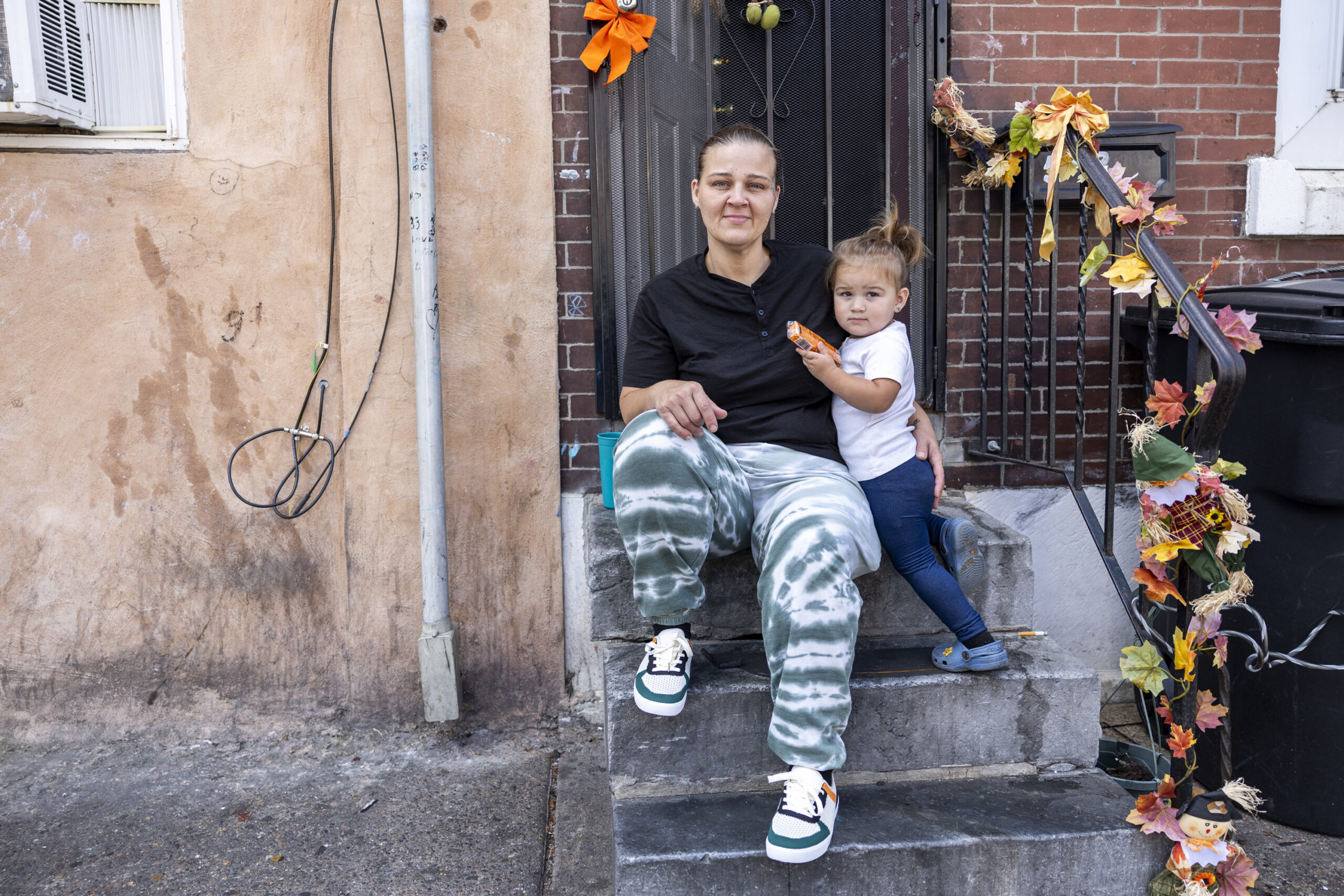
Theresa Grone, 41, who lives next to McPherson Square Park, said she and her children still cannot sit outside without someone in addiction asking them if they have free drug samples or clean syringes.
Theresa Grone, 41, and her daughter Abagail, 2, live near McPherson Square Park in Kensington.
And, she said, the police in the neighborhood have gotten more aggressive and harass people who aren’t doing anything wrong. Drug dealers and users still dominate the block.
“They’re not in the places they used to be, but they’re still there,” she said — on side streets, in abandoned houses, moving to corners as soon as the police leave.
She feels like the city is expanding resources for people in addiction more than for families like hers — a group of eight people renting a rowhouse in disrepair who want to move but can’t afford to.
But other residents, like Cartagena Hart, hope to never leave.
She said she has always seen the beauty and strength of Kensington, even at its lowest — the neighbors who care for each other’s children and feed the homeless, the police officers who will show up as soon as she texts them for help.
“Kensington,” she said, “is love to me.”
And she’s proud, she said, that her advocacy and that of her neighbors has helped city leaders finally invest in helping them.
Staff writers John Duchneskie, Max Marin, Anna Orso, Dylan Purcell, Sean Walsh, and Aubrey Whelan contributed to this article.
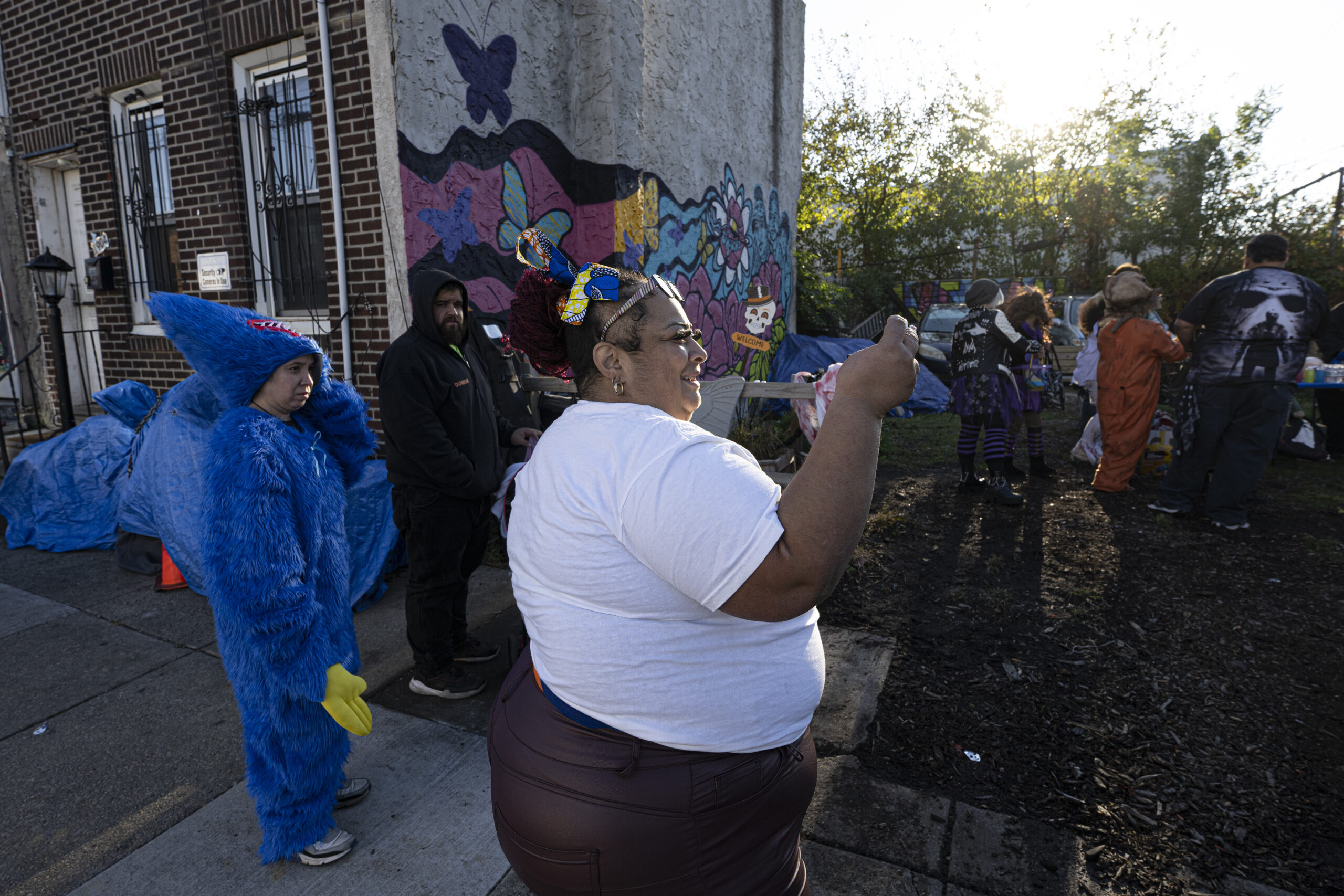
Gloria Cartagena Hart interacts with neighbors during a Halloween party and giveaway that she organized at the Butterfly Garden in Philadelphia’s Kensington neighborhood.
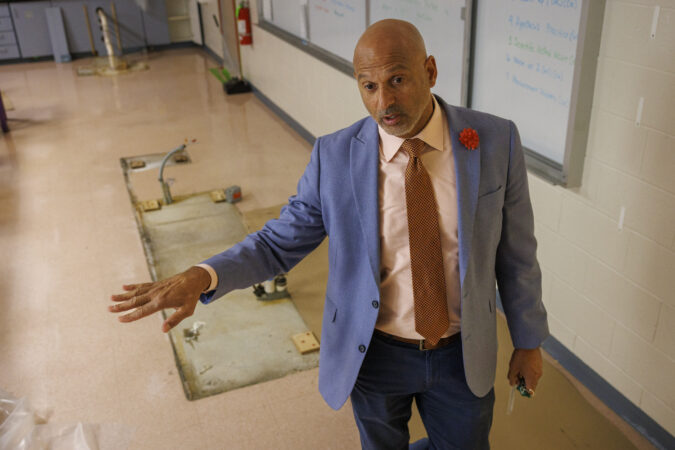
Winslow Township interim Superintendent Mark Pease had been on the job for a week when he received an urgent message.
A burst pipe in September at the Winslow Middle School had flooded the sprawling complex. Crews were frantically trying to manage the leak that left most sections under several inches of water.
It was the first major challenge for Pease, who stepped into the role toreplace Superintendent H. Major Poteat, who is on medical leave.
Pease shut down the middle school for three days while experts assessed the damage. The school enrolls about 740 seventh and eighth graders.Since then, students have had a hybrid schedule, with two days in person and three virtual learning days per week because the school can accommodate only half its students at one time.
Winslow Middle School will be closed for 30 days after a pipe burst.
Experts determined that the water damage was massive and would require extensive repairs to about 28 classrooms, two gyms, the library, the main office, and the entrance area.
Initially, the project was expected to take about a month, but that timeline has been extended. The repairs, done by All-Risk Property Damage Experts Inc., which specializes in school restoration, could take until January or February to complete, Pease said.
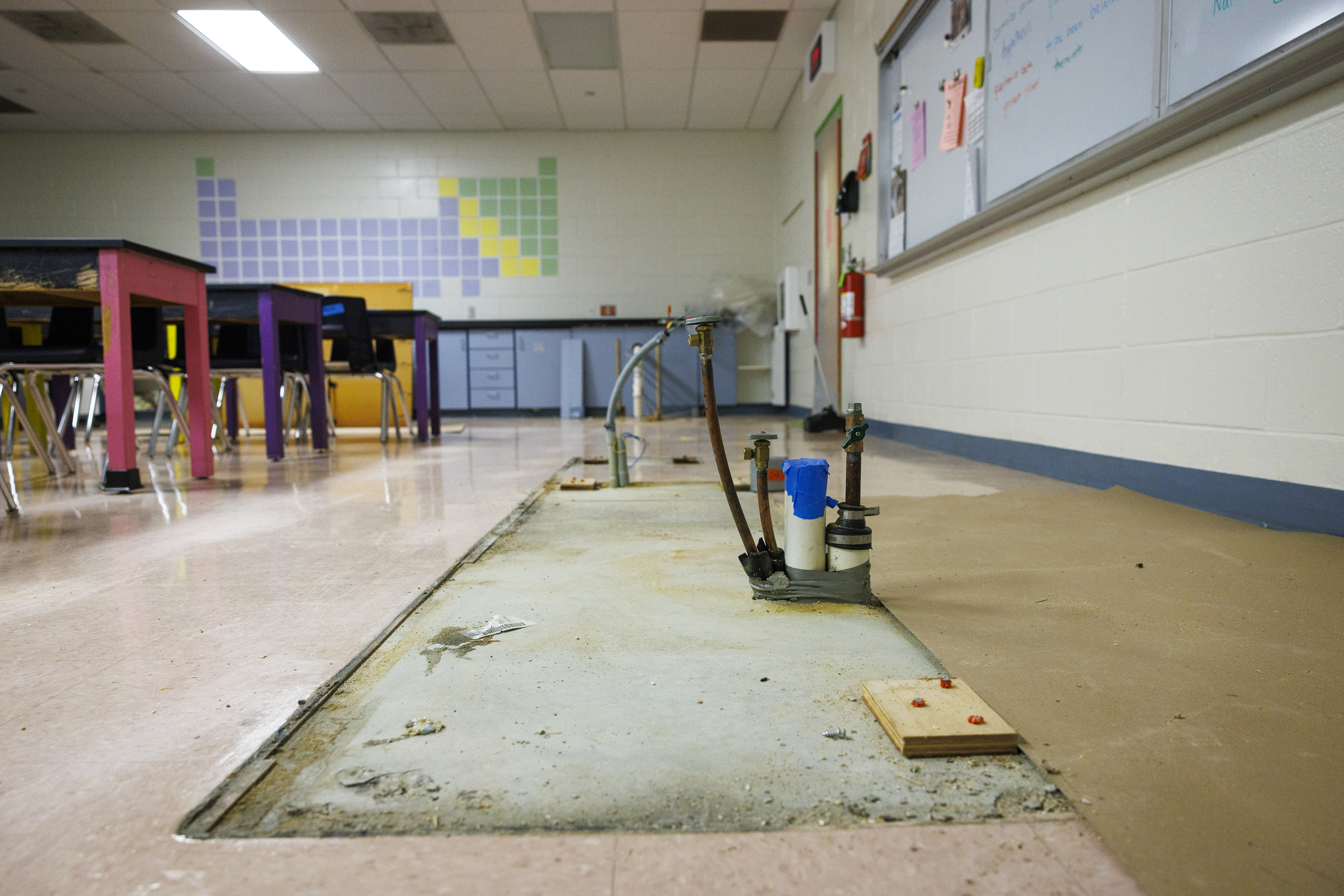
After removing standing water, contractors had to dry out the building and environmental specialists inspected it for mold damage and air quality, Pease said. They had to rip out drywall and flooring.
Pease said the project is expected to cost more than $1 million. Most of it will be covered by insurance after a $5,000 deductible, he said.
“Things are moving. They’re progressing,” Pease said in a recent interview. “We’re pushing really hard.”
A damaged floor in a science classroom at Winslow Township Middle School.
It has not been determined what caused the water main break, Pease said. Custodians were in the building when the leak occurred, he said.
“This wasn’t your normal sink or toilet overflowing,” Pease said. “This was a serious emergency.”
On a recent morning, contractors were making repairs in the art room. Supplies were stockpiled in hallways. Pease said contractors have been working overtime and he hopes the work will be completed ahead of schedule.
Hybrid learning
About half of the building was not damaged by the water main break, so classes are held in that area, Pease said. The cafeteria was not affected, so meals are served to students on their in-person learning days. To-go meals are available on virtual days.
Some parents wanted the district to move the students to another school, but Pease said there was not adequate space. The district enrolls about 5,000 students and has nine schools.
The school day feels different with students only in person two days a week, said parent Mary Kelchner. They especially miss socializing with friends, she said.
“The kids are struggling with it,” said Kelchner, whose daughter, Kathryn, is an eighth grader. “I feel so bad for these kids.”
Pease said the district was able to quickly implement hybrid learning for students and staff using the model introduced during the pandemic, when schools nationwide were shut down by the coronavirus.
The New Jersey Department of Education approved the plan but required the district to make up the three missed days. Other schools in the district remain on their normal schedule.
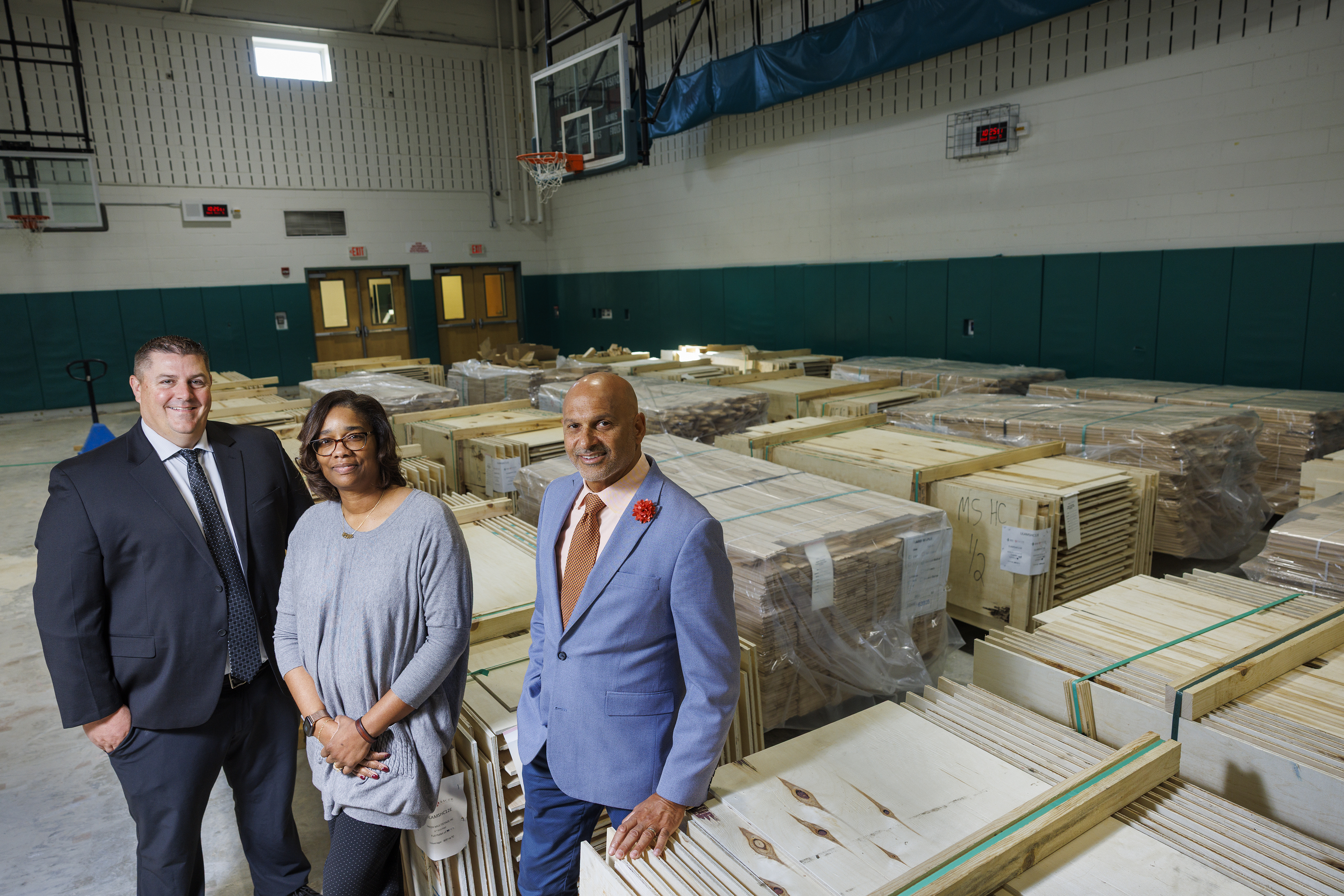
Winslow interim Superintendent Mark Pease (right) beside subfloor and new hardwood for gymnasium. With him are school principal William Shropshire III and Assistant Superintendent Sheresa Clement.
Parents picked up Chromebooks for students to use for the virtual learning days. Students follow an A-B schedule, with half reporting in person on Mondays and Thursdays and the other half on Tuesdays and Fridays.
The current middle school students were first and second graders when the pandemic upended education around the country and some schools were closed for months.
“These kids are resilient,” said Assistant Superintendent Sheresa Clement.
“It’s definitely setting kids back,” Robinson said. Her daughter, a seventh grader, has adjusted well, she said.
Pease said the district plans to carefully monitor students’ academic performance. Tutoring and remediation will be available if needed, he said.
“Nothing will replace students being in a building in the face of a teacher,” Pease said. “We want them back in school.”
Kelchner said her daughter, a straight-A student, has fallen behind in math. She said her daughter has had technical issues and difficulty hearing the teacher.
“She absolutely hates it,” Kelchner said. “She’s having a hard time keeping up.”
Principal William Shropshire said the school has maintained most of its extracurricular activities but had to forfeit a few home sporting events. Winter sports, which began this week, will be held at other district schools, he said.
An educator for 32 years, Pease said this has been one of the biggest challenges in his career. He previously was employed in the Somerdale and Palmyra school districts. His contract in Winslow runs through June 2026.
“We’re doing our best to get them back in school,” he said.
The longest ever federal government shutdown is now in the rearview mirror, but not for federal workers.
With their jobs back to normal, some local federal employees said worries created by the shutdown remain — one said their credit score suffered, others noted their Thanksgiving tables will be less festive. And for many, another shutdown in a matter of weeks is a real concern.
Federal employees — whether furloughed or required to work during the shutdown — missed paychecks during the 43-day lapse in federal appropriations, the longest ever in United States history. Workers sought out food pantries, delayed payments on bills, and tried to make ends meet for their families ahead of the holidays.
“I will be paycheck to paycheck for the next couple of months maybe, before I can start accumulating my savings again,” said a Philadelphia Veterans Benefits Administration employee, who was working without a paycheck during the shutdown.
The Inquirer agreed to withhold the names of federal employees interviewed due to their fear of retaliation for speaking out. Despite workers beginning to receive retroactive paychecks from the shutdown, they spoke of lingering financial damage and worries that yet another lapse in funding could happen in just a couple of months.
The bill to end the shutdown, signed into law by President Donald Trump on Nov. 12, funds the government through Jan. 30. It includes protections for federal employees such as reversing layoffs that took place during the shutdown, and ensures back pay for all government workers throughout that time, which had been put into question by the Trump administration. And certain government agencies, such as Veterans Affairs, the Department of Agriculture, and the Food and Drug Administration, have been allocated a year’s worth of funding.
But after Jan. 30, if lawmakers once again fail to agree on keeping the government open, some federal workers could once again face a lapse in their pay.
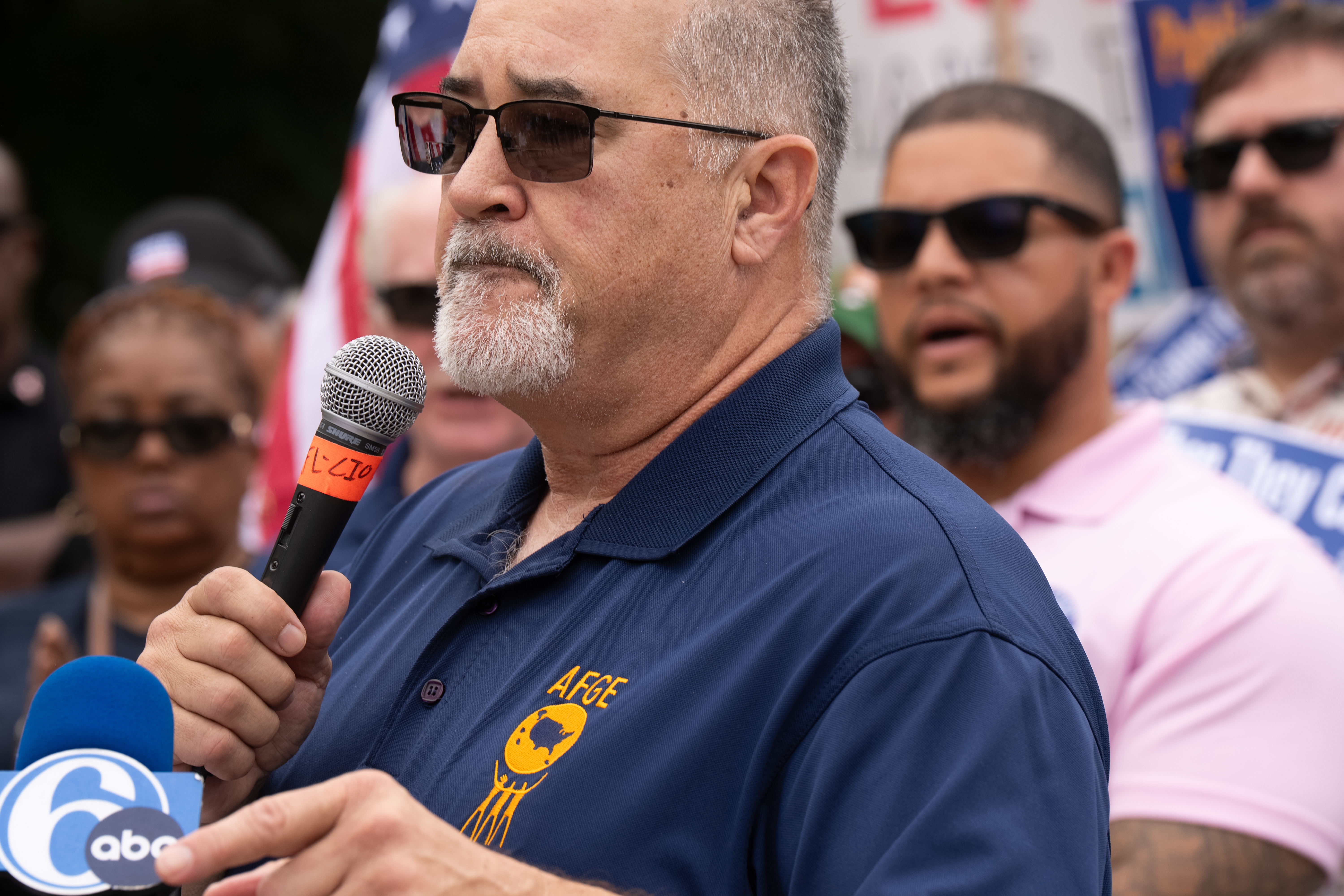
“We’re bracing for Jan. 30,” said Philip Glover, national vice president of the American Federation of Government Employees District 3, the union that represents federal employees in Pennsylvania.
Philip Glover, AFGE District 3 national vice president, speaks at a news conference focused on federal workers amid the government shutdown, near the Liberty Bell on Oct. 7.
Federal workers have been “dealing with a layer cake of trauma,” said Max Stier, founding president and CEO of the Partnership for Public Service, a federal government management organization.
“This is not simply one incident, but it’s one on top of a bunch of them that this administration has put in their way,” Stier said.
The financial strain
At the Social Security Administration in Philadelphia a benefit authorizer said Monday that she and her coworkers had started getting their back pay, but she had already felt the impact of missing checks.
“We assumed we could just call and everybody would place everything on hold, and that was not the case,” said the Social Security employee.
The benefit authorizer had put her mortgage and car payments on hold, but some banks and utility companies weren’t as accommodating, and she accumulated overdraft fees from a credit union.
Her role required her to work through the shutdown without pay. (In Pennsylvania, furloughed workers may apply for unemployment benefits, but those who continue to work, even without pay, may not.) The benefit authorizer looked for additional work, unsure how long the shutdown would last. Some of her colleagues in Philadelphia picked up gigs with Uber, DoorDash, and Instacart, she said.
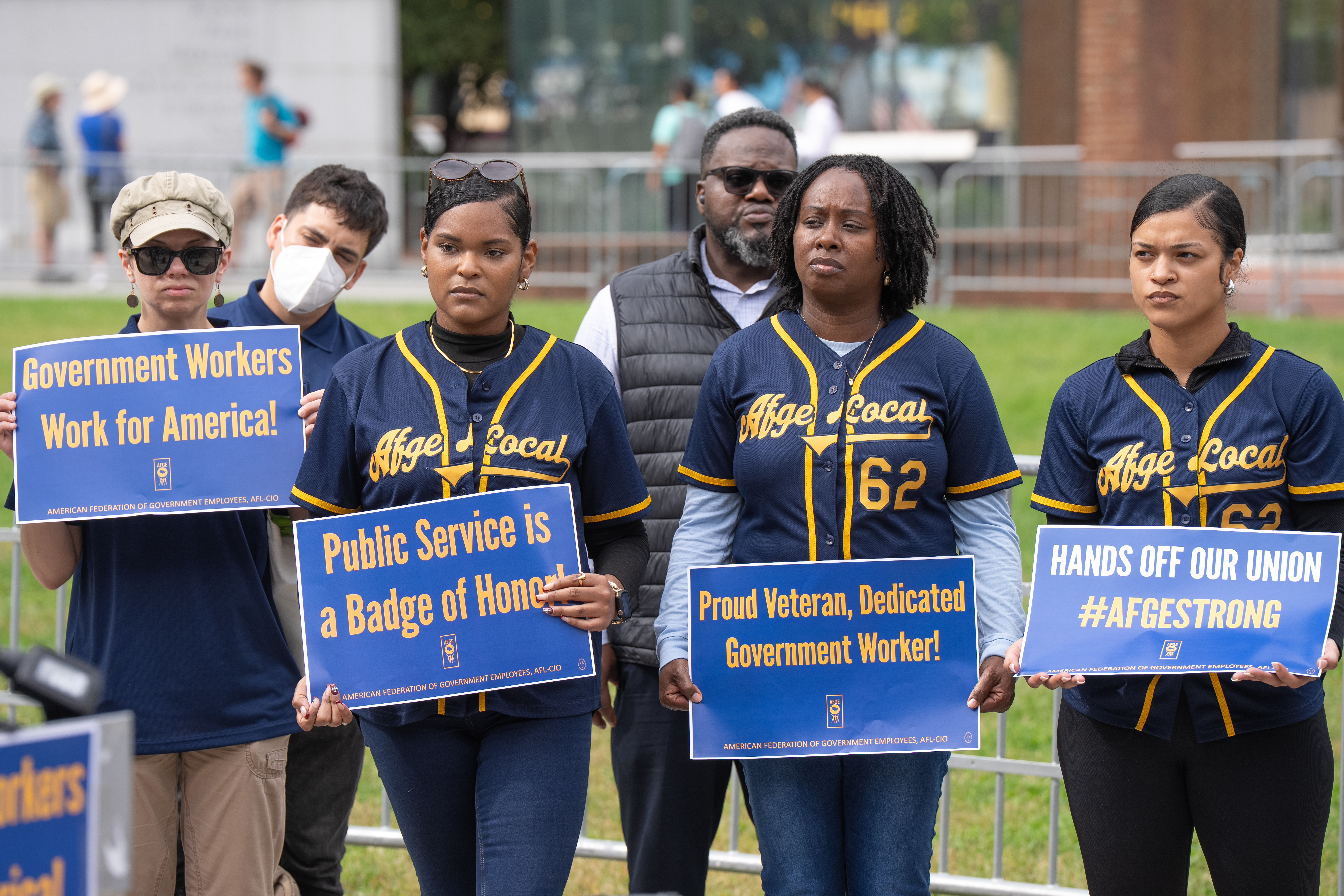
Union officials from AFGE gathered on Oct. 7 in front of Independence Hall to protest the government shutdown.
Another Philadelphia Social Security employee, who has been with the agency for 15 years, noted that some colleagues picked up night shifts at Amazon or work in home healthcare.
“People living paycheck to paycheck, they needed something to pay those bills that were absolutely essential that they had to pay,” the 15-year Social Security employee said.
For one federal employee from Central Jersey, 2025 already came with an unexpected career turn when they lost their job at U.S. Housing and Urban Development, as part of a mass layoff of probationary employees. They found a job at the U.S. Department of Commerce, in Virginia, which allowed them to support their mother and three kids back in New Jersey.
Wary of permanently moving to Virginia during such a volatile time in the federal workforce, the Commerce employee commutes eight hours by Amtrak twice a week and stays in a $200 per night hotel on workdays.
During the federal shutdown, the Commerce employee had to work without a paycheck. They used up their savings paying for the commute, hotel, and other expenses. Ultimately, they took out a bank loan to cover their expenses.
The government shutdown exemplifies a lack of stability in the workforce, the Commerce employee said. “To be honest, you feel unsafe all the time, and you feel like you’re not deserving that.”
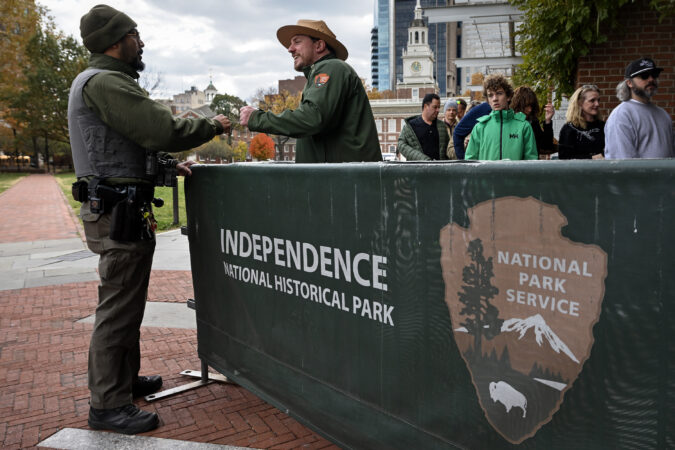
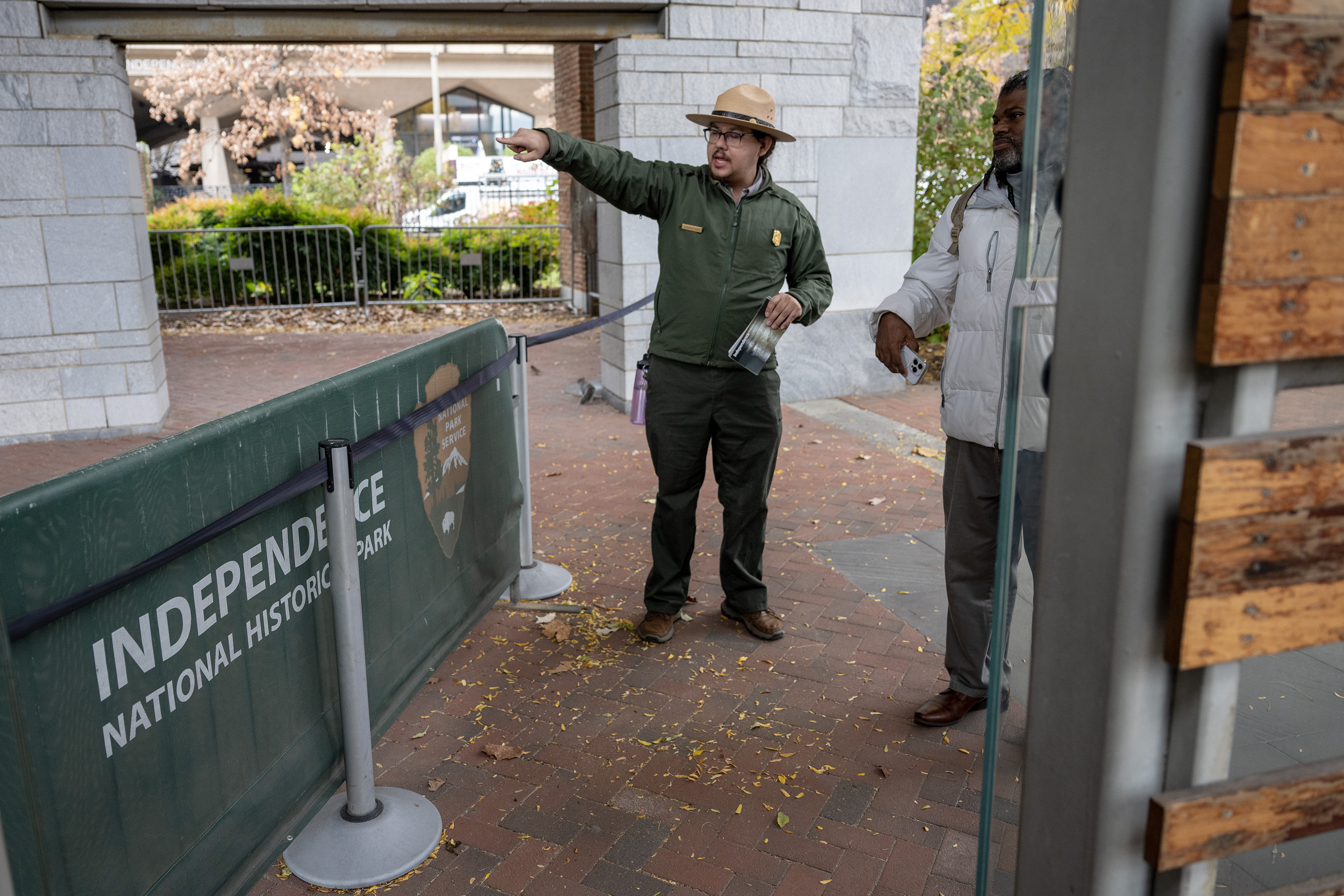
National Park Service ranger Christopher Acosta talks with tourists outside the Liberty Bell Center on Nov. 13 after returning to work from the shutdown.
Worries remain ahead of the holiday season
The Philadelphia VBA employee, who worked without pay during the shutdown, received their back pay Monday. The single parent said they were one more missed paycheck away from turning to food pantries and living off credit cards.
“Usually I’m the one donating around this time,” the employee said last week. “I usually adopt a family and provide them with the meal and then their gifts and stuff from our local community churches and outreach programs.”
Thanksgiving is the time they “splurge,” but now the shutdown has made them contemplate their finances. “I haven’t even thought about the process of even having a Thanksgiving dinner on the table because I didn’t want to spend the money,” the VBA employee said. By Christmas, they hope to be caught up on payments.
It’s a similar story for one Philadelphia VA Medical Center employee who worked without pay through the shutdown. Speaking days before the shutdown’s end, the employee said their credit score had taken a hit. They reached out to creditors and got some of their payments deferred, but relief won’t set in until the employee can catch up on their water, electric, gas, mortgage, and car bills.
A “big feast” for Thanksgiving is off the table. “You can’t do that now because you don’t have the funds,” they said.
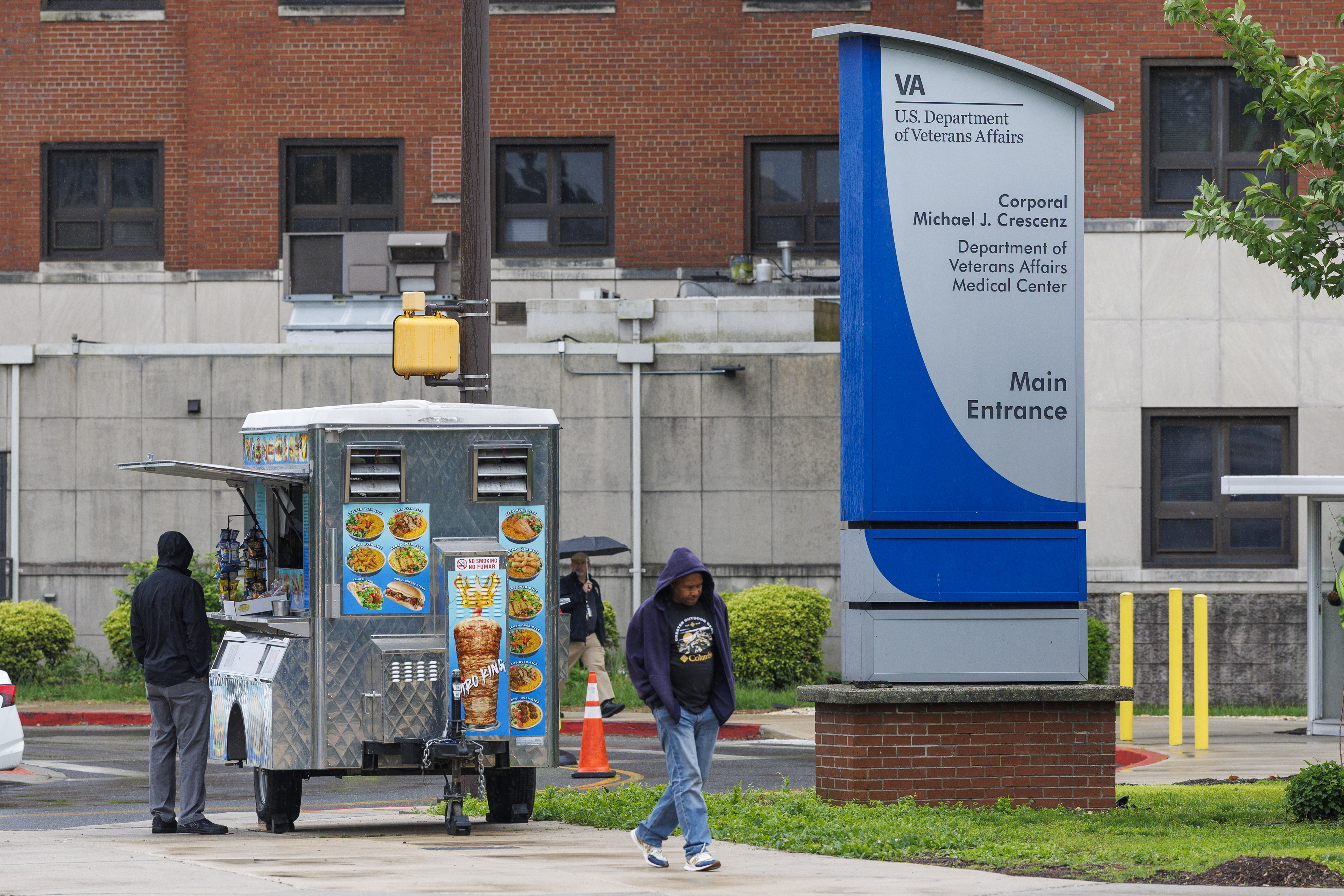
The Corporal Michael J. Crescenz Department of Veterans Affairs Medical Center in Philadelphia.
‘Fear of what’s to come’
Throughout the funding impasse, Philadelphia’s federal workers turned to each other for assistance.
At the VBA, supervisors set up a small food pantry several weeks into the shutdown. The VBA employee said that didn’t feel especially helpful. “That was our second paycheck missed, and that was the best that they could come up with,” the employee said.
“It’s business as usual in the eyes of the VA, and they expect us to work like nothing’s going on in our real lives.”
At the Social Security Administration, workers banded together to start an impromptu food pantry, the Philadelphia benefit authorizer said.
“Everything was taken. People needed it. People were really pinching pennies,” she said.
The national office of AFGE, the largest federal workers’ union, backed the deal to end the government shutdown. “Government shutdowns not only harm federal employees and their families, they also waste taxpayers’ dollars and severely diminish services depended on by the American people,” AFGE national president Everett Kelley said in a statement on Nov. 10.
But some thought it should have ended differently.
In the days leading up to the deal, dozens of AFGE Local 3631 members, who are employed at the Environmental Protection Agency, said in a local union survey that they did not want their local to support budget legislation such as what passed. Their concerns were with an expected rise in healthcare expenses across the country.
The union local had polled members at the end of October, according to local union officer Hannah Sanders. The survey got more than 100 responses, and over85% said the local should only support a deal if it preserved subsidies for Affordable Care Act healthcare plans and avoided cuts to Medicaid.
EPA workers and supporters gathered outside their office for a solidarity march around Philadelphia’s City Hall in March.
Sanders said there are few changes between the recently passed deal and the bill that could have averted the shutdown back in September. “We would have not had this shutdown, and people wouldn’t have, you know, gone without pay or gone without SNAP benefits and all these things. So it’s super frustrating to see that this is how it all resolved,” said Sanders.
Now, the benefit authorizer at the Social Security Administration says, people are concerned that another shutdown could be on the horizon come Jan. 30.
“We are in complete fear of what’s to come,” she said.
The New Jersey Attorney General’s Office on Wednesday identified Jose M. Martinez, 42, of Lindenwold, as the man killed in a crash caused after another man allegedly fled from police in West Deptford Township early last week.
Prosecutors also identified the police officer, West Deptford Police Patrolman Conor Goggin, involved in the attempted stop and the man, George Linard, 28, of Waltham Cross, a town north of London, England, who allegedly caused the crash. Linard initially had been identified by authorities with a different name.
On the evening of Nov. 9, Goggin was driving a marked police vehicle when he turned on his emergency lights in an attempt to stop a vehicle, prosecutors said.
Linard allegedly drove away at high speed and collided in the area of Hessian and Red Bank Avenues with a third vehicle driven by Martinez, who also was known as José M. Martínez Peguero, according to his funeral home obituary.
Martinez died and a passenger in the back seat sustained a leg fracture.
Linard, who also was injured in the crash, was charged with second-degree death by automobile, fourth-degree assault by automobile, and fourth-degree fraudulent possession of a government license.
WASHINGTON — President Donald Trump signed legislation Wednesday that compels his administration to release files on convicted sex offender Jeffrey Epstein, bowing to political pressure from his own party after initially resisting those efforts.
Trump could have chosen to release many of the files on his own months ago.
“Democrats have used the ‘Epstein’ issue, which affects them far more than the Republican Party, in order to try and distract from our AMAZING Victories,” Trump said in a social media post as he announced he had signed the bill.
Now, the bill requires the Justice Department to release all files and communications related to Epstein, as well as any information about the investigation into his death in a federal prison in 2019, within 30 days. It allows for redactions about Epstein’s victims for ongoing federal investigations, but DOJ cannot withhold information due to “embarrassment, reputational harm, or political sensitivity.”
It was a remarkable turn of events for what was once a farfetched effort to force the disclosure of case files from an odd congressional coalition of Democrats, one GOP antagonist of the president, and a handful of erstwhile Trump loyalists. As recently as last week, the Trump administration even summoned one Republican proponent of releasing the files, Rep. Lauren Boebert of Colorado, to the Situation Room to discuss the matter, although she did not change her mind.
But over the weekend, Trump did a sharp U-turn on the files once it became clear that congressional action was inevitable. He insisted the Epstein matter had become a distraction to the GOP agenda and indicated he wanted to move on.
“I just don’t want Republicans to take their eyes off all of the Victories that we’ve had,” Trump said in a social media post Tuesday afternoon, explaining the rationale for his abrupt about-face.
The House passed the legislation on a 427-1 vote, with Rep. Clay Higgins, R-La., being the sole dissenter. He argued that the bill’s language could lead to the release of information on innocent people mentioned in the federal investigation. The Senate later approved it unanimously, skipping a formal vote.
It’s long been established that Trump had been friends with Epstein, the disgraced financier who was close to the world’s elite. But the president has consistently said he did not know of Epstein’s crimes and had cut ties with him long ago.
Before Trump returned to the White House for a second term, some of his closest political allies helped fuel conspiracy theories about the government’s handling of the Epstein case, asserting a cover-up of potentially incriminating information in those files.
A 26-year-old Ocean City woman who worked for U.S. Rep. Jeff Van Drew was charged with falsely reporting that she had been seriously lacerated across her upper body in a politically motivated attack when she actually paid a Pennsylvania body modification artist $500 to cut her, according to a federal criminal complaint released Wednesday by the U.S. Attorney’s Office.
Natalie Greene was charged with one count of conspiracy to convey false statements and hoaxes and one count of making false statements to federal law enforcement, acting U.S. Attorney Alina Habba said.
In a statement provided Wednesday evening, Van Drew’s office said: “We are deeply saddened by today’s news, and while Natalie is no longer associated with the Congressman’s government office, our thoughts and prayers are with her. We hope she’s getting the care she needs.”
Greene’s lawyer, Louis M. Barbone of the Jacobs & Barbone law firm in Atlantic City, said in a statement released Thursday: “At the age of 26, my client served her community working full time to assist the constituents of the Congressman with loyalty and fidelity. She did that while being a full-time student. Under the law, she is presumed innocent and reserves all of her defenses for presentation in a court of law.”
On July 23, a coconspirator called 911 shortly after 10:30 p.m. to report that Greene had been attacked by three unknown men who knew her name and that she worked for Van Drew, according to the criminal complaint, which identifies him only as “Federal Official 1.”
“They were attacking her. They were like talking about politics and stuff. They were like calling her names,” the coconspirator told 911, reporting that the attack occurred at the Egg Harbor Township Nature Preserve, the complaint said.
The coconspirator, who was not named in the criminal complaint, allegedly said the attackers claimed they had a gun. “They said that if we don’t be quiet they were going to shoot us,” the coconspirator allegedly said, also explaining that she was able to flee the men but they still had Greene.
Egg Harbor Township police arrived with a K9 dog and located Greene just off a nature trail lying on the ground with her feet and hands bound together with black zip ties, the complaint said.
Greene’s shirt was pulled over her head and the words “Trump Whore” were written with black marker on her stomach, and “[Federal Official 1] is Racist” was written on her back, the complaint said.
She had long crisscrossing lacerations on her upper chest, shoulder, back, neck, and lower right side of her face, the complaint showed with included photos.
Greene was transported to a hospital, and then later transferred to a second hospital for treatment.
Before Greene was taken to the first hospital, she was interviewed by police and asked to recount what happened. When police asked to check Greene’s Maserati SUV, her coconspirator became agitated and said she didn’t think the police needed to search the vehicle, the complaint said.
However, Greene consented to a search and police found two black zip ties similar to the zip ties used on Greene, as well as a roll of duct tape, the complaint said.
Investigators later found that location data from Greene’s phone showed that on the day of the alleged attack, she had traveled to the scarification artist’s studio in Pennsylvania, then to Ventnor, where the coconspirator lived, the complaint said.
Two days earlier, someone using the coconspirator’s phone did a Google search for “zip ties near me,” the complaint said.
Investigators later reviewed surveillance video from a Dollar General store in Ventnor that showed the coconspirator at the store 40 minutes after the Google search was made, the complaint said. The store sold black zip ties similar to what was used on Greene and the same duct tape, though the video did not show her purchasing zip ties while she did purchase other items. The surveillance video only showed the cash register area and not other parts of the store, the complaint said.
On July 25, Greene was interviewed by agents from the FBI Joint Terrorism Take Force and Egg Harbor Township police detectives, and she again reported that she was attacked and cut up by three men, the complaint said.
She also was asked to describe any threats made to Van Drew’s office.
“There’s so many. I mean. Yeah, racist um. Windmills belong on your grave. Like stupid, I mean like there, they have a bunch of little things on there that they’ll write on there. We have them all, you can look at all of them. But um. Yeah we keep em just. We keep all of our hate mail. We recently got like, a letter with like powder in it and stuff,” she said, according to the complaint
Greene was asked if the powder incident was recent.
“Yeah very recent. Like maybe a week ago. And are to the point where our Chief of Staff was like you guys need to be using gloves to open the mail. Stuff like that,” she allegedly said.
A review of phone records showed that Greene had a Reddit account that followed communities for “bodymods” and “scarification,” the complaint said.
On July 30, the FBI visited the studio in Pennsylvania and obtained a consent form signed by Greene with a copy of her New Jersey driver’s license that she allegedly provided the day of the reported attack, according to the complaint.
The FBI also obtained the receipt showing that Greene allegedly paid the studio $500 cash, as well as photos the artist took of his work on Greene’s body.
The photos showed the cuts made by the artist matched the cuts photographed at the hospital, the complaint said.