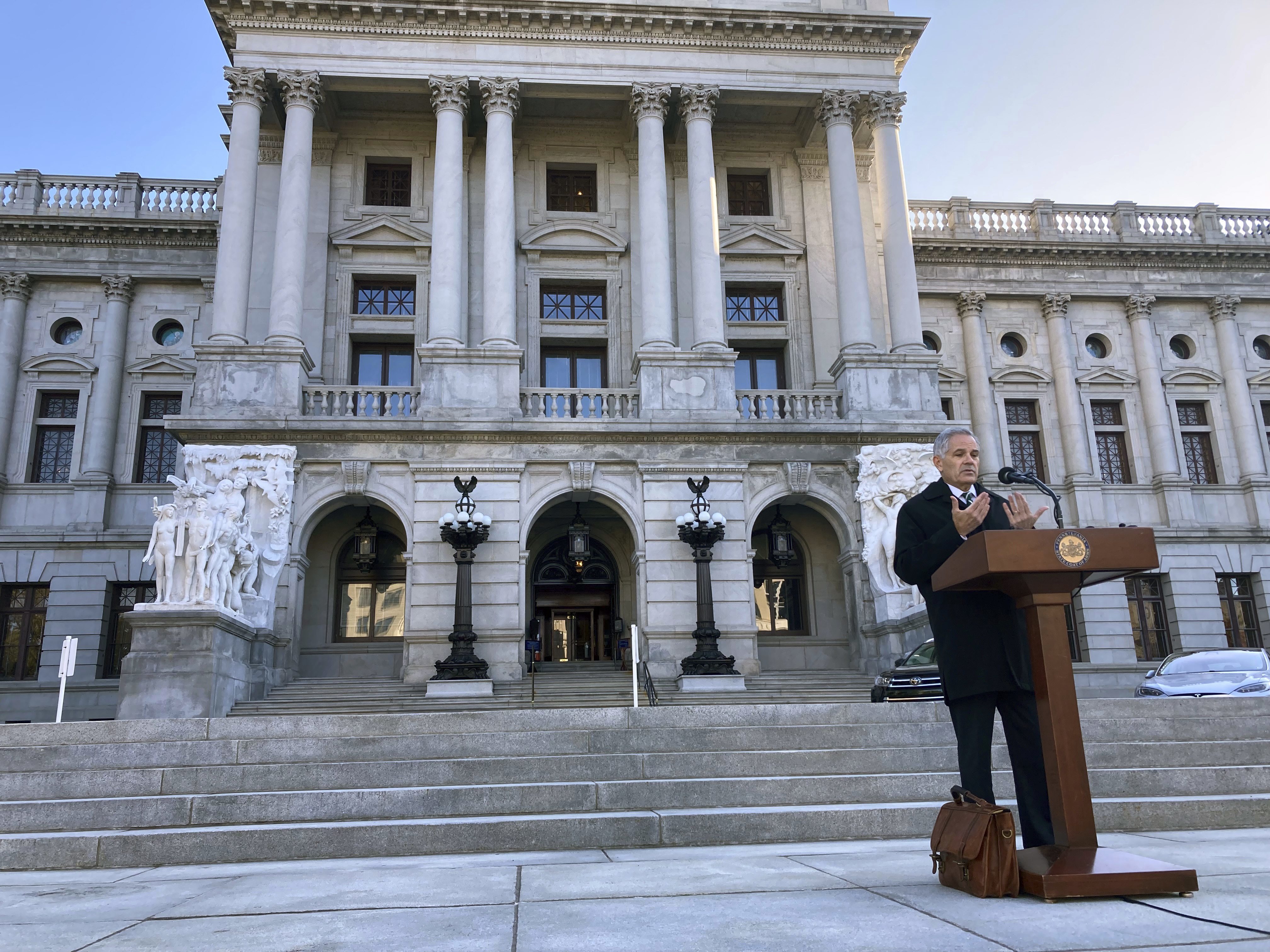
Category: News

Latest breaking news and updates

  • A Polish museum got a free Society Hill home for nearly 40 years. Then the city evicted it.

    A Polish museum got a free Society Hill home for nearly 40 years. Then the city evicted it.

    To hear Michael Blichasz tell it, none of this would have happened if he hadn’t gone asking for a copy of the deed.

    City officials never would have come knocking on the door of his nonprofit museum, the Polish American Cultural Center, curious how he came to be the supposed owner of a multimillion-dollar property in the heart of Philadelphia’s historic district.

    They never would have begun scrutinizing the decades-long paper trail, the political handshakes, and the forgotten promises made to the once-powerful community leader.

    And the quaint Polish history museum that has operated in Society Hill since 1987 would still have its home.

    Because for nearly 30 years, City Hall never questioned whether Blichasz’s nonprofit actually owned the building at 308 Walnut St.

    “No one mentioned a word about it,” Blichasz, 79, said. “It was totally silent.”

    That silence started unraveling seven years ago when, Blichasz said, he requested a copy of the deed in order to get a state grant to make repairs on the five-story property. He had somehow avoided an inquiry for decades, despite securing other grants and contracts to keep alive his nonprofit’s mission: providing Polish immigrants with a one-stop cultural hub that could connect them to city services.

    Officials at the Philadelphia Redevelopment Authority (PRA) scratched their heads at the request, according to Blichasz. Records showed the authority owned the museum building, not the Polish group.

    PRA eventually took Blichasz to court, accusing him of squatting in the property and failing to pay back millions in loan installments. Blichasz said former Mayor W. Wilson Goode and other elected officials in the late 1980s purchased the property for his group and promised to pay off the debt as a gift to the Polish community.

    But apparently those promises were never written down.

    “The city has no records [or] evidence anyone in the city ever agreed to pay the balance on behalf of [the Polish museum] to obtain ownership of the property,” Jamila Davis, a PRA spokesperson, said in a statement.
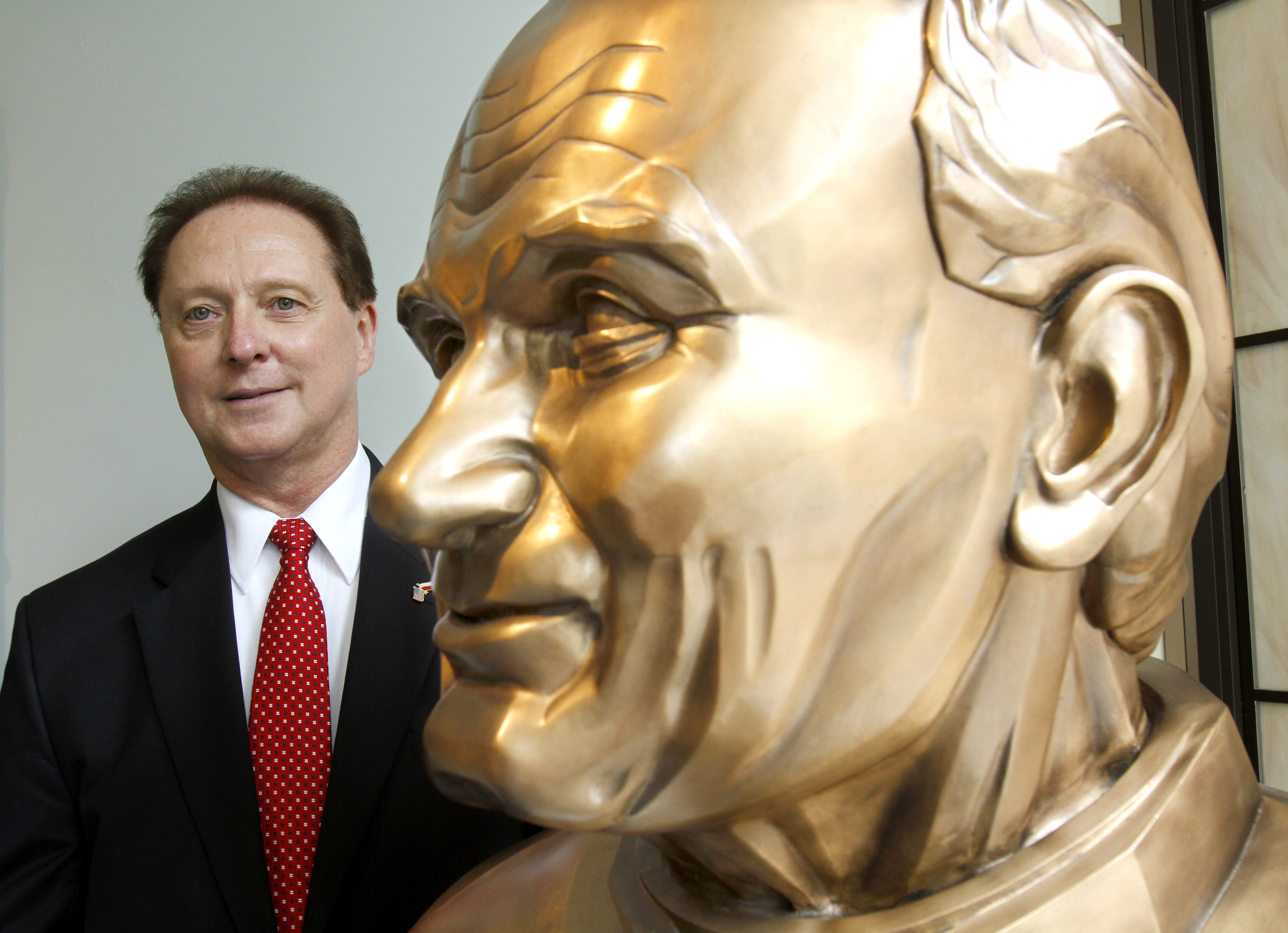
    Michael Blichasz, president of the Polish American Cultural Center, stands beside a bust of the former Pope John Paul II.

    This much both sides agree on: The Polish American Cultural Center came to occupy the historic building thanks to a rare and generous arrangement in 1987.

    Goode approved a $2.1 million bond to buy a permanent home for United Polish American Social Services, a nonprofit run by Blichasz that had been aiding the city’s Polish immigrants since the early 20th century.

    The grant led to the birth of the city’s first and only Polish museum, where Blichasz amassed an exhibit hall full of national folk art, portraits of famous Poles such as Pope John Paul II, and historical artifacts dating from the first immigrant settlers to these shores in 1608 to the diaspora that followed the 1939 invasion of the Nazis.

    But Goode’s act of benevolence came with a caveat: According to the bond agreement, if the Polish group failed to keep up with payments, the city could kill the deal and take back the building. Blichasz claims Goode and other elected officials at the time, many of whom are now dead, promised he would never have to pay a dime.

    “They said, ‘You will pay zero,’” he said.

    A copy of a $81,875 check Blichasz provided to The Inquirer represents one of the only payments made by the nonprofit to the city — in August 1988. PRA said Blichasz’s nonprofit, all told, paid about $155,000 toward the bond taken out by the city, which grew to $4.6 million with interest.

    The Goode administration later applied for a federal grant through the U.S. Department of Housing and Urban Development (HUD) to pay off the property, according to records provided to The Inquirer.

    Blichasz said he was under the impression the deal was done. But those federal funds never materialized — and the city didn’t seek to settle the debt for decades.

    Bicentennial cash and ethnic tensions

    The museum’s origins lie in the summer of 1987, when City Hall faced accusations of racial and ethnic favoritism.

    The city had just unlocked $2 million left from the 1976 Bicentennial, and Council members had sent half that money to nine Black community groups. Anger simmered among white ethnic leaders like Blichasz.

    “Reverse discrimination,” Councilmember Joan Krajewski said at the time.

    Critics asserted also that regardless of race, the fund was supporting activities with few ties to America’s birthday celebration — from a Trinidadian steelpan orchestra to a Polish-American festival at Penn’s Landing led by Blichasz.

    At the time, however, Blichasz’s nonprofit was also trying to move its headquarters from Fairmount to Philadelphia’s historic district.

    And the city had already agreed to pay for the new building.

    After the city inked the bond purchase on behalf of the Polish group, Blichasz vowed to increase the nonprofit’s annual budget by 50% to keep up with repayment. Goode promised the group leniency, but newspaper articles from the time show no offer to fully wipe the debt.

    Blichasz was confident. Donors in the Polish community, he said, would “respond with joy” to bring this first-of-its-kind museum to life in Philadelphia.

    But the joy proved less than hoped.

    Months later, Blichasz was back at City Hall asking for a bailout. His group had raised only a fraction of its $1 million goal and needed an additional $350,000 to pay the mortgage and museum build-out costs.

    He pointed out that the city had financed capital projects for other ethnic groups, including the Mummers Museum, the African American history museum, and the Jewish museum.

    “This is going to tell us just how appreciated the good, taxpaying Poles are by this country,” Blichasz said at the time.

    The museum, he promised, would be “an attraction” that would more than repay its debt.
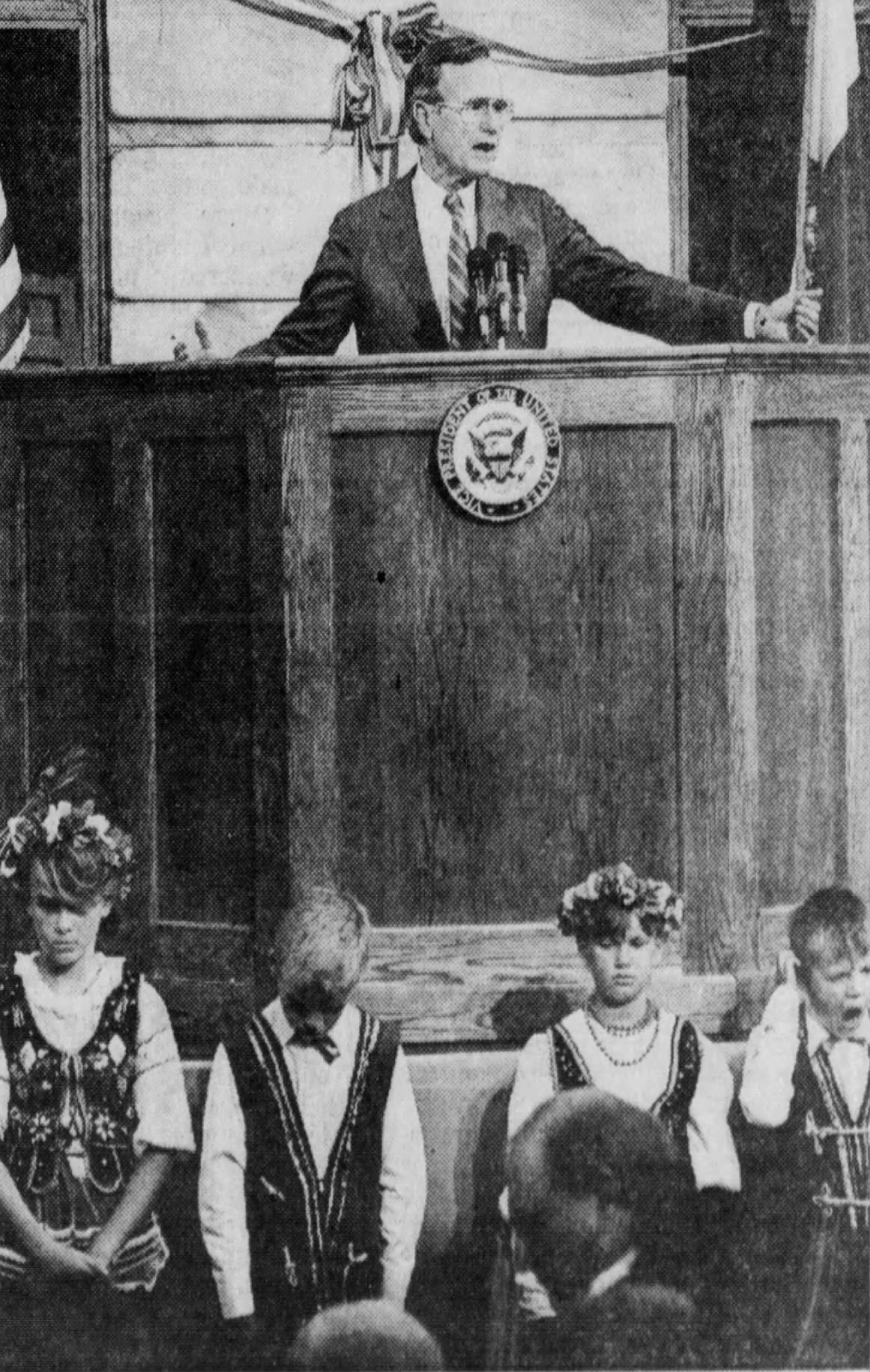
    Then Vice President George H.W. Bush visits the Polish American Cultural Center for the opening published on Aug. 10, 1988, in The Inquirer.

    Teaching self-sufficiency

    The Polish American Cultural Center opened its doors in August 1988 to a flag-waving crowd of 300 people. Then-Vice President George H.W. Bush attended the ribbon-cutting ceremony, where visitors admired hand-cut Polish crystal and other curios from the homeland.

    Alongside the museum, the nonprofit continued to provide the community with services that ranged from English language courses to help with rent and fuel rebates — work Blichasz said was “teaching Polish immigrants to be self-sufficient.”

    Much of that work was also financed by the city.

    Auditors later raised concern over a six-figure contract the Goode administration dealt to the nonprofit. At the time, the arrangement led former city finance director David Brenner to speculate about Blichasz’s political clout: “Where his influence comes from beats the hell out of me, but no question he’s got it.”

    At some point, however, concerns over the debt for 308 Walnut St. disappeared.

    As far as Blichasz was concerned, it was absolved after Goode applied for the HUD grant.

    Blichasz said officials like Krajewski and Goode insisted his group not cut any more checks to the city, saying “we will take care of it.”

    Why PRA did not inquire about the outstanding mortgage agreement remains uncertain. A spokesperson did not immediately respond to a question about the matter, and city records show only one inspection of the property, in 2011.

    By the time PRA took a renewed interest, Blichasz had a problem: Many of the people who helped facilitate the initial deal were no longer around to help explain.

    The outside of the Polish American Cultural Center.

    A historic takeback

    The museum fell under the radar until Mayor Jim Kenney’s first term. Soon after Kenney took office in 2016, Blichasz recalled, there was a heated meeting after the nascent administration ended his nonprofit’s six-figure social services contract.

    He described the city as more interested in “giving out condoms” than providing help to an increasingly elderly Polish population.

    Years later, during an insurance audit of large buildings owned by the Philadelphia Redevelopment Authority, Kenney administration officials were baffled by 308 Walnut St. It’s not clear if the PRA even knew who owned it.

    PRA officials toured the building in 2019 and found the museum on the first floor much as it had ever been. But the floors above were in shambles, according to a city employee who toured the property.

    The second through fourth floors looked as if their occupants had been raptured, with calendars from the 1980s frozen on the walls and moldy cups of coffee that appeared to date to the same decade.

    On the fifth floor, officials said, they found evidence that someone had been sleeping in the building along with boxes of old documents and recording equipment where Blichasz broadcast his Polish American radio hour.

    PRA quickly moved to intervene.

    “Based on concerning conditions observed during the tour,” PRA said in a statement this week, it hired an engineering firm to document the state of the building. The contractors reported it needed at least $1.8 million to be brought back to code. The lack of maintenance resulted “in potentially dangerous structural issues,” PRA said in a statement.

    Blichasz acknowledged water damage from leaks, which he had hoped to repair with state grants. But he called the PRA’s overall assessment of the property a fiction. He said his nonprofit spent “millions” in repairs over the years out of its operating budget.

    “It’s very fishy,” Blichasz said of PRA’s inspection.

    The agency said in a statement that officials “attempted to negotiate” but that Blichasz “refused to cooperate and repeatedly requested outright ownership” of the property, despite not having complied with the terms of the original deal.

    With no legal title, the PRA took the nonprofit to court in 2023. The agency ultimately won, wresting back control of the building. A judge ordered the nonprofit to pay $3.5 million dollars in debt and damages.

    This April, the Polish American Cultural Center was evicted.
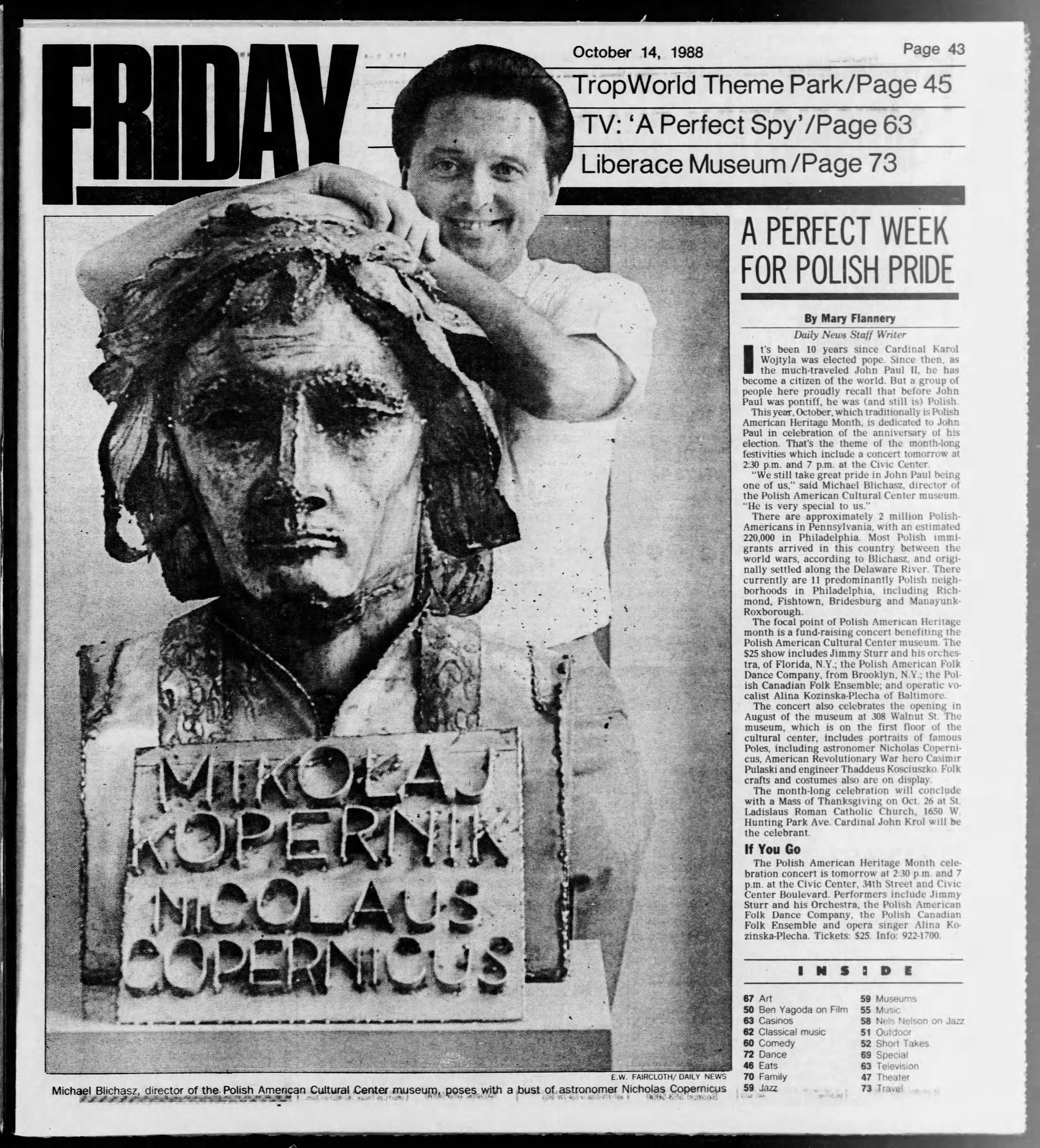
    Michael Blichasz, director of the Polish American Cultural Center museum poses with a bust of astronomer Nicholas Copernicus. Published in the Philadelphia Daily News on Oct. 14, 1988.

    Last chance to cut a deal

    As the city clawed back the property, Blichasz accused officials of negotiating in bad faith. He also suggested it was a racially motivated attack against his organization to divert funding to nonwhite community groups.

    Those who could attest to the original deal are dead or not talking. Krajewski, the former Council member, died in 2013. Blichasz said he hadn’t reached out to Goode in years. Phone calls to the former mayor were not returned.

    “When those people were alive, we could have had a nice get-together, a hearing,” Blichasz said. “Now they want to take me to court. I said, ‘Why? You never sat down with us to discuss this.’ All I want to do is keep the original mission and goals alive.”

    The ordeal has interested at least one current elected official.

    Councilmember Mark Squilla, who represents the area, has acted as a liaison between Mayor Cherelle L. Parker and Blichasz this year. Emails shared with The Inquirer showed that Blichasz turned down three compromise options from Parker that would have either allowed the Polish group to remain in the building under a new lease or helped pay for the group’s relocation.

    Squilla acknowledged that the paperwork didn’t support Blichasz’s case. But he argued that his decades of contributions to the city should be considered, too.

    “After we did some background research, I figured there’s no way we could find out what really happened,” Squilla said. “So I figured, ‘Why don’t we just work out a deal?’ And unfortunately, the deals that the PRA made were not accepted by the Polish museum folks.”

    Squilla introduced a resolution in City Council on Oct. 9 to hold hearings on the PRA’s treatment of Blichasz.

    “After 30 years, I believe that they had the right to stay in and use the building,” the Council member said.

    On Wednesday, a woman approached the doorway of the museum, asking if it was open.

    Inside, standing in the wood-paneled hallway that harkened back to another era, a maintenance worker shooed her away.

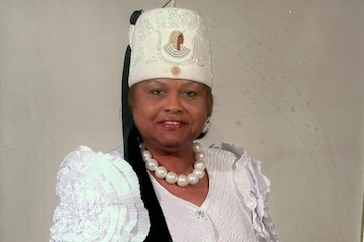
  • Dorothy Womble-Wyatt, celebrated South Jersey teacher and school principal, has died at 84

    Dorothy Womble-Wyatt, celebrated South Jersey teacher and school principal, has died at 84

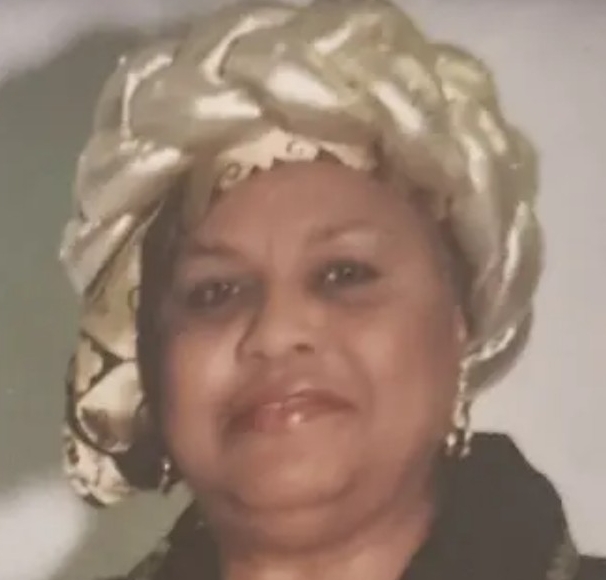
    Dorothy Womble-Wyatt, 84, of Cherry Hill, innovative teacher and celebrated school principal for the Camden City School District, active church member, mentor, and proud graduate of what is now Fayetteville State University, died Tuesday, Sept. 23, of complications from a heart condition at her home.

    For 37 years, from 1968 to her retirement in 2005, Ms. Womble-Wyatt connected with Camden students through progressive teaching techniques, and with classroom colleagues, parents, and nearby residents through her collaborative administrative style.

    She was named principal at the old Bonsall Elementary School in 1977 and became the first principal at the new Riletta T. Cream Elementary School in 1991.

    “She led the Riletta Twyne Cream Family School with distinction,” the Camden City Advisory Board of Education said in a recent resolution, “guiding its opening in January 1991 and building a school culture centered on high expectations, literacy, and community partnership.”

    As a teacher, Ms. Womble-Wyatt focused on elementary school students, and she emphasized how math, geography, spelling, science, English, and other subjects were important in everyday life. She joined the school district in 1968 as a first-grade teacher and served as an administrative assistant before advancing to principal at Bonsall.

    Ms. Womble-Wyatt was active with the Order of the Eastern Star.

    In its resolution, the Board of Education said she “championed professional learning and innovative classroom practices that advanced student growth.”

    Her nephew Micheal W. Moore said: “She was always a teacher at heart. She taught her family when she was young and her classmates in high school. She never stopped.”

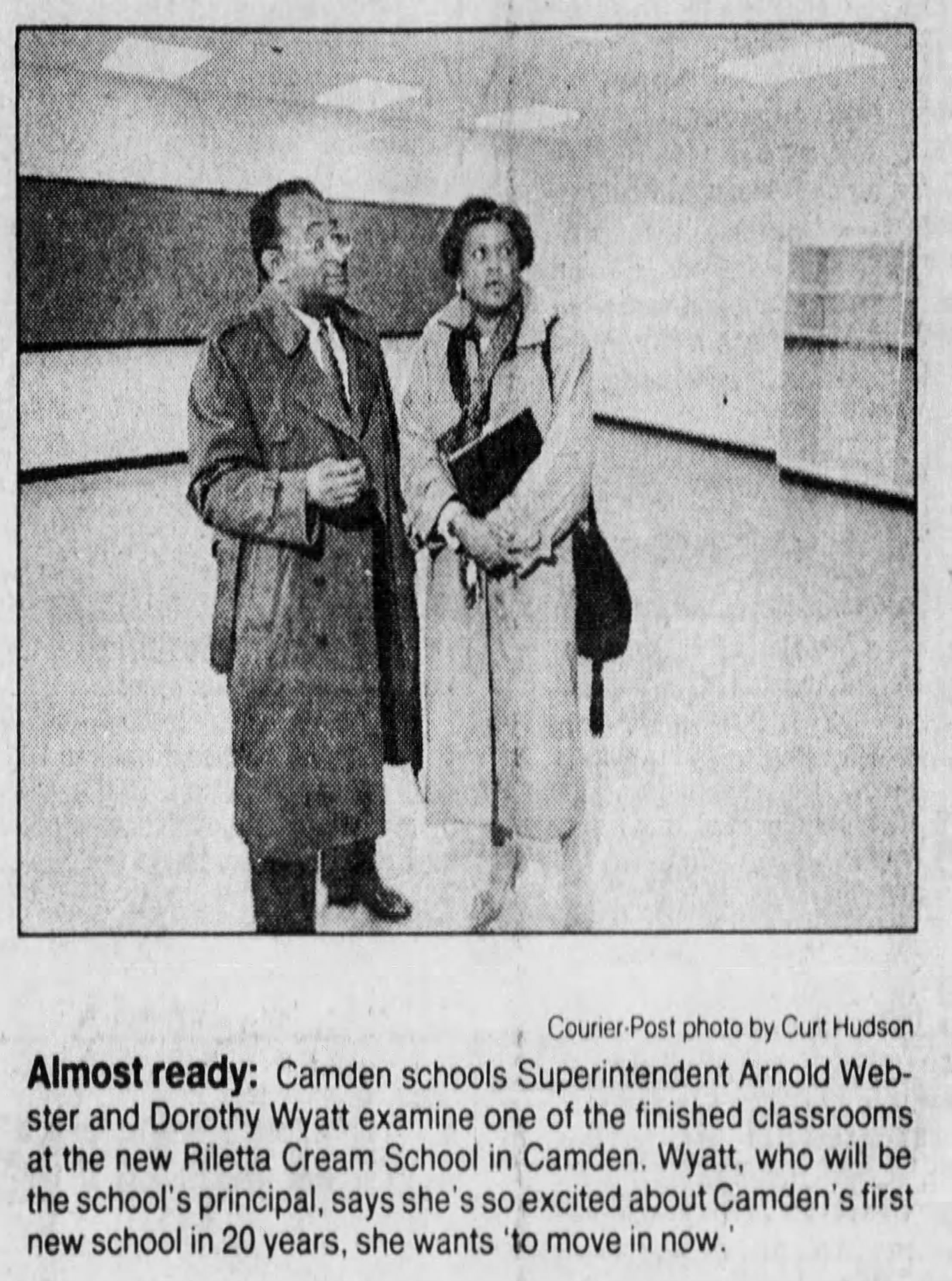
    As principal at the Cream School, Ms. Womble-Wyatt supervised the transfer of 800 students from four other elementary schools during the 1990-91 school year and told the Courier-Post: “I’m just thinking about a smooth transition. … It’s the same as if you’re moving into a new home. You’re excited moving into a new environment. When you get something nice, you want to keep it that way.”

    She supported all kinds of new educational initiatives and lobbied tirelessly for better school supplies and improved healthcare services for Camden students. The Courier-Post covered Cream’s grand opening, and 9-year-old student Bradford Sunkett told the newspaper: “I’m glad to be at a new school. But I’m most glad Ms. Wyatt is here. Ms. Wyatt and the teachers are more important than a school building.”

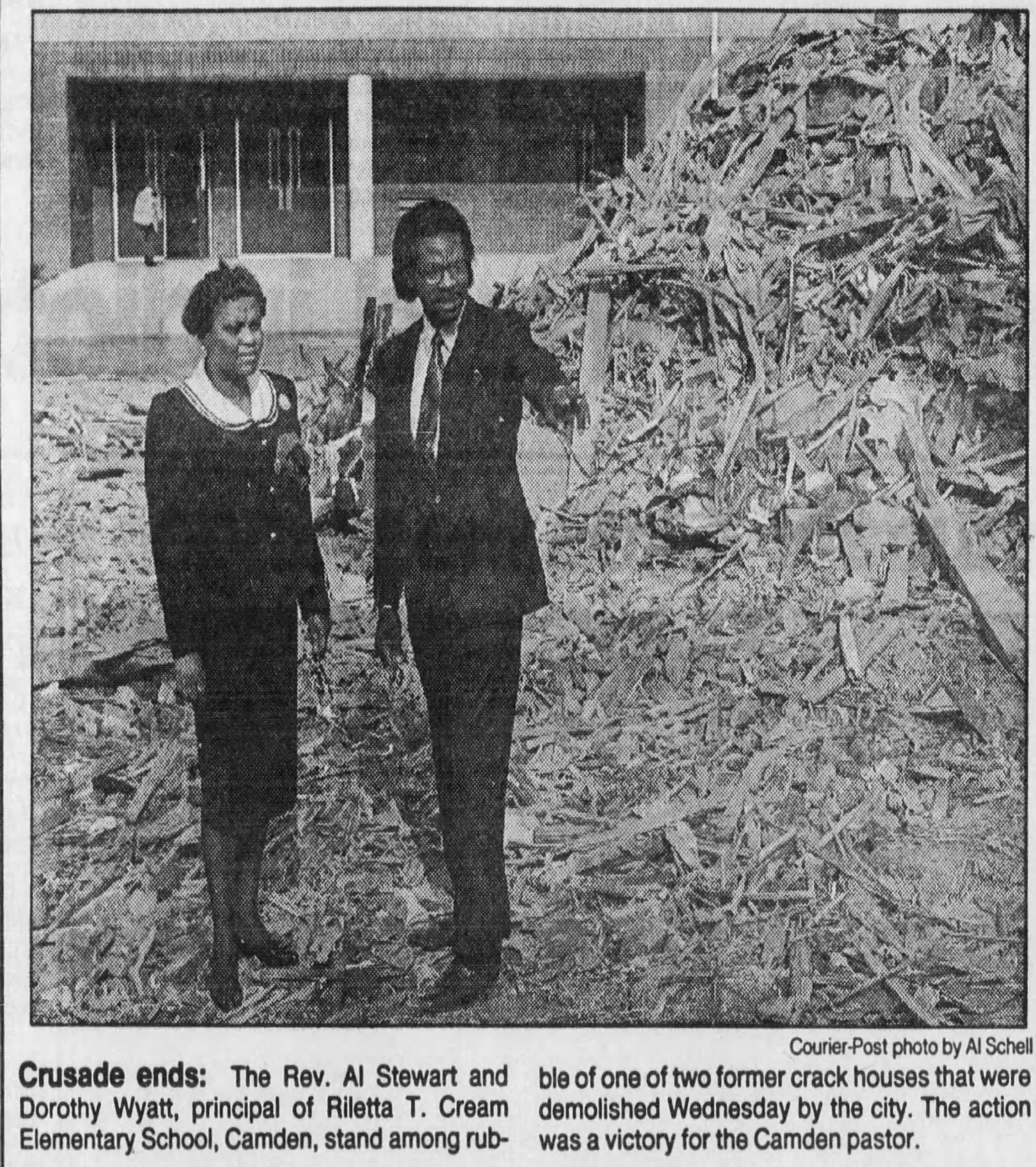
    She cheered in 1992 when community activists cleared a cluttered lot near the school and told the Courier-Post: “It’s a joyful feeling knowing people have listened to what we have to say and did something about it.”

    This photo of Ms. Womble-Wyatt appeared in the Courier-Post in 1990 as she was assuming the role of principal at the Cream School.

    In 1999, she endorsed a New Jersey state reform program that invited parents to help shape school curriculum. “It’s a great thing for parents because many don’t have the experience of what schools are up against,” she told the Courier-Post. “All they hear is that schools are failing. This lets parents become part of the foundation.”

    Ms. Womble-Wyatt was active at Roberts Chapel Missionary Baptist Church in North Carolina, First Nazarene and Zion Baptist Churches in Camden, and New Community Baptist Church in Collingswood. Zion recognized her with a service award in 2008.

    “She loved to invite family and friends to attend worship services with her on Sundays and join her for dinner afterward,” her nephew said.

    She earned a bachelor’s degree in education and leadership at Fayetteville State in North Carolina and recruited new students everywhere she went. In 2003, the university’s Gospel Choir honored her lifelong support with a concert at Camden High School.

    This photo of Ms. Womble-Wyatt was published in the Courier-Post in 1992 during a nearby neighborhood cleanup.

    She belonged to the Alpha Kappa Alpha Sorority and the Order of the Eastern Star, and spoke often at churches and community groups about Black history. She was honored at Camden’s third annual Women’s Recognition Ceremony in 1996 and earned an Outstanding Citizen’s Award from the local Freemasons in 1997.

    “People wanted to be around her,” her nephew said. “She lifted you up.”

    Dorothy Marie Womble was born May 16, 1941, in Goldston, N.C. She earned a master’s degree in education from North Carolina Central University, married Glenmore Wyatt in 1967, and they had a son, Glen. Her husband died in 2021, and their son died in 2023.

    Ms. Womble-Wyatt collected African artifacts, hosted memorable dinners, and never forgot a birthday. She enjoyed casinos, shopping for gifts, and visiting family and friends.

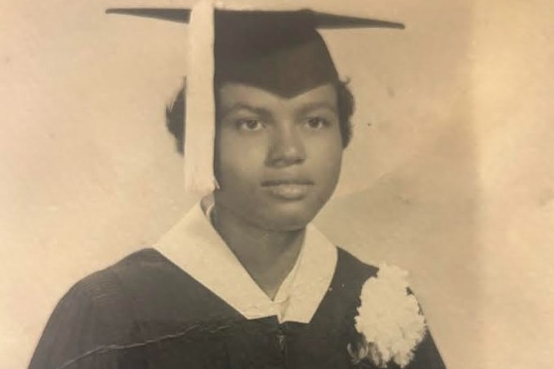
    Ms. Womble-Wyatt earned a master’s degree in education from North Carolina Central University.

    On Instagram, a friend called her “an educator par excellence, a fashionista, and genuine lover of people.” Her nephew said: “She was generous and joyous. She was a queen in every right.”

    In addition to her nephew, Ms. Womble-Wyatt is survived by a grandson and other relatives. A brother died earlier.

    Services were held Oct. 2 and 3 in Camden, and Oct. 12 in North Carolina.

    Donations in her name may be made to Roberts Chapel Missionary Baptist Church, 439 Roberts Chapel Rd., Goldston, N.C. 27252.

    Ms. Womble-Wyatt’s “life was vibrant and ever moving,” her family said in a tribute. “Indeed, her legacy has grown into a gorgeous train of diamonds and appreciation.”
  • SEPTA is postponing hybrid bus purchases and accessibility projects to keep the lights on

    SEPTA plans to postpone the purchase of new buses, a project to make the Bristol Regional Rail station accessible to people with disabilities, and expansion of the Frazer train facility in Malvern in order to access $394 million in emergency state aid to help run the system.

    The shift was required after the Pennsylvania Department of Transportation gave permission for SEPTA to transfer funds allocated for infrastructure projects to cover the transit agency’s operating deficits for two years.

    SEPTA officials said none of the changes would compromise safety by stopping crucial repairs — a PennDot requirement for allowing the shift of money to operational needs.

  • Swarthmore Borough drops income tax proposal after contribution from Swarthmore College

    Swarthmore Borough drops income tax proposal after contribution from Swarthmore College

    Swarthmore Borough is tabling a proposal to implement an earned income tax after Swarthmore College stepped up to cover a funding gap left by the closure of Crozer-Chester Medical Center.

    Under a memorandum of understanding passed by Swarthmore Borough Tuesday, Swarthmore College will contribute $638,000 to the borough to help cover rising emergency service costs.

    The contribution allows the borough to drop a proposal to implement an earned income tax, which faced pushback from residents and some members of borough council.

    In a message to the community, Rob Goldberg, Swarthmore College’s vice president for finance and administration, said, “We’re happy we were able to work with the borough to avoid a new tax being imposed on College employees. We also value our long-standing partnership with the borough and remain committed to supporting the community we share. We’re grateful for the constructive dialogue that led to this outcome and for the continued collaboration that benefits both the borough and the College.”

    In a presentation given last month, the borough projected a 1% earned income tax would bring in at least $3.13 million in the second year of collection (some collection lags would occur in the first year). This would include $760,000 to $1.5 million in taxes collected from nonresidents who work in Swarthmore.

    An earned income tax is a local tax on salary, wages, and tips, but not on passive income like interest, dividends, capital gains, pensions, and Social Security benefits. These taxes are generally capped at 1%.

    If a taxpayer lives in a community with an earned income tax, they pay into their home community’s income tax base. If their home community does not have an earned income tax and the community where they work does, they pay into their work community’s income tax base. One major exception is Philadelphia’s wage tax, which overrides local earned income taxes. This means if a person works in Philadelphia and lives in a suburban municipality with an earned income tax, they would pay Philadelphia’s wage tax rather than their home community’s earned income tax.

    Cindy MacLeod, chair of the borough council’s finance committee, said the borough’s financial outlook is starkly different this year after the loss of Crozer’s ambulance services both increased the borough’s costs and brought down its revenue.

    In April, the borough adopted a declaration of disaster emergency following the closures of Crozer-Chester Medical Center in Chester and Taylor Hospital in Ridley Park. The closures resulted in “significant impacts” to emergency services in the region, the declaration said, including burdening remaining medical centers and increasing wait times for patients.

    According to preliminary estimates, the borough’s public safety costs are set to increase by 41% next year — from $3.1 million to $4.3 million. In addition to the loss of Crozer’s ambulance services, the borough is staring down steep fire equipment repair costs and a drop in the number of volunteer firefighters.

    “The cost assumptions around all these emergency services is a real and meaningful change,” said councilmember Scarlett McCahill at a Sept. 8 meeting. “It’s not that all of a sudden, surprise, we weren’t minding the shop and now we’re really behind and need to do a catchup. The actual costs to the community have changed significantly.”

    In addition to emergency service needs, Swarthmore officials say the borough has not been immune to more general inflationary pressures. Costs are rising for community services that the borough doesn’t want to cut, MacLeod said.

    Though the earned income tax is off the table for now, the borough is considering implementing an emergency services tax, a specific type of property tax that would be earmarked just for emergency services.

    “We hope we don’t have to do an emergency services tax, but we haven’t ruled that out,” MacLeod said.

    Budget discussions will continue at the borough’s Oct. 27 finance committee meeting.

    This suburban content is produced with support from the Leslie Miller and Richard Worley Foundation and The Lenfest Institute for Journalism. Editorial content is created independently of the project donors. Gifts to support The Inquirer’s high-impact journalism can be made at inquirer.com/donate. A list of Lenfest Institute donors can be found at lenfestinstitute.org/supporters.

  • A Bucks County couple built an architectural retreat in the woods

    A Bucks County couple built an architectural retreat in the woods

    When cookbook author Pamela Anderson and her husband, David, were looking for a bucolic escape in Bucks County, they found a forested stretch of land sandwiched between a high ridge and a stream to put down roots.

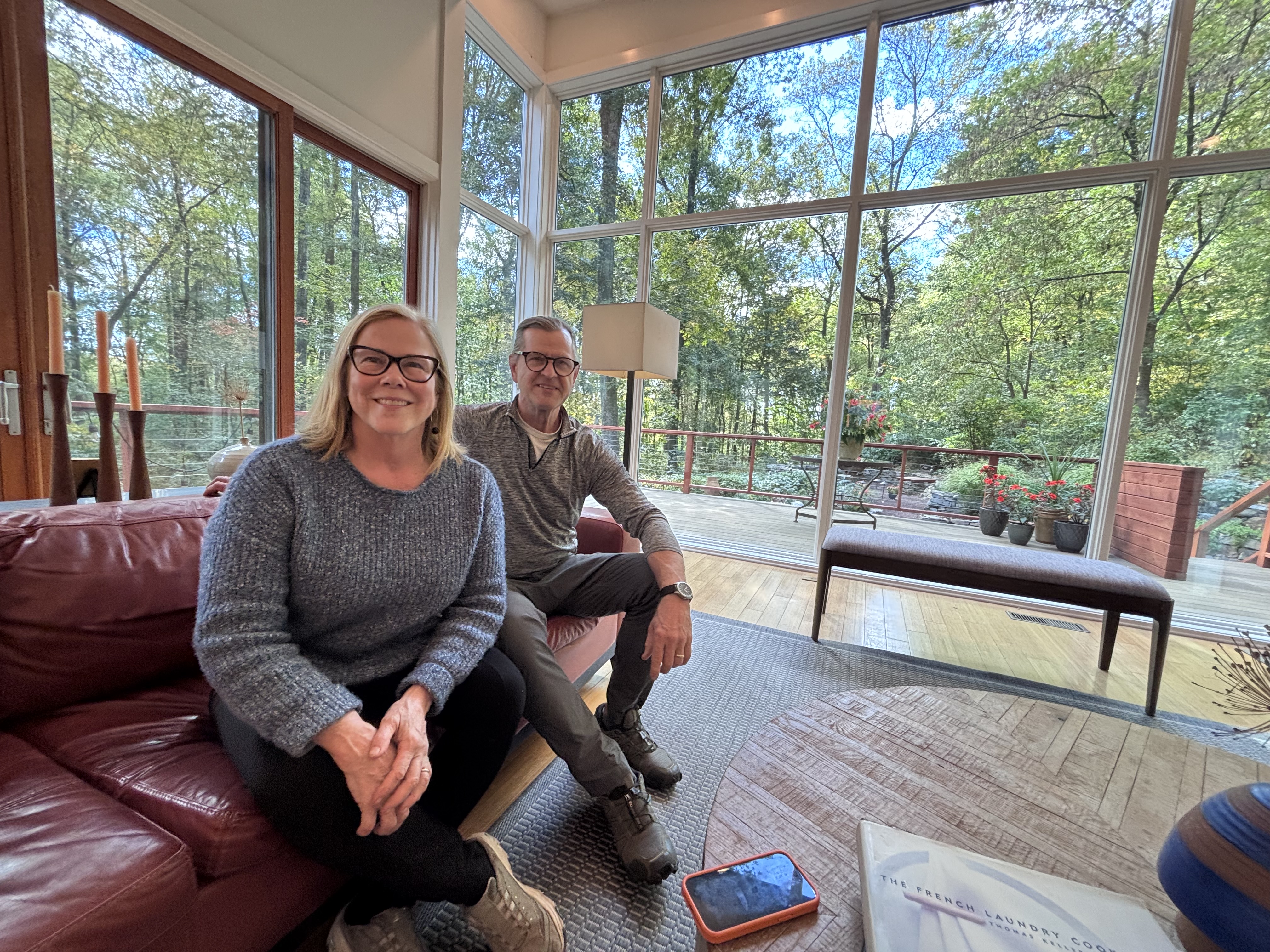
    The couple, who previously lived in New Hope, toured the 11-acre parcel in Riegelsville with an architect back in 2003, learning how their new home could flow with the land. Today, the focal point of Copper House might be the living room, with 180-degree views from floor-to-ceiling windows. It’s like forest bathing, from a comfortable couch.

    “We wanted a place to get away,” Anderson said on a recent October afternoon.

    Outside, they’ve woven gravel trails into countless grottos, fire pits, and other quiet gathering places for the numerous visitors who’ve descended upon their home for sound baths, yoga, and meditations. On this Friday afternoon, about a dozen architects and interior designers gathered at their home for a corporate retreat to learn about sustainable flooring.

    “Some people just want to come here to have a meeting in a lovely place,” Anderson said.

    Pamela and David Anderson sit on their couch in their home, Copper House, where they host events and retreats.

    The Andersons didn’t just want to live at Copper House, so they went beyond having friends over for dinner. They started hosting corporate events and retreats at their home during the early days of the COVID-19 pandemic, stopped for a bit, and got things back up again afterward.

    “We’ve done most of the work ourselves. We built all the walls ourselves from rocks we had here. It’s expensive to maintain this place, and these events help with that,” Anderson said. “It made sense for us.”

    Anderson, along with being a best-selling cookbook author, cooks most of the food for the retreats, harvesting local fruits and vegetables and cooking wood-fired pizza from an outdoor oven.

    “This was just a natural transition for me from that career to this one,” she said.

    David Anderson, a longtime Episcopal priest, said the landscape was wild when they first toured it, filled with brambles and invasive species. The couple has methodically rid the invasive species from various patches of their property, but that work never ends.

    Copper House in Upper Bucks County.

    Their latest retreat was hosted by Interface, an indoor flooring company that specializes in sustainable projects. Monica Blair-Smith, an account executive with Interface, said they’ve had meetings by a bonfire and in the labyrinth, so far, at Copper House. The team also took a sound bath.

    “We toured several places from here to southern New Jersey, but we really loved how much this space was integrated with nature. Hosting in such a beautiful space is important to us,” Blair-Smith said. “Once we toured it, we didn’t go anywhere else. It was a no-brainer.”

    Retreat packages at Copper House begin at $1,500.

    While events and retreats have become a lucrative business, the Andersons said Copper House is still a home they cherish.

    “You’re always seeing something new and different, and our senses are so heightened living here,” Pamela Anderson said. “In winter, it’s like living in a snow globe.”

  • Rose Tree Media school leaders hope to finally bring full-day kindergarten to the district with new K-1 school

    Rose Tree Media school leaders hope to finally bring full-day kindergarten to the district with new K-1 school

    The Rose Tree Media School District is moving forward with plans to build a kindergarten and first-grade school in Middletown Township, marking its second attempt in recent years to build a new school amid rising enrollment and shrinking classroom space.

    The district says the school will be necessary to accommodate increasing student numbers and will finally allow the Delaware County community to offer full-day kindergarten. Yet an uphill battle remains before crews can break ground, as the district must receive approvals from Middletown Township’s council, which has signaled apprehension over traffic and development in the growing municipality.

    Why is the district planning to build a new school?

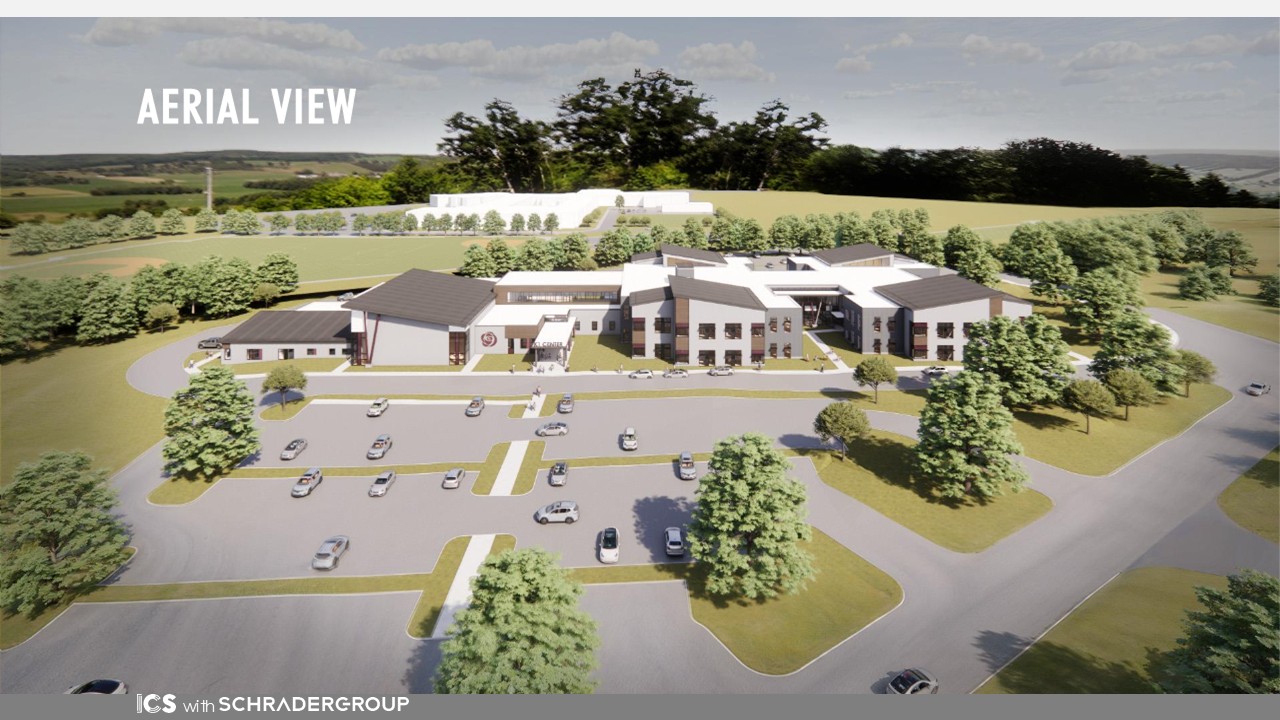
    The Rose Tree Media School District plans to build a new elementary school for kindergarten and first-grade students, known as the K-1 Early Learning Center, on district-owned land behind Penncrest High School.

    Put simply, “We are overcrowded at the elementary level,” said Rose Tree Media School District Superintendent Joe Meloche.

    The school district estimates that more than 600 new homes have been built within its bounds in the last six years, including major developments like Pond’s Edge and the Franklin Mint site. The school district serves Media Borough and Edgmont, Middletown, and Upper Providence Townships. Between 2020 and 2024, Middletown saw a nearly 6% growth rate, due in large part to the new developments. The district projects it will grow by around 300 students in the next 10 years.

    !function(){“use strict”;window.addEventListener(“message”,function(a){if(void 0!==a.data[“datawrapper-height”]){var e=document.querySelectorAll(“iframe”);for(var t in a.data[“datawrapper-height”])for(var r,i=0;r=e[i];i++)if(r.contentWindow===a.source){var d=a.data[“datawrapper-height”][t]+”px”;r.style.height=d}}})}();

    This growth has forced the district to adopt space-saving measures. At Glenwood Elementary School, two modular classrooms were installed in 2023. The school got two more modular classrooms in 2024, then two more in 2025. There are now 10 modular classrooms being used across the district.

    While Rose Tree Media can temporarily expand its classroom space, it can’t expand gyms, cafeterias, auditoriums, nurse’s offices, and other communal spaces. Beyond that, Meloche said, older school buildings aren’t designed to accommodate a modern school day, which includes far more individualized services, breakout groups, and collaborative work than it used to.

    What will the new school look like?

    Rose Tree Media is working with the Schrader Group, an architecture firm that has designed schools throughout the Philly region, including a K-1 school in Phoenixville.

    Having Rose Tree Media’s youngest learners in one building will allow the district to add some “nuanced things” to the school’s design, Meloche said. Small water fountains, tiny sinks, and low-to-the-ground chairs come to mind. The K-1 Center will also place all of the district’s kindergarten and first-grade teachers in one place, making professional development and sharing of resources easier, Meloche said.

    The project is currently estimated to cost $84 million. The district says it plans to sell bonds to build the school.

    Though suggestions have floated around that Rose Tree Media remodel an old school, rather than build something new, district officials say it’s unrealistic. According to the district, purchasing and repurposing an old building “would be costly and would not meet the needs of young children” as it would lack accessibility features, safe play areas, and elements designed specifically for early learners.

    What will this mean for full-day kindergarten?

    Rose Tree Media is one of many districts in the Philadelphia region that have historically not offered full-day kindergarten.

    Citing families’ needs for childcare and the developmental benefits of full-day schooling, many districts in the region have begun implementing full-day programs. The Penn-Delco School District implemented full-day kindergarten in 2023. Lower Merion switched from half-day to full-day last school year. New Jersey Gov. Phil Murphy signed a law ending half-day kindergarten across the state earlier this summer.

    Meloche said bringing full-day kindergarten to Rose Tree Media has been on the table since he came to the district from Cherry Hill in 2023. Full-day kindergarten, Meloche said, will allow the district to “provide a much more substantial foundation for our children.” Under the half-day model, learning is crammed into a shorter period, he said, leaving little time for developmentally important activities like free play, outdoor activities, and specials like art, music, and physical education. Rose Tree Media’s existing elementary schools could not accommodate full-day kindergarten, according to the district.

    What happened to the district’s previous proposal in Edgmont Township?

    Rose Tree Media evaluated 23 potential sites for a new school before landing on a piece of land in Edgmont Township. That plan fell apart after the township denied the school district’s application in 2023, prompting the district to sue. The school district withdrew its legal challenge last spring and pivoted to the K-1 Center proposal.

    Meloche said the district is in the process of selling the 37-acre Edgmont Township property on Route 352. The school district is finalizing the appraisal and has a buyer. They hope to finalize the process, including receiving court approval to sell, by the end of the year.

    What will the approval process with Middletown Township look like?

    Though the district already owns the property behind Penncrest High School, it is required to go through a planning and development process with local and state governing bodies, which can take several months.

    The township has asked the district to undergo an expanded traffic study, which will include evaluations of the intersections of Middletown and Oriole Roads, Rose Tree Road and Hunting Hills Lane, and three access points to Penncrest High School on Barren Road. Once the district completes its expanded traffic study, it will submit a preliminary land development plan to the township. That will kick off a series of public hearings.

    The district plans to hold an Act 34 hearing in January, a public meeting required by Pennsylvania law that gives residents and employees an opportunity to weigh in on the project.

    During public meetings this fall, some residents urged the Middletown Township Council to deny the school district’s proposal, referencing traffic concerns and the desire to preserve green space. Others implored them to approve the school, citing a need to accommodate residents of new apartments and offer full-day kindergarten to working parents.

    Council members noted that the school district will have the opportunity to address community concerns before an official plan is brought to the council.

    Councilmember David Bialek said at a Sept. 17 meeting that the district has implied to the public that the K-1 Center is “a done deal” and “rubber-stamped,” when a preliminary plan has not yet been submitted.

    In an emailed statement, Meloche said, “We have stated multiple times publicly that we have identified the K-1 Center’s location and purpose, and are now in the approval phase, which includes a rigorous process of approvals from Middletown Township, Delaware County, DEP and PennDot. We have been clear that the land development process must be completed prior to obtaining a building permit. The discussion at our Board meetings, the information on the Time to Bloom web page, and our monthly Time to Bloom email updates have laid out the land development process in detail.”

    A rendering of the Rose Tree Media School District’s proposed K-1 center, which the district hopes to build behind Penncrest High School.

    Township council chair Bibianna Dussling said at an Oct. 1 meeting that the “details are going to be key” as the council considers the K-1 Center plans.

    “It’s complicated because you can see the pros and cons,” Dussling said. “There’s a lot of concerns as far as the location, traffic, the neighbors, the neighborhood in very close proximity to it, the roadways there that are already busy.”

    The district has said its professionals are working on creating an “optimal traffic flow,” which may include adding an additional parking lot for athletic fields and routing K-1 Center bus access around the back of Penncrest High School.

    “We believe that we are all on the same side and on the same team,” Meloche said, adding that the goal is “to meet the needs of our community at-large, and to do so in a fiscally responsible but forward-thinking and future-looking way.”

    The district says the new school will open in time for the 2028-29 school year. If the application is denied, a spokesperson from the district said they do not have an alternative plan for the K-1 Center.

    This suburban content is produced with support from the Leslie Miller and Richard Worley Foundation and The Lenfest Institute for Journalism. Editorial content is created independently of the project donors. Gifts to support The Inquirer’s high-impact journalism can be made at inquirer.com/donate. A list of Lenfest Institute donors can be found at lenfestinstitute.org/supporters.

  • Judge rules Bucks County sheriff’s agreement to cooperate with ICE was ‘reasonable and necessary’

    Judge rules Bucks County sheriff’s agreement to cooperate with ICE was ‘reasonable and necessary’

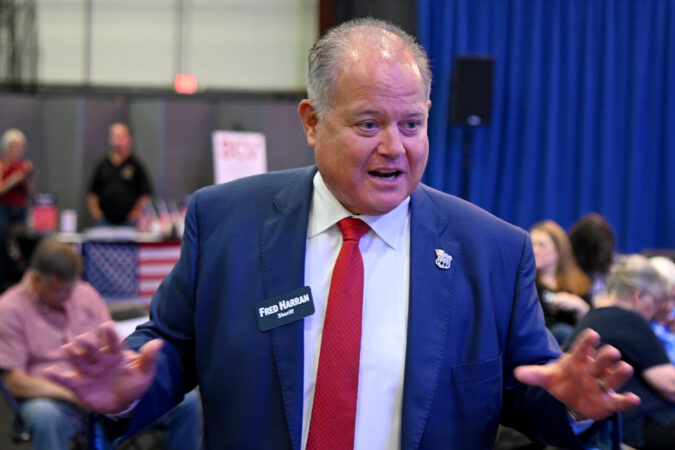
    Bucks County Sheriff Fred Harran acted legally in signing up to have his deputies help ICE enforce federal immigration laws, a judge ruled Wednesday in a case that has riled residents on both sides of a contentious issue.

    Bucks County Court Judge Jeffrey Trauger said Harran’s cooperation with the agency was “clearly lawful under Pennsylvania jurisprudence,” and both “reasonable and necessary” in fulfilling his lawful duty to keep the citizens of Bucks County safe.

    What the judge called “intergovernmental cooperation of law enforcement” is no different under the law at the county, state, or federal level, he wrote.

    The ACLU of Pennsylvania and other plaintiffs had asked Trauger to issue an injunction blocking the partnership from moving forward.

    Reached by phone Wednesday, Harran said he was pleased with the decision and expected his partnership with U.S. Immigration and Customs Enforcement to be fully operational by the end of next week.

    “I knew from the time I started this that I was in the right, that the county commissioners do not control the office of the sheriff,” Harran said.

    A spokesperson for Bucks County said the county intended to appeal.

    Those who sought to block Harran’s efforts said they would continue to battle.

    “This decision doesn’t mean that we’ll stop fighting to hold Sheriff Harran accountable,” said Diana Robinson, co-executive director of Make the Road Pennsylvania, an advocacy group that was one of the plaintiffs. ”Indeed, we will redouble our efforts in this case and continue to fight for what is right.”

    She said an alliance between Harran’s department and ICE was aimed at “turning our neighborhoods into surveillance zones” and “weaponizing local law enforcement to carry out ICE’s harmful agenda.”

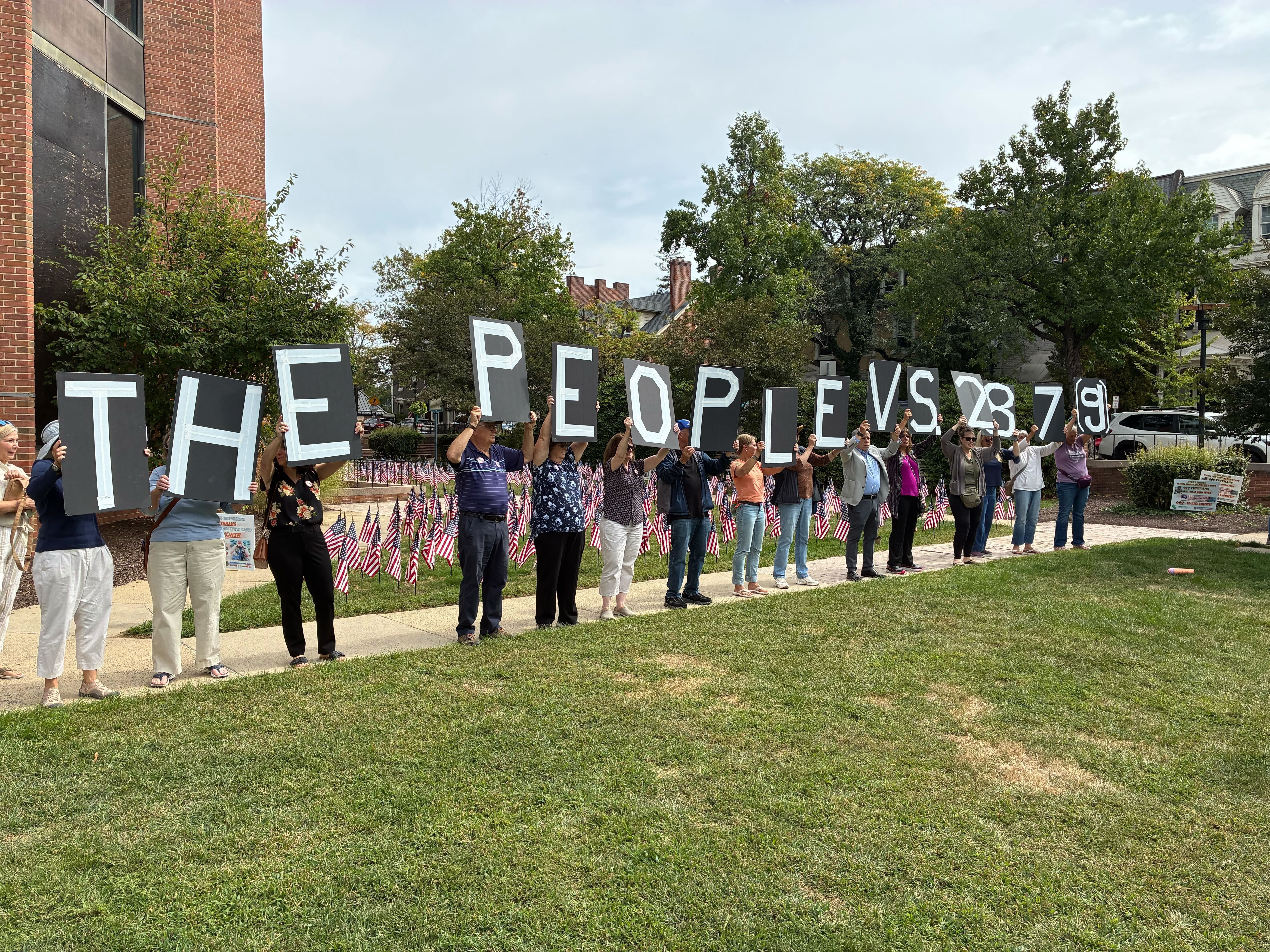
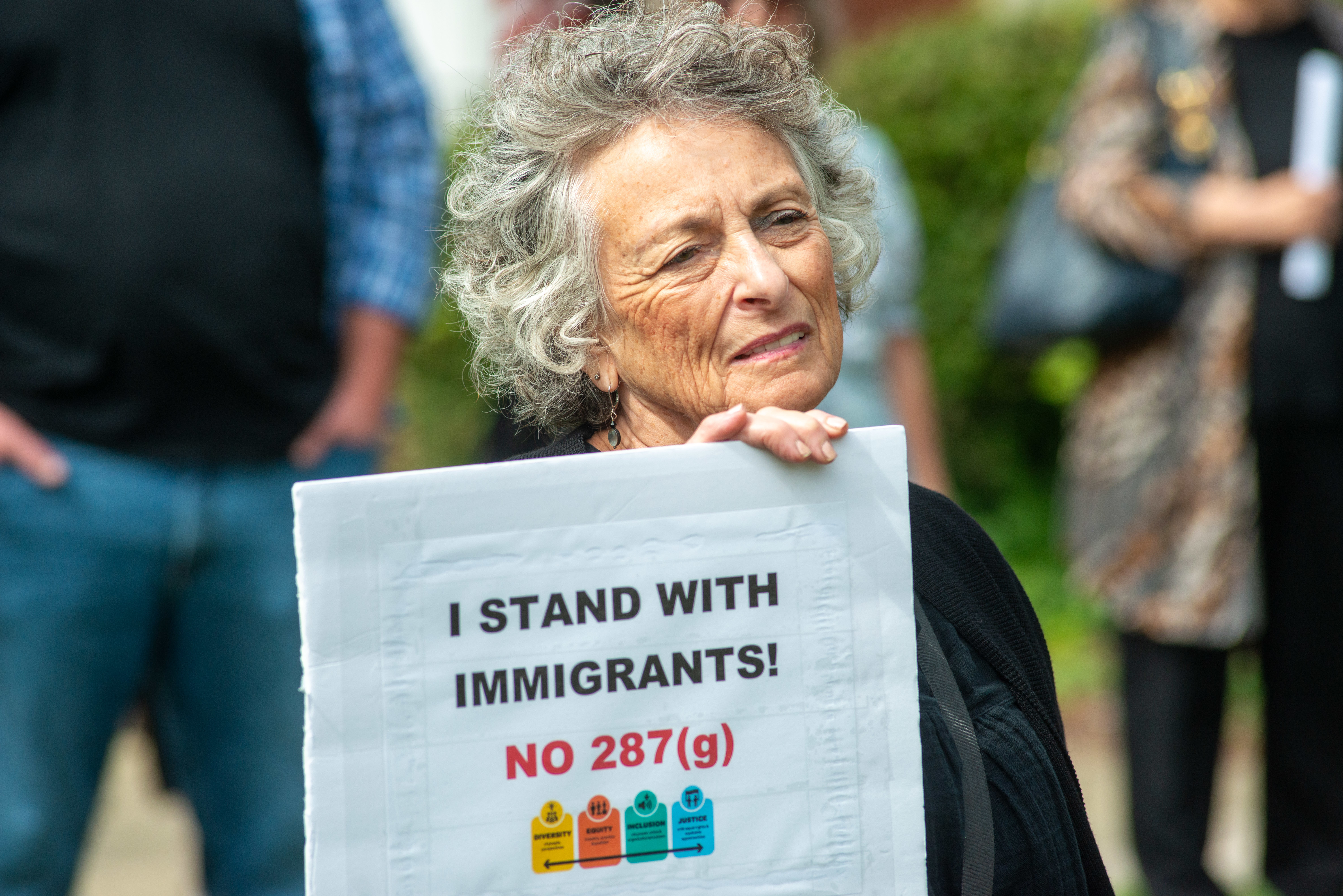
    Community members rally in Bucks County before civil rights groups asked a judge to block Sheriff Fred Harran’s controversial partnership with ICE.

    In his opinion, the judge said it did not appear that Make the Road, NAACP Bucks County, or Buxmont Unitarian Universalist Fellowship as organizations had clear standing to sue under Pennsylvania law.

    While individual members might have standing if they were caused harm by the sheriff’s office, he said, the injuries they alleged were “not immediate or substantial,” and their complaint was based in part on speculation about what might happen.

    ACLU of Pennsylvania attorney Stephen Loney, who helped lead the court fight, said Wednesday that he disagreed with the decision.

    “In the most respectful way I could possibly say it, I think the judge got it totally wrong,” he said. “It’s unfortunate.”

    He said the ACLU would appeal the decision.

    ICE officials did not immediately offer comment.

    Melanie Goldstein holds a sign as demonstrators rally outside the Bucks County Administration building before a hearing last month during which the ACLU and other organizations sought an injunction to stop the Bucks County sheriff from going through with his plan to help ICE enforce immigration laws.

    Laura Rose, an organizer with Indivisible Bucks County, said the group was “deeply disappointed in Judge Trauger’s decision” to let Harran proceed “without guardrails.”

    She called the ruling “a profound failure to protect both the immigrants and taxpayers of Bucks County.”

    Rose called on voters to end the local alliance with ICE by voting Harran out of office on Nov. 4.

    Harran’s lawyer, Wally Zimolong, called the decision “a victory for the rule of law and for the safety of Bucks County residents,” and accused the ACLU of maligning the sheriff with false claims.

    “Frankly,” he said, “it is mind-boggling that anyone would oppose this. It is also a vindication for Sheriff Harran, a good and honorable man and dedicated public servant. … It is a proud day when people of good character, like Sheriff Harran, prevail over those that lack it.”

    In the spring, Harran and ICE officials signed what is called a 287(g) agreement, a controversial program named for a section of a 1996 immigration law. It enables local police to undergo ICE training, then assist the agency in identifying, arresting, and deporting immigrants.

    The number of police agencies participating in the program has soared to more than 1,000 under President Donald Trump. Seven states, including New Jersey and Delaware, bar the agreements by law or policy.

    Shortly before the government shutdown, ICE was poised to begin backing its recruitment efforts with money, announcing that it would reimburse cooperating police agencies for costs that previously had been borne by local departments and taxpayers.

    Harran, who is seeking reelection in November, has pledged “zero cost” to local taxpayers.

    He insists the alliance with ICE will prevent crime and keep people safe. Civil rights groups say the sheriff is inviting racial profiling, taxpayer liability, and a loss of trust between police and citizens.

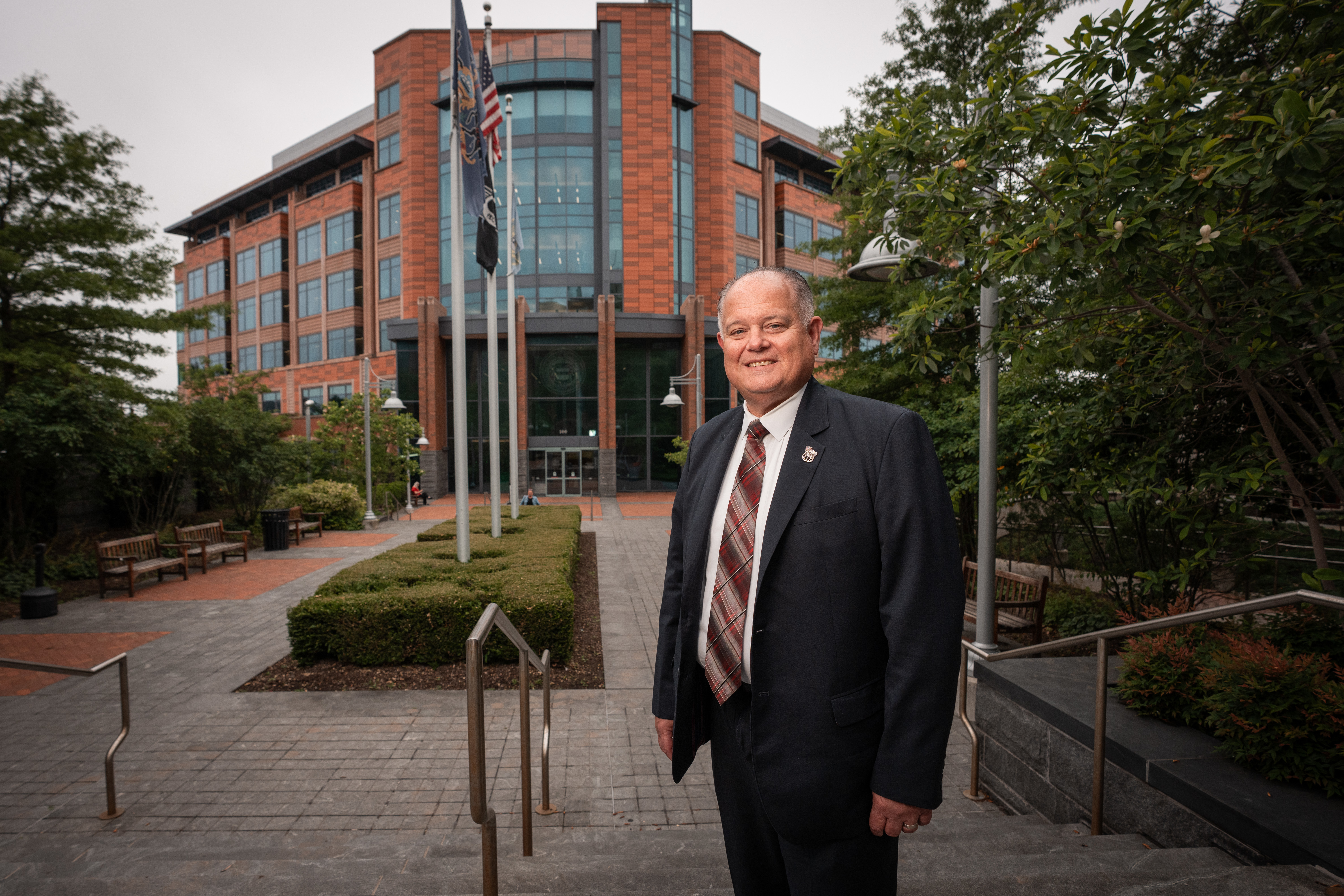
    Bucks County’s sheriff Fred Harran, outside the courthouse in Doylestown, PA, June 9, 2025.

    Contentious legal hearings have come against a backdrop of name-calling and rancor outside the courtroom.

    The Democratic-led Bucks County Board of Commissioners has disavowed Harran’s actions, voting 2-1, with the lone Republican opposed, to approve a resolution that declared the agreement with ICE “is not an appropriate use of Bucks County taxpayer resources.”

    The ICE issue has become central to Democrats’ effort to oust Harran, a Republican, while the sheriff says his intentions have been misconstrued by political opponents and the news media.

    “A judge ruling that he has the authority to enter into this deportation agreement does not make this any less dangerous,” Harran’s Democratic opponent, Danny Ceisler, said in a statement Wednesday.

    The last opportunity to end the partnership, Ceisler said, is by winning the election next month.

    A key issue has been the difference between what Harran says he intends to do and the much broader powers conferred within the agreement with ICE.

    Harran signed up for the “Task Force Model,” the most far-reaching of the three types of 287(g) agreements. It allows local police to challenge people on the streets about their immigration status and arrest them for violations.

    Harran said his officers won’t do that.

    Wednesday’s ruling, Harran said, recognized the limited scope of his plans, and he suggested that every county should partner with ICE.

    “I’m only interested in making the county safer, and I’m only interested in dealing with those folks that are in this country illegally that have committed crimes,” Harran said. “I am not the immigration police. I am not Immigration and Customs Enforcement.”

    Harran has said staff will electronically check the immigration status of people who have contact with the sheriff’s office because of alleged criminal offenses. Those found to be in the country illegally will be turned over or transported to ICE, if the federal agency desires, he said.

    Harran testified in court last month that he planned to create a sheriff’s office policy to specify the limits of his deputies’ powers but had not yet done so.

    He insisted that his office would take only the actions he has described.

    “We will not be stopping people to ask them on immigration status,” he said under cross-examination. “I know what I am doing, and that’s all I intend to do.”

    This suburban content is produced with support from the Leslie Miller and Richard Worley Foundation and The Lenfest Institute for Journalism. Editorial content is created independently of the project donors. Gifts to support The Inquirer’s high-impact journalism can be made at inquirer.com/donate. A list of Lenfest Institute donors can be found at lenfestinstitute.org/supporters.

  • How the 3 Pennsylvania Supreme Court justices on the ballot have ruled in major cases

    How the 3 Pennsylvania Supreme Court justices on the ballot have ruled in major cases

    Three Pennsylvania Supreme Court justices are on the ballot this November, when voters will decide whether to extend each of their tenures for another 10-year term.

    There are currently five justices who were elected as Democrats and two who were elected as Republicans on the bench.

    This year’s retention race has drawn heightened attention, as Republicans have launched a campaign to sink the retention bids of Justices Kevin Dougherty, Christine Donohue, and David Wecht — all elected as Democrats in 2015 — in hopes of flipping the court’s balance.

    Once on the bench, judges are expected to shed their partisan label, which is why Pennsylvania extends judicial terms through retention elections instead of head-to-head races.

    Still, advocacy groups on both sides of the aisle are trying to make the case that control of the judicial seats is critical, if not existential, to their causes.

    The Inquirer reviewed the cases that have come before the Pennsylvania Supreme Court over the last decade, and how Dougherty, Donohue, and Wecht voted.

    Here are some of the most significant cases of their tenure.

    Abortion

    Pennsylvania’s highest court stopped just short of recognizing a constitutional right to abortion access in January 2024.

    The ruling came in a case challenging a state law limiting Medicaid funding for abortions except in cases involving rape, incest, or danger to the life of the mother.

    The 219-page majority opinion included language that strongly endorsed access to abortion as a right derived from the Pennsylvania Constitution, but the judges could not agree on whether they were ready to make the call in this case.

    The majority sent questions about a specific funding limit and broader constitutional protection for abortion access back to a lower court — setting up another round of legal battles that will likely, again, make it before the state Supreme Court.

    How the three justices ruled: Donohue wrote and Wecht joined the majority opinion. The two justices said they believed Pennsylvania’s 1971 Equal Rights Amendment clearly established a right to abortion access. Dougherty wrote a separate opinion saying this case did not call on the court to opine on the right to an abortion. “At least, not yet,” he wrote.

    Voting rights and elections

    The Pennsylvania Supreme Court has ruled on a litany of challenges to Pennsylvania’s election rules, many of them focused on the state’s mail voting law.

    In 2018, the justices threw out the state’s GOP-drawn congressional maps as unconstitutionally gerrymandered.

    In 2020, the court issued a major ruling ahead of the presidential election allowing for ballot drop boxes and allowing local election offices to accept ballots for up to three days after the election as long as those ballots were postmarked by 8 p.m. on Election Day.

    How the three justices ruled: Donohue, Dougherty, and Wecht each joined the majority opinion in the redistricting case. On the 2020 election ruling, Dougherty and Wecht joined the majority opinion. Donohue joined the majority opinion but dissented from the decision to extend the ballot deadline.

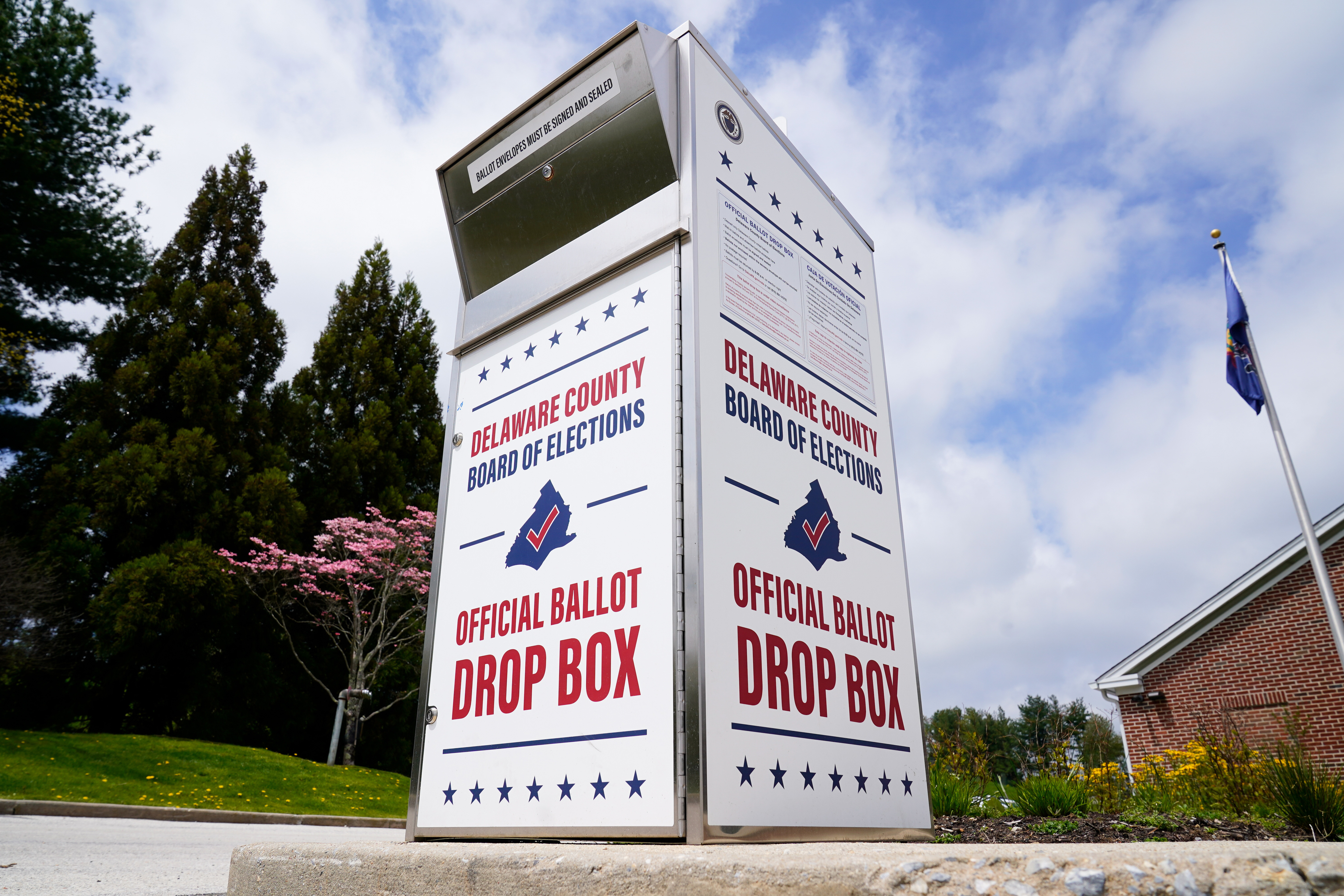
    A Delaware County secured drop box for the return of mail ballots in 2022 in Newtown Square.

    Education

    A Delaware County school district had the right to challenge Pennsylvania’s school-funding system, the Supreme Court ruled in 2017.

    The decision affirmed the role of courts in ensuring that state funding leads to equitable education and sent the case back to Commonwealth Court to proceed with litigation.

    In 2023, Commonwealth Court ruled, as part of the same case, that the state’s funding system for school districts led to disparities that prohibit quality education for all students, rendering it unconstitutional.

    How the three justices ruled: Wecht wrote the majority opinion, which Dougherty and Donohue joined.

    Environment

    Pennsylvania, which partly sits on the natural gas-rich Marcellus Shale, found itself in the midst of the fracking boom of the early 2000s.

    The state sold leases to oil and gas companies to drill wells. The practice raised questions, and legal challenges, as to how the state should use the revenues in the context of the Pennsylvania Constitution’s Environmental Rights Amendment.

    The court ruled in 2017 that it is unconstitutional for the state to use revenue from the royalties of oil and gas leases on public land to pay for anything but conservation and maintenance of the environment.

    How the three justices ruled: Donohue wrote the majority opinion, which Dougherty and Wecht joined.

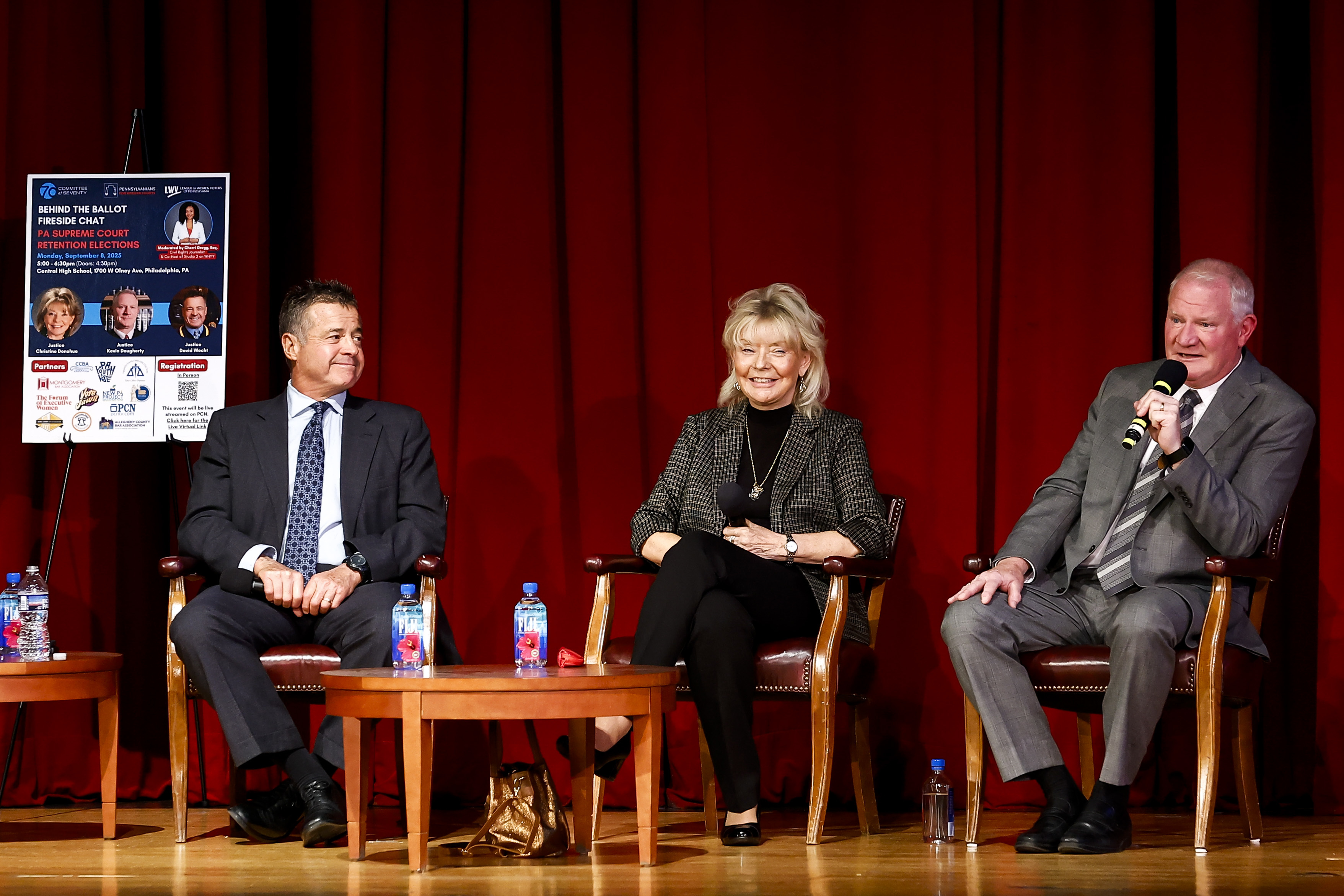
    Justices David Wecht, Christine Donohue and Kevin Dougherty sit onstage during a fireside chat at Central High School in September. The conversation was moderated by Cherri Gregg, co-host of Studio 2 on WHYY, and presented by the Committee of Seventy, Pennsylvanians for Modern Courts, and the League of Women Voters of Pennsylvania.

    Criminal justice

    Pennsylvania has had the nation’s largest population of juvenile lifers: people sentenced as minors to life in prison without the possibility of parole.

    In 2017, the Supreme Court made it harder to sentence a juvenile to life. The majority opinion says there is a “presumption” against life without parole for juveniles who are found guilty of murder, and prosecutors must show that the offender is “unable to be rehabilitated” when seeking the sentence.

    How the three justices ruled: Donohue wrote the majority opinion, which Dougherty and Wecht joined.

    Second Amendment

    In 2024, for the first time, the Pennsylvania Supreme Court issued an opinion that interpreted the wording in the U.S. Constitution that gives Pennsylvanians the right to bear arms.

    In Stroud Township, a zoning ordinance that prohibited the discharge of a firearm within the township’s borders limited the possible locations for shooting ranges. The ordinance barred a resident from having a personal outdoor shooting range on his property, and he sued the township for violating his Second Amendment rights.

    The court ruled that the ordinance was constitutional.

    How the three justices ruled: Dougherty wrote the majority opinion, which Wecht joined. Donohue wrote her own opinion, reaching the same conclusion as the majority but disagreeing with the analysis.

    Larry Krasner

    Did Republican lawmakers make a procedural error in their 2022 effort to impeach Philadelphia District Attorney Larry Krasner? The Supreme Court in 2024 said they did, effectively ending a campaign in Harrisburg to oust the progressive prosecutor.

    Philadelphia District Attorney Larry Krasner talks about Republican-led efforts to investigate his record addressing crime and gun violence at the Pennsylvania Capitol in 2022.

    The decision said that the articles of impeachment approved by the state House in late 2022 were “null and void” because they were sent to the Pennsylvania Senate on the last day of that year’s legislative session, and the upper chamber did not complete its work on the matter before the next session began. The attempt to carry the process from one two-year session to the next was unlawful, the court said.

    The majority also agreed with a lower court that none of the articles of impeachment met the required legal standard of “misbehavior in office.”

    How the three justices ruled: Donohue and Wecht joined the majority opinion. Dougherty did not participate in the deliberations.

    Bill Cosby

    Disgraced actor and comedian Bill Cosby walked out of prison a free man in 2021 after the state Supreme Court reversed his sexual assault conviction.

    The court did not weigh in on the facts of the case or whether Cosby was guilty. Instead, it focused on a former Montgomery County prosecutor’s decade-old promise that Cosby would never be charged with drugging and assaulting Andrea Constand if he gave incriminating testimony in a civil case filed by his accuser. The justices found that the testimony was improperly used years later against Cosby at his criminal trial, calling it a “unconstitutional coercive bait-and-switch.”

    How the three justices ruled: Wecht wrote the majority opinion, which Donohue joined. Dougherty wrote a separate opinion, saying he would allow for Cosby to be retried, but would order his testimony from the civil case to be suppressed.

  • A leaked, secret survey reveals what Philly attorneys think about judges up for election

    A leaked, secret survey reveals what Philly attorneys think about judges up for election

    It’s a local tradition as predictable as slow-rolling through a South Philly stop sign or cursing Schuylkill Expressway traffic: Each election season, the Philadelphia Bar Association publishes its carefully considered opinion of the sitting judges up for reelection — then, the voters ignore it and send every incumbent back to the bench.

    That’s because, since 1969, judicial retention elections have been yes-or-no votes for each judge rather than head-to-head competition. In that time, only one Philadelphia Common Pleas Court judge has ever been denied another term — and he was already facing removal for misconduct in a high-profile case. He “had to work damn hard to lose that election,” retired Common Pleas judge Benjamin Lerner said.

    In September, the bar’s Commission on Judicial Selection and Retention issued its advice for the Nov. 4 election, recommending 13 out of the 18 judges seeking reelection to Philadelphia’s Common Pleas and Municipal Courts. Other than noting that three of the five “not recommended” judges had not participated in the review process, the bar — as is typically the case — released no further information about its decisions.

    But this year, The Inquirer obtained the confidential survey responses the association collected from hundreds of lawyers. The attorneys — who practice in Philadelphia’s criminal, civil, and family courts — provided the bar with detailed feedback under the cover of anonymity about the sitting judges. They also answered yes-or-no questions about their confidence in each judge’s integrity, legal ability, temperament, diligence, attentiveness, and general qualification for the job.

    The Inquirer followed up on the issues raised in the survey by interviewing lawyers and judges, watching weeks of court hearings, and reviewing a decade of Superior Court decisions.

    The survey results and The Inquirer’s examination offer voters a rare window into how members of Philadelphia’s legal community view the performance of the judges up for retention next month. It has been at least 40 years since such inside information was made available to the public.

    window.addEventListener(“message”,function(a){if(void 0!==a.data[“datawrapper-height”]){var e=document.querySelectorAll(“iframe”);for(var t in a.data[“datawrapper-height”])for(var r,i=0;r=e[i];i++)if(r.contentWindow===a.source){var d=a.data[“datawrapper-height”][t]+”px”;r.style.height=d}}});

    The survey responses show that, overall, lawyers have confidence in the integrity of the bench, a profound turnaround from an era of chronic judicial corruption scandals that continued well into this century.

    The judges earning the bar association’s recommendation include several on Common Pleas Court with near-unanimous support: Family Court Judges Walter Olszewski, Ourania Papademetriou, and Christopher Mallios; and Judge Ann Butchart, who handles civil cases.

    Olszewski is a “wonderful, caring, intelligent jurist,” one lawyer wrote. “A true public servant.”

    The majority of the judges received the bar’s recommendation despite feedback that was mixed, though generally positive.

    The most polarizing was Judge Tracy Brandeis-Roman, who has faced blistering appeals from the district attorney’s office accusing her of a pro-defendant bias. Two-thirds of lawyers surveyed said Brandeis-Roman is qualified, and some referred to her as a “fair and compassionate” jurist. But others called her biased and “ill-informed on the law.”

    Brandeis-Roman declined to comment.

    The judges who received the harshest criticism — and whom the bar ultimately declined to recommend — were faulted for their demeanor, disciplinary histories, or disregard for legal procedures.

    “She was cruel and condescending to my client,” a lawyer wrote of Common Pleas Court Judge Lyris F. Younge, who faced parent protests in 2018 and was later sanctioned by the state Court of Judicial Discipline.

    “Incapable, even after all of the years of being on the bench, of making an appropriate decision expeditiously,” another said of Common Pleas Court Judge Frank Palumbo.

    Younge and Palumbo did not respond to requests for comment.

    Marc Zucker, who chairs the bar’s Commission on Judicial Selection and Retention, said the anonymous survey has no bearing on the final recommendations. Instead, he described it as a jumping-off point for an extensive process in which more than 100 volunteer investigators interview candidates, other judges, and lawyers. They also scrutinize judges’ written opinions, social media posts, and financial disclosures.

    “We don’t take any criticism at face value,” Zucker said. “We try and look behind it, and hear multiple voices addressing each of those matters.”

    That information is kept private, he said, to encourage candor.

    The bar’s work does seem to have an influence on voters in competitive primaries. In May, only candidates it recommended won primaries for Common Pleas Court judge.

    Retention elections can be confusing for voters and are low-profile by design because sitting judges are limited in how they can campaign, said Lauren Cristella, executive director of the good-government group Committee of Seventy and a Judicial Commission member.

    But the stakes are high. Local judges “make decisions that have a huge impact on our communities,” Cristella said. “Everyone knows someone who’s had a custody hearing, or had to appear in traffic court. People have all kinds of reasons to be before a judge.”

    Here is what voters should know about some of the more notable judges up for retention on Nov. 4:

    (function() { var l = function() { new pym.Parent( ‘retention-palumbo3__graphic’, ‘https://media.inquirer.com/storage/inquirer/ai2html/retention-palumbo3/index.html’); }; if(typeof(pym) === ‘undefined’) { var h = document.getElementsByTagName(‘head’)[0], s = document.createElement(‘script’); s.type = ‘text/javascript’; s.src = ‘https://pym.nprapps.org/pym.v1.min.js’; s.onload = l; h.appendChild(s); } else { l(); } })();

    When Palumbo first ran for judge in 1999, he was best known as the son of a famous Philly power broker and nightclub owner. The bar association declined to recommend him, but Palumbo drew the top ballot position and cruised to victory. Since then, he has been reelected twice without the bar’s support.

    This year, survey participants complained that Palumbo is erratic and indecisive. One lawyer wrote that getting through a daily list of cases “is an immense struggle for him.” Another claimed he “purposefully blows up negotiated pleas in his room so he does not have to take them.”

    The Superior Court has overturned about one-quarter of cases it decided on appeal from Palumbo’s courtroom over the last decade, well above the statewide average of 13%.

    Most days, Palumbo is assigned a modest docket that consists of probation violations.

    A reporter sat in Palumbo’s courtroom on five occasions in August and September. By the time he arrived around 10:30 a.m., most matters had already been resolved by agreement.

    One day, the prosecutor and the public defender informed Palumbo that, in his absence, they had agreed on the outcome of every single case: In minutes, Palumbo’s work on the bench was done.

    But when the lawyers in the matters before him did not reach a complete agreement, as was the case on Aug. 27, Palumbo launched into circuitous legal questioning that stymied what might have been a routine proceeding.

    On that day, Palumbo took the bench at 10:40 a.m. and asked, “Is everything worked out?”

    The lawyers told him there was just one outstanding matter: A man on probation had agreed to plead guilty in a gun case, and they wanted Palumbo to order a presentence investigation and schedule a sentencing for a future date. Instead, Palumbo questioned why the case was in his courtroom, offered to transfer it to another judge, and then aborted the proceeding, saying he could not accept the plea without the man’s probation file in hand.

    After the prosecutor complained, Palumbo offered, twice more, to transfer the case elsewhere. “I can just move it to the trial room,” he said.

    Generally speaking, lawyers on both sides find it difficult to navigate judges who unilaterally delay or derail proceedings, said Dana Bazelon, a former Philadelphia defense lawyer and policy director for the district attorney’s office, who is now a fellow at the Quattrone Center of the University of Pennsylvania Carey Law School.

    “There are judges who really struggle to make decisions who are currently sitting — and that is as basic a tenet of the job as there is,” she said. “You can’t really do the job if you can’t make decisions.”

    (function() { var l = function() { new pym.Parent( ‘retention-roman2__graphic’, ‘https://media.inquirer.com/storage/inquirer/ai2html/retention-roman2/index.html’); }; if(typeof(pym) === ‘undefined’) { var h = document.getElementsByTagName(‘head’)[0], s = document.createElement(‘script’); s.type = ‘text/javascript’; s.src = ‘https://pym.nprapps.org/pym.v1.min.js’; s.onload = l; h.appendChild(s); } else { l(); } })();

    After a jury returned a guilty verdict against Stephen Jones in a child sexual assault case this May, the victim’s family felt a moment’s relief. Then Brandeis-Roman handed down her sentence.

    Rather than the lengthy prison term the prosecutor sought, the judge released the ailing, 80-year-old defendant on short-term house arrest and probation.

    The victim’s family was furious.

    The outcome was not unusual for Brandeis-Roman. Philadelphia’s district attorney’s office has appealed more than two dozen of her rulings, arguing that her sentences are too lenient and that her decisions have a pro-defendant bias. It’s a notable trend given that the office, under D.A. Larry Krasner, is considered one of the most progressive in the country.

    The Superior Court has so far decided 17 of those cases appealed by prosecutors. Sixteen of them were overturned, including a guilty jury verdict Brandeis-Roman had tossed out despite what the Superior Court called “uncontradicted and overwhelming” video evidence tying the defendant to a shooting.

    Krasner’s office is appealing another Brandeis-Roman decision to vacate a jury’s guilty verdict in a sexual assault trial.

    At what was supposed to be the sentencing hearing for that case, the judge instead threw out the verdict, saying that the evidence did not support the jury’s finding and that the defendant might not have known the victim was incapacitated. The prosecutor’s appeal argued that Brandeis-Roman usurped the role of the jury, took a “thoroughly slanted view,” and disregarded testimony that the woman had been so drunk that her friends had to clean up her vomit and put her to bed.

    Marian Braccia, a Temple University law professor and former Philadelphia prosecutor, said it is rare to see a judge overrule a jury in that manner and requires a finding that no reasonable jury could have reached that verdict.

    For that to happen repeatedly, she said, “really undermines the reliability of the whole system.”

    The lawyers responding to the bar’s survey who praised Brandeis-Roman cited her diligence, compassion, and unyielding commitment to justice.

    “Constantly bullied by the [district attorney’s office] and yet still has the self-respect and respect for fairness to be kind and stand up to them. Holds everyone to the same standard,” one lawyer wrote.

    Setting aside the prosecution’s appeals, the appellate court has affirmed more than 90% of her rulings.

    Prosecutors, meanwhile, continue to file motions urging Brandeis-Roman to reconsider what they say are light sentences.

    In one September case, she sentenced Eladio Vega — a 33-year-old man convicted of beating a pregnant woman, causing her to miscarry and breaking her jaw — to a brief jail term, followed by probation and drug treatment.

    The prosecutor had requested five to 10 years in prison for Vega, given previous convictions for domestic incidents that included breaking his mother’s wrist. But Brandeis-Roman, noting that Vega had survived child abuse and mental illness, said state prison “would absolutely be adding to the trauma.”

    She acknowledged that her decision went against state guidelines: “On paper,” she said, giving him a lighter sentence “doesn’t make sense.”

    (function() { var l = function() { new pym.Parent( ‘retention-younge2__graphic’, ‘https://media.inquirer.com/storage/inquirer/ai2html/retention-younge2/index.html’); }; if(typeof(pym) === ‘undefined’) { var h = document.getElementsByTagName(‘head’)[0], s = document.createElement(‘script’); s.type = ‘text/javascript’; s.src = ‘https://pym.nprapps.org/pym.v1.min.js’; s.onload = l; h.appendChild(s); } else { l(); } })();

    In 2018, parents took to the streets calling for action against Younge.

    Then a relatively new Family Court judge hearing child-welfare cases, Younge had come to the bench with deep expertise in child welfare, having worked as a lawyer for the City of Philadelphia and an executive in the Philadelphia Department of Human Services.

    But, among other complaints, the protesting parents said Younge had shut them out of proceedings. One mother who became ill during a hearing stepped out of the room, and Younge would not allow her to return, terminating her parental rights in her absence.

    The Superior Court reversed a spate of the judge’s decisions, finding Younge abused her discretion in throwing a grandmother in jail and handcuffing a mother while her kids were removed.

    One appellate decision cited “example after example of overreaching, failing to be fair and impartial, evidence of a fixed presumptive idea of what took place, and a failure to provide due process to the two parents involved. … The punishment effectuated by [Younge] was, at best, neglectful and, at worst, designed to affect the bond between Parents and [child] so that termination would be the natural outcome of the proceedings.”

    The Court of Judicial Discipline in 2021 suspended Younge for six months, placing her on judicial probation and banning her from Family Court for the duration of her term.

    Instead of child-welfare matters, Younge is now hearing civil cases. Over her tenure, the Superior Court has overturned about 27% of the cases appealed from her courtroom, double the statewide average.

    Younge did not participate in the bar’s process or respond to requests for comment from The Inquirer.

    In the survey, most lawyers brought up concerns with her record in Family Court. Those who had been in her civil courtroom gave mixed feedback.

    “Those patterns and practices are still present in her civil courtrooms,” one lawyer wrote. “No party, on either side, gets a fair trial.”

    (function() { var l = function() { new pym.Parent( ‘retention-diclaudio2__graphic’, ‘https://media.inquirer.com/storage/inquirer/ai2html/retention-diclaudio2/index.html’); }; if(typeof(pym) === ‘undefined’) { var h = document.getElementsByTagName(‘head’)[0], s = document.createElement(‘script’); s.type = ‘text/javascript’; s.src = ‘https://pym.nprapps.org/pym.v1.min.js’; s.onload = l; h.appendChild(s); } else { l(); } })();

    Presiding mostly over post-conviction reviews in criminal court, DiClaudio inherited a docket that included cases pending for a decade or longer, and he said he prided himself on his hard work and efficiency in clearing that backlog. He has noted that his record includes overturning roughly 50 homicide convictions.

    Lawyers surveyed about DiClaudio were divided, with many criticizing his courtroom demeanor even as they said he “knows the law and gets to the right conclusions.” The Superior Court has overturned his rulings in only about 7% of cases.

    But DiClaudio’s decade on the bench has been marked by controversy, including three cases the Judicial Conduct Board brought against him.

    In the first case, from 2019, the board said DiClaudio ignored court orders related to a lawsuit over unpaid membership dues he owed to a sports club. DiClaudio was given a two-week suspension and placed on judicial probation until 2026.

    This year, the board argued that DiClaudio had improperly used his office to promote his wife’s cheesesteak shop and “traded on and abused the prestige of his office for the personal and economic benefit of himself and others.”

    While a final decision on that case was pending, fellow Common Pleas Court Judge Zachary Shaffer alleged that DiClaudio tried to influence his sentencing decision in a gun case by showing Shaffer a piece of paper with the name of a defendant and saying, “I’ve heard you might do the right thing anyway.”

    Court supervisors placed DiClaudio on administrative leave, and the Judicial Conduct Board pushed for his suspension without pay on the grounds that his continued employment as a judge would “erode public confidence in the judiciary.”

    DiClaudio stipulated to various missteps in the 2019 case related to the club debt, but he has denied any wrongdoing in the two pending cases. DiClaudio denied trying to influence Shaffer, and his lawyer insisted that he had not sought to sway the judge but had happened to mention the defendant in passing when Shaffer stopped by his chambers to buy a T-shirt from the cheesesteak shop.

    (function() { var l = function() { new pym.Parent( ‘retention-grey2__graphic’, ‘https://media.inquirer.com/storage/inquirer/ai2html/retention-grey2/index.html’); }; if(typeof(pym) === ‘undefined’) { var h = document.getElementsByTagName(‘head’)[0], s = document.createElement(‘script’); s.type = ‘text/javascript’; s.src = ‘https://pym.nprapps.org/pym.v1.min.js’; s.onload = l; h.appendChild(s); } else { l(); } })();

    Grey, a Family Court judge overseeing child-welfare cases, has drawn harsh criticism from the lawyers participating in the bar’s survey and from Superior Court judges reviewing his decisions.

    A former criminal-defense lawyer, Grey was recommended by the bar when he first ran for judge in 2015.

    Some survey respondents praised him for his commitment to families. But lawyers also raised concerns about his temperament, saying he yells at litigants and interrupts testimony.

    “Judge Grey’s judicial performance is highly dependent on his mood, which varies widely from day to day,” one lawyer wrote. “He is also frequently aggressively impatient with attorneys, social workers and adult parties. Great with kids.”

    An Inquirer review of Superior Court decisions found Grey had the highest reversal rate of any judge in Family Court’s juvenile division. In several opinions, appellate judges said Grey returned children home to dangerous situations — in one case going so far as to say they were “appalled” by Grey’s decision.

    In an interview, Grey acknowledged some errors but said in most cases, his decisions were properly grounded in the available evidence and the law.

    As for occasionally yelling, he said it’s warranted.

    “I’ve yelled at attorneys for not knowing what’s going on or being prepared,” he said.

    Grey said that allowing himself to become emotionally involved is crucial to building connections, and that it is incumbent on him to get involved in asking questions and guiding testimony so that he has all the information he needs to decide cases.

    (function() { var l = function() { new pym.Parent( ‘retention-frazier-lyde2__graphic’, ‘https://media.inquirer.com/storage/inquirer/ai2html/retention-frazier-lyde2/index.html’); }; if(typeof(pym) === ‘undefined’) { var h = document.getElementsByTagName(‘head’)[0], s = document.createElement(‘script’); s.type = ‘text/javascript’; s.src = ‘https://pym.nprapps.org/pym.v1.min.js’; s.onload = l; h.appendChild(s); } else { l(); } })();

    Frazier-Lyde is the only Municipal Court candidate up for retention whom the bar declined to recommend.

    It’s unlikely to affect her chances at the polls. In the last election cycle, she won by the largest margin of any Municipal Court judge.

    The former champion boxer — and daughter of a Philly legend, Smokin’ Joe Frazier — is often responsible for reviewing defendants’ bail terms and handling preliminary hearings, including in domestic violence cases.

    Frazier-Lyde, in an interview, said she is proud of her work on the bench and in the community, and she said she felt blindsided by the bar’s failure to recommend her. She noted the association’s magazine praised her in a feature in its spring 2025 issue as “kind, empathetic and outwardly focused.”

    “I have public interest and public welfare at the forefront of how I look at everything,” Frazier-Lyde said, adding that she had heard no complaints from the legal community or her supervisors, who in recent months have asked her to handle a double caseload.

    But lawyers who responded to the survey said Frazier-Lyde often ignores procedural rules, such as when she questions witnesses after both sides have rested.

    She disagreed with that assessment. “I follow the law. I know the law,” she said.

    Survey respondents also questioned her handling of domestic violence cases, reporting that she had ordered victims and their alleged abusers into couples counseling. Frazier-Lyde said she does not order anyone into counseling but does seek expert evaluations to determine whether counseling is warranted.

    She also frequently imposes mutual stay-away orders on both defendants and complainants — even extending that to unspecified “friends, family, and associates” on both sides, advising that any violation could result in criminal charges.

    Frazier-Lyde said it’s her job to do all she can to keep everyone safe before trial, and such orders help achieve that.

    Bazelon, the Penn Law fellow, said it can become impossible to prosecute domestic violence cases if judges see their role as mediating an interpersonal conflict rather than assessing the evidence in an alleged crime.

    “Many people see domestic violence as not real crime,” she said. “But when judges bring that to the bench, it means they’re not taking victims seriously enough, and it has the potential to put people in danger.

    Staff writers Dylan Purcell and Chris A. Williams contributed to this article.

    Correction: A previous version of this story incorrectly stated the terms of Eladio Vega’s sentence.

    ACKNOWLEDGMENT
    The Inquirer’s journalism is supported in part by The Lenfest Institute for Journalism and readers like you. News and Editorial content is created independently of The Inquirer’s donors. Gifts to support The Inquirer’s high-impact journalism can be made at inquirer.com/donate. A list of Lenfest Institute donors can be found at lenfestinstitute.org/supporters.

  • The West Philly Tool Library is moving, and asking for help

    The West Philly Tool Library is moving, and asking for help

    The West Philly Tool Library, where members can borrow from several thousand different tools and attend classes learning how to use them, is moving from its home of the past 15 years.

    Its landlord on South 47th Street near Woodland Avenue has chosen not to renew its lease, and the library will have to move by the end of November.

    Executive director Jason R. Sanders said that the tool library has been receiving below-market-rate rent since moving in and that the organization was not upset with its landlord for raising the rent beyond what the tool library could afford.

    “We’re very grateful and want to dispel that,” Sanders said.

    The tool library’s leadership is scouting options for a new home. Wherever the library goes, it will likely need to perform repairs and retrofitting before it can open again. Sanders said that work plus moving costs would likely exceed $50,000.

    Tools cabinets inside the West Philly Tool Library last week.

    The library has called for donations through an online fundraiser with the goal of reaching $20,000, and is already roughly three-quarters of the way there. (The link is available at westphillytools.org.)

    Asking for money is something Sanders and the library have always sought to avoid. They run a purposefully tight operation, with $20 annual memberships, volunteer staff, and minimal grant funding.

    Sanders said the organization started in 2007 as a few friends who shared tools with their neighbors to make DIY home repairs. They never imagined to have the reach the library does now, with over 1,300 active members and even more coming through its classes.

    The library offers nearly every kind of household tool imaginable, from mundane screwdrivers and pliers to jackhammers and power washers. Its classes teach attendees about plumbing and electrical work, as well as sewing and date-night woodworking projects. It aims to help people live more safely and healthily in their homes, Sanders said.

    “We want to live within our means and support the community with the support we receive. So it’s kind of an unprecedented thing for us to ask for that, and I think people understand that we’re asking in a time of need,” Sanders said.

    Alan Hahn works on a charcuterie board during a woodworking class at the West Philly Tool Library on Friday, Oct. 10.

    Sanders said that particularly over the last few years, the library has become a sort of “community hub” that means more to West Philly than just a place you can grab a hammer.

    “It blows me away,” Sanders said about the support the library has received.

    Beginning later this week, the library will host volunteer days for those willing to help prepare for their move. The library is also accepting donated construction materials for renovations like drywall and wiring.

    The tool library is hosting a fundraiser event on Oct. 25, with pumpkin carving, food and drink, and a raffle from local businesses and artists.