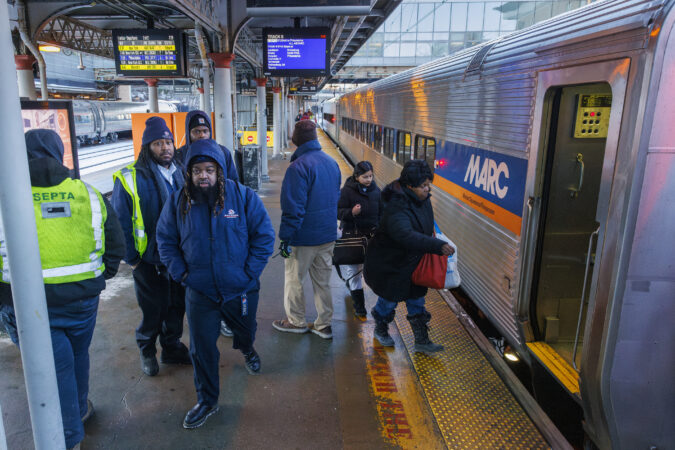
As Train 9710 pulled out of the Trenton Transit Center at 7:25 a.m. Monday, something looked out of place.
Five passenger coaches in the Philadelphia-bound Regional Rail train bore foreign “MARC” logos and orange-and-blue markings, all pulled by a properly labeled SEPTA electric locomotive.
The substitute cars initially will be running on the Trenton and West Trenton lines, where riders for months have endured packed trains due to a shortage of available 50-year-old Silverliner IVs.
The transit agency is paying $2.6 million to lease the new coaches for a year.
SEPTA’s records show it canceled at least 2,544 Regional Rail trips in the last three months of 2025. Delays and skipped stops also have plagued commuters for months.
SEPTA is using its ACS-64 electric locomotives, which it bought in 2019, to pull the MARC coaches and its own fleet of 45 coaches.
Silverliner cars do double duty; they carry passengers and have motors that provide their own locomotion through electricity drawn from overhead wires.
SEPTA said in a statement that the schedules will add trips on the Wilmington, Trenton, and Chestnut Hill East lines and increase the frequency of service from Wayne Junction directly to the Philadelphia International Airport on the Airport line.
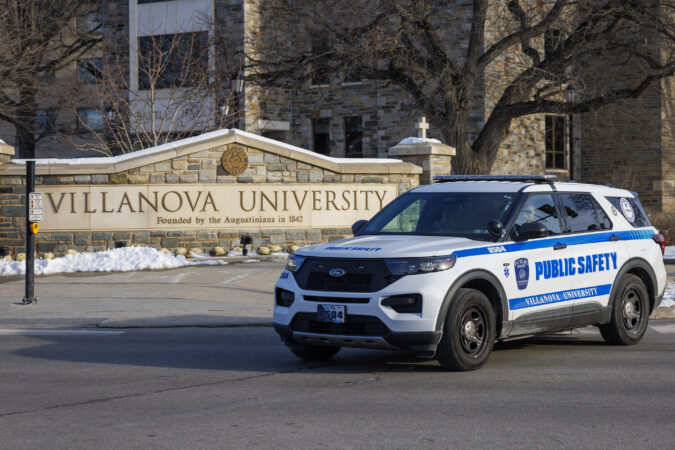
A freshman football player at Villanova University has been charged with rape and sexual assault stemming from a December incident on campus, a university spokesperson said Sunday.
D’Hani Cobbs, 20, faces charges of rape, sexual assault, and related offenses in Delaware County, court records show. He is accused of assaulting another student on Dec. 7, the university said in a statement, which did not provide any additional details about the alleged incident. The arrest was first reported by student newspaper The Villanovan.
Cobbs was arraigned Friday and held on $250,000 bail, according to court records.
A university spokesperson said school leaders reported the incident to law enforcement and “removed” Cobbs from campus shortly after the incident in December.
“Sexual violence of any kind is not tolerated on our campus and we are committed to both supporting the victim and fostering a safe environment for all of our students,” the university said in the statement.
A player bio page on Villanova’s website was out of service with an error message on Sunday, but according to social media and sports news outlets, Cobbs graduated from Camden High School in 2025 and played wide receiver at Villanova. Recruiters for the Villanova Wildcats posted a “welcome to the family” message on social media after recruiting Cobbs in December 2024.
An attorney for Cobbs did not immediately respond to a request for comment Sunday.
A decorated U.S. Army veteran from Montgomery County was arrested Friday for participating in a protest at a St. Paul, Minn., church, just two days after a video of him speaking out against the Trump administration went viral.
Ian Austin, 35, of Bryn Athyn, is one of nine people facing felony charges for their involvement in a Jan. 18 protest at Cities Church in St. Paul. Former CNN host Don Lemon, who was covering the protest, is also a defendant. Lemon’s arrest, and that of another journalist who attended the protest, has brought criticism from media and civil rights advocates.
The Department of Justice indicted Austin for conspiring to interrupt a church service and “injure, intimidate, and interfere with exercise of right of religious freedom” at a place of worship, federal court documents state.
But Austin’s parents in Bryn Athyn say their son’s actions are in keeping with his sense of duty to his country, and his determination to help others however he can.
“Those are things he cares about more than political party,” his mother, Paige Austin, said. “It’s more about what does it mean to be human, and to treat people justly and kindly, regardless of where you live.”
In a video clip dated Jan. 20 and posted online days before his arrest, Austin said that he believed as an Army veteran it was his duty to travel to Minnesota.
“We took an oath to the Constitution, and it’s just being shredded right now,” Austin said in the video, which racked up hundreds of thousands of likes across multiple social media platforms.
“This has all of the signs from every fascist movement in history that we’re going to lose the opportunity to resist,” he said. “So that’s why I’m here.”
The protesters said they targeted the church because one of its pastors, David Easterwood, leads the Immigration and Customs Enforcement (ICE) St. Paul field office. The church’s website lists David Easterwood as a pastor, and news outlets have reported that his personal information appears to match that of the David Easterwood identified in court filings as the acting director of the ICE St. Paul field office.
In the video, Austin said he’d previously been detained for protesting outside the Bishop Henry Whipple Federal Building before being released without charges. It was during that detainment, he said, that a Department of Homeland Security officer questioned him about why someone “from Philadelphia” would be in Minneapolis.
“And I’m like, ‘Well, because the nation that I was willing to die for is being systematically oppressed with men in military uniforms, a private army told by the president that they have no other laws to follow than his, and they’re systematically attacking and even killing our neighbors — in the United States of America,” Austin said.
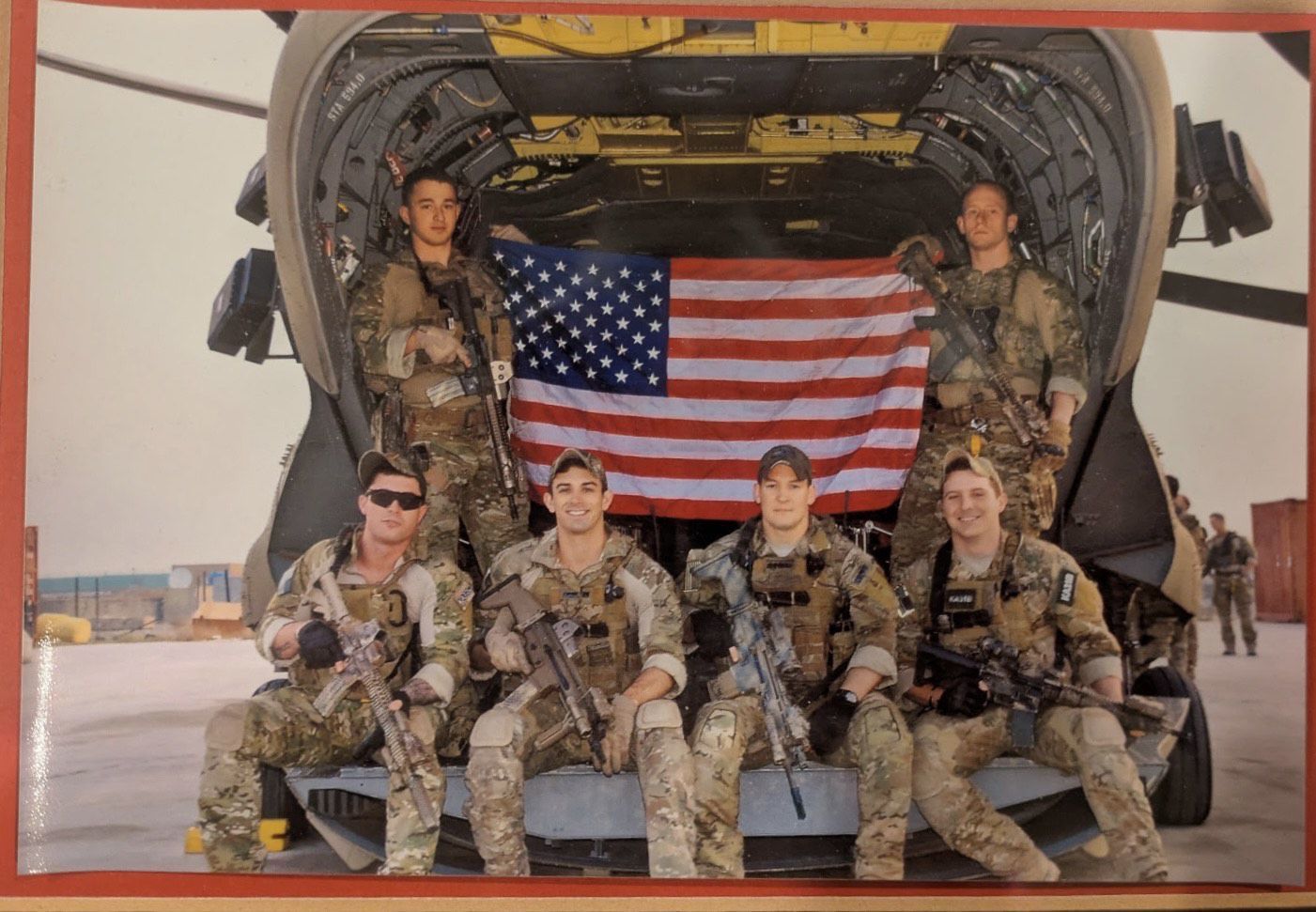
This undated photo shows Ian Austin and other U.S. Army soldiers.
Valorous service
Austin grew up in Huntingdon Valley, a couple miles outside of Philly in Montgomery County. His parents, Kenneth and Paige Austin, said he went to Academy of the New Church high school, where he excelled at baseball and wrestling, earning a spot in the J. Robinson Intensive Wrestling Camp in Minnesota.
“It’s brutally hard,” Kenneth Austin said in an interview with The Inquirer. “It’s like boot camp. He did very well. I think that planted a seed for the military.”
Austin graduated from high school in 2008, celebrated the Phillies’ World Series win with family and friends, and weeks later, shipped out to Army basic training.
His parents confirmed that as a member of the U.S. Army’s elite 1st Ranger Battalion, Austin served six combat deployments in Afghanistan. In 2013, he was awarded a Joint Commendation Medal with Valor device, according to a news report.
The valor device is given to soldiers who displayed “an act or acts of heroism by an individual above what is normally expected while engaged in direct combat with an enemy of the United States, or an opposing foreign or armed force, with exposure to enemy hostilities and personal risk,” according to a military website.
This detail shot of an undated family photo shows Ian Austin while serving in the U.S. Army 1st Ranger Battalion.
After his Army contract ended in 2014, Austin returned home, his parents said. He was diagnosed with post-traumatic stress disorder, and he threw himself into his recovery process with the same passion he put into his training, Kenneth Austin said. He had his share of setbacks; in 2021, Austin pleaded guilty to disorderly conduct and fighting after refusing to leave a local bar, his parents noted.
But as Austin took college classes at La Salle University and elsewhere, he became increasingly interested in social justice and helping others.
During the 2020 George Floyd protests in Philly, Austin packed his backpack with medical supplies and water, Paige Austin said. “He would go down there and sort of join the protest, but he was there also to help, because part of the Ranger training was emergency medical training.”
Kenneth Austin recounted that his son even carried a backpack full of water, snacks, and first aid supplies during the parade after the Philadelphia Eagles’ 2025 Super Bowl victory, earning him the nickname “headquarters” from some of those out celebrating.
“It was a little much for me,” his father said. “But it really struck me, like, he’s … here to have fun, but he’s also looking out for everyone, and becoming buddies with everyone, and making sure everyone’s OK.”
A protest in a church
A few weeks after ICE agent Jonathan Ross shot and killed Renee Good in Minneapolis, Austin told his parents he was going to Minnesota. Three hours later, his truck was packed, and after a 17-hour drive, he was out protesting.
Austin is being held in the Sherburne County Jail in Minnesota, county records show. His attorney, Sarah Gad, said that she took on his case pro bono after seeing agents arrest him Friday. Gad said that based on what she’s seen in similar cases, she expects him to be released on his own recognizance as early as Monday.
Video of the protest shows protesters in the church chanting “Renee Good,” “Don’t shoot,” and “ICE out,” while a pastor shouted “shame on you” into a microphone. As the protest continued, many congregants can be seen leaving the church, while others stayed put or filmed the takeover. A few church attendees struck up conversations with protesters.
“I understand that what has happened is wrong, and I agree with that,” one congregant said to the person filming. “But this can’t happen. This is the house of the Lord.”
The federal indictment states that between 20 and 40 “agitators” occupied the main aisle and front of the church and yelled at the pastor and congregants. The indictment alleges that some protesters intimidated church members and prevented them from moving about freely in the church.
Austin, the indictment states, stood with other protesters, “approached the pastor and congregants in a menacing manner, and near the end of the operation, loudly berated the pastor with questions about Christian nationalism and Christians wanting their faith to be the law of the land.”
News reports have noted that Cities Church has ties to prominent Christian nationalists and powerful figures in the MAGA movement. Slate reported that its founder, Joe Rigney, is now a pastor at Christ Church in Moscow, Idaho. That church is run by Doug Wilson, who wants America to become a theocracy, according to a New York Times interview. Defense Secretary Pete Hegseth attends an affiliated church.
Austin’s attorney said this is a unique case, but it doesn’t surprise her that the Department of Justice would want to make an example of anti-ICE protesters who were allegedly disrupting a place of worship.
“I think that this is being taken very seriously by the United States attorney,” Gad said, though she added, “federal cases often look much more alarming at the front end than they turn out to be.”
Spotlight PA is an independent, nonpartisan, and nonprofit newsroom producing investigative and public-service journalism that holds power to account and drives positive change in Pennsylvania. Sign up for our free newsletters.
HARRISBURG — Rents are soaring, homelessness is rising, and homeownership is out of reach for many families in Pennsylvania. As the state grapples with a serious housing shortage and affordability dominates the national political conversation, Gov. Josh Shapiro is preparing to release a long-awaited plan to tackle the crisis.
The plan, first announced in late 2024, will draw on months of outreach to advocates, developers, and local officials. Supporters hope it will offer a clear path forward and build momentum around proposals that can win support in Pennsylvania’s politically divided legislature. But significant obstacles stand in the way.
“The housing crisis has risen to the level such that none of the four caucuses can ignore it,” said Deanna Dyer, director of policy at Regional Housing Legal Services, a nonprofit law firm.
The housing shortage is a nationwide problem, but Pennsylvania has been particularly slow to build new units. The shortfall leaves families squeezed by rising costs, pushes recent graduates to take jobs in other states, and makes it harder for companies to expand.
Other states are passing laws to loosen local zoning restrictions and encourage new development — despite often fierce opposition from groups representing local governments.
Similar efforts in Harrisburg have not yet gained traction, although more lawmakers are exploring solutions, said State Rep. Lindsay Powell, a Democrat representing Pittsburgh who cochairs the House Housing Caucus.
“Pennsylvania has an opportunity to really push itself forward here.”
Falling behind
Underlying Pennsylvania’s housing crunch is the law of supply and demand.
Between 2017 and 2023, the number of households in Pennsylvania grew by 5%, according to a recent report from Pew Charitable Trusts, a think tank. Over the same period, local governments issued only enough building permits to increase the state’s housing stock by 3.4%.
That left Pennsylvania ranked 44th out of 50 states on the rate of housing built.
“The most important driver of affordability is whether there are enough homes for everyone,” said Alex Horowitz, Pew’s director of housing policy.
High demand for existing units, combined with a lack of new supply, gives landlords more leverage to raise rents and drives up house prices, Horowitz said.
“The shortage is what is causing housing to get so expensive right now.”
The problem is not spread evenly across the state. Costs have risen the most in areas with growing populations that have not added enough housing, including the Philadelphia suburbs, Northeastern Pennsylvania, and cities like Harrisburg, York, and Lancaster.
To keep up with the demand, state officials estimate, Pennsylvania needs to build 450,000 units by 2035 — a 70% increase in new construction.
In September 2024, Shapiro signed an executive order directing the Pennsylvania Department of Community and Economic Development to create a statewide plan to increase the supply of housing, and to review the effectiveness of existing programs. The executive order also requires the Pennsylvania Department of Human Services to conduct a separate review of policies to address homelessness.
“We don’t have enough housing, the cost of housing is going up, and the housing we do have is getting older and is in need of more repairs,” Shapiro said, announcing the plan.
Since then, DCED has received feedback from almost 2,500 people and organizations, and held 15 listening sessions across the state, a spokesperson said.
A draft was due to be submitted to the governor’s office in September, according to the executive order, but the details have not yet been made public.
Zoning headaches
In roundtables and written feedback, state officials heard about problems small and sweeping. One issue came up repeatedly, according to interviews with participants and a review of hundreds of pages of written recommendations obtained through the state Right-to-Know law: To build more housing, Pennsylvania needs to change local zoning rules that stifle new construction.
There are a number of ways the state could approach this. Many municipalities reserve most of their land zoned residential for single-family homes. Pennsylvania could allow apartment buildings on land currently zoned for commercial use, or near public transit, or legalize accessory dwelling units, like backyard cottages and granny flats.
Changes like these would require revising the municipal planning code, the state law that gives local governments authority over land-use decisions.
These changes would also make it easier to address rising demand for smaller units, as the average household size falls and more people live alone.
Any attempt to change zoning laws, however, will likely face strong opposition from groups representing Pennsylvania’s municipalities. They argue that local governments know their communities best and should retain control over decisions about land use. They also say the focus on zoning overlooks other factors contributing to the housing shortage, like the rising cost of construction materials and supply-chain disruptions.
Municipal zoning laws are “often scapegoated” as the culprit for a lack of affordable housing, Logan Stover, director of policy and legislative affairs at the Pennsylvania State Association of Boroughs, told Spotlight PA in a statement.
In October, a senior Shapiro staffer working on the housing plan told a local group in Lancaster the plan would focus on “incentives rather than mandates,” with a points-based system to give communities that adopt pro-housing policies priority for state funding. Communities with policies that restrict new development could be disqualified, he said.
At least six states — including California, Massachusetts, and New York — have already created incentive programs, which vary in design and enforcement mechanisms.
These efforts have not proven as effective as broader statewide zoning changes, said Horowitz, the Pew researcher.
“States that tried that early on didn’t see the supply response,” he said.
The state plan will also likely focus on how to simplify and speed up local permitting processes, which can delay construction with time-consuming paperwork and unpredictable outcomes. Streamlining state permitting has already been a major focus for Shapiro.
Focus on preservation
Pennsylvania doesn’t just need to build more housing — it also needs to help people stay in their current homes, state officials heard.
Groups that provide free legal services to low-income residents say there has been a dramatic increase in the number of people seeking help with evictions, foreclosures, and similar problems. In 2024, legal aid providers said, housing made up a third of all their cases — the single largest category.
They also urged state officials to keep pushing to seal eviction records in some cases, which Shapiro has said he supports but would require changing state law.
Another common thread was the need for a permanent source of funding to help low-income homeowners with repair costs. The state has some of the oldest housing stock in the U.S.; more than 60% of houses were built before 1970.
Investing in home repairs is broadly popular but has proven politically challenging.
In 2022, the state legislature agreed to spend $125 million in federal pandemic aid to create a new home repair program.
Demand was overwhelming: Some counties were able to take applications only for a few days and thousands of homeowners ended up on wait lists. The program was widely praised for its flexibility, which allowed administrators to help homeowners who would not have been able to get help from other programs, although some counties ran into administrative difficulties.
The program was created with bipartisan support, but efforts to continue it with state funding in 2023 and 2024 were unsuccessful. Last year, Shapiro proposed $50 million for a new, rebranded repair program, but the money didn’t make it into the final budget deal.
Looking ahead
Although Shapiro could make some changes through executive action, many of the suggested policy goals would require legislation.
Housing has proven to be an issue that can cut through political divides in Harrisburg, where Democrats control the state House and the governor’s mansion while Republicans hold a majority in the state Senate.
In recent years, lawmakers have agreed to a series of funding increases for a grant program to build and repair affordable housing. They also supported Shapiro’s proposal for a major expansion of a program that gives older and disabled residents a partial refund on their rent and property tax payments. The changes, which took effect in 2024, made more Pennsylvanians eligible and boosted the value of the rebates.
Between July 2024 and June 2025, more than 25 states passed legislation aimed at increasing the supply of housing, according to an analysis by the Mercatus Center, a libertarian think tank. Pennsylvania was not one of them, although lawmakers in both chambers have unsuccessfully introduced bills to loosenzoning requirements.
More recently, lawmakers from both parties have circulated proposals that echo some of the recommendations floated during the outreach for Shapiro’s housing plan. Republicans who control the state Senate say addressing the housing shortage will be a “key focus” for their caucus this year.
State Sen. Joe Picozzi (R., Philadelphia), chair of his chamber’s Urban Affairs and Housing Committee, plans to introduce legislation that would offer grants to local governments that work with developers to build housing near centers of employment. “To qualify, communities must show they are committed to smart housing policies — like updating zoning, faster permitting processes, or preparing development-ready land,” according to a legislative memo.
This year represents a real opportunity to make progress on the housing shortage, said State Rep. Jared Solomon, a Democrat representing Northeast Philadelphi,a who has sponsored several pieces of legislation aimed at adding more housing.
“We’re all seeing the same thing in our neighborhoods — we all know we have to be proactive about it,” Solomon said.
BEFORE YOU GO… If you learned something from this article, pay it forward and contribute to Spotlight PA at spotlightpa.org/donate. Spotlight PA is funded by foundations and readers like you who are committed to accountability journalism that gets results.
Every day, sometimes several times a day, the 7-year-old girl wants to talk about the mother she lost in the Northeast Philadelphia plane crash.
“She’s missing her all the time and she’ll ask me, `Do you think I look like my mom? Do you think I dress like my mom? Do you see my bag? This is my mom’s bag,’” said 35-year-old Shantell Fletcher, the girl’s godmother.
It has been a year since a medical jet crashed on Cottman Avenue near the Roosevelt Mall, killing all six people onboard. The explosion cast a plume of plane shrapnel and fire over the neighborhood. At least 16 homes were severely damaged and about two dozen people were injured that night.
The girl’s mother, Dominique Goods Burke, and her fiance, Steven Dreuitt Jr., along with Dreuitt’s 10-year-old son, Ramesses Dreuitt Vazquez, were driving on Cottman Avenue on Jan. 31, 2025, just after 6 p.m. when the plane slammed into the ground at more than 278 mph, within feet of their car.
Flames instantly engulfed the vehicle. Dreuitt, 37, trapped in the car with his legs crushed beneath the steering wheel, died at the scene, but Goods Burke and Ramesses escaped with severe burns.
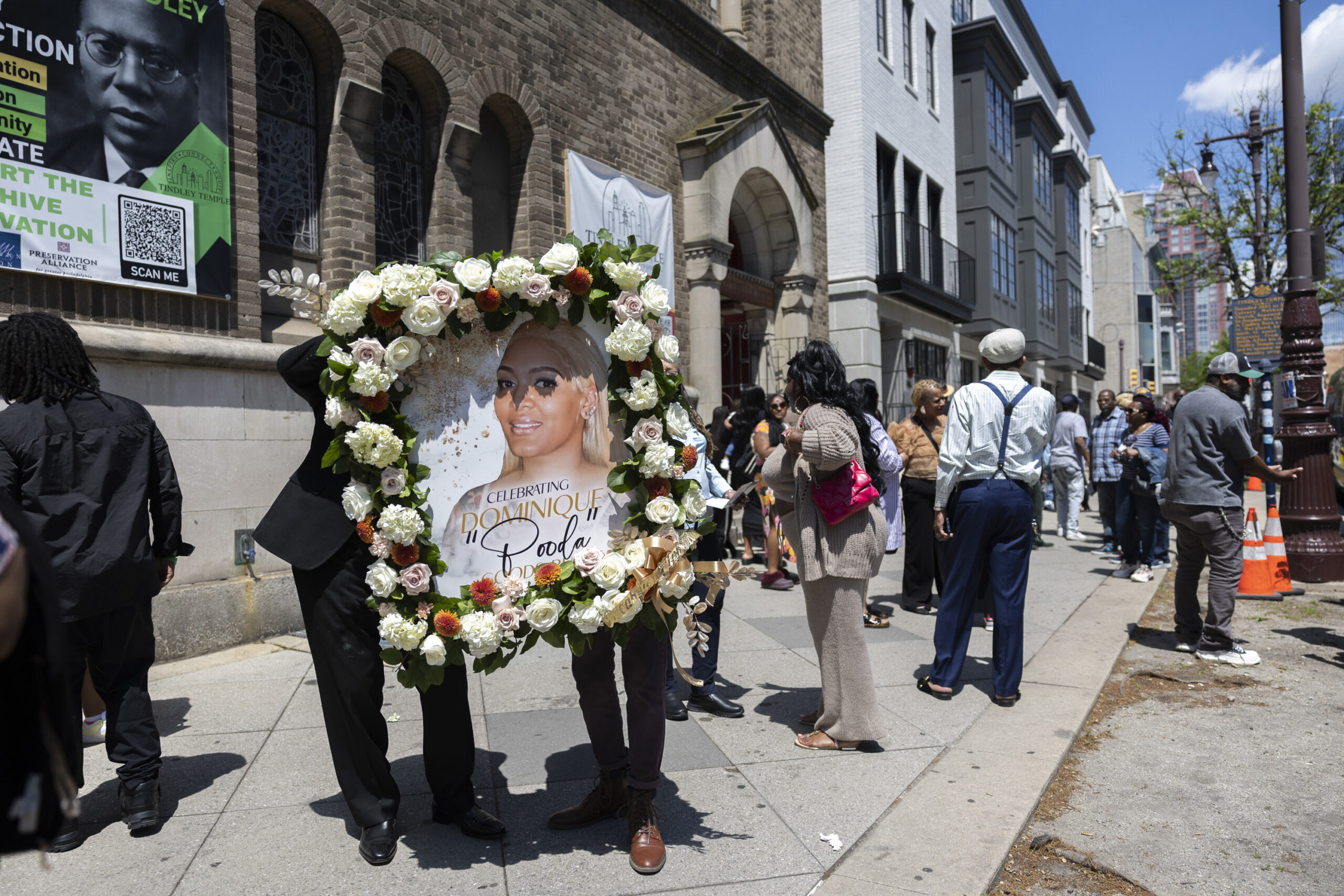
A floral photo of Dominique Goods Burke is carried out after the funeral service as family, friends and community members gather outside at Tindley Temple UM Church in Philadelphia, Pa., on Thursday, May 8, 2025. Dominique passed away at Jefferson hospital on April 27 due to the critical burns from the Roosevelt Mall Learjet crash along Cottman Avenue.
Goods Burke, 34, died of her injuries in April at Thomas Jefferson University Hospital, leaving behind her daughter and her 16-year-old son, Dominick Goods. (The family asked The Inquirer to withhold her daughter’s name to protect her privacy.)
On Saturday evening, Mayor Cherelle L. Parker and other city officials planned to place a wreath at the crash site. About 100 people gathered inside Engine 71 Fire Station on Cottman, the station closest to the crash site.
The plane’s impact had left a bomb-like crater in a driveway apron between a Raising Cane’s restaurant and a Dunkin’ Donuts. The 8-foot-deep hole has since been filled in and paved over, but the loss and devastation are irreparable.
“I don’t know how we made it through a year. It feels fresh, raw. Sometimes it’s hard to breathe,” said Fletcher, who was Goods Burke’s first cousin and best friend. “Losing her, I’ve felt alone and empty. I miss laughing with her. I miss joking with her. I miss celebrating life with her.”
Fletcher is helping to raise Goods Burke’s daughter and her son, Dominick, an 11th grader at Imhotep Institute Charter High School in East Germantown. Dominick’s father was Dreuitt, so he lost both parents.
“My godson doesn’t have his mother or his father. My goddaughter doesn’t have her mamma,” Fletcher said. “Other than them coming back, nothing could ever give us a reprieve from the pain.”
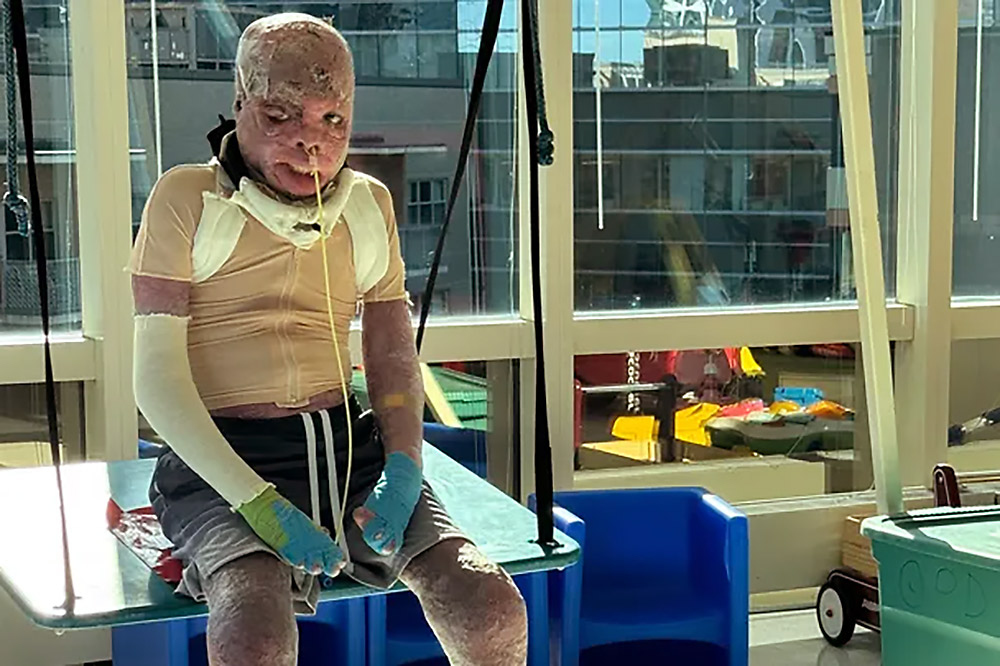
Ramesses Dreuitt Vazquez, 10, spent months in a Boston hospital recovering from burns to more than 90% of his body when the car he was riding in caught fire in the Jan. 31, 2025 plane crash in Northeast Philadelphia.
“I have my moments of still struggling. It’s been really tough,” said Dreuitt’s 61-year-old mother, Alberta “Amira” Brown, whose grandchildren are Ramesses and Dominick. “The life that we once had, we can never get it back.”
An irreplaceable booming voice
Dreuitt worked as a kitchen manager and team leader at the Philadelphia Catering Co. in South Philadelphia for more than seven years. Co-owner Tim Kelly said it was Dreuitt’s job to call staffers to lunch, which the company served to its 45 employees each day at noon.
“Steve would always call lunch, which basically was him just yelling, ‘LUNCH,’ three times loudly,” Kelly said. “His deep booming voice. Many of the guys here have tried to replicate it, but to no avail.”
“Time does help. It softens the blow,” Kelly said. “It was very difficult for a long time for a lot of us, but we’re at the point where we can remember him with a little less sadness and we can smile a bit.”
Goods Burke, whom loved ones affectionately called “Pooda” and colleagues called “Dom,” worked at High Point Cafe as a day bakery manager for years.
Cafe founder Meg Hagele said the staff treats her former work space, dubbed “Dom’s table,” with a shrine-like reverence. Seeing Goods Burke’s handwriting on recipes, scribbles in margins, stirs memories of her vibrancy and creativity.
“She’s very present with us still,” Hagele said. “This accident was just a shock to the entire city, but to be touched so personally by it is just freakish and profound.”
NTSB investigation continues
The National Transportation Safety Board is still investigating the crash’s cause. The plane — a medical transport Learjet 55 owned by Jet Rescue Air Ambulance, headquartered in Mexico City — had taken off at 6:07 p.m. from Northeast Philadelphia Airport. It climbed to 1,640 feet before nosediving just three miles away around 6:08 p.m.
NTSB investigators recovered the cockpit voice recorder at the scene, but after repairing it and playing it back, they found the device “had likely not been recording audio for several years,” according to a preliminary report released in March.
Brown, of Mount Airy, said she got a letter from the NTSB a few weeks ago saying investigators were making progress.
“That’s hope right there,” Brown said in a recent interview. ”It will help to know exactly what happened to make that plane come down. Does it change anything? No.”
Alberta “Amira” Brown remembers her son, Steven Dreuitt Jr., who died in the Jan. 31, 2025, plane crash in Northeast Philadelphia. In November, Brown attended a memorial service at Oxford Presbyterian Church in North Philadelphia.
The cremated remains of the six Mexican nationals who died aboard the plane were returned to loved ones in Mexico City last spring. Among the passengers were 11-year-old Valentina Guzmán Murillo and her 31-year-old mother, Lizeth Murillo Osuna. They were returning home after Valentinahad spent four months undergoing treatment for a spinal condition at Shriners Children’s Philadelphia.
Also killed were the pilot, Alan Montoya Perales, 46; his copilot, Josue de Jesus Juarez Juarez, 43; a Jet Rescue doctor, Raul Meza Arredonda, 41; and paramedic Rodrigo Lopez Padilla, 41.
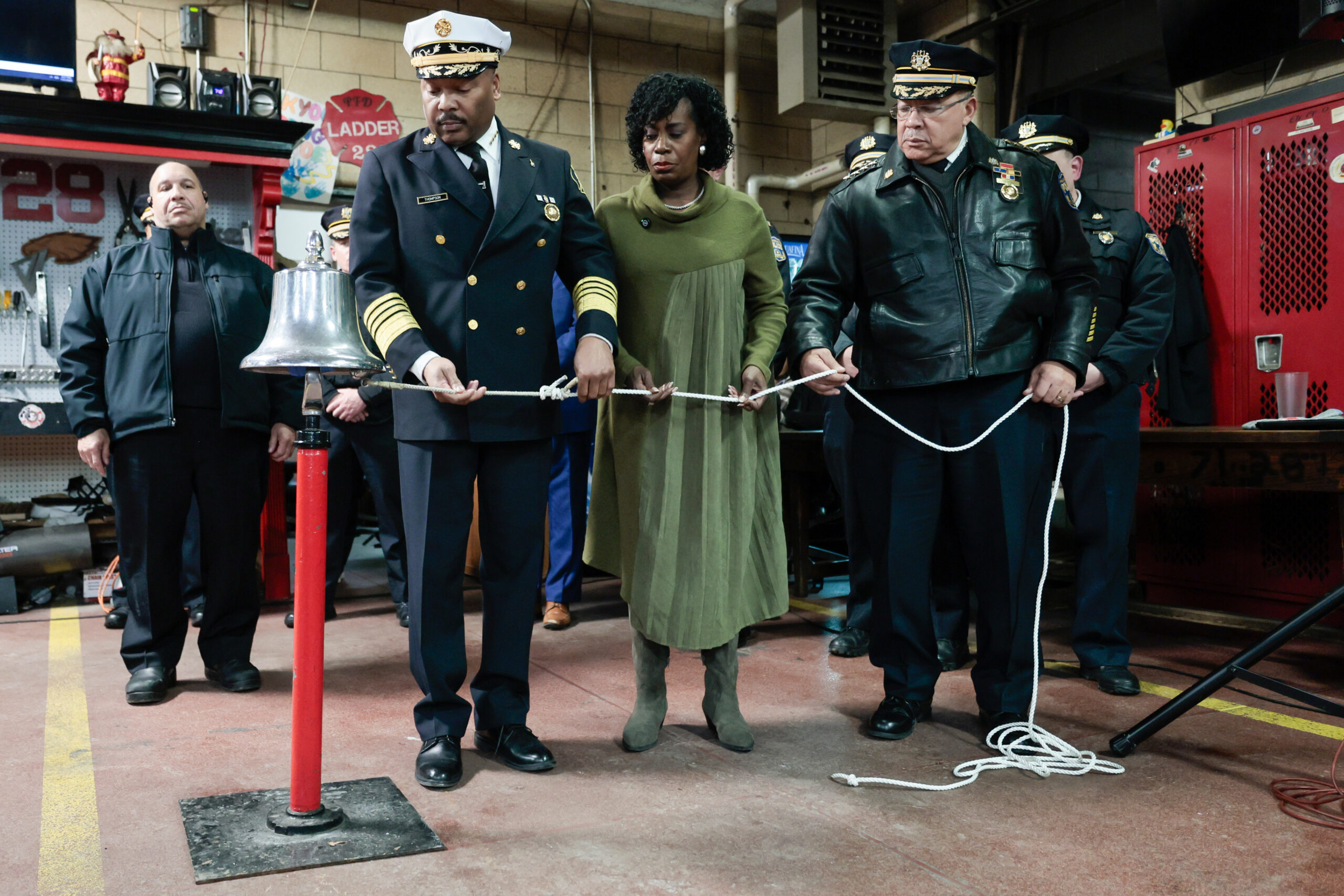
Philadelphia Fire Commissioner Jeffrey Thompson (from left) Mayor Cherelle L. Parker, and Police Commissioner Kevin J. Bethel ring a ceremonial bell at the one-year anniversary memorial observance of the Northeast Philly plane crash Saturday, Jan. 31, 2026, at Engine 71 Fire Station on Cottman Avenue in Philadelphia.
In the moments after the crash, hundreds of firefighters and rescue workers swarmed the area to put out homes and cars on fire from the jet fuel or burning pieces of aircraft that struck them.
Philadelphia Fire Commissioner Jeffrey Thompson, a 36-year veteran of the city’s fire department, said the plane crash “was without a doubt the biggest thing that I’ve ever responded to.”
In an interview on Thursday, Thompson recalled rushing to the scene from his Fishtown home, filled with dread and adrenaline.
“I remember it was dark. It was cold, and it was raining — it was like something out of a disaster movie,” Thompson said. “As I got closer, I could just see a sea of lights.”
He arrived to find multiple homes and cars on fire. Pools of jet fuel everywhere. And so many pieces of debris that he initially had no idea of the plane’s size. He said he and other first responders will never forget seeing body parts strewn among the wreckage.
“This still affects all of us. Just to see that is so unnatural,” Thompson said. “And the work that they did that night — that’s indelibly etched in their memories.”
More than 150 firefighters scoured “blocks and blocks” of homes, entering each one and every room, to make sure everyone was accounted for. He said he is amazed how multiple agencies worked together to bring “order to chaos.”
“That just gives me goose bumps,” Thompson said. He added, “This is actually therapeutic — me talking to you has been therapeutic because there was a lot there that night and I don’t often talk about this.”
Miracles, luck, and skill
As tragic as that night was, Thompson said, there was some miraculousness, including the fact that the plane struck a patch of empty pavement between two busy restaurants.
“Sometimes in this life, there’s luck,” Thompson said. “It was rush hour. You had a shopping mall and a densely populated neighborhood. It could have been infinitely worse.”
Lashawn ‘Lala’ Hamiel, Andre “Tre” Howard III, and his family cheer on the Eagles during Super Bowl LIX.
Andre Howard Jr. had just picked up his three kids — then ages 4,7, and 10 — from aftercare at Soans Christian Academy. They headed to Dunkin’ for strawberry doughnuts. As they were leaving the parking lot in Howard’s car, the plane exploded a few feet away. A plane part crashed through the car’s window. Howard’s 10-year-old son, Andre “Tre” Howard III, used his body to shield his 4-year-old sister and a piece of metal struck his head.
Tareq Yaseen, a neurosurgeon at Jefferson Torresdale Hospital, was having dinner with his family, including his kids, ages 10 and 6, at Dave & Buster’s at Franklin Mall when he rushed back to the hospital to perform emergency surgery on Tre.
The boy had two gashes in the right side of his head, and his skull had been shattered into more than 20 pieces, Yaseen recalled.
“My son is the exact age as Tre, which made things very personal and emotional to me,” Yaseen said. “He’s gonna die. He was basically losing consciousness and going in a bad direction.”
“I felt for a moment that I would not be able to help him,” Yaseen said. “I was very scared that I’m gonna fail. There’s too much on the line and it’s a little boy.”
Yaseen said he worked fast to relieve the pressure on Tre’s brain and remove bits of broken skull. The surgery was a success. More than 60 relatives and friends in the hospital waiting room hugged and thanked him, Yaseen recalled.
“It’s a moment that would happen in the movies,” Yaseen said. “I was very lucky to take part in saving his life.”
Tre was transferred to the Children’s Hospital of Philadelphia, where he made a near-full recovery. He celebrated his 11th birthday in December.
“With time, he’ll grow up and forget about it. God gave us a gift to forget, which is great,” Yaseen said. “But I will never forget.”
Jefferson neurosurgeon Tareq Yaseen poses for a photo with Andre “Tre” Howard III and his mother, Lashawn “Lala” Hamiel at Jefferson Torresdale Hospital.
A memorial
At the memorial Saturday, Mayor Parker read aloud the names of all eight who perished that night.
“To all the families who continue to carry this grief everyday, that until you’ve walked a mile in their shoes, you can’t begin to understand what it’s like,” Parker said. “It is important for us to affirm that they know that Philadelphia stands with you today and we will always.”
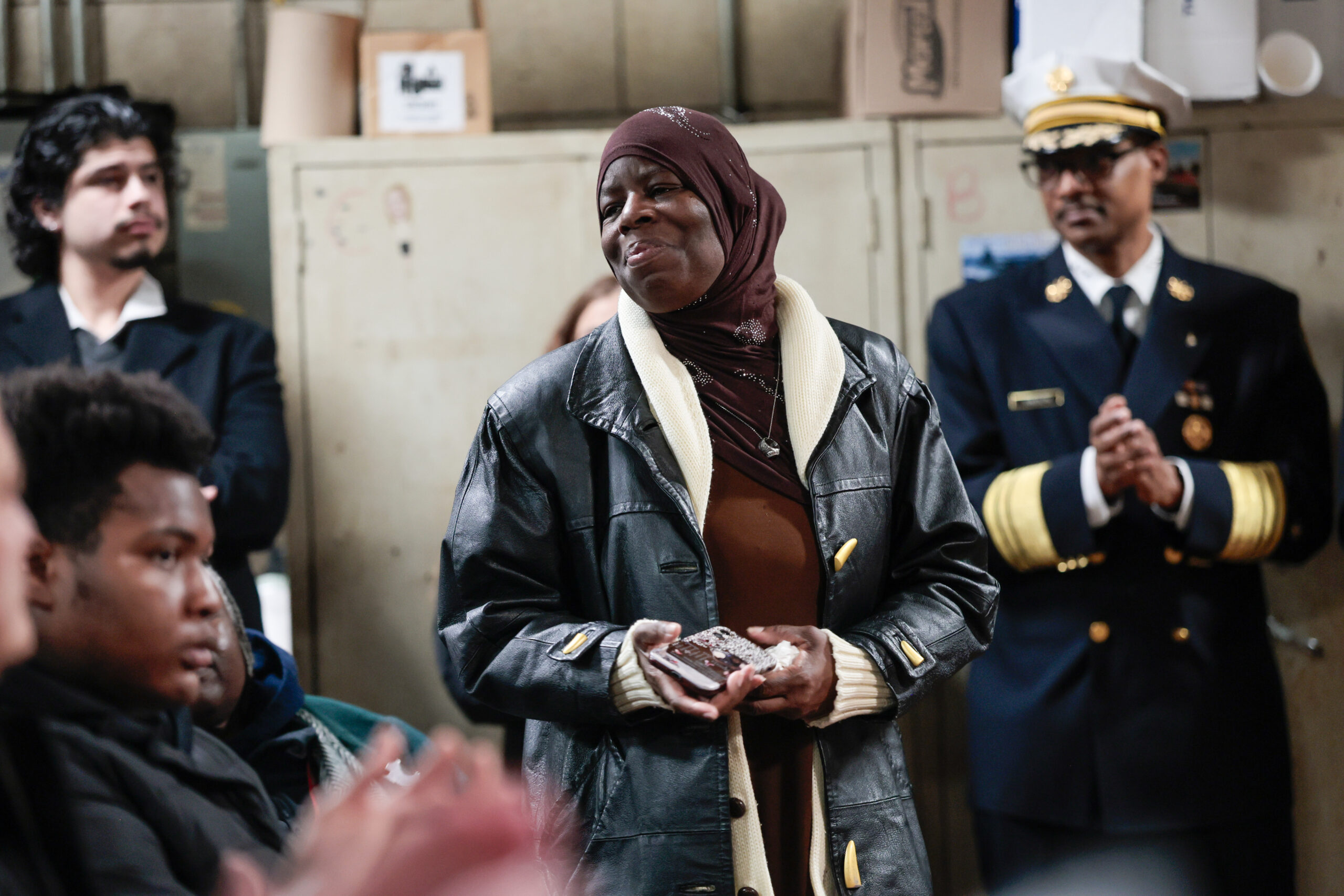
She asked the victims’ family members in attendance to stand and be recognized, including Brown, her grandson, Dominick, and Lisa Goods, the aunt of Goods Burke.
The mayor said she plans to keep close tabs on Dominick.
“Now he knows he belongs to me — don’t try to take him from me,” Parker said as she looked at Dominick seated in the front row.
Parker also recognized first responders for their “extraordinary bravery and selflessness.”
“In a moment of unimaginable tragedy, you all ran towards danger to protect others.”
Alberta “Amira” Brown (center), the grandmother of 10-year-old Ramesses Dreuitt Vazquez, who was severely burned after a plane crashed into his North Philadelphia neighborhood last year at the one year anniversary memorial observance of the Northeast Philly plane crash Saturday, Jan. 31, 2026, at Engine 71 Fire Station on Cottman Ave., in Philadelphia
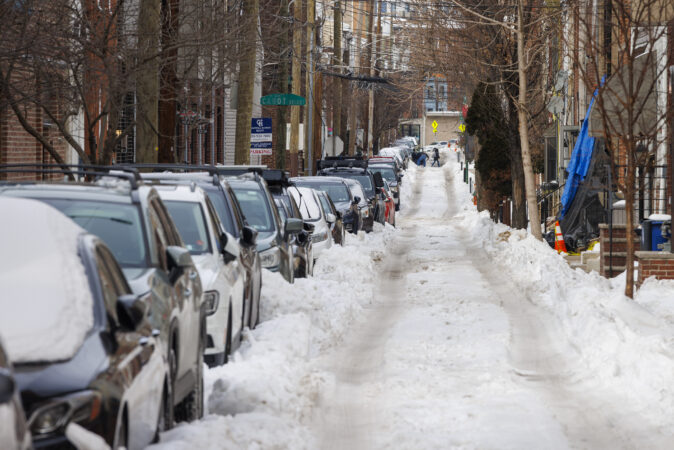
It looks like the Philly region will evade any snow generated by that coastal “bomb cyclone” during the weekend, but the disruptive snowpack on the ground continues to melt at a glacial pace. Maybe ever slower.
“For now, it’s not budging,” said David Robinson, the New Jersey state climatologist who is an international expert on snow cover.
And, ironically, that has a whole lot to do with what happened in the hours right after the snow stopped around 11:30 a.m. Sunday.
Add one of the more signifiant Arctic cold spells in Philadelphia’s period of record, and the entire region has endured a white and wintry week rarely experienced around here.
As of Friday morning, the official snow depth at the airport still was 6 inches, about two-thirds of what was measured when the storm ended five days before.
The cold won’t be as harsh during the workweek, but a thaw isn’t imminent, and some snow is possible Wednesday.
Temperatures are forecast to drop deep into the single digits Saturday morning, flirting with records. It is not due to get into the 20s until Sunday, when backlash winds from the potent coastal storm are expected to drive wind chills below zero.
Those winds may contribute to significant flooding at the Shore, where they could gust to 50 mph.
About last Sunday in Philly
About 7.5 inches of snow had fallen officially by 11:30 a.m. Sunday at Philadelphia International Airport, more in some other places, when it yielded to several hours of sleet that accumulated 2 to 3 inches, coating the snow with a sparkling, icy veneer.
“You can’t help but recognize the beauty of it,” said Robinson, a Rutgers University geography professor and keeper of the Rutgers Snow Lab.
While it may be an aesthetic pleasure, especially at night under the full “snow moon” rising this weekend, it has had a profoundly chilling effect on cleanup efforts.
The sleet, liquid that freezes before it lands, literally put an ice cap on the snow. “Ice pellets are tougher to melt,” said PennDot’s Thomas Rogal, a maintenance supervisor for the Philadelphia district. In a melting race, a homely sleet ball wouldn’t have a chance against a six-sided snowflake.
On Sunday, said Rogal, the sleet was a game-changer for the road crews. Instead of just plowing, crews were “scraping the road surfaces,” he said. Sleet added a stubborn stickiness to the mass of frozen material.
It also contained about as much liquid as several inches of snow, said Robinson.
The surprisingly cold temperatures, in the lower 20s and teens, inhibited the effectiveness of salt on Sunday. “The material just didn’t function,” said Rogal.
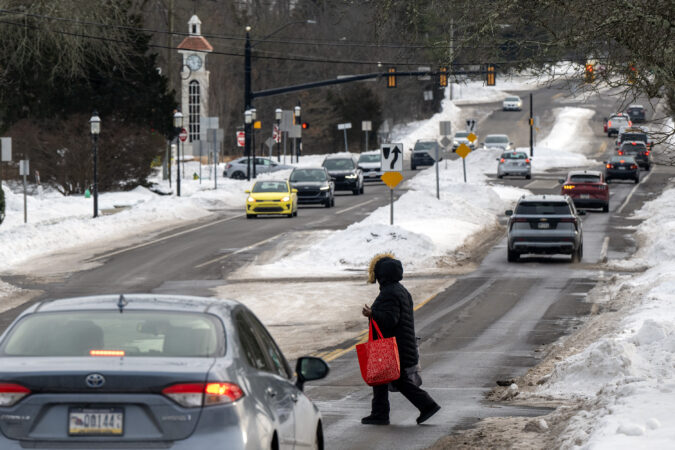
In the city, the glacial mass has been especially disruptive, a royal, inconvenient pain for people living on side streets, for street crews, for anyone who has tried shoveling, and for the schools.
A thermometer in a Central High School classroom on Friday read 39 degrees. That’s colder than the normal high for the date in Philly — outdoors.
When will all this go away?
Philly hasn’t had a stretch of days like this in which the temperature has failed to reach 30 degrees since 1979, according to records tracked by the Pennsylvania state climatologist.
And it likely is going to finish in the top 10 for consecutive days in which readings didn’t get past freezing, said Mike Silva, a meteorologist with the National Weather Service in Mount Holly.
Low temperatures Thursday and Friday morning, 13 and 11, respectively, were several degrees above the forecasts. That probably was related to the winds at the airport, he said.
It also may be related to the sleet, said Robinson: Ice doesn’t have quite the same chilling effect as fresh snow.
Conditions Saturday morning — clear skies and lighter winds — should be more conducive for daytime heating (we use the term loosely) to radiate into space. Morning lows could approach the record of 3 degrees, set in 1948.
Some moderation is expected with the workweek, but not much. “We were hoping to get to the mid-30s,” said Sliva, but “it looks like we may barely get to freezing.”
Even at those temperatures, some melting should occur.
The total daily solar energy beaming toward Philly now is about 30% higher than it was on Jan. 1, according to NASA’s calculations, and the sunrise-to-sunset time is increasing by about two minutes a day.
Even the cold has a bright side, said PennDot’s Rogal. Potholes, it turns out, have something in common with a lot of humans: “They aren’t particularly fond of this weather.”
“The freeze-thaw is what always gets us,” he said. “We’re actually in better shape when the cold sets and stays.”
Even if it snows next week — “There’s a couple of systems that could affect us,” said Silva — based on 150 years of official record-keeping for Philly, it is going to warm up and the ground will reappear.
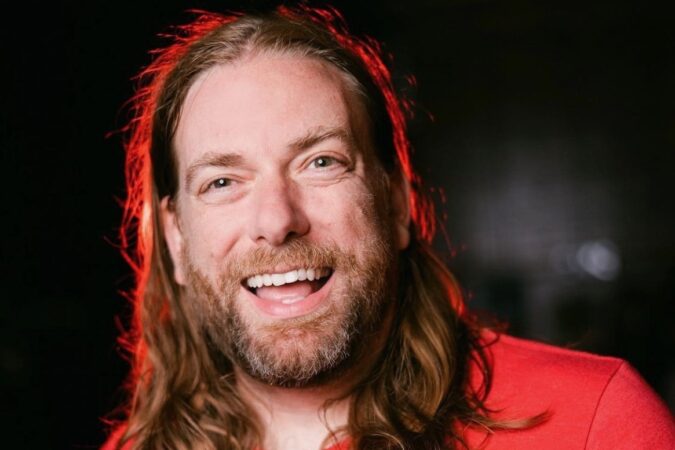
Even as a child, Dan McQuade let his imagination run wild. “What are you doing?” his mother, Denise, would ask if she hadn’t heard any noise from his bedroom for a while. “I’m making stories,” he would reply.
Later, as a young man about town, his compassion for fellow Philadelphians inspired his father, Drew. Dan volunteered to give blood often, donated brand-new sneakers to other guys in need, and continually reached out to people he saw struggling with drug abuse and homelessness. “His kindness was what I loved about him the most,” his father said.
Dan McQuade was already an award-winning writer, blogger, and journalist when he met his future wife, Jan Cohen, online in 2014. To her, his jovial humor, wide-ranging intelligence, and shoulder-length hair made him unique in her circle. “I thought he was too cool for me,” she said.
His empathy, likely inspired by his parents, his wife said, led him to toil tirelessly for charitable nonprofits such as the Everywhere Project, Back on My Feet, and Prevention Point. “Service was always part of his life,” his wife said.
His coolness, as unconventional as it sometimes was, made those he encountered feel cool, too. Molly Eichel, an Inquirer editor and longtime friend, said: “He was annoyingly smart and incredibly kind.”
Dan McQuade died Wednesday, Jan. 28, of neuroendocrine cancer at his parents’ home in Bensalem. He was 43. His birthday was Jan. 27.
Mr. McQuade’s annual Wildwood T-shirt report was a favorite of his many readers and fans.
“It’s incredibly hard for me to imagine living in a Philadelphia without Dan McQuade,” said Erica Palan, an Inquirer editor and another of Mr. McQuade’s many longtime friends. “He understood Philadelphians better than anyone because he was one: quirky and funny, competitive and humble, loyal and kind.”
A journalism star at the University of Pennsylvania in the early 2000s, Mr. McQuade was a writer, sports editor, and columnist for the school’s Daily Pennsylvanian, and managing editor of its 34th Street Magazine. He earned two Keystone Press awards at Penn, was the Daily Pennsylvanian’s editor of the year in 2002, and won the 2003 college sports writing award from the Philadelphia Sportswriters Association.
He went on to create Philadelphia Weekly’s first blog, “Philadelphia Will Do,” and was a finalist for the Association of Alternative Newsmedia’s best blogger award. He served an internship at the Bucks County Courier Times in Levittown and worked for a while at the Northeast News Gleaner.
Often irreverent, always inventive, he filed thousands of notable stories about, among other things, the Wildwood T-shirt scene, the origin of “Go Birds,” sneaker sales, Donald Trump, Wawa hoagies, the Philly accent, parkway rest stops, the Gallery mall, soap box derbies, and Super Bowls. His stories sparkled with research and humor.
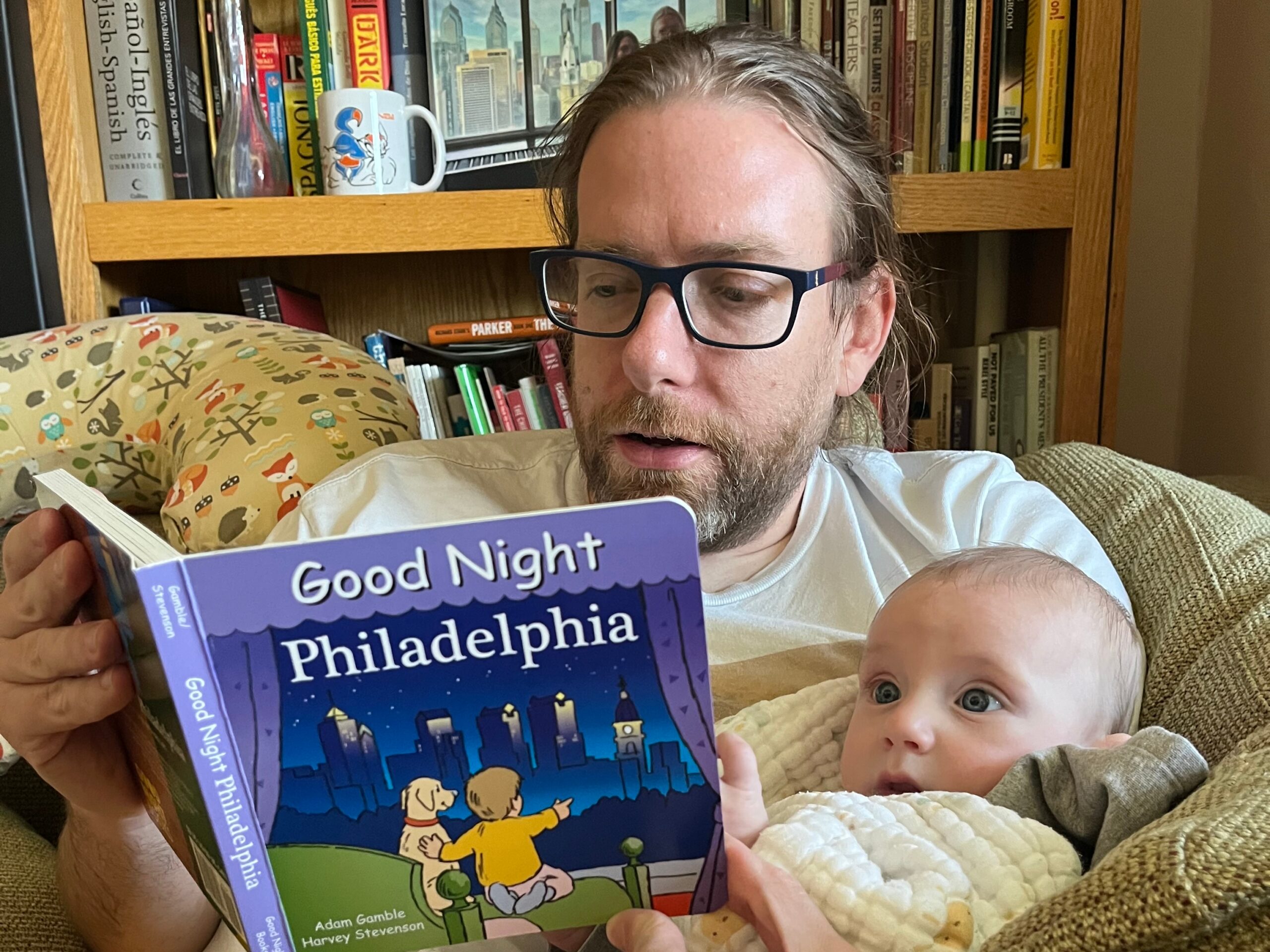
An avid reader himself, Mr. McQuade enjoyed reading local tales to his son, Simon.
“Dan was a truly authentic and engaging person,” Tom Ley, editor-in-chief at Defector, said in an online tribute. “His curiosity was relentless, and his interests were varied and idiosyncratic.”
For example, Mr. McQuade wrote in Philadelphia Magazine in 2013 that Sylvester Stallone’s famous training-run montage in Rocky II — it started in South Philly and ended two minutes of screen time later atop the Art Museum steps — actually showed city scenes that would have had the actor/boxer run more than 30 miles around town. “Rocky almost did a 50K,” Mr. McQuade wrote. “No wonder he won the rematch against Apollo!”
In 2014, he wrote in Philadelphia Magazine about comedian Hannibal Buress calling Bill Cosby a rapist onstage at the old Trocadero. The story went viral, and the ensuing publicity spurred more accusations and court cases that eventually sent Cosby to jail for a time.
When he was 13, Mr. McQuade wrote a letter to the editor of the Daily News that suggested combining the Mummers Parade with Spain’s running of the bulls. Crossing Broad’s Kevin Kinkead said he had “an innate gift for turning the most random things into engaging reads.”
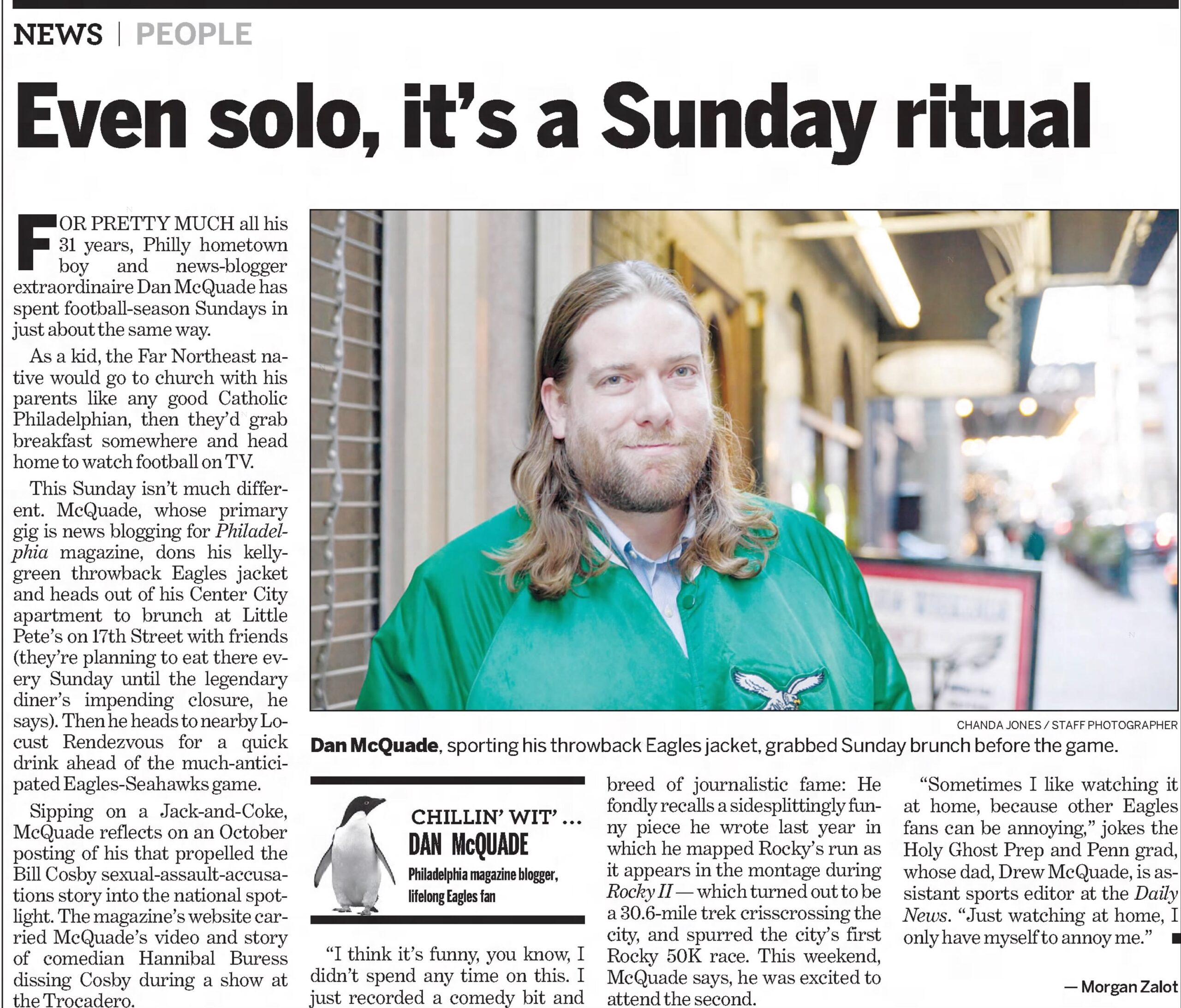
This story about Mr. McQuade appeared in the Daily News in 2014.
“Without Dan’s voice, Philly Mag wouldn’t be Philly Mag,” editor and writer Brian Howard said in a tribute on phillymag.com. “And, I’d argue, Philadelphia wouldn’t quite be Philadelphia.”
Other colleagues called him “a legend,” “a Philadelphia institution,” and “the de facto mayor of Philadelphia” in online tributes. Homages to him were held before recent Flyers and 76ers games.
“Sometimes,” his wife said, “he inserted himself into stories, so readers had a real sense of who he was because he was so authentic.”
Daniel Hall McQuade was born Jan. 27, 1983, in Philadelphia. His father worked nights at the Daily News for years, and the two spent many days together when he was young hanging around playgrounds and skipping stones across the creek in Pennypack Park.
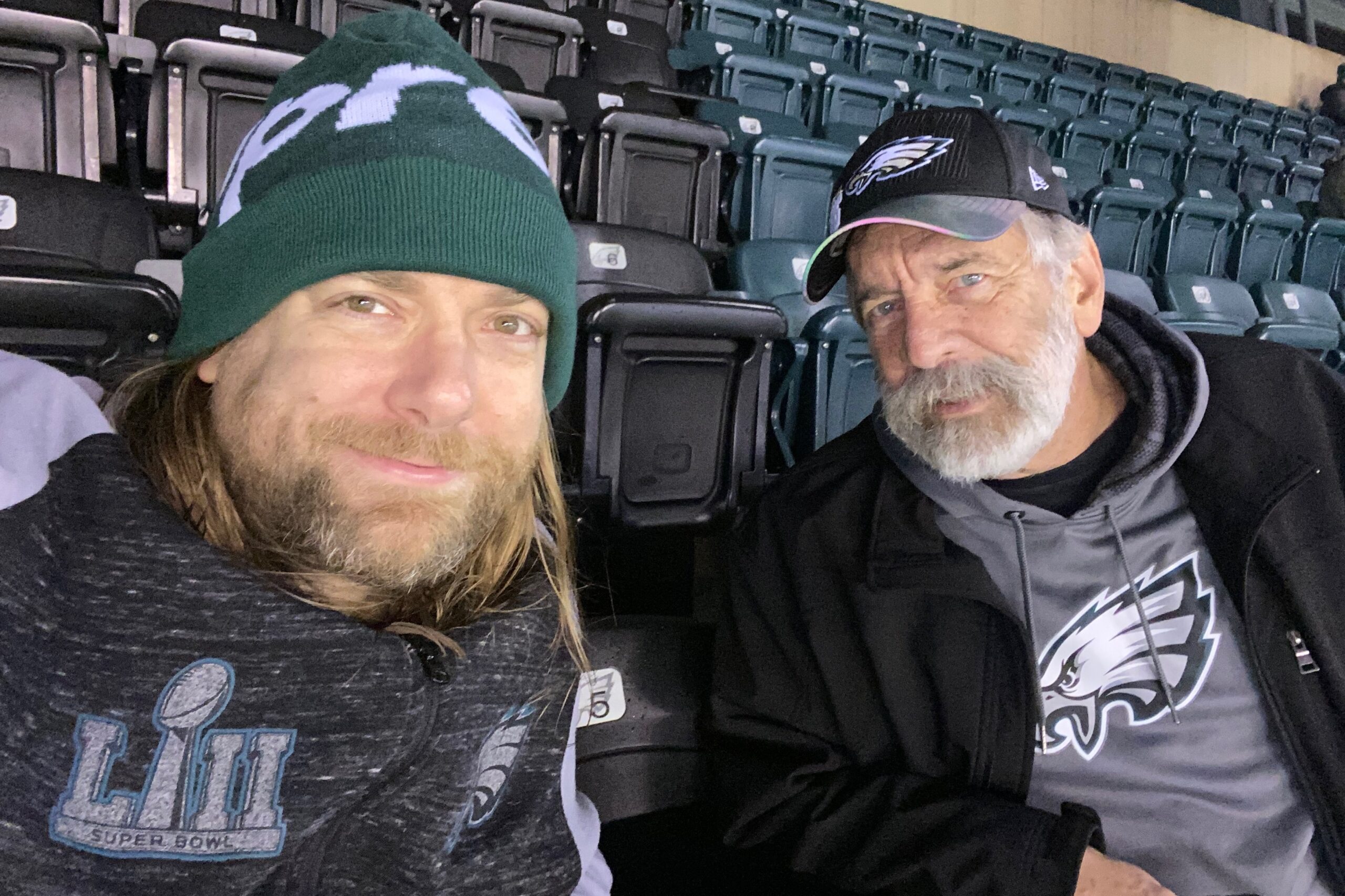
Mr. McQuade (left) and his father, Drew, shared a love of Philly sports and creative writing.
Later, they texted daily about whatever came to mind and bonded at concerts, Eagles games, and the Penn Relays. He grew up in the Northeast, graduated with honors from Holy Ghost Preparatory School in Bensalem, and earned a bachelor’s degree in English at Penn in 2004.
He overcame a serious stutter as a teen and played soccer and basketball, and ran cross-country and track at Holy Ghost. He married Jan Cohen in 2019 and they had a son, Simon, in 2023. They live in Wissahickon.
Mr. McQuade was a voracious reader and an attentive listener. “He never wanted to stop learning,” his wife said. He enjoyed going to 76ers games with his mother and shopping for things, his father said, “they didn’t need.”
He was mesmerized by malls, the movie Mannequin, the TV series Baywatch, and his wife’s cat, Detective John Munch. During the pandemic, he and his wife binged all 11 seasons of Baywatch.
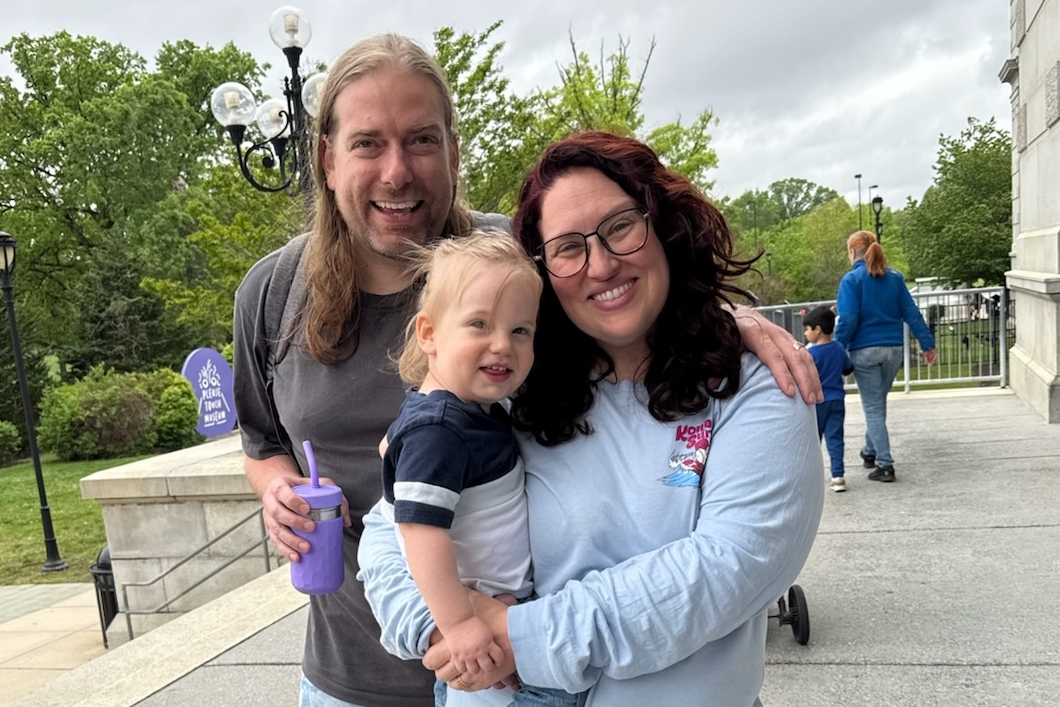
Mr. McQuade doted on his wife, Jan, and their son, Simon.
He could be loud, his mother said, and Molly Eichel described his laugh as “kind of a honk.” His friend and colleague Alli Katz said: “In 50 years I’ll forget my own name. But I’ll remember his laugh.”
He was a vintage bootleg T-shirt fashionista, and his personal collection numbered around 150. He named Oscar’s Tavern on Sansom Street as his favorite bar in a recent podcast interview and said he would reluctantly pick a pretzel over a cheesesteak if that was the choice.
In September, Mr. McQuade wrote about his illness on Defector.com under the headline “My Life With An Uncommon Cancer.” In that story, he said: “Jan has been everything. My son has been a constant inspiration. My parents are two of my best friends, and I talk to them every day. Jan’s parents have been incredible.”
He also said: “I believe there are no other people on earth with my condition who are in as fortunate a situation. … For the past thousand words you have been reading about a bad break I got, but if only everyone in my position had it this good.”
Mr. McQuade and his wife, Jan Cohen, married in 2019.
His wife said: “He was truly the best guy.”
In addition to his wife, son, and parents, Mr. McQuade is survived by his mother-in-law, Cheryl Cohen, and other relatives.
Visitation with the family is to be from 9 to 10 a.m. Thursday, Feb. 5, at St. Martha Parish, 11301 Academy Rd., Philadelphia, Pa. 19154. Mass is to follow from 10 to 11 a.m.
Donations in his name may be made to the Everywhere Project, 1733 McKean St., Philadelphia, Pa. 19145.
As Gov. Josh Shapiro makes the case on national television for ICE to leave Minneapolis, his Republican challenger Stacy Garrity has a different view: Minnesotans should cooperate.
Garrity, the state treasurer and GOP-endorsed candidate, said “it’s best to cooperate” with U.S. Immigration and Customs Enforcement, in an interview Thursday night at the National Constitution Center following an appearance on a conservative podcast.
The retired U.S. Army colonel also praised Tom Homan, President Donald Trump’s border czar assigned to take over the Minneapolis operation, as “spot on” in his recent remarks calling for a de-escalation of the conflict between residents and federal officials, and that residents should comply.
“He said it best: Cooperate and take down the rhetoric,” Garrity said, noting her time as U.S. Army military police officer gives her a “different perspective.”
Garrity’s comments came days after she received an endorsement from Trump in the Pennsylvania governor’s race. The president on Tuesday evening called Garrity a “true America First Patriot, who has been with me from the beginning.”
Shapiro, meanwhile, has become more outspoken about ICE’s operations in Minnesota over the last few days while on a national media blitz for his new memoir released this week, Where We Keep the Light. The former Pennsylvania attorney general, known as a careful and deliberate communicator, has now repeatedly called for ICE and the Border Patrol to leave Minneapolis, arguing that the operations are “outside the bounds of law” and “must be terminated.”
Pennsylvania does not have a sanctuary policy restricting cooperation with ICE by state law enforcement, but several jurisdictions in the state do have such policies, including Philadelphia.
Garrity was in Philadelphia on Thursday for a live taping of the conservative podcast Ruthless. The event was hosted by Americans for Prosperity, a national libertarian advocacy organization. She largely talked about what led her to politics in 2020 after a long career in the military and private sector, as well as her work as the state’s treasurer.
When asked whether she was concerned by the shooting of Alex Pretti, an intensive-care nurse at a Veterans Affairs hospital in Minnesota, Garrity said she had not seen the videos of Border Patrol agents fatally shooting Pretti and that she “always waits for the investigation” before forming an opinion. Pretti’s death marked the second killing of a U.S. citizen by federal agents in Minneapolis this month, leading to mass protests and public outrage.
“The investigation will come out, and then any corrective action that needs to be taken, or we’ll see what the results are,” she said. “I’m going to withhold any judgment until the investigation.”
In the case of Pretti’s death, Trump said the U.S. Department of Homeland Security is leading the investigation, and he is “going to be watching over it.” Minnesota officials have called for an independent investigation and have protested as federal officials have blocked local authorities from investigating.
It remains a long shot that a fresh layer of frosting will coat the hardening and tenacious snowpack, but evidently that street-congesting frozen mass isn’t exiting in the near future.
As of Friday morning, it appeared that a potent coastal storm that is expected to qualify as a meteorological “bomb” was going to spare the Philadelphiaregion from another snowfall.
But it is expected to have serious impacts on the New Jersey and Delaware beaches, with a combination of onshore gales and a tide-inciting full moon, forecasters are warning.
On the mainland, it is poised to generate winds that would add sting to what has been one of the region’s most significant outbreaks of Arctic air in the period of record.
Lows at Philadelphia International Airport both Thursday and Friday mornings — 13 and 11, respectively — were several degrees above what was forecast.
But they are to drop into single digits Saturday morning, and flirt with a record. Wind chills during the weekend are expected be in the 10-below range, said Mike Silva, a meteorologist with the National Weather Service in Mount Holly.
“Even though there might not be much or any snow in Philly,” he said, “it’s going to be cold, and we’re still going to have the wind impacts.”
window.addEventListener(“message”,function(a){if(void 0!==a.data[“datawrapper-height”]){var e=document.querySelectorAll(“iframe”);for(var t in a.data[“datawrapper-height”])for(var r,i=0;r=e[i];i++)if(r.contentWindow===a.source){var d=a.data[“datawrapper-height”][t]+”px”;r.style.height=d}}});
But “it wouldn’t take much of a jog west to really mess up the forecast,” said Tom Kines, senior meteorologist with AccuWeather Inc. It’s been known to happen.
On Friday morning, the National Weather Service was posting a 30% chance that Philly would get something measurable — technically 0.1 inches — Saturday night into Sunday, with about a 10%shot at an inch.
The weather service was expecting an inch at the Shore, but with a slight chance of several inches.
Forecasters are certain that a storm is going to blow up off the Southeast coast as frigid air that is penetrating all the way to Disney World interacts with the warm waters of the Gulf Stream.
Gusts at the Shore during the day Sunday might be as high as 40 mph as the storm could reach “bomb” status.
What exactly is a ‘bomb?’
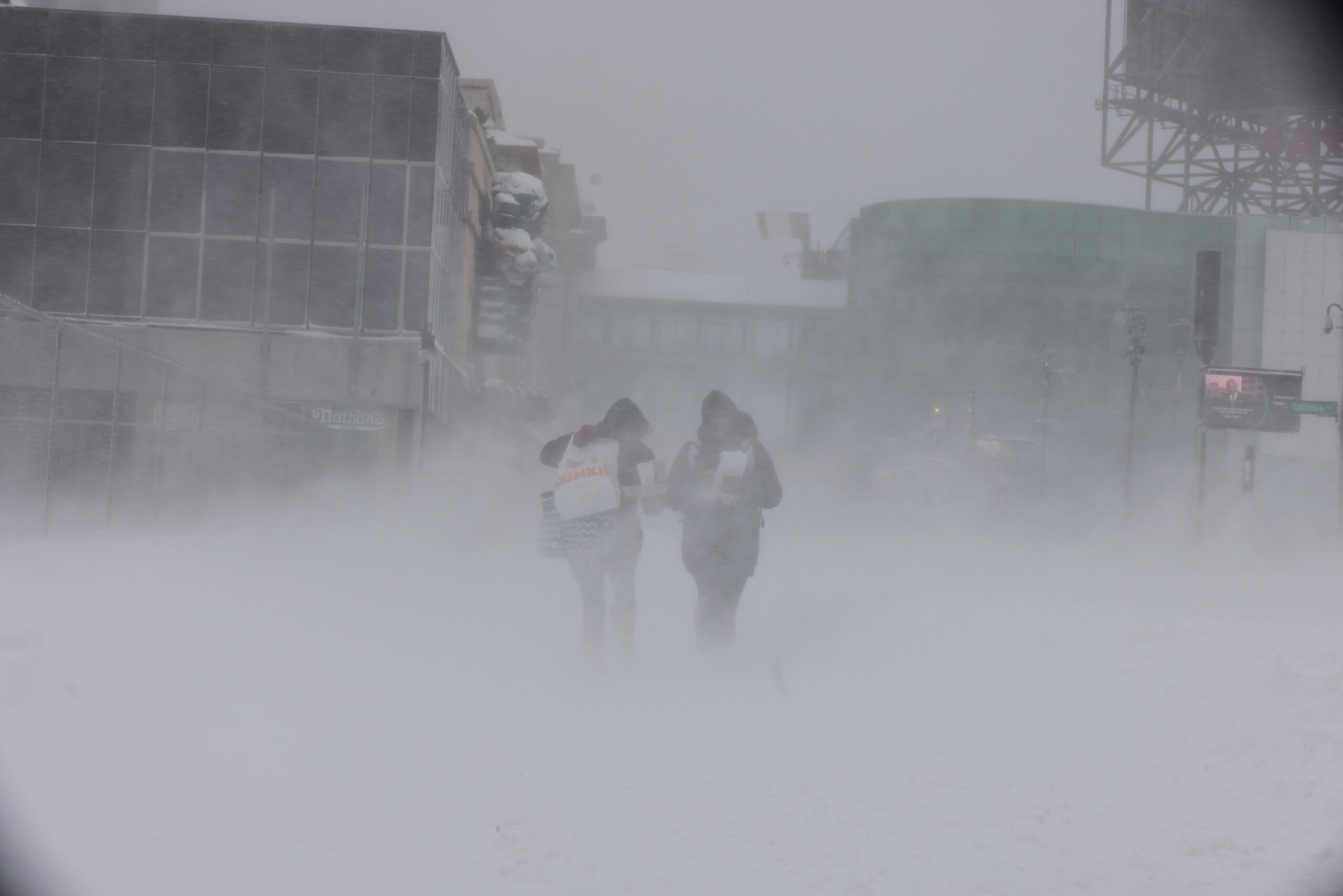
Two brave souls endure the snow and winds from a meteorological bomb cyclone in Atlantic City in January 2022.
The technical definition of a meteorological bomb is a drop in central barometric pressure of 0.7 inches in a 24-hour period, about a 2% to 3% change in the weight of the air. That might not seem like much, but it’s a big deal if you’re a column of air.
Such a drop in pressure indicates a rapidly developing storm. Air is lighter in the centers of storms, as precipitation is set off by lighter warm air rising over denser cold air.
As a weather term, bombfirst appeared in an academic paper in 1980 by atmospheric scientists Frederick Sanders at the Massachusetts Institute of Technology and John Gyakum at McGill University.
They found that the western Atlantic, in the proximity of the Gulf Stream, was one of two regions on the planet most prone to bombs. The other was the area near the Kuroshio Current in the far northwestern Pacific.
Both are massive reservoirs of warmer waters that interact with cold air coming off land masses. Some of the European settlers in the colonial era learned about the effects the hard way, experiencing mega-storms that were alien to areas in England.
Gyakum, who was Sanders’ graduate student at MIT, recalled Thursday that the duo took some blowback for using the word bomb.
But with a cyclone of such ferocity, the term was worth using to draw the public’s attention to potential impacts, which sometimes exceed those of hurricanes, Gyakum said.
He said he had no doubt this weekend’s storm would reach bomb status.
While any heavy snows from this storm are likely to bypass the Philly region, some accumulating snow is possible the middle of next week, Kines said, although nothing in a league with what happened Sunday.
When can Philly expect a thaw?
Temperatures during the coming workweek are due to moderate, at least slightly, with highs around freezing Monday through Thursday, 10 to 12 degrees warmer than what is expected this weekend.
The cold “certainly eases up,” Kines said.
But that 9.3 inches of snow and sleet that accumulated Sunday evidently has taken a particular liking to the region. As for when it will disappear, he said: “It’s going to take a while.”
The overall cold upper-air pattern looks to persist, said Paul Pastelok, AccuWeather’s long-range forecaster. And the extensive snow cover is going to have a refrigerant effect on temperatures.
So when will it warm up and go away?
“We’ll find out Monday,” Kines said. He was referring to Groundhog Day, of course, when Punxsutawney Phil will issue his extended forecast.
Nevertheless, he said, meteorologists will be on call if needed.
“It never hurts to get a second opinion,” he said.
The multimillionaire became a murderer on Jan. 26, 1996. That part is known.
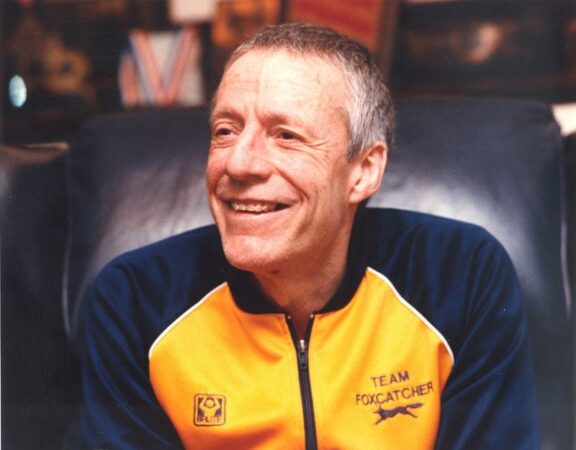
But why John du Pont shot and killed Dave Schultz, an Olympic champion freestyle wrestler who was living and working on du Pont’s Newtown Square estate, is still a mystery.
His great-great-great-grandfather was Eleuthere Irenée du Pont de Nemours, who founded the Wilmington chemicalgiant.
The most notable title of the du Pont heir’s life was sports enthusiast.
He transformed his 800-acre estate, known as Foxcatcher Farm, into a world-class athletic training facility. He opened the facility to athletes and their families so they had a place to stay while wrestlers, like Schultz, could prepare for major competitions.
In 1996, Schultz, a 1984 Olympic gold medalist, and his family stayed there while he trained for that year’s Summer Olympics.
But even before the run-up to the Summer Games, du Pont’s behavior had become increasingly strange.
Conviction
His sister-in-law, Martha du Pont, said they expected something like this to happen.
Foxcatcher’s overseer had been abusing cocaine and alcohol, and had been walking around with loaded guns for several years.
During angry outbursts, he would even threaten athletes with guns.
But why he pointed a .44-caliber revolver at the 36-year-old Schultz during an argument on the estate’s grounds and fired three times will forever be a mystery.
Du Pont holed up in his mansion for two days before surrendering to police after his heat was cut off during an especially cold weekend.
On Feb. 25, 1997, he was ruled guilty but mentally ill, and convicted of third-degree murder.
He offered no explanation for his behavior, only excuses.
He was sentenced to 13 to 30 years in prison.
Du Pont died in prison at age 72 on Dec. 9, 2010, four years before an award-winning film starring Steve Carell about the incident would hit theaters.
Nearly 30 years after his conviction, he is the only member of the Forbes 400 richest Americans to have been convicted of murder.
Nancy Schultz, who witnessed the shooting, said she never understood why her husband was killed. And she was struck by something du Pont never did.