Category: Pennsylvania News

  • Temple student killed by hit-and-run driver remembered as full of promise: ‘Made you want to be a better person’

    Temple student killed by hit-and-run driver remembered as full of promise: ‘Made you want to be a better person’

    Bryce Wolfe was “so full of life and enthusiasm and intellect and promise,” and it was apparent even as a high schooler when he joined a mountain bike team based in Danville, Pa., said David Decoteau, one of his coaches for the Central Susquehanna Hammers.

    “All I can really say about Bryce is that he was one of those rare young people that you meet and walk away from the conversation thinking, ‘I’m not worried about the future. We are going to be fine with guys like this involved,’” Decoteau, 63, said in an interview.

    “He was one of those people that made you want to be a better person,” Decoteau said.

    On Saturday, Decoteau will be attending the 20-year-old’s funeral.

    Wolfe, who had just completed his sophomore year at Temple University, was riding his red 2004 Triumph motorcycle on Kelly Drive the night of June 24 when he was struck by a white SUV making an illegal turn onto Reservoir Drive, near the Strawberry Mansion Bridge, Philadelphia police said.

    His body became lodged under the SUV and he was dragged for more than a mile, police said. He died at the hospital the next day.

    The driver of the SUV fled and remains at large.
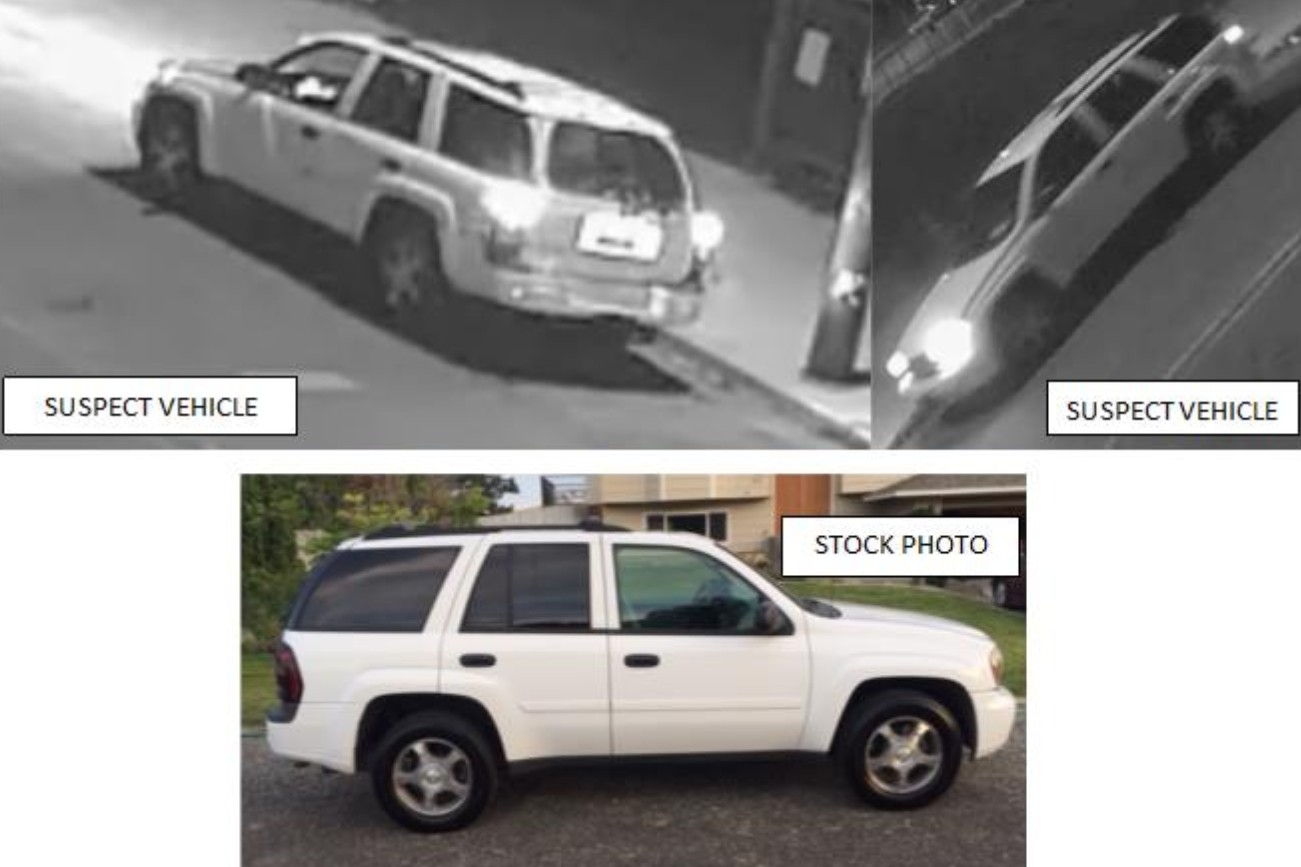
    Police on July 7, 2026, released images of the suspected SUV, believed to be a white 2001-08 Chevrolet Trailblazer, that fatally struck 20-year-old Bryce Wolfe, a Temple University student, on June 24.

    Police on Tuesday released surveillance images of the SUV suspected in Wolfe’s death. Investigators believe the SUV is a 2001-08 Chevrolet Trailblazer, possibly with damage on the driver’s side, with possible red paint transfer, a broken rear windshield, and a discolored passenger-side front wheel.

    A memorial service for Wolfe is scheduled for 7 p.m. Saturday at Krapf & Hughes Funeral Home, 530 West Butler Dr., Drums, Luzerne County. A visitation period will be held from 5 p.m. until the time of the service.

    A GoFundMe page has been created to help Wolfe’s family.

    In an obituary written by his parents, Lori Wolfe and Clarence Wolfe III, Bryce Wolfe was described as having lived his life “with a fearless spirit of adventure and a genuine love for the outdoors.”

    He “found joy in seeking new challenges and embraced every opportunity to experience the world to its fullest. Whether carving down snow-covered slopes while skiing, exploring miles of trails on his bicycle, or riding motorcycles through rugged dirt tracks and open roads, he felt most alive when he was in motion,” his parents wrote.

    Bryce Wolfe, who was from Conyngham, a borough in Luzerne County, had recently started a summer internship and wanted something he could ride around while he stayed in Philadelphia, his mother said in an interview.

    “It was the first motorcycle he bought and insured all by himself,” Lori Wolfe said about her son’s Triumph.

    Temple University president John Fry said last week that Bryce Wolfe, an actuarial science major in the Fox School of Business, had recently started an underwriting internship with United States Liability Insurance Group.

    In a statement, the company said Wolfe “was a quick learner who approached every opportunity with enthusiasm and curiosity, always asking for additional responsibilities and eager to take on new challenges.”

    USLI added: “In the short time we were fortunate to know him, Bryce left a lasting impression through his kindness, initiative, and the relationships he built with those around him. He will be deeply missed by his teammates and all who had the privilege of knowing him.”

    Wolfe was also a member of the student professional organization Gamma Iota Sigma, the professional fraternity for risk management, insurance, and actuarial science.

    He “had quickly established a reputation as both an excellent student and engaged member of the Temple community,” maintaining a high grade-point average while being enrolled in both the Temple and Fox Honors programs, Fry said.

    Bryce Wolfe, 20, of Luzerne County, had just completed his sophomore year at Temple University when he was killed by a hit-and-run driver on Kelly Drive.

    Bryce Wolfe was the middle sibling of two brothers, 18-year-old Brayden and 22-year-old Tyler. Lori Wolfe said Bryce was particularly close to his older brother, who has Down syndrome.

    Bryce and Tyler Wolfe were able to participate in track and field together because of an inclusive “Unified” sports program at Hazleton Area High School that was recognized in late 2023 by the Special Olympics.

    In a speech to the high school during the recognition ceremony in January 2024, Bryce Wolfe explained that he and his brother had difficulty finding clubs and activities they could do together.

    Thanks to the school district’s Unified sports program, “dozens of students just like my brother and I are able to compete together as equals, marking a truly revolutionary moment in Hazleton area’s history,” he said in his senior-year speech, which was posted on YouTube.

    “Some of you may not know it, but every one of you has contributed to the culture and atmosphere here in Hazleton, which the Special Olympics has honored us for today,” Wolfe said.

    “This banner, proudly displayed in our gymnasium, will serve as a powerful symbol of Hazleton’s commitment to inclusivity for all visiting fans and athletes to see,” he said.

    Decoteau, Wolfe’s mountain-bike coach, said the Hammers team plans to rename a trail where they rode together as a team in Wolfe’s memory.

    The team also is working to establish a scholarship to help Wolfe’s “dream of helping kids be involved in mountain biking become a reality,” Decoteau said.

    “It’s a terrible loss and tragedy. I will miss him,” Decoteau said.

  • William T. Hangley, celebrated cofounder and chair emeritus of Hangley Aronchick Segal Pudlin & Schiller, has died at 85

    William T. Hangley, celebrated cofounder and chair emeritus of Hangley Aronchick Segal Pudlin & Schiller, has died at 85

    William T. Hangley, 85, of Philadelphia, celebrated cofounder and chair emeritus of the Hangley Aronchick Segal Pudlin & Schiller law firm, longtime litigator, judge-appointed legal adviser, substitute Common Pleas Court judge, former student organizer, mentor, and onetime music teacher, died Tuesday, June 23, of esophageal cancer at his home in Center City.

    A lifelong advocate of music, education, and the law, Mr. Hangley earned a bachelor’s degree in music education, taught elementary school students in Long Island for a year, and got his law degree with high honors at the University of Pennsylvania in 1966.

    He was a senior student leader at the State University of New York at Fredonia in 1963, and a dean recognized his organization and leadership skills. So he suggested that Mr. Hangley forgo the music classroom for the courtroom.

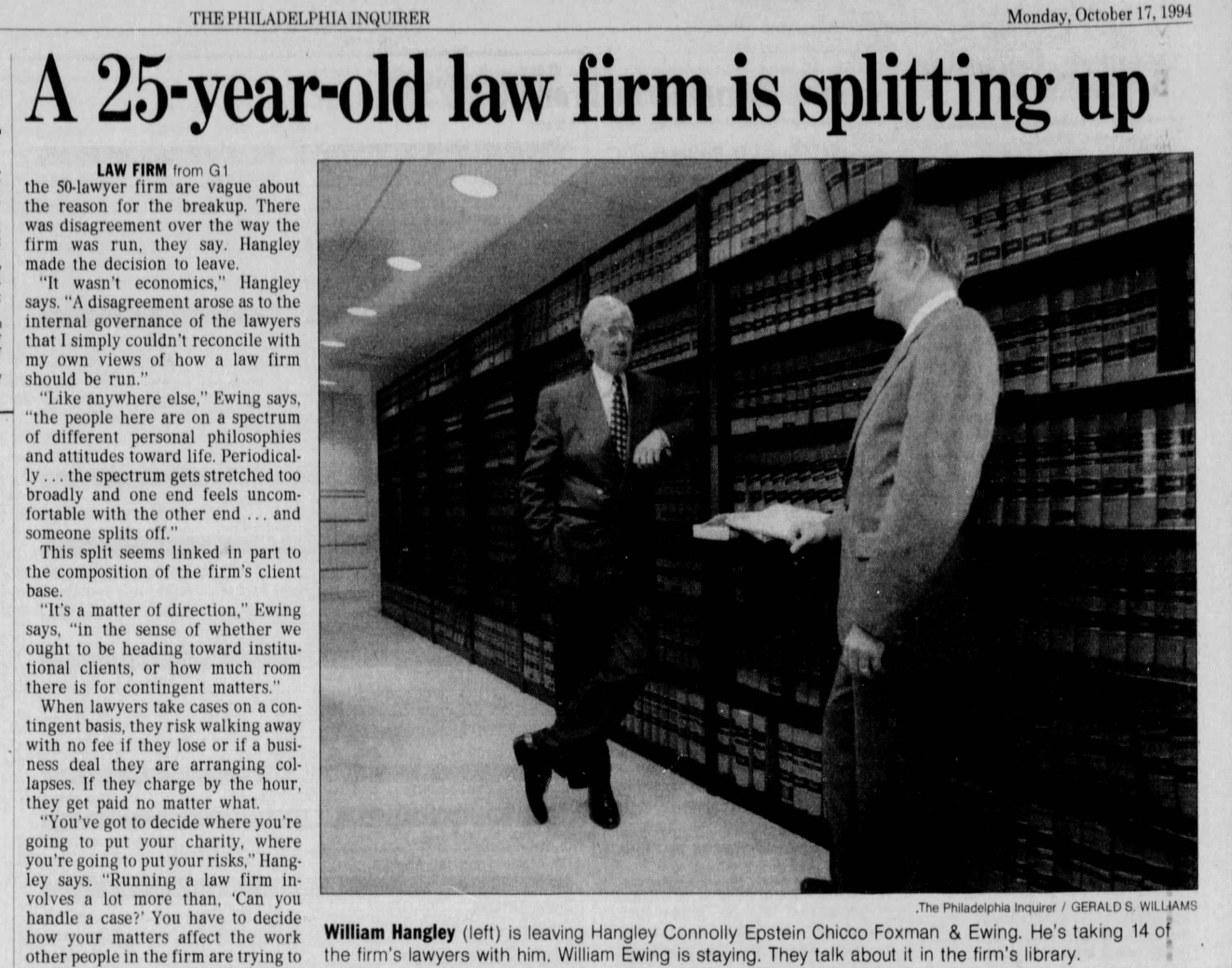
    A story and this photo of Mr. Hangley (left) appeared in The Inquirer in 1994.

    Mr. Hangley did, and, over the next 60 years, until recently, he tried all kinds of court cases and counseled business owners, executives, employees, students, government officials, journalists, and, in one of his career highlights, a client who was incorrectly sentenced to death.

    He was an expert in business litigation and professional liability defense, and he tackled cases about intellectual property, business contracts, antitrust, real estate, malpractice, capital punishment, and other issues.

    “He set a standard for integrity, rigor, and creative problem solving,” his family said in a tribute. “He could take virtually any kind of case to trial and win.”

    Mr. Hangley appeared on the cover of Super Lawyers magazine for Pennsylvania and Delaware in 2012.

    Colleague David Pudlin said: “Bill was a giant at everything he did.”

    Mr. Hangley won especially notable cases for The Inquirer, Children’s Hospital of Philadelphia, the Albert Einstein Healthcare Network, heirs to the Tylenol fortune, the Temple University student government, and women athletes at Temple. “The ones I enjoy the most,” he told Super Lawyers magazine in 2012, “are when I get to represent the little guy.”

    In 1996, Mr. Hangley won a complex libel case for The Inquirer, and a now-former editor, in a personal letter to Mr. Hangley, said his closing argument “lit up the First Amendment like bolts of lightning in a night sky.”

    Mr. Hangley was funny, daring, and dapper, friends and colleagues said.

    He was known for his people skills, wide range of expertise, concise legal writing, and crafty courtroom communication techniques. “Some lawyers are confrontational,” he told Super Lawyers. “They want to make a witness feel like dirt, and then he’s putty in their hands. That’s not my approach. I think a lot of witness examination should be freestyle, where the witness is invested in the conversation.”

    He cofounded what is now Hangley Aronchick Segal Pudlin & Schiller in 1994, served as chair until 2014, and helped the firm grow to include experts in estate planning and real estate, tax, corporate, and family law. He continued to advise and counsel as chair emeritus until a few months ago.

    Earlier, he worked at Schnader Harrison Segal & Lewis, Goodman & Ewing, and Hangley Connolly Epstein Chico Foxman & Ewing.

    Mr. Hangley and his wife, Mary, were married for nearly 61 years.

    Mr. Hangley was funny, daring, and dapper, friends and colleagues said. He wore Gucci ties in the courtroom and joked with judges and other lawyers. He told The Inquirer after a case in 1978: “We got a good settlement, and I managed to get off a good one-liner. What man could ask for more?”

    He was onetime chair of the Good Judges for Philadelphia political action committee and a special master in district court cases. He served on committees for the American Bar Association and was active with the American College of Trial Lawyers and the Institute for the Advancement of the Legal System.

    He earned appointments to advisory roles from Supreme Court Justice John G. Roberts Jr., former Pennsylvania Chief Justice Ronald Castille, and Judge Anthony Scirica of the U.S. Court of Appeals for the Third Circuit. In 1970, he ran unsuccessfully for the state Senate as a Democrat.

    Mr. Hangley (middle left) enjoyed time with his family.

    “I can’t think of anything else I could have done with my life that I would have enjoyed as much as what I’m doing now,” he told Super Lawyers. “I really hit the big one.”

    The youngest of 11 children, William Thomas Hangley was born March 11, 1941. He worked as a beach club cabana boy and an ice cream vendor in Long Beach, N.J., when he was young.

    He met fellow teacher Mary Dupree after college and asked her to go bowling on their first date, and they married in 1965. They had daughters Michele and Katie and a son, Bill Jr., and lived in Center City and West Mount Airy.

    Mr. Hangley and his family enjoyed memorable vacations at their summer home in Martha’s Vineyard, Mass. He followed the Eagles, loved dogs and classical music, and supported the Philadelphia Orchestra and other cultural groups.

    “My dad described himself as an optimist,” Mr. Hangley’s daughter Katie said.

    He and his wife hosted rollicking holiday parties, and he sang and danced. He doted on his children and grandchildren, and was onetime president of the C.W. Henry Elementary School and home association.

    “My dad described himself as an optimist, a gambler at heart, and a person who was grateful for all the joy he had experienced,” said his daughter Katie, “and eager for more.”

    His son, Bill, said: “He stood for integrity.” His daughter Michele said: “He told us, ‘I’ve had a good run,’ and he was right.”

    In addition to his wife and children, Mr. Hangley is survived by two grandchildren and other relatives. Five sisters and five brothers died earlier.

    A private service was held earlier. A celebration of his life is to be held later.

    Donations in his name may be made to the Academy of Vocal Arts, 1920 Spruce St., Philadelphia, Pa. 19103; Community Legal Services of Philadelphia, 1424 Chestnut St., Philadelphia, Pa. 19102; and the Crossing, 8855 Germantown Ave., Philadelphia, Pa. 19118.

  • Montgomery County DA drops assault charge against Mike Missanelli in domestic dispute

    Montgomery County DA drops assault charge against Mike Missanelli in domestic dispute

    Montgomery County prosecutors have withdrawn criminal charges against longtime Philly sports personality Mike Missanelli, ending their investigation into an alleged domestic dispute between him and his fiancee.

    Missanelli, a former Inquirer sportswriter best known for his 15-year stint as a host at 97.5 The Fanatic, was arrested in April and charged with simple assault and harassment after his fiancee accused him of slapping her across the face during an argument inside their home in Lower Merion.

    During a preliminary hearing late last month, prosecutors declined to move forward with the case.

    In a statement Wednesday, Kate Delano, a spokesperson for District Attorney Kevin Steele, said that “after reviewing additional information, the office made the determination that it would withdraw the charges.”

    “In every case, we are always continuing to investigate after charges are filed,” she said.

    Missanelli’s attorney, Brian McMonagle, declined to comment Wednesday. Missanelli did not respond to a request for comment.

    In the affidavit of probable cause filed by Lower Merion police, officers wrote that Missanelli, 70, was in a heated argument with his fiancee over their engagement. His fiancee’s name was redacted from court records.

    Police responded to a 911 hangup shortly after midnight, and Missanelli told officers the argument led to a “scuffle.”

    The fiancee struck him in the chest and Missanelli’s “open hand slapped her on the left side of her face/head,” the affidavit said. One officer said he saw fresh blood on the woman’s forehead from a laceration allegedly caused by the slap.

    Missanelli was fired from WIP in 2006 after he punched a producer. He was then fired by 6abc in 2017 for misogynistic comments he made about Beth Mowins, an ESPN broadcaster.

    In recent years, Missanelli has been in the news for various job changes. After 15 years with 97.5 The Fanatic, he was pushed out by management in 2022, then brought back in 2024, only to be ousted once more last August.

    Currently, he is embroiled with a legal battle with JAKIB Media and its owner, Joe Krause, for their alleged failure to pay him $85,000.

    Staff writer Rob Tornoe contributed to this article.

  • What will become of St. Peter’s Village? | Inquirer Chester County

    What will become of St. Peter’s Village? | Inquirer Chester County

    Hi, Chester County! 👋

    The quaint St. Peter’s Village is heading to auction this fall, leaving many wondering what its future holds. Also this week, Bluebird Distilling has debuted a new renovation and expanded its offerings, plus the county has reported its first measles cases this season.

    If someone forwarded you this email, sign up for free here.

    Historic St. Peter’s Village is headed to the auction block

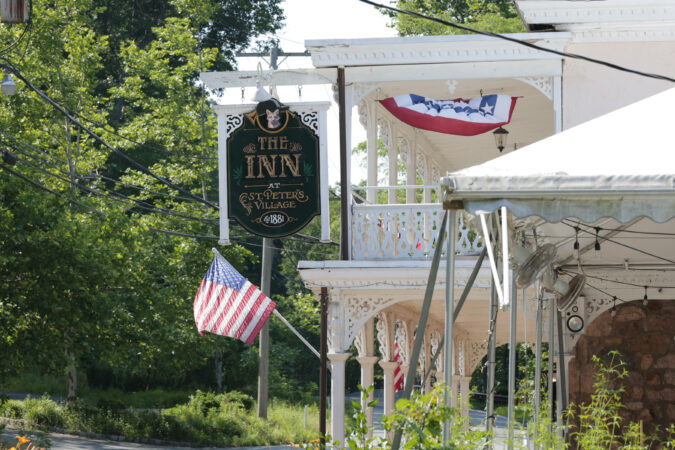
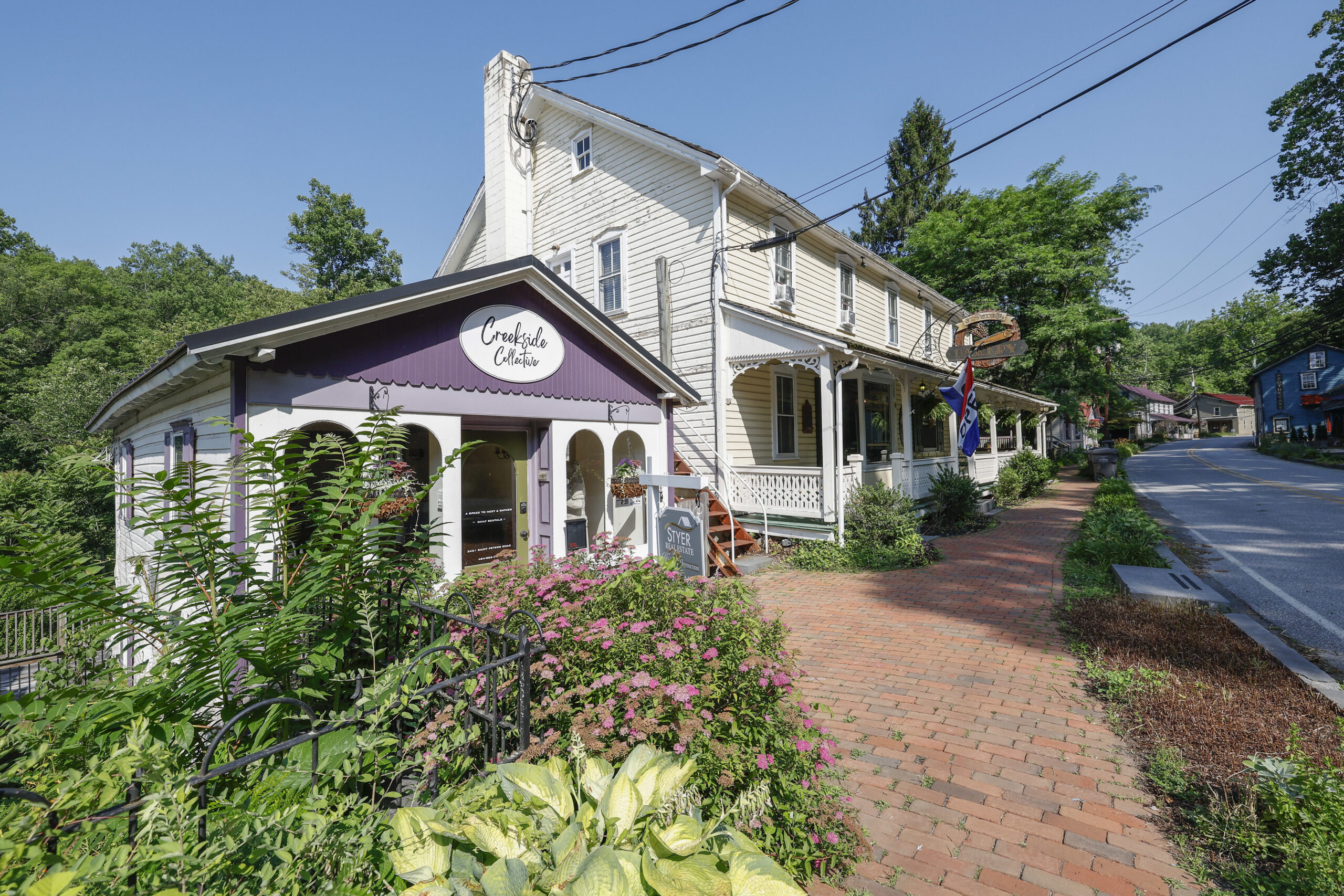
    The entirety of the 83-acre St. Peter’s Village will be sold at auction this September.

    The future of St. Peter’s Village hangs on the auction block, where it will be sold this September to the highest bidder.

    The entirety of the 83-acre historic village in the northwest of Chester County is up for sale in what is a decidedly unusual offering. That includes 121 homes and 13 historic and commercial village buildings.

    As the bidding nears, some are expressing concerns over its future, while others are hopeful for revitalization.

    The Inquirer’s Brooke Schultz explores what could become of the picturesque community.

    Bluebird Distilling adds pizza to the menu after $2.2M renovation

    The dining room at Bluebird Distilling and Dough House was expanded as part of a larger renovation.

    Popular Phoenixville distillery Bluebird Distilling reopened yesterday with a new look and fresh menu items following a $2.2 million renovation.

    Now known as Bluebird Distilling & Dough House, the concept offers a “neo-Neopolitan” pizzeria and restaurant, in addition to an expanded bar, dining room, and bottle shop.

    The idea to add pizza came after owner Jared Adkins started taking classes to learn the art.

    Read more about the expansion and what else you can expect at the new iteration.

    📍 Countywide News

    💡 Community News

    • In case you missed it, last week the developer of a proposed East Whiteland data center was ordered to temporarily stop work that disturbs the soil. Here’s why.
    • North Coventry Township’s zoning board is scheduled to discuss an application for a Sheetz at 1395 S. Hanover St. and several neighboring parcels tomorrow at 7 p.m.
    • Oxford Borough council is hosting a meeting tonight at 7 p.m. to discuss potential changes to its police services as it weighs its finances.
    • Phoenixville-based Christian school the University of Valley Forge has been warned it could lose its accreditation and been given until Sept. 1 to prove it should keep its status.
    • In other higher-ed news, longtime Immaculata University president Barbara Lettiere plans to retire next summer after leading the school for a decade.
    • Spring City is relocating its borough hall and police department to temporary offices today as work continues on the new municipal building. The borough office will temporarily be located at 2 Riverside Dr., with borough meetings taking place at Liberty Fire Company’s social building, while the police will temporarily be at 7 Riverside Dr.
    • Lit Fitness is taking over the former ImpactFit in Exton at 35 E. Uwchlan Ave. There’s no timeline yet for the official transition.
    • Ash Park reopened yesterday in Coatesville after undergoing a yearlong overhaul. The updated 9.3-acre park has a new pavilion, an expanded playground, new water fountains and lighting, an expanded basketball area, and meadows.
    • French and Pickering Creeks Conservation Trust has preserved 34.9 acres in North Coventry Township, adding to the 13,700 acres it’s conserved nearby.

    🏫 Schools Briefing

    • Octorara Area School District has named Nancy Young as its director of special education and student wellness.

    🍽️ On our Plate

    • Longwood Garden’s 1906 is the lone Chester County restaurant to earn honors in this year’s Wine Spectator Restaurant Awards. The magazine recognizes establishments with wine lists offering what it deems interesting selections that are “appropriate to their cuisine” and “appeal to a wide range of wine lovers.” It recognized 1906 — which Inquirer food critic Craig LaBan recently called one of the best restaurants in the suburbs — for its selection of wines from California and France.

    🎳 Things to Do

    🎙️ Sound of Summer Free Concert Series: Pop-rock artist Olivia Rubini headlines this week’s show. ⏰ Wednesday, July 8, 6:30-8:30 p.m. 💵 Free 📍 Anson B. Nixon Park, Kennett Square

    🎭 Ain’t Misbehavin’: This summer musical will transport audiences back to the Harlem Renaissance. ⏰ Select days from Wednesday, July 8-Sunday, Aug. 16, times vary 💵 Prices vary 📍 People’s Light, Malvern

    🎹 Tredyffrin Township Summer Concert Series: Hear party music from the ‘60s through the ‘90s when The O’Fenders takes the stage. ⏰ Thursday, July 9, 7 p.m. 💵 Free 📍 Wilson Farm Park, Wayne

    📽️ Blobfest: This year’s three-day festival is circus-themed and kicks off with a screening of the film and the run-out. Other events include a ball, “dinner en blob,” and screenings of other films. ⏰ Friday, July 10-Sunday, July 12, times vary 💵 Prices vary 📍 The Colonial Theatre, Phoenixville

    🍖 KS-Que BBQ Festival: Sample local barbecue as teams compete for bragging rights. ⏰ Saturday, July 11, noon-5 p.m. 💵 $25 📍 The Creamery, Kennett Square

    🎶 Eagleview Summer Concert Series: American rocker Sophie Gault will headline the upcoming show. Local Americana band Lazy Villains will also perform. ⏰ Tuesday, July 14, 7-9 p.m. 💵 Free 📍 Eagleview Town Center, Exton

    🏡 On the Market

    An 18th-century Phoenixville home with an impressive primary suite

    The home dates back to the late 1700s.

    Dating back to the late 18th century, this updated five-bedroom Phoenixville home is replete with preserved period elements like millwork and fireplaces. The first floor has a family room, living room, office, and a kitchen with an exposed stone wall and radiant heated brick floors. It opens onto a sunroom with space for dining and lounging that overlooks the woods of Pickering Creek Preserve. The primary suite features exposed beams, its own sitting room, and a bright bathroom with skylights. There’s an open house Saturday from noon to 2 p.m.

    See more photos of the property here.

    Price: $880,000 | Size: 3,281 SF | Acreage: 2.5

    🗞️ What other Chester County residents are reading this week:

    By submitting your written, visual, and/or audio contributions, you agree to The Inquirer’s Terms of Use, including the grant of rights in Section 10.

    This suburban content is produced with support from the Leslie Miller and Richard Worley Foundation and The Lenfest Institute for Journalism. Editorial content is created independently of the project donors. Gifts to support The Inquirer’s high-impact journalism can be made at inquirer.com/donate. A list of Lenfest Institute donors can be found at lenfestinstitute.org/supporters.

  • Rite Aid is gone. Its shells remain, with some becoming gyms and car washes.

    Rite Aid is gone. Its shells remain, with some becoming gyms and car washes.

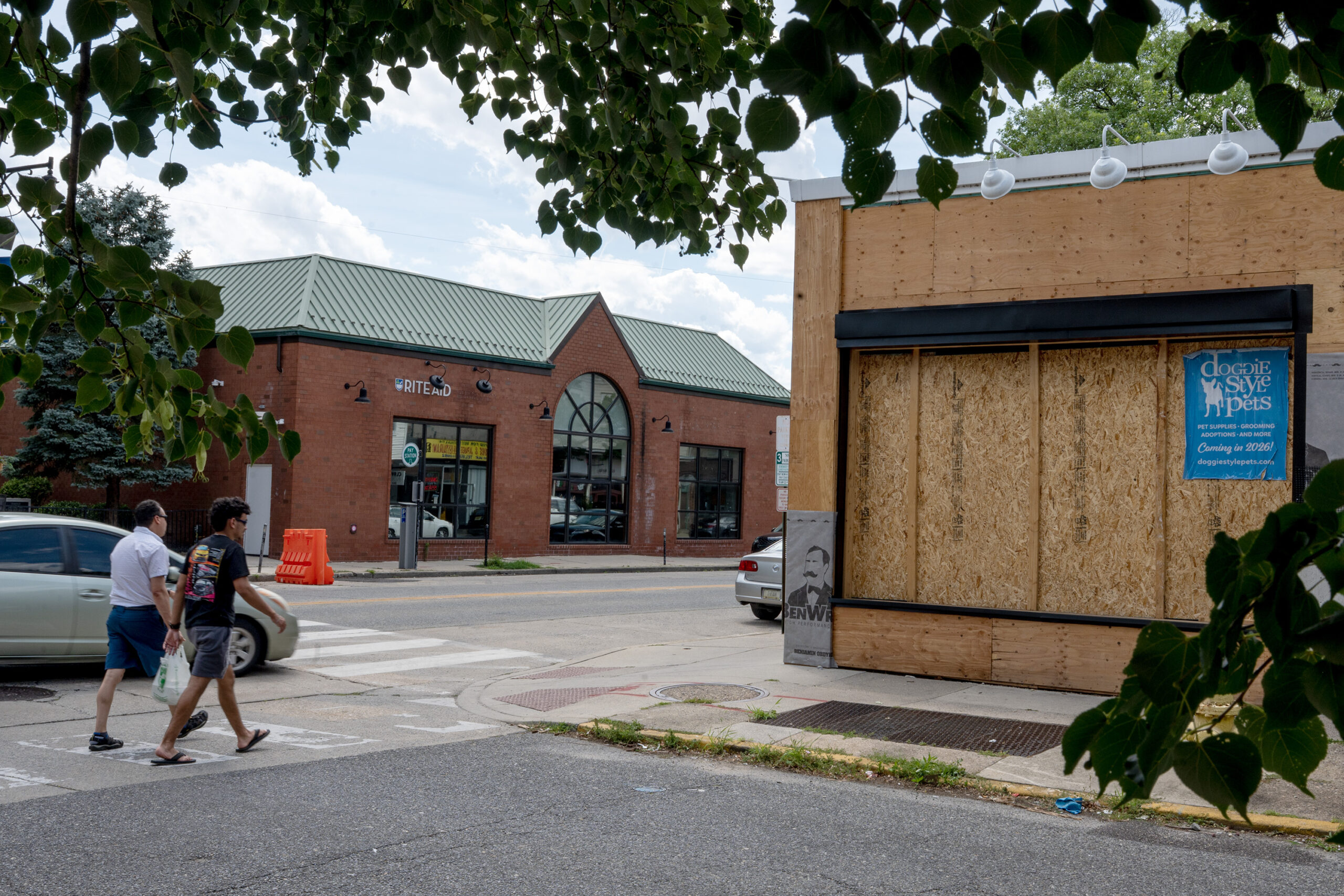
    It’s been almost a year since the last Philly-area Rite Aids closed their doors for good after years of financial trouble.

    But the pharmacy chain’s distinct facade still dots the landscape — in suburban shopping centers, on the corners of congested intersections, sometimes even smack dab in the middle of city blocks.

    Some of these buildings are still vacant, surrounded by overgrown grass and empty parking lots. Others are getting new life as dollar stores, medical clinics, daycares, Spirit Halloweens, and a Rally House sports retailer.

    A former Rite Aid (left, rear) and former Wawa (right) sat empty in Collingswood in June.

    The 8,000- to 16,000-square-foot shells are ideal for only so many tenants, real estate experts have said, and it is not unusual for these kinds of properties to take several months or more to lease.

    Here is a look at what’s happening at a few local zombie Rite Aids:

    South Jersey Rite Aids are becoming fitness centers

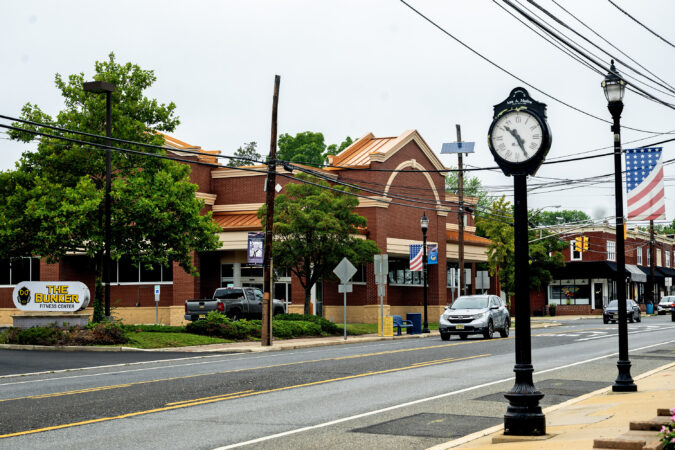
    A former Rite Aid in Blackwood, Camden County, has been a gym for more than a year, and its owners soon plan to open a second location at another old Rite Aid in Cherry Hill.

    Nick Bennett, CEO of the Bunker Fitness Center, said the owner of the Blackwood Rite Aid building approached him after seeing the gym’s content on TikTok. At the time, Bennett said, the gym was outgrowing its 3,000-square-foot space in Franklinville, Gloucester County.

    When he went to see the 13,000-square-foot former Rite Aid in Blackwood, he said, it had already been demolished inside.

    “It was just wide open,” Bennett said. “That floor plan works for our business model because gyms are open. You don’t really need to put up walls.”

    Steve Cristelli works out at the Bunker Fitness Center in Blackwood.

    Another plus, he said: Pharmacies have rows of refrigerators, which require electrical outlets, and the Bunker crew could use those outlets to plug in workout equipment.

    The old Rite Aid on Black Horse Pike needed “very little” work, just paint and rubber floors, Bennett said, and was easily transformed into the exercise and recovery space he had envisioned. The gym opened in 2025.

    “We’re smashing it,” Bennett said, with thousands of members who pay between $49 and $59 a month for the 24/7 gym, which has cardio and strength machines, weights, a sauna, and a cold plunge. He declined to provide specific sales or membership figures for competitive reasons.

    The Bunker Fitness Center operates inside a former Rite Aid in Blackwood.

    But Bennett said the business is doing so well that it is expanding into another former Rite Aid, 12 miles away in Cherry Hill with franchisee Jack Prendergast.

    That 10,000-square-foot pharmacy shell at Brace and Kresson Roads closed more recently and needs a bit more work inside, Bennett said. When they signed the lease, he said, it “looked like a Rite Aid.”

    Bennett said he and Prendergast are demolishing the interior, aiming for a September opening.

    In Delco, a Rite Aid could become a township’s first car wash

    The former Rite Aid in Newtown Square may get new life as a car wash.

    The store at West Chester Pike and St. Alban’s Circle closed last year. In February El Car Wash, a Florida-based chain looking to expand into Pennsylvania, New Jersey, and Maryland, applied to open there, said Newtown Township Solicitor Rich Sokorai.

    On its website, El Car Wash lists several other Philly-area locations as “coming soon,” including Cherry Hill, Drexel Hill, Feasterville, and Maple Shade.

    The Newtown Square Rite Aid operated a drive-through, Sokorai said, and drive-throughs are permitted in that commercial zone. After a June meeting, the township zoning hearing board is considering whether to permit the car wash, with a decision expected in the coming weeks.

    A Rite Aid with a “store closing” sign last summer.

    If approved, it would be the only car wash in Newtown Township, the solicitor said.

    Residents of the neighborhood behind the old Rite Aid have expressed concerns to local officials, Sokorai said, “because they fear traffic.”

    Others have said they are looking forward to a new business moving into the vacant space on a prime corner, Sokorai said. Even before the Rite Aid closed last summer, its shelves were often empty, the solicitor said, and “it was dying a slow death.”

    Temple University buys another old Rite Aid

    Temple “T” flags fly on North Broad Street.

    Temple University recently bought a second former Rite Aid on North Broad Street.

    The school recently closed on the old Rite Aid building on the 2100 block of North Broad for $9.25 million, according to spokesperson Stephen Orbanek. He said ArchWell Health, which operates a primary-care clinic for seniors there, will remain the tenant.

    “This property’s location, directly across the street from James S. White Residence Hall, supports the priorities of our campus safety and physical environment plan,” Orbanek said.

    This latest Rite Aid acquisition comes two years after Temple bought a Rite Aid and its surrounding shopping center near Temple University Hospital for $8.2 million. The Rite Aid is being converted into Temple Health neurology offices.

    The moves are part of a broader expansion of the university’s footprint on Broad Street, which includes the January acquisition of a vacant property at the site of a former McDonald’s for $8 million.

    Editor’s Note: This story has been updated to indicate that Temple Health plans to open neurology offices at the previously acquired Rite Aid building.

  • A Chester couple will face a county judge on murder charges in the death of their 2-year-old son

    A Chester couple will face a county judge on murder charges in the death of their 2-year-old son

    Cynthia Robinson and Frank Walton Sr. won back custody of their son, Frank Jr., in May 2025, Delaware County prosecutors said Tuesday.

    Six months later, the 2-year-old was dead, and the bruises and cuts that covered his young body told the story of the abuse he had been dealt in the weeks leading up to his killing, according to First Assistant District Attorney Kristin Kemp.

    Robinson, 37, and Walton, 57, were held for trial on charges of murder, conspiracy, and related crimes after an hours-long preliminary hearing before District Judge Dawn L. Vann.

    An autopsy revealed that Frank died in November from a laceration to his liver that caused significant internal bleeding, as well as bleeding in his brain that a forensic examiner said Tuesday was caused by either blunt trauma or severely shaking the boy.

    Those injuries, Kemp said, were caused by Robinson, who has a documented history of abusing all four of her children, and who had been seen beating and striking Frank whenever he cried at the couple’s house in Chester.

    Kemp said though Robinson dealt the fatal injuries, Walton was just as culpable — he waited to call 911 until the boy had died, despite seeing his condition worsen in the hours after the beating.

    Walton also agreed to lie to police and attempt to blame his son’s injuries on his then-3-year-old daughter, whom Robinson claimed had pushed the boy down the stairs, Kemp said. The girl, according to testimony Tuesday, had spent the entire day with Walton and had not been home.

    “They were afraid of law enforcement and investigators seeing that every aspect of that child had been abused,” Kemp said. “Only one thing could’ve happened with that baby, and that was his death.”

    Robinson’s attorney, Michael Dugan, said that there was no evidence his client had intended to kill her son.

    “At the end of the day, who calls 911? Mom. Who does CPR? Mom,” Dugan said. “I don’t think either one of these parents knew this child was dying, and when they knew his extreme condition, they called for help.”

    Walton’s attorney, Wana Saadzoi, asserted that the charges against him should be dropped — he had never been seen abusing his son, and the mortal injuries took place when he was out working.

    “He couldn’t have prevented it from happening if he wasn’t present,” she said. “This was a tragic failure that he was unable to appreciate the seriousness of his injuries.”

    But Kemp doubted that theory of the case, saying Walton was well aware of Robinson’s history of child abuse and should have done more to protect the toddler.

    “As a parent, you don’t get to bury your head in the sand,” she said. “You have an affirmative duty to intervene and save your child.”

    Frank was born prematurely, according to the affidavit of probable cause for his parents’ arrests, and tested positive for cocaine and fentanyl. He was placed in foster care as a result, but was returned to his parents in May 2025.

    Robinson’s half brother, Jason Weldon, testified Tuesday that he saw her carry Frank down the stairs by his T-shirt and drop him onto his back from about waist height hours before the boy died.

    He said he saw Robinson slap Frank and forcibly cover his mouth when he cried, and heard her say she was going to “beat this little [expletive].”

    Weldon testified that he threatened to report Robinson to county officials, but that she begged him not to because she did not want the boy to be taken away again.

    He said he told Walton about the abuse and that he needed to protect his kids.

    “If I would’ve known [Frank Jr. would be killed], I would’ve done something about it,” Weldon said.

    Weldon said he woke up on the night Frank died to see Robinson frantically performing CPR on the boy. And he was in the room when she told police that her daughter had pushed Frank down the stairs, he said, but he “didn’t think it went down that way.”

    An autopsy revealed that the injuries the boy sustained, especially the laceration to his liver, required force only an adult could apply, according to testimony Tuesday.

  • Frontier fills Spirit Airlines’ void left at Philadelphia airport with new flight

    Frontier fills Spirit Airlines’ void left at Philadelphia airport with new flight

    Frontier Airlines has begun new nonstop daily service between Philadelphia International Airport and Detroit, taking over a route formerly operated by discount carrier Spirit Airlines.

    The service began Sunday, the airline said, adding that it is offering a special introductory one-way fare of $79 between the two cities.

    Frontier and other budget airlines such as Allegiant Air have moved to fill gaps in service since Spirit, a pioneer of cheap fares, ran out of cash and shut down May 2.

    “We are pleased to grow our service at PHL, ensuring low-cost travel options remain available for consumers,” Josh Flyr, vice president of network and operations design at Frontier, said in a statement.

    The airline is touting other new products, including UpFront Plus seating, an option with extra leg and elbow room in the first two rows of the aircraft, the airline said. UpFront Plus customers are guaranteed an empty middle seat.

    Frontier carried about 3.1 million passengers into and out of PHL during 2025, ranking second after American, the airport’s dominant carrier, with over 20 million passengers last year.

    It operates primarily from 17 gates in Terminal E.

    The promotional $79 tickets must be bought before 11:59 p.m. July 12. They apply to select nonstop flights for travel between Aug. 3 and Sept. 2, according to Frontier.

    Spirit Airlines had been in chapter 11 bankruptcy and was seeking a $500 million federal bailout to keep going. No deal was reached, so it closed and liquidated its fleet of planes. Spirit had high debt and was struggling under the weight of rising costs, especially of fuel.

  • Chester County roadwork to watch out for this week

    Chester County roadwork to watch out for this week

    Roadwork continues on several major thoroughfares throughout Chester County this week, including Route 30. Elsewhere, other projects will get underway, including a monthslong update to Conestoga Road in East Nantmeal Township that will result in a lane closure.

    Here are all the possible delays and detours you need to know, starting July 7:

    • Birmingham Township: Weather depending, expect roadwork and a closure on Old Wilmington Pike between Knolls and Birmingham Roads through Friday as Peco undertakes tree removal.
    • Coatesville; Caln, East Fallowfield, and West Bradford Townships; and South Coatesville: Overnight paving work from 7 p.m. to 5 a.m. will cause a lane closure on Hazelwood Avenue between Marshallton Thorndale Road and First Avenue through Friday.
    • East Nantmeal Township: Fairview Road will be closed between Little Conestoga and Conestoga Roads from 7 a.m. to 5 p.m. through Friday. Starting Wednesday and continuing through July 15, Fairview Road will be closed between Conestoga Road and Pottstown Pike, also from 7 a.m. to 5 p.m. Starting Tuesday, expect a lane closure on Conestoga Road between Nantmeal and Moores Roads that will continue from 7 a.m. to 3 p.m. through the end of September.
    • East Pikeland Township: Starting Monday and running through July 24, Spring Hollow Road will be closed between Route 724 and Spring Lane.
    • Franklin Township: Roadwork continues on Church Hill Road near Hilltop Road, resulting in an ongoing lane closure. Work is expected to continue throughout the summer and into the fall as the township undertakes stability repairs and partial roadway reconstruction.
    • Honey Brook Township: There will be a lane closure on Cambridge Road between Horseshoe Pike and the Lancaster County line from 6 p.m. to 6 a.m. through July 14, followed by milling and paving through July 21.
    • North Coventry Township: There will be a lane closure as resurfacing of eastbound Route 422 between its interchanges with Route 100 and Armand Hammer continues 9 to 5 a.m. through Thursday.
    • West Chester: South Church Street will be closed between Price and West Barnard Streets for utility work through Friday. The 200 block of Linden Street and the 600 block of Maple Alley will be closed from 7 a.m. to 3 p.m. through Friday for sewer line work.
    • West Pikeland Township: The driveway for Pine Creek Park will be repaved on Thursday and Friday, resulting in the park’s temporary closure.
    • West Sadsbury Township: Route 30 will have an overnight lane closure between Octorara Trail and the Lancaster County line from 7 p.m. to 5 a.m. through Friday.

    This roundup will be updated every Tuesday.

    This suburban content is produced with support from the Leslie Miller and Richard Worley Foundation and The Lenfest Institute for Journalism. Editorial content is created independently of the project donors. Gifts to support The Inquirer’s high-impact journalism can be made at inquirer.com/donate. A list of Lenfest Institute donors can be found at lenfestinstitute.org/supporters.

  • Pa. officials mourn the death of former State Sen. Shirley Kitchen, who represented North Philly for 20 years

    Pa. officials mourn the death of former State Sen. Shirley Kitchen, who represented North Philly for 20 years

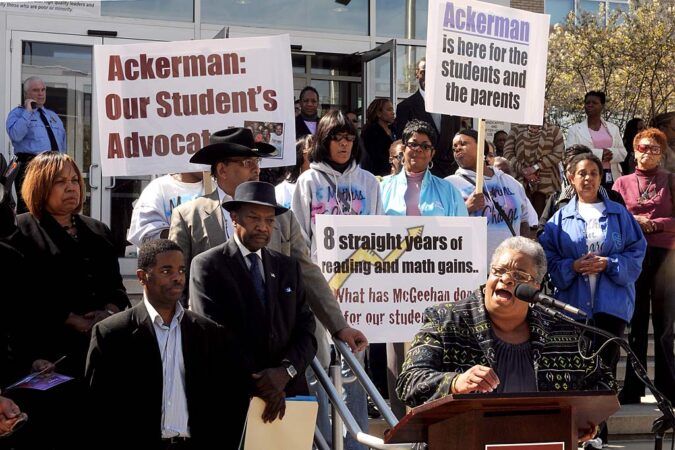
    Pennsylvania elected officials are mourning the death of former State Sen. Shirley Kitchen, the second Black woman to serve in the state Senate and a champion for progressive issues who represented parts of North Philadelphia for more than two decades. She died Saturday at 79. A cause of death was not immediately clear.

    Kitchen represented the 3rd Senatorial District, composed of parts of North Philadelphia, for 20 years. She is remembered by her former colleagues as a pillar and matriarch of her community who worked tirelessly to improve the lives of low-income people, even after she retired.

    “She did so many things for so many people. Now that I’m old enough to appreciate it, I’m not quite sure how she did it — and she did it with such force,” said State Sen. Anthony H. Williams (D., Philadelphia), who served alongside Kitchen in the Senate and had known her for decades. Kitchen was elected to the state Senate in 1996 and served five terms before retiring in 2016.

    Her former colleagues, some through tears, credited many of Pennsylvania’s recent criminal justice reforms as being born under Kitchen’s leadership, with her early legislative proposals paving the way for their passage years later. For example, Kitchen authored early drafts of what is now known as the Clean Slate Act, which automatically seals some nonviolent convictions after 10 years, hiding them from most employer and landlord background checks. She first introduced similar legislation in Harrisburg years earlier and it failed. In 2018, two years after Kitchen retired, the Clean Slate Act became law in Pennsylvania and was heralded as a first-in-the-nation model for criminal justice reform.

    Elected officials across the city shared their condolences, remembering Kitchen as an advocate who cared deeply for her community.

    Mayor Cherelle L. Parker in a social media post on Sunday recalled Kitchen as “fighting for people who often had no one else to fight for them,” and as a trailblazer for Black women in politics.

    “Shirley Kitchen cared about working people, and she cared about Philadelphia,” said Parker, the city’s first Black female mayor and a former state representative.

    City Council President Kenyatta Johnson said in a statement that Kitchen “never forgot who she was fighting for,” dedicating her life to making people’s lives better.

    State Rep. Joanna McClinton (D., Philadelphia), Pennsylvania’s first Black female speaker of the House, wrote in a social media post that Kitchen was “a mentor and her service in the state House and Senate inspired me greatly.”

    Williams added that Kitchen also sought to elevate other Black politicians, like himself, to elected office — and laid the groundwork for much of the city’s current political progressivism.

    “The reality is that a lot of the infrastructure that helps them, Shirley had everything to do with it, and more,” Williams said, noting her advocacy and experience during the Civil Rights Movement. “I would hope the progressives in this generation would tip their hat to a generation that really created the progressive movement.”

    State Sen. Sharif Street (D., Philadelphia) had known Kitchen since he was a child, and said she helped him see the power a Senate seat has in improving the lives of his neighbors. When she decided to retire, Kitchen encouraged Street, who was on her staff at the time, to run to fill the vacancy in the 3rd District following her fifth and final term in the state Senate.

    Williams and Street recalled Kitchen as a fair but demanding mentor.

    “If she told you to do something, you better do it,” Williams said, with a laugh.

    For Street, Kitchen “didn’t limit her advice. She had opinions about everything in my life, including when my wife was right and I needed to listen to her.”

    Street said he spoke with Kitchen weekly, and Williams said he remained in touch with her as recently as last month. She often had ideas or issues she wanted the senators to take up. Street spoke with her last week about a forthcoming Registered Community Organization meeting that she was leading about a new proposed development nearby, emblematic of her continued involvement in her community.

    Prior to her election to the state Senate, Kitchen was involved in the National Welfare Rights Movement, which was a progressive advocacy group for the dignified treatment of women and children, largely led by Black women, during the 1960s and 1970s, Williams said.

    Kitchen served as the minority chair of the Senate Public Health and Welfare committee, in which she often leaned on her social work experience to inform her legislative proposals.

    A Democrat in a time where Republicans controlled the state legislature, she served her entire tenure in the minority party, but was still able to garner bipartisan support for some of her legislative proposals.

    “This image of her being an urban Black woman from Philadelphia would limit her ability to get stuff done in the Senate just wasn’t true,” Williams added. “She could analyze people and figure out what way to approach them with exceptional skill.”

    Born in 1946 in Augusta, Ga., Kitchen attended the Philadelphia School District and graduated from Antioch University in 1979 with a bachelor’s degree in human services, according to her Senate Library biography. She went on to work for former Philadelphia Mayor John Street, Sharif Street’s father, before she was elected to the state House in a special election in 1987. After she lost reelection to the seat in 1989, Kitchen returned to Harrisburg a decade later after her election to represent the 3rd Senatorial District.

    “She was a transformational figure that loved her community and understood that the purpose of those of us holding elected power is to be able to make a difference in the lives of the people we serve, in a way that they can feel and see,” Sharif Street added.

    Funeral services will be announced in the coming days, he said.

    Senator Shirley Kitchen in the audience during speeches in honor of the historical marker that was unveiled at Sullivan Progress Plaza September 14, 2016. The plaza was the first black-owned and operating shopping center in America. Wednesday, Sept. 14, 2016.
  • Former strength coach charged with criminal hazing in death of Bucknell University football player

    Former strength coach charged with criminal hazing in death of Bucknell University football player

    A former strength coach at Bucknell University was charged Monday with criminal hazing in the 2024 death of Calvin “CJ” Dickey Jr., an 18-year-old freshman football player with a known medical condition who collapsed after being required to perform drills until he passed out, Pennsylvania Attorney General Dave Sunday said.

    Mark Kulbis, 34, who worked for Bucknell at the time, surrendered to authorities late Monday morning and was arraigned on the charges, Sunday said. Bail for Kulbis was set at $10,000 unsecured.

    Dickey, originally from Florida, was participating in the first day of freshman football practice for the university in Lewisburg, Pa., on July 10, 2024, “when he was directed to do extensive calisthenics, which put him in risk of death due to his sickle cell trait,” the attorney general’s office said.

    Kulbis allegedly “subjected Dickey to the hazing, even after being made aware of Dickey’s medical condition and receiving training from the university on sickle cell trait and state law and NCAA standards regarding hazing,” Sunday’s office said.

    Dickey was required to perform 100 “up-downs” and several full-body plank drills: “both considered extraneous calisthenic exercises. This was done in spite of training and direction from other coaches that such exercises were not appropriate or safe for use as part of training,” the attorney general’s office said.

    Dickey, who was recruited to play lineman positions, “was visibly struggling with the exercises and Kulbis, the only coach in the training room, did not summon help until Dickey passed out,” Sunday’s office said.

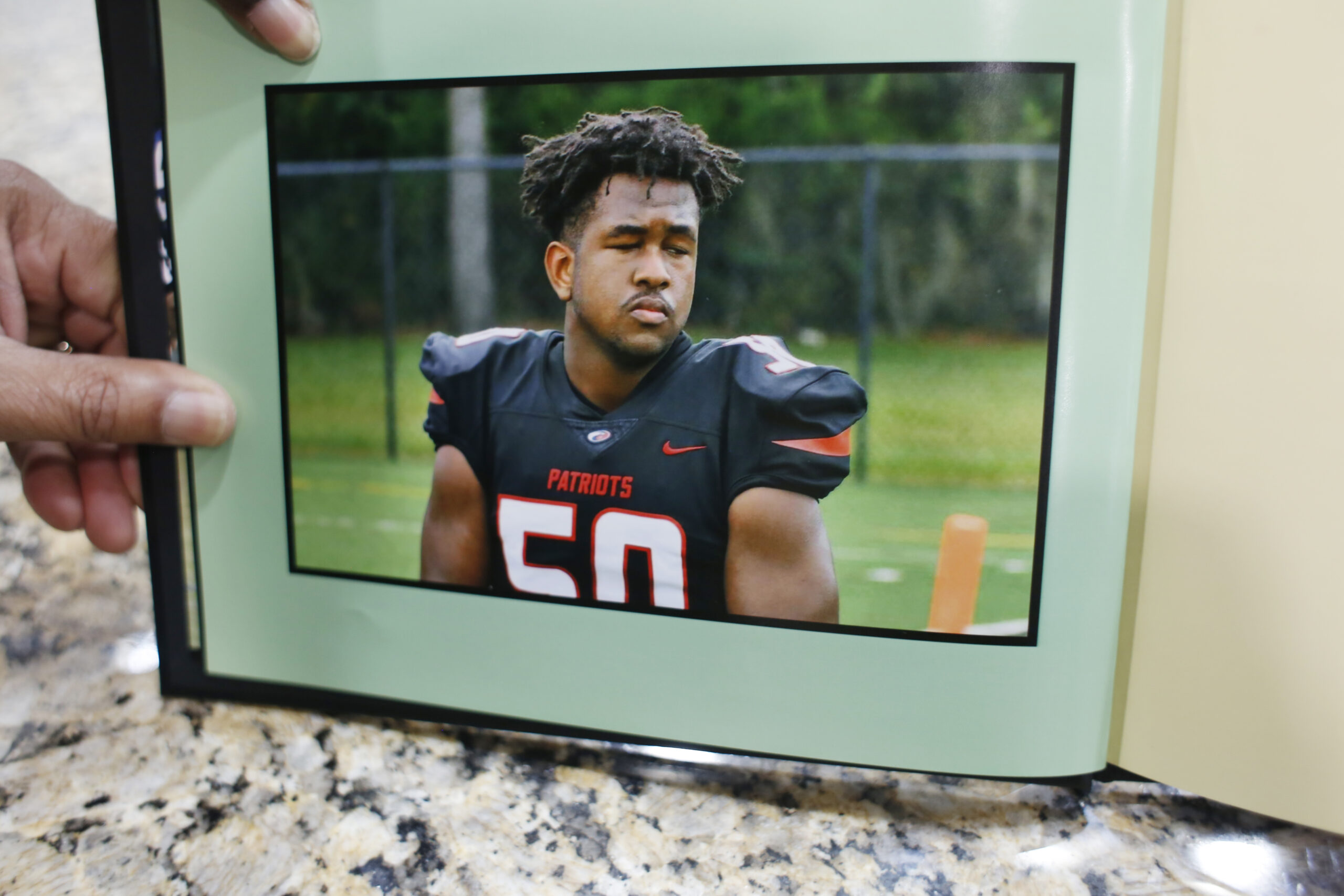
    Photo of Calvin “CJ” Dickey Jr. The 18-year-old died in 2024 after collapsing on the first day of freshman football practice for Bucknell University.

    Dickey was hospitalized, but died on July 12, 2024. An autopsy determined that Dickey’s death “was caused by Kulbis subjecting Dickey to the exercises in combination with Dickey’s Sickle Cell trait, body weight, and exertional rhabdomyolysis,” the attorney general’s office said.

    “This is an extraordinary tragedy, worsened by the fact that C.J.’s death was preventable,” Sunday said in a statement.

    The sickle cell trait can make intense exercise dangerous in certain situations. It used to be the leading cause of death in college football, but the rate of death associated with it among Division I football players dropped by nearly 90% after the NCAA began requiring testing and education in 2010, according to a report published in Sports Health Journal.

    NCAA guidelines say coaches should allow student athletes to set their own pace, build up slowly while training, and rest and recover between intense bouts of exercise.

    The criminal case was referred to state prosecutors last year by the Union County District Attorney, Sunday said. The campus in Lewisburg, located about a hour north of Harrisburg, is located in Union County.

    In an emailed statement, Bucknell University said Monday that university officials were aware of the criminal charges announced against Kulbis.

    “Bucknell has cooperated with the Pennsylvania Attorney General’s Office throughout its investigation,” the university said.

    “Because this is now an active criminal matter, and related civil litigation remains pending, the university will not comment on the allegations or legal proceedings,” the university said.

    “We continue to remember Calvin ‘CJ’ Dickey, Jr. and extend our deepest sympathies to his family and friends,” Bucknell said.

    Barbara Zemlock, an attorney for Kulbis, could not be reached for comment. ESPN reported that Zemlock provided a statement defending Kulbis.

    “While the death of Calvin Dickey is tragic, Mark Kulbis did not contribute to it and is not responsible for it,” Zemlock told ESPN.

    “The strength and conditioning program that was implemented was appropriate and in accordance with the training that Mr. Kulbis received, and with applicable standards.”

    Zemlock added: “There are facts and other circumstances surrounding this matter that, once presented at the appropriate time, will demonstrate that Mr. Kulbis did not commit the crimes charged,” and that “we intend to vigorously defend the charges.”

    Late last month, a federal judge allowed a lawsuit to proceed against Bucknell University filed by Dickey’s parents.

    Kulbis was charged with felony aggravated hazing and misdemeanor counts of involuntary manslaughter, reckless endangerment, and hazing. Sunday said.

    The aggravated hazing charge was made into Pennsylvania law in response to the 2017 hazing death of Penn State University student Tim Piazza.

    “This law exists because it recognizes what hazing is: criminal conduct that, in the best possible scenario, humiliates and dehumanizes an individual — and at its worst, takes lives and leaves families and friends forever devastated,” Sunday said.