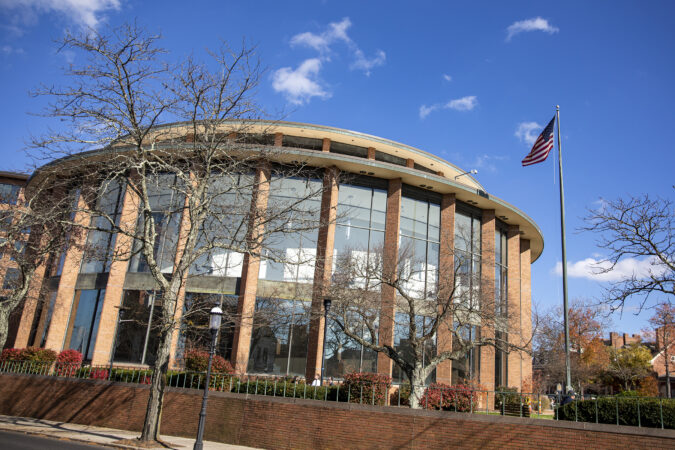
Bucks County Sheriff Danny Ceisler terminated his office’s controversial partnership with ICE Wednesday, citing negative impacts on public safety and immigrants’ trust of law enforcement.
The partnership, known as a 287(g) agreement, which enabled 16 sheriff deputies to act as immigration enforcement, was initiated by formerSheriff Fred Harran,the Trump-aligned Republican who Ceisler defeated in November.
Ceisler said Wednesday that he signed two orders, one revoking the 287(g) partnership, and another that prohibited deputies from asking crime victims, witnesses, and court observers about their immigration status.
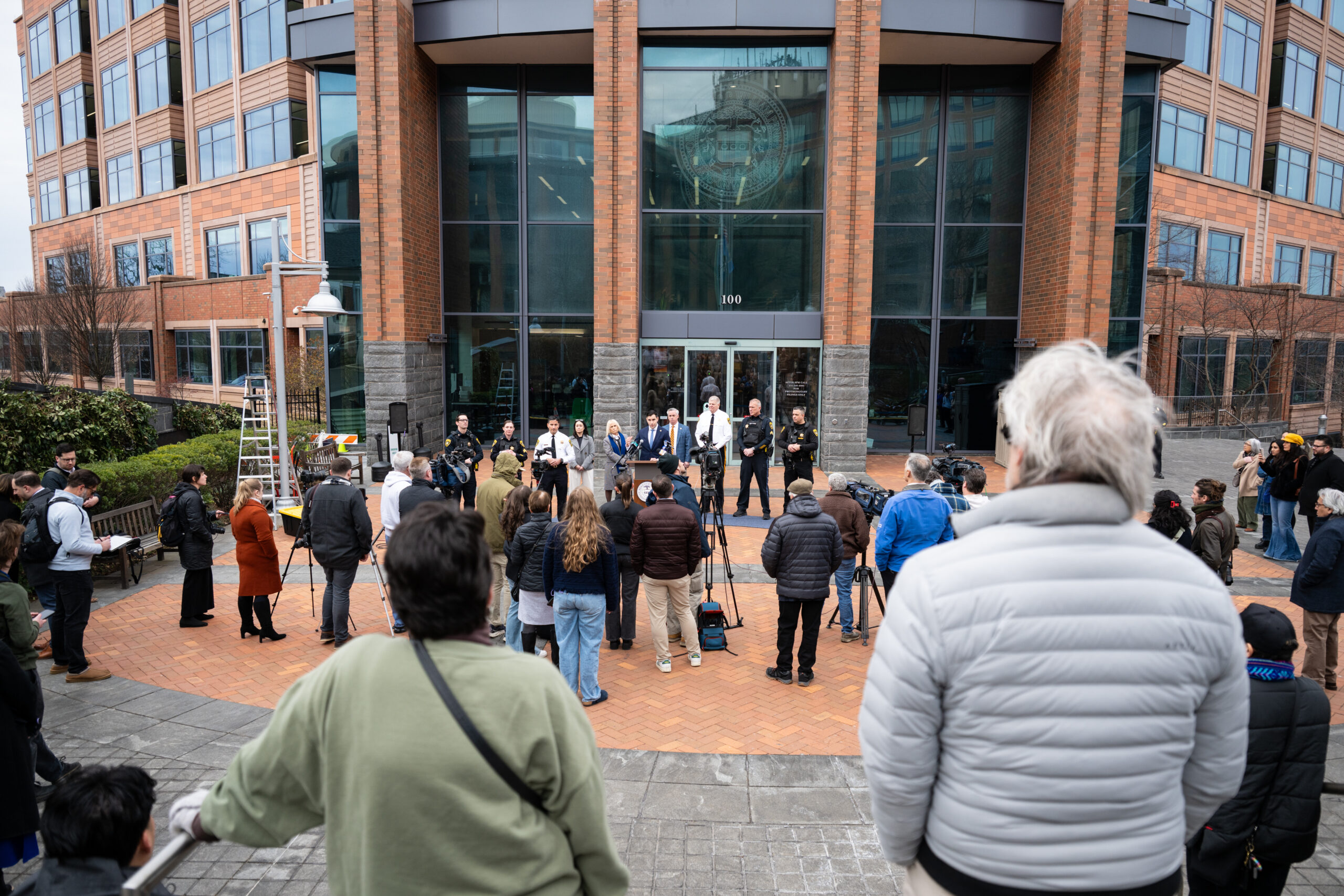
“Bucks County is home to over 50,000 immigrants … those immigrants are our neighbors,” said Ceisler, a Democrat who took office last week, during a news conference outside of the Bucks County Justice Center Wednesday. “They are our friends. They are taxpayers and they deserve the protection of law enforcement in this community.”
Ceisler’s decision to terminate 287(g) was expected, but his announcement comes amid a nationwide reckoning over federal immigration agents’ deployments to U.S. cities as ordered by the Trump administration. Protests againstU.S. Immigration and Customs Enforcementescalated across the country, including in Philadelphia, after an ICE agent shot and killed a woman in Minnesota last week.
Wednesday’s decision “has nothing to do with what’s going on in Minneapolis,” Ceisler said.
Other officials in the region have spoken out directly in response to the Minnesota incident. Philadelphia Sheriff Rochelle Bilal’s comments calling ICE “fake, wannabe law enforcement” went viral.
Ceisler, on Wednesday, called Bilal’s comments “completely counterproductive, and said she was the “wrong messenger for them.”
The Bucks sheriff was adamant Wednesday that his order does not make Bucks County a so-called sanctuary jurisdiction, which have been increasinglytargeted by President Donald Trump.
The president announced Wednesday morning that on Feb. 1 he would cut off federal funding to states that have cities with sanctuary policies, which prohibit local law enforcement cooperation with ICE. Ceisler’s directive prohibits sheriff deputies from acting as immigration authorities, but does not cut off the county’s cooperation with ICE.
People and press gather at a press conference announcing the termination of Bucks County’s partnership with ICE.
“Bucks County has not, has never been, and will never be a so-called sanctuary county,” Ceisler said. “Our county has not severed all ties with ICE, nor precluded future partnership with ICE when it comes to dangerous criminals. Instead, we are returning to a level of partnership we’ve been operating under for decades.”
Bucks was the only county in the Philadelphia area that wasn’t named as a sanctuary jurisdiction by the Trump administration last year when it rolled out an initial list of state and local governments in danger of losing funding — which was later deleted. Officials from the other collar counties disputed the designation at the time.
Democratic Gov. Josh Shapiro downplayed concerns about Trump’s Feb. 1 funding threat during a Wednesday appearance at the Pennsylvania Farm Show in Harrisburg.
“We don’t pay attention to the bluster, we pay attention to what’s written in the directive,“ Shapiro told reporters. ”Pennsylvania’s not a sanctuary state. I would anticipate us not losing funding at the state level unless they wanna be punitive.”
The sheriff said that the county Department of Corrections will continue to share information with law enforcement agencies, including ICE. Federal immigration agents will also continue to have access to county jails and honor judicial warrants to hold individuals who are incarcerated for immigration enforcement.
The motivation for the sheriff’s orders Wednesday were in response to “heartbreaking feedback” from Bucks’ immigrant community that they were afraid to report crimes or engage with law enforcement, Ceisler said
“To the members of our immigrant communities, you are safe to call 911, you are safe to report crime and you are safe to come into this courthouse and testify,” Ceisler said.
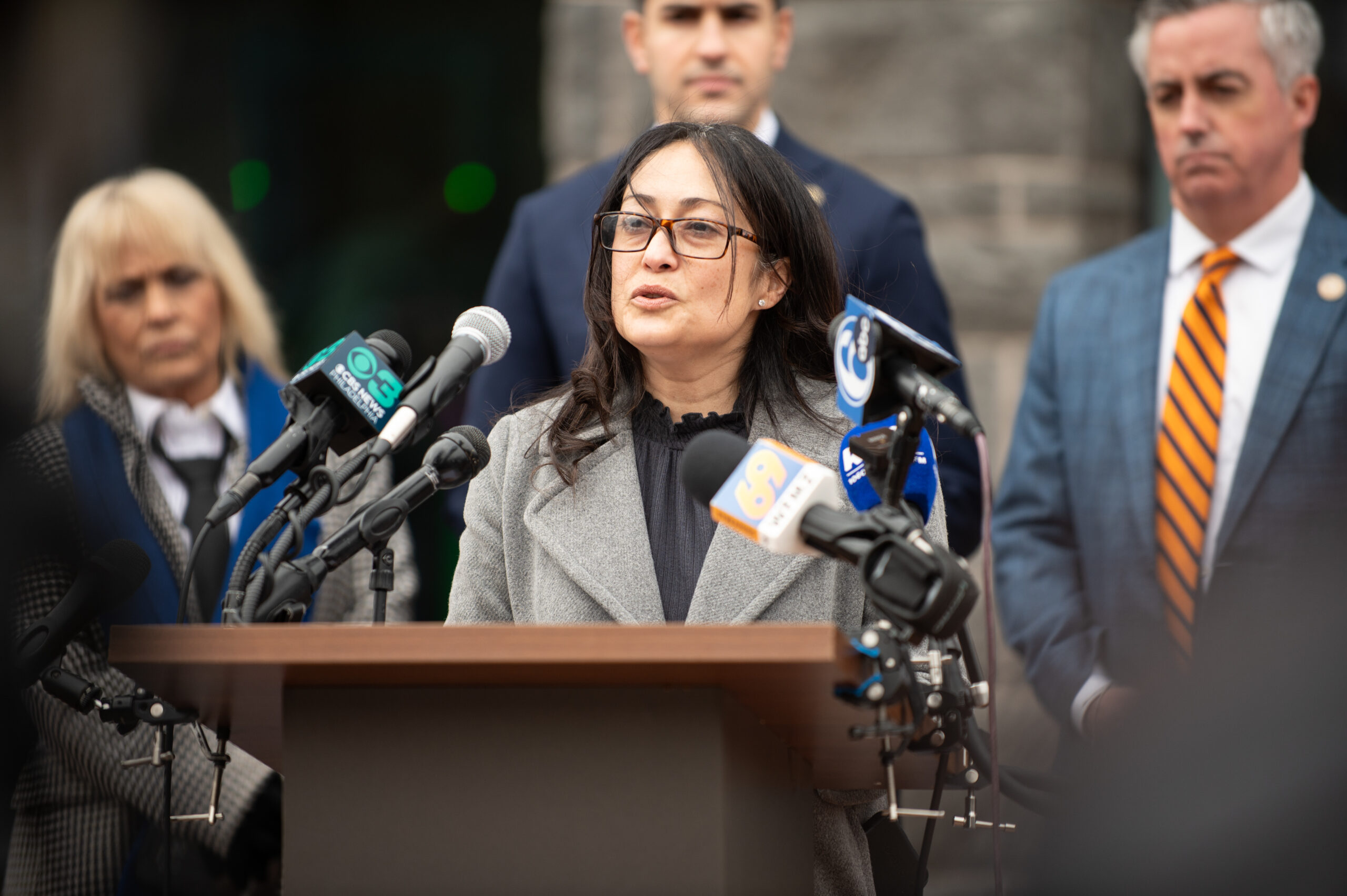
Heidi Roux, an immigration advocate, said her “community is breathing a collective sigh of relief” by ending the 287(g) agreement, but noted that continuing to partner with local law enforcement is crucial to public safety.
“I believe criminal activity can be addressed while simultaneously supporting the human rights and dignity of our residents,” Roux said.
Heidi Roux, executive director at Immigrant Rights Action, speaks at a press conference about the termination of Bucks County’s partnership with ICE.
The 287(g) affiliation stirred up controversy when then-Sheriff Harran announced the department’s alliance with ICE in April of last year. The agency had 455 agreements with police authorities in 38 states across the country.
Since then the number has exploded, to 1,318 in 40 states, with 11 additional agreements pending as of Monday, according to ICE.
ICE says the program helps protect American communities, a force-multiplier that adds strength to an agency workforce that numbers about 20,000 nationwide. Opponents, however, insist that turning local officers into immigration agents breaks community trust with the police and puts municipal taxpayers at risk of paying big legal settlements.
In Pennsylvania, the number of participating agencies has grown from 39 in September to 52 today.
The growth in Pennsylvania and across the nation has been driven by Trump, who has pumped incentive money into the program as he pursues plans to arrest and deport millions of immigrants.
On Trump’s first day in office in January, he directed the Department of Homeland Security to authorize local police to “perform the functions of immigration officers” to “the maximum extent permitted by law.”
No one had yet been detained under that program, but opponents saw Ceisler’s election as the last chance to stop the Sheriff’s Department’s alliance with ICE, and the Democrat said he would act quickly to end the alliance.
The former sheriff said his only goal was to make the community safer, that the department would not conduct random immigration checks or broad enforcement but “those who commit crimes must face the consequences regardless of immigration status.”
The Democratic-led Bucks County Board of Commissioners warned county employees that they could be personally liable for helping ICE, passing a resolution that said the alliance was “not an appropriate use of Bucks County taxpayer resources.” Democratic Commissioners Diane Ellis-Marseglia and Bob Harvie were at Wednesday’s news conference but did not speak.
In October, however, Bucks County Court Judge Jeffrey Traugerruled that Harran’s cooperation with ICE was “clearly lawful under Pennsylvania jurisprudence,” and both “reasonable and necessary” in fulfilling his lawful duty to keep the citizens of Bucks County safe.
Ceisler said that terminating the agreement is the first step to regaining trust of the county’s immigrant communities. Next, he said, comes getting out into the communities.
“It’s about letting people know that they are safe,” he said.
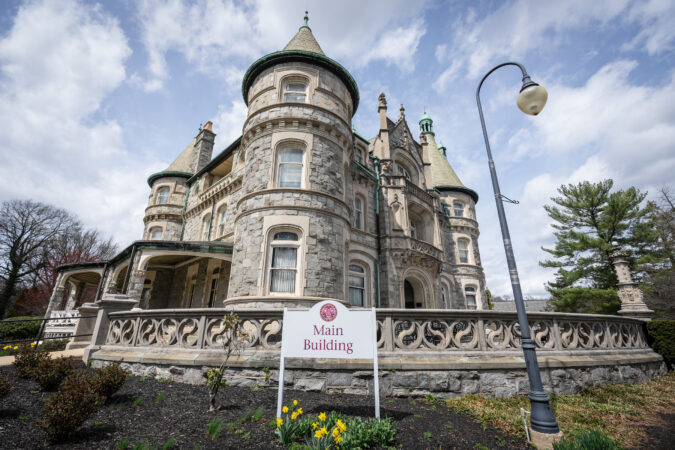
Rosemont College’s accrediting body has asked the school for information on its student records and finances and policies “to ensure truthfulness in public relations announcements.”
The private, suburban liberal arts college has until Tuesday to submit a report to the Middle States Commission on Higher Education, according to an announcement on the accrediting body’s website.
Rosemont announced last spring that it was planning to close for good in 2028 and that nearby Villanova University is purchasing its campus. The college’s enrollment for thefall semester stood at 428, down about 45% from last year.
The freshman class of 21 students is just a quarter of the size of last year’s first-year enrollment. And it will be the last freshman class to enter the 104-year-old Catholic college.
It’s unclear what prompted Middle States to ask Rosemont for the report; the body doesn’t elaborate on its posted actions. Rosemont President Jim Cawley did not respond to a request for comment.
The questions are a likely indicator that more action is coming, which could be as basic as accepting the college’s report, or could be more serious, such as an accreditation warning. Colleges need accreditation to keep their students eligible for federal aid.
Middle States also asked Rosemont to provide evidence of “fair and transparent policies and procedures regarding the evaluation and acceptance of transfer credits, policies and procedures for the safe and secure maintenance and appropriate release of student information and records, including student athletics” and “full disclosure and financial information … that includes realistic enrollment and budget projections and the assumptions on which they are based, is adequate to support educational purposes and programs.”
The college in 2022 received a warning from the commission that its accreditation could be in jeopardy because it did not appear to be meeting requirements around planning, budget and academic assessment. But in 2023, the warning status was removed and the school’s accreditation was reaffirmed through 2028-29.
It could become increasingly challenging for the school to operate as it enrolls fewer students each year until its closure. Another hit could come next year, when NCAA sports are discontinued and more athletes may transfer. Under the merger agreement, Rosemont is expected to receive some financial support from Villanova through 2028.
Rosemont was one of 13 colleges The Inquirer examined in 2024 and found was in poor financial health, using an index developed by a finance executive at a small college in Illinois. The school had reported operating losses for five straight years through June 2023.
The group helping to revitalize Kennett Square’s Birch Street has two new projects in the works, including a restaurant and cocktail lounge. Also this week, a vacant office building in Exton has been converted to a new use, a Coatesville native is appearing on the new season of a reality TV show alongside Donna Kelce, plus why The Inquirer’s Craig LaBan says this West Chester restaurant is one to watch.
A rendering depicts the proposed exterior of Opus, a new restaurant and cocktail lounge slated to open in the summer.
A new restaurant and cocktail lounge is coming to Kennett Square this summer. Opus will take over the two-story space at 201 Birch St., which is adjoined to 14-room boutique hotel Artelo. The restaurant space was most recently occupied by Hank’s Place while the Chadds Ford institution rebuilt its longtime home, which was flooded by Hurricane Ida in 2021.
The 6,000-square-foot building will have a two-story terrace with outdoor dining and serve New American cuisine.
Opus is the latest development from Square Roots Collective, which has been helping to revitalize Birch Street for the past decade, including through projects like The Creamery, the former dairy turned family-friendly beer garden.Another of its nearby projects, The Francis, is set to open this year. The boutique hotel at 205 S. Union St., also in Kennett Square, will have eight rooms in a reimagined 18th-century home.
Scores of demonstrators protesting the killing of Renee Good by an ICE officer gathered across the region over the weekend, including a rally in West Chester on Sunday that drew about 1,000 attendees. (Daily Local News)
County officials are reviewing findings from an investigation into an error that excluded independent voters from poll books during the November election. Officials said they will develop a plan following their review so that similar errors don’t happen again. The county will present findings and its response at the Board of Elections meeting on Jan. 27 at 7 p.m.
PennDot is hosting two public meetings in the next week regarding plans for what it’s dubbed the U.S. 30 Eastern Project Area, which includes alternative routes for the Route 30 mainline and the Reeceville Road, Route 340, and Route 322 interchanges, as well as revised alternatives for the Norwood Road and Route 113 interchanges. The construction is part of a larger project to upgrade 14.5 miles of the Coatesville-Downingtown Bypass to reduce traffic congestion, improve safety, and accommodate future development. The first meeting will be held virtually tomorrow at 6 p.m. There’s a second in-person meeting on Tuesday from 6:30 to 8:30 p.m. at Pope John Paul II Regional Catholic Elementary School in West Brandywine Township.
Four police officers were injured last week when responding to a call on the 400 block of Main Street in Atglen Borough. The officers detained Jon Marcos Muniz, who allegedly fired a handgun into two occupied apartments and barricaded his front door. No other injuries were reported. Muniz is facing a number of felony and misdemeanor charges.
M. Patricia Muller was selected as chair of Kennett Township’s Board of Supervisors last week, making her the first woman in the township’s history to hold the role.
Heads up for drivers: Newark Road in West Marlborough Township will be closed Monday through Friday next week from 9 a.m. to 3 p.m. for tree removal. Norwood Road in EastCaln Township will be operating as a single lane with flaggers next Monday through Friday for sewer line work. Peco will be doing electrical work along Happy Creek Lane and Copeland School Road in West Bradford Township as part of a $450,000 infrastructure project to improve reliability and reduce outages, including from storms. Work is scheduled to take place January through April and will impact both roads and some residential yards.
A vacant office building at 319 N. Pottstown Pike in Exton has been transformed into “hotel-apartments” with 24 studio and eight one-bedroom units. The group behind it plans to market The Flats On 100 to consultants and visitors of nearby employers, such as Vanguard and QVC, and sees it as a potential model for the region’s empty office buildings.
Also in Exton, retailer Nordstrom Rack plans to open a 30,000-square-foot shop at Main Street at Exton this fall.
Could popular HBO series Mare of Easttown return for a second season? Kate Winslet seems to be ready for the Delaware County-set show, created by Berwyn native Brad Ingelsby, to return, and recently indicated filming could start as early as 2027. While the award-winning actor is on board, nothing official has been announced yet.
Coatesville native and figure skating icon Johnny Weir made his debut on the fourth season of Peacock reality TV show The Traitors last week. Weir is joined on this season of challenge-meets-eliminations-style show — hosted by Alan Cumming at his castle in Scotland — by Donna Kelce, Tara Lipinski, and a slew of reality TV personalities. The first three episodes dropped last week. Catch up on what happened here. (Warning: Spoilers!)
The GameStop at 1115 West Chester Pike in West Chester shuttered last week as part of a mass closure by the gaming retailer.
🏫 Schools Briefing
Reminder for families: There are no classes Monday for Martin Luther King Jr. Day.
Avon Grove School District is considering adopting a new textbook, myPerspectives, from Savvas Learning Company for sixth through eighth grade English Language Arts students next school year. The public can review the textbook, which was put to the school’s education committee for consideration earlier this month, and provide feedback during a 30-day period through early February. The proposed change comes as part of the district’s regular curriculum review cycle, said Jason Kotch, assistant superintendent for teaching and learning.
Tredyffrin/Easttown School District has released its 2026-27 preliminary budget proposal, which includes a $14.9 million operational deficit. The district’s board and administration say they plan to close the gap through “a combination of increases in the property tax rate, expenditure reductions, or the use of existing reserves.” It will host budget workshops on March 9 and April 13, with plans to adopt the budget in June. The board will not vote on a tax rate before June 8. See the preliminary budget here. The district is also hosting a special school board meeting tomorrow at 6:30 p.m. at Conestoga High School to discuss the school board director vacancy. And from Jan. 20 to 26, there will be an open registration period for all new kindergarten and first grade students planning to start school in September.
Octorara Area School District is hosting a “kindergarten readiness” event tomorrow from 6:30 to 7:30 p.m. at the Octorara Primary Learning Center in Atglen for families with children eligible for kindergarten next school year.
West Chester Area School Districtstudent registration for the 2026-27 school year is open.
The Boardroom Restaurant & Bottle Shop in Phoenixville recently underwent an update and reopened Monday after a more than weeklong closure.
🎳 Things to Do
👭 Steel Magnolias: Tickets are going fast for this adaptation of the popular 1989 film taking center stage for its monthlong run at People’s Light. ⏰ Wednesday, Jan. 14-Sunday, Feb. 15, days and times vary 💵 Prices vary 📍 People’s Light, Malvern
🍔 Taste of Phoenixville: Now in its 24th year, the annual fundraiser will bring together over 20 food and drink vendors. There will also be live music and a silent auction. ⏰ Thursday, Jan. 15, 6 p.m. 💵 $150 📍 Franklin Commons, Phoenixville
🌿 Winter Wonder: While Christmas may get most of the attention, Longwood Gardens’ conservatories will be filled with colorful plants throughout the remainder of winter. The gardens are open daily except Tuesdays. ⏰ Friday, Jan. 16-Sunday, March 22 💵 $17-$32 for non-members, free to members 📍 Longwood Gardens, Kennett Square
🎭 Broadway at the Colonial Theatre: Several Broadway stars, including area native Amanda Jane Cooper, who played Glinda in the North American tour of Wicked, will perform. ⏰ Sunday, Jan. 18, 7 p.m. 💵 $30-$65 📍 The Colonial Theatre, Phoenixville
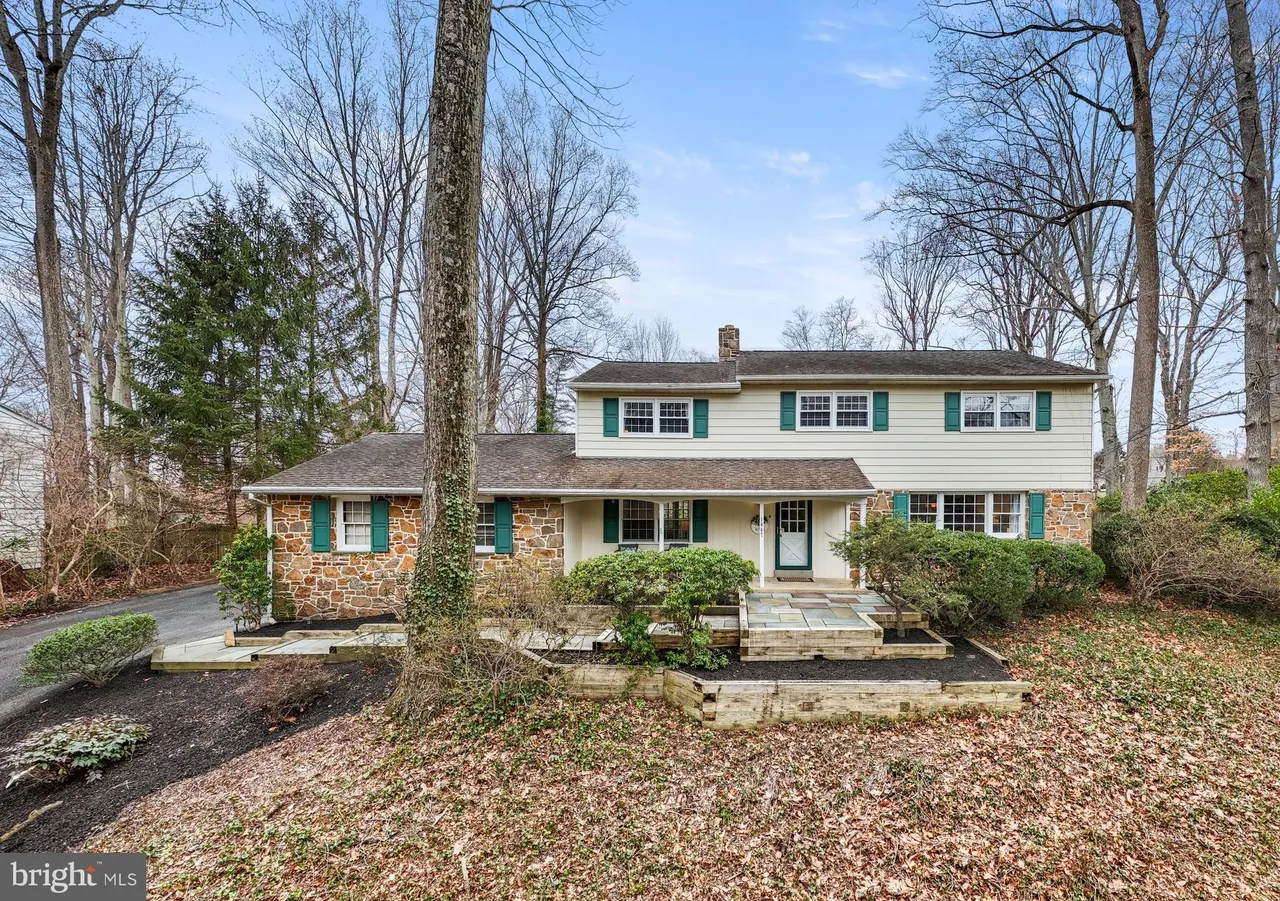
Situated in a wooded stretch of East Goshen, this Colonial, along with several others in its cul-de-sac, has a unique access point: Locksley Covered Bridge, which was erected in the 1960s. The four-bedroom, two-and-half-bath home features a family room, living room, dining room, and eat-in kitchen, which has granite countertops and a wood-burning fireplace. There’s a screened-in porch off the dining room, with skylights and brick flooring, which leads to the backyard, where there’s a patio and play set.
By submitting your written, visual, and/or audio contributions, you agree to The Inquirer’s Terms of Use, including the grant of rights in Section 10.
This suburban content is produced with support from the Leslie Miller and Richard Worley Foundation and The Lenfest Institute for Journalism. Editorial content is created independently of the project donors. Gifts to support The Inquirer’s high-impact journalism can be made at inquirer.com/donate. A list of Lenfest Institute donors can be found at lenfestinstitute.org/supporters.
As the September evening inched along, the line of residents waiting their turn for the microphone held steady. Filing down the auditorium aisles at the Indiana University of Pennsylvania, they were armed with questions about a new gas plant slated for their community.
Sitting quietly in the audience was John Dudash. For decades he’s lived in Homer City, a southwestern Pennsylvania town that was once home to the largest coal-fired power plant in the state. The plant, which shares its name with the town, closed nearly three years ago after years of financial distress.
Dudash, 89, has lived in the shadow of its smokestacks — said to be the tallest in the country before they were demolished — for much of his life. At its peak, the Homer City power plant employed hundreds of people and could deploy about 2 gigawatts of energy, enough to power 2 million homes.
It was also a major source of air pollution, spewing sulfur dioxide and mercury, both of which pose serious health risks. Today, Dudash wonders if the pollution might have exacerbated the lung issues that claimed his wife’s life six years ago.
The proposed gas plant, expected to be up and running in 2027, will replace the old coal-fired power station, but with more than double the energy output — 4.5 gigawatts of energy. The new plant also will have the potential to emit 17.5 million tons of planet-heating greenhouse gasses per year, the equivalent of putting millions of cars on the road.
And it will serve a new purpose: Rather than primarily sending electrons to the regional grid to power homes or businesses, the new power plant will exist mainly to feed data centers planned on the site.
As the hearing wore on that September night, Dudash, a conservationist, did not stand to speak; instead, he sat quietly, taking mental notes. The next morning, he emailed two staffers at the Pennsylvania Department of Environmental Protection.
“First of all, the project will not be stopped,” he began, with resignation. He went on to offer a few caveats — among them, advice about air monitoring.
His letter reached the agency alongside more than 550 comments on a key air permit for the proposed plant, a testament to the project’s complexity. After the permit was approved Nov. 18, Dudash’s prediction began to look remarkably accurate — though the Homer City plant still has about a dozen additional permits awaiting approval before the project can be completed, including one that would impact several acres of wetlands and hundreds of feet of a local stream.
Though it is among many energy sites popping up to power the artificial-intelligence boom across Pennsylvania, the Homer City facility is unique for its size, its advertised economic potential — the owners have promised the project will generate more than 10,000 construction-related jobs — and for its likely environmental impact. It has earned the backing of President Donald Trump, who called it “the largest plant of its kind in the world,” a distinction its owners could not verify. There was a buzz in town in late October when Jared Kushner, Trump’s son-in-law, visited, though it was unclear what drew him to Homer City.
“I don’t really trust the people who are coming in to build and run the place,” Dudash said. “I do not agree with the artificial-intelligence portion of it.”
“They’re going to have to sacrifice the environment for these jobs,” he added. “In Appalachia, we’ve been doing that for years.”
The Homer City proposal
When the old plant sputtered to a close in 2023, it left the surrounding community — which was built on the local abundance of coal — in search of an economic lifeline. Now, the data center boom sweeping the country brings promise of such a rebirth for communities like Homer City — though this promise is one that some experts say may be less than billed. And, it comes with risks.
The new power plant will be much larger than its predecessor and is permitted to emit more than twice as much of some pollutants as its predecessor did. The data center, or centers, it powers would also consume a tremendous amount of water — perhaps more than its host townships can spare, some fear.
Homer City, Pa., once a vibrant thoroughfare during coal’s heyday, was completely empty of pedestrians on an afternoon in 2024.
Artificial intelligence requires vast amounts of electricity and has the potential to offer a lifeline to the fossil fuel industry. Though some in the community are sanguine about the promise of jobs, expertssay the reality for many living around data centers may fall short. Some are left wondering exactly who the new plant is for — them or some faraway tech companies.
The Homer City project is far from alone in its emergence: The nonprofit Fractracker has identified 39 planned data centers in the works across Pennsylvania. Tech companies like Microsoft and Amazon are moving in, alongside others intrigued by the state’s rich legacy of power production, deep natural gas reserves, and generous subsidies. In July, Republican U.S. Sen. Dave McCormick, from eastern Pennsylvania, held a conference in Pittsburgh during which companies announced more than $90 billion in data center investments and related energy infrastructure.
This tech boom largely has bipartisan support, including from Gov. Josh Shapiro, a Democrat who said at a June press conference that he is committed to “ensuring the future of AI runs right through Pennsylvania.” Legislators in Harrisburg, meanwhile, are introducing bills that would both spur the burgeoning industry and give it guardrails.
The extent to which the Homer City facility’s owners have lobbied for supportive legislation is not clear. The company’s lobbying registration with the Pennsylvania Department of State goes back only to January 2025. It has, however, spent at the local level. In November, for instance, the company gave a community nonprofit $25,000 for a holiday food drive. It also urged state utility regulators, who are drafting a policy on data centers, to issue one that does not saddle data centers with costs that might “push” them out of state.
The Homer City proposal is the brainchild of the same private equity owners that closed the plant in 2023 — after years of financial difficulty and two bankruptcies. Two firms own close to 90% of the plant, with New York City-based Knighthead Capital Management holding the vast majority of that. It’s part of a wave of private equity investment in the data center industry. In March, the owners, operating under an LLC called Homer City Redevelopment, toppled the plant’s signature smokestacks. A few weeks later, they announced that the plant would reopen with a data center customer, or suite of customers, to be announced as soon as 2026.
Critics fear the new plant will require a lot more water than its predecessor. The supercomputers that data centers house whirr away around the clock, and need to be routinely cooled down. Some data center companies have introduced recycled water into their systems. Homer City Redevelopment has not said if their data center clients will be among them.
How to handle the water
In 2014, U.S. data centers used 21.2 billion liters of water, enough to fill nearly 9,000 Olympic-size swimming pools. That number tripled by 2023, with the vast majority of the water consumed by “hyperscale,” or large, facilities like Homer City. In states like Colorado, where water use has, for decades, been meticulously planned and negotiated, data centers are threatening to strain such finely tuned systems.
Dudash, the longtime Homer City resident, is concerned about a similar fate. “I’m not sure how they’re going to handle the water,” he told Capital & Main after the September hearing.
The power plant has, since 1968, been allotted an uncapped amount of water from Two Lick Reservoir, a 5 billion gallon, dammed-off portion of a creek that the plant’s former owners built explicitly for its use.
The power plant shares the water with a utility that serves two local communities — Indiana Borough and the broader White Township — as part of a 1988 drought management plan to prevent and respond to catastrophic weather conditions. The borough of Homer City gets its water from Yellow Creek, a tributary of Two Lick Creek, which serves the reservoir and picks up the slack in the event of a drought.
“Should the Two Lick Creek Reservoir be emptied, [the water utility] would not be able to provide sufficient water to protect public health and safety in their service area,” the drought management plan reads.
In 1985, the delicate system between Two Lick and Yellow Creek was strained when the then-Homer City plant drew so much water from the reservoir that it led to a drought. “Had a significant rainfall not occurred … the reservoir may have faced total depletion,” the drought management plan reads.
A report from the Pennsylvania Department of Environmental Protection shows that the water utility drawing from Two Lick has, in recent years, routinely used nearly half its allotted amount. But critics fear that allocation could be at risk once a data center opens and starts drawing water.
Robin Gorman, a spokesperson for Homer City Redevelopment, told Capital & Main that it plans to leave cooling and water-use decisions to its data center clients, making it unclear how much water will be needed to keep all the computers running, or where that water would come from.
Rob Nymick, Homer City’s former borough manager, who serves as manager of the Central Indiana County Water Authority, told Capital & Main that he is confident local municipalities can share water resources with the planned gas plant. But the data centers could be a different story.
“I do know that data centers do require a tremendous amount of water,” Nymick said. “That’s something we probably cannot provide.”
Nymick said that community officials are operating with “limited knowledge,” and that during the handful of meetings they have held with Homer City Redevelopment, “The only thing that they wanted to discuss is the actual power plant.”
Eric Barker, who grew up in Homer City, attended the September hearing with restrained optimism. “The power plant was a source of pride and is a source of pride for the community,” he said. “There’s not too many large employers in Indiana County,” he added.
But he found little comfort at the September hearing.
The Department of Environmental Protection “seemed woefully, woefully, comically underprepared,” Barker said, citing a response he received to a question about the types of pollutants that would increase under the new Homer City proposal, compared to what was emitted by the old plant. Barker was told the agency would look into it and get back to him.
“Some questions and concerns were raised at the public meeting regarding the plan approval about matters beyond the limited scope of the meeting,” said Pennsylvania Department of Environmental Protection spokesperson Tom Decker in a statement. “Interested parties are encouraged to look to the DEP’s extensive website, including its community page dedicated to the Homer City project, for resources addressing such questions and concerns.”
Despite the questions that followed, the department, on the whole, signaled satisfaction with the Homer City plant’s air permit application at the hearing. “What’s being proposed is what we consider state-of-the-art emission controls,” said Dave Balog, environmental engineering manager at the department’s northwest regional office.
Environmental nonprofits Citizens for Pennsylvania’s Future, Clean Air Council, the Sierra Club, and Earthjustice countered in a 44-page comment on a draft of the key air permit that the application does not incorporate the best tools for mitigating pollutants such as ammonia, which is known to cause respiratory issues and other health risks. The Department of Environmental Protection agreed with Homer City Redevelopment’s analyses of its best available technology, and the permit was granted.
‘We’re fighting for our survival’
As Homer City’s smokestacks imploded and fell to the ground last March, leaving only a gray cloud, Dudash wondered what particulates might be in the dusty mix. While there were rumors in town that asbestos might be among them, the Department of Environmental Protection told Capital & Main that the site was inspected for the substance before it was demolished and none was found.
Still, coal dust, fly ash, and silica particulates are all possible during such implosions, an agency representative said. In the months since, residents have complained of repeated blasts from the site rattling their houses. As of January, the blasts occurred daily.
But the particulates that drift from the old plant during the blasts may pale in comparison to the carbon dioxide emissions the new power plant is predicted to release. The key air permit the Department of Environmental Protection issued to the facility allows it to release up to 17.5 million tons of the heat-trapping gas per year — the equivalent of putting 3.6 million gas-powered vehicles on the road annually. In 2010, according to federal data, the plant emitted just over 11 million tons of greenhouse gasses. In 2023, when it was operating at a fraction of its capacity, it emitted 1.3 million.
In their comment to regulators, the nonprofit environmental groups said that the carbon dioxide emissions would be triple those of any polluting facility in the state, representing 6% of Pennsylvania’s total emissions. The new plant will also emit sulfur oxides and nitrogen oxides, two classes of respiratory irritants, but at rates lower than the old plant. The nonprofit Clean Air Council condemned regulators’ issuance of the air permit, calling it a “death sentence.” Along with PennFuture and the Sierra Club, the council appealed the permit in December.
The owners said the emissions from the new plant will result in a 35%-40% reduction in carbon dioxide compared to the old plant, but the calculation does not account for the new plant’s larger size. Instead, it is per-megawatt hour, meaning per unit of energy generated. Natural gas is less emissions-intensive than coal when burned, but because the Homer City plant will generate more than double the energy of its predecessor, its overall emissions profile is expected to be higher.
As the state grapples with extreme weather events such as flooding due to global warming, locking in carbon emissions is the wrong direction to go, the environmental nonprofits argue. On an annual basis, the plant will be permitted to emit hundreds of tons of respiratory irritants like particulate matter and nitrogen oxides, and dozens of tons of formaldehyde, a carcinogen. It will also emit health-harming compounds like toluene, xylene, and ethylbenzene.
Additional emissions are likely to come from the natural gas drilling that will be required to power the site.
In 2024, Nymick told Capital & Main that the borough was struggling to find a new economic engine. “We’re fighting for our survival,” he said at the time. Data center industry advocates contend that the data center gold rush will be a boon for communities like Homer City, where boarded-up storefronts line the main street.
“For every one job in a data center, six jobs are supported elsewhere in the economy,” said Dan Diorio, vice president of state policy for the Data Center Coalition, an industry trade group, at a hearing in the state Capitol in October.
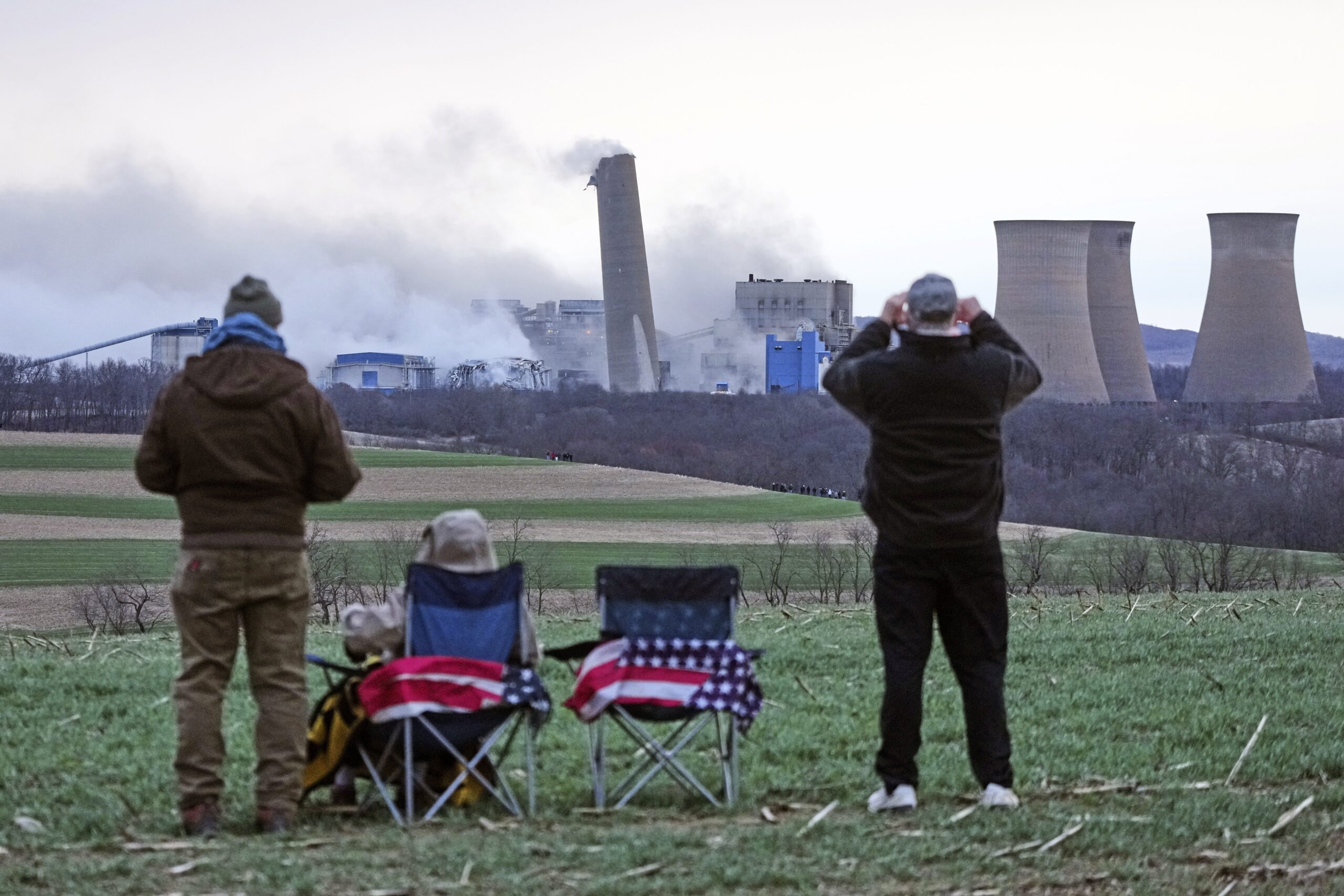
The smokestacks of the former coal-fired Homer City Generating Station crumble in a planned demolition to make way for a new natural gas-fired power plant in Homer City, Pa., in early 2025.
Sean O’Leary, senior researcher at nonprofit think tank the Ohio River Valley Institute, said the reality isn’t that rosy. The average data center employs as few as 10 people and as many as 110, per his own calculations based in part on data from the Bureau of Labor Statistics. The computers inside them can generally run on their own with limited maintenance.
Even in a rural county like Indiana, O’Leary said, “One hundred is a rounding error. It just doesn’t matter. It doesn’t matter if they’re paid $200,000 a year. It’s not enough to make a significant change in the status of the local economy.”
In a recent report on the data center boom in natural gas economies in Appalachia, O’Leary said gas-powered data centers represent the combination of “three non-labor-intensive industries” — fracking, power plants, and data centers. “Stacking [them] on top of each other does not alter the underlying dynamic which ties them together.”
Ron Airhart, a former coal miner and executive assistant to the secretary-treasurer of the United Mine Workers of America, is more optimistic about the economic potential of the new Homer City facility.
Still, he concedes that it will never be what the old plant was. “Yes, building a gas-fired power plant is going to create a lot of construction jobs, there’s no doubt about that,” he said. “But once it’s done, how many actual employees are you going to have working there?”
He quickly added, “But, I’m glad they are doing something with the old power plant there.”
Gorman told Capital & Main that Homer City Redevelopment and its construction partner, Kiewit, are planning to hire from local unions and building trades. They foresee 10,000 construction jobs. They also anticipate the site will create 1,000 “direct and indirect” permanent jobs, including those hired at the facility itself and those brought aboard for supportive positions, such as suppliers.
“From start to finish, the Homer City Energy Campus will be developed in partnership with skilled local craftsmen and will bring quality, good-paying jobs back to the Homer City community,” Gorman said.
O’Leary said the jobs numbers such as those projected by the Data Center Coalition are inflated, similar to the employment projections made before the fracking boom in rural Appalachia. He said such projections are a detriment to communities, in part because taxpayers shoulder the cost of subsidies to attract the industry to the state, such as a sales and use tax exemption for data centers that Pennsylvania codified in 2021. Gov. Shapiro has estimated that the credit will expand to about $50 million per year for the next five years.
Local residents are also burdened with rising utility bills. The surging demand for electricity is straining the region’s power supplies, increasing what utilities pay for electricity. New power plants coming onto the grid must install transmission equipment, the costs of which they share with consumers. These economic factors, in sum, could outweigh the benefits of the new jobs the data center creates, O’Leary said.
Earlier this year, the grid operator for the region that encompasses Pennsylvania, PJM, saw electricity prices surge by roughly 1,000% from two years ago. Some of that cost is expected to be passed onto customers.
“We have a problem, and that problem is real, and it is exponential electricity load growth causing exponential price increases for consumers,” said Patrick Cicero, former consumer advocate for the state of Pennsylvania and now an attorney for the Pennsylvania Utility Law Project, at the October hearing in Harrisburg.
“In the context of Grandma vs. Google,” Cicero said, referring to older residents faced with high bills, “Grandma should win every day. That should be the policy statement of the Commonwealth of Pennsylvania.”
Federal and state lawmakers are still determining how and whether to regulate the additional costs that data centers pass onto consumers, including for fees associated with transmission throughout the grid. A bill that would create such a process while establishing renewable energy mandates for data centers is now being weighed by Pennsylvania representatives.
Dennis Wamsted, energy analyst at the Institute for Energy Economics and Financial Analysis, predicts such costs add complications for data centers, and has argued that their demand as a whole is overblown. Supply chain delays spurred by surging demand for turbines, including those that Homer City will be using, could also create additional costs and lag times, he said.
“If there is an AI bubble and it bursts,” he said, “you would have built all this capacity that wasn’t needed.”
Homer City’s owners said the plant is better positioned than others in the industry since it isn’t starting from scratch.
“Much of the critical infrastructure for the project is already in place from the legacy Homer City coal plant, including transmission lines connected to the PJM and NYISO power grids, substations, and water access,” Gorman, the spokesperson, said.
Communities on the front lines of these projects would be the first hurt by a project that fails to materialize.
But in Homer City, it’s clear that there’s an appetite for the promise of a new, job-producing industry, regardless of hurdles.
At the September hearing, many in the crowd wore neon shirts with union logos — a signal of the region’s fierce pride in its industrial past, and deep thirst for an economic boon. After an evening peppered with skepticism over the plant, Shawn Steffee, a business agent at the International Brotherhood of Boilermakers, stepped to the microphone.
“Everybody speaking about jobs,” he cried, “there will be jobs, and there will be local jobs.”
As he walked away, the room filled with applause — the loudest of the night.
HARRISBURG — As the rural reporter at The Inquirer for about the last decade, I’ve cuddled bear cubs, rattlesnakes, and alligators, trembled in fear at horses, and been punched by the scent of deer urine farms.
Still, nothing scares me more than the mushroom burger at the Pennsylvania Farm Show.
I haven’t really missed a show since I began covering rural Pennsylvania, and I probably never will, regardless. If you’ve been there, you know. If you haven’t, take my advice from last year: Pull your kids out of school, and go there this week. The show runs through Saturday at the Pennsylvania Farm Show Complex & Expo Center in Harrisburg, and it’s free to get in. It’s an agricultural spectacle you’ll never forget, a place to see show rabbits, hogs, goats, and cows, all while learning where your food comes from.
It’s also a place to eat, with a gargantuan food hall filled with offerings I’m still uncovering. Shannon Powers, a spokesperson for the Pennsylvania Department of Agriculture I pester often during the show, smartly said she didn’t have a favorite meal there.
“But on a cold day, a cup of trout chowder hits the spot,” she told me.
Trout stew? Who knew? There’s also goat stew.
There’s a mind-boggling number of things on the menu at the Pennsylvania Farm Show in Harrisburg.
I do have favorites, though, including the sugared German almonds I end my day with every year. I went on opening day, Saturday (never go on opening day), and took my daughter, sampling some old standbys and interviewing folks about some popular foods there.
4-H brisket sandwich
As a man of tradition, if I like a certain item on a menu, I’ll get it over and over again, for the rest of my life. I still have dreams about the ’90s-era Wawa hot roast beef and cheese sandwiches I ate religiously.
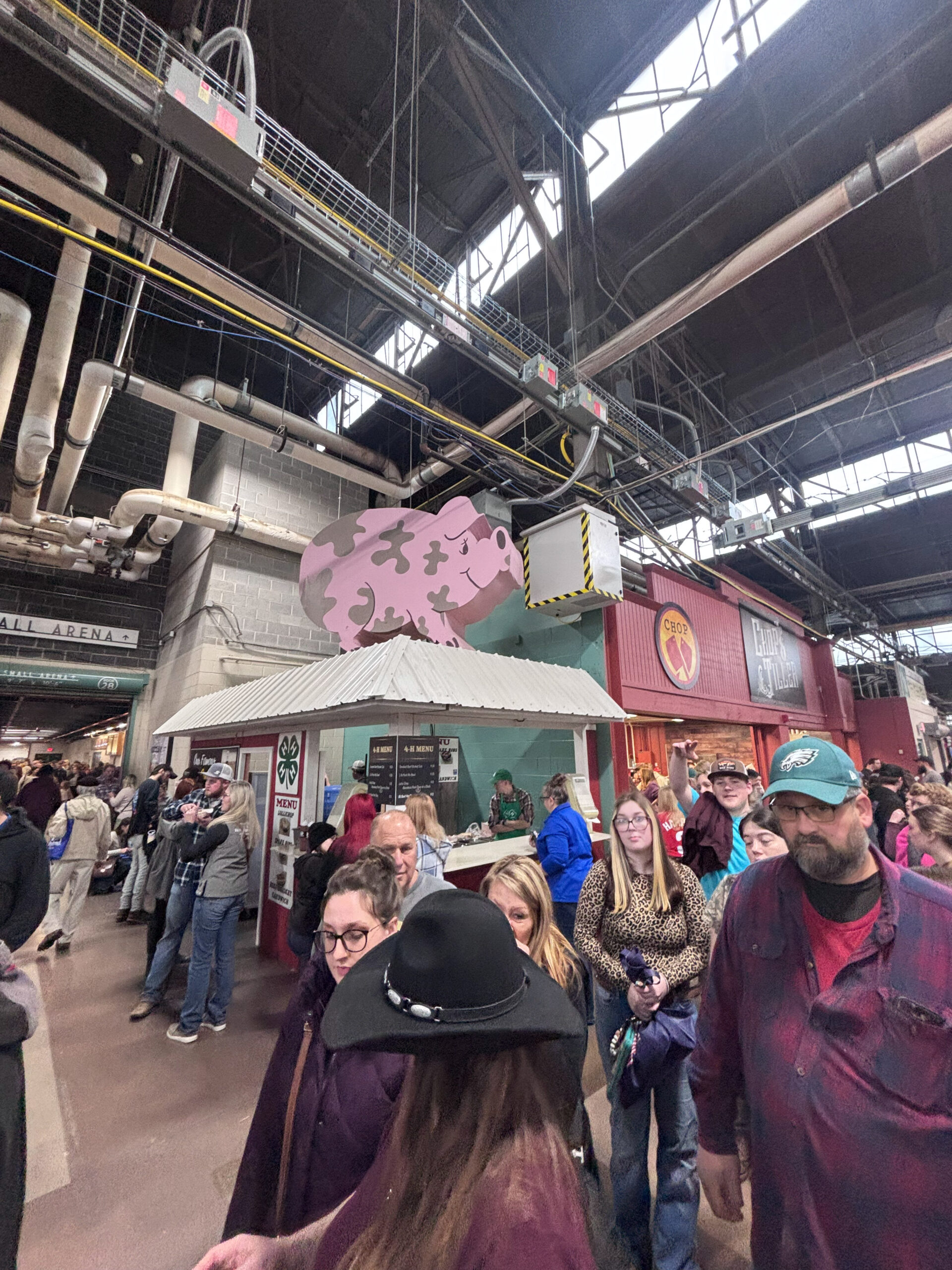
Anyhow, I get a brisket sandwich every year from a 4-H stand that’s actually not in the food hall but rather the main hall, where the famous butter sculpture is. Get a map, seriously. You’ll need it.
Look for the pig in the Main Hall, and you’ll find the 4-H brisket sandwich, plus pork chops on a stick.
Brisket has a special place in my heart. I ate it for Thanksgiving and New Year’s Eve, and this year, I paid $14 for thick-sliced brisket on a roll, which I slathered in BBQ sauce, while squatting on the floor.
Then, I followed it up with a flu shot, another Farm Show tradition.
This sandwich was not better than my holiday briskets, but I’m easy. Almost everything I’m willing to eat is “pretty good.”
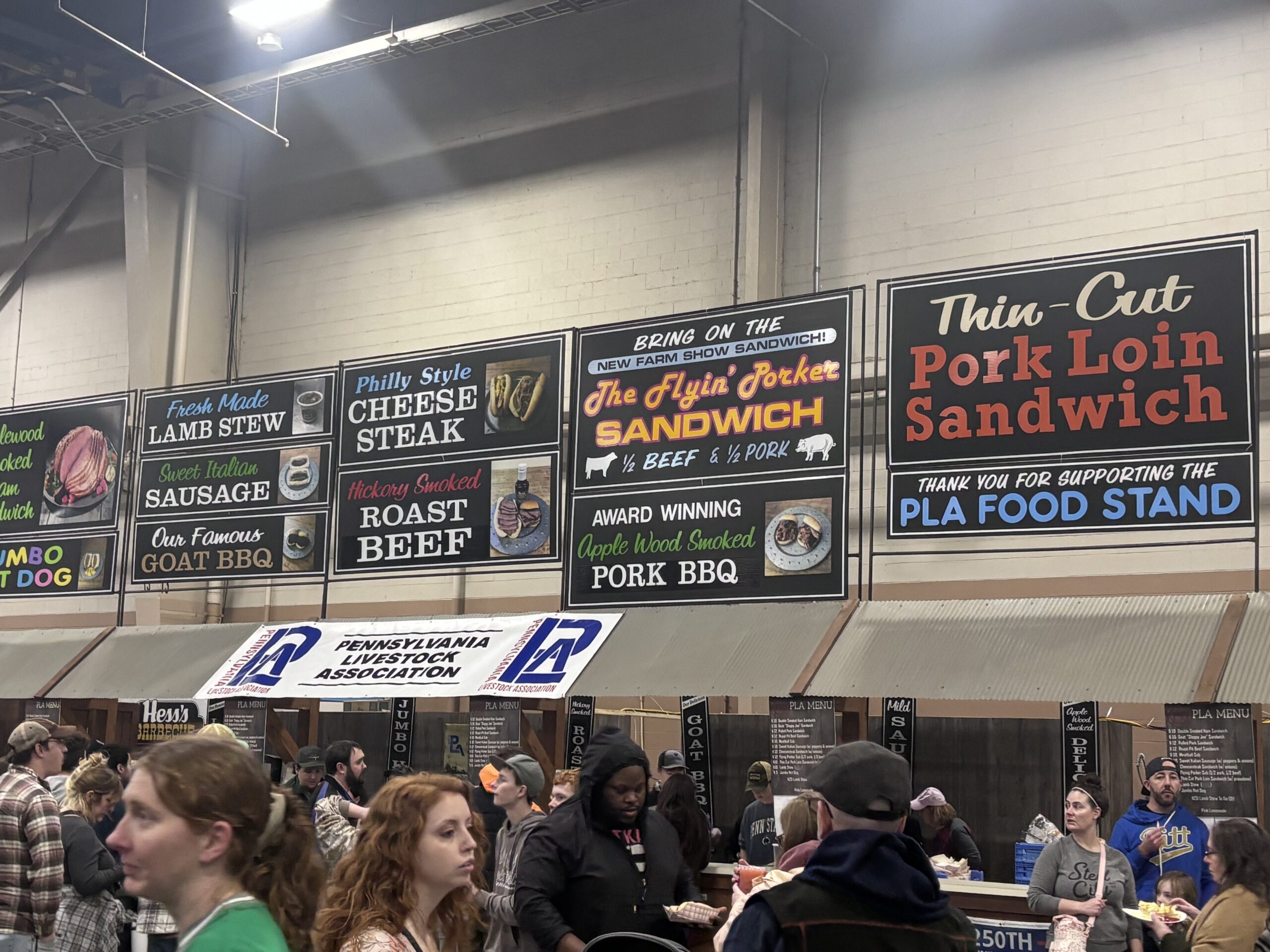
I assumed proceeds of the sales go to Pennsylvania 4-H clubs. The folks cutting the brisket didn’t know, though my receipt credits the Pennsylvania Livestock Association.
If you want to save a few bucks at the 4-H booth, the pork chop on a stick is $8.
Mushroom burger
I know mushrooms grow underground, and that Chester County is one of the nation’s top producers, but I assumed they come from even deeper places.
Pennsylvania is the nation’s top producer of mushrooms, most of them coming from Chester and Berks Counties.
I’m not a fan and can’t be convinced, though I did have somewhat of a revelation about the mushroom burgers for sale at the Mushroom Growers of Pennsylvania booth.
They are “blended” with beef, specifically for big babies like me.
“It’s an introduction, an easy introduction. It’s 75% ground beef and 25% chopped mushrooms,” said Gale Ferranto, of Mushroom Farmers of Pennsylvania. “Would you like to try one?”
I declined.
There are more mushroom offerings, too, something called a “mushroom salad,” which I probably wouldn’t eat for less than $500.
“Somebody back home in Philly wanted the mushroom salad. She’s pregnant, like 7 months pregnant, so you have to do what she says,” said attendee Mark Soffa.
Grilled cheese
The Pennsylvania Dairymen’s Association offers up a lot of food during the week, and when I saw grilled cheeses — a parent’s best friend — I grabbed one for my daughter, along with a chocolate milk.
The combo is wallet-friendly, too, just $7.
“Chocolate milk comes from brown cows,” I told my daughter.
She’s too smart for that joke and rolled her eyes, like her mother.
The PA Dairymen’s Association sells grilled cheese, cheese cubes, and, of course, the ubiquitous milkshakes.
The grilled cheese crew actually had crockpots full of melted butter, slathering white bread before sending it off to the grill. You can choose American or pepper jack.
“We’ll at least make a few thousand today,” the cashier told me. “We made 500 yesterday, and that was a half day.”
My daughter’s verdict: “Very gooey.”
Pierogies and sweet potatoes
I’m cheating a bit here, including two items from the PA Cooperative Potato Growers, Inc., which is the oldest potato cooperative in the United States.
I planned on focusing entirely on the sweet potato, which is swimming in butter and brown sugar, with some cinnamon on the side. It’s basically a dessert.
The sweet potato at the Pennsylvania Farm Show is basically a dessert.
My Polish heritage requires that I never turn down a pierogi, though, or never fail to mention their wholesome goodness. I grew up on them, in the way other folks may have grown up on mac and cheese or PB&J. I actually prefer mine fried a bit, but the Farm Show serves them drowning in butter and onions: 5 for $4.
You can’t really mess up a pierogi, particularly in the Keystone State.
“These aren’t like Maryland pierogies,” a woman from Maryland told me.
The potato growers told me they sell 6 tons of baking potatoes at the show, plus 8 to 10 tons for french fries, and about 1.5 tons of sweet potatoes.
Plus, there are potato doughnuts.
The milkshakes
The most well-known must-have item at the Pennsylvania Farm Show are the milkshakes offered up by the Pennsylvania Dairymen’s Association since 1953.
Three generations with 10 milkshakes at the Pennsylvania Farm Show.
On Saturday, the lines were a bit bonkers, more than 100 deep on each of the dozen or so cash registers in the various locations where they’re sold at the farm show complex. I’ve had them before, and I’ll say they are “thick and creamy” as advertised.
Are they different than any other soft-serve-style milkshake in America? I have to work with these people, so yes, I’ll say they’re different.
A colleague who had a milkshake at the Farm Show told me she didn’t “get the hype.”
I ran into a mother and daughter who had ordered 10 of them.
Either way, you have to have one while you’re there.
David Zandstra, the former Marple Township pastor acquitted last year in the 1975 murder of an 8-year-old girl in Delaware County, has died, and a federal lawsuit has been filed alleging misconduct by two Pennsylvania State Police investigators in the case.
The lawsuit said the 85-year-old Zandstra, who lived in Georgia, “has passed and his family seek redress for this extreme and immoral prosecution.”
No further information about his death was included in the complaint. The Delaware County Daily Times, citing his death certificate, reported that Zandstra died Dec. 15 at a hospice, and the cause of death was skin cancer.
Mark Much, one of Zandstra’s lawyers during the trial but who is not an attorney on the lawsuit, said in an e-mailed statement Tuesday night that “Zandstra passed away last month, peacefully, and surrounded by his loving family.”
Much said that Zandstra “was a God-fearing man, unsuspecting and trustful of law enforcement, naive of their unscrupulous interrogation tactics, all in the name of ‘solving’ a cold case.”
The defendants in the lawsuit, filed Jan. 10 in Philadelphia, are Andrew Martin and Eugene Tray, who were the most recent state police investigators for Gretchen Harrington’s murder.
Gretchen Harrington, 8, was found dead in 1975.
Tray declined to comment on the lawsuit. Martin could not be reached for comment.
The plaintiff is Margaret Zandstra, the administrator of the estate of David Zandstra, who allegedly had his civil rights violated by the defendants, the lawsuit states.
Zandstra, who was held in custody for 18 months, was found not guilty in January 2025 by a Delaware County jury of murder and kidnapping in the killing of Gretchen Harrington. The jury took about an hour to deliberate after a four-day trial.
In 2023, Zandstra was charged after he confessed to driving Gretchen to a secluded section of Ridley Creek State Park and beating her to death. The lawsuit says the investigators “illegally coerced an admission of guilt from Mr. Zandstra, a then-83-year-old stroke and cancer survivor.”
Mark Much argued during the trial that state police investigators had coerced and manipulated Zandstra into confessing to a crime he did not commit. There was no physical evidence linking him to the crime and DNA found on Gretchen’s clothing belonged to two unidentified men and one unidentified woman.
Testimony during the trial revealed that before Zandstra’s confession, the state police had developed several other suspects in the decades since Gretchen’s body was found.
The lawsuit provides alleged details about what the investigators did before finally going after Zandstra.
“These Defendants caused evidence of the alternative suspects and Mr. Zandstra’s exclusion as a contributor of DNA to be withheld until the eve of trial, after Mr. Zandstra had been incarcerated and his cancer had returned and gone untreated,” according to the complaint.
Zandstra was the pastor at Trinity Chapel in Marple Township, a Christian reform church near the Harrington family home. On Aug. 15, 1975, Gretchen was last seen walking to the church for the final session of vacation Bible school before disappearing.
Her unclothed body was found two months later near a walking trail in Ridley Creek State Park. An autopsy revealed she died from blunt-force trauma to the head.
Deputy District Attorney Geoff Paine said during the trial that two state police investigators interviewed Zandstra after a woman who was a lifelong friend of Zandstra’s daughter told police in 2022 that he had groped her at a sleepover at his home in 1975, days before Gretchen’s disappearance. At the time, Paine said, the woman was the same age as Gretchen and looked like Gretchen.
Much told the jury that another suspect who was investigated was Gretchen’s sister, Zoe Harrington, who in 2021 claimed to have killed her sister with a rock during an incident involving her father, who was also a pastor, and members of the congregation he led.
Much said the state police at one point considered Harold Harrington, Gretchen’s father, a potential suspect. Harold Harrington died in 2021.
The prosecutor told the jury that Zoe Harrington’s confession wasn’t credible because she had a history of mental-health illness.
According to the lawsuit, Andrew Martin, one of the defendants, went to the first assistant district attorney in Montgomery County to seek a court order to allow a secretly recorded conversation between Zoe Harrington and her father, who was in poor health at the time.
After several interviews with Zoe Harrington — including with another state trooper who is not named as a defendant — Martin signed an application to the court for a wiretap authorization on Aug. 9, 2021, according to the lawsuit. The next day, however, Zoe Harrington allegedly backed out because she said she was too afraid.
The lawsuit states that when Martin and Tray provided their sworn affidavit supporting the arrest of Zandstra, they summarized their August 2021 activity in the investigation as: “On Aug. 9, 2021, investigators conducted an interview of Zoey HARRINGTON (sister of Gretchen HARRINGTON) relative to this investigation. Zoe HARRINGTON related that ZANDSTRA was the minister at the time, and his daughter was Gretchen’s best friend.”
The lawsuit also says the state police had another suspect, Richard Bailey, who was investigated in 2017. Bailey was a convicted child rapist and kidnapper, who was seen a mile from where Gretchen disappeared on the day she was abducted. Bailey died in state prison in the 1990s.
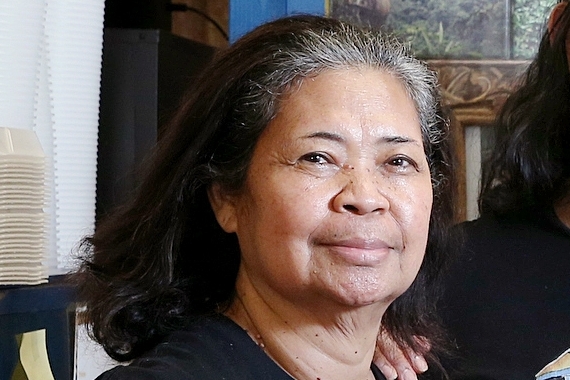
Ena Widjojo, 73, of Philadelphia, owner and longtime celebrated chef atthe Hardena restaurant in South Philadelphia, mentor, and mother, died Wednesday, Dec. 24, of cancer at her home.
Born and reared in Java, Indonesia, Mrs. Widjojo came to the United States in 1969 when she was 17. She opened a cantina at the Indonesian Consulate in New York in 1977, worked as a caterer in the 1990s after the cantina closed in 1989, and moved to Philadelphia in 2000 to open Hardena with her husband, Harry.
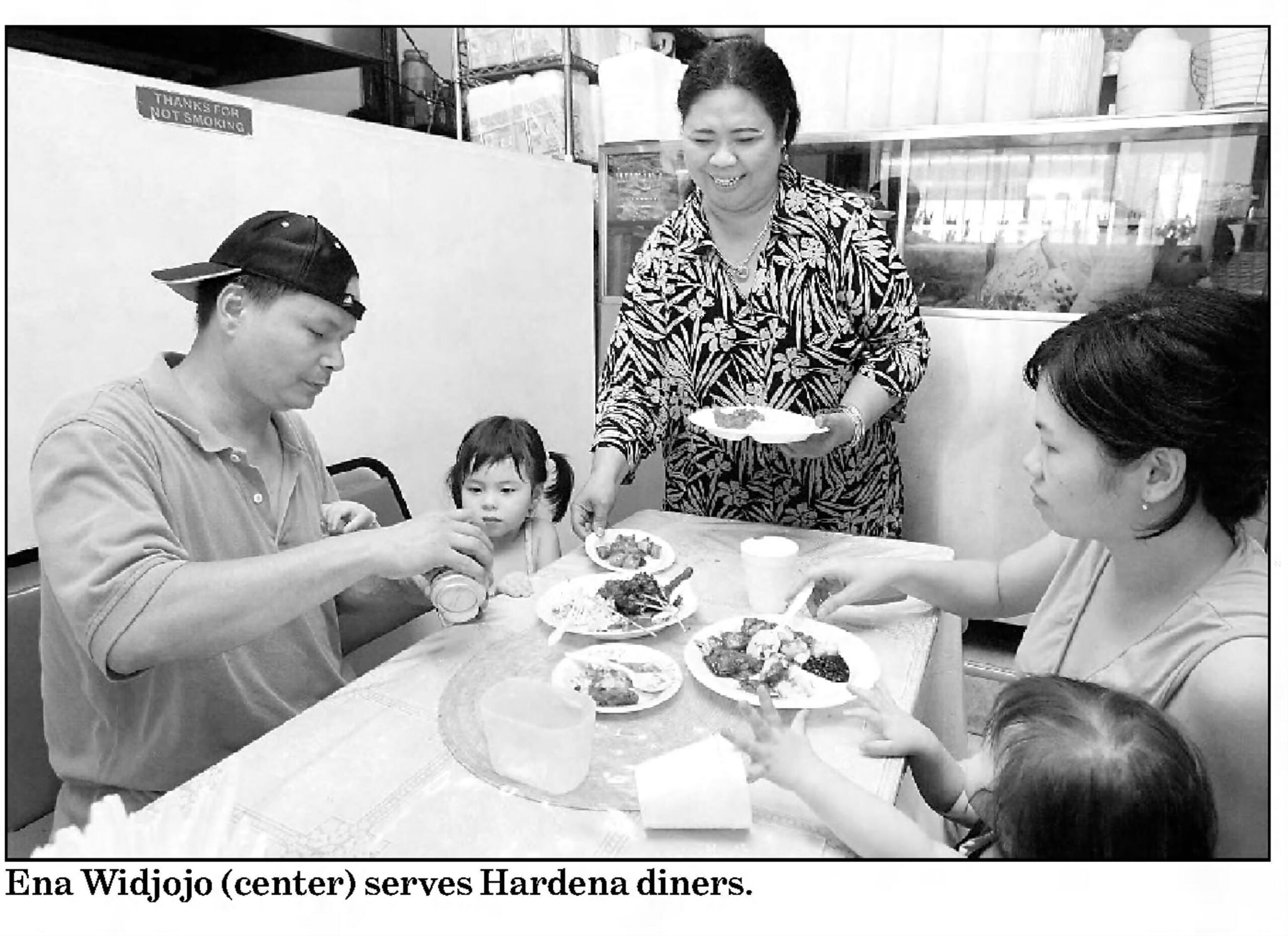
Over the next decade and a half, until she retired in 2017, Mrs. Widjojo grew Hardena, described by the Daily News in 2007 as “a postage-stamp-size luncheonette at Hicks and Moore Streets in a gritty section of South Philly,” into a culinary and cultural connection for thousands of local Indonesians and other diners who enjoyed her homemade Southeast Asia cuisine.
The corner restaurant’s name is a blend of their names, Harry and Ena, and features Indonesian specialties such asgolden tofu, goat curry, saté chicken, beef rendang, and tempeh. “It’s the best Indonesian food in Philadelphia, a great mix of Indian and Chinese flavors,” elementary schoolteacher Aaron MacLennan told the Daily News in 2007.
This photo of Mrs. Widjojo appeared in the Daily News in 2007
Friendly and ever present at the lunch and dinner rushes, Mrs. Widjojo was known as Mama to many of her customers and friends. She learned how to bake and cook from her mother, a culinary teacher in Java, and later incorporated many of her mother’s recipes into her own memorable melting pot of Indian, Chinese, Arab, Portuguese, Spanish, English, and Dutch dishes at Hardena.
“She served me greens once, and I felt like I was at home,” a friend said on Instagram.
She and her husband traveled weekly between Philadelphia and Queens while their daughters — Diana, Maylia, and Stephanie — finished school in New York. Maylia and Diana assumed control of Hardena when Mrs. Widjojo retired, and Diana opened the restaurant Rice & Sambal on East Passyunk Avenue in 2024.
Earlier, at the consulate in New York, Mrs. Widjojo made meals for former Secretary of State Henry Kissinger and former Indonesian President Suharto and his large entourage. “I cooked for all the diplomats.” she told The Inquirer in 2018.
Mrs. Widjojo (second from right) smiles with her husband and three daughters.
She grew chili peppers and lime trees in her South Philly backyard, was happy to share kitchen tips and cultural traditions with visitors and cooking classes, and helped her daughters cater the 2019 James Beard Foundation’s annual Media Awards in New York.
She worked six days a week for years and told edible Philly in 2017 that her retirement was good for her daughters. “If I’m cooking all the time,” she said, “they’re not learning.”
Ena Djuneidi Juniarsah was born April 24, 1952. She baked cakes in a charcoal oven for her mother in Java and sold cookies and pastries after school when she was young. “
Her mother was strict about cooking, Mrs. Widjojo said in 2018, and discarded any and all imperfect creations. “Like me, with my kids’ cooking,” she said, “if you’re not good, that’s no good.”
She married fellow restaurateur Harry Widjojo in New York and spent time as a singer, beautician, florist, and nanny before cooking full time. Away from the restaurant, she enjoyed drawing, painting, crocheting, and family strolls in the park.
Mrs. Widjojo and her husband, Harry, were married in New York.
She could be goofy, her daughters said. She sang “You Are My Sunshine” when they were young and served as their lifelong mentor and teacher.
Friends called her “sweet,” “amazing,” “a beautiful soul,” and “warm and welcoming” on Instagram. She was diagnosed with cancer in 2015.
“Her life, generosity, and talent enriched the hearts of all who met her,” her family said in a tribute. “She taught us that feeding people is one of the purest ways to show love, have pride in our culture, and support our family.”
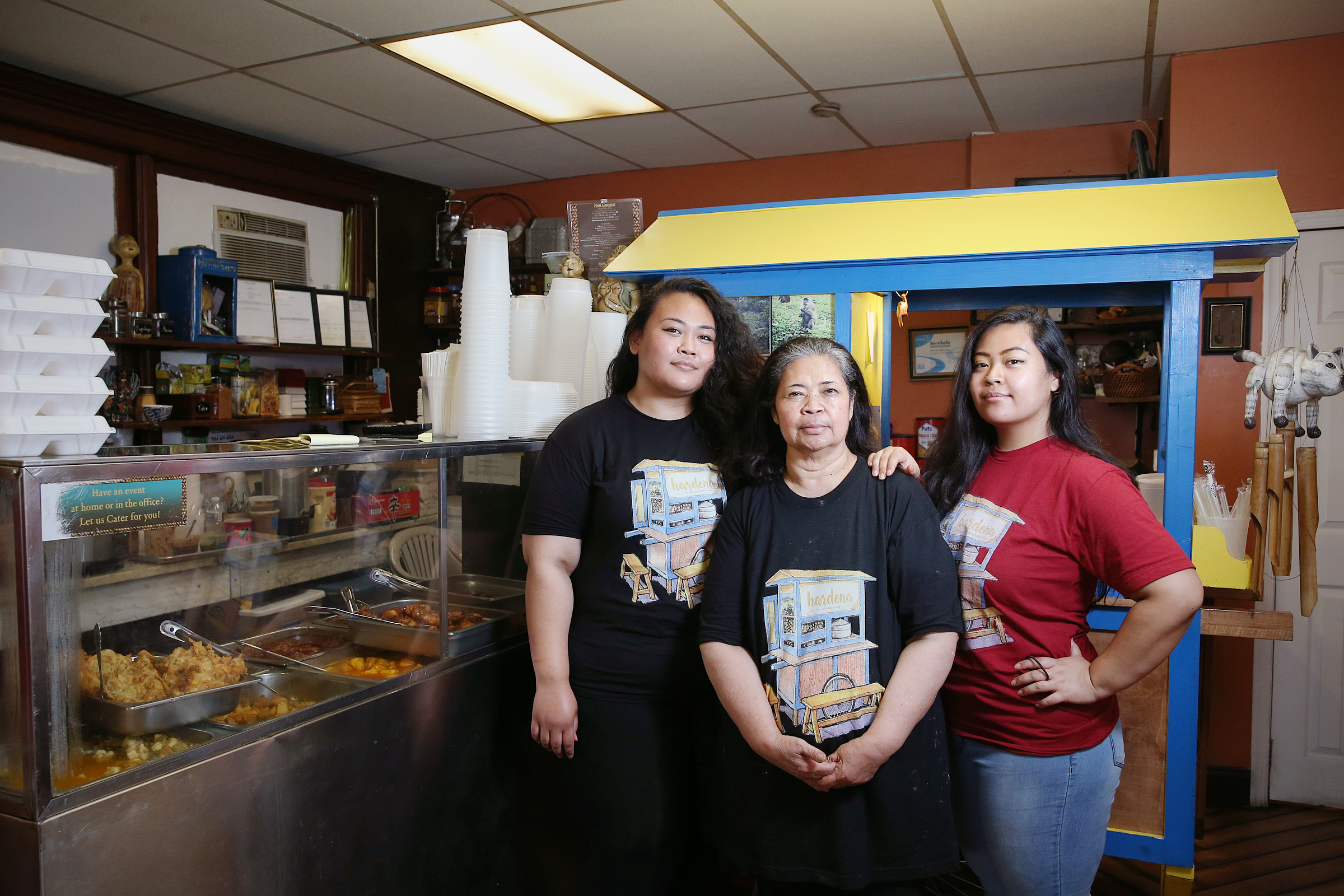
Mrs. Widjojo (center) stands in Hardena with her daughters Maylia (left) and Diana in 2020.
Diana said: “She saw the world with open arms and an open heart. She was a wonder woman.”
In addition to her husband and daughters, Mrs. Widjojo is survived by two grandchildren, a sister, two brothers, and other relatives. A sister and two brothers died earlier.
A New Jersey town’s hopes of celebrating Groundhog Day their way may have been dashed once again.
For years, Milltown, a borough in central New Jersey with about 7,000 residents, did its own version of the classic Punxsutawney festivities with a live groundhog front and center.
But their access to the hero rodent is dwindling, leaving organizers groundhog-less in the town’s most crucial hour.
State laws ban importing wild animals that could potentially carry rabies.
A bill first introduced in 2024 and later passed by New Jersey legislators, intended to carve out an exception to the rule, allowing out-of-state woodchucks (yes, woodchuck and groundhog are interchangeable terms) to be brought in for the sake of the holiday tradition.
But on Monday, Gov. Phil Murphy vetoed that bill, citing public safety, sending the Groundhog Day enthusiasts of Milltown back to the drawing board.
It wasn’t always this way.
Milltown’s Groundhog Day and the beginning of Milltown Mel
Milltown’s Groundhog Day dates back to 2009 (much more recent than Punxsutawney‘s, which started in the 1880s).
Jerry and Cathy Guthlein, who owned a funeral home together in Milltown, were inspired by the official celebrations one state over after they made the five-hour drive to see the hubbub for themselves.
They were hooked.
“Jeez, if they can do it,” Jerry Guthlein recalled to NJ Advance Media, “I can do it.” He paid about $300 for a baby groundhog from a Sunbury, Pa., breeder and raised him.
That little groundhog grew into the role of Milltown Mel, a beloved local icon who made Groundhog Day predictions for the small town for five years before dying in 2015. That’s when Mel 2.0 stepped up to the plate in 2016; a younger, larger, and “friskier” groundhog, according to Jerry Guthlein at the time. And then, you guessed it, he was succeeded by Mel 3.0 until he died in 2021 at the age of about 3.
The average life span of groundhogs varies. Wild groundhogs live an average of two to three years, but can get up to six years, according to PBS. In captivity, they can live as long as 14 years.
In the years since founding Milltown’s Groundhog Day celebrations, the Guthleins stepped back, and the event would go on to be organized by a group of volunteers known as the Milltown Wranglers, who would tend to the sitting groundhog. During their version of events, they’ll hoist an iteration of Mel into the air, while doughnuts and coffee are served to attendees and local bands play.
After Mel 3.0’s death in 2021, Russell Einbinder, one of the Milltown Wranglers, drove to Tennessee to pick up a newborn replacement groundhog. But state officials seized the chuckling (the real and adorable phrase baby woodchucks/groundhogs are called) months later, the New York Times reported. Officials cited concerns for public health and wildlife disease, including rabies.
Those concerns aren’t just groundhog-focused.
Importing groundhogs and other wild animals is part of a longstanding state ban dating back decades to help prevent rabies and other diseases. Notably, you can’t test an animal for rabies unless it’s dead, according to the CDC.
Still, the seizure rubbed Einbinder and other groundhog enthusiasts the wrong way.
“He never actually got to be the Mel,” Einbinder told the Times. The Inquirer reached out to Einbinder for comment but did not hear back as of publication time.
Wranglers attempted for years to find a legal groundhog, but the original Pennsylvania breeder who brought on Mel the first had died. Other reputable breeders were gone. Einbinder’s calls to zoos and wildlife rescues were fruitless.
And just like that, Milltown’s Groundhog Day went dormant.
Local lawmakers seek a carveout
In 2024, legislators worked on and passed a bill that would create a special exception to New Jersey’s general ban on importing wild animals. The carveout would allow towns and counties to import woodchucks for their Groundhog Day celebrations if their local groundhog died.
The bill included guardrails, including that the municipality would need to prioritize finding a New Jersey groundhog before looking elsewhere. There was also a provision that the Division of Fish and Wildlife would be involved and set up a procedure to help relocate and import woodchucks, and create rules for how they should be housed and cared for.
Sterley S. Stanley (D., Middlesex) was a primary sponsor of the bill. He’s better known for his work on healthcare reform, but got involved with the local bill after meeting Einbinder and becoming “fascinated by the backstory,” according to NJ Advance Media.
“While I am disappointed that we could not establish a new pathway for Milltown to procure a new groundhog, I look forward to continuing to work with state and community partners to find a creative solution to this issue that allows Milltown to resume this cherished tradition within the current regulatory framework set forth by relevant authorities,” Stanley told The Inquirer on Tuesday.
Initially, the bill earned a lot of giggles at meetings, but received near-unanimous lawmaker support and moved through both legislative houses between 2024 and 2025 with ultimate approval. The legislature ultimately passed the bill, but too late for a Milltown Groundhog Day to be organized for 2025.
“We have been working very hard to get that statute changed, but it has not happened yet,” the wranglers wrote on their Facebook page at the time last January. “Until that change occurs, we cannot continue our annual celebration. Hopefully the necessary legislation will be done in time for us to resume Groundhog Day next year.”
Now, with less than a month until Groundhog Day 2026, Murphy has vetoed the bill entirely, leaving Milltown’s Groundhog Day at risk of being canceled for the sixth year in a row.
“Defending these State interests can pose obstacles to obtaining a permit to import wildlife from outside New Jersey, which may understandably frustrate communities that engage in celebrations traditionally involving wildlife,” Gov. Murphy said in a statement included in his veto notice. “However, the State must uphold its obligation to protect the people and animals of New Jersey.”
The Governor’s Office declined to comment further.
It’s unclear what’s next for Milltown’s Groundhog Day.
In his statement, Gov. Murphy said he didn’t think vetoing the loophole meant Milltown should abandon its festivities. Instead, he encouraged organizers to work with the New Jersey Division of Fish and Wildlife to find some sort of alternative opportunity, though he didn’t elaborate on what that might look like.
Years back, after one of the Mel’s deaths, People for the Ethical Treatment of Animals (PETA) wrote to Milltown organizers, encouraging them to opt for an animatronic groundhog or a costume instead of a live animal. But organizers brushed off concerns and continued to buy the chucklings when they could source them.
Organizers haven’t posted an update on their Facebook page since last February and could not be reached for comment as of publication time.
Prosecutors say Trevor Christopher Weigel, of Churchville, broke into the Yardley home of 19-year-old Jaden Battista in February 2024 with the goal of stabbing the young woman to death.
The couple had broken up months before, prosecutors said, and Weigel became enraged after learning that Battista had blocked his phone number.
In all, prosecutors say Weigel stabbed Battista 13 times throughout her upper body, leaving her bleeding outside the home just as police arrived.
“If he couldn’t have her, nobody was going to have her — and he made sure of it,” Assistant District Attorney A.J. Garabedian told jurors Tuesday in a Bucks County courtroom.
Garabedian said prosecutors have a variety of evidence showing Weigel broke into the house, where Battista was on a FaceTime call with her friend at the time. The friend called 911, spurring Lower Makefield police to respond while Weigel led Battista to his car, prosecutors said. With the passenger door open, prosecutors said, Weigel began chasing Battista and stabbed her repeatedly.
A police officer captured Battista’s final breaths on a body-worn camera, they said.
Meanwhile, Weigel ran away, and another officer chased him on foot to the nearby Interstate 295 freeway as the young man repeatedly stabbed himself in the neck. Police used a Taser to subdue and apprehend him.
Prosecutors later charged Weigel with first-degree murder, burglary, attempted kidnapping, and related crimes.
Weigel’s defense lawyers, meanwhile, disputed the prosecution contention that the couple had split. Lead defense attorney Brian McBeth told jurors Weigel had not left his house that morning planning to kill Battista. Rather, he said,Weigel had acted in response to the “soul-crushing” realization that the young woman had cheated on him.
McBeth said that did not excuse Weigel’s actions. But he urged jurors to question prosecutors’ suggestion that the crime was premeditated and consider whether Weigel had committed involuntary manslaughter, a lesser crime that does not carry the same penalties as first-degree murder.
In prosecutors’ telling, Weigel had left his job at a Warminster manufacturing plant that afternoon with a clear intent to kill.
They said Battista, still on a video call with her friend when Weigel arrived, became distressed as he banged on the door and demanded to be let inside. The friend told Battista to run and hide, prosecutors said.
Weigel lied to Battista, prosecutors continued, telling her he wanted to come inside to collect belongings he had left there after their two-month relationship ended late in 2023.
Once inside, Weigel forcefully led Battista outside to his red Ford Mustang, prosecutors said. Garabedian told jurors they would hear from a neighbor who described Battista as barefoot and not wearing clothing suited for winter.
“She’s not going willingly,” Garabedian said.
Defense attorneys strongly disputed that account.
McBeth said Weigel and Battista had gotten back together in early February, even going out to dinner together on Valentine’s Day.
Over the following days, however, Battista stopped responding to Weigel’s calls and texts in which he asked whether she was OK, McBeth said.
McBeth said Weigel left work early because he was worried about Battista, who he said had previously struggled with depression and self-harm. The young woman let Weigel inside the home willingly, he said, and an argument began when Weigel noticed hickeys on the girl’s neck.
“She told him she cheated, and he snapped,” McBeth said.
Proceedings are set to continue in the courtroom of Bucks County Judge Charissa J. Liller over the next week.
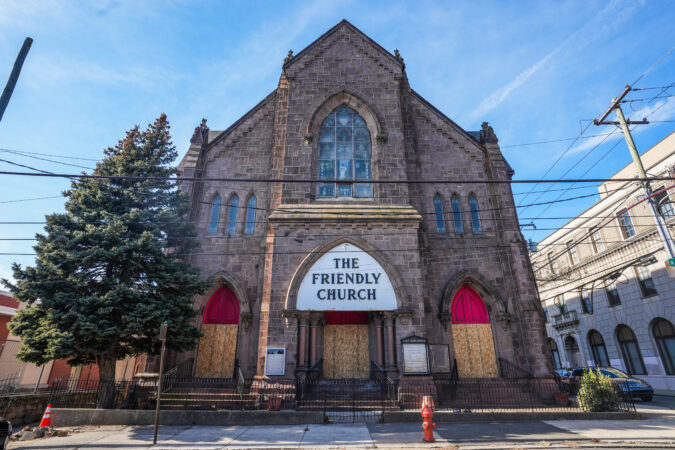
Union Trinity AME Church, one of Philadelphia’s historic Black religious institutions and known as “The Friendly Church,” was vandalized with racist graffiti over the weekend.
Pastor Tianda Smart-Heath was informed of the vandalism shortly after Sunday service, where she found racist slogans invoking the name of God and enslaved people sprayed onto the exterior walls of the more than 200-year-old church, according to the Philadelphia Police Department.
The newly merged church, Union Trinity AME in North Philadelphia, hasn’t welcomed congregants inside the historic building since 2020, and it is currently under construction, according to Fox 29. In that time, church service has been held at the Beckett Life Center next door.
Smart-Heath told local media that the church has been vandalized before, including trespassing and theft, but never with racist hate speech. Police responded to the vandalism on Sunday to photograph the scene and conduct a follow-up investigation. The case is overseen by PPD Central Detectives.
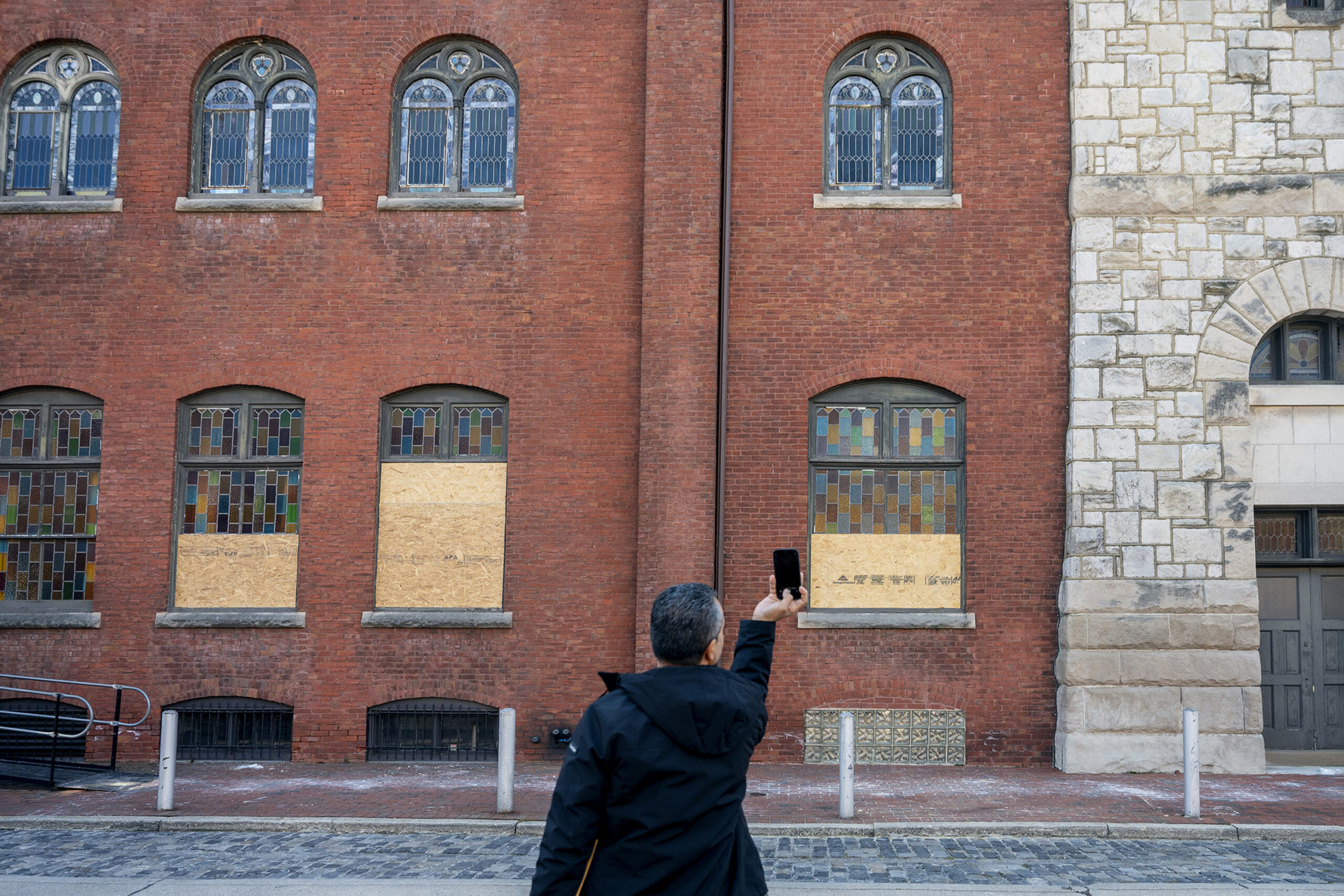
A police officer photographs damaged stained glass at Mother Bethel AME Church on Feb. 20, 2024.
African Methodist Episcopal (AME) churches are part of a vast network of independent Black Christian churches that was started in Philadelphia two centuries ago, when Richard Allen founded Mother Bethel AME in 1787.
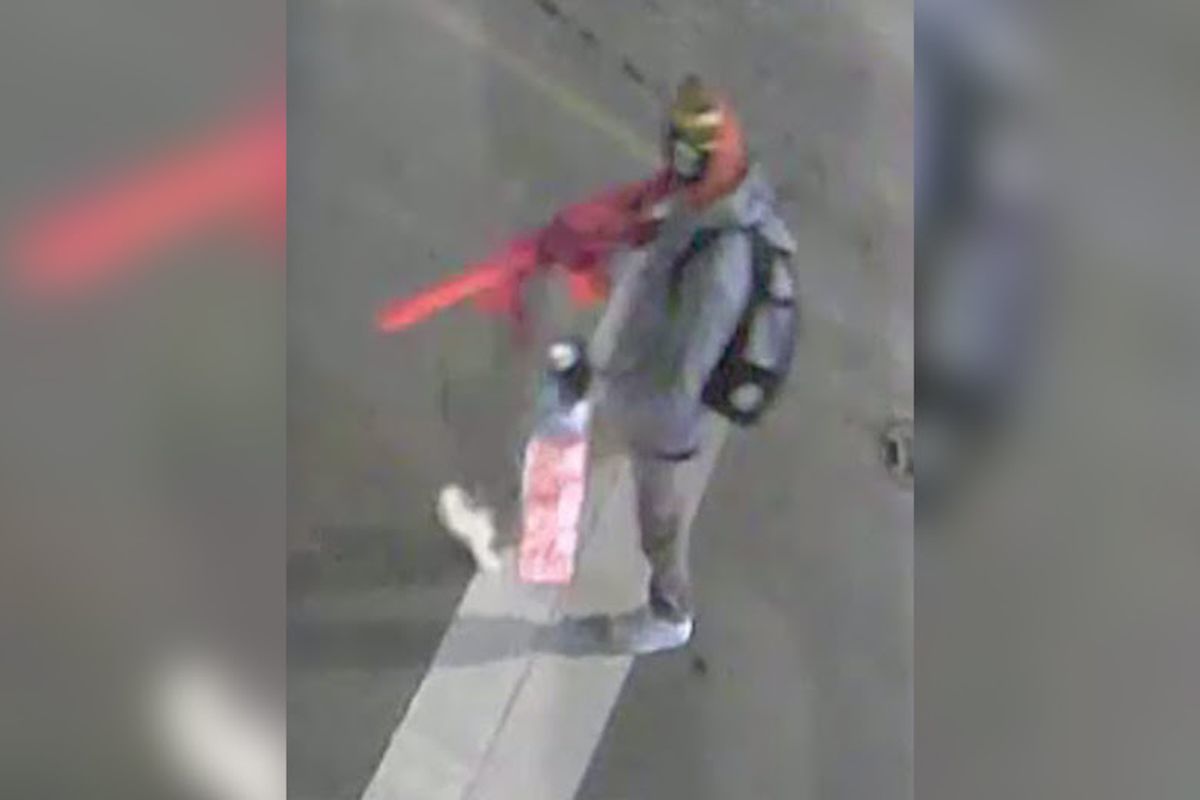
A screenshot of a surveillance video captures the suspect in a recent vandalism incident, where an unknown white male painted racist and antisemitic slogans on the exterior walls of Roxborough High School on Jan. 4, 2026. Police describe the suspect as a white male, wearing an orange scarf/wrap, green and black winter hat, gray hooded jacket, gray pants, and a gray and black backpack.
Hate crimes have more than tripled in Pennsylvania since 2020, according to the most recent “No Hate in Our State” report from the Pennsylvania Human Relations Commission (PHRC). The most prevalent form of hate crime in Pennsylvania, according to FBI reports, is anti-Black or anti-African American hate crimes, accounting for more than one out of every four hate crimes committed in the state in the last five years.
“Any attack on the Black Church as one of the historical foundations of the African American community needs to be condemned and looked at through the lens of a potential hate crime,” said PHRC executive director Chad Dion Lassiter. “We can no longer be silent in this moment of outward hatred and rage toward any institution of faith.”