Category: Pennsylvania News

  • Hungry for nostalgia? Visit this rare ‘classic’ Pizza Hut in Northeastern Pa.

    Hungry for nostalgia? Visit this rare ‘classic’ Pizza Hut in Northeastern Pa.

    Imagine it’s a Friday night in 1985.

    You just finished watching Back to the Future with your parents and cousins at the multiplex, and now it’s time to pile into the Chevy Caprice wagon with faux wood-paneled sides. You beg your dad to put in the Wham! cassette, one more time.

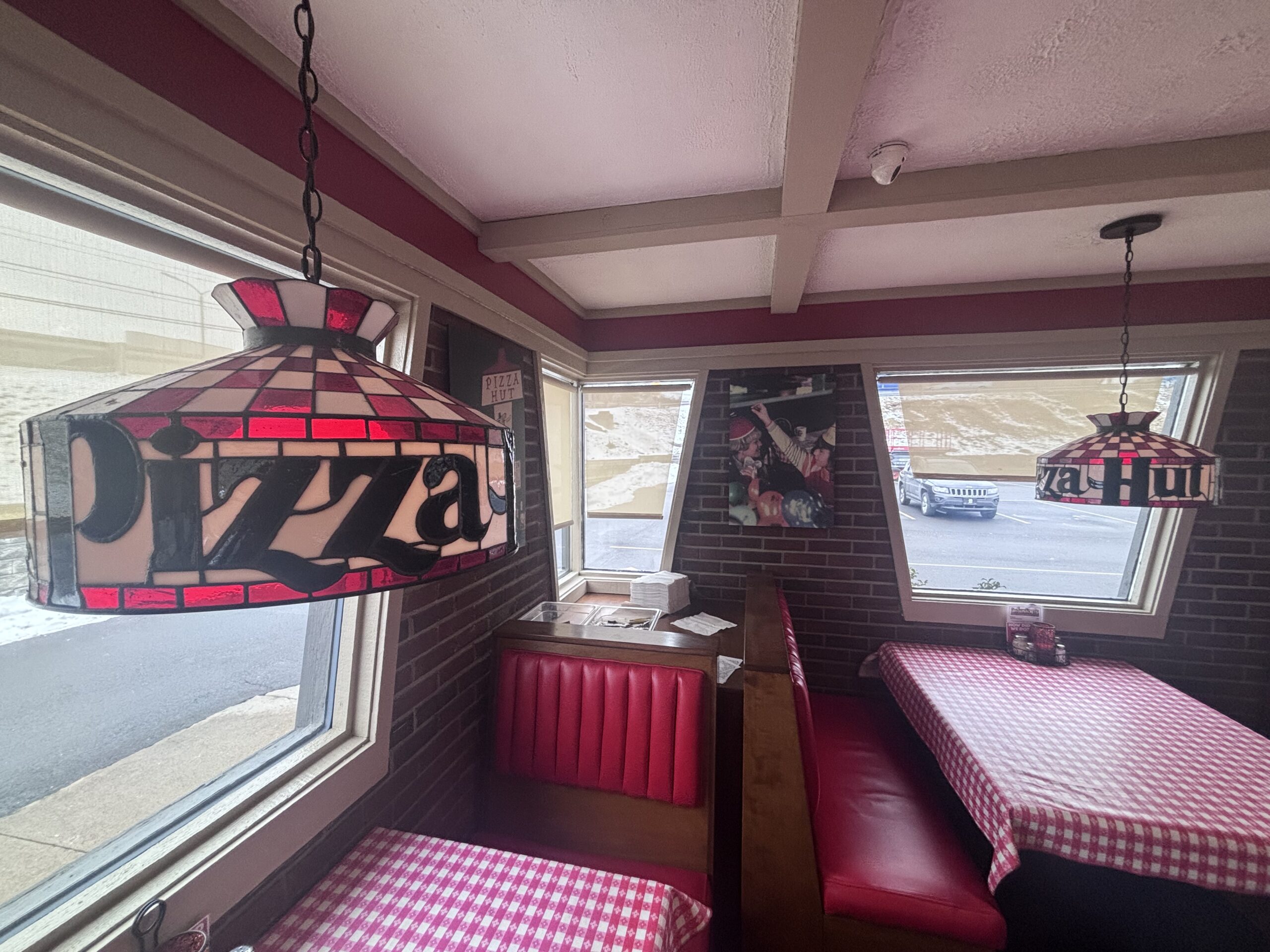
    You’re going to Pizza Hut, of course, and the parking lot is packed. Inside, there are stained-glass lamps hanging over the checkerboard tables, a salad bar, and those red plastic cups.

    The server brings out your deep-dish pies. They smell almost buttery. You grab your fork and knife because, well, that’s how you eat at Pizza Hut.

    Can you smell it? Taste it? Ah, nostalgia.

    A Pizza Hut location in Wyoming County, Pennsylvania, was remodeled into a “classic” location, featuring the salad bar, red, plastic cups and other vintage touches.

    If you’re hankering for Pizza Huts of bygone days or places like the “birthday room” at McDonald’s, you often have to travel back into your memory. Not anymore.

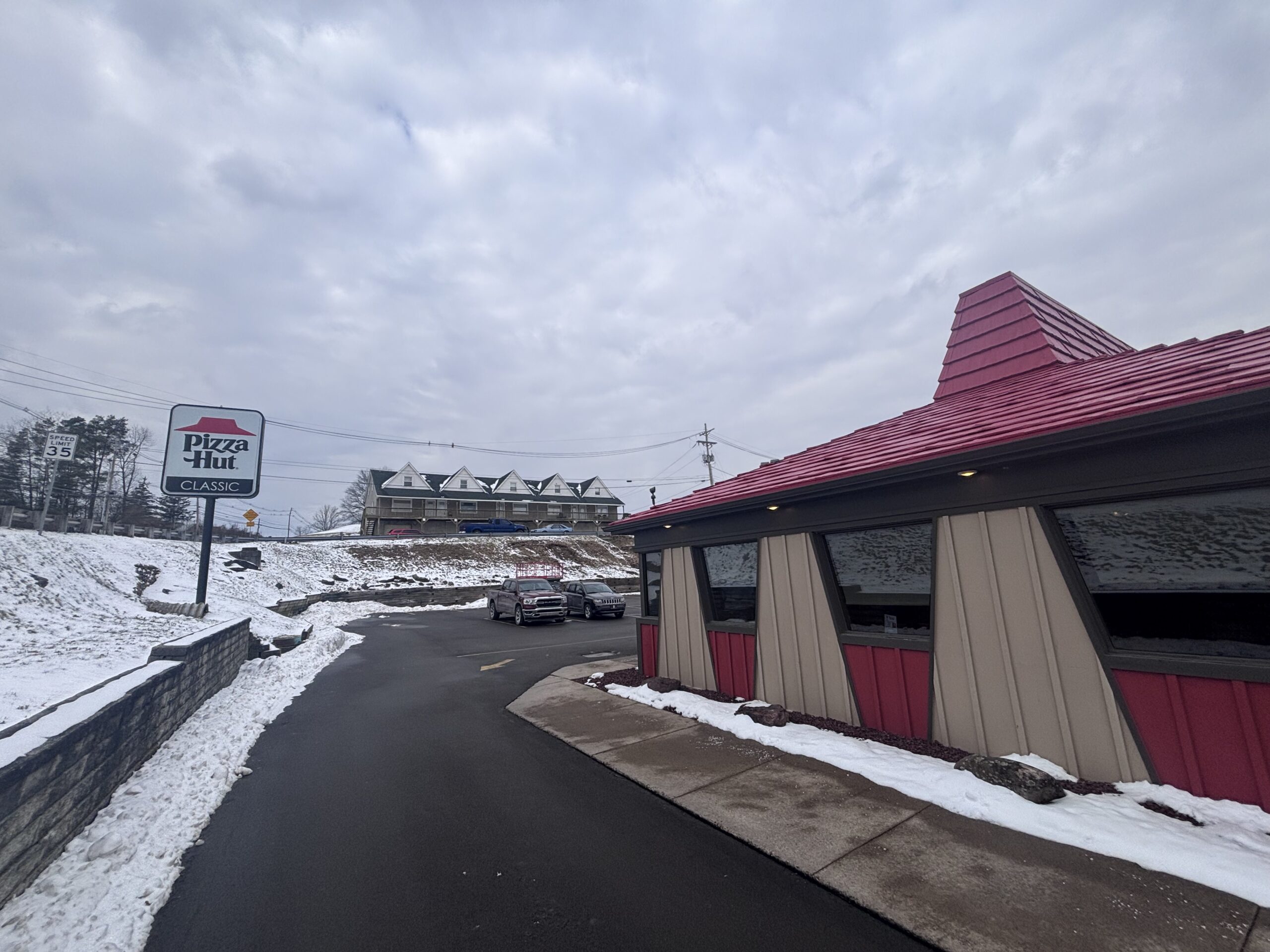
    Pizza Hut has tapped into the power of nostalgia across the United States by resurrecting some “classic” restaurants. There’s one in Tunkhannock, a small town in the Endless Mountains of Wyoming County, about 140 miles northeast of Philadelphia.

    The Pizza Hut, which has been in a shopping center parking lot for decades but was totally revamped — restored? — into a classic location, complete with the red, angled roof.

    A Pizza Hut location in Wyoming County, Pennsylvania, was remodeled into a “classic” location, featuring the salad bar, red, plastic cups and other vintage touches.

    “No touchscreen kiosks, no sleek redesign, just the classic dine-in Hut experience you thought was gone forever. It’s more than pizza. It’s a full-blown childhood flashback served with breadsticks and a plastic red cup!” the Just Pennsylvania Facebook page wrote in May in a post that received 7,500 shares.

    It’s not clear how many Pizza Hut Classic locations exist in the United States, and, oddly, the company did not return multiple requests for comment. According to the Retrologist website, the Tunkhannock location is the only one in Pennsylvania. There appears to be about two dozen in the United States, according to the site, though none in New Jersey or Delaware. The only New York location is in Potsdam, which is closer to Canada than to Pennsylvania.

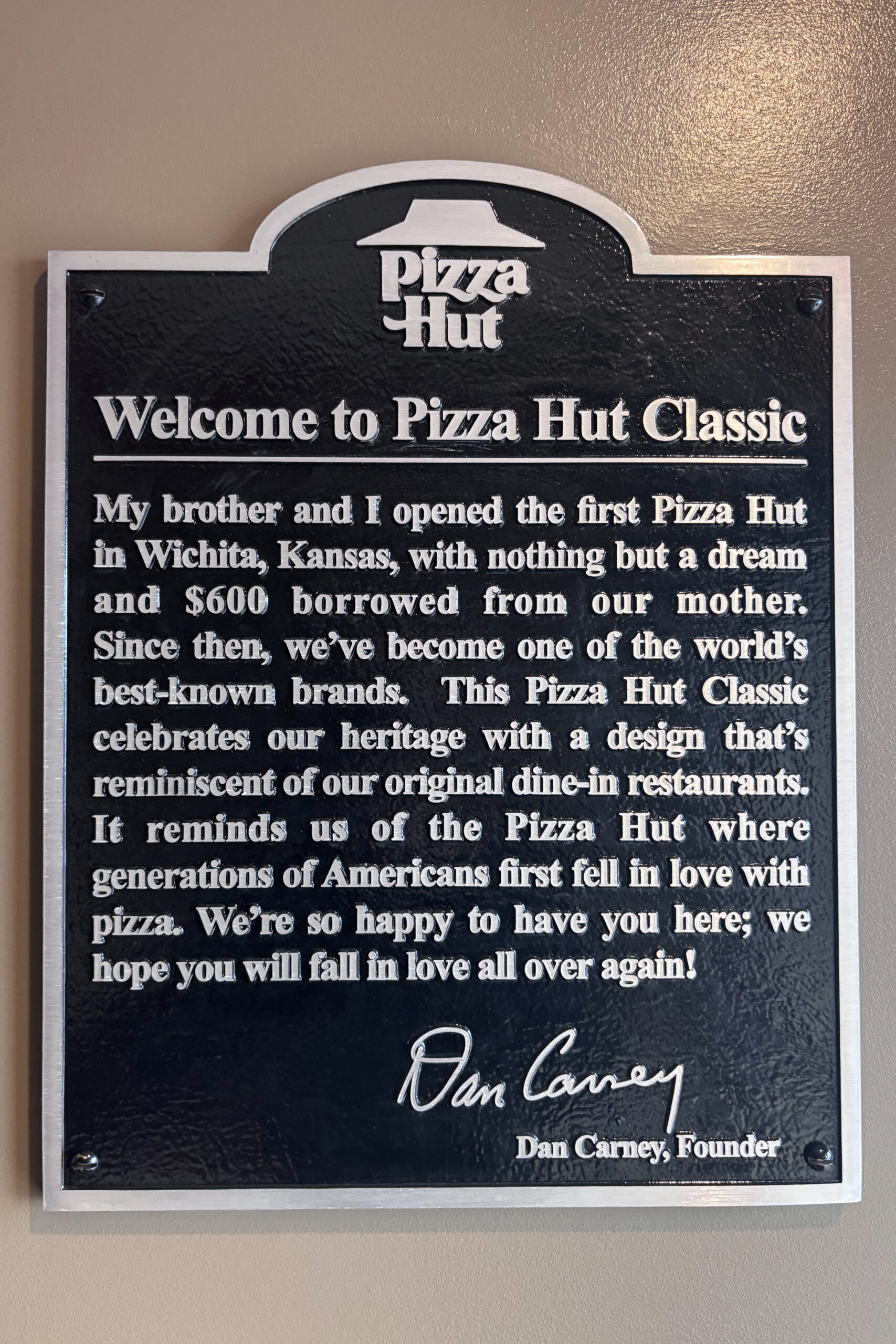
    A plaque on the wall of the Tunkhannock location, written by Pizza Hut founder Dan Carney, explains the concept.

    “It reminds us of the Pizza Hut where generations of Americans first fell in love with pizza,” Carney wrote.

    When The Inquirer visited early on a recent Monday, a lunch crowd was beginning to file in.

    “It was probably 10 years ago that they turned it into a classic, and our business has really exploded in the last year,” said Paul Bender, a shift leader at the Tunkhannock location. “I don’t know how it happened, but people really began to notice. I’ve had customers come in from Wisconsin, Oregon, Michigan, and, obviously, Pennsylvania and New Jersey. We get a lot of people in the parking lot making videos.

    Bender said the Tunkhannock location is still hoping for a jukebox and old-style video games, like the tabletop Ms. PAC-MAN.

    “That would seal the deal,” Bender said.

    Bender has wondered why more iconic chains haven’t created throwback locations, like Pizza Hut. He’s seen the power of nostalgia firsthand.

    “Instead, it seems like more and more are getting rid of dine-in altogether, ” Bender said. “But I’ve seen grown men, in tears here, saying they came here with their father and mother.”

    Last year, it was reported that a Pittsburgh-area Pizza Hut was bringing back dine-in service, though videos show that it’s only gone half-classic so far.

    A Pizza Hut location in Wyoming County, Pennsylvania, was remodeled into a “classic” location, featuring the salad bar, red, plastic cups and other vintage touches.
  • A Montgomery County office that’s ‘outlived DOGE’ has helped save the suburb $14 million

    A Montgomery County office that’s ‘outlived DOGE’ has helped save the suburb $14 million

    A Montgomery County office — which one county commissioner described as a far less controversial version of Elon Musk’s Department of Government Efficiency — has helped the county find $14 million in savings within the past year and reduce the deficit by half.

    Montgomery County’s Office of Innovation, Strategy, and Performance (OISP), announced in February 2025, spent the last year meeting with department heads to identify areas for cost cutting and streamlining services, such as eliminating almost a dozen vacant positions worth hundreds of thousands of dollars, saving $1.5 million on a prescription benefits provider, and conserving half a million dollars by bringing some county legal services in house.

    In 2026, the office could consider integrating artificial intelligence into county services, with the support of all three commissioners, aimed at cutting red tape for residents and county employees.

    “It’s kind of like DOGE,” said Commissioner Vice Chair Neil Makhija, a Democrat, noting that the office has “outlived” DOGE’s period of high activity when Musk was in charge before he stepped away last spring.

    “We didn’t just take the richest person in the county and tell them to cut, you know, benefits for poor people, which is what the federal DOGE was,” Makhija said.

    Also unlike DOGE — which under Musk’s leadership was responsible for the haphazard slashing of thousands of federal workers’ jobs during the first year of President Donald Trump’s second term — the office does not envision layoffs becoming part of its mission.

    The office’s work comes on the heels of the county’s $632.7 million operating budget and a roughly $25.5 million deficit, resulting in a 4% property tax increase for residents.

    Republicans have made looking for inefficiencies in government part of their brand. But Democratic leaders in Pennsylvania have also started taking on streamlining government. Gov. Josh Shapiro has touted how he’s cut processing time for licenses and accelerated the permitting process for building projects.

    And in blue Montgomery County, a bipartisan group of leaders says that responsible government efficiency should be a pillar of good government, regardless of political party.

    “What happened with DOGE at the federal level was hard to watch and certainly not the approach that we’re going to take in Montgomery County, but, any leader … has to go through this exercise of are we optimizing our resources?
Are we leaving money on the table? Are there opportunities to improve the performance of our people?” said County Commissioner Chair Jamila Winder, a Democrat.


    “Like all of those are just disciplines that are industry agnostic, and so I don’t think it’s a Republican or a Democrat thing,” Winder added.

    Commissioner Tom DiBello, the only Republican on the board, agrees, saying that he has high expectations for the office and its ability to oversee the adequate spending of taxpayer dollars.

    “I mean, that’s our job. It has nothing to do with Republican or Democrat. My feeling, it has to do with taxpayer money,” DiBello said. “We’re supposed to be stewards of taxpayer money.”

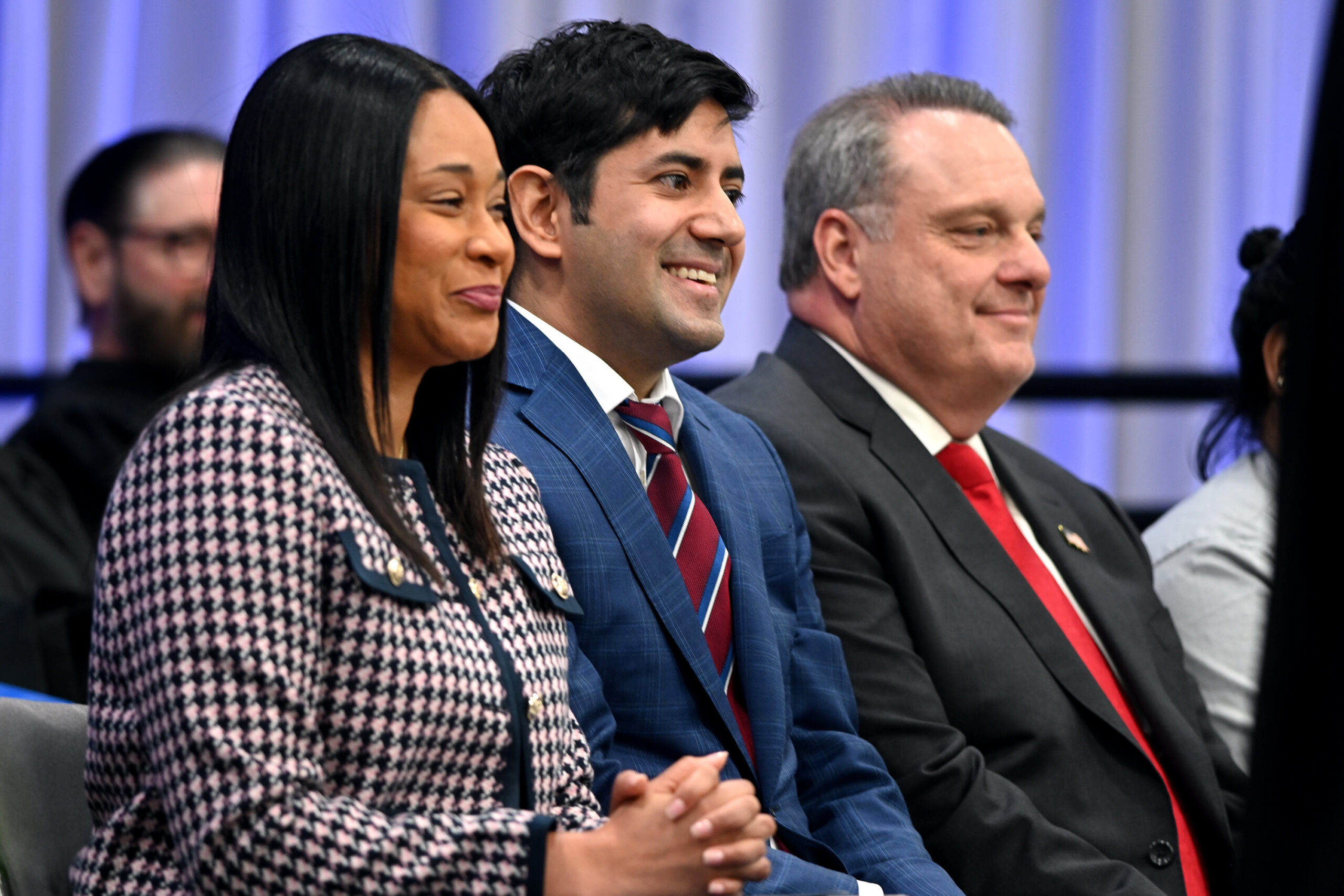
    Jamila H. Winder (from left), Neil Makhija, and Thomas DiBello are seated together on stage at the Montgomery County Community College gymnasium Wednesday, Jan. 3, 2024, during ceremonies before they were sworn in as Montgomery County’s new Board of Commissioners.

    Is artificial intelligence the next step?

    The OISP was launched in February 2025 after the office previously served as the county COVID-19 pandemic “Recovery Office,” ensuring approximately $161 million in funds from the American Rescue Plan Act were being used appropriately.

    When Stephanie Tipton, deputy chief operating officer, was hired in Montgomery County in September 2024 after more than 16 years in leadership in Philadelphia, county officials started discussing how to translate that oversight practice at the “Recovery Office” to every facet of county spending and performance.

    That mentality helped the OISP cut the county deficit in half and focus on ways to reduce it in the long term, such as eliminating longstanding vacant positions around the county, including on the board of assessment, which does real estate evaluations. The office also helped develop performance management standards for departments.

    “What we were really interested in is finding things that we could make repeatable year after year, and that would move forward, whether that was restructuring positions and eliminating vacancies that we don’t carry forward” to doing a trend analysis on spending, said Eli Gilman, project director of the 11-person office. He noted that the team was “kind of building a plane while we were flying.”

    County governments are always trying to be efficient with taxpayer dollars, said Kyle Kopko, executive director of the County Commissioners Association of Pennsylvania, especially in the aftermath of last year’s state budget impasse. But Montgomery County’s decision to have a dedicated office for efficiency is fairly unique, he said.

    “This is something that has become more and more of a focus of counties everywhere just because we’re not sure if we’re going to have the consistency of on-time state funds,” Kopko said.

    The next phase for the office? Cutting red tape for residents. And part of that may be through enlisting artificial intelligence, something the county has been examining through the commissioners’ “Advisory Council on Artificial Intelligence for Public Good” established in April 2025.

    “The goal here is like, how can we leverage this new and emerging technology to help us make it easier for residents to access services,” Tipton said. “Make it easier, reduce the burden on our frontline staff, so they can spend more time in sort of customer-facing, client-facing activities.”

    AI will be something that many counties across Pennsylvania will be grappling with moving forward, Kopko said. Though some counties are wary of using it for sensitive information.

    Everyone has a different idea as to what they would want to see AI used for in Montgomery County.

    Makhija wants to make court documents accessible by chatbot. Winder says she wants to see AI help county employees be more efficient in their roles. And DiBello, who worked in tech software, said as long as accuracy is prioritized, AI could one day be used in situations where residents don’t have to speak directly to someone.

    But first, Tipton said, the county wants to internally test AI tools to “make sure that we have the right sort of governance and guardrails” before launching it to the public.

    When Tipton joined Montgomery County she said she had a “clear mandate from the commissioners” to look at department spending. She also wants it to be a transparent process for residents and the office plans to launch an open data site to the public in the second half of 2026.

    “We want to make sure that moving forward, when we are making investments in the budget we can really understand more clearly how that is impacting service delivery, so we can tie that more directly to work that we’re doing,” Tipton said.

  • An artsy new restaurant and cocktail bar is coming to Kennett Square

    An artsy new restaurant and cocktail bar is coming to Kennett Square

    Birch Street will get a new restaurant and cocktail lounge this summer as its makeover in Kennett Square continues.

    Opus, a New American upscale restaurant with a second-floor cocktail lounge, will open at 201 Birch St., adjoined to Artelo, a 14-room boutique hotel. Opus is a new initiative for Square Roots Collective, an organization that builds businesses and uses the profits to support nonprofits in southern Chester County.

    Opus will boast 125 seats in its 6,000 square-foot building, with outdoor dining and a two-story terrace. During the day, the cocktail bar will serve breakfast to the public and guests of Artelo.

    The restaurant, which will be adorned by curated art pieces and a hand-painted ceiling mural, is an extension of Artelo, which Square Roots Collective opened in 2024. The hotel, which replaced the former Birch Inn, offers an immersive art experience, with each room painted by a local or regional artist, creating a living piece of art.

    That same principle will follow in Opus, said Luke Zubrod, chief of staff for Square Roots Collective.

    “It’s kind of the anchor to Birch Street,” he said. “It’s really kind of setting the tone for the street as a whole — and the tone it’ll set is really an artistic tone. This is a street kind of filled with beauty, and I think that that theme will be more evident over time.”

    It’s part of a larger effort to revitalize Birch Street, which has in recent years seen more development, including Square Roots Collective’s beer garden The Creamery, and streetscaping. In the coming years, the street will be resurfaced, and the borough plans to add a trail on one side and sidewalk on the other, along with new streetlights and crosswalks. Square Roots Collective worked with the borough to secure funds for that investment, leaning on grant dollars from the state and county, Zubrod said.

    “In addition to the Opus itself, there’s a lot to look forward to,” Zubrod said. “This street is really receiving some public investment that will make it a really vibrant and beautiful place.”

    Along with Artelo and The Creamery, 100% of Opus’ funds will go to the organization’s nonprofit, focused on community improvement, he said.

    “I think in addition to just being a really exciting restaurant concept, it’s also one people can feel really good about in terms of helping to make the community better,” he said.

    Another boutique hotel coming

    The Francis, a boutique hotel in central Kennett Square, is slated to open this year. The eight-room hotel will reimagine an 18th century home, and pay homage to the region’s history.

    Meanwhile, also coming this year, the collective will open another boutique hotel, at 205 S. Union St. The Francis, an ode to Francis Smith who named Kennett Square for his home back in England, will have eight rooms, each dedicated to the history of the town.

    The hotel will reimagine an 18th-century home, and offer single rooms and loft suites with kitchenettes, plus balcony or courtyard access.

    One room — “The Watchmaker” — will honor a former resident and watchmaker, Thomas Milhous. Another room, “The Gardener,” will pay homage to the region’s first big harvest: flowers. Others nod to battlegrounds, four generations of a local family, education, plus the region’s history with the Underground Railroad, the Lenni-Lenape tribe and its “rich immigrant history.”

    The collective plans on luscious landscaping, with a courtyard serving as “a little bit of an oasis,” said Zubrod.

    “There is an appetite to have kind of quaint boutique hotels in the area to meet the needs of people who are coming for Longwood [Gardens] especially,” he said.

    This suburban content is produced with support from the Leslie Miller and Richard Worley Foundation and The Lenfest Institute for Journalism. Editorial content is created independently of the project donors. Gifts to support The Inquirer’s high-impact journalism can be made at inquirer.com/donate. A list of Lenfest Institute donors can be found at lenfestinstitute.org/supporters.

  • Long story short: ‘Joe Dirt’ tribute takes top prize in mullet contest

    Long story short: ‘Joe Dirt’ tribute takes top prize in mullet contest

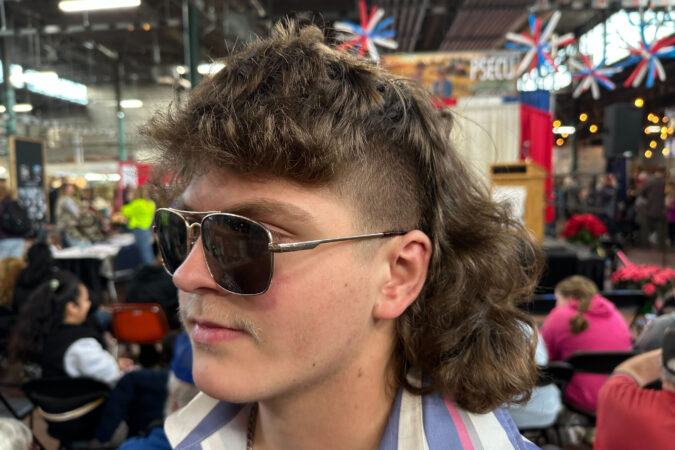
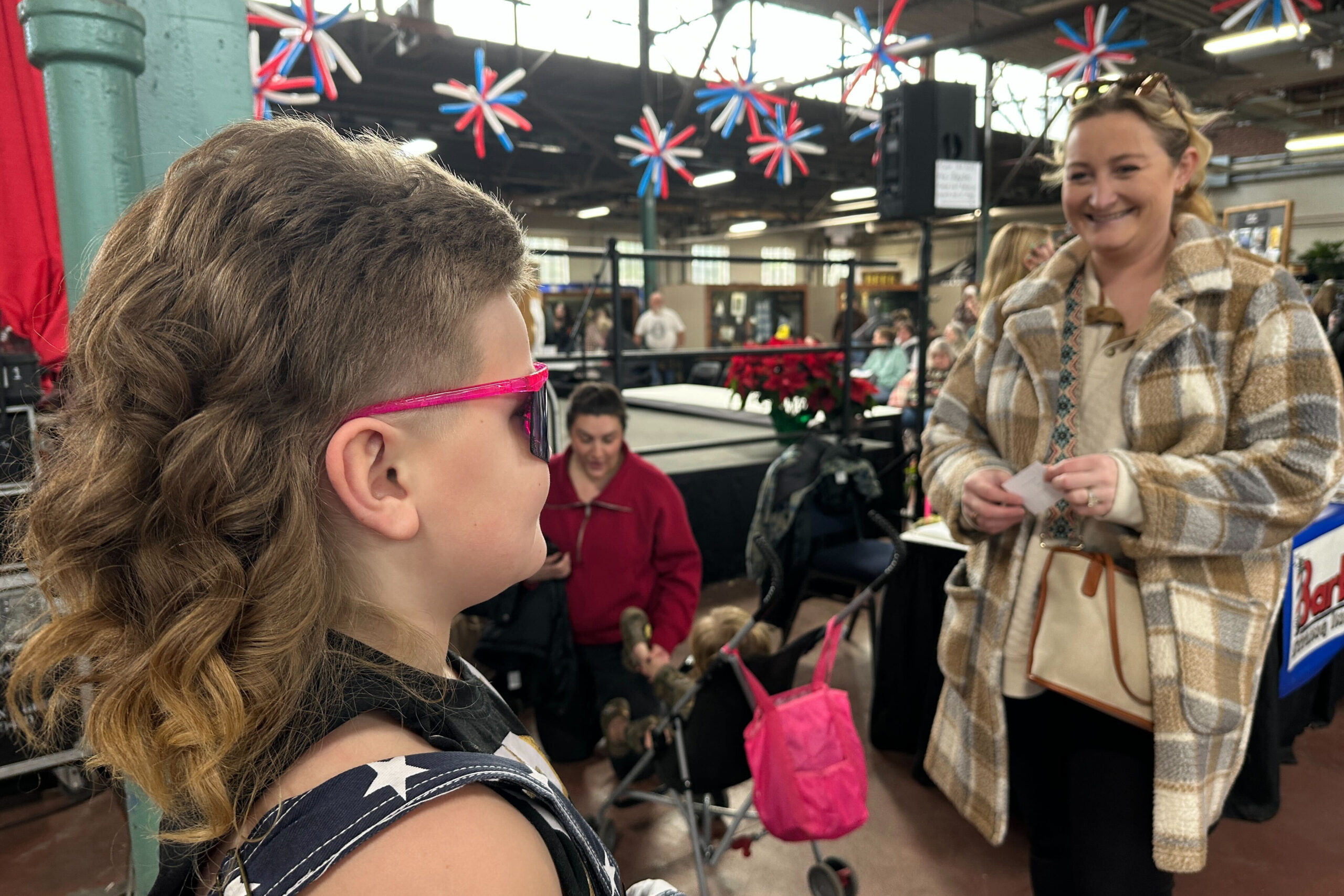
    HARRISBURG — A packed crowd celebrated the much-maligned but enduring mullet hairstyle Monday in a contest at the Pennsylvania Farm Show in Harrisburg.

    The short-in-the-front, long-in-the-back coiffure, once the province of Canadian hockey players and hair metal bands, attracted about 150 competitors and more than a thousand spectators for the day’s “mane” attraction.

    The top award, in the form of the rear bumper of a Corvette, went to 10-year-old Drew Fleschut of Dallas, Luzerne County — who wore a red-and-black shirt in an homage to movie character Joe Dirt and carried Joe’s trademark mop.

    Contestants were evaluated for the style of their cut, any props or accessories, their presentation and their overall sense of commitment, said judge Brittany Goldberg.

    “This is for fun,” said Goldberg, owner of Heavy Metal Hair Salon in Philadelphia. “It’s about the camaraderie and everyone having a laugh and a good time.”

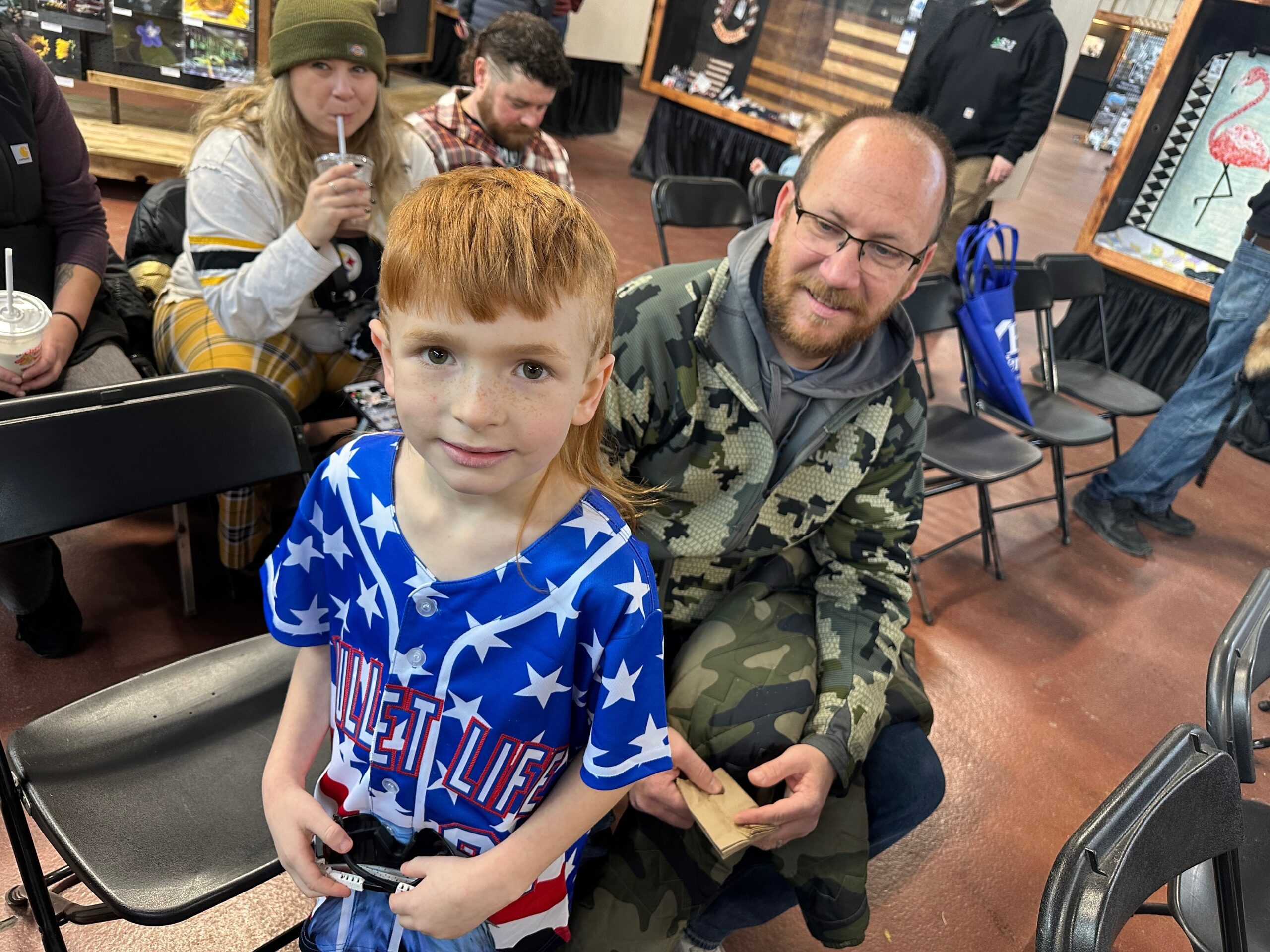
    Ben Barley, a 7-year-old first grader from Red Lion, Pa., waits with his father, Robert Barley, for the start of a mullet judging contest at the Pennsylvania Farm Show in Harrisburg on Monday.

    There were magic tricks, customized T-shirts, and even a “skullet” — a mullet sported by a balding man. One kid didn’t want to leave the stage. Another took the occasion to pick his nose. Some danced the worm, some dabbed, and a few ripped off their shirts, pro-wrestling style.

    Brittni Williamson of Harvey’s Lake brought along her 3-year-old son Mason, who ended up with a mullet when the hair on the back of his head grew more quickly than the rest of his hair when he was a baby.

    “We just clean it up in the front and keep the party going,” Williamson said. Mason didn’t win, but he did get to accomplish his New Year’s resolution by feeding a cow.

    Ben Barley, 7, of Red Lion arrived at the event wearing a T-shirt featuring his name and the words “MULLET LIFE 6-7,” a nod to both his hairstyle and the bafflingly popular youth catchphrase. He said he’d been working on his mullet for two years.

    Kyle Wertman said he was inspired to go with a mullet while watching old professional wrestling footage of Hacksaw Jim Duggan. He gets a lot of comments about it in his hometown of Murrysville.

    “They like to fluff the curls in the back, ‘Look at this thing, it’s got a mind of its own,’” said Wertman, 43, who works in sales and service of industrial air compressors.

    It’s taken Lancaster resident Brayden Shaner, 14, about four years to grow his mullet, which was good enough for third-place in the teenager category.

    “I like it because it’s different,” he said. “You don’t see, walking through the grocery store, people with a mullet. I think the girls like it.”

    Though mullets likely have been around longer than there have been barbers, the Oxford English Dictionary cites hip-hop legends the Beastie Boys for helping popularize the term mullet with the song “Mullet Head” on their 1994 recording, Ill Communication. As the venerable dictionary notes, it’s a term that is slang, humorous “and frequently derogatory.”

    The contest, in its third year, is one of the few at the Pennsylvania Farm Show open to people who live outside the state.

    Meredith Nelson smiles at her son, “Mikey Mullet,” an 8-year old-contestant from South Jersey in Monday’s hairstyle contest at the Pennsylvania Farm Show.
  • ‘Seeking Experienced Witch’: A woman asked for help hexing her ex. She’s part of a long cathartic tradition.

    ‘Seeking Experienced Witch’: A woman asked for help hexing her ex. She’s part of a long cathartic tradition.

    Driving to visit a friend, a Philadelphia woman had time to mull her recent breakup. She thought about all the things her ex hated: spiders, moth-bitten sweaters, overly soft avocados. She typed them on her phone, as curses.

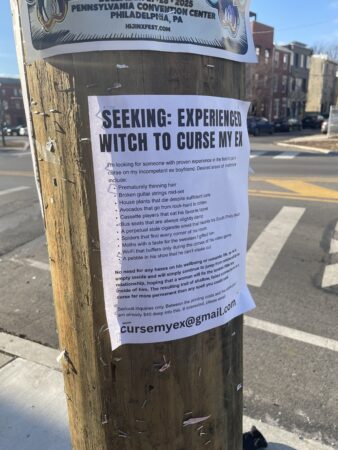
    It became a flier: “Seeking: Experienced Witch to Curse My Ex.” She set up an email — for serious inquiries only.

    You may have seen her handiwork. The fliers dot telephone poles, originating in downtown Phoenixville, around where our witch-seeker was visiting family for the holidays. They now paper neighborhoods across Philadelphia — hung with a staple gun on New Year’s Eve while barhopping. (The 29-year-old asked to remain nameless for this story, so as to not affect future job prospects. It also, in a way, protects her ex.)

    And though it might seem a bit out of the ordinary, it’s part of a great tradition of cursing your ex that goes back to antiquity. Plus, it’s a way to regain a sense of power, experts say.

    So, it’s no surprise that the fliers have seeped online, circulating neighborhood groups and on socials, striking a chord. When the fliers appeared in Chester County, a Phoenixville community group sounded off: “I hope she gets him. Good for her,” one commenter wrote under a Facebook post about it. “I think I know the ex,” said another. “It’s a great idea,” writes another. (The witch-seeker also has her detractors: “That man dodged a bullet!” one commenter wrote.)

    The flier lays out her desired curses: his hair thinning, house plants withering, his bus seats feeling damp, his Wi-Fi buffering during video games, shoe pebbles remaining unshakeable — and the aforementioned too-ripe avocados, copious spiders, and hole-y sweaters (among other ill wishes).

    But, the flier requests no hexes on his well-being or romantic life.

    Across relationship research, one of the most consistent findings is that breakups produce a “profound sense of powerlessness,” said Jenn Pollitt, a professor of gender, sexuality, and women’s studies at Temple University.

    But how do you get from a list on your phone to asking witches to please curse your ex-boyfriend?

    It’s not that far a leap.

    “Witchcraft has become a more socially legible way to express rage,” Pollitt said. “If you’ve got someone who wants to curse their ex, really what they want to be able to say is, ‘I was harmed. I’m allowed to be angry about this, and my anger deserves to be acknowledged.’ The public posting of this is really like a deep desire and craving to have that person’s hurt and heartbreak be born witness to.”

    The witch-seeker said she needed a place to put her pent-up anger and frustration.

    It’s not all maliciousness to her ex, she said. It’s mostly catharsis: She thinks of her ex as a lovely person in a lot of ways. But she said when she expressed her emotional needs, he’d withhold affection, he’d disappear for a few days or block her number. Then he would return, with words of affirmation and promises of marriage. It became cyclical over the two-year relationship. She swallowed up her frustrations. But several months ago, they parted ways. And despite the turbulence, it was pretty amicable, she recalls.

    She grieved. She went to therapy. She journaled. She meditated.

    And then she logged on to social media, and saw he was in a new serious relationship that had started within weeks of them breaking up.

    “It felt like a slap in the face, and that was my impetus for doing this,” she said. “I couldn’t yell at him, and I didn’t want to yell at him, but I had to yell at someone.”

    She’s not alone. For millennia, people have pursued love magic, said Kristine Rabberman, a professor at the University of Pennsylvania who teaches about witchcraft and sexuality. Roughly 600 Latin curse tablets have survived from the Roman empire, with both men and women calling on various deities to curse their close relations, she said.

    These mystical beliefs served social functions, too, she said, addressing people’s lack of agency and control. They channel deep wells of emotion: anger, longing, frustration, hatred.

    “Having recourse to love magic could be one approach somebody could take to try to both find expression for those feelings and to also have a sense of agency and being able to act on them,” she said.

    Dating culture has changed rapidly, Pollitt added. There’s now a digital component: blocked numbers, social media handles unfollowed. A breakup by a thousand cuts, she noted.

    “Breakups often can be intensely private and deeply isolating. Any public display, even this — which is a little bit out of the ordinary — function as a way to reinsert personal pain into a shared social space,” Pollitt said.

    The community came fast. As the witch-seeker hung the fliers in Phoenixville, several people high-fived her, she said. Then the emails rolled in: A Caribbean witch who offered a hex. A bruja. A kitchen witch who practices herbalism and herbal manifestations. A helper who sent along a few shops and books, so she could do the curse herself (so it carries the appropriate “oomph”).

    But to her surprise, beyond the witches, there were others: People who wanted to know how the story would end. Someone boldly asking her out on a date. And the women who simply could relate.

    They wished her a happy new year, they told her they’d also had messy breakups, they told her they supported her.

    She did not expect the outpouring of support, or the attention. As a writer and a creative person, it was mostly a way to tap into that, in a way that felt a little more empowering.

    “It has made me feel so much better,” she said.

    She is thankful for the witches who offered their services, though she feels conflicted about going through with a hex. She won’t be papering the city with more witch requests, either, she said.

    The process has let her accept some of her bad, not totally socially acceptable feelings — and create something positive with it, by connecting with others, she said — as people reeling from heartbreak have done for centuries before her.

  • ‘A turning point’: Anti-ICE protests reach the Philadelphia suburbs

    ‘A turning point’: Anti-ICE protests reach the Philadelphia suburbs

    Legions of suburbanites decried federal ICE actions on Sunday in a series of vigils and protests across the Philadelphia area, signaling the breadth of opposition to a central part of President Donald Trump’s agenda.

    Expressions of anger, sadness, and resistance poured out into the streets of major cities nationwide this weekend in response to the killing of 37-year-old Renee Good by an ICE officer in Minnesota. But that dysphoria also spilled into small towns — including in places like Gloucester County, New Jersey, where voters favored Trump in 2024.

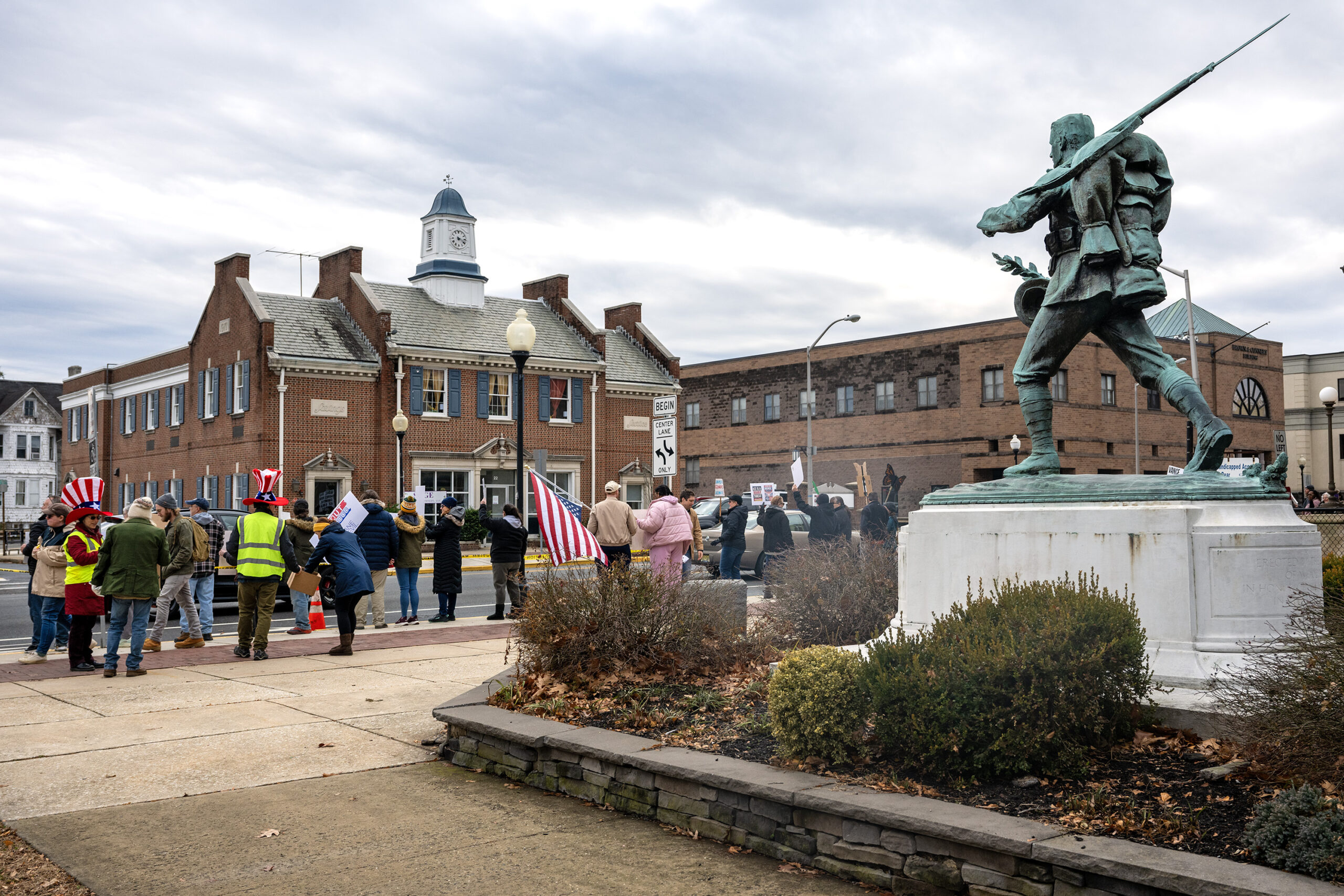
    “I’ve been quiet and timid my whole life, and now I’m just trying to speak up,” said Cristen Beukers, one of more than 100 people who attended a demonstration in Gloucester’s county seat, Woodbury, a city of about 10,000. Gathered along North Broad Street, near the Gloucester County Courthouse, participants’ signs, whistles, and bullhorn-led protest chants were met with beeping car horns and the supportive shouts of drivers.

    Beukers, 40, of nearby Paulsboro, called for a proper investigation into the shooting death of Good, a mother and poet, on Wednesday.

    Mi Casa Woodbury and Cooper River Indivisible hold a “roadside rally” in downtown Woodbury, N.J., in support of immigrants and to protest ICE on Sunday, Jan. 11, 2026, as protests against Trump administration actions spread in the suburbs.

    Thousands of ICE agents and federal troops have swarmed blue American cities as part of Trump’s unprecedented campaign to arrest and deport millions of immigrants. Good was shot three times in the driver’s seat of her SUV after a brief confrontation with ICE agents on a residential Minneapolis street. Trump administration officials insist ICE agent Jonathan Ross fired out of self-defense; video footage appears to show he was not in the vehicle’s path when he fired.

    “It’s an S.O.S.,” said Alex Baji, 31, of Woodbury, who said he’s a former IRS auditor laid off last year by the Department of Government Efficiency, overseen by billionaire Elon Musk. “Masked goons murdering U.S. citizens — and the vice president says it’s perfectly justified.”

    The turnout in Woodbury suggested a new level of urgency for the tight-knit suburban community, said Kaitlin Rattigan. Rattigan is a community organizer with Mi Casa Woodbury, a group that formed in response to ICE activity in their neighborhoods. Mi Casa has held a demonstration every Sunday since mid-November, even if just a few people attended.

    “I think it’s a turning point for many people — and frankly for white people,” Rattigan, who is white, said.

    According to a recent poll conducted by Pew Research Center, 50% of American adults surveyed in October disapproved of the Trump administration’s approach to immigration, while 39% approve. (Some participants responded “neither.”) While 53% of respondents said the country is doing “too much” when it comes to immigration enforcement, a large majority continue to say at least some people living in the United States should be deported.

    Trump has derided and propagandized protesters as “paid insurrectionists,” “domestic terrorists,” or radical leftists — people who are not representative of mainstream Americans, Steve McGovern, a political science professor at Haverford College, said in an interview. Anti-ICE rhetoric in the suburbs threatens Trump’s narrative, according to McGovern. Trump’s 2024 win was fueled by key gains in Philadelphia’s suburbs, an Inquirer analysis found.

    “The popular image of suburbia continues to be a place where lots of middle-class, mainstream people live and work,” he said. “If suburbanites take to the streets and in large numbers, that would send — I think — a powerful message that a strong majority of the country is increasingly fed up with the outrageous, lawless, and even murderous behavior of ICE agents.”

    At least one Republican observer was skeptical. Guy Ciarrocchi, a GOP analyst, said in a statement these protests no longer influence independent voters, nor intimidate Republicans.

    “Unfortunately, these ‘rallies’ are political theatre — plug [and] play crowds with professional signs for any ‘cause.’ Tools to rally extremist Democrat voters,” he said. “Ms. Good’s death was a tragedy. And, ICE’s work is important and necessary. No ‘rent a rally’ will change either of those truths.”

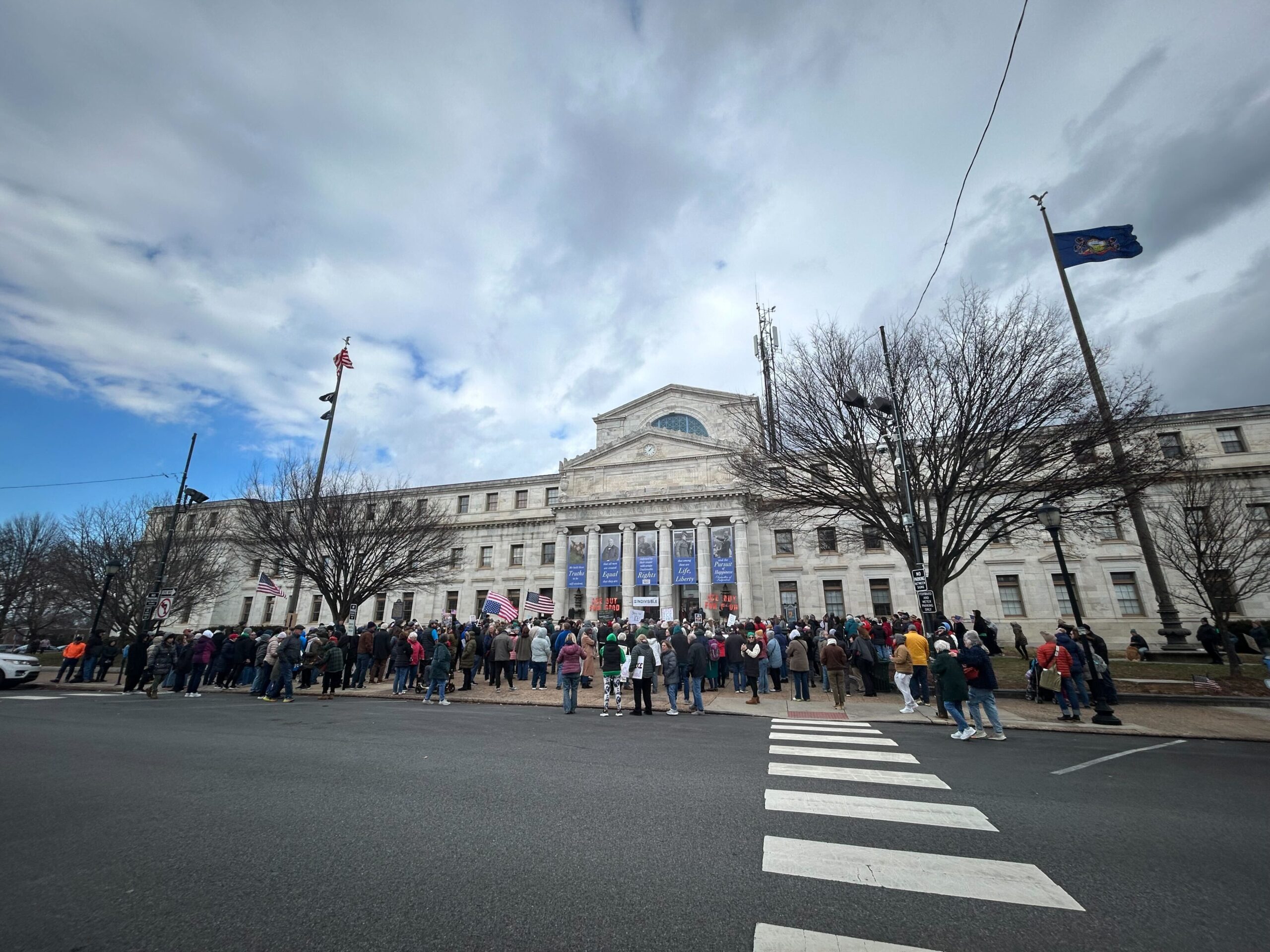
    Outside the Delaware County Courthouse in Media, hundreds shouted into the bitter wind: “United we stand, divided we fall.” The voices came from attendees of all ages — older people in wheelchairs, young parents pushing babies in strollers, and children holding crayon-drawn signs etched with messages like “ICE Cream, not ICE” and “NO ICE because it’s cruel.”

    “The entire nation is watching Pennsylvania,” said U.S. Rep. Mary Gay Scanlon, a Delaware County Democrat. “We can reject Trumpism at the state and federal levels this year. … We will not be bullied out of the future that we and all our children deserve.”

    Area residents hold what organizers called a “vigil for peace on our communities” on Jan. 11, 2026, in Media, Pa.

    In the increasingly blue suburban county — that not long ago was solidly red — the vocal opposition to Trump has grown louder in recent years, said Cathy Spahr, coleader of Delco Indivisible, which organized Sunday’s vigil for Good.

    “We didn’t have this during the first [Trump] administration,” she said of the event’s turnout. Spahr said she was especially heartened by the attendance given that the vigil was announced only days before — and ended an hour before the Eagles’ first playoff game of the year.

    But Spahr and several attendees said there’s something special about coming together closer to home. And logistically, it’s easier.

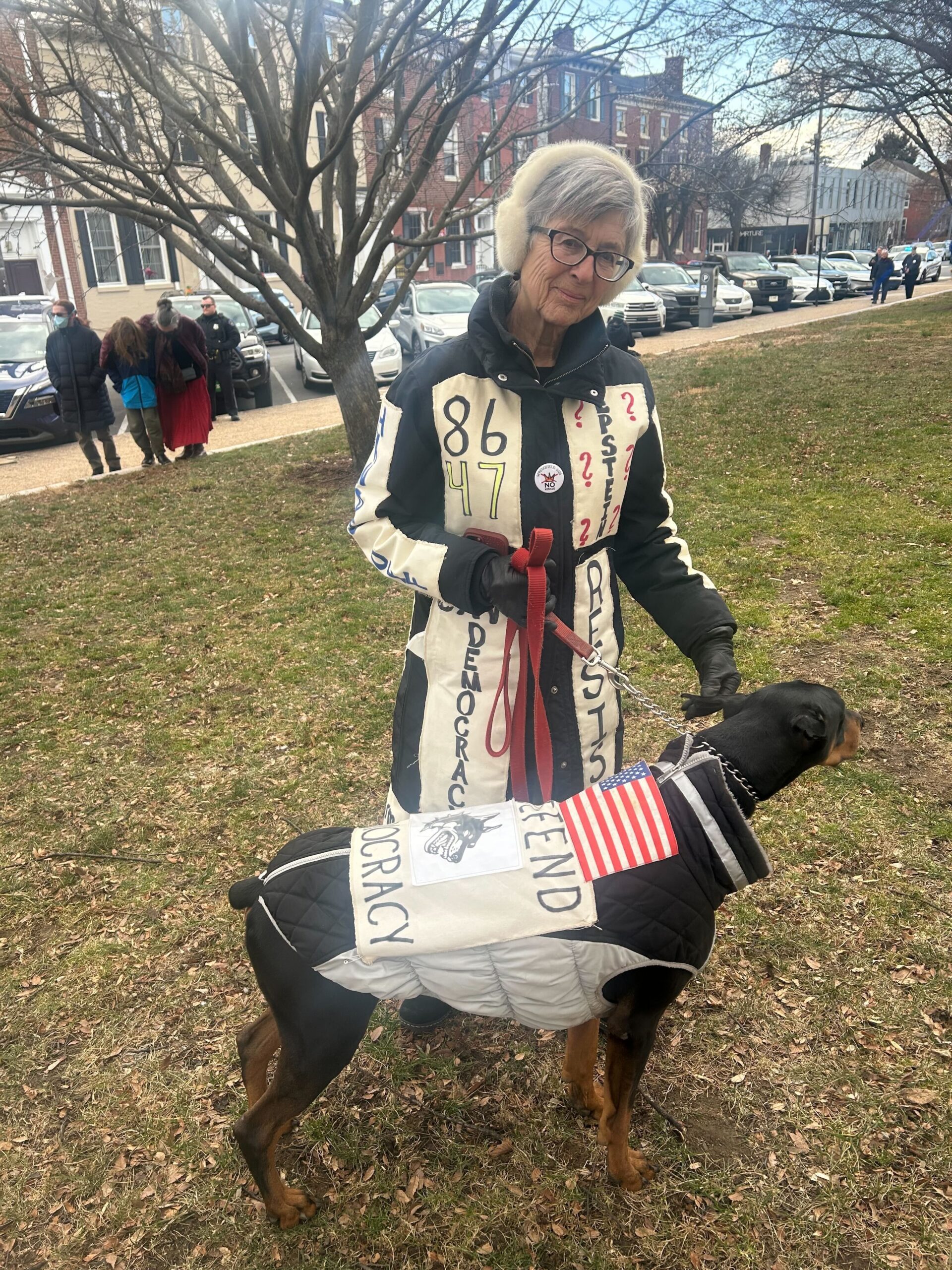
    Corinne Fiore, 75, of Media, and her 4-year-old Doberman, Laser, cherish the opportunity to be involved in the anti-Trump movement in Delaware County.

    Corinne Fiore, 75, of Media, poses with her 4-year-old Doberman, Laser, who wears a “Defend Democracy” vest to local rallies and events, on Jan. 11, 2026, outside of the Delaware County Courthouse in Media, Pa.

    “I just can’t get in a car and go for 10 hours somewhere,” she said. She’s thankful she doesn’t have to. “Delaware County has a lot of responsible people in it. They’re good and kind people. Patriotic people.”

    For families with young children, the Media vigil also presented a convenient opportunity to teach their children the importance of standing up for their neighbors.

    “I want to show them it’s important to stand up to a bully,” said Candice Carbone Bainbridge, 42, of Wallingford. Nearby, her 8-year-old daughter, Cora, held a sign with pink and purple lettering that read: “Be a good human. It’s not that hard!”

    Sixteen miles southeast, in Bellmawr, N.J., dozens gathered along Black Horse Pike, hoisting signs, cheering on supportive honks from passing commercial trucks, and dancing to the Rascals’ 1968 anthem, “People Got to Be Free.” One poster read, “American foundations are being destroyed, no one is safe, stand up now.”

    Karen Kelly, 72, who drove 40 minutes and DJed the demonstration, said she’s frustrated by apathy and disengagement.

    “All the people staying home — doing nothing — have to get the heck up,” Kelly said.

    Residents in the outskirts of Philadelphia expressed similar sentiments to their suburban counterparts.

    “This is not law enforcement, this is brutality,” said Susan MacBride, 84, at a protest in Roxborough, which was largely attended by residents of Cathedral Village, a retirement community in Northwest Philadelphia. Tired of what she described as the Trump administration’s cruelty and disrespect, MacBride felt compelled to put a pause on her retirement and join the 160-person rally at Ridge Avenue and Cathedral Road.

    “Kids need to know this isn’t normal; it’s a period of disruption, but we can’t let them get used to this,” she said.

    Nearby neighbor Lorraine Webb, 73, agreed with MacBride.

    “This isn’t what we are about, we need to do better,” Webb said. “We need to show up because this isn’t just a Center City issue; it’s a Philadelphia issue.”

  • Gen Z has entered city hall. Meet 4 young Pa. mayors who want to bring new ideas to local government.

    Gen Z has entered city hall. Meet 4 young Pa. mayors who want to bring new ideas to local government.

    This story first appeared in PA Local, a weekly newsletter by Spotlight PA taking a fresh, positive look at the incredible people, beautiful places, and delicious food of Pennsylvania. Sign up for free here.

    Last fall, communities across Pennsylvania elected officials who have yet to turn 30 to one of the most visible local roles: mayor.

    This month, those mayors begin their first terms and their political careers, bringing new perspectives and concerns to local government.

    Spotlight PA spoke to four incoming young mayors — all of them members of Generation Z, by Pew Research Center’s definition (though some noted they feel culturally closer to millennials) — about their ambitions, their platforms, and what drew them to the position.

    While they span the ideological spectrum and have jobs as disparate as coffee roaster and political operative, all want to improve their local governments, and share optimism about the future of their communities.

    Although it’s not unheard of for Pennsylvanians to elect young local leaders, it’s rare. Just 3% of the 866 local elected officials who answered a 2021 Pennsylvania Local Government Commission survey were under 35. The average age of a respondent was about 61.

    Cassandra Coleman, the former mayor of Exeter in Luzerne County who was appointed to her first term at 20, recommended the latest crop make sure they’re “listening and learning” and not coming in too “forceful.”

    “But also,” Coleman added, “I think you have to also weigh that with not being overshadowed and not being kind of pushed to the side because of your age.”

    New perspectives

    Now is an important time to get involved in government and run for office, said Sam Bigham, the new Democratic mayor of Carnegie in Allegheny County.

    “We’re seeing a lot of leaders at different levels not really delivering on their promises or keeping their constituents’ best interest at heart, especially not for young people like me,” he said, pointing to issues like unaffordability and climate change.

    In Pennsylvania, the roles and responsibilities of mayors vary by municipality type. In some cities, the job is powerful and wide-reaching. In boroughs, the mayor’s primary responsibilities are to “preserve order” (i.e., oversee police and respond to emergencies) and enforce local ordinances. They can also break ties among council members.

    It’s often a part-time job, and state law caps salaries based on the size of the borough, though individual municipalities may set pay well below the mandated maximums.

    The mayors who spoke to PA Local all represent boroughs, and acknowledged the limited powers that come with their office. But they hope to lean into the position’s more ceremonial role as a representative of their community — and use it to bring fresh points of view to government.

    Matt Zechman, a Libertarian who was sworn in as mayor of Cleona Borough in Lebanon County this week, said it’s vital for young people to start running for local office and working their way up so they can “change their own future.”

    “It’s a much different time than it was 20, 30, 40, 50 years ago,” he said. “And if we have the same mindset that today’s problems are the same as they were 50 years ago, and we treat them the same way, we’re just going to keep spiraling downward even more.”

    Winning support

    As Bigham went door to door during his campaign, he found “a whole lot of people were actually excited about a young person running for office,” he told PA Local.

    While some were skeptical of his age and experience level, he said he responded by “running a very serious campaign,” listening to people, speaking intelligently about local issues, and making sure all his paperwork was in order.

    Joar F. K. Dahn, the new mayor of the borough of Darby in Delaware County, also said he ran into a “a handful of people that were kind of very against a young person running,” and insisted he “wait his turn.”

    But he stressed that those folks were a vocal minority, and thanked the older adults who’ve guided him and made it “their mission to to mentor the next generation,” which he sees as “contributing to our future.”

    “The young people are going to come, you just got to invite them to the table,” Dahn said. “You got to make them feel like they also belong here, and you got to make sure they understand that their opinions [are] valid.”

    Several of the mayors hope to motivate their peers to run for office or get civically involved in another way.

    “I just want to let everybody know regardless of their background, age, or affiliation, or anything like that, that they do matter,” said Dylan Stevens, a member of the Liberal Party who was elected mayor of the borough of Westover in Clearfield County by a one-vote margin. “If they want to make a difference, just go for it.”

    And it’s “really not as difficult as some people might think” to run for local office, Carnegie’s Bigham pointed out. He collected 10 signatures to secure his place on the ballot, and raised a few thousand dollars — “probably more than what you need in a lot of places,” he said.

    “Obviously, you have to be comfortable putting yourself out there and talking to all different kinds of people,” Bigham said. “I’m a bit more introverted, so sometimes it can get really tiring to have to do that, but it can also be really rewarding.”

    Meet the mayors

    Joar F. K. Dahn of Darby

    Dahn, 28, calls himself Darby’s “biggest cheerleader.” When he was at college, the Bloomsburg University alumnus didn’t tell people he was “from Philly,” like other students from Delaware County would, he told PA Local. He’d say “Darby.”

    Dahn, whose family fled the Liberian Civil War when he was a child, has called Darby home for 20 years. He describes the small borough of 10,749 as a “very close-knit community,” but one that “has its struggles.”

    His dissatisfaction with local leadership motivated him to run for mayor. Working as a political operative for several years, he was inspired by the campaigns he was hired by and felt the officials in Darby weren’t as committed.

    He started looking for someone to throw his support behind — and that person turned out to be himself, Dahn told PA Local. Several residents encouraged him. So he challenged the incumbent mayor in the Democratic primary and ended up winning by 20 points. Dahn ran unopposed in November.

    In his first 100 days, he wants to motivate community members to get more involved in local government and “feel like they’re part of the process.”

    “Sometimes, we’ll have council meetings, and I’m the only resident in the room,” Dahn said. “We have council meetings and there’s literally nobody there. … I want people to understand now that this is a new leadership.”

    Public safety is a big priority for Dahn, who on the campaign trail heard from concerned grandmothers. He hopes to promote a positive relationship between residents and police, and work to reduce gun violence.

    “I need every single grandmom to feel comfortable to walk any single street in Darby,” Dahn said.

    Sam Bigham of Carnegie

    Carnegie’s “old-style” Main Street and strong community connections drew Bigham — a resident since age 10 with deep family roots in the area — back to the borough of about 8,000 after he graduated from Indiana University of Pennsylvania in 2024.

    Now the commonwealth’s youngest active mayor, the 23-year-old had known for years that he wanted to work in government or public service, and his resumé proves it. A former junior councilperson, Bigham also interned for a state representative and a congressman, and worked as a Democratic organizer ahead of last year’s election.

    Early last year, Bigham landed the position of executive director of the Carnegie Community Development Corporation, a nonprofit that aims to support local businesses and boost the area’s attractiveness. He plans to continue in that role alongside his part-time mayoral duties.

    He told PA Local he decided to run after talking with the incumbent, who was planning to step down. A friend from college helped Bigham campaign, and after lots of door-knocking and securing endorsements from several local politicians, he won the Democratic primary with 661 primary votes to his opponent’s 204. (He also won enough write-in Republican votes to be listed under both parties on the November ballot.)

    “I wanted to run on a message of community development and optimism and looking forward to the future,” he told PA Local.

    Bigham’s first-term goals include revitalizing Main Street, improving local infrastructure, updating the borough’s branding, facilitating events between police and residents, and working on sustainability initiatives.

    Matt Zechman of Cleona

    Zechman has worn many hats in his 27 years: volunteer firefighter, EMT, combat medic in Afghanistan, coffee roaster, and father. His latest is mayor of Cleona, a 2,000-person borough he describes as a quiet place with “two traffic lights,” a “really nice playground,” and “a lot of hometown spirit.”

    Although he didn’t see a glaring need for major changes in his community, the lifelong resident ran to bring his skills and a “new perspective” to the role.

    Zechman did much of his campaigning via social media, he told PA Local. Running on the Libertarian ticket, he beat the Republican incumbent by a nearly 2-to-1 margin in the November election.

    As mayor, Zechman wants to implement what he calls “windows-down policing,” a practice he said remembers from his childhood.

    “We would see the police chief and the mayor — they would drive in their vehicle, windows down, going slow, talking to residents, engaging,” Zechman explained. “I knew their names, they knew my name, they knew everyone’s name. And in a town this small, that is very well possible.”

    And even though it’s not part of his job description on paper, he said he also wants to use his bully pulpit to find local business sponsors, seek grant funding, or crowdfund to install flashing pedestrian crossing signs, which he called an “absolute must” for local road safety.

    Dylan Stevens of Westover

    Stevens made a “spontaneous decision” to run for mayor of Westover, a roughly 350-person borough in Clearfield County, just four days before the November election, he told PA Local.

    Raised in a conservative Republican household, Stevens began exploring third parties when he “became disillusioned with the whole political situation” in 2020. He landed on the Liberal Party of Pennsylvania, which was formed as the “Keystone Party” in 2022 by a group of people who believed the Libertarian Party was moving too far right.

    When Stevens, a 26-year-old who’s lived in Westover for 11 years and works at a gas station in another town, realized there wasn’t anyone on the ballot for mayor, he decided to give it a go. He wanted to “do more” in his community and bring more exposure to the Liberal Party, he said.

    Stevens had mostly kept to himself before, so he took a “kids’-lemonade-stand-type-of-approach” to drum up support, he told PA Local. With help from Liberal Party members from out of town, he introduced himself to people outside a general store a few days before the election and did the same on Election Day outside Westover’s polling place. He said reactions ranged from neutral to “OK, well, good luck.”

    Stevens ended up getting 13 write-in votes, a single vote more than the next most popular write-in. According to a Liberal Party news release, his election marked the party’s first mayoral victory in Pennsylvania.

    “Even though I was kind of an unknown, I guess I had the gift of the gab enough to let people know that I wanted to make a difference in my community and I wanted to give it my best effort,” Stevens said. “And for a lot of them, it seemed to be enough.”

    Stevens hopes to work with the borough council to attract businesses and explore alternative water sources. He also wants to poll residents on local issues, revive the borough’s Facebook page, and livestream public meetings to improve access for people who aren’t able to attend in person.

  • ‘ICE out’ protesters take to the streets in Philly and around the country

    ‘ICE out’ protesters take to the streets in Philly and around the country

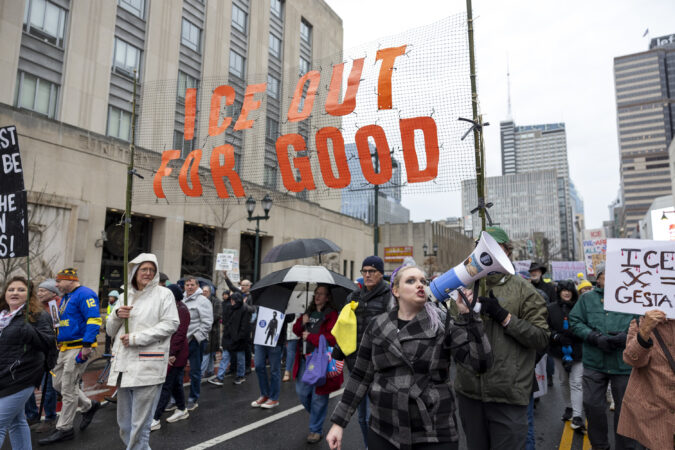
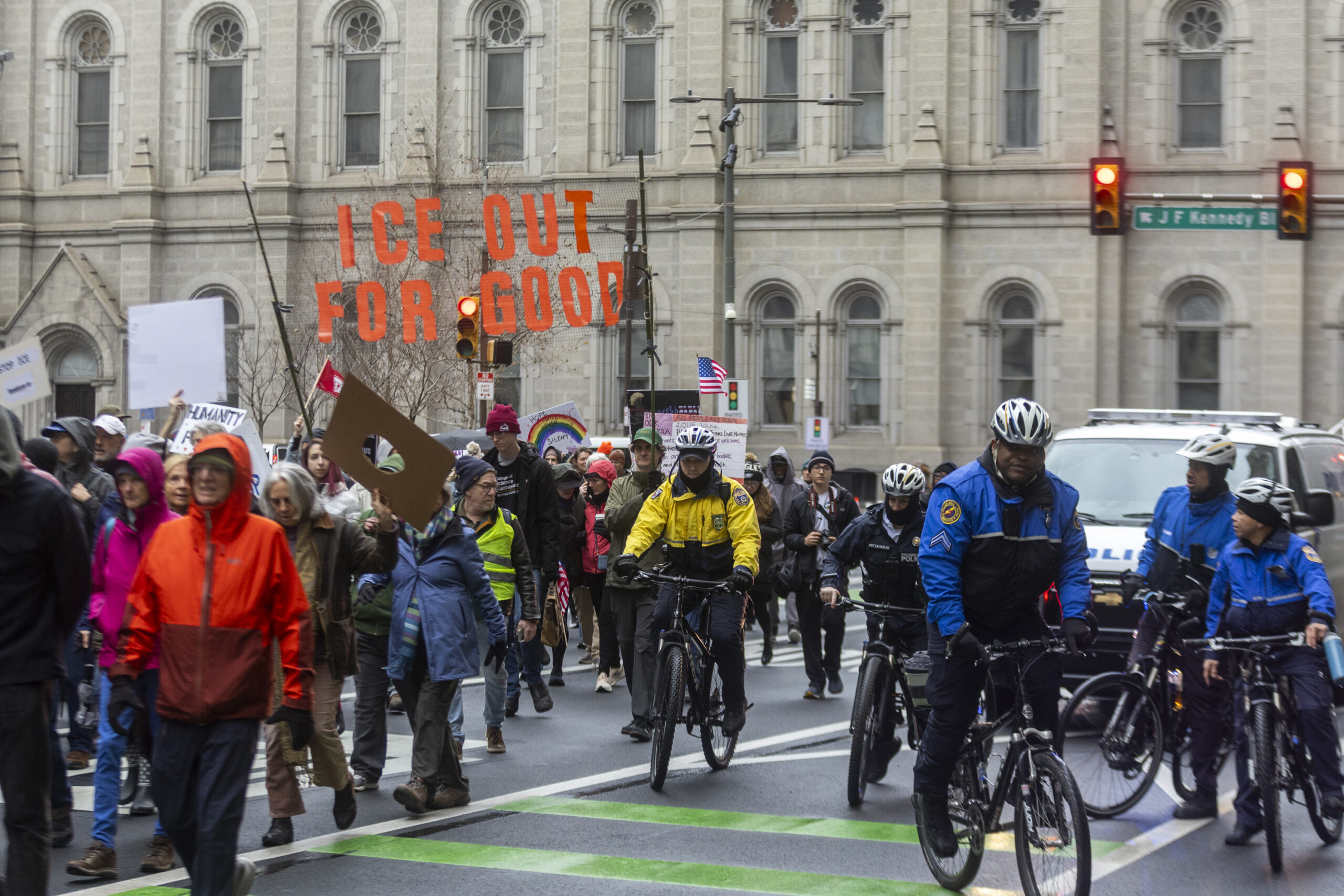
    Demonstrators swept onto the streets of Philadelphia and cities across the country on Saturday to vent anger and sadness over the ICE killing of an unarmed woman motorist in Minneapolis.

    Protests over the fatal Wednesday shooting of 37-year-old Renee Good were taking place or being planned in hundreds of places, from small towns to major cities in Pennsylvania, New Jersey, Texas, Florida, California, New York, and elsewhere.

    Organizers intend to hold rallies on Sunday in Trenton, Abington, Cherry Hill, Ardmore, Ambler, and other communities, the breadth of the protests signaling the scope of resistance to President Donald Trump’s immigration agenda. Leading civil rights groups have called for people to step up and support the ICE Out for Good Weekend of Action.

    “What happened in Minneapolis is unforgivable,” said Vicki Miller, a leader of Indivisible Philadelphia, who gathered with others at City Hall on Saturday morning.

    In Philadelphia the day began in a cold, steady rain, with about a hundred people at City Hall chanting, “No fear, no hate, no ICE in our state.”

    Trump administration officials insist the agent who shot Good three times had fired out of self-defense, saying he was about to be run over, and Secretary of Homeland Security Kristi Noem described the incident as “an act of domestic terrorism.”

    Many gather to show their support for Renee Good and to protest against ICE in Philadelphia, Pa., on Saturday, Jan. 10, 2026.

    Video taken by bystanders appears to show that the agent was not in the path of Good’s SUV when he fired, and activists have condemned the shooting as evidence of a violent, undisciplined federal agency.

    Trump has undertaken an unprecedented campaign to arrest and deport millions of immigrants, an effort that’s included sending ICE and federal troops into blue American cities.

    An estimated 2,000 federal agents have surged into Minnesota, following similar deployments in Los Angeles, Chicago, Washington, Memphis, and elsewhere. Somehow Philadelphia has gone untouched, despite its history of feuding with Trump.

    On Friday night, a 1,000-person protest outside of a Minneapolis hotel turned violent as demonstrators threw ice, snow, and rocks at officers, according to Minneapolis police.

    The demonstrations there continue as the Department of Homeland Security pushes forward in the Twin Cities with what it calls its biggest-ever immigration enforcement operation.

    At Philadelphia City Hall, Miller called on residents to protect one another from the Trump administration.

    “An authoritarian wants us to feel alone. We are showing that we are not alone,” she said. “We are happy to be here for our neighbors; we are here to protect them.”

    By 10:30 a.m., the crowd began moving down Market Street, meeting up with another demonstration near federal properties around Seventh and Arch Streets, and growing in size to about 500 people.

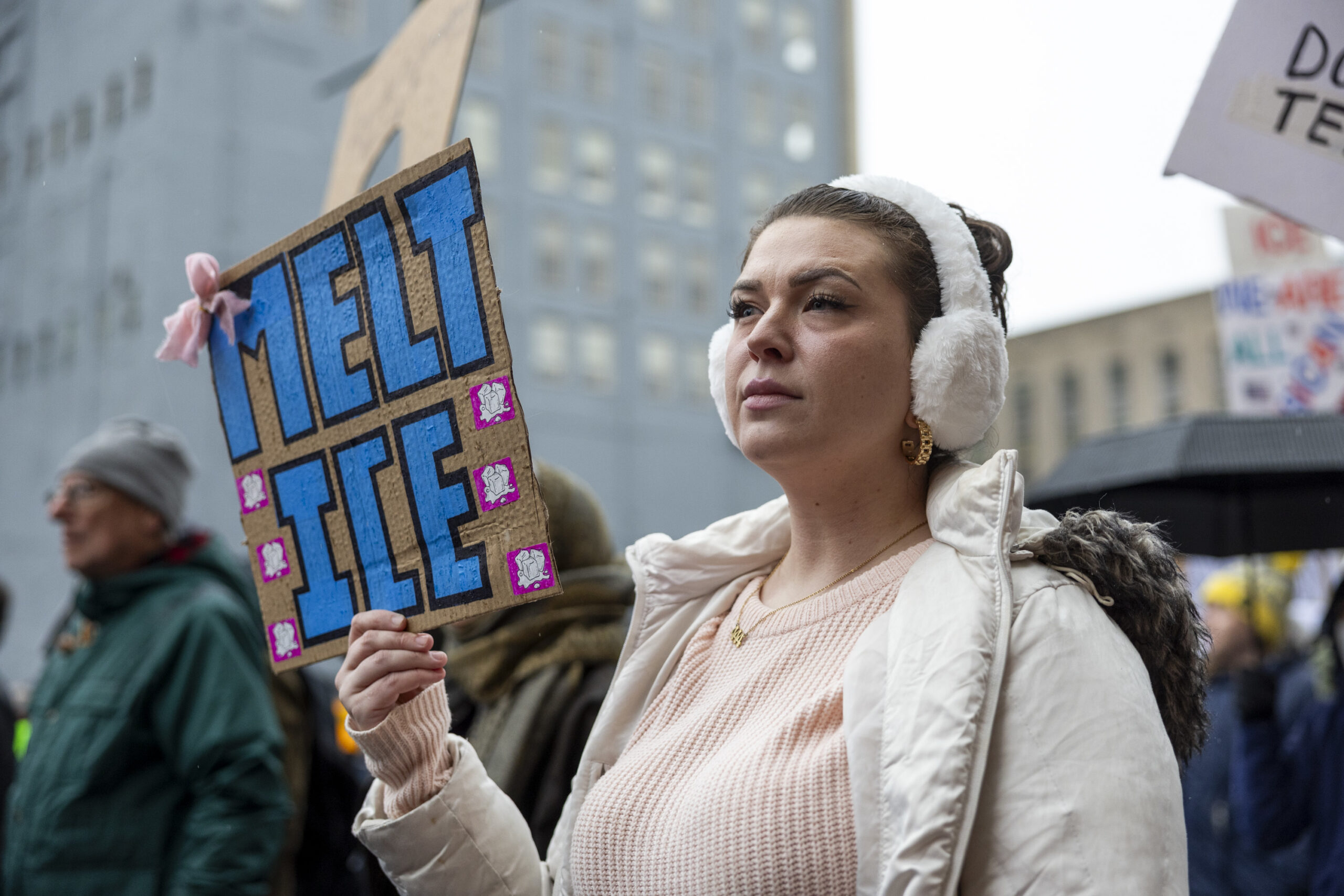
    Tiffanie Knott, of Rittenhouse, holding a sign reading “Melt ICE” as she marches with many others to protest against ICE in Philadelphia, Pa., on Saturday, Jan. 10, 2026.

    School psychologist Michele Messer, 51, came from Camden with her students in mind.

    “Our immigrant students are impacted and it will have a long-lasting effect in their education,” said the member of grassroots group Cooper River Indivisible. “We need to show up so they know we love them; we hear them, and we will be here for you until this is over.”

    Jim Greway, 77, said he was protesting for those who couldn’t be present, whose immigration status or race made them fearful of speaking out.

    “People who look different than me are being told they don’t belong here and will never succeed in this country,” said Greway, who is white. “I’m here to say that’s not true.”

    A couple in their late 70s marched down Market Street holding hands, chanting with the crowd for Immigration and Customs Enforcement to be shut down.

    “We have good friends that are afraid to leave their house, so to us this is personal,” explained Lori Chewkanes.

    Her husband, Michael Chewkanes, said that ICE actions in Minneapolis made the couple feel like their patriotism was being stolen.

    “As a veteran, it makes me sick to my stomach,” he said. “[ICE] should be protecting the people, not hurting them. This should have never happened.”

    Madeline Forrest, 20, of Camden, handed out copies of a poem she wrote that condemned ICE. As she did so, MAGA supporter Patrick Labrie, also 20, approached to talk about why he supported the agency, including the shooting by the officer in Minnesota.

    “From the clips, it seemed like he was in a lot of danger, so it seems like he did everything he could to protect himself,” Labrie said.

    Labrie continued to defend the officer’s actions, later attempting to interrupt the chants of the crowd.

    Forrest thought Labrie was deliberating trying to attract attention to draw more watchers on social media. She tried to engage him again, but was unable do so as police moved in to safeguard him from the crowd.

  • A man was charged with stealing skulls and bones from a Philly cemetery. Police say he may have tried to sell them on Instagram.

    A man was charged with stealing skulls and bones from a Philly cemetery. Police say he may have tried to sell them on Instagram.

    Documents released Friday offer new detail on how investigators assembled their striking case against Jonathan Christian Gerlach, who authorities say desecrated dozens of graves to steal human remains.

    Gerlach, 34, who is charged with stealing more than 100 skulls, bones, and body parts from Mount Moriah Cemetery, also posted dozens of photos of human remains on social media, records show, and authorities are investigating whether he may have offered to sell them.

    The investigation into Gerlach, who lives in Ephrata, spans multiple counties and law enforcement agencies. The historic cemetery stretches across Philadelphia and Yeadon, Delaware County, where officials charged Gerlach on Thursday.

    Gerlach’s lawyer, Anna Hinchman, declined to comment Friday, citing the pending criminal case.

    In all, Gerlach faces more than 500 counts of burglary, criminal trespassing, abuse of a corpse, theft, and related crimes.

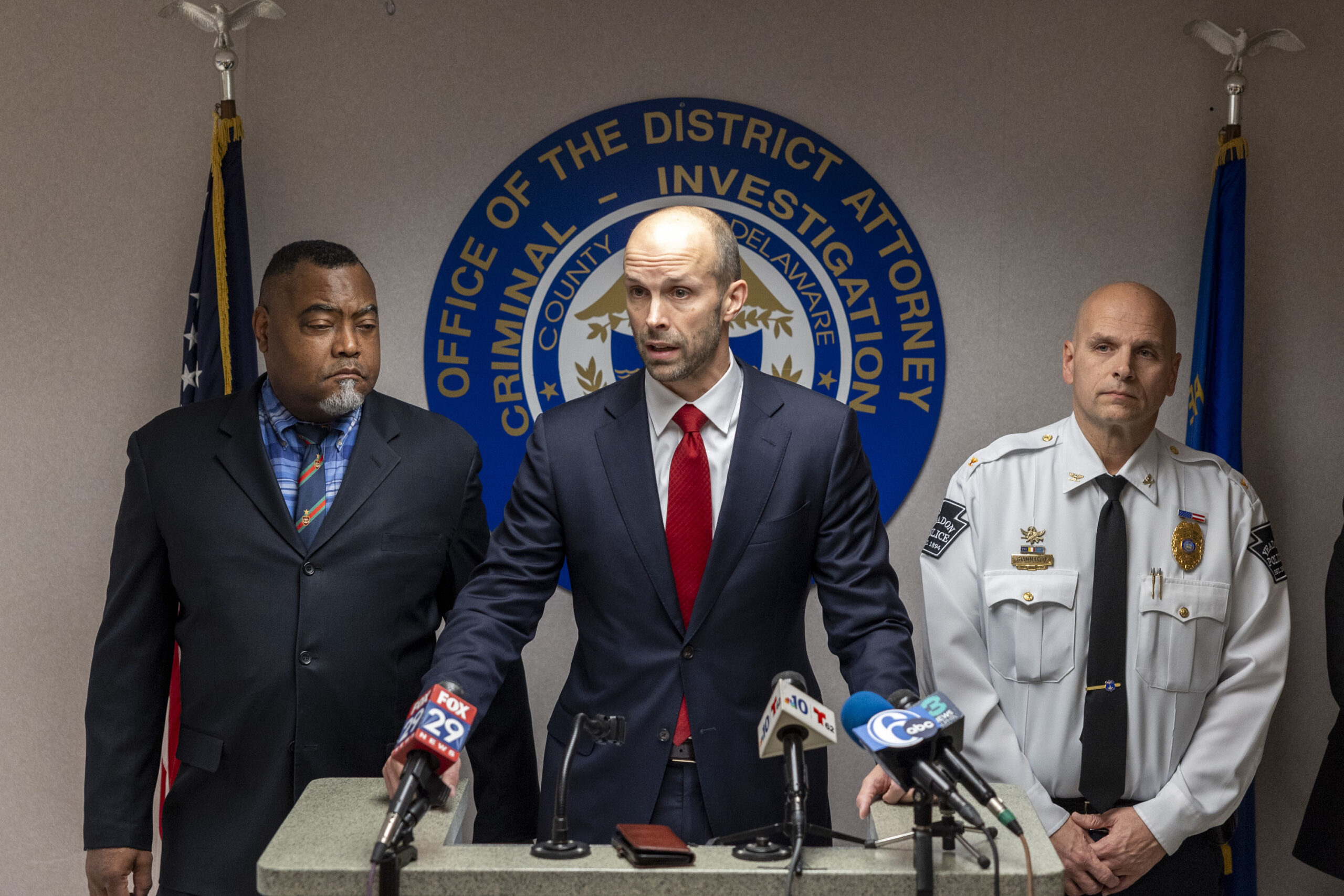
    “After 30 years, I can say this is probably the most horrific thing that I’ve seen,” said Yeadon Police Chief Henry Giammarco, whose department was involved in the investigation.

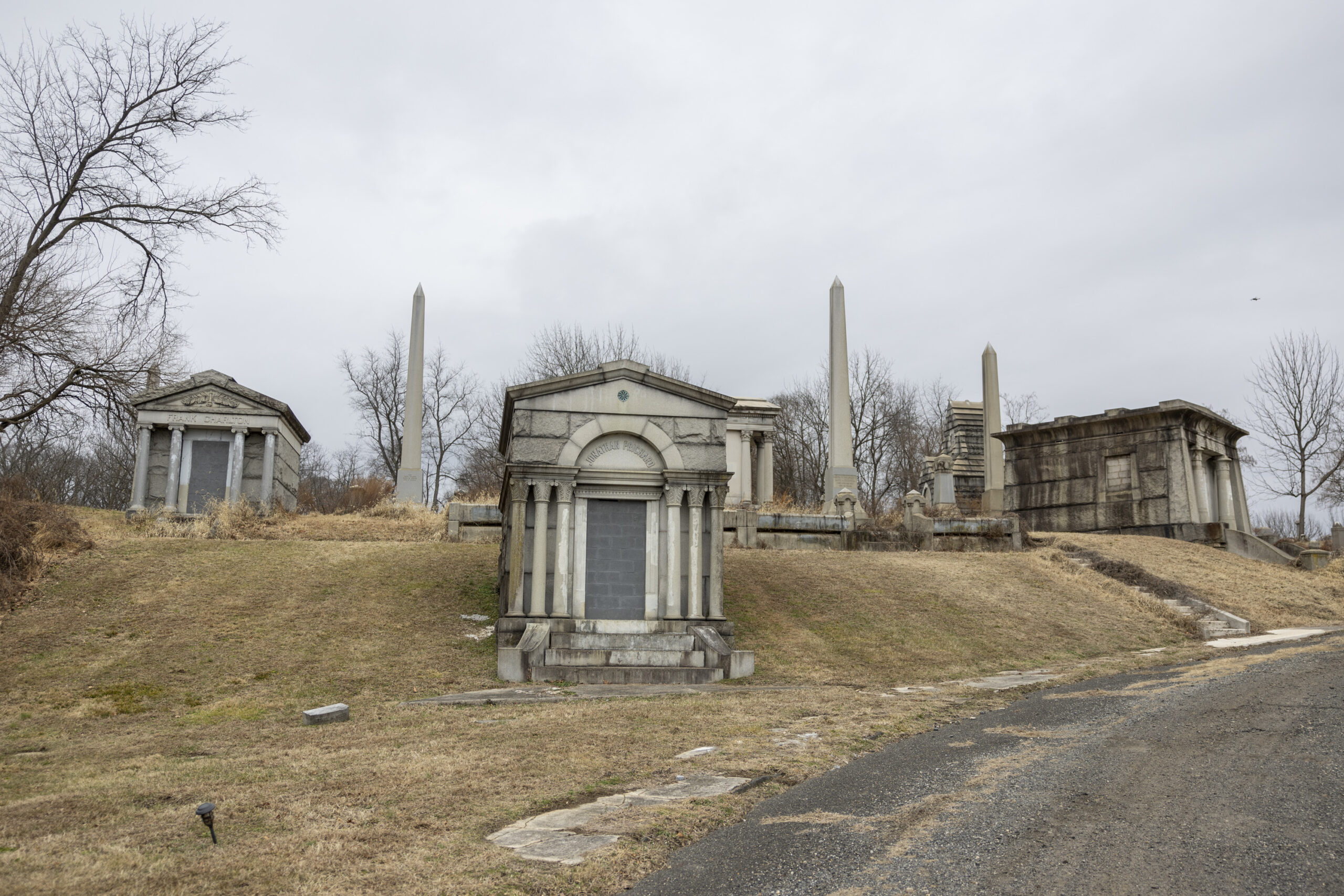
    A few Mausoleum’s that Jonathan Gerlach broke into at Mount Moriah Cemetery in Philadelphia.

    Grave sites damaged, remains stolen

    Detectives were first dispatched to the burial ground on Nov. 7, according to the affidavit of probable cause for Gerlach’s arrest. There, a board member of the Friends of Mount Moriah Cemetery — the group that helps to maintain the burial ground — led the investigators to a mausoleum where a hole in protective cinder blocks revealed a damaged marble floor, 10 feet underground. A white rope, which detectives believe the thief used to rappel into the mausoleum, hung nearby.

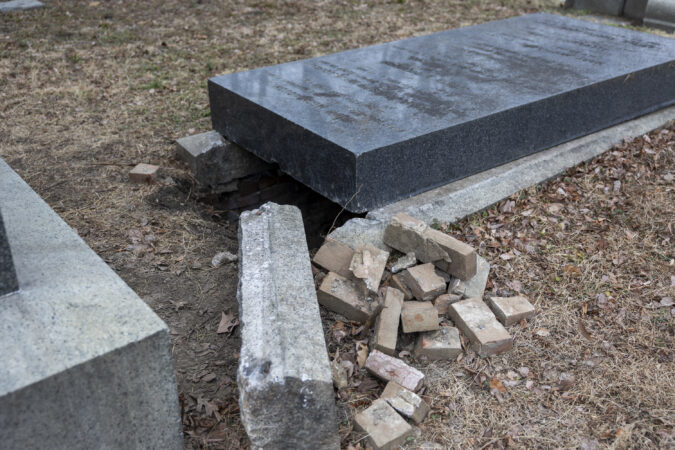
    They discovered other disturbed burial sites, both that afternoon and weeks later, according to the affidavit: a crypt with its marble entrance stone ripped off, whatever was inside stolen; a damaged, empty casket inside a mausoleum; a clear plastic tarp covering human remains discarded on the ground of the cemetery.

    Investigators collected clues, including the rope, a “Monster” energy drink can, and a partially smoked Marlboro Menthol cigarette. Each will be sent for DNA testing, the affidavit said.

    On Dec. 23, the document shows, police received a tip pointing to Gerlach. “Look into Jonathan Gerlach,” the tipster said, according to the affidavit. “I know someone who’s friends with his family, and they mentioned that they recently discovered a partially decomposed corpse hanging in his basement, but were afraid to tell police.”

    The tipster also pointed investigators to Instagram. “You’ll see he follows accounts in taxidermy, skeleton collecting and sales,” the tipster said.

    Delaware County District Attorney Tanner Rouse speaks to reporters on Thursday about Jonathan Gerlach, who is charged with burglary, abuse of corpse and desecration, and theft or sale of venerated objects for allegedly stealing from graves.

    An Instagram trail

    The last post on the Instagram account that Delaware County authorities have linked to Gerlach appeared on Tuesday, the day that detectives took him into custody, after they say they witnessed him carrying a burlap sack filled with human remains out of the cemetery.

    A partial skull — its surface darkened and pitted with age, mounted upright like an artifact — appears in the post. Staged against a floral backdrop, the photo is paired with a caption that reads: “if you know, you know. skulls/bones available. dm to inquire.”

    The post and dozens of others like it on the account suggest that Gerlach may have been part of a largely unregulated and little-known marketplace in which human bones and remains are bought and sold online and in specialty shops. It’s a trade that can be legal under certain circumstances in a number of states, including Pennsylvania, and one that records suggest Gerlach may have engaged with — though investigators have not confirmed he ever successfully made a sale.

    Authorities say the investigation is continuing.

    Gerlach is charged with crimes associated with how authorities say he acquired the bones: by breaking into the cemetery’s mausoleums and underground vaults and stealing the remains.

    Investigators tied Gerlach’s vehicle to license plate readers near Mount Moriah, they said, and his cell phone to the area. A search of his recent purchases revealed trips to a hardware store to buy items that matched those that detectives had also recovered at damaged grave sites, including a stake.

    When detectives executed a search warrant at Gerlach’s home, in the 100 block of Washington Avenue, they said they found skulls arranged on shelves, and a collection of other bones, skeletons and mummified body parts, including feet and hands. They also found a torso hanging from the ceiling, said Delaware County District Attorney Tanner Rouse.

    Potential sales, and a call for change

    Rouse and Detective Christopher Karr said law enforcement officials are aware of social media accounts associated with Gerlach and are investigating what, if any, connection they may have to his alleged crimes.

    Rouse said accounts linked to Gerlach “certainly seemed to indicate” that Gerlach had attempted to sell the remains. “But whether that was real or not — whether a sale had ever been consummated — we can’t say for sure,” he said.

    The Instagram account, which dates back to 2023, includes images of human remains arranged on shelves and tables, or held in a man’s hands. Its posts raise questions about whether Gerlach’s alleged activity extended beyond what authorities have detailed so far.

    Investigators are working to determine when and where the images were taken and whether any of the items pictured were stolen from Mount Moriah, Rouse said.

    In addition to a curator and potential salesperson, the Instagram account presents Gerlach as a forensic practitioner and professional.

    In a recent post that pictured Gerlach holding a skull fragment beneath his heavily tattooed neck, the account’s operator wrote that he was completing a certification in forensic and osteological analysis, and planned to offer analysis through a planned company — describing services that would assess human remains using academic and forensic standards.

    Gerlach is being held in the Delaware County jail in lieu of $1 million bail.

    The investigation into Gerlach remains ongoing, Yeadon Borough Mayor Rohan Hepkins said Friday. Gerlach is suspected of burglarizing additional cemeteries, including in Ephrata, said Hepkins, who also sits on the board of the Friends of Mount Moriah Cemetery and said he helped to bring the case to police.

    In a written statement, the Friends of Mount Moriah Cemetery thanked law enforcement officials but declined to comment.

    Hepkins expressed dismay that the legal trade of human remains is even possible, and called for reform. “People never conceived that people would be stealing bones from graves and selling them in the market,” he said. “Politicians need to understand there is a type of individual out there — or a market out there — where legislation has to catch up with what’s happening out there.

    “It’s a bad situation but a lot of good, preventive maintenance could come out of it,” he added.

  • Billionaire Jeff Yass is behind a plan to revitalize downtown Gladwyne

    Billionaire Jeff Yass is behind a plan to revitalize downtown Gladwyne

    Jeff Yass, Pennsylvania’s richest man, is behind a plan to redevelop much of downtown Gladwyne.

    Standing before a packed school auditorium, Andre Golsorkhi, founder and CEO of design firm Haldon House, unveiled the long-awaited redevelopment proposal for Gladwyne’s village center.

    Haldon House is working with Yass and his wife, Janine, on redeveloping a half-dozen properties in Gladwyne with historic architecture, green spaces, and new businesses. Golsorkhi called the proposal a “community impact project” for the Yass family, which has spent over $15 million acquiring the properties.

    Gladwyne village has long been home to small businesses, namely OMG Hair Salon, the Gladwyne Pharmacy, the Guard House, and Gladwyne Market. OMG Salon and the Gladwyne Market shuttered last year after the developers acquired their storefronts, sending ripples, and rumors, through the Main Line community. House values for the 4,096-person village are among the highest in the state, with a recent median sales price of $2.3 million, according to Realtor.com data.

    For the first time, Golsorkhi last week brought his development plans and his partnership with the Yass family to the public. He was met with both applause and skepticism from attendees. Some expressed optimism about the proposal, while others questioned why the developers would pour millions into a project with no apparent financial gain.

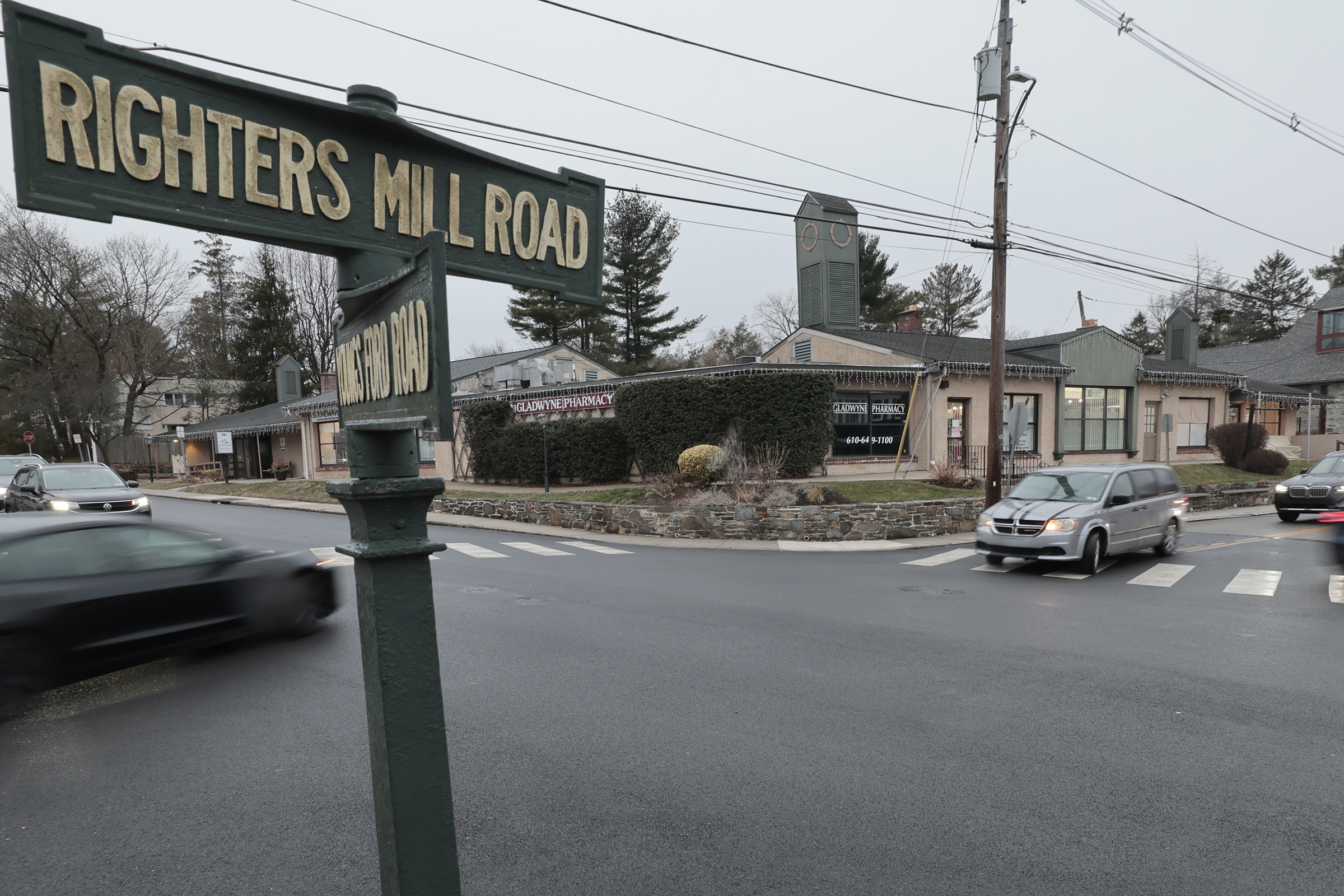
    The Village Shoppes, including the Gladwyne Pharmacy, at the intersection of Youngs Ford and Righters Mill Roads in Gladwyne on Friday, Jan. 9, 2026.

    Gladwyne ‘needs a revitalization’

    Haldon House’s proposal, as outlined by Golsorkhi, involves retaining much of Gladwyne’s historic architecture while bringing in new retailers, opening up green space, and increasing connectivity in the village’s downtown core.

    The developer plans to expand local café Homeroom and keep the Gladwyne Pharmacy while courting new businesses that “fit the character and are contextually relevant to the town.” There are no plans for residential development, national chain stores, or high-rise buildings.

    “This is a place that we grew up, that we love, that we care for tremendously, that has been protected for all the right reasons, but it has also not evolved,” Golsorkhi said. “It needs a revitalization.”

    Golsorkhi and his wife, Autumn Oser, the co-owner of Haldon House, are from the Gladwyne area.

    Yass is a billionaire, conservative megadonor, and founder of the Bala Cynwyd-based Susquehanna International Group. The Yass family has lived in Haverford for more than 40 years.

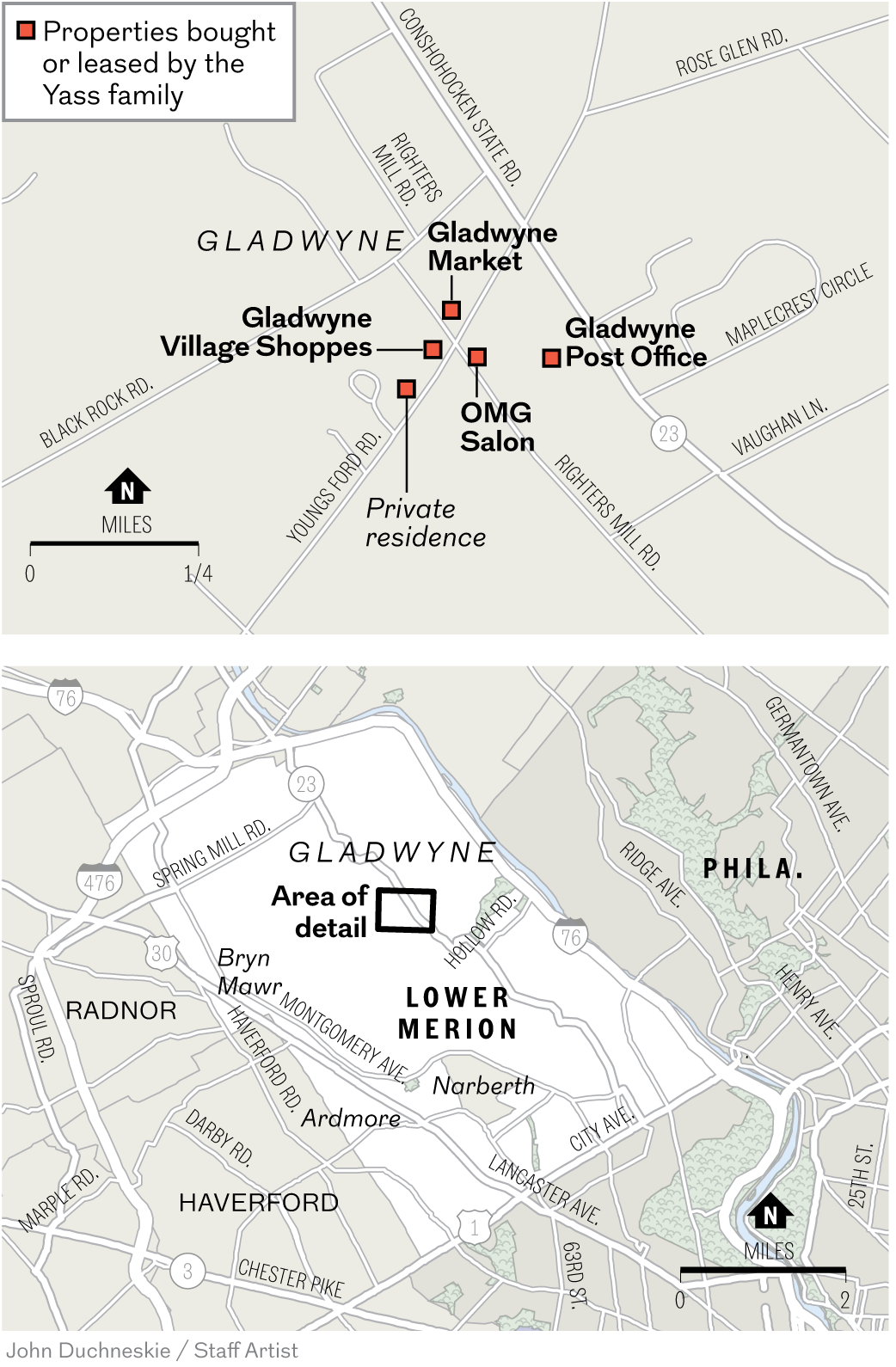
    Properties in Gladwyne acquired by the Yass family as part of their proposed revitalization project.

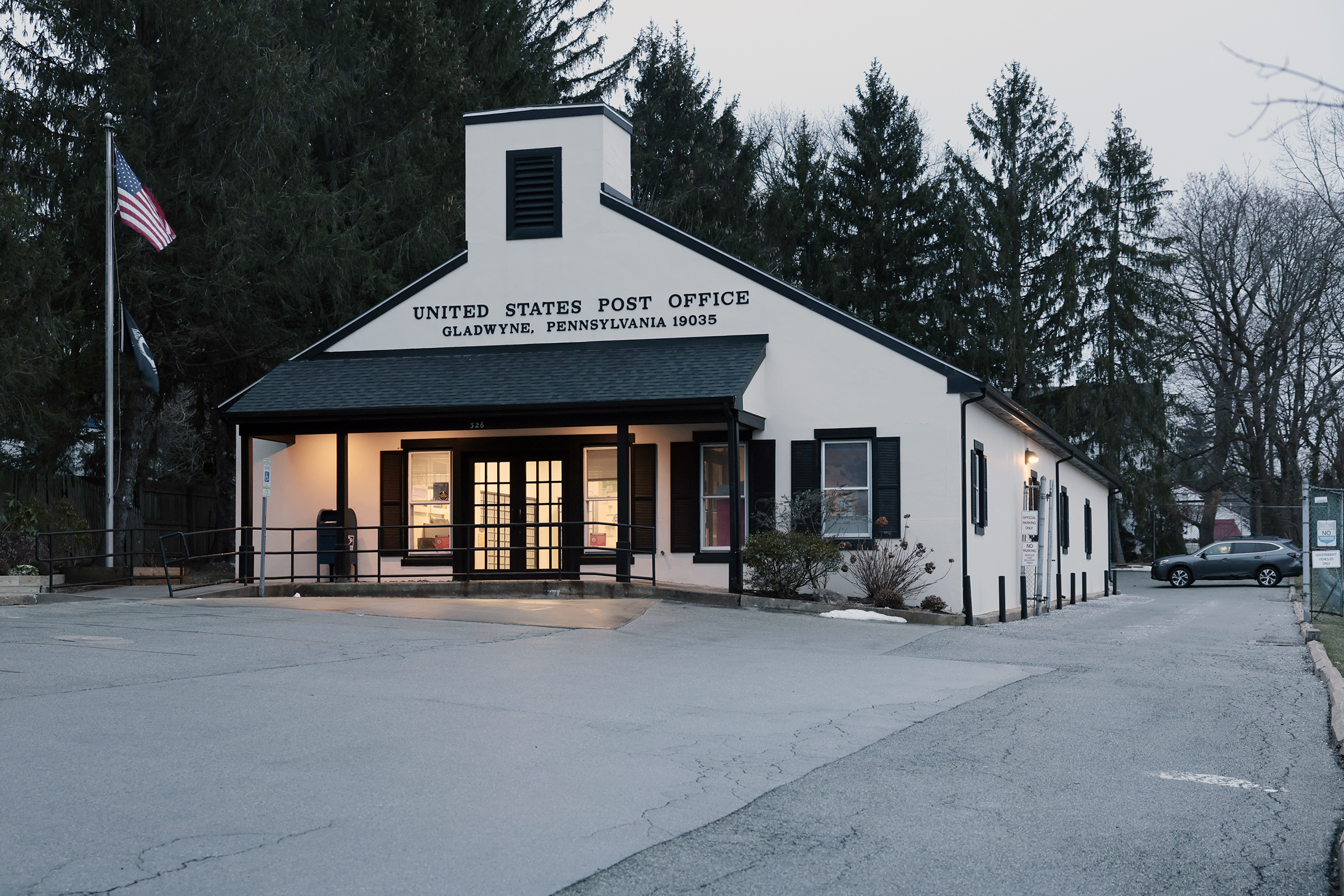
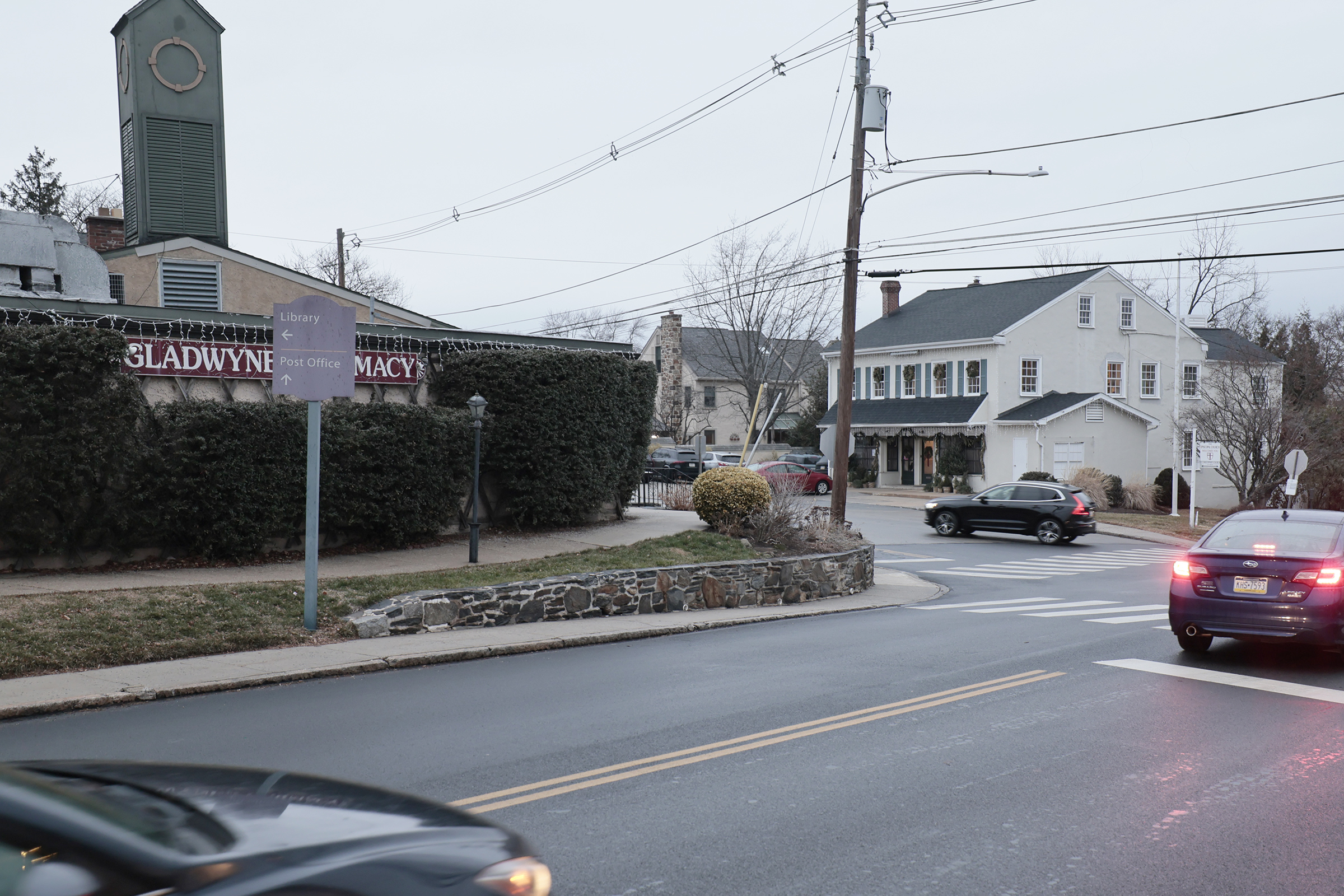
    Haldon House and the Yass family have purchased multiple properties at the intersection of Youngs Ford and Righters Mill Roads, including the former Gladwyne Market building, the Village Shoppes, a residential property on the 900 block of Youngs Ford Road, and the Gladwyne Post Office, according to Golsorkhi. They’ve also leased the former OMG Salon at 351 Righters Mill Rd.

    Citing the rumors that percolated in community after the shuttering of Gladwyne Market, Golsorkhi said there’s been “a lot of justified, warranted concern.”

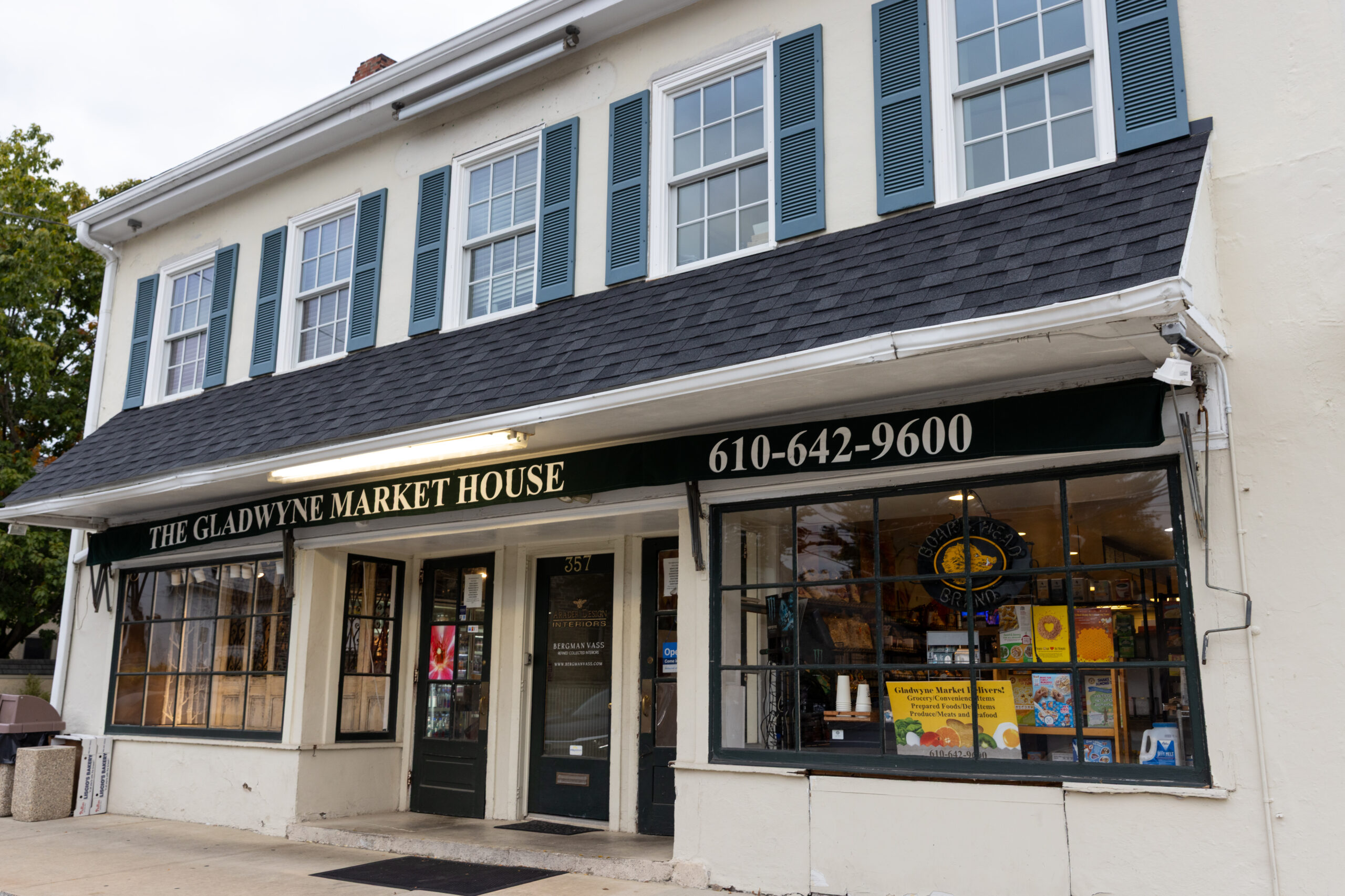
    Gladwyne Market shuttered in October after its building was purchased by developers Haldon House and the Yass family.

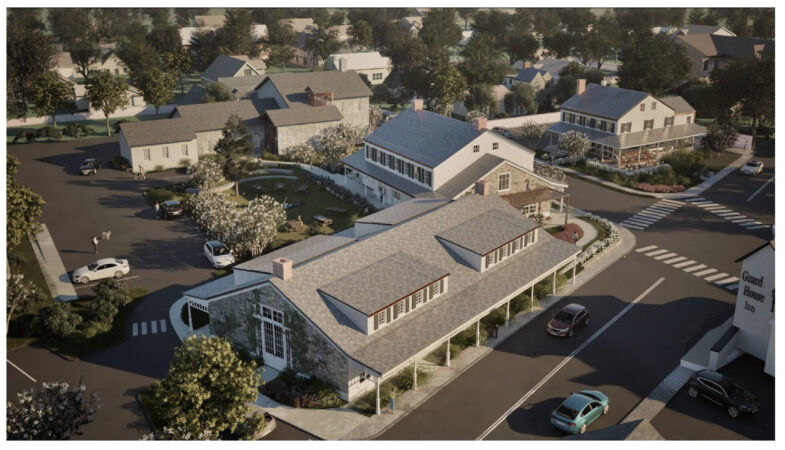
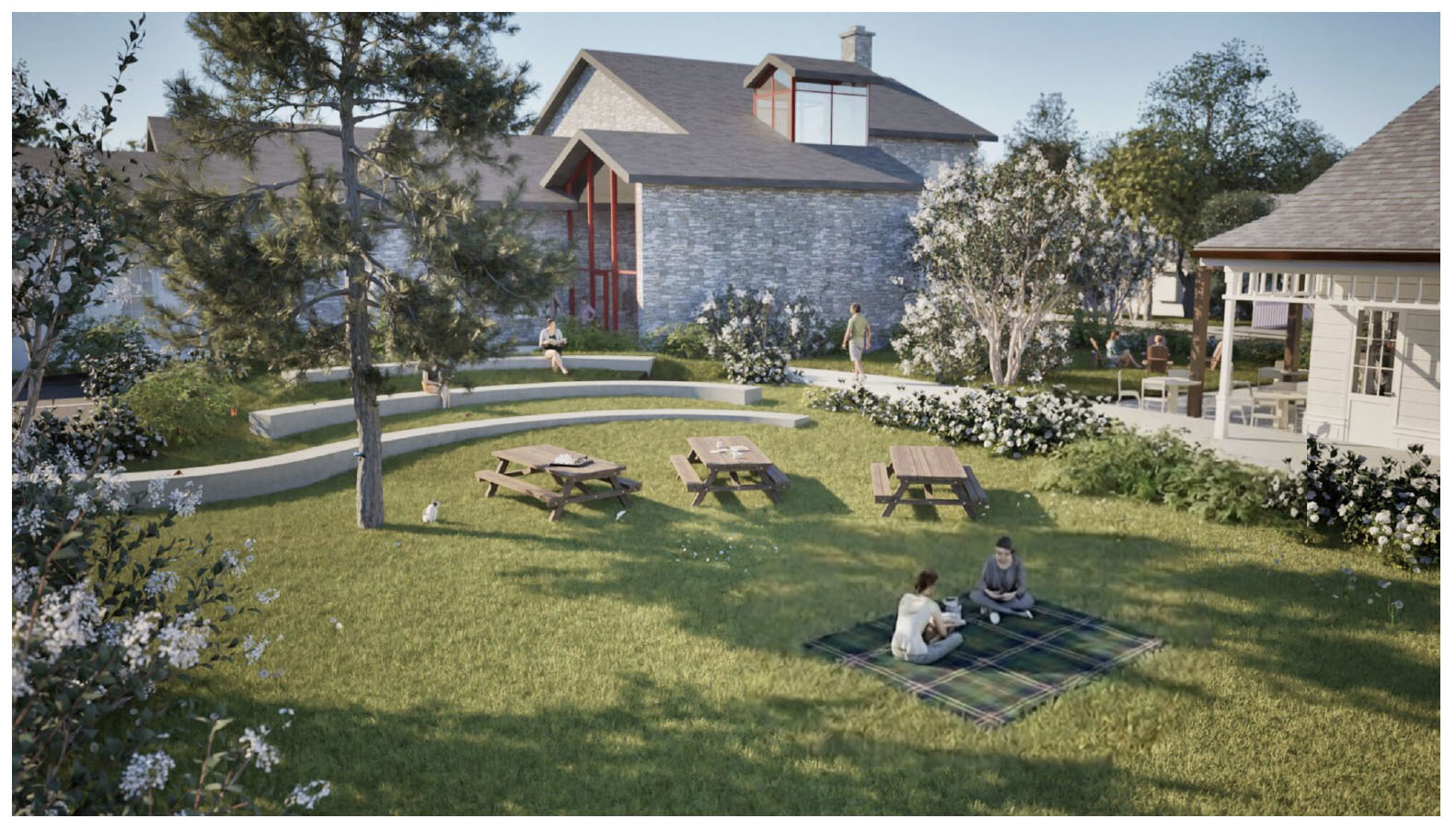
    Renderings of the proposal show the village’s core buildings retaining their late-1800s architecture, with new wraparound porches, ivy-covered stone walls, Adirondack chairs, hydrangeas, and “Gladwyne Square” branded signs.

    Golsorkhi said in an email that the developers were prepared to assume the costs and it was too early to specify how long the project would take.

    In addition to keeping Homeroom and the Gladwyne Pharmacy in place, the developers plan to put a “casual, but elevated and approachable” restaurant in the former Gladwyne Market site. They‘ll recruit independent retailers like bakeries, boutique fitness studios, and ice cream parlors. They also intend to expand the village’s open green space with picnic tables, open lawns, and venues for community events.

    Renderings of a proposed revitalization project in Gladwyne. Design firm Haldon House is working with longtime resident Jeff Yass to redevelop the Main Line village while preserving its historic architecture, developers told residents on Jan. 8.

    Golsorkhi said they would take a “forward and involved approach” with new and existing tenants, from designing storefronts to offering input on products to stock.

    They have worked closely with Gladwyne Pharmacy to help “reimagine” the “design and experience,” with “no expectation of return,” Golsorkhi said, adding that the pharmacy has “built up merchandise and square footage over time that isn’t necessarily best serving the business or the community.”

    “We’re doing that because we believe that the consistent experience and character of Gladwyne is really important,” he said.

    Golsorkhi told attendees at the meeting on Thursday that while they have “no particular intentions” for the recently purchased Gladwyne Post Office, it was “retiring its services” and there was potential to create a new, centralized storefront where residents could access USPS, UPS, and FedEx services.

    Paul Smith, manager of public affairs and communications for the Postal Service in the Philadelphia region, said the Gladwyne post office was not retiring its services. In early 2024, Gladwyne and other local post offices moved their letter carriers to a large delivery center in Wayne, where they pick up mail and distribute it to their routes. Gladwyne’s post office is still used for retail transactions, mailing items, and for P.O. box holders.

    Golsorkhi clarified in an email that he understood the post office’s changes. In case services are further reduced in the future, he said, “we want to be sure we’re ahead of it by considering what shipping hubs and/or shipping services we can bring to the village to ensure continuity of mailing services, while also augmenting USPS with other carriers.”

    The Gladwyne post office at 326 Conshohocken State Road in Gladwyne on Friday, Jan. 9, 2026.

    Excitement for some, skepticism for others

    Haldon House and the Yass family’s recent acquisitions left some business owners feeling slighted.

    OMG Salon owner Maurice Tenenbaum said the building’s owners more than doubled his rent last fall, forcing him to give up the salon space.

    Pete Liccio, owner of the now-closed Gladwyne Market, said in an October interview that he had also felt pushed out.

    At Thursday’s meeting, some residents said Gladwyne was ready for a revitalization, from new restaurants to more pedestrian-friendly infrastructure.

    “What I’m seeing here is a center of gravity and an identity for Gladwyne that’s well-deserved and long been needed,” one attendee said.

    Others expressed concern.

    “I just wonder what the end game is. There’s always a price for this, having someone come in and say, ‘I’m going to make your community really, really cool and don’t worry about the money,’” another Gladwyne resident said during a question-and-answer segment.

    “[This is an] investment and a philanthropic effort …,” Golsorkhi said. “I understand and I recognize that that is a challenging thing to sort of believe.”

    The Village Shoppes, including the Gladwyne Pharmacy (left) and the now shuttered Gladwyne Market (right) at the intersection of Youngs Ford and Righters Mill Roads in Gladwyne on Friday, Jan. 9, 2026.

    This suburban content is produced with support from the Leslie Miller and Richard Worley Foundation and The Lenfest Institute for Journalism. Editorial content is created independently of the project donors. Gifts to support The Inquirer’s high-impact journalism can be made at inquirer.com/donate. A list of Lenfest Institute donors can be found at lenfestinstitute.org/supporters.