Category: Philadelphia News

  • Philly is defending an ICE Out law in court its top lawyer previously said wasn’t enforceable

    Philly is defending an ICE Out law in court its top lawyer previously said wasn’t enforceable

    There is no obvious way for a mayor to defend a law her lead attorney already said couldn’t be enforced legally.

    But that is the position Mayor Cherelle L. Parker found herself in when President Donald Trump’s administration sued her, the city, and other officials over an ordinance that bars law enforcement officers from concealing their identities as part of the ICE Out legislative package.

    Noted in the feds’ lawsuit: When the ordinance was making its way through the legislative process, City Solicitor Renee Garcia advised the mayor it would be “inaccurate” to suggest the city can “legally and practically enforce the Bill.”

    The city responded Thursday afternoon to the Trump administration’s request for an injunction preventing the ordinance from taking effect next month by arguing the federal government doesn’t have standing until the city attempts to enforce its provisions.

    Even if the administration had standing to sue, the bill’s provisions don’t interfere with the federal government’s work and “at most imposes an incidental burden,” the city’s response said.

    Additionally, the filing contended the Trump administration can’t show irreparable harm because of exceptions that allow officers to conceal their identity. The city, meanwhile, has “a significant interest in protecting its residents and law enforcement officers,” it said.

    “The Bill was enacted in response to the confusion and fear generated by the federal government’s deployment of large numbers of federal agents who subsequently applied aggressive enforcement tactics behind the mask of anonymity, undermining public safety and trust,” the city said.

    The defendants in the case — the city, Parker, Garcia, and District Attorney Larry Krasner — are represented jointly by attorneys from the law firm Ballard Spahr.

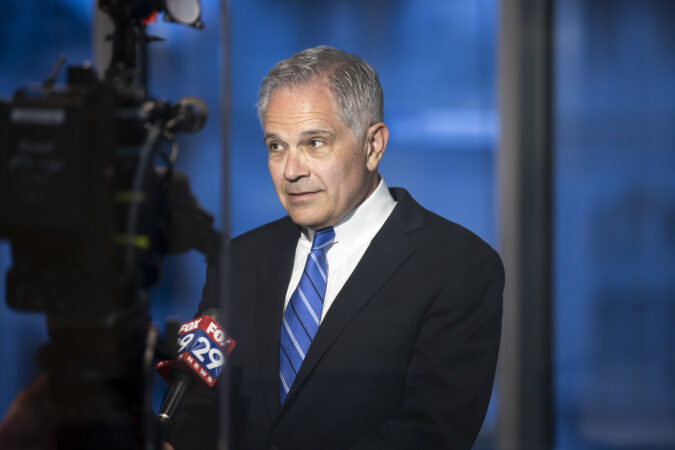
    “In essence, the city’s argument, which we have joined, is that this ain’t the right time,” Krasner said in an interview. “The City Council ordinance is not in effect yet. There has been no enforcement by the Philadelphia Police Department yet. You don’t even have a real case to consider.”

    Krasner added that while he was in lockstep with the Parker administration on Thursday’s filing, further developments could necessitate his office to seek separate representation.

    The Department of Justice declined to comment on the new filing.

    A city Law Department spokesperson did not immediately respond to a request for comment.

    The ordinance at the heart of the litigation makes it a crime for law enforcement officers, including Immigration and Customs Enforcement agents, to wear face coverings or conceal personal identifiers like badges and nameplates while carrying out their official duties in Philadelphia, and requires officers to identify themselves. It also prohibits the use of unmarked vehicles.

    The bill includes exceptions allowing officers to wear masks in certain circumstances, such as medical emergencies or SWAT operations.

    An officer who violates the ordinance could be prosecuted, and risks up to 90 days in jail plus a fine.

    The ICE Out package, including the mask law, goes into effect July 7.

    The Trump administration sued in Philadelphia’s district court last week, challenging the ordinance as “blatantly unconstitutional.”

    The bill’s requirements would “prevent effective federal law enforcement within Philadelphia” and put federal officers in harm’s way, the suit said.

    U.S. District Judge Chad F. Kenney, whom Trump appointed during his first term, will rule on the injunction without holding a hearing.

    The Trump administration has sued other jurisdictions, including New Jersey, over similar requirements. In April, the U.S. Court of Appeals for the Ninth Circuit found that a California bill requiring agents to “visibly display identification” violated the U.S. Constitution’s supremacy clause, which bars states from regulating federal government activities.

    An awkward position for Parker

    Defending the bill puts Parker and her administration in an awkward position.

    The ordinance passed City Council with a veto-proof supermajority in April as part of a package of seven bills pitched as “ICE Out” by its authors, progressive lawmakers Rue Landau and Kendra Brooks. The other bills prohibit federal immigration agencies from staging raids on city-owned property, ban discrimination on the basis of citizenship status, and prohibit the city from engaging in most forms of information-sharing with ICE.
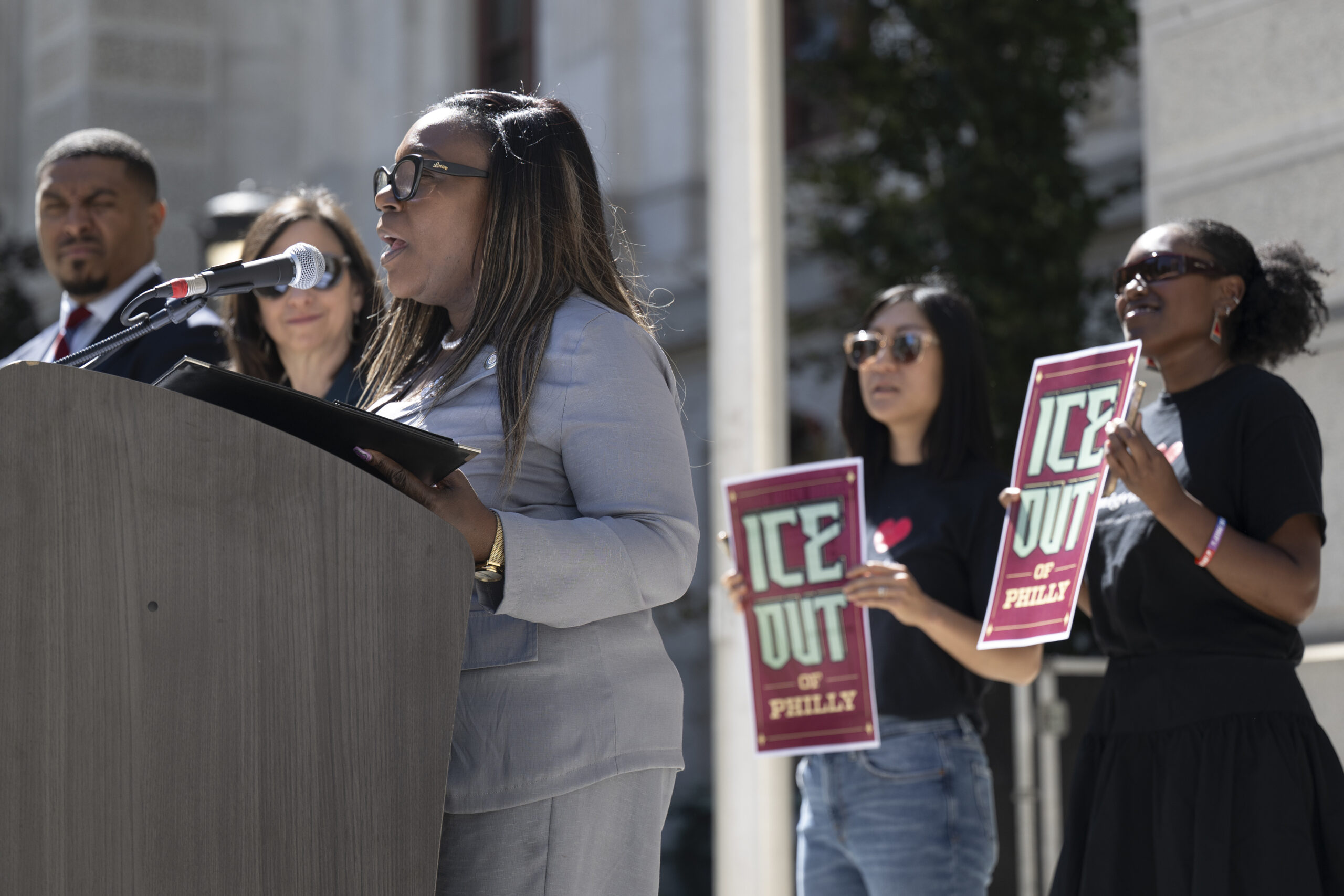
    Councilmember Kendra Brooks speaks during a news conference outside Philadelphia City Hall, Wednesday, June 3, 2026, in Philadelphia. Organizers called on local and state officials to restrict U.S. Immigration and Customs Enforcement involvement in public safety operations during the FIFA World Cup.

    The legislation also codified some of Philadelphia’s long-standing sanctuary city status, which a recent poll found most city residents support.

    Brooks said she did not want the lawsuit to hold up the Parker administration’s implementation of the law.

    “There is nothing in the lawsuit stopping the administration from implementing our ICE Out package on time,” she said.

    Brooks had good reason to question the administration’s commitment to the legislation given Parker’s handling of it.

    After the bills’ passage, Garcia advised Parker not to sign the bill banning law enforcement officers from concealing their identity, saying doing so “would send an inaccurate signal to the public that the Administration can legally and practically enforce the Bill.”

    Parker followed her solicitor’s advice, signing six bills and allowing the seventh to become law without her signature.

    As for Garcia’s concerns about the bill, the new filing from the city only notes that her letter advising Parker didn’t address the issue of standing or whether the issue is ripe for litigation.

  • A West Philly man was sentenced to up to 40 months in prison for seeking to make bombs in support of a terror group

    A West Philly man was sentenced to up to 40 months in prison for seeking to make bombs in support of a terror group

    A West Philadelphia man who was convicted last year of seeking to build bombs in support of Islamic extremist groups was sentenced Thursday to 20 to 40 months in prison and six years of probation.

    Muhyyee-Ud-din Abdul-Rahman, 20, was found guilty in September of charges including attempting to possess weapons of mass destruction after jurors concluded he had experimented three years ago in and around his Wynnefield home with dangerous chemicals often found in high-volume explosives.

    Authorities said that Abdul-Rahman had done so after he communicated with Syrian extremists on Instagram, and that their arrest of Abdul-Rahman in 2023 had prevented him from unleashing a terror attack on the region.

    Jurors, however, found Abdul-Rahman not guilty of the more serious charge of possessing weapons of mass destruction, suggesting they believed he intended to build a bomb but had never succeeded. Common Pleas Court Judge Michele Hangley also threw out a conspiracy charge after ruling that prosecutors had not proved Abdul-Rahman had been working with anyone else.

    Abdul-Rahman told Hangley after being convicted that he had matured during his time in custody, much of it spent in a juvenile facility because he was arrested as a teen. And he said he had come to reject the radical beliefs promoted by the group he was following, Katibat al Tawhid wal Jihad, or KTJ.

    Still, District Attorney Larry Krasner said Thursday that he was “deeply concerned” by what he cast as an insufficient penalty for a would-be terrorist. Krasner said his office had asked that Abdul-Rahman serve at least 10 years behind bars because prosecutors believe he remains “an extreme danger” to the city.

    “We ought to be able to live in a city where a terrorist is kept off the streets for a reasonable amount of time,” Krasner said.

    Federal investigators looking into KTJ’s activities in the United States in 2023 found that Abdul-Rahman was the only person in the country exchanging messages with some of its key online propagandists. Further investigation later revealed that Abdul-Rahman, around that time, had also applied for his first passport, tried to reach out to a Syrian border-crossing office, and purchased or possessed wires and chemicals common in homemade bombs.

    When authorities went on to conduct surveillance of Abdul-Rahman, officials said at trial, officers tailing him at a Lowe’s store saw him buy muriatic acid, a key component in a violent explosive dubbed TATP, also known as “the mother of Satan.” And a review of his internet search history around that time showed he had been looking up Philadelphia parade routes, trash can bombs, and nuclear power plants — something authorities said was consistent with “target and tactic” research.

    When federal agents questioned Abdul-Rahman inside a police station, an official testified, he admitted conducting bomb tests near his house and said he wanted to become a “bomb guy” for KTJ in Syria.

    Authorities arrested Abdul-Rahman in August 2023, just as he was to begin his senior year in high school. At the time, he was a promising wrestler with a college scholarship offer, and his father, Qawi Abdul-Rahman, is a well-known criminal defense lawyer who has mounted unsuccessful campaigns to become a city judge.

    Abdul-Rahman’s attorneys said at trial that he had made mistakes, but that he was an impressionable teen who had fallen down a “rabbit hole” of online propaganda. They also said he had never succeeded in building a bomb and did not take serious, in-person steps to advance the radical views he expressed online or in his house.

    At a hearing last month, one of his attorneys, Donald Chisholm, urged Hangley to consider that Abdul-Rahman’s path to the crime began when he was 16 years old.

    “Even at the age he is now,” Chisholm said, “he’s not fully matured.”

    Chisholm, said Thursday that he thought the sentence was fair, and that Krasner’s continued insistence on casting his client as dangerous was “disingenuous” and did not account for factors such as his client’s age at the time of arrest, or his growth over the last several years.

    The case attracted attention in part because it was a rare example of the district attorney’s office seeking to convict someone it described as a would-be international terrorist. Although federal counterterrorism agents were heavily involved in the investigation, juveniles are rarely prosecuted in federal courts.

    Krasner said Thursday that Abdul-Rahman likely would have faced a significantly harsher penalty if he had been convicted of similar conduct in the federal system, and he criticized the state’s sentencing guidelines, which prosecutors said Hangley cited when imposing her penalty.

    Abdul-Rahman has already served about 34 months in custody, meaning he will face a maximum of another six months in prison under the penalty Hangley imposed.

    Krasner said his office was weighing whether to appeal the sentence.

    Staff writer Jillian Kramer contributed to this article.

  • Roundup cases led to eye-popping Philly verdicts. Will that change because of the Supreme Court?

    Roundup cases led to eye-popping Philly verdicts. Will that change because of the Supreme Court?

    The largest verdict issued by a Philadelphia jury in recent years came out of a trial in which a Pennsylvania man accused agricultural giant Monsanto’s weedkiller, Roundup, of causing his blood cancer.

    The jury awarded John McKivison $2.25 billion in 2024.

    The Lycoming County man was not the only one who has sued the German company. Thousands of cases are pending against Monsanto nationwide, including 462 active lawsuits in Common Pleas Court in Philadelphia alone.

    But on Thursday, the U.S. Supreme Court limited the types of claims that people who believe they developed cancer because of Roundup can argue in state courts.

    Here is what you need to know about the Monsanto Co. v. Durnell ruling and how it will affect Monsanto litigation in Philadelphia.

    What did the Supreme Court decide in ‘Monsanto v. Durnell’?

    In a 7-2 ruling, the Supreme Court held that lawsuits against Monsanto in state courts cannot include a failure-to-warn claim.

    The case arose out of Missouri, where a state court jury found that Roundup use caused John Durnell’s cancer, and that Monsanto should have included a cancer warning on the product’s label. Durnell was awarded $1.25 million for the company’s failure to warn him.

    Monsanto appealed, arguing that the Environmental Protection Agency had concluded that glyphosate — the main chemical in Roundup — is not cancer-causing, so the label did not need a warning.

    The case went all the way to the highest court in the land, which decided that states cannot force Monsanto to add anything to the EPA-approved label. So failure-to-warn claims cannot proceed in state courts, the Supreme Court said.

    “In sum, federal law requires Monsanto to sell Roundup with the label that EPA approved at the initial registration and that EPA has subsequently reapproved on multiple occasions — that is, the label without a cancer warning,” Justice Brett M. Kavanaugh wrote for the majority.

    When it comes to pesticide labeling, Kavanaugh said, federal law preempts any state labeling requirement because it would force companies to deviate from the EPA-approved label.

    Not all justices agreed. Justice Ketanji Brown Jackson wrote in a dissent, which Justice Neil M. Gorsuch joined, that adding a cancer warning would be in line with the federal law’s prohibition on misbranding.

    What does the ruling mean for lawsuits in Philadelphia?

    The ruling does not erase the 462 lawsuits in Philadelphia overnight.

    Lawyers usually included multiple claims in each lawsuit in an attempt to advance different theories that could convince a jury a company is liable.

    In the $2.25 billion case, the jury found that Monsanto did not adequately warn McKivison of Roundup’s cancer risk. But jurors also found that the company was negligent and that it sold a defective product.

    While the ruling prohibits failure-to-warn claims from moving forward, Monsanto can still face lawsuits under other claims.

    The Supreme Court ruling “narrowed the playing field,” said Tom Kline, the Kline & Specter attorney who represented McKivison. But “it’s not the end. It’s not lights out. It’s not game over,” he said.

    Juries will have to answer fewer questions moving forward, Kline said.

    Whether the ruling affects trial outcomes remains to be seen. So far Monsanto has lost four of the seven Roundup trials held in Philadelphia.

    The ruling could also affect other product liability lawsuits against pesticide manufacturers, such as those against manufacturers of weedkillers that contain paraquat, a toxic chemical that has been linked to Parkinson’s disease.

    “I think it’s part of a larger part of an industrywide strategy to piece-by-piece dismantle the tort liability for defective products,” Kline said.

    What is Monsanto saying about the ruling?

    The company said that the ruling would result in a dismissal of failure-to-warn claims, which according to Monsanto make up the “vast majority” of the litigation.

    Bill Anderson, the CEO of Monsanto’s parent company, Bayer, said in a statement that the decision provides “regulatory clarity” and brings “overdue justice on an issue that should have been clarified much earlier.”

    “This litigation has enormous costs for the company and has impacted public trust,” Anderson said.

    The executive affirmed the company’s commitment to a proposed nationwide class-action settlement of up to $7.25 billion as part of the company’s “multi-pronged containment strategy” on Roundup lawsuits.

    How does ‘Monsanto v. Durnell’ relate to the MAHA movement?

    The case has put President Donald Trump’s administration in an uncomfortable position with the Make America Healthy Again movement.

    Trump courted the movement during his campaign by recruiting Robert F. Kennedy Jr., whom he later appointed as his Department of Health and Human Services secretary. Before his turn to politics, Kennedy was an environmental lawyer who, in 2018, helped secure a $289 million verdict in the first Roundup cancer trial.

    And while the Trump administration has adopted some of the MAHA movement’s rhetoric on ultraprocessed foods, it took a different approach to pesticides.

    Trump’s solicitor general, John Sauer, filed briefs to the Supreme Court in support of Monsanto’s position on behalf of the White House, which drew the ire of MAHA supporters.

    After the ruling, MAHA influencers expressed anger at the administration.

    Kelly Ryerson, who is known online as Glyphosate Girl, posted Thursday on X that “never in history has an administration so blatantly and willingly sold out our fertility, vitality, and health to corporate interests.”

    Vani Hari, another MAHA influencer who posts to millions of followers as the Food Babe, said on Instagram she was “devastated” by the ruling.

    “We will remember who fought with us and who didn’t.”

  • SEPTA approved contracts with the transit police union and other workers

    SEPTA approved contracts with the transit police union and other workers

    The SEPTA board on Thursday approved new labor contracts with the Fraternal Order of Transit Police Lodge 109 and three unions representing workers in the Regional Rail Division.

    Transit police officers had threatened earlier this month to walk off the job while Philadelphia was hosting World Cup soccer matches, Major League Baseball’s All-Star week and events celebrating the 250th birthday of the U.S.

    Lodge 109 and SEPTA agreed on a three-year deal that gives the officers a 12% raise over the life of the contract, as well as a $2,500 signing bonus, longevity bonuses, and an increase in differential pay for evening and overnight shifts.

    Union members ratified the contract last week.

    Omari Bervine, president of Lodge 109, said the agreement was “fair to the hardworking men and women of the transit police” and thanked SEPTA General Manager Scott A. Sauer for helping restart negotiations.

    The transit police union represents 203 patrol officers who protect the regional agency’s transit and commuter rail networks, trolleys, buses and property, including stations and transportation hubs.

    “Historic reductions in crime over the last two years have come amid an unprecedented effort to bolster our transit police,” Sauer said at the board meeting. “Staffing is at its highest level in more than a decade.”

    Fifteen new officers joined the force this month after graduating from the police academy, and 18 cadets are scheduled to start their studies next month, SEPTA says.

    Officers had been working without a contract since March 31.

    The new agreement is retroactive to April 1 and runs through March 31, 2029.

    Lodge 109 members will receive a 5% increase in their hourly rates Sunday, with 3½% raises in June of each of the following two years. Longevity bonuses will range from $2,901 for officers with three years of experience, up to $9,552 for those who have 25 years or more of service.

    SEPTA’s board also approved new two-year contracts with the Brotherhood of Railway Carmen, International Association of Machinists and Aerospace Workers that together represent about 145 rail vehicle mechanics, welders, millwrights and maintenance custodians working on Regional Rail.

    The board also ratified a new contract with the Transportation Communications Union, which represents 76 Regional Rail clerical staff.

    Each deal with the three Regional Rail unions is for two years and gives workers raises totaling 7%, the same as the contract reached last year with the Transport Workers Union Local 234, SEPTA’s largest.

  • Residents are mourning after an apparent arson on their block killed 1 man and damaged 5 homes

    Residents are mourning after an apparent arson on their block killed 1 man and damaged 5 homes

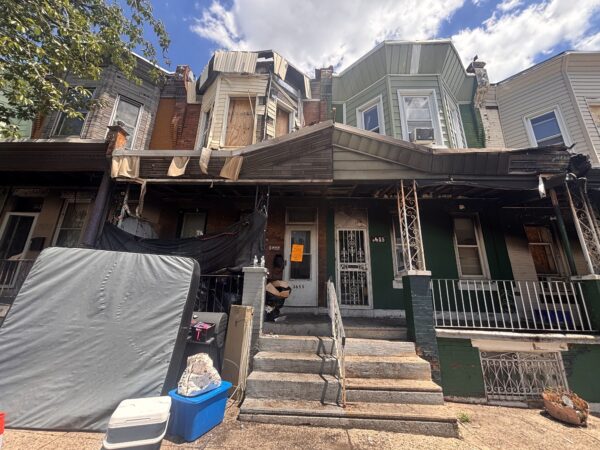
    Ciara VanBuren was on the couch with her 4-year-old daughter in the next room and her 13-year-old upstairs when she smelled something burning.

    She looked out the window of her Franklinville rowhouse a few moments later and saw smoke coming from her neighbor’s window. She heard pounding on the door as neighbors and firefighters checked for anybody inside. In the moments that it took to get outside with her daughters, the front porch had collapsed, with the blaze killing a 69-year-old man and prompting charges for the woman accused of setting it.

    Natasha Teague, 38, has been arrested and charged with murder and arson, among other offenses, in connection with the Monday fire, police said Wednesday. Teague had been a frequent presence in the neighborhood over the last year, said neighbors, who said they believed she knew the fire victim’s brother.

    Two fires were started on the block that day. In the early morning, police were called to the 3600 block of Percy Street after a small fire was started on the porch, according to the Philadelphia Fire Department. The fire department was not called, and no one was arrested. In the early afternoon, police say, Teague started the second fire, which severely damaged five homes and killed Barry Turner.

    A preliminary hearing for Teague is scheduled for July 13. She remained in custody Thursday and no attorney for her was listed in court records.

    Turner, 69, grew up in the area and came back to live with his brother, neighbors said. Other residents have described Turner as having been a straight-A student in school, said James Martinez, a 21-year-old who was in the shower when his house started to burn down. He said he did not know Turner well.

    Martinez sat by the burned porch, sighing as he looked toward to the homes that were destroyed. “We are missing half a block.”

    James Martinez sitting on the porch of a neighbor’s house on Percy Street.

    Neighbors said they were saddened and scared by the tragedy. Kendra Olen, who lives a few houses down from the fire with her 66-year-old mother and 22-year-old daughter, said she had not been able to sleep since the fire.

    “It’s from fear,” she said. Firefighters knocked down the front door to rescue her mother, and they had to install fans in the house to get rid of the smoke.

    This was the second incident of arson reported on the block in less than a month, according to the fire department. On May 23, a Molotov cocktail was thrown into an unoccupied house. No other houses were affected. Before these two incidents, neighbors could not remember a fire starting on their block in recent decades.

    The fires concerned and confused neighbors who previously thought of their block as an idyllic place.

    Days after the fire, there was a clear blue sky and cool breeze. Many residents sat on their porches as they usually do. Jose Vazquez lounged comfortably, wearing a blue-and-white-striped linen shirt, as he looked out to the row of burned houses.

    “Almost everyone knows me, even if I forget their names,” Vazquez, who is 85 and has lived in the neighborhood for decades, said with a laugh. He does not plan to move.

  • These Philadelphians planned the perfect World Cup weekends for their families. Then their tickets never came.

    These Philadelphians planned the perfect World Cup weekends for their families. Then their tickets never came.

    Georgette Luna planned her Father’s Day weekend down to a T, splurging $3,000 on three tickets to the Friday World Cup match in Philadelphia. The Fishtown resident, her husband, and her father — who traveled from New York — would go to Reading Terminal Market, she thought, barhop to mingle with fans before the game, and then head to the stadium early to tailgate before seeing Brazil take on Haiti.

    She had purchased the tickets on the third-party ticket resale platform StubHub last fall, but the seller she bought the tickets from never transferred them. She called StubHub frequently in the months, weeks, and finally days leading up to the match, wondering when the transfer would go through.

    Every time, a StubHub representative said her “tickets would transfer to her on the day of the game,” Luna said. But by Friday, the group — who could not wait to see Brazil play, since their favored Chileans did not qualify for the World Cup — never made it into the stadium.

    “We’re standing outside the stadium and obviously everybody is in full celebration, and here we are, supposed to be living this World Cup moment together for the first time, and there’s just this feeling of disappointment,” Luna said.

    As the World Cup takes over the country, people across U.S. host cities have shared the same story: Fans in Atlanta, Boston, Dallas, Houston, New Jersey, Seattle, and, of course, Philadelphia arrived at stadiums hoping their tickets would be transferred to no avail, with most facing issues with StubHub. Other reports indicate fans are having similar issues on SeatGeek.

    StubHub, for one, blames FIFA’s tech infrastructure and the rollout of a new mobile phone app weeks before the tournament for why tickets have not been transferring on time. FIFA has urged fans not to buy tickets on third-party platforms, saying it “may result in issues, including the inability to cancel or accept transfers,” as well as a higher risk of fake or invalid tickets.

    This confusion is in addition to the long wait times, glitches, and extra hurdles placed on ticket buyers for original, face-value tickets from FIFA. FIFA’s ticketing practices are under investigation by the New York and New Jersey attorneys general.

    But fans who lost out on a generational moment are more interested in how platforms like StubHub plan to resolve these issues.

    Stephanie Fred of Bristol and her 9-year-old son, Levi, are heartbroken after their tickets to the Monday France vs. Iraq game never materialized, even as they stood outside the stadium. To make matters worse, Levi, a soccer player himself, had been trying to see his favorite player, French superstar Kylian Mbappé.

    Mbappé scored two goals, tying for the second-most goals scored by a player in men’s World Cup history. Fred’s son could hear the cheers from outside the stadium. He broke down into tears that did not stop even later that night, she said.

    During Philadelphia’s first World Cup game, between Ecuador and Ivory Coast, Jayden Quezada, 17, and his parents came to Philadelphia from Bensalem, hoping for an Ecuadorian victory. But they were turned away. The night before the game, the trio had spent $4,350 to get three tickets through the TickPick app after seeing a social media advertisement. By the time they arrived at the stadium, the tickets still had not been transferred to their FIFA app.

    “They have been the biggest fans since before I was born, and they don’t get to go to Ecuador often because of work,” Quezada said. He said they would try to get a refund, but missing the game was “really sad because we were looking forward to feeling the Ecuadorian pride.”

    For that game, a line of more than 50 fans waited for help with their failed tickets. Monica Rojas, 22, and her friend Jose Avil, both Spanish speakers, were confused about what to do after the ticket office explained the problem with their ticket in English. The pair had driven two hours from New York, after having bought tickets on StubHub for $2,000, including parking. After a FIFA volunteer interpreter intervened, the pair found out their tickets had been refunded.

    Brazilian fans cheers before a FIFA World Cup Group C soccer match between Brazil and Haiti at Lincoln Financial Field on Friday, June 19, 2026, in Philadelphia.

    StubHub blames FIFA

    StubHub is aware that fans are not receiving the tickets that they bought, and a company representative blamed FIFA.

    “The issues fans have experienced at this World Cup are largely driven by performance problems with the event organizer’s own ticketing infrastructure, which has created transfer failures across all resale platforms,” a StubHub spokesperson said.

    StubHub said the launch of a new FIFA app right before the World Cup began has led to delays, failed transfers, and access issues that have affected all resale platforms, not just StubHub.

    The ticket reseller also said sellers are required to fulfill their ticket orders or they face financial penalties and bans from the platform.

    Bad actors on resale platforms can engage in a practice called “speculative ticketing,” where buyers will list a ticket that they do not yet own on StubHub and other platforms, in the hope that they will find a cheaper ticket later and recover profit, said Scott Friedman, owner of the Ticket Talk Network podcast and an industry veteran who is helping to sue StubHub on behalf of 160 buyers and sellers who said company practices harmed them.

    StubHub does offer a “FanProtect Guarantee‚” a promise the company will find replacement tickets or refund the order when a ticket does not transfer. But the policy repeatedly states that resolving these issues falls under StubHub’s “sole discretion.”

    StubHub ticket protection measures can look like replacement tickets, a full refund, or a voucher worth 120% of the value of the tickets. During the World Cup, the company said, it is prioritizing replacement tickets so fans can get to a match.

    France forward Kylian Mbappé sprints for a pass against Iraq during the first half of a FIFA World Cup Group I soccer match Monday, June 22, 2026, at Lincoln Financial Field in Philadelphia.

    Refunds can’t replace a once-in-a-lifetime moment

    All of this leads to confusion, and eventually disappointment, when the tickets never show, Luna said. As she and her family, hanging their heads low, took a depressing train ride home from the stadium last week, Luna continued to try to get answers.

    Finally, on Monday, she said, she received word StubHub would refund her June 19 match tickets and gift her similar tickets to the July 4 match in Philadelphia, which she said she would accept. But, later, Luna was told she would only receive replacement tickets.

    “Is this a wonderful outcome? For sure, but my father and I would have been happy with the perfect weekend that we had planned for ourselves as it was,” Luna said. “While they’re doing right by us, there are so many people who aren’t getting this result.”

    Fred’s family got word Tuesday that StubHub would provide them with tickets to France vs. Norway in Boston on Friday. Fred does not mind the drive as long as Levi can achieve his dream of seeing Mbappé play.

    “We don’t get this type of opportunity from where we come from,” Fred said. “Being able to provide a World Cup experience for our kids just means the world to us, and having that be ripped away from us, it was just so hard to process.”

  • The Pa. Attorney General’s Office seeks to intervene in a murder case that Philly prosecutors helped overturn last month

    The Pa. Attorney General’s Office seeks to intervene in a murder case that Philly prosecutors helped overturn last month

    The Pennsylvania Attorney General’s Office on Wednesday said it was appealing and seeking to intervene in a murder case that Philadelphia prosecutors helped overturn last month — the first application of a recent state Supreme Court ruling that gave state prosecutors more oversight over their city counterparts in appellate matters.

    The notice, filed Wednesday in Philadelphia Common Pleas Court, seeks to insert the attorney general’s office into the case of Marc Brittingham, Rasheed Turner, and Jermal Shuler, whose convictions in a 1997 killing were vacated in May after prosecutors and defense attorneys said key evidence presented at their trial was unreliable.

    As a result, Brittingham, Turner, and Shuler were freed from prison after 28 years.

    But last week, the Pennsylvania Supreme Court said in a forceful ruling that District Attorney Larry Krasner’s office had displayed a pattern of misleading judges while seeking to overturn murder convictions. Moving forward, the justices said, the state attorney general’s office should be given the opportunity to review such cases before a judge can decide whether to grant relief.

    The filings raise a procedural question at the heart of the new ruling. The Supreme Court’s decision requires judges to notify the attorney general and gives the office “the right to intervene in the case before ruling on the concession.” But in this case, that moment had already come and gone; the judge had accepted the district attorney’s position and overturned the convictions.

    What may have allowed the attorney general back in was timing: The 30-day window to appeal the decision had not closed yet. The office filed its notice of intervention and an appeal on day 29.

    Krasner, in a brief phone call Wednesday, said, “I hope the public will watch this case carefully.”

    “I hope they will watch what our attorney general’s office stands for and what the district attorney’s office stands for,” he said. “Stay tuned. It’s going to tell us a lot about what’s really going on.”

    Deputy Attorney General Hugh Burns did not say in court documents how or why the office believed it had authority to intervene in this case, saying only that it was taking the action in response to the state Supreme Court’s order from last week.

    A spokesperson for the office declined to comment.

    Wednesday’s filing seeks to reopen a case in which many of the facts underlying the district attorney’s decision to join defense lawyers in seeking to vacate the convictions remain obscured by extensive redactions in court filings.

    Prosecutors and defense attorneys said the case was undermined by newly uncovered information about the work of Bennett Preston, a former assistant medical examiner whose testimony helped establish the prosecution’s timeline of Essie Mae Thomas’ death.

    Thomas, 73, was found stabbed to death inside her Northwest Philadelphia home in November 1997. A jury convicted Brittingham, Turner, and Shuler the following year, after hearing testimony from a neighbor who placed them at the home and from Preston, who linked Thomas’ time of death to the witness’ account. Nearly three decades later, Krasner’s prosecutors said that the testimony of the witness and Preston was questionable, and that disciplinary action had been taken against Preston.

    The details of those disciplinary actions, however, were redacted from filings.

    Officials with the district attorney’s office have said that the discovery of previously unknown disciplinary action involving Preston helped prompt the reinvestigation. But prosecutors have declined to publicly detail much of that information, and court records filed in the case concealed significant portions of the evidence that led them to conclude the convictions could no longer stand.

    When Common Pleas Court Judge Jennifer Schultz vacated the convictions in May, she found that the newly uncovered evidence would likely have changed the outcome of the trial. Prosecutors then withdrew the charges, ending the case and allowing the men to walk free.

    Jules Epstein, a criminal law professor at Temple University, said “this is unknown territory.” Because a court order is not final for 30 days, he said, the office could have a right to appeal.

    He pointed to comments from the attorney general’s office this week in which it said it was still working out a process for how and when to intervene in cases.

    “What disturbs me is did they actually look at the merits of this decision? Or did they just knee jerk and say, ‘It’s Krasner, we’re going to challenge it’?”

    Marissa Boyers Bluestine, assistant director of the Quattrone Center for the Fair Administration of Justice at the University of Pennsylvania‘s law school, said the language of the high court’s order did not appear to leave room for retroactivity.

    Bluestine, who worked on Brittingham, Turner, and Shuler’s case in her previous role leading the Pennsylvania Innocence Project, said it was also curious that the attorney general’s office was involving itself without the judge’s invitation.

    “They’re saying that they are intervening, not requesting permission to intervene, which is an interesting way to put it,” she said.

  • A lawsuit challenges arrests of immigrants who come to Philly’s ICE office for routine appointments

    A lawsuit challenges arrests of immigrants who come to Philly’s ICE office for routine appointments

    A 36-year-old survivor of slavery said he has tried to follow all the rules since fleeing Mauritania, a mostly desert land in West Africa, and seeking asylum in the United States in 2023.

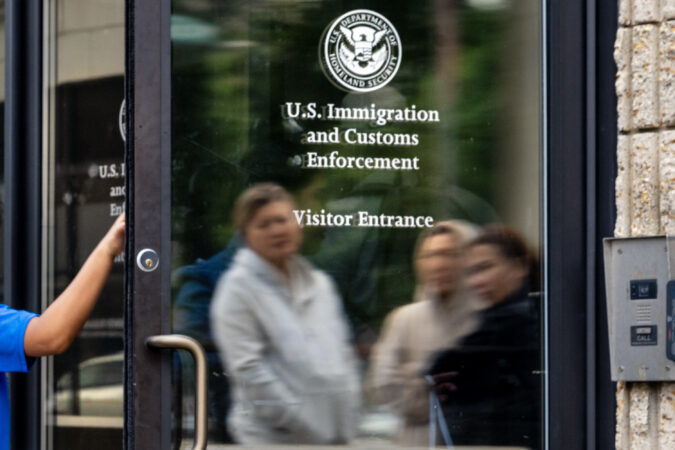
    But when Ousmane Soumare arrived at the U.S. Immigration and Customs Enforcement office in Philadelphia in November for a routine check-in, he was detained by officers.

    Now Soumare, who was released by a federal judge’s order, and two other immigrants who fear a similar fate in their forthcoming appointments are suing ICE and the Department of Homeland Security over the policy change that led to such arrests.

    The Philadelphia ICE field office violated federal law when it “unlawfully rescinded” a longstanding policy that largely allowed immigrants to pursue their immigration cases without fear of rearrest, the suit says. ICE then “began re-arresting and re-detaining people previously determined to pose no risk of flight or danger to the community and still in full compliance with all conditions of their release,” the suit says.

    Soumare, Lassana Dianifaba, and a third immigrant, who was not named in court documents, filed the lawsuit Wednesday in federal court in Philadelphia.

    “When the government releases a person from custody, there is an implicit promise that their liberty will be honored as long as they follow what is asked of them,” said Vanessa Stine, senior staff attorney with the ACLU of Pennsylvania, which represents the immigrants. “These rearrests disregard a decades-old policy and sow fear and chaos.”

    ICE does not comment on pending litigation, a spokesperson said.

    ‘Unheard of’

    In Philadelphia, ICE arrests of people who arrive for what they thought would be routine check-ins and appointments have gone from rare to common.

    That is because “sometime toward the middle of 2025,” the suit says, the local ICE office rescinded its policy that required individualized evaluation of new circumstances that would indicate an immigrant is a danger or flight risk.

    Each year thousands of people report to ICE or related immigration agencies for the mandatory check-ins. Some immigrants are required to appear every couple of weeks, some once a month, others once a year.

    The appointments help immigration officials keep track of people who in the past have been low priorities for deportation, allowed to live freely as they pursue legal efforts to stay in the United States. Now that landscape has shifted.

    The change coincided with President Donald Trump’s administration’s implementation of a policy that mandates detention for virtually every undocumented immigrant encountered by authorities.

    These mandatory detentions have led to an avalanche of lawsuits by immigrants. Philadelphia’s federal judges have granted their requests for bond hearings at near-universal rates.

    A ruling from the U.S. Court of Appeals for the Third Circuit on the constitutionality of the mandatory detention policy is pending.

    The changes have put immigrants in risky positions, making every visit to the ICE field office a gamble, because they have little choice but to show up.

    Six immigration attorneys filed affidavits in support of the new proposed class-action lawsuit that detail an explosion of cases. Christopher Casazza estimated his firm has represented roughly 190 people who were detained at ICE check-ins since September.

    Before 2025, it was “unheard of” for a law-abiding immigrant to be detained at a routine check-in, Casazza said.

    Steven Morley, who served as an immigration judge between 2010 and 2022, said in an affidavit that he could not recall “any circumstance” of people being re-detained unless they had committed a crime.

    Philadelphia federal judges responding to the flood of lawsuits by immigrants challenging their detention have also taken notice of the shift.

    In February, U.S. District Judge Gail A. Weilheimer wrote that ICE had set a “trap” for “thousands of noncitizens” by arresting immigrants who were following instructions.

    ICE offices in other cities have similarly reversed course on requiring a material change in circumstance to re-detain released immigrants, and federal judges in California and New York found the lack of individual assessment unlawful.

    The proposed class action in Philadelphia asks a federal judge to certify the class, and declare the rescission of the changed circumstances policy unlawful.

    Soumare’s next check-in is scheduled for July, and he is anxious about visiting the ICE office again.

    “When I think of the risk of being re-detained at my next check in, it scares me,” he said in a court filing. “But I will still attend because I want to follow all the necessary steps to stay here.”

    Visa holders and green card applicants

    Even people who are seeking legal status through lawful government processes are in danger of arrest.

    Green-card applicants, asylum seekers, and others who have ongoing legal or visa cases to stay in the United States have been unexpectedly taken, part of a Trump administration strategy, lawyers and advocates say, to boost the number of immigration arrests and to deport anyone who can possibly be deported.

    Arrests have occurred not just at ICE offices, but also at U.S. Citizenship and Immigration Services and at private offices of federal contractors.

    ICE says that all immigrants who do not hold legal immigration status may be subject to arrest and removal. They say that arrests undertaken at federal agencies are safer for officers, because visitors have been screened for weapons when they enter the buildings.

  • Forceful Pa. Supreme Court ruling constrains one of DA Larry Krasner’s signature initiatives

    Forceful Pa. Supreme Court ruling constrains one of DA Larry Krasner’s signature initiatives

    The Pennsylvania Supreme Court’s decision to limit Philadelphia prosecutors’ ability to seek to overturn old convictions not only took aim at one of District Attorney Larry Krasner’s defining initiatives — it altered the work of an office he will one day leave behind.

    The high court’s ruling adds an extraordinary new layer of oversight to an issue that helped make Krasner one of the nation’s most prominent progressive prosecutors: correcting what he has described as injustices of decades past.

    But the newly established changes to the appellate processes in Philadelphia will outlive Krasner’s tenure and reshape the way the office reviews post-conviction cases for years to come. It could not only apply to high-profile exonerations in murder convictions, but also extend to cases that even Krasner’s more conservative predecessors were eager to undo, like drug and gun convictions linked to corrupt cops.

    It also deepens a yearslong conflict between Krasner and his critics in the justice system. Several justices, in dissenting opinions, raised concerns that the change could inject politics into a high-stakes legal process.

    Since taking office in 2018, Krasner has made post-conviction review a centerpiece of his reform agenda. His office said it has overturned the wrongful convictions of 59 people — almost all of them Black men. It has also struck deals that allowed defendants to plead guilty to lesser charges in dozens of other cases in which prosecutors did not say those charged were innocent, but agreed their original trials were unfair, often because of prosecutorial or police misconduct.

    But the high court, in a forceful majority opinion written by Justice Kevin Dougherty, said Krasner’s prosecutors had misled judges in several of those cases, that the prosecutors were not acting as the necessary adversaries to test the cases’ merit, and that the courts could no longer trust his prosecutors’ word when deciding whether to overturn a conviction.

    Pennsylvania Supreme Court Justice Kevin Dougherty greets supporters during an election night party in November 2025.

    Moving forward, the justices ruled, if the district attorney’s office agrees to alter a sentence or overturn a past conviction, judges must ask the state attorney general’s office to review the case before proceeding. The ruling applies only to Philadelphia; prosecutors in every other Pennsylvania county can continue to evaluate cases on their own.

    Krasner declined to comment this week. While it was not immediately clear whether he had a legal path to challenge the ruling, he said in a video statement last week that it “undermines the value of a vote in Philadelphia.”

    He compared criticism of his post-conviction review efforts to attacks that have been leveled against other social and racial justice movements.

    “We know where we are in the fight,” he said, “and once we get past the fight, we all win.”

    But the Supreme Court’s ruling sharply curtails part of that effort, and it is expected to significantly reshape — and likely slow — one of the most consequential parts of Krasner’s agenda.

    It was “an extraordinary remedy for something the court thought was an extraordinary problem,” said Aaron Marcus, chief of the appeals division at the Defender Association of Philadelphia.

    But, he added, “the remedy might go beyond what was necessary in the court’s mind to address the problem in front of it.”

    While the decision gives the attorney general broader authority to intervene when city prosecutors support post-conviction relief, it remains unclear how often — or when in the process — it will weigh in.

    Brett Hambright, a spokesperson for the office of Attorney General Dave Sunday, a Republican, said in a statement this week that officials were still evaluating the order and its potential impact. Because of the many unknowns, he said, “it may be difficult to fully assess … until the process truly begins.”

    Still, on Wednesday, Sunday’s office filed a notice of intervention in a murder case that Philadelphia prosecutors helped overturn just last month — setting up a potential test case for the new legal landscape around the issue.

    Marcus, of the Defender Association, said the ruling could cause confusion — and delays — in cases that the conviction integrity unit does not typically handle, such as weapons and drug-possession cases, as well as more routine matters, like correcting prison sentences that had been miscalculated.

    “There’s already too few attorneys with too little time and insufficient resources,” he said.

    Marissa Boyers Bluestine, assistant director of the Quattrone Center for the Fair Administration of Justice at the University of Pennsylvania’s law school, said that because the courts did not set a timeline for how quickly the attorney general’s office must review each case, the added oversight could draw out an already yearslong appellate process filled with delays. And, she said, it could create “confusion on who exactly is representing the state.”

    “Now you have two entities who are potentially in opposition to each other,” she said. “It raises confusion and diminishes the real trust in the criminal legal system.”

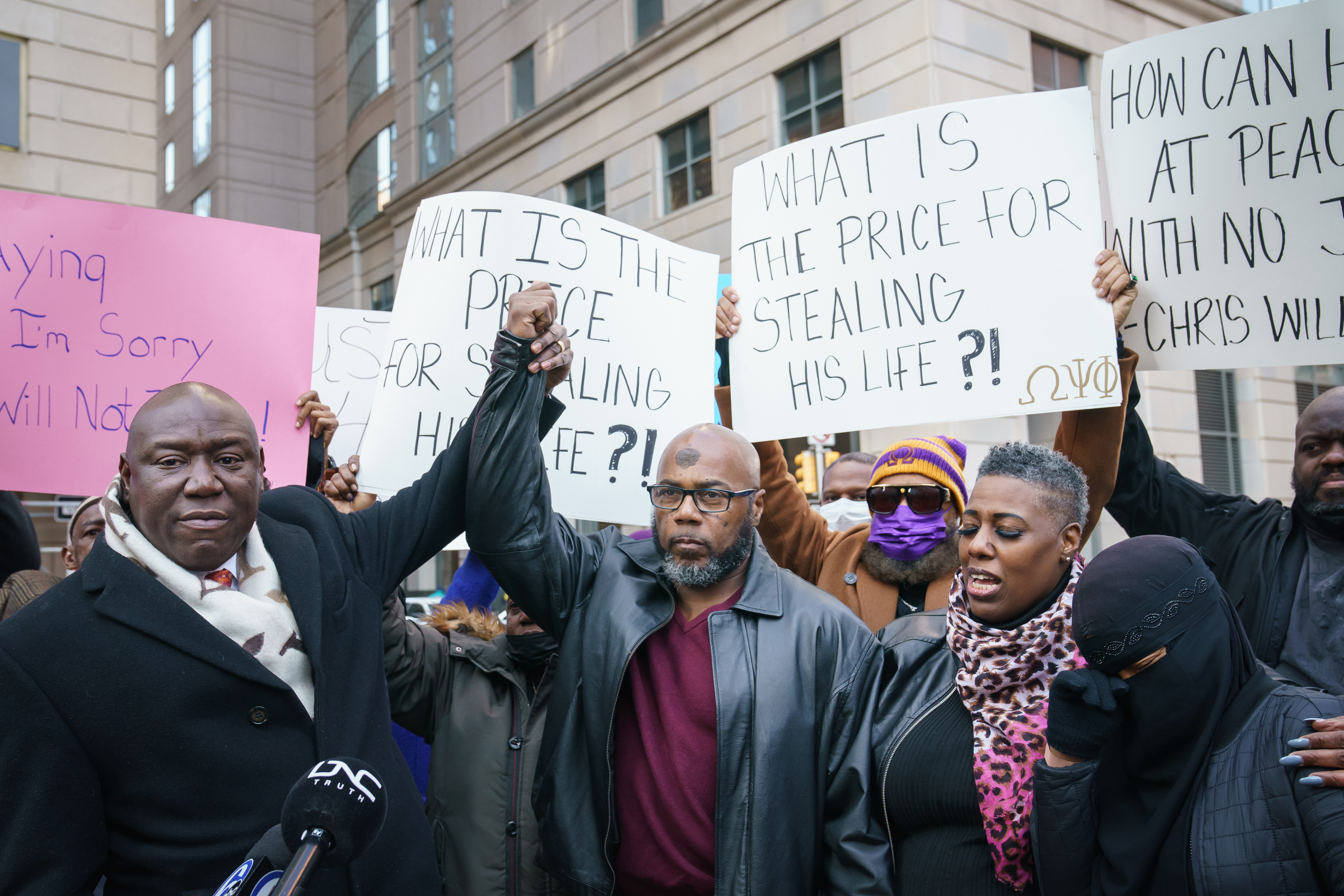
    Dozens of people have been released from prison in Philadelphia after prosecutors agreed their trials were unfair. In this 2021 photo, Christopher Williams, center, gathered outside the Criminal Justice Center to announce a lawsuit against the city of Philadelphia, police and prosecutors. Williams was exonerated and released from prison in February 2021 after more than 25 years on death row.

    Several defense lawyers who handle post-conviction cases were similarly concerned about the unknowns of the ruling — and said the majority opinion did not address the decades of problematic police and prosecutorial behavior that led to this moment.

    Michael Wiseman said Krasner’s office has opposed most of his clients’ petitions over the years. Like other district attorneys before him, Krasner is not perfect, Wiseman said, but the high court “is vexing in its willingness to ignore all the times when Krasner’s office got it right.”

    At the same time, he said, “It is similarly vexing for not recognizing the imperfections of past administrations, who, unlike Krasner, defended every conviction without regard to innocence or unconstitutional convictions.”

    Adding to the complexity of the issue, some justices believed the majority’s decision could threaten to reignite long-running feuds between Krasner and prosecutors he has clashed with in the past.

    In one of his first actions after taking office in 2018, Krasner fired dozens of veteran prosecutors, effectively describing them as unfit to serve in a reform-oriented administration. Some who were ousted then went on to work in the state attorney general’s office, and Krasner, in a remark that was widely criticized, jokingly referred to that office as “Paraguay,” a South American country where Nazis fled after World War II.

    Justice Christine Donohue warned in a dissenting opinion that the majority’s ruling could threaten to inject personal disputes between rival lawyers into a process that is supposed to be unbiased. In addition, she said, giving the attorney general’s office authority in those cases could give some state prosecutors a role in defending convictions they helped obtain when they worked for the city.

    “This is in stark contrast to acting as a friend of the court,” she said.

    Ben Lerner, a former Philadelphia Common Pleas Court judge and former chief defender, said Krasner deserves credit for creating a meaningful system to revisit convictions — something he said previous administrations largely failed to do.

    But state and federal courts have repeatedly raised concerns about the office’s methods, he said, including allegations that prosecutors excluded investigating officers and former trial attorneys from parts of the review process, and focused disproportionate attention on cases tied to prosecutors Krasner had clashed with during his years as a defense lawyer.

    “In my view, it’s a shame,” he said, “because this was basically a very important thing that he was doing that previous district attorneys had had no interest in doing.”

  • The biggest America 250 events from now through July 4

    The biggest America 250 events from now through July 4

    There’s a reason the Wall Street Journal (and Travel + Leisure, CNN, the New York Times, National Geographic, the BBC, and others) tapped Philadelphia as a top place to visit in 2026.

    The city has already been a hive of activity this summer — and it’s about to get even busier as the city gears up for America’s 250th birthday.

    There’s a packed calendar of events between now and Independence Day, and countless ways to get in on the celebration.

    From soccer to ballet, art to history, the region’s upcoming events calendar has something for everyone.

    ArtPhilly’s What Now

    This inaugural citywide arts festival has been running strong since late-May, but the coming weeks offer a deep slate of programming ahead of the July 4 weekend.

    Launched to “foreground our city’s artists as interpreters of this complex moment in American history,” the multidisciplinary festival includes puppetry, dance, music, books, film, and more through July 2.

    The lead-up to Independence Day features multiple exhibitions and events, many of them free, making it an affordable way to celebrate the nation’s milestone birthday.

    For a full schedule, check out ArtPhilly.org.

    🕒 Various dates and times, 💵 Prices vary, 📍 Various locations, 🌐 artphilly.org

    A view of the new conservatory (background) in October 2024 at Longwood Gardens, Kennett Square, Pa.

    Masterworks 3: Made in America

    The Brandywine Valley Symphony will perform “Masterworks 3: Made in America” in the open-air venue at Longwood Gardens. Before the concert, organizers for Dare to Declare will attempt the region’s largest public reading of the Declaration of Independence.

    🕒 June 25, 7 p.m., 💵 $20-$65, 📍 1001 Longwood Road, Kennett Square, PA 19348, 🌐 bvsymphony.org

    Independence Week Events at the National Constitution Center

    Play trivia, test your knowledge against a historian, and attend a town hall on the “shared principles at the heart of the American idea.” It’s all free and part of the weeklong lead-up to July 4, when the National Constitution Center celebrates America’s 250th birthday.

    🕒 June 29-July 4, times vary, 💵 Free, 📍 525 Arch St., Philadelphia, PA 19106, 🌐 constitutioncenter.org

    Gospel on Independence

    Headlined by 20-time Grammy winner Kirk Franklin, this two-hour gospel music celebration features a choir of more than 250 voices against the backdrop of Independence Hall. Seating is first-come, first-served.

    🕒 June 28, 7 p.m., 💵 Free, 📍 599 Market St., Philadelphia, PA 19106, 🌐 july4thphilly.com.

    A worker prepares to raise the head of a fire-breathing dragon lantern in preparation for the Philadelphia Chinese Lantern Festival at Franklin Square this year.

    Chinese Lantern Festival in Franklin Square

    The festival is back with a special nod to the global events arriving in Philadelphia this summer. Handmade sculptures take over Franklin Square, with nightly performances held on three stages: face-changing, table foot-juggling, and head-balancing.

    🕒 Open daily between now and Aug. 2, 💵 Adults $28-$32, with discounts for children and seniors, 📍 200 N. Sixth St., Philadelphia, PA 19106, 🌐 phillychineselanternfestival.com

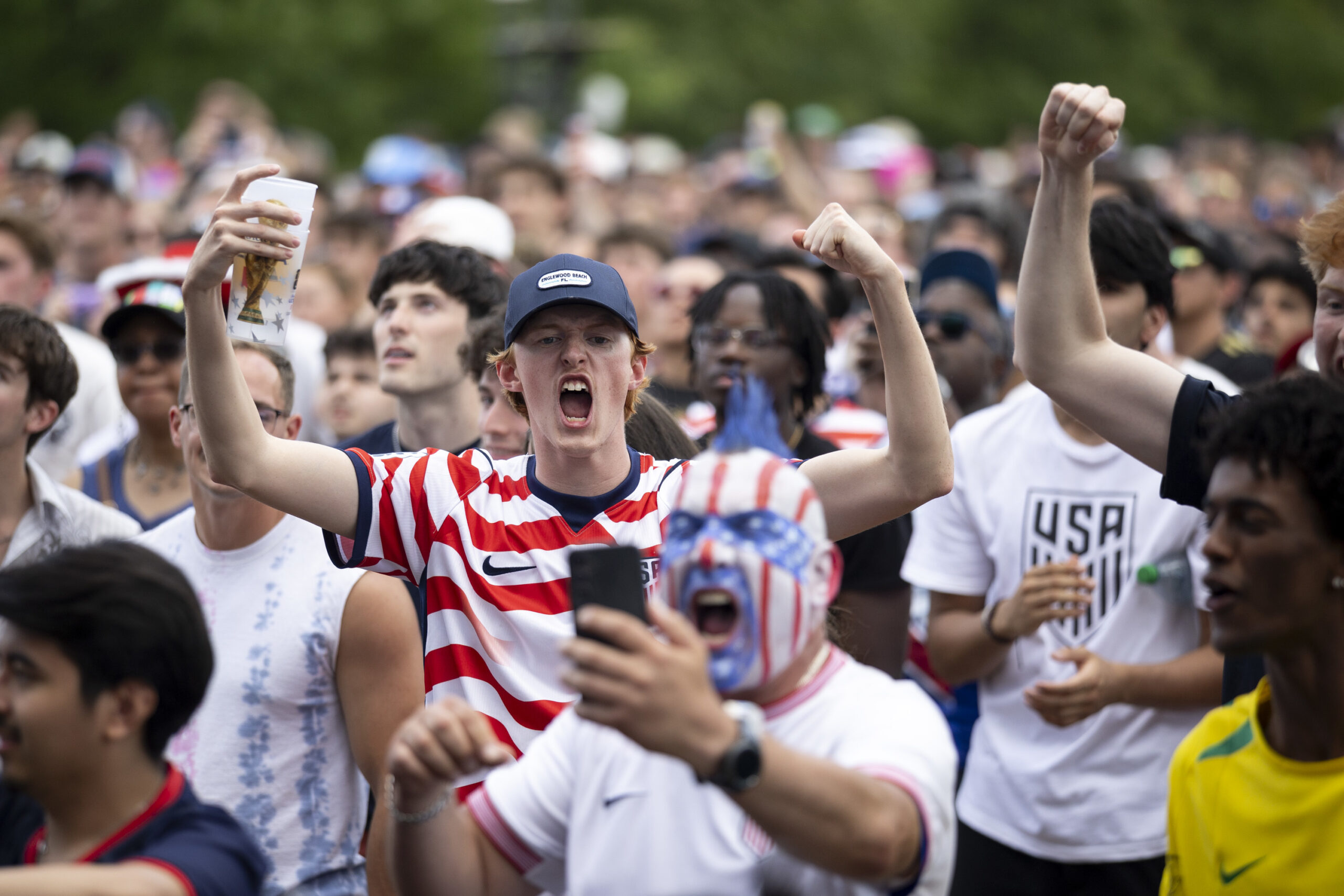
    Cam Gorman, 23, of Gilbertsville, Pa., cheering with Philly Sports Guy at the FIFA Fan Festival at Lemon Hill, as USA beats Australia on June 19.

    FIFA World Cup ’26 and FIFA Fan Festival

    With the U.S. team still battling for a title, what better way to celebrate the lead-up to 250th birthday than by cheering on the team in the World Cup?

    The tournament, with several matches hosted in Philadelphia, has transformed the city into a summer-long party. Much of the action centers on the Fan Festival at Lemon Hill, where visitors can enjoy music, food, drinks, and watch parties. Admission is free, though preregistration is required.

    Two Round of 16 matches are scheduled for July 4, at 1 p.m. and 5 p.m., though the participating teams have yet to be determined. The 5 p.m. game will be played at Lincoln Financial Field.

    🕒 Various dates and times, 💵 Free (registration required), 📍 Lemon Hill Park, 1 Lemon Hill Drive, Philadelphia, PA 19130, 🌐 phillyfwc26.com.

    Welcome America, including the Red, White & Blue To-Do

    Philadelphia’s Historic District goes all out with a full day of events welcoming visitors to America’s “most historic square mile.” Highlights include a giant human Liberty Bell, plus a block party and street music festival featuring more than two dozen acts. At 7 p.m., Queen Latifah performs with the Army Field Band and Soldiers’ Chorus on Independence Mall. A 13-minute drone show follows later that evening.

    🕒 July 2, 7 a.m. to 9 p.m., 💵 Free, 📍 Philadelphia’s Historic District, 🌐 july4thphilly.com

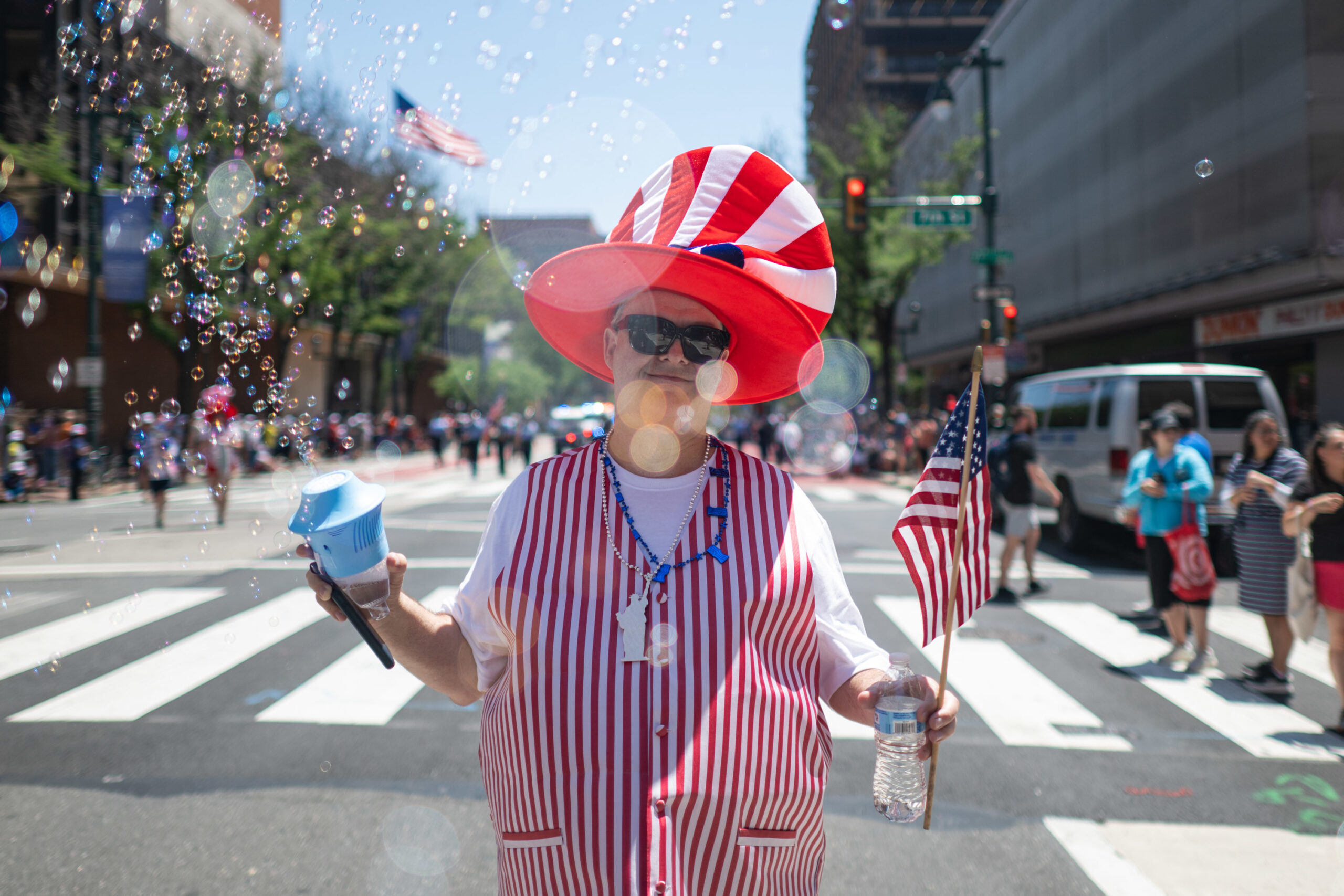
    Dan St. Mary poses for a portrait with his bubble dispenser during the Salute to Independence Parade on July 4, 2025, in Center City.

    Salute to Independence Semiquincentennial Parade

    This year’s parade features an extended route, along with 50 marching bands, 19 floats, and tributes to all 50 states and U.S. territories. The event begins at 5th and Chestnut Streets and winds through Center City before ending near Broad and Chestnut Streets. Feel like skipping the crowds? Catch it live on NBC 10.

    🕒 July 3, noon to 4 p.m., 💵 Free, 📍 Independence Hall to Benjamin Franklin Parkway, 🌐 july4thphilly.com

    Pops on Independence

    The Philly Pops are joined by Broadway legend Idina Menzel for a two-hour concert on the eve of Independence Day. A pre-show block party featuring food trucks and giveaways begins at 5 p.m. Seating is first-come, first-served.

    🕒 July 3, 7 p.m., 💵 Free, 📍 599 Market St., Philadelphia, PA 19106, 🌐 july4thphilly.com

    Musket firing will be a part of the Independence Day Celebration at Valley Forge National Historical Park.

    Valley Forge National Historical Park’s 50th Birthday

    Valley Forge marks 50 years as a national historical park with three days of commemorative programming, including Revolutionary War reenactors, musket firings, and artillery demonstrations.

    SEPTA Bus 125 will get you to the park, and a park shuttle runs throughout the celebration from July 3-5. Plus, there are bike rentals on-site. All events are free to attend, and you can find a complete schedule of the weekend’s events at the National Park Service website.

    🕒 July 3-5, 9 a.m. to 5 p.m. daily, 💵 Free, 📍 North Outer Line Drive in Valley Forge National Historical Park, 🌐 nps.gov.

    Independence Weekend at the Schwenkfelder Library & Heritage Center

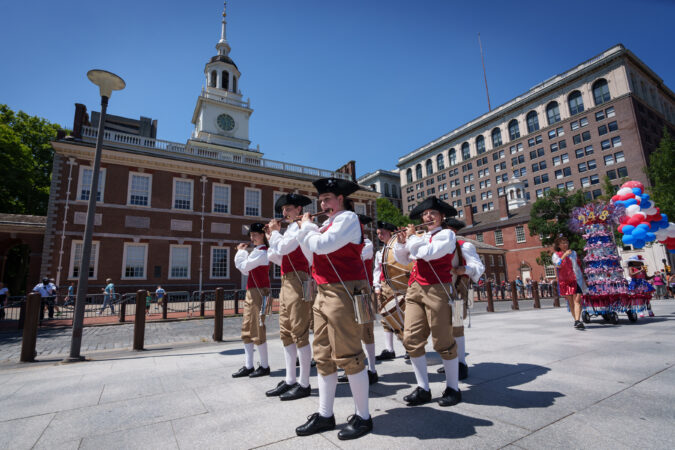
    A three-day slate of activities begins July 3 with extended First Friday hours at the Heritage Center and an evening car show at the East Greenville Fire Co. The next day features a parade, a reading of the Declaration of Independence, performances by the Brandywine Colonials Fife and Drum Corps and the Red Hill Band, followed by fireworks. On July 5, the Heritage Center hosts a free family-friendly event from noon to 4 p.m. with exhibits and refreshments.

    🕒 July 3-5, times vary, 💵 Free, 📍 Various locations, 🌐 schwenkfelder.org.

    Celebration of Freedom Ceremony

    In addition to musical performances from Yolanda Adams and DJ Diamond Kuts, a collection of speakers — including Philly Mayor Cherelle L. Parker — are slated to reflect on the nation’s history on the morning of its 250th birthday.

    🕒 10 a.m. to 11 a.m., July 4, 💵 Free, 📍 599 Market St., Philadelphia, PA 19106, 🌐 visitphilly.com

    Betsy Ross House Patriotic Pet Parade

    The courtyard of the Betsy Ross House will be filled with animals on the morning of July 4, during the annual patriotic pet parade and costume contest. Pets will be judged in five categories — Most Patriotic, Best Betsy Ross Influence, Best Duo with Owner, Best Non-Canine, and Best in Show — so make sure they arrive dressed to impress.

    🕒 10:30 a.m., July 4, 💵 Free (pet registration required), 📍 239 Arch St., Philadelphia, PA 19106, 🌐 historicphiladelphia.org

    Christina Aguilera, pictured here in 2016 in Morocco, is one of several musicians performing at this year’s One Philly: Unity Concert for America on July 4.

    One Philly: Unity Concert for America

    This July 4 star-studded concert on the Benjamin Franklin Parkway features Christina Aguilera, The Roots, Jill Scott, Meek Mill, Will Smith, DJ Jazzy Jeff, Seal, and others.. Comedian Wanda Sykes serves as host. Doors open at 3 p.m., and performances begin at 5 p.m.

    🕒 5 p.m. to midnight, July 4, 💵 Free, 📍 Benjamin Franklin Parkway, 🌐 visitphilly.com.