A 25-year-old man was pronounced dead after he was pulled from a burning house in a fire that was intentionally set early Wednesday in the city’s Kingsessing, authorities said.
The Philadelphia Fire Department responded just before 1:45 a.m. to a report of a fire in a two-story rowhouse on the 5400 block of Regent Street, authorities said
Firefighters battled the fire on the second floor and attempted to rescue a man from the back bedroom. He was transported by medics to Penn Presbyterian Medical Center, where he was pronounced dead at 2:29 a.m.
The fire was placed under control at 2:01 a.m. and no other injuries were reported.
“The Fire Marshal’s Office did determine this fire was incendiary, meaning it was set intentionally,” said Rachel Cunningham, spokesperson for the fire department.
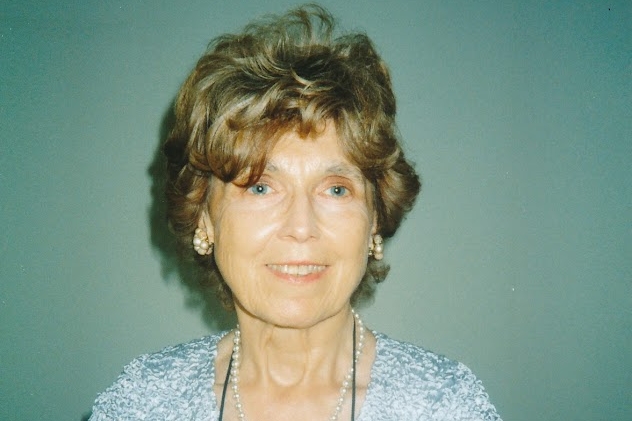
Ann Harnwell Ashmead, 96, of Haverford, renowned classical archaeology researcher, writer, museum curator, volunteer, and world traveler, died Saturday, Jan. 17, of chronic congestive heart failure at her home.
Dr. Ashmead was an archaeological specialist in Greek vase painting, the depiction of cats on classical and Near Eastern artifacts, and the history of other ancient ceramics. She traveled to Greece, Italy, Turkey, France, and elsewhere around the world to examine, analyze, and research all kinds of ceramics collections.
She consulted with hundreds of other archaeologists and curators, and wrote extensively about the ongoing international research project to document ancient ceramics and the extensive collections at Haverford and Bryn Mawr Colleges, the Penn Museum, the Rhode Island School of Design, the Louvre Museum in Paris, and other places. She did archaeological field work in Greece during her college years at Bryn Mawr and served as a classical archaeology graduate teaching assistant.
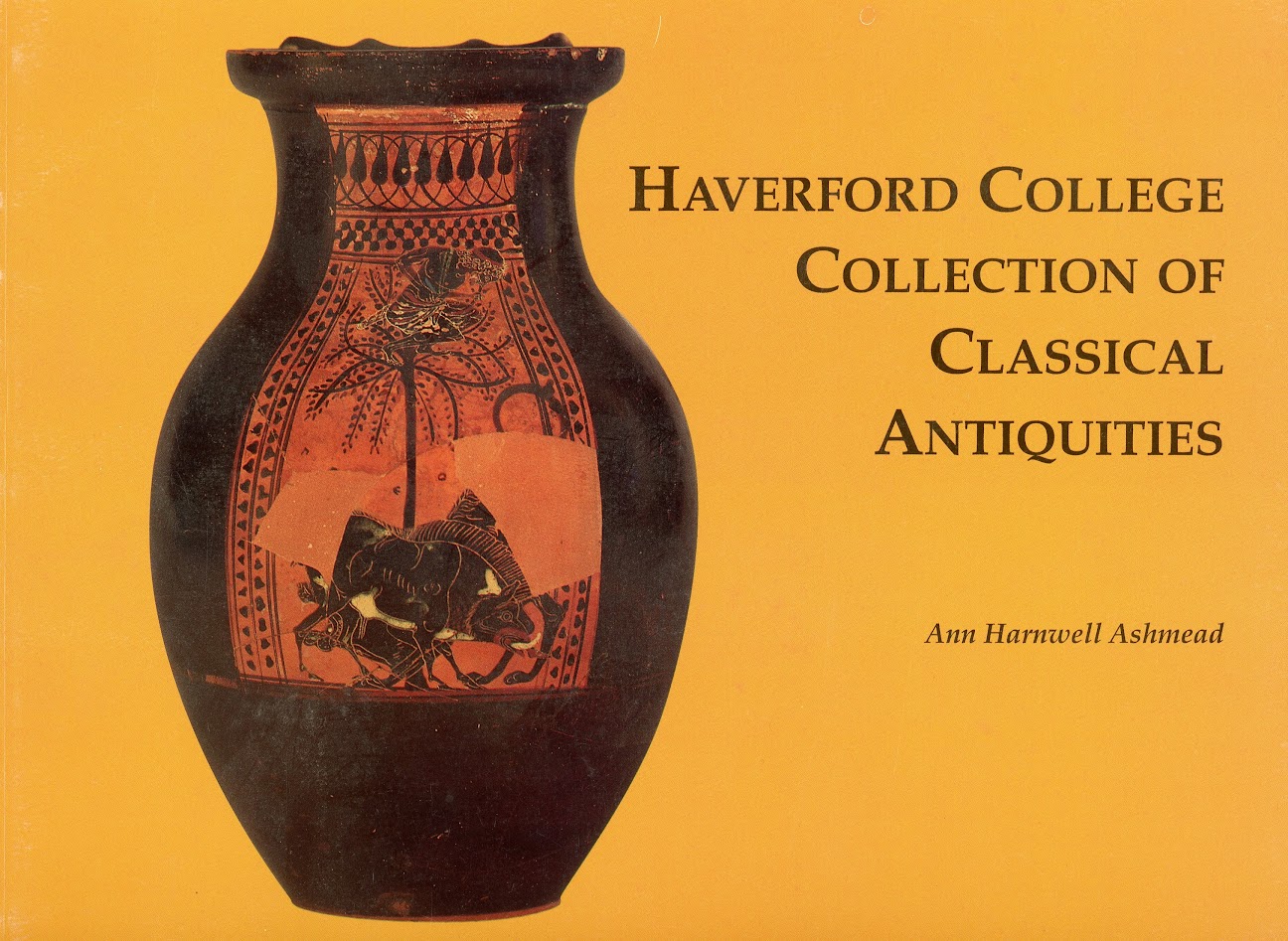
She was onetime curator of Bryn Mawr’s 6,000-piece Ella Riegel Memorial Museum and a research associate at the Penn Museum. She partnered for years with Bryn Mawr professor Kyle Meredith Phillips Jr. to research and write articles and books about ancient vases, cups, jars, pots, Etruscan images of cats, and other classical antiquities.
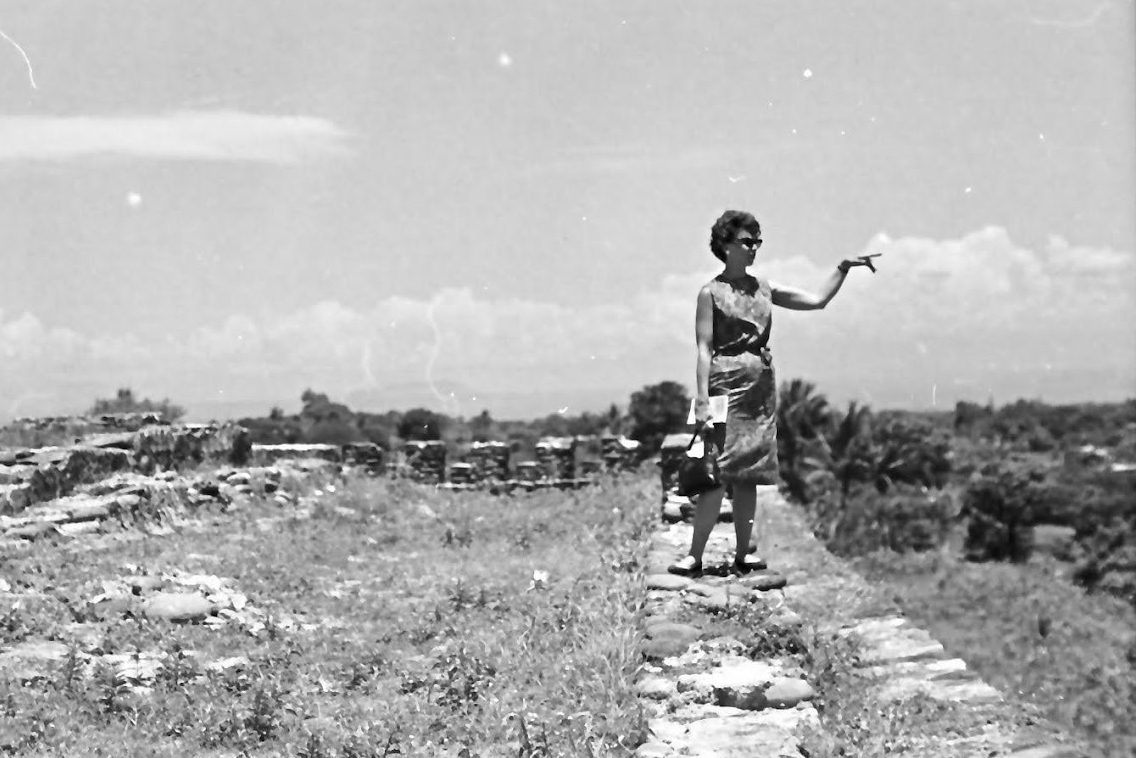
Dr. Ashmead visited many archaeological sites in Greece and elsewhere.
Some of her colleagues lovingly called her “the cat lady.”
Dr. Ashmead often reassembled broken ancient objects for curators and created visual and oral presentations to augment her printed catalogs, articles, and books. “She was indefatigable,“ her family said in a tribute.
She shared her research at conferences, meetings, and exhibitions around the globe, and most recently collaborated with Ingrid M. Edlund-Berry, professor emerita at the University of Texas at Austin, on a project that scrutinized cats as shield devices on Greek vases.
“Ann was very modest, humble, and self-deprecating about her publications and academic achievements,” her family said. Her son Graham said: “She was a role model who inspired me with her curiosity on all subjects and issues, and a love of world travel, reading, and lifelong learning.”
Dr. Ashmead spoke English, Japanese, Greek, Chinese, French, Danish, and Italian.
Dr. Ashmead was active with the Archaeological Institute of America, and herresearch was published by the American Journal of Archaeology,the journal of the American School of Classical Studies at Athens, and other groups.
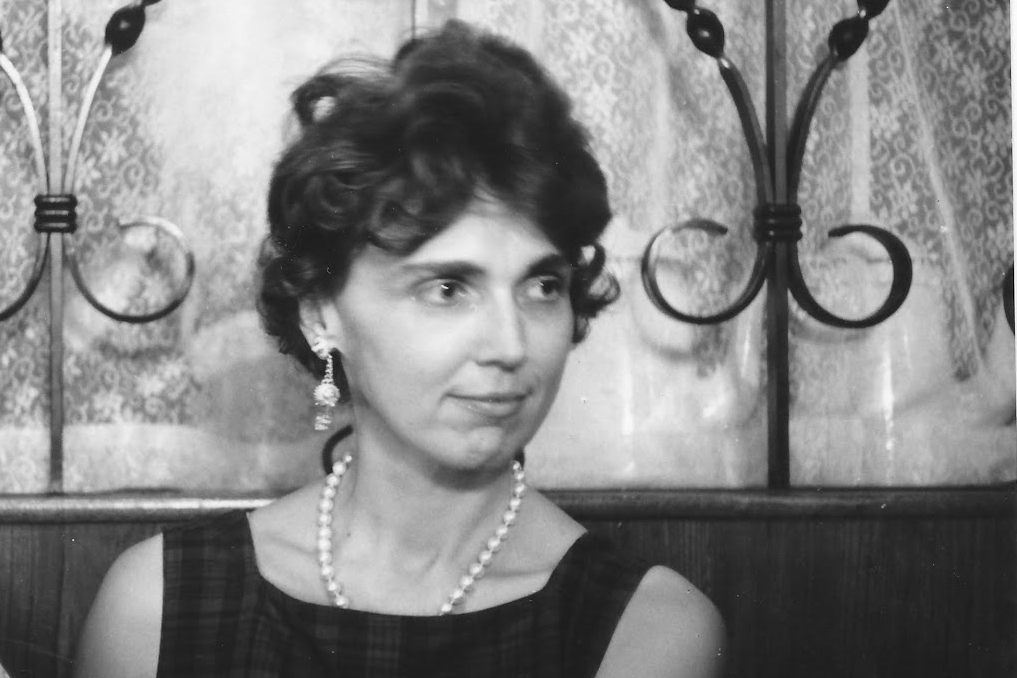
She married Haverford College English professor John Ashmead Jr. in 1949, and they spent the next two decades traveling the world while he completed Fulbright Scholar teaching assignments. They lived in Japan, Taiwan, and India, and later in Paris, Athens, and Florida.
She spoke English, Japanese, Greek, Chinese, French, Danish, and Italian. “Her learning never stopped,” her family said.
Ann Wheeler Harnwell was born Oct. 7, 1929, in Princeton, N.J. Her family moved to Wynnewood in 1938 after her father, Gaylord P. Harnwell, became chair of the physics department at the University of Pennsylvania. He became president of Penn in 1953.
Dr. Ashmead had many articles, catalogs, and books published over her long career.
She graduated from Lower Merion High School in 1947 after spending the previous three years with her family in California. She earned bachelor’s and master’s degrees and a doctorate in classical archaeology at Bryn Mawr, and her 1959 doctoral thesis was titled: “A Study of the Style of the Cup Painter Onesimos.”
On page 2, she wrote: “Such attributions of vases to an artist are a delicate business, the outcome of a long and intricate process of observation and analysis, often of tentative nature.”
She and her husband had sons John III, Graham, and Gaylord, and daughters Louisa and Theodora. They divorced in 1976 but remained close friends until he died in 1992.
Having grown up during the stock market crisis in the 1930s, Dr. Ashmead followed the market closely as an adult, and was thrifty and frugal, her family said.
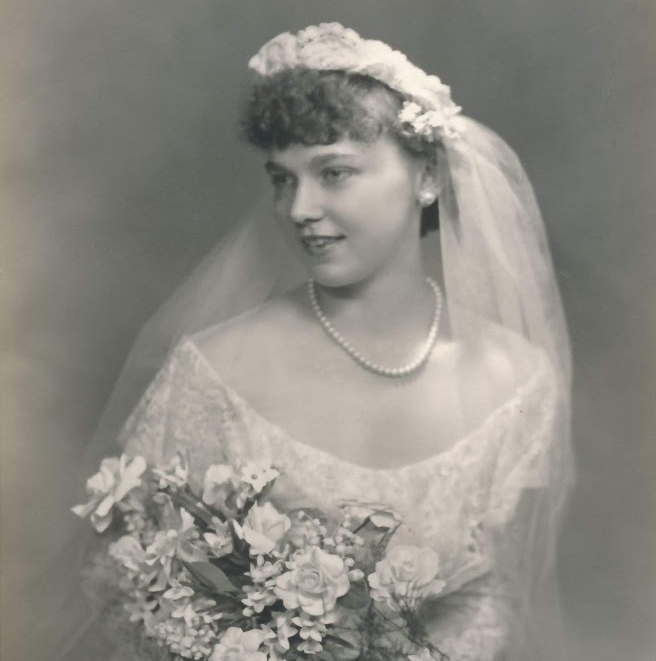
Dr. Ashmead married English professor John Ashmead Jr. in 1949.
She was an avid letter writer and reader, and her personal library featured more than 5,000 books. She volunteered for years at Bryn Mawr’s old Owl Bookstore and especially enjoyed reading to her children and grandchildren.
She was on the board of the Haverford College Arboretum and a member of the Hardy Plant Society, the Henry Foundation for Botanical Research, and the Philadelphia Skating Club. She enjoyed dancing, organizing Easter egg hunts, and hosting birthday parties and family events.
A fashionista in the 1960s and ’70s, she was adept at needle crafting, quilting, and sewing. She bred cats, painted, collected antiques, and researched her genealogy.
She always made time for family no matter where in the world they were, and they said: “She was concerned if she was ever separated from a child and distraught if they were distraught.”
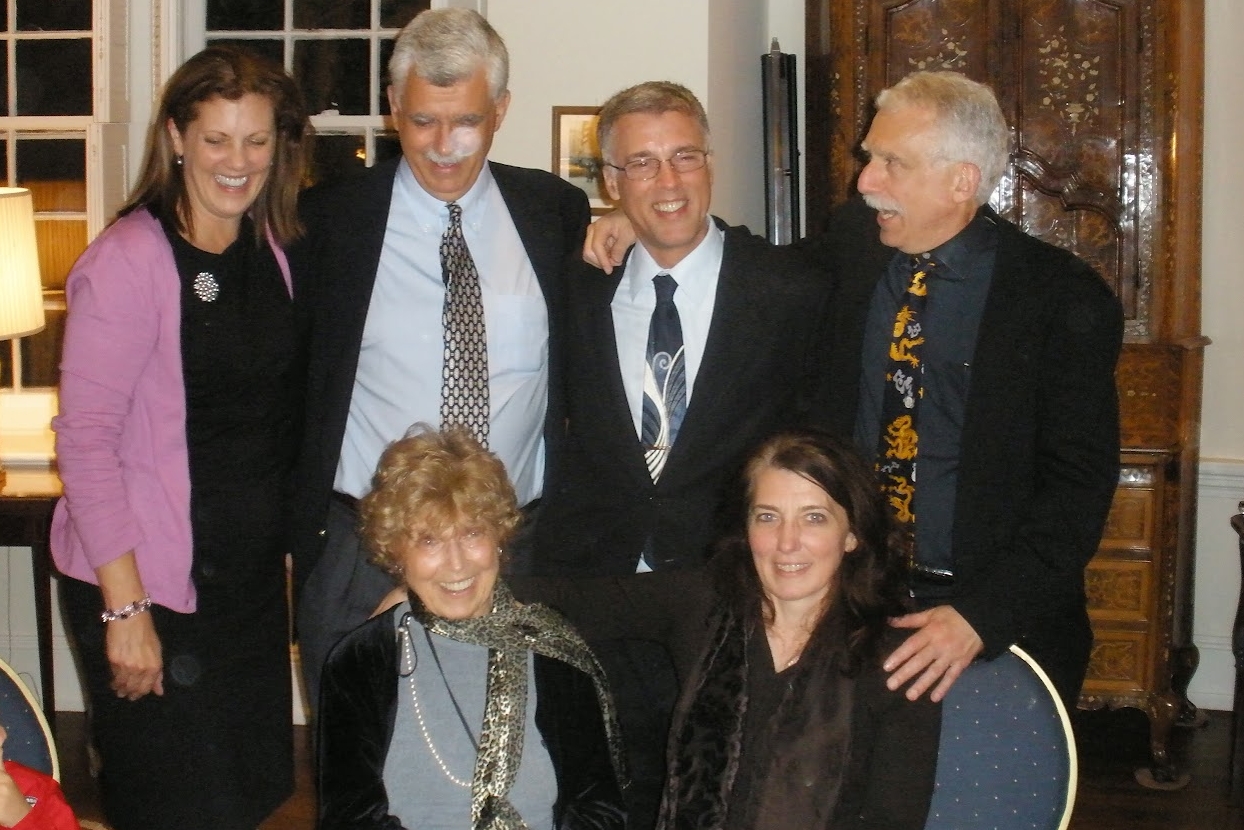
Dr. Ashmead (front left) always made time for her family.
She lived in Denmark for a few years and finally settled for good in Haverford in 1983. “She was interesting, smart, capable, strong, articulate, and fun to be around,” her daughter Theodora said. “She was solution-oriented. She sparkled.”
In addition to her children, Dr. Ashmead is survived by six grandchildren, a sister, and other relatives. A brother died earlier.
She requested that no services be held and donated her body to the Humanity Gifts Registry through Penn’s Perelman School of Medicine.
Donations in her name may be made to the Haverford College Arboretum, 370 Lancaster Ave., Haverford, Pa. 19041.
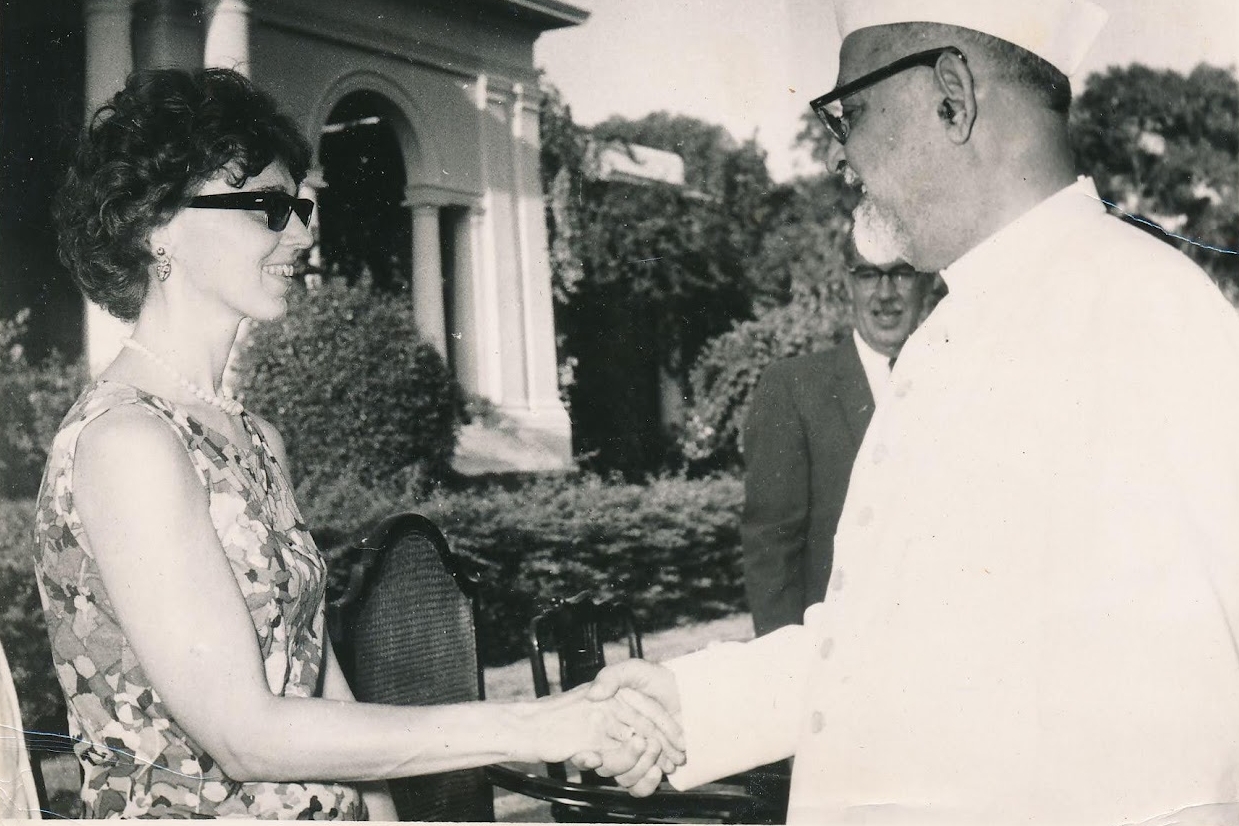
Dr. Ashmead (left) met many dignitaries during her worldwide travels.
Have you been looking longingly at your fishing gear during the Philadelphia winter? Are Deadliest Catch reruns not hitting the same?
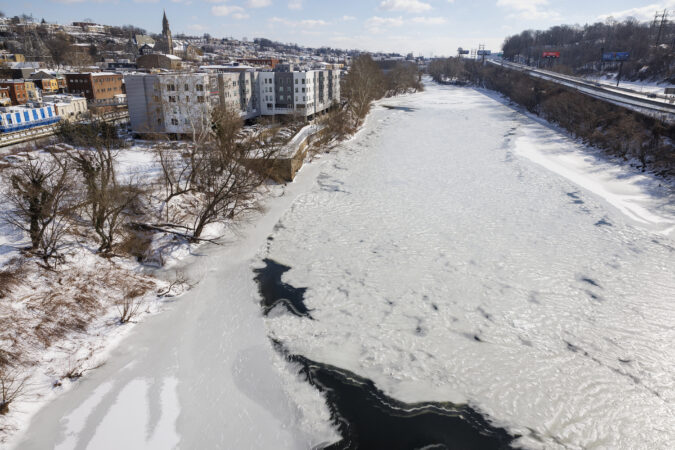
With the surface of the Schuylkill River still frozen solid and frigid temperatures returning this weekend, a reader asked through Curious Philly, The Inquirer’s outlet for answering questions, whether they were allowed to ice fish on it.
Ice fishing, after all, is a practice that began with subarctic Indigenous peoples thousands of years ago, well before the advent of the modern fishing rod in the late 1700s. Fishing along the Schuylkill is accepted and celebrated in warmer temperatures, so what about its frozen cousin?
Unfortunately for those Philadelphians dreaming about an Arctic lifestyle, the answer is no.
“Ice fishing is illegal in Philly,” Philadelphia Police Department spokesperson Sgt. Eric Gripp saidby email. The practice is not explicitly outlawed, but walking out onto the ice in order to carve a hole and cast a line underneath violates city rules.
A pedestrian walks past a large pile of snow and ice along the Benjamin Franklin Parkway on Monday.
“You can’t walk, swim, or be in/on the waterway — unless in a vessel — regardless as to whether or not it’s frozen,” Gripp said.
Philadelphia police began spreading the message to not venture out onto the frozen Schuylkill this week, after local CBS News video captured several adults and children walking across it Sunday. The Police Department’s directive on code violation notices lists ice skating, skiing, and sledding in some areas of Fairmount Park as potential offenses.
Ice fishing could put you in violation of a few city ordinances, too. While you would likely be subject only to a summary offense and a $25 fine for each violation, police say you would be breaking rules about using areas managed by Parks and Recreation outside of their approved use, and risk violating the ban on “swimming” or wading out onto any Philadelphia creek, lake, river, or stream.
Even though the Schuylkill’s frozen surface may be several inches thick in certain locations, ice’s integrity can’t be judged based upon only how it looks, how fresh it is, or the temperature outdoors, according to the Pennsylvania Fish and Boat Commission. Ice’s strength is alsoinformed by several other factors, including the depth of the water underneath the ice, and nearby fish activity.
“Anyone that walks onto the Schuylkill River, … they’re taking their life into their own hands. It’s not a smart thing to do,” said commission spokesperson Mike Parker. Parker said the commission highly advises against walking on top of or fishing on the frozen surface of any moving body of water, like a river.
“There’s no such thing as safe ice,” in those cases, he said.
A fisherman sits in the sun outside a pop up shelter while ice fishing on frozen Lake Wentworth in Wolfeboro, N.H.
But ice fishing can be relatively safe on still bodies of water, like lakes and ponds. As general guidelines, the fish and boat commission advises that anglers fish only on those bodies of water when ice is at least five inches thick, and never to go out onto ice alone.
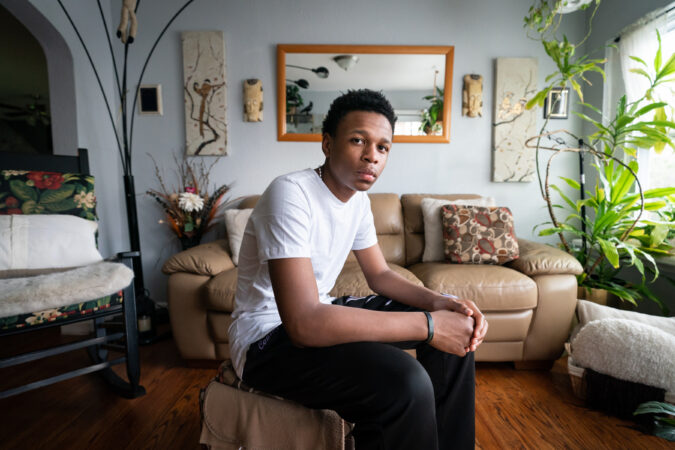
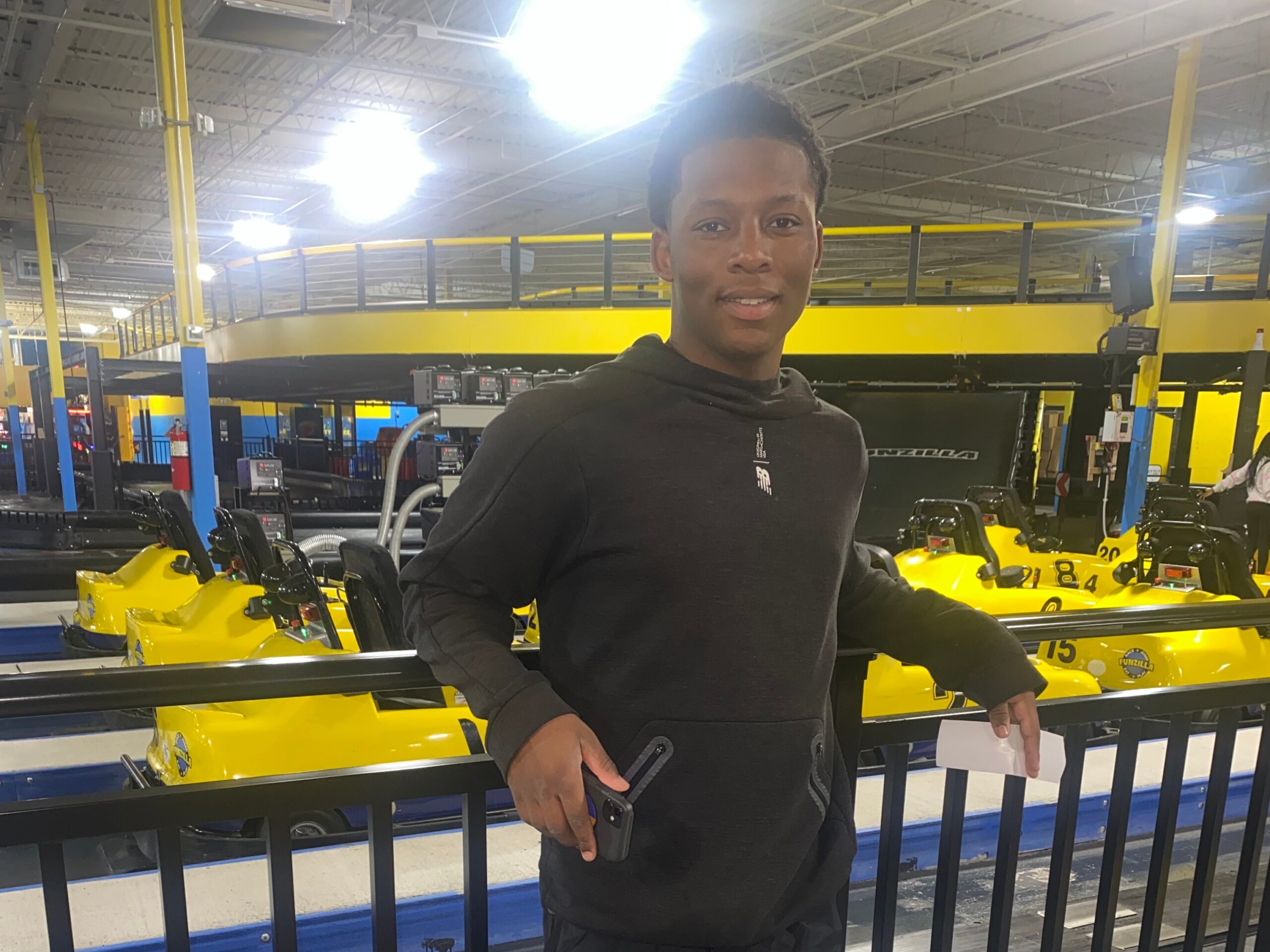
Zaire Wilson, 18, is accusing law enforcement officers of hiding and ignoring evidence showing he did not shoot and kill Tyshaun Welles on a platform at the City Hall station on Jan. 11, 2024.
Welles, 16, was hit in the head and his family decided to take him off life support less than a week later. The Frankford High School sophomore was not the target of the shooting, detectives said.
Tyshaun Welles, 16, was struck in the head by a stray bullet on the subway platform at SEPTA’s City Hall station.
Wilson and Quadir Humphrey, 20, were arrested the night of the shooting. Police said Wilson pulled out a gun and Humphrey used it to open fire at the group of teens. After Welles died, Wilson was charged with murder and held without bail at the Juvenile Justice Services Center.
“The SEPTA surveillance video of the incident, which was not available to the DA’s Office at the time of Wilson’s arrest, shows that he was clearly not involved in the shooting and murder of Welles‚” the office said in a statement.
Law enforcement did not share the footage with prosecutors until Feb. 26, 2024, and the district attorney’s office charged Wilson based on a criminal complaint that was riddled with errors and omissions, according to the lawsuit, which was filed last month in the Eastern District of Pennsylvania.
It is “shocking” that “critical video evidence” was not available to prosecutors at the time of Wilson’s arrest, said Jon Cioschi, a Wiseman, Schwartz, Cioschi & Trama attorney who filed the complaint.
“It is our view that the video footage conclusively establishes Zaire’s innocence, and that no reasonable officer, taking the evidence seriously, would or could have concluded otherwise,” Cioschi said.
The city’s law department declined to comment on active litigation. SEPTA did not respond to a request for comment.
Wilson and Welles spent the evening of Jan. 11 with a group of friends at LevelUp, a neighborhood organization in West Philadelphia, the complaint says.
Surveillance footage reviewed by The Inquirer shows the group, which included the two teens and Wilson’s teenage brother, arriving at the westbound Market-Frankford Line platform at the City Hall SEPTA station around 9:15 p.m.
As the group waited for the train, the teens chatted and played on the platform as at least four SEPTA officers stood near them.
Wilson playfully chased a girl in an orange shirt to the east end of the platform. He saw Humphrey, who arrived to the platform separately from the teens, and the two chatted and paced together for a few seconds. As Wilson began to walk back toward the group, a train approached, and Humphrey pulled out a gun and opened fire. Wilson ran to the staircase and got off the platform while Humphrey continued to shoot.
The teens dispersed during the pandemonium, but one dropped to the ground. After the shooting ended and Humphrey ran away, officers picked up Welles and took him off the platform.
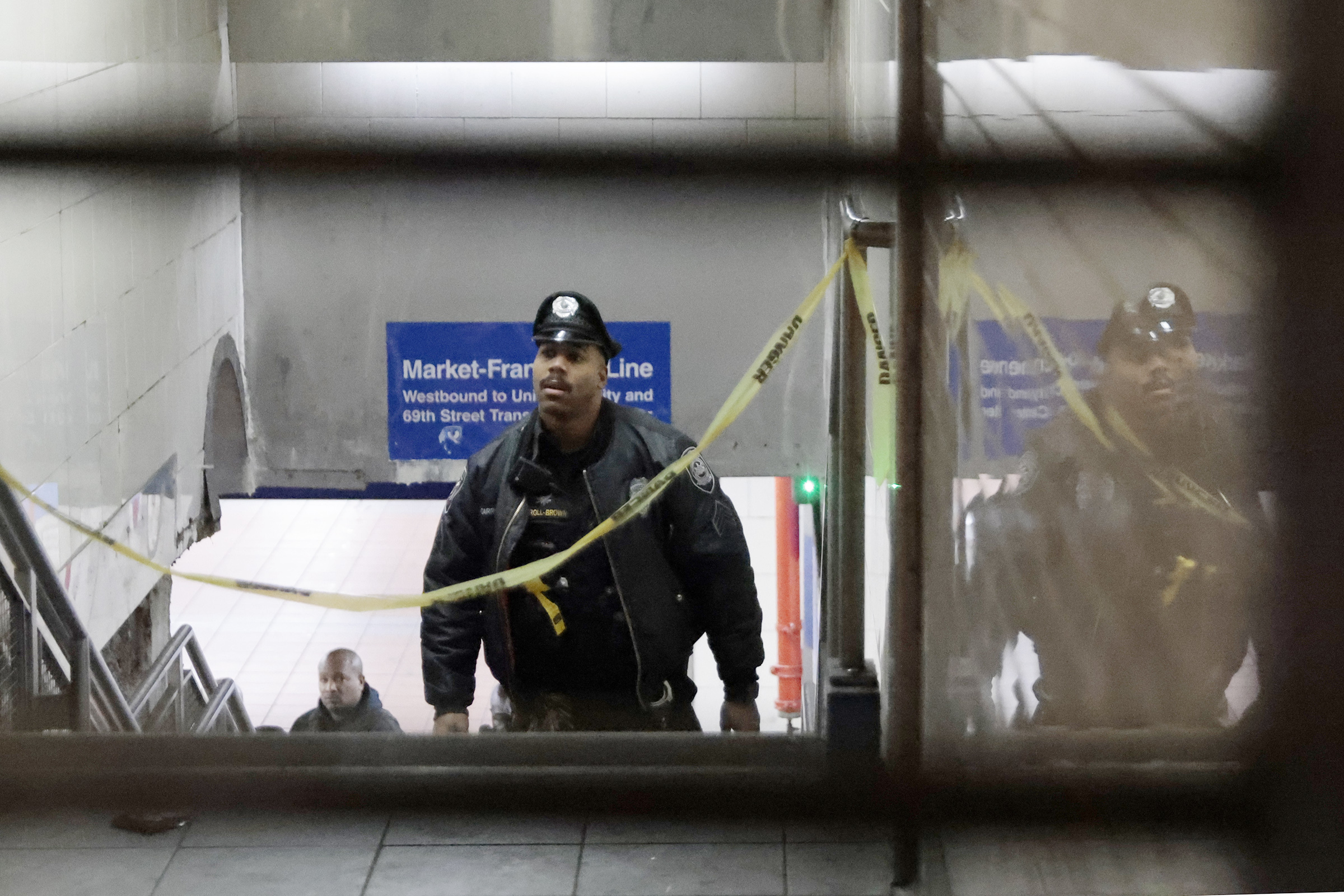
A SEPTA law enforcement officer walks up stairs from a platform where earlier a SEPTA transit police officer reported a shooting and a victim down on the westbound platform at 15th Street Station near City Hall in Philadelphia on Thursday, Jan. 11, 2024.
Moments after the shooting, Wilson returned to the platform. He raised his hands as officers with guns drawn rushed to him, pinned him to the ground, frisked him, and let him go. Wilson then walked down the platform where he met his brother and another teen. The three abruptly ran upstairs.
The footage contradicts police statements that Wilson brandished a gun. That Wilson returned to the scene, where he knew a group of officers were standing, while Humphrey ran away, should have indicated his “consciousness of innocence,” the suit says.
Humphrey himself told staff at the Juvenile Justice Services Center that Wilson had nothing to do with the shooting, according to the lawsuit, and wrote a letter to a judge on Jan. 16, 2024, days after the shooting, that said “the person I was arrested and detained with has no connection whatsoever.”
“Rather than follow the facts,” the suit says, “defendants buried them.”
Najee Williams, 27, is considered armed and dangerous, police said. Homicide investigators say Williams is connected to the fatal shootings of 20-year-old David Garcia-Morales in December and 25-year-old Aaron Whitfield in January.
Williams faces charges of murder, conspiracy, and related crimes. There is a $20,000 reward for information that leads to his arrest and conviction.
The killings of Garcia-Morales and Whitfield, who police say worked for the Jenkintown-based towing company 448 Towing and Recovery, rattled the city and put a focus on the competitive business of towing.
Williams is the owner and operator of N.K.W Towing and Recovery, of North Philadelphia, according to a police source who asked not to be identified to discuss an ongoing investigation.
A Facebook page for N.K.W features photos of car accidents and messages urging potential customers to call the company.
“INVOLVED IN A ACCIDENT OR SEE ONE CALL ME” one message says.
Another post from 2024 says: “Left the streets in a patty wagon, came back home and got right to it! Been home for 2 years now & as I sit here and think how bless I’m to have my freedom back.”
It was not immediately clear who made the post.
Staff Inspector Ernest Ransom, commanding officer of the homicide unit, said forensic evidence collected from a stolen Honda used in the shooting of Whitfield led investigators to Williams.
The department’s fugitive task force and U.S. Marshals are assisting in the search for Williams, whose last known whereabouts were in Montgomery County, authorities say.
On Dec. 22, police were called to 4200 Torresdale Avenue to find Garcia-Morales shot and injured inside a Ford F-450 towing vehicle. He was struck in the neck and thigh, and died four days later at Temple University Hospital.
The second shooting, which took place on Jan. 11 on the 2100 block of Knorr Street, left Whitfield dead at the scene after he was struck by gunfire in the head and body.
Whitfield had also been sitting in a tow truck, according to police. His 21-year-old girlfriend was shot in the leg and survived her injuries.
Philadelphia’s towing industry is competitive and drivers often traverse the city in search of car accidents, hoping to be the first to arrive at the scene.
That practice persists despite a city policy that requires police and dispatchers to cycle through a list of approved towing companies to contact when responding to accidents.
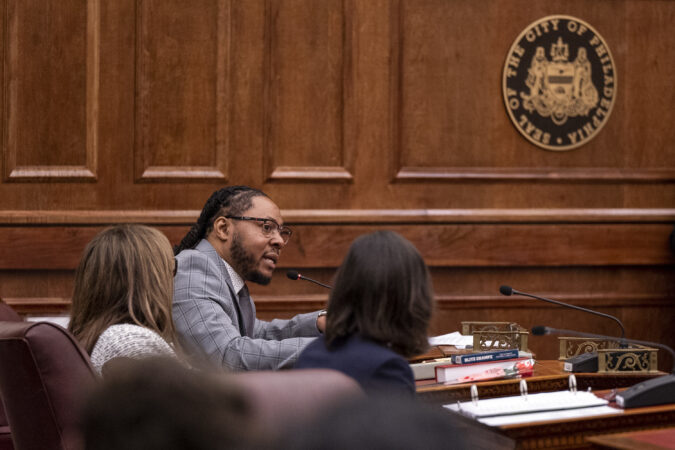
Councilmember Jeffery Young pushed pause Tuesday on his highly controversial housing ban for the former Hahnemann hospital campus.
Young has proposed a “Vine Street Expressway” zoning overlay that would cover the shuttered medical center and its surroundings and block residential development from its largely empty buildings and lots.
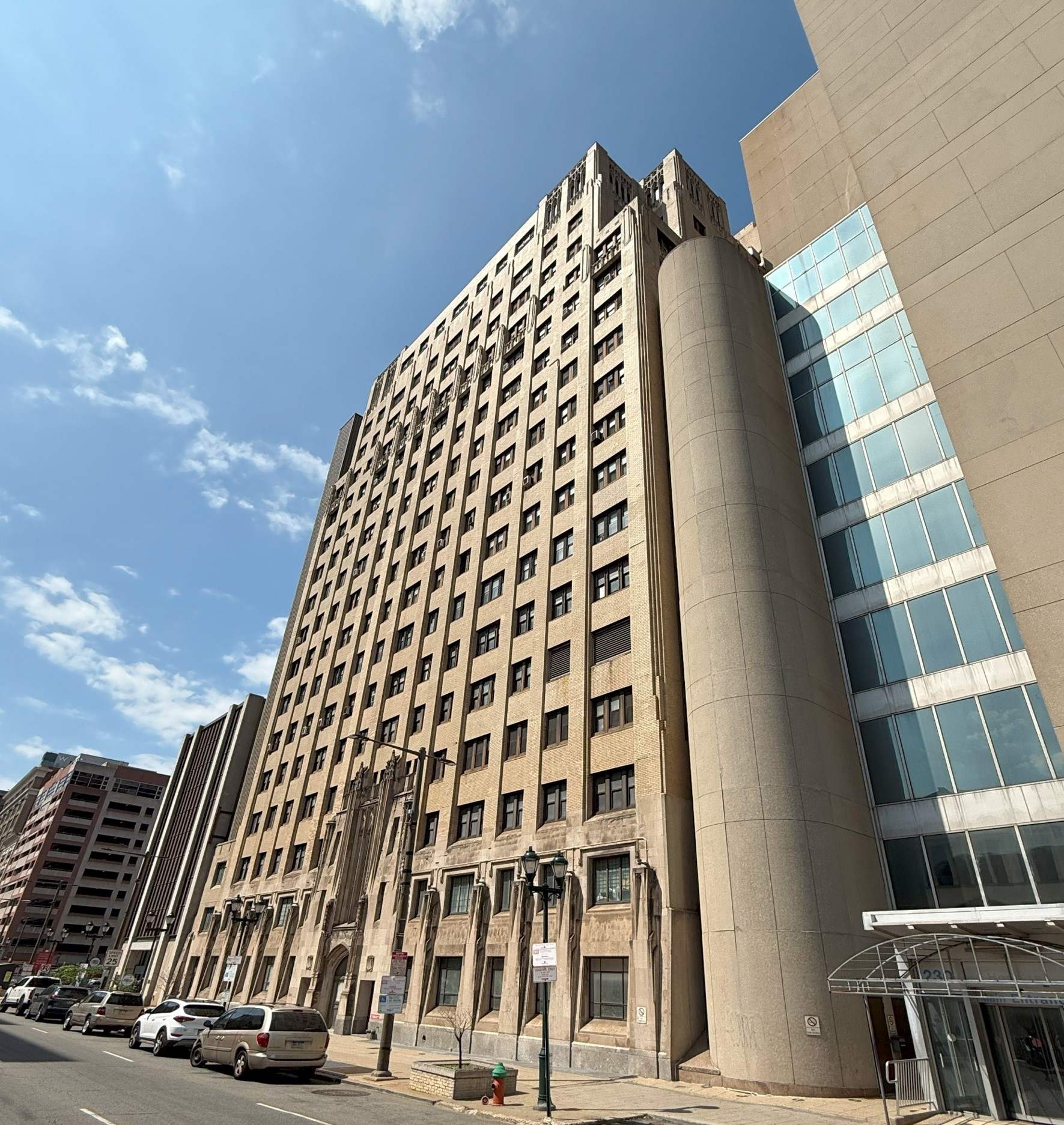
However, an apartment development is proposed in the former Hahnemann patient towers by New York-based developer Dwight City Group — which is why most observers were stunned when Young introduced his last-minute bill banning all housing development from the area.
Then in a sudden reversal at a City Council hearing Tuesday, Young said he was not advancing the bill.
“We’re holding it so we can further [communicate] with all the community stakeholders that are involved,” Young said in an interview after the hearing. “We want to make sure that this project represents the best interest of the city of Philadelphia, and by continuing dialogue, we’ll achieve that goal.”
The art-deco style South Tower of the former for Hahnemann hospital complex, which is almost 100 years old.
No interest groups have officially come out in favor of the legislation. Pro-housing groups, the Logan Square Neighborhood Association, and the building trades unions have all expressed concerns about it.
Property owners who would be affected include influential local institutions including Brandywine Realty Trust and Drexel University. Mayor Cherelle L. Parker’s administration was also concerned, especially as the administration pushes to get 30,000 units of housing built or repaired during her term through the Housing Opportunities Made Easy (H.O.M.E.) plan.
“This bill conflicts with the goals of the comprehensive plan and the goals of the H.O.M.E. plan to support residential development,” said testimony prepared for Paula Brumbelow Burns of the City Planning Commission.
Ironically, as a result of Young’s anti-housing legislation, permits have been secured for 824 units of housing on the former hospital site, as property owners rushed to secure the right to develop apartments before the feared ban would be enacted.
With the exception of Dwight City Group’s proposal, it is not clear that many of those permits will quickly result in housing.
The application for 300 units at Martinelli Park and 163 units at the Brandywine-owned Bellet building do not appear to signify new projects in the immediate future, but instead an effort to preserve value and flexibility of use.
Young argued that the legislation has been successful in that it compelled property owners to talk with his office about their plans.
“People need to understand what’s happening when you have large properties where potentially thousands of units will be developed there,” Young said. “We have properties that as a former hospital that’s filled with asbestos and other types of issues, no one knows what’s going on.”
Pennsylvania Secretary of State Al Schmidt on Wednesday rejected President Donald Trump’s false claims about voter fraud in the stateas Trump targeted Philadelphia in his push to nationalize elections.
The state’s top election official said Trump’s proposal would violate the Constitution, which he noted clearly gives states exclusive authority to administer elections.
“Pennsylvania elections have never been more safe and secure,” said Schmidt, who served as Philadelphia’s Republican city commissioner in 2020, when the city was at the center of Trump’s conspiracy theories.
“Thousands of election officials — Democrats, Republicans, and Independents alike — across the Commonwealth’s 67 counties will continue to ensure we have free, fair, safe, and secure elections for the people of Pennsylvania,” he said in a statement.
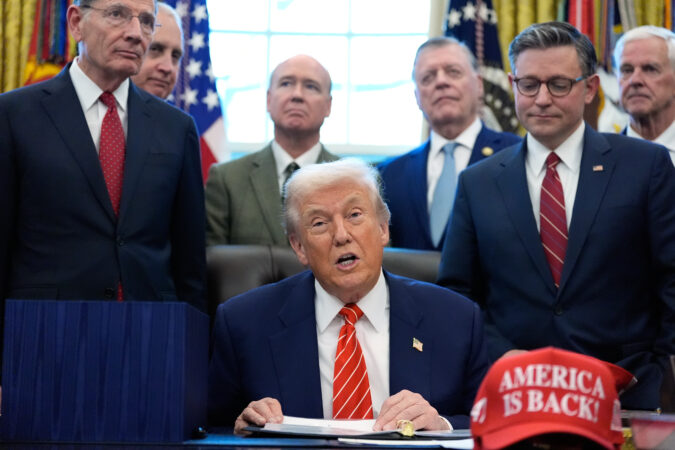
Speaking to reporters Tuesday in the Oval Office, Trump cited Philadelphia, Detroit, and Atlanta as examples of where the federal government should run elections. He singled out three predominantly Black cities in swing states but offered no evidence of voter fraud or corruption to support his claims of a “rigged election.”
“Take a look at Detroit. Take a look at Pennsylvania, take a look at Philadelphia. You go take a look at Atlanta,” Trump said.“The federal government should get involved.”
Philadelphia has been a frequent target of Trump’s false claims of election fraud for several years, going back to his efforts to overturn his loss in the 2020 election. City and state officials have persistently pushed back on those claims, and there is no evidence that elections in the city have been anything but free and fair.
Trump is advocating for taking control of elections in 15 states, though his administration has not named which ones.
“The Republicans should say, ‘We want to take over,’” Trump said in December. “We should take over the voting, the voting in at least many — 15 places. The Republicans ought to nationalize the voting.”
But, Pennsylvania officials and experts noted, he lacks the power to do so unilaterally.
“The president has zero authority to order anything about elections,” said Marian Schneider, an election attorney who was Pennsylvania’s deputy secretary of elections during the 2016 election.
White House press secretary Karoline Leavitt claimed to reporters early Tuesday the president was referring to the SAVE Act, legislation proposed by House Republicans require citizens to show documents like a passport or driver’s license to register to vote.
But Trump didn’t mention the legislationTuesday.
Trump will face an uphill battle in nationalizing elections as even some Republicans in Congress are already pushing back. Senate Majority Leader John Thune (R., S.D.) told reporters Tuesday he disagreed with Trump on any attempt to nationalize elections, calling it “a constitutional issue.”
“I’m not in favor of federalizing elections,” Thune said.
Still, Trump’s comments raised alarm as his administration continues to sow doubt in the nation’s elections.
“This is clearly a case of Trump trying to push the boundaries of federal involvement in election administration because he has a problem with any checks on his power, democracy being one of them,” said Montgomery County Commissioner Neil Makhija, an attorney and a Democrat who chairs the Montgomery County Board of Elections.
Trump’s comments came a week after the FBI seized ballots and voting records from the 2020 election from the Fulton County election hub in Georgia. In a statement, Fulton County Commissioner Marvin Arrington Jr. said the countywill file a motion in the Northern District of Georgia challenging “the legality of the warrant and the seizure of sensitive election records, and force the government to return the ballots taken.”
Lisa Deeley, a Democratic member of the Philadelphia city commissioners, who oversee elections, accused Trump of trying to distract from federal agents killing two civilians in Minnesota last month.
“We all know the President’s playbook by now. His remarks on elections are an effort to change the conversation from the fact that the Federal Government is killing American citizens in Minneapolis,” Deeley said in a statement.
Trump has been making similar claims since 2016, when he erroneously blamed fraud for costing him the popular vote.During a debate with his 2020 opponent, Joe Biden, Trump said, “Bad things happen in Philadelphia, bad things,” viewed at the time as an attempt to sow doubt about the election results and mail voting during the peak of the COVID-19 pandemic.
Despite losing to Biden in Pennsylvania in 2020 by a little more than 80,000 votes, Trump has repeatedly claimed he actually won, lying about mail-in votes “created out of thin air” and falsely stating there were more votes than voters.
“Every single review of every single county in the commonwealth has come back within a very small difference, if any, of the results reported back in 2020,” Kathy Boockvar, who served as Pennsylvania’s secretary of state during the 2020 election, told The Inquirer in 2024.
The data breach that anonymous hackers claimed had compromised data for 1.2 million students, donors, and alumni at the University of Pennsylvania actually impacted fewer than 10 people, according to a legal filing in a proposed class action lawsuit against Penn over the breach.
A Penn source confirmed Tuesday that fewer than 10 people received notifications that their personal information had been affected in the Oct. 31 incident.
“Penn conducted a comprehensive review of the downloaded files to determine whose information may have been involved,” the university said in a statement. “That review is now complete. Penn sent notifications to the limited number of individuals whose personal information was impacted as required by applicable notification laws.”
A second data breach weeks later involving Oracle E-Business Suite was much more widespread and affected more than 100 companies. Penn’s notifications to impacted individuals in that incident were more widespread, though the school hasn’t released the number.
In the first case, Penn quickly said it could not verify the hackers’ claim about the number of people whose records were obtained. The incident drew widespread attention because the hackers sentan offensive email, which claimed to be from Penn to alumni and students.
“We have terrible security practices and are completely unmeritocratic,” the email read. “Please stop giving us money.”
The school hired cybersecurity specialists to help investigate the breach, which accessed systems related to development and alumni activities. Penn said at the time it was taking steps to prevent future attacks and would be instituting mandatory training.
A series of proposed class-action lawsuits were filed in U.S. Eastern District Court following the hack, alleging that Penn failed to protect users’ sensitive data and in turn allowed it to fall into “the hands of cybercriminals who will undoubtedly use [the information] for nefarious purposes.”
A federal district judge consolidated 18 lawsuits in December into a single proposed class-action case, but eight members of the Penn community who filed lawsuits dropped out in recent weeks.
The exodus of plaintiffs is the result of Penn’s disclosure to attorneys involved with the litigation that fewer than 10 people were impacted by the breach, and none of those who sued were among them, attorneysfor the plaintiffssaid in a Monday court filing.
The small impact of the breach could be detrimental for the cases if they continue on their own, the attorneys said. They proposed incorporating the remaining cases with the Oracle-breach litigation that is ongoing in Western Texas District Court.
A judge is expected to decide which attorneys will lead the litigation and coordinate among all the litigants, a decision that could determine whether the case will be heard in Philadelphia or Texas.
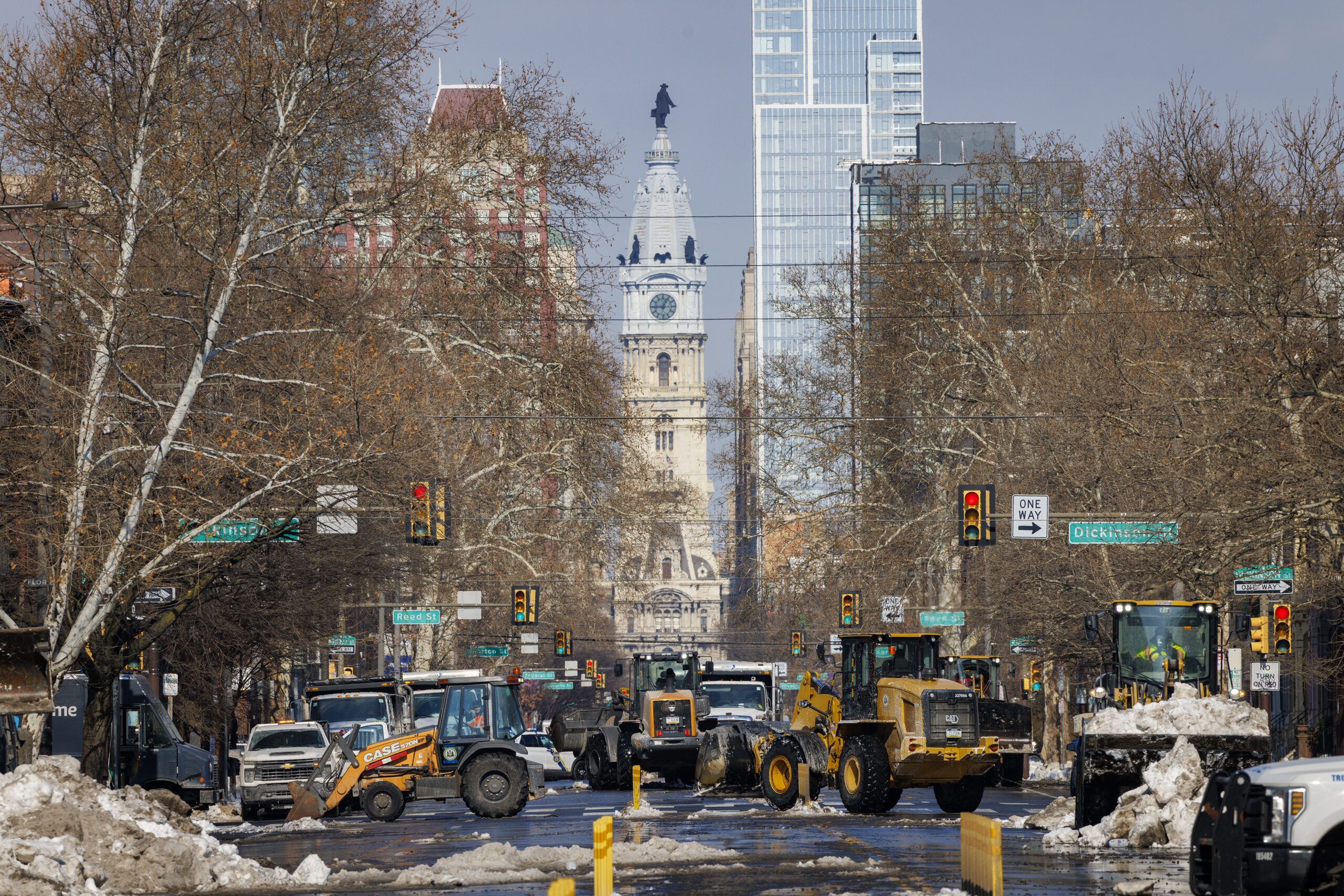
Those stubbornly frozen crosswalks with mounds of snow and ice across Philadelphia are getting chipped away with the assist of a 300-person workforce, starting Tuesday.
The 300 ambassadors, as they are called, are tasked with manually breaking up ice at crosswalks and streets in residential neighborhoods, according to Mayor Cherelle. L Parker.
“We are not resting and stopping until every street in the city of Philadelphia is walkable and drivable, and that people feel it when they are driving it and they see it in their neighborhoods,” she said Monday, highlighting the nonstop work municipal workers had been doing since the largest snowfall in a decade blanketed the city with 9.3 inches on Jan. 25.
The dayslong cold snap that followed, however, has complicated dig-out efforts for the city and led to widespread complaints from residents. Photos of commercial corridors with piles of ice on crosswalks, unplowed side streets, untreated SEPTA bus and trolley stops, and unshoveled sidewalks next to public parks and recreation centers flooded social media after the storm as the city asked for patience.
Still, Parker said Monday that the city has melted 4.7 million pounds of snow, put down 15,000 tons of salt on streets and roadways, and treated at least 85% of streets at least one time.
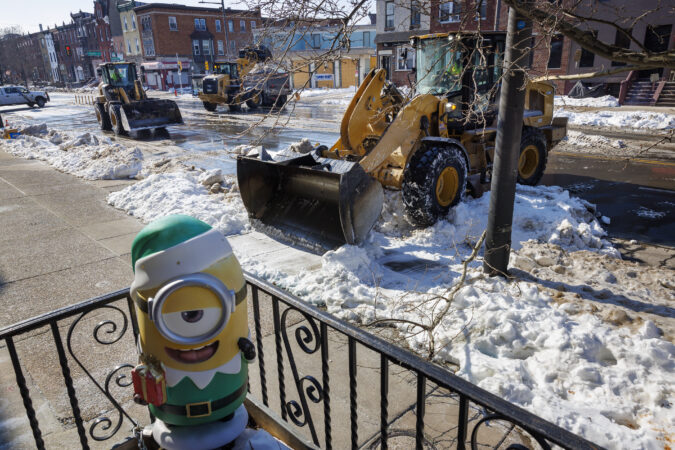
The city has deployed snowplows, compactors, front-end loaders, backhoes, and a snow melter that came from Chicago, the mayor said. And just this weekend, the city made a “coordinated pedestrian safety push,” working across city agencies as well as SEPTA and the Philadelphia School District to clear bus stops, school crossings, crosswalks, and ADA ramps.
The Philadelphia Streets Department has also tapped into its Future Track Program for snow-removal efforts. The trainees are typically at-risk young adults who are not enrolled in higher education and are unemployed. They get job experience, as well as other services, and they help in beautification projects. In the snow cleanup, Parker said, the trainees cleared more than 1,600 ADA ramps.
Heavy equipment clearing snow along S. Broad Street at Dickinson Street.
Carlton Williams, the city’s director of clean and green initiatives, said the hundreds of workers aiding in the cleanup have made significant progress in areas like North Philadelphia; South Philadelphia, which was the epicenter of 311 complaints days after the snowfall; and Manayunk, which posed a challenge because of its hills.
He noted the complexity of the city’s narrow residential streets, which required bringing in specialized equipment, and where he previously said cleanup was further complicated by illegal parking.
Throughout the week, the city had also conducted lifting operations where machines dumped snow and ice into dumpsters to be hauled to storage sites across the city.
A Facebook video on the mayor’s social media page, along with responses to clips of the dig-out update shared online, offered a glimpse of how residents feel. Parker, many said rising to her defense, cannot control the freezing temps. Others were less forgiving, listing their blocks as forgotten sections in the cleanup.
Philly is far from alone in the continued cleanup efforts hampered by below-freezing temperatures. At the request of Washington, D.C., officials, 50 National Guard members were deployed over the weekend to help clear schools of snow. Baltimore was able to get a snow melter on loan from D.C. this week, a machine officials told WBAL-TV the city had not needed in a decade.
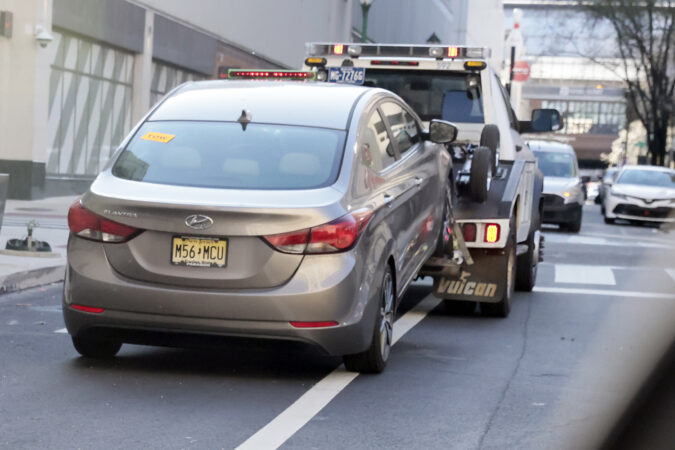
In Philadelphia on Tuesday, the city conducted a snow-clearing operation along a 1.5-mile stretch of Broad Street through 6 p.m., towing cars along the street in South Philly to make way for equipment on the major corridor.
City workers received the slightest respite as they continued snow-clearing efforts as temperatures reached the mid-30s Monday and Tuesday.
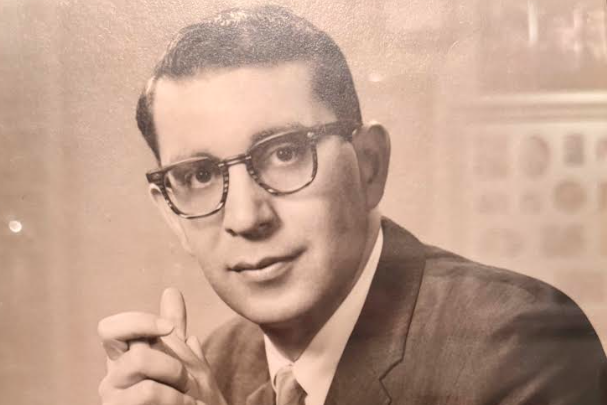
Carl W. Schneider, 93, of Philadelphia, retired longtime attorney at the old Wolf, Block, Schorr, & Solis-Cohen law firm, former special adviser to the Securities and Exchange Commission, visiting associate professor at what is now the University of Pennsylvania Carey Law School, writer, poet, mentor, and volunteer, died Thursday, Dec. 18, of pneumonia at Pennsylvania Hospital.
Mr. Schneider was an expert on corporate, business, and securities law, and he spent 42 years, from 1958 to his retirement in 2000, at Wolf, Block, Schorr, & Solis-Cohen in Philadelphia. He was adept at handling initial public offerings and analyzing stock exchange machinations, and he became partner in 1965 and chaired the corporate department for years.
Although he did not plan to specialize in securities law after graduating from Penn’s law school in 1956, Mr. Schneider told the American Bar Association in 1999: “I found this type of work to be challenging, gratifying, stimulating, and educational.”
He spent most of 1964 on leave from the law firm as a special adviser to the Securities and Exchange Commission’s Division of Corporation Finance in Washington. His recommendations to SEC officials regarding its public-offering process, disclosure system, civil liability rules, and arbitration procedure, many of which were ahead of their time, eventually led to modernization and reforms in the administration of federal securities laws. “I was cast in the role of the constructive critic,” he said in 1999.
He chaired committees for the Philadelphia and American Bar Associations and was active in leadership roles with the American Law Institute and other groups. He clerked for Supreme Court Justice Harold H. Burton and Judge Herbert F. Goodrich of the U.S. Court of Appeals for the Third Circuit for two years after graduating from law school.
He also taught classes as a visiting associate professor at Penn’s law school and lectured extensively elsewhere on the continuing legal education circuit. “I am aware of two personality traits that have shaped my career,” he said in 1999, “a need to fix things and a love of teaching.”
He spent the 1978-79 school year as head of Penn’s Center for Study of Financial Institutions and said in 1999 that he would have taught full time had he not enjoyed his legal work so much. “I was a practitioner,” he said, “and I tried to give my classes useful training to do what most practitioners do.”
Mr. Schneider wrote, cowrote, and edited dozens of scholarly articles, books, and pamphlets, including the celebrated Pennsylvania Corporate Practice and Formsmanual in 1997. He also penned poetry, and used this stanza to open a chapter about boilerplate clauses in the Pennsylvania Corporate Practice and Forms manual:
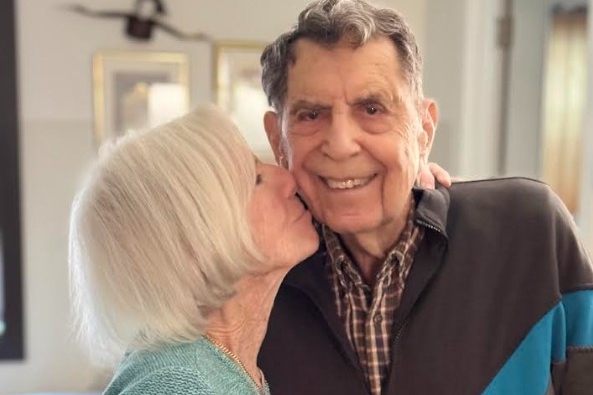
Mr. Schneider and his wife, Mary Ellen, were inseparable for 68 years.
“The ending stuff gets little thought/Like notice, gender, choice of laws/If badly done you may get caught/With a provision full of flaws.”
He volunteered with what is now Jewish Family Service, the Jewish Federation of Greater Philadelphia, Abramson Senior Care, and Congregation Rodeph Shalom. He mentored countless other lawyers and students, and agreed in 1972 to a request by The Inquirer’s Teen-Age Action Line to be interviewed in his office for a high school student’s research project.
“He was often described as brilliant, humble, a dry wit, and a great listener,” his family said in a tribute. “He gave everyone he spoke to the same time, attention, and respect.”
He was quoted often in The Inquirer and lectured about legal matters at conferences and panels. He earned several service and achievement awards and said in 1999: “I suppose I am one of those compulsives who cannot see something in the world important to him that is broken without feeling the need to repair it.”
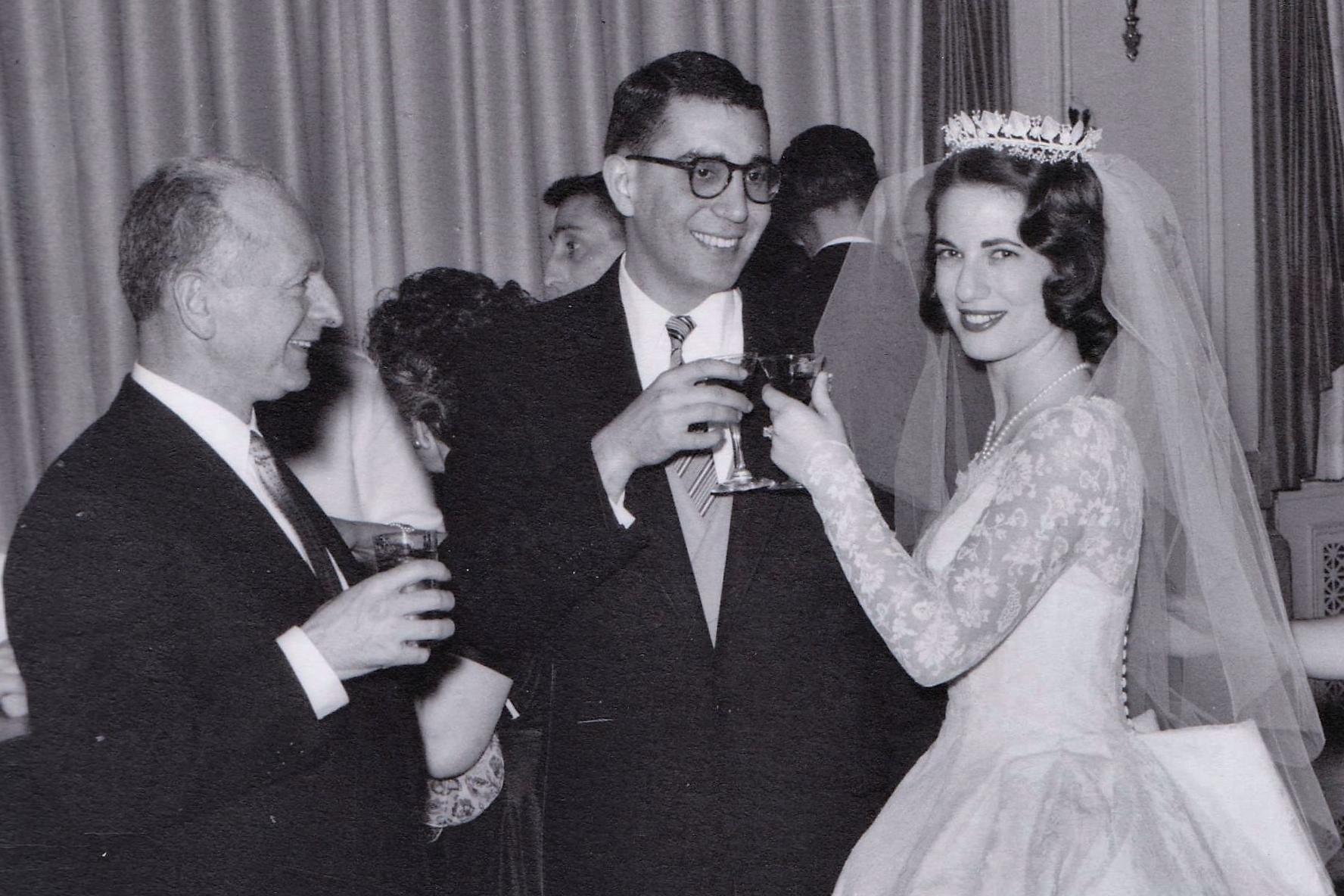
Mr. Schneider and his wife, Mary Ellen, married in 1957.
Carl William Schneider was born April 27, 1932, in the Wynnefield section of Philadelphia. His family later moved to Elkins Park, Montgomery County, and he graduated from Cheltenham High School in 1949.
He knew he wanted to be a lawyer, like his father and grandfather, when he was young and said in a 2014 video interview at Penn that school was his favorite place. He earned a bachelor’s degree at Cornell University in 1953 and served on the law review at Penn.
He met Mary Ellen Baylinson through a mutual friend, and they married in 1957. They had sons Eric, Mark, and Adam and a daughter, Cara, and lived for years in Elkins Park. He and his wife moved to Center City in 2005.
Mr. Schneider enjoyed reading, bird-watching, photography, swimming, tennis, and springtime strolls through Rittenhouse Square. His favorite song was “The Gambler” by Kenny Rogers.
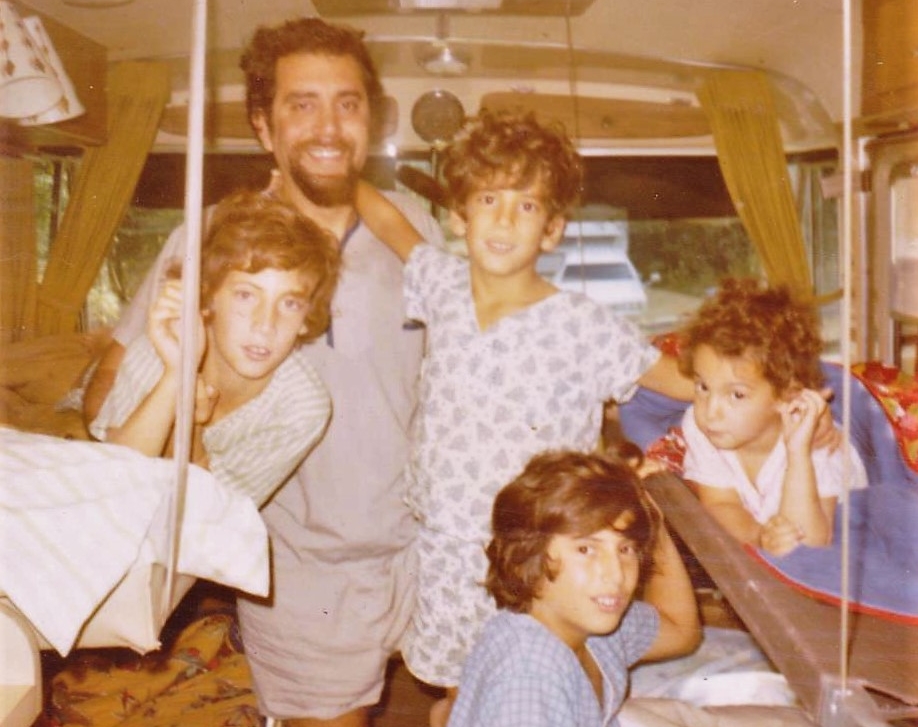
Mr. Schneider drove his family across the country in a motorhome he nicknamed Herman.
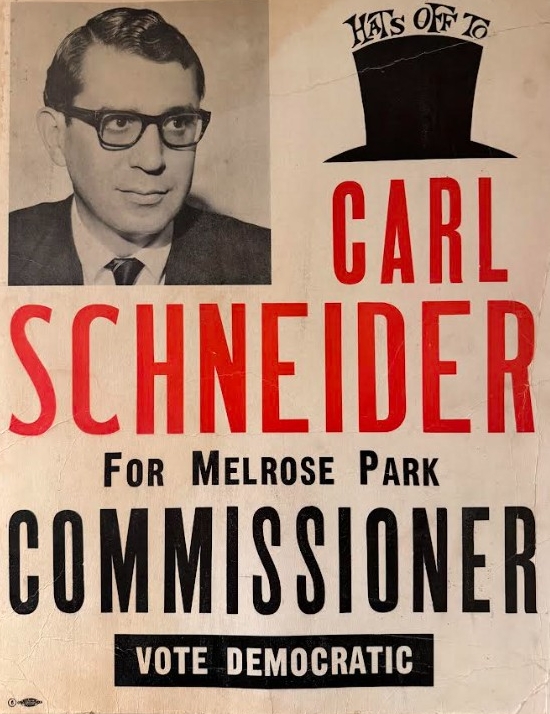
He collected old-fashioned scales, spent quality time with family and friends on Long Beach Island, N.J., and drove cross-country on a family road trip in a motorhome he nicknamed Herman. He ran unsuccessfully for commissioner in Melrose Park in the 1960s.
He made sure to be home every night for dinner and drew smiley faces inside the capital C when he signed his name. “He never judged, never overreacted,” his daughter said.
His son Adam said: “He was a gentle man but forthright and direct.” His son Mark said: “He had a moral code on how to live a life and never deviated from it.”
His son Eric said: “He left the world a better place.”
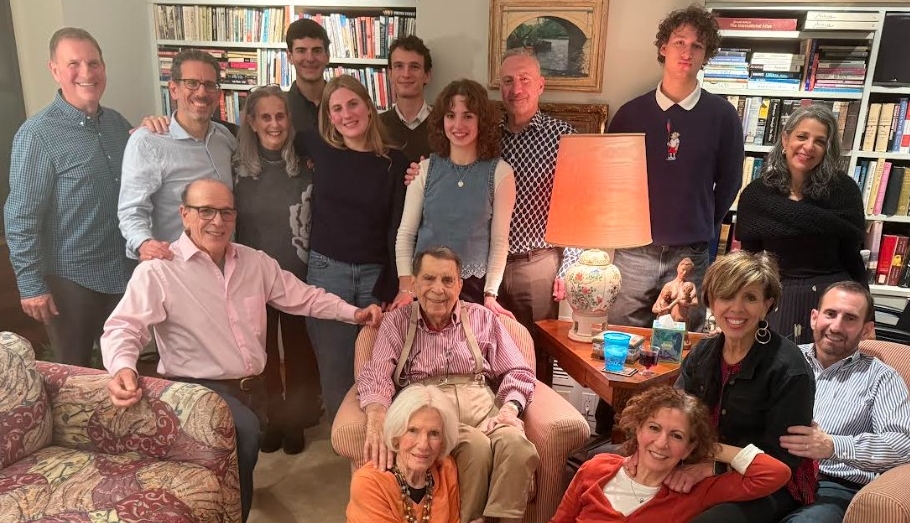
Mr. Schneider (center) and his family spent many Thanksgivings together.
In addition to his wife and children, Mr. Schneider is survived by three grandchildren; a sister, Julie; and other relatives.
Services were held Monday, Dec. 22.
Donations in his name may be made to Congregation Rodeph Shalom, 615 N. Broad St., Philadelphia, Pa. 19123.
Mr. Schneider was interested in civic and community issues as well as legal affairs.