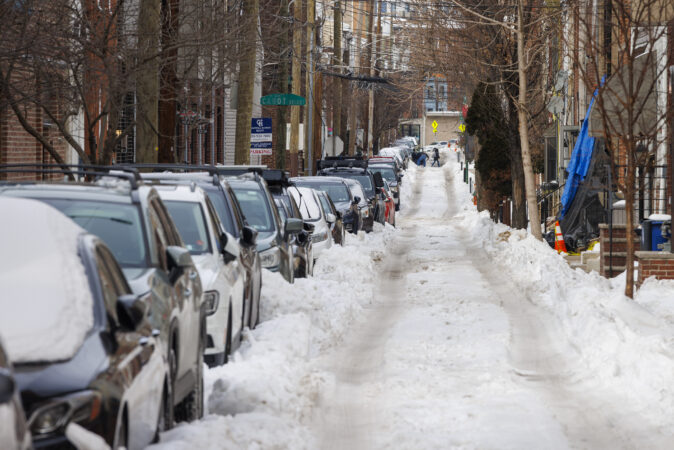
A 45-year-old man was pistol-whipped during a snow-related altercation over a parking space Thursday afternoon in the city’s Kensington section, police said.
Around 1:20 p.m., police responded to a report of a shooting on the 2700 block of A Street and found the man bleeding from a head injury, police said. The man identified two alleged perpetrators and was transported to Temple University Hospital.
The alleged victim and a 21-year-old man had been involved in a snow-related argument over a parking space that escalated into a physical altercation, police said.
During the fight, the older man produced a knife and the 21-year-old pulled out a legally owned handgun, police said. However, both men put their weapons down and continued fighting.
A 36-year-old woman then retrieved a firearm from a vehicle, hit the victim on the head with it, and fired it into the ground, police said.
The two alleged assailants were arrested and all the weapons were recovered by police.
The incident remains under investigation, police said.
New year, same you googling repeatedly, “Is a government shutdown happening?” We see you. We get it. And the answer is: “Maybe.”
The likelihood of a partial government shutdown this weekend has ramped up following a surge in immigration enforcement and related backlash in Minnesota.
The highly publicized presence of Immigration and Customs Enforcement and the Department of Homeland Security in Minneapolis, alongside the death of Alex Pretti, the second person federal agents havefatally shot in the state, has reinvigorated efforts among Democrats to reject a bill to fund DHS.
“The appalling murders of Renee Good and Alex Pretti on the streets of Minneapolis must lead Republicans to join Democrats in overhauling ICE and CBP [Customs and Border Protection] to protect the public,” Senate Minority Leader Chuck Schumer said in a statement Sunday. “People should be safe from abuse by their own government.”
Schumer (D., N.Y.) said Democrats would not support keeping the government fully open if it means funding the Department of Homeland Security. Other Democratic senators have joined in calling for Senate Republicans to collaborate on advancing five other pending bills, aside from the DHS bill, and separately retooling the DHS measure.
In case you need a refresher, here is what you need to know about deadlines, what a partial government shutdown looks like, and more.
What’s a government shutdown vs. a partial government shutdown?
A full government shutdown happens when all (or most) federal agencies have not secured funding. It usually means widespread furloughs, sometimes layoffs, and any nonessential government services are put on pause.
Meanwhile, a partial government shutdown happens when Congress has funded only certain federal agencies, leaving others in limbo. In turn, some parts of the government would close while others keep operating.
When a partial shutdown happens, some federal agencies and operations, like Social Security and air traffic control, keep running as usual. But other federal employees are furloughed.
In this instance, agencies at risk of expiring funding include the Departments of Defense, Health and Human Services, Labor, Education, Transportation, Housing and Urban Development, Treasury, and State; the Securities and Exchange Commission; and the federal court system, according to Reuters.
Democrats are pushing Republicans to decouple the spending bill so disagreements over DHS don’t fuel disruptions to the other agencies. But Republicans so far say they will not break up the spending bill.
When does government funding expire?
Federal funding is set to expire at 12:01 a.m. Saturday. A partial shutdown would occur if Congress and President Donald Trump’s administration do not reach an agreement by then.
Where does the DHS funding bill stand?
The House has done its part and is in recess until February. But Senate Democrats are pushing back on approvals, citing the Trump administration’s treatment of immigrants. That leaves the Senate with only a few options to avoid a shutdown if it cannot pass the current measures.
Most legislation in the Senate needs 60 votes to move forward. Republicans hold 53 seats, meaning they need bipartisan support to pass the existing measure, which covers about $1.3 trillion in annual government spending, including military and social service funding.
But Democrats want new guardrails on immigration enforcement and added oversight on DHS. Some demands include requiring judicial warrants for immigration arrests, and agents to wear visible identification, Time reported.
Several Democratic senators who broke with their party last year to keep the government open say the killings of Pretti and Good at separate protests have changed their stance.
Sen. John Fetterman (D., Pa.), who has historically broken with the Democratic Party to avoid government shutdowns, released a lengthy statement Monday saying that he wanted to see the DHS operation in Minneapolis end but would not support a government shutdown. But on Thursday, in a surprising break, Fetterman voted against advancing the six-bill package.
His vote, along with 54 other senators who voted “no,” meant the financial package could not move forward.
It is also worth noting that DHS would continue to operate and receive funding under a government shutdown. That is because DHS agencies received major funding through Trump’s One Big Beautiful Bill Act last year. In turn, ICE and other parts of the agency would continue operating under a shutdown.
Who is affected by a government shutdown?
Hundreds of thousands of federal employees are affected, since many would be expected to work but would not receive pay until after the shutdown is lifted. Employees are typically guaranteed back pay.
Many employees are also at risk of being furloughed and would not be allowed to work (but would also receive back pay thanks to legislation passed in 2019).
Some of the main groups of employees that a shutdown could affect include (but are not limited to) active members of the military, federal law enforcement, federal transportation workers (like air traffic controllers and Transportation Security Administration agents, but not SEPTA workers), scientific researchers, and the IRS.
The federal court system said it would not be able to continue full operations past Feb. 4, which could disrupt hearings and other activities, Reuters reported. Data and research activity from the Bureau of Labor Statistics and the National Institutes of Health could also go dark.
What about tax season?
This potential partial shutdown comes during tax season.
If a shutdown happens, funding for the IRS could lapse, which would in turn mean tax processing — and refunds — could be disrupted.
During last year’s shutdown in October, the IRS approved a contingency plan that let the agency continue some activities under a shutdown. But, the agency said, refunds would be delayed aside from some direct electronic returns that could be automatically processed and direct-deposited. Taxpayers were still expected to file and pay their taxes on time.
The IRS has not yet commented on a potential shutdown. Trump previously touted larger refunds this year because of the One Big Beautiful Bill Act. Some experts say that emphasis could play a role in the agency remaining partially open.
When would the government shut down?
Congress and the Trump administration need to reach an agreement by midnight Friday. If they don’t, a shutdown would go into effect at 12:01 a.m. Saturday.
What was the longest government shutdown?
The longest government shutdown was the most recent one, which began on Oct. 1, 2025, and lasted 43 days. It broke the record for the longest shutdown on the 36th day.
What could a government shutdown mean for Philly?
In Philadelphia, the October shutdown led to the closing of Independence Hall and the Liberty Bell Center, to the chagrin of tourists. But that would not happen this time, because the national parks are funded by the Department of the Interior, which secured its funding through an already passed appropriations bill for the year.
SNAP benefits would also notbe affected this time.
The Department of Transportation would close during this shutdown, but air traffic controllers would be required to work without pay. Similar to the last shutdown, this could lead to flight delays and cancellations.
Other impacts could be in store as the shutdown’s implications become more clear.
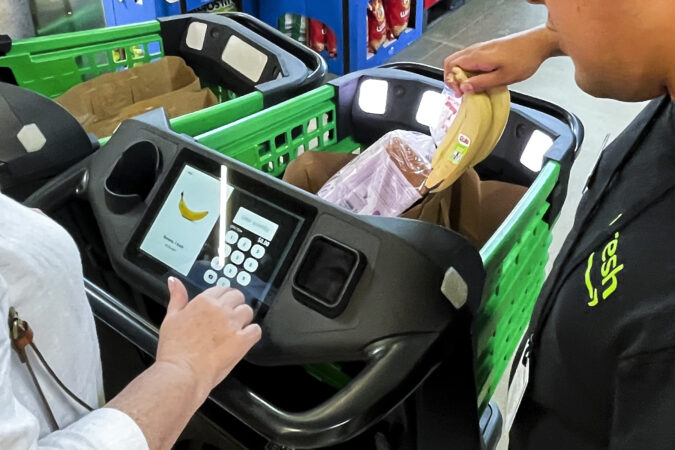
The layoffs are planned forthe end of April, according to a Thursday WARN Act filing with the Pennsylvania Department of Labor and Industry. They include the employees of all six Philly-area Amazon Fresh locations — 205 at the Northern Liberties store, 189 in Broomall, 161 in Bensalem, 157 in Langhorne, 144 in Warrington, and 127 in Willow Grove, according to the filing.
By the end of April, Amazon also plans tolay off nearly 900 New Jersey employees, the vast majority of whom work in northern counties where there are Amazon Fresh stores, according to a WARN Act filing with New Jersey Department of Labor & Workforce Development.
The day after announcing the Amazon Fresh closures, Amazon said 16,000 employees companywide would be losing their jobs as part of a broader reorganization.
“We’ve been working to strengthen our organization by reducing layers, increasing ownership, and removing bureaucracy,” Amazon said in a statement announcing the layoffs.
The company said most U.S. employees will have 90 days to look for a new role internally. After that, those leaving the company will receive severance pay, “outplacement services,” and health insurance benefits, as applicable, according to Amazon.
With its move to shutter the Fresh stores, Amazon has said it will “double down” on online grocery delivery and expand its Whole Foods footprint. Whole Foods, which Amazon bought in 2017, has more than a dozen locations in the Philadelphia area.
“Amazon Whole Foods, a trillion dollar entity, treats us like robots to be exploited and squeezed for maximum profits,” Jasmine Jones, a Philadelphia Whole Foods worker and member of Whole Foods Workers United, said Tuesday in a statement that noted the company’s Whole Foods expansion plans. “They are making billions of dollars off of our labor and we deserve better pay and benefits.”
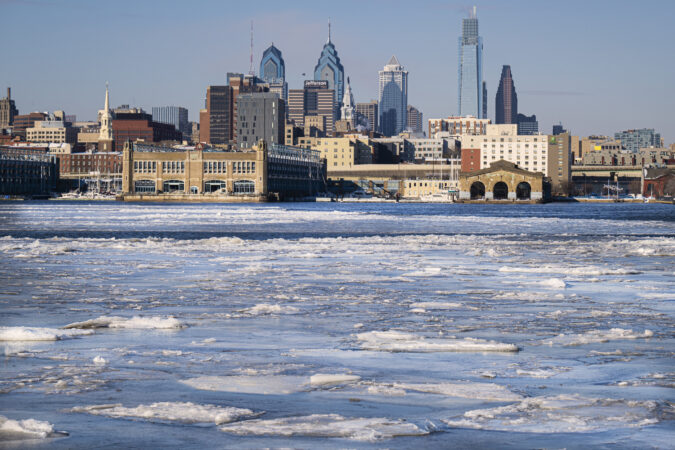
Large slate-shaped slabs of ice in the Delaware River this week have been like a floating harbinger of things to come for the Philadelphia Water Department (PWD).
PWD, which draws its drinking water from intakes along the Delaware and the Schuylkill, takes a freezing river seriously.
It has implemented emergency plans to provide for 24-hour ice patrol at its river water intake plants — and it is on high alert for freezing and bursting water mains and pipes.
The department has two intakes on the Schuylkill and one on the Delaware that help provide drinking water for about 1.6 million people.
There is no easy way to say how much of the rivers are icing. But the Middle Atlantic River Forecast Center at State College, an office of the National Weather Service, uses gauges placed in the rivers by the U.S. Geological Survey. At various times this week, officials could not get readings from some gauges because they were affected by ice.
Brian Rademaekers, a spokesperson for PWD, said the city can also pull from already stored water if ice does became a problem at an intake.
“We’re getting into a stretch where we haven’t been above freezing for days,” he said, “And I think at least through Feb. 1 it looks like we’ll remain below freezing.”
Indeed, the region has been subjected to an Arctic blast for nearly a week. Daily highs have been below freezing since Saturday. The top temperature in that stretch was 28 degrees on Monday. Wednesday hit a low of 14. Overnight Thursday into Friday is forecast to drop to 2degrees.
The National Weather Service is not forecasting a high of 32 until Tuesday. And then it’s back to below-freezing temperatures.
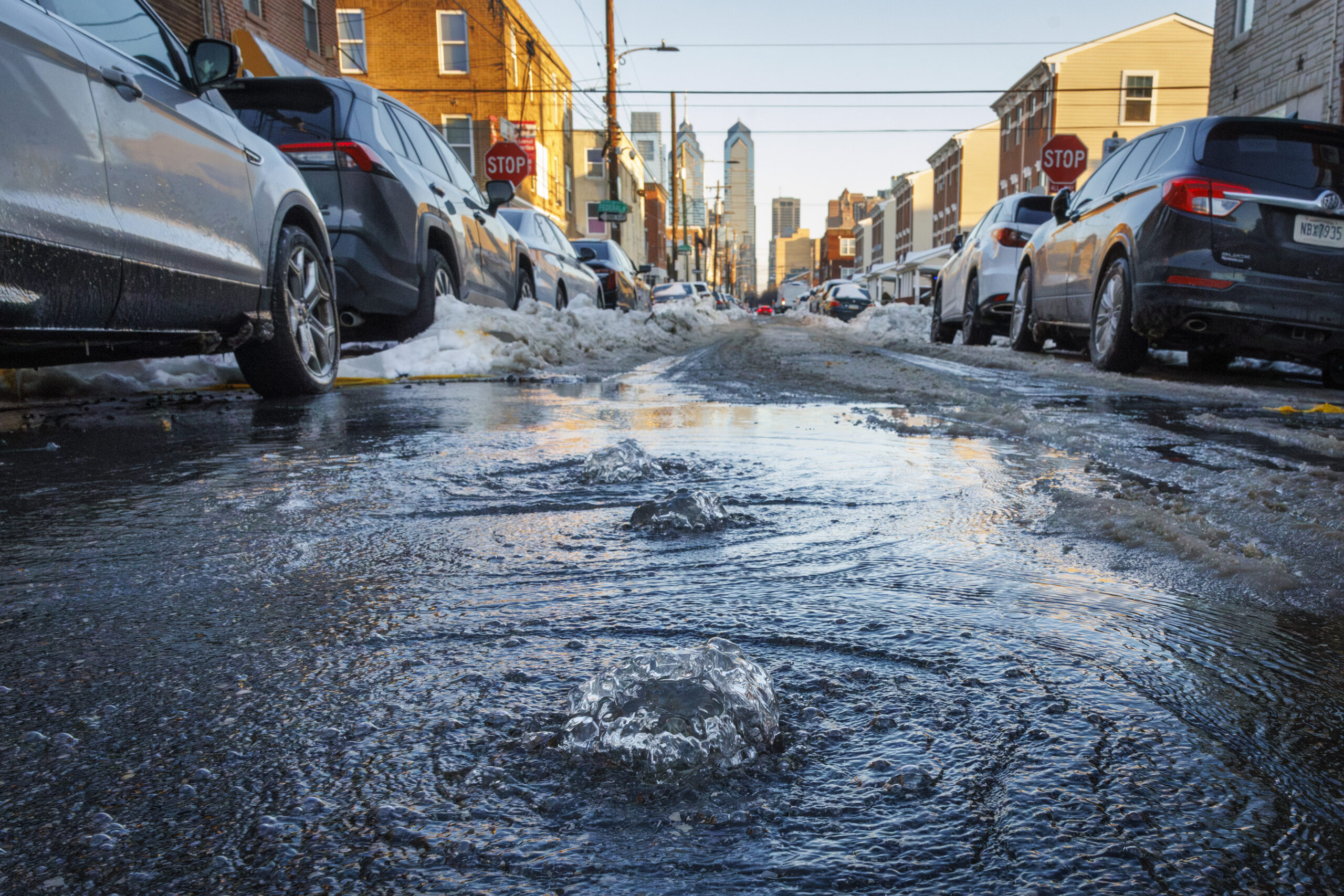
Burst water main on S. 16th Street just below Federal Street, Philadelphia, Wednesday, Jan. 28, 2026.
Bursting pipes
PWD is warning residents and businesses that the extreme cold is affecting city water mains and reminding them thatwater lines that are the responsibility of property owners.
As the city facesunbroken stretches of below-freezing temperatures, PWD knows pipes will begin to freeze or, worse, burst, Rademaekers said.
Pipes can start to be seriously affected after 72 hours, or three days, of below-freezing weather. Philadelphia is past that benchmark.
PWD’scall center is already inundated with reports of water outages and leaks. But the department cannot help people with frozen pipes because that takes away from crews responding to public water main leaks.
Rademaekers said PWD has responded to 147 water main breaks in January, but noted that is a preliminary figure.
Last year, 256 breaks were reported in January. In recent memory, he said, 2018 was the worst year, with 366 breaks.
City mains are public property and range in sizefrom 96 inches in diameter to 48 inches, 12 inches, and 6 inches.
Breaks in smaller pipes are most common. PWD is currently fixing a 6-inch main at 16th and Federal Streets.
Property owners are responsible for the lateral pipes that run from the curb into a home.
Rademaekers said residents who suddenly find themselves without water should check with a neighbor first. If the neighbor has running water, it’s likely the homeowner has a frozen pipe.
In that case, PWD suggests trying to bring the pipes near your water to 40 degrees and opening faucets so that thawing water can drip out and release pressure.
He said running a hair dryer or using another source to gently warm the pipes could help them thaw. He said residents should be cautious trying to use space heaters to warm on pipes.
The department has tips online for how to deal with frozen pipes.
Homeowners should not to wait for the department to respond to take these steps, PWD advises. Doing so could lead to burst pipes.
Rademaekers said many homes in Philadelphia have their main water meter by the wall facing the street, often in uninsulated basements, some with cracked windows.
“When it falls to 6 degrees overnight, even if the heat’s on in your house, that particular space right there might just get cold enough to freeze that pipe up, and then ice kind of spreads through the system,” Rademaekers said. “Once the freezing starts, the pressure will build.”
Rademaekers cautioned customers against calling 311 if they have a frozen pipe. Instead, he said, they should call the PWD hotline at 215-685-6300 and press 1.
“Certainly whenever we see freezing temperatures for more than two days we start to see a surge of calls into the call center,” he said. “Over the last week, the top three reports we have been getting are water in the basement, leak in the street, or no water at the tap.” Some of those could be water main problems, he said, ”but most often they are traced back to private lines.”
After a night of dancing and laughter in San Juan, Puerto Rico, Kelly Crispin and her fiance, Omar Padilla Vélez, were driving back to his family’s home when they made a wrong turn off the popular Calle Cerra nightlife strip.
It was about 1:45 a.m. on Jan. 3. The side street that the South Philadelphia couple had turned onto, which they thought led to the highway, was nearly pitch-black. Then suddenly, Crispin said, roughly a dozen masked men carrying AR-15-style rifles appeared in the road and quickly surrounded the car.
Padilla Vélez tried to press forward and drive around the crew, she said, when the men opened fire. She remembers the glass exploding around her and the pain in her shoulder and hand as bullets tore through the car. And then the words from her fiance: “I’ve been shot.”
Padilla Vélez, a 33-year-old chemist for DuPont, was shot in the head. He was rushed to a hospital, where he died days later.
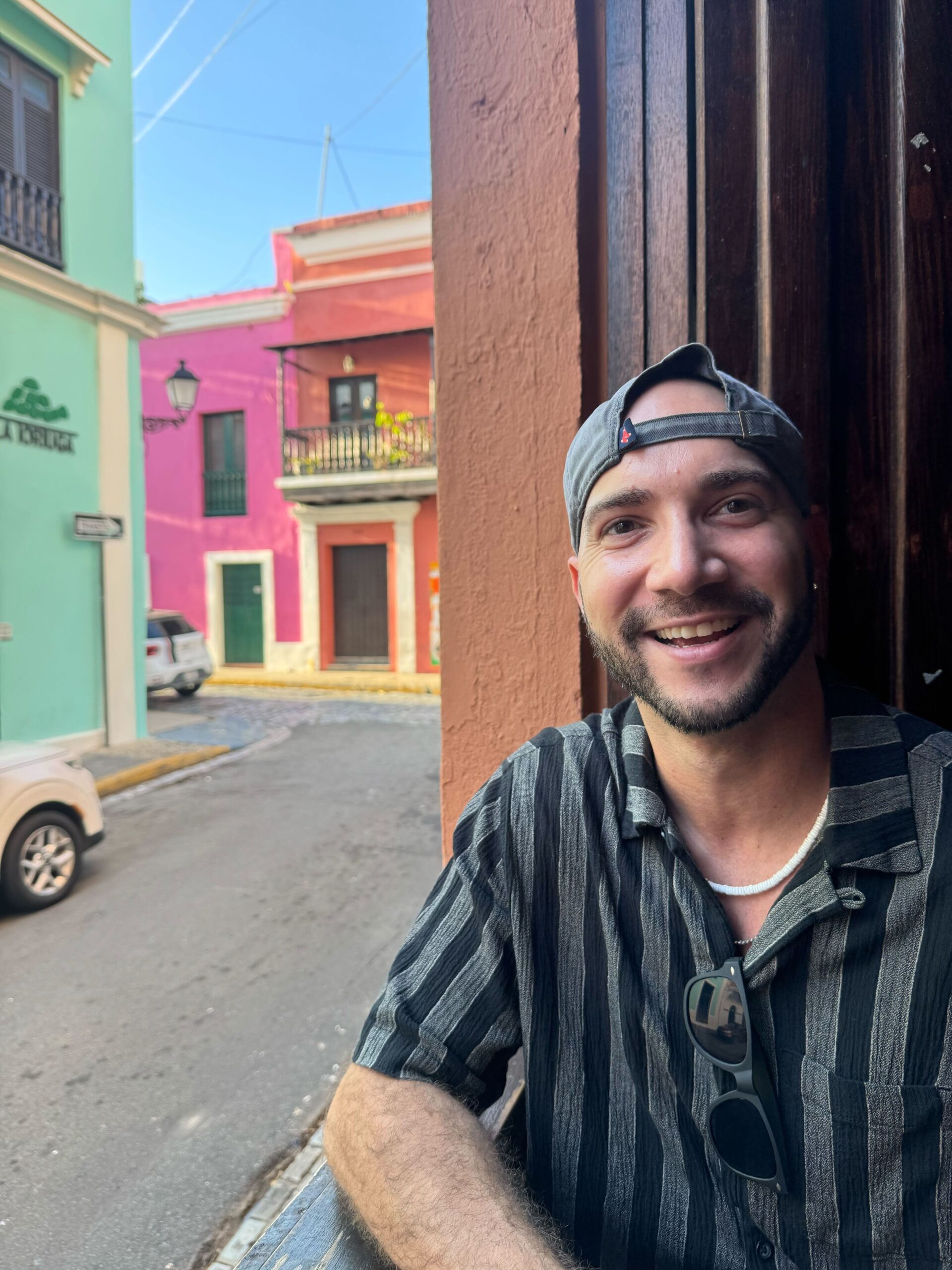
Omar Padilla Vélez, of South Philadelphia, was shot and killed in San Juan on Jan. 3.
Crispin, 31, recounted the attack in a phone interview from her South Philadelphia home this week as she struggled to come to terms with what she said San Juan police believe was a random attack by a gang controlling a small stretch of road near a popular tourist area.
After the shooting stopped, at the intersection of Calle Blanca and Calle La Nueva Palma, Crispin said, one of the men appeared at the side of the car and took her phone as she was calling 911.
She said she heard some of the men yelling at one another that there was a woman in the car and urging others not to shoot, as if realizing they had made a mistake. They searched her purse, she said, but returned her phone. They took nothing.
Crispin and a friend,who was with them in the car and was unharmed, pulled Padilla Vélez into the back seat. As she held pressure on his wounds, her friend took the wheel, and the gunmen told them to leave and told them how to get out of the neighborhood.
It was surreal, she said, to be shot and then have one of the gunmen explain how to leave safely.
They called 911 again as they left, and met an ambulance at a nearby gas station and were rushed to Centro Médico de Puerto Rico.
About two days later, Padilla Vélez was briefly stable enough for Crispin to visit him.
“He told me that he loved me, and I told him that I loved him, too,” she said. “And he said, ‘I’m so sorry.’ Then he fell asleep.”
Kelly Crispin and Omar Padilla Vélez got engaged in the fall and were looking forward to getting married.
Later that day, she said, he suffered a catastrophic stroke. Days later, he was declared brain-dead. He was an organ donor, she said, and doctors were able to use his organs to save several lives.
Padilla Vélez was Puerto Rican, she said, and came to the mainland U.S. in 2015 to earn a Ph.D. in chemistry at Cornell University. He moved to Philadelphia in 2022 and worked as a senior scientist for DuPont in Wilmington.
The couple met about three years ago at their best friends’ wedding. Crispin, who works as a project manager for an electrical vehicle company, moved to Philadelphia about a year into their relationship. In September, they got engaged.
They often returned to San Juan to visit Padilla Vélez’s relatives. This trip, which began Dec. 30, was meant to ring in the new year.
Crispin said she has been frustrated with San Juan police, who she said did not appear to have visited the scene of the shooting until five days later, after her fiance died and the case was assigned to a homicide detective. She said she was not interviewed until Jan. 21 and worries those delays could hamper the investigation.
No arrests have been made.
Police in San Juan did not respond to several requests for comment about the case.
Crispin said the homicide detective assigned to the investigation told her that residents in the area, fearful of retaliation, have refused to provide information. Police, she said, told her that a gang operates on the street where they were ambushed, and that she and her fiance were likely shot in a case of mistaken identity.
Crispin said the city should warn people to avoid the area, especially since it’s so close to a popular tourist district.
Omar Padilla Vélez earned a doctorate in chemistry from Cornell, before moving to South Philadelphia, where he lived with his fiancée.
Since returning to Philadelphia last week, she has struggled to make sense of her new reality. The bones in her hand were shattered and will require multiple surgeries to repair. The bullet passed through her shoulder, and she will need months of physical therapy.
But that is nothing, she said, compared to the searing heartache of what she has lost.
Padilla Vélez, she said, was intelligent and funny. To meet him was to feel like you’d known him for years.
He had a booming laugh that was often the loudest in the room.
“I thought it was mortifying at first, how loud it was,” she said. “Then I just began to love it.”
She recalled sitting with him on their couch one night and laughing so hard that their stomachs ached. She can’t remember what started the laughing fits, she said, but she remembers thinking: I am so lucky.
“I would see other couples and wonder if they laugh like Omar and I do,” she said.
“We had just made this decision to spend the rest of our lives together, forever,” she said. “It just feels so cruel that this was taken away.”
A 19-year-old man was arrested and will be charged with homicide in the fatal shooting of another man in Southwest Philadelphia on Wednesday night, according to police.
The shooting occurred at 66th Street and Dicks Avenue just after 10 p.m.
The suspect, whom police did not immediately identify, had just stolen a bicycle from a SEPTA bus at a nearby intersection, police said, when he encountered the man he later shot, also a 19-year-old whom police did not identify.
Police responded to the scene to find the victim unresponsive with a gunshot wound to the throat. He was taken to Penn Presbyterian Medical Center and pronounced dead around 10:20 p.m.
The shooter fled after robbing a second person of an electric bicycle, police said.
Investigators tracked the shooter to 84th Street and Bartram Avenue, where they took him into custody and recovered a firearm, police said.
An Inquirer analysis of the decisions and the data behind them shows the proposed closures would disproportionately affect Black students. And despite efforts to minimize the impact, schools in the most vulnerable sections of Philadelphia would also be disrupted.
The closures would mostly address buildings with hundreds of unused seats, though some largely empty buildings were spared. And eight of the closures would affect schools given the district’s worst building condition rating — though 30 more buildings in that category would stay open and receive upgrades of some kind.
Monique Braxton, district spokesperson, said the facilities plan was “designed to provide access to high-quality academic and extracurricular programs across every neighborhood regardless of zip code.”
Most affected students — 90% — would be reassigned to schools with similar or better academic outcomes, and all would be reassigned to schools with either similar or better academics or comparable or better building conditions. Receiving schools will get additional supports, Braxton said.
Overall, the proposal would shake up at least 75 schools, with 20 closing entirely, four leaving their current buildings to colocate within other schools’ buildings, and three moving to new buildings. It would create new schools and, in one case, result in a new building. Nearly50 other district schools would take in displaced students from the closing schools, with some adding grades and others modernizing to fit new programming needs.
Collectively, about 32,000 district students learn in the 75 affectedschools — more than a quarter of the district’s total enrollment — not counting children in pre-K programs.
And those are just the changes Watlington introduced this month. Other shifts, some of them major, district officials said, are expected to be announced by the time he presentsthe planto the school board next month. A final vote is planned for later this winter.
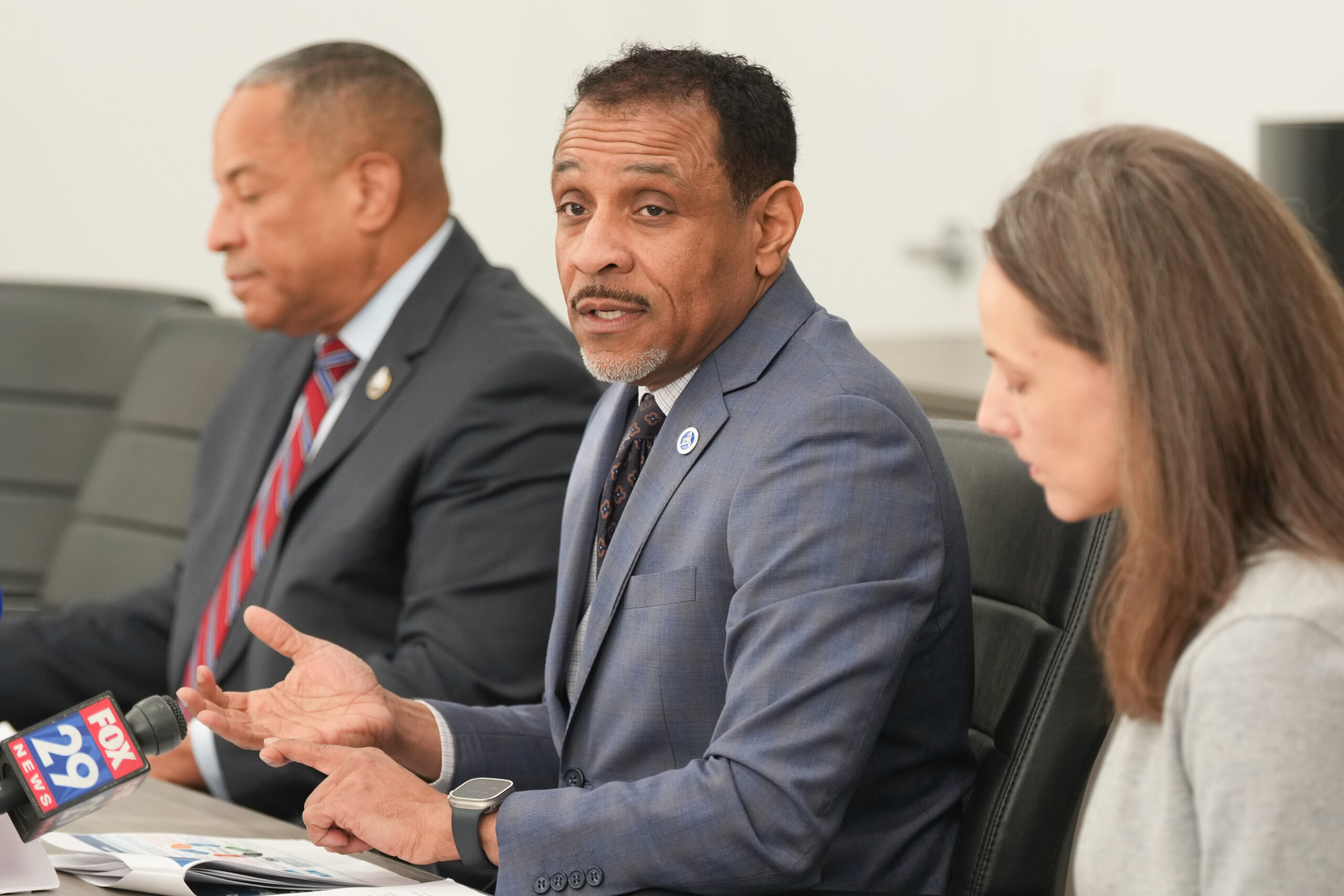
Superintendent Tony B. Watlington (center) speaks about his proposal this month for the Philadelphia school facilities master plan.
The racial impact
The 20 schools that could close have twice as many empty seats as the district’s other schools. But The Inquirer’s analysis found that the closures will hit Black students disproportionately.
Among the closing schools, about 68% of the student population is Black, compared with 40% for the rest of the district’s schools — not including disciplinary or other specialized schools.
window.addEventListener(“message”,function(a){if(void 0!==a.data[“datawrapper-height”]){var e=document.querySelectorAll(“iframe”);for(var t in a.data[“datawrapper-height”])for(var r,i=0;r=e[i];i++)if(r.contentWindow===a.source){var d=a.data[“datawrapper-height”][t]+”px”;r.style.height=d}}});
Of the district’s schools where at least 90% of the students are Black, more than half are scheduled to close or take in more students from the closures.
Overall, amajority of students in the 75 schools that could close, take in students, or change in some way are Black, at about 54% of enrollment.
Some majority-Black schools, however, are earmarked for upgrades. Bartram High would get a modern athletics facility after nearby Tilden Middle School in Southwest Philadelphia is closed and upgraded for that purpose.
Nysheera Roberts is the parent of multiple children who attend Waring Elementary, in Spring Garden, which landed on the closure list. Waring now educates under 200 students; its pupils would be sent to Bache-Martin.
Roberts is stunned that her school — which educates mostly Black students like her kids — could close.
She worries about the logistics of getting her kids to school safely further away, then getting to her job in home care in Frankford on time. She worries what will happen to her children, including the niece and nephew she now raises who have lived through significant trauma and have behavioral and learning needs, if they have to adjust to a new and larger school.
“It’s not fair,” Roberts said. “They’re hurting Black kids more.”
Paying attention to vulnerable neighborhoods
In deciding which schools to close or expand, the district considered the vulnerability of the surrounding neighborhood.
Two dozen neighborhood elementary schools were labeled “very high risk,” meaning they have likely dealt with a previous school closure, or the community is otherwise vulnerable to high poverty, housing concerns, or other factors.
(function() {
var l2 = function() {
new pym.Parent(‘school_closing1’,
‘https://media.inquirer.com/storage/inquirer/projects/innovation/arcgis_iframe/school_closing1.html’);
};
if (typeof(pym) === ‘undefined’) {
var h = document.getElementsByTagName(‘head’)[0],
s = document.createElement(‘script’);
s.type = ‘text/javascript’;
s.src = ‘https://pym.nprapps.org/pym.v1.min.js’;
s.onload = l2;
h.appendChild(s);
} else {
l2();
}
})();
Welsh, in North Philadelphia, was the only school building in a neighborhood labeled “very high risk” to land on the closing list.
Bethune in North Philadelphia and Martha Washington in West Philadelphia will colocate with other schools.
But three schools with building conditions considered unsatisfactory, poor programming options, and “very high risk” neighborhood ratings were left off the closure list. Those schools are Philadelphia Military Academy in North Philadelphia, Sheppard in West Kensington — which has successfully fought off closure in the past — and Francis Scott Key in South Philadelphia, the district’s oldest building, constructed in 1889. Sheppard and Francis Scott Key are both majority-Hispanic schools.
Sheppard Elementary School in West Kensington has faced the threat of closure in the past but was spared in the latest proposal.
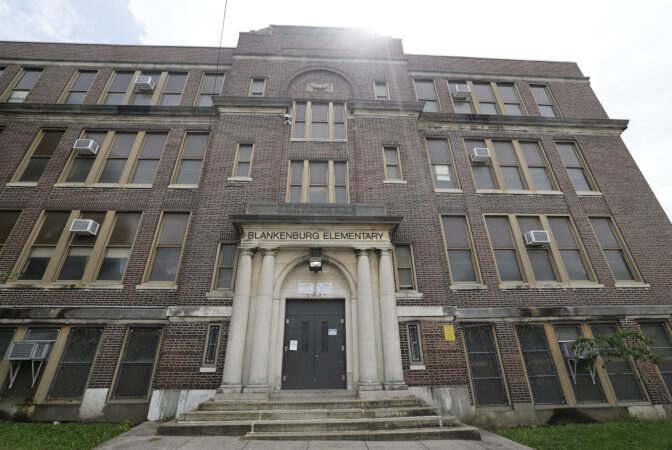
The district plan calls for closing five schools in neighborhoods it deemed to have a “high risk” of vulnerability, the level below “very high”: Blankenburg, Harding, Stetson, Tilden, and Wagner.
Watlington has made it clear that the district is phasing out middle schools when possible, in favor of the K-8 model — and of that list, four are middle schools. Only Blankenburg, in West Philadelphia, is an elementary. Also, of those schools in vulnerable neighborhoods, four of the five are rated as having “unsatisfactory” buildings, the district found.
Perhaps no section of the city faces as much disruption from the recommendations as the lower part of North Philadelphia.
Fourteen schools with a combined enrollment of 5,400 students could be affected, including the closures of Ludlow, Morris, Penn Treaty, and Waring.
“If you are closing schools during a literacy crisis, then you should be held directly accountable to the people you serve,” Young said last week.
Right sizing mostly empty buildings
Underused space was a factor in the district’s decision-making, an Inquirer analysis found.
Data released by the district last year identified about 60 schools that were more than half empty. The recommendations attempt to realign some of these schools by taking significant action on 31 of the 60 half-empty schools.
Of the 20 schools the district wants to close, 14 are currently at less than half capacity.
window.addEventListener(“message”,function(a){if(void 0!==a.data[“datawrapper-height”]){var e=document.querySelectorAll(“iframe”);for(var t in a.data[“datawrapper-height”])for(var r,i=0;r=e[i];i++)if(r.contentWindow===a.source){var d=a.data[“datawrapper-height”][t]+”px”;r.style.height=d}}});
AMY Northwest, Conwell, Robert Morris, Motivation, Tilden, and Welsh are all recommended for closure, with each educating fewer than a quarter of the students they have room for.
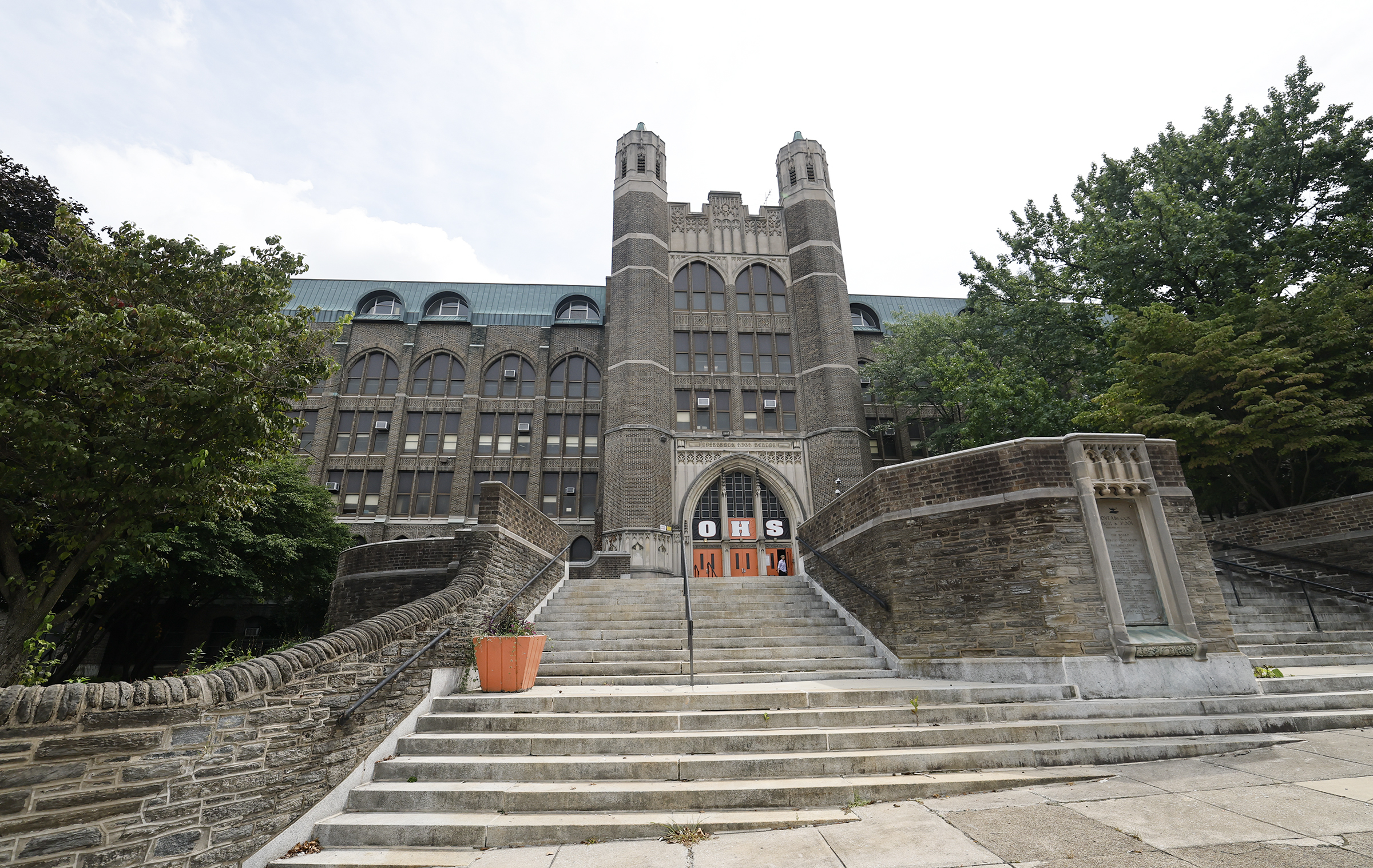
Overbrook High in West Philadelphia — a 100-year-old school with roughly one in four seats filled — would remain open but begin sharing space with the Workshop School, a small, project-based high school located nearby.
Overbrook has received millions in funding from the state for remediation and a new roof. It also has a strong alumni association.
Overbrook High School in West Philadelphia has thousands of empty seats but was not tapped for closure. Instead, The Workshop School, a small, project-based high school now located in another West Philadelphia building, will colocate with Overbrook.
Having a more robust enrollment, however, did not save some schools from landing on the closure list. Harding, Parkway Northwest, Pennypacker, Robeson, and Stetson operate at 50% to 74% of capacity but would still close.
Besides shutting down underused schools, the plan would alter an additional 17 half-empty schools by moving them into colocations, adding grades, or otherwise expanding their use by taking in students from the closing schools.
To make it work, the district’s recommendations often involve a series of logistical steps. A pair of North Philadelphia neighborhood schools built in the 1960s are one example.
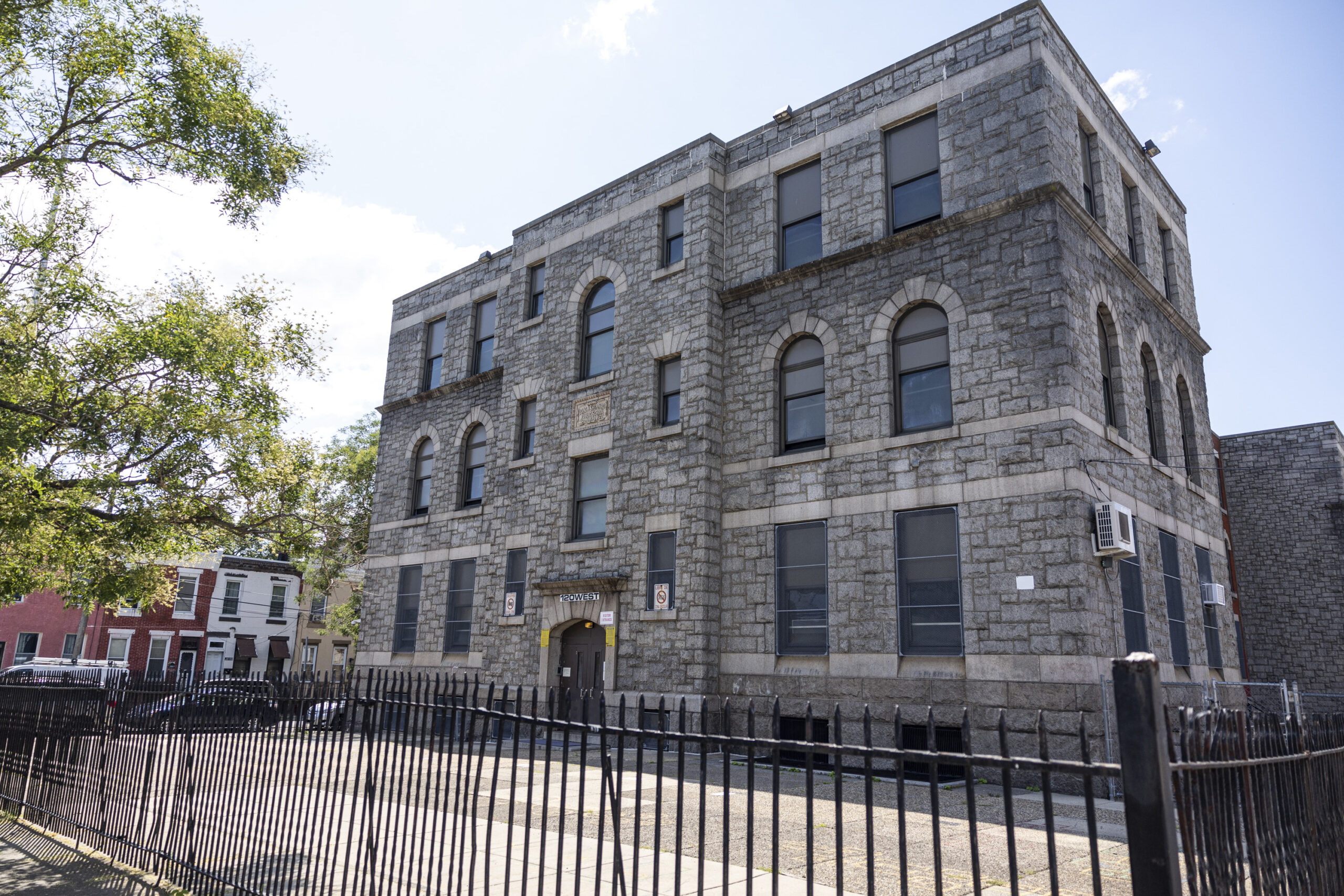
Hartranft, a K-8 school in North Philadelphia with a building rated in “good” condition but only 37% occupied, would take in students from Welsh, a school marked for closure. Welsh teaches the same grades but in a building rated “poor” about a half a mile away. The district would then convert the Welsh building into a new year-round high school.
John Welsh Elementary school is on the list of 20 schools proposed to close by the 2027-28 school year.
Getting students out of (some) fatigued buildings
By one city estimate, district schools need about $8 billion in repair costs for 300-plus buildings that are about 75 years old on average. Watlington’s plan calculates the district could do it for $2.8 billion.
Even with some investments over the last decade, many schools still have asbestos, lead, or mold issues. And many schools that don’t have bad building quality ratings still need improvements.
Eight schools recommended for closure are in buildings rated “unsatisfactory” by the district, its lowest score.
An additional 30 schools also rated “unsatisfactory” would remain open under the plan, including some expected to see an increase of students.
window.addEventListener(“message”,function(a){if(void 0!==a.data[“datawrapper-height”]){var e=document.querySelectorAll(“iframe”);for(var t in a.data[“datawrapper-height”])for(var r,i=0;r=e[i];i++)if(r.contentWindow===a.source){var d=a.data[“datawrapper-height”][t]+”px”;r.style.height=d}}});
Watlington wants the district to pay for $1 billion of the plan’s price tag with its own capital funds over the next decade. That would leave $1.8 billion unfunded, and he wants the state and philanthropic funders to cover the rest.
If the full $2.8 billion plan is funded, Watlington said, the district could improve every building labeled “poor” or “unsatisfactory.”
To achieve this, some buildings could get the same kind of treatment Frankford High received — a $30 million major renovation project to remedy significant asbestos damage. Students had to relocate into an annex and another building for two years while the work was done.
The district plan calls for some of the buildings in the worst shape to receive more students. Bache-Martin, Catharine, Howe, John Marshall, and Middle Years Alternative are in buildings that need significant upgrades, according to the district’s analysis, but all would take on more pupils.
In the case of Howe, the district wants to add grades to keep students who would have attended Wagner, a middle school that is proposed to close.
The district has said Bache-Martin would receive upgrades if the plan is adopted. For other schools, neither the timeline nor the fixes they would receive are clear.
The recommendations so far only mention a handful of schools set to modernize.
Among them is Comly, a K-5 in the Somerton neighborhood.
Comly now has 660 students enrolled, putting it at 107% of its capacity. But the district recommends modernizing the school and accepting middle grades students from the Comly and Loesche catchments. Students who now attend Loesche, another K-5, go to Baldi Middle School, which is also overcrowded.
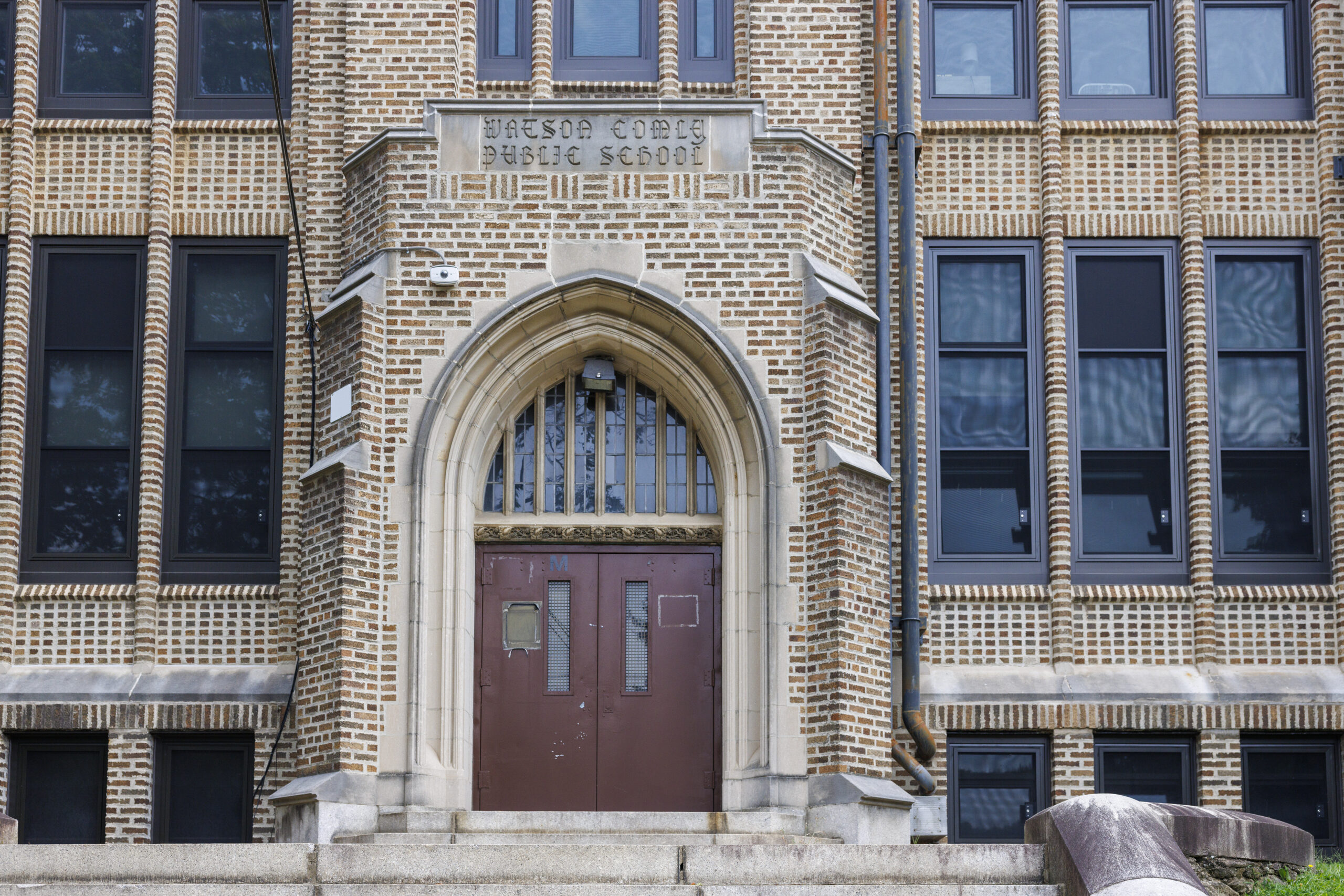
Watson T. Comly Elementary School in Somerton. It’s slated to be modernized and accept more grade levels under the district’s proposed plan.
What appears to set schools like Bache-Martin apart from some of the closures is higher occupancy. Together, about two dozen schools that are more than half occupied would remain open, even though the buildings are “unsatisfactory.”
Schools on this list — like Barton Elementary, which runs at about 80% of its capacity — are harder to shutter or colocate if no nearby school has low attendance. That makes building upgrades a more logical solution.
But those two dozen schools are not the only ones in need of significant building upgrades.
An additional 45 schools currently operate in buildings rated slightly better at “poor,” the category just above “unsatisfactory.” The district recommends closing seven of them and colocating two.
And beyond that large number of fatigued schools, many others in poorly rated buildings will remain unchanged for now, with about 10 even taking in more students.
Watlington has said that in total, 159 schools would modernize over a decade if the plan is approved and fully funded, but absent extra state and private money, that number could drop.
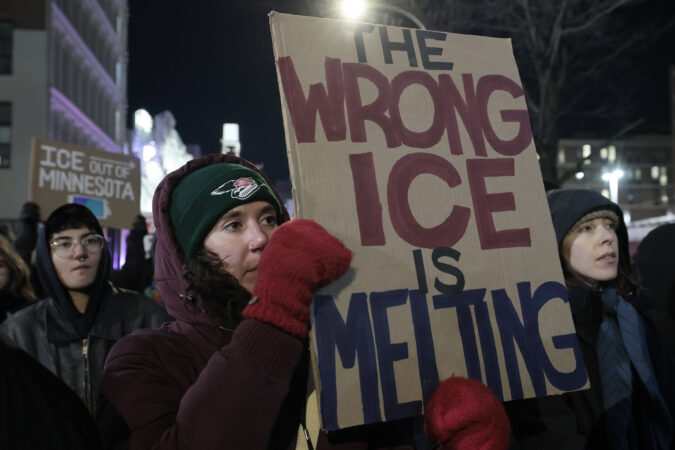
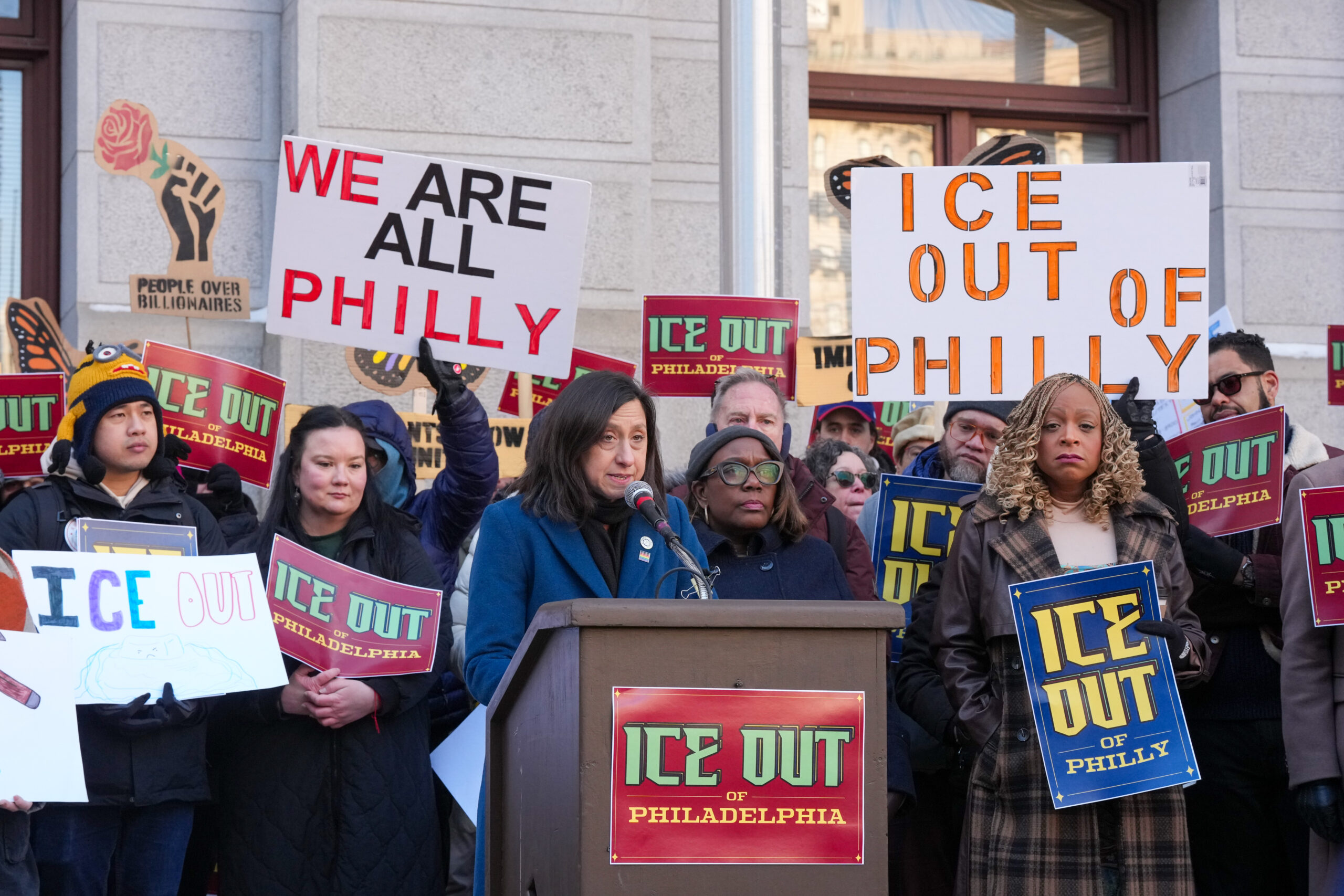
City Councilmembers Kendra Brooks and Rue Landau on Thursday plan to formally introduce their “ICE Out” legislative package, which aims to place restrictions on federal immigration enforcement operations in Philadelphia.
The seven bills range from codifying into law Philadelphia’s existing “sanctuary city” policies to a controversial ban on law enforcement officers wearing masks. Almost all of the bills contain exceptions noting that they do not apply if Immigration and Customs Enforcement agents secure judicial warrants for their activities or are acting under superseding federal laws.
It’s likely that several of the bills will face legal questions, such as whether the mask ban is constitutional and whether Council has the authority to enact some of the rules the proposals seek to establish.
After the bills are introduced Thursday, Council President Kenyatta Johnson will refer them to committee. One or more hearings will likely be scheduled in the spring.
At that point, officials from Mayor Cherelle L. Parker’s administration, stakeholders, and experts will testify. Lawmakers could then amend the bills and vote on them in committee. If they advance, they would head to the Council floor for a final vote.
In a sign that the bills are likely to gain traction, Majority Leader Katherine Gilmore Richardson on Wednesday praised Brooks’ and Landau’s efforts.
“My heart breaks for everyone who has been impacted by ICE’s violent and dangerous actions and for everyone who feels afraid and unsafe in their communities,” Gilmore Richardson said, adding that she will work with other Council members “to protect our residents.”
If approved on final passage, the bills would head to Parker’s desk. The mayor can veto them, sign them into law, or allow them to become law without her signature.
Here’s what you need to know about each of the bills.
Banning ICE agents from wearing masks
Author: Brooks.
Key excerpt: “A law enforcement officer is guilty of criminal concealment if the law enforcement officer, while performing official duties and interacting with the public …. wears a mask, facial covering, disguise or any other garment that obscures the identity of the law enforcement officer, or fails to identify themselves to a subject of arrest, holding or detention.”
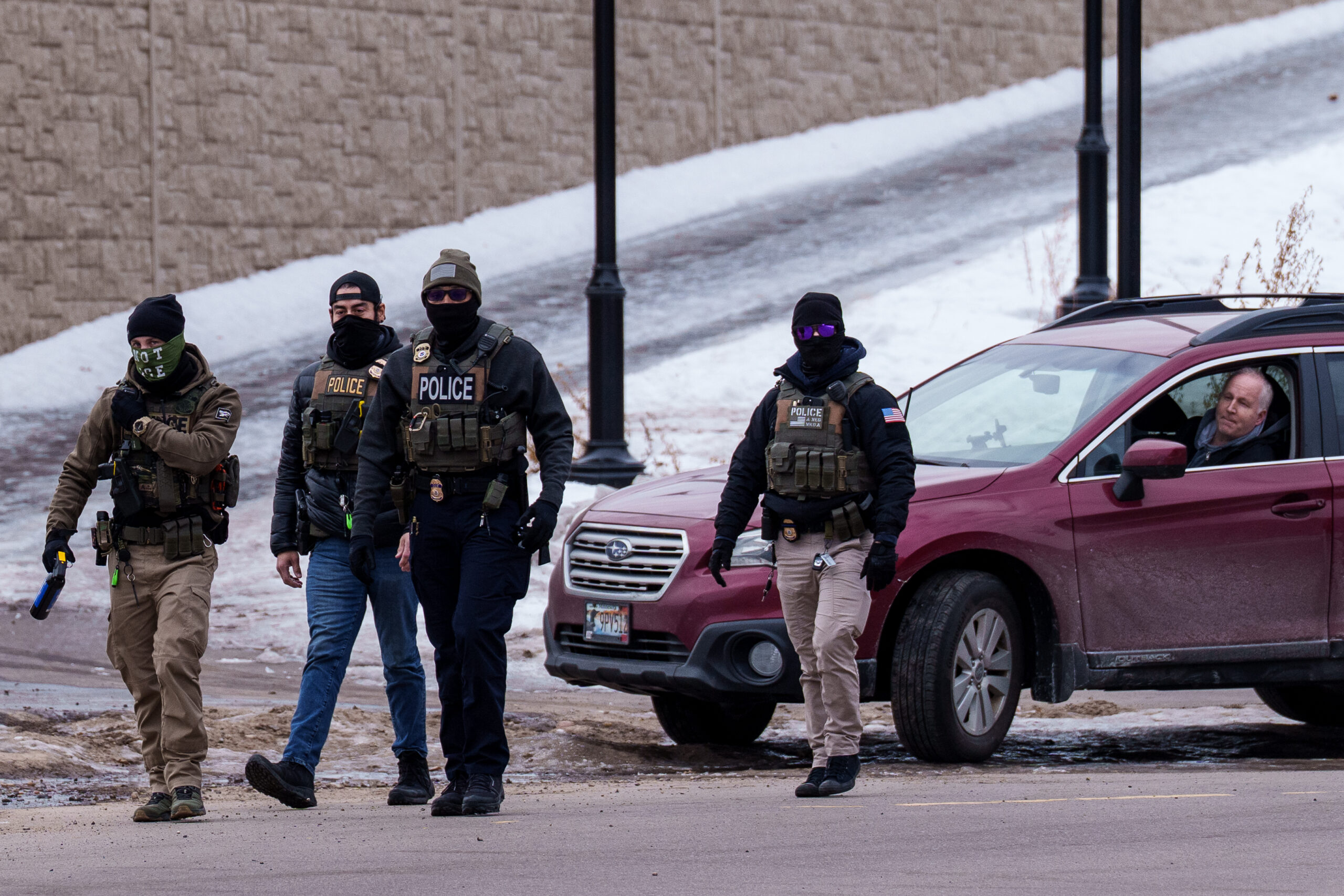
A person looks out of their vehicle as Immigration and Customs Enforcement (ICE) agents walk away, Thursday, Jan. 15, 2026, in Richfield, Minn. (AP Photo/Adam Gray)
What it does: The bill would ban law enforcement officers from obscuring their identities with masks. It also would require officers to wear badges, and would make it an offense to conceal badges or to decline to provide identifying information if requested by people they are arresting. Additionally, the bill would ban officers from using unmarked vehicles.
Exceptions: The bill includes exceptions for undercover assignments, medical or religious masks, SWAT teams, and smoke-filtering masks worn during fires or similar emergencies.
How it would be enforced: The district attorney would be able to charge an officer with a summary offense, the lowest level of crime in Pennsylvania. If found guilty, the officer would pay a fine of $300 for each day the law was violated or face up to 90 days in prison.
Additionally, the bill would give any individual “aggrieved by a violation” the right to sue an agent for wearing a mask, with fines up to $2,000 per offense if a judge sides with the plaintiff.
Twist: This bill applies to all law enforcement officers, not just ICE agents. That includes city police. It is likely that the Philadelphia Police Department, which sometimes uses unmarked cars, will have something to say about the proposed rules once the bill gets a committee hearing.
Key excerpt: “No City Agency or Employee shall enter into, renew, or participate in a 287(g) Agreement with the federal government.”
What it does: The primary objective of this bill is to ensure the city never enters into a 287(g) agreement, in which local law enforcement officers are trained to perform immigration enforcement duties. (The agreement refers to a section of the U.S. Immigration and Nationality Act.) Philadelphia is not currently in a 287(g) agreement, so that provision would not have a significant impact in the near term.
But the bill includes several other notable provisions, such as prohibiting city employees from assisting immigration enforcement in any way, and requiring them to report requests to assist ICE to their superiors.
How it would be enforced: The city solicitor, Philadelphia’s top lawyer, would be responsible for suing city agencies or employees who violate the bill’s provisions. Potential consequences include a $2,000 fine and termination.
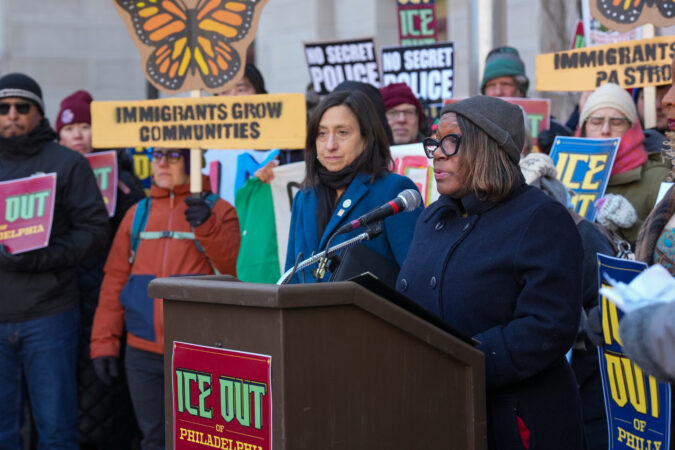
Kendra Brooks shown here during a news conference at City Hall on Tuesday to announce a package of bills aimed at pushing back against ICE enforcement in Philadelphia.
Prohibiting discrimination based on immigration status in city services
Author: Landau.
Key excerpt: “No City agency, official, employee, contractor or subcontractor shall …
“request information about a person’s citizenship or immigration status …
“condition the provision of City benefits, services, or opportunities on a person’s citizenship or immigration status or national origin …
“threaten, coerce, or intimidate a person based on their actual or perceived citizenship or immigration status [or] …
“initiate an investigation or take law enforcement action based on a person’s actual or perceived citizenship or immigration status.”
What it does: This bill aims to protect individuals from being treated differently based on their immigration status when dealing with city government services.
How it would be enforced: The city solicitor or anyone aggrieved by violations of the bill would be able to sue the offending city employee or agency.
Banning employment discrimination based on immigration status
Author: Landau.
Key excerpt:“It shall be an unlawful employment practice to deny or interfere with the employment opportunities of an individual based upon … citizenship or immigration status.”
What it does: The bill would add “citizenship or immigration status” to Philadelphia’s Fair Practices Ordinance, which prohibits employers from discriminating against workers based on characteristics including race, ethnicity, gender, and sexual orientation.
How it would be enforced: If the bill is approved, Philadelphians who feel their employers have discriminated against them based on their immigration status will be able to file complaints to the Philadelphia Commission on Human Rights, which adjudicates alleged violations of the Fair Practices Ordinance.
Rue Landau shown here at the Tuesday news conference.
Withholding data on citizenship and immigration status
Author: Landau.
Key excerpt: “No City agency … shall enter into any contractual agreement or arrangement with a federal agency or federal contractor to provide access to any data, database, or dataset where the purpose of such access includes assisting or supporting immigration enforcement operations.”
What it does: This bill aims to prevent the federal government from accessing city data that could help immigration agents determine individuals’ citizenship status.
It also would require the city to produce an annual report tallying federal data requests related to immigration status and any violations of the bill.
How it would be enforced: The city solicitor or any individual aggrieved by violations of the bill would be able to sue the offending city employee or agency.
Prohibiting immigration enforcement on city-owned property
Author: Brooks.
Key excerpt: “It is unlawful to use City-owned or controlled property for the purposes of staging, conducting or assisting federal immigration enforcement activities.”
What it does: The bill prohibits immigration enforcement operations on city-owned land, such as federal agents making arrests in city parks or ICE staging raids on municipally owned parking lots.
The bill also allows city agencies to post signs on municipal property stating: “This property is owned and controlled by the City of Philadelphia. It may not be used for immigration enforcement activities.”
How it would be enforced: The city solicitor may file a lawsuit to ask a judge to order the federal government to cease and desist from using city property.
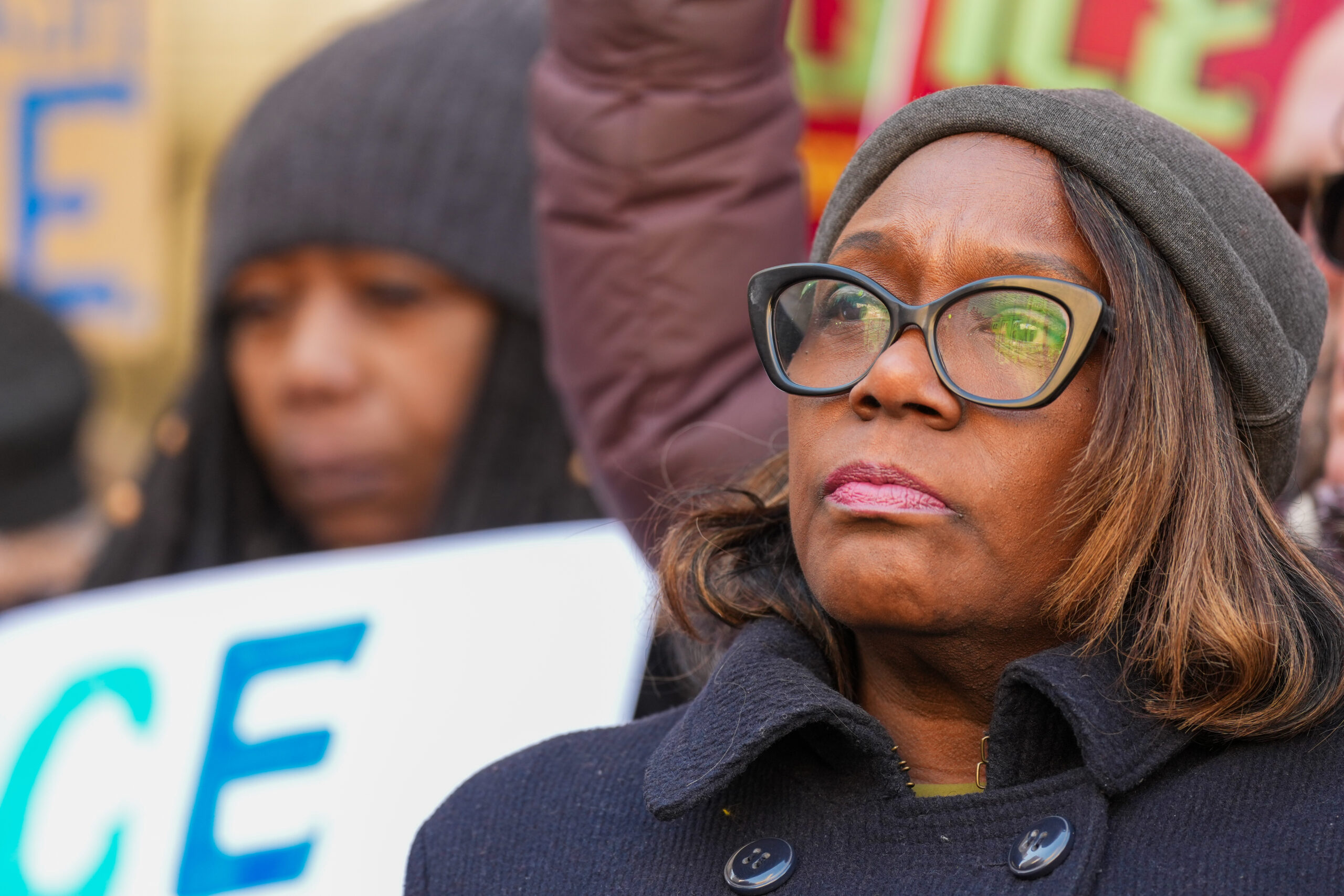
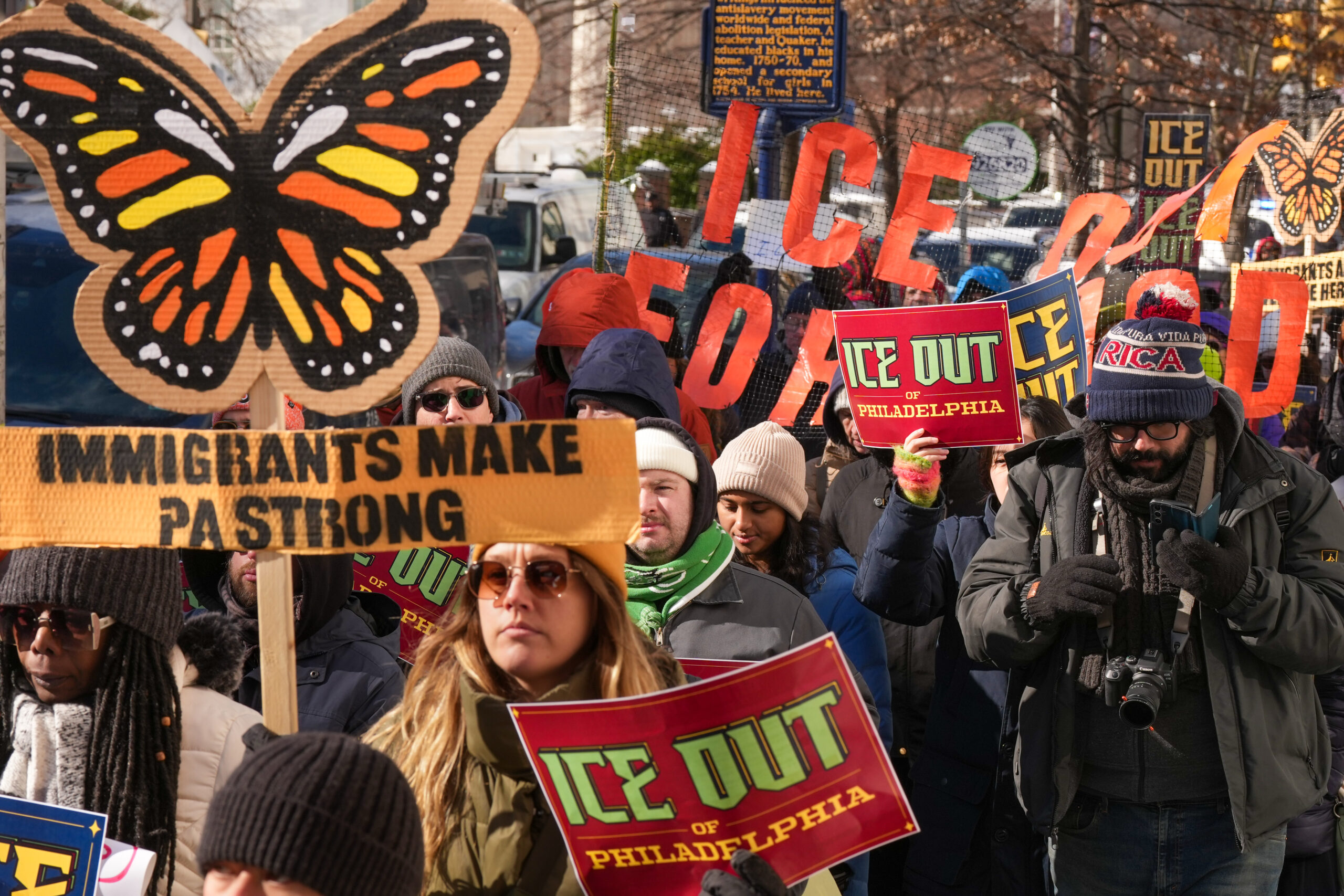
Advocates and protesters on Tuesday in Center City call for ICE to get out of Philadelphia.
Requiring warrants for nonpublic areas of ‘Safe Community Spaces’
Author: Brooks.
Key excerpt: “No employee or agent engaged in official duties at a Safe Community Place shall have the authority to consent to permitting a law enforcement officer to enter a nonpublic area of the facility … to identify, arrest or otherwise impose a penalty upon a person for purposes of federal immigration enforcement.”
What it does: The bill would effectively require immigration agents to secure judicial warrants to access nonpublic areas in “Safe Community Spaces,” including city-owned or -controlled hospitals, libraries, courthouses, recreation centers, and other city facilities. Currently, agents can access those areas if they get permission.
The proposal also would also require judicial warrants for instances in which law enforcement seeks access to nonpublic areas “to identify or impose civil or criminal liability upon a person” exercising protected rights such as the freedom of speech, assembly, and petitioning.
Lastly, the bill would require city agencies to “identify property that has been, and is likely to be used by, immigration enforcement” and mark it with signage stating: “In nonpublic areas of this property, a judicial warrant is required for law enforcement activities and no voluntary consent may be solicited from any employee.”
How it would be enforced: Only the city solicitor can sue to enforce the bill’s provisions. Such a suit would not be filed against a federal agent. Instead, it would be filed against a staffer at a “Safe Community Space” who gave federal agents permission to access nonpublic areas at the facility.
Staff writers Anna Orso and Jeff Gammage contributed to this article.
The exhibits will remain in the park service’s custody at the center, down the street from the President’s House, pending the outcome of the City of Philadelphia’s federal lawsuit against the Department of Interior and the National Park Service for taking down the exhibits.
But the center said it has no role in storing the exhibits.
“The storage facility [where the exhibits are being kept] is entirely under control and operation of the Park Service,” said a spokesperson for the Constitution Center, adding that the center does not have possession of or access to the space.
Mayor Cherelle L. Parker’s administration is seeking an injunction to return the exhibits to the President’s House, which aims to educate visitors on the horrors of slavery and memorializes the nine people George Washington enslaved at the site during the founding of the United States.
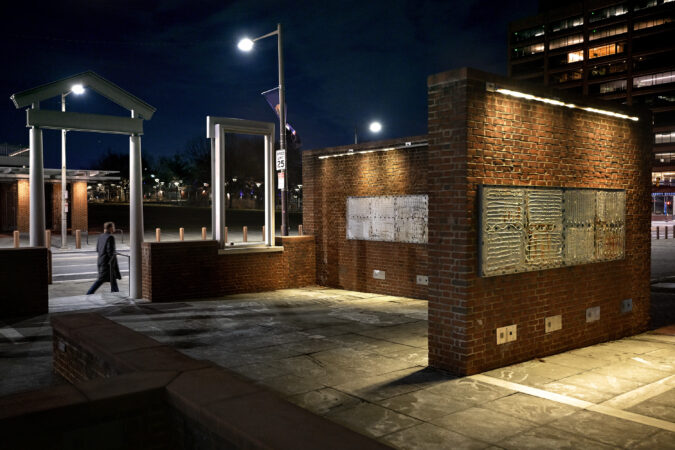
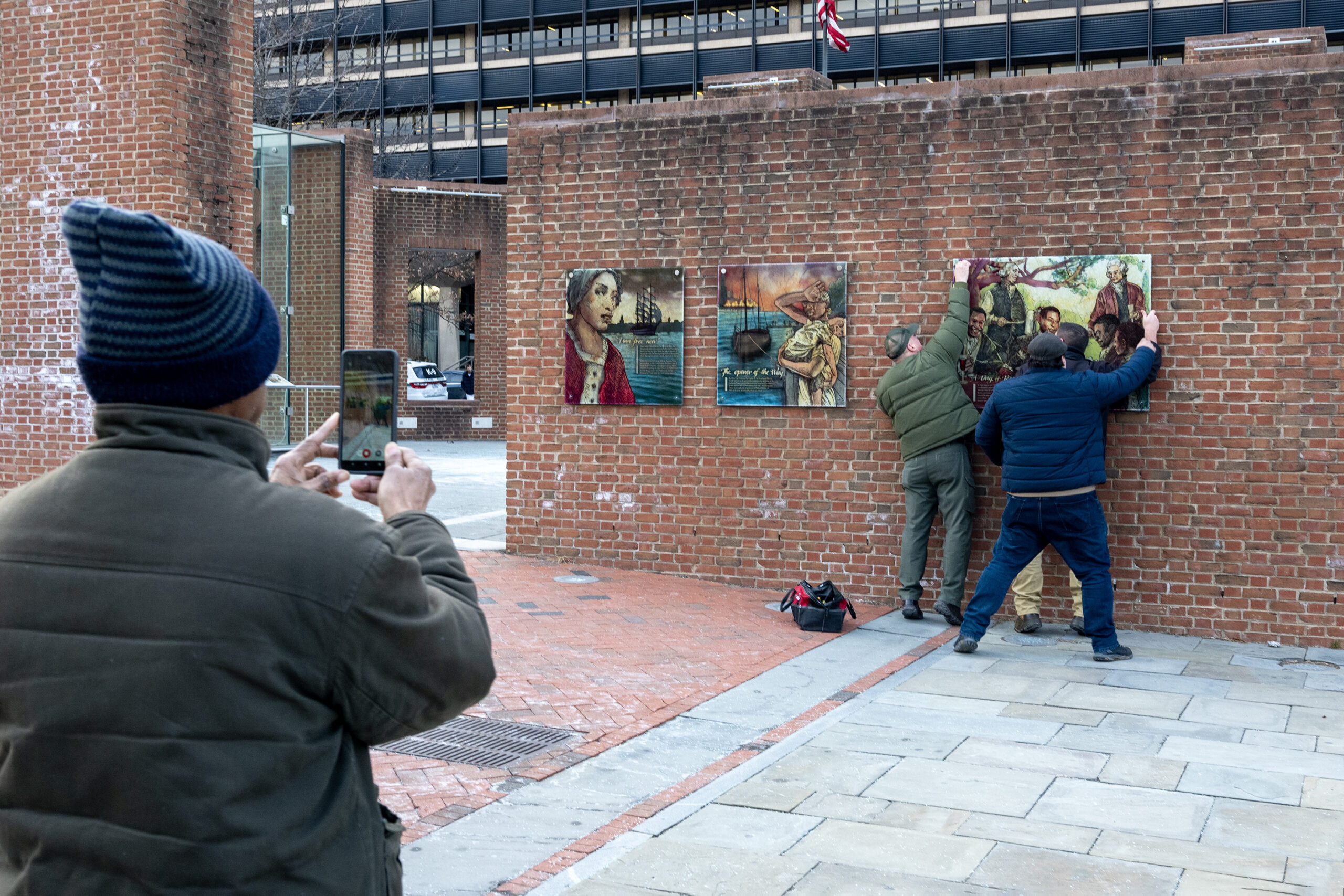
Jali Wicker records NPS workers remove interpretive panels at the President’s House site in Independence National Historical Park Thursday, Jan. 22, 2026. More than a dozen educational displays and illustrations about slavery were removed from the site, which serves as a memorial to the nine people George Washington enslaved there during the founding of America.
The location of the removed exhibits was revealed Wednesday in a motion objecting to the city’s injunction. The motion was filed by U.S. attorneys and assistant Attorney General Brett Shumate, representing Interior Secretary Doug Burgum, acting National Park Service Director Jessica Bowron, and their respective agencies.
The legal filing also provides further details into what transpired last Thursday when park service employees removed exhibits about slavery at the President’s House.
Park service employees dismantled the exhibit after Bowron ordered Steve Sims, the park service’s acting regional director, to have workers remove the panels and turn off video displays at the site, according to the filing. Sims said the takedown was carried out the same day that Bowron requested it.
There is also a remaining sign made of wood in a metal structure that was not removed last week because additional tools were needed.
“When and if NPS removes the sign, it will be stored with the other panels,” Sims said in a declaration included in the legal filing.
The footprints embedded in the site and the Memorial Wall featuring the names of the nine people Washington enslaved will stay at the President’s House, he said.
Last year, Burgum and President Donald Trump ordered content at national parks that could “inappropriately disparage Americans past or living” to be reviewed and potentially removed.
In addition to the actions in Philadelphia, the National Park Service has reportedly removed signage about the mistreatment of Native Americans from the Grand Canyon, among other changes implemented under the orders.
Tuesday’s filing previews the Trump administration’s legal argument for a hearing scheduled Friday on Philadelphia’s suit, which could be used in other cases around the country.
The attorneys claim in the filing that this case is “fundamentally a question of Government speech,” and they accuse the city of trying to “censor” the federal government.
“Such interests are especially weighty where, as here, the City effectively seeks to compel the Federal government to engage in speech that it does not wish to convey,” the attorneys wrote.
The city’s suit has received legal backing from Gov. Josh Shapiro and the Avenging the Ancestors Coalition, an advocacy group that helped establish the President’s House in the early 2000s.
The exhibit takedown has been a heartbreak for those who helped develop the site and for Philadelphians who have left artwork memorializing what the site used to be.
In a video posted to social media Tuesday, Parker said that her administration would keep “fighting” to have the panels restored to the site as the city prepares to play a central role in the nation’s 250th anniversary celebrations in July.
“This history is a critical part of our nation’s origins, and it deserves to be seen and heard, not just by the people of Philadelphia, but by every person who comes to Philadelphia from around our nation and the world to see and learn from, especially as we celebrate our Semiquincentennial 250th birthday, I want the world to know you cannot erase our history,” she said.
This story has been updated to include a comment from the National Constitution Center.
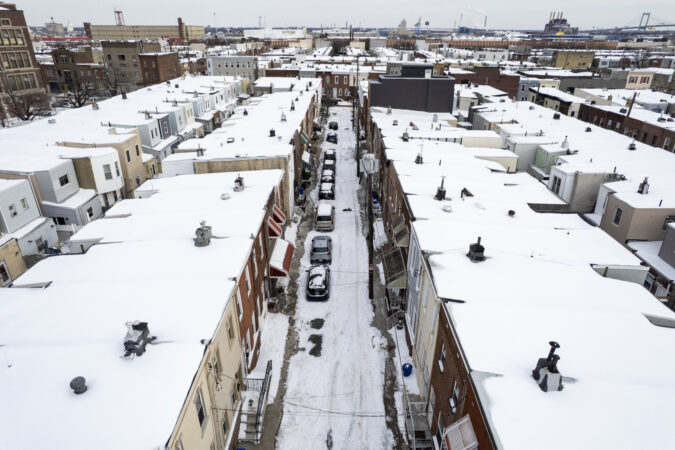
With more than 60 hours since the last bit of snow descended upon Philadelphia, the widespread complaints about the conditions of secondary and tertiary streets have reached a fever pitch.
The Philadelphia Streets Department has tried to quell the public’s concerns with daily videos of excavators diligently filling dumpsters with snow. Yet evidence of icy streets and snow banks blocking lanes dominate social media, with city data showing the street conditions vary block by block.
Between 3 p.m. Tuesday and 3 p.m. Wednesday, the city’s GPS data show, about 30% of city streets had been visited by plows. Some areas, like Center City and South Philadelphia west of Broad Street, saw most numbered streets and cross streets hit by plows during that time. Meanwhile, South Philly and Center City neighborhoods east of Broad Street saw little to no reported activity.
The same was true for large swaths of North and West Philadelphia. And neighborhoods like Overbrook, Wynnefield, and Nicetown, which have seen the fewest reported visits from city plow trucks since the storm began, saw only a handful of streets plowed between Tuesday and Wednesday afternoon, according to city data.
On the neighborhood line of Grays Ferry and Devil’s Pocket, Dani Hildebrand was one resident who felt forgotten as the streets around him were plowed and garbage picked up. Hildebrand’s block was supposed to have trash collection come through Tuesday with the one-daydelay announced by the city. But on Wednesday, bags of garbage lined his block.
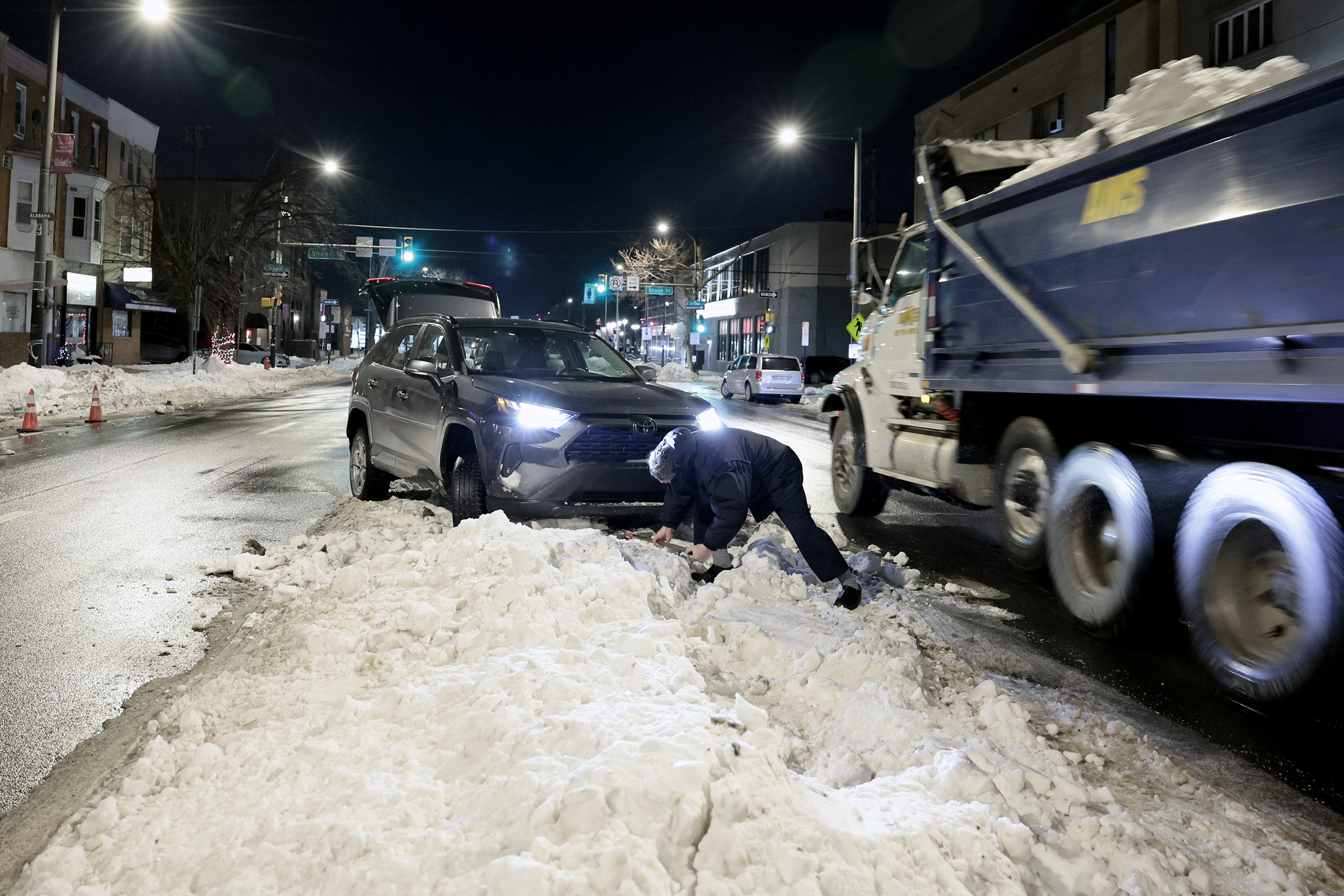
An unidentified man shovels snow from underneath his car after it became hung up when he was trying to park in the middle of South Broad Street in Philadelphia in the early morning hours of Wednesday, Jan. 28, 2026. Dump trucks filled with snow from the city’s snow removal operations were zooming by as he worked to get his car free.
The 41-year-old father of three said his school-age children yearn to leave the house, even if for an errand, but it’s not in the cards.
“Between piles of snow, trash, and dog pee and poop, it’s not ideal,” he said. “We’ve been stuck in since Sunday, and while I’m close to a market, it’s not safe to walk there with my three kids and I can’t get my car out.”
The city, for its part, has said the snow clearing would take as long as it needs to and the work would continue until all roads are dug out. Residents should expect trash-collection delays as crews navigate the snow and ice. At the same time, officials have consistently asked for patience, noting that the frigid temperatures were not aiding snow-removal efforts.
They have pointed to the 14 teams with more than 200 vehicles and excavators that are trying to move the snow and ice into storage facilities using dumpsters. Future Track trainees with the Philadelphia Streets Department have also taken up shovels to help clear crosswalks in the city.
But, the city notes, this is time-consuming work.
Wanted: Private plowers
Chris DiPiazza, owner of the Passyunk Square bakery Mighty Bread, could not afford to wait for city plows and paid for a private service to clear his street Tuesday afternoon.
After the storm, the bakery was unable to make or receive deliveries because the city had not plowed Gerritt Street, the narrow road it’s on. Adding to frustrations, DiPiazza said, snowplows that had come through the adjacent 12th and 13th Streets had left giant snow piles on both ends of the block.
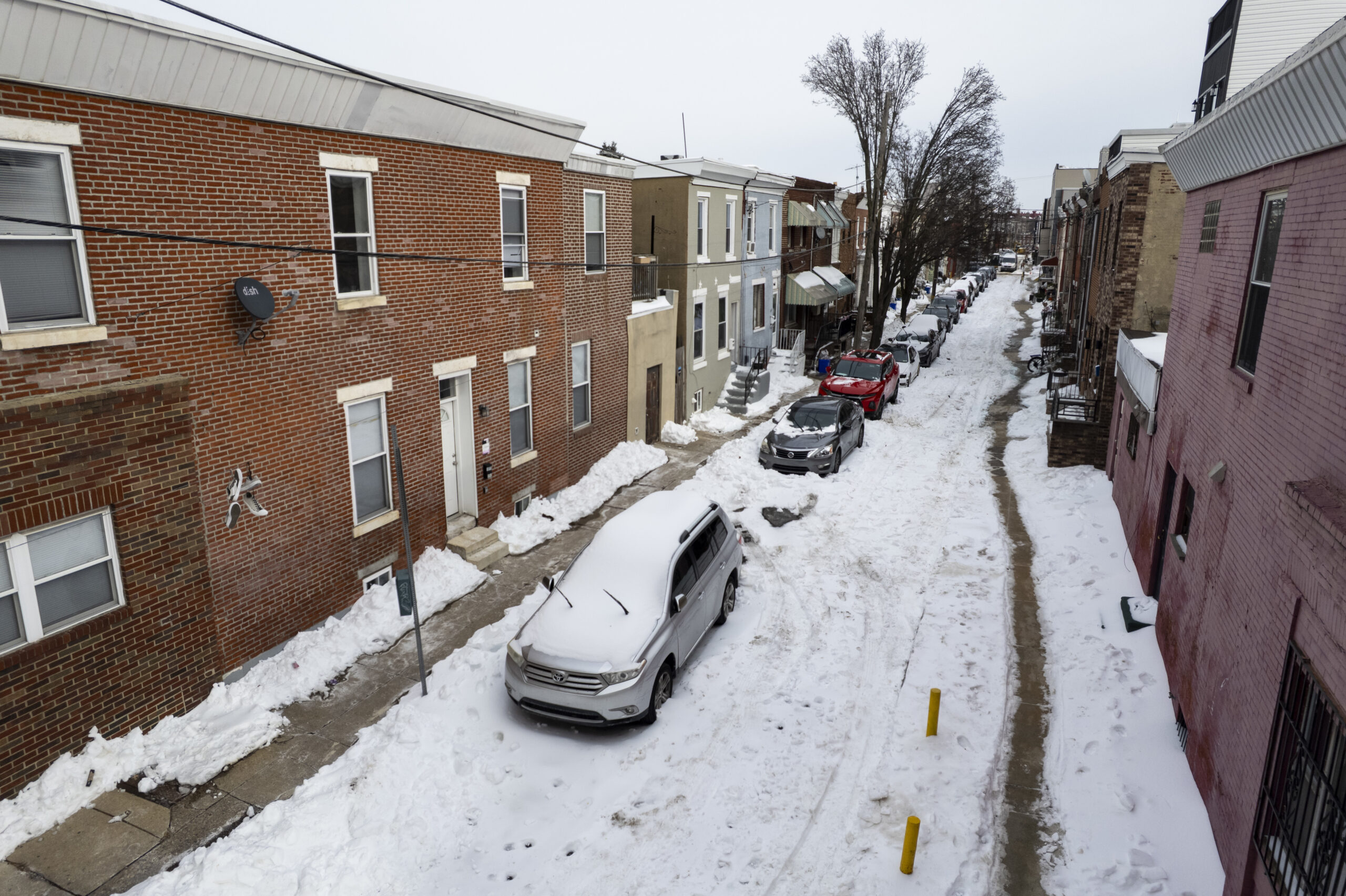
The 700 block of Hoffman is still covered in snow on Wednesday, Jan. 28, 2026 in South Philadelphia.
A 311 operator said it could take upward of three days for plowing to occur, DiPiazza said.
That news was especially frustrating when residents are expected to do their part by shoveling sidewalks in front of their homes within six hours of snowfall stopping, but the city is not fulfilling its own end of that promise, DiPiazza said.
“The city’s responsibility is to make the streets safe for people to drive, and they didn’t do that,” he said.
SEPTA vs. ice
For SEPTA’s size and reach, the organization is not so different from the average Philadelphian living without a plowed street.
The snow-covered roads were especially difficult for bus routes through secondary and tertiary streets after the storm, SEPTA spokesperson John Golden said.
“Those streets are hard to navigate on a good day,” he said.
The lagging plow service made SEPTA pause service for many bus routes.
“Some of our buses just aren’t able to navigate the streets because of lack of plowing,” Golden said.
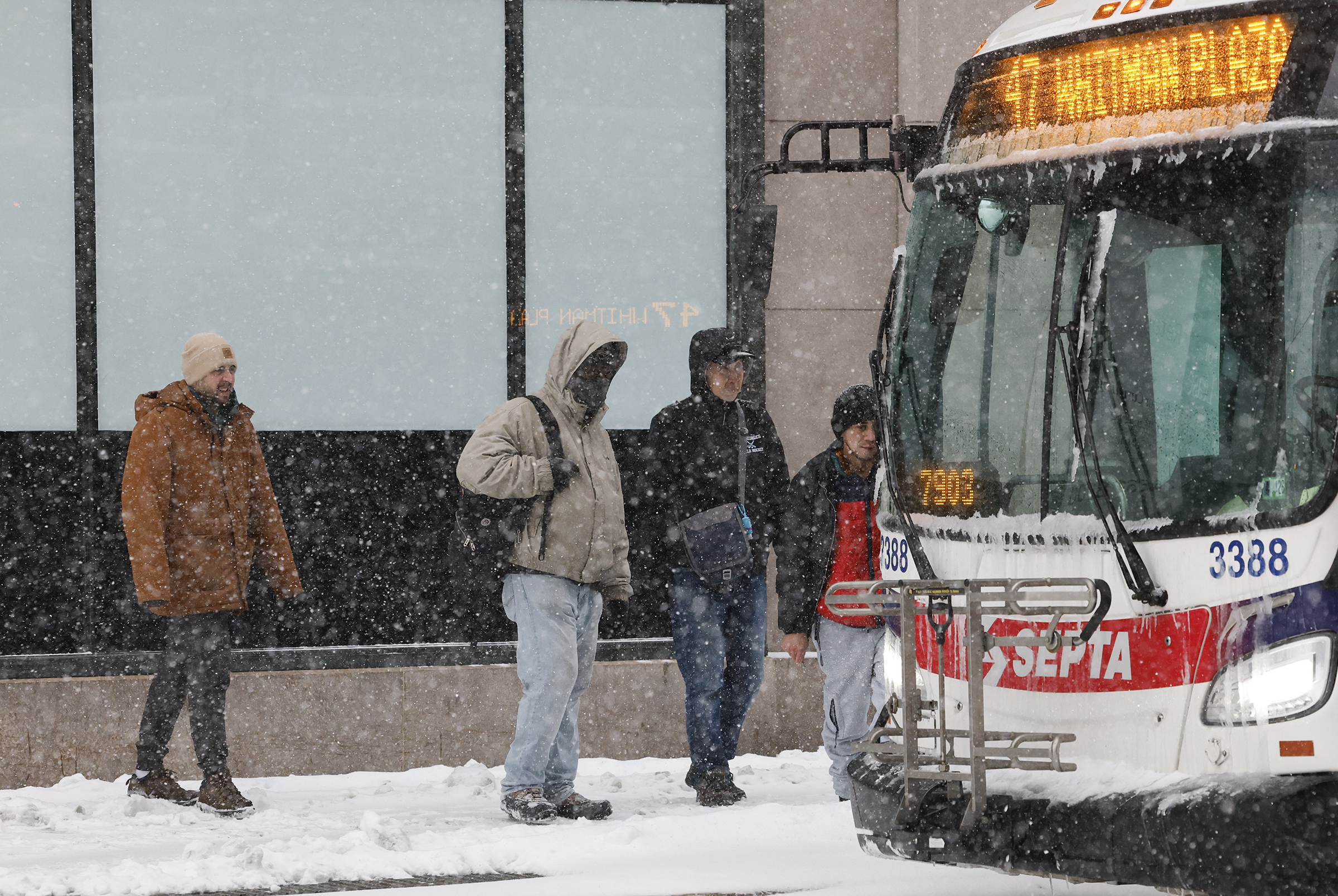
SEPTA riders board the 47 bus at 8th and Market Streets with the snow falling on Sunday, January 25, 2026.
But service had returned to all but a handful of routes by Wednesday afternoon. The weekend storm was not particularly onerous for SEPTA compared with other large storms in years past, Golden said,but he noted the frigid temperatures in the days following have made things difficult. Ice is not melting as quickly as it usually does, leaving the roads treacherous.
Golden said that while SEPTA officials have been in frequent contact with the streets department about problem spots, they don’t have any special recourse besides waiting for the city to clear the streets.
How does 2026 compare with 2016?
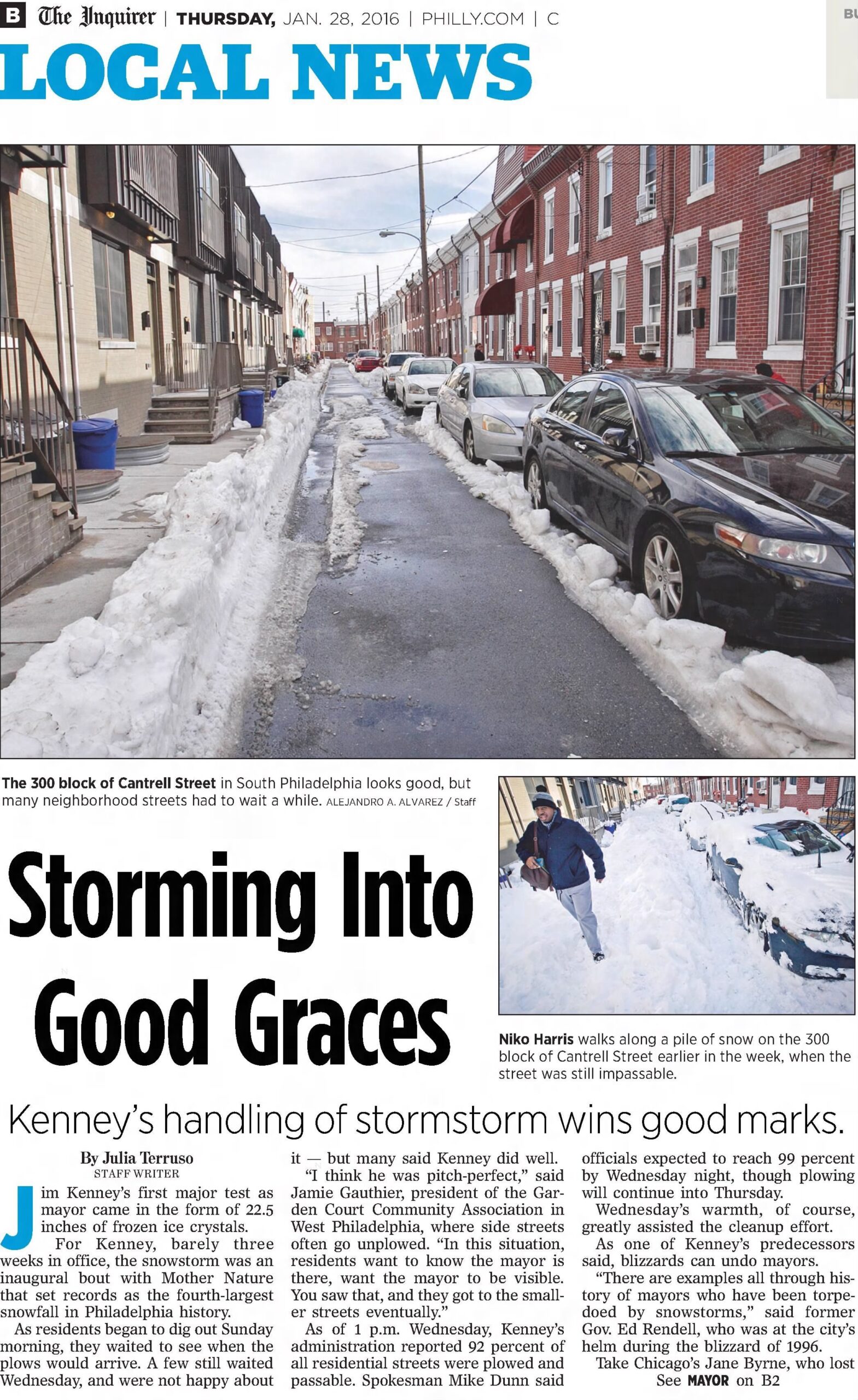
When the city was smacked with 22.5 inches of snow in January 2016, it was the fourth-largest snowfall in Philly history, and newly sworn-in Mayor Jim Kenney’s first major test in office.
At the time, many side street residents issued the same complaints heard with this most recent storm — they were the last to be dug out, and entire blocks were locked in.
But by the fourth day of storm cleanup, a Kenney spokesperson claimed 92% of all residential streets “were plowed and passable” and the administration was taking in kudos for what many — though not all — said was a job well done.
The front page of The Philadelphia Inquirer’s B section in January 2016, following a major snowstorm that was similar to the January 2026 storm. The article reported some complaints of snow plow delays, but residents were largely complimentary of then new Mayor Jim Kenney’s handling of the storm.
Though 9.3 inches fell this time around, city officials have said the conditions were very different. The temperature drop has been the largest hurdle so far, providing no help in melting the ice. The city still urges patience and says teams are working nonstop.
For parents whose children took part in virtual learning Wednesday and residents who were sick of parking wars and icy crosswalks with another potential snowfall on the way, patience was almost gone.
Residents in North and West Philly shared frustrations on social media of parking shortages because mounds of ice left people nowhere to go; some were even parking at an angle in parallel spots, to the chagrin of others. Bus stops were piles of dirty, frozen ice, and crosswalks remained icy.
For Hildebrand, it was all very discouraging.
“A plan could have been made and implemented, since the city knew about this a week before it happened, but it truly seems like bare minimum effort,” he said.