Category: Philadelphia News

  • Library warming centers strained workers and left people without help for complex issues, staff say

    Library warming centers strained workers and left people without help for complex issues, staff say

    The bitter and persistent cold of recent weeks was so dangerous that various Philadelphia agencies coalesced around one mission: Get the city’s most vulnerable off the streets.

    Philadelphia libraries became a key piece in these efforts, with some branches doubling as so-called warming centers for more than 20 days straight in an effort to provide a respite to people who would otherwise be living outside.

    The mobilization of what can exceed 10 branches during life-threatening cold snaps is largely, though not universally, welcomed by library staff, the community groups that support the workers, and the people who use the spaces.

    As outdoor deaths mount in places like New York City, where at least 18 people have died on the streets since Jan. 19, Philadelphia library workers see the initiative as a way to prevent similar outcomes here, where there have been three cold-related deaths since Jan. 20.

    But employees say the warming center initiative, in only its second year as a formalized network, leaves branch staff, from librarians to security, unequipped to help some of the people walking through their doors with complex mental and physical health needs.

    “People are feeling tired, feeling very burnt out, the physical, the emotional, and the mental load of not just doing our regular work, but having like this critical service, like lifesaving service, being offered on top of that for 12-plus hours a day has been really, really hard to sustain,” said Liz Gardner, a library worker, speaking as a union steward in the American Federation of State, County and Municipal Employees District Council 47’s Local 2186, which represents first-level supervisors, including those at libraries.

    There’s the “little stuff,” like how an online map sometimes listed the wrong information in December. Last-minute location changes among the South Philly branches made it confusing for even the self-described information professionals to direct people where to go. At one point, a branch that was not Americans with Disabilities Act-accessible was cast as a warming center, to the chagrin of many.

    Library workers and community groups described having to lobby the Free Library to crowdsource snacks and water. The transportation that transfers people to nighttime warming centers after the libraries close has often been late, meaning staff have to decide between staying after their shift or leaving people outside, which they don’t want to do.

    What’s more, library workers and volunteers say, some people require more than a warm space. People in mental health crises, struggling with substance abuse issues, and requiring wound care need medical support, workers say.

    “What [the city is] continuing to do is take advantage of a group of people that care so deeply about the city of Philadelphia and the communities that they serve, and they’ll continue to do it, regardless of if they have the support or not,” said Brett Bessler, business agent for DC 47 Local 2186.

    Altogether, the concerns surrounding the warming center system yield existential and moral quandaries: Is this system the best and most humane way to treat some of the city’s most vulnerable people?

    Crystal Yates-Gale, the city’s deputy managing director for health and human services, acknowledged some of the challenges described by library staff and volunteers. Many logistical issues, such as location changes, food, and transportation woes, were improving or had been resolved, she said. Some of the concerns regarding staffing might be a matter of miscommunication, she said.

    “I think everybody’s exhausted. It’s like Groundhog Day,” Yates-Gale said. “It’s the same thing: Every day you wake up, they’re all just quite exhausted, but everybody’s working toward the same goal.”

    Kelly Richards, president and director of the Free Library of Philadelphia, echoed the sentiment that staff have been saving lives. In a statement, he said he appreciated staff efforts and feedback as the Free Library continues “making improvements to better serve our communities.”

    ‘They need more than a warm building’

    Details of who uses the warming centers are limited. Visitors are not asked if they are at a library to escape the cold or for regular library programming.

    Three library workers from various corners of the city described some of the daily challenges they have faced at warming centers to The Inquirer under the condition that they remain anonymous, fearing professional repercussions.

    One worker who has lived through various iterations of heating and cooling operations involving libraries described a catatonic man being brought into their branch by first responders, left for staff to figure out his care.

    “They need more than a warm building,” the worker said. “These are human beings, and we’re the wrong department to help.”

    A worker at a different branch described trying to persuade a man with a festering wound to seek medical intervention. In another instance, when staff told a man he could not set up his sleeping bag on the library floor, he began shouting, telling workers they had to accommodate him.

    Library staff say one of the biggest challenges is the lack of consistent support for people with complex medical issues.

    Yates-Gale said the Philadelphia Department of Behavioral Health and Intellectual disAbility Services staff focuses support on what are considered “high-volume” warming centers, including the Central Library and the Northeast Regional and Nicetown branches. Mobile teams are available by request.

    In other cases, through a partnership with Project HOME, the city’s homeless services office assigns what is called a restroom attendant.

    Library workers and volunteers say the current setup is unfair to all involved.

    At the South Philadelphia Library on a recent Friday afternoon, a woman yelped in pain as she rubbed a blackened, possibly frostbitten toe. Children played with blocks in a corner as others checked out books.

    Library staffers maintain similar scenes have played out at the various warming centers, with workers left to balance the comfort and safety of people there to check out books and use their computers with those of people who might die if kicked out and sent to the streets.

    The worker who told of trying to persuade a man to seek medical attention noted that staffers are behind on work and programming has taken a hit.

    Kelsey Leon, a harm reductionist who regularly works with homeless Philadelphians with addiction, has been visiting libraries during the cold snap after hearing concerns from librarians, and working to deliver wound care kits to the centers so people there can treat themselves.

    Librarians “are so clearly beyond their capacity to handle this,” she said.

    The city says it’s listening to feedback

    A battle for snacks, workers and volunteers say, has become emblematic of the disconnect between what the Free Library and the city want warming centers to be and what they actually are.

    Most people using the service do not bring their own food.

    The city initially provided snacks at the overnight warming centers in recreation centers but made no such offerings at the daytime ones at libraries.

    When staff and volunteers noted this would mean people going 12 hours without sustenance and offered to fill that gap with crowdsourced snacks and drinks, they faced resistance.

    “We were told repeatedly that warming centers at libraries are distinct from shelters, and that is the reason they couldn’t provide food,” said a third library worker, adding the Free Library and the city eventually allowed the outside snacks to come in.

    Part of the initial hesitation, according to Yates-Gale, was based on logistical considerations, including protecting library materials and adding cleanup to the plate of security officers who handle maintenance.

    The city provided library leadership with lists of food sites, the idea being that people could leave the libraries, get a meal close by, and come back.

    Still, Yates-Gale said, the city is listening and adjusting in real time.

    Last week, after two weeks of operations, the city brought water and cereal to warming centers. The city says people also have access to water fountains.

    The city said it is not giving up on improving warming center conditions. Yates-Gale said that starting Tuesday, the Philadelphia Office of Homeless Services would send reinforcement teams to daytime warming centers to get people to connect to additional services.

    The backup cannot come fast enough.

    Ibrahim Banch, 26, has been homeless before, but the cold he has experienced recently is something different.

    “The air feels solid. It stands your hair up,” he said. He knew he couldn’t stay outside, so he sought out the warming centers as temperatures dropped. Recently released from prison, he said, he is waiting to be placed in an emergency shelter bed. But the warming centers are a last resort.

    He said the city should staff all centers with workers equipped to deal with the mental health needs that many clients have.

    “People at the library shouldn’t have to take this responsibility,” Banch said. “It’s not a shelter or a caregiving place.”

    Volunteers still eager to help

    Erme Maula, with the Friends of Whitman Library in South Philadelphia, echoed the challenging conditions described by workers. She believes it doesn’t have to be this way.

    The city’s 54 branches are full of supporters who can coalesce around the warming centers with donations, she said. Volunteers continue to collect toiletries and other essential items for people using the branches for warmth.

    As an advanced practice community health nurse, she could see healthcare workers organizing to help people and ease the load of librarians. But it is the sort of effort that would need support from the city.

    “People are kind and want to be generous, but they didn’t know you have to take care of what they expected the city to be able to take care of,” Maula said.

    Maula and others who spoke to The Inquirer emphasized they want the warming centers to be improved — not to go away.

    As with the snack issue, Yates-Gale said the city is responding to feedback in real time.

    “Now that we know that there needs to be an adjustment for support staff, we’re ready and able to immediately begin staffing the libraries,” she said.

    But that might not be felt by library staff until the next warming center activation. With daytime temperatures finally warming up, the city is slated to begin winding down warming center operations at libraries; nighttime centers will remain open until those temperatures similarly rise.

    “I’m really hopeful that we see substantial improvements to make this a more sustainable practice that helps more people in a more meaningful way,” Local 2186’s Gardner said.
  • This beloved Kensington middle school just celebrated its 100th year. It may not be open much longer.

    This beloved Kensington middle school just celebrated its 100th year. It may not be open much longer.

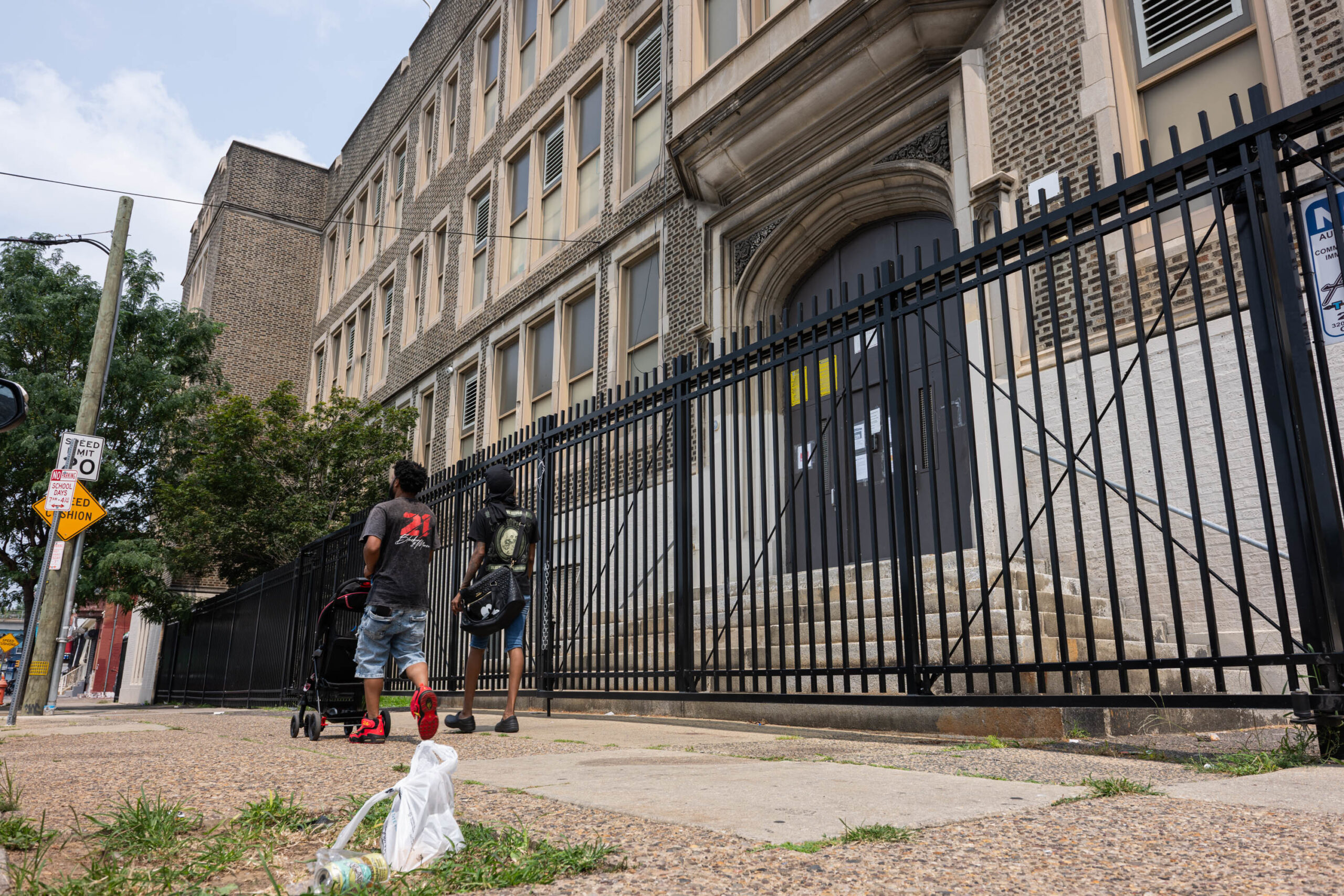
    Russell H. Conwell Middle School celebrates its 100th anniversary this year.

    It may not remain open to see many more.

    The Philadelphia School District has proposed closing Conwell and 19 other schools as part of its facilities planning process, which will shake up schools citywide.

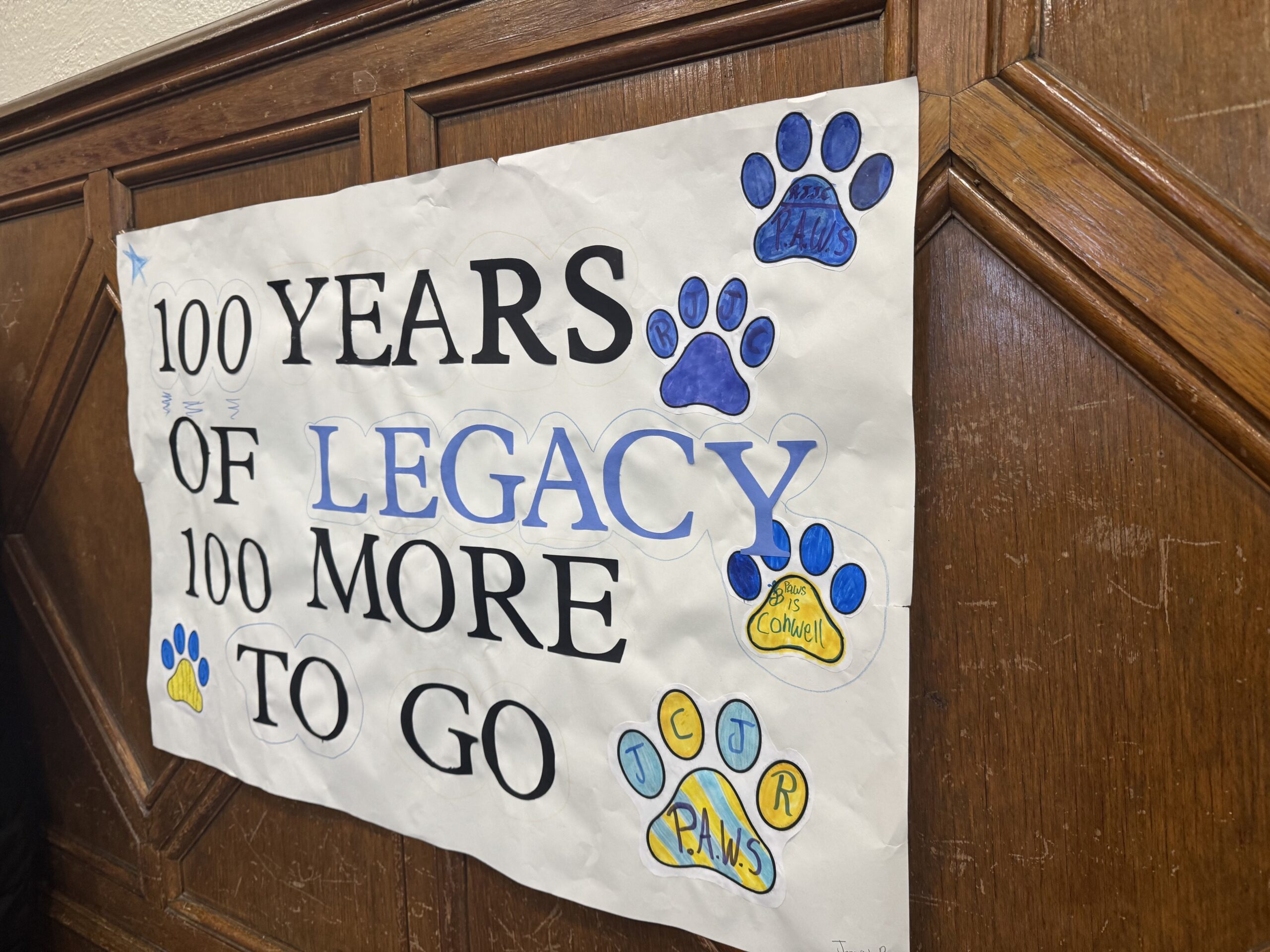
    A student-made sign hangs in the Conwell Middle School auditorium. The Philadelphia School District is attempting to close Conwell, a magnet 5-8 school in Kensington, and 19 other schools. The community is fighting the closure.

    Conwell, in Kensington, is a very small school by any standard. This year, just 109 students are enrolled in a building that holds 500. That’s down from 490 students in the 2015-16 school year and 806 in 2009-10. The school used to occupy two buildings; it has since shrunk to one.

    But it is also a rarity — a standalone magnet middle school. Community members and local officials are mounting a fight against closing the school, which they say has committed teachers and staff members who help students excel against the odds.

    The district’s plan, which the school board is expected to vote on this winter, calls for Conwell students to move to AMY at James Martin, another citywide admissions magnet in Port Richmond, which just opened in a new building with only 200 students. Meanwhile, the district has proposed closing its only other free-standing magnet middle school, AMY Northwest. No changes have been proposed for Philadelphia’s four other magnet middle schools, all of which are attached to high schools.

    Neighborhood issues, enrollment declines

    Conwell’s enrollment issues are tied closely to its setting.

    The building sits on Clearfield Street in the heart of Kensington. Fewer and fewer parents have been choosing to send their kids into ground zero of the city’s opioid epidemic, despite Conwell’s myriad partnerships, the outside investments it has attracted into its facility in recent years, and the school’s long history of excellence.

    The exterior of Conwell Middle School in Kensington, photographed in August.

    Parents, neighbors, students, and politicians, however, are furious that the district is choosing to abandon Conwell and the neighborhood.

    “If this school closes, it won’t just be students who feel the loss,” Conwell student Nicolas Zeno told officials at a district meeting Thursday. “It’ll be the community. If the concern is safety, then invest. If the concern is environment, then repair.”

    Community member Vaughn Tinsley, who runs Founding Fatherz, a nonprofit mentoring group, suggested closing Conwell would harm its students.

    “These students have been victims,” Tinsley said. “These students have seen and witnessed things they shouldn’t have witnessed. Most adults haven’t seen some of the things that these kids have seen, and yet still they come here, yet they’re still committed to excellence, yet they still stand up and still do what they’re supposed to do in the classroom. How dare we take that away from them?”

    Watlington has proposed using Conwell as “swing space” — district property that other schools can move into temporarily if their buildings require repairs.

    Tosin Efunnuga, Conwell’s nurse, wiped tears from her eyes as she beseeched district officials to keep the school open.

    “To have those doors close would be such a disservice,” Efunnuga said. “We need 100 years more.”

    Councilmember Quetcy Lozada, whose district includes Conwell, said she was “angry” and “frustrated” by the recommendation to close the school.

    “It’s underutilized because of what’s happening on the outside,” Lozada said at the Conwell meeting. “There’s nothing wrong with what is happening on the inside other than successful academic learning, support for families. We are saying to these families, we are punishing them because as a city, we can’t respond to the public safety issues that we have on the outside, and that is just not fair.”

    ‘What are y’all doing?’

    Emotions ran high inside the Conwell auditorium last week.

    Even before Deputy Superintendent Oz Hill finished his presentation about the rationale for the closures and the specific plan for Conwell, parents burst out with concerns.

    “What are y’all doing? Y’all making a mess,” one parent shouted. “You say the building is old. So what? It’s clean in here.”

    Another said her child would not be going to AMY at James Martin, formerly known as AMY5.

    “I don’t think you understand how much of a battle there is between Conwell and AMY5,” the parent said. “You don’t know the battles these kids have with each other.”

    Conwell has a strong alumni network — a rarity for a middle school — that has turned out in force to support the school since the proposed closure was announced.

    Alexa Sanchez, Class of 2017, grew up in Kensington and came to Conwell as a bright but unruly student — she acknowledges that she got in fights, egged the school, and disrespected teachers. But Conwell is rooted in its neighborhood, Sanchez said, with dedicated staff who helped her rise to earn a college degree and a good job in business.

    “They didn’t give up on students like me,” Sanchez said. “My future didn’t look promising at first, but in the long run, it did. You shouldn’t really close the school on a community that doesn’t look promising if you’re not from here.”

    Other alumni, including Robin Cooper, president of the district’s principals union, and Councilmember Isaiah Thomas, chair of Council’s Education Committee, have spoken out for Conwell.

    Conwell “shows up” for Kensington and the city, running a food pantry, hosting Police Commissioner Kevin Bethel’s swearing-in ceremony and an event marking Cherelle L. Parker’s 100th day as mayor, noted Erica Green, the school’s award-winning principal. Staff and students participate in neighborhood cleanups and advocate for help amid the opioid crisis.

    “We are what the city needs,” Green told the school board recently. During Green’s tenure, she has helped win money for a new schoolyard, a new science, technology, engineering, and math lab, and more.

    “These investments were made for Kensington students,” Green said. “We owe it to them, to their neighborhood. Do not push them out once the neighborhood changes and thrives. Conwell’s success is rooted in its people, its history, and its impact.”

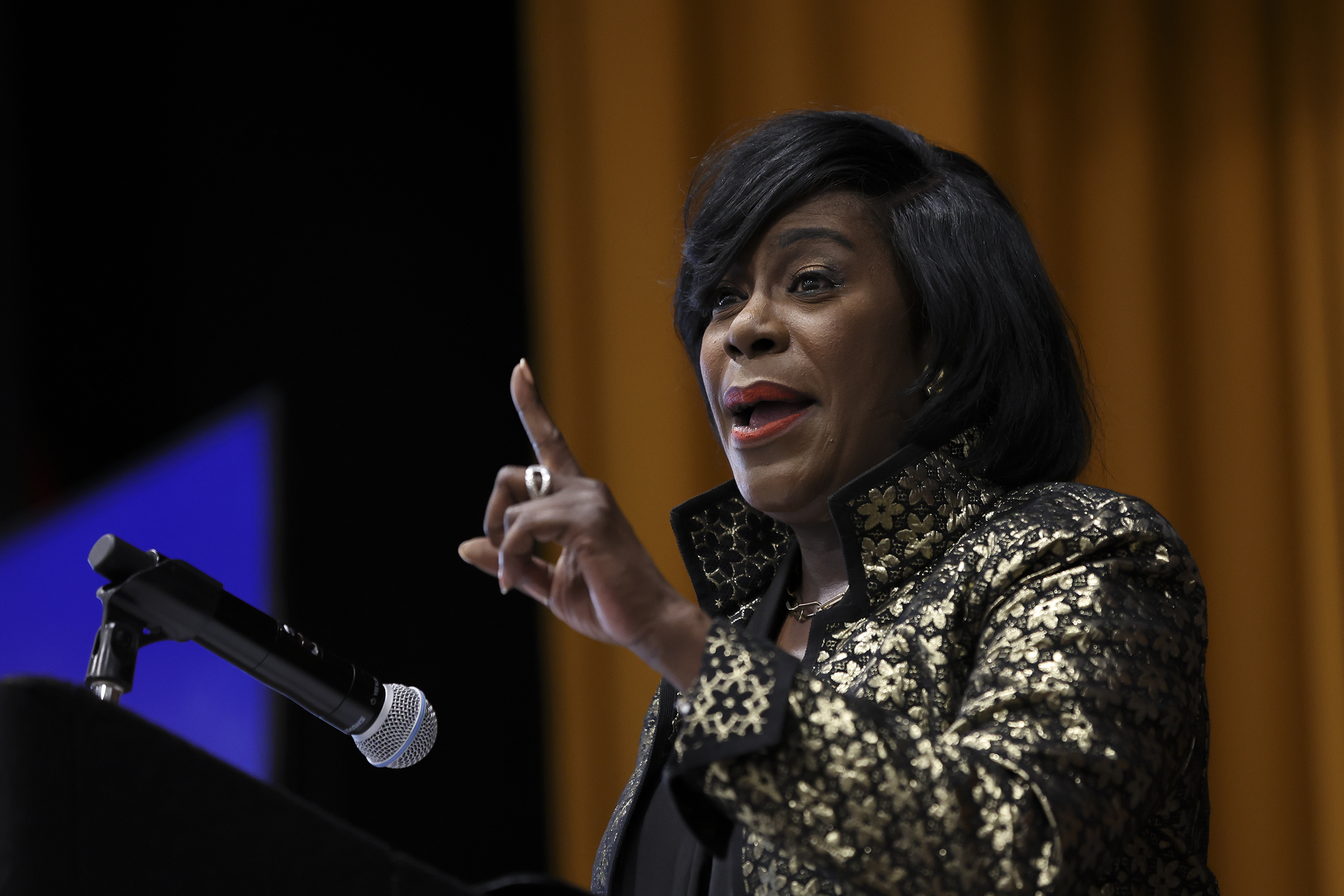
    Mayor Cherelle L. Parker speaks during an event to mark her 100th day in office at Conwell Middle School in Kensington in April 2024.
  • The city spent millions to grow one anti-violence nonprofit. Instead, it nearly imploded.

    The city spent millions to grow one anti-violence nonprofit. Instead, it nearly imploded.

    Philadelphia and state officials awarded more than $6 million in taxpayer funds over the last five years to a politically connected but financially unstable anti-violence nonprofit, despite repeated warnings from city grant managers about improper spending and mismanagement, an Inquirer investigation has found.

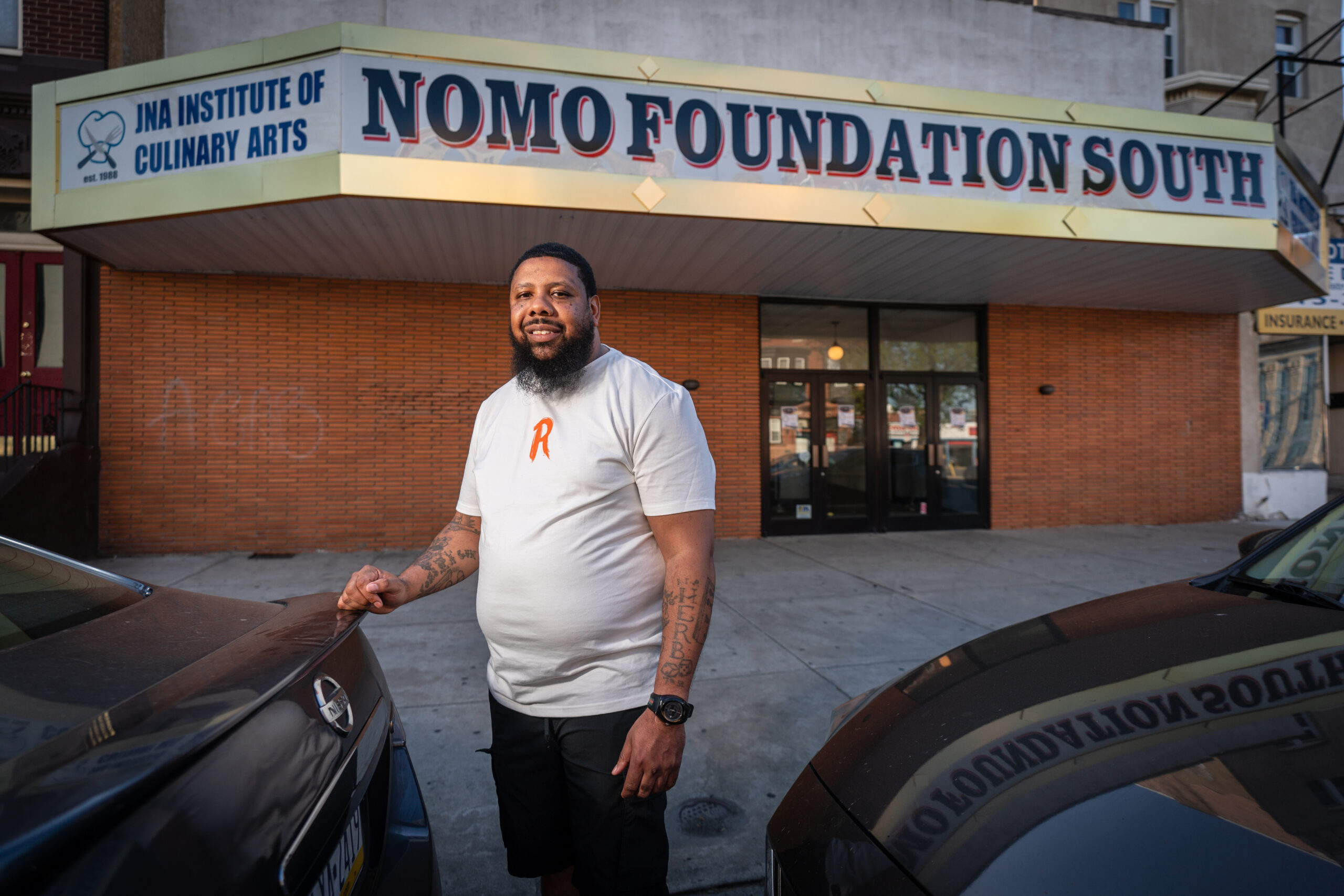
    The group — New Options More Opportunities, or NOMO Foundation — received city and state anti-violence grants and locally administered federal dollars to expand its youth programs and launch a new affordable housing program. The money fueled NOMO’s rapid rise from a small, grassroots outfit into a sprawling nonprofit that took on expenses it ultimately could not afford.

    Mayor Cherelle L. Parker has publicly touted NOMO’s work in the community, and she further boosted its profile by naming its director to her transition team upon taking office. But behind the scenes, Parker administration staffers watched NOMO face mounting financial pressures over the last two years.

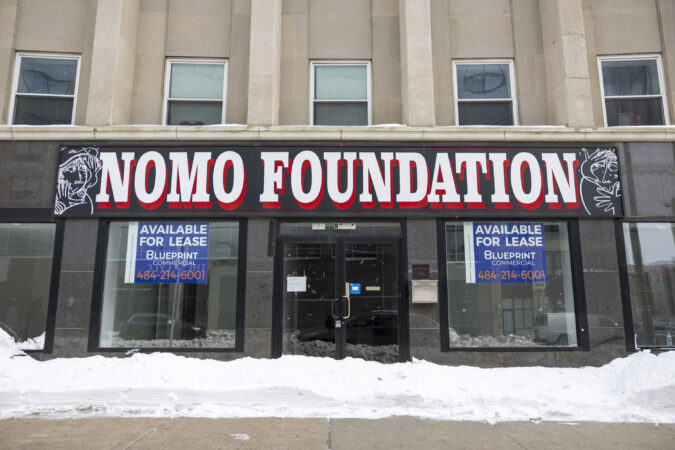
    In that time, the organization has been hit with multiple eviction filings and an IRS tax lien, and had to lay off staff and suspend programming. Most significantly, NOMO had to terminate its housing initiative last year — displacing all 23 low-income households that had been its tenants.

    The warning signs were evident years earlier. Records obtained under Pennsylvania’s Right to Know Law show that city grant managers expressed concerns as far back as 2021 about NOMO’s lack of financial controls, incomplete balance sheets, and chronic inability to provide basic documents. As recently as last year, the city was unaware who sat on the group’s board.

    Yet records show city officials kept propping up the group with more funds, without successfully putting in place the kind of structural support that might have kept it from foundering. Last year, the city sought to award a $700,000 federal homelessness prevention contract to NOMO, but the nonprofit was unable to meet the conditions of the contract and the funds were never disbursed. Officials also proposed writing more funding to NOMO into last year’s city budget as a last-minute line item. That effort failed.

    In a September interview, NOMO executive director Rickey Duncan blamed city officials for funding delays.

    “I was breaking my back to make sure those young people were getting housed,” Duncan said. “We built a tab that was so big we couldn’t pay no more, because the city didn’t pay.”

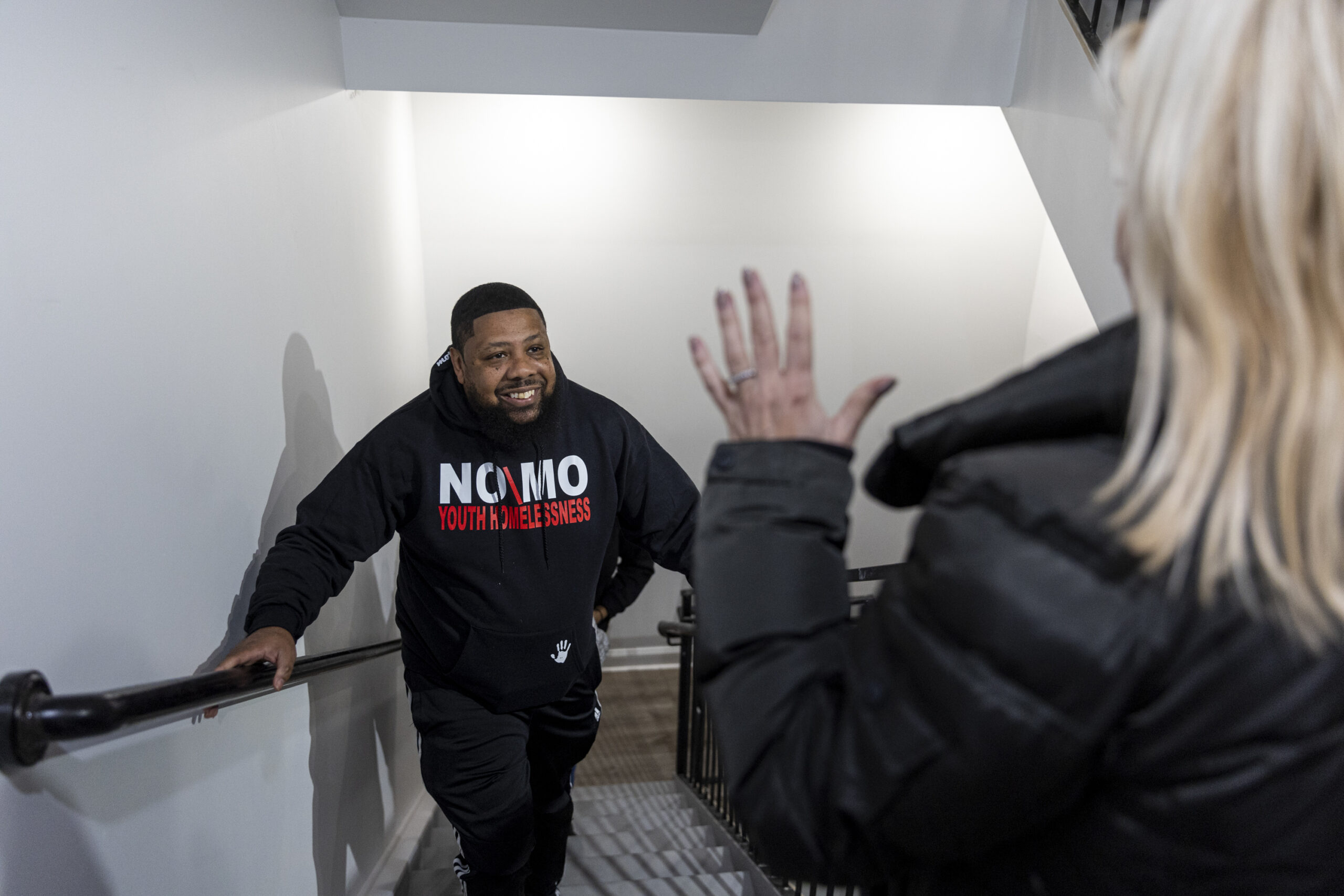
    Rickey Duncan surprised a group of young women with apartments in a December 2022 file photograph. Last year, NOMO gave up the leases for the apartments citing a lack of funding.

    Much of the money awarded to NOMO came via Philadelphia’s Community Expansion Grant (CEG) program, launched in 2021 to respond to record gun violence and support alternatives to policing. NOMO was one of only two initial grantees to receive the maximum $1 million award, which was meant to help the group scale up its operations and serve more at-risk youth.

    A series of Inquirer investigations has shown that the CEG program’s politicized selection process awarded grants to fledgling nonprofits sometimes ill-equipped to manage the funds. The city controller in 2024 corroborated many of The Inquirer’s findings, and late last year the Philadelphia District Attorney’s Office charged nine police officers with conspiracy and theft of CEG funds.

    NOMO’s financial records detail spending that quickly led to trouble after it received the first city grant, starting with the decision to devote most of the funds to launching a costly housing initiative while opening sprawling new youth centers to expand its after-school programs to new neighborhoods.

    Duncan signed annual building leases totaling $750,000, and increased his own salary from $48,000 in 2021 to $144,000 the next year. (Duncan said that his pay — now $165,000, according to the most recent tax filing — is below average for an organization of NOMO’s size and was previously lower because he was volunteering half his time.)

    The records contain no evidence that city grant managers questioned the lease expenses or conducted an evaluation of whether the upstart housing program was an appropriate addition to the organization’s core mission of offering after-school programming.

    By the start of last year, a tax lien and lawsuits over unpaid rent threatened NOMO’s existence. Still, Duncan asked the city in January 2025 to reimburse the roughly $9,000 cost of two Sixers season tickets he purchased a year earlier. He explained in a memo that the tickets were “an innovative tool for workforce development.”

    “Season tickets to the Sixers are not an acceptable programmatic expense,” the grant program manager responded in an email.

    Records show that city officials discovered in April that a $35,000 IRS lien, filed four months earlier, had rendered NOMO ineligible for grant funding. Grant administrators sent an email to NOMO staffers with a warning written in all-caps: “CEASE ALL SPENDING.”

    Duncan said that the lien was the result of a missing signature on a tax form, and that it was eventually resolved at no cost. But in a June email to Public Safety Director Adam Geer and other city officials, he accused the city of pushing his organization to the brink of collapse.

    “I am respectfully requesting a written response detailing how a tax [lien] escalated into a comprehensive investigation into the NOMO Foundation’s financial health,” Duncan wrote. “NOMO has been disrespected, attacked, and harassed, by members of this office on this and previous occasions.”

    The funding was eventually restored last August.

    Duncan and his nonprofit have maintained support from the city’s top elected leaders. Parker name-checked NOMO in her first-ever budget address, and City Council President Kenyatta Johnson appointed Duncan last year to an anti-violence task force.

    City Council President Kenyatta Johnson, speaking on Jan. 20. Regarding NOMO, he says, “It is crucial that any concerns are taken seriously.”

    In a statement responding to The Inquirer’s findings, Johnson praised NOMO and credited the organization with “working with children throughout Philadelphia, intervening in cycles of violence, and literally saving lives in our community.”

    Johnson, who was listed as a reference on the group’s most recent grant application, added: “Regarding any allegations raised against Mr. Duncan and NOMO, I am confident that the City of Philadelphia’s Office of Public Safety will review these matters thoroughly, fairly, and professionally. It is crucial that any concerns are taken seriously and examined through the proper channels, with facts guiding the outcome.”

    A spokesperson for Parker referred questions to the Philadelphia Office of Public Safety, which manages CEG grants.

    In a written response, a spokesperson for the department, Jennifer Crandall, praised NOMO’s efforts.

    Rickey Duncan (left) and then Mayor-elect Cherelle Parker at a news conference that outlined Parker’s transition team and the plans that she had for her administration on Nov. 9, 2023.

    “Not only has NOMO delivered on grant-funded programs, it has become an important partner on city initiatives like interventions with at-risk youth,” Crandall wrote. She cited evaluations by an unnamed third party that credited NOMO for providing “holistic support to participants … beyond the immediate program activities” and “addressing the broader social determinants of violence.”

    Crandall did not respond to a follow-up request for the evaluation.

    Duncan gave The Inquirer a 2023 report prepared by four nonprofit partners that evaluated CEG recipients in their first year, with the intention of documenting program goals and activities. The report states that the evaluation was based on a single site visit, interviews with staff, and a youth focus group, and that it was then too soon to evaluate impact. It noted that NOMO had retained more than half its participants over the grant cycle and had created “an environment that is welcoming and comfortable, so that participants willingly show up.”

    The assessment did not address the viability of the housing program, nor did it cite any metrics that might be used to gauge whether NOMO’s programs had reduced community violence.

    Duncan also sent The Inquirer written statements from two landlords indicating that their court cases against him had been resolved, and that they support NOMO’s mission.

    He says NOMO is now financially stable, despite three years of tax returns showing the nonprofit in the red. He said NOMO’s programs now serve about 140 children a year across its three locations — about the same as when it was operating in just one location in 2019 and before the city awarded the expansion grants.

    Laura Otten, a nonprofit consultant and former director of La Salle University’s Nonprofit Center, said it was clear the city’s grant awards to NOMO had not fulfilled their stated goals.

    “It obviously didn’t work if they ended up having to evict people,” she said. “Where is the evidence that this grant has improved the capacity of the organization?”

    Dawan Williams (left), vice president of restorative justice for the Nomo Foundation, and Rickey Duncan, Nomo CEO and executive director, in one of the student spaces at the foundation on South Broad Street on April 13, 2023.

    ‘Significant weaknesses noted’

    When Parker laid out her priorities in her first budget address before City Council in spring 2024, she mentioned Duncan and NOMO by name as she praised the grassroots anti-violence organizations “working each day to lessen the pain and the trauma caused by gun violence.” She also promised to reward the various groups with an additional $24 million in grant funding.

    It was another highlight of Duncan’s well-documented redemption story. By his own account, he dropped out of South Philadelphia High School in 1994 to sell drugs and promote concerts, earning the nickname “Rickey Rolex” for his flashy style. He was arrested the next year for robbery and spent more than a decade in prison. After he was released in 2015, Duncan began volunteering with NOMO, then a fledgling nonprofit, and eventually took the reins.

    “My vision started off, to be honest, just wanting to help kids and give back to a city that I took from,” Duncan said in a 2023 interview with The Inquirer.

    NOMO began as a largely volunteer-run effort operating in borrowed space on less than $50,000 a year, tax returns show.

    In 2019, the tiny nonprofit submitted a grant application to Philadelphia Works, the city’s workforce development board, which was tasked with distributing about $6 million in federal Temporary Assistance for Needy Families (TANF) grants. NOMO proposed after-school programs that would teach up to 125 kids everything from neuroscience to software development to road construction.

    Philadelphia Works awarded NOMO $209,000, skipping the standard financial review in order to disburse funds that would have otherwise expired.

    “It breathed life into us,” Duncan said.

    Rickey Duncan speaks with kids at a NOMO after-school program in a 2021 file photograph.

    By 2021, NOMO was receiving half a million dollars annually in TANF money — enough to lease a 7,000-square-foot office space on North Broad Street and support programs for more than 100 young people. And Duncan’s star was rising as a charismatic and credible voice who came up from the same streets that he and others were working to rid of violence. Elected officials and news media alike turned to him for quotes and photo ops amid a surge in shootings.

    In December 2021, then-Mayor Jim Kenney announced a $155 million investment in gun violence prevention funding. The plan included a $22 million grant program, with more than half that focused on “supporting midsized organizations with a proven track record” to “expand their reach, deepen their impact, and achieve scale.”

    Duncan’s scrappy, homespun nonprofit was exactly the type of group city officials had in mind when they created the CEG program, and his grant application cited support from State Reps. Danilo Burgos and Elizabeth Fiedler. Although 30 other nonprofits received funding, NOMO was one of only two organizations awarded the maximum grant of $1 million — a transformative sum that would roughly triple NOMO’s operating budget.

    In his first application for the CEG funds, Duncan pledged to expand his “trauma informed” after-school program to South Philadelphia by offering paid work experience, academic support, and intensive case management. The $1.4 million proposed budget projected the organization would spend about $1 million annually on staff salaries and participation incentives for teens, while spending $94,000 a year to cover added lease costs.

    NOMO devoted just one sentence of its 15-page grant application to describing a new affordable housing initiative “to combat youth homelessness.” The proposal did not include what metrics would be used to judge that program’s success.

    Despite the brief mention, the housing initiative would become the organization’s largest single budget item, by far.

    After securing the city grant money, NOMO took on a $552,000 annual lease for a newly built 27,000-square-foot West Philadelphia apartment complex near 40th Street and Lancaster Avenue. It also signed a $192,000-per-year lease for a 17,000-square-foot former culinary school on South Broad Street.

    The deals left NOMO with youth centers in North, South, and West Philly, each with large event spaces that could host its programming. Duncan also planned to market the venues for private events — such as weddings and Eagles watch parties — to generate additional revenue.

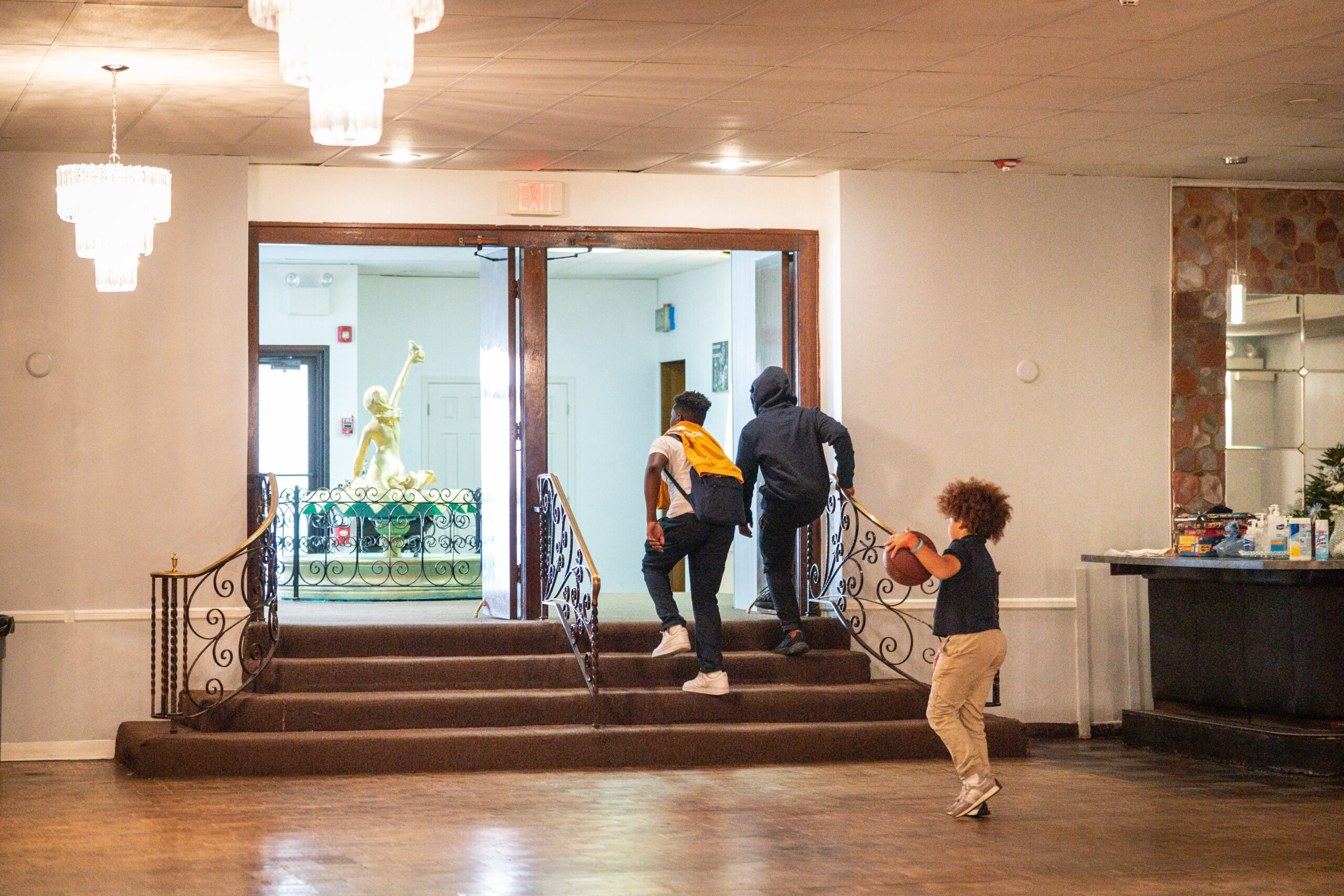
    NOMO students bounced a basketball in the ballroom at the nonprofit’s South Broad Street youth center. The space is offered for event rentals, which Duncan said can generate crucial unrestricted income.

    If city officials had concerns about NOMO’s costly expansion strategy or the viability of his plan to lease out the youth centers for parties, they are not reflected in the available records.

    However, staffers at the Urban Affairs Coalition — a nonprofit the city had contracted to manage the first round of the grant program — flagged NOMO’s general lack of financial controls in a December 2021 fiscal assessment of prospective grantees.

    “Significant weaknesses noted,” an Urban Affairs staffer wrote of NOMO in an email to then-anti-violence director Erica Atwood and other city officials. “No audited financials. No balance sheets presented even in the [IRS Form] 990s. Separation of Authority: Basically non-existent.”

    That month, the city instructed Urban Affairs to proceed with the scheduled grant advance of $200,000 and to work with NOMO to establish a remediation plan. Instead, grant administrators wrote that they were reassured after NOMO installed a new chief operating officer — who left the organization the following year.

    By the end of the grant cycle, Duncan was able to deliver a public relations win for NOMO. He appeared on Good Day Philadelphia in December 2022 to launch the housing plan with a surprise giveaway of the first of 23 brand-new apartments for young women, many of them single mothers.

    Duncan said NOMO’s housing program would cover 70% of rent costs for 18 to 24 months while enrollees seek employment and eventually move out on their own.

    “They’ll be getting their credit together so they can prepare to become a homeowner,” he told Fox 29. “We need money to finish doing this.”

    Rickey Duncan, CEO and executive director, at Nomo on South Broad Street on April 13, 2023.

    Billion-dollar dream

    The city renewed NOMO’s grant in January 2024, this time for $850,000. But a tax return the same year showed the organization was already $710,000 in the red.

    Months later, the nonprofit faced its first eviction suit, targeting its North Broad headquarters, and had to cut a check for $275,000 in back rent — the equivalent of one-third of its city grant money for that year.

    By the fall of 2024, records show NOMO had spent only about 5% of the $150,000 initially budgeted for youth incentives, outside activities, equipment, or program supplies. The city withheld most of NOMO’s fourth-quarter grant funding, reducing the nonprofit’s award by $170,000 to a total of $680,000 for that year.

    Still, the city re-upped the group for a third grant in 2025, this time for $600,000.

    By January 2025, financial records show NOMO had virtually stopped spending on youth programming. It laid off most of its staff as landlords for all three youth centers took legal action against the nonprofit over hundreds of thousands of dollars of back rent.

    NOMO sought to justify the expense of Sixers season tickets with a narrative submitted to the city, which denied the expense. Duncan said the majority of the tickets went to youth participants and members of the community.

    Around then, NOMO received an infusion of support in the form of a $950,000 grant from the Pennsylvania Commission on Crime and Delinquency. But the TANF funds had run out, and the organization’s problems continued. City officials had NOMO submit a formal “performance enhancement plan” last July.

    Duncan said in September that NOMO had cut costs, hired a new accounting firm, and was working toward “full financial stability.” It resolved two eviction cases by reducing its real estate footprint — downsizing its North Philly headquarters into basement offices and terminating its affordable housing program. Duncan said the former tenants moved in with family members or were transferred to the nonprofit Valley Youth House, which provides transitional housing.

    After The Inquirer asked Duncan about the most recent lawsuit over back rent, this one for $312,000, his landlord filed notice in court that the matter was resolved. Duncan said keeping three youth centers and marketing the NOMO spaces for special events are key parts of his business plan as the organization continues to settle its debts.

    The spate of lawsuits has not dampened the city’s enthusiasm for Duncan’s nonprofit. Crandall, the spokesperson for the Philadelphia Office of Public Safety, said NOMO remains eligible to receive funds when a new round of grants are awarded this year.

    And with the housing initiative scrapped, NOMO is left pursuing its original mission — anti-violence programming for city youth. The organization’s renegotiated leases for its three youth centers now total $360,000 a year, roughly half what NOMO had been paying.

    In a 2023 interview, Duncan acknowledged that he underestimated the financial demands of running an organization on a citywide scale.

    “As a kid you think, … ‘If I can get a million dollars, I’ll be rich.’ And then you’re broke again,” he said then. “I had a billion-dollar dream. I didn’t realize it was a billion-dollar dream.”

    ACKNOWLEDGMENT
    The Inquirer’s journalism is supported in part by The Lenfest Institute for Journalism and readers like you. News and Editorial content is created independently of The Inquirer’s donors. Gifts to support The Inquirer’s high-impact journalism can be made at inquirer.com/donate. A list of Lenfest Institute donors can be found at lenfestinstitute.org/supporters.

  • Local leaders and activists demand the return of slavery exhibits to the President’s House Site

    Local leaders and activists demand the return of slavery exhibits to the President’s House Site

    The Black activists and community members who brought the President’s House Site into being are not letting its history be removed quietly.

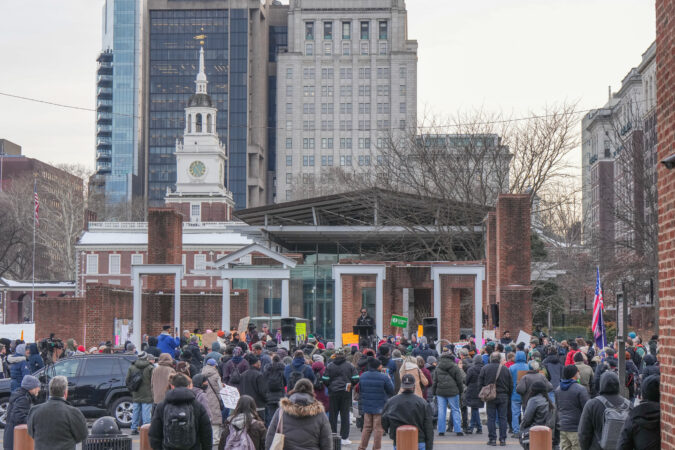
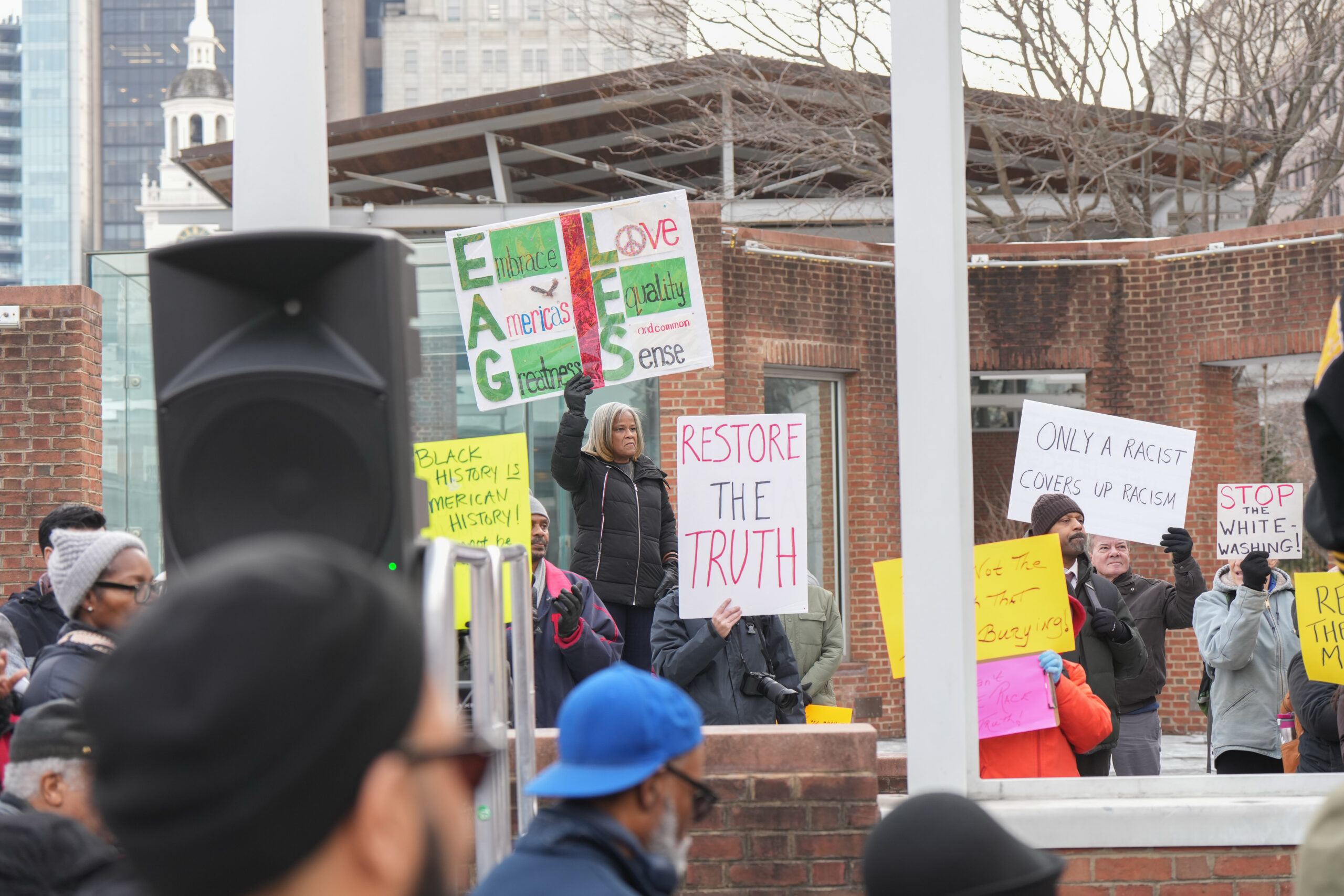
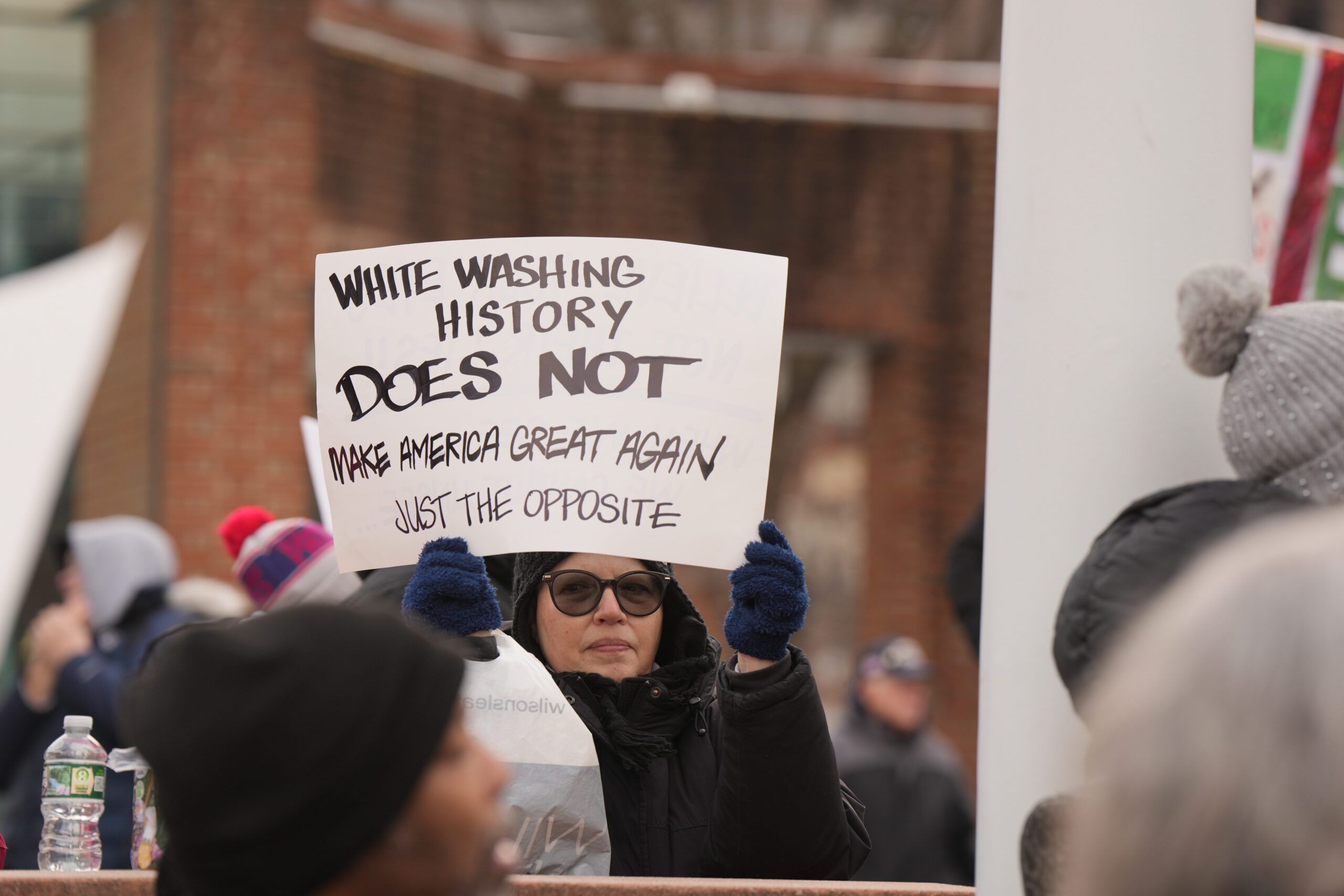
    A couple of hundred supporters and local leaders organized by the Avenging the Ancestors Coalition rallied at the President’s House Site on Tuesday afternoon to demand the restoration of its slavery memorial after the National Park Service removed all of its informational and educational materials last month.

    “History is not merely a collection of celebrated moments,” said Catherine Hicks, president of the NAACP Philadelphia Branch. “This action is a disservice to our city, our nation and denies future generations in the chance to learn from our history, fostering an environment of ignorance rather than understanding.”

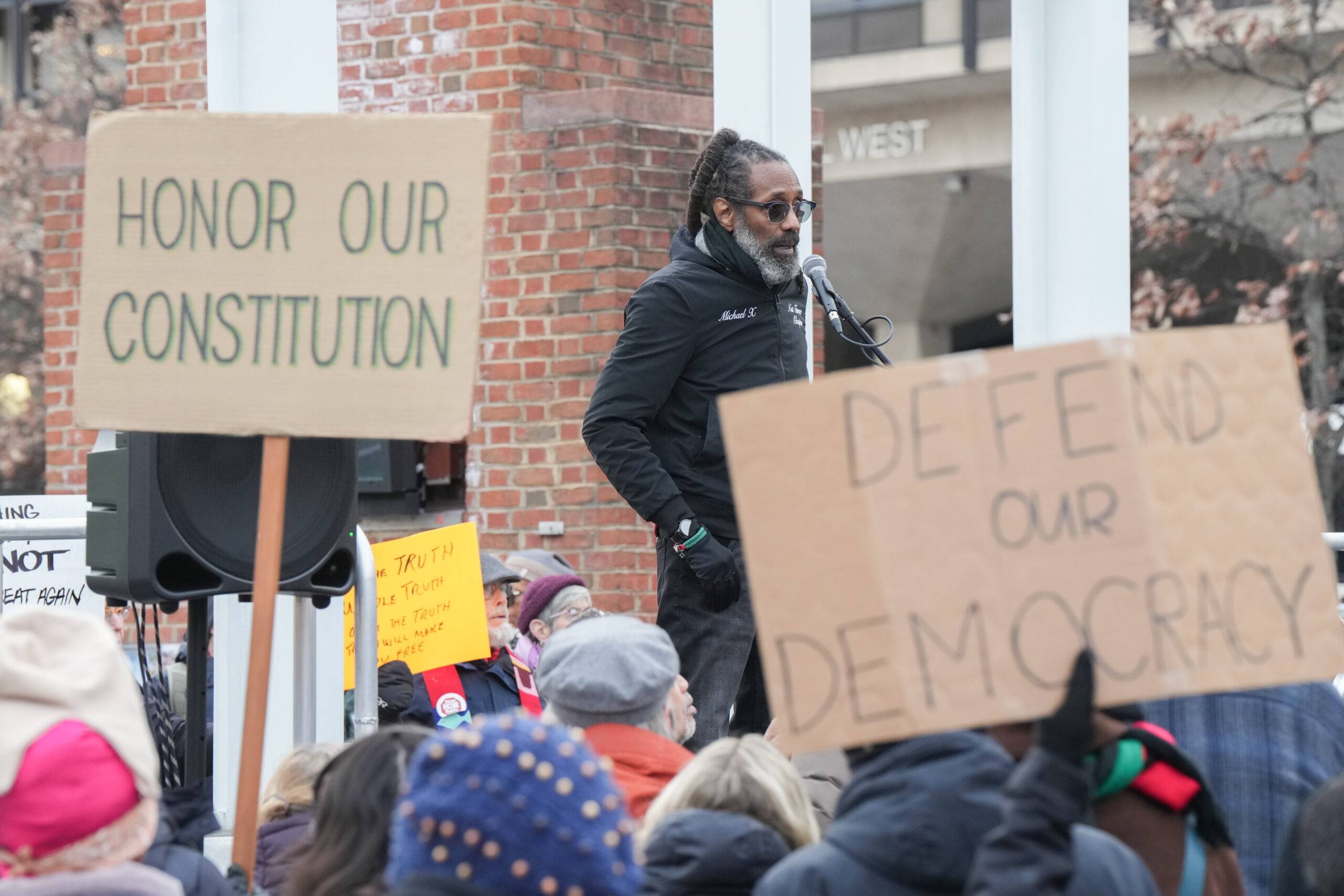
    “This site is historic, holy ground,” said Michael Coard, an attorney and founding member of ATAC. “So now what? Now, we fight the good fight.”

    Lawyer Michael Coard speaks at a rally at the President’s House Site in response to the removal of the President’s House exhibit.

    ATAC was instrumental to the creation of President’s House on Independence Mall in 2010, a site that honors the nine people enslaved by George Washington while he lived at the precursor to the White House. The structure at Sixth and Market Streets featured video displays, illustrations and text-filled panels about the Atlantic slave trade and life under slavery, and detailed Washington’s dogged support for the institution.

    Those exhibits were dismantled on Jan. 22, following directives from President Donald Trump’s administration to review and remove displays in National Parks that “inappropriately disparage Americans past or living.”

    Thirteen exhibits from the President’s House were flagged for review this summer.

    Mayor Cherelle L. Parker’s administration filed a federal lawsuit against Interior Secretary Doug Burgum and acting National Park Service Director Jessica Bowron, and their respective agencies, on the day the panels were removed. The complaint argues that dismantling the exhibits was an “arbitrary and capricious” act that violated a 2006 cooperative agreement between the city and the federal government.

    Following a Jan. 30 hearing in which District Judge Cynthia M. Rufe called the federal government’s argument that a president can unilaterally change the exhibits displayed in national parks “horrifying” and “dangerous,” and after a Feb. 2 inspection of the removed panels, as well as the President’s House site, the court ordered that the exhibits be kept safe.

    The city filed an updated lawsuit with a new injunction request for the restoration of all the exhibits to the President’s House as they were the day before their removal. The federal government has until the end of the week to respond to the new filings, and another courtroom showdown is expected to follow.

    Philadelphia’s collar counties filed on Monday a joint brief in support of the city’s lawsuit, joining previous briefs by Gov. Josh Shapiro, Democrats in Pennsylvania’s state Senate, and the advocacy groups who pushed for the creation of the exhibit.

    “Attempts to unilaterally rewrite history will deprive residents and visitors” of the collar counties “of the full and accurate picture of the nation’s founding to which they are entitled,” the brief says.

    The panels are currently being held in a storage facility owned by the National Park Service that is adjacent to the National Constitution Center, according to a legal filing by the Trump administration.

    People gather for a rally at the President’s House Site in response to the removal of the President’s House exhibit in Old City.

    Can’t hide the truth

    Ever since the panels were taken down with crowbars and wrenches, there has been an outpouring of support for the memorial to be restored, and outrage toward the Trump administration.

    “If you want to hide the truth of slavery in Philadelphia, you might as well tear down the whole city because it was built on the blood of my people. You cannot hide the truth,” said Solomon Jones, a radio host and columnist for The Inquirer.

    “To erase slavery is to erase American history. That would be to erase Mount Vernon, to erase Wall Street … because those structures were built by enslaved labor,” said Yvonne Studevan, a seventh-generation descendant of Mother Bethel AME’s Bishop Richard Allen.

    Judy Butler, a South Philadelphia resident, said she was both heartbroken and angry once she learned that the President’s House exhibits were going to be removed.

    “I felt violated, disrespected,” she said.

    Butler, 66, said she’s been inspired watching from afar as people in Minnesota have braved the frigid temperatures to protest, observe and resist ICE’s occupation of the Minneapolis area. Coming to ATAC’s rally was something she felt she had to do.

    “They’re taking down our history. … How deplorable is that?” she said.

    People gather for a rally at the President’s House Site in response to the removal of the President’s House exhibit in Old City.
  • 2 Philly men convicted in 3 gang-related fatal shootings

    2 Philly men convicted in 3 gang-related fatal shootings

    Two Philadelphia men on Tuesday were convicted of first-degree murder for gang-related shootings that left three dead and five others wounded, including a man who was paralyzed after being shot 19 times, Pennsylvania Attorney General Dave Sunday said.

    Chris Byard, 27, was found guilty by a jury of three counts of first-degree murder and related offenses, and was sentenced to serve three consecutive life terms, Sunday said.

    Daquan Bishop, 28, was found guilty of two counts of first-degree murder and related offenses, and was sentenced to serve two consecutive life terms.

    Byard and Bishop were members of the “6600” gang and they were trying to shoot members of another gang, Sunday said. The other gang was called “Greatah,” KYW reported in 2023 after both men were arrested and charged.

    Byard and Bishop were found guilty of the Nov. 27, 2021, killing of 24-year-old Angel Rivera, who was gunned down on the 500 block of West Duncannon Avenue.

    Both men were also found guilty of fatally shooting 23-year-old Tymir Johnson on the 3100 block of Barnett Street on Dec. 15, 2021. Two other men were wounded in that shooting.

    Byard was also convicted of the Jan. 11, 2022, killing of 21-year-old Rashaan Frazier, who was gunned down on the 4000 block of Aldine Street. Two other men were wounded.

    In the Frazier killing, Byard and others were targeting another man and killed Frazier by mistake.

    Byard was involved in a fourth shooting that left a man paralyzed from the waist down after being hit 19 times by bullets, Sunday said.

    Another defendant, 27-year-old Daquan Bethea, pleaded guilty in October to attempted murder and related crimes and was sentenced to up to 15 years in prison.

  • A burst pipe at the Tasker-Morris SEPTA station left a geyser of ice hanging from ceiling and covering floor

    A burst pipe at the Tasker-Morris SEPTA station left a geyser of ice hanging from ceiling and covering floor

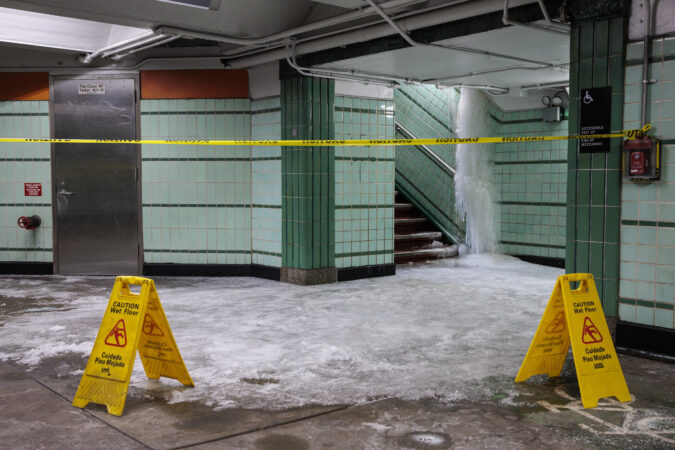
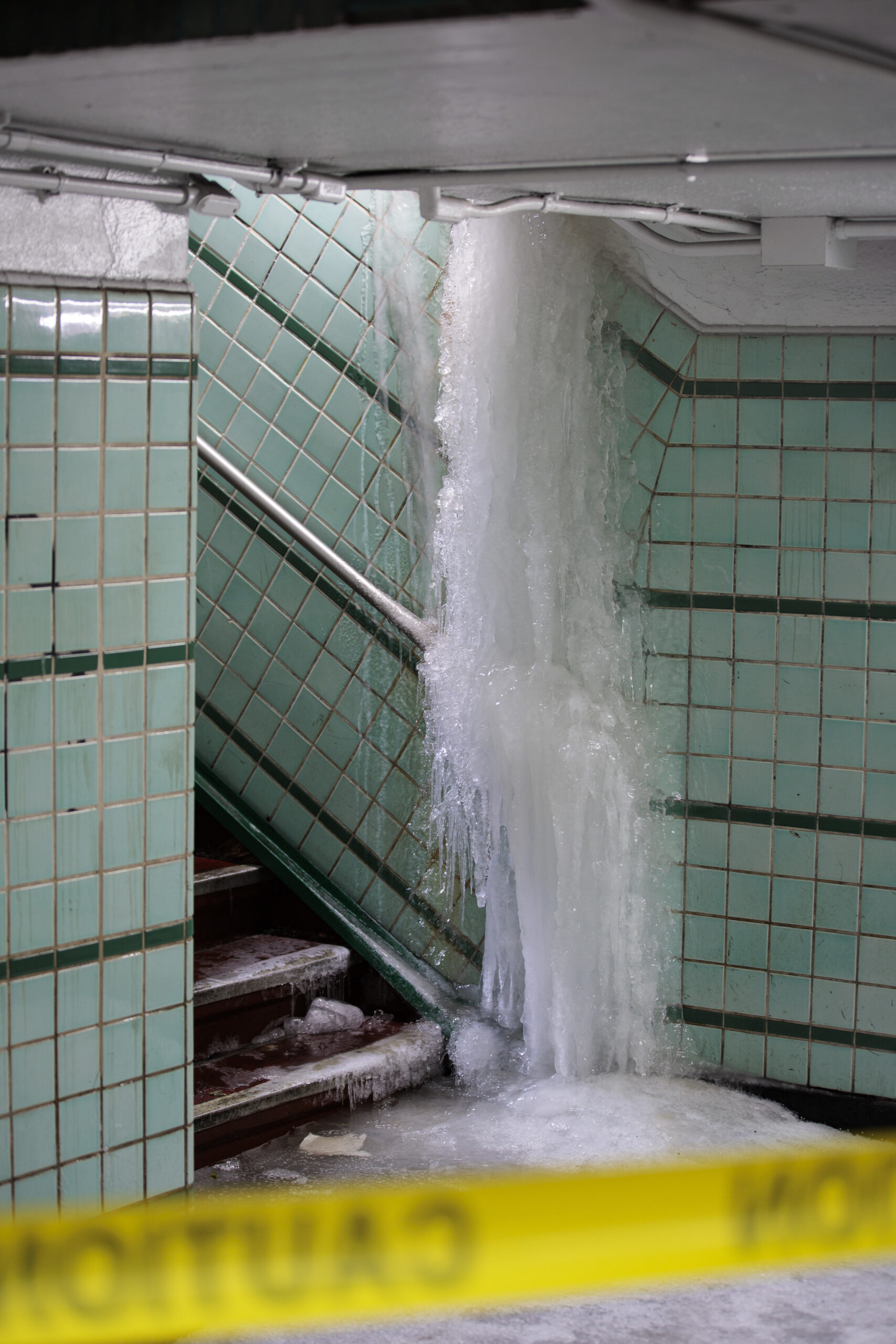
    An enormous block of ice extended from the ceiling and covered the floor at the east-side entrance to the Tasker-Morris Station on SEPTA’s Broad Street Line on Tuesday afternoon after a pipe burst outside the station late Monday.

    The pipe belonged to the Philadelphia Water Department, SEPTA spokesperson Andrew Busch said. It was being repaired and crews were continuing to clean up the damage, Busch said Tuesday afternoon.

    The damage did not affect train service, he said.

    The transit authority has been dealing with a number of burst pipes the last few weeks, only some of which are theirs. Some belong to other property owners, such as the one that burst at the Convention Center and flooded Jefferson Station on Monday night.

    Ice covers the Tasker Street east-side entrance/exit at the Tasker-Morris SEPTA Station on the Broad Street Line on Tuesday, Feb. 10, 2026 in Philadelphia.

    “When we have these deep freezes and then it warms up, and it’s happening all over, that causes problems with the pipes,” Busch said. “In many cases the best we can do is make sure that we have crews ready to respond to it and then work on cleaning up.”

    Over the last two weeks, SEPTA has recorded about 10 incidents of water main breaks or burst pipes leading to flooding in stations or water from SEPTA structures flooding streets, Busch said. In about half those cases, the pipes belonged to SEPTA.

    Many of these issues have occurred along the eastern edge of the Market-Frankford Line from near Spring Garden to the Frankford Transportation Center, Busch said. That is the oldest part of the line and some sections of the pipes are exposed.

    SEPTA is planning a winterization project starting this summer. The project will likely include installing new valves on the water lines, replacing pipe insulation, and upgrading strips in the pipes that heat them. Busch said SEPTA expects that project to be done by around the start of next year. No full cost estimate is available yet, Busch said.

  • LOVE Park’s saucer could soon get a reboot. For real this time, the city says.

    LOVE Park’s saucer could soon get a reboot. For real this time, the city says.

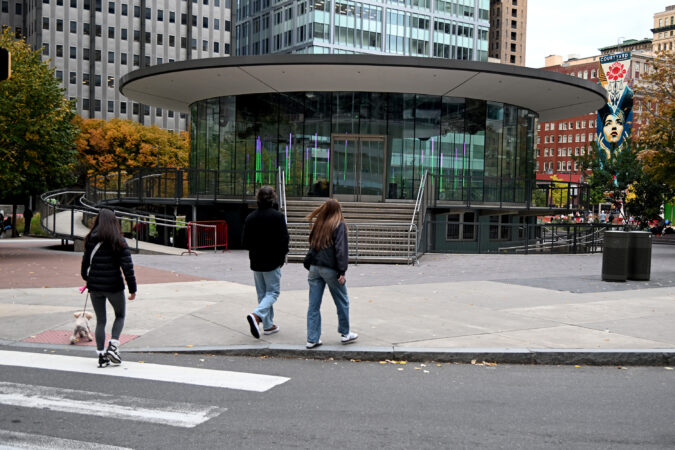
    The saucer in LOVE Park finally has a timeline for its revival.

    After years of seeking ideas from business owners and other Philadelphians, city officials expect work on the historic building to begin in May, the city’s Parks & Recreation Department says.

    But officials are still working to select a partner for the project.

    In May, the city issued a “request for expressions of interest” (RFEI) from “visionary businesses, particularly those in food, beverage, retail, or hospitality,” who wanted to partner on the saucer.

    City officials said the interest exceeded expectations, with more than 50 applicants submitting ideas. They included “coffee and cafe concepts, casual food offerings, beer garden hybrids, and informal meeting spaces,” according to Parks & Recreation spokesperson Ra’Chelle Rogers.

    Among applicants, there was a focus on “flexible, welcoming concepts that function as a true public amenity, encouraging people to meet, linger, and connect in the park,” Rogers said.

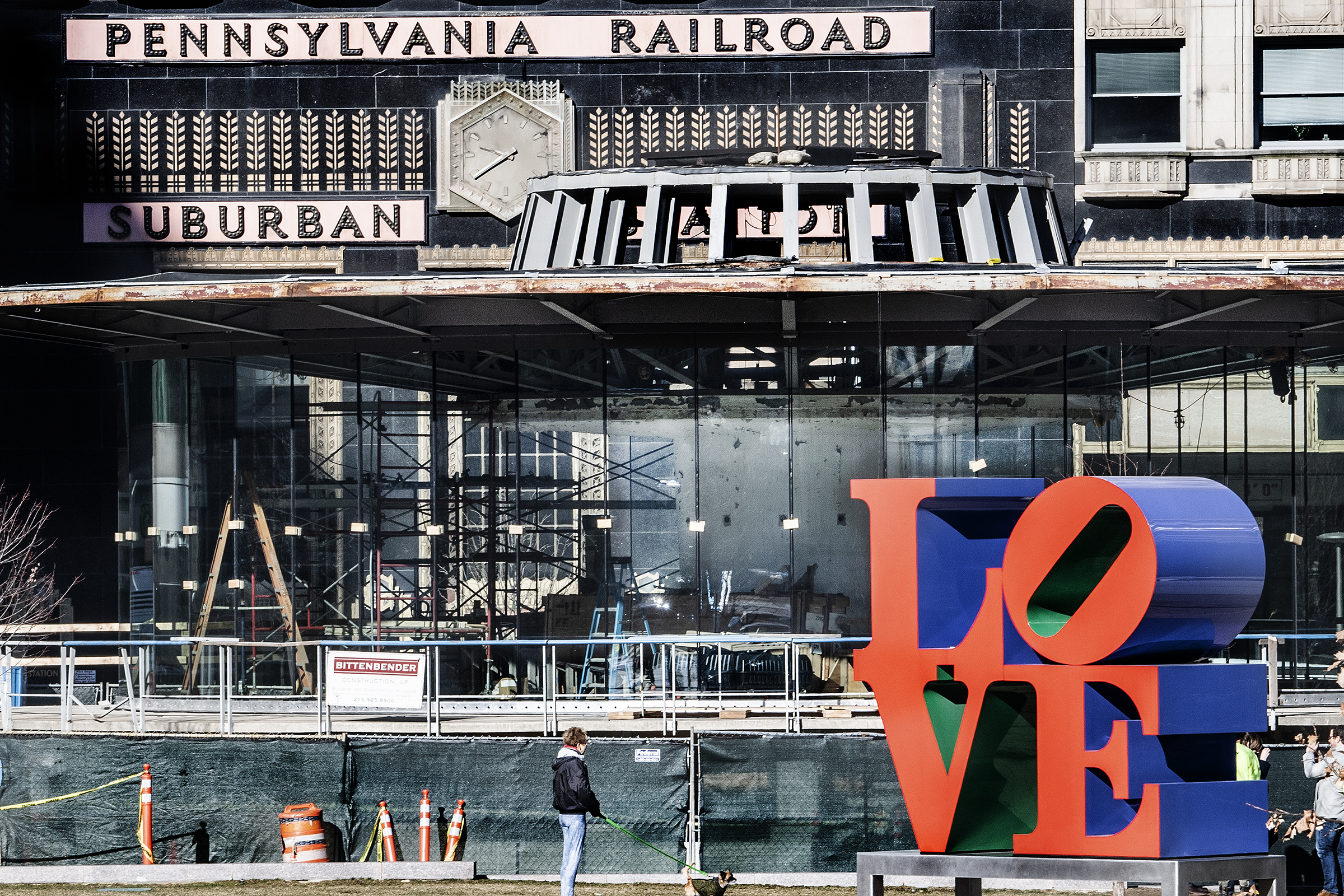
    The saucer building in LOVE Park is pictured in March 2019, amid early renovations for a bar-restaurant concept that never panned out.

    In light of the demand, the city is moving into its next stage, requiring prospective partners to visit the saucer at 3 p.m. on Feb. 18 and submit a proposal online by March 18.

    Prospective partners do not need to have submitted an idea in the spring, Rogers said. Any experienced food, beverage, hospitality, or community operator with the capacity to “generate sustainable revenue to support the park” is encouraged to apply, Rogers said.

    “The saucer has always been envisioned as a people-first space — one that complements the park, supports programming, and welcomes both residents and visitors,” said Susan Slawson, the city’s parks & recreation commissioner. The RFEI process has given officials “confidence to move forward with a flexible, inclusive model designed for the way people actually use LOVE Park.”

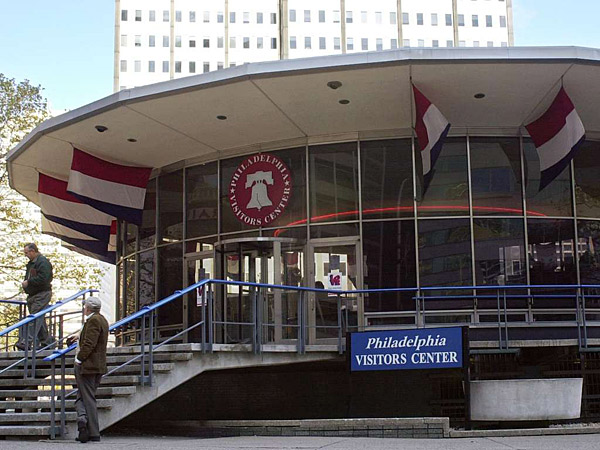
    The saucer, also referred to as the UFO, was added to the Philadelphia Register of Historic Places last year. Built in 1960, the building predates LOVE Park, and first served as the city hospitality center. It later housed offices for park staff.

    An undated file photo of LOVE Park’s saucer building when it served as the Philadelphia Visitors Center.

    For more than a decade, however, the circular structure near 16th Street and JFK Boulevard has largely sat dormant (the building has opened to the public for the Festival of Trees, a Children’s Hospital of Philadelphia fundraiser, during recent holiday seasons).

    As part of LOVE Park’s rehabilitation in the late 2010s, the saucer got a $5.6 million facelift, making it “structurally brand new,” as Rogers described it in May.

    The city solicited proposals for a restaurant to fill the space, and selected Safran Turney Hospitality, the group behind a slew of popular restaurants on 13th Street. They planned to open a bar-restaurant called Loveluck that would seat about 50 people indoors and another 150 outside.

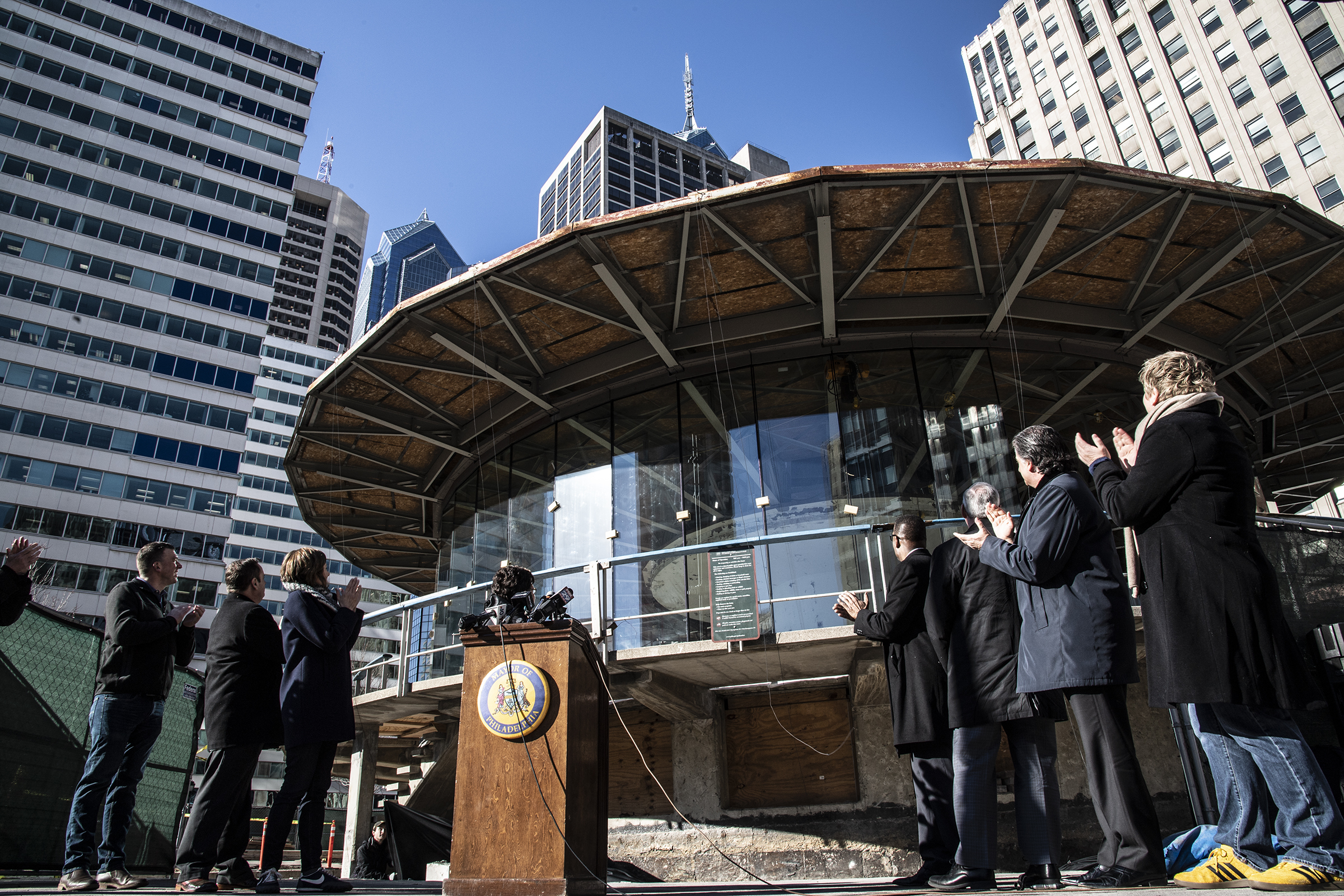
    In March 2019, city officials applauded the early construction of a bar-restaurant that was set to fill LOVE Park’s saucer building. The pandemic later caused the restaurateurs to bow out of the project.

    Then the pandemic happened, and the group bowed out of the project in 2022. A few months later, the city issued another request for proposals from experienced restaurateurs interested in signing a 10-year lease. That request did not result in any bids, Rogers said in May.

    As for this latest request process, city officials said they plan to select a partner by April, and begin work a month later. The timing could coincide with Philly’s celebration of America’s 250th birthday, as well as the city’s hosting of World Cup matches and the MLB All-Star game.

    The office of Councilmember Jeffery Young, whose district includes LOVE Park, is set to fund “key utility and infrastructure improvements” at the saucer, according to the city statement, and public grants are being sought to offset other upfront costs.

    “Bringing an active, public-facing partner into the saucer is a milestone for LOVE Park and for Philadelphia,” Young said. “I’m proud to support improvements that make the saucer a welcoming hub for years to come.”

  • Teachers at this Philadelphia charter just voted to unionize

    Teachers at this Philadelphia charter just voted to unionize

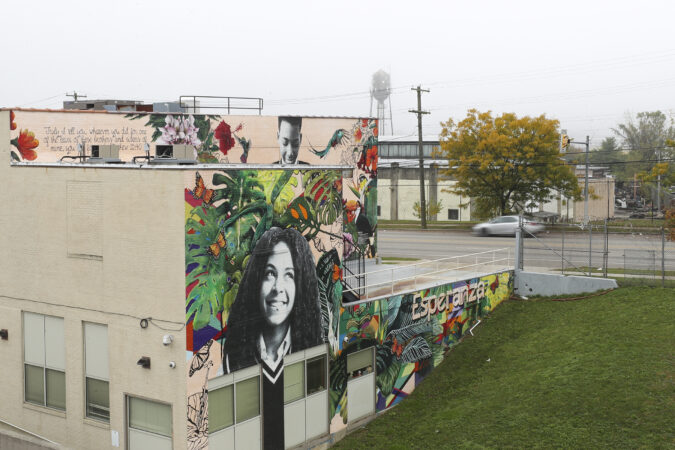
    Esperanza Academy Charter High School teachers and staff have unionized.

    The brand-new Esperanza High School Collective, a chapter of the American Federation of Teachers, now represents nearly 80 staff at the school.

    The move comes during a period of turmoil at the school, after some employees were laid off abruptly in December. Current and former staff say there have been sudden and arbitrary changes at the school, including larger class sizes and fewer staff working directly with children.

    Union recognition was hard fought — a majority of the staff signed union cards in the fall, but the Esperanza administration declined to voluntarily recognize the collective.

    Instead, the AFT had to go through the National Labor Relations Board, which held an election in late January. In all, 87% of the Esperanza Academy Charter High School staff voted to unionize. (Staff at Esperanza’s elementary and middle schools have not unionized.)

    Wendy G. Coleman, president of AFT Pennsylvania, said the organization was “thrilled” to welcome Esperanza Academy high school staff.

    “These dedicated educators and staff work tirelessly to ensure that their students receive the best possible education, and AFTPA is ready to work just as diligently to help them secure better class sizes, higher wages, and adequate resources for every member in their first contract,” Coleman said in a statement. “As we know, our members’ working conditions are our students’ learning conditions, and we’re excited to see what the future holds for the Esperanza High School Collective in their first contract.”

    Esperanza is the sixth of Philadelphia’s 81 charter schools to form a union; the vast majority of Pennsylvania charters are not unionized.

  • Wasserman fallout, explained: Musicians speak out after talent agency’s CEO named in Epstein files

    Wasserman fallout, explained: Musicians speak out after talent agency’s CEO named in Epstein files

    A growing number of musicians — including most recently Chappell Roan — are leaving their management company after its founder’s emails were uncovered in the latest release of the Epstein files.

    Wasserman, a major talent management company based out of Los Angeles, represents stars ranging from Billie Eilish and Kendrick Lamar to Phish, Bon Iver, Turnstile, and Kacey Musgraves.

    The company has been in hot water since the Department of Justice dropped over 3 million pages of documents related to Jeffrey Epstein, the disgraced financier and sex offender, and his associate, convicted sex offender Ghislaine Maxwell.

    Those released files included emails between the agency’s founder, Casey Wasserman, and Maxwell. Now, musicians signed to Wasserman Group are speaking out and cutting ties.

    Here’s what you need to know.

    Who is Casey Wasserman?

    Wasserman is a successful entertainment agent and the founder and CEO of the Wasserman Group, which represents sports talent, musicians, artists, and content creators.

    He is the grandson of media mogul and talent agent Lew Wasserman. He is also the chairperson of the organizing committee for the Los Angeles 2028 Olympic and Paralympic Games.

    What did Casey Wasserman’s emails to Ghislaine Maxwell say?

    Wasserman’s emails, which were released by the Justice Department in January, reveal an exchange between him and Maxwell from 2003.

    In the emails, Maxwell offers to give Wasserman a massage that would “drive a man wild.” Later, Wasserman tells Maxwell that he thinks about her “all the time” and asks what he has to do to see her in “a tight leather outfit.”

    The Justice Department has not accused Wasserman of wrongdoing.

    What kind of talent does the Wasserman Group represent?

    Wasserman is regarded as one of the top talent agencies. The company represents hundreds of the world’s biggest touring acts and oversees artists who perform across a range of musical genres.

    The company’s artist roster includes Coldplay; Ed Sheeran; Joni Mitchell; Tyler, the Creator; Kendrick Lamar; Lorde; and many more.

    Wasserman’s artist roster is no longer available on its website.

    How are artists signed to Wasserman reacting?

    Many have spoken out against the Wasserman CEO, calling for him to leave the agency. Some artists have gone as far as leaving the agency.

    Bethany Cosentino, the front woman of Best Coast, was among the first to speak out, posting an open letter on Instagram last week calling for the founder to step down.

    “As an artist represented by Wasserman, I did not consent to having my name or my career tied to someone with this kind of association to exploitation,” Cosentino said. “Staying quiet isn’t something I can do in good conscience — especially in a moment when men in power are so often protected, excused, or allowed to move on without consequence. Pretending this isn’t a big deal is not an option for me.”

    Irish punk band the Dropkick Murphys announced over the weekend that they were also leaving Wasserman.

    “It saddens us to part ways with [our agents], but the namesake of the agency is in the Epstein files so … we GONE,” the band wrote on Instagram.

    Other bands, including Wednesday, Water From Your Eyes, and Beach Bunny, have made statements on social media about their concerns or their intentions to start the process of leaving the agency.

    On Monday, Chappell Roan announced her exit.

    “As of today, I am no longer represented by Wasserman, the talent agency led by Casey Wasserman,” Roan posted on Instagram. “I hold my teams to the highest standards and have a duty to protect them as well. No artist, agent or employee should ever be expected to defend or overlook actions that conflict so deeply with our own moral values. I have deep respect and appreciation for the agents and staff who work tirelessly for their artists and I refuse to passively stand by.”

    In addition to artist pressure, Los Angeles politicians are calling for Wasserman to give up his role on the Olympics committee. The Hollywood Reporter also reported that agents who work at Wasserman are considering spinning off a new firm.

    Still, not all artists believe they can make a clean break like Chappell Roan or the Dropkick Murphys.

    Why can’t every artist leave the agency?

    Wasserman client Alexis Krauss, of the group Sleigh Bells, released a lengthy statement condemning the CEO and detailing why she could not leave the company entirely, citing the financial impact it would cause.

    “Do I wish I could burn it all down, boycott and divest? Sure I do. But to be totally honest, I can’t afford to,” Krauss said.

    Krauss continued, “Would I love to just leave Wasserman Music? Yes I would. Can we? No, because I love and respect our agent and I trust him to make the decision that is best for himself, his family and his artists. The agents at Wasserman are not the villains.”

    Several artists, including Krauss, emphasized that they do not work directly with — and in most cases have never met — Casey Wasserman.

    Krauss added that her income allows her to pay her and her child’s health insurance, saying, “let’s remember that there’s no such thing as healthcare for working musicians. Call me spineless, but this is my truth. This is the hypocrisy of our realities as we try to do the least harm in an unscrupulous system.”

    Are any Philadelphia-area artists managed by Wasserman?

    Yes. Some include: Aaron West and the Roaring Twenties, the A’s, the Bacon Brothers, Diplo, the Disco Biscuits, Dr. Dog, G. Love & Special Sauce, the Menzingers, the Wonder Years, and Spaga.

    As of publication time, none of these artists have made statements about Wasserman. This story will be updated if they do.

    Has Casey Wasserman made a statement?

    Yes. In a statement sent to the New York Times, Wasserman said he “deeply regrets” his correspondence with Maxwell, “which took place over two decades ago, long before her horrific crimes came to light.”

    Wasserman added that he never had a “personal or business relationship” with Epstein.

  • An ex-Philly City Council aide from a prominent political family is accused of sexual harassment

    An ex-Philly City Council aide from a prominent political family is accused of sexual harassment

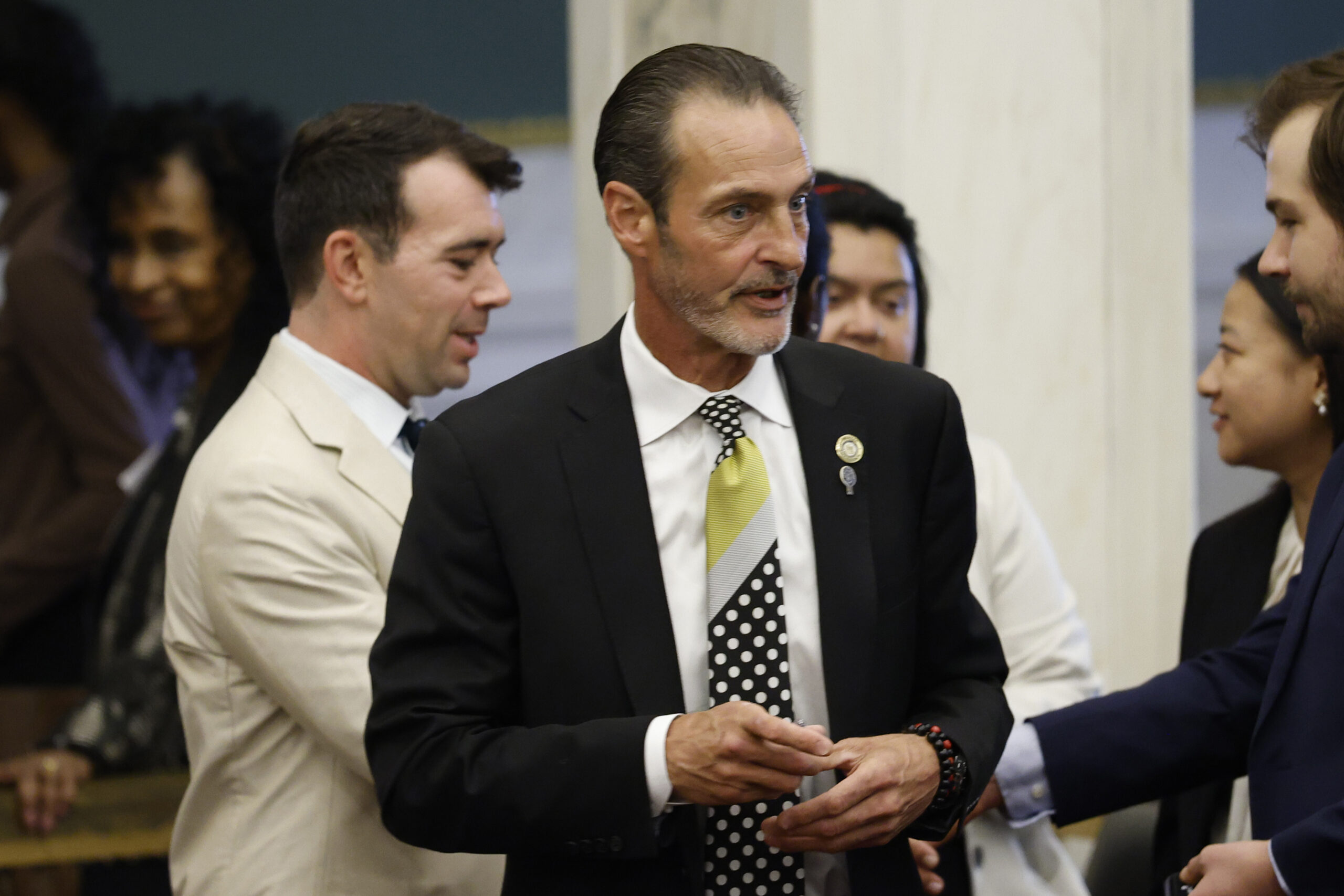
    After Sharif Street Jr. got into a highly public fight at Mayor Cherelle L. Parker’s 2024 inauguration ceremony, his boss, City Councilmember Jim Harrity, extended him some grace.

    Harrity, who credits Street Jr.’s father, State Sen. Sharif Street (D., Philadelphia), with giving him a second chance earlier in his own career, kept the junior Street on staff as a special assistant, saying the incident was a lapse in judgment.

    But according to another staff member in Harrity’s office, it was not the only transgression.

    Shanelle Davis, a former constituent services representative, filed a federal lawsuit last week against the city claiming that she told supervisors months before the inauguration fight that Street Jr. had sexually harassed her while she was at work, including twice grabbing her and making sexualized comments about her body.

    She said in the suit, filed in the U.S. District Court for the Eastern District of Pennsylvania, that no action was taken and Street Jr. remained on staff.

    Davis is seeking unspecified damages from the city, which she claims violated state and federal laws related to gender-based discrimination. Street Jr. is not named as a defendant in the suit, but he is mentioned throughout the 13-page filing.

    Davis’ complaint portrays a dysfunctional workplace environment in the City Hall office, including an alleged physical altercation between Street Jr. and another staffer for which no one was reprimanded. Davis, who is Black, claimed another colleague in Harrity’s office made racist comments, including hurling the N-word toward her.

    Davis, who was hired in late 2022, said in the lawsuit that she was fired for underperforming at her job about a year later, after Harrity won reelection.

    Her attorney did not respond to a request for comment Monday. Street Jr. did not respond to calls seeking comment.

    Harrity, a Democrat who represents the city at-large and was a longtime aide to the elder Street, said in a statement that he “categorically denounce[s] workplace harassment, or any conduct that undermines a respectful and professional work environment.”

    He declined to comment further, citing the ongoing legal proceedings. A spokesperson for the city law department also declined to comment.

    The lawsuit is the latest legal trouble involving Sharif Street Jr., 26, who over the last three years has pleaded guilty to criminal offenses in Philadelphia, Montgomery, and Delaware Counties. In August, his employment with the city was terminated the week he pleaded guilty to charges in connection with the inauguration assault and another incident.

    City Councilmember Jim Harrity speaks to colleagues on during a Council session in September.

    Street Jr. comes from one of Philadelphia’s most well-known political families. His grandfather is former Mayor John F. Street, his mother is Common Pleas Court Judge Sierra Thomas Street, and his father is a state senator and the former head of the state Democratic Party who is now running for a seat in Congress.

    Anthony Campisi, a spokesperson for the elder Sharif Street’s congressional campaign, said the state senator had “no knowledge” of the sexual harassment allegations.

    “Sharif loves his son unconditionally and has supported his son through personal troubles, like so many parents across Philadelphia,” Campisi said. “That being said, Sharif unequivocally condemns sexual harassment in all its forms and is looking for the legal process to play out.”

    City Council President Kenyatta Johnson, who took over as leader of the chamber in 2024, declined to comment. Under City Council rules, individual members are responsible for hiring and terminating their own employees.

    State Senator Sharif Street (D., Phila.)is in the state House chamber as Gov. Josh Shapiro makes his annual budget proposal Feb. 3, 2026.

    Street Jr. was arrested several times over three years while working in City Hall as an assistant in Harrity’s office, court records show. Davis’ lawsuit comes about six months after Street Jr.’s employment in Harrity’s office ended, according to payroll records.

    In January 2024, Street Jr. punched a security guard at the entrance to Parker’s inauguration ceremony at the Met Philadelphia on North Broad Street. He told The Inquirer at the time that he was defending his grandfather, the former mayor, whom he said the guard had grabbed because they were trying to enter at a back entrance without waiting in line.

    “I saw my grandfather get grabbed and I just sort of blacked out,” Street Jr. said. His father defended him at the time, saying the security guard had initiated the altercation.

    Later that month, Street Jr. was charged in connection with a hit-and-run from the previous August that left a 14-year-old injured.

    The two cases were consolidated in Common Pleas Court, and Street Jr. pleaded guilty in August to charges of assault and causing an accident that resulted in an injury. According to prosecutors, he was sentenced to 60 days in jail.

    Four months later, when he was no longer working in city government, Street Jr. was briefly jailed in Delaware County following what police in Upper Darby described as a “prolonged struggle” during a traffic stop. He pleaded guilty to disorderly conduct, a summary offense.