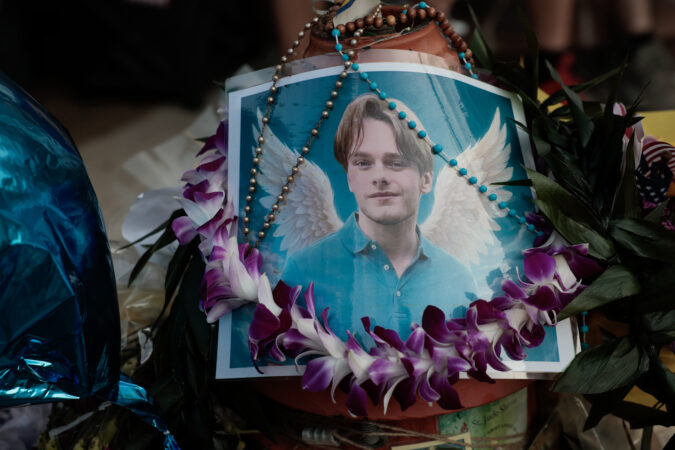
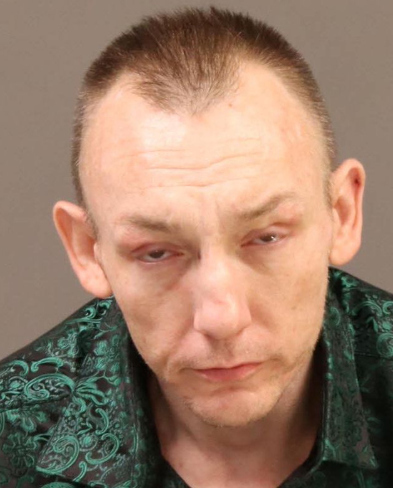
Two 16-year-olds are being sought for the fatal shooting of a 22-year-old Penn State student in South Philadelphia, police said Tuesday.
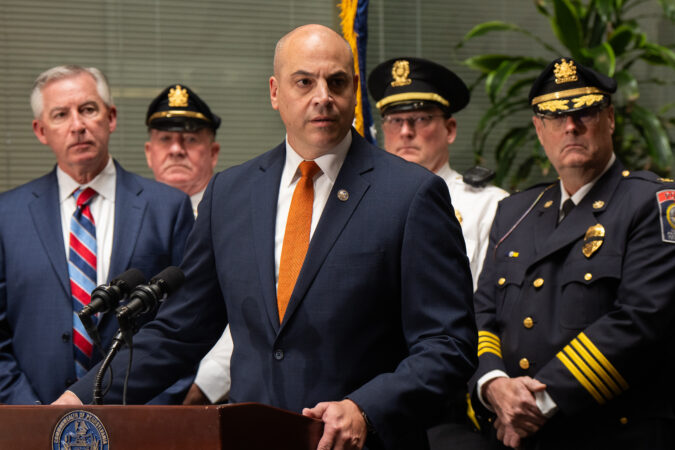
Police obtained arrest warrants for Kaiseem Smith and Azzubair Outen-Fleming on charges of murder and related offenses in the death of William “Billy” Schmidt, said Deputy Commissioner Frank Vanore.
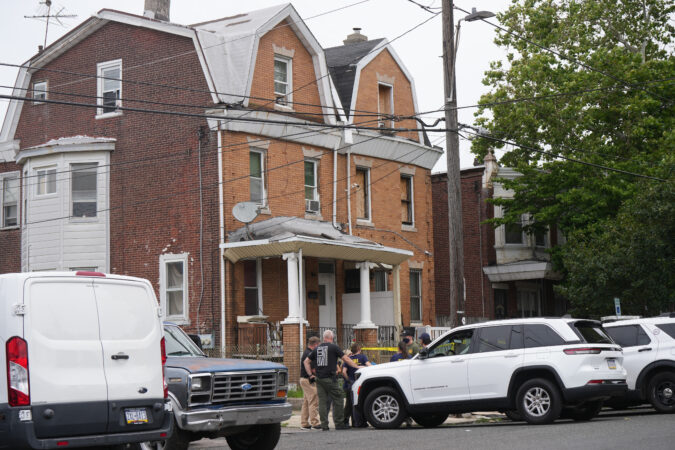
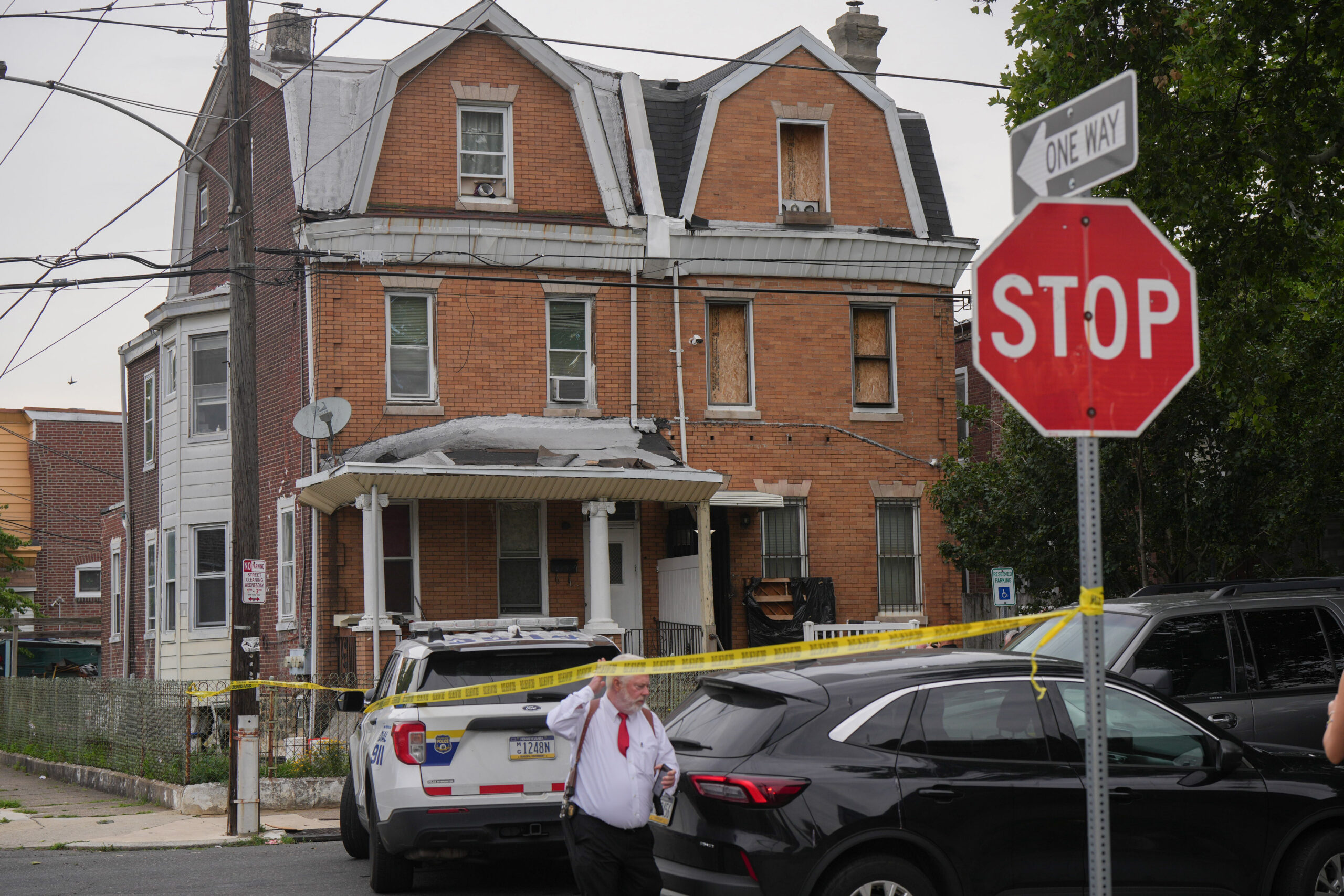
On June 6, Schmidt was gunned down just footsteps from his home on the 2300 block of South 20th Street in an apparent robbery attempt.
Schmidt was pronounced dead at Penn Presbyterian Medical Center a short time later. Schmidt was studying digital journalism and media at the Penn State World Campus, the university’s online campus.
His father told 6abc that Schmidt was returning home after watching the NBA Finals at a nearby bar with friends.
His two assailants were captured on security footage both approaching the scene and fleeing the area after the shooting.
Anyone with information helpful to police in this case can call 215-686-TIPS-8477.
The PPD has obtained arrest warrants for two males for the murder of William Schmidt on 6-6-26. Kaiseem Smith and Azzubair Outen-Fleming, both 16yo, are wanted for Murder and related offenses. Any info. On their whereabouts, please contact our TIP line 215-686-TIPS (8477).
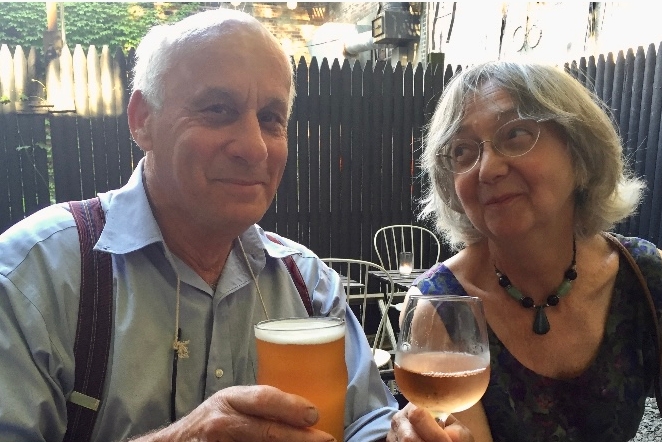
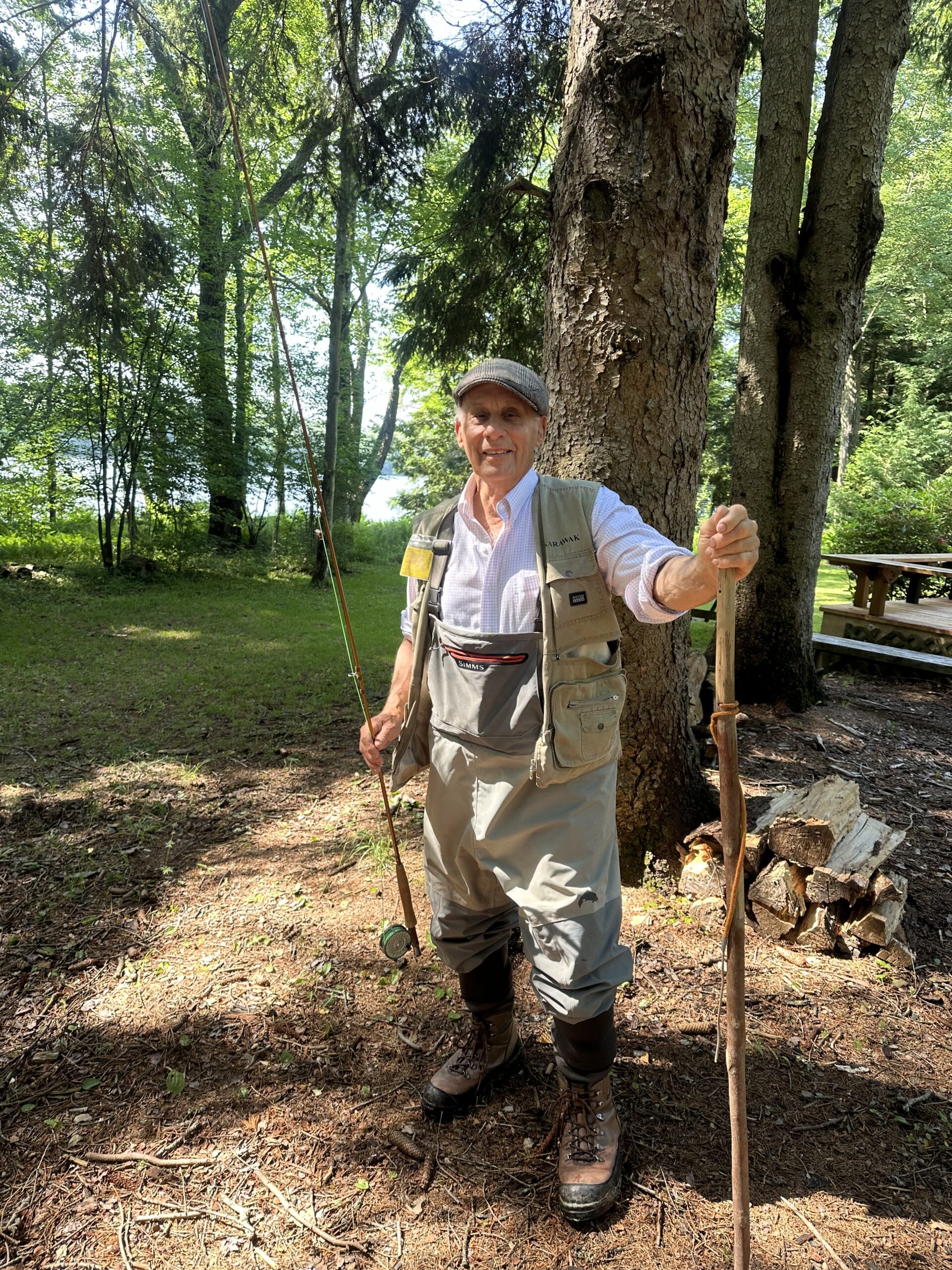
Peter Grove, 82, of Narberth, longtime award-winning science teacher at Friends’ Central Lower School in Wynnewood, former executive director of the Norris Square Neighborhood Project in West Kensington, lifelong environmentalist and conservationist, prolific writer, lecturer, British Special Air Service Reserve veteran, mentor, and world traveler, died Wednesday, May 6, of age-associated decline at his home.
Reared in rural Surrey, England, Mr. Grove arrived in Philadelphia in 1972 and spent the next 45 years teaching science, horticulture, and civic responsibility to students young and old. He also mentored other teachers and fellow naturalists, and created dozens of notable community gardens and wildlife habitats around the region.
“Gardening,” he told The Inquirer in 1986,“is a real way to bring about change.”
He earned bachelor’s and master’s degrees in English and education at the University of Pennsylvania in the 1970s, and joined the Friends’ Central Lower School faculty in 1987. Until his retirement in 2017, Mr. Grove taught thousands of preschool and elementary school-age students at Friends’ Central about gravity, butterflies, bees, birds, mold, trees, and other scientific wonders.
He was a gifted young student of horticulture back at the old Surrey County Merrist Wood Farm Institute in the 1950s and ‘60s, and he dreamed up dozens of riveting scientific demonstrations for his students. They launched hot air balloons, waded in streams to study fungi, and traversed fields and woods on orienteering treasure hunts.
They even pulled his car up a hill every year with a scientific pulley system. “He made learning come alive,” a colleague said in a tribute.
Outside his brick-and-mortar classroom, Mr. Grove and generations of students landscaped much of Friends’ Central’s Lower School campus on Old Gulph Road. They designed fish ponds, a bird blind, a bridge, and flower and vegetable teaching gardens.
In 1995, they collaborated with students at Overbrook School for the Blind to make a fragrance and texture garden for blind people. “This was great for our kids,” Mr. Grove told The Inquirer. “They’re all digging and working, and making new friends, and learning about a different kind of school.”
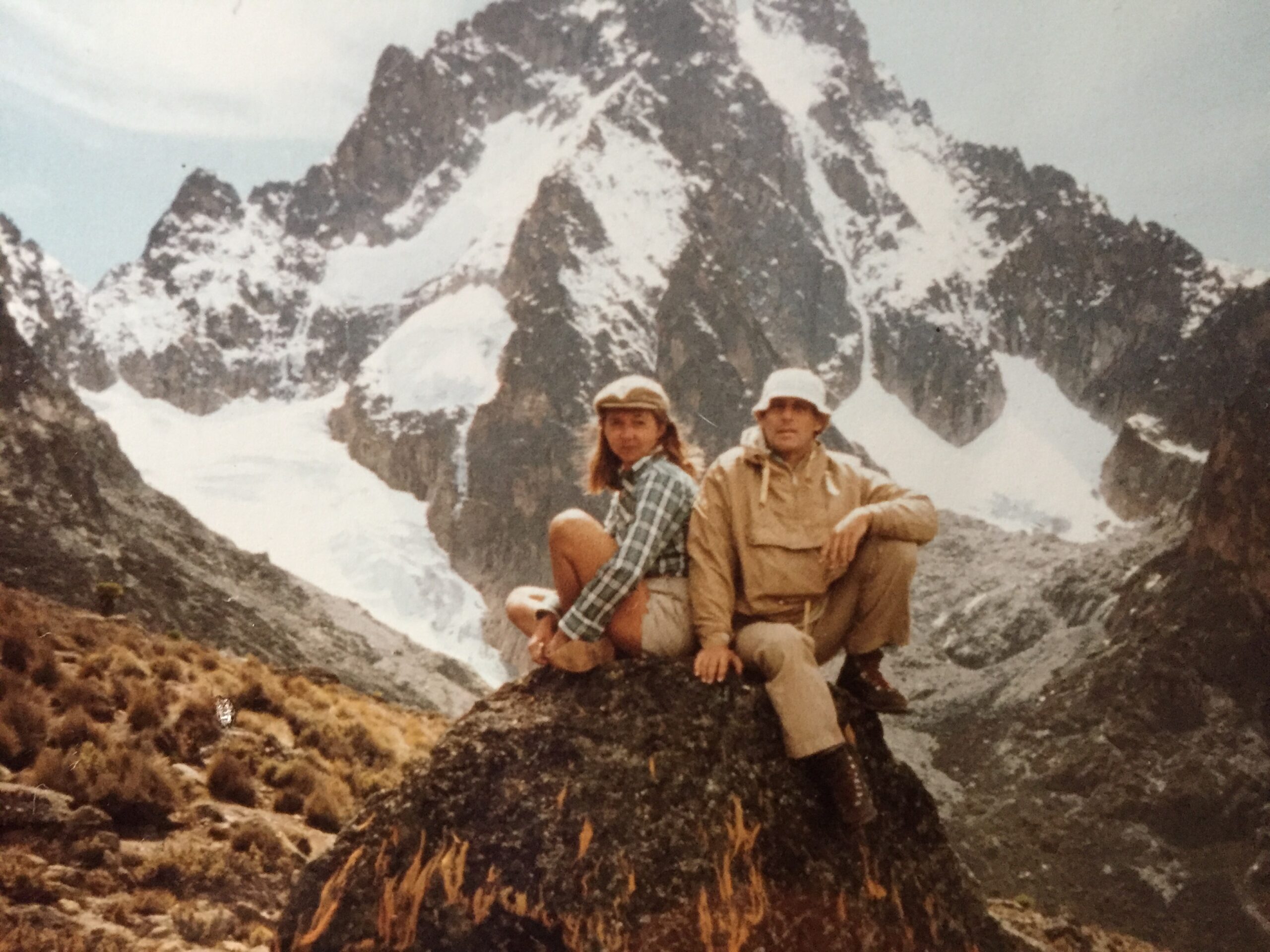
Mr. Grove and his wife, Nancy Greene, scaled Mount Kenya in Africa.
Before Friends’ Central, Mr. Grove taught second graders at the Miquon School in Montgomery County. He was also an adjunct science professor at Rosemont College in the 1990s, a summer camp science instructor for the Smithsonian Institution in Washington, D.C., in the early 2000s, and a science instructor for Penn’s Teach for America program from 2007 to 2010.
In 1981, he became executive director of the Norris Square Neighborhood Project and supervised the building of a solar greenhouse in 1983 and the cleanup of Norris Square Park in 1985. “Everything we do here is slanted toward the neighborhood,” he told The Inquirer in 1983. “It’s all aimed at being able to produce something, do something, or find something.”
He was also an award-winning lifetime honorary board member at the Riverbend Environmental Education Center in Gladwyne and onetime president of the Narbrook Park Improvement Association. During a sabbatical from teaching one year, he volunteered in Costa Rica to protect leatherback turtle eggs from poachers.
He earned a lifetime achievement award from the Lower Merion Township Environmental Advisory Council, was a semifinalist for the National Science Teachers Association’s Teacher of the Year Award, and received more than a dozen other honors.
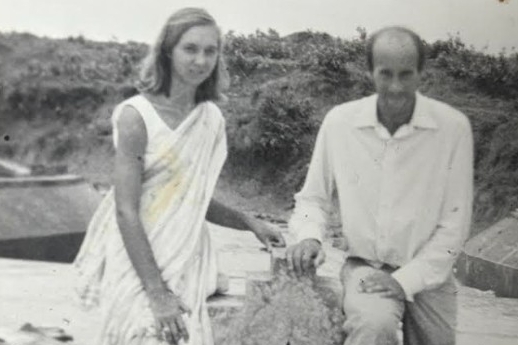
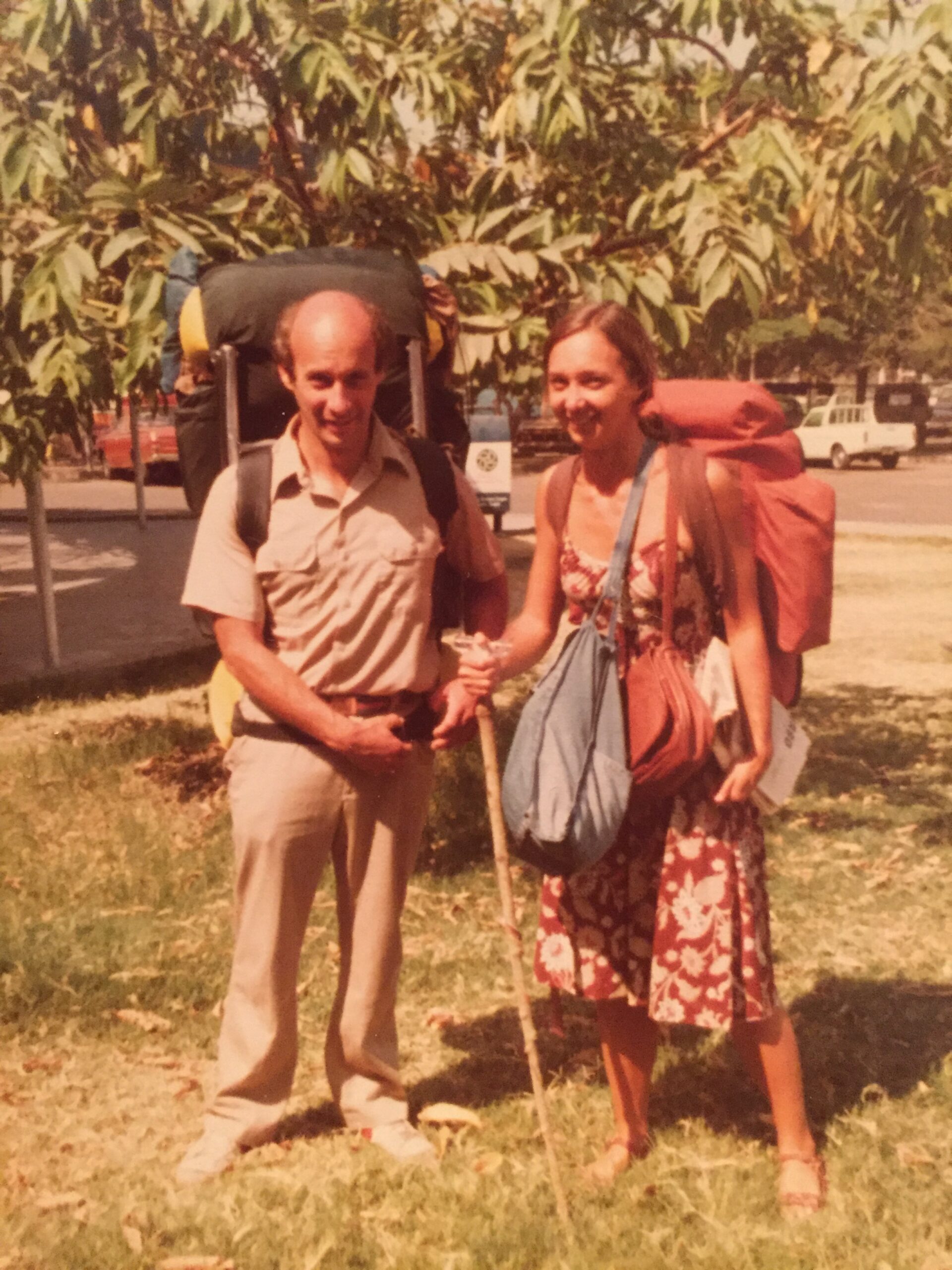
Inspired by the 1956 film Around the World in 80 Days, he signed on with a Norwegian oil tanker in 1966, bicycled across North America, and returned to Europe on a Swedish oil tanker in 1968. He then hitchhiked to India, worked for two years on agricultural improvements for underserved communities, and met his future wife, Nancy Greene, a longtime Philadelphia resident.
Amazingly, she was also inspired by Around the World in 80 Days and on her own global road trip. After India, Mr. Grove moved on to construction jobs in New Zealand and Australia. He finally settled in Philadelphia and married Greene in 1976.
For the next 50 years, the two adventurers hiked trails in Borneo and New Zealand, and climbed Mount Kenya and Mount Kinabalu. “I was his biggest supporter,” his wife said.
Born June 1, 1943, Peter Adrian Grove grew up in Send, a village about 28 miles southwest of London. He connected with nature as a boy, worked as a landscaper and carpenter in the early 1960s, and spent two years in the British Special Air Service Reserve.
Mr. Grove and his wife, Nancy Greene, traveled the world together for decades.
He earned an associate’s degree in English and biology in 1974 at Montgomery County Community College, and his bachelor’s degree at Penn in 1976 and master’s degree there in 1977. He constantly wrote and recorded audio clips about his life and adventures, and he shared those tales enthusiastically in school and at public events.
He and his wife had a son, Evan, and a daughter, Marian, and lived in Fitler Square and then Narberth. He doted on his children and grandchildren, and bonded with his dogs.
Mr. Grove constantly whipped up candlelit gourmet dinners for his family. He was funny, everyone said, and he loved to sing, dance, and fish.
He called himself a simple man despite his many achievements and lived with cancer for years. “He was,” his wife said, “quite simply one of a kind.”
Mr. Grove met his wife, Nancy Greene, in India in 1968.
In addition to his wife and children, Mr. Grove is survived by five grandchildren and other relatives. Two sisters died earlier.
A celebration of his life is to be livestreamed on YouTube.com at 1 p.m., Saturday, Aug. 8, at Wayne Presbyterian Church, 125 E. Lancaster Ave., Wayne, Pa..
The Olney man at the center of a sprawling investigation into the disappearance of at least two women in recent years was taken into federal custody Tuesday and will be detained until trial.
Eugene Albert Horsch, 44, was arraigned Tuesday on a federal firearms charge — a case that relates to his alleged actions on June 19, when a U.S. Park Police officer near Independence Hall reported seeing a black BMW parked in a restricted zone and next to a fire hydrant.
The officer reported hearing a woman in the vehicle express fear of being injured and then seeing pairs of scissors in the front seat area. A search of the vehicle, in part based on Horsch’s actions, led to the discovery of a switchblade and a glass pipe in Horsch’s pants and two firearms under the car’s front seat.
Horsch — who was not allowed to possess guns because of felony convictions — had been charged for that same conduct last week by the Philadelphia District Attorney’s Office and he was being held in a city jail on $500,000 bail. City prosecutors also charged him with having cocaine, heroin, and marijuana in his car.
But the federal gun charge — and the decision by U.S. Magistrate Judge Pamela A. Carlos to detain him until trial — effectively ensures that Horsch will not be able to post bail or secure his release as his case proceeds. And that will give authorities time to continue investigating him in connection with questions potentially far more serious than illegally possessing guns.
In the days after Horsch was arrested with the firearms in Center City, investigators who searched his decrepit rowhouse in Olney found another gun and materials to grow marijuana.
But more concerning, they also discovered a variety of more unusual materials — including barrels of chemicals in the basement, urns holding the cremated remains of at least one of his relatives, documents tied to at least two women who have been missing for years, and a handwritten letter that described hurting people and mentioned the serial killer Ted Bundy.
Officials have said police have not discovered any human remains in the house. But investigators did find a significant amount of blood inside, sources told The Inquirer this week, although it was not clear whether it was human blood. And authorities have been testing a variety of materials they’ve recovered from the house, such as the chemicals in vats stored in his basement.
The probe is also seeking to learn more about potential connections between Horsch and at least two missing women with ties to his home.
One is Blair Tonzelli, who might have worked there as a home health aide and who was reported missing in Kensington in 2023. Some of Tonzelli’s friends told police after she disappeared that they worried that something bad had happened to her and that they had told police that Horsch was a “sociopath,” according to police documents obtained by The Inquirer.
In addition, when Horsch was arrested in Center City earlier this month, a woman who was with him falsely identified herself as Tonzelli and later told police that she did so because Horsch had given her a fake identification with Tonzelli’s name.
The other missing woman is Amy McHale, the ex-wife of Horsch’s father, who was last heard from at the Olney property in 2016. Horsch’s father, Raymond “R.C.” Horsch — now deceased — was an erotic photographer and drug manufacturer who had published several works of fiction, including one described as an “autobiographical memoir of a caring, empathetic serial killer.”
Eugene Horsch, during his brief appearance in federal court Tuesday, said little beyond responding to routine legal questions. He will likely be held at Philadelphia’s Federal Detention Center as his case proceeds toward trial.
His attorney, Jerome Brown, said afterward that he didn’t believe Horsch had harmed any of the women at the center of the investigation.
“As far as I know, I’d be shocked if [police] found any harm related to those missing persons at that location,” Brown said.
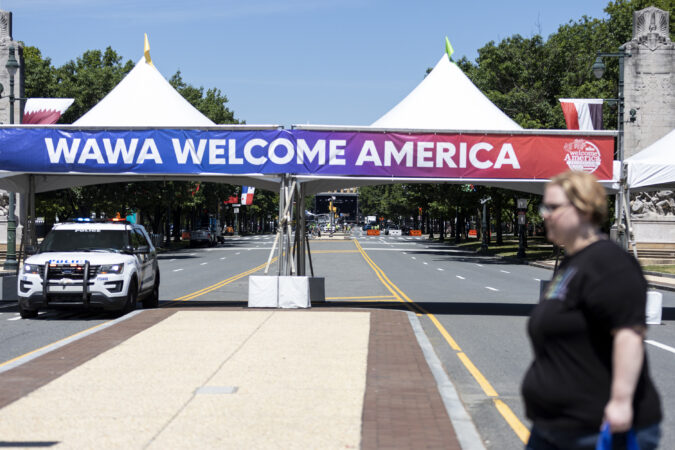
For folks planning ahead, these are roads that will be closed as Philly celebrates the nation’s 250th with the Wawa Welcome America Festival:
Thursday, June 25
Starting at 8 a.m., thenorth traffic lane on Market Street (between Fifth and Sixth Streets) is closed to accommodate the stage buildup for the Independence National Historical Park concert.
The north lane should reopen to traffic by 10 p.m.
Friday, June 26
The stage buildup continues. The north lane on Market Street (between Fifth and Sixth Streets) will be shut down once again from 8 a.m. to 6 p.m.
Reservoir Drive in front of Smith Playground is also scheduled to be closed for Kidchella. Between noon and 11 p.m. the drive will be shut down to accommodate the free music festival with art stations.
The Benjamin Franklin Parkway from 16th Street to 17th Street
Arch Street between 15th and 16th Streets
16th Street from John F. Kennedy Boulevard to Arch Street
All streets are expected to reopen at midnight.
Sunday, June 28
Market Street and its north sidewalk (from Fifth to Sixth Streets) are scheduled to be closed from 6 p.m. to 9 p.m. for the gospel concert at Independence Hall.
The north traffic lane on Market Street will also be shut down for the concert between 8 a.m. to 9 p.m.
Tuesday, June 30
The inner lanes of the Benjamin Franklin Parkway from 20th Street to Binswanger Triangle will close starting at 6 a.m. in preparation for the One Philly: Unity Concert for America July 4th concert and fireworks. Closures will remain in place through Monday at 6 a.m.
Market Street north traffic lane from Fifth to Sixth Streets
Closing between 11 a.m. to 1 p.m.
Walnut Street from Second to Fourth Streets
Closed between 11 a.m. until the parade ends or passes
Chestnut Street between Second and Fifth Streets
Market Street at Fifth Street
Chestnut Street at Fifth Street closure starts at 11:15 a.m.
Closing between 3 p.m. to 9 p.m.
Market Street between Fifth and Sixth Streets
Sixth Street between Arch and Market Streets
Market Street north sidewalk from Fifth to Sixth Streets
Closing July 2 and July 3
Fifth Street from Race Street to Chestnut Street is closed from July 2 at noon to July 3 at 5 p.m.
Friday, July 3
With the Salute to Independence Parade the Philly Pops concert at Independence Mall, and the Parkway concert and fireworks, Friday brings more road closures. Expect some streets to close as early as 4 a.m.
Closing between 4 a.m. to 1 p.m.
Three streets will be closed between Spruce and Arch Streets:
Third Street
Fourth Street
Fifth Street
Closing between 6 a.m. and 9 p.m.
Market Street from Fifth to Sixth Streets
Closing from 6 a.m. Friday to 6 a.m. on Monday
1900 block of Race Street
1800-1900 Vine Street
I-676 off-ramp at 22nd Street
I-676 on-ramp at 22nd Street
I-76 eastbound off-famp at Spring Garden Street
Spring Garden Tunnel
Park Towne Place between 22nd and 24th Streets
20th Street between Arch Street and Pennsylvania Avenue
19th Street between Callowhill and Cherry Streets
Benjamin Franklin Parkway from 17th Street to Eakins Oval (all lanes)
Eakins Oval (all lanes)
Kelly Drive between Eakins Oval and Fairmount Avenue (Kelly Drive inbound closed at Fountain Green Drive beginning at about 5 p.m.)
Rear of Art Museum – Anne d’Harnoncourt Drive
2000-2100 Winter Street
MLK Drive from Falls Bridge to Eakins Oval
Spring Garden Street between Pennsylvania Avenue and 31st Street
23rd Street between Pennsylvania Avenue and Eakins Oval
22nd Street between Winter Street and Pennsylvania Avenue
21st Street between Winter Street and Pennsylvania Avenue
All roads from Arch Street to Spring Garden Street, 18th to 22nd Streets (local access maintained for residents)
All roads from Arch Street to Fairmount Avenue, 22nd to Corinthian Streets (local access maintained for residents)
16th and 17th Streets, between Arch and Spring Garden Streets will be closed only if conditions warrant in the interest of public safety
1600-1700 Benjamin Franklin Parkway will be closed only if conditions warrant in the interest of public safety
Closingfrom 11:30 a.m. until the parade ends
Market Street from Sixth to 17th Streets
Seventh Street between Arch and Walnut Streets
Eighth Street between Arch Street and Walnut Streets
Ninth Street between Arch and Walnut Streets
10th Street between Arch and Walnut Streets
11th Street between Arch and Walnut Streets
12th Street between Arch and Walnut Streets
13th Street between Arch and Walnut Streets
John F. Kennedy Boulevard between Juniper and 17th Streets
North Broad Street between John F. Kennedy Boulevard and Arch Street
15th Street between Cherry and Chestnut Streets
Benjamin Franklin Parkway between Arch and 20th Streets
16th Street between Cherry and Chestnut Streets
17th Street between Race and Arch Streets
18th Street between Vine and Cherry Streets
19th Street between Vine and Cherry Streets
20th Street between Vine and Race Streets
Chestnut Street between 11th and 16th Streets
Closing between 1 p.m. to 9 p.m.
Sixth Street from Market to Race Streets
North sidewalk on Market Street from Fifth to Sixth Streets
Saturday, July 4
Sealing the 250th festivities, the Celebration of Freedom Ceremony brings few more road closures. Closures related to the Parkway concert and fireworks continue.
Closing between 8 a.m. to noon
Market Street between Fifth and Sixth Streets
Market Street north sidewalk from Fifth to Sixth Streets
Closing between 8 p.m. and 1 a.m. on Sunday, July 5
Kelly Drive from Fairmount Avenue to Fountain Green Drive
For Ecuadorians in Philadelphia, seeing their country in the World Cup is not just a chance to watch good soccer but also a way to embrace their culture and community in the face of heightened scrutiny under the Trump administration.
As Ecuador went head-to-head with Germany last week, some Ecuadorian Philadelphians gathered in bars across the city, donning yellow and cheering on their team.
“It’s been nice to be able to see how all the community has come together,” Yvonne Cedeno said at a watch party at Tradesman’s in Center City. “Whether you’re Mexican, Colombian, Ecuadorian, just seeing people in our community getting together, especially within this political environment, is just so great. It makes me happy to be Ecuadorian.”
Though Philadelphia is a sanctuary city with some of the nation’s toughest restrictions on ICE, immigration arrests have still surged in the city and state. In January 2026 alone 802 arrests were made in Pennsylvania, more than tripling the amount just a year prior. Raids have often targeted predominantly Latino communities in both the city and suburbs.
Cathryn Miller-Wilson, executive Director of HIAS Pennsylvania, said these raids have created intense anxiety in the community, with some clients telling staff they have opted to stay home during World Cup celebrations, fearing running into ICE agents at games or events.
“They’re absolutely only watching from home because it’s too scary otherwise,” Miller-Wilson said. “It’s definitely a problem, really since 2025, but especially now, where there’s this confluence of joyful celebration, but also of the threat of increased ICE presence.”
Still, many Latinos, who make up 16% of the city’s residents, have embraced the chance to celebrate their community during the World Cup, which has featured nine Latin American countries. Tuesday evening, Ecuador will face Mexico in a knockout match after last week’s 2-1 win over Germany secured the nation’s spot in the elimination round.
Cedeno, 37, said the World Cup has always given her family a way to express their love for their culture by making traditional Ecuadorian dishes and coming together to cheer for their country.
“Last game we woke up at 6 a.m. just to make a traditional Ecuadorian dish called encebollado, which takes hours to make,” Cedeno said, referring to the traditional stew often made with tuna and yuca. “And we all got together and we watched the game and rooted for Ecuador, so it definitely brings the World Cup definitely brings our family closer”
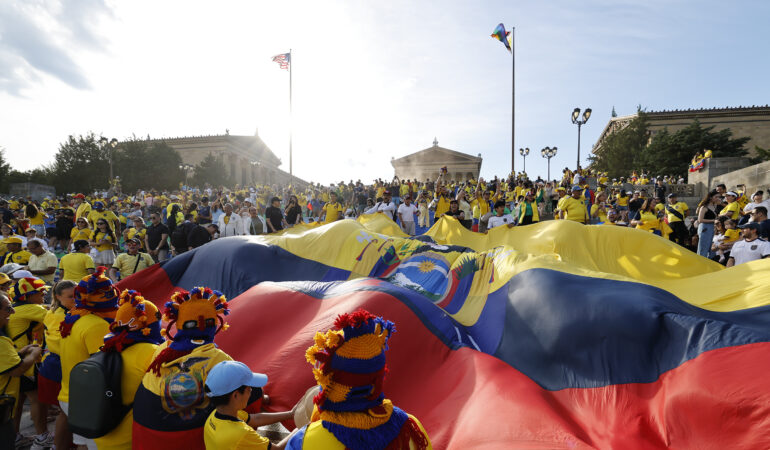
Ahead of Ecuador’s math against Côte d’Ivoire at Lincoln Financial Field on June 14, a sea of yellow jerseys flooded around the Rocky statue in front of the Philadelphia Museum of Art.
Rowan Teran, 24, said the scene filled him with pride — even if the team fell short that game.
“I grew up Latino in a very Jewish-dominated community. I kind of wasn’t proud of who I was,” said Teran, who grew upLower Merionafter his father immigrated from Ecuador.“And then growing up, I became much more proud. And then one day you see thousands of Ecuadorians wearing your jersey, singing the national anthem that you wanted to sing when you were younger, and you just feel proud to be who you are.”
Teran, who also attended the watch party at Tradesman’s, highlighted that the joy surrounding the World Cup feels like an act of resistance against the Trump administration.
”See what we are,“ Teran said. ”You don’t want any of us here, and now there are hundreds of thousands of us here, and the city’s even better.”
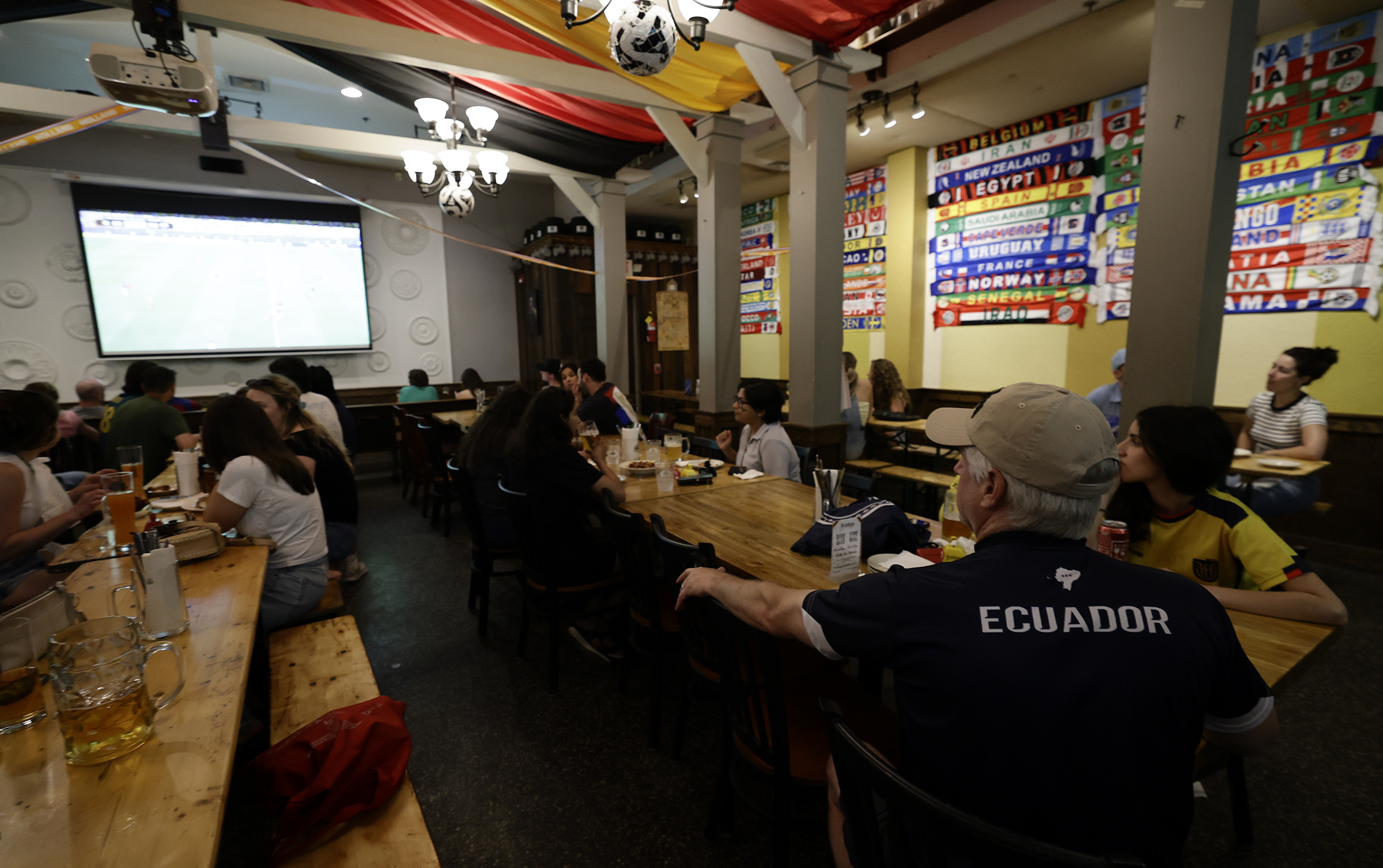
Soccer fans watch Ecuador take on the Ivory Coast during a World Cup soccer watch party at Brauhaus Schmitz on Sunday, June 14, 2026.
Christina Barradas, 44, is Mexicanbut came out to Tradesman’s to cheer on Ecuador alongside her Ecuadorian husband. She said while the World Cup has been great for the community, it’s a temporary respite from the struggles they’re facing.
“It’s an opportunity to put on your jersey, to put on the colors, but we still don’t feel 100 percent free and safe,” Barradas said.
On South Street,Nina Cueva-Castillo, 41, sat with the only other two yellow jerseys among a sea of Germany fans at Brauhaus Schmitz.
Cueva-Castillo said the games give Philly’s Ecuadorian community visibility it usually does not have.
“I love how people now know us,” Cueva-Castillo said. “They know our jersey, they know our colors, they know our flag. It’s a breath of fresh air to be ourselves, to be accepted, to be welcome, and for people to be like, ‘You know what, they are just like us’.”
Philadelphia students are among the friendly faces welcoming the expected more than 1 million visitors to the city this summer.
Youth from Ss. Neumann Goretti High School and Girard Academic Music Program are official staff greeting tourists and giving directions and Philly recommendations over six weeks.
Planning for the huge undertaking of celebrating America’s 250th birthday in its birthplace began years ago, and Kathryn Ott Lovell, president and CEO of the Philadelphia Visitor Center Corporation, knew that she needed reinforcements.
“It was going to be hard to scale our mission and reach as an organization, short of building a visitor center on every corner,” said Lovell.
Enter the Phambassadors, a corps of 10,000 Philadelphians who volunteer to be a welcome wagon of sorts for the tourists arriving in town, some of whom were trained via a Philly-themed boot camp. Lovell, who “was born with this irrational love for Philly,” she said, arbitrarily picked the number 10,000, she said, hoping to attract that number of volunteers by the end of the year. The Philadelphia Visitor Center got there months ahead of schedule.
And when Lovell heard that Neumann Goretti had launched a hospitality program, creating the Youth Phambassador corps felt like a natural extension, both as a way to expand the welcome wagon and a means to help develop the next generation of tourism and hospitality professionals.
Lovell, Philadelphia’s former Parks and Recreation Commissioner, wanted to make it a paid opportunity, a city summer program with training and a stipend for participating students. Twenty Neumann Goretti students signed on, plus six students from GAMP, the South Philadelphia magnet school.
Training was held this month for the 26 Youth Phambassadors to learn both soft skills and hard skills — customer service, visitor engagement, and even citizen diplomacy via the World Affairs Council.
The Youth Phambassadors, who are working with an adult supervisor, are stationed both inside the Visitor Center at Sixth and Market Streets and around the historic district.
The hope is to have the students show off the city, but also “that it’s a portal into the hospitality and tourism world for the kids as they have a really wonderful experience,” Lovell said.
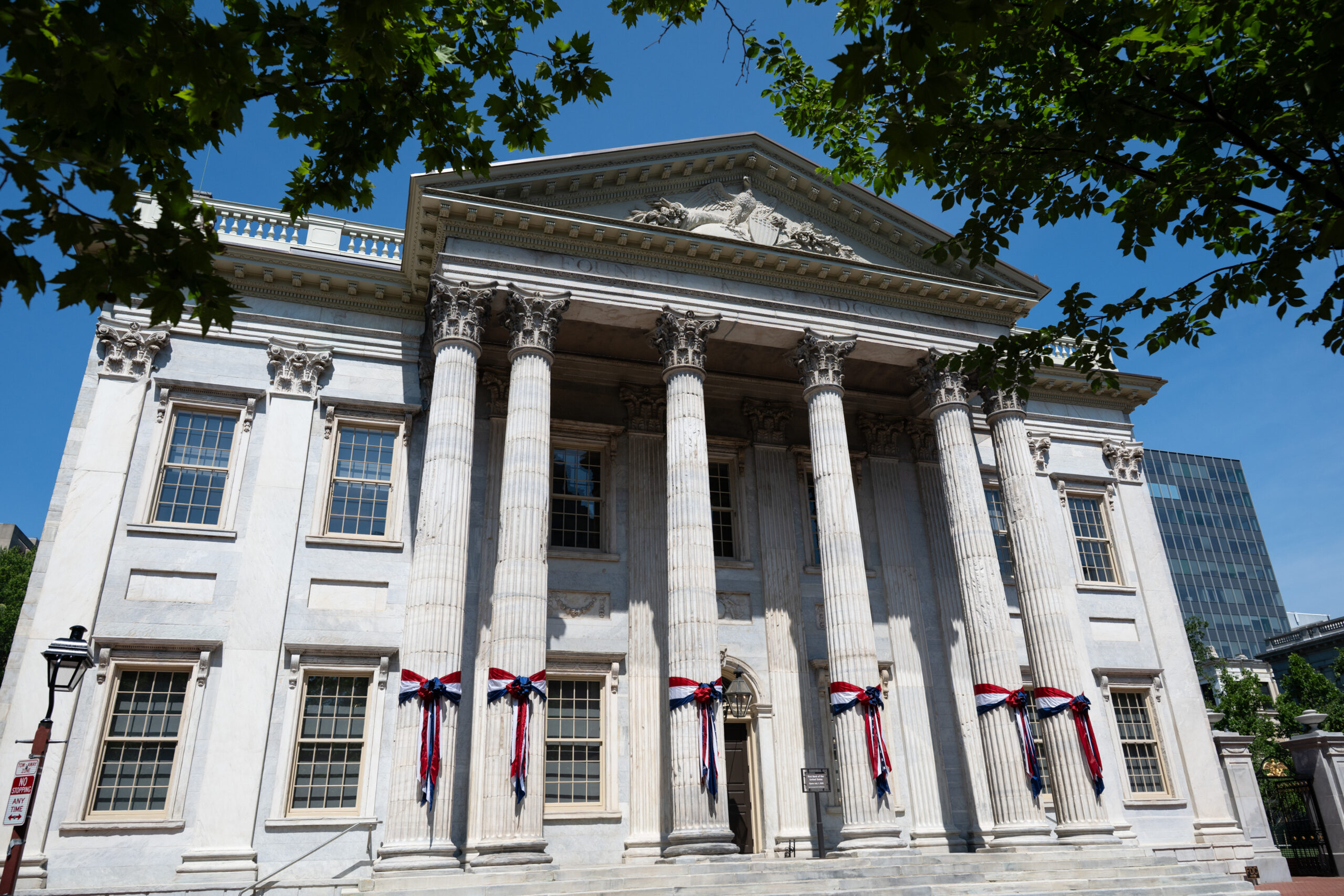
The First Bank of the United States in Philadelphia, one of Alexander Hamilton’s signature achievements, has undergone a $43 million renovation and will be open to the public for the first time in more than 20 years starting Wednesday.
The ribbon cutting at the building on the west side of Third Street near Chestnut comes just in time for 250th anniversary of the Declaration of Independence this weekend.
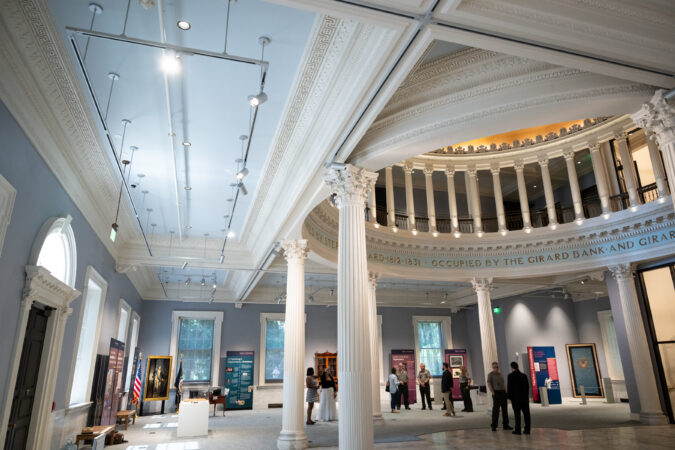
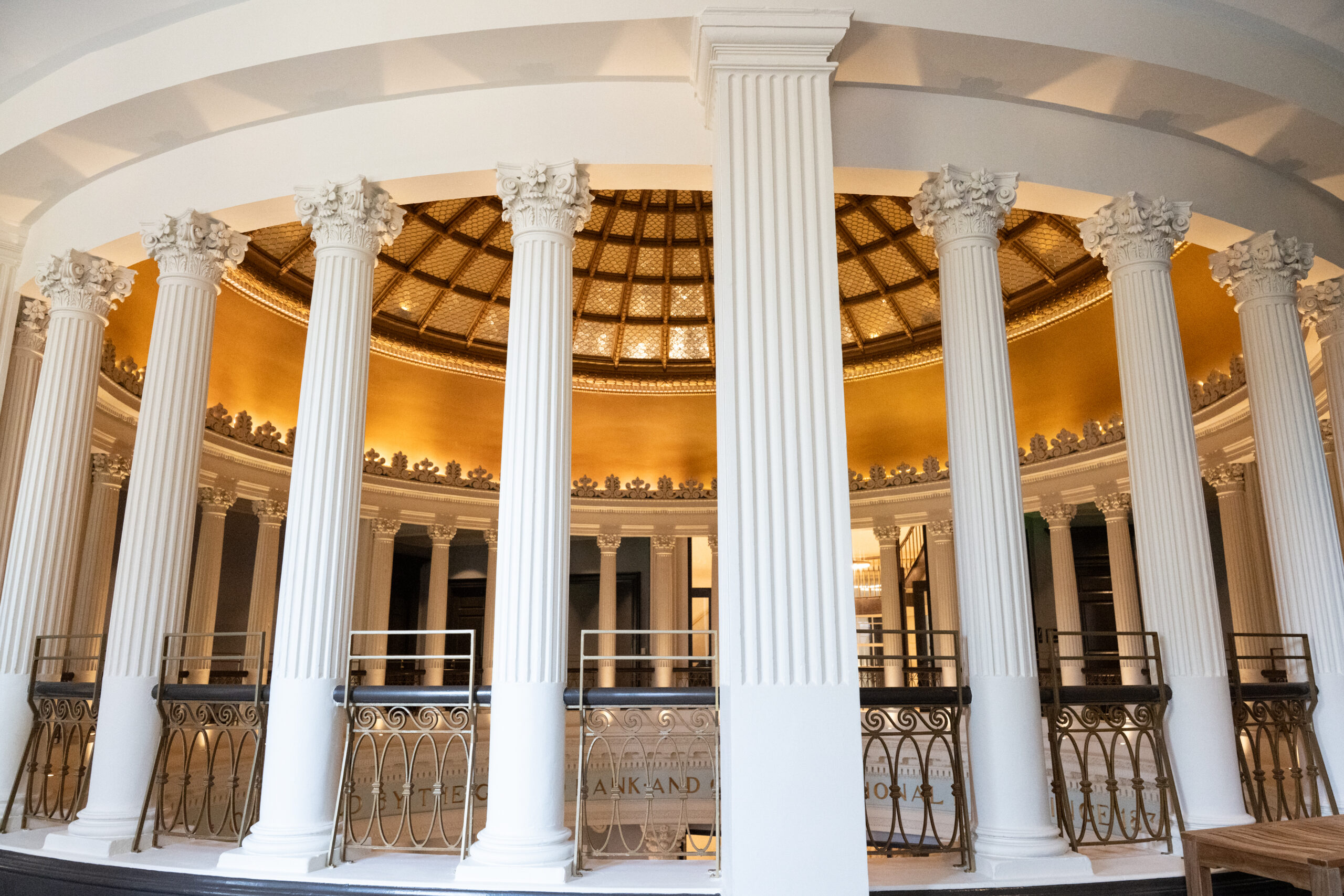
Visitors will be able to walk through the grand rotunda and look up at the barrel-vaulted golden ceiling, lit by 240 painstakingly cleaned panes of glass around a central skylight.
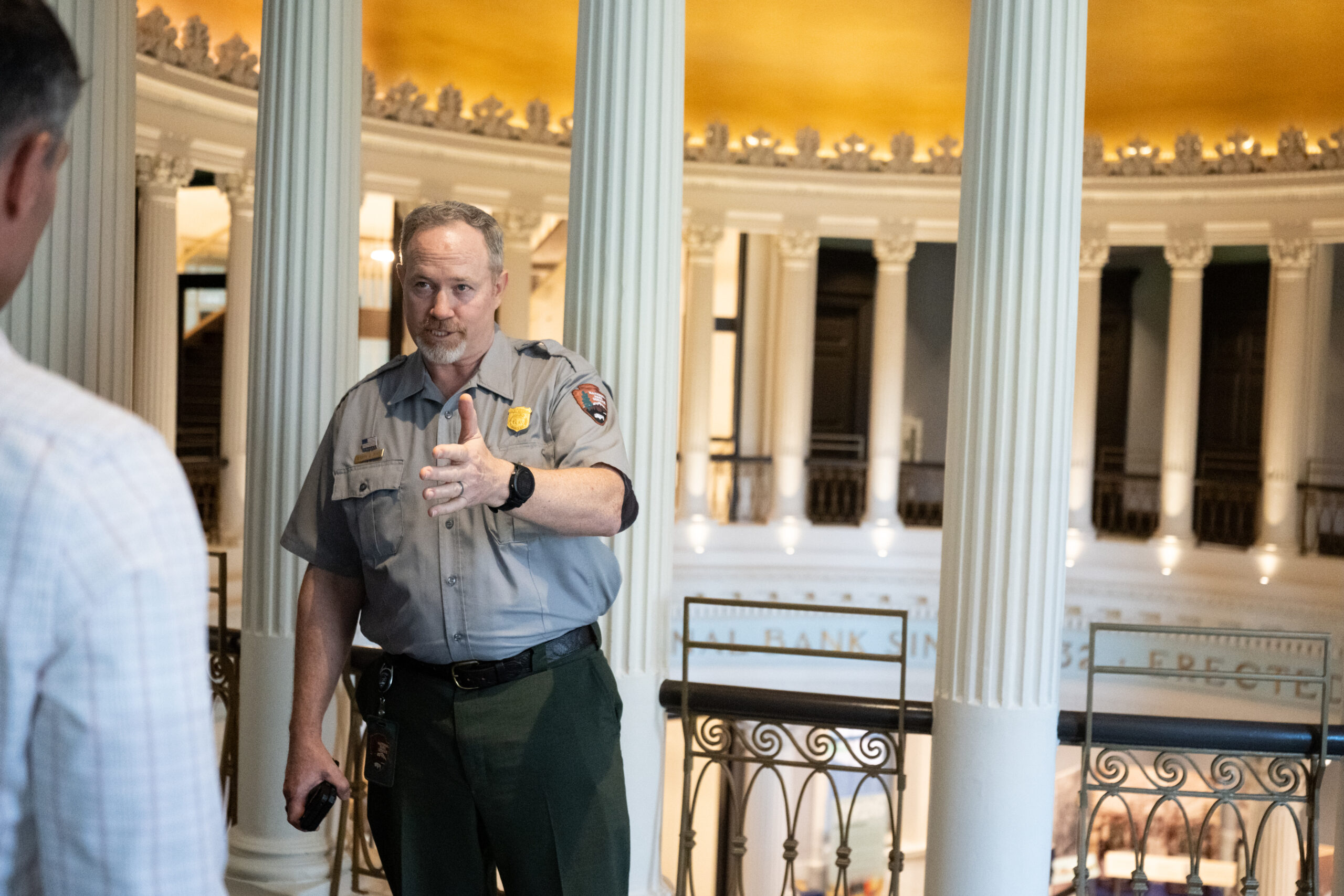
“I’m excited to see how visitors connect to the space,” said Steve Sims, superintendent of Independence National Historical Park. “The National Park Service can talk about what’s important all day long, but what really matters is what’s relevant to our visitors.”
Simms said the interior before the renovation was dark and dingy, marred by an old carpet that covered the marble floor. The entire interior has been painted and the ceiling restored.
Steven Sims, superintendent of Independence National Historical Park, shows off the interior of the newly renovated First Bank of the United States.
The air-conditioning, electrical, lighting and other systems had to be replaced and brought up to code.
The National Park Service also built an addition on the back, which serves as a public entrance. It includes an elevator and modern bathrooms, complying with the Americans with Disabilities Act.
The original budget for the restoration was about $30 million. But higher asbestos levels, issues with soil borings, and installation of a new stormwater management system so roof drainage would be filtered caused that total to rise.
Jonathan Burton, director of development for the trust, said Chadds Ford-based John Milner Architects reimagined the interior of the First Bank, bringing it more in line with the vision held by Philadelphian Stephen Girard, who took over the bank in 1812. West Chester-based Bedwell Co. was the contractor.
“This national historic landmark is now pristine,” Burton said. “It’s completely updated, with all new mechanical systems. It’s absolutely gorgeous.”
Rare artifacts on display
Two temporary exhibits, containing rare artifacts, will fill the interior until a permanent exhibit on the bank’s mission — to create a national financial system for the United States — is finished.
Rosalind Remer, Drexel University’s senior vice provost for collections and exhibitions, said the temporary exhibit from the Atwater Kent Collection at Drexel is designed to focus on souvenirs and art collected from the 1876 Centennial Exposition in Philadelphia and the Bicentennial.
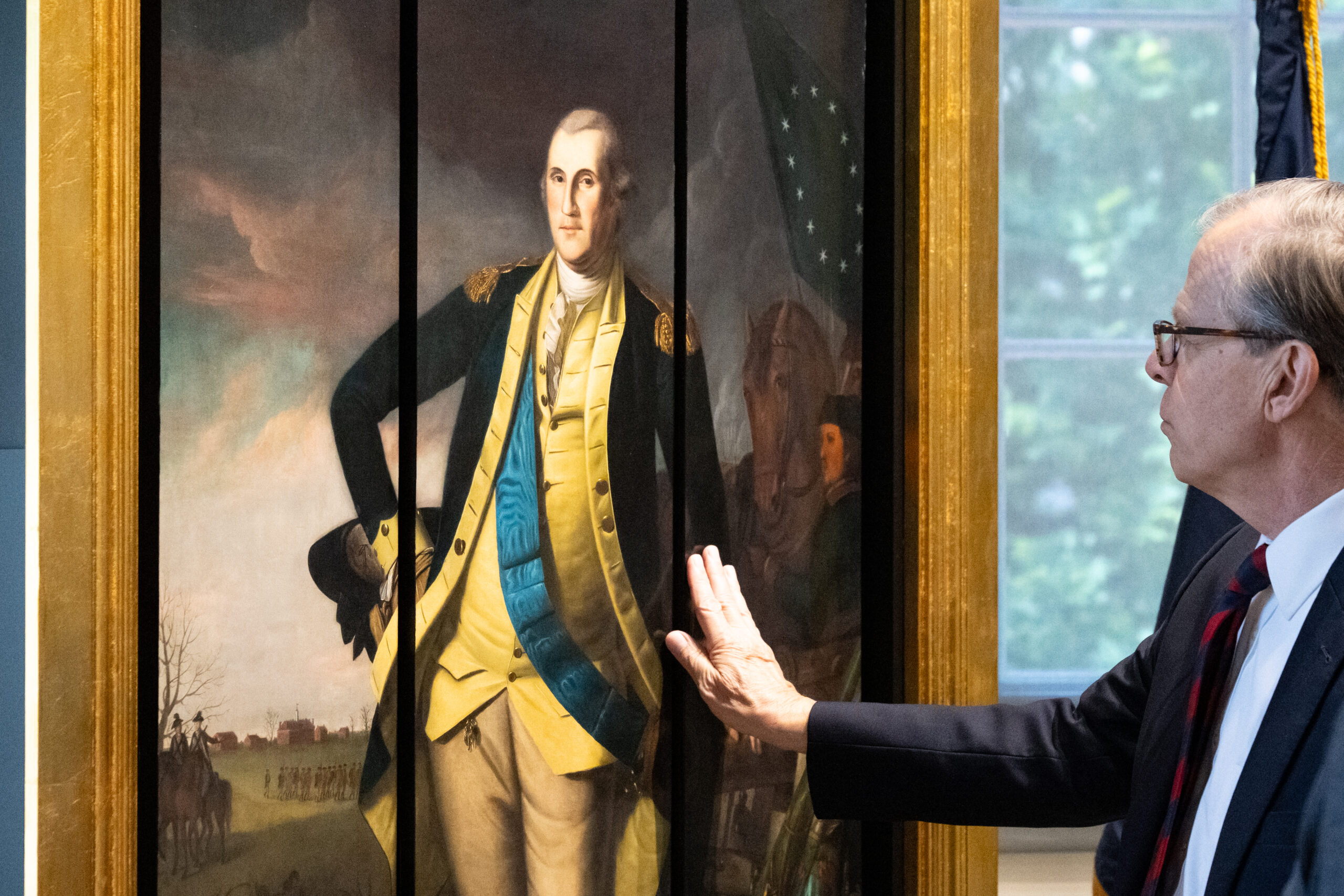
Glyn Davies, a retired U.S. diplomat and senior Foreign Service officer, points out details of a replica of a portrait of George Washington at the First Bank of the United States.
The America on the World Stage exhibit includes two chairs from the Chinese Pavilion at the exposition and a Bicentennial lamp with glass panes of the American flag and Liberty Bell.
Glyn Davies, a retired U.S. ambassador and a consultant to the U.S. State Department, said the Marks of Friendship exhibit commemorates250 years of U.S. diplomatic treasures.
The exhibit includes an ornate Louis XVI-style mantel clock gilded in bronze from the U.S. embassy in Paris anddated to about 1725,as well as Philadelphia painterCharles Willson Peale’s 1779 portrait ofGeorgeWashington in Princeton.
First Bank’s historic design
The bank was key to Alexander Hamilton’s push to give the fledgling federal government authority to handle its poor financial situation.
It’s one of the nation’s first notable examples of Classical monumental design, which contains proportions and geometries of ancient Greece and Rome on a grand scale.
The three-story brick structure features a marble front and trim has a seven-bay marble facade.
Completed in 1797, the three-story brick structure with a marble front and trim has a seven-bay marble facade, built by Claudius F. LeGrand & Sons, stone workers, woodcarvers, and guilders. The builders used Pennsylvania blue marble quarried from Montgomery County.
The decorative entrance, restored in 1983, contains elaborate mahogany carvings of an eagle grasping a shield of 13 stripes and stars and standing on a globe festooned with an olive branch.
The entrance is topped by a marble keystone that depicts Mercury, the Roman god of commerce, finance, and merchants.
The entire exterior has been repointed and damaged areas were fixed. The eagle sculpture also had to be repairedas part of the new renovations.
Inside, the center is defined by a circular Corinthian columned rotunda on the first and second floors.
The original cellar retains its 1795 stone-walled and brick-vaulted rooms, some still having their original sheet iron vault doors.
Alexander Hamilton’s lasting legacy
First Bank has a long and storied history for both the U.S. and Philadelphia.
Visitors to the First Bank will be able to walk through the grand rotunda and look up at the barrel-vaulted golden ceiling, skylit by 240 panes of glass around a central skylight.
At the time of Hamilton’s push for a bank, the U.S. had no national currency, and banks issued their own notes. The notion of a national bank ignited a heated national debate.
Thomas Jefferson, who penned the Declaration of Independence just a few blocks away, was originally against the bank but later used it to finance the Louisiana Purchase. The bank’s initial 20-year charter lapsed in 1811.
Philadelphia merchant Girard bought the bank in 1812. After Girard’s death, another bank purchased the building in 1832 and called itself Girard Bank to capitalize on its namesake’s financial fame.
In 1902, the Girard Bank hired architect James Windrim to remodel the interior. He removed the original barrel-vaulted ceiling and installed a skylight over a glass-paned done to give tellers more light.
The bank was vacated in 1929 and languished until the National Park Service purchased it in 1955 as part of Independence National Historical Park.
The building served as the park’s visitor center until 1976, underwent some restoration, and was open in time for the Bicentennial in 1976. It was open off and on until being closed in 2002 — until now.
Editor’s note: This story has been updated to correct the spelling of Steven Sims, superintendent of Independence National Historical Park.
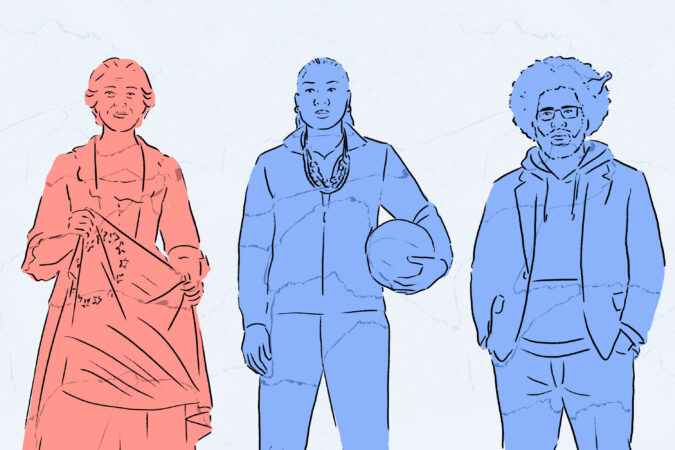
Philadelphia now has three Rocky statues. That is three statues celebrating a fictional Philadelphian. And while many great Philadelphians already have statues, there are so many who don't.
Who do you think should be Philadelphia’s Next Top Statue?
To decide, we’ll present you with two random Philadelphians from our list of just 26. For each matchup, you choose who deserves to be honored more. The winner will move on to the next round to face another Philadelphian.
You’ll keep going until we end up with your definitive Philadelphia’s Next Top Statue.
story continues after advertisement
story continues after advertisement
story continues after advertisement
If you're happy with , you can skip the remaining challengers, and lock them in as your choice.
story continues after advertisement
You think Philadelphia should build a statue of winner and percentageWinner of Inquirer readers agree with you. The most popular winning statues, so far, are popularWinners.
You stuck with longest for the longest, picking them over longestLength other statues.
(()=>{var be=(e,t)=>()=>(t||e((t={exports:{}}).exports,t),t.exports);var U=be(s=>{var Ae={0:”Jan.”,1:”Feb.”,2:”March”,3:”April”,4:”May”,5:”June”,6:”July”,7:”Aug.”,8:”Sept.”,9:”Oct.”,10:”Nov.”,11:”Dec.”};function $(e){return e===void 0&&(e=new Date),Ae[e.getMonth()]}var Ce={0:”Jan”,1:”Feb”,2:”Mar”,3:”Apr”,4:”May”,5:”Jun”,6:”Jul”,7:”Aug”,8:”Sep”,9:”Oct”,10:”Nov”,11:”Dec”};function O(e){return e===void 0&&(e=new Date),Ce[e.getMonth()]}function u(e){return e==null}function G(e){return typeof e==”number”&&isFinite(e)}function A(e){return G(e)&&Math.floor(e)===e}var Le=[“one”,”two”,”three”,”four”,”five”,”six”,”seven”,”eight”,”nine”],Pe=[“million”,”billion”,”trillion”,”quadrillion”,”quintillion”,”sextillion”,”septillion”,”octillion”,”nonillion”,”decillion”],z=[“th”,”st”,”nd”,”rd”,”th”,”th”,”th”,”th”,”th”,”th”],xe=[11,12,13];function _(e){if(u(e))return””;var t=+e;return A(t)?xe.indexOf(t%100)>-1?z[0]:z[t%10]:””}var Be=[“first”,”second”,”third”,”fourth”,”fifth”,”sixth”,”seventh”,”eighth”,”ninth”],je=new RegExp(/s+([^s]*)s*$/);s.apdate=function(e){return e===void 0&&(e=new Date),$(e)+” “+e.getDate()+”, “+e.getFullYear()},s.apdatetab=function(e){return e===void 0&&(e=new Date),O(e)+” “+e.getDate()+”, “+e.getFullYear()},s.apmonth=$,s.apmonthtab=O,s.apnumber=function(e){if(u(e))return””;var t=+e;return A(t)?t=10?e.toString():Le[t-1]:e.toString()},s.aptime=function(e){e===void 0&&(e=new Date);var t,o,n=e.getHours(),i=e.getMinutes(),a=i===0;if(a){if(n===0)return”midnight”;if(n===12)return”noon”}return n0?n:12):(t=”p.m.”,o=n===12?n:n-12),a?o+” “+t:o+”:”+(i<10?"0"+i:i)+" "+t},s.capfirst=function(e){if(u(e))return"";var t=String(e);return""+t.charAt(0).toUpperCase()+t.slice(1)},s.intcomma=function(e){if(u(e))return"";var t,o=+e;return G(o)?((t=o.toString().split("."))[0]=t[0].replace(/B(?=(d{3})+(?!d))/g,","),t.join(".")):e.toString()},s.intword=function(e){if(u(e))return"";var t=+e;if(!A(t))return e.toString();var o=Math.abs(t);if(o<1e6)return e.toString();var n=Math.ceil(Math.log(o+1)/Math.LN10)-1,i=n-n%3,a=t/Math.pow(10,i);return(a=Math.round(10*a)/10)+" "+Pe[Math.floor(i/3)-2]},s.ordinal=function(e,t){if(t===void 0&&(t=!1),u(e))return"";var o=+e;return A(o)?t&&o{let t=document.querySelector(`.js-reveal[data-id=”${e}”]`);t?t.classList.add(“is-hidden”):console.log(“No reveal component found with the id”,e)},Se=e=>{let t=document.querySelector(`.js-reveal[data-id=”${e}”]`);t?t.classList.remove(“is-hidden”):console.log(“No reveal component found with the id”,e)},T={init:()=>{},show:Se,hide:ve};var M,ke=(e,t)=>{M=M||window.PMNdataLayer,M?M.push({event:”misc_event”,eventAction:e,eventLabel:t}):window.location.hostname.includes(“localhost”)?console.log(“Analytics event:”,e,t,”(not actually being sent due to localhost)”):console.log(“Failed to push analytics event”,e,t)},b={event:(e,t)=>{ke(e,t)}};var p,J,Ne=()=>{p=document.getElementById(“js-inno-toast”)},Te=e=>{if(!p)return;p.innerHTML=e,p.classList.add(“is-active”);let t=()=>{p.addEventListener(“transitionend”,Me,{once:!0}),p.classList.remove(“is-active”)};clearTimeout(J),J=setTimeout(t,5e3)},Me=()=>{p.innerHTML=””},c={init:()=>{Ne()},showToast:Te};var gt=U();var y=e=>{if(e)return e.trim().toLowerCase().normalize(“NFD”).replace(/[u0300-u036f]/g,””).replace(/[^A-Z0-9 ]/gi,””).trim().replace(/ /g,”-“).replace(/–/g,”-“)};var C=()=>/Android|webOS|iPhone|iPad|iPod|BlackBerry|IEMobile|Opera Mini/i.test(navigator.userAgent);var x=(e,t=null,o=null)=>{o||(o=document.querySelector(“head”));let n=document.createElement(“script”);n.type=”text/javascript”,n.src=e,t&&(n.onload=t),o.appendChild(n)},K=()=>(window.PMNdataLayer?.[0]!==void 0&&window.PMNdataLayer[0])?.analytics?.user?.state===”Subscribed”,V=()=>{let t=(window.PMNdataLayer?.[0]!==void 0&&window.PMNdataLayer[0])?.analytics?.user?.state;return window.location.host.includes(“zzz-systest”)||window.location.host.includes(“pmn.arcpublishing.com”)||window.location.host.includes(“stage.fusion.inquirer.com”)||typeof t>”u”},Y=()=>{let t=(window.PMNdataLayer?.[0]!==void 0&&window.PMNdataLayer[0])?.analytics?.user?.hasAdsFreeReading;return!!(t&&t==1)},B=()=>window.location.host.includes(“localhost”),Z=(e,t=””)=>{let o=document.querySelector(`template#${e}`);if(!o||!(o instanceof HTMLTemplateElement))return console.log(`Couldn’t find .`),null;let n=o.content.cloneNode(!0).childNodes;if(n.length==0)return console.log(`Template ${o} has no children, returning null.`),null;n.length>1&&console.log(`Template ${o} has multiple children, only returning the first.`);let i=n[0];return i.setAttribute(“data-id”,t),i},j=(e,t)=>{let o=[…e.querySelectorAll(“[data-populate]”)];e.dataset.populate&&o.unshift(e);let n=o.filter(i=>{let a=i.closest(“[data-populate-context]”);return!a||a==e});for(let i of n){let N=i.dataset.populate.trim().split(/s*,s*/).map(w=>w.split(/s*:s*/));for(let[w,m]of N){let f=w.split(“.”).reduce((d,we)=>d?.[we],t),F=f==null||f==null,ge=m?.split(/s+/)||[“innerHTML”];for(let d of ge)d.startsWith(“.”)&&i.classList.toggle(d.substring(1),F?!1:f),!F&&(d==”innerHTML”?i.innerHTML=f:d.startsWith(“@”)?i.setAttribute(d.substring(1),f):d.startsWith(“–“)&&i.style.setProperty(d,f))}}};var Q=e=>{for(let t=e.length-1;t>0;t–){let o=Math.floor(Math.random()*(t+1));[e[t],e[o]]=[e[o],e[t]]}return e};var Ee=()=>{document.querySelectorAll(“.js-share”).forEach(e=>{e.addEventListener(“click”,()=>{qe(e)})})},De=()=>{document.querySelectorAll(“.js-share”).forEach(e=>{let t=e.dataset.url||[location.protocol,”//”,location.host,location.pathname].join(“”);e.dataset.url=t})},He=(e,t)=>{navigator.clipboard.writeText([e,t].join(” “)),b.event(“click”,`copied share text to clipboard | ${[e,t].join(” “)}`)},qe=async e=>{let t=e.dataset.text,o=e.dataset.url;if(!navigator.canShare||!C())He(t,o),c.showToast(“Copied to clipboard!”);else try{await navigator.share({text:t,url:o})}catch(n){console.log(n),c.showToast(“Hmm, something went wrong…”)}},Ie=(e,t,o)=>{let n=document.querySelector(e);n?n.classList.contains(“inno-share__button”)?(n.dataset.text=t,o&&(n.dataset.url=o)):console.warn(`${e} is not a share button`):console.warn(`${e} not found`)},L={init:()=>{Ee(),De()},updateTextToCopy:(e,t,o)=>{Ie(e,t,o)}};var X=async(e,t)=>(await fetch(`https://inq-junto.herokuapp.com/${e}`,{method:”POST”,headers:{“Content-Type”:”application/json”},mode:”cors”,body:JSON.stringify(t)})).json(),E=()=>{let t=document.querySelector(“.js-inno”).dataset.junto;if(t)return t;throw new Error(“no junto id found”)},v={getDefaultId:()=>E(),vote:(e,t=E())=>{X(“vote”,{poll:t,ballot:e})},results:async(e=E())=>await X(“results”,{poll:e})};var ee=[{name:”Betsy Ross”,category:”Civil”,born:”1752″,died:”1836″,placement:”Betsy Ross House”,bio:”She may not have actually made the first U.S. flag (according to the Smithsonian), but she did make U.S. flags for 50 years and is a Philly and national icon.”},{name:”Boyz II Men”,category:”Music”,born:”1985″,died:””,placement:”CAPA (where they formed)”,bio:’These “Motownphilly” icons started in 1985, when the Boyz met at Philadelphia High School for the Creative and Performing Arts (CAPA).’},{name:”Cecil B. Moore”,category:”Civil”,born:”1915″,died:”1979″,placement:”21st Street & Cecil B. Moore Avenue”,bio:”A leader in Philadelphiau2019s Civil Rights Movement in the 1960s who successfully campaigned to desegregate the cityu2019s building trades unions and expanded opportunities for Black workers.”},{name:”Chase Utley”,category:”Sports”,born:”1978″,died:””,placement:”Citizens Bank Park”,bio:`”The Man” helped the Phillies win it all in 2008, played in six All-Star Games, and is an important plot point in an episode of It’s Always Sunny in Philadelphia.`},{name:”Chubby Checker”,category:”Music”,born:”1941″,died:””,placement:”Italian Market”,bio:`Before the “Twist” icon made it big, the South Philly-raised musician worked at a produce stand in the Italian Market. He’s now in the Rock & Roll Hall of Fame.`},{name:”Dawn Staley”,category:”Sports”,born:”1970″,died:””,placement:”Murrell Dobbins Vocational High School”,bio:”Raised in North Philly, she transformed the University of South Carolina into a womenu2019s basketball powerhouse, winning multiple NCAA championships while also earning Olympic gold medals as both a player and coach.”},{name:”Dr. Drew Weissman & Dr. Katalin KarikxF3″,category:”Science”,born:”1959, 1955″,died:””,placement:”James G. Kaskey Memorial Park”,bio:”These Penn researchers won the Nobel Prize for Physiology or Medicine in 2023 for their work that made the mRNA COVID-19 vaccines possible. Those vaccines saved an estimated 2.5 million lives, according to a JAMA study.”},{name:”Gamble & Huff”,category:”Music”,born:”1943, 1942″,died:””,placement:”309 S. Broad St. (where Philadelphia International Records was located)”,bio:”The songwriting and production duo created the Philly sound and built Philadelphia International Records, which produced a string of hit records that helped define 1970s R&B and soul.”},{name:”Guion Bluford”,category:”Science”,born:”1942″,died:””,placement:”Overbrook High School (which he attended)”,bio:”The Overbrook High grad was an Air Force officer and pilot before becoming the first Black astronaut in space, flying aboard the space shuttle Challenger in 1983. He logged more than 688 hours in space.”},{name:”Daryl Hall & John Oates”,category:”Music”,born:”1970″,died:””,placement:’The steps of Mitten Hall at Temple: “If I had a picture of Temple, it is hanging outside of Mitten Hall and singing … hanging on those steps with friends, street corner singing.” — Daryl Hall’,bio:”They may be in the midst of a feud, but these maneating, dream-making Philly icons who have delighted the city, and the world, started at Temple University.”},{name:”Hercules Posey”,category:”Civil”,born:”1748″,died:”1812″,placement:”The President’s House Site (where he was enslaved)”,bio:”The enslaved chef who ran President George Washingtonu2019s household kitchen, both in Mount Vernon and at the President’s House in Philadelphia, later escaped to freedom.”},{name:”Isaiah Zagar”,category:”Art & Culture”,born:”1939″,died:”2026″,placement:”Palumbo Rec Center (a park near Magic Gardens)”,bio:”Philadelphia would suddenly look naked without Zagar’s tile-junk-and-mirror murals. His masterwork, Magic Gardens, is rightfully beloved, but he was also a great champion of South Street, the city, and Philadelphians.”},{name:”Jason Kelce”,category:”Sports”,born:”1987″,died:””,placement:”Philadelphia Museum of Art steps or Lincoln Financial Field”,bio:”It is only a matter of time before this Super Bowl champ is honored with a metal likeness. The question is: Do you put it next to the Linc or atop the Art Museum steps in his Mummer-celebration attire?”},{name:”Jill Scott”,category:”Music”,born:”1972″,died:””,placement:”Reyburn Park (near her childhood home)”,bio:”The Grammy winner helped define the neo-soul movement of the early 2000s with her blend of soul, hip-hop, jazz, R&B, and spoken word.”},{name:”Jim Gardner”,category:”Civil”,born:”1948″,died:””,placement:”Jim Gardner Way”,bio:”He was Philadelphiau2019s leading news anchor for more than four decades and became one of the most trusted and recognizable figures in the city.”,Notes:’for category, maybe something like “Media” or “News”?’},{name:”John Coltrane”,category:”Music”,born:”1926″,died:”1967″,placement:”The Yard on John Coltrane Street”,bio:”He developed his groundbreaking style while living and performing in Philly during the 1940s and 1950s, before becoming one of the most influential musicians in jazz history.”},{name:”K. Barry Sharpless”,category:”Science”,born:”1941″,died:””,placement:”Outside the Science History Institute”,bio:”A pioneer of u201Cclick chemistry,u201D a revolutionary method for quickly and reliably joining molecules together, he has earned not one but two Nobel Prizes in chemistry.”},{name:”Kevin Bacon”,category:”Art & Culture”,born:”1958″,died:””,placement:”Rittenhouse Square (two blocks from his childhood home)”,bio:’The Philly-grown actor is beloved for hits like “Footloose,” “A Few Good Men,” and “Apollo 13.” His father, Edmund Bacon, is referred to as “the father of Modern Philadelphia,” making Kevin true Philly royalty.’},{name:”M. Night Shyamalan”,category:”Art & Culture”,born:”1970″,died:””,placement:”Avenue of the Arts”,bio:’The king of plot twists directed many Philly-based movies, including “The Sixth Sense,” “Unbreakable,” and “Split.” He is not a favorite to win this competition, but what if … he pulled it off at the last second?’},{name:”Oscar Hammerstein II”,category:”Art & Culture”,born:”1895″,died:”1960″,placement:”Avenue of the Arts”,bio:’The Doylestown-raised songwriter composed the lyrics to classic Broadway musicals such as “Oklahoma!,” “Carousel,” and “The Sound of Music,” helping redefine the American musical. His father built the Met.’},{name:”Patti LaBelle “,category:”Music”,born:”1944″,died:””,placement:”John Bartram High School (her high school)”,bio:’The u201CGodmother of Soulu201D is known for her powerhouse vocals, hits like “Lady Marmalade,” and her famous sweet potato pie.’,Notes:’maybe add “and her famed sweet potato pie” to the bio?’},{name:”Questlove”,category:”Music”,born:”1971″,died:””,placement:”CAPA (where the Roots were formed)”,bio:”The drummer and cofounder of the Roots helped redefine hip-hop with live instrumentation while building a celebrated career as a producer, filmmaker, and cultural historian.”},{name:”Sheryl Lee Ralph”,category:”Art & Culture”,born:”1956″,died:””,placement:”Avenue of the Arts”,bio:’The actress, who has adopted Philly as her home when she is not filming, originated the role of Deena Jones in “Dreamgirls” and won an Emmy for her performance on “Abbott Elementary.”‘},{name:”The Delfonics”,category:”Music”,born:”1965″,died:””,placement:”Overbrook High School (where they met)”,bio:”The Delfonics are known for their lush harmonies and romantic hits like u201CLa-La Means I Love Youu201D and u201CDidnu2019t I (Blow Your Mind This Time),u201D which helped define the Philadelphia soul sound.”},{name:”Wanda Sykes”,category:”Music”,born:”1964″,died:””,placement:`2000 block of Sansom Street (“Philly’s Funniest Blocku201D)`,bio:”The comedy legend is known for her sharp standup and her Emmy-winning work as a writer, actor, and comedian. She was also instrumental in bringing the WNBA to Philly.”},{name:”Will Smith”,category:”Art & Culture”,born:”1968″,died:””,placement:”Tustin Recreation Center (where he shot some b-ball outside of his school)”,bio:’The Oscar- and Grammy-winning actor and rapper was, famously, born and raised in West Philadelphia. The Fresh Prince is known as much for “Men in Black” as he is for “Miami.”‘}];var We=[1,5,10],l=new Array,r=new Object,h=new Array,S=null,D=0,q,te,Fe=async()=>{l=Je(),q=await $e(),te=Oe(3),r.red=l.shift(),r.red.side=”red”,r.blue=l.shift(),r.blue.side=”blue”,H()},Je=()=>{for(let e of ee){let t={…e,id:y(e.name),marbleBaseSrc:`https://interactives.inquirer.com/projects/2026/06/statues/1782400824702/assets/_resized/statues/${y(e.name)}–marble–1200px.webp`,marbleColorSrc:{red:`https://interactives.inquirer.com/projects/2026/06/statues/1782400824702/assets/_resized/statues/${y(e.name)}–marble–red–1200px.webp`,blue:`https://interactives.inquirer.com/projects/2026/06/statues/1782400824702/assets/_resized/statues/${y(e.name)}–marble–blue–1200px.webp`},outlineSrc:`https://interactives.inquirer.com/projects/2026/06/statues/1782400824702/assets/_resized/statues/${y(e.name)}–outline–1200px.webp`,chosenCount:0};l.push(t)}return l=Q(l),l},$e=async()=>{let t=(await v.results()).ballotAsPercentages.winner;return Object.entries(t).map(([i,a])=>({id:i,count:a})).sort((i,a)=>a.count-i.count)},Oe=e=>{let t=q.slice(0,e);return t=t.map(n=>{let i=l.find(a=>a.id==n.id);if(i)return i.name}),new Intl.ListFormat(“en”).format(t)},H=()=>{let e=Z(“js-picker-stub”);return j(e,{…r,index:D,readableIndex:D+1}),D++,e.querySelectorAll(“.js-picker-button”).forEach(o=>{o.addEventListener(“click”,()=>{ze(e,o.dataset.side)},{once:!0})}),document.querySelector(“.js-pickers”).appendChild(e),e},ze=(e,t)=>{let o=t==”red”?”blue”:”red”;e.classList.add(“is-complete”),e.querySelector(`.js-picker-side[data-side=”${t}”]`).classList.add(“is-selected”),e.querySelector(`.js-picker-side[data-side=”${o}”]`).classList.add(“is-unselected”),r[t].chosenCount++;let a=r[t],N=r[o],w=[a.id,N.id].sort((m,W)=>m.localeCompare(W)).join(“-“);if(v.vote({[`${w}`]:a.id}),v.vote({side:t,[`${a.id}-streak`]:a.chosenCount},”2026-statues–FULL”),b.event(“click”,`Voted | ${a.name}`),h.push(N),l.length>0){r[o]=l.shift();let m;We.includes(h.length)?(m=_e(),H()):m=H(),document.querySelector(“.js-pickers-left”).textContent=l.length,document.querySelector(“.js-pickers-current”).textContent=a.name.trim(),h.length>12&&document.querySelector(“.js-picker-skip”).classList.add(“is-visible”),ne(m,3e3)}else oe()},oe=()=>{document.querySelector(“.js-picker-skip”).classList.remove(“is-visible”);let e=r.red.chosenCount>r.blue.chosenCount?r.red:r.blue;h.push(e),h=h.sort((i,a)=>a.chosenCount-i.chosenCount);let t=q.find(i=>i.id==e.id),o=t?Math.round(t.count):0,n=document.querySelector(‘.js-reveal[data-id=”post”]’);j(n,{winner:e.name,longest:h[0].name,longestLength:h[0].chosenCount,percentageWinner:o,popularWinners:te}),L.updateTextToCopy(“.js-share”,`I think Philadelphia should build a statue of ${e.name}. Choose your Philadelphia’s Next Top Statue.`),v.vote({winner:e.id}),T.show(“post”),ne(n,50)},_e=()=>{let e=document.querySelector(“.js-pickers”),t=e.querySelector(“.js-adbox:not(.is-visible)”);return t&&(e.appendChild(t),t.classList.add(“is-visible”)),t},ne=(e,t)=>{S&&clearTimeout(S),S=setTimeout(()=>{e.scrollIntoView({behavior:”smooth”,block:”start”})},t),window.addEventListener(“scroll”,()=>{S&&clearTimeout(S)},{once:!0})},Ge=()=>{window.addEventListener(“scroll”,()=>{Ue()}),document.querySelector(“.js-picker-skip-button”).addEventListener(“click”,()=>{b.event(“click”,`Skipped | ${l.length} candidates left`),oe()})},Ue=()=>{let e=document.querySelectorAll(“.js-picker:not(.is-in-view)”);e&&e.forEach(t=>{t.getBoundingClientRect().top{Fe(),Ge()}};var Ke=()=>{Y()&&document.querySelectorAll(“.js-adbox”).forEach(t=>{t.classList.add(“is-hidden”)})},ae={init:()=>{Ke()}};var P,se=!1,Ve=async()=>new Promise(e=>{setTimeout(()=>{console.log(“simulating createShareLink for localhost”),e(“https://inquirer.com/interactives”),Ye()},100)}),Ye=()=>{let e=document.querySelector(“.js-gift-toast-receiver”);!e||!(e instanceof HTMLElement)||setTimeout(()=>{let t=e?.querySelector(“span”);t&&(t.innerHTML=”Gift link copied to clipboard“)},20)},Ze=()=>{let e=window.services?.createShareLink;e&&(P=e),B()&&(P=Ve),P&&Xe()},Qe=async e=>{let t=”text/plain”,o=async()=>{try{return await P(window.location.pathname)}catch{e.dataset.state=”error”,c.showToast(“Hmm, we couldn’t generate a gift link…”)}},n=new ClipboardItem({[t]:o()});await navigator.clipboard.write([n]).catch(i=>{console.log(i),c.showToast(“Couldn’t copy to clipboard, try again?”),e.dataset.state=”error”}),c.showToast(“Gift link copied to clipboard!”),e.dataset.state=”complete”},Xe=()=>{document.querySelectorAll(“.js-gift”).forEach(t=>{(K()||B()||V())&&t.classList.add(“is-available”)}),document.querySelectorAll(“.js-gift-button”).forEach(t=>{t instanceof HTMLButtonElement&&t.addEventListener(“click”,()=>{t.classList.contains(“disabled”)||(t.dataset.state=”loading”,se=!0,Qe(t),setTimeout(()=>{t.dataset.state=”ready”},2e3))})});let e=document.querySelector(“.js-gift-toast-receiver”);!e||!(e instanceof HTMLElement)||et(e)},et=e=>{new MutationObserver(o=>{for(let n of o){let i=[…n.addedNodes].at(0);if(!(i instanceof HTMLElement))return;se&&c.showToast(i.outerHTML)}}).observe(e,{subtree:!0,childList:!0})},re={init:()=>{Ze()}};var tt=()=>{window.addEventListener(“message”,e=>{if(e.data[“datawrapper-height”]){let t=e.data[“datawrapper-height”];for(let o in t)document.querySelector(`#datawrapper-chart-${o}`).setAttribute(“height”,t[o])}})},ot=()=>{document.querySelectorAll(“.js-datawrapper-graphic”).forEach(e=>{x(`https://datawrapper.dwcdn.net/${e.dataset.id}/embed.js`,null,e)})},nt=()=>{window.addEventListener(“message”,e=>{let t=e.data;document.querySelectorAll(`iframe[src*=”${t.id}”]`).forEach(n=>{n.style.height=`${t.height}px`})},!1)},it=()=>{document.querySelectorAll(“.js-pym-graphic”).forEach(e=>{if(typeof window{new window.pym.Parent(e.id,e.dataset.iframe)};typeof window.pym>”u”?x(“https://pym.nprapps.org/pym.v1.min.js”,t):t()}})},le={init:()=>{tt(),ot(),it(),nt()}};var k,at=()=>{document.querySelectorAll(“.js-hover”).forEach(e=>{e.addEventListener(“click”,()=>{ce(e)}),e.addEventListener(“mouseenter”,()=>{ce(e)}),e.addEventListener(“mouseout”,()=>{de(e)})}),window.addEventListener(“scroll”,()=>{k!==null&&st()})},st=()=>{(k>window.scrollY+100||k{de(e)})},ce=e=>{e.classList.add(“is-visible”),k=window.scrollY},de=e=>{e.classList.remove(“is-visible”),k=null},ue={init:()=>{at()}};var g,I,R=!0,rt=()=>{g=document.querySelectorAll(“.js-video-autoplay”)},lt=()=>{window.addEventListener(“resize”,()=>{he()}),window.addEventListener(“scroll”,()=>{he()}),g.forEach(e=>{e.addEventListener(“volumechange”,t=>{e.muted!==R&&!C()&&(R=e.muted,ct())})})},he=()=>{let e;g.forEach((t,o)=>{let n=t.getBoundingClientRect(),i=n.height/2;n.y-i&&(e=t)}),e!==I&&(I=e,g.forEach(t=>{t.pause()}),e?e.play():I=null)},ct=()=>{g.forEach(e=>{e.muted=R})},me={init:()=>{rt(),g&<()}};var pe={init:()=>{ie.init?.(),ae.init?.(),re.init?.(),le.init?.(),ue.init?.(),T.init?.(),L.init?.(),me.init?.(),c.init?.()}};var dt=()=>{},fe={init:()=>{dt()}};var ut=document.querySelector(“.js-inno”),ye=()=>{pe.init(),fe.init()};ut?ye():new MutationObserver((t,o)=>{if(document.querySelector(“.js-inno”)){o.disconnect(),ye();return}}).observe(document,{attributes:!0,childList:!0,subtree:!0});})();
Lawyers for three Philadelphia men whose murder convictions were overturned in May are asking a judge to block the Pennsylvania Attorney General’s Office from intervening in the case in an effort to reverse that outcome.
Attorneys for Marc Brittingham, Jermal Shuler, and Rasheed Turner have asked Common Pleas Court Judge Jennifer Schultz to reject state prosecutors’ effort to appeal the decision that allowed the men to go free. The lawyers said the office did not have the right to intervene at this late stage.
On June 16 — three weeks after the men’s convictions were vacated — the Pennsylvania Supreme Court issued a landmark decision expanding the state’s role in Philadelphia’s post-conviction cases. But that ruling, the lawyers said, doesn’t apply retroactively.
At issue is whether the authority of the attorney general’s office extends to cases still within a window for appeal when the court issued its sweeping decision granting state prosecutors new power to step into post-conviction cases in Philadelphia.
The answer could determine how broadly the attorney general’s office can exercise its new authority.
Last week, the office sought to intervene in the case of Brittingham, Shuler and Turner, whose convictions in the 1997 killing of Essie Mae Thomas were vacated after Philadelphia prosecutors, defense attorneys, and the judge agreed that newly uncovered evidence had undermined their confidence in the jury’s verdict.
The attorney general’s office filed notices seeking to intervene and appeal 29 days after Schultz vacated the convictions, prosecutors withdrew the charges, and the men were released from prison after more than 28 years.
The move marked the office’s first effort to invoke the high court’s ruling, a sharply worded decision in which it accused Philadelphia District Attorney Larry Krasner’s office of repeatedly misleading courts while seeking to overturn convictions. The court ordered that, going forward, trial judges must notify the attorney general’s office whenever Philadelphia prosecutors concede post-conviction relief and give it an opportunity to review the case and potentially intervene.
The filings also underscore a complication the Supreme Court anticipated. The deputy attorney general assigned to the case, Hugh Burns, previously worked in the Philadelphia District Attorney’s Office, where he opposed earlier appeals by Brittingham, Shuler, and Turner to seek DNA testing in an effort to have their convictions reversed.
Justice Christine Donohue warned that the new intervention process could create conflicts when former Philadelphia prosecutors now employed by the attorney general’s office are asked to defend convictions they previously handled.
Defense attorneys say Burns’ involvement highlights that concern. They also described the attorney general’s effort as part of “an ongoing political and ideological battle” between state prosecutors and the district attorney’s office, arguing that Brittingham, Shuler, and Turner “should not be caught in the crossfire.”
The lawyers say the Supreme Court’s order forecloses the attorney general’s attempt to intervene. In its decision, the high court wrote that state prosecutors have “the right to intervene” in any case where the district attorney’s office concedes relief “before [a] ruling on the concession” is made.
The attorney general’s office, they said in the filings, is attempting to “change the rules after the fact.”
Attorney General Dave Sunday did not respond to questions about the case.
In a statement Tuesday, he said, “I don’t think that it benefits anyone for criminal justice leaders to editorialize a lot of the work we do. We intend to litigate in the appropriate venue — the courts.“
He added: “The last thing individuals who live in the community want to hear are elected officials yelling at each other. They want to see outcomes.”
In an earlier interview with The Inquirer, Sunday said that after the high court ruling, his office would be reviewing “cases that are still going through the appellate process.”
In this case, the district attorney’s office sided with the defense, saying in its own filing that the high court’s decision created a right to intervene “before [a] ruling,” not after. While prosecutors said they would comply with the court’s directive in future cases, they argued that nothing in the decision authorizes intervention in this case.
In a statement filed in the men’s case, Burns acknowledged that the state Supreme Court had not yet issued its ruling when Schultz granted the men their freedom. Even so, he asked whether the court should temporarily vacate its order to allow the attorney general to intervene.
Burns’ filing does not challenge the evidence that prompted prosecutors to support overturning the convictions.
That evidence centered on newly disclosed information about the disciplinary history of Bennett Preston, a former assistant medical examiner whose testimony at trial helped establish Thomas’ time of death — testimony prosecutors later concluded was unreliable.
Two forensic pathologists hired by defense attorneys and prosecutors also concluded that Preston had incorrectly estimated when Thomas died. Schultz found that the new information likely would have changed the outcome of the trial had jurors heard it before issuing their verdict.
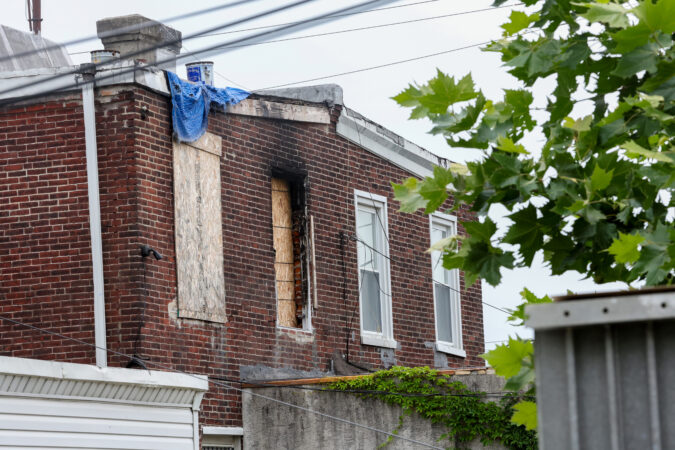
Philadelphia police found a “significant amount” of blood inside the decrepit Olney house linked to the investigation of at least two missing women, multiple law enforcement sources said.
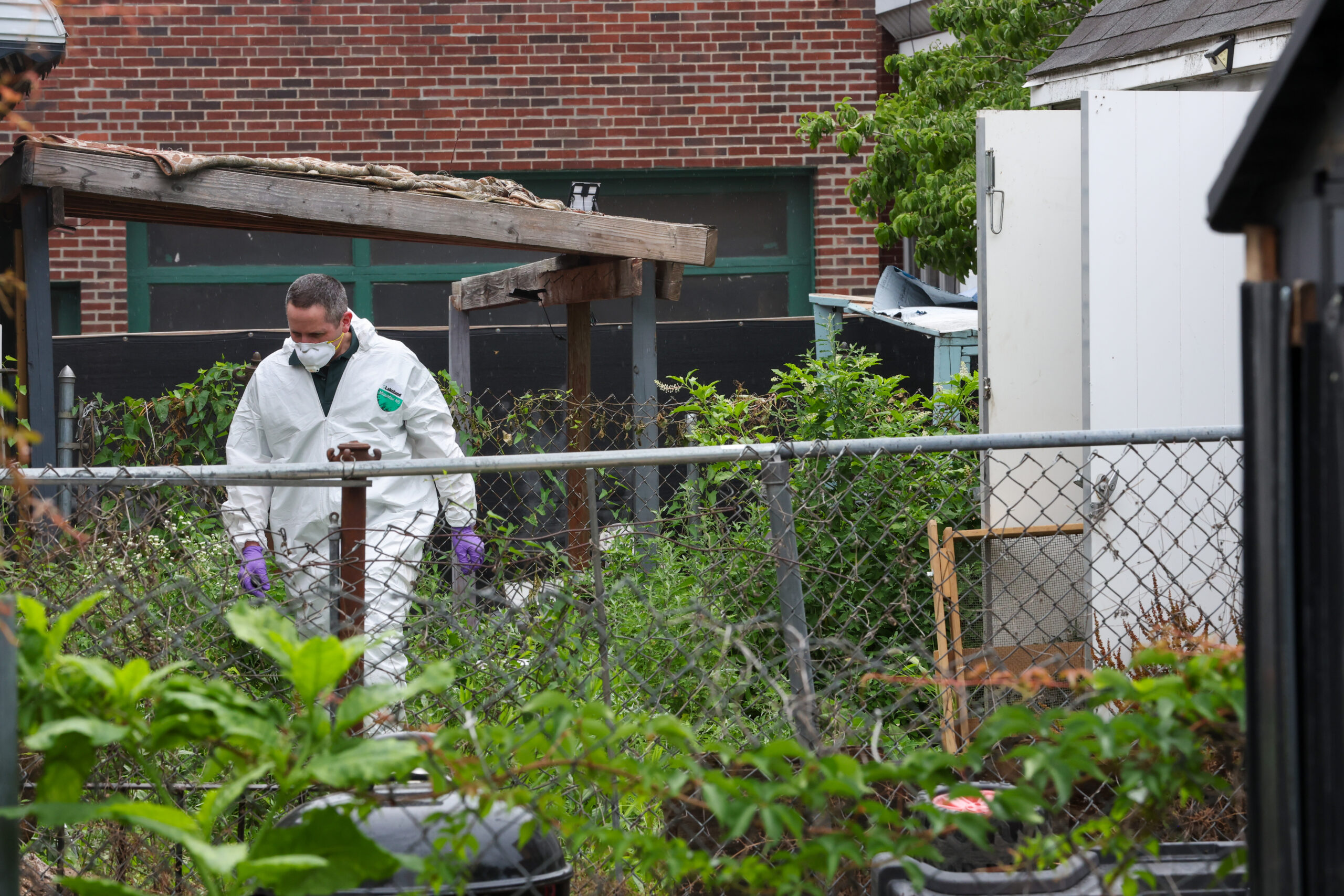
The sources, who spoke on the condition of anonymity to discuss an ongoing investigation, said forensic testing has not yet determined whose blood it is or whether it’s even human — a process that could take several weeks to complete. But, the sources said, police are prepared to excavate the front and backyards of the West Chew Avenue home in the coming weeks in search of potential human remains.
Deputy Police Commissioner Frank Vanore declined to confirm or comment on the discovery Monday afternoon, citing the ongoing investigation. Vanore said Friday that police had not recovered any human remains from the home and were awaiting testing of the tubs of chemicals and other materials found in the basement.
Forensic investigators search the backyard of 417 W. Chew Ave. on June 27.
The finding marks the latest development in an unusual saga that began after the arrest of Eugene Albert Horsch, 44, the owner of the Olney home now being searched by law enforcement for a second week in connection with the disappearance of at least two women who have been missing for years.
Horsch was arrested June 19 after U.S. Park Police saw him parked in his black BMW near Sixth and Market Streets, acting suspiciously. When a ranger approached the car, police said, he heard a woman in the back seat say, “You’re going to hurt me” and saw drug paraphernalia.
Police searched the car and reported recovering two guns with obliterated serial numbers, as well as cocaine, fentanyl, and marijuana, a cattle prod, switchblade knives, handcuffs, and a fake U.S. Drug Enforcement badge featuring Horsch’s photo.
The woman with Horsch falsely identified herself to the officers as Blair Tonzelli, a 38-year-old woman who had been reported missing in Kensington in 2023, police said.
The woman, 39, later told investigators that she gave Tonzelli’s name because she had open warrants for her arrest in ongoing drug cases and that Horsch had made her fake identification cards in that name and said she could use it if she was ever stopped and questioned by police, sources said.
Eugene Albert Horsch, 44, was arrested June 19 for illegal gun possession and drug crimes.
The woman said she did not know Tonzelli or even that she was missing — but the way Horsch spoke about her and other women made her feel like something bad had happened to her, the sources said.
Philadelphia homicide detectives then began reviewing that missing woman’s case, and, alongside federal law enforcement, searched Horsch’s home at 417 W. Chew Ave. last week.
That search produced a trove of bizarre discoveries: a basement with drums filled with chemicals, bottles of unknown substances, Tonzelli’s bank card, the death certificate of another woman, and what appeared to be urns holding at least one of Horsch’s relatives’ cremated remains.
Investigators also found another handgun, materials used to grow marijuana, and a 55-gallon drum with connections to waterlines leading into a hole in the ground.
Federal investigators also discovered a multipage, unsigned, handwritten letter that appeared to describe hurting people and referenced the serial killer Ted Bundy, according to the affidavit of probable cause to search the home that was obtained by The Inquirer.
Eugene Horsch lived at 417 W. Chew Ave. with his father until he died last year.
Law enforcement sources said police were working to determine whether the writings were part of a novel or screenplay. Horsch’s late father, Raymond “R.C.” Horsch was a known drug manufacturer and erotic filmmaker who had published several works of fiction with violent, masochistic themes, including one described as an “autobiographical memoir of a caring, empathetic serial killer.”
The probe into the younger Horsch took another twist when investigators learned that Raymond Horsch’s ex-wife Amy McHale was last seen at the Olney property in 2016 and has not since be located. A lawyer for Eugene Horsch and his father said the two men had nothing to do with McHale’s disappearance and said she struggled with substance abuse and mental illness.
Horsch has been charged with illegal gun possession and drug crimes by Philadelphia authorities.
He is also facing a federal gun possession charge, court records show. The U.S. Attorney’s Office filed a complaint against Horsch on Friday, charging him with possession of a firearm by a felon and centering their allegations on the guns that park rangers found in his car during an encounter in Center City earlier this month.
Horsch has not yet been arraigned in that matter, and he remained in a city jail, held on $500,000 bail as of Monday afternoon. But the case could give federal prosecutors an opportunity to argue to a judge that he remain in federal custody until trial.
This is a developing story and will be updated.
Staff writers Jesse Bunch, Max Marin, Barbara Laker, and Chris Palmer contributed to this article.