Category: Obituaries

  • Isaiah Zagar, legendary South Philly mosaicist, has died at 86

    Isaiah Zagar, legendary South Philly mosaicist, has died at 86

    Isaiah Zagar, 86, of South Philadelphia, the renowned mosaic artist who crafted glittering glass art on 50,000 square feet of walls and buildings across the city and founded Philadelphia’s Magic Gardens, has died.

    Mr. Zagar died Thursday of complications from heart failure and Parkinson’s disease at his home in Philadelphia, the Magic Gardens confirmed.

    “The scale of Isaiah Zagar’s body of work and his relentless artmaking at all costs is truly astounding,” said Emily Smith, executive director of the Magic Gardens. “Most people do not yet understand the importance of what he created, nor do they understand the sheer volume of what he has made.”

    His art, Smith said, “is distinctive and wholly unique to Philadelphia, and it has forever changed the face of our city.”
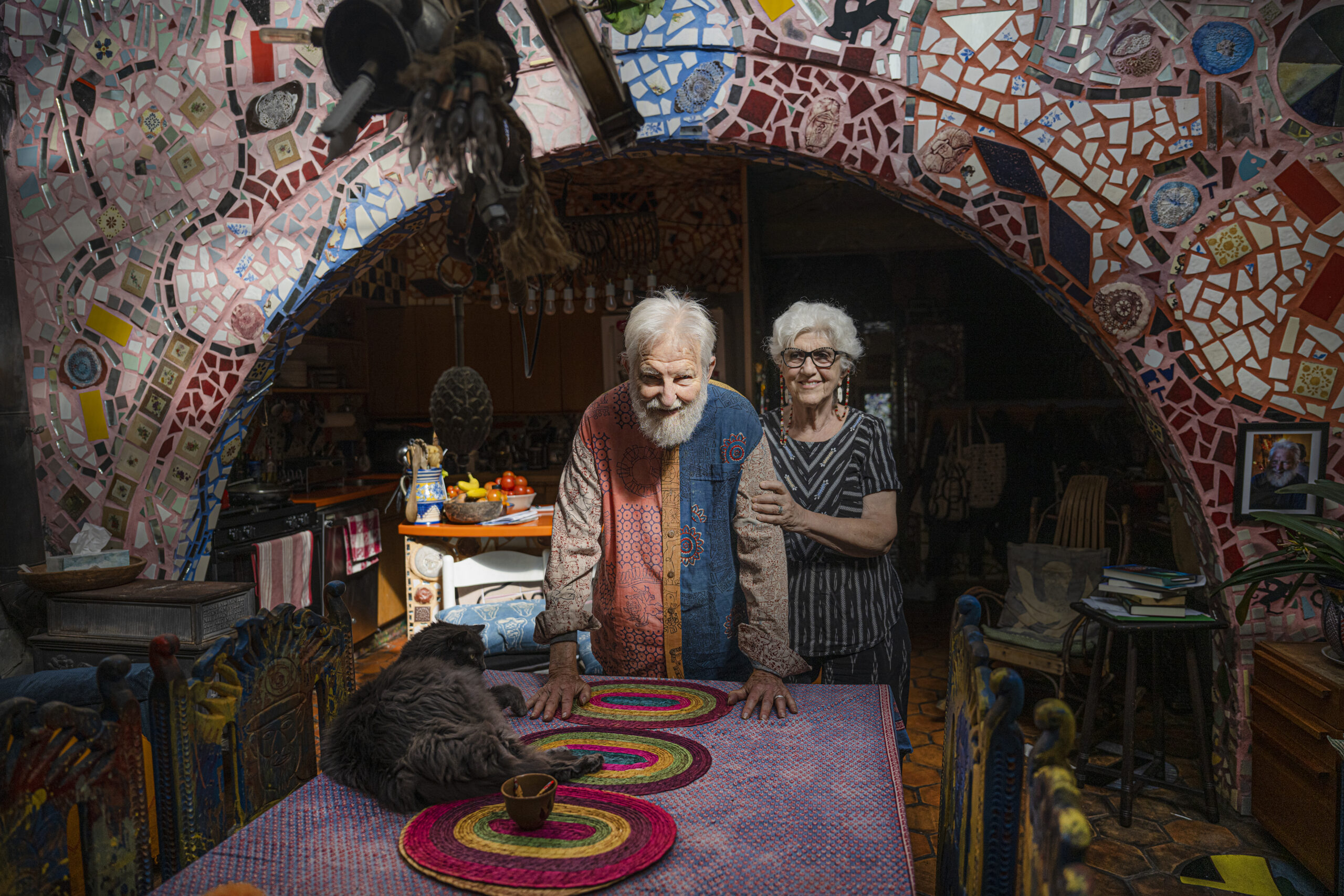
    saiah and Julia Zagar in their mosaic-adorned home in South Philadelphia in October 2024. The couple married in 1963 and moved to South Philly in 1968 after serving in the Peace Corps in Peru.

    Mr. Zagar was born in Philadelphia in 1939, grew up in Brooklyn, N.Y., and received a bachelor of fine arts degree in painting and graphics at the Pratt Institute of Art in New York. He met his wife, artist Julia Zagar, in 1963. The couple married the same year and moved to South Philadelphia in 1968 after serving in the Peace Corps in Peru. Together, they founded Eye’s Gallery at 402 South St., focusing on Latin American folk art.

    In the 1970s, the Zagars were part of a group of artists, activists, and business owners who pushed back against development of a Crosstown Expressway that would have demolished South Street. Their contributions helped lead to a neighborhood revitalization later called the South Street Renaissance.

    “Philadelphia’s iconic South Street area has become inseparable from Isaiah Zagar’s singular artistic vision,” said Val Gay, chief cultural officer and executive director of Creative Philadelphia, the city’s arts office. “His mosaics redefine the very framework of the public space they inhabit. Isaiah Zagar reshaped the visual identity of Philadelphia, and his legacy will endure through all that he transformed.”

    A self-taught mosaicist, Mr. Zagar used broken bottles, handmade tiles, mirrors, and other found objects to cover walls across the city, particularly in South Philly. The artist, who struggled with mental health over many years, found that creating mosaics was a therapeutic practice. He was inspired by artists Pablo Picasso, Jean Dubuffet, Kurt Schwitters, and Antonio Gaudí.

    “He worked with found objects that he found everywhere and put them to use. So, [he thought], ‘Why is the thing a piece of trash? Well, it doesn’t have to be a piece of trash. It could be a piece of art, too, and still be a piece of trash,’” said longtime friend Rick Snyderman, 89, a renowned Philadelphia gallerist based in Old City. An object “in the hands of the right person changes your perspective about it. That’s, I think, what the greatest gift of Isaiah was — to change your perspective.”

    Mr. Zagar’s son, the filmmaker Jeremiah Zagar, documented his father’s life in a 2008 documentary, In a Dream. Jeremiah Zagar recently directed episodes of the HBO miniseries Task. His father came to the show’s New York City premiere last September carrying a mosaicked cane.

    Snyderman remembers Mr. Zagar as a big reader and world traveler who was “eternally curious” and created artwork to make people smile. They first met in the 1960s and their families were part of the South Street community of “creative thinkers” who bonded “because they were misfits in some other world, perhaps.”

    “He was a man who just didn’t pay attention to his own world, he paid attention to the larger world. One of his favorite sayings was that ‘Philadelphia is the center of the art world, and art is the center of the real world,’” Snyderman said.

    More than 200 of Mr. Zagar’s mosaics adorn public walls from California and Hawaii to Mexico and Chile. His artwork is in the permanent collections of the Philadelphia Museum of Art and the Pennsylvania Academy of the Fine Arts, among other museums, and has been shown in solo exhibitions at cultural institutions including Washington’s Hinckley Pottery Gallery and New York’s Kornblee Gallery.

    “Isaiah Zagar was devoted to mosaic work and the creation of immersive art environments. Internationally recognized, he is proudly claimed by Philadelphia as our own,” said Elisabeth Agro, the Nancy M. McNeil curator of modern and contemporary craft and decorative arts at the Philadelphia Museum of Art. “Although his death is a profound loss to our city’s culture and creative economy, Zagar’s indelible imprint remains inextricably linked to Philadelphia’s soul.”

    Synonymous with Philadelphia’s public art

    Mr. Zagar’s colorful and eclectic mosaic murals have become synonymous with Philadelphia’s public art scene.

    After arriving in the city, Mr. Zagar soon set about modifying Eye’s Gallery, which was then also his home. The building, the Daily News reported in 1975, was dilapidated when he took possession of it, and at one point lacked plumbing and had a wood-burning stove.

    Several years into his ownership, the Daily News wrote, Mr. Zagar had evolved the rowhouse into a “womb-like living space with undulating cement walls.” Materials for its decoration were largely scavenged, and included thousands of pieces of broken glass and mirrors.

    Changes, the People Paper reported, started with the cementing of a stairway wall that had become wet. Lacking experience in carpentry, plastering, and home repairs, Mr. Zagar said, he and a fellow artist cemented the wall to hide the leak, and covered it in mirrors to disguise the issue. That didn’t fix the leak, but it did inspire a kind of operating logic for his home repairs.

    “We would do something artistic to hide a fault, then have to correct the fault to save the artwork,” Mr. Zagar said in 1975.

    Isaiah Zagar in May 2004, in front of a wall he was working in Bella Vista, on Clifton Street between Fitzwater and Catharine.

    His process included embedding everything from broken teapots and cups to plates and crystal into the cement while it was still wet. Mirrors, however, were an early favorite of Mr. Zagar’s.

    That idea, he told the Daily News, came from Woodstock, N.Y.-based artist Clarence Schmidt, who covered the outside of his home in broken mirrors embedded in tar.

    “Mirrors intercept space, they keep poking holes in things,” Mr. Zagar said. “If they’re in the sun, they throw prisms around. You can’t fashion a mirror into an anatomical human being. It freed me from the concept of what things were supposed to look like.”

    Preservation challenges

    New development in Philadelphia in recent decades has led to the demolition of many of Mr. Zagar’s mosaic murals, most of which have been on private property.

    By the turn of the century, Mr. Zagar had covered about 30 buildings in the city — largely then in Old City and on South Street — in his distinctive mosaic work, according to reports from the time. Among his largest passions in that medium, he told The Inquirer in 1991, were the colorful mirror and tile murals that today dot the city.

    “These materials have a lasting quality,” he said at the time. “I have never seen an ugly piece of tile, it’s all beautiful.”
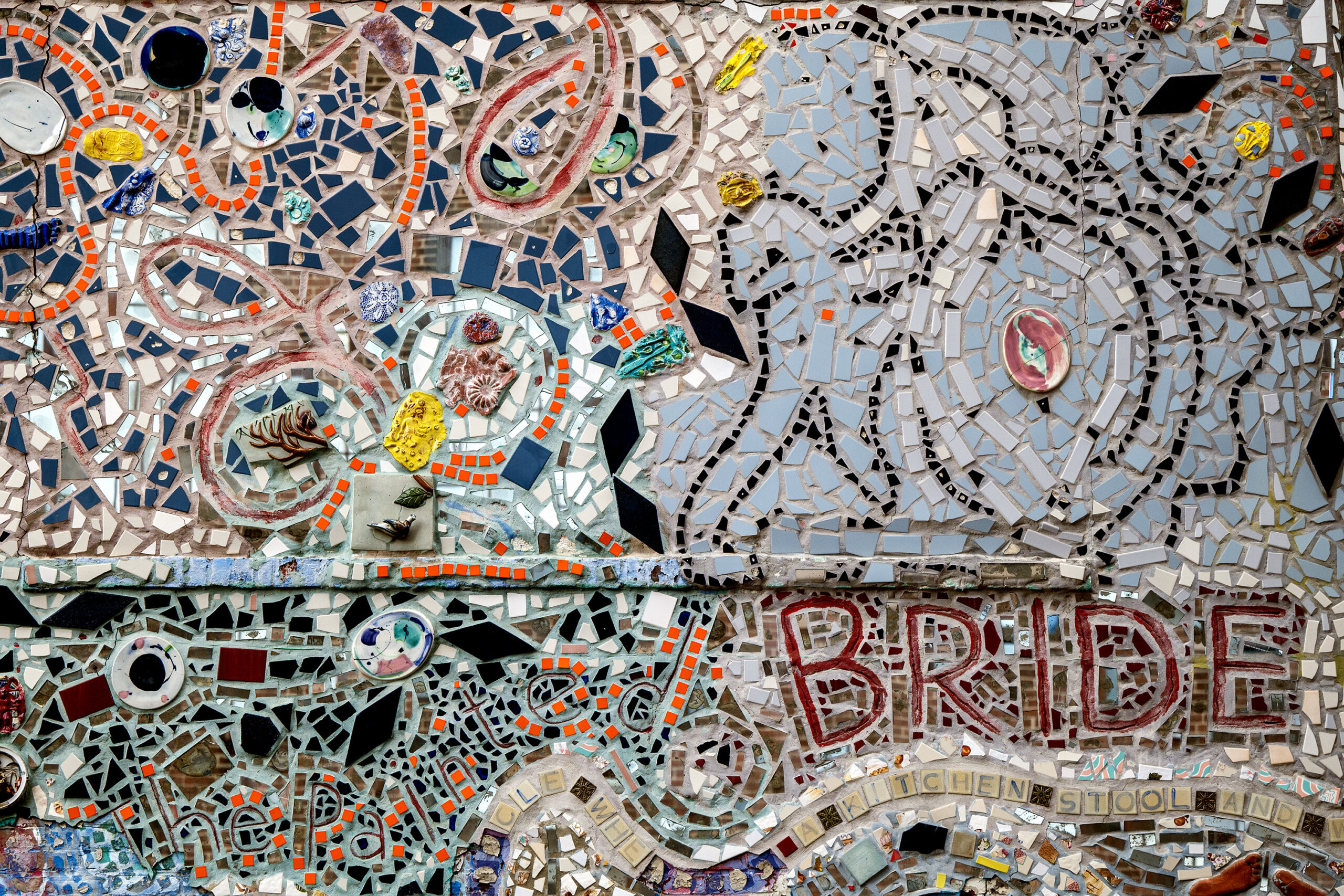
    Detail of the wall of the former home of the Painted Bride Art Center at 230 Vine St. on Oct. 19, 2025. The building is covered by “Skin of the Bride,” a mosaic by Philadelphia artist Isaiah Zagar, created between 1991 and 2000.

    Mr. Zagar held grand ambitions for Philadelphia as the home of his mosaics by the mid-1990s. As he told the Daily News in 1993, he hoped to see Philly changed “into a city of the imagination.”

    “My dream is [to] turn all of Philadelphia into tile city — to turn all these ugly old brick and stucco walls into a manifesto of magic,” he said.

    (function() {
    var l2 = function() {
    new pym.Parent(‘zagar_pmg’,
    ‘https://media.inquirer.com/storage/inquirer/projects/innovation/arcgis_iframe/zagar_pmg.html’);
    };
    if (typeof(pym) === ‘undefined’) {
    var h = document.getElementsByTagName(‘head’)[0],
    s = document.createElement(‘script’);
    s.type = ‘text/javascript’;
    s.src = ‘https://pym.nprapps.org/pym.v1.min.js’;
    s.onload = l2;
    h.appendChild(s);
    } else {
    l2();
    }
    })();

    Perhaps the prototypical example of that dream was the Painted Bride Art Center, which once was home to Mr. Zagar’s Skin of the Bride — a massive, 7,000-square-foot mosaic work that came to envelop the exterior of the building. Demolition of the Painted Bride began in December after a lengthy legal battle, but members of the Magic Gardens Preservation Team had been able to remove about 30% of the tiles for reuse in new mosaics in 2023.

    Mr. Zagar’s work on the Painted Bride began in 1991 and carried on for about nine years. The work was exhausting, and his wife recalled Mr. Zagar working up to 12 hours a day for years to create what he viewed as his masterpiece.

    In 1993, however, he took some creative liberties with the number of tiles, mirrors, and pieces of pottery involved with its creation.

    “I’ve counted them,” he jokingly told the Daily News. “There are exactly 3,333,333.”

    In summer 2022, a fire at Jim’s Steaks damaged the neighboring Eye’s Gallery, requiring lengthy restoration work that Julia Zagar spearheaded. She called the space a landmark “for the creative spirit of South Street.” The fire eventually uncovered a hidden mural by Mr. Zagar from the 1970s that had been covered up by drywall.
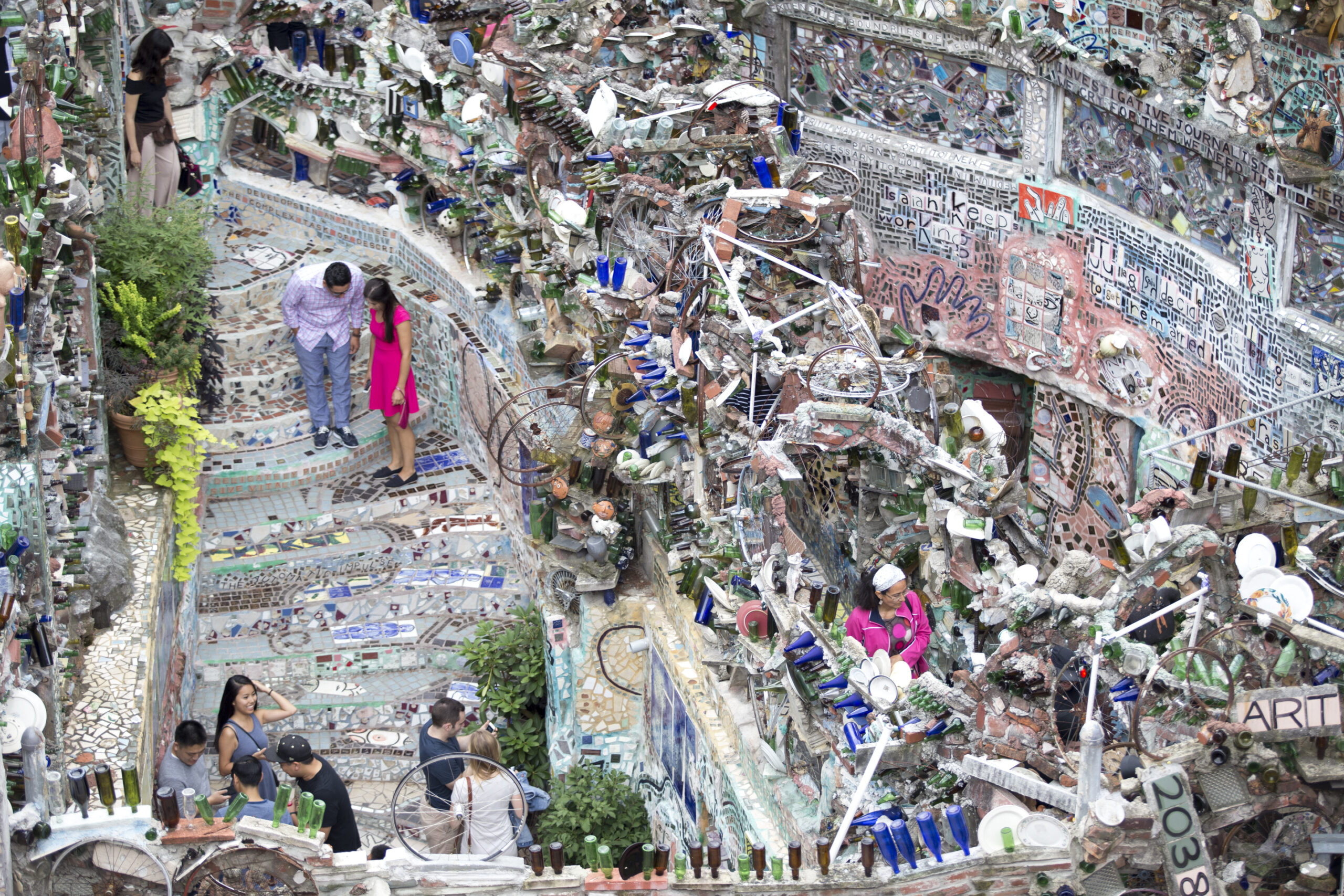
    Tourists at Philadelphia’s Magic Gardens in July 2017. The Magic Gardens has become a Philadelphia landmark, attracting about 150,000 visitors a year to walk through the immersive, labyrinthine indoor and outdoor spaces.

    The Magic Gardens

    In the late 1990s, Mr. Zagar expanded his sculpture and mosaic art into two empty lots neighboring his South Street home. The lots were owned by a group of Boston businessmen who had abandoned them, so with permission from the owners’ agent, Mr. Zagar cleared and transformed the space.
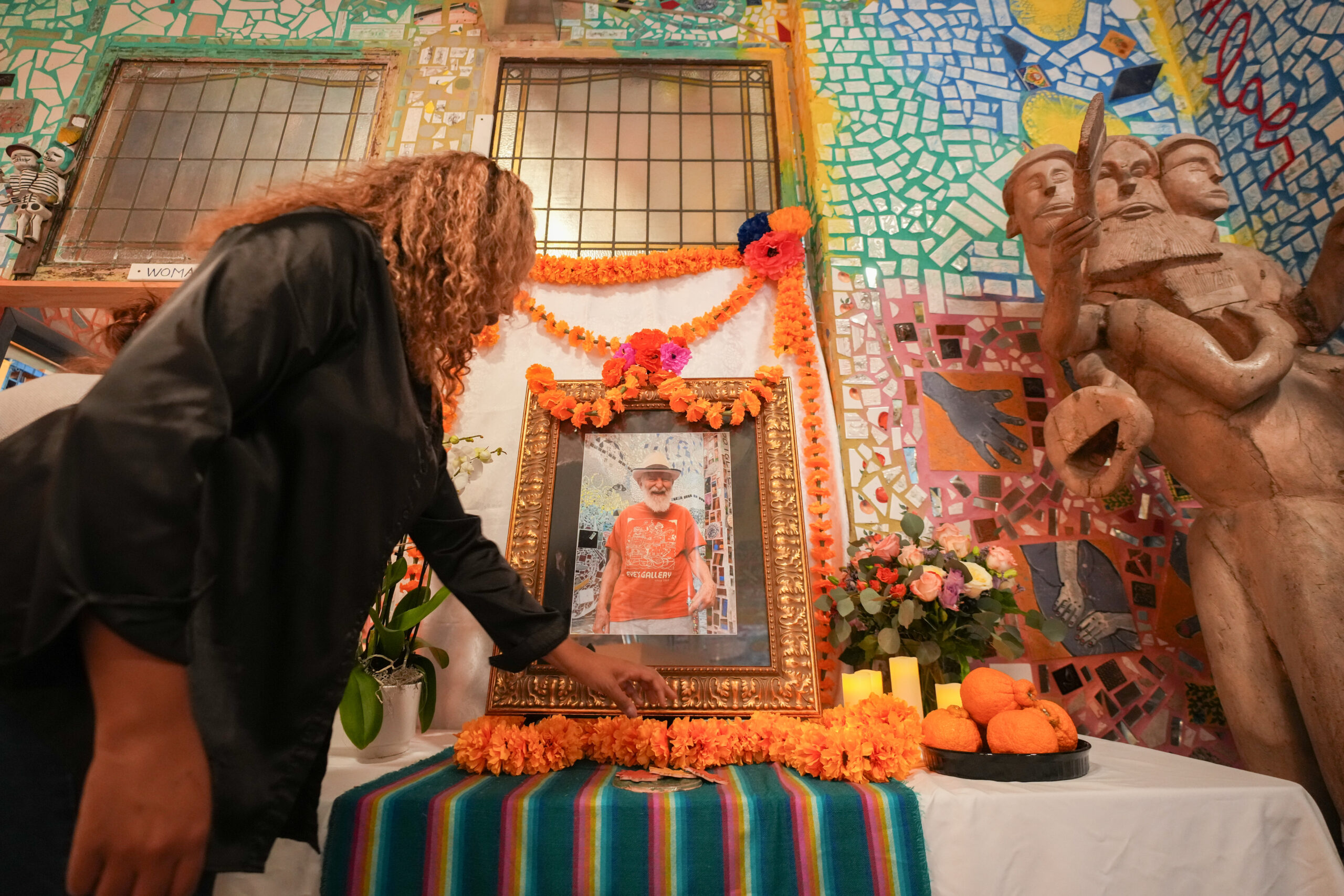
    Chelsey Luster, Exhibition Manager at Philadelphia’s Magic Gardens, places flowers on an Ofrenda that friends and staff members are putting together in honor of artist Isaiah Zagar who passed earlier today, at Philadelphia’s Magic Garden, in Philadelphia, Thursday, Feb. 19, 2026, in Philadelphia

    It would go on to become Philadelphia’s Magic Gardens, but it took a legal battle in the 2000s to keep it there.

    In 2004, about a decade after Mr. Zagar started building in the space, the owners of the land ordered the artist to dismantle and remove the work ahead of plans to market the property for sale.

    Mr. Zagar and a group of volunteers formed the nonprofit organization known as Philadelphia’s Magic Gardens and, with help from an anonymous benefactor, purchased the lot for $300,000, The Inquirer reported that year. The nonprofit had begun collecting donations and was tasked with raising a majority of the funding, and, if successful, the benefactor planned to donate $100,000 to the cause.

    “Why it’s so important for me to save the garden is that it’s not finished,” Mr. Zagar told The Inquirer in late 2005. “The too-muchness of it is the artist’s life.”

    Isaiah Zagar in April 2007, applying colored cement to his mosaic on the 300 block of Christian Street. He was perched in a cage of a 90-foot boom truck reaching to the top of a 60-foot wall.

    By that time, the garden was open on a limited basis for visitors to help with fundraising efforts, and adopted a more regular schedule several years later. A swing-top trash can was placed just inside the property’s front fence to collect donations from passersby, collecting about $100 a month in its early days, The Inquirer reported.

    “I make art voluminously,” Mr. Zagar told The Inquirer in 2005. “The common man is clear about it: This is art.”

    The Magic Gardens has become a Philadelphia landmark, attracting about 150,000 visitors a year to walk through the immersive, labyrinthine indoor and outdoor spaces.

    In 2020, after allegations of sexual harassment were leveled against Mr. Zagar, the Magic Gardens issued a statement from its board and staff reacting to concerns raised over “inappropriate past behavior.”

    “Though the Gardens were originally created by Isaiah Zagar, he does not own the Gardens or have a vote on its Board of Directors,” the statement read before clarifying that the Magic Gardens operated as an independent nonprofit with its own staff and board of directors.

    The allegations, the statement said, left the staff and board “hurt, angry and confused as we confronted a reality that was in every way the opposite of what we stood for.”

    When asked if there was a formal investigation into Mr. Zagar’s behavior, Leah Reisman, board member of Gardens said on Friday, “Isaiah Zagar experienced mental health struggles throughout his life. While this experience often propelled his artmaking, it also at times led to challenges and repercussions in his personal and professional relationships.”

    In 2020, she said, the Gardens’ staff and board “brought these concerns directly to Isaiah and assisted him in accessing professional support to address these concerns.” Mr. Zagar’s presence on site, she added, was “carefully scaffolded through the years.”

    In 2023, the Zagars donated his Watkins Street Studio to Philadelphia’s Magic Gardens to open a secondary space — also entirely covered in mosaics, of course — to host arts workshops and educational programming.

    Mr. Zagar’s body will be donated to the Parkinson’s Disease and Movement Disorders Center at Johns Hopkins University to support medical research into the degenerative condition, Snyderman said.

    “Even at the end of the day, there was that contribution to people, to humanity,” he said of his friend.

    Mr. Zagar is survived by his wife, Julia, and sons Jeremiah and Ezekiel Zagar.

    Philadelphia’s Magic Gardens said it will announce a public memorial at a later date.

    Update: Additional information has been added to this article to reflect sexual harassment allegations against Mr. Zagar.

    An earlier version of the obituary misstated Mr. Zagar’s place of birth. He was born in Philadelphia.

    Arts and Entertainment editor Bedatri D. Choudhury contributed to this article.
  • Mae Laster, longtime French and algebra schoolteacher and noted civic activist, has died at 87

    Mae Laster, longtime French and algebra schoolteacher and noted civic activist, has died at 87

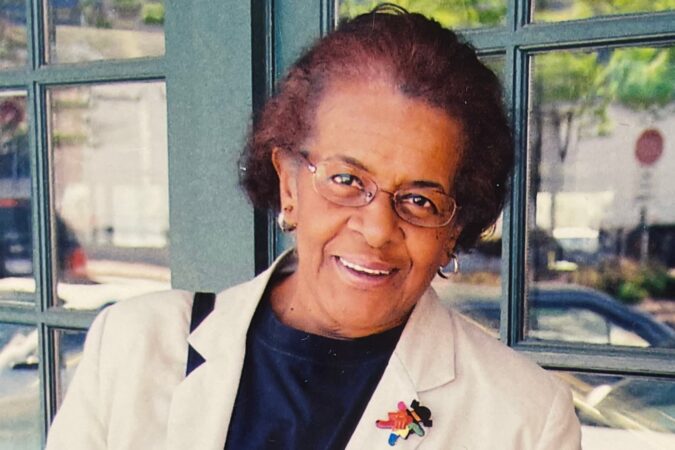
    Mae Laster, 87, of Philadelphia, retired French, algebra, and photography teacher for the School District of Philadelphia, longtime president of Friends of Wynnefield Library, award-winning committee chair for the Philadelphia section of the National Council of Negro Women Inc., community center adviser, church trustee, volunteer, and undisputed Laster family Scrabble champion, died Friday, Jan. 2, of age-associated decline at Lankenau Medical Center.

    Born in Philadelphia, Ms. Laster earned academic degrees at West Philadelphia High School and Temple University. She was a lifelong reader and stellar student, and she tutored her high school classmates in math and later taught elementary and middle school students for 30 years.

    “She was a firm and no-nonsense kind of teacher,” a former student said in an online tribute. “But she was a lot of fun. As an adult, she always offered guidance and advice.”

    Her daughter, Lorna Laster Jackson, said: “She had a passion for learning and sharing with others. She was always an advocate for children.”

    Ms. Laster chaired community service and Founder’s Day committees for the National Council of Negro Women Inc.

    Ms. Laster served as president of Friends of Wynnefield Library for more than 20 years and was active at its many book readings, content discussions, concerts, and fundraisers. She earned several important financial grants for the library, and her personal collection of books at home numbered more than 1,000.

    “She loved reading to our young patrons, especially during our Dr. Seuss birthday celebrations,” library colleagues said in a tribute.

    She chaired community service and Founder’s Day celebration committees for the National Council of Negro Women and earned the local section’s achievement award in 1998. “Mae was a blessing to the Philadelphia section,” colleagues said in a tribute. “We will always remember her feisty way of asking questions and not easily put off.”

    Ms. Laster was an advisory board member at the Leon H. Sullivan Community Development Center and a trustee at Zion Baptist Church. Colleagues at the community center called her “a very thoughtful and talented person.” They said: “She was always forthright and had a strong opinion.”

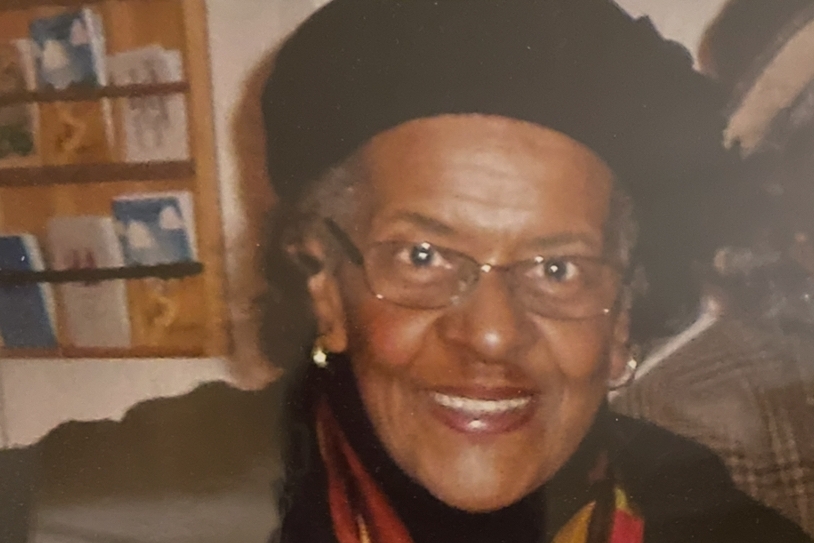
    Ms. Laster (center) especially enjoyed reading to young people at the Wynnefield Library.

    At church, she was a member of the New Day Bible Class and proofreader for the newsletter. She also volunteered with the Wynnefield Residents Association, the Girl Scouts, and the 4-H Club.

    In a citation, City Council members praised her achievements regarding “education, community service, and all those whose lives were enriched by her wisdom, kindness, and unwavering faith.” In a resolution, members of the state Senate noted “her extraordinary life, her enduring contributions, and her lasting impact on education, community, and faith.”

    Friends said in online tributes that she “had a great sense of humor” and was “the sweetest mom on the planet, who was always like a mom to me.” One friend called her “a community-minded leader who advocated tirelessly to preserve the quality of life in Wynnefield.”

    At home, Ms. Laster studied the dictionary, knew words that nobody else did, and became the undisputed Scrabble champion of her family and friends. She was so good, her daughter said, that nobody volunteered to play against her. “It was humiliating,” her daughter said.

    Ms. Laster was a lifelong advocate for children.

    Mae R. Johnson was born June 5, 1938, in Philadelphia. She grew up in Winston-Salem, N.C., with her grandmother and returned to Philadelphia in the 1950s to live with her mother and begin high school.

    She was an excellent student, especially good with words and numbers, and she graduated from West Philadelphia High in 1956 and earned a bachelor’s degree in early childhood education at Temple.

    She met Francis Laster in the neighborhood, and they married, and had a daughter, Lorna, and sons Francis Jr., Charles, and Ahman. Her husband owned and operated the popular Rainbow Seafood Market, and they lived in West Philadelphia and Wynnefield. They divorced later. He died in 2020.

    Ms. Laster enjoyed bowling, photography, and horticulture. She listened to jazz, classical, and gospel music. She collected butterflies and stamps.

    Ms. Laster was “all about positive change,” her daughter said.

    She shared recipes with friends and kept in touch through memorable phone calls. She helped organize high school reunions and appreciated the educational TV shows on the Public Broadcasting System. She retired from teaching about 20 years ago.

    “She was all about positive change,” her daughter said. “She spoke from compassion and her truth. She did more good than she knew. She was dynamite.”

    In addition to her children, Ms. Laster is survived by six grandchildren, three great-grandchildren, three great-great-grandchildren, a sister, and other relatives. A brother died earlier.

    A celebration of her life was held earlier.

    Donations in her name may be made to Friends of Wynnefield Library, Attn: Terri Jones, 5325 Overbrook Ave., Philadelphia, Pa. 19131.

    Ms. Laster graduated from West Philadelphia High School in 1956 and earned a bachelor’s degree in early childhood education at Temple.
  • Robert Duvall, chameleon of the silver screen, has died at 95

    Robert Duvall, chameleon of the silver screen, has died at 95

    Robert Duvall, an Oscar-winning actor who disappeared into an astonishing range of roles — lawmen and outlaws, Southern-fried alcoholics and Manhattan boardroom sharks, a hotheaded veteran and a cool-tempered mob consigliere — and emerged as one of the most respected screen talents of his generation, died Feb. 15. He was 95.

    His wife, Luciana Pedraza Duvall, said in a Facebook post that Mr. Duvall died at home, without citing a cause. He had long lived at Byrnley, a horse farm in Fauquier County, Va., near The Plains.

    By his own account, Mr. Duvall was a late-blooming youth, a Navy rear admiral’s son whose only discernible talent in childhood was for meticulous mimicry. His repertoire included Western ranchers and the military brass, and his stage was the dinner table.

    Metamorphosis became a hallmark of his career. Newsweek film critic David Ansen once called Mr. Duvall “a character actor who approaches each role with the diligence of an ethnologist on a field trip into the soul.”

    Without matinee-idol looks — he had a sinewy frame, chlorine-blue eyes, a slightly bent nose and sandy brown hair slicked back on either side of his balding pate — he seemed destined to portray taciturn outsiders, macho oddballs, and rugged eccentrics.

    Mr. Duvall was a near-constant presence on-screen beginning with his movie debut as the ghostly, feebleminded Boo Radley in To Kill a Mockingbird (1962), based on the Harper Lee novel.

    Over the next half-century, he had a few top-billed parts, notably his Academy Award-winning turn as an alcoholic country-western singer in Tender Mercies (1983). He performed the songs so authentically, with his lived-in tenor, that he was invited to record an album in Nashville with veteran music producer Chips Moman.

    Mr. Duvall received Oscar nominations for his starring roles as a tyrannical, hypercompetitive military father in The Great Santini (1979), based on the Pat Conroy novel, and as a fallen Pentecostal preacher seeking grace in The Apostle (1997), which he also wrote and directed.

    But in a career spanning more than 140 film and TV credits, Mr. Duvall’s prime turf was the supporting role. “The ‘personality’ carries the movie, not someone like me,” he once told the Chicago Tribune. “But the star may have a mediocre part, and there I am in the second or third lead, quietly doing quality things.”

    No two films showcased the spectrum of those “quality things” more than The Godfather (1972) and Apocalypse Now (1979), both critical and cultural juggernauts directed by Francis Ford Coppola and for which Mr. Duvall earned Oscar nominations for supporting work. In the first, he portrayed Tom Hagen, the discreet mob lawyer and the informal foster son of the Corleone family (whose patriarch was played by Marlon Brando).

    Film scholar David Thomson called Mr. Duvall’s Hagen, a role he reprised in the 1974 sequel, a “detailed study of a self-effacing man,” one willing to suffer humiliation to earn his place as the non-Italian among Italians.

    In Apocalypse Now, an epic film about war and madness set in Vietnam, Mr. Duvall played Kilgore, the surfing-obsessed lieutenant colonel who declares, in one of the movie’s oft-quoted lines, that he loves “the smell of napalm in the morning.” Instead of crackpot flamboyance, Mr. Duvall delivered, in the description of New York Times film critic Vincent Canby, a performance of “breathtaking force and charm.”

    Canby called Mr. Duvall “one of the most resourceful, most technically proficient, most remarkable actors in America,” likening him to Laurence Olivier in his shape-shifting prowess.

    Mr. Duvall was a convincingly British Dr. Watson to Nicol Williamson’s Sherlock Holmes in The Seven-Per-Cent Solution (1976), an eyepatch-sporting Nazi colonel who masterminds a plot to kidnap Winston Churchill in The Eagle Has Landed (1976), a hard-boiled Los Angeles police detective in True Confessions (1981) and an aging Cuban émigré in Wrestling Ernest Hemingway (1993).

    Over and over again, he was a top choice of many directors for rural American characters. He was an illiterate sharecropper caring for a woman and her child in Tomorrow (1972), a psychopathic Jesse James in The Great Northfield Minnesota Raid (1972), a good-hearted Southern lawyer in Rambling Rose (1991), and a Tennessee backwoods hermit in Get Low (2009).

    Perhaps his definitive country role was the wise and garrulous Texas Ranger Gus McCrae in the hit CBS TV miniseries Lonesome Dove (1989), based on Larry McMurtry’s Pulitzer Prize-winning novel about a cattle drive. It brought Mr. Duvall (later named an honorary ranger) many crusty cowboy roles. Unsettled by typecasting, he agreed to play Soviet dictator Joseph Stalin, not ultimately one of his better moves, in a TV film.

    In preparing for a role, Mr. Duvall spent time with cowboys, day laborers, policemen, fighter pilots, ballplayers, Bowery drunks, Baptist ministers, and ex-cons, scrupulously studying their rhythms of speech, their hand gestures, the twists of their personalities. He said he tried to find “pockets of contradiction” — shadings to suggest multidimensional character.

    “I hang around a guy’s memories,” he told another interviewer. “I store up bits and pieces about him.”

    ‘Last resort’ becomes a long career

    Robert Selden Duvall was born in San Diego on Jan. 5, 1931. He was the middle of three boys raised by their mother during their father’s long absences at sea.

    Mr. Duvall described himself as an aimless youth, without distinction in the classroom or on the playing field. He frequently indulged in mischievous behavior with his siblings. “We used to put Tide in milkshakes for my mother,” he told the Washington Post in 1983. His practical jokes, including a penchant for mooning other actors, continued well into adulthood.

    After Army service, he enrolled at Principia College, a small Christian Science school (his family’s faith) in Illinois. He was a social studies major on the brink of flunking out when a drama teacher remarked on his promise in several plays. His parents, pleased that he seemed to excel in something, pushed him to major in dramatics and then toward an acting career. “It was like a last resort,” he said.

    He graduated in 1955, then attended the Neighborhood Playhouse workshop in New York, where classmates included Dustin Hoffman, Gene Hackman, and James Caan. His breakthrough came in a 1957 Long Island production of Arthur Miller’s drama A View From the Bridge. The noted director Ulu Grosbard cast Mr. Duvall in the lead role, as a Brooklyn longshoreman struggling with his attraction to his niece.

    “Even then he had the thing you go for as an actor and director, perfect control but the feeling of total unpredictability,” Grosbard later told the Los Angeles Times. “A lot of good actors will give you technique, precision and a character’s arc, and that’s important. But not that many give you the sense that this is actually what’s transpiring at the moment in front of your eyes.”

    The one-night-only show sparked attention and proved “a catalyst for my career,” Mr. Duvall later said, leading to offers to play menacing roles on TV and stage. He made his Broadway debut in the thriller Wait Until Dark (1966), as a criminal who taunts a blind woman (Lee Remick), and played an ex-con in American Buffalo (1977), David Mamet’s first play to reach Broadway.

    Meanwhile, Mr. Duvall gained a foothold in Hollywood. Pulitzer-winning playwright Horton Foote was instrumental in launching the actor’s flourishing movie presence. Foote, who wrote the screenplay for To Kill a Mockingbird, had been “bowled over” by Mr. Duvall’s balance of intensity and naturalism onstage and recommended him for the part of Boo Radley.

    That led to memorable roles in some of the defining movies of the era. He played the pompous hypocrite Maj. Frank Burns in director Robert Altman’s M*A*S*H (1970). In Coppola’s The Conversation (1974), a much-admired drama of Watergate-era paranoia, he was a mysterious businessman who bankrolls a surveillance operation. Mr. Duvall played a corporate hatchet man in Network (1976), a brilliant satire of broadcast journalism morphing into ratings-driven entertainment.

    Mr. Duvall also was top-billed in director George Lucas’s feature-film debut, the dystopian THX 1138 (1971).

    Later in his career, Mr. Duvall enlivened many a big-budget mediocrity with a gruff, leathery persona, on display in the Tom Cruise car-racing drama Days of Thunder (1990), the Nicolas Cage heist film Gone in 60 Seconds (2000), and the violent action thriller Jack Reacher (2012), also starring Cruise.

    Still capable of deft underplaying, Mr. Duvall received Oscar nominations for his supporting roles in A Civil Action (1998), playing a wily corporate attorney who duels over a settlement with John Travolta’s lawyer character, and in The Judge (2014), as a domineering small-town magistrate accused of murder who is defended by his son (Robert Downey Jr.).

    Mr. Duvall’s well-paying Hollywood projects subsidized his passions — small-budget films he wrote and directed, including Angelo, My Love (1983), about gypsies in New York; The Apostle, which was 15 years in the planning; and Assassination Tango (2002), about a Brooklyn hit man with a weakness for the sensual Argentine dance. Like the character, Mr. Duvall was a dedicated tango dancer.

    His marriages to Barbara Benjamin, actress Gail Youngs and dancer Sharon Brophy ended in divorce. In 2004, he married Luciana Pedraza, an Argentine actress 41 years his junior, who appeared with him in Assassination Tango. Complete information on survivors was not immediately available.

    Mr. Duvall said he abhorred acting that called attention to itself, leveling criticism of revered leading men such as Brando (“lazy”) or Olivier (“too stylized”). An actor was at his best and most real, he said, when he could summon emotions from his own life — without actorly ego.

    “Being a leading man? No, I never dreamed of that,” he told the Chicago Tribune. “It’s an agent’s dream, not an actor’s.”

  • David J. Farber, celebrated Penn professor emeritus and pioneering ‘uncle’ of the internet, has died at 91

    David J. Farber, celebrated Penn professor emeritus and pioneering ‘uncle’ of the internet, has died at 91

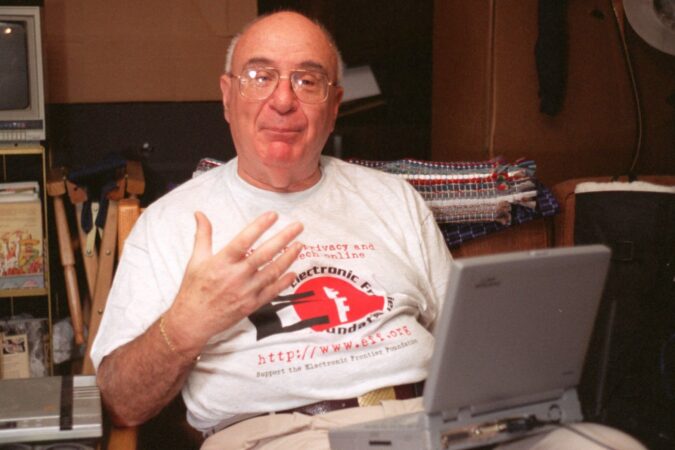
    David J. Farber, 91, formerly of Landenberg, Chester County, celebrated professor emeritus of telecommunication systems at the University of Pennsylvania, former professor of computer science at Carnegie Mellon University and the University of Delaware, professor at Keio University in Japan, award-winning pioneer in pre-internet computing systems, entrepreneur, and known by colleagues as the “uncle” and “grandfather” of the internet, died Saturday, Feb. 7, of probable heart failure at his home in Tokyo.

    A longtime innovator in programming languages and computer networking, Professor Farber taught and collaborated with other internet pioneers in the 1970s, ’80s, and ’90s. He helped design the world’s first electronic switching system in the 1950s and ’60s, and the first operational distributed computer system in the 1970s.

    His work on the early Computer Science Network and other distributive systems led directly to the modern internet, and he taught many influential graduate students whom he called the “fathers of the internet.” He was thinking about a World Wide Web, he said in a 2013 video interview, “actually before the internet started.”

    “Farber may not be the father of the internet. But he is, at least, its uncle,” Penn English professor Al Filreis told the Daily News in 1998. “Few have paid such close attention for so long to new trends in the information age.”

    Colleagues called him “part of the bedrock of the internet” and a “role model for life” in online tributes. Nariman Farvardin, president of the Stevens Institute of Technology in Hoboken, N.J., said: “Professor Farber did not just witness the future, he helped create it.”

    In 1996, Wired magazine said Professor Farber had “the technical chops and the public spirit to be the Paul Revere of the Digital Revolution.”

    He joined Penn as a professor of computer science and electrical engineering in 1988 and was named the endowed Alfred Fitler Moore professor of telecommunication systems in 1994. He left Penn for Carnegie Mellon in 2003 and joined Keio in 2018.

    Gregory Farrington, then dean of Penn’s School of Engineering and Applied Science, told The Inquirer in 1996: “He’s one of the most engaging, imaginative guys who sometimes alternates between great ideas and things that sound nuts. And I love them both. His life is an elaboration on both.”

    He was a professor at Delaware from 1977 to 1988 and at the University of California Irvine from 1970 to 1977. Among other things, he created innovative computer software concepts at UC Irvine, studied the early stages of internet commercialization at Delaware, and focused on advanced high-speed networking at Penn. He also directed cyber research laboratories at every school at which he worked.

    He earned lifetime achievement awards from the Association for Computing Machinery, the Board of Directors of City Trusts of Philadelphia, and other groups, and was inducted into the Internet Society’s Hall of Fame in 2013 and the Stevens Institute of Technology Hall of Achievement in 2016.

    Stevens Institute also created a “societal impact award” in 2003 to honor Professor Farber and his wife, Gloria. “I think the internet has just started,” he said in 2013. “I don’t think we’re anywhere near where it will be in the future. … I look forward to the future.”

    Professor Farber earned grants from the National Science Foundation and other organizations. He received patents for two computer innovations in 1994 and earned a dozen appointments to boards and professional groups, and an honorary master’s degree from Penn in 1988.

    He advised former President Bill Clinton on science and engineering issues in the 1990s and served a stint in Washington as chief technologist for the Federal Communications Commission. Clinton called him a “pioneer of the internet” in a 1996 shoutout, and Professor Farber testified for the government in a landmark technology monopoly court case against Microsoft Corp.

    Professor Farber (left) worked with Professor Jiro Kokuryo at the Keio University Global Research Institute in Tokyo.

    He championed free speech on the internet, served on technical advisory boards for several companies, and wrote or cowrote hundreds of articles, papers, and reports about computer science.

    He was featured and quoted often in The Inquirer and Daily News, and lectured frequently at seminars and conferences in Japan, Europe, Australia, and elsewhere around the world. He wrote an email newsletter about cutting-edge technology that reached 25,000 subscribers in the 1990s, and he liked to show off his belt that held his cell phone, pager, and minicomputer.

    He cofounded Caine, Farber, & Gordon Inc. in 1970 to produce software design tools and worked earlier, from 1957 to 1970, on technical staffs for Xerox, the Rand Corp., and Bell Laboratories. In a recent video interview, he gave this advice: “Learn enough about technology so that you know how to deal with the world where it is a technology-driven world. And it’s going to go faster than you ever imagined.”

    David Jack Farber was born April 17, 1934, in Jersey City, N.J. Fascinated by gadgets and early computers in the 1940s, he built radios from wartime surplus components as a boy and helped make a unique relay device with a punch card in college. “The card reader was three feet big, but it worked,” he told the Daily News in 1998.

    Professor Farber enjoyed time with his family

    He considered being a cosmologist at first but instead earned a bachelor’s degree in electrical engineering and a master’s degree in math at Stevens.

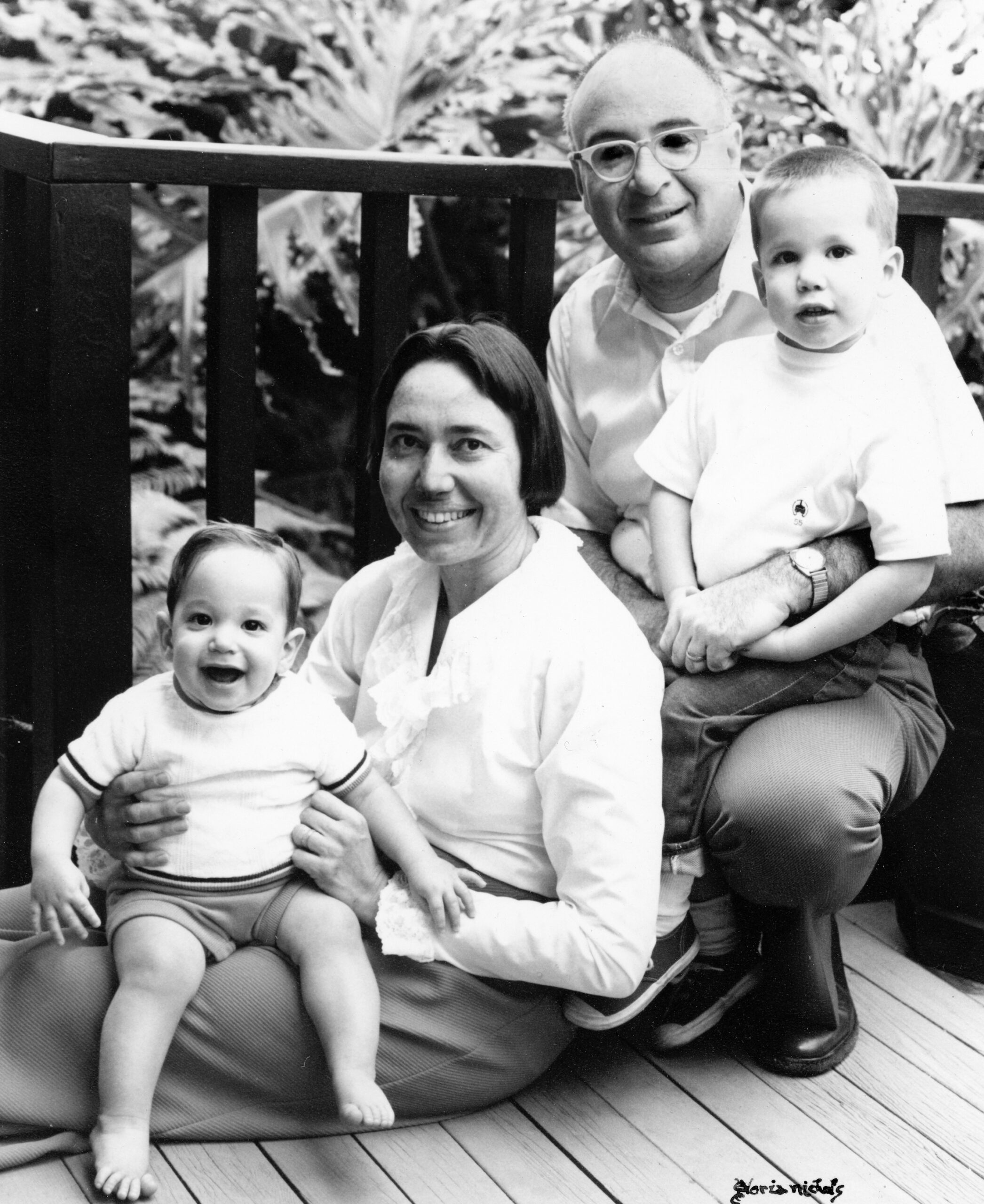
    He met Gloria Gioumousis at Bell Labs, and they married in 1965. They had sons Manny and Joe, and lived in Landenberg from 1977 to 2003. His son Joe died in 2006. His wife died in 2010.

    Professor Farber enjoyed iced coffee and loved gadgets. He was positive and outgoing, and he mixed well-known adages into humorous word combinations he called “Farberisms.”

    He was an experienced pilot and an avid photographer. In 2012, to honor his son, he established the Joseph M. Farber prize at the Stevens Institute for a graduating senior.

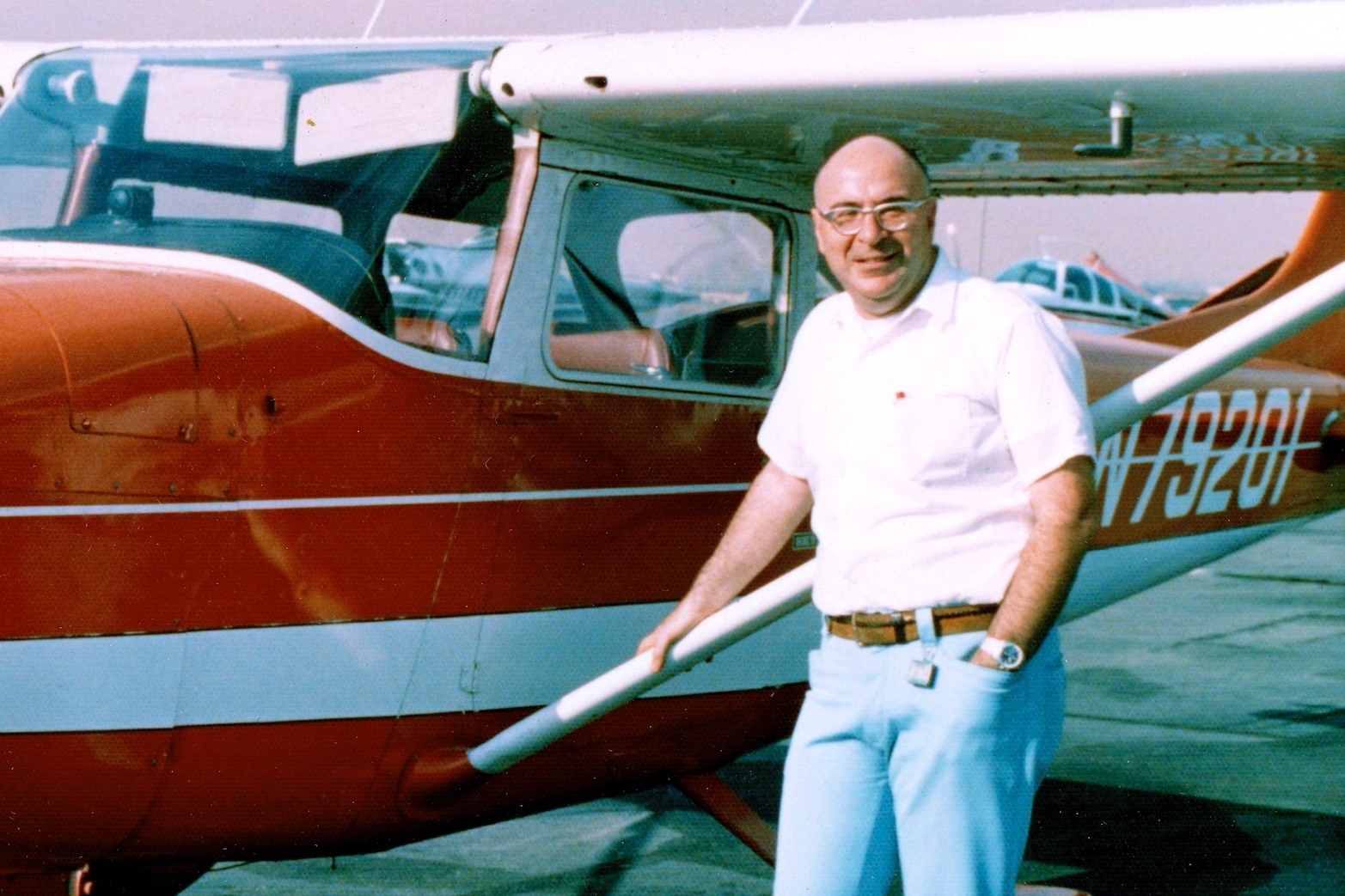
    Mr. Farber was an experienced pilot who could fly solely on cockpit instruments.

    “He was bold,” his son Manny said. “He connected to a lot of people and was close to his friends. He worked on big projects, and it wasn’t just theoretical. He built things that work.”

    In addition to his son, Professor Farber is survived by his daughters-in-law, Mei Xu and Carol Hagan, two grandsons, and other relatives.

    A memorial service is to be held later.

  • Murray Wolf, Avalon’s legendary beach patrol captain, has died at 87

    Murray Wolf, Avalon’s legendary beach patrol captain, has died at 87

    Murray Wolf, 87, of Avalon, the legendary no-nonsense beach patrol captain whose half-century reign inspired and guided generations of lifeguards, while aggravating some famous and not-so-famous beachgoers along the way, died Monday, Feb. 16, at AtlantiCare Regional Medical Center in Atlantic City following a stroke.

    “He was probably the most loyal person I’ve known in my life,” said his wife of 43 years, Vicki Wolf. “Anybody who came into contact with him, he made them a better person, no question about it.”

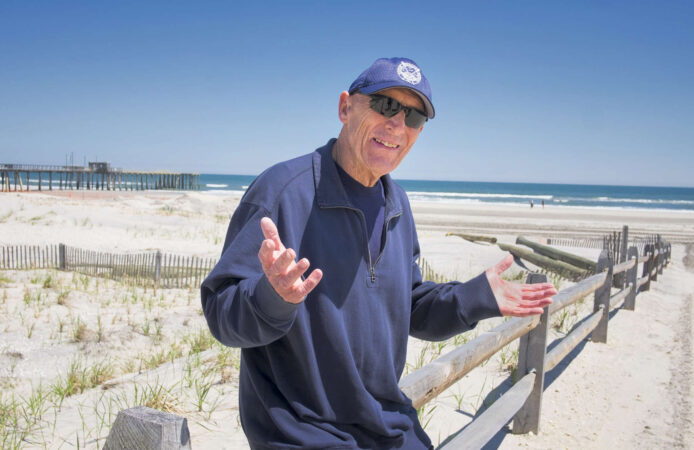
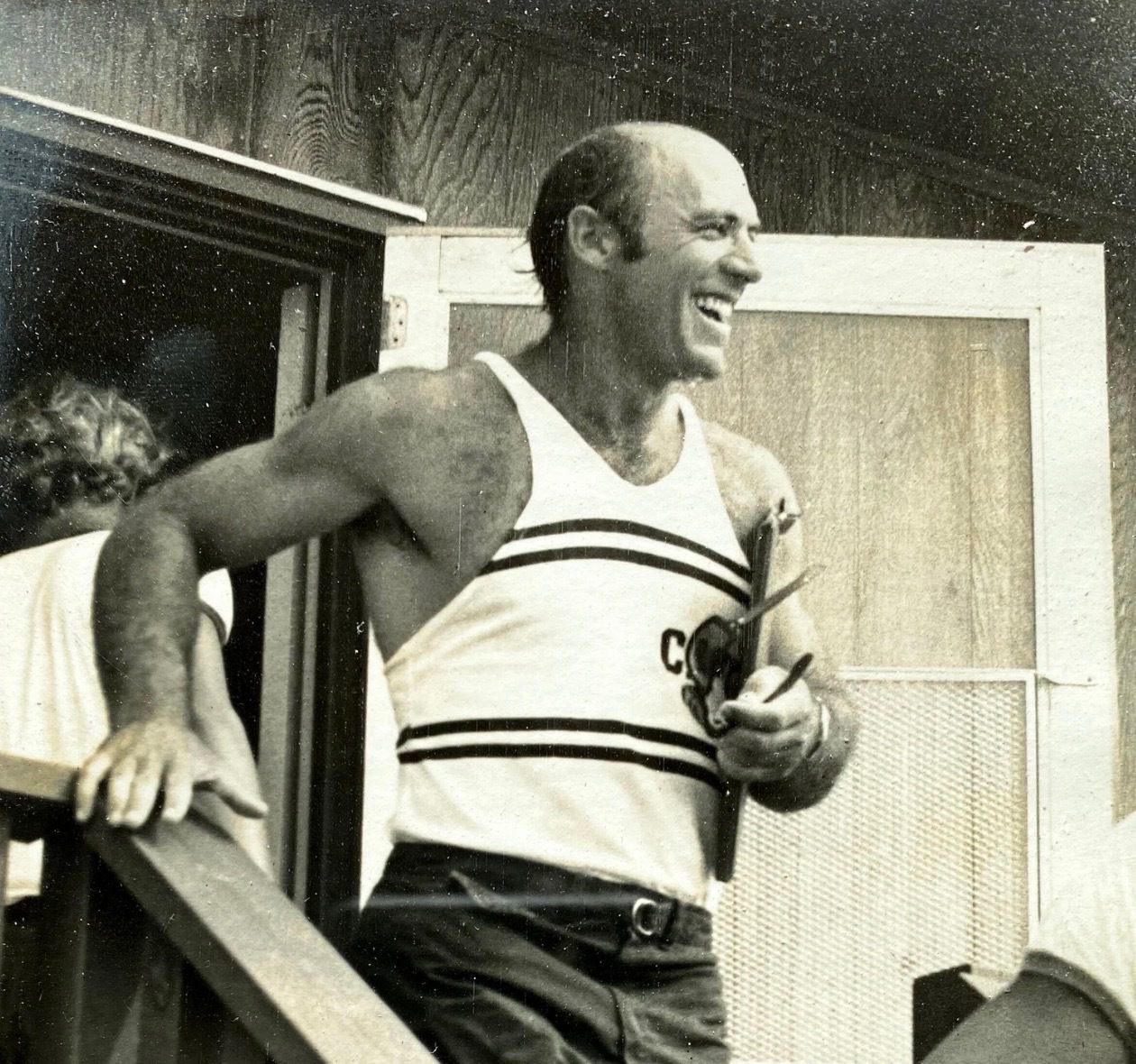
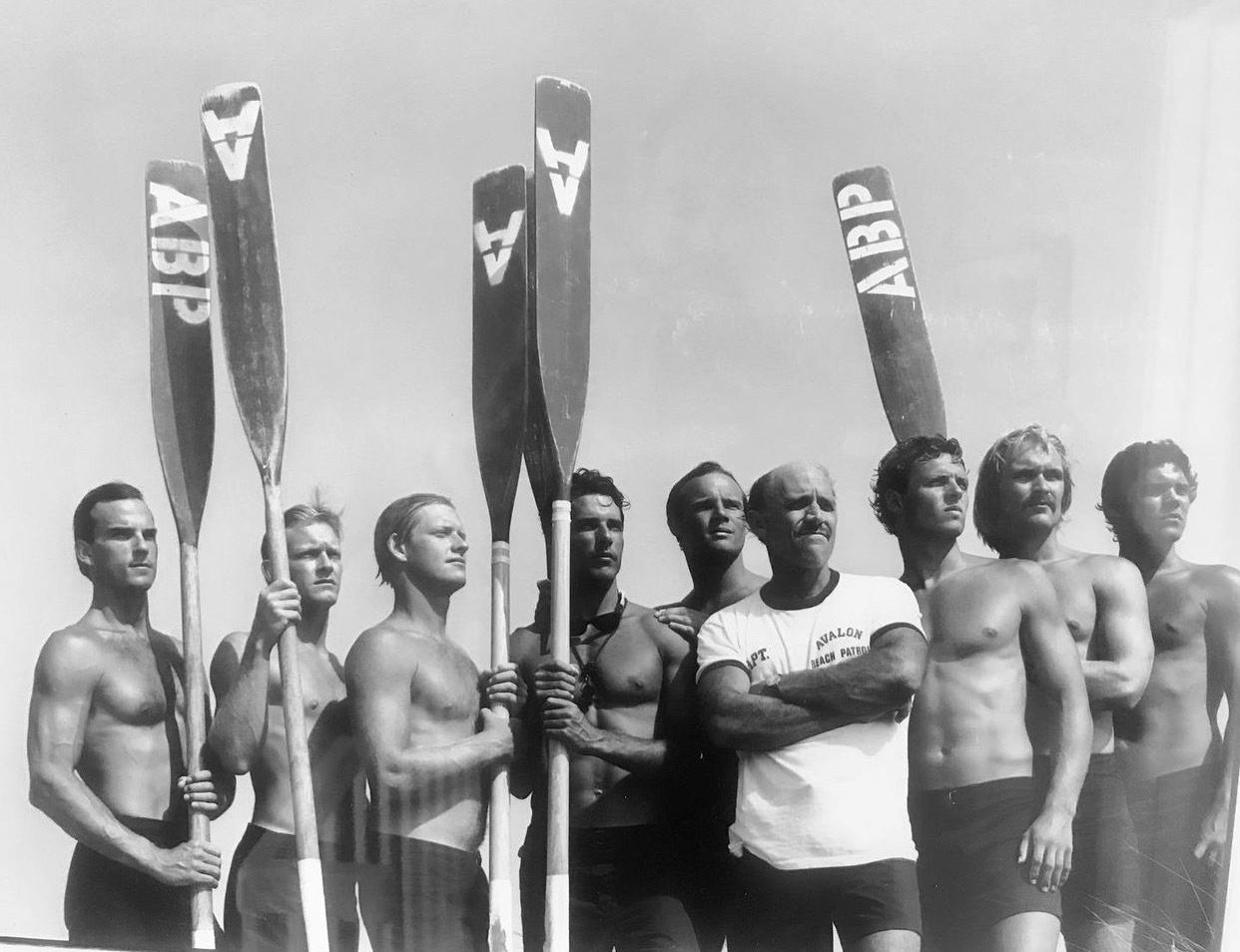
    Murray Wolf was captain of the Avalon Beach Patrol for more than a half-century and spent 65 years on the patrol. “He had the highest of standards,” said John Glomb, who served under him for decades.

    “He had the highest of standards,“ said John Glomb, who served under him for decades. ”When the conditions were not favorable, he drove around the beaches and made sure the guards were on top of their bathers, making sure that nobody was in harm’s way. He had a record where in his 65 years, there was never a drowning. That’s a record that is absolutely spectacular.”

    Not everyone appreciated Mr. Wolf’s brand of beach enforcement. In 1999, he famously tangled with then-WIP sports radio personality Angelo Cataldi over a beach tag, showing him no mercy. Cataldi endlessly railed about it on air, and never truly got over it, saying in 2016, as Wolf entered his 61st year on the beach patrol, “I do harbor ill will toward Murray Wolf, and I always will.” Cataldi did not respond to an email following news of Mr. Wolf’s passing.

    Mr. Wolf brushed off the Cataldi encounter like he did most of his encounters on the beach, a place he patrolled with military precision, complete with nightly wave-offs, stand by stand, from his jeep. Rules were meant to be enforced. But he could laugh about it, even if Cataldi couldn’t.

    There was also Frank Wilson, formerly of Chester County, who sued Avalon in 2001 and won $175,000, driven arguably mad after being repeatedly whistled out of the water when he tried to swim after 5 p.m. “We have the right to protect our bathers,” Mr. Wolf said at the time.

    Murray Wolf, shown here rowing with his son, Tyler, during his final year on the Avalon Beach Patrol.

    Within the ranks of his family — wife Vicki, sons Matthew, Erich, and Tyler, and his 10-year-old black Lab, Ruger — Mr. Wolf’s loyalty, kindness, and appreciation for Avalon’s simple pleasures were deeply admired. The same was true for the ranks of lifeguards, wrestling teams, his Pleasantville school district physical education classes, and the multiple championship South Jersey beach patrol teams he coached in Avalon with the utmost of pride.

    Mr. Wolf rode his bike around Avalon almost to the end, and walked Ruger in the deepest of snows.

    Murray Wolf, pictured here at age 77, longtime captain of the Avalon Beach Patrol. Here, King takes a break from preseason preparations to watch his son coach his baseball team.

    “He was happy to sit home and watch the football game, sit on the couch, yell at the dog for running in and out,” his wife said. “He loved his Avalon. There wasn’t one time we rode over the bridge into town when he didn’t say, ‘Oh, that was the best decision I made, moving to Avalon.’ He was just a content man, satisfied.”

    His blunt style could rub some the wrong way. Vicki Wolf, who met her husband at the Princeton, Avalon’s iconic bar, spotting at first his muscular arms, she recalled, said she always knew when someone in town had had an uncomfortable encounter with Mr. Wolf when they would veer away from her in the supermarket. He led his patrols through a pandemic, hurricanes, and new technology: He vowed to fire any guard caught with a cell phone on the stand. “It says Lifeguard on Duty,” he said in 2016. “It’s a duty.”

    “There was nothing phony about him,” Vicki Wolf said. “He was never one to take low blows about him. Not everybody liked him. He had enemies, but they respected him.”

    “He took a lot of pride in Avalon doing well — that was in everything Murray did,” Glomb said. “He ran a tight ship. He ran a tight beach.”

    In the offseason, Mr. Wolf coached championship wrestling teams and was a physical education teacher in the Pleasantville school district for 50 years. His son, Matt, took his place as Avalon beach patrol captain in 2021, and also coaches wrestling in Middle Township.

    Murray Wolf, longtime captain of the Avalon Beach Patrol pictured here in 2016 with some of his lifeguards at the patrol’s headquarters. ED HILLE / Staff Photographer

    Matt Wolf said his father had a stroke on Nov. 11 and was hospitalized until his Feb. 16 death. It seemed to so many that he might live forever, given his lifelong physical fitness and vigor, the devotion to his routines of bike riding and dog walking through town. “I think people saw him as very serious when he was in that public spotlight,” Matt Wolf said. “He had a great sense of humor. He didn’t need to be out with a bunch of people. He was happy to be home with his family.”

    The generations of guards who worked under him paid tribute to Capt. Wolf following his passing. “It was an honor to work with The Captain — there’s nobody quite like him,” Ryan Finnegan wrote on Facebook. “He taught his guards countless life lessons over the decades. Thousands of lives were saved because of him. The beaches in heaven are much safer now! Rest easy Capt.”

    Murray Wolf was captain of the Avalon Beach Patrol for more than a half-century and spent 65 years on the patrol. “He had the highest of standards,” said John Glomb, who served under him for decades.

    George Murray Wolf III was born Aug. 16, 1938, in Philadelphia to Elizabeth Gerhard and George Murray Wolf II and was raised on the Main Line. He and his family vacationed in Avalon from the time he was a child.

    He graduated from Conestoga High School and, after briefly working in a steel mill, Mr. Wolf attended Western State College in Gunnison, Colo., where he competed in wrestling and won a team national championship. He graduated with a degree in physical education and later earned a master’s in educational administration from Rider University.

    Mr. Wolf spent more than 50 years teaching physical education in Pleasantville. As head wrestling coach, he led the Pleasantville High School Greyhounds to the 1974 District 32 Championship. “He loved his job working with students and his colleagues at Leeds Avenue School,” his son wrote in the family obituary.

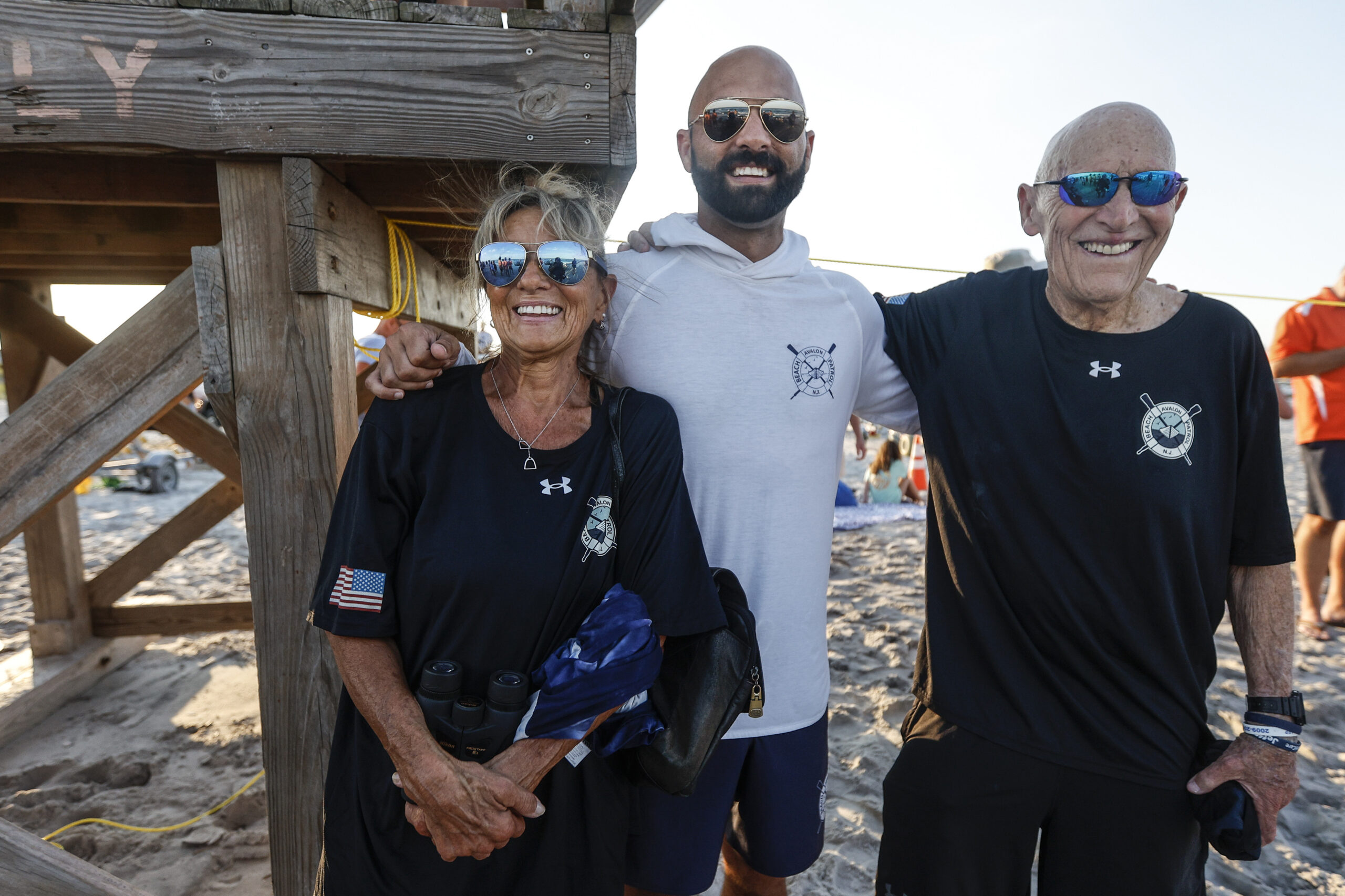
    Avalon Beach Patrol Chief Matt Wolf center, with his dad Murray and mom Vicky at the . Lifeguard Championships in Brigantine New Jersey. Monday, August 12, 2024.

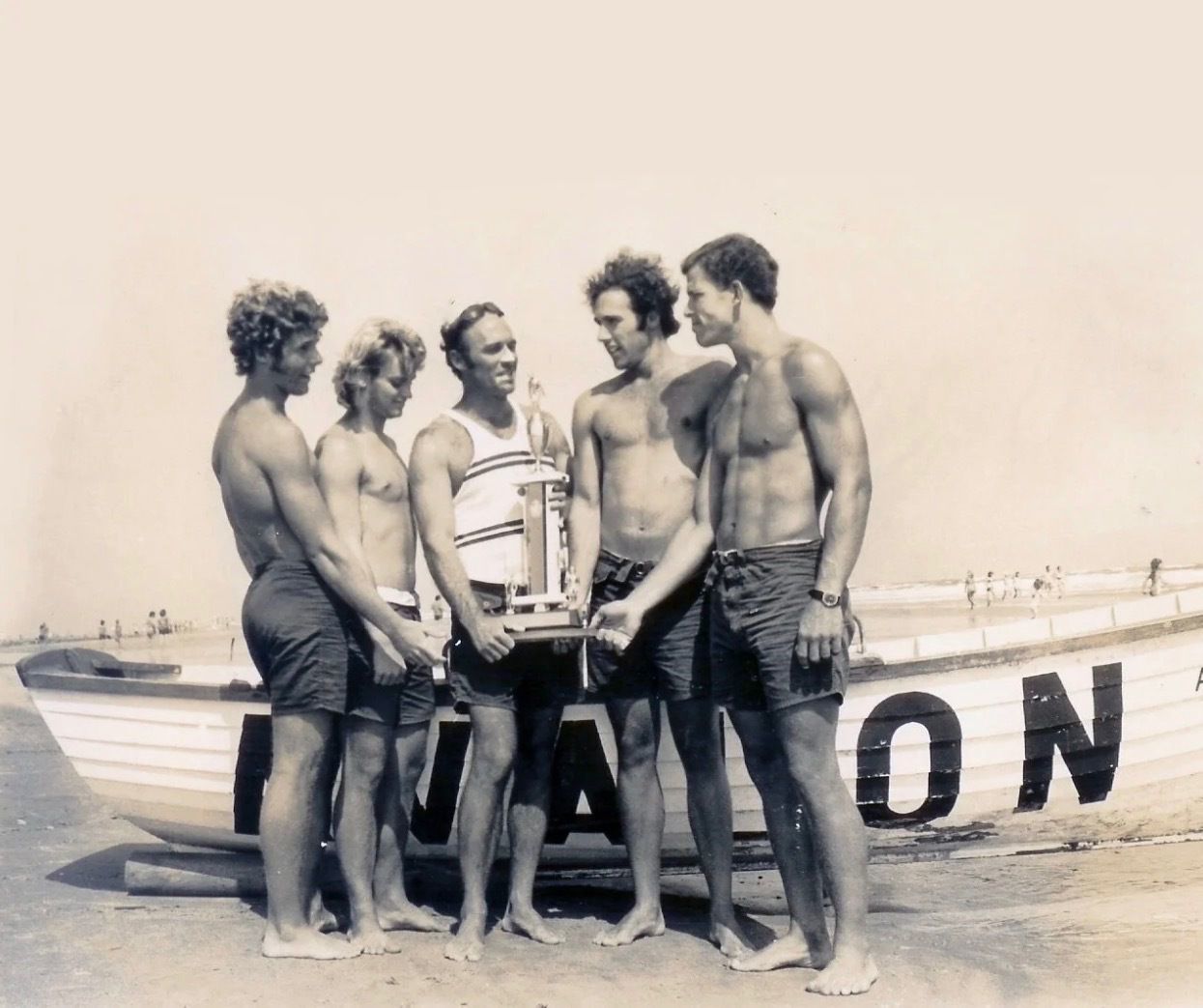
    Mr. Wolf served as captain of the Avalon Beach patrol from 1967 to 2020, and served a total of 65 years on the patrol. His teams, competing in the storied lifeguard races every summer, won nine South Jersey Lifeguard Championships, and Mr. Wolf had the joy of coaching his sons in winning boats.

    Mr. Wolf and his wife were fixtures at their sons’ football, wrestling, baseball, and track and field games and meets, when their sons were competitors and, later, when their sons became coaches themselves.

    Ventnor’s retired beach patrol chief Stan Bergman, himself a legendary chief and coach, has called Mr. Wolf “a warrior.” “He’s battle-tested,” Bergman said in a 2016 interview. “They have a tough beach.”

    Murray Wolf was captain of the Avalon Beach Patrol for more than a half-century and spent 65 years on the patrol. “He had the highest of standards,” said John Glomb, who served under him for decades. He took great pride in his teams winning the South Jersey Lifeguard Championships.

    “He was a very staunch competitor,” said Ed Schneider, chief of Wildwood’s beach patrol and also a wrestling coach. “I was always nervous going up against his teams. He commanded a presence around him. He made people push themselves to be the best.”

    After Matt Wolf took his place as captain of the patrol, he would include his dad as much as possible, taking him in the jeep along the beach. Murray Wolf always attended the lifeguard races, talking to the guards about the David J. Kerr Memorial Races, a competition he began in 1984 to honor a guard who died of cancer.

    In his final weeks, when the family came into his hospital room, his wife said, he would look for his boys, and “always blow a kiss and say I love you.”

    “Every night I would get home, the dog would go sit on the deck and look down the street,” Vicki Wolf said. “It broke my heart. He was looking for Murray.”

    In addition to his wife and their three sons, he is survived by another son, George Murray IV, and a sister. A son, Michael, died earlier.

    Services will be at noon Friday, Feb. 27, at our Savior Lutheran Church, 9212 Third Ave., Stone Harbor, N.J. Visitation will be 10 to 11:45 a.m.

    Donations may be made to the Middle Township Wrestling Program or the Helen L. Diller Vacation Home for Blind Children.

    Murray Wolf was devoted to his three black labs, including Ruger.
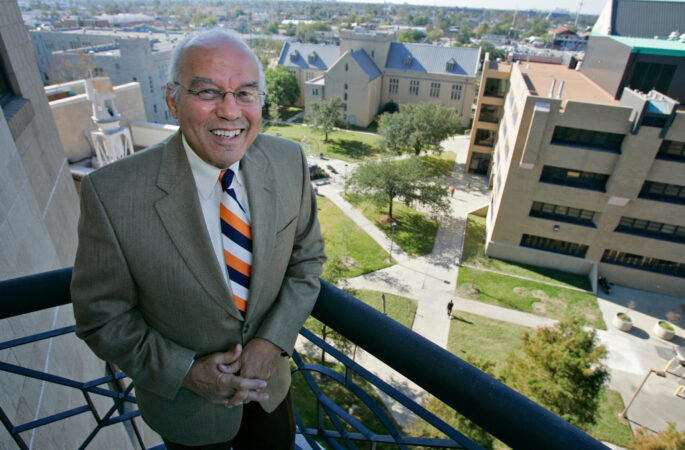
  • Norman C. Francis, civil rights champion and recipient of Presidential Medal of Freedom, dies at 94

    Norman C. Francis, civil rights champion and recipient of Presidential Medal of Freedom, dies at 94

    Norman C. Francis, a civil rights pioneer and champion of education who played a pivotal role in helping rebuild New Orleans after Hurricane Katrina, died Wednesday. He was 94.

    Community members, activists, and leaders across Louisiana celebrated the life and accomplishments of Mr. Francis.

    “The nation is better and richer for his having lived among us,” said Reynold Verret, the president of Xavier University, which confirmed Mr. Francis’ death Wednesday in a statement.

    Mr. Francis took a high-profile role in the state’s response to Katrina, heading the Louisiana Recovery Authority, which was tasked with overseeing the multibillion-dollar rebuilding effort.

    Former New Orleans Mayor Mitch Landrieu said that after Katrina, Mr. Francis “stood in the breach.” Landrieu, who served as lieutenant governor when Katrina decimated New Orleans in 2005, said he often turned to Mr. Francis for advice and counsel — including in “his toughest moments.”

    “The most defining part of his character is that he treats every human being with dignity and respect,” Landrieu posted on X on Wednesday.

    Mr. Francis was well-known for his role as president of Xavier University in New Orleans, the nation’s only predominantly Black Catholic university. Mr. Francis held the position for 47 years beginning in 1968.

    During his tenure, enrollment more than doubled, the endowment mushroomed and the campus expanded. The small school gained a national reputation for preparing Black undergraduates for medical professions and for producing graduates in fields such as biology, chemistry, physics, and pharmacy.

    In the aftermath of Hurricane Katrina, when parts of the school’s campus were submerged under 8 feet of water, Mr. Francis vowed that the college would return.

    Multiple civil rights groups, including the American Civil Liberties Union, honored Mr. Francis as one of the nation’s top college presidents. In 2006, then-President George W. Bush awarded Mr. Francis with the Presidential Medal of Freedom.

    “Dr. Francis was more than an administrator. He was an institution builder, a civil rights champion, and a man of quiet generosity,” Louisiana U.S. Rep. Troy Carter posted on social media. “He believed education was the pathway to justice. He believed lifting one student could lift an entire family.”

    Mr. Francis, the son of a barber, grew up in Lafayette, Louisiana. He received his bachelor’s degree from Xavier in 1952. He became the first Black student at Loyola University’s law school — integrating the school and earning his law degree in 1955.

    He went on to spend two years in the Army, then joined the U.S. Attorney General’s office to help integrate federal agencies.

    Even then, he still couldn’t use the front door to enter many New Orleans hotels, restaurants, or department stores because of his race.

    “Some people say to me, ‘My God! How did you take that?’” Mr. Francis said during a 2008 interview with the Associated Press. “Well, you took that because you had to believe that one day, the words that your parents said to you ‘You’re good enough to be president of the United States’ yes, we held onto that.”

    In 1957, he joined Xavier in the role of Dean of Men, beginning his decades-long career at the university.

    Mr. Francis’ wife, Blanche, died in 2015. The couple had six children and multiple grandchildren.

  • Fred Mann, former assistant managing editor at The Inquirer and retired vice president of communications at the Robert Wood Johnson Foundation, has died at 75

    Fred Mann, former assistant managing editor at The Inquirer and retired vice president of communications at the Robert Wood Johnson Foundation, has died at 75

    Fred Mann, 75, formerly of Wayne, retired vice president of communications at the Robert Wood Johnson Foundation, former vice president of national programming at Knight Ridder Digital and assistant managing editor at The Inquirer, freelance reporter, mentor to many, onetime baker, and longtime pickup baseball player, died Friday, Feb. 13, of complications from Alzheimer’s disease at Woodridge Rehabilitation & Nursing Center in Berlin, Vt.

    Mr. Mann was many things to many people all the time. He advocated for hundreds of healthcare-related philanthropic projects for the Princeton-based Robert Wood Johnson Foundation and, as vice president of communications, served as its liaison with the media and public from 2006 to his retirement in 2019. “Health is more than just going to the doctor or staying out of the hospital,” he told The Inquirer in 2016. “Health is reflected in everything we do.”

    At The Inquirer from 1983 to 2006, Mr. Mann was features editor, editor of the Sunday magazine, assistant managing editor, and the first general manager of Philly.com, now Inquirer.com. He championed women’s ascension in the newsroom and established online standards and practices in the 1990s that remain relevant in today’s digital landscape.

    “Fred was the best boss I ever had,” said Avery Rome, who succeeded him as editor of the Sunday magazine. “Working for him was a team effort and a pleasure. He readily gave credit to other people and appreciated their input.”

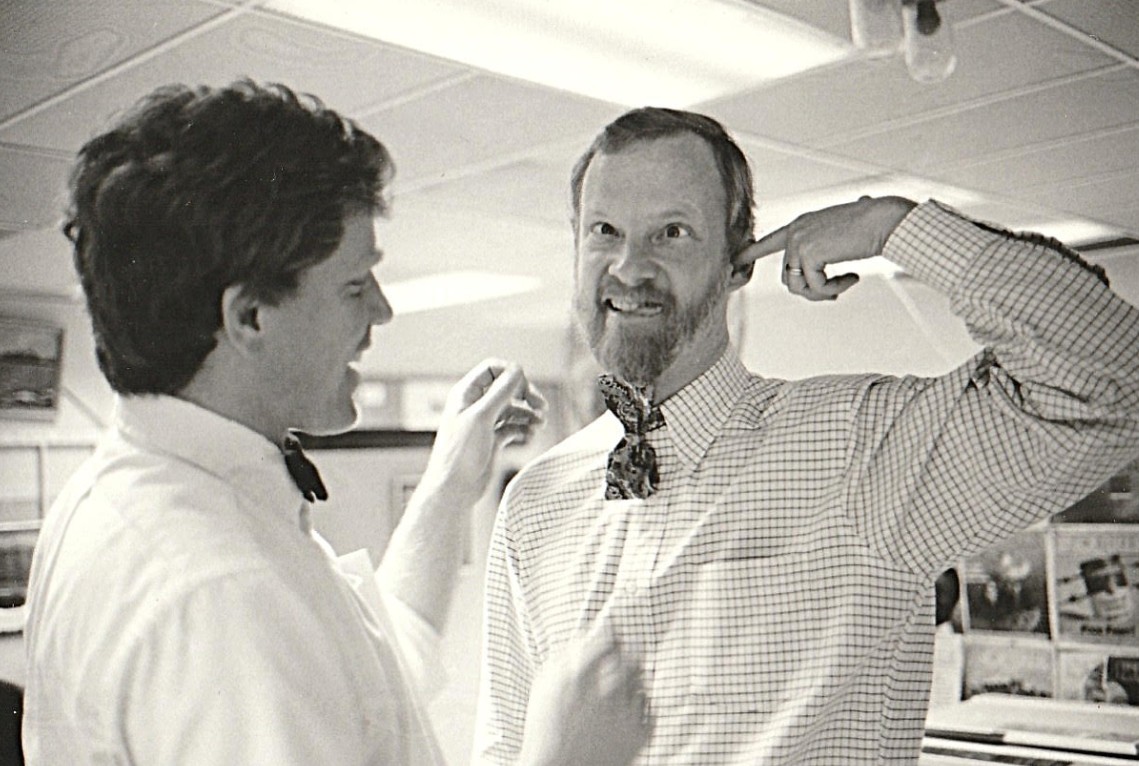
    Mr. Mann (right) and Inquirer colleague Art Carey both wore bow ties on this day.

    Other former colleagues called Mr. Mann a “talent magnet” and “one of a kind” on Facebook. His son Ted said: “He was good at taking leaps. He was bold, always looking for something different.”

    In a 2006 letter of recommendation for a former colleague, Mr. Mann said: “I have learned that hiring the right people is probably the single most important accomplishment an executive can make. Find great talent, nurture it, let it bloom, and then try to keep it. That was my strategy. And I must say, it was a recipe that worked and brought a great deal of reflected glory and success to me personally.”

    As editor of The Inquirer’s Sunday magazine from 1986 to 1992, Mr. Mann penned a weekly message to readers on Page 2. In November 1986, he wrote about the differences in celebrating Thanksgiving in California as a boy and in Philadelphia as an adult. “Thanksgiving was made for crispness,” he said, “for changing seasons, for wood stoves. … It’s the day that makes the hassles of life back East all worthwhile.”

    He wrote his farewell Sunday magazine column on Jan. 19, 1992, and praised his staff for “offering important, in-depth stories that teach and inform our readers, and mixing in others that entertain and delight. … I think we’ve taught. I hope we’ve delighted a few times.”

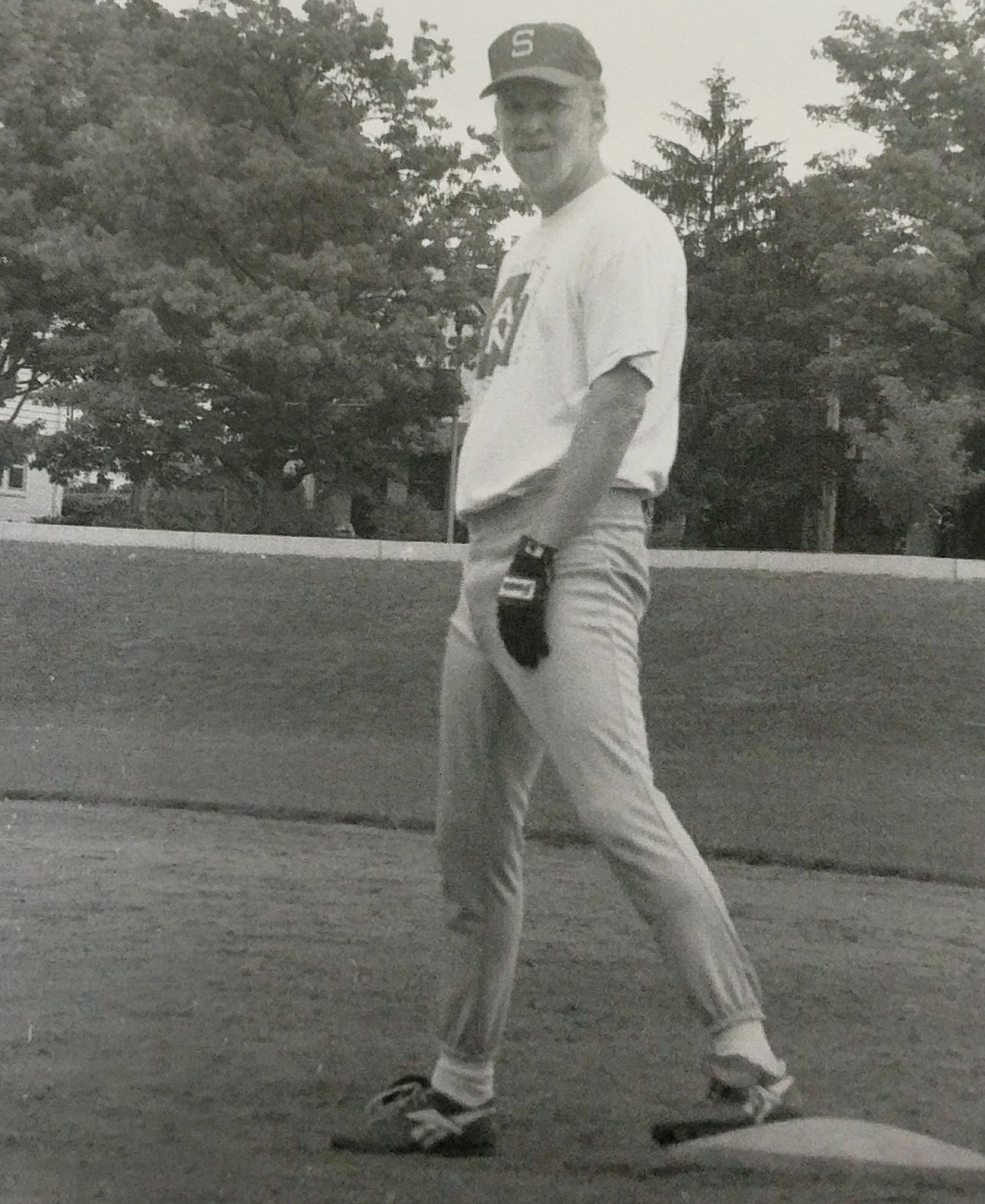
    Mr. Mann spent a lot of time on baseball fields.

    He worked on several Pulitzer Prize-winning projects at The Inquirer and edited its annual fall fashion supplement as features editor. In 1995, he started managing what was then Philly.com and Knight Ridder’s national innovations in online publishing.

    Former Inquirer colleagues noted his “smile and easy manner,” “integrity and good judgment,” and “easy grace, puckish humor, and boundless devotion to family and friends” in Facebook tributes. Longtime friend and colleague Dick Polman said: “He had great story instincts and could sell the stories to reporters. He was good at managing up and down.”

    Former Inquirer writer Joe Logan called him “a prime example of everything that was right and good and rewarding about working at The Inquirer during those years.”

    Before The Inquirer, Mr. Mann spent three years as national editor and opinion editor at the Hartford Courant. In the mid-1970s, he worked for the Day in New London, Conn., cofounded the California News Bureau, and sold stories from Los Angeles, San Diego, and elsewhere to The Inquirer, the Courant, and other newspapers around the country.

    Mr. Mann and his daughter, Cassie, watched the Phillies in World Series games together.

    He also wrote freelance articles for Time magazine and was press secretary for Connecticut Sen. Lowell P. Weicker Jr. for three years. Later, he was a founding board member of the Online News Association, onetime president of the Sunday Magazine Editors Association, and on boards of the Communications Network, the Internet Business Alliance, and other groups.

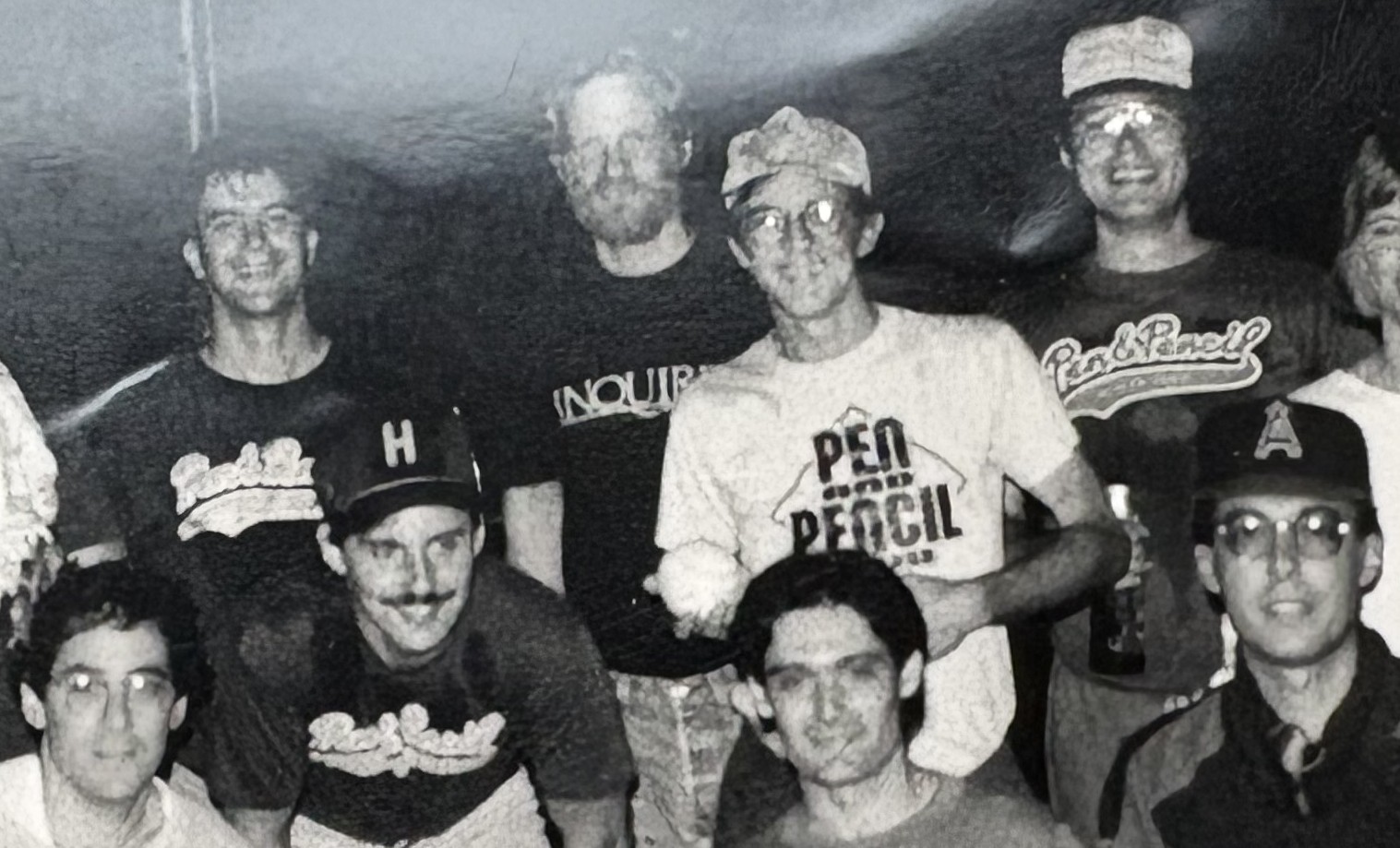
    He bounced around the world for a few years after graduating from Stanford University in 1972 and even opened a bakery with friends in Connecticut. He played third base in dozens of Sunday morning slow-pitch baseball games over the years and won a league championship with the Pen and Pencil Club softball team in the early 1980s.

    “I don’t know why he loved baseball so much,” said his son Jason. “But I know I love it because of him.”

    Frederick Gillespie Mann was born Nov. 28, 1950, in Yonkers, N.Y. His father was Delbert Mann, an Oscar-winning TV and film director, and the family moved to Los Angeles when Mr. Mann was young.

    Mr. Mann (rear, second from left) won a softball championship with the Pen and Pencil Club team in the early 1980s.

    He delivered newspapers, graduated from Beverly Hills High School, and earned a bachelor’s degree at Stanford. He married Robin Layton, and they had sons Ted, Jason, and Lindsay and a daughter, Cassie.

    After a divorce, he married Nicole O’Neill in 1994, and welcomed her children, Andy, Hilary, and Brette, and their children into his family. He and his wife lived in Wayne before moving to Greensboro, Vt., in 2019.

    Mr. Mann enjoyed hikes in the woods with his dogs, card games and board games with family and friends, reading about history, and touch football games on Thanksgiving. He listened to the Beatles and knew every word to the soundtrack of My Fair Lady.

    He reveled in his “long days of glorious raking” in Rosemont and Wayne, and said in a 1989 column: “When all you’ve known is palm trees, piling up tons of autumn foliage is more blessing than burden.”

    He coached Little League baseball players, followed the Boston Red Sox closely, and attended memorable Phillies games with his children. On many Monday afternoons, he impressed teammates and opponents alike with his corner jump shots in basketball games at the Philadelphia Athletic Club.

    Mr. Mann and his son Lindsay enjoyed time in the countryside.

    “He was fun and funny,” his daughter said, “loved and loving.”

    Former Inquirer managing editor Butch Ward said on Facebook: “Fred Mann brightened every room he entered.” Former Inquirer columnist Steve Lopez said: “The very thought of Fred puts a smile on my face.”

    In addition to his wife, children, and former wife, Mr. Mann is survived by grandchildren, two brothers, and other relatives. A sister died earlier.

    A celebration of his life is to be held later.

    Donations in his name may be made to the Lenfest Institute for Journalism, 100 S. Independence Mall West, Suite 600, Philadelphia, Pa. 19106.

    Even in sad times, said longtime friend Dick Polman, Mr. Mann shared his “irrepressible wit.”
  • Ann B. Levine, expert recruiter and longtime dean of admissions at Franklin Learning Center, has died at 75

    Ann B. Levine, expert recruiter and longtime dean of admissions at Franklin Learning Center, has died at 75

    Ann B. Levine, 75, of Philadelphia, expert recruiter, longtime dean of admissions at Franklin Learning Center, business teacher, popular radio host, and community activist, died Saturday, Jan. 31, of age-associated decline at Thomas Jefferson University Hospital.

    Bubbly, charismatic, and skillful at engaging with young people about their interests and goals, Ms. Levine worked as dean of admissions at Franklin Learning Center in Philadelphia from 1980 to her retirement in 2010. For 30 years, she recruited thousands of high-performing junior high school students to admission-only Franklin Learning Center, pored over more than 1,000 yearly applications, and helped choose the final 250 for admission.

    Every year, she toured the city’s junior high schools, cutting-edge slideshow in tow, and spoke to students and families about the curriculum, activities, staff, and student body at Franklin Learning Center. She interviewed the teenage applicants personally, routinely showed interest in their lives as well as their grades, and made countless lifelong friends.

    “You could tell she had their attention when she talked because they asked questions,” said her husband, Bob Bosco. “She was enthusiastic and thorough. She could connect. She found her niche.”

    Ms. Levine (center) “was always a friendly, smiling face,” a friend said in a tribute.

    Friends described Ms. Levine in online tributes as “happy and joyful,” a “sweet girl,” and “so fun to be with.” One friend said she “shared her views openly and freely.” Another said: “She was always a friendly, smiling face.”

    She also founded and was the first director of Franklin Learning Center’s celebrated mock trial team. She persuaded several prominent attorneys and lawyers to mentor her students after school and on weekends, and several of her pupils went on to their own impressive legal careers.

    In 2005, her eight-member mock trial team was one of 12, out of 270 overall, to advance to the Pennsylvania Bar Association statewide mock trial championships at the Dauphin County Courthouse in Harrisburg. Before becoming dean of admissions, she taught business and business law at Franklin Learning Center.

    After she retired, Ms. Levine joined her husband as a fill-in radio host for a decade. They played oldies on WVLT-FM in Vineland, WRDV-FM in Hatboro, and other stations. Her natural charm, love of music, and ability to entertain made her a hit with listeners.

    Ms. Levine married Bob Bosco in 1981.

    “First it was the Bob and Ann Show,” Bosco said. ”Then it was the Ann and Bob Show. Then it was Ann and what’s his name.”

    Ann Barbara Levine was born April 12, 1950, in Trenton. She worked on the yearbook, graduated from Trenton High School, and earned a bachelor’s degree in business at Drexel University and a master’s degree at the old Marywood business school.

    She was taking tennis lessons at the Young Men’s Hebrew Association center in Philadelphia in 1975 when she met Bob Bosco. He was playing basketball.

    They married in 1981, lived in Center City, and traveled together on memorable cruises and visits to Europe, Cuba, and Florida. Ms. Levine was an avid reader. She followed current events and enjoyed The Real Housewives TV shows.

    Ms. Levine “really influenced the lives of a lot of young women,” her husband said.

    For years, she was active with neighborhood groups in Southwest Center City. “She knew everybody,” her husband said. “She really influenced the lives of a lot of young women. She worked with the best of the best.”

    In a tribute, a friend since childhood said: “Though we lived far apart, she was always special to me.”

    In addition to her husband, Ms. Levine is survived by other relatives. A brother died earlier.

    Services were held earlier.

    Donations in her name may be made to the Philadelphia Museum of Art, 2600 Benjamin Franklin Parkway, Philadelphia, Pa. 19130; and the Weitzman National Museum of American Jewish History, 101 S. Independence Mall East, Philadelphia, Pa. 19106.

  • All-Star reliever Elroy Face, 97, who saved 3 games for Pirates in 1960 World Series, has died

    All-Star reliever Elroy Face, 97, who saved 3 games for Pirates in 1960 World Series, has died

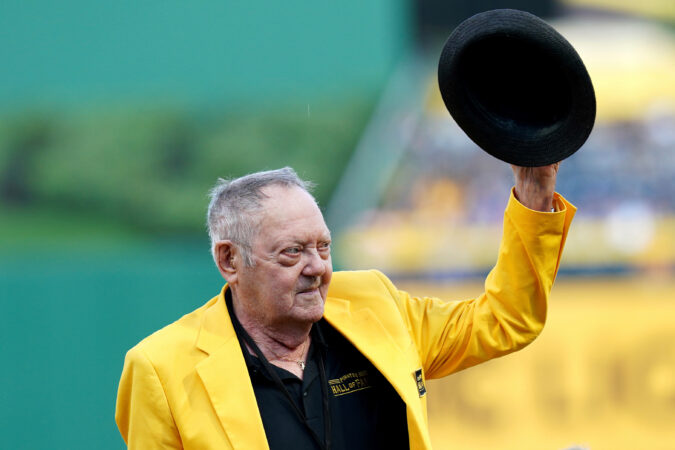
    PITTSBURGH — Elroy Face, an All-Star reliever for the Pittsburgh Pirates who saved three games in the 1960 World Series to help them upset the New York Yankees, has died. He was 97.

    In a news release Thursday, the Pirates announced they confirmed Mr. Face’s death. Team historian Jim Trdinich said the club was contacted by Mr. Face’s son, Elroy Jr., and informed the former pitcher died earlier in the day at an independent senior living facility outside Pittsburgh in North Versailles, Pa.

    No cause of death was provided. Mr. Face was eight days shy of his 98th birthday.

    “It is with heavy hearts and deep sadness that we mourn the passing of Pirates Hall of Famer Elroy Face, a beloved member of the Pirates family,” team chairperson Bob Nutting said in a statement.

    “Elroy was a pioneer of the modern relief pitcher — the ‘Baron of the Bullpen’ — and he played a critical role in our 1960 World Series championship.”

    Selected to six All-Star teams, Mr. Face went 104-95 with a 3.48 ERA in 16 major league seasons with Pittsburgh (1953-68), Detroit (1968), and Montreal (1969). He pitched in 848 games, starting only 27, and compiled 191 career saves — although saves didn’t become an official statistic until 1969.

    The 5-foot-8 right-hander holds the National League record for wins in relief with 96 and the major league mark for relief wins in one season after going 18-1 with a 2.70 ERA in 1959.

    He topped the National League with 68 appearances and 61 games finished in 1960, when the underdog Pirates stunned Mickey Mantle, Yogi Berra, and the mighty Yankees on Bill Mazeroski’s famous home run that won Game 7 of the World Series at Forbes Field in Pittsburgh.

    Mr. Face made four relief appearances in the Series, posting a 5.23 ERA in 10⅓ innings. He closed out Pirates wins in Games 1, 4, and 5.

    Inducted into the Pirates Hall of Fame in 2023, he is the club’s career leader in appearances with 802. And the team noted that if saves had been an official stat before 1969, he also would hold that franchise record with 188.

    Mr. Face was born in Stephentown, N.Y., on Feb. 20, 1928. He is survived by his three children, Michelle, Valerie, and Elroy Jr., and his sister Jacqueline, the Pirates said.

  • LaMonte McLemore, 90, 5th Dimension singer and Jet photographer, has died

    LaMonte McLemore, 90, 5th Dimension singer and Jet photographer, has died

    Touring the world with the 5th Dimension, LaMonte McLemore liked to say he had a microphone in one hand and his camera in the other.

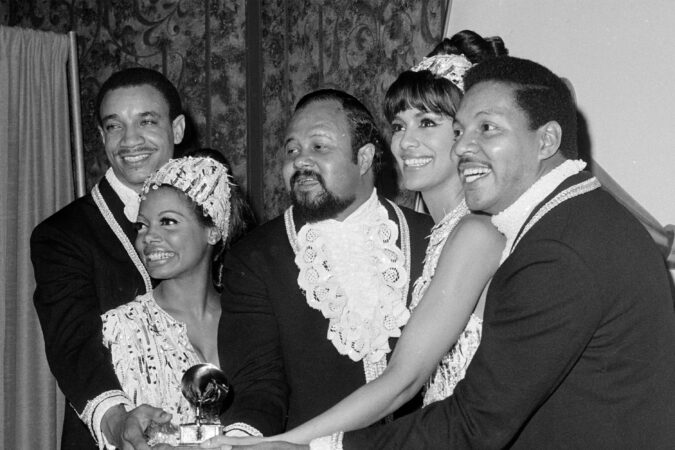
    Mr. McLemore, who died Feb. 3 at age 90, was best known as a founding member of the 5th Dimension, the genre-blending vocal group behind cheery, chart-topping hits like 1969’s “Aquarius/Let the Sunshine In,” a medley from the rock musical Hair. In an era of political violence and racial unrest, he and his fellow singers honed a fizzy style they called “champagne soul,” reaching a post-hippie audience — “This is the dawning of the Age of Aquarius,” they sang — while fusing jazz, pop, and R&B.

    Between 1967 and 1973, the group won six Grammy Awards, landed 20 songs on the Top 40 of the Billboard Hot 100, and performed in Las Vegas with Frank Sinatra and at the White House for President Richard M. Nixon. Mr. McLemore was a key part of that run, singing bass on hits like “One Less Bell to Answer” and “(Last Night) I Didn’t Get to Sleep at All,” in addition to serving as an occasional emcee, introducing his bandmates onstage by their zodiac sign.

    He was the only Virgo of the bunch.

    “LaMonte would be the first to tell you he may not have been our group’s strongest lead singer,” his former bandmates Marilyn McCoo and Billy Davis Jr. said in a statement. Yet it was Mr. McLemore “who brought us all together,” they said, adding that it was also Mr. McLemore who helped keep the group whole for 10 years, persuading the singers to postpone solo careers that ultimately led the original lineup to split apart in 1975.

    “Every time you hear a 5th Dimension harmony, every time you hear an Original 5th Dimension melody, pause and give thanks for our beloved friend,” McCoo and Davis said. “Without his grace, the egos of everyone else might have kept that dream from ever coming true.”

    Mr. McLemore, a onetime medical photographer for the Navy, toured with the 5th Dimension even as he pursued his other vocation, photography. He took pictures of fellow musicians including Marvin Gaye and Stevie Wonder; contributed to Harper’s Bazaar, where he was said to be the first Black photographer the magazine ever hired; and freelanced for publications including Ebony, Playboy, and People.

    For more than four decades, his photos were also a mainstay of Jet magazine, which once reached more than 1 million print subscribers each week. Mr. McLemore photographed more than 500 women — most of them nonprofessional models — for the publication’s “Beauty of the Week” feature, a reader favorite designed to showcase Black style and beauty from around the world.

    “LaMonte had a good eye. He was a sure shot,” said Sylvia Flanagan, a former Jet senior editor who worked with Mr. McLemore for 35 years. “And I knew that if LaMonte was shooting it, it was going to be perfect.”

    That was partly because Mr. McLemore was able to put his subjects at ease, Flanagan said. It was also because Mr. McLemore knew the assignment: “If a person was more voluptuous on the top, not so much on the bottom, LaMonte would put them in water. Because that magnifies everything.”

    Jet’s “Beauty of the Week” subjects were everyday women — college students, nurses, postal workers — confidently posing in a swimsuit or stockings. A brief caption identified them by name, noting their profession and hobbies along with their measurements.

    “They looked like someone whom you might catch a glimpse of at the Jersey Shore one day,” Jennifer Wilson wrote in the New Yorker in 2024, in an essay that praised the column for having “democratized the thirst trap.” “’Hey, did I see you in Jet?’ was a pickup line someone once tried on my aunt.”

    According to Flanagan, some of Mr. McLemore’s subjects were women he encountered while on tour with the 5th Dimension. Others were more personal: Mr. McLemore photographed his daughter, Ciara McLemore, 23 years after he photographed her mother, Lisa Starnes, wearing the same leopard-print swimsuit.

    Many of his Jet photographs were collected in a 2024 book, Black Is Beautiful, which he prepared with Washington gallerist Chris Murray. Artist Mickalene Thomas, who cited Mr. McLemore as an inspiration, wrote in an introductory essay that the pictures “served as a radical depiction of the Black female body as both effortlessly beautiful and exceedingly powerful.” Mr. McLemore’s images also “provided a much-needed space for Black women to see themselves represented as desirable,” she wrote.

    “To me, women are the miracle of life,” Mr. McLemore told Ebony in a 1989 interview. “As mysterious as they are, I got tired of trying to figure out the mystery. It’s better enjoyed than understood.”

    ‘A rare mixture’

    The first of four children, Herman LaMonte McLemore was born in St. Louis on Sept. 17, 1935. His first love was baseball, although he sang doo-wop ever since he was a boy, harmonizing on street corners with friends.

    When Mr. McLemore was 5, his father, a janitor and sometime musician, left the family. He was raised by his mother and maternal grandmother, who taught him a lesson that Mr. McLemore adopted as his motto: “We are only in this world to help one another.”

    After graduating from high school, Mr. McLemore enlisted in the Navy, buying his first 35 mm camera while stationed in Alaska. He went on to play minor league baseball, pitching in the Los Angeles Dodgers’ farm system before breaking his arm in a car crash, he said.

    In the offseason, he took pictures, working as a freelance photographer whenever he could. His assignments took him to the Miss Bronze California beauty pageant, where he photographed two contestants, McCoo and Florence LaRue, who became founding members of the 5th Dimension.

    Formed in 1965, the group was originally known as the Versatiles, and also included two of Mr. McLemore’s friends from St. Louis, Billy Davis Jr. and Ron “Sweets” Townson.

    “I pulled them together as friends,” Mr. McLemore told the Stuart News of Florida in 2004. “Ron happened to sing opera, Billy sang rock and roll, me and Marilyn were singing jazz and Florence was singing pop. It was just a rare mixture, but it blended.”

    The group had success almost immediately, scoring their first Top 40 hit with a cover of the Mamas & the Papas’ “Go Where You Wanna Go.” Later in 1967, they released their first million-selling record, “Up — Up and Away,” written by Jimmy Webb, a rising songwriter and pianist who backed them in the studio. The song’s title, usually rendered with a comma instead of a dash, became a national catchphrase, and the group went on to find repeated success with Webb and songwriter Laura Nyro, who crafted their hits “Stoned Soul Picnic” and “Wedding Bell Blues,” which went to No. 1.

    Their music resonated even behind the Iron Curtain. When the 5th Dimension embarked on a State Department cultural tour in 1973, performing in Eastern Europe and Turkey, they stopped to chat with admiring fans at embassies and elementary schools. “A lot of soul in Czechoslovakia,” Mr. McLemore observed on his return.

    His death — at his home in Henderson, Nev., a few years after suffering a stroke — was confirmed by Murray and by Robert-Allan Arno, who co-wrote Mr. McLemore’s memoir, From Hobo Flats to the 5th Dimension.

    In addition to his daughter, Ciara, survivors include his wife, the former Mieko Tone, whom he married in 1995; a son, Darin; a sister; and three grandchildren.

    Mr. McLemore and the 5th Dimension received renewed attention in 2021, when they were featured in Summer of Soul (… Or, When the Revolution Could Not Be Televised), Questlove’s Oscar-winning documentary about the 1969 Harlem Cultural Festival.

    Intended to promote Black pride and unity, the concert series featured acts including Nina Simone and Sly & the Family Stone. The 5th Dimension headlined the series’s first weekend, though, as the film noted, the singers had a mixed reputation among Black audiences. Hearing echoes of pop and folk rock acts like the Mamas & the Papas, some listeners mistakenly assumed that Mr. McLemore and his bandmates were white.

    Ebony magazine summed up the confusion in a 1967 cover story headlined, “The Fifth Dimension: White sound in a black group.”

    “Black people, when we first started … they didn’t understand what we were doing at all,” Mr. McLemore told an interviewer in 2017. He and his fellow singers were put off — “We said, ‘How can you color a sound? This is our sound. And it’s different and we ain’t gonna change it’” — but were gratified when the mood began to shift, just as the group notched its first No. 1 hit with “Aquarius.”

    “All of a sudden,” he said, “all the Black people came up and said, ‘We were with y’all all along!’”