Category: Obituaries

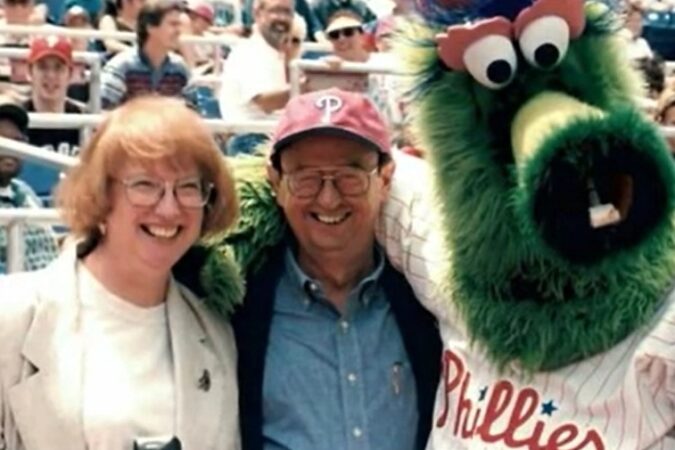
  • MaryJane Hackney, longtime first grade teacher and diehard Phillies fan, has died at 80

    MaryJane Hackney, longtime first grade teacher and diehard Phillies fan, has died at 80

    MaryJane Hackney, 80, of Gloucester Township, longtime first grade teacher at Loring-Flemming Elementary School, singer, theater devotee, and diehard Phillies fan, died Sunday, May 3, of Alzheimer’s disease at the Residence at Voorhees Senior Living Center.

    Inspired by her own favorite grade school teacher, Mrs. Hackney knew early in life that she wanted to be a teacher, too. She earned a bachelor’s degree in education, taught elementary school students in Pennsylvania for a few years, and spent nearly three decades, from 1981 to her retirement in 2010, working with thousands of first graders at Loring-Flemming in Gloucester Township.

    “She loved the energy first graders have,” said her husband and caregiver, David. “She taught fourth, fifth, and sixth grades at first. But after going to first grade, she said she would never go back.”

    Mrs. Hackney was so influential at school and at Loring-Flemming for so long that she taught children of her former students. Until a few years ago, she was routinely greeted around town by 40-year-olds who said: “Do you remember me?” Often, she did.

    “MaryJane was a force to be reckoned with,” a former colleague said in an online tribute. “When I arrived at Loring-Flemming with only one year of teaching experience, she took me under her wing and taught me so many important lessons about life and education.”

    Mrs. Hackney especially enjoyed teaching her students to read, and she told her husband that “one of her greatest joys was seeing the excitement of young children when they realized they could read.” The father of one of her former students told David Hackney recently that his son became an avid reader — and the father had to buy many books — thanks to Mrs. Hackney’s tutelage.

    “She was a constant source of good books and brought all of her best reads for us to share,” a former teaching colleague said in a tribute. “Everyone drifted to her classroom for support, information, or just to have a good laugh.”

    Affable, innovative, and energetic, Mrs. Hackney participated in projects for the local and state education associations, and raised funds to buy new school equipment. She was a champion of new early education programs and a popular guest on the local Emmy Award-winning public TV program “Classroom Close-up, NJ.”

    Mrs. Hackney stands with her Grade 1 students at Loring-Flemming during the 1962-63 school year.

    She was funny and witty, a former colleague said, “and her ability to know what was going on in our school, district, county, and state was incredible.” Before Loring-Flemming, Mrs. Hackney taught for a few years at a Lutheran elementary school in Delaware County and Ralph Waldo Emerson Elementary School in Bucks County.

    Outside the classroom, Mrs. Hackney enjoyed singing, the theater, and the Phillies. She sang alto in choirs in high school and college, and attended nearly every performance of the Arden Theatre Co. in Philadelphia from 1996 until recently. Her husband worked several jobs over the years, and her absolute favorite, he said, was the one that had company tickets to Phillies games.

    “She even met the players,” he said.

    MaryJane Pierce was born June 22, 1945, in Abington. She grew up in Croydon, was so smart that she skipped third grade, and graduated from Delhaas High School in 1962.
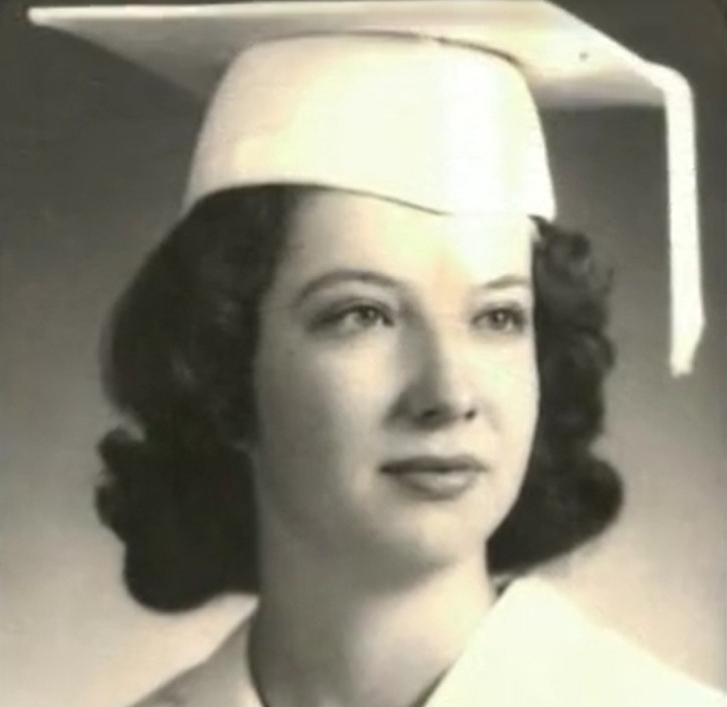
    Mrs. Hackney studied education and American history in college.

    She studied education and American history at what is now Concordia University Chicago in Illinois, and later enjoyed traveling to historic sites with her husband. She knew David Hackney from high school, and they got serious during a double date to celebrate her 21st birthday in 1966.

    Eight weeks later, they got engaged. They married in 1967 during the famous Glassboro Summit Conference, had a daughter, Jennifer, and lived in Drexel Hill and Havertown before moving to Gloucester Township in 1974.

    Mrs. Hackney liked histories and mysteries, and was longtime friends with local author Lisa Scottoline. She knew the words to Elvis Presley songs, doted on her daughter and grandson, Joshua, and visited relatives in Ireland several times after retiring.

    She moved to the Residence at Voorhees a year ago. “I will forever remember her lessons, her delicious brownies, and helping hand that was used not just for her students but for the entire faculty and staff,” a former colleague said.
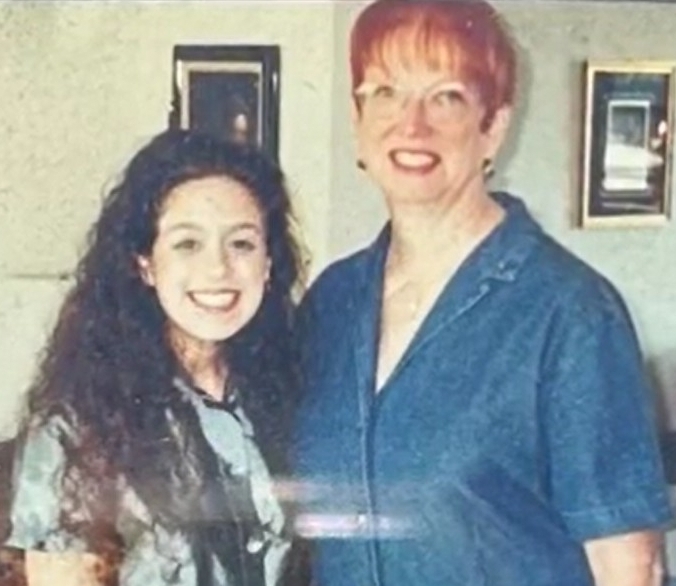
    Mrs. Hackney smiles with her daughter, Jennifer.

    Her husband said: “She was fascinated by people, curious about people. And if you started talking about teaching, she could go on for hours.”

    In addition to her husband, daughter, and grandson, Mrs. Hackney is survived by a sister, Deborah, and other relatives.

    Services were held earlier.

    Donations in her name may be made to the Alzheimer’s Association, 399 Market St., No. 250, Philadelphia, Pa. 19106.
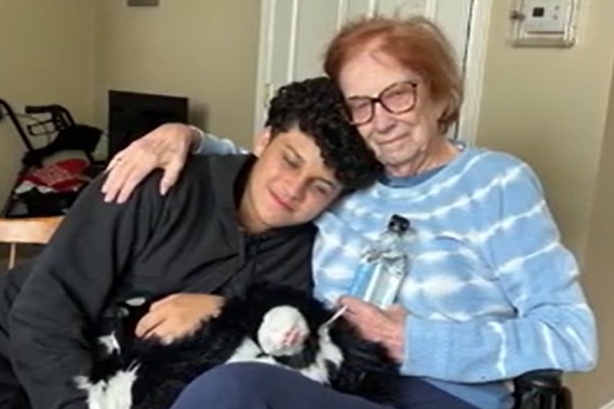
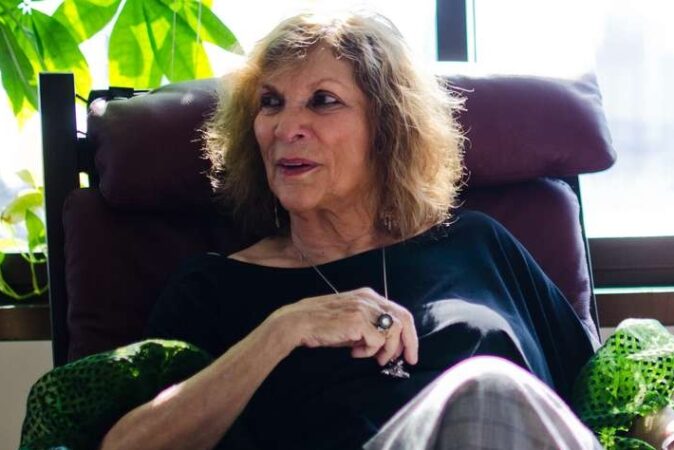
    Mrs. Hackney doted on her grandson, Joshua.
  • Edna B. Foa, celebrated pioneering psychologist and longtime Penn professor, has died at 88

    Edna B. Foa, celebrated pioneering psychologist and longtime Penn professor, has died at 88

    Edna B. Foa, 88, of Philadelphia, renowned clinical psychologist, pioneering mental health researcher, creator of the celebrated prolonged exposure therapy for post-traumatic stress disorder, longtime professor of clinical psychology in psychiatry at the University of Pennsylvania, lecturer, mentor, and volunteer, died Tuesday, March 24, of complications from pneumonia at Pennsylvania Hospital.

    Dr. Foa was among the first psychologists in the 1970s and ‘80s to infuse empirical case study research into existing behavior protocols to create more effective mental health treatments for victims of rape, combat trauma, childhood sexual abuse, and other ordeals. She became an expert in PTSD, obsessive-compulsive disorder, and social phobia, and her prolonged exposure therapy for PTSD and exposure and response prevention treatments for OCD are still hailed as breakthrough innovations.

    From 1971 to 1997, she was a fellow, professor, and clinical researcher in the psychiatry departments at Temple University and the old Medical College of Pennsylvania, now part of Drexel University. She joined Penn’s Department of Psychiatry in 1998 and, over more than 50 years, evaluated thousands of mental health cases to determine which behavior therapy was best for each condition.

    “Her work truly changed the field,” colleagues at the Ardmore-based Center for Hope and Health said on Instagram. They said she “spent her career doing what she believed mattered most: studying what actually helps people get better, and making those treatments more accessible.”

    She created the Center for the Treatment and Study of Anxiety at Temple in 1979 and directed it later at Penn. Colleagues at the center said on Facebook: “Through her brilliance, determination, and unwavering belief in the power of evidence-based care, she transformed the understanding and treatment of anxiety-related disorders and changed the lives of countless individuals and families around the world.”

    Other colleagues and friends called her “brilliant,” “amazing,” and “extremely influential” in online tributes. One said she was “a giant who taught the world how to conquer fear and reclaim life.”

    Dr. Foa earned grants for research and education, and taught her therapy techniques to veterans counselors in the United States and Israel, to therapists for the U.S. Army and the City of Philadelphia, and to clinicians at Women Against Rape and other groups around the world. In 2010, she was named one of Time magazine’s 100 most influential people in the world.

    To share her innovations and encourage peer review, Dr. Foa edited Failures in Behavior Therapy in 1983 and cowrote Emotional Process of Fear in 1986 and Emotional Processing of Traumatic Experiences in 2007. The hundreds of books, manuals, articles, and papers she wrote, cowrote, or edited about memory, stress, anger, depression, and guilt have been cited more than 13,000 times by other authors.

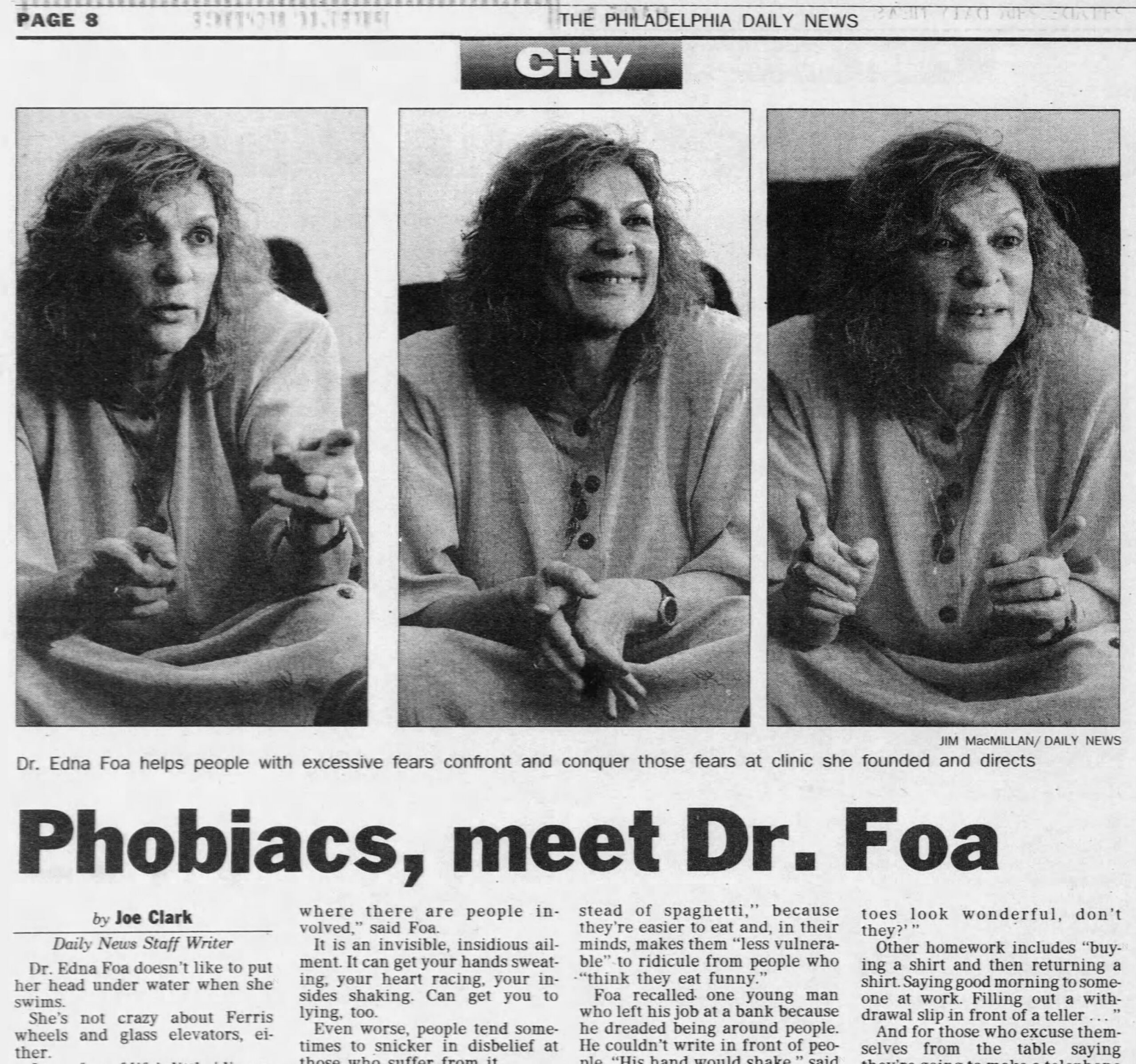
    The Daily News published this story and photos of Dr. Foa in 1993.

    She also volunteered as a consultant and supervisor at clinics and medical centers. She lectured and organized clinical workshops in the United States, Israel, and elsewhere. In 2010, she told Time magazine: “If you develop a wonderful protocol, it’s useless if nobody uses it.”

    She was affiliated with many mental health societies and associations, and earned lifetime achievement awards from the American Psychological Association, the International Society for Traumatic Stress Studies, and other groups. She was featured often in The Inquirer and the Daily News, and told the Daily News in 1993 that “everyone has little fears.” She said her little fears were of heights and swimming underwater.

    In 1970, Dr. Foa earned both a doctorate in clinical psychology and personality from the University of Missouri, and a master’s degree in clinical psychology at the University of Illinois. In 1962, she earned a bachelor’s degree in psychology and literature at Bar-Ilan University in Israel.

    She stopped working full-time at Penn in 2023 but never really retired. In April, she was scheduled to lead a workshop in prolonged exposure therapy. In 2011, she told The Inquirer: “If I die tomorrow, I think that what I have achieved is fine. If I don’t die, I don’t need to stop.”

    Edna Ben Jacob was born Dec. 28, 1937, in what is now Haifa, Israel. She became fascinated by the work of psychologist Sigmund Freud, she told the Encyclopedia of Behavior Modification and Cognitive Behavior Therapy, and she worked briefly with juvenile offenders near Tel Aviv after high school.

    In 2011, she told The Inquirer she was shattered by her own trauma in 1948 when her brother, Uri, was killed in the war and her father, Abraham, died four years later.

    She married and divorced when she was young, and met Professor Uriel Foa at Bar-Ilan. They married when she was 24, had daughter Dora, and moved to the United States in 1966. They had daughters Yael and Michelle, and lived in Illinois and Missouri before moving to Glenside and then Penn Valley. She moved to Philadelphia a few years ago.

    After a divorce, she married Penn professor Charles Kahn. Her husband and former husband died earlier.

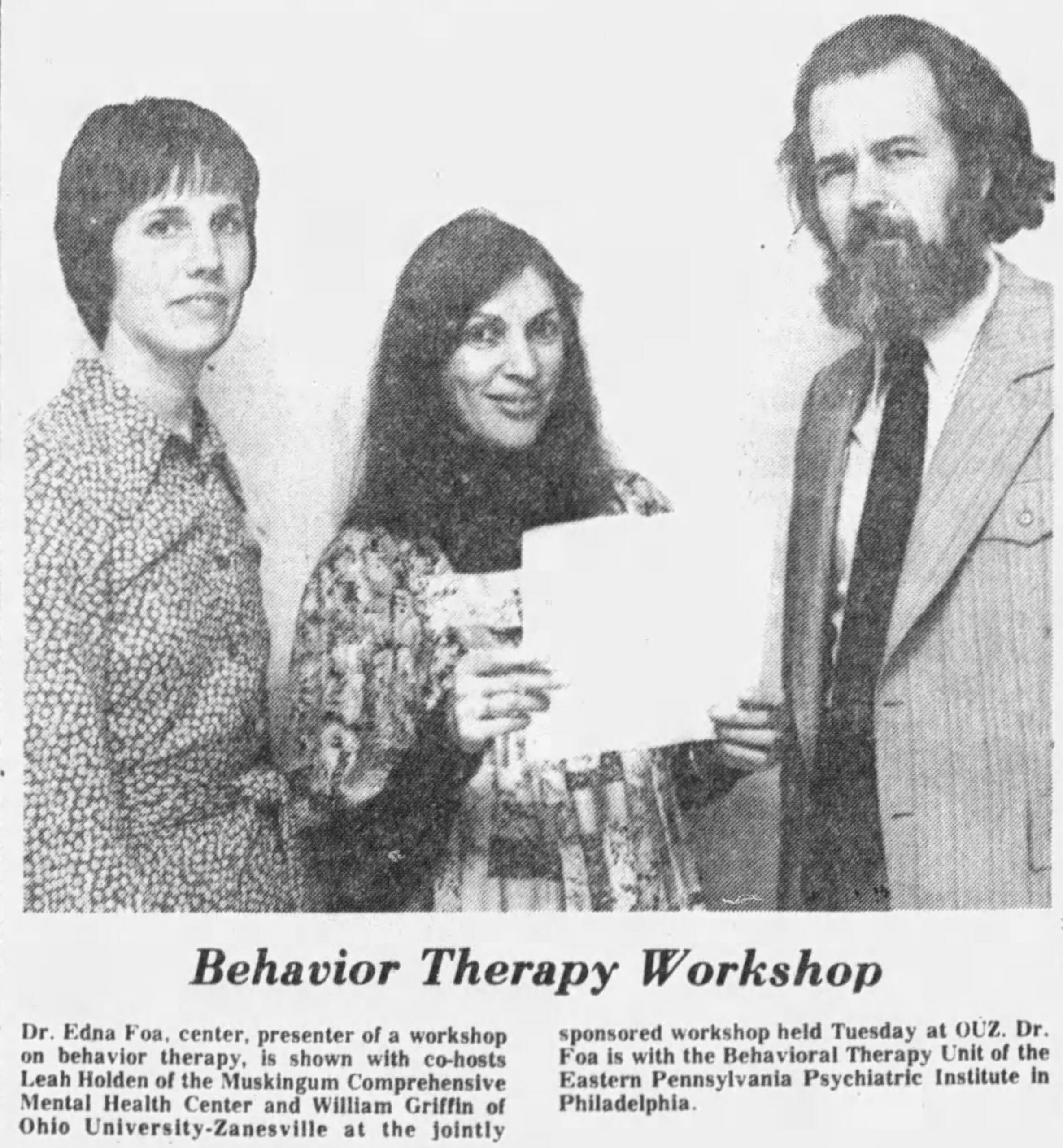
    This photo of Dr. Foa (center) appeared in the Times Recorder in Ohio in 1978.

    Away from work, Dr. Foa enjoyed traveling, gardening, and hosting family and friends at holidays. She collected art and antiques.

    She told an interviewer she had a bad habit of deleting emails before reading them. She managed lung cancer years ago.

    “She was full of energy, vivacious, a force of nature,” said her daughter Yael. Her daughter Michelle said: “She was an extraordinary figure who lived a very rich life.”

    In addition to her daughters, Dr. Foa is survived by five grandchildren, a great-granddaughter, and other relatives.

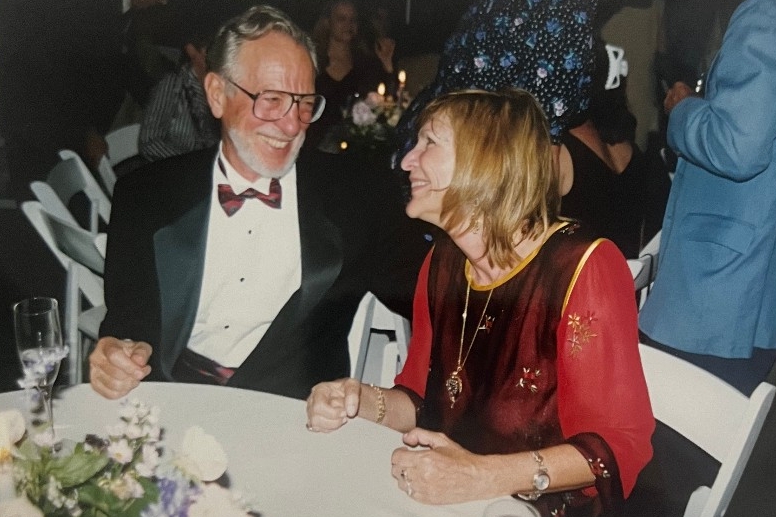
    Dr. Foa laughs with her husband, Charles Kahn.

    Private services are to be held later.

    Donations in her name may be made to the Philadelphia Museum of Art, 2600 Benjamin Franklin Parkway, Philadelphia, Pa. 19130; and the Philadelphia Orchestra, 300 S. Broad St., Philadelphia, Pa. 19102.

  • Actor James Tolkan of ‘Top Gun’ and ‘Back to the Future’ fame dies at 94

    Actor James Tolkan of ‘Top Gun’ and ‘Back to the Future’ fame dies at 94

    Actor James Tolkan, known for his roles as a cigar-chomping naval commander in Top Gun and a gruff high school administrator in Back to the Future, has died. He was 94.

    Mr. Tolkan died Thursday in Lake Placid, N.Y., where he lived, his booking agent, John Alcantar, said Saturday. A brief obituary published on the “Back to the Future” website said Mr. Tolkan died “peacefully,” but no cause of death was given.

    In Back to the Future, Mr. Tolkan portrayed the bow tie-wearing vice principal Gerald Strickland, who eyeballed students for trouble in the halls of the fictitious Hill Valley High School — in particular Marty McFly, played by Michael J. Fox.

    “You got a real attitude problem, McFly,” Mr. Tolkan’s character says in the 1985 film. “You’re a slacker. You remind me of your father when he went here. He was a slacker, too.”

    Mr. Tolkan also appeared in Top Gun as commanding officer Tom “Stinger” Jardian. Near the end of the film, when Jardian asks Tom Cruise’s character, Capt. Pete “Maverick” Mitchell, about his choice for future duty, Mitchell replies that he wants to be a Top Gun instructor.

    “God help us,” Mr. Tolkan’s character replies, laughing.

    Born in Calumet, Mich., Mr. Tolkan graduated from high school in Arizona and served in the Navy during the Korean War. He eventually made his way to New York, where he spent a quarter century acting in theater roles. He was a member of the original ensemble cast of Glengarry Glen Ross.

    Mr. Tolkan is survived by his wife of 54 years, Parmelee Welles, who said in a statement that her husband also was an avid art collector and adored animals.

  • Marilouise H. James, retired longtime schoolteacher and home and school visitor, has died at 101

    Marilouise H. James, retired longtime schoolteacher and home and school visitor, has died at 101

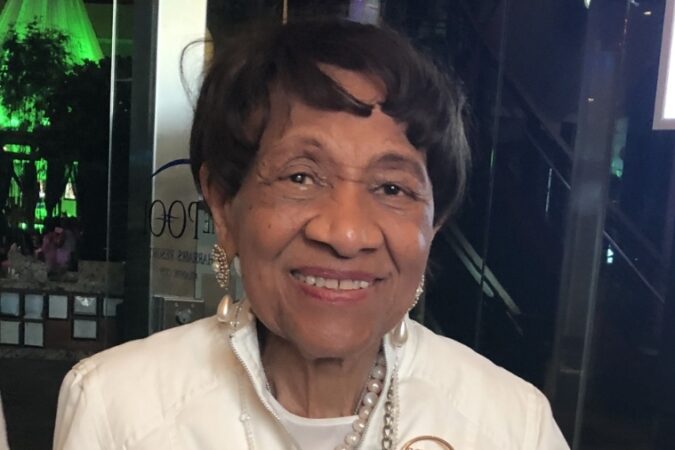
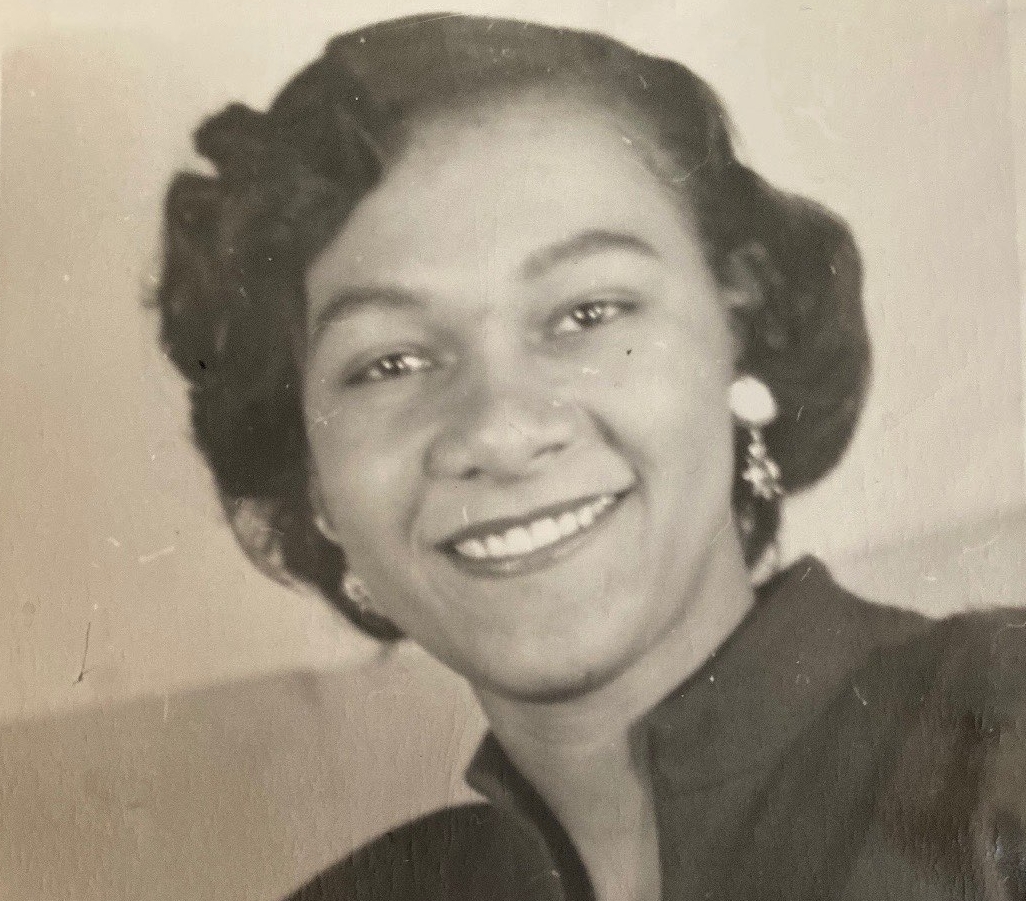
    Marilouise H. James, 101, formerly of Willingboro, a retired English and social studies teacher for the Philadelphia School District, certified home and school visitor, 80-year member of Alpha Kappa Alpha Sorority Inc., mentor, and volunteer, died Friday, Feb. 13, of age-associated decline at the Masonic Village retirement community in Burlington.

    Naturally empathetic and energetic, Mrs. James was skilled at spelling, language, and assisting students in school and families at home. Beginning in the late 1940s, she taught English and social studies at the old Sulzberger Middle School in West Philadelphia, social studies at Audenried Junior High School in South Philadelphia, and English at Northeast High School.

    She appreciated the beauty and nuances of the French language as a girl and earned second place in a statewide spelling bee in Delaware. Later, when she saw that students at Sulzberger had no French Club, she started one.

    “She was one of a kind,” said her niece Sonya Thompson. “Big smile. Big laughter. Big heart.”

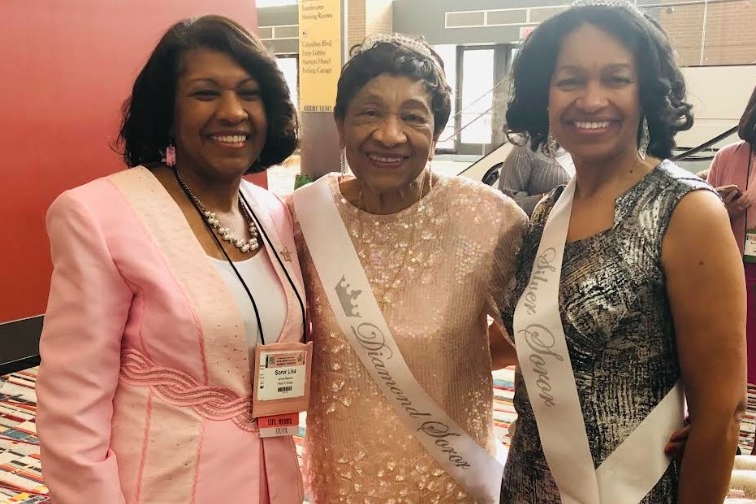
    Mrs. James (center) and her daughters, Lisa (left) and Shelley, all joined Alpha Kappa Alpha Sorority Inc.

    Mrs. James earned a bachelor’s degree in French at Temple University, a master’s degree in counseling at Antioch University, and teaching certifications in English, French, social studies, home and school visiting, and guidance counseling.

    When her children came along in the 1950s, she left the classroom and, as a school district home and school support expert, managed difficult situations regarding student truancy and behavior, and crisis intervention at homes. She retired in the late 1980s.

    “She was the easiest person to talk to,” said her daughter Lisa James-Beavers. “She was warm and never judgmental. She made you feel like she always knew you.”

    Mrs. James was an active mentor in Alpha Kappa Alpha for 80 years, and her sorority sisters threw a 101st birthday party for her last August. She was a charter member of the Gamma Epsilon chapter in Philadelphia in 1945, moved to the Theta Pi Omega chapter in South Jersey in 1969, and served as its vice president, secretary, assistant secretary, treasurer, and in other roles.

    Mrs. James graduated from Howard High School at 16 after skipping two grades.

    “If anyone ever needed a smile, Soror Marilouise was always there ready to share one,” a friend said on Facebook.

    She also joined the Sickle Cell Anemia Resources Board and the Board of the Black Adoption Consortium. She belonged to the Rancocas Valley chapter of the Links Inc. and was a charter member of the Burlington-Willingboro chapter of Jack and Jill of America Inc.

    She volunteered as a patient representative at what is now Virtua Willingboro Hospital and as a library assistant at Twin Hills Elementary School. “She was a walking, talking breath of fresh air,” her niece said. “She taught all of us that kindness matters. She always said, ‘I am doing the best I can for as long as I can.’”

    Friends called her “a radiant inspiration and a true joy” and “a beautiful phenomenal woman” in online tributes. Her family said: “She did not simply experience joy. She created it. She carried it into every room, poured it into every relationship, and planted it in the hearts of all who knew her.”

    Mrs. James (right) was fun and funny, her family said.

    Marilouise Holland was born Aug. 23, 1924, in Milford, Del. She grew up in Wilmington and graduated from Howard High School at 16 after skipping two grades.

    She met Raymond James in Philadelphia, and they married in 1953. They had a son, Dennis, and daughters Shelley and Lisa, and lived in Lansdowne before moving to Willingboro in 1969. Her husband died in 1979.

    Mrs. James was fun and funny, her family said. She had an infectious laugh, loved shopping, and was, they said, “always stylish from head to toe.”

    She enjoyed hosting her family for reunions. Her niece said: “Her hospitality was off the charts.” Her daughter Lisa said: “She was easy to be around.”

    Mrs. James (front right) enjoyed time with her family.

    She read often and belonged to a book club. She saw shows at the Walnut Street Theatre for more than 25 years and attended Corpus Christi Catholic Church in Willingboro.

    She liked pizza on Friday nights and doughnuts after Sunday Mass. Her family said it was only fitting that she died during Black History Month. Her life, they said, was “a reflection of the barriers she broke and the lasting legacy she carved.”

    In addition to her children, Mrs. James is survived by seven grandchildren, five great-grandchildren, a sister, and other relatives. A sister and a brother died earlier.

    Services were held earlier.

    Donations in her name may be made to the EAF Theta Pi Omega Chapter Scholarship Fund, Box 2902, Cherry Hill, N.J. 08034.

    Mrs. James (right) and her sister, Betty
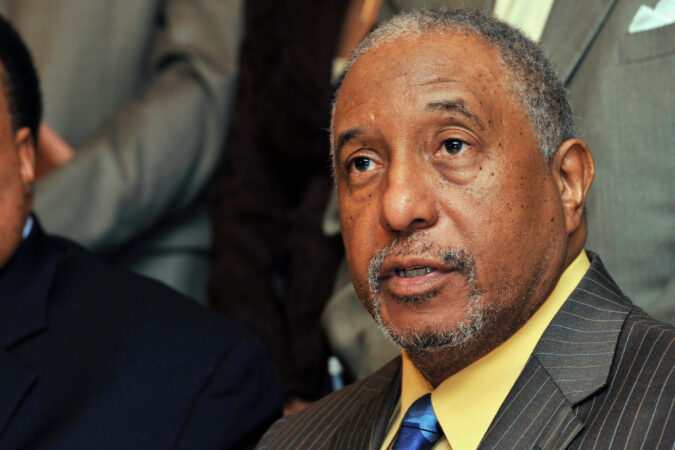
  • Bernard LaFayette, Selma voting rights organizer, has died at 85

    Bernard LaFayette, Selma voting rights organizer, has died at 85

    NASHVILLE — Bernard LaFayette, the advance man who did the risky groundwork for the voter registration campaign in Selma, Ala., that culminated in the passage of the Voting Rights Act of 1965, has died.

    Bernard LaFayette, III, said his father died Thursday morning of a heart attack. He was 85.

    On March 7, 1965, the beating of future congressman John Lewis and voting rights marchers on Selma’s Edmund Pettus Bridge led the evening news, shocking the nation’s conscience and pushing Congress to act. But two years before “Bloody Sunday,” it was Mr. LaFayette who quietly set the stage for Selma and the advances in voting rights that would follow.

    Mr. LaFayette was one of a delegation of Nashville students who in 1960 had helped found the Student Nonviolent Coordinating Committee, which organized desegregation and voting rights campaigns across the South. SNCC crossed Selma off its map after some initial scouting determined “the white folks were too mean and the Black folks were too scared,” Mr. LaFayette said.

    But he insisted on trying anyway. Named director of the Alabama Voter Registration Campaign in 1963, Mr. LaFayette moved to the town and, with his former wife Colia Liddell, gradually built the leadership capacity of the local people, convincing them change was possible and creating momentum that could not be stopped. He described this work in a 2013 memoir, In Peace and Freedom: My Journey in Selma.

    The many dangers Mr. LaFayette faced included an assassination attempt on the same night Medgar Evers was murdered in Mississippi, in what the FBI said was a conspiracy to kill civil rights workers. Mr. LaFayette was beaten outside his home before his assailant pointed a gun at him. His calls for help brought out a neighbor with a rifle. Mr. LaFayette found himself standing between the two men, asking his neighbor not to shoot.

    Mr. LaFayette said he felt “an extraordinary sense of internal strength instead of fear” at that moment. Rather than fight back, he looked his attacker in the eyes. Nonviolence is a fight “to win that person over, a struggle of the human spirit,” he wrote.

    He also acknowledged that his neighbor’s gun may have been what saved his life.

    Mr. LaFayette was already working on a new project in Chicago by the time his work in Selma came to fruition in 1965. He had planned to join the Selma-to-Montgomery march on day two, so he missed Bloody Sunday when the march was stopped by tear gas and club-wielding state troopers before it even got out of Selma.

    “I felt helpless at a distance,” he wrote. “I was stricken with grief, concerned that so many people in my beloved community were hurt, possibly killed.”

    But he shifted quickly, rounding up people in Chicago and arranging transport to Alabama for a second attempt. They set off two weeks later on what had become a victory march: President Lyndon Johnson had introduced the Voting Rights Act to Congress.

    Inspired by his grandmother

    Mr. LaFayette grew up in Tampa, Fla., where he recalled trying to board a trolley with his grandmother when he was 7 years old. Black passengers had to pay at the front, then walk to the back to climb on. But the conductor began to pull away before they could board, and his grandmother fell. He was too little to help.

    “I felt like a sword cut me in half, and I vowed I would do something about this problem one day,” he wrote in his memoir.

    It was his grandmother who decided he was destined to become a preacher. She arranged for him to attend Nashville’s American Baptist Theological Seminary (now American Baptist College), where he roomed with Lewis, and both helped lead the nonviolent civil disobedience campaign that led to Nashville becoming the first major Southern city to desegregate its downtown accommodations.

    President Barack Obama spoke about the roommates in a eulogy after Lewis died in 2020, recalling how they integrated a Greyhound bus while riding home for Christmas break (Lewis to Troy, Ala., and LaFayette to Tampa, Fla.) just weeks after the Supreme Court banned segregation in interstate travel in 1960.

    The two sat up front and refused to move, angering the driver, who stormed off at every stop, all through the night.

    “Imagine the courage of these two people … to challenge an entire infrastructure of oppression,” Obama said. “Nobody was there to protect them. There were no camera crews to record events.”

    Mr. LaFayette has said they didn’t fully realize the impact of all this work at the time.

    “We lived through this, but this was our daily lives,” he told the Associated Press in a 2021 interview. “When you think about it, we weren’t trying to make history or trying to rewrite history. We were responding to the problems of the particular time.”

    Freedom Rides of 1961

    In 1961, Mr. LaFayette dropped out of college in the middle of final exams to join an official Freedom Ride, one of many that sought to force Southern authorities to comply with the court’s ruling. He was beaten in Montgomery, Ala., and arrested in Jackson, Miss., becoming one of more than 300 Freedom Riders sent to Parchman Prison.

    Mr. LaFayette later trained Black youth to become leaders in the Chicago Freedom Movement and helped organize tenant unions.

    “The tenant protections we have today are really a direct outcome of that work in Chicago,” said Mary Lou Finley, a professor emeritus at Antioch University Seattle who worked with Mr. LaFayette in Chicago in the 1960s.

    And when he learned that one of his secretaries had two children sickened by lead — a huge problem that was not well understood at the time — Mr. Lafayette organized high school students to screen toddlers for lead poisoning by collecting urine samples, and prodded Chicago to help develop the nation’s first mass screening for lead poisoning, Finley said.

    “Bernard has always worked quietly behind the scenes,” said Finley, who later collaborated with Mr. LaFayette on nonviolence training. “He has avoided the spotlight. In some ways, I think he felt like he could do more if he were doing it quietly.”

    Mr. LaFayette also worked alongside Andrew Young and the Southern Christian Leadership Conference to prepare for the Rev. Dr. Martin Luther King Jr.’s ill-fated Northern campaign. Several of King’s marches were attacked by white mobs, but Mr. LaFayette and Young challenged the notion that the Chicago movement was a failure.

    Young noted in a 2021 interview that in Chicago they were trying to organize a population 20 times larger than Birmingham’s, while pursuing a range of difficult issues, from neighborhood integration to the quality of schools and jobs. “In each one of those we made progress,” Young said.

    By 1968, Mr. LaFayette was the national coordinator of the King’s Poor People’s Campaign and was with King at the Lorraine Motel on the morning of his assassination. King’s last words to him were about the need to institutionalize and internationalize the nonviolence movement. Mr. LaFayette made this his life’s mission.

    After King died, Mr. LaFayette returned to American Baptist to complete his bachelor’s degree and then earned a master’s and doctorate from Harvard University. Mr. LaFayette later served as director of Peace and Justice in Latin America; chairperson of the Consortium on Peace Research, Education and Development; director of the Center for Nonviolence and Peace Studies at the University of Rhode Island; distinguished senior scholar-in-residence at the Candler School of Theology, Emory University, Atlanta; and minister of the Westminster Presbyterian Church in Tuskegee, Ala., among other positions.

    “Bernard did work in Latin America. He did nonviolence workshops in South Africa with the African National Congress. He went to Nigeria when the civil war was happening there,” Young said. “Bernard literally went everywhere he was invited as sort of a global prophet of nonviolence.”

    In his memoir, Mr. LaFayette wrote that the ever-present threat of death during those early years of organizing taught him that the value of life “lies not in longevity, but in what people do to give it significance.”

  • Joseph E. McGettigan III, longtime trial lawyer and celebrated former prosecutor, has died at 76

    Joseph E. McGettigan III, longtime trial lawyer and celebrated former prosecutor, has died at 76

    Joseph E. McGettigan III, 76, of Media, longtime trial lawyer and legal consultant, former Philadelphia assistant district attorney, former Pennsylvania chief deputy attorney general, former Delaware County first assistant district attorney, former assistant U.S. attorney in Philadelphia, former Philadelphia first assistant district attorney, and former Pennsylvania senior deputy attorney general, died Thursday, Dec. 31, of lung inflammation at Lankenau Medical Center.

    Born in West Philadelphia and a graduate of Temple University, Mr. McGettigan was a legal expert in sexual assault and murder cases. He litigated in hundreds of trials over more than three decades as a prosecutor for city, county, state, and federal governments, and won notable convictions in the murder case against multimillionaire philanthropist John E. du Pont in 1997 and the child sexual abuse case against then-Pennsylvania State University assistant football coach Jerry Sandusky in 2012.

    He was, then-Delaware County District Attorney Patrick L. Meehan said in 1998, like “a fascinating character in a crime novel.”

    He worked for four Philadelphia district attorneys over two stints in City Hall and spent a year in Iraq in 2008 and 2009 as a U.S. government resident legal adviser working to reestablish a criminal justice system after the fall of Saddam Hussein. For most of the last decade, he worked for the Philadelphia law firm of McAndrews Mehalick Connolly Hulse & Ryan P. C. “He was a wonderful guy, a faithful citizen, and an incredible lawyer,” Dennis McAndrews, founder of the firm, said in an online tribute.

    The grandson of a Philadelphia police officer and son of a lawyer, Mr. McGettigan prosecuted one of the first sex-abuse cases involving a priest from the Archdiocese of Philadelphia in 1985 and oversaw a state Senate absentee-ballot scam case in 1993. “I’m not shocked by much of human depravity,” he said in a 2018 video interview with lifelong friend Dom Irrera. “I’ve seen a fair amount of it.”

    In an online tribute, Judge Jack Stollsteimer of Delaware County Court called Mr. McGettigan a “legendary prosecutor, a larger-than-life personality, and an avenging hero to crime victims across our Commonwealth.” He was a favorite of the City Hall crowd, and colleagues called him “a true public servant,” “a great guy with a wonderful heart,” and “an extraordinary presence in the courtroom.”

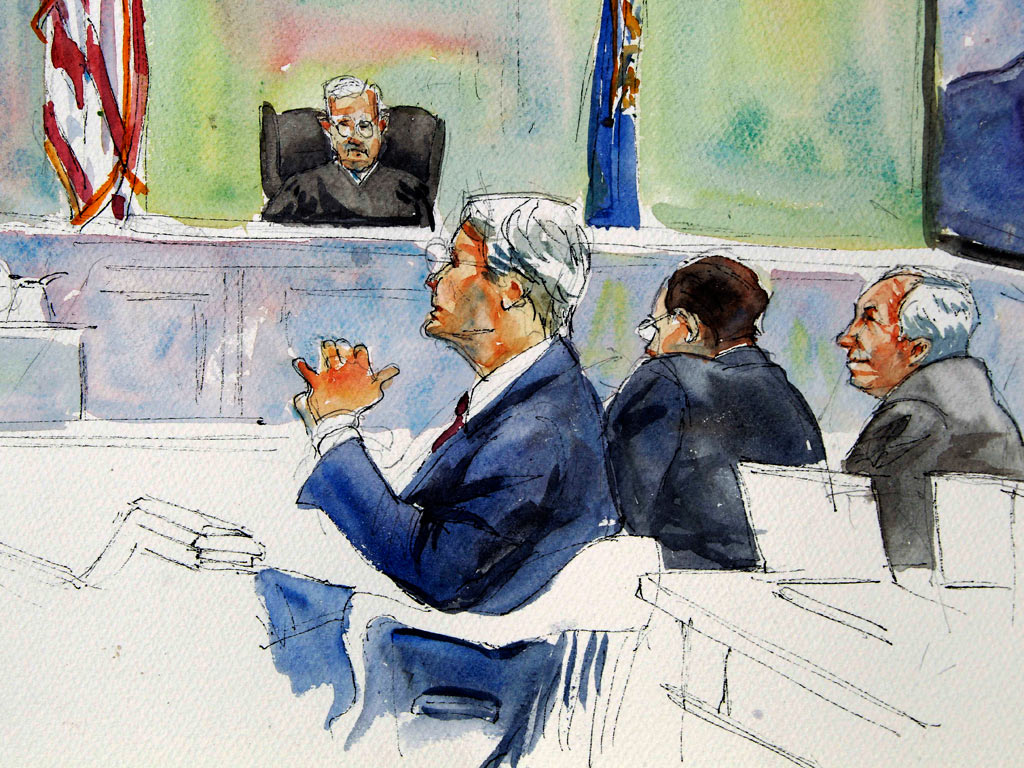
    Mr. McGettigan (foreground) is shown in this courtroom sketch during the Jerry Sandusky trial in 2012.

    Even those with whom he clashed praised Mr. McGettigan. Thomas A. Bergstrom, the Philadelphia lawyer who represented du Pont, said in 2011: “He’s a formidable adversary … very principled. If Joe doesn’t agree with you, he’ll let you know. If he’s going to hit you, it will be a punch in the nose, not a stab in the back.”

    Witty and naturally engaging, Mr. McGettigan interrupted his legal career after the du Pont case to work briefly in Hollywood as a legal content adviser for the short-lived TV series Philly. The show starred Kim Delaney as a tough defense attorney in Philadelphia, and Mr. McGettigan played a police detective, not a prosecutor, in a courtroom scene in one episode in 2002.

    He also worked briefly as a consultant and manager for a private security company in Virginia, was a legal analyst for TV talk shows, and mentored other lawyers. He graduated summa cum laude with a bachelor’s degree in English literature from Temple and earned his law degree at the University of San Diego School of Law in 1982.

    Mr. McGettigan played basketball in high school, on Philly playgrounds, and later whenever he could. Longtime college basketball coach and lifelong friend Fran O’Hanlon called him “a great friend who would do anything for you.”

    His sister Mary said: “He was complex. He appeared often to be a hard-nose tough guy. But there was a soft side to him. He wanted to help people who were vulnerable.” His sister Patty said: “He left the world a better place.”

    Joseph Edward McGettigan III was born March 5, 1949. An altar boy at church, he grew up with six sisters and a brother, and he instigated many dinner-table debates with his siblings and parents about all kinds of subjects.

    “He kept us on our toes,” his sister Mary said. “He had a strong sense of justice, of doing the right thing.”

    Mr. McGettigan (second from right) liked nothing better than playing hoops with friends.

    He married Gay Warren, and they lived in Media and Naples, Fla. “Gay was Joe’s rock,” his sister Mary said. “He was devoted to her, and she to him.”

    Mr. McGettigan loved music, reading, and writing, and told Irrera in 2018 that his favorite authors were William Shakespeare and Joseph Conrad. He was fun and funny, his siblings said, a raconteur with a large personality.

    “Joe was an outlier in a family of bookish nerds,” his sister Jeanne said. “We followed his youthful adventures with great amusement and his later accomplishments with pride and respect. His generosity changed lives for the better.”

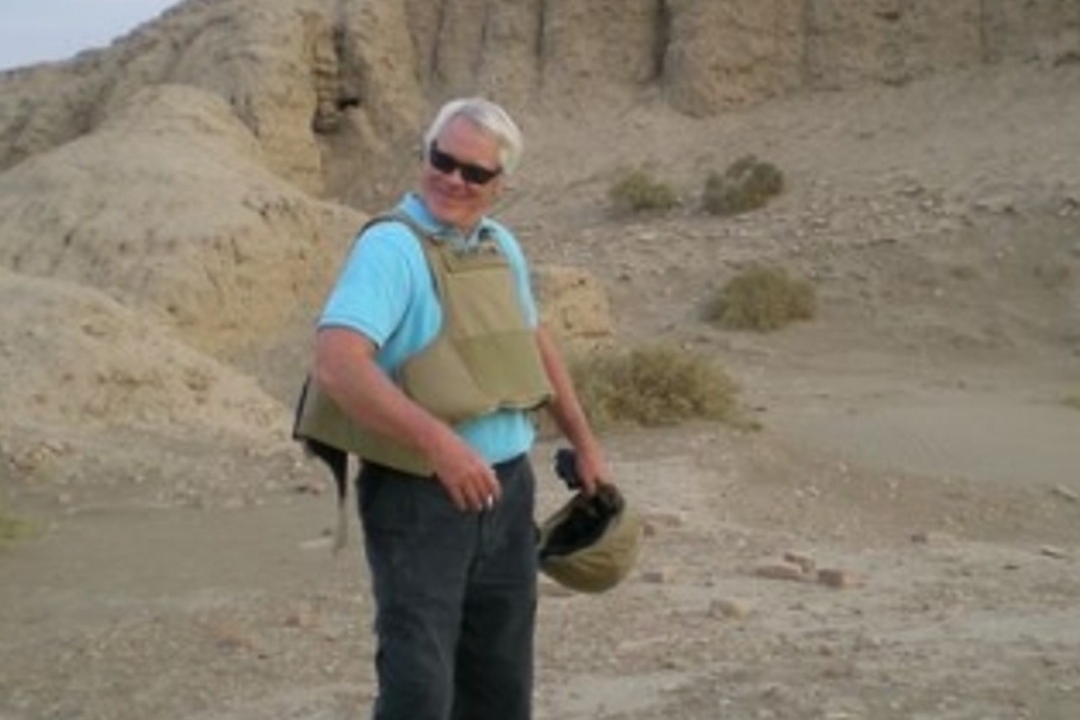
    Mr. McGettigan spent a year in Iraq helping local officials revive their justice system.

    One time, when they were young, his brother Michael tried to lie about losing Mr. McGettigan’s football. So Mr. McGettigan grilled him about the details and eventually extracted a confession.

    “I gave it all up,” Michael McGettigan said, “the first of many malefactors to find relief in telling the whole truth and nothing but to Joseph E. McGettigan III.”

    In addition to his wife and siblings, Mr. McGettigan is survived by his mother, Ruth, and other relatives. A sister died earlier.

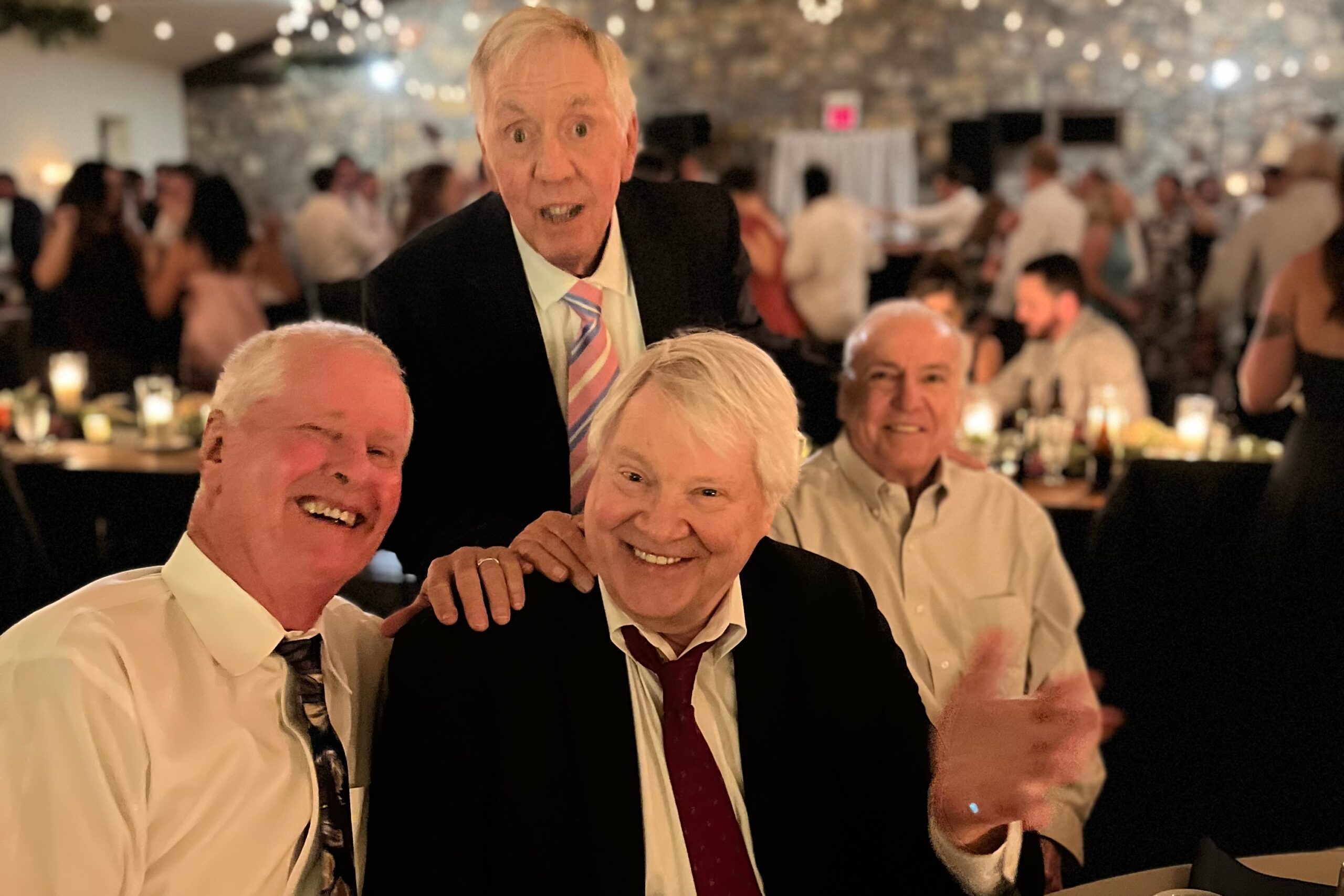
    Mr. McGettigan (front right) always seemed to be surrounded by friends.

    Visitation with the family is to be from 10 to 10:45 a.m. Saturday, March 7, at St. Francis de Sales Church, 4625 Springfield Ave., Philadelphia, Pa. 19143. A Funeral Mass is to follow at 11 a.m.

    Donations in his name may be made to the Tunnel to Towers Foundation, 2361 Hylan Blvd., Staten Island, N.Y. 10306.

    “Everyone wanted to be Joe’s friend,” a colleague said in a tribute. 
  • South Africa’s anti-apartheid veteran and ex-defense minister Mosiuoa ‘Terror’ Lekota dies at 77

    South Africa’s anti-apartheid veteran and ex-defense minister Mosiuoa ‘Terror’ Lekota dies at 77

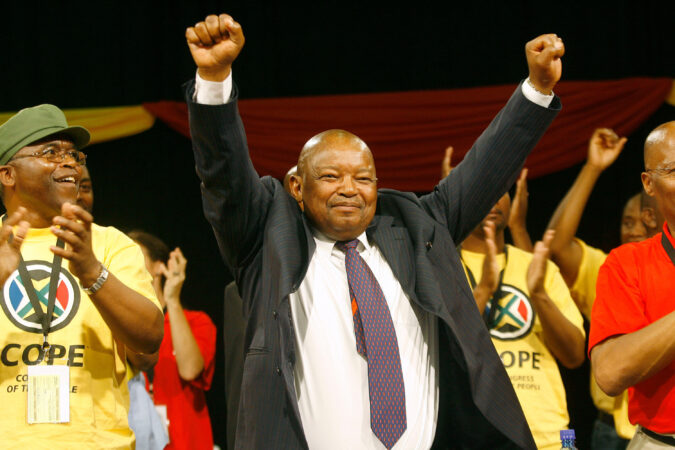
    JOHANNESBURG, South Africa — Mosiuoa “Terror” Lekota, 77, a South African anti-apartheid veteran and former defense minister, has died after a long illness, his political party said Wednesday.

    Mr. Lekota was a prominent activist against white minority rule in South Africa and served eight years in prison on Robben Island alongside other jailed anti-apartheid figures, including Nelson Mandela, from 1974 to 1982.

    Mr. Lekota was a fiery member of various political youth organizations during apartheid and was jailed even after he was released from Robben Island for his continued anti-apartheid activism.

    He served as South Africa’s minister of defense from 1999 to 2008 and was also the national chairperson of the African National Congress, which governed the country after the first democratic election in 1994.

    However, Mr. Lekota’s relationship with the ANC soured after former President Thabo Mbeki was removed as the country’s president in 2008, having lost the presidency of the ANC to former President Jacob Zuma in 2007.

    Mr. Lekota formed a breakaway party, the Congress of the People (COPE), which contested the 2009 elections. It became the third-biggest opposition party, with just over 7% of the national vote and 30 seats in South Africa’s 400-member parliament.

    The breakaway led to a significant decline in the ANC’s electoral support in 2009, with many former ANC members and leaders leaving the party to join Mr. Lekota’s new political outfit.

    In 2024, the ANC lost its outright majority for the first time and is now the biggest party in a coalition government.

    In addition to his accolades as a political activist, Mr. Lekota was well respected as a long-serving lawmaker and political leader who strengthened the voice of opposition parties.

    However, factional struggles within COPE led to its gradual decline and its failure to win any parliamentary seats during the 2024 general elections, ending Mr. Lekota’s career as a lawmaker.

    In 2025 he stepped away from politics for health reasons, with his party appointing an acting leader after his departure.

    Tributes poured in from across South Africa’s political landscape.

    “He decided to leave the ANC and formed COPE with other South Africans; by doing so he literally strengthened the opposition parties,” said Bantu Holomisa, South Africa’s deputy minister of defense and leader of the opposition United Democratic Movement party.

    “His role was not doubted, because he and others from the ANC did understand the passage of the struggle. And they knew very well what was the original agenda, which seemed to have been hijacked,” Holomisa said.

  • Philip C. Ricci, retired Catholic monsignor and founding pastor emeritus of Mary, Mother of the Redeemer Parish in North Wales, has died at 90

    Philip C. Ricci, retired Catholic monsignor and founding pastor emeritus of Mary, Mother of the Redeemer Parish in North Wales, has died at 90

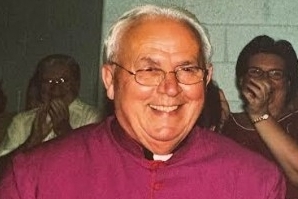
    Philip C. Ricci, 90, formerly of Conshohocken, retired Catholic monsignor, founding pastor emeritus at Mary, Mother of the Redeemer Parish in North Wales, talented pianist, singer, artist, and mentor, died Saturday, Feb. 14, of complications after a fall at Villa St. Joseph senior living community in Darby.

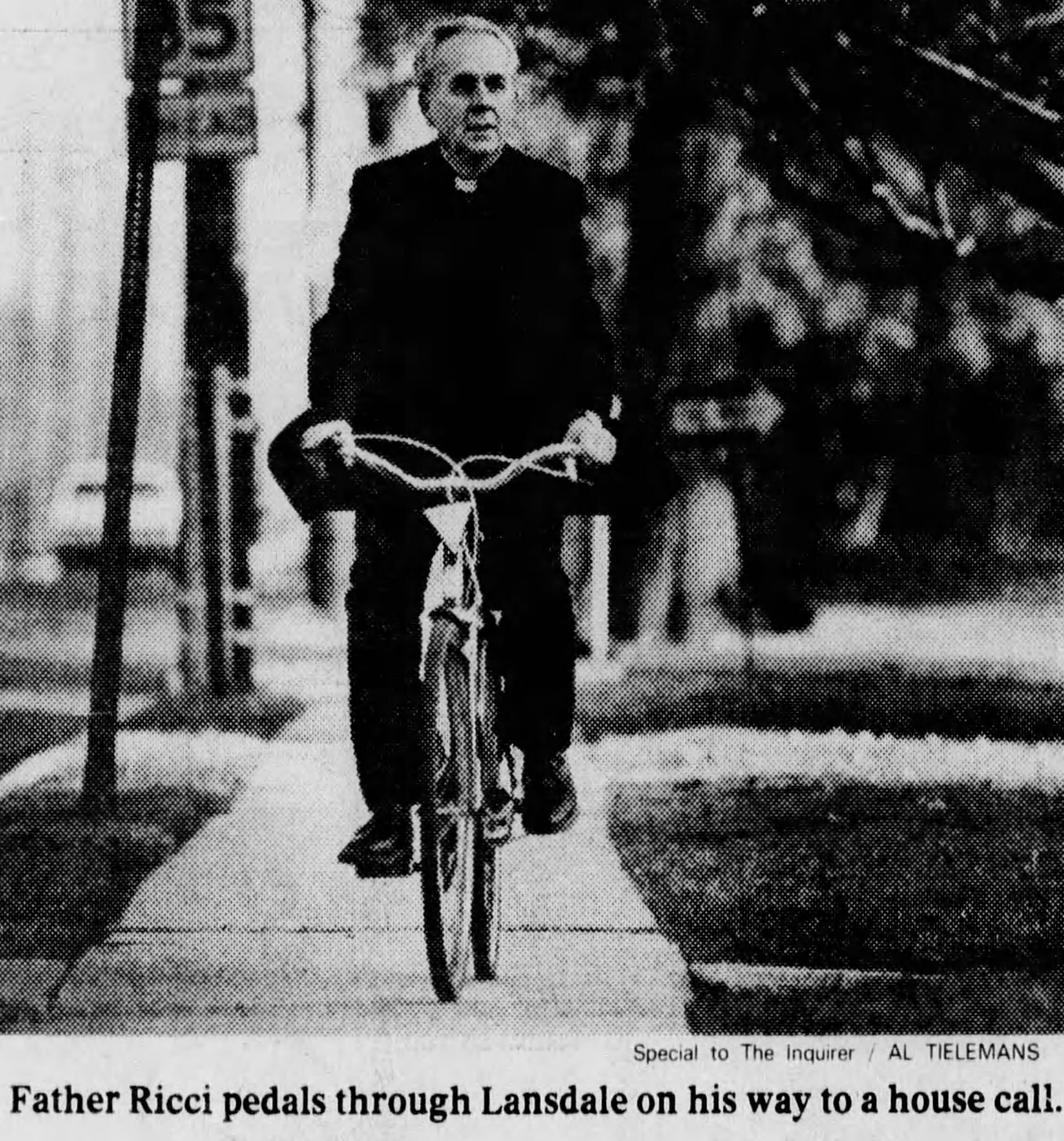
    Ordained in 1965 by Cardinal John Krol, Msgr. Ricci was named founding pastor of Mary, Mother of the Redeemer Parish in 1987. Over the next 23 years, until his retirement in 2010, Msgr. Ricci worked many 16-hour days, made spiritual house calls on bicycle, spurred significant fundraising, and helped grow the Montgomery County parish from 600 founding families to 3,500.

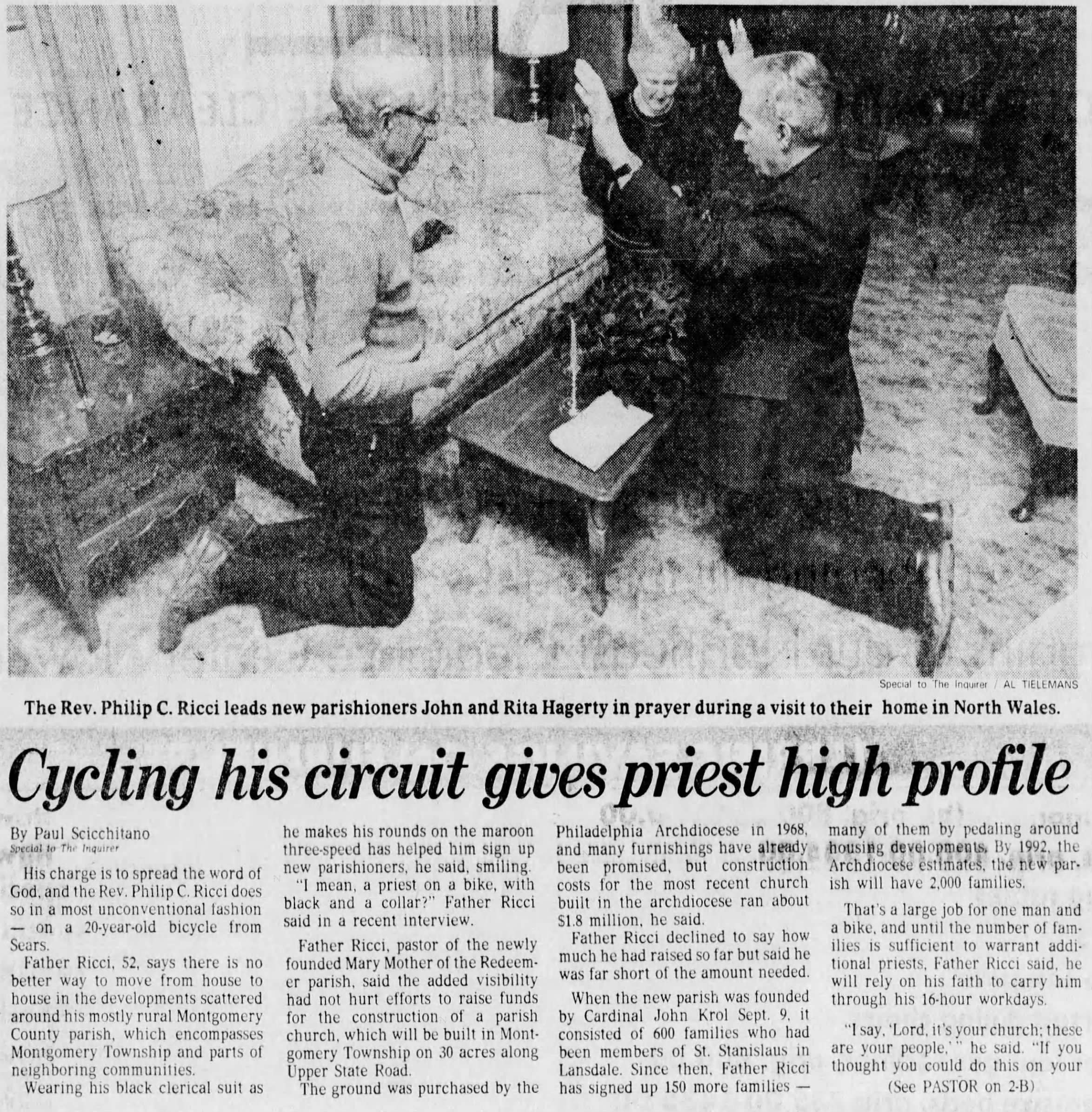
    The Inquirer wrote about his house calls in 1987 and opened the story with: “His charge is to spread the word of God, and the Rev. Philip C. Ricci does so in a most unconventional fashion — on a 20-year-old bicycle from Sears.”

    He supervised construction of a new church building in 1991 and a Catholic Education Center and school in 2003. He officiated at hundreds of weddings, baptisms, and funerals, served as a mentor to other priests, and was, according to one parishioner, “our guiding light in the darkness.”

    His niece, Christine, said: “He could talk to anybody about anything.”

    Msgr. Ricci lived and held services in a 200-year-old farmhouse from 1987 until the new church building was completed. Pope John Paul II elevated him to monsignor in 2003.

    He was active with school activities, and his homilies were often about mercy and compassion. In 2010, he told members of his congregation at a retirement celebration: “We must always accept people where they are and then allow God’s grace to work in patient understanding.”

    In an online tribute, colleagues at St. Matthew Parish in Conshohocken said his “kindness, wisdom, and steady presence touched countless lives.” Others called him “the perfect priest” and “the epitome of what a Catholic priest should be.” One friend said: “He was without a doubt the nicest person I have ever met.”

    In a tribute, his family said: “His priesthood was not simply a role. It was the core of who he was.”

    Msgr. Ricci first served in the 1960s as a chaplain at the old Holmesburg Prison in Philadelphia and pastor at the Riverview Home for the Aged and St. Margaret’s Home for Girls. He went on to be assistant pastor at St. Joseph Parish in Ambler, St. Stanislaus Parish in Lansdale, St. Anastasia Parish in Newtown Square, and St. Margaret Parish in Narberth.

    In 1974, he became spiritual director of the college division at St. Charles Borromeo Seminary. He also earned a master’s degree in spirituality from Creighton University in Nebraska.

    Ministering to people, no matter where he was, he told the Main Line Times in 2010, was personal. “You don’t go out forming community,” he said. “You go out and form one-on-one. I can’t separate who I am as a man, as a Christian, and as a priest.”

    The Inquirer published a story about Monsignor Ricci making spiritual house calls on his bicycle in 1987.

    Msgr. Ricci played piano and sang before church services and after Communion. He directed choirs, and friends presented him with his own piano at his retirement.

    He returned to his family home in Conshohocken after leaving Mary, Mother of the Redeemer but continued to assist others at nearby parishes and visit those in hospitals and nursing homes. “Father was a Renaissance man, an artist, musician, writer, deep thinker,” a former colleague said on Facebook. “He could speak about the liturgy or the Eagles, the football team or the band. He related well to everyone regardless of age, religion, or background.”

    Philip Cosmo Ricci was born Sept. 26, 1935, in Conshohocken. He graduated from the old Conshohocken High School, took night classes at the University of Pennsylvania’s Wharton School, and, inspired by his parents, entered St. Charles Borromeo Seminary to study the priesthood.

    “When the Lord wants you, he gets you,” he told the Main Line Times. “I couldn’t fight it. It was always there.”

    Monsignor Ricci’s house calls were featured in this 1987 Inquirer article.

    He played piano in a dance band when he was young and enjoyed gardening. He was good at drawing and cooking. He followed the Eagles, Phillies, and 76ers, and invented a beanbag toss game the family played at gatherings.

    It was fitting, his niece said, that he died on Valentine’s Day because he embraced love and service to others. “Faith for Uncle Phil was never theoretical,” she said. “It was lived. It was action. It was presence.”

    In addition to his niece, Msgr. Ricci is survived by his brothers, John and Francis, and other relatives. A sister died earlier.

    Services were held earlier.

    Donations in his name may be made to Villa St. Joseph, 1436 Lansdowne Ave., Darby, Pa. 19023; and Mary, Mother of the Redeemer Parish, 1325 Upper State Rd., North Wales, Pa. 19454.

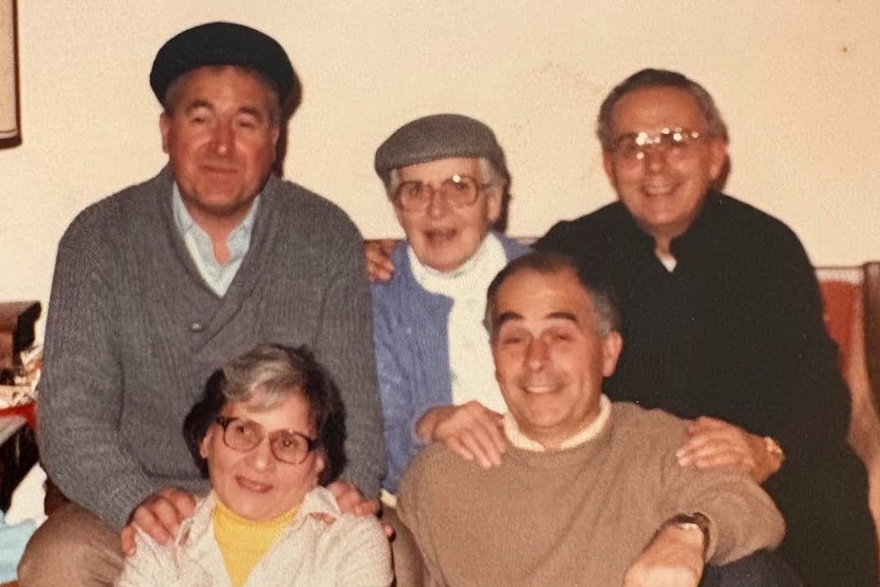
    Monsignor Ricci (rear right) enjoyed time with his family.
  • Boyd Sands, Hall of Fame educator and retired executive director of the New Jersey State Interscholastic Athletic Association, has died at 88

    Boyd Sands, Hall of Fame educator and retired executive director of the New Jersey State Interscholastic Athletic Association, has died at 88

    Boyd Sands, 88, formerly of Glassboro, Gloucester County, retired teacher, coach, principal, and superintendent of the Delsea Regional School District, and Hall of Fame former executive director of the New Jersey State Interscholastic Athletic Association, died Saturday, Jan. 17, of complications from a stroke at Cape Canaveral Hospital in Florida.

    An All-Star football player in high school and college, and a longtime baseball umpire and basketball referee, Mr. Sands directed the NJSIAA from 1993 to his retirement in 2006. He and the association’s executive committee organized hundreds of statewide championship playoff tournaments, hired thousands of game officials, and enforced eligibility and sportsmanship rules for high school athletes in more than 30 sports at more than 400 public and private high schools.

    He was an expert on all kinds of rules and a champion of the state’s expanded football playoff format and more programs for girls. He oversaw ever-changing conference alignments and supervised the association’s multimillion dollar budget.

    He attracted dozens of corporate sponsorships to fund new initiatives regarding improved officiating, violence at sports events, and drug education. He forged working relationships with the state’s Sports and Exposition Authority, Boardwalk Hall in Atlantic City, the NHL’s New Jersey Devils, and other organizations.

    Overall, Mr. Sands served more than three decades as a member of the NJSIAA advisory committee and executive committee, and executive director. In an online tribute, former colleagues there called him “a respected leader in education and sport. A consummate professional.”

    Steve Timko, his successor as executive director, told the Times of Trenton in 2005: “He has taken the association to the next level.” In 2003, Mr. Sands told the Record of Hackensack: “I really just enjoy high school athletics.”

    He joined Delsea in 1966 as assistant principal, was promoted to principal, and served as district superintendent from 1971 to 1994. Before school, he was known to greet students as they exited the buses in the morning. After school, he handed out programs at events, prowled the sidelines at Delsea, and officiated games at other high schools.

    He taught social studies and coached football for six years at two high schools in North Jersey before going to Delsea. He oversaw the building of the district’s middle school in the 1970s, and colleagues named the entrance road leading to the new building after him.

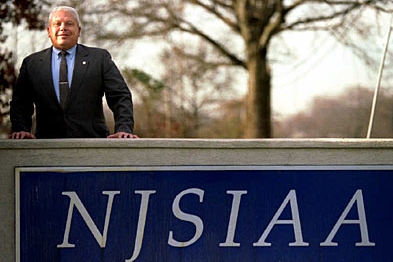
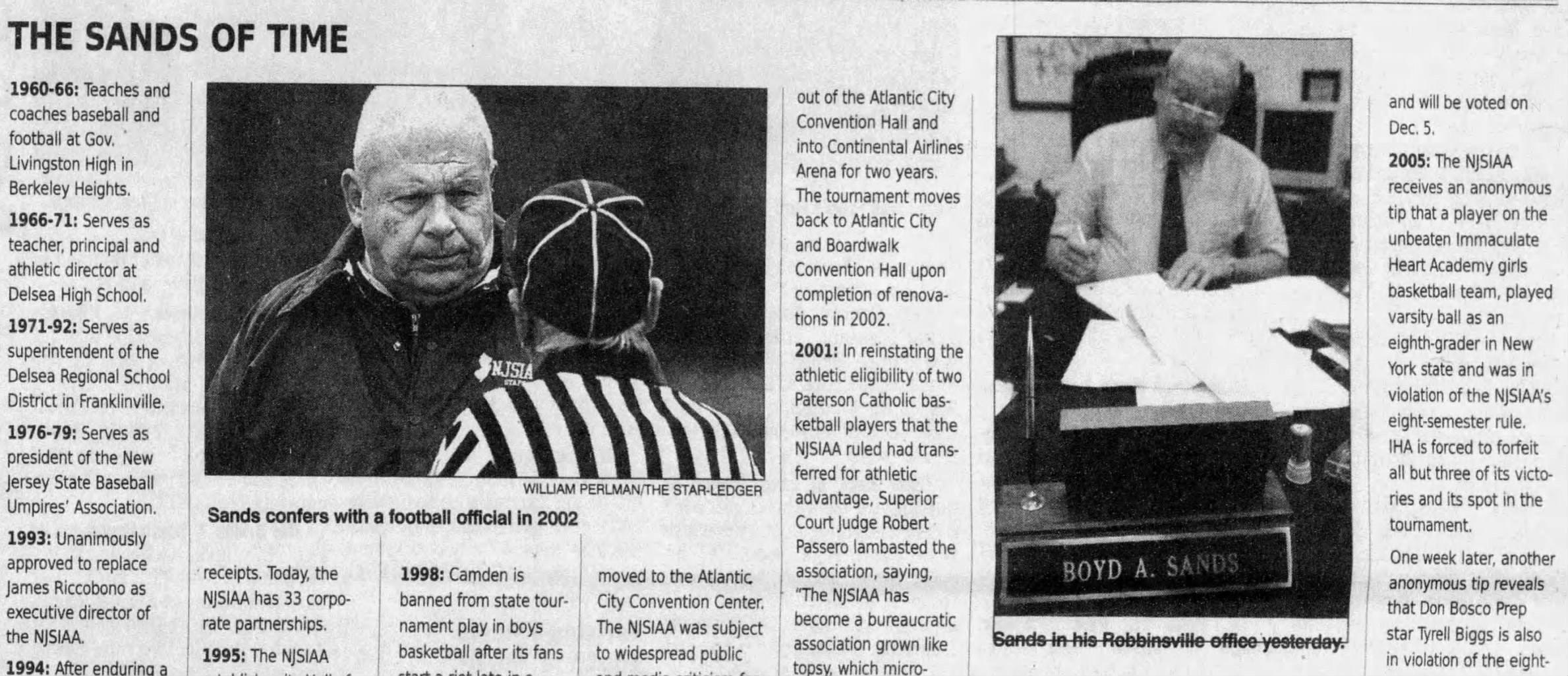
    The Star-Ledger of Newark featured Mr. Sands when he announced his retirement from the NJSIAA in 2005.

    “His influence lives on in the students he inspired, the educators he mentored, and the community he helped shape,” Delsea superintendent Fran Ciociola said in a tribute.

    Mr. Sands was onetime president of the Camden County chapter of the New Jersey Baseball Umpires Association. He won achievement awards from the NJSIAA, the National Federation of Interscholastic Athletic Officials, and the Union County Interscholastic Athletic Conference.

    He was an executive committee member of the National Federation of State High School Associations and lifetime member of the International Association of Approved Basketball Officials. “His spirit, kindness, and dedication will be remembered always,” colleagues at the IAABO said in a tribute.

    Mr. Sands was inducted into the Gloucester County Sports Hall of Fame in 1989, the NJSIAA Hall of Fame in 2007, and the South Jersey Baseball Hall of Fame in 2009. He attended many continuing education classes and earned certifications at Rowan, Rutgers, and Seton Hall Universities, and elsewhere.

    Mr. Sands liked nothing more than attending a football game.

    He never changed his signature flattop crew cut. “Bear of a man, great guy,” a former student said in a Facebook tribute. A friend said online: “Boyd was a wonderful man and terrific mentor.”

    Boyd August Sands was born Feb. 16, 1937, in Newark, N.J. He played football and basketball in high school, and earned a bachelor’s degree in education at Colby College in Maine and a master’s degree in administration at what is now Kean University in New Jersey.

    He met Frances Curto at a New Year’s Eve party, and they married in 1958. They lived in North Jersey, moved to Glassboro when he worked at Delsea, and had daughters Susan, Nancy, Karen, and Lori, and a son, Michael. His son died earlier.

    Mr. Sands studied history and enjoyed road trips to family reunions in Florida and stops at historical sites along the way. He loved his dogs, followed the Eagles and Phillies closely, and was sure to be greeted by former students and old colleagues whenever the family went out.

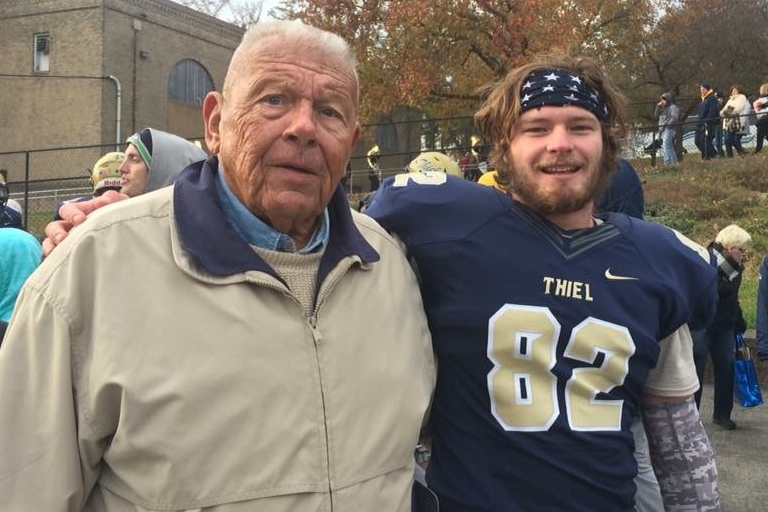
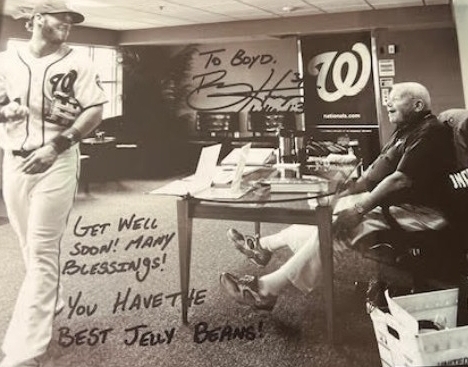
    Mr. Sands (right) became friendly with baseball star Bryce Harper when he worked at the Washington Nationals’ spring training complex in Florida.

    He and his wife moved to Cape Canaveral in 2006, and he helped run spring training for the Washington Nationals baseball team and worked security for a cruise line. He had bypass surgery in 2015.

    “My father was a man who found joy in two of life’s greatest gifts: family and sports,” said his daughter Nancy. “My dad was a man who always showed up and pushed us hard to do our best.”

    His daughter Susan said: “He saw everyone as a person.”

    Nearly everyone has a memorable umpiring story about Mr. Sands, like the time he got drilled by a line drive down the first base line. In 1994, he told The Inquirer that he enjoyed officiating high school baseball and basketball games more than anything.

    “It was my hobby and outlet,” he said. “I tried golf, and I figured I’d rather get hit by a hard ball.”

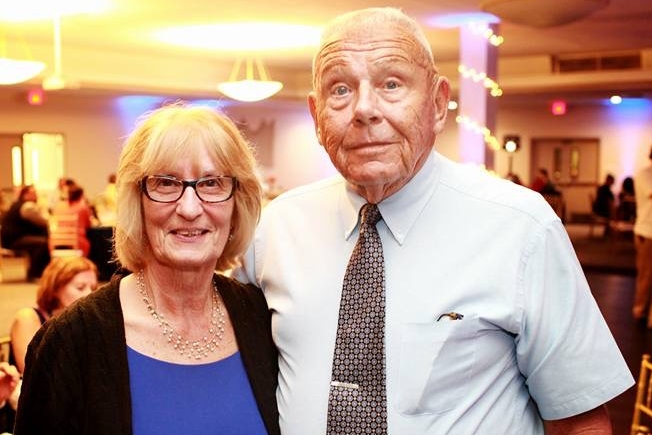
    Mr. Sands and his wife, Frances, married in 1958.

    In addition to his wife and daughters, Mr. Sands is survived by 16 grandchildren, 28 great-grandchildren, a brother, and other relatives. A brother died earlier.

    Services were held earlier.

    Donations in his name may be made to the Brevard County Sheriff’s Office Animal Care Center, 5100 W. Eau Gallie Blvd., Melbourne, Fla. 32934; and the Church of Our Saviour, 5301 N. Atlantic Ave., Cocoa Beach, Fla. 32931.

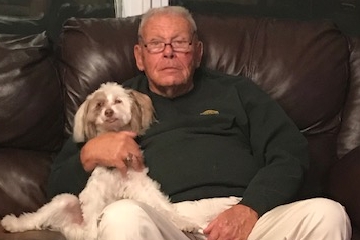
    Mr. Sands enjoyed time with his dogs.
  • Juan Valdez, 88, the last Marine to leave Vietnam, has died

    Juan Valdez, 88, the last Marine to leave Vietnam, has died

    Standing on the U.S. Embassy roof as tanks rumbled toward Saigon and gunfire rang out below, Juan Valdez wondered if he and his fellow Marines might have actually been forgotten.

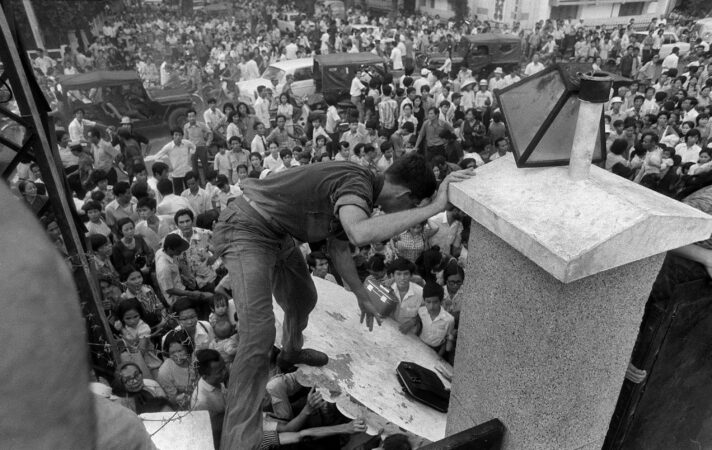
    Working through the night, as a mob of desperate people pressed against the compound’s gates and spilled over its walls, he had helped evacuate nearly 2,100 Americans and Vietnamese fleeing the collapse of South Vietnam. But after Ambassador Graham Martin was airlifted to safety with the embassy’s American flag, the helicopter evacuation had been canceled — the result of a misunderstanding, as air staff didn’t realize a group of Marines was still waiting to be picked up.

    A call for help went out. And Master Sgt. Valdez waited for what “seemed like an eternity” for the last helicopter to arrive.

    When it landed, he nearly didn’t make it on board. After telling his 10 fellow Marines to get on, and waiting to ensure they boarded safely, he slipped as he stepped onto the ramp. The helicopter began to take off as one of the Marines, Mike Sullivan, did a head count. They were one man short.

    “I remember looking at the ramp, and two hands were over the top of it,” Sullivan recalled in Last Days in Vietnam, an Oscar-nominated 2014 documentary. Master Sgt. Valdez was yanked on board as the chopper departed.

    It was 7:58 a.m. on April 30, 1975, just a few hours before the North Vietnamese burst through the gates of the presidential palace, hoisted a Viet Cong flag, and celebrated the end of a war that had lasted 20 years, costing the lives of more than 58,000 Americans and untold Vietnamese.

    Master Sgt. Valdez, the last Marine to leave Vietnam, was 88 when he died Feb. 15 in Tucson, Ariz., where he was living. To the leathernecks who served under him, it was only fitting that he was the last of their unit to depart Saigon.

    “He was a model leader, always looking after his troops,” said one of those Marines, Doug Potratz. “When I went to his house 40 years after the fall of Saigon, he had all our individual ID pictures on the mantel of his fireplace. He never forgot us.”

    “In some ways he was like a dad to us,” said Dave Norman, one of the 11 Marines on the last helicopter out of Saigon. “But in other ways he was like a principal. If you screwed up, you didn’t want to be in the principal’s office.”

    Mr. Valdez spent 32 years in the Marine Corps, retiring in 1987 as a master gunnery sergeant. Even then, he remained intimately involved with the Corps, working as a civilian in the housing office of Camp Pendleton, the primary Marine base on the West Coast.

    “He was always a Marine, taking care of Marines,” Potratz said.

    During his first tour in Vietnam, from 1965 to 1967, Mr. Valdez served as a platoon sergeant in an amphibious assault vehicle unit. He returned to the country in September 1974 as the top noncommissioned officer — affectionately known as “Top” — in the embassy’s Marine security guard detachment, with a commander, Maj. James Kean, who was based out of Hong Kong before being summoned to Saigon.

    Following the departure of American combat troops in 1973, the embassy Marines were among the last U.S. service members in Vietnam. “We were there to protect American lives, as well as American property. It was just a day-to-day job,” Mr. Valdez said.

    As the North Vietnamese advanced toward the capital, he and Kean played a critical role evacuating Americans and their allies. More than 50,000 people were flown out of Tan Son Nhut Air Base before rocket and artillery fire made the flights unsafe. Some 7,000 others were then airlifted as part of Operation Frequent Wind, the final stage of the evacuation, which the U.S. military later called the largest helicopter evacuation in history.

    At the embassy, helicopters landed every 10 minutes on the roof or in the parking lot, where Marines chopped down a tamarind tree to expand the makeshift landing zone.

    The operation got underway on April 29, 1975, after two of the detachment’s young Marines, Darwin Judge and Charles McMahon, were killed in a predawn rocket attack at Tan Son Nhut. Later that day, Armed Forces Radio delivered a not-so-secret signal to indicate that the airlift was on.

    “The temperature in Saigon is 105 degrees and rising,” an announcer intoned. Then the station played the holiday song “White Christmas.”

    Master Sgt. Valdez and Kean “didn’t pull any punches,” Potratz said in a phone interview. “They got us in the conference room after Judge and McMahon were killed. They said, ‘There are almost 100,000 North Vietnamese surrounding the city. We don’t know if they’re going to evacuate us or not. But if we die, we die like Marines.’ That kind of stuck to us. After that, we stuck together and did the best we could.”

    As thousands of people rushed to the embassy, Master Sgt. Valdez and other Marines guarded the perimeter. He later recalled lifting people over the gates, helping them inside the compound before realizing there wouldn’t be enough helicopters to evacuate everyone.

    “Please, at least take my children out,” he was told by parents. “I’ll stay, but take my little girl now.”

    Those who were allowed into the compound were searched for weapons — guns were thrown into the embassy pool — before being escorted to a helicopter.

    According to Kean’s after-action report, some 10,000 people eventually breached the embassy gates. Master Sgt. Valdez and the remaining Marines prepared to be evacuated while locking down the elevators and barricading doors, using fire extinguishers and other equipment to block off the rooftop.

    For many, images of the chaotic withdrawal came to symbolize the futility of a war that should never have been prolonged, let alone started.

    Mr. Valdez said that the departure was painfully resonant in 2021, when the U.S. withdrawal from Afghanistan ended in chaos and bloodshed. As he saw it, the U.S. had repeated some of the same mistakes in both wars.

    “We spent so much money, so many weapons, and so many Marine and Army deaths, and for what?” he asked in an interview with Noticias Telemundo. “For what?”

    Juan Jose Valdez was born in San Antonio, Texas, on Aug. 19, 1937. His father was a landscaper, and his mother was a homemaker from Mexico. He enlisted in the Marines in 1955, at age 17.

    Mr. Valdez died of pneumonia, said his sons Anthony and Michael Valdez. In addition to his children, survivors include a brother; two sisters; a grandson; and three great-granddaughters.

    Late in life, Mr. Valdez participated in frequent reunions with his Vietnam detachment, including in a 2015 trip to Saigon — now Ho Chi Minh City — where a plaque was dedicated to McMahon and Judge, the last Americans killed in action on the ground in Vietnam. The unit’s surviving members had reconnected in 2000, when they traveled to Judge’s Iowa hometown for a memorial service honoring their fallen comrades.

    “For a period I went through survivor guilt,” Mr. Valdez said in prepared remarks for the service. “Why wasn’t it me instead. Why did I, who had been in country longer, and had already served a previous tour in Vietnam, lived and these two men died. There were, and still are, no easy answers.”

    But “more than anything else,” he added, “we need one another now. Each of us grieves, and when we grieve together, the healing begins.”