Category: Commentary

  • Threat to prosecute lawmakers for speech is scary (and probably unconstitutional)

    Threat to prosecute lawmakers for speech is scary (and probably unconstitutional)

    “I do solemnly swear that I will support and defend the Constitution of the United States against all enemies, foreign and domestic … and that I will obey the orders of the President of the United States and the orders of the officers appointed over me,” according to law.

    Military and intelligence community members were recently reminded of this oath when, on Nov. 18, six members of Congress released a direct-to-camera video, telling service members that they “can refuse illegal orders.”

    In response, the president unleashed a spate of social media posts calling for the lawmakers to be jailed, charged, and even executed. He subsequently doubled down on his threats of arrest and prosecution.

    If there were any doubt whether the president’s words were empty rhetoric, look no further than the just-dismissed case against former FBI Director James Comey, who, after the president directed Attorney General Pam Bondi to pursue Comey via a Truth Social post, found himself under federal indictment weeks later.

    The First Amendment does not permit the government to prosecute lawmakers for telling service members to hold the line against unlawful orders.

    With a U.S. Department of Justice willing to pursue political prosecutions, another round of charges is almost certainly coming. The question is whether the Constitution’s protections will hold.

    First Amendment barriers

    Under modern First Amendment doctrine, the government cannot punish speech because it conveys a message the government dislikes. The law is especially protective of “core political speech,” i.e., speech advocating for sociopolitical change.

    Meanwhile, speech loses protection when it is “directed to inciting or producing imminent lawless action and is likely to [cause] such action.” The standard — set intentionally high by the U.S. Supreme Court — comes from a 1969 case, Brandenburg v. Ohio, reversing a Ku Klux Klan leader’s conviction over his Klan rally speeches. As the court explained it, the First Amendment does not permit punishment for “mere advocacy,” no matter how abhorrent.

    In other words, just like the government could not prosecute someone for using a vulgarity to describe the draft to protest the Vietnam War (Cohen v. California) or the KKK for saying that “there might have to be some revengeance taken” (Brandenburg), the First Amendment does not permit the government to prosecute lawmakers for telling service members to hold the line against unlawful orders.

    Vindictive prosecution

    Prosecuting these lawmakers would also present a textbook case of “vindictive prosecution.” As lawyers in the Comey case recently argued, the due process clause forbids prosecutions based on “a government official’s animus” or “personal spite” toward a person. Showing that, here too, the government acted because of “genuine animus,” as is required, would not seem difficult.

    And although most grand jury proceedings come with a “presumption of regularity,” as one federal court recently put it, that may no longer be the case: “the irregular is now the regular.” Take the Comey case, for example. While the charges were just dismissed, recall that days before Comey was indicted, the then-head prosecutor for the Office of the U.S. Attorney for the Eastern District of Virginia declined to charge him.

    In response, the president installed his own attorney, Lindsey Halligan, who had no prosecutorial experience, as interim chief of the office. Halligan then personally presented Comey’s case to the grand jury, days before the statute of limitations ran out, and recently admitted the final indictment was never reviewed by the full grand jury.

    Lindsey Halligan, outside of the White House in August, had no prosecutorial experience before being named U.S. attorney.

    Now, one federal judge has ruled that Halligan’s appointment was invalid, requiring dismissal, while another federal judge seems primed to dismiss the charges for good on vindictive and selective prosecution grounds, among others. Talk about unprecedented.

    Even assuming the president found a prosecutor to pursue charges, and a grand jury indicted — neither of which is guaranteed — it seems highly unlikely the charges would survive against the growing backdrop of this administration playing fast and loose with the grand jury process to exact political retribution on the president’s perceived enemies.

    Going on offense

    But bracing for an onerous — even if legally faulty — investigation is not the only option. The president’s next political target to catch wind of a grand jury investigation against him or her could take a page from Ealy v. Littlejohn.

    In that post-civil rights movement era case, a Black organization in Mississippi, which came under investigation for accusing local officials of failing to investigate the suspicious death of a young Black man, sued and got a court order to stop the investigation in its tracks.

    The federal court determined that the investigation was being carried out for “the purpose of harassing and intimidating the plaintiffs in violation of their First Amendment rights,” and said it would be a “sorry day” for the country “were we to allow a grand jury to delve into” protected First Amendment activity “on the pretext that” it might reveal “some information relevant to a crime.” If ever there was a case to test out this affirmative strategy, this would seem to be it.

    David Axelrod, a partner at Ballard Spahr, is a former Securities and Exchange Commission supervisory trial counsel in Philadelphia and a former assistant U.S. attorney in the Eastern District of Pennsylvania. Isabella Salomão Nascimento is a senior associate in Ballard Spahr’s Media and Entertainment Group. Before joining the firm, she was a staff attorney at the ACLU of Minnesota, where she specialized in civil rights and constitutional law.

  • When mom-and-pop businesses struggle, it’s everyone’s business

    When mom-and-pop businesses struggle, it’s everyone’s business

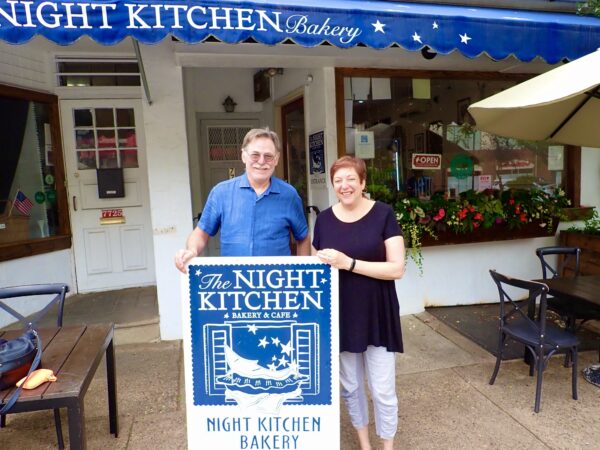
    Twenty-five years of running a small business teach you a lot. I have owned the Night Kitchen Bakery since 2000, and worked in the food business for over 40 years, at hotels, restaurants, and for caterers. In that journey, you start to see patterns as to how the economy and major events affect the business.

    We have had struggles over the years. The economic dip after 9/11. The Great Recession of 2008 to 2009. The COVID-19 pandemic and subsequent shutdown. Bird flu outbreaks that significantly increased the price of eggs.

    To me, the current struggle is real — and likely avoidable.

    Anyone who has ever worked in the food and/or hospitality business will tell you it is incredibly hard work, but often rewarding and sometimes exciting. Anyone who has owned a food business will tell you that owning one is even harder, but can also be the most satisfying work.

    Food is love

    Feeding people is a beautiful love language. For those of us lucky enough to keep our small businesses going for so long, we know that, as my grandmother used to say, “It is a nickel-and-dime business.” The bottom line is so small that price fluctuations in raw product, broken equipment, or increases in other business expenses can be the difference between a tiny profit, zero profit, or a significant loss.

    Large losses can be impossible to recover from for a mom-and-pop shop, or even a medium-sized restaurant. We learn to keep an eye on the small details every day. We often change the way we operate with new technologies to help become more efficient. Our staff often have skills and knowledge we learn from to improve our operation. We watch as sales patterns emerge every day of the week, every season, every holiday, and every year.

    Most people love to have a treat or entertain on weekends, so most food businesses are busier Friday through Sunday. Our biggest expense is staffing, and we adjust schedules to account for slow and busy times of the year. Much of it is an educated guessing game.

    The 12 finalists in the 2021 Holiday Cookie Challenge.

    People tend to celebrate holidays at the same time, and want pies for Thanksgiving and cookies in December. Spring and warmer weather demand fruitier flavors. Buying seasonal products helps keep costs lower. Raw products constantly fluctuate, so we adjust our prices when we can without alienating our customer base. All this is challenging, but I’m used to it.

    These days, however, are different.

    We have not been able to increase the prices of some of our products to match the rise in the cost of ingredients. In my 25 years here, I have never seen costs fluctuate so wildly and frequently. The cost of raw products, such as chocolate, coffee, jams, and other imported ingredients, is going through the roof. My vendors tell me this is largely due to tariffs.

    We cover the cost of health insurance for some employees, which is also one of our biggest monthly bills. We just received our rate sheet for 2026, and the increase is over 20% — the largest hike I have ever seen. This is another expense that will make doing business extremely difficult. Other business owners I know are also struggling.

    Growing stress

    I see the job market changing fast, and I am seeing more applicants than ever before. Several customers have confided in me that they have government jobs and are worried they will not receive back pay when they return to work. It is very stressful for them, and stress has a trickle-down effect.

    This all adds up, not only in expenses for the business, but in time spent adjusting to all the factors. We are lucky. We have a loyal customer base and, so far, have been able to accommodate ourselves to the changing market, if barely.

    But it can’t go on forever.

    Small businesses make up the vast majority of all U.S. businesses. So I offer this not as a personal problem, but an alarm about what is happening to the economy as a whole.

    What can be done? Everyone has to decide this for themselves, but I think action is needed. I am in touch with our government representatives regularly to express my concerns. Whatever your situation, everyone is affected and burdened by the choices our politicians are making.

    After all, our business is your business, too.

    Amy Beth Edelman has been co-owner of the Night Kitchen Bakery and Cafe in Chestnut Hill for 25 of the shop’s 44-year history. She lives in Bala Cynwyd.

  • Is the Chester County poll book debacle a prelude to 2026 elections? After a heated local contest, this township hopes not.

    Is the Chester County poll book debacle a prelude to 2026 elections? After a heated local contest, this township hopes not.

    Now and then, we still see the Amish horse and buggy tooling its way down Fairview Road. Occasionally, someone will alert their neighbors in a Facebook post that a cow or a horse has escaped a pasture and is blocking the road. “That’s so Glenmoore,” a local resident will chime in nostalgically.

    But Glenmoore, like the rest of America, is changing, in ways both obvious and subtle.

    It’s rare now to see a horse travel down a road that has a steady flow of traffic. Where cows once used to escape to sip the water of the branch of the Brandywine Creek that flows through the part of town residents call “the village,” you can look up a hill and see the large homes of the newest development, just one in an array of luxury homes built on the hill.

    Don’t get me wrong. Wallace Township (the Glenmoore postal area is significantly larger) is still pretty amazing. It’s Glen Moore Fire Co. members lined up in a row at a funeral inside one of our historic churches to honor the wife of a longtime member. It’s Pete the cat walking his people to the elementary school on days when it’s in session. Some of my best friends are people I’ve met on walks, often punctuated with a stop at the village coffee shop, the Mean Bean.

    The Chester County poll book debacle in the Nov. 4 election didn’t help nurture a sense of calm about something many of us had taken for granted — the sanctity of our vote. In case somehow you missed the hubbub, when independent and third-party voters (there are approximately 18% of us) got to the polling place, we were told that, because they hadn’t gotten the right poll books for us, most of us would have to cast provisional ballots.

    I was aware of others in my position. We kept checking to see if our vote showed up on the Voter Services website. As of last Monday, resident Dorothy Kirk, an independent, said, “I am skeptical that our votes were counted.” It took almost 15 days to register Kirk and her husband’s votes on the Voter Services website.

    Unlike some other townships in our environs, which have become increasingly blue, Wallace voters are registered as more than 50% Republican, and have been for many years.

    This year, we already had more of a local stress test: a competitive race for one seat in the three-member board of supervisors — replete with candidate websites, campaign literature, and canvassing. That’s a lot of drama for our relatively small (less than 3,000 registered voters) township.

    Call me naive, but knowing the local judge of elections, I had confidence my vote would count.

    But it wasn’t long before I started to hear from other residents. Let’s just say, they had questions.

    Tish Molloy, a former Wallace poll worker, spent a few hours observing the ballot certification process in West Chester after the election, curious to see how it was done. Though onlookers could not see everything, she said, the workers seemed to be “careful, cautious, and mindful,” as well as efficient.

    Though Wallace Supervisor Rob Jones, serving as a Republican, had some pointed comments about the potential for mismanagement at the county level, he said he didn’t think anything “nefarious” had occurred. “I just think we have a basically honest populations out there,” said Jones. “I do think the county learned a lesson.”

    As for the township? Jones was ready to move on from what was a fairly heated campaign by Wallace standards, urging neighbors in this small community to avoid viewing each other through a political lens. “The way you show love for people with your township is through what you do. When I make a decision [about the township], I don’t care what their party is. How can I bless the most people in the township?”

    Though he came closer than other Democratic candidates in recent memory, Andrew Holets conceded the supervisor’s race to Republican candidate John Thomas last Friday evening. Perhaps it’s not surprising, in a town where so many people know and depend on each other, that his vision is similar to that espoused by Jones. Building trust isn’t just up to leadership, he said. It’s about practicing kindness and doing the right thing.

    “Everybody has responsibility,” said Holets. “How they wake up and how they spend their day makes a difference in how much we care for ourselves and others. I don’t want to buy into the division that seems to be here in our country. I don’t think we need to have that locally.”

    Nonetheless …

    The bonds of mutual trust and affection are still pretty strong around here. At the same time, it’s hard not to wonder what else could go wrong, and it’s arrogant to think ourselves immune from the polarization that has divided neighbor from neighbor and family from family.

    While it’s up to Chester County to rectify its mistake, the future of our community is also, as both Jones and Holets said, in our hands. We can’t afford to assume our neighbors trust us. We have to renew those bonds together, one act of service, citizenship, and kindness at a time.

    We’ve had our shot across the bows. Now it’s up to us to make sure we get safely to harbor. The cost of drifting is way, way too high.

    Elizabeth Eisenstadt Evans is a freelance journalist in Chester County. Her writing has appeared in Religion News Service, the National Catholic Reporter, Sojourners, Christian Century, the Washington Post, and The Inquirer.

  • A Fishtown-based nonprofit works to address the roots of trauma in children before crisis hits | Philly Gives

    A Fishtown-based nonprofit works to address the roots of trauma in children before crisis hits | Philly Gives

    Mellisa Wilson had been working hard — so, so hard — to change the trajectory of violence that marked her life and the lives of her five children when she saw something that broke her heart.

    Her youngest daughter was putting her baby doll to bed, “and she was hitting it,” Wilson said, choking back tears. “That’s when I knew it was really bad. That’s when I knew that wasn’t what I wanted them to take from me,” as a parent.

    And so, Wilson did what she had done many times before.

    She turned to the Children’s Crisis Treatment Center (CCTC) for help.

    In schools, homes, and community centers in Philadelphia, Montgomery County, and Camden, CCTC provides trauma-informed care annually to over 3,500 children, up to age 18, suffering from behavioral issues, depression, and trauma, helping their families in the process.

    “I knew I had to do something different,” Wilson said.

    Wilson, a CCTC volunteer and a member of the center’s parent advisory council, had been bringing her children to CCTC, a nonprofit children’s mental health agency, for 20 years.

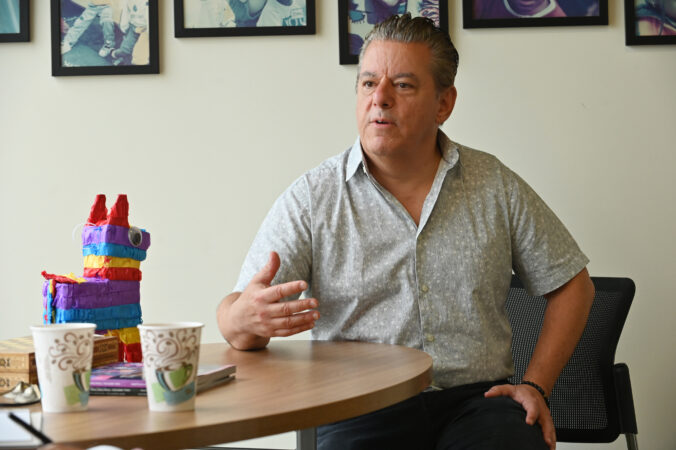
    With all the counseling she and her children have received, she could easily give the same talking points as CCTC’s chief executive officer, Antonio Valdés.

    And she did.

    It may take years, she said, but when a child experiences trauma, at some point, sooner or later, there will likely be a behavioral issue.

    Wilson said she grew up in a home where she was regularly beaten with a broom handle or an extension cord. “Those were my grandmother’s favorites.” The trauma repeated itself across the generations when she became a mother.

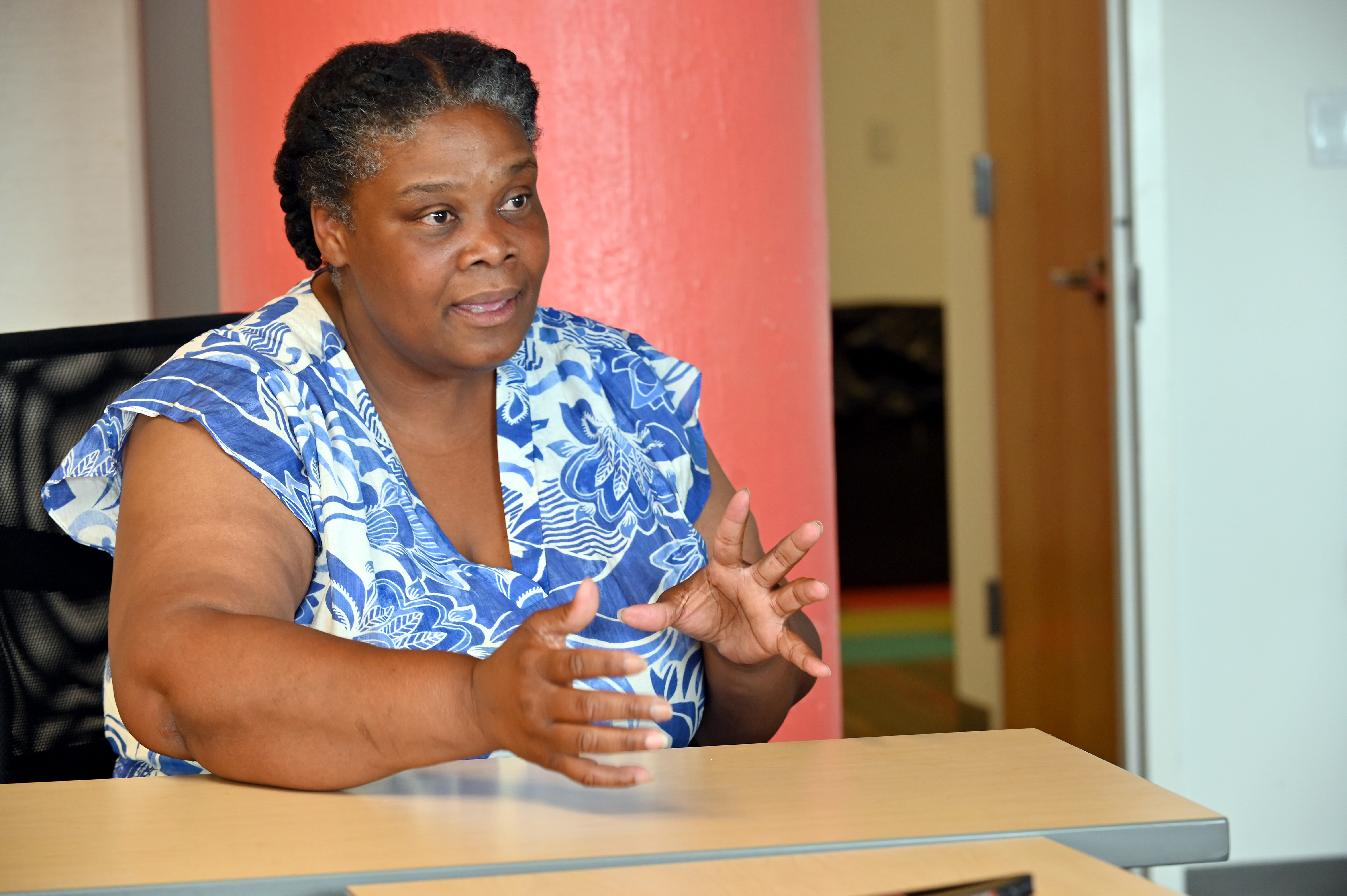
    Mellisa Wilson, who now volunteers at the Children’s Crisis Treatment Center, said the group helped her realize she needed to end a generational legacy of corporal punishment as a parent.

    Always angry, she yelled at her children and spanked them, but only with her hands — at least she could give them that safety.

    But all of it had to end — for her own good, and for theirs. So she turned to CCTC for help.

    It’s a typical pattern, said Valdés.

    CCTC treats children who have experienced every kind of trauma and adversity — death of a parent, witnessing a parent be killed or beaten, attacks from dogs, sexual abuse, neighborhood violence.

    “We treat kids no matter what trauma they have,” he said. “For the vast majority, we’re talking about domestic violence, toward them or a family member, or maybe shootings they have witnessed.”

    But what’s just as significant, he said, is how CCTC treats everyone in its care. “It’s the lens we use,” he said, describing trauma-informed care. “We don’t ask what’s wrong with a child. We asked what happened.”

    For example, Valdés said, a young boy, maybe 5, sees his mother regularly beaten by her drunken boyfriend. “The kid may even try to intervene, but he’s only 5. What can he do?”

    Eventually, the mother gets rid of the drunken boyfriend. All seems normal until months or even years later, when she gets calls from school. Her child is fighting, destroying school property.

    “He’s still reacting to what he witnessed, and the behavior he developed at that time,” when he understood, as only a little child can, that his mother, the person who was supposed to be protecting him, couldn’t keep him, or herself, safe, Valdés said.

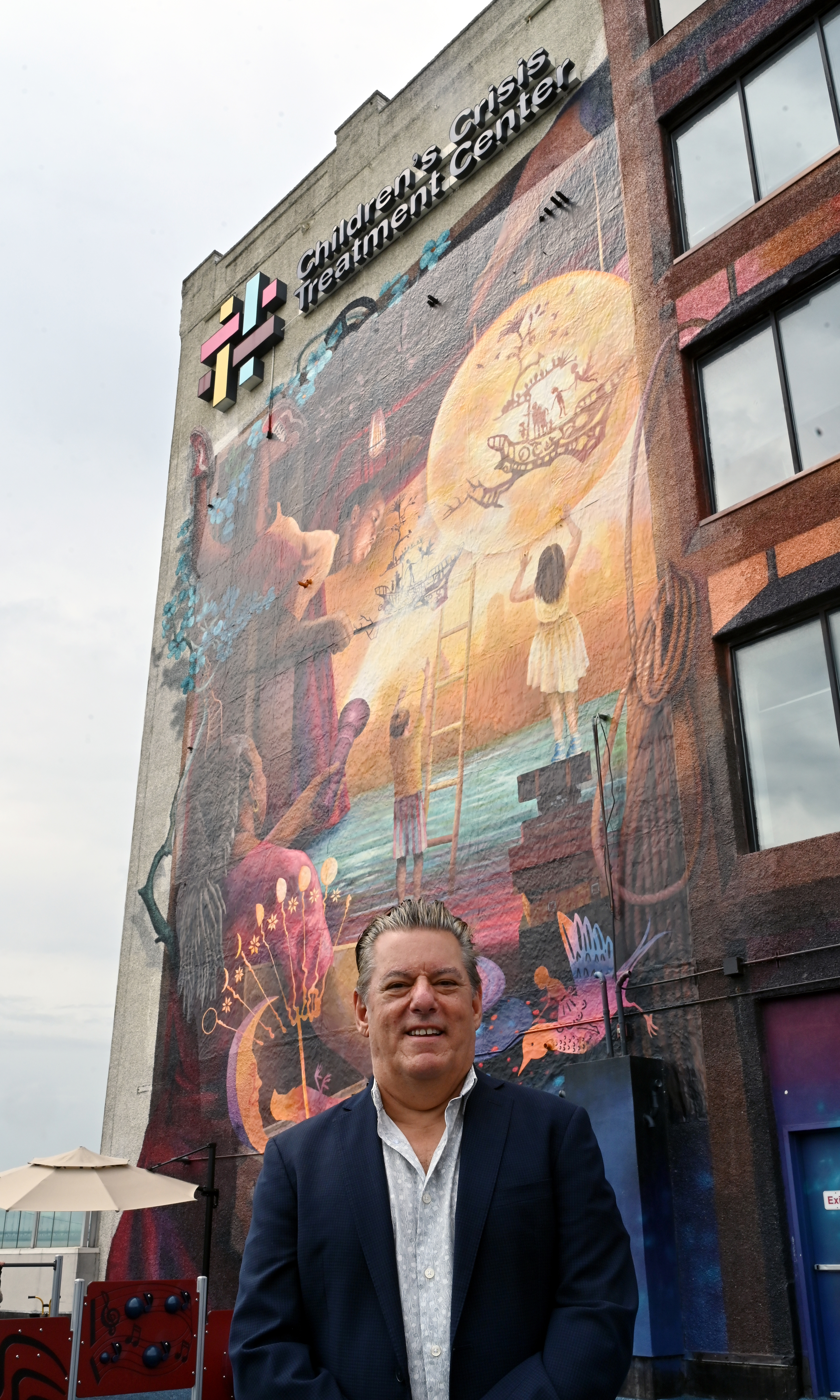
    Says Antonio Valdés, chief executive officer of the Children’s Crisis Treatment Center: “We don’t ask what’s wrong with a child. We asked what happened.”

    “Any moment he might feel even a little threatened evokes that response,” he said.

    “There’s a mistaken belief that young children, when they experience trauma, they’ll get over it,” Valdés said. “When trauma and adversity happen, there are normal consequences. It’s not normal for the kid to be OK.”

    Some parents bring their children to CCTC for counseling, or they get referrals from schools. More help, including a summer camp, is available at satellite community centers.

    At its headquarters on Delaware Avenue in Fishtown, CCTC runs a day treatment program for preschool-age children who have been kicked out of their preschools. There are day programs for children who have been discharged from psychiatric hospitals to help them reacclimate before returning to their schools.

    CCTC also provides behavioral health help at over 40 middle and elementary schools, where CCTC staffers work with teachers and students.

    Valdés remembered one little boy, about 10 or 11, who had been an average student — no trouble in school. His mother worked two jobs to make ends meet, and his grandfather took care of him, fed him dinner, helped with homework, and even put him to bed when his mom worked late.

    One Monday, the boy didn’t come to school — and it was so unusual that counselors reached out. On Tuesday, he did show up and, within hours, was fighting with kids and teachers. “They had already written up detention slips,” and it was so bad that harsher punishments were on the table.

    But then a counselor who had been trained by CCTC recalled what she had learned and asked the boy what happened. His grandfather had passed away on Saturday, and his mother had to go to work so she could pay the rent, leaving him to fend for himself.

    “In five minutes, they tore up the detention slips and had a different kind of conversation. It could have turned into something really bad for that boy. It’s those little moments that are critical,” Valdés said.

    In Philadelphia, he said, children in Kensington are suffering from the opioid crisis. When children leave the house, they see people shooting up and have to step carefully to avoid human feces or used needles. It’s not safe to play on the sidewalks or in the parks.

    “All of these things add up to a stressful environment,” he said. “There’s an impact of trauma and adversity on the way people start treating each other. It’s a behavior that’s adaptive to the trauma, the crisis, the ugliness,” but may not show up until later.

    “It’s highly contagious. Certain kinds of maladaptive behaviors may find themselves in families, in communities, in workplaces, or the way you might treat your girlfriend or wife,” Valdés said. “These behaviors were critical in surviving the moment,” but aren’t useful or appropriate in other situations.

    Healing comes from reframing — acknowledging realities but assuring the children that what happened was not normal and not their fault, then giving them techniques to cope positively when disturbing feelings arise, he said.

    “We’re treating kids and families, and we’re helping them heal,” he said. “Then they start to support their siblings or neighbors who have been through trauma. We see this as the counter to adversity and trauma.”

    Parenting skills Wilson learned at CCTC helped her help her children and regain control of her family, even as she was struggling to manage five youngsters under 5, including a set of twins.

    One child was inappropriately touched. Another child pushed Wilson against a wall and accused her of driving their father away. Another child, always her father’s favorite, said her father hated her. Another child hit a kitten.

    Tears filled Wilson’s eyes. “That was the trauma I put on them by hitting them and yelling at them.”

    Chaos and fatigue were constant, as was anger, yelling, and spanking. At CCTC, her kids got help, and so did she, learning new parenting techniques that led to a peaceful home with five children, now in their 20s and heading into professions to help others.

    Valdés said people should support CCTC because that healing is contagious, mending families and neighborhoods.

    Wilson agrees. “What I’ve learned, I’ve put into practice,” she said.

    Her story is so compelling, she said, that people at her overnight warehouse packing job turn to her for help. And she’s always ready to give it.

    “My favorite place is on the bus,” she said, where she’ll say hello and ask her fellow passengers about their day. “People will start talking to me. People are very honest when they think they are never going to see you again.”

    When Wilson wears her CCTC T-shirt as she often does, she wants to serve as a walking billboard for a nonprofit that has made a real difference in herself and her family. She vows to support the organization and its mission for the rest of her life.

    “We shouldn’t keep good things to ourselves.”

    This article is part of a series about Philly Gives — a community fund to support nonprofits through end-of-year giving. To learn more about Philly Gives, including how to donate, visit phillygives.org.

    For more information about Philly Gives, including how to donate, visit phillygives.org.

    About Children’s Crisis Treatment Center

    Mission: To support children and families by helping them heal from abuse, violence, and trauma by bringing mental health services to them where they are — at home, in schools, and in their communities.

    Children served: 3,500

    Point of pride: Started as a demonstration project in the basement of the Franklin Institute and is now in over 40 schools, up from 14 last year.

    Annual spending: Over $31 million in fiscal year 2024.

    You can help: Volunteers are needed to help with special events, the Holiday Toy Drive, or group day-of-service activities.

    Support: phillygives.org

    What your Children’s Crisis Treatment Center donation can do

    • $25 provides art supplies for an activity in one Therapeutic Nursery classroom (preschool-age children).
    • $40 purchases a gift for one child through our annual Holiday Toy Drive.
    • $100 provides one child attending our Summer Therapeutic Enrichment Program with educational program supplies.
    • $250 provides music therapy to one child attending our Cornerstone program (acute partial hospitalization for children ages 5 to 13).
    • $500 supplies a therapeutic counseling room with toys for play therapy.
    • $1,000 provides program activities, including field trips, for one child attending our Summer Therapeutic Enrichment Program.
  • Creative resistance is as American as apple pie — especially in Philadelphia

    Creative resistance is as American as apple pie — especially in Philadelphia

    Art matters. And because it does, artists and art institutions have been targets of authoritarian regimes from Red Square to Tiananmen Square. Black Lives Matter Plaza, located near the White House, was removed in March. That same month, President Donald Trump issued an executive order targeting the Smithsonian Institution and interpretive signs at National Park Service sites, including the President’s House.

    Paul Robeson, athlete, singer, actor, and human rights activist, lived his final years in West Philadelphia. At a protest rally in London in 1937, Robeson said: “The artist must elect to fight for freedom or for slavery. I have made my choice. I had no alternative.”

    With democracy now under assault, “Fall of Freedom,” a national artist-led protest, has issued a call for creative resistance, of actions against authoritarian control and censorship, to take place in venues nationwide beginning Friday.

    “Fall of Freedom is an urgent reminder that our stories and our art are not luxuries, but essential tools of resistance,” Pulitzer Prize-winning playwright Lynn Nottage wrote in a statement. “When we gather in theaters and public spaces, we are affirming our humanity and our right to imagine a more just future.”

    Creative resistance is as American as apple pie, and this city is, after all, the birthplace of our democracy.

    The political cartoon “Join, or Die,” published in 1754 in the Pennsylvania Gazette, became a symbol of the American Revolution and stoked public opinion against Britain.

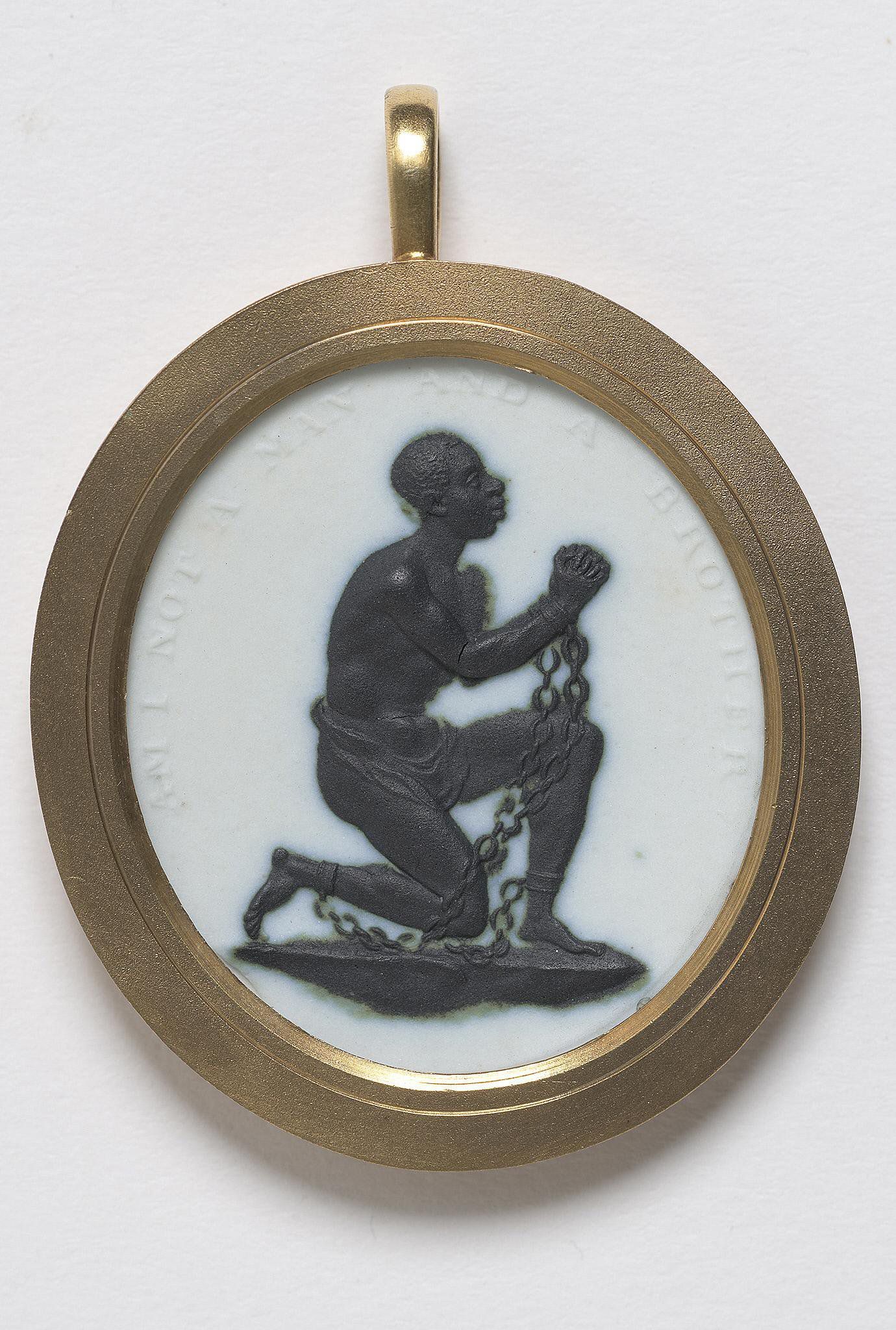
    During his tenure as president of the Pennsylvania Abolition Society, Benjamin Franklin helped distribute Josiah Wedgwood’s anti-slavery medallion “Am I Not a Man and a Brother.” In a letter to Wedgwood, Franklin wrote, “I am persuaded [the medallion] may have an Effect equal to that of the best written Pamphlet in procuring favour to those oppressed people.”

    Wedgewood medallion with the words “Am I not a man and a brother” in relief along the edge, ca. 1780s, from the collection of the Philadelphia Museum of Art. The museum’s education materials on the medallion stipulate that it was “modeled by William Hackwood and fabricated by Josiah Wedgwood in England in 1787 for the Society for Effecting the Abolition of the Slave Trade, this medallion functioned as a potent political emblem for promoting the abolition of slavery. It reached the United States in 1788, when Wedgwood sent a batch to Philadelphia for former enslaver and ‘cautious abolitionist’ Benjamin Franklin to distribute.”

    And indeed it did. Wedgwood’s engraving became the iconic image of the anti-slavery movement. It was printed on broadsides, snuffboxes, decorative objects, and household items. Abolitionist art was part of domestic life in Philadelphia.

    The American Anti-Slavery Society, whose founding members included Philadelphians James Forten, Lucretia Mott, and Robert Purvis, commissioned a copper token featuring a related “Am I Not a Woman and a Sister” design. Proceeds from the sale of the token were used to fund the abolition movement.

    Abolitionists used art to create a visual language of freedom. Artists created illustrations and paintings that showed “how bad slavery was.” There were theatrical performances and public readings of Harriet Beecher Stowe’s Uncle Tom’s Cabin, the best-selling novel of the 19th century.

    Robert Douglass Jr. studied at the Pennsylvania Academy of the Fine Arts. He is considered Philadelphia’s first African American photographer. Active with the National Colored Conventions movement, Douglass created a counternarrative to derogatory racial stereotypes. His daguerreotype of Francis “Frank” Johnson, a forefather of jazz, is in the collection of the Historical Society of Pennsylvania.

    On the heels of the Jazz Age, a group of religious activists formed the Young People’s Interracial Fellowship in North Philadelphia in 1931. The fellowship brought together Black and white congregations for dialogue, cultural exchange, and joint activism.

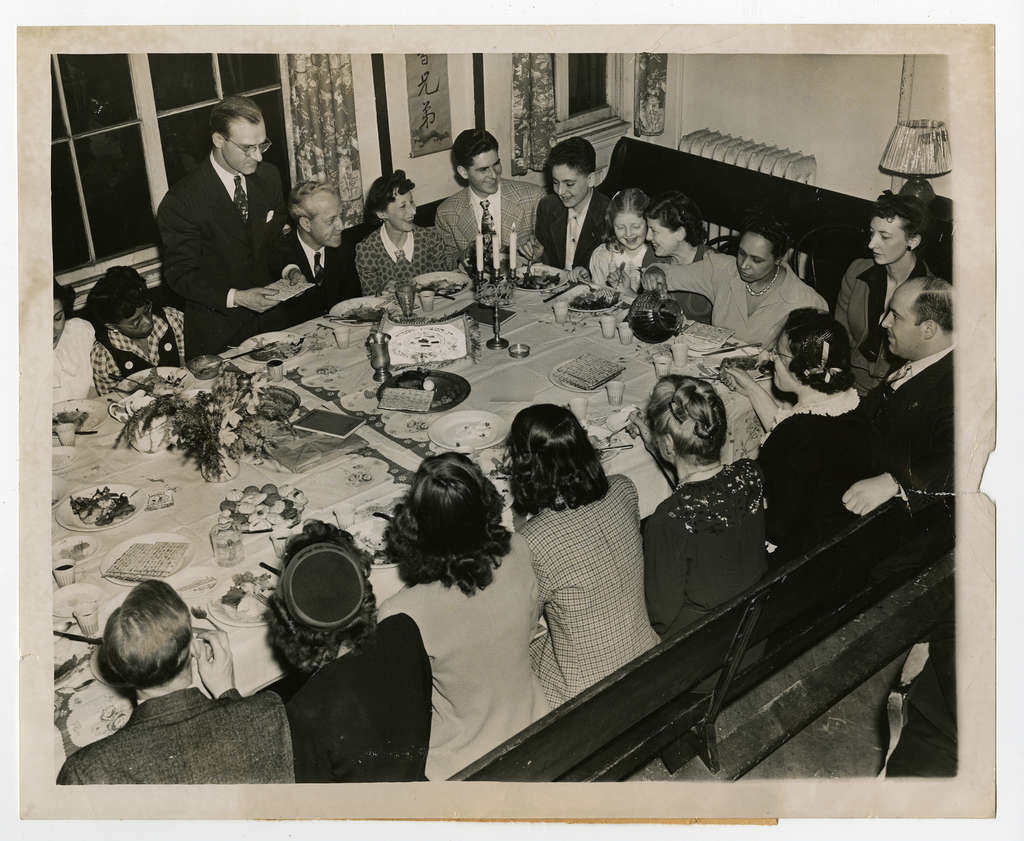
    A 1944 seder at Fellowship House.

    In 1941, the organization evolved into Fellowship House, whose mission was to resist racial discrimination through education, cultural programs, and community organizing.

    Notable cultural figures who spoke at Fellowship House include Marian Anderson, Dave Brubeck, and Robeson. In April 1945, seven months before the release of the short film The House I Live In, Frank Sinatra, the film’s star, stopped by Fellowship House to speak about the importance of racial tolerance. He told the young people that “disunity only helps the enemy.”

    The film’s title song, an anti-racism patriotic anthem, became one of Sinatra’s signature songs.

    Abel Meeropol, an educator, poet, and songwriter, composed both the film’s title song, “The House I Live In,” and the anti-lynching poem and song, “Strange Fruit,” which would become inextricably associated with one of Philadelphia’s jazz greats.

    Born on April 7, 1915, at Philadelphia General Hospital in West Philly, Billie Holiday, née Eleanora Fagan, is one of the greatest jazz singers of all time.

    No artist has met the moment with more courage than Lady Day, whose 1939 recording of “Strange Fruit” was named song of the century by Time magazine in 1999, and was added to the National Recording Registry in 2002.

    Strange Fruit is a timeless and empowering act of creative resistance.

    While Holiday is sui generis, jazz musicians were the vanguard of the civil rights movement.

    At so-called black and tan clubs like the Down Beat and the Blue Note, Black and white people intermingled on an equal basis for the first time.

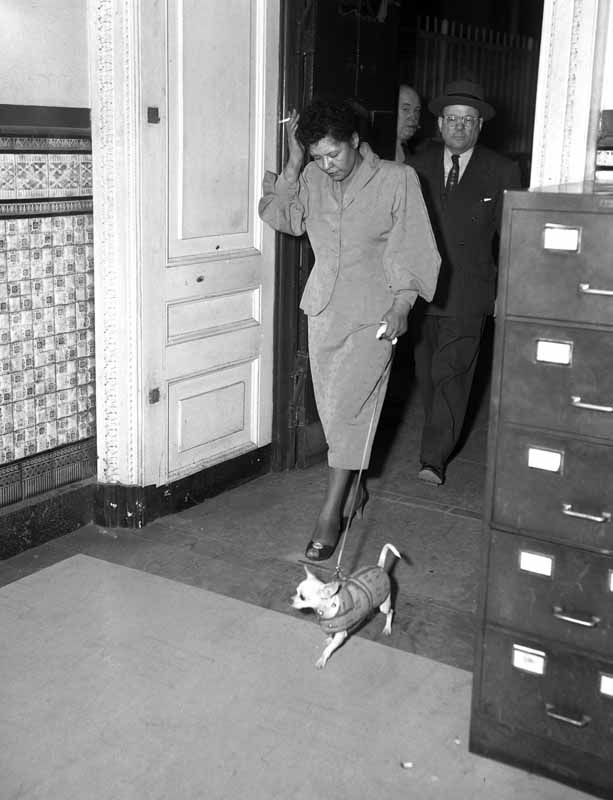
    Billie Holiday leaving City Hall in 1956 after her release following a drug bust. Police Capt. Clarence Ferguson walks behind her.

    Jazz clubs were constantly harassed by Philadelphia police led by vice squad Capt. Clarence Ferguson and his protégé, Inspector Frank Rizzo. The nightspots became battlegrounds in the struggle for racial justice. Jazz musicians’ unbowed demeanor fashioned a new racial identity.

    In remarks to the 1964 Berlin Jazz Festival, the Rev. Dr. Martin Luther King Jr. riffed on the importance of jazz and the jazz culture. He observed: “It is no wonder that so much of the search for identity among American Negroes was championed by jazz musicians. Long before the modern essayists and scholars wrote of racial identity as a problem for a multiracial world, musicians were returning to their roots to affirm that which was stirring within their souls.”

    “Much of the power of our Freedom Movement in the United States has come from this music,” he added. “It has strengthened us with its sweet rhythms when courage began to fail. It has calmed us with its rich harmonies when spirits were down.”

    At a time when our constitutional rights are being trampled and American history is being whitewashed, I am answering “Fall of Freedom’s” call — as a cultural worker and as a Philadelphian.

    Under the “Fall of Freedom” banner, and in collaboration with Scribe Video Center, I will lead a walking tour of Holiday’s Philadelphia.

    We will trace her footsteps through Center City and South Philly. We will visit the clubs where she sang, the hotels where she stayed, and the site of the jazz club immortalized in the Tony Award–winning play Lady Day at Emerson’s Bar and Grill. Along the way, we will also highlight places connected to Robeson.

    Courage is contagious. When we gather on South Broad, we are the resistance.

    Faye Anderson is the founder and director of All That Philly Jazz, a place-based public history project. She can be contacted at phillyjazzapp@gmail.com.

  • It’s essential that Mayor Parker’s H.O.M.E. plan prioritize resources for ‘people-first’ housing

    It’s essential that Mayor Parker’s H.O.M.E. plan prioritize resources for ‘people-first’ housing

    After months of state and federal budget stalemates that have threatened essential services for Philadelphia’s most vulnerable, we now know those budget outcomes don’t address critical housing needs, and as such, we have an opportunity right now as a city to meet the moment through the first year of spending in Mayor Cherelle L. Parker’s housing affordability plan.

    As a city, we are currently scrambling to decide what to do with $200 million per year for four years to address housing, when just last year we were discussing spending $1.3 billion on a Sixers arena in Chinatown. Clearly, the issue is not a lack of resources, but where we choose to direct them.

    Housing in Philadelphia has rarely been people-first in its approach; rather, it’s been about extraction from communities in one form or another. One could argue that the first great Philadelphia housing plan started with the city’s founding in 1682 and was built on the displacement of the Lenape people, who had inhabited the region for generations.

    In a neighborhood like Kensington — where I live and work — housing was developed at the turn of the 20th century to advance industry, and the profits to be made from it, by putting factories in formerly rural spaces and then surrounding those workplaces with as many homes as possible. This was a housing plan meant to extract as much as possible — rental payments, increased worker productivity, patronage of local businesses — from those who lived and worked here.

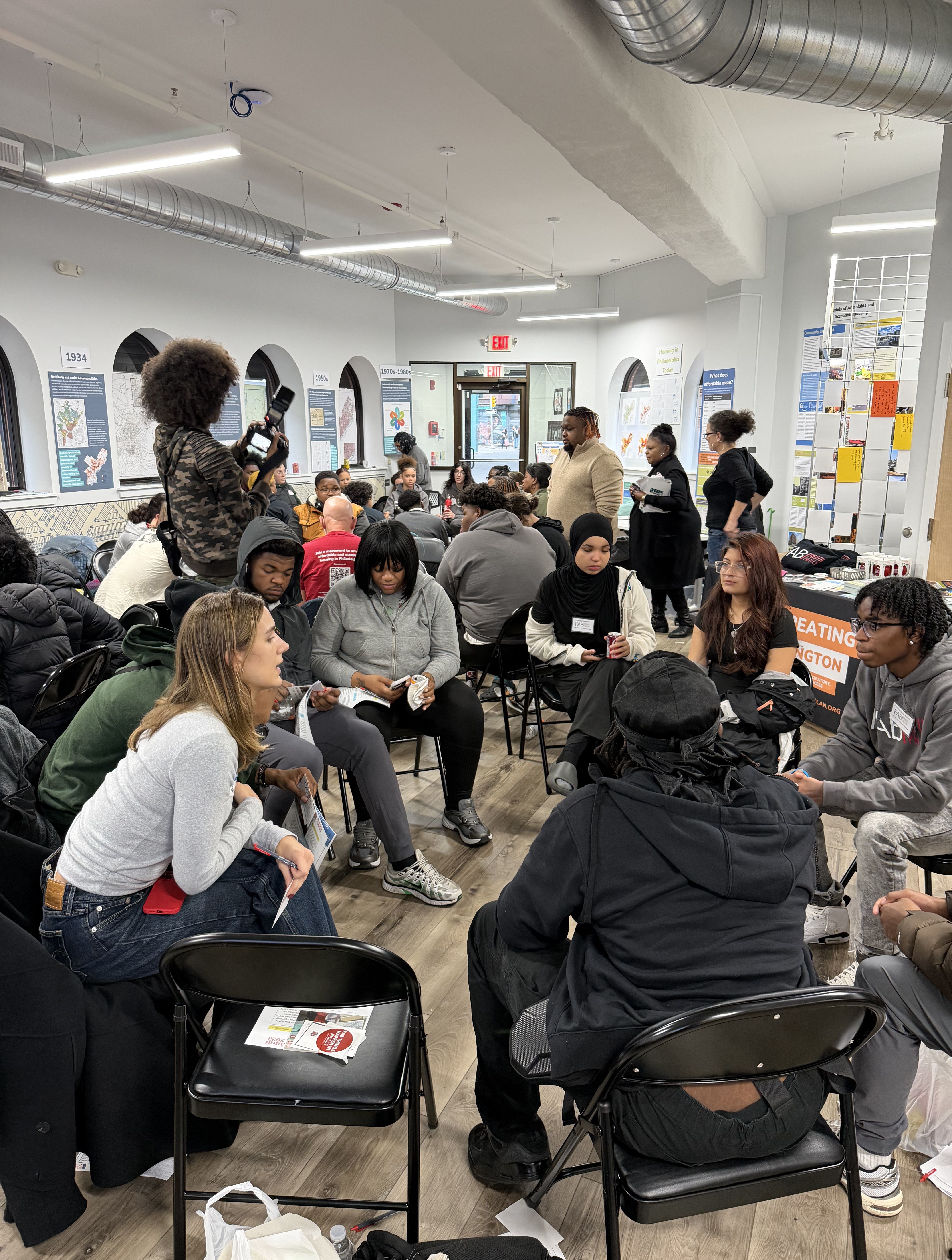
    Fab Youth Philly brings together young people for a teen town hall to discuss housing issues on Nov. 15 at the Kensington Engagement Center.

    Profit-first models aren’t only relegated to the past. Just a few weeks ago, the Reinvestment Fund reported that corporate investors are most active in Black and brown — often intentionally disinvested — neighborhoods, where they are responsible for one in four residential purchases, creating more extraction through landlords rather than creating and maintaining wealth among homeowners.

    Any transformative housing plan must be built on values: to address historical and current misaligned missions that continue to drive exploitative forces in our neighborhoods. The start of the mayor’s H.O.M.E. program is a moment to ensure the plans that we will be paying for over the next 30 years are people-first in their mission, purpose, and function.

    Real change happens when we are collectively grounded in hope, community, facts, and information about where we have been, all of which can serve as a guide to where we’d like to go.

    Over the last few years, New Kensington Community Development Corp. has been facilitating the Co-Creating Kensington planning and implementation process, in which we have received feedback from 700 residents about their priorities. In January, we completed the rehabilitation of a three-story building at 3000 Kensington Ave., converting it into the Kensington Engagement Center, a meeting place and exhibition space that was designed to facilitate conversations with the community on their priorities.

    Conversations with our neighbors and partners revealed that housing is an increasingly pressing issue for Kensington residents (as well as for the rest of Philadelphia). We collectively recognized a moment of alignment with the release of the Philadelphia H.O.M.E. Initiative and the soon-to-be-released Pennsylvania Housing Action Plan.

    We convened several organizations already prioritizing housing affordability across the city, including Philly Boricuas, Green Building United, the Philadelphia Coalition for Affordable Communities, the Women’s Community Revitalization Project, Fab Youth Philly, and the Philadelphia Community Land Trust. Together, we codesigned a 14-part people-first housing workshop series and exhibit.

    This deep-dive approach is based on an understanding that community engagement needs to go beyond pizza parties and setting up tables at events. For a community to truly participate in its future, it needs to be informed, there needs to be shared power, and there needs to be collaboration and collective visioning.

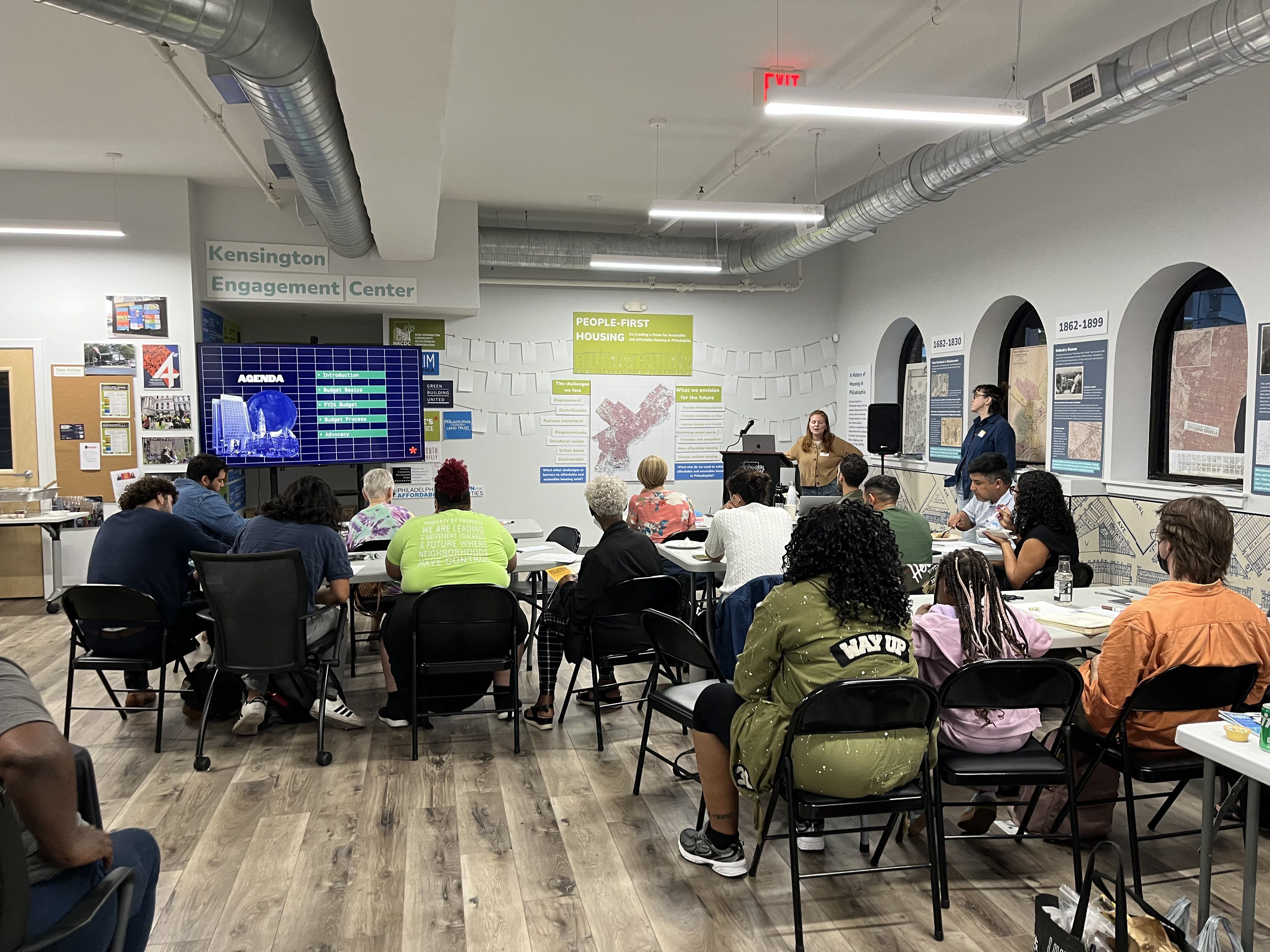
    The People’s Budget Office facilitates a Budget 101 Workshop at the Kensington Engagement Center on Oct. 7.

    The workshop series has engaged more than 175 residents from 15 neighborhoods and has covered topics from housing wins, gentrification and displacement, how municipal resources are directed toward housing, environmental concerns, tenants’ rights, illegal evictions, and more.

    Angela Brooks, Philadelphia’s chief housing and development officer and new chair of the board of the Land Bank, came out for a workshop on the H.O.M.E. plan to help residents understand how the initiative will work and to hear resident feedback.

    Most recently, we hosted a teen town hall facilitated by Fab Youth Philly, in which more than 70 young people came together to share their hopes, dreams, and concerns and gave guidance on how the city can support young people — for example, looking at how the McKinney-Vento Homeless Assistance Act implements programs that serve youth.

    What we’ve learned so far is that the best way to build momentum for change is through informed, collective action and leveraging strategic pressure points by investing in relationships early. Creativity and diversity in leadership and lived experience are critical to ensuring movements are resilient, and we need to question the status quo.

    Communities must be built for the people who live in them, so that they aren’t just about four walls built by colonizers and conquerors, but about communities of choice and relevance so people can thrive.

    Trickle-down approaches do not work. The city’s H.O.M.E. plan needs to concretely prioritize resources for residents whose households earn no more than 30% of the area’s median income. We need to serve those on housing program wait lists before adding more and higher earners. We need to preserve the affordable housing we already have, and we need to invest more deeply in home repair programs like Built to Last.

    As someone serving on the H.O.M.E. advisory board and as a nonprofit leader of a community development corporation, I learned there are several housing issues we aren’t addressing at all in the city’s H.O.M.E. plan, such as those affecting young people and individuals impacted by the criminal justice system who have urgent needs but do not meet many of the traditional service categories.

    How do we move forward?

    For those of us who are currently centering housing, learning and being in community is essential. But we also need actionable moments.

    I recommend all these organizations because they put people first in housing plans — countering the notion that housing is just a commodity. Instead, they affirm the fundamental idea that housing is about people — and that people deserve a home.

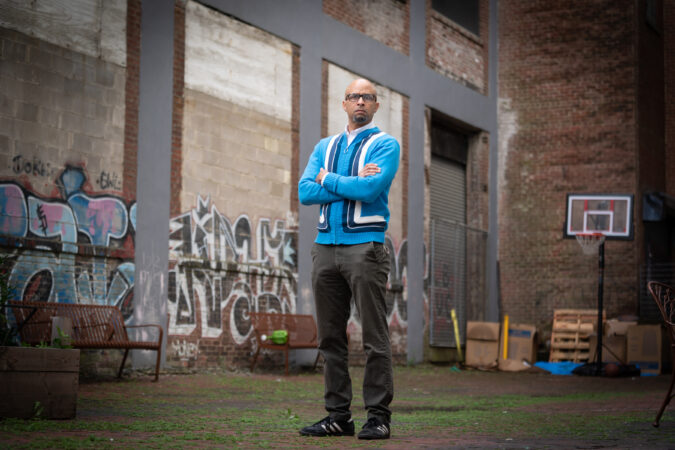
    Bill McKinney is a Kensington resident and the executive director of the New Kensington Community Development Corp.

  • Epstein’s victims are forgotten amid political frenzy over files

    Epstein’s victims are forgotten amid political frenzy over files

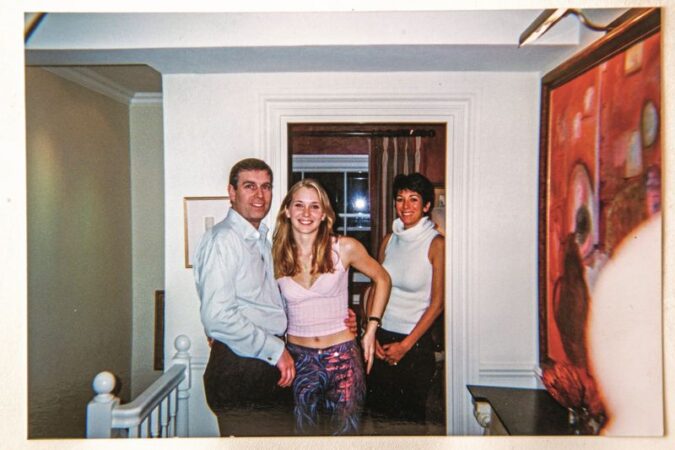
    There is a glaring omission in the wall-to-wall coverage of the Jeffrey Epstein case. Even as new headlines roar with fresh allegations, the facts of the crimes and the trauma inflicted on the innocent children continue to fall to the wayside.

    The current focus on the rich and powerful and the political backstory surrounding fights over lists, transcripts, and depositions does little if anything for the still-young women who were trapped in Epstein’s depravity. Accountability and transparency are what will support them.

    One thing is not in dispute: What happened to those children was no hoax. Those horrific crimes were the result of years of grooming and entrapment of young teenage girls. These crimes sadly happen at an alarming rate, often right under our noses.

    Why? One major reason is that society fails to talk about them openly and honestly, leaving the public with the perception that it is a “them” rather than a “we” issue.

    Forgetting the victims

    The victims of Epstein and Ghislaine Maxwell have been pushed from the spotlight. Headlines about the nation’s most notorious case of child abuse and sex trafficking are no longer about the victims, but sound like a promotion for a bizarre remake of Lifestyles of the Rich and Famous.

    Forgetting about the abuse these young women and girls endured is a tragedy. Here is a glimpse into their reality:

    Virginia Giuffre was 17 when Maxwell recruited her from Mar-a-Lago for a job as Epstein’s masseuse. They groomed and lured her into years of sexual abuse by trafficking her internationally. Sadly, she took her own life earlier this year. Her friends and family are robbed of sharing her life.

    Maria Farmer was an aspiring artist who met Epstein and Maxwell during her studies. Under the pretext of supporting her career, they sexually abused her while security prevented her from leaving. Her pleas to authorities were ignored, allowing the abuse to continue for years. This is trauma she will never escape.

    Farmer’s sister, Annie, also became a victim of Epstein and Maxwell’s perversion. At 16, she was lured to their New Mexico ranch under the false pretense of a trip for high-achieving students. Epstein and Maxwell forced themselves on her.

    Sarah Ransome, 22, was pursuing a fashion career when Maxwell offered her mentorship. Instead, she was lured into Epstein’s circle, sexually abused, and trafficked to wealthy international rapists on “Epstein Island,” a captivity she couldn’t escape, even by trying to swim away.

    Courtney Wild was just 14 when a friend convinced her to go to Palm Beach, Fla., for a job giving massages to Epstein. “Massage” as a code word for abuse and rape. Not once, but hundreds of times. Epstein made her recruit other girls in an operation that ensnared children in cycles of abuse and coercion.

    Uncomfortable? Now put yourself in the victims’ shoes.

    An epidemic of evil

    An estimated 48,000 U.S. minors are trafficked into sexual abuse annually, leaving nearly 60 million adult survivors of child sexual abuse. That’s about one out of every five Americans. With society unwilling to even talk about their reality, it shouldn’t come as a big surprise that less than 30% of sex crimes are even reported.

    Anouska De Georgiou (right) gathers with other Jeffrey Epstein accusers at a news conference outside the U.S. Capitol on Sept. 3.

    Epstein’s name might be the most famous, but there are thousands more like him who count on silence, confusion, and distraction. Those creatures have something else in common: They continue to hunt for prey and inflict horrible abuse on the next victim.

    Lack of accountability is a blueprint for “Epstein Islands” popping up in every community. Shying away from the uncomfortable details doesn’t soften the crime. Secrets don’t help victims heal. Epstein and Maxwell kept secrets, and other abusers hope you do, too.

    Victims of sexual abuse are forced to keep secrets. Keeping documents sealed under the pretext of protecting victims is the real hoax.

    If you’re serious about wanting to prevent these crimes from happening again, release all the Epstein files.

    Paul DelPonte is executive director and CEO of the National Crime Prevention Council. Aaron Hanson has served as the sheriff of Douglas County, Neb., since 2023, and has nearly 30 years of law enforcement experience.

  • The ‘No Kings’ rallies were a start. Now what?

    The ‘No Kings’ rallies were a start. Now what?

    In my younger days, I enjoyed sports talk radio.

    A favorite of mine was ESPN’s Mike and Mike. I remember during the height of the Colin Kaepernick protest, Mike Golic commended Kaepernick for his attention-grabbing display and the reasons behind it.

    But Golic turned the tables on Kaepernick and asked what the quarterback planned to do to achieve the goals he sought through his protest.

    I would love to ask white people who were part of the “No Kings” rally recently the same question, but I am unsure of what tangible outcome was sought from it. It seemed like an occasion to voice their displeasure, so I am unsure what the next step is beyond planning another “protest” in the next few months.

    The optics from the mass demonstration were indeed impressive: seven million people, predominantly older and white, took part in protests nationwide. That cannot be ignored. But the substance of these protests was lacking.

    Not according to news media pundits, who declare that these acts are signs of the anger and emerging resistance to the Trump administration we’ve been waiting for.

    But “No Kings” shouldn’t be confused with the Arab Spring.

    Protesters made no demands. They caused no ruckus. In fact, this “protest” seemed more like a party than a desperate attempt to save humanity.

    Don’t get me wrong.

    Protesting one’s grievances in an attempt to acquire a remedy for them by way of public policy is a good thing. Black people are well acquainted with our history of protest and resistance to unjust laws.

    Lessons from the civil rights era

    But the lessons for all to learn from the history of Black resistance, particularly the civil rights movement, is 1) there is always a tangible demand for something or numerous things, 2) there’s a righteous anger that is harnessed into a tangible action (e.g., protest, boycott, divesting, etc.) to produce the demand, and 3) there is a desperation that yields a willingness to sacrifice in the name of their humanity.

    The “No Kings” protest had none of these.

    But it did have singing, dancing, and folks in costumes. Indeed, there is room for joy within any social movement (if you can call this a social movement yet, I am not sure), and there’s been that at protests before.

    Joy is one of the fruits of our work, whether it comes from protest or other mass action, but a protest isn’t a party.

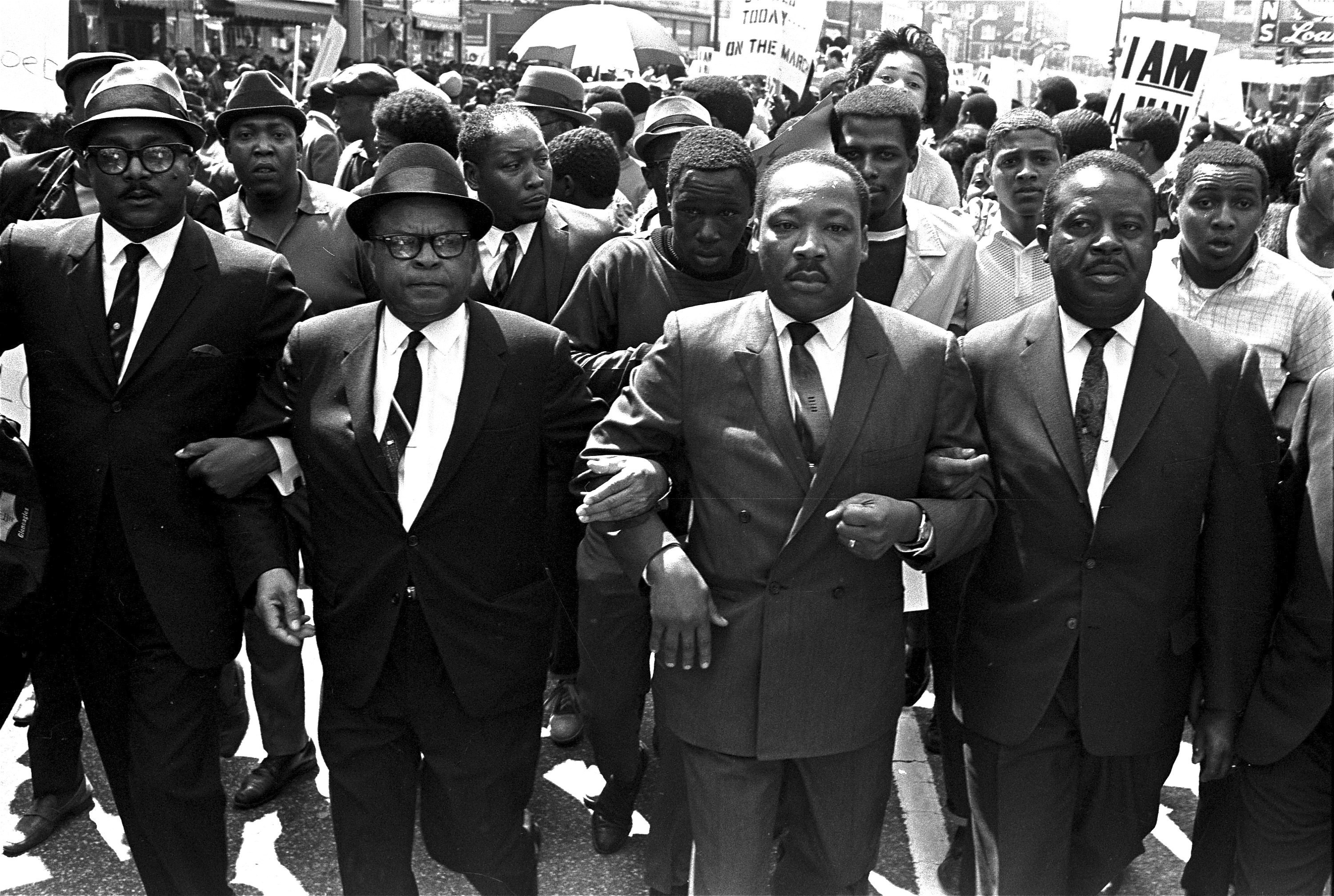
    The Rev. Dr. Martin Luther King and other civil rights leaders march in Memphis on March 28, 1968. He was killed a week later.

    Organized protests should elicit a response that either brings the oppressor to their knees and forces them to concede the demand, or, at the very least, brings them to the negotiating table.

    The “No Kings” rally produced only one response from Donald Trump: an AI video of a “King Trump” jet dumping what appeared to be liquid feces on the protesters. Clearly, demonstrators got a reaction from Trump, but not the kind that relieves any of the pressure they face at the kitchen table.

    I previously commented that white people have a decision to make. That is, whether they intend to fight for their rights and the rights of nonwhite people, or only for their own rights. I’m not sure what these protests suggest is their answer to that question. But my advice is to learn from the civil rights movement.

    Some sit it out

    I highly doubt white Americans can “save” democracy in America by way of reconciling its relationship with white supremacy absent Black people. However, a lot of us have chosen to sit out these protests because many of the people protesting Trump are likely responsible for his return to power.

    We’re tired of persevering through the hypocrisy in the name of survival, but I digress.

    Learn from the civil rights movement to strengthen this effort on behalf of all Americans. Concretely define the “movement’s” demand(s) via policy change that can directly begin to upend systemic oppression.

    Just as the civil rights movement improved the lives of all Americans, so should these coordinated mass demonstrations. Harness the real anger seen at town hall meetings, for example, to agitate and aggravate the power structure to show that these protests are a force to be reckoned with, as opposed to “a good time had by all.”

    Lastly, continue direct action with a consistency that demonstrates your demands aren’t a wish list, but rather the oxygen necessary to breathe.

    Taking it to the streets is definitely a start. But it’s nowhere near the finish.

    To reach the finish line, y’all have more work to do. Some Democrats in Congress need to learn these lessons, as well.

    Rann Miller is an educator and freelance writer based in southern New Jersey. His “Urban Education Mixtape” blog supports urban educators and parents of children attending urban schools. urbanedmixtape.com @UrbanEdDJ

  • Children with autism face an added burden while SNAP benefits remain uncertain

    Children with autism face an added burden while SNAP benefits remain uncertain

    Earlier this week, the United States Congress voted to reopen the federal government. Yet, for more than 470,000 residents of Philadelphia, the timeline for restoring full SNAP (Supplemental Nutrition Assistance Program) benefits remains uncertain.

    Food insecurity is a tragic reality for roughly one in four children living in Philadelphia.

    As a pediatrician, I witness its effects firsthand. I regularly speak with parents who struggle not only to find healthy options but simply to secure enough food to feed their families. Sharing information about local food banks and pantries has become a routine part of these conversations.

    While the precariousness of SNAP benefits continues even as the government shutdown has ended, I am deeply concerned about the growing food insecurity facing children across the city. Among this population, I am particularly worried about children with autism, who are at even greater risk for food insecurity.

    Autism spectrum disorder is a neurodevelopmental condition often accompanied by sensory overresponsiveness, which can lead to significant food aversion and extreme selectivity. Many children with autism tolerate only a limited range of foods — sometimes as few as five to 10 — because the textures, smells, or appearances of unfamiliar foods can be overwhelming.

    Many challenges

    Families raising children with both autism and intellectual disabilities are estimated to face twice the risk of food insecurity, driven, in part, by financial strain, childcare challenges, and reduced employment opportunities.

    A national pulse survey conducted during the COVID-19 pandemic found that, amid widespread disruptions to support systems, families of children with autism were nearly four times more likely to experience food insecurity than the general population.

    A sign alerts cusotmers that this store accepts food stamps, or SNAP benefits

    While SNAP benefits remain uncertain, I am directing more families toward the extraordinary efforts of food banks and community pantries across Philadelphia.

    These organizations, however, were designed to supplement food supplies — not to replace the sustained support that federal nutrition programs provide. Many, despite increased donations, are now facing unprecedented demand.

    While I am grateful for that important work, I face understandable pushback from some families when I direct them toward Philadelphia’s food pantries. I have had heartbreaking conversations with parents who are scared about their ability to meet their child’s specialized dietary needs.

    “They gave me food, but my kid won’t eat the noodles, bread, and beans they gave us. I’ll figure something out I have to.”

    “I have to pick out specific things for my kid. He’s incredibly picky and won’t eat outside of his regular foods. You’re not finding Eggo waffles at a food bank.”

    A call to action

    These are not isolated anecdotes. They illustrate a broader challenge that deserves public attention: the intersection of food insecurity, disability, and systemic gaps in support.

    My intention is not only to express gratitude for the vital work of local food assistance organizations, but also to highlight the additional barriers facing families of children with autism.

    Philadelphia’s schools already struggle to meet the educational and behavioral needs of these children. Their families often experience additional economic burden, including lower household incomes and heightened employment instability due to caregiving responsibilities — factors that compound the effects of a prolonged SNAP interruption.

    The government’s reopening offers hope, but procedural hurdles remain before SNAP benefits will return to families in need. Meanwhile, my call to action is to avoid passivity and find a way to help.

    Food insecurity is not always visible.

    It hides in the shadows of stigma and sometimes shame. I urge those who can to support local food pantries with their time, resources, or donations. I encourage you to pick up the phone and call your elected representatives to demand swift restoration of SNAP benefits.

    Finally, if you happen to know a family raising a child with autism, consider reaching out with compassion and asking, “Is there a way I can help?”

    Sometimes, this small human action of solidarity may just keep a child from missing their next meal.

    Nishant Pandya is a general pediatrician in Philadelphia.

  • Philadelphia must imagine its next 250 years

    Philadelphia must imagine its next 250 years

    Thirty years ago next February, the world’s first high-profile competition between human and machine intelligence took place in Philadelphia.

    IBM’s Deep Blue supercomputer faced world chess champion Garry Kasparov at the still-new Pennsylvania Convention Center. It was timed with the 50th anniversary of the unveiling at the University of Pennsylvania of ENIAC, the world’s first supercomputer, and a reminder that Philadelphia once led the world into the computer age.

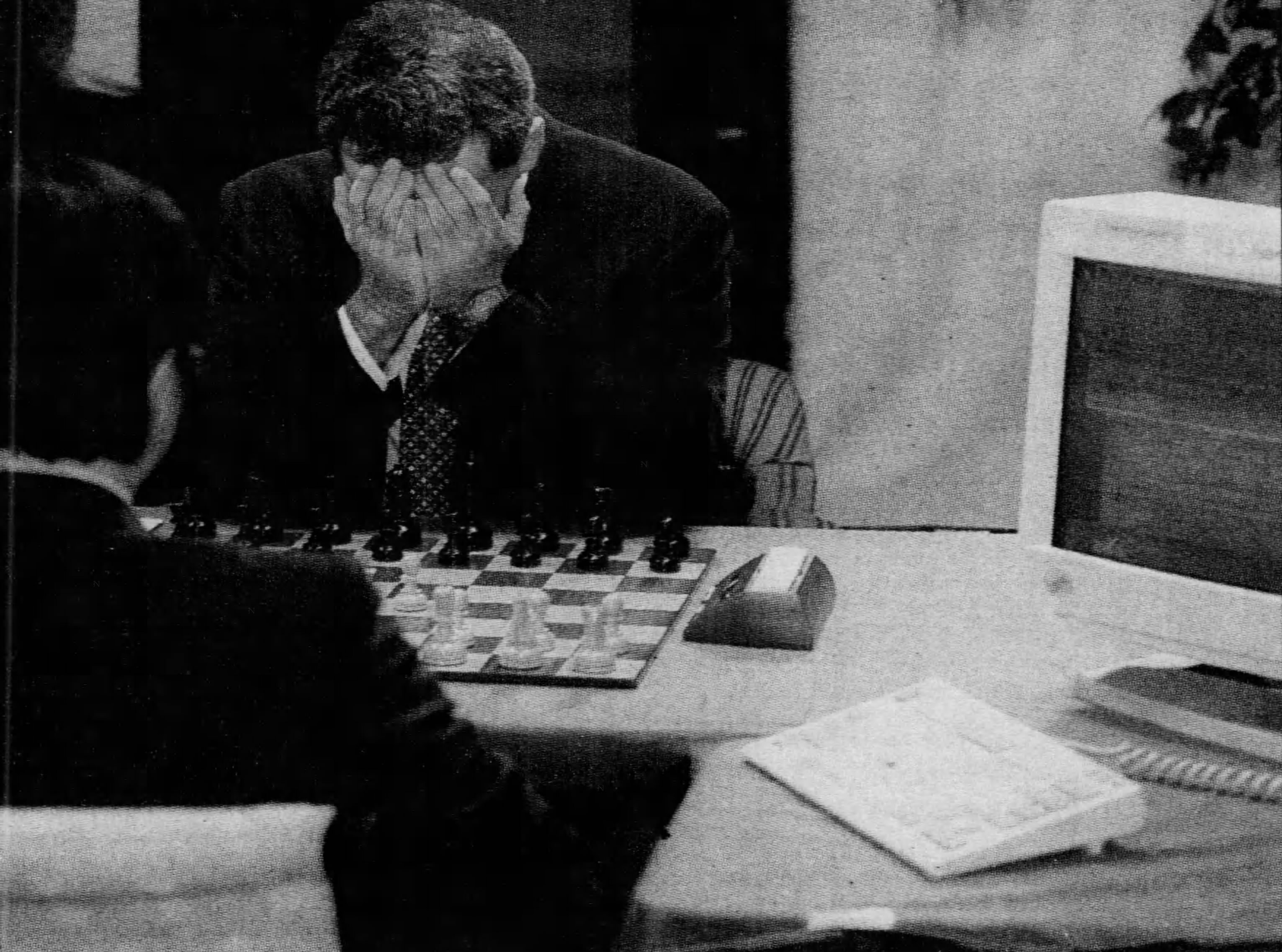
    Russian chess grandmaster Garry Kasparov, hunched over a chessboard and holding his furrowed brow in his hands, competes against the supercomputer Deep Blue in February 1996.

    Back then, artificial intelligence felt distant. Today, it feels existential.

    As we prepare to host the nation’s 250th anniversary in 2026, I’ve been asking: In a city so rich in history, are we still interested in the future?

    How it started

    This spark began in 2023, during a reporting project on economic mobility called Thriving that Technical.ly — the news organization I founded and lead — published with support from the William Penn Foundation, the Pew Charitable Trusts, and the Knight Foundation. Our newsroom followed 10 Philadelphians for a year to produce an award-winning audio-documentary and hosted a dozen focus groups across the city.

    One Brewerytown resident said something that inspired a previous op-ed I wrote for this paper: “Leaders here talk a lot about hundreds of years in the past, but nobody is looking very far in the future.”

    Across this region — in boardrooms, nonprofits, universities, and regional corporate offices — too many leaders manage the wealth and institutions created by past entrepreneurs, but too rarely invent anything new. We fight over what exists instead of building what’s next.

    The Semiquincentennial is our chance to prove we can balance our past, present, and future.

    Why this matters now

    My career has been spent listening to and challenging the inventors, entrepreneurs, and civic leaders shaping tomorrow’s economy. They act while others analyze.

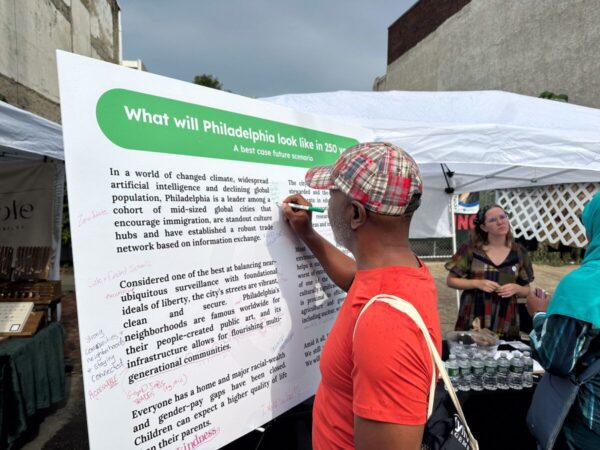
    In that spirit, we spent two years developing a vision for Philadelphia 250 years in the future. Nearly 1,000 Philadelphians have shared ideas at festivals, community events, and small-group gatherings. The current draft, open for one final round of feedback at Ph.ly, isn’t a plan but an invitation — a shared view of what we wish for our descendants in 2276.

    The coming decades could bring population decline, climate strain, and sweeping technological change. Yet, many local leaders still struggle to plan even years ahead.

    During a recent private discussion I moderated inside one of our city’s impressively preserved old buildings, a longtime civic leader cited Philadelphia’s poor economic mobility ranking. I reminded him that the same research, with the same warning, was released a decade ago. Why didn’t we plan to make changes then?

    He assured me this time would be different.

    Philadelphia’s past points forward

    Philadelphia’s breakthroughs have nearly always come from outsiders who pushed past local gatekeepers.

    Stephen Girard, a French immigrant dismissed by elites, built a shipping and banking fortune, stabilized the nation’s finances, and endowed Girard College.

    The Drexel family’s daring banking experiments helped fuel the Industrial Revolution before founding the school for engineers.

    Albert Barnes saw beauty where Philadelphia’s art establishment did not.

    ENIAC’s inventors, John Mauchly and Presper Eckert, were a little-known physics professor and a 24-year-old grad student whose entrepreneurial efforts were blocked locally, presaging Silicon Valley.

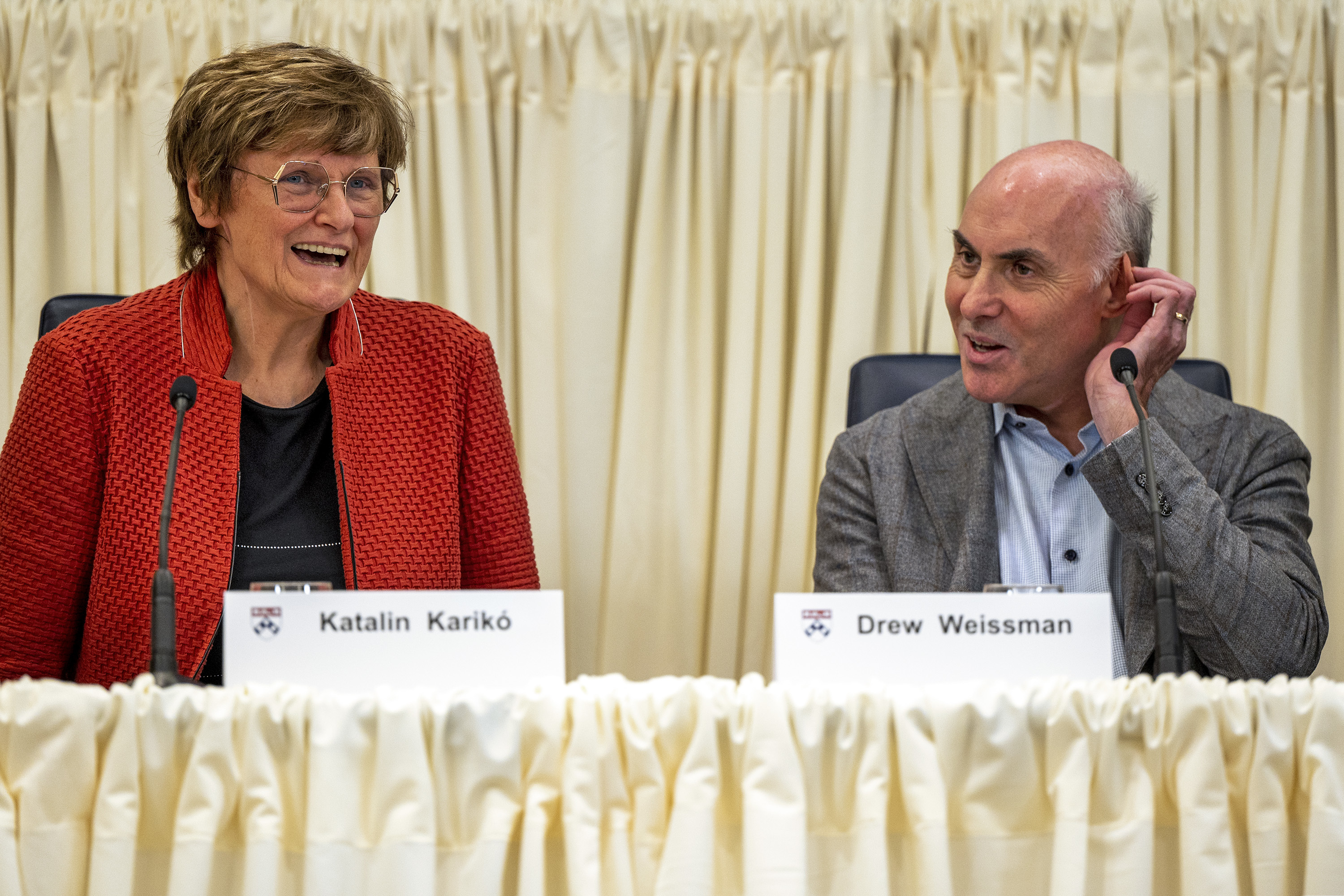
    Katalin Karikó and Drew Weissman attend a news conference at the University of Pennsylvania in October 2023, after they were named winners of the 2023 Nobel Prize in physiology or medicine for their work on messenger RNA, a key component of COVID-19 vaccines.

    Most recently and famously, Nobel laureate Katalin Karikó’s mRNA research that led to the rapid-fast, lifesaving COVID-19 vaccine response was commercialized in Boston, not here.

    The pattern is clear: Visionaries choose to live in Philadelphia, yet often get ignored, if not outright blocked, by local institutions. That’s no way to secure the next 250 years.

    There are signals of change.

    I take inspiration from bold efforts to build, including the Delaware waterfront and the cap of I-95. In the 2010s, Philadelphia’s technology sector earned initial, if timid, attention from successive mayoral administrations and civic leadership — and a half dozen tech unicorns were born.

    That tech community helped inform this multiyear vision statement project, which received $75,000 from a funders collaborative activating Semiquincentennial efforts, including the William Penn and Connelly Foundations. The city’s 2026 planning director, Michael Newmius, has been supportive, urging us to listen to residents and avoid undue filtering.

    Over two years, we’ve tabled at community events, hosted discussions, and led working sessions. The result isn’t mealymouthed or filtered by incumbency; it has grit and humanity — like Philadelphia itself.

    You can read the draft vision at Ph.ly and in the article box in this op-ed. We’re collecting one final round of feedback this fall, and we’ll incorporate what we can. We’re accepting feedback until Dec. 1.

    From conversation to commitment

    Our goal is to enshrine the final version of this statement on a physical plaque at a prominent location in the city. We’ll also host a digital version online, paired with voices from residents across the region.

    This vision doesn’t prescribe policy, nor make fallible predictions; instead, it offers a shared aspiration, a framework that future leaders can measure their plans against.

    In its early drafts, the statement imagined a green-energy Philadelphia with climate-adaptive agriculture, abundant public art, thriving multigenerational neighborhoods, and a culture that “exports ideas and imports opportunity.”

    Over subsequent versions, the specifics were removed to reflect the long time horizon, but the spirit remains: Philadelphia must keep people — not technology, not incumbency — at the center of our future.

    The Semiquincentennial should celebrate our history — I personally cherish it. I was a historic Old City tour guide for a year, and my daily bicycle commute to the Technical.ly newsroom past Independence Hall reminds me what endurance looks like.

    But if we only admire our past, we’ve missed its key lesson. Philadelphia is strongest when we pair cobblestones with invention’s spark.

    Read the vision at Ph.ly. Critique it, add to it, make it better. May it inspire Philadelphians for generations to keep building, not just preserving.

    The Kasparov-Deep Blue rivalry is remembered as the moment a machine beat a human genius. But that was the rematch. The first contest — the one held here in Philadelphia — ended with the human winning. Let’s make sure that’s still true for our city.

    Christopher Wink is the publisher and cofounder of the news organization Technical.ly.