Category: Residential Real Estate

  • Low birth rate risks creating U.S. housing glut over coming decade

    Low birth rate risks creating U.S. housing glut over coming decade

    For the past decade, scarcity was the U.S. housing industry’s most powerful marketing tool. The less there was to buy, the greater the urgency to keep bidding, even as prices hit record highs.

    Demand was supercharged by record-low pandemic-era mortgage rates that sparked bidding wars and sent prices soaring, crushing affordability. Recent estimates of the national housing shortage have ranged from 1.5 million to 7.3 million units.

    But a new era may be dawning, in which a shortage of buyers, not homes, is the defining feature, according to a new white paper from the Mortgage Bankers Association. Starting in 2030, deaths in the U.S. are projected to outnumber births, meaning that without immigration — now being throttled by the Trump administration’s crackdown — the population would begin to shrink, according to the Congressional Budget Office.

    “The next decade is likely to be quite different,” said Mike Fratantoni, the MBA’s chief economist and a coauthor of the paper. “We’re moving from a time of rapid household formation to one where there’s a slowdown.”

    That outlook is far from certain given all the variables such as a future administration that could decide to expand immigration and a stronger labor market that could boost household incomes.

    For now, affordability remains the market’s biggest constraint. Many young adults don’t have the money to buy a home and, in some cities, struggle to rent without roommates or financial help from family.

    Affordability has become a rallying cry so loud that it has bridged the political divide. Last month, Republicans and Democrats worked together to pass a bipartisan housing bill designed to address the shortage in affordable housing and lower costs for buyers and renters. The bill’s fate is uncertain after President Donald Trump abruptly canceled its signing.

    Still, the forces that fueled the housing market frenzy are now reversing. Mortgage rates, in the mid-6% range, aren’t likely to return anytime soon to the sub-3% levels of late 2020. The country’s fertility rate has fallen to a record low. Baby boomers, the oldest of whom are 80, are poised to start adding to supply as they downsize or die. In addition, immigration is severely restricted and deportations have cut net international migration by half in 2025 and likely even more this year.

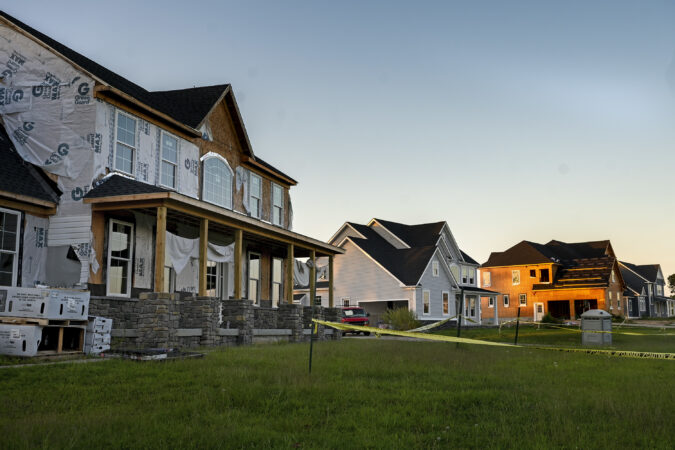
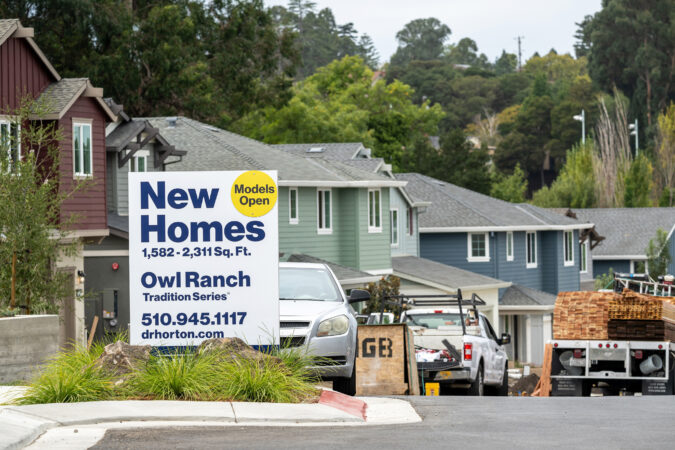
    Many builders currently have too much inventory, especially in Sun Belt states such as Texas, Arizona, and Florida, where they’ve been most active. Multifamily completions hit a 38-year high in 2024, flooding the market just as demand is cooling. The rental vacancy rate rose to 7.3% in 2025 from 5.6% in 2022, according to the MBA report.

    Fratantoni and his coauthors warn that a shrinking population will upend conventional thinking about “housing supply adequacy” and raise doubts that “the supply shortage that defined the post-2010 housing narrative will remain the right framework for the decade ahead.”

    National house prices are starting to adjust. After rising 55% from 2020 to 2025, a shrinking pool of potential buyers has the MBA projecting growth of only 1% in 2026 and flat home prices over the next two years.

    Even if it’s not a recipe for a broad market crash, continued construction could cause values to drop in some places. For the mortgage industry, oversupply and falling prices would mean fewer loans for new purchases and less demand for refinancing.

    Other analysts are seeing similar evidence of changing demand for housing. An assessment released last month by Harvard University’s Joint Center for Housing Studies found that household growth fell to 1.1 million in 2025 from 2 million in 2021, the third straight year of decline as young people double up with roommates or live with family rather than go out on their own.

    “The demand slowdown is coming,” said Alexander Hermann, senior research associate at the Joint Center. “That’s a real thing.”

    But a weaker appetite for homes overall doesn’t mean everyone can find one. According to the National Low Income Housing Coalition, 11 million extremely low-income renter households are competing for just 3.8 million homes within their reach.

    There remains a severe shortage of units for households in the lower- and middle-income brackets, Hermann said. “I don’t think we’ve made any progress on that,” he said. “If anything, that circumstance has only worsened.”

    A few months ago, Ali Wolf, chief economist at homebuilding consultancy Zonda, spoke before a gathering of clients and laid out a sobering picture: The country was still adding jobs, but at a slower pace, and the population was still growing, but at one of the slowest rates on record.

    A builder asked a question that caught her attention.

    “He said, ‘If job growth is slow and if population growth is slow, how do we grow our business?’” Wolf said.

    Since then, she’s been marshaling resources to answer it, building an index that ranks nearly 100 metropolitan areas on expectations for long-term demand. Her team is meeting with builders to explain what it means for their regions.

    When the immigration crackdown began, builders braced for the obvious blow: the loss of the workers who frame their houses and pour their foundations. But a drop in apartment construction since then has eased that pressure.

    “We thought we were going to get hit by labor supply,” Wolf said. “And actually, our biggest concern has been housing demand.”
  • Philly area’s housing market is ‘weird’ right now, agents say

    Philly area’s housing market is ‘weird’ right now, agents say

    Brenda Beiser knows firsthand how difficult buying a home in the Philadelphia area can be. She’s not only a Redfin real estate agent, but she’s also an empty nester who wanted to downsize.

    Her six-bedroom house in Mount Airy sold right away when she put it on the market in May. But she decided not to buy a replacement.

    “I went for a rental because I didn’t really want to compete with everyone who’s trying to get into a smaller house,” Beiser said. “A lot of people who are in their 60s and would have traditionally downsized into a smaller house just aren’t doing it. They can’t find a place to go.”

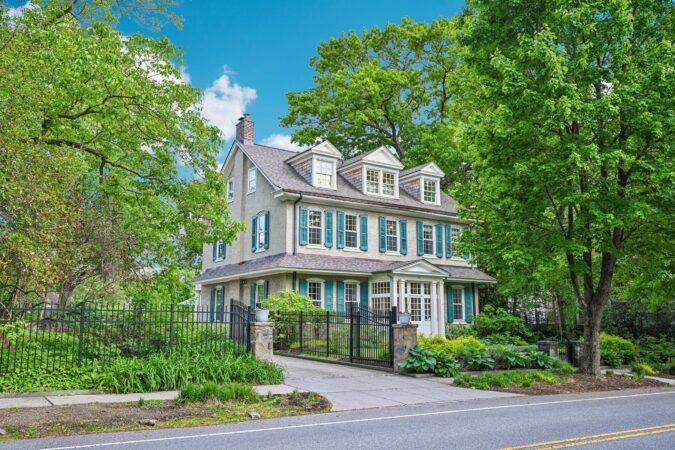
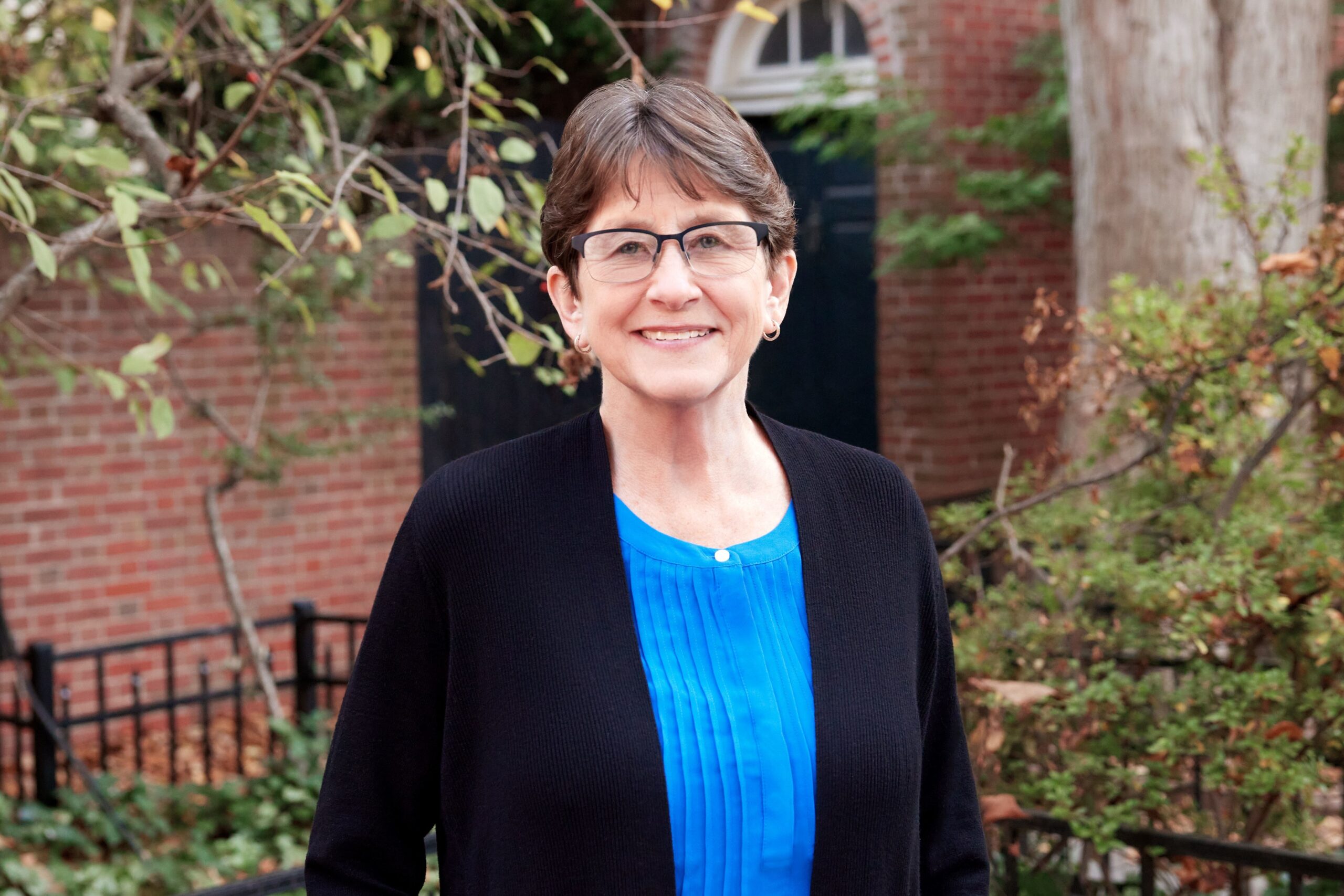
    Brenda Beiser, a Redfin real estate agent in the Philadelphia area, decided not to buy another home when she sold her Mount Airy house, because she didn’t want to enter the region’s competitive housing market.

    The Philadelphia region has a housing supply problem, just like large swaths of the country, and that’s impeding both repeat and first-time buyers. Inventory is particularly low across the Northeastern United States, where construction has not kept up with demand. In the beginning of this year, Zillow predicted that the Philadelphia metropolitan area would be one of the country’s 10 most-competitive housing markets of 2026.

    Home supply, however, has also ticked up a bit in the region compared with last year, and homes are staying on the market a bit longer before they sell. For the four weeks ending June 21, the region was in the top five markets with the highest annual increase in new home listings, according to a Redfin analysis of the 50 most-populous metropolitan areas.

    “The market’s encouraging,” said Jake Markovitz, president of the board of directors for the Greater Philadelphia Association of Realtors. “It’s certainly more balanced than it has been the last four, five years.”

    Erin Thompson, CEO of the Montgomeryville office with Keller Williams and leader of the Erin Thompson Team, agrees. She said buying and selling is “ebbing and flowing but trending toward a more stabilized market.”

    “Although I feel like I’ve said that twice in the recent past, and then it’s gone bonkers,” she said.

    The region’s market is a mixed bag.

    Some homes are sitting for a while, and some owners are at risk of selling properties for less than they bought them for a few years ago. Other homes have inspired five or more buyers to compete against each other, hiking up prices, said Markovitz, an associate broker with the Karrie Gavin Group at Elfant Wissahickon Realtors.

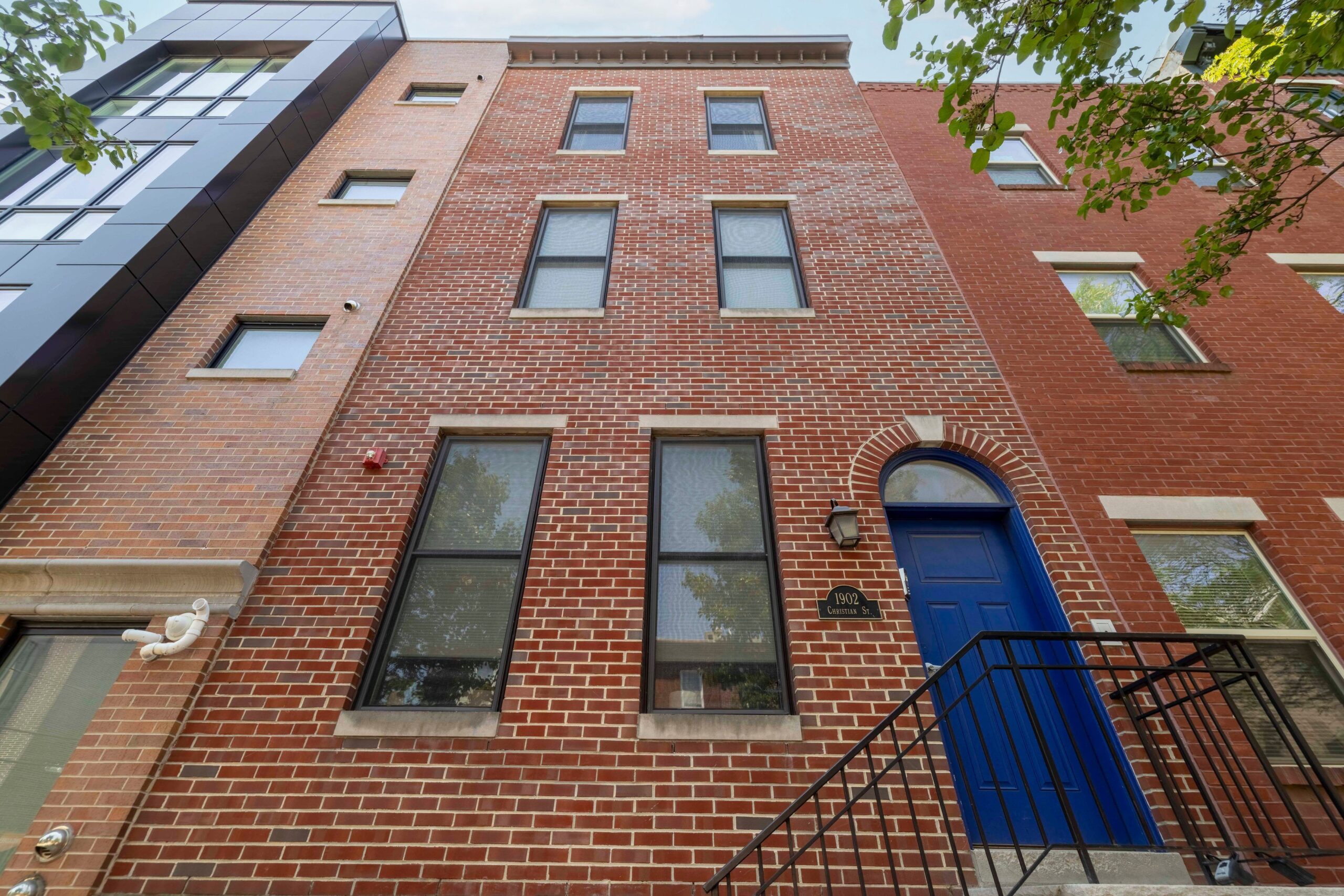
    This Graduate Hospital home went under contract last month a few weeks after it was listed for sale.

    “As an example, I’m seeing more inventory in Chestnut Hill than I have in a long time, which is giving buyers a little bit of power,” he said. But if the right property hits the market, it will go fast.

    He’s seen the same happen in neighborhoods such as Graduate Hospital and Fishtown.

    Because of strong demand for homes in the region, “I just don’t think we’ll see any major shift in prices coming down,” he said.

    ‘Weird’

    Markovitz and Thompson both used the same word to describe the recent real estate market: weird.

    They said housing activity isn’t always following time-tested rules.

    Philadelphia homes that sat on the market for months last fall, typically a busy season, suddenly went under contract in the winter, typically a slow one.

    A house that sits on the market for 30 days that a buyer thinks can be theirs at a lower price can suddenly attract two other buyers at the same time. And now they all need to be ready to pay more.

    Housing markets have always been hyperlocal, with buyer demand varying from neighborhood to neighborhood and block to block. But now, “it’s almost like a property-by-property basis,” even for comparable homes, Thompson said.

    Owners bound by ‘golden handcuffs’

    Even with recent upticks in home listings, the region’s housing supply is nowhere near enough to meet demand.

    “Most people are anticipating this year will continue to be a little tough,” Thompson said, “and then next year we’ll start to see some more inventory.”

    Markovitz said homeowners who bought properties five years ago with 3% or 4% mortgage interest rates are still experiencing “some sticker shock” from current rates, which lately have been averaging about 6.5% for a 30-year, fixed-rate mortgage.

    “Those people, even if they’re ready to leave, are kind of bound by their golden handcuffs,” not wanting to sell and then have to buy a home at a higher interest rate, he said.

    But for many homeowners, “the reality of the market has set in a little bit,” he said. “Where people were sort of hoping, wishing that rates would come back down, they’re not.” And life events such as births, deaths, and job moves mean that people need to sell their homes.

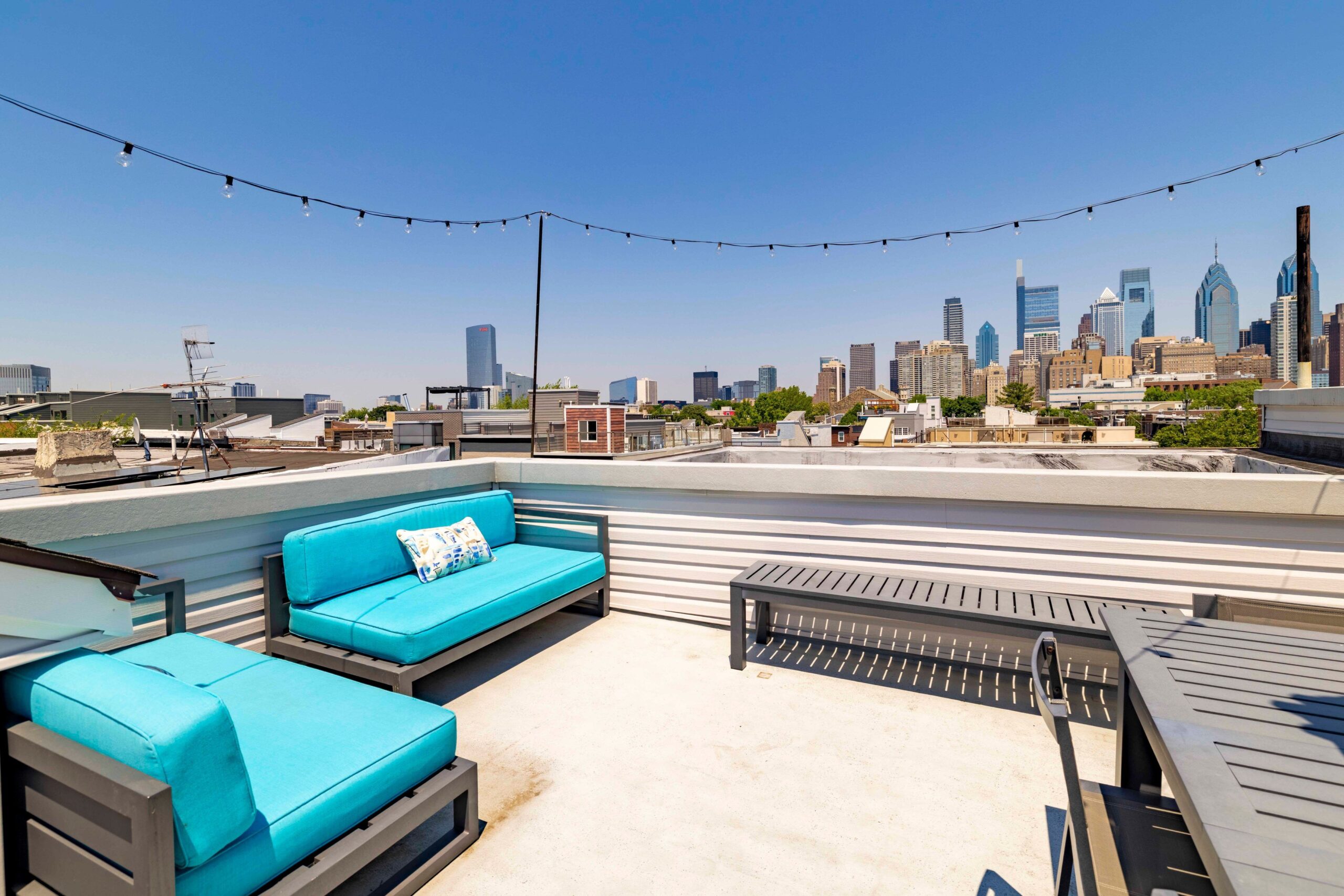
    This recently sold Graduate Hospital home has skyline views from the roof deck.

    And buyers show up to purchase them.

    Thompson said she was nervous when she listed a Phoenixville home for sale during Memorial Day weekend, when many homebuyers might be traveling. But a lot of people came to see it, and the seller ended up with seven offers and a final price that was well over what they expected.

    Buyers, however, aren’t accepting just anything. They are more selective and less likely than in past years to skip home inspections. If sellers want to get the highest price, they have to prepare their properties for sale, agents said.

    Homes, and especially kitchens and bathrooms, need to be up-to-date, and central air-conditioning is a plus, said Annette Collier, owner and real estate broker at Able Real Estate, based in West Philadelphia.

    “That’s what buyers are looking for, and I don’t think they’re willing to settle,” said Collier, who works in the city and surrounding areas. “I find that less buyers want to do any renovations. Most buyers want a move-in-ready situation.”

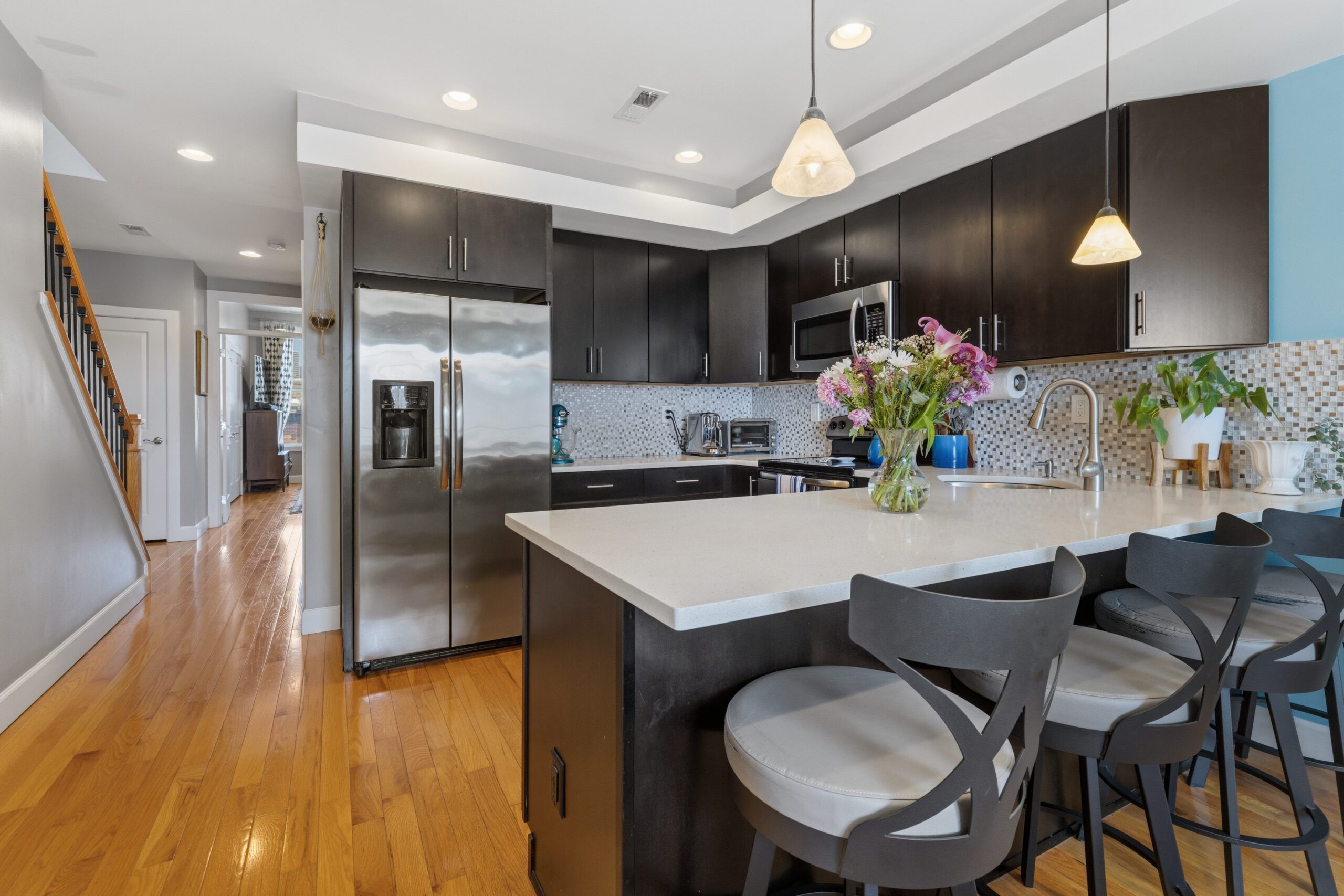
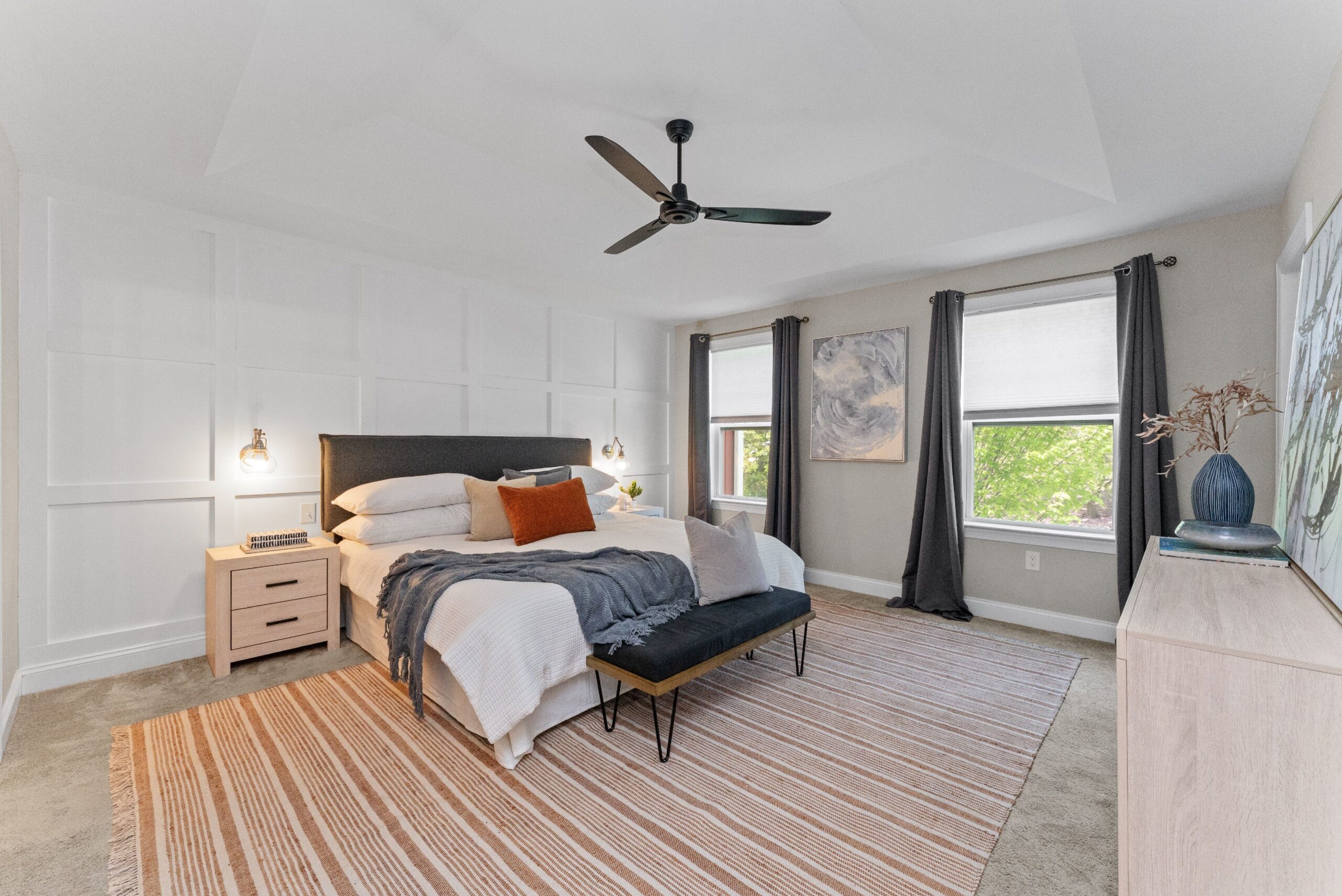
    Homebuyers want updated kitchens, like this one in a Graduate Hospital home that recently sold.

    And sellers need to be realistic about how much they can get for their home.

    “If you overprice by even just a little bit,” Thompson said, “you’ll end up sitting.”

    Buyers ‘ready to pounce’

    Generally speaking, buyers now have more time to make decisions than they did last year, since homes are staying on the market longer.

    But, in some submarkets, especially in Philadelphia’s collar counties, “there’s so much demand that certain houses are just going to fly off the shelves,” said Beiser, who works in Philadelphia and surrounding areas.

    “I have some buyers in the suburbs, and they‘ve kind of stopped looking because it’s too challenging,” she said.

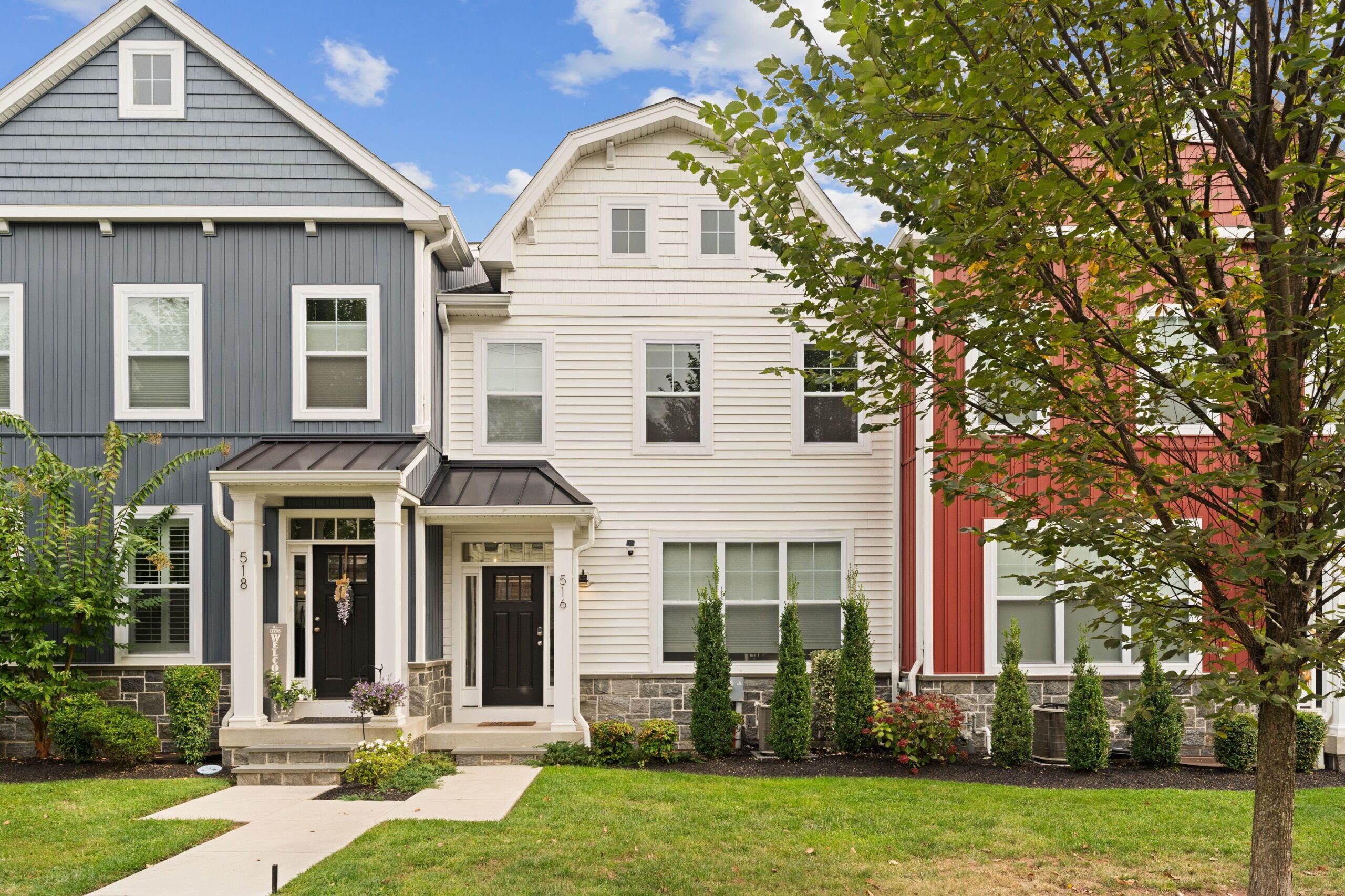
    This home in Upper Merion Township is listed for sale for $699,900 by agent Erin Thompson.

    Beiser has been working with a couple with children who live in Philadelphia but want to move to the suburbs. Each spring for the last three years, her clients make a plan to try to find their next home. But every year, they decide that continuing to live in the city is more convenient than facing competitive markets in which they’re expected to skip home inspections to win a property, Beiser said.

    Thompson has seen a growing trend of frustrated buyers putting in offers above the asking price even when they’re not facing direct competition. One client recently went under contract on a Fishtown home they had immediately put an offer on.

    “They came in aggressive, because they’d just lost out on a house, and they’d been looking for a while,” she said. “You have these buyers who are scarred and tired, so they’re coming in more aggressive.”

    Thompson tells buyers to make sure they’re as prepared as possible before starting their home search.

    “You have to be ready to pounce the second [a home] comes to the market,” she said.

    This home on the market in Upper Merion Township spans more than 2,800 square feet and has three bedrooms.
  • Property values in Kensington went up more than any other Philly neighborhood this year

    Property values in Kensington went up more than any other Philly neighborhood this year

    The biggest jump in Philadelphia’s property assessments this year occurred in Kensington, a measure that means many homeowners in the long-struggling neighborhood are likely to see higher taxes amid a concerted effort by the city to clean up the area.

    That is according to an Inquirer analysis of recently released property assessments of single-family homes, which found that, citywide, there was a 3% median change in valuations from the 2025 tax year, the last time there was a mass reassessment.

    That increase is far more modest than the widespread jump in valuations that homeowners saw two years ago, which captured multiple years of real estate growth and the volatile post-pandemic market.

    What remains the same: who will be most affected.

    The Inquirer’s analysis of this year’s property assessment data shows that low-income neighborhoods near gentrifying areas saw the sharpest jumps in valuations compared with the rest of the city.

    The four areas that saw the largest percentage increases in median assessments — Kensington, Mantua, Grays Ferry, and Kingsessing — all border more gentrified neighborhoods like Fishtown, University City, and Point Breeze. The results of the analysis are a further sign that market pressures in higher-income areas are pushing into pockets of the city that have long been primarily home to Black and brown working-class residents.

    Of the eight neighborhoods that saw the largest increases between the 2025 and 2027 tax years, five have median annual household incomes around $40,000 or less, according to an analysis of U.S. Census data. The federal poverty level is $33,000 for a family of four.

    (function(){function e(){window.addEventListener(`message`,function(e){if(e.data[`datawrapper-height`]!==void 0){var t=document.querySelectorAll(`iframe`);for(var n in e.data[`datawrapper-height`])for(var r=0,i;i=t[r];r++)if(i.contentWindow===e.source){var a=e.data[`datawrapper-height`][n]+`px`;i.style.height=a}}})}e()})();

    In a statement, officials with Mayor Cherelle L. Parker’s administration noted that many homeowners in those five neighborhoods are benefiting from a popular city tax break. The city said that the median 2027 value in those five neighborhoods is $123,600, so for many homeowners in those areas, the median taxable assessed value is just $23,600.

    That is because of the homestead exemption, a tax break for homeowners who live in their house as their primary residence that exempts the first $100,000 in home value from property taxes. Homeowners must sign up to be included in the free program.

    At least 60% of homeowners in those neighborhoods have signed up for property tax relief programs, according to the city.

    James Aros Jr., the chief assessor of the Philadelphia Office of Property Assessment, and Revenue Commissioner Kathleen McColgan said enrollment rates in property tax relief, including the homestead exemption and multiple tax freeze programs, are “encouraging.”

    They said the city will “build on this progress through extensive targeted outreach, community partnerships, and efforts to make enrollment as simple and accessible as possible.”

    The current property tax rate is 1.3998% of assessed value, which has not changed for nearly a decade. The revenue is split between the city and the Philadelphia School District.

    Rising home values in Kensington

    Citywide, the steepest increase in valuations was in Kensington, where the median property value jumped 15.3%, from $115,700 in the 2025 tax year to $133,400 now. That median increase would translate to a roughly $250 annual property tax hike.

    That comes after Parker’s administration in 2024 launched a multipronged effort to address the long-entrenched open-air drug market in Kensington, which is the epicenter of the city’s opioid crisis and a site of sprawling homelessness.

    While the administration has increased law enforcement’s staffing in the neighborhood and scaled up programs for people who are in addiction, Kensington has also for years seen creeping gentrification from Fishtown to its southeast.

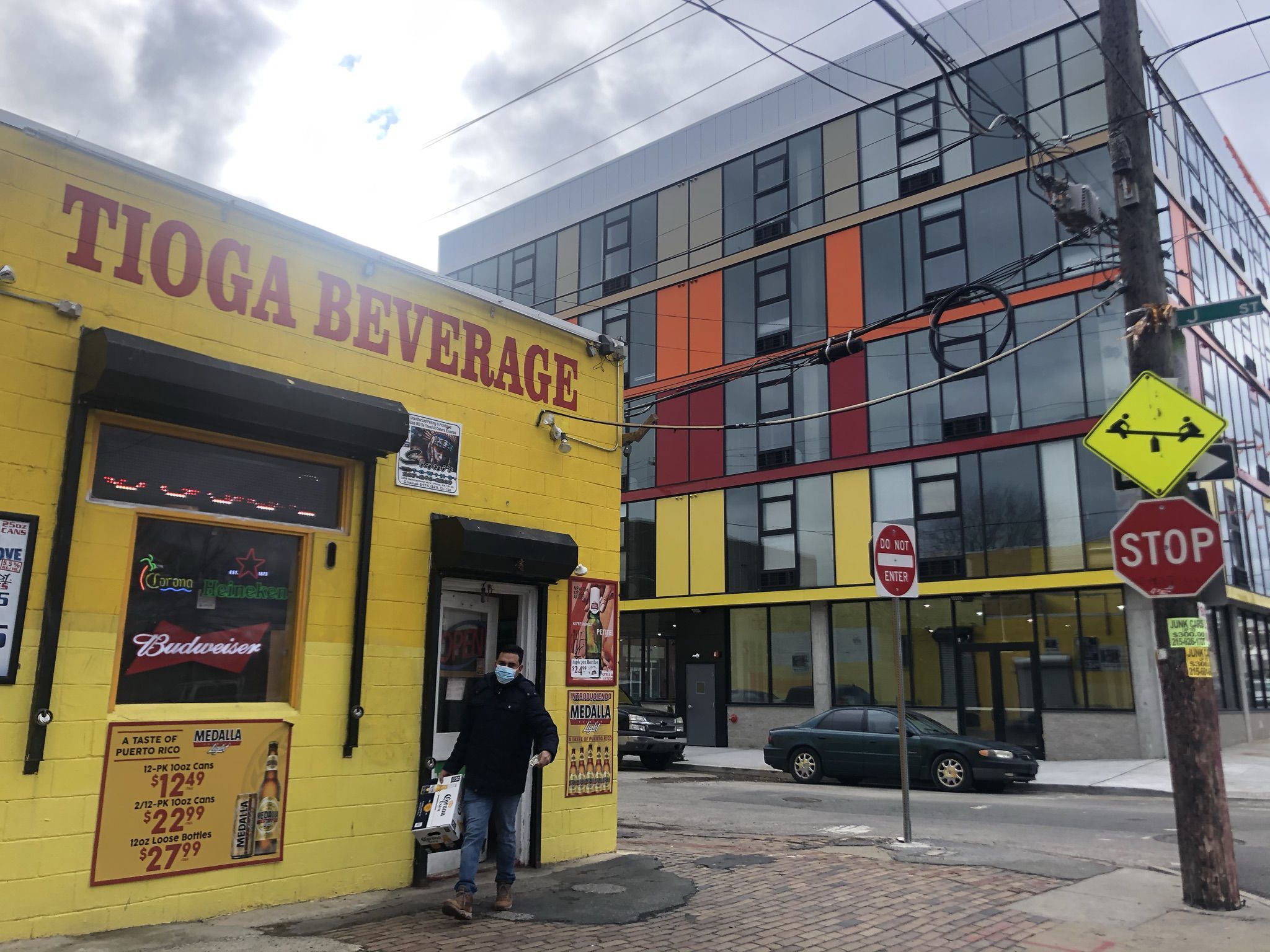
    In this 2021 file photo, a glass building at J and Tioga sits near a beer store in Kensington.

    Some neighborhood leaders have watched with anxiety as luxury housing developers and out-of-town investors gobbled up properties in the neighborhood, fearing that poorer residents and middle-class homebuyers may be priced out.

    City Councilmember Quetcy Lozada, a Democrat who represents the 7th Council District, which includes parts of Kensington, said she knew speculators from outside the area would want to make it “the next gentrified neighborhood” once the city changed its strategy to more aggressively clean up trash and improve public safety.

    But Lozada said there are not enough programs specific to Kensington aimed at preventing displacement as a result of rising property values, especially as the city is investing millions of dollars a year to improve the neighborhood. She said her office is exploring additional tax relief measures.

    “I’m going to do whatever I have to do to make sure that residents who have lived in that community can stay there, can raise their families there,” Lozada said. “We have witnessed what has happened on the southern end of the district, where there has been rapid gentrification.”

    In this March file photo, City Councilmember Quetcy Lozada stands in Council chambers during Mayor Cherelle L. Parker’s budget address.

    Lozada also said rising property values in Kensington are part of why she has been “so careful with projects presented to me” and has prioritized what she sees as equitable development in the neighborhood — at times to the chagrin of developers who think she has been too restrictive.

    “I’m all about people making a return,” she said, “but you can’t continue to do it on the backs of poor people.”

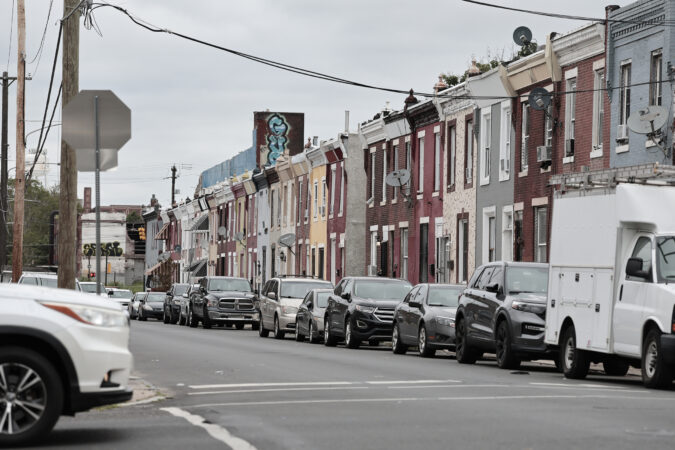
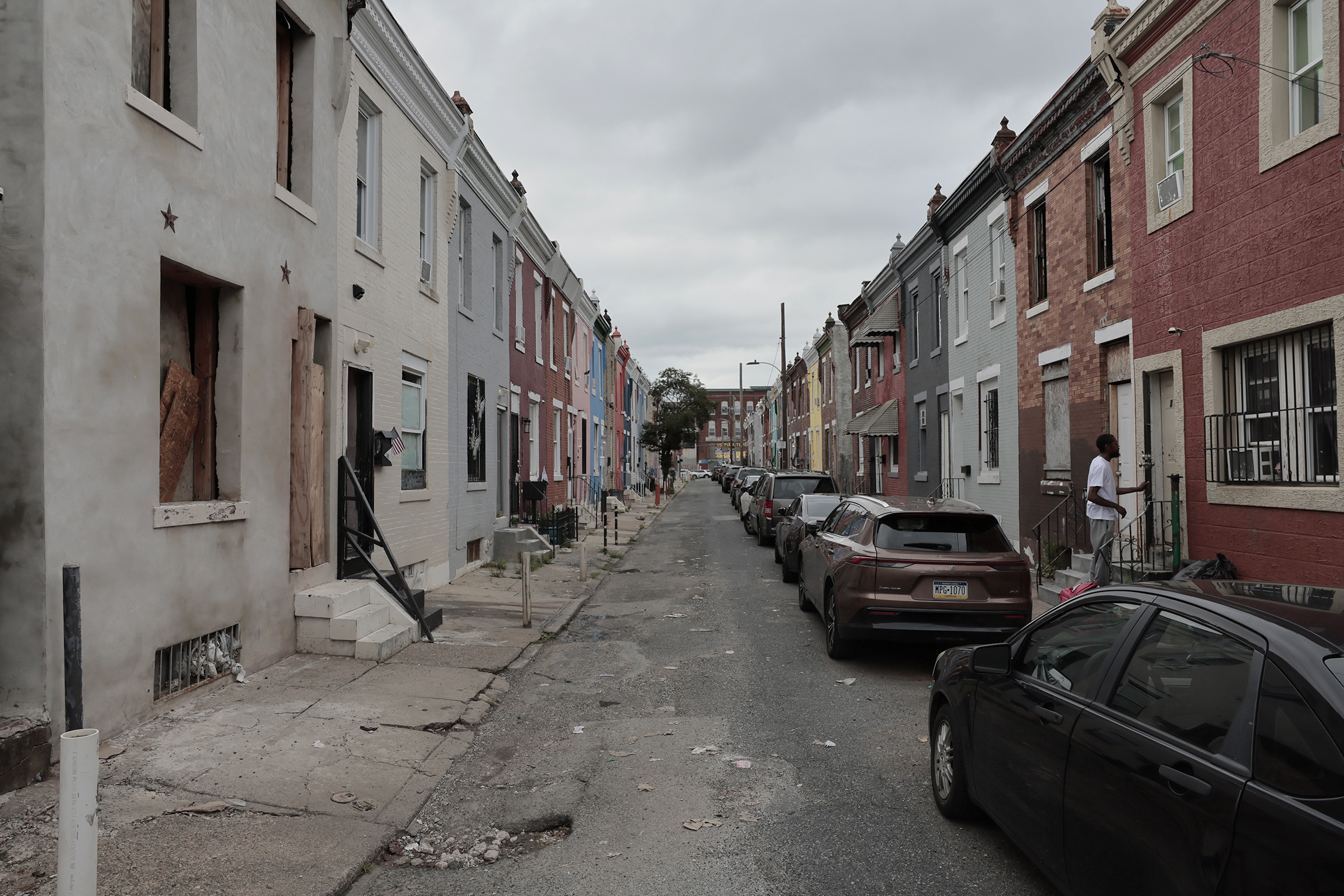
    The 3100 block of Arbor Street in Philadelphia on Tuesday, July 7, 2026.

    Continuing change in pockets of West Philly

    There were also significant property value increases in parts of West Philadelphia.

    The median increase in Mantua, the neighborhood north of University City, was the second highest in the city, at 15%, according to The Inquirer’s analysis. The median increase was 12% in Kingsessing, the neighborhood south of University City that in 2025 saw the largest jump of any neighborhood in Philadelphia.

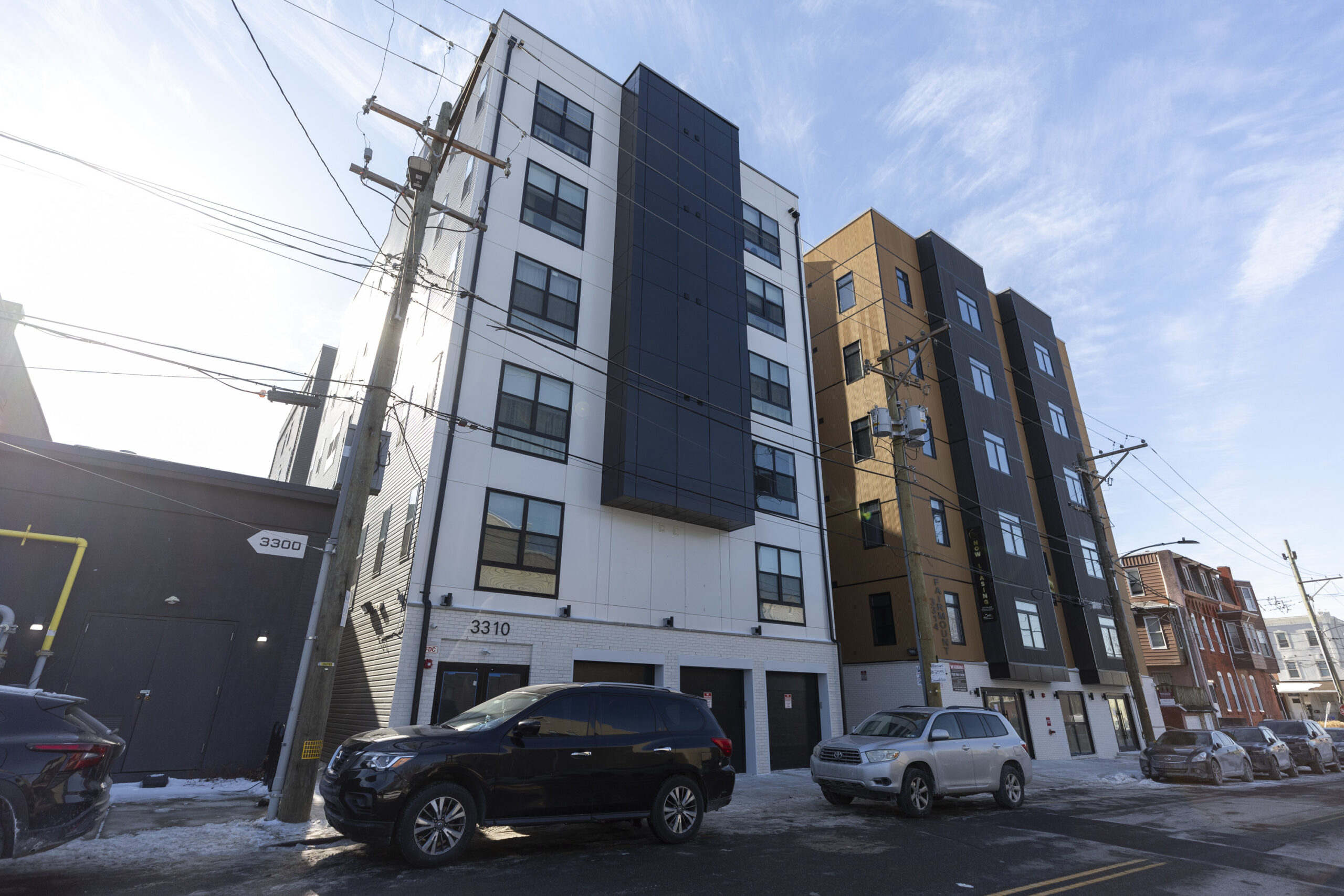
    Newly developed buildings along Fairmount Avenue in the neighborhood of Mantua in Philadelphia, Pa., on Thursday, Jan. 23, 2025.

    Councilmember Jamie Gauthier, a Democrat who represents West Philadelphia and has made preventing displacement a key initiative, said that there has long been racial bias in the city’s property assessments and that the city must “get serious” about protecting low-income homeowners by revamping its system.

    “There has to be a higher level of urgency in making sure that the city doesn’t have a hand in pushing out all of these homeowners that make Philadelphia what it is,” Gauthier said. “It’s unconscionable for us to destabilize our neighborhoods and the longtime homeowners who live there because we didn’t take enough care to make sure that our process was fair and equitable.”

    For too long, she said, city officials have said they intended to examine the property assessment practices and identify improvements. In 2024, Parker convened a task force to study the process.

    Aros told Council in April that the task force’s report was “being finalized.” He said OPA would look to implement recommendations from the report, including conducting more regular reassessments and improving property-level data such as property condition.

    The city is also planning to hire an outside consultant to examine its mass appraisal practices, according to city records. The analyst will be responsible for drafting a report by the end of this year.

    Deputy creative director John Duchneskie contributed to this article.

  • 40 new apartments are coming to Jenkintown at the site of the former Helweg funeral home

    40 new apartments are coming to Jenkintown at the site of the former Helweg funeral home

    Construction is underway on a mixed-use apartment building facing York Road in Jenkintown.

    Plans for the new building, which will sit at the intersection of Route 611 and Cherry Street across from Dunkin’, include 40 apartments and a ground-floor commercial space.

    The four-story structure also includes a parking garage with 48 spaces. Eight of those will be reserved for the retailer, developer and owner Vincent Celenza said.

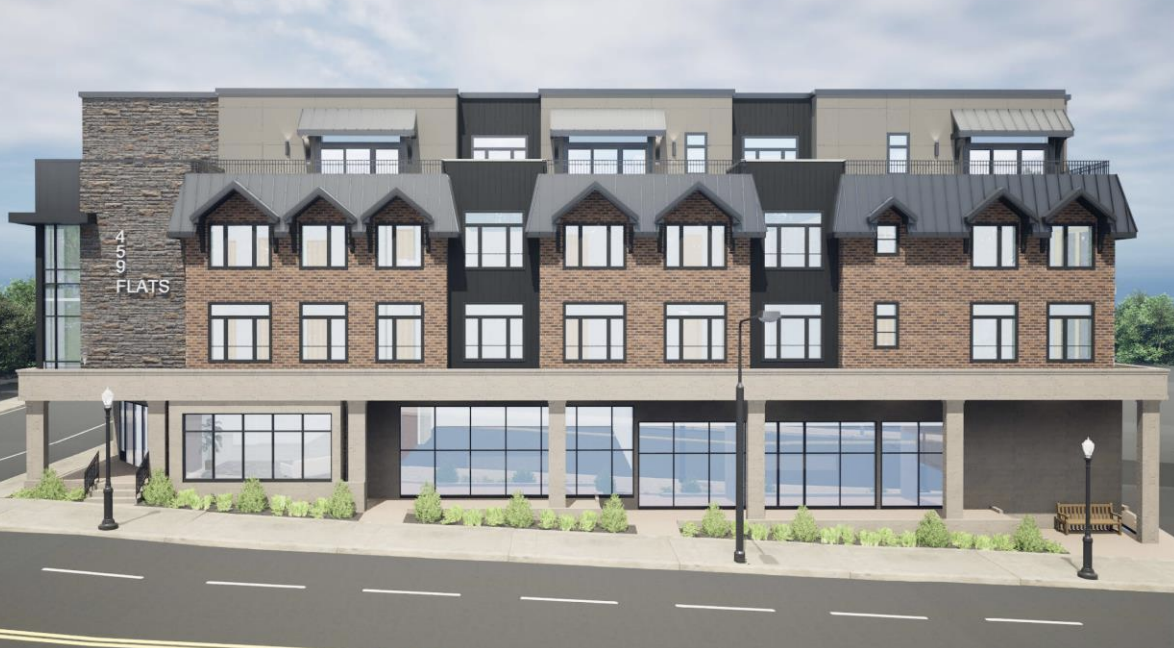
    Rendering of an apartment complex at Route 611 and Cherry Street in Jenkintown set to open next year.

    Some Jenkintown residents have previously voiced concerns about parking permit arrangements for new apartments, arguing that charging for the spots encourages occupants to use free street parking instead.

    But Jenkintown Borough Manager George Locke said he’s heard some argue that no-cost parking permits could present a different problem: “[An] owner might just work the cost of parking into all leases and that might negatively affect those who chose not to drive and use public transportation instead.”

    Celenza said he hasn’t decided yet how to handle parking permits. “That was one of [the borough’s] concerns,” he said.

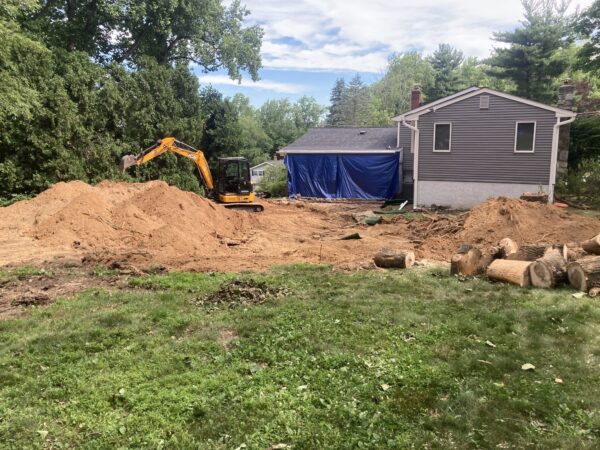
    An older building on the site, Helweg Funeral Services Inc, was demolished earlier this month.

    Celenza bought the land in 2022 from the trust of the Helweg family funeral home’s owner, Mary Welham Wurmstedt, according to property records.

    Newspaper archives indicate the Helweg funeral home had operated on the property since at least the 1930s. Helweg’s has merged with another funeral home and is now located two miles down the street in Abington.

    Celenza went through several rounds of planning with Jenkintown, which requested fewer apartments and a wider sidewalk on Cherry Street, Locke said. Celenza agreed to those requests in the final plan submitted last summer.

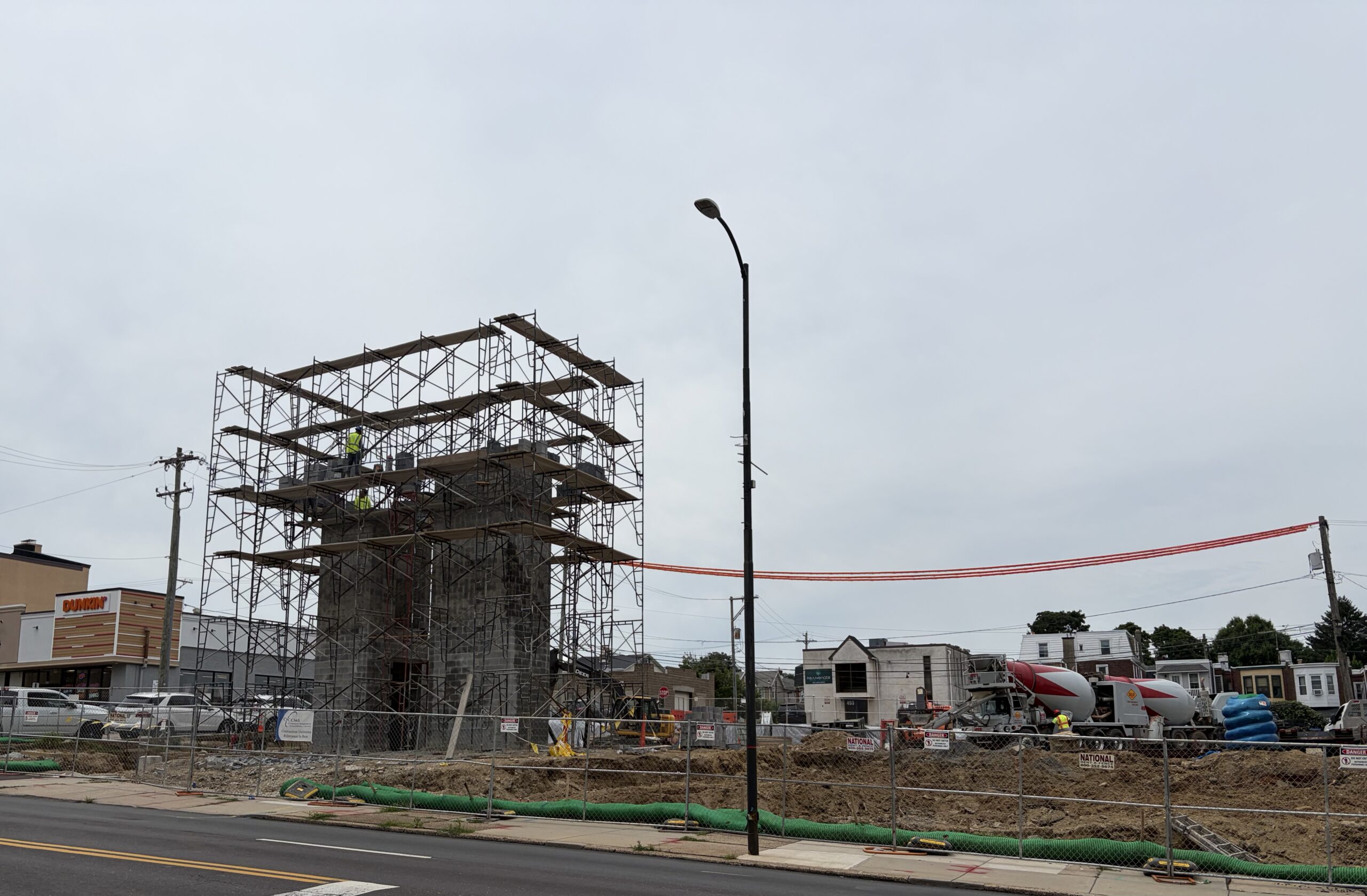
    Construction is underway on a new 40-apartment complex and commercial space at Old York Road and Cherry Street in Jenkintown.

    The developer will also add a small public area with two benches on a back corner of the property at Cherry and Johnson Streets.

    The apartment complex, named 459 Flats, is set to open in June 2027, Celenza said.

    Average rent for the apartments, which range from studios to two-bedroom units, will be about $2,400 per month.

    This suburban content is produced with support from the Leslie Miller and Richard Worley Foundation and The Lenfest Institute for Journalism. Editorial content is created independently of the project donors. Gifts to support The Inquirer’s high-impact journalism can be made at inquirer.com/donate. A list of Lenfest Institute donors can be found at lenfestinstitute.org/supporters.

  • Historic church at 42nd and Pine to become apartments after Penn declined to buy the building

    Historic church at 42nd and Pine to become apartments after Penn declined to buy the building

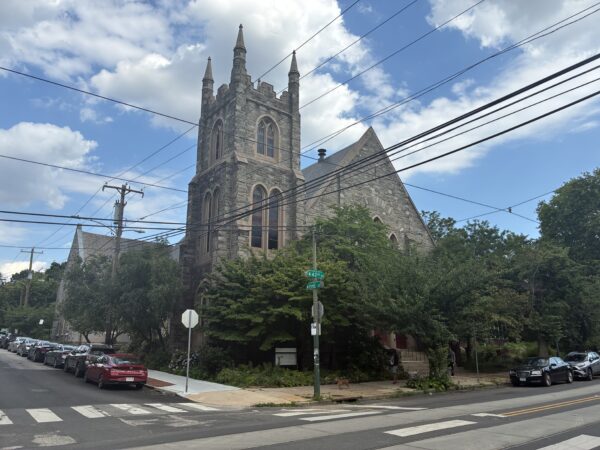
    The former Woodland Presbyterian Church at 401 S. 42nd St. is being converted to 35 apartments, mostly studios, with seven set aside at affordable rents.

    The oldest parts of the church complex date to 1871. But after the COVID-19 pandemic and with a shrinking membership, Woodland Presbyterian merged with several other Philadelphia congregations in a Center City building.

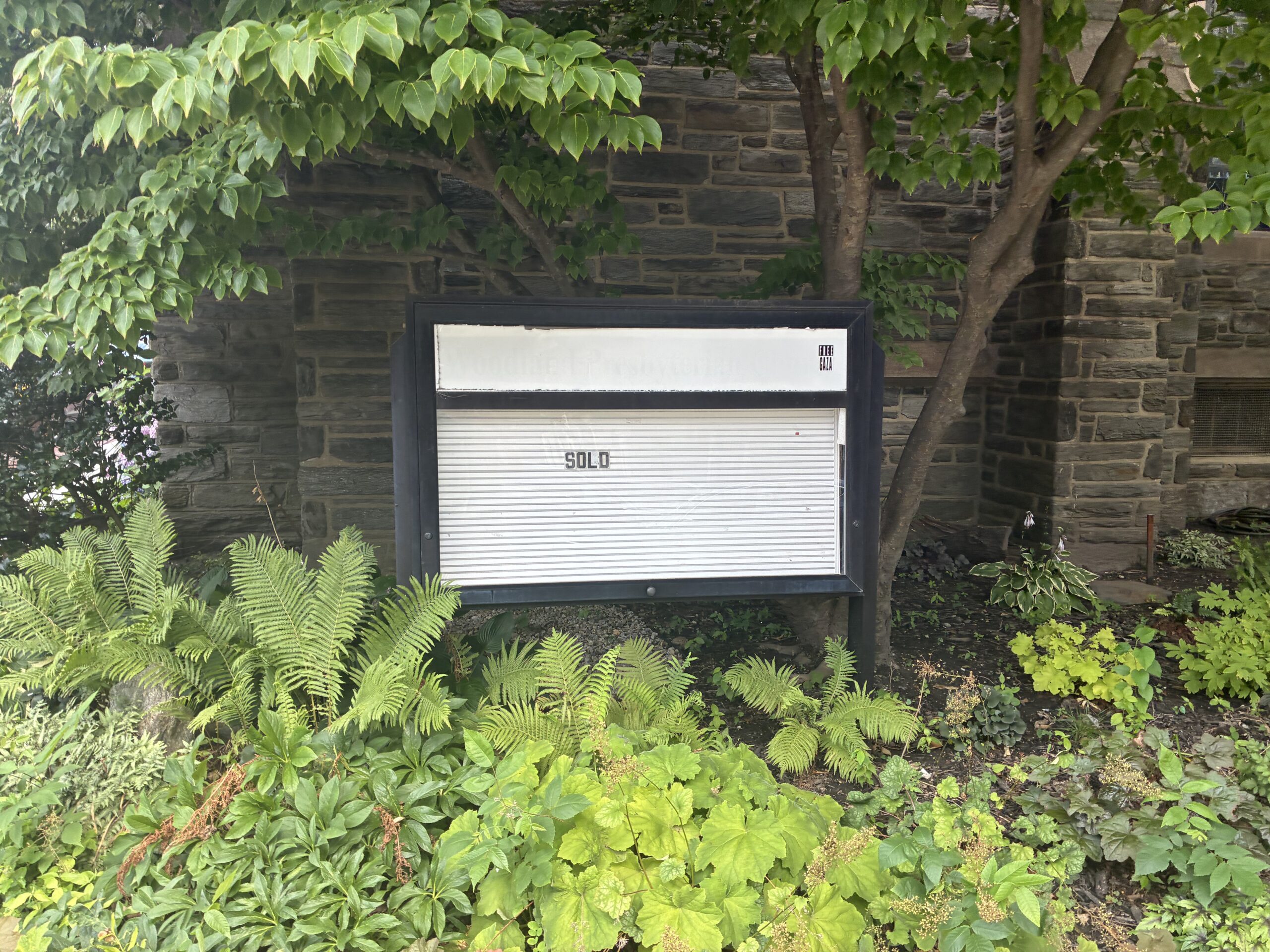
    They decided to sell the 42nd Street building after determining it would cost millions to rehabilitate.

    In November the property sold for $1 million to a limited liability corporation that shares the address of Bala Cynwyd-based Finch Development.

    The company has extensive rental property holdings in Philadelphia and on its website boasts a 37-unit redeveloped former church building at 1629-39 S. 28th St. in Grays Ferry.

    “It was the highest offer, and they did have a track record of one or two conversions of a house of worship,” said David Brindley, a Reformed Church leader involved with the sale. “They seemed to be people that could get things through to the finish line.”

    The building sold for $1 million at the end of last year.

    The company did not respond to requests for comment. The project’s design firm is Raymond F. Rola Architecture.

    The former Woodland Presbyterian Church is three blocks from the University of Pennsylvania’s campus. At first Brindley sought to interest other congregations, including those who cater to college students, but when those efforts failed, he approached Penn itself in 2024.

    The university made an offer in early 2025, he says.

    “It could be a space to bridge the gap between the town and the gown, and they were very interested,” Brindley said.

    “They were going to make it the new Rotunda,” a Penn-owned community space at 41st and Walnut, he said. “They were going to move the Rotunda and its activities there, the community art space there, and then be able to expand.”

    But as 2025 progressed — a year where Penn and the rest of the higher-education sector faced federal funding loss and other uncertainty — the university decided against moving forward, citing the expense of shoring up the building, Brindley said.

    “I don’t blame Penn at all, but at that time, they just couldn’t [take the] risk,” Brindley said.

    The university declined to comment.

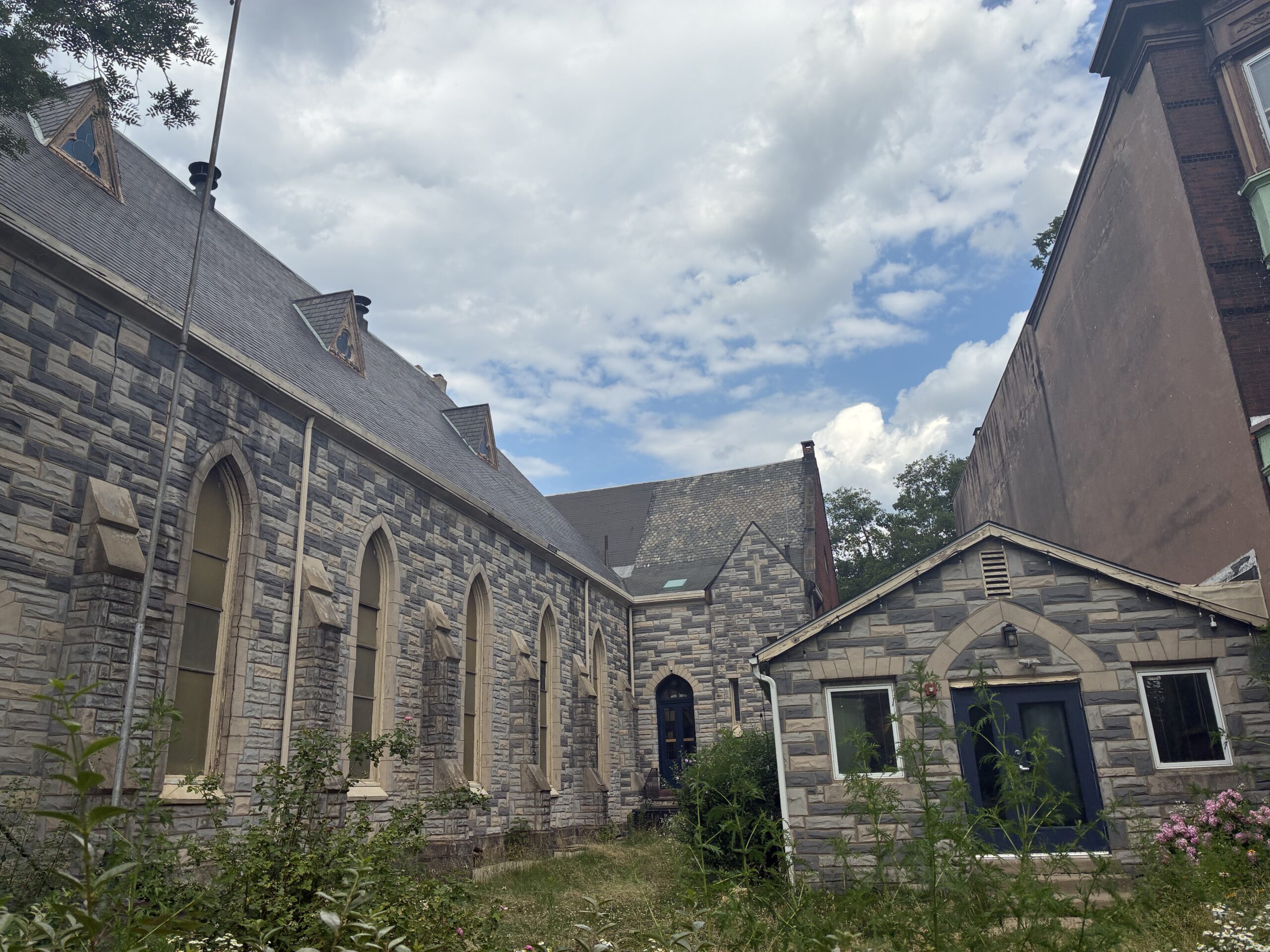
    Plans on the Department of Licenses & Inspection’s website show units ranging from a smallest of 324 square feet to the largest at 848 square feet, which would be housed in a one-story annex on the south side of the property.

    The annex on the right-hand side of this photo will have the largest apartment in the new complex.

    Due to the proximity to the university, Brindley says he expects that renters will mostly be students associated with Penn.

    The project falls within Councilmember Jamie Gauthier’s mandatory inclusionary zoning overlay (MIN), which requires that one-fifth of units in large projects be set aside for those earning 40% or less of area median income. That’s roughly $35,000 for a one-person household.

    “Project will comply with MIN overlay affordability rules as necessary,” the apartment conversion’s June 25 zoning permit reads.

    The project is zoned for duplex construction. But the former church is within the Spruce Hill Historic District, which means that Finch Development can build without a zoning variance — due to a 2019 law passed by City Council that allows historically protected special buildings like churches to be redeveloped beyond their underlying zoning.

    The law was created in reaction to the controversy over St. Laurentius Church in Fishtown, where a handful of neighbors fought against the redevelopment for so long that the church deteriorated to the point it had to be demolished.

    The Spruce Hill Historic District, like many of the newly created historic districts, is being challenged in court by local property owners, including the major student housing companies in the area like Campus Apartments and University City Housing.

    After being rejected by a local judge, an appeal is pending in Commonwealth Court.

    “I’m very glad it’s not going to get demolished,” Brindley said. “It’s not a sad story about what the building will become from my perspective. We would have certainly loved for it to have had a community-centered use, but the building was just too far gone.”

  • Home insurance costs in N.J. and Pa. are below national averages but on the rise

    Home insurance costs in N.J. and Pa. are below national averages but on the rise

    Being a homeowner is getting more expensive not only because of the rising costs of buying properties but also because of the rising costs of protecting them.

    From 2020 to 2025, home insurance rates across the country increased by a cumulative 47%, according to an analysis by the online loan marketplace LendingTree. In 2024 alone, they rose by about 13%. They increased by 6% in 2025.

    Last year, rates increased by 7.5% in New Jersey and just over 1% in Pennsylvania.

    Homeowners are seeing higher prices because of more frequent and damaging severe weather events and rising costs of labor, materials, and repairs.

    “Rising home insurance costs are forcing many homeowners to make difficult financial trade-offs,” Lindsay Bishop, an insurance expert for LendingTree, said in a statement. “That suggests affordability pressures are becoming severe enough that some homeowners are questioning whether they can continue carrying coverage at all.”

    Nationwide, more than 12 million owner-occupied homes are uninsured, according to a LendingTree report from March. LendingTree called homes uninsured if owners spent less than $100 per year on home insurance.

    Of the country’s 100 most populated metropolitan areas, the Philadelphia region ranks in the middle — 47th — when it comes to shares of uninsured homes. Roughly 203,600 homes, or about 12%, did not have insurance in 2024.

    Nationally, the average cost of home insurance is $2,395 per year. But costs are lower in New Jersey and Pennsylvania. The average cost is $1,449 in the Garden State and $1,712 in the Keystone State.

    Costs vary by state because of their varying risks of severe weather.

    Oklahoma, located in “Tornado Alley,” is the state with the highest average home insurance cost — $5,298 per year. Next is Nebraska, also in “Tornado Alley.” The average cost there is $4,956 per year.

    Then comes Colorado, where homeowners pay an average of $4,310 per year. Colorado also was the state with the largest cumulative increase in home insurance costs from 2020 to 2025. The average rate more than doubled.

    “States like Oklahoma, Nebraska, and Colorado experience greater damage from tornadoes, hail, wildfires, and severe storms,” Bishop said. “This leads to more frequent and expensive claims, so it’s unlikely that the gap between states will close dramatically unless the underlying risks change.”

  • The historic Conkling-Armstrong House in North Philly is poised for affordable redevelopment

    The historic Conkling-Armstrong House in North Philly is poised for affordable redevelopment

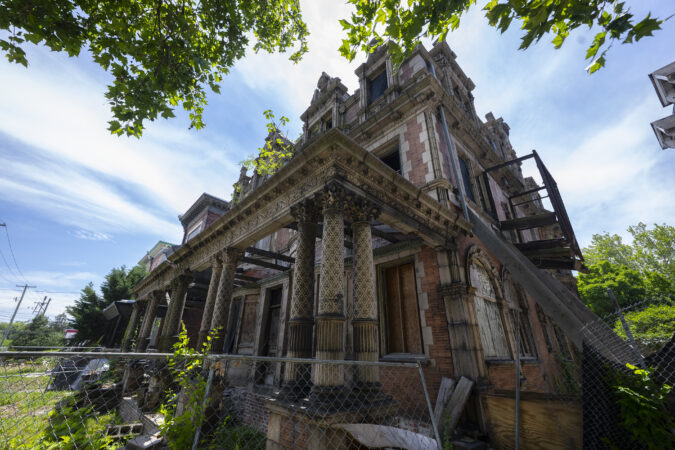
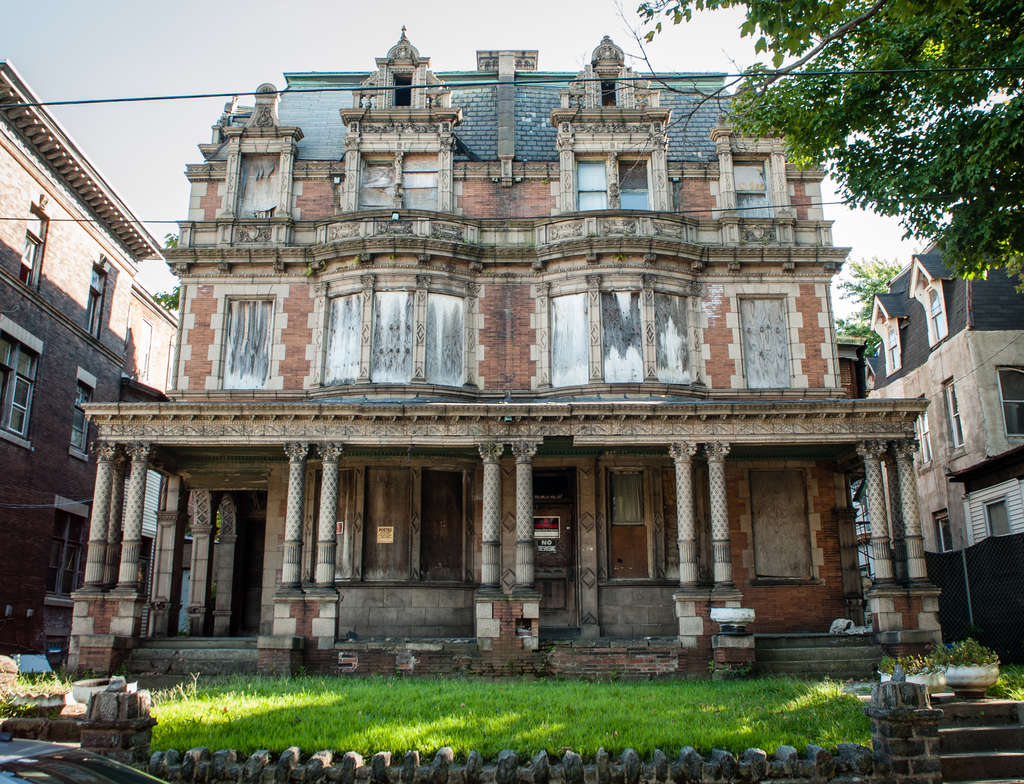
    They don’t make them like the Conkling-Armstrong House anymore. They never really did — except this once.

    Located at 2224-26 W. Tioga St., each of the two roughly 5,000-square-foot houses in this twin mansion are encrusted with terra-cotta flourishes that set them apart from their neighbors and from pretty much any other building in the city.

    That’s because this almost 130-year-old mansion in North Philadelphia was built as a towering advertisement for what the Conkling-Armstrong Terra Cotta Co. could offer late-19th-century developers and architects.

    They studded it with beautiful decorations and elaborate details to demonstrate what their products could look like on future buildings.

    When this one-of-a-kind house was built in 1898, the company’s factory stood mere blocks away. Now it is gone, demolished in 2011, and the house itself hasn’t been occupied in even longer.

    That period of vacancy will end soon, if local affordable housing developer Brian Wise gets his way. He’s already invested almost $1 million in bringing the Conkling-Armstrong house back from the brink of demolition.

    “When we first had the property, we could not even walk through it,” said Wise, managing partner of Wise Holding Group LLC. “There was so much deterioration from the roof all the way down to the basement.”

    Wise plans to build 12 apartments in the twin buildings and another 12 in two additions behind the twins, each over 4,000 square feet. They will extend into the vacant lot behind the Conkling-Armstrong house, fronting on Estaugh Street.

    The plan is to lease most of the units to tenants who use rent vouchers from the Philadelphia Housing Authority.

    “It’s a pretty ambitious job to do and something that will be a challenge, but sometimes we like challenges,” Wise said. “We’ll do everything we can to keep the building stabilized and bring it back to its original form, especially the exterior.”

    Earlier this month, the city’s Zoning Board of Adjustment gave Wise the go-ahead to begin the project.

    “This is one of these projects that you’ll remember over the course of your career,” Wise’s attorney, Alan Nochumson, said in his pitch to board members to preserve the building.

    Wise needed permission to build beyond the allowable density on the site, arguing that the rents from additional units were the only way to make the project economically feasible.

    The Conkling-Armstrong house on the 2200 block of West Tioga Street in 2018.

    His case was supported by two local community groups, the Allegheny West Civic Association and the Swampoodle Neighborhood Parcels Association.

    Wise anticipates an 18-month to two-year timeline, given the final Historical Commission approvals he needs.

    Wise originally came to this block of West Tioga Street to try to buy one of the other venerable, if less ornamented, stone twin houses on the block.

    He decided against that purchase, but while he was in the neighborhood, he noticed the intricate design and decoration of the Conkling-Armstrong House, as well as its dilapidated state.

    After acquiring the building, Wise considered demolishing it. But the Conkling-Armstrong House is on the Philadelphia Register of Historic Places, which makes razing it a challenge. Instead, the developer decided to embark on his first adaptive reuse proposal. He needs a final Historical Commission approval to begin construction.

    “My first impression, obviously, was that the architectural nature of the property was unique,” Wise said. “It was something that we weren’t used to seeing … so instead of knocking it down, we said let’s try to bring this building back to life.”

    At the zoning board, Wise faced questions from commissioners who wanted him to add a porch to the new addition facing Estaugh Street, which he promised to do.

    The new buildings behind the Conkling-Armstrong house will be more modest, with a design that echoes other houses in the neighborhood.

    “We decided that trying to match all of these ornate features of the front building is not a tenable solution,” said Matt Masterpasqua of the Mass Architecture Studio, which is designing the project.

    “So we tried to take context from the rear street, as well as some of the more modest neighboring buildings to inspire our new design,” Masterpasqua said. “It’s a little more feasible for us to construct.”

    He anticipates the redevelopment of the Conkling-Armstrong Terra Cotta Co.’s house-and-showroom will cost at least $3 million, but he could be aided by federal Historic Preservation Tax Credits.

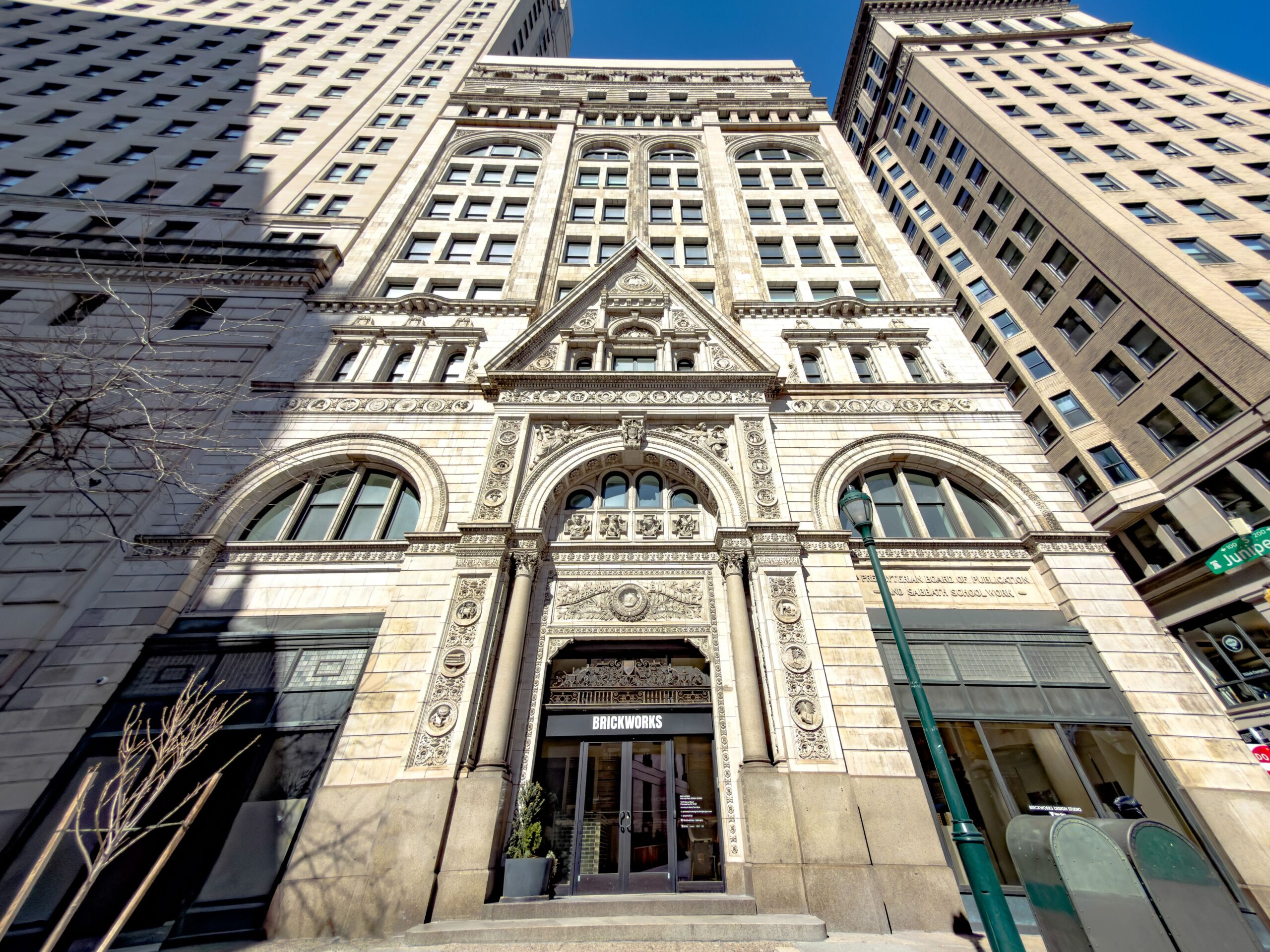
    The Witherspoon building, ornamented by the Conkling-Armstrong Terra Cotta Co.

    The company’s historical legacy in Philadelphia includes ornamenting such structures as the Witherspoon building and the former Curtis publishing house. Like many historically protected gems, those buildings are in Center City, not residential North Philadelphia.

    “It was a showcase for the capabilities of their company, but it’s also just really an incredible building,” Masterpasqua said. “It’s really great to be part of something that’s going to be able to salvage the neighborhood and this piece of architecture.”

  • A 188-apartment building is the latest new development slated for North Broad Street area

    A 188-apartment building is the latest new development slated for North Broad Street area

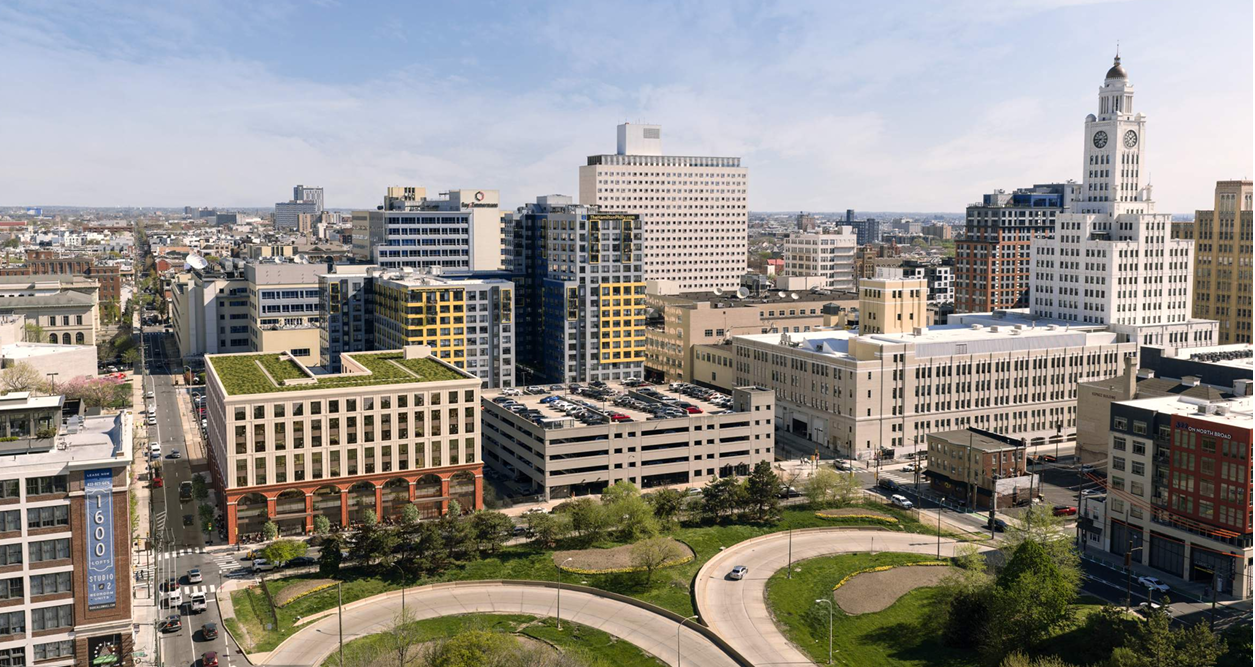
    A new 188-unit apartment building is the latest in a burst of development proposals around North Broad Street between City Hall and Temple University.

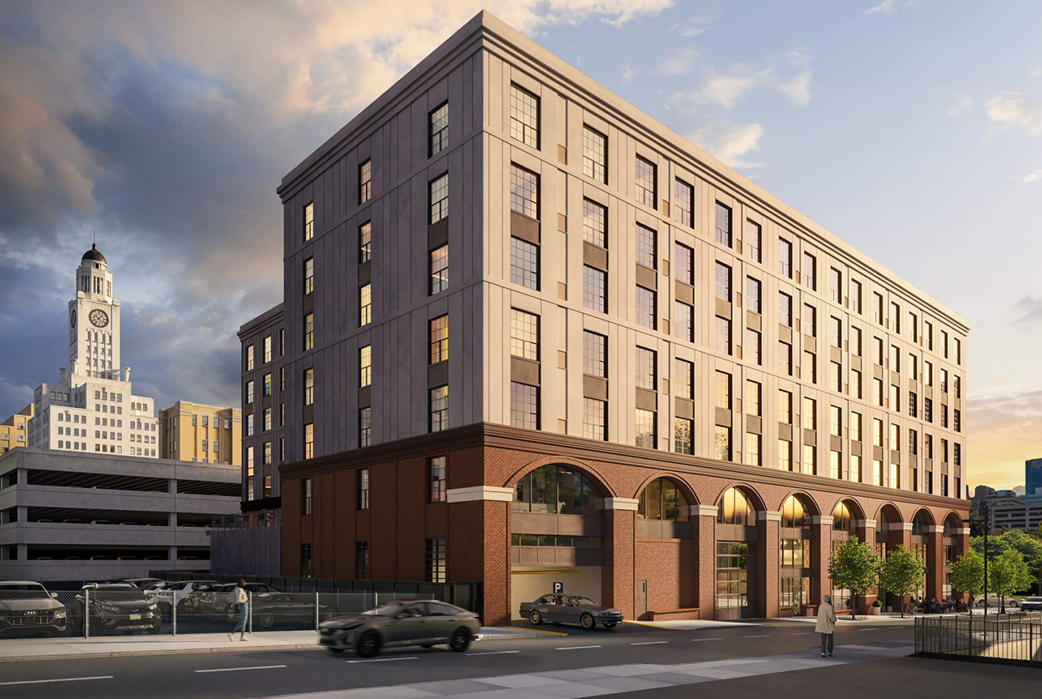
    The eight-story building at 1527 Callowhill St. is being developed by Philadelphia-based Omega Home Builders with architecture from locally based firm Designblendz.

    The project features 13,300 square feet of commercial space and 24 parking spaces accessible from 16th Street. The building will have a green roof, and the developer plans to plant additional street trees.

    The property is currently a surface parking lot that was once owned by The Philadelphia Inquirer, as an annex of the media company’s former 400 N. Broad St. offices. The building is now the Philadelphia Police Department’s headquarters.

    The Inquirer’s former properties were bought by Philadelphia developer Bart Blatstein 15 years ago. He sold the parking lot to Omega Homes’ Roman Ovrutsky at the end of last year for $5.6 million.

    “I think it’s [a] good location, next to cops, plenty [of] parking around,” Ovrutsky said in a text message, “so I think it’ll thrive with our finishes and competitive pricing.”

    Ovrutsky’s project is the latest development proposed for this area. In the past eight months, not including this project, at least 1,221 apartments have been permitted along this stretch of North Broad Street.

    The majority of the apartments in this Callowhill Street project, 111 units, will be one-bedrooms, which Ovrutsky says will rent for between $2,200 and $2,400.

    The building also will include 52 two-bedroom apartments, starting at $2,800, and seven three-bedrooms with two bathrooms each and over 1,000 square feet. Those will start at $3,400.

    There will be 18 studio apartments, although the development team wanted to minimize that number. They believe the market currently has too many small studios, which they argue do not incentivize long-term living.

    “We will have a little bit more space for residents to actually live here, not necessarily the kind of studio-esque [apartments] which Center City often gets hit with,” said Scott Woodruff of Designblendz Architecture.

    We are “sizing these units with more storage space and generously sized bedrooms, so it doesn’t feel like you’re living in a shoebox,” Woodruff said.

    Ovrutsky said that he hopes to start construction by this time next year and finish by early 2029.

    Woodruff said they have been asked why the project isn’t including more parking. He noted that the proposed apartment building is within a short stroll of the Broad Street subway line and on a number of bus routes.

    A rendering of the building’s garage entrance on 16th Street, with the police headquarters visible in the background.

    It is also walkable to multiple grocery stores and restaurants, and the area has excess parking capacity.

    “With the access to public transit and where this is in the city, we didn’t feel like there was a great need to try and push a lot of parking,” Woodruff said.

    The commercial space could be ideal for a restaurant and could even be carved up between two tenants, he said.

    The property does not require zoning changes to move forward, but it is large enough to trigger consideration by the city’s advisory-only Civic Design Review committee on July 7.

    It was warmly received at a presentation to the Logan Square Neighborhood Association.

    “The group was very pleased with the building as described,” said Alan Williams of the association. “We liked the green roof, the focus on new street trees, sizing in line with neighboring buildings, and the overall aesthetics.”

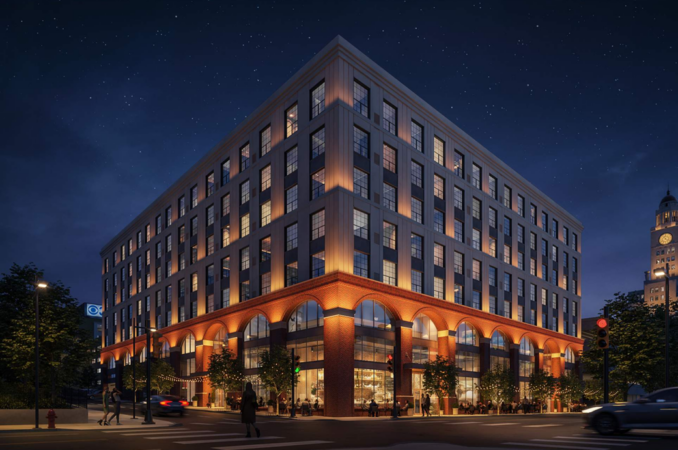
    The proposed building is on the left side of this rendering.

    The burst of development attention along this stretch of North Broad Street was partly spurred by a City Council bill that would have banned new housing around the former Hahnemann University Hospital campus.

    That pushed a number of property owners to try to secure permits for apartment projects before the bill went into effect, which means these units aren’t necessarily coming any time soon. Council eventually shelved the bill.

    The North Broad Street corridor’s popularity for developers also relates to the large parcels available at attractive prices. More residents will also activate the streets in the area, which are often devoid of pedestrians at present.

    “This is a big chunk of open parking lot right now, flanked by two parking garages, so it just ruins the fabric,” Woodruff said.

  • There are plans for an 86-unit apartment complex next to SEPTA’s Jenkintown station

    There are plans for an 86-unit apartment complex next to SEPTA’s Jenkintown station

    Eighty-six new apartments are planned for Wyncote in Cheltenham Township as part of a development project that would also include an office and a commercial space.

    The building at the center of the 165 Township Line Rd. property would remain an office, while the project would convert a second existing structure into a 36-unit apartment building, and add a third, 50-unit apartment complex to the site with a parking garage and a retail space on the ground floor, according to a May review letter from the Montgomery County Planning Commission.

    The higher-density development would sit about 1,000 feet from SEPTA’s Jenkintown-Wyncote Regional Rail station, which SEPTA plans to rebuild with a pedestrian overpass and other features by 2027.

    The lot is zoned for multi-use development, but only the new 50-unit building meets that criteria. Cheltenham Township grandfathered the existing office building into the current zoning ordinances, and the planned 36-unit complex was granted an exemption in 2024.

    In addition to the 79-car garage, the plans include a repainted parking lot to boost spaces from 135 to more than 160.

    The project is expected to net about half a million dollars annually for the township and Cheltenham School District, according to a February fiscal analysis, and house an estimated six school-aged children.

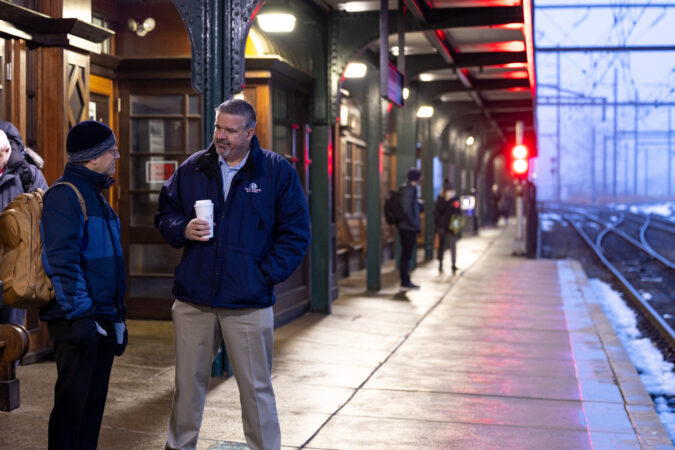
    SEPTA, which aims to boost ridership by encouraging higher density, pedestrian-friendly housing along Regional Rail lines, said Tuesday that they’re glad projects like these are moving forward.

    “Transit-oriented communities reinforce the public’s investment in SEPTA,” spokesperson Kelly Greene said.

    JOSS Realty Partners, which had owned the entire property, held a joint open house with SEPTA in 2019 about a project that would’ve allowed SEPTA to use a parking lot on the site.

    JOSS still owns the office building that’s excluded from the proposal. The new development is planned to be built on about an acre of the site that was sold off to 165 Town Line Holdings LLC in 2025.

    The mailing address for the LLC is a property co-owned by real estate investor Edward Topolewski.

    In their review of the proposal, the Montgomery County Planning Commission called for more pedestrian and cyclist access.

    “We are glad to see new development proposed in the area of the Jenkintown-Wyncote Station,” principal county planner Chloe Mohr wrote.

    “For this to be a successful development, pedestrians need to easily and safely travel throughout the site, to the train station, and to other destinations.”

    That includes access to future walking trails, the planners wrote, and neighboring Wyncote House.

    County officials also suggested that Cheltenham consider improvements to the stormwater management plan.

    “It appears that there may currently be erosion and drainage issues here,” Mohr wrote. “With the steep slopes on this site, more may need to be done to remediate stormwater runoff.”

    The project was slated for review by the town’s Shade Tree Advisory Commission this month, Cheltenham Commissioner Jeff Chirico said, but the developer requested an extension.

    The proposal would then head to the township commissioner board.

    This suburban content is produced with support from the Leslie Miller and Richard Worley Foundation and The Lenfest Institute for Journalism. Editorial content is created independently of the project donors. Gifts to support The Inquirer’s high-impact journalism can be made at inquirer.com/donate. A list of Lenfest Institute donors can be found at lenfestinstitute.org/supporters.

  • The ‘demand is real’ for backyard cottages, in-law suites, and other ADUs, says a Philly-area builder

    The ‘demand is real’ for backyard cottages, in-law suites, and other ADUs, says a Philly-area builder

    Homeowners across the Philadelphia region want to build garage apartments, in-law suites, and backyard cottages on their properties.

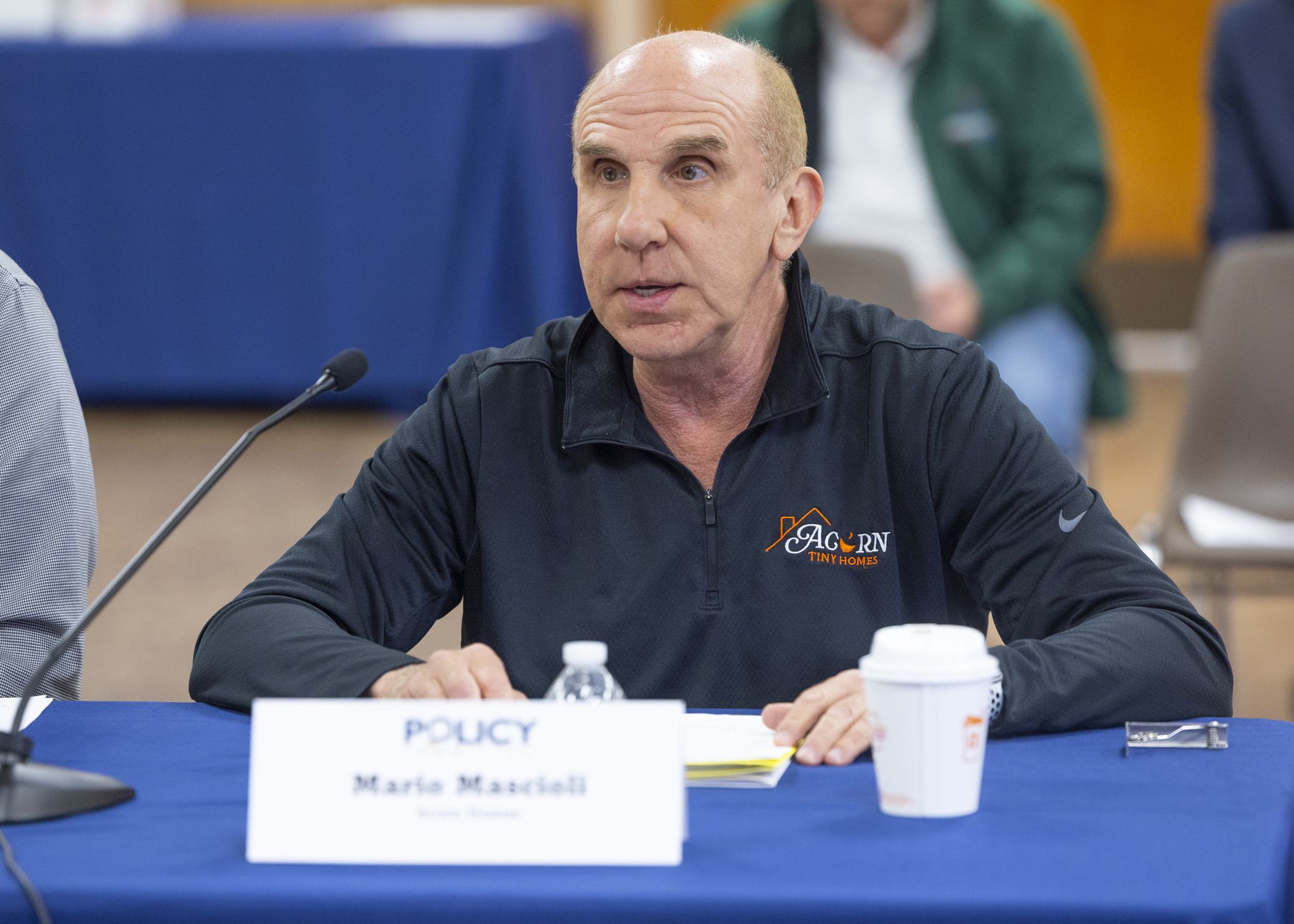
    Mario Mascioli, owner of Acorn Built Homes, said he gets hundreds of inquiries per month for these accessory dwelling units (ADUs), which have made up the bulk of Mascioli’s business since his company opened in late 2024.

    “The demand is real,” said Mascioli, who works across southeastern Pennsylvania and in Princeton. And builders like him are ready to create ADUs. But municipalities’ varying and often restrictive land-use rules often make that difficult.

    Pennsylvania lawmakers are currently considering legislation that would allow homeowners to create ADUs in places that are zoned for single-family houses without having to get special permission. The bill passed the state House earlier this month and is now before a state Senate committee.

    Allowing for the construction of ADUs is part of Pennsylvania Gov. Josh Shapiro’s plan to increase the state’s housing supply and provide Pennsylvanians with more affordable housing options.

    Mascioli has testified before state lawmakers to advocate for the loosening of restrictions for ADUs.

    “It would mean that homeowners that want these — which are plenty of them — would be able to get it done quickly, more economically, favorably,“ he said. ”It would be fantastic.”

    The Inquirer talked to Mascioli about the ADU landscape.

    This interview has been edited for length and clarity.

    Mario Mascioli, owner of Acorn Built Homes, testifies about accessory dwelling units at a policy committee hearing of Pennsylvania legislators on May 21, 2026.
    Why do people want ADUs?

    The three drivers for why people want them are: aging-in-place elderly parents; adult children that can’t afford rent or can’t afford to buy a home; and third, people want rental income.

    What types of ADUs do you offer?

    We build studios as small as 240 square feet. [But] most people want a space that has at least 500 square feet. Most opt for one or two bedrooms.

    We [also] do additions. We do garage conversions. We do conversions of basements.

    In many cases, we have to attach an ADU as an addition to a house because of the township requirements. And in many cases, we’re limited as to the features we can put into it, because of those requirements.

    What’s something that clients have asked for that they weren’t able to get because of local land-use rules?

    I’ll give you a real-time example. We start every project with what we call our “feasibility and scoping” phase. That takes about four or so weeks to dial in on what’s buildable from a structural, construction, architectural, and also an approvable perspective.

    We have a customer we’re in the final phase of that study with. They have a beautiful property, plenty of land. They wanted a detached ADU for the couple’s mother, who’s going to be moving up from Florida to take care of their newborn, [who is due] in December. In this case, we can’t do a detached unit without going through a variance.

    We also uncovered through our feasibility process that … if we were to extend the garage and build on top of it, that would require a variance.

    Third thing is there’s a floodplain that runs through the property. And any modification to the footprint of the property would also be a variance.

    Those are three separate variance processes, each of which would require attorneys and fees and zoning hearing boards.

    So what we’re left building [without zoning approvals] is to raise up the loft on the second floor of the garage, put some dormers in it to make it more spacious, and create a one-bedroom living space there — but without a full kitchen with built-in cooking facilities. We can only put a kitchenette in.

    That is very typical. That’s 90% of what we deal with as it relates to ADUs.

    What’s different about building an ADU vs. a typical single-family home?

    Basically, the red tape impedes or kills [ADU] projects before they start. And that is because there’s over 2,500 municipalities in Pennsylvania. Each with different zoning rules as it relates to ADUs.

    In some townships, you can build one with no issues. But if you step, you know, a mile over the line in any direction, it’s either banned entirely or there are so many restrictions and other requirements that it takes [a] very long [time], if at all, to get through zoning hearing boards.

    Permitting and the expense of the red tape can make many projects impractical.

    Why did you decide to go into the ADU business in Pennsylvania with the challenges you’ve described?

    If you look at things from a national perspective, 20 states have passed legislation like Pennsylvania currently has in its legislature.

    People want them. That’s about affordable housing. I thought and still believe that it would be inevitable that ultimately Pennsylvania would pass such legislation. And if we were here in advance of that, establishing ourselves in the market, we would benefit from that legislation being passed.