Category: Transportation

  • Traveling this holiday? Here’s the weather and travel forecast for the week.

    Traveling this holiday? Here’s the weather and travel forecast for the week.

    Philadelphia might have mild weather this holiday week, with light rain showers and likely no snow on Christmas. However, more people will be on the roads and in the sky, traveling to holiday destinations, than in recent years.

    Holiday weather should be much milder this week, despite earlier forecasts calling for snow Monday evening, said Ray Martin, a meteorologist at the National Weather Service in Mount Holly. Monday and Tuesday have a chance for light rain showers, and if temperatures drop, maybe snow, but there should be little to no snow accumulation.

    Christmas Eve and Christmas Day in the Northeast will be warmer, drier days for travel, according to AccuWeather. Millions across the South and Midwest will experience the warmest holiday on record, though.

    Whether it’s the expected good weather or people getting their post-COVID travel confidence back, roads and airports are expected to be packed this week, according to data from Philadelphia International Airport and INRIX, a national travel analytics firm.
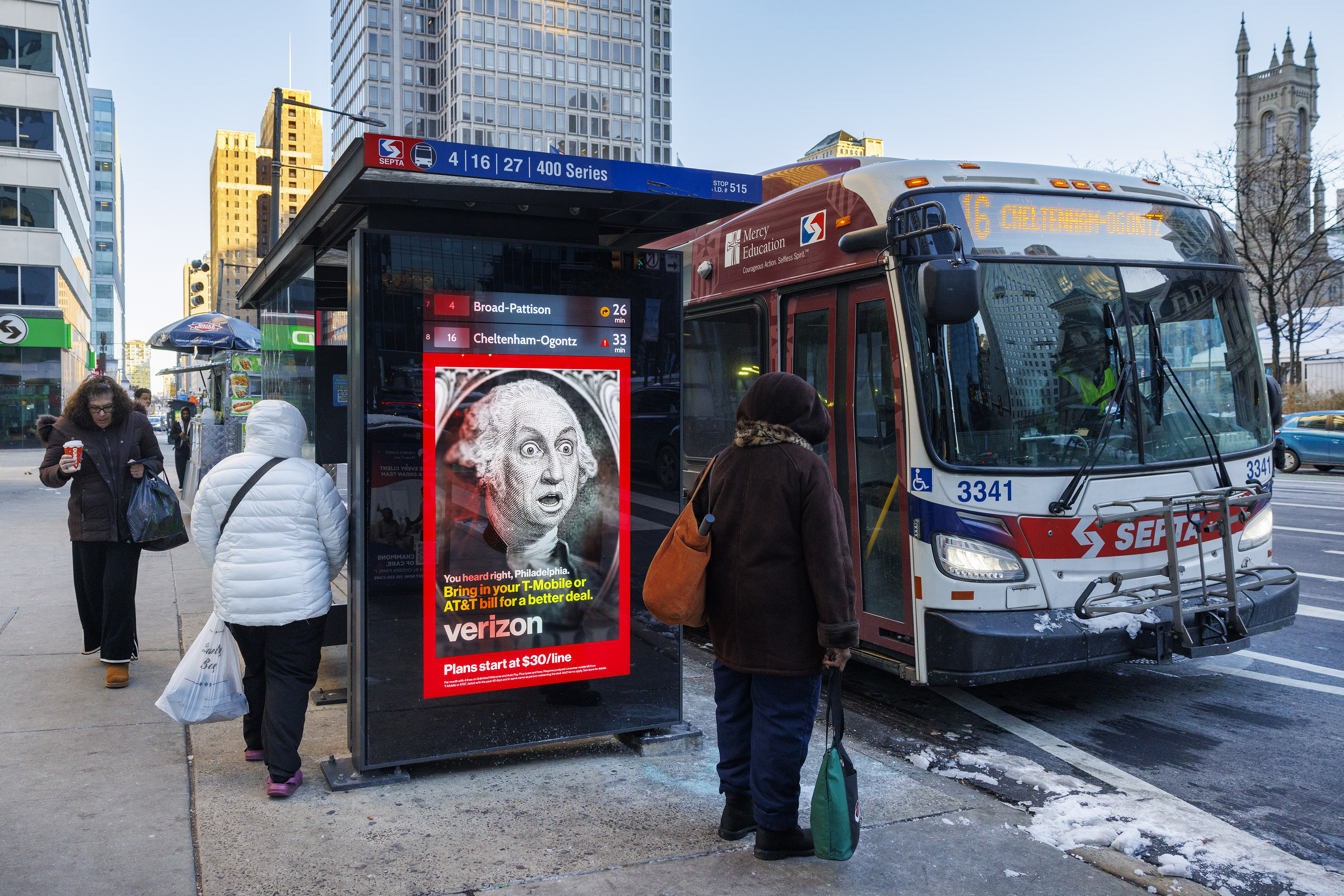
    Winter coats are out on a cold morning at a bus stop at 15th and Market Streets on Dec. 15.

    Holiday weather this week in Philadelphia

    While no snow will likely fall on Christmas Eve or Christmas Day in the Philadelphia region, Tuesday and Friday have chances for precipitation that could bring rain and ice to Philadelphia, and possibly snow north of the city, said AccuWeather senior meteorologist Tyler Roys.

    • Monday: The best weather this week. Warmer, drier, and less windy.
    • Tuesday: Rain showers in Philadelphia during the morning commute, but no snow. Possible rain, sleet, or snow in Montgomery and Bucks Counties. Lehigh Valley could receive an inch or more of snow.
    • Wednesday: No precipitation, but expect wind gusts up to 30 mph. The evening is expected to bring lots of cloud coverage. “Rudolph will definitely need his red nose out and about,” Roys said.
    • Thursday: Misty weather or light rain scattered across the region throughout the day.
    • Friday: Stormy weather with precipitation. Philadelphia has a chance for rain and possible ice, but Upper Bucks County and the Lehigh Valley could get snow.
    • The weekend: On Saturday and Sunday temperatures are forecast to range from the mid-30s to 50 degrees, with a slight wind. Rain is possible Sunday.
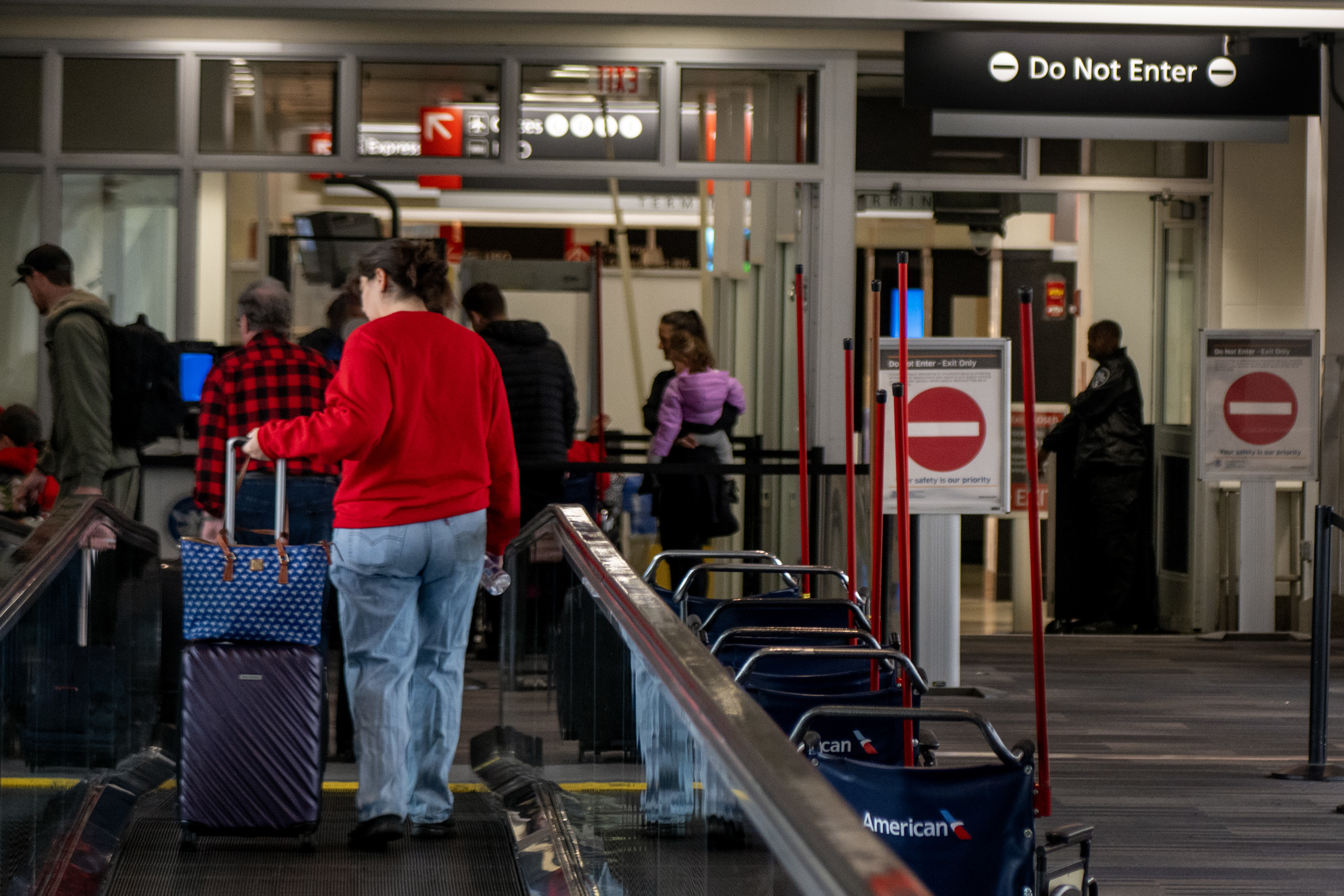
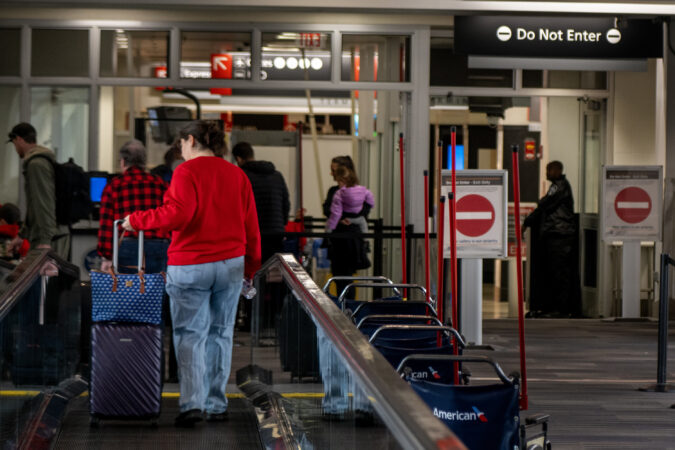
    The scene at the TSA checkpoint line in Terminal B at Philadelphia International Airport on Nov. 9.

    Holiday travel in the Philadelphia region

    Expect longer travel times this year as more people hit the road and sky to get to their holiday destinations.

    Airports and flying

    Philadelphia International Airport will see a 5% increase in the number of travelers this week compared to the same period last year, with more than 1 million people expected to come through the airport from Wednesday to Sunday, Jan. 4.

    PHL’s heaviest traveling days:

    1. Friday, Dec. 26: 94,028 expected passengers
    2. Monday, Dec. 29: 93,096 expected passengers
    3. Saturday, Dec. 27: 92,954 expected passengers

    Travelers should arrive two hours before their flight to ensure they get to their gate on time, said Heather Redfern, an airport spokesperson. PHL also has an online travel tips guide for more guidance on easier travel.

    The Inquirer operates a year-end PHL tracker for up-to-date information on airport delays and airline performance.
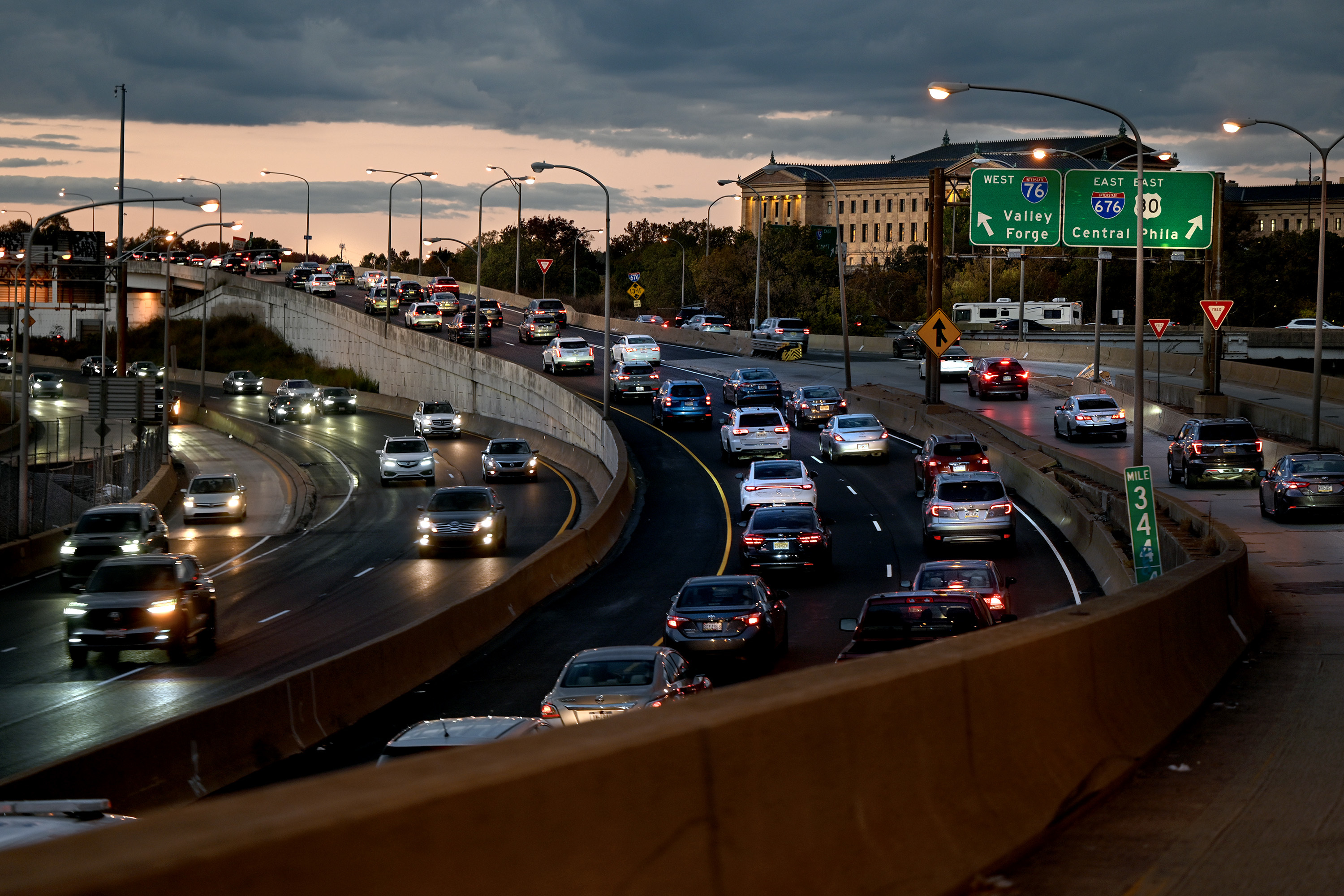
    Traffic on the Schuylkill Expressway on Oct. 26.

    Driving and peak travel times

    A large portion of the holiday travel already occurred this past weekend, but the increased holiday traffic continues.

    Christmas Day, Christmas Eve, and New Year’s Eve historically see lower vehicle traffic as people have reached their holiday destinations, according to INRIX. However, Friday is expected to be busy as travelers make their post-Christmas Day moves. “But, remember, crashes or severe weather could create unexpected delays,“ their year-end report warns.

    Best travel times for driving in Philadelphia

    Most of the traffic congestion this week will come after Christmas Day, with Friday being the busiest, INRIX reports.

    To avoid peak traffic, drivers should steer clear of the roads on Monday and Tuesday, from 1 p.m. to 7 p.m. The best time to travel on those days is before 10 a.m.

    Wednesday, Christmas Eve, and Christmas Day will have minimal traffic impact, according to INRIX.

    The following days will have some of the busiest roads all year: From Friday to Sunday, the worst travel times will be from 11 a.m. to 8 p.m. To avoid congestion, drivers should leave for their destinations before 11 a.m.
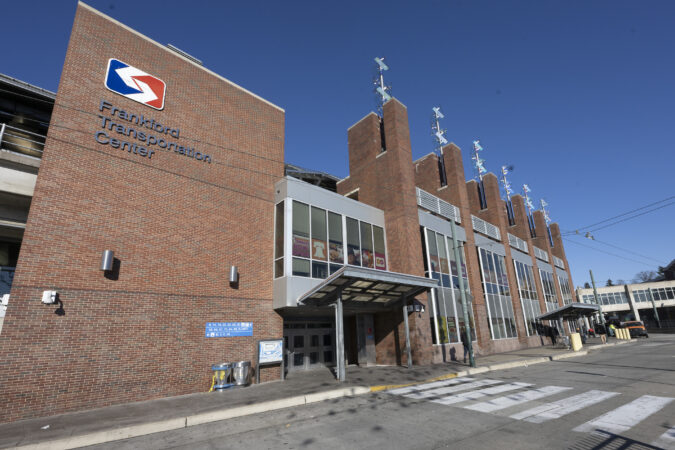
  • Two men were shot at the Frankford Transportation Center

    Two men were shot at the Frankford Transportation Center

    Two men were shot on Monday morning inside the Frankford Transportation Center, police said.

    The shooting occurred at 8:51 a.m. inside the building at 5223 Frankford Ave. Two men got into a fight, and one man took out a gun and shot the other in the shoulder, according to SEPTA spokesperson John Golden. The fight continued over the gun, and the original shooter was shot in the hand by the man with the wounded shoulder, Golden said.

    Both men were hospitalized and taken into police custody. SEPTA police transported one man to Jefferson Torresdale Hospital, and the other to Temple University Hospital. Both men are in stable condition.

    Police are investigating the incident, but no charges have been announced.

    In November, another man was shot in the leg around the same time of morning on the same block near the Frankford Transportation Center.

  • Are holiday delays mounting at PHL? We’re tracking the year-end travel surge.

    Are holiday delays mounting at PHL? We’re tracking the year-end travel surge.

    Travelers are expected to fly in record numbers for the holidays this year, breaking a years-long dip brought on by the COVID-19 pandemic.

    Whether or not they make it to their destinations on time, however, is a different story.

    AAA estimates more than 8 million will fly this year between Dec. 20 and 31, up 2.3% from last year — a record if it holds.

    Travel through PHL has been relatively smooth so far through the holiday season, Inquirer analysis of flight data shows, but a stampede of year-end travelers could quickly change that.

    Are you headed to PHL? Use our charts below to get a glimpse of how the airport is functioning today. The charts will update every hour through Jan. 20, and reset every morning at 4 a.m.

    window.addEventListener(“message”,function(a){if(void 0!==a.data[“datawrapper-height”]){var e=document.querySelectorAll(“iframe”);for(var t in a.data[“datawrapper-height”])for(var r,i=0;r=e[i];i++)if(r.contentWindow===a.source){var d=a.data[“datawrapper-height”][t]+”px”;r.style.height=d}}});

    window.addEventListener(“message”,function(a){if(void 0!==a.data[“datawrapper-height”]){var e=document.querySelectorAll(“iframe”);for(var t in a.data[“datawrapper-height”])for(var r,i=0;r=e[i];i++)if(r.contentWindow===a.source){var d=a.data[“datawrapper-height”][t]+”px”;r.style.height=d}}});

    So far in December, about 81% of flights coming in and out of PHL have been on time, data show, with arrivals faring slightly worse than departures.

    The worst day for travel was Dec. 14, when snow blanketed the region. Only 36% of flights were on time that day.

    Delays also mounted in the days following Thanksgiving, another of the year’s busiest travel periods, data show, but quickly recovered.

    PHL offers flights from 15 airlines. The chart below shows what percentage of the most active airlines’ flights are delayed or canceled.

    window.addEventListener(“message”,function(a){if(void 0!==a.data[“datawrapper-height”]){var e=document.querySelectorAll(“iframe”);for(var t in a.data[“datawrapper-height”])for(var r,i=0;r=e[i];i++)if(r.contentWindow===a.source){var d=a.data[“datawrapper-height”][t]+”px”;r.style.height=d}}});

    What about my flight?

    PHL offers up-to-date information for each flight arriving or departing from its gates on its website. However, airport officials recommend checking with your airline for more specific information.

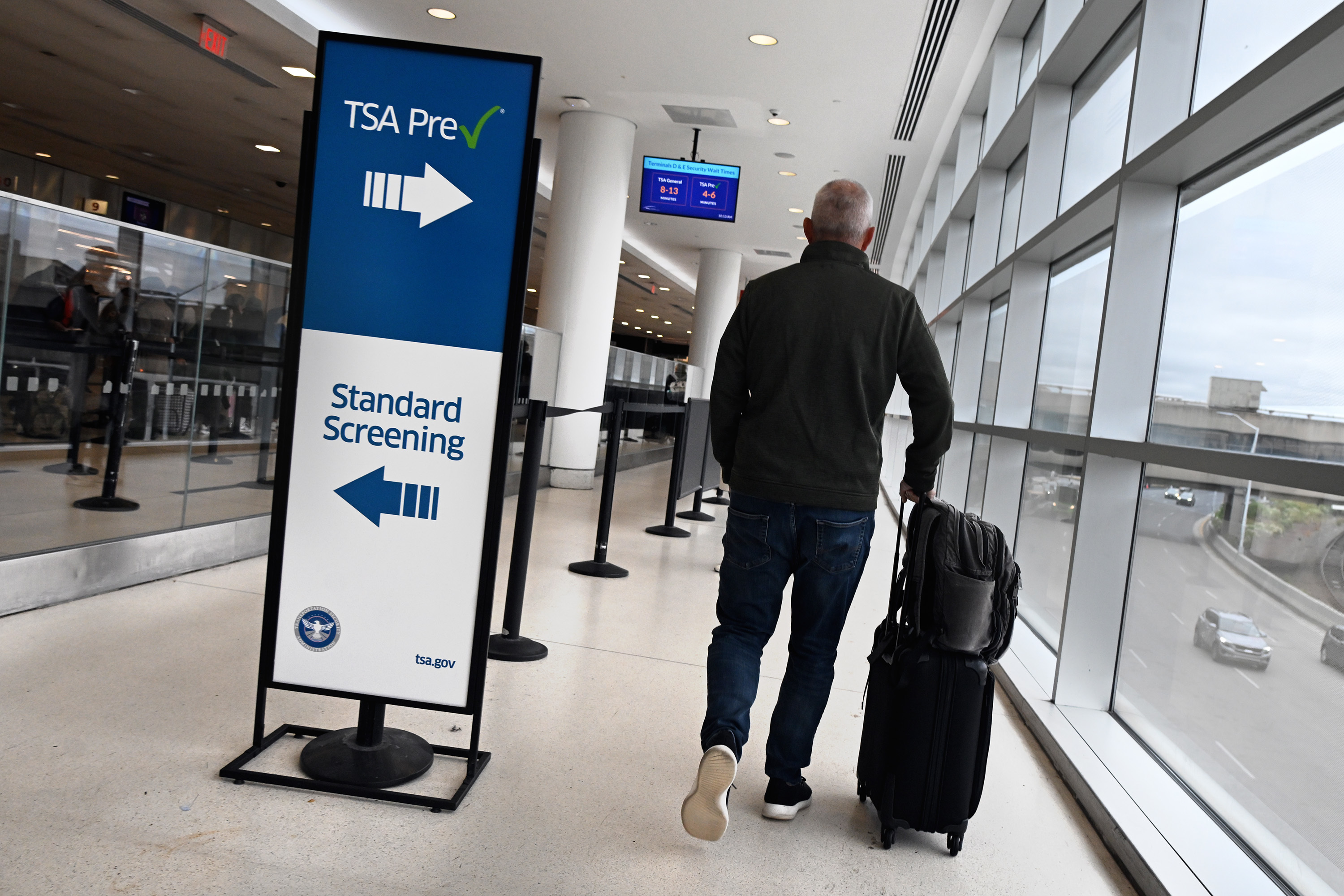
    A traveler enters the TSA PreCheck security line at Terminals E-F at Philadelphia International Airport in October.

    Security wait times

    As of Friday morning, all six security checkpoints at PHL were open. TSA PreCheck is available at Terminals A-East, C and D/E.

    Current security wait times are available on PHL’s website.

  • SEPTA’s board approves 2-year contract with transit agency’s largest union

    SEPTA’s board approves 2-year contract with transit agency’s largest union

    SEPTA’s board on Thursday approved a new contract with the transit agency’s largest union, Transport Workers Union Local 234, and a second smaller union representing vehicle operators in the suburbs of Philadelphia.

    Members of TWU Local 234 voted Wednesday night to approve a two-year contract that will deliver a 3.5% pay raise, bolster the union’s pension funds, and expand health benefits for new employees.

    SMART Local 1594, which represents approximately 350 operators, reached a deal with the transit agency earlier this month.

    “These contracts are fair to our hardworking frontline employees and fiscally responsible to our riders and the taxpayers who fund SEPTA,” said SEPTA General Manager Scott A. Sauer.

    For TWU Local 234, the two-year contract disrupts a pattern of three consecutive one-year contracts. TWU president Will Vera said that with the FIFA World Cup, MLB All-Star Game, and America’s 250th birthday coming to Philadelphia in 2026, both parties agreed to a two-year contract so as not to interrupt service during these global events.

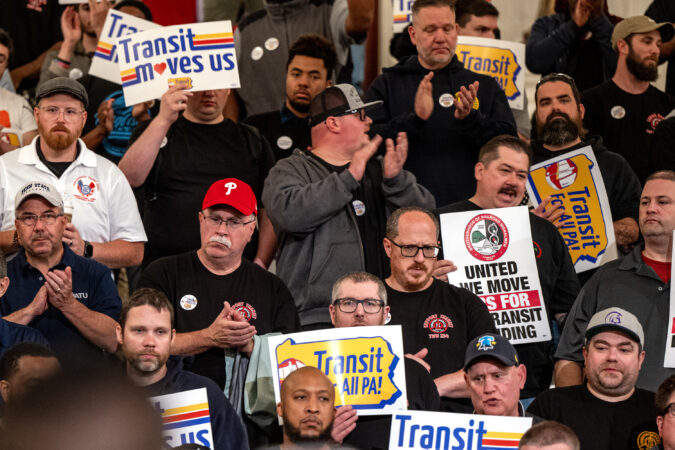
    The union represents 5,000 operators, mechanics, cashiers, maintenance people, and custodians who work on SEPTA’s buses, subways, and trolleys. Before this latest deal, TWU members were working without a contract since Nov. 7, and members voted unanimously on Nov. 16 to authorize leaders to call a strike if contract negotiations didn’t go as planned.

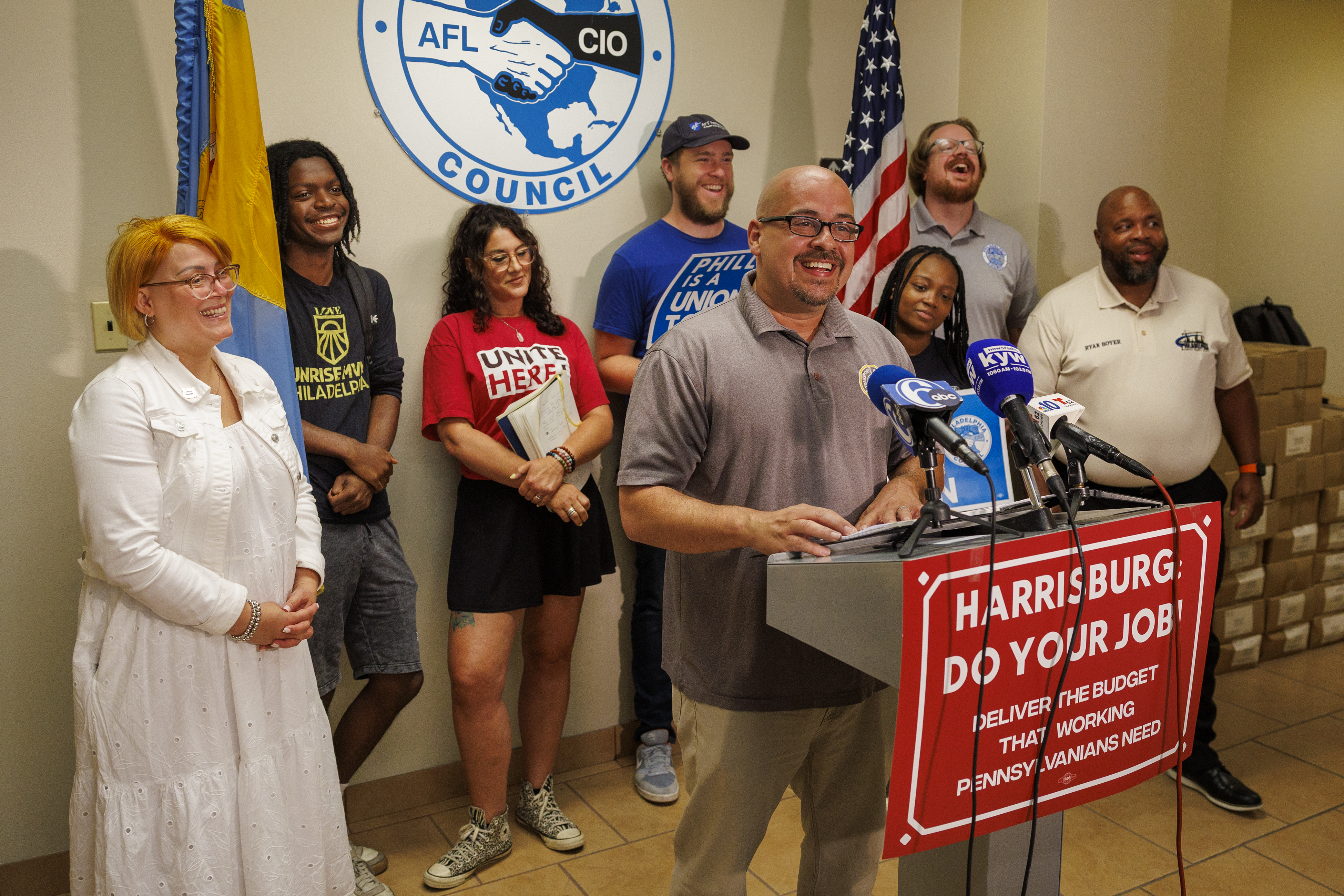
    Will Vera, vice president TWU Local 234, urged lawmakers in Harrisburg to deliver a budget during a speech in July at the AFL-CIO headquarters in Philadelphia.

    However, Vera said that this contract is a major win, especially for attracting new hires. Before this, new employees could not begin receiving dental and vision care until they completed 15 months on the job. The new contract shrinks that time down to 90 days.

    “I really got tired of explaining to the new hires for 15 months that they just have to clean their teeth,” Vera said. “I wanted this to be a retention contract, to not only keep people here, but to make this an attractive place to come work for SEPTA.”

    Philly’s transit unions don’t hesitate to strike if needs aren’t met. SEPTA unions have struck 12 times since 1975, earning SEPTA the title of one of the most strike-prone agencies in the country. Its last strike was a six-day effort in 2016 that ended one day before the presidential election.

    The negotiations come on the heels of SEPTA’s worst financial period in its history, the agency said. SEPTA isn’t alone, though. Transit agencies throughout the country are in funding crises as inflation rises, federal funding shrinks, and state subsidies fail to increase each year.

    Sauer, SEPTA’s general manager, added: “I am grateful to Governor [Josh] Shapiro and his team for their efforts to help us resolve differences and reach an agreement. Securing two-year contracts provides important stability as we approach the major events coming to Philadelphia in 2026.”

  • Teddy Einstein, a West Philly mathematician, was about to hit his stride. Then he was killed while riding his bike.

    Teddy Einstein, a West Philly mathematician, was about to hit his stride. Then he was killed while riding his bike.

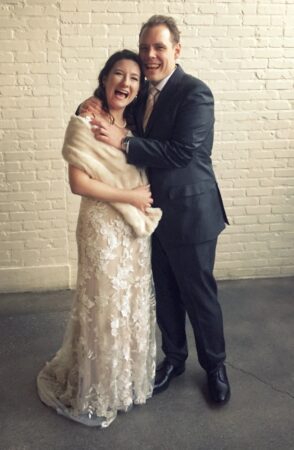
    Eduard “Teddy” Einstein, a beloved professor and mathematician, was biking home from a haircut when a driver killed him earlier this month.

    Einstein, 38, was struck and killed by the 18-year-old driver on Dec. 3 while riding his bicycle on Providence Road in Upper Darby. No charges have been filed in Einstein’s death, according to Upper Darby police, but an investigation is continuing, and police said the driver cooperated with police at the scene of the crash.

    The West Philadelphia husband and father of two young children, Charlie and Lorcan, was known for his sharp wit, encouraging students, and scouring cities for the most interesting, and spiciest, foods. Einstein was, above all else, dedicated to his family.

    “He didn’t need much more than me and the boys. It was like he was my home, and I was his,” Einstein’s wife, Ruth Fahey, 45, said. ”That’s kind of how we agreed that we would move around the country together as a family, and it was wonderfully freeing.”

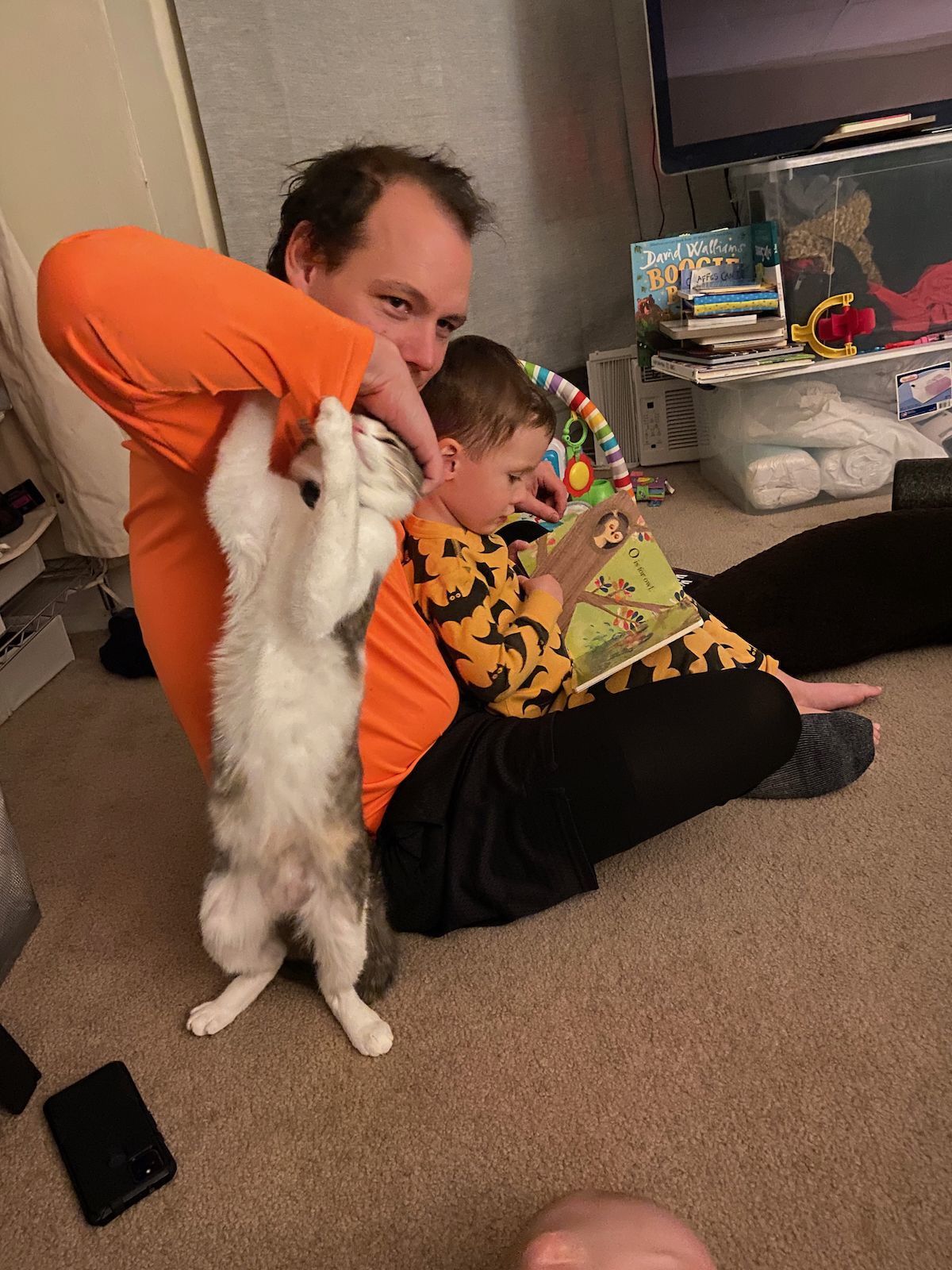
    Teddy Einstein (left) reading a book to his son while the family cat plays with his arm. Einstein was a devoted husband and father who covered the lion’s share of storytelling and bedtime, but especially cooking, as he was an avid chef who liked trying new recipes, his wife Ruth Fahey said. Einstein was killed on Dec. 3, 2025, while riding his bike in a bike lane when he was hit by a driver on Providence Road in Upper Darby, Pa.

    Born in Santa Monica, Calif., Einstein graduated from Harvard-Westlake School before receiving a bachelor’s degree in mathematics from Pomona College, a master’s in mathematics from University of California, Santa Barbara, and his Ph.D. from Cornell University. He would go on to hold postdoctoral fellowships at the University of Chicago and the University of Pittsburgh, where he taught, and most recently completed a three-year teaching term at Swarthmore College.

    “He loved mathematics and wrote a first-rate thesis,” said Einstein’s Ph.D. adviser, Jason Manning. “Many mathematicians, even those who write a good thesis, don’t do much after graduate school. But Teddy’s work really accelerated during his postdoc at the University of Illinois at Chicago, and he was doing even more exciting work when he passed.”

    His colleagues describe a mathematician working at, to put it simply, the intersection of algebra and geometry. Building on the work of mathematicians before him, including modern geometric breakthroughs in years past, Einstein studied abstract 3D shapes that cannot be visually represented in the real world. Work like that of Einstein and others contributes to a tool chest of solutions that scientists can use to study physics, neuroscience, and more.

    “It is a terrible loss, especially to his family,” Manning said. “But also to his part of the mathematics community.”

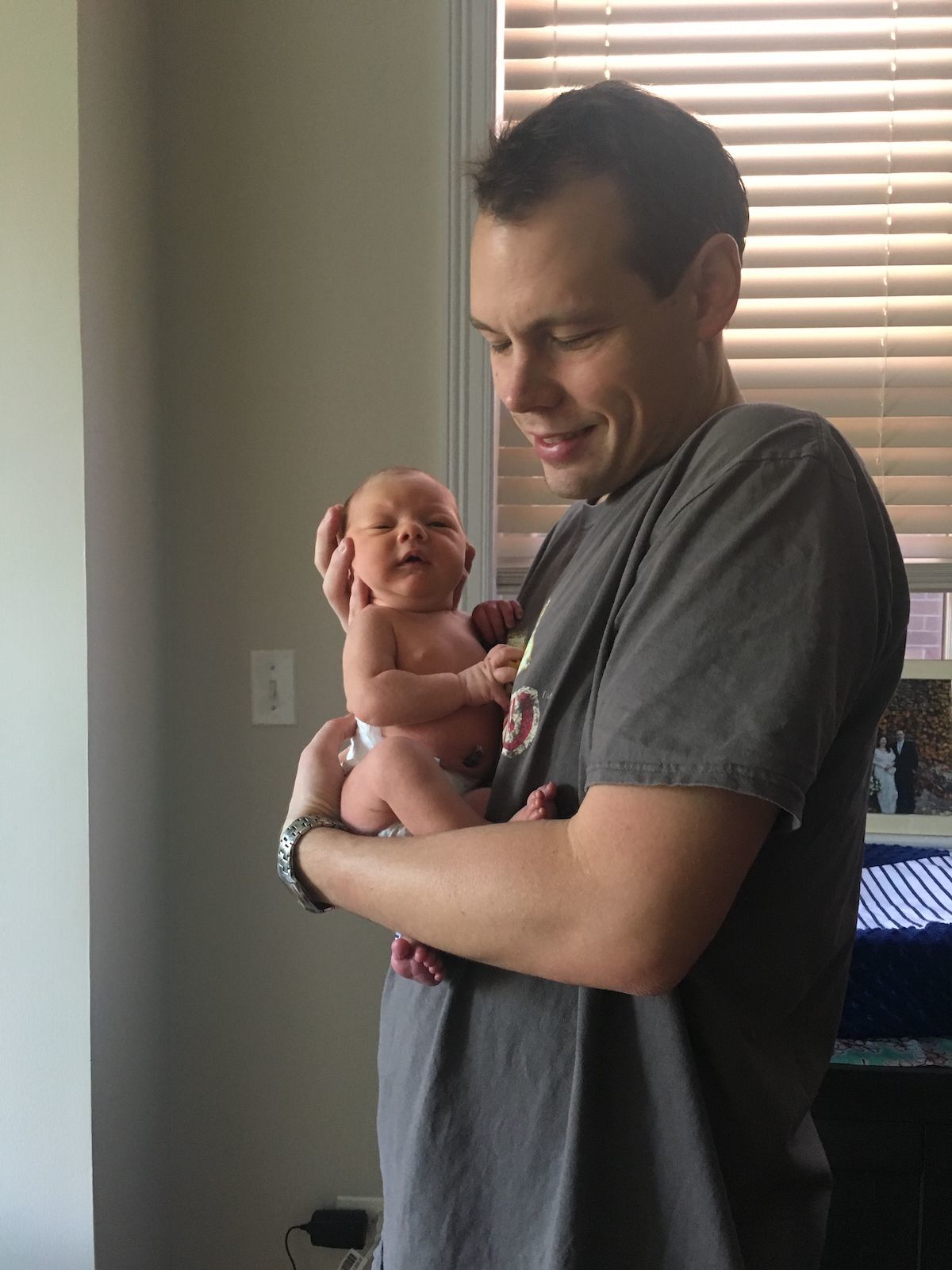
    Teddy Einstein (right) holds his second-born, Lorcan, soon after he was born.

    As his term at Swarthmore ended earlier this year, Einstein had been working on research that was seven years in the making, Fahey said. This would help springboard him into the next chapter of his career.

    Fahey said the day he was killed, Einstein was biking back from a fresh haircut to impress his potential new employers at Florida Gulf Coast University.

    Mr. Einstein’s work ethic matched his appetite for camaraderie. He fed grad students out of his tiny Cornell kitchen and hosted a weekly trivia night. That is where he met Fahey. “He just loved to entertain with food,” she said.

    Every week, he cooked for Fahey and the boys, from his prized favorites of Korean short ribs and fried chicken to testing out falafel recipes. A keg of home-brewed beer was always in the house so that Einstein could share his creations with friends. Fahey said his most recent yeast yield is still waiting to be processed.

    Maddie Adams-Miller, who took Einstein’s math classes in her freshman year at Swarthmore, said her funny and wise math teacher never wanted to see a student fail.

    “I loved talking to my friends from high school and telling them I had ‘Professor Einstein’ for math. Teddy always wore funny T-shirts to class and made a lot of jokes,” said Adams-Miller, now a senior. “When I was taking his course, I was struggling with my confidence and was not performing my best academically. Teddy reached out to me to offer support and genuinely wanted me to succeed in his class.”

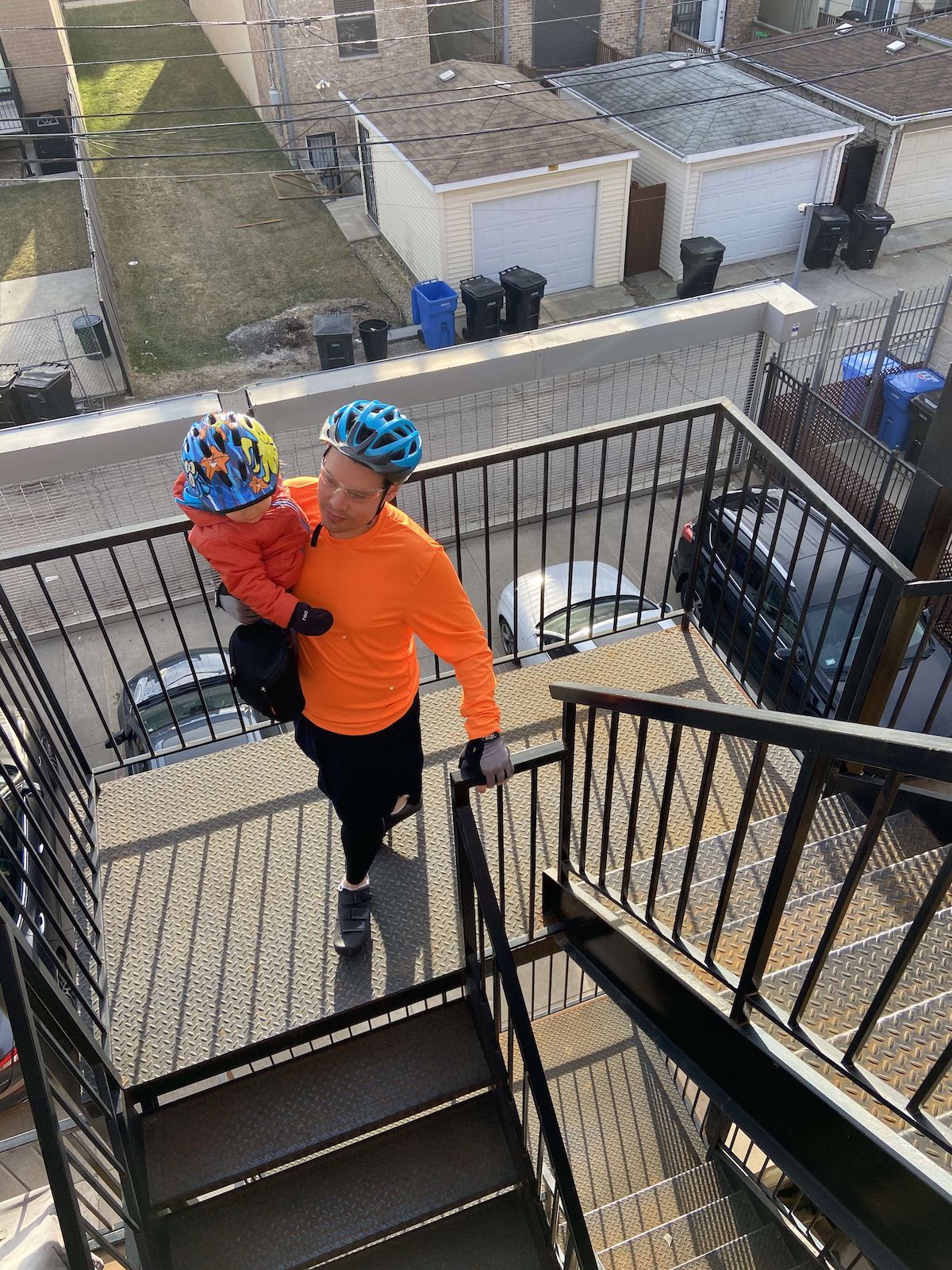
    Teddy Einstein (left) holds his eldest son, Charlie, while he walks down a flight of steps wearing the usual safety gear that he wore while riding his bike. The precautions Einstein took to bike safely weren’t enough to stop a driver from crashing into him on Providence Road in Upper Darby earlier this month, leaving his wife, Ruth Fahey, and their two sons without a father.

    An avid cyclist who biked everywhere and advocated for safer streets, Einstein was killed doing one of the activities he loved most. Philly Bike Action, an advocacy organization that Einstein and his wife frequented and his friend Jacob Russell organizes for, shared that he was hit by the driver while riding in an unprotected bike lane and wearing a helmet and high-visibility clothing.

    “But there will never be a helmet strong enough or a clothing bright enough to make up for dangerous infrastructure. All Philadelphians deserve the freedom to travel without fear of tragedy,” the group said in a statement.

    Russell believes safety improvements will not come solely from attempting to change laws or behavior, but rather by changing the road infrastructure, so that even “when mistakes happen, there aren’t tragedies,” he said.

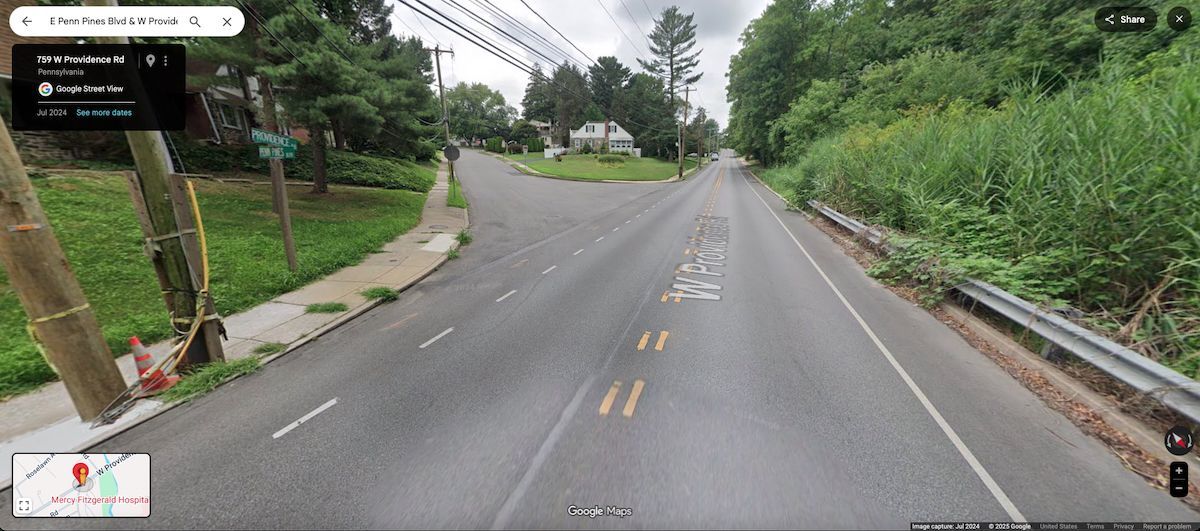
    A screenshot, dated July 2024, from Google Maps showing the intersection where Teddy Einstein was killed on Dec. 3, 2025, in Upper Darby, Pa.

    Providence Road, where Einstein was hit and where he biked weekly, is considered a dangerous road by local planning commissions, appearing on the Regional High Injury Network map as a thoroughfare where multiple people have died or been seriously injured in vehicle, pedestrian, or bicycle crashes. Delaware County is currently in the process of onboarding most of its townships onto a “Vision Zero” plan to end all traffic fatalities by 2050 — similar to Philadelphia’s own Vision Zero.

    The Delaware County Planning Commission said the county does not own the roads, which are overseen by the Pennsylvania Department of Transportation or specific municipalities; however, officials are “actively working to obtain additional funding for further safety improvements, and are continuing to work with our partners in our 49 municipalities on either our Vision Zero plan or to help them develop their own,” said Delco spokesperson Michael Connolly.

    Fahey said she won’t rest until Providence Road’s lack of safety is addressed and will continue campaigning for safety improvements in Philadelphia.

    A GoFundMe has been set up for Fahey to help fund efforts to protect Einstein’s legacy as a teacher and advocate, as well as to invest in campaigns to make streets safer, with an emphasis on the road where Einstein was killed. It has already raised more than $60,000.

    In addition to his wife and children, Einstein is survived by his parents, K. Alice Chang and Thomas Einstein, and siblings, Michael Einstein and Lily Einstein. The family encouraged people to donate to Fahey’s GoFundMe to honor Einstein’s legacy.

  • SEPTA trolley tunnel will remain closed through at least the end of December

    SEPTA trolley tunnel will remain closed through at least the end of December

    There will be no Christmas miracle for trolley riders.

    The Center City trolley tunnel will remain closed at least through the end of December, SEPTA said Wednesday. Officials did not offer a precise reopening date but were hopeful service would resume in January.

    The tunnel has been closed since the beginning of November for repairs to its overhead catenary wire system. In October, damage caused two separate incidents in which trolleys were stopped and hundreds of riders were evacuated inside the tunnel.

    “We want to make sure that we don’t reopen before we feel that the risk has been reduced as low as possible that we could have another event in the tunnel,” said Kate O’Connor, SEPTA’s assistant general manager of engineering, maintenance, and construction.

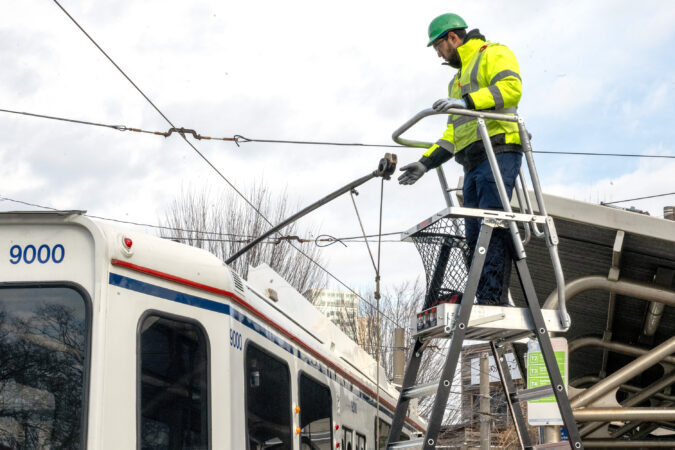
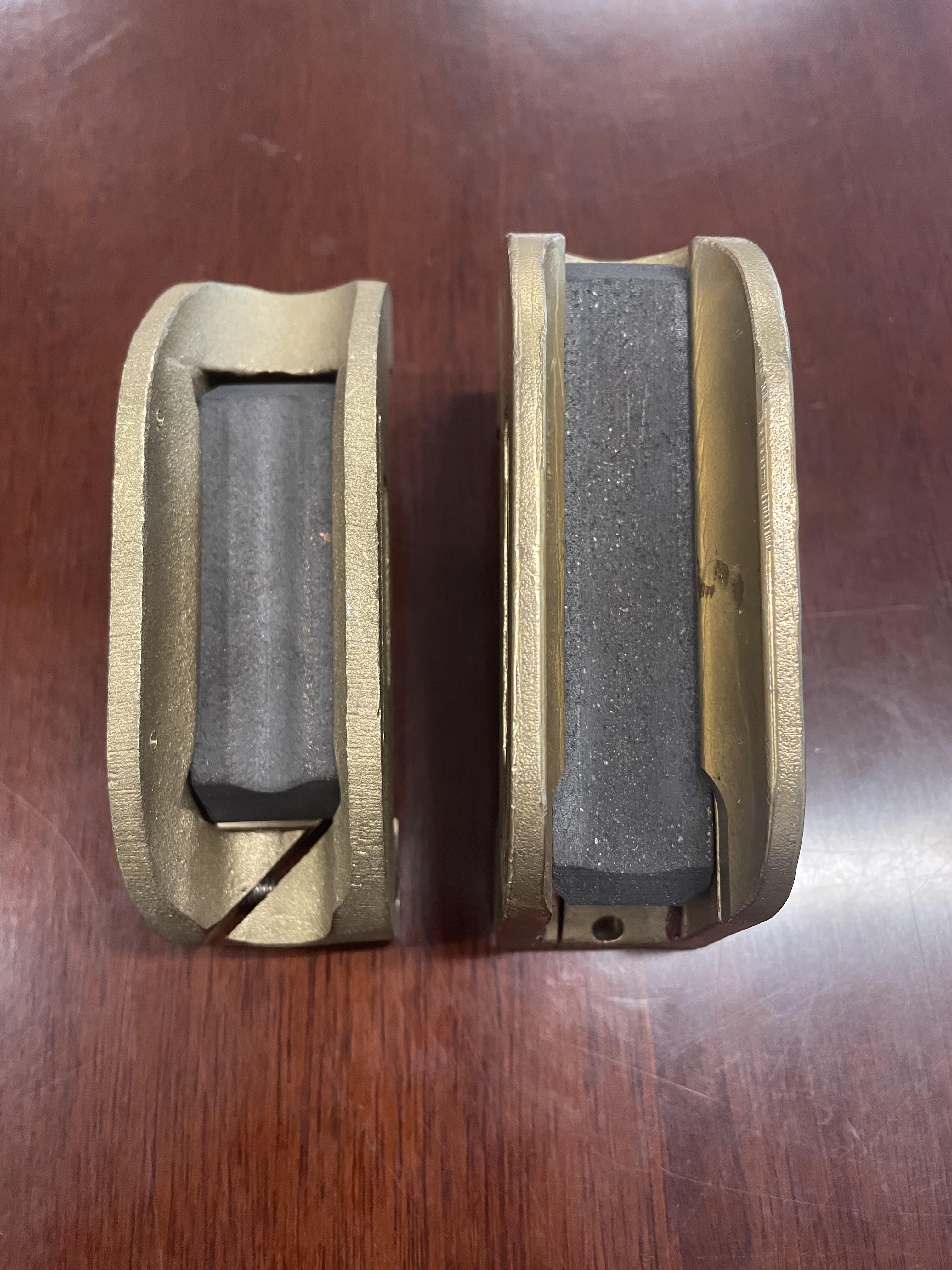
    Issues began earlier this fall after SEPTA changed the size of the brass sliders that hold chunks of carbon that rub off and coat the wires carrying electricity to the trolleys. The carbon coating helps the trolleys move smoothly.

    A 3-inch slider, left, and a 4-inch slider, which coats electric powered wires with carbon to reduce friction. When they fail, trolleys are stranded.

    The switch from 3-inch to 4-inch sliders was meant to prolong their lifespan and lower maintenance costs, but it proved to do the opposite. Inside the tunnel, where there are more curves on the tracks and more equipment holding the wire to the ceiling, the new sliders and carbon burned through more quickly.

    SEPTA had tested the 4-inch sliders before the change was made, but observed no issues, O’Connor said. The tests proved to be too limited, she said, and did not adequately measure how the sliders would work across an entire fleet.

    SEPTA changed back to the 3-inch slider, but because the overhead wires were now damaged, the once-reliable sliders began to wear out more quickly, too.

    “We could hear the rubbing on the brass” after less than a day, said Jason Tarlecki, SEPTA’s deputy chief engineer of power.

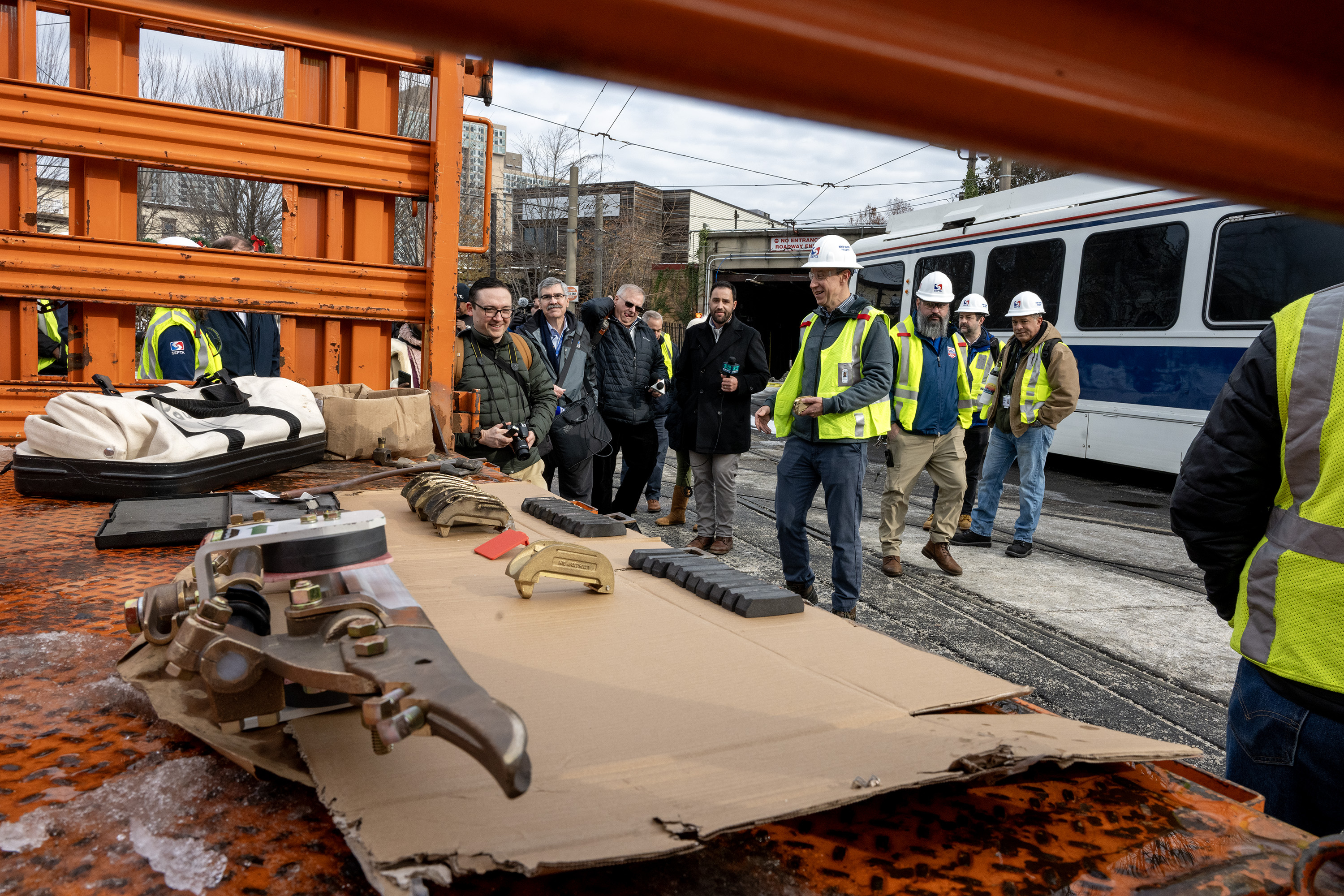
    Trolley slider parts are on display as Jason Tarlecki, acting SEPTA chief engineer of power, talks with the news media at the 40th Street trolley portal (rear) Wednesday, Dec. 17, 2025.

    SEPTA determined it needed to replace the tunnel’s roughly five miles of overhead copper wiring, Tarlecki said, after the excess wear left it “shattered and raw” in sections.

    Those repairs have taken longer than originally projected. According to SEPTA officials, supply-chain issues stemming from the pandemic have created longer wait times for new parts. New wiring needs to build up a carbon coating over time, and SEPTA has been running trolleys along the system during the closure for the patina to develop. And the transit authority has been conducting tests, like experimenting with reduced-speed zones and readjusted wire tension, to ensure that the issue does not arise again.

    On Thursday morning, City Councilmember Jamie Gauthier and State Rep. Rick Krajewski (D., Philadelphia) plan to lead a canvass pushing for SEPTA and the city to help riders during the closure of the tunnel.

    “I know how challenging and frustrating it’s been for the tens of thousands of West and Southwest Philadelphians who rely on the trolley to get to school, work, and other essentials. [Market-Frankford Line] riders dealing with crush crowds and drivers stuck in trolley diversion gridlock are suffering too. … Only a sustainable investment from our state government can solve the root cause of this problem: SEPTA’s aging infrastructure,” Gauthier said in a statement.

    Even once the tunnel does reopen and service returns, the slider saga might not be over. O’Connor said that it was possible SEPTA would close the tunnel again occasionally, possibly for a weekend, as it continues to replace sections of the wiring.

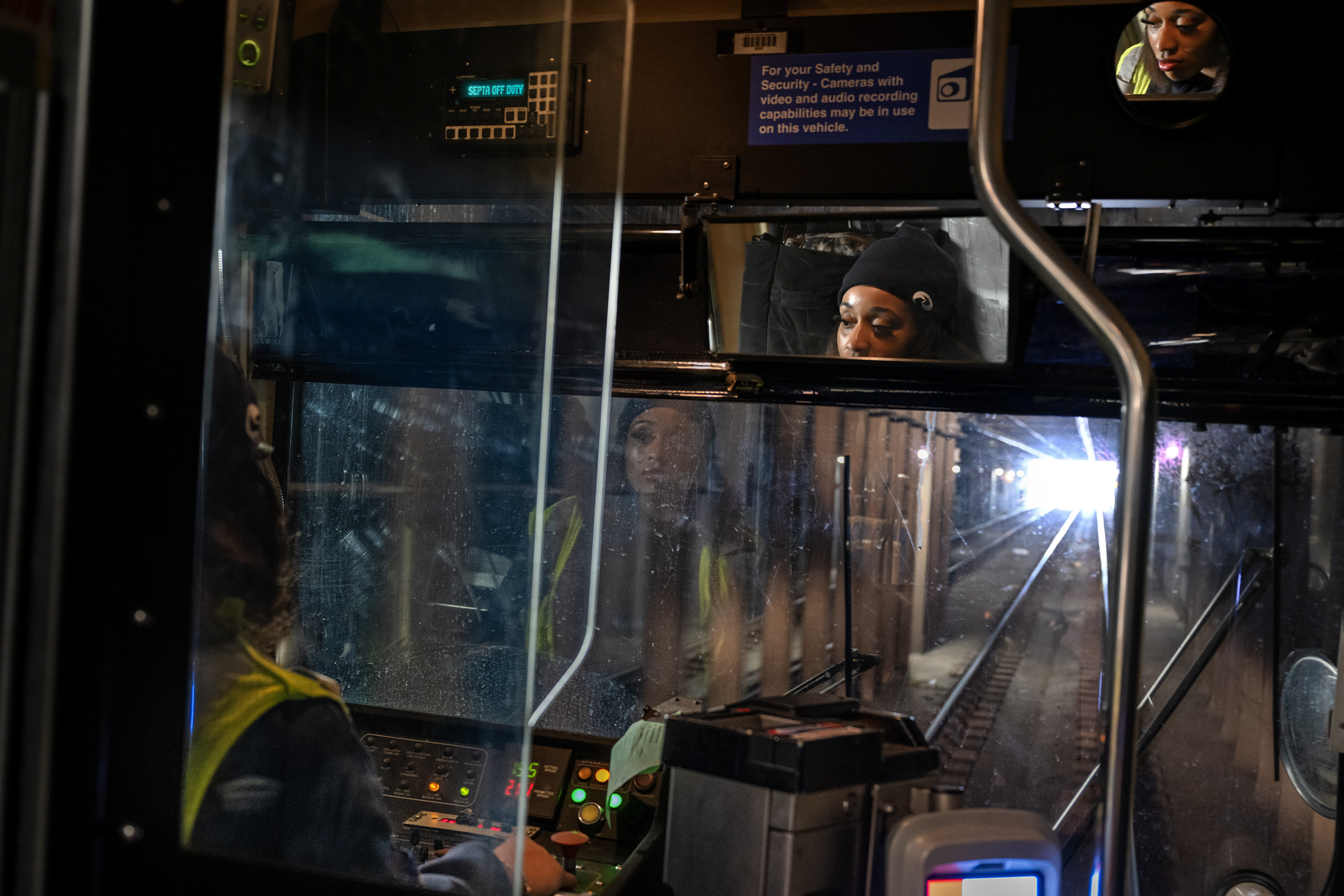
    SEPTA trolley operator Victoria Daniels approaches the end of the tunnel, heading toward the 40th Street Trolley Portal Wednesday, Dec. 17, 2025, after a tour to update the news media on overhead wire repairs in the closed tunnel due to unexpected issues from new slider parts.
  • Chester County is rolling out a fleet of propane buses

    Chester County is rolling out a fleet of propane buses

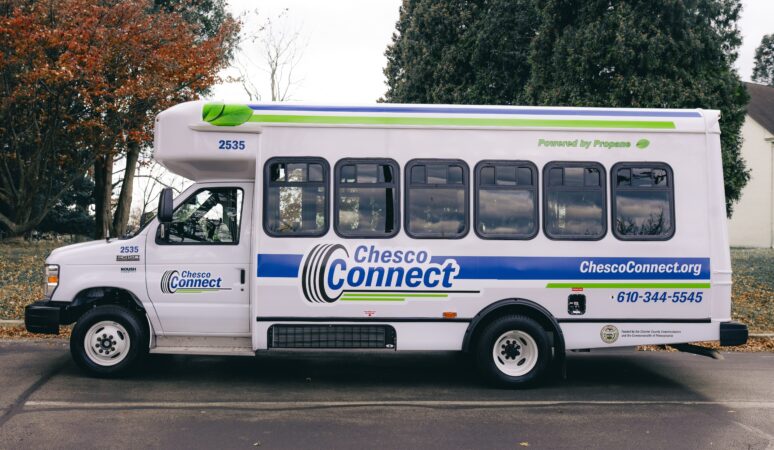
    Chester County is rolling out a fleet of propane public buses — in what could be a broader trend for municipalities looking to cut costs, especially as the federal government moves away from pushing electric vehicles.

    The county will run 16 propane Chesco Connect buses by February, with seven already on the roads. The majority of the 74-bus Chesco Connect fleet, a door-to-door shared ride transportation system that covers the county, is gasoline-fueled, but the county plans on adding more propane buses in 2027, said Gene Suski, director of transportation for the Chester County Department of Community Transit.

    Propane is a cleaner fuel source than gasoline or diesel, and costs $1 to $1.50 less than gasoline per gallon.

    “On any given day, our buses go anywhere between 150 and 250 miles a day, so when you can save that kind of money per gallon, it’s a significant factor,” Suski said.

    A propane bus costs roughly $33,000 more than a gas bus, but with $20,000 saved in fuel costs annually, “it pays for itself” in 18 months, a county spokesperson said. The buses being replaced were “well past their useful life.”

    Chester County’s new propane buses follow similar moves made by neighboring Montgomery and Lancaster Counties, which in recent years have embraced propane for part of their fleets. School districts across the state have also used the model, with more than a thousand propane school buses on the streets through the state, said Tony Bandiero, executive director of Eastern Pennsylvania Alliance for Clean Transportation, an organization that works with 34 counties to encourage alternate fuels.

    It’s a relatively easy–and cheap–change for municipalities to make, Bandiero said.

    “There’s a little bit of upfront cost, but usually that could be recuperated within a year just by fuel saving, cost savings, and maintenance on the vehicles,” he said.

    Propane buses “hit a niche” about seven years ago, Bandiero said. Under President Joe Biden’s administration, his organization saw a ton of interest in electric projects. But that shifted with President Donald Trump’s return to office and the president slashing electric goals. Bandiero expects to see more projects focused on propane and natural gas in response.

    In Chester County, the buses are part of the county’s climate action plan, approved by the commissioners in 2021. The county worked with ROUSH CleanTech, which has developed propane buses, vans, and pick up trucks since 2010.

    The county was drawn to propane buses for the environmental benefits, and operating more efficiently, said David Byerman, the county’s chief executive officer.

    “We believe that we have a duty as a county to be good environmental stewards, and this initiative is a way for us to demonstrate that leadership, and we’re very much looking forward to continuing to realize the goals we laid out in our climate action plan, and continuing to provide a model for sustainability for southeastern Pennsylvania,” he said.

    Despite a recent state of emergency over propane woes in neighboring New Jersey, Suski said the county hasn’t had issue with fueling the current supply of buses. A tanker arrives each morning to fuel the buses. But in the next three to six months, the county plans to build its own propane fueling station in Coatesville to directly fuel its fleet.

    This suburban content is produced with support from the Leslie Miller and Richard Worley Foundation and The Lenfest Institute for Journalism. Editorial content is created independently of the project donors. Gifts to support The Inquirer’s high-impact journalism can be made at inquirer.com/donate. A list of Lenfest Institute donors can be found at lenfestinstitute.org/supporters.

  • SEPTA opens new $50M Wissahickon Transit Center in Manayunk

    SEPTA opens new $50M Wissahickon Transit Center in Manayunk

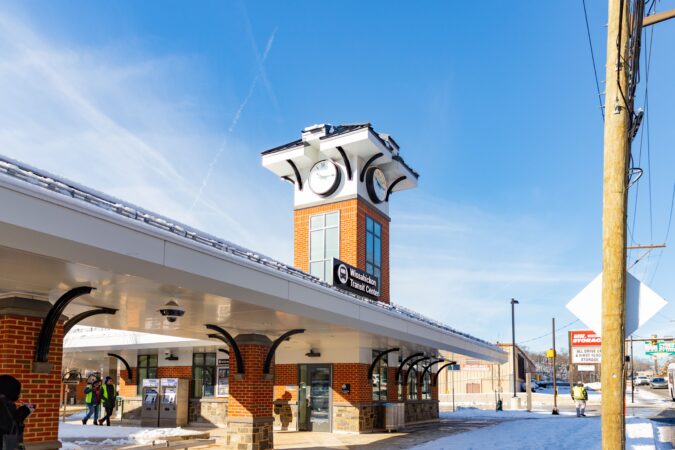
    SEPTA officially unveiled its long-awaited Wissahickon Transportation Center in Manayunk, which is about six times the size of the previous small bus depot.

    The new center on Ridge Avenue, near Main Street, is expected to serve 5,000 bus riders a day, officials said Monday at the ribbon cutting.

    Construction of the $50 million project began in 2023 at what was already one of SEPTA’s busiest transportation hubs. It is located within walking distance of the Wissahickon Regional Rail Station.

    Officials say the center improves connections, provides a better waiting experience for riders, and serves as a key transportation link to busy Main Street. They also say it makes navigating the immediate area easier for buses, pedestrians, and bicyclists.

    “We are making bus service safer and more reliable at one of our busiest transportation facilities,” SEPTA board chair Kenneth Lawrence said in a statement. “This new hub provides better access to work, school, and other opportunities, including reverse commute connections for Philadelphia residents to Montgomery and Delaware Counties.”

    window.addEventListener(“message”,function(a){if(void 0!==a.data[“datawrapper-height”]){var e=document.querySelectorAll(“iframe”);for(var t in a.data[“datawrapper-height”])for(var r,i=0;r=e[i];i++)if(r.contentWindow===a.source){var d=a.data[“datawrapper-height”][t]+”px”;r.style.height=d}}});

    Among the improvements:

    • Weather-protected waiting areas, benches, and bicycle racks
    • Better lighting, signs, and security cameras
    • A supervisor’s booth
    • A new left turn lane dedicated to buses on a wider road
    • Improved crosswalks for pedestrians crossing Ridge Avenue
    • Bicycle racks
    • Improved crosswalks
    • Americans with Disabilities Act-compliant boarding areas

    The previous center that fronted Ridge Avenue was basically a large bus shelter where commuters who live in neighborhoods in the city’s northwest and pass through on their way to jobs in King of Prussia and Plymouth Meeting change buses.

    Nearly three-quarters of the passengers who board at Wissahickon are transferring to or from other SEPTA services.

    “This is our largest customer-centric bus project to date,” said SEPTA general manager Scott Sauer.

    Officials say the center lays the groundwork for SEPTA’s new bus network. For about five years, the transit agency had been taking steps toward launching its first comprehensive overhaul of the bus system since SEPTA opened in 1964, but last year SEPTA put the project on indefinite pause due to funding issues.

    The new center, which is immediately behind the old facility, is part of the city’s larger Wissahickon Gateway Plan to grow and improve the area where the Schuylkill and Wissahickon Creek meet at Ridge Avenue and Main Street.

    The gateway plan’s goal is to address stifling traffic, dangerous conditions for pedestrians and cyclists, and provide easier access to the river.

    As part of the gateway, a new trail segment is also planned that would include a paved path allowing walkers, runners, and cyclists to circumvent the busy nexus of roads, giving easier access to the Schuylkill River Trail.

  • Philly lawyer accused of falsifying medical records calls Uber’s suit a ‘tactic’ to scare attorneys

    Philly lawyer accused of falsifying medical records calls Uber’s suit a ‘tactic’ to scare attorneys

    The Philly-area personal injury lawyer accused by Uber of working in concert with a group of medical professionals to falsify medical records told a federal judge that the lawsuit was part of a “business tactic” by the rideshare giant to scare attorneys away from representing crash victims.

    Marc Simon, of Simon & Simon, asked the judge on Friday to toss out Uber’s complaint.

    “If you are a lawyer who dares to sue Uber or its drivers (or a doctor who agrees to treat the victims of the Uber drivers’ negligence), Uber will destroy your career — call you a fraud, accuse you of criminal racketeering, seek ‘eight figures’ in damages, and demand the surrender of your law license,” Simon’s filing said.

    Uber filed similar lawsuits against personal injury law firms in New York, California, and Florida in which the rideshare company alleges that attorneys conspired with medical professionals to fraudulently inflate medical costs in an effort to get higher settlements or verdicts.

    “Their strategy is simple: use their unlimited resources to intimidate injured victims and bully their lawyers into silence,” Simon said. ”It won’t work.”

    Uber sued Simon & Simon in September, accusing the firm and its founder of violating the Racketeer Influenced and Corrupt Organizations Act, saying the law was enacted “to address precisely this type of fraudulent pattern.”

    The scheme, as alleged in Uber’s lawsuit, involved the firm providing instructions on the treatments clients should get at a New Jersey pain physician’s clinic and having clients often receive more than 20 chiropractic visits.

    It culminated in expert reports written by a private-practice orthopedic surgeon who performed nearly 1,300 exams for Simon & Simon clients in the past three years, and the firm paid him about $1.5 million, according to the complaint.

    The providers documented a need for extensive treatments that often contrasted with police reports where officers on the scene noted no injuries, the suit says.

    The goal of the reports was to inflate cost-of-care projections, which Simon & Simon used in settlement negotiations to turn “low value claims into million-dollar-plus” requests, according to the complaint.

    Simon was an obvious target for Uber in Philadelphia, the attorney’s filing says. He was viewed as an “easy hit” because of two recent instances in which federal judges sanctioned him.

    The sanctions were related to firm procedures and jurisdictional issues, and neither order “even slightly resembles” the “outrageous fraud and criminal conspiracy” alleged by Uber, Simon said in his motion to dismiss.

    One of the judges who sanctioned Simon noted in a blistering memo that the firm’s expert reports had “little relationship to real world medical care” and that when the same expert in every case projects “monumental future costs” it “becomes difficult to read the reports in question as credibly addressing actual patient needs.”

    The attorney says Uber failed to show that it was injured by any alleged misrepresentation. As evidence of the conspiracy, Uber says Simon dropped the rideshare giant as a defendant from dozens of lawsuits in which the pain physician was the key expert once they asked question.

    “For this reason, Uber did not plead (and could not have pled) that it paid any verdicts or settlement in such cases,” the Simon’s filing says.

    The medical professionals also filed motions to dismiss the case.

    A spokesperson for Uber said in a statement that the motions to toss out the lawsuit offer “no real response to the detailed and credible allegations of fraudulent conduct.”

    “We are confident in the merits of our case and look forward to seeing the defendants in court,” the statement said.

  • Philly roads will be closed for Highway Patrol Officer Andy Chan’s funeral

    Philly roads will be closed for Highway Patrol Officer Andy Chan’s funeral

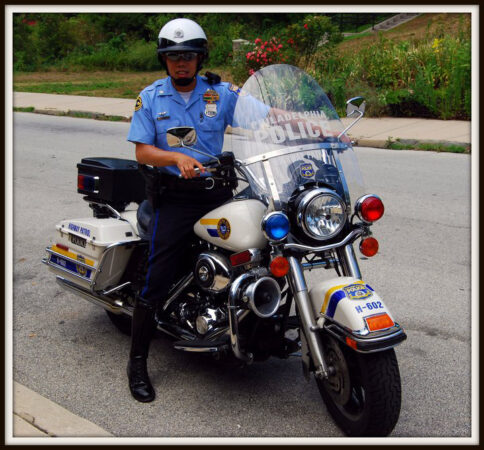
    Philadelphia roads will be closed Monday and Tuesday for the funeral services of Highway Patrol Officer Andy Chan.

    Several streets in the Callowhill, Chinatown, and Center City neighborhoods will begin closing Monday evening for a first viewing, with additional roads closing Tuesday for the second viewing and funeral.

    Chan, 55, who suffered a critical brain injury six years ago in a motorcycle crash on his way to work, died Dec. 2. Since the crash, the 24-year police veteran had required around-the-clock care. His fellow officers fundraised for his medical expenses.

    A viewing will be held Monday at Holy Redeemer Chinese Catholic Church, 915 Vine St., from 6 p.m. to 9 p.m. The second viewing will be held Tuesday at the Cathedral Basilica of SS. Peter and Paul, 1723 Race St., from 8:15 a.m. to 10:40 a.m., with the funeral following directly after.

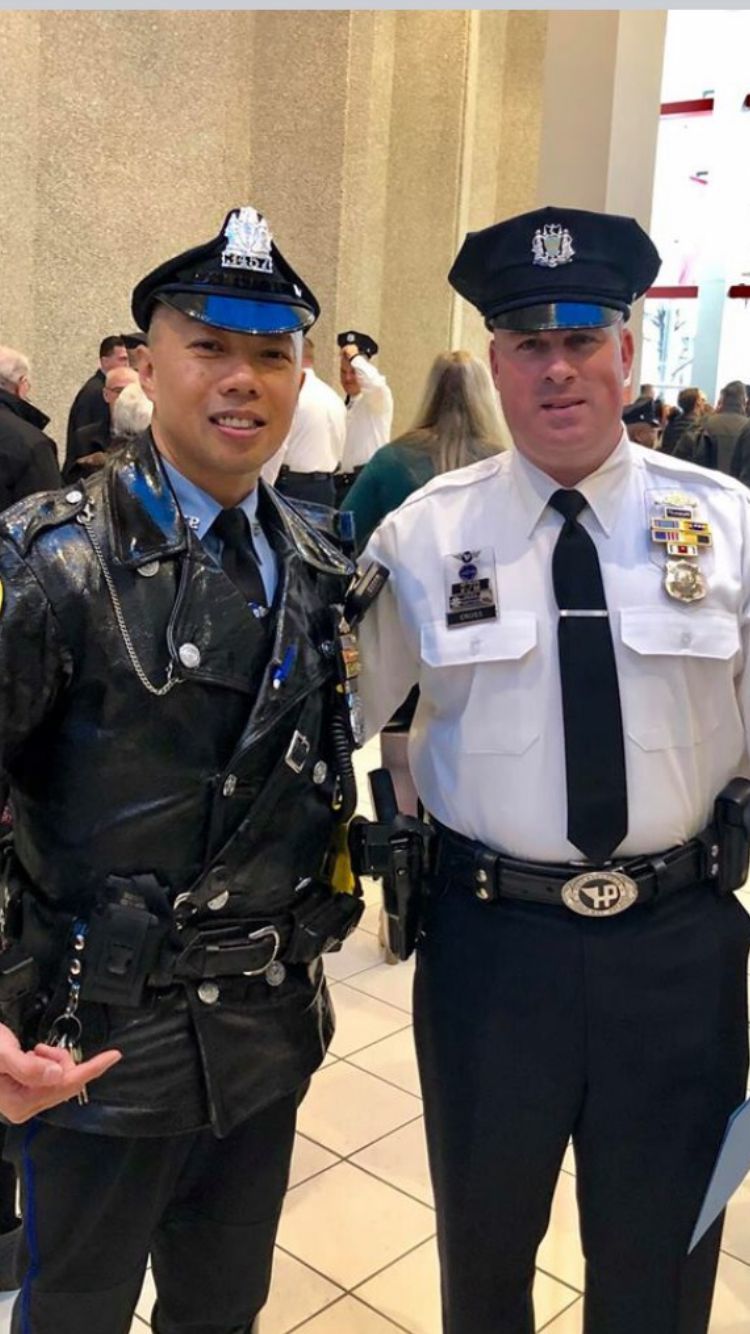
    Highway Patrolman Andy Chan (l) at the promotional ceremony of his old partner Sgt. Kyle Cross.

    Road closures

    Drivers should avoid the areas listed, use alternate routes, and expect delays.

    These streets will be closed at 4 p.m. Monday and will reopen at the conclusion of the viewing procession:

    • Ridge Avenue between Wood Street and Hamilton Street 
    • Vine Street (westbound) between Eighth and 10th Streets
    • 10th Street between Hamilton and Vine Streets
    • Ninth Street between Callowhill and Wood Streets
    • Callowhill Street between Eighth and 11th Streets
    • Wood Street between Ninth and 10th Streets

    These streets will close at 5 a.m. Tuesday and will reopen at the conclusion of the service:

    • 18th Street between the Benjamin Franklin Parkway and Vine Street

    These streets will close at 5:30 a.m. Tuesday and will reopen at the conclusion of the procession:

    • 15th Street between Spring Garden and Callowhill Streets
    • Broad Street between Spring Garden and Callowhill Streets
    • Callowhill Street between Broad and 17th Streets
    • 17th Street between Callowhill and Benjamin Franklin Parkway

    These streets will close at 6 a.m. Tuesday and will reopen at the conclusion of the service:

    • Benjamin Franklin Parkway between 16th and 22nd Streets
    • Vine Street between Logan Circle and 16th Street
    • Race Street between 16th and 18th Streets
    • 17th Street between Vine Street and Benjamin Franklin Parkway
    • 19th Street between Benjamin Franklin Parkway and Cherry Street

    Additional streets near the Benjamin Franklin Parkway and Eakins Oval may be closed or detoured.

    Parking restrictions

    Parking is not allowed on the streets listed above during the designated times. “Temporary No Parking” signs are displayed along the streets.

    Vehicles parked in these zones during the posted hours will be relocated. The Inquirer has a guide on what to do if your vehicle is “courtesy towed.”

    Public transportation

    SEPTA Bus detours will be in place, according to the city, but SEPTA has not shared these details yet. Get live service updates at septa.org.