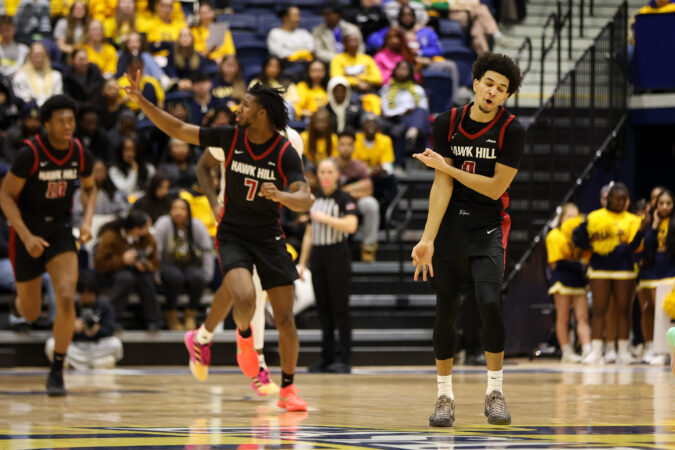
Steve Donahue sat back in his chair, a smile stretched across his face. St. Joseph’s had just beaten La Salle, 67-58, on Saturday, the Hawks’ sixth win in their last seven, and Dasear Haskins, who made six three-pointers and tied a career high with 20 points, was talking about the “A to B mentality” Donahue has drilled into his team.
“I told my mom I will A to B to practice the other day,” said Haskins, a redshirt sophomore who played at Camden High. “It’s like a lifestyle to me now. I think the guys are treating it like that.”
The motto is simple enough: “Whatever A is, you have to get to B,” Donahue said later. A can be something good. A can be something bad. St. Joe’s has just gotten a lot better at the getting to B, and it’s not surprising that it took a couple of months for that to happen, for the Hawks to look like the sum of all their parts, considering all that has happened since September.
Former coach Billy Lange abruptly left for the NBA. The roster that he worked hard to build would be playing for a new coach, Donahue, whom Lange brought on as his top assistant after the Delaware County native was fired following his ninth season at Penn. New coach, new roster, awkward timing. The Hawks started 2-3, had some ups and downs, then by mid-December their leading scorer, Deuce Jones, was no longer with the program.
They started Atlantic 10 play by losing their first two games. Then came a team meeting. Then came six wins in seven tries, a stretch that could be a perfect 7-for-7 if not for late-game execution on the road against a good VCU team.
Zoom out a little bit, and on a macro level this version of the Hawks is the B to whatever A was after they allowed Davidson to leave Hagan Arena with a 62-56 win on Jan. 3. The season could have gone sideways then, but it hasn’t. St. Joe’s is 14-8 overall and 6-3 in the A-10 and in fourth place in the conference.
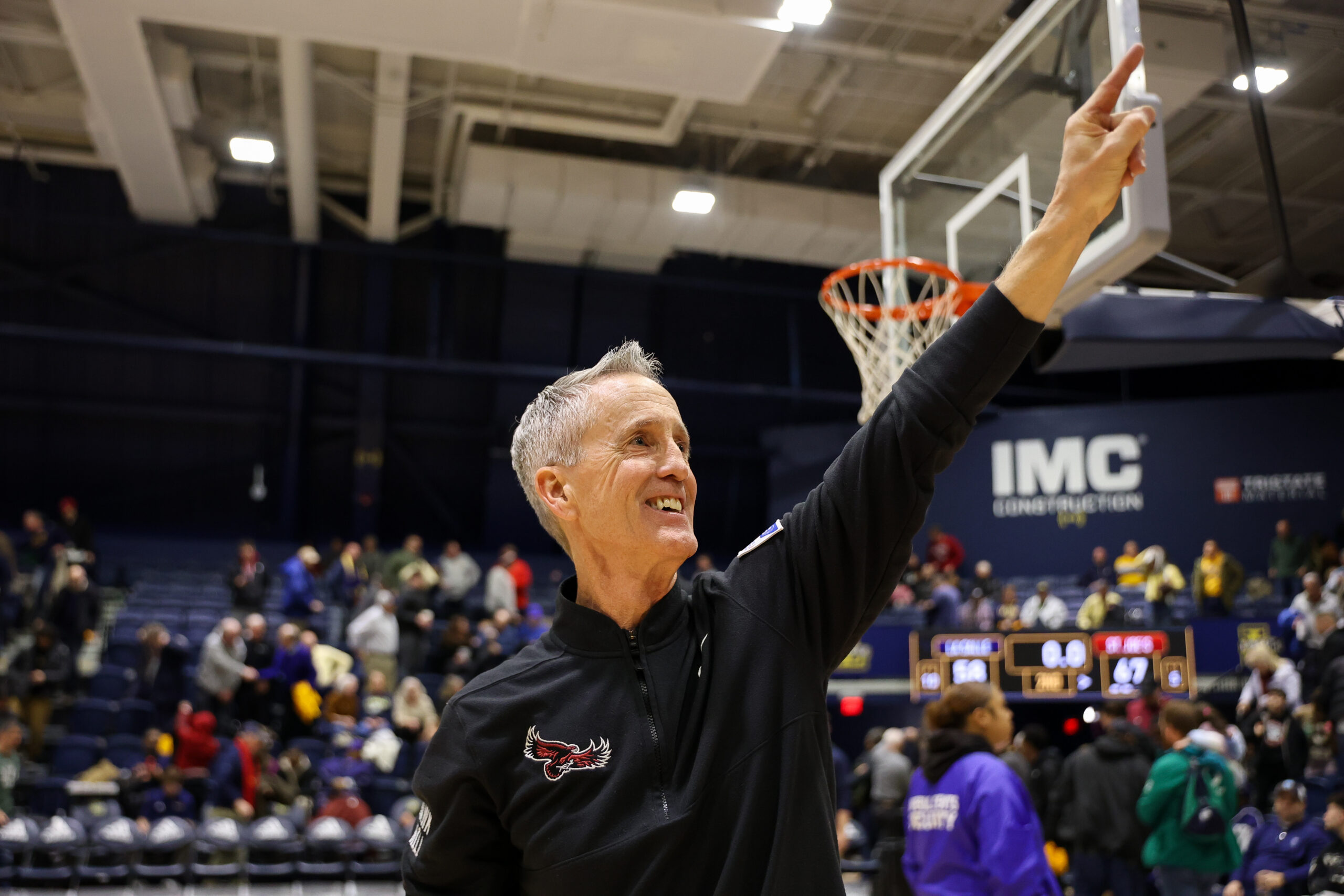
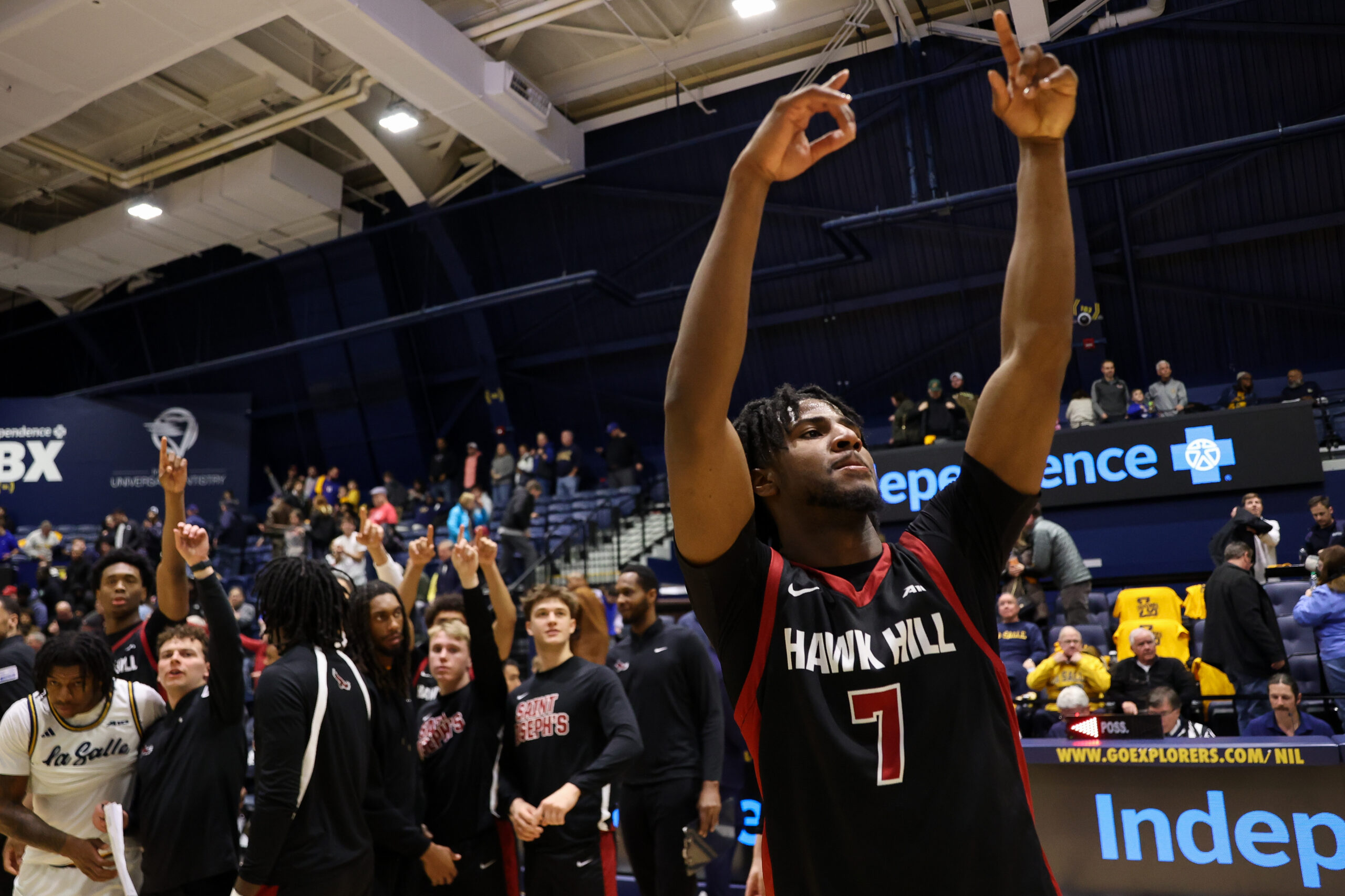
St. Joseph’s coach Steve Donahue points to the student section after a 67-58 win against La Salle.
Perhaps, finally, Donahue’s team is taking on a little bit of his own personality, playing the way Donahue wants the Hawks to play.
“I like to think that,” Donahue said Saturday. But he also wanted to credit Lange for laying a foundation. Lange, Donahue said, “built a really good program here with really good people.” He pointed to the consecutive 20-win seasons and the program’s footing in the A-10.
“I’m grateful that I walked into this and have guys like [Haskins],” Donahue said. “That being said, I saw things that bothered me.”
“We lost three games where we were tied or up against good opponents with eight minutes left, and we didn’t get from A to B,” Donahue said. “We allowed the circumstances to change who we are. We’ve been through a lot, and since then I just see their ability to forget about personal expectations and figure out what needs to be done in that game.”
Saturday, Donahue said, was living proof.
La Salle did everything it could to take Derek Simpson out of the game. Simpson has been on a tear during this recent run, but the shooting lanes weren’t there, so the Hawks found Haskins on the weak side and the lefty made La Salle pay with six threes on seven attempts. Simpson still more than made his mark on the game with 13 points, six rebounds, and seven assists.
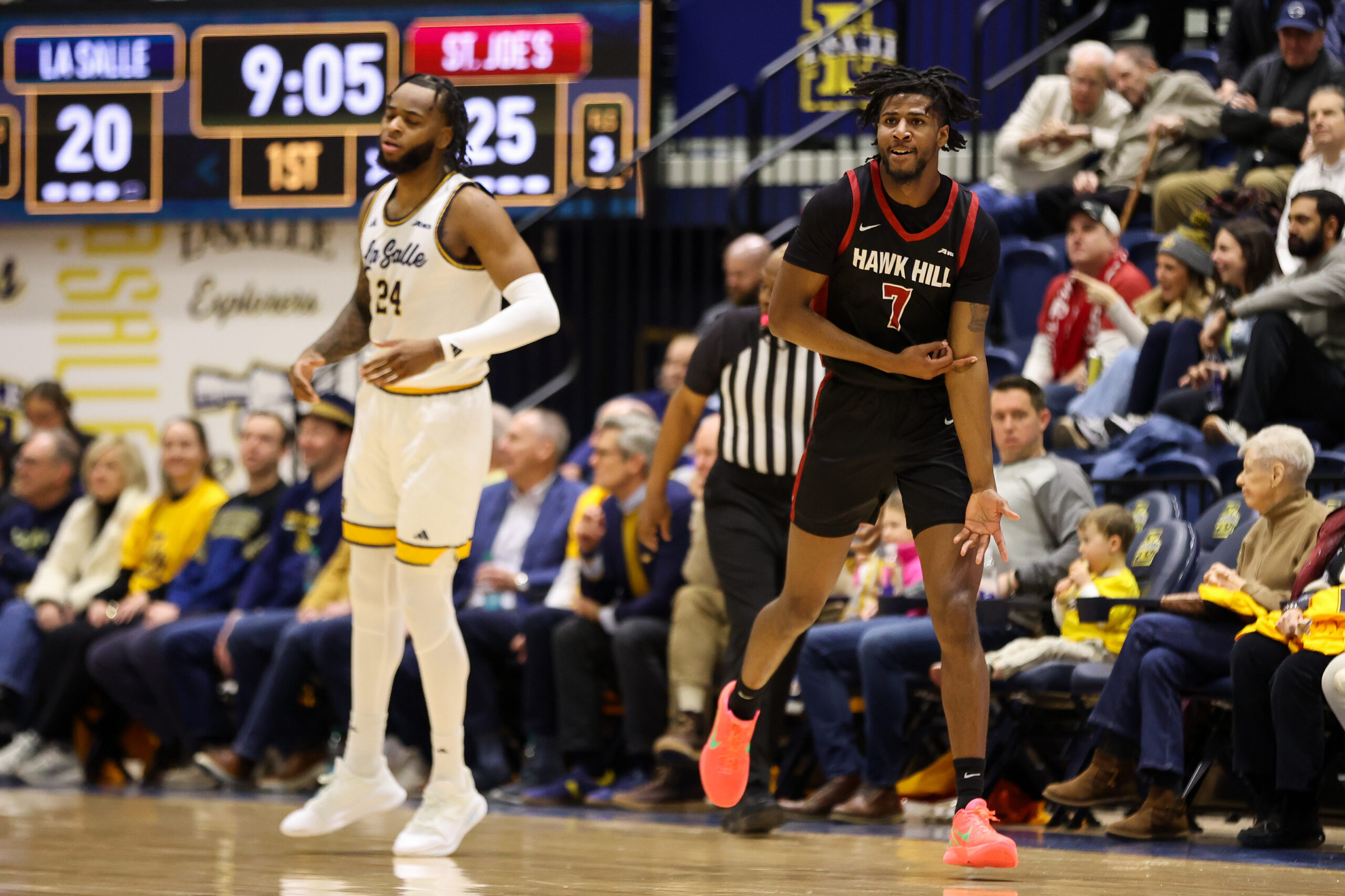
Hawks guard Dasear Haskins (7) reacts after a made three-pointer against Jerome Brewer and La Salle.
The feisty Explorers used an 11-0 run to make the game interesting late, but St. Joe’s battled through a couple of turnovers and closed the game with its free-throw shooting.
“When a game gets closer, we just want to get closer,” Haskins said. “We just come together, listen to our coaches, trust in our game plan, and just come together as a unit.”
Words that make Donahue smile.
“There’s a mentality now that we’re not going to be affected if something is going right for the other team and wrong for us,” Donahue said. “We’re going to move on and figure out how to win this game.”
Some of this recent success has a simpler explanation. It’s just a natural part of a team growing together. Simpson and Justice Ajogbor, both seniors, have been steady. Simpson, Donahue said, is the “heart and soul” of the team, and is no longer looking over his shoulder. But the other components of the team needed time. Jaiden Glover-Toscano barely played at St. John’s last season. Haskins is playing his second season of college basketball. The Hawks rely a lot on two freshmen, Austin Williford and Khaafiq Myers, and a backup center, sophomore Jaden Smith, who had a limited role at Fordham last year.
“The youth is catching up to the older guys and we’re blending,” Donahue said.
It’s the right time for it, considering the calendar just flipped to February. The Hawks have nine games left before the conference tournament in Pittsburgh. They have shown the ability to play with and beat some of the conference’s best, like Dayton and Virginia Commonwealth. There will, of course, be no trip to the NCAA Tournament without running the table in Pittsburgh, and doing so means getting through those teams and the juggernauts, St. Louis, which beat St. Joe’s by 23, and a George Mason squad the Hawks play on the road on Saturday.
That stuff will sort itself out when it’s supposed to. For now, the Hawks can just enjoy the ride.
“Winning is so fun,” Haskins said. “I love winning so much.”
There’s nothing like surprising news on the weekend to jar you out of a deep, deep freeze.
The first new flash came Saturday when we learned that the NBA had suspended Paul George for 25 games for violating the league’s anti-drug program. There’s more on our coverage of George directly below in this newsletter.
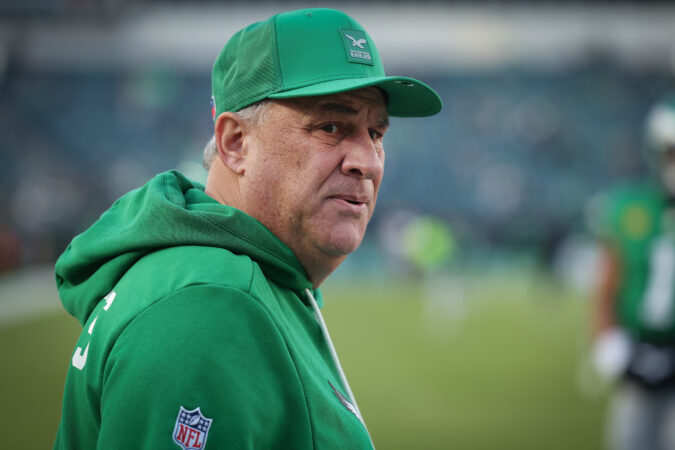
The second news flash came Sunday when Jeff McLane reported that the Eagles have yet to receive a final decision on whether Vic Fangio plans to return next season.
Will the molder of the team’s dominant defense retire? ”He keeps talking retirement, but he did the same last year,” an Eagles source told McLane last week.
The defensive coordinator, 67, has not responded to questions about his future since the end of the season, nor has the team. Just in case, the Eagles reportedly considered reaching out to two former coordinators about the job. More about the possibility of Fangio’s retirement can be found here.
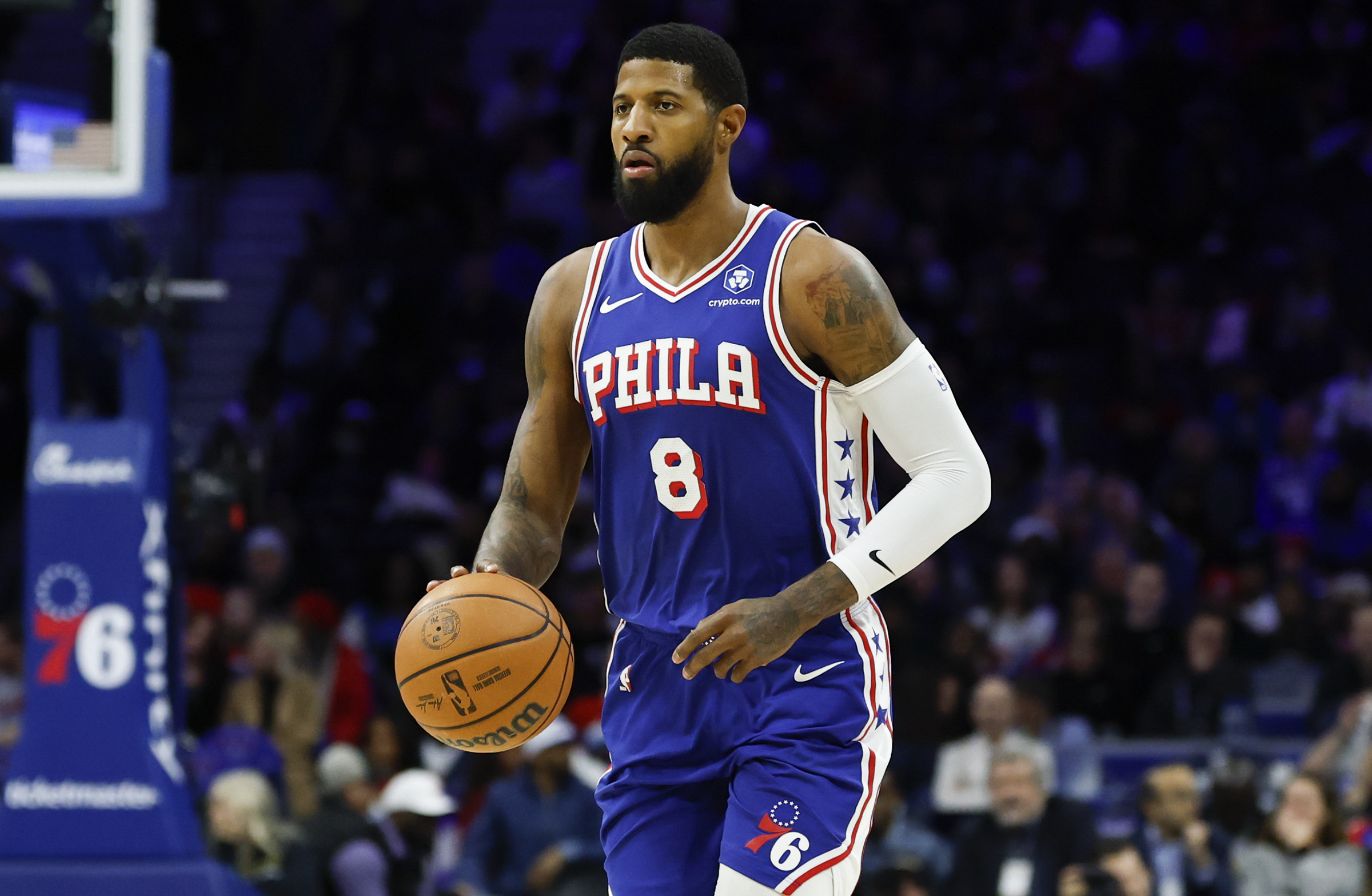
Sixers forward Paul George will serve a 25-game suspension for violating the NBA’s anti-drug policy.
Here’s what George said in a statement about his suspension:
“Over the past few years, I’ve discussed the importance of mental health, and in the course of recently seeking treatment for an issue of my own, I made the mistake of taking an improper medication. I take full responsibility for my actions and apologize to the Sixers organization, my teammates, and the Philly fans for my decision-making during this process.”
Just like that, George’s tenure with the Sixers is back to being recognized as a disaster, Keith Pompey writes.
The suspension will cost him $11.7 million. In the meantime, his teammates will try to pick up the slack for the star forward until he is eligible to return on March 25. “There’s a number of guys there to do it,” coach Nick Nurse said. “That’s where we are. We’ve been in this kind of next man up mentality for quite a while, and we’re going to have to dig in and do it again.”
Sixers fans reacted to the news about George in their own way. Said one: “We pick up a little traction and we’re doing our thing and something always bad happens to us. We have some sort of bad luck.”
Penn State held its first outdoor game at Beaver Stadium on Saturday.
Cold enough for you? There were 74,575 fans packed into Beaver Stadium on Saturday to watch the first outdoor hockey game at the home of the Nittany Lions. Bundled up in 16-degree weather at the game’s start (it only got colder), they witnessed No. 2 Michigan State’s 5-4 overtime win against No. 5 Penn State.
The atmosphere at the football stadium impressed Penn State coach Guy Gadowsky, to say the least. “I couldn’t believe it was a hockey game; I really couldn’t,” he said. “It just blew me away.”
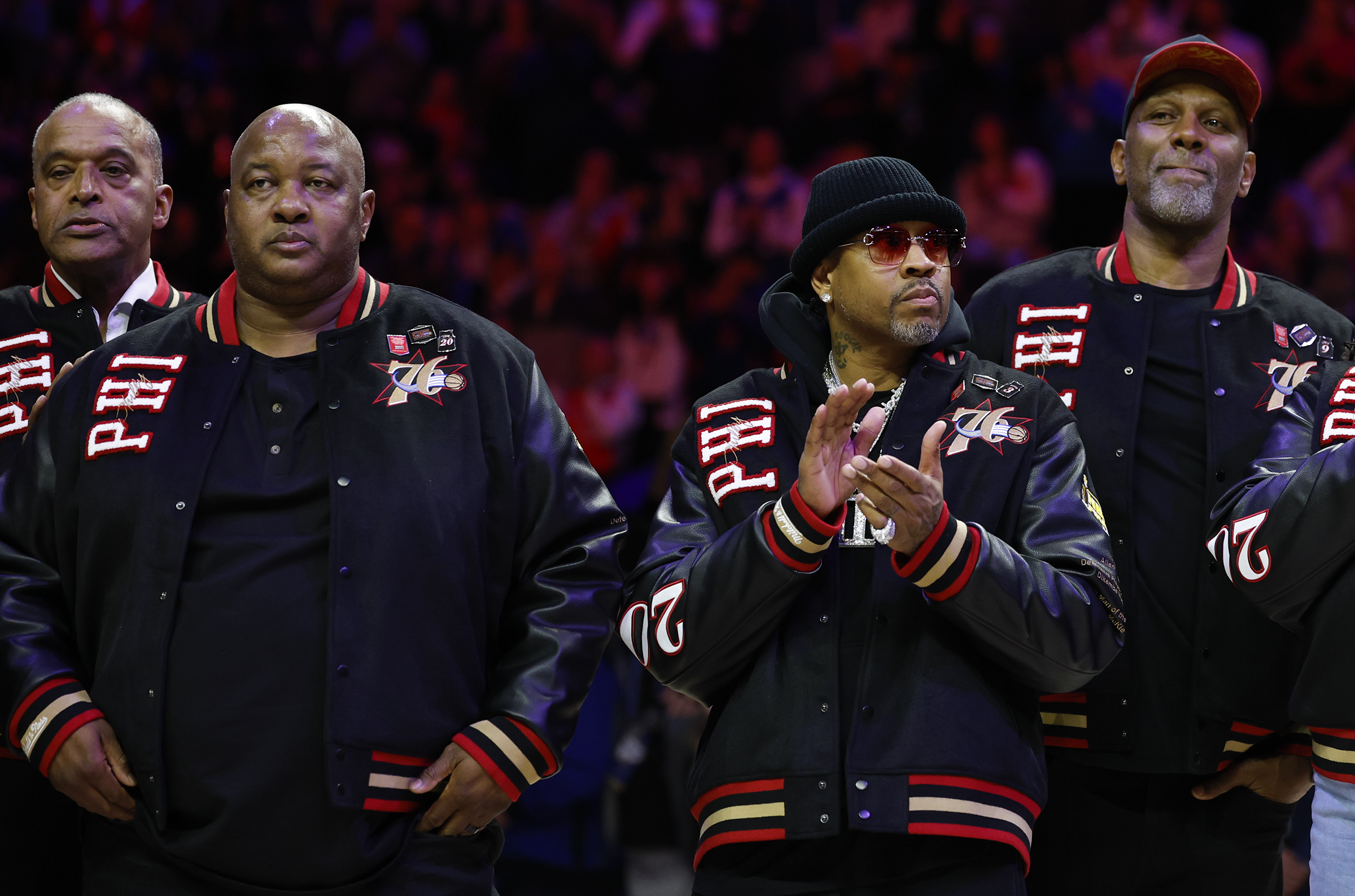
Allen Iverson is flanked by former Sixers teammates Eric Snow (left) and George Lynch (right) during the tribute to the 2001 NBA Finals team.
On Saturday night, the Sixers paid tribute to the team that rolled all the way to the NBA Finals 25 years ago. Hip-Hop, the bad bunny mascot, returned to entertain the fans. Former team president Pat Croce acknowledged Hall of Famer Allen Iverson’s greatness but also paid tribute to a glue guy, Eric Snow. George Lynch, Theo Ratliff, and others took their bows. (And rest in peace, Dikembe Mutombo.)
Iverson acknowledged other key contributors that season: “We couldn’t have accomplished anything without the fans of Philadelphia, the best fans in the world.”
St. Joseph’s Dasear Haskins gestures to the student section after the Hawks beat La Salle on Saturday.
The St. Joseph’s Hawks have won six of their last seven games and might even find a way to the NCAA Tournament if they continue to climb in the Atlantic 10 Conference. That’s a remarkable turnaround when you consider that coach Steve Donahue, fired from the Penn job, suddenly inherited the Hawks’ head coaching chores in September. Jeff Neiburg writes about the rebirth on Hawk Hill.
Meanwhile at Division II Thomas Jefferson University, Chris Cervino has emerged as a TikTok influencer. Here’s how he did it.
Sports snapshot
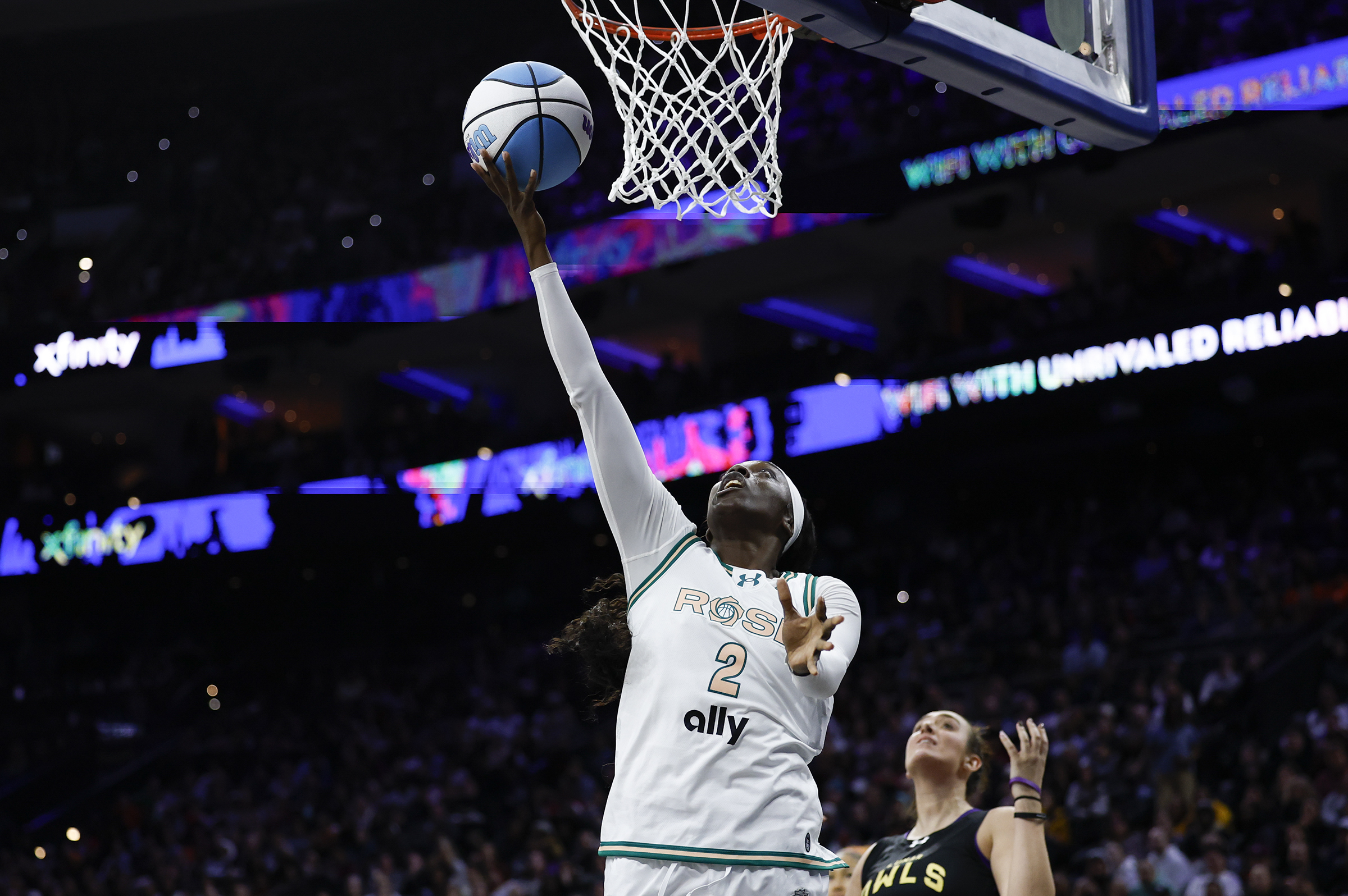
Kahleah Copper goes to the hoop during the sold-out Philly Is Unrivaled doubleheader on Friday.
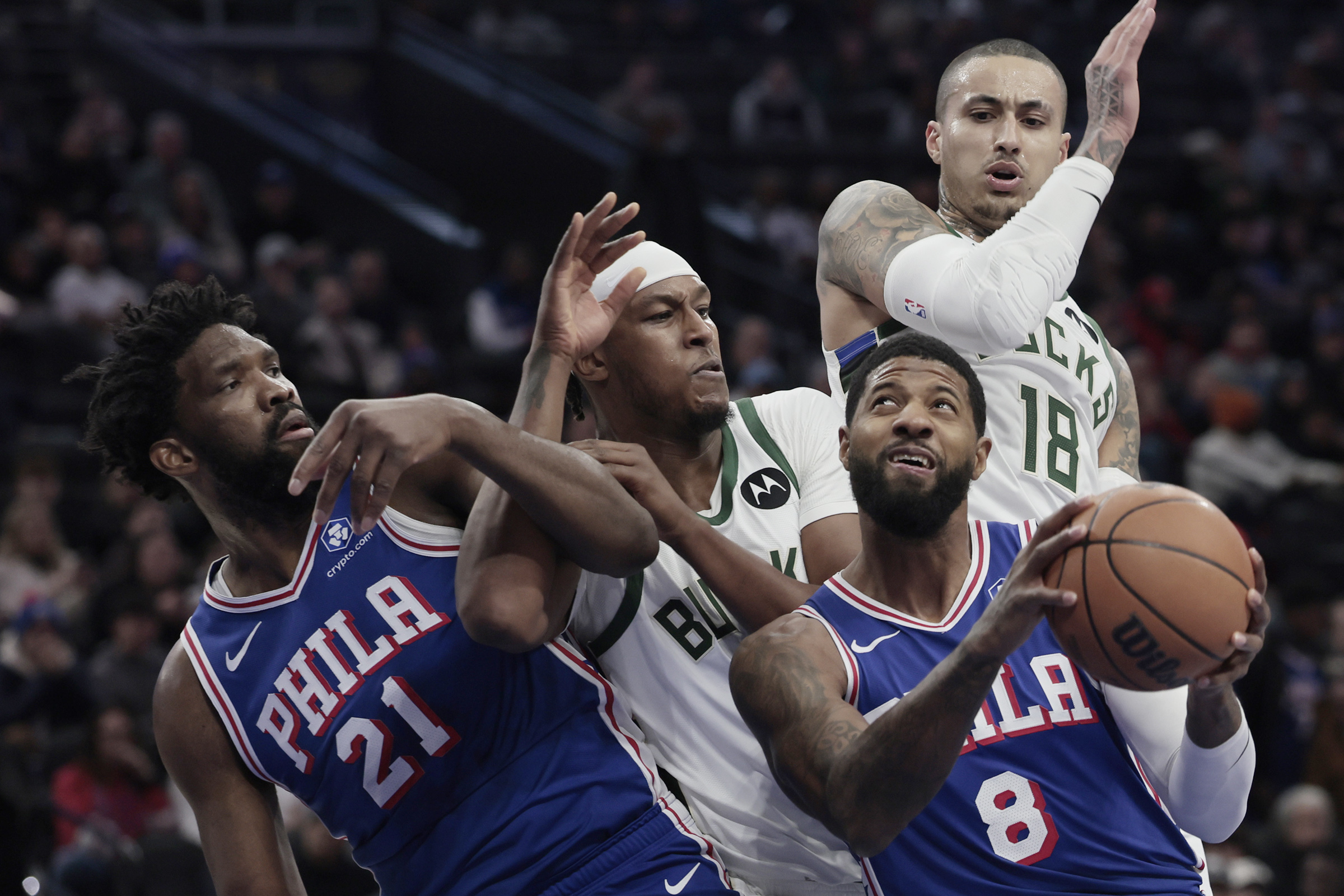
With forward Paul George (8) being suspended for 25 games, the Sixers hit another speed bump.
From Marcus Hayes:
It goes without saying that Paul George’s carelessness and selfishness are inexcusable. George told ESPN that he mistakenly took a banned medication to address a mental health concern.
We’re all in favor of addressing mental health, we’re also in favor of telling team doctors about every chemical you put in your body. That’s how you stay available. That’s how you earn that four-year, $211 million contract, the biggest free-agent deal in franchise history. There is simply no excuse.
From David Murphy:
Sean Mannion may not be the next Andy Reid. The Eagles didn’t hire the 33-year-old Green Bay assistant with the thought that he would become Reid. But Reid was Mannion at one point in time: an under-the-radar position coach without play-calling experience who was hired for a big boy job well ahead of schedule.
The Eagles will need Mannion to be a good play-caller but also a good coach, especially when it comes to his dealings with Jalen Hurts.
We compiled today’s newsletter using reporting from Jeff McLane, Keith Pompey, Gina Mizell, Ariel Simpson, Marcus Hayes, David Murphy, Jackie Spiegel, Jeff Neiburg, Isabella DiAmore, Sean McKeown, and Ryan Mack.
By submitting your written, visual, and/or audio contributions, you agree to The Inquirer’s Terms of Use, including the grant of rights in Section 10.
Could today be the day when we actually climb above freezing around here? I’ll believe it when I feel it. Thanks for reading. Stay warm and I’ll see you in Tuesday’s newsletter. — Jim
Paul George’s shocking suspension for violating the NBA’s anti-drug policy does not necessarily upend the 76ers’ trade deadline approach. But it does change their situation heading into Thursday.
On one hand, the Sixers are now in more need of an immediate boost — particularly at the wing or frontcourt positions — to keep pace in a tightly packed Eastern Conference during George’s 25-game absence. On the other, it has become significantly easier for the Sixers to get under the luxury tax because George’s unpaid suspension will give the team a tax variance credit of nearly $5.9 million.
The Sixers’ roster construction remains top-heavy, with three players on long-term max deals in George, Joel Embiid, and Tyrese Maxey. But it is always reasonable to expect the team’s president of basketball operations, Daryl Morey, to pull off something at the deadline.
Here is a look at the Sixers’ most movable contracts, either to tinker with the roster or hit financial goals.
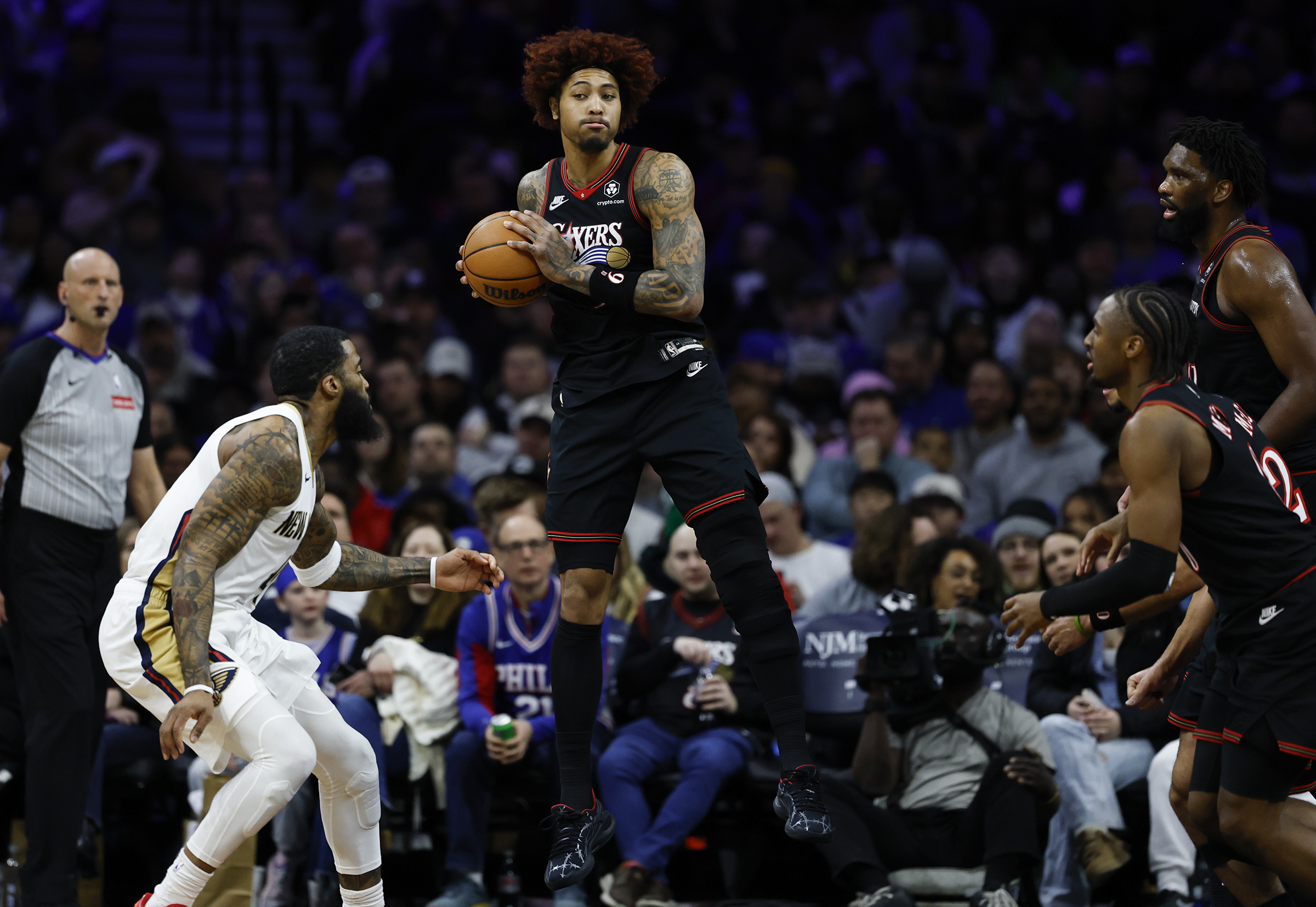
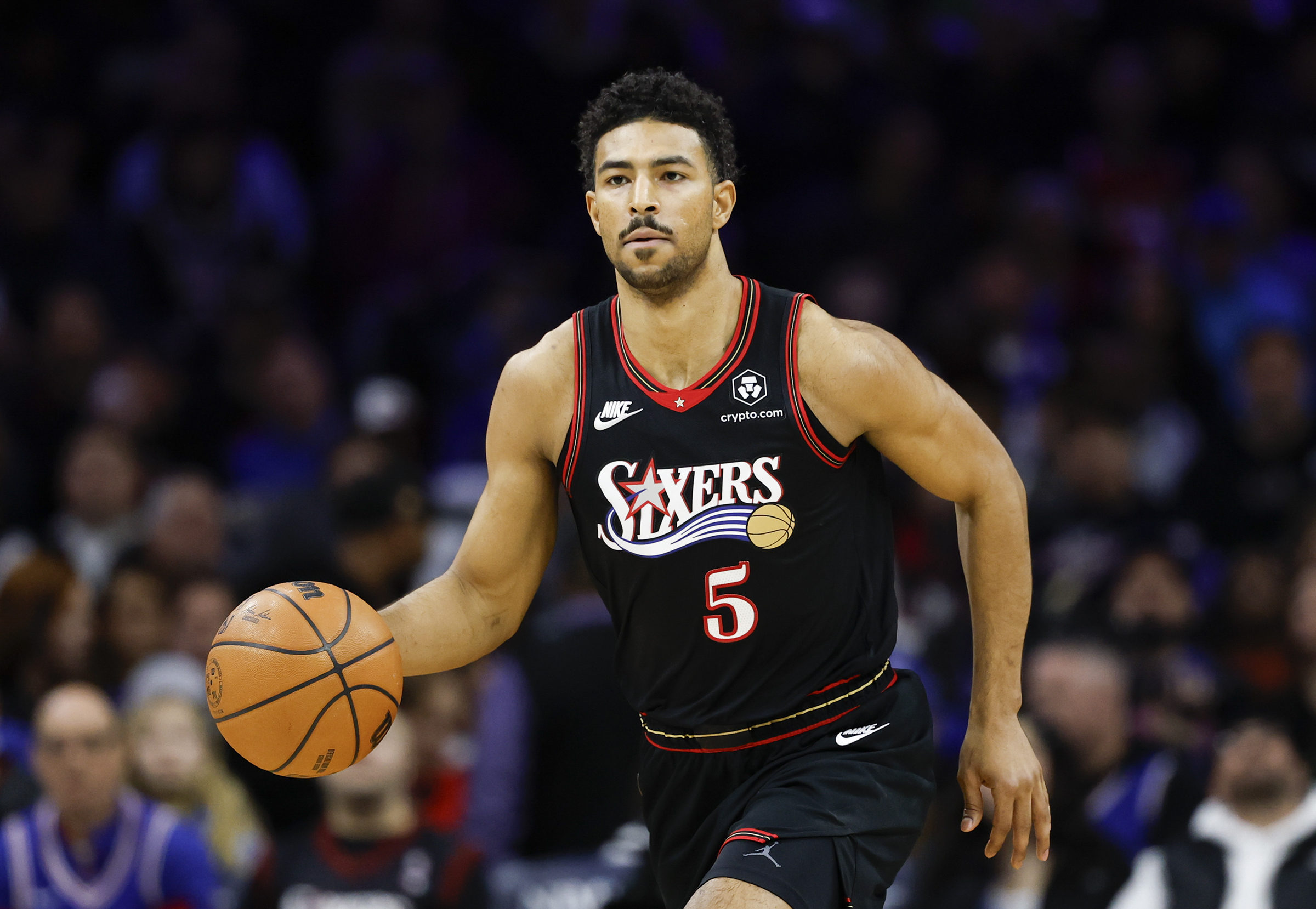
Kelly Oubre Jr. is averaging 14.2 points this season for the Sixers. It seems highly unlikely that he could be traded.
Expiring contracts
Kelly Oubre Jr.
Salary: $8.4 million
Before the George situation emerged, Oubre’s was viewed as the Sixers’ most tradable contract — especially if the front office was instructed to get under the luxury tax. Now he is vital to the current roster as a tenacious wing defender and offensive player who can slash to the basket — and he has upped his three-point percentage.
Oubre, who earlier this season missed seven weeks with a knee sprain, has been looking more and more like the player who was enjoying the best basketball of his 11-year career before his injury. He is back in the starting lineup and is averaging 14.2 points on nearly 50% shooting from the floor (36.9% from three-point range) along with 4.7 rebounds and 1.1 steals. He is also often tasked with a challenging perimeter defensive assignment.
Oubre’s skill set and production this season could have been attractive to win-now teams looking for that always-coveted wing spot. Rebuilding ones might have been enticed by a short-term commitment to Oubre. His name surfaced in trade rumors before the start of training camp, and was percolating in early deadline chatter in recent weeks.
Now it feels like a near certainty that Oubre will remain with the Sixers through the end of the season.
Quentin Grimes
Salary: $8.7 million
This comes with a massive asterisk because Grimes has the power to veto any trade after signing a one-year qualifying offer in October.
Additionally, any trade approved by Grimes would relinquish his’ “Bird” rights, which allow teams to offer their own players a higher salary in free agency. So unless the new destination appears to be an ideal long-term fit, it is unlikely Grimes would sign off on any trade-deadline move and instead enter unrestricted free agency this summer.
Grimes spent chunks of December and January in a rut, shooting 23.1% from three-point range in his last 12 games. Coach Nick Nurse recently said he was considering moving Grimes to the starting lineup in an effort to spark his production, although so far that has not transpired. He is another player who could see increased opportunity in George’s absence.
At his best, Grimes provides scoring punch at all three levels and is a tough perimeter defender. Even with a lesser role than during last season’s tank after arriving in Philly, Grimes should be one of the NBA’s better sixth men and a contender to play in closing lineups.
Sixers guard Quentin Grimes can veto any possible trade.
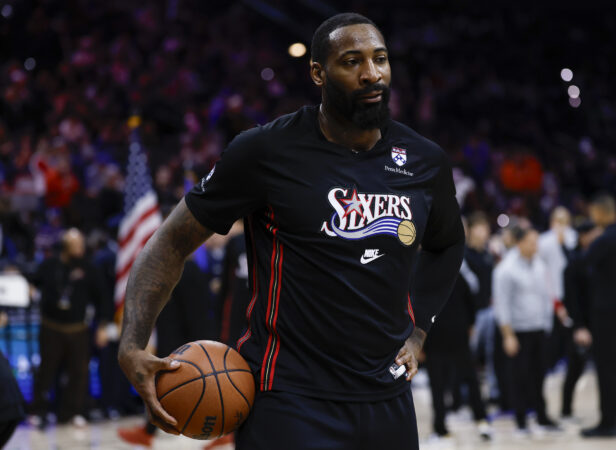
Andre Drummond
Salary: $5 million
What once looked like a resurgent Drummond season has turned into an odd role for the 14-year veteran. He starts whenever Embiid sits out for injury or load-management reasons, and does not play at all when Embiid is in the lineup. Drummond is averaging 6.8 points and 8.7 rebounds in 37 games with 17 starts this season.
That theoretically makes Drummond expendable — and perhaps the most likely (fringe) rotation player to depart at the deadline.
The Sixers could try to move Drummond to acquire a cheaper traditional center, or to land a player at a different position. That latter option would put a lot of trust in second-year big man Adem Bona to remain the consistent backup and become the spot starter when Embiid rests.
Bona is a high-energy rim protector and lob threat, but he still needs development as a rebounder and offensive player. The Sixers’ other center options would be of the small-ball variety in Dominick Barlow and Jabari Walker, assuming both get converted to standard contracts.
Eric Gordon
Salary: $3.6 million
Gordon, on the tail end of a successful career, has played in only six games in his second season as a Sixer. Trading the 37-year-old in a salary-dump move would open up an additional roster spot that could be used to sign Walker or Barlow to a standard NBA contract.
One wrinkle: Gordon is close with rookie standout VJ Edgecombe, who played with Gordon on the Bahamian national team.
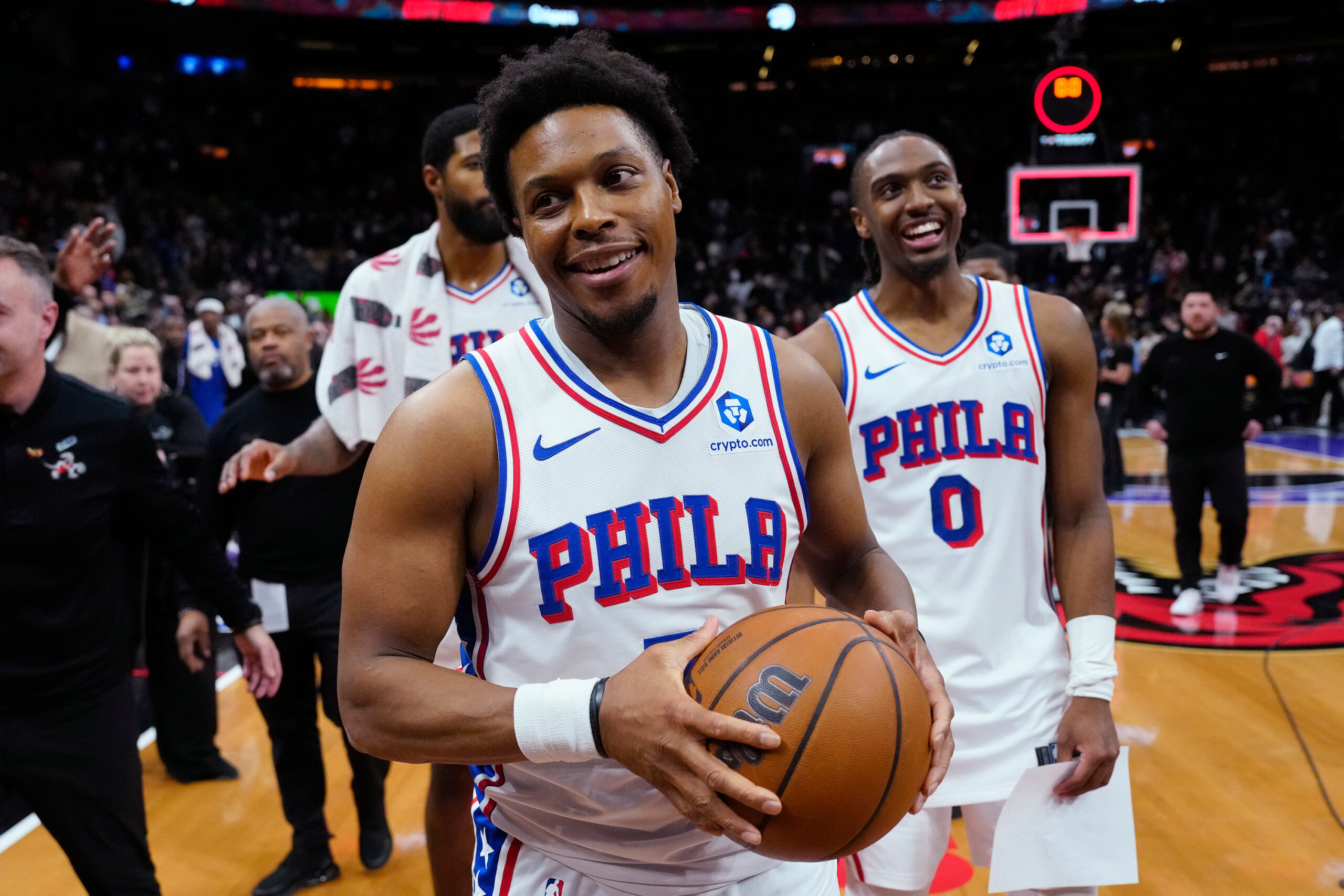
Sixers veteran Kyle Lowry paid an emotional visit last month to Toronto, where he won an NBA title.
Kyle Lowry
Salary: $3.6 million
Lowry is in his 20th NBA season. Like Gordon, he is on a veteran minimum contract. It feels less likely that the Sixers would let go of the Philly native and former Villanova star, given his primarily off-the-court role as a respected leader in the locker room and on the bench.
Worth keeping an eye on
Jared McCain
Salary: $4.2 million
Putting McCain on such a list seemed unfathomable early last season, when he was a Rookie of the Year front-runner. And perhaps his breakout shooting week has restabilized him as a contributor to the Sixers’ present and future.
Before that, McCain’s return from knee and thumb surgeries had been an immense struggle. He could not find his shot — making just 36.1% of his attempts from the floor and 33.7% from beyond the arc before going 13-of-20 from deep in his last four games — and had fallen out of the rotation.
Still, last season’s immediate flash, and the expectation that, with time, that rediscovered rhythm continues for extended stretches, still make McCain a valuable young player. He would be the type to be included in a blockbuster trade. But it does not make much sense to give him up in any other scenario, given that the Sixers could lose Grimes in free agency this summer.
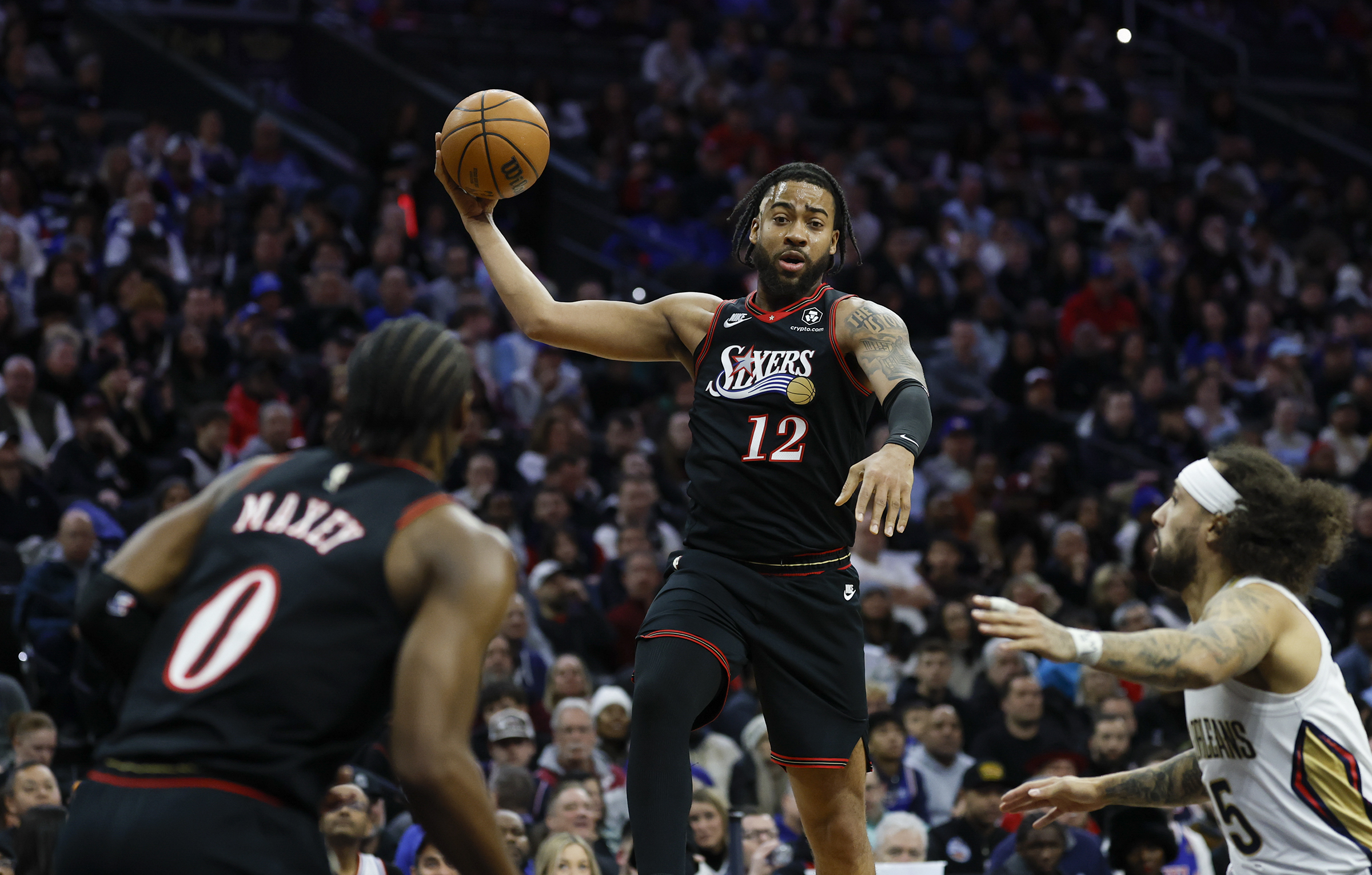
Trendon Watford
Salary: $2.5 million (team option for 2026-27)
Watford is another lower-salary player who could be traded to get under the luxury tax. Although his minutes have been inconsistent throughout an injury-riddled start to his first season in Philly, he could become increasingly valuable in George’s absence because of his unique ballhandling and playmaking skills as a point forward. He has a triple-double this season, and totaled four assists in 17 minutes as a reserve small forward in Thursday’s win over New Orleans.
Moving Watford also could be a tricky topic to broach with Maxey, one of Watford’s close friends.
Trendon Watford gives the Sixers a versatile option at forward.
Justin Edwards
Salary: $2 million
Edwards was another feel-good story last season as the local kid who went from going undrafted to earning a standard NBA contract and significant minutes. But although Nurse has reiterated that he still “loves” Edwards’ game, he often gets squeezed out of the rotation when the Sixers are at relatively full strength. His contract is the type that could be used as salary-filler in a deal.
Johni Broome
Salary: $1.3 million
The rookie big man, who has spent the bulk of this season with the G League’s Delaware Blue Coats, is another lower-salary player who could be moved to get under the luxury tax.
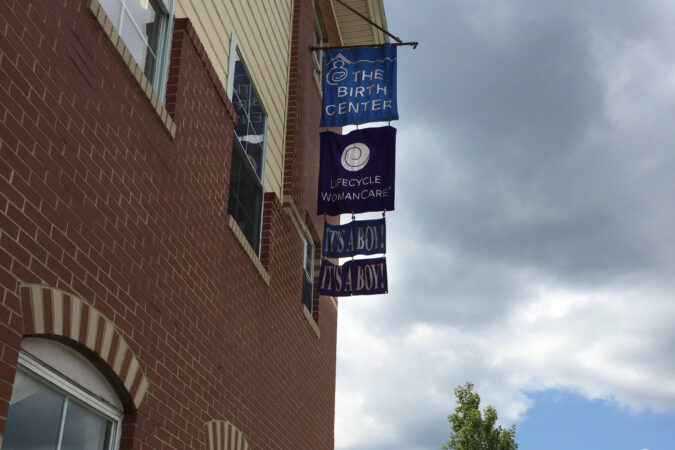
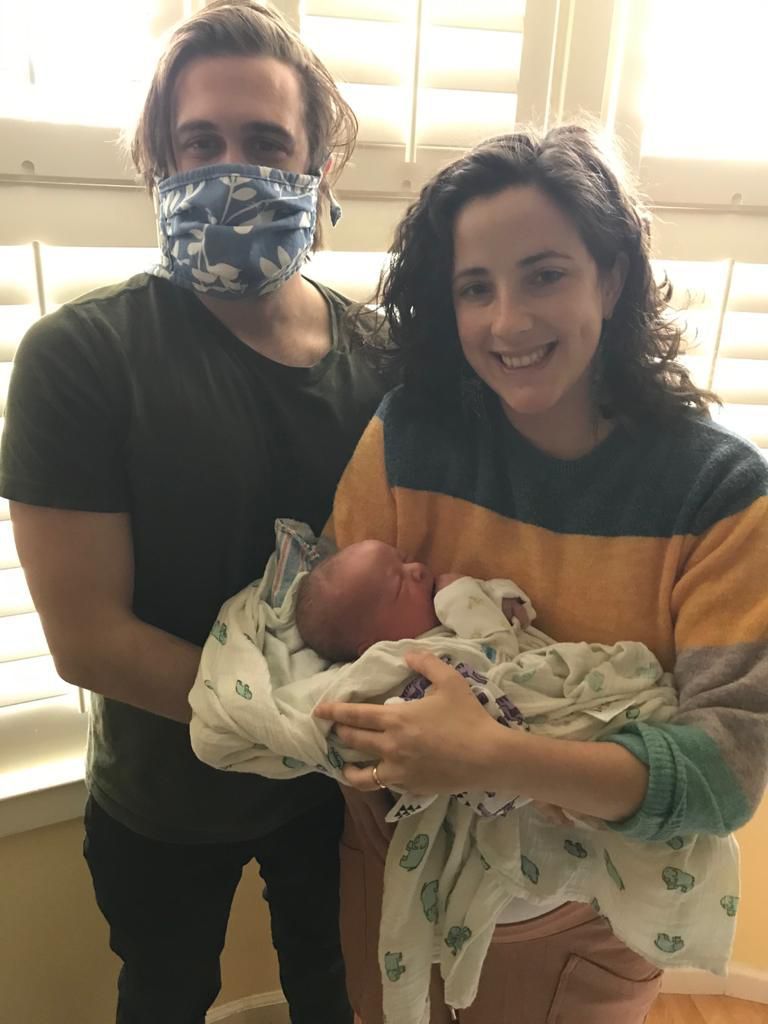
Five and a half years ago, I was 41 weeks pregnant and in active labor with my second child, trying to breathe through the pain as my husband sped us to the Bryn Mawr birth center.
Hobbling up to the birth center door, my husband in tow, I was greeted by the on-call midwife whom I had spoken to right before leaving home. She showed us to a yellow room, a beautiful birthing suite with a queen bed and window shutters that could’ve been in any home, where 15 minutes later, my healthy baby boy came screaming into the world.
Relief flooded my body. Only days earlier, COVID-19-related policies had locked down maternity and postpartum floors. My heart ached reading stories of mothers laboring alone and being separated from their new babies. Pregnant women around me felt scared and powerless.
Instead of pandemic-forced isolation, my husband, newborn, and I spent a peaceful night together in that yellow room, quietly being cared for by the nurse and midwife. It’s a night I’ll always cherish as the calm in the storm of an otherwise scary and painful time.
And it’s that night I thought of when I learned that, after 47 years and over 16,000 deliveries, the Bryn Mawr birth center, also known as the Lifecycle Wellness and Birth Center, will close its doors early this year. The reason is simple and stark: It can no longer afford the rising cost of insurance.
As a woman, I feel devastated that this choice will no longer be accessible to Philadelphia mothers. As a physician, I am angry at the continued erosion of patient care by a healthcare model that values money over people — an insurance system in which a successful, hugely impactful clinical practice nearly half a century old could dissolve under the threat of massive insurance premium hikes.
I’ve been practicing medicine for eight years at three different hospitals in the Philadelphia region, first within general internal medicine and now within the subspecialty of cardiology. Despite my decision to work at large academic centers, I’ve come to see the birth center as the gold standard — an antidote to healthcare systems that are so large that patients feel invisible.
At every stop of my career, I have been mentored by brilliant, dedicated health professionals. But what I’ve learned from the midwives and nurses at the Bryn Mawr birth center has profoundly impacted who I am as a doctor, and what I believe medicine should and can look like.
In medical training, we’re rewarded for memorizing guidelines, drug mechanisms, trial names, and dates. We are taught to apply a rigid standard of care that too often ignores patient realities. The truth of medicine is that there is a lot that is not under our control.
We miss the boat as doctors when we focus too much on medications, testing, and interventions, and fail to see the human in front of us who is suffering. Patients suffer alone, confused, bouncing around providers who don’t look up from computers to see the person in front of them for who they are.
The Bryn Mawr birth center was different: A place where people, including me, felt seen and cared for.
The author, a physician at Cooper University Hospital, gave birth to her second child at the Bryn Mawr birth center. She is devastated by the anticipated closure of the birth center, slated to happen early this year.
With the loss of the birth center, Philly mothers are losing that intimate, personalized care I received in the yellow room.
There has been an outpouring of grief from women and providers who see what a profound loss this is for our larger community. It feels devastating to me that, in a time when so many people feel disappointed by their experiences with healthcare, one of the few clinical models that actually succeeded in making patients feel cared for would be the one to close.
And still, the birth center will close its doors. My heart is full of sadness for this inconceivable loss. But I’ll hold that alongside gratitude: for the midwives, nurse practitioners, and nurses who have taught this doctor so much about seeing patients for who they are, and respecting our bodies for what they can do.
Cara Lea Smith is a physician at a local hospital, who was born and raised in West Philadelphia and continues to live there now with her husband and two children.
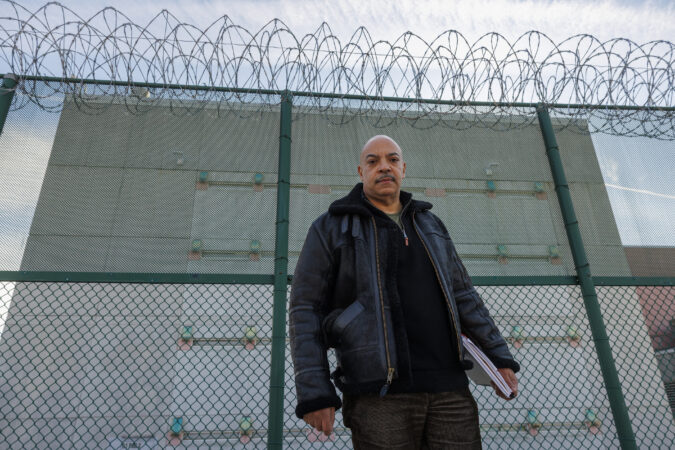
He walked toward the cellblock in Riverside Correctional Facility, pulling a cart of books behind him.
For a moment, it was quiet. The only sounds that echoed off the jail’s cinder block walls were the squeaks of his cart’s wheels.
But as a heavy door to a busy unit swung open, Seth Williams’ work was set to begin.
“Chaplain up!” one of the inmates inside yelled.
Williams smiled at the crowd of prisoners who began walking toward him and his squeaky cart, which was filled with Bibles, Qurans, and other religious texts.
“Step into my office,” he said, placing his hand on an inmate’s shoulder.
The role’s expectations are modest. He offers spiritual counseling and religious programming to the 600 or so prisoners held at Riverside. It is part-time and pays about $21 per hour.
Still, for Williams, the position was uniquely appealing. After putting people in jail as the city’s top prosecutor, then spending five years in federal prison as an inmate himself, he believes he can use what he learned from that journey to help young men avoid committing crimes in the future.
“I can be a better advocate, a better vessel, to help prevent crime and reduce recidivism … by helping people learn the skills they need to keep jobs and de-escalate conflict,” Williams said. “The best use of my experience … is helping people who are incarcerated the way I was.”
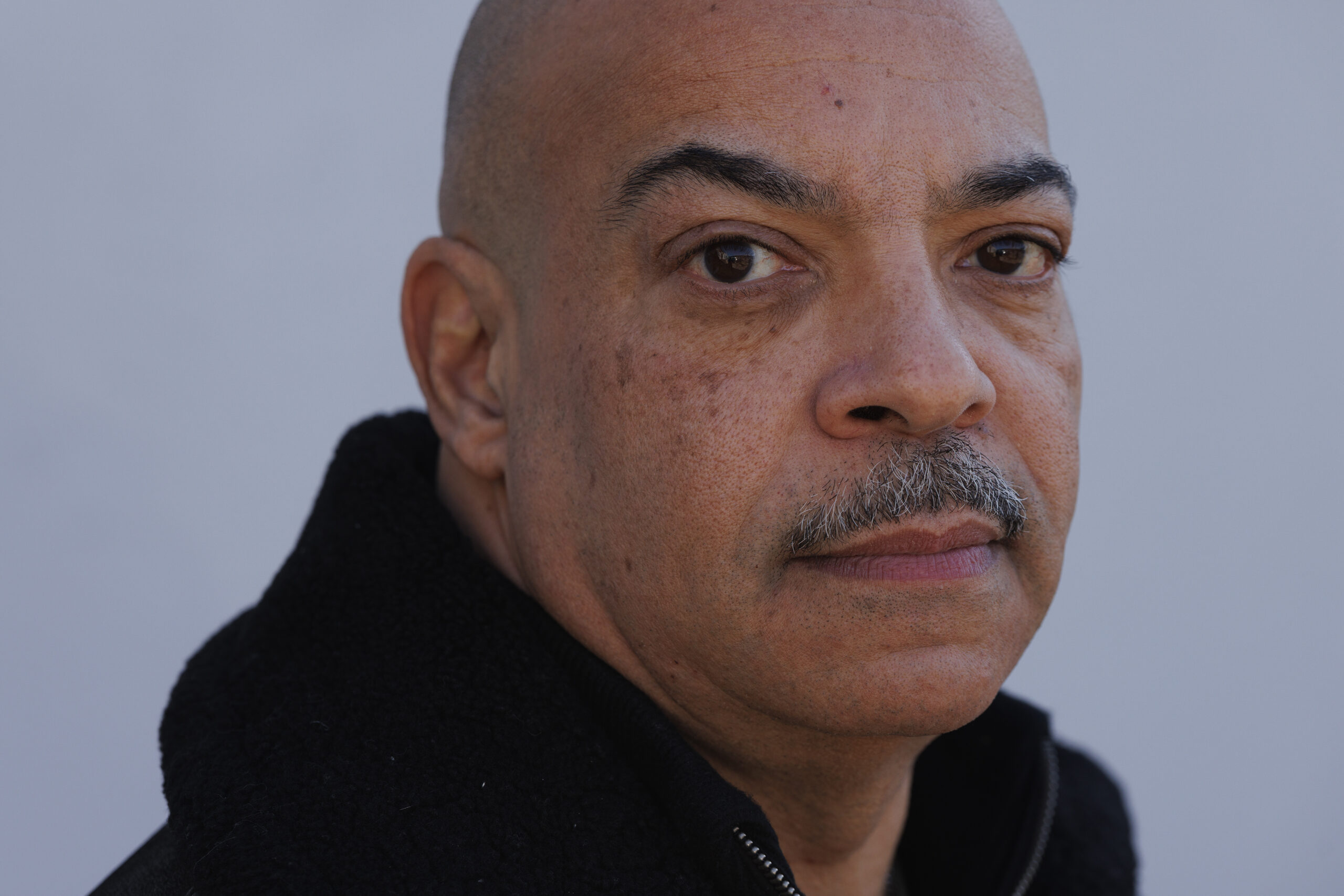
Williams believes his efforts now can help reduce recidivism among young men in jail.
It is a long way from the halls of power that Williams once inhabited as the city’s first Black district attorney — and from his standing as a politician who was viewed as a possible future mayor.
Still, Williams says, he is fulfilled by this more humble form of service. And becoming chaplain is not the only role he has taken up behind bars: For the last two years, he has also volunteered at Curran-Fromhold Correctional Facility, teaching weekly classes on career preparedness and poetry, and at State Correctional Institute Phoenix, where he directs a volunteer program about Christianity.
Last month, Williams agreed to allow an Inquirer reporter to join him inside the city’s jails as he counseled inmates. He shared stories about his time in prison, delivered socks and toothpaste to indigent inmates, gathered a group to recite the rosary, and gave books to men who expressed interest in spiritual counseling.
He was energetic, open, and passionate. He spoke openly about his past misdeeds, but remained defiant about his federal prosecution — saying he was wrong for not reporting gifts he received as DA, but insisting that he did not sell his office to his benefactors, as the U.S. Attorney’s Office alleged.
Williams acknowledged that his path to becoming a jailhouse chaplain and volunteer has been unusual. He pointed out, for instance, that the room where he teaches his Career Keepers course is just down the hall from the jail’s print shop — which once printed the DA’s letterhead with his name at the top.
Prisons Commissioner Michael Resnick said Williams’ transformation is one of the key attributes he brings to the job.
“He just has a passion for this work, to get people on the right path,” Resnick said.
And Williams said he feels as if he is doing more to help people now than he ever has.
“What if the worst thing that happens in your life,” he said, “could be used for good?”
From rising star to ‘criminal’
To understand where Williams is now, it helps to recall where he came from.
After he was elected district attorney in 2009, Williams, then 42, promised to reform the office where he had spent a decade working as a line prosecutor. He said he would assign lawyers to handle cases by neighborhood, place greater emphasis on charging crimes correctly at the outset, and divert minor offenses into community-based treatment programs.
His policy positions were part of his appeal, but he also leaned into a compelling personal story: Abandoned in an orphanage at birth, Williams was adopted at age 2 and raised in Cobbs Creek. He went on to graduate from Central High School, Pennsylvania State University, and Georgetown University’s law school before returning to his hometown to work as an assistant district attorney.
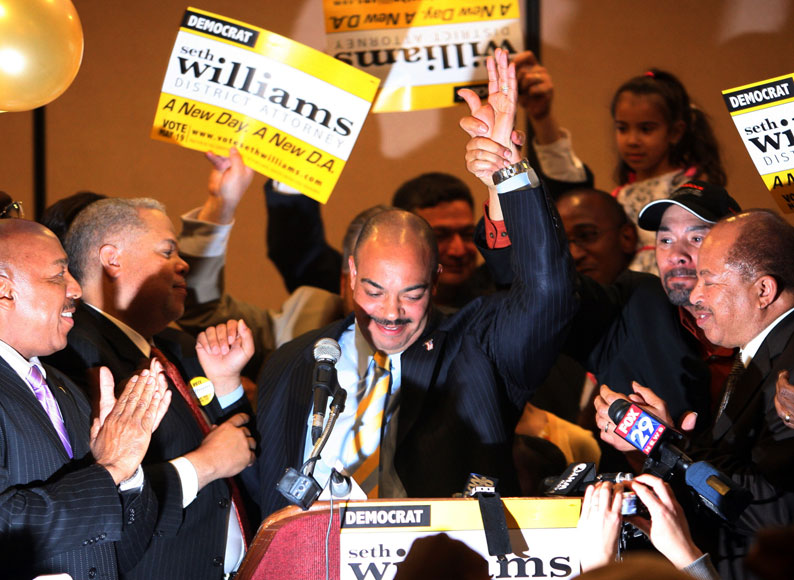
When he ran to become the city’s top prosecutor in 2009 — his second attempt after a narrow loss four years earlier — he had a campaign slogan that matched his aspirations: “A new day, a new D.A.”
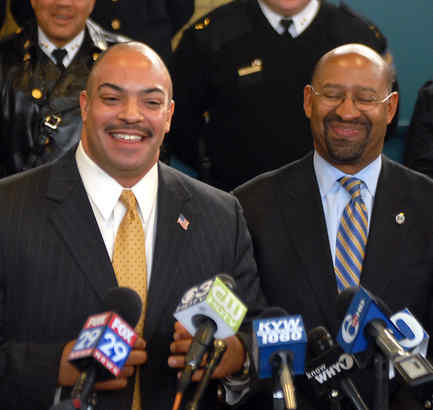
Williams thanks supporters after winning the Democratic primary for district attorney in 2009.
And for a while, some political observers said, he was living up to that mantra. In addition to engineering an ambitious restructuring of the office, he made headlines during his first term by charging West Philadelphia doctor Kermit Gosnell with killing babies during illegal late-term abortions, and by charging Msgr. William Lynn, a top official in the Archdiocese of Philadelphia, with shielding sexually abusive Catholic priests.
Charismatic and camera-friendly, Williams was easily reelected to a second term in 2013, and homicides began falling to their lowest levels in decades. Some began wondering if he might leverage his success as DA into a run for City Hall.
Williams and then-Mayor Michael Nutter at a press conference in 2010.
Beneath the surface, though, challenges in Williams’ personal life began to mount.
He now admits he was also drinking too much, “numbing myself from the daily trauma with too much Jack Daniel’s and martinis and Yuenglings.”
By 2015, the FBI was investigating whether he had been misusing campaign funds to live beyond his means. And two years after that, he was indicted on charges of wire fraud, honest services fraud, and bribery-related crimes.
Federal prosecutors said he not only misspent political money but also sold the influence of his office to wealthy allies who showered him with vacations, clothing, and a used Jaguar convertible.
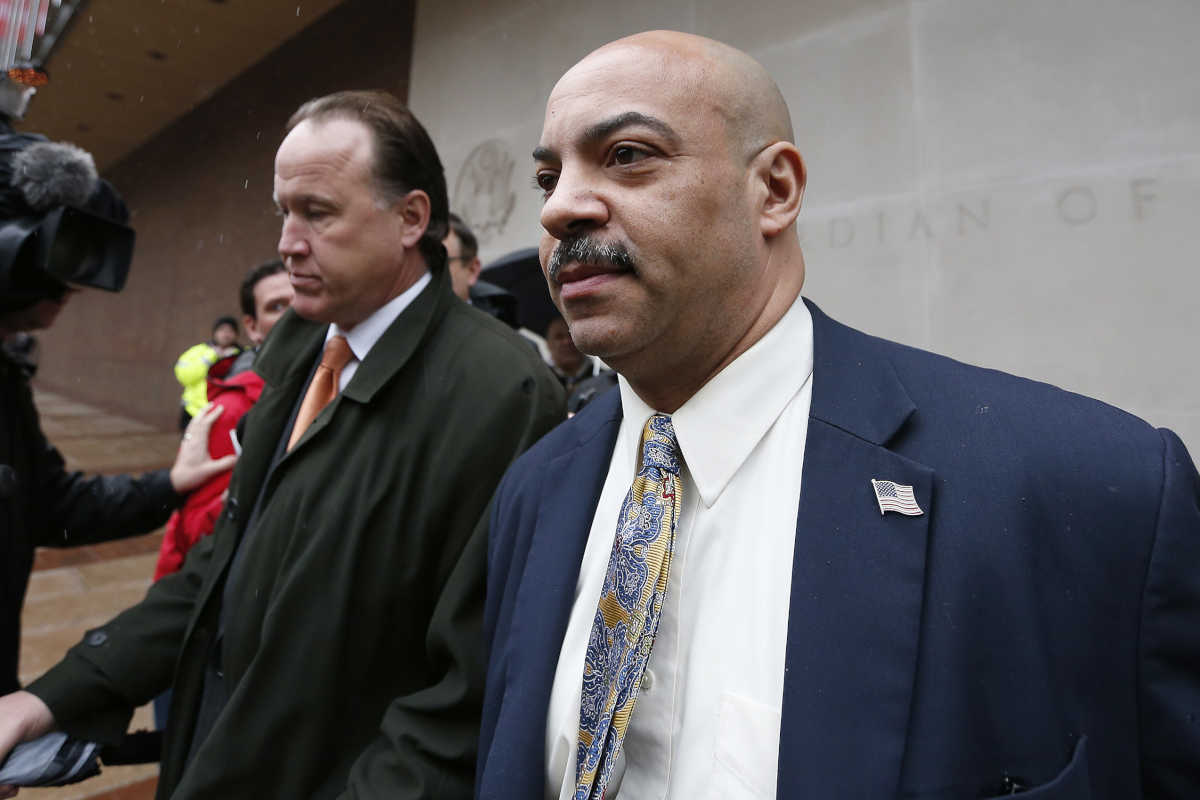
Williams outside of federal court, where he was charged with bribery and related crimes.
Williams insisted he was not guilty and took his case to trial. But midway through the proceedings, he accepted an offer from prosecutors to plead guilty to a single count of violating the Travel Act.
U.S. District Judge Paul Diamond showed no mercy — jailing Williams immediately, then imposing a five-year prison term, the maximum allowed by law. The judge called Williams a “criminal” who surrounded himself with “parasites” and “fed his face at the trough” of public money.
A mentor in solitary
During the first five months of Williams’ incarceration, he was held in solitary confinement at Philadelphia’s Federal Detention Center. That was intended to protect him — former law enforcement officers can become targets behind bars — but it left him confined to a cell for 23 hours a day.
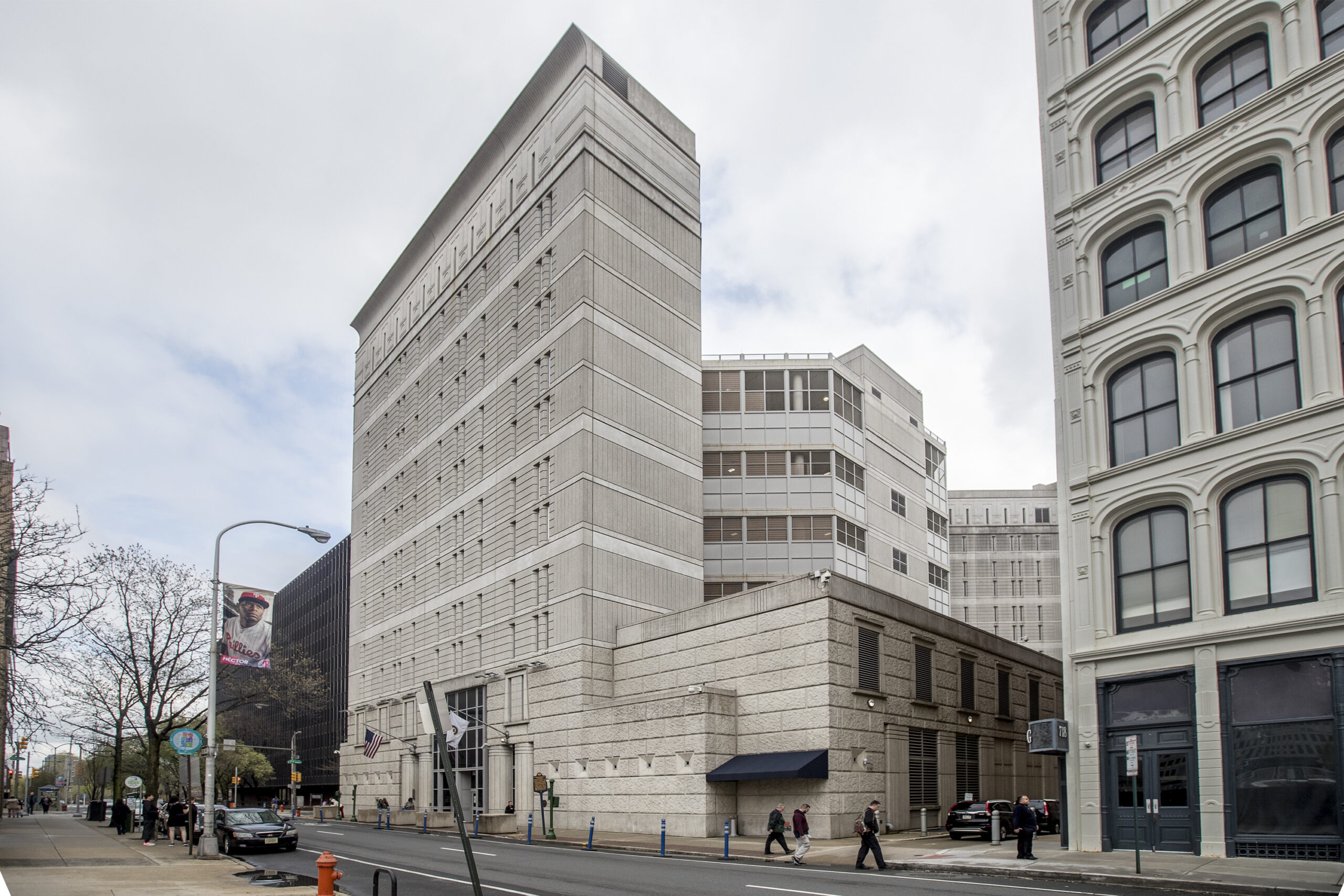
The Federal Detention Center, at 7th and Arch Streets.
Beyond the once-monthly 15-minute phone call he was allowed to make to his daughters, Williams said, there was one thing that helped him endure isolation: Friar Ben Regotti.
Regotti, then a resident at Center City’s St. John the Evangelist Catholic Church, served as the detention center’s chaplain. And when Williams was in solitary, he said, Regotti came to his cell every day and offered an escape: praying with him through a slit in the thick steel door, hearing his confession, and offering him books, including the Bible, which Williams — who was raised Catholic — said he finally read cover-to-cover for the first time.
“I’d lost everything,” Williams recalled. “But Father Regotti was the kindest person to me.”
When he was transferred to a prison camp in Morgantown, W.Va., Williams continued his spiritual journey by attending weekly Masses, Bible studies, and services for other religions. He also completed substance abuse classes, taught classes to help prisoners get high school diplomas, and learned how to play the saxophone.
He made some unlikely friends while he was locked up, including Michael Vandergrift of Delaware County, who is serving a life sentence plus 20 years for killing a rival drug dealer as part of a hired hit; and Bright Ogodo of Brooklyn, N.Y., who was sentenced to more than six years in prison for running a sophisticated identity-theft ring out of TD Bank branches.
Williams said Ogodo later told him he was considering taking his own life — he had even written a letter to his family, convinced they would be better off without him. But when Ogodo saw that Philadelphia’s former DA was in jail, too, Williams said, Ogodo changed his mind.
“He said, ‘I saw you walking with your head up, and [thought], if you can survive, so shall I,’” Williams said.
Three years ago today, I walked out of prison. My friend Bill, picked me up in Morgantown, WV and drove me home. In many ways being incarcerated was less difficult than Re-Entry. I am grateful for all that I have learned. Thank you God. 🙏🏽 pic.twitter.com/393p8KQXmg
Williams was released from prison in 2020, but said almost no one was willing to help him get back on his feet. Before he was incarcerated, he said, he had visited the governor’s mansion and taken his daughters to the Easter egg roll on the White House lawn. But afterward, few people would even take his calls.
“Nobody would hire me,” he said, describing people’s default position toward him as “the Heisman,” the college football statue with an arm extended to keep opponents away.
So Williams — whose law license was suspended when he was convicted — found work at a Lowe’s Home Improvement store in Havertown, unloading trucks and fulfilling online orders from 7 p.m. until 5:30 a.m.
Most of his coworkers, he said, had also recently been released from prison. And while working, he said, he was “kind of providing pastoral care [to them] daily,” similar to his teaching of GED courses in prison, or participating in Bible studies.
In time, he said, he began developing his ideas about self-improvement into formal programs for nonprofits, providing ways for recently incarcerated people to learn the skills needed to maintain consistent employment — developing a resumé, for instance, but also focusing on topics like conflict de-escalation.
Much of his motivation for doing that work, he said, came from research showing that recidivism is greatly reduced among people who receive substance abuse counseling, career coaching, and regular spiritual practice.
“What all three have in common,” Williams said, “is changing the hearts and minds of people.”
Federal Supervised Release ended Friday. First time at the beach since 2016. First time going outside of the Eastern District of Pennsylvania WITHOUT having to ask for permission since ‘17 made me cry! If you want to know my thoughts on Judge Diamond or federal prosecution ask me pic.twitter.com/pwzb9Qa0IR
In 2023, he ran into Terrell Bagby, then a deputy commissioner in Philadelphia’s jail system, and the two discussed the possibility of bringing Williams’ teachings into the jails. That’s how he ended up bringing his volunteer courses — Career Keepers and Prison Poets — into Curran-Fromhold, the city’s largest jail, he said.
In a recent session of Career Keepers, Williams was at the head of the class as nine prisoners sat at a U-shaped table around the room. They took turns practicing public speaking by delivering updates on the weather, sports, and news, then discussed topics including how to reward positive behavior — rather than linger on bad choices — and how to display gratitude.
In the moments after the prisoners were escorted back to their blocks, Williams said the men he has taught over the years have often been more open and vulnerable than he expected. Some have shared stories about traumatic experiences — such as being shot or sexually abused — and then discussed how those experiences affected their lives.
“I spent all this time trying to get out of prison,” he said, “and then I found myself loving being there, trying to help the inmates themselves.”
Becoming a presence
Inside his spare chaplain’s office at the jail, Williams has a desk, a few shelves, and scores of religious books. He keeps packs of white T-shirts, socks, and toothpaste to put into care packages for prisoners and, before making his rounds, keeps a list of people he wants to see.
His time on the cellblocks can be brief. During his rounds on a recent day, his presence did not always seem to have much of an impact. As he passed through each unit’s main expanse, where dozens of prisoners have cells overlooking a bustling common area, some prisoners were more interested in getting their lunch or hanging out by the phones than in checking out what Williams had to offer.
But other times, during several different stops, Williams sat and prayed with prisoners. And the care packages he hands out have become a frequent request, he said.
He wound down his shift in a room near the law library, reciting the rosary with a half-dozen men who had expressed interest in praying with him.
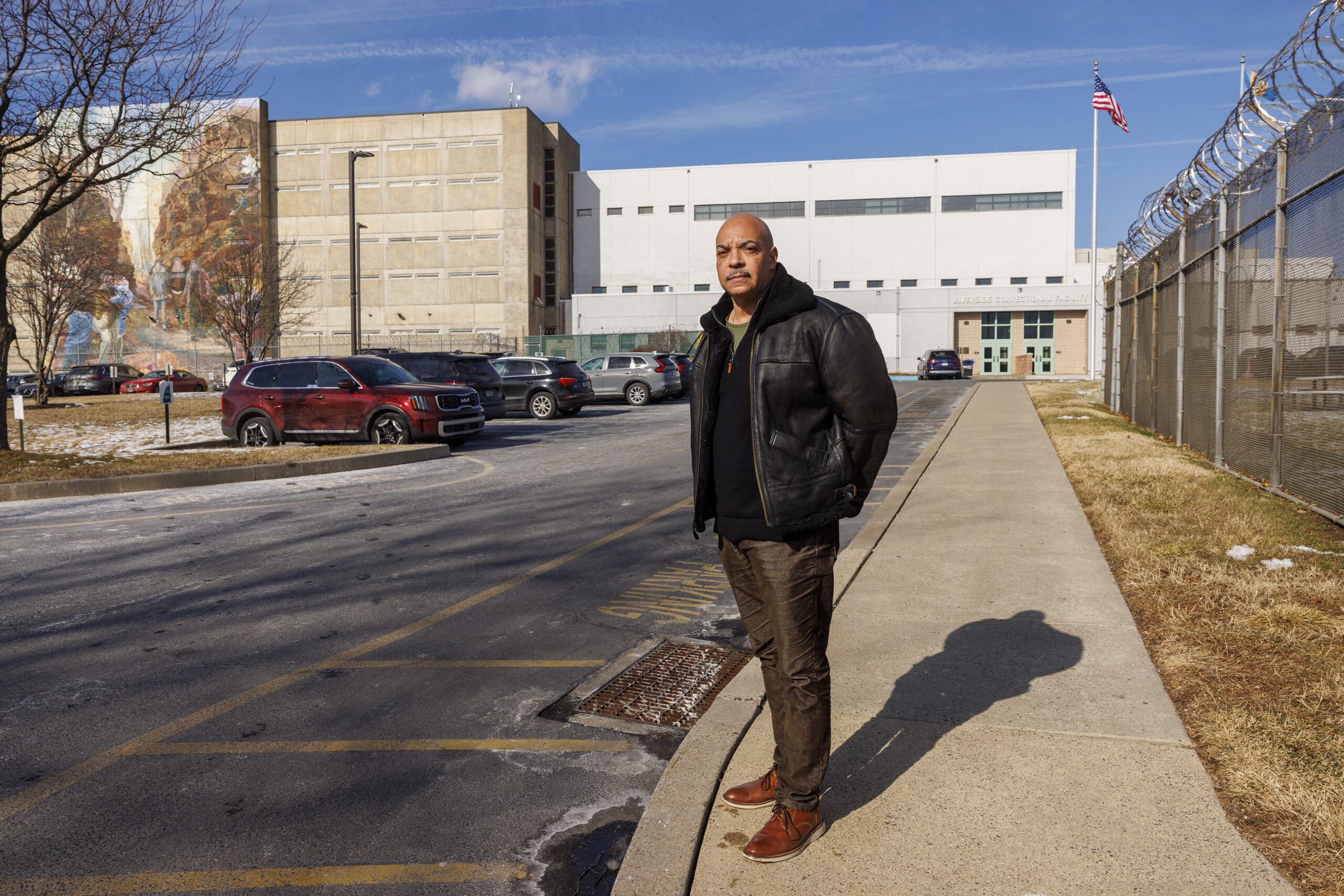
Williams’ chaplaincy is centered at the Riverside Correctional Facility in Northeast Philadelphia.
Regotti, the chaplain Williams had encountered in solitary, said in an interview that even though they first met while the former DA was behind a thick steel door, Regotti could immediately sense his curiosity, intellect, and desire to better himself.
“Going from feeling absolutely desperate to finding ways to cope, it was kind of a mark of his own personal resilience,” Regotti said. “He really developed into somebody that was in touch with God’s grace.”
Williams said he now aspires to be for people what Regotti was for him — a comforting presence in a dark place, and someone who, he hopes, can help provide guidance that can last well beyond someone’s time in confinement.
“The cheapest way to do that is by spreading the gospel,” he said. “People don’t want you to preach to them. They just want your presence — they want you to be there.”
Let’s be honest, watching this year’s Super Bowl is bound to bring on mixed feelings, apathy, and thoughts of what was and what might have been.
The best salve for that pathos? Good food.
Thankfully, we live in a city that is practically unmatched in its culinary prowess, especially when it comes to foods that pair well with pigskin.
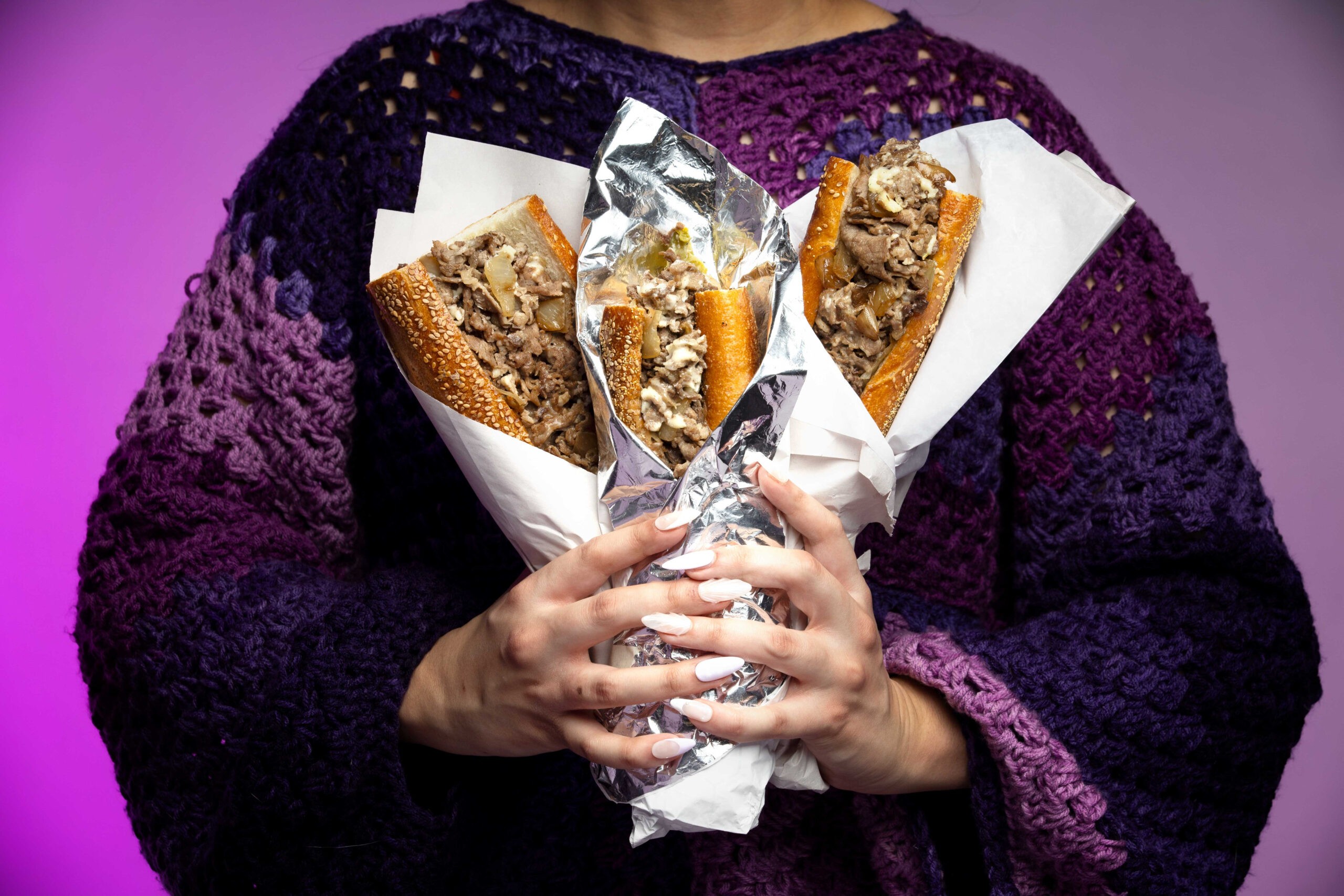
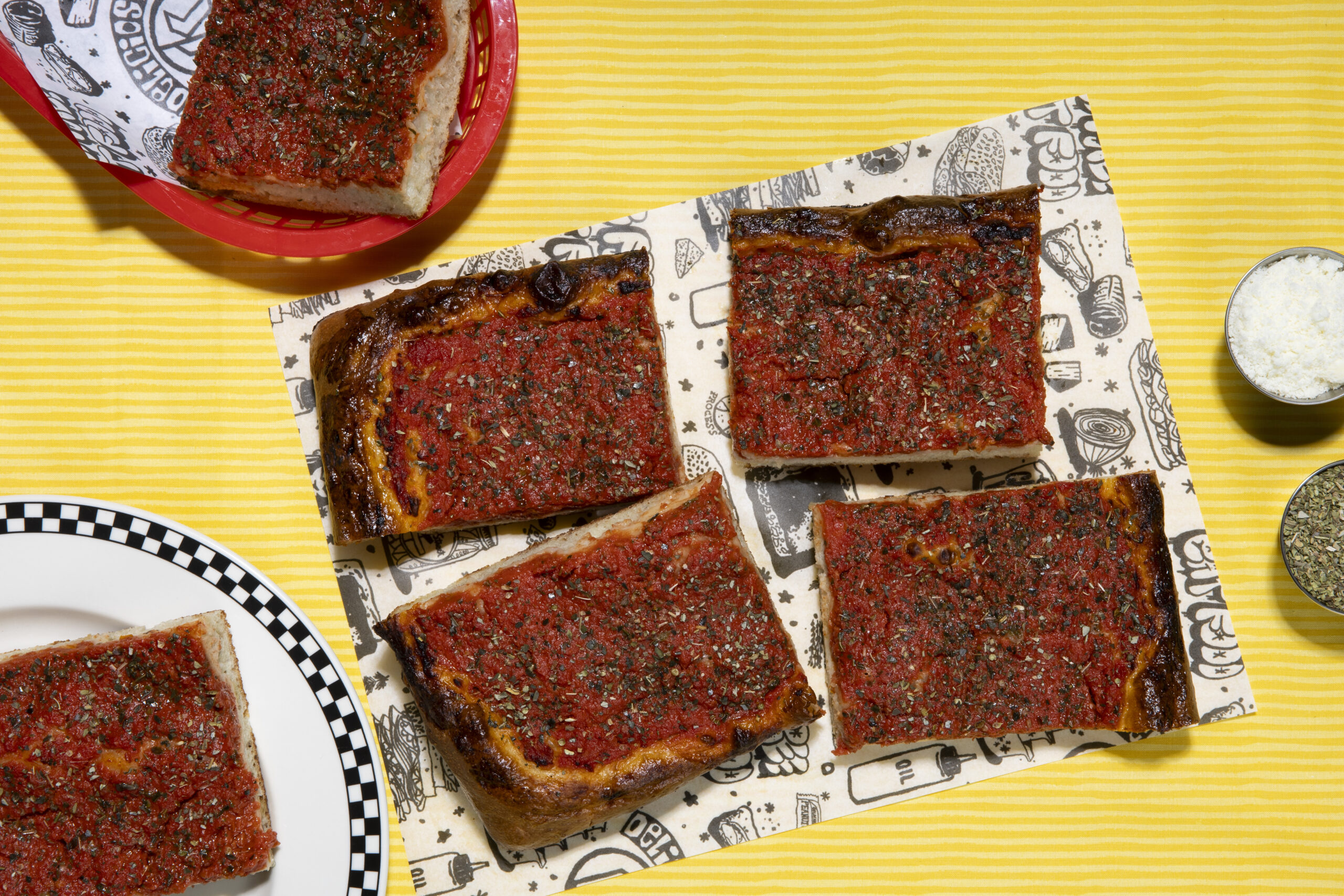
In the last year, The Inquirer food team assembled guides to the area’s best cheesesteaks (whether consumed on the spot or delivered to your door), hoagies, wings, and tomato pie — all prime suspects for your Super Bowl spread. If that doesn’t appeal, we have options for party trays and barbecue, too, plus places to stock up on good beer and wine.
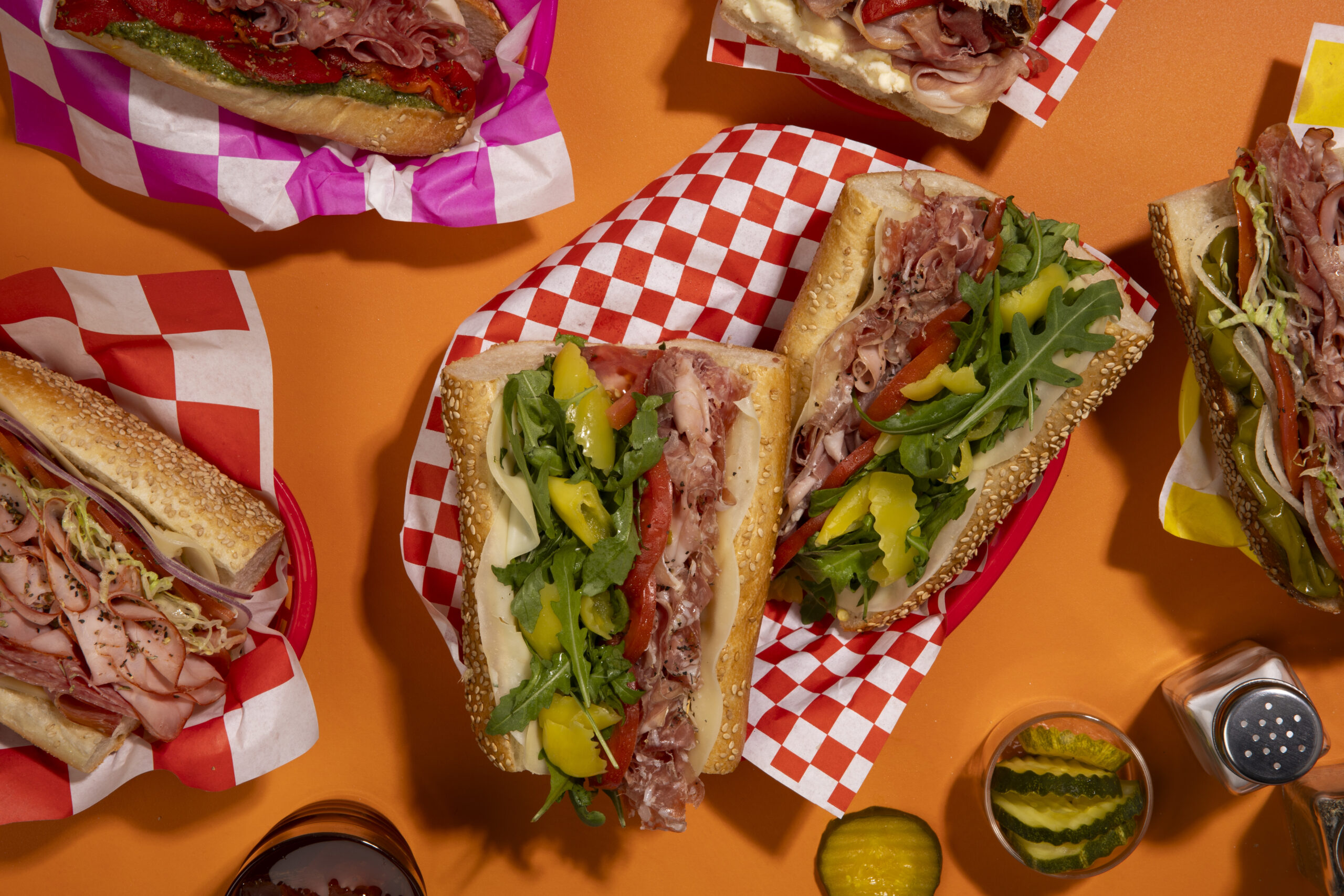
Hoagies photographed in the Philadelphia Inquirer studio on Tuesday, Jan. 28, 2025 in Philadelphia.
Hoagies
Arguably the city’s true sandwich star, a hoagie provides a better-balanced meal — hey, there’s usually some veg in there! — and we have so many spots that do them really, really well.
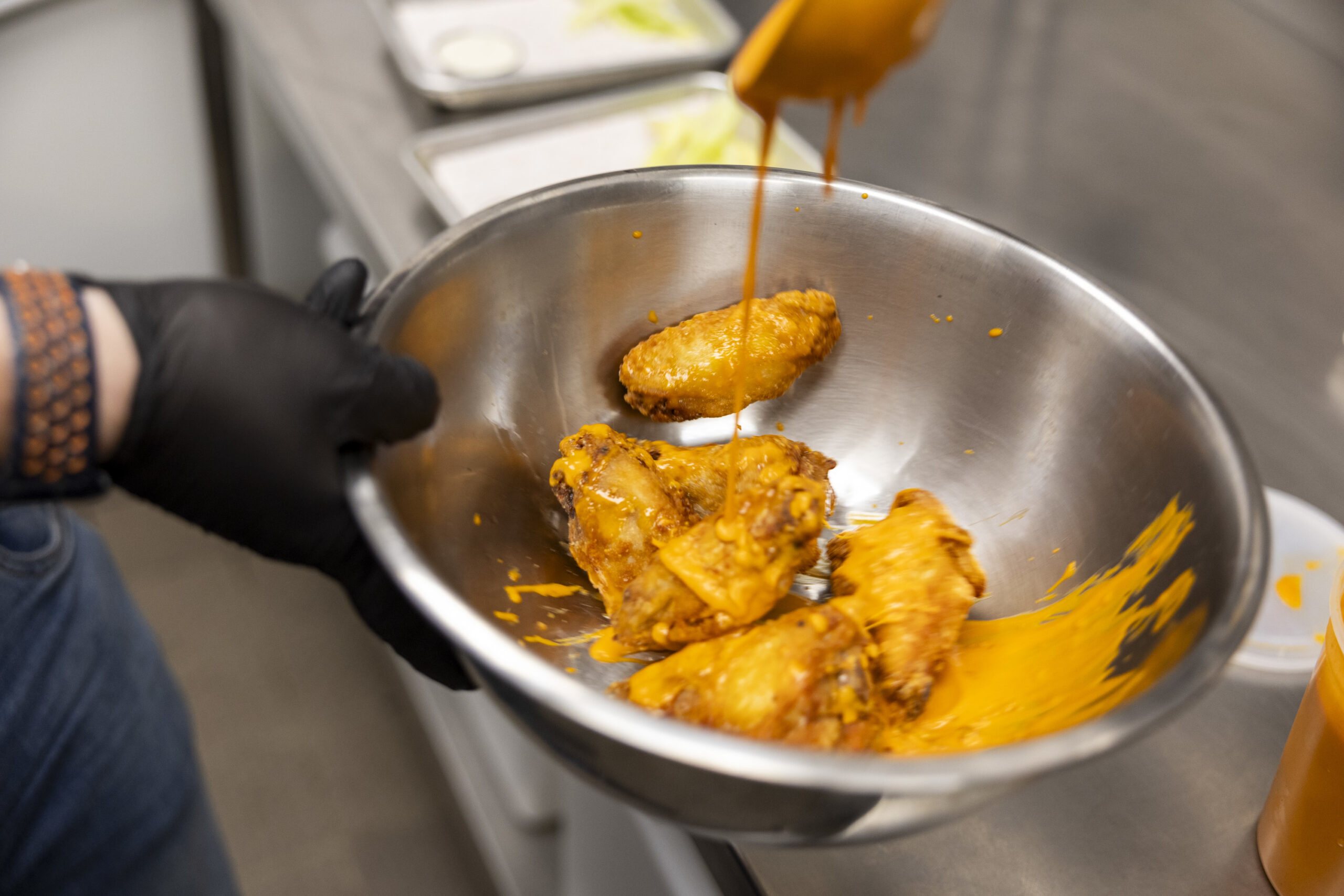
The Valentina Buffalo wings at Hi Lo Taco Co., on Friday, Oct, 31, 2025
Wings
The end of football season may be the unofficial end of wing season, too. Whether you like them sauced in traditional Buffalo or something funkier, we have many recommendations.
Tomato pie from Liberty Kitchen photographed at the Inquirer studio on Thursday, March 6, 2025 in Philadelphia. Food Styling by Emilie Fosnocht.
Freshly baked soft pretzels cool at Philly Pretzel Factory headquarters in Bensalem, Pa.
Party trays
Want variety on a platter, without doing any work? Order a party tray, in iterations savory or sweet, from one of these 15 area operators.
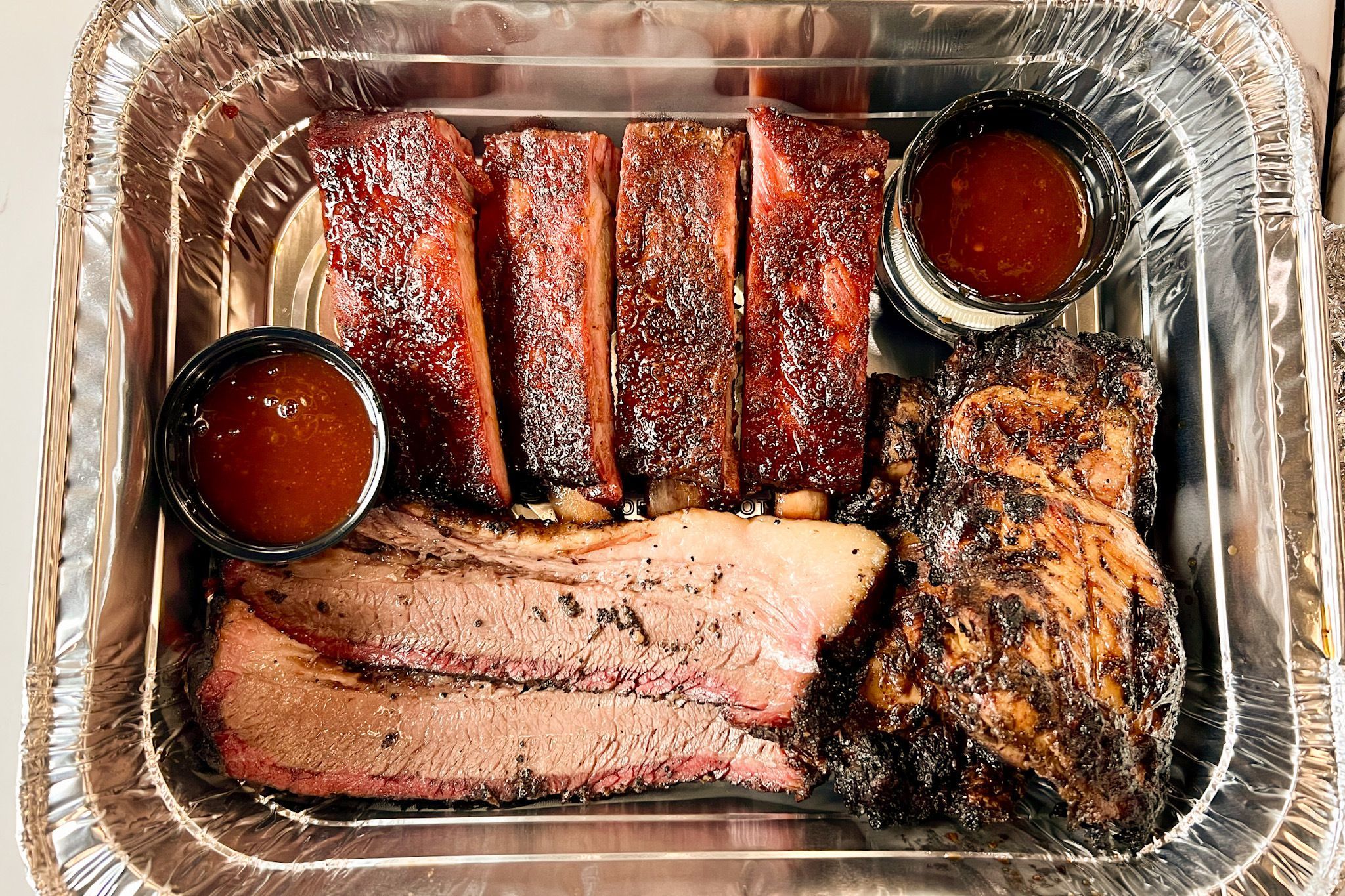
A platter including pork ribs, brisket, and jerk chicken at Big Swerve’s BBQ, 201 Broadway, Westville, on May 22, 2025.
Barbecue
Perhaps meat is set to rule your Super Bowl feast. If so, the Philly area’s small but mighty barbecue scene has you covered.
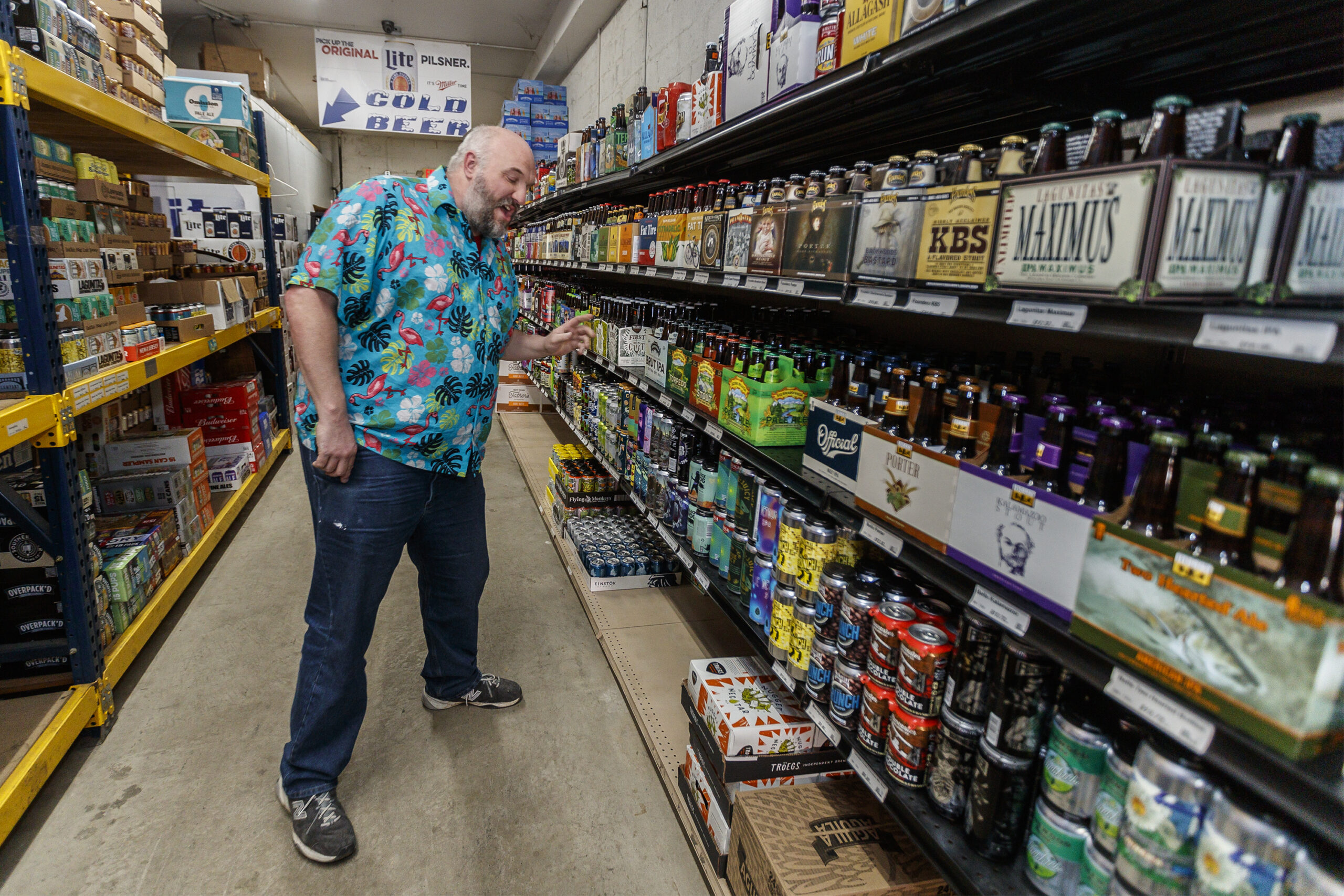
At East Falls Beverage, Gerald Berger looks over the large selection of craft beer that is offered by the bottleshop, on March 25, 2019.
Drinks
What gameday would be complete without a liquid accompaniment (and something to drown your sorrows)? We have you covered for great bottle shops in the city and the suburbs, whether you’re drinking beer or wine.
Foreign nationals are facing increasing challenges to working and studying in the U.S., but their contributions to the Philadelphia economy are critical, local business leaders say, painting a grim picture of Philadelphia’s future with fewer of them.
In Philadelphia, “immigrants are not a side factor when it comes to our economy. They are a main driver,” Alain Joinville, from the city’s Office of Immigrant Affairs, said at a panel discussion, hosted last week by the Economy League of Greater Philadelphia, in partnership with immigration-reform organization FWD.us.
The foreign-born population has supported Philadelphia’s workforce growth in recent years. Between 2010 and 2022, the immigrant workforce grew by 50% from 105,600 to 158,300, according to the Pew Charitable Trusts. In 2022, the foreign-born population represented 15.7% of the total Philadelphia population.
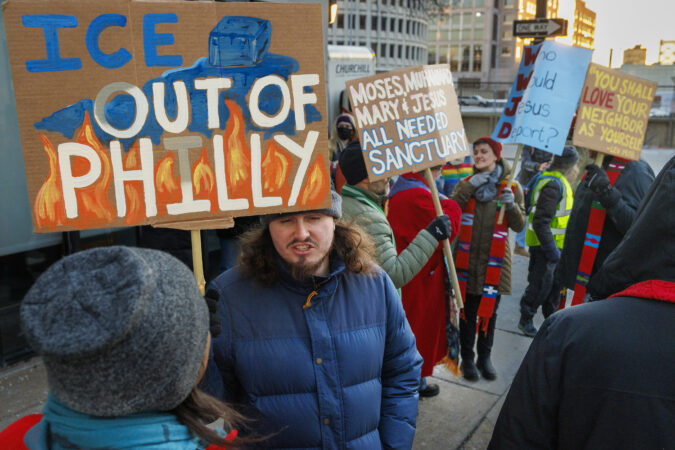
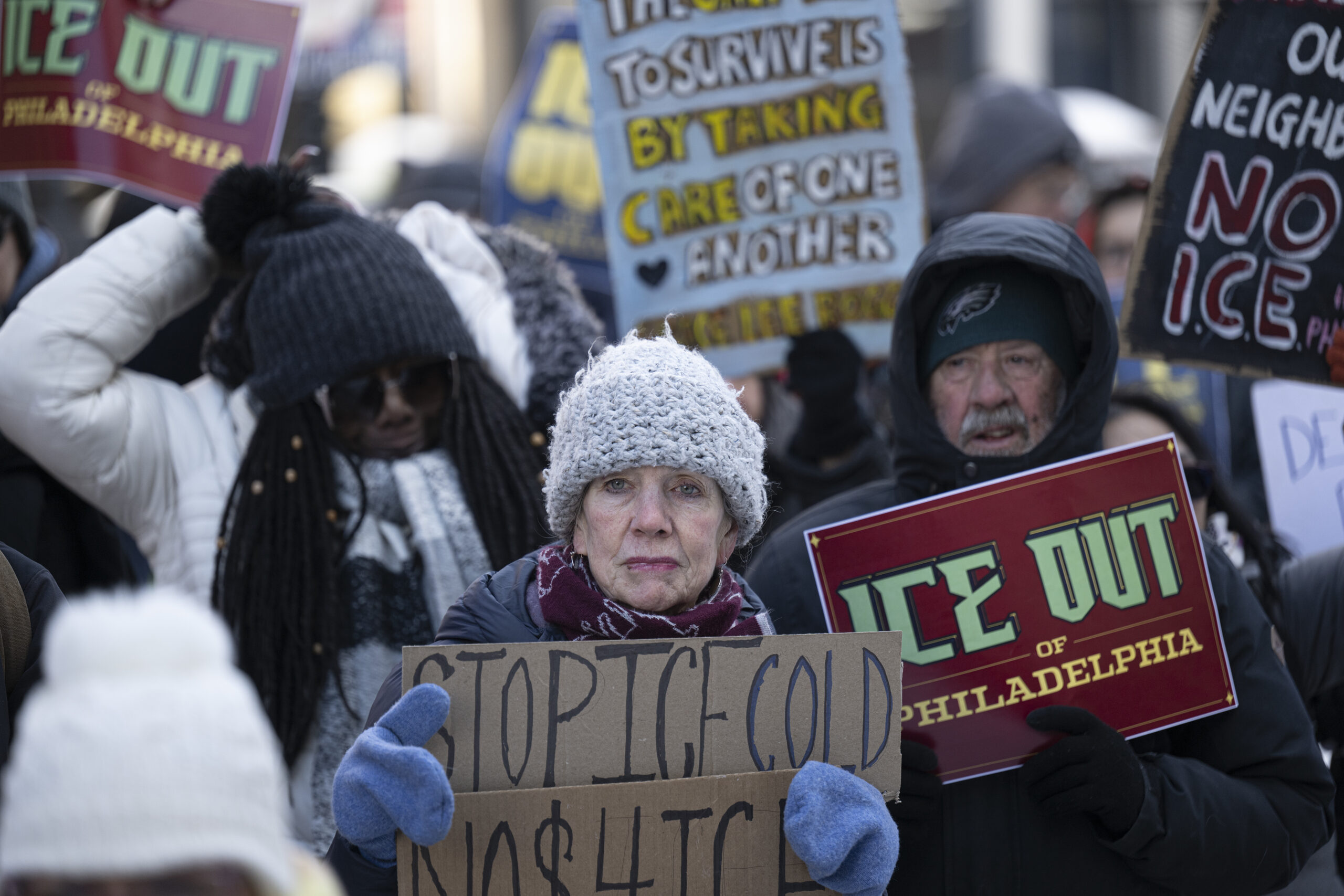
Anti-ICE activists demonstrate outside U.S. Sen. John Fetterman’s Philadelphia office on Jan. 27, 2026, calling for an end to federal immigration enforcement policies.
“If we have policies that are disrupting families, detaining people, sending people back, that’s a huge part of our economy that impacts manufacturing, transportation of all the goods and services that we manufacture,” said Elizabeth Jones, of immigrant-support nonprofit the Welcoming Center. “The ripple effect is scary in terms of how it’s going to impact the economy.”
While the U.S is a global leader in research universities, it could be losing that grip, said Amy Gadsden, from the University of Pennsylvania’s Global Initiatives. Having the best research universities in the world requires the best talent — namely international students that also become faculty, she noted.
Penn has roughly 9,000 international students and an additional 2,000 faculty, postdoc students, and others who “drive a lot of economic activity, both for Penn and for the city of Philadelphia — for the country, for that matter,” she said.
“There is not a guidance counselor around the world who is advising their student not to hedge their application to the United States with an application to another country,” she said.
A view over Walnut Street on the University of Pennsylvania campus, with the Philadelphia skyline at left rear.
Penn, Philadelphia’s largest employer, depends on international students, said Gadsden. “When we think about what is going on with visa policy in the United States, what we see is a decrease in international students, a decrease in international faculty, a decrease in research output, that will ultimately lead to a decrease in our position as a leading research university in the world,” she said.
Jennifer Rodriguez, president and CEO of the Greater Philadelphia Hispanic Chamber of Commerce, highlighted the challenge employers can face under the new fee for H-1B visas.
“Immigrants and the foreign-born population in general is one that is critical for the economic health of the city of Philadelphia and the region,” she said.
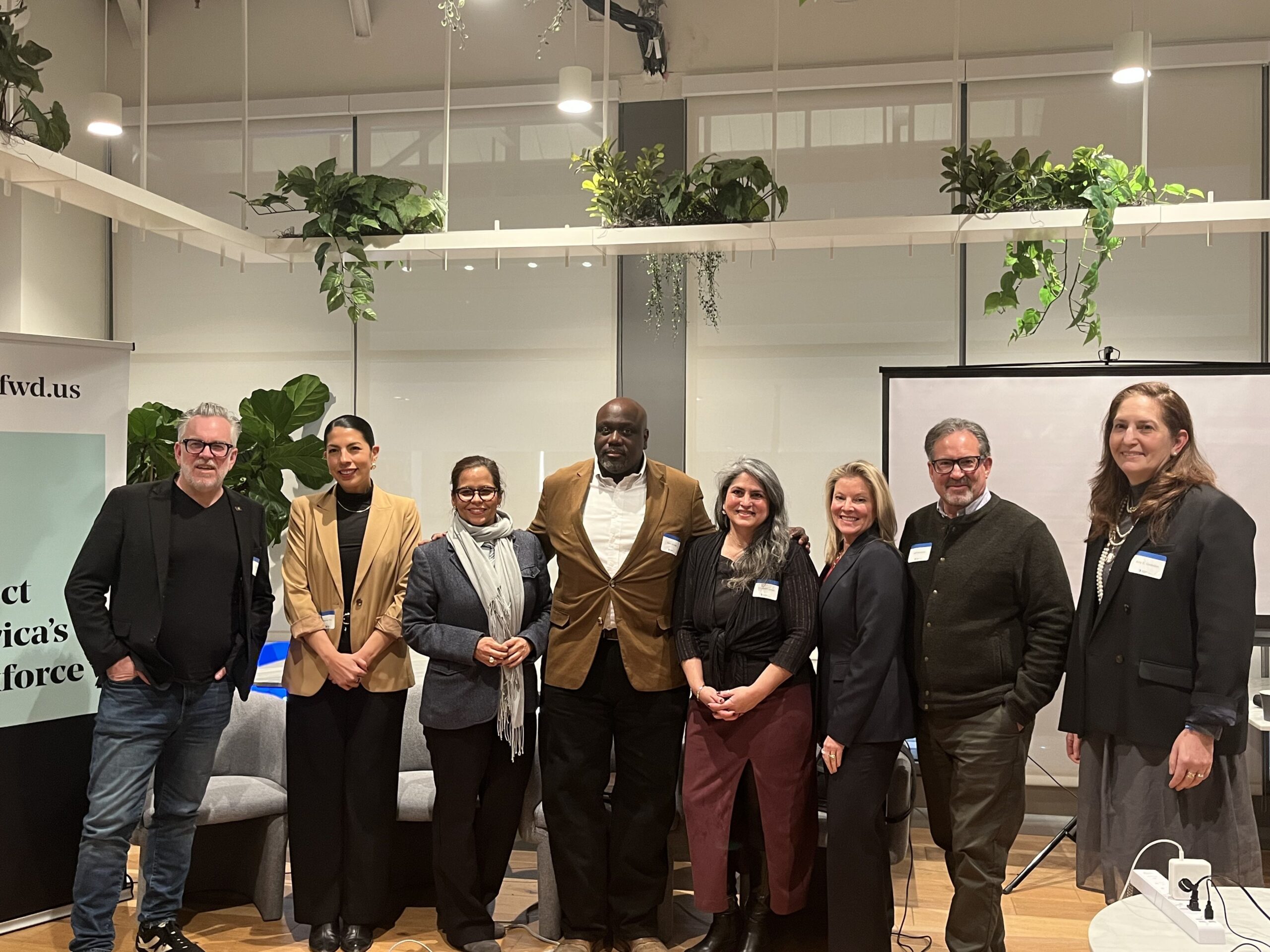
The Economy League of Greater Philadelphia held a panel discussion in collaboration with FWD.us. From left are Ben Fileccia, Pennsylvania Restaurant & Lodging Association; Maria Praeli, FWD.us; Jennifer Rodriguez, Greater Philadelphia Hispanic Chamber of Commerce; Alain Joinville, Philadelphia’s Office of Immigrant Affairs; Elizabeth Jones, the Welcoming Center; Tracy Brala, University City Science Center; Jeff Hornstein, the Economy League of Greater Philadelphia; Amy Gadsden, University of Pennsylvania.
Rodriguez described the additional $100,000, which is on top of other expected visa processing costs, as exorbitant. While some large businesses might have resources to handle it, she said, middle-market companies will be more challenged.
“Philadelphia is desperate to get more of those businesses to establish here, and now you’re making it that much harder,” said Rodriguez. “We are really curtailing the ability of these businesses to innovate, to hire, to really be the contributors to the economy that we want them to be.”
Immigrants in Philadelphia are of prime working age, noted Joinville, from the city’s Office of Immigrant Affairs.
“Without immigrants, we have a smaller workforce to drive and support our businesses locally,” he said, adding that immigrants start small businesses at a high rate in Philadelphia.
“As a child of immigrants, focusing on the economy can be a little tricky for me, because we’re not just data or money or economy,” said Joinville. “Yes, immigrants have an economic impact, but they are cultural leaders, civic leaders, and, yeah, just good people.”
Twenty years ago this month, chefs Rich Landau and Kate Jacoby opened what they hoped would become Philadelphia’s signature vegan restaurant.
Horizons debuted in Bella Vista in February 2006 in a former nightclub called Goosebumps on Seventh Street near South Street. It was a reboot of their groundbreaking Horizons Cafe, which Landau opened in a Willow Grove strip mall in 1994.
“At the time there was no signature upscale vegan dining experience in Center City, so we decided to go to where our crowd was and make the move downtown,” Landau said last week.
From the start, Landau and Jacoby signaled that Horizons would not resemble the plant-based restaurants many diners expected. It was not meant to be a manifesto or a niche experiment.
“There will be no granola, alfalfa sprouts, or wheat germ anywhere on the menu,” Landau said in 2006. Instead, the kitchen focused on globally influenced, technique-driven dishes, such as spicy red chili-cauliflower rolls and Caribbean udon with caramelized chayote and hearts of palm.
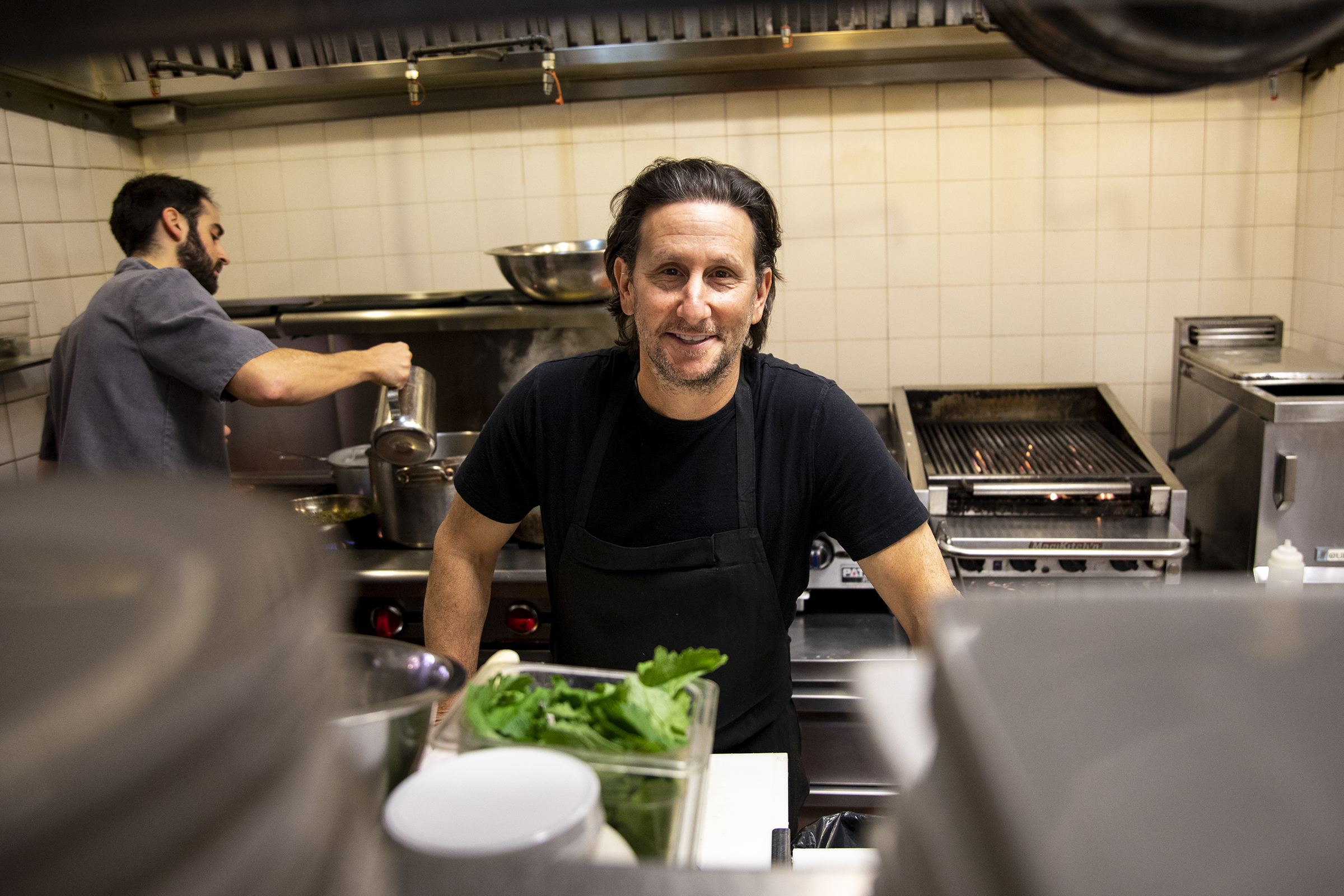
Chef Rich Landau in the kitchen at Vedge in 2019.
Horizons, which served vegan beer and wine, enjoyed a solid five-year run at 611 S. Seventh St. — earning a three-bell review from Craig LaBan out of the gate — before the couple closed in 2011 to open the far more exclusive Vedge in the grand former rowhouse at 1221 Locust St., which used to house Deux Cheminees.
Landau and Jacoby went on to open and close other restaurants, including the casual V Street and Wiz Kid in Rittenhouse and Fancy Radish in Washington, D.C. Last June, they sold their well-received Vedge spinoff, Ground Provisions, in West Chester. (Ground Provisions was on the inaugural edition of The 76, The Inquirer’s list of the area’s most essential restaurants.)
A 2012 Inquirer article by Vance Lehmkuhl, director of the American Vegan Center, credited Horizons alumni with launching some of the region’s most notable vegan restaurants. That piece cited Nicole Marquis (HipCityVeg, Charlie was a sinner. and Bar Bombon), Mark Mebus (20th Street Pizza), Ross Olchvary (the now-closed Sprig & Vine), and Rachel Klein (Miss Rachel’s Pantry) as examples of the couple’s reach. (Disclosure: Rachel Klein is my daughter).
Rich Landau and Kate Jacoby of Vedge at the Michelin Guide announcement event at the Kimmel Center on Nov. 18, 2025.
Landau is a six-time James Beard Award nominee for Best Chef, Mid-Atlantic (2015 to 2020), while Jacoby was a semifinalist for Outstanding Pastry Chef in 2014, 2015, and 2016, and also a semifinalist for Best Chef, Mid-Atlantic in 2014. In November, Vedge was added to Michelin’s list of recommended restaurants.
“Twenty years later, it’s hard to not look back and smile and feel so much gratitude that the city of Philadelphia embraced us and vegetable cuisine,” Landau said. “It’s amazing to see how much it’s taken off. Sure, there’s lots of new vegan restaurants.
“To me, the most remarkable thing is the change in mainstream restaurants,” he said. “Back in the ’90s and early 2000s, you would go to a restaurant and scroll all the way down to the bottom of the menu, where you would see the gnocchi or the pasta primavera. Nowadays, there are original and creative vegetable dishes in every mainstream restaurant in the city. That was our goal — to have what we do be taken seriously.”
Also this month in Philadelphia restaurant history
February 1996: Martini Cafe opened at 622 S. Sixth St. on the Queen Village-Bella Vista line, replacing Ristorante Mona Lisa. It closed in the early 2000s. (The building’s most recent occupant was Isot, which closed in December.)
February 2001: Capital Grille opened at Broad and Chestnut Streets, replacing a concept called Heritage that lasted nine weeks. Capital Grille was Center City’s seventh chain steakhouse at the time, following Ruth’s Chris, Morton’s of Chicago, the Palm, the Prime Rib, Smith & Wollensky, and Davio’s. … Chef Yong Kim, previously at August Moon in Norristown, opened Bluefin in a strip center on Germantown Pike in Plymouth Meeting. He moved it in 2012 to its current quarters in East Norriton.
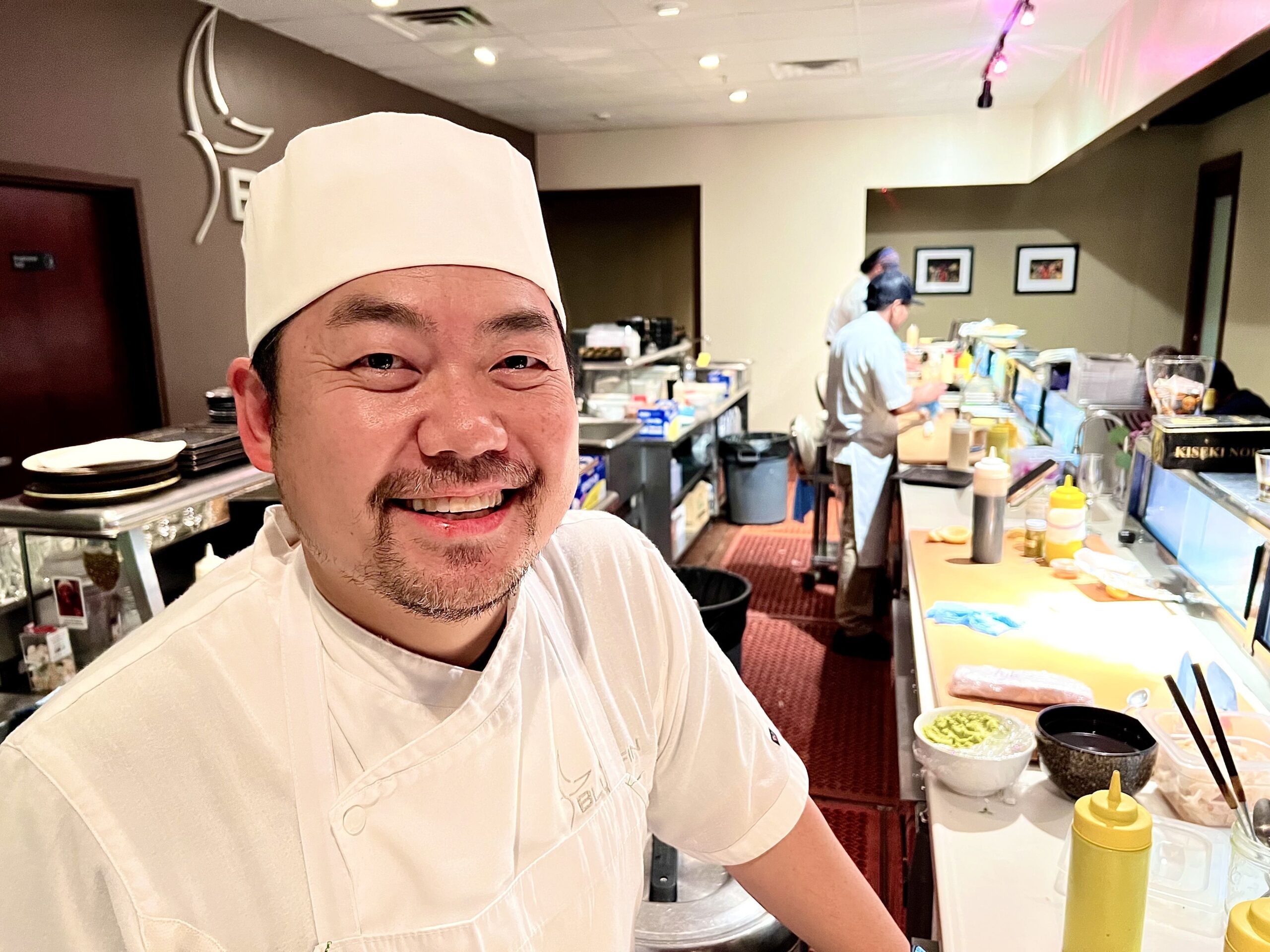
Chef Yong Kim behind the sushi counter at Bluefin, 2820 Dekalb Pike, East Norriton, in 2023.
February 2006: Chestnut Grill in Chestnut Hill turned the entire restaurant, including its bar, smoke-free – a bold move at the time. … Flo’s Diner opened at 20th and Arch Streets; it lasted a little over a year. That site (1939 Arch St.) had housed St. George Restaurant/St. George’s Diner in the 1960s before shifting into nightlife mode — Tom Hagen’s Tavern, the Bamboo Lounge, and Cascamorto Piano Bar. After Flo’s, it became the simply named Indian Cuisine. Since 2018, it’s been Thanal Indian Tavern.
February 2011: Chef Pascual “Pat” Cancelliere, formerly of Butcher’s Cafe (where Alice is now, at Ninth and Christian), opened 943, an Argentine-Italian BYOB, in an Italian Market storefront at 943 S. Ninth St. (Paesano’s is there now). Cancelliere, who closed it a year later, shortly after heart surgery, worked at other restaurants (Morgan’s Pier and Route 6) before he died in December 2023.
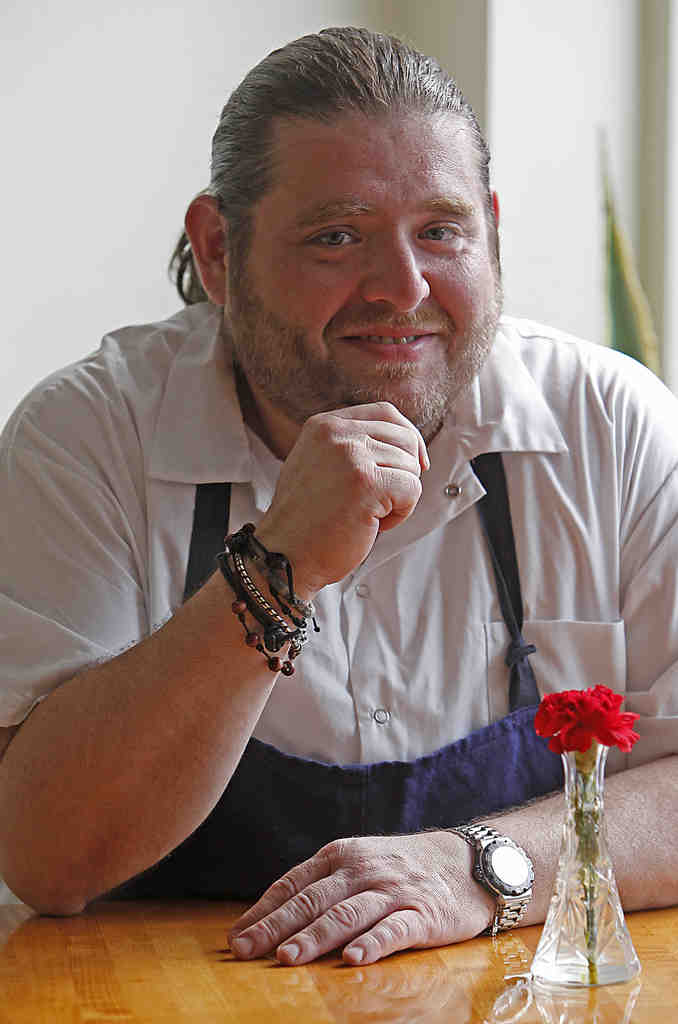
Pascual “Pat” Cancelliere in 2011.
February 2016: Downey’s, which opened in 1976 at Front and South Streets, closed amid tax problems. … The posh Le Castagne at 1920 Chestnut St. (now Veda), closed after 14½ years; executive chef Michael DeLone now owns Michael Coastal Italian Grille in Collingswood.
February 2021: “Ty” Bailey, who hosted countless romantics over 28 years at the Knave of Hearts on South Street before it closed in 2003, died of complications related to heart surgery at age 69. … The month’s roster of openings included the food hall at Live! Casino & Hotel in South Philadelphia and Stove & Tap’s location in downtown West Chester.
Some city officials are reportedly upset with District Attorney Larry Krasner for saying he would prosecute federal immigration agents if they commit crimes here. Mayor Cherelle L. Parker’s concern with avoiding confrontation has been reinforced by Police Commissioner Kevin J. Bethel, who recently said, “Who benefits when you’re putting out things and trying to … poke the bear?”
I’ll tell you who benefits — the bear. Or, in this case, our federal government: “We the people of the United States.” And when the residents of one city fear for their lives and livelihood under the yoke of a violent federal occupation, it concerns all of the states, all of the cities. We all benefit by standing up to tyranny, or we all lose our freedom.
Barry George,Philadelphia
. . .
Some folks have suggested that protesting the operations of U.S. Immigration and Customs Enforcement should be done at a distance and with respect. This opinion infers that getting close enough to help someone who has been pushed to the ground only serves to promote violence.
The violence initiated by some government agents may not be a characteristic of all of them, but it is a direct result of the words and actions coming from the president and his enforcers, which appeal to the “bad actors” being actively recruited, rewarded, and pardoned. Psychological tests have proven time and time again that cruel behavior by otherwise normal people is facilitated when their identities are hidden.
The cover for the actions of ICE is “the removal of people who are here illegally,” but even these folk have rights and protection under the law, as do we all. Now it is the “illegals” who are the targets of removal. Will “protesters” be the next target?
The world has been witness to what happens when too few people protest an authoritarian government’s self-sanctioned actions. In America right now, most protests are happening in “blue” states. God bless the people in these states. When will “red” states folks finally step up and be counted? The world is watching.
Joe Sundeen,Yardley
Paid protester trope
Letter writer Carl Marchi noted recently that today’s “… protesting mobs … have no morals and no credibility.” He contrasts this with activists from the social justice and anti-war movements of the 1960s and 1970s, who he says “… had some moral character.” As someone whose activism started in 1966 and who remains very active to this day, I can tell Mr. Marchi he has no idea what he is talking about. As an active member of Indivisible and supporter of other current groups, I assure him that the moral character of today’s activists matches that of the ’60s and ’70s. I was heavily engaged in Philadelphia and later in Wisconsin in those days. Moral character was abundant then, and it is just as abundant now.
He also says about today’s protesters that he “sincerely” believes they are “being paid.” It is a truly sad and completely false accusation. As a regular demonstrator, among other activities with Indivisible, I can assure him that no paychecks have been received since I started involvement in 2018. Our only “pay” is the moral support of hanging together and working together to free this country of Donald Trump’s fascism as he threatens the very survival of our democracy. I invite Mr. Marchi to check out Indivisible, but he shouldn’t expect to get paid.
Bob Groves, Philadelphia
Moral conviction
I am a 79-year-old retired attorney and former teacher who took part in the 1963 civil rights march because I was strongly and emotionally outraged by the racism and inequality I saw in my own country. For similar reasons, I participated with my Marine vet son in four large protests last year in opposition to the illegal and unconstitutional actions we’ve seen from the current administration. Not only do I love my country, but I am still committed to the rule of law, which was my occupational cornerstone for almost 40 years. In addition, my 15 years as a high school teacher imbued in me the importance of truth-telling and fostering cognitive thinking skills, so the next generation can rationally analyze news events. Therefore, I must take extreme umbrage at the assertion by Carl Marchi in his letter that we protesters “have no morals and no credibility,” and, in fact, he believes we are being paid. He’s not the lone voice with the latter claim (including from a relative and former friend), and I usually laugh at something so nonsensical. But with the vast amount of disinformation circulating these days, I just can’t let this one pass. Every single person with whom I interacted at the protests (comprised of tens of thousands) voiced similar strongly fearful reactions to the horrors they were witnessing as the separation of powers embodied in the Constitution was being dismantled. How that makes them — and me — immoral and not credible is another example of the statements made by the president et al. that have no basis in fact. Many of us have jokingly asked others at the protests if they had gotten their checks from George Soros yet, as the pro-Trump minions have routinely asserted. Ridiculously false statements like that are dangerous, as they serve only to incite more hatred.
Diane C. Lucente,Delran
Official inaction
We’ve known for a while now that Philadelphia has a mayor who repeatedly sits on her hands when it comes to crucial issues such as U.S. Immigration and Customs Enforcement, SEPTA, immigration, and “sanctuary cities.” The latest example of her inaction involves the removal of the historical panels about slavery from the President’s House. The mayor should take a good look in the mirror and see herself as the enabler of the removal.
The city has known for months that Donald Trump was planning to get rid of the panels, but there was an easy way to stop him. The city could have relied upon a cooperative agreement drafted in 1950 by the U.S. Department of the Interior and the City of Philadelphia. That agreement prohibits either the city or the federal government from making changes to the buildings or grounds at the Independence National Historical Park site “except by mutual agreement.”
Given Trump’s stated plans to change the President’s House site, the mayor and/or City Council could have declared the Department of the Interior in breach of that agreement. Further, given the city’s continued ownership of historic parcels, it could have threatened to declare that the portions of the historic district the city owns are off limits to Trump and Co. Instead, by choosing to sit on her hands and not go to court after the fact, the mayor has an uphill battle.
Our founders would have acted thus against the king, but not so for Philadelphia’s current leadership. They clearly prefer planning a 250th anniversary party to protecting our collective heritage.
Mark D. Schwartz, Bryn Mawr
. . .
Mayor Cherelle L. Parker has now presided over two municipal disasters in less than a year. The city workers’ strike of summer 2025 left heaps of steaming garbage strewn across our neighborhoods. Now, the city is barely functioning days after a snowstorm. Traversing a crosswalk is now a privilege for the fit and able-bodied, and our beloved SEPTA drivers are still navigating sheets of ice on arterial streets.
It does not have to be this way. Philadelphians should remember this next year when we go to the polls for the 2027 mayoral election.
Brian Elmore, Philadelphia
Dueling branches
Minnesota’s intentional disregard for federal immigration law is the mirror opposite of former Arizona Gov. Jan Brewer’s attempt in 2010 to enforce immigration laws in her state during Barack Obama’s presidency. In an attempt to stem the flood of illegal immigrants into Arizona, she signed into law a statute that authorized state and local police officers to enforce federal immigration laws. The Obama administration challenged in the U.S. Supreme Court Arizona’s sovereign authority to enforce the federal government’s immigration laws. Justice Anthony Kennedy and Chief Justice John Roberts joined the majority in holding that federal immigration authority supersedes Arizona from establishing any immigration rules of its own.
Gov. Brewer tried to defend her state from drug cartels and other criminal organizations that used America’s open borders to further their interests. Now, Minnesota Gov. Tim Walz and Minneapolis Mayor Jacob Frey are actively subverting federal immigration law and a contingent of activist judges, obstructionist politicians, and intentionally misleading members of the press to pretend that Minnesota can do what Arizona could not: establish its own immigration rules. Fifteen years ago, the Obama team argued that “we can’t have 50 different immigration policies.” Today, Obama’s friends act as if Minnesota can do whatever it wants, the consequences to federal authority and national sovereignty be damned. Either the federal government exercises authority over immigration enforcement or the state of Minnesota does.
Richard Colucci,Pennsauken
Join the conversation: Send letters to letters@inquirer.com. Limit length to 150 words and include home address and day and evening phone number. Letters run in The Inquirer six days a week on the editorial pages and online.
ARIES (March 21-April 19). Don’t confuse missing an absurdly high target with failure. You’re playing a different game than someone setting modest, incremental goals. If you’re going to dream big, make peace with the fact that big dreams come with big gaps between effort and outcome.
TAURUS (April 20-May 20). That “small issue” is way more complex than it looks and could turn into a big mess if you don’t fix it quickly and completely. A clear, thorough response now, while it’s still containable, will keep you from having to revisit this.
GEMINI (May 21-June 21). You feel like the protagonist in an antagonistic environment. You’re resistant to joining a culture you don’t quite understand or agree with at the moment. Don’t let them put words in your mouth. Say it your way. Not loud, but clear.
CANCER (June 22-July 22). You’ll be taking things to the next level. Are you ready to do this? Of course not. That’s not how it works. First, you commit beyond your capability. Then, in the process of the work, your capability grows.
LEO (July 23-Aug. 22). It feels good to achieve something, but today you’re thinking a bit bigger than getting the job done. You’re arriving at a new identity. Focus not on single achievements but on building the identity you want, day by day, choice by choice.
VIRGO (Aug. 23-Sept. 22). You’ll be extremely content as you untangle a messy situation. This was caused by someone who isn’t as practical and detail-oriented as you. You could place blame, but you’ll give thanks instead.
LIBRA (Sept. 23-Oct. 23). A vibe is interesting. Follow-through is informative. Chemistry can write a convincing story very quickly. Watch what people do over time instead of letting a spark decide the plot. Wait to see how someone shows up.
SCORPIO (Oct. 24-Nov. 21). You needn’t always use your own energy to get things done. Use energy from the outside, too, in the form of inspiring muses, helpers, teachers and tools. You also get energy from simply removing any friction with or resistance to reality.
SAGITTARIUS (Nov. 22-Dec. 21). Standing between the capers of the past and your wishes for the future, your mind feels taut and energized. So much creativity lives in this tension between memory and possibility. Linger here and write it all down.
CAPRICORN (Dec. 22-Jan. 19). A focus on home and daily life has you zeroing in on issues of sustainability. You’re seeking habits that nourish you in the long term and organized systems that bring you freedom. A new guide will help.
AQUARIUS (Jan. 20-Feb. 18). A relationship will bring you playful, intelligent fun, shared language, shared history — heaven on earth. When two people are fully themselves, meeting without effort, it’s a rare bond to treasure.
PISCES (Feb. 19-March 20). You let others who dominate conversations come away knowing a lot more about themselves than they know about you. Recognize when you’re nearing the limits of your natural curiosity and veering into the territory of emotional labor.
TODAY’SBIRTHDAY (Feb. 2). Welcome to your Year of Astounding Social Accuracy. You are a master at seeing what is true and predicting what people will do. As you form alliances, strengths combine, comfort increases and pressures ease. More highlights: Prosperity comes incrementally as you learn, invest and work out the systems. Blood family and chosen family give a sense of deep belonging, and an abundance of stellar shared projects increases the skills and cohesiveness of the dream team. Gemini and Taurus adore you. Your lucky numbers are: 5, 29, 50, 1 and 45.