Blog

  • 🏠 Kensington gets pricier | Morning Newsletter

    Welcome to Wednesday. It should be a mostly sunny day with a high near 83.

    Our main read analyzes new city assessments that show increases in several changing neighborhoods, with Kensington leading the increase in property values.

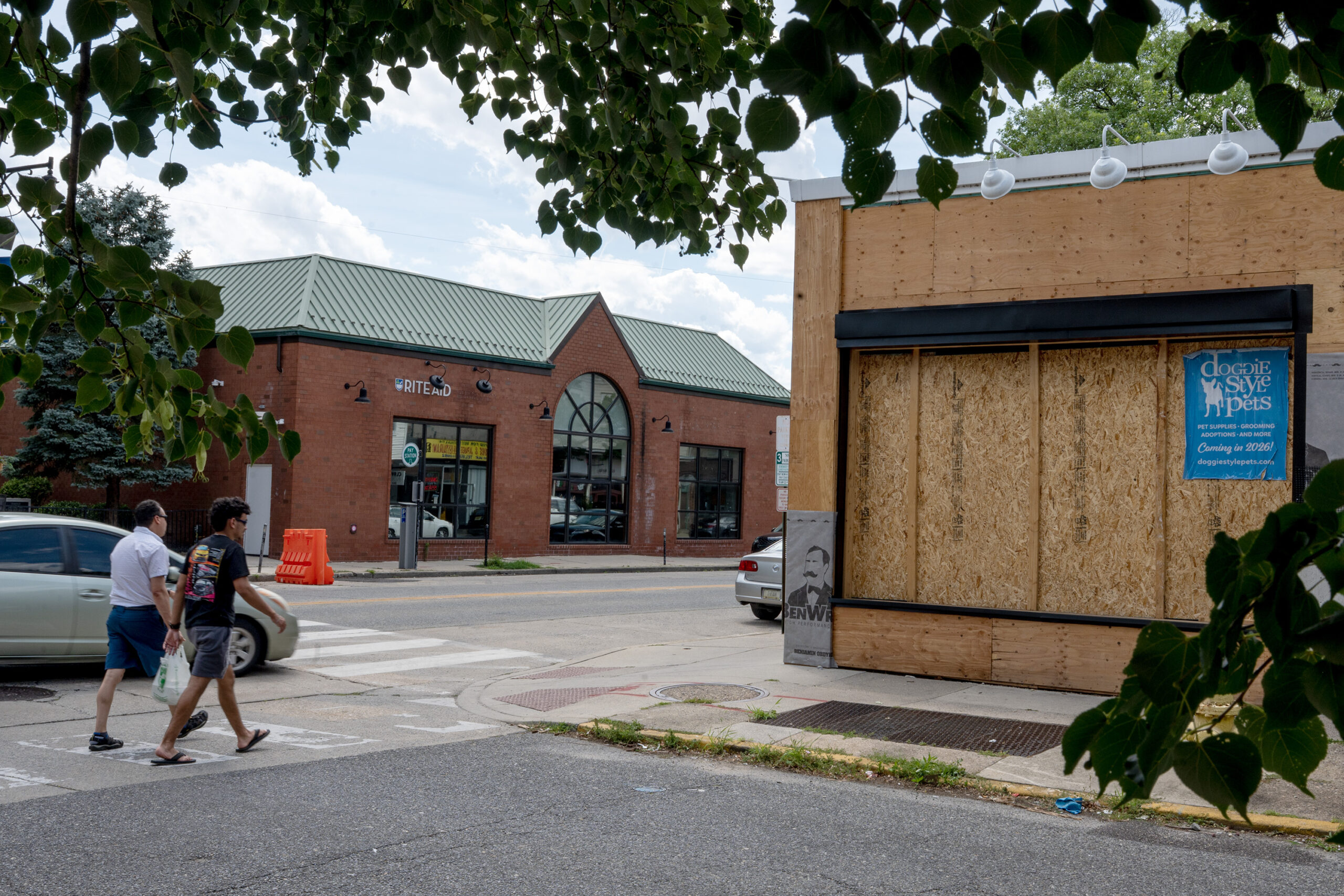
    And the last Philly-area Rite Aids shuttered for good nearly a year ago. We looked into how their sites have been repurposed.

    Plus, a new flight route fills the void at PHL left by Spirit Airlines, and more news of the day.

    — Paola PĂ©rez (morningnewsletter@inquirer.com)

    If someone forwarded you this email, sign up for free here.

    The cost of change
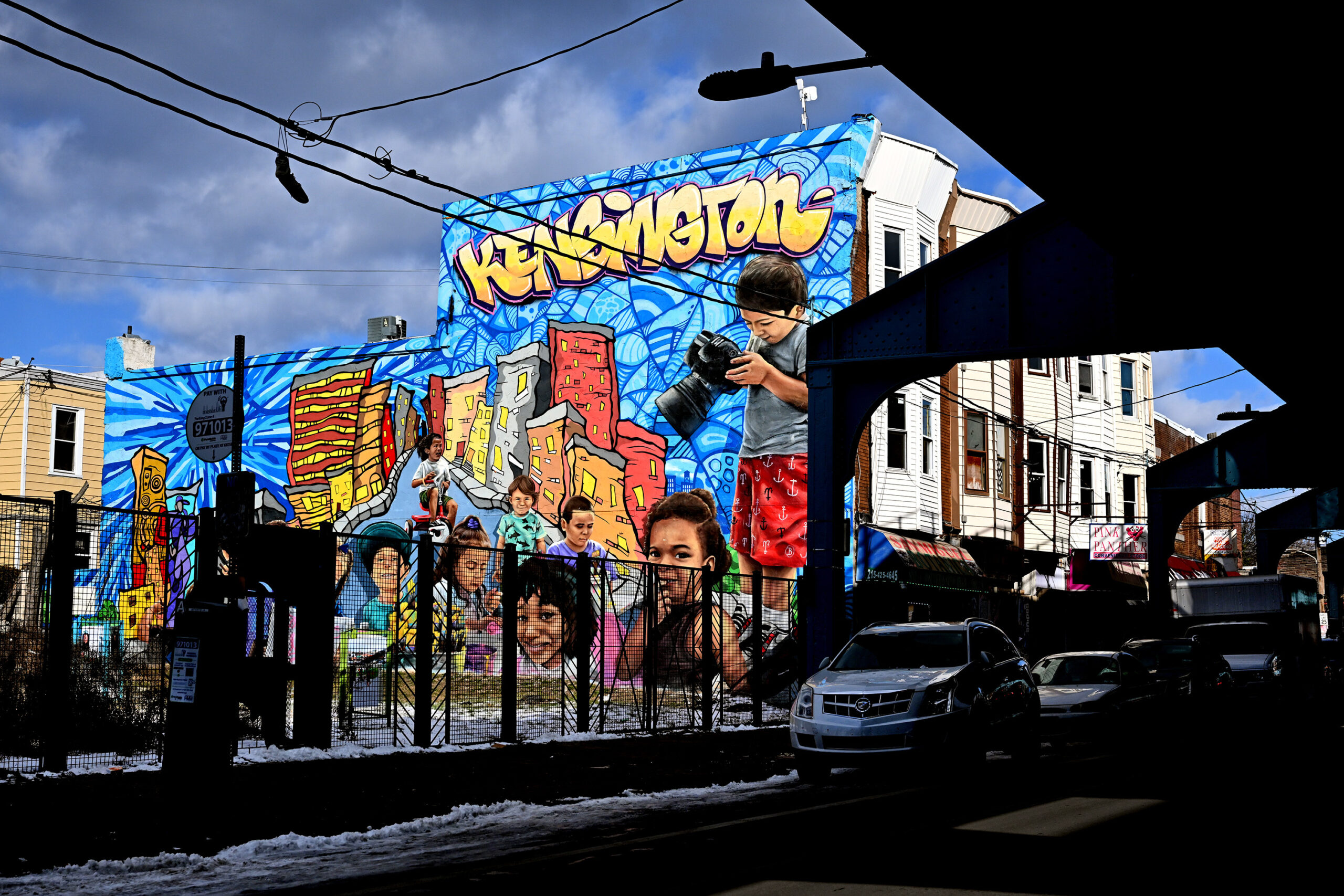
    Low-income neighborhoods near gentrifying areas saw the sharpest jumps in property values compared with the rest of the city, according to an Inquirer analysis of new assessment data.

    And as Philadelphia ramps up efforts to address long-standing problems in Kensington, valuations there have climbed faster than in any other neighborhood.

    Steepest increase: The median assessment of single-family residential properties in Kensington rose by 15% from the 2025 to 2027 tax years. Citywide, there was a 3% increase.

    What the data show: It’s a further sign that market pressures in higher-income areas are pushing into pockets of the city that have long been primarily home to Black and brown working-class residents.

    Notable quote: “I’m going to do whatever I have to do to make sure that residents who have lived in that community can stay there, can raise their families there,” said City Councilmember Quetcy Lozada, a Democrat who represents the 7th Council District, which includes parts of Kensington.

    Inquirer reporters Anna Orso, Yueyang Tang, and Lizzie Mulvey dive into the data and explain how a popular city tax break plays a role.

    Also: The housing market in the Philly area is “weird” right now, agents say. Here’s why.

    Reborn from Rite Aids
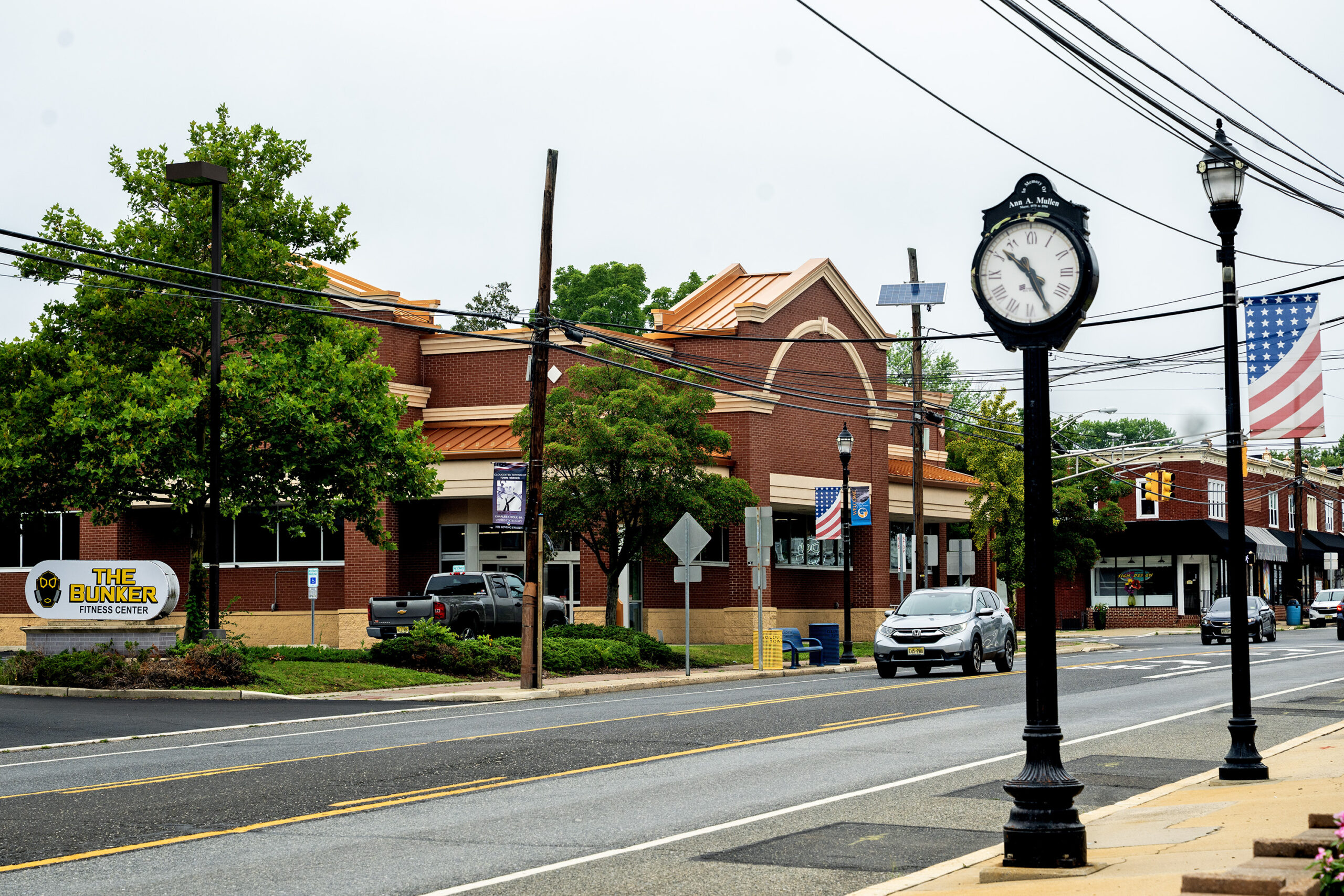
    After years of turbulent finances, the pharmacy chain called it quits, but its presence still lingers across the Philly region.

    While a few defunct Rite Aids are empty and overgrown, other buildings are getting new life as daycares, dollar stores, and other facilities.

    Here are a few examples of what now fills — or what could become of — the vacant spaces:

    🏈 In Center City, a sports retailer opened its first location in the heart of Philadelphia.

    đŸ‹ïžâ€â™‚ïž In South Jersey, some sites are becoming fitness centers.

    đŸ§Œ In Delco, one could become a township’s first (and only) car wash.

    Consumer reporter Erin McCarthy takes us inside former Rite Aids to see how they have found new commerce.

    What you should know today

    Quote of the day

    We can thank Afro Sheen founder George E. Johnson for “The Sound of Philadelphia,” columnist Elizabeth Wellington wrote last spring. The haircare pioneer died on Monday.

    🧠 Trivia time

    Bryce Harper loves putting Philly on his feet, and his latest cleats from Under Armour are no exception.

    What do they pay tribute to?

    A) Rocky

    B) Cheesesteaks

    C) SEPTA

    D) Pretzels

    Think you know? Check your answer.

    What (and whom) we’re 


    ☕ Noting: New and forthcoming businesses in Ardmore.

    🍩 Curious to try: A new Graduate Hospital ice cream shop that’s all about big flavors and little wins.

    đŸ« Featuring: The educator helping to guide Philly families and staff through the district’s plan to close and modernize schools.

    🍅 Learning about: South Jersey farmers’ creative efforts to bounce back from a destructive spring freeze.

    đŸŽ€ Wondering: Will the city be refunded for Christina Aguilera’s canceled July Fourth concert set? The mayor’s office isn’t saying.

    đŸ§© Unscramble the anagram

    Hint: In a galaxy far, far away 


    RAW TSARS

    Email us if you know the answer. We’ll select a reader at random to shout out here.

    Cheers to Bob Allmond, who solved Tuesday’s anagram: Scott Franzke. Nick Piccone built a social media following for posting clips of the sportscaster’s radio calls during Phils games. His hustle gives a radio broadcast new life.

    Photo of the day
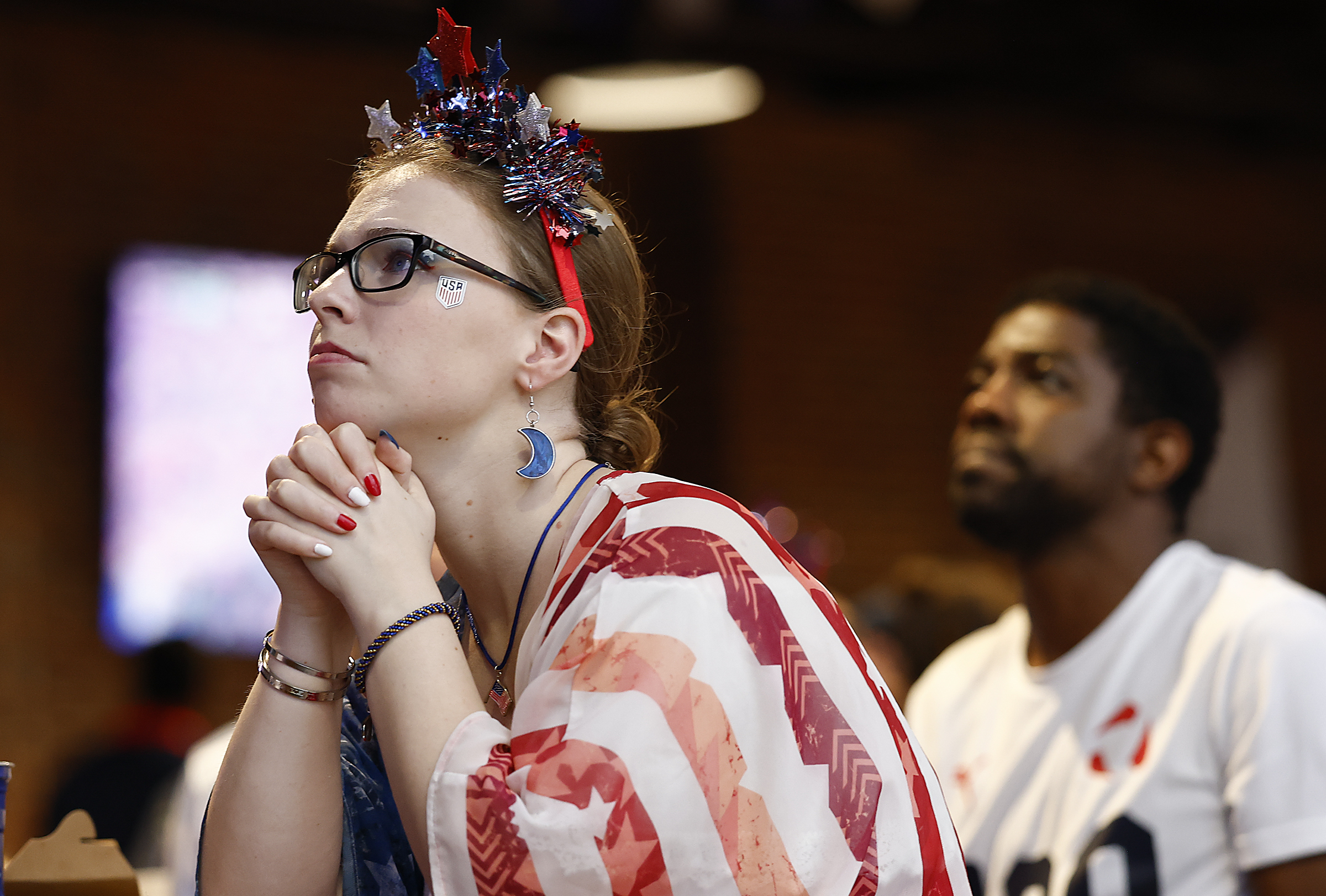
    Taylor Davis watches the first half of the United States and Belgium World Cup knockout stage game watch party at Union Yards.

    One viewpoint to go: The USMNT’s 4-1 loss to Belgium on Monday night was “cosmic payback” and an embarrassing end to the World Cup for the home country, writes sports columnist Mike Sielski.

    đŸ‘‹đŸœ That’s it for now. Thanks for starting your day with us.

    By submitting your written, visual, and/or audio contributions, you agree to The Inquirer’s Terms of Use, including the grant of rights in Section 10.
  • Philly area’s housing market is ‘weird’ right now, agents say

    Philly area’s housing market is ‘weird’ right now, agents say

    Brenda Beiser knows firsthand how difficult buying a home in the Philadelphia area can be. She’s not only a Redfin real estate agent, but she’s also an empty nester who wanted to downsize.

    Her six-bedroom house in Mount Airy sold right away when she put it on the market in May. But she decided not to buy a replacement.

    “I went for a rental because I didn’t really want to compete with everyone who’s trying to get into a smaller house,” Beiser said. “A lot of people who are in their 60s and would have traditionally downsized into a smaller house just aren’t doing it. They can’t find a place to go.”

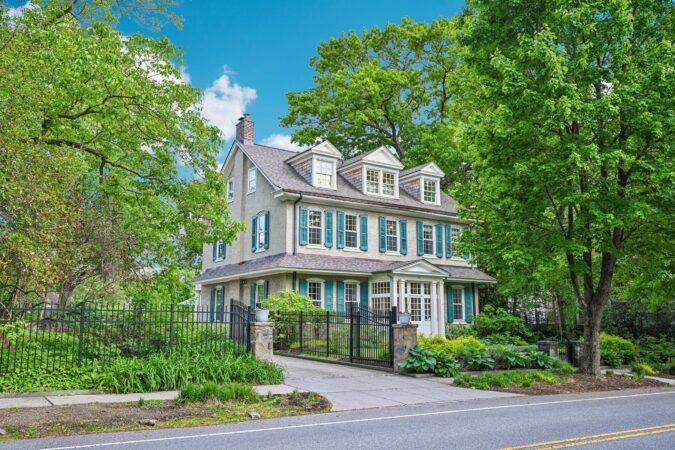
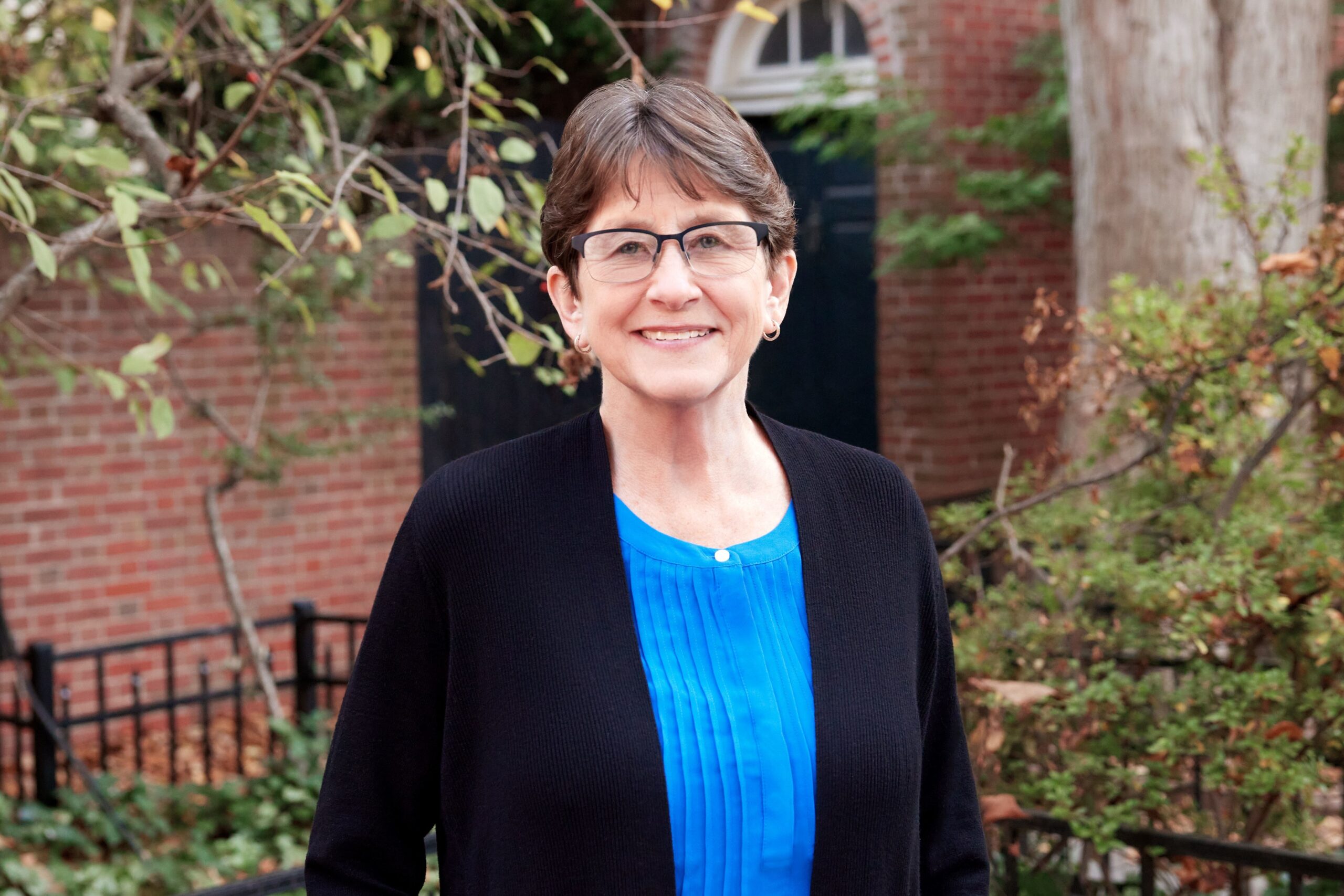
    Brenda Beiser, a Redfin real estate agent in the Philadelphia area, decided not to buy another home when she sold her Mount Airy house, because she didn’t want to enter the region’s competitive housing market.

    The Philadelphia region has a housing supply problem, just like large swaths of the country, and that’s impeding both repeat and first-time buyers. Inventory is particularly low across the Northeastern United States, where construction has not kept up with demand. In the beginning of this year, Zillow predicted that the Philadelphia metropolitan area would be one of the country’s 10 most-competitive housing markets of 2026.

    Home supply, however, has also ticked up a bit in the region compared with last year, and homes are staying on the market a bit longer before they sell. For the four weeks ending June 21, the region was in the top five markets with the highest annual increase in new home listings, according to a Redfin analysis of the 50 most-populous metropolitan areas.

    “The market’s encouraging,” said Jake Markovitz, president of the board of directors for the Greater Philadelphia Association of Realtors. “It’s certainly more balanced than it has been the last four, five years.”

    Erin Thompson, CEO of the Montgomeryville office with Keller Williams and leader of the Erin Thompson Team, agrees. She said buying and selling is “ebbing and flowing but trending toward a more stabilized market.”

    “Although I feel like I’ve said that twice in the recent past, and then it’s gone bonkers,” she said.

    The region’s market is a mixed bag.

    Some homes are sitting for a while, and some owners are at risk of selling properties for less than they bought them for a few years ago. Other homes have inspired five or more buyers to compete against each other, hiking up prices, said Markovitz, an associate broker with the Karrie Gavin Group at Elfant Wissahickon Realtors.

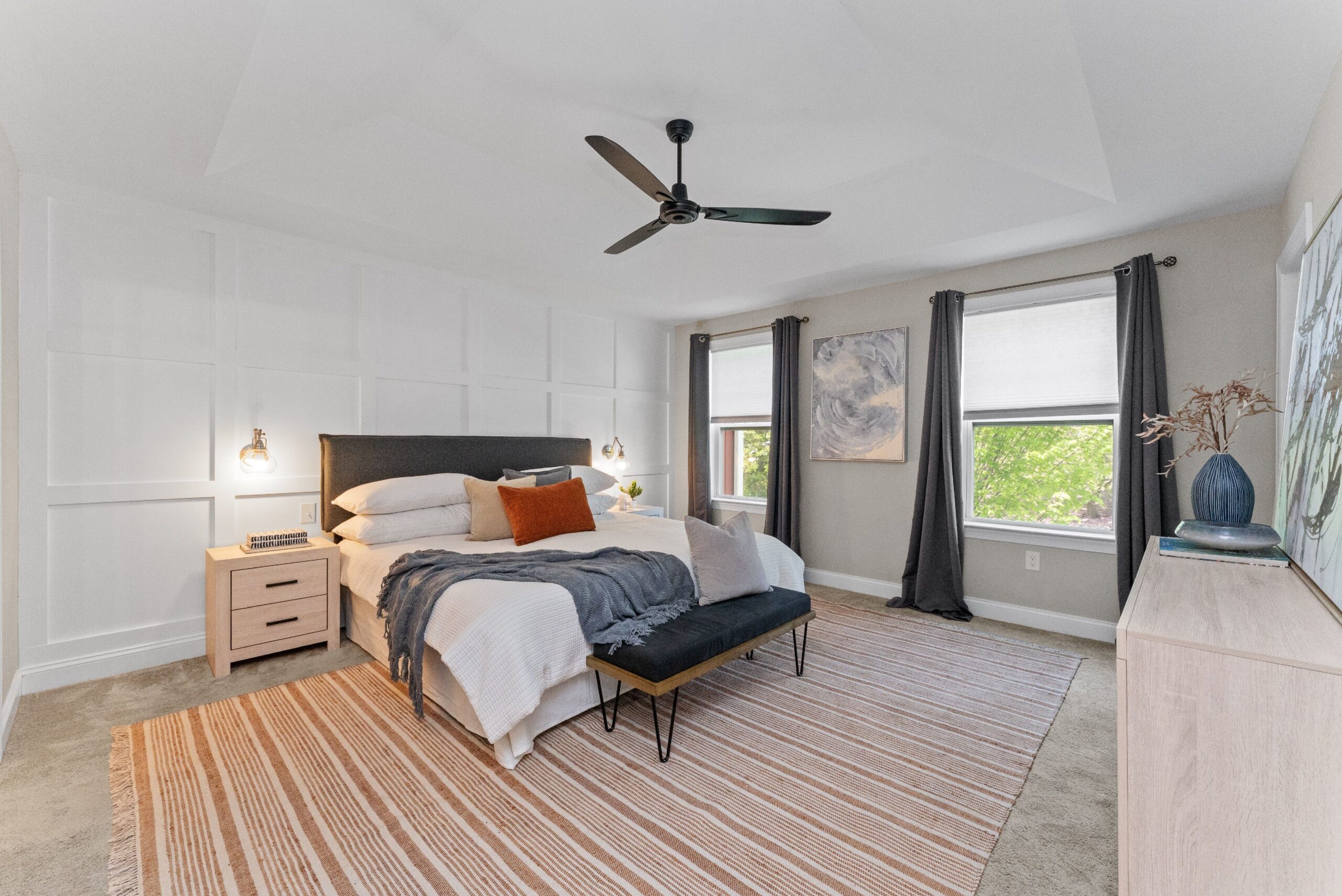
    This Graduate Hospital home went under contract last month a few weeks after it was listed for sale.

    “As an example, I’m seeing more inventory in Chestnut Hill than I have in a long time, which is giving buyers a little bit of power,” he said. But if the right property hits the market, it will go fast.

    He’s seen the same happen in neighborhoods such as Graduate Hospital and Fishtown.

    Because of strong demand for homes in the region, “I just don’t think we’ll see any major shift in prices coming down,” he said.

    ‘Weird’

    Markovitz and Thompson both used the same word to describe the recent real estate market: weird.

    They said housing activity isn’t always following time-tested rules.

    Philadelphia homes that sat on the market for months last fall, typically a busy season, suddenly went under contract in the winter, typically a slow one.

    A house that sits on the market for 30 days that a buyer thinks can be theirs at a lower price can suddenly attract two other buyers at the same time. And now they all need to be ready to pay more.

    Housing markets have always been hyperlocal, with buyer demand varying from neighborhood to neighborhood and block to block. But now, “it’s almost like a property-by-property basis,” even for comparable homes, Thompson said.

    Owners bound by ‘golden handcuffs’

    Even with recent upticks in home listings, the region’s housing supply is nowhere near enough to meet demand.

    “Most people are anticipating this year will continue to be a little tough,” Thompson said, “and then next year we’ll start to see some more inventory.”

    Markovitz said homeowners who bought properties five years ago with 3% or 4% mortgage interest rates are still experiencing “some sticker shock” from current rates, which lately have been averaging about 6.5% for a 30-year, fixed-rate mortgage.

    “Those people, even if they’re ready to leave, are kind of bound by their golden handcuffs,” not wanting to sell and then have to buy a home at a higher interest rate, he said.

    But for many homeowners, “the reality of the market has set in a little bit,” he said. “Where people were sort of hoping, wishing that rates would come back down, they’re not.” And life events such as births, deaths, and job moves mean that people need to sell their homes.

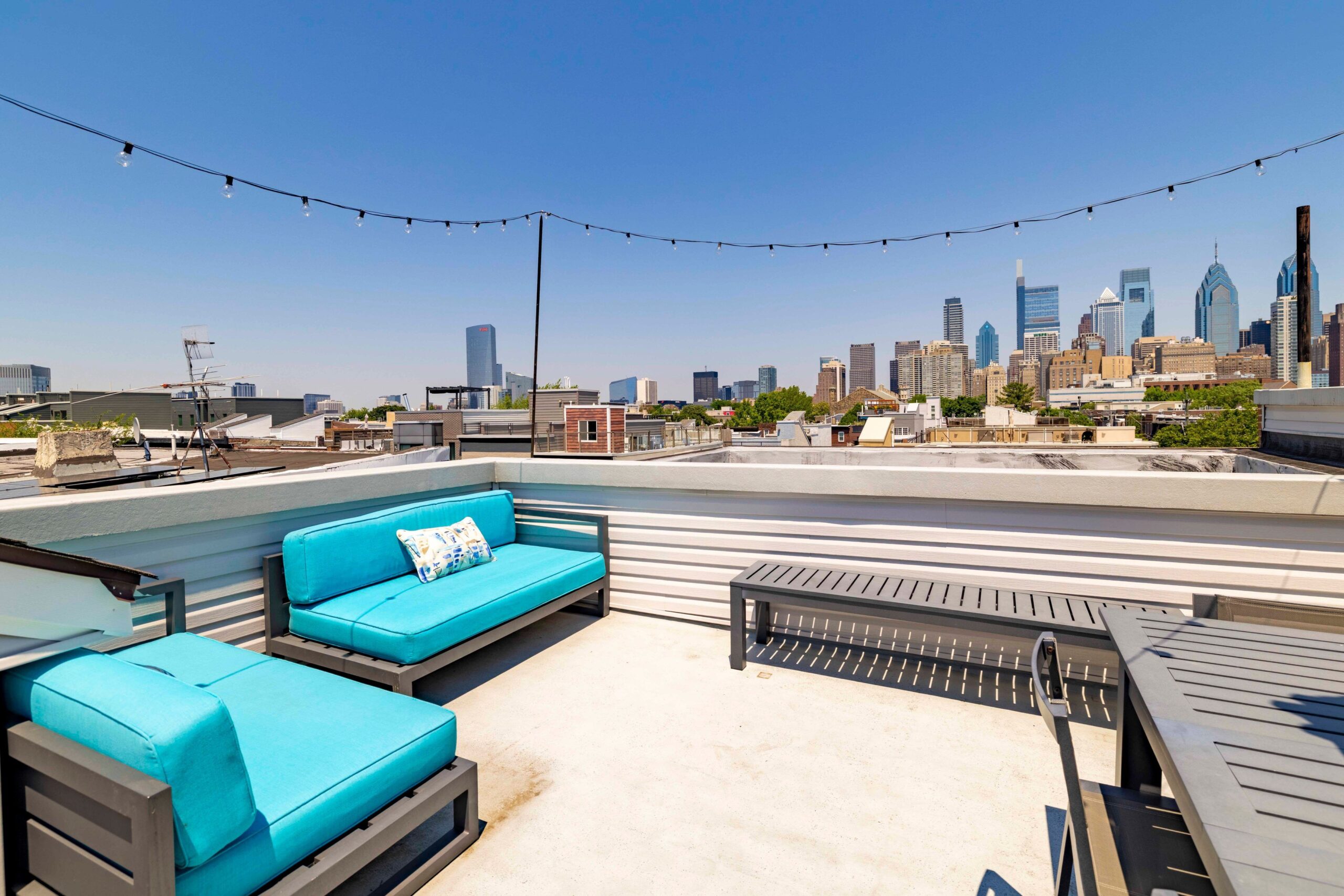
    This recently sold Graduate Hospital home has skyline views from the roof deck.

    And buyers show up to purchase them.

    Thompson said she was nervous when she listed a Phoenixville home for sale during Memorial Day weekend, when many homebuyers might be traveling. But a lot of people came to see it, and the seller ended up with seven offers and a final price that was well over what they expected.

    Buyers, however, aren’t accepting just anything. They are more selective and less likely than in past years to skip home inspections. If sellers want to get the highest price, they have to prepare their properties for sale, agents said.

    Homes, and especially kitchens and bathrooms, need to be up-to-date, and central air-conditioning is a plus, said Annette Collier, owner and real estate broker at Able Real Estate, based in West Philadelphia.

    “That’s what buyers are looking for, and I don’t think they’re willing to settle,” said Collier, who works in the city and surrounding areas. “I find that less buyers want to do any renovations. Most buyers want a move-in-ready situation.”

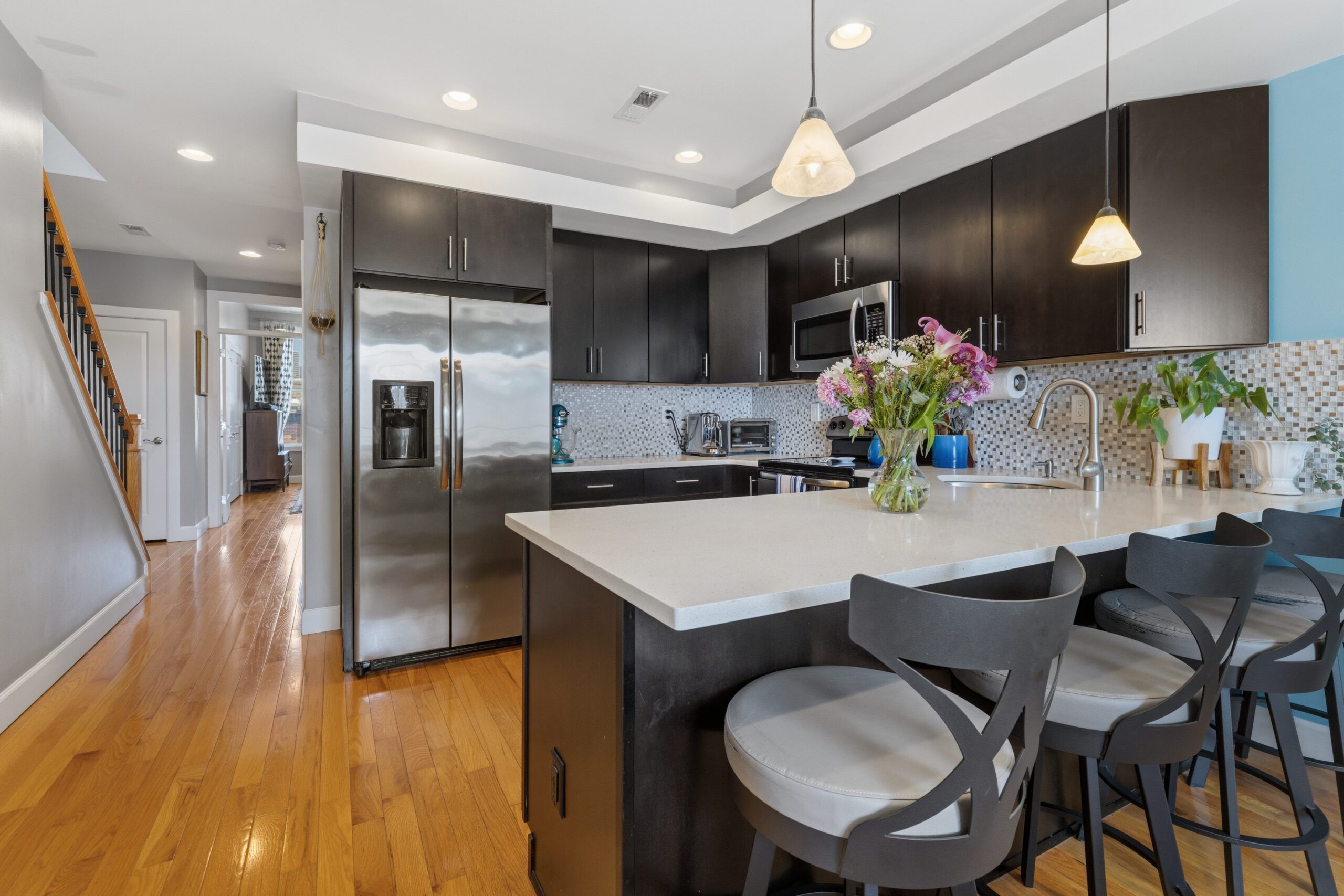
    Homebuyers want updated kitchens, like this one in a Graduate Hospital home that recently sold.

    And sellers need to be realistic about how much they can get for their home.

    “If you overprice by even just a little bit,” Thompson said, “you’ll end up sitting.”

    Buyers ‘ready to pounce’

    Generally speaking, buyers now have more time to make decisions than they did last year, since homes are staying on the market longer.

    But, in some submarkets, especially in Philadelphia’s collar counties, “there’s so much demand that certain houses are just going to fly off the shelves,” said Beiser, who works in Philadelphia and surrounding areas.

    “I have some buyers in the suburbs, and they‘ve kind of stopped looking because it’s too challenging,” she said.

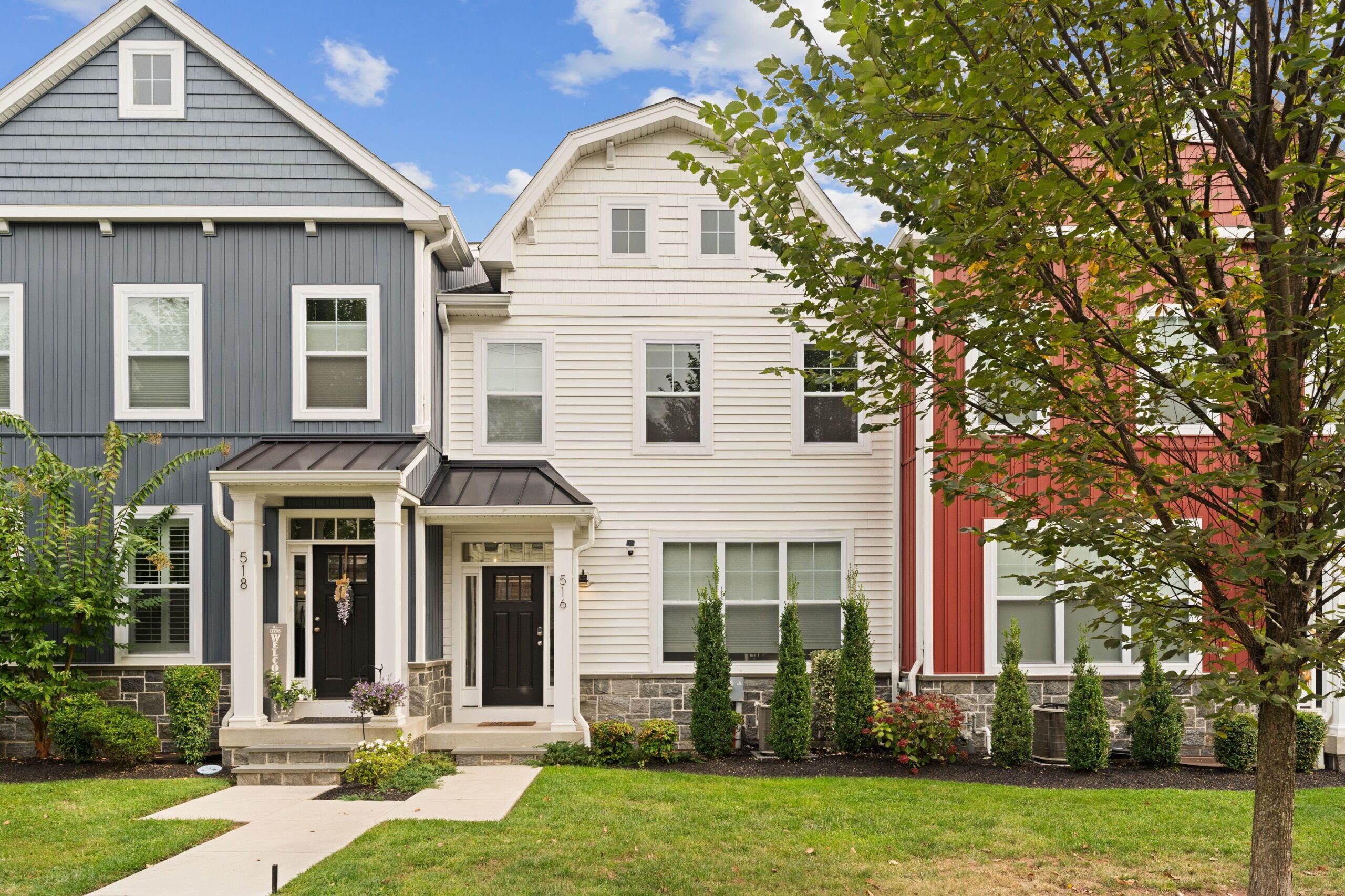
    This home in Upper Merion Township is listed for sale for $699,900 by agent Erin Thompson.

    Beiser has been working with a couple with children who live in Philadelphia but want to move to the suburbs. Each spring for the last three years, her clients make a plan to try to find their next home. But every year, they decide that continuing to live in the city is more convenient than facing competitive markets in which they’re expected to skip home inspections to win a property, Beiser said.

    Thompson has seen a growing trend of frustrated buyers putting in offers above the asking price even when they’re not facing direct competition. One client recently went under contract on a Fishtown home they had immediately put an offer on.

    “They came in aggressive, because they’d just lost out on a house, and they’d been looking for a while,” she said. “You have these buyers who are scarred and tired, so they’re coming in more aggressive.”

    Thompson tells buyers to make sure they’re as prepared as possible before starting their home search.

    “You have to be ready to pounce the second [a home] comes to the market,” she said.

    This home on the market in Upper Merion Township spans more than 2,800 square feet and has three bedrooms.
  • This week, Philly’s chefs and bartenders are gathering black walnuts for spirits, cookies, and sausages

    This week, Philly’s chefs and bartenders are gathering black walnuts for spirits, cookies, and sausages

    Right now, black walnuts look like small neon green tennis balls clustered on a branch. Their interiors are creamy and gelatinous.

    Danny Childs, the founder of Slow Drinks — who is currently in the midst of opening his first cocktail bar, Field Day — uses black walnuts in this state for black walnut nocino, a variant of the bittersweet Italian liqueur known as amaro. “When I make amari in general, it’s always a way to showcase a certain place at a certain time,” said Childs, who forages his black walnuts from a running trail in Merchantville.

    “When you’re making nocino, you pick them in June,” Childs said. “The knife can easily pierce the black walnut, as the actual nut hasn’t formed yet. It’s still a jellylike substance.”

    Childs uses 151 proof vodka from Devil’s Springs in New Jersey to macerate his walnuts. His black walnut nocino is also on the menu at Almanac, featured in their cocktail the Juban District. It’s blended with Japanese whiskey, scotch, vermouth, Okinawan Kokuto brown sugar, and bitters. It’s funky and savory, and sweet without being cloying. And it has become a classic cocktail on Almanac’s menu.

    And so, the Almanac team has also just gone foraging for black walnuts.

    At Field Day, Childs’ black walnut repertoire will expand. “We’re going to start using the walnuts in other ways after nocino this year — to infuse wine to make nociato, and then use them to make black walnut miso.” He’s working with fermenter Jamaar Julal, previously of Honeysuckle, on these projects.

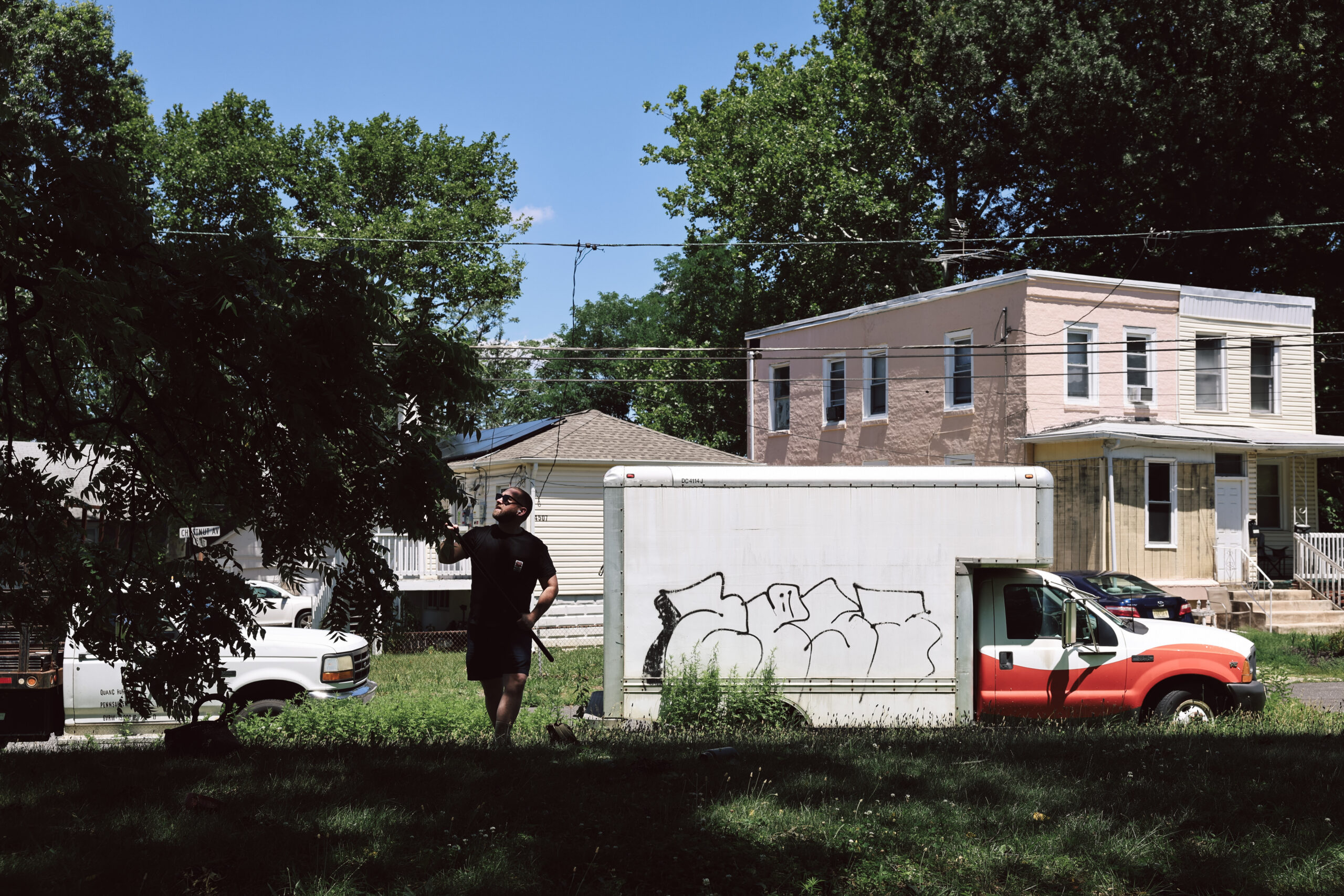
    Danny Childs picks black walnuts in Merchantville.

    Look closely, and you’ll start to see black walnuts everywhere, from shortbread cookies at Ellen Yin’s Bread Room to Randy Rucker’s sauces for seafood at Little Water.

    Crisped up in a pan, the Heavy Metal Sausage’s mortadella, inlaid with cubes of smoked pork jowl and hard toasted black walnuts, emits a heady aroma of pork and socks. It is funky, distinctive, and heavenly; it tastes milder than its scent, like uncured bacon that had nestled next to a blue cheese for a few days in the fridge.

    Pat Alfiero, Heavy Metal’s co-owner and butcher, sources shelled black walnuts from Ian Brendle of Green Meadow Farm in Gap, Pa., who has about 100 black walnut trees on his property. Brendle also functions as a middleman, shuttling nutmeats processed just south of Pennsylvania to chefs.

    Jamaar Julal, Field Day’s director of fermentation, picks black walnuts in Merchantville.

    “To me, black walnuts are very unique, like pawpaws. If you had a hundred people eat them, half would like them and half would hate them. Pawpaws have the same unctuous floral perfume as black walnuts,” said Brendle, who now sells five to 10 pounds of shelled black walnuts every week, twice as much as when he started selling them two decades ago.

    “They’re a misunderstood tree nut, for sure. But any nut or plant that can be foraged sustainably should be consumed. Anytime you can consume something that doesn’t require immense amounts of water or makes a negative impact is a step in the right direction,” said Brendle.

    Black walnut trees are found in dense thickets in Fairmount Park, and on practically every farm and expansive backyard in and around Philadelphia. They’re native to the Mid-Atlantic, like hickory nuts and pecans. They swath the East Coast, growing as far north as the border with Ontario and as far south as Florida.

    Every part of the black walnut contains juglone, which is toxic to many other plants, but perfectly safe for humans and animals to consume. For many gardeners and homeowners, black walnuts are a nuisance, staining hands if you gather them without gloves on, as well as the asphalt driveways on which they fall. The nuts get caught in lawn mowers and can also be dangerous projectiles, falling from great heights — the trees can grow up to 80 feet tall — denting car roofs and unlucky heads.

    If nuts could talk, black walnuts would say, “They don’t like us, we don’t care.”

    For Alfiero, Brendle, and the others, there is an urgency to using black walnuts. Nut farming is water intensive, and the almond industry in California has repeatedly come under scrutiny for its groundwater consumption. The walnuts in a typical supermarket are the Persian or English variety. In the U.S., 99% of them also come from California. It takes about 26.7 gallons of water to grow an ounce of English walnuts.

    “We’ve created so many problems for ourselves in the world, simply by being spoiled and being able to purchase, say, pistachios at the store. People grow almonds and other nuts in places that don’t naturally have a lot of water. We’ve created a market for things that don’t make sense,” said Jeremiah Langhorne of the Dabney in Washington D.C, one of the chefs responsible for the black walnut’s current popularity on menus up and down the Northeast Corridor.

    While the nuts, shelled and toasted or raw, may not be as snackable as the more common English varieties, they have a wide range of uses among Indigenous populations.

    In Braiding Sweetgrass, Robin Wall Kimmerer, a member of the Citizen Potawatomi Nation, wrote, “The hickories, black walnuts, and butternuts of our northern homelands have their own specific names. But those trees, like the homelands, were lost to my people.”

    Though Native Americans carried black walnuts and other related nuts with them as they were displaced, “The federal government’s Indian Removal policies wrenched many Native peoples from our homelands. It separated us from our traditional knowledge and lifeways, the bones of our ancestors, our sustaining plants,” Kimmerer writes.

    Native peoples were divorced from their trees, and now, chefs, distillers, and foragers are trying to form new bridges with the same wild trees.

    How to use black walnuts throughout the year:

    Early spring to summer: Gather the leaves

    “Use the leaves in early spring when they’re just the size of squirrel’s ears,” said Robert Gustafson, a Virginia-based specialist in wild foods. This is when they can be blended and fermented into sauces.

    “Our entire goal is to find what grows well around us, and be receptive to working with it,” said Isaiah Billington, who along with Sarah Conezio, is the co-owner of Keepwell Vinegar and White Rose Miso, based in Dover.

    “Our black walnut bay sauce is like a Worcestershire sauce with a base made from our own apple cider vinegar,” said Billington. The recipe was unearthed from a cookbook first published in 1879 and adapted by Langhorne. It’s aged for a year with ginger, garlic, horseradish, and black walnut leaves, which Billington harvests himself. The leaves give the sauce a mildly bitter, herbal flavor. Billington had become enamored with the sauce while working at the Dabney, which now purchases it from Keepwell instead of making it in house.

    Early fall: Recognizably walnuts

    “This is harvest season for storehouse wild foods,” said forager Heather McMonnies, who collects the nuts using an apple picker. “This is the same time you’d collect chestnuts or hickory nuts.”

    Late fall: Clogging up people’s driveways

    Gardeners and homeowners are annoyed by them as far north as Canada. Making use of them culinarily can keep tons of them out of landfills.

    Winter: Cheers!

    It’s time to crack open that black walnut nocino that started in the summer and drink it.

    Late winter and early spring: Tap the trees

    “My kids got tired of homemade maple syrup and well, I have black walnut trees, and we may as well tap them and see what we get,” said McMonnies. After boiling 40 gallons of sap, sweet and molasseslike in color, she produced one gallon of black walnut syrup, incredibly light in structure and composition, with a tinge of the nut’s signature funk.

    Black walnuts are divisive, but so is Stilton cheese, durian, fermented tofu, and any number of delicious things. Does divisiveness make black walnuts any less distinguished?

  • What will become of St. Peter’s Village? | Inquirer Chester County

    What will become of St. Peter’s Village? | Inquirer Chester County

    Hi, Chester County! 👋

    The quaint St. Peter’s Village is heading to auction this fall, leaving many wondering what its future holds. Also this week, Bluebird Distilling has debuted a new renovation and expanded its offerings, plus the county has reported its first measles cases this season.

    If someone forwarded you this email, sign up for free here.

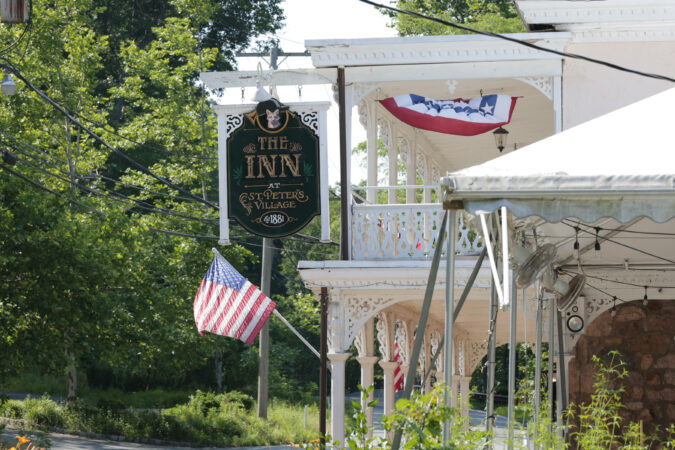
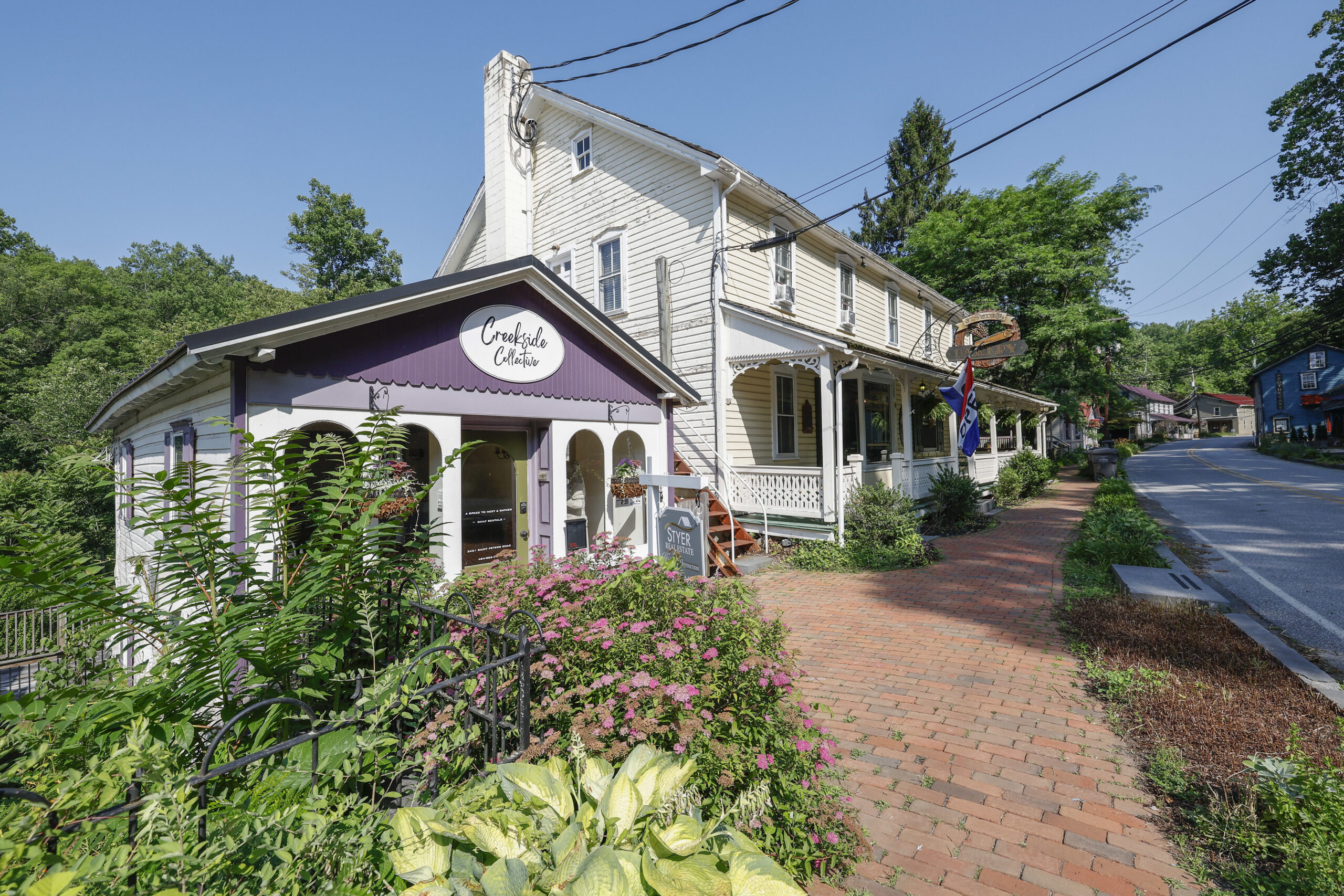
    Historic St. Peter’s Village is headed to the auction block

    The entirety of the 83-acre St. Peter’s Village will be sold at auction this September.

    The future of St. Peter’s Village hangs on the auction block, where it will be sold this September to the highest bidder.

    The entirety of the 83-acre historic village in the northwest of Chester County is up for sale in what is a decidedly unusual offering. That includes 121 homes and 13 historic and commercial village buildings.

    As the bidding nears, some are expressing concerns over its future, while others are hopeful for revitalization.

    The Inquirer’s Brooke Schultz explores what could become of the picturesque community.

    Bluebird Distilling adds pizza to the menu after $2.2M renovation

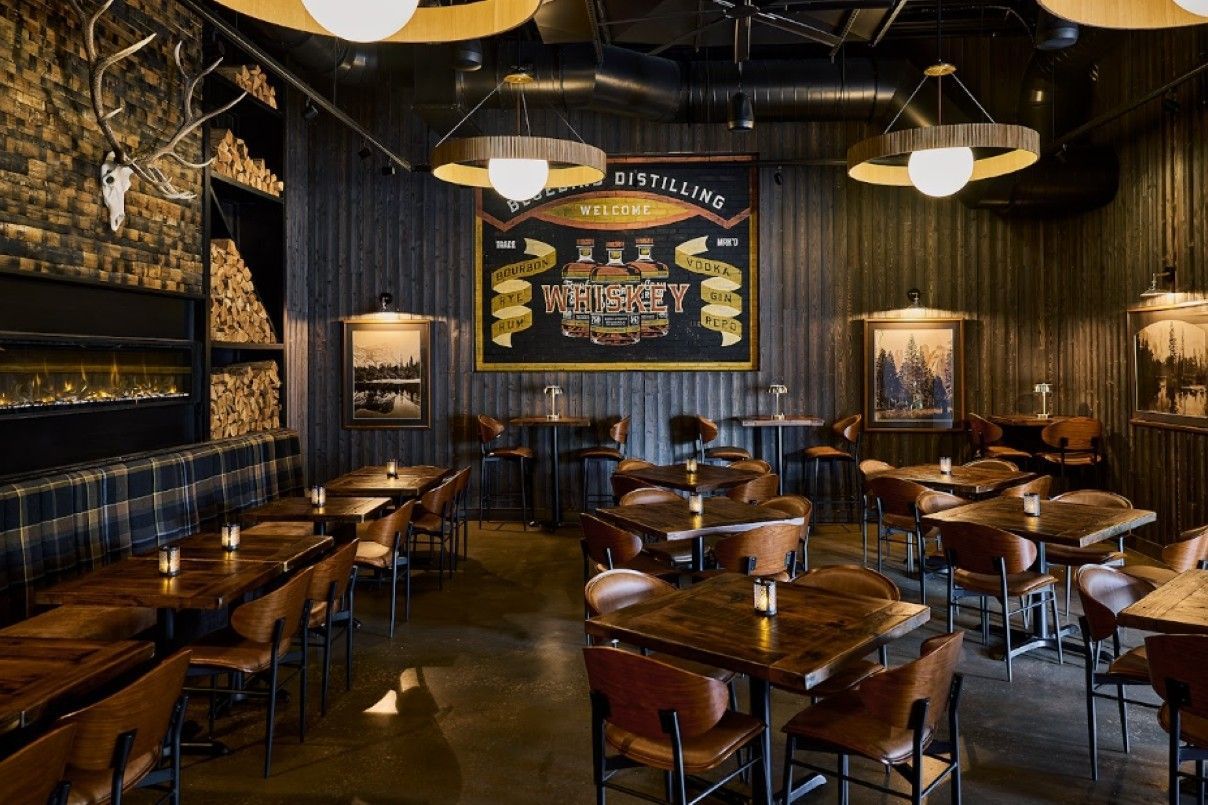
    The dining room at Bluebird Distilling and Dough House was expanded as part of a larger renovation.

    Popular Phoenixville distillery Bluebird Distilling reopened yesterday with a new look and fresh menu items following a $2.2 million renovation.

    Now known as Bluebird Distilling & Dough House, the concept offers a “neo-Neopolitan” pizzeria and restaurant, in addition to an expanded bar, dining room, and bottle shop.

    The idea to add pizza came after owner Jared Adkins started taking classes to learn the art.

    Read more about the expansion and what else you can expect at the new iteration.

    📍 Countywide News

    💡 Community News

    • In case you missed it, last week the developer of a proposed East Whiteland data center was ordered to temporarily stop work that disturbs the soil. Here’s why.
    • North Coventry Township’s zoning board is scheduled to discuss an application for a Sheetz at 1395 S. Hanover St. and several neighboring parcels tomorrow at 7 p.m.
    • Oxford Borough council is hosting a meeting tonight at 7 p.m. to discuss potential changes to its police services as it weighs its finances.
    • Phoenixville-based Christian school the University of Valley Forge has been warned it could lose its accreditation and been given until Sept. 1 to prove it should keep its status.
    • In other higher-ed news, longtime Immaculata University president Barbara Lettiere plans to retire next summer after leading the school for a decade.
    • Spring City is relocating its borough hall and police department to temporary offices today as work continues on the new municipal building. The borough office will temporarily be located at 2 Riverside Dr., with borough meetings taking place at Liberty Fire Company’s social building, while the police will temporarily be at 7 Riverside Dr.
    • Lit Fitness is taking over the former ImpactFit in Exton at 35 E. Uwchlan Ave. There’s no timeline yet for the official transition.
    • Ash Park reopened yesterday in Coatesville after undergoing a yearlong overhaul. The updated 9.3-acre park has a new pavilion, an expanded playground, new water fountains and lighting, an expanded basketball area, and meadows.
    • French and Pickering Creeks Conservation Trust has preserved 34.9 acres in North Coventry Township, adding to the 13,700 acres it’s conserved nearby.

    đŸ« Schools Briefing

    • Octorara Area School District has named Nancy Young as its director of special education and student wellness.

    đŸœïž On our Plate

    • Longwood Garden’s 1906 is the lone Chester County restaurant to earn honors in this year’s Wine Spectator Restaurant Awards. The magazine recognizes establishments with wine lists offering what it deems interesting selections that are “appropriate to their cuisine” and “appeal to a wide range of wine lovers.” It recognized 1906 — which Inquirer food critic Craig LaBan recently called one of the best restaurants in the suburbs — for its selection of wines from California and France.

    🎳 Things to Do

    đŸŽ™ïž Sound of Summer Free Concert Series: Pop-rock artist Olivia Rubini headlines this week’s show. ⏰ Wednesday, July 8, 6:30-8:30 p.m. đŸ’” Free 📍 Anson B. Nixon Park, Kennett Square

    🎭 Ain’t Misbehavin’: This summer musical will transport audiences back to the Harlem Renaissance. ⏰ Select days from Wednesday, July 8-Sunday, Aug. 16, times vary đŸ’” Prices vary 📍 People’s Light, Malvern

    đŸŽč Tredyffrin Township Summer Concert Series: Hear party music from the ‘60s through the ‘90s when The O’Fenders takes the stage. ⏰ Thursday, July 9, 7 p.m. đŸ’” Free 📍 Wilson Farm Park, Wayne

    đŸ“œïž Blobfest: This year’s three-day festival is circus-themed and kicks off with a screening of the film and the run-out. Other events include a ball, “dinner en blob,” and screenings of other films. ⏰ Friday, July 10-Sunday, July 12, times vary đŸ’” Prices vary 📍 The Colonial Theatre, Phoenixville

    🍖 KS-Que BBQ Festival: Sample local barbecue as teams compete for bragging rights. ⏰ Saturday, July 11, noon-5 p.m. đŸ’” $25 📍 The Creamery, Kennett Square

    đŸŽ¶ Eagleview Summer Concert Series: American rocker Sophie Gault will headline the upcoming show. Local Americana band Lazy Villains will also perform. ⏰ Tuesday, July 14, 7-9 p.m. đŸ’” Free 📍 Eagleview Town Center, Exton

    🏡 On the Market

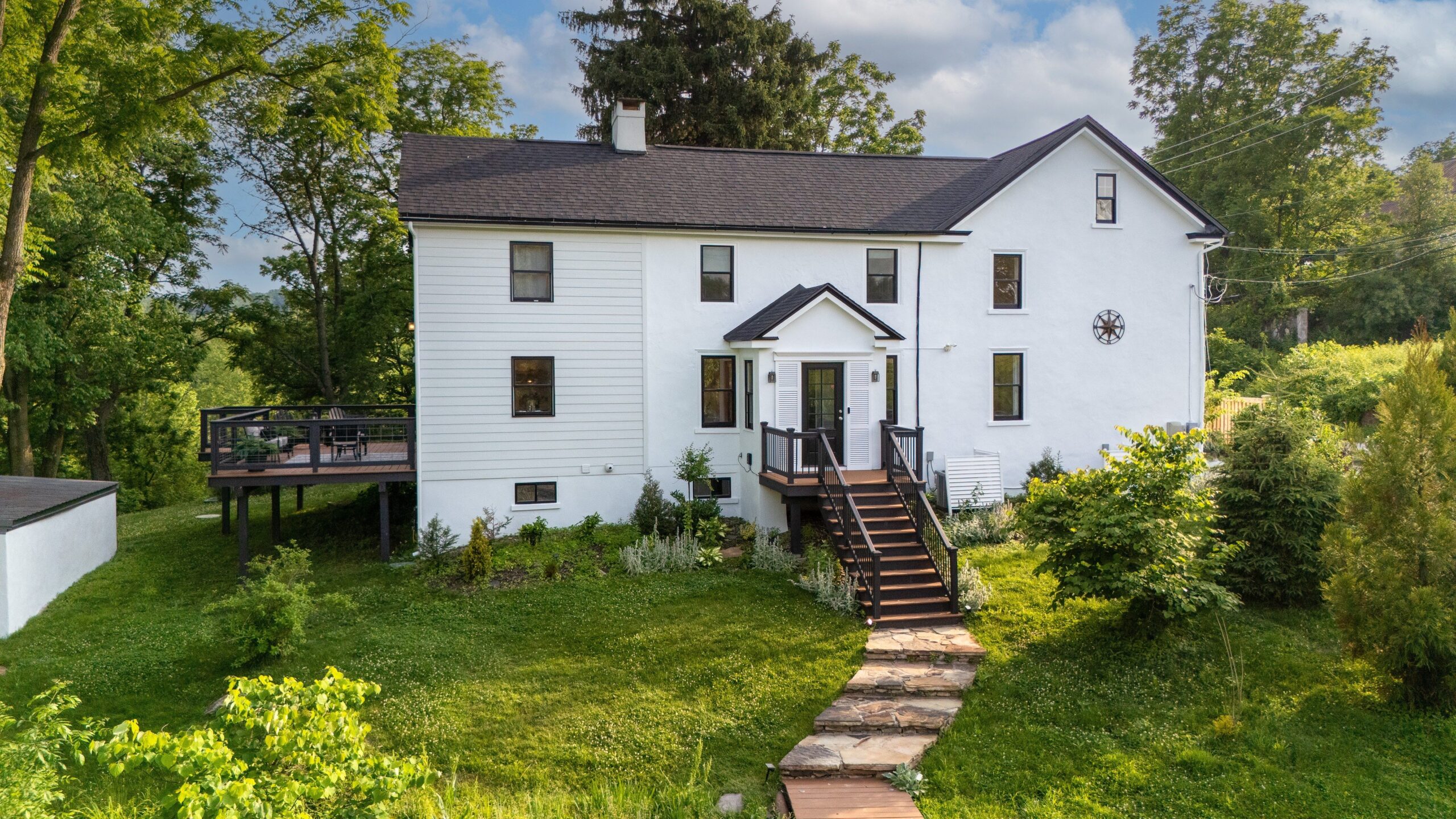
    An 18th-century Phoenixville home with an impressive primary suite

    The home dates back to the late 1700s.

    Dating back to the late 18th century, this updated five-bedroom Phoenixville home is replete with preserved period elements like millwork and fireplaces. The first floor has a family room, living room, office, and a kitchen with an exposed stone wall and radiant heated brick floors. It opens onto a sunroom with space for dining and lounging that overlooks the woods of Pickering Creek Preserve. The primary suite features exposed beams, its own sitting room, and a bright bathroom with skylights. There’s an open house Saturday from noon to 2 p.m.

    See more photos of the property here.

    Price: $880,000 | Size: 3,281 SF | Acreage: 2.5

    đŸ—žïž What other Chester County residents are reading this week:

    By submitting your written, visual, and/or audio contributions, you agree to The Inquirer’s Terms of Use, including the grant of rights in Section 10.
    This suburban content is produced with support from the Leslie Miller and Richard Worley Foundation and The Lenfest Institute for Journalism. Editorial content is created independently of the project donors. Gifts to support The Inquirer’s high-impact journalism can be made at inquirer.com/donate. A list of Lenfest Institute donors can be found at lenfestinstitute.org/supporters.

  • The mall is adding 7 new retailers | Inquirer Cherry Hill

    The mall is adding 7 new retailers | Inquirer Cherry Hill

    Hello, Cherry Hill! 👋

    The mall is getting seven new concepts between now and spring, adding retailers and an eatery. Here’s a look at what’s on tap. Also this week, the county is assessing flood damage from the heavy thunderstorms, a Cherry Hill alum known for his witty film criticism has died, plus, roadwork continues on Kresson Road and Kenilworth Avenue.

    If someone forwarded you this email, sign up for free here.

    More stores are coming to the mall

    A handful of new stores are expected to open in the Cherry Hill Mall in the coming months.

    The Cherry Hill Mall’s slate of stores continues to evolve, with new retailers planning to set up shop in the coming months.

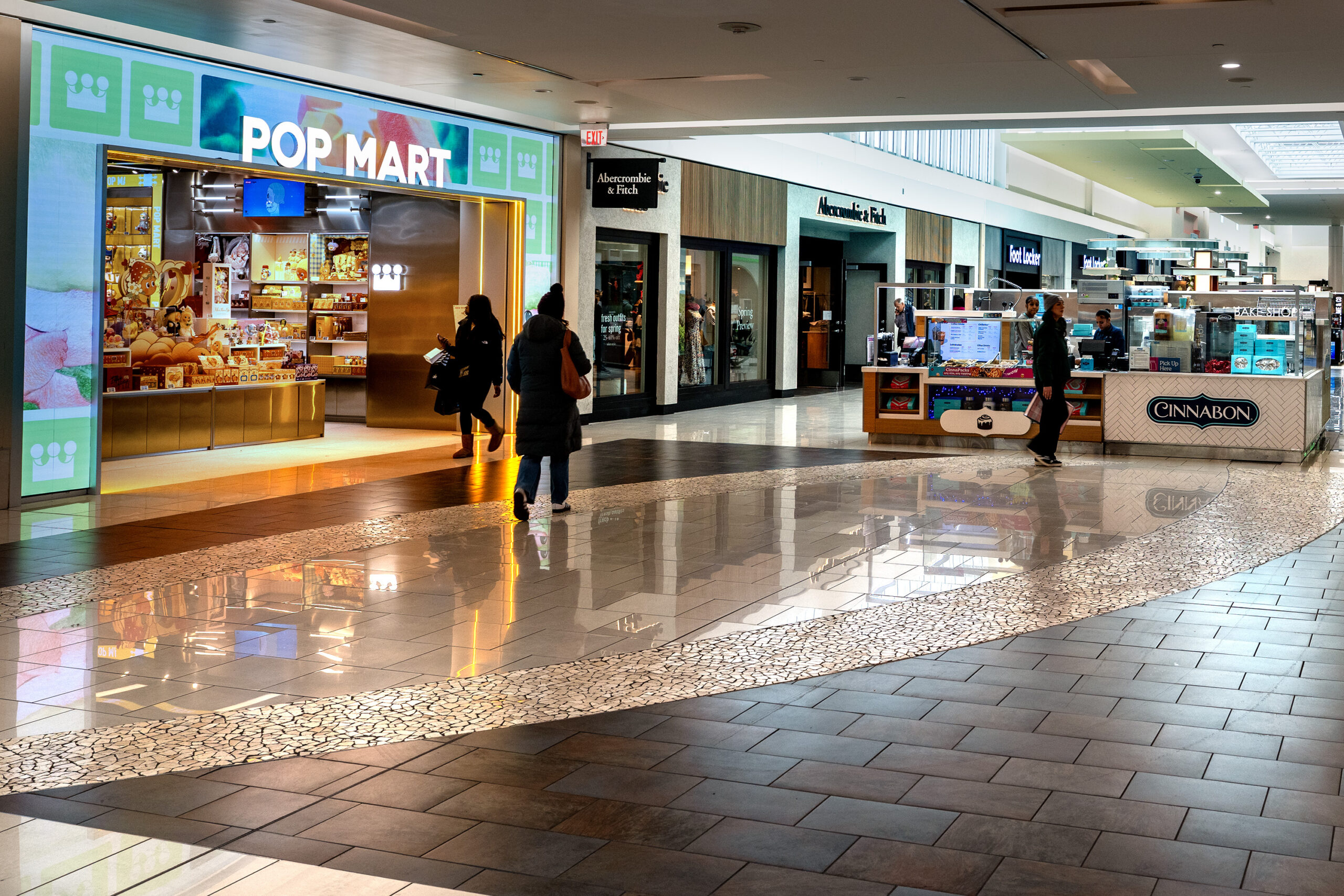
    Popular footwear brand Crocs opened a 2,000-square-foot space last month, DoneRight Doner Kebab is expected to open in the food court later this summer, and a massive Dick’s House of Sport is on track to debut this year.

    They’ll be joined by several other concepts, including viral women’s clothing brand Aritzia.

    The Inquirer’s Erin McCarthy looks at everything you can expect now through spring.

    💡 Community News

    • The storms that started rolling in late Sunday resulted in widespread flooding on Monday throughout Camden County, where several inches of rain fell. Cherry Hill saw 3.44 inches, which resulted in flash flooding. (NJ.com)
    • Cherry Hill alum and three-time Mid-Atlantic Emmy Award-winning film and TV critic Bill Wine died last month at the age of 81 of complications from Parkinson’s disease. Raised in Philadelphia and Cherry Hill, where he graduated from the old Cherry Hill High School, Wine was a longtime film critic at WTXF-TV, Channel 29, and KYW radio and known for his pithy, witty, and acerbic reviews.
    • Heads up for drivers: Work continues on Kresson Road this week, which will have altered traffic patterns between Springdale Road and Ravenswoods Way from 6 a.m. to 4 p.m. through tomorrow; a detour between Harrowgate Drive and Cropwell Road from 7 a.m. to 4 p.m. through Friday; and altered traffic patterns between Marlkress Road and Browning Lane from 7 a.m. to 4 p.m. through Friday. Ongoing work will result in a road closure on Kenilworth Avenue between Route 38 and Helena Avenue from 7 a.m. to 3:30 p.m. through Friday.
    • Cherry Hill resident and youth soccer coach Brian Epstein, 43, has been charged with lewdness and sexual contact after an April incident during which he allegedly exposed his genitals to two girls while scouting players at Brian Bende Park in Medford. (Courier Post)
    • Cherry Hill resident and Marine Corps veteran Kevin D. Cooper was among five veterans recognized with service medals by the county last week.
    • Friends of Cherry Hill Public Library’s book sale continues today, when it’s open to all Friends members. The sale opens to the public tomorrow and continues through Saturday.

    đŸœïž On our Plate

    • Three former Cherry Hill staples are among the most iconic New Jersey restaurants to close too soon, according to a list from NJ.com. The outlet lamented the closing of beloved mall eatery The Bistro at Cherry Hill, which shuttered abruptly about a year ago amid bankruptcy proceedings. Other restaurants the outlet says are gone too soon? The Cherry Hill Diner, which has been demolished to make way for a car wash, and Latin Casino, which was torn down in 1982.

    🎳 Things to Do

    đŸŽ¶ Twilight Music Series: Oklahoma R&B outfit Color Me Badd headlines this week’s event. ⏰ Thursday, July 9, 8-11 p.m. đŸ’” Free 📍 Cooper River Park Jack Curtis Stadium

    🃏 Cherry Hill Card Expo: Browse over 300 vendor tables featuring trading cards, memorabilia, art, and more. ⏰ Saturday, July 11, 10 a.m.-5 p.m. and Sunday, July 12, 10 a.m.-4 p.m. đŸ’” $10-$25 📍 DoubleTree by Hilton

    đŸ•č Super Smash Bros. Ultimate Tournament: Test your skills head-to-head. Advanced registration is required. ⏰ Saturday, July 11, 1-3 p.m. đŸ’” Free 📍 Cherry Hill Public Library

    đŸ’« Music Under the Stars: Taylor Swift cover band Fearless will perform. There will also be food trucks and a beer garden. ⏰ Tuesday, July 14, 7 p.m. đŸ’” Free 📍 Barclay Farmstead

    🏡 On the Market

    A five-bedroom contemporary with a wooded walking path

    The home combines brick and glass and has a number of patios.

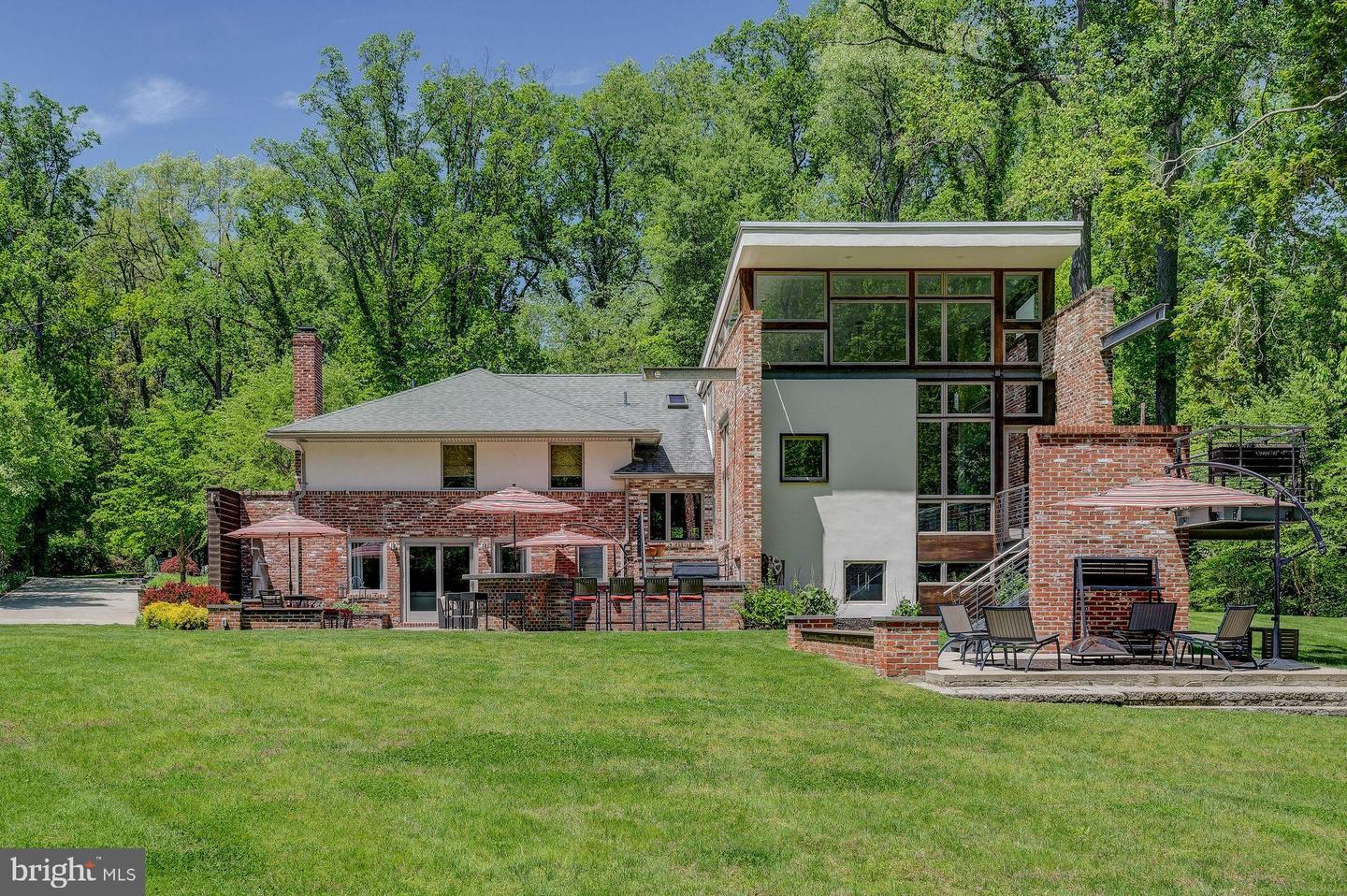
    Located in the Voken Tract in Springdale, this five-bedroom contemporary is striking inside and out. It features a distinct architectural design that blends brick and glass. The home has a two-story living room, complete with numerous windows and a wood-burning fireplace, that opens onto a contemporary kitchen. Other features include a dining room, an office, and a family room. There are several patios outside, including one with a built-in kitchen, all overlooking a wooded lot with a private walking loop. There’s an open house Sunday from 1 to 3 p.m.

    See more photos of the property here.

    Price: $1.249M | Size: 3,395 SF | Acreage: 1

    đŸ—žïž What other Cherry Hill residents are reading this week:

    By submitting your written, visual, and/or audio contributions, you agree to The Inquirer’s Terms of Use, including the grant of rights in Section 10.
    This suburban content is produced with support from the Leslie Miller and Richard Worley Foundation and The Lenfest Institute for Journalism. Editorial content is created independently of the project donors. Gifts to support The Inquirer’s high-impact journalism can be made at inquirer.com/donate. A list of Lenfest Institute donors can be found at lenfestinstitute.org/supporters.

  • Eagles newcomers ’26: Stone Smartt and Deontae Lawson have work to do to make the team

    Eagles newcomers ’26: Stone Smartt and Deontae Lawson have work to do to make the team

    With Eagles training camp drawing nearer, The Inquirer is taking a closer look at the more than three dozen new faces who are expected to report along with the rest of the team on July 28.

    Player: Stone Smartt

    Position: Tight end

    Age: 27

    Previous experience: Rookie second-round pick Eli Stowers isn’t the only former quarterback playing tight end for the Eagles in training camp. Smartt, too, was a quarterback even into his college days. He played quarterback at Northern Arizona and Riverside City College before transferring to Old Dominion, where he eventually became a wide receiver.

    Smartt went undrafted in 2022. He signed with the Chargers and made seven appearances as a rookie. His highest usage came in 2023, when he was on the field for 28% of the offensive snaps and was targeted 21 times (11 catches). Smartt, who is 6-foot-4 and 226 pounds, signed with the Jets last season and played 15 games, mostly appearing on special teams.

    Path to a roster spot: The Eagles have eight tight ends on their current roster. If you’re building a depth chart heading into camp, it’s hard to get Smartt any higher than fifth, and since the Eagles won’t be keeping that many tight ends, Smartt’s odds of making the team out of camp are long. Dallas Goedert and Stowers are locks to make the team. Free agent addition Johnny Mundt figures to have a leg up for a spot due to his blocking ability. Grant Calcaterra is back but has plenty of competition — including from Smartt — to make the team. Smartt should have plenty of chances in camp and in preseason games to show he belongs, but it won’t be easy 
 or likely.

    Fun fact: Smartt has plans for life after football. He has a finance degree and has continued his financial education after college.

    Quotable: “One thing that constantly comes back to my mind is helping people and families have money and make that money work for them, and also being able to leave a legacy for their next of kin,” Smartt said recently on a financial podcast.

    Alabama Crimson Tide linebacker Deontae Lawson (0) reacts during the second half against the Auburn Tigers at Jordan-Hare Stadium.

    Player: Deontae Lawson

    Position: Linebacker

    Age: 23

    Previous experience: Draft experts had Lawson pegged as a Day 3 pick for good reason. He was a standout at Alabama who left Tuscaloosa ranked 10th all-time in tackles (283). An ACL tear near the end of his junior season certainly may have impacted his draft stock. He initially planned to leave for the NFL after that 2024 season but returned to college and had 89 combined tackles in 15 games.

    Path to a roster spot: Lawson is long and relatively lanky at 6-3 and 226 pounds. He faces a difficult path to go from undrafted free agent to the roster, but he should, at the very least, be an intriguing player the Eagles try to keep on the practice squad. Zack Baun and Jihaad Campbell are the off-ball linebacker starters, and Jeremiah Trotter Jr. is right behind them. Four seems like the likely number for linebackers on the initial 53-man roster. Smael Mondon Jr., a fifth-round pick last year, is slotted in at that No. 4 spot right now, but Lawson and Chance Campbell are knocking on the door. There could be a fun competition for that fourth spot.

    Fun fact: Lawson became one of just 16 players in Alabama football history to twice be named a team captain.

    Quotable: “Lawson might not have elite speed or strength, but NFL teams love him as a football player because he plays fast and fiery, and his processing can be a differentiating factor,” The Athletic’s Dane Brugler wrote of Lawson in this year’s Beast draft preview. “He has the talent to compete for starting reps, but questions about durability cloud his future.”

    According to NFL Network analyst Lance Zierlein, Lawson is “much better at slipping blocks than he is at taking them on. 
 He projects as a run-and-chase Will linebacker with three-down potential but a limited ceiling.”

  • Trans people are fleeing red states for Seattle. The city can’t keep up.

    Trans people are fleeing red states for Seattle. The city can’t keep up.

    SEATTLE — Crow Harmony never felt at ease living in Florida as a transgender guy. The state has some of the most restrictive anti-LGBTQ+ laws in the country, and Harmony said he struggled to find employers willing to hire trans people. Last fall, after Harmony’s boyfriend transitioned, the couple lost their housing.

    They were just 21 and 20 with no money or job prospects, so Harmony reached out to a Seattle nonprofit for help getting out of Florida. The nonprofit, a trans-led organization called Traction, welcomed the couple with a place to sleep and money for moving.

    But unbeknownst to Harmony, Traction was struggling, too.

    Since the 2024 election, Traction has helped 1,500 trans people flee red states — more than 20 times the 70 people it aided in the 18 months before the election. And it’s just one of several Seattle nonprofits whose leaders say they don’t have the resources to help the number of trans people who’ve left their homes for the safety of the Pacific Northwest.

    Though trans people make up just 1% of the population in Washington state, the nonprofits that help them say their budgets are drained and their staffs are stretched so thin that last month the Seattle LGBTQ Commission asked Mayor Katie Wilson (D) to declare a civil state of emergency. Such a declaration would free up general fund dollars to bolster the nonprofits’ finances as they help transplants find housing and jobs.

    “The conditions,” the commission wrote in a June 2 letter to Wilson and the City Council, “are an urgent policy concern and a life-and-death matter for internal displaced persons fleeing to Seattle for safety.”

    Though no one tracks the migration of LGBTQ+ people from one place to another, a poll conducted by NORC suggests that roughly 400,000 trans adults fled red states in the six months after the 2024 election, a time when President Donald Trump issued a slew of executive orders aimed at restricting nearly every facet of trans life. Another 1.2 million trans people were estimated to be considering such moves.

    In the year since, the need for aid has skyrocketed, nonprofit leaders say, as states such as Kansas and Idaho have stripped trans people of their drivers’ licenses and threatened to jail them if they didn’t use bathrooms that conform to the sex they were assigned at birth. Meanwhile, private donations have shrunk and grant opportunities have disappeared as Trump warns against using federal funding to “promote gender ideology.”

    Wilson has said she will decide by the end of August whether to authorize a state of emergency, which could free up $2.1 million and create a program to help LGBTQ+ newcomers navigate the city’s social services. In a nearly three-hour council committee meeting in late June, commission members said that without the declaration, some LGBTQ+ organizations might close, further straining the city’s already overtaxed safety net.

    “We need help,” LGBTQ Commissioner Kody Allen told the City Council. “Our community needs help. And this is the only place we can get it.”

    Seattle has long been known as one of the country’s most trans-friendly cities. It banned discrimination on the basis of gender 40 years ago. Its hospitals were among the first to offer gender transition care to young people. And Washington state was the first in the nation to allow trans athletes to compete.

    Those protections have always drawn trans people from elsewhere, but in the years before Trump won reelection, nonprofit leaders say, the numbers were small enough, and the newcomers so prepared, that organizations could easily help people settle in. Most arrived with jobs and rental agreements. But after Trump took office and further emboldened conservative lawmakers to strip trans people of rights, Seattle leaders say they began to hear from people with no plan, only a desperate need to move immediately.

    “Most people don’t come to us saying, ‘I want to move to Seattle.’ They say, ‘I need to get the hell out now,’” said Aspen Coyle, a program manager for Traction. “It’s been chaos. We have been scaling up as fast as we can, but there is so much need out there. It is this massive, massive wave of people coming in.”

    Nearly 400 people have asked for help in the past two months alone. For a nonprofit that took in less than $84,000 in revenue before the election, those requests can feel “immense.” But Coyle and Traction founder Michael Woodward said securing money has become increasingly difficult under Trump. Last year, the organization applied for a dozen grants and won only two small ones — worth just $17,500. Individual donors have stopped giving as much, too, and some are afraid to donate to organizations Trump might consider part of “a radical ideology.”

    When Harmony and his boyfriend contacted Traction last year, the couple had nearly no resources to rebuild their lives. They were too young to have amassed any real savings, and they were leaving all of their friends and most of their possessions behind.

    A Traction peer navigator met the couple at the airport. Three different couples who volunteer with the group offered to house Harmony and his boyfriend for weeks at a time. The navigator helped Harmony sign up for health insurance and food benefits, and eventually, Traction helped the couple find jobs and enroll in college. A few months ago, the couple signed a lease for their own apartment.

    “For the very first time, I felt like I didn’t have to do it all myself,” Harmony said. “We never had to wonder, ‘What are we going to do now?’ They were already thinking ahead of what we might need.”

    In a council committee meeting in late June, dozens of trans people told similar stories. A person from Kansas said they lost their job driving a bus after the state forced trans people to surrender their licenses. Others from New Orleans and Georgia said they lost access to medical care. And several described themselves as “refugees” who would have been homeless if not for Seattle’s nonprofits.

    Leaders from multiple nonprofits told the council that they were now hearing “every day” from people who were afraid to continue living elsewhere. But Taylor Farley, the executive director of the Queer Power Alliance, said they worried local groups don’t have the resources to help everyone who needs it.

    “Our costs are rising nearly twice as fast as our funding is coming in,” said Farley. “Our community is under attack, and organizations protecting LGBTQIA+ people are struggling to survive.” (One conservative influencer in Seattle decried the “emergency” as an attempt by left-wing groups to tap public tax dollars unnecessarily.)

    Declaring a civil emergency would be a “significant step,” commission members acknowledged in a letter to Wilson this spring — one that could cost the city $2.1 million if it addresses the immediate needs. Seattle is facing a nearly $500 million shortfall over the next three years, and some city officials have told commission members they worry about the financial feasibility of declaring an emergency. But it’s not without precedent: Eight months ago, city leaders set aside $8 million in discretionary dollars to declare a state of emergency after the federal government cut food stamp funding.

    In a written reply to the commission, Wilson said that even though the city is facing “challenging budget restraints,” she will “proactively search for ways” to meet the need and ensure Seattle remains “a place of safety, dignity, and inclusion” for LGBTQ+ newcomers.

    Wilson, whose office did not respond to a request for comment, has convened an interdepartmental group that now meets every other week to evaluate the needs and the city’s capacity to address them. She has said that group will make a recommendation by August.

    If the city chooses not to declare a state of emergency, commission leaders said, they worry what will happen not only to Seattle’s LGBTQ+ organizations but also to ones that help all city residents. Many of the newcomers need shelter, food aid, and subsidized healthcare. And the city’s homeless population has already reached a record high this year.

    Allen, who also works for a youth homeless shelter, said his organization is turning away at least 10 young trans people a night from the shelter because it doesn’t have space.

    The one positive nonprofits say they have seen is an uptick in volunteers. Early last year, Traction had only three or five volunteers. Now it has more than 70, including Harmony. In the months since his life stabilized, Harmony has helped other newcomers navigate Seattle. Many have told him they don’t want to leave their home states, but they have to.

    “If there’s no state of emergency, we’re still going to have an influx of trans people who have been displaced from their homes, their lives,” Harmony said. “Half of them have no connections. They just want to be able to live safely. So it’s up to us to say, ‘Here is your chance. You deserve one.’”

  • Poverty in New Jersey is three times higher than the federal measure, experts say

    Poverty in New Jersey is three times higher than the federal measure, experts say

    Dana Brown-Toure, 52, says her life is in a place “somewhere between drowning and surviving.”

    A former health aide living on disability benefits, Brown-Toure contends with diabetes that threatens to blind her, while rising bills continue to overwhelm her. Brown-Toure shares an arduous existence with her two children, ages 8 and 21, in the house they rent in Camden, made harder by her former husband’s recent stroke, which hampers his ability to contribute money.

    Still, despite their troubles, the family takes in enough money to place Brown-Toure just above the official federal poverty level.

    That the U.S. government does not consider her to be living in poverty is hard for Brown-Toure to believe. “Life’s a struggle,” she said Monday. “I would say this feels below the poverty line.”

    So would the Poverty Research Institute (PRI) of Legal Services of New Jersey, a statewide legal aid nonprofit that has released a new report asserting that the actual rate of poverty in the state is about triple what the U.S. government calculates.

    That means, the report says, the official number of residents living in poverty in New Jersey in 2024 — the latest statistics available — was close to 3 million, rather than the federal figure of 859,000. Brown-Toure did not want her exact income to be disclosed, but the federal poverty level for a family of three such as hers in 2024 was just over $25,000.

    A person living below the official poverty level can more readily qualify for various assistance programs, such as SNAP (Supplemental Nutrition Assistance Program), Medicaid, Head Start, and school meals. The problem, experts say, is that even people with incomes that are twice the poverty rate need help, according to the Center on Budget and Policy Priorities.

    The government “severely understates poverty for high-cost states like New Jersey,” PRI director Shivi Prasad said.

    New Jersey’s cost of living ranks third-highest among states, behind California and Hawaii, according to the U.S. Bureau of Economic Analysis in the Department of Commerce. It also has the highest real estate property taxes in the United States, according to the Tax Foundation, a nonprofit that analyzes tax policy. The average annual tax bill in the state exceeds $10,000, compared with a national average of around $3,119, the foundation said.

    As the issue of affordability continues to plague Americans, thrusting many deeper into poverty, it’s becoming clear that the government‘s methods to measure deprivation are inadequate, PRI explains.

    The report, released in June and titled “2024 Poverty Data at a Glance: How the Federal Measurement Falls Short for New Jersey,” says that “the hard reality is that poverty remains deeply entrenched with millions left behind — a paradox for a state considered among the wealthiest in the nation.”

    The PRI measures what it calls True Poverty Level, described as the minimum income working families need to afford basic necessities without any public or private support, without making tradeoffs such as eating less to make rent payments.

    The basic flaw of the official federal poverty level, according to the PRI and other experts, is that it is a simplistic standard based on computations from 1964.

    “It’s a super-inadequate measure, like the federal minimum wage of $7.25 an hour,” said Laura Napolitano, a sociologist at Rutgers University-Camden. “We’re looking at a dated calculation that’s been unchanged for years.”

    Back in the mid-1960s, poverty thresholds were derived by taking the U.S. Department of Agriculture’s calculation for the minimum cost of food, then multiplying it by three to account for other family expenses. The thinking was that food was one-third of a family’s budget. Each year, the poverty level is updated to keep up with inflation, but the equation has remained the same for more than 60 years.

    Importantly, Prasad said in an interview, as the decades have gone by, the federal poverty level has not accounted for the actual costs of housing, childcare, food, transportation, healthcare, and other aspects of everyday life. And the federal poverty level does not allow for geographic differences in cost across the nation. For example, the average monthly rent for a two-bedroom apartment in Manhattan ($5,746) is vastly higher than it is in Omaha ($1,441), according to Apartments.com.

    “We look at all these realistic costs to see how much a family really needs to make it,” Prasad said. “We want to see how much you’d need to survive on your own, without help from the government or from family.”

    To determine how much basic survival costs in New Jersey, Prasad noted that an average monthly rent in the state is around $1,800 for a two-bedroom apartment. That would make a year’s rent more than $21,000.

    Now look at childcare, Prasad said, where the maximum monthly rate that can be charged for a toddler is $1,417, according to the New Jersey Department of Human Services, which comes to around $17,000 a year.

    With rent and childcare adding up to almost $40,000 annually, even if you are making $50,000 — almost twice the federal poverty rate for a family of three — “you really don’t have enough to survive,” Prasad said.

    And that says nothing about skyrocketing food costs, she added. The Food Bank of South Jersey reported that over the last four years in Burlington, Camden, Gloucester, and Salem Counties, the number of meals distributed to compensate for increasing food expenses grew by 34%.

    “More of our neighbors are turning to us amid an affordability crisis that’s hitting a high-cost state like New Jersey harder than poverty measures may show,” Jane Asselta, the food bank’s president and chief executive officer, said in a statement.

    For a more detailed analysis of the area the food bank serves, Prasad focused on South Jersey data for The Inquirer. In Burlington County in 2024, the true poverty rate was 27.2%, Prasad said. Similarly, Camden County’s true poverty rate was 38%, while Gloucester County’s sat at 29%. All rates as calculated by the PRI were more than three times the federal poverty levels for the counties in 2024, figures show.

    Ultimately, Brown-Toure said, no matter how the government classifies poverty, the one constant she endures is that life’s hardships are wearing her down.

    “I’m feeling depressed,” she said. “I miss working and my weekly paycheck. And the dream I once had to own a house is all gone.

    “There’s a lot of struggle right now, a lot trauma. It’s hard. And the hardship never stops.”

  • Rite Aid is gone. Its shells remain, with some becoming gyms and car washes.

    Rite Aid is gone. Its shells remain, with some becoming gyms and car washes.

    It’s been almost a year since the last Philly-area Rite Aids closed their doors for good after years of financial trouble.

    But the pharmacy chain’s distinct facade still dots the landscape — in suburban shopping centers, on the corners of congested intersections, sometimes even smack dab in the middle of city blocks.

    Some of these buildings are still vacant, surrounded by overgrown grass and empty parking lots. Others are getting new life as dollar stores, medical clinics, daycares, Spirit Halloweens, and a Rally House sports retailer.

    A former Rite Aid (left, rear) and former Wawa (right) sat empty in Collingswood in June.

    The 8,000- to 16,000-square-foot shells are ideal for only so many tenants, real estate experts have said, and it is not unusual for these kinds of properties to take several months or more to lease.

    Here is a look at what’s happening at a few local zombie Rite Aids:

    South Jersey Rite Aids are becoming fitness centers

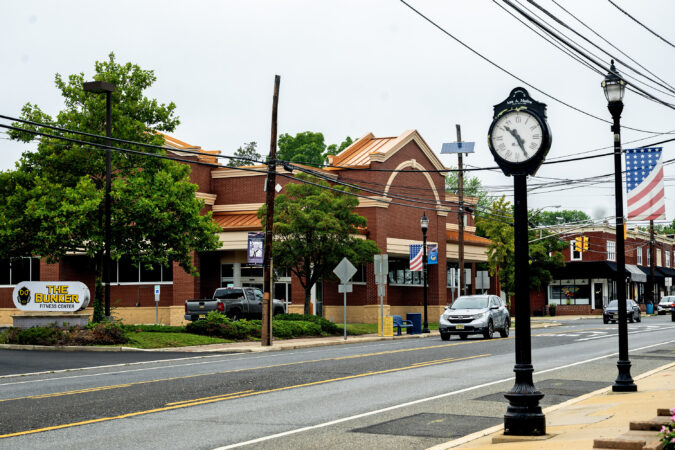
    A former Rite Aid in Blackwood, Camden County, has been a gym for more than a year, and its owners soon plan to open a second location at another old Rite Aid in Cherry Hill.

    Nick Bennett, CEO of the Bunker Fitness Center, said the owner of the Blackwood Rite Aid building approached him after seeing the gym’s content on TikTok. At the time, Bennett said, the gym was outgrowing its 3,000-square-foot space in Franklinville, Gloucester County.

    When he went to see the 13,000-square-foot former Rite Aid in Blackwood, he said, it had already been demolished inside.

    “It was just wide open,” Bennett said. “That floor plan works for our business model because gyms are open. You don’t really need to put up walls.”

    Steve Cristelli works out at the Bunker Fitness Center in Blackwood.

    Another plus, he said: Pharmacies have rows of refrigerators, which require electrical outlets, and the Bunker crew could use those outlets to plug in workout equipment.

    The old Rite Aid on Black Horse Pike needed “very little” work, just paint and rubber floors, Bennett said, and was easily transformed into the exercise and recovery space he had envisioned. The gym opened in 2025.

    “We’re smashing it,” Bennett said, with thousands of members who pay between $49 and $59 a month for the 24/7 gym, which has cardio and strength machines, weights, a sauna, and a cold plunge. He declined to provide specific sales or membership figures for competitive reasons.

    The Bunker Fitness Center operates inside a former Rite Aid in Blackwood.

    But Bennett said the business is doing so well that it is expanding into another former Rite Aid, 12 miles away in Cherry Hill with franchisee Jack Prendergast.

    That 10,000-square-foot pharmacy shell at Brace and Kresson Roads closed more recently and needs a bit more work inside, Bennett said. When they signed the lease, he said, it “looked like a Rite Aid.”

    Bennett said he and Prendergast are demolishing the interior, aiming for a September opening.

    In Delco, a Rite Aid could become a township’s first car wash

    The former Rite Aid in Newtown Square may get new life as a car wash.

    The store at West Chester Pike and St. Alban’s Circle closed last year. In February El Car Wash, a Florida-based chain looking to expand into Pennsylvania, New Jersey, and Maryland, applied to open there, said Newtown Township Solicitor Rich Sokorai.

    On its website, El Car Wash lists several other Philly-area locations as “coming soon,” including Cherry Hill, Drexel Hill, Feasterville, and Maple Shade.

    The Newtown Square Rite Aid operated a drive-through, Sokorai said, and drive-throughs are permitted in that commercial zone. After a June meeting, the township zoning hearing board is considering whether to permit the car wash, with a decision expected in the coming weeks.

    A Rite Aid with a “store closing” sign last summer.

    If approved, it would be the only car wash in Newtown Township, the solicitor said.

    Residents of the neighborhood behind the old Rite Aid have expressed concerns to local officials, Sokorai said, “because they fear traffic.”

    Others have said they are looking forward to a new business moving into the vacant space on a prime corner, Sokorai said. Even before the Rite Aid closed last summer, its shelves were often empty, the solicitor said, and “it was dying a slow death.”

    Temple University buys another old Rite Aid

    Temple “T” flags fly on North Broad Street.

    Temple University recently bought a second former Rite Aid on North Broad Street.

    The school recently closed on the old Rite Aid building on the 2100 block of North Broad for $9.25 million, according to spokesperson Stephen Orbanek. He said ArchWell Health, which operates a primary-care clinic for seniors there, will remain the tenant.

    “This property’s location, directly across the street from James S. White Residence Hall, supports the priorities of our campus safety and physical environment plan,” Orbanek said.

    This latest Rite Aid acquisition comes two years after Temple bought a Rite Aid and its surrounding shopping center near Temple University Hospital for $8.2 million. The Rite Aid is being converted into Temple Health neurology offices.

    The moves are part of a broader expansion of the university’s footprint on Broad Street, which includes the January acquisition of a vacant property at the site of a former McDonald’s for $8 million.

    Editor’s Note: This story has been updated to indicate that Temple Health plans to open neurology offices at the previously acquired Rite Aid building.

  • Brad Stevens says he would rather have not traded Jaylen Brown to Philly, but the Celtics did what they had to do

    Brad Stevens says he would rather have not traded Jaylen Brown to Philly, but the Celtics did what they had to do

    It wasn’t the first time Brad Stevens had heard the question. His story piques a natural curiosity. A man widely regarded as one of the world’s finest basketball coaches walked away from one of the world’s finest basketball coaching jobs at 44 years old. He did so to become a suit. Over the last five years, plenty of people have wondered aloud to the Celtics’ president of basketball operations.

    So, do you miss coaching?

    “I did this week,” Stevens said on Monday, recounting a conversation he had with an interrogator last week. “This is not for the faint of heart.”

    Stevens’ news conference alongside Celtics majority owner Bill Chisholm earlier this week offered the world its first chance to inform its opinion on a trade that stunned the NBA like few before it. While the Sixers have yet to announce when they will field questions about their blockbuster acquisition of Boston superstar Jaylen Brown, the guys on the other side of the deal didn’t have the same luxury.

    Rarely does an NBA team encounter such a universal and vociferous disagreement with a trade as the Celtics did to their decision to trade Brown to the Sixers for Paul George and a couple of first- and second- round picks. Here in Philly, the jubilation surrounding such a no-brainer decision was further enhanced by the opportunity to watch Bostonians engage in a collective public meltdown unlike any it has staged since at least the Revolutionary War. One local radio host called it the worst trade in Celtics history. Another said he felt physically ill. Bill Simmons said he woke up from a colonoscopy and assumed he’d died.

    “I’m with you,” Stevens said. “That is a hard thing to trade a guy that you, first of all, care so much about and secondly have so much respect and admiration for, to a team that just beat you in the playoffs and that you’re literally going to play six times before the playoffs next year, with our two preseason games. But I do think that ultimately when you do a deal you need to think about you first and the optionality it creates for you. If I’m being honest, if that exact deal came from a team out west and you were comparing the two, then you’d probably take the team out west. But that’s not the way it was working.”

    Whatever the immediate local reaction to Stevens’ defense of the decision, he and Chisholm offered a master class in how to handle blowback. You do it directly, immediately, and humbly. It helps when you believe in your decision-making process, which the Celtics clearly did. And, look, they were right to feel that way. Because, chances are, this ends up being a good decision for them.

    That’s not the same as saying that the Sixers will regret their decision to trade for Brown. Nor is it the same as saying that the Celtics “won” the deal. None of those things are exclusive from one another. There is a scenario where the Celtics and Sixers both did what was best for them, and that the price was perfectly fair. Granted, things rarely align on all three of those fronts. But this is one of those deals where both sides made the most rational decision and where the market dictated the terms. A lot of the criticism currently being aimed at the Celtics would be better targeted at the 28 general managers who either couldn’t or wouldn’t beat the Sixers’ offer for Brown. If anything, the market was the irrational actor.

    Jaylen Brown spent 10 seasons in Boston after getting selected third overall by the organization in 2016.

    From the Sixers’ perspective, the argument remains largely as it did in the immediate wake of the deal. More than practically any other player in the NBA, Brown at least renders believable the idea that the Sixers can contend for a championship over the next two years, given both their smallish backcourt of Tyrese Maxey and VJ Edgecombe and their preexisting financial condition. Brown’s size, athleticism, explosiveness and shotmaking are a much better fit at about $60 million over three years than George was for essentially the same AAV over two years. That, at the very least, means the Sixers will be doing something other than treading water and praying for a miracle for the duration of Joel Embiid’s contract, which is as immovable — and limiting — as any in the NBA.

    The Celtics were not bound by those constraints. Their desire to remain that way sits at the heart of the decision to trade Brown. Keeping his contract on their books could easily have led them to a fiscal and competitive cliff. A lot of the criticism of the Celtics seems to underestimate this reality.

    The criticism doesn’t account for the idea that Payton Pritchard is worth the entire amount of the four-year, $100 million extension he is eligible to sign. Over the last two seasons, seven guards in the NBA have a .600-plus true shooting percentage while attempting at least 20 shots per 100 possessions. Those seven are Shai Gilgeous-Alexander, Austin Reaves, Jamal Murray, Anthony Edwards, Luka Dončić, Desmond Bane, and 
 Pritchard.

    The criticism doesn’t account for the contract that former second-round pick Jordan Walsh could command as a free agent next summer. It doesn’t account for Hugo González potentially hitting his option year at the same time Pritchard’s current deal is expiring. The Celtics could have made it work for the next couple of years, sure. But they wouldn’t be able to do it the two years after that. The teams that lose sight of those years are the ones who end up where the Sixers were.

    The criticism of the Celtics also seems to under-assess the Celtics’ return. The 2028 draft pick they acquired is hugely valuable given the probability that it ends up as a maximum-odds lottery pick and the time-value aspect of its relative immediacy. The 2031 unprotected pick will be perfectly timed on a number of levels.

    I don’t have room to show you all of the work. But you should at least be able to accept that a basketball mind as astute as Stevens’ and an organization as accomplished as the Celtics have done the work. In a weird way, all of the factors that have generated such outrage are also evidence of how strongly the Celtics believed in their decision.

    Few teams have the stones to trade a player at the peak of his value. The Celtics’ skids were greased by Brown’s eligibility for a contract extension. More often than not, the word “No” is a first domino.

    “They convinced me this was the best way for us to win, and I got there, I did, but it was hard,” Chisholm said. “It was really hard. And I recognize this is a big, big move.”

    It is unquestionably a move that works in the Sixers’ favor. But that doesn’t mean it won’t work out for the Celtics, too.