Blog

  • Fred Mann, former assistant managing editor at The Inquirer and retired vice president of communications at the Robert Wood Johnson Foundation, has died at 75

    Fred Mann, former assistant managing editor at The Inquirer and retired vice president of communications at the Robert Wood Johnson Foundation, has died at 75

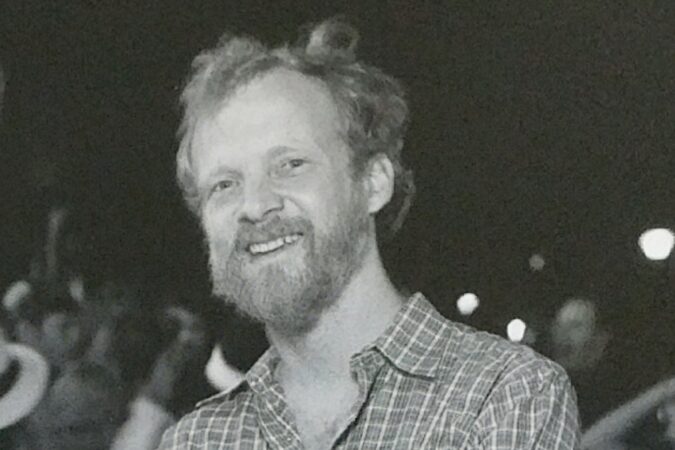
    Fred Mann, 75, formerly of Wayne, retired vice president of communications at the Robert Wood Johnson Foundation, former vice president of national programming at Knight Ridder Digital and assistant managing editor at The Inquirer, freelance reporter, mentor to many, onetime baker, and longtime pickup baseball player, died Friday, Feb. 13, of complications from Alzheimer’s disease at Woodridge Rehabilitation & Nursing Center in Berlin, Vt.

    Mr. Mann was many things to many people all the time. He advocated for hundreds of healthcare-related philanthropic projects for the Princeton-based Robert Wood Johnson Foundation and, as vice president of communications, served as its liaison with the media and public from 2006 to his retirement in 2019. “Health is more than just going to the doctor or staying out of the hospital,” he told The Inquirer in 2016. “Health is reflected in everything we do.”

    At The Inquirer from 1983 to 2006, Mr. Mann was features editor, editor of the Sunday magazine, assistant managing editor, and the first general manager of Philly.com, now Inquirer.com. He championed women’s ascension in the newsroom and established online standards and practices in the 1990s that remain relevant in today’s digital landscape.

    “Fred was the best boss I ever had,” said Avery Rome, who succeeded him as editor of the Sunday magazine. “Working for him was a team effort and a pleasure. He readily gave credit to other people and appreciated their input.”
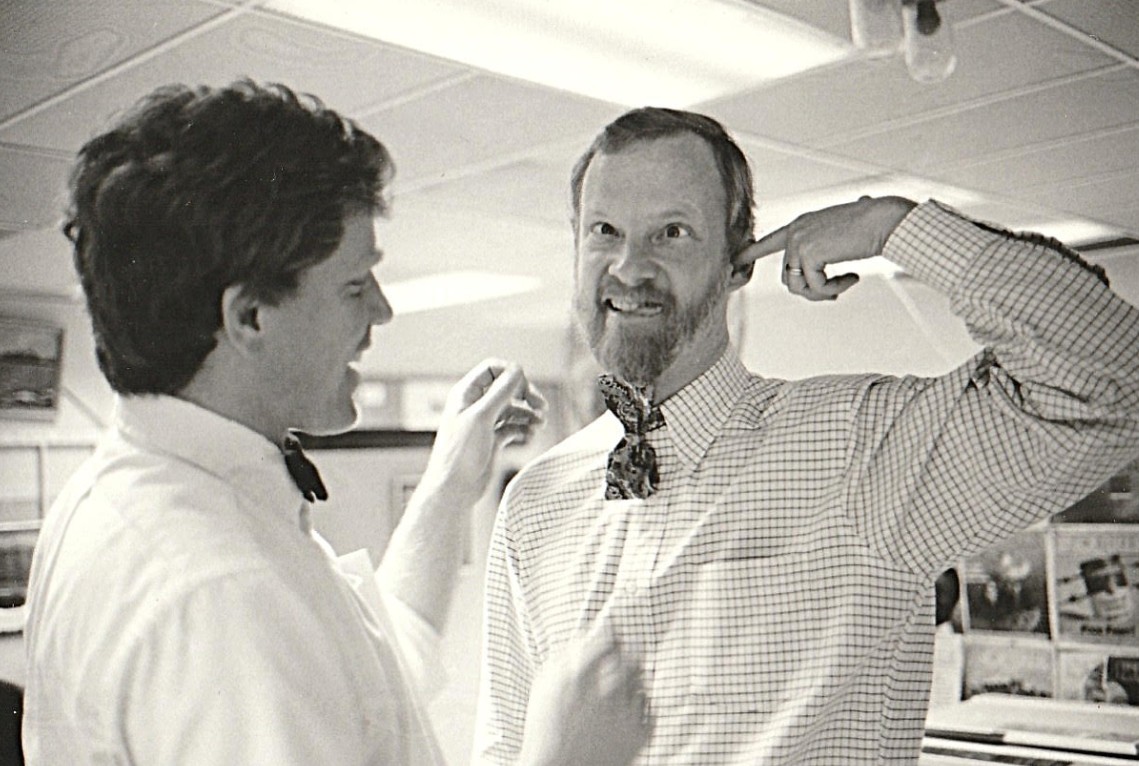
    Mr. Mann (right) and Inquirer colleague Art Carey both wore bow ties on this day.

    Other former colleagues called Mr. Mann a “talent magnet” and “one of a kind” on Facebook. His son Ted said: “He was good at taking leaps. He was bold, always looking for something different.”

    In a 2006 letter of recommendation for a former colleague, Mr. Mann said: “I have learned that hiring the right people is probably the single most important accomplishment an executive can make. Find great talent, nurture it, let it bloom, and then try to keep it. That was my strategy. And I must say, it was a recipe that worked and brought a great deal of reflected glory and success to me personally.”

    As editor of The Inquirer’s Sunday magazine from 1986 to 1992, Mr. Mann penned a weekly message to readers on Page 2. In November 1986, he wrote about the differences in celebrating Thanksgiving in California as a boy and in Philadelphia as an adult. “Thanksgiving was made for crispness,” he said, “for changing seasons, for wood stoves. … It’s the day that makes the hassles of life back East all worthwhile.”

    He wrote his farewell Sunday magazine column on Jan. 19, 1992, and praised his staff for “offering important, in-depth stories that teach and inform our readers, and mixing in others that entertain and delight. … I think we’ve taught. I hope we’ve delighted a few times.”

    Mr. Mann spent a lot of time on baseball fields.

    He worked on several Pulitzer Prize-winning projects at The Inquirer and edited its annual fall fashion supplement as features editor. In 1995, he started managing what was then Philly.com and Knight Ridder’s national innovations in online publishing.

    Former Inquirer colleagues noted his “smile and easy manner,” “integrity and good judgment,” and “easy grace, puckish humor, and boundless devotion to family and friends” in Facebook tributes. Longtime friend and colleague Dick Polman said: “He had great story instincts and could sell the stories to reporters. He was good at managing up and down.”

    Former Inquirer writer Joe Logan called him “a prime example of everything that was right and good and rewarding about working at The Inquirer during those years.”

    Before The Inquirer, Mr. Mann spent three years as national editor and opinion editor at the Hartford Courant. In the mid-1970s, he worked for the Day in New London, Conn., cofounded the California News Bureau, and sold stories from Los Angeles, San Diego, and elsewhere to The Inquirer, the Courant, and other newspapers around the country.

    Mr. Mann and his daughter, Cassie, watched the Phillies in World Series games together.

    He also wrote freelance articles for Time magazine and was press secretary for Connecticut Sen. Lowell P. Weicker Jr. for three years. Later, he was a founding board member of the Online News Association, onetime president of the Sunday Magazine Editors Association, and on boards of the Communications Network, the Internet Business Alliance, and other groups.

    He bounced around the world for a few years after graduating from Stanford University in 1972 and even opened a bakery with friends in Connecticut. He played third base in dozens of Sunday morning slow-pitch baseball games over the years and won a league championship with the Pen and Pencil Club softball team in the early 1980s.

    “I don’t know why he loved baseball so much,” said his son Jason. “But I know I love it because of him.”

    Frederick Gillespie Mann was born Nov. 28, 1950, in Yonkers, N.Y. His father was Delbert Mann, an Oscar-winning TV and film director, and the family moved to Los Angeles when Mr. Mann was young.

    Mr. Mann (rear, second from left) won a softball championship with the Pen and Pencil Club team in the early 1980s.

    He delivered newspapers, graduated from Beverly Hills High School, and earned a bachelor’s degree at Stanford. He married Robin Layton, and they had sons Ted, Jason, and Lindsay and a daughter, Cassie.

    After a divorce, he married Nicole O’Neill in 1994, and welcomed her children, Andy, Hilary, and Brette, and their children into his family. He and his wife lived in Wayne before moving to Greensboro, Vt., in 2019.

    Mr. Mann enjoyed hikes in the woods with his dogs, card games and board games with family and friends, reading about history, and touch football games on Thanksgiving. He listened to the Beatles and knew every word to the soundtrack of My Fair Lady.

    He reveled in his “long days of glorious raking” in Rosemont and Wayne, and said in a 1989 column: “When all you’ve known is palm trees, piling up tons of autumn foliage is more blessing than burden.”

    He coached Little League baseball players, followed the Boston Red Sox closely, and attended memorable Phillies games with his children. On many Monday afternoons, he impressed teammates and opponents alike with his corner jump shots in basketball games at the Philadelphia Athletic Club.

    Mr. Mann and his son Lindsay enjoyed time in the countryside.

    “He was fun and funny,” his daughter said, “loved and loving.”

    Former Inquirer managing editor Butch Ward said on Facebook: “Fred Mann brightened every room he entered.” Former Inquirer columnist Steve Lopez said: “The very thought of Fred puts a smile on my face.”

    In addition to his wife, children, and former wife, Mr. Mann is survived by grandchildren, two brothers, and other relatives. A sister died earlier.

    A celebration of his life is to be held later.

    Donations in his name may be made to the Lenfest Institute for Journalism, 100 S. Independence Mall West, Suite 600, Philadelphia, Pa. 19106.
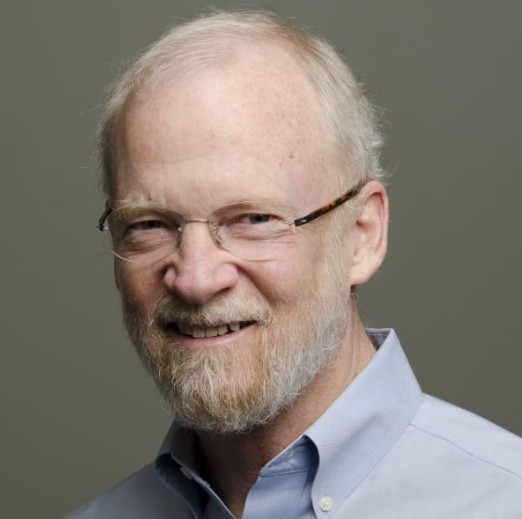

    Even in sad times, said longtime friend Dick Polman, Mr. Mann shared his “irrepressible wit.”
  • In a Public League hoops debacle between E&S and Constitution, the adults squander a chance to be leaders

    In a Public League hoops debacle between E&S and Constitution, the adults squander a chance to be leaders

    Inside a half-empty John E. Glaser Arena on La Salle’s campus Tuesday night, Robert Moore lounged at the end of the Constitution boys’ basketball team’s bench, head back, arms folded, legs crossed, as if he had resigned himself to being powerless to stop the blowout before him. He wasn’t. He could have. He hadn’t.

    The second game of the Public League semifinals was a rout from the start, a 73-41 Imhotep Charter victory that was never close, was never in doubt, and never should have been played. Constitution was there only because its previous opponent, Carver Engineering & Science, had been forced to forfeit their quarterfinal matchup when an altercation marred the game’s final minutes. With his team down by 12 points, with 71 seconds left in regulation, a Constitution player had shoved an E&S player, sparking an on-court confrontation among athletes, coaches, and fans. E&S’s bench had emptied, which, according to Public League rules, disqualified E&S from the tournament, allowing Constitution to move on to face Imhotep.

    From that ugly set of circumstances, Moore, his team, and Constitution’s administration received a gift that they never should have accepted. Constitution was on its way to losing in the quarterfinals until one of its players committed the act that ignited the chaos. And even if the Public League was following the letter of the law by confirming that E&S had to forfeit — “Constitution did the right thing,” league president Jimmy Lynch said, “by not entering the floor during the incident” — Moore and Constitution still could have done the honorable thing and declined to play in the semis, too.

    It would have sent a powerful message to Constitution’s players, and to the league as a whole, that certain principles are more important than playing a game. It would have turned this fiasco into a teachable moment, a cautionary tale that Constitution’s kids hadn’t earned the right to compete against Imhotep, against the Public League’s dominant program. It would have been a better resolution than the scene Tuesday night at La Salle, where security and city police officers stood poised at the corners of the court and the public-address announcer admonished spectators to stay off the floor and let the referees do their jobs.

    “We didn’t feel like it would be a great look for the league,” Moore said, “not having a team here to play in a semifinal game, [having] rented out an arena.”

    Sorry, it would have been an admirable stand for the Public League and its leaders to take. And while Moore deserves credit for facing some questions about the incident and Constitution’s and the league’s courses of action, his explanations sounded more like excuses for the failure to make the difficult but correct decision here. The price of renting Glaser, for instance, was already a sunk cost. That money was gone one way or another, so why not use that second semifinal game as a stage to show everyone what class and responsibility look like?

    “It’s really an administrative thing,” Moore said. “Honestly, after reviewing everything, we felt like the people who needed to be suspended were suspended.”

    Imhotep defeated Constitution, 73-41, in the Public League boys’ basketball semifinal on Tuesday.

    Yes, the Public League suspended two Constitution players for their roles in the melee, but that was the minimum discipline for an embarrassing situation that those young athletes had created and escalated. The incident happened last Thursday. By Friday afternoon, someone from Constitution, from the Public League, from District 12, or from the PIAA should have been on the phone, arranging a meeting, getting the right people in the same room or on a Zoom call to settle on a solution that didn’t let Constitution benefit from its own mistakes.

    Instead, Moore called coaches around the league, starting with Imhotep’s Andre Noble: “I said, ‘What do you want?’ He said, ‘I want to play a game. … I kind of left it up to the kids as well.” Except this wasn’t Noble’s call to make, and it certainly wasn’t the kids’. Of course an opposing coach wouldn’t want an important postseason game canceled. Of course teenagers would want such an incident to be wiped away with few consequences. And of course, E&S’s parents and players have been lobbying for absolution and justice for themselves, as if anyone comes out of a mess like this with clean hands.

    “To be fair, we’ve tried to take the high road, but we felt like we’ve been basically scapegoated as we were in the wrong with everything that happened,” Moore said. “In actuality, with all the facts the district had to deal with, it just wasn’t the case. …

    “There were a lot of moving parts, and we evaluated everything when we looked at it. Obviously the district and the PIAA had all of this information, so what you’re getting is — and I completely understand — parents who are unhappy about the situation. I completely understand that.

    “I’m a coach and an athletic director. I answer to a principal, who answers to an assistant superintendent. There are so many people above me.”

    From Congress to college sports, through virtually every institution in American society, there’s a deep and desperate need for someone in a position of authority to be a genuine leader, to stand up and stand firm and say, This is who we’re expected to be. This is the right thing for those we’re supposed to serve. This is what we’re supposed to do, and this is how and why we’re going to do it. Yet here was another example where no one put the greater good and a larger lesson above appearances and self-interest. Here was another occasion where no one bothered to be an adult.

    Moore and Constitution and the Public League had a chance, a real chance, to teach young people the value of accountability and the power of grace. They had an opportunity to be true educators, and they passed up that opportunity. They decided it was more important to play a game whose result was all but certain and would be quickly forgotten, and by the fourth quarter Tuesday night, Robert Moore was stretched out in his seat at the end of the bench, striking that posture that suggested he was content to have taken the easy way out. His team lost by 32 points. Hope it was worth it.

  • White House taps Jay Bhattacharya, CDC critic, to lead agency for now

    White House taps Jay Bhattacharya, CDC critic, to lead agency for now

    Jay Bhattacharya, a top Trump administration health official and an outspoken critic of the Centers for Disease Control and Prevention’s response to the coronavirus pandemic, will lead the CDC on an acting basis, according to four people who spoke on the condition of anonymity to describe personnel moves.

    Bhattacharya, who will continue his role as director of the National Institutes of Health, replaces Jim O’Neill, who had served as the CDC’s acting director. O’Neill, who had also served as the deputy secretary of the Department of Health and Human Services, will be nominated to run the National Science Foundation after he declined a potential ambassadorship to the Organization for Economic Cooperation and Development, two of the people said.

    The installation of Bhattacharya at the CDC is the latest move by the White House and Health Secretary Robert F. Kennedy Jr. to shake up HHS’s leadership team ahead of the midterms, as the Trump administration seeks to stabilize a department rattled by internal fights and controversial messages.

    The New York Times first reported that Bhattacharya would serve as the acting head of CDC, which is charged with protecting Americans from health threats and issues recommendations on vaccines and other public health matters. Trump officials have said they are planning to find a full-time CDC director, a post that requires Senate confirmation. Susan Monarez, who was confirmed as CDC director in July, was ousted less than a month later after clashing with Kennedy over his plans to change vaccine policies.

    Bhattacharya, a Stanford University physician and economist, rose to prominence during the pandemic by arguing that the government’s response to the outbreak was too harsh, a stance that put him at odds with public health leaders who said his proposals would imperil the most vulnerable Americans. He co-wrote the Great Barrington Declaration, which was published in October 2020 and called for an end to coronavirus shutdowns. The declaration drew rebukes from government officials — a clash that ultimately boosted his profile and helped draw the support of Kennedy, a fellow critic of the government’s pandemic response.

    “The CDC peddled pseudo science in the middle of a pandemic,” Bhattacharya wrote on X in 2024, criticizing agency leaders’ past claim that widespread masking could end the coronavirus outbreak.

    As CDC’s acting head, Bhattacharya is poised to oversee the agency’s vaccine recommendations, which have emerged as a political flash point as Kennedy has worked to roll them back over the objections of public health leaders. A KFF poll published this month found that 47% of U.S. adults now trust CDC for reliable information on vaccines, down from 85% in early 2020.

    Bhattacharya has said he supports vaccination for childhood diseases.

    “I think the best way to address the measles epidemic in this country is by vaccinating your children for measles,” Bhattacharya said at a Senate hearing this month.

    Bhattacharya and other NIH leaders in January also published a commentary in the journal Nature Medicine that criticized the public health response to the pandemic led by other agencies.

    “Many of the recommended policies, including lockdowns, social distancing, school closures, masking, and vaccine mandates, lacked robust confirmatory evidence and remain the subject of debate regarding their overall benefits and unintended consequences,” they wrote. “Where enforced, vaccine mandates contributed to decreased public confidence in routine voluntary immunizations.”

  • The DOJ said authorities in N.J. have violated dozens of judicial orders in recent immigration cases

    The DOJ said authorities in N.J. have violated dozens of judicial orders in recent immigration cases

    Federal authorities in New Jersey have violated dozens of judicial orders in recent months as immigration cases have surged in the courts, the Justice Department acknowledged in a court filing, including by transferring some detained immigrants to other jurisdictions and, in one instance, improperly deporting a man to Peru.

    The admissions came in a declaration filed by Associate Deputy Attorney General Jordan Fox, who has recently been helping lead the U.S. Attorney’s Office in New Jersey, and who is also a top adviser to Deputy Attorney General Todd Blanche.

    They are the latest example of how federal judges in various jurisdictions have been seeking to hold the Trump administration accountable for episodes in which authorities have failed to comply with court orders as President Donald Trump has sought to rapidly increase deportations.

    Fox issued her declaration in response to an order from U.S. District Judge Michael Farbiarz, who has been overseeing a lawsuit from an immigrant challenging his detention. Farbiarz was frustrated that Immigration and Customs Enforcement had transferred the man to another jurisdiction — despite the judge’s order to keep him in New Jersey.

    So earlier this month, court records show, Farbiarz directed prosecutors to review similar immigration lawsuits filed in the state’s federal courts since December and “enumerate each instance in which the Respondents or people acting on their behalf violated an order issued by a judge of this district.”

    Fox, in her response filed last week, said her office had identified 547 such cases — known as habeas petitions — filed since early December. And in 56 instances, the declaration said, prosecutors did not comply with a judicial order.

    Some concerned lawyers’ behavior, the document says, including six instances in which attorneys missed filing deadlines, and 10 cases in which government attorneys did not provide complete discovery.

    But others outlined ways in which federal authorities handled immigrants in custody. In 17 instances, Fox wrote, ICE or other federal authorities transferred immigrants in detention after judges had ordered them not to be moved.

    Fox wrote that each of those mistakes “occurred inadvertently,” because of either communication delays or “administrative oversight,” and that prosecutors in each case had agreed to return the petitioner to New Jersey.

    In December, court records show, ICE also “erroneously removed” a man and deported him to Peru despite a judicial injunction prohibiting his removal.

    Fox wrote that the deportation “occurred due to an inadvertent administrative oversight by the local ICE custodian.” She said that authorities worked with the man’s lawyer to try to arrange his return to the United States, but that he “decided to remain in Peru instead.”

    Farbiarz, the judge, responded in a filing Tuesday by crediting Fox and her staff for providing thorough answers to his questions.

    Still, he wrote, he was concerned that the violation he observed in his case was apparently “not fully an outlier.”

    “Judicial orders,” he wrote, “should never be violated.”

    He instructed the Justice Department to file an affidavit “detailing the procedures that are in place (or that will be put in place in the near-term) to ensure that court orders issued by district judges in New Jersey are timely and consistently complied with.”

  • Savannah Guthrie’s mother is missing. But let’s not forget many others are, too.

    Savannah Guthrie’s mother is missing. But let’s not forget many others are, too.

    I like to visit Tucson, Ariz., this time of year to get away from the cold. Winters are mild, and it hardly ever rains in the Sonoran desert there, averaging roughly 300 days of sunshine.

    But when I was there last week, it felt as if a dark cloud were hovering. I kept being reminded about the disappearance of Nancy Guthrie, the mother of NBC’s Today show cohost Savannah Guthrie, who is a longtime resident. I checked for updates multiple times a day. Then, one overcast and rainy afternoon, I grabbed a notebook and went to Nancy’s home in the Catalina Foothills.

    TV is a medium that creates false intimacy, making it feel as if we actually know the on-screen performers. I’ve watched Savannah Guthrie coanchor the Today show for years, but I have never met her. When I learned her mother had gone missing, my blood ran as cold as if she had been a close friend.

    I wondered if her family was targeted because of her work as a high-profile journalist. A Today show segment featuring Guthrie giving a tour of her hometown aired in November. It includes footage of the host’s mother and sister sipping tequila from teacups at a popular Mexican restaurant.

    This image provided by the Pima County Sheriff’s Department shows a missing person alert for Nancy Guthrie.

    The day I showed up outside the Guthrie residence, there were no law enforcement officials to interview about the status of the investigation. A lone sheriff’s vehicle was parked in the driveway, near Nancy’s front door, where a masked gunman had been caught on doorbell camera footage around the time investigators say she’s believed to have disappeared on Feb. 1. Blood splatters have been found outside.

    A handful of spiky agave plants flanked a red gravel driveway. People had dropped off yellow roses, potted plants, and other offerings at a makeshift memorial out front. A sign reads, “Dear Guthrie Family, your neighbors stand with you.” Saguaro cacti tower over the scene.

    Meanwhile, reporters and social media influencers milled about on the street, waiting for answers that never came.

    If this had been a targeted kidnapping, Guthrie had said on video, “We will pay.” Why hasn’t Nancy been released? And is she even still alive?

    Inquirer columnist Jenice Armstrong stands next to the Tucson, Ariz., memorial honoring Nancy Guthrie — the mother of the NBC “Today” show cohost Savannah Guthrie — who went missing Feb. 1.

    Two things can be true simultaneously: As much as I felt my heart ache for the Guthrie family, I also spared a thought for other families who are waiting for their missing loved ones to come home, too.

    I also couldn’t help but think that if Nancy Guthrie weren’t related to a celebrity, or if she were a person of color, it’s doubtful we’d even know her name, much less that she was missing.

    It’s also unlikely President Donald Trump would have bothered to offer his condolences and as many resources as he has, posting on Truth Social, “ALL Federal Law Enforcement to be at the family’s, and Local Law Enforcement’s, complete disposal, IMMEDIATELY.”

    He has since threatened to impose the death penalty on the perpetrators.

    Meanwhile, there are so many other missing people whose cases could benefit from just a fraction of the attention Nancy’s case has attracted.

    An estimated 2,300 children are reported missing every day in America. The National Missing and Unidentified Persons Systems database currently lists 134 people — ranging from infants to 85 years old — missing in Philadelphia County alone. U.S. Immigration and Customs Enforcement also snatches up countless undocumented immigrants whose loved ones frequently know only that they’ve suddenly gone missing.

    Roz Pichardo, who runs the Missing in Philly page on Facebook, pointed out that when local people disappear, it often escapes the notice of the media or public officials. “No one is hardly looking at that page other than families who are searching for someone,” she told me.

    Natalie Wilson, cofounder of the Black and Missing Foundation, agreed that not enough is done to find those who have disappeared. “Your observation about the media cycle is exactly why we stay so focused on our mission.”

    None of this takes away from the Guthrie family’s nightmare. But their situation can help us understand how familiar the horror and accompanying heartache might be for people standing in line or sitting on the bus next to us.

    What resources should we allocate locally to help those who are experiencing something similar to what the Guthrie family is going through? What ways can we make sure others who have disappeared get more attention and a share of our concern, as well?

    My prayer is that any family with a missing loved one finds peace, including the Guthries. I hope my friend-in-my-head Savannah will wake up from this bad dream soon — and that Nancy will be safely returned to her beloved home in the Sonoran desert with her agave plants, cacti, spiny ocotillo, and some fresh yellow roses.

  • QVC Group faces $30 million ‘unjustified termination’ lawsuit after report of potential bankruptcy

    QVC Group faces $30 million ‘unjustified termination’ lawsuit after report of potential bankruptcy

    QVC Group has been hit with a $30 million lawsuit amid broader financial problems for the West Chester-based home shopping network.

    The company is considering filing for Chapter 11 bankruptcy to reorganize billions in debt, Bloomberg reported last week.

    Antthony Mark Hankins, a Savannah, Ga.-based fashion designer who had a 31-year on-air career with HSN until he was terminated in July, filed the lawsuit last week against the network and its parent company, QVC Group, according to federal court documents.

    Hankins seeks at least $30 million in damages for what his attorneys describe in the documents as an “abrupt and unjustified termination” that “reflects a pattern of discriminatory treatment, retaliatory conduct, and operational mismanagement.” The lawsuit is filed in the U.S. District Court for the Eastern District of Pennsylvania.

    QVC Group spokespeople and general counsel did not return requests for comment. HSN operated out of a studio in St. Petersburg, Fla., until about a year ago, when it moved to QVC’s West Chester campus.

    A show is filmed at QVC’s studios in West Chester in 2023.

    Between 2023 and 2025, HSN executives reduced Hankins’ airtime and decreased promotion of his brand, Antthony Design Originals, to focus on a “TikTok-centered business model,” according to the designer’s lawsuit. As a result, he says his gross sales last calendar year were $13.24 million, more than $2 million less than projected. When he was more supported by the network, he said, his sales outperformed expectations.

    Hankins, who is Black, also says the company discriminated against him based on race, including by promoting him more heavily during Black History Month, firing him without cause, and immediately pulling him off the air despite decades of strong performance, according to the lawsuit.

    In the documents, Hankins also alleges breach of contract, defamation, interference with third-party business relationships, and misappropriation of his name and likeness in advertisements.

    In a Facebook post on his business page, Hankins said the lawsuit “is about standing up for the values my brand was built on, protecting my legacy, and ensuring that fairness and accountability matter — especially for creators who have given decades of their lives to their work.”

    Hankins’ attorney, Samuel B. Fineman of Semanoff Ormsby Greenberg & Torchia in Huntingdon Valley, did not return a request for additional comment.

    A QVC logo is shown outside its studios in an undated file photo. The company has been based in West Chester for more than 30 years.

    QVC has been based in West Chester for more than three decades, and merged with HSN as part of a $2 billion deal in 2017.

    The networks’ parent company, which rebranded as QVC Group last year, has struggled recently amid stiff competition from e-commerce and social-media platforms like TikTok Shop.

    Its revenue and operating income have been on the decline, and fewer people are shopping. As of September, about 7 million customers had made a purchase on the networks in the past year, down from 8.1 million in fiscal year 2023.

    The company is set to release its fourth quarter 2025 earnings report next week.

    According to Bloomberg’s report last week, company executives were talking with creditors about a potential bankruptcy, but had not made a decision on whether to file.

    A search for “QVC Group” in online court records did not show any bankruptcy filings as of Wednesday.

  • Bucks commissioners vote to oppose ICE facilities, say feds looked at two local sites

    Bucks commissioners vote to oppose ICE facilities, say feds looked at two local sites

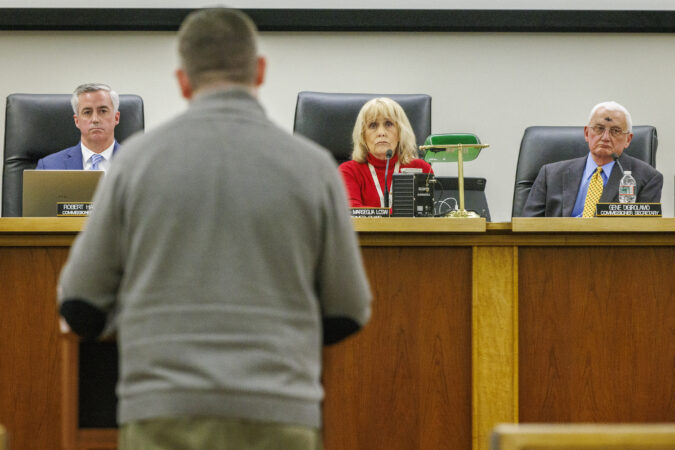
    The contentious national discussion over the rapid expansion of ICE came to the doorstep of the Philadelphia region on Wednesday, as the Bucks County commissioners voted to oppose having any processing or detention facilities in the county.

    Commissioners said they learned that the federal government had recently approached warehouse owners in two communities, Bensalem Township and Middletown Township, about possible conversions. Neither owner is going forward, they said.

    The commissioners voted 3-0 ― including the board’s lone Republican ― to approve a resolution that said such a center would be harmful for county residents and the people who would be confined there.

    ICE officials did not immediately reply to a request for comment.

    The commissioners voted a day after U.S. Rep Brian Fitzpatrick said that he would oppose such a facility ― and that he had received federal assurances none was planned in his district, which covers Bucks County and parts of eastern Montgomery County.

    Fitzpatrick, a Republican who is seeking reelection in the purple district, faces a likely November challenge from Democratic Bucks County Commissioner Bob Harvie, who also opposes ICE sites.

    In Doylestown on Wednesday, Commissioner Gene DiGirolamo, a Republican who serves with two Democrats, said he heard about the federal interest in two local sites and strongly disapproved.

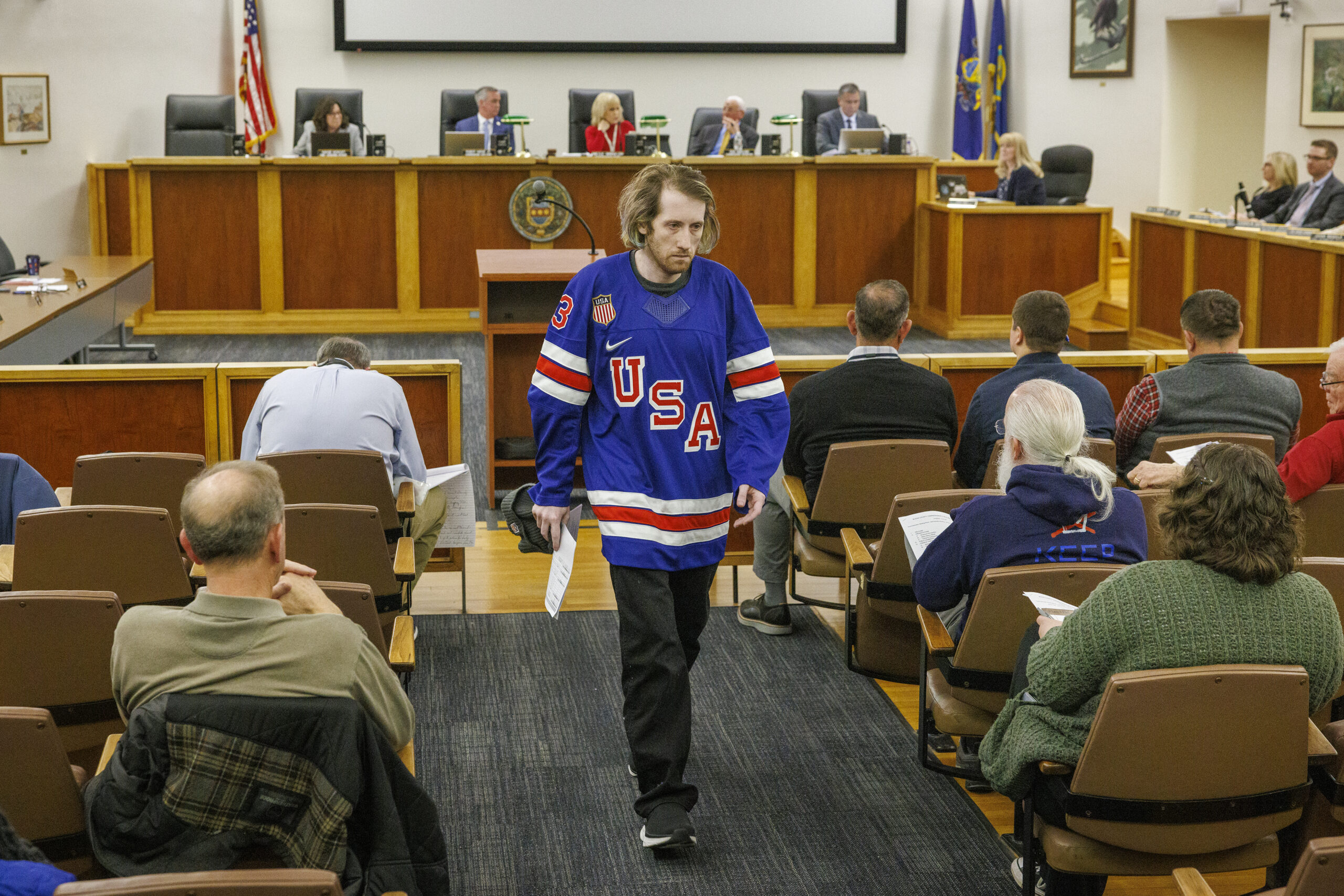
    Jake Didinsky of Southampton, said he opposes ICE warehouses in his county, comparing them to Japanese interment camps.

    “Bucks County is not a county that needs or wants a detention facility,” he said.

    Harvie, the board’s vice chair, said Bucks County “is no place for these kinds of facilities” and cautioned: “We have been down this road before, with Japanese Americans. And with Italian Americans.”

    During World War II the U.S. government forcibly incarcerated thousands of people of Japanese descent, holding them in concentration camps mostly in the western part of the country. About two-thirds of those confined were American citizens.

    Some Italian Americans endured the same treatment.

    A resolution conveys the opinion and wishes of the board, but holds no force of law.

    The Bucks resolution said the county opposes “the use of warehouses or similar industrial facilities not intended for human occupancy as facilities to hold, jail, detain, house or otherwise store human beings.”

    In addition to humanitarian concerns, the resolution says, “such facilities, being hastily erected in areas and structures not intended for human occupation, would place unanticipated demands upon water and sewer systems, creating hazards to public health, as well as heaping new strain upon public safety services.”

    The vote came as the growth of ICE leasing and purchases has become contentious in Pennsylvania and across the United States.

    U.S. Immigration and Customs Enforcement expects to spend $38.3 billion to acquire warehouses around the country and retrofit them into immigrant detention centers to hold tens of thousands of people, the Washington Post reported. The newspaper analyzed agency documents that were provided to New Hampshire’s governor and published on the state’s website.

    ICE intends to buy and convert 16 buildings to serve as regional processing centers, each holding 1,000 to 1,500 immigrant detainees. An additional eight detention centers would hold 7,000 to 10,000 detainees and serve as primary sites for deportations.

    Two sites have been purchased in Pennsylvania ― one in Upper Bern Township, in northern Berks County, and another in Tremont Township, in Schuylkill County, where the purchase has drawn the ire of concerned residents.

    Last week Gov. Josh Shapiro formally asked Homeland Security Secretary Kristi Noem in a letter to reconsider the conversion of the Berks and Schuylkill sites, citing “real harms” to the communities.

    He questioned the legality of the facilities and hinted at a possible lawsuit, saying if DHS goes forward, his administration will “aggressively pursue every option to prevent these facilities from opening.”

    DHS spokesperson Tricia McLaughlin confirmed the plans for the Pennsylvania sites, saying that they would undergo community-impact studies and a rigorous due-diligence process, and that they would bring 11,000 jobs to the two Pennsylvania communities.

    The two sites would hold a combined 9,000 people.

    On Tuesday, Fitzpatrick’s office said it had received assurances from DHS and ICE that they had no plans or intention to open a detention facility within the First Congressional District.

    “After hearing from concerned residents, our office immediately contacted U.S. Immigration and Customs Enforcement, and we have received assurances that no such facility is planned,” Fitzpatrick said.

  • Narberth artist Emily Stewart is making ‘ephemeral’ public art out of snow

    Narberth artist Emily Stewart is making ‘ephemeral’ public art out of snow

    After the biggest snowstorm in a decade dumped more than nine inches of snow on the Philadelphia region, Narberth artist Emily Stewart woke up to a blank canvas.

    With her front yard dusted in snow, Stewart zipped up her coat, laced up her boots, and braved the cold to build three Swedish lanterns out of snow and ice. Set against the darkness of winter, the lanterns have offered a glimmer of warmth during the coldest days of a historically frigid period in and around Philly.

    Ice sculptures made by artist Emily Stewart outside her Narberth home on Wednesday, Feb. 11. Stewart said she was inspired to make the structures after reading about Swedish lanterns. “I love working with snow in my yard or other public places because it is inherently social,” Stewart said. “As I work, people walk by, cars pull over, I get to have conversations with neighbors and meet new friends.”

    Stewart is a Main Line-based artist and community organizer who works with ink, graphite, wood, and, yes, snow. She is a lover of art and community building, passions that arose from her time in art school and serving in the Peace Corps. She is also the coordinator of Narberth Public Art, a community group that brings public art displays to downtown Narberth.

    An Ohioan by birth, Stewart isn’t bothered by the snow. In fact, she prefers a long, snowy winter to the Philly area’s increasingly hot summers.

    “I love, love winter,” Stewart said, adding that she has the “opposite of seasonal depression disorder.”

    Stewart grew up making snow sculptures in her hometown of Cleveland. In 2021, as pandemic measures kept Stewart and her family cooped up in their home, she picked up her kitchen spatula and began sculpting snow once again. She built life-size bears, an owl, a giant horse, and an eagle (go Birds). Neighbors began stopping by to ask about the sculptures, and people from outside Narberth even started paying visits to Stewart’s yard after hearing about her art through the grapevine.

    A creature built out of snow by artist Emily Stewart at her home in Narberth in February 2021.

    Though her snow sculptures began as a low-stakes artistic outlet, Stewart says they have become something deeper — a point of connection among neighbors in increasingly polarized and technologically dominated times. Public art provides a “cool little communal social interaction” that “detracts from all the negativity in the world,” she said.

    There’s much that Stewart loves about working with snow. It’s free, abundant, and surprising.

    When asked about the fleeting nature of her snow works, Stewart said it’s part of the beauty. Snow is temporary, as is everything.

    “It’s ephemeral,” she said. “Like, enjoy it, and it’s not yours to keep.”

    An eagle built out of snow by artist Emily Stewart in her Narberth backyard in February 2025.

    This suburban content is produced with support from the Leslie Miller and Richard Worley Foundation and The Lenfest Institute for Journalism. Editorial content is created independently of the project donors. Gifts to support The Inquirer’s high-impact journalism can be made at inquirer.com/donate. A list of Lenfest Institute donors can be found at lenfestinstitute.org/supporters.

  • Ousted South Korean president faces death penalty in insurrection case

    Ousted South Korean president faces death penalty in insurrection case

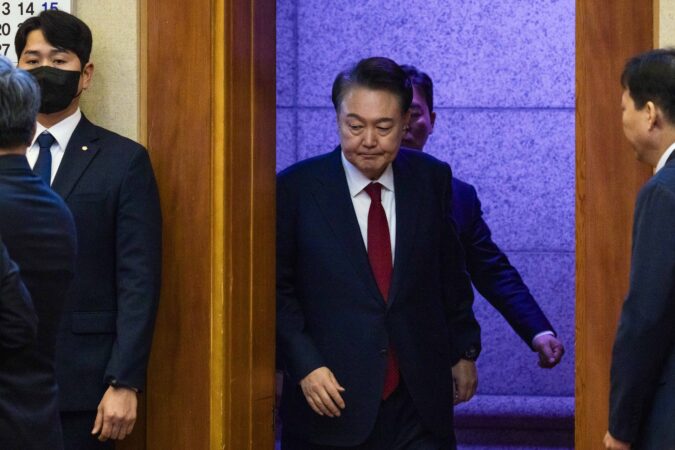
    SEOUL — A South Korean court is set to issue its verdict Thursday in the insurrection case against the country’s impeached president, who declared martial law in an alleged power grab in late 2024, and now faces the death penalty or life imprisonment if convicted.

    The impeached president, Yoon Suk Yeol, has been on trial for his failed attempt to install a military-led government in the democratic country late one night in December 2024. Yoon is charged with numerous crimes, including organizing an insurrection — which under South Korean criminal law carries possible sentences of life imprisonment, with or without labor, or death.

    Prosecutors have requested the death sentence.

    The case marks a pivotal moment in South Korea’s relatively young democratic history, which dates to 1987 after a democratic uprising toppled a brutal military-led government under Chun Doo-hwan. Chun was sentenced to death in 1996 after being convicted on similar insurrection charges for seizing power during a coup in 1979. On appeal, the sentence was commuted to life imprisonment, and he was later pardoned.

    Yoon’s conviction would uphold the rule of law and reaffirm the nation’s democratic system and principles, democracy advocates and experts say.

    “The conviction of an ex-president demonstrates that no one is above the law,” said Andrew Yeo, a senior fellow at Brookings Institution’s Center for Asia Policy Studies in Washington, adding: “The conviction of Yoon through the judicial process reflects South Korea’s democratic resilience.”

    If convicted, Yoon, too, ultimately could be spared execution.

    South Korea has not carried out an execution since 1997 and is widely regarded as a country where, for all practical purposes, the death penalty is banned.

    A death sentence for Yoon, nonetheless, would be highly symbolic as delivering accountability for a head of state who went rogue and attempted to use military force to halt operations of the legislature, seize control of the National Election Commission and arrest political opponents.

    “In practical terms, a death sentence would almost certainly remain symbolic, but the symbolism would be immense,” said Hannah Kim, a political scientist at Sogang University in Seoul. “It would reflect a judicial judgment that a ‘palace coup’ led by the constitutional guardian of the state is not just political misconduct, but a direct attack on constitutional sovereignty and the democratic order.”

    A lesser sentence of life in prison would still convey the seriousness of Yoon’s actions but would reflect “a degree of pragmatism among the justices,” Yeo said, especially in a deeply polarized country still reeling from the fallout of the declaration of martial law.

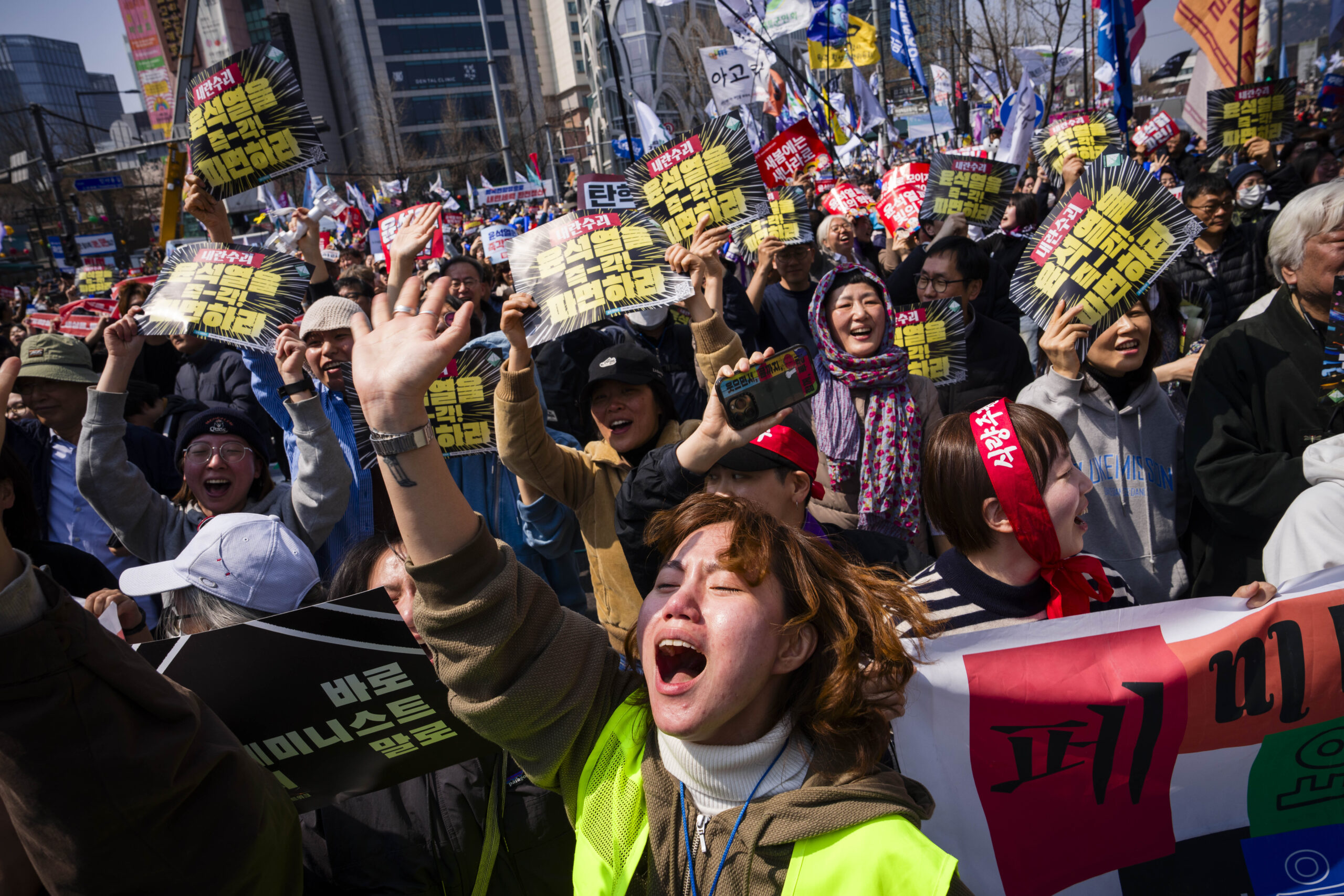
    Jeong Hye-won (center) and other protesters celebrate on April 4, 2025, in Seoul after the removal of Yoon from power by South Korea’s Constitutional Court.

    Two top aides to Yoon have been convicted on charges related to the decree of martial law. Former Prime Minister Han Duck-soo was sentenced last month to 23 years in prison for his role. Han is appealing the ruling. And former Interior Minister Lee Sang-min last week was sentenced to seven years in prison. He is also appealing the ruling, according to national media reports.

    In both cases, the court deemed the declaration of martial law an act of insurrection, which legal experts said was a key determination that could seal Yoon’s conviction Thursday.

    Yoon is facing eight separate trials stemming from his decree, but the insurrection case to be decided Thursday is the most consequential. Last month, a Seoul court sentenced him to five years in prison for abuse of power, obstruction of justice and falsifying documents, meaning Yoon will not go free even if acquitted.

    For many South Koreans, Yoon’s insurrection trial may feel familiar.

    Yoon is expected to stand in Courtroom 417 of the Seoul Central District Court, the same room where Chun, wearing a light blue prison jumpsuit, was sentenced to death nearly 30 years ago.

    During their sentencing request last month, prosecutors argued Yoon deserved the harshest possible penalty, citing the need to stop “history from repeating itself.” They referred to Chun’s case and South Korea’s authoritarian past.

    Yoon has denied all charges and contends that martial law was a legitimate exercise of the president’s emergency powers. Yoon has said that he declared martial law to confront the opposition-controlled National Assembly, which he said was paralyzing his administration through repeated efforts to impeach top officials. He has denied that the brief deployment of troops to the National Assembly was an act of insurrection.

    Yoon’s late-night decree on Dec. 3, 2024, made in a televised address, prompted thousands of protesters to mass outside the National Assembly and demand a return to democratic governance.

    As soldiers and police surrounded the National Assembly complex, lawmakers scaled the walls to bypass them. In defiance of the decree’s ban on political activity, they voted to reverse Yoon’s decision. And despite a gag order on the press, reporters from traditional and independent media alike flooded the scene and delivered live reports.

    Yoon lifted his order six hours later, but the incident shocked and outraged the nation — now a thriving democracy where political protests and marches of all stripes are a weekly occurrence — and it spurred South Korea’s most harrowing political crisis in decades.

    Yoon was impeached with his presidential powers suspended less than two weeks later, and ultimately removed from office.

    Yoon, formerly the nation’s top prosecutor, was a divisive president during his more than 2½ years in power. Rather than seeking to unify the deeply divided nation, Yoon instead appealed to his conservative base, exacerbating polarization and often deadlocking with opposition lawmakers.

    South Korean presidents are often disgraced. Nearly every president since South Korea’s democratization has become embroiled in scandals involving corruption, bribery, embezzlement, or abuse of power.

    Yoon’s downfall, however, stands apart even by South Korean standards, as the first democratically elected president to impose martial law and the first sitting president to face a criminal investigation.

  • Philadelphia’s Managing Director Adam Thiel was once everywhere. Now, he’s largely faded from public view.

    Philadelphia’s Managing Director Adam Thiel was once everywhere. Now, he’s largely faded from public view.

    When Mayor Cherelle L. Parker stood in the city’s emergency management center last month and announced that her administration was preparing for the worst winter storm Philadelphia had seen in years, she was flanked by the police commissioner, the head of public schools, and a dozen other deputies.

    Missing from the news conference of Philadelphia’s top officials was Managing Director Adam K. Thiel, whose job it is to oversee the delivery of city services.

    It wasn’t the only time over the last year that Thiel, Philadelphia’s No. 2 public official, was noticeably absent.

    Thiel, who is effectively the city’s chief operating officer, was out of office last year for a total of nearly five months, much of which he spent on military leave, according to 2025 payroll register records obtained by The Inquirer. His increasingly low profile in Philadelphia City Hall has generated frustration and fueled questions about his job performance among some lawmakers, especially as the city faced criticism over the recent snow cleanup.

    Almost half of Thiel’s $316,200 city salary last year was for paid time off, according to payroll records. He is one of the highest-paid officials in the government and made more than Parker, who last year earned $280,000.

    In addition to his top city role, Thiel is a major in the U.S. Army Reserves. He joined the reserves in August 2024, eight months after beginning his job as managing director.

    Thiel also holds other positions outside government. In 2024, while he was managing director, he made more than $300,000 working as a consultant, according to financial disclosures. He is an adjunct faculty member at two universities and sits on several nonprofit boards.

    Five City Council members told The Inquirer that it has been months since they interacted directly with Thiel.

    “The managing director of the city is an extremely important job,” said Councilmember Jamie Gauthier, a Democrat from West Philadelphia. “I do not understand how someone who is absent as much as Thiel is able to carry out this job effectively.”

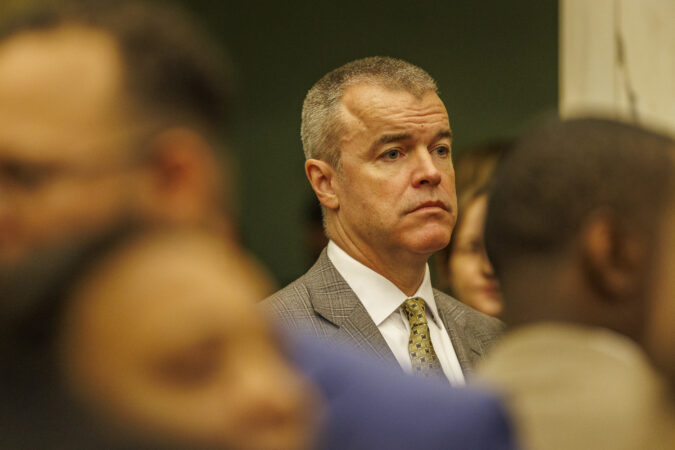
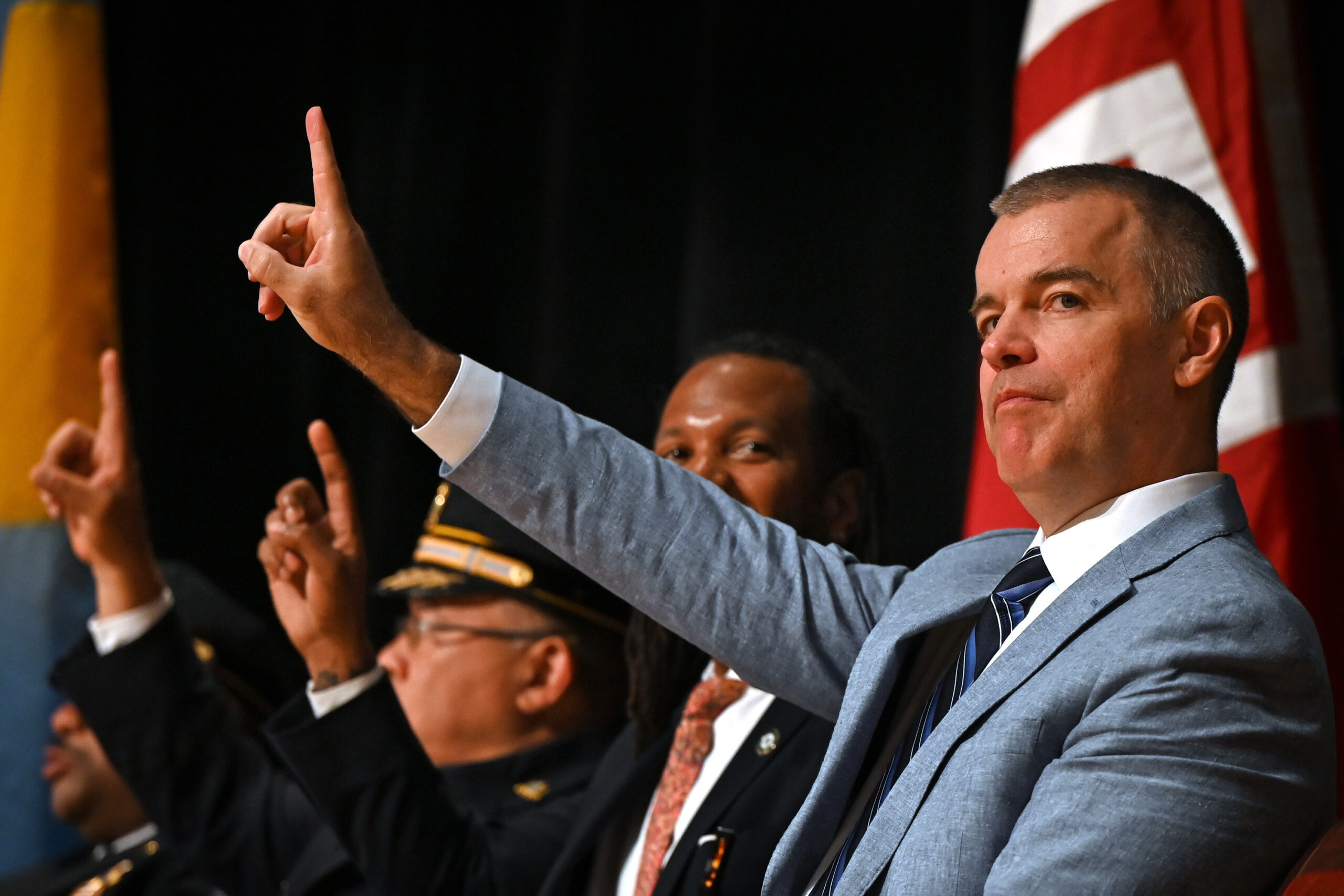
    Managing Director Adam Thiel during graduation ceremonies for the police academy Class #402 of the Philadelphia Police Department and Temple University Police Department at Temple University Performing Arts Center June 17, 2024.

    The administration declined requests to interview Thiel and Parker for this article. In a statement, Thiel thanked Parker for her “continued support of our city of Philadelphia employees who also serve the United States of America.”

    Sharon Gallagher, a spokesperson for the managing director’s office, said in a statement that Thiel has been employed by the city for nearly 10 years and “earns leave offered by the city the same way as other city employees accrue vacation, sick days, family, medical, military and other leave categories.”

    Payroll records show that Thiel logged six weeks of military leave time last year — the maximum amount the city offers employees. Gallagher said he also used 11 weeks of accrued vacation time to cover additional military assignments.

    The administration declined to answer questions about Thiel’s military service, including details about his location and unit. His LinkedIn page says he “helps provide emergency management subject matter expertise to combatant commands and partner nations.”

    Thiel is also founding partner of one consulting firm and the president of a second, though the specific nature of that work is not known and he has declined to disclose his clients publicly.

    In 2024, Thiel said his consulting work took fewer than 10 hours per week. Gallagher said Tuesday that “nothing has changed” since then.

    The Parker administration did not publicly announce when Thiel was on leave last year, but officials acknowledged it once asked by reporters last summer. At the time, Deputy Managing Director Michael Carroll filled in on an interim basis.

    Thiel, 53, is a nationally recognized expert in emergency management. He held a variety of firefighting, public safety, and disaster preparedness roles across the country before coming to Philadelphia in 2016 to serve as fire commissioner and deputy managing director under former Mayor Jim Kenney.

    Despite that, he did not appear alongside the mayor at multiple briefings the city conducted to update residents on the response to last month’s snowstorm. Instead, the face of the snow emergency response was Carlton Williams, the head of the city’s Office of Clean and Green Initiatives, a position Parker created.

    Thiel said in a statement Tuesday that Williams was “the best choice to lead our city’s unified response to the recent snowstorm operation and is the right leader for future snow and ice events.”

    Gauthier said the city’s handling of the storm “needed a higher-level emergency response.” She said while she respects Thiel’s military service, she raised his consulting work as a concern.

    “A decision needs to be made what he wants to do. Does he want to serve locally, or does he want to do other things?” Gauthier said. “We need a managing director who will serve full time.”

    The administration did not answer questions about whether Thiel was in town through the duration of the city’s 26-day winter emergency response.

    Parker’s chief of staff, Tiffany W. Thurman, said in a statement that the city is proud to offer benefits such as military and administrative leave that support employee well-being and professional development.

    Thurman said Thiel “is always reachable and fulfills the responsibilities of his position as needed based on the situation.”

    “His leadership — as is the case with the leadership team of any large city — is not limited by time designated as leave,” she said.

    The purpose of the Philadelphia managing director

    The authors of the 1950s-era Philadelphia Home Rule Charter created the position of managing director to serve as a barrier between the mayor’s political appointees and the city’s operational departments.

    The idea was that having a bureaucrat at the helm would ensure city service delivery would be apolitical, and the mayor cannot fire the managing director without cause.

    In reality, different mayors have granted their managing directors varying levels of power.

    In this 2018 file photo, LOVE Park is by (left to right) then-Philadelphia Parks and Recreation Commissioner Kathryn Ott Lovell, former City Council President Darrell Clarke, former Philadelphia Mayor Jim Kenney and then-Managing Director Michael DiBerardinis.

    For example, former Mayor Michael Nutter dispensed with decades of tradition and assigned robust portfolios to several deputy mayors. While his managing directors were important figures in his administration, they oversaw fewer operating departments than their predecessors.

    Nutter’s first managing director, Camille Barnett, left the administration after facing criticism for going on a two-week vacation in 2009 while the Phillies made a World Series run and SEPTA workers went on strike.

    Kenney, Parker’s immediate predecessor, sought to re-empower the city’s managing director position, while his deputy mayors took on advisory roles. He reassigned almost all departmental oversight to the managing director’s office.

    “We’re going to have a managing director that’s actually a managing director,” Kenney said before he took office.

    Council members who were in office before Parker’s 2024 swearing-in became used to the managing director being accessible. Several lawmakers said that under Kenney’s administration, they routinely communicated about constituent services matters with ex-Managing Director Tumar Alexander and his predecessor, Brian Abernathy.

    That hasn’t been the case with Thiel in the role.

    “Since the beginning of this administration, I have gone to Carlton Williams,” said Councilmember Jeffery “Jay” Young Jr., a freshman Democrat who represents parts of North Philadelphia.

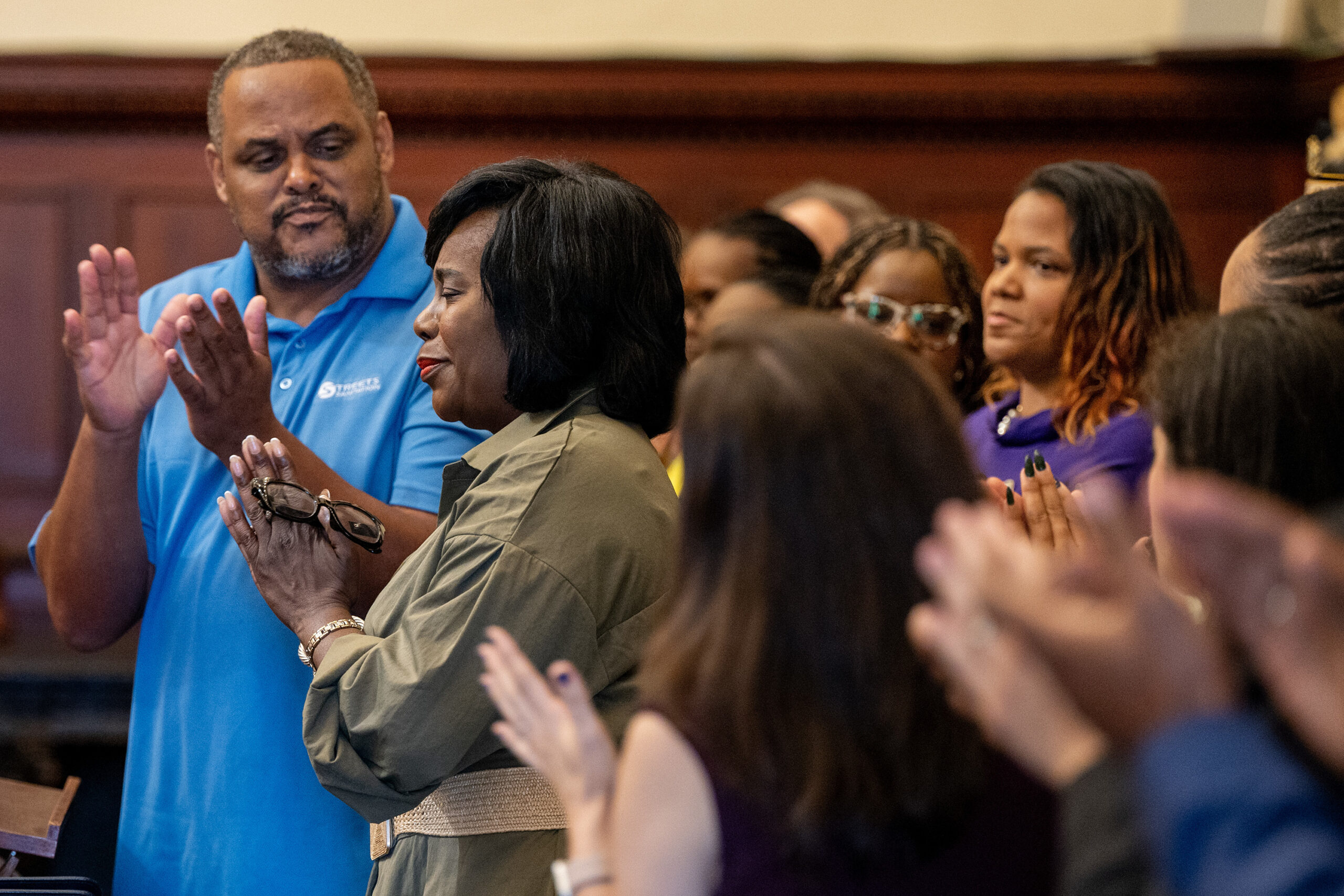
    Mayor Cherelle L. Parker is applauded by members of her administration at City Hall Wednesday, Jul. 9, 2025, hours after reaching a tentative contract agreement with District Council 33 leaders overnight, ending the workers’ strike. At left is Carlton Williams, director of the Office of Clean and Green Initiatives and Chief Deputy Mayor Sinceré Harris is behind the mayor at right.

    Several other members said that instead of going to the managing director’s office, they take administrative needs to legislative affairs staff, agency heads, or Thurman.

    “Almost everything goes through Tiffany, and she’s able to get things done,” said one Council member who spoke on the condition of anonymity to preserve relationships with the administration.

    Parker doesn’t deny that little happens at the top rungs of city government without Thurman’s involvement. The mayor has come to see her chief of staff as the central figure in her administration and calls her the city’s “chief air traffic controller.”

    Phil Goldsmith, who served as managing director for two years under former Mayor John F. Street, said Thiel’s minimized public role may be because Parker appears to favor “a very strong mayor’s office.”

    “It seems to me that the managing director may have to go through more hoops to get things done than, for example, I had to do,” Goldsmith said. “That’s just a function of what a mayor wants and feels comfortable with.”

    Fading out of public view

    Thiel’s lack of public appearances over the last year has been unusual for a managing director.

    It has been 10 months since he testified before City Council, despite the managing director in previous administrations being a mainstay in hearings to answer lawmakers’ questions about city services ranging from street repaving to emergency preparation.

    And in December, when a half-dozen top Parker administration officials spoke during the mayor’s State of the City event, Thiel was not on the roster.

    The decrease in visibility marks a departure from his first year in office, when Thiel had a more consistent public presence and was often seen beside the mayor.

    Ahead of a snowstorm in January 2024, Thiel stood with Parker during a news conference about preparations. He donned a suit while snowflakes fell, and he reassured the city that the administration was ready for the service disruptions that bad weather can bring.

    Mayor Cherelle L. Parker (center) with Managing Director, Adam Thiel (right) and at left Carlton Williams, Director of Clean & Green Initiatives, at a news conference with city officials in Northeast Philadelphia on Friday, Jan. 19, 2024 to share the city’s response to the snowstorm.

    Through his first year in the position, Thiel also faced scrutiny as the face of some of the mayor’s most controversial initiatives.

    He took a leading role in Parker’s efforts to end the open-air drug market in the city’s Kensington neighborhood, and he oversaw the development of the Riverview Wellness Center, a new city-owned recovery house for people with substance use disorder.

    Today, much of Kensington initiative is overseen by the public safety director, who reports directly to Parker. A new head of community wellness is leading development at Riverview, and Williams was the face of the storm response.

    Mayor Cherelle L. Parker finishes a news media briefing with her leadership team at the Tustin Playground at 60th St. and W Columbia Ave. Tuesday, Jul, 1, 2025, on the first day of the strike by District Council 33. At left are Carlton Williams (Phillies cap), Director of Clean and Green Initiative with the Dept. of Streets Sanitation Division; and Managing Director Adam Thiel (at lectern).

    Last summer, during the eight-day strike by municipal workers that brought city services to a halt for the first time in 40 years as trash piled on sidewalks and streets, Thiel initially spoke nearly every day at news conferences to update citizens on the crisis.

    But by the time the strike was resolved, Thiel had faded from public view, departing from his city job for one of his stints on military leave. After Parker reached an agreement with the union, she held a news conference with 20 top deputies and thanked each of them by name.

    Thiel, absent from the City Hall news conference, was not one of them.

    Staff writers Ryan W. Briggs and Sean Collins Walsh contributed to this article.