The 147-acre Jericho Farm estate in Upper Makefield is listed for sale for $18.8 million. The primary residence on the property was built in 1765 but underwent a complete renovation when purchased by former Du Pont de Nemours CEO and current executive chairman Edward Breen in 2012.
Located at 465 Pineville Rd., this secluded estate features its original stone exterior and exposed wooden beams.
There are a total of 11 structures on the property.
Subsequent additions to the estate have resulted in a total of 11 structures, including three dwelling units: a 7,800-square-foot main house; a three-bedroom, two-bath cottage; and a complete one-bedroom apartment as a guest house.
There’s also a pool house, multiple outdoor patios, a two-level office with a gym, a greenhouse, an eight-stall horse barn, and a chicken coop.
The greenhouse, which is attached to a lounge area.
“This is the most exclusive property,” said listing agent Jack Lacey of Berkshire Hathaway HomeServices Fox & Roach, who listed the property alongside Perry Epstein. “I don’t even have enough adjectives to describe it.”
Breen and his wife, Lynn, purchased the estate for $4.2 million in 2012. Before moving in, they embarked on a four-year renovation with architect Paul Kiss of OSK Designs and master builder Tim Sager of Ferman Lex Custom Homes.
Every structure on the estate was updated “bottom to top,” said Lacey.
The estate’s lot is about 30% manicured grounds and 70% woodlands, with walking trails throughout the forest leading to the top of Jericho Mountain.
The 147-acre estate has forested trails leading to the top of Jericho Mountain.
“You could hike on your property every day and be in the best shape of your life if you wanted to,” said Epstein.
The main house has three levels, boasting four bedrooms, four full bathrooms, and two half-baths. A glass-enclosed conservatory with its components imported from England is a highlight of the main floor, along with an office, sunroom, living room, and kitchen with an 18-foot island and custom cabinetry.
The two-level living room in the main house.
The two other dwelling units — named the cottage and the guest house — are outfitted with bedrooms, bathrooms, and kitchen utilities, allowing for multigenerational living. “If this were a family compound,” Epstein said, “everybody would have their own space.”
Epstein said Upper Makefield is the most sought-after township in Bucks County. It has the seventh-highest median income of all Pennsylvania municipalities, according to 2024 American Community Survey data. The estate is about a 15-minute drive to Newtown, 12 minutes to New Hope, and 20 minutes to cross over the Delaware River to New Jersey.
“It’s not like you’re out in the sticks here,” Epstein said. “But you do have the ultimate privacy for your location.”
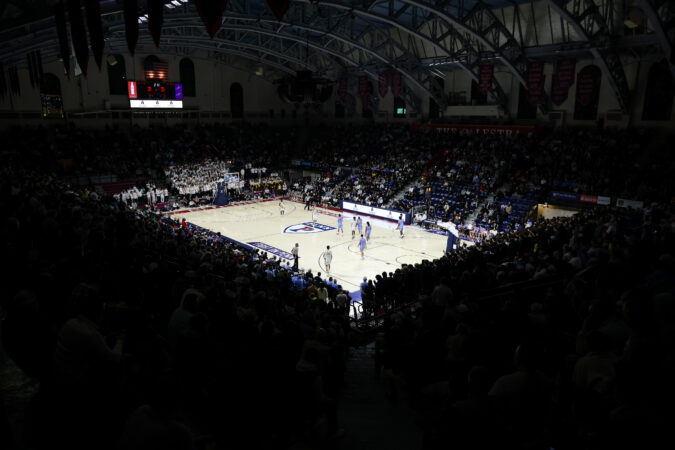
With this year marking the Palestra’s 100th anniversary, the fifth annual Cathedral Classic is expanding.
The multiteam event, which previously was a four-team round robin, will boast five teams this year: host Penn, La Salle, Bucknell, Buffalo, and Towson. The classic also is shifting from three days to two and no longer will crown a winner.
The two days of doubleheaders span Thanksgiving weekend, Nov. 27-28, and open with La Salle vs. Bucknell at 3:30 p.m., then Penn vs. Towson (6 p.m.). The next day, Towson takes on Buffalo (3:30 p.m.), and Penn will face Bucknell (6 p.m.).
“The Penn men’s basketball program is excited to celebrate 100 years of the Palestra with the return of the Cathedral Classic,” Penn coach Fran McCaffery said in a release. “There is no better way to honor our historic arena than with a weekend of great basketball games.”
The stage is set 🙌
Don’t miss the 5th annual Cathedral Classic at the Palestra on Thanksgiving weekend! pic.twitter.com/Qih5QryT2Y
La Salle coach Darris Nichols added: “We’re grateful for the opportunity to play at the Palestra during its 100th anniversary. Honoring the venue’s legacy was important to us when we first talked about this year’s schedule, and we’re excited to take on a good Bucknell team.”
Last season, Hofstra was crowned the tournament’s champion after defeating Penn to finish 3-0 in the round robin. However, for Big 5 fans, the most memorable game was on Day 2, when the Quakers faced La Salle. In that matchup, Penn erased a 15-point deficit to defeat the Explorers, 73-71.
Wars. Inflation. Tariffs. Labor shortages. High interest rates. Political uncertainty. If you only read the headlines, you’d think America’s small businesses are on life support. They’re not.
The sentiment I’ve been hearing and seeing from dozens of industry groups and clients about this year is “so far, so good.” This comes from businesses that do everything from distributing industrial equipment to installing commercial doors. With few exceptions, most have not only been holding their own in 2026, but they’ve been growing.
Anecdotal? Hardly. The data supports these claims.
Manufacturing in the U.S. has expanded for the past five months, reaching its highest level since 2022, according to the closely watched Purchasing Managers Index from the Institute for Supply Management. Service industry companies, according to a similar index, have seen expansion since 2024.
In June, small-business revenue increased in 11 of 12 sectors and in all eight U.S. regions, according to a small-business index published monthly and based on real-life data from hundreds of thousands of customers using Intuit QuickBooks. Payment processing firm Fiserv found that small-business sales showed steady short-term expansion in June, with both nominal sales and transaction volume increasing. Last quarter’s national GDP was just revised from 1.6% to 2.1%.
The U.S. Census Bureau reported that new business applications continue to come in at all-time highs. Even LinkedIn said that there’s been a 69% year-over-year increase in the number of U.S. members adding founder to their profile.
Want more proof?
Despite lower levels of optimism, over half of Main Street owners rated the health of their business as “excellent or good,” the National Federation of Independent Business reported this month. A recent survey from financing firm OnDeck said 93% of small businesses expect growth in 2026, and marketing firm Vistaprint said this month that 84% of small-business owners report being happy operating their businesses, despite ongoing economic and operational challenges.
Bank of America’s June 2026 Small Business Checkpoint said the small-business sector remains “financially healthy and operationally resilient.” MetLife and the U.S. Chamber of Commerce found strong confidence in business health, cash flow, and future growth prospects despite ongoing concerns about inflation, labor costs, and economic uncertainty.
Three out of four U.S. small-business owners expressed “high confidence” in their business’ future, according to new research from Capital One. TD Bank’s recent survey said that small-business owners also remained highly optimistic about future growth.
Economist Mark Zandi recently wrote that among the 25 largest metropolitan areas in the country with populations of more than 3 million, Philly enjoyed the strongest job growth last year. Payroll firm ADP reported that the private businesses in the U.S. added 122,000 jobs in May and 98,000 in June. HR giant Paychex said small-business hiring increased over the past four months.
Job openings among small businesses are rising, an indicator of demand for employees.
“Main Street job openings in New Jersey and nationwide are starting to pick up after a decline in May,” National Federation of Independent Business New Jersey state director Eileen Kean told ROI-NJ.
Center City, which represents 42% of all Philadelphia employment, has seen office leasing activity reach its highest level in six years, according to Center City District’s State of Center City 2026 report. The report also highlighted development projects topping $2 billion; projected Convention Center attendance exceeding 1 million in 2026; and retail, restaurants, and cultural institutions that “continue to rebound strongly.”
There are always news reports about how this business is “struggling” and that business is “barely holding on.” There’s no denying that this happens. How could it not? There are more than 34 million small businesses in the United States operating in hundreds of different industries and localities. Some are bound to be doing better than others.
But other things happening right now are underscoring small-business growth and optimism.
Tariffs (that aren’t being refunded) may have increased costs for some, but many manufacturers are reporting increased domestic demand as global firms move more operations here.
Inflation is sticky, but at less than 3% excluding energy, most business owners have found ways to pass these costs down to their customers or find other savings internally.
Labor shortages persist but most company owners are getting their work done regardless.
Many owners are also benefiting from a lighter federal regulatory environment and friendlier tax policies. Capital is more expensive than in years past, but available for those who can measure return on investment. The stock market is up over 20% over the past year, providing more financial security. And for entrepreneurs and small-business owners, government aid and other resources, education, tools, and support proliferate like never before.
Small businesses employ half of the country’s workers and make up half of our GDP. Their success is critical for the U.S. economy.
They aren’t ignoring the challenges. They’re simply finding ways around them. And that’s why, despite all the doom and gloom, many are having a surprisingly good year.
SEATTLE — The hype around this World Cup didn’t just start when the last one ended four years ago. It took off as soon as the U.S. was picked as host, on the eve of the 2018 edition for which they failed to qualify.
By the time this summer arrived, there was enough evidence to believe these players could make the history they dreamed of, wanting to do things no U.S. men’s team had done before on soccer’s biggest stage.
So a bar was set for them. The program had just one knockout game win in its history. Winning two would mean a quarterfinal berth. It also presumably would mean toppling a giant somewhere along the way.
Once the draw was made last fall, the name of that giant was Belgium, the nation that sent the U.S. home in 2014. That made an easy measuring stick for this generation. If they were that much better, they’d do what their predecessors hadn’t.
The scene just after the national anthems in Seattle, when the packed crowd of U.S. fans hoped for a historic win.
For this game turned out to not be just about Balogun on the American side. The whole squad blew it on the biggest stage, and they knew it.
“This moment hurts more, stings more, than probably any other moment in my life,” Wayne-born goalkeeper Matt Freese said after a horror game, especially on Belgium’s third goal that blew the game open, when he was stripped of the ball after straying out of his 18-yard box.
“Yes, it stings,” midfielder Tyler Adams said. “This was a moment to have the opportunity to advance and really try and do something special, and we fell short.”
Asked why the team was so flat, he answered: “It’s a great question. I wish I had the answer right now. I don’t know.”
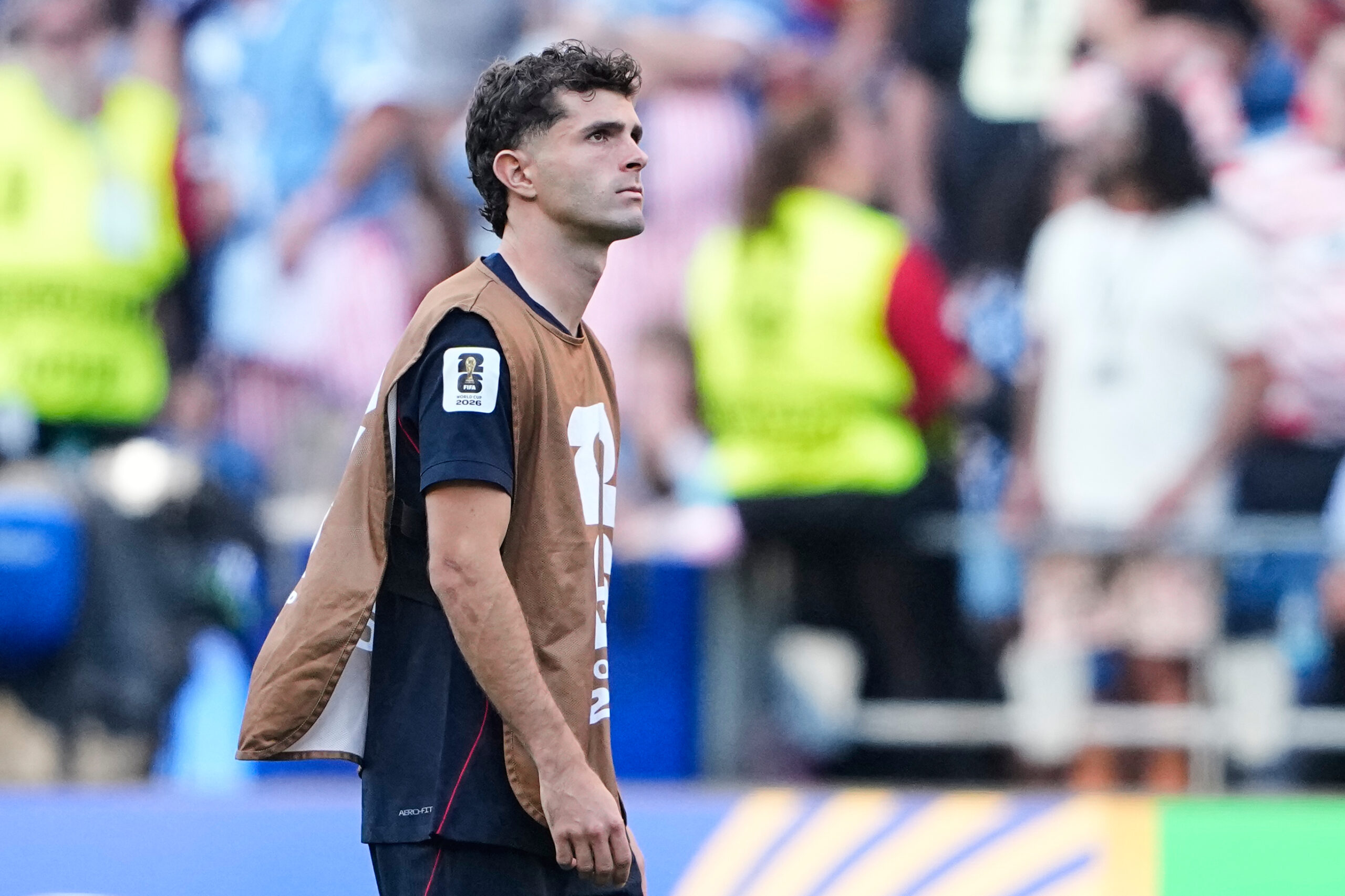
Christian Pulisic tried to lift the mood, but he took some tough questions after leaving a game injured for the second time in this tournament. Along with that, the team’s most important attacker didn’t play the entirety of any game, though at least in the Bosnia win he played 88 minutes.
Christian Pulisic played 224 minutes across four games in this World Cup.
“I didn’t quite have the moments I was hoping to, to try to help us to really push and get over this next step of beating a really good team,” he said. “So I’m disappointed with myself, of course, but I’m going to try to stay positive. I did a lot of good things, and the team did as well.”
Gio Reyna also was underwhelming. After earning enough of Pochettino’s affection to make the World Cup team, he played just 131 minutes over the five games, took two shots, created one chance, and scored a goal that was beautiful, but in a game that already was won.
“If we lose to Bosnia, it’s obviously a big disappointment, and then if we win today, it’s probably a very big achievement for the group,” he said. “So it felt like we kind of just almost did what was expected. … It’s hard to say, I guess, what’s needed to make the next steps to really push through.”
One thing would be the biggest stars delivering in the biggest moments. That has happened for Kylian Mbappé’s France, Lionel Messi’s Argentina, Jude Bellingham’s England, and Erling Haaland’s Norway.
But it did not happen for the United States.
Gio Reyna (left) walks off the field after the loss to Belgium.
Will it be worth splashing cash on another big name? Or, since he wasn’t clearly better in the biggest moments than his American predecessors, should there be a serious conversation about whether it’s necessary?
Mauricio Pochettino’s gesture of thanks to U.S. fans after the final whistle.
Former Los Angeles FC manager (and longtime stalwart U.S. player) Steve Cherundolo also is on the list. New Jersey native Pellegrino Matarazzo, who has made his coaching name at European clubs, is too, though he might want more time overseas before coming home. Former Union coach Jim Curtin would be on the list if he hadn’t just been hired by Austin FC.
But will the donors lean on U.S. Soccer to go for another famous name?
One of those donors, Scott Goodwin, has quite a few friends in the soccer world — and some at the White House, too: The New York Times reported that he called them to complain about Balogun’s red card.
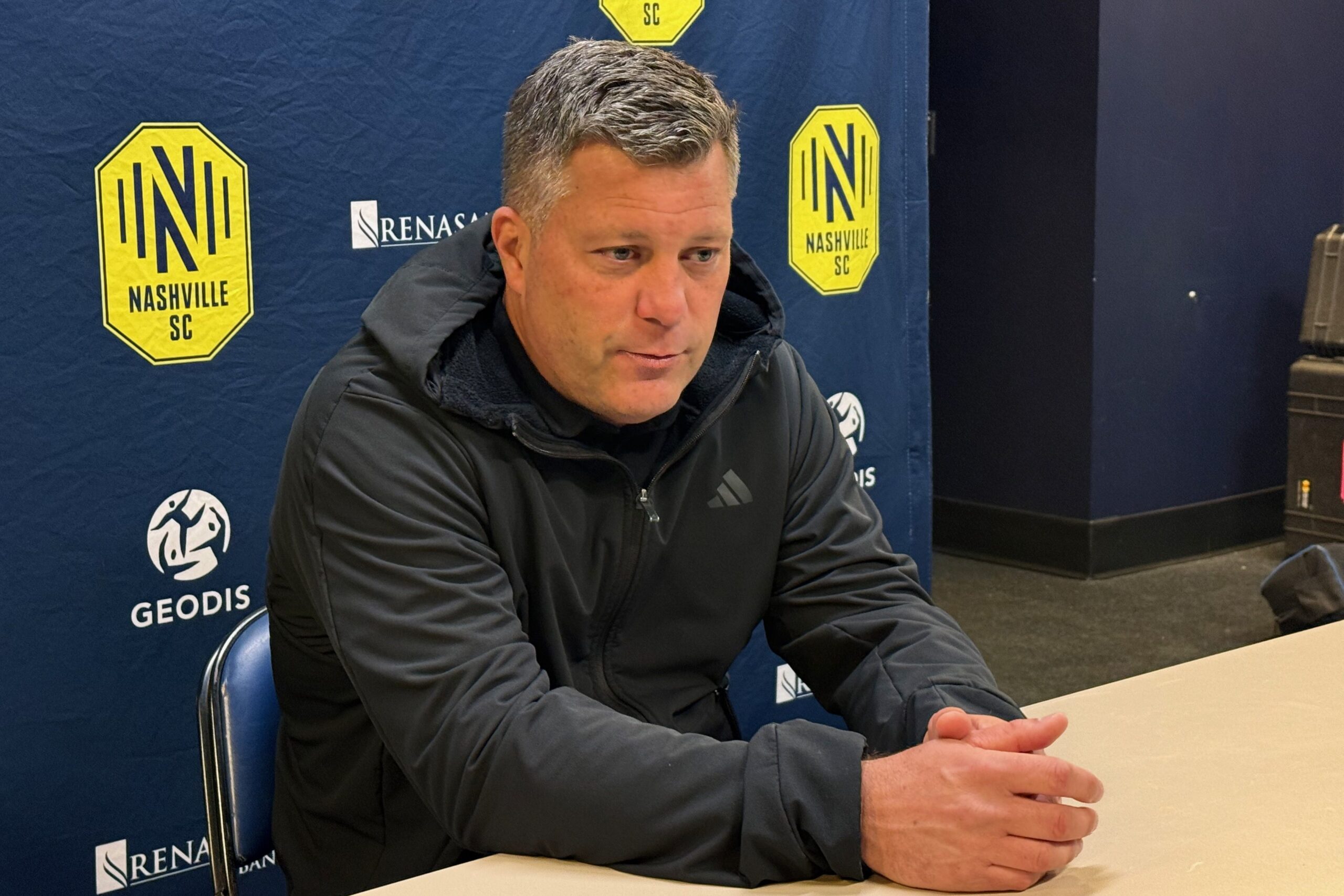
B.J. Callaghan talking with the media when Nashville SC visited the Union earlier this year.
Two years ago, Goodwin called his soccer friends to complain about the U.S. team’s flop at the Copa América. They included two former U.S. players who remain well-known in soccer circles, MLS executive Alecko Eskandarian and broadcaster-turned-investor Kyle Martino.
Goodwin was so angry at the U.S. team’s performance that he said, as he recalled to the New York Post last month: “This is a chance to get an amazing coach.”
Then, as The Athletic put it just before the World Cup started, “To Goodwin, there were three names that fit the bill: Klopp, Pochettino and Manchester City’s Pep Guardiola.”
None of them were American. None had ever coached in the United States. Was there an implicit view there that no American could be good enough for the job?
Good questions for U.S. Soccer CEO JT Batson and chief operating officer Dan Helfrich: Do they think the difference between a big-name foreigner and a qualified American is worth another $6 million bet? And how much sway will the donors hold this time?
U.S. Soccer declined to make leadership available to the media on Tuesday. A spokesperson told The Inquirer that there might be an availability in the coming days.
And what about a second term for Pochettino, who’s now out of contract? The players grew attached to him, but that happens with almost any manager. He has talked with U.S. Soccer about another term, but there also have been plenty of hints that he’d like to go back to Europe.
“I think now, because we were talking with the federation, it’s about to rest a little bit, to think, to have conversation, and then see what the decision is from the federation and from us,” Pochettino said Monday night. “I think we’ve built a very good relationship, but now is not a moment to talk about that. … For sure, in the next weeks, we can start to talk — if the federation wants to talk.”
Late Tuesday morning, U.S. Soccer issued a statement about its side of those talks.
“We had positive conversations with Mauricio before the World Cup about the future,” the federation said. “We agreed we would continue those conversations following a chance to rest and reflect post-World Cup.”
It hinted at the future, but only barely.
“We have a great deal of respect and gratitude for Mauricio, his staff and everyone part of the program,” it said. “We have shared excitement about our potential and also shared clarity about the amount of work at all levels still required to achieve our ambition.”
Mauricio Pochettino (center) addressing players and staff after the loss.
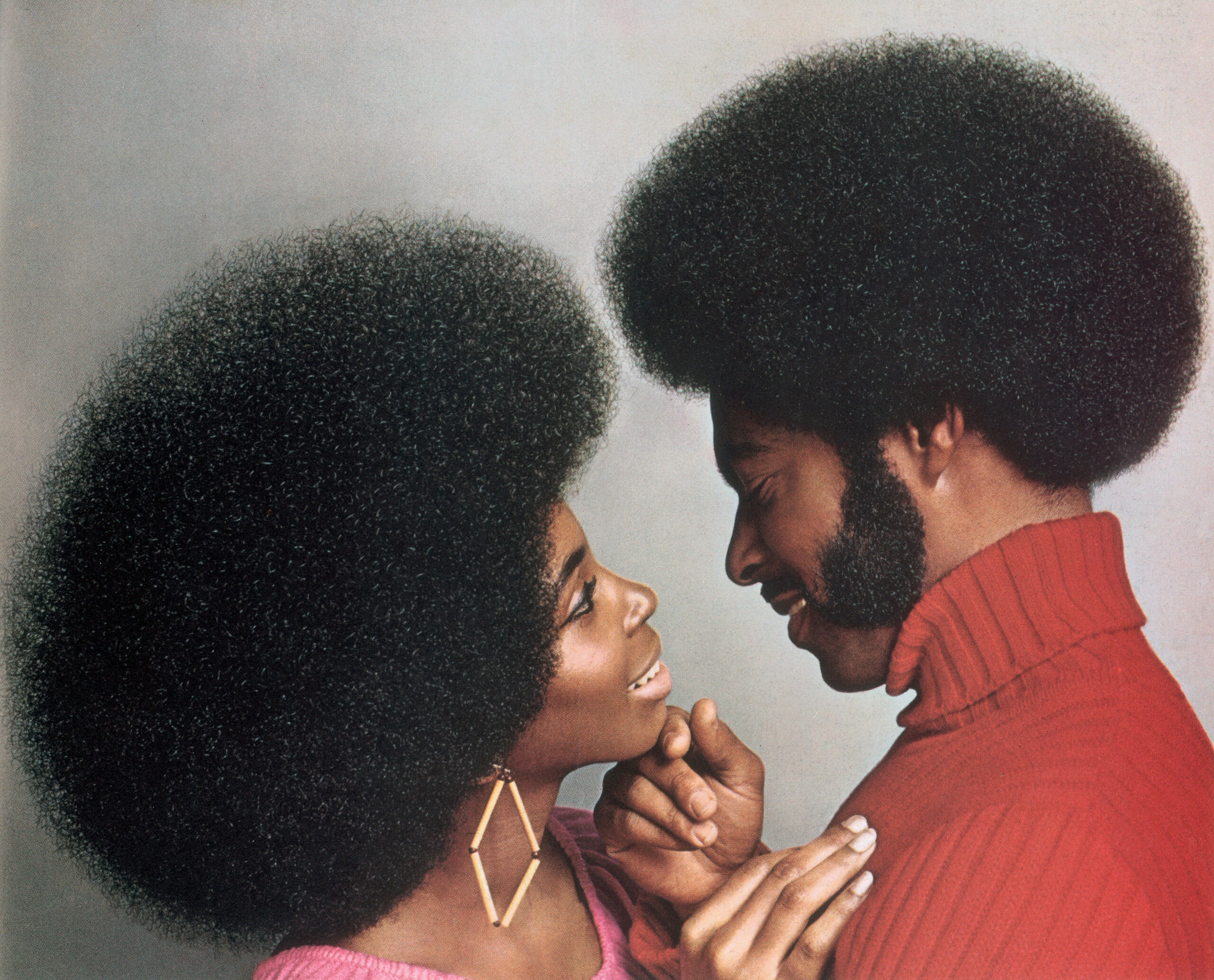
Like many Black children growing up in the ‘70s and ‘80s, Mount Airy author Hilary Beard had fond memories of Afros and Soul Train dancers.
“I was a little Black girl with braids who sat between my mother’s knees every day as she combed my hair and oiled my scalp with Ultra Sheen,” Beard recalled in a recent video chat. “When I was in the seventh grade and cut my hair into an Afro, I used Afro Sheen. I grew up watching Soul Train. I lived in a world created by this man.”
It wasn’t until 40 years later that she realized these hallmarks of Black culture had a common author, George E. Johnson, the father of modern Black hair care.
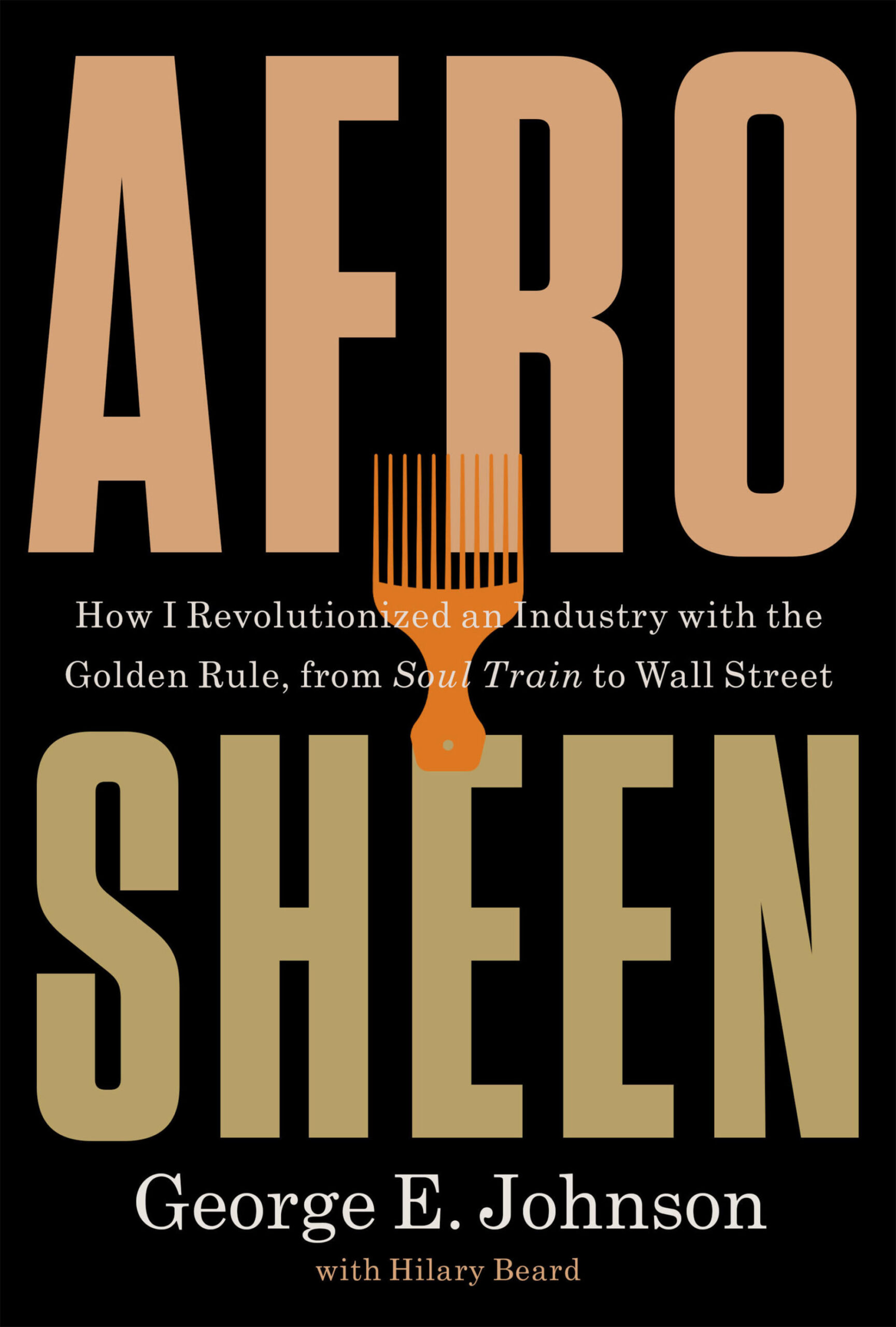
Three years ago, Beard teamed up with a then 94-year-old Johnson to cowrite his memoir. She combined her warm memories of plaits, kinky blowouts, Black power picks, and the Soul Train Line with more than 2,000 pages of interviews to write Afro Sheen: How I Revolutionized an Industry with the Golden Rule, from Soul Train to Wall Street,a 320-page story of entrepreneurship, civil rights, and Black culture, spanning nearly a century.
“Mr. Johnson’s story sweeps through the Cotton South, the Great Migration, the Jim Crow North, the Jim Crow South, World War II, and the civil rights of the 1950s and 1960s,” Beard said. “And it’s told through the perspective of an African American man. We know many of these stories have not been told, they have also been actively suppressed.”
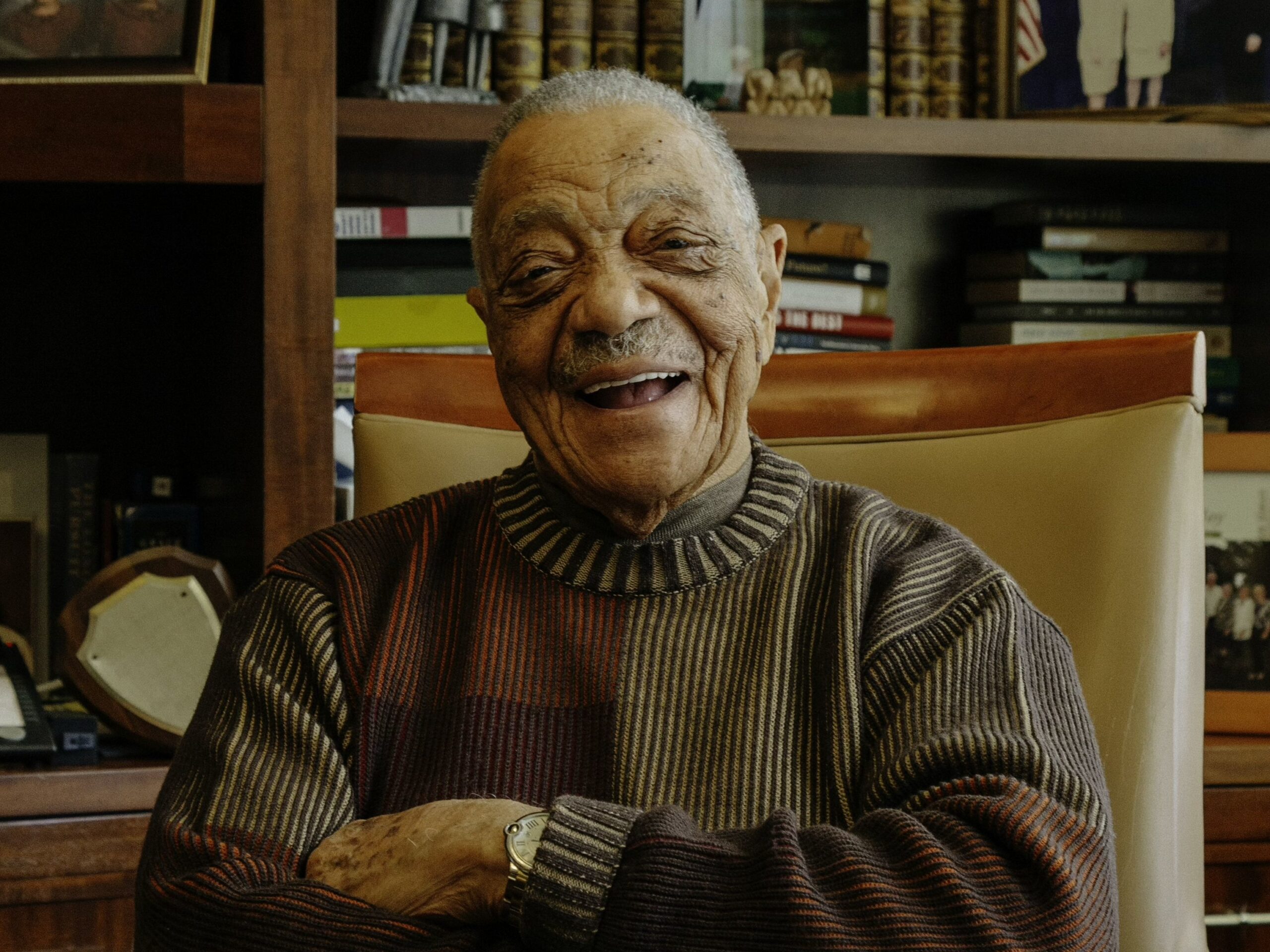
George Johnson, founder of Afro Sheen, in his Chicago study. Johnson is the founder of the first Black company to go public. He also funded the early episodes of Soul Train, for which the Sound of Philadelphia, Gamble & Huff, wrote the soundtrack.
Johnson’s story begins in 1927 Richton, Miss., on a small sharecropping farm. His mother, Priscilla, left his father in 1929, and moved Johnson and his two brothers to Chicago’s South Side. In his early 20s, he worked as a production chemist at the Black-owned cosmetics company Fuller Products, owned by S.B. Fuller, the richest Black man in America at the time.
In the early to mid-20th century, many Black people’s grooming habits included straightening their hair to assimilate, often affording them better jobs in mainstream America. The hair straightening concoctions — a mix of potatoes, lye, and eggs — separated, were messy to apply, and burned.
While working at Fuller Products, Johnson developed Ultra Wave Hair Culture, a creamy emulsified product barbers applied to clients’ hair, giving them the slicked back look popularized in the 1940s by Little Richard, Nat King Cole, and Sammy Davis Jr.
Ultra Wave Hair Culture marked Johnson Products Co.’s debut. In the next decade, JPC introduced Ultra Sheen Cream Satin Press, which hairdressers applied to Black women’s hair before pressing it straight with a hot comb; and Ultra Sheen Relaxer, a lye-based hair straightener for Black women. The “Black is Beautiful” movement birthed Afro Sheen, a spray that left Afros voluminous and glossy.
“A Natural Explosion! Afro Sheen® Blowout Creme Relaxer 1973/2007” from the series “Unbranded: Reflections in Black by Corporate America” by Hank Willis Thomas. MUST CREDIT: Rubell Museum
“The thing that moved my products forward was innovation,” said Johnson, who, at 97, still sounds like a salesman talking to potential customers. “We created something like a new mousetrap, it had never been done before.”
In 1971 — with sales of $12.1 million, or $94 million in today’s dollars — JPC became the first Black-owned company to be publicly traded on the American Stock Exchange, now known as the New York Stock Exchange. Although at the time it was a major achievement, Johnson said that with hindsight, he realized it was a big misstep as he was forced to answer to a board that didn’t understand the Black community.
Creating his lane
Johnson — not to be confused with John H. Johnson, founder of Ebony and Jet magazines — built his empire when banks did not loan money to Black startups, and groceries and drugstores did not stock Black hair care products, let alone place them on endcaps. Johnson remembers struggling to build his business when there were no federal laws to protect him from discrimination. He built his own manufacturing facility and created networks to distribute and advertise his products, and was among the first to sell Black hair care products in mainstream retail outlets.
To see companies like Target and Walmart — which up until recently had a stellar reputation of stocking Black hair care by Black-owned companies — cower under the Trump administration and roll back DEI initiatives is not only disheartening, but it also signals going back to a time when disenfranchisement of minority- and women-owned businesses was standard operating procedure. This reality, Beard says, makes Johnson’s story particularly timely, serving as a road map with young entrepreneurs of color.
“There is a widespread movement to make programs, books, and context that remind us of the bigotry in our nation’s history illegal,” Beard said. “Mr. Johnson is a witness to the overt racism many Americans would like to sweep under the rug. The irony is the very history they don’t want us to know is the reality they are attempting to create.”
JPC was among the first companies to advertise products to Black consumers using images of Black professionals — like doctors, lawyers, and teachers — instead of subservient characters like Aunt Jemima and Uncle Ben.
Johnson created Soul Train with Don Cornelius in 1971 so his advertising dollars could reach Black consumers directly. Soul Train — the hippest trip in America — was modeled after Dick Clark’s American Bandstand, and featured R&B acts, creating the community that bought Afro and Ultra Sheen products. In 1974, Kenny Gamble and Leon Huff wrote Soul Train’s iconic theme song, “T.S.O.P. — The Sound of Philadelphia,” performed by Philadelphia International Records’ The Three Degrees. Soul Train laid the cultural groundwork for MTV and Black Entertainment Television, and “T.S.O.P.” was the first TV theme song to reach No. 1 on the Billboard Hot 100. JPC’s profits nearly tripled to $37 million a year by 1975.
“That was tremendous growth,” Johnson said. “And in 1980, I gave Don my share with the stipulation he keep one minute of advertising time a show to JPC.”
Living history
Johnson never planned to write a book.
“I certainly wouldn’t have waited until I was 94 to do this,” he said. “But I had an epiphany, a real experience and I clearly heard five words, ‘You must tell your story.‘”
Afro Sheen: How I Revolutionized an Industry with the Golden Rule, from Soul Train to Wall Street by George E. Johnson, written with Mount Airy-based author, Hilary Beard.
Beard read 16 books about Black hair care culture and Chicago history. The two-year-long writing process became emotional, especially when Johnson recalled his infidelity and losing his first manufacturing facility to fire.
“When Mr. Johnson contacted me, I thought of the African proverb: when an elder dies, a library burns down,” Beard said. “So, I dropped everything to capture this piece of living history on the page.”
When chef Evan Snyder and business partner Julian van der Tak began searching for a home for Emmett a few years ago, they envisioned a restaurant that could do it all: an ambitious chef’s counter, hearth cooking, and a broad exploration of Mediterranean flavors. The Girard Avenue space they found wasn’t large enough. So when Emmett opened in early 2025, they focused on becoming a neighborhood restaurant first.
This fall, the partners plan to open Jean (pronounced “gene”), a 15-seat fireside tasting-menu restaurant above Emmett at 161 W. Girard Ave., the former home of destinations such as Modo Mio and Cadence. Rather than expand across town, they chose to build the missing piece just upstairs.
The team from Emmett (from left): managing partner Julian van der Tak, general manager Marissa Chirico, chef-partner Evan Snyder, and chef de cuisine Antonio Pizzo.
“We could have opened another restaurant somewhere else,” van der Tak said. “But the best part is, I can walk 12 steps and be in both restaurants.”
For nearly two years before opening Emmett, Snyder and van der Tak staged pop-ups while searching for a property that could accommodate both a neighborhood restaurant and a chef’s counter. They never found one.
“The original idea was always a larger restaurant that combined what upstairs will be with what downstairs became,” van der Tak said. “It was always meant to have a chef’s-counter feel and blend these cultures, but we simply couldn’t do it here because of the space.”
Rather than seeking a new location, they decided to finish the concept in the former apartment above the restaurant.
“In many ways, upstairs is the concept we originally imagined for Emmett,” Snyder said. “Downstairs became what it is because it was our first restaurant, because of the demands of the neighborhood, and because initially people didn’t yet trust us.”
Jean will center on a seven-foot wood-burning hearth, where Snyder and chef de cuisine Antonio Pizzo plan a 12-course tasting menu inspired by French North Africa — particularly coastal Morocco — and the southern Mediterranean. Emmett’s menu draws more heavily from the eastern Mediterranean and the Levant.
For van der Tak, who grew up in southern France, the menu reflects childhood memories shaped by the country’s colonizing of Morocco, Algeria, Tunisia, and Lebanon.
“Especially in southern France, those influences are deeply ingrained in the food, the personalities, and the people,” he said. “It’s essentially become part of the southern French identity.”
A tagine that begins cooking as guests are seated, and roasts over the hearth throughout dinner, will be served family-style with Egyptian flatbread, dips, ferments, and pickles after a series of smaller courses.
Snyder believes customers are ready for something more ambitious. “We’ve earned that trust,” he said. “Now we’re asking guests to trust us a little more and let us present a more ambitious experience.”
Despite the tasting-menu format, the partners insist that Jean won’t feel formal. Inspired by Henri Matisse’s Moroccan paintings, the dining room is designed as a fireside parlor with custom ceramics by Lauren Rider and Megan Stover, glassware from Philadelphia’s Remark Glass, and artwork by local artist Jacob Des.
Wine director and general manager Marissa Chirico will oversee an Old World-focused wine program alongside a small selection of batched classic cocktails. Snyder expects the menu to start around $225, though pricing has not been set.
“I don’t want to be the guy who opens charging $300 just because everyone else does,” Snyder said. “We’re still a family-run, community-driven restaurant. I don’t want people to feel gouged. I want them to leave feeling they got value.”
Construction has continued without interrupting Emmett’s nightly service. Before Jean opens, Snyder plans to preview the concept through collaborative pop-ups in other cities.
“When people hear ‘tasting menu,’ they assume you’re chasing something,” van der Tak said. “That’s not what this is. The opportunity came along, financially it made sense, and what’s important to us is that the restaurant feels approachable and never stuffy.”
The name continues a family tradition. Emmett is named for Snyder’s son. Jean is the middle name of van der Tak’s son and also honors his maternal grandfather and paternal grandmother.
“It’s just a name with a lot of family history for me,” van der Tak said. “Continuing the theme from downstairs, it’s a very deeply personal project for us. We want to carry on our family legacy and do something that’s really important and close to home.”
DUBAI, United Arab Emirates — The British military says a second ship has been hit in the Strait of Hormuz.
The United Kingdom Maritime Trade Operations center made the announcement Tuesday, hours after it said a tanker traveling off the coast of Oman in the strait was struck by a projectile and caught fire. It was the latest attack targeting a vessel moving through the narrow mouth of the Persian Gulf.
The agency said the second ship was believed to have sustained structural damage, but no one was injured.
Iranian state television said the first ship, a liquefied natural gas tanker, came under attack after ignoring warnings but did not directly claim the assault.
Tehran, which has repeatedly declared that only its approved route through the strait is safe, is suspected of attacking other ships that have used another route close to the Omani shore.
The U.S. is eager to press ahead with negotiations with Iran aimed at fully reopening the strait, rolling back Tehran’s disputed nuclear program and reaching a permanent end to the war launched Feb. 28. Previous attacks in the strait have sparked retaliatory strikes by the U.S. Iran then attacked Gulf Arab states.
In peacetime, a fifth of all traded oil and natural gas passed through the channel.
Authorities flew Khamenei’s body to the Shiite seminary city of Qom, where mourners honored him Tuesday.
Tanker struck in latest attack in strait
The United Kingdom Maritime Trade Operations center said the tanker was hit near Limah, Oman, in the strait. The UKMTO said the projectile hit the port side of the vessel as it tried to travel south out of the strait toward the Gulf of Oman.
The agency said there were no environmental effects from the strike and that authorities were investigating.
Iranian state TV, quoting anonymous sources, implied that Tehran carried out the assault on a tanker it said was carrying natural gas from Qatar. However, there was no official claim from the Islamic Republic for the attack.
Majed Al-Ansari, a spokesperson for the Qatari Foreign Ministry, said targeting the Qatari tanker, Al Rekayyat, in the strait was an “unacceptable attack” on international navigation and global energy security. He called it a “serious and explicit violation” of international law.
In a post on X, he said Qatar holds Iran “fully legally responsible” for the attack.
Iran’s joint military command warned last Thursday that all oil tankers moving through the strait must use its approved routes. It also said that interference by U.S. forces in the strait “will be met with a rapid and decisive reaction.”
But the Joint Maritime Information Center, a multinational body overseen by the U.S. Navy, told shippers Monday that the route around Oman “has been expanded and remains available for all traffic.”
Speaking Monday at the White House, Trump warned Iran that it would need to “make a deal, or we’re going to finish the job.”
“I’d rather make a deal, because I don’t want to affect 91 million people,” Trump said. “We can knock down their bridges in one hour. We can knock out their energy supply.”
Iran and the United States agreed as part of an interim deal to allow ships to pass without paying charges for 60 days. But Tehran insisted it must control the routes of the vessels and later charge fees for passage, which would upend decades of practice in the waterway.
The U.S. and many Gulf Arab states say they will not agree to Iran charging for passage through the strait. An effort by Oman and a United Nations agency to launch a new route near Oman’s shore earlier sparked attacks across the Mideast.
The data firm Kpler reported that over last weekend at least 108 ships crossed through the strait using various routes.
Mourners gather in Qom for Khamenei’s funeral
Iranian state television early Tuesday aired live images from a helicopter of hundreds of thousands of people walking toward Jamkaran Mosque, just south of Qom, for a funeral service for Khamenei. Shiites believe the mosque once hosted the Muhammad al-Mahdi, the 12th and last Shiite imam, who disappeared in the 9th century and will one day reappear to bring justice to the world.
Images of Khamenei and his son, Iran’s new Supreme Leader Ayatollah Mojtaba Khamenei, were displayed on banners and posters held by mourners. Mojtaba Khamenei has yet to make an appearance in the funeral ceremonies, which are unfolding over several days. He is believed to be in hiding after reportedly being wounded in the airstrike that killed his father.
At the height of the war, before an April ceasefire, Israel targeted top Iranian leaders, in at least one case likely using their public appearances to fix their position. It has also threatened to kill the younger Khamenei.
Authorities have shut down streets, airspace and daily life for the mourning, which began Saturday and will end Thursday as Khamenei is buried at the Imam Reza shrine in Mashhad, his birthplace. Khamenei was 86.
If the Phillies end up taking a pitcher with the No. 36 pick in the upcoming draft, the MLB network will have the perfect analyst on hand to break it down.
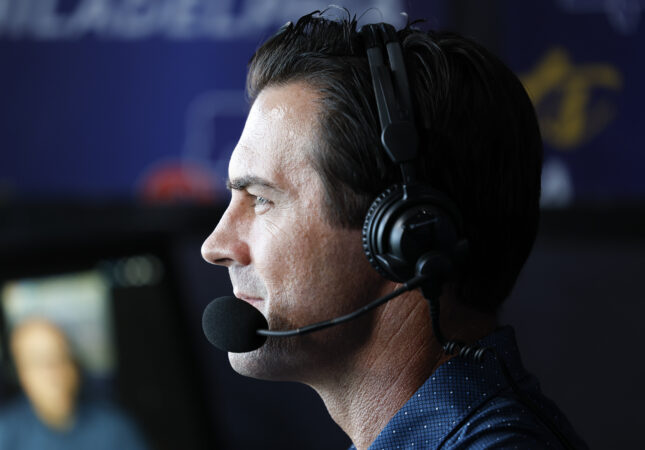
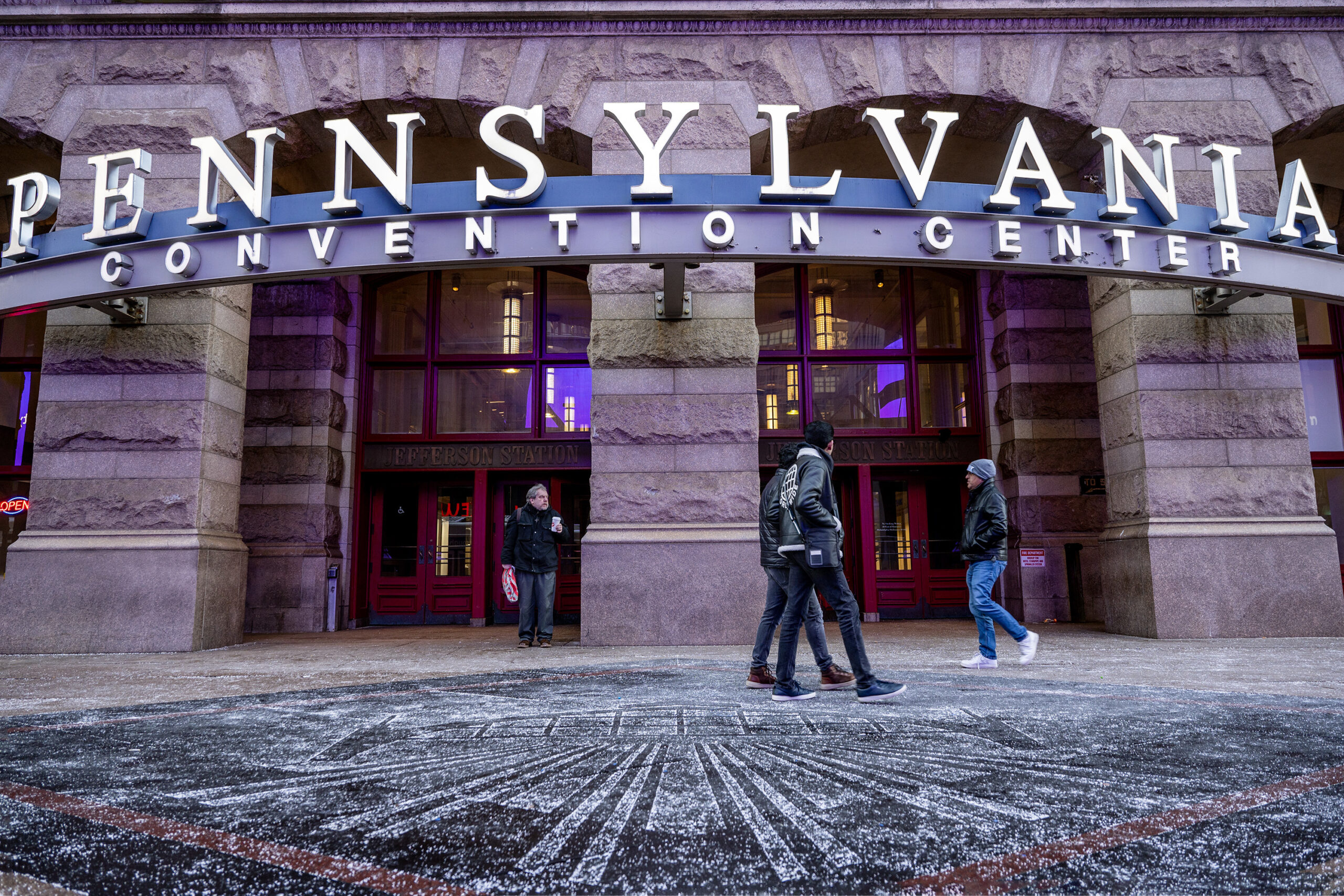
Cole Hamels, the 2008 World Series MVP and current NBC Sports Philadelphia broadcaster, is joining MLB Network’s live coverage of the 2026 MLB draft, which kicks off Saturday afternoon at 1 p.m. at the Pennsylvania Convention Center.
Longtime MLB Network coordinating producer Chris Roenbeck, who is working his fourth draft, said they’re always looking to add a “special wrinkle” to their coverage. With this year’s draft taking place in Philadelphia, the stars aligned to add Hamels to their broadcast.
“When we started brainstorming months ago, we quickly thought of Cole, given his decorated career with the Phillies and being a first-round pick,” Roenbeck said. “We’ll go to him early and often for pitching insights, relying on his unique perspective, which will only enhance our broadcast.”
Hamels is the only new addition to MLB’s Network’s draft coverage, which will be hosted by Greg Amsinger and feature analysis by Mark DeRosa, Harold Reynolds, and former Colorado Rockies general manager Dan O’Dowd.
“We’re beyond excited to have Cole part of our draft team,” Amsinger said, noting Hamels’ “draft experience and pitching expertise will take our show to the next level.”
“Certainly, we would love to have him every weekend,” Alexandra Matcham, the vice president of content for NBC Sports Philadelphia, told The Inquirer in March.
Hamels won’t be the only Philly addition. The opening of MLB Network’s draft coverage will be voiced by Black Thought (aka Tariq Trotter), lead MC of the Philly hip hop group The Roots.
NBC will broadcast the first 10 picks of the MLB draft
The 2026 MLB draft will take place at the Pennsylvania Convention Center in Center City.
Hamels and company will be on hand to discuss the Phillies’ No. 32 pick, but MLB Network won’t air the first 10 picks of the draft
Why? Because NBC will be broadcasting the first hour and a half of this year’s MLB draft as part of their three-year TV rights deal with MLB, taking over for ESPN.
As a result, the MLB draft will begin at 1 p.m. Saturday on NBC before coverage shifts to MLB Network at 2:30 p.m., picking things up with the No. 11 pick.
NBC will carry MLB Network’s production, so you won’t see Mike Tirico and crew this weekend.
The entire draft will stream on Peacock, which will simulcast MLB Network’s coverage after NBC cuts away to cover the American Century Championship, often described as the Super Bowl of celebrity golf tournaments.
The draft streaming on Peacock is good news for YouTube TV subscribers, where MLB Network has remained dark for three years due to a contract dispute. The network is also available to stream as part of MLB+, beginning at $5.99 per month.
The MLB Network has broadcast the draft since 2009. ESPN was the first network to broadcast the draft, which aired the first round live on ESPN2 in 2007.
Quick hits
Malik Tillman reacts after the U.S. was eliminated from the World Cup by Belgium Monday.
“This doesn’t have to be the last soccer you watch for the next four years.” That was John Strong, Fox’s lead World Cup announcer, pleading with American fans after the U.S. was eliminated from the World Cup by Belgium Monday.
Credit to Delran native and two-time World Cup champ Carli Lloyd, who wasn’t afraid to criticize U.S. star Christian Pulisic after the United States’ disappointing loss.
On a brighter note for American football fans, the NFL preseason is less than a month away. The annual Pro Football Hall of Fame game, featuring the Arizona Cardinals and Carolina Panthers, kicks off Aug. 6. The Eagles’ first preseason game against the Baltimore Ravens is one week later on Aug. 15.
If you like persnickety droids, precocious aliens, and scruffy-looking nerf herders, the Franklin Institute will be where it’s AT-AT next year when a new exhibit, “Star Wars: The Experience — A Journey Through the Galaxy,” premieres in February.
The interactive exhibit is part of the 50th anniversary celebration marking the 1977 debut of Star Wars Episode IV: A New Hope, the first film released in the sci-fi franchise.
Billed as the “largest and most comprehensive behind-the-scenes exhibition celebrating the Star Wars galaxy,” the 18,000-square-foot experience will feature more than 70 props from Lucasfilm’s archives, including Darth Vader’s costume, Darth Maul’s light-saber, and a speeder bike, according to a news release from the Franklin Institute.
The droids you are looking for, like R2-D2 and C-3PO, will be on display, along with beloved characters like Grogu (this is the way).
R2-D2 and C-3PO at world premiere of “Star Wars: The Rise of Skywalker” in 2019 in Los Angeles.
The experience was created over more than four years by the Franklin, Lucasfilm, Disney Consumer Products, and Orlando-based experiential design firm MDSX.
Specifics about the exhibition are scant, but it will include “large immersive moments” and RFID (radio frequency identification) technology that will allow for a personalized and interactive experience, the release said. Displays will delve into sound design, costume creation, fandom, gaming, and other aspects of the Star Wars universe.
More details and renderings of the exhibit will be released during a July 24 panel at San Diego Comic-Con called “The Making of Star Wars: The Experience.” The panel will feature representatives from the Franklin, Lucasfilm, and MDSX and will be moderated by Ashley Eckstein, the voice of Ahsoka Tano in several animated series including Star Wars: The Clone Wars.
“Star Wars: The Experience” will run at the Franklin from Feb. 13 to Sept. 6, 2027, and will be in place for May 4, the unofficial Star Wars holiday. (May the Fourth be with you.)
Star Wars fans gather in costume for Star Wars Day at the Franklin Institute in 2015.
After its Philly run, the exhibit will go on a five-year tour around North America.
“Star Wars created a cultural landscape that spans decades and delivers massive, undeniable global appeal,” said Larry Dubinski, president and CEO of the Franklin Institute, in a statement. “Its influence extends far beyond cinema — shaping entertainment, culture, technology, and business, while redefining how stories are created, experienced, and shared across generations.”
This is the second exhibit about the galaxy far, far, away that the Franklin has staged. Consider it Star Wars: The Franklin Strikes Back.
In 2008, the museum hosted “Star Wars: Where Science Meets Imagination,” which featured props, costumes, and a five-minute ride in a simulator of the Millennium Falcon’s cockpit. That touring exhibit was a collaboration between the Boston Museum of Science and Lucasfilm.
Two young padawans greet Boba Fett at the exhibit, “Star Wars: Where Science Meets Imagination,” in 2008 at the Franklin Institute.
The new experience, the Franklin says, will differ from the previous one in many ways.
“This exhibition is much larger in scale, more ambitious in scope, and powered by technologies that allow every guest to experience a custom story,” said Abby Bysshe, chief experience and strategy officer, in a statement
A lot has happened with the Star Wars franchise in the 18 years since the first exhibit was held at the Franklin. Luscasfilm was purchased by the Disney Company in 2012, there have been six new Star Wars movies, and more than a dozen new Star Wars shows.
When the last exhibit opened, Grogu wasn’t even a twinkle in Din Djarin’s eye and nobody had ever heard the name Cassian Andor.
Now, they have friends everywhere.
Tickets for “Star Wars: The Experience — A Journey Through the Galaxy” will go on sale in November.
If you didn’t believe it before, you need to understand it now: Donald Trump never should have picked up that phone, never should have put in that call to one of his toadies, FIFA president Gianni Infantino, and never should have tried to exert his icky influence in a sport rife with corruption.
The 4-1 loss by the U.S. men’s national team to Belgium on Monday night at Lumen Field in Seattle was a fitting result. It was an embarrassing end to the World Cup for the home country. It was cosmic payback for a club that hoped to benefit from a president who wanted to strongarm Team USA into the quarterfinals and found out that sports can resist even an autocrat’s attempts to stack the deck.
Sometimes, once you show you’re willing to wallow in the mud, you can never wash the stain away. The justifications for the Trump administration’s overtures to FIFA to wipe out the one-game suspension for Folarin Balogun — and for FIFA’s acquiescence — were oh-so easy and obvious: This is FIFA.
U.S. forward Folarin Balogun (20) was the center of attention against Belgium in the World Cup’s round of 16 on Monday.
This is an organization with a history of scandal and corruption so long and detailed that Robert Caro could only begin to chronicle it. This kind of back-scratching and deal-making is nothing new at soccer’s highest level. This is how things work, and everyone knows it and holds their nose against the stench, and all the complaints from Belgium and the other countries left in the World Cup were nothing but rank hypocrisy.
If another national team were in the same situation that the USMNT found itself after Balogun was hit with that questionable (at best) red card last Wednesday against Bosnia and Herzegovina, its president or prime minister would have done the same thing Trump did, right? Any means necessary in an every-country-for-itself system, right?
Wrong. The corrective to dishonor and dishonesty isn’t to do more dishonorable things. Yet that was the remedy that Trump sought and put Team USA in the position of accepting. No, Balogun never deserved a red card and the subsequent suspension. Yes, it was a terrible call. But terrible calls happen at all levels of sports, because sports — at least until the gamblers and robots take them over completely — are officiated and overseen by human beings, and errors and mistakes are part of the game.
Stuff happens, and you deal with it as best as you can, and no one gets a do-over days later just because Donald Trump says so. His actions wouldn’t have been appropriate in youth soccer — imagine a parent of a punished player pressuring a league’s commissioner to lift a suspension and the commissioner giving in — let alone in the biggest sporting event on the globe.
What’s more, Trump and those who supported or tolerated his interference in The Balogun Affair apparently never stopped to consider that he might be damaging his own national team’s chances. In that 2-0 victory over Bosnia, Balogun’s teammates not only survived the final 26-plus minutes of the match without him but also scored shorthanded to extend their lead.
They had become underdogs. They had acquired the momentum that comes with being a team that had to fight adversity and had given a strong indication that it could overcome it.
But once FIFA reversed its decision, that entire narrative — that sense that the USMNT might use Balogun’s suspension as inspiration and triumph in the face of an unjust call — disappeared. Now, the USMNT wasn’t the tough, resilient bunch that could withstand the absence of its best player. Now it was so out of its depth without Balogun that it needed the shady political boss to cut a deal in the smoke-filled room to bail it out.
Belgium players react after their team scored one of four goals against the United States in Monday’s round-of-16 World Cup match.
Well, the Americans fit that pathetic profile Monday night. They allowed Belgium to take an early lead, then gave up the winning goal just 61 seconds after Malik Tillman tied the game at 1, then conspired to commit a crushing gaffe when goalkeeper Matt Freese played the ball outside the box, burped it up, and watched Hans Vanaken roll a shot past him for a two-goal Belgium edge.
They were outplayed, outmatched, and outclassed, their performance all the more humiliating for the strings that their president had pulled for them, for the message that he had sent about their chances.
Donald Trump told the world that these athletes needed a man willing to act like a mob boss to make things easier for them, that the USMNT wasn’t strong enough to take home victory on its own and without his help. It turned out he was right. He treated them like losers, and on Monday night, they met his expectations.