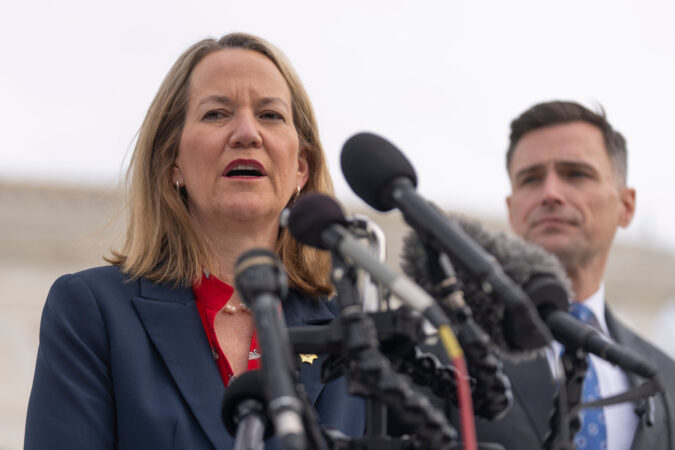
SACRAMENTO, Calif. — More than a dozen states sued the Trump administration Tuesday over its rollback of vaccine recommendations for children, calling the move an illegal threat to public health.
The states argue that the Centers for Disease Control and Prevention put children’s lives at risk when it announced last month that it would stop recommending all children get immunized against the flu, rotavirus, hepatitis A, hepatitis B, some forms of meningitis, and RSV. Under the new guidance, which was met with criticism from medical experts, protections against those diseases are recommended only for certain groups deemed high risk or when doctors recommend them in what’s called “shared decision-making.”
The new vaccine recommendations ignore long-standing medical guidance and will make states have to spend more to protect against outbreaks, the states, including Arizona and California, said.
“The health and safety of children across the country is not a political issue,” Arizona Attorney General Kris Mayes, a Democrat, said at a news conference. “It is not a culture war talking point.”
Emily G. Hilliard, press secretary for the Department of Health and Human Services, blasted the complaint as a “publicity stunt dressed up as a lawsuit.”
Pennsylvania, New Jersey, and Delaware all joined the Arizona-led lawsuit.
“Every Pennsylvanian deserves accurate information to make their own healthcare decisions when consulting with their doctors — and science, not politics, will continue to guide our healthcare decisions here in the Commonwealth,” said Gov. Josh Shapiro, a Democrat who has repeatedly joined litigation against the Trump administration since last year.
The lawsuit escalates an ongoing battle between Democratic-led states and Republican President Donald Trump’s administration over the federal government’s changes to public health policy under Health Secretary Robert F. Kennedy Jr. The Trump administration has laid off thousands of workers at federal public health agencies, cut funding for scientific research and altered government guidance on fluoride and other topics.
Kennedy last year ousted every member of a vaccine advisory committee and replaced them with his own picks, which Tuesday’s complaint alleges was unlawful.
The lawsuit comes months after the Democratic governors of California, Washington state, and Oregon launched an alliance to establish their own vaccine recommendations. The governors said the Trump administration was risking people’s health by politicizing the CDC.
States, not the federal government, have the authority to require vaccinations for schoolchildren, though the CDC’s requirements typically influence state regulations.
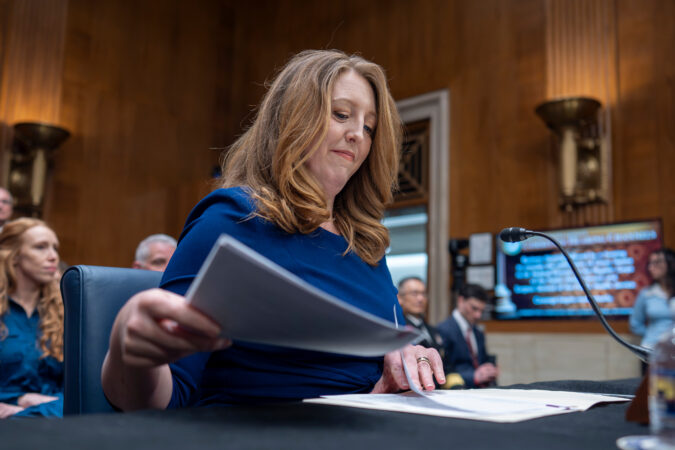
After over a year without a surgeon general, the Senate Health Committee is grilling Casey Means on vaccinations, herbusiness entanglements, and past comments on pesticides, as they weigh whether she should serve as the nation’s top doctor.
Means wrote the book considered the bible of theMake America Healthy Again movement with her brother, Calley Means, a Trump administration official. As surgeon general, she could amplify many of her messages around healthy eating and exercise, although she has faced criticism for some of her ties to wellness products.
Means is drawing fire and praise from both sides of the aisle, reflecting the MAHA coalition’s crosscutting appeal. Her messages on food found favor with both sides, while Democrats and the panel’s GOP chair probed her views on vaccinations and a Republican senator raised questions on how her stance on pesticides could impact American farmers.
Means highlighted the nation’s chronic illness rates and a path to how she hopes to change them in her opening remarks.
“Public health leaders must address the evidence-based, modifiable drivers of chronic diseases which include ultra-processed foods, industrial chemical exposure, lack of physical activity, chronic stress and loneliness, and overmedicalization,” Means said. “As surgeon general, I would call on every American and the Public Health Service to join in a great national healing — one that halts preventable chronic disease, makes healthy living the easiest choice, honors the body’s connection to the environment, and puts America back on the road towards wholeness and health.”
Her initial confirmation hearing was delayed after she gave birth in the fall. This hearing is also a referendum on the controversial moves of her political patron, Health Secretary Robert F. Kennedy Jr., who has overhauled federal vaccine guidelines and upended the public health system. Means, like Kennedy, has publicly questioned the number of vaccines included in the childhood vaccine schedule, as well as the hepatitis B shot. Public health experts say the vaccine schedule is safe and effective.
Vaccine questions
At the beginning of the hearing, Chairman Bill Cassidy (R., La.) cautioned that as the nation’s top doctor, Means would have a responsibility to fight back against the vaccine skepticism rising across the country “at a time when so many, for whatever reason, sow distrust and confusion.”
Sen. Bernie Sanders (Ind., Vt.), the panel’s ranking minority-party member, went further, accusing Trump and Kennedy of spreading misinformation on vaccines and pleading with Means to take a stand against them.
Cassidy later peppered Means with questions around immunizations, pointing to children who have died of vaccine-preventable disease. Means emphasized that while she supports vaccines, she believes parents and patients must speak to their physicians. She also refused to explicitly say vaccines do not cause autism when pressed, instead saying that no stones should be left unturned in the search for the causes of autism. As health secretary, Kennedy instructed the Centers for Disease Control and Prevention to remove from its website the long-settled scientific conclusion that vaccines do not cause autism.
In his questioning, Sanders started by pointing out the overlap between his and Means’s interest in fighting against ultra-processed food, before pivoting to further press Means on the scientific community’s determination that vaccines don’t cause autism.
“Anti-vaccine rhetoric has never been a part of my message,” Means said, adding that the nation should study when children are getting many medications.
Business ties and pesticides
A Washington Post examination last year found that Means had made over half a million dollars from partnerships with companies that her financial forms described as selling “diagnostic testing,” “herbal remedies and wellness products,” and “teas, supplements, and elixirs” from 2024 into the summer of 2025, according to her financial disclosures. Legal and advertising experts told the Post last fall that they were concerned about whether Means clearly disclosed her ties to some brands.
Sen. Tammy Baldwin (D., Wis.) grilled Means on some of her connections to wellness products: “It seems to me that you’ve spent your career sort of making money off the flaws” in the healthcare system.
Sen. Chris Murphy (D., Conn.) said he was concerned that Means was in “willful violation” of Federal Trade Commission rules, recommending products without telling followers she was sponsored by such products.
Means pushed back on the allegations and said she “would rectify that immediately” if it has inadvertently happened.
“I take conflicts of interest incredibly seriously,” Means said.
While many Republicans spoke highly of Means’s approach to improving American diets and fighting chronic disease, some others did not hold back in their questioning of her past remarks on psilocybin, pesticides, and other items.
Pesticides are a hot-button issue among the MAHA movement after Trump issued an executive order protecting a key ingredient in a weed killer.
She wrote in a newsletter sent in 2024: “How can we help bring a pesticide-free world to fruition? It starts with each of us prioritizing eating organic food as much as possible and standing firmly against buying or serving food sprayed with pesticides.”
Sen. Jon Husted (R., Ohio) stressed that he has heard questions from Ohio farmers about her comments on pesticides, calling them critical for the food supply and farmers’ stability.
Means called her thoughts on pesticides a core belief that was important to understand the impact pesticides could be having on Americans’ bodies, but noted she understood change could not happen overnight to destabilize the farming ecosystem.
Means also got in a testy exchange with Sen. Patty Murray (D., Wash.) over birth control, with Means stressing that it’s important to highlight the possible risks including stroke for women. Means has a history of disparaging birth control, which has been under fire from wellness and right-wing influencers.
Bucking the medical mainstream
Secretary Kennedy has championed Means’s nomination.
“She has an extraordinary capacity to communicate to the American public. That is the function of the surgeon general,” Kennedy said at an event Monday, saying Means would be a medical and “moral” authority for the public and he hoped she would be confirmed very soon.Means’ credentials — attending Stanford for her undergraduate education and medical school, racking up academic honors, writing scientific papers and working on research at top institutions — came up in the hearing.
Means left her medical residency over seven years agoand has encouraged Americans to ask questions of their doctors — positions Kennedy has said led to her nomination.
Means, a physician, has a medical license in Oregon that she voluntarily placed in inactive status, according to the state medical board, which means she cannot practice medicine in Oregon as of the beginning of 2024. Sen. Andy Kim (D., N.J.) raised concerns about Means’s medical license. Means pushed back on him by noting she practiced medicine and sees her background as “a feature, it’s not a bug.
MAHA supporters have lauded her for challenging the medical mainstream.
Public health experts have raised questions about some of her advice. In her book Good Energy, Means writes that “the ability to prevent and reverse” a variety of ailments, including infertility and Alzheimer’s, “is under your control and simpler than you think.”
Medical experts have said that while there is significant evidence that diet and exercise can lower the risk of some chronic conditions and slow the progression of diseases, Means overstates the science when she says it can reverse many of them.
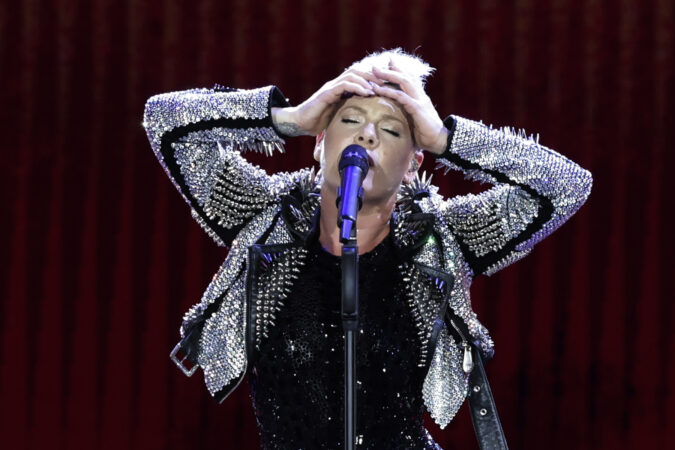
Philadelphia could be in for another banner year at the Rock and Roll Hall of Fame with the city’s biggest pop star, Pink, among the 17 nominees in the running to be inducted later this year.
Along with the Doylestown-born “Get the Party Started” singer, the list of potential inductees includes another artist with Philly ties in Lauryn Hill. Plus, Phil Collins, Wu-Tang Clan, Oasis, Mariah Carey, Jeff Buckley, Billy Idol, the Black Crowes, INXS, Shakira, Iron Maiden, Luther Vandross, Sade, Melissa Etheridge, Joy Division / New Order, Iron Maiden, and New Edition.
Pink — who was born Alecia Moore and has graduated to stadium-sized stardom, with recent tour dates at Lincoln Financial Fieldand Citizens Bank Park — is newly eligible for the Rock Hall this year, having released her debut album, Can’t Take Me Home, in 2000.
Ten of the artists on the list have been nominated for the first time. Pink is the only one who made the initial cut in her first year of eligibility.
Last year was a breakthrough year for Philly at the RRHOF. “The Twist” hitmaker Chubby Checker was finally inducted — although he didn’t attend the ceremony due to a scheduling conflict. Late songwriter-producer Thom Bell got in as a Musical Excellence honoree. Cyndi Lauper, who has deep Philly ties, also got in.
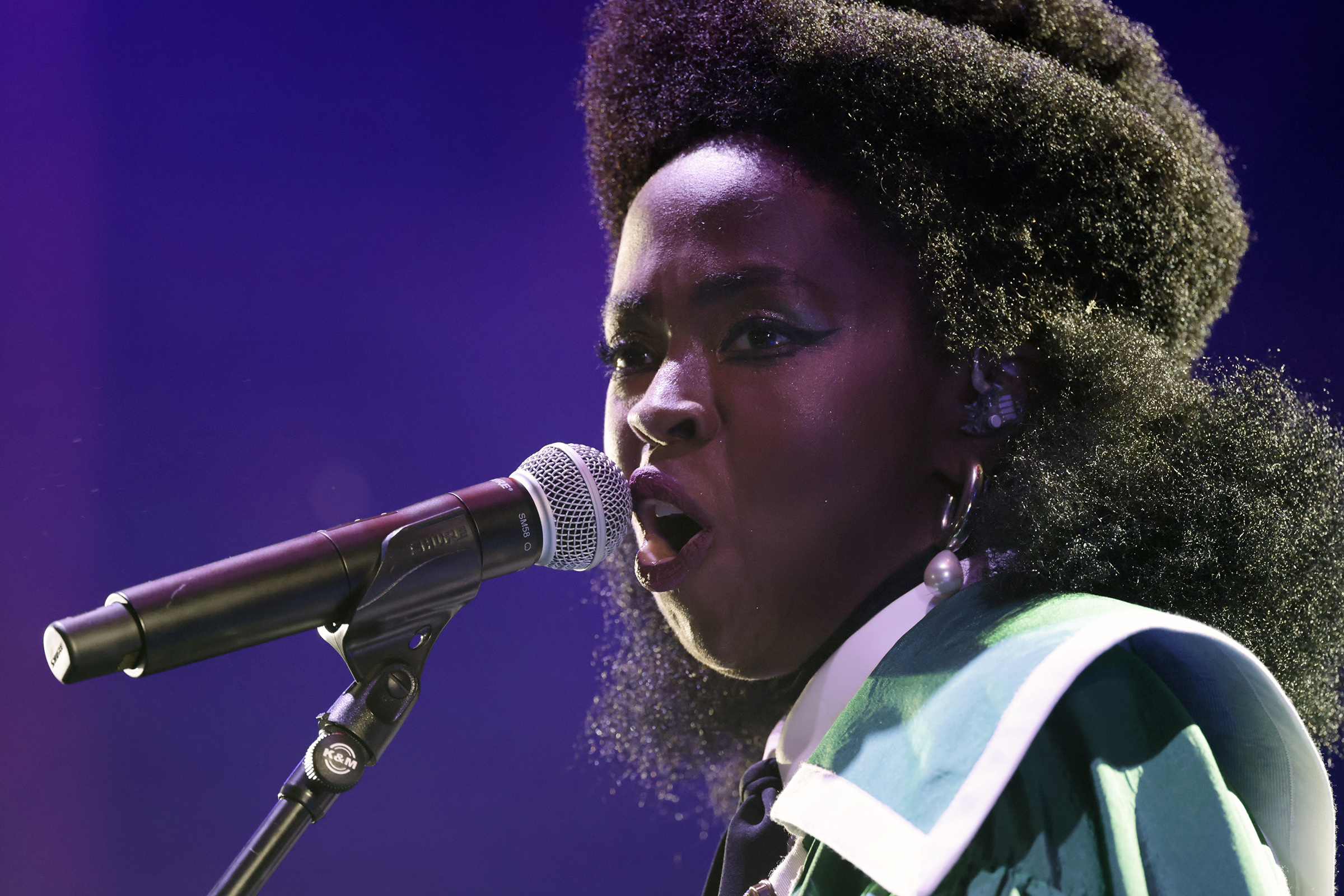
Ms. Lauryn Hill performs during The Roots Picnic Philadelphia at the Mann Center in Fairmount Park on June 3, 2023.
Artists hoping to be named when inductees are announced in April include Hill, the Fugees singer whose acclaimed one-and-only-studio album as a solo artist, 1998’s The Miseducation of Lauryn Hill, came out via Conshohocken’s Ruffhouse Records label.
Other nominees Philly music fans have a rooting interest in are Luther Vandross, the luxuriously voiced New York R&B singer who founded a Patti LaBelle fan club in high school and was a key contributor to David Bowie’s 1975 album Young Americans, which was recorded at Sigma Sound Studios. And Staten Island’s hip-hop Wu-Tang Clan have always claimed Philly as their second biggest market, and chose to end the farewell tour in South Philly last summer.
This year’s list is sure to irritate rock and roll purists eager to point out that the majority of acts nominated don’t primarily make rock and roll music. Instead, the list includes Shakira’s Latin pop, New Edition’s 1990s R&B, Carey’s R&B and hip-hop pop, and Sade’s silky smooth jazz-inflected R&B.
But that ship has long since sailed. With most rock and roll originators enshrined years ago, the modern RRHOF would more properly be called the Pop Music Hall of Fame.
The Cleveland institution needs to get bodies into its I.M. Pei-designed museum building. For years now, it’s been trying to do so by opening its doors to all forms of pop music and aiming to bring in still active artists who command at least a partially youngish fan base.
In that sense Pink (who stylizes her stage name as P!nk) is a perfect fit. She may have a quarter century of experience, but her persona is anything but old school and staid. Her trademark trick is to fly through the air in an aerial harness high above the crowds at her shows. If it’s vitality the Rock Hall is after, Pink could be its artist of choice.
Does that mean she’s going to get in? Not necessarily. Billboard has her odds at 8 to 1, tied with New Edition as the least likely of long shots.
There’s plenty of competition. Hill, for one. The Fugees is not in as a group, so Hill would be the first member to represent the hip-hop crew, which was a commercial and critically dominant force in the late 1990s and early 2000s. Hill is also freshly prominent this year, after impressing as the leader of the Roberta Flack-D’Angelo tribute at the Grammys this month.
Wu-Tang Clan member RZA speaks to the audience during the hip hop group’s final performance of their farewell tour, “Wu-Tang Forever: The Final Chamber,” at the Wells Fargo Center in Philadelphia on Friday, July 18, 2025.
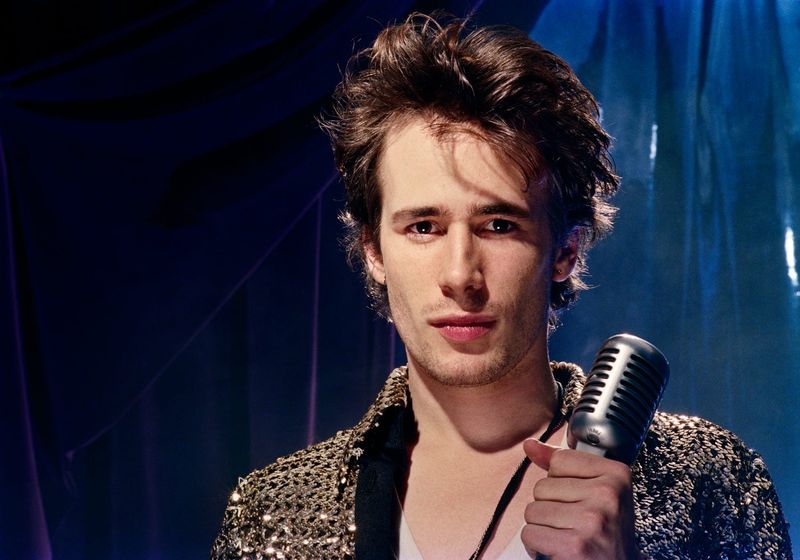
The other artist on the list who put out only one album is Jeff Buckley, the songwriter with a sensuous voice who drowned in the Mississippi River at 30 in 1997. His 1994 Grace includes the definitive take on Leonard Cohen’s “Hallelujah,” and his story has renewed interest, thanks to Amy Berg’s 2025 doc, It’s Never Over, Jeff Buckley.
Phil Collins is a lock. The British drummer and singer — who took a Concord to Philadelphia in 1985 so he could play at Live Aid on two continents — is already in with his band Genesis. But he has also had a massively successful solo career. His health struggles, which require 24-hour care, have been widely publicized.
I’d also rate Wu-Tang Clan as a safe bet. The Rock Hall has tended to enshrine one big-name hip-hop act every year recently, with OutKast as last year’s example. And Wu-Tang, after all, is for the children and has a perfect combo of prestige and popularity.
Every year, the Rock Hall snubs many unfashionable musical greats by not including them among the nominees. The incomparable Chicano band Los Lobos is my favorite example of a group that has been unjustly ignored.
That doesn’t mean they’ll never get in, though: Last year, long-suffering fans of the late Warren Zevon were rewarded when he was honored as a Musical Influence.
Other favorites among this year’s nominees include Iron Maiden, the English band whose inclusion would address the Rock Hall’s woeful record in acknowledging the history of heavy metal.
Colombian singer Shakira — whose 2006 “Hips Don’t Lie” is the first song by a South American artist to top the Billboard pop charts — also has an excellent shot, with the Rock Hall being mindful of paying attention to more Latin pop in the age of Bad Bunny.
Singer-songwriter Jeff Buckley, who found fame from his lone solo album “Grace,” is the subject of the music documentary “It’s Never Over, Jeff Buckley.”
And Oasis — whose reunited Gallagher brothers mounted an enormously successful world tour in 2025 — would certainly be a popular choice, with the induction ceremony a rare chance to bring the famously squabbling siblings together to celebrate one of the few things they can agree on: their greatness.
Last year, only six of the nominated performers got in. Previous nominees like Carey might also have an edge on Pink, who is likely to get in eventually, if not this year.
This year’s induction ceremony will be held in the fall, though where and exactly when has not yet been announced. Inductees are chosen by over 1,200 artists, historians, and music business professionals, according to a statement.
Fans can vote for their favorite seven choices at RockHall.com, but those votes have little impact. The RRHOF condenses the total of all fan voting to just one ballot to add to over 1,200 others.
The Atlantic City International Airport will soon offer even more southbound flights.
Breeze Airways, a budget carrier founded in 2021, is set to add direct flights between A.C. and Tampa twice a week starting this summer, the company announced Tuesday.
The routes will be offered on Wednesdays and Saturdays beginning July 1, according to Breeze, and fares for a one-way ticket will start at $79 per person.
The airline announced the new route to and from the Jersey Shore along with more than a dozen other nonstop flights nationwide.
Breeze Airways is adding nonstop flights from Atlantic City to Tampa twice a week starting in July.
“The addition of these new cities and routes will give even more travelers the opportunity to save precious hours that would otherwise be spent flying through hubs or driving,” David Neeleman, Breeze Airways’ founder and CEO, said in a statement, noting his company’s mission to offer affordable airfare in underserved markets. Neeleman has founded four other airlines, including JetBlue.
Last month, Breeze announced new nonstop service from Atlantic City to Charleston, S.C., and Raleigh-Durham, N.C., as well as a flight to Tampa, Fla., that includes a stopover.
The Charleston flights are set to be offered on Wednesdays and Saturdays starting May 6. And the Raleigh-Durham and stopover Tampa routes are scheduled for Thursdays and Sundays starting June 11.
All Breeze flights out of Atlantic City can be booked online now at flybreeze.com.
Breeze Airways is a private company, so it is not required to publicly report its finances. Last year, however, the airline announced that it had turned a profit for the first time in the fourth quarter of 2024, a period in which the company generated more than $200 million in revenue.
The Utah-based carrier has expanded in recent years, now operating more than 300 routes, including seasonal flights, to 86 cities in the U.S., Mexico, and the Caribbean.
Breeze is one of only a few major airlines that operate a dozen or so flights in and out of Atlantic City every day, depending on the season.
American Airlines allows passengers to go through security in Atlantic City and then get on a bus to catch flights at the Philadelphia International Airport.
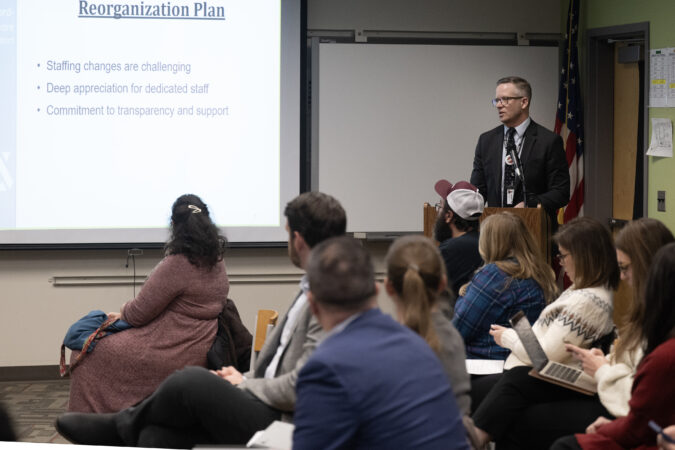
The Wallingford-Swarthmore school board on Tuesday approved a plan that would eliminate nearly 20 positions as it tries to reverse what officials have called a trend of unsustainable spending in the affluent suburban district.
The reorganization plan, which was approved by the board 8-0 and takes effect July 1, will save the district about $2 million, said Superintendent Russell Johnston. Five administrative positions will be eliminated, along with positions for instructional assistants at the middle and high schools, a high school special education teacher, high school secretary, and high school part-time guidance counselor, among other roles.
Some of those positions are currently unfilled. And not everyone whose position is being eliminated will be leaving the district: Employees with seniority will be able to bump less senior staff, Johnston said.
Overall, the changes will result in three to four layoffs, Johnston said Tuesday. Seven long-term substitutes will also no longer work in the district.
“This is not about solving a problem in this year’s budget,” but ensuring the district can sustain its programs in the future, Johnston said Tuesday.
“Bottom line: the district has a spending problem,” DeJuana Mosley, the district’s business administrator, said at a November finance committee meeting. She said there had been “considerable increases” in staffing since 2021 — and the district’s budget grew by 18%, from $89 million to $105 million — despite no increase in enrollment.
The district also lacked adequate inventory management, Mosley said — describing a “culture of just ordering stuff” — and faces other mounting pressures, including deferred maintenance and a lack of curricular investments, including some course materials not aligned to Pennsylvania or Advanced Placement standards.
Mosley described the district’s $164 million capital plan as “added pressure,” but not the source of budget troubles.
Meanwhile, the district’s tax base — which is heavily residential, with limited commercial properties — has declined, Mosley said. Taxable assessed value dropped by $6 million from 2024 to 2025, resulting in a loss of $175,000 in annual tax revenue for the district.
Even if the district raised taxes for the coming year by 3.5%, the maximum amount allowed by state law, it would still be short $2.6 million, Mosley said.
The school board parted ways with former superintendent, Wagner Marseille, in 2024, after an opposition campaign from parents that accused Marseille of excessive spending, among other allegations. Marseille, who had led the district since 2021, was replaced on an interim basis in August 2024 by Jim Scanlon, a former West Chester superintendent.
The board hiredJohnston, a former Massachusetts education commissioner, in May.
In an interview this week, Johnston said that in planning for the fiscal year starting July 1, he “began to see more and more signs that we needed to make this adjustment.”
He said that in November, “I brought the full scope of the problem before the board.”
Which positions are being cut?
Five administrative positions will be cut under the plan approved Tuesday: director of assessment, compliance, and federal programs; supervisor of counseling and wellness; safety and security coordinator; communications and community relations liaison; and supervisor of buildings and grounds.
Other cuts include: two high school and one middle school instructional support positions; a high-school part-time guidance counselor; a high school secretary; a high-school special education teacher; a middle-school safety aide; a middle-school long-term substitute; a middle-school substitute custodian; and six teachers on special assignment helping with new curriculum rollouts. (The plan also includes the creation of two new curriculum supervisor positions.)
In outlining the cuts Tuesday, Johnston said, “This is really about a change in positions, not people.” He said responsibilities from discontinued administrative positions would be shifted to other administrators.
“What’s good for students is sometimes hard for adults,” he said.
The district is also eliminating “Cultural Proficiency Equity Teacher Leader” positions, which were created in 2022-23 and gave additional money to teachers working on equity initiatives.
Johnston said at a finance committee meeting last week that “this is no way a backing off of our commitment to equity,” and responsibilities would be absorbed elsewhere.
What happens next?
The reorganization plan isn’t the only way the district is trying to save money. At last week’s finance meeting, Johnston said the district would eliminate redundant software programs and increase oversight of supply purchases. He also said he would be sending a memo to staff to cut back on snacks at after-school events.
The district, which taxes residents at a relatively high rate compared to others, will be limited in how much it can increase taxes in future years, with the Act 1 index that dictates how much they can increase taxes projected to decline, Johnston said. The board directed district officials to prepare a budget for 2026-27 with an increase between 3-3.4%, under the 3.5% state-imposed limit.
“We want to make sure what we live with next year, we can live with in future years,” he said last week.
WASHINGTON — President Donald Trump started in sales mode, using his State of the Union address to deliver an upbeat vision of the U.S. economy.
But that portrayal collides with the sentiment of Americans who remain anxious about their finances and feel they haven’t benefited from Trump’s policies. He took the high road to honor the gold medal-winning U.S. men’s Olympic hockey team and a war hero before pivoting abruptly to a darker tone as he ridiculed Democrats.
Trump’s ‘roaring’ economy is at odds with sour public sentiment
Much of the nation is worried about the direction of the economy, but Trump says the good times are here, insisting repeatedly that rising costs are no longer a problem.
“The roaring economy is roaring like never before,” he said. He cheered the lower cost of gasoline, mortgage rates, prescription drug prices, and the rising stock market: “Millions and millions of Americans are all gaining.”
Such optimism, as so many Americans are feeling economic strains, risks painting Trump as out of touch. Just 39% of U.S. adults approved of Trump’s handling of the economy in February, according to AP-NORC polling.
Still, the president focused much of the first hour of his speech on the economy, something Republicans had urged him to do as they head into the midterm elections.
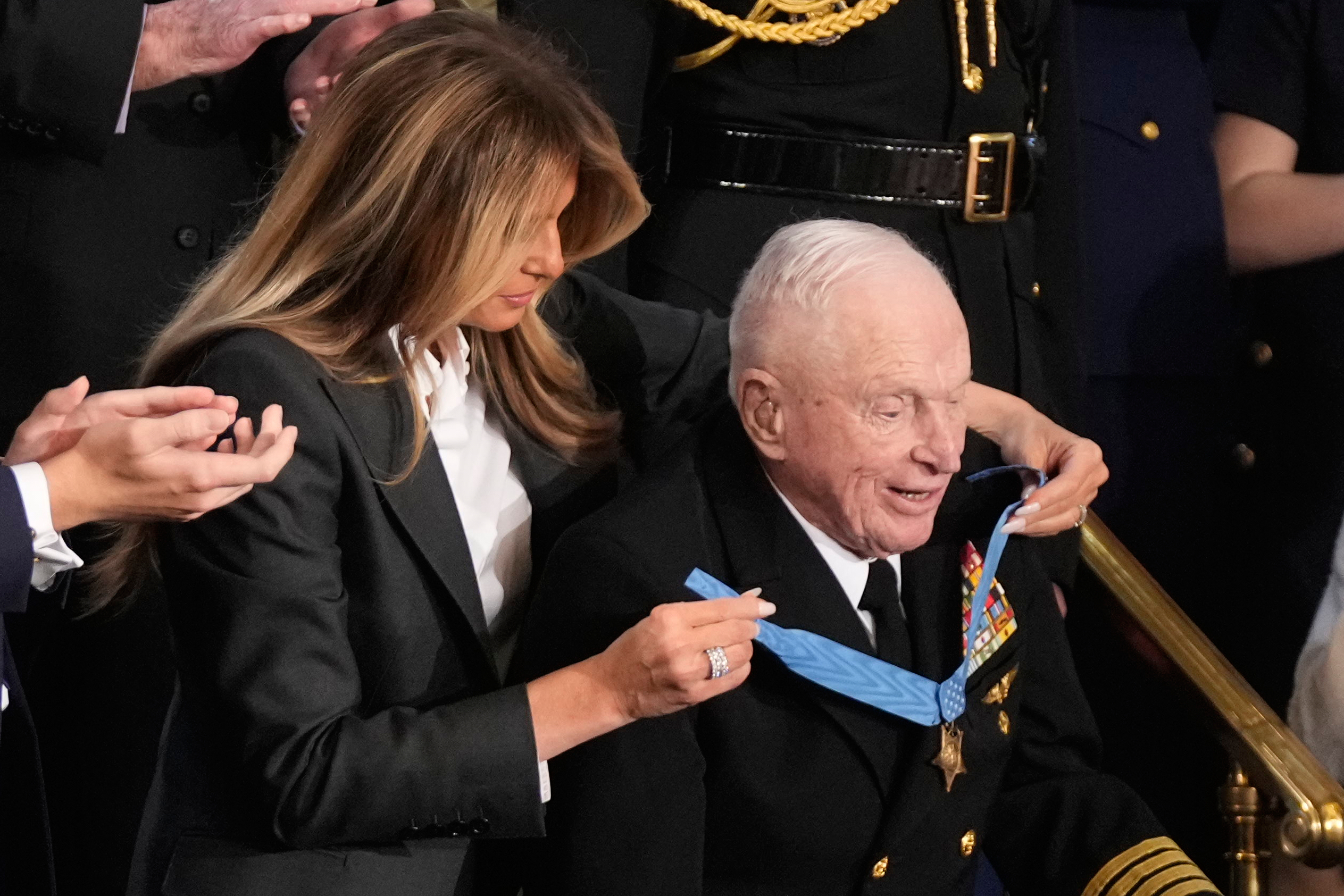
First lady Melania Trump awards World War II Navy pilot Capt. Royce Williams the Congressional Medal of Honor as President Donald Trump delivers the State of the Union address to a joint session of Congress.
Trump wraps himself in the flag
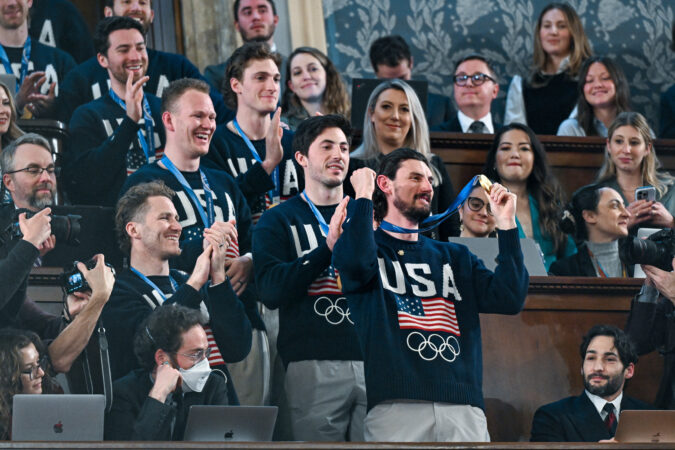
For a president who always seems to be spoiling for a fight, Trump also tried to summon Americans’ innate patriotic impulses. In addition to the hockey team, he singled out war heroes and those who had taken brave stands in other countries, using the moment to bestow numerous presidential medals in an effort to give the address a more positive gloss.
It underscored the president’s media savvy and understanding that even if a moment isn’t appreciated completely in real time, it can have an afterlife in the days following speech, especially on social media.
Yet in one revealing moment, Trump lamented why he couldn’t give a congressional medal to himself.
Taking aim at Democrats
Tributes to the Olympic hockey team and a World War II veteran didn’t unify the room for long.
The Republican president soon took aim at Democrats and blamed them for many of the nation’s ills.
Trump said rising healthcare premiums are “caused by you,” suggested Democrats “are not protecting” Social Security and blamed them for the nation’s affordability crunch. “You caused that problem. You caused that problem,” Trump said as he glared at the Democratic side of the room.
He seemed to get angrier as the speech progressed.
“These people are crazy, I’m telling you, they’re crazy,” he said. “Democrats are destroying this country.”
Trump’s MAGA base loves such aggression. It’s unclear, however, if the rest of the country feels the same.
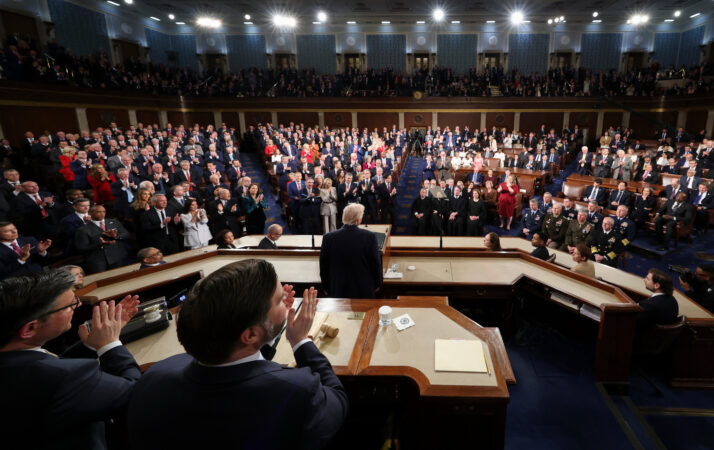
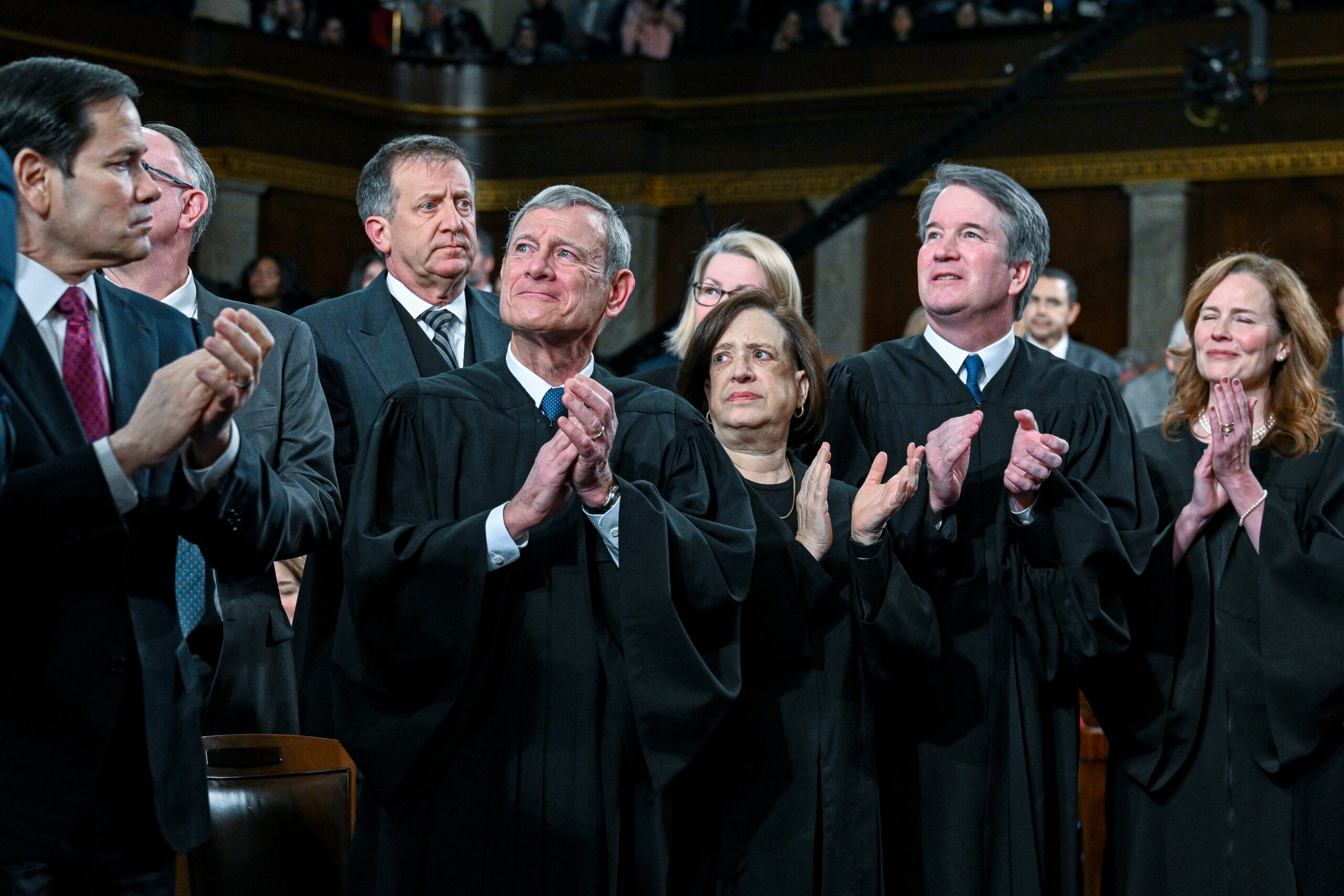
Secretary of State Marco Rubio (from left), Chief Justice John Roberts, Justice Elena Kagan, Justice Brett Kavanaugh, and Justice Amy Coney Barrett applaud before President Donald Trump delivers the State of the Union address Tuesdy to a joint session of Congress in the House chamber at the U.S. Capitol.
The Supreme Court’s ‘unfortunate’ decision
By Trump’s standards, he held his tongue when it came to the Supreme Court.
After the court struck down his tariff policy last week, Trump said the justices who voted against one of his signature issues were an “embarrassment to their families.” By Tuesday, he simply called the ruling “unfortunate.”
Trump sought to treat the ruling with indifference, insisting that tariff revenues were “saving” the U.S., ignoring the fact that the levies haven’t made a significant dent in government debt. He said the tariffs were paid by foreign countries even as virtually every study concludes that costs have been paid by U.S. firms and consumers.
At one point, he seemed to take the long view that history would ultimately vindicate him even if the Supreme Court would not.
“As time goes by, I believe the tariffs paid by foreign countries will, like in the past, substantially replace the modern day system of income tax, taking a great burden off the people that I love,” he said.
That is unlikely. The federal income tax is authorized by the 16th Amendment to the Constitution and the power to collect revenue is ultimately defined by Congress, not the president.
Trump vows action on election ‘cheating’
The president also used the speech to reprise his attack on the integrity of U.S. elections.
“Cheating is rampant in our elections,” Trump said.
Trump has made such claims for years, focused on his 2020 election loss, claims rejected by dozens of courts and his own attorney general at the time.
But the timing of Tuesday’s prime-time claims, less than nine months before voters across America are scheduled to decide control of Congress, was noteworthy. So, too, was Trump’s suggestion that he would take action to address a problem that doesn’t appear to exist.
“They want to cheat. They have cheated, and their policy is so bad that the only way they can get elected is to cheat,” Trump said of Democrats. “And we’re going to stop it. We have to stop it.”
Trump is calling on Congress to pass a bill requiring voters to show a photo ID before casting ballots. But he also recently vowed to enact an executive order to address the issue, although the White House has not clarified what it might entail.
No mention of Minneapolis
Sometimes what’s not said is as notable as what is.
Trump has highlighted immigration since the very first speech in which he announced his 2016 presidential campaign. And on Tuesday night, he revived much of the same language he’s used throughout the past decade, blasting “criminal aliens” and warning of “drug lords, murderers all over our country.”
What he didn’t mention: the most aggressive immigration enforcement tactics that threatened to bring the U.S. to the brink earlier this year. He didn’t mention the deaths of two U.S. citizens in Minneapolis last month at the hands of federal agents.
Indeed, it was Rep. Rashida Tlaib (D., Mich.), who shouted that “Alex wasn’t a criminal,” referring to Alex Pretti, one of the U.S. citizens killed in Minneapolis.
During her Democratic rebuttal, Virginia Gov. Abigail Spanberger said law enforcement must work to build trust in communities and said Trump “every minute spent sowing fear is a minute not investigating murders.”
Trump said nothing of his administration’s shift in tactics, including a drawdown of agents in the Twin Cities. And he made no acknowledgment of the broad concerns in the U.S. about Trump’s approach on immigration, as demonstrated by the 60% of U.S. adults who disapproved of his handling of the issue in February, according to AP-NORC polling.
Drumbeat for war gets louder
Trump has already built up the largest U.S. military presence in the Middle East in decades. And in his speech, he outlined a rationale for using those forces to launch a major military strike against Iran.
The president said that Iran and its proxies have “spread nothing but terrorism, death and hate,” adding that its leaders killed at least 32,000 protesters in recent weeks, which is at the further end of estimates over the death toll. The U.S.-based Human Rights Activist News Agency has so far counted more than 7,000 dead and believes the death toll is far higher. Iran’s government offered its only death toll on Jan. 21, saying 3,117 people were killed.
Trump also warned that the nation has developed missiles that can threaten Europe and is working on missiles “that will soon reach” the U.S.
“My preference is to solve this problem through diplomacy. But one thing is certain, I will never allow the world’s number one sponsor of terror, which they are, by far to have a nuclear weapon. Can’t let that happen.”
On brand, the speech was the longest SOTU ever
The president, ever mindful of records that allow him to say he was the first, the best or had done the most, succeeded clearly on one thing: he beat his own record for the longest, clocking in at just under 1 hour, 48 minutes.
At 11 p.m. on a February Friday night, a boisterous line snaked out of a brightly lit cafe a block away from Penn Presbyterian Medical Center. Philadelphians chatted excitedly as they waited to order pistachio lattes, matcha, and Adeni chai at Philly’s newest Yemeni coffee shop, Shibam Coffee Co.
The national chain added Philly to its roster of U.S. locations, soft-opening last weekend, thanks to four friends: Philly native Fahad Azam and his college friend Khurram Ghayas, who looped in brother Waqas Ghayas and Texas-based friend Roshaan Ahmad.
Inside the minimalistic, neutral-toned cafe at 3748 Lancaster Ave., owners Azam, Khurram, and Waqas served order after order of coffee, chai, sandwiches, and desserts from 5 p.m. to midnight on Friday. Customers nestled into plush mid-century modern chairs at white marble tables, high-top chairs at countertops near the big windows, a custom wraparound couch from Pakistan situated around an olive tree, and still more couches in the lounge room, decorated with a Philly skyline mural and fireplace.
Glass-bulb light fixtures hanging from the copper-colored industrial ceiling cast a warm glow on the 2,600-square-foot cafe — open until midnight on Fridays and Saturdays, a rarity in a city where many coffee shops close before sunset.
Shibam Coffee Co. in West Philly.
The display case shows off cream tarts perfectly shaped like blueberries, raspberries, and mangoes; sweet cream cheese-filled honeycomb bread; and slices of rich lotus, caramel, and pistachio milk cakes from Aroma Bakery in Old City. The menu also includes house-made halal sandwiches with beef pastrami and turkey from Grad Hospital’s Prime Halal Meat Co. on ciabatta rolls from Chestnut Hill’s Baker Street Bread.
“We wanted to … work with local businesses to bring the Philadelphia vibes into Shibam,” Azam said.
The West Philly location’s coffee menu is standard to the national chain, which has 13 locations, in cities like Pittsburgh; Dearborn, Mich.; and Columbus, Ohio. Customers can sip on Yemeni cafe staples like jubani (made with coffee and the husk of coffee cherries, served with cardamom, ginger, cinnamon), Adeni (Yemeni black tea, cardamom, nutmeg, milk), and mofawar (coffee with cardamom and cream), along with drinks like Shibam coffee (light roast Yemeni coffee with coffee husks, cardamom, ginger, cinnamon, cream) and Saudi coffee (light roast with cardamom and saffron). There are also more usual coffee shop drinks like brown sugar-shaken espressos, pistachio lattes, and matcha.
With the soft opening landing on the first weekend of Ramadan, many patrons came from a nearby mosque for a post-tarweeh (late-night holiday prayer) treat and gathering spot.
Shibam offers pastries from Old City’s Aroma Bakery.
“We had planned to open up in December or January, but it just kept getting delayed,” Azam said. “I see it as a blessing in disguise that we opened on the first Friday of Ramadan, Alhamdulillah.”
“We want to offer a late-night hangout spot for Muslim people, as well serve the healthcare community in the neighborhood,” he added. “I feel like we [Muslims] need a third space year-round — we don’t go to clubs; we don’t go drinking at bars. We might as well have a coffee shop that’s more like a community center, a space that’s comfortable for everyone.”
The four owners initially planned on opening their cafe location in the Philly suburbs but pivoted when they heard the building was available.
“We were like, ‘What the hell are we doing?’ — [Lancaster Avenue] is a marquee location,” Azam said. “You’re right near Drexel University. You’re right next to UPenn Presbyterian building. And there’s a well-established community already there. It was a no-brainer.”
Shibam Coffee Co. in West Philly
Azam and his friends knew they wanted to open a Shibam location together after embarking on a Yemeni cafe crawl in Dearborn. The rich, smooth flavor profile of the Shibam coffee there stood out to the four friends. But it was meeting the “humble, down-to-earth” CEO of Shibam Coffee Co., Mansour Sharha,that led them to open their own location in Philly, said Azam.
While this is the first Shibam franchise in Philly, the city’s Yemeni coffee footprint has been on a steady incline, with four cafes opening in 2025 and several on the horizon.
One of those cafes, Haraz Coffee House, is just a 12-minute walk from Shibam. But Azam doesn’t see the coffeehouse as competition, rather a friendly neighbor with the same goal: expand the Yemeni coffee shop footprint.
For the co-owner, opening weekend of Shibam was a reflection of Philadelphians’ love for the ever-growing Yemeni cafe culture creating cherished cultural spaces for immigrant, Muslim, and diasporic communities.
“It means we are on the right track — we are passionate about [Yemeni coffee] and it shows through the amazing support we’ve been getting,” Azam said. “We want to keep this going and make sure we continue to set high standards for ourselves and our customers.”
Shibam Coffee Co., 3748 Lancaster Ave.; shibamphilly.com; instagram.com/shibam.philly; Ramadan hours (through March 19): 3 to 11 p.m. Monday to Thursday, 3 p.m. to midnight Friday and Saturday, 3 to 11 p.m. Sunday. (Hours will be updated at a later date.)
I, for one, am astonished that several entitled young white millionaires were eager to capitalize on their brief moment of relevance by becoming pawns of a president for whom most of them probably voted, especially if they listened to the most popular podcasters — that is, if they even bothered to vote.
Let’s unpack that sentence.
The average age of Team USA men’s hockey players is 28.43 years, so the chance they voted is less than 50%, according to surveys conducted by CIRCLE, a research initiative based at Tufts University. Among white men between the ages of 18-29, 56% voted for President Donald Trump. If they had no college degree, as is the case with most NHL players, that number jumps to 67%. More than half the listeners of podcasts such as The Joe Rogan Experience are white men between the ages of 18-34, and, after Trump was elected, Dana White, the CEO of UFC and a staunch Trump ally, thanked those podcasters for getting Trump over the hump.
Let’s throw in the fact that most professional athletes are, necessarily, narcissists. And there you have the reasons that so many members of Team USA have become the latest victims of moral political outrage.
They won Olympic gold in dramatic, heartwarming fashion Sunday, but our sitting president immediately spoiled the afterglow as they celebrated in Italy. Still, most of Team USA accepted an invitation to visit the White House. They met with Trump on Tuesday afternoon and attended the State of the Union address that night.
Jack Hughes (left) and Clayton Keller react after receiving their gold medals after the U.S. defeated Canada in the gold medal game on Sunday at the Winter Olympics.
All of this set social media and TV talk shows on fire: How dare they?
Which is exactly what Trump wanted.
Once again, his theater of the absurd drew fabulous ratings. Snowflakes on both sides melted, as scripted: The left, in anger; the right, in glee.
Perhaps one day Trump’s opponents will understand that the only one who gains from this sort of performative outrage is Trump. Save your energy for the ICE attacks in Minnesota and the acts of war on Venezuela. You’re not converting anyone by attacking Connor Hellebuyck, the goalie in the crowd to whom Trump promised a Presidential Medal of Freedom on Tuesday night.
Everything Trump does is transactional: They showed up for him, he gave one of them a medal.
What, you want him to turn it down? Get real. That’s not who these players are.
You expected a group of guys like this to decline the invitation to see and be seen with the most powerful man on the planet? What planet do you live on? In what world do these guys do the right thing?
Consider Olympic hero Jack Hughes’ considered reaction Monday, after all the heat was on:
“Everything is so political,” he told reporters. “People are so negative out there, and they are just trying to find a reason to put people down, and make something out of almost nothing.”
It’s as if he was trying to define “self-unawareness.” Like most young men in his situation, he is not equipped for the moment.
Nevertheless, as America’s current Olympic hero, Hughes, 24, is the unofficial spokesman for the group that some folks think should have told its FBI director to go home and find Nancy Guthrie. The group that some folks think should have told Trump that they weren’t coming to the White House unless the women’s team came, too, and that the women would have to sit in the front row.
There’s no way a bunch of partying, exhausted, exhilarated frat bros are going to not laugh at a dumb joke from a guy who reminds them of their grandfathers.
Lighten up, folks.
I’m not MAGA. For that matter, you’re going to be hard-pressed to find a sports writer more anti-MAGA than I’ve proven myself to be. When Trump dips his toe into sports, I generally try to stub it.
However, on the Trump scale, Trump acted mildly here. He offhandedly insulted the women’s team — a team whose win I considered the apex of the Games, and wrote as much. He and his minions did far worse to Olympians who dared challenge him.
And if you think the hockey lads are bad, check out Nick Bosa, Herschel Walker, and Georgia quarterback Gunner Stockton.
𝗧𝗥𝗘𝗡𝗗𝗜𝗡𝗚: President Donald Trump was greeted by Herschel Walker and UGA QB Gunner Stockton when he arrived in Georgia coming off Air Force One.
Both have been long-term supporters of Trump and the MAGA movement.
This hockey team isn’t perfect, but it isn’t evil, either. It should not be remembered for being the victim of a controversy not of its own making.
It should be remembered as a brilliantly built roster, masterfully coached, which played a spectacular tournament. Its No. 1 goalie gave up six goals total. The penalty kill snuffed all 18 power plays.
The team was incredible.
This outrage, at best, is futile. At worst, it is performative.
Every lefty Twitter warrior knew Trump would politicize a men’s hockey win because Trump knew he and the men’s hockey team were generally of like mind. Most of Team USA appears to be Trump people, unbothered by the misogyny, racism, xenophobia, and corruption of his administrations, happy for every second in the spotlight.
Certainly, it would have been nice if all 25 players had made a different choice. Five did. Twenty didn’t. Twenty percent of a group of clueless twentysomethings is better than nothing.
This contrived controversy obscures how, for about an hour, this was a powerful Olympic tale.
The good feelings emanating from the team’s moving remembrance of Johnny Gaudreau were washed away by the Trump episode.
The facts
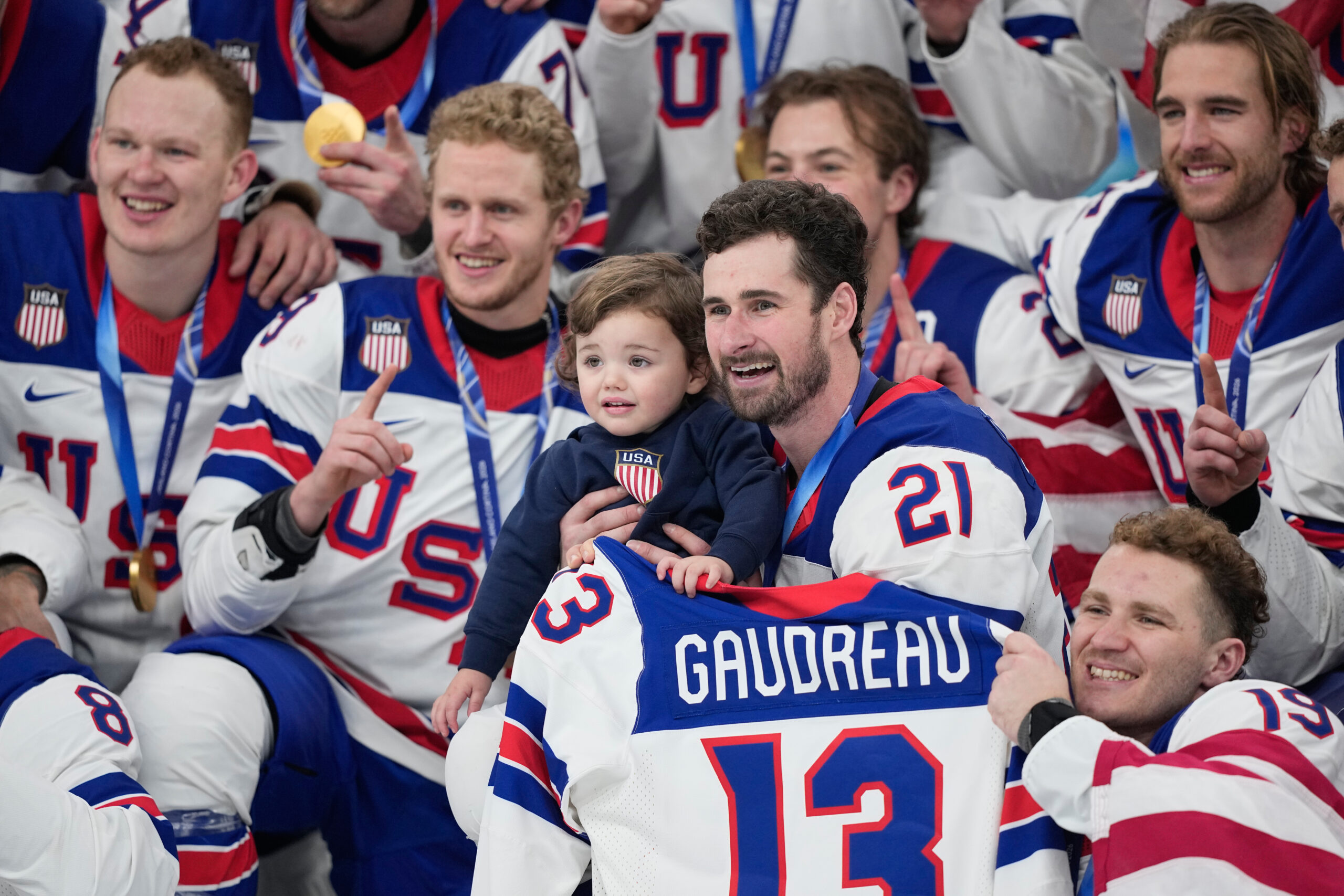
Hughes scored a golden goal against Canada in overtime, avenging an identical defeat handed to Team USA by Canadian hero Sidney Crosby in 2010. Afterward, with an American flag draped over his shoulders, Hughes skated around with his brother and teammate, Quinn, smiling through chipped and bloodied teeth he’d suffered during the game. Team members took victory laps carrying the jersey Johnny Gaudreau would have worn had G and his brother not been killed in August 2024. The team invited Gaudreau’s two small children onto the ice for a team photo.
What’s more, social media hyped Hughes’ advocacy of Pride Night last season, which has become a controversial topic in the more reactionary corners of the NHL.
In this 2024 interview, Jack Hughes, who just scored the game-winning goal for the US Olympic hockey team, explains why it was important for him to embrace Pride Night when many other NHL players refused to do so. pic.twitter.com/jLRy5Blqo4
Then, Trump intruded. And, as with most things, he ruined it. This was not just predictable. It was inevitable.
First, FBI chief Kash Patel, who’d said he was in Italy on official business, joined the alcohol-drenched postgame celebration, a moment of indecorum that sent J. Edgar Hoover spinning in his grave. The players partied on. What were they supposed to do? Kick Patel out of the locker room?
Then, Trump called the party and, offhandedly, demeaned the women’s team, which had won gold three days before. The players laughed. Some of them, clearly aware of Trump’s boorishness, laughed nervously. But they laughed.
What were they supposed to do? Chastise the president during his locker-room call?
Be realistic. This was the greatest achievement of their lives. None of them seems particularly woke. And, besides, they’d been partying.
“There’s so many things happening,” winger Kyle Connor told The Athletic on Monday. “We just won the gold medal and things are going on so I don’t really remember what he said. It’s such a whirlwind, just celebrating.”
The boys are getting more abuse than they deserve, especially in the cesspool of social media. Folks called the players morons. They told them they could stick their gold medals up their collective butts. Some said they’d carry the stain of this moment with them the rest of their lives.
No, they won’t. Have we learned nothing from Trump and his associations with the golf world?
American golfers at the Ryder Cup not only welcome Trump at the event, but some actually performed the ridiculous Trump dance. None has suffered.
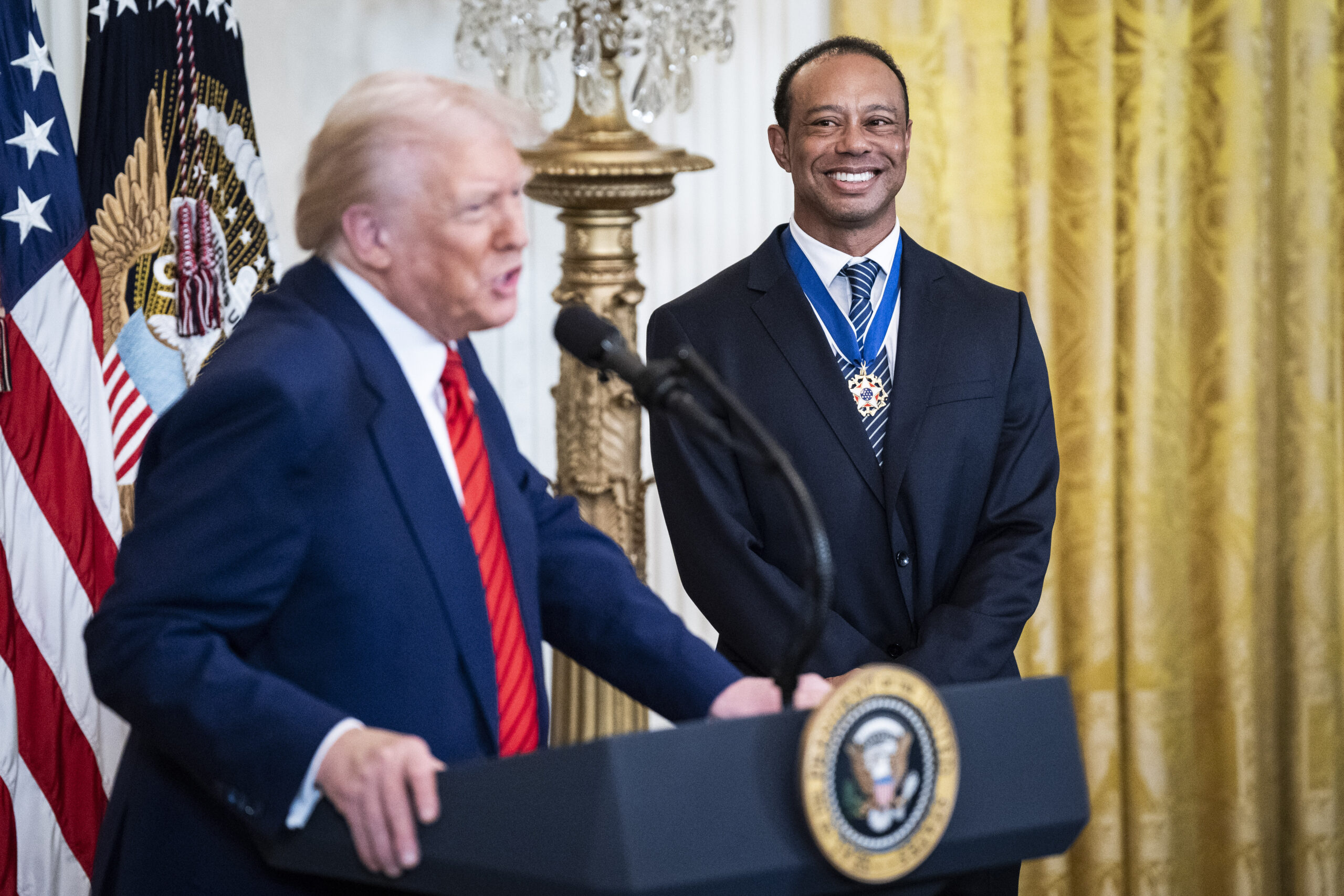
Tiger Woods’ associations with the president do not appear to have damaged the golfer.
The fallout
You know who were the two most popular golfers before they golfed with Trump? Tiger Woods and Rory McIlroy. You know who the two most popular golfers are today? Tiger and Rory. In fact, Tiger’s dating Trump’s former daughter-in-law.
The players on the women’s team, bless them, declined their invitation to the White House.
Sure, I respect the five from Team USA who didn’t wallow in the Trump trough more than I respect the 20 who did. In that same vein, I respect the Eagles, such as Jalen Hurts, who refused to visit the White House last spring more than I respect Saquon Barkley, who not only visited the White House, but also went golfing and lunched with Trump the day before.
The fallout: In September, Saquon received the ultimate honor of having a Wawa hoagie named after him.
But there’s not going to be any real hangover effect from this. There never really is.
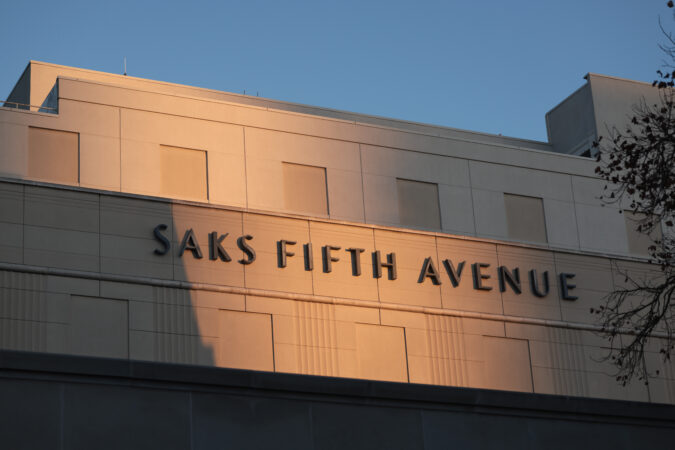
Hair stylist Artur Kirsh, who has long served clients out of his Saks Fifth Avenue salon in Bala Cynwyd, will be relocating to Narberth in April as Saks prepares to close. Kirsh will open a second salon at Boyds in Center City this fall.
Kirsh’s relocation comes after Saks Global, the owner of Saks Fifth Avenue and Neiman Marcus, announced the closure of numerous department stores, including the Bala Cynwyd Saks, in February. Saks Global filed for bankruptcy in January.
Kirsh said he was surprised to hear about the closure, but decided to take the opportunity to “do something huge” and open two new studios, expanding his presence in the region.
Kirsh will open Artur Kirsh Hair Studio, his new Narberth location, in April at 948 Montgomery Ave. He described the studio as “very artsy” and “very hip.” The Narberth outpost will have ample parking, a “fun and intimate” vibe, and will allow clients to move beyond traditional salon hours and schedule based on their availability, according to a news release. Kirsh called the Narberth studio a “boutique concierge salon concept.”
The hair stylist will continue to see clients at Saks through March to ensure a “seamless transition” ahead of the department store’s closure in April.
Kirsh said he chose Narberth because it’s minutes from his old Saks studio and would allow him to maintain some continuity for Main Line clients.
Kirsh will also expand his footprint in Center City in September, where he plans to open Artur Kirsh Salon on the fourth floor of Boyds department store at 1818 Chestnut St.
“I’ll have best of both worlds,” he said. “I’ll have the suburbs and the city.”
Though the changes happened quickly, Kirsh said he’s ultimately looking forward to the next chapter.
“When you’re in an old place, you kind of get stale,” he said. “Things happen for a reason.”
Kirsh was born and raised in Russia and moved to New York in the mid-1990s. After training at a Manhattan salon, Kirsh relocated to the Philadelphia area. He has worked out of the Bala Cynwyd Saks for six years. Kirsh specializes in coloring and “dry cutting” and describes himself as the ”go-to stylist for models and local celebrities.”
In addition to his Bala Cynwyd salon, Kirsh sees clients at the Rittenhouse Spa & Club in Center City, John Barrett Salon in New York City, and Oasis Salon & Med Spa in Boca Raton, Fla. Over the years, Kirsh has styled a number of celebrity clients, including Dorinda Medley, Betsey Johnson, Carolina Herrera, Celine Dion, Kathy Griffin, and Ken Downing.
This suburban content is produced with support from the Leslie Miller and Richard Worley Foundation and The Lenfest Institute for Journalism. Editorial content is created independently of the project donors. Gifts to support The Inquirer’s high-impact journalism can be made at inquirer.com/donate. A list of Lenfest Institute donors can be found at lenfestinstitute.org/supporters.
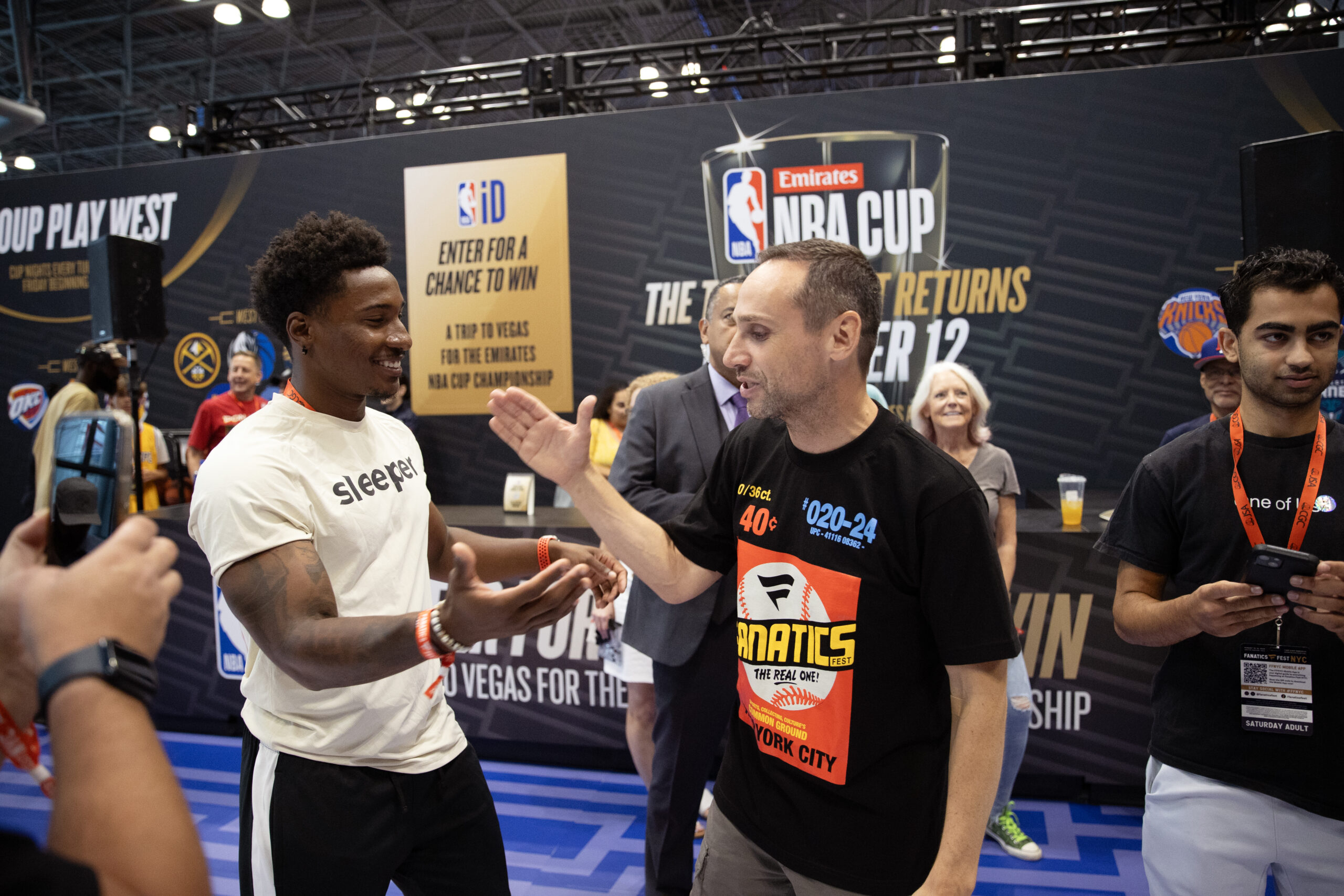
Fanatics Fest will make its return to the Javits Center in New York City from July 16-19, and with its return comes another year of the Fanatics Games.
The high-stakes, fan-inclusive sports competition debuted last year, featuring 50 professional athletes, creators, celebrities, and 50 fans competing head-to-head in different sports-themed skills challenges.
The top 10 finishers from last year are expected to compete once again in this year’s competitions, including the inaugural winner, seven-time Super Bowl champion Tom Brady, UFC fighter, and runner-up, Justin Gaethje, and the third-place finisher — and reigning “fan champion,” — Matt Dennish, a health teacher and basketball coach at Red Lion High School in York County, Pa.
“When the offer was there, I couldn’t pass it up,” Dennish, an avid Philly sports fan, said. “It was an experience worth going back for. The first time around, I didn’t know what to expect, and I far exceeded expectations. So, when I go back for the challenge, whether it goes well or not, I’m just happy to be able to go back.”
Dennish, 40, competed in multiple events, including an NBA shooting competition, a FIFA goal-scoring shootout, an NHL slapshot accuracy competition, an NFL passing skills test, a UFC striking challenge, a golf challenge, an MLB pitching accuracy competition, and a WWE entrance challenge.
Fanatics co-founder and Sixers minority owner Michael Rubin (right) at Fanatics Fest 2024 at the Javits Center in New York City.
In the overall competition, Dennish finished in third place, earning a LeBron James rookie card. Meanwhile, Brady placed first and won the $1 million grand prize. And Gaethje placed second, winning a red Ferrari 296 GTB. However, Dennish didn’t walk out with the card. Brady offered him the $250,000 in market value for the card, a signed Brady jersey, and his trading card.
Dennish gladly accepted.
“When I came back, because I’m part of a small town here in Red Lion, my life was very chaotic,” Dennish said. “For a couple [of] months afterwards, a day didn’t go by that somebody wouldn’t bring it up. At the grocery store, I was pretty recognizable, being taller, I couldn’t hide away. So, it was a weird feeling. … And I get a lot of questions coming up for this next year.”
Some of those questions were answered by a video message Brady sent to Red Lion High School.
“What’s up, Red Lion?” Brady said in the video. “I had to send this because I got a message for one of your teachers, Mr. Dennish. Matt, remember me? Your Fanatics Games rival, Tom Brady. Yeah, last year at Fanatics Fest, I was very fortunate to beat 100 great athletes and fans to win the inaugural Fanatics Games. But, Matt, you were incredible.
“So, I hear Fanatics Games is back this July in New York City. I’m going to be there, so I’m calling for a rematch. Winning feels best when you beat the best. So, Matt I sent you something with Fanatics. If you accept, put it on.”
Accepting Brady’s challenge, Dennish put on a custom Fanatics jersey as students chanted “Beat Tom Brady!” Now, as the 6-foot-6 teacher from Red Lion prepares to compete for the second year in a row, he’ll be taking on a different role from the first competition.
“I was a no-name last year and flew under the radar,” Dennish said. “And of course, this year, there’s going to be a target on my back. But I’m okay with that. I think it just leads to a new challenge and more attention. We’ll see how it goes.”
Michael Rubin (second from left), with the top three finishers in the 2025 Fanatics Games: Tom Brady, Matt Dennish, and Justin Gaethje.
This year’s competition will introduce new and improved competition formats and a $2 million total prize pool.
There will be more opportunities for fans to qualify through a partnership with Dick’s Sporting Goods, introducing in-person qualifiers by visiting select Dick’s House of Sport locations across the country — including Knoxville (May 9), Kennesaw, Ga. (May 30), Houston (June 13), and Boston (June 28).
The top three performers from each event will earn a chance to compete.
Last summer, she said it. This winter, she proved it. And now she gets to share it with her kids.
Full circle. 💛🥇
Get ready for more athlete stories like this live at Fanatics Fest this summer. pic.twitter.com/Yp9rBXLrz8
“What made Fanatics Games special in year one was seeing fans and world-class athletes compete side by side, feeding off each other’s energy in real time,” said Lance Fensterman, the chief executive officer of Fanatics Events. “That level of passion and participation inspired us to expand the Games in 2026, and partnering with Dick’s Sporting Goods allows us to make the experience even bigger and better, creating new ways that make it even more interactive for fans across the country to earn their spot in the competition.”
Fans who can’t compete in the in-person qualifiers can send a video application to the Fanatics Games website or post to social media using #FanaticsGames.
Rob Gronkowski, James Harden, and WWE superstars Rhea Ripley, Liv Morgan, Cody Rhodes, and Jey Uso will be some of the other athletes competing this year. Additional participants will be announced in the coming months.