Blog

  • Graduate student workers at Penn reach a tentative agreement, avoiding a strike

    Graduate student workers at Penn reach a tentative agreement, avoiding a strike

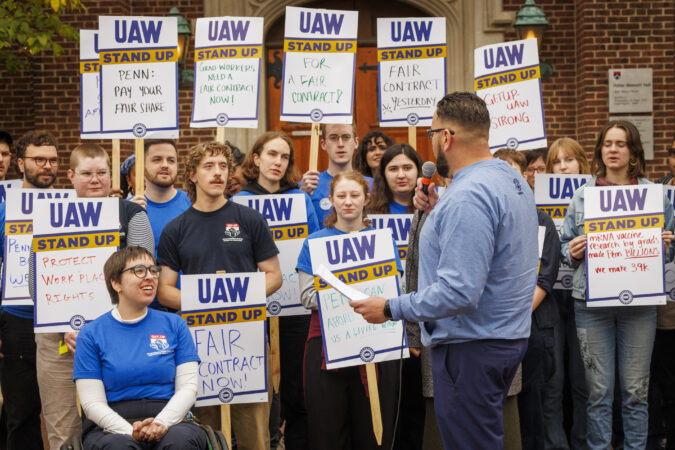
    Penn’s graduate student workers have reached a tentative agreement on a first union contract, averting a strike.

    The two-year tentative agreement includes increases to wages among other benefits.

    “I am so proud of what we were able to accomplish with this contract,” Clara Abbott, a Ph.D. candidate in literary studies and member of the bargaining committee said in a statement. “We won a historic contract that enshrines gains for grad workers.”

    Research and teaching assistants at the university voted to unionize in 2024. The union, which represents about 3,400 graduate student workers, is known as Graduate Employees Together-University of Pennsylvania (GET-UP) and is part of the United Auto Workers (UAW). The union has been negotiating with the university since October 2024 for a first contract.

    In November, the union’s bargaining members voted to authorize a strike, if called for by the union. In January, they set a strike deadline, announcing that they would walk off the job on Feb. 17 if they had not reached a deal.

    A deal was announced in the early morning hours Tuesday.

    While tentative agreements had been reached on a number of issues, some remained without consensus ahead of the final bargaining session on Monday before the strike deadline. Those sticking points included wages, healthcare, and discounts on SEPTA passes.

    “We are pleased to announce that a tentative agreement has been reached between Penn and GETUP-UAW,” a university spokesperson said in a statement. “Penn has a long-standing commitment to its graduate students and value their contributions to Penn’s important missions. We are grateful to all the members of the Penn community who helped us achieve this tentative agreement.”

    A date to vote on the ratification of the tentative agreement has not yet been announced.

    The deal comes as earlier this month Pennsylvania state senators and representatives and Philadelphia City Council members addressed letters to the university’s president and provost, urging them to come to an agreement with the student workers and avoid a strike.

    “A strike at the University of Pennsylvania would seriously disrupt life for the tens of thousands of Philadelphians who are students, employees, and patients at Penn,” the letter signed by City Council members reads. “As such, we strongly urge the Penn administration to avert a strike by coming to a fair agreement that meets the needs of graduate student employees prior to February 17th.”

    What’s in the tentative deal?

    Monday’s bargaining session brought tentative agreements on sticking points that included wages and healthcare coverage.

    If ratified, the tentative deal would provide graduate student workers with an annual minimum wage of $49,000, which the union has said is a 22% increase over the previous standard. For those paid on an hourly basis, the minimum hourly rate would be $25. Those rates would go into effect in April and a 3% increase would be provided in July 2027.

    The deal would also create a fund with $200,000 annually from which graduate student workers could seek reimbursements to cover up to 50% of their dependent’s health insurance premiums.

    Ahead of the Monday bargaining session, other tentative agreements had come together around leave. The university agreed to give six weeks of paid medical leave, as well as eight weeks of paid parental leave.

    The university and the union had also recently reached a tentative agreement that would create an annual $50,000 fund to help international graduate student workers with expenses associated with reinstating or extending visas.

    What would have happened in the event of a strike?

    Graduate student workers in the bargaining group teach and conduct research at the university.

    Classes, research, and other academic activities would have continued during a strike, according to the university spokesperson. Penn published guidance on how to continue this work in the event of a work stoppage or other disruption.

    Striking graduate student workers would not have been paid throughout a work stoppage, but would have continued to be covered by their health insurance for the time being, according to a university statement.

    If others employed at the university who are not in the bargaining group chose to join the work stoppage, they would not have been paid and could have faced consequences “up to and including separation from that position, depending on the circumstances of the refusal to work,” according to a university statement.

    Ahead of the tentative agreement on Monday, hundreds signed a pledge indicating that they are employed at Penn and would not do the work of those on strike or assign it to others in the event of a work stoppage.

    In recent years, a wave of labor actions has taken place across Penn and other local campuses. Temple University graduate workers went on strike for 42 days in 2023 during contract negotiations. Rutgers University educators, researchers, and clinicians walked off the job for a week that same year.

    At Penn, the largest employer in Philadelphia, a wave of student-worker organizing in recent years has included resident assistants, graduate students, postdocs, and research associates, as well as training physicians in the University of Pennsylvania Health System.
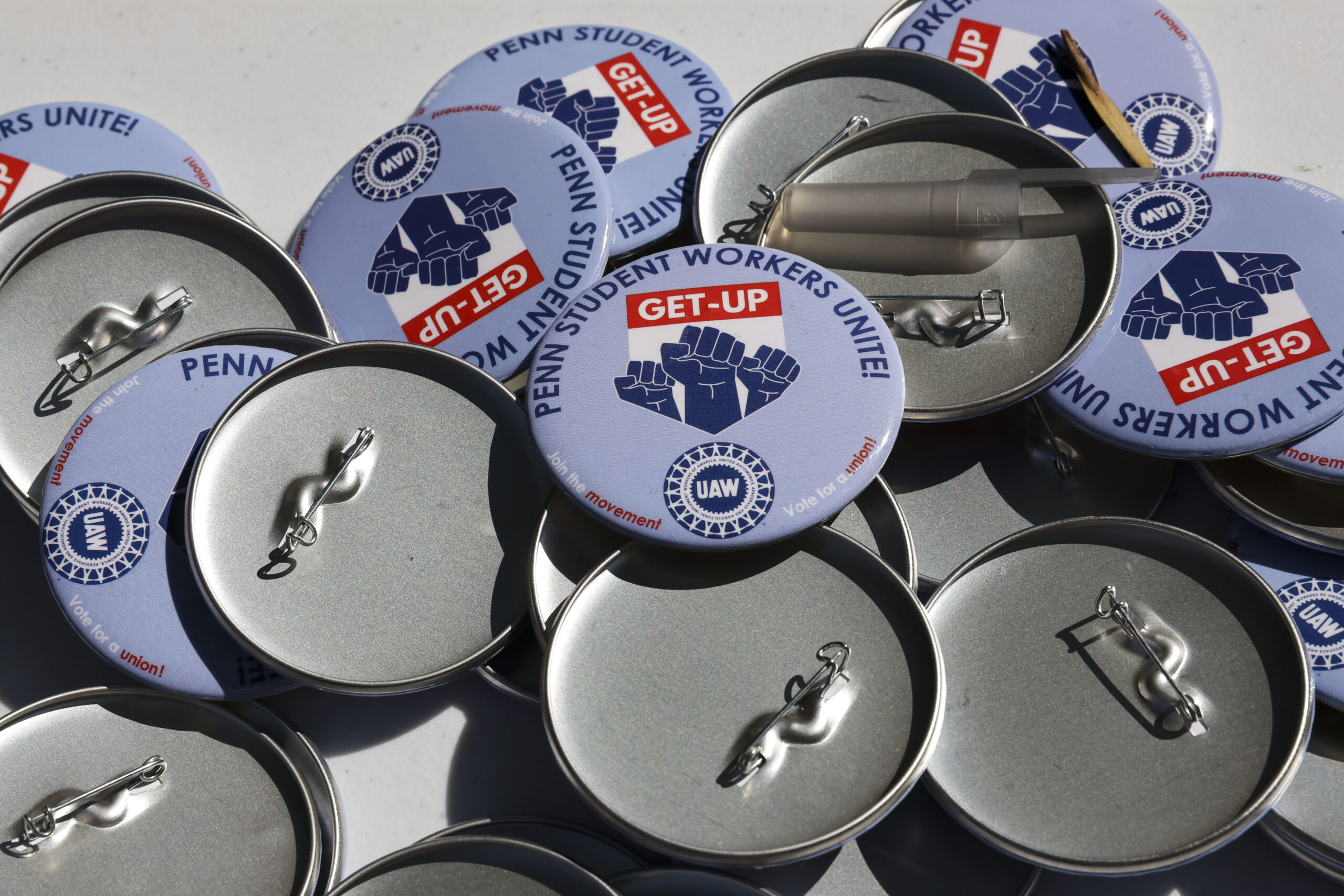
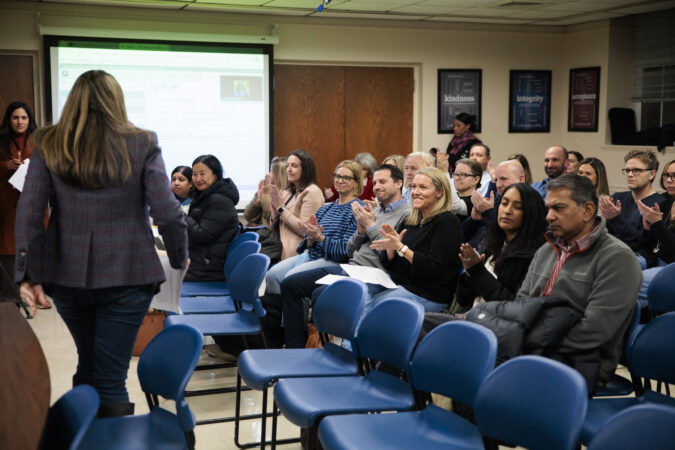
    Pins on a table during a GET-UP rally at the University of Pennsylvania in Philadelphia, Pa., on Wednesday, Oct. 4, 2023.
  • 📱 Deepfake concerns | Morning Newsletter

    📱 Deepfake concerns | Morning Newsletter

    Morning again, Philly.

    High school students in Philadelphia’s suburbs used artificial intelligence to create deepfakes of classmates. Parents say schools aren’t doing enough to stop it.

    And one of the nation’s oldest hospitals will soon become one of the city’s newest museums.

    — Julie Zeglen (morningnewsletter@inquirer.com)

    If someone forwarded you this email, sign up for free here.

    AI-generated images and the law

    So-called AI deepfakes — pictures of a real person manipulated with technology, sometimes with “nudify” features that can turn clothed images pornographic — are prompting concern among parents in the Philly region.

    📱 Deepfake incidents have been reported in recent months in the Main Line’s Radnor Township School District and in Bucks County’s Council Rock School District. Both led to criminal charges against students who made sexually explicit videos of their classmates.

    📱 Schools say they are limited in their ability to police students off campus, and that they have no role in criminal investigations. But parents want them to do more to protect students who are targeted.

    📱 Notable quote: “They kept saying, ‘This is off campus,’” the parent of a deepfake victim told The Inquirer. But “my daughter could not walk around without crying and feeling ashamed.”

    Education reporter Maddie Hanna has the story.

    ‘A very Philadelphia story’

    At 275 years old, Pennsylvania Hospital’s Pine Building is the United States’ oldest chartered hospital — and older than the country itself.

    The building at Eighth and Pine Streets is still in active use as a medical facility. Come this spring, its long history will be honored with a museum, too.

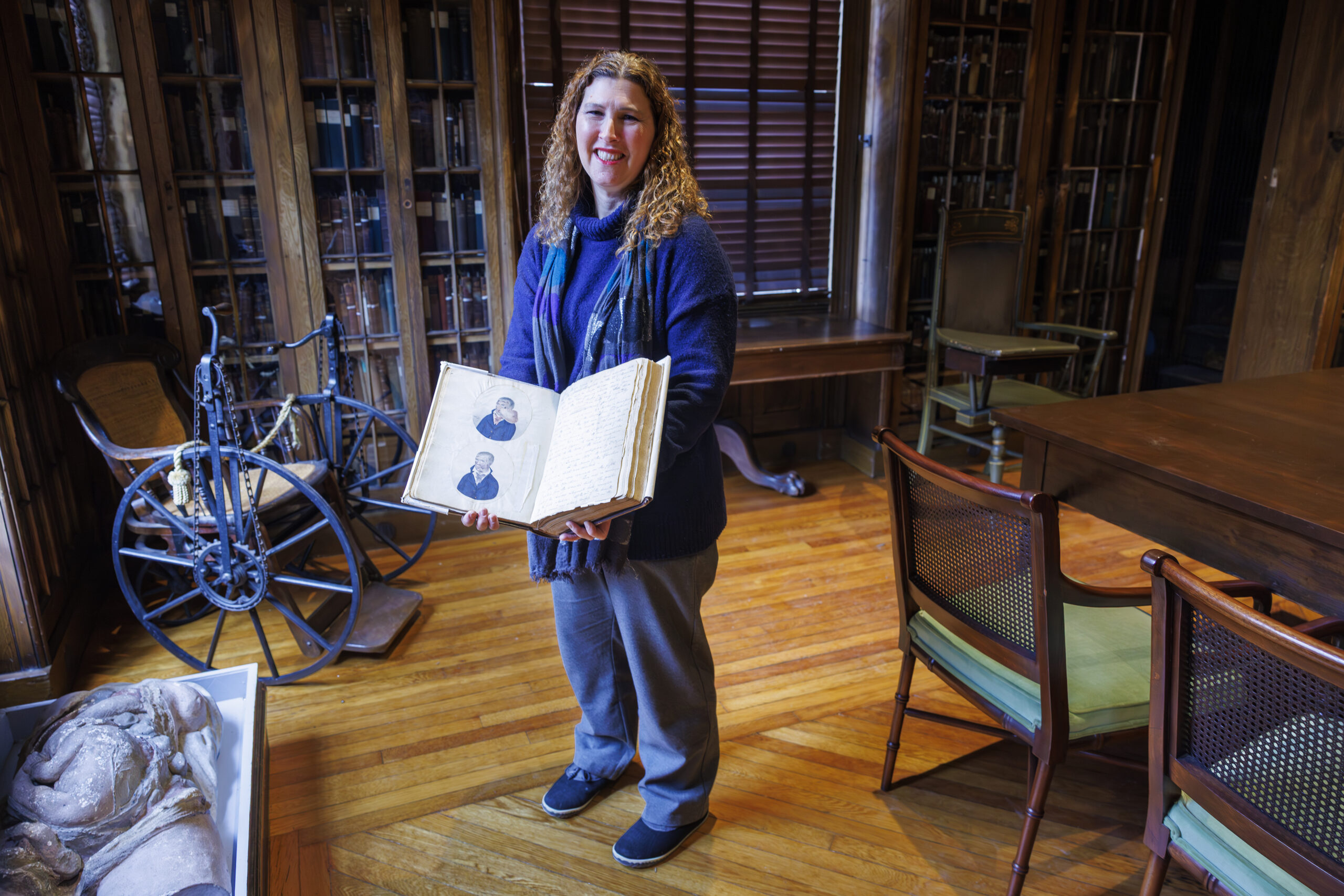
    The Pennsylvania Hospital Museum will feature a restored medical library, surgical amphitheater, and apothecary, as well as archival objects describing the history of the hospital and the care it delivered.

    Among the items on display: a “tonsil guillotine,” anatomical casts once used in place of cadavers, and a preserved tumor from 1805.

    Kayla Yup and Bedatri D. Choudhury have more details.

    In other cultural news: The Circle Theatre in Frankford, built in 1929 for what was once the largest movie theater chain in the country, is now officially recognized as historic.

    What you should know today

    🧠 Trivia time

    Sixers forward Kelly Oubre Jr. on Monday released a new rap song, “Fast & Furious.” What is his stage name?

    A) Jewels-40 Bars

    B) The Philly Special

    C) t$unami

    D) Oubre

    Think you know? Check your answer.

    What we’re …

    📺 Saving money on: YouTubeTV by way of this sports-specific plan.

    🍸 Curious about: Why three Philly bars serve this rare Portuguese spirit.

    🧁 Eager to try: Gluten-free bakery Flakely, now open in Bryn Mawr.

    🍝 Visiting: The new Italian bar-restaurant at the Society Hill Hotel.

    🎤 Considering: Bruce Springsteen’s long arc of protest.

    🧩 Unscramble the anagram

    Hint: North Philly singer

    COLT JILTS

    Email us if you know the answer. We’ll select a reader at random to shout out here.

    Cheers to Christine Macdonald, who solved Monday’s anagram: Isabeau Levito. The 18-year-old South Jersey figure skater makes her Olympic debut today. Catch up on her homegrown lore and find out when to watch her skate.

    Photo of the day

    Enjoy it while you can, little guys: Squirrels in the snow in Independence National Historical Park.

    Thanks for starting your day with The Inquirer. See you back here tomorrow, bright and early.

    By submitting your written, visual, and/or audio contributions, you agree to The Inquirer’s Terms of Use, including the grant of rights in Section 10.

  • Why Philly has so many chicken bones lying around

    Why Philly has so many chicken bones lying around

    As the cold thaws and the snow melts, one constant remains the same: There are chicken bones on the Philly streets.

    Time may be a flat circle, but that doesn’t stop us from wondering why. A reader asked through Curious Philly, The Inquirer’s forum for answering questions, why there are so many chicken bones on the sidewalks and streets of Philadelphia.

    » ASK US: Have something you’re wondering about the Philly region? Submit your Curious Philly question here.

    Two architects appear to be behind Philadelphia’s chicken-bone temple.

    First are animals, who forage through trash looking for the final scraps left on discarded bones. Whether they discover drumsticks by ripping through trash bags on the street or from dumpster diving, these animals likely drop the bones wherever they finish with them.

    The culprits most likely to blame are rats, followed by raccoons and opossums, said Rich Foreman, the owner of Dynamite Pest Control in West Philly.

    While it’s unclear if rats have a particular taste for fried chicken, the animals are among the least-picky eaters around and will take advantage of any food source, from human scraps to cannibalism. And Philadelphia is seemingly a good place to be a rat, being declared the eighth-rattiest city in the United States in 2025 by the pest-control company Orkin, measured by tracking its new residential rodent treatments.

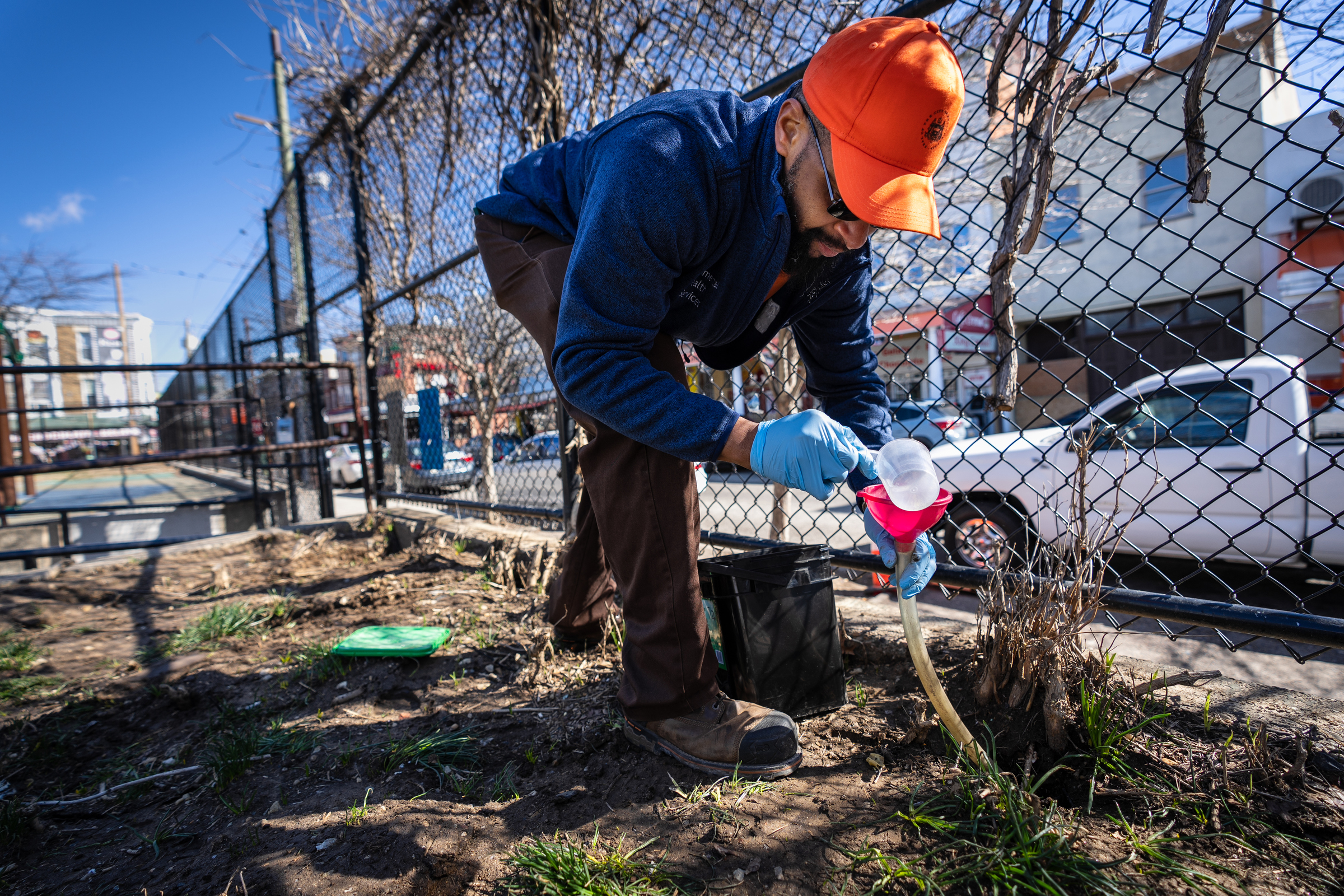
    Adrian Jordan, Vector Control Crew Chief, works keeping the rat population under control, in Philadelphia, Friday, March 7, 2025.

    Foreman sees the chicken-bone problem all over the city, as with some restaurants in Port Richmond that called Dynamite when they saw their trash all over the street. He is confident animals were behind the mess, and said he has “never seen” humans do anything of the sort.

    Foreman said the city’s twice-weekly trash pickup initiative has not helped, since it means an additional day of easily accessible trash on the street for animals.

    He said the best way for people to prevent critters from going into their garbage for bones is to get large, durable trash cans.

    “And make sure you put the lid on it,” he said.

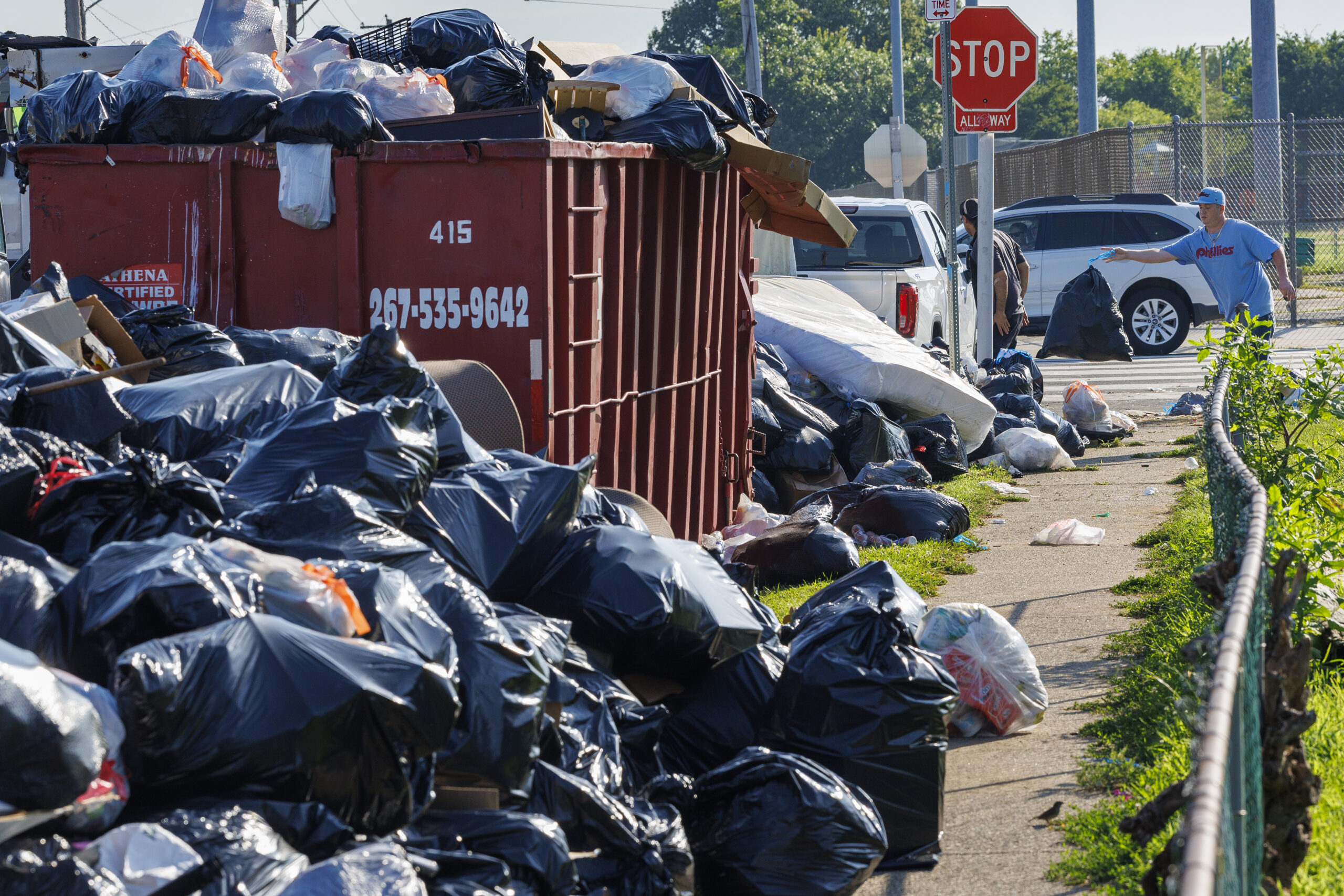
    Residents with trash arriving at garbage dump site at Caldera Road and Red Lion Road in northeast Philadelphia. AFSCME District Council 33 workers enter their second week on strike, Tuesday, July 8, 2025.

    Scavenging animals was the conclusion that the Search Engine podcast reached in a 2024 episode investigating the cause of the chicken bones littering the streets of New York City. Other cities have reported the same problem, including Chicago, Miami, and Washington.

    And yet, anecdotal evidence from residents demonstrates that human activity clearly contributes to the problem.

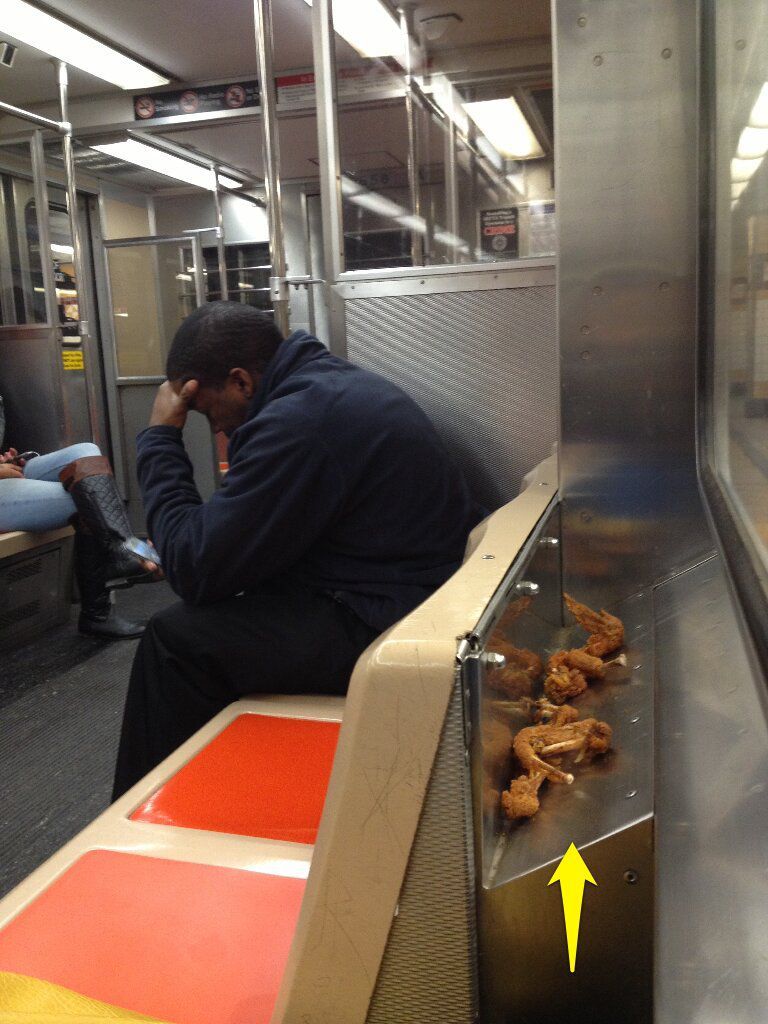
    Jessica Griffith has become the David Attenborough of abandoned chicken bones, documenting and appreciating the beauty of what she encounters in the wild. More than 10 years ago, when she lived in South Philly, Griffith, 46, would notice the chicken bones frequently on walks with her dog. She started photographing them and posting the pictures to Facebook, finding the bones everywhere, including a pile on a SEPTA train.

    “It was just bizarre to me. Just a phenomenon,” she said.

    Jessica Griffith snapped this picture of some discarded chicken bones on the Broad Street Line in 2013.

    Her documentation gathered a following, and people started to send their own submissions. Griffith received pictures from all over the globe — people in Seattle, Las Vegas, South Korea, Sweden, and the Dominican Republic all had their own pictures of discarded chicken bones to share.

    When Brian Love, 53, walks his miniature pinscher, Ziggy, through the Gayborhood, he often sees other people smiling at his dog. But then he realizes it’s because Ziggy is carrying a chicken bone in his mouth.

    Love has complained to his friends about constantly needing to tussle with Ziggy over what the dog sees as a treasure. He has watched people toss chicken bones on the ground, and recently came across a pile of four bones on a mound of snow. Love wishes his neighbors would just use trash bins.

    “It’s your food that you’ve literally just had in your mouth. Throw it in the trash,” he said.

    Stephanie Harmelin, 43, has the same problem with her dog in West Philly, and she said she accepts the bony sidewalks as part of living in a city. She has seen aggressive squirrels rifling through trash, but also has come across bones at street corners and under park benches that appear to have been dropped by humans.

    She said part of the problem is educational. Once, Harmelin pulled her dog away from a bone on the street, and two fellow walkers asked her why.

    Harmelin explained how chicken bones are unsafe for most dogs to consume. Cooked bones splinter when a dog chews on them, and the sharp fragments may cause life-threatening damage as they pass through the dog’s digestive track.

    One woman was shocked, and said she had not realized chicken bones were potentially dangerous to dogs when she had tossed them to the ground before.

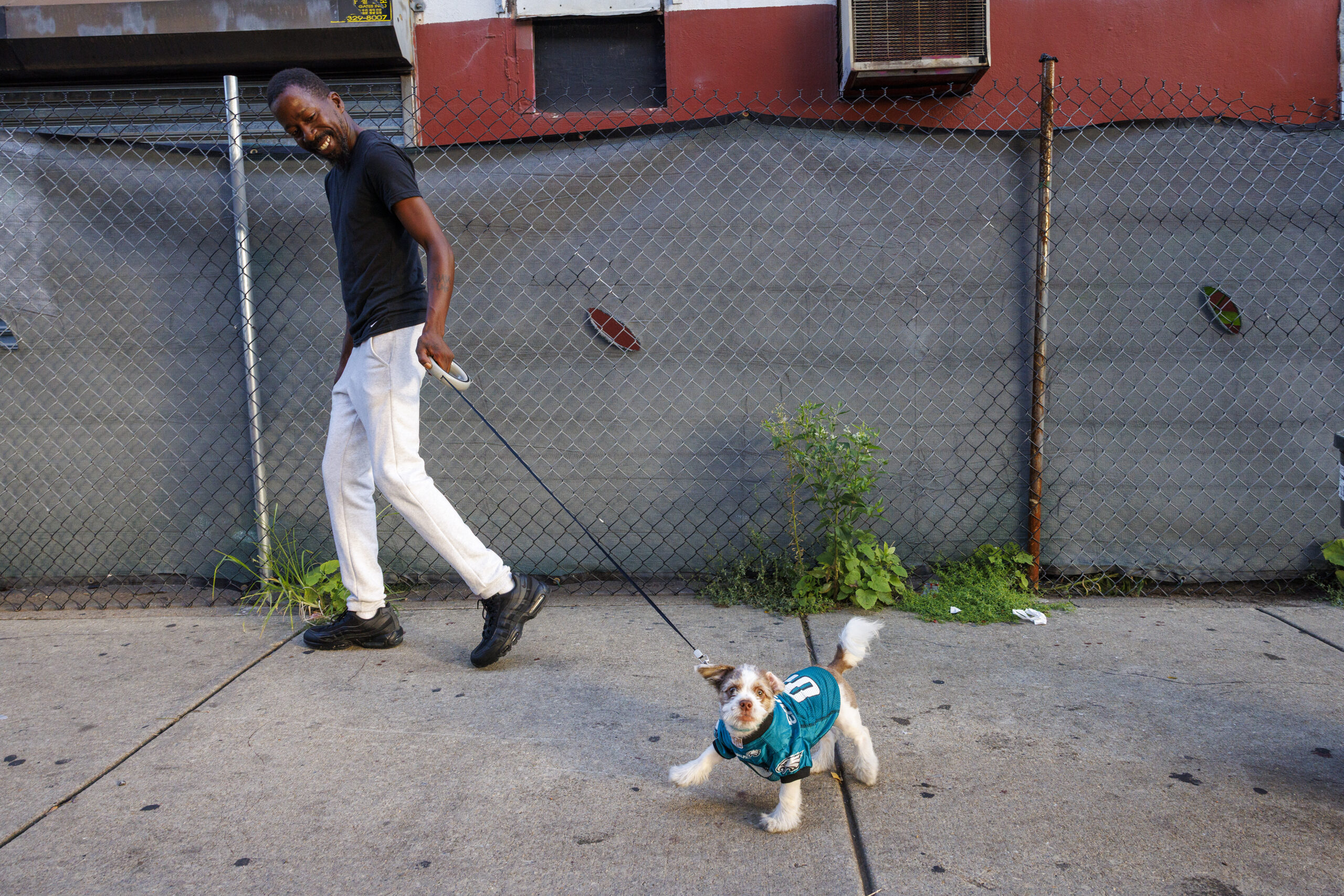
    Theo Caraway of Philadelphia walking his dog Cooper, 6 months, Shitzu/Poodle wearing his Eagles jersey along Kensington at Ontario Street on Philadelphia, Friday, September 5, 2025.

    Harmelin has had similar conversations with others who were not aware of the hazards bones create. Now, she is less likely to be frustrated at whomever has dropped the chicken bone on her street corner.

    “We’re trying to assume what other people know and intend, but we can’t,” she said.

    Even if more people get the message, though, it appears you will still be as likely to find a chicken bone on the street as a fallen leaf.

    Although they’re a gross nuisance of a sidewalk adornment, Griffith doesn’t really mind them. She said they are more of a curiosity that make Philly what it is, in a small way.

    “I think it’s kind of endearing,” she said.

  • House of the week: An end-unit townhouse in Elkins Park for $499,000

    House of the week: An end-unit townhouse in Elkins Park for $499,000

    She has been staying there only for a few months, but Samantha Robinson knows why her grandparents loved their Elkins Park end-unit townhouse and the neighborhood.

    “Everybody says hello,” she said. “Everybody looks out for each other.”

    Her mother, Kerry Rosenthal, said her dad “really liked the wall space and the lighting. Being an end unit made it easier for my mom to grow things.”

    Rosenthal said it’s possible to walk through the neighborhood and think you’re in a rural area until you hear the commuter rail train nearby .

    Her parents — Beverly Green, a writing teacher, and Stephen Green, an attorney — bought the condo in the gated Breyer Woods development in 2011, expecting to renovate it so they could age in place. The Greens died in October.

    The back porch with a permanent gas grill.

    The 2,936-square-foot house, built in 1993, has three bedrooms, two full bathrooms, and two half bathrooms.

    The main level has a living room with a working gas fireplace, a deck, and a dedicated home office that could serve as a fourth bedroom.

    A two-car attached garage leads directly to the laundry room.

    The living room has a working gas fireplace.

    The upper level primary suite has vaulted ceilings and multiple closets.

    The finished walk-out basement has a half bath and kitchenette and opens to a second private deck.

    Community residents have access to a tennis court and can join the adjacent student center at the Elkins Park campus of Drexel University, which has a clubhouse and gym.

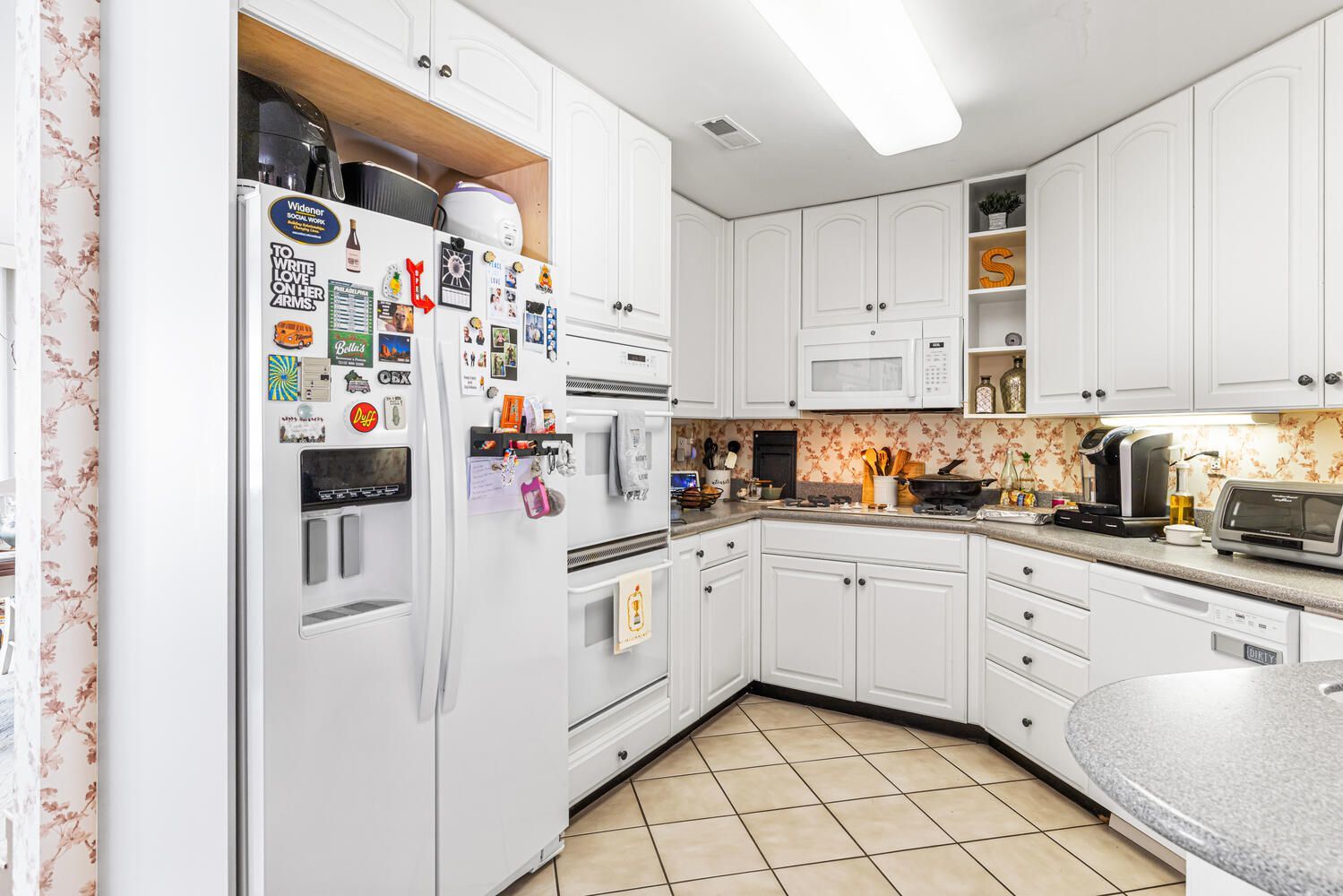
    The kitchen.

    The house is a short walk from the Jenkintown SEPTA station, and a supermarket is less than a half-mile away.

    The house is listed by Frank Blumenthal at Keller Williams Real Estate Tri-County for $499,000.

  • Philly business owners could save thousands with this little-known resource

    Philly business owners could save thousands with this little-known resource

    If you own a business in Philadelphia and you’re looking for financing, one little known resource is the Philadelphia Industrial Development Corp. or PIDC. Don’t be put off by the word industrial. The public-private organization was formed as a nonprofit by the City of Philadelphia and the Greater Philadelphia Chamber of Commerce to provide financing to all sorts of businesses to create jobs and revitalize neighborhoods.

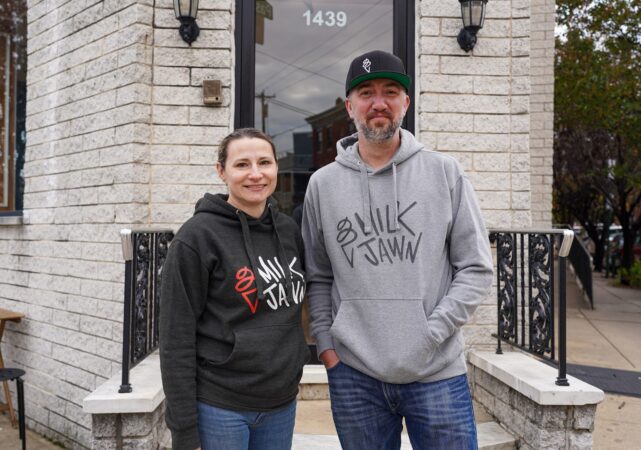
    For example, Milk Jawn, an ice cream shop in East Passyunk used PIDC financing to help with its expansion.

    “PIDC was our first type of institutional financing,” said Amy Wilson, Milk Jawn’s founder. “Our early growth was friends and family and some crowdfunding. PIDC then helped fund our build out and kitchen construction.”

    The organization says it’s focused on helping companies expand, and many different types of businesses would qualify for financing.

    “PIDC is Philadelphia’s partner for business growth,” said Kevin Lessard, a senior vice president at the organization. “We help businesses, nonprofits, and developers overcome barriers to expansion by providing financing and real estate solutions that make starting, staying, and scaling in the city possible.”

    To qualify for a loan through PIDC, your business must be located within the city, have operated for at least two years, and earn at least $100,000 in annual revenues. Special considerations may be made based on what the funds will be used for (i.e. building in a low-income area) or whether you’re a “disadvantaged” business owner. Personal guarantees and collateral are also normally required.

    Loans can be used for equipment and property as well as working capital needs and “soft” costs like legal, accounting, permits, and appraisals. One of the more popular uses of the loans is for commercial real estate financing, where financing can be used to acquire and renovate property or to fund new construction.

    Philly success stories

    For Alexander Sherack, a co-owner of Korea Taqueria, an eatery with several locations in Philadelphia, PIDC financing fit the kind of deal he was looking for.

    “We needed a property that was zoned commercial and mixed-use plus working capital so it wasn’t a typical path for a traditional bank loan,” he said. “We went with PIDC because it helped us replace rent with ownership — and our property turned out to be a hidden gem.”

    Businesses can apply online and will then go through an underwriting and due diligence process which usually includes submitting financial reports, bank statements, and tax returns, along with a business plan and forecast. Corporate documents such as bylaws and articles of incorporation are also required. Once the loan is received, there’s ongoing reporting and other compliance requirements, which include regular submission of financial information and updating any major changes in the business.

    Kia Jones owns Past Your Bedtime childcare in West Philadelphia and used PIDC financing for both working capital and renovations.

    “The staff there made it very easy,” she said. “Any questions that I had, they were right on it.”

    Pros of PIDC loans

    PIDC funding can be a great bridge to a traditional bank loan. Some applicants who may find themselves turned down for a bank loan may still be able to receive funding from the PIDC.

    PIDC takes more of a holistic, mission-driven approach. If a traditional bank turns you down, PIDC may still structure a deal — particularly if your project creates jobs or revitalizes neighborhoods. Getting PIDC involved may also encourage traditional banks to offer additional funding both now and in the future.

    PIDC loans generally have much lower interest rates than a traditional bank loan. Milk Jawn’s Wilson, for example, accessed a special 0% interest program in early 2022 through PIDC, a major cost savings in a time of rising interest rates. (This was part of a one-time pandemic relief program.)

    Finally, the PIDC provides education, support, and networking programs to help their community of borrowers manage and grow their businesses. And the connections can pay off.

    “We were able to meet partners of the PIDC,” Jones said. “One partner program called Boost Your Business got us a $50,000 forgivable loan. The organization is also very familiar with city grants and other local funding options.”

    Real talk

    As helpful as the organization can be, business owners shouldn’t expect to get immediate funding.

    Sherack recommends starting early and “building a transaction timeline” into any agreement where property is being purchased.

    “Don’t assume quick money,” he said. “Submit your documents fast and press for clarity on timing so you don’t lose the deal.”

    Wilson agrees and said she had to get a loan from a family member while she waited for the application process to complete.

    “We’re a mission-driven lender using public and public-private capital, so every deal requires careful underwriting and a clear path to economic impact,” Lessard said. “Unlike conventional lenders, we tailor each financing package to the business.”

  • Penn is part of a $135.7M federal effort to demystify a blind spot in medicine: the lymphatic system

    Penn is part of a $135.7M federal effort to demystify a blind spot in medicine: the lymphatic system

    The University of Pennsylvania is getting $7.8 million over the next two years to study an overlooked aspect of human health: the lymphatic system.

    Often described as the body’s sewer system, its main job is to maintain the body’s balance of fluid and filter out waste. Millions of Americans live with dysfunction in the system, often unknowingly.

    The time to diagnose some lymphatic disorders is at least five years, said Maxim Itkin, an interventional radiologist who directs Penn’s center specializing in lymphatic disorders.

    He’s even had a patient who experienced unexplained symptoms for 50 years before getting treatment.

    “Right now, most healthcare providers simply aren’t equipped — or trained — to recognize lymphatic dysfunction, and the tools they need are virtually nonexistent,” said Kimberley Steele, a program manager at the Advanced Research Projects Agency for Health (ARPA-H), the federal agency organizing the research effort.

    That’s why the government, through ARPA-H, is investing $135.7 million toward research headed by 11 institutions in the U.S. and Canada, including Penn, to improve detection of issues in the lymphatic system.

    With its slice of funding, the team at Penn will develop ways to image the network and identify hidden signs of disease.

    An inside look

    Similar to plumbing, fluids in the lymphatic system can be flowing, obstructed, or leaking.

    Doctors are able to “close” these leaks and even “open” obstructed areas, but the problem is knowing when those procedures are needed.

    Existing contrast agents — substances used to increase visibility of tissues during imaging — for the lymphatic system are largely considered obsolete and offer poor resolution, said Itkin, who is leading the Penn project, which started last October.

    When he began researching the system 20 years ago, he “started to realize that it’s of enormous importance, and it’s forgotten primarily because nobody can image [it] and do interventions,” he said.

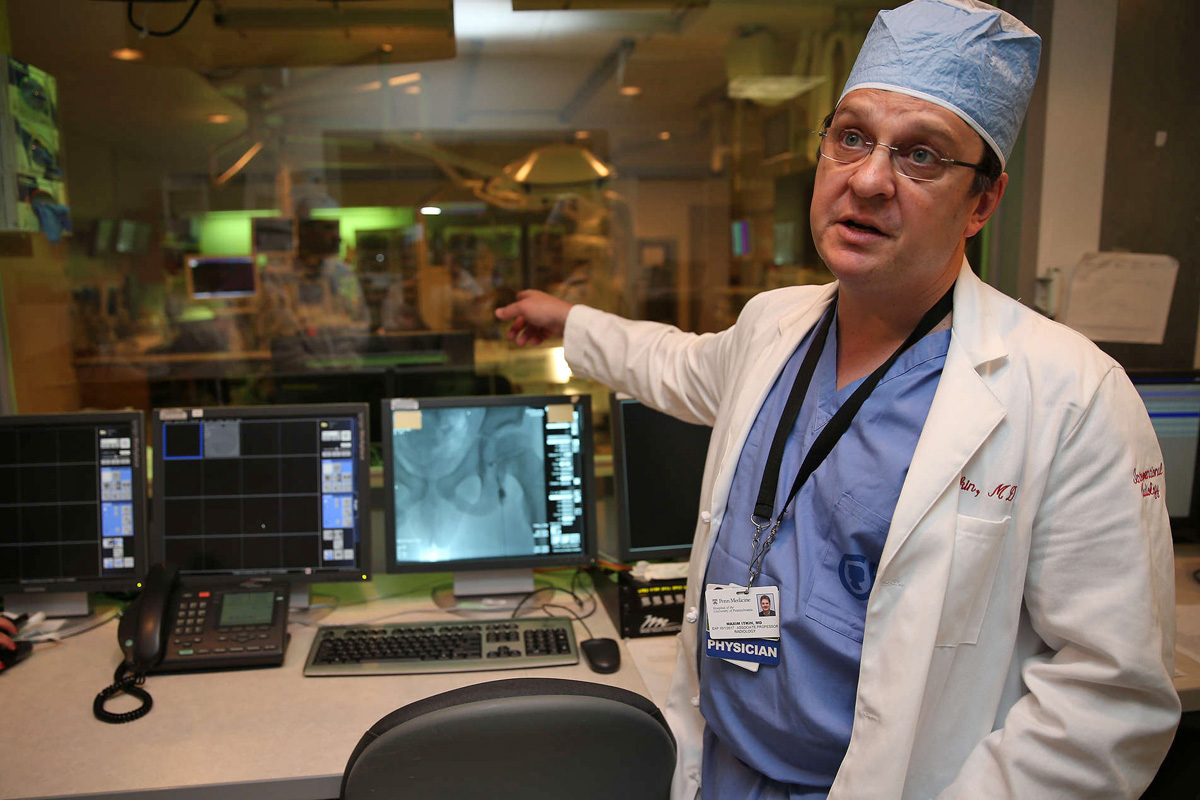
    Maxim Itkin, an interventional radiologist at the Hospital of the University of Pennsylvania, found a way to track the flow of lymphatic fluid using X-ray imaging equipment.

    Itkin and his team have come up with ways of imaging by injecting dye into lymph nodes and tissues and tracing the dye’s location. This has enabled him to diagnose hidden conditions and develop new treatment methods.

    The ARPA-H funding will allow them to go even further, developing imaging agents that focus on the parts of the lymphatic system in the liver and gut — organs that generate the majority of the network’s flow in the body.

    These will be used for CT (computed tomography) and MRI (magnetic resonance imaging) scans.

    One of the imaging candidates is designed to be swallowed and absorbed in the intestine, so doctors can see the lymphatic system in the gut. The second imaging agent will be administered via IV to show the system in the liver.

    “It was my dream to see the lymphatic system from inside by itself,” Itkin said.

    The Penn team will also be looking for biomarkers, or molecules in the body that indicate biological processes, that could give early hints of disease.

    They’ll be using an approach called AI-driven multi-omics, where AI will analyze samples for unique molecules being excreted by the lymphatic system in the liver.

    Penn and several other funded groups are working with the New York-based nonprofit Lymphatic Education and Research Network to help with research and patient recruitment.

    Current funding is for two years, with the potential to extend for another three years.

    Itkin says seeing the lymphatic system in the liver will be a thrill.

    “It’s absolutely a black hole,” he said.

  • I’m a food reporter who’s fasting for Ramadan. Here’s my guide to observing and celebrating in Philadelphia

    I’m a food reporter who’s fasting for Ramadan. Here’s my guide to observing and celebrating in Philadelphia

    Every year, Ramadan seems to catch me by surprise. Maybe it’s because the month-long holiday’s start date fluctuates 10 to 12 days following the lunar calendar. Or maybe it’s my disbelief that another year has come and gone. No matter the reason, Ramadan always comes back around when I need it the most.

    For many Muslims, the holy month is one of spiritual renewal. It’s a month where we get to practice patience, abstinence, gratitude, and charity. This year, the month of observance runs from the evening of Feb. 17 to March 19, which means no food and drink — yes, even water — for about 12 to 14 hours for 30 days.

    The key is good food and community before and after fasting. And in Philadelphia, that’s easy to find.

    Here’s my guide to observing and celebrating Ramadan in the city I call home.

    Falafel’s at Cilantro.

    What does it mean to fast for Ramadan?

    My day begins at 4 a.m. with suhoor, the meal that begins the fast. Typically, I roll out of bed and grab the first thing I can eat (a bowl of Cinnamon Toast Crunch, most days) and chug half a liter of water. Once the athan, or call to prayer, chimes on my phone close to 5:40 a.m., I abstain from eating and drinking until after the sun goes down.

    After sunset, I break my fast with a date — a spiritual tradition rooted in teaching by the Prophet Muhammed — then dinner and lots of water.

    Growing up, this end-of-fast meal, iftar, started with a quick snack that was followed by prayer and dinner. Now as an adult, I’m making my own traditions and breaking my fast all in one go, then praying afterward.

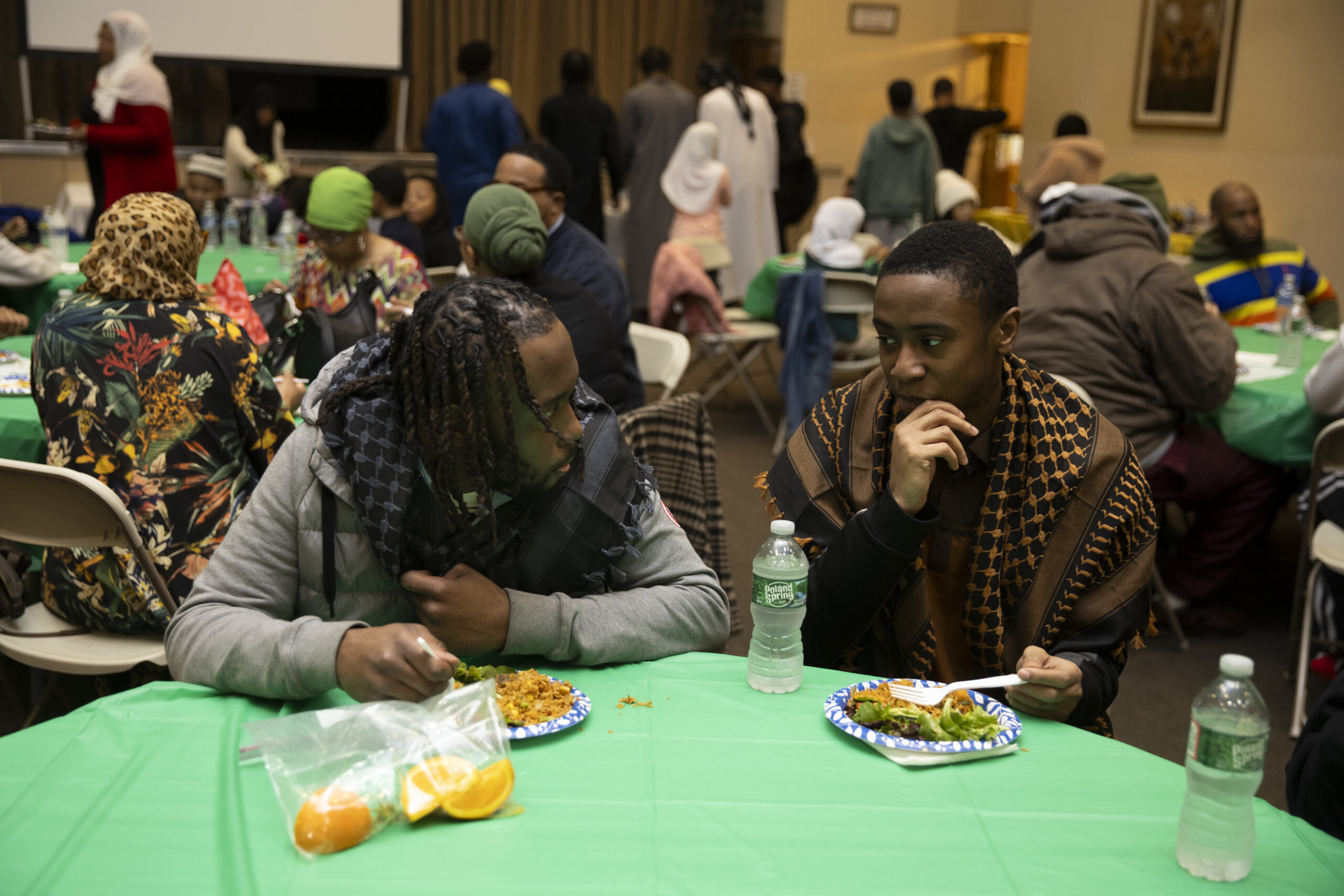
    Muhammad Williams and Nyeem P. eat the iftar meal at Masjidullah in Philadelphia in March 2024. Ramadan is observed by Muslims with a month of fasting. The fast is broken each day with a nightly feast, called iftar.

    Where can you celebrate in community in Philadelphia?

    This year, I’m meal-prepping to save money, making jars of oatmeal and smoothies to start my fast and keep me full and stocking frozen marinated meats to pull out and cook before the athan signals the end of the fast.

    But there are days when walking into the kitchen, let alone cooking, feels impossible. Thankfully, Philadelphia has a range of halal dining options I can rely on — I’m ordering hot chicken sandwiches or falafels for a quick solution.

    Philly’s Muslim-owned restaurants are also celebrating with holiday buffets — think chicken mandi and maqluba at Alamodak or chicken briyani and goat korma at Wah Gi Wah — and special additions, like soups, samosas, and dates.

    There are 24-hour establishments to gather with friends for suhoor — consider Plov House in the Northeast for fried meaty turnovers and sweet crepes or Liberty Bell Diner for pancakes, omelets, and waffles around the clock.

    Tables filled up around 3 a.m. at the 24-hour Plov House, where diners shared hot teas alongside plates of manti and shurpa soup.

    But they are not the only ones offering spreads of delicious foods to break fast in community.

    When I moved to Philadelphia, iftars hosted by mosques were my North Star for finding community. I discovered a blend of Philly natives and immigrants from the city’s Muslim diaspora, from Afghanistan to Uzbekistan, breaking fast together at mosques, kitchen tables, and 24-hour diners across the city. Ramadan isn’t complete without a mosque iftar.

    You could also shake things up and embark on an all-night food crawl — a ritual that’s been a highlight of my Ramadan calendar for four years now. Each year, my friends and I travel to New York City for one night during the holiday month, exploring the city’s late-night food scene from iftar to suhoor.

    Last year, I realized that it was possible to crawl in Philadelphia, too, even if Philly has only a few establishments open past midnight and a handful of 24-hour diners left. But, as we found out, Ramadan brings a different kind of energy to the night.

    What to do if you get invited to an iftar?

    I’m a social butterfly, so hosting iftars is something I’m quite good at. I love gathering my community to yap and munch. (Pro-tip: Take it easy and host a potluck — unless you’re insanely talented like my mom, who can still whip up a spread of perfect dishes for over 30 people while fasting.)

    Gulab jamun and gajar ka halwa on a plate.
    Gulab jamun and gajar ka halwa are favorites for the holiday.

    One question I hear from my lovely non-Muslim guests: What do I do if I get invited to an iftar? The answer is simple. Eat, a lot. The joy of Ramadan hosting is spending time with loved ones over good food. Seeing my guests enjoy food and company makes the day’s fast worth it.

    If it’s a potluck, bring a dish you love to share. That’s what my very cool friend Kelsey McKinney did for an iftar I hosted last year. (Yes, I was fangirling that Philly’s very own gossip queen came to my potluck!) A competitor on The Not-So-Great Defector Bake Off, McKinney baked a spiral pastry that looked like the sun and tasted like herby olives in buttery, flaky puff pastry.

    “I could have rolled up with like a bag of delicious pistachios, and it would have been fine,” McKinney wrote. “But the bar for myself is so high! I wanted to bring something celebratory to the Hot Girl Iftar!”

    Just remember: Don’t bring alcohol, and use halal ingredients.

    And for any kitchen-shy non-cooks, you can’t go wrong ordering a platter of viral crispy shawarma sandwiches from the TikTok famous Falafel Time or an assortment of laddoos, gajar ka halwa, and gulab jamun from Philly’s many mithai (South Asian sweets) shops.

  • Philadelphia taxpayers keep covering the high cost of patronage | Editorial

    Philadelphia taxpayers keep covering the high cost of patronage | Editorial

    If Mayor Cherelle L. Parker and City Council needed more convincing about why Philadelphia should no longer elect a register of wills, they now have $900,000 worth of reasons.

    That is the amount taxpayers have shelled out in recent years to settle lawsuits by former employees who refused to play the shopworn patronage game.

    This appalling waste would not happen if the city stopped electing a register of wills.

    There is no logical reason for this to be an elected position. It is a back-office function that issues marriage licenses, probates wills, and maintains records of residents who got married and died.

    In most world-class cities, such as New York and Los Angeles, a clerk or court office handles these mundane tasks. But in Philadelphia, the register of wills stands as a relic from the city’s corrupt and contented era of machine politics.

    The sooner the elected post goes away, the sooner Philadelphia can move into the modern era. The problem is that no elected official in a one-party town has the courage to do what is right by taxpayers and push to eliminate the so-called row offices, which include the register of wills and the sheriff, another elected post with a long history of corruption and inefficiency.

    Former Mayor Michael Nutter, who served from 2008 to 2016, was one of the few elected leaders in recent times who supported eliminating the row offices. He was successful in folding the obscure Clerk of Quarter Sessions office into the Philadelphia court system, but City Council refused to eliminate the other two row offices.

    In the past decade, there has been scant talk about reforming city government or increasing efficiency — even as Philadelphia’s budget ballooned by roughly 75%.

    The register of wills stands as Philly’s patronage poster child.

    For four decades, the office was run by Ron Donatucci and was staffed with ward leaders, committee members, friends, and family members connected to different power players in the Democratic Party.

    Tracey Gordon, former register of wills for the city of Philadelphia.

    In 2019, Donatucci was defeated by Tracey Gordon, who previously ran for City Council, city commissioner, and state representative. Things didn’t exactly improve.

    Gordon lasted only one term, but left taxpayers with a trail of lawsuits by former employees who said they were pressured to donate to her campaign.

    Last week, the city agreed to pay $250,000 to a former clerk who said he was fired for refusing to contribute $150 to Gordon’s campaign. Several other former employees received six-figure payments after filing similar complaints.

    Gordon told The Inquirer she “did nothing wrong.”

    Gordon was defeated in the 2023 Democratic primary by John Sabatina Sr., a ward leader from the Northeast. He began swapping out old patronage hires for new ones, which led to more lawsuits.

    The city has paid out $256,000 in settlements to nine former register of wills employees who filed lawsuits alleging Sabatina fired them.

    Five cases are still pending, which means taxpayers will keep paying.

    This Editorial Board has long called for the elimination of the register of wills and the sheriff’s office, moves that would save the city tax dollars and unending embarrassment.

    The Committee of Seventy and the Pennsylvania Intergovernmental Cooperation Agency both issued reports in 2009 calling for the elimination of row offices. (The title of one was “Needless Jobs.” The title of the other was “A history we can no longer afford: Consolidating Philadelphia’s Row Offices.”)

    But until voters demand change, the inefficient patronage system will grind on.

  • Inside Sixers: VJ Edgecombe’s new mentor, Tyrese Maxey’s ‘tanking’ perspective, and more from All-Star Weekend

    Inside Sixers: VJ Edgecombe’s new mentor, Tyrese Maxey’s ‘tanking’ perspective, and more from All-Star Weekend

    LOS ANGELES — VJ Edgecombe did not want to waste Tyrese Maxey’s time once he took his courtside seat for the Rising Stars event at NBA All-Star Weekend.

    And Maxey wanted Edgecombe to answer his simple question.

    “I said, ‘Listen, what you going to do? You going for MVP or not?’” Maxey recalled. “He said he was going to go for it, and that’s what he did. That’s just who VJ is. He plays every single game the same way.”

    The 76ers guards were in sync during their time together in Los Angeles, mirroring how they have instantly become an electric duo during their first 54 games as NBA teammates. Their presence at All-Star Weekend — Maxey as a contender to wind up on MVP ballots, Edgecombe as one of the league’s top rookies — was warranted. Edgecombe winning MVP of the Rising Stars event, before Maxey helped spearhead Sunday’s championship-winning Team Stars, made the weekend a success.

    Now, the two Sixers who both rank in the league’s top 10 in minutes logged must recharge for the regular season’s stretch run. The Sixers sit sixth in a competitive middle of the Eastern Conference. And with Paul George still serving a 25-game suspension and Joel Embiid’s health still a wild card — the former MVP center missed the final two games before the break with knee soreness — Maxey and Edgecombe are going to continue leading the charge.

    Before the NBA season resumes, here are some other Philly basketball-related nuggets from All-Star Weekend.

    Carter pegged Edgecombe as Rising Stars ‘closer’

    Edgecombe may now have a new mentor in Hall of Famer Vince Carter, his fiery coach during the Rising Stars tournament.

    Carter said Saturday morning that he already “[gravitates] to young talent that wants to be great, that’s willing to listen, that wants to learn. Because I was that guy.” And Kyle Lowry, a friend of Carter’s and Edgecombe’s teammate, had already requested that Carter spend additional time with the Sixers rookie. Yet Carter had an inkling that Edgecombe initially thought his motivational tactics were “just talk” — until that carried from conversations, to the practice court, to Friday’s games.

    “Now that I think that he knows me, I mean what I say,” Carter said. “ … I’m going to turn my volume up and I’m going to get on your ass a little bit, and he appreciated that.”

    Team Vince guard VJ Edgecombe opens his arms before embracing Sixers teammate Tyrese Maxey.

    So when Edgecombe scored 10 consecutive points — including the game-winning jumper — to secure their team’s first win of the night, it was no accident.

    “Once it came down to [needing a] closer,” Carter said, “I pulled him aside and said, ‘This is what we’re going to do. I’m going to put you in position. Let’s go.’”

    The ‘tanking’ debate

    “Tanking” was the first topic addressed during NBA commissioner Adam Silver’s news conference, after the Utah Jazz and Indiana Pacers received fines of $500,000 and $100,000, respectively, for violating the player participation policy and “conduct detrimental to the league.” Both teams either rested or prematurely removed healthy key players to, presumably, increase their chances of losing the basketball game and improving their draft lottery odds.

    “Are we seeing behavior that is worse this year than we’ve seen in recent memory? Yes, is my view,” Silver said Saturday afternoon. “Which was what led to those fines. And not just those fines, but to my statement that we’re going to be looking more closely at the totality of all the circumstances this season in terms of teams’ behavior, and very intentionally wanted teams to be on notice.”

    Maxey has a unique perspective on the tanking conundrum, following a 2024-25 Sixers season that began with championship aspirations but abruptly face-planted into an injury-riddled disaster.

    During his All-Star media day news conference, Maxey reiterated how much last season taught him about mentally handling constant losing for the first time in his life. He was eventually shut down for the season with a finger injury, and other rotation players were held out of down-the-stretch games. The Sixers were also fined $100,000 during that period.

    But Maxey also could not deny that “the outcome was VJ Edgecombe,” after the Sixers landed the No. 3 overall pick in a dramatic draft lottery. Edgecombe became an immediate starter and impact player on both ends of the floor while averaging 14.9 points, 5.4 rebounds, 4.1 assists and 1.5 steals per game.

    Sixers guards Tyrese Maxey (left) and VJ Edgecombe are among the leaders in minutes played this season.

    “He’s great, man,” Maxey said of Edgecombe. “Not just basketball-wise, but for our team personality-wise and culture-wise for our organization and things that we’re trying to turn around.”

    The Sixers will play 10 of their final 28 games against opponents expected to be tanking, including two apiece against the Jazz and Pacers.

    Brunson’s weekend a family affair

    Jalen Brunson, the New York Knicks guard and former Villanova standout, has become an All-Star regular, earning a spot on the more veteran U.S. Team Stripes.

    He was part of Kawhi Leonard’s monster 31-point outburst to beat Team World, understandably deploying the point-guard strategy of “feed him the ball, and get out of the way.” Brunson at one point in that game also got matched up against Knicks teammate Karl-Anthony Towns, which Brunson deadpanned meant, “No matter what shot I shot, the ball was going in.”

    Yet Brunson’s highlight of the weekend was winning Saturday’s Shooting Stars contest alongside Towns and Knicks legend Allan Houston. Their designated passer for the event? Rick Brunson, Jalen’s father and a Knicks assistant coach.

    “Spending time with my family in an atmosphere like this, in a place like this,” Brunson said, “it really means the world to me.”

    After a run to the Eastern Conference finals last spring, the Knicks season has been up-and-down. When asked which team is the biggest threat to New York in the conference, Brunson said one can “obviously” point to the two teams currently ahead of them in the East standings: the second-place Boston Celtics and first-place Detroit Pistons.

    New York Knicks guard Jalen Brunson’s highlight of the weekend was spending time with family, including his father Rick Brunson, a Knicks assistant.

    But Brunson also cautioned that “the East is better than what people think it is.”

    “So you can’t really look ahead and you can’t really be focused on one or two teams,” Brunson said. “You have to prepare for everybody.”

    Duren’s All-Star debut

    Jalen Duren looked perfectly comfortable in the All-Star limelight, rocking sunglasses during Sunday’s postgame media session.

    As a first-time All-Star, the Sharon Hill native and Roman Catholic product took in all the weekend’s extracurriculars — including “pictures, after pictures, after pictures, after pictures.” He also flashed what makes him an interior force for the East-leading Pistons, totaling six points and four rebounds in Team Stars’ dominant championship-game victory.

    The 22-year-old Duren also found value in observing how his fellow All-Stars carried themselves through the weekend.

    “Being part of this group of guys, you’ve got to walk with a certain type of pride and responsibility,” he said. “I think my perspective changed a little bit of how I approach the game and the rest of my career.”

    VJ, meet Kareem

    When asked about favorite parts of his first All-Star experience, Edgecombe enthusiastically mentioned the moment he wound up shaking hands with and sitting next to the legendary Kareem Abdul-Jabbar.

    “That was fire,” Edgecombe said.

    That reaction demonstrates the reverence Edgecombe has for the game’s history, a trait Sixers coach Nick Nurse has mentioned when speaking about the rookie’s beyond-his-years basketball IQ.

    “Just [to] be in the same room as [Abdul-Jabbar] is a blessing,” Edgecombe said following the Rising Stars tournament. “Obviously, when we go on the floor, we try to honor everyone that came before us by playing hard, doing all the little things in the game. Grow it in the community off the floor. …

    “Shout out to all the ‘OGs’ that came before me. Everyone. It’s all love from me.”

  • Philly’s teachers union has raised an alarm with City Council about school closing plan

    Philly’s teachers union has raised an alarm with City Council about school closing plan

    The city’s teachers union has significant concerns with the Philadelphia School District’s sweeping facilities plan, and it has taken them to a City Council committee.

    Superintendent Tony B. Watlington Sr.’s $2.8 billion proposal “does not provide sufficient detail or data to inform binding decisions about school closures, co-location, re-purposing, or widespread impact and disruption that will be incurred,” Philadelphia Federation of Teachers president Arthur Steinberg wrote in a letter to Council’s education committee obtained by The Inquirer.

    The appeal, sent late last week, comes as the district prepares for a Tuesday Council hearing on the school blueprint, which currently calls for 20 school closings, six colocations, and 159 modernization projects.

    The stakes are high as district officials prepare to appear before Council members, who have raised alarm about several proposed closures.

    Council members are not the decision-makers — Philadelphia’s school board will ultimately vote on the plan sometime this winter — but as one of the district’s main funders, “you hold powerful levers that may be used to encourage the district to craft a more equitable [plan] that achieves our shared goals of improving student learning conditions and educators’ working conditions,” Steinberg wrote.

    Council President Kenyatta Johnson has said he’s willing to hold up city funding to the district if Council’s concerns are not adequately addressed.

    About 40% of the district’s nearly $2 billion budget comes from local revenue and city funding, which City Council and Mayor Cherelle L. Parker must approve in the annual city budget by the end of June.

    What does the PFT letter say?

    Before any decisions are made about what to do with the district’s buildings, the PFT wants system officials to do better by “showing their work and providing all data used to reach their determinations and recommendations for school improvement,” Steinberg wrote.

    The teachers union also flagged compliance inconsistencies with the district’s own standards, implementation questions, and “substantial problems with data interpretation and application.”

    The conclusions came after Jerry Roseman, the PFT’s longtime director of environmental science, scrutinized the plan. Roseman has decades of experience working with district officials on environmental issues.

    The PFT and Roseman want access to all data. The district has released some details officials used to make their calls, but some remain opaque.

    “How is the district ensuring that decisions regarding closing and receiving schools are based on comprehensive, up-to-date, and easily verifiable facility data (e.g., lead, asbestos, ventilation, overall condition)?” Steinberg wrote.

    The PFT also wants to “definitively show that the facility condition of receiving schools is not, in fact, worse than the facilities that are slated to close. If students are moving to a facility with worse current conditions, what will happen at the facility to improve it prior to students being moved there?”

    District officials outlined some modernization and renovation plans ahead of Tuesday’s Council hearing, but some remain a mystery to the public. Watlington has promised all projects will be detailed before Feb. 26, when he’s scheduled to formally present the plan to the school board.

    Don’t close schools or displace students based on incomplete data, PFT says

    The school system’s own data contains some inconsistencies, Steinberg said — including some schools judged to be in “good” or “fair” building condition by the district’s metrics that have “severely inadequate” critical systems, such as roofing, windows, or electrical and plumbing systems.

    And though the district said it could modernize all 85 school buildings currently in poor or unsatisfactory condition for $2.8 billion, the PFT questioned that price tag as overly optimistic. (City and district officials had previously put the system’s total deferred maintenance cost at $7 billion or more.)

    “The cost to fully repair poor-inadequate buildings and systems could actually exceed $3.5 billion,” the PFT said.

    The teachers union also highlighted the inequitable distribution of adverse conditions, noting that “Black and brown children and children from economically disadvantaged families are more vulnerable — to health risks, learning disruptions, and the long-term effects of instability and displacement.”

    While the information the district has made public is “useful and has value as a ‘baseline,’ it is insufficient for its use in supporting the proposed conclusions, recommendations and other plan details released,” Steinberg said.