Blog

  • The surprising new use for GLP-1s: Alcohol and drug addiction

    The surprising new use for GLP-1s: Alcohol and drug addiction

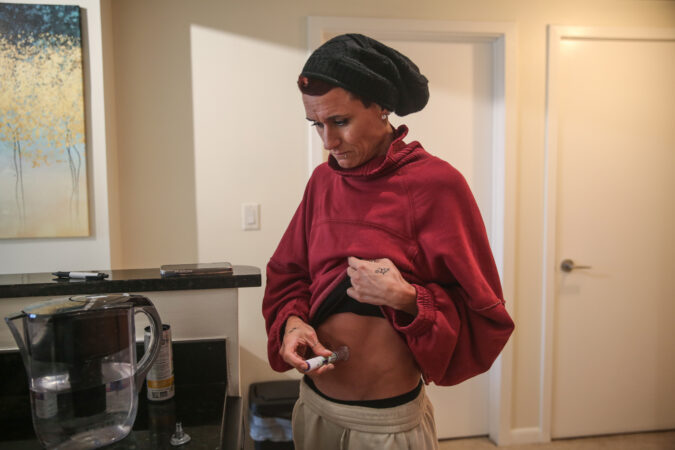
    When Susan Akin first started injecting a coveted weight-loss drug early this year, the chaos in her brain quieted. The relentless cravings subsided — only they’d never been for food.

    The medication instead dulled her urges for the cocaine and alcohol that caused her to plow her car into a tree, spiral into psychosis, and wind up admitted to a high-end addiction treatment center in Delray Beach, Fla.

    Doctors at Caron Treatment Centers tried a novel approach for the slender 41-year-old by prescribing her Zepbound, part of a blockbuster class of obesity and diabetes medications known as GLP-1s. Federal regulators have not approved the drugs for behavioral health, but doctors are already prescribing them off-label, encouraged by studies suggesting that they could reshape addiction treatment.

    Scientists caution that the research remains nascent. Health insurers do not cover the pricey drugs for that purpose. Addiction specialists say the medications might not be a cure but may work as a tool to quell addictive behaviors.

    For Akin, the weekly shot helps her endure a world full of triggers. She can visit a gas station without wanting to buy beer or see sugar without dialing a cocaine dealer. The cravings linger but are muted, she said.

    “I know when I’m due for my shot because I get a little antsy or irritable, or just kind of off,” Akin said. “But it has changed my life.”

    Emerging science

    As GLP-1 drugs for weight loss generate billions for pharmaceutical companies, researchers are exploring their potential for other purposes. Clinical trials have already shown that semaglutide, the active ingredient in Ozempic and Wegovy, can reduce the risk of heart attacks and treat liver disease.

    These drugs appear to reduce cravings for food because they mimic a natural hormone that boosts insulin production, curbs appetite, and slows stomach emptying to create a feeling of fullness. Tirzepatide, the active ingredient in Zepbound, imitates a related hormone that enhances insulin release and amplifies appetite suppression.

    The mechanism of how GLP-1s could also curb alcohol and drug cravings is not entirely understood. The medication may block release of dopamine, the chemical associated with reinforcing pleasurable activities, said Kyle Simmons, a professor of pharmacology and physiology at Oklahoma State University. The medications appear to be “turning down the gain on the reward circuitry in the brain,” Simmons said, possibly explaining why they have a broad effect on behavior.

    The potential has ushered in a wave of research that includes whether the drugs help veterans with moderate to severe drinking problems, diabetic patients who smoke, and people addicted to opioids, among others.

    Federally backed studies of patient records released since early 2024 have shown GLP-1 use in some patients who are diabetic or obese is associated with lower risks of alcohol abuse, cannabis use disorder, and opioid overdoses.

    Associations alone do not prove that the weight-loss drugs are causing those changes, but small early clinical trials have shown promise. In one study published in February in JAMA Psychiatry, researchers found that problem drinkers who received a weekly semaglutide injection drank less and had fewer cravings for alcohol and cigarettes compared with those given a placebo.

    Researchers at the National Institute on Drug Abuse and Simmons are running separate but similar double-blind clinical trials to measure whether the drugs curb alcohol cravings in patients with drinking problems. Researchers are charting brain activity to see how participants respond when exposed to alcohol cues and using virtual-reality headsets to measure how they respond to images of food. In the NIDA study, scientists have built a mock bar to observe how patients react to being near alcohol.

    A spokeswoman for Eli Lilly, which manufactures Zepbound, said the company is considering clinical trials to assess the drug as a treatment for substance use disorders, including for alcohol and tobacco. Novo Nordisk, the maker of Wegovy and Ozempic, declined to say whether it would study the drugs’ effectiveness for addiction.

    Medical treatments lacking

    The use of GLP-1s for unapproved purposes is surging, including micro-dosing to promote longevity and wellness, despite little evidence supporting these lower doses. Researchers also caution that long-term use of the drugs — which can cause unpleasant stomach side effects — remain understudied.

    Still, if GLP-1s prove effective at curbing cravings of different substances — and include behavioral addictions such as gambling and shopping — it “really opens up a whole new sort of therapeutic avenue that’s not been available before,” said Joji Suzuki, an addiction researcher at Brigham and Women’s Hospital in Boston.

    An estimated 48 million Americans had a substance use disorder last year, according to federal researchers. More than 80,000 died of drug overdoses last year while more than 47,000 died from alcohol complications, according to federal estimates.

    There are no approved medications to reduce cravings for other substances including cannabis, cocaine, or methamphetamine. For opioid addiction, medications such as buprenorphine or methadone are considered effective at staving off withdrawal and cravings, but carry stigma.

    While the FDA has approved three drugs to reduce alcohol consumption, only 2 to 4% with alcohol-use disorder get any medication treatment, said Lisa Clemans-Cope, a researcher at the Urban Institute, a nonpartisan economic and social policy research group.

    An affordability problem

    Early research and anecdotal evidence proved enough for Steven Klein, a physician who specializes in addiction at Caron, to begin prescribing GLP-1s to his patients.

    For Klein, the project is more than a professional curiosity: He is a recovering alcoholic who has long struggled with his weight. Three years ago, while in recovery and working as a pediatrician, Klein was prescribed the anti-diabetes drug Mounjaro for weight loss. He found the drug calmed his mind. “The voice that was talking to me about food was very similar to the voice that used to talk to me on drugs and alcohol,” Klein said.

    Moved by his experience, Klein switched to addiction care and joined Caron, a high-end rehab center with facilities near Reading and in Atlanta, Washington, and Delray Beach.

    He spearheads a pilot program that has prescribed GLP-1s to more than 130 patients in Pennsylvania and South Florida, most diagnosed with alcohol-use disorder and some who took stimulants.

    Klein has also partnered with Open Doors, a nonprofit in Rhode Island that helps formerly incarcerated women reenter society, to begin offering GLP-1s through its recovery program.

    “We see how hard it is for people to maintain their recovery long-term after they leave the support of our housing,” Open Doors Co-Executive Director Nick Horton said. “But with this medicine, I’m hopeful.”

    Regina Roberts, a 41-year-old alcoholic in recovery, is living at an Open Doors facility after stints in rehab and a family court program after she lost custody of her teenage son. She has been sober since 2023 with the help of 12-step programs, therapy, and life-skills classes. But she faced frequent reminders of her past: walking past a liquor store, smelling alcohol on someone’s breath, cigarette smoke wafting in the air. When Open Doors told her about the promise of GLP-1s several months ago, she agreed.

    “I figured, why not try it?” Roberts said. “I’ll take anything to help me stay on my road to sobriety.”

    With her cravings dialed back, Roberts hopes to reunite with her teenage son and move out of Open Doors in a few months. But she’s unsure whether she can keep taking the medication; she can’t afford to pay out of pocket and Medicaid might not cover it.

    At Caron’s Wernersville location, staff reduce costs by receiving semaglutides from compounding pharmacies, which can legally produce cheaper versions of name-brand mediations.

    In the Delray Beach facility, most patients receive Zepbound through their insurance by “piggybacking” under FDA-approved uses, or by paying out of pocket with manufacturer discounts, said medical director Mohammad Sarhan. Those costs add to the price of rehab programs that can cost up to $100,000.

    Akin, the Caron patient who is approaching one year sober, said she relies on her inheritance to pay nearly $1,000 every month for prefilled Zepbound shots. Akin could receive a modest discount in the coming months now that Eli Lilly, along with Novo Nordisk, announced they could lower direct-to-consumer prices as part of a deal struck with the Trump administration.

    She considers Zepbound an essential drug like insulin.

    “It’s not a cure. We have to do the work,” Akin said. “But it helps. It slows things down enough to the point where you don’t feel like you have to jump off a bridge or put your head in a cocaine plant to survive.”
  • Somebody from N.J. mailed a fake bomb to the office of Dick Clark on this week in Philly history

    Somebody from N.J. mailed a fake bomb to the office of Dick Clark on this week in Philly history

    The package was mailed from New Jersey, which should have been the first clue.

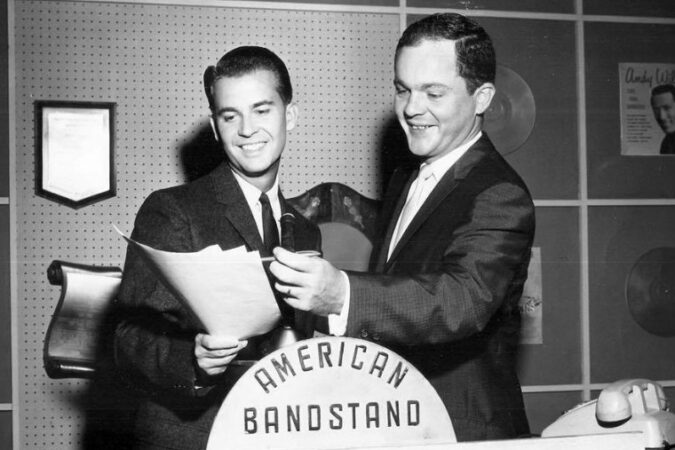
    Inside was a cigar box rigged to resemble a bomb, and it was delivered on the afternoon of Nov. 21, 1960, to the office of TV host Dick Clark.

    Clark, a week away from his 31st birthday, was the star of the nationally televised ABC program American Bandstand, which was filmed at WFIL-TV studios at 46th and Market Streets. He was filming his afternoon program when the parcel arrived shortly after 3 p.m.

    His secretary received the package, and as she started to untie the brown-paper wrapping, the cigar box became visible. One side of the box had been removed, and she spotted a net of wires and a five-inch piece of copper tubing.

    Police quickly arrived and inspected the device, and took it to their headquarters for further evaluation. And while it looked like a crudely constructed explosive device, police and postal leaders told The Inquirer that it was missing two key components: powder and a fuse.

    There were no actual explosives in the box, and the device couldn’t have set any off.

    It contained what at first appeared to be a blasting cap, but after closer examination was identified as a piece of tree bark.

    “The package was obviously the work of a crank,” the officials told The Inquirer.

    Philly Police, the U.S. Postal Service, and the FBI took part in the investigation, but no culprit was ever publicly identified.

    TV staffers were still jumpy a few weeks later when an unmarked gift package that resembled the faux bomb arrived at Clark’s office.

    Responding police, taking no chances, carried it across the street and into the middle of Drexel University’s athletic field.

    When they finally got the courage to open it, out popped a shaggy, stuffed dog.

    All packages from then on, The Inquirer quipped, should carry a notation:

    “No bombs inclosed.”

  • Eagles QB Jalen Hurts deserves criticism, but what are we arguing about?

    Eagles QB Jalen Hurts deserves criticism, but what are we arguing about?

    The arguments that go nowhere are usually the ones that have nowhere else to go. That’s especially true whenever the argument revolves around Jalen Hurts … which is pretty much every Sunday right now. Debating Hurts is like locking yourself in a clothes dryer. You spin around in circles a bunch of times and then walk away hot. It has always been that way with him, even when he was in college.

    A good question to ask yourself in these sorts of situations:

    What, specifically, are we arguing about?

    It’s a question everybody should be asking themselves now that we again find ourselves snowballing down the slippery slopes on Aggregation Mountain. We’ve apparently reached the point in the news — take — news cycle where everybody needs to register their opinion about Hurts. But, like, to what end?

    At plenty of points in time, a robust debate about Hurts has been warranted. Should Alabama bench him? Can Oklahoma contend for a title with him? Should the Eagles have drafted him in the second round? Should they start him over Carson Wentz? Can he win a Super Bowl? Should they give him a franchise-level extension?

    It’s worth noting that the answer to all of these questions has turned out to be an unqualified yes. Few athletes in history have as lengthy and unblemished a track record of exceeding the measuring sticks placed before him. Wherever his career goes from here, he will retire as one of the most unprecedented performers in football history.

    And yet …

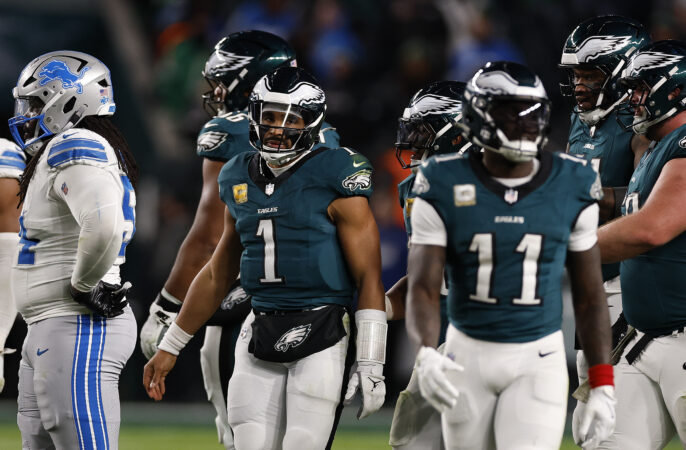
    There Hurts was, on Wednesday afternoon, the quarterback of an 8-2 team, the reigning Super Bowl MVP, the leader of the NFL’s current betting favorite, the pitchman for one of sports’ most iconic brands, fielding another one of those questions that suggests something about him is still up for debate. Hurts was clearly aware of the tempest that had been whirling around his name in the wake of a couple of media reports that suggested a certain level of frustration with Hurts among some coaches and players.

    Eagles quarterback Jalen Hurts said Wednesday that work to fix the offense begins with him.

    “I’m not surprised by anything,” Hurts said, wearing a black compression shirt with the Jumpman logo on his right breast. “This is kind of the nature of the position.”

    The original reports themselves are rather oblique in nature. Longtime Philly insider Derrick Gunn reported that people in the Eagles organization feel like Hurts has been hurting the offense by playing “his game” rather than the one the game plan calls for. Meanwhile, The Athletic reported a frustration from players about Hurts’ reluctance to throw into tight windows against zone coverage.

    None of this news qualifies as earth-shaking. In fact, it barely qualifies as news. We know the Eagles are frustrated with their offense. Left tackle Jordan Mailata recently labeled it “stuck-in-the-mud.” Wide receiver A.J. Brown has made it very clear he is frustrated that he isn’t getting the football. Likewise, Hurts has very clearly struggled. When he struggles, he does so in a specific way. He is hesitant, indecisive, overly focused on the safest option, too willing to buy time with his feet and shifts the offense to scramble mode.

    That’s not a slight against the reports themselves. The notable thing isn’t the news. It’s that the news is being reported.

    My real focus here is everything that comes after the news. The TV segments, the sports radio calls, newspaper columns like this one, the hour-to-hour churn of the Sports Take Industrial Complex. Everybody has decided it is time to have an honest discussion about Hurts.

    The thing that most of these opinions ignore is that there is nothing much to discuss. Any time an offense plays the way the Eagles offense has for most of this season, the quarterback will help matters by playing better. Beyond that, there is little to say. There is no existential question. Hurts has already answered all of them.

    What’s missing is context. In the last 23 years, Jalen Hurts is one of 12 people on the face of the earth to win a Super Bowl as a starting quarterback. He was named the MVP of that Super Bowl, and he very easily could have taken home the award in the other Super Bowl he started in. He is signed to a contract worth a quarter of a billion dollars. The Eagles have been the best team in the NFC for nearly two full seasons now. You can argue that they would already be a dynasty if they had their current defense for the last four years.

    Eagles quarterback Jalen Hurts shown after the Super Bowl LVII loss to the Chiefs.

    Can Hurts play better? Sure. It isn’t heresy to suggest it. We’ve seen him do it, most definitively in that Super Bowl LVII loss to the Chiefs. But he is never going to be Patrick Mahomes, or Joe Burrow. The Eagles’ offense might be higher functioning if they had Joe Burrow or Drake Maye. But all of those arguments are roads to nowhere. The only thing that matters is that Hurts has been good enough that the Eagles no longer need to acquire one of those other guys. Coaches and players are more than justified if they are frustrated with some aspects of Hurts’ approach and performance. But they also surely know that they are more fortunate than most.

    There’s the context that’s often missing from the Hurts debates: how bad so many other teams have it. Watch the Cam Wards, the J.J. McCarthys, the Tua Tagovailoas, any of a number of other quarterbacks who were drafted higher than Hurts with the hope they would become what he is. There is a lot of bad quarterback play out there. There are a lot of teams that have no hope. The divide between the tier of passers who can and can’t is stark. Even at his worst, Hurts is one of the few.

    There will be no trade, no competition, no readjustment of sights to the Tanner McKee era. That should be obvious to even Hurts’ most ardent of critics. Which brings us back to the original question. What are we arguing about?

  • Philadelphia is at risk of losing more than 7,500 subsidized rental homes during the next decade, report says

    Philadelphia is at risk of losing more than 7,500 subsidized rental homes during the next decade, report says

    Across Philadelphia, low- and moderate-income households rely on federal subsidies that reduce the cost of their rent.

    Federal housing programs directly subsidize at least 476 properties, totaling about 34,350 rental units. But the city is at risk of losing more than one in five of these affordable housing units during the next decade, according to an analysis by the Housing Initiative at Penn published Thursday.

    Between 2026 and 2036, federal contracts or mandates that cap the rents at these properties can expire.

    Owners can decide whether to renew contracts or let them end and then charge higher market-rate rents or sell their properties in potentially lucrative deals as property values in the city continue to rise.

    A property owner’s decision in 2021 not to renew a subsidy contract at the University City Townhomes in West Philadelphia is a recent high-profile example of what’s at stake. The site had grown much more valuable since the subsidized townhomes were built four decades earlier, and the owner decided to sell the property, displacing 69 households.

    “Philadelphia has long relied on a large number of federally subsidized properties to provide affordable housing options that are protected from market forces,” researchers at the Housing Initiative at Penn wrote.

    They said the report can help policymakers, advocates, and others plan how to preserve affordable housing as subsidies reach their expiration dates. The report relies on data from the National Housing Preservation Database developed by the Public and Affordable Housing Research Corp. and the National Low Income Housing Coalition.

    Also helpful, researchers noted, will be the public database of subsidized housing properties and their subsidy expiration dates that the city is creating, as directed by legislation City Council passed in 2023. City officials said they hope to launch the database early next year.

    Here are some takeaways from Penn researchers’ analysis of subsidized properties in Philadelphia.

    These properties are concentrated in certain areas

    Subsidized properties, including those at risk of having their subsidies expire, operate in neighborhoods across the city.

    But they are most concentrated in three City Council districts: the Third in West Philadelphia, the Fifth in North Philadelphia, and the Eighth, which includes the area around Germantown and Mount Airy.

    The report’s total count of federally subsidized properties does not include those added in the last two to three years, due to limitations of the data.

    Subsidies face several risk factors

    Researchers found that where properties are located influences the odds of an owner ending participation in a subsidy program and if they do, how much rents potentially could increase.

    Thirty-eight of the 136 Philadelphia properties whose subsidies will be up for renewal during the next decade are in areas where rents, household incomes, and home values have increased more than in the city as a whole.

    In census tracts that have properties with expiring subsidies, home values increased by 28% in the last decade, compared to 21% citywide.

    In areas with strong housing markets, property owners have more incentive to end subsidy contracts and charge market-rate rents.

    For-profit property owners are less likely than nonprofit owners to renew subsidy contracts. And about six in 10 properties with expiring subsidies are owned by for-profit owners.

    Researchers also noted that any policy change by President Donald Trump’s administration that reduces federal funding for subsidy programs would make properties less affordable for tenants.

    These are the most common subsidies

    The country’s largest source of funding for new and renovated subsidized rental housing is the Low-Income Housing Tax Credit program. It’s also the most common subsidy source in Philadelphia.

    These properties have to keep rents affordable for 30 to 40 years after they are built.

    Of the properties that have subsidies that expire within the next 10 years, 57% use Low-Income Housing Tax Credit subsidies, either alone or in combination with other programs.

    In a 2024 report, Fannie Mae said the credit was “one of the most successful” programs that support affordable housing for “some of the most vulnerable renters in the country.”

    Fannie Mae found that in early 2024, the average asking rent for Low-Income Housing Tax Credit properties in the Philadelphia metropolitan area was about half the average asking rent for a market-rate property.

    For Philadelphia properties, the next largest source of federal housing subsidies is the Section 8 program that ties subsidies to units, not households.

    This program, either alone or in combination with other programs, covers 27% of the city’s subsidized properties that have agreements that expire during the next decade.

    Property owners can choose whether to renew these contracts when they end, which is usually after five to 20 years. Current contracts are all renewals of agreements that date back to before 1983, when Congress ended the program.

  • Temple marching band is preparing to go to New York for Macy’s Thanksgiving Day Parade

    Temple marching band is preparing to go to New York for Macy’s Thanksgiving Day Parade

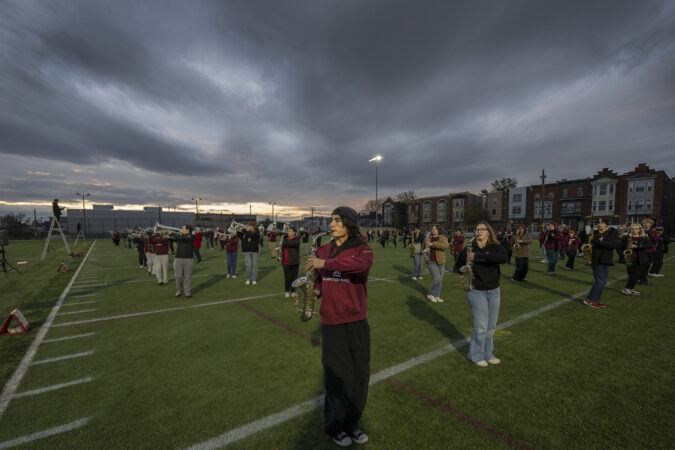
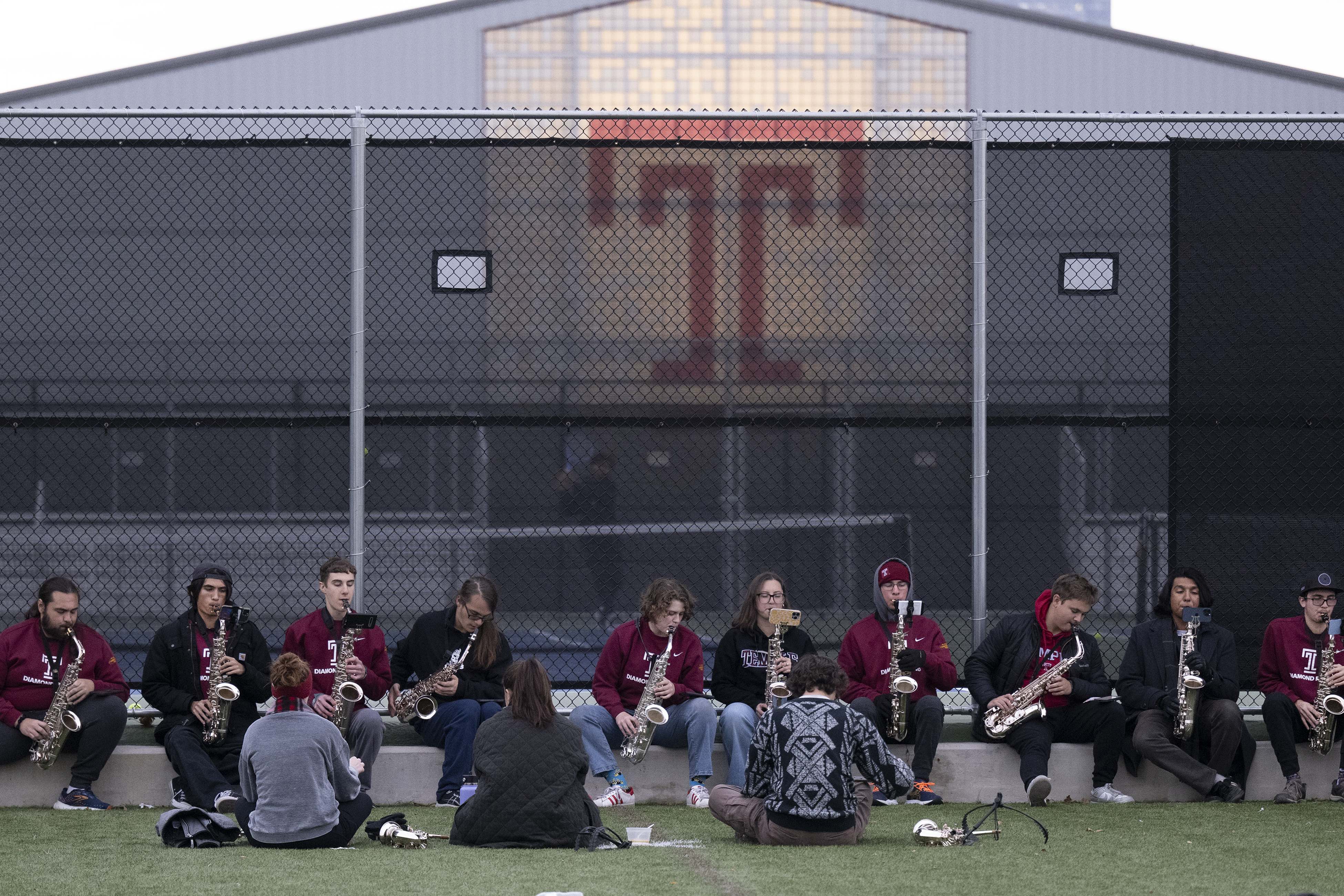
    As the pink of twilight peeked through the November clouds, Temple University’s Diamond Marching Band, instruments and flags in tote, practiced on the campus’ Geasey Field.

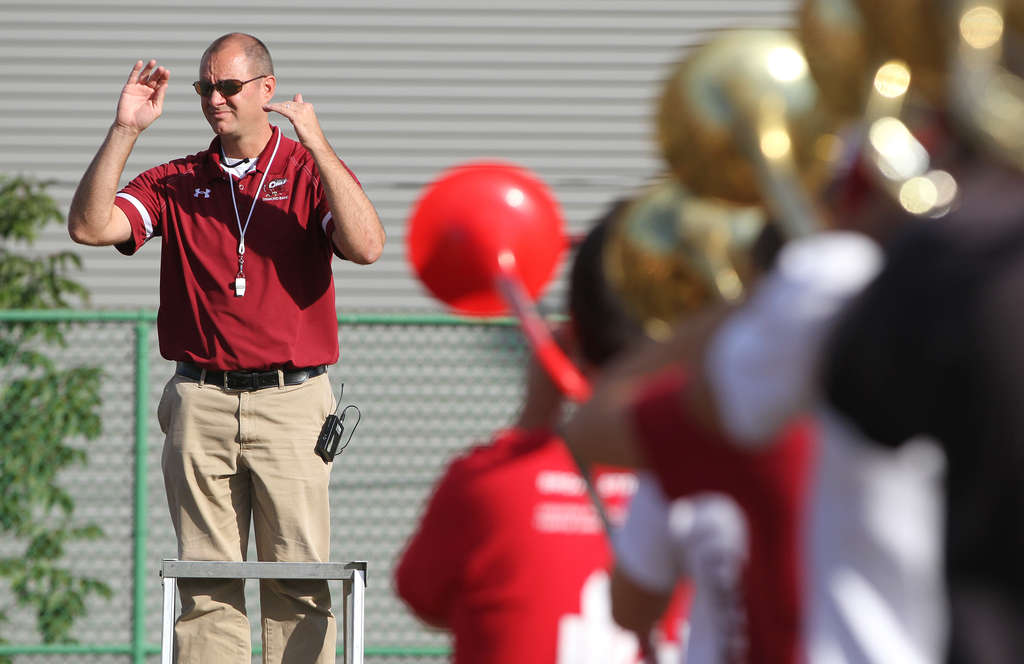
    They ran through selections by Taylor Swift and from the movie KPop Demon Hunters while athletic bands director Matthew Brunner studied their sound and formation from a scissor lift 25 feet in the air.

    “Notes should be long,” Brunner called out over a microphone after one selection. “Don’t try to play them too short.”

    There were few spectators that afternoon. But that’s about to change in a big way.

    The 200-member band is one of only 11 that have been selected to participate in the Macy’s Thanksgiving Day Parade in New York City. It’s a first for Temple, which will be the only band from Pennsylvania or New Jersey in this year’s parade. More than 30 million people likely will be watching from home and 3.5 million in person, if prior numbers are any indication.

    Members of the Temple University Marching Band prepare to practice. The band will perform in the Macy’s Thanksgiving Day Parade this year.

    That’s a lot of exposure for the Cherry and White, which could be a boost for recruitment and fundraising.

    “I can scarcely think of a better way to bring visibility to Temple,” said John Fry, Temple’s president.

    And that visibility could lead to more people visiting Temple’s website and seeing what the university has to offer, he said.

    “It’s going to be incredible for the university,” said Brunner, who initially announced Temple’s band had been selected for the parade in August 2024. “There’s no television event, other than the Super Bowl, that is bigger.”

    The excitement is palpable among students, some of whose families plan to attend the parade.

    “It’s a once-in-a-lifetime opportunity,” said Erin Flanagan, 21, who grew up watching the parade with her family and notes she wanted to march in it since she was 6. “I mean, the Macy’s parade is iconic.”

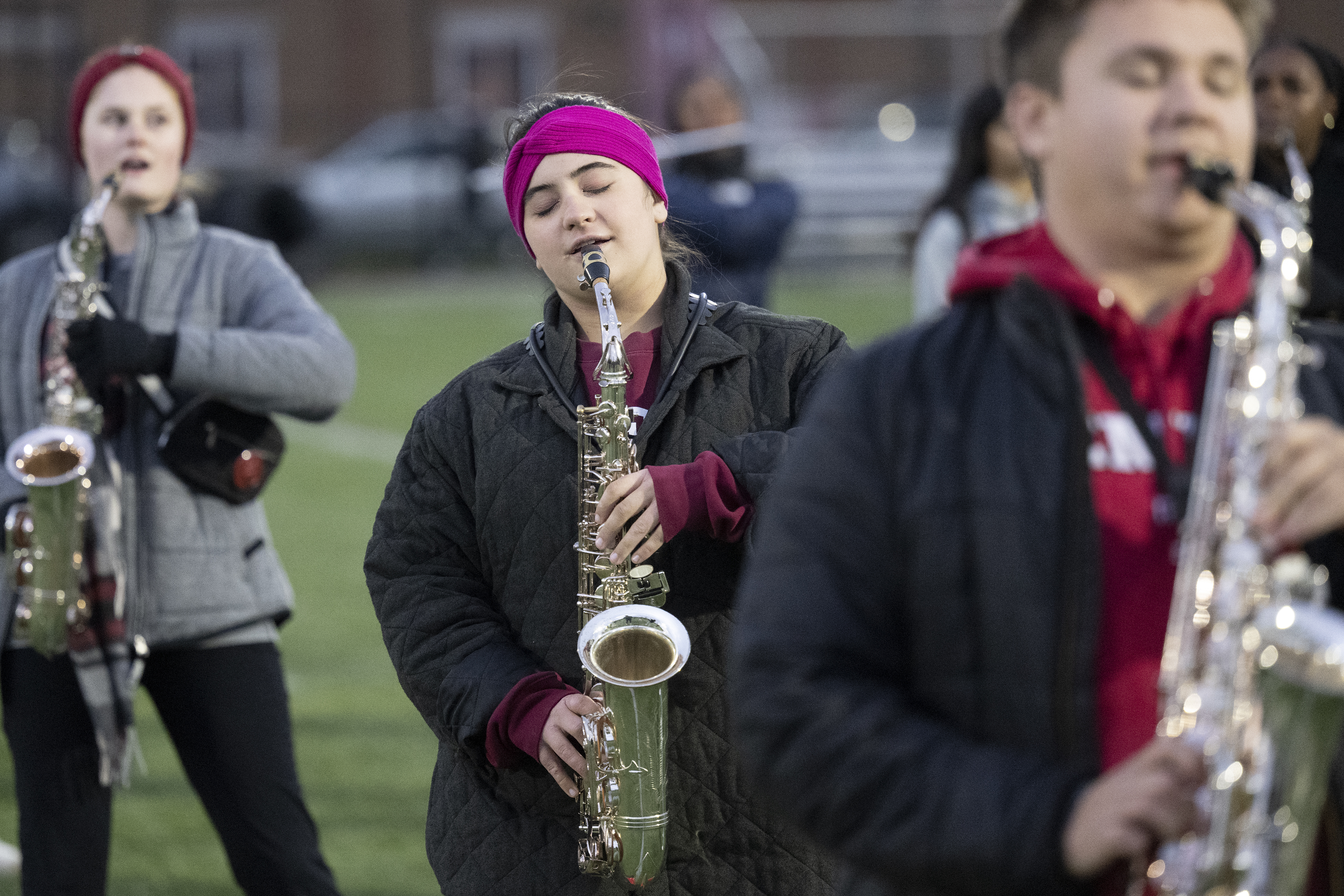
    Temple University alto saxophone player Erin Flanagan rehearses with the marching band.

    The music education major from Manasquan, N.J., who is a senior, said it likely will be her last performance with the band, and she could not have scripted it better.

    “I get to go to this awesome performance and just show everybody what Temple stands for,” said Flanagan, an alto saxophone section leader.

    It’s the 99th anniversary of the 2.5-mile parade, which kicks off about 8:30 a.m. on Thanksgiving Day on NBC and Peacock, hosted by Savannah Guthrie, Hoda Kotb, and Al Roker.

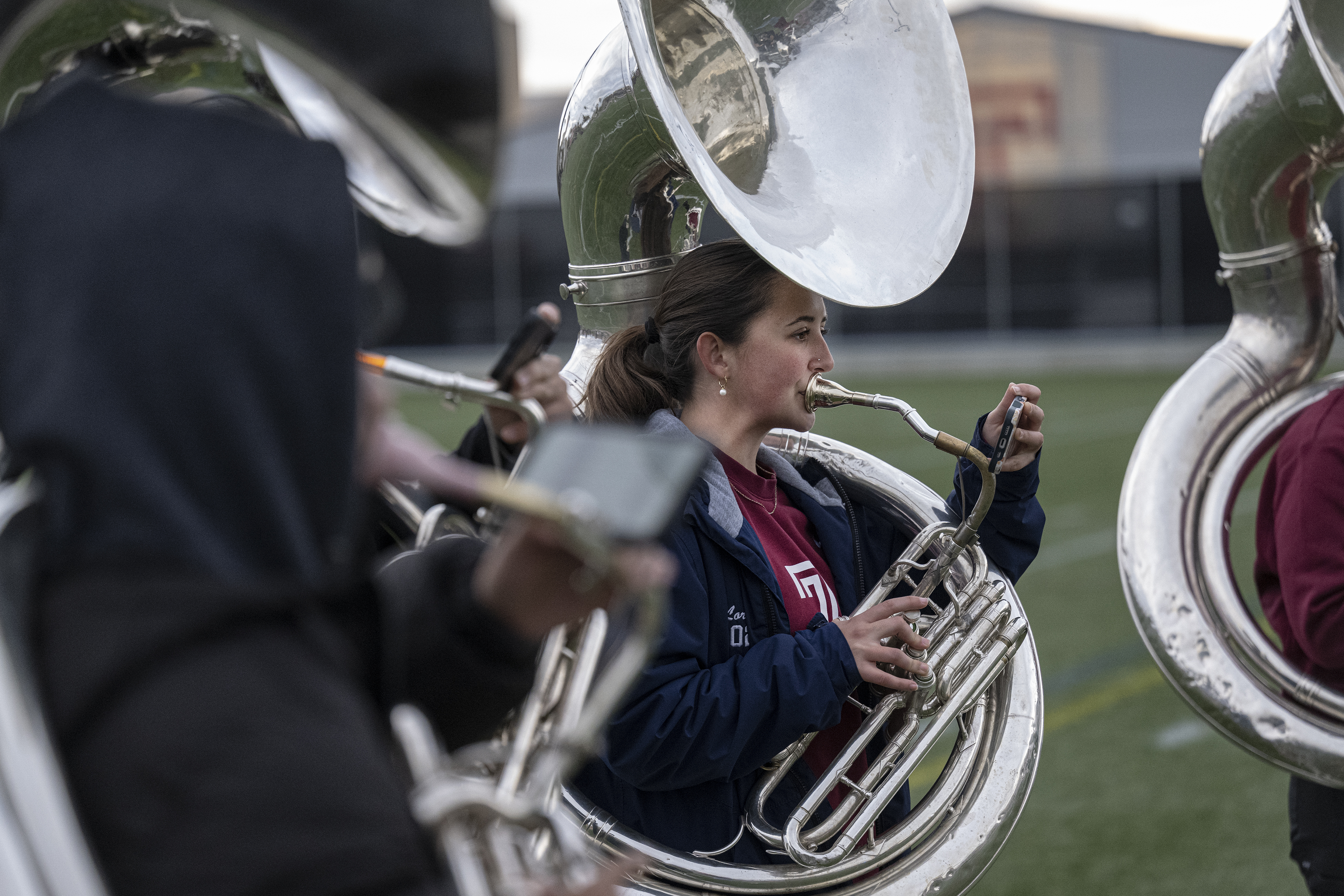
    Temple University tuba player Lorali Minde plays the tuba in the marching band.

    Lorali Minde, 18, a freshman from Levittown, will be marching while playing the tuba, a 36-pound instrument.

    “You kind of get used to it,” she said. “It’s like carrying a really heavy purse.”
    Brunner, who has led the marching band for 18 years, said he had applied to be in the parade several times before. It’s a competitive process, with more than 100 applicants vying for a spot. He had to submit video of a performance — he sent the 10-minute show the band did off the Barbie movie soundtrack — pictures of the band in uniform, reasons that Temple deserved a shot, and the band’s resume and biography.

    Matthew Brunner, athletic bands director, leads a practice in 2018.

    When his wife saw the Barbie show, Brunner said, she texted him: “That’s the show you need to send to Macy’s.”

    It proved a winner.

    “They loved the fact that the music we play is current,” he said.
    The honor comes at a special time for the band, which is celebrating its 100th anniversary. Brunner played that fact up in the application, too.

    Under Brunner, the band has grown and has been hitting high marks. Over the years, the school has been recognized as one of the top collegiate marching bands in the nation by USA Today and Rolling Stone, appeared on Good Morning America, The Tonight Show Starring Jimmy Fallon, and an episode of Madam Secretary, and was featured in two Hollywood movies, The Wolf of Wall Street, starring Leonardo DiCaprio, and the remake of Annie. Some of its performances have received millions of views on YouTube, including a 2018 performance of “Idol” by the K-pop group BTS, which currently has more than five million views on Ricky Swalm’s YouTube channel.

    The band includes a color guard, a baton twirler, brass and woodwind instruments, a drum line, and a dance team. The group typically practices three times a week for two hours at a time.

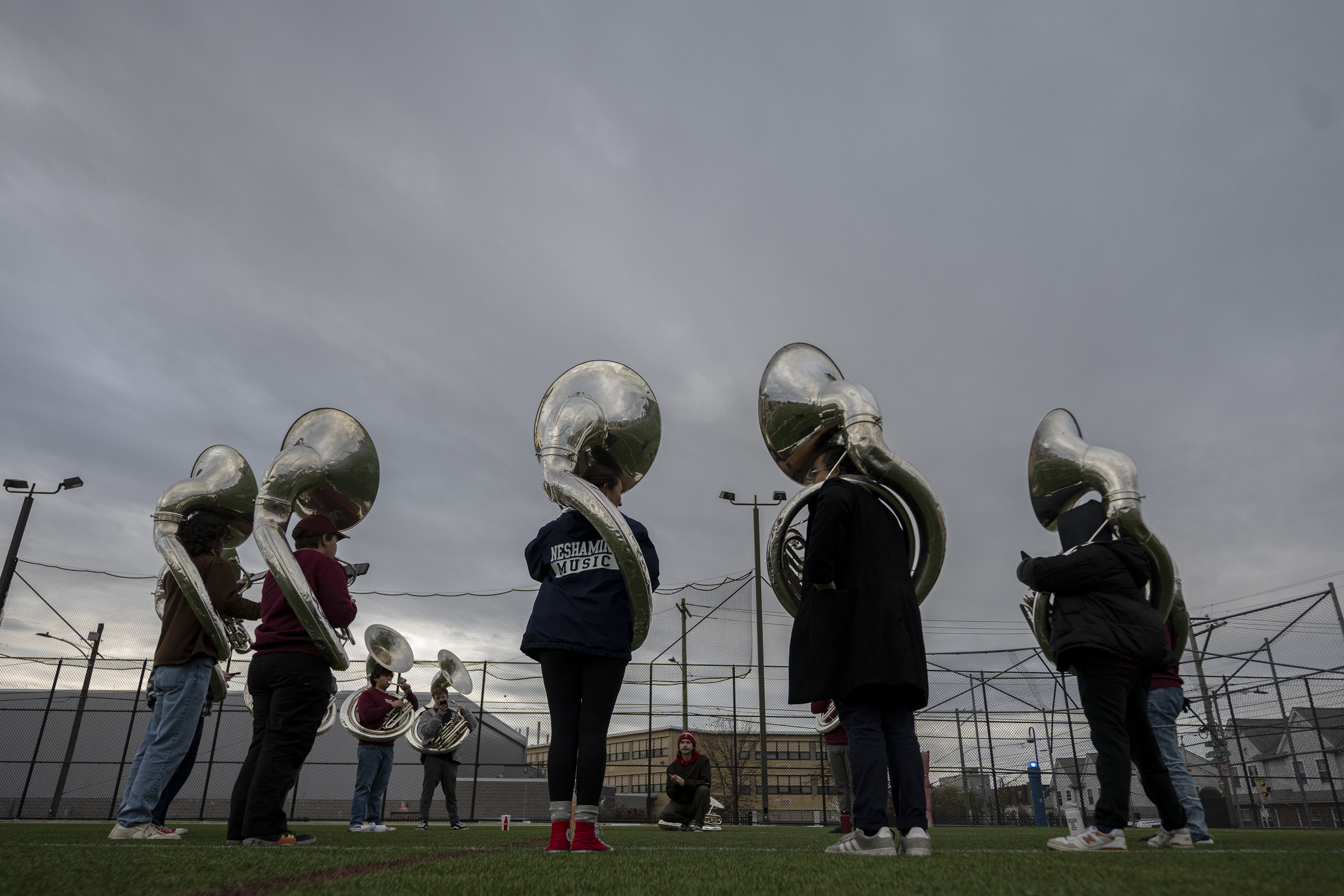
    Temple University Marching Band tuba players practice.

    “The band is infectious,” Brunner said. “When you see them perform, you can’t help but smile.”

    Students have been eying the parade opportunity for a while.

    When Flanagan was a sophomore, she asked Brunner point-blank: “When are we doing the Macy’s parade?”

    Recently, she and her roommates, also band members, have been counting down the days on a whiteboard.

    Brunner declined to say exactly what the band will perform on Thanksgiving, but promised a mix of holiday, audience participation, and Temple songs.

    “We’re hoping for no wind,” he said.

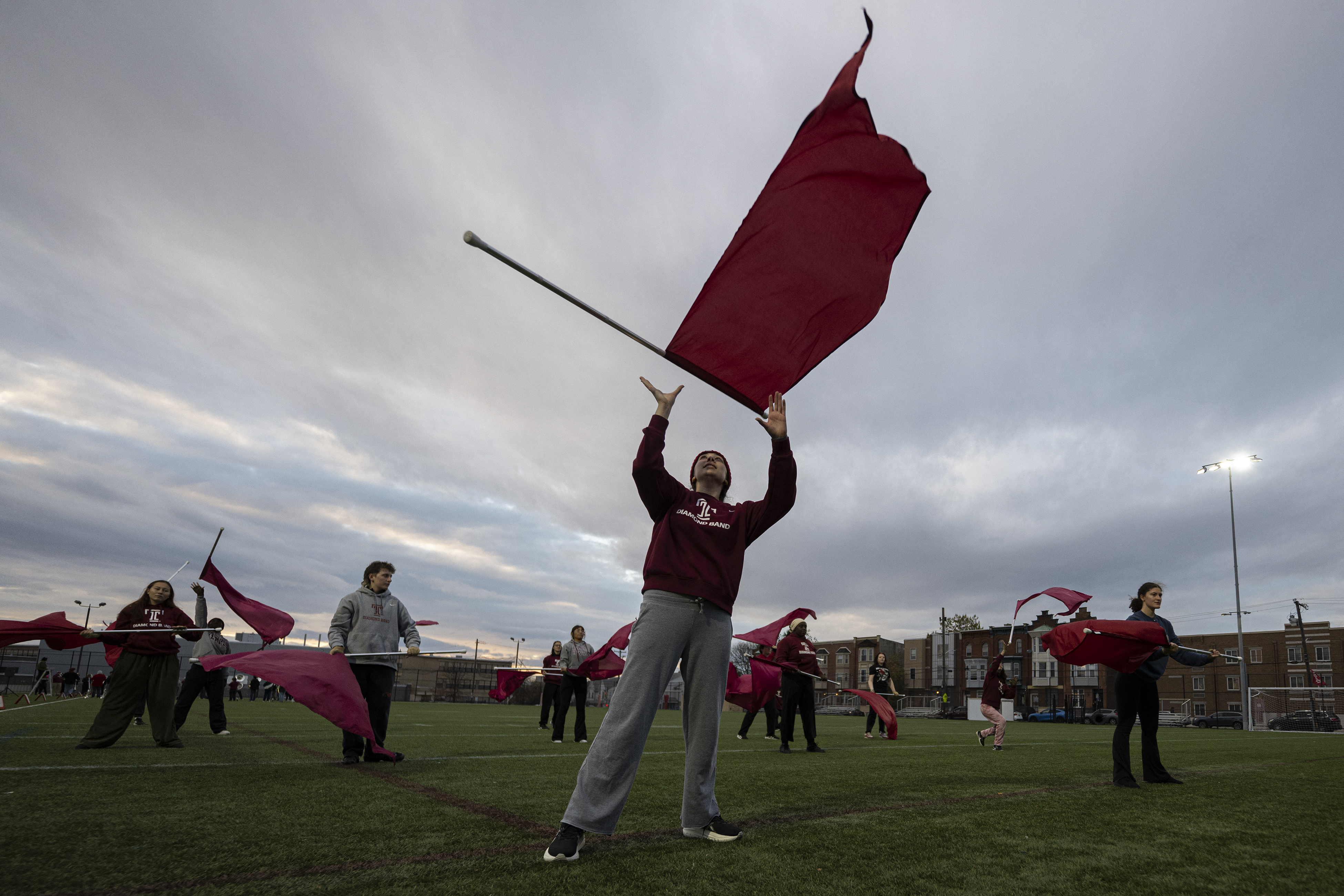
    Temple University Marching Band Color Guard Captain Abigail Rosen practices with her flag.

    Abigail Rosen, color guard captain, and her cocaptain are planning an “epic toss” of their flags over other band members, and wind could hinder it, he explained.

    “It’s an exchange toss,” said Rosen, 20, a junior advertising major from Abington. “So I toss my flag to Dana [Samuelson] and she tosses her flag to me, and we catch each other’s flags.”

    Bands selected received $10,000 from the retailer, which Temple officials said helped them get started on fundraising to pay for the trip.

    The band will be heading to New York on Tuesday for an alumni event, then a performance on the Today show Wednesday. Band members will be up in the wee hours of the morning Thursday for a rehearsal, and after the parade, they will be treated by the school to a Thanksgiving dinner cruise along the Hudson River.

    Andrew Malick, 20, a music education major from Carlisle, Pa., who plays the tuba, can’t wait.

    “It will be cool to say you’ve done it for the rest of your life,” he said.

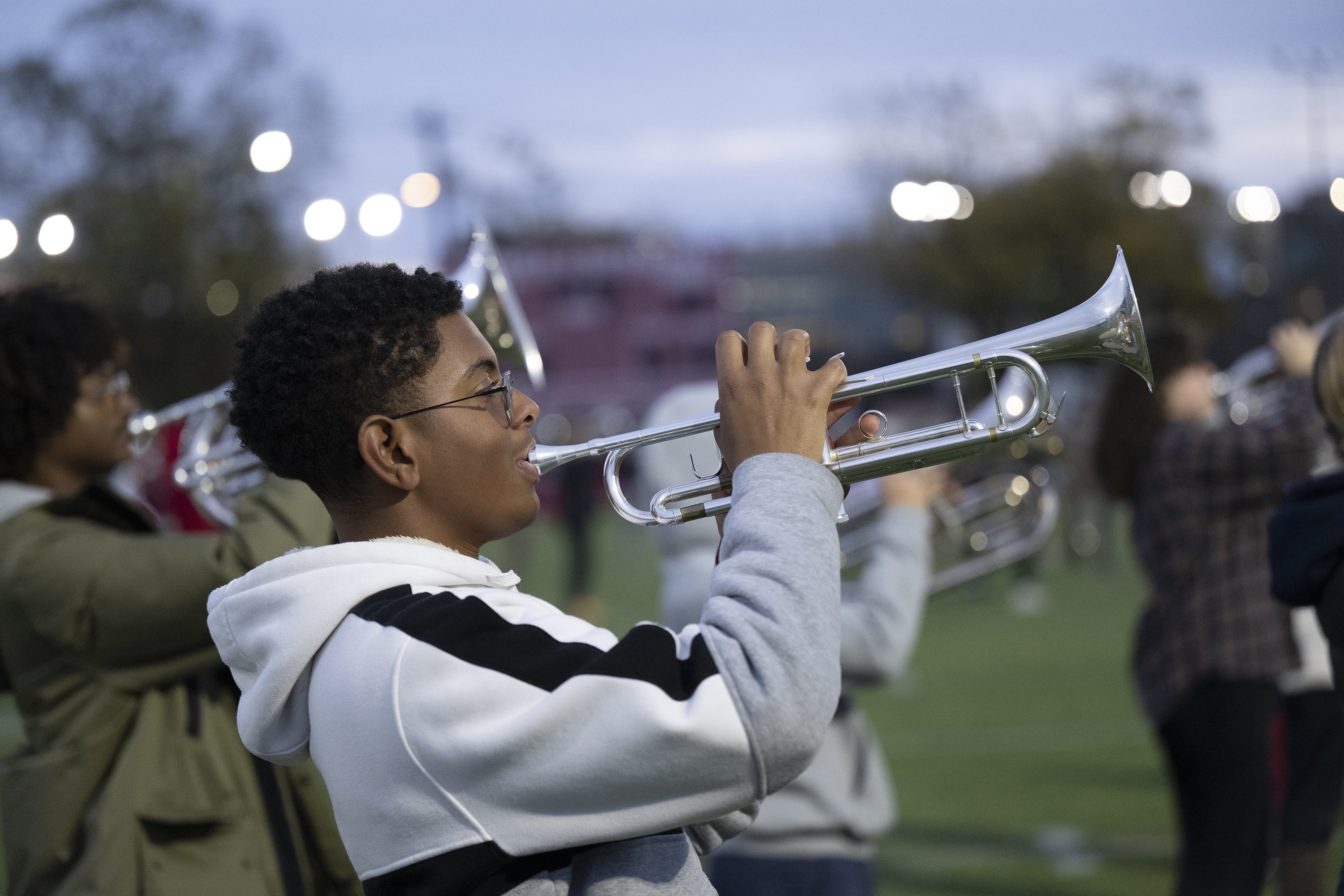
    Jeremiah Murrell, a freshman trumpet player from Savannah, GA, rehearses with the Temple University Marching Band Thursday, Nov. 13, 2025.
  • The puck club 🏒| Sports Daily Newsletter

    The puck club 🏒| Sports Daily Newsletter

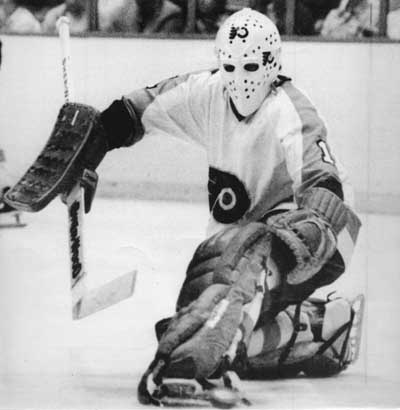
    It may have been a myth you heard before: The Flyers once inducted fans into a secret club if they got hit by a puck. Well, I’m here to tell you it’s true.

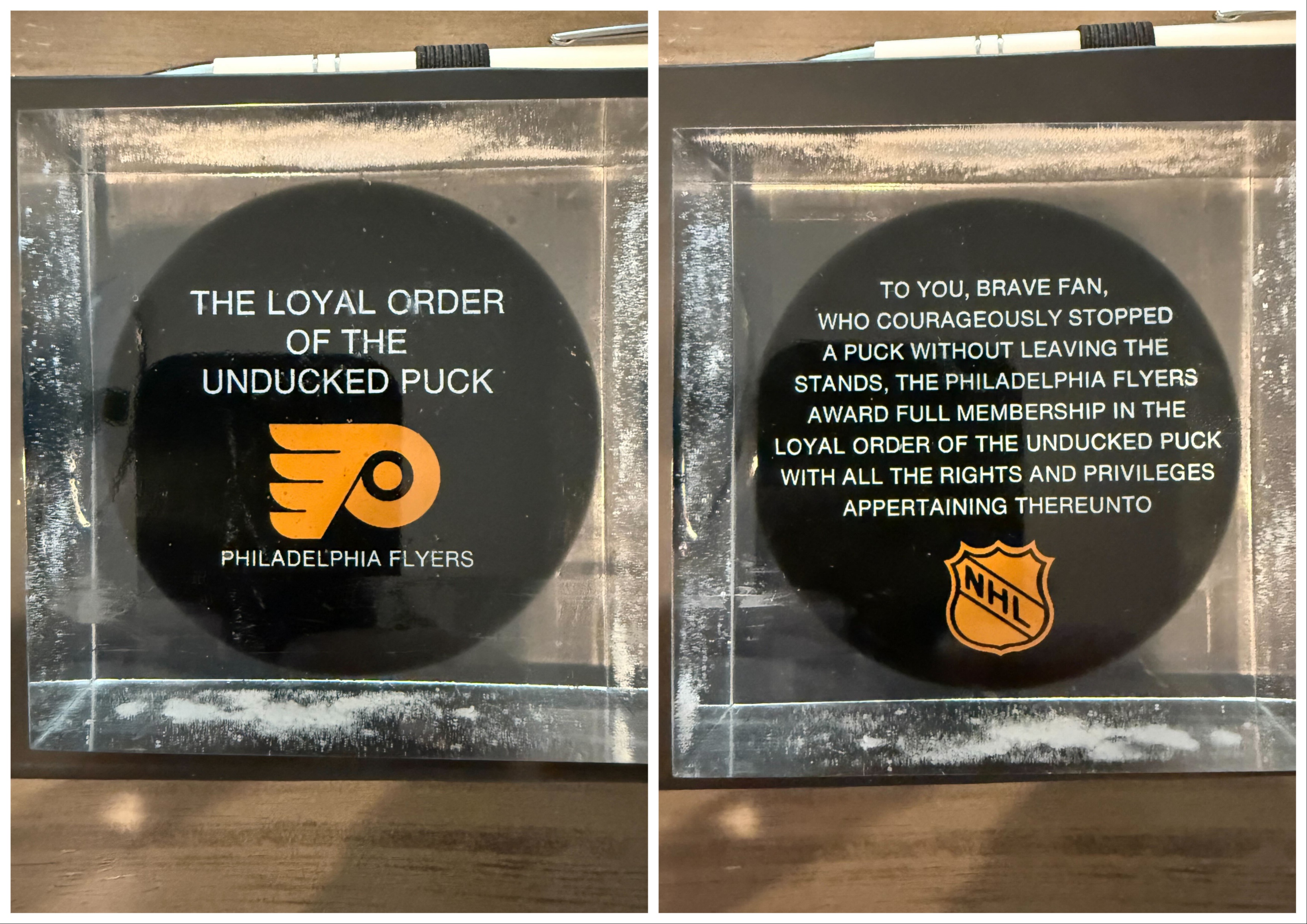
    In the early 1970s, pucks flew into the stands at the Spectrum. So the Flyers created an exclusive club, the “Loyal Order of the Unducked Puck,” partly as a way to dissuade fans from suing them if they were hit by a puck.

    Though, this club wasn’t for everyone. You could not purchase a membership. You had to earn it.

    The pucks were sent to fans for years, easing the pain of being hit by a frozen piece of rubber and making a bruise feel like initiation. The Flyers later created plaques for members. They also sent a letter signed by a player.

    In 2002, the NHL mandated teams to install protective netting, which has since stopped most pucks from entering the stands. It also eliminated the need for a Loyal Order.

    But it meant so much to fans that some had the honor in their obituaries. Matt Breen spoke with those families about how the club made them “feel special.”

    — Isabella DiAmore, @phillysport, sports.daily@inquirer.com.

    If someone forwarded you this email, sign up for free here.

    ❓Let’s hear your Eagles vs. Cowboys predictions. Email us back for a chance to be featured in the newsletter.

    Brown says offense is close

    Philadelphia Eagles wide receiver A.J. Brown warms up before playing the Detroit Lions in Week 11.

    There is a thought process out there in the ether that A.J. Brown is not the same player he was just last year or the season prior. What would he say to those who believe that? “I guess Saquon [Barkley] ain’t the same player either then.” Brown expressed optimism in the offense’s progress and made it clear that what he cares about is winning.

    After the defense carried the Eagles to wins over the Packers and Lions, how do our writers feel about the possibility of an Eagles sweep in Dallas? Here’s their Week 12 predictions.

    What we’re …

    🏀 Learning: In Villanova’s victory over La Salle, the Wildcats showed the allure of Kevin Willard’s small-ball lineup.

    🤔 Wondering: What are the Cowboys saying about the Eagles ahead of their matchup this Sunday?

    📖 Following: The status of Cam Jurgens, who returned to practice after missing Wednesday’s with a concussion.

    🏈 Reading: How Penn State running back Nicholas Singleton is playing the long game to “get better.”

    Third-quarter problems

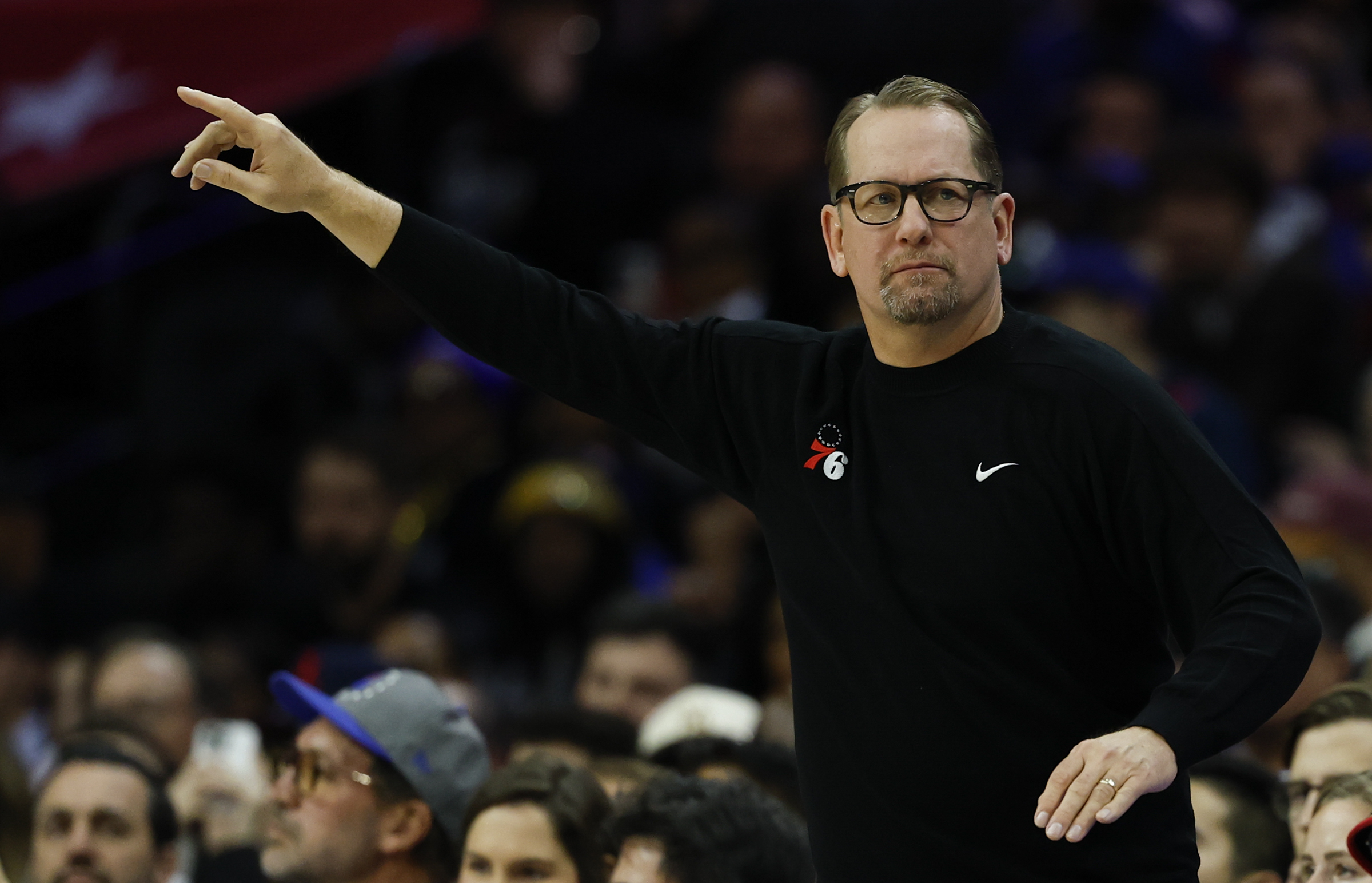
    Sixers head coach Nick Nurse knows his team is pretty good in the fourth. They’re trying to figure out why they’re last in the third.

    Nick Nurse jokingly proclaimed that maybe the Sixers would play better in the third quarter if they spent halftime regrouping on the bench, instead of the locker room. However, the ongoing problem doomed the Sixers in a 121-112 loss to the Raptors on Wednesday night, where the Sixers were outscored 44-26 in the third quarter. Nurse attempted to make a lineup tweak, but it didn’t solve this issue. How do they plan to address this?

    And Joel Embiid missed his sixth straight game with a knee injury on Thursday against the Bucks, meanwhile Paul George played his second game of the season.

    Tyrese Maxey scored a career-high 54 points lift the Sixers to an overtime win in Milwaukee. George scored 21 points in his second game of the season.

    Fights Cancer night

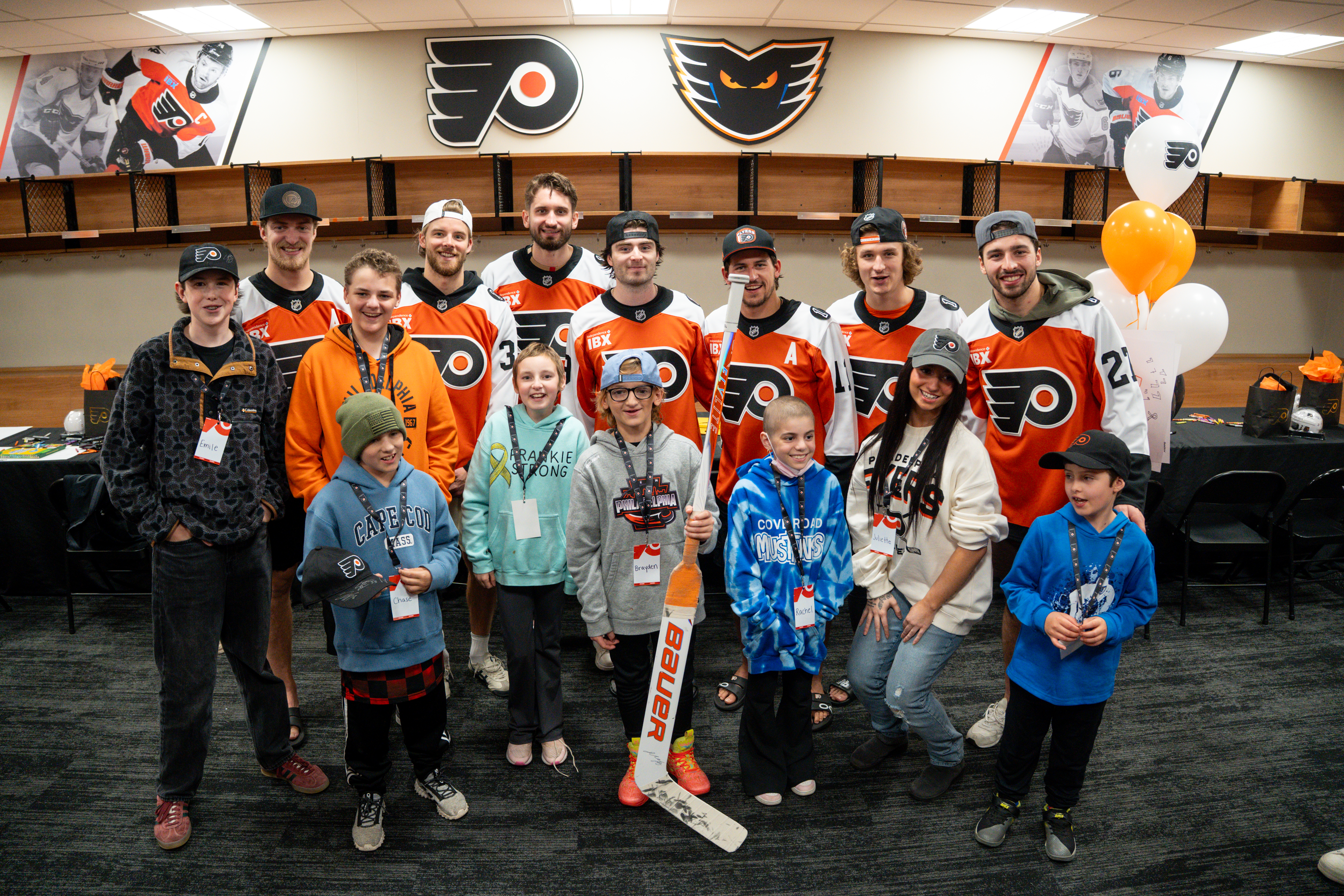
    Several of the Flyers players worked with local kids who are cancer survivors to design custom equipment for Hockey Fights Cancer night.

    The Flyers held their annual Hockey Fights Cancer night against the Blues on Thursday night. Prior to puck drop, the celebration featured tributes, special guests, lavender jerseys, and some custom equipment collaborations between players and local survivors. Coach Rick Tocchet shared, “You’re in the day-to-day [as a] hockey coach, and you forget about what’s really more important in life.”

    Travis Sanheim scored the game-winning goal to give the Flyers their ninth comeback victory of the season in a 3-2 overtime win vs. the Blues.

    An ‘emotional’ postseason

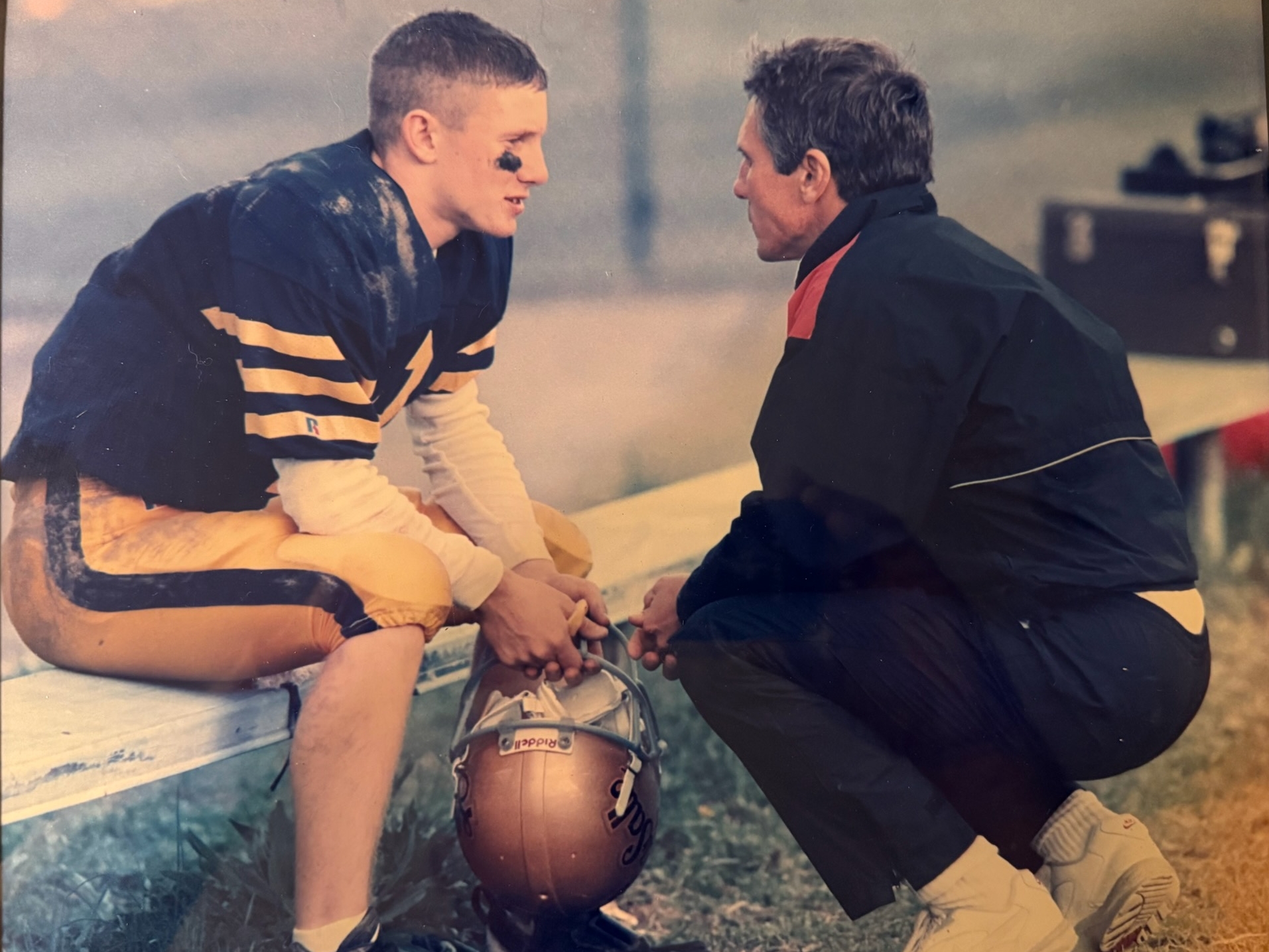
    Brett Gordon and his late father, Drew, talk on the sidelines.

    Brett Gordon‘s memories of his dad have become more vivid, especially these last couple of weeks. His late father Drew, a Hall of Fame football coach at La Salle College High who died in 2023, led the program to its first state title in 2009 with his son on staff. Now, with Brett at the helm, the two could become the first father-son duo to win a PIAA crown as head coaches. The Explorers face District 11 champion Easton on Friday in the PIAA Class 6A quarterfinals.

    Speaking of playoffs, Belmont Charter is the smallest Public League school with a football team, and it is one of only 10 teams from the city or suburbs among 48 teams still alive for six state championships. Despite lack of players and facilities, Belmont has a chance to make school history in the 1A quarterfinals.

    Sports snapshot

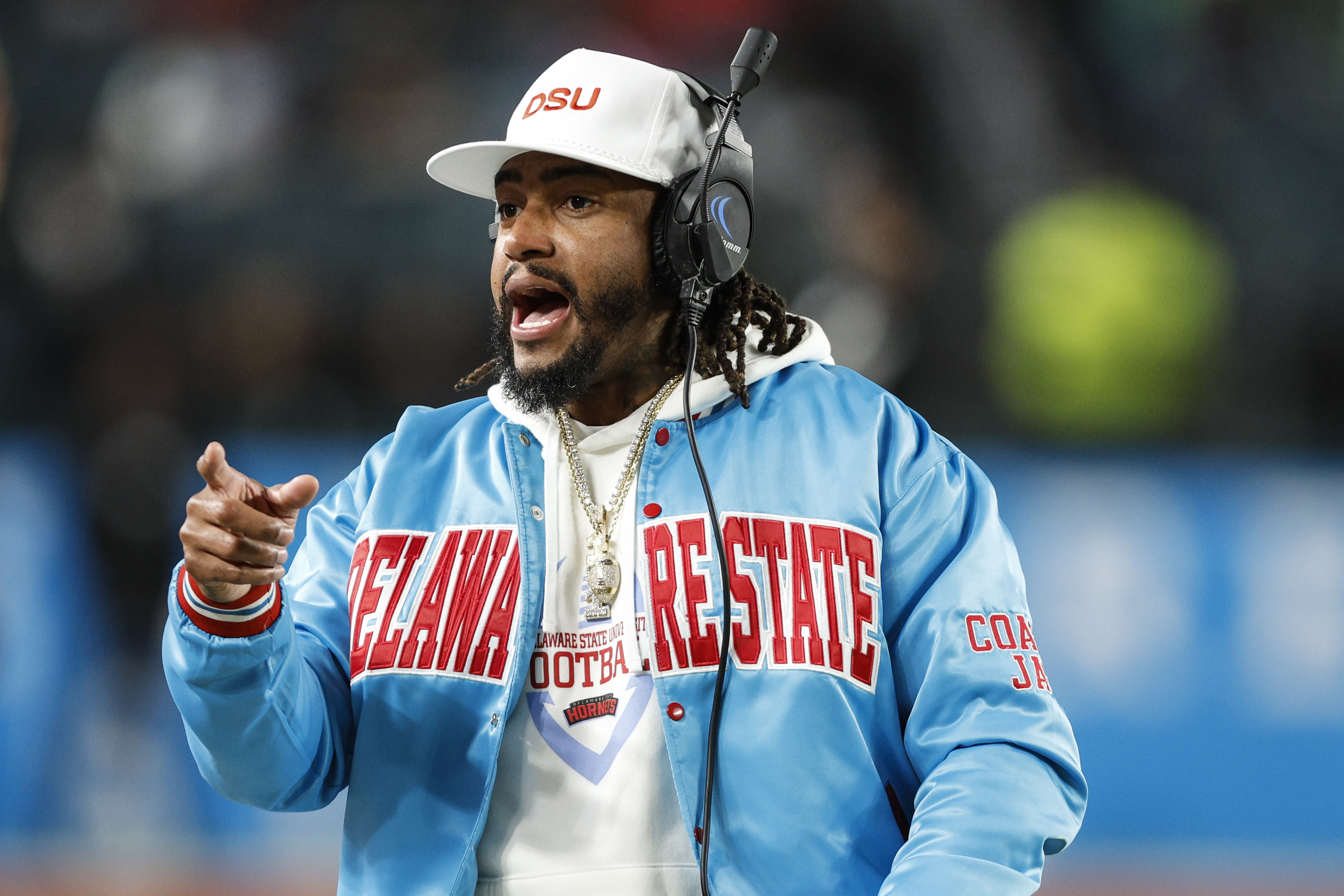
    In his first season as head coach, DeSean Jackson has led Delaware State to an 8-3 record, its most wins in a season since 2007.
    • College notebook: DeSean Jackson’s Delaware State could make history, plus an outlook of Villanova’s playoff projections.
    • ‘Good start’: Drew Allar underwent successful surgery to repair his fractured ankle and hopes to be a present member on the team.
    • Second-half surge: Temple men’s basketball secured a win over Hofstra, thanks to its defense and second-half offense.
    • Long journey: Kajiya Hollawayne was part of three college programs before joining Temple. Now, he’s the Owls’ top receiver.

    David Murphy’s take

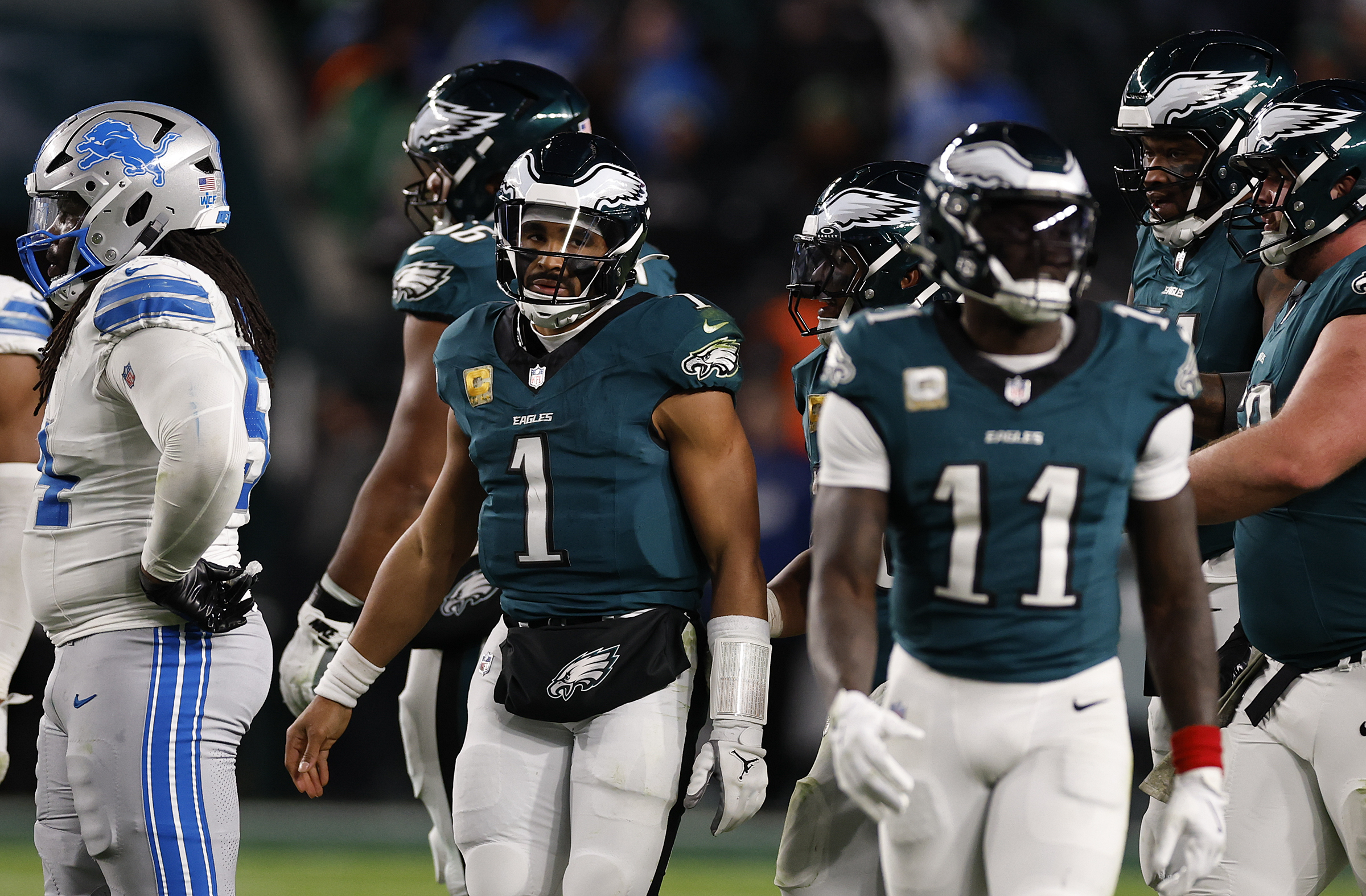
    Eagles quarterback Jalen Hurts (center) shown with wide receiver A.J. Brown during the team’s win over the Lions on Sunday.

    Debating Jalen Hurts is like locking yourself in a clothes dryer. You spin around in circles a bunch of times and then walk away hot. But what are we arguing about? It’s a question everybody should be asking themselves. Any time an offense plays the way the Eagles offense has for most of this season, the quarterback will help matters by playing better — so yes, Hurts deserves criticism. Beyond that, there is little to say, writes columnist David Murphy.

    Join us!

    Gameday Central: Eagles at Cowboys

    Tune in with reporters Jeff McLane and Olivia Reiner on Sunday at 2:55 p.m., as they discuss insider insights before the Eagles take on the Cowboys.

    What you’re saying about sports scandals

    We asked: Is there a sports scandal you won’t soon forget? Among your responses:

    Being a lover of the game of baseball, the use of steroids is a scandal that I will never forget. It has forever changed how people like myself study and follow the game in many aspects including comparing individual player stats. No longer can one have a serious discussion on players careers based on stats as we always did in the past. No longer can we compare the overall abilities of players from the past with those of the steroid era and later without the cloud of steroids being part of the discussion. Barry Bonds vs. Hank Aaron? No-one can really be sure due to the steroids. It’s a terrible terrible thing for a stats/box score reading fan such as myself. — Bob A.

    The Houston Astros sign stealing scandal was number one for me. That entire team should have been suspended without pay and the Astros should have had to bring their AAA team up to fill in, but of course MLB will deal out punishments, but only up until the punishments would hurt the bottom line. And then Covid prevented them from being strongly rejected by the fans in visiting ballparks. Once loved Altuve but for me he is unforgiven along with the rest of the team and management. — Everett S.

    The 2007 NBA referee “the fix was in” scandal. They weren’t actually fixing the out come games, they were controlling the spread. I’ve never had much confidence in any of the sports that the games were on a level playing field. Especially with some of the egregious calls in the NFL. I stopped betting a couple years ago when that phantom holding call against the Eagles in the 2023 Super Bowl with Kansas City happened. There were only about two minutes to play and the call led to Kansas City winning the game on a field goal. I distinctly remember me yelling at the TV that Vegas made a call. My wife agreed. That was the end of my fun and games. Never again! Ronald R.

    There are many but the Houston Astros sign stealing scandal is top on my list. They won the World Series in 2017 with help from a camera and a trash can. How low can you get? The worst thing about it is very few were held accountable with all the players basically getting off scott free. That team will always be a disgrace to me. — Kathy T.

    We compiled today’s newsletter using reporting from Matt Breen, David Murphy, Jeff Neiburg, Olivia Reiner, Jeff McLane, Jackie Spiegel, Devin Jackson, Kerith Gabriel, Ariel Simpson, Joseph Santoliquito, Dave Caldwell, Greg Finberg, and Ryan Mack.

    By submitting your written, visual, and/or audio contributions, you agree to The Inquirer’s Terms of Use, including the grant of rights in Section 10.

    Thanks for finishing the week with me. Have a wonderful weekend, and Jim will be back in your inbox on Monday. — Bella

  • Matt Freese is on the verge of something big with the USMNT. First, he’s got to beat the Union.

    Matt Freese is on the verge of something big with the USMNT. First, he’s got to beat the Union.

    If there was anything to learn about Matt Freese, it’s that he’s a really serious individual.

    Last week, in his return to the Philly area with the U.S. men’s national soccer team, the former Union goalkeeper and Wayne native said he spent the bulk of the week inside the team hotel instead of visiting family and friends.

    He wasn’t a complete recluse. He visited a few old friends from the Union, who were training on fields adjacent to the USMNT at the WSFS Bank Sportsplex in Chester. He even took time to speak to classes at YSC Academy, the school created specifically for soccer players aspiring to be in Freese’s shoes.

    Other than that? Freese treated the homecoming as a business trip, which was clearly conveyed in refusing all requests for interviews the day before a game and the serious gaze on his face even after the USMNT’s 2-1 win over Paraguay last Saturday.

    He returns on Sunday when the Union host New York City FC in MLS’ Eastern Conference semifinal (7:55 p.m., FS1, Apple TV, MLS Season Pass).

    “I actually didn’t see my family. I didn’t do anything,” Freese said. “[This week], I just stayed in the hotel. [Chuckles], I’m a bit of a loser, but when I’m in camp, I’m locked in. I’ll see my family in the offseason at some point.”

    Freese being locked in isn’t because he’s being standoffish. Instead, it’s his effort to prove to himself that he belongs. He has made sacrifices — particularly whenever he receives that call from the men’s national team.

    See, it was roughly around this time last year that Freese was a bit of an afterthought. Incumbent goalkeeper Matt Turner was on a tear for club and country and looked to be a shoo-in for being first up on USMNT manager Mauricio Pochettino’s roster.

    But amid a lack of playing time with Crystal Palace, Turner’s club team, he fell down the depth chart, as Pochettino told reporters in May that “it’s open for another player maybe to challenge in between [the goalkeepers] and maybe to try to give the possibility to play [to] another player,” according to an ESPN report.

    Enter Freese, who has had several call-ups since Pochettino’s remarks and has impressed, notably his performance in the U.S.’s shootout win over Costa Rica the Gold Cup quarterfinals in June. He made three saves in the penalty kick portion of the match, which helped the U.S. vault into the semifinal, and earned soccer’s version of the nickname “Matty Ice.”

    From that moment, he’s been a mainstay with the national team. Now, with the last games of the November cycle wrapping up earlier this week, it’s a waiting game to see if he’ll be called into camp for Pochettino’s World Cup squad.

    From being an unknown to being No. 1 — the opportunity arguably has never been bigger for Freese.

    “What’s driving me is this chance to represent my country,” Freese said. “Having that opportunity is one that I dreamed about but didn’t know if I was ever going to get. So every time I’m called up, I want to make the most of training, and then every time I get to play in a game, I want to make the most of that as well.”

    From favorite to foe

    One thing that stood out in a conversation with Freese was his reply that when it came to visiting family, he’d do so “in the offseason at some point.”

    Coincidentally, if the Union have their way, he might not have to commute too far. A week removed from being the hero against Paraguay, Freese returns to Subaru Park as the villain in his role as the starting goalkeeper for NYCFC.

    Matt Freese (49) guided NYCFC past fourth-seed Charlotte FC to set up an Eastern Conference semifinal date against the Union.

    The meeting is the fourth time the teams will battle in the postseason and the second time for Freese, who was released from the Union in 2022 following the team’s run to the MLS Cup final.

    Instead of looking at his ouster from the Union as being on the outside looking in at a professional career, which started in the team’s youth academy, Freese locked in. Just a year after joining NYCFC was named the team’s MVP last season.

    Now, he leads NYCFC as the fifth seed in the East looking up at the No. 1 team and Supporters’ Shield winner — on its home field.

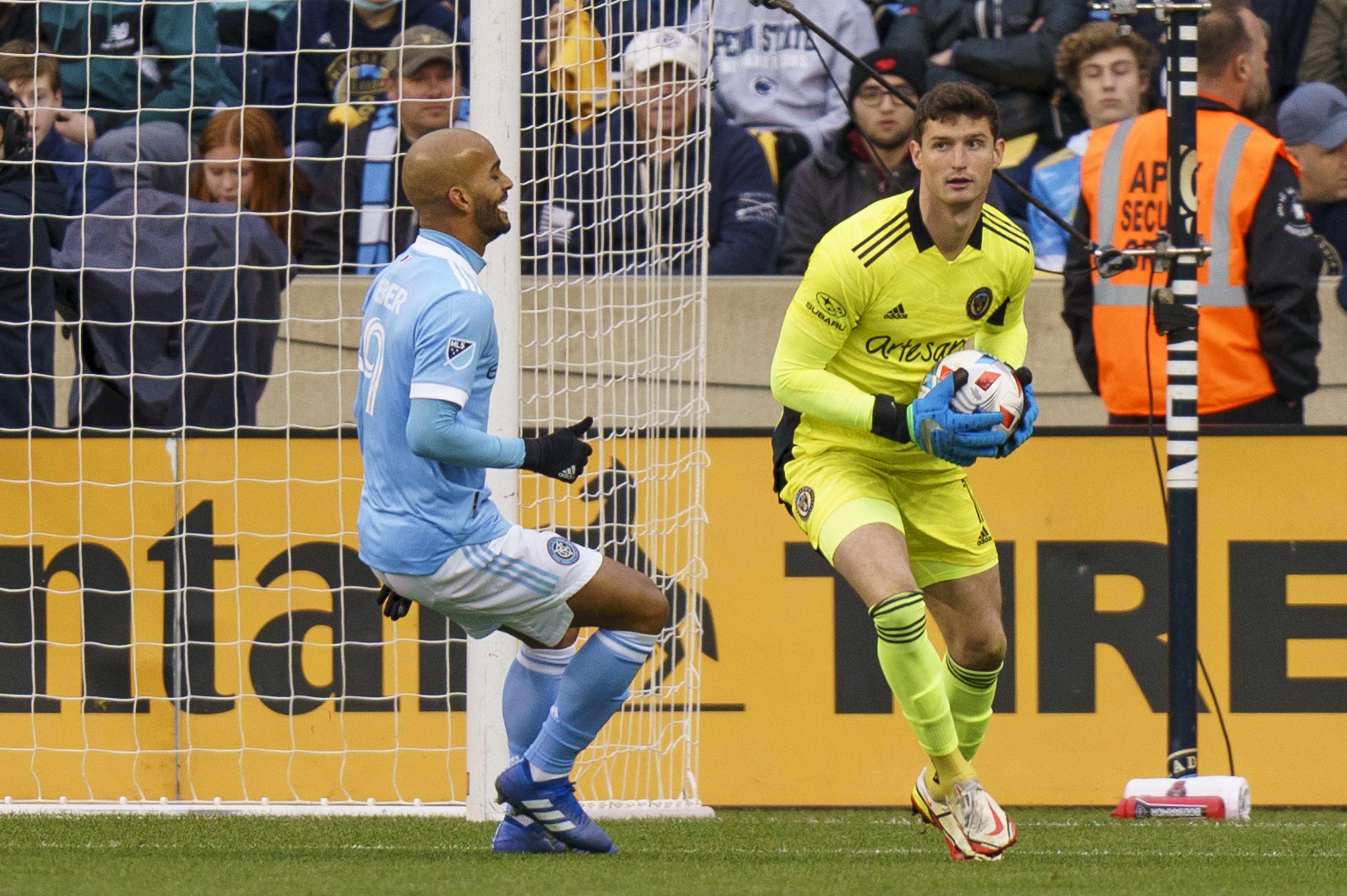
    Matt Freese (right) shown as a member of the Union against his current team, New York City FC during a game in 2021.

    “It’s a really exciting time in my career right now,” Freese said. “It’s important however to stay humble and be thankful that I’m in this situation. I have a job to do, and our goal as a team is to be the last team standing. We have to beat the best. That’s what it comes down to.”

    Fellow U.S. national team member Max Arfsten notes that mentality as the reason Freese has arrived at this moment. Arfsten, whose Columbus Crew side recently fell out of the Eastern Conference playoffs following a loss to rival club FC Cincinnati, gets a routine look at Freese firsthand over the course of the season and sees something special in the goalkeeper.

    “He’s my guy,” Arfsten, a midfielder, said following last week’s USMNT win in Chester. “His ability to control our back line and his communication is big. It allows us to do our job because we know he’s got it covered back there. He’s locked in right now, and that’s really good as we continue to push forward toward the World Cup.”

    U.S. men’s national team goalkeeper Matt Freese dives for a save during a training session earlier this month at the WSFS Sportsplex in Chester.

    On his way out of the Union’s locker room last Saturday, Freese briefly struck up a conversation with a security guard stationed just outside the main doors. What was said was muffled, but what was distinctly heard was the security guard ending the conversation in jest with “see you on Sunday.”

    Given what’s at stake, and having an obvious familiarity with Philly banter, it might have been one of the few times Freese let his armor down and cracked a smile.

  • The boozy business of the American Revolution went down in Philly bars

    The boozy business of the American Revolution went down in Philly bars

    The Founding Fathers never suffered sobriety. When they weren’t sweating out independence at Independence Hall, they were bending elbows at City Tavern — pretty much around the clock.

    George Washington developed such a hankering for a rich, malty, Philly-brewed Robert Hare’s porter, he had kegs of the stuff shipped to Mount Vernon.

    John Adams, once virulently anti-tavern, effusively extolled the Philly bar scene in letters to his wife, Abigail. At one “most sinful feast,” Adams recalled sipping what would become his favorite Philly cocktail, the “Whipped Sillabubs.” A popular choice of the colonial-era Philly cocktail set, the boozy, creamy concoction was made from sherry, wine, and lemons.

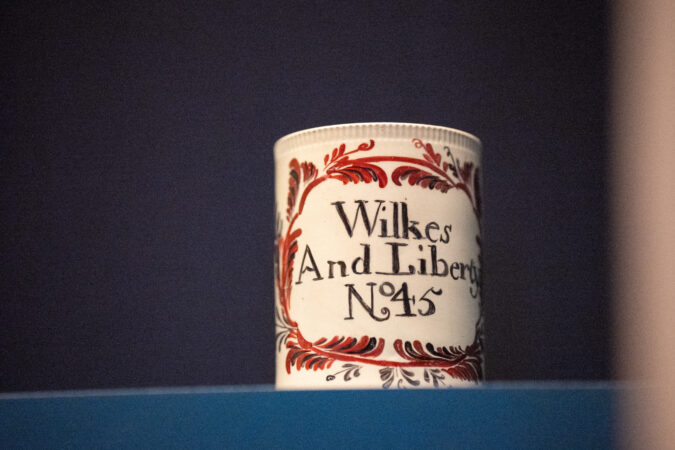
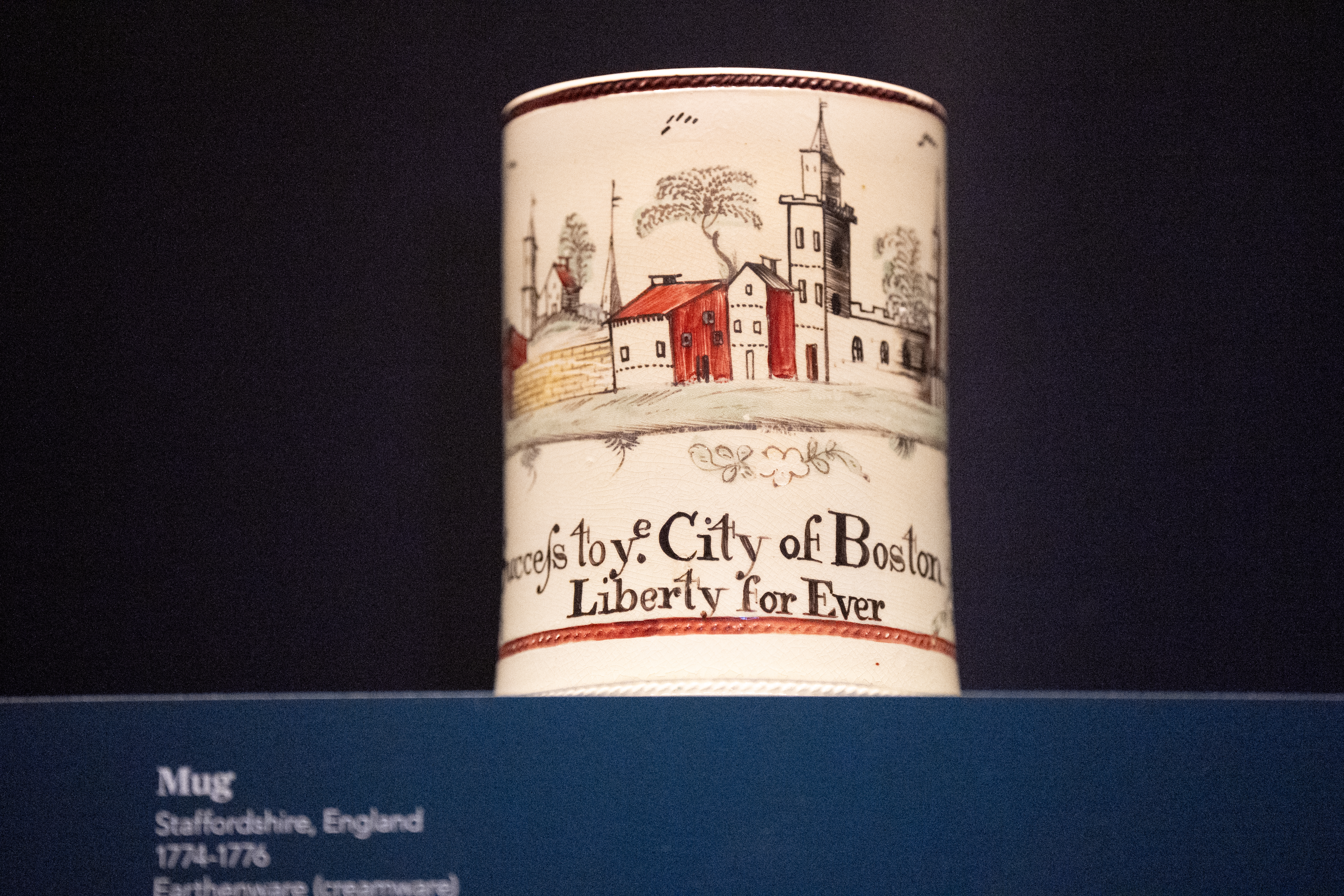
    Items related to drinking at the Museum of the American Revolution, in Philadelphia, PA, November 18, 2025,

    Thomas Paine, the working-class poet, whose thunderous pamphlet Common Sense helped roar in a revolution, oiled up his writing hand with Philly rum.

    It has long been accepted that Thomas Jefferson spent those sweltering summer weeks of 1776 drafting the Declaration from the favored Windsor chair of his Market Street lodgings. But records show he actually spent more time than ever at City Tavern at Second and Walnut. A minor, if tantalizing, historical development, which hints that perhaps the world’s most famous freedom document came fortified by fortified wine.

    Benjamin Franklin, polymath of the Revolution, inventor, scientist, printer, statesman, and lover of French wine (if in moderation), affectionately penned a Drinker’s Dictionary. The tippling tome contained 229 of Franklin’s favorite phrases for drunkenness, including buzzy, fuddled, muddled, dizzy as a goose, jambled, halfway to Concord, and Wamble Cropped.

    ‘Boozy business of revolution’

    Franklin and his ilk were not ringing up 18th-century expense accounts for the hurrah of it. They were doing the boozy business of revolution.

    Revolutionary-era Americans consumed staggering amounts of alcohol compared with today, said Brooke Barbier, historian and author of the forthcoming book Cocked and Boozy: An Intoxicating History of the American Revolution.

    By the end of the 18th century, when beer and spirits were a staple of daily life, the average colonist swilled about 3.7 gallons of hard liquor per year. A dizzying amount, not counting beer and cider, that must’ve set many a patriot’s tricorn hat spinning.

    By comparison, Americans now consume about 2.5 gallons of all alcohol, from beer to whiskey to wine, per year, said Barbier.

    Historians believe booze and bar life played an outsize role in stoking the embers of insurrection.

    Items related to drinking at the Museum of the American Revolution, in Philadelphia, PA, November 18, 2025,

    “Tavern culture was essential to the American Revolution,” said Barbier. “It was not a part of the sideshow. It was part of where the discussions about revolutionary ideas happened. Where spies met. And where others, who weren’t directly involved in politics, gathered to discuss the growing political crisis. Opinions were formed in taverns.”

    Nowhere was this work done more than in Philadelphia.

    By 1776, Philadelphia boasted roughly 200 licensed and illegal watering holes — or about one for every 150 citizens, said Tyler Putman, senior manager for gallery interpretation at the Museum of the American Revolution.

    Revolution with a twist

    The fare of colonial-era drinking spots was as diverse as the budding port town.

    There were posh spots like the newly constructed City Tavern, located blocks from the waterfront, and where the delegates of the First and Second Constitutional Congress drank nightly like fish. Ensconced in an upstairs space, known as the “Long Room,” the Founding Fathers debated liberty over libations late into the night, while imbibing copious amounts of Madeira, whiskey, punch, and everybody’s favorite Robert Hare porter.

    There were taverns and flophouses, where tradesmen and sailors learned of Britain’s newest outrage from newspapers read aloud, or the latest traveler. And there were scores of unlicensed disorderly houses, grungy forebears of the modern dive bar.

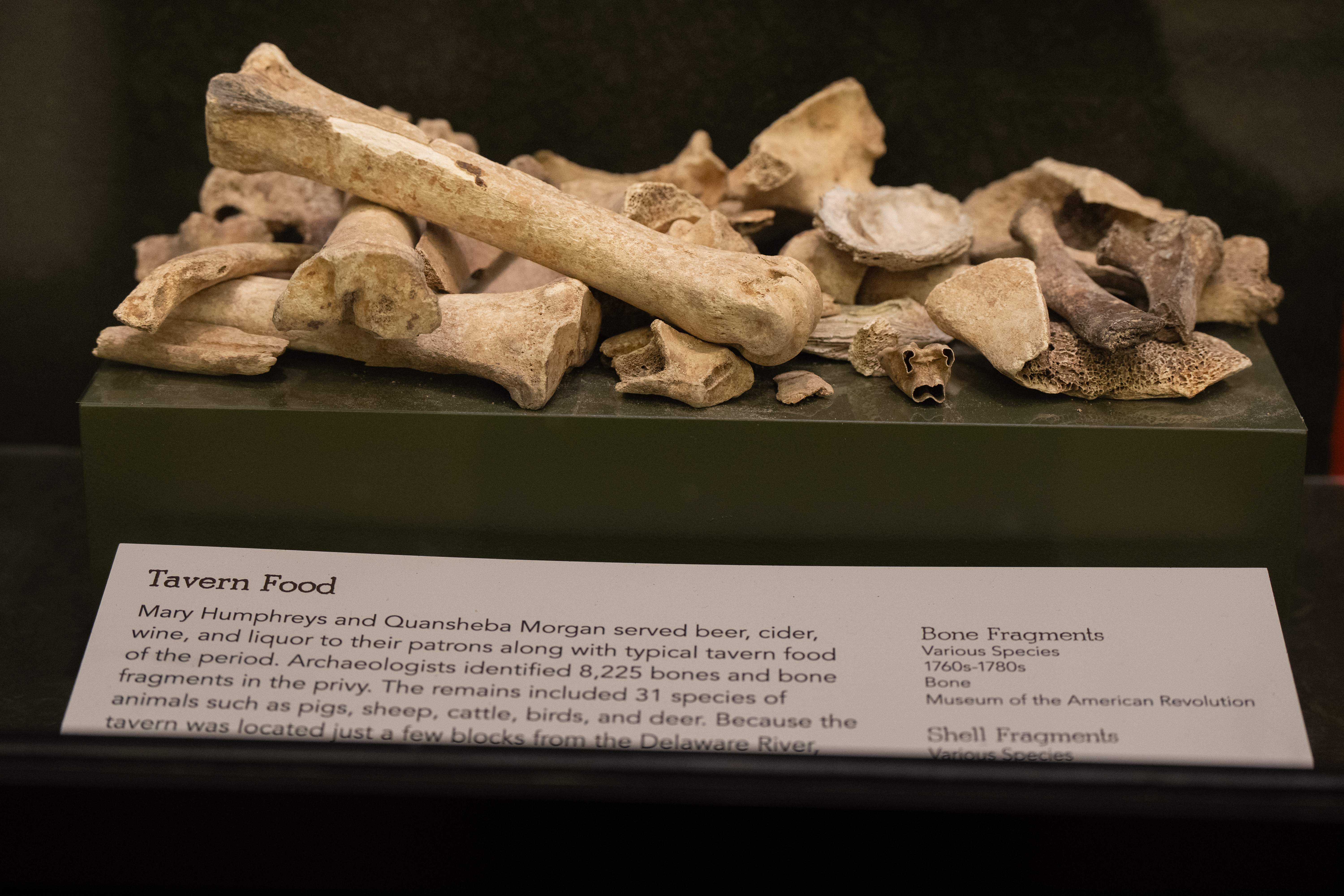
    In 2014, three years before opening, the Museum of the American Revolution conducted a large archaeological dig, discovering thousands of artifacts from a Revolutionary-era disorderly house buried beneath its future Old City home. Among the mounds of mutton bones, glassware, and broken bottles unearthed from the privy of Benjamin and Mary Humphreys’ living room tavern was a broken windowpane inscribed with the initials and names of customers.

    Bones from Tavern food at the Museum of the American Revolution, in Philadelphia, PA, November 18, 2025,

    In what can only be the earliest example of Philly barroom graffiti, one dreamy patriot etched a quote attributed to the ancient Roman senator Cato into the clouded glass: “We admire riches and are in love with idleness.” The etching was meant as a barb toward the British, Putman said.

    “They were obsessed with ancient Rome,” he said, of the American revolutionaries. “They were thinking a lot about, ‘How do you go back to some sort of idealized republic?’”

    A nation born in taverns

    Just as the nation strived to become democratic, its taverns became more undemocratic.

    “In Philadelphia, the elites who are cooking up one version of the revolution are not drinking with the rabble who are cooking up what maybe would become a different version,” Putman said.

    The newly-renovated Man Full of Trouble Tavern in Society Hill on Saturday Dec. 7, 2024.

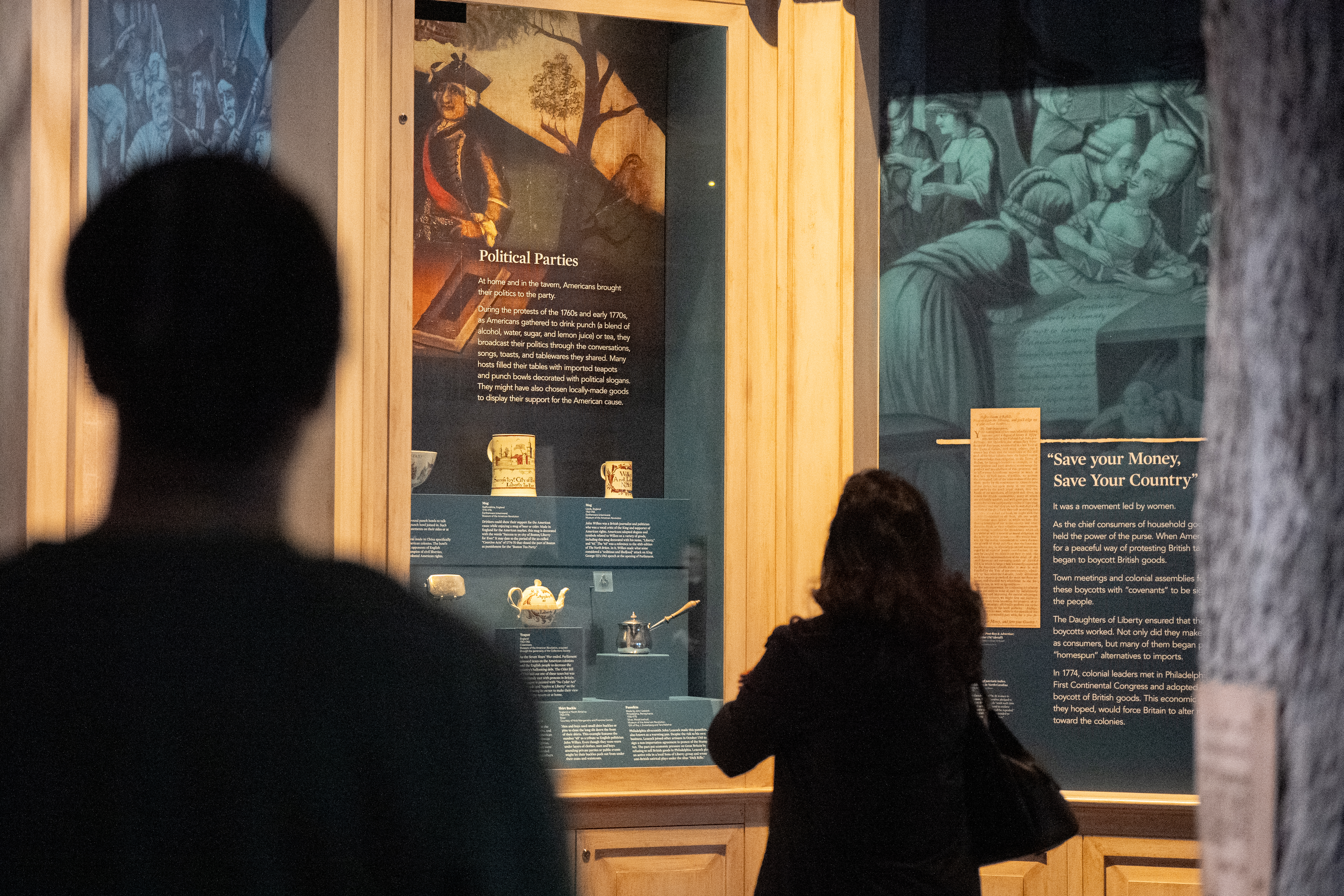
    Revolutionary-era drinking and tavern life, and its role in America’s founding 250 years ago, will be explored in full at a Nov. 21 after-hours event at the Museum of the American Revolution. Dubbed “Tavern Night,” the sold-out cocktail reception and boozy symposium serves as a twist to the museum’s grand exhibition celebrating the national milestone, also known as the Semiquincentennial, “The Declaration’s Journey.”

    “Unlike today’s bars, taverns were meeting places at a time when few others were available,” said Dan Wheeler, who last year reopened Philly’s only remaining colonial-era tavern, A Man Full of Trouble, and will join Barbier in speaking at the event. “Revolutionary thoughts were conceived and refined in taverns, and a nation was born.”

    Colonial keggers and the bonds of liberty

    Booze was the social lubricant of the Revolution, said Barbier, a Boston-based historian who also runs tours of Revolutionary-era taverns, who pored over the Founding Fathers’ diaries and account books in recreating their raucous time in Philly.

    The historical record provides no evidence that the nation’s founders were fully loaded — or “cock-eyed and crump-footed,” as Franklin might’ve said — as they went about forming the republic, she said.

    “When you hear someone accusing someone of being drunk, it’s in an overly negative way,” she said.

    Still, she was surprised by just how much the Founding Fathers drank.

    Items related to drinking at the Museum of the American Revolution, in Philadelphia, PA, November 18, 2025.

    Hard cider and small beer, the 18th-century version of light beer, more or less, accompanied breakfast, she said. The midday meal, known as dinner, boasted cider, toddy, punch, port, and various wines. When their workday wrapped up in the late afternoon, the delegates’ drinking began in earnest.

    “There’s certainly a lot of drinking happening in these taverns,” said Barbier, whose book includes recipes of the Founding Fathers’ preferred aperitifs. “I don’t drink and not eventually feel tipsy. Certainly the same would be true for people in the past.”

    Barbier notes the downside of all the drinking, like booze-fueled mob violence that spilled into the streets. And neither will she say that Jefferson, who kept all his receipts, actually penned the Declaration at City Tavern.

    “He was there more frequently than ever during this time,” she said. “Maybe he needed to take a break from his writing, and go there. And sometimes when you’re on break, you develop your best ideas.”

    The Founders’ endless toasting of tankards — including a rager for the ages marking Paul Revere’s arrival in Philly, and held in 1774, the night before a critical vote toward independence — provided crucial trust-building, Barbier said.

    The men who founded America arrived in Philly as strangers, agreeing on little. After so much boozing, they bonded as brothers in liberty, and left a new nation in their wake.

    “Ultimately, this comradery and social bonding leads to the consensus that leads to the Declaration of Independence,” Barbier said.

  • Flyers fans once joined a club by getting hit by a puck. It made them ‘feel special’ — and protected the team.

    Flyers fans once joined a club by getting hit by a puck. It made them ‘feel special’ — and protected the team.

    Peter Fineberg sat in his Spectrum seats for more than 20 years, certain his perch was safe from the pucks that often flew into the stands. It would be years until protective netting was installed at every NHL arena, but Fineberg’s season tickets were behind the glass. He was good.

    “The puck came in lots of times,” Fineberg said. “But always above me.”

    But here it came — an errant slap shot in 1989 from a Flyers defenseman that redirected after tipping the top of the glass — falling straight onto Row 11 of Section L.

    “We all see it coming,” Fineberg said. “I bail out of the way.”

    He escaped, got back to his feet, and saw his mother grabbing her chin.

    “I said, ‘Mom, what happened?’ She said, ‘The puck hit me,’” Fineberg said. “I go ‘What?’ She takes her hand off her chin and she just spurts blood.”

    An usher walked Nancy Fineberg to a first-aid station where they helped slow the bleeding and offered the 64-year-old an ambulance ride to the hospital. But this was a playoff game and Nancy Fineberg, a mother of three who graduated from Penn in the 1940s, loved the Flyers. The stitches could wait.

    “She said ‘I’ll go to the hospital after the game,” her son said. “She toughed it out.”

    Another fan gave Nancy Fineberg a handkerchief to hold against her chin for the rest of the third period as the Flyers beat the Pittsburgh Penguins.

    A package was shortly after delivered to her home in Bala Cynwyd. Fineberg was officially a member of the “Loyal Order of the Unducked Puck,” an exclusive club created by the Flyers in the 1970s partly as a way to dissuade fans from suing them if they were hit by a puck. You could not purchase a membership. You had to earn it.

    “It was screaming,” her son said of the puck. “I’m amazed it didn’t break her jaw.”

    A Loyal Order of the Unducked Puck plaque. The club was created by the Flyers in the 1970s partly as a way to dissuade fans from suing them if they were hit by a puck. You could not purchase a membership. You had to earn it.

    A negative to a positive

    A fan wrote to the Flyers in the early 1970s, letting them know that she was hit by a puck at the Spectrum and her outfit was ruined. Lou Scheinfeld, then the team’s vice president, told the fan the team would replace the bloodied clothes and get her tickets to a game. But he wanted to do more.

    Ronnie Rutenberg, the team’s lawyer, envisioned more fans complaining about being hit by pucks and feared that lawsuits would be filed. The Flyers, he said, needed to turn being hit by a puck into a positive.

    “He figured that if we made people feel special, they wouldn’t sue us,” said Andy Abramson, who started working at the Spectrum in the 1970s and became a Flyers executive in the 1980s. “Ronnie was brilliant.”

    So the Flyers created the Loyal Order of the Unducked Puck and made fans feel brave for having been hit by an errant shot. Scheinfeld advised security members to immediately attend to any fan who was struck, bring them to a first-aid station, and gather their information.

    The team then sent them a letter signed by a player and a puck with an inscription written by Scheinfeld printed on the back.

    “To you brave fan who courageously stopped a puck without leaving the stands,” the inscription read. “The Philadelphia Flyers award full membership in the Loyal Order of the Unducked Puck with all the rights and privileges appertaining thereunto.”

    The pucks were sent to fans for years, easing the pain of being hit by a frozen piece of rubber and making a bruise feel like an initiation. In 2002, the NHL mandated teams to install protective netting behind each goal after a 13-year-old girl was killed by a puck that was deflected into the stands. The netting has stopped most pucks from entering the stands, all but eliminating the need for a Loyal Order.

    “You couldn’t buy your way in,” Abramson said. “You had to live through the experience in order to qualify. And you had to be willing to give up your personal information to a representative of the Spectrum in order to be enrolled.

    “Let’s say you got hit and shook it off. We never knew, and you didn’t get in. It’s one of these unique things that made the Flyers who we were. It wasn’t just a hockey team.”

    The first Flyers game played at the Spectrum against the Penguins on Oct. 19, 1967.

    The perfect arena

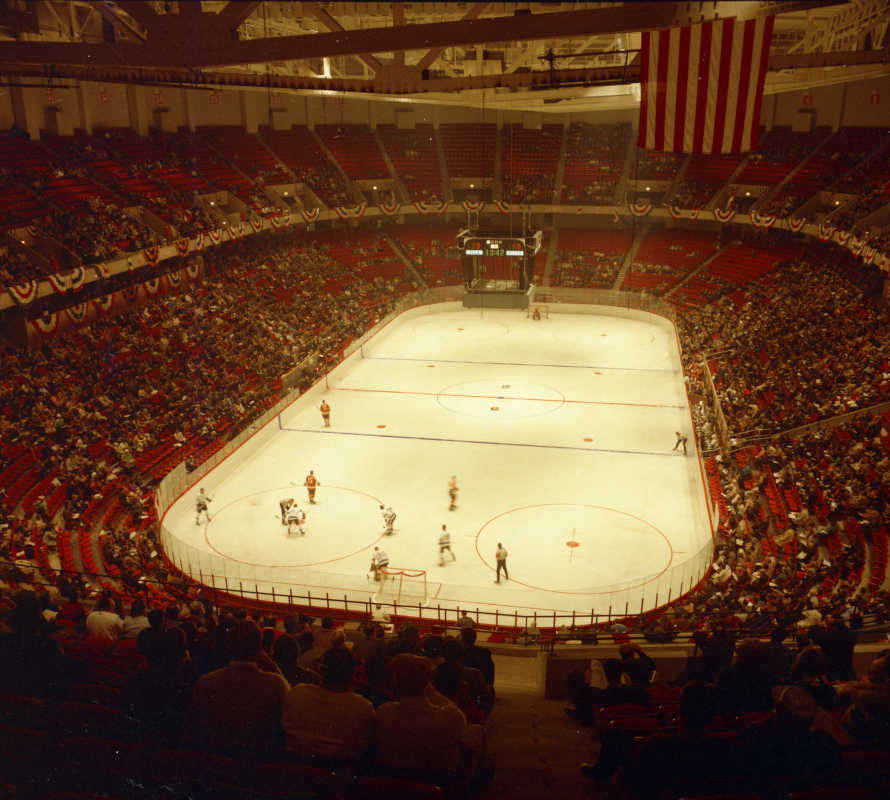
    The rows of seats inside the Spectrum were steep, because the arena was built on just 4½ acres, forcing developers to build up instead of out. It was perfect for hockey.

    “Every seat was close to the ice, and you were on top of the action no matter where you were,” Scheinfeld said. “The sound was deafening. You could hear the click of the stick when the puck hit it. When a guy pulled up in front of the goalie and his skate sent an ice spray, you could hear that.

    “It was like a Super Bowl every game. You couldn’t get a ticket. People didn’t give away their tickets to a friend or company. They came.”

    And the pucks came in hot.

    “We were right in the shooting gallery,” said Toni-Jean Friedman, whose parents had season tickets behind the net. “Thinking about that now, that was really crazy.”

    Friedman’s mother was introduced to hockey in the 1970s, falling for the foreign sport at the same time nearly everyone else did in the region. Fran Lisa and husband Frank met a couple of friends at Rexy’s, the haunt on the Black Horse Pike where the Broad Street Bullies were regulars.

    The Lisas met the players, got Bobby Clarke’s autograph on the back of a Rexy’s coaster, and bought season tickets at the Spectrum. A few years later, a puck was headed their way.

    “She was trying to catch it, but then survival instincts took over,” Friedman said. “We saw people taken out in stretchers.”

    The puck hit Lisa’s wrist and ushers rushed to her seat. She shrugged it off and watched the game. They jotted down her address in Marlton Lakes, and a puck was soon on its way. She was a member of the Loyal Order.

    “She was proud of it. She showed it to everyone,” her daughter said. “So it worked because she would’ve never thought twice about suing, not that that’s who she was anyway.”

    Fran Lisa was hit on the wrist by an errant puck. “She was trying to catch it, but then survival instincts took over,” her daughter said. “We saw people taken out in stretchers.”

    The Flyers had Clarkie, Bernie, The Hound, and The Hammer, but the Spectrum was more than just the Bullies. Sign Man was prepared for anything, Kate Smith brought good luck, and a loyal order of fans sold out every game. Hockey in South Philly — a foreign concept years earlier — became an event.

    “There was always action. There was always something going on,” Fineberg said. “And you never thought the Flyers were going to lose. I remember going into the third period and they’re down, and Bobby Clarke … it gives me chills … Bobby Clarke just took over and would score and bring them back. It gives me chills thinking about it. It was unbelievable.”

    Fineberg bought season tickets in the late 1960s for $4.50 a seat as a teenager attending the Haverford School. His mom started going with him a few years later, knitting in the stands and wearing sandals no matter how cold it was outside.

    “I can still see her crossing Pattison Avenue in the snow with sandals and no socks,” said her daughter, Betsy Hershberg.

    The faces in the crowd became almost like family as they invited each other to weddings and kept up with more than just hockey. A couple from Delaware sat next to the Finebergs, a UPS driver was in front, a teenager from Northeast Philly was down the row, the Flyers’ wives were nearby, and Charlie was in Seat 1.

    “Charlie had one of those comb overs. He was an older guy,” Fineberg said. “I remember one time, the Flyers scored and everybody jumped up. A guy in the back spilled his beer on Charlie’s head and his hair was hanging down to his back.

    “You go to all these games with these people and share all these experiences. You can’t help but have a bond with them.”

    Unducked Puck member Nancy Fineberg (left). “She said ‘I’ll go to the hospital after the game,” said her son. “She toughed it out.”

    A lasting legacy

    Nancy Fineberg is 99 years old and watches sports on TV. Her 100th birthday is in March. She went to Methodist Hospital after the Flyers won that game and left with 25 stitches. A faint scar is still visible on her chin. Her grandson Dan Hershberg has the puck the Flyers sent to her house, clinging to the symbol of his grandmother’s induction into the Loyal Order like it’s a family heirloom.

    “My grandmom is kind of like an old-school badass,” Hershberg said. “Yeah, I was at the hockey game and things happen and you move on.”

    The original Loyal Order puck was a cube of Lucite with a Styrofoam puck inside — “Seriously?,” Friedman said — because a real puck would be too heavy. The Flyers later created plaques for members. They also sent a letter signed by a player. Friedman’s mother heard from Bernie Parent.

    Bernie Parent, the former Flyers goalie, would sign letters sent to Loyal Order of the Unducked Puck inductees.

    Dear Fran,

    Unfortunately, you are now a full-fledged member of the Loyal Order of the Unducked Puck. I know your initiation was tough, but now that you have passed it with flying colors, Pete Peeters, Rick St. Croix, and myself (all honorary members) would like to take this opportunity to welcome you to the club. Everyone in the Flyers organization hopes you are now feeling fine and we hope you’ll accept this little memento of your unpleasant experience with a smile.

    Best regards,

    Bernie Parent

    Fran Lisa died in March. There was always a game on TV, her daughter said, and Lisa knew all the stats. When the family wrote her obituary, they mentioned how she “showered people with love and food” and invited everyone to her Shore house. Lisa, they said, was the axis of her family.

    And they also made sure the obituary included that she was a member of the Loyal Order of the Unducked Puck. Lisa was 85 years old and being hit with a puck at the Spectrum was worth a mention. The family wanted all to know that their mother earned her place in the Loyal Order.

    “It was her,” Friedman said. “To her, she felt like she was a Flyer because of this whole thing. She was in the club. I can’t describe it any other way but she was proud. It was a great idea.”

  • New Jersey coasts, lined with toxic facilities, don’t fare well in two new studies

    New Jersey coasts, lined with toxic facilities, don’t fare well in two new studies

    Two new studies on New Jersey’s rising sea levels predict potentially serious environmental outcomes in the Garden State, from the flooding of numerous toxic sites to significant erosion.

    Multiple coasts, spanning from the Delaware Bay to the Hudson River, increase New Jersey’s vulnerability to sea-level rise.

    When combined with the state’s abundance of big industry, that means New Jersey has the nation’s second-highest exposure to potential flooding at industrial, toxic, and sewage treatment sites, according to a new peer-reviewed study led by Climate Central, a nonprofit run by scientists.

    Meanwhile, a separate new study by Rutgers University says that the state faces a sea-level rise nearly three times faster than the global average over the coming decades.

    Taken together, that means New Jersey faces more rising waters rimmed by chemical plants, Superfund sites, fossil fuel ports, and wastewater treatment plants.

    “Flooding from sea level rise is dangerous on its own — but when facilities with hazardous materials are in the path of those floodwaters, the danger multiplies,” Lara Cushing, an associate professor at UCLA who assisted with the Climate Central study, said in a statement.

    Flooding near hazardous facilities

    The Climate Central paper, published Thursday in the journal Nature Communications, analyzed and mapped 47,646 hazardous facilities along America’s coastlines. Researchers from UCLA, Nanjing University, and UC Berkeley assisted.

    The researchers project that 3,740 facilities in the United States are at risk of a 100-year coastal flood within the next 25 years under a moderate greenhouse gas emissions scenario for sea-level rise (a 100-year flood has a 1% annual chance of occurring). And 5,138 facilities will be at risk by 2100.

    Scientists usually consider three scenarios of greenhouse gas emissions when forecasting sea-level rise. A low-emissions scenario means basically no more rise in greenhouse gases. In an intermediate, or moderate, scenario, emissions rise slowly until 2050 and then decline. Under a high-emissions scenario, emissions rise through 2100. Each has an associated impact, with higher emissions resulting in higher sea levels.

    More facilities would be flooded if emissions of greenhouse gases, which help trap heat in the atmosphere, go unchecked and continue to climb, the authors found.

    Seven states — Louisiana, Florida, New Jersey, Texas, California, New York, and Massachusetts — account for nearly 80% of projected sites at risk of flooding by 2100.

    Screen capture of a map from Climate Central’s coastal risk screening tool shows toxic facilities, such as industrial sites and sewage treatment plants, at risk of a 100 year flood by 2050.

    New Jersey’s industrial legacy

    According to Climate Central, New Jersey has 420 at-risk facilities that will be exposed to flooding by 2050, with the number rising to 492 facilities by 2100. The state is second only to Louisiana, which will have 1,632 facilities at risk by 2050.

    Middlesex, Bergen, and Essex Counties have the most exposure, given their proximity to densely populated areas near major ports such as Newark and New York.

    However, industrial facilities in Burlington, Camden, and Gloucester Counties also have exposure to flooding, some potentially multiple times, given their positions along the Delaware River. So, too, do facilities in Philadelphia.

    Chemical and petroleum giants such as ExxonMobil, DuPont, and Chemours have facilities in Gloucester County just off the river, for example. Avient, a maker of specialized polymers, and Riverside Metals have facilities along the river in Burlington County.

    In Philadelphia, the Clearview Landfill Superfund site off Darby Creek, Ashland Chemical, and the city’s Southwest wastewater treatment plant are at risk of flooding in a major storm.

    Indeed, the Delaware River is lined with wastewater treatment plants. Some, such as those in Philadelphia and Camden County, have older systems that together overflow millions of gallons of raw, diluted sewage into the river during storms, though the biggest proportion is from Philly.

    Some of the industrial, wastewater treatment, and other facilities are at risk of 12 or more floods annually in decades to come as sea levels rise, according to the Climate Central study.

    The authors found that certain communities are more likely to live near at-risk sites, such as those with a higher proportion of renters, households living in poverty, residents who identify as Hispanic, linguistically isolated households, households without vehicles, seniors, and nonvoters.

    “This analysis makes it clear that these projected dangers are falling disproportionately on poorer communities,” Cushing said, noting that the people in these communities often lack the resources to prepare for, or recover from, flooding.

    Rising seas

    Separately, a technical advisory panel at the New Jersey Climate Change Resource Center at Rutgers released a report last week focused on rising seas and coastal storms.

    The report, commissioned by the New Jersey Department of Environmental Protection, found that under a moderate rise in emissions:

    • The state is likely to see a sea-level rise between 2.2 and 3.8 feet by 2100.
    • Between 2005 and 2020, sea level at tide gauges rose by about 4 inches. That ranged from around 3.7 inches at Atlantic City to around 4.4 inches at Cape May.
    • In the near term, New Jersey is likely to experience between 0.9 and 1.7 feet (11 and 20 inches) of sea-level rise by 2050.
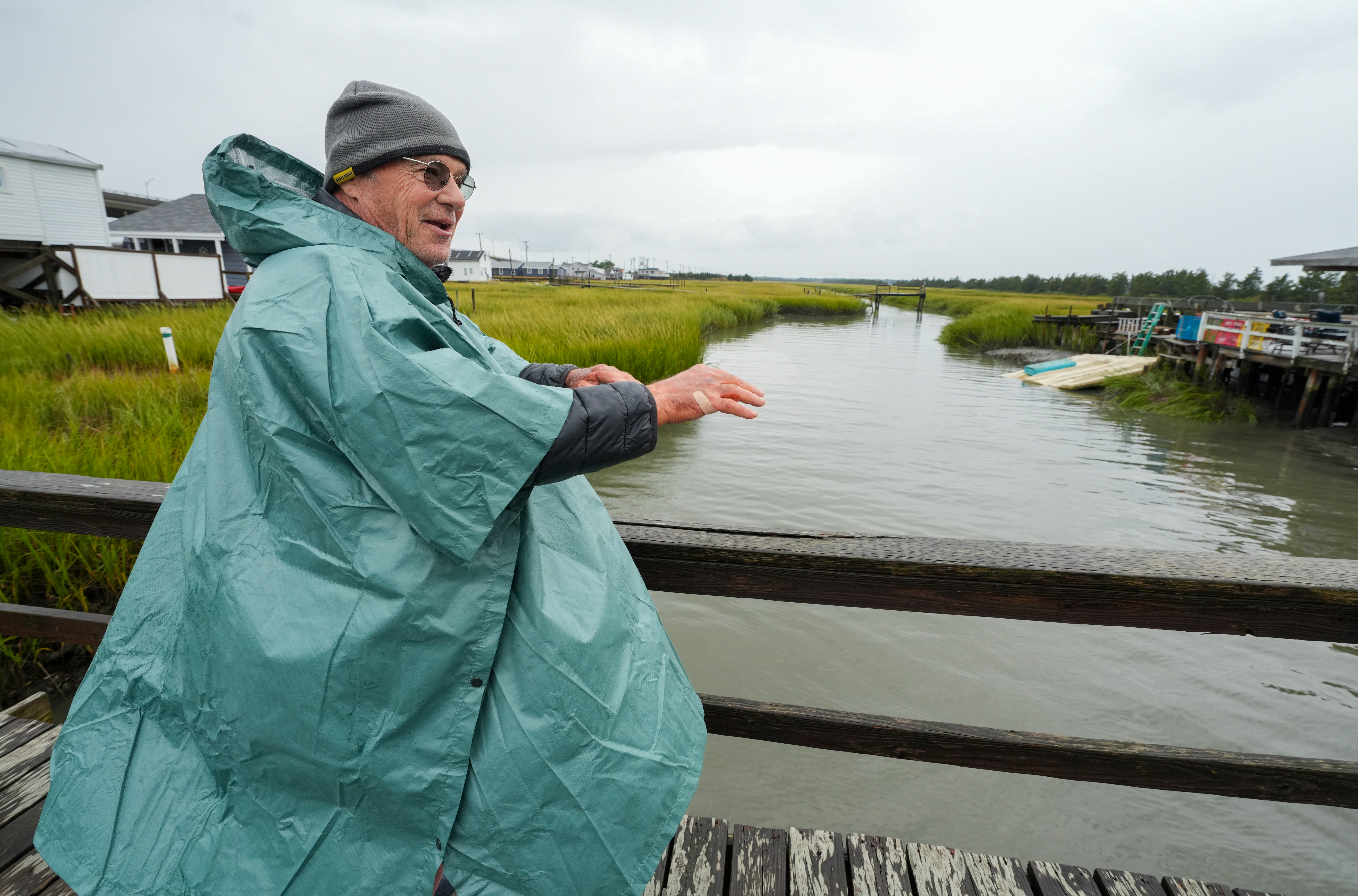
    In this file photo, Haldy Gifford talks about the dead grass along the Grassy Sound, a roughly 120-acre spit of marshland off the back bay in Wildwood in Middle Township. Grassy Sound is beset by erosion.

    “New Jersey’s shorelines have experienced and will continue to experience significant erosion driven by sea level rise and storms,” a summary of the report states. “While current levels of intervention have successfully reduced erosion rates in some places, these efforts may become economically unsustainable in the future, particularly for lower-income communities.”

    Further, wetlands, which serve to protect wildlife habitats and the coastline from storm surges, will be greatly impacted.

    “Even under a low emissions scenario, future projected rates of sea-level rise in coastal New Jersey may exceed the pace at which many coastal wetlands are able to adapt.”

    Robert Kopp, a climate scientist and distinguished professor in Rutgers’ Department of Earth and Planetary Sciences, said in a statement that the world is on track to experience about 2.7 degrees Celsius of atmospheric warming by 2100 because of human-caused climate change.

    Kopp cautioned that could increase given the change in U.S. climate policies.

    Added Janine Barr, a Rutgers senior research specialist: “Sea-level rise is happening now in New Jersey and will continue into the future.”