Blog

  • A New Jersey organ donation nonprofit is accused of ordering an organ recovery to go forward after a patient ‘reanimated’

    A New Jersey organ donation nonprofit is accused of ordering an organ recovery to go forward after a patient ‘reanimated’

    The president of a major New Jersey organ donation nonprofit told a subordinate at a Camden hospital to continue procuring organs from a patient thought to be dead — after that person “reanimated” during the organ recovery process, federal lawmakers alleged in a letter made public Wednesday.

    Instead, hospital staff at Virtua Our Lady of Lourdes Hospital intervened to stop the procedure, members of the House Committee on Ways and Means said in the letter, dated Nov. 19.

    The committee, which has been investigating malpractice among organ donation nonprofits, said it was probing allegations that the New Jersey Organ and Tissue Sharing Network, or NJ Sharing Network, engaged in a number of questionable practices.

    The letter said whistleblowers accused the organization of disposing of organs meant for research, pressuring families to donate organs from patients who had revoked their organ donor status, and skipping over patients on a waiting list for donated organs.

    The committee said that, in some cases, NJ Sharing Network could be violating federal law.

    NJ Sharing Network and Virtua Health did not immediately return requests for comment Thursday.

    The House’s probe into NJ Sharing Network’s practices comes after years of scrutiny for the nation’s organ donation system and amid investigations into several other organ donation organizations by the committee. The Washington Post reported that as early as 2022, Senate investigators found 70 people had died after organ donation organizations failed to screen donated organs for cancer and other diseases.

    This year, the federal Department of Health and Human Services said it had found evidence that an organ donation organization in Kentucky, West Virginia, and Ohio had initiated organ procurement procedures on at least 28 patients who might not have been dead. The organ donations ultimately did not continue.

    In September, the Post reported, a former NJ Sharing Network staffer named Patrek Chase filed a lawsuit against the nonprofit and two other organ donation organizations, alleging that they had collected organs that weren’t appropriate for transplants in order to pull in more Medicaid reimbursements.

    Organ donation organizations are under intense pressure to find healthy organs for a growing population of people who need them, said Arthur Caplan, a bioethics professor at New York University who previously worked at the University of Pennsylvania.

    “A lot of these pressures may lead to some bad behavior,” he said.

    He advised Congress as it set up the nation’s organ donation system in the 1980s, but said certain aspects of the system need to be examined now. For one, it may be too big — fewer organ procurement organizations might result in a more efficient system with better-trained staff, he said.

    Some organizations do not obtain enough organs to serve patients in need, he said.

    “It’s been tolerated for a while, and it needs to be explained,” he said. “And for the ones that are doing well, what are they doing well? Are any of them pushing too hard? We want to protect grieving families and make sure people who want to be donors have their wishes honored.”

    Still, he said, Congress’ scrutiny of malpractice in the industry comes alongside a reluctance to spend more money to improve the system.

    “There are also congressional inquiries saying, ‘Why aren’t you getting more organs? And we’re not giving you any more money for training or anything else,’” he said. “The pressure is coming in both directions.”

    Given the need for organs, he said, he was concerned that news of malpractice could turn people away from donating organs.

    “We need more organ donors. It sounds bananas, in context,” he said. But, he said, if more people donated their organs — and the donation system undergoes necessary reforms — pressures to procure organs might ease.

    Allegations of malpractice

    The House committee wrote in its letter to NJ Sharing Network that the organ procurement case at Our Lady of Lourdes took place in summer 2025, about two weeks before the committee informed the organization it was investigating allegations of malpractice there.

    The patient was on “life-sustaining” therapy, the committee wrote, and NJ Sharing Network asked the person’s family for consent to remove the organs for donation. Though pronounced dead before the “organ recovery process” began, the patient “reanimated” during the process, the committee wrote.

    The committee did not specify at what point the person reanimated, what signs of life were exhibited, or whether the patient was injured during the process.

    The NJ Sharing Network administrator on call contacted the nonprofit’s president, Carolyn Welsh, and asked what to do, the committee wrote.

    The committee said it had “obtained information” that Welsh told her staff to go ahead with the organ recovery process. Hospital staff, however, stepped in and stopped the process, the committee said — though, afterward, Welsh’s staff kept pressuring hospital staff to continue.

    Whistleblowers also told the House panel that emails linked to the donation case were deleted and that the donor’s record may have been tampered with, the committee wrote.

    Caplan said it was difficult to comment on the case without more information on the patient or the person’s condition.

    Patients who are candidates for organ donation are seriously ill or injured, and “reanimation” does not necessarily mean that a person instantly regained consciousness, he said. It could mean that a person’s heart regained some electrical activity and pumped for several more hours, he said.

    It is crucial for doctors to be properly trained on when and how to declare a patient dead, Caplan said, and sometimes making that call can be difficult. Conditions like a drug overdose or a drowning in very cold water can make it difficult to gauge brain death or heart stoppage.

    Allocating organs

    Citing public records from federal health agencies, the committee said that, about a quarter of the time, NJ Sharing Network allocated organs for transplant “out of sequence” — skipping over people on waiting lists for organ transplants, and doing so more often than some peer organizations.

    Sometimes, allocating organs out of sequence is necessary, the committee wrote, such as when an organ is reaching the maximum amount of time that it can be preserved outside a person’s body and must be implanted as soon as possible. But a staffer at the New Jersey organization allegedly sent organs to “friends in the industry” at a list of “aggressive centers,” the committee wrote.

    It was unclear what was meant by “aggressive centers.”

    The committee said that it had received information that skirting typical allocation procedures for just one case meant that “several individuals” waiting for organs had died, several had been removed from the organ wait list because their medical conditions worsened, and more than 100 people who were skipped over are still on the list.

    The committee said that it was also concerned NJ Sharing Network had kept information from the panel after an earlier request for documents. The committee asked for more documents and communications from the organization and requested interviews with more than two dozen staff.


  • 🏃‍♂️‍➡️ Marathon weekend is here | Things to do

    🏃‍♂️‍➡️ Marathon weekend is here | Things to do

    Whether you’re gearing up to tackle 26.2 miles, crafting the perfect sign for your favorite runner, or mapping out kid-friendly plans outside the race zone, the 2025 Philadelphia Marathon has something for everyone.

    Marathon weekend is controlled chaos. About 30,000 athletes will wind through some of the city’s most scenic and historic neighborhoods, while spectators line the streets to cheer them on. Others will look for their escapes beyond the race, too — from on-site activations to kid-friendly restaurants and even a short fun run for non-marathoners who want their own adrenaline rush.

    The weekend also brings the unveiling of a new Rocky statue, the start of Christmas attractions, the opening of Back to the Future: The Musical, and plenty more happening around the city.

    — Earl Hopkins (@earlhopkins_, Email me at thingstodo@inquirer.com)

    If someone forwarded you this email, sign up for free here.

    Runners on Walnut Street in Center City during the 2024 Philadelphia Marathon Sunday, Nov. 24, 2024.

    The Philadelphia Marathon is here

    The city’s largest marathon is back, with 15,000 runners set to take on the 26.2-mile course through Center City, Chinatown, Old City, Queen Village, Rittenhouse, and other iconic spots.

    Marathon weekend runs Friday through Sunday and also includes a half marathon and an 8K. Organizers expect about 30,000 athletes across all events.

    Even if you’re not lacing up, there’s plenty to check out — from hands-on experiences and family-friendly activities to a full health and fitness expo.

    And of course, we have you covered. Here’s more on the Philadelphia Marathon:

    The best things to do this week

    ❄️ The Snow Queen at the Wilma: The timeless and enchanting tale of love and friendship will be on display at the Wilma Theatre for a final run of shows, concluding on Sunday.

    📽️ Cinephiles rejoice: The Philly Jewish Film and Media Festival will conclude on Sunday, with a string of Jewish international films and digital media from across the world.

    🥊 Yep, another Rocky Statue: After months of planning, a third Rocky Statue will be unveiled at the Philadelphia International Airport’s Terminal A-West on Friday. A Rocky look-alike contest will be held immediately following the celebration.

    🦖 A night for Dinos: Dinos After Dark is back at the Academy of Natural Sciences. Guests can view the exhibit Neighborhood Naturalists, enjoy drinks from the Dino Drafts Beer Garden, and chat with scientists while dancing in Dinosaur Hall.

    🕹️ Game on, Philly: The ultimate celebration for gaming, anime, comics, and other nerdy hobbies is back. PAX Unplugged 2025 will take over the Pennsylvania Convention Center from Friday to Sunday.

    📅 My calendar picks this week: Holiday Light Parade in Kennett Square, A Christmas Story: The Musical at Walnut Street Theatre, Tavern Night at the Museum of the American Revolution.

    This image released by Polk & Co. shows Casey Likes during a performance of “Back to the Future: The Musical.” (Matthew Murphy and Evan Zimmerman via AP)

    The thing of the week: The ‘Back to the Future’ musical is here

    Great Scott! The musical adaptation of the classic Back to the Future film arrived at the Academy of Music this week.

    The Broadway hit will transport audiences to 1955 with Marty McFly and the eccentric scientist Doc Brown, played by actors Lucas Hallauer and Don Stephenson, as they race against time on the theater stage — DeLorean style.

    For more information, visit ensembleartsphilly.org

    Fall fun this week and beyond

    🎄 Did someone say cookies and ornaments?: The second annual I Saw Santa at the Bakery event will boast Christmas cookies, ornament making, gifts, and professional photos with Santa Claus.

    🖼️ Exploring indigenous history: Penn Museum unveils its new Native North American gallery, showcasing more than 250 items from the institution’s North American collections alongside contemporary Native art pieces.

    🎅 Another classic holiday story: If you’re not already in the Christmas spirit, Walnut Street Theatre is offering a seasonal classic now set to the musical stage. A Christmas Story: The Musical will run through Jan. 4, 2026.

    🏮 Nature-inspired lights: LumiNature returns for another dazzling display at the Philadelphia Zoo, just in time for the whimsical holiday season. The experience will feature holiday fare, roaming animal characters, and more.

    🌊 Christmas underwater: Surf the Yule-tide for an explorative winter waterland, featuring indoor snow flurries, an underwater Christmas tree, and Scuba Santa in view starting Friday.

    Staffer picks

    Pop music critic Dan DeLuca lists the top concerts this weekend.

    🎸 Thursday: Hannah Cohen, alongside guests Sufjan Stevens and Clairo, and opener Salami Rose Joe Louis, will perform cuts from her dreamy and pastoral album, Earthstar Mountain, at Johnny Brenda’s.

    🎸 Friday: Ron Gallo will stir the Ardmore Music Hall crowd with subtly evocative folk, jazzy, and garage rock jams on Friday.

    🎤 Saturday: The iconic R&B duo Brandy and Monica are bringing their “The Boy Is Mine Tour” to Atlantic City’s Boardwalk Hall on Saturday.

    🎤 Sunday: Off the heels of his latest album, Baby!, Grammy-nominated singer and producer Dijon will play the Met Philly on Sunday.

    Read more music picks.

    While the talk of the town will be this year’s Philadelphia Marathon, there are other events and paths to venture toward this weekend. Whichever journey you choose, let ‘em know Earl sent you. That is all 🙂

    — Earl

    Courtesy of Giphy.com
  • It can take two years for a restaurant to get approved for outdoor dining. One Philly councilmember is trying to make it easier

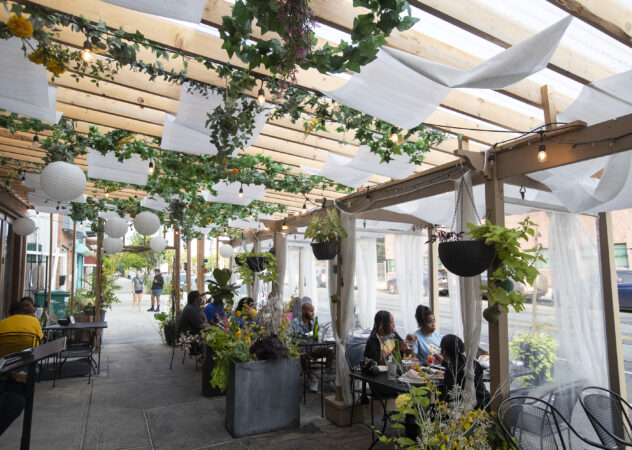
    It can take two years for a restaurant to get approved for outdoor dining. One Philly councilmember is trying to make it easier

    Philadelphia City Council is taking yet another crack at streamlining the city’s complex and drawn-out permitting process for outdoor dining.

    At-large Councilmember Rue Landau introduced legislation Thursday to expand the “by-right” areas where sidewalk cafes can exist without a special zoning ordinance. The proposed bill, if approved, could hasten the daunting permitting process and dramatically increase the space available for outdoor dining.

    Currently the law allows sidewalk cafes to be licensed in certain areas that are largely centered on Center City and smaller commercial corridors in East Passyunk, the Italian Market, Manayunk, and other neighborhoods throughout the city. Restaurants outside those corridors must ask their district Council member to get legislation approved to authorize a sidewalk cafe license. The step can add months to a process restaurateurs say is already lengthy, confusing, and costly.

    All restaurants seeking sidewalk cafes must submit copies of plans to Philadelphia’s Streets Department and Department of Licenses and Inspections separately for approval before securing a $1 million insurance policy and paying an annual $227 licensing fee, according to the application’s website. Approvals and disapprovals should be ready within 30 days of applying.

    In reality, restaurant owners said, the process often involves thousands of dollars to keep an architect on retainer, as both departments can take months to review plans. And in the interim, at least one restaurant owner alleged, businesses can be fined for having tables and chairs outside while they wait for a decision.

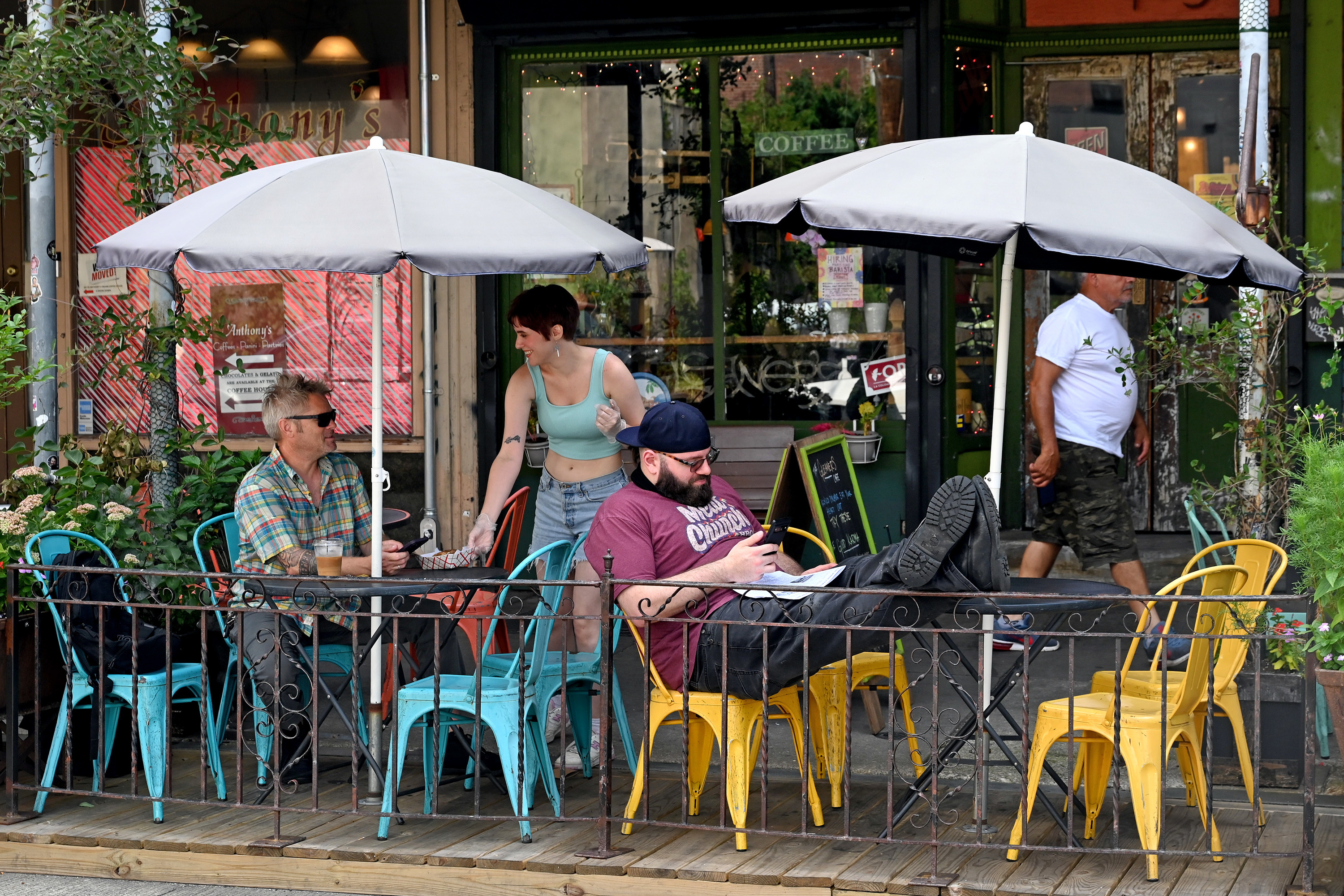
    The sidewalk cafe at Gleaner’s Cafe at 917 S. 9th Street, one of the addresses covered under current outdoor dining legislation.

    Landau believes the new legislation stands to remove one hurdle from a system that is overall in need of reform.

    “The ordinance process alone takes many months, and is just one part of a lengthy and convoluted process,” Landau said in an interview Wednesday. “Currently, it takes approximately between 18 and 27 months just to put a couple of tables and chairs outside of your business.”

    Sidewalk cafes are different from streeteries, which occupy parking spaces and require a $1,750 licensing fee alongside myriad approvals from different city departments, depending on the structure. Both face similar challenges.

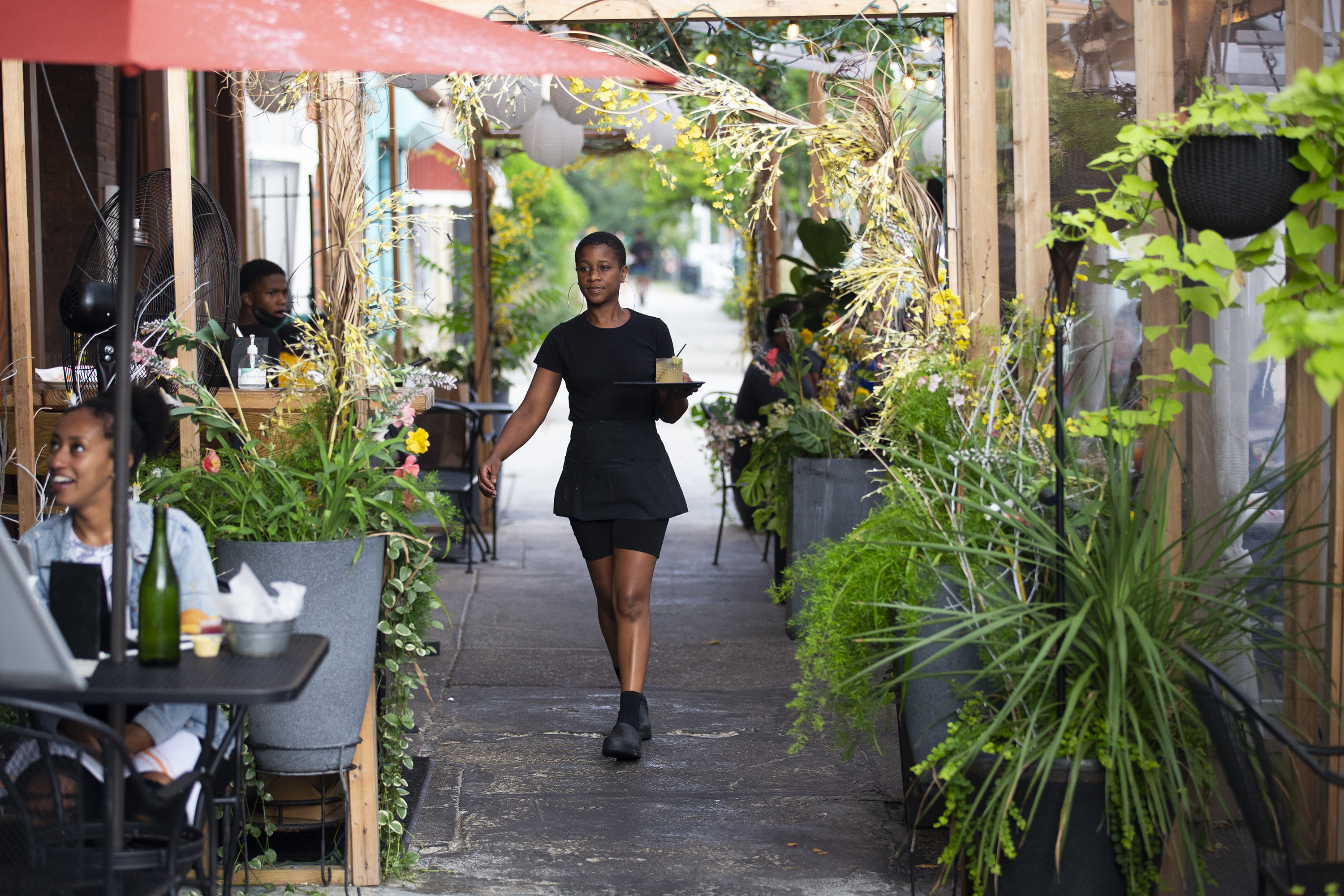
    Sidewalk cafes and streeteries proliferated during the pandemic, allowing many restaurants to keep serving patrons as COVID-19 limited indoor dining. At their peak, there were roughly 800 sidewalk cafes or streeteries operating in Philly. That number fell drastically after 2022, when the city made streeteries permanent and announced a web of since-revised regulations that many restaurants could not keep up with, often requiring businesses to consult engineers and architects to build structures that the city might request to be torn down only months later.

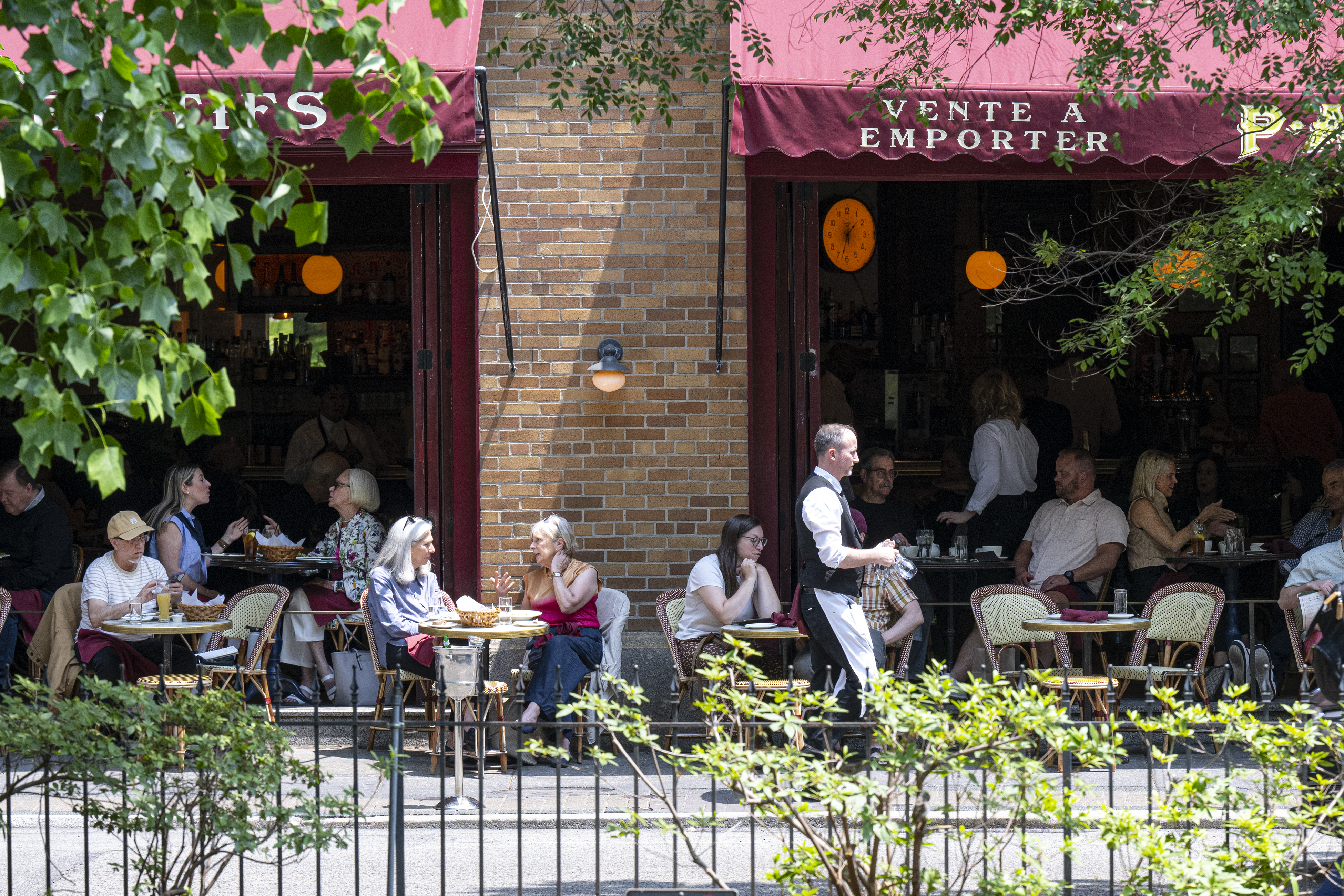
    Restaurant-goers dine at tables and chairs on a sidewalk outside Parc.

    There are just 28 active streetery and 287 active sidewalk cafe licenses in Philly as of November 2025, according to L&I’s business license dashboard.

    “The current outdoor dining licensing process in Philadelphia is characterized by complexity and high cost, which pose significant barriers for businesses seeking to utilize outdoor dining opportunities,” City Controller Christy Brady wrote in an August 2024 report on the licensing systems.

    window.addEventListener(“message”,function(a){if(void 0!==a.data[“datawrapper-height”]){var e=document.querySelectorAll(“iframe”);for(var t in a.data[“datawrapper-height”])for(var r,i=0;r=e[i];i++)if(r.contentWindow===a.source){var d=a.data[“datawrapper-height”][t]+”px”;r.style.height=d}}});

    What would the proposed law change?

    Landau’s proposed legislation would increase the number of streets in Philly where sidewalk cafes are considered “by-right,” which means business owners would not have to call on City Council to preapprove their tables and chairs.

    Landau held more than a dozen listening sessions with community members in eight Council districts, she said, and worked with the Pennsylvania Restaurant and Lodging Association to consult over 100 Philadelphia restaurant owners before drafting the legislation.

    (function() {
    var l2 = function() {
    new pym.Parent(‘sidewalkcafe’,
    ‘https://media.inquirer.com/storage/inquirer/projects/innovation/arcgis_iframe/sidewalkcafe.html’);
    };
    if (typeof(pym) === ‘undefined’) {
    var h = document.getElementsByTagName(‘head’)[0],
    s = document.createElement(‘script’);
    s.type = ‘text/javascript’;
    s.src = ‘https://pym.nprapps.org/pym.v1.min.js’;
    s.onload = l2;
    h.appendChild(s);
    } else {
    l2();
    }
    })();

    The proposed bill still follows the tradition of councilmanic prerogative, allowing each district Council member to select which streets receive the “by-right” designation for sidewalk cafes. Councilmember Jamie Gauthier included the entirety of the 3rd District — encompassing the majority of West Philly — while others carved out several streets. Councilmembers Cindy Bass and Brian O’Neill have yet to designate streets, Landau said.

    The bill will then go to the streets subcommittee for a hearing, Landau said, where blocks can still be added.

    “There’s plenty of time for councilpeople to get some skin in the game,” Landau said. “We don’t want to be exclusive here.”

    Bass, who represents the 8th District — which includes parts of Mount Airy, Germantown, and West Oak Lane — and O’Neill, who represents Northeast Philly in the 10th District, could not be reached for comment.

    The now-dismantled outdoor dining area at Booker’s Restaurant and Bar at 5021 Baltimore Ave., which some once considered to be one of the most beautiful streeteries in Philly.

    How do restaurant owners feel?

    The proposed legislation is cold comfort for Jeremy Page, general manager of the West Philly brunch institution Booker’s. The restaurant’s application for a revamped sidewalk cafe has languished with L&I since he filed in April, Page said.

    While Booker’s sits squarely within Gauthier’s district, the restaurant won’t be spared any red tape. It already secured the necessary ordinance and spent $2,000 on an architect to draw up plans for six outdoor tables.

    “I was very surprised I had to do that. Nobody tells you,” Page said. He said he was heartened by Landau’s legislation. “It feels like someone finally sees what’s going on and is locking in to make a change.”

    Setting up the new outdoor space was bittersweet: Between 2020 and September 2025, Booker’s had a 33-seat sidewalk cafe enclosed with wooden slats that staff would decorate with string lights, flowers, and garlands. It was lauded by some as among the city’s most beautiful outdoor dining arrangements.

    When the city announced its new outdoor dining regulations in 2022, the structure was no longer compliant, Page said. But Booker’s kept the structure up for three years as it searched for a workaround, incurring roughly $10,000 in fines until Page said he finally tore down the covering in September. It has been replaced by simple tables and chairs.

    The change resulted in a loss in business that forced Booker’s to let go of five staff members, Page said.

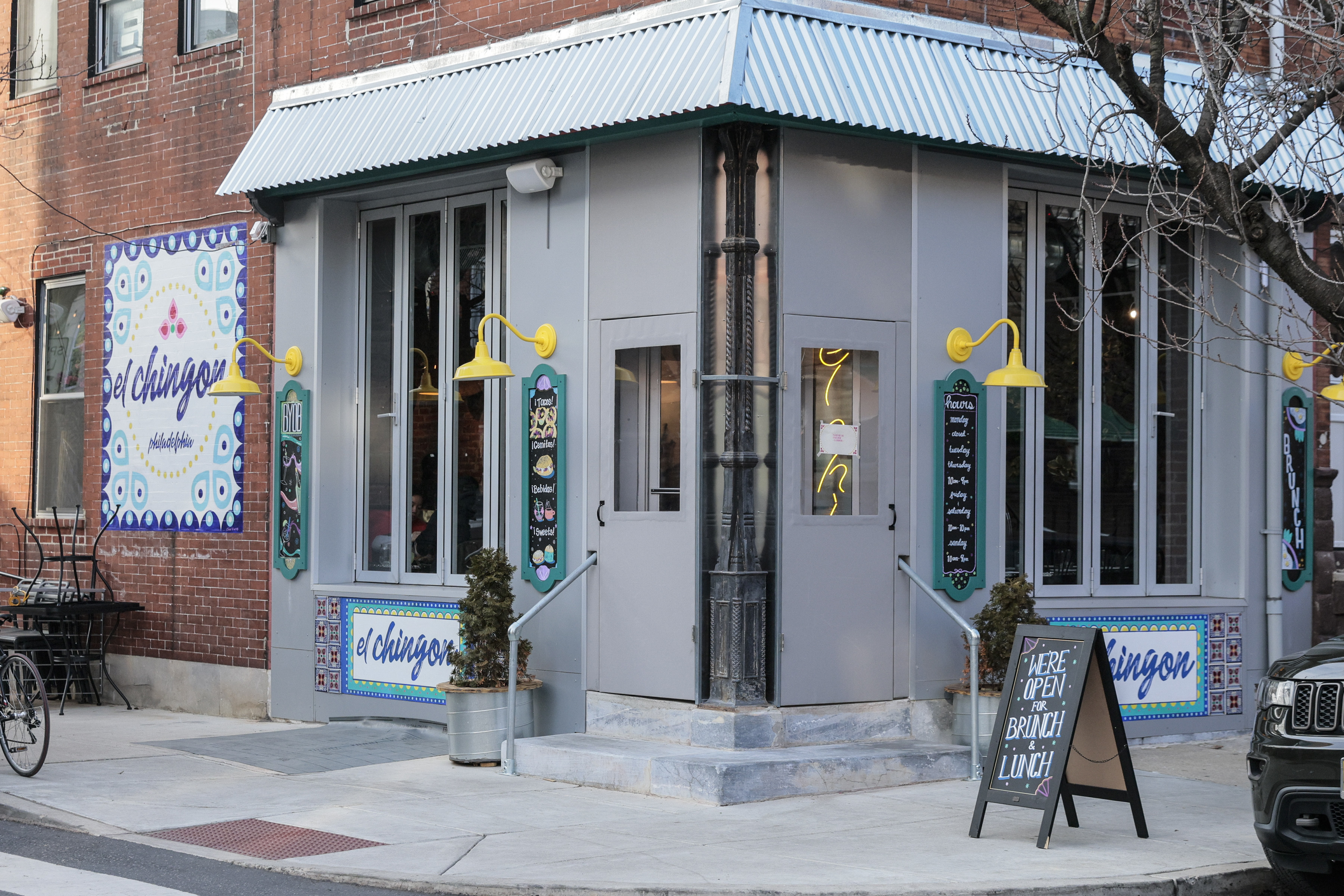
    El Chingon at 1524 S 10th St. It took two years for the Michelin-award Mexican restaurant to get a sidewalk cafe license.

    “I miss it so much,” Page said. “It’s extremely impactful when you are getting fined for something that was legal at one point and then, all of a sudden, is not legal anymore.”

    Carlos Aparicio recalled a similar experience. The owner of South Philly’s El Chingón, now a Michelin-recognized restaurant, spent two years going back and forth with different city departments until his 12-seat sidewalk cafe was approved in fall 2023.

    During that time, Aparicio told The Inquirer, he was hit by fines and told by an L&I officer that the agency would remove his tables and chairs. After that, he started hiding the furniture at his house during off hours.

    “It was very confusing and upsetting,” Aparicio said. “We’re not doing anything bad. We’re not selling drugs. We’re not trying to do anything but build community.”

    El Chingón is just one block outside East Passyunk Avenue’s by-right area. Aparicio estimated he spent $10,000 after securing his zoning ordinance to retain an architect, an engineer, and a lawyer to help him navigate the permitting process.

    It’s experiences like these that incense Landau, she said.

    “All the restaurants that we spoke to, they all said that the city does not waste any time to fine them or tell them what it’s doing wrong, but it’s not there to help them in a positive way,” Landau said. ”We must cut red tape to make it easier for restaurants to do a very simple thing: put some tables and chairs outside.”

    Staff writer Anna Orso contributed to this article.

  • Trump’s bullying of female reporters won’t stop journalists from asking tough questions

    Trump’s bullying of female reporters won’t stop journalists from asking tough questions

    It has long been established that some of Donald Trump’s most frequently used rhetorical weapons have been misogynistic insults. It is just as well known that the president seldom hides his contempt for journalists.

    So it’s hardly surprising anymore when Trump degrades female reporters. But the president reached a new level of low even for him when he had the nerve to refer to Bloomberg News White House correspondent Catherine Lucey as “piggy” during a briefing with reporters last week aboard Air Force One.

    Trump was angered when Lucey attempted to press him about the government’s case file on convicted sex offender Jeffrey Epstein. Trump literally leaned in Lucey’s direction, jabbed a pointed finger at her, and said, “Quiet! Quiet, piggy!”

    Even after everything we’ve seen from Trump over the past decade, it was a startling and disgusting thing to witness coming from a sitting president of the United States.

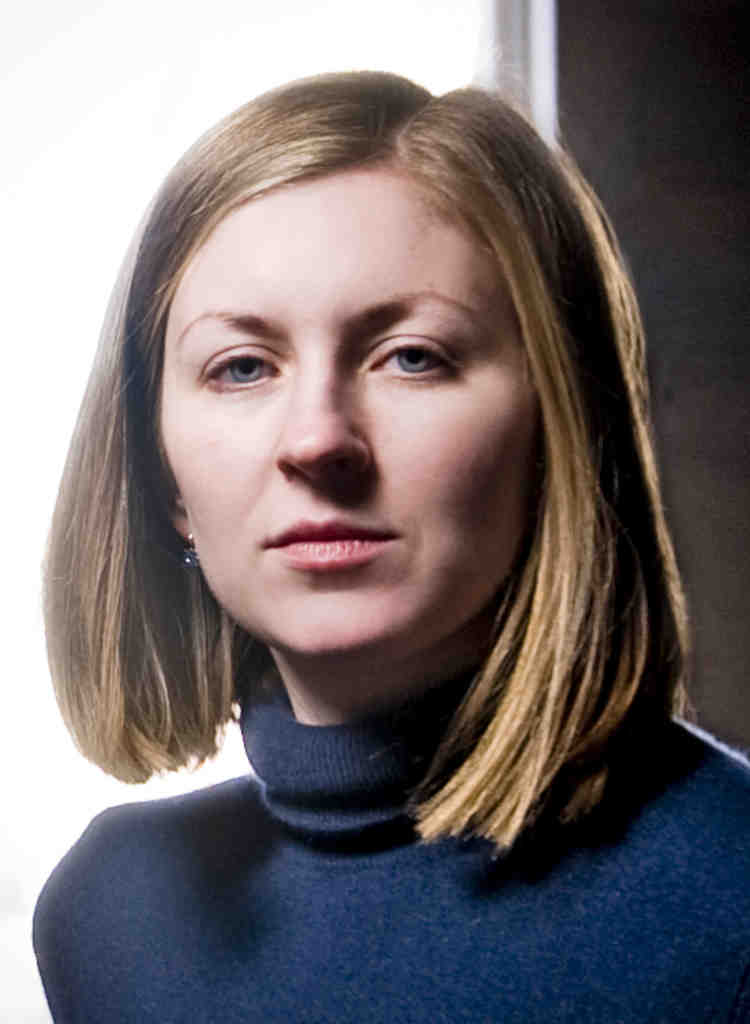
    Here’s the thing: Lucey’s a dogged reporter. I know. I used to work with Lucey when she was at the Daily News from 2000 to 2012. Lucey isn’t about to let the president’s schoolyard taunts stop her from asking tough questions.

    Catherine Lucey, now a White House correspondent with Bloomberg, spent a dozen years as a reporter at the Daily News before departing in 2012.

    Same thing with ABC News reporter Mary Bruce. On Tuesday, Trump accused her of being a “terrible person and a terrible reporter.” That’s not going to stop her, either. Journalists are a determined lot. The good ones in the White House pool recognize that their job is to hold him accountable and will stop at nothing short of exposing the truth.

    It’s in our collective DNA.

    Bruce did the right thing when she challenged Trump earlier this week by asking if it was appropriate for his family to be doing business in Saudi Arabia.

    She was also working in the spirit of journalism’s best traditions when she went on to also address Saudi Crown Prince Mohammed bin Salman, asking: “Your Royal Highness, the U.S. intelligence concluded that you orchestrated the brutal murder of a journalist. [The] 9/11 families are furious that you are here in the Oval Office. Why should Americans trust you? And the same to you, Mr. President.”

    After asking Bruce whom she worked for, Trump accused ABC of being “fake news.” He defended his family’s business operations in Saudi Arabia, and said the reporter should not have “embarrassed our guest by asking a question like that.”

    “A lot of people didn’t like that gentleman that you’re talking about,” Trump added, referring to the late Washington Post columnist Jamal Khashoggi. “Whether you like him or didn’t like him, things happen.”

    ABC News reporter Mary Bruce asks a question as President Donald Trump meets Saudi Arabia’s Crown Prince Mohammed bin Salman in the Oval Office Tuesday.

    A chill washed over me when I heard him say that. According to U.S. intelligence, Khashoggi reportedly was killed and dismembered on Oct. 2, 2018, in the Saudi Consulate in Istanbul.

    The National Press Club issued a statement afterward, saying the organization is “deeply troubled by President Trump’s comments today regarding the killing of journalist Jamal Khashoggi. Mr. Khashoggi’s murder inside a diplomatic facility was a grave violation of human rights and a direct attack on press freedom.”

    Just this past September, the president ordered NBC’s Yamiche Alcindor to be quiet and listen, and told her she was second-rate, which she is not. Alcindor had asked about his intentions for the Windy City after he posted a meme saying, in part, “Chicago about to find out why it’s called the Department of War.”

    Trump’s animosity toward journalists goes way back. Following a 2015 Republican primary debate, he said of Megyn Kelly, “There was blood coming out of her eyes, blood coming out of her wherever.”

    Even with the numerous lawsuits he’s filed against news outlets, Trump should have figured out by now that he’ll never stop the press. The president can insult and bar certain news organizations from the White House. But good journalists know how to work around that.

    Even if a network does replace one reporter, another journalist will step in and do the exact same thing. If a newspaper fires a print journalist, these days they’ll move their work to the Substack publishing platform or social media, the way former Washington Post columnist Karen Attiah did shortly after she was let go.

    Observers often wonder why journalists don’t fight back more against Trump’s verbal attacks. “Most reporters want to cover the news, not be the news,” as ABC News correspondent Jonathan Karl told Paul Fahri of the Columbia Journalism Review earlier this year. In other words, they try and stay focused on the job at hand.

    And these days, getting bullied by the man-child in the Oval Office seems to come with the territory.

  • Why the lunar module is leaving the Franklin Institute

    Why the lunar module is leaving the Franklin Institute

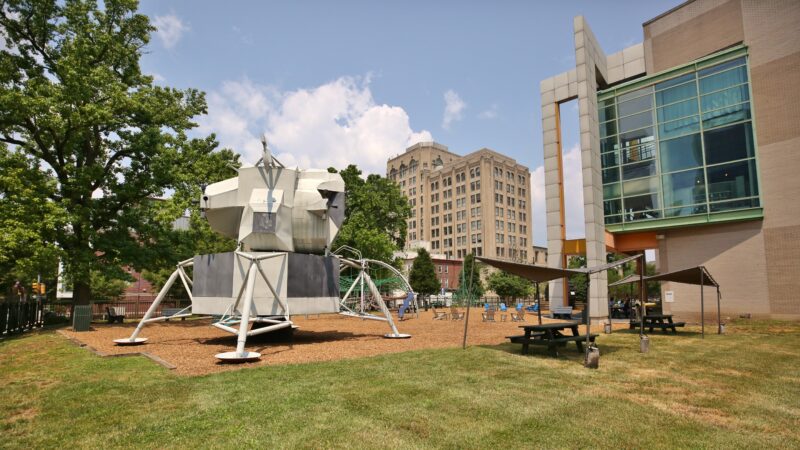
    Bill Piccinni, 67, was riding his bike by the Franklin Institute when something halted his pedaling. The lunar module looked as if King Kong had ripped it in half, he said.

    Concerned, he asked Curious Philly, The Inquirer’s forum for questions about the city and region: What is going on with the Apollo-era lunar module? Is the Franklin Institute getting rid of it?

    » ASK US: Have something you’re wondering about the Philly region? Submit your Curious Philly question here.

    “It’s been there for so long; it’s like a part of the city almost,” Piccinni said. “If it disappears, it would just be a shame.”

    Sadly for Philly space lovers, the disjointed module does signal a farewell. After 49 years at the museum, it is returning to its previous orbit — Washington.

    Neil Armstrong’s ride look-alike, a prototype used in preparations for several Apollo missions, was loaned by the Smithsonian’s National Air and Space Museum in 1976, according to Derrick Pitts, the Franklin Institute’s chief astronomer. Now, that museum has asked for the module’s return.

    “All museums, when they are keeping track of their artifacts … set a period of time for how long it’s gonna be borrowed, and then they will ask for it back,” Pitts said.

    The Lunar Module was loaned by the Smithsonian’s National Air and Space Museum in 1976.

    The chief astronomer is not sure what awaits the Grumman structural engineering test module near D.C. The engineering prototype served to test how the parts and pieces would fit together in preparation for the real Apollo 11 lunar module that took Armstrong to the moon.

    To Pitts, that doesn’t make it any less special. On the contrary, he views the equipment as an epitome of the height of space exploration technology at the time. It’s proof that “we successfully sent explorers to the moon and brought them back safely,” Pitts said.

    For future generations of Philadelphians, this means no longer being able to see the module up close without leaving the city. People in Washington won’t be seeing this particular module either. There are currently no plans for it to be displayed at the National Air and Space Museum, according to spokesperson Marc Sklar.

    For now, the Franklin Institute is considering an array of options for replacing the module in the backyard, but nothing is set in stone, Pitts said. In the meantime, the museum’s Wondrous space continues to be an option for folks wanting to learn about space.

    “I am just really appreciative that people have paid attention to the lunar module enough to wonder what is going on with it,” Pitts said. “We are really very glad that you are aware that it has been here and that you are going to miss it.”

  • Temple brings ‘energy on defense’ until finding its way on offense in win over Hofstra

    Temple brings ‘energy on defense’ until finding its way on offense in win over Hofstra

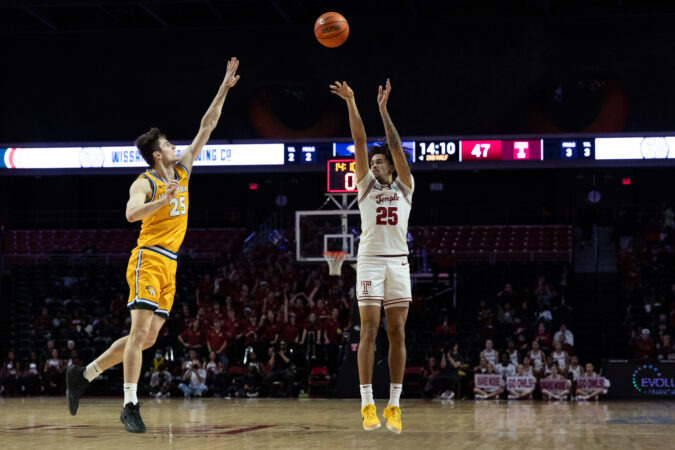
    Temple started to panic when Hofstra guard Cruz Davis scored to cut its deficit to two points with three minutes remaining.

    However, the Pride never got any closer on Wednesday night at the Liacouras Center. All Temple (3-1) had to do was make its free throws to earn an 81-76 win against Hofstra (2-3).

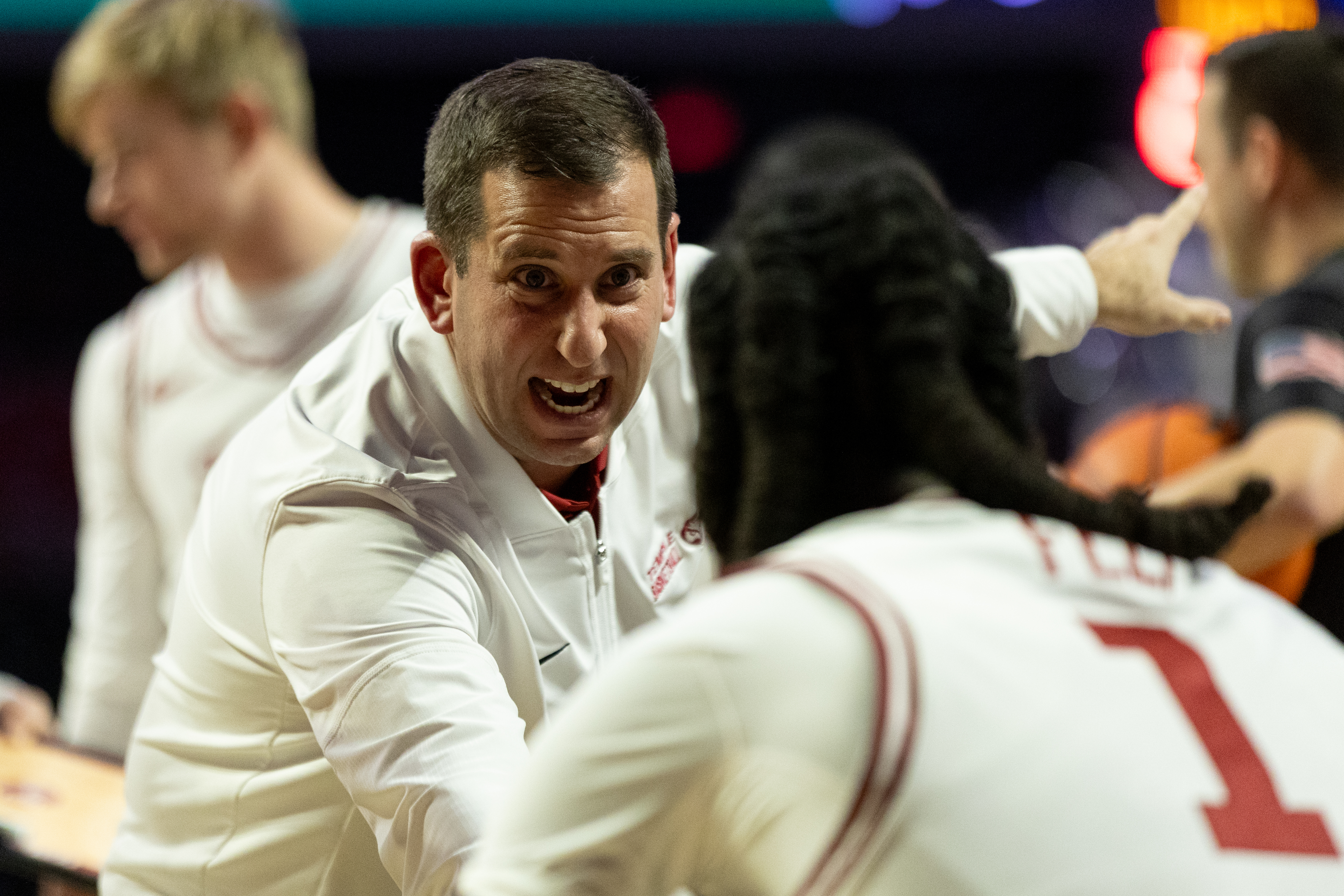
    “I’m really proud of our guys, the resiliency to compete and play for 40 minutes,” said head coach Adam Fisher. “We knew this was going to be a tough task. I have the utmost respect for [Hofstra coach] Speedy Claxton. His team plays hard. They got great guard play. They’re so well-coached. They run great stuff. They’re so defensive-minded.”

    (Claxton, who played collegiately at Hofstra under coach Jay Wright, was the 76ers’ first-round draft pick in 2000. He had a nine-season NBA career, though missed two with injuries.)

    Owls head coach Adam Fisher talks to forward Jamai Felt (1) on Wednesday.

    Next, Temple will travel to Orlando to take on the University of California-San Diego in the Terry’s Chocolate ESPN Events Invitational on Monday (4:30 p.m., ESPNU)

    Hot and cold offense

    Fisher said after Temple lost to Boston College last Saturday was due to a lack of shot-following. The Owls shot a mere 34.3% against the Eagles.

    Against the Pride, Temple’s offense went stale for a long period, relying on its defense to keep them in the game. The Owls had a 10-point run five minutes into the first half, then made just two shots in the next five minutes.

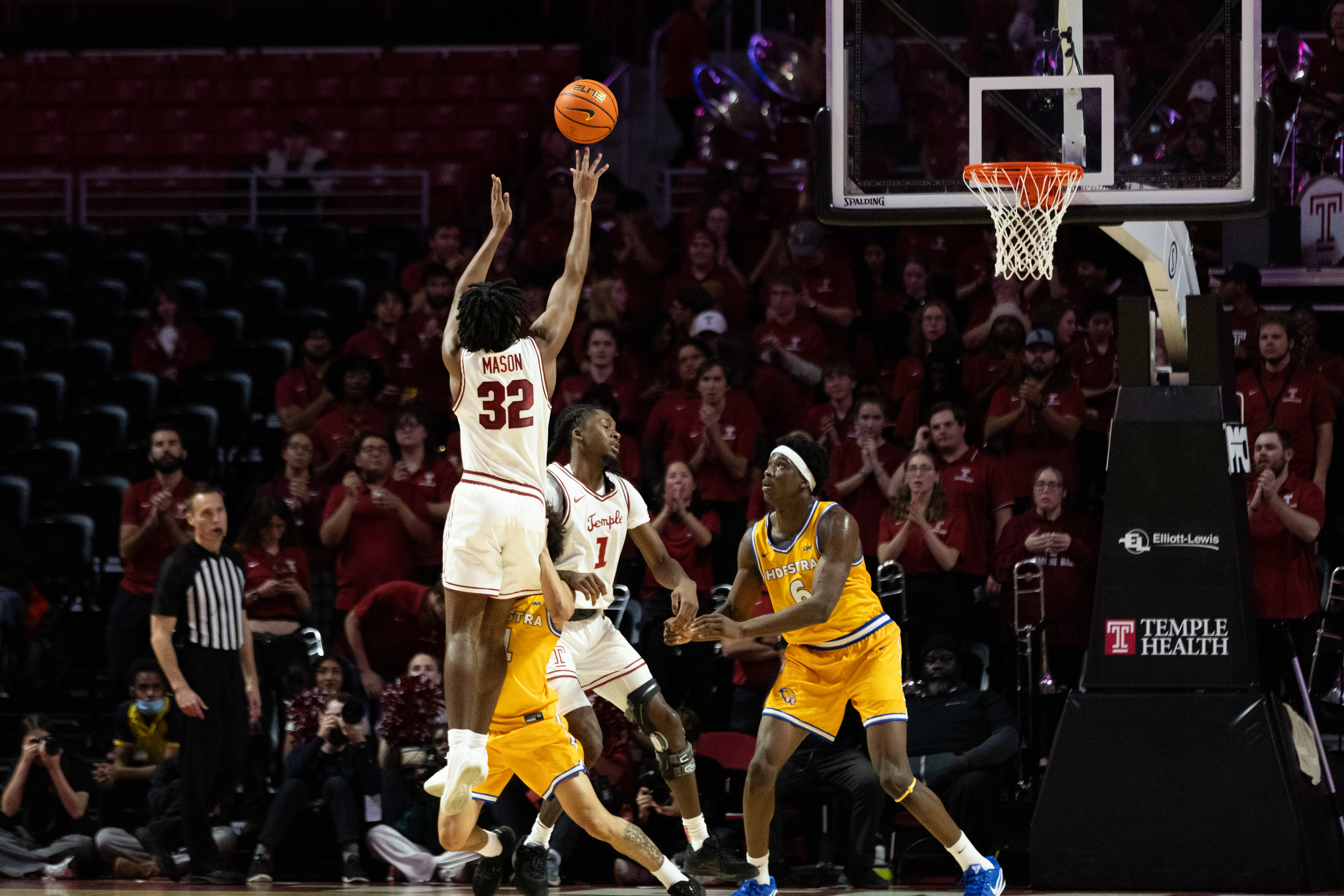
    Owls guard Jordan Mason finished with 10 points against Hofstra.

    When Aiden Tobiason knocked down a three-pointer to take over the lead, the Owls responded with a five-minute scoring drought, missing five shots.

    “I think a big thing we harp on is our score is going to come,” Tobiason said. “Something we can control is our energy on defense. … I think we just harp on that and that will lead to us getting buckets.”

    Those problems were eliminated after halftime, as Temple shot a resounding 13 of 24 from the field.

    Four players reached double digits, led by Tobiason’s 21 points, while forward Jamai Felt gave the team a boost with eight points off the bench. Felt had been on a minutes restriction following shoulder surgery in the offseason.

    “I was just really focused on getting stops and getting rebounds so we can push the ball,” Felt said.

    Defense back on track

    While Temple’s offense ran in place, it was up to the defense to get it out of neutral.

    While the Pride shot 45.2%, the Owls’ defense held their own against an offense that averages 82.3 points.

    Temple limited Hofstra’s shooting and slowed down its offense. Pride guard Biggie Patterson, who scored 10 of his 15 points in the first half, made just five in the second.

    Pride guard Biggie Patterson (0) dunks the ball on Wednesday.

    The Pride settled for three-pointers and made 9 of 28 attempts. Davis scored 20 of his 25 points after the break, but it wasn’t enough to bring Hofstra back.

    “If we can control the glass, we can defend and rebound, we’re going to hopefully be in position [to win] every night,” Fisher said. “So that’s been a huge focus for us, defending and rebounding.”

    Free throw mishaps

    An issue plaguing Temple this season is at the free throw line.

    Temple missed seven free throws against Boston College, and on Wednesday, the Owls missed five of their 11 free throws in the first half.

    However, Temple went to the line 20 times in the second frame and knocked down 18. It ultimately was the difference in the Owls securing a win.

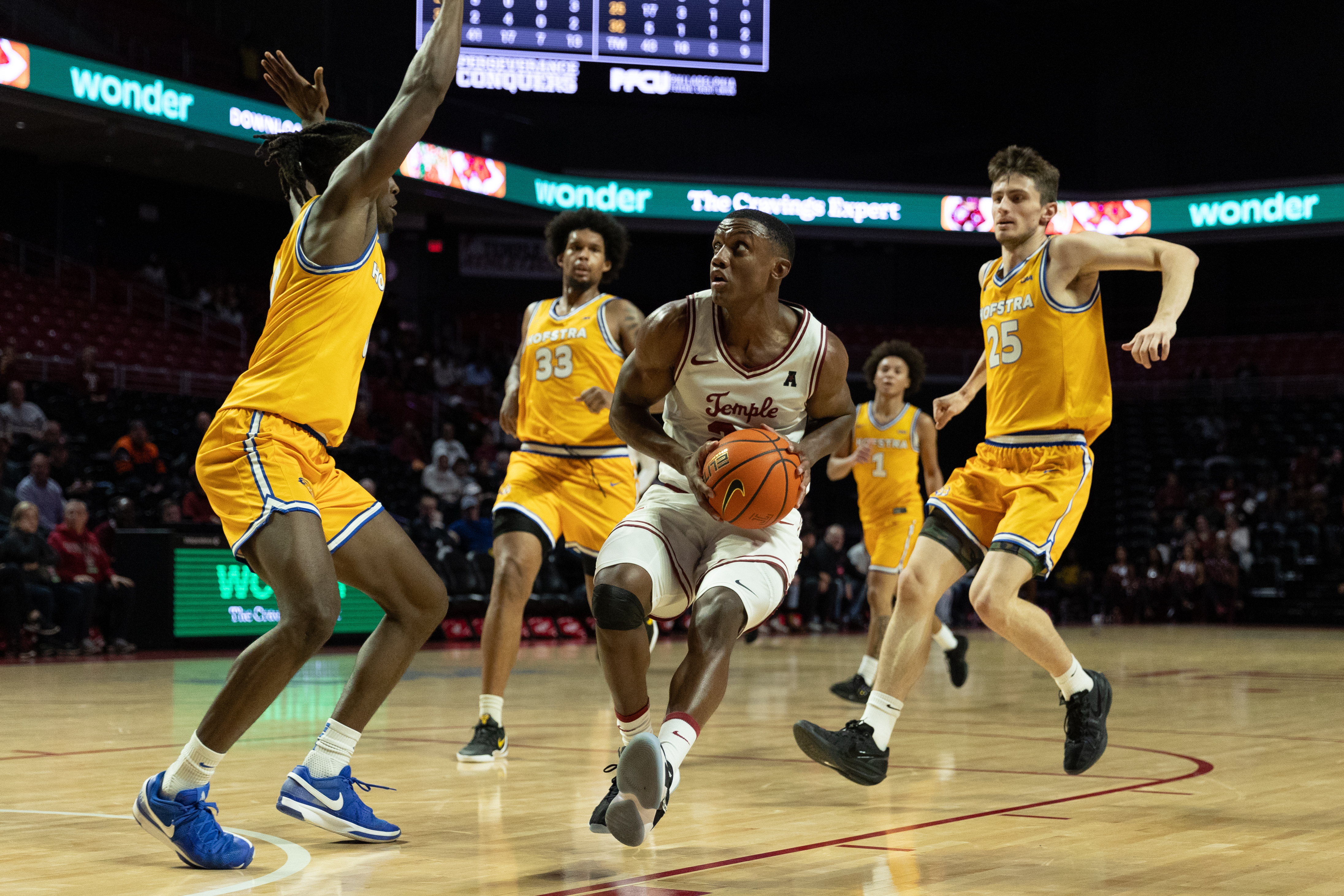
    Owls guard Derrien Ford (20) drives toward the net on Wednesday.

    Guard Derrian Ford, who finished with 20 points, was the main contributor at the line, drilling all nine, while Tobiason went 6-for-6.

    “To win games like that, you have to make those and they stepped up,” Fisher said. “They knocked them down with great confidence. So really proud of the group.”

  • ACLU slams Mayor Parker for invoking the organization’s name amid ‘DEI rollback’

    ACLU slams Mayor Parker for invoking the organization’s name amid ‘DEI rollback’

    The ACLU’s Pennsylvania chapter slammed Philadelphia Mayor Cherelle L. Parker’s administration for invoking the organization’s name during a news conference this week, saying the group was not involved in what its leaders described as the mayor’s “DEI rollback.”

    In a blistering statement issued late Wednesday, the ACLU-PA said Parker’s use of the organization’s name during a news conference announcing controversial changes to the city’s contracting policies created “the impression that the city’s decisions were vetted by our constitutional experts and aligned with our values.”

    That was not the case, the group said.

    “ACLU-PA was not consulted nor involved,” the statement said. “We welcome genuine collaboration with city leadership on policies that advance justice, liberty, and equity, especially for historically marginalized communities. Until such a partnership occurs, we ask that the administration refrain from using our name as a buzzword seal of approval.”

    The Parker administration pushed back, with City Solicitor Renee Garcia saying Thursday that officials “were clear” that the administration consulted with an attorney who worked for the city’s outside counsel and who later went to work for the ACLU.

    “We didn’t give ‘impressions,’” Garcia said, “we just gave the facts.”

    Still, the civil rights group’s distancing from Parker was the latest criticism the mayor faced over her decision to eliminate a decades-old program that aimed to direct a significant portion of the city’s contracting dollars to firms owned by people of color, women, and people with disabilities.

    Parker and her administration said the decision was made to align city policies with shifting legal precedent that has threatened affirmative action-style government programs. But critics have said the city preemptively conceded to the conservative legal movement that has sought to dismantle diversity, equity, and inclusion programs across the country.

    Parker has said the city’s new system, which will incentivize contracting with businesses considered “small and local,” will ultimately be a more effective and equitable program.

    In announcing her decision to make the city’s procurement policies race- and gender-neutral, Parker did not say that her administration worked directly with the ACLU in crafting its policy shift, nor did she mention the organization’s Pennsylvania chapter.

    But Parker and members of her administration invoked the group’s name during the Tuesday news conference as they described the timeline of events that led up to the city’s decision to quietly change its policies this fall before announcing them publicly.

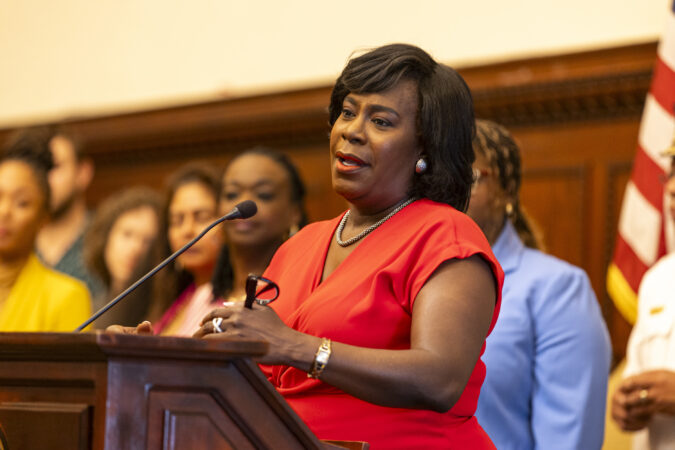
    Mayor Cherelle L. Parker with city solicitor Renee Garcia (right) at City Hall Feb. 5, 2024.

    Garcia said that the administration consulted in June with constitutional law experts, including Carmen Iguina González, who was at the time a Washington-based attorney at Hecker Fink, a law firm. Iguina González is a former clerk to Supreme Court Justice Sonia Sotomayor, considered one of the most liberal jurists on the high court.

    About three months after the meeting with city officials, Iguina González became the deputy director for immigration detention at the ACLU’s National Prison Project.

    She could not be reached for comment.

    During Tuesday’s news conference, Vanessa Garrett Harley, a deputy mayor and a top aide to Parker, cited the meeting with Iguina González in response to critics who have called the administration’s policy shift “conservative.”

    She said Iguina González counseled the city to strike race- and gender-based diversity goals from its contracting policies.

    “People [are] saying, ‘Oh, it was a conservative move. It was a conservative way of looking at the law,’” Garrett Harley said. “She had clerked for Justice Sotomayor. She’s currently at the ACLU. So this was not somebody who would have had a conservative mindset.”

    Garrett Harley continued: “If we’ve got people on all sides… saying, ‘You have no other choice,’ then we’ve got to pivot and do what we have to do to protect the fiscal responsibility of the City of Philadelphia.”

    Vanessa Garrett Harley, a deputy mayor, speaks during a press conference in June.

    Later in the news conference, Parker also mentioned the ACLU, saying she was glad the city sought outside an outside opinion from Iguina González.

    “I remember that meeting clearly,” Parker said. “And again — although she’s not with the firm, she made the transition and she’s now with the ACLU — I believe in her.”

    This week was not the first time the ACLU has been at odds with Parker, a centrist Democrat who ran for mayor in 2023 on a tough-on-crime platform.

    The group’s state chapter was critical of her while she campaigned and embraced the use of stop-and-frisk as a valuable policing tactic. The ACLU, which has long contended the practice is racially biased and ineffective, monitored the city’s use of stop-and-frisk for more than a decade.

    And once Parker took office last year, Pennsylvania ACLU leaders expressed opposition to parts of her plan to address the open-air drug market in Kensington, including the so-called wellness court, a fast-track court for people accused of minor drug-related offenses.

  • Delco homeless shelters prepare to reopen after state budget impasse stretched limits of regional nonprofits

    Delco homeless shelters prepare to reopen after state budget impasse stretched limits of regional nonprofits

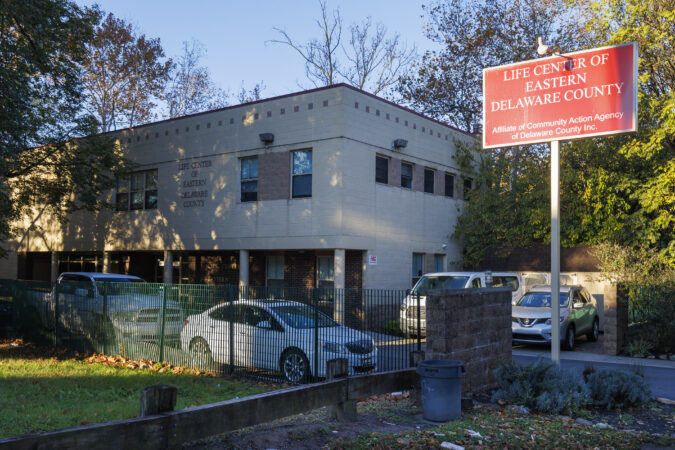
    For the first time in months, the director of the Community Action Agency of Delaware County, which operates three homeless shelters and a rental assistance program, isn’t thinking about service cuts.

    The organization was forced to reduce capacity at one of its shelters to 50% in October and close the other two on Nov. 1 as a result of the state budget impasse. Delaware County, which had been backfilling for missing state dollars, had to cut the funds it delivered to social service organizations in half last month.

    Now, the agency is beginning to reopen its doors and its rental assistance program.

    “[Employees] have been busy kind of preparing for the residents to come back,” said Ed Coleman, the nonprofit’s executive director.

    The Community Action Agency is one of several nonprofit organizations across the region that were stretched and stressed over the last several months as state dollars stopped flowing in the absence of a budget. Since January, they have grappled with uncertainty over federal funds as President Donald Trump’s administration cancels grants and Congress considers major cuts to social service programs.

    The dynamics exposed the vulnerabilities facing philanthropic organizations while threatening the assistance they provide to those they serve.

    Last week the Pennsylvania General Assembly finally passed a budget, ending one source of uncertainty. At the Community Action Agency, this meant employees began swapping out bedding and restocking toiletry bags given to incoming residents this week, undoing significant reductions in service.

    By Wednesday, Wesley House Shelter, a facility for families and single women that Community Action manages, was able to take in a senior citizen whom a church had placed in a hotel amid the budget stalemate. A former resident who had to stay with a relative until the shelter could reopen also returned to the facility.

    The promise of state funds could not have come soon enough.

    Coleman said since Nov. 13, the agency received a little more than 250 rental assistance requests — including almost 80 on Tuesday alone.

    The organization, Coleman said, is now assessing how much it can spend on services as it waits for state dollars to begin flowing again — which is expected to happen in the next 30 to 90 days as state agencies catch up on millions in missed payments to counties, schools, and nonprofits.

    “We really don’t get paid very quickly with most of the contracts we have,” Coleman said.

    The rebuilding mirrors what nonprofits across the Philly region are managing after the state budget impasse. Several nonprofit organizations told The Inquirer they had to freeze hiring and take out lines of debt. Nearly all reported burnout among staff as need increased and uncertainty over funding loomed large.

    The federal government shutdown, which saw a pause in federal food subsidies, only exacerbated the problem.

    “In many ways, it felt similar to the early months of COVID,” said Jennifer King, executive director of the Council of Southeast Pennsylvania.

    The Bucks County Opportunity Council was forced to reduce the number of individuals it could provide rent assistance to.

    And at A Woman’s Place, a domestic violence shelter in Montgomery County, more people were showing up at the shelter door, even if they weren’t domestic violence survivors, asking for help the shelter was not equipped to provide. Often, she said, staff did not even have an answer of where to send people because of the reduction in services across the board.

    “That takes a toll on staff, and they start thinking, ‘Do I really want to do this work?’” said Beth Sturman, the shelter’s executive director.

    Providers worried most about the impact the freeze had on those they served. Jill Whitcomb, president and CEO of Surrey Senior Services in Delaware County, said older adults are facing greater stress and anxiety as a result of state and federal services being rolled back.

    “Our mission is to help people remain at home and independent and engaged as long as they possibly can or want to,” Whitcomb said. “That becomes really hard on a limited income when those incomes are already tenuous, and then they’re living with the anxiety about losing their Social Security.”

    Jeannine Litski, president of Mental Health Partnerships, said the closure of shelters in the region resulted in greater trauma to unhoused people.

    “Imagine you’re just holding on by a thread, and you have at least a place you can lay on a cot for the night and you have a little food, and now that’s taken away,” she said.

    While philanthropic organizations were grateful for the state budget deal, they remained anxious about the possibility of another federal government shutdown at the end of January and questioned how much more they could take.

    “We got through COVID. Let’s see if we can get through this,” Whitcomb said. “It’d be interesting to talk five years from now and see where everybody is.”

    This suburban content is produced with support from the Leslie Miller and Richard Worley Foundation and The Lenfest Institute for Journalism. Editorial content is created independently of the project donors. Gifts to support The Inquirer’s high-impact journalism can be made at inquirer.com/donate. A list of Lenfest Institute donors can be found at lenfestinstitute.org/supporters.

  • HBO’s Delco-set ‘Task’ is being renewed for a second season

    HBO’s Delco-set ‘Task’ is being renewed for a second season

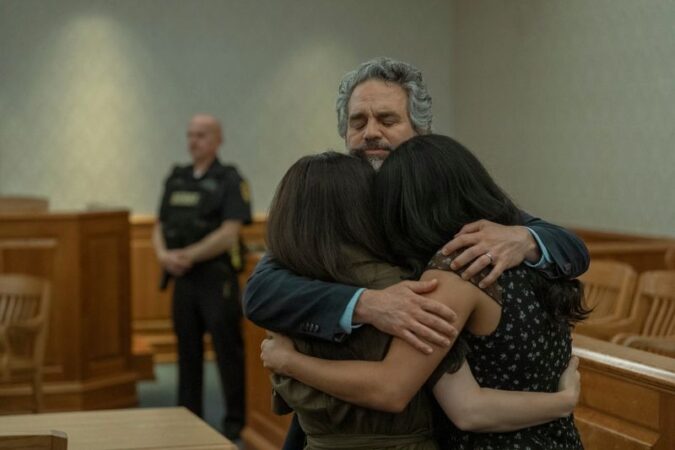
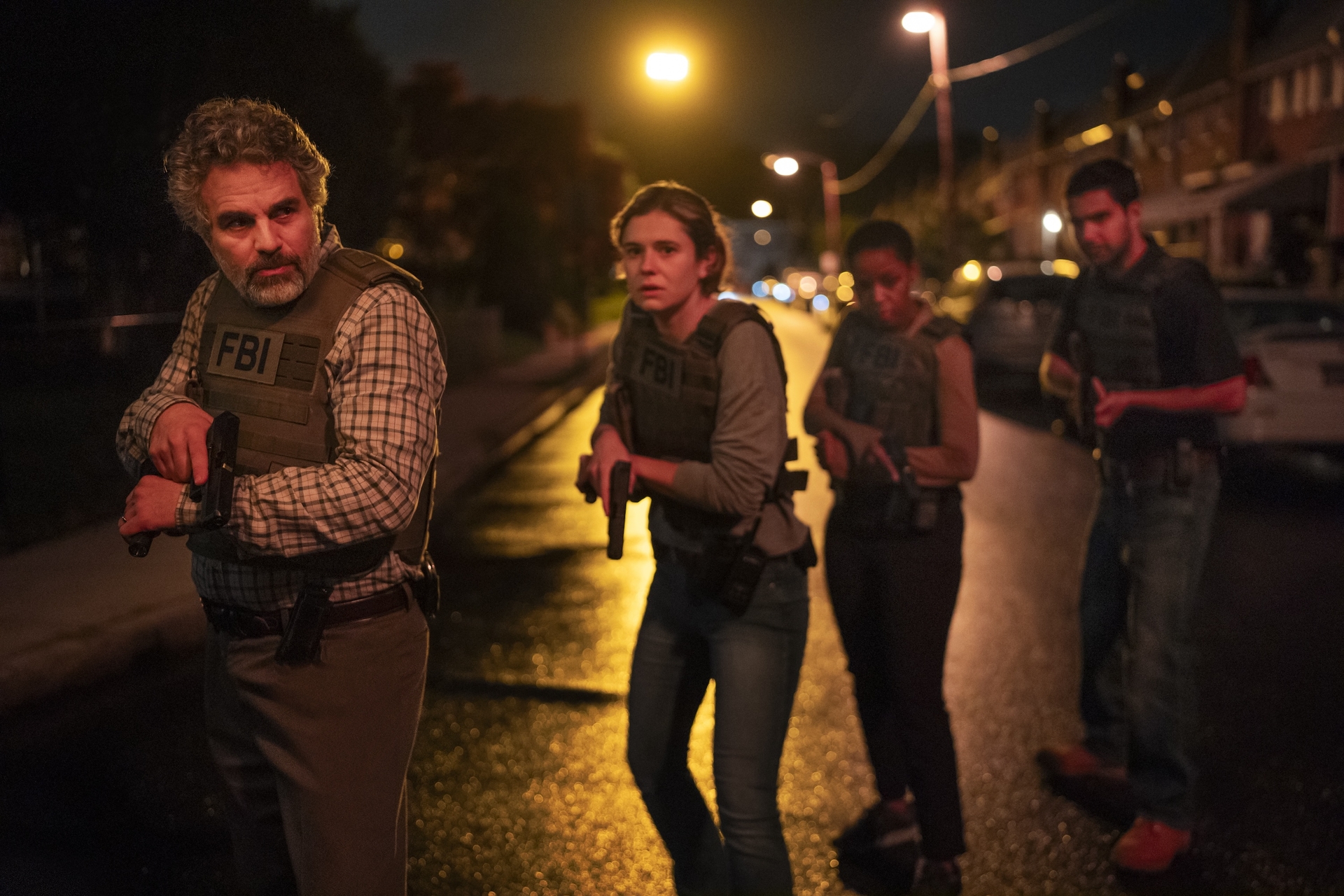
    The Delco crime thriller Task, starring Mark Ruffalo, will be getting a second season, HBO announced on Thursday.

    From Mare of Easttown creator and Berwyn native Brad Ingelsby, the first season of the series followed an FBI task force led by Tom Brandis (Ruffalo) — a former priest and grieving widower — as they tracked down thieves robbing drug houses in the Philly suburbs. Ozark actor Tom Pelphrey, who grew up in Howell Township, N.J., played Robbie, the mastermind behind the thefts.

    It was a tense cat-and-mouse narrative with surprisingly tender and occasionally funny performances as both protagonists struggled to be good dads.

    The drama was filmed across Delaware and Chester Counties as well as Philadelphia, with some locations as far as Berks County. The cast, which also featured Fabien Frankel (House of Dragon), Emilia Jones (CODA), Thuso Mbedu (The Woman King), Martha Plimpton (The Regime), Alison Oliver (Conversations With Friends), and Jamie McShane (Sons of Anarchy), lived in the region for about six months during filming in 2024.

    “Task” showrunner Brad Ingelsby and star Mark Ruffalo on set.

    Many gushed about their time in Philadelphia, especially praising the dining scene. Jones, who plays Maeve, loved the Delco accent so much she still wears a “Delco” necklace.

    Like many Inglesby projects, Task was infused with Philly flair, from incredibly accurate Delco and South Philly accents (courtesy of Mare dialect coach Susanne Sulby) to Rita’s and Wawa shout-outs.

    South Philly-raised filmmaker Jeremiah Zagar, son of beloved mosaicist Isaiah Zagar, worked closely with Inglesby on the project as an executive producer and director, along with Gilded Age director Salli Richardson-Whitfield.

    Ruffalo also served as executive producer.

    Mark Ruffalo plays FBI agent Tom Brandis in “Task,” on HBO.

    Ingelsby has made it his mission to continue making shows about Delco that are actually filmed in this region; Season 2 of Task furthers his efforts to stay close to home while delivering blockbuster television.

    HBO said Task was one of its “top three fastest-growing, debut seasons.”

    “We knew well in advance of its launch that we had a powerful drama series on our hands, but it has been so rewarding to witness the audience’s fervor and embrace of this show as it grew week after week,” said HBO Programming’s executive vice president Francesca Orsi, the head of the studio’s drama series and films, in a statement.

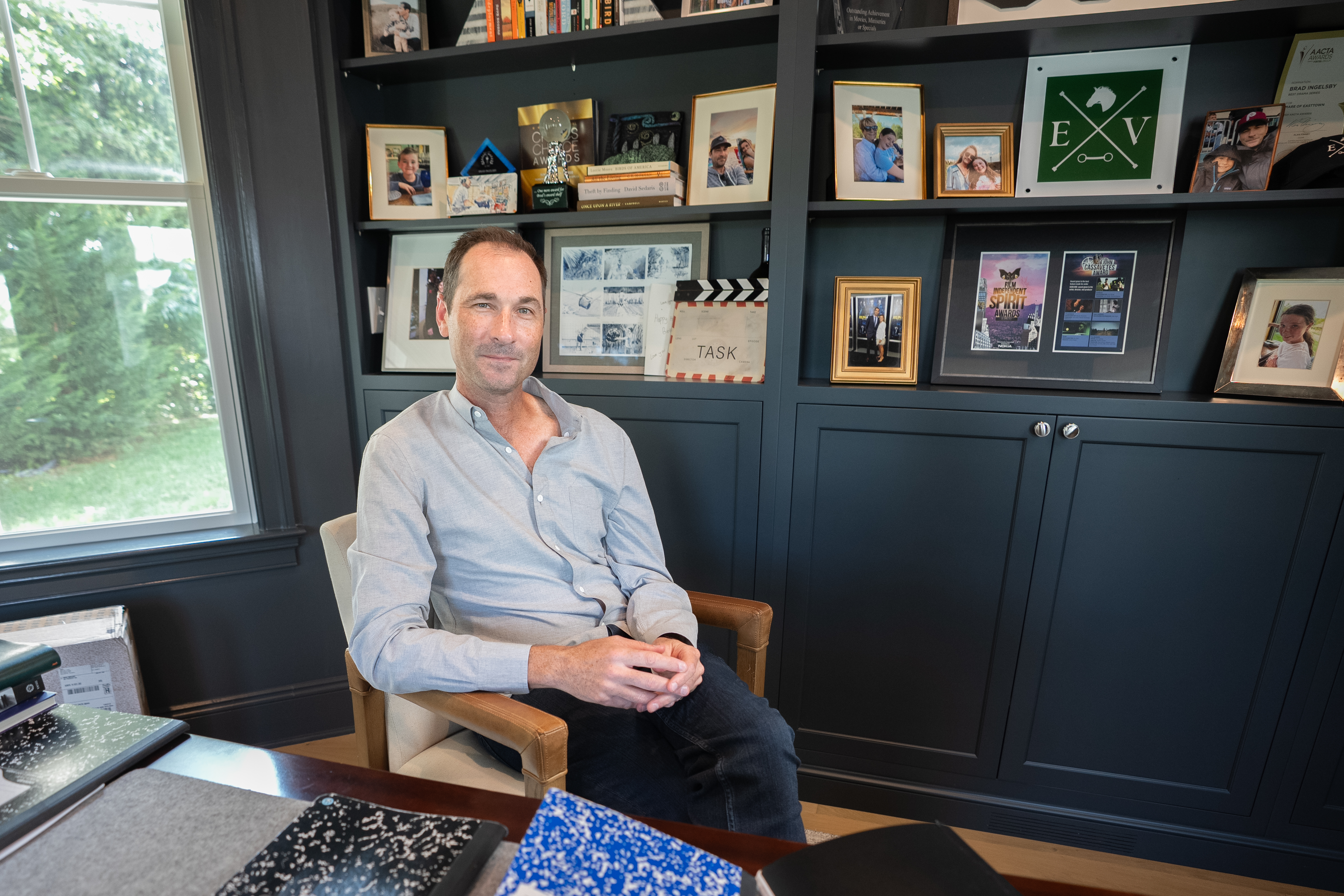
    “Task” creator Brad Ingelsby in his office in Berwyn, Pa., on July 17, 2025.

    “Rarely does a writer balance humanistic storytelling with intricate, explosive plotting, but Brad Ingelsby is one of our industry’s greats and we have no doubt he will strike as profoundly and addictively once again in season two.”

    A second season means the production will return to the region in a big way — however (spoiler alert) several major characters don’t survive season one, so expect to see a largely new cast.