Blog

  • For almost 40 years, Esperanza has served ‘the least of these’ and those who ‘just need a break’ | Philly Gives

    For almost 40 years, Esperanza has served ‘the least of these’ and those who ‘just need a break’ | Philly Gives

    Talk to most nonprofit chief executives, and they’ll be able, on cue, to recite a heartwarming story about someone their organizations helped.

    And the Rev. Luis Cortés Jr., Esperanza’s founder and chief executive, can do it, too.

    But he’d rather talk about a sin he committed as a little boy — a sin that impacted his thinking for a lifetime and allowed him to understand how to build a $111.6 million organization with 800 employees that educates, develops, uplifts, and houses 35,000 people a year in the heart of North Philadelphia’s predominantly Hispanic Hunting Park neighborhood.

    When Cortés was 12, he stole a Snickers candy bar from the bodega his father owned in New York City’s Spanish Harlem.

    Oh, his father figured it out, and quickly, too, because he began to ask little Luis some important questions:

    Did the 12-year-old know how many Snickers bars the bodega would have to sell to break even — not only on the box of Snickers, but on the taxes and utilities for the entire store? More importantly, how many Snickers bars would be required to turn a profit — a profit that could be reinvested?

    “You need to understand finance, whether it’s a box of Snickers or a multimillion-dollar bond to build a school. Where is the money coming from, and what’s the repayment structure?” Cortés said.

    Outside, as he spoke, a crane moved materials in what will soon become a new culinary school.

    “Understanding finance is important, and understanding culture is important, and you have to understand the relationship between the two.”

    So, yes, Cortés can and did tell the story about the mother who came to Esperanza to learn English skills, who got help to get a job and a house, who sent her daughter to Esperanza’s charter school and to Esperanza’s college, and now that same daughter is getting a house thanks to Esperanza’s mortgage counseling help.
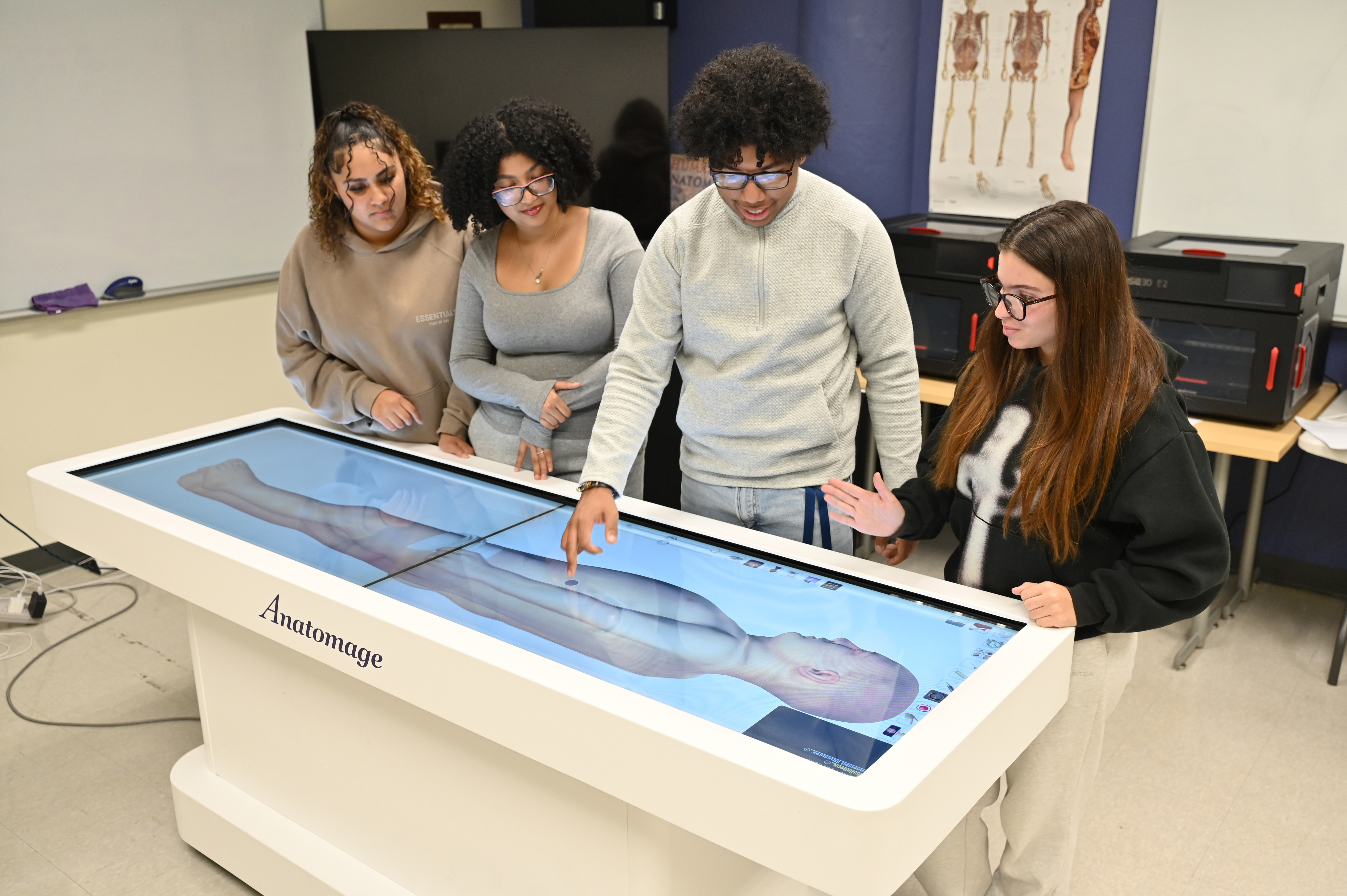
    Students Jayliani Casioano, Oryulie Andujar, Derek Medina, and Natalia Kukulski use an interactve anatomy table. The students are members of is the Health Occupations Students of America (HOSA).

    All good. But this is what Cortés really wants people to know:

    “If people trust us with their funds,” he said, “we’re putting the money into institutions, and institutions build culture.”

    That’s why Esperanza has a K-12 charter school, a cyber school, a two-year college that’s a branch campus of Eastern University, a 320-seat theater, an art gallery, computer labs, an immigration law practice, a neighborhood revitalization office, a CareerLink office for workforce development and job placement, a music program, a youth leadership institute, housing and benefit assistance, and a state-of-the-art broadcasting facility.

    Cortés even likes to brag about the basketball court. “Three inches of concrete, maple wood flooring, fiberglass backboards — NBA standards.”

    “Think about Paoli. It has a hospital, a public school, a theater. Paoli has all of that, and it’s understood that that’s the quality of life. We have to have access to those same things at a different price point,” he said. “Notice I didn’t say different quality. I said different price point.

    “We want to create an opportunity community, where people can have a good life — with arts, housing, healthcare, financial literacy, education, all those pieces — regardless of your family income,” he said.

    “What’s important here and what’s different is that in all our places, all our facilities are first class,” Cortés said.

    “I grew up in a low-income community where people were always telling you to step up, but step up to what?” he asked. “Where is the vision? What is possible to even have? How can anyone know unless they can see it?”

    So, when people from the community visit Esperanza, “you can see that you can have the best facilities with state-of-the-art equipment. As a provider of services, we have to step up,” he said, in turn always giving people the tools and resources they need to step up.

    For example, on Citizenship Day, Sept. 20, Anu Thomas, an attorney and executive director of Esperanza’s Immigration Legal Services, trained a dozen volunteer lawyers and law students on the fine points and recent pitfalls in the process of applying for citizenship.

    Soon, the room was crowded with people coming for help.

    Watching from the sidelines was Charlie Ellison, executive director of the city’s Office of Immigrant Affairs, who noted that an estimated 60,000 legal residents of Philadelphia are eligible to apply for citizenship.

    “Clinics like these are critically important to helping people who might be facing barriers,” including the cost of getting legal help. “This bridges a lot of gaps. It’s a vital mission, now more than ever,” he said.

    For Neury “Tito” Caba, a men’s fashion designer, tailor, and director of green space at Historic Fair Hill, citizenship help from Esperanza was a family affair. Through Esperanza, he, his grandmother, and his mother all became citizens.

    “Now I can vote, and that’s the most positive thing I can do,” he said. “And also, things being the way they are, it gives me some sort of protection.”

    Fashion designer Neury “Tito” Caba talks about his citizenship experience at Esperanza.

    Earlier this fall at Esperanza’s CareerLink branch, counselor Sylvia Carabillo helped Luis Rubio on the computer. He was trying to extend his unemployment benefits and looking for a job as a security guard. Agueda Mojica was being tutored in Esperanza’s most popular workforce class: Introduction to Computers.

    “I want to become more independent to be able to do anything on a computer,” she said in Spanish, speaking through a translator. “I was always working and never had time to learn.”

    Much of Esperanza’s staff is bilingual in Spanish, but to help people from the neighborhood, Esperanza also hired counselors who speak Ukrainian and Kreyòl for Haitians who live nearby.

    In Esperanza College classrooms a few weeks ago, Esperanza Academy high schoolers enrolled as college students had just finished a chemistry exam. When they graduate from high school, they’ll already have associate degrees on their résumés.

    For them, Esperanza represents a future.

    There’s Oryulie Andujar, 18, who wants to study sonography because an ultrasound technician found a cyst in her mother’s uterus. “We could have lost her. That was very impactful for me.”

    Jayliani Casiano, 17, wants to go into anesthesiology. The oldest of seven, she witnessed her mother giving birth to several younger siblings. “She was in a lot of pain. It was interesting. I want to do everything after seeing her through that process.”

    Derek Medina, 18, said the opportunity to go to college “made me rethink my whole life.” He had been getting into trouble in school, but now wants to combine a love of mathematics and a desire to help people by going into the field of biomedical engineering.

    Recently, on Nov. 14, Esperanza College hosted its Ninth Annual Minorities in Health Sciences Symposium, designed to acquaint high schoolers with medical careers.

    Construction will soon begin to convert a former warehouse space into a center to teach welding and HVAC in an apprenticeship program.

    Next month, it’ll be time for “Christmas En El Barrio” with music, food, and community in Teatro Esperanza — admission is free. In January, the Philadelphia Ballet will perform there. Tickets are $15 and free for senior citizens and students.

    “My worst seat — in Row 13 — would be $250 at the Academy of Music,” Cortés said. He wants to offer the arts at a price and a time available to a mother of three, who may not be able to afford even the cheapest seats in downtown venues, plus bus fare, “and heaven forbid the child wants a soda,” Cortés said.

    All this adds up to culture, which brings him back to the Snickers bar, and not just breaking even, but investing.

    Other groups, Cortés said, had to build their own institutions when mainstream organizations put up barriers. Howard University helped Black people, Brandeis served Jewish people, and Notre Dame provided education to the Irish.

    Building an institution is his investment goal with Esperanza, and he takes as his mentors famous Philadelphia pastors such as the Rev. Leon Sullivan, who founded Progress Plaza in North Philadelphia, and the Rev. Russell Conwell, the Baptist minister who founded Temple University.

    “Philadelphia has a tradition that its clergy don’t just do clergy things,” he said, admitting that he doesn’t have the patience for a more traditional pastor’s role. “As clergy here, it’s understood that we snoop around everything.”

    Cities sometimes brag that their poverty rates have declined, he said, when in reality, rates have declined because people with low incomes were forced to move away.

    Philadelphia, he said, has a chance to be different — to lower the poverty level both by raising people’s incomes and improving their standards of living. “There should be Esperanzas in every neighborhood,” he said.

    “How can we focus on helping the people who just need a break?” Cortés said, referencing Jesus’ admonishment to “help the least of these.”

    “This city has the opportunity to make this a win-win,” he said, “to show the rest of the country and Washington, D.C. — especially Washington, D.C. — that people who are different, and people who are `the other’ can be supported, so that they are not only part of the fabric of the city, but economic drivers of the city.”

    This article is part of a series about Philly Gives — a community fund to support nonprofits through end-of-year giving. To learn more about Philly Gives, including how to donate, visit phillygives.org.
    For more information about Philly Gives, including how to donate, visit phillygives.org.

    About Esperanza

    People Served: 35,000

    Annual Spending: $111.6 million across all divisions

    Point of Pride: Esperanza empowers clients to transform their lives and their community through a diverse array of programs, including K-14 education, job training and placement, neighborhood revitalization and greening, housing and financial counseling, immigration legal services, arts programming, and more.

    You Can Help: Esperanza welcomes volunteers for community cleanups, plantings, and other neighborhood events. Some programs also need volunteers with specific skills (lawyers, translators, etc.).

    Support: phillygives.org

    What Your Esperanza Donation Can Do

    • $25 covers the cost of one private music lesson for a young student through our Artístas y Músicos Latinoamericanos program.
    • $50 provides printing and distribution of 30 “Know Your Rights” brochures to immigrant families.
    • $100 pays for five hours of training for a new mentor fellow at the Esperanza Arts Center, preparing a young person for a career in arts production through hands-on learning.
    • $275 funds the planting of one street tree in a neighborhood that desperately needs additional tree cover to address extreme heat.
    • $350 covers tuition and books for one English as a second language student at the Esperanza English Institute.
    • $550 supports the cost of the initial work authorization for an asylum-seeker.
  • How Philly-area outlets survive and sometimes thrive in an era of dying malls

    How Philly-area outlets survive and sometimes thrive in an era of dying malls

    For the Nowell family, the outlets are an annual tradition.

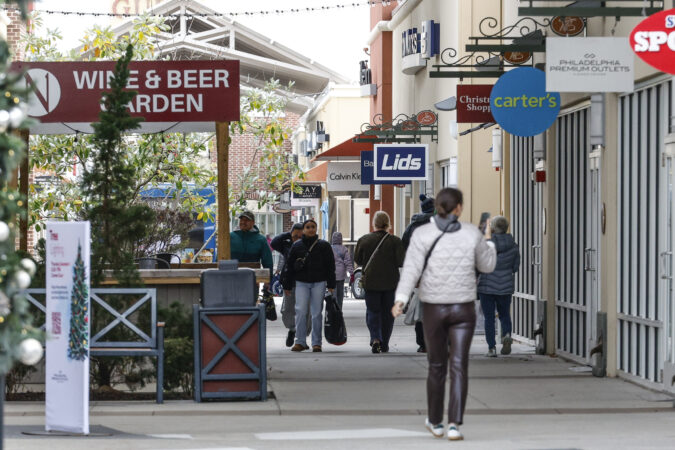
    Every Veterans Day, a dozen relatives venture to Limerick Township in Montgomery County, where they kick off their holiday shopping at the Philadelphia Premium Outlets.

    Even this year, as bitter winds whipped through the outdoor plaza, the family was undeterred.

    After a morning of shopping, the multigenerational group, which included two veterans, warmed up with their yearly food-court lunch, courtesy of matriarch Geri Nowell, 77, of Telford. Then, the men returned to the cars and dropped off dozens of shopping bags, which they’d been carting around in a wagon. The women walked on, hunting for their next find among the more than 130 shops.

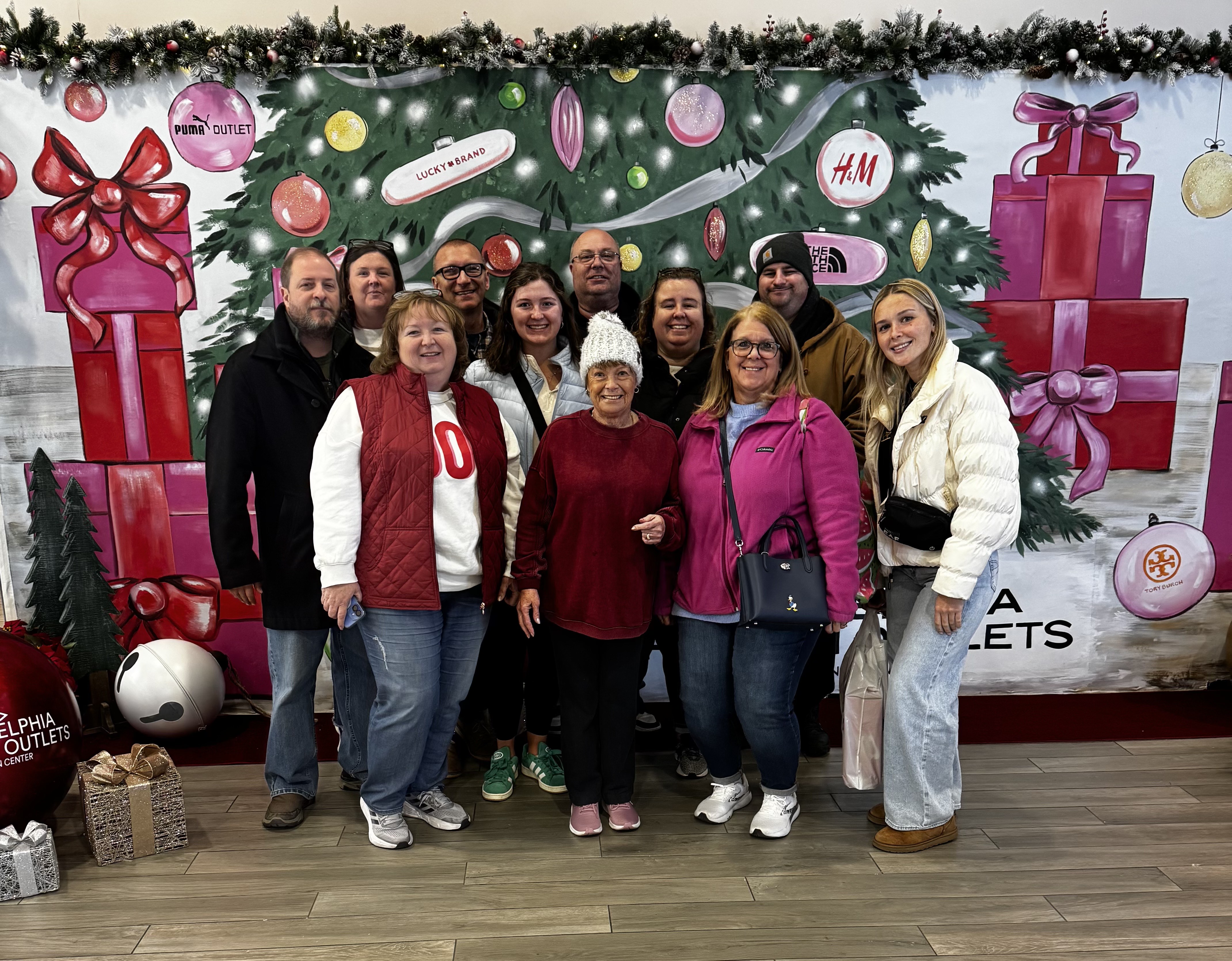
    The Nowell family poses in front of a holiday backdrop during their annual outing to the Philadelphia Premium Outlets.

    “It’s super fun,” said Ann Blaney, 47, of Drexel Hill.

    “We get great deals,” added Kim Woodman, 55, of Hatboro.

    The tradition is an experience they say can’t be replicated online. The fact that the complex is open-air and contained in a 550,000-square-foot plaza somehow adds to the fun, they said.

    As Kathy Nelson, 48, of Broomall, browsed the outlets with her friends, she said she also shops at the nearly 3 million-square-foot King of Prussia Mall, less than 20 miles away. But otherwise, she said, “there aren’t many indoor malls left” with the variety of stores she prefers.

    As some indoor malls have struggled and died, leaving fewer than 1,000 left nationwide, the outlets remain alive.

    Outlets have always accounted for a fraction of the in-person retail market, which is partly why there have been few headlines about dying outlet malls. But some of the country’s roughly 200 outlet malls seem to be downright thriving, with full parking lots on weekends, few vacant stores, and relatively strong revenue.

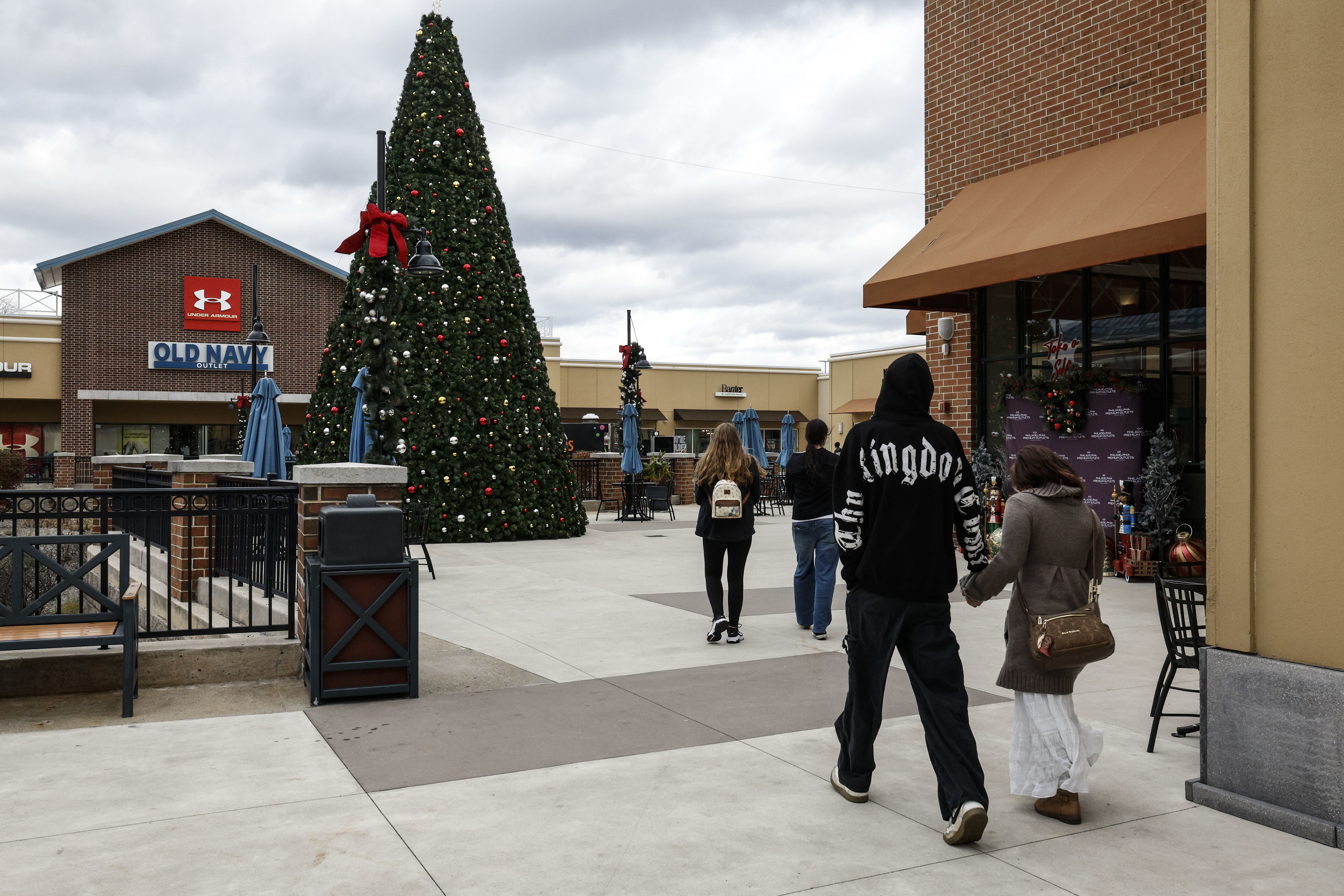
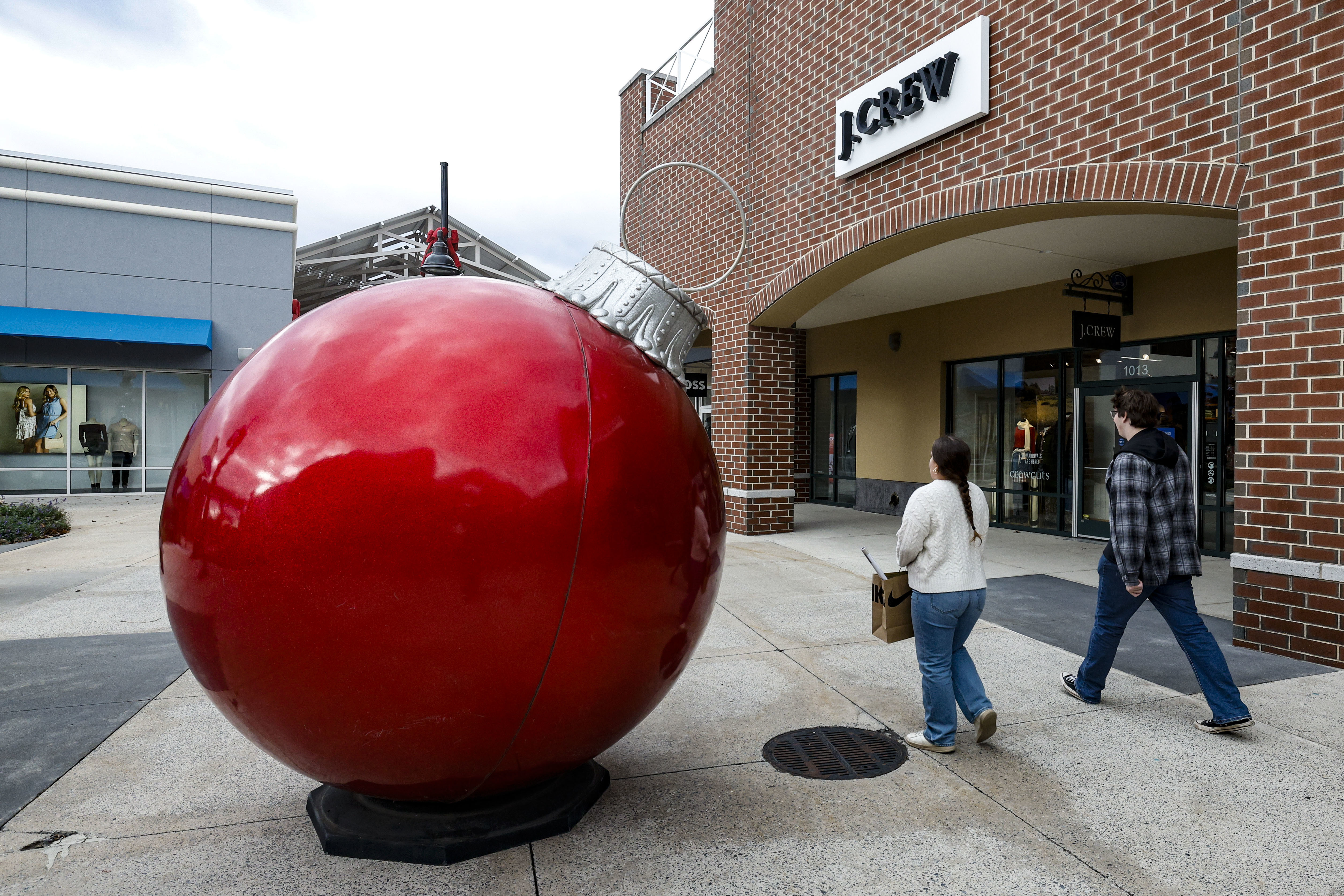
    Shoppers walk by the tree at the Philadelphia Premium Outlets on Nov. 11.

    The Philadelphia region’s two major outlet malls — the Philadelphia Premium Outlets in Limerick Township and the Gloucester Premium Outlets, both owned by Simon Property Group — are more than 92% occupied, according to a count by The Inquirer during visits to each location this month. Both outlets have found success despite being less than 20 miles from thriving indoor malls in King of Prussia and Cherry Hill.

    Tanger Outlets, which has locations in Atlantic City and Lancaster, recently reported more than 97% occupancy across its 39 open-air centers and an increase in average tenant sales per square foot.

    “Outlets do good in good times and great in bad times,” said Lisa Wagner, a longtime consultant for outlets, repeating a common refrain in the industry.

    The centers have evolved amid the broader push toward more experiential retail and most now have a mix of discount stores and full-price retailers. But they have done so while embracing their reputation as the go-to destination for snagging deals, said Wagner, a principal at the Outlet Resource Group.

    “Honestly no one knew what was going to happen after COVID, but [the outlets] came out incredibly strong,” she said. More recently, the retail industry has been rattled by tariffs and economic uncertainty. The outlets have not been immune to those challenges, but they have held strong despite them.

    “People want value right now,” Wagner said. “They need it.”

    The Philadelphia Premium Outlets has more than 130 stores in its 500,000-square-foot complex.

    Outlet malls become one-stop shops

    On a rainy, early November Sunday, hundreds of people descended on the Gloucester Premium Outlets.

    Shoppers pulled up hoods and huddled under umbrellas as they made their way from store to store. Many balanced several large bags bearing brand names like Columbia and Kate Spade, Rally House and Hey Dude shoes. Some munched on Auntie Anne’s pretzels or sipped Starbucks from holiday cups. An acoustic version of Jingle Bells played over the speakers.

    For some, the dreary, drizzly weather was even more reason to spend their afternoon at the 86-store complex in Blackwood, Camden County, about 15 miles outside Philadelphia.

    With two young children in tow, Jessica Bonsu, 30, of Sicklerville, was on a mission.

    “We came out to go to the indoor playground,” called Stay & Play, Bonsu said, pointing to her rambunctious kids. “Just to get some energy out.”

    “And then we can also get some shopping done,” added her cousin, Taneisha Laume, 30, who was visiting from D.C. She needed a gift for her uncle. “Kill two birds with one stone.”

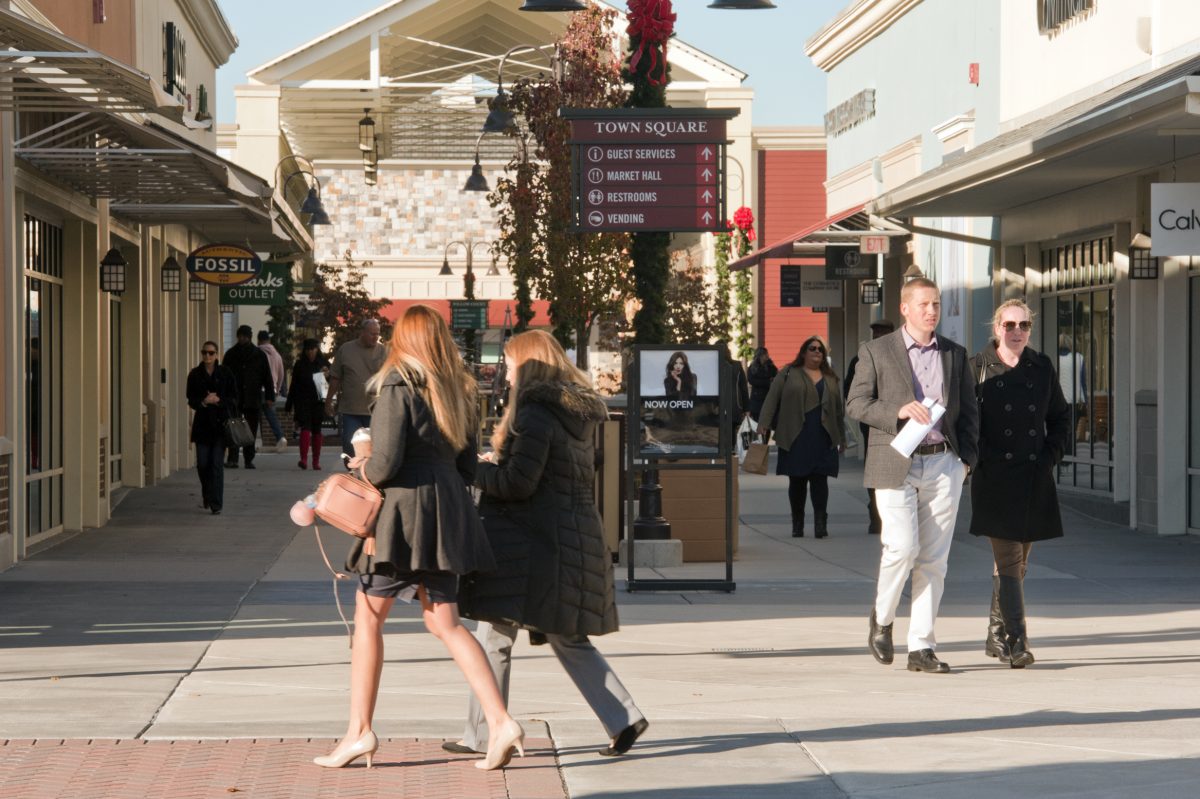
    Shoppers peruse the stores at the Gloucester Premium Outlets in this 2019 file photo.

    These kind of multipurpose visits are buoying outlet malls, which are increasingly becoming mixed-use destinations for dining, drinking, entertainment, and shopping.

    “You’re coming for a little bit of everything,” said Gerilyn Davis, director of marketing and business development at Philadelphia Premium Outlets.

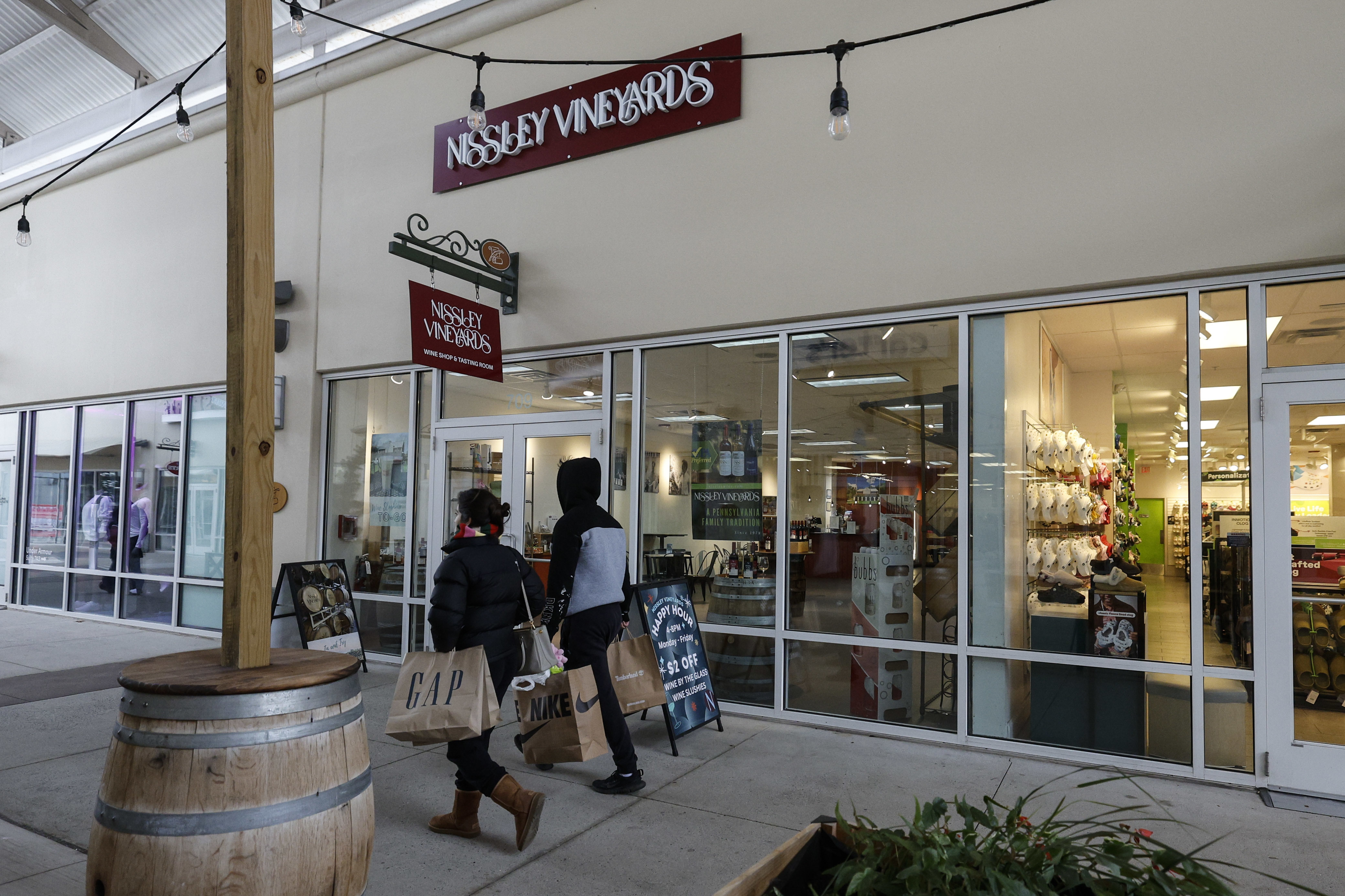
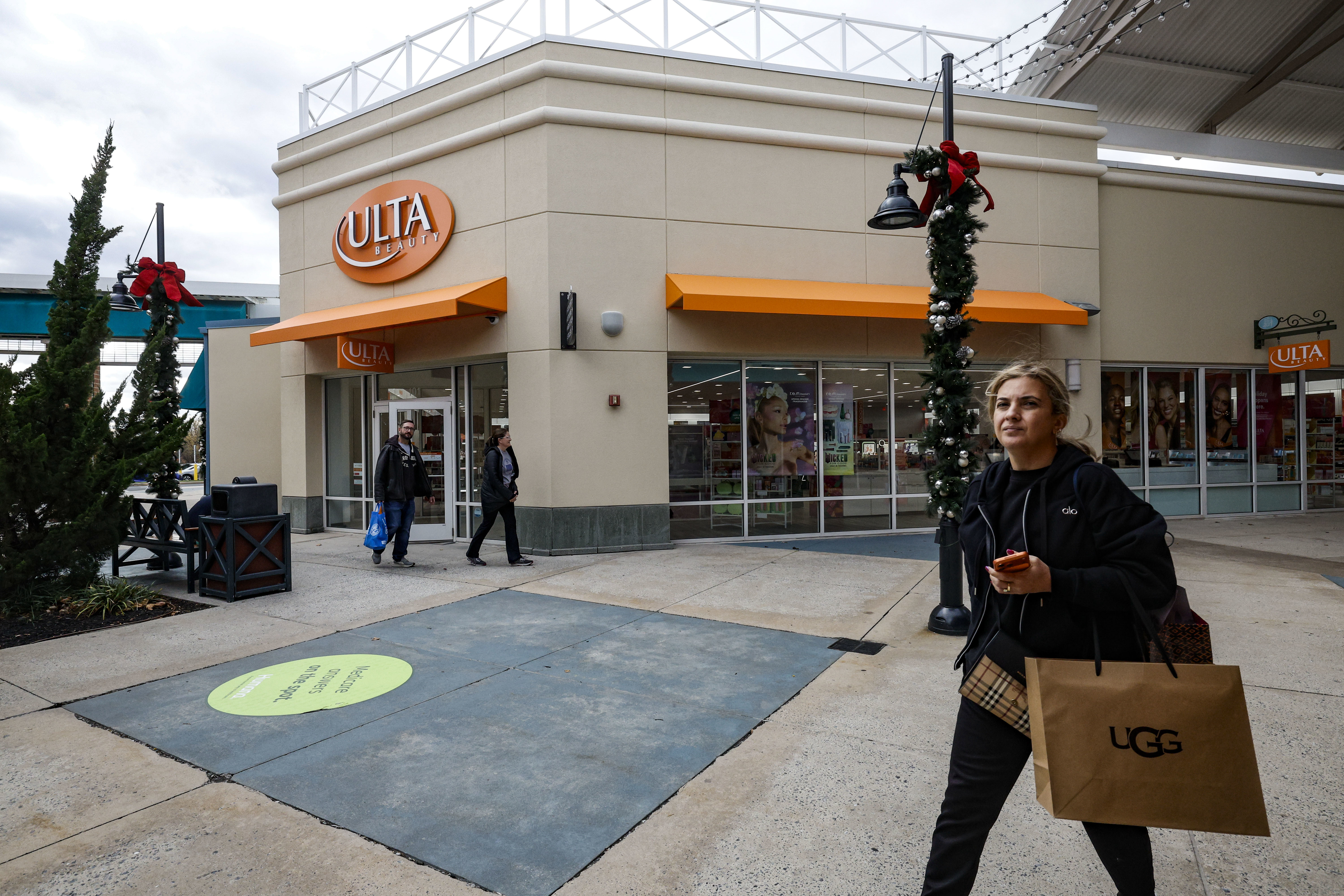
    The Limerick Township complex recently welcomed a slate of new tenants, including Marc Jacobs’ first Pennsylvania outlet store, a BOSS outlet, an Ulta Beauty, and an outpost of central Pennsylvania’s Nissley Vineyards, which has an outdoor seating area.

    Shoppers walk by the Nissley Vineyards store at the Philadelphia Premium Outlets.

    New Balance, whose shoes are trendy again, is also opening stores in both the Philadelphia and Gloucester outlets.

    Justin Stein, Tanger’s executive vice president of leasing, said the North-Carolina-based company is focused on adding more food, beverage, and entertainment options.

    While overall occupancy at its Atlantic City center is lower than others, the complex has a Dave & Buster’s and a Ruth’s Chris steakhouse. The Simpson, a Caribbean restaurant and bar, is also set to open there in early 2026.

    In Lancaster, Tanger is looking to add food and beverage options, Stein said. But that center is still performing well, with a 97% occupancy rate, according to an online map, and only two vacancies.

    When there are places to eat and drink at the outlets, “people stay longer,” Stein said, “and when they stay longer, they spend more.”

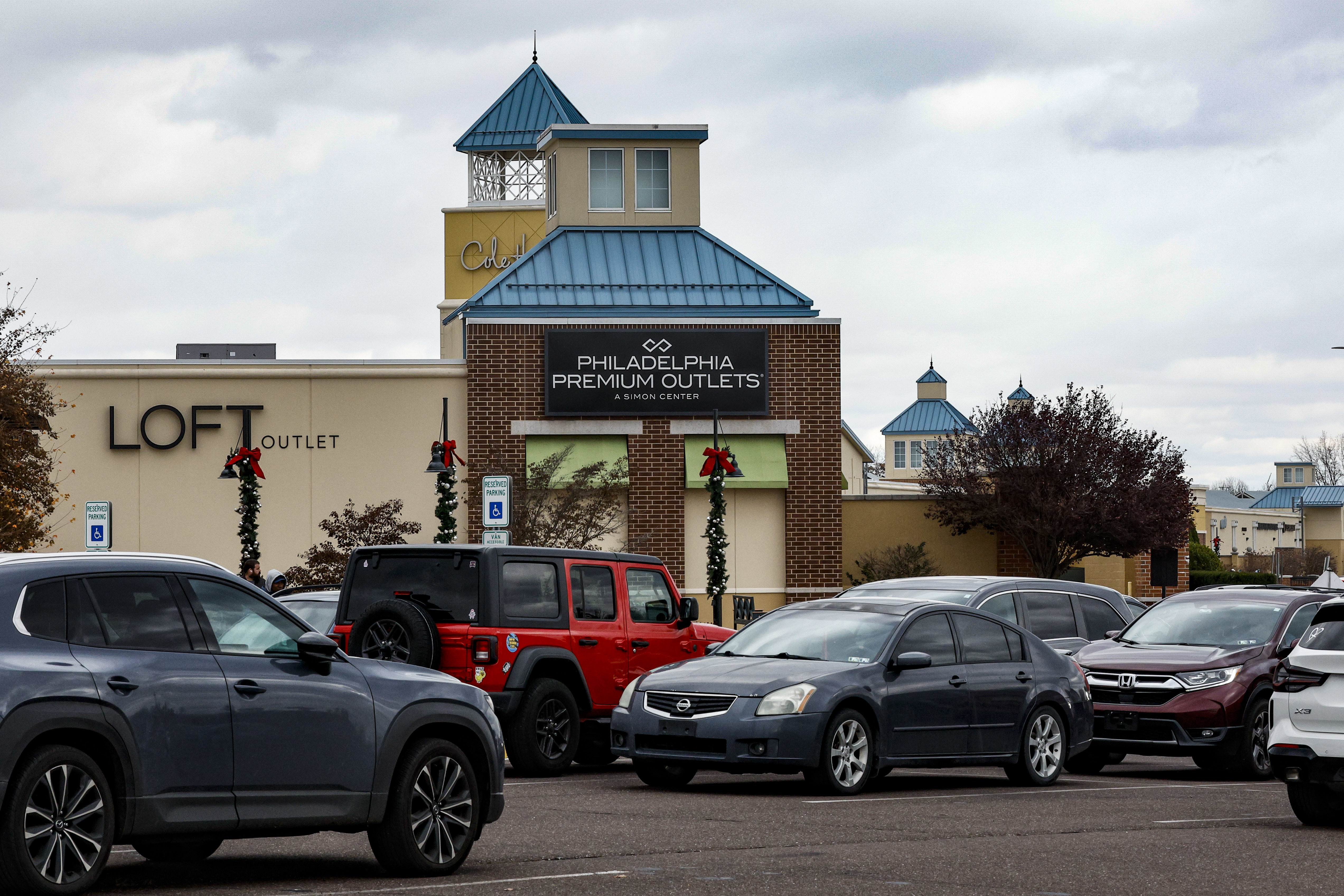
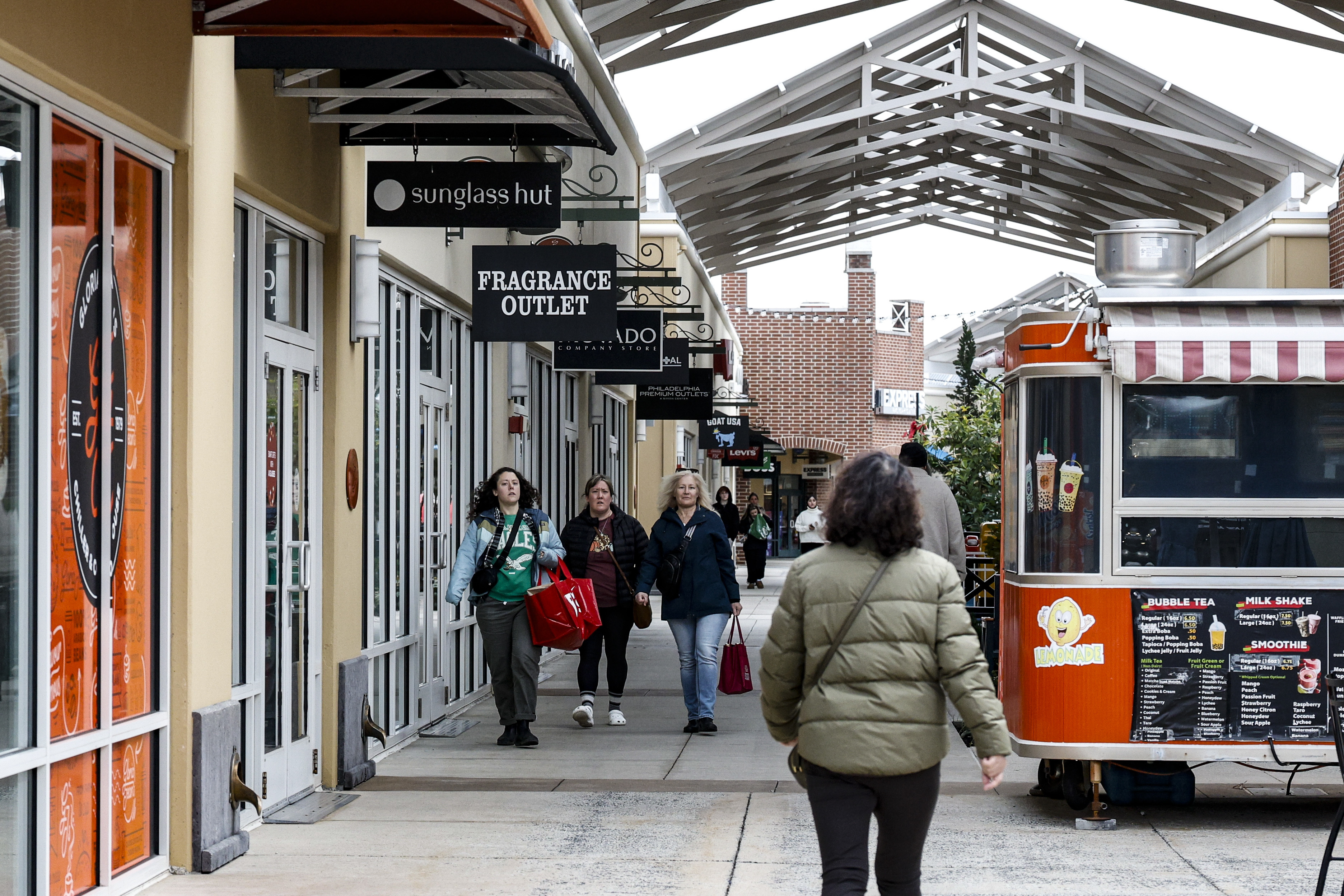
    Philadelphia Premium Outlets had a steady crowd on a bitter cold Veterans Day.

    From ‘no frills’ to outlets of the future

    Today’s outlet malls look vastly different from what Wagner calls the “no frills” complexes of the 1990s.

    At the time, an outlet mall served as “a release valve for excess goods,” Wagner said. “There were some stores that had really broken merchandise.”

    To comply with branding rules and avoid competition with department stores, outlet malls were often located along highways between two major metro areas, she said.

    “What became clear is that customers loved it,” Wagner said. Soon, brands started overproducing to supply these outlet stores with products in an array of a sizes and colors.

    This effort to bulk up outlet offerings was “a roaring success,” she said, with companies finding that more than a third of outlet customers went on to buy their products at full price at other locations.

    Philadelphia Premium Outlets, which opened in 2007, has very few vacant storefronts.

    As their popularity rose, more outlet malls were built across the country.

    The Atlantic City outlets, originally called The Walk, opened in 2003, followed by the Philadelphia Premium Outlets four years later. In 2015, the Gloucester Premium Outlets opened, with local officials calling the approximately 400,000-square-foot center the largest economic development project in township history.

    As the centers look to the future, their executives are continuing to hone their identity as “not just a discount-and-clearance center,” said Deanna Pascucci, director of marketing and business development at Gloucester Premium Outlets.

    Center leaders are bringing in food trucks, leaning into rewards programs, and promoting community events, such as Gloucester’s holiday tree lighting, which took place Saturday. Starting Black Friday, the Philadelphia Premium Outlets will offer Santa photos after a successful pilot program last year.

    And the complexes are finding new ways to attract and retain shoppers, online and in real life.

    Tanger recently announced an advertising partnership with Unrivaled Sports, which operates youth sports complexes, including the Ripken Baseball Experience in Aberdeen, Md., an hour drive from its Lancaster outlets. Stein said the company hopes to attract families looking to pass the time between tournament games.

    Tanger is also using AI and data analytics to email specific deals to customers based on where they’ve previously shopped, Stein said.

    “We want you to start your experience online and end it in the store,” Stein said.

    Shoppers walk by a new Ulta store at the Philadelphia Premium Outlets.

    At Simon outlets, customers can search a store’s inventory online before they make the trip, Davis said.

    “Online shopping at this point, it’s a complement,” Davis said. “It’s not viewed as competition.”

    Wagner, the outlet consultant, said she thinks even more centers will be built in the coming years, with a focus on urban and close-in suburban locations that are accessible by public transit.

    As for existing centers, she sees them thriving for the foreseeable future.

    “As long as outlets continue to emphasize a value message and use their loyalty programs to reward customers,” Wagner said, “I think they will hold their own.”

  • Philadelphia must imagine its next 250 years

    Philadelphia must imagine its next 250 years

    Thirty years ago next February, the world’s first high-profile competition between human and machine intelligence took place in Philadelphia.

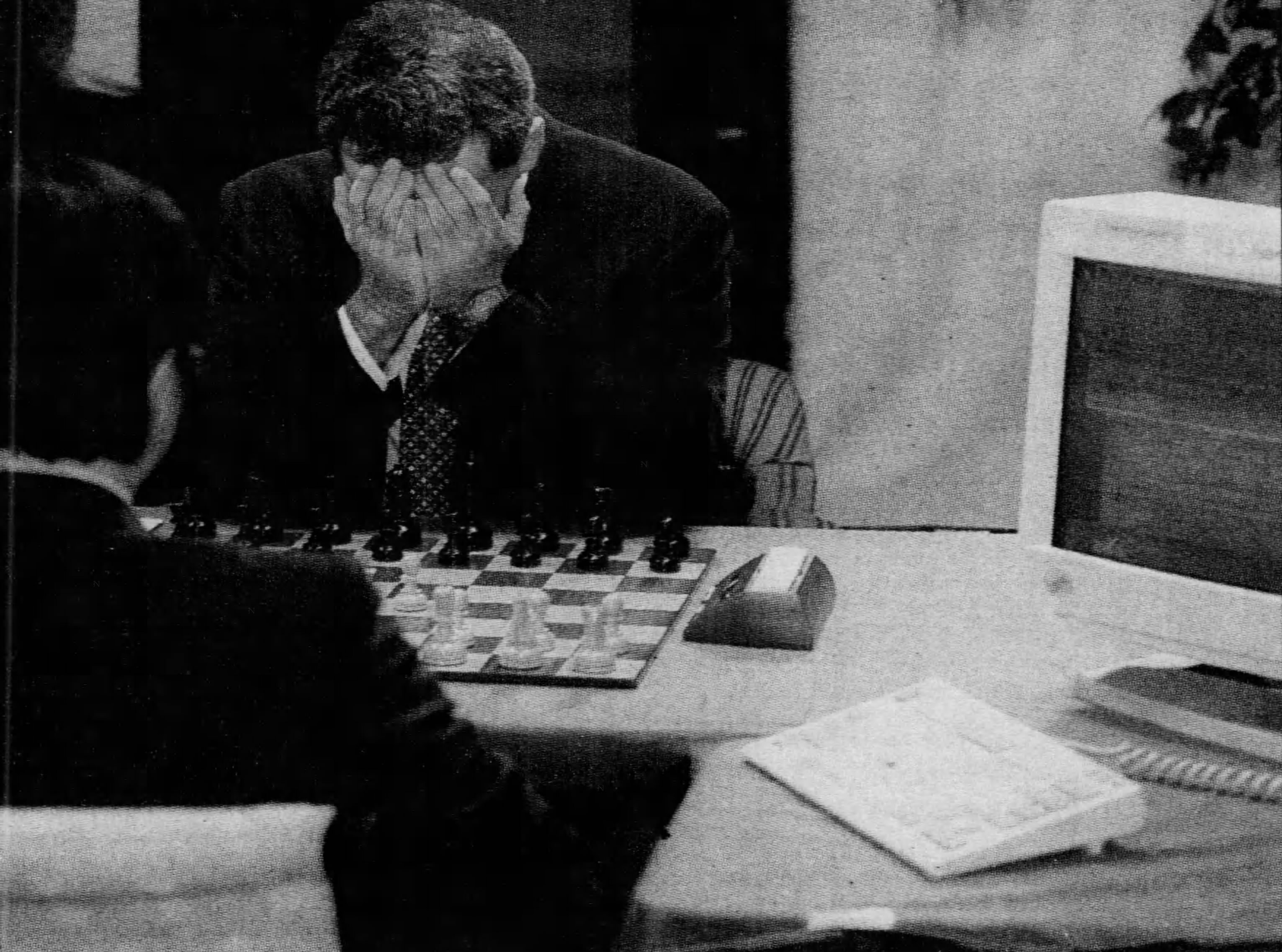
    IBM’s Deep Blue supercomputer faced world chess champion Garry Kasparov at the still-new Pennsylvania Convention Center. It was timed with the 50th anniversary of the unveiling at the University of Pennsylvania of ENIAC, the world’s first supercomputer, and a reminder that Philadelphia once led the world into the computer age.

    Russian chess grandmaster Garry Kasparov, hunched over a chessboard and holding his furrowed brow in his hands, competes against the supercomputer Deep Blue in February 1996.

    Back then, artificial intelligence felt distant. Today, it feels existential.

    As we prepare to host the nation’s 250th anniversary in 2026, I’ve been asking: In a city so rich in history, are we still interested in the future?

    How it started

    This spark began in 2023, during a reporting project on economic mobility called Thriving that Technical.ly — the news organization I founded and lead — published with support from the William Penn Foundation, the Pew Charitable Trusts, and the Knight Foundation. Our newsroom followed 10 Philadelphians for a year to produce an award-winning audio-documentary and hosted a dozen focus groups across the city.

    One Brewerytown resident said something that inspired a previous op-ed I wrote for this paper: “Leaders here talk a lot about hundreds of years in the past, but nobody is looking very far in the future.”

    Across this region — in boardrooms, nonprofits, universities, and regional corporate offices — too many leaders manage the wealth and institutions created by past entrepreneurs, but too rarely invent anything new. We fight over what exists instead of building what’s next.

    The Semiquincentennial is our chance to prove we can balance our past, present, and future.

    Why this matters now

    My career has been spent listening to and challenging the inventors, entrepreneurs, and civic leaders shaping tomorrow’s economy. They act while others analyze.

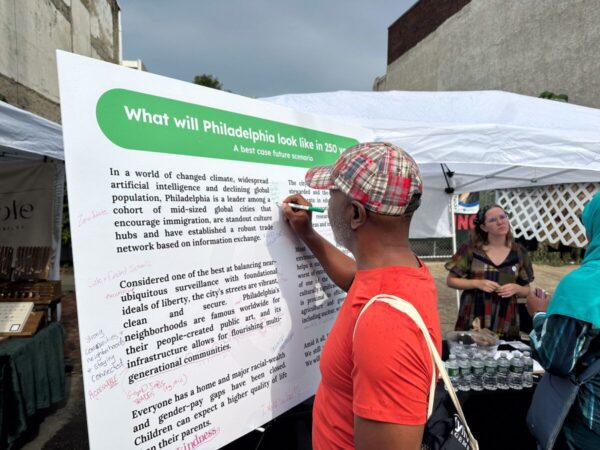
    In that spirit, we spent two years developing a vision for Philadelphia 250 years in the future. Nearly 1,000 Philadelphians have shared ideas at festivals, community events, and small-group gatherings. The current draft, open for one final round of feedback at Ph.ly, isn’t a plan but an invitation — a shared view of what we wish for our descendants in 2276.

    The coming decades could bring population decline, climate strain, and sweeping technological change. Yet, many local leaders still struggle to plan even years ahead.

    During a recent private discussion I moderated inside one of our city’s impressively preserved old buildings, a longtime civic leader cited Philadelphia’s poor economic mobility ranking. I reminded him that the same research, with the same warning, was released a decade ago. Why didn’t we plan to make changes then?

    He assured me this time would be different.

    Philadelphia’s past points forward

    Philadelphia’s breakthroughs have nearly always come from outsiders who pushed past local gatekeepers.

    Stephen Girard, a French immigrant dismissed by elites, built a shipping and banking fortune, stabilized the nation’s finances, and endowed Girard College.

    The Drexel family’s daring banking experiments helped fuel the Industrial Revolution before founding the school for engineers.

    Albert Barnes saw beauty where Philadelphia’s art establishment did not.

    ENIAC’s inventors, John Mauchly and Presper Eckert, were a little-known physics professor and a 24-year-old grad student whose entrepreneurial efforts were blocked locally, presaging Silicon Valley.

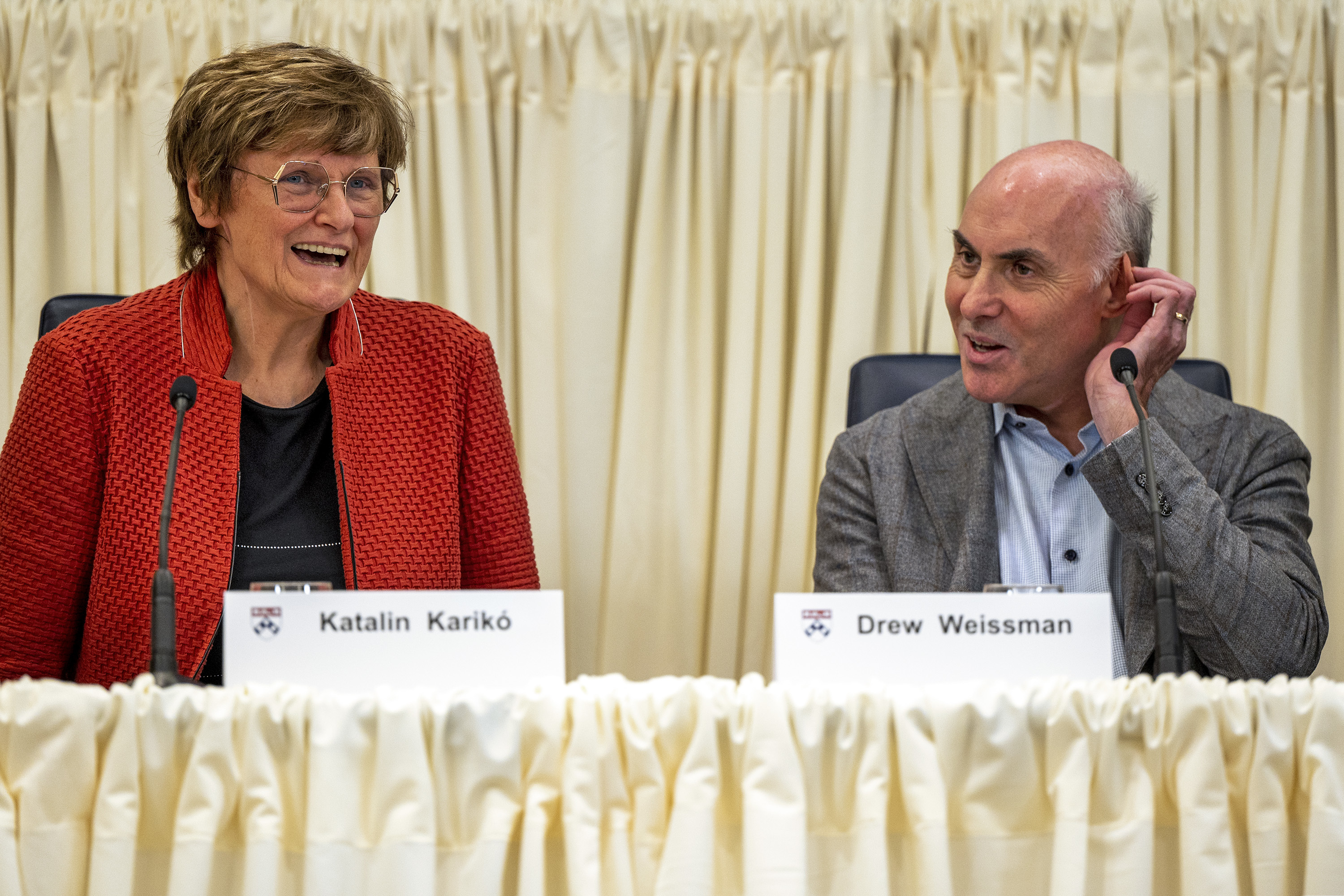
    Katalin Karikó and Drew Weissman attend a news conference at the University of Pennsylvania in October 2023, after they were named winners of the 2023 Nobel Prize in physiology or medicine for their work on messenger RNA, a key component of COVID-19 vaccines.

    Most recently and famously, Nobel laureate Katalin Karikó’s mRNA research that led to the rapid-fast, lifesaving COVID-19 vaccine response was commercialized in Boston, not here.

    The pattern is clear: Visionaries choose to live in Philadelphia, yet often get ignored, if not outright blocked, by local institutions. That’s no way to secure the next 250 years.

    There are signals of change.

    I take inspiration from bold efforts to build, including the Delaware waterfront and the cap of I-95. In the 2010s, Philadelphia’s technology sector earned initial, if timid, attention from successive mayoral administrations and civic leadership — and a half dozen tech unicorns were born.

    That tech community helped inform this multiyear vision statement project, which received $75,000 from a funders collaborative activating Semiquincentennial efforts, including the William Penn and Connelly Foundations. The city’s 2026 planning director, Michael Newmius, has been supportive, urging us to listen to residents and avoid undue filtering.

    Over two years, we’ve tabled at community events, hosted discussions, and led working sessions. The result isn’t mealymouthed or filtered by incumbency; it has grit and humanity — like Philadelphia itself.

    You can read the draft vision at Ph.ly and in the article box in this op-ed. We’re collecting one final round of feedback this fall, and we’ll incorporate what we can. We’re accepting feedback until Dec. 1.

    From conversation to commitment

    Our goal is to enshrine the final version of this statement on a physical plaque at a prominent location in the city. We’ll also host a digital version online, paired with voices from residents across the region.

    This vision doesn’t prescribe policy, nor make fallible predictions; instead, it offers a shared aspiration, a framework that future leaders can measure their plans against.

    In its early drafts, the statement imagined a green-energy Philadelphia with climate-adaptive agriculture, abundant public art, thriving multigenerational neighborhoods, and a culture that “exports ideas and imports opportunity.”

    Over subsequent versions, the specifics were removed to reflect the long time horizon, but the spirit remains: Philadelphia must keep people — not technology, not incumbency — at the center of our future.

    The Semiquincentennial should celebrate our history — I personally cherish it. I was a historic Old City tour guide for a year, and my daily bicycle commute to the Technical.ly newsroom past Independence Hall reminds me what endurance looks like.

    But if we only admire our past, we’ve missed its key lesson. Philadelphia is strongest when we pair cobblestones with invention’s spark.

    Read the vision at Ph.ly. Critique it, add to it, make it better. May it inspire Philadelphians for generations to keep building, not just preserving.

    The Kasparov-Deep Blue rivalry is remembered as the moment a machine beat a human genius. But that was the rematch. The first contest — the one held here in Philadelphia — ended with the human winning. Let’s make sure that’s still true for our city.

    Christopher Wink is the publisher and cofounder of the news organization Technical.ly.

  • Our food writers answer your questions about the best restaurants in Philadelphia

    Our food writers answer your questions about the best restaurants in Philadelphia

    Every year, we come out with The 76 – a list of the most vital restaurants in the Philadelphia region.

    It’s our goal to create a snapshot of what the dining scene looks like year after year. To do that, we sent 17 scouts out across the city to try hundreds of restaurants, and came up with a list that we think represents Philly in 2025.

    Of course, that means a lot of great places didn’t make the list, and there is no shortage of dissent about our final picks.

    You’ve heard what we think. Now we want to hear from you. On Friday, November 21, our food team will be in the comment section below, answering all of your questions about how we made the 76, what we think about the final list, and what we hope to change for next year. Ask away, and we’ll give our honest opinion.

  • Gio Reyna and Folarin Balogun lead the USMNT to a win over Paraguay at Subaru Park

    Gio Reyna and Folarin Balogun lead the USMNT to a win over Paraguay at Subaru Park

    After waiting six years to see the U.S. men’s soccer team in town again, Philadelphia soccer fans got their money’s worth on Saturday.

    Gio Reyna scored in the fourth minute and assisted Folarin Balogun’s winner in the 71st to give the Americans a 2-1 win over Paraguay, extending their unbeaten run this fall to four games.

    Reyna was the man of the hour from the moment the lineups came out. This was his first U.S. game since the Concacaf Nations League final four in March and his first start since last year’s Copa América group stage finale. It also was just his fifth start of the calendar year in any game for club or country because of injuries and bad form.

    Reyna leapt to meet Max Arfsten’s cross after a corner kick got broken up. The 23-year-old attacking midfielder with so much unfulfilled talent ran to the corner flag, pointing to the U.S. crest on his jersey along the way, and his teammates joined him for a big group hug next to the TV cameras.

    Paraguay equalized just over five minutes later with a lightning-fast and impressive play. Junior Alonso hit a long ball down the left flank for Miguel Almirón — after Reyna waited too long to press — and the Atlanta United star hit an inch-perfect first-time cross. Alex Arce was right on time, and slammed the finish past a frozen Matt Freese.

    Almirón might have been an inch offside when the pass was played, but he otherwise left Joe Scally in the dust — in Scally’s first U.S. game since the Nations League flop. Arce then easily beat Miles Robinson, who has been a regular under manager Mauricio Pochettino but isn’t a surefire starter.

    The Paraguay fans in the bipartisan crowd of 17,221, many of whom arrived early to tailgate, were thrilled.

    After that, the game settled down for a while, and fans could observe how the U.S. was trying to play.

    Pochettino set out a lineup that looked on paper like the 3-4-2-1 he’s used lately, but it had some wrinkles. Arfsten, who played left wingback, sat a bit deeper than usual, while right wingback Sergiño Dest pushed up so high that it often looked like he was an attacking midfielder.

    The result looked at times like a 4-2-3-1, with Scally as the right back, Medford’s Brenden Aaronson in a central attacking midfield role, Dest to Aaronson’s right, and Reyna to the left — though Aaronson and Reyna had the freedom to switch places.

    Folarin Balogun led the line up top, Cristian Roldan and Tanner Tessmann were the central midfielders, and Tim Ream and Robinson stood at centerback.

    It was a fluid setup all in all, and it produced some entertaining soccer.

    Brenden Aaronson (right) runs past Paraguay’s Damian Bobadilla to chase a loose ball.

    The starting lineup stayed intact until the 67th minute and was just as lively as the first half. Aaronson was on the ball a lot, and Dest ripped a shot from atop the 18-yard box that Paraguay goalkeeper Orlando Gill tipped over his bar.

    That shot was Dest’s last action, as he and Scally departed for Diego Luna and Alex Freeman. The swaps shifted the U.S. formation to a traditional 4-2-3-1, with Freeman at right back and Luna, Reyna, and Aaronson in the attacking midfield roles from left to right.

    Balogun struck for the lead in the 71st, after first intercepting a loose pass forced by Juan Cacéres. Roldan and Luna forced it with some hustle, and when Balogun got the ball he held it up to spring Reyna down the left flank. Reyna returned the favor with a square pass that was deflected but fell right for Balogun to finish.

    Four minutes later, Pochettino sent in three more subs: Ricardo Pepi for Balogun at striker, Timothy Tillman for Reyna in attacking midfield, and Aidan Morris for Roldan in the center.

    Freese made his big save for the night in the 78th, denying a long-range blast from Almirón.

    After the ensuing corner kick, the U.S. went down the field, and Pepi should have made it 3-1 in front of an open net. But he was off-balance receiving it, and by the time he turned to his favored right foot, Paraguay’s Gustavo Gómez had raced to the goal line to block the shot.

    The last U.S. sub was Sebastian Berhalter for Aaronson in the 80th, and the hometown hero got a big ovation from the crowd on his way out.

    Sergiño Dest (center) jumps over a diving Paraguay goalkeeper Orlando Gill on a U.S. scoring attempt during the second half

    Things got dicey from there for the U.S., including a deflection off Arfsten right on 90 minutes that rolled inches wide of Freese’s far post.

    Just over a minute later, a brawl erupted by the benches after Gómez and Freeman briefly argued over who would claim a dead ball on the field. Gómez put Freeman in a headlock, which sparked a melee that ensnared both teams’ active players and benches, coaches included. It was a sight rarely seen in soccer, but especially in a friendly without official stakes.

    Referee Cristhofer Corado of Guatemala dished out a few yellow cards, and would have been well within his rights to end the game there instead of waiting out the announced four minutes of stoppage time. But play did resume, and the clock ran to 96 minutes when the final whistle came.

    The U.S. now heads south to play another South American foe, Uruguay, in Tampa, Fla., on Tuesday (7 p.m., TNT, Universo).

    Our photographer’s view of Paraguay’s Gustavo Gómez getting Alex Freeman in a headlock, which led to the brawl at the end of the game.
  • How to have a Perfect Philly day, according to Pulitzer-winning writer Quiara Alegría Hudes

    How to have a Perfect Philly day, according to Pulitzer-winning writer Quiara Alegría Hudes

    Quiara Alegría Hudes grew up on the little street of South Saint Bernard near West Philly’s Baltimore Avenue, but her family spanned the city and its borders. As a child, she shuttled between her home and her mother’s extended Puerto Rican family in North Philly, while regularly visiting her father’s white, Jewish family on the Main Line.

    Her writing is often rooted in Philly, though it spans borders and mediums, too. She cowrote the Tony-award winning musical In The Heights with Lin-Manuel Miranda, and won a Pulitzer in 2012 for her play Water by the Spoonful. Her 2021 memoir, My Broken Language, told the story of growing up in West Philadelphia and being the first in her family to attend college, at Yale.

    Now Hudes, 48, is experimenting once again with a new form: her debut novel, The White Hot, is out this month. It’s a fever dream fantasy about a young mother from North Philadelphia escaping her predetermined life — and her child — in order to reckon with the “white hot” rage that sometimes consumes her and the women in her family. It’s a gem of a book, poetic and propulsive at the same time.

    “Was my leaving a seed that might bear fruit?” April, the main character, wonders. “The possibility cracked open like a slitted envelope, that fleeing the stovetop and laundry machine could big-bang a new universe.”

    Here’s how Hudes, who now lives in New York City, would spend a perfect Philly day.

    Quiara Alegrí­a Hudes (center) with her cousin and daughter at the top of the Art Museum steps on Christmas morning. The family started the tradition in 2020.

    7 a.m.

    It starts on Christmas morning. Our across-the-street neighbors, Tracy and Charlie, bring over their pound cake.

    The main event of the morning is that we head over to the Art Museum steps. The city’s empty, you can double-park on the street.

    We climb up to the top of the steps in our pajamas and just hang. It’s magical and sleepy. The city has that wintery, cold air, blue-silver look to it. You’re looking through your crystallized breath.

    9 a.m.

    We walk through Center City to Sam’s Morning Glory Diner. (We’re definitely doing some time travel: Now it’s a more temperate fall day.)

    Of course, this is all on foot because, no shade, in my experience SEPTA just doesn’t come. This is how I became a reader as a kid, because I had to do something while waiting for SEPTA.

    At Morning Glory, they make their own ketchup. This is of utmost importance. Also, their biscuits are the best biscuits I’ve ever had, but even that pales in comparison to the homemade ketchup.

    It’s never fancy with me — just give me two scrambled eggs and home fries, and some rye toast.

    10:30 a.m.

    We go on a Black history tour of Philly, with tour guide Mijuel K. Johnson of the Black Journey. He’s wonderful.

    Even as a middle schooler, walking over the old cobblestone bricks of Old City, there was that sensation that 20 feet below, history is literally buried. It’s nice getting new layers of the historical story.

    Some walking tours can be: fact, fact, fact, and my eyes gloss over. But Mijuel is not just rattling off facts, he’s really contextualizing stories.

    1 p.m.

    After all that walking, you want to sit down. The best bet is to go over to the Landmark Ritz Five and see what’s playing. Just go to the next show and enjoy it.

    4 p.m.

    We head south, and stop at Garland of Letters on South Street. It’s the O.G. New Age bookstore.

    They’re always burning some great-smelling incense, they always have a huge amethyst geode that costs $5,000. They have a fountain with water trickling. It’s just peaceful — let the vibes center you.

    4:30 p.m.

    I go to Fante’s Kitchen Shop, a kitchen supply store. It’s the splurgy place. They’ve got copper pots and knives and kettles that looks so fancy. I’ll look for whatever I can afford.

    Then we swing around the corner to John’s Water Ice. I always have the same conversation with them: I say, “Once upon a time I had a flavor called Tutti Frutti here,” and they say “No, such a flavor never existed.” I describe it, and they’re like, “Well, would you like a mixed cherry and pineapple?” And then I have it, and it’s amazing.

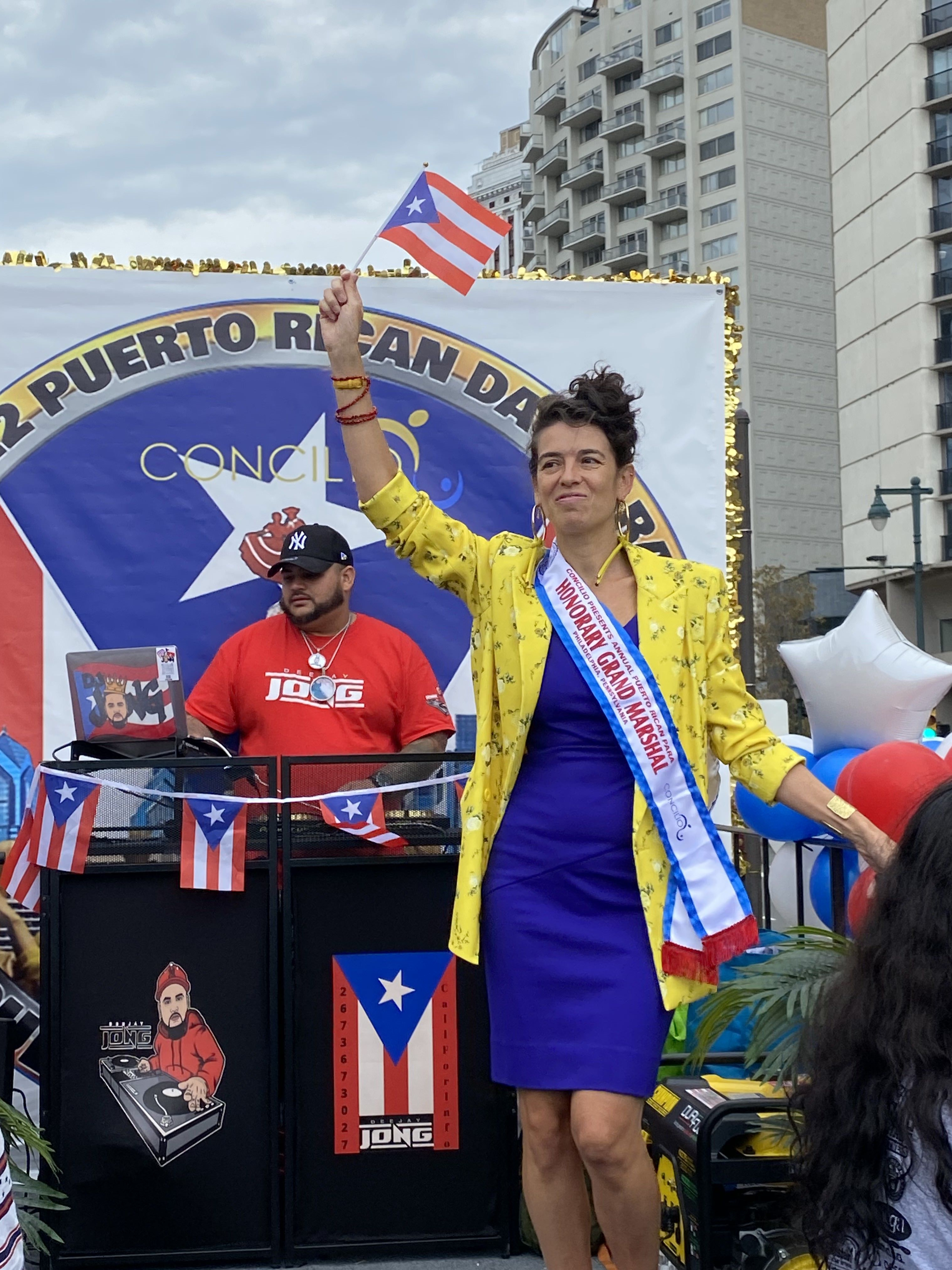
    Quiara Alegrí­a Hudes marshaling the Puerto Rican parade in New York City in 2022.

    6:30 p.m.

    For dinner we go to Marrakesh. We’re walking, we have not taken a taxi. If the bus has gone by, we popped on it, but we don’t wait for it.

    This is either with an old friend who you need to spend hours catching up with, or date night. It’s all covered in blankets, and it’s candle-lit. It’s very romantic and magical in there. You’re leaning against pillows, you might be sitting on the floor.

    They have a set menu, it’s Moroccan food. The dish I remember most is the B’Stella: it’s kind of like scrambled eggs and very finely diced chicken inside a flaky pastry that’s got sugar on top, so it’s sweet and salty.

    You just gab the night away as they bring you food.

    9 p.m.

    For our next stop, we are going to rely on the bus. It’s just too far to walk at this point.

    We go to Taller Puertorriqueño, the Puerto Rican culture workshop in North Philly. They have literary and musical events there. Maybe they have a Nuyorican author in town, or a Philly-Rican poet reading their work.

    They also have an in-house bookstore called Julia de Burgos Bookstore. It’s fantastic: they have English books, Spanish books, and local artworks and jewelry.

    11 p.m.

    It’s way past my bedtime. I catch an Uber, or drive home.

  • Porch pirates: 1, Philly: 0 | Weekly Report Card

    Porch pirates: 1, Philly: 0 | Weekly Report Card

    Philly’s porch pirate problem — D-

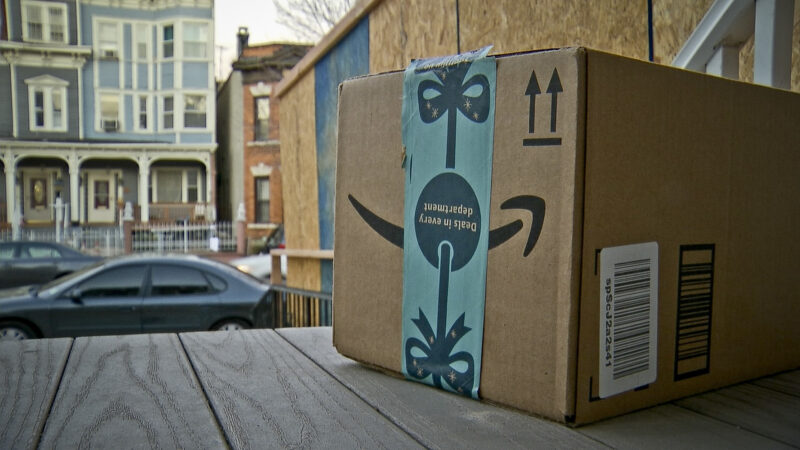
    Philly now has the second-highest package-theft rate in the country, reported the Citizen. According to a USPS Inspector General report, we lost $450 million in deliveries last year, which is a staggering amount of missing moisturizer, dog treats, and whatever-impulse-purchase-you-didn’t-need-anyway.

    The stories are peak Philly: Thieves in fake Amazon vests dragging trash cans down Northern Liberties like a pack of Grinches, neighbors negotiating with porch pirates over stolen head-and-neck massagers, and whole blocks swapping Ring footage like they’re running a CSI unit. And still, hardly anyone reports it — because calling 911 over a missing package feels unhinged, and most people assume nothing will happen.

    Police say they can’t crack down because no one files reports. Prosecutors won’t release data. Delivery companies quietly eat the losses to keep customers from rioting. And the state’s shiny new anti-porch piracy law can’t do much when the entire system for tracking thefts amounts to a collective shrug.

    For now, the only real accountability is getting roasted on someone’s community Facebook group.

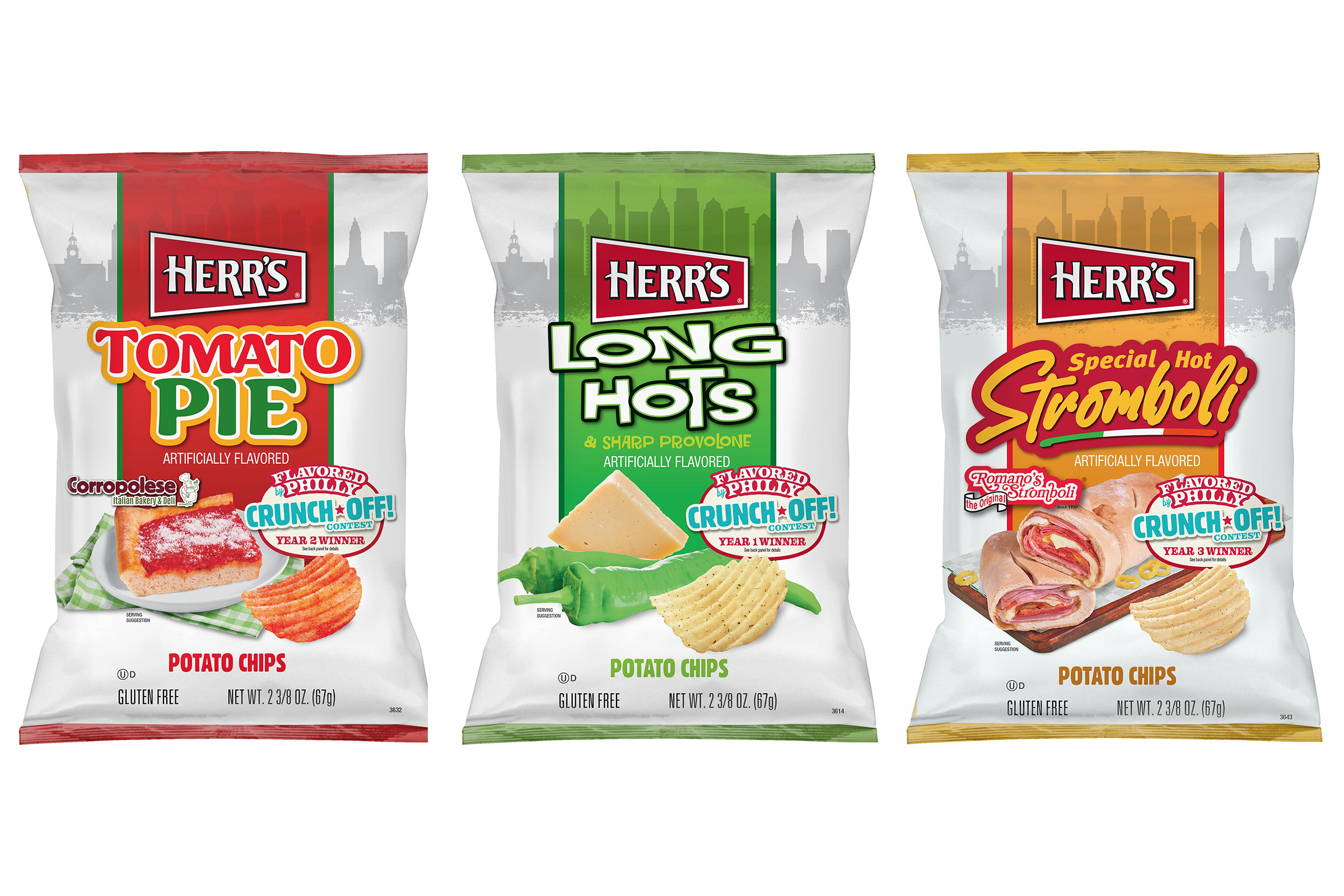
    Herr’s previous campaign had customers voting on these three chip options.

    Herr’s 250th chip contest — B

    Herr’s is celebrating America’s 250th birthday the only way Philly knows how: by asking us to vote on which potato chip flavors best represent freedom, liberty, and unity. Because nothing says “Founding Fathers” like determining whether hot honey BBQ counts as a constitutional value.

    The official lineup?

    • Freedom: Hot Honey BBQ, Spicy Cajun Kettle Cooked, Smoky Pepper Jack
    • Liberty: Creamy Ranch & Herb, Cheesy Crab Dip, Carolina Reaper
    • Unity: Sweet Onion & Cheddar, Loaded Baked Potato, Chesapeake Bay Spice

    Solid choices, sure. But if you asked Philly what those ideas actually taste like in 2025, it definitely wouldn’t be “cheesy crab dip.” It’d be stuff like:

    • Freedom: Tastes like finding a parking spot on the first try, crossing the Walt Whitman without traffic, or walking out of Wawa and realizing your hoagie was marked as a Shorti but they accidentally made you a Classic.
    • Liberty: Tastes like SEPTA showing up early and empty, getting a roofer to text you back the same day, or a neighbor finally taking the parking cone inside because the snow melted… three weeks ago.
    • Unity: Tastes like a whole block yelling “Go Birds!” at the same stranger, the collective rage of everyone on I-76 when a phantom jam clears, or 20 people on your street stepping outside at once because they all heard the same weird bang.

    Voting runs through Dec. 10, and whatever wins hits shelves in June for the city’s 250th birthday party. Silly? Extremely. But honestly, if Philly wants to turn civic values into snack-seasoning discourse, that feels about right.

    McCormick recruiting New Yorkers — C

    Sen. Dave McCormick put out the world’s most Pennsylvania campaign commercial this week, inviting New Yorkers terrified of their new mayor — and “tired of losing football teams” — to pack up and head west on I-80. And look, we get the appeal. New York is expensive, the Giants and Jets are tragic, and Pennsylvania can brag about producing at least one functioning football franchise at any given time.

    But if he’s talking about Philly? Dave… babe… have you seen this place lately? We’re full. Try finding a parking spot in Fishtown after 6 p.m. Or a house in the suburbs that doesn’t get 12 offers in 24 hours. Even our potholes are standing shoulder-to-shoulder. Also, telling New Yorkers to “come on down” because Pennsylvania has mountains and freedom is a bold pitch when most of them can’t even merge onto the Schuylkill without bursting into tears.

    So if folks really want to take him up on this offer, maybe start by checking out Pittsburgh. Lovely city. Plenty of room. Great bridges.

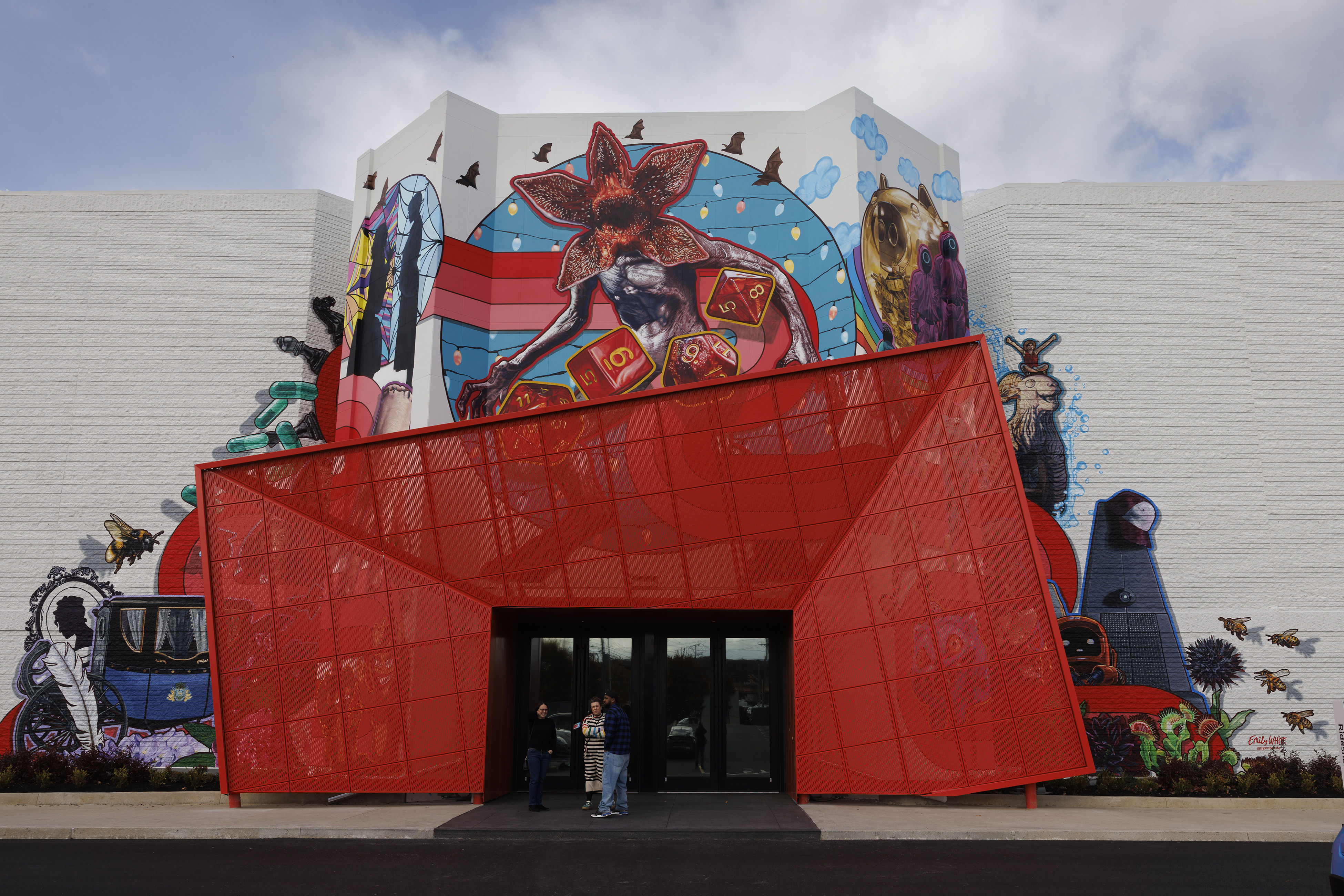
    Exterior entrance to Netflix House, King of Prussia Mall, Tuesday, November 11, 2025.

    Netflix House — B-

    Netflix House finally opened in King of Prussia — because nothing says “immersive fantasy world” like the mall you swore you’d never drive to again. And look, the place is legitimately impressive: Squid Game VR that feels a little too real, a Wednesday carnival, a One Piece escape-room adventure, and photo ops for days.

    But here’s the plot twist: the price. Doing all four experiences at the cheapest rate runs $118 a person before taxes. That’s nearly $500 for a family of four. For that kind of money, the golden piggy bank in Squid Game better not be just a prop.

    Credit where it’s due: the VR slaps, the staff is Disney-level committed, and superfans will eat it up. But between the Schuylkill, the prices, and the mall chaos, Netflix House might be best for people who already love the shows.

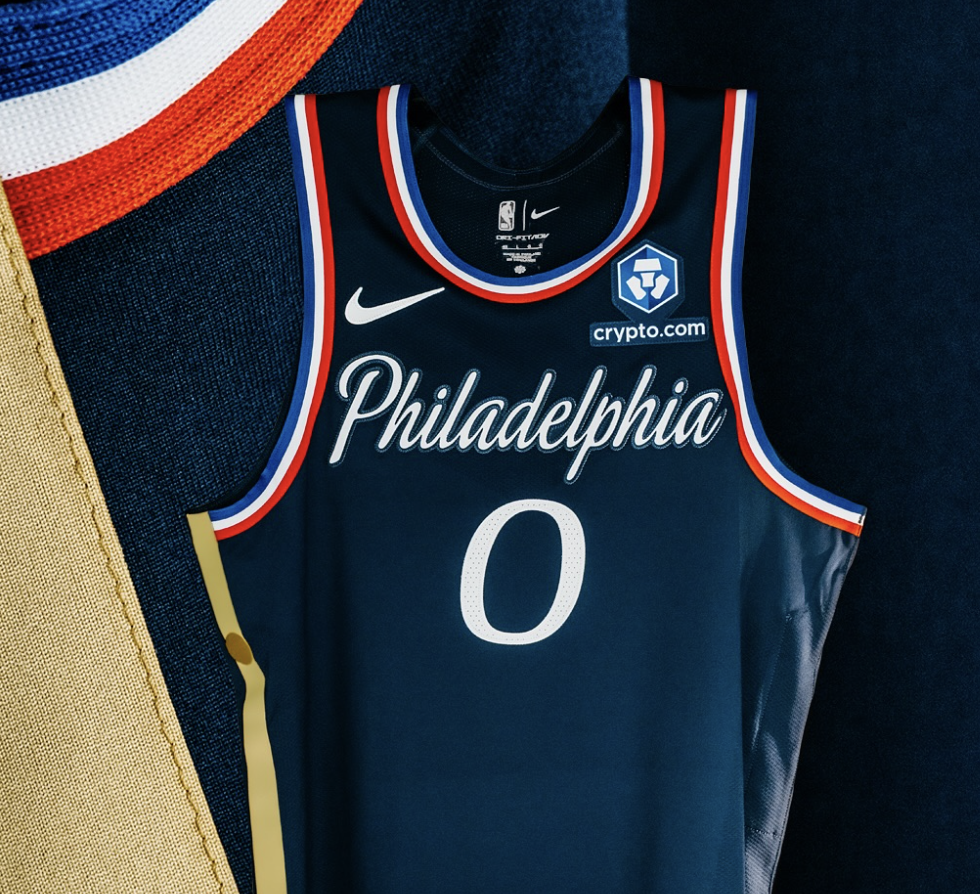
    The Sixers released their city edition jerseys.

    Sixers City Edition jerseys — C-

    The Sixers’ new City Edition jerseys dropped, and the reaction across Philly has been one collective shrug. Navy blue, gold stripe down the side shaped like the Liberty Bell crack, “Philadelphia” in script — all perfectly fine if your goal is to make something no one could possibly argue about. Which, ironically, is the most un-Philadelphia idea imaginable.

    Let’s be honest: This jersey didn’t stand a chance. Not in the year of the AI throwbacks — those black 2001 uniforms walked into the room and immediately made everything else look like background décor. The City Edition is basically the jersey equivalent of a supportive friend holding everyone’s coat.

    Reddit nailed it. People called them: “Mid.” “It’s just the 2019 one but navy.” “Should’ve said Philly.” “I like them… but I’ll wait until they’re $39.99 in June.” And my personal favorite: “This feels like Nike forgot about us until the last minute.”

    Wearing them only three times feels right. This is a jersey designed to quietly exist. Inoffensive. Reasonable. Mildly attractive. Something you nod at and say, “Yeah, that’s nice,” before immediately remembering you’re only here for the throwbacks.

    These aren’t bad. They’re just beige-but-navy — the basketball equivalent of choosing a sensible sedan when everyone knows you really wanted the sports car.

    Basement Goldfish have Respawned
    byu/gpops62 inphiladelphia

    Basement goldfish return — A-

    The basement goldfish at the Navy Yard have respawned — and Philly has reacted with the kind of unhinged civic joy usually reserved for Gritty sightings. A year after their murky little pond dried up, the fish have returned, proving once again that in this city, nature not only heals… it adapts to runoff water and becomes indestructible.

    Reddit went feral: “Philly’s koi pond.” “Koi jawn.” “Nature is healing.” “This needs to be a protected landmark before it’s turned into condos.” And the best lore drop: “Behind that door is a kingdom… nay, a WORLD of basement fish.”

    There are paintings now. Fan art. People offering to dump in buckets of water like it’s a community service project. Someone even called them the “unofficial city mascot,” which feels about right — unexpected, slightly alarming, surviving on vibes and stormwater alone. This is the kind of hyperlocal nonsense that unites the city more than any mayor ever has.

    How to pronounce “Camac” — B+

    Only in Philly could a three-block alley spark a full-blown identity crisis. Someone on Reddit innocently asked how to pronounce Camac — “K’mack? Kay-mick? Kay-mack?” — and within minutes, the city did what it always does: turned a vocabulary question into a referendum on our collective sanity.

    The consensus (if you can even call it that) is “kuh-MACK.” But this being Philadelphia, you also get k’MACK, Kuh-MAK, Cum-ACK, and at least one person who decided all the letters are silent, which honestly feels spiritually correct.

    Then, naturally, the thread devolved into arguments about other names no one can agree on — Bouvier, Sepviva, Greenwich — because this city will never miss an opportunity to question its own language like it’s a group project we all forgot to do.

    It’s extremely on-brand, and reminiscent of The Inquirer’s big Passyunk investigation — the one where lifelong South Philadelphians confidently pronounced it four different ways in the same grocery store aisle. After 400 years, even linguists basically shrugged and said: “Multiple answers are correct, good luck out there.”

    So yes, the “right” way to say Camac is probably kuh-MACK. But this is Philly. Pronounce it however you want — someone will correct you, someone else will correct them, and eventually the whole block will be involved.

    Tom Fitzgerald’s transit explainers — A+

    Inquirer reporter Tom Fitzgerald has become Philly’s most unlikely breakout star — by calmly explaining the absolute chaos of SEPTA and Greyhound. His latest video on the city’s bus terminal and the PPA had people lining up to be “president of the Tom fan club,” begging for “another Tom vid, expeditiously,” and declaring, “Idk what it is about this guy, but I’d trust him with my life.”

    And this wasn’t a one-off — the first “what the f— happened to SEPTA” video is where the cult really formed. That comment section was essentially a love letter: “Tom is the GOAT,” “protect this man at all costs,” “cordially inviting this guy to my family Thanksgiving,” and my personal favorite: “I like this guy, would get a French dip with him.” Philly affection comes in many forms, but that might be the purest.

    What’s wild is how united everyone is about him. It’s rare for any city to agree on anything — let alone a soft-spoken transit reporter explaining budget failures and bus equity. But Tom did it. He looked into the camera, delivered the grim truth with perfect dad-energy calm, and the entire region collectively said: King.

    More Tom videos immediately, please.

  • The best things we ate this week

    The best things we ate this week

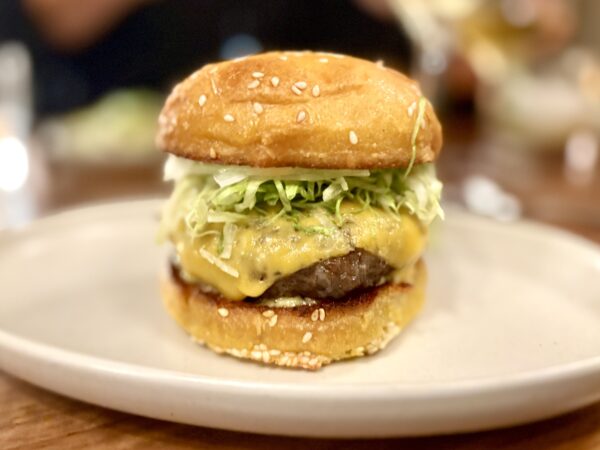
    Lil’ Kahuna burger from Tesiny

    It’s been a year of extraordinary new burgers in Philadelphia, from the McDonald’s Money, the over-the-top double stack of luxury flourishes at Honeysuckle inspired by an Eddie Murphy stand-up routine, to the dessert cheeseburger with raw onions and blue cheese served alongside a chocolate sundae at Roxanne, to Ian Graye’s next-level vegan bean and smoked mushroom burger at Pietramala. Now seafood lovers can rejoice because the Lil’ Kahuna has made the scene at Tesiny, Lauren Biederman’s stylish new oyster bar in the Dickinson Narrows neighborhood of South Philly.

    Perhaps you’ve had a tuna burger before. This is not one of those typically fishy hockey pucks. That’s because executive chef Michael Valent blends the richness of high-quality bluefin tuna belly with hand-minced Iberico pork shoulder, which lends both a fatty savor to the mix, as well as a meaty crumble that lets the patty take on the caramelized sear of a backyard burger over the restaurant’s charcoal grill. Set in a pillowy soft sweet potato bun from Mighty Bread with shredded lettuce, melted American cheese, and a special mayo blended with apricots and serrano chilies, the burger is so meaty, you’d be hard-pressed to guess that it wasn’t beef.

    It is absolutely that savory, but also a touch lighter on the palate, with an almost fruity character from the tuna that swims up to make itself known, in the best way possible, on the finish of each bite. It’s a smart use of trim from two standard items on Tesiny’s menu — a bluefin crudo and a fantastic pork chop — which explains why it’s a nightly special limited to 8 to 12 burgers a night. I predict it’s going to become so popular, though, that Lil’ Kahuna fans may rally for it to become a fixture on its own. Tesiny, 719 Dickinson St., 267-467-4343, tesiny.com

    — Craig LaBan

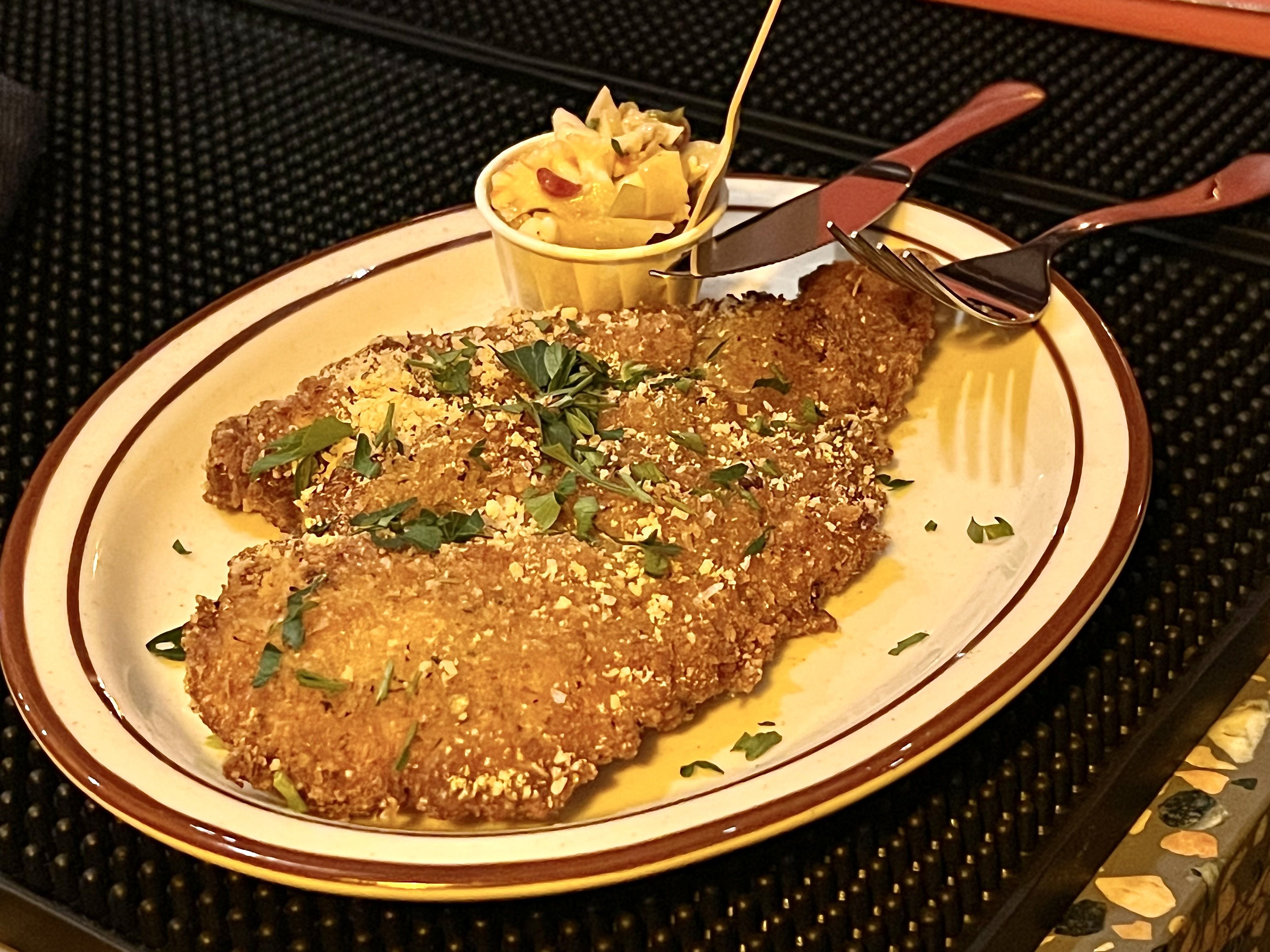
    The chicken cutlet at Wine Dive, 1534 Sansom St.

    Chicken cutlet at Wine Dive

    If you call your bar a “dive bar,” is it really a dive bar? Especially if the beers, wines, and cocktails are playfully irreverent and unpretentiously sophisticated? Probably not. But the new Wine Dive, in a former nail salon off 16th and Sansom in Rittenhouse, is a fun, boisterous hangout nonetheless, with a tongue-in-cheek attitude and a killer menu that’s many, many levels above the dirty-water hot dog/reheated pizza level at a typical dive.

    Chef Scotty Jesberger goes for hearty comfort with his shrimp Lejon, roast beef sandwich, loaded baked potato, but my go-to is an almost impossibly crispy chicken cutlet for the low, low price of $10, served with what they call antipást. It’s a punchy, old-country mix of whole cherry peppers in hot oil, sliced banana peppers, capers, fresh sliced garlic and granulated garlic, slivers of roasted red peppers, whole green olives, specks of cauliflower and artichoke heart, all bound together with olive oil and cherry pepper brine and artichoke water. Everything is designed for late-night eating; the kitchen stays open until 1 a.m.

    — Michael Klein

    Wine Dive, 1534 Sansom St., instagram.com/winedivephilly

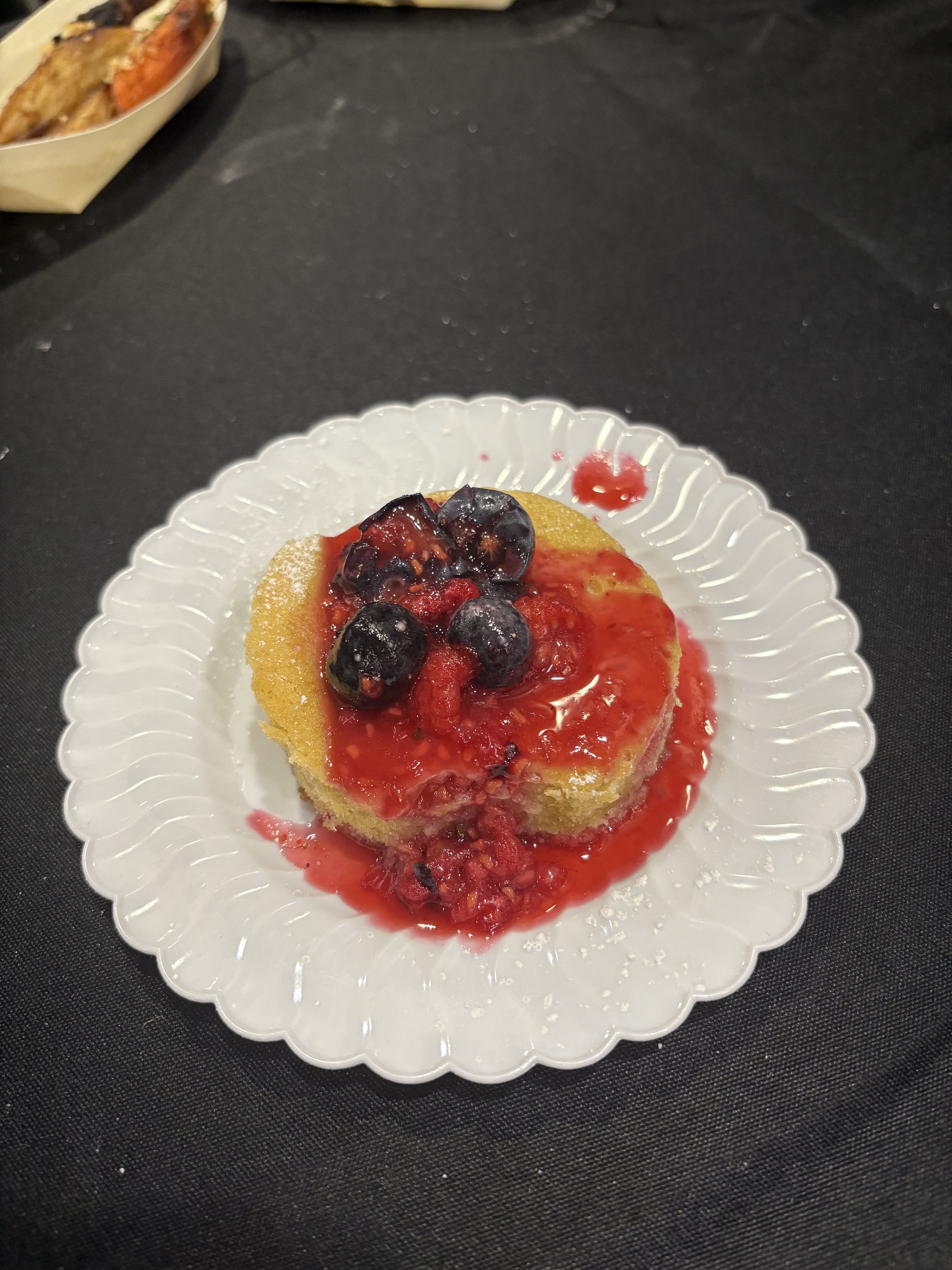
    Chef Shadee Simmons’ Olive Oil cake is drizzled with delectably sweet raspberry and blueberry compote with a light dusting of powdered sugar.

    Olive oil cake from chef Shadee Simmons

    While fashioning a ceramic vessel at Duafe Natural Hair Salon’s “A Lump of Clay,” event on a recent Friday evening, I snacked on mini crab cakes, oxtail sliders, and a bit of beet salad courtesy of Chef Shadee Simmons, the man behind Khyber Pass Pub’s New Orleans-style menu. (You can try his food on the regular at the Old City bar.)

    As I prayed the walls of what I hoped would be a sage burner didn’t collapse, dessert was served. All of a sudden, my poor clay-making skills stopped mattering. The culinary highlight of the evening was upon me: The olive oil cake reminded me of fluffy, not-too-sweet cornbread. The sweet blueberry-raspberry compote drizzle was the perfect consistency. And the cake was covered with a flurry’s worth of powdered sugar — a taste of fall and winter in one bite. Chef Shadee Simmons, Foodheadz Philly, foodheadz20@gmail.com, instagram.com/chefshadee. Dessert available on request.

    — Elizabeth Wellington

  • What will Michelin mean for the Philly restaurant scene?

    What will Michelin mean for the Philly restaurant scene?

    Dining rooms in Philly are abuzz with talk of Michelin’s impending arrival in Philadelphia — whose stars (or lack thereof) are set to be announced on Tuesday.

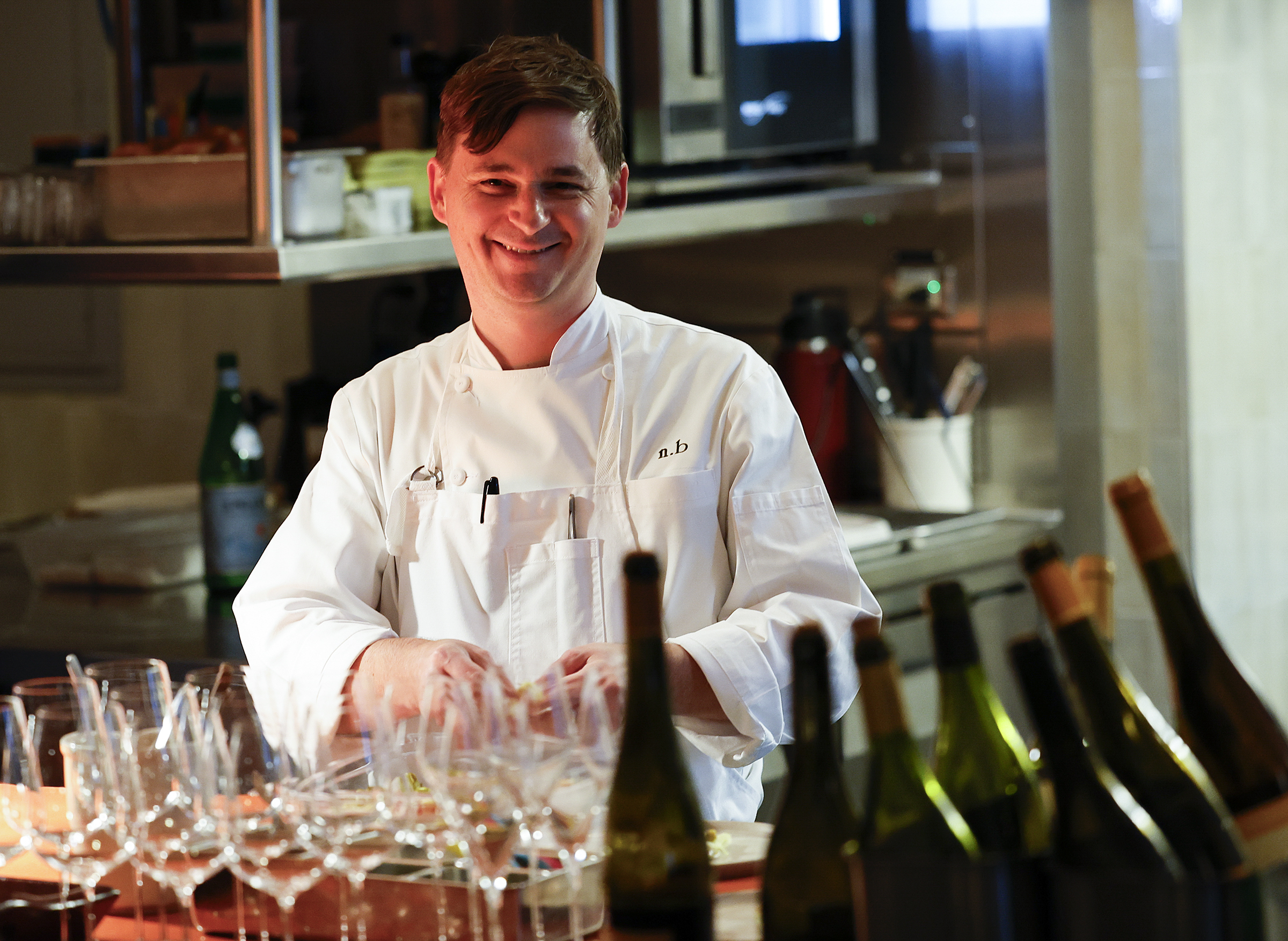
    On a recent night, while celebrating my wedding anniversary at the elegant Friday Saturday Sunday, diners at tables on either side of mine discussed the potential of the restaurant winning a star. That same week, at the hushed, luxe soapstone counter at Provenance, where spotlights shine precisely upon the parade of twenty-some courses (which costs $300 inclusive of tax and service charge, but not beverages) placed in front of diners, Michelin was brought up by every single guest to chef Nich Bazik as he made his rounds. “I’ve been to a lot of Michelin-starred places and they’ve been mediocre. But I think you’re going to get one,” I overheard one diner telling Bazik.

    Anticipation is high. But what would getting Michelin recognition actually mean to Philadelphia restaurants? In at least one case, it might translate to survival. For the rest of the city, the guide’s arrival is both foreboding and exciting.

    The stakes

    The experience that Bazik concocts at Provenance is Michelin bait: As I was being seated, my purse is given its own stool. Each time I get up to go to the restroom, my napkin has been replaced with a fresh, clean, starched, and folded one on a wooden tray. I count as many staff members as diners seated around the counter. My grenache noir is served in an impossibly delicate German Spiegelau glass. A single glass can cost $40, far more than the $15 wine it contains. These are the touches Michelin inspectors — or at least, diners who dine frequently at Michelin-starred restaurants — pay attention to.

    “A lot of folks dining here liken us to Michelin-starred restaurants in New York and around the world,” said Bazik in a phone conversation after my meal.

    “There’s a lot of weight for me in that outcome. We’re confident in the products that we bring in and our execution, but my anxiety lies with people’s expectations,” he said.

    For Bazik, the expectation that his restaurant will attain a star is high, and more than any of the other Philly restaurants speculated about in recent Michelin banter, Provenance needs a star to keep operating. Unlike its fellow contenders — Royal Sushi & Izakaya, Friday Saturday Sunday, Kalaya, and Vetri Cucina, to name some likely star recipients — the year-old restaurant hasn’t received international attention nor garnered any major awards.

    Royal, Kalaya, and Friday Saturday Sunday made appearances on the inaugural North America 50 Best list, an institution often considered a bellwether of future Michelin recognition, much the way Hollywood insiders consider the Screen Actors Guild Awards a tip as to who might ultimately take home an Oscar. Provenance’s recent appearance on Bon Appétit’s 20 best restaurants of 2025 list was exciting for Bazik, but didn’t contribute to any discernible increase in reservations.

    Provenance chef-owner Nicholas Bazik greets guest in the Headhouse Square restaurant on Oct. 17, 2024.

    On Nov. 18, Michelin will release its 2025 Northeast Cities edition, covering dining in Chicago, New York City, Washington, D.C., and for the first time, Boston and Philadelphia. Over the last two years, the Michelin Guide has expanded rapidly in the United States, growing to include a new region of the South (Alabama, Louisiana, Mississippi, North Carolina, South Carolina, and Tennessee) and the states of Texas and Colorado. Atlanta’s guide was introduced in 2023, but has since been rolled into the South’s edition. The Florida guide, introduced in 2022, has expanded to include a greater Miami area, Orlando, and Tampa. Internationally, the guide arrived in Qatar, New Zealand, and the Philippines in the last year.

    Anonymous inspectors were dispatched to Philly’s restaurants many months ago. About a month ago, those selected for either stars, a Bib Gourmand designation (for restaurants that have a “simpler style of cooking” and “leave you with a sense of satisfaction, at having eaten so well as such a reasonable price”), or to be listed in the guide without either recognition received a short survey from Michelin via email to confirm details like how they take reservations and their address.

    Invites to the ceremony went out last week to chefs and restaurateurs, some who will appear in this new guide and some who won’t. Intentionally or not, Michelin seems to toy with the hopes and expectations of chefs, inviting a number of attendees who will walk away empty-handed or, in some cases, having lost a star.

    The communication between Michelin and restaurants is famously terse and, for some included the guide’s newer editions, highly unexpected. When the Philippines’ first-ever Michelin stars were announced on Oct. 30, one restaurateur did not appear to receive his plaque because he had believed the emails to be spam.

    The Michelin Guide’s arrival has also been rejected, as is case in Australia, where Michelin reportedly asked for $17.33 million over five years from Tourism Australia. The bid was rejected and Australia’s restaurants were passed over while the guide landed in New Zealand, to varying fanfare.

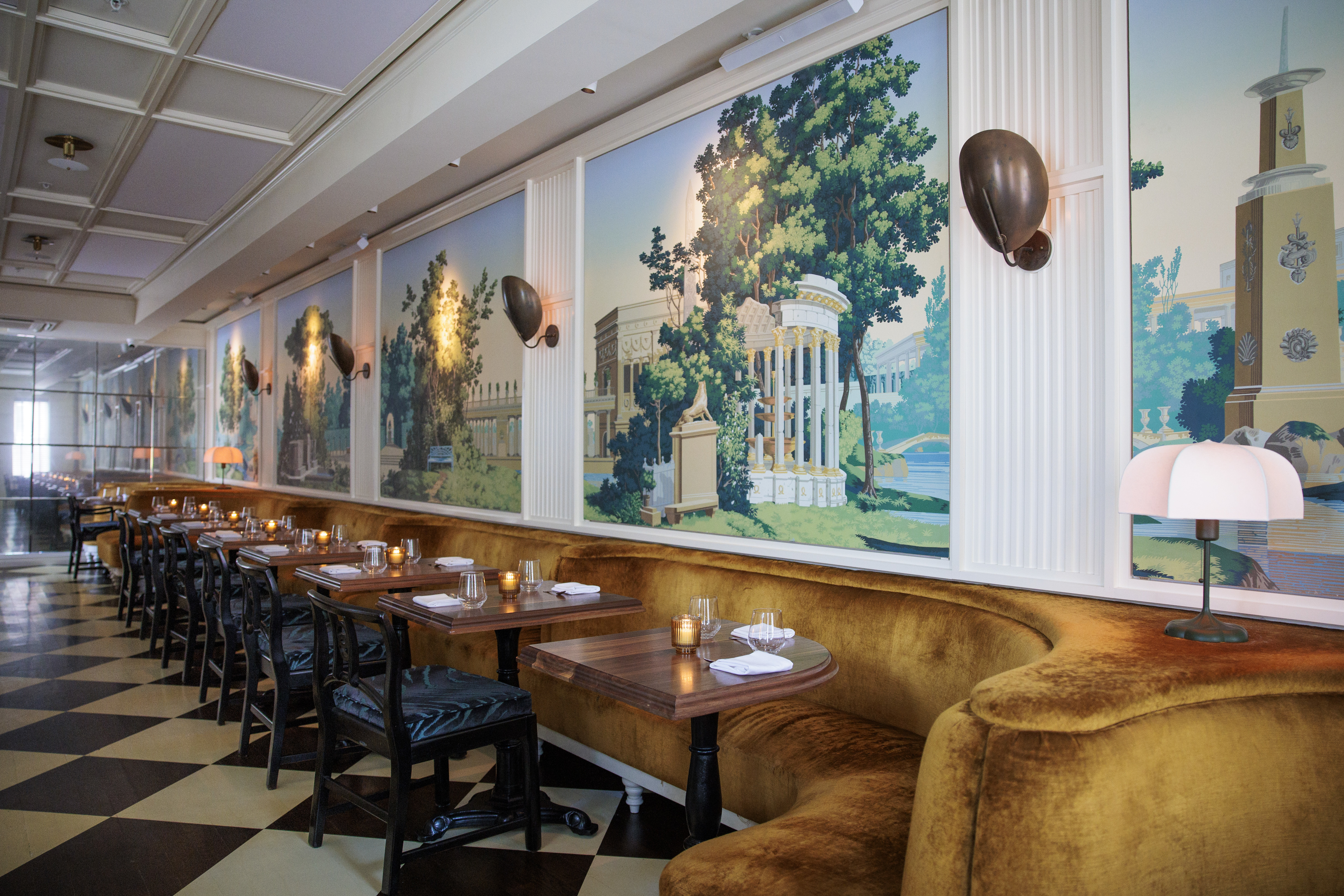
    The interior of Friday Saturday Sunday.

    Michelin math

    As deserving as the Philly food scene is on the international stage, the reality is that Michelin attention is coming because the Philadelphia Convention & Visitors Bureau invested in expanding the guide’s coverage here. If Provenance were located in Pittsburgh, Bazik would have to wait until the city’s tourism board was willing to pay for its restaurants to be considered by inspectors.

    The PCVB, a private agency, has declined to disclose the terms of its contract with Michelin. Other cities have paid significant sums to be part of the Michelin process. Atlanta’s visitors bureau, for example, entered into a $300,000-a-year three-year contract with Michelin in 2023. Florida’s guide was backed by more than $1.5 million in funds from state and city tourism budgets.

    Restaurants may stand to benefit financially from Michelin recognition. In the documentary Knife Edge: Chasing Michelin Stars, produced by Gordon Ramsay and heavily promoted by Michelin itself, host Jesse Burgess says, “They say with one Michelin star you get 20% more business. With two Michelin stars, you’re going to see about 40% more, three Michelin stars, double — 100% more business.” These numbers were corroborated by Eater in 2010.

    But some restaurants have also reported having a Michelin star can cost them money. An initial bump can be followed by a slump, according to a study in the Strategic Management Journal: “Consequences of Michelin stars were not all necessarily favorable. Restaurateurs also emphasized how relationships with employees, landlords, and suppliers became more strained as these exchange partners sought to bargain for more value.”

    The downsides

    Michelin-starred restaurants may struggle to maintain diners’ expectations, which have been compounded by shows like The Bear and examples set forth by empire-building restaurateurs like Will Guidara, also the author of Unreasonable Hospitality.

    “Traditional gestures of hospitality will not cut it. Sending an extra appetizer to a table seems quaint, and just forget about the ubiquitous candle in the dessert,” wrote restaurateur John Winterman, the owner of one-starred Francie in Brooklyn, in a recent article in Food & Wine. Michelin-caliber restaurants, in addition to everything else they’re trying to keep up with, are now dealing with diners used to extraordinary gestures.

    Guests fill the dining room at Kalaya in Fishtown as restaurant staff weave through service on Aug. 22, 2024.

    “Someone complained once because we didn’t have purse stools. And why not? We have a Michelin star, so we should have purse stools,” Winterman told me in a phone conversation.

    Michelin expectations can also have a downside for diners: Who wants to travel thousands of miles to eat the same food?

    More and more has been written about the creeping sameness that haunts Michelin-caliber restaurants around the globe. As they strive for stars, restaurants start to resemble one another in both hospitality and food. In his 2024 review of New York City’s one-starred Noksu, the New York Times’ former critic Pete Wells pondered, “There are restaurants like this in almost every major city now, imitation pearls on a string that circles the world. Once the door closes, you could be anywhere, or nowhere. How did chefs who prize both originality and a sense of place decide that the most appropriate backdrop for their food would be copycat rooms done in a blank-faced global style?”

    Even as Philly gears up for more international visitors and attention for the World Cup and America’s 250th anniversary, it’s likely that a (much-desired) influx of food tourists will all try to go to the same places thanks to Michelin. Many already are.

    “We’ve booked Friday Saturday Sunday and Kalaya, where else should we go?” a Canadian friend texted me last week. He was looking for the usual suspects, the must-eats, notches on his belt. A rising tide may not lift all ships, but rather concentrate the money and attention on a select few.

    Morale boost

    “Awards are always superspecial. Obviously we love getting recognized,” said Marc Vetri in a phone interview. “But in the end, we are not here to win awards. We’re here to do what we love. Awards are never the end goal.”

    Open for over a quarter of a century, Vetri doesn’t need a Michelin star the way Provenance does. Vetri Cucina already attracts well-heeled international visitors, happy to open their wallets for the extraordinary pastas and meats that the kitchen turns out. “If you’re around that long, folks are going to hear about you. Everyone knows about us. Our dining room every night has a variety of area codes from local to the West Coast, to European numbers, phone numbers from all over the world,” said Vetri.

    Getting a Michelin star won’t change how he operates either. “This is my life, maybe a lot of chefs are thinking about this differently — sticking things on their menu specifically for Michelin. But once you stray from who you are, you’ve lost who you are. We’re always evolving. We’re a new restaurant every year. We evolve with my life experiences,” he said. “And we won’t raise our prices, like in a war.”

    Marc Vetri makes pasta at Vetri Cucina.

    Vetri is excited for Philly to have more recognition on the world culinary stage. “It’ll bring more Europeans and worldly folks to Philly,” he said.

    Nich Bazik has wanted his own restaurant since the age of 20 and has never worked in a Michelin-starred restaurant. If Provenance attains a star, his own will be the first that he has cooked in. This is a rarity. Chefs at his level typically train at Michelin-starred restaurants in many cities, gaining experience from global kitchens and hobnobbing with other chefs with Michelin stars in their eyes. Bazik’s cooking is entirely homegrown, nurtured by experiences working at James with Jim Burke and at Russett with Andrew Wood.

    “I am from Philadelphia. This is my home,” Bazik said. “My entire paid tenure of being a cook has been in Philadelphia and by design. I didn’t see the benefit of going elsewhere.”

    Despite Bazik’s anxiety, “Michelin isn’t going to change how we operate. I work from 9:30 a.m. to midnight every day. I’d be doing that whether Michelin was coming or not.”

    More business?

    The reservation system OpenTable regularly posts its top 10 most-booked restaurants in cities. In their latest Philadelphia update, on Nov. 5, that list included Borromini, Parc, the Love, Talula’s Garden, the Dandelion, and El Vez, and none of the other restaurants mentioned in this article. (Resy, which Kalaya and Royal Sushi use, does not put out a comparable, data-driven list).

    This is a reminder that the restaurants contending for a Michelin star exist in a rarefied space. As much as the guide’s representatives try to downplay their focus on fine dining, the vast majority of Michelin hopefuls do charge a lot of money. On a purely economic basis, they aren’t for everyone.

    Conversely, OpenTable’s top 10 is a reflection of where people are really going out to eat in Philadelphia and, of course, the restaurants large enough to accommodate them — six of 10 of those places are owned by Stephen Starr (an altogether different star than what we’re talking about). At the end of the day, actual diners mean more to the bottom line and longevity of a restaurant than stars. But they probably can’t hurt.

  • Lakeside glamping, a presidential home, and international eats in Lancaster | Field Trip

    Lakeside glamping, a presidential home, and international eats in Lancaster | Field Trip

    Lancaster, Pa., is technically a city, but it’s packed with the charm of a Hallmark movie town: strollable streets lined with boutiques, Instagram-worthy late-fall foliage, and — yes — even the occasional Amish couple riding in a horse and buggy just beyond the city limits.

    Located about 70 miles west of Philadelphia, Lancaster is where centuries of Amish and Mennonite farm traditions meet (and often support) an up-and-coming restaurant scene with some of the best farm-to-table food and cocktails in the United States. It’s a place where tourists can learn how to churn butter the old-fashioned way and then end the night at a Brooklyn-cool listening bar. That’s exactly what an Inquirer reporter did when she took a last-minute trip to Lancaster.

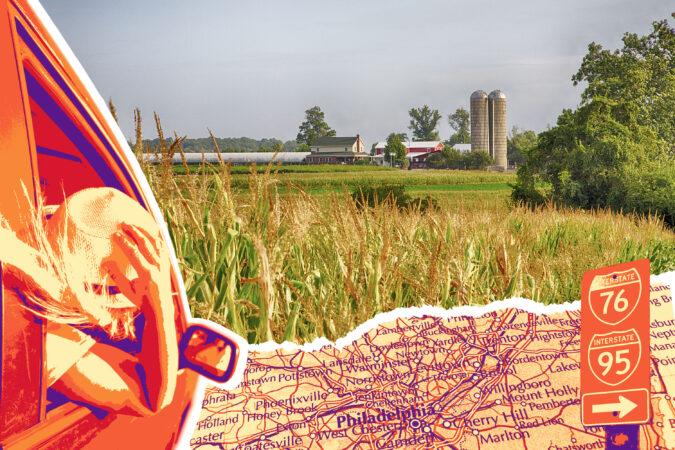
    To get your weekend started, take a 90-minute drive past picturesque farms on I-76 and U.S. Route 222, or hop on Amtrak’s Keystone line, which drops you at the edge of downtown.

    @pennsylvaniajunkie 📍Lancaster, PA is so much more than horse and buggies. Downtown Lancaster is so one of my favorite cities to walk, wine and dine, especially during the holidays. 🎄✨🥂 @Discover Lancaster COMMENT your favorite place to visit in Downtown Lancaster and TAG who you’re bringing along on your next LancLanc getaway. 🥰 📍Places featured in video ✨ C’est La Vie ✨ Ream Jewelers ✨ Shot and Bottle ✨ The Belvedere Inn ✨ Lancaster Central Market ✨ Details ✨ Plough Don’t forget to follow me for all things Pennsylvania travel, adventure and lifestyle. 💙 #lancasterpa #lancasterpennsylvania #lancasterpagetaway #downtownlancaster #downtownlancasterpa #pennsylvania #pennsylvanialife #pennsylvaniacheck ♬ original sound – Pennsylvania Junkie

    Stay: Red Run Resort or Lancaster Arts Hotel

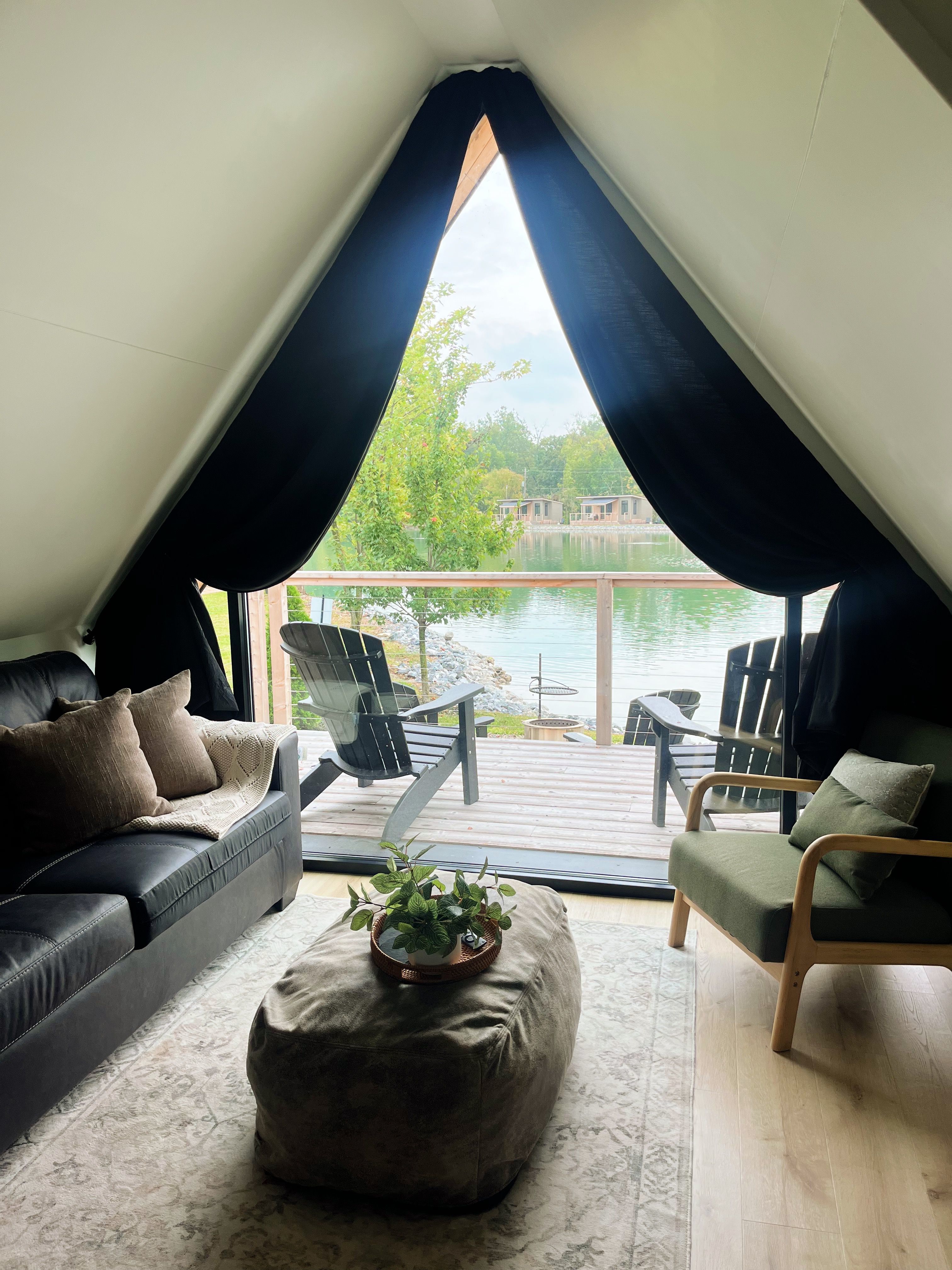
    Hear us out: This upscale campground is 30 minutes outside of Lancaster by car, but it has the vibe of an all-year summer camp for adults. Red Run Resort’s 21 lakeside A-frame studios and cabins are homey yet luxurious, with spa-style bathrooms with soaking tubs, plush king-size beds, and private firepits. The campground also has an on-site pumpkin patch and occasional line dancing and bingo pop-ups, so guests don’t have to go far for a bit of countryside flair.

    The living room of one of the A-Frame cabins at the Red Run Resort in New Holland, Pa., which overlooks a lake. The upscale camp ground is roughly 30 minutes outside of Lancaster by car.

    If you’re looking to stay in the city, the boutique Lancaster Arts Hotel transformed an 1800s tobacco warehouse into a living art gallery, displaying $300,000 worth of art from local artists across its 63 guest rooms. It’s walking distance from downtown and earns bonus points for free parking and complimentary bikes to explore the city.

    📍 877 Martin Church Rd., New Holland, Pa. 17557 (Red Run Resort) ; 300 Harrisburg Ave., Lancaster, Pa. 17603 (Lancaster Arts Hotel)

    Caffeinate: Square One Coffee

    After checking in, fuel up at Square One Coffee, a local micro-roastery whose Ethiopian blend beat out more than 2,000 entries to win a Good Food Award for best coffee. Their flagship Duke Street cafe is a solid pick for both coffee snobs and “little treat” connoisseurs, specializing in single-origin espressos and aromatic lattes in flavors like orange blossom honey or Blue Zen, a sky-colored concoction of butterfly pea powder, jasmine syrup, and chamomile tea.

    Home baristas can detour to Square One’s Elizabeth Avenue warehouse for public tastings or an Espresso 101 class.

    📍145 N. Duke St., Lancaster, Pa. 17602

    Thrift: Basura, Space, BUiLDiNG CHARACTER

    Take your coffee to go and spend the afternoon exploring a trio of downtown Lancaster’s curated thrift and vintage boutiques. This reporter’s advice is to pack light, because it’s easy to bring an outfit (or two) and a suitcase full of tchotchkes home.

    Start at Basura for racks of salvaged denim and leather, colorful sweaters, and quirky tees before heading over to Space, which specializes in mid-century modern wares that feel like they were ripped from a Mad Men set. Then, close out your shopping spree by heading to BUiLDiNG CHARACTER, a vintage and artisan marketplace with 80-plus vendors selling everything from butterflies preserved in glass and the occasional fossil to old school suits and antique jewelry.

    📍106 E. King St., Lancaster, Pa. 17602 (Basura); 24 W. Walnut St., Lancaster, Pa. 17603 (Space); 342 N. Queen St., Lancaster, Pa. 17603 (BUiLDiNG CHARACTER)

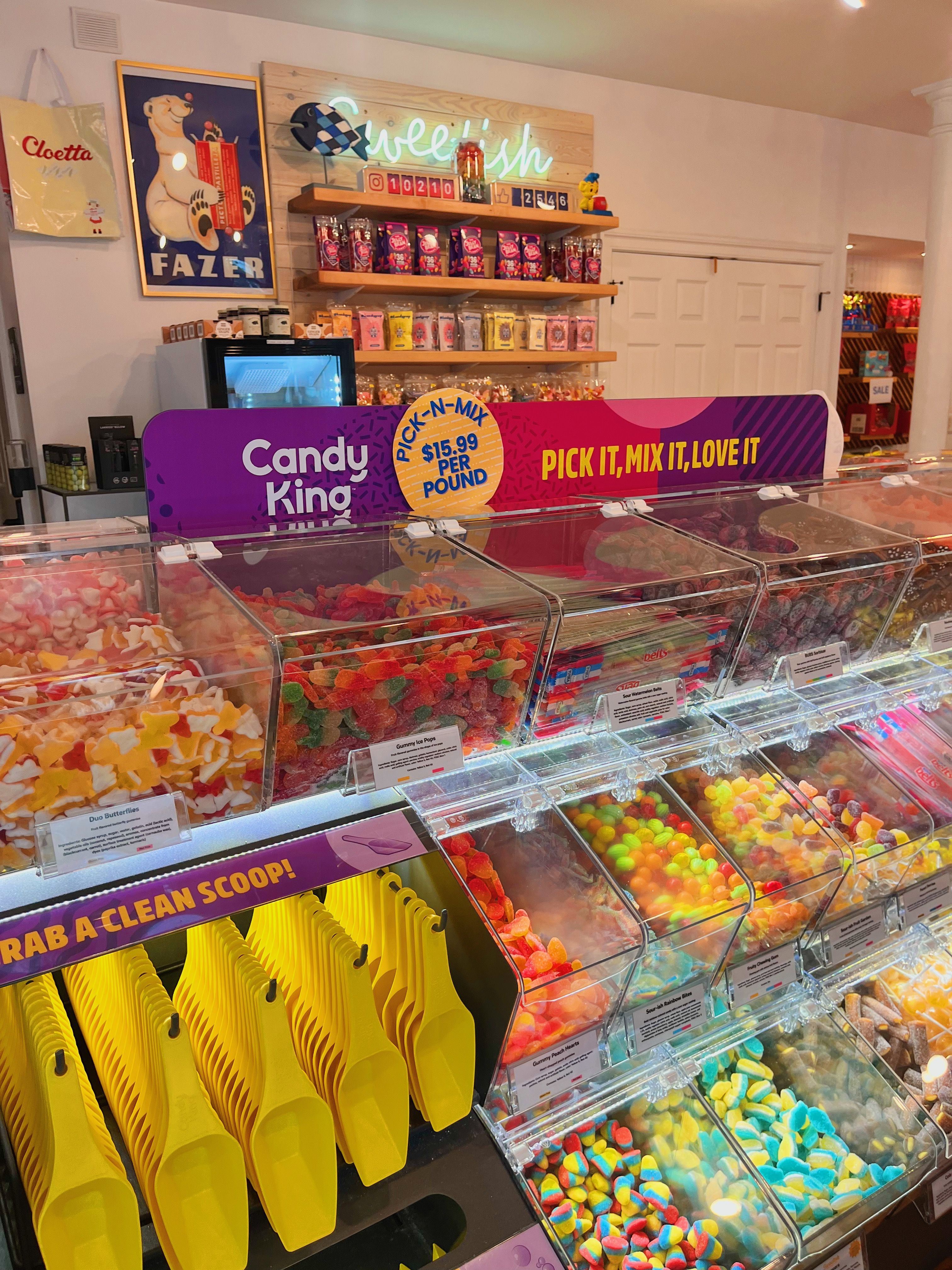
    Just a portion of the pick-n-mix candy selection from Sweetish Candy at 301 N. Queen Street Lancaster, Pa., which has been importing Scandinavian candies since 2019.

    Pick-and-mix: Sweetish Candy

    Lancaster’s Sweetish Candy was importing Scandinavian sweets long before pick-and-mix bags were all the rage. Sweetish Candy owner Tyler Graybeal started selling Swedish treats in 2019 and now stocks more than 70 colorful candies for shoppers to dump into customizable bags and buckets. Graybeal’s selection includes still hard-to-find BUBS gummies, plus varieties of licorice tubes, pastel marshmallows, and chocolate eggs. This sugar rush doesn’t come cheap, though: Two pounds of candy cost $47.

    For snacks that don’t cause a toothache, Lancaster Pickle Company is across the street with barrels of assorted pickle chips, dill pretzels, and — yes — even half-sour lip balm.

    📍301 N. Queen St., Lancaster, Pa. 17603

    Stroll: Conestoga Greenway Trail

    This 2.6 mile out-and-back trail wraps a horseshoe around the scenic Conestoga River and has three access points with parking lots at Duke Street, Broad Street, and Conestoga Drive. The greenway winds its away around the water and through the trees, so it’s perfect for late-fall leaf peeping and serene nature walks. The river is a favorite of duck flocks, turtles, and deers stopping for a drink.

    Learn: James Buchanan’s Wheatland

    Built in 1828 as a prominent lawyer’s mansion, Wheatland changed hands several times before landing in 1848 with James Buchanan — then secretary of state and later, by many historians’ accounts, one of America’s worst presidents. Buchanan lived there until his death in 1868.

    Preserved by the nonprofit LancasterHistory, the home offers guided tours of Buchanan’s original furnishings and 19th-century décor. From Nov. 16 through Dec. 20, the tours take on a festive twist for Yuletide at Wheatland, exploring the family’s holiday traditions.

    📍 230 N. President Ave., Lancaster, Pa. 17603

    Imbibe: Hi-Fi Izakaya

    Tucked in the back of noodle bar Issei is Hi-Fi Izakaya, a speakeasy-esque listening lounge where DJs spin vinyl jazz, soul, and pop records until last call. The space is sleek and sexy, with a cocktail menu that adds Asian flair to standard drinks, like a gimlet mixed with matcha syrup, a Thai iced tea-infused espresso martini, and an old fashioned made with aged Japanese whiskey.

    📍 40 W. Orange St., Lancaster, Pa. 17603

    Dine: Quips Pub

    Tourists dine at Passerine, the French-inspired farm-to-table brasserie that landed on the New York Times’ best restaurant lists in 2024. Locals head to Quips Pub.

    The cozy British watering hole has been serving oversize platters of crispy fish and chips and traditional bangers and mash since 1984. Regulars come by often, bartenders said, for hefty burgers and sarnies (British slang for sandwich), plus an extensive list of imported German, Irish, and English beers.

    📍 457 New Holland Ave., Lancaster, Pa. 17602

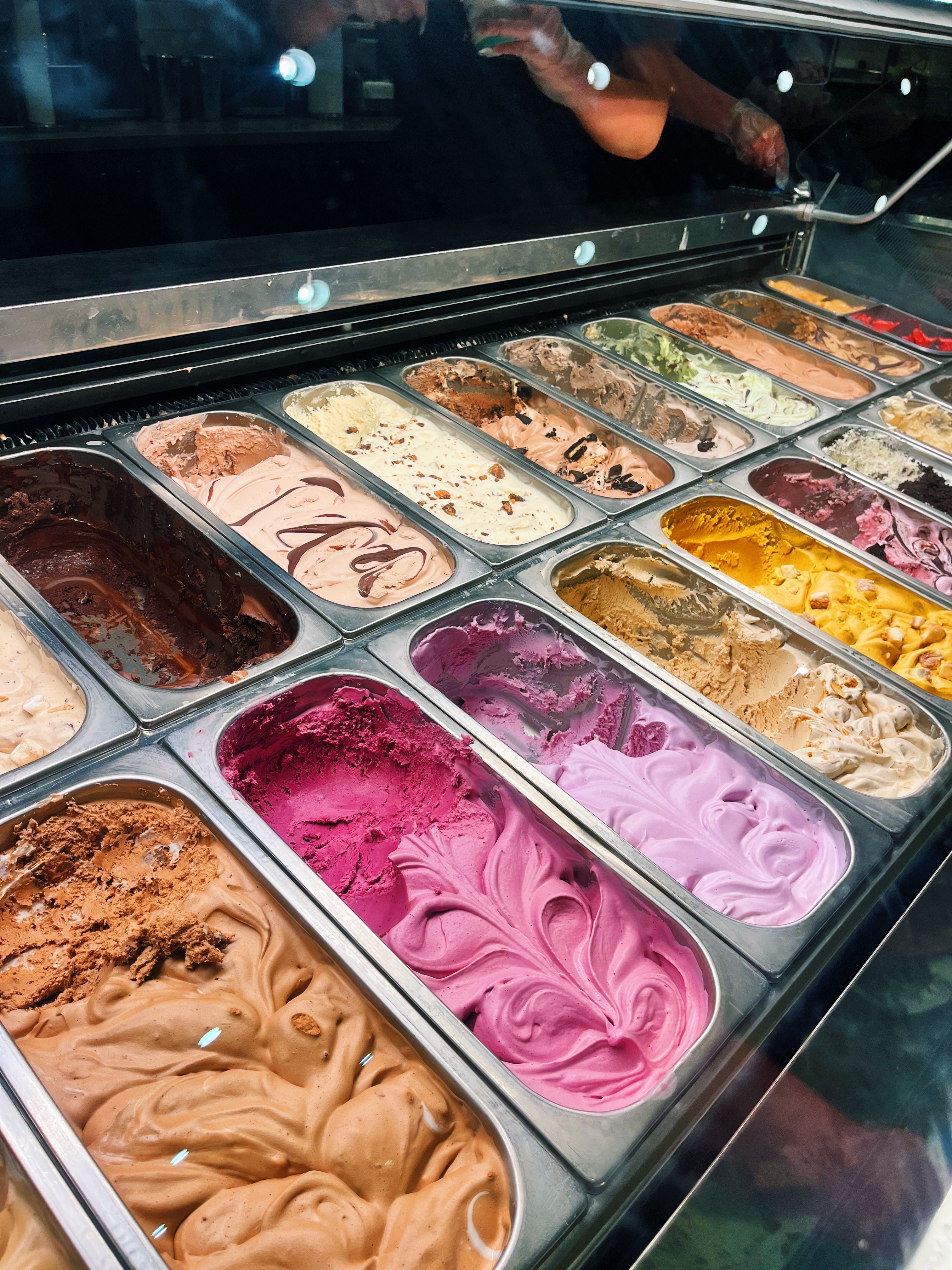
    Rows of seasonal ice cream flavors from Fox Meadow Creamery in Leola, Pa.

    Indulge: Fox Meadow Creamery

    Fox Meadow Creamery’s Leola location is exactly halfway between Quip’s Pub and your cabin at Red Run, making it the perfect place to cap off a day of gallivanting in the city. Fox Meadow churns its ice cream on-site with milk from cows raised on the creamery’s dairy farm in nearby Ephrata, resulting in ultra-thick and and rich scoops.

    Fox Meadow’s flavors change with the seasons, so the late fall comes with vats of apple cream pie, pumpkin patch cheesecake, and venetian tiramisu ice creams, among others. And — before you ask — yes, they carry pints for you to take on the road.

    📍 193 E. Main St., Leola, Pa. 17540