After a year of major shifts in the federal government’s policy toward vaccines, Americans are now more likely to trust the American Medical Association than the Centers for Disease Control and Prevention when the two conflict on vaccine guidance, a new survey shows.
Trump’s secretary of health and human services, Robert F. Kennedy Jr., is a longtime anti-vaccine activist. Earlier in 2025, he fired a committee of outside experts who advise the CDC on vaccine policy, replacing the committee with a handpicked group that includes other vaccine critics.
The reconstituted panel subsequently changed recommendations on who should receive COVID-19 vaccines, prompting states like Pennsylvania to change their own policies around vaccine distribution to ensure continued access. The panel also recommended delaying hepatitis B shots for newborns, prompting outrage from medical experts who said the move will increase cases of the serious liver disease.
And in November, the CDC website, which for years had noted that decades of research showed no link between receiving vaccines and developing autism, was updated to state the opposite. The site now reads: “The claim ‘vaccines do not cause autism’ is not an evidence-based claim because studies have not ruled out the possibility that infant vaccines cause autism.”
In the wake of those decisions, it is crucial for medical providers and health communicators to understand how the public views vaccination, said Kathleen Hall Jamieson, Annenberg’s director.
Kennedy’s guidance often encourages patients to make their own decisions with doctors about vaccines, she said. But that often puts the burden on Americans to process scientific research on their own — and makes them vulnerable to misinformation, she said.
“The public doesn’t have time to do research on its own, on average, and in the process, they can get lost in a mire of misinformation and confusion very easily. It requires a skill set to navigate scholarly literature. And it’s easy to think one is doing one’s research when one is way down the rabbit hole,” Jamieson said.
Autism, vaccines, and trust in the CDC
Annenberg researchers wanted to understand where the public is turning for information on vaccines as trust in the CDC has fallen.
Shortly after the CDC changed its website on vaccines and autism, Annenberg researchers asked 1,006 adults about what they would do if the CDC’s advice conflicted with that of a major medical professional organization like the AMA, which strongly condemned the website changes.
While about half of the respondents said they believe the CDC provides trustworthy information on vaccine safety, the survey found that 35% of respondents said they would be more likely to accept recommendations from the AMA if they conflicted with the CDC. Just 16% of respondents said they would side with the CDC in that case.
That preference held true across political parties and was particularly pronounced among older Americans. The only age group more likely to accept the CDC over the AMA was 18- to 29-year-olds: 24% said they would accept the CDC’s recommendations, and 19% said they would accept the AMA’s.
“The fact that, as the CDC began to change statements, the public shifted its trust to other organizations on consequential issues — that’s a statement that says the public intelligence is real,” Jamieson said.
“The public is paying enough attention to say, ‘I can’t necessarily go to the CDC on that topic.’ That’s a statement that says we’re in better shape than you might have guessed that we were.”
Gauging public knowledge on vaccines
In another series of surveys, Annenberg researchers gauged what Americans already know about common vaccines in order to help public health officials communicate with the public more effectively.
“One of the goals of our surveying is to find what kinds of knowledge the public finds helpful and increase the likelihood that people make science-consistent decisions,” Jamieson said.
A survey on whooping cough, also known as pertussis, was conducted in the fall in response to a national rise in cases. The disease is caused by a bacterial infection and can result in a severe cough that lasts for months. It is particularly dangerous for infants, especially those too young to be vaccinated against the disease.
About 30% of 1,637 respondents said they were not sure whether pertussis was the same as whooping cough and 35% said they were not sure whether a vaccine exists for it. Annenberg had reported similar findings a year before — an alarming conclusion, researchers said, because health officials have blamed a rise in cases in part on decreasing vaccination rates.
“Maybe we’re not doing the best possible job in communicating what we know about relative risks of the disease, the relative risks of vaccine, and the ways in which whooping cough is transmitted,” Jamieson said. “These are all questions designed to figure out the equation people are working through.”
Support for measles, mumps, and rubella vaccine
Likewise, a late-fall survey on attitudes toward the measles, mumps, and rubella vaccine (MMR) found that 86% of respondents said they would be likely to recommend that eligible people in their household get the MMR vaccine.
That is a “small but significant” decline from last year, when 90% said they would recommend the vaccine, researchers said.
Respondents are now also less likely to recommend vaccines for HPV and polio.
That may be because the MMR vaccine has been so effective that the public can no longer remember what it was like to contract measles, Jamieson said.
“I am elderly. I have gone through whole periods of my life in which these vaccines did not exist. I know what measles looks like — extraordinarily uncomfortable — with risks that are real and demonstrable,” Jamieson said. “And the vaccine has worked for people I care about in the subsequent generations.”
Support for MMR vaccines is still overwhelmingly high, Jamieson said. But the threshold to maintain herd immunity for measles is also high — about 95% of people must be vaccinated in order to prevent the spread of the disease and protect people who cannot be vaccinated.
And, if people live in communities where vaccines are less accepted, they could be at higher risk than the general population.
“The state of Pennsylvania can be at 95%, but if my church isn’t at 95%, I can get measles if I’ve not been fully immunized or if I can’t be vaccinated,” Jamieson said.
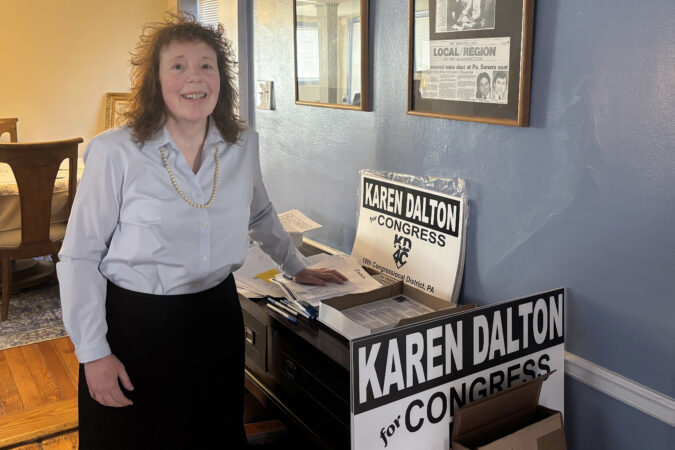
If she makes it on the ballot, Karen Dalton will be U.S. Rep. Scott Perry’s first primary opponent since 2012 – the year he first won the seat.
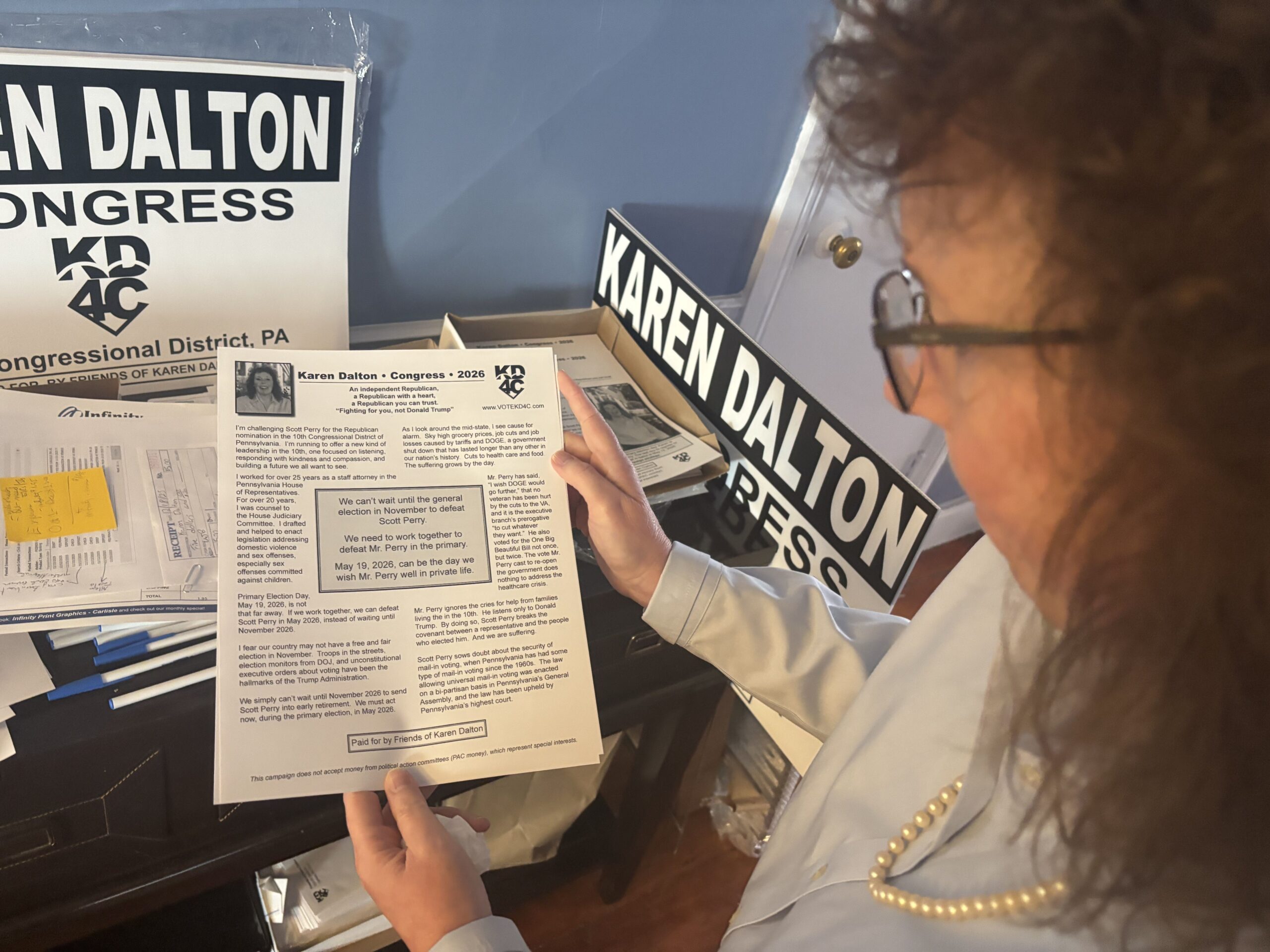
Dalton, a retired staff attorney for the Pennsylvania House Republicans, knows the odds are against her as she runs a solo campaign operation out of her living room. But she thinks she has a shot.
The 65-year-old Carlisle resident is irked byPresident Donald Trump’s policies both from a faith-based standpoint and a legal one.
She holds many views that align with Democrats, which may draw accusations that she’s a “RINO,” or Republican in name only. But she argues she’s a Republican at heart.
“I was talking to a senior citizen the other day, and the first thing he said to me was, ‘So you’re a RINO,” said Dalton, 65. “And my response to that was, well, if you mean ‘Respect for Individuals and Not Oligarchs,’ I’ll go along with that. He goes, ‘No, no, no, I’m a RINO too. I’m that old school Republican that believes in helping people.’ I’m like, ‘Yes, thank you. That’s what I’m talking about getting back to.’”
Perry, a longtime ally of President Donald Trump whosupported his unsuccessfulattempts to overturn the 2020 election, represents Dauphin County and parts of Cumberland and York Counties in Central Pennsylvania. He appears to be particularly vulnerable this yearas the district has shifted toward Democrats and Republican-turned-Democrat Janelle Stelson, a former local news anchor, had a razor-thin loss against him in the general election last year. She plans to run again in the Democratic primary.
Dalton, in a long-ranging interview with The Inquirer in her living room, called Donald Trump’s One Big Beautiful Bill Act the “Big, Brutal Betrayal of the American Dream Act,” because of its cuts to Medicaid and SNAP.
She believes formerVice President Kamala Harris should have pushed back more on Trump’s claims about transgender people in the 2024 election, argued that the term “illegal alien” is factually incorrect, and says on her website that climate change is a real threat.
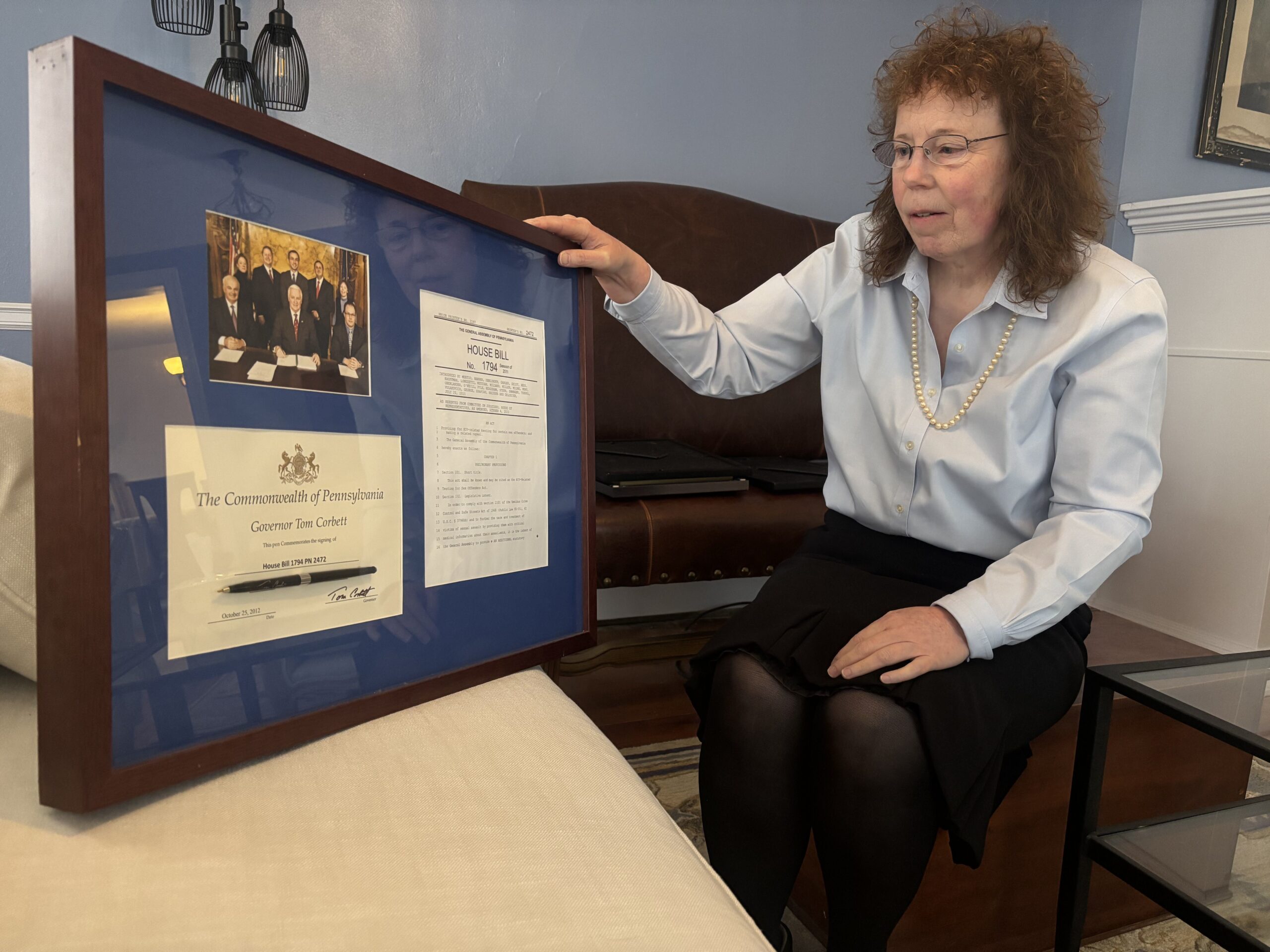
Karen Dalton, who plans to challenge Scott Perry in the Republican primary, holds materials from a bill she worked on in Harrisburg in her Carlisle home on Monday.
She supports a $15 federal minimum wage anda millionaire’s tax, and wants to raise the corporate tax rate. She supports abortion rightsand believes health care is a human right, though she’s fearful of what she views as over-regulation from Democrats.
Her walls are covered with Republican political memorabilia and a poster of the late Sen. Robert F. Kennedy, a Democrat who was assassinated during his 1968 presidential campaign.
She noted that she was a Republican when Donald Trump was a Democrat.
Her path to victory, she believes, is convincing enough independents and Democrats – particularly former Republicans – to change their registration to support her in the MayGOPprimary.
“You know, independents have been upset many years because Pennsylvania has a closed primary system … if they register as Republicans, they get to vote in a primary against Scott Perry and not wait until November,” she said.
Primary challengers are rarely successful. Dalton reported under $3,000 in contributions – and an approximately $6,000 loan from herself — through September, which is pennies compared to themore than $1 million Perry reported.
But she only needs to gather 1,000 signatures and pay a $150 filing fee to appear alongside him on the primary ballot.
Perry’s campaign did not respond to a request for comment about Dalton as of Wednesday.
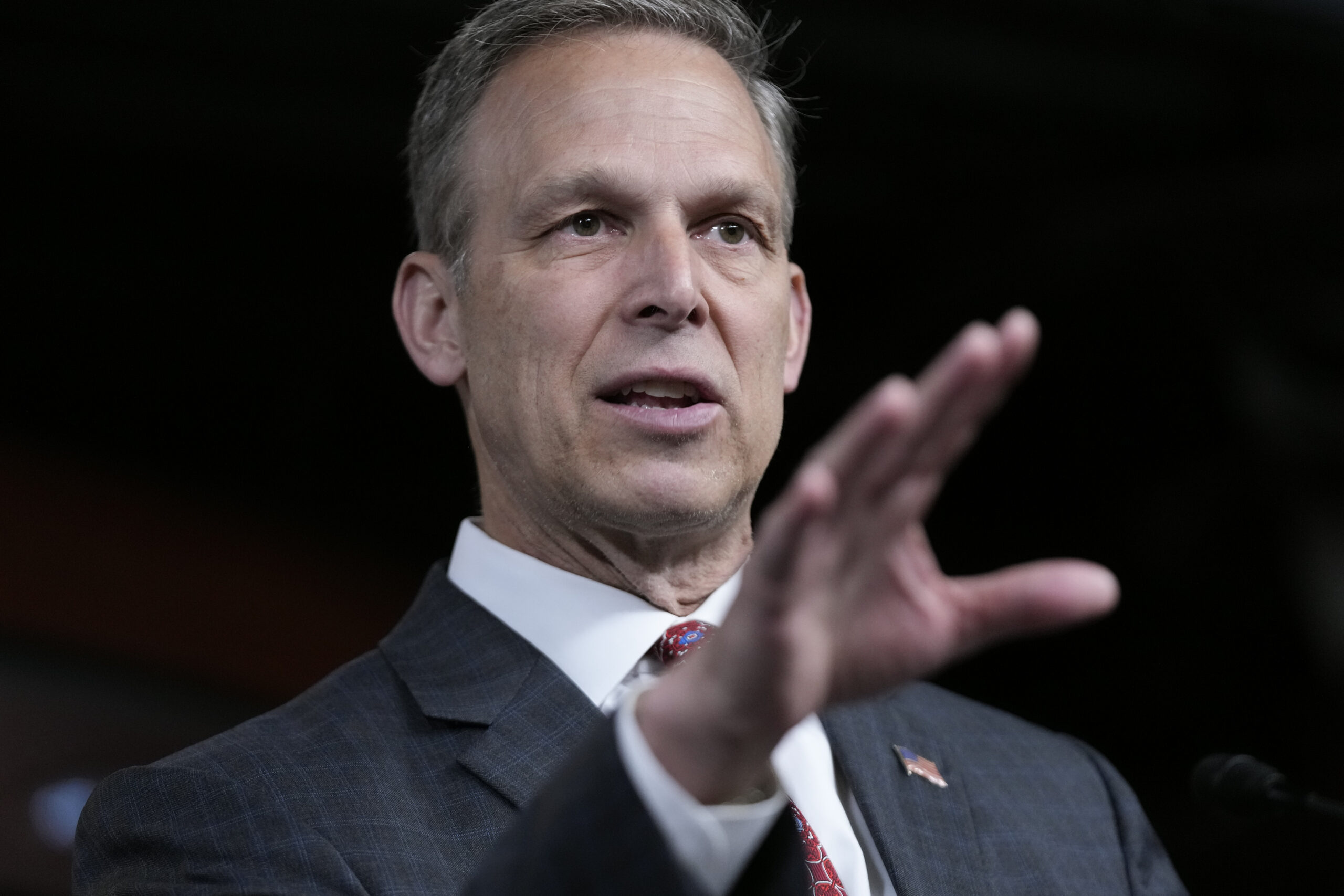
U.S. Scott Perry speaks during a news conference on Capitol Hill in Washington in July 2023.
Rosy eyed about the old Republicans
Dalton grew up in New Jersey and was the first in her immediate family to go to college, attending Montclair State University before getting her politics graduate degree at New York University and later attending law school.
She lives in Carlisle near Dickinson Law — her “beloved alma mater” — in a home she bought just four years ago at age 61. With student loans hanging over her head for the vast majority of her career, she couldn’t afford a down payment until her state retirement payday.
She has no kids and she’s never been married — “I spent a lot of time reading and studying and going to school,” she said. These days, she takes piano lessons and plays pickleball, and does pro bono legal work when she’s not knocking on doors for her one-woman campaign.
Dalton is rosy-eyed about moderates of the Republican Party’s past. She managed former U.S. Rep. Jim Greenwood’s (R., Bucks) successful state Senate campaign in 1986 and worked for New JerseyRepublicanGov. Tom Kean,who wrote The Politics of Inclusion. She later worked as a staff attorney for Pennsylvania House Republicans for 25 years, where she focused on domestic violence and child sexual abuse legislation.
“I’m convinced that if the Republican Party wants to survive and thrive, we need to give up what Donald Trump believes in, and return to our roots,” she said.
Dalton, whose parents were both Democrats, changed her registration from independent to Republican in 1984 at the age of 24 after her first job working for Ralph J. Salerno’s unsuccessful state Senate campaign in New Jersey. When he lost, “amazingly, nobody took up arms,” she said.
“I mean, I cried in his lapel, but you know, it’s just like he conceded, and everybody moved on,” she said. “There was no insurrection, there was no battle, there was no violence, there was no ‘Oh, there was voter fraud.’ None of that stuff happened, because that’s the way things used to be before Donald Trump was president.”
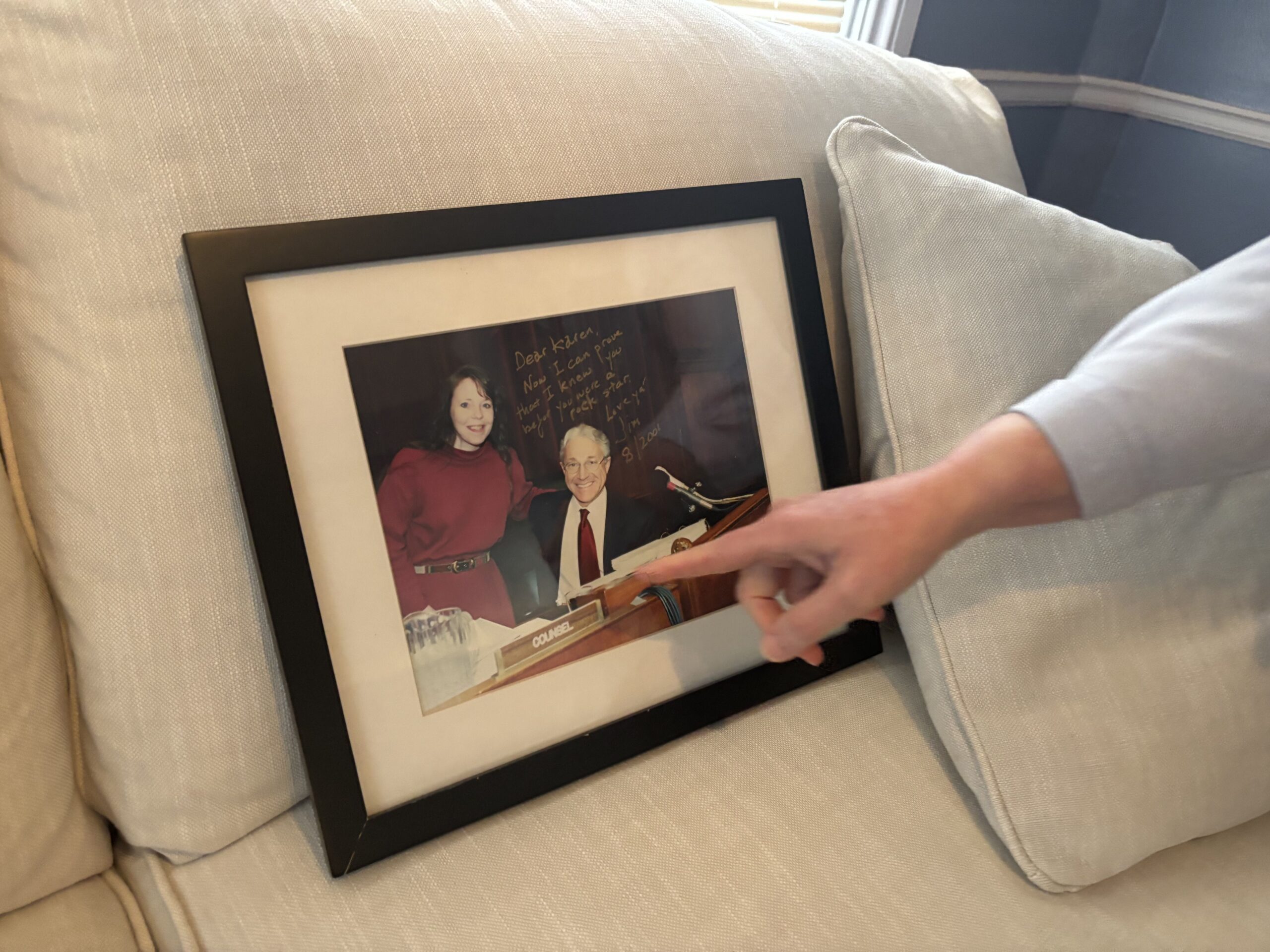
Karen Dalton points to a photo of herself and her old boss Jim Greenwood in her Carlisle home on Monday. A message from Greenwood says: “Now I can prove that I knew you before you were a rock star.”
Tired of yelling at the television
Dalton said she didn’t think she’d become a candidate herself during her years working for politicians. But she said “steam started to come out of my ears” when Trump tried to end birthright citizenship, and again when House Speaker MikeJohnson mused about defunding the federal judiciary.
“I just couldn’t sit back anymore … I got tired of yelling at the television,” she said.
While Dalton argued that Trump’s rise in 2015 has soured the Republican Party, much of her criticism concentrated on the Jan. 6, 2021 riot and what followed.
Dalton worked with Perry in Harrisburg when he was a state representative, and she described him as “an incredibly nice man” despite her misgivings about his efforts to overturn the 2020 election and continued alignment with Trump. (She calls him “morally blind” on her website.)
When asked if she ever supported Perry, Dalton said she wasn’t comfortable talking about who she voted for in the past because “ballots are private.” She did say that she didn’t vote for Trump in 2024, and shevotedfor Stelson, Perry’s Democratic challenger.
“I can tell you that I don’t vote for insurrectionists,” she said.
Karen Dalton, who plans to challenge Scott Perry in the Republican primary, calls a table in her living room her “campaign headquarters.”
Policy informed by faith
Dalton was raised Catholic, confirmed Episcopalian, and has attended the Unitarian Universalist Church. Though she hasn’t converted, she now identifies as Jewish, and was moved to tears while talking about a late mentor who introduced her to the religion – noting that speaking about the subject made her“verklempt,” a Yiddish term for emotional.
“One of the things I love so much about Judaism, in addition to its focus on social justice, is the idea that you get to disagree,” she said, a handful of crumpled tissues in her lap.
Her faith informs her approach to public policy, from opposing cuts to healthcare subsidies to appreciating ideas across the political spectrum.
One of her flagship policy proposals is creating a way for people to borrow up to two years worth of their own Social Security benefits before they reach retirement age to help with things like a down payment, tuition, or medical expenses – one that would have helped her buy a home earlier.
Another is a scholarship program that would allow students in any field to borrow the full amount of their education from the federal government through loans that would be forgiven if they serve “the public good,” a rebuke of Trump’s One Big Beautiful Bill’s borrowing limit on federal student loans.
She also wants to create a program to pay for the education of students who want to pursue careers in science and guarantee employment at national health or science institutions, including a new foundation for scientific discovery.
Dalton has brought her neighbors into her home to discuss her ideas, and plans to do it again.
She also held a town hall at Central Penn College in Enola that she said drew 15 people.
“That’s 15 more people than Scott Perry looked in the eye and talked to over the past five years at his town halls that didn’t exist,” she said.
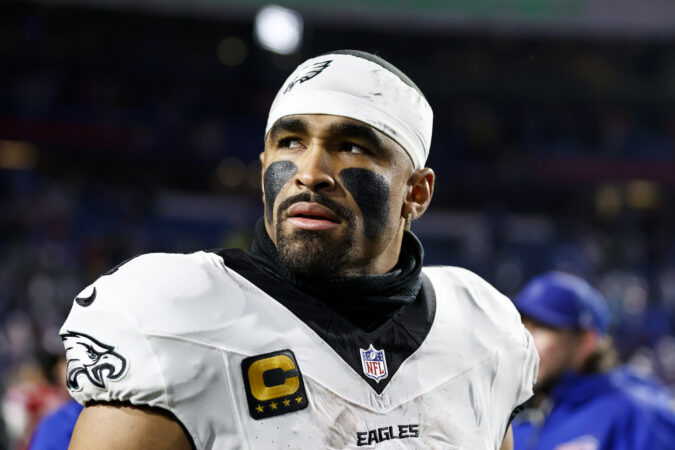
Entering Sunday’s game against the Buffalo Bills, the Eagles were riding high after consecutive wins over the Las Vegas Raiders and the Washington Commanders. There still were plenty of concerns, though, regarding how they would look against a good team led by former league MVP and four-time Pro Bowler Josh Allen.
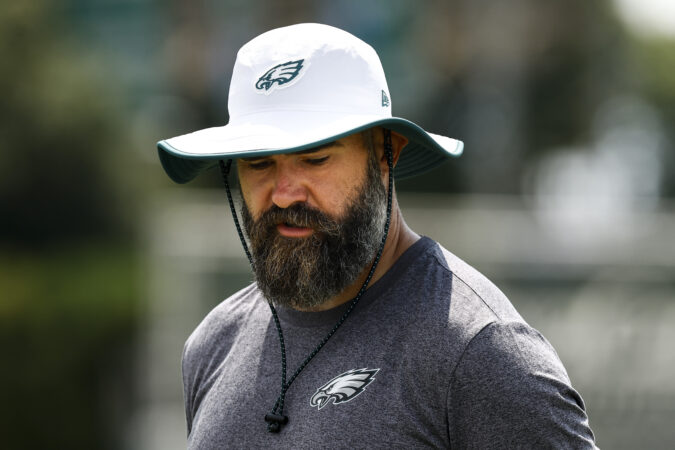
The Eagles responded to those concerns with a 13-12 win over the Bills at Highmark Stadium in Orchard Park, N.Y. Former Eagles center Jason Kelce praised the team for the win on the latest episode of New Heights.
“I mean, it’s a great win,” Kelce said. “For the Eagles to go into Buffalo and win this game, it just shows how good the Eagles are. Do you know how tough it is to beat the best team in the AFC — some people are saying — do you know how hard it is to beat that team when you don’t get a single pass completion in the second half? Do you know how hard that is? That’s how good the Eagles are. That’s how good we are, Philadelphia.”
Of course, the win didn’t come without drama. After the Eagles took a 13-0 lead in the first half, the offense went silent in the second half. Meanwhile, Saquon Barkley was held to 68 yards on 19 carries against one of the worst run defenses in the league.
“It was a very frustrating game to watch offensively, to say the least,” Kelce said. “The Eagles have been trending better in running the ball, right? They did well against the Raiders; they did well against the Commanders. This was a chance to do it against a team that is going to be in the playoffs.
“It was not a great performance, collectively, up front, to be honest with you. And that was — it’s frustrating, as a former offensive lineman, a guy in that room that knows how good all those players are. We’ve got to do better than this, boys.”
After scoring a touchdown with five seconds left, Bills had a chance to send the game into overtime with an extra point or effectively end it with a two-point conversion. They chose the latter, and Allen missed his open man in the end zone to seal an Eagles win.
The stifling Eagles defense got Jason Kelce’s attention.
Despite the offensive struggles, the Eagles defense remained a bright spot vs. the Bills. They had five sacks and limited NFL rushing leader James Cook to 74 yards on 20 carries.
“The defense played out of their mind,” Kelce said. “That’s the positive coming out of this thing.”
“[In 2023], we decided to go out against [the] New York [Giants in Week 18] because we wanted to get some momentum going offensively because we weren’t playing great,” Kelce said. “And we ended up getting A.J. Brown hurt to where he couldn’t play in the playoff game. Jalen [Hurts] got his finger banged up. Like, it was catastrophic. So I am fully on board with do not risk getting anybody … anybody that you’re not going to be happy about missing in that playoff game, sit them on the bench. Unless you have the chance to get the No. 1 seed, I don’t give a crap who you’re playing, take the rest when you can get it.”
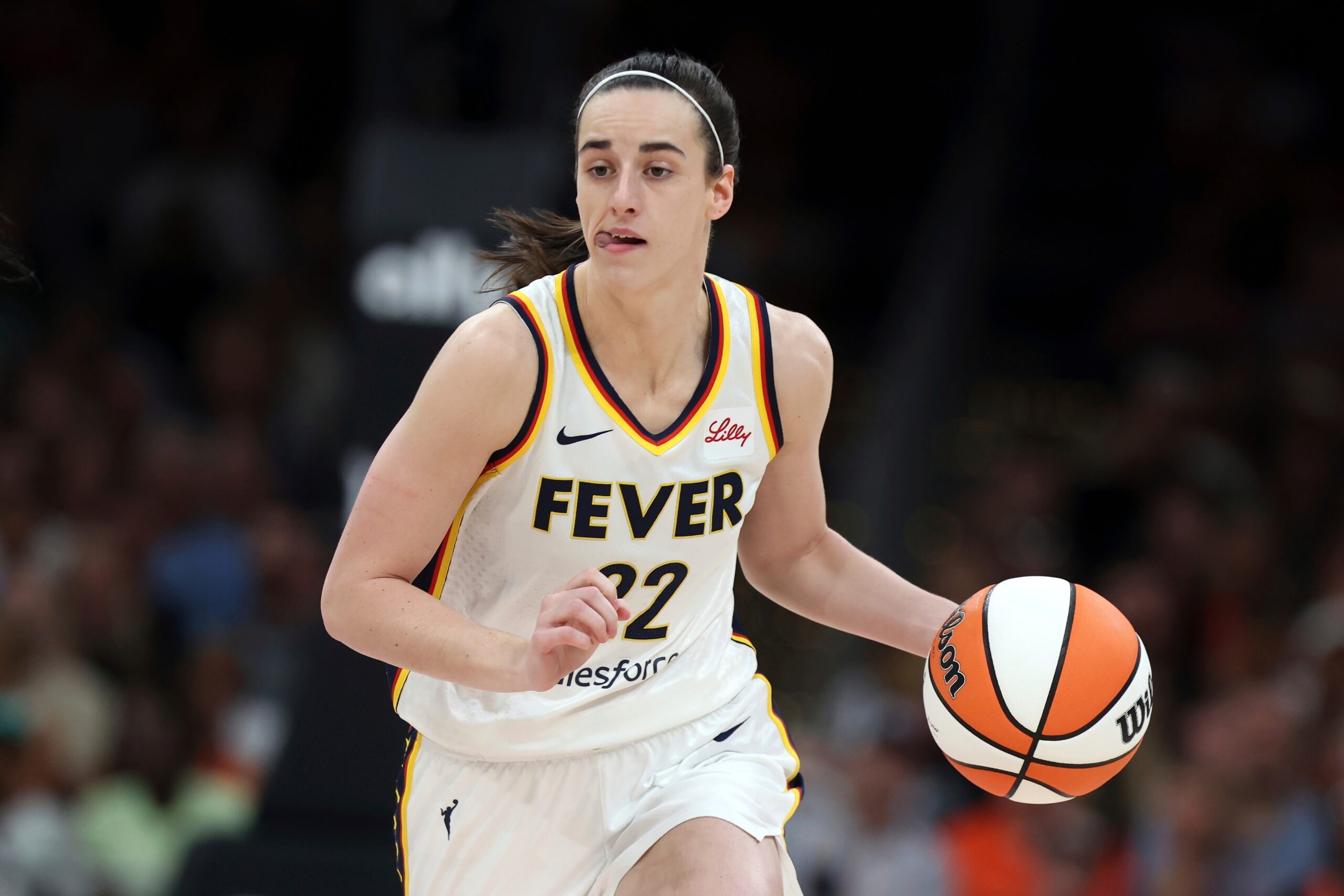
Caitlin Clark expressed her admiration for Patriots quarterback Drake Maye on the “New Heights” podcast.
Playoff picture with Caitlin Clark
Caitlin Clark made her highly anticipated return to New Heights to discuss her new Nike advertisement, her signature shoe, and the NFL playoff picture. The two-time WNBA All-Star asked Kelce who he likes in the playoffs besides the Birds.
“I really liked the Rams until [Monday] night,” Kelce said. “The first half was kind of the first weakness that I kind of saw from them. To their credit, they did bounce back and almost ended up winning there at the end. But, the Rams feel like they have the least questions of everybody that’s in the playoffs.
“Like, everything kind of has an answer. They’re great on the offense. They’re great on the defensive line. They run the ball well. They stop the run. Their quarterback [Matthew Stafford] is a proven — already won a Super Bowl and been around for a long time. So it’s like that’s the kind of the team that I think probably is the safest one.”
When asked about the Eagles’ chances, Kelce responded: “I think they’ll do better than people expect.”
“I mean, I know that the offense struggled in the second half last week and it’s struggled at times this season, but their defense is so good,” Kelce said. “And whoever they get in this first round, they’re probably going to get a team — whether it’s the Rams, who have said they’re going to play their starters, or San Francisco will probably be it. There’s a chance they could be the No. 2 seed and play Green Bay. They’re going to get a team traveling from the West Coast all the way to the East Coast, and the Eagles are probably going to rest. So, I kind of feel good about Round 1. I feel like they’re so talented that they have a chance to beat anybody at this point.”
Clark revealed that she doesn’t have a horse in the race. However, she is a fan of a certain young quarterback in the running for league MVP.
“I mean, I’m not cheering for anybody,” Clark said. “Honestly, I’m a Drake Maye fan. I think he’s been incredible, and I think the Patriots are — I mean, what is it? The NFC, I mean they’re all so good. The 49ers are really good, but they’re the most injured team, but they just still find a way to win, which is pretty crazy. I mean, I’ll probably be pulling for the Patriots. But I think the Rams are really good, too. [The Seahawks’] Sam Darnold seems like a good guy. So I could root for him, too.”
U.S. Immigration and Customs Enforcement officials are planning to spend $100 million over a one-year period to recruit gun-rights supporters and military enthusiasts through online influencers and a geo-targeted advertising campaign, part of what the agency called a “wartime recruitment” strategy it said was critical to hiring thousands of new deportation officers nationwide, according to an internal document reviewed by the Washington Post.
The spending would help President Donald Trump’s mass-deportation agenda dominate media networks and recruitment channels, including through ads targeting people who have attended UFC fights, listened to patriotic podcasts, or shown an interest in guns and tactical gear, according to a 30-page document distributed among officials in this summer detailing ICE’s “surge hiring marketing strategy.”
The Department of Homeland Security has spoken publicly about its fast-tracked effort to significantly increase ICE’s workforce by hiring more than 10,000 new employees, a surge promoted on social media with calls for recruits willing to perform their “sacred duty” and “defend the homeland” by repelling “foreign invaders.” The agency currently employs more than 20,000 people, according to ICE’s website.
But the document, reported here for the first time, reveals new details about the vast scale of the recruitment effort and its unconventional strategy to “flood the market” with millions of dollars in spending for Snapchat ads, influencers and live streamers on Rumble, a video platform popular with conservatives. Under the strategy, ICE would also use an ad-industry technique known as “geofencing” to send ads to the phone web browsers and social media feeds of anyone who set foot near military bases, NASCAR races, college campuses, or gun and trade shows.
The document was also distributed among ICE officials in the days after the agency published a request for bids seeking contractors who could use “precise audience targeting, performance media management, and results-driven creative strategies” to “accelerate the achievement of [its] recruiting goals.” The language in the published bid closely mirrored language in the strategy document. That same month, DHS awarded two marketing firms nearly $40 million to support ICE’s public affairs office “recruitment campaign,” according to federal awards data.
It’s unclear how much of the spending and strategy have been carried out. But the plans outlined in the document have coincided with a rush of recruitment ads online seeking Americans who will “answer the call to serve.”
The rapid-recruitment approach is unlike anything ICE has ever pursued, said Sarah Saldaña, a director of ICE during the Obama administration, who recalled the agency filling its open positions through local police departments and sheriff’s offices with appeals to officers’ interests in federal public-safety work.
She said she worries that the speed with which ICE is racing to bring on new hires — coupled with the ad campaign’s framing of the jobs as part of a war — will raise the risk that the agency could attract untrained recruits eager for all-out combat.
The appeal to law enforcement should not be “the quicker we get out there and run over people, the better off this country will be,” she said. “That mentality you’re fostering tends to inculcate in people a certain aggressiveness that may not be necessary in 85 percent of what you do.”
ICE deferred comment toTricia McLaughlin, a DHS spokeswoman, who did not dispute a detailed list of claims and financial figures sent by the Post andsaid she was “thrilled to see the Washington Post highlight … [the] wildly successful ICE recruitment campaign, which isunder budget and ahead of schedule.”
The agency, she said, has received more than 220,000 job applications in five months and has issued more than 18,000 tentative job offers. More than 85% of the new hires had experience in law enforcement, she added.
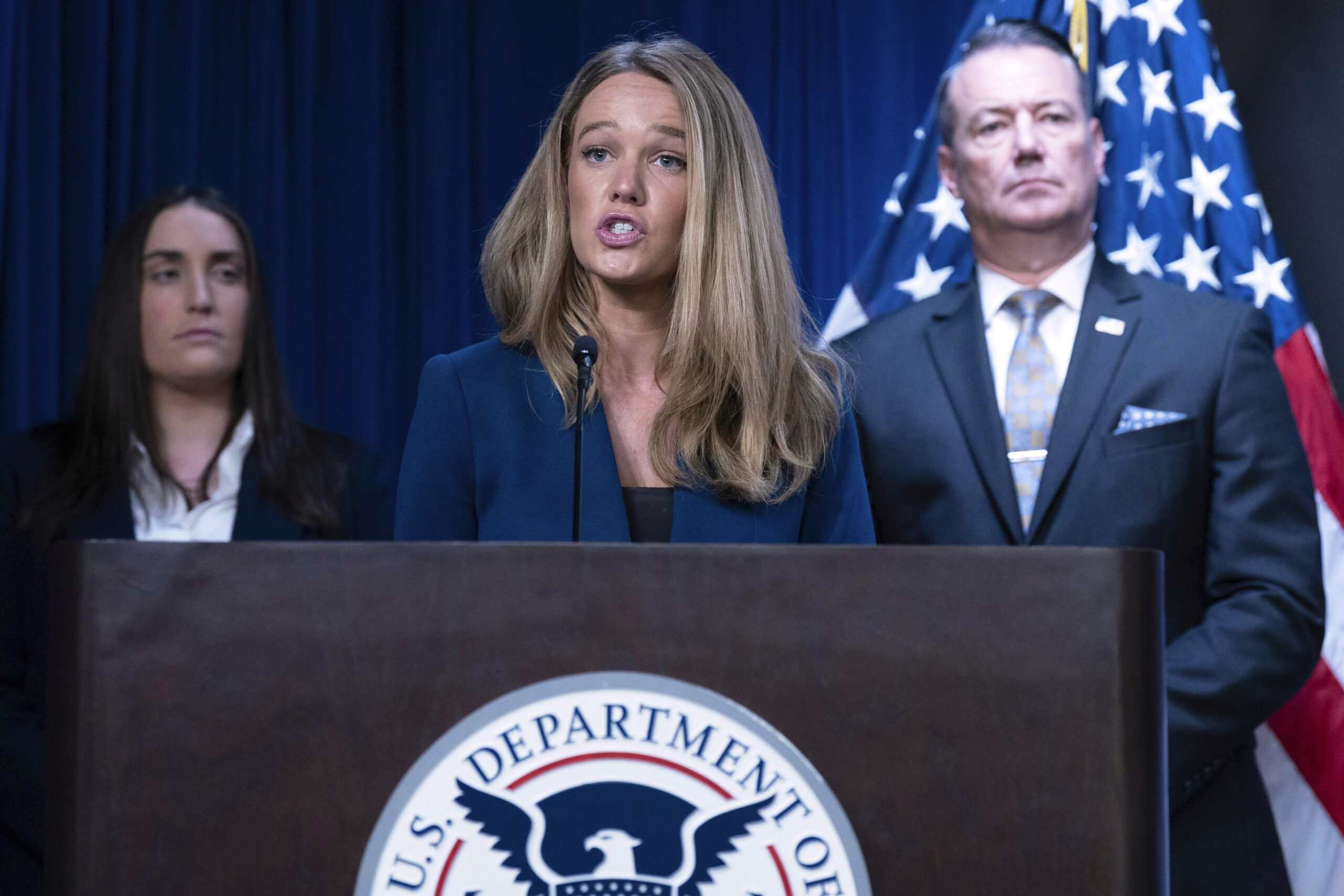
Tricia McLaughlin, spokeswoman for the Department of Homeland Security, is flanked by Madison Sheahan, second in command at ICE, and Todd Lyons, acting ICE director, at a May 21 news conference in Washington.
Congress this summer tripled ICE’s enforcement and deportation budget to about $30 billion by passing the One Big Beautiful Bill Act, helping to start a hiring spree that officials have said would be necessary to carry out the Trump administration’s promise of the biggest mass deportation in American history. Officials set a goal of 1 million deportations within the first year of Trump’s term.
To bolster its recruiting, the agency has removed its age limits for applicants and offered signing bonuses of up to $50,000. A job listing on a federal hiring board said the salaries for many deportation officers could range from $50,000 to $90,000 a year.
Recruitment ads have proliferated across TV, radio, print and podcasts directing viewers to an ICE hiring website that portrays immigration as an existential threat. “America has been invaded by criminals and predators,” reads the website, which includes an image of Uncle Sam. “We need YOU to get them out.”
On social media, administration accounts have mixed immigration raid footage with memes from action movies and video games to portray ICE’s mission as a fight against the “enemies … at the gates.” “Want to deport illegals with your absolute boys?” one post says. “Are you going to cowboy up or just lay there and bleed?” says another.
A U.S. Immigration and Customs Enforcement agent is seen in Park Ridge, Ill., on Sept. 19.
But to reach ICE’s “rapid hiring” goal of about 14,000 new Enforcement and Removal Operations officers, Homeland Security Investigations agents, ICE lawyers and support staff, the strategy document also calls for deploying more finely targeted digital advertising tools that can home in on viewers’ interests and lifestyles.
ICE recruitment ads, the plan said, would be shown to people with an interest in “military and veterans’ affairs,” “physical training,” or “conservative news and politics” and would target people whose lifestyles are “patriotic” or “conservative-leaning.”
The strategy said to target listeners of conservative radio shows, country music and podcasts related to patriotism, men’s interests and true crime, as well as any accounts that resemble users with an interest in “conservative thought leaders, gun rights organizations [and] tactical gear brands,” the document said.
To further attract recruits, the strategy called for spending at least $8 million on deals with online influencers whose followers are largely Gen Z and millennials and who were in the “military families,” “fitness,” and “tactical/lifestyle enthusiast communities.”
The document did not name specific influencers but said it would focus on “former agents, veterans and pro-ICE creators” who would be expected to host live streams, attend events and post short- and long-form videos and other content to Facebook, Instagram, Rumble, X and YouTube. Blogs, Substack newsletters, and Threads accounts would also be targeted for more “niche communities,” the document said.
The objective, it said, is to build trust through “authentic peer-to-peer messaging” and to “normalize and humanize careers at ICE through storytelling and lived experiences.” The document said it expected more than 5,000 applicants would come through the influencer program, costing ICE about $1,500 per application.
ICE has run ads on Google, LinkedIn, Instagram and Facebook, targeting the latter to military veterans and “entry-level job” seekers, according to the companies’ ad libraries, which share public data on the platforms’ ad campaigns. Millions more in advertising was slated for delivery to gaming consoles, connected TV devices and streaming services such as ESPN, Fox News and Paramount+, as well as across newspapers, billboards and box trucks, the strategy document said.
Listeners on Spotify have heard ICE ads calling on recruits to “fulfill your mission,” leading to hundreds of complaints on the music service’s message board. One NASCAR viewer who saw the ads on live streams said in a Reddit post that they changed the channel, and separately told the Post that they had “never felt such distaste for our government airing such ads.”
Natalia Banulescu-Bogdan, a deputy director at the Migration Policy Institute, a nonpartisan Washington think tank, said ICE’s ads harked back to World War I recruitment posters by using symbols like Uncle Sam.
The war rhetoric is in line with the Trump administration’s broader efforts to push mass deportations as critical to American security and immigration officials’ work as heroic, she said. But the ads also allow ICE to gloss over the “messy realities of immigration enforcement,” including “the public backlash, the legal pushback and the very real operational constraints.”
“We’ve never seen immigration agencies kind of strip down the policy debates to this level of raw imagery and symbolism,” she added.
The strategy document features on the cover ICE’s second-in-command, Madison Sheahan, who worked as an aide to DHS Secretary Kristi L. Noem when she was governor of South Dakota. In the photo, Sheahan, 28, wears a “police” vest and an ICE badge under the words “Defend the Homeland.”
The document called for spending “$100 million within one year” as part of an “aggressive” recruitment program that would “saturate digital and traditional media” and prioritize “speed, scale, and conversion at every level.”
Public ad-tracking figures from Google and Meta show ICE’s digital ad spending so far is a fraction of the strategy’s proposed budget for their platforms. McLaughlin, the DHS spokeswoman, did not respond to questions about how much money had been spent already or whether the strategy had changed.
Beyond demographic targeting, the strategy document also identified New York, Los Angeles, Minneapolis, Chicago, and Boston as “key locations” for finding recruits. The cities have been the targets of intense ICE sweeps and major anti-deportation protests over the last year.
The largest local recruitment target, seeking up to 1,000 removal officers, is slated for the New Orleans field office. The state of Louisiana has one of the country’s biggest immigrant detention populations, second only to Texas, and the New Orleans field office manages all nine detention facilities in the state.
ICE has hosted hiring events around the country, including at a Texas job fair earlier this year, during which a former mixed martial arts fighter told the Post he was eager to “work with these guys that are going to arrest you, slam your face on the pavement and send you home.”
But the strategy has also called for boosting recruitment at major gatherings and sporting events, including a booth at the NASCAR Cook Out Southern 500 in South Carolina in August; a “gym-based recruitment” event with “influencer-style content” at the UFC Fight Night in Las Vegas in November; and a planned sponsorship devoted to “patriotism, strength [and] grit” at the National Finals Rodeo this month in Las Vegas.
DHS did not say whether all the events proposed in the strategy were carried out, but their ads did accompany several of the events on TV. “ICE commercial during the UFC event tonight?! How gross,” one X user said in October. ICE also posted a bid in November seeking a firm to “identify suitable event locations” for “recruitment and outreach events.”
The recruitment ads run separately from other large-scale DHS campaigns that celebrate Trump’s immigration agenda and urge undocumented immigrants to leave the U.S. DHS has awarded more than $200 million in contracts this year to People Who Think and Safe America Media, two marketing firms linked to Republican political consultants, federal contracting records show. Representatives from the firms did not respond to requests for comment.
Those efforts, too, have relied on ad-targeting techniques more commonly used by corporate marketing campaigns. The ad library for Meta, which runs Facebook and Instagram, shows that DHS has spent more than $1 million on “self-deportation” ads in the last 90 days targeted to people interested in “Latin music,” “Spanish as a second language,” and “Mexican cuisine.”
On a message board for the music streaming service Pandora, some users were furious about the ads they called “fearmongering … propaganda.” One user, who said she is a U.S. citizen who likes listening to reggaeton, said she had been overwhelmed by DHS commercials “implying I am an undocumented immigrant and instructing me to ‘go home’” that played in “nearly every other ad slot I hear.”
ICE’s ads have drawn criticism from some Democrats, who have called them overly inflammatory. The Senate Judiciary Committee, led by Sen. Dick Durbin (D., Ill.), said in October that ICE’s “polarizing recruitment ads” would “only attract MAGA radicals.”
And some of the platforms on which the ads have run have expressed their own reservations. Earlier this month, a transit operator in Long Beach, Calif., removed ICE recruitment ads from its buses and apologized for the “uncertainty and fear” they may have caused, as was first reported by the Long Beach Watchdog, a local news source.
Americus Reed, a marketing professor at the University of Pennsylvania’s Wharton School, said the ICE strategy reminded him of the “Army of One” campaign that the military once used to build up recruits as mighty warfighters critical to safeguarding the American way of life.
“They’re aiming for that sweet spot of people who’ve got something to prove, who want to have that power, under the guise of patriotism,” he said.
CALGARY, Alberta ― On Monday, Flyers coach Rick Tocchet joked that he was signed to a nondisclosure agreement by Hockey Canada. Travis Sanheim said it has been radio silence on his end.
But the writing has been on the wall since February, and now it’s official: Sanheim needs to brush up on his Italian because the Flyers defenseman will be playing for Canada at the 2026 Milano Cortina Olympics.
He was nervous and didn’t get much sleep, but getting the early call on Wednesday was worth it.
“With the game last night [in Vancouver], we flew to Calgary and got in, I think it was just after 2 o’clock, and then my phone went off just before 8 local time,” Sanheim said via Zoom. “I was up pretty early, not a lot of sleep, and I usually have trouble after games anyway, and I was aware of that potential phone call coming.
“So just the excitement level and receiving that, and it means to represent your country and be a part of something like the Olympics, and I’ll take the sleepless night to take a phone call like that.”
The 29-year-old blueliner grew up on a grain farm in Elkhorn, Manitoba, a small town of less than 500 people — he has about 100 text messages to still get through from back home — and remembers watching Sidney Crosby’s golden goal in the 2010 Vancouver Olympics. As a 13-year-old, Sanheim just wanted to make the NHL; he never expected to be lining up alongside the all-time great seeking a gold medal.
However, Sanheim opened a lot of eyes at the 4 Nations Face-Off last February. At first, the American and Canadian media questioned whether he even belonged, then he was a healthy scratch in the tournament opener. But in the end, he was manning the blue line on the opening shift of overtime in the championship game.
“You see these players, you compete against these players, but you don’t really know until you have them. And I’ve always, I’ve really liked his game,” Canada coach Jon Cooper told The Inquirer in November as he tried not to show his cards while complimenting the defenseman with a gleam in his eye and a little smile.
“I’m a big fan of big D that take up a lot of space, and can skate, and he can do all those things. But his ability to jump into plays, he’s got an offensive mind to him.”
The 6-foot-4, 222-pound defenseman also has an edge as a minute-muncher with the versatility to play either the left or right side. He can kill penalties and, as seen lately, he can play on the power play in a pinch.
Travis Sanheim celebrates after Canada’s victory in the 4 Nations Face-Off last February.
“He’s a guy who can play 25 minutes; they’re hard to find, those guys. When he’s on his game, he’s a really tough defender. He wheels the net, good skater,” said Tocchet, an assistant coach on Cooper’s Canada staff. “All I remember from the 4 Nations, when he went in the lineup, he really played well. He impressed Pete DeBoer, the D coach there. He impressed a lot of those guys.”
At 4 Nations, Sanheim was a little wide-eyed at Canada’s first practice in Brossard, Quebec. By the end, he had one assist in three games despite playing with three defensive partners.
“You step on the ice, and you look around and [there’s] guys you idolize growing up, and guys who are superstars in this league, and you don’t think that you really belong out there,” Sanheim told The Inquirer on Monday. “A lot of nerves, and then you start playing and realize that you belong and that you can compete with these guys. You get into a game, and the competitiveness comes out, and it’s just like any other hockey game.
“[I] just really enjoyed playing with those types of players, and they make the game really easy, and they don’t make too many bad decisions and are always in good spots. So you know, if you’re a smart player, I feel like they make it pretty easy to adjust to playing with that type of speed.”
Sanheim has donned the maple leaf several times before, including at the 2013 World Under-17 Hockey Challenge and the 2014 U18 World Championship, snagging a bronze medal at each tournament; the 2016 World Juniors; and, until last season, at the 2022 World Championships, winning silver. Aside from 4 Nations, he also played for Canada at the World Championships in May.
“I was watching the reveal myself today, and just sitting there, as proud as could be that I was one of those names named,” he said on Zoom.
“Just looking back a couple of years, and where my career has kind of come, and never thought that this day would happen. It just goes to show that the work and dedication that I’ve had and put into this game, and just trying to get better each and every day, and I still continue to do that.
“[I] feel like I can continue to grow my game and to get me at the level that I’m at now, and be able to play in an Olympic Games is really special, and something that I never thought was possible.”
Flyers winger Travis Konecny, who played alongside Sanheim with Canada at the 4 Nations, did not make the cut this time around.
But Sanheim is not the only Flyer booking tickets to Italy. In addition to Tocchet, forward Rodrigo Ābols made Latvia’s roster. The expectation is that goalie Dan Vladař and defenseman Rasmus Ristolainen will be named to Czechia and Finland’s rosters, too. Sam Ersson is also in the mix for one of the three goalie spots with Sweden.
While rosters are due to be submitted today, the United States, Sweden, and Finland will reveal their rosters on Friday. The NHL will break from Feb. 6-24 for the hockey tournament, which will be played exclusively in Milan from Feb. 11-22.
Flyers defenseman Travis Sanheim has been a workhorse for the Flyers over the past few seasons.
In 2025, Philadelphians said goodbye to a beloved group of broadcasters, radio personalities, sports heroes, and public servants who left their mark on a city they all loved.
Some were Philly natives, including former Eagles general manager Jim Murray. Others, including beloved WMMR host Pierre Robert, were transplants who made Philly their adopted home. But all left their mark on the city and across the region.
Pierre Robert
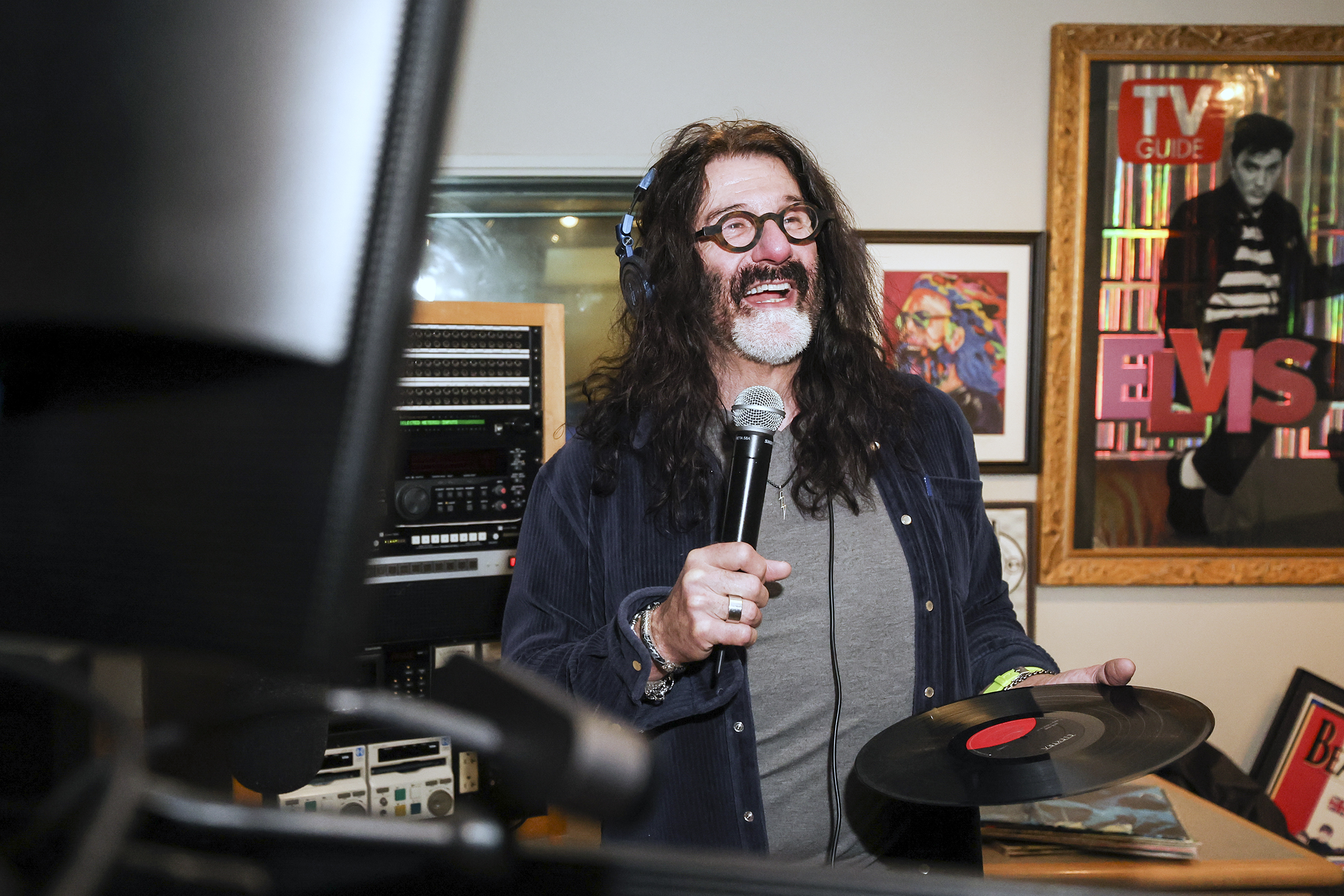
Former WMMR host Pierre Robert, seen in his studio in 2024.
A native of Northern California, Mr. Robert joined WMMR as an on-air host in 1981. He arrived in the city after his previous station, San Francisco’s KSAN, switched to an “urban cowboy” format, prompting him to make the cross-country drive to Philadelphia in a Volkswagen van.
At WMMR, Mr. Robert initially hosted on the weekends, but quickly moved to the midday slot — a position he held for more than four decades up until his death.
— Nick Vadala, Dan DeLuca
Bernie Parent
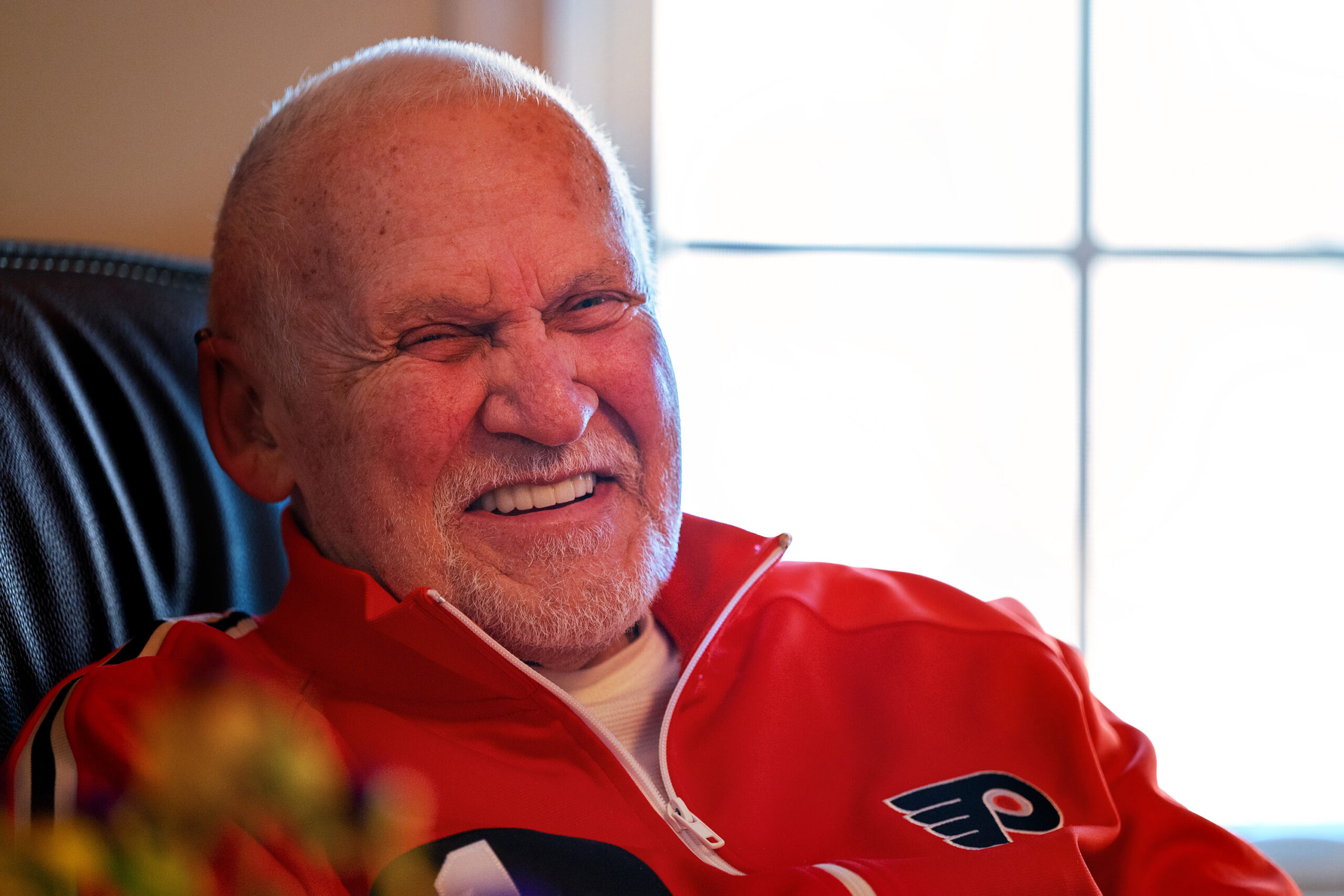
Former Flyers goaltender Bernie Parent, seen at his home in 2024.
Bernie Parent, the stone-wall Flyers goalie for the consecutive Stanley Cup championship teams for the Broad Street Bullies in the 1970s, died in September. He was 80.
A Hall of Famer, Mr. Parent clinched both championships with shutouts in the final game as he blanked the Boston Bruins, 1-0, in 1974 and the Buffalo Sabres, 2-0, in 1975. Mr. Parent played 10 of his 13 NHL seasons with the Flyers and also spent a season in the World Hockey League with the Philadelphia Blazers. He retired in 1979 at 34 years old after suffering an eye injury during a game against the New York Rangers.
He grew up in Montreal and spoke French as his first language before becoming a cultlike figure at the Spectrum as cars throughout the region had “Only the Lord Saves More Than Bernie Parent” bumper stickers.
— Matt Breen
David Lynch
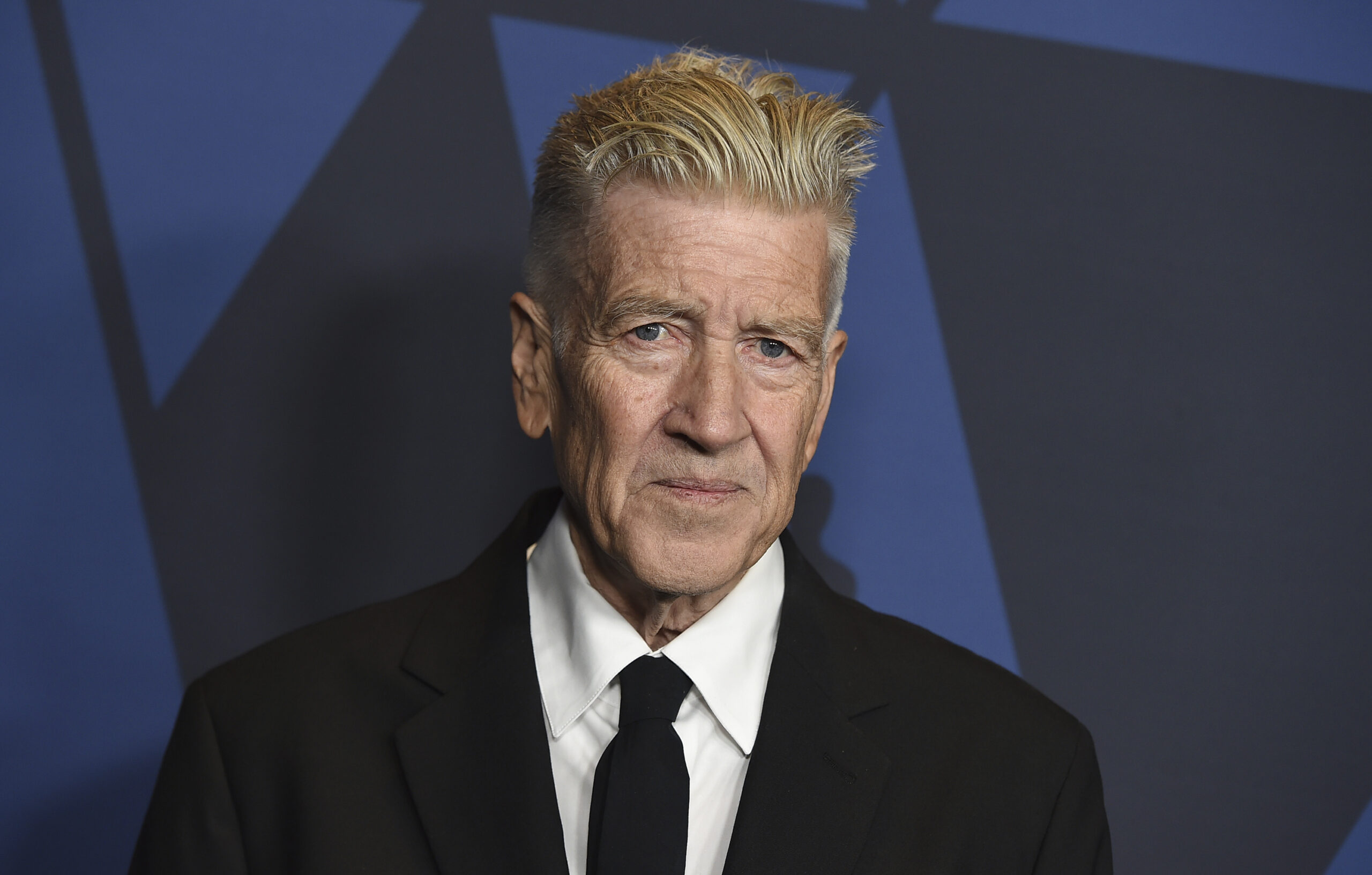
David Lynch, seen here at the Governors Awards in Los Angeles in 2019.
David Lynch, the visionary director behind such movies as Blue Velvet and The Elephant Man and the twisted TV show Twin Peaks, died in January of complications from emphysema. He was 78.
Mr. Lynch was born in Missoula, Mont., but ended up in Philadelphia to enroll at the Pennsylvania Academy of the Fine Arts in 1965 at age 19. It was here he developed an interest in filmmaking as a way to see his paintings move.
He created his first short films in Philadelphia, which he described both as “a filthy city” and “his greatest influence” as an artist. Ultimately, he moved to Los Angeles to make his first feature film, Eraserhead, though he called the film “my Philadelphia Story.”
— Rob Tornoe
Ryne Sandberg
Former Phillies manager Ryne Sandberg, seen here at spring training in 2018.
Ryne Sandberg, the Hall of Fame second baseman who started his career with the Phillies but was traded shortly after to the Chicago Cubs in one of the city’s most regrettable trades, died in July of complications from cancer. He was 65.
Mr. Sandberg played 15 seasons in Chicago and became an icon for the Cubs, simply known as “Ryno,” after being traded there in January 1982.
He was a 10-time All-Star, won nine Gold Glove awards, and was the National League’s MVP in 1984. Mr. Sandberg was inducted into the Baseball Hall of Fame in 2005 and returned to the Phillies in 2011 as a minor-league manager and, later, the big-league manager.
— Matt Breen
Bob Uecker
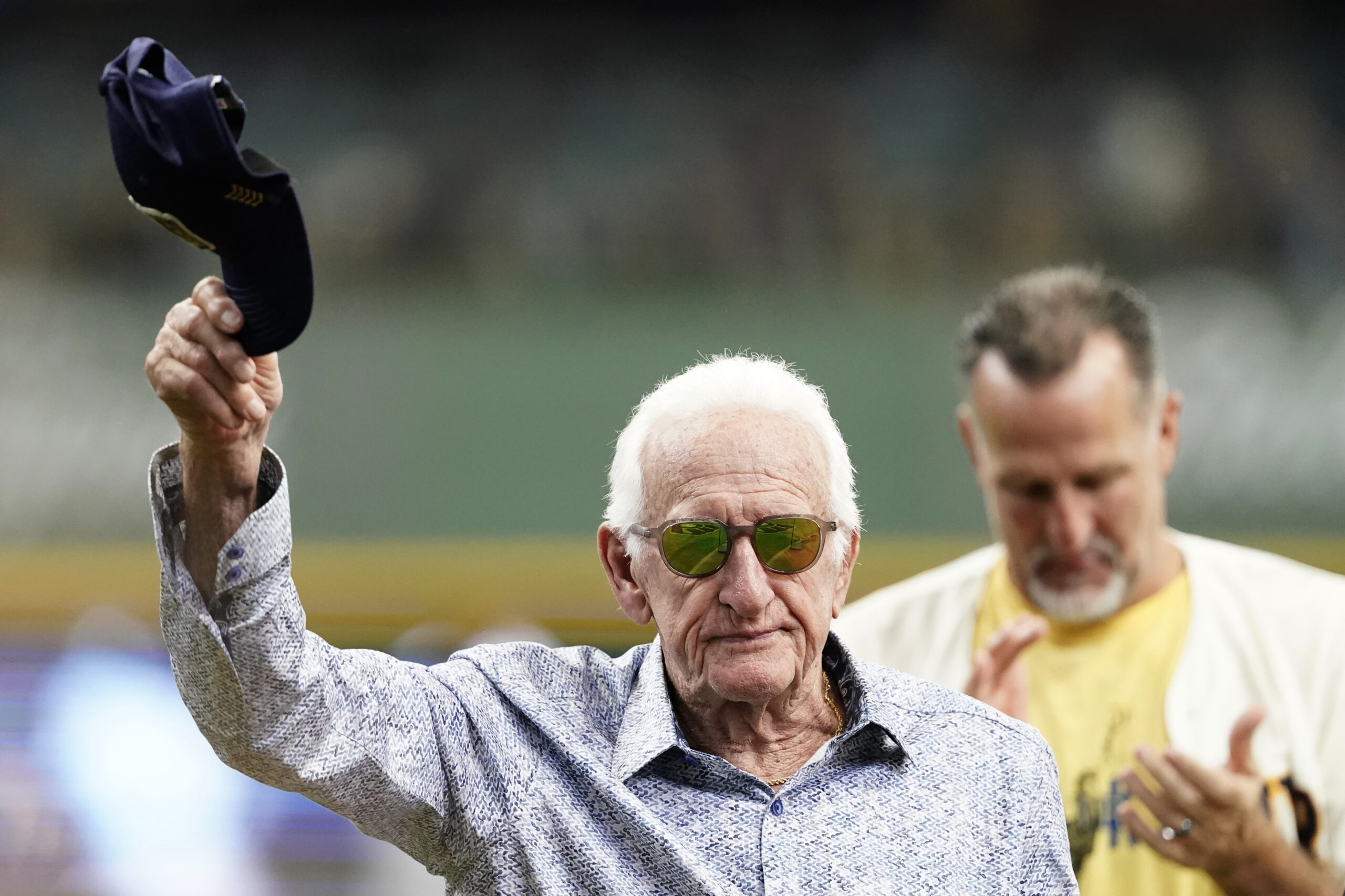
Bob Uecker, seen here before a Brewers game in 2024.
Bob Uecker, a former Phillies catcher who later became a Hall of Fame broadcaster for the Milwaukee Brewers and was dubbed “Mr. Baseball” by Johnny Carson for his acting roles in several movies and TV shows, died in January. He was 90.
Mr. Uecker spent just six seasons in the major league, two with the Phillies, but the talent that would make him a Hall of Fame broadcaster — wit, self-deprecation, and the timing of a stand-up comic — were evident.
His first broadcasting gig was in Atlanta, and he started calling Milwaukee Brewers games in 1971. Before that, he called Phillies games: Mr. Uecker used to sit in the bullpen at Connie Mack Stadium and deliver play-by-play commentary into a beer cup.
— Matt Breen and Rob Tornoe
Harry Donahue
Harry Donahue, seen here at Temple University in 2020.
Harry Donahue, 77, a longtime KYW Newsradio anchor and the play-by-play voice of Temple University men’s basketball and football for decades, died in October after a fight with cancer.
His was a voice that generations of people in Philadelphia and beyond grew up with in the mornings as they listened for announcements about snow days and, later, for a wide array of sports.
— Robert Moran
Alan Rubenstein
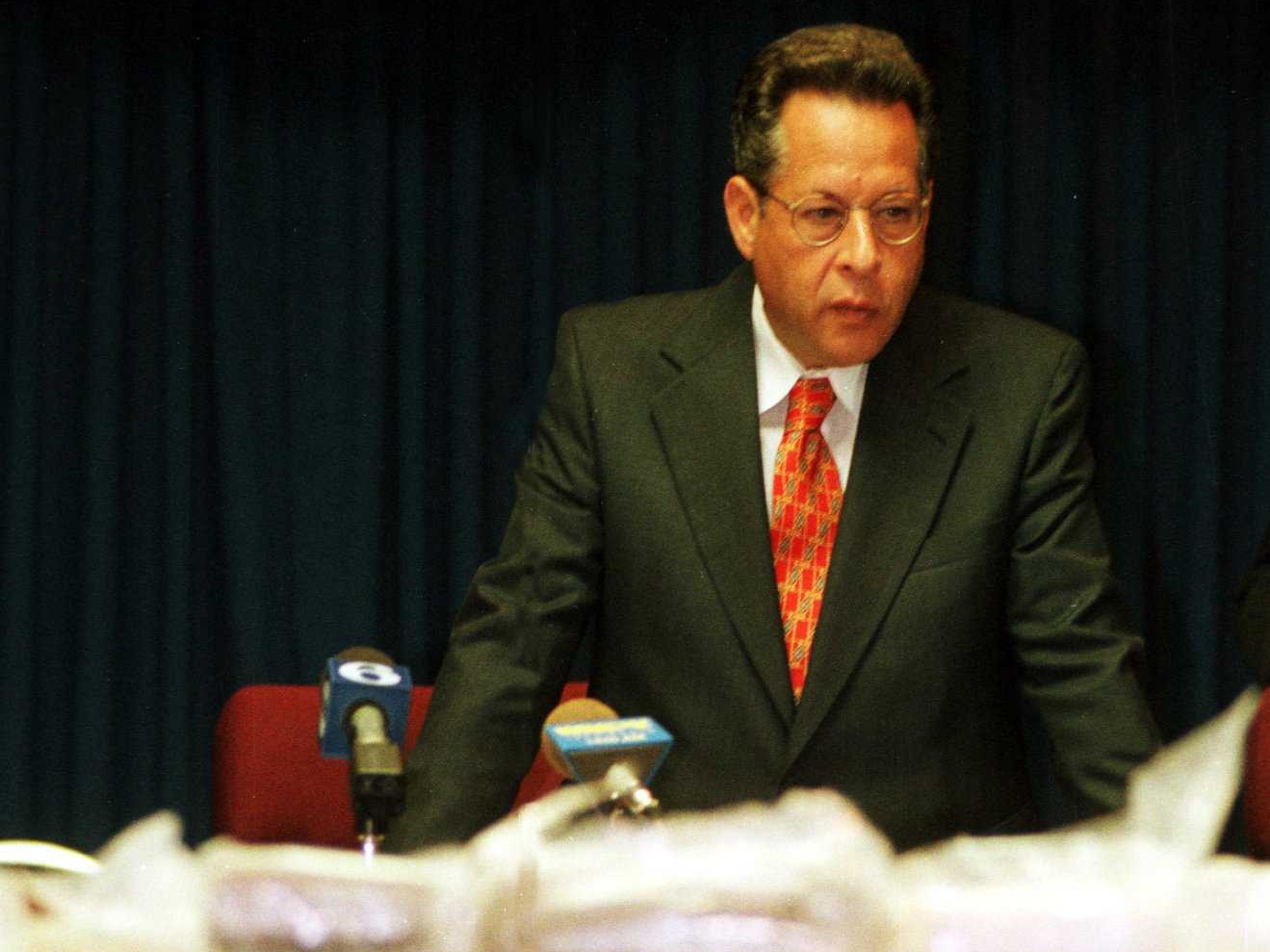
Judge Rubenstein, then Bucks County district attorney, talks to the media about a drug case in 1998.
Alan M. Rubenstein, a retired senior judge on Bucks County Common Pleas Court and the longest-serving district attorney in Bucks County history, died in August of complications from several ailments at his home in Holland, Bucks County. He was 79.
For 50 years, from his hiring as an assistant district attorney in 1972 to his retirement as senior judge a few years ago, Judge Rubenstein represented Bucks County residents at countless crime scenes and news conferences, in courtrooms, and on committees. He served 14 years, from 1986 to 1999, as district attorney in Bucks County, longer than any DA before him, and then 23 years as a judge and senior judge on Bucks County Court.
“His impact on Bucks County will be felt for generations,” outgoing Bucks County District Attorney Jennifer Schorn said in a tribute. U.S. Rep. Brian Fitzpatrick (R., Pa.) said on Facebook: “Alan Rubenstein has never been just a name. It has stood as a symbol of justice, strength, and integrity.”
— Gary Miles
Orien Reid Nix
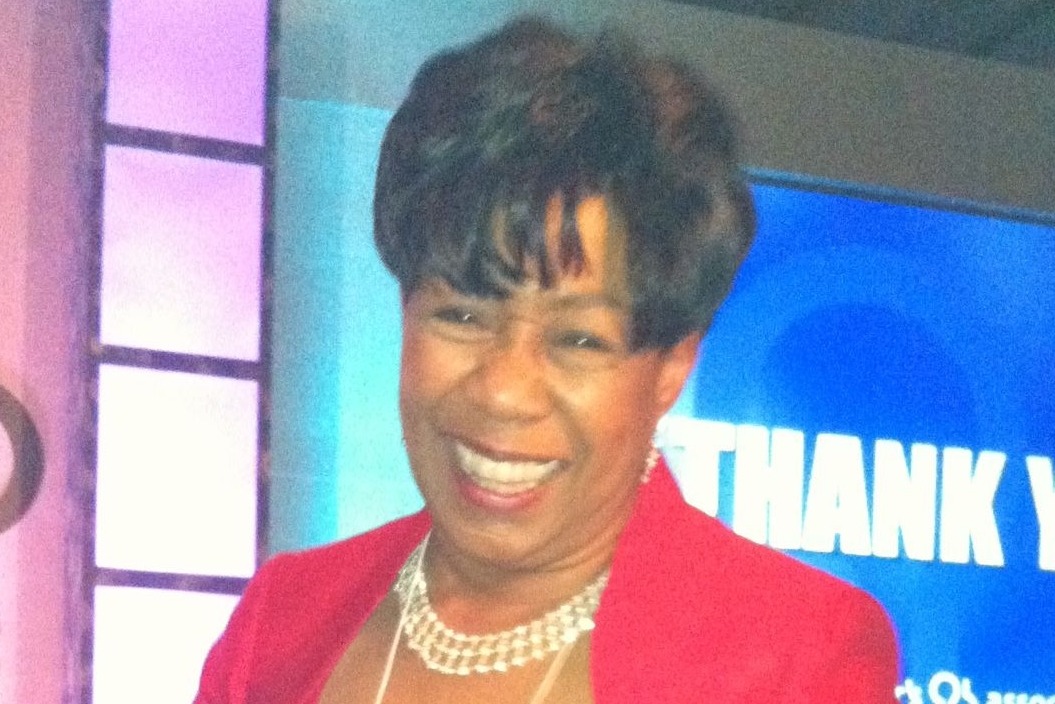
Orien Reid Nix, seen here being inducted into the Broadcast Pioneers of Philadelphia Hall of Fame in 2018
Orien Reid Nix, 79, of King of Prussia, retired Hall of Fame reporter for KYW-TV and WCAU-TV in Philadelphia, owner of Consumer Connection media consulting company, the first Black and female chair of the international board of the Alzheimer’s Association, former social worker, mentor, and volunteer, died in June of complications from Alzheimer’s disease.
Charismatic, telegenic, empathetic, and driven by a lifelong desire to serve, Mrs. Reid Nix worked as a consumer service and investigative TV reporter for Channels 3 and 10 in Philadelphia for 26 years, from 1973 to her retirement in 1998. She anchored consumer service segments, including the popular Market Basket Report, that affected viewers’ lives and aired investigations on healthcare issues, price gouging, fraud, and food safety concerns.
— Gary Miles
Dave Frankel
Dave Frankel in an undated publicity photo.
Dave Frankel, 67, a popular TV weatherman on WPVI (now 6abc) who later became a lawyer, died in February after a long battle with a neurodegenerative disease.
Mr. Frankel grew up in Monmouth County, N.J., graduated in 1979 from Dartmouth College, and was planning to attend Dickinson School of Law to become a lawyer like his father. But an internship at a local TV station in Vermont turned into a news anchor job and a broadcast career that lasted until the early 2000s.
— Robert Moran
Lee Elia
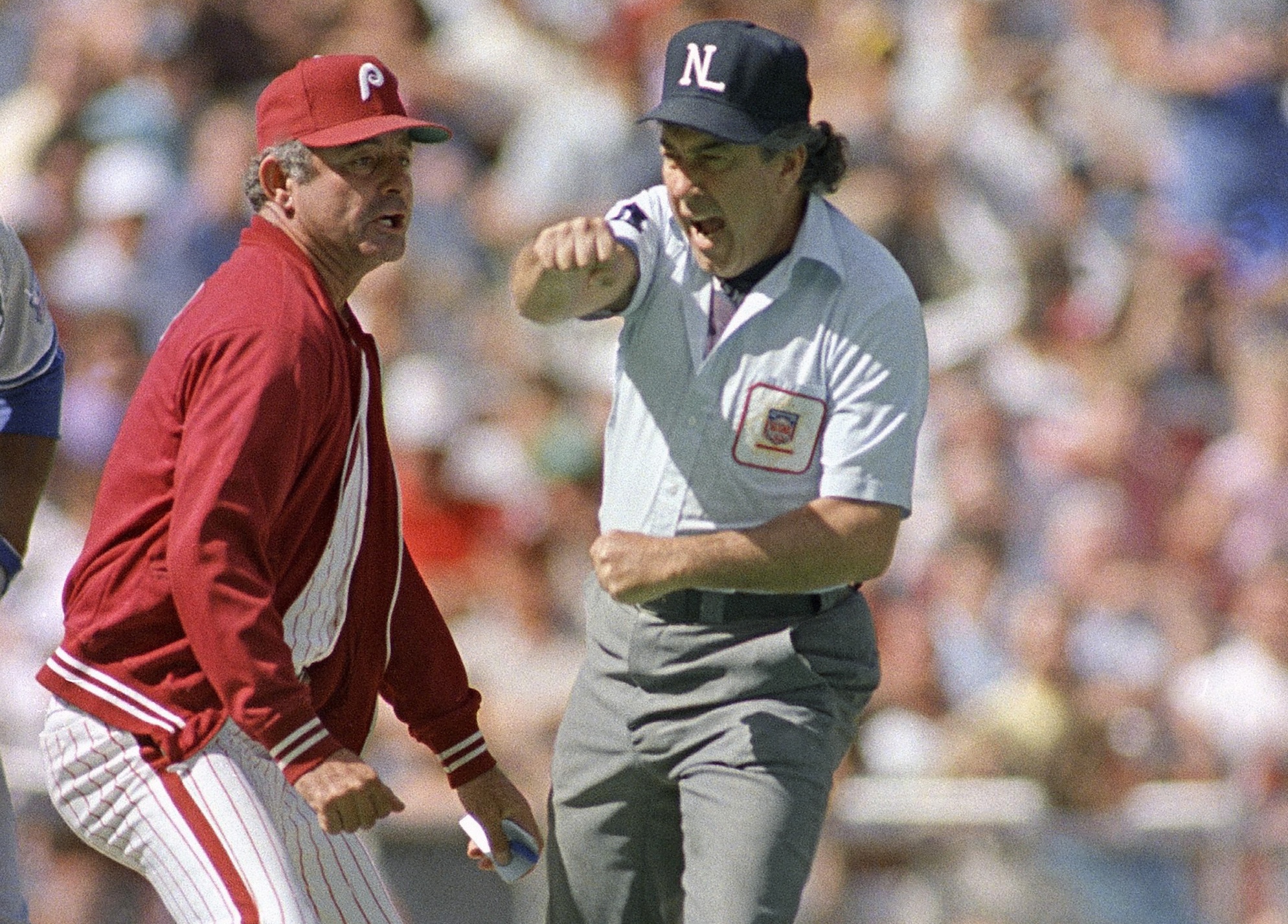
Former Phillies manager Lee Elia, seen here being ejected from a game in 1987.
Lee Elia, the Philadelphia native who managed the Phillies after coaching third base for the 1980 World Series champions and once famously ranted against the fans who sat in the bleachers of Wrigley Field, died in July. He was 87.
Mr. Elia’s baseball career spanned more than 50 seasons. He managed his hometown Phillies in 1987 and 1988 after managing the Chicago Cubs in 1982 and 1983.
After his playing career was cut shot by a knee injury, Mr. Elia joined Dallas Green’s Phillies staff before the 1980 season and was coaching third base when Manny Trillo delivered a crucial triple in the clinching game of the National League Championship Series. Mr. Elia was so excited that he bit Trillo’s arm after he slid.
— Matt Breen
Gary Graffman
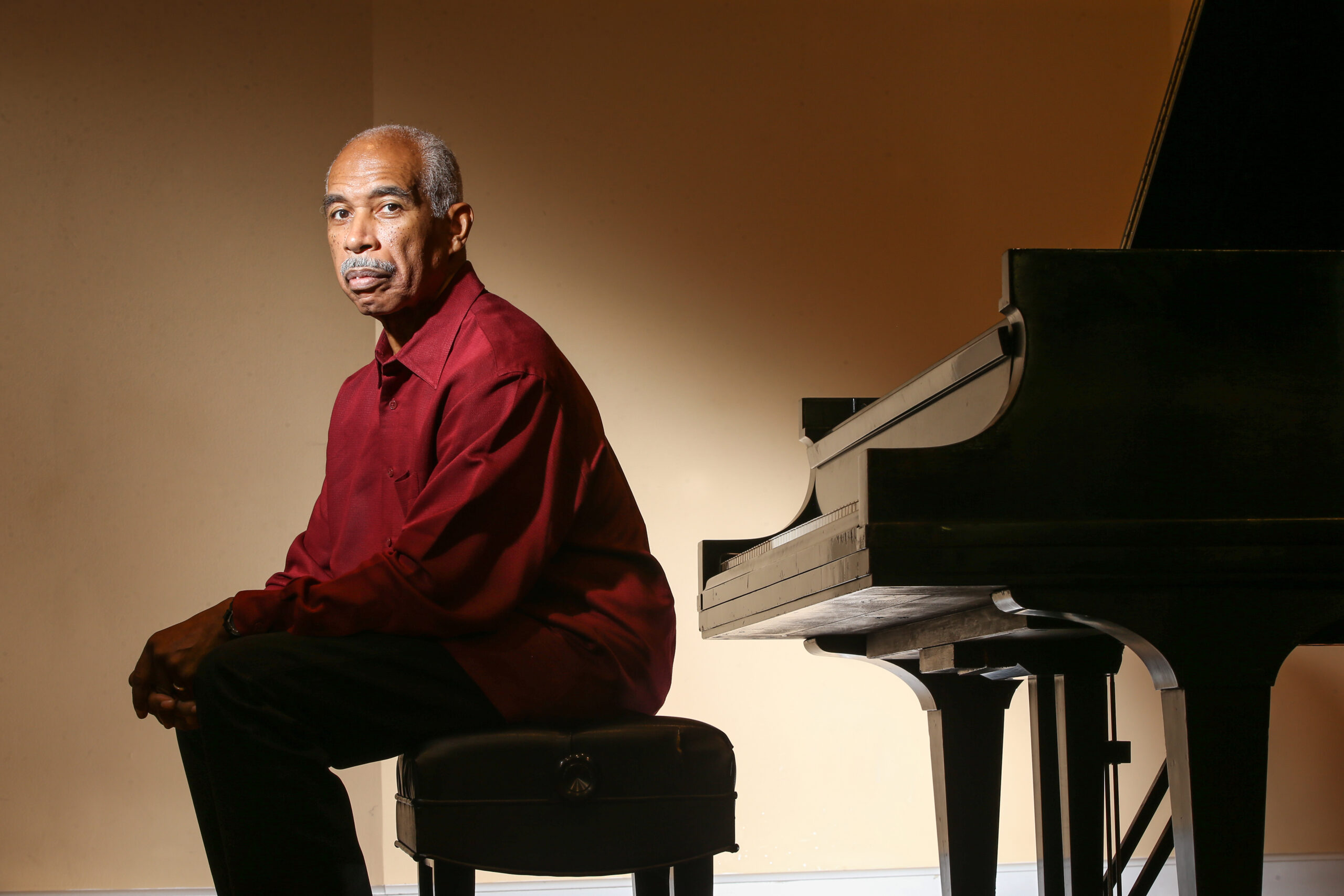
Gary Graffman, seen here playing at the Curtis Institute of Music Orchestra Concert at Verizon Hall in 2006.
Gary Graffman, a celebrated concert pianist and the former president of the Curtis Institute of Music, died in December in New York. He was 97.
The New York City-born pianist arrived at Curtis at age 7. He graduated at age 17 and played roughly 100 concerts a year between the ages of 20 and 50 before retiring from touring due to a compromised right hand. Diagnosed with focal dystonia (a neurological disorder), he went on to premiere works for the left hand by Jennifer Higdon and William Bolcom.
Mr. Graffman returned to Curtis as a teacher in 1980, became director in 1986, and was named the president of the conservatory in 1995, with a teaching studio encompassing nearly 50 students, including Yuja Wang and Lang Lang among others. He performed on numerous occasions with the Philadelphia Orchestra from 1947 to 2003.
— David Patrick Stearns
Len Stevens
Len Stevens was the co-founder of WPHL-TV Channel 17.
Len Stevens, the cofounder of WPHL-TV (Channel 17) and a member of the Broadcast Pioneers of Philadelphia Hall of Fame, died in September of kidney failure. He was 94.
Born in Philadelphia, Mr. Stevens was a natural entrepreneur. He won an audition to be a TV announcer with Dick Clark on WFIL-TV in the 1950s, persuaded The Tonight Show and NBC to air Alpo dog food ads in the 1960s, co-owned and managed the popular Library singles club on City Avenue in the 1970s and ’80s, and later turned the nascent sale of “vertical real estate” on towers and rooftops into big business.
He and partner Aaron Katz established the Philadelphia Broadcasting Co. in 1964 and launched WPHL-TV on Sept. 17, 1965. At first, their ultrahigh frequency station, known now as PHL17, challenged the dominant very high frequency networks on a shoestring budget. But, thanks largely to Mr. Stevens’ advertising contacts and programming ideas, Channel 17 went on to air Phillies, 76ers, and Big Five college basketball games, the popular Wee Willie Webber Colorful Cartoon Club, Ultraman, and other memorable shows in the late 1960s and early ’70s.
— Gary Miles
Jim Murray
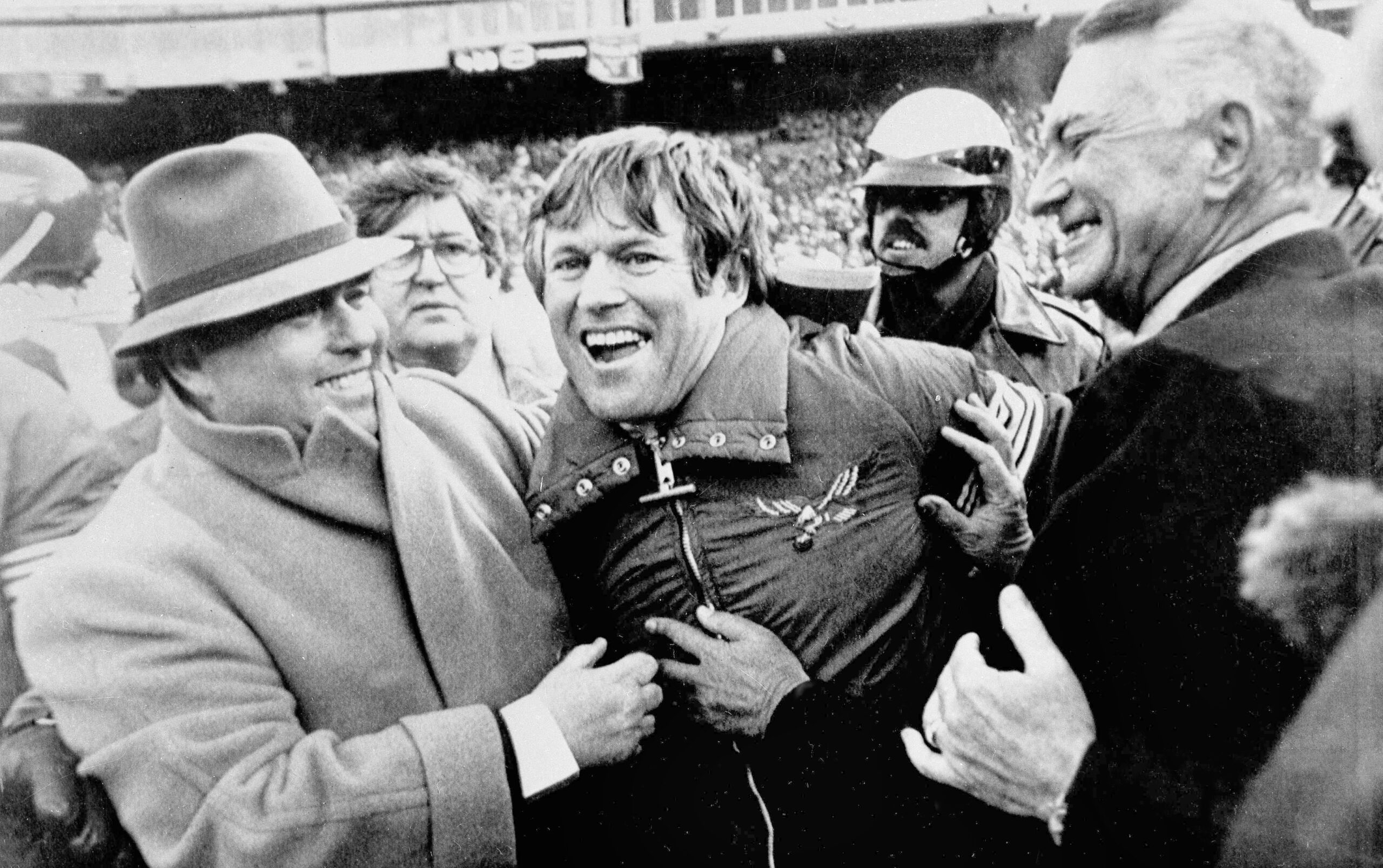
Former Eagles general manager Jim Murray (left), seen here with Dick Vermeil and owner Leonard Tose following the 1980 NFC championship game in January 1981.
Jim Murray, the former Eagles general manager who hired Dick Vermeil and helped the franchise return to prominence while also opening the first Ronald McDonald House, died in August at home in Bryn Mawr surrounded by his family. He was 87.
Mr. Murray grew up in a rowhouse on Brooklyn Street in West Philadelphia and watched the Eagles at Franklin Field. The Eagles hired him in 1969 as a publicist, and Leonard Tose, then the Eagles’ owner, named him the general manager in 1974. Mr. Murray was just 36 years old and the decision was ridiculed.
But Mr. Murray — who was known for his wit and generosity — made a series of moves to bring the Eagles back to relevance, including hiring Vermeil and acquiring players like Bill Bergey and Ron Jaworski. The Eagles made the playoffs in 1978 and reached their first Super Bowl in January 1981. The Eagles, with Murray as the GM, were finally back.
— Matt Breen
Michael Days
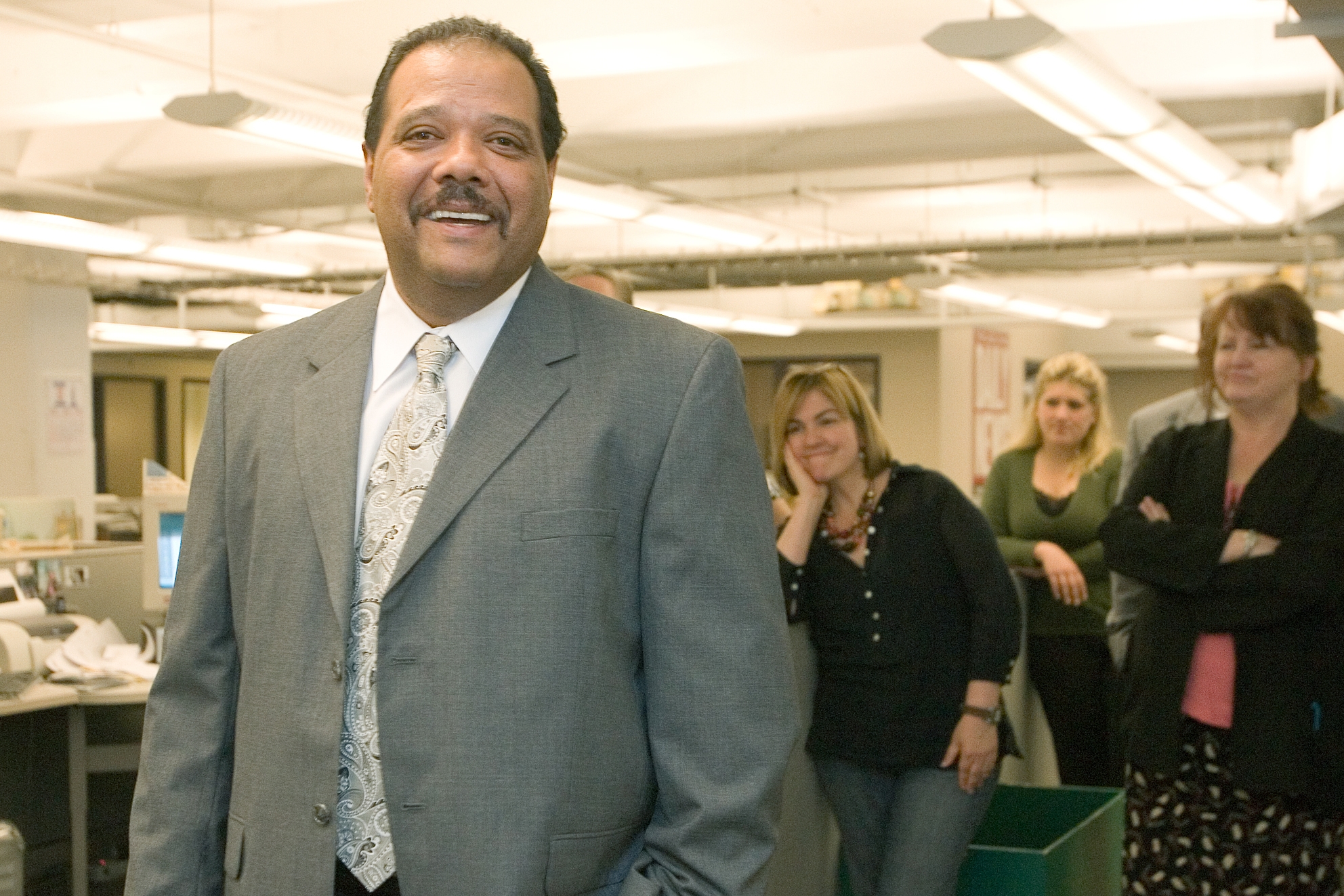
Philadelphia Daily News Editor Michael Days celebrates with the newsroom after word of the Pulitzer win.
Michael Days, a pillar of Philadelphia journalism who championed young Black journalists and led the Daily News during its 2010 Pulitzer Prize win for investigative reporting, died in October after falling ill. He was 72.
A graduate of Roman Catholic High School in Philadelphia, Mr. Days worked at the Wall Street Journal and other newspapers before joining the Daily News as a reporter in 1986, where he ultimately became editor in 2005, the first Black person to lead the paper in its 90-year history. In 2011, Mr. Days was named managing editor of The Inquirer, where he held several management roles until he retired in October 2020.
As editor of the Daily News, Mr. Days played an essential role in the decisions that would lead to its 2010 Pulitzer Prize, including whether to move forward with a story about a Philadelphia Police Department narcotics officer that a company lawyer said stood a good chance of getting them sued.
“He said, ‘I trust my reporters, I believe in my reporters, and we’re running with it,’” recounted Inquirer senior health reporter Wendy Ruderman, who reported the piece with colleague Barbara Laker. That story revealed a deep dysfunction within the police department, Ruderman said, and led to the newspaper’s 2010 Pulitzer Prize win.
— Brett Sholtis
Tom McCarthy
Tom McCarthy, seen here in 2002.
Tom McCarthy, an award-winning theater, film, and TV actor, longtime president of the local chapter of the Screen Actors Guild, former theater company board member, mentor, and veteran, died in May of complications from Parkinson’s disease at his home in Sea Isle City. He was 88.
The Overbrook native quit his job as a bartender in 1965, sharpened his acting skills for a decade at Hedgerow Theatre Company in Rose Valley and other local venues, and, at 42, went on to earn memorable roles in major movies and TV shows.
In the 1980s, he played a police officer with John Travolta in the movie Blow Out and a gardener with Andrew McCarthy in Mannequin. In 1998, he was a witness with Denzel Washington in Fallen. In 2011, he was a small-town mayor with Lea Thompson in Mayor Cupcake. Over the course of his career, Mr. McCarthy acted with Zsa Zsa Gabor, Harrison Ford, Kristin Scott Thomas, Cloris Leachman, Robert Redford, Donald Sutherland, John Goodman, and other big stars.
— Gary Miles
Carol Saline
Carol Saline, seen here at her Philadelphia home in 2021.
Carol Saline, a longtime senior writer at Philadelphia Magazine, the best-selling author of Sisters, Mothers & Daughters, and Best Friends, and a prolific broadcaster, died in August of acute myeloid leukemia. She was 86.
On TV, she hosted a cooking show and a talk show, was a panelist on a local public affairs program, and guested on the Oprah Winfrey Show, Inside Edition, Good Morning America, and other national shows. On radio, she hosted the Carol Saline Show on WDVT-AM.
In June, she wrote to The Inquirer, saying: “I am contacting you because I am entering hospice care and will likely die in the next few weeks. … I wanted you to know me, not only my accomplishments but who I am as a person.
“I want to go out,” she ended her email, “with a glass of Champagne in one hand, a balloon in the other, singing (off key) ‘Whoopee! It’s been a great ride!’”
— Gary Miles
Richard Wernick
Richard Wernick, seen here before a concert at the 2002 Festival of Philadelphia Composers.
Richard Wernick, a Pulitzer Prize-winning composer, acclaimed conductor, and retired Irving Fine Professor of Music at the University of Pennsylvania, died in April 25 of age-associated decline at his Haverford home. He was 91.
Professor Wernick was prolific and celebrated as a composer. He wrote hundreds of scores over six decades and appeared on more than a dozen records, and his Visions of Terror and Wonder for a mezzo-soprano and orchestra won the 1977 Pulitzer Prize for music. In 1991, his String Quartet No. 4 made him the first two-time winner of the Kennedy Center’s Friedheim Award for new American music.
“Wernick’s orchestral music has power and brilliance, an emphasis on register, space, and scale,” Lesley Valdes, former Inquirer classical music critic, said in 1990.
— Gary Miles
Dorie Lenz
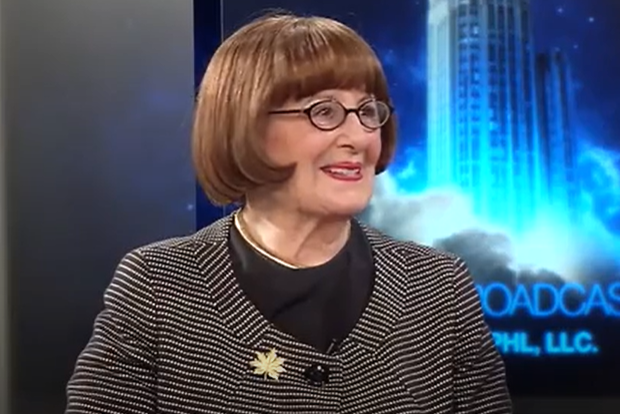
Dorie Lenz, seen here on Channel 17 in 2015.
Dorie Lenz, a pioneering TV broadcaster and the longtime director of public affairs for WPHL-TV (Channel 17), died in January of age-associated ailments at her home in New York. She was 101.
A Philadelphia native, Ms. Lenz broke into TV as a 10-year-old in a local children’s show and spent 30 years, from 1970 to 2000, as director of public affairs and a program host at Channel 17, now PHL17. She specialized in detailed public service campaigns on hot-button social issues and earned two Emmys in 1988 for her program Caring for the Frail Elderly.
Ms. Lenz interviewed newsmakers of all kinds on the public affairs programs Delaware Valley Forum, New Jersey Forum, and Community Close Up. Viewers and TV insiders hailed her as a champion and watchdog for the community. She also talked to Phillies players before games in the 1970s on her 10-minute Dorie Lenz Show.
— Gary Miles
Jay Sigel
Jay Sigel, seen here after winning the Georgia-Pacific Grand Champions title in 2006.
Jay Sigel, one of the winningest amateur golfers of all time and an eight-time PGA senior tour champion, died in April of complications from pancreatic cancer. He was 81.
For more than 40 years, from 1961, when he won the International Jaycee Junior Golf Tournament as an 18-year-old, to 2003, when he captured the Bayer Advantage Celebrity Pro-Am title at 60, the Berwyn native was one of the winningest amateur and senior golfers in the world. Mr. Sigel won consecutive U.S. Amateur titles in 1982 and ’83 and three U.S. Mid-Amateur championships between 1983 and ’87, and remains the only golfer to win the amateur and mid-amateur titles in the same year.
He won the Pennsylvania Amateur Championship 11 times, five straight from 1972 to ’76, and the Pennsylvania Open Championship for pros and amateurs four times. He also won the 1979 British Amateur Championship and, between 1975 and 1999, played for the U.S. team in a record nine Walker Cup tournaments against Britain and Ireland.
— Gary Miles
Mark Frisby
Mark Frisby, seen here in the former newsroom of the Daily News in 2007.
Mark Frisby, the former publisher of the Daily News and associate publisher of The Inquirer, died in September of takayasu arteritis, an inflammatory disease, at his home in Gloucester County. He was 64.
Mr. Frisby joined The Inquirer and Daily News in November 2006 as executive vice president of production, labor, and purchasing. He was recruited from the Courier-Post by then-publisher Brian Tierney, and he went on to serve as publisher of the Daily News from 2007 to 2016 and associate publisher for operations of The Inquirer and Daily News from 2014 to his retirement in 2016.
Mr. Frisby was one of the highest-ranking Black executives in the company’s history, and he told the Daily News in 2006 that “local ownership over here was the big attraction for me.” Michael Days, then the Daily News editor, said in 2007: “This cat is really the real deal.”
— Gary Miles
Leon Bates
Leon Bates, seen here at the Settlement Music School in Germantown in 2018.
Leon Bates, a concert pianist whose musical authority and far-reaching versatility took him to the world’s greatest concert halls, died in November after a seven-year decline from Parkinson’s disease. He was 76.
The career of Mr. Bates, a leading figure in the generation of Black pianists who followed the early-1960s breakthrough of Andre Watts, encompassed Ravel, Gershwin, and Bartok over 10 concerts with the Philadelphia Orchestra between 1970 and 2002. He played three recitals with Philadelphia Chamber Music Society and taught master classes at Temple University, where he also gave recitals at the Temple Performing Arts Center.
In his WRTI-FM radio show, titled Notes on Philadelphia, during the 1990s, Mr. Bates was what Charles Abramovic, chair of keyboard studies at Temple University, described as “beautifully articulate and a wonderful interviewer. The warmth of personality came out. He was such a natural with that.”
— David Patrick Stearns
Lacy McCrary
Lacy McCrary in an undated photo.
Lacy McCrary, a former Inquirer reporter who won a Pulitzer Prize at the Akron Beacon Journal, died in March of Alzheimer’s disease at his home in Colorado Springs, Colo. He was 91.
Mr. McCrary, a Morrisville, Bucks County native, won the 1971 Pulitzer Prize in local general or spot news reporting as part of the Beacon Journal’s coverage of the May 4, 1970, student protest killings at Kent State University.
He joined The Inquirer in 1973 and covered the courts, politics, and news of all sorts until his retirement in 2000. He notably wrote about unhealthy conditions and fire hazards in Pennsylvania and New Jersey boardinghouses in the late 1970s and early ’80s, and those reports earned public acclaim and resulted in new regulations to correct deadly oversights.
— Gary Miles
Roberta Fallon
Roberta Fallon, seen here in an undated photo.
Roberta Fallon, 76, cofounder, editor, and longtime executive director of the online Artblog and adjunct professor at St. Joseph’s University, died in December at Thomas Jefferson University Hospital of injuries she suffered after being hit by a car. She was 76.
Described by family and friends as empathetic, energetic, and creative, Ms. Fallon and fellow artist Libby Rosof cofounded Artblog in 2003. For nearly 22 years, until the blog became inactive in June, Ms. Fallon posted commentary, stories, interviews, reviews, videos, podcasts, and other content that chronicled the eclectic art world in Philadelphia.
— Gary Miles
Benita Valente
BENI26P Gerald S. Williams 10/18/00 2011 Pine st. Philadelphia-based soprano Benita Valente has sung all over the world. At age 65, she is making her Oct. 29 performance with the Mendelssohn Club at the Academy of Music her last. 1 of 3: Benita goes over some music at the piano in her upstairs music room.
Benita Valente, a revered lyric soprano whose voice thrilled listeners with its purity and seeming effortlessness, died in October at home in Philadelphia. She was 91.
In a remarkable four-decade career, Ms. Valente appeared on the opera stage, in chamber music, and with orchestras. In the intimate genre of lieder — especially songs by Schubert and Brahms — she was considered one of America’s great recitalists.
The Kennedy Center adopted bylaws earlier this year that limited voting to presidentially appointed trustees, a move that preceded a unanimous decision this month by board members installed by President Donald Trump to add his name to the center.
The current bylaws, obtained by the Washington Post, were revised in May to specify that board members designated by Congress — known as ex officio members — could not vote or count toward a quorum. Legal experts say the move may conflict with the institution’s charter.
Trump took over the Kennedy Center in February, purging its board of members he had not appointed. The months that followed saw struggling ticket sales and programming changes that began to align the arts complex with the Trump administration’s broader cultural aims, culminating with the annual Kennedy Center Honors hosted by the president.
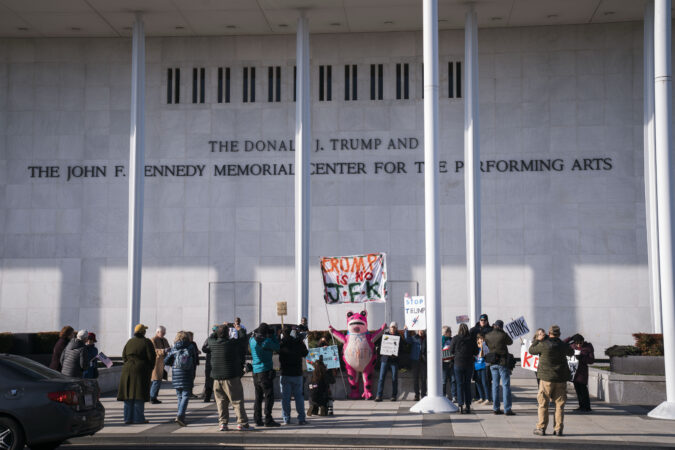
Days later, on Dec. 18, the board voted to add the president’s name to the institution, and within 24 hours it was on the website and the building itself: “The Donald J. Trump and The John F. Kennedy Memorial Center for the Performing Arts.”
Several artists have announced cancellations at the center as the unprecedented move drew public scrutiny and backlash. Democratic lawmakers and legal experts said it was illegal for the board to alter the name of the living memorial to Kennedy that Congress established. Democrats also claimed that one ex officio member, Rep. Joyce Beatty (D., Ohio), was muted when she attempted to speak out during the Dec. 18 vote.
Roma Daravi, the center’s vice president of public relations, told the Post that ex officio members have never voted.
“The bylaws were revised to reflect this longstanding precedent and everyone received the technical changes both before the meeting and after revisions,” Daravi wrote in an email to the Post. “Some members (including ex officio) attended in person, others by phone, and no concerns were voiced, no one objected, and the bylaws passed unanimously.”
The Kennedy Center lists 34 presidentially appointed board members, including Trump himself as chair, and 23 ex officio seats. The center’s president, Richard Grenell, is also an officer of the board.
The federal law that established the Kennedy Center designates specific government and federal positions — including the librarian of Congress; the mayor of Washington, D.C.; the secretary of the Smithsonian Institution; and the majority and minority leaders of the Senate — to serve as ex officio members.
The law identifies them as part of the board of trustees, which it directs to maintain and administer the facility as a living memorial. But it does not distinguish between voting and nonvoting members, which has been a point of ambiguity in the days following the vote to rename the Kennedy Center.
The center’s original bylaws didn’t distinguish voting powers, either. But its most recent tax filings list 59 “voting members” of its governing body — a total that includes both general and ex officio members.
A former Kennedy Center staffer with knowledge of board proceedings, who spoke on the condition of anonymity out of fear of retribution, told the Post that ex officio members were “always included in debate and discussion” during their tenure, but the person did not recall a time when those members’ votes were counted.
“Theoretically they could vote, but our practice was not to have them vote or count toward quorum,” the person said, noting they were not aware of the new leadership’s practices at the center.
For this report, the Post reached out to all ex officio members with questions about their voting authority and any known changes to it. Some told the Post or other outlets that they understood their current role to be nonvoting, though none addressed whether they were aware of any prior changes to that status.
“Like a lot of things, this seems to be in dispute,” said one person with knowledge of board proceedings, who spoke on the condition of anonymity because they were not authorized to speak on the matter.
Senate Majority Leader John Thune (R., S.D.) told a reporter Dec. 18: “I don’t have a vote. I don’t know enough about it.”
Sen. Sheldon Whitehouse (D., R.I.) told the Post that he became an ex officio member this year after he became the lead Democrat on the Senate Committee on Environment and Public Works — another ex officio seat designated by Congress — but was not invited to board meetings until his committee began investigating the Kennedy Center last month.
Whitehouse said the statute “makes no distinction between ex officio and presidentially appointed Trustees when it comes to members’ rights and responsibilities on the board, including voting,” and he accused the Trump-appointed board of attempting to “illegally change the bylaws to silence dissent.”
A spokesperson for the Smithsonian Institution said that Secretary Lonnie G. Bunch III does not vote or attend the meetings. It was unclear whether he had since assuming his role in 2019, but it is not uncommon for high officials serving on influential Washington boards to attend by proxy or not at all.
Copies of the Kennedy Center’s May and September board meeting minutes, obtained by the Post, showed that many ex officio members were absent or sent a staffer in their place.
Beatty, who sued the Kennedy Center’s board of trustees Dec. 22 to stop it from adding Trump’s name to the institution, declined to comment for this story. But her lawsuit argues the center’s statute makes her a “a full voting member.”
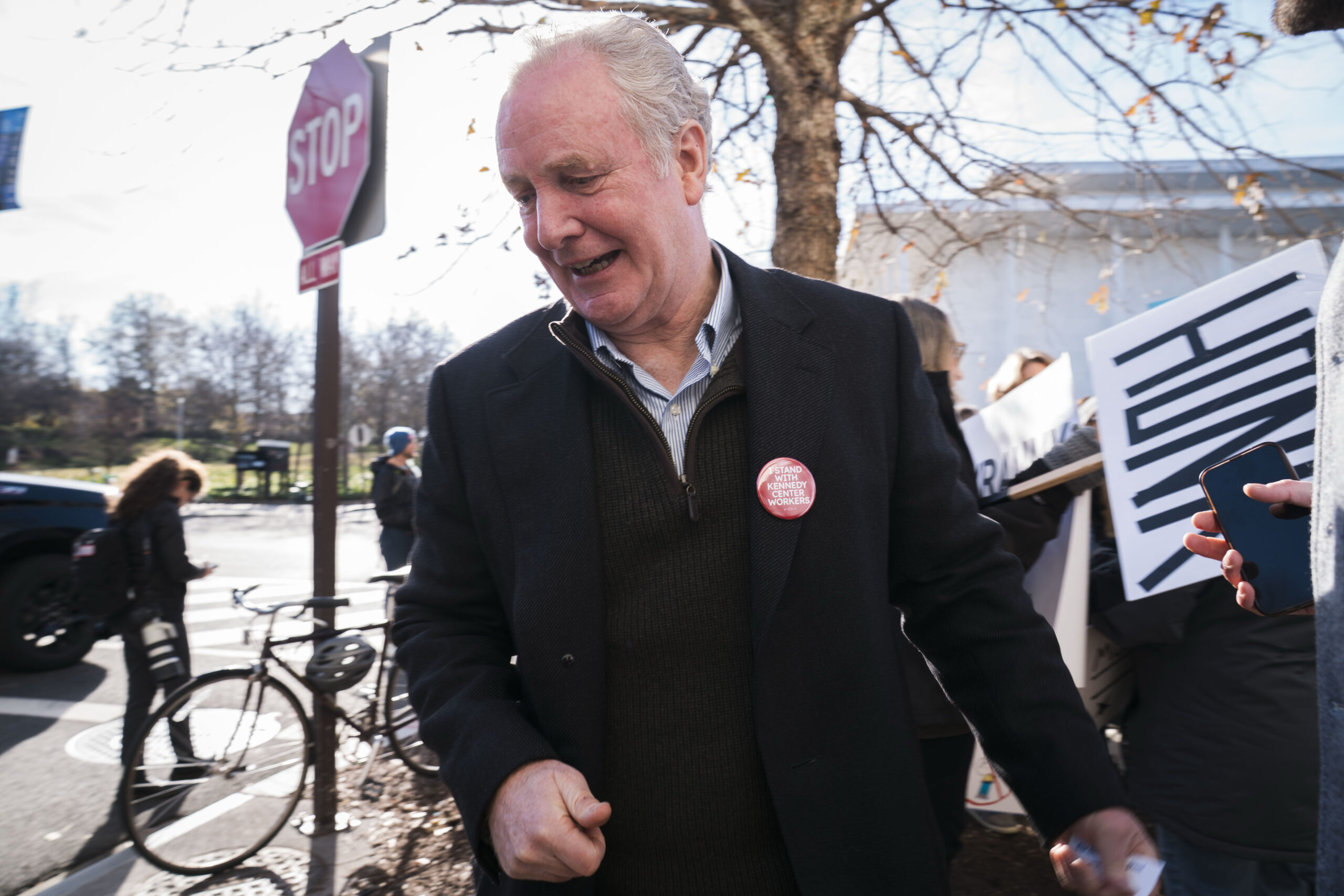
Sen. Chris Van Hollen (D., Md.) leaves a protest of the Kennedy Center name change in Washington on Dec. 20.
Sen. Chris Van Hollen (D., Md.), who is listed as an ex officio member on the Kennedy Center’s website, said he is no longer part of the board. “I was on the Kennedy Center board … in the last Congress,” he told the Post. “So their website is not caught up because I was told when Democrats lost control of the Senate and the Republicans became the majority that I fell off.” (The charter calls for three additional Senate members appointed by the president of the Senate and three House members appointed by the speaker to serve in ex officio seats.)
Many in high-ranking roles, including Secretary of State Marco Rubio, Health Secretary Robert F. Kennedy Jr. and Senate Minority Leader Charles E. Schumer (D., N.Y.), did not respond to requests for comment.
The offices of D.C. Mayor Muriel E. Bowser and the acting librarian of Congress, Robert Newlen, declined to comment.
Other changes from the May revision state that the general trustees “serve at the pleasure of the President.” (Previously, that language appeared in the bylaws and the federal statute only in reference to the Advisory Committee on the Arts, a separate body that makes recommendations to the board.)
They also added language about the ability of officers to make certain appointments, including stating that the chair may appoint the center’s president to act as chief executive.
The vote by the Kennedy Center’s board to add Trump’s name to the institution marked the most overt effort to date by the president and his allies to remold the storied performing arts center in his image.
In the days since his name was added to the building, several lawmakers have vowed to fight the change.
During a rally outside the Kennedy Center on Dec. 20, Van Hollen said he and his colleagues would work to “reverse” the move when Congress returns to session in January. “The day we get back, we can put an amendment on the … Interior appropriations bill to reverse this outrage,” he told the crowd.
Beatty’s lawsuit, filed in the U.S. District Court for the District of Columbia, claimed that the vote exceeded its statutory authority and requested that a judge declare it to be void.
“Because Congress named the center by statute, changing the Kennedy Center’s name requires an act of Congress,” the lawsuit says, adding that “Congress intended the Center to be a living memorial to President Kennedy — and a crown jewel of the arts for all Americans, irrespective of party.”
President Donald Trump, shown attending a showing of “Les Misérables” in June, has made himself a marquee element of the Kennedy Center.
Last week, Rep. April McClain Delaney (D., Md.) introduced legislation to remove Trump’s name.
Rep. Chellie Pingree of Maine, the top Democrat on the Appropriations subcommittee that oversees the Kennedy Center, along with more than 70 lawmakers in Congress, called for Trump to reverse the renaming effort and remove his name from the building immediately.
“No board vote nor social media post has the legal authority to change the name without an act of Congress,” the members wrote.
“We’ll be working to block this disgraceful renaming effort at every possible opportunity and restore the Kennedy Center’s rightful place as our nation’s cultural center without the burden of vanity projects or political influence,” they wrote.
Roger Colinvaux, a law professor at Catholic University, said his read of the statue establishing the center was “not quite as demonstrative” as Beatty’s, but “I’d argue that the statute does not differentiate among types of trustees in terms of powers and obligations, which would include voting.”
Colinvaux added that “basic governance principles” “do not allow for the ‘muting’ of members” of an entity’s governing body, which is a “deliberative body.”
Phil Hackney, a law professor at the University of Pittsburgh and a specialist in nonprofit tax-exempt organizations, said it’s worth noting “how ex officio trustees have traditionally operated” at both the Kennedy Center and the Smithsonian, of which the Kennedy Center is technically a bureau. He said that a court would also need to consider whether trustees are supposed to be able to remove ex officio members’ powers by amending bylaws.
That said, the statute says the trustees “have the usual powers,” and “it still strikes me, under what I see so far, that it is reasonable to believe that ex officio trustees might have the right to vote,” he said.
Ellen Aprill, senior scholar at UCLA School of Law, who has written about the Kennedy Center’s legal status, said even if the bylaws limit voting to general board members appointed by the president, “I believe there is a strong argument that such a bylaw provision violates the Kennedy Center’s charter.”
Aprill stressed that the charter includes a variety of public servants, and both majority and minority members of Congress in the Kennedy Center’s governance. “Clearly the intent of the charter provisions was to entrust Kennedy Center guidance to a broad group, not just those appointed by the president,” she said.
Still, the Kennedy Center’s relatively ambiguous legal status as a public-private entity “makes it difficult to predict how a judge faced with the issues in the case beyond standing would decide,” she said, noting the situation “is likely to give any judge a great deal of freedom in making any decision.”
Former Sen. Ben Nighthorse Campbellof Colorado, who overcame a hardscrabble childhood to become the first Native American chairman of the Senate Committee on Indian Affairs and a leader of the effort to build the National Museum of the American Indian in Washington, died Dec. 30. He was 92.
Mr. Campbell died surrounded by his family, his daughter, Shanan Campbell, told the Associated Press. A cause of death was not provided.
Mr. Campbell, a member of the Northern Cheyenne tribe, represented the western slope of Colorado for three terms in the U.S. House, starting in 1987, and served two terms in the Senate beginning in 1993.In each chamber, he was the only American Indian in office at the time.He immersed himself in public lands, water, and mining issues but made Indian causes the centerpiece of his legislative career.
In the button-down environs of Capitol Hill, Mr. Campbell stood out by arriving at work on a motorcycle, wearing a ponytail and a bolo tie with a handmade silver and turquoise clasp. His unusual resumé further set him apart from the many former lawyers in Congress.
In his youth, Mr. Campbell was a member of the first U.S. Olympic judo team. He became a Teamsters union truck driver, an Air Force military police officer, a trainer of champion quarter horses and a successful jewelry designer before entering public service, by his account, on a whim.
A fiscal conservative and social liberal, Mr. Campbell was elected first as a Democrat and made a high-profile switch to the Republican Party in 1995. He joined the Republicans, in part, he said, to protest Senate Democrats’ defeat of a GOP-backed proposed constitutional amendment to balance the budget.
He continued to support abortion rights and opposed attempts by some Republicans to cut spending for the federal school lunch program. The program sometimes accounted for “the only meal I got when I was a kid,” he said, recalling a childhood that also included years in an orphanage during the Depression.
Republicans had recently taken control of the Senate when Mr. Campbell joined their caucus, and they rewarded him with a seat on the Appropriations Committee, which controls government spending. In 1997, he was selected to chair the Indian Affairs Committee.
His involvement with the Smithsonian Institution’s National Museum of the American Indian dated to 1989, when he was a sponsor of legislation that authorized construction of a building on the National Mall and that required the Smithsonian to identify Indian remains and sacred objects in its vast collection and repatriate them to tribes requesting their return. The museum opened in 2004.
Unlike federal laws regarding water rights or tribal boundaries for Native Americans, the museum legislation “was about respecting their humanity,” said Kristen Carpenter, director of the American Indian Law Program at the University of Colorado.
John Echohawk, executive director of the Native American Rights Fund, a Colorado-based public interest law firm that has worked for decades to secure the return of Indian remains and sacred objects, said the legislation was a “key part of the process of educating” the publicabout Indian rights and sovereignty.
Fascination with judo
Benny Marshall Campbell was born in Placer County, Calif., northeast of Sacramento, on April 13, 1933.
His father, who dabbled in jewelry-making and ran a country store, tried to hide his Cheyenne Indian heritage in an era of rampant discrimination. “My father insisted we keep our Indian background a secret,” Mr. Campbell told his biographer, Herman J. Viola. “Don’t worry about it, we were told. Just keep your mouth shut. It doesn’t mean anything; don’t have anything to do with it.”
His mother, a Portuguese immigrant, suffered from tuberculosis and was in and out of healthcare facilities for much of his childhood. She struggled to look after Benny and his sister while their father,an alcoholic, spent long periods away on drinking sprees.
“It was all she could do, sick and weak herself, to take care of her little family,” Mr. Campbell recalled to Viola. Sometimes the only food in the house was a can of vegetables. “I remember one day, in fact, when my mother opened a can of peas and gave half of them to my sister and half to me,” he said. “All she kept for herself was the juice in the can.”
Mr. Campbell was 6 when his mother placed her children inan orphanage in Sacramento, an act that he said he never held against her, given the family’s struggles. They occasionally returned to her care when their father was home.
At roughlyage 12, Mr. Campbell began packing fruit at the many farms in the area. He worked alongside laborers of Japanese heritage and, in one heated moment, found himself ina fight with a young man Mr. Campbell assumedhe could easily knock to the ground.
Instead, to his shock, the man put him on the floor with a judo maneuver — and Mr. Campbell became a “convert” to the sport, he said. He joined a judo club established by Japanese residents in Placer County, and the sport became an obsession.
Heleft high school in 1950, during his junior year, to enlist in the Air Force at the start of the Korean War. He chose to be a military police officer,in part, because the training included judo lessons.
He completed his high school equivalency diploma in the Air Force and, after he left the service, used the GI Bill to enroll at San Jose State College (now university), partly because of its winning judo team. His biographer wrote that Mr. Campbell’s first marriage, which was annulled within months, and his second, to Elaine Morgan, ended, in part, because he “put judo first.”
After graduating in 1957 with degrees in physical education and fine arts, Mr. Campbell taught art and industrial arts at an elementary school near San Jose. When he learned in 1960 that judo would be introducedin the 1964 Tokyo Olympic Games, hequit his job, sold his house and car, and moved to Japan to enroll in a renowned judo program at Meiji University.
To support himself in Tokyo, he taught English and landed bit parts in Japanese movies. He won a gold medal at the 1963 Pan American Games in Sao Paulo, Brazil.
The next year, Mr. Campbell was part of a four-man U.S. Olympic team, but a knee injury forced him to drop out during the competition. Stunned and in pain, Mr. Campbell wept openly when he had to forfeit the match, according to his biographer.
Returning to California, hetook a job as a high school physical education teacher near Sacramento.
In 1966, he married Linda Price, and they had two children, Colin and Shanan. A complete list of survivors was not immediately available.
Entering politics
In the late 1960s, a period of protest and cultural resurgence among American Indians, Mr. Campbell joined thousands of Native American young people searching for their roots. He located relatives in the Northern Cheyenne tribe in Montana, became a member of the tribeand took the name Nighthorse.
Soon, Mr. Campbell moved his family to a ranch in Southwest Colorado and began raising champion show-ring quarter horses. He also made award-winning jewelry with Indian themes, using skills he learnedfrom his father, whotaught him how to carve wood and bone and shape metal from coins and tobacco tins.
With a thriving jewelry business, Mr. Campbell acquired a pilot’s license and purchased a single-engine plane to ease travel to jewelry shows and competitions around the country. One day in 1982, he found himself grounded by weather in Durango, Colo., and met up with a friend who was attending a Democratic Party gathering to nominate a candidate for the state House of Representatives.
Mr. Campbell, who had not been active in politics, volunteered when no one else agreed to run. He won election that November, with 54% of the vote, and served two terms before narrowly unseating one-term incumbent U.S. Rep. Mike Strang in 1986 in a congressional district that included the cities of Pueblo, Grand Junction, and Durango.
In the U.S. House, Mr. Campbell successfully co-sponsored legislation to rename the Custer Battlefield National Monument in Montana, which became the Little Bighorn Battlefield National Monument. The change, according to the National Park Service, was intended “to recognize indigenous perspectives” on the American Indian victory over Lt. Col. George A. Custer and his 7th Cavalry in June 1876. The legislation also authorized a prominent memorial to the warriors who died there.
In 1987, Mr. Campbell generated support to remove from theHouseInterior Committee hearing room a century-old painting, titled Death Whoop and depicting an Indian holding a bloody knife in one hand and a settler’s scalp in the other.
“It’s out of touch with the sensitivity of Indians,” Mr. Campbell told the Associated Press at the time. “It plays on the prejudice of man.”
After three terms in the House, Mr. Campbell ran in 1992 for an open Senate seat and won the general election with support from organized labor, energy interests, ranchers and Hispanic voters.
He did not seek reelection in 2004, citing poor health. He had been treated for prostate cancer the previous year.
Yet it was his vigor that most colleagues recalled.
On one occasion, he chased down a mugger who had accosted him. In 1995, when he was 62, he used his martial arts skills to help subdue a homeless man who had shoved 92-year-old Sen. Strom Thurmond (R., S.C.) and then attacked a Capitol Police officer.
Alluding to his colleague’s physical prowess, Sen. Mitch McConnell (R., Ky.) wryly observed when Mr. Campbell retired that “many senators became a little more inclined to vote for his amendments after that.”
Isiah Whitlock Jr., an actor who made frequent memorable appearances on the HBO series The Wire and Veepand in five films with director Spike Lee, died Tuesday. He was 71.
Mr. Whitlock’s manager Brian Liebman told the Associated Press in an email that the actor died in New York after a short illness.
Mr. Whitlock played openly corrupt State Sen. Clay Davis on 25 episodes across the five seasons of The Wire.
Davis, a fan-favorite character, was known for his profane catchphrase — “sheee-it” — delivered by Mr. Whitlock in moments of triumph and blunt honesty. The actor first used the phrase in his first film with Lee, 2002’s The 25th Hour, when his detective character discovers a cache of drugs hidden in a couch.
“It’s a big, big, big loss,” Lee said in a phone call with the AP on Tuesday night. “I’m going to miss him for the rest of my life.”
Mr. Whitlock went on to appear in five other Lee films, including 2004’s She Hate Me, 2012’s Red Hook Summer, 2015’s Chi-Raq, 2018’s BlacKkKlansman, and 2020’s Da 5 Bloods.
“We vibed over all those years,” Lee said. “We clicked from the jump.”
Lee said he has especially sweet memories of the extended time he spent with Mr. Whitlock shooting Da 5 Bloods on location in Thailand, and he fondly remembered the last time he saw Mr. Whitlock — Lee and his daughter, Satchel, sat with him at a screening of Kiss ofthe Spider Woman earlier this year.
“He was just a beautiful, beautiful soul,” Lee said. “If you were around him, he made everybody feel good in his presence. He would radiate. I would put that over his acting.”
Lee pointed to Mr. Whitlock’s comic talents both on screen and off.
“He was hilarious,” Lee said. “That was just his nature, he made people laugh. Everybody was in on the joke.”
Mr. Whitlock is the second significant star of The Wire to die in recent weeks after the death of actor James Ransone.
A native of South Bend, Ind., Mr. Whitlock went to Southwest Minnesota State University, where he played football and studied theater. Injuries pushed him to study acting, and he moved to San Francisco to work in theater.
He began appearing in small television guest roles on shows including Cagney and Lacy in the late 1980s, and he had very small roles in the 1990 films Goodfellas and Gremlins 2: The New Batch.
After The Wire, Whitlock moved on to another HBO show, the political satire Veep, where he played Secretary of Defense George Maddox for three seasons. The character ran against Julia Louis-Dreyfus′ Selina Meyer in presidential primaries.
The Wire creator David Simon also paid tribute to Mr. Whitlock in a post on Bluesky.
“As fine an actor as he was,” Simon said, “Isiah was an even better spirit and the greatest gentleman.”
The Eagles are expected to rest quarterback Jalen Hurts and most of their starters against the Washington Commanders on Sunday, NFL sources said Wednesday.
Eagles coach Nick Sirianni declined to say whether he was resting his starters or not when asked during his Wednesday news conference. He said he wanted to first inform his players of his decision during a later team meeting before making it public.
But the team later confirmed that some key starters will get the game off, some will play on a limited basis, and some will dress but not play. The Eagles will need to have a certain amount of players active to meet the league requirement.
The decision to use the season finale as a “bye” week heading into the playoffs shouldn’t come as a surprise based on Sirianni’s other recent comments. The NFC East champion Eagles can still improve their seeding, but he emphasized on Monday the importance of giving players a week off.
“If I look back and how beneficial some of the byes that we’ve had have been, that’s part of the reason why you think through it,” Sirianni said, a day after the Eagles beat the Bills, 13-12. “It’s a marathon of a season. You give your guys some rest, you get some time to think through some different things, even though you’re preparing for an opponent as you go.
“Both times that I’ve been here that we’ve been to the Super Bowl, we’ve had that opportunity for a bye, and that’s ’22 and obviously ’24.”
Sirianni took advantage of resting starters in those seasons, while in 2023, he did the opposite and played Hurts and most of his starters with the NFC East still on the line. The Eagles performed poorly in the first half at the Giants. Most of the starters were eventually pulled when it became apparent the Cowboys would win the division.
The Eagles also suffered a significant injury in that game when wide receiver A.J. Brown left with a knee injury. He missed the first-round game at Tampa Bay, which the Eagles lost, 32-9. Hurts also dislocated a finger on his non-throwing hand in the Giants game.
The Eagles offense has been struggling for most of this season, but it had more success in wins earlier this month over the Raiders and Commanders — two of the worst teams in the NFL.
They had a solid first half at the Bills on Sunday but could do almost nothing in the second half and gained only 17 yards. Sirianni could use a rematch vs. Washington as an opportunity to give his offense some momentum heading into the postseason. Or it could backfire like it did two years ago.
The 11-5 Eagles are the No. 3 seed and would host the 11-5, No. 6 seed Los Angeles Rams or the 12-4 San Francisco 49ers in the wild-card round. If they were to beat the Commanders and the 11-5 Bears were to lose to the eliminated Lions at home, the Eagles would be the No. 2 seed and would host the 9-6-1 Packers in Round 1.
Sirianni may believe that No. 2 quarterback Tanner McKee and his backups can still beat the 4-12 Commanders. Washington is expected to start third-string quarterback Josh Johnson, who entered the first meeting with the Eagles when backup Marcus Mariota was knocked from the game.
McKee and the Eagles reserves beat a poor Giants team playing most of its starters in last season’s finale.