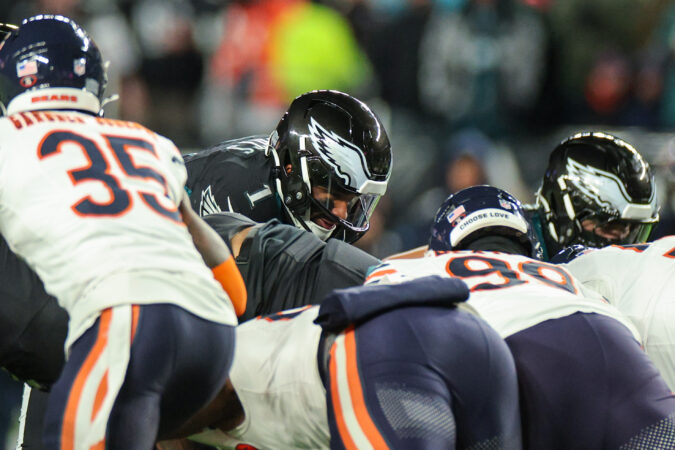
After beating up on the 2-12 Las Vegas Raiders on Sunday to end their three-game skid, the Eagles turn their attention toward the Washington Commanders for a Saturday matchup at Northwest Stadium. Heading into the Week 16 contest, the Eagles (9-5) are early 6.5-point favorites.
Here’s how experts in the local and national media are predicting Saturday’s game …
Inquirer predictions
We start with our own beat writers. Here’s an excerpt from Jeff Neiburg’s prediction …
To see how our other beat writers are predicting this one, check out our full Eagles-Commanders preview here.
National media predictions
Now, here’s a look at how the national media feel about Saturday’s matchup …
ESPN: Eight of nine panelists picked the Birds straight up.
CBS Sports: In a clear sweep, all five experts are picking the Eagles to win.
TEL AVIV, Israel — The spread of famine has been averted in the Gaza Strip, but the situation remains critical with the entire Palestinian territory still facing starvation, the world’s leading authority on food crises said Friday.
The new report by The Integrated Food Security Phase Classification, or IPC, comes months after the group said famine was occurring in Gaza City and likely to spread across the territory without a ceasefire and an end to humanitarian aid restrictions.
There were “notable improvements” in food security and nutrition following an October ceasefire and no famine has been detected, the report said. Still, the IPC warned that the situation remains “highly fragile” and the entire Gaza Strip is in danger of starvation with nearly 2,000 people facing catastrophic levels of hunger through April.
In the worst-case scenario, including renewed conflict and a halt of aid, the whole Gaza Strip is at risk of famine. Needs remain immense, and sustained, expanded and unhindered aid is required, the IPC said.
Palestinians wait to receive donated food at a community kitchen in Gaza City on Thursday, Oct. 23.
The Israeli military agency in charge of coordinating aid to Gaza, known as COGAT, said Friday that it strongly rejected the findings.
The agency adheres to the ceasefire and allows the agreed amount of aid to reach the strip, COGAT said, noting the aid quantities “significantly exceed the nutritional requirements of the population” in Gaza according to accepted international methodologies, including the United Nations.
The Israeli Foreign Ministry said Friday that it also rejects the findings, saying the IPC’s report doesn’t reflect reality in Gaza and more than the required amount of aid was reaching the territory. The ministry said the IPC ignores the vast volume of aid entering Gaza, because the group relies primarily on data related to U.N. trucks, which account for only 20% of all aid trucks.
The IPC said that the report totals include commercial and U.N. trucks and its information is based on U.N. and COGAT data.
Israel’s government has rejected the IPC’s past findings, with Israeli Prime Minister Benjamin Netanyahu calling the previous report an “outright lie.”
Palestinians grab sacks of flour from a moving truck carrying World Food Programme aid as it drives through Deir al-Balah in central Gaza on Nov. 15.
Ceasefire offsets famine
The report’s findings come as the shaky U.S.-brokered ceasefire between Israel and Hamas reaches a pivotal point as Phase 1 nears completion, with the remains of one hostage still in Gaza. The more challenging second phase has yet to be implemented and both sides have accused the other of violating the truce.
The IPC in August confirmed the grim milestone of famine for the first time in the Middle East and warned it could spread south to Deir al-Balah and Khan Younis. More than 500,000 people in Gaza, about a quarter of its population, faced catastrophic levels of hunger, with many at risk of dying from malnutrition-related causes, the August report said.
Friday’s report said that the spread of famine had been offset by a significant reduction in conflict, a proposed peace plan and improved access for humanitarian and commercial food deliveries.
There is more food on the ground and people now have two meals daily, up from one meal each day in July. That situation “is clearly a reversal of what had been one of the most dire situations where we were during the summer,” Antoine Renard, the World Food Program’s director for the Palestinian territories, told U.N. reporters in a video briefing from Gaza City Thursday.
Food access has “significantly improved,” he said, warning that the greatest challenge now is adequate shelter for Palestinians, many of whom are soaked and living in water-logged tents. Aid groups say nearly 1.3 million Palestinians need emergency shelter as winter sets in.
Aid is still not enough
Displacement is one of the key drivers behind the food insecurity, with more than 70% of Gaza’s population living in makeshift shelters and relying on assistance. Other factors such as poor hygiene and sanitation as well as restricted access to food are also exacerbating the hunger crisis, the IPC said.
While humanitarian access has improved compared with previous analysis periods, that access fluctuates daily and is limited and uneven across the Gaza Strip, the IPC said.
To prevent further loss of life, expanded humanitarian assistance including food, fuel, shelter and health care is urgently needed, according to the group’s experts, who warned that over the next 12 months, more than 100,000 children between the ages of 6 months and 5 years are expected to suffer from acute malnutrition and require treatment.
Figures recently released by Israel’s military suggest that it hasn’t met the ceasefire stipulation of allowing 600 trucks of aid into Gaza each day, though Israel disputes that finding. American officials with the U.S.-led center coordinating aid shipments into Gaza also say deliveries have reached the agreed upon levels.
Aid groups say despite an increase of assistance, aid still isn’t reaching everyone in need after suffering two years of war.
“This is not a debate about truck numbers or calories on paper. It’s about whether people can actually access food, clean water, shelter and health care safely and consistently. Right now, they cannot,” said Bushra Khalidi, Oxfam’s policy lead for Israel and the occupied Palestinian territory.
People must be able to rebuild their homes, grow food and recover and the conditions for that are still being denied, she said.
Even with more products in the markets, Palestinians say they can’t afford it. “There is food and meat, but no one has money,” said Hany al-Shamali, who was displaced from Gaza City.
The 76ers return to the court to face the New York Knicks Friday night, but you won’t find the game on NBC Sports Philadelphia or anywhere else on TV.
Instead, Sixers fans will need to log in to Amazon Prime Video, which is streaming tonight’s game exclusively as part of a 11-year deal with the NBA that runs through the 2035-36 season and totals nearly $20 billion.
Unlike Amazon’s Thursday Night Football, which broadcasts NFL games locally in the teams’ home TV markets, the only way to watch tonight’s Sixers game is to log in to Prime Video.
The good news is, if you already have Amazon Prime for free shipping, you also get Prime Video for free. Otherwise you can subscribe to Prime Video on its own for $8.99 a month.
Sixers fans will also need to log in to Amazon next week. Philly will be back on the subscription streaming service Friday, Dec. 26, to face the Chicago Bulls.
Then there’s Peacock, which is also streaming exclusive NBA games this season as part of NBC’s deal with the league. Sixers fans will need to log on to stream the team’s matchup with the Denver Nuggets on Jan. 5, but that’s a problem that can wait until next year.
Amazon has familiar NBA voices on its broadcast
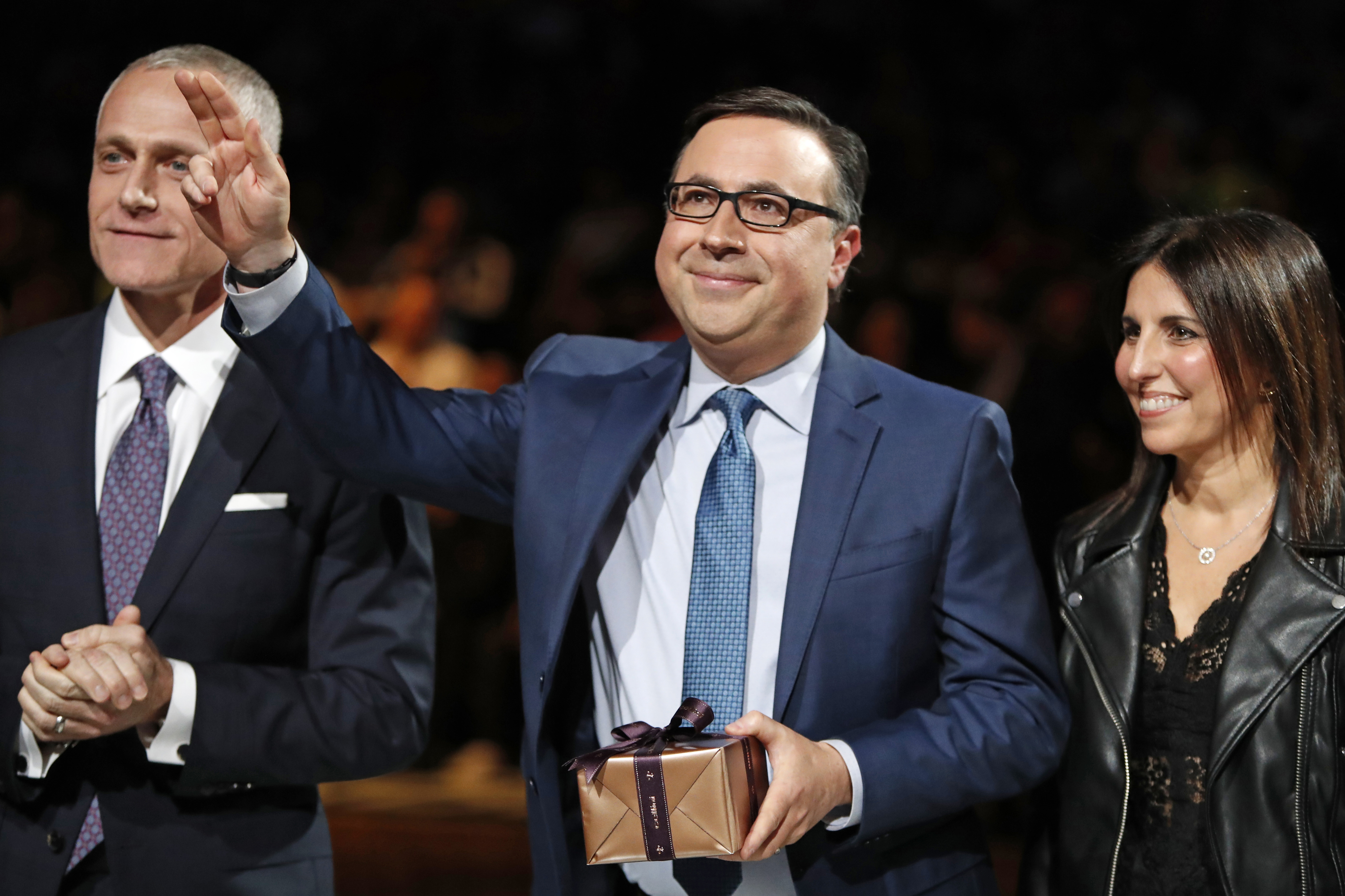
Ian Eagle will call tonight’s Sixers-Knicks game on Amazon’s Prime Video.
Calling tonight’s Sixers-Knicks game on Amazon will be former TNT announcers Ian Eagle and Stan Van Gundy, with Cassidy Hubbarth reporting from the court at Madison Square Garden.
Eagle is among the top play-by-play announcers in all of sports. In addition to his role at Amazon, Eagle also calls NFL games for CBS alongside J.J. Watt and has been the voice of the Brooklyn Nets on the YES Network for more than 30 years.
As with the NFL, Amazon has quickly put together a fun pre- and postgame show on a wild, two-story set hosted by Taylor Rocks. Tonight’s studio analysts will be former NBAers Blake Griffin, Steve Nash, and Udonis Haslem, who still holds the record as the longest tenured undrafted player in league history (20 seasons).
Tonight’s Sixers’ game is the first of a doubleheader that will stream on Amazon tonight, followed by a Western Conference matchup between the first-place Oklahoma City Thunder (who have lost just two games this season) and the Minnesota Timberwolves.
Sixers’ record and Eastern Conference standings
window.addEventListener(“message”,function(a){if(void 0!==a.data[“datawrapper-height”]){var e=document.querySelectorAll(“iframe”);for(var t in a.data[“datawrapper-height”])for(var r,i=0;r=e[i];i++)if(r.contentWindow===a.source){var d=a.data[“datawrapper-height”][t]+”px”;r.style.height=d}}});
Sixers news
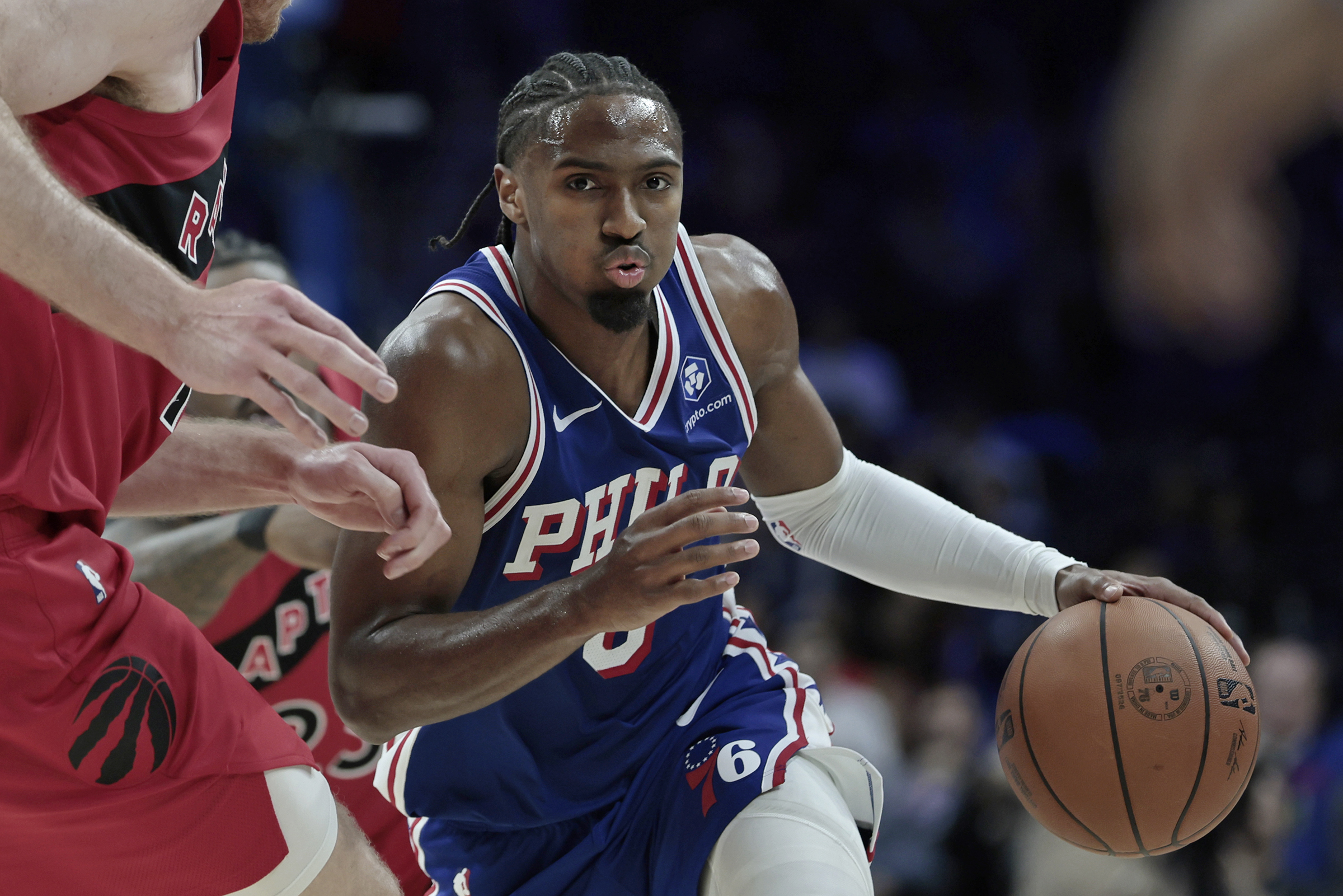
Tyrese Maxey is part of a young group bringing new life to the Sixers.
Donning the red suit and transforming into the jolly character can be a grueling grind. It can mean sacrificing time with loved ones and running on little sleep.
But local Santas do it year after year, and it’s not because it pays big bucks — some even do it for free. Each has their own reason, but they share one thing in common: It’s the holiday magic that makes it worthwhile.
In one Santa’s own words: “The hugs you get from the little kids, or to have a 5-year-old child run to you and [yell] ‘Santa!’” it melts my heart,” said 71-year-old Paul Bradley, or “Santa Paul,” of Mantua. “That’s why I do it.”
And sometimes, that special magic gets returned to them, too.
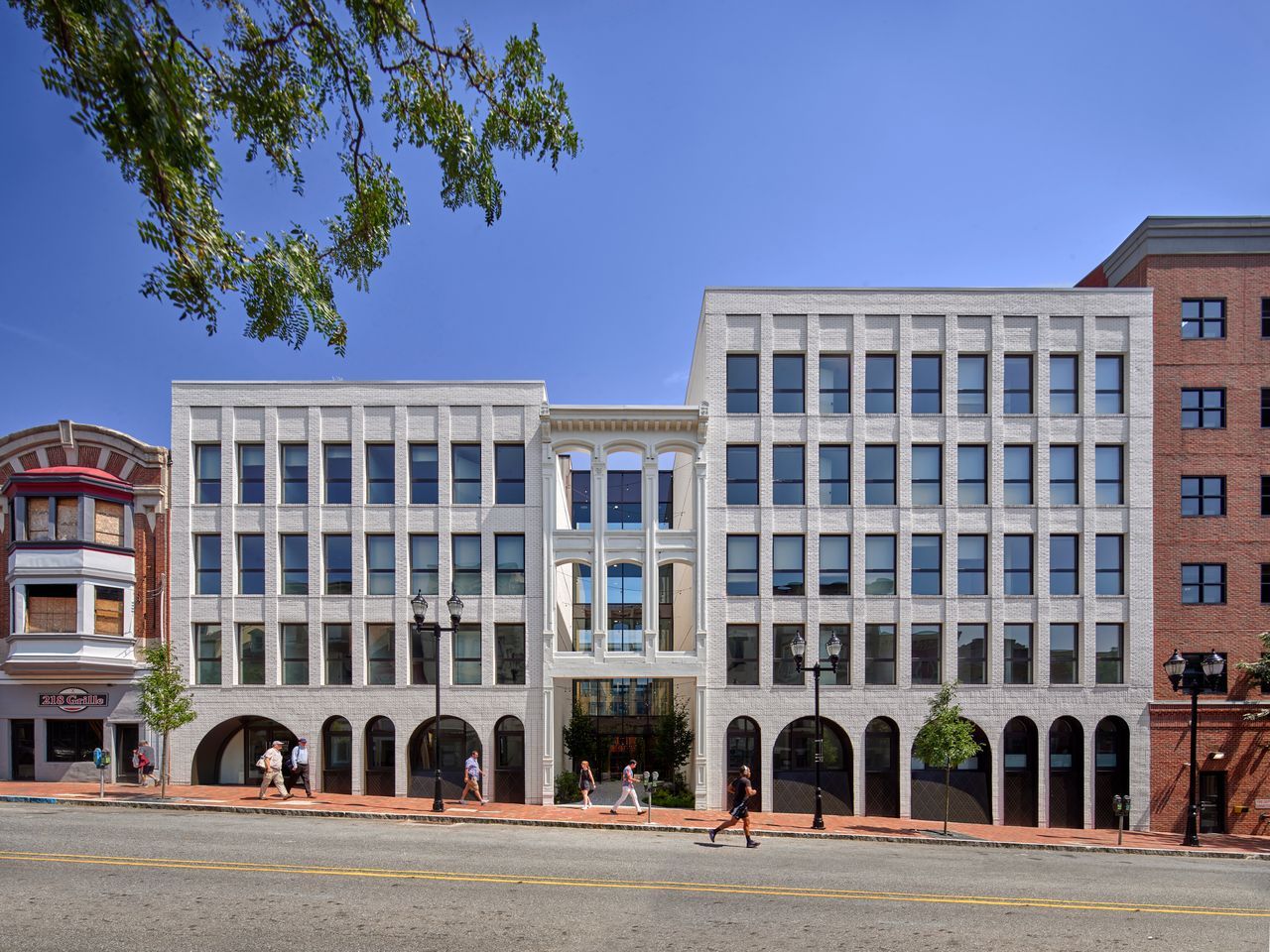
You may have noticed more contemporary arches and rounded corners around the city. Architecture critic Inga Saffron says it’s because the arch is making a comeback.
With origins in the Roman times, arches no longer serve much purpose in the structural sense. But Philadelphians started sneaking them back into architecture as early as the 1960s, Saffron writes.
Today, more are throwing a curve into the mix, though Saffron points out that these new-wave arches only faintly resemble their predecessors.
SEPTA’s largest union has agreed to a new contract with the transit authority. The deal will deliver a 3.5% pay raise, bolster pension funds, and expand health benefits for new employees.
Experts in fugitive apprehension say Philadelphia deputies appear to have made serious tactical errors while trying to apprehend a wanted man Monday, which enabled him to speed away in his car.
A 2-year-old girl was beaten to death in South Philadelphia last week, police say, and three people have been charged in connection with the crime.
A Malvern man who brought weapons to a “No Kings” protest in West Chester — and who was rearrested when police found homemade bombs at his house — has pleaded guilty in federal court.
President Donald Trump announced he would advise federal agencies to reclassify marijuana as a less dangerous drug and ease restrictions. Here’s what that means.
Two Philadelphia men are facing federal charges in Minnesota after authorities said they fraudulently obtained more than $3.5 million in government proceeds in a long-running “fraud tourism” scandal that has drawn the ire of President Donald Trump.
Nonprofits ChristianaCare and Virtua Health dropped negotiations to join forces. A merger would have created a healthcare system with more than $6 billion in annual revenue and business in four states.
European cargo ships are rerouting to Philadelphia as Baltimore struggles to replace the Key Bridge, whose collapse 21 months ago crippled ship traffic to that city’s harbor.
A data center planned for the Pennhurst State School and Hospital site will now move forward in a monthslong, multistep process. A Wednesday meeting turned heated with yelling residents prompting officials to call for a break.
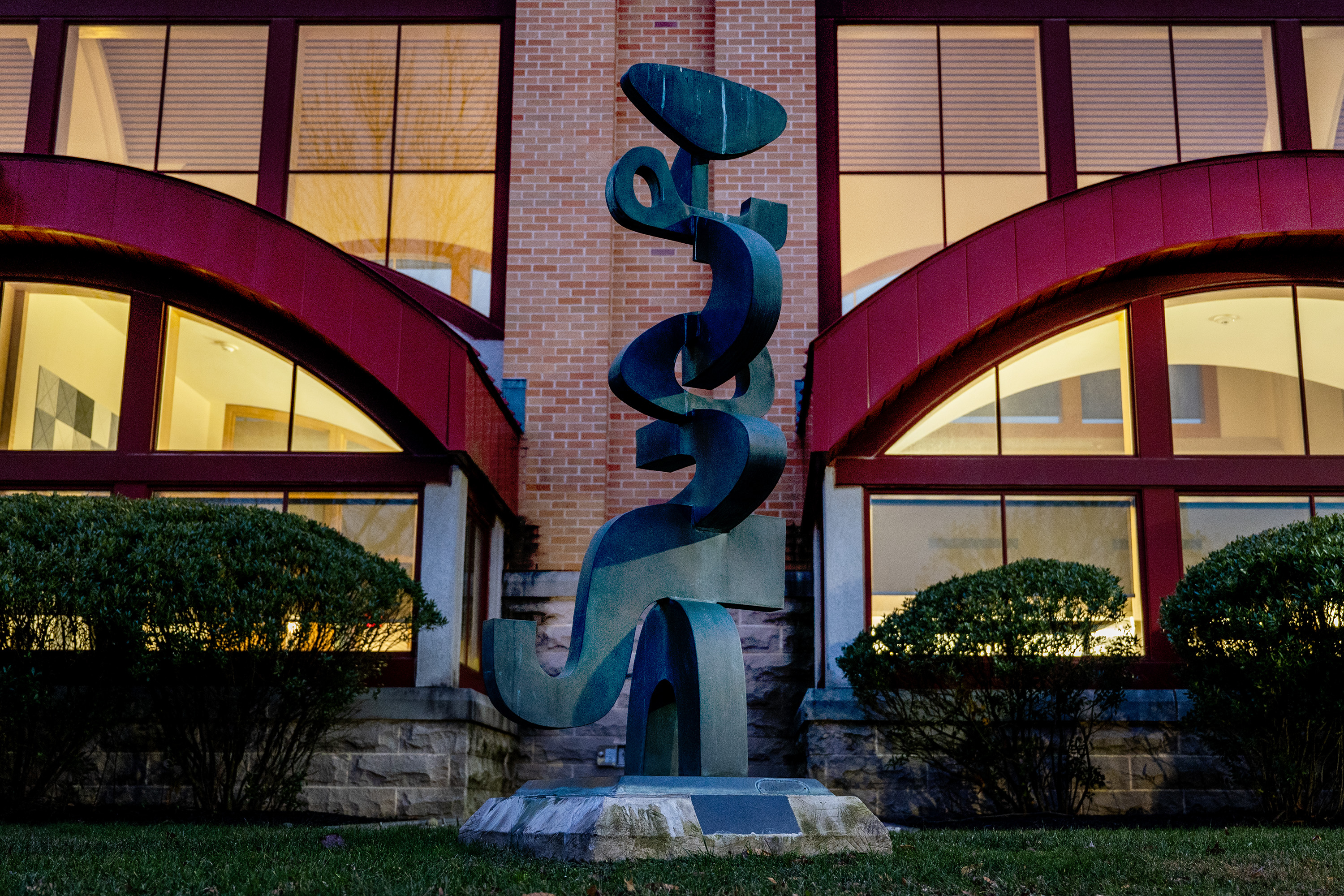
This week, we have an explainer from reporter Henry Savage about the sculpture on the Cherry Hill Public Library lawn. Since its installment in 2009, the 8-foot-tall “Totem” gives people pause to try and decipher its meaning.
Crafted by the award-winning sculptor David Ascalon, it turns out its meaning is in the eyes of the beholder. Here’s the full story.
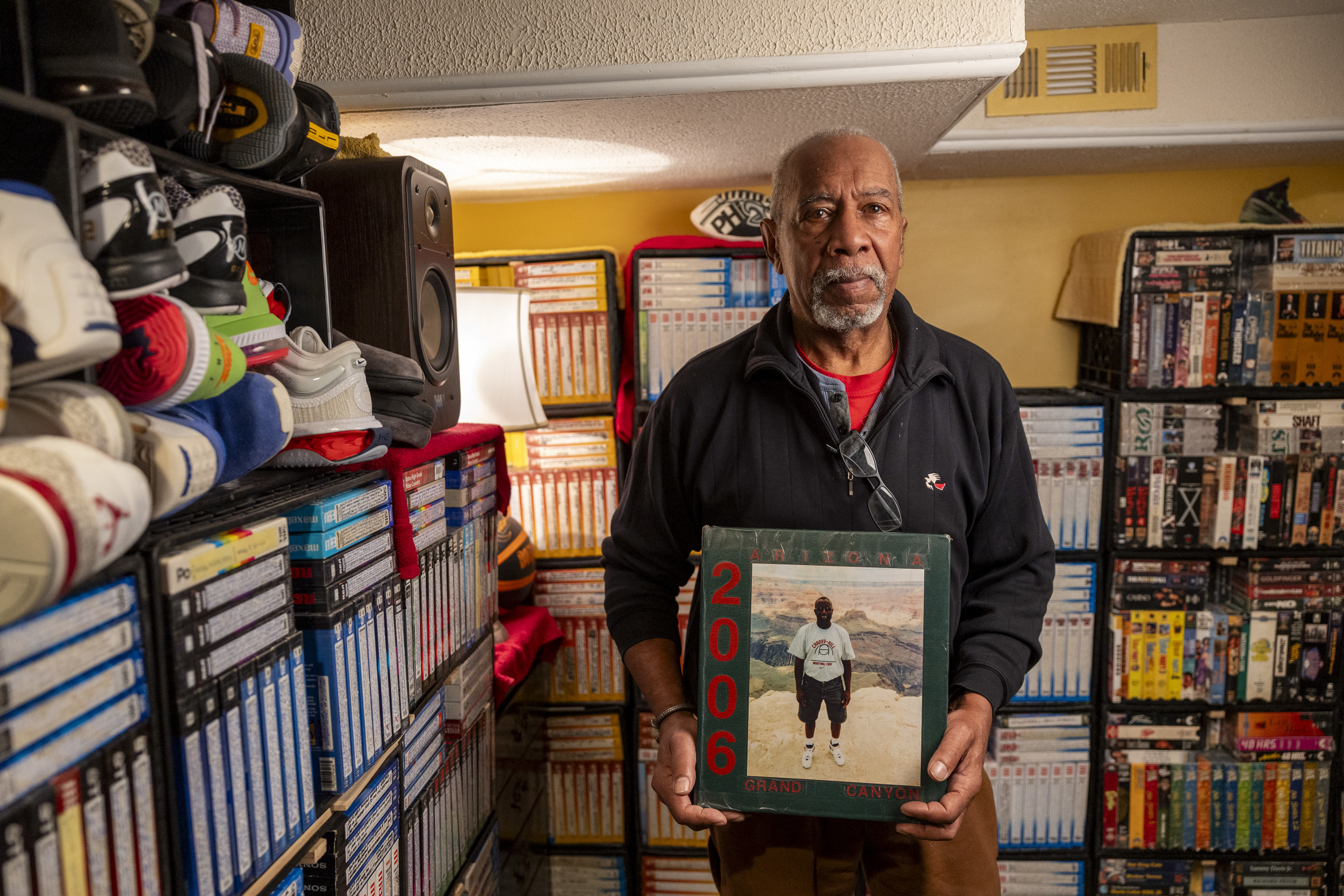
Ron Hall of West Philadelphia poses for a portrait inside the room of his nephew Billy Gordon, who taped and collected men’s and women’s college and professional games for 38 years until his death in 2024.
One more story to go: A Cobbs Creek man recorded thousands of basketball broadcasts onto VHS tapes for five decades. His grieving family wants to pass them on to someone who appreciates them.
Thank you for reading. Be safe out there, and I hope you have a wonderful weekend.
By submitting your written, visual, and/or audio contributions, you agree to The Inquirer’s Terms of Use, including the grant of rights in Section 10.
By most accounts, the Philadelphia Police Department has had a good year.
Crime is down, a majority of residents feel safer and many give Commissioner Kevin J. Bethel high marks.
But as is often the case with the PPD, the good work of many dedicated officers gets marred by one scandal after another.
In February, former homicide detective James Pitts was sentenced to at least 2½ years in prison for fabricating evidence in a murder investigation and then lying about it on the witness stand.
In May, Officer Mark Dial was convicted of voluntary manslaughter and other crimes after he shot Eddie Irizarry six times, killing him seconds after encountering him in his car with the windows rolled up.
In November, nine current or former police officers, including a former captain, were charged with theft and conspiracy in connection with the misuse of city anti-violence funds surrounding a youth boxing program.
Earlier this month, more than 130 drug cases were tossed out after three narcotics officers repeatedly gave false testimony in court. When all is said and done, nearly 1,000 cases are expected to get dismissed because the officers apparently lied about drug deals that never happened or they did not witness.
The string of scandals is not the case of a few bad apples, as the police often like to claim. It points to a systemic problem that has undermined the department for decades. Stamping out the skullduggery will require a change in recruitment practices, training, culture, and accountability.
The latest scandal resulting in hundreds of dismissed drug cases underscores the disturbing tolerance for corruption that runs through the department.
Common Pleas Court Judge Lillian Ransom vacated the first tranche of 134 drug cases after prosecutors said the testimony of three officers on the Narcotics Strike Force was deemed unreliable.
Hundreds of additional cases built on the officers’ testimony are expected to be voided in the coming months. Amazingly, Officers Jeffrey Holden, Eugene Roher, and Ricardo Rosa remain on the job and assigned to their narcotics squad.
Commissioner Bethel declined to speak with the Editorial Board but issued a statement that said an internal affairs investigation was launched in March 2024 and remains ongoing. That’s good, but what is taking so long?
He added that “thus far we have not identified any evidence that would raise concerns of misconduct or criminal behavior on the part of those officers.”
In other words, move along folks. Nothing to see here. Just about 1,000 criminal cases falling apart because three police officers apparently lied over and over again.
Credit for uncovering the injustice goes to the overworked and underpaid lawyers at the Defenders Association of Philadelphia.
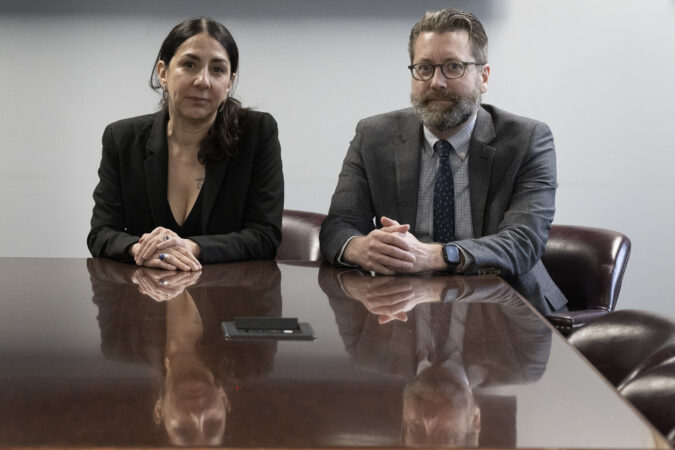
In particular, Paula Sen and Michael Mellon of the Defenders’ Police Accountability Unit uncovered video footage that contradicted the evidence mounted by the officers.
More disturbing, this is not the first time the Defenders Association caught the police cooking cases.
In 2015, Bradley Bridge, a longtime public defender, got more than 950 drug convictions vacated after discovering six narcotics officers robbed and beat drug dealers and then filed bogus paperwork.
Bridge, who came out of retirement to help on the recent cases, estimated he has overturned about 2,500 drug convictions since 1995.
Therein lies the problem. Different day, same corruption.
Bethel said the Police Department takes “potential credibility issues with our officers extremely seriously.” But the department’s history of corruption over the past half century or more indicates otherwise.
To be sure, Philadelphia does not have a monopoly on police corruption. Problems exist in other big cities and small towns.
And despite recent reforms, it is unclear if all have been for the better.
A high-quality police department begins with high quality recruits. But to combat staffing shortages, the department — like many others — eliminated the need for college credits and lowered the requirements for physical training.
There must also be independent accountability. But a Citizens Police Oversight Commission created in 2022 has not conducted a single investigation.
Bad cops reduce morale and must be weeded out. But most corrupt officers not only avoid criminal charges but get to keep their jobs — thanks to a police union that goes to bat for every cop, good or bad. A recent analysis found friendly arbitrators reinstated 85% of fired officers.
Dirty cops undermine community trust and the good work of committed officers who risk their lives to keep the city safe. Even worse, the wrongful prosecutions can take away a person’s liberty and upend lives and families.
Police corruption also costs taxpayers real money. Over a recent 18-month stretch, Philadelphia taxpayers spent more than $60 million to settle cases stemming from police misconduct.
The recent reduction in crime is welcome, but a question remains: Will there ever come a day when the Philadelphia Police Department is not plagued by scandal?
Thanksgiving brought a revelation. I was sous-chef to my children and my mother, a sounding board for my son as he completed college applications and my parents as they navigated different doctors, and the planner working around the needs of my children, husband, parents, and in-laws. I now realize what it means to be part of the “sandwich generation.”
My generation is also squeezed between older and younger cohorts in the professional world — especially medicine and healthcare. I am solidly Gen X and lie squarely between the boomers and the millennials.
These days, no matter where you turn, the realities of the U.S. healthcare crisis are impossible to ignore. From access to medications, availability of health insurance, affordability of medical costs, even trust and reliability in the messaging or directives we hear, the situation is daunting at best and overwhelmingly dark at worst.
Perhaps the canary in the coal mine has been the growing healthcare workforce crisis.
Physician burnout and moral injury, worsened by COVID-19, drove millennial and even Gen X doctors and nurses to leave the field. Adding to the dearth of primary care physicians as the U.S. population ages with worsened chronic diseases, the imminent retirement of a large cohort of boomers results in projections of a shortage of a combined 400,000 physicians and nurses by 2037.
I can’t help but feel the weight and responsibility of my generation of doctors in the world of medicine, along parallel lines of my personal life.
The same voices, same perspectives, and same ideas have been echoing across institutions for years — even when not representative of the rest of younger medical professionals, writes the author.
When we were born and grew up shapes the decisions we make and the ways we manifest and execute them. In his book Birth and Fortune, Richard Easterlin, an economist and demographer who researched happiness, posits that the size of the cohort you are born into shapes your generational opportunity.
Large cohorts, such as the baby boomers, face competition, but they also get the benefits of institutions that bend to their size. Smaller cohorts in the shadow of the larger generation ahead of them often contend with fewer resources and less investment. That’s Gen X in a nutshell.
And it models my experiences in the world of Philadelphia medicine almost perfectly.
Even within these cohorts, Easterlin illustrates, there are differences and disparities. Resources and opportunities available to early boomers became scarce to the later boomers, as the systems were slow to meet their needs. Those returning from the Vietnam War later were more likely to feel this dearth of structures and resources — such was the “birth” of homelessness as we recognize it now.
I saw that firsthand in Philly as a member of the Homeless Death Review team — a small group of experts from across the city convened by the Medical Examiner’s Office. We reviewed every death of a person experiencing homelessness in Philadelphia.
The author makes a home visit, as part of Pathways to Housing Philadelphia, in 2018, to care for a client who was at that time part of the Prevention Point community in Kensington.
From a systems-level view, it became clear that a lack of resources decades ago created a disparity that was perpetuated throughout the lives of specific demographics. They contributed to their premature deaths.
Boomers created the healthcare system we know today. Building on advances in science, research, and opportunity, they expanded and deepened training pipelines. They established medical specialties, subspecialties, and leadership roles.
They also continued long-standing practices anchored in hierarchy and compliance, where gravitas comes from the company you keep and not always the merit and competency you demonstrate.
A look across academic medical leaders in Philadelphia shows several with tenures that started in their 40s or early 50s and continued for well over 20 years, ongoing even now. Our city’s medical leadership — whether it be the Philadelphia County Medical Society, Pennsylvania Medical Society, or the American Medical Association — shows many of these same individuals making decisions across organizations.
Years ago, I wrote about how my approach to being an emergency physician evolved as I saw a changing world of healthcare that was not meeting the needs of the patients who turned to me for help.
That same month, the Wall Street Journal reported on the shift among doctors from “GOP stalwarts” to Democratic voters. My Gen X brethren look different from the generation before us: more women, more people of color, a broader range of ethnicities and cultures. It makes sense that we vote differently, in line with our priorities, values, and missions. Just as it makes sense that we lead differently, as well.
As Gen X doctors, we trained under the “old rules” of loyalty, compliance, endurance, and strict hierarchy. We worked with paper charts, well before computers became the central source of our clinical work. We mastered clinical skills and memorized reams of information. We also understood how issues outside the exam room and beyond our control impacted our patients.
My cohort went on to learn to practice medicine as the corporatization of hospitals took hold and our profession took on the additional contours of a business. We met productivity quotas and metrics around how quickly we saw patients and moved on to the next. We eventually even learned to ask corporate conglomerates for permission to get the tests, procedures, and medications our training and expertise, together with our direct evaluation, told us our patients needed, through prior authorizations.
Boomers continued to adhere to their definition of an ideal physician over the last 25 years — fixating on their commanding expertise and a brand of patient care they developed. In the process, they ceded governance of medicine, including financial oversight and systems design, to non-medical stakeholders. They often treated these issues as beneath them.
For the bulk of our careers, we Gen Xers were complicit — through our silent obedience and compliance. Many of us had learned from personal experience that speaking up or being seen as contrarian to those in power was overtly punished or covertly met with retaliation.
Now however, Gen X physicians are positioned to do something the generation before could not: carry medicine’s core values forward while shedding the destructive traditions and practices that broke the system.
We are facing AI in medicine, further decentralization of medical care, technology and innovation, unprecedented availability of our own health data through wearables, simultaneously with more difficult access to the doctors we have always turned to, and fewer hospitals in our communities.
I see us at a critical generational inflection point. And it’s time to assert ourselves in a few tangible ways:
Claim leadership by redefining it. We don’t have to wait to inherit positions when those who have inhabited them for decades finally vacate. Gen X knows well that true leadership doesn’t come through hierarchy or titles. In the words of my dear friend Jeremy Nowak: “Power belongs to the problem solvers.”
Reclaim and own our voice. Our predecessors confused apolitical detachment with impartial professionalism. In the process, the discussions, decisions, and policymaking that shaped physicians’ reality excluded us. It’s time we lean in unapologetically and stop waiting for permission.
Reject passive compliance as a virtue. Our silence has helped no one. The courage we spent decades swallowing is exactly the courage we need now to right this ship. We must be intentional in how we define ourselves, our profession, and our value: clinical integrity, collaboration, dignity, empathy, humanity, all come to mind as our unmatched superpowers.
It feels we are standing at the precipice of the unfamiliar and unknown. Where technology and AI will redefine what is possible, but the needs of our patients will demand practical and accessible solutions.
Sustainable change will come from us — crammed in the middle. At the risk of making a sweeping generalization, Gen X believes in fairness, head-down work, and accomplishment. We have learned and adapted throughout our lives. Unlike the boomers and millennials on either side of us, we are “raised analog, fluent digital, comfortable with a rotary phone and an AI dashboard.”
We are the stewards of the medical profession — not its museum guards. We can bridge the meaningful lessons of our past with the awareness of today and the promise of the future, while centering empathy, values, missions, and ethics.
The silver lining is this: Our hard-earned lessons have become the foundation for a new kind of courage. It’s one that refuses passivity, demands better, pushes into all the spaces that exclude us, and insists that we show up not just for ourselves, but for our colleagues, our patients, our community, and the generations coming behind us.
Priya E. Mammen is an emergency physician, healthcare executive, and public health specialist who helps the nation’s most impactful companies integrate clinical integrity at scale.
Outside the front door of Independence Hall, amid a wet and mild December in Philadelphia, a handful of devoutly orthodox Jews decided to add their light to the world.
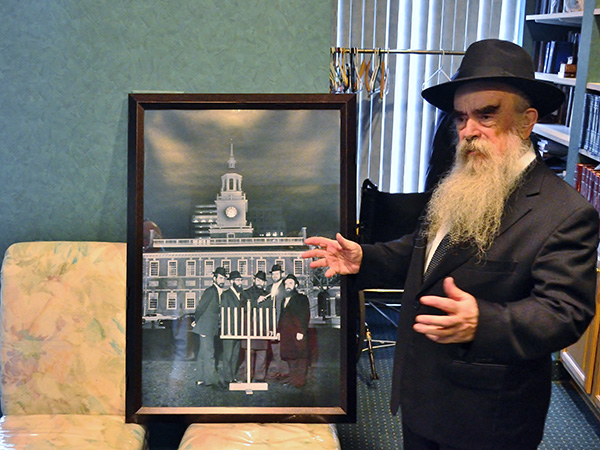
Four men of the Lubavitcher sect of Hasidic Judaism, including renowned Rabbi Abraham Shemtov, gathered on Independence Mall on Dec. 14, 1974. Together they lit what is believed to be the first menorah, or Hanukkah candelabrum, ever illuminated on public property.
And together they watched their light spread.
“Philadelphia is where we started,” the now-88-year-old Rabbi Shemtov told The Inquirer in 2014. “Now it’s everywhere, in too many places to count.
“So, the idea caught fire,” he said, smiling through his long, gray beard.
Hanukkah is the Jewish celebration of light over darkness, and of faith and freedom over oppression and persecution. While it’s not the biggest holiday in the Jewish faith, its themes of perseverance and hope have been as synonymous with the winter solstice as any Christian tradition.
The most obvious reason that menorahs were traditionally not lit outside was because the flame would go out.
So on that breezy evening in mid-December, the flame stayed lit against all odds. Some might even call it divine intervention.
“What you need to understand,” Shemtov explained, is that Jewish tradition dictated that the candelabrum be lit at home, and placed “at the spot the house shares with the outside,” typically at the front door.
“Our sages say outside is better,” he said with a shrug. “So, we brought it outside a step further.”
In the years since, public menorahs havesprouted up across Europe and North America, from Revolution Square in Moscow to the White House in Washington.
“The simple lighting ceremony in Philadelphia,” wrote The Inquirer’s longtime religion reporter David O’Reilly, “became the foundational story of public menorahs for most of the world’s Jews.”
For centuries, menorah lighting had at times been a covert domestic ritual.
“We lit the first candle. There was some singing and dancing. It was a private event in public,” Shemtov said in 2014. “But even so, in concept we were sharing the thing with the world.”
Fox Chase Cancer Center was not cited by the Pennsylvania Department of Health for any safety violations between November 2024 and October of this year.
Here’s a look at the publicly available details:
Feb. 21, 2025: Inspectors came to investigate a complaint but found the hospital was in compliance. Complaint details are not made public when inspectors determine it was unfounded.
March 17: Inspectors came to investigate a complaint but found the hospital was in compliance.
April 15: The Joint Commission, a nonprofit hospital accreditation agency, renewed the hospital’s accreditation, effective January 2025, for 36 months.
It’s one of the paradoxes of Philadelphia’s 21st-century residential building boom. The more rowhouses and apartments that get built here, the more they look alike.
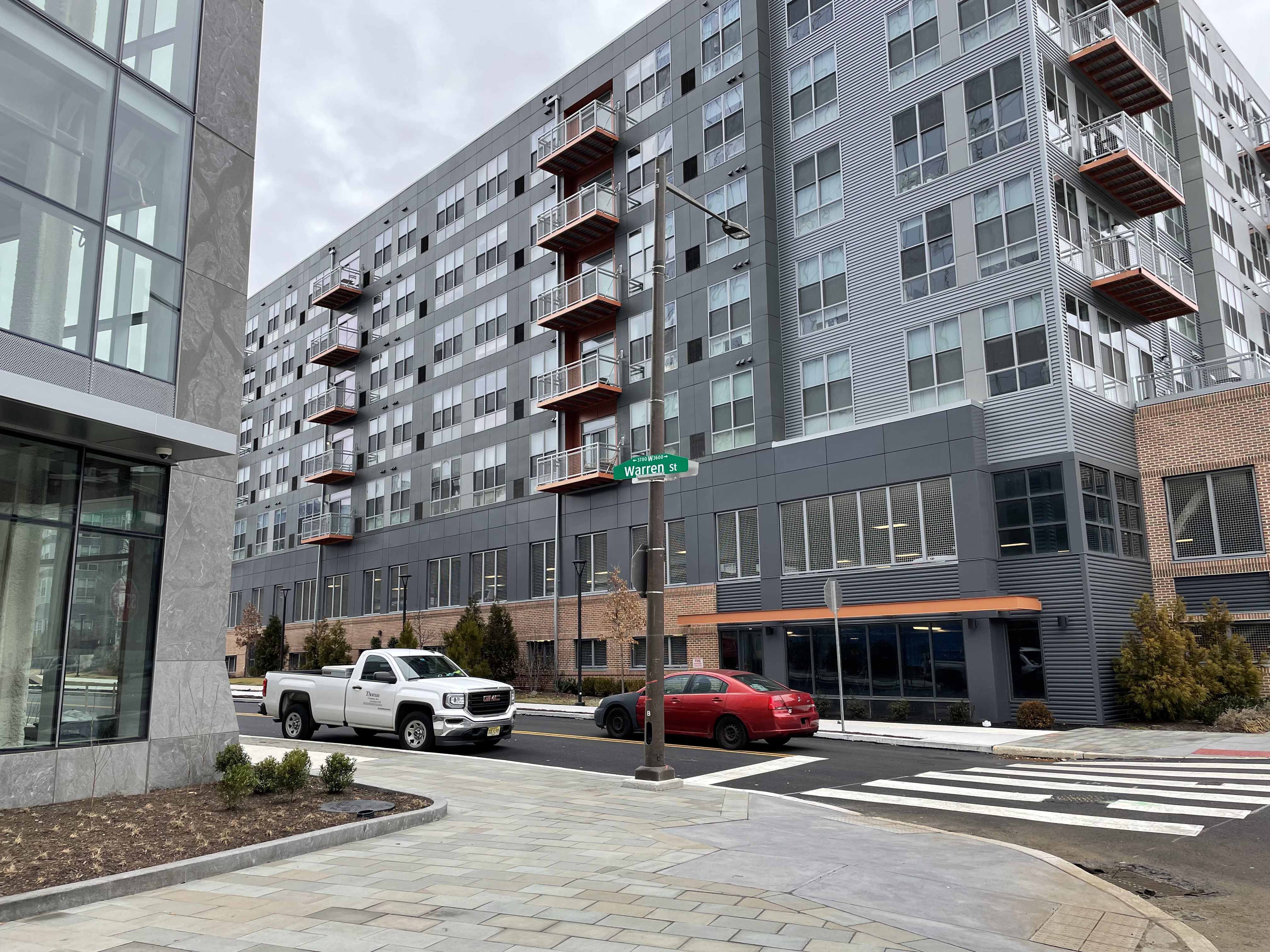
The streets of Fishtown and Graduate Hospital and Spruce Hill are now awash in interchangeable blocky structures, all dressed in the same dreary gray clothing, their aluminum panels shrink-wrapped around the exterior like a sheet of graph paper.
Instead of providing the kind of fine details that enlivened earlier generations of buildings, their architects try to distract us with patches of color and cheap trim.
The look is derisively known as fast-casual architecture, McUrbanism, or developer modern. No one likes these buildings, not even, I suspect, the architects who stamp the drawings. But because they are cheap and easy to build, the no-frills grids have emerged as a developer standard across America.
As bad as they might look in newer cities, their flat, lifeless facades are especially jarring in Philadelphia, where even humble rowhouses are animated by varied textures of brick and recessed windows.
While there’s little chance that developers will start building them like they used to, a few Philadelphia architects have thrown a curve into the works. The arch, which traces its origins to Roman times, is making a comeback.
Once you start looking around the city, you can’t help but see contemporary arches and rounded corners everywhere: on metal-clad rowhouses and brick-faced apartment buildings, in restaurant dining rooms and hotel lobbies.
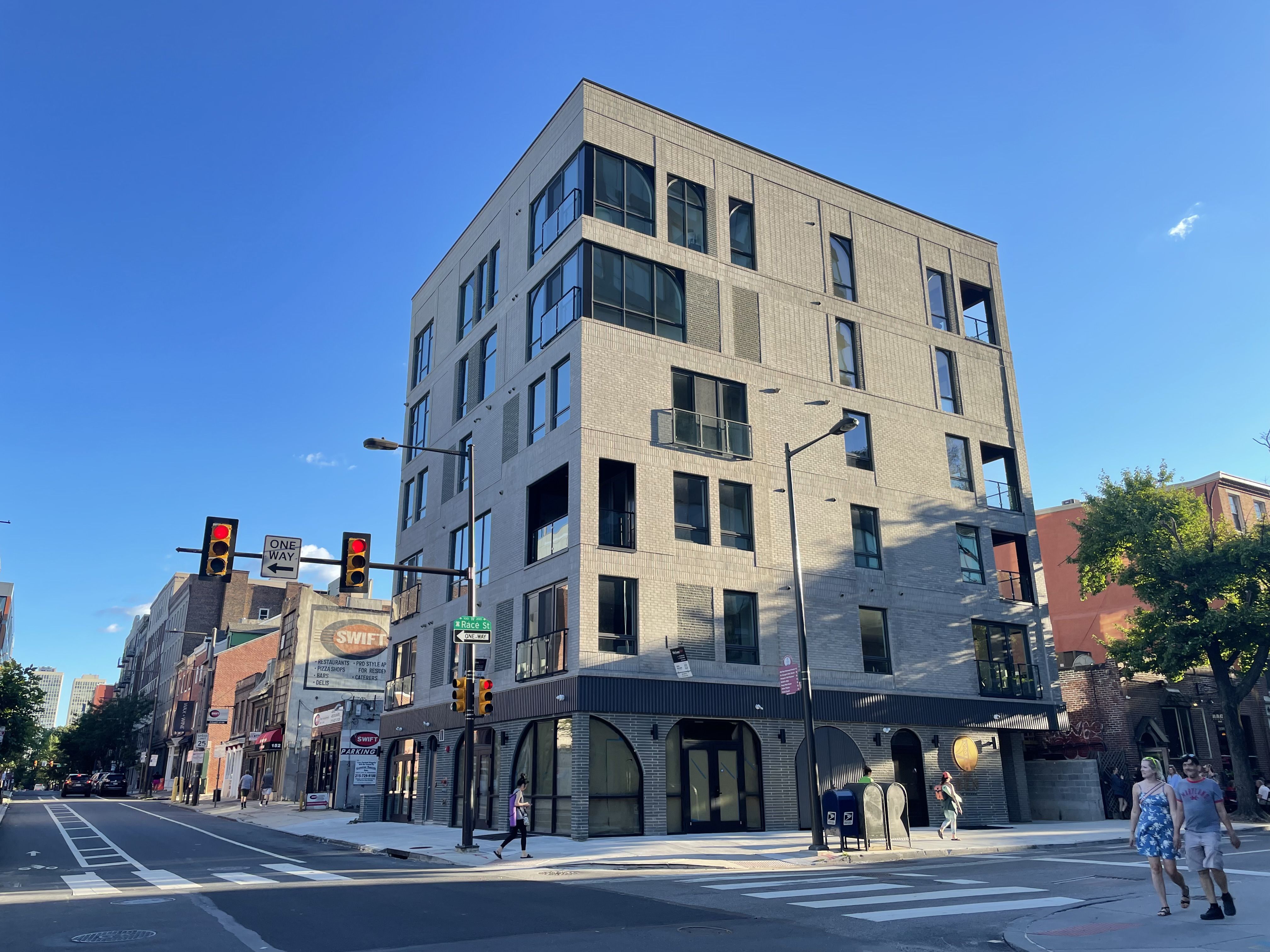
This small apartment building at Second and Race Streets in Old City breaks up the usual grid with arched windows on the ground floor and irregularly spaced windows. Morrissey Design created the facade.
The rise of the arch
To be clear, today’s arches bear only a faint familial resemblance to their brawny predecessors, which come in all sizes and architectural styles, and typically have a large keystone at the apex. Those old masonry arches were workhorses that helped buildings stand up.
But as construction methods advanced in the early 20th century, arches ceased to have a structural purpose. The changes coincided with the rise of modernism, which largely eschewed the form in favor of straight lines, at least until the 1960s, when architects such as Louis Kahn and Robert Venturi — both Philadelphians — began sneaking them back into architecture.
Arches started reappearing on Philadelphia buildings about a decade ago, after Bright Common’s Jeremy Avellino marked the entrance to his Kensington Yards project with an exaggerated arc that seems to be descended from the famous Chestnut Hill house that Venturi designed for his mother. Even though the gesture was also a nod to the arched windows on the 19th-century townhouse next door, Avellino intentionally emphasized his building’s contemporary look by cladding it in metal. He considers his arches as nothing more than a “geometric memory.”
The new-wave arches come from a different place. Although they certainly help architects break free from the oppressive grid, arches help their contemporary designs blend in better with their neighbors.
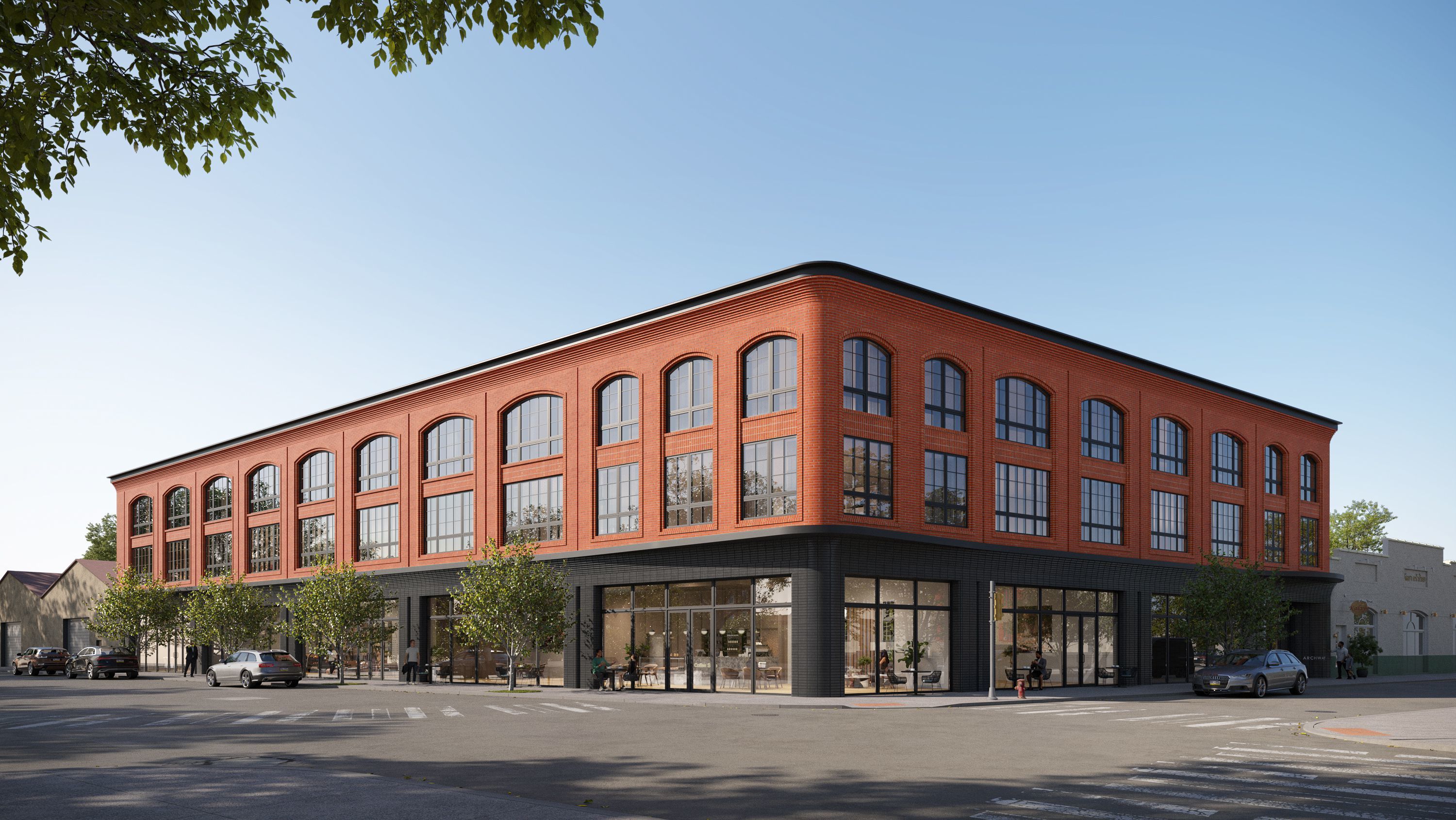
The design for this three-story apartment building at 1716 Frankford Ave. uses shallow, industrial-style arches to enliven the facade. The project, which was designed by Gnome Architects for developer Roland Kassis, was expected to break ground in December.
Eschewing look-alikes
It’s no accident that arches began to proliferate just as brick was enjoying a revival as a building material in Philadelphia. Roland Kassis, a Fishtown developer who is responsible for several buildings with arches on Frankford Avenue and Front Street, says he first began using brick for building facades as a reaction against the poor quality of fast casual architecture.
Even though brick took more time and expertise to install, and ultimately cost slightly more than other materials, he felt it was worth it because it set his projects apart from the competition and signaled quality to potential renters. Later, he added arches.
Most of Kassis’ buildings that feature arches have been designed by Gnome Architects. They include a new mid-rise apartment building and a small hotel that are now under construction on Frankford Avenue.
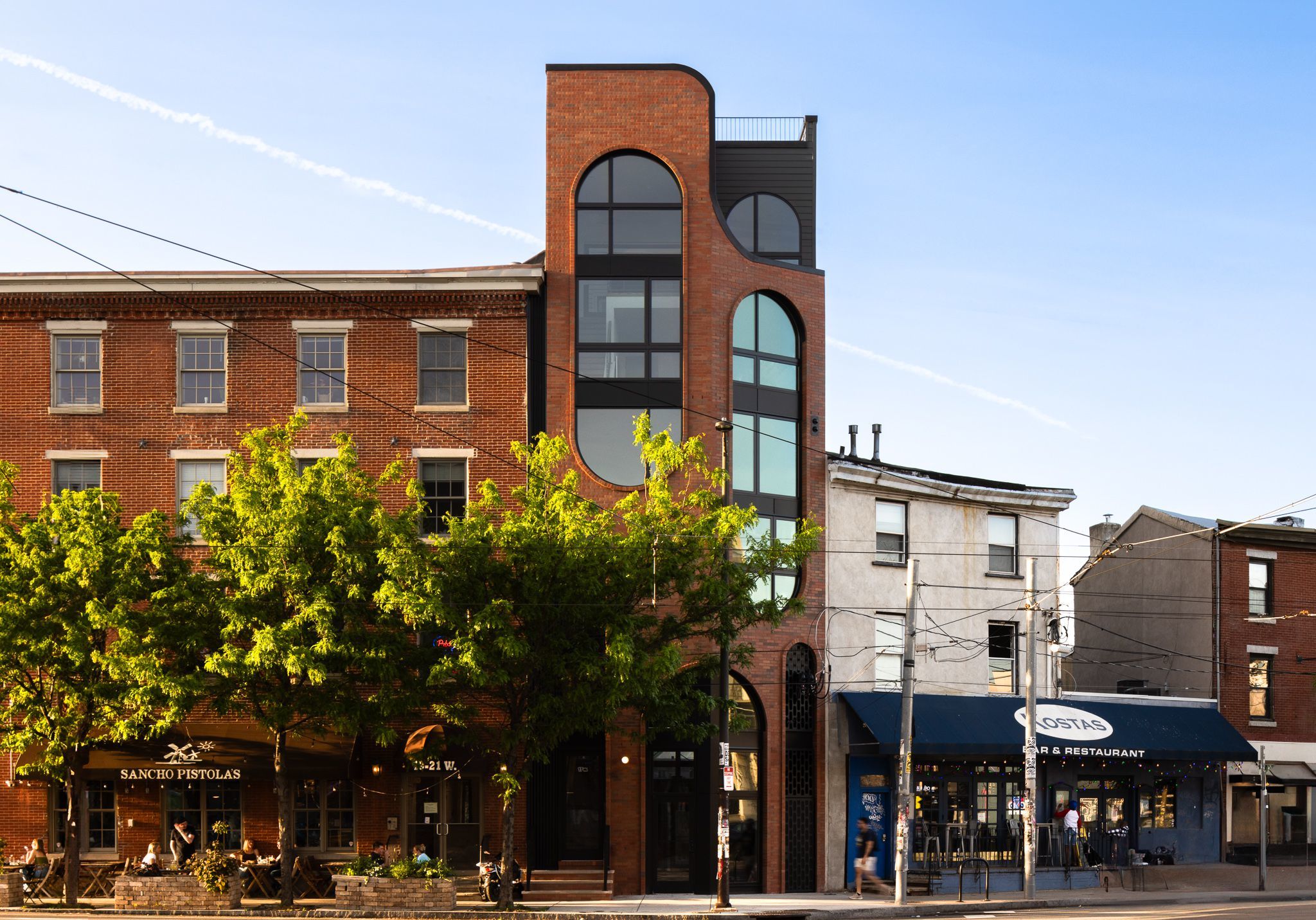
While Gnome’s use of the arches is a way of paying homage to Fishtown’s industrial past, the firm’s most interesting design is less referential. Located at 17 Girard Ave., the skinny, mixed-used building features brick-framed oval windows that float up the facade like elongated soap bubbles. It functions as a sort of urban lighthouse at the entrance to Fishtown.
Gnome’s new three-unit apartment building at 17 Girard Ave. in Fishtown is an exuberant counterpoint to the straight lines of Philadelphia’s traditional brick facades.
Several other Philadelphia architects have embraced arches in their work for developers, including Digsau, KJO Architecture, and Morrissey Design. What unites their aesthetic is a strong interest in craft. They’re not just pasting factory-made brick panels onto facades; they’re hiring skilled workers from Philadelphia’sbricklayers unionto lay the blocks on site, one at a time.
That kind of craftwork isn’t something architects usually learn in school. To ensure that he gets the arches right, Gnome’s Gabriel Deck signed up for the International Masonry Institute’s training camp, where he tried his hand at using a trowel and spreading mortar. Digsau’s Mark Sanderson, who used a variety of arch types for Wilmington’s Cooper apartments, jokes that “we have the institute on speed dial.”
The institute’s regional director, Casey Weisdock, says she’s noticed an uptick in both the use of brick and modern interpretations of the arch. She attributes brick’s newfound popularity to the Biophilic design movement, which believes natural construction materials are better for people’s health and can improve their moods.
“A brick has a human quality,” she says. “A block fits right into your hand.”
This massive apartment building on Lancaster Avenue, ANOVA uCity Square, typifies the plodding, graph paper-inspired architecture that is sweeping America. It was designed by Lessard Design on the site of the former University City High School, which is now home to life science complex called uCity.
Digsau has a long history of incorporating wood and brick into its projects, yet the firm started adding arches into the mix only a few years ago. Like other architects, Sanderson, one of Digsau’s founders, says he was frustrated that design is increasingly dictated by financial models that result in the mass production of look-alike apartment buildings. Arches were a way of breaking out of that rut.
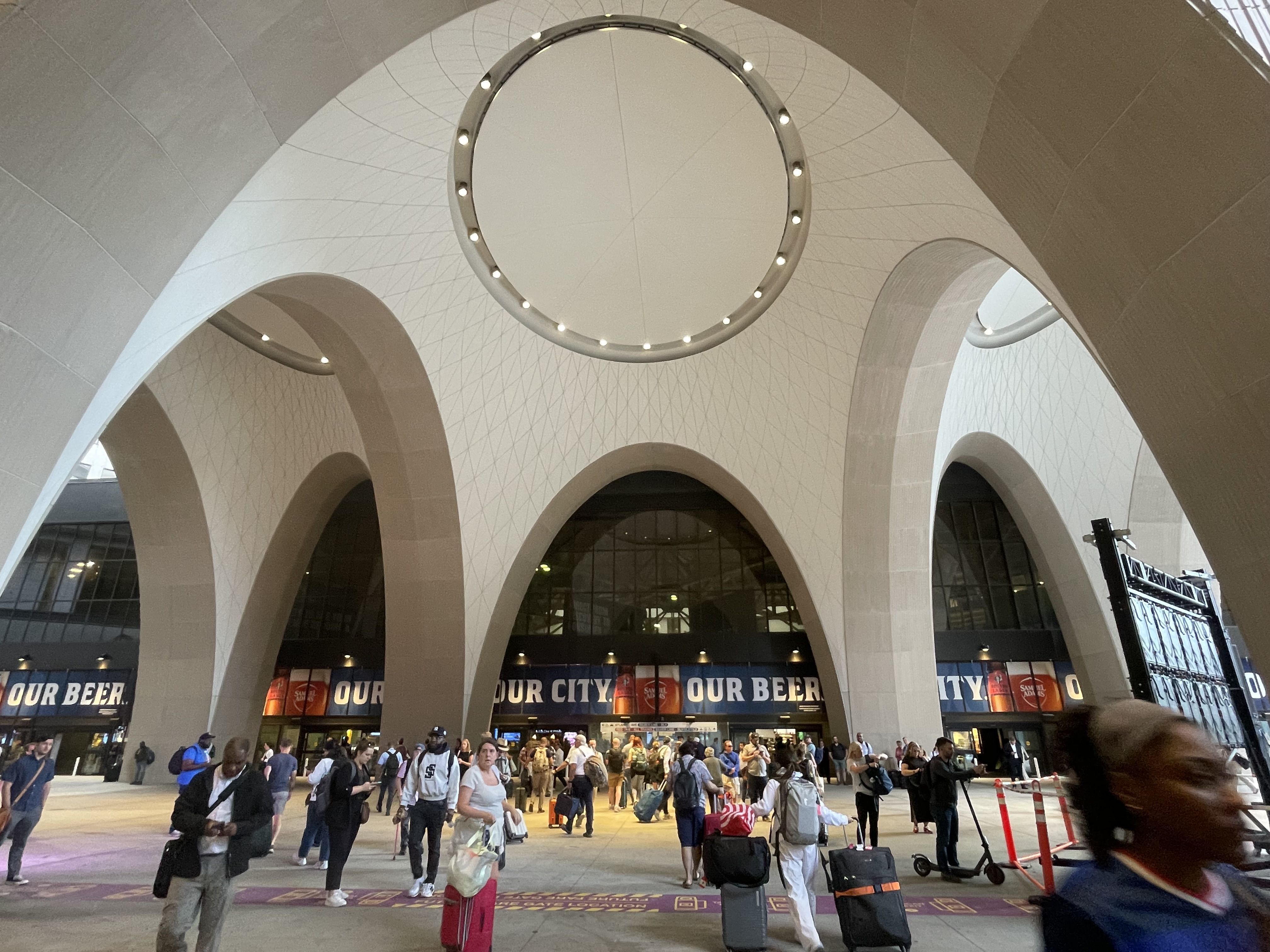
The rebellion against straight lines and slick facades has spread to other big cities, and now even big corporate architects who specialize in skyscrapers are playing with bricks and arches. Pelli Clarke Pelli, which is responsible for designing many of the crystalline towers along the Schuylkill, just dropped a ring of soaring arches into Boston’s newly renovated South Station. (Of course, staying true to type, the firm’s tower, located on top of the station, is still a blue glass ice sculpture.)
Pelli Clarke Pelli inserted these almost parabolic arches into Boston’s newly refurbished South Station.
The urge for curves extends into interior design. Furniture showrooms overflow with tub chairs and sofas with curved backs. Virtually every surface at Enswell, an upscale Center City cocktail lounge designed by Stokes Architecture & Design, bends and flows in some way. The firm is responsible for several rounded counters in Philadelphia’s cafes and was part of the team that created Borromini’s interior arches.
“You hear the words ‘comfy and cozy’ used a lot these days,” and the arch is one way to achieve that, says architect Brian Phillips, the founding principal at ISA. Interestingly, it’s hard to find arches in any of the firm’s work, which relies on textured materials, strategic cutaways, and complex geometry to animate its work. ISA did, however, introduce an arch and some curves for the Frankie’s Summer Club pop-up at the former University of the Arts building.
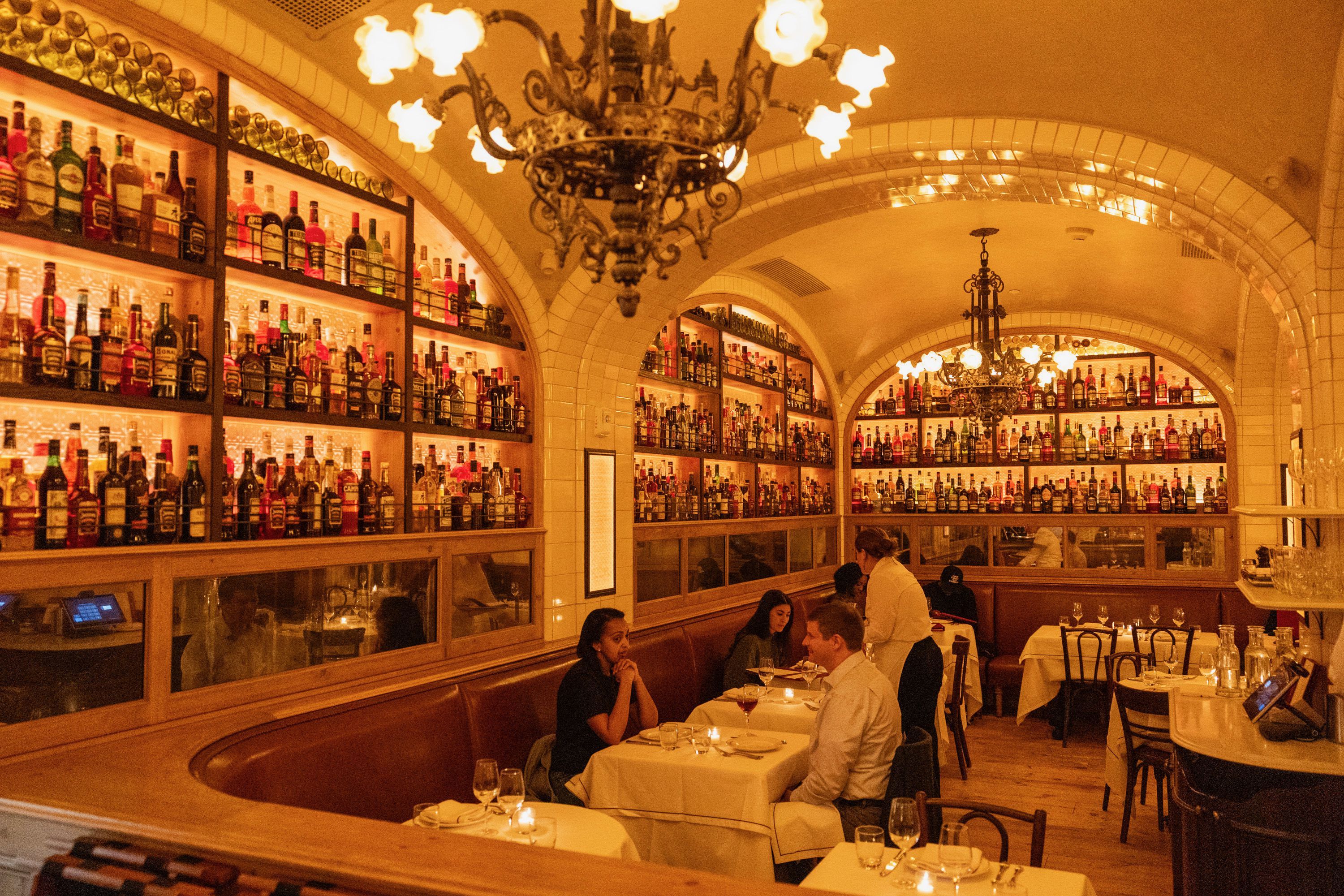
The fashion for arches and curves has also spread to interior design. Stephen Starr’s new Borromini restaurant on Rittenhouse Square — collaboratively designed by Keith McNally, Ian McPheely, and Stokes Architecture & Design — includes a curved banquette and dramatic, tiled arches in the main dining room.
While the arches have allowed architects to fight back against the deadening sameness of Developer Modern, the new style risks becoming its own cliche.
So far, those Philadelphia architects who include arches in their work haven’t embraced the literal historicism of Robert Stern, but neither have they come up with anything as groundbreaking as the exaggerated and ironic forms introduced by Venturi and his partner, Denise Scott Brown. In some cases, the use of arches seems arbitrary — merely decorative, to use the modernist critique. And arches aren’t always well integrated into the composition.
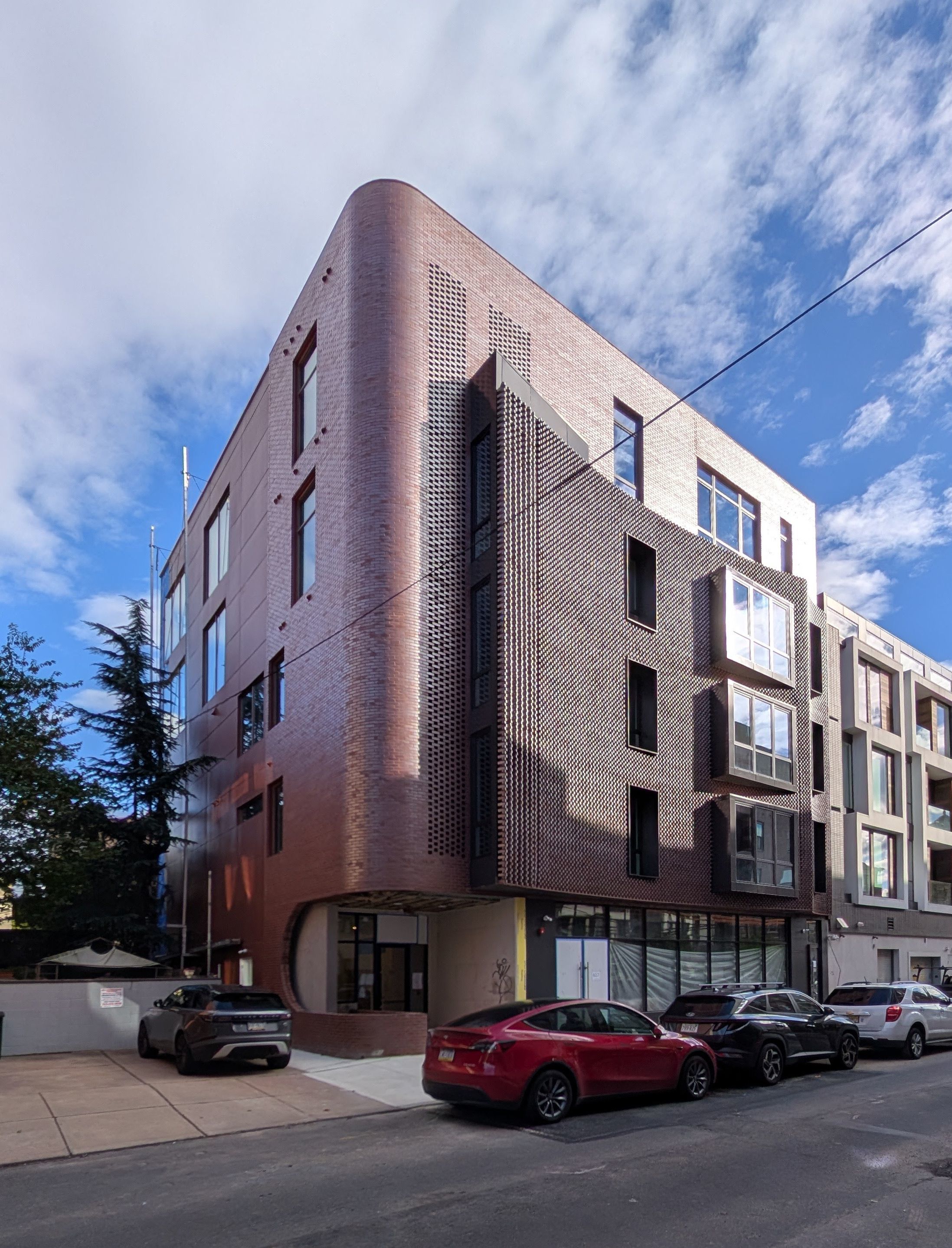
The most satisfying of Philadelphia’s new-wave brick buildings has plenty of curves, but no arches. Bloc24, a small condo building on 24th Street between South and Bainbridge, is a bravura essay in different styles of brickwork.
A curving screen made from bull-nose bricks, laid on the diagonal, sweeps across the facade. Because it protrudes several feet from the surface, it functions as a giant bay window. While it’s a stretch, you could consider the stylish, curved cut-out at the entrance a sideways arch.
While Bloc24, by Moto Designshop, has no arches, it is a bravura essay in brick styles and features plenty of curves. The new condo building is located on 24th Street, between South and Bainbridge.The brickwork on Moto Designshop’s Bloc 24, at 24th and South, is anything but flat.
Bloc24 was designed by Moto Designshop, the firm responsible for the intricate brick chapel at St. Joseph’s University. Moto has made intricate brickwork its signature, and, unlike those designs that use brick as a veneer, every detail of Bloc24 is integrated into the overall concept.
Perhaps the most out-of-the-box use of the arch can be found at Avellino’s Mi Casa houses, a group of rowhouses in tropical colors that he designed as affordable housing for Xiente (formerly the Norris Square Community Alliance). Because the sites are scattered around the neighborhood, often on very narrow lots, he was unable to replicate the standard, double window pattern found on most Philadelphia rowhouses. Instead, he used single arched windows, placed asymmetrically to energize the facades.
There isn’t a single brick in sight, evidence that the arch has come full circle.
Arched windows define this tropical pink house, part of group of affordable houses built on infill sites in the Norris Square neighborhood. Bright Common’s Jeremy Avellino used the arches to energize the narrow facades.
Andrew Bowe was so irritated by the idea that the NFL might ban the Tush Push that he decided to do something about it.
Bowe, a native of Plymouth Meeting, didn’t have the power that Jason Kelce had, to walk into the room with the NFL owners and make its case, but after a friend of his mentioned that he wished someone would track the Tush Push data, the software engineer had a new project.
“There’s plenty of teams out there that are running it that voted against it,” Bowe said. “I wanted to create a repository of these teams that are kind of hypocritical, in that they’re kind of trying to ban the play, but at the same time they’re running it and actually being almost more successful than the Eagles are this season.”
The site tracks the overall NFL success rate on Tush Push plays, based on a set of criteria, which requires that the player who takes the snap carries the ball, the play goes up the middle and the player receives a push from anyone lined up behind him, with 2 yards or less to go, on either third or fourth down (anywhere on the field), or first or second down within 5 yards of the goal line.
Initially, the process took hours, as Bowe watched games leaguewide to try and find Tush Push attempts. As the season progressed, he built a model that flagged plays that fit those conditions to more easily track the overall success rate of the play across multiple teams. The site allows users to toggle between different teams, and includes a small logo to show whether they voted to keep or ban the play in the offseason.
“It’s gotten only easier over time, so it’s less and less time I’m spending trying to put it up there,” Bowe said. “I’m introducing new features and functionality all the time too. Before, I was only tracking the teams and the overall statistics. Now I’m starting to build up new functionality to see which players are running it the most, which positions are running it the most.”
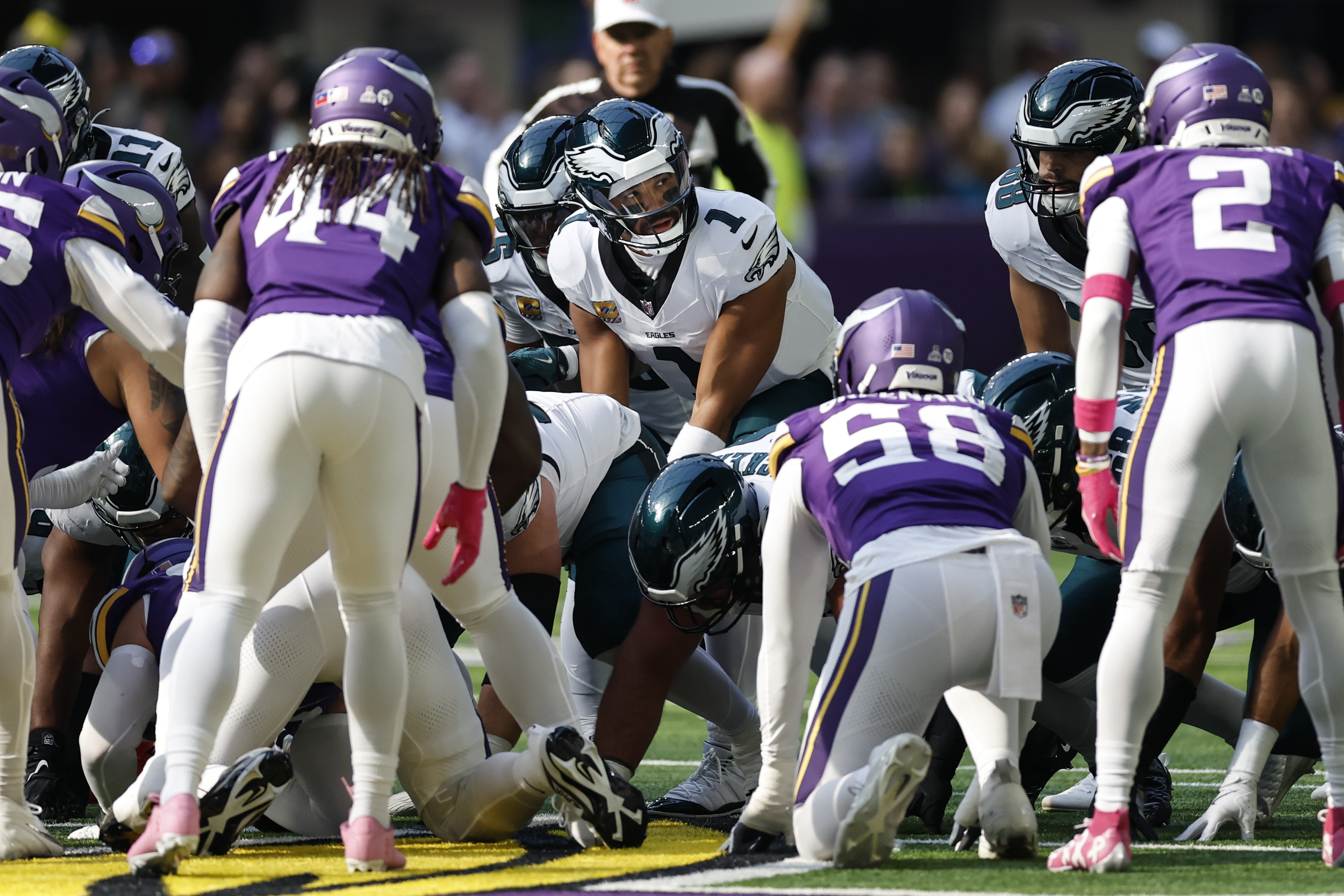
Eagles quarterback Jalen Hurts lines up for the Tush Push play during an Oct. 19 matchup with the Vikings.
The site only tracks the 2025 data, but one of Bowe’s next projects is to go back through the historical data from 2022, the year the Eagles popularized the play, to now and add those numbers into the data set.
Bowe has been an Eagles fan his entire life, and while he ultimately left the area after graduating from Temple, first to New York and later to Raleigh, N.C., he continued making connections thanks to a shared love for Philly sports. He hopes to keep the site going as long as the Tush Push does, and is glad people have been able to use it as a resource.
“[The Tush Push is] such a quintessentially Philly play,” Bowe said. “The Tush Push is super gritty, it’s controversial, but it’s also effective. To me that is quintessential Philadelphia. It really espouses that Broad Street attitude.
“I want to see it live on. I hope that next season they’re not thinking about banning it again, now that other teams are getting successful with it and the Eagles aren’t just the best one on the block these days.”