Blog

  • What will it take Roman Catholic and La Salle to come out as state champions?

    What will it take Roman Catholic and La Salle to come out as state champions?

    Roman Catholic has never won a PIAA state football championship. La Salle College High School has not won a state championship in 16 years. Both stalwart Philadelphia Catholic League programs will get their chance to make their respective marks this weekend in the PIAA Class 5A and Class 6A championships at Cumberland Valley High School.

    In a rematch of last year’s 5A championship, Roman will face Harrisburg’s Bishop McDevitt, the alma mater of former Eagles LeSean McCoy and Ricky Watters, at 7 p.m. Friday. La Salle will follow on Saturday at 7 p.m. in the 6A final against Pittsburgh’s Central Catholic.

    As both programs near the title game, neither Roman Catholic coach Rick Prete nor La Salle coach Brett Gordon have brought up winning a state title to their teams.

    “We haven’t even mentioned the words ‘state championship’ all year,” Gordon said. “We want to stay on message. It’s been more of, ‘Let’s get into November playing our best football.’ I think we’re close. But I don’t think we’ve peaked. We hold a high standard.”

    Prete has stressed constant improvement all season.

    “Our message to the kids is that we didn’t play our best game in the state championship last year,” Prete said. “It bothered the coaching staff. It bothered the kids. It’s why our focus is playing a strong, clean game. We want to see what that looks like. The seniors this year want to do it for those kids who were in that game last year.”

    PIAA Class 5A final

    • (District 12) Roman Catholic (11-3) vs. (District 3) Bishop McDevitt (12-2)

    In last year’s Class 5A championship, Roman rebounded from a 21-3 deficit early in the third quarter to tie it in regulation before losing, 34-31, in overtime. McDevitt is on a 12-game winning streak, last losing in August. The Cahillites are on a seven-game winning streak, and have been so dominant that they have not played their starters for an entire game since their 40-39 overtime loss to St. Joseph’s Prep on Oct. 10.

    McDevitt has a first-year starting quarterback, junior Sebastian Williams. He has done a solid job filling the void left by the graduation of Pennsylvania’s all-time leading passer, Stone Saunders, now at Kentucky. Williams has thrown for 2,179 yards and 19 touchdowns against eight interceptions this season. He showed considerable poise in leading the Crusaders in the final minutes to a walk-off 31-28 victory over Peters Township in the state semifinals.

    Roman runs a no-huddle, up-tempo offense, ignited by Akron-bound senior quarterback Semaj Beals, who has passed for more than 12,000 career yards. He has two Temple-bound receivers in seniors Ash Roberts and Eyan Stead Jr., and a capable ground attack centered around sophomore tailback Trey Montgomery. Much will come down to the time Roman’s offensive line can provide Beals, who gets the ball out quickly.

    Senior tight end Giovanni DeSimmone, senior right tackle Gustavo Gomez, junior right guard Malik Cochran, senior center Khalif McNear, senior left guard Dom Ramos, and junior left tackle Sebastian Waddell believe they have a mission to accomplish since losing to McDevitt last December.

    “I know Roman is well-coached, Rick Prete does a great job, and I know they have a lot of guys back from last year,” said McDevitt coach Jeff Weachter, who has more than 300 career victories in 23 years. “They are explosive offensively, and they do a lot of different things on defense. They are physical. They run well. We have an idea what we’re up against with their up-tempo offense. They go fast. From what I understand, they are going even faster this year. That will be a little bit of an adjustment. It takes a little bit to get a feel for that. …This will be a great game.”

    Prete likes the experience his team has going into the title game. Last year was a mountain of firsts for the Cahillites, who accomplished their first state playoff appearance, first state playoff victories, and first appearance in the state title game.

    Roman was up 21-0 in the first quarter against Springfield in the state semifinals and was leading District 6 champion Hollidaysburg 48-0 in the first half of the state quarterfinals.

    “This is a group that knows what to expect and we know how to conduct ourselves; we are not just happy getting to the state championship again,” Prete said. “Starting with the offense, we are not forcing anything. Defensively, scheme-wise, we have been good at figuring out the strengths of other teams and what our strengths are. This is a young group that is playing very maturely.”

    Senior defensive back Justus Gaskin and junior linebacker Walter Hudson have been defensive standouts, and Stead has been a big contributor on the defensive side, too.

    Roman’s inherent bonus is getting great preparation for this stage during the regular Catholic League season against stellar programs, like St. Joe’s Prep and La Salle.

    “The Catholic League is the best in the state,” Prete said. “You have great coaches and great players, and your sense of everything is heightened. Playing great teams exposes your weaknesses. La Salle had the ball with a minute-something left down a score, with the ball in a Missouri quarterback’s hands [Gavin Sidwar] and a Notre Dame-bound receiver to throw to [Joey O’Brien]. We got a big stop. … As talented as McDevitt is, playing in the Catholic League allows us not to be surprised by the talent that we are going to see. McDevitt is a very formidable opponent, obviously the defending state champions.”

    PIAA Class 6A final

    • (District 12) La Salle (12-1) vs. (District 7) Central Catholic (13-1)

    Neither team has won a state championship under the Class 6A system, installed in the 2016 season. La Salle’s last state championship was in 2009 (24-7 over State College at 4A) — when the Explorers became the first Philadelphia Catholic League team to win a PIAA state football championship under late hall of fame coach Drew Gordon, Brett Gordon’s father.

    Central Catholic has not won a state title since 2015 (21-18 over Parkland at 4A). The Vikings are 0-4 in state championship games against Philadelphia area teams (losing to North Penn and St. Joe’s Prep three times, including a 35-6 defeat last year).

    Explorers wide receiver Jim Mahoney (14) celebrates with teammates after scoring a touchdown against North Penn on Nov. 29.

    This is a rematch of the season-opening game, won by La Salle, 23-6. Gordon and Central Catholic coach Ryan Lehmeier stressed that their teams are far different from the ones that faced each other on Aug. 22. The Vikings have an offensive line that averages 284 pounds. La Salle’s offensive line averages 283 pounds. The difference is, Central Catholic has won on the ground, and La Salle wins through the air, featuring Sidwar, O’Brien, senior receiver Jimmy Mahoney, junior receiver Owen Johnson, and senior tight end John-Patrick Oates, who is now heading to Virginia Tech and new Hokies coach James Franklin.

    In Central Catholic’s 32-14 win over Harrisburg in the state semifinals, the Vikings plowed ahead behind their massive front and sophomore tailback Chrys Black Jr., who rushed for 216 yards and three touchdowns. That template may be repeated, keeping La Salle’s potent offense off the field, and wearing down the Explorers’ defense.

    “From an overall health standpoint, I like where we are, but what I didn’t like is that we put the ball on the carpet three times, losing two [in La Salle’s 49-14 state semifinal win over North Penn last Saturday],” Gordon said. “It is not characteristic of who we are. It is safe to say, I like where we are going into this game. We were pressed by Prep and Imhotep. Central Catholic is good at every position. I told people all year long that Central Catholic was the best team we played this season. When you turn on the film, there is no one you can look at as a weakness. ”

    La Salle is receiving good interior work from 6-foot-2, 275-pound senior defensive tackle Jemel Williams, and Oates has blossomed into a quality edge rusher, where he may now play in college. Williams was disruptive in state playoff victories against run-oriented teams, including Easton and North Penn, while senior defensive end Ryan Fandozzi has been consistent all season.

    Since La Salle lost to Roman in late September, Sidwar has completed 78% of his passes, with 24 touchdowns and no interceptions.

    Explorers quarterback Gavin Sidwar (7) hands the ball off to running back Desmond Ortiz during the PIAA Class 6A football semifinal game against North Penn on Nov. 29.

    Since the opening loss to La Salle, Lehmeier said his team matured this season.

    “Anytime you get this deep into a season, it means you pretty much have had success in all three phases of the game, and the point of emphasis against La Salle on Saturday is to play our style of football,” Lehmeier said. “Whether it’s the quarterback [Sidwar], or their young kid [Johnson] coming on, because I know Joey O’Brien gets a lot of press, they are pretty good. Their ability to spread the football and anytime you have a quarterback like that, it allows you to run that type of offense, which is hard to stop. They are obviously very impressive there. They do some great things on defense, too. They have tremendous football players.”
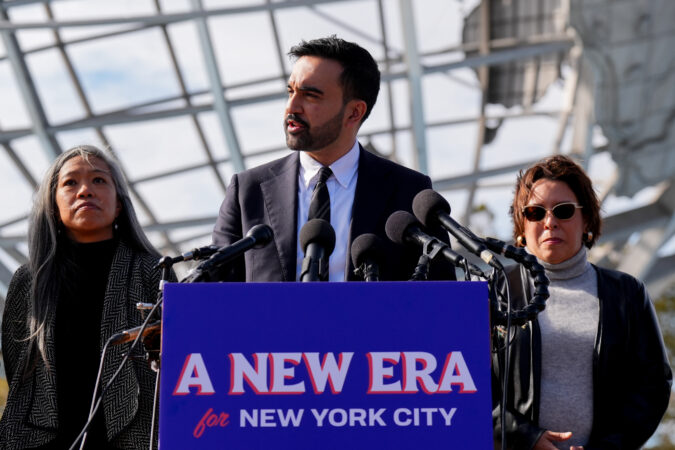
  • The political operatives who powered Mamdani’s and Fetterman’s campaigns are trying to win back House seats in Pa.

    The political operatives who powered Mamdani’s and Fetterman’s campaigns are trying to win back House seats in Pa.

    Eric Stern drove out to Erie last January and got a slice of pizza with Christina Vogel at Donato’s, the downtown shop she has owned for nine years.

    The small-business owner and political novice was interested in running for county executive against a vulnerable Republican incumbent. Stern, a longtime Democratic political operative, was part of a newly founded firm looking for candidates to help flip Republican-held seats.

    “It all started with trying to find candidates who were, frankly, better messengers for the values we had and the things we cared about,” Stern said. “She was someone who understood the urgency of this moment as a small-business owner and mom but just as critically was not part of this broken system that had Democrats losing in the past.”

    A year later, Vogel is the newly elected Democratic county executive after flipping one of the most famously swingy counties in the nation, widely seen as a presidential bellwether. And Stern’s firm, FIGHT, a national Democratic media consulting agency based in Pennsylvania, could play a critical role in elevating other Democratic challengers in 2026, when control of Congress is up for grabs.

    FIGHT is working with Scranton Mayor Paige Cognetti in Northeast Pennsylvania and firefighter Bob Brooks in the Lehigh Valley. U.S. Rep Rob Bresnahan and U.S. Rep. Ryan Mackenzie, the freshman Republicans who represent those areas, each won by about a percentage point in 2024, making them two of the most vulnerable incumbents in next year’s elections.

    This past year FIGHT’s six-person team helped Zohran Mamdani win the New York mayoral race, the buzziest contest of the cycle. The Philadelphia-based agency had a hand in the Pennsylvania Supreme Court slate’s retention, county executive wins in Lehigh and Erie, and two successful Democratic judicial campaigns in the state.

    The firm was cofounded by Rebecca Katz, a Central High graduate who lives in New York; Philadelphia ad-maker Tommy McDonald; and Julian Mulvey, an architect of Sen. Bernie Sanders’ 2016 presidential campaign.

    “New York isn’t Pennsylvania and Pennsylvania isn’t New York,” Katz said of lessons learned from Mamdani’s win, also noting primaries and generals are extremely different. “But there’s a universal desire for authentic candidates laser-focused on the affordability crisis.”

    The strategists started the firm in January 2025 after Democrats suffered across-the-board losses in 2024, a year she helped Sen. Ruben Gallego defy that trend and win an open seat in Arizona.

    Stern, a Pittsburgh native and resident, and McDonald both quit their jobs to sign on with the agency.

    Their most basic strategy is creating authentic campaigns that reflect the communities the candidates are running in, clear economic messaging, and trying different things across media platforms to win back working-class voters, Katz said.

    “We try to think about what makes an ad pop, what makes people look up from their phone, or, if they’re on their phone, what makes them stay there,” Katz said. “It can’t look like everything else on TV.”

    Tommy McDonald (left), and Eric Stern (right), are longtime Democratic media consultants now with FIGHT, a Philly-based agency working on two key Congressional races in Pennsylvania in 2026.

    ‘A new road map’

    In the November election, standing out meant ads about the state Supreme Court race that featured Pennsylvanians talking directly to the camera about how they felt their rights had been protected by the three justices on the ballot, who were all first elected as Democrats. Sixteen Pennsylvania counties that Vice President Kamala Harris lost wound up voting to retain the judges in the most expensive judicial contest in state history.

    The victory provided a blueprint for Gov. Josh Shapiro and other Democrats running in Pennsylvania in 2026, said McDonald, who made the ads for the retention race.

    “These are the typical working-class voters that Democrats are bleeding,” McDonald said. “It’s Beaver County. It’s where the New York Times visits diners. It showed us there’s a new road map for how to get persuadable voters in Pennsylvania. We know where they are now.”

    Stern, Katz, and McDonald all worked on Fetterman’s 2022 campaign, a race that included the unprecedented challenge of navigating a candidate’s stroke days before the primary and running a general election campaign as he recovered.

    They wound up winning awards for the campaign, which featured bright yellow and black branding and creative trolling of Republican nominee Mehmet Oz’s New Jersey ties. McDonald had the idea to fly a banner plane along the Jersey shoreline: “HEY DR. OZ, WELCOME HOME TO NJ! ♥ JOHN,” it read.

    They called that July, which also included Jersey Shore cast member Nicole “Snooki” Polizzi making a surprise cameo, “New Jersey Summer.”

    “We all learned politics here,” McDonald said of his home state. “The idea is to try to do things differently, redefine Democratic campaigns.”

    This year, political headwinds certainly helped Democrats, but hyperlocal messaging did, too, the strategists argue.

    Stern worked with Vogel’s campaign in Erie to create ads that looked like a pizzeria’s commercials, to stand out from the cookie-cutter format.

    ”In Erie County, we know good things start with the right ingredients,” the ad says as a hand scatters toppings atop a pie.

    Another ad showed Republicans and self-proclaimed three-time Donald Trump voters on-camera saying they were supporting Vogel over the incumbent, Republican Brenton Davis. A Democrat cannot win in the county without some independent and Republican support.

    “They were all people I met on the campaign trail,” Vogel said of the ad. “We really focused on what matters most with affordability, how stretched thin people are across the U.S., and just focused relentlessly on the same message and reminding people why voting matters.”

    And in Lehigh County, a slightly bluer but still purple region, Stern worked with State Rep. Josh Siegel’s campaign for county executive. That was more of an offensive against Republican Roger MacLean, a former Allentown police chief, whom ads described as a “grifter and a disgrace,” highlighting his multiple beach houses amid an affordability crisis.

    “We came up with an ad strategy that basically determined the most important thing was to beat the crap out of this guy,” Stern said.

    “I think Democrats have pulled their punches for way too long,” he added. “There’s a difference between fighting dirty and fighting back, and we have to be in a position where we’re willing to say, ‘We’re here to fight.’”

    Siegel, 32, soon to become the youngest county executive in Pennsylvania history, credited the agency with urging him to be specific in his pitch to voters.

    “For me, the problem with the way we communicate as Democrats is part of the professional consultant class has created this art form of saying a lot and saying nothing,” he said. “I think people have a particularly adept bulls— detector and they are tired of what is just the most inoffensive, poll-tested, style-over-substance speak we’ve perfected.”

    As they look to next year, Stern thinks anti-corruption will be the key issue in the race against Bresnahan in the Northeast. Bresnahan has faced criticism for stock trading while in Congress. Cognetti, his opponent, has been the mayor since 2020, when she won on an anti-corruption platform.

    While affordability runs across races, Stern said campaigns cannot make the mistake of being too general in their messaging. “There’s no one right message that cuts across all these districts,” he said.

    “Too many folks are running the same ads or calling the same plays they would have a decade ago. We are in a different world. Things have totally changed in a million different ways.”

  • New study on historic districts counters claim preservation limits development, housing

    New study on historic districts counters claim preservation limits development, housing

    For years, preservationists have countered claims that historic designation limits development and housing supply. Some neighborhood groups have gone as far as filing petitions to oppose new historic districts in Philadelphia on these grounds.

    Until recently, there was little data to challenge these assumptions. That changed when the Preservation Alliance for Greater Philadelphia commissioned PlaceEconomics to study preservation’s impact in Philadelphia.

    Although only about 5% of the city’s land and 4.4% of its buildings are listed on the Philadelphia Register of Historic Places — up from just 2.2% in 2016 — that expansion in designations shows how Philadelphia has begun to catch up with peer cities. This growth reflects both resident advocacy and the city’s expanded preservation capacity, which were spurred by efforts under Mayor Jim Kenney’s administration, including the convening of a Historic Preservation Task Force.

    The new report produced striking findings that flip the old narrative on its head: that preservation constricts housing supply and reduces density.

    In fact, the data show preservation supports growth and density. Population density in historic districts is 34% higher than in other neighborhoods, and housing units there grew 26% over the past decade, nearly triple the citywide rate.

    The study also found that older neighborhoods are becoming more diverse, with preservation helping sustain racial and economic inclusion. Nonwhite homeownership in these areas is rising faster than in the city as a whole, a clear sign that maintaining older housing can open doors to opportunity, not close them.

    It’s evidence that preserving the city’s older housing stock is a key component of Mayor Cherelle L. Parker’s H.O.M.E. Initiative to provide new affordable housing opportunities. Investing in these neighborhoods will support the growth of homeownership for Black and Hispanic populations.

    The 1500 block of Christian Street in the historic Black neighborhood nicknamed “Doctors Row,” photographed in 2021.

    Beyond the data, historic neighborhoods offer beauty, character, and a sense of place that newer developments often struggle to match. Built long before cars shaped our neighborhoods, these areas were designed for people: compact, walkable, and full of architectural variety. Their mix of rowhouses, corner stores, and small apartment buildings naturally creates the kind of density and vibrancy that newer communities struggle to emulate.

    Moreover, many older neighborhoods were built at a time when transportation options were more limited, such as walking and transit, causing them to be more densely developed than later, automobile-oriented areas of the city. These neighborhoods were often built with a wide variety of housing types, including multifamily buildings that are inherently denser than neighborhoods of primarily single-family homes.

    Historic districts are simply desirable places to live. And that attracts housing developers seeking to put up new housing, whether on vacant lots or on parcels containing “noncontributing” properties, which can be demolished under Philadelphia Historical Commission regulations.

    These and other new buildings constructed within historic districts in recent years have been subject to Historical Commission review to ensure they do not detract from the character of the historic districts in which they were built.

    Preservation also fuels local jobs and investment. Philadelphia ranks among the nation’s leaders in historic tax credit projects, which, since 2010, have generated roughly 2,500 jobs and $141 million in annual labor income — a steady return that proves preservation is as much an economic strategy as a cultural one.

    Historic districts are living, breathing neighborhoods that welcome both new housing and new residents. The findings from the latest study should put to rest some of the more persistent claims of preservation’s detractors.

    Paul Steinke is the executive director of the Preservation Alliance for Greater Philadelphia.

  • The share of Asian residents living in Philly’s Chinatown is decreasing, says a new report

    The share of Asian residents living in Philly’s Chinatown is decreasing, says a new report

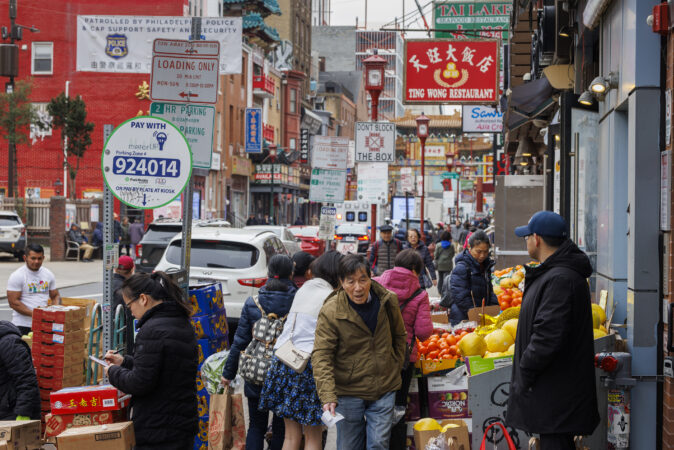
    Philadelphia’s Chinatown neighborhood has grown significantly over the last decade, but a majority of its gains in population and business have resulted in a decline in the share of Asian residents amid concerns over gentrification and displacement, according to a new report.

    And the situation is not unique to Philly, a study from the Asian American Legal Defense and Education Fund found. Its counterparts in New York City and Boston — both also historic Chinatowns — are facing similar pressures.

    All three cities’ Chinatowns, in fact, saw declines in their share of Asian residents from 2010 to 2020, the report found. The findings in Philly, meanwhile, come following years of the neighborhood staving off locally planned developments that may have resulted in additional challenges for residents — including the proposed billion-dollar Sixers arena effort abandoned in January after years of heated debate.

    “The Chinatown community is no stranger to fighting off large-scale and predatory development,” said the report from the fund, which provided legal support to community groups during the arena saga. “The arena would have devastated the neighborhood, bringing in a renewed wave of gentrifying pressure for residents and competition for local businesses.”

    The fund recommends that cities like Philadelphia enact community-focused rezoning efforts to protect their Chinatowns’ cultures from those pressures. But, as the report found, Philly’s Chinatown is already seeing substantial demographic shifts.

    For population and race data in 2000 and 2010, the study used the U.S. Census Bureau’s decennial census, which conducts a 100% count of the nation’s population. Figures for 2020 were drawn from estimates from the Census Bureau’s American Community Survey for the five-year period of 2018 to 2022, as the study’s authors cited possible data issues in the 2020 decennial census because of the pandemic and the proposed citizenship question.

    An Inquirer analysis that used the decennial census for both 2010 and 2020 shows that Asians remain the largest racial group in Chinatown, with their share of the population falling slightly, from 61% to 57%. White residents’ share of Chinatown’s population grew from 24% to 28%.

    Here are three takeaways from the fund’s report:

    An older, less Asian population

    Between 2010 and 2020, Chinatown’s population grew by 15%, from roughly 5,900 people to nearly 6,800. During that time, much of the growth was driven by an influx of white residents, with that group’s population growing by roughly 76% during that time — and becoming the largest racial group in the area — the report found.

    The overall number of Asian residents, however, remained roughly the same — 2,464 in 2010 vs. 2,445 in 2020. That proportion accounted for about 36% of the neighborhood’s population in 2020, decreasing from 42% in 2010. The white population, meanwhile, accounted for 44% of Chinatown’s residents in 2020, compared with 29% in 2010.

    As a result, the report notes, the area’s growth can be “entirely attributed” to a rush of non-Asian residents over the last decade covered by the U.S. Census. The proportion of Latino residents also increased significantly between 2010 and 2020, with that group growing by 36%, the report found.

    The neighborhood’s population also appears in part to be aging in place, with the number of people 65 and older almost doubling from 2010 to 2020, from 444 residents to 849. Simultaneously, its population of residents up to age 17 decreased by 15% during that time period, and the group ages 18 to 24 decreased by 37%. The group of residents ages 25 to 64, meanwhile, saw a “modest” increase of 22% from 2010 to 2020, the report found.

    Higher rent — and home values

    As the proportion of Chinatown’s Asian population decreased, its rent costs, house values, and homeownership rates all increased, the report found. House values in Chinatown, in fact, were more than double the citywide median in 2020, standing at more than $491,000 in the neighborhood compared with $236,000 in Philadelphia overall.

    Homeownership rates were lower in Chinatown than in the city at large, however, standing at 40% in 2020 compared with 52% citywide. Still, homeownership in Chinatown increased from 31% in 2010 while it fell marginally in the city overall from that year, when it stood at 54%. By comparison, Boston’s homeownership rate in its Chinatown stood at 7% in 2020, while New York’s Chinatown had a 15% homeownership rate that year, the report found.

    Rent in Chinatown was also higher in 2020 compared with the rest of the city, the fund’s report found. The neighborhood’s median rent stood at nearly $1,900, while the city’s was about $1,150 that year.

    Boston, New York, and Philadelphia, the report found, all saw the “transformation of former warehouses, tenement buildings, or rowhouses into luxury apartments and condominiums” over the last decade. Those developments, the fund noted, “fail to expand the housing supply for Chinatown community members” and contribute to rising rents and displacement of low-income residents.

    “Affordable housing is quickly disappearing in Philadelphia’s commercial core,” the fund’s report found.

    Largely local business

    In total, the study found that 92% of Chinatown’s commercial land parcels were small or local businesses in 2020, with restaurants and retail outlets making up a lion’s share of storefronts. Restaurants were the clear growth leader, increasing in number by 40% from the decade prior.

    Nearly all of Chinatown’s restaurants were located south of the Vine Street Expressway, the fund noted. Of those, Asian restaurants dominated the cuisine offered, with most eateries serving Chinese food.

    Still, despite the dominance of Asian restaurants in the neighborhood, Philadelphia did observe the largest shift in Asian to non-Asian restaurants of the three Chinatowns examined in the study. Over the last decade, the proportion of neighborhood Asian restaurants decreased from 85% to 62%, while the area’s non-Asian eateries more than doubled from 15% to 38%.

    The presence of national chains in Philly’s Chinatown doubled between 2010 and 2020, moving from 4% of all businesses to 8%, the study found. Retail stores, meanwhile, made up about 30% of commercial businesses in the neighborhood in 2020, the largest proportion of which were beauty and hair salons, followed by grocery stores and markets.

    Many newer businesses, the study noted, were tailored for younger customers, such as bubble tea and upscale dessert shops, as well as convenience stores that sell snacks rather than groceries — many of which lack indoor dining rooms. That shift may affect older residents, the fund noted.

    “As these types of indoor dining rooms disappear, Chinatown elders have fewer options to spend their time in safe and affordable spaces,” the study said.

    Clarification: This story has been updated to further explain the data used in the Asian American Legal Defense and Education Fund study.

  • Swarthmore College hopes to redevelop Cunningham Fields as its athletic infrastructure ages

    Swarthmore College hopes to redevelop Cunningham Fields as its athletic infrastructure ages

    As Swarthmore College embarks on an ambitious campaign to update its campus infrastructure, plans for a redeveloped athletic complex are taking shape. Under the college’s proposal, Cunningham Fields, a set of playing fields located off College Avenue and North Chester Road, would be redesigned to include updated grass and turf fields, new tennis courts, spectator seating, and a pavilion with restrooms and team meeting areas.

    As the lengthy development process between the borough and the college continues to play out, here’s what you need to know about the proposed redesign.

    What is Cunningham Fields?

    Cunningham Fields is a set of athletic fields located on the Swarthmore College campus, off College Avenue and North Chester Road. The complex currently includes four grass fields, six tennis courts, locker rooms, and restrooms. The fields are used for lacrosse, field hockey, soccer, rugby, and Ultimate Frisbee practice. They are open to the public when they are not in use by the college.

    What does the proposed renovation look like?

    The Cunningham Fields redesign proposes the construction of three new sports fields; a pavilion with restrooms, team meeting areas, a training room, and storage; additional spectator viewing areas; and the addition of six tennis courts and relocation of existing tennis courts.

    One all-purpose turf field would be installed for soccer, lacrosse, rugby, Ultimate Frisbee, kickball, and flag football. The all-purpose field would not have lighting, a sound system, or permanent seating.

    A second proposed turf field would be used primarily for field hockey. That field would include spectator seating for up to 160 people, a press box, a scoreboard, a sound system, and lighting, per NCAA regulations. The field may be lit from 4 to 8 p.m., depending on the season, with the option to extend to 10 p.m. one day a week for fall night games. The use of the sound system would be limited to intercollegiate games, which the college says typically occur twice a week during the season.

    A new grass field would be put in primarily for soccer, rugby, and other recreational activities. The field would not have lighting or a sound system, and would be designed as a “quiet and calm environment,” the college says.

    The proposal also includes renovating existing tennis courts and adding six courts, which the college says would allow the men’s and women’s teams to play side by side.

    Why does the college want to renovate Cunningham Fields?

    The Cunningham Fields renovation is part of a larger plan for Swarthmore’s athletic facilities, which the college says are in need of major updates.

    Cunningham Fields currently presents “a unique set of challenges,” according to the college. The natural grass fields require significant maintenance. Its tennis courts have poor drainage and no spectator seats and are split between two locations, creating scheduling conflicts during meets. In addition to Cunningham Fields, the college says, Swarthmore’s Lamb-Miller Field House is “at the end of its usable life” and no longer meets NCAA requirements.

    A spokesperson for the college said in a statement that the proposed development is “an exciting project designed to meet the needs of our students while also serving as a resource for the broader Swarthmore College and Borough community.”

    The proposed renovation follows the 2024 adoption of “Swarthmore Forward,” a strategic plan that articulates the college’s vision for nurturing “all aspects” of students’ well-being, including health and wellness.

    How has the Cunningham Fields proposal changed over time?

    After receiving community feedback, the college says it has made significant changes to its initial plans and is “committed to preserving a true parklike character” through modern lighting and sound technology, quiet hours, deliberate scheduling, and environmentally responsible materials, among other measures.

    While the college initially planned to put lighting on all of the new fields, it now plans to light only the tennis courts and field hockey field. Plans for a new fitness court have been eliminated. Spectator seating and new netting have been pared back.

    To address the complaint of buses waiting along College Avenue, the South Cunningham Lot would be used as the main entry point, and drop-off and pickup would take place at a dedicated area near the parking lot entrance off South Chester Road.

    Has the borough approved the renovations?

    Not yet. Swarthmore College is in the middle of a development process with the borough that could take months, or longer.

    When property owners want to build something that does not comply with the existing zoning code (like the Cunningham Fields proposal), they can go through one of two avenues. Developers can either request that a municipality rezone its specific parcel of land, or propose a text amendment, which changes the municipality’s zoning code at-large.

    The college has gone the latter route, requesting an amendment to the borough’s zoning code. As proposed by the college, the amendment would add various permitted uses to the current IN-B Institutional District code, including changes that would affect the allowance of tennis courts, walking paths, safety netting, and scoreboards.

    Before a text amendment can be passed, it has to go through the borough’s planning and zoning committee, borough council, and planning commission. At a meeting on Dec. 1, the Swarthmore Borough Council discussed traffic, environmental impacts, and noise issues, raising questions like how late the college could use its field lights and where and when spectators could park for games. The council plans to send a list of questions and concerns to the planning commission by the end of the month. The commission will then study those issues before returning with a recommendation.

    If the zoning amendment is approved, the college’s development proposal would then have to go through an approval process with the county and borough, introducing another set of public meetings.

    How do residents feel?

    At a Nov. 20 meeting of Swarthmore’s planning and zoning commission, fears about changing neighborhood character and environmental impacts dominated public comment, according to the Swarthmorean, a community newspaper. Some residents expressed concerns about disruptive late-night athletic games, while others questioned the college’s decision to pursue a text amendment rather than a zone change.

    In its statement, the college said it looks forward to “continued engagement with our neighbors and the Borough as the process moves forward and to creating a space that benefits both the College and Swarthmore residents.”

    This suburban content is produced with support from the Leslie Miller and Richard Worley Foundation and The Lenfest Institute for Journalism. Editorial content is created independently of the project donors. Gifts to support The Inquirer’s high-impact journalism can be made at inquirer.com/donate. A list of Lenfest Institute donors can be found at lenfestinstitute.org/supporters.

  • Trump dismisses affordability concerns as he rakes in billions. Most Americans aren’t that lucky. | Editorial

    Trump dismisses affordability concerns as he rakes in billions. Most Americans aren’t that lucky. | Editorial

    Donald Trump had a blunt message for anyone struggling to make ends meet: He does not feel your pain.

    During a lengthy cabinet meeting on Tuesday, the president called the issue of affordability a “fake narrative.”

    Between nodding off and a racist rant, Trump declared during the gathering that the cost-of-living squeeze felt by millions of Americans “doesn’t mean anything to anybody.”

    Polls show affordability is the top issue facing Americans. But Trump claimed all the talk about affordability was a “con job.”

    So who is conning whom?

    Trump ran for office last year on the promise to lower prices, end the war in Ukraine, and release the Jeffrey Epstein files. He’s done none of it.

    “When I win, I will immediately bring prices down, starting on Day One,” he said in August 2024.

    Yes, the much-ballyhooed price of eggs has come down, but overall grocery costs have increased.

    For example, beef prices are up 14% this year and expected to soar next year because of fewer cattle. Coffee prices are the highest in decades due to drought and Trump’s tariffs.

    Companies tried to shield consumers from higher prices brought on by Trump’s erratic trade war. But more prices are starting to rise as tariffs have driven up costs on a wide range of products, including clothes, shoes, toys, electronics, cars, and homes.

    Affordability is more than egg prices.

    Millions of Americans are struggling to keep up. A Wall Street portfolio manager argued that after factoring in the cost of childcare, housing, healthcare, and other essentials, the real poverty line for a family of four should be $140,000.

    The median household income in the U.S. is about $84,000. In Philadelphia, it is $60,000.

    While presidents don’t control prices, Trump’s countless chaotic actions have contributed to the growing costs many Americans face.

    An employee works at a cash register in a grocery store in Schaumburg, Ill., in September. Donald Trump campaigned on lowering prices, but overall grocery costs have increased, writes the Editorial Board.

    Polls show home prices and rental costs are among the top affordability issues. Trump’s tariffs on timber, furniture, and cabinets have fueled the increase in housing affordability.

    Trump’s crackdown on immigrants — who account for one-third of construction workers — is leading to a labor shortage and further driving up home prices.

    Elevated mortgage rates, property tax hikes, and higher insurance premiums from more intense storms are also adding to housing expenses.

    The affordability crisis is so bad that the average first-time home buyer is 40 years old.

    Trump also promised to cut energy prices in half, but that has not happened. Many homeowners and businesses have been hit with sharp increases in electricity bills.

    The price hikes vary by state. A booming demand by data centers sent prices up 20% in New Jersey, while utility companies in California have passed on the cost to rebuild after devastating wildfires.

    Trump has also contributed to the higher utility costs after his One Big Beautiful Bill slashed tax incentives for wind and solar energy projects.

    Many Americans are falling behind. Household debt levels — which include mortgages, car loans, credit cards, and student loans — are at a record high, according to the Federal Reserve Bank of New York.

    Many are also rightly worried about their jobs. The unemployment rate hit its highest since 2021, and a record number of small businesses have filed for bankruptcy this year, along with several large companies such as Spirit Airlines, Claire’s, and First Brands.

    About 300,000 federal workers lost their jobs under Trump. U.S.-based companies have shed more than one million jobs through October of this year, a 65% increase from the period in 2024.

    Trump keeps blaming former President Joe Biden for the economic trouble. While inflation spiked under Biden, there was record job growth. Just weeks before the November 2024 election, the Economist magazine said the U.S. economy was “the envy of the world.”

    Despite Trump’s effort to dismiss affordability concerns, many Americans now blame him for the higher costs.

    Meanwhile, the rich get richer. The wealthiest 10% of Americans added $5 trillion to their fortunes in just the second quarter of 2025. And Trump’s net worth has increased by $3 billion this year.

    Now there is the real con job.

  • 2026 Chevrolet Equinox EV: The price is nice, but there’s a catch

    2026 Chevrolet Equinox EV: The price is nice, but there’s a catch

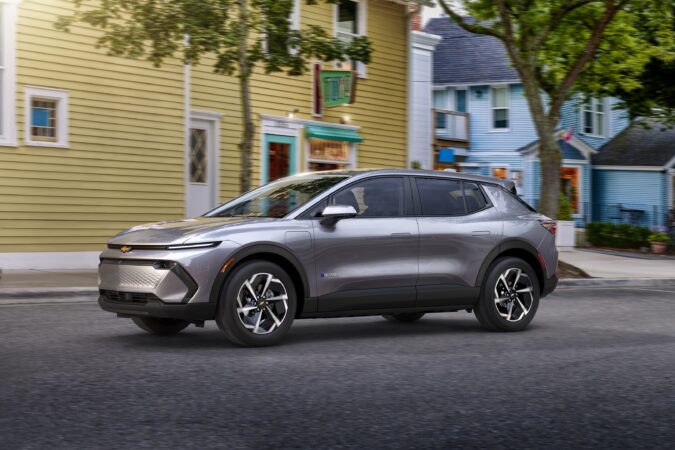
    2026 Chevrolet Equinox EV LT front-wheel drive: A no-bells, no-whistles EV test.

    Price: $36,495 as tested. No options on test vehicle; price is up by $1,500 from the 2025 model tested.

    The all-wheel-drive model starts $5,000 higher and sacrifices about 10 miles of range.

    Conventional wisdom: Car and Driver likes that it has “more range than rivals, competitively priced” and is “available with Super Cruise and other tech.” They didn’t love the “underpowered front-drive model, less cargo space than the gas model, no Apple CarPlay or Android Auto.”

    Marketer’s pitch: “America’s most affordable 315+ mile range EV.”

    Reality: Definitely affordable. Will it be worth the trade-offs?

    Plug them in: Mr. Driver’s Seat has compiled a few EVs for comparison. So over the next two weeks you’ll see how this compares to more expensive electron-driven options from Hyundai and Volkswagen.

    What’s new: The Equinox EV carries on pretty much unchanged since its 2024 debut, although all-wheel-drive models boast a range boost for 2026.

    Competition: In addition to the above models, there are the Ford Mustang Mach-E, Honda Prologue, Kia EV6, Mini Countryman EV, Subaru Solterra, and Tesla Model Y.

    Up to speed: Car and Driver got one thing right — the 0-60 time is not the stuff of EV legend. The Equinox EV in its barest front-wheel-drive form will not plaster you to the seat when it’s time to leave the red light, but it does move with ease. It’s worth noting that pickup for passing will still leave most drivers impressed, and this can be an important test.

    Car and Driver puts the 0-60 time at 7.7 seconds, a not-unexpected number from a small SUV with 220 horsepower. All-wheel drive ups the ante to 300 horses, and it moves to 60 mph in 5.8 seconds.

    Shiftless: The Mercedes-ish wiper stalk on the steering column requires a pull and up for Reverse and a pull and down for Drive. The pull is a nice touch, so you don’t feel like you’ll make any stupid mistakes while riding around, the kind I’ve made now and again with these shifters.

    On the road: The Equinox EV handles with great ease, being pulled to the road by the heavy batteries in the floor. Highways are smooth, and country roads are nicely followed, with a touch of fun added as well.

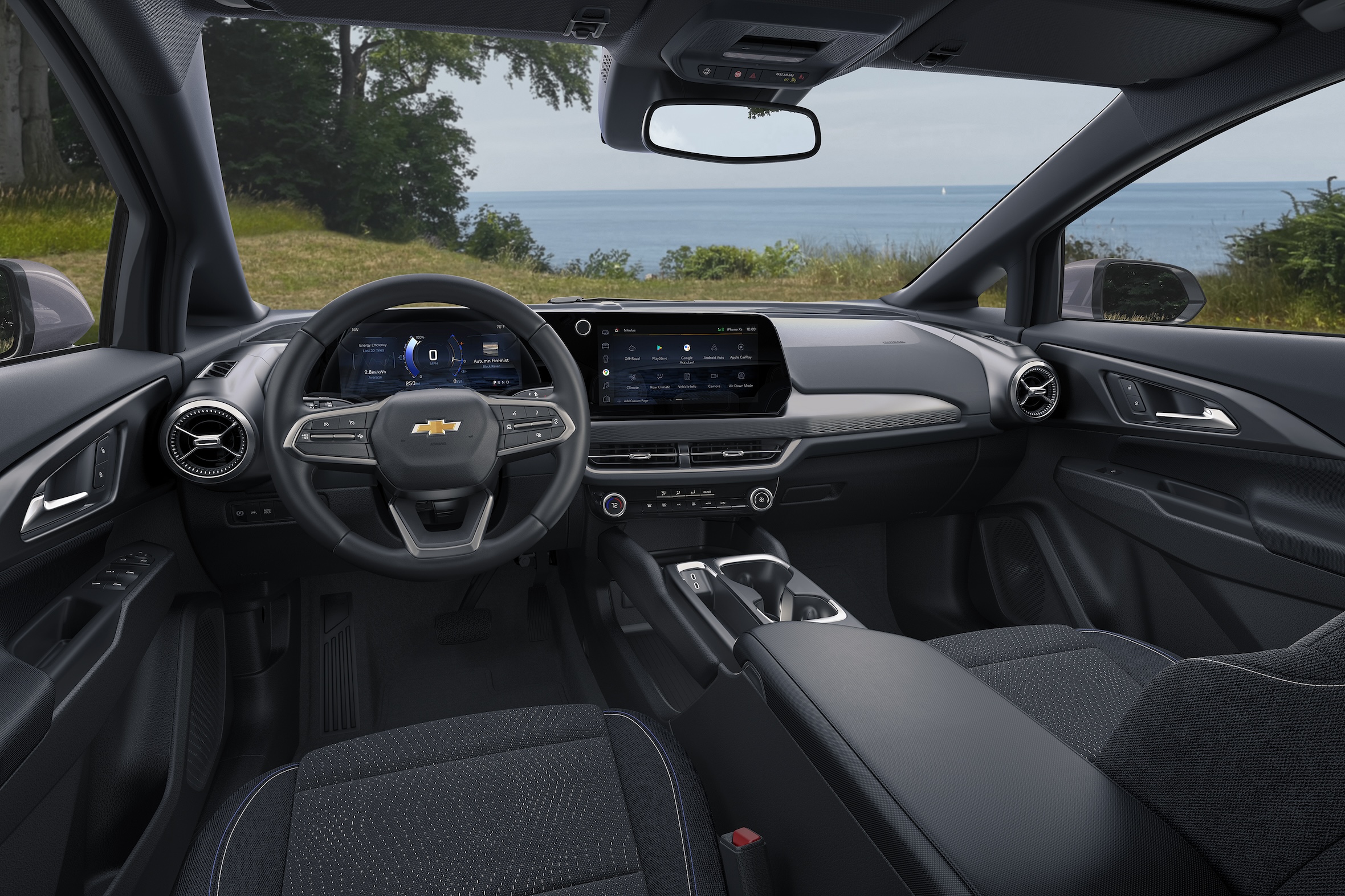
    The interior of the 2026 Chevrolet Equinox EV LT1 is quite literally the cheap seats. The front are comfortable, but the rear seat is lacking. Upgrades are available.

    Driver’s Seat: The cloth seats in the basic model tested provided plenty of comfort and support, although they felt a little warm as the humidity stayed up even as the temperatures fell to high 70s at the end of August.

    (If you want heated and ventilated seats, you have to add $7,000 for the LT2 model, and then you have the privilege of paying extra for those options.)

    The starter is in the seat sensor, which is not my favorite way to get going, but this one seemed to work more consistently than some I’ve experienced. GM also has added a touchscreen on-off icon for the times when the Equinox can’t tell you’re done driving.

    Friends and stuff: Rear seat room is nice in the corners, but the center seat passenger will feel the hump and the console. The seat is designed presumably to make your passengers whine during the test drive, so you buy an upgrade. It’s firm and has weird indentations in the lumbar area.

    You can always counter back from the Driver’s Seat that legroom, foot room, and headroom are all awesome so everyone back there should be thankful they’re not riding around in the back of 1980s front-wheel-drive Buicks, because there was a sad seat.

    Cargo space is 57.2 cubic feet with the seat folded and 26.4 behind the rear seat.

    Play some tunes: The infotainment center features a gigantic 17.7-inch display that’s clear and pretty easy to follow.

    The volume dial is a wide shallow thing that GM keeps putting into cars. It reduces me to tears at least once a week after accidentally rubbing the touchscreen and changing something important.

    Like maybe the music. Sound from the system is very good, about an A, so any interference becomes a personal affront. (Don’t interrupt the tunes, as the lovely Mrs. Passenger Seat and all the point-ohs know.)

    CarPlay is gone, but my notes didn’t mention missing it, so maybe that’s not the end of the world after all.

    Keeping warm and cool: Actual knobs control temperature and fan speed, and buttons let you do some of the simple functions. It’s nice that the big touchscreen didn’t eliminate the old-style controllers, even as temperature and fan control options reside in the bottom corners of the touchscreen.

    You can really get some air out of the blowers, which is nice. The corners have the round vents that make me happy with their ease of direction and on-off control.

    Range: A 319-mile range is great to have, but charging can be slow. InsideEVs tested one at three different chargers in February, and it averaged around 40 minutes to get from 10% to 80%, far slower than most competitors.

    Chevrolet advertises just 285 miles of range for the AWD models from 2025 but 309 for the 2026 AWD models.

    Where it’s built: Ramos Arizpe, Mexico. Mexico supplies 46% of parts; South Korea, 20%; the U.S. and Canada, 12%.

    How it’s built: Consumer Reports predicts the reliability of the Equinox EV to be a 2 out of 5.

    In the end: If you don’t mind missing some creature comforts, the Equinox EV can get you charging for a nice price.

    Next week: Hyundai Ioniq 5.

  • Making friends as an adult is hard. Here’s the secret.

    Making friends as an adult is hard. Here’s the secret.

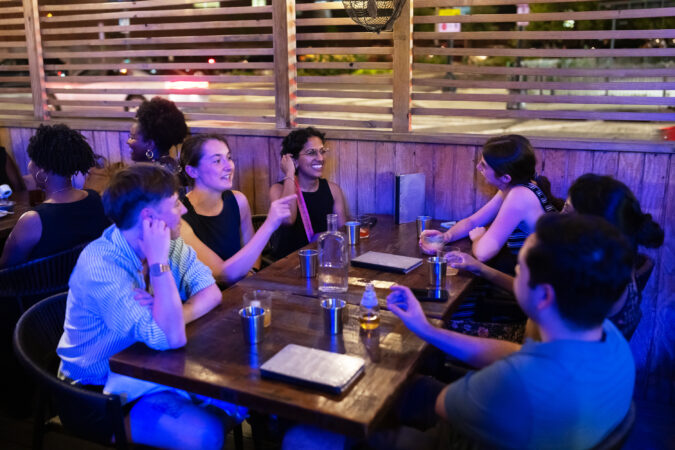
    On a recent Thursday evening in downtown Washington, I took a deep breath and walked into a bar. I joined a couple dozen other women who were milling around making small talk and ordering drinks, waiting for the more formal portion of the evening to begin.

    I was there to make friends.

    When I first moved to D.C. at age 23, I immediately met lots of new people who were in the same boat. Many of my fellow interns were new to the city, and we were all game for adventures. These days I still have close friends, but many of us have busy jobs and young children. Some have moved away. It can be hard to even schedule a phone call to catch up.

    I find myself craving the easy friendships of my early 20s. Could I find that again?

    The meetup I was attending was organized by RealRoots, one of a number of startups aimed at making us less lonely. Even before the pandemic, Americans were spending less time with friends. By 2023, the U.S. surgeon general warned we were in a loneliness epidemic and that the health risks of isolation were akin to smoking.

    The good news is there’s now less stigma in admitting you want to make friends, especially since the pandemic, RealRoots CEO and co-founder Dorothy Li told me.

    “We were all lonely together for two years,” she said, and many of us have begun rebuilding social lives at the same time.

    I consulted experts about how to both make new friends and reconnect with old ones. Here’s what I learned.

    Be vulnerable

    I went into the RealRoots event with a healthy dose of skepticism. I was told that I would be matched with a curated group of women based on my responses to a personality quiz and an interview with an artificial intelligence assistant named Lisa who detected my “social vibe.” (I was “grounded, thoughtful, and warm” — thanks, Lisa!)

    “I totally get it,” Li said when I told her about my doubts. “Human connection needs to be in real life.” But the planning and logistics of matching people who are similar and finding times on their calendars? That, she said, “can be done seamlessly by AI.”

    The women at my meetup included a former professional ballroom dancer, a nurse who loves her work with dementia patients, and an aid worker about to leave for a work trip to Sudan.

    Everyone had different reasons for being there. One woman worked from home and felt isolated, especially since becoming pregnant. Another wanted to push out of her comfort zone and meet new people. A third said she had social anxiety and felt this took the pressure off.

    After mingling, moderators led us through a series of questions, which started like corporate icebreakers (what are your hobbies?) but got progressively more personal (what’s something you’re good at?), finally building to the last question: What’s something you’re struggling with right now?

    I searched my mind for something that wouldn’t feel too revealing. These were basically strangers, after all. But then someone talked about her fertility issues. Another was going through a difficult divorce. Another had a serious illness. I quietly reassessed. When it was my turn, I no longer felt the need to hold back. I talked about my insecurities as a mom. I felt myself starting to cry as I explained my fears about how my anxiety would affect my daughter. I was met with so much empathy.

    When I told Li I felt close to all the women by the end of the night, she told me that’s the point.

    “When you start talking about the things that are actually on your mind, everyone can relate,” Li said.

    Vulnerability invites vulnerability. This rule also applies when trying to deepen friendships.

    For journalist Billy Baker, after getting married, having kids and relocating to the suburbs, he realized that many of his high school and college friends couldn’t be part of his daily life anymore. He set out to build a community where he lived, and the first step was to reach out to people he felt a connection to, and to tell them that. It was intentional and a little scary, but worth it, he said.

    “Vulnerability for me was always rewarded,” said Baker, author of the book We Need to Hang Out: A Memoir of Making Friends.

    Do things you want to do anyway

    When Baker was working on his book about friendship, he was trying to nail down exactly what draws us to other people. He found that a shared interest or activity worked particularly well as a first step. For instance, he would often run into a guy at the gym, so he started asking him to meet up there to work out together.

    “Pickleball has changed senior friendship,” he said. “Is it pickleball they love or is it having this activity that they enjoy, and finding others who also enjoy it and then they’re off for coffee?”

    Baker says if you choose something you want to do anyway, you’ll probably meet people with a shared interest, and even if you don’t you’ll still have a good time.

    Put friendship on the to-do list — near the top

    Baker learned that he couldn’t just assume friendships would happen to him — he needed to take initiative.

    “We were never taught to prioritize friendship,” Baker said. For him, this journey began when his editor asked him to write about how many men let friendships lapse in middle age. Even though Baker had always been social, he realized he had been prioritizing his work and family and neglecting to make time for friends.

    “The gift I gave myself is to put friendship on the to-do list every day alongside eating well, taking care of my family, taking out the trash, all those things,” Baker said. “It needs to be a part of our daily life if you really are going to reap the benefits.”

    Baker’s solution was to take inspiration from a group of men in his town with a tradition called “Wednesday nights” — a weekly promise of getting together. Baker created his own version of it, and said it was awkward at first. But eventually, genuine connections formed.

    At the end of my conversation with Baker, he gave me a challenge: Was there anyone I could think of who I wanted to be closer to?

    I thought of a colleague I have been casual friends with for a few years. I always delighted in running into her in the hallways or at parties, but we had never gotten together just us. Baker encouraged me to ask her to hang out.

    I felt a familiar creeping fear as I reached out to her — what if she was too busy, or didn’t feel the same friendship vibe I did? What if we did hang out and had nothing to say?

    I asked her, my colleague Rachel Kurzius, to get lunch on a Sunday. We chatted for two hours that felt like 20 minutes. We bonded over talking about books and our kids and the surprising number of things we had in common, and it really feels like the start of a friendship. Similar to Baker, I was rewarded by vulnerability.

    If you’re contemplating taking the first step, just do it. The odds are stacked in your favor.

    “We like people who like us,” Baker said. So make the first move.

    After my RealRoots meetup, I declined to join RealRoots’ six week series — like a kickball league, there was a cost, and it didn’t fit into the budget this month — but I was still grateful for the opportunity to meet people. A few days later, I ran into one of the women from the group at a workout class, and we greeted each other like old friends.

  • Nothing about Trump’s ballroom benefits us

    Nothing about Trump’s ballroom benefits us

    The White House is the People’s House. Period. It is public property that was paid for by us, built by us, and is maintained by us. And no matter who its current occupants are, we still own that building.

    Yet, we weren’t asked if we wanted a new 90,000-square-foot, mega-ballroom decorated with gold and who-knows-what-else to be added onto our house. But it’s a ballroom we’re getting from President Donald Trump, whether we like it or not. (Count me in the latter group.)

    I agree with those who say the design is tacky. I also agree with those who say we don’t really need it — especially when there is so much our fellow Americans actually need these days.

    The project, which will, of course, be called the Trump Ballroom, is projected to cost $300 million. The president says it will be paid for “100% by me and some friends of mine.”

    Sure. Just like the wall he promised to build and get Mexico to pay for. Same thing with his plan to produce a viable alternative to the Affordable Care Act.

    But even if construction costs are covered, taxpayers will get stuck with paying for maintenance and upkeep.

    A handout rendering of the interior of a “$200 million ballroom” in the East Wing of the White House that was announced by the Trump administration in July. The cost of building it has gone up since then — it is currently estimated at $300 million.

    Between high grocery bills, rising healthcare costs, over-the-top housing prices, and everything else that’s going on right now, building an addition onto the White House should be the lowest Trump priority.

    Yet, the project was very much on the president’s mind Sunday night because he boasted about it on Truth Social, claiming “it will be, at its completion, the most beautiful and spectacular Ballroom anywhere in the World!”

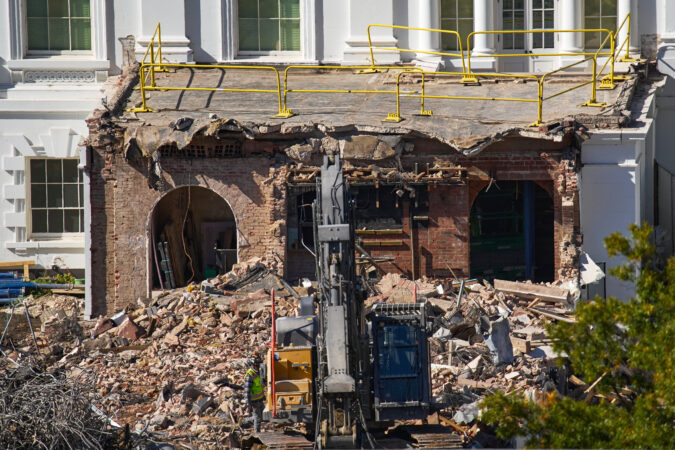
    But for a lot of us, the old East Wing, which was demolished to make way for the Trump Ballroom, was beautiful and spectacular on its own. That includes former first lady Michelle Obama, whose office was once located in the East Wing.

    Just last week, she described on the Jamie Kern Lima podcast what a jarring experience the demolition was for her. “It’s not about me, it’s about us and our traditions and what they stand for,” the former first lady explained. “I think in my body I felt confusion because I’m like, ‘Well, who are we? What do we value and who decides that?’”

    I grew up in Washington, D.C., just seven miles away from the White House. But it could have been a thousand miles away. I felt completely disconnected from the historic landmark and what took place there.

    That is, until Obama moved in with her family. She was the first person whom I ever heard refer to 1600 Pennsylvania Ave. as “the People’s House.” Putting it that way made me feel welcome. It gave me a sense of ownership. I loved how she reminded Americans of that shared ownership throughout her family’s eight years in the White House.

    Former first lady Michelle Obama speaks about her new book “The Look” during an event at Sixth and I Streets in Washington, D.C., on Nov. 12.

    Trump supporters are quick to point out that the Obamas themselves made additions to the White House grounds. When he was in office, President Barack Obama painted lines on an existing tennis court and added basketball hoops. But those are minuscule changes compared with Trump’s addition, which would be almost double the size of the White House itself.

    I listened to Obama’s comments about the White House on the Kern podcast a few days before the Thanksgiving holiday, one of the most American traditions we celebrate.

    And as I mulled over her words, I thought about how, no matter what we think of them, U.S. presidents come and go from their official residence, but the building remains a stalwart symbol of the nation’s highest office.

    A Christmas tree decorates the White House on Monday during a preview of its Christmas decorations, which are themed “Home Is Where the Heart Is.”

    The theme of this year’s White House Christmas decor is “Home Is Where the Heart Is.” But we have to remember that home is ours; Trump is merely a temporary guest at the executive mansion. It still belongs to us, the American people. Period.

  • Letters to the Editor | Dec. 4, 2025

    Letters to the Editor | Dec. 4, 2025

    As I say, not as I do

    The president was highly critical of universities for protests he claimed were antisemitic. We did not hear a peep from the president, though, when Young Republicans in chat rooms used repugnant, antisemitic language, or when Tucker Carlson chatted on his podcast with white nationalist Nick Fuentes.

    The president asked Republicans to release the Jeffrey Epstein files just 48 hours after he applied intense pressure on Lauren Boebert to change her vote on the discharge petition, which would have kept the files in the dark shadows where they have been for the last decade.

    As we seem to get closer and closer to military engagement in Venezuela, under the guise of stopping the flow of illegal drugs, our president has announced his plan to pardon Juan Orlando Hernández, the former president of Honduras and a convicted drug trafficker.

    I appreciate the way The Inquirer has covered these stories, and I hope you will continue to shine a light on these obscene examples of the president’s hypocrisy and moral bankruptcy.

    Rob Howard, Rosemont

    . . .

    Donald Trump announced a “full and complete pardon” for Juan Orlando Hernández, the former president of Honduras, who was serving a 45-year sentence in federal prison. He was found guilty, in a U.S. federal court, of conspiring to import cocaine into our country. In 2024, there were an estimated 1.3 million Americans aged 12 and older addicted to cocaine.

    Trump has murdered more than 80 people he suspected, with no evidence, of planning to bring drugs into our country.

    For Trump, being in a fast boat near the U.S. is proof enough of guilt, but a conviction in federal court is not. How’s that for a rational, effective drug policy?

    Is it possible that dirty drug money can buy a full and complete pardon?

    James A. Morano, New Britain Township

    Weaponizing truth

    I strongly disagree with Jonathan Zimmerman’s premise that calling the president a fascist doesn’t do anything to advance the Democrats’ cause. It’s similar to what happened almost 100 years ago in Europe when the Jewish people were saying the Nazi Party was dangerous and would destroy Germany. But that warning went unheeded.

    This isn’t an etiquette class or an English course at the University of Pennsylvania, Mr. Zimmerman; it’s the cold, hard world we’re living in. We should all be polite, but Donald Trump isn’t. He’s a bully, a name-caller, and he threatens people. Like those fascist Nazis 100 years ago, the MAGA movement, Project 2025, and Trump are all a threat to our democracy. If we don’t call Trump out for being the hateful, fascist liar he is — because it wouldn’t be nice or effective — what do you think is gonna happen? It’s gonna give Trump and his followers a signal that they can do even worse. Just look at Karoline Leavitt, Trump‘s press secretary, who usually responds to reporters’ questions as Trump does, with insults and division. And she’s been doing that since Day One. Zimmerman wants us to remain quiet about that?

    Michael Miller Jr., Philadelphia, michamille@comcast.net

    Join the conversation: Send letters to letters@inquirer.com. Limit length to 150 words and include home address and day and evening phone number. Letters run in The Inquirer six days a week on the editorial pages and online.