In the backdrop of the excitement surrounding the FIFA World Cup coming to Philadelphia is the question of what impact the tournament will have on soccer in the region.
World Cups have long had the potential to be transformative for the hosting nations. The last men’s edition in the United States, in 1994, helped spur Major League Soccer. The women’s editions in 1999 and 2003 also spawned leagues, but more importantly, they fueled the grassroots growth of the game, benefiting both girls and boys.
Over the course of those years, the youth game has morphed into a pay-for-play structure in which the best clubs are generally the ones that come at a high price, giving youth athletes whose parents have expendable cash — many times in the thousands — the opportunity to play consistently and thus reap the benefits of year-round exposure through tournaments and showcases.
U.S. Youth Soccer is a network that oversees more than 10,000 such clubs, with local branches such as the Eastern Pennsylvania Youth Soccer Association, which govern clubs and leagues across regions under the umbrella of USYS. The thing is, many of those clubs and leagues don’t come from inner-city areas like Philadelphia, where the next great American star could be waiting to be discovered.
But to find that kid, they need a place to play, and in Philadelphia, finding a spot to play organized soccer at times can be equally as tricky.
It is a need that the city, alongside several foundations and organizations, is working to address, recognizing that the World Cup’s visit to Philadelphia may lead more kids to give futból a try.
If you build it …
Ahead of the World Cup, Philadelphia Soccer 2026 committed $2 million to the U.S. Soccer Foundation to support youth soccer initiatives, including the development mini pitches across the state.
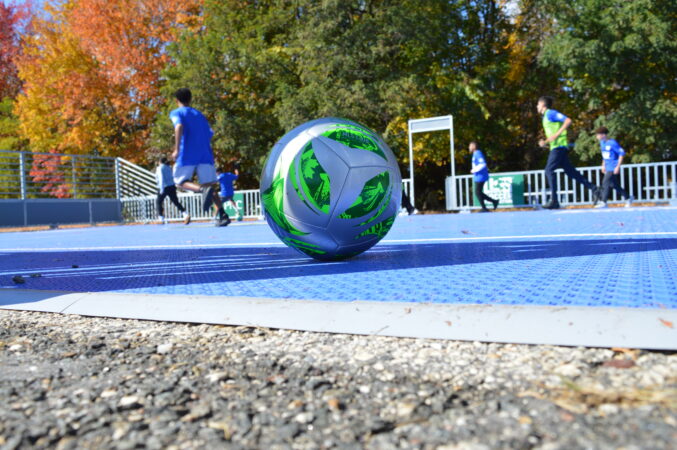
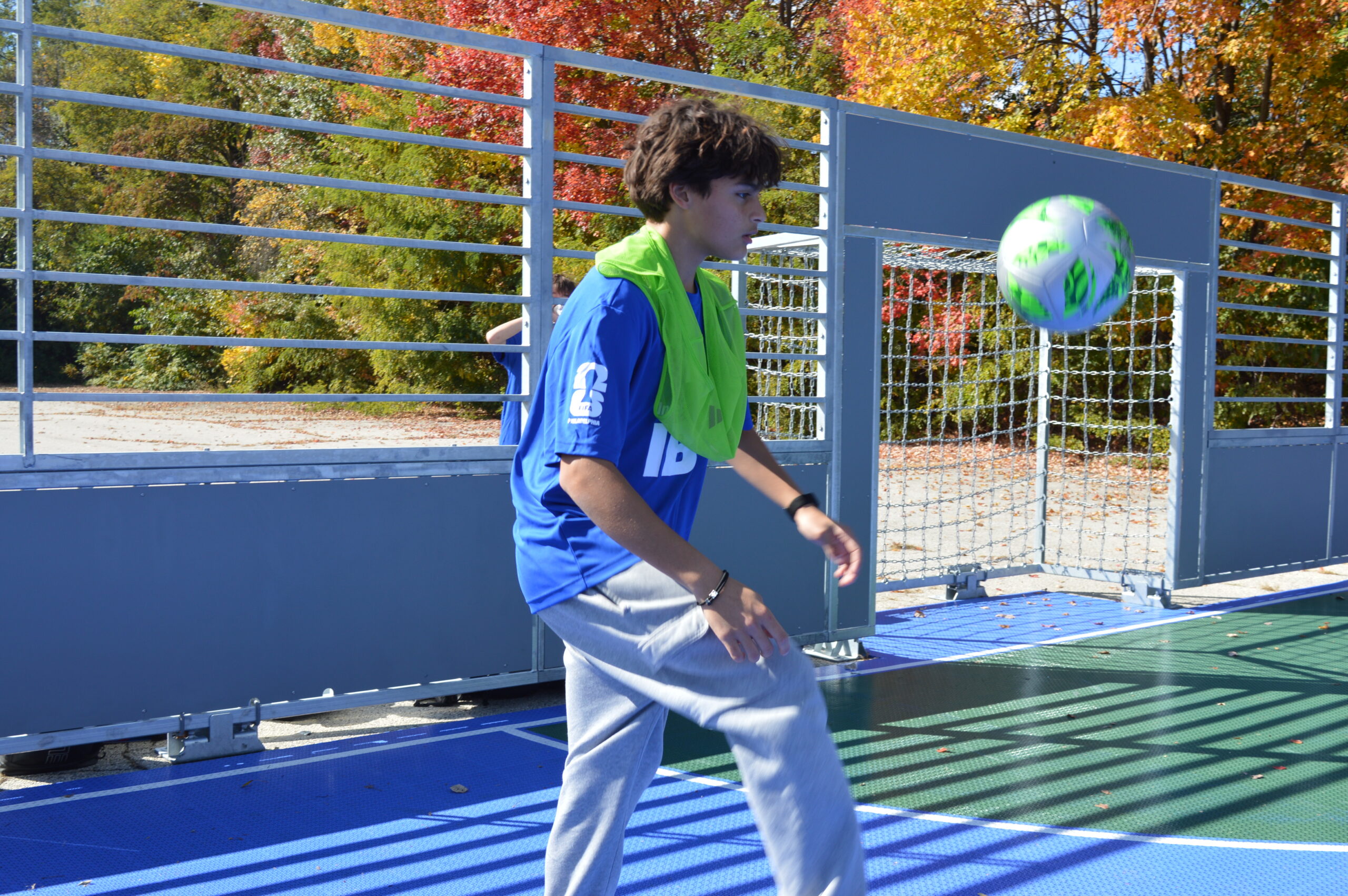
In late fall, U.S. Soccer Foundation installed a pair of those mini-pitches in Philadelphia. The foundation, which was also created after the 1994 World Cup, has a goal to leave a lasting legacy in inner cities. It believes these mini-pitches offer not just a place to play but a place for local organizations to host programs.
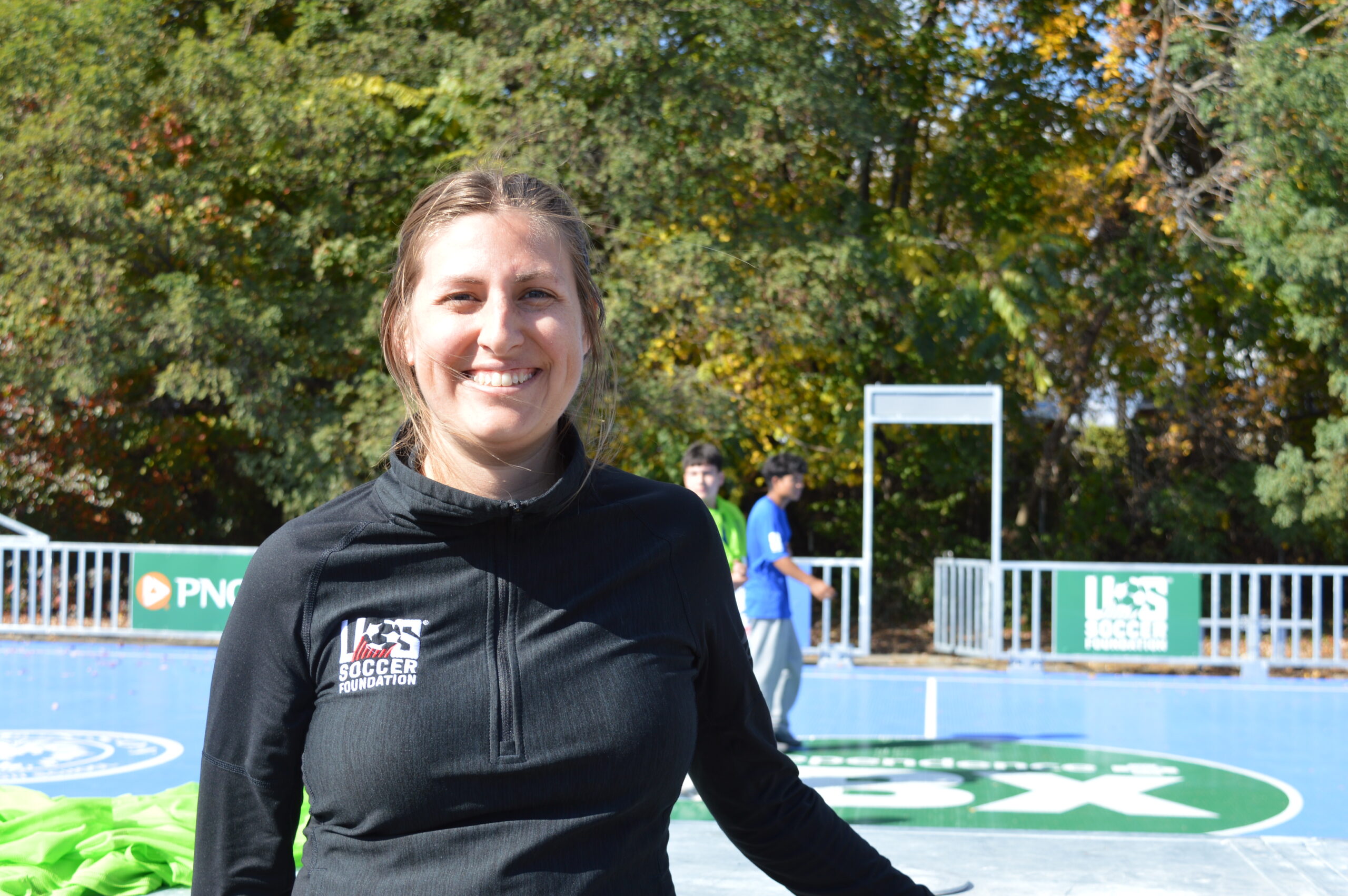
“When our current president and CEO [Ed Foster-Simeon] came into the role in 2008, he did a landscape analysis and showed it had grown … but in the suburbs and more affluent communities,” said Jen Arnold, vice president of communications and marketing for the U.S. Soccer Foundation.
“So from the foundation standpoint, we want to make sure it’s growing equally across the ground. We’re here for the under-resourced communities, communities that might not have been part of that boom after 1994. We’re here to make sure that everyone can access the game.”
Arnold spoke after the installation of one of the latest mini-pitches added to Philly’s soccer landscape, behind Swenson Arts and Technology High School in the Far Northeast. The installation was in collaboration with Independence Blue Cross, the School District of Philadelphia, and FIFA Philly 26, the local collective tasked with organizing Philly’s place in this summer’s World Cup.
The fields, which cost $150,000 apiece to install, according to Arnold, are the latest additions to Philly’s sports landscape. They could be considered an addition to the city’s massive Rebuild program, a reported $500 million restoration project for area parks and playgrounds, of which $3.5 million was allocated to create 15 mini-pitches and two signature soccer fields across the city.
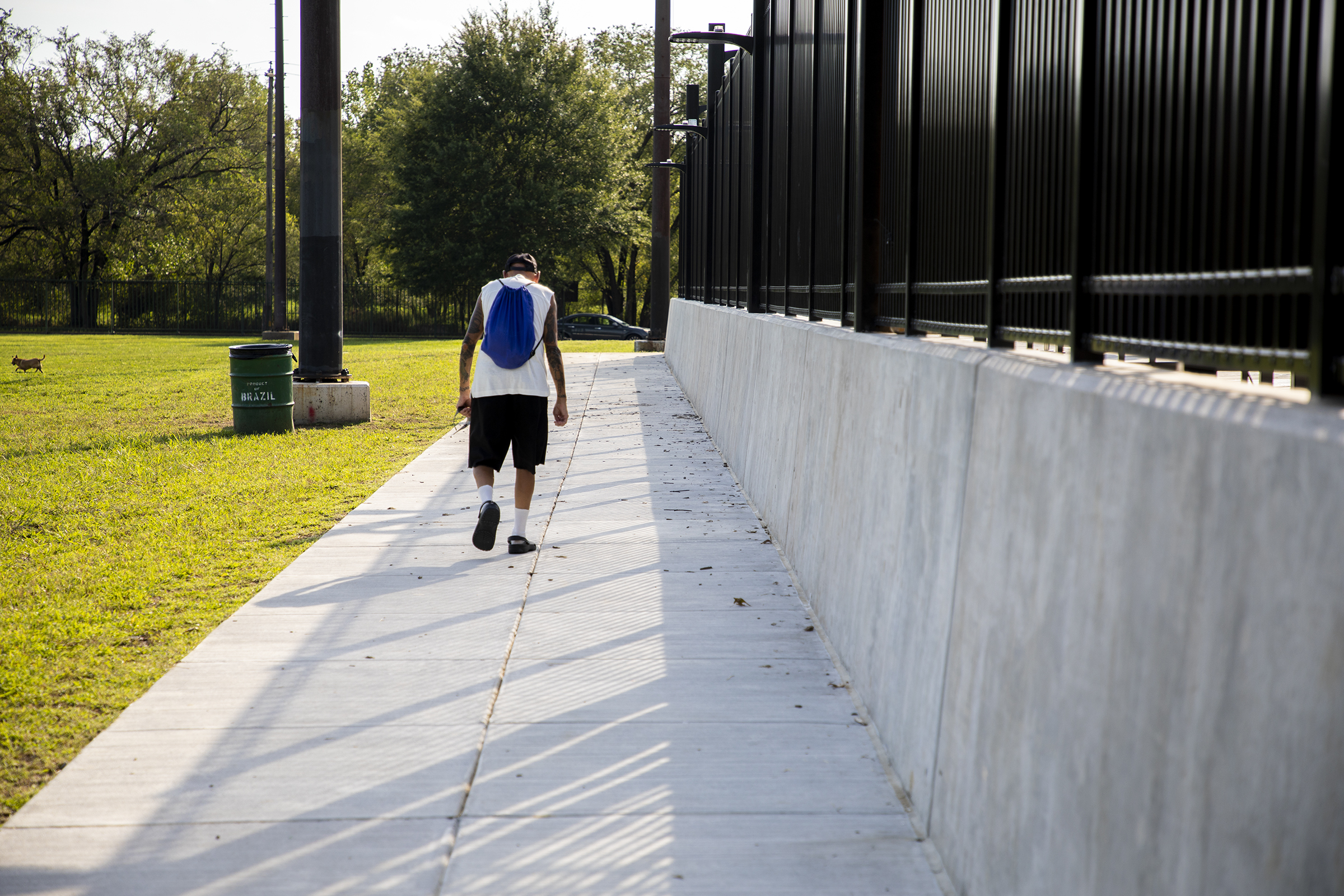
The idea is that these mini-pitches offer an opportunity for more children to be introduced to the game. They also offer a welcoming environment, unlike the scores of fields around the city that are fenced and kept under lock and key. Or recreation centers in which both indoor and outdoor surfaces get gobbled up often by other sports, or even pay-to-play youth and adult league soccer organizations, which serve to add to city coffers in exchange for monopolizing much-needed field time.
But soccer organizers across the region believe that it’s not simply “If you build it, they will come.” It’s more like: “Build it and add programs and they might come.”
That’s where the big challenge lies when it comes to introducing more city kids to soccer.
… Will they come?
For the better part of a decade, Dom Landry has made it a mission to bring soccer to North Philadelphia. A Philly native who played at St. Joseph’s University, Landry has dedicated time, intuition, and even his own dollars to introduce the sport to as many children in the city’s Fairhill section as possible.
Landry founded AC Fairhill, the neighborhood club created in 2015 with just “three kids and an old bag of balls,” according to Landry. It has since become a recognized club that competes in tournaments across the region. His is one of a few clubs directly from the inner city that have funneled children from North Philly streets to top clubs and academies.
His desire mirrors what the U.S. Soccer Foundation says it’s looking to do in developing the infrastructure, but Landry notes that it goes way beyond plopping a shiny new field in the middle of an underserved neighborhood.
“Putting infrastructure in for play is critically important, but it’s not the United States Soccer Federation or its foundation’s job to provide programming,” Landry said. “I know it’s part of their mission [at the U.S. Soccer Foundation], too, but it’s really the job of local organizations to bring the programming to those fields.
“We don’t have the soccer culture here in America where kids are just going to grab a soccer ball and go to a soccer pitch because it was made; there has to be enough people to bring in that level of interest to them. It’s very much a multiprong approach, and these mini-fields are great, but they’re only scratching the surface.”
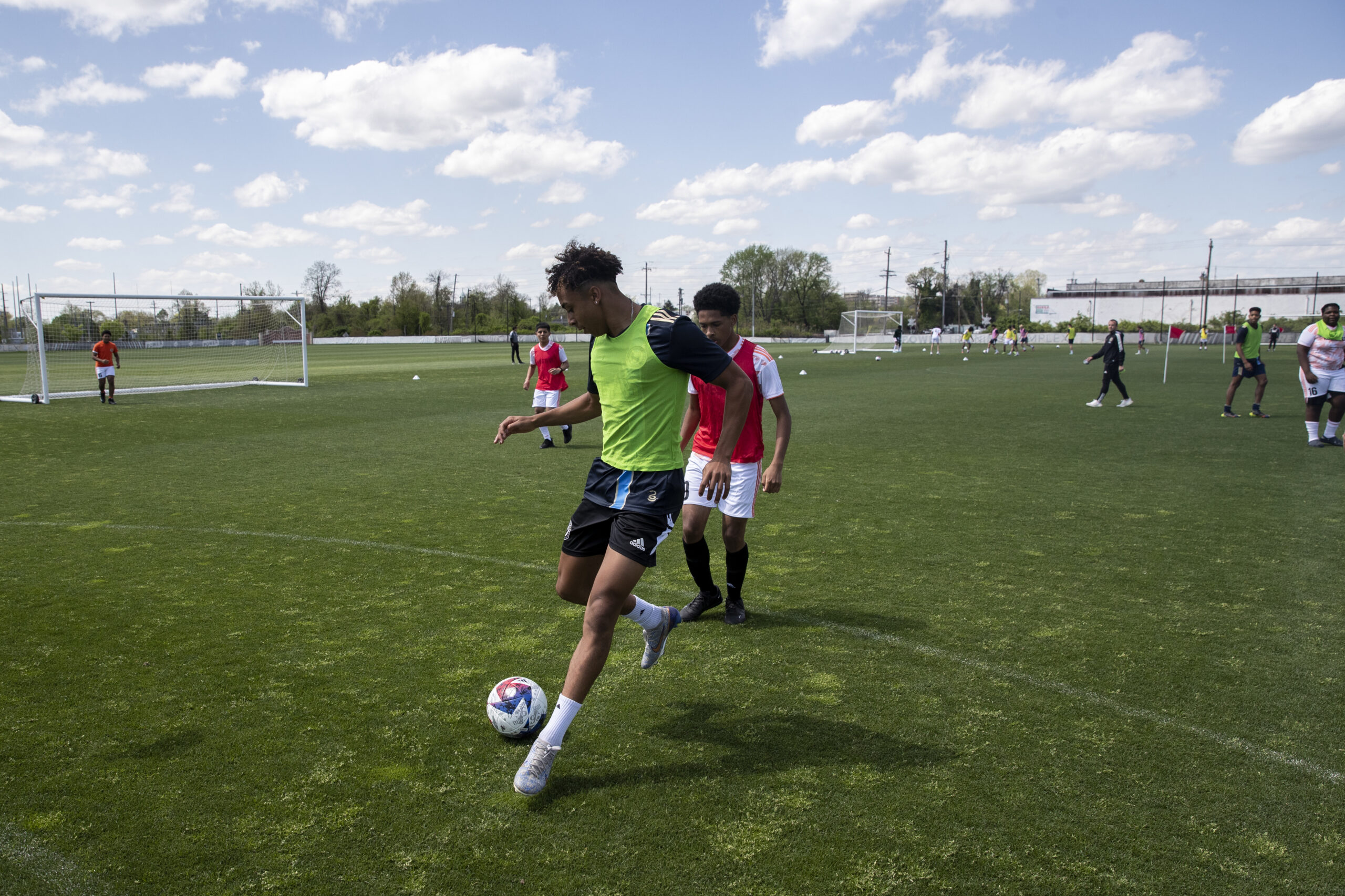
Unlike other countries where soccer reigns supreme, in America it’s viewed as a sport for children, residing in the backdrop of football, baseball, and basketball. In other parts of the world, all that’s needed is a ball to get a game going, but here, it’s rare to see the sport being played without an organization tied to it.
‘We need to do more’
For Landry, it’s a simple thing that has been made to feel quite complex.
“We have to teach kids how to love the sport,” Landry said. “Not necessarily just, like, go get cones and train, but have fun with the sport. Who’s going to be that coach, that parent who’s going to show a kid how to have fun with the sport, so they can go out with their friends and play it? To me, if anything, that’s the next step in the legacy and evolution of soccer here. But that ideology also tends to upset these clubs who spend a great deal of time in generating a living from it.”
A host of organizations, both in the city and out, have taken soccer programming into schools, taking over gym classes or creating after-school outlets.
To introduce the sport directly to more Black and brown youth, the annual Odunde Festival created a soccer pitch in the middle of South Street at this past summer’s event to get children and their families playing soccer, coupled with education on where they could find programs close to home.
Jeremiah White III, a former professional soccer player turned entrepreneur, says he presented the idea to Odunde leadership and already has plans to grow Odunde Sports to align with this summer’s World Cup.
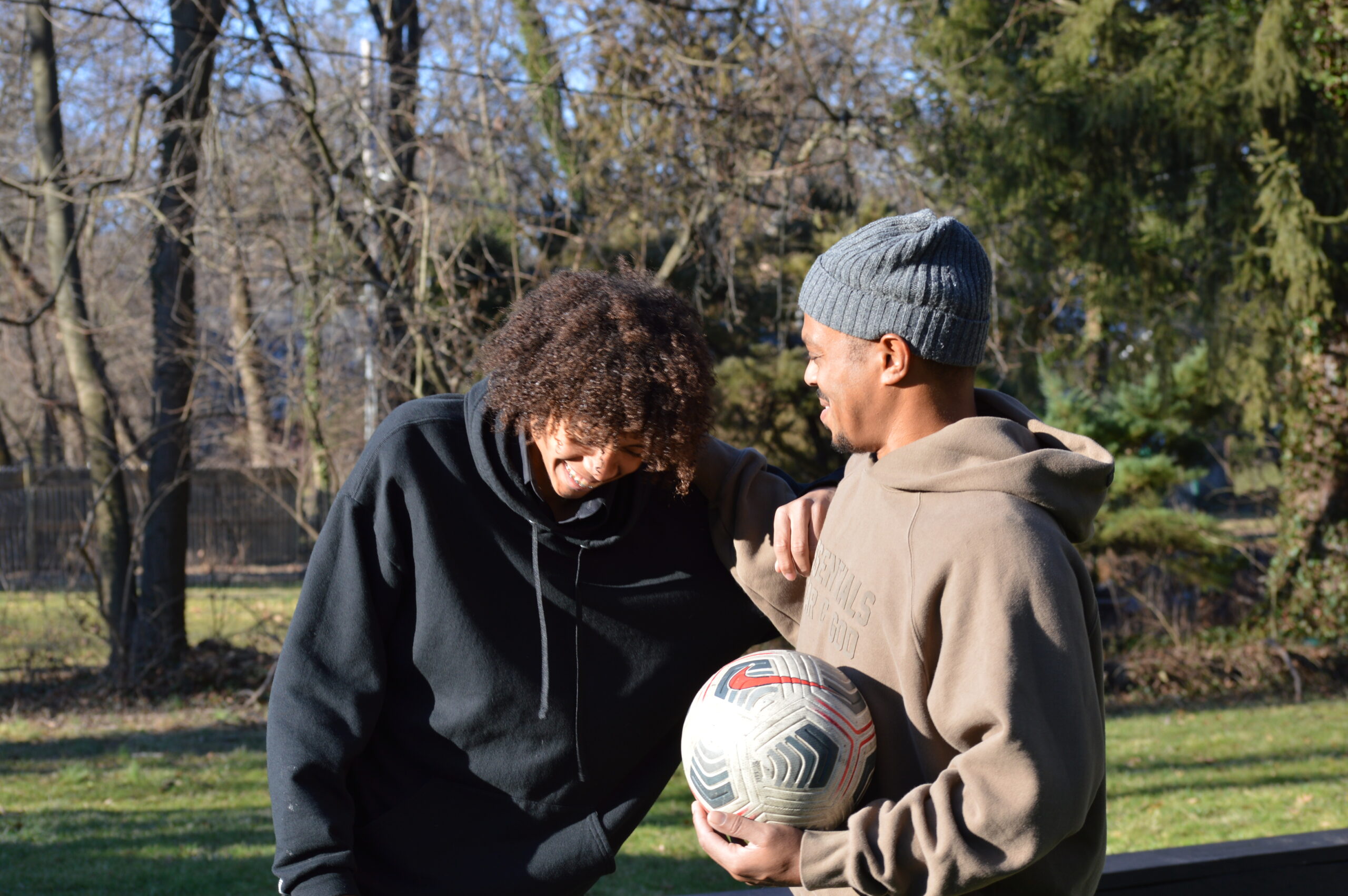
“A big thing missing from soccer programming here is the importance of connection,” White said. “[When it comes to soccer in America], we tend to overvalue structural training, and in some cases disconnect training from culture entirely. It makes the game robotic and sucks out all of the passion. What kid is going to want to pick up a soccer ball over a basketball or a football, when that’s what they’re walking into?”
It’s a well-known challenge, even one recognized by top youth organizations as a change agent.
“The fields are great, but yeah, we need to do more,” said Chris Branscome, president and CEO of EPYSA, the organization that oversees club programming in the area. “Once they are built, you’ve got to get the kids there, you’ve got to program them. That’s perhaps the bigger piece of the puzzle: ensuring we have the opportunity to train more coaches and to deliver regular, consistent programming at these locations.
“To me, that’s the big challenge we have over the next year.”
It’s one that feels pretty integral once the noise the World Cup brings finally fades.
Leave a Reply