Right after Pennsylvania Attorney General Dave Sunday was sworn into office in January, he received a lunch invitation from across the Delaware River.
It didn’t matter that they came from different political parties, said New Jersey Attorney General Matthew Platkin, a Democrat appointed to his post by outgoing Gov. Phil Murphy.
Platkin wanted to get to know his neighbor, and invited Sunday out to lunch in Philadelphia.
The two men could not have more different approaches to their jobs. In a hyperpolarized political era, where attorneys general play an increasingly important role in national politics, Platkin has become a face of Democratic opposition to President Donald Trump’s administration. He has led or joined dozens of lawsuits by blue-state attorneys general and governors in arguing that the executive branch is acting unconstitutionally on issues like birthright citizenship, withholding congressionally approved funds, and more.
In contrast, Sunday, a Republican elected last year, has largely avoided suing Trump and has said he strives to be “boring,” focusing his efforts on oversight of his own office.
Even their jobs are different, despite sharing a title. New Jersey’s attorney general is in charge of the state’s 21 county prosecutors, oversight of state police, and protecting consumers, among other duties; Pennsylvania’s attorney general has wide-ranging powers to investigate corruption, enforce the state’s laws, represent the state’s agencies and interests in lawsuits, and more.
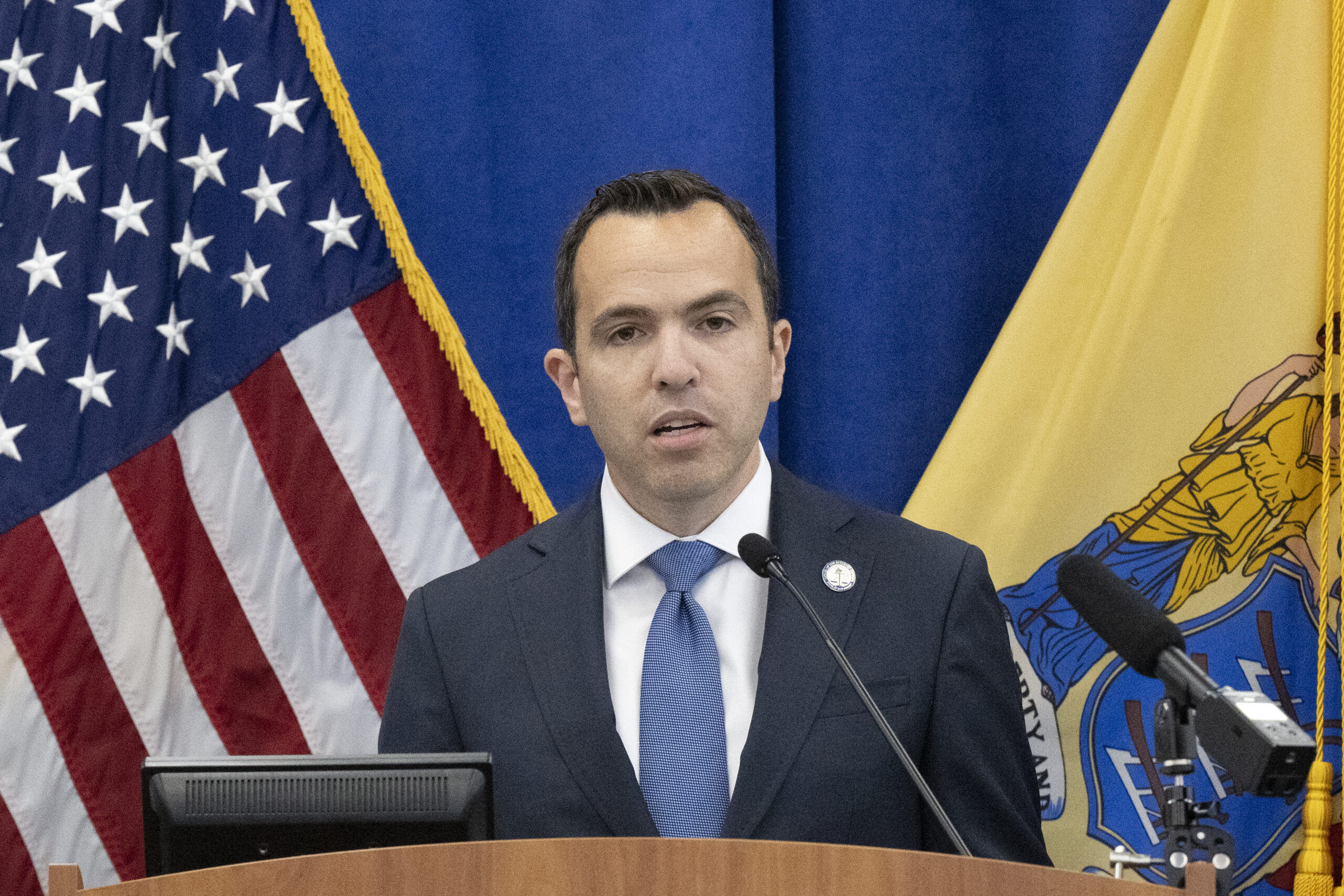
New Jersey Attorney General Matthew Platkin on Monday, June 17, 2024, at the Richard J. Hughes Justice Complex in Trenton, N.J.
Platkin, 39, is an ambitious lawyer who grew up in northern New Jersey and attended one of the best high schools in the state before attending Stanford University and Stanford Law School. He went on to work in private practice in New York and New Jersey before being appointed as chief general counsel to Murphy at 35 — the youngest person to ever hold the office.
Sunday, 50, grew up in a suburb of Harrisburg and has described his high school years as lacking direction. He joined the U.S. Navy after high school before attending Pennsylvania State University for undergraduate and Widener University Law School for his law degree, working at UPS to help put himself through school. He returned to south-central Pennsylvania for his clerkship, and was a career prosecutor in York County until his election to attorney general.
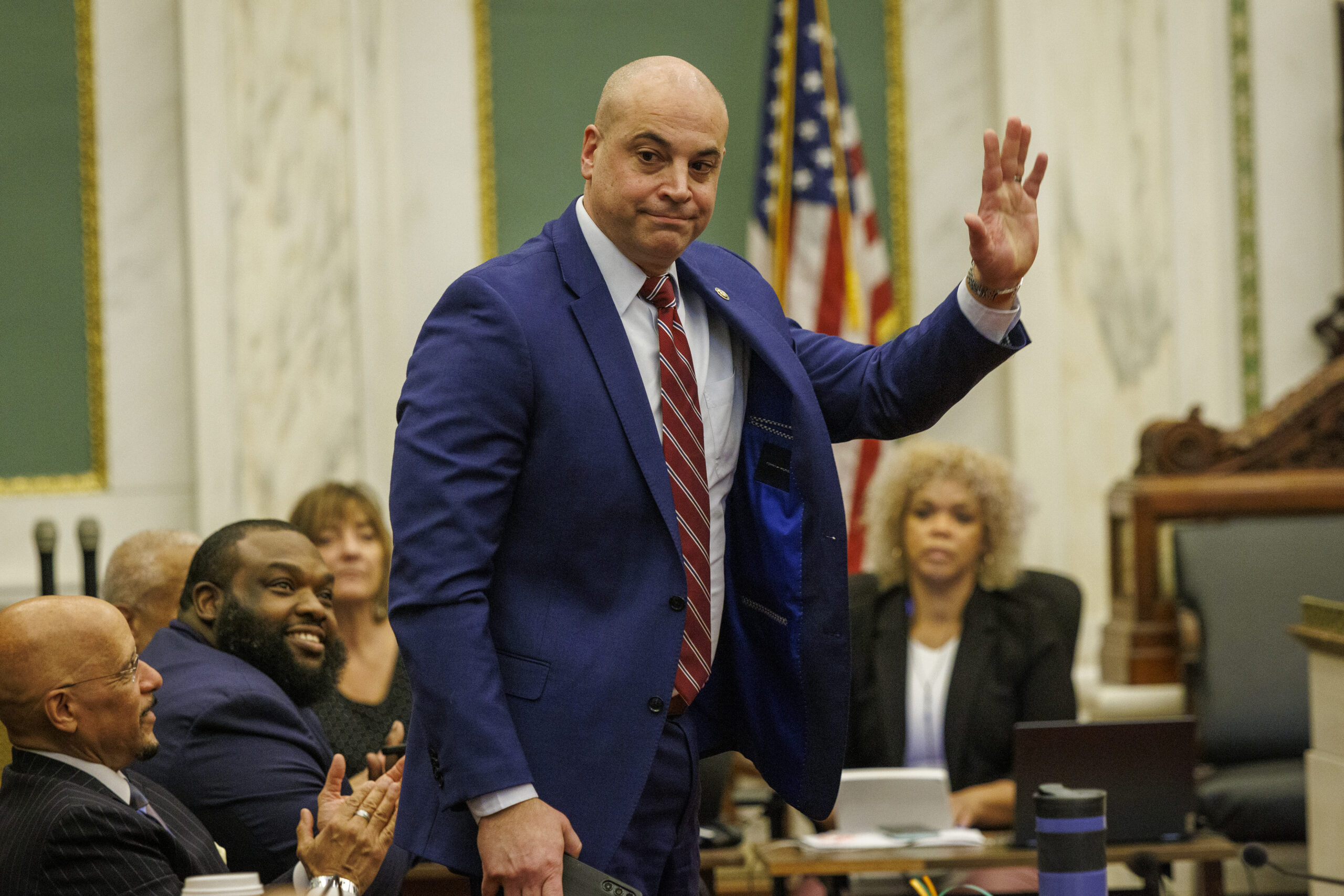
Pennsylvania Attorney General Dave Sunday stands to be recognized by Council President Kenyatta Johnson before Philadelphia Mayor Cherelle Parker gives her budget address to City Council, City Hall, Thursday, March 13, 2025.
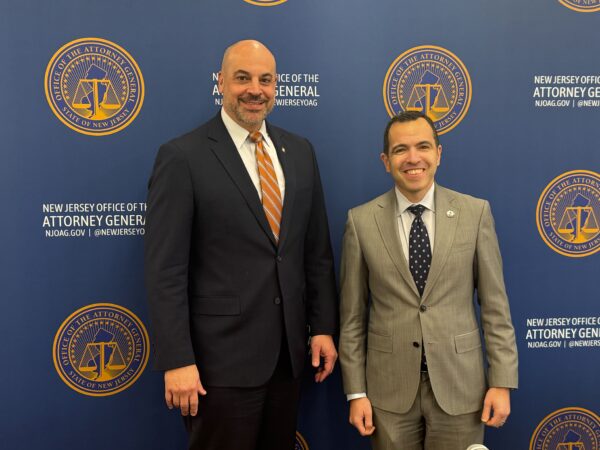
But over salads at the Mulberry, Platkin and Sunday found common ground. And ever since, the two said in a joint interview this month, they have worked closely on issues affecting residents in their neighboring states.
“Just because you may not see eye-to-eye on [Trump] doesn’t mean you can’t see or don’t see eye-to-eye on many, many other issues,” Sunday said.
“When we have an auto theft problem, [residents] don’t care if there’s a ‘D’ or an ‘R’ after your name,” Platkin added. “They just want to see us working to solve it.”
The two have since worked together on issues that stretch from criminal investigations and human trafficking cases to challenging Big Tech companies as artificial intelligence rapidly advances, Sunday said.
Earlier this month, Sunday and Platkin led national efforts of coalescing approximately 40 attorneys general across party lines on the issues they say are most pressing for residents. The group wrote a letter to Big Tech companies in mid-December, detailing concerns about the lack of guardrails for AI chatbots like those available from ChatGPT or Meta’s Instagram AI chats, and the potential harm they could cause people in crisis or children who use them.
In two more letters sent this month, the attorneys general also voiced support for a workforce reentry bill before a U.S. House committee and requested that Congress approve additional funding for courtroom and judicialsecurity to protect the nation’s judges from safety threats. Platkin and Sunday said they were some of the first attorneys general to sign on to the letters.
“While the undersigned hold differing views on many legal issues, we all agree that the legal system cannot function if judges are unsafe in their homes and courthouses,” the group of 47 attorneys general wrote in a Dec. 9 letter to top leaders of Congress.
When it comes to lawsuits against the Trump administration and other litigation authored by partisan attorneys general associations, Sunday has largely avoided the fray. Earlier this month, he was elected Eastern Region chair of the National Association of Attorneys General, a nonpartisan group composed of the 56 state and territory attorneys general.
Platkin, on the other hand, has led the charge in pushing back against the administration’s policies in New Jersey, signing onto dozens of lawsuits such as ones challenging Trump’s efforts to end birthright citizenship and to withhold SNAP funding if a state does not turn over personal information about its residents.
Still, Pennsylvania has joined many lawsuits, including several challenging the federal government for withholding congressionally approved funds for electric vehicles and more, as Democratic Gov. Josh Shapiro, formerly the state’s attorney general, has signed on in his capacity as governor.
Platkin, who has served as New Jersey’s attorney general since 2022, will leave office when Murphy’s term ends next month, and Gov.-elect Mikie Sherrill will appoint someone new to the post. Sherrill, a Democrat, earlier this month nominated Jen Davenport, a former prosecutor and current attorney at PSE&G, New Jersey’s largest electric and gas company, to be Platkin’s successor.
Sunday’s team has already been in touch with Davenport to forge a similar cross-state working relationship.
What’s next for Platkin? He said he’s a “Jersey boy” and will remain in the state but declined to say what his next move might entail.
And both Platkin and Sunday say they will maintain their bipartisan friendship going forward.
“It’s OK to say we don’t agree on everything. We shouldn’t hate each other,” Platkin said. “We should be open about the fact that we like each other. … I don’t think there’s anything wrong with that.”
PALM BEACH, Fla. — ’Twas the night before Christmas, and all through the villa, the president assured children that Santa wasn’t a guerrilla.
“Santa’s a very good person,” President Donald Trump said on Christmas Eve, during the annual presidential ritual of helping excited little ones track Santa Claus’ location. “We want to make sure he’s not infiltrated — that we’re not infiltrating into our country a bad Santa.”
This wasn’t exactlywhat Jasper, 10, from Oklahoma, had wanted to know when he dialed the NORAD Santa Tracker on Wednesday afternoon. He had calledto find out where St. Nick and his reindeer were on their nightlong journey circumnavigating the globe, which the hotline “tracks” with the aid of top U.S. military technology.
But out of the phone Jasper rang came a clatter. It was none other than Trump! Nothing was the matter.
The president played along, disclosing Santa’s location, which at that moment, he said, was in the Czech Republic. But first, he offered a few choice observations about Jasper’s own.
“Santa loves Oklahoma like I do,” Trump said. “You know, Oklahoma was very good to me in the election, so I love Oklahoma. Don’t ever leave Oklahoma, OK?”
“OK,” Jasper replied haltingly. “I’ll try.”
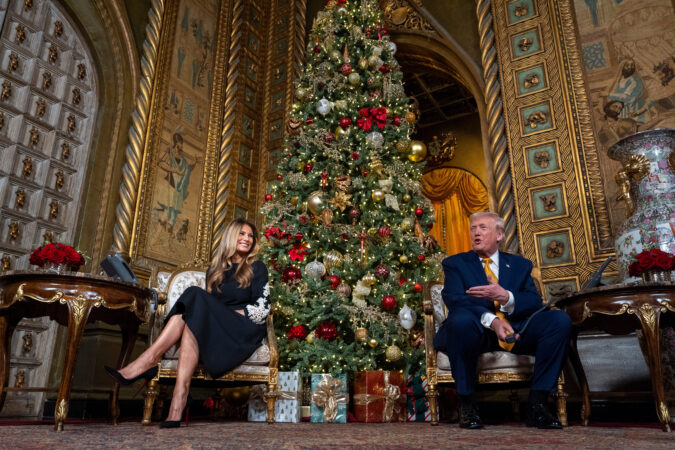
Such was Christmas Eve at Mar-a-Lago, the president’s private club in Palm Beach. He had spent the morning at his golf course in West Palm Beach, just across the lagoon, and by the afternoon, he was sitting in a gilded chair before a gilded Christmas tree in his gilded living room, the first lady at his side.
With Melania in her heels and Trump in his tie, the first couple settled down to give Christmas cheer a try. The president took his calls over speakerphone; the first lady took hers murmuring softly into a receiver held closely to her ear: “She’s able to focus totally without listening to this,” Trump said.
Jasper’s 4-year-old sister, Anastasia, told Trump she wanted a dollhouse for Christmas.
“I think we can work that out,” Trump replied. “I think Santa’s gonna bring you the most beautiful dollhouse you’ve ever seen.” (Whether the dollhouse would be subject to his administration’s tariffs, Trump didn’t say. He has been much clearer about dolls, saying earlier this year while imposing globaltariffs that young girls would be “very happy” with just “two or three or four or five.”)
Next was Savannah, 8, from North Carolina, who wanted to know if Santa would be mad if she didn’t leave out cookies for him. The president cocked his head and smirked. “This is getting good!” he told reporters.
“I think he won’t get mad, but I think he’ll be very disappointed,” he counseled Savannah. “You know, Santa’s — he tends to be a little bit on the cherubic side. Do you know what cherubic means? A little on the heavy side. I think Santa would like some cookies.”
Amelia, 8, from Kansas, told Trump she wasn’t sure what she wanted for Christmas. “Not coal,” she said.
“Not coal, no, you don’t want coal,” the president agreed. Then he caught himself. “Well, you mean clean, beautiful coal.” He turned to the media. “I had to do that, I’m sorry,” he said.
“Coal is clean and beautiful,” he told Amelia. “Please remember that, at all costs.”
Next up came a 5-year-old who proudly informed the president she was from Pennsylvania.
“Pennsylvania’s great,” Trump said. “We won Pennsylvania — actually, three times,” he continued. (He did not.)
“This is America,” he said to reporters at one point between calls. The president did not explain what he meant by this.
His last call was with a pair of sisters, ages 6 and 10, from Tacoma, Wash. One of them told Trump she would like a pinball machine for Christmas.
“Pinball machine? That’s great.” Trump said. “You know Elton John?” If she did, she did not say. Nor did she point out that The Who, not Elton John, first released “Pinball Wizard.”
“He did ‘Pinball Wizard,’” the president continued. “We’ll have to send you a copy of ‘Pinball Wizard.’”
Trump didn’t take any questions from reporters, though there were many questions to ask unrelated to Santa’swhereabouts. What about the latest tranche of the Epstein files, which include wide-ranging references to the president? Or the Supreme Court decision that thwarts his planned National Guard deployment in Chicago? Is Nicolás Maduro on the naughty or nice list?
Not today — not on Christmas Eve. Couples were arriving in suits and ball gowns; the aroma of roasting meat wafted through the halls. The club’s celebrations were about to begin, and the president was in the holiday spirit. “Show them the festivities,” he instructed his staff, “and then send them home for Christmas dinner.”
Around 7 p.m., reporters were escorted into the Mar-a-Lago ballroom to take in the teeming dessert platters and his guests’ holiday finest. Trump sat at a table near the center of the room with his wife and father-in-law, cordoned off from his fellow revelers with a velvet rope.
Two minutes later, the media were whisked away. But we all heard him Truth, ere he retired for the night: “Merry Christmas to all, including the Radical Left Scum that is doing everything possible to destroy our Country, but are failing badly.”
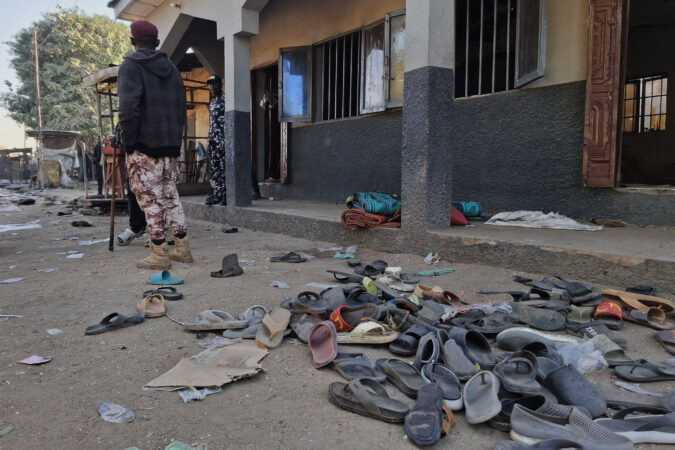
U.S. forces struck Islamic State targets in northwestern Nigeria on Thursday evening, following up on threats to the country over killings of Christians, President Donald Trump said in a Truth Social post.
Trump said the military conducted “multiple strikes” but did not elaborate. In a follow-up post, U.S. Africa Command said multiple people it said were ISIS terrorists were killed in strikes in Sokoto State, which is in the northwest portion of the country, bordering Niger, and has become a hot spot for a resurgence in violent extremism and the kidnapping of schoolchildren.
“MERRY CHRISTMAS to all, including the dead Terrorists, of which there will be many more if their slaughter of Christians continues,” Trump posted to social media.
The Pentagon said the Nigerian government approved the strikes and worked with the U.S. to carry them out. No further details on how the strikes were conducted were immediately available.
A spokesperson for the Nigerian foreign ministry confirmed the U.S. strike Thursday evening, saying that “precision hits on terrorist targets in Nigeria by air strikes” had been carried out in response to the “persistent threat of terrorism and violent extremism.”
“Terrorist violence of any form, whether directed at Christians, Muslims or other communities remains an affront to Nigeria’s values,” the statement from spokesperson Kimiebi Imomotimi Ebienfa said.
For months Trump and Republican lawmakers, including Sen. Ted Cruz of Texas andReps. Tom Cole of Oklahoma, Mario Diaz-Balart of Florida, and Riley Moore of West Virginia, have raised alarms about killings of Christians in Nigeria amid larger ethnic and religious bloodshed. Trump had previously directed the Pentagon to plan potential military action in Nigeria, and earlier this month the State Department restricted visas for Nigerians involved in the violence.
Trump threatened an attack in Nigeria early last month, writing on his Truth Social site that: “If the Nigerian Government continues to allow the killing of Christians, the U.S.A. will immediately stop all aid and assistance to Nigeria, and may very well go into that now disgraced country, ‘guns-a-blazing,’ to completely wipe out the Islamic Terrorists who are committing these horrible atrocities.”
His post followed a meeting in Washington between top advisers and representatives of religious groups and came after he watched a Fox News segment on the topic aboard Air Force One, the Washington Post reported. The push to make the issue an administration priority was long in the making, according to three people with knowledge of the situation, but the president’s threat of military action was entirely unexpected, they said.
The Council on Foreign Relations reported earlier this year that the Sahel, a region that spans multiple countries across Central Africa including Niger, Nigeria, Mali, Chad, and Sudan, has seen a significant uptick in the growth of violent extremist organizations as a result of decreased international counterterrorism support.
U.S. forces lost access to key counterterrorism bases in Niger and Chad in 2024. In their place, a number of proxy military groups such as the Russian-backed Wagner Group have filled in.
But the Trump administration has been looking at ways to reduce the U.S. role in Africa overall as it shifts to a strategy that will focus more military assets and attention to the Western Hemisphere. The administration is also looking at potentially consolidating U.S. Africa Command into a theater command that would also include U.S. European Command and U.S. Central Command, which could further reduce the attention and resources the region would receive.
That proposal drew concern from some lawmakers, including Democratic Sen. Chris Coons of Connecticut, who cautioned against the U.S. pulling back given Africa’s young and quickly growing population and economic importance.
Nigeria is a diverse, multiethnic country split between the mostly Muslim north and predominantly Christian south. The country’s 230 million people are roughly split between Christians and Muslims. While violence has sometimes targeted Christians, it has also deeply affected Muslims, according to Nigerian and Western analysts.
Most violence in Nigeria has taken place in the northeast, where the extremist groupBoko Haram has regularly attacked churches and kidnapped children for more than a decade as part of its campaign to build an Islamist state through violence.
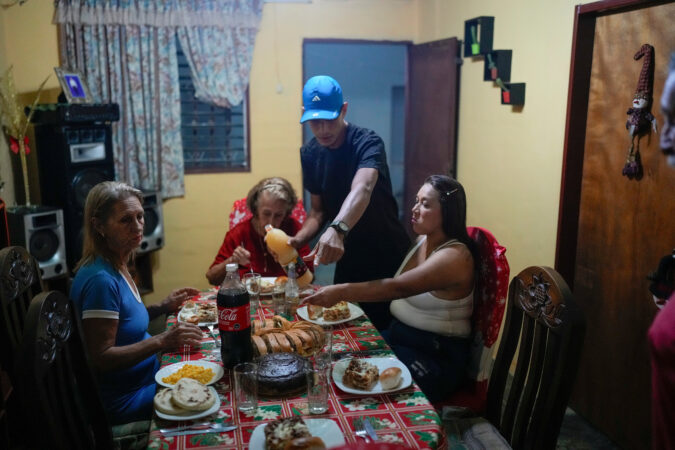
MARACAY, Venezuela — This was not the Christmas that Mariela Gómez would have imagined a year ago. Or the one that thousands of other Venezuelan immigrants would have pictured. But Donald Trump returned to the White House in January and quickly ended their American dream.
So Gómez found herself spending the holiday in northern Venezuela for the first time in eight years. She dressed up, cooked, got her son a scooter, and smiled for her in-laws. Hard as she tried, though, she could not ignore the main challenges faced by returning migrants: unemployment and poverty.
“We had a modest dinner, not quite what we’d hoped for, but at least we had food on the table,” Gómez said of the lasagna-like dish she shared with her partner and in-laws instead of the traditional Christmas dish of stuffed corn dough hallacas. “Making hallacas here is a bit expensive, and since we’re unemployed, we couldn’t afford to make them.”
Gómez, her two sons, and her partner returned to the city of Maracay on Oct. 27 after crossing the U.S.-Mexico border to Texas, where they were quickly swept up by U.S. Border Patrol amid the Trump administration’s crackdown on immigration. They were deported to Mexico, from where they began the dangerous journey back to Venezuela.
They crossed Central America by bus, but once in Panama, the family could not afford to continue to Colombia via boat in the Caribbean. Instead, they took the cheaper route along the Pacific’s choppy waters, sitting on top of sloshing gasoline tanks in a cargo boat for several hours and then transferring to a fast boat until reaching a jungled area of Colombia. They spent about two weeks there until they were wired money to make it to the border with Venezuela.
Gómez was among the more than 7.7 million Venezuelans who left their home country in the last decade, when its economy came undone as a result of a drop in oil prices, rising corruption, and mismanagement. She lived in Colombia and Peru for years before setting her sights on the U.S. with hopes of building a new life.
Trump’s second term has dashed the hopes of many like Gómez.
As of September, more than 14,000 migrants, mostly from Venezuela, had returned to South America since Trump moved to limit migration to the U.S., according to figures from Colombia, Panama, and Costa Rica. In addition, Venezuelans were steadily deported to their home country this year after President Nicolás Maduro, under pressure from the White House, did away with his long-standing policy of not accepting deportees from the U.S.
Immigrants arrived regularly at the airport outside the capital, Caracas, on flights operated by a U.S. government contractor or Venezuela’s state-owned airline. More than 13,000 immigrants returned this year on the chartered flights.
Gómez’s return to Venezuela also allowed her to see the now 20-year-old daughter she left behind when she fled the country’s complex crisis. They talked and drank beer during the holiday knowing it might be the last time they share a drink for a while — Gómez’s daughter will migrate to Brazil next month.
Gómez is hoping to make hallacas for New Year’s Eve and is also hoping for a job. But her prayers for next year are mostly for good health.
“I ask God for many things, first and foremost life and health, so we can continue enjoying our family,” she said.
NEW ORLEANS — Dinnertime had just ended when there was a loud knock at the door. Jhony grabbed his ID card and the documents showing he had protection from deportation. His wife, Aracely, rushed the children upstairs.
Six years ago, Jhony had arrived in New Orleans and found work helping renovate the Superdome,which became a symbol of the city’s fortitude after Hurricane Katrina. Now he stood inside his home with an ear to the door as his mind raced through what he would do if someone broke through. Aracely peeked through their window curtains.
Two immigration officers stood outside.
The men wore masks, protective vests, and caps, the couple later recounted. One of them pounded on the door four times. It was raining, and they stood waiting on Jhony and Aracely’s stoop for several minutes. Then they left. Jhony relaxed, but not completely. His papers, earned after filing a complaint with the U.S. Department of Labor for wage theft, did not give him a legal status, and he knew they did not entirely shield him or protect his family.
“We came because at our home, there was no peace,” Jhony said of relocating to the U.S. as agents drove slowly through his neighborhood in a convoy of Chevy Suburbans again the next afternoon. “I feel like I am reliving my life in Honduras, but here.”
Hondurans have been arriving in New Orleans in search of work since the city emerged as a key port in the banana trade over a century ago. They have continued to settle here in successive waves ever since, fleeing political turmoil and poverty in their homeland and helping rebuild after Hurricane Katrina in 2005. A bronze-and-marble statue depicting a Latino worker with a hammer stands in the city in honor of their contributions.
For many Hondurans, the Department of Homeland Security’s launch of Catahoula Crunch in early December has felt like whiplash. The operation’s name is a reference to the Catahoula leopard dogs trained by early Louisiana settlers to hunt wild boar. DHS contends the operation is needed to remove criminals released under “sanctuary” policies that limit local law enforcement from cooperating with federal immigration officers. So far, federal officershave arrested more than 250 people, including at least two dozen they say have criminal records, some of whom are Honduran.
“They honored us for rebuilding the city, doing work no one else would,” said Mario Mendoza, another undocumented Honduran construction worker. “They called us essential workers during the pandemic. Now, we are criminals?”
Latino-owned businesses have locked their doors, and some immigrants are sleeping at their workplaces because they fear being stopped by federal officers on their way home. Construction sites are emptying. Mothers of newborns are sending breast milk via courier to their hospitalized infants or skipping follow-up appointments. Food banks are begging undocumented families not to come in person but to send someone else.
For Jhony and his family, the DHS sting has required painful decisions. The couple spoke on the condition that they be identified by only their first names because they fear being targeted by immigration officers. He and his wife want their five children to advance in school, but they are also terrified they could get detained while walking them there. All but one, the youngest, are undocumented.
Some days, they feel brave and go. Others, they don’t.
After the knock at the door, no one left the house for four days.
‘Invisible’
Jhony arrived in New Orleans in 2019, he said, after his sister, a schoolteacher, was hacked to death by gang members with machetes after a dispute with a local leader. After the killing, Jhony said, the men began to stalk him. A vehicle no one recognized parked outside his family’s home every night. Fearful for their lives, Jhony and his wife said, they decided to head north. They closed the restaurant they ran and set out with their four children.
They crossed illegally on foot, each parent clutching two of their children. Aracely held the youngest, a 1-year-old girl.
They headed to New Orleans because they knew other Hondurans had found work there. Generations of their compatriots had made the city and its adjacent parishes home before them. Hondurans began settling here in the early 1900s as the city became a major hub for United Fruit and Standard Fruit. Both enterprises had lucrative banana plantations in Honduras, and many Hondurans found work in docks and offices in New Orleans.
Another wave of migrants arrived a half-century later as Honduras was struck by political and economic instability, some of it fueled by U.S. support for the nation’s military during the Cold War, and again after Hurricane Mitch left much of the country in ruins in 1998.
The Honduran arrivals built businesses and integrated into the city’s multiethnic culture while introducing their own, one baleada — a traditional taco-like Honduran staple — at a time.And although many arrived as undocumented immigrants, in 1999, the Clinton administration granted Hondurans temporary protected status, reasoning that the widespread destruction caused by Mitch made it unsafe for many to return home. Temporary protected status was not a pathway to citizenship, but it spared tens of thousands from deportation.
Then came Katrina. In the months and years after Hurricane Katrina, thousands of Hondurans arrived in New Orleans to work when the city needed help rebuilding entire neighborhoods destroyedby the storm. Tens of thousands of workers descended on the city, and studies estimate nearly half were immigrants and at least a quarter of all workers were undocumented Latinos. Nearly a third of the undocumented were Honduran, and large numbers stayed in the region.
“Hondurans are integral to the history of this place,” said Sarah Fouts, who is writing a book on the history of immigrant labor in New Orleans post-Katrina. “They’ve created homes and they’ve made their spaces and earned their spaces visibly in churches, through restaurants and local soccer leagues. But there are also ways in which they are invisible within the rebuilt infrastructure.”
Hondurans kept arriving even after most of the initial rebuilding was complete. Established networks of friends and family made finding jobs easier, and while some aspects of life improved in Honduras, political corruption and insecurity continued to push people out. Jhony found work within weeks of arriving. He said he worked on road and bridge repairs, home demolitions, and reconstruction. Some of it was long-delayed work from Katrina and, later, part of the recovery from Hurricane Ida in 2021.
A year later, Jhony was hired as part of a subcontracting crew to help with concrete demolition and interior renovations at the Superdome ahead of the 2025 Super Bowl between the Philadelphia Eagles and the Kansas City Chiefs.
“It felt like God had brought us here because we settled quickly,” he said.
A UH-1Y Venom helicopter from Marine Light Attack Squadron 773 flies over the Superdome on Feb. 8 ahead of the Super Bowl between the Philadelphia Eagles and the Kansas City Chiefs in New Orleans.
But the commemorative statue to honor Latino immigrant workers and the words of solidarity and gratitude that followed Katrina’s aftermath had begun, in recent years, to feel like relics of a time and sentiment that no longer existed. An estimated 23,000 immigrants arrived in Louisiana in the last two years of the Biden administration — one of the largest influxes the state had seen in decades.
New Orleans itself had adopted policies to limit cooperation between local police and federal immigration officers, but the surrounding suburbs where many Honduran immigrants had built their homes took a different approach.
After President Donald Trump was sworn into office again in January, police departments in Kenner and Gretna signed up to partner with Immigration and Customs Enforcement through a program known as 287(g). The initiative trains local officers to carry out some of the functions of a federal immigration agent. Traffic stops ended in immigration arrests. Officers handed jail inmates over to ICE. They chasedand arrested day laborers outside hardware stores.
Republican Gov. Jeff Landry and state lawmakers simultaneously pushed measures to mandate state police cooperation with federal agents in an effort to buoy the Trump administration’s mass deportation campaign. Landry argued that the Biden administration had failed to thoroughly vet the people it had allowed in, and that new immigrants were both a danger and a burden to states now responsible for providing services like education for their children.
“Entering this country illegally doesn’t make you immune from the law,” he said as Catahoula Crunch got underway. “If you commit crimes here, you face consequences — just like any citizen who breaks the law.”
Homero López, legal director of the New Orleans-based Immigration Services and Legal Advocacy organization, said it is not an exaggeration to say that nearly everyone in New Orleans has had work done on their homes or businesses by unauthorized immigrants or has hired undocumented labor. It is not a hidden fact, he said, but it is an inconvenient one for state and federal lawmakers who have not provided a long-term solution.
“We’re still working off of something that was built in 1965,” López said,referring to the Immigration and Nationality Act, which established the framework for immigration to the United States still used today. “The world has significantly changed in 60 years, but we haven’t really changed our immigration system very much in those same 60 years.”
Jhony and his wife contacted an immigration attorney when they arrived in New Orleans, but despite his sister’s slaying, he said, he was counseled not to file an application for asylum. To qualify, migrants must prove they face persecution based on their race, religion, nationality, political opinion, or belonging to a particular social group — and the lawyer told them they probably would not meet those requirements. So they opted to wait.
His work at the Superdome paid well — when his bosses did pay, he said. But Jhony and his coworkers were routinely not paid for overtime work, and he said they lost thousands of dollars. He filed a complaint with the U.S. Department of Labor with the help of a national advocacy organization for day laborers. The agency investigated the claims, finding employers violated federal overtime work laws and underpaid laborers by misclassifying them and keeping incomplete records. The workers negotiated thousands of dollars in back wages, and the victory made Jhony eligible for a Biden-era program that offered protections to workers who blow the whistle on labor violations.
Jhony got a Social Security card, work authorization, and a promise from the federal government that he would not be removed to Honduras. But those protections did not offer a path to a legal status or any guarantee he would not be deported to another country. He knew he would be vulnerable when immigration agents came to town.
Fear
Drones buzzing in their suburban New Orleans neighborhood were the first unnerving signs that federal immigration officers were about to arrive. Two hovered in the backyard of their duplex apartment. Vehicles with out-of-state plates and dark-tinted windows then began circling the streets and watching as people walked their children to school. Some agents took photos of cars, neighbors, homes.
Aracely quit her part-time job at a restaurant. They scaled back meals to basics like tortillas and beans to save money. They began relying on friends and grocery delivery services to avoid trips outside the home. And they joined a neighborhood messaging group that shared tips on ICE’s and Border Patrol’s whereabouts.
It is a half-mile walk to the local elementary school. To get there, Aracely and two of her children, ages 7 and 9, walk past rows of townhouses and neighbors out with their dogs. The couple has tried to keep their children’s lives as normal as possible. On the days when immigration officers are not spotted nearby, Aracely feeds them breakfast, braids her daughter’s hair, and escorts them to the school’s entrance.
Forecasters had warned of rain one such morning. The children threw on jackets and walked outside. Then Aracely noticed a white unmarked vehicle following them.
She turned toward the vehicle and locked eyes with a man inside wearing a vest, mask, and cap.
“ICE is behind me,” she texted her husband.
The car’s engine accelerated. The driver got closer. But then he turned.
There were sightings and scares like this all around the Jefferson Parish communities where Hondurans had made their homes. Jefferson Parish is a Republican stronghold, but among council member at-large Jennifer Van Vrancken’s constituents, the arrests sparked concern. Border Patrol officers clad in black neck gaiters pulled up over their mouths descended on a Home Depot in Kenner and a Lowe’s in Elysian Fields. They used a fire department ladder in Slidell to arrest three workers from the roof of a condominium under construction. One hotel reported that it had no housekeeping staff.
“My constituents voted for President Trump and absolutely are supportive of any effort to close the border and to get dangerous illegals out of the country,” Van Vrancken said. “But they did not envision what we have now. They are very disturbed by what seems to be a ‘pick everybody up and ask questions later’ approach.”
She said that Kenner, a city within the parish, is home to the largest community of Hondurans outside that country and that large numbers of them are legal residents who are too afraid to go to work amid the seemingly indiscriminate roundups. Van Vrancken said she is meeting with local law enforcement, ICE, and Hispanic business leaders to learn whether there is a way to “fine-tune the process.”
“I don’t understand why the unmarked cars and masking is necessary. It just seems aimed at fear,” said Van Vrancken, who describes herself as an outspoken Republican in favor of detaining people with no legal right to be in the country. “If our everyday brave men and women can show up in a uniform and marked car, why is it any different in this scenario?”
Home builders say Catahoula Crunch is exacerbating an already steep labor crisis. Even workers who have a legal immigration status are afraid of being stopped, said Dan Mills, chief executive of the Home Builders Association of Greater New Orleans. The result is an increase in labor costs because the supply of workers is shrinking while demand remains high. He pointed to work being done by several local contractors to improve homes through a federal grant program. Projects that were estimated to cost $8,000 per home have now risen to $10,000.
“If we don’t have workers, we can’t move projects forward,” Mills said.
No Christmas lights
The day Aracely was followed had spooked them all. Jhony began checking his phone every 15 minutes for neighborhood updates. Their two older children ran home from their bus stop through the rain because they were afraid of being grabbed.
Aracely was making tortillas later that week to eat with a stew her brother-in-law had brought over. Her hands made a slight slapping sound as she molded the flour disks. Then she looked at her phone and paused.
“He’s here,” she said, walking over to her husband. “They’re here on our street.”
Border Patrol Commander Gregory Bovino was inside a giant SUV surrounded by a caravan of immigration officers and state police driving slowly on a street alongside their building.
Customs and Border Patrol Commander Gregory Bovino walks with border patrol agents through a neighborhood during an immigration crackdown, in Kenner, La., on Dec. 5.
“Don’t open your doors for anyone!” neighbors texted. “Chicos, La Migra está aquí.”
Jhony looked at his wife, whose breath began to quicken. They logged on to a live stream from local journalists following the agents with cameras. The honks from neighbors shrieked louder and louder as the caravan got close.
“Any minute now, my little one will come running down the steps,” Jhony said, and, as if on cue, his 7-year-old daughter sprinted into his arms.
The immigration officers lingered and left after what felt like hours but was around 30 minutes. Two days later, Jhony went back to work. A colleague with a green card began picking him up. Each morning, he would give Jhony a heads-up on whether La Migra was near. If all was clear, he would run out of his house and into the truck.
“I’m putting myself at risk every day,” he said. “Before I leave for work, I give each of my children a kiss because I don’t know if I’ll return home or not.”
The worst part, Jhony said, is watching how his children have changed. They can’t go to the park every Wednesday and Saturday as they had before to run and kick around a soccer ball. His usually rambunctious girls have grown quiet. They stopped going to church and won’t step outside into their fenced-in backyard. They don’t want to go to school.
The family spends more time together, but it’s clouded by all that is happening and all they cannot do. Jhony and his wife weren’t sure how they would buy Christmas presents.
In early December, the family nonetheless started decorating their home for the holiday. They hung green Christmas garland on the wall and covered the kitchen table with a decorative cloth with images of wreaths, snowflakes, and candy canes.
They put up a tree, too. But the eldest girls made a demand.
They did not want to string holiday lights.
They were afraid it would signal to immigration officers that the family was inside.
The Justice Department released a second wave of files related to Jeffrey Epstein this week, providing a window into federal investigators’ examination of sexual abuse allegations lodged against the deceased financier by women and girls over the course of decades.
The tranche of files released by the Justice Department on Monday includes wide-ranging references to President Donald Trump and a revelation that U.S. authorities sought to interview Prince Andrew in connection with two separate criminal investigations. The department had released the initial batch just ahead of last Friday’s deadline that was established in the law passed by Congress.
Despite the deadline to release the full trove of files about Epstein, who died in federal custody in 2019 while awaiting trial on sex-trafficking charges, many files have yet to be made public. The Justice Department’s releases have faced issues, including the latest tranche being briefly taken offline before being uploaded again. The department, which traditionally has been regarded as being independent from partisan influence, released statements saying documents in the latest batch contained what it called “untrue and sensationalist claims” about Trump.
Here is what we have learned so far from the latest release:
Trump is mentioned much more in the latest batch of files
The batch of files released this week produced more documents mentioning Trump than the first one. It includes a 2021 subpoena sent to Mar-a-Lago, Trump’s club in Palm Beach, Fla., for records that pertained to the government’s case against Ghislaine Maxwell, Epstein’s accomplice in sex trafficking. The full reason for the subpoena to Mar-a-Lago was not immediately clear, but an assistant U.S. attorney had been seeking past employment records from Trump’s club that were relevant in the case against Maxwell.
The new batch includes notes from an assistant U.S. attorney in New York about the number of times Trump flew on Epstein’s plane, including one flight that included just Trump, Epstein, and a 20-year-old woman, according to the notes.
The latest drop also includes several tips that were collected by the FBI about Trump’s involvement with Epstein and parties at their properties in the early 2000s. The documents do not show whether any follow-up investigations took place or whether any of the tips were corroborated.
Being mentioned in a mass trove of investigatory documents does not demonstrate criminal wrongdoing. Trump has not been accused of being involved in Epstein’s criminal activities and has denied knowing about Epstein’s abuse of young women and girls. His spokesperson previously said Trump kicked Epstein out of his Mar-a-Lago Club for being a “creep.”
In a statement Tuesday morning, the Justice Department said: “Some of these documents contain untrue and sensationalist claims made against President Trump.”
“Nevertheless, out of our commitment to the law and transparency, the DOJ is releasing these documents with the legally required protections for Epstein’s victims,” the statement said.
In a social media post on Wednesday, the Justice Department said that the “US Attorney for the Southern District of New York and the FBI” informed DOJ that “over a million more documents potentially related to the Jeffrey Epstein case” had been uncovered.
“The DOJ has received these documents from SDNY and the FBI to review. … Due to the mass volume of material, this process may take a few more weeks,” the department added.
When asked for comment Wednesday, the White House referred the Washington Post to the DOJ’s statement on X.
U.S. authorities wanted to interview Prince Andrew, documents show
The new set of public documents includes emails and court filings by U.S. authorities seeking to interview Andrew Mountbatten-Windsor in connection with two separate criminal investigations: one relating to Epstein and another involving Peter Nygard, the Canadian fashion tycoon accused of sexually assaulting multiple women and girls.
The newly released material also contains an email sent from “A,” who writes that he is at the royal residence of Balmoral in Scotland and asks Maxwell whether she had found him some “new inappropriate friends.”
While it had been known that prosecutors wanted to speak to Andrew about Epstein, their desire to engage on Nygard was newly revealed by the recently released documents.
The document regarding Nygard stressed that Andrew was not a target of the investigations and that U.S. authorities had not gathered evidence that he had committed any crime under U.S. law.
U.S. authorities stated that Andrew was not a target of the Epstein investigation and that there is “evidence that Prince Andrew engaged in sexual conduct involving one of Epstein’s victims.” The document noted that U.S. authorities had not concluded he had committed a crime under U.S. law.
Andrew, who was stripped of his royal title, has repeatedly denied all wrongdoing. The former prince’s office did not respond to a request for comment on Tuesday.
Justice Department struggles with releasing files
The second wave of files on Epstein was available for several hours Monday afternoon and evening on the Justice Department website, but the documents were taken down around 8 p.m. The department reposted the files on its website shortly before midnight Monday.
The department did not respond to questions about why the documents had been posted and then apparently removed.
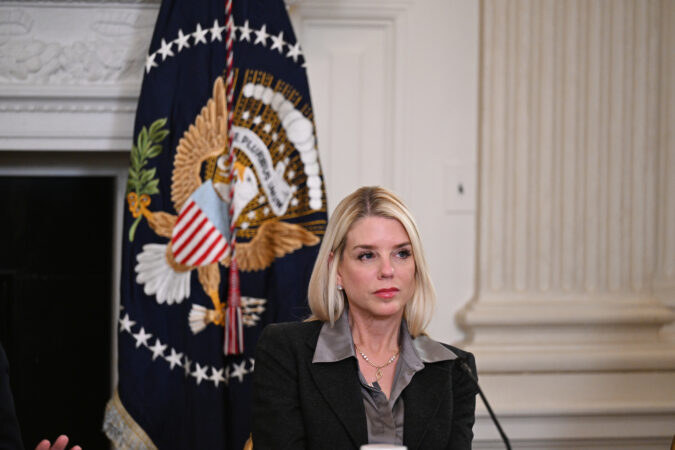
Lawmakers on both sides of the aisle and Epstein’s accusers have criticized the DOJ for releasing only some of the files by the Dec. 19 deadline. The House members who wrote the law setting that date said they would seek to find Attorney General Pam Bondi in contempt of Congress over the partial release.
Deputy Attorney General Todd Blanche told NBC’s Meet the Press on Sunday that the Justice Department has “about a million or so pages of documents” related to Epstein and that “virtually all of them contain victim information.” Based on internal estimates, it appears that hundreds of thousands of pages of additional Epstein-related documents have yet to be publicly released.
The Justice Department has said that some documents made public, including a purported letter from Epstein to Larry Nassar, a doctor convicted of sexually abusing athletes, are fake.
Along with the Justice Department’s statements challenging the veracity of claims made about Trump, Blanche has defended his agency’s procedures for releasing documents related to Epstein.
“We produce documents, and sometimes this can result in releasing fake or false documents because they simply are in our possession because the law requires this. … We will continue to produce every document required by law. Let’s not let internet rumor engines outrun the facts,” Blanche wrote on X.
The latest batch of documents included emails describing how federal investigators faced data-processing delays and issues organizing the large collection of files they had obtained while investigating Epstein.
An assistant U.S. attorney for the Southern District of New York wrote in one February 2020 email released this week that it was “basically impossible for us to keep track of what we’re getting, and what has been completed, without some kind of identification or labeling system.”
A follow-up message in the email chain later that month states that investigators received access to “well over a million documents, and we don’t have any idea what we’re looking at.”
Victims’ rights advocates want specific info from files — and aren’t likely to get it
A group of women who have accused Epstein of abuse said in a statement on Monday that valuable information was missing from Friday’s initial wave of documents released by the Justice Department.
The women, in their statement, claimed that numerous victim identities were left unredacted in the initial release and specifically criticized the lack of financial documents and unredacted grand jury minutes. The second batch of documents was similarly devoid of such information.
The Justice Department said its review process was focused on keeping victims’ identities shielded. While compiling records, the department sought the names of people victimized by Epstein and found “over 1,200 names being identified as victims or their relatives,” Blanche said in a letter to Congress.
Blanche also said the department had withheld some files that it claimed were covered by legal privileges that the new law did not specifically waive. Among those were documents that would reveal internal deliberations at the Justice Department.
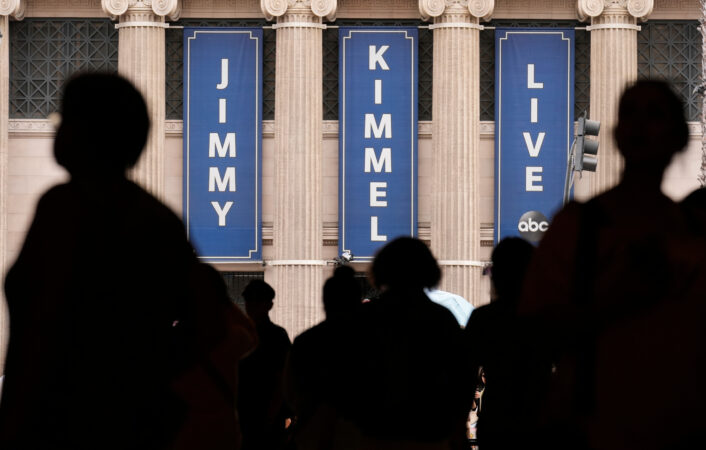
LONDON — Talk-show host Jimmy Kimmel took aim at President Donald Trump as he warned Thursday about the rise of fascism in an address to U.K. viewers dubbed “The Alternative Christmas Message.”
The message, aired on Channel 4 on Christmas Day, reflected on the impact of the second term in office for Trump, who Kimmel said acts like a king.
“From a fascism perspective, this has been a really great year,” he said. “Tyranny is booming over here.”
The channel began a tradition of airing an alternative Christmas message in 1993, as a counterpart to the British monarch’s annual televised address to the nation. Channel 4 said the message is often a thought-provoking and personal reflection pertinent to the events of the year.
The comedian has skewered Trump since returning to the air after ABC suspended Jimmy Kimmel Live! in September amid criticism of comments the host made after the killing of conservative activist Charlie Kirk.
Kimmel had made remarks in reference to the reaction to Kirk’s shooting suggesting that many Trump supporters were trying to capitalize on the death.
Trump celebrated the suspension of the veteran late-night comic and his frequent critic, calling it “great news for America.” He also called for other late-night hosts to be fired.
The incident, one of Trump’s many disputes and legal battles waged with the media, sparked widespread concerns about freedom of speech and freedom of the press.
Hundreds of leading Hollywood stars and others in the entertainment industry urged Americans in an open letter to “fight to defend and preserve our constitutionally protected rights.” The show returned to the air less than a week later.
Kimmel told the U.K. audience that a Christmas miracle had happened in September when millions of people — some who hated his show — had spoken up for free speech.
“We won, the president lost, and now I’m back on the air every night giving the most powerful politician on Earth a right and richly deserved bollocking,” he said.
Channel 4 previously invited whistleblower Edward Snowden and Iranian President Mahmoud Ahmadinejad to deliver the alternative Christmas message.
Kimmel, who said he didn’t expect Brits to know who he was, warned that silencing critics is not something that happens only in Russia or North Korea.
Despite the split that led to the American Revolution 250 years ago, he said, the two nations still share a special relationship, and he urged the U.K. not to give up on the U.S. as it was “going through a bit of a wobble.”
“Here in the United States right now, we are both figuratively and literally tearing down the structures of our democracy, from the free press to science to medicine to judicial independence to the actual White House itself‚” Kimmel said, in reference to demolition of the building’s East Wing. “We are a right mess, and we know this is also affecting you, and I just wanted to say sorry.”
LONDON — On a Christmas Day when the war in Ukraine casts a shadow over Europe, concerns over immigration divide societies, and some politicians fan anger and resentment, Britain’s King Charles III called on people to focus on kindness instead of conflict.
Delivering his annual holiday address from Westminster Abbey, Charles said Thursday the Christmas story of wise men and shepherds traveling through the night to find their savior shows how we can find strength in the “companionship and kindness of others.”
“To this day, in times of uncertainty, these ways of living are treasured by all the great faiths and provide us with deep wells of hope, of resilience in the face of adversity,” Charles said. “Peace through forgiveness, simply getting to know our neighbors, and by showing respect to one another, creating new friendships.”
“In this, with the great diversity of our communities, we can find the strength to ensure that right triumphs over wrong,” he added.
The speech, which concluded with a Christmas carol sung by a Ukrainian choir, came as European leaders have been rallying support for Ukraine amid signs that President Donald Trump is losing patience with America’s traditional European allies. At home, British politics have become increasingly bitter as Prime Minister Keir Starmer’s government struggles to control unauthorized migration and bolster creaking public services.
Charles, the titular head of the Church of England, chose Westminster Abbey as the site of his Christmas Day broadcast to underscore the theme of pilgrimage that ran through the speech. The abbey, known as the site of coronations and royal weddings, is also the focus of an annual pilgrimage honoring Edward the Confessor, an early king of England who was canonized as a saint in 1161.
“Pilgrimage is a word less used today, but it is of particular significance for our modern world, and especially at Christmas,” he said. “This is about journeying forward into the future, while also journeying back to remember the past and learn from its lessons.”
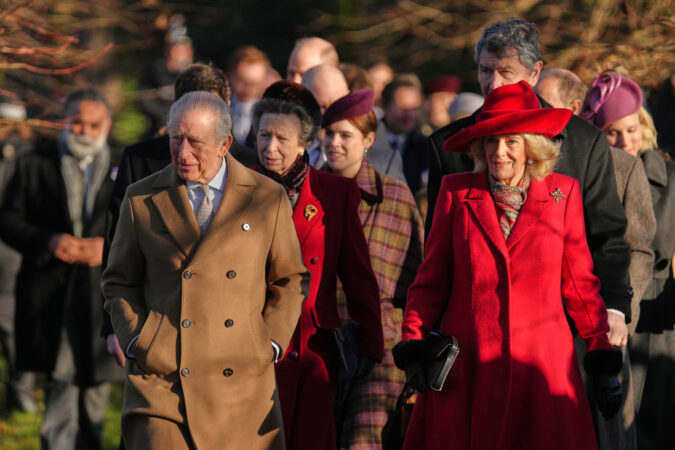
Charles and his family made their own pilgrimage on foot earlier in the day to St. Mary Magdalene Church on the king’s private Sandringham Estate, about 100 miles north of London.
Charles and Queen Camilla, along with Prince William and his wife, Kate, and their children, Princes George and Louis and Princess Charlotte, and their extended family, walked to the church and greeted the crowds of people after the service.
Events earlier this year marking the 80th anniversary of the end of World War II underscored the need to learn from the past, Charles said. While there are fewer and fewer living veterans of that conflict, we must remember the courage and sacrifice of those who fought the war and the way communities came together “in the face of such great challenge,” he said.
“These are the values which have shaped our country and the Commonwealth,” he said. “As we hear of division, both at home and abroad, they are the values of which we must never lose sight.”
The monarch’s annual holiday message is watched by millions of people in the U.K. and across the Commonwealth, a voluntary association of 56 independent nations, most of which have historic ties to Britain. The prerecorded speech is broadcast at 3 p.m. London time, when many families are enjoying their traditional Christmas lunch.
The speech is one of the rare occasions when Charles, 77, is able to voice his own views and does not seek guidance from the government.
This year’s address came just two weeks after Charles made a deeply personal television appearance in which he said “good news” from his doctors meant that he would be able to reduce his treatment for cancer in the new year.
The king was diagnosed with a still-undisclosed form of cancer in early 2024. Buckingham Palace says his treatment is now moving to a “precautionary phase” and his condition will be monitored to ensure his continued recovery.
The speech was accompanied by a video of members of the royal family, from the king to grandchildren George, Louis, and Charlotte, meeting with the public and carrying out their royal duties.
That included scenes from the king’s historic trip to the Vatican as he works to forge closer relations between the Church of England and the Catholic Church.
The event was the first time since King Henry VIII severed ties with Rome that the leaders of the two Christian churches, divided for centuries over issues that now include the ordination of female priests in the Church of England, had prayed together.
The king’s message was clear: Even if some years had passed, there is always hope to start over. Peace is possible.
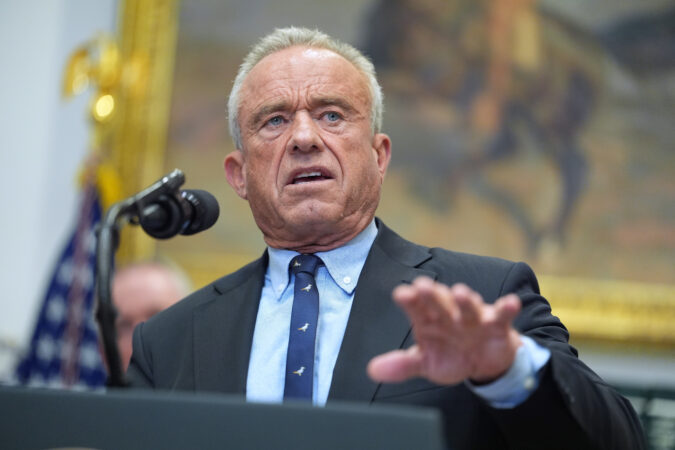
NEW YORK — Pennsylvania and New Jersey, along with 17 other states and the District of Columbia, on Tuesday sued the U.S. Department of Health and Human Services, its secretary, Robert F. Kennedy Jr., and its inspector general over a declaration that could complicate access to gender-affirming care for young people.
The declaration issued last Thursday called treatments like puberty blockers, hormone therapy and surgeries unsafe and ineffective for children and adolescents experiencing gender dysphoria, or the distress when someone’s gender expression doesn’t match their sex assigned at birth. It also warned doctors that they could be excluded from federal health programs like Medicare and Medicaid if they provide those types of care.
Tuesday’s lawsuit, filed in U.S. District Court in Eugene, Ore., alleges that the declaration is inaccurate and unlawful and asks the court to block its enforcement. It’s the latest in a series of clashes between an administration that’s cracking down on transgender healthcare for children, arguing it can be harmful to them, and advocates who say the care is medically necessary and shouldn’t be inhibited.
“Secretary Kennedy cannot unilaterally change medical standards by posting a document online, and no one should lose access to medically necessary healthcare because their federal government tried to interfere in decisions that belong in doctors’ offices,” New York Attorney General Letitia James, who led the lawsuit, said in a statement Tuesday.
The lawsuit alleges that HHS’s declaration seeks to coerce providers to stop providing gender-affirming care and circumvent legal requirements for policy changes. It says federal law requires the public to be given notice and an opportunity to comment before substantively changing health policy — neither of which, the suit says, was done before the declaration was issued.
HHS’s declaration based its conclusions on a peer-reviewed report that the department conducted earlier this year that urged greater reliance on behavioral therapy rather than broad gender-affirming care for youths with gender dysphoria.
The report questioned standards for the treatment of transgender youth issued by the World Professional Association for Transgender Health and raised concerns that adolescents may be too young to give consent to life-changing treatments that could result in future infertility.
Major medical groups and those who treat transgender young people have sharply criticized the report as inaccurate, and most major U.S. medical organizations, including the American Medical Association, continue to oppose restrictions on transgender care and services for young people.
The declaration was announced as part of a multifaceted effort to limit gender-affirming healthcare for children and teenagers — and built on other Trump administration efforts to target the rights of transgender people nationwide.
HHS on Thursday also unveiled two proposed federal rules — one to cut off federal Medicaid and Medicare funding from hospitals that provide gender-affirming care to children, and another to prohibit federal Medicaid dollars from being used for such procedures.
The proposals are not yet final or legally binding and must go through a lengthy rulemaking process and public comment before becoming permanent. But they will nonetheless likely further discourage healthcare providers from offering gender-affirming care to children.
Several major medical providers already have pulled back on gender-affirming care for young patients since Trump returned to office — even in states where the care is legal and protected by state law.
Medicaid programs in slightly less than half of states currently cover gender-affirming care. At least 27 states have adopted laws restricting or banning the care. The Supreme Court’s recent decision upholding Tennessee’s ban means most other state laws are likely to remain in place.
Joining James in Tuesday’s lawsuit were Democratic attorneys general from California, Colorado, Connecticut, Delaware, Illinois, Maine, Maryland, Massachusetts, Michigan, Minnesota, New Jersey, New Mexico, Oregon, Rhode Island, Vermont, Wisconsin, Washington and the District of Columbia. Pennsylvania’s Gov. Josh Shapiro also joined.
For 29% of the world, the world’s 2.3 billion Christians, the days leading up to Dec. 25 are filled with traditions to help us prepare for one of the two most important religious celebrations of the year.
On Christmas Day, the mangers in Nativity scenes in front of churches across the nation, empty until now, will feature depictions of the infant Jesus.
Christians can then, as the carol goes, know the thrill of hope, and the weary world can rejoice.
For a day, an hour, a moment, Christians in the U.S. will seem to be one body in Christ — but perhaps not even the Nativity can bridge the gulf that has grown between Christians over President Donald Trump’s immigration policies.
In fact, this holiday season, some of that deep division has flared up publicly, centered on Nativity scenes at churches — across denominations and geographies — that depict the Holy Family behind barbed wire, or flanked by federal agents from U.S. Immigration and Customs Enforcement and U.S. Customs and Border Protection.
An “ICE WAS HERE” sign is posted in the empty spot for the baby Jesus at a Nativity scene displayed at St. Susanna Church in Dedham, Mass., earlier this month.
In Massachusetts, at the Roman Catholic St. Susanna Church, the Holy Family is missing — replaced by a sign saying “ICE WAS HERE.” At Oak Lawn Methodist in Dallas, the Holy Family is behind a barbed wire fence, with a sign that says “Holy is the refugee.” At Missiongathering Church in Charlotte, N.C., ICE agents wearing bulletproof vests surround the Holy Family.
At Oak Lawn United Methodist Church’s nativity, Mary and Joseph are silhouettes, surrounded by a chain link fence topped with razor wire. Their halos are old bicycle wheels. A shopping cart and two metal bins, frequently used by the unhoused as firepits, flank the scene.
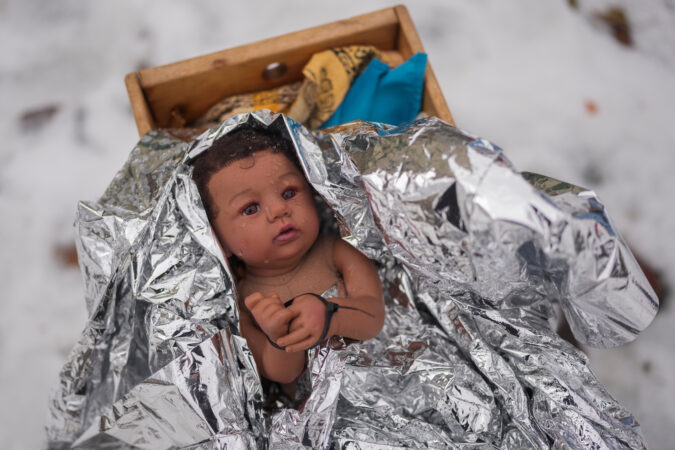
And at Lake Street Church of Evanston, in Evanston, Ill., not only are ICE and CBP figures included, but Mary wears a gas mask, and the infant Jesus has his hands zip-tied together — the way a witness describes federal agents from ICE and CBP zip-tying children together after raiding an apartment building in Chicago in October — and is swaddled in a Mylar blanket like those used in detention centers.
The pastors involved say the Nativities remind everyone that “God is with us” now. The scene “reflects the context that Jesus would be coming into if he were born today,” St. Susanna’s Father Stephen Josoma told the National Catholic Reporter.
The Rev. Michael Woolf, pastor of Lake Street, was even more direct when he posted on Instagram after someone had removed the zip ties from the Jesus figure in his church’s Nativity:
“We restored the zip ties on baby Jesus. The #Christmas story is literally about an authoritarian ruler using violence, causing fear, and eventually driving the holy family to become refugees in Egypt. The parallels couldn’t be more clear between Scripture and our nativity. We’re not going anywhere.”
There is a long tradition of having Nativity scenes reflect contemporary concerns and realities. For example, during World War I, according to Emma Cieslik, a museum professional and religious scholar writing for the website Hyperallergic, the Holy Family huddled in the trenches. More recently, the Christmas Lutheran Church in Bethlehem created a Nativity scene with the infant Jesus cradled by rubble from the bombing of Gaza, and the Vatican itself hosted Nativity scenes depicting the war in Ukraine.
Still, there has been plenty of pushback. The bishop of the Archdiocese of Boston has been critical of St. Susanna’s Nativity, for example, and online comments at X dispute any characterization of the Holy Family as migrants or refugees. (Ahem, Matthew 2:13-14 anybody?)
But the strongest reactions have taken place at the churches in places that were impacted by Trump-directed immigration surges.
At Missiongathering in Charlotte, a person was caught on video knocking over the ICE figures in the Nativity and tearing up the “Know Your Rights” signs around it. At Lake Street Church on Chicago’s North Side, vandals knocked down the ICE and CBP figures, then battered and decapitated the Mary figure.
The violence is symbolic, but the fury is undeniable. This administration has so thoroughly demonized migrants and refugees, labeling all as criminals, that any hint of resemblance between today’s migrants and refugees and the Holy Family reads as anathema to some Christians. But anyone who thinks the parallels are politically driven needs to get their history straight. Way back in 1952, Pope Pius XII was writing in his Exsul Familia Nazarethana that “the migrant Holy Family of Nazareth, fleeing into Egypt, is the archetype of every refugee family.”
And here’s the thing: These Nativities that have enraged people aren’t exclusively reflecting the reality of migrants and refugees who are endangered by the Trump administration policies — they are reflecting the danger to all of us.
Folks may feel safe in their own status, but anyone can be treated the same way the administration is treating migrants and refugees. It is happening already, in fact, with federal agents refusing to accept valid U.S. birth certificates and passports as proof of citizenship.
“No document will protect you,” Malka Older, who heads up the international community of writers and human rights activists Global Voices, and has years of experience working at humanitarian aid, disaster risk reduction, and emergency preparedness organizations, wrote recently on Bluesky.
“All they have to do is take it from you and ‘lose’ it; take it from you and say you never gave it to them; claim it’s fake; make a new rule that you need another document. Citizenship is a made-up status that governments decide the rules for.”
Older said “it has never been about immigration. It’s racism, and it’s intimidation, and profit for some. Allowing it to happen to any group means it’s a possibility for everyone, and that’s how fascism maintains power.”
Which brings me back to Christmas Day, and what every pastor who has placed one of those ICE Nativity scenes knows.
It is a broken world now, and it was a broken world when Christ was born into it.
Amid the soaring Glorias, the sparkle of lights, and the colorful paper wrapped around gifts we give each other in echo of the gifts brought to the Christ child by the Magi, we should remember that three days after Christmas Day, Christians will be marking the slaughter of the Holy Innocents. The one the Holy Family fled from, the one that made them refugees.
They were warned, as we are warned, that authoritarian rulers will stop at nothing to get their way.