Drexel University has signed a lease that will enable it to consolidate its College of Medicine research labs in University City, Drexel and the developers of a new building at 3201 Cuthbert St. said Thursday.
Drexel’s space in the $500 million building, a joint project from Gattuso Development Partners and Vigilant Holdings, is slated for completion in 2027. Drexel researchers moving from sites in Center City and East Falls are expected to fill four floors of the structure.
“By bringing our research spaces together in University City, we will create an environment that fosters greater interdisciplinary collaboration, accelerates innovation, and strengthens our collective capacity for discovery,” Drexel president Antonio Merlo said in a message to the school community.
Drexel will occupy 150,741 square feet of the 11-story, 520,000-square-foot building. The developers’ goal is to fill the rest of the building with life sciences tenants, though that could be harder than it was in 2022, when the building was announced as a partnership between Drexel and Gattuso Development.
The move of research labs to University City is part of a long-term plan to centralize the Drexel College of Medicine, which includes the combined operations of the former Hahnemann Medical College in Center City and the former Medical College of Pennsylvania in East Falls.
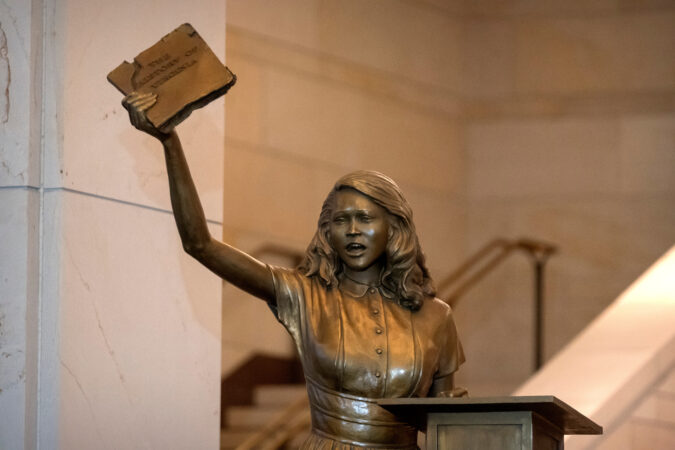
Back in 1951, a teenage Barbara Rose Johns led a walkout at her segregated high school in Virginia that would go on to contribute to the U.S. Supreme Court’s landmark decision in Brown v. Board of Education. Now, a statue of her is on display in the U.S. Capitol, replacing a sculpture of Confederate Gen. Robert E. Lee.
“The Commonwealth of Virginia will now be properly represented by an actual patriot who embodied the principle of liberty and justice for all,” House Minority Leader Hakeem Jeffries (D., N.Y.) said at a ceremony Tuesday unveiling the statue. “And not a traitor who took up arms against the United States to preserve the brutal institution of chattel slavery.”
And while Johns today is remembered as a seminal civil rights figure who hailed from Virginia, she spent much of her adult life in Philadelphia.
Born in New York City in 1935, Johns as a child moved to Prince Edward County, Va., where she lived on a farm with her grandmother. The county’s public schools were segregated, and in the late 1940s, she began attending an all-Black high school in Farmville known as Robert Russa Moton High School.
Johns, according to the Moton Museum, became frustrated with the poor conditions at the school, which lacked resources and was overcrowded compared with white facilities. In April 1951, when she was 16, she led a walkout with hundreds of other students to protest the conditions, ultimately gaining the support of NAACP lawyers, who filed a lawsuit that challenged the practice of segregated education.
Known as Davis v. Prince Edward, the lawsuit went on to become one of the five cases that the U.S. Supreme Court reviewed in Brown v. Board of Education. The high court’s landmark 1954 decision declared “separate but equal” public schools unconstitutional. Despite resisting the court’s decision, Prince Edward County schools were ultimately integrated by the mid-1960s.
People take photos of a statue of Virginia civil rights activist Barbara Rose Johns, whose statue will replace one of Robert E. Lee as one of Virginia’s two statues on display at the Capitol, at a dedication ceremony Tuesday, Dec. 16, 2025, in Washington.
Following the walkout, Johns’ parents were worried for their daughter’s safety and sent her to live in Montgomery, Ala., where she resided with her uncle, the Rev. Vernon Johns, who was a pastor and civil rights leader in his own right. She completed high school there and studied for a time at Spelman College in Atlanta, according to the Farmville Herald, Farmville’s local newspaper.
In 1954, she married the Rev. William Rowland Powell, and the pair later moved to Philadelphia. As a resident, Johns continued college at Drexel University, from which she graduated in 1979 with a bachelor’s degree in library science, according to the 2018 bookRecovering Untold Stories: An Enduring Legacy of the Brown v. Board of Education Decision.
Johns would go on to have five children, and worked for more than 20 years as a librarian for the Philadelphia School District. Public information about her time in Philadelphia is scarce, and neither Drexel nor the school district immediately responded to requests for comment.
On Sept. 25, 1991, Johns died in Philadelphia following a battle with cancer. Her family, the Farmville Herald reported, knew little of activism and her involvement in the Moton walkout, only learning of it late in her life.
The statue of Johns is part of the National Statuary Hall Collection at the Capitol, in which each state can contribute two statues. The other statue representing Virginia is of George Washington.
The National Statuary Hall displays 35 of the statues. Others are in the Crypt, the Hall of Columns, and the Capitol Visitor Center. House Speaker Mike Johnson (R., La.) said the Johns statue will be placed in the Crypt.
Former Democratic Virginia Gov. Ralph Northam had requested the removal of the Lee statue. In December 2020, a state commission recommended replacing Lee’s statue with a statue of Johns. The removal occurred during a time of renewed national attention over Confederate monuments after the death of George Floyd, and the Lee statue was relocated to the Virginia Museum of History and Culture.
Johns is also featured in a sculpture at the Virginia Civil Rights Memorial outside the state Capitol in Richmond. Her former high school is now a National Historic Landmark and museum.
“She was brave, bold, determined, strong, wise, unselfish, warm and loving,” said Terry Harrison, one of her daughters, at Tuesday’s unveiling, according to NPR. “We’re truly grateful that this magnificent monument to her story, the sacrifices that her family and her community made, may continue to inspire and teach others that no matter what, you too can reach for the moon.”
This article contains information from the Associated Press.
Several Philadelphia-area violence prevention efforts will benefit from nearly $3 million in newly released state funding to help hospitals address a leading cause of death and injury.
The new funding for hospital-based violence intervention programs (HVIP) was announced by Pennsylvania Lt. Gov. Austin Davis on Wednesday at Penn Presbyterian Medical Center. One of the recipients, the Penn Trauma Violence Recovery Program, is based at the Penn Medicine hospital in University City.
Other local awardees includeTemple University Hospital in North Philadelphia and the Philadelphia-based nonprofit Urban Affairs Coalition. The coalition received funding on behalf of the Chester Community Coalition to relaunch a program that had been at the now-shuttered Crozer-Chester Medical Center.
The University of Pittsburgh Medical Center also received funding. The amounts awarded to each program were not announced.
The Pennsylvania Commission on Crime and Delinquency, which Davis chairs, received 15 applications in total seeking nearly $12 million in funding — four times what was available.
“Addressing the epidemic of gun violence is a top priority for our administration,” Davis said.
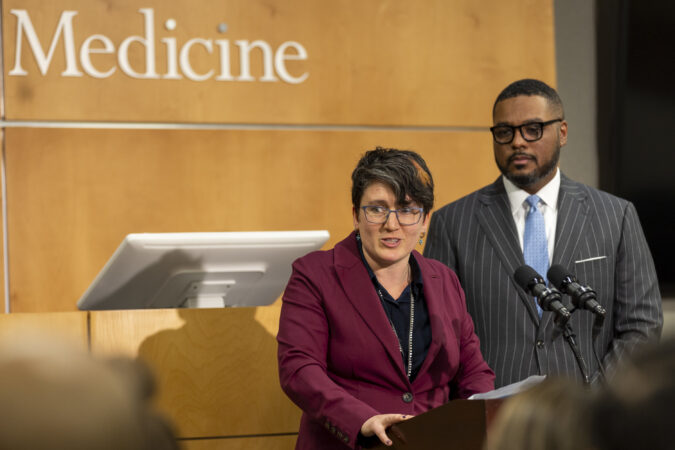
Lieutenant Governor Austin Davis speaks at a press conference announcing the $3 million in grants for hospital-based violence intervention programs.
The programs aim to connect patients at risk of repeat violence with resources while they are in a hospital, so they leave with a safety plan. Services can include long-term community-based case management, mentoring, and home visits.
Since the first HVIP was established in the mid-1990s, dozens have spread around the country and abroad, including in Philadelphia.
Several local institutions have these programs, including Temple Health, Children’s Hospital of Philadelphia, Penn Medicine, Jefferson Health, and Drexel University. The City of Philadelphia, in conjunction with the area’s Level 1 trauma centers, launched an HVIP Collaborative in 2021.
Studies have shown these programs reduce rates of repeat violent injuries and recidivism among participants.
After shootings spiked during the COVID-19 pandemic, gun violence is now declining in Philadelphia. As of July, shootings for the year were at their lowest total since at least 2015.
Davis noted that Philadelphia has seen a 15% decrease in homicides this year, with roughly four in fivegunshot victims surviving their injuries.
The new funding will allow the Penn Trauma Violence Recovery Program to increase its community presence and mental health programming, said its director, trauma surgeon Elinore Kaufman.
Through her experience treating victims of violence, she has learned that injuries can be deeper than the physical wounds.
The program was launched to address social factors often involved in violence by providingpsychosocial support and connecting patients with services to help with education,job training, and housing.
“We’ve worked with patients long enough now that we have high school graduation photos, we have baby pictures,” Kaufman said. “We have patients who want to give back and have joined our patient advisory board to help push us forward.”
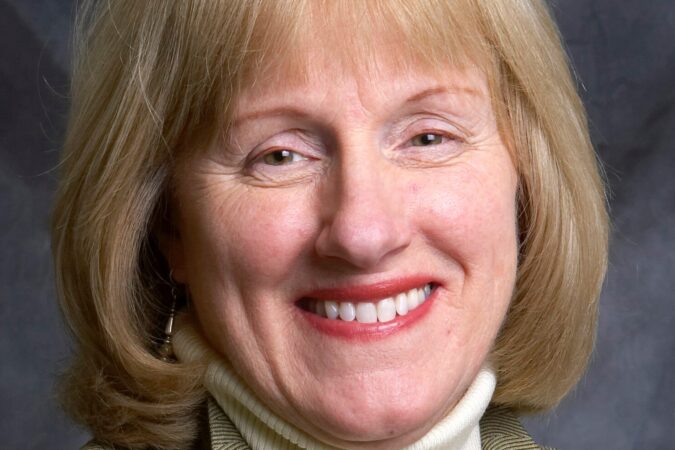
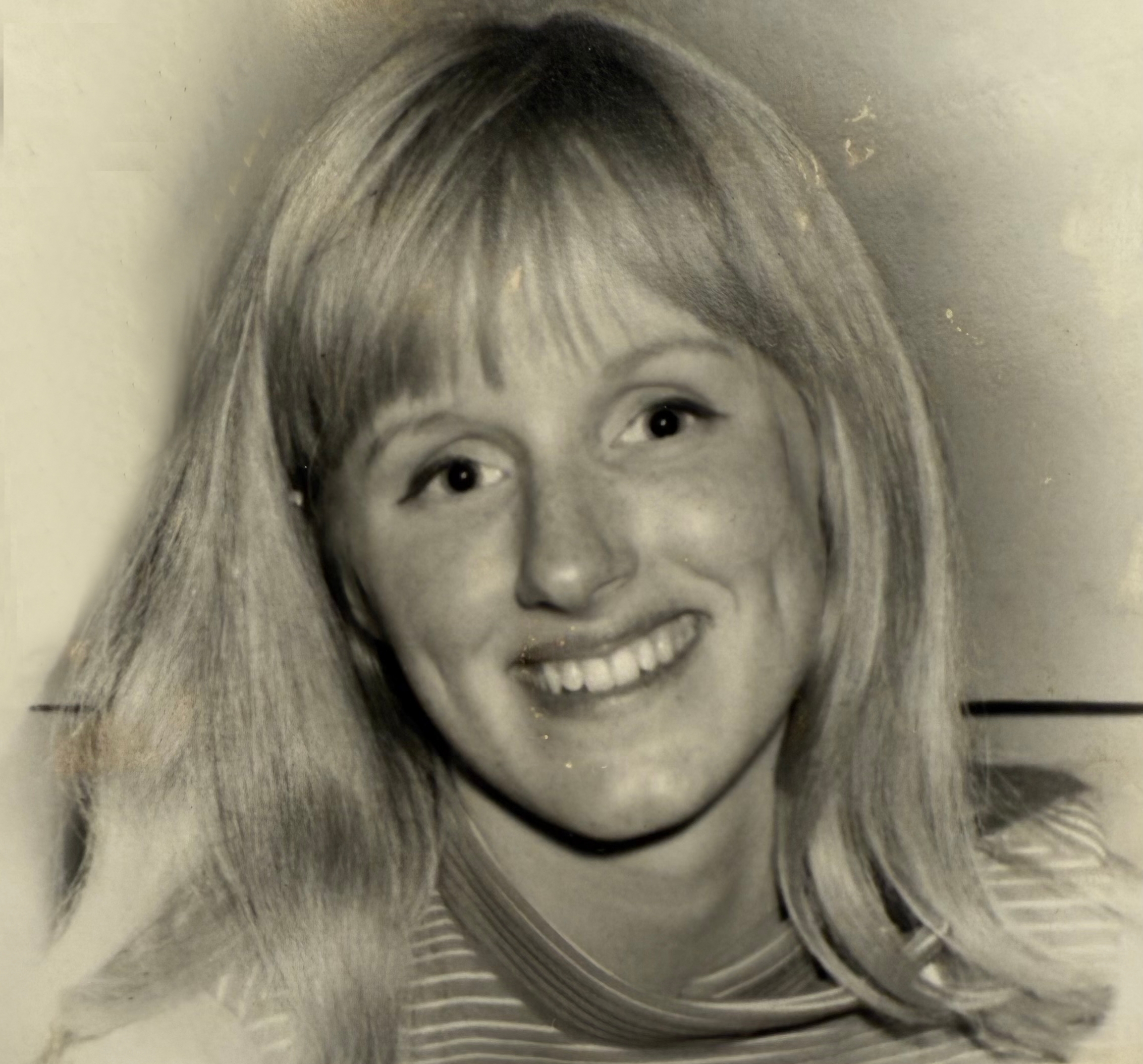
Kathleen A. Case, 80, of Bryn Mawr, longtime writer, pioneering medical journal editor, award-winning historian, researcher, and volunteer, died Friday, Nov. 14, of heart failure at Bryn Mawr Hospital.
A natural wordsmith who was interested in the origins and nuances of language as well as its use, Ms. Case spent 24 years as a top editor for the Annals of Internal Medicine and vice president for publishing at the Philadelphia-based American College of Physicians. Later, for 15 years, she was publisher, archivist, historian, and director of strategic planning for the publishing division of the Philadelphia-based American Association for Cancer Research.
She was adept at understanding and organizing complex research and other medical information, and helped Annals of Internal Medicine digitize its production process and content, expand its reach, and become one of the world’s most influential and cited medical journals. “She loved precise, concise, and unambiguous writing,” her family said in a tribute.
She was one of the few female editors in the medical publishing industry when she joined Annals as an assistant editor in 1977, and she rose to managing editor, executive editor, and senior vice president for publishing by 1998. She attended many international medical publishing conferences around the world, and other journals tried unsuccessfully to lure her away from Philadelphia.
Ms. Case and her husband, Jacques Catudal, married in 1995.
“She set the highest editorial standards in medical publishing and expected the best from everyone around her,” a former colleague said in an online tribute. “But she also took the time to teach. … The lessons I learned from her have shaped my work ever since.”
Ms. Case joined the American Association for Cancer Research in 2001, served two stints as head of the publishing division, and supervised its marketing campaigns, advertising sales, and product development. She retired in 2008 but continued part time as the AACR archivist, historian, and director of strategic planning until retiring for good in 2016.
Away from her day jobs, Ms. Case was past president of the Society for Scholarly Publishing and what is now the Council of Science Editors. She also served on boards and committees for the American Medical Association, the American Chemical Society, the American Heart Association, and the International Committee of Medical Journal Editors.
Even in retirement, she continued to work as a board member, writer, researcher, and historian for the Haverford Township Historical Society. She served on the Haverford Township Historical Commission, was a member of the Historical Society of Pennsylvania, chaired the Friends of the Polo Field, and helped establish the Brynford Civic Association.
Ms. Case graduated from Radnor High School and Pennsylvania State University.
“She was always busy, always involved with some project,” said her husband, Jacques Catudal. She edited his published academic papers, he said, and routinely marked up her two sons’ school reports in red ink for years.
In 2019, she won a historic preservation award from the Heritage Commission of Delaware County. “She was an endlessly inspiring woman whose intelligence was matched only by her sharp wit and her extraordinary cultural sensitivity,” a friend said in a tribute.
Kathleen Ann Case was born Sept. 13, 1945, in Westfield, N.J. The youngest of three children, her family moved to Omaha, Neb., and then Radnor when she was young.
She graduated from Radnor High School, studied journalism at Pennsylvania State University, and earned a bachelor’s degree in English in 1967. She was a reporter and editor for the Penn State student newspaper and so active that school officials waived their prohibition of female students living alone off campus so she could reside near the paper’s office. In 1987, she earned a master’s degree in technical and science communication at Drexel University.
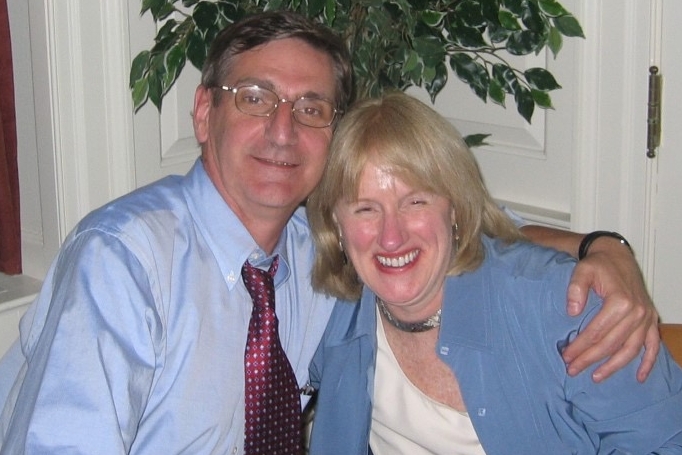
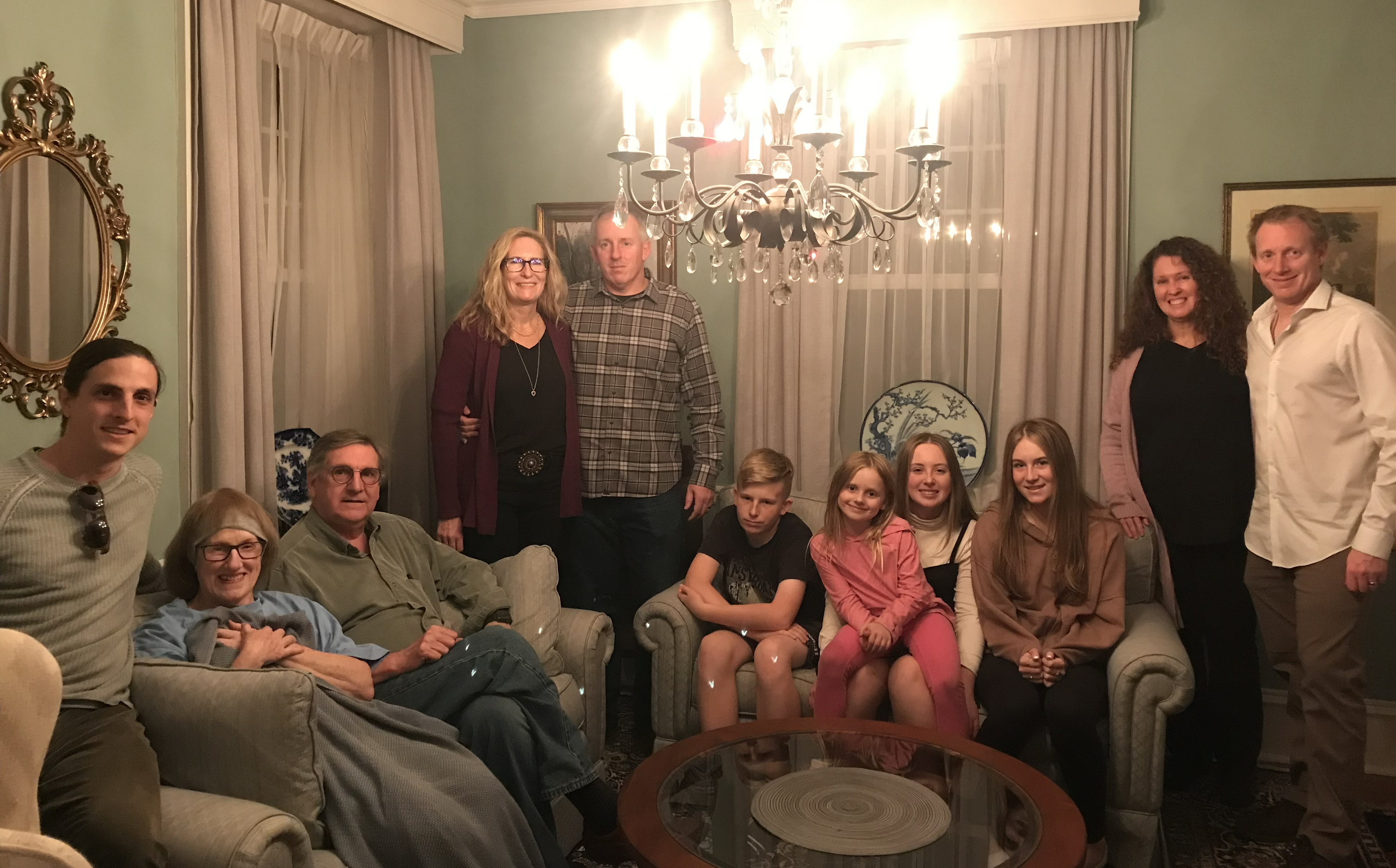
Ms. Case (second from left) enjoyed time with her family
She married D. Benjamin van Steenburgh III, and they had sons Ben and Jason. After a divorce, she married Peter Moor. They divorced, and she married Catudal in 1995.
Ms. Case raised her sons as a single mother in Avondale, Chester County, for years and moved to Bryn Mawr in 1979. She read voraciously about history, collected antiques, and enjoyed travel, classic rock, and Irish folk music.
She rode horses, was an expert archer, and followed the local sports teams. She tended her garden and investigated her genealogy.
She liked to refinish and paint furniture and discuss current events. She and her husband camped, hiked, and canoed all over the world.
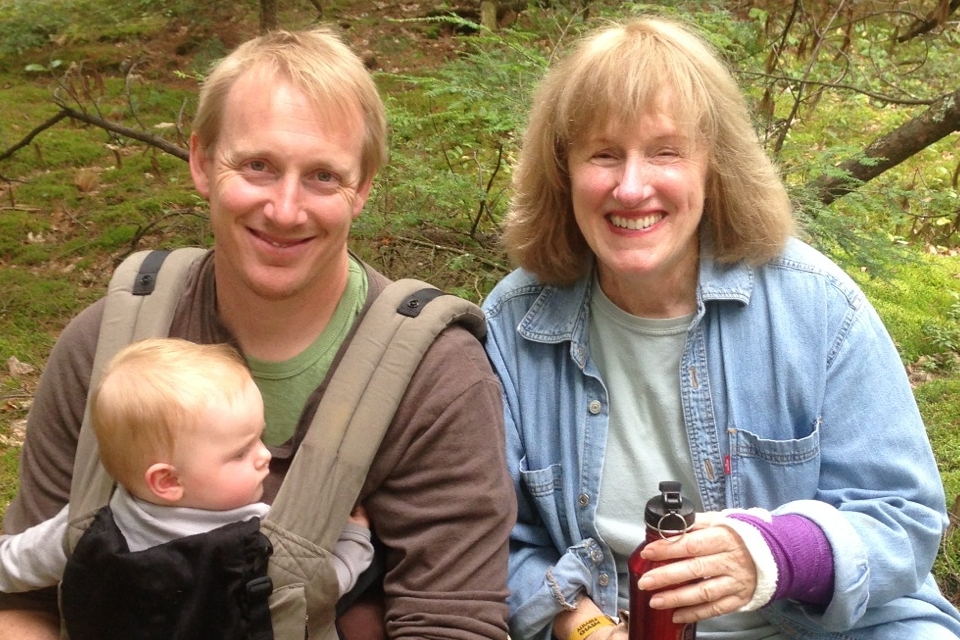
Ms. Case enjoyed hiking and the outdoors.
She also dealt with metastatic breast cancer and three heart attacks. “She always gave as much honesty, opinion, perspective, experience, literary acumen, word knowledge, help, advice, comfort, and love as could be needed,” said her son Jason.
Her husband said: “She was brilliant and extremely funny. She was an organizer and always giving of herself.”
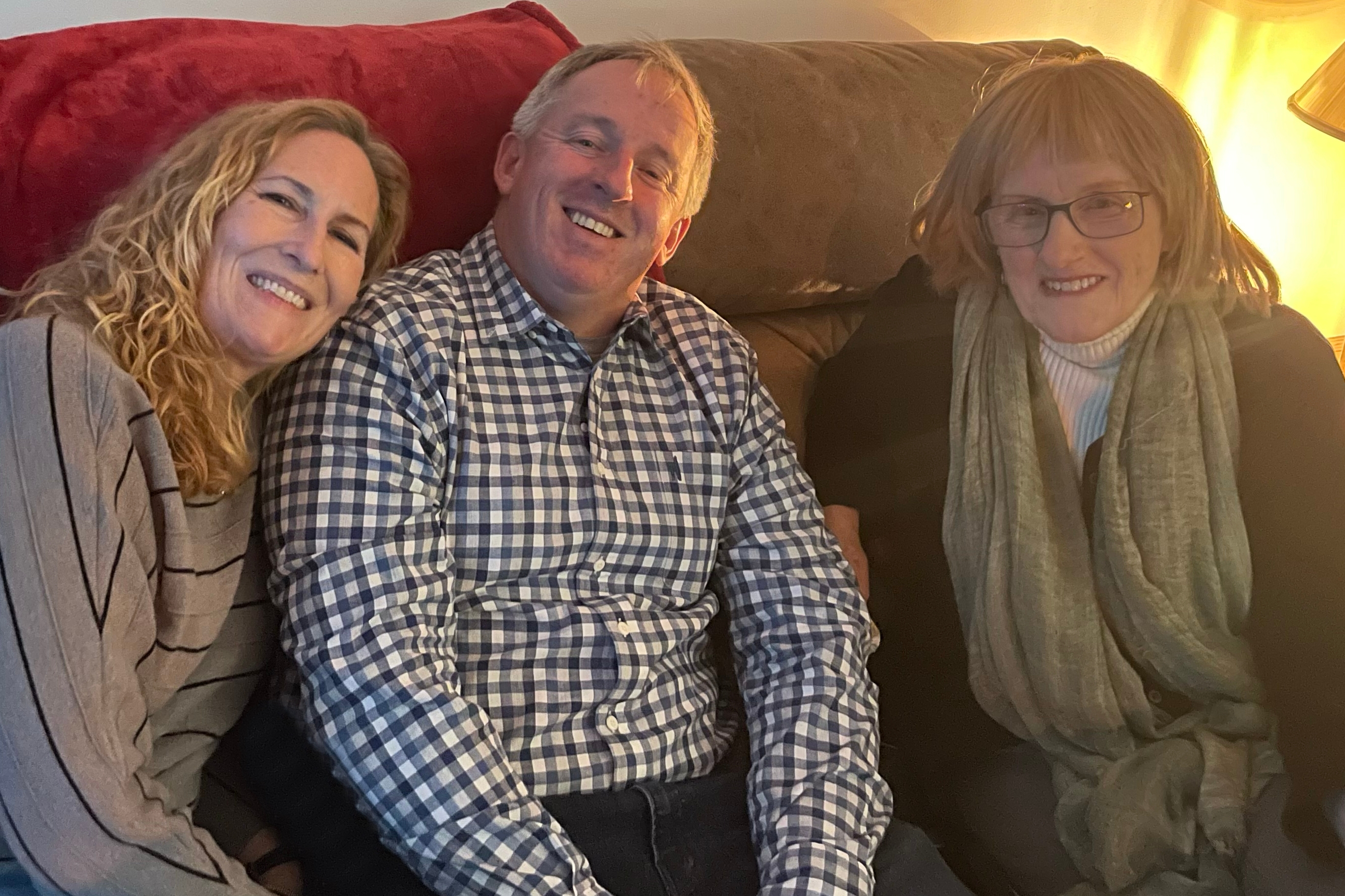
In addition to her husband, sons, and former husbands, Ms. Case is survived by four grandchildren, a sister, a brother, and other relatives.
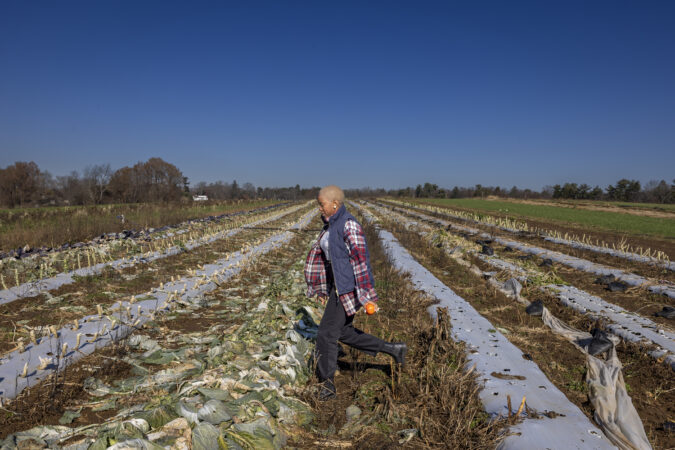
Over the course of three days, I met with 13 congressional legislators or their staffers, spoke to representatives of the U.S. Department of Agriculture and the White House, as well as fellow farmers, to discuss a very real threat impacting our nation: the instability of our food system.
Across the United States, food system organizations — from regenerative farms and gleaning networks, to food access nonprofits and community grocers — are all under immense pressure because of federal funding cuts, rising tariffs, and labor shortages. The entire food chain is strained, and the effects are compounding.
Recently, during the government shutdown, families across the country were not receiving SNAP benefits. American farms and families are still struggling and need relief now.
Farmers suffer even as food prices rise
While food prices continue to rise, farmers make less than 16 cents on every food dollar spent, according to the National Farmers Union. Even worse, there has been a severe labor shortage because of outdated agricultural workforce policies, while large corporate farms are making record profits.
Suicide among farmers is at an all-time high, and the sixth highest among all occupational groups. As the largest Black food grower in Pennsylvania, I am seeing these challenges each and every day.
In addition to the impact this will have on our children and our most vulnerable communities, the killing of this program is having a direct impact on small and first-generation farmers like me. My produce farm lost upwards of $150,000 between contracts with local food banks that were supported by the LFPA Program and the loss of the Agriculture Department’s Climate Smart Partnerships.
These drastic cuts have strained our operations and have impacted our ability to promptly pay our workers and ensure our communities have access to food that is not only locally and regeneratively grown, but also 100% chemical-free.
Food anchors social drivers
At the heart of this challenge is a simple truth: Food is the anchor to all social drivers of health. When food is unstable, so is health, education, safety, economic opportunity, and environmental well-being.
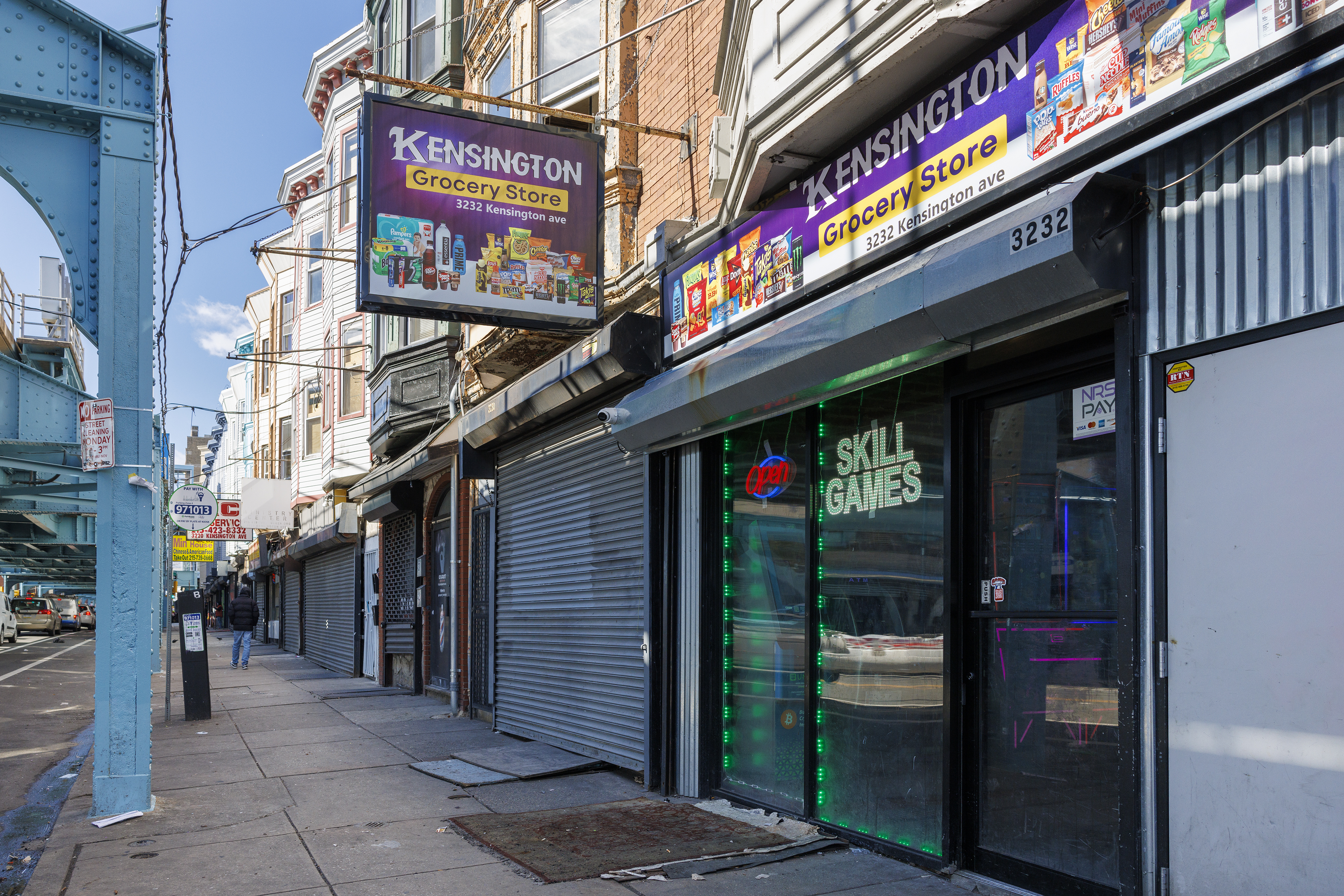
This is evident in North Philadelphia’s Kensington neighborhood, which is plagued by an opioid epidemic, crime, food apartheid, and nutrition insecurity.
A corner store in Philadelphia’s Kensington neighborhood. Such stores should be part of the local food system, writes Christa Barfield.
According to a 2019 report released by the city of Philadelphia and Drexel University’s Dornsife School of Public Health, Upper Kensington ranked last out of 46 Philadelphia neighborhoods in terms of health factors and health outcomes.
Addressing food access through a regenerative and localized lens is not just a response — it is a long-term strategy for national security.
In my September conversations with members of Congress, it became abundantly clear that an updated Farm Bill would not be passed into law by the Sept. 30 deadline. And it wasn’t.
Due to this failure to prioritize the needs of small family farmers, we must now turn inward and rely on our communities to design and implement a scalable, regionally coordinated food system.
This is possible by supporting local farmers and workers through fair, reliable markets, reducing food waste via efficient, community-based recovery, and empowering neighborhoods with increased food sovereignty and local ownership.
I founded FarmerJawn Agriculture seven years ago, and I know that for a community or nation to be healthy, it must be well-fed. Food is medicine. Good food means good health.
Despite the challenges we face, this idea is more relevant now than ever. I am eager to launch CornerJawn, a farm-to-store operation that will reimagine the corner store as a preventative healthcare hub.
CornerJawn will increase access to fresh and nutrient-dense food that is both convenient and affordable through a dignified pricing model.
It will enhance urban living for the strategically forgotten communities that are now seeing record development in hopes of creating, what? Wealth? True wealth is measured in longer lives with beautified communities and healthier families.
We must treat food like medicine, invest in those specialty farms that feed us, and watch our country thrive.
Remember: Agriculture is the Culture.
Christa Barfield, a.k.a. FarmerJawn, is a healthcare professional turned regenerative farmer, an entrepreneur, an advocate for food justice, and a James Beard Award winner. As the founder of FarmerJawn Agriculture, she manages 128 acres across three counties in Pennsylvania, making her the largest Black food grower in the state.
On Nov. 19, a webpage at the Centers for Disease Control and Prevention was updated with a stunning reversal of the agency’s long-held — and scientifically backed — position on vaccines and autism.
Previously, the CDC has noted on its website that decades of research show no link between receiving vaccines and developing autism.
Now, the site reads: “The claim ‘vaccines do not cause autism’ is not an evidence-based claim because studies have not ruled out the possibility that infant vaccines cause autism.”
A header on the webpage still reads “Vaccines do not cause autism.”
But the phrase is followed by an asterisk leading to another statement explaining the header remains “due to an agreement with the chair of the U.S. Senate Health, Education, Labor, and Pensions Committee that it would remain on the CDC website.”
The chair is Sen. Bill Cassidy (R., La.), who made his confirmation vote for Health and Human Services Secretary Robert F. Kennedy Jr. contingent on that agreement.
The move was met with outrage from public health experts who say that Kennedy, a longtime anti-vaccine advocate, is risking lives by calling vaccines’ safety into question. The New York Times reported two days later that he had personally ordered the website changed.
Diana Robins, the director of the A.J. Drexel Autism Institute at Drexel University, which studies autism from a public health perspective, spoke with The Inquirer about the update and what it means for public health.
This interview has been lightly edited for clarity and brevity.
Question: Take us through the update on the CDC’s website about vaccines and autism.
Answer: The frightening thing, to me, is if a person who is not really familiar with the science reads this website, there is a lot of convincing-sounding language. It feels like deliberate gaslighting.
It’s using terms they’ve learned from scientists over the last several months — “gold-standard science” and “evidence-based claims” — and using them in directly inaccurate ways.
The very first key point at the top of the page says, “The claim ‘vaccines do not cause autism’ is not an evidence-based claim because studies have not ruled out the possibility that infant vaccines cause autism.”
Part of what makes that so egregious is that scientists believe in the scientific process. Unfortunately, the federal administration is weaponizing the fact that scientists won’t come out and say it has been proven. A scientist will never say we have 100% ruled out all possibilities. Something we think we know could change tomorrow when we learn something new.
But there are dozens of studies over many, many years that fail to show a link between vaccines and autism. All the studies that are rigorous and methodologically sound fail to show a link between vaccines and autism. That is unequivocal.
Q: What’s the danger in changing the CDC’s language around vaccines?
A: Vaccines save lives. Vaccines are one of the frontline public health strategies to support health in the population. We’re already seeing what happens when vaccine compliance goes down, when there’s an erosion of the public confidence in vaccines.
There have been measles outbreaks in the last year in the United States. Some kids just get sick and they get better, but some kids have serious illnesses and occasionally die. And it’s not just measles. We’re vaccinated against a lot of life-threatening diseases.
The cost is a huge shift in public health, and the protective factor that vaccines give us against life-threatening illness.
If you told me that reading books past 10 p.m. might cause autism, I would say there’s probably not a lot of cost if you stop reading books at 9:59. But not vaccinating children? The costs are huge. Even one death that’s preventable is a tragedy.
And there will be a lot of preventable serious illness and death if parents don’t vaccinate their children.
Q: How does this affect the public’s view of federal health agencies?
A: I think it makes it very difficult for people to know what to trust. And there is already decreased trust in the medical community, scientific community, higher education broadly.
If pages like this are intermingled with legitimate pages, how will people know which ones are the accurate pages and which are the ones with gaslighting and anti-science? I think people will likely lose their faith in the CDC altogether, which is a terrible blow to the public health of the whole country. If we can’t trust our Centers for Disease Control, who can we trust?
Q: How can scientists communicate accurate medical information with the public?
A: One thing I think is slightly heartening in the face of this devastation is that professional societies and organizations that are medical or scientific are all aligned. There have been so many statements that came out within the first day of this, and they are fully aligned in agreement. The only differences are in which words they yell the loudest.
You can usually not get scientists to agree to anything in a day. That means a lot. It’s the responsibility of all the legitimate scientists and public health experts to try to combat that misinformation every which way we can.
[At the A.J. Drexel Autism Institute], we’re trying to do more outreach to the public. We actually developed some vaccine info sheets just a couple months ago that are posted on our website. We have a new website … that brings together all of the information.
Vaccines are one of our biggest public health successes. If we roll those back, we have stepped back decades in the health of our country. It’s that big. It’s that serious.
The package was mailed from New Jersey, which should have been the first clue.
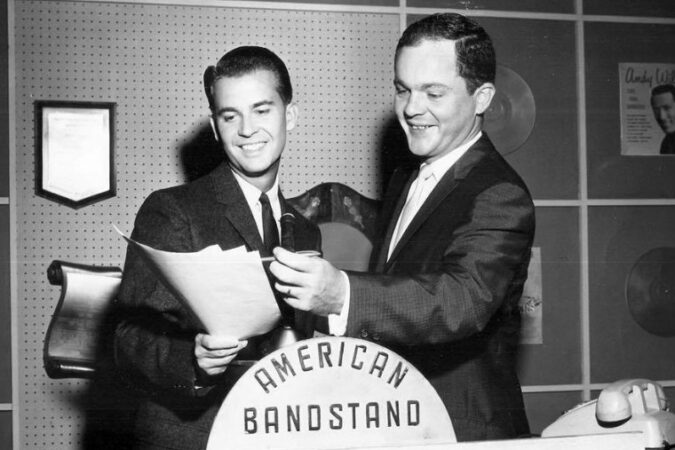
Inside was a cigar box rigged to resemble a bomb, and it was delivered on the afternoon of Nov. 21, 1960, to the office of TV host Dick Clark.
Clark, a week away from his 31st birthday, was the star of the nationally televised ABC program American Bandstand, which was filmed at WFIL-TV studios at 46th and Market Streets. He was filming his afternoon program when the parcel arrived shortly after 3 p.m.
His secretary received the package, and as she started to untie the brown-paper wrapping, the cigar box became visible. One side of the box had been removed, and she spotted a net of wires and a five-inch piece of copper tubing.
Police quickly arrived and inspected the device, and took it to their headquarters for further evaluation. And while it looked like a crudely constructed explosive device, police and postal leaders told The Inquirer that it was missing two key components: powder and a fuse.
There were no actual explosives in the box, and the device couldn’t have set any off.
It contained what at first appeared to be a blasting cap, but after closer examination was identified as a piece of tree bark.
“The package was obviously the work of a crank,” the officials told The Inquirer.
Philly Police, the U.S. Postal Service, and the FBI took part in the investigation, but no culprit was ever publicly identified.
TV staffers were still jumpy a few weeks later when an unmarked gift package that resembled the faux bomb arrived at Clark’s office.
Responding police, taking no chances, carried it across the street and into the middle of Drexel University’s athletic field.
When they finally got the courage to open it, out popped a shaggy, stuffed dog.
All packages from then on, The Inquirer quipped, should carry a notation:
A woman was killed in a hit-and-run crash early Thursday morning in University City.
Meaza Brown, 48, of South Philadelphia, was walking with coworkers when a driver in a silver Chrysler 300 with tinted windows struck and killed her at 4:17 a.m. at 33rd and Market Streets, Chief Inspector Scott Small told reporters at the scene. The woman was pronounced dead at 4:59 a.m. at Penn Presbyterian Medical Center with multiple injuries and internal bleeding.
Police later recovered the vehicle they believe struck Brown at 34th and Race Streets. No arrest was reported, and the investigation is ongoing.
Small said that the woman was hit at such a high rate of speed, “she was launched out of her sneakers.” Police say the collision propelled the woman several hundred feet down Market Street.
“The driver of the striking vehicle did not remain on scene, did not render any aid, and just fled the scene,” Small said.
The driver drove away on Market Street, heading toward 30th Street Station. No other people were hit by the car or injured, police said.
The deadly crash occurred in the heart of Drexel University’s campus, in the intersection in front of the school library and student center, and only a few blocks from 30th Street Station.
Philadelphia has experienced fewer traffic deaths in the first half of this year than in any equivalent period since 2019, according to the Bicycle Coalition of Greater Philadelphia. Fatalities have been on a downtrend for years; however, the back half of each year tends to get more deadly.