Philadelphia local news, sports, jobs, cars, homes

Tag: free-apple

  • Philly wants to keep the Rocky statue atop the Art Museum steps

    Philly wants to keep the Rocky statue atop the Art Museum steps

    » UPDATE: Plan to keep a Rocky statue at the top of the Art Museum steps moves forward

    The Rocky statue sitting atop of Philadelphia Art Museum’s famed steps could soon be there permanently — and the one at the bottom may be going back to the Italian Stallion himself, Sylvester Stallone.

    That’s according to a recent proposal from Creative Philadelphia, the city’s office for the creative sector, which is slated to present its proposal at an Art Commission meeting for a concept review Wednesday. The plan, the proposal notes, is endorsed by Mayor Cherelle L. Parker and Art Museum officials, as well as leaders in the Parks and Recreation department and at the Philadelphia Visitor Center, all of whom filed letters of support.

    “This project is about more than relocating a sculpture,” chief cultural officer Valerie V. Gay and public art director Marguerite Anglin wrote in a letter to the Art Commission. “It’s about elevating an artwork that, for decades, has symbolized perseverance, aspiration, and the resilience of the human spirit.”

    The statue at the top of the Art Museum’s steps was set there last December as part of the city’s inaugural RockyFest, which celebrates the Rocky franchise. Initially intended to be a temporary installation, that statue — a replica of sculptor A. Thomas Schomberg’s original, made by the artist himself — was lent to the city by Stallone, who purchased it for about $403,000 at an auction in 2017, The Inquirer previously reported.

    The statue at the foot of the steps, meanwhile, is owned by the city, and has sat there since 2006, arriving after years of controversy and moves since it appeared in 1982’s Rocky III. Stallone commissioned that statue for the film, and later gave it to the city.

    As part of the city’s plan, Philly would swap ownership of the two statues, taking ownership of the statue at the top of the steps, and returning the statue at the bottom “to the original donor’s private collection” following its exhibition inside the Art Museum this spring, the proposal notes.

    The city would then “install another City-owned statue at the bottom of the Art Museum steps,” and move the statue at the top back several feet for its permanent installation.

    The project would cost an estimated $150,000, the proposal notes. It was not immediately clear what statue would be relocated to the bottom of the steps, or what prompted the exchange of statues.

    An Art Commission agenda notes that in its concept review Wednesday, the proposal could receive final approval if it is found to be “sufficiently developed.”

    A history of moves

    The proposed move marks yet another chapter in the Rocky statue’s storied history in town. It arrived for the filming of Rocky III, but when the shoot wrapped in 1981, a permanent location had not been approved, causing it to be shipped back to Los Angeles. It ultimately came back and was temporarily exhibited again at the top of the Art Museum steps before being moved to an area outside the Spectrum at the stadium complex in South Philly, where it was supposed to permanently stay.

    But in 1990, the statue was again temporarily installed at the museum for the filming of Rocky V, reigniting public debate about whether it should remain there. The statue was returned to the stadium complex before being moved in 2006 back to the bottom of the museum’s steps, where it has sat ever since.

    Gay and Anglin seem to reference the statue’s history in their letter, noting that a permanent installation at the top of the museum’s steps could be an “an opportunity to lean into the evolving conversation about what is considered ‘art’ and what deserves a place in our most treasured civic spaces.”

    “The Rocky statue is a clear example of this evolution,” they wrote. “Its artistic significance has not been shaped by institutions, but by the millions of people who engage with it year after year.”

    A third statue

    Philadelphia, incidentally, has a third Rocky statue made by Schomberg. That one is located at Philadelphia International Airport, where it was unveiled late last month in Terminal A-West.

    “Rocky is the DNA of this great city of Philadelphia,” Schomberg said in a statement released with the airport statue’s unveiling. “There’s a little bit of Rocky in all of us. Rocky is not just known here in Philadelphia but is known across this country and the world.”

    December 9, 2025
  • Sarah Test 2-  Adding elements – Update on 12/10

    Sarah Test 2- Adding elements – Update on 12/10

    Heading 1

    Heading 2

    Heading 3

    Heading 4

    Heading 5
    Heading 6
    1. Social link

    This is Table

    Col1Col2Col3
    Item 1item 3item 5
    Item 2item 4item 6

    This is divider


    This is Interstitial link

    » READ MORE: The summer of Super Steve still sticks to the soul of this fan who saw greatness up close

    This is Gallery

    Image test collection

    Adding hyperlinks

    SEPTA strike is ‘imminent,’ say TWU leaders

    Its cash reserves have fallen to $208 million, while its debt stands at $1.6 billion, according to Fitch. Fitch called that “precipitously weak.” By contrast, Temple University Health System reported Wednesday that its cash reserves amounted to 218% of its debt at the end of June.

    Tower’s low cash reserves and large debt load mean that its ability to invest in its facilities is extremely limited, effectively only fixing things that break, Fitch said. Long-term, that would make it increasingly difficult to attract patients.

    [Temple University Health System reported a $64 million annual operating loss, its first since 2014] Edit info

    Fitch noted, however, that Tower had improved financial performance from April through June.

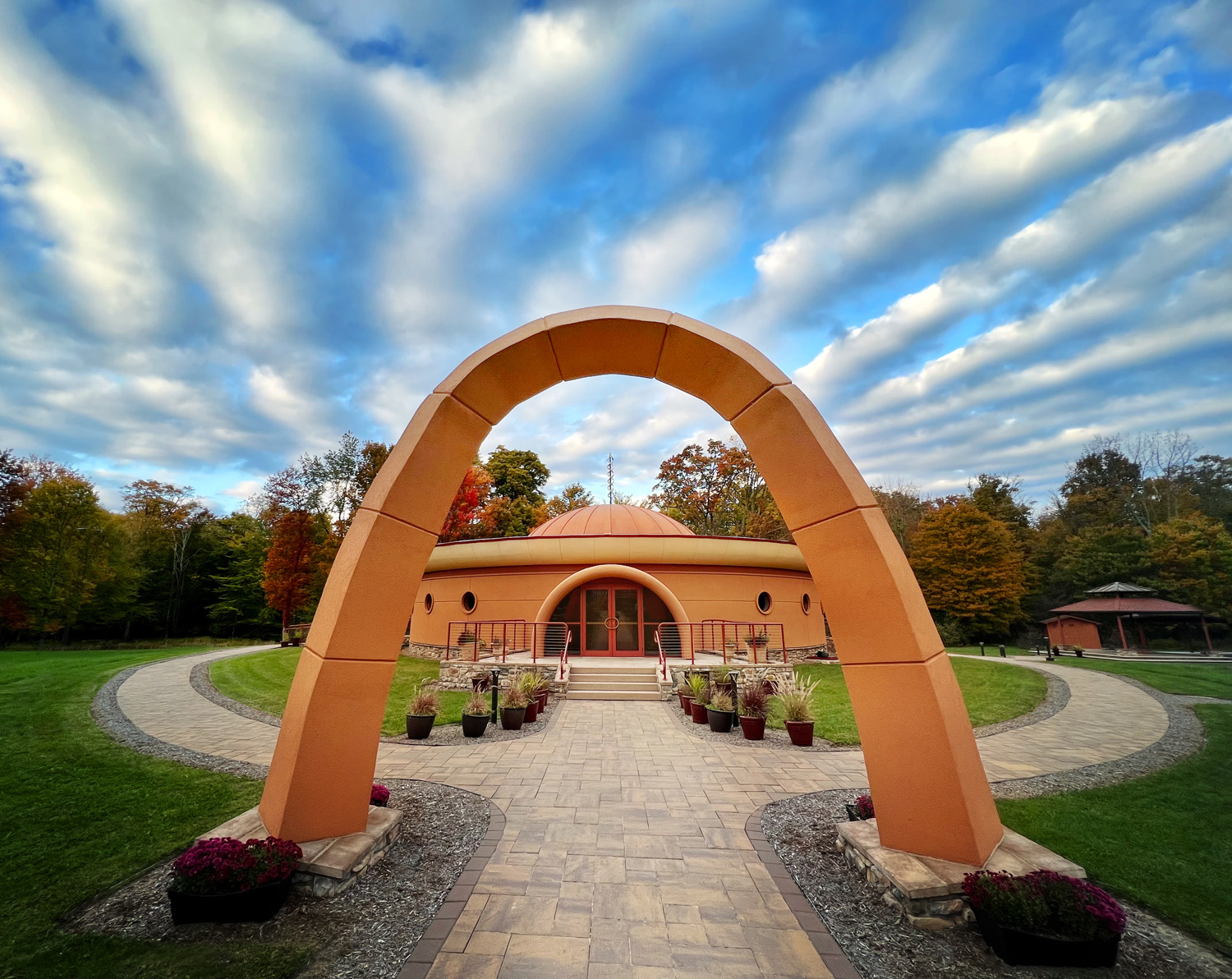
    This is image

    The Himalayan Institute, In Honesdale, Pa.
    The Himalayan Institute, In Honesdale, Pa.

    This is video

    This is Instagram

    This is Facebook

    New gallery

    South Jersey's Isabeau Levito will be skating in a show at the Penn ice rink this weekend, along with other Olympic hopefuls.
    South Jersey’s Isabeau Levito will be skating in a show at the Penn ice rink this weekend, along with other Olympic hopefuls.
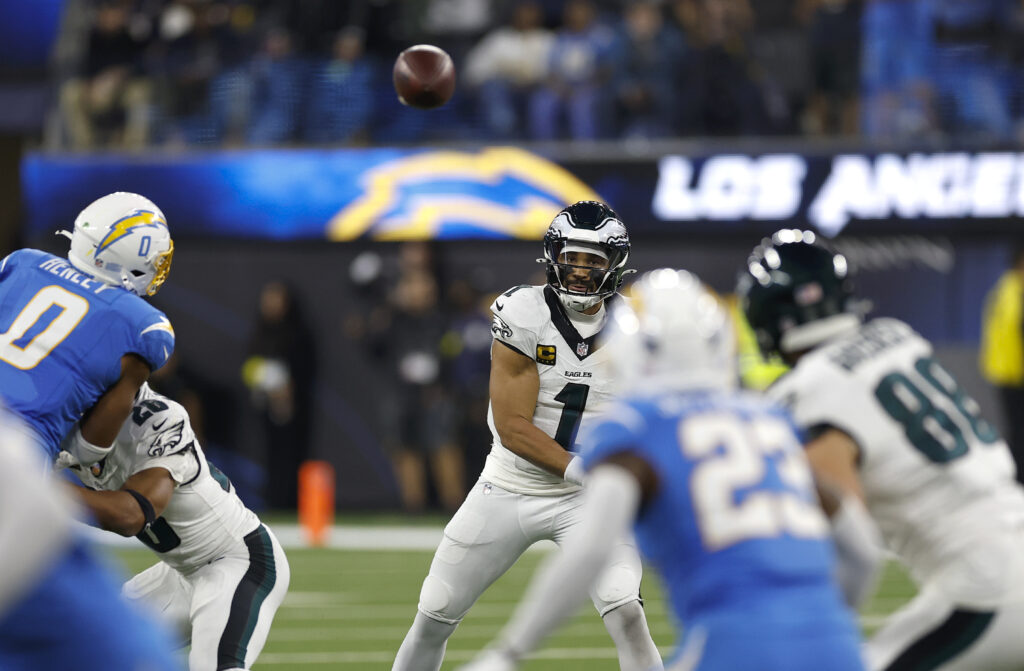
    Eagles quarterback Jalen Hurts has maintained a 46.3 passer rating when under pressure since Week 10.
    Eagles quarterback Jalen Hurts has maintained a 46.3 passer rating when under pressure since Week 10.
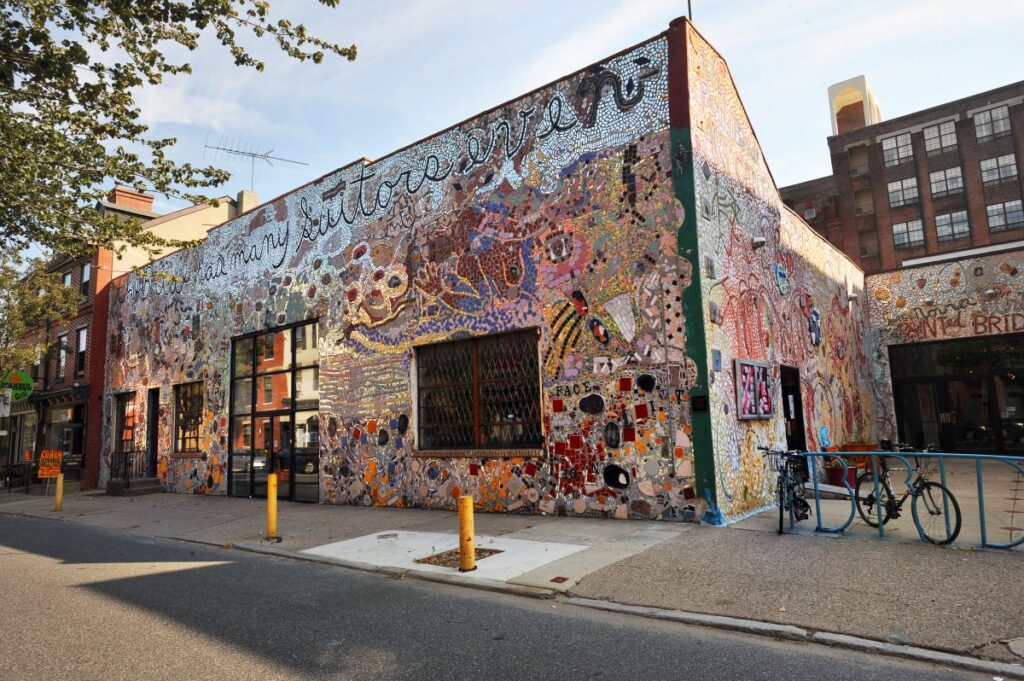
    Exterior of Painted Bride Art Center in Philadelphia in September 2010.
    Exterior of Painted Bride Art Center in Philadelphia in September 2010.
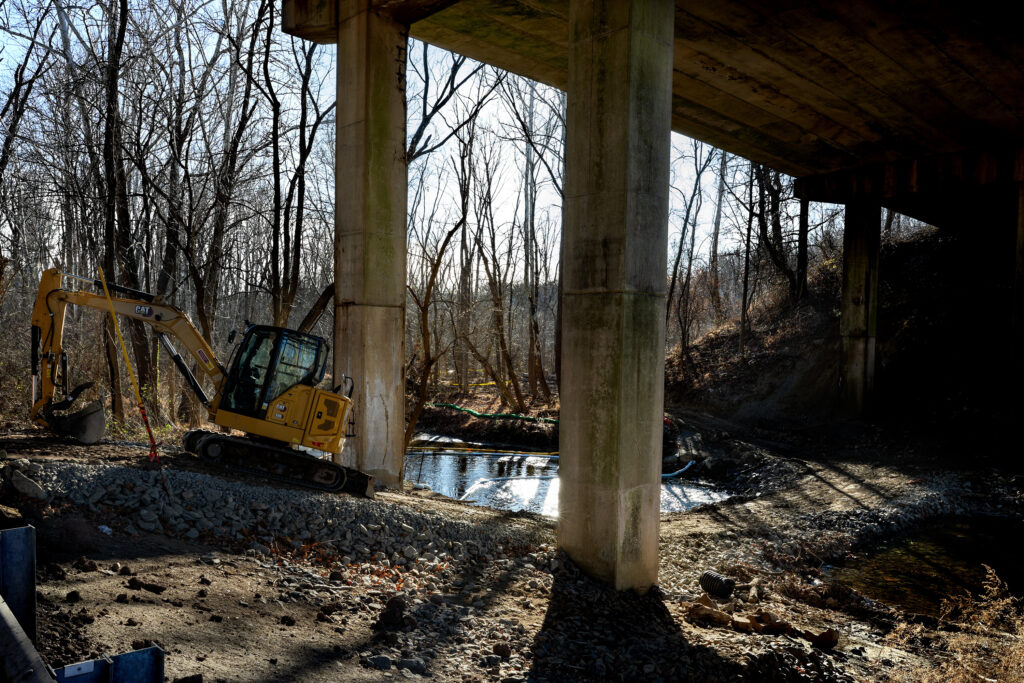
    Remediation work continues on Ridley Creek Tuesday, Dec. 9, 2025, under the Route 1 overpass in Media, Delaware County, where a tanker overturned spilling thousands of gallons of home heating oil in September.
    Remediation work continues on Ridley Creek Tuesday, Dec. 9, 2025, under the Route 1 overpass in Media, Delaware County, where a tanker overturned spilling thousands of gallons of home heating oil in September.
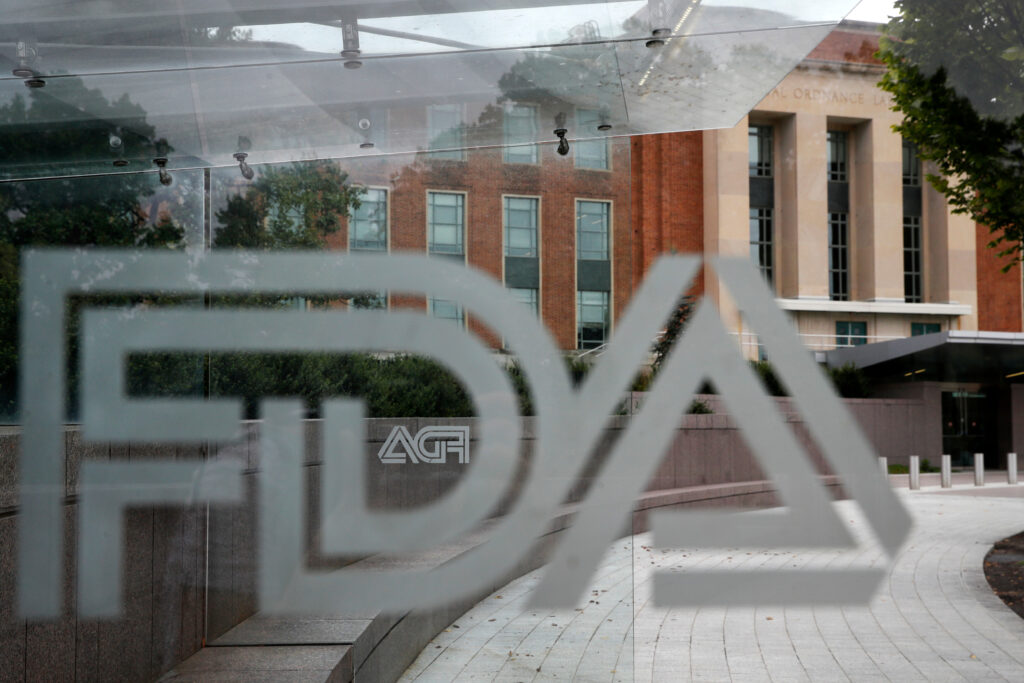
    The U.S. Food and Drug Administration building in Silver Spring, Md.,
    The U.S. Food and Drug Administration building in Silver Spring, Md.,
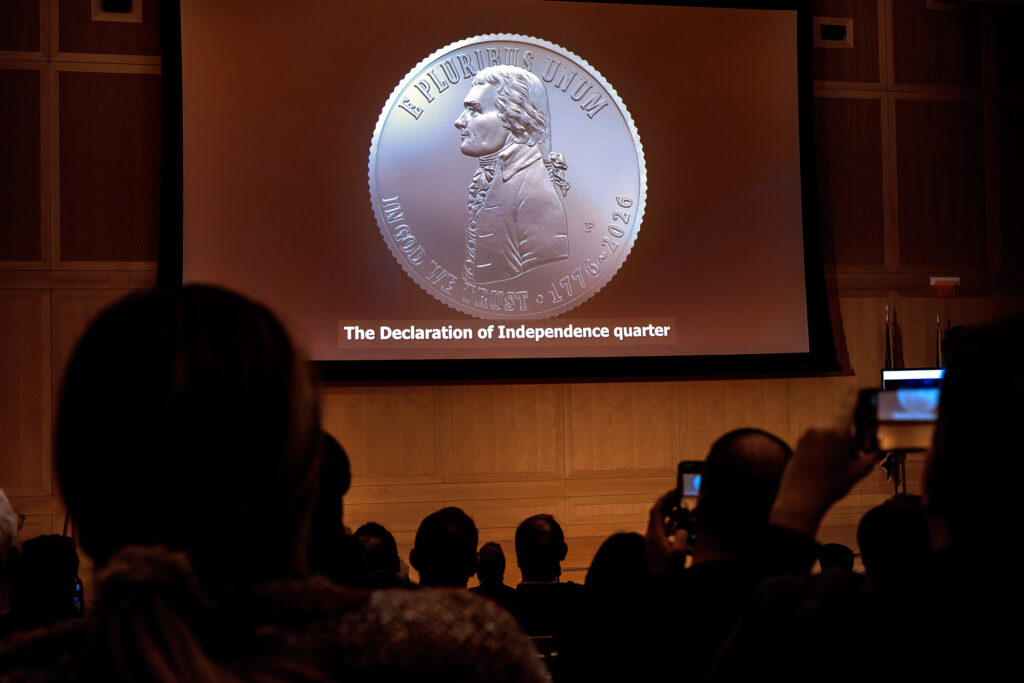
    The obverse of the new Declaration of Independence quarter with Thomas Jefferson is shown on screen as the U.S. Mint unveils new coins for the Semiquincentennial at the National Constitution Center in Philadelphia Wednesday night. The reverse features the Liberty Bell.
    The obverse of the new Declaration of Independence quarter with Thomas Jefferson is shown on screen as the U.S. Mint unveils new coins for the Semiquincentennial at the National Constitution Center in Philadelphia Wednesday night. The reverse features the Liberty Bell.

    Hellossssss

    Gallery 2

    Carter Hart was on the ice Thursday at Xfinity Mobile Arena but will not start vs. Flyers.
    Carter Hart was on the ice Thursday at Xfinity Mobile Arena but will not start vs. Flyers.
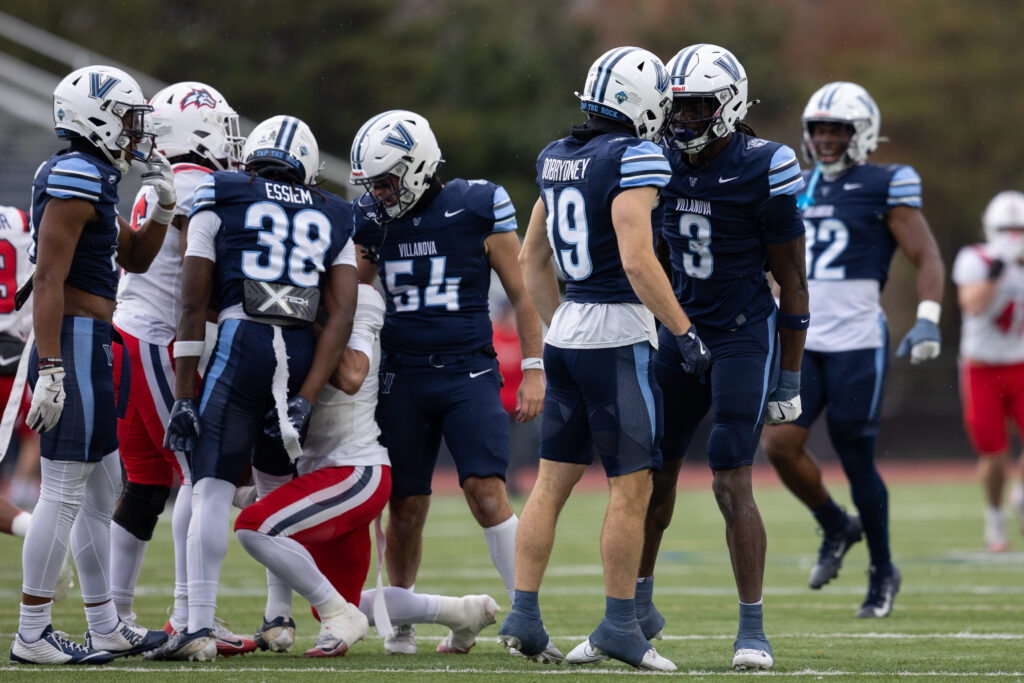
    Villanova will need to lean on its defense and run game to overcome Tarleton State in the FCS quarterfinals on Saturday.
    Villanova will need to lean on its defense and run game to overcome Tarleton State in the FCS quarterfinals on Saturday.
    Flyers defenseman Cam York had a "hard practice Thursday" and seems to be getting close.
    Flyers defenseman Cam York had a “hard practice Thursday” and seems to be getting close.

    December 6, 2025
  • Northeast Philly’s Franklin Mills mall is for sale

    Northeast Philly’s Franklin Mills mall is for sale

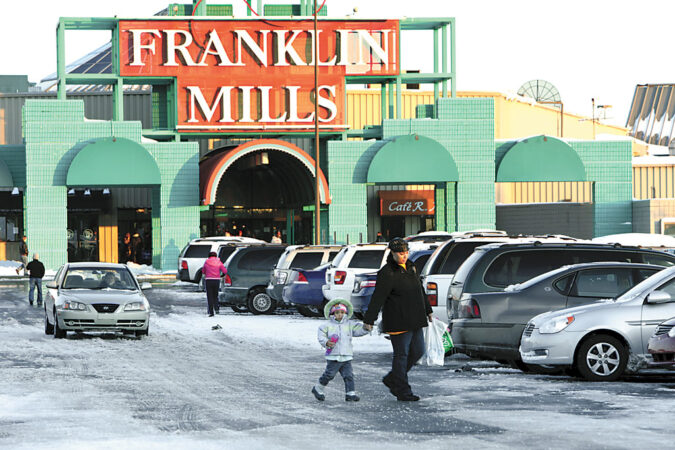
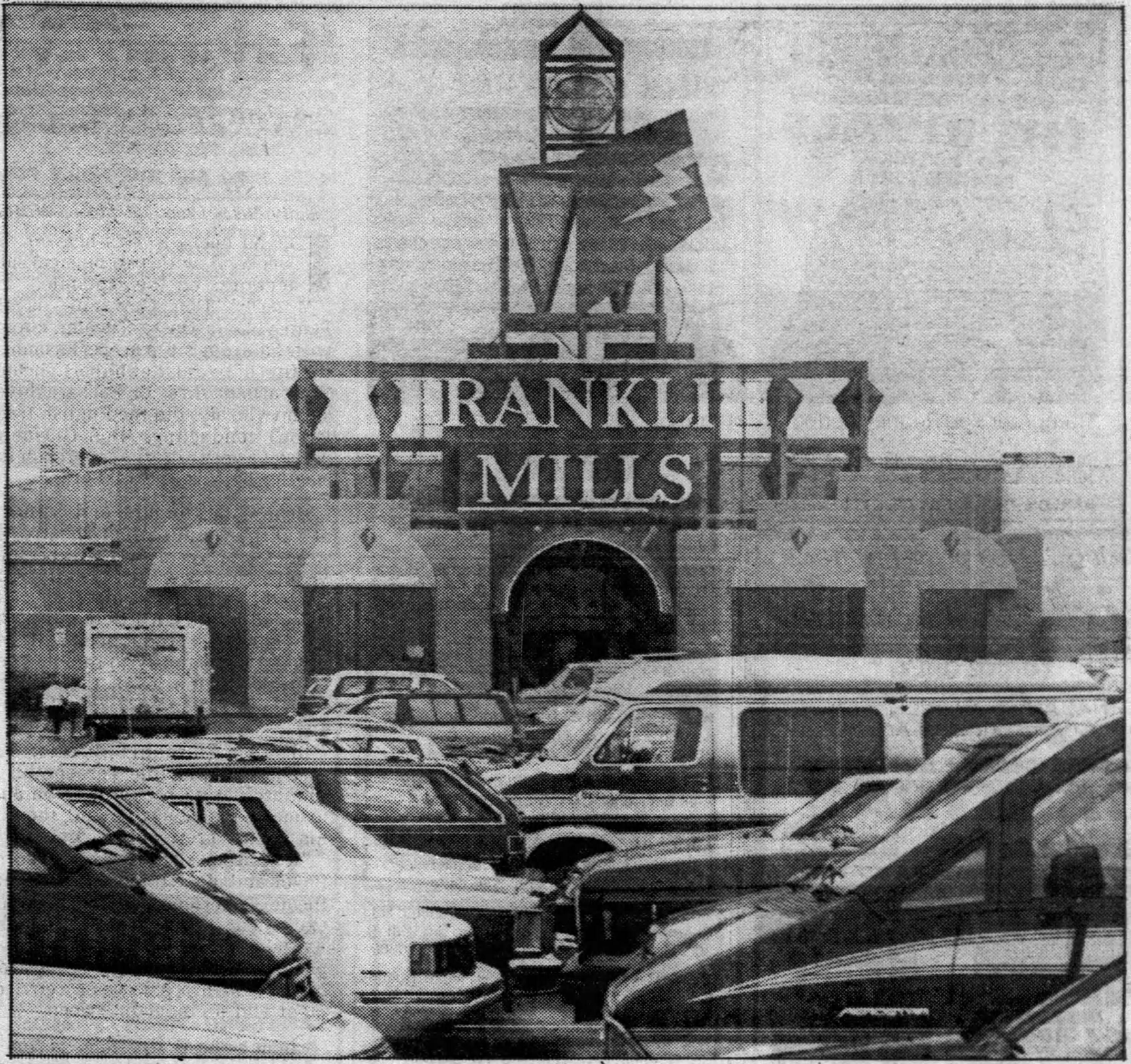
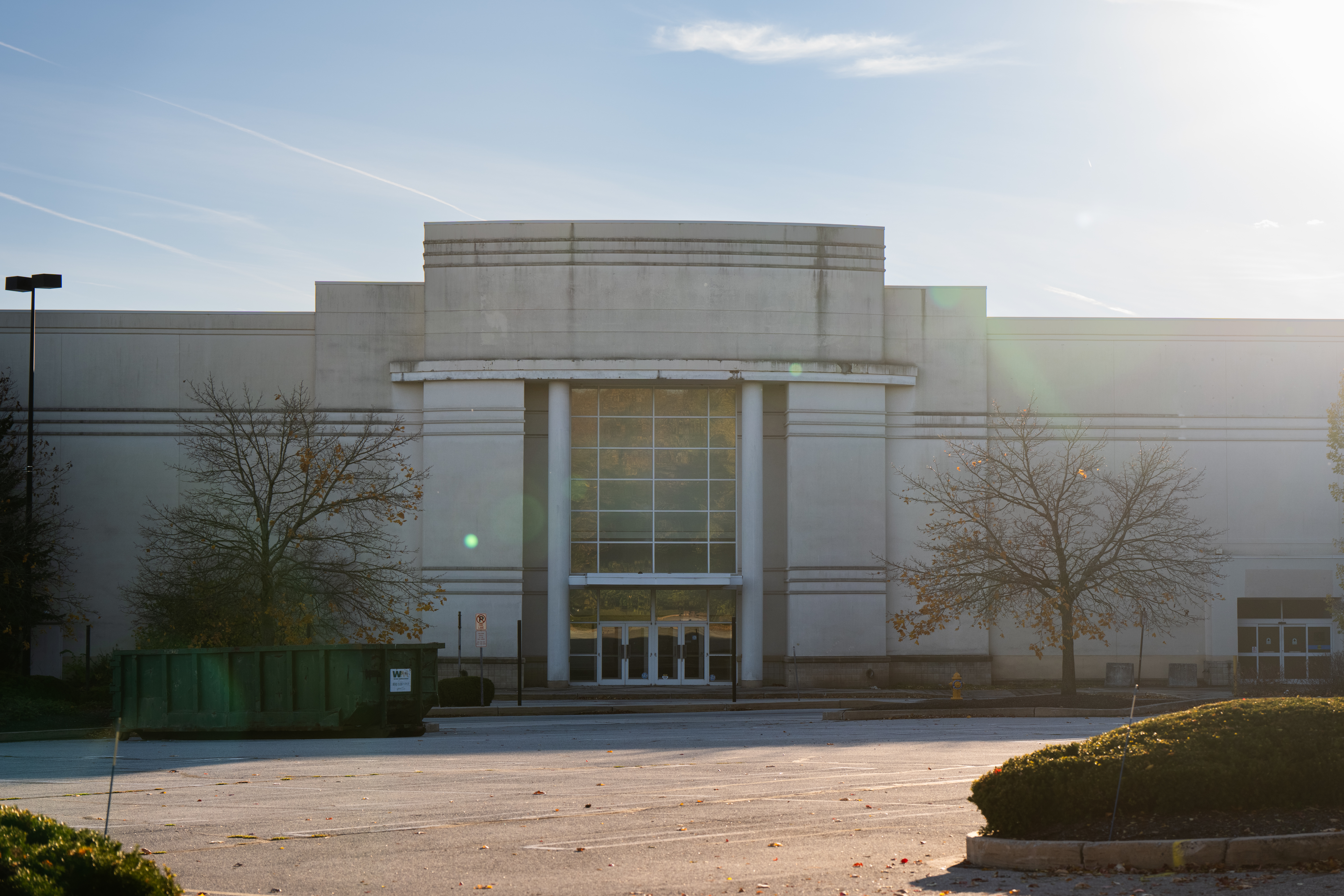
    Northeast Philadelphia’s Franklin Mall — better known by its original name, Franklin Mills — is for sale after years of plummeting valuation, occupancy, and visitor numbers.

    A listing on the website of real estate brokerage Jones Lang LaSalle (JLL) includes possible uses a new owner can consider, including industrial and office development. The parcels including Sam’s Club and Walmart are not included in the sale.

    “Franklin Mall presents the opportunity to acquire meaningful control of more than 137 acres … in a densely populated location that may support additional densification and redevelopment,” the listing reads.

    The move comes amid a wave of mall sales and redevelopments in the region, with demolition and residential construction a common fate for many struggling shopping centers.

    Over 68% of Franklin Mall is occupied, which could be an incentive for continued retail operations. But sales and visitor numbers have been falling for years, and JLL reports the average existing lease lasts for only another 1.7 years.

    If a new use is sought, the mile-long, one-story structure would be difficult to repurpose.

    “I think it’s unlikely to be a shopping mall” again, said Jerry Roller, founder of the design firm JKRP and a longtime architect in Philadelphia. “What could it be? Obviously, residential. It might be a warehouse. It’s essentially a large vacant piece of land. It was fairly inexpensive when it was built, so it’s not hard to demolish.”

    The hundred acres of land that Franklin Mills sits on at the edge of Far Northeast Philadelphia is zoned for auto-oriented commercial use.

    JLL’s listing advertises the site’s suitability for industrial redevelopment.

    “The property’s infill location and highway access make it a strong candidate for redevelopment into a modern industrial facility,” the listing reads. The zoning “could provide a basis for an investor to pursue the development of up to 1.4 million square feet of new warehouse space.”

    The residential redevelopment opportunities for the site could be aided by a promised 20-year property tax abatement for the conversion or demolition of outmoded commercial buildings into housing, which Mayor Cherelle L. Parker’s administration promises next year following enabling legislation from Harrisburg.

    But the existing zoning would not allow that, so a residential project would need to win the permission of the city’s Zoning Board of Adjustment or have the land-use rules changed legislatively by Councilmember Brian O’Neill.

    The mile-long Franklin Mills mall drew Christmas-size crowds at its opening in May of 1989.

    Tribulations of a Northeast Philly icon

    The 36-year-old, 1.8-million-square-foot facility at Knights and Woodhaven Roads is the second largest mall in the Philadelphia area after King of Prussia. But while its larger cousin remains a dominant retail force, Franklin Mall has been struggling for years.

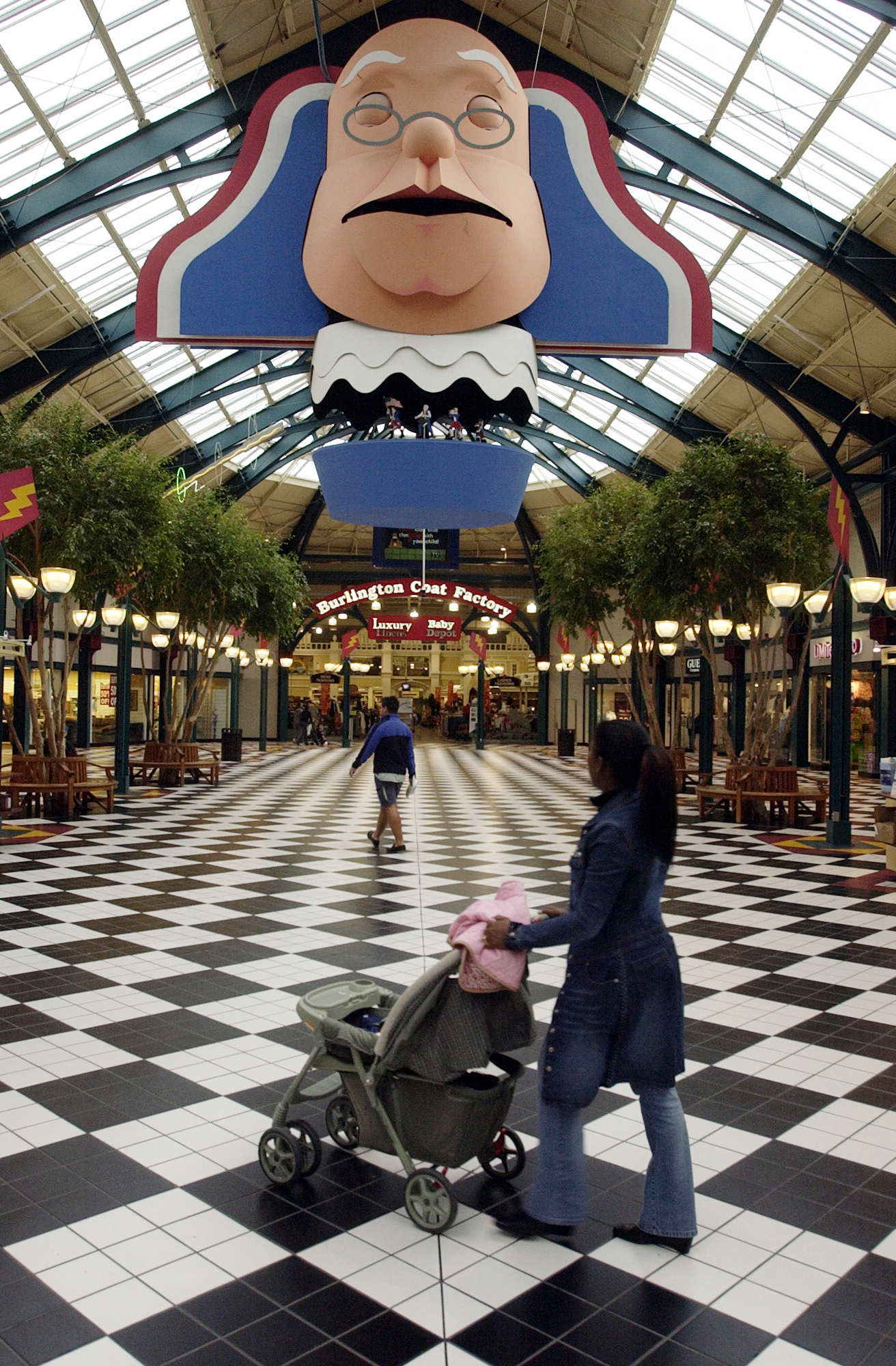
    The mall opened in 1989 to great fanfare as the largest outlet mall ever, with an iconic zigzag-shaped concourse that stretched for 1.2 miles.

    In its 1990s heyday, it attracted 20 million visitors annually. The latest numbers, provided by JLL, are 5.6 million visitors a year.

    In 2007, in retrospect near the end of Franklin Mills’ golden era, the property and the rest of the Mills Corp. was taken over by Simon Property Group, the largest mall owner in the country. The new ownership group rehabbed the property in 2014, although there were already signs Simon was distancing itself by moving Franklin Mills (renamed Philadelphia Mills) into a different balance sheet category than its core properties.

    Simon’s loan on the property had been intermittently distressed since 2012. An April 2024 report from real estate analytics firm Morningstar Credit was headlined “Legacy Philly Mall Back to Special Servicing for the Umpteenth Time.”

    Shoppers stroll through the Franklin Mills mall in 2014.

    The 2007 loan still had an outstanding balance of almost $250 million when it came to maturity in July 2024. Simon stepped away from the day-to-day operations at that time, with Philadelphia-based OPEX CRE Management appointed as receiver of the distressed property. The name was changed to Franklin Mall because Mills was trademarked by Simon.

    Last year Franklin Mall’s appraised value was $76 million, a precipitous decline from its $201 million valuation in 2012 and $370 million in 2007. According to Morningstar Credit, a new appraisal is likely in the next month.

    Full financials haven’t been publicly updated since last year, but at that time, the cash flow for the property was $9.5 million, the lowest since Simon took over in 2007. That’s down from 2019, when cash flow was $17.5 million, according to Morningstar, and from $11 million in 2022.

    According to Morningstar, the latest reports from the special servicer for the property, Greystone Servicing Co., say cash flow is even lower this year and occupancy has fallen to 65.4%.

    Possible reuses for Franklin Mills

    Franklin Mall’s for-sale status comes as some old-school regional shopping destinations are declining.

    While some of its counterparts like King of Prussia and the Cherry Hill Mall are still thriving, there has been a wave of sales and redevelopments of area malls as the nature of retail evolves.

    Some ailing malls have been purchased on the cheap, allowing their new owners to reinvest and refurbish the property in its previous mold.

    “In terms of using the buildings that are there, it’s a challenge because they are generally big box retail, and they’ve got a center mall, which is completely out of fashion,” Roller said. “Could somebody, if they had the right tenants, recreate the mall? Turn it inside out, open the thing up?”

    “Maybe it’s possible,” Roller said. But “I don’t see a lot of uses for the buildings that are there right now.”

    The redevelopment of Exton Square Mall is in legal limbo.

    When regional malls are redeveloped, more commonly, the retail options are reduced with much of the old structure demolished. Diverse new uses often take a faded shopping center’s place.

    Two weeks ago, the sale of Plymouth Meeting Mall was announced with the new owner planning residential development. The contentious redevelopment of the Exton Square Mall would also see a burst of residential development and expanded healthcare options — if the owner can win a lawsuit against the township.

    In New Jersey, the Echelon, Moorestown, and Burlington Center malls have or are going through a variety of demolition and redevelopment options. The commonality is that residential building is a part of all three plans.

    At Franklin Mall, redevelopment would likely require demolition of the existing building.

    “Ultimately, it may just be a piece of land” for sale, said Roller.

    JLL’s listing, however, pitches the property as either redevelopment or continued mall use.

    “This offering presents prospective purchasers with the opportunity to acquire a strategically positioned super regional shopping center with significant upside potential and/or redevelopment opportunity,” it reads.

    JLL’s managing directors on the sale are John Plower, David Monahan, and Jim Galbally.

    December 3, 2025
  • Marra’s, Philadelphia’s oldest pizzeria, has closed after 98 years on East Passyunk Avenue

    Marra’s, Philadelphia’s oldest pizzeria, has closed after 98 years on East Passyunk Avenue

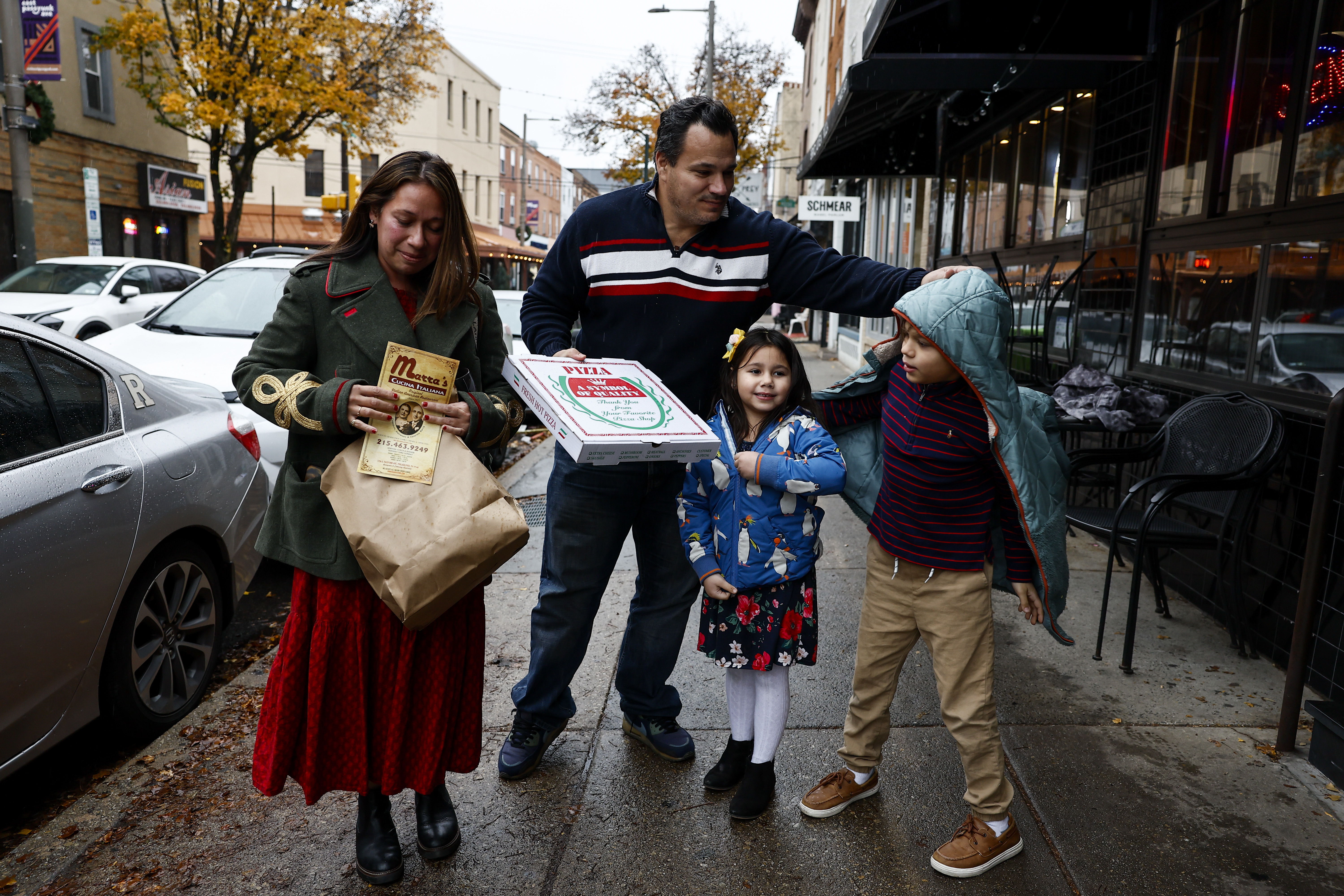
    Antoinette and Chris Caserio walked out of Marra’s on Sunday afternoon with their children, a menu, a pizza box, and a bag of leftovers they called “their last supper.”

    “It’s super sad,” Antoinette Caserio said. “My dad’s 80 and this was his spot.”

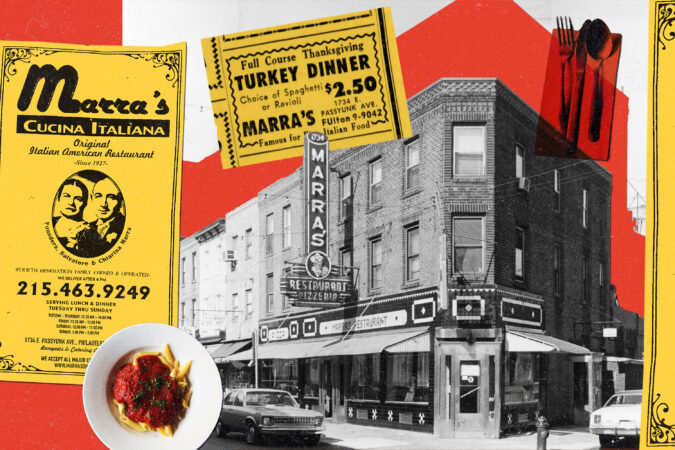
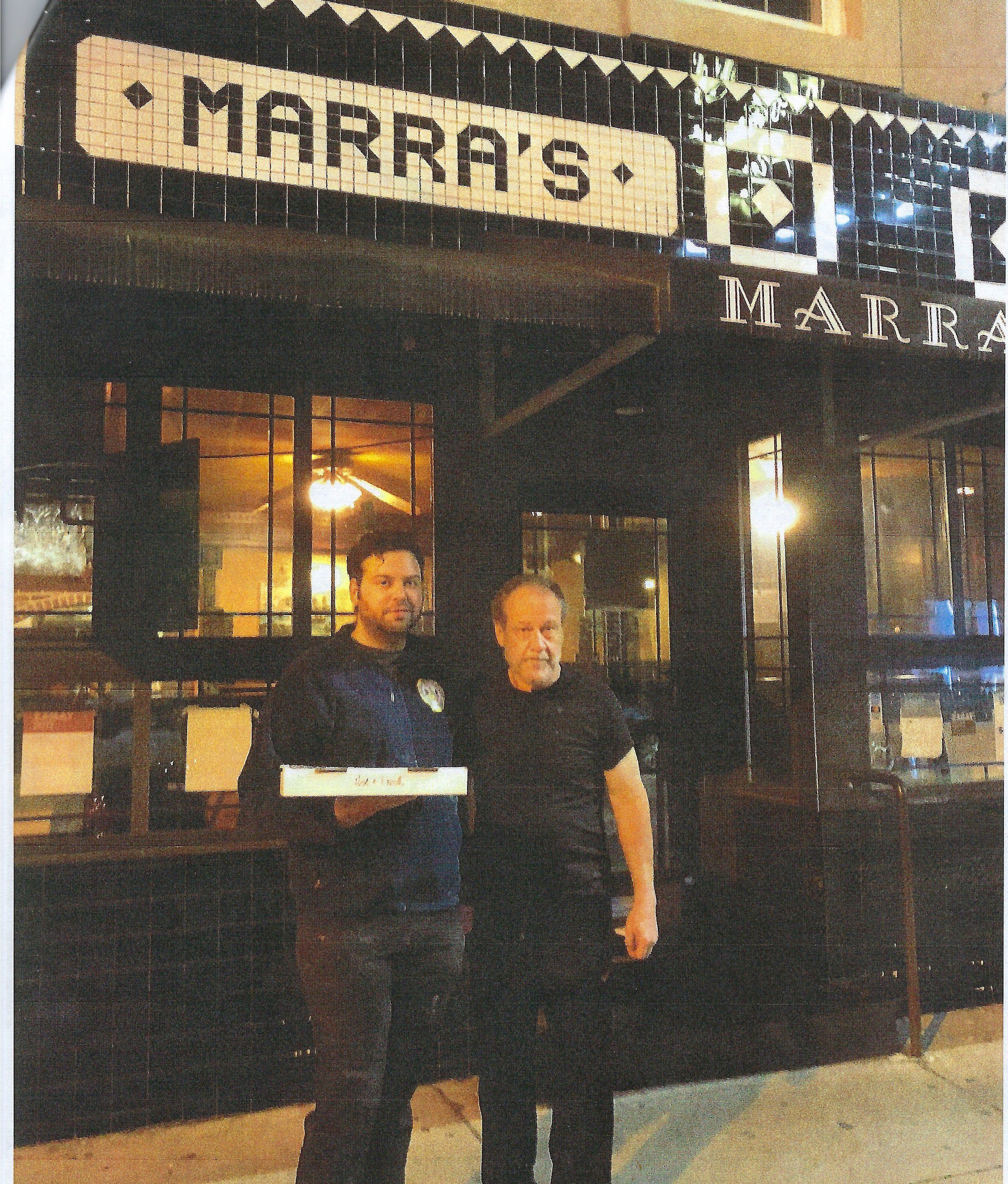
    Marra’s, the family-run restaurant widely considered Philadelphia’s oldest pizzeria, closed Sunday after 98 years — a day in advance of the sale of its iconic black-and-white-tiled building at 1734 E. Passyunk Ave. in South Philadelphia. The property had been on the market for several years.

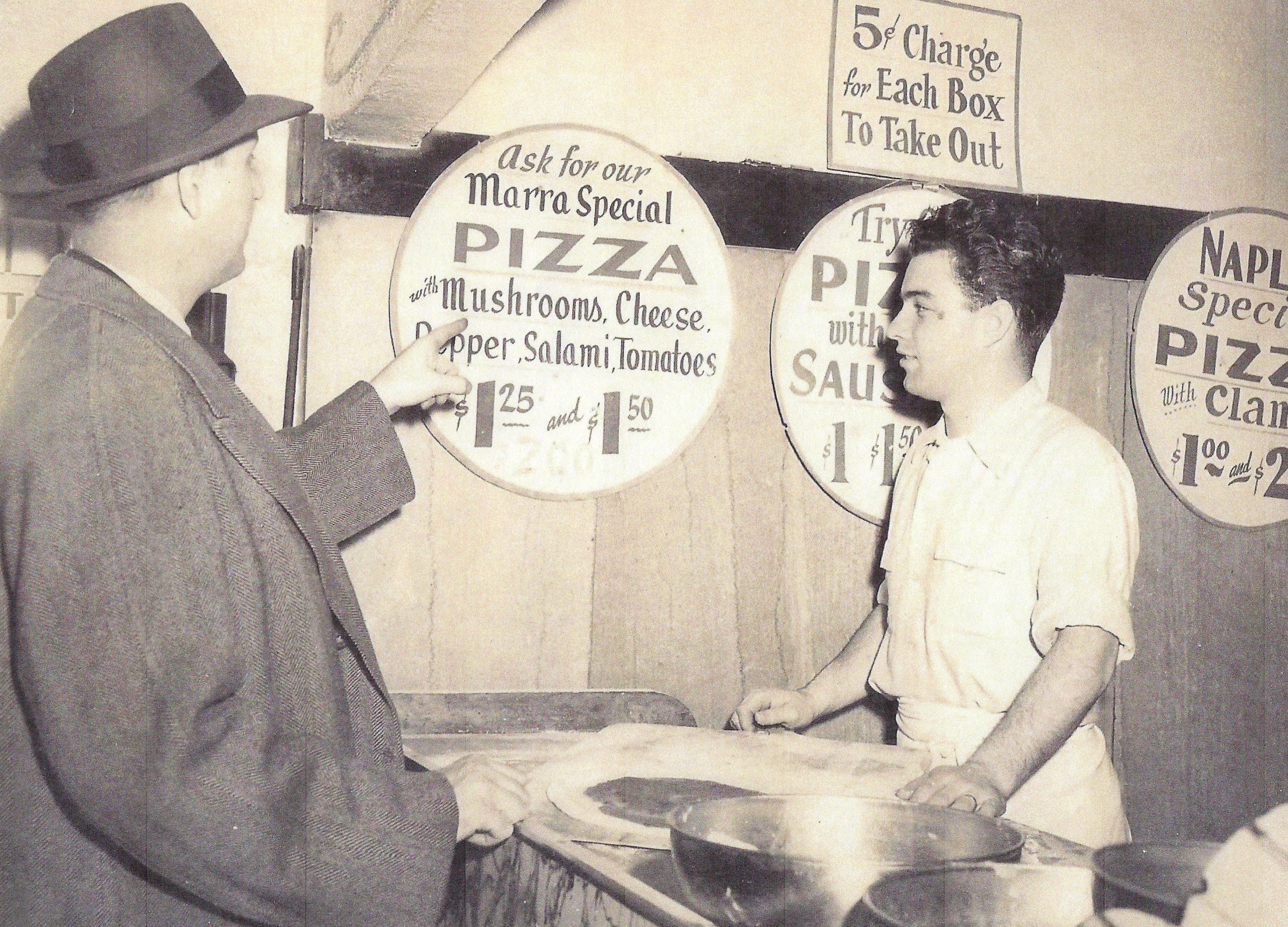
    Mario D’Adamo Sr. (right) with a Marra’s customer just after World War II.

    The buyer, Chinatown restaurateur and publisher Dan Tsao, said he plans to open a branch of his popular Sichuan restaurant EMei next year.

    EMei, one of Chinatown’s best restaurants, heads to East Passyunk

    Marra’s was one of the last remaining links to East Passyunk Avenue’s featured role in the Italian American immigrant experience of the early 20th century. It also marks a transition for the founding Marra and D’Adamo families, who say they are exploring a new location for the restaurant, which opened in 1927.

    Mario D’Adamo Jr., a grandson of founders Salvatore and Chiarina Marra and brother of co-owner Robert D’Adamo, said business had dipped after the pandemic, but that wasn’t the impetus for the sale. “The biggest killer was parking,” he said by phone while searching for a spot Sunday. “Small restaurants can survive that; large places can’t.” With 160 seats, including its 80-seat banquet room on the second floor, Marra’s lost a lot of business because of it, D’Adamo said.

    Robert D’Adamo, 75, and cousin Maurizio DeLuca, 61, who took over ownership in 2000, declined to speak with The Inquirer over the last few weeks as word spread of the impending sale, citing their emotions. In a statement, they said they were prepared to move on with “the same love that has always defined us — just in a location that better serves our guests.”

    Antoinette and Chris Caserio and children Kira and Chris leaving Marra’s on Nov. 30, 2025.

    Mario D’Adamo Jr., 71, a lawyer and deputy court administrator for Philadelphia’s Family Court, sold his stake about 25 years ago but retains an interest in the Marra’s name.

    With the sale to Tsao, the building will remain a restaurant. Tsao has said he intends to renovate the building while respecting its look and feel.

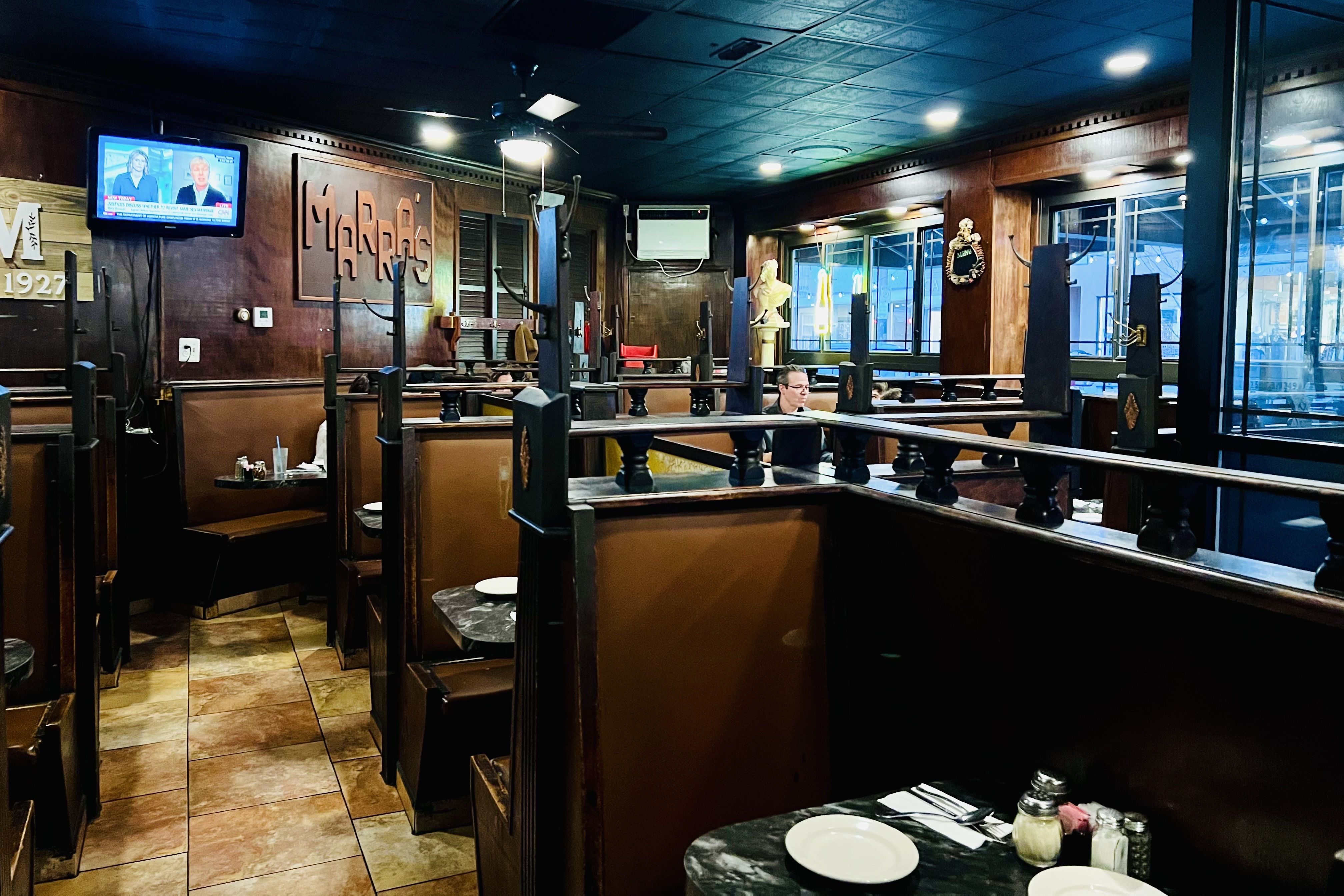
    The front dining room at Marra’s, 1734 E. Passyunk Ave., on Nov. 7, 2025.

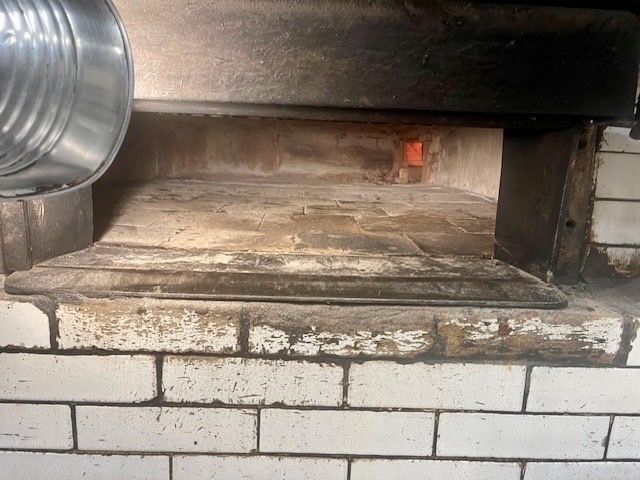
    Marra’s oil-fired brick oven, believed to be one of the city’s oldest, may not be salvageable, D’Adamo said.

    The life of the bricks is about 100 years and the inside is collapsing, even though an artisan patched it about two years ago. “The oil flame is so hot that the bricks are now pulverizing,” he said.

    Marra’s backstory

    The families of Salvatore Marra and Chiarina Daniele were baking pizza in Naples before the turn of the 20th century.

    Shortly after the couple married, they set out for the United States.

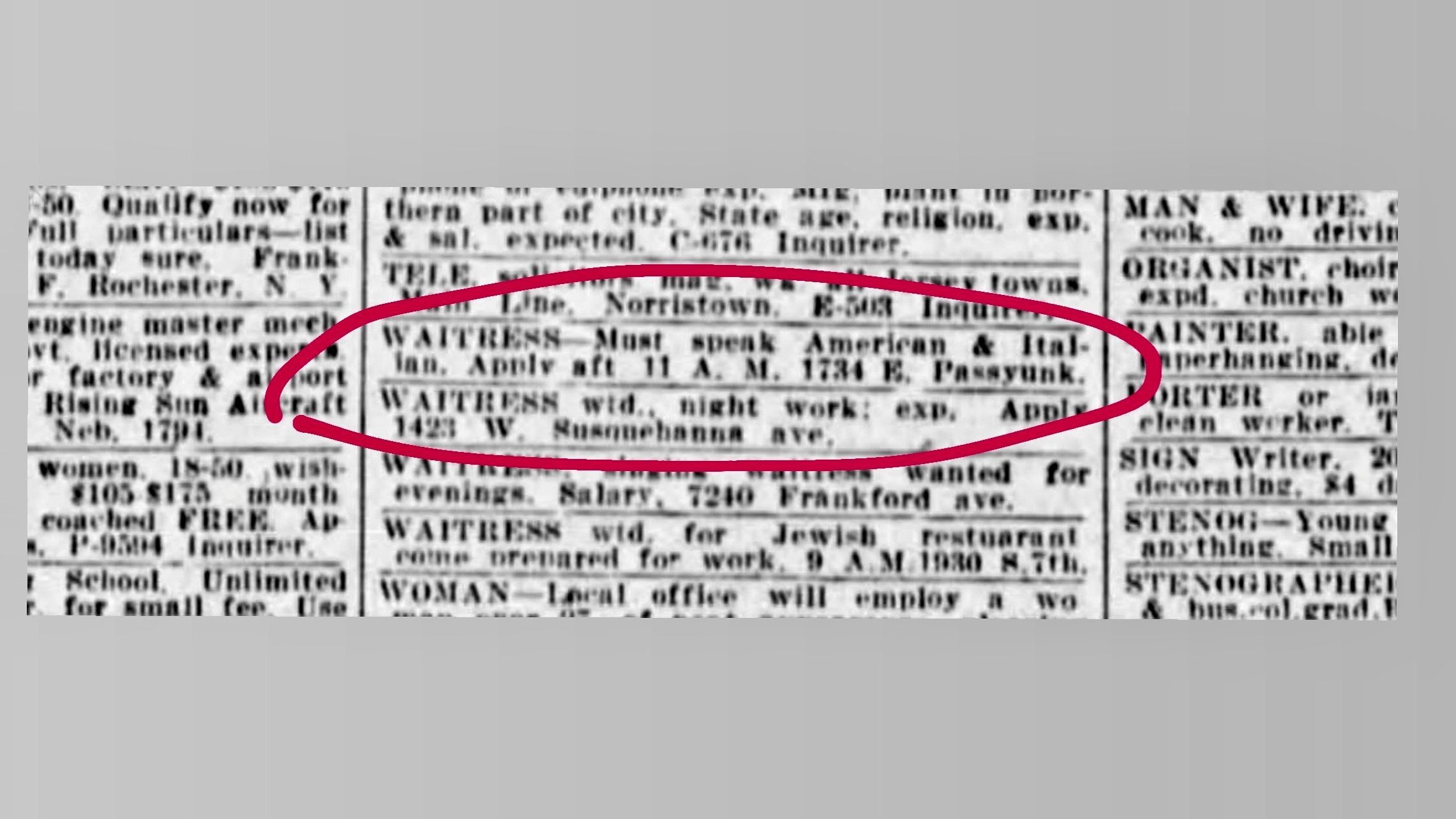
    Marra’s help-wanted ad from The Inquirer on March 14, 1934, seeking a waitress who “must speak American & Italian.”

    Marra family lore holds that Salvatore arrived at Ellis Island in 1921 with a single dime — likely a 10-centesimi coin — which he tossed into New York Harbor so he could say that he had begun his life in America with nothing. Chiarina joined him soon after.

    His early attempts to recreate Neapolitan pizza were discouraging — first in Brooklyn and then Chicago. He thought that the pies were lacking and blamed the ovens.

    The century-old brick oven at Marra’s on Nov. 30, 2025.

    Back in Naples, the ovens were lined with lava bricks from Mount Vesuvius, which radiated and retained heat in a way he couldn’t replicate. When the Marras moved to Philadelphia, he ordered bricks from Naples and had the oven built for their first pizzeria, which opened in 1924 at Eighth and Christian Streets in South Philadelphia. This time, the pizza tasted right.

    In 1927, when the Marras bought a former butcher shop at 1734 E. Passyunk Ave., the oven was dismantled brick by brick and rebuilt there.

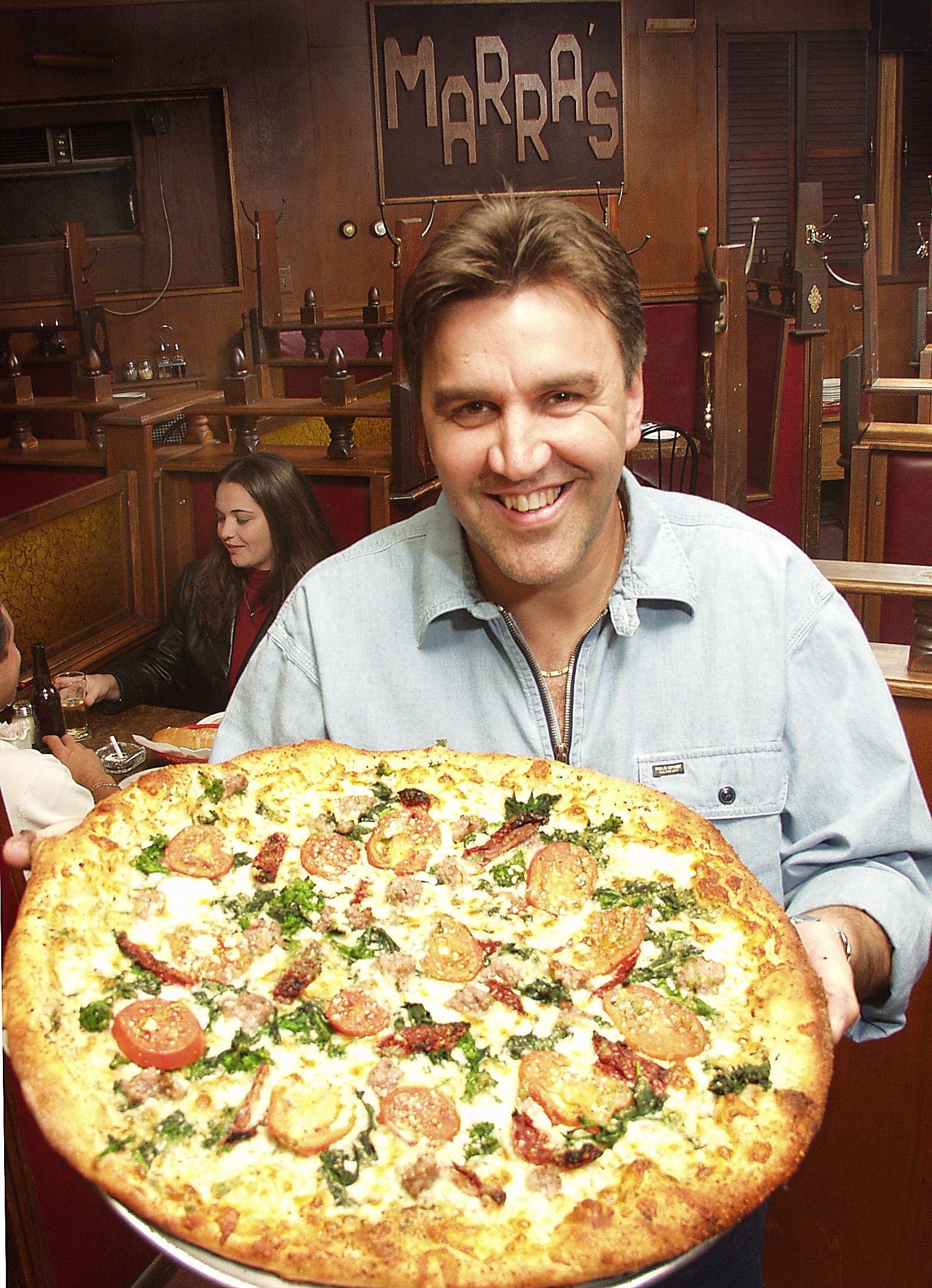
    At Marra’s, co-owner Maurizio DeLuca holds a pizza fresca on Oct. 10, 2001.

    The neighborhood was teeming with immigrants, and East Passyunk’s diagonal path through the city’s rowhouse grid — historically, it was a Lenape trail — had made it a natural commercial strip. For generations, families bought their church clothes, shoes, furniture, and sundries on the Avenue.

    Salvatore and Chiarina still lived on the restaurant’s third floor after their retirement in 1947. She died in 1973 at age 73. Salvatore, in his usual fedora, was a familiar presence on the Avenue until his death in 1984 at age 89.

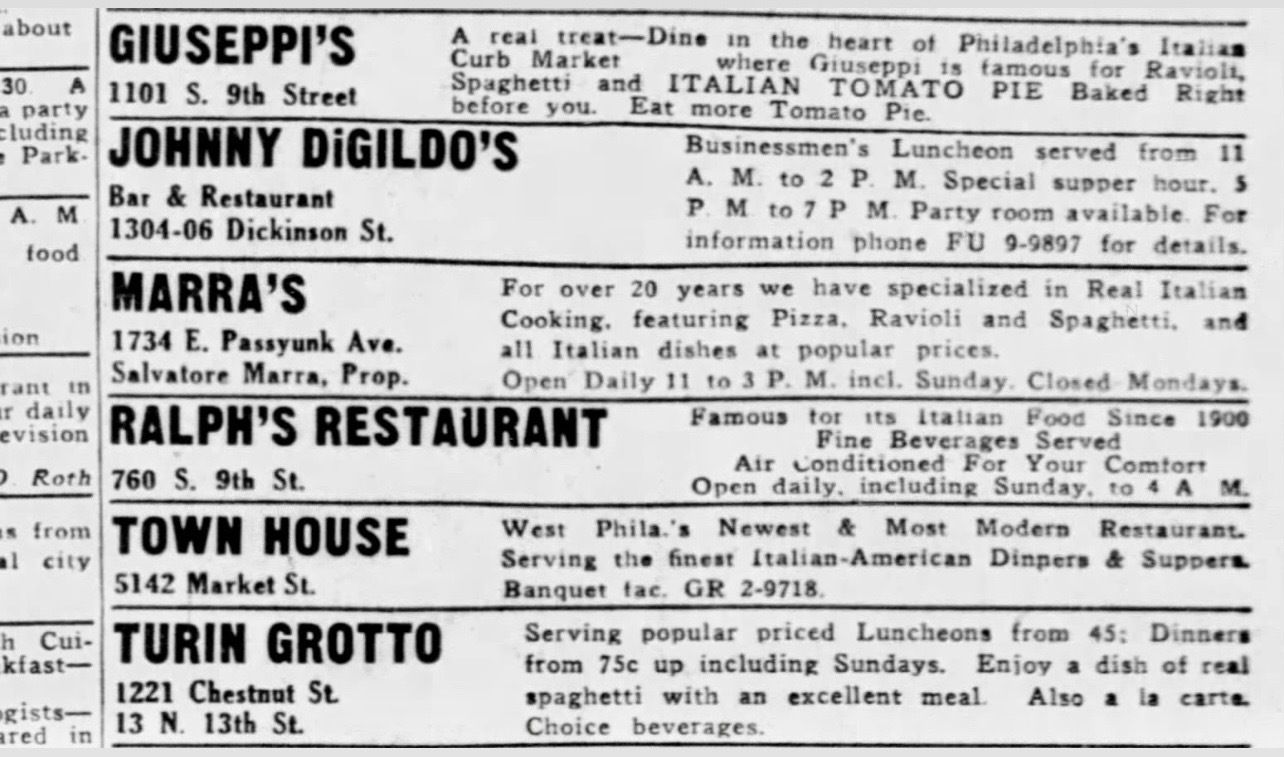
    Marra’s ad in The Inquirer on Feb. 28, 1948.

    Their children, Bianca and Vincent Marra, carried Marra’s business forward after Salvatore and Chiarina’s retirement. By that time, Bianca had married Mario D’Adamo Sr., a Marra’s busboy who lived around the corner. (Their children, Robert, Mario Jr., Linda and Marlene, represented the next generation.)

    Bianca D’Adamo, known as “Mama D’Adamo,” became one of the restaurant’s most visible figures. In a 1980s interview with The Inquirer, she recalled a particularly loud regular from years past: a kid named Fred Cocozza. “He’d come in, stand right over there, and sing at the top of his lungs,” she said. “Papa would come out of the kitchen and tell him to get out. He thought it was bad for business.” In 1947, he performed for 20,000 people at the Hollywood Bowl and signed a film contract with MGM as Mario Lanza.

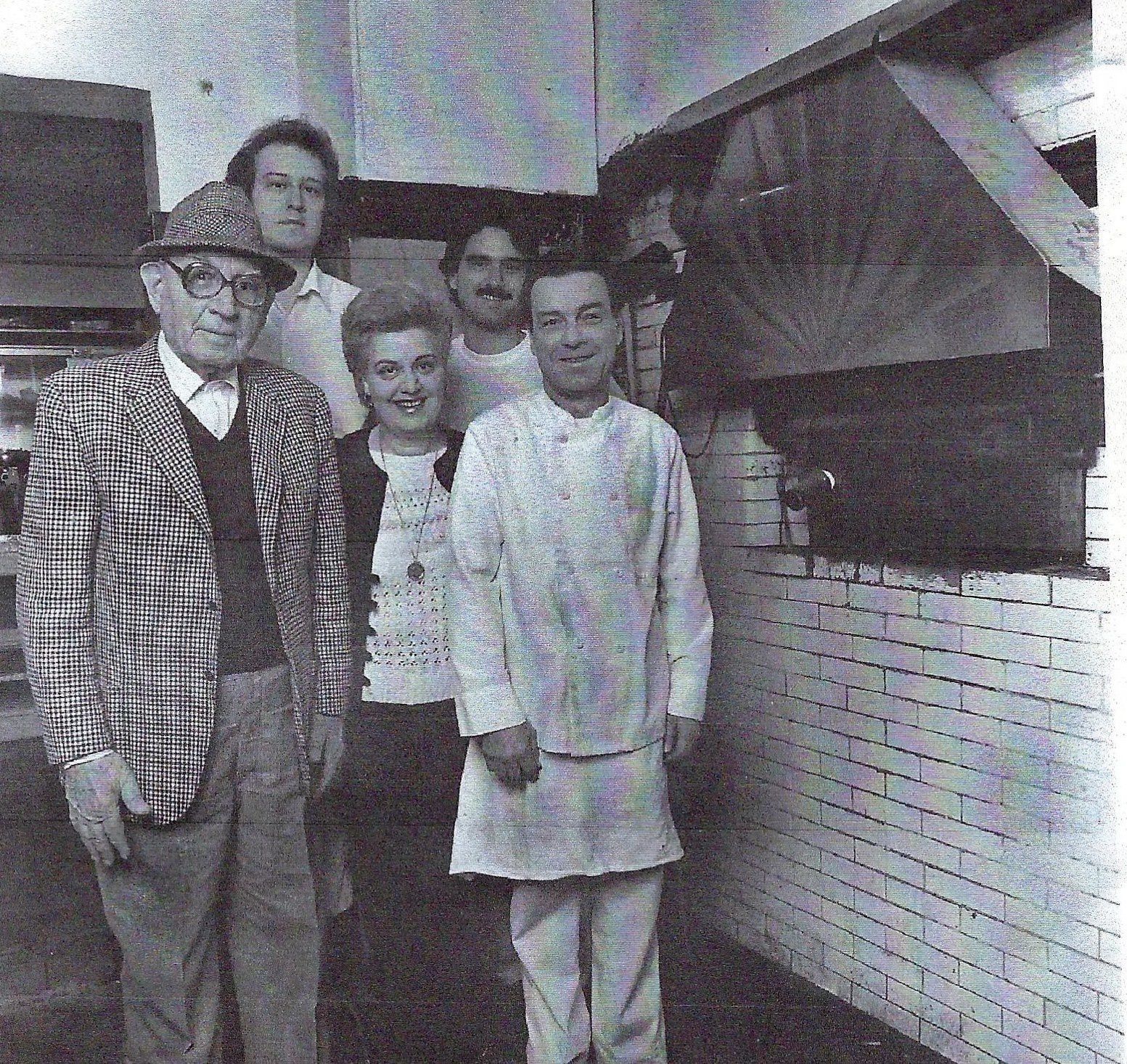
    Patriarch Salvatore Marra with his daughter, Bianca, grandsons Robert (rear left) and Mario Jr., and son-in-law Mario Sr.

    In 1950, Bianca and Vincent bought the bakery next door and expanded the restaurant. Vincent Marra opened his own Marra’s restaurant on Baltimore Pike in Springfield, Delaware County, in 1954.

    Marra’s fame

    During Bianca and Mario’s oversight, Marra’s began attracting the spotlight. For National Pizza Week in 1955, Salvatore Marra was named Pizza Man of the Year. In 1977, Eastern Airlines’ in-flight magazine, Pathways, cited Marra’s as one of the five best pizzerias in the country. Philadelphia Magazine named it South Philly’s top pizzeria in 1985 — the same year Villanova University won the NCAA men’s basketball championship. That year, coach Rollie Massimino, a regular, inspired the dish known as Rollie’s ziti in white, a bowl of ziti and broccoli in garlic sauce, that remained on the menu till the end.

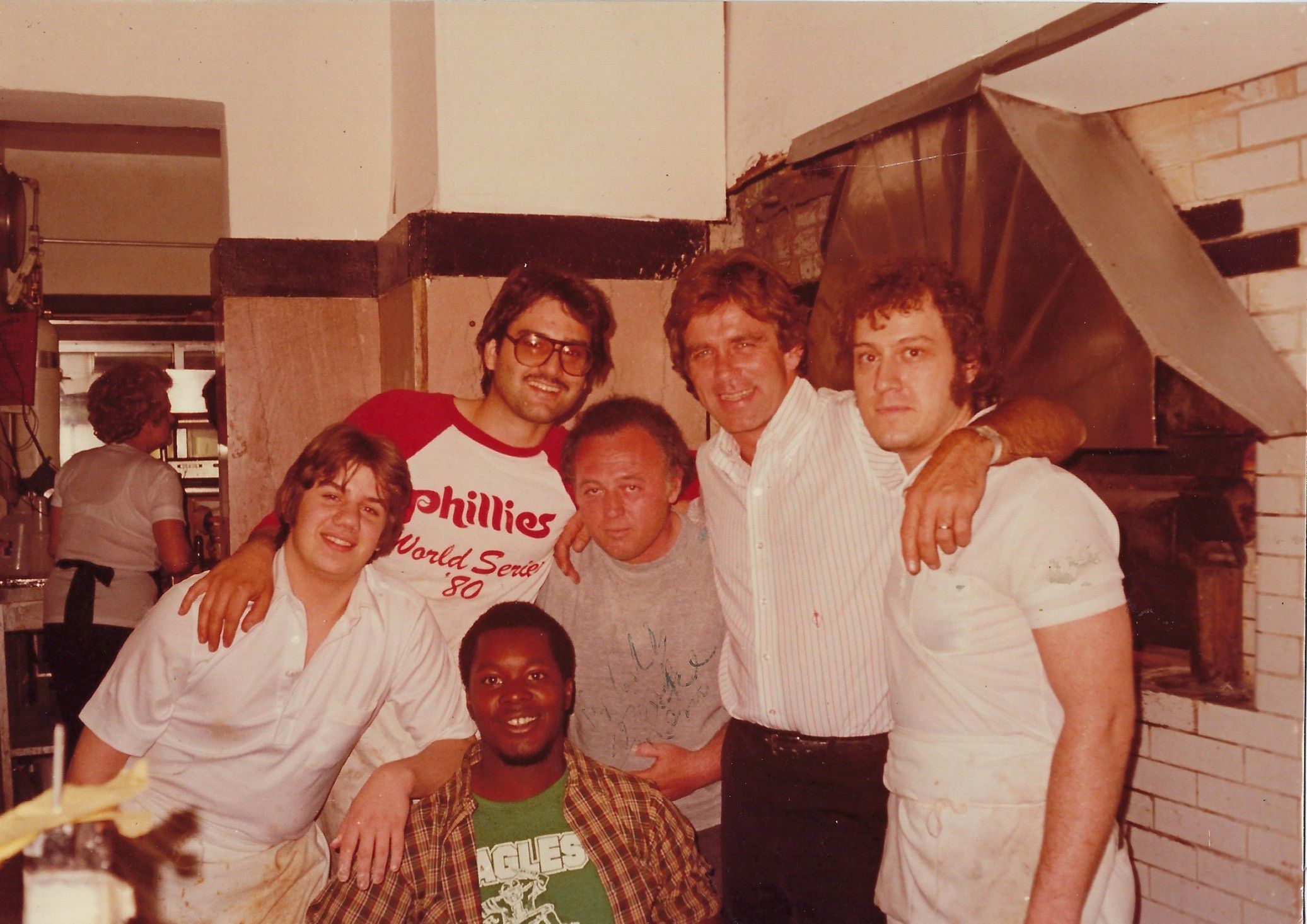
    Baseball great Tim McCarver (second from right) with Mario D’Adamo Jr. (in Phillies shirt) and Robert D’Adamo (right) at Marra’s in the early 1980s.

    Marra’s celebrity guest list read like an index of 20th-century American entertainment: Mickey Rooney, John Wayne, Frank Sinatra, Frankie Avalon, Eddie Fisher, Jimmy Darren, Bobby Rydell, Al Martino, John Travolta, Eugene Ormandy, Conan O’Brien.

    When Passyunk Avenue’s fortunes began dipping in the 1990s, a group now known as Passyunk Avenue Revitalization Corp. began buying and rehabbing distressed properties. (PARC was originally created in 1991 as Citizens’ Alliance for Better Neighborhoods, but later became embroiled in a scandal that brought down former state Sen. Vincent Fumo.)

    The early 2000s saw a new wave of residents moving in from outside the neighborhood as PARC’s work helped spark an influx of chef-driven restaurants and bars to join such traditional spots as Mamma Maria and Mr. Martino’s (which opened in 1992) and Tre Scalini (1994).

    Le Virtù, serving the rustic cuisine of Abruzzo, opened in 2007 in a former community newspaper office at 1927 E. Passyunk. That year, Fiore’s, which fed generations in a low-slung building where Passyunk crosses 12th and Morris Streets, became a Mexican restaurant, Cantina Los Caballitos.

    Restaurants continued to usher in change along the Avenue as the years went on. The distinctive curved building at 1709 E. Passyunk morphed through the years from an appliance store to a bank and then to a men’s clothing store before opening in 2017 as Barcelona Wine Bar. What is now Rice & Sambal, an Indonesian BYOB at 1911 E. Passyunk, was a photographic-supply shop for years after World War II.

    Marra’s co-owner Robert D’Adamo (right) with his nephew, Michael D’Adamo, in 2023.
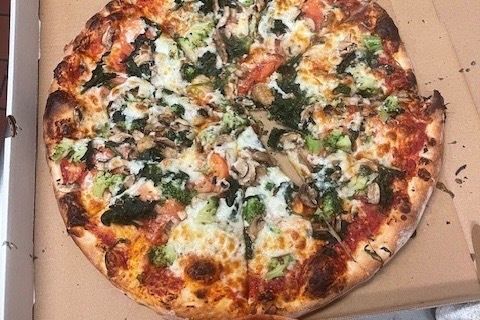
    The last pizza baked at Marra’s, 1734 E. Passyunk Ave., on Nov. 30, 2025.

    Marra’s closing is painful to Mario D’Adamo Jr., as he recounted late Sunday after the last pizza — topped with spinach, broccoli, tomatoes, and mozzarella — slid out of the oven. Like his brother, he grew up on the third floor of the restaurant’s building.

    “It became part of your DNA,” he said. “We used to close at 2 or 3 in the morning. My whole life, I heard the jukebox playing Sinatra, Dean Martin, Tony Bennett. I still go to bed late because of that. Some of my earliest memories are my father coming up the steps, tired, smelling like the restaurant, folding his apron over the banister.

    “Other families watched football. We watched cooking shows,” D’Adamo said. “Everything in your mind connects back to the restaurant.”

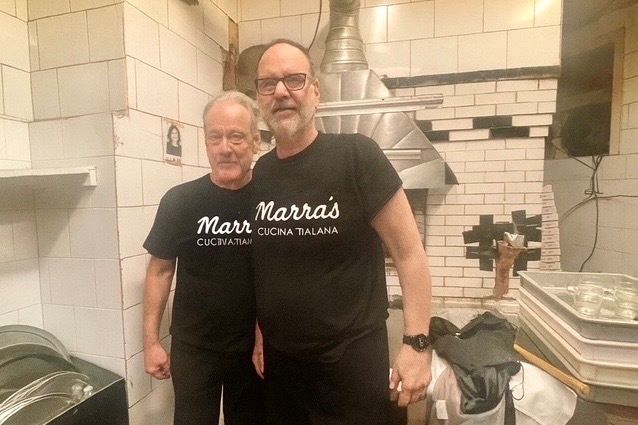
    Brothers Robert D’Adamo (left) and Mario D’Adamo Jr. in the kitchen at Marra’s on Nov. 30, 2025.
    December 1, 2025
  • The time Philly almost didn’t have a Thanksgiving Day parade

    The time Philly almost didn’t have a Thanksgiving Day parade

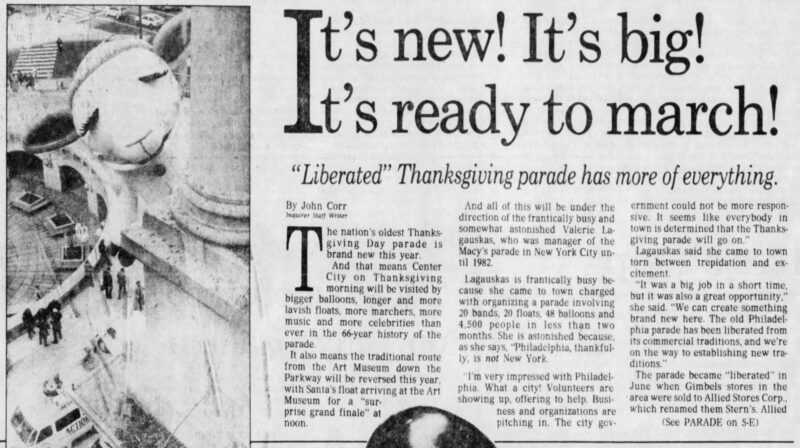
    Since 1920, Philadelphia has gone without a Thanksgiving Day parade only twice — once because of poor weather, and once because of a global pandemic. But nearly four decades ago, another formidable foe — corporate sponsorship — threatened the city’s beloved holiday tradition.

    That’s not a bad record for the country’s oldest Thanksgiving Day parade, which Gimbel Brothers Department Store launched with a humble procession through Center City. For more than 60 years, the festivities ended with Santa Claus climbing a ladder into the window of the Gimbels store at Ninth and Market Streets, signaling the start of the holiday season.

    Until 1986, that is. Gimbels by then had fallen on hard times and, following its sale to the highest bidder, was liquidated. Its Philadelphia-area locations were to be converted into Stern’s department stores, and Gimbels hoped to pass the baton to that chain to keep the Thanksgiving Day tradition alive.

    The problem was that Stern’s and its parent company, Allied Stores Corp., were not interested.

    “I think the best we could do this fast is to buy the Mummers some T-shirts,” Allied Stores chairman Thomas Macioce told the Daily News in 1986.

    The parade that year, however, became bigger and better than it had ever been. Here is how The Inquirer and Daily News covered it:

    https://www.newspapers.com/article/philadelphia-daily-news/185403993/

    Article from Jun 18, 1986 Philadelphia Daily News (Philadelphia, Pennsylvania) <!— –>

    ‘We can’t be ready in time’

    A deal in the Gimbels sale emerged in June 1986 and, right away, the Thanksgiving Day parade was on the chopping block, at least for that year. Allied officials claimed no planning had yet been done and there was no way to put it together in time.

    That, it turns out, wasn’t true. Ann Stuart, a Gimbels executive, told the Daily News that parade organizers had been proceeding as though the parade would be held as scheduled. And Barbara Fenhagen, the city’s special events coordinator, said planning was going ahead as usual.

    Either way, Stern’s and Allied’s lack of interest left the city in a tight spot. Aug. 15 was the last day orders could go in for the floats to be ready on time, marking a hard deadline to find a sponsor. Whoever took up the role would be expected to spend hundreds of thousands of dollars.

    “We will do everything we can to make sure that [the parade’s] appearance is not interrupted, even for one year,” Fenhagen said at the time.

    https://www.newspapers.com/article/philadelphia-daily-news/185404572/

    Article from Jul 16, 1986 Philadelphia Daily News (Philadelphia, Pennsylvania) <!— –>

    ‘Don’t rain on our parade’

    As the controversy wore on, Philadelphians and the local press grieved and snarled at the potential loss of a holiday tradition. The Daily News seemed to plead for Stern’s to reconsider.

    “Please don’t rain on our parade,” the People Paper wrote in an editorial. “To Philadelphians of all ages, it launches the holiday season in a special and heartwarming way.”

    Business columnist Jack Roberts struck a more combative tone, likening Stern’s to a houseguest who begins a conversation “by spitting in your face.” He later suggested that readers send back Stern’s junk mail to the company’s “Scrooge” executives with the phrase “I want the parade” scrawled across it.

    Special events professionals, meanwhile, warned that forgoing the sponsorship might create a bad name for Stern’s that would be difficult to overcome.

    “Philadelphians have a way of remembering,” special events consultant Shelly Picker said.

    https://www.newspapers.com/article/philadelphia-daily-news/185404234/

    Article from Nov 21, 1986 Philadelphia Daily News (Philadelphia, Pennsylvania) <!— –>

    ‘We’re delighted’

    The search for a new lead sponsor was arduous, with city officials approaching “most every local company that breathes,” according to a Daily News report. A number of bigger local outfits — ranging from Meridian Bancorp to Kiddie City — bowed out over cost and branding concerns.

    Then, after 56 days of limbo, the Thanksgiving Day parade was back on. And it was thanks to WPVI (Channel 6), better known today as 6abc.

    “When it became clear that because of the time frame and other commitments most were unable to assume that mantle, we decided to do it — and we’re delighted,” said the station’s general manager, Rick Spinner.

    The station had been airing the parade locally for 19 years and seemed to be a natural fit to take over. And, as the Daily News reported, the city had been pressuring Channel 6 to come up with a plan, seeing as the station benefited significantly from broadcasting the day’s festivities.

    The parade would go on to be known as the “Channel 6 Thanksgiving Day Parade.” But that was not the only — or even the biggest — change afoot.

    https://www.newspapers.com/article/philadelphia-daily-news/185404169/

    Article from Sep 24, 1986 Philadelphia Daily News (Philadelphia, Pennsylvania) <!— –>

    ‘Establishing new traditions’

    Channel 6 brought in the big guns straight away. Namely, by hiring a parade coordinator named Valerie Lagauskas, who previously managed the Macy’s parade in New York and wrote a book on parade planning.

    A number of changes came under Lagauskas’ leadership, including a new route. Instead of starting at the Philadelphia Art Museum and marching toward City Hall, as had been tradition, the parade would reverse direction and end at the Art Museum. The route would allow for the use of larger balloons, bigger floats, and better camera angles for the parade’s telecast.

    The full parade that year would also be broadcast nationally for the first time, appearing on the Lifetime network, in which ABC was part owner.

    In total, there would be 20 bands, 20 floats, 8 gigantic balloons, and 40 other balloons that were merely very large, The Inquirer reported. A massive balloon of the cartoon cat Heathcliff would make its debut. The theme, fittingly, would be “We Love a Parade.” And leading it all as parade marshal would be Sixers legend Julius “Dr. J” Erving,

    “The old Philadelphia parade has been liberated from its commercial traditions and we’re on the way to establishing new traditions,” Lagauskas said.

    https://www.newspapers.com/article/the-philadelphia-inquirer/185404381/

    Article from Nov 28, 1986 The Philadelphia Inquirer (Philadelphia, Pennsylvania) <!— –>

    ‘The best ever’

    On parade day, more than 500,000 spectators were expected to attend. And, according to reports from the time, they were not disappointed.

    Not only were there better floats and a more picturesque route, but paradegoers also were met with unseasonably warm temperatures.

    “It’s the first time we’ve been to a Thanksgiving Day parade where you could get a sunburn,” one attendee joked.

    The parade itself seemingly went off without a hitch, concluding on the steps of the Art Museum as Santa Claus pulled up to a rendition of “Happy Holidays.” Musicians and dancers let go of green and white balloons that drifted out over the Benjamin Franklin Parkway to cheers.

    And at least one Philadelphian didn’t forget who saved the day. Donna Harris, 30, of Audubon, who had attended the parade yearly since she was 5, was spotted holding a sign that read “Thank You WPVI.”

    “This parade was the best ever,” she said.

    November 26, 2025
  • A House committee is investigating allegations of antisemitism in Philadelphia schools

    A House committee is investigating allegations of antisemitism in Philadelphia schools

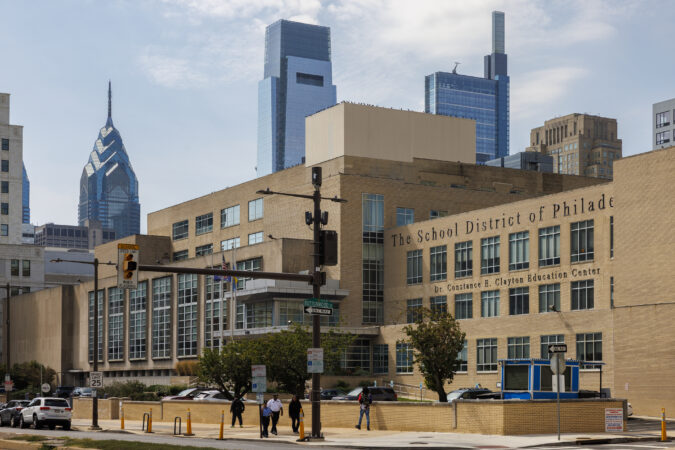
    A congressional committee is investigating allegations of antisemitism in the Philadelphia School District.

    U.S. Rep. Tim Walberg (R., Mich.) said this week that the House Education and Workforce Committee — which he chairs — would probe “disturbing reports of Jewish students being harassed and subjected to open antisemitism in their classrooms and hallways” in three school systems: Berkeley Unified in California, Fairfax County in Virginia, and Philadelphia.

    Walberg and U.S. Rep. Ryan Mackenzie, a freshman Republican who represents the Lehigh Valley, informed Superintendent Tony B. Watlington Sr. of the investigation in a letter sent Monday.

    The committee, the lawmakers said, “is deeply concerned” that since the Oct. 7, 2023, Hamas attacks on Israel, it has “received allegations that SDP is rife with antisemitic incidents, including allegations of teachers spreading antisemitism in the classroom and SDP approving antisemitic walkouts that isolate Jewish students.”

    Monique Braxton, a spokesperson for the district, said she cannot comment on ongoing investigations.

    The Republican-led committee has, in recent years, used hearings and investigations as platforms to criticize academic institutions perceived as progressive, long a target of conservatives. In 2023, following the Oct. 7 attack on Israel and the subsequent rise of campus protests against Israel’s war in Gaza, University of Pennsylvania president Liz Magill resigned after the committee held a hearing on Penn’s handling of allegations of antisemitism during her administration.

    The district in late 2024 reached a settlement with the U.S. Department of Education’s Office for Civil Rights requiring school officials to hold training on antidiscrimination policies and educate thousands of students about racial and ethnic discrimination.

    The Office of Civil Rights found in December 2024 that despite “repeated, extensive notice” of acts of antisemitism and other harassment in its schools, the district did not adequately investigate the claims, take appropriate steps to respond to them, or maintain all necessary records.

    Walberg and Mackenzie’s letter said that even after the Office of Civil Rights settlement, antisemitic incidents have continued unanswered.

    Allegations of antisemitism against certain educators

    The lawmakers called out “numerous educators who allegedly promote antisemitic content in their classrooms.”

    The representatives also referred to the district’s director of social studies curriculum, who they said “has been widely condemned by Jewish advocacy groups in light of his ‘pattern of denying the Jewish connection to the Land of Israel, refusing to speak about peace or coexistence, and downplaying the lived experiences of Jewish people in the face of violence.’”

    Philadelphia, the letter said, failed “to exercise oversight of antisemitic materials in the classroom.” Officials also took issue with what they said was a partnership between the district and the Council on American-Islamic Relations-Philadelphia. (The organization this summer announced it was available to partner with local schools and administrations to provide religious accommodations and build inclusivity.)

    Ahmet Tekelioglu, executive director at CAIR-Philadelphia, said it “takes pride in offering these resources” but had no special partnership with Philadelphia’s school district. Instead, it was broadly offering its educational materials and training to any school, educator, or district, he said.

    Tekelioglu dismissed the investigation as the machinations of “wild, right-wing” congresspeople.

    “It’s a continuation of McCarthyism, what they are trying to do against colleges,” Tekelioglu said. “They are trying to quell and suppress academic freedom in school districts.”

    What are the representatives calling for?

    The committee requested documents “to assess SDP’s compliance with Title VI and determine whether legislation to specifically address antisemitism discrimination is needed.”

    The district was given a deadline of Dec. 8 to produce documents including an anonymized chart of all allegations of antisemitism against students, faculty, or staff since Oct. 7, 2023; all documents and communications since that date “referring or relating to walkouts, toolkits, workshops, curricula, course materials, educational material, guest speakers, lecture series, partnerships, teacher training, or professional development, referring or relating to Jews, Judaism, Israel, Palestine, Zionism, or antisemitism, in the possession of SDP schools or offices”; and more.

    November 25, 2025
  • The boozy business of the American Revolution went down in Philly bars

    The boozy business of the American Revolution went down in Philly bars

    The Founding Fathers never suffered sobriety. When they weren’t sweating out independence at Independence Hall, they were bending elbows at City Tavern — pretty much around the clock.

    George Washington developed such a hankering for a rich, malty, Philly-brewed Robert Hare’s porter, he had kegs of the stuff shipped to Mount Vernon.

    John Adams, once virulently anti-tavern, effusively extolled the Philly bar scene in letters to his wife, Abigail. At one “most sinful feast,” Adams recalled sipping what would become his favorite Philly cocktail, the “Whipped Sillabubs.” A popular choice of the colonial-era Philly cocktail set, the boozy, creamy concoction was made from sherry, wine, and lemons.

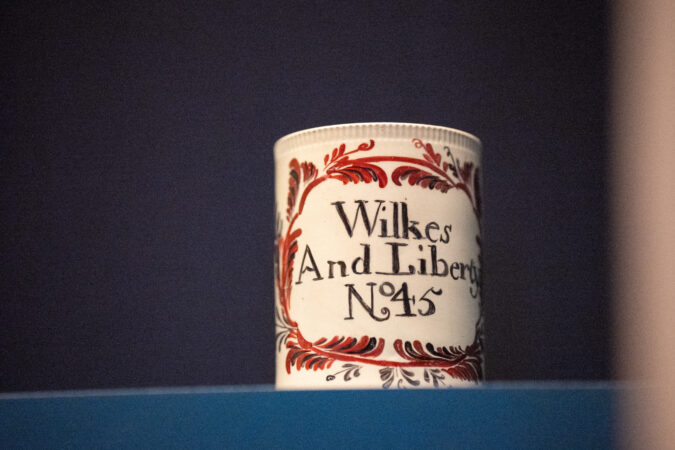
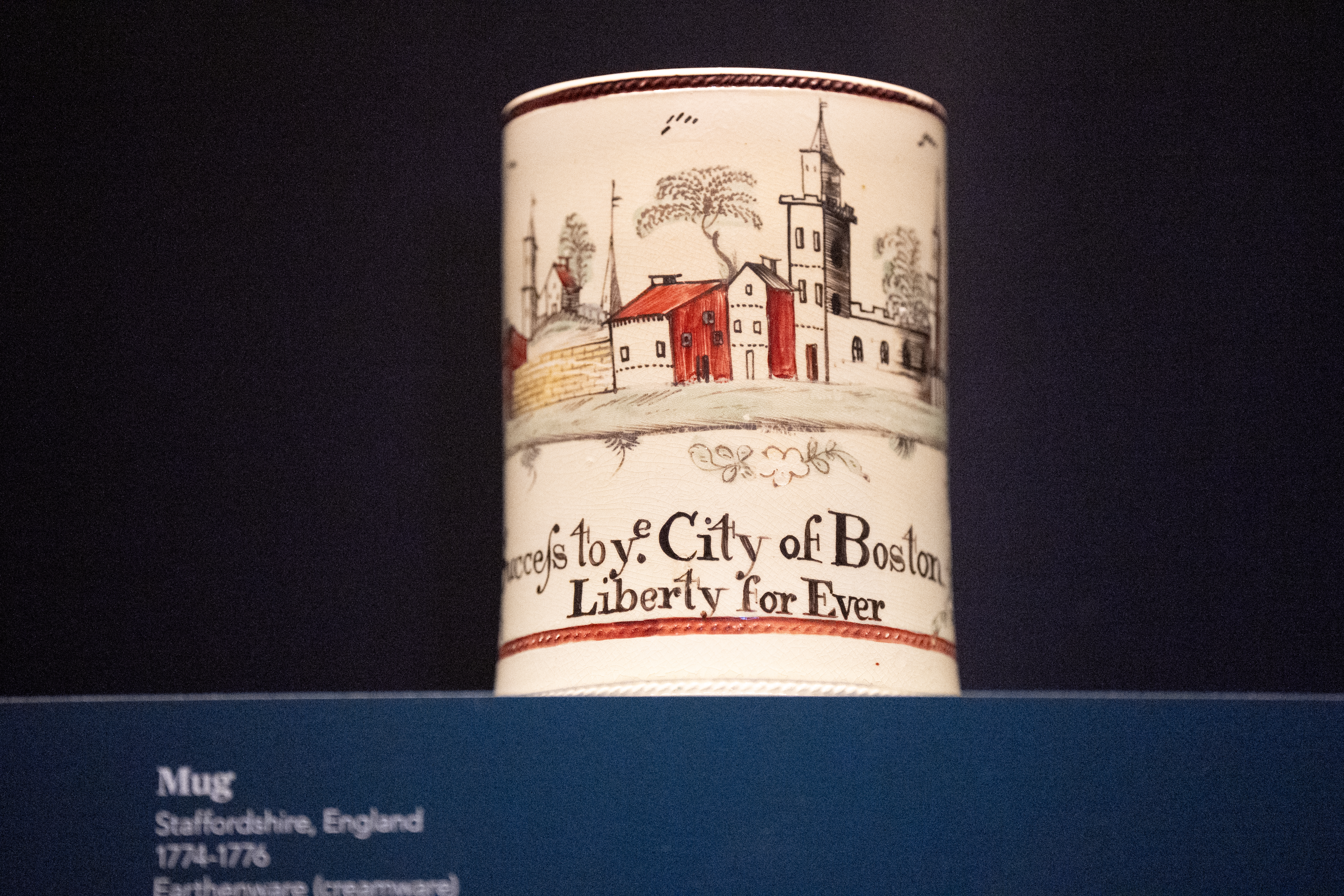
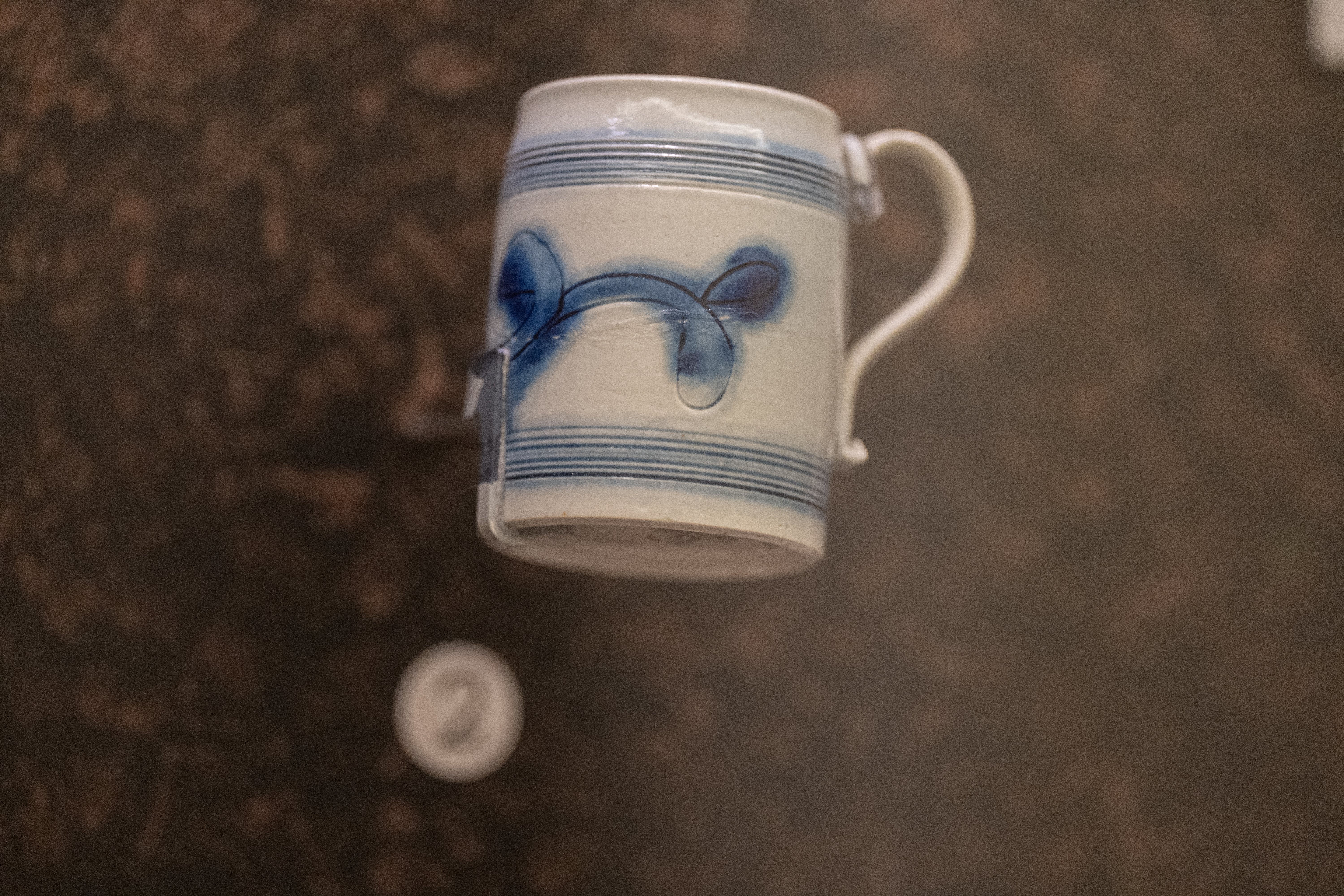
    Items related to drinking at the Museum of the American Revolution, in Philadelphia, PA, November 18, 2025,

    Thomas Paine, the working-class poet, whose thunderous pamphlet Common Sense helped roar in a revolution, oiled up his writing hand with Philly rum.

    It has long been accepted that Thomas Jefferson spent those sweltering summer weeks of 1776 drafting the Declaration from the favored Windsor chair of his Market Street lodgings. But records show he actually spent more time than ever at City Tavern at Second and Walnut. A minor, if tantalizing, historical development, which hints that perhaps the world’s most famous freedom document came fortified by fortified wine.

    Benjamin Franklin, polymath of the Revolution, inventor, scientist, printer, statesman, and lover of French wine (if in moderation), affectionately penned a Drinker’s Dictionary. The tippling tome contained 229 of Franklin’s favorite phrases for drunkenness, including buzzy, fuddled, muddled, dizzy as a goose, jambled, halfway to Concord, and Wamble Cropped.

    ‘Boozy business of revolution’

    Franklin and his ilk were not ringing up 18th-century expense accounts for the hurrah of it. They were doing the boozy business of revolution.

    Revolutionary-era Americans consumed staggering amounts of alcohol compared with today, said Brooke Barbier, historian and author of the forthcoming book Cocked and Boozy: An Intoxicating History of the American Revolution.

    By the end of the 18th century, when beer and spirits were a staple of daily life, the average colonist swilled about 3.7 gallons of hard liquor per year. A dizzying amount, not counting beer and cider, that must’ve set many a patriot’s tricorn hat spinning.

    By comparison, Americans now consume about 2.5 gallons of all alcohol, from beer to whiskey to wine, per year, said Barbier.

    Historians believe booze and bar life played an outsize role in stoking the embers of insurrection.

    Items related to drinking at the Museum of the American Revolution, in Philadelphia, PA, November 18, 2025,

    “Tavern culture was essential to the American Revolution,” said Barbier. “It was not a part of the sideshow. It was part of where the discussions about revolutionary ideas happened. Where spies met. And where others, who weren’t directly involved in politics, gathered to discuss the growing political crisis. Opinions were formed in taverns.”

    Nowhere was this work done more than in Philadelphia.

    By 1776, Philadelphia boasted roughly 200 licensed and illegal watering holes — or about one for every 150 citizens, said Tyler Putman, senior manager for gallery interpretation at the Museum of the American Revolution.

    Revolution with a twist

    The fare of colonial-era drinking spots was as diverse as the budding port town.

    There were posh spots like the newly constructed City Tavern, located blocks from the waterfront, and where the delegates of the First and Second Constitutional Congress drank nightly like fish. Ensconced in an upstairs space, known as the “Long Room,” the Founding Fathers debated liberty over libations late into the night, while imbibing copious amounts of Madeira, whiskey, punch, and everybody’s favorite Robert Hare porter.

    There were taverns and flophouses, where tradesmen and sailors learned of Britain’s newest outrage from newspapers read aloud, or the latest traveler. And there were scores of unlicensed disorderly houses, grungy forebears of the modern dive bar.

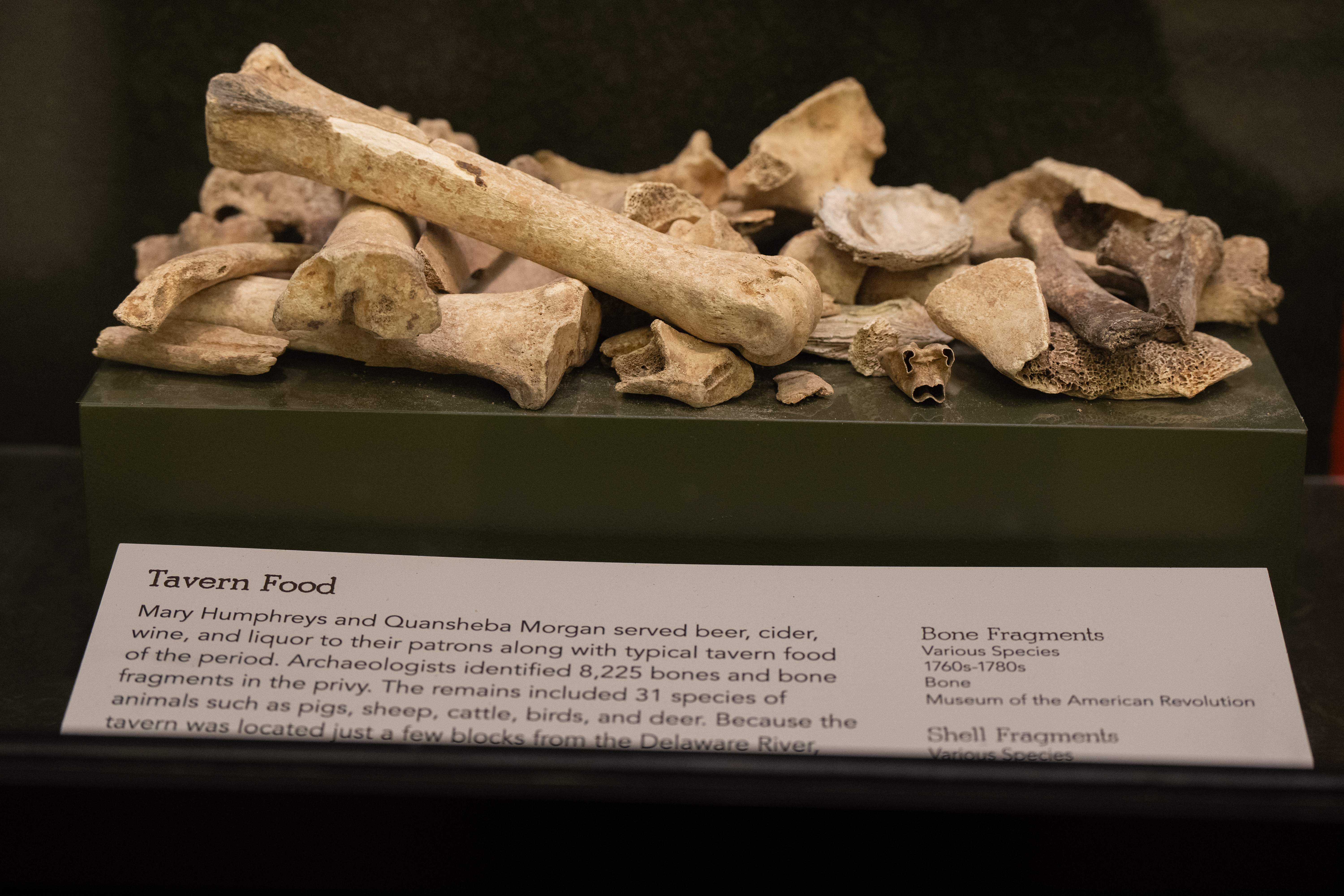
    In 2014, three years before opening, the Museum of the American Revolution conducted a large archaeological dig, discovering thousands of artifacts from a Revolutionary-era disorderly house buried beneath its future Old City home. Among the mounds of mutton bones, glassware, and broken bottles unearthed from the privy of Benjamin and Mary Humphreys’ living room tavern was a broken windowpane inscribed with the initials and names of customers.

    Bones from Tavern food at the Museum of the American Revolution, in Philadelphia, PA, November 18, 2025,

    In what can only be the earliest example of Philly barroom graffiti, one dreamy patriot etched a quote attributed to the ancient Roman senator Cato into the clouded glass: “We admire riches and are in love with idleness.” The etching was meant as a barb toward the British, Putman said.

    “They were obsessed with ancient Rome,” he said, of the American revolutionaries. “They were thinking a lot about, ‘How do you go back to some sort of idealized republic?’”

    A nation born in taverns

    Just as the nation strived to become democratic, its taverns became more undemocratic.

    “In Philadelphia, the elites who are cooking up one version of the revolution are not drinking with the rabble who are cooking up what maybe would become a different version,” Putman said.

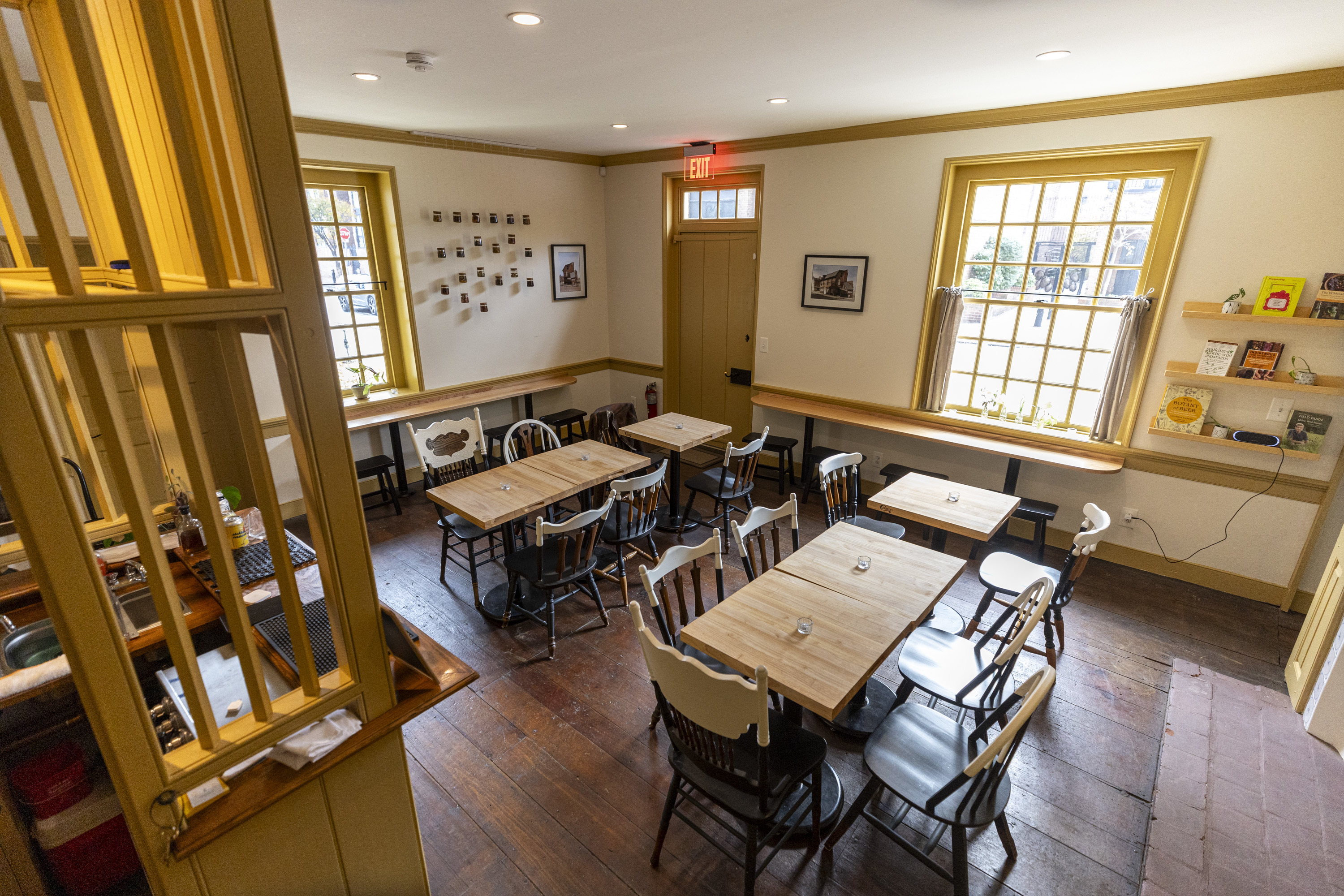
    The newly-renovated Man Full of Trouble Tavern in Society Hill on Saturday Dec. 7, 2024.

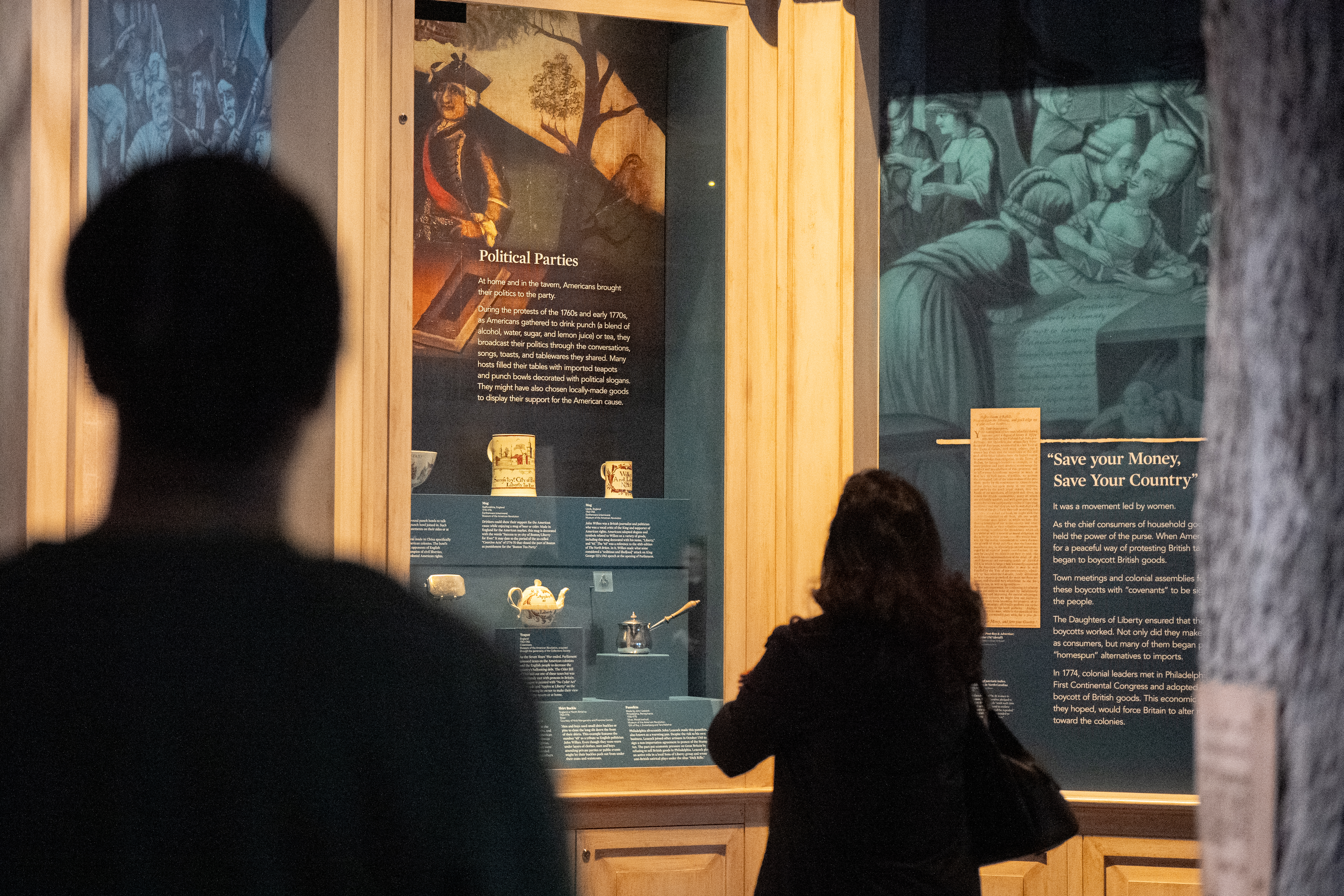
    Revolutionary-era drinking and tavern life, and its role in America’s founding 250 years ago, will be explored in full at a Nov. 21 after-hours event at the Museum of the American Revolution. Dubbed “Tavern Night,” the sold-out cocktail reception and boozy symposium serves as a twist to the museum’s grand exhibition celebrating the national milestone, also known as the Semiquincentennial, “The Declaration’s Journey.”

    “Unlike today’s bars, taverns were meeting places at a time when few others were available,” said Dan Wheeler, who last year reopened Philly’s only remaining colonial-era tavern, A Man Full of Trouble, and will join Barbier in speaking at the event. “Revolutionary thoughts were conceived and refined in taverns, and a nation was born.”

    Colonial keggers and the bonds of liberty

    Booze was the social lubricant of the Revolution, said Barbier, a Boston-based historian who also runs tours of Revolutionary-era taverns, who pored over the Founding Fathers’ diaries and account books in recreating their raucous time in Philly.

    The historical record provides no evidence that the nation’s founders were fully loaded — or “cock-eyed and crump-footed,” as Franklin might’ve said — as they went about forming the republic, she said.

    “When you hear someone accusing someone of being drunk, it’s in an overly negative way,” she said.

    Still, she was surprised by just how much the Founding Fathers drank.

    Items related to drinking at the Museum of the American Revolution, in Philadelphia, PA, November 18, 2025.

    Hard cider and small beer, the 18th-century version of light beer, more or less, accompanied breakfast, she said. The midday meal, known as dinner, boasted cider, toddy, punch, port, and various wines. When their workday wrapped up in the late afternoon, the delegates’ drinking began in earnest.

    “There’s certainly a lot of drinking happening in these taverns,” said Barbier, whose book includes recipes of the Founding Fathers’ preferred aperitifs. “I don’t drink and not eventually feel tipsy. Certainly the same would be true for people in the past.”

    Barbier notes the downside of all the drinking, like booze-fueled mob violence that spilled into the streets. And neither will she say that Jefferson, who kept all his receipts, actually penned the Declaration at City Tavern.

    “He was there more frequently than ever during this time,” she said. “Maybe he needed to take a break from his writing, and go there. And sometimes when you’re on break, you develop your best ideas.”

    The Founders’ endless toasting of tankards — including a rager for the ages marking Paul Revere’s arrival in Philly, and held in 1774, the night before a critical vote toward independence — provided crucial trust-building, Barbier said.

    The men who founded America arrived in Philly as strangers, agreeing on little. After so much boozing, they bonded as brothers in liberty, and left a new nation in their wake.

    “Ultimately, this comradery and social bonding leads to the consensus that leads to the Declaration of Independence,” Barbier said.

    November 21, 2025
  • Trump accuses Democratic vets in Congress of sedition ‘punishable by death,’ including two lawmakers from Pa.

    Trump accuses Democratic vets in Congress of sedition ‘punishable by death,’ including two lawmakers from Pa.

    U.S. Rep. Chrissy Houlahan was in her Washington office when she saw attacks directed at her and other military veteran members of Congress from President Donald Trump, days after they urged members of the military and intelligence community to “refuse illegal orders.”

    Trump called the Democrats “traitors” in a Thursday post on Truth Social and, in a second post, accused them of sedition that he said is “punishable by DEATH.”

    Houlahan, a Chester County Democrat and an Air Force veteran, was one of six Democratic members of Congress who released a video Tuesday contending that Trump’s administration is “pitting” service members and intelligence professionals against American citizens and urging them not to “give up the ship.”

    All six lawmakers are either veterans or members of the intelligence community.

    “The idea that the most powerful man on the planet, who wields the power of the United States military and should be emblematic of all the things we value in this republic, would call for the death and murder of six duly elected members of the House of Representatives and the Senate — I’m speechless and I’m devastated,” Houlahan told The Inquirer on Thursday afternoon.

    Houlahan said she had anticipated there might be a response from the president after Stephen Miller, Trump’s deputy chief of staff and homeland security adviser, spent much of Wednesday railing against the lawmakers in the video. But Trump’s comments went beyond anything Houlahan imagined even from a president known for extreme and sometimes violent rhetoric.

    “I’ve been struggling with the right words for this,” she said. “‘I weep for our nation’ would be an understatement.”

    U.S. Rep. Chris Deluzio, a Navy veteran who was also featured in the video, called Thursday “a dark day in America” in an interview with The Inquirer.

    “It tells me who he is and it tells me exactly why we should be talking about the rule of law and the Constitution,” said Deluzio, an Allegheny County Democrat.

    In the video that set Trump off, the lawmakers, finishing one another’s sentences, reminded service members of their oath to the Constitution and instructed them to refuse to follow any order that would violate it.

    “Right now, the threats to our Constitution aren’t just coming from abroad,” Deluzio says in the video.

    “But from right here at home,” adds U.S. Rep. Jason Crow (D., Colo.) a former paratrooper and Army Ranger.

    The video was shared by U.S. Sen. Elissa Slotkin (D., Mich.), a former CIA officer, and also included U.S. Sen. Mark Kelly (D., Ariz.), a former Navy captain, and U.S. Rep. Maggie Goodlander (D., N.H.) a former intelligence officer.

    Houlahan said she considered the video “innocuous.”

    “It literally talked about the fact that you should follow only lawful orders, an obvious reminder that those of us who served have grown up on,” she said.

    On Thursday morning, Trump shared a Washington Examiner article about the video with the headline “Dem veterans in Congress urge service members to refuse unspecified unlawful orders,” saying their message “is really bad, and Dangerous to our Country.”

    “Their words cannot be allowed to stand. SEDITIOUS BEHAVIOR FROM TRAITORS!!! LOCK THEM UP???” the president wrote on Truth Social, his social media platform.

    About an hour later, Trump added in his second post: “SEDITIOUS BEHAVIOR, punishable by DEATH!”

    Sedition and treason cases in modern U.S. history are very rare.

    Democratic condemnations of Trump’s comments poured in from across the country Thursday. Republicans were more muted. House Speaker Mike Johnson (R., La.) defended Trump’s claim that the Democrats had engaged in “sedition,” describing the video as “wildly inappropriate.”

    “It is very dangerous. You have leading members of Congress telling troops to disobey orders,” he told CNN.

    Sen. Dave McCormick, a Pennsylvania Republican and U.S. Army veteran, who has called out political violence in the past, both after Charlie Kirk’s killing and an arson at Gov. Josh Shapiro’s residence, defended the president’s verbal attacks on the lawmakers. “Not a single unlawful order is cited in this video — because there aren’t any,” he said in a statement.

    “The video is inappropriate and unwarranted, and I didn’t hear any of these calls to defy orders when Democrats were using lawfare against President Trump,” he added, “Giving outlandish pardons, or intimidating tech companies to stop free speech.”

    About an hour later McCormick’s spokesperson sent a second comment from him, adding: “President Trump can speak for himself, but as I’ve said repeatedly, there is no place in either party for violent rhetoric and everyone needs to dial it down a notch.”

    One of the few Republicans to offer any criticism of the president was U.S. Rep. Brian Fitzpatrick, a former FBI agent, who said in a statement that in the FBI he saw “how inflamed rhetoric can stoke tensions and lead to unintended violence.”

    Fitzpatrick, a moderate from Bucks County who has butted heads with Trump in the past, did not name him in the statement but said the “exchange” was “part of a deeper issue of corrosive divisiveness that helps no one and puts our entire nation at risk. Such unnecessary incidents and incendiary rhetoric heighten volatility, erode public trust, and have no place in a constitutional republic, least of all in our great nation.”

    Houlahan and Deluzio respond

    Houlahan served three years on active duty as an Air Force engineer and an additional 13 years as a reserve, and reached the rank of captain. She has been outspoken against the Trump administration on military issues, particularly surrounding women serving in combat roles.

    The lawmakers did not refer to any specific orders from the president in their video, but they had numerous concerns in mind.

    Houlahan said it was sparked, in part, by military troops being deployed to U.S. cities and lethal strikes against suspected drug boats in the Caribbean.

    Trump has suggested that American cities should be “training grounds” for the military, and targeted Los Angeles, Chicago, Washington, and Portland for National Guard deployments. His administration’s boat strikes, which have led to protests in Philadelphia, have come under scrutiny by experts who say they are illegal, per the New York Times, which found Trump’s claims justifying the attacks to be questionable.

    “What we were speaking to is the future, those who are currently serving, and making sure they remember who they serve and what they serve,” Houlahan said.

    She said the lawmakers felt “a responsibility to … make sure people understood there are people in Congress who have your back.”

    Deluzio pointed to reporting about concerns from military personnel who were deployed to U.S. cities. PBS reported this week that people in uniform have been seeking outside legal advice about some of the missions the Trump administration has assigned them.

    “This is a guy who’s been documented in a meeting with the secretary of defense talking about shooting unarmed civilians in the legs,” Deluzio said, citing an account from former Defense Secretary Mark Esper.

    Deluzio said he learned about the oath the first day of boot camp and trained sailors on it when he gained rank.

    “This is something that is fundamental to how our military works and the respect we show our service members,” he said.

    Deluzio served six years in the Navy including three deployments. He cofounded the Democratic Veterans Caucus in June, which was formed in opposition to the Trump administration.

    He said he has heard from people on both sides of the aisle and encouraged Republican colleagues to speak out publicly against the president’s remarks.

    “Republican officials should be stepping up loudly and clearly and saying the calling of death by hanging to members of Congress is out of bounds,” he said.

    James Markley, a spokesperson for the Pennsylvania Republican Party, declined to comment on Trump’s remarks and said in a text that “the woke left continues to attempt to rip apart the fibers of our communities and our country.”

    “Our party will continue focusing on making our country safer, prosperous and more affordable,” he added.

    A spokesperson for Pennsylvania Treasurer Stacy Garrity, an Army veteran who is running for governor next year with the state GOP’s endorsement, did not respond to a request for comment.

    Sen. John Fetterman, a Pennsylvania Democrat who has made a name for himself working across the aisle, said in a post on X that threatening members of Congress is “deeply wrong” without exception, regardless of political party.

    “I strongly reject this dangerous rhetoric,” he said.

    Gov. Josh Shapiro also quickly denounced Trump for calling for violence against Houlahan and Deluzio, describing them in a post on X as “two outstanding members of Congress from Pennsylvania who have fought for our country.”

    “There should be no place for this violent rhetoric from our political leaders, and it shouldn’t be hard to say that,” said Shapiro, who has consistently spoken out against the threat of political violence since a politically motivated arsonist firebombed the governor’s mansion while he and his family slept inside in April.

    Trump’s attack on Houlahan and other Democratic veterans marks the second time in two months Democratic lawmakers who served in the armed forces have been the subject of attacks from across the aisle.

    U.S. Rep. Scott Perry, a Trump ally who represents parts of central Pennsylvania, told a conservative radio station in October that Democrats in Congress “hate the military,” based on their voting records.

    Deluzio and Houlahan, both members of the House Armed Services Committee, also banded together then to push back on Perry’s comments, calling them “garbage.”

    November 20, 2025
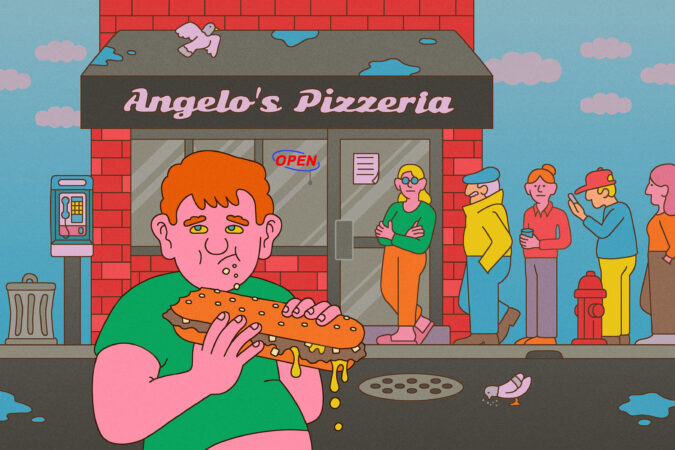
  • Is Angelo’s overrated? Their fast expansion puts the cheesesteak king in peril

    Is Angelo’s overrated? Their fast expansion puts the cheesesteak king in peril

    When Angelo’s Pizzeria opened in South Philly six years ago, it didn’t just elevate the city’s cheesesteak standards — it reshaped them in its own image. Gone were the stale rolls, shredded meat, and molten flows of watery Whiz.

    Under the purview of owner Danny DiGiampietro, Angelo’s introduced crusty, house-baked rolls. DiGiampietro grilled seasoned rib eye right up to the chewy line without crossing it, merging Cooper Sharp and beef at the optimum melting point. A new school of cheesesteak emerged.

    Since 2019, reviews from the likes of Barstool’s Dave Portnoy and Somebody Feed Phil’s Phil Rosenthal have spread word of the shop’s high-quality operation nationwide, abetted by hype from actor Bradley Cooper and a bevy of media outlets (this one included). Its renown has prompted wave after wave of customers to show up to the corner of Ninth and Fitzwater five days a week. The line there has become a raucous scene, with cheesesteak hunters happy to wait more than an hour just to place an order and wait another 20- or 40-plus minutes for the food.

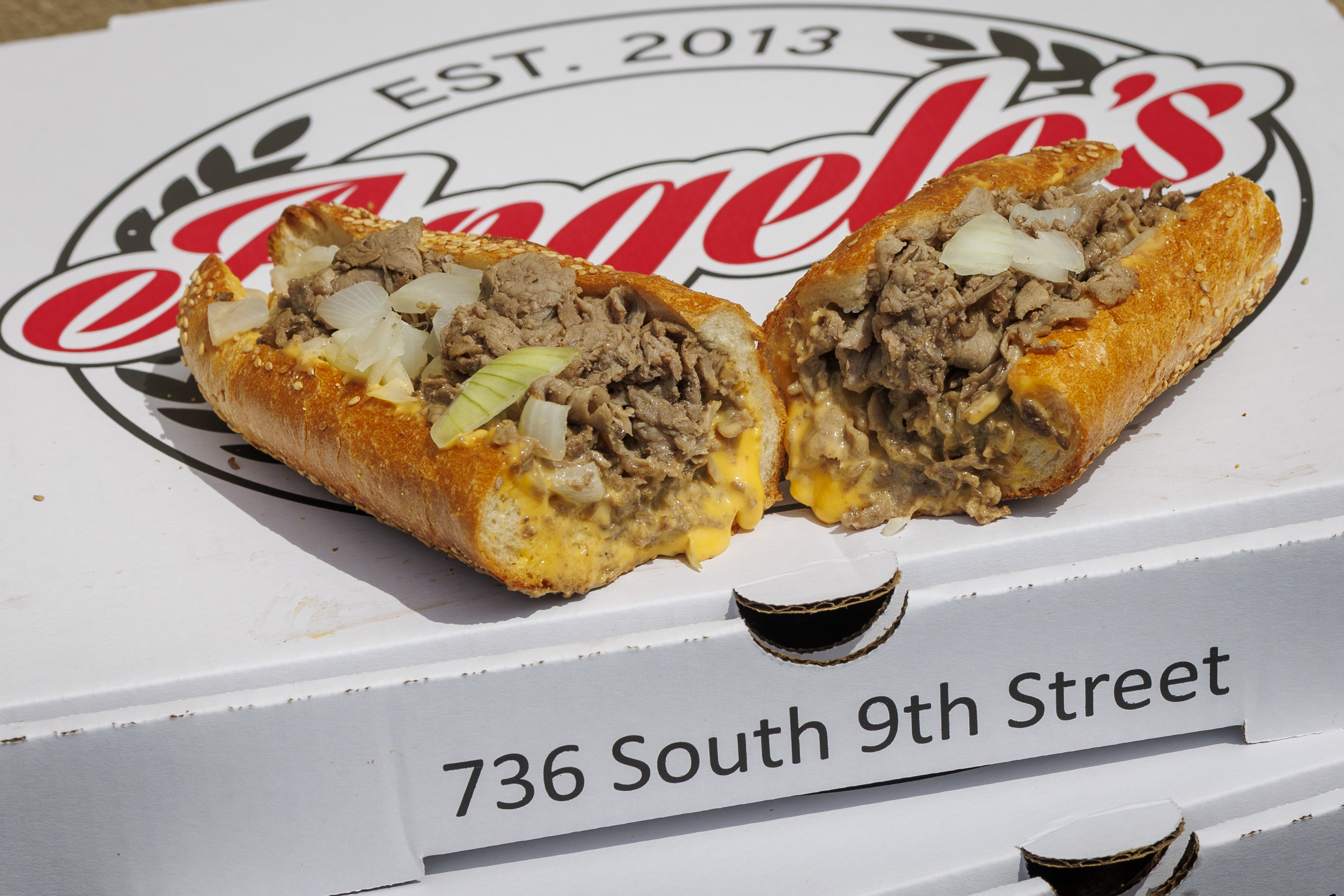
    Whiz steak from Angelo’s Pizzeria at 736 S. Ninth St.,

    The solution to the seemingly bottomless demand for DiGiampietro’s steaks has been to grow the supply: His empire now extends, or soon will, to Conshohocken, South Jersey, Delaware, UberEats, Reading Terminal Market, and New York City.

    But DiGiampietro, a known perfectionist, can’t be everywhere at once.

    A visit to the Terminal-based Uncle Gus’ spinoff (a partnership with Joe Nicolosi of DiNic’s Roast Pork and Dave Braunstein of Pearl’s Oyster Bar) provided an uneven experience this past spring, when I sampled a disappointing set of sandwiches. I expected a long-rolled reminder of life’s redeeming qualities, and instead got … something else. While the rolls were expertly baked, they were both filled with a wad of dry beef strings glued together with gobs of stubborn fat.

    It got me wondering if Angelo’s had grown too fast, too soon, and too far to maintain the standard of cheesesteak excellence that they set for the rest of the city.

    Has demand decreased Angelo’s quality?

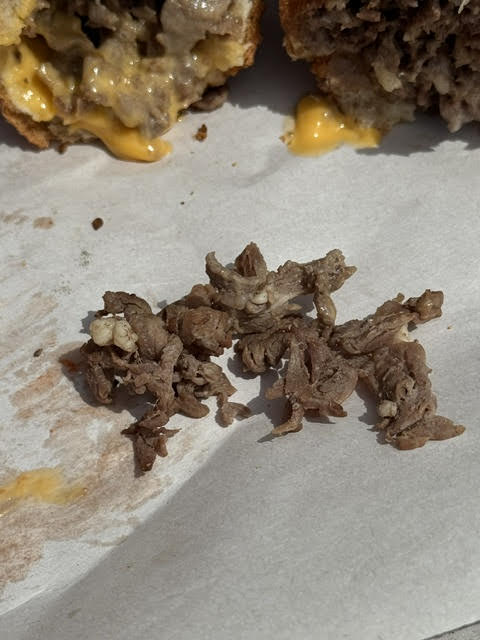
    On an April trip to Angelo’s Ninth Street location, I had a similarly subpar encounter. The rib eye in the cheesesteak was haphazardly chopped and extremely dry. There was more salt in the Whiz than on the meat. The signature crusty bread — usually up to handling the mound of toppings — was coming apart under the weight of the poorly cooked beef.

    I ordered multiple sandwiches, with various cheeses and sauce combinations, and the best bite I had on that visit was the pizza steak, with the blend of meat, sauce, and cheese melding into what can only be described as a cheesesteak-meatball sub hybrid. The sauce smoothed over the dryness of the meat and balanced it out with a thick twist of mozzarella.

    Beef from an Angelo’s cheesesteak.

    I went back to try again in May. Maybe it was just an off day? But I was still disappointed. The major issue this time was the house-baked roll. Famed for its crustiness, which everyone is copying, this bread was uncharacteristically underbaked. It got soggy — fast. It buckled under the weight of overstuffed meat, which was once again on the drier side. (The Cooper Sharp, however, was perfectly melted into the meat this time.)

    When I told DiGiampietro about these experiences recently, he said, “It breaks my heart.”

    DiGiampietro’s original shop, which he opened in Haddonfield in 2013, won regional recognition, but its cult following didn’t hold a spatula to the national rep Angelo’s claims today. Before moving to the Ninth Street location in 2019, he said, he “never, in my wildest dreams, expected any of this.”

    “Have some things gotten through the cracks here and there? They sure have,” he said. “And they drive me crazy at night.”

    What makes a good cheesesteak?

    According to the Philly-based “fatty foods biographer” Carolyn Wyman, who authored The Great Philly Cheesesteak Book in 2009, an exceptional steak relies on four core principles: a bakery-fresh roll, gooey cheese that doesn’t overwhelm the taste or soak the sandwich into submission, onions that aren’t caramelized into oblivion, and beef that actually tastes like beef and not just a pile of gristle.

    It has to be more than a working-class sandwich. It has to be a symphony. It should coalesce into one glorious flavor, with each component equally balanced. One component should not be used to balance out weakness in another.

    I figure the Angelo’s problem results from the pressures of serving a daily deluge of customers.

    When I worked at a cheesesteak shop in college, the major pain points came with getting the meat off the grill. DiGiampietro knows well the perils of the flat-top.

    “My biggest pet peeve is too much meat on the grill,” he conceded, “because now you’re not frying. You’re steaming it. And it’s a completely different steak.”

    He tells his staff all the time: “People are going to wait. Make it worth their f’ing wait,” he said.

    And let’s be fair to the cooks: That line can be intimidating.

    “A lot of times my guys get too nervous,” he said, “and they see those tickets coming in, and they want to try and load up the grill, but there’s only so much we can do and how fast we can do it the right way.”

    Too much, too fast

    I have a ton of respect for DiGiampietro, for everything he’s built and for his dedication to his craft. He’s only human.

    “It’s daunting,” he said. “I see a therapist, believe it or not. Just the pressure of the expectations can sometimes be very overwhelming.”

    Danny DiGiampietro, owner of Angelo’s Pizzeria, at Angelo’s Baking Co. in Conshohocken.

    When word about Angelo’s got out in 2019, and endless lines continued to form, he got overwhelmed.

    “I thought we’d be serving sandwiches and pizza to the neighborhood,” he said. “I did not see this.”

    The Uber expansion in particular was a little harder than he anticipated, he said. “It’s been a challenge,” he said. “I am getting it under control.”

    But if someone has a bad experience, he said he’ll own up to it and offer ways to make it right.

    “We’re trying our best,” he said. “We’re not Michelin stars here. It’s pizza, cheesesteaks, and making bread. But we do it the best we can and as honestly as we can.”

    I stopped by Angelo’s yesterday to see how things were going.

    I picked up a few sandwiches, and there was a lot of good: The steaks weren’t overstuffed, and the rolls were ideally crusty on the outside and buttery soft on the inside. But the beef between the two sandwiches varied in how well it was cooked, and the ratio of cheese to meat was inconsistent.

    The longer I ate one with Whiz the worse it became; the meat was a touch too tough. On the other hand, the cheesesteak with Cooper Sharp increasingly won me over with every bite — it lived up to the hype, and it’s exactly what people are waiting for. It was the epitome of the new-school cheesesteak Angelo’s made famous.

    So it wasn’t a redemptive visit, per se, but it does show that Angelo’s has plenty of fight left in its grill. They’re still dedicated to getting it right. It’s just a matter of execution.

    This last visit helped solidify my belief that DiGiampietro will get things back on track. He set his own standard, and Angelo’s made steaks in Philly better. A few missteps won’t change that.

    Bells and birds help tell the city’s story, but it’s a sandwich that helps explain Philadelphians. How we evolved from farmers in the cradle of liberty to DoorDashers in a melting pot of orange whiz is informed and defined by the cheesesteak. Raising the Steaks is a weeklyish chronicle of this long-rolled reminder of life’s redeeming qualities.

    November 9, 2025
←Previous Page
1 2 3

Philadelphia local news, sports, jobs, cars, homes

  • Blog
  • About
  • FAQs
  • Authors
  • Events
  • Shop
  • Patterns
  • Themes

Twenty Twenty-Five

Designed with WordPress