Tag: hp-topper

  • Five Philly restaurants worth watching

    Five Philly restaurants worth watching

    All year, when dinner goes exceptionally well, a big question pops into my mind: “Is this one of Philadelphia’s Top 10 restaurants?”

    That’s a lofty status to consider for any place, no doubt, but when you eat at nearly 400 restaurants a year as I do, it arises more frequently than you might expect. The quality of the cooking around here has simply gotten better than ever, in a vast range of styles and price points. So when I set out each year to define an elite group to represent that moment in Philly restaurant time, my mind is open to wherever the most magical dishes take me, to places old and new, where a kitchen’s creative touch pairs with genuine hospitality to elevate a mere dinner date into something truly special.

    The process begins with the year’s first-review meal bites, then truly kicks into gear during summer, when I begin circling back for revisits through at least two dozen promising candidates. Consistency and continuous growth matters.

    Inevitably, an all-star lineup emerges that I’m thrilled to present. And you’ll see it when it lands next week.

    But today I offer another list: Five special places that, for a variety of reasons, are still on the cusp of making the leap to the next level. This isn’t an honorable-mention group so much as a future-cast of exciting places on the rise to watch, along with some standbys still worth celebrating. I’d leap at a dinner invite to any one of them.

    The hush puppies at Honeysuckle

    Honeysuckle

    Honeysuckle’s bold move this year, from a West Philly market-cafe into a sprawling, art-filled space on North Broad Street, complete with an inventive bar and special-occasion prices, has given the chef duo of Omar Tate and Cybille St.Aude-Tate the room to fully realize their dynamic vision of an immersive destination celebrating the culture of the Black American diaspora. One moment you’re eating house-cured country ham over airy hush puppies, the next you’re devouring Haitian-spiced roast chicken or Mississippi Delta-style hot tamales — stuffed here with wagyu beef cheeks and oxtail. Yes, the $65 “McDonald’s Money” burger is an audacious stack of truffled, gold-foiled caviar bling, but it’s also a wry Eddie Murphy reference and a juicy emblem of Honeysuckle’s potential. An anticipated shift from the original $95 prix fixe to an a la carte menu in 2026 shows Honeysuckle is still seeking the ideal format for its new home. An expected 15% dip in check average should fill more seats, while a revival of its ambitious “UNTITLED.” tasting menus assures this uniquely creative kitchen will still be pushing boundaries. 631 N. Broad St., 215-307-3316, honeysucklephl.com

    Sesame madeleines with ras el hanout butter at Emmett

    Emmett

    Philly already has a vibrant Mediterranean dining scene, but Emmett, one of the year’s best new restaurants, offers an original take, from warm sesame madeleines with smoked vadouvan butter to dumplings stuffed with cuminy sujuk sausage. Here you’ll find sticky toffee pudding in Turkish coffee caramel and clever nods from chef Evan Snyder to his love of Jewish deli (wagyu tartare in horseradish-dusted rye tartlets? Yes!). With polished service and a thematically tuned drink program dusted with Levantine spice, this intimate Olde Kensington corner once occupied by Cadence feels like a special-occasion destination again. If Snyder continues refining his sometimes overly busy plates, Emmett can take the next step. 161 W. Girard Ave., 215-207-0161, emmettphilly.com
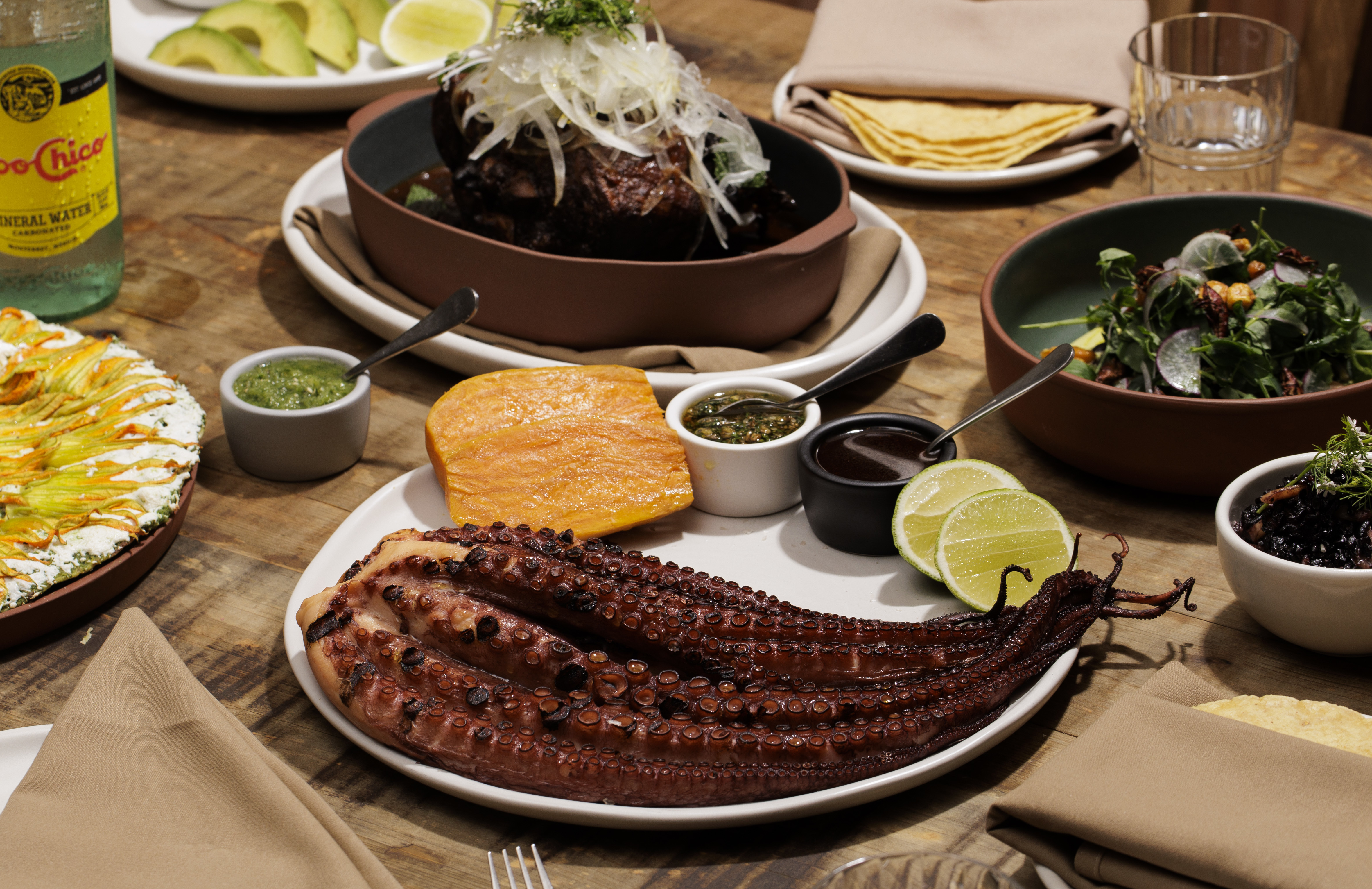
    Assorted dishes including the Wood Fire Pulpo at Ama on Wednesday, July 16, 2025, in Philadelphia.

    Amá

    Frankie Ramirez turned out some of the most memorable and beautiful dishes of the year — squash blossom tlayudas, lamb neck barbacoa — from the live fires of his chef-owner debut, a stylish, modern Mexican newcomer in Fishtown. The chef’s growth since his previous post at LMNO has been stunning, with food that is both personal and daring, like the milpa salad laced with huitlacoche and grasshoppers. The majestic grilled whole octopus that arrives beside a dish of gingery black coconut rice mixed with smoky bits of octopus head is simply a showstopper. This restaurant is large, and it’s not yet as complete as it can be, but with a little more time to hone its service and beverage program, Amá stands to become the upscale Mexican restaurant Philadelphians brag about most. 101 W. Oxford St., 215-933-0707, amaphl.com

    Lamb with purgatorio beans and peperoni cruschi at Andiario in West Chester

    Andiario

    Every meal at this gem in downtown West Chester is an inspirational experience of handcraft, restraint, and intimate hospitality, as chef Anthony Andiario’s team cooks weekly-changing four-course menus that spontaneously channel the best of Pennsylvania’s seasonal bounty through a rustic Italian lens. My revisit this fall lived up to that standard, with toothy, hand-rolled rigatoni in ‘nduja-sparked roasted pepper sauce and a succulent strip steak roasted over the live fire hearth. Add in outgoing service, a cushy dining room, and exceptional wines chosen by the chef’s wife and partner, Maria Van Schaijik, and dinner at Andiario is still a delight. It hasn’t regressed at all — it was a resident on my Top 10 list the past two years — but competition this year for an ever-evolving group was simply tighter than ever. 106 W. Gay St., West Chester, 484-887-0919, andiario.com

    The green salad at Meetinghouse

    Meetinghouse

    While many Philadelphia chefs are now ratcheting up their gastro ambitions and tasting menus to reach for Michelin stars, Drew DiTomo is focused on polishing the simple, affordable neighborhood bar — an essential source of sustenance and down-to-earth character for this city’s food soul. Meetinghouse is just that kind of place, where the candlelit vibes are warm and cozy, the drink program is impressively focused and quirky, and the “less is more” aesthetic is deliberate in revived retro dishes that are as good as they can be, from a roast beef sandwich and baked clams to turkey cutlets, broiled cod, and a destination-worthy green salad. Thursdays are baked cheeseburger nights! 2331 E. Cumberland St., no phone, meetinghousebeer.com
  • Philly Police Officer Andy Chan, who died six years after a motorcycle crash, is laid to rest

    Philly Police Officer Andy Chan, who died six years after a motorcycle crash, is laid to rest

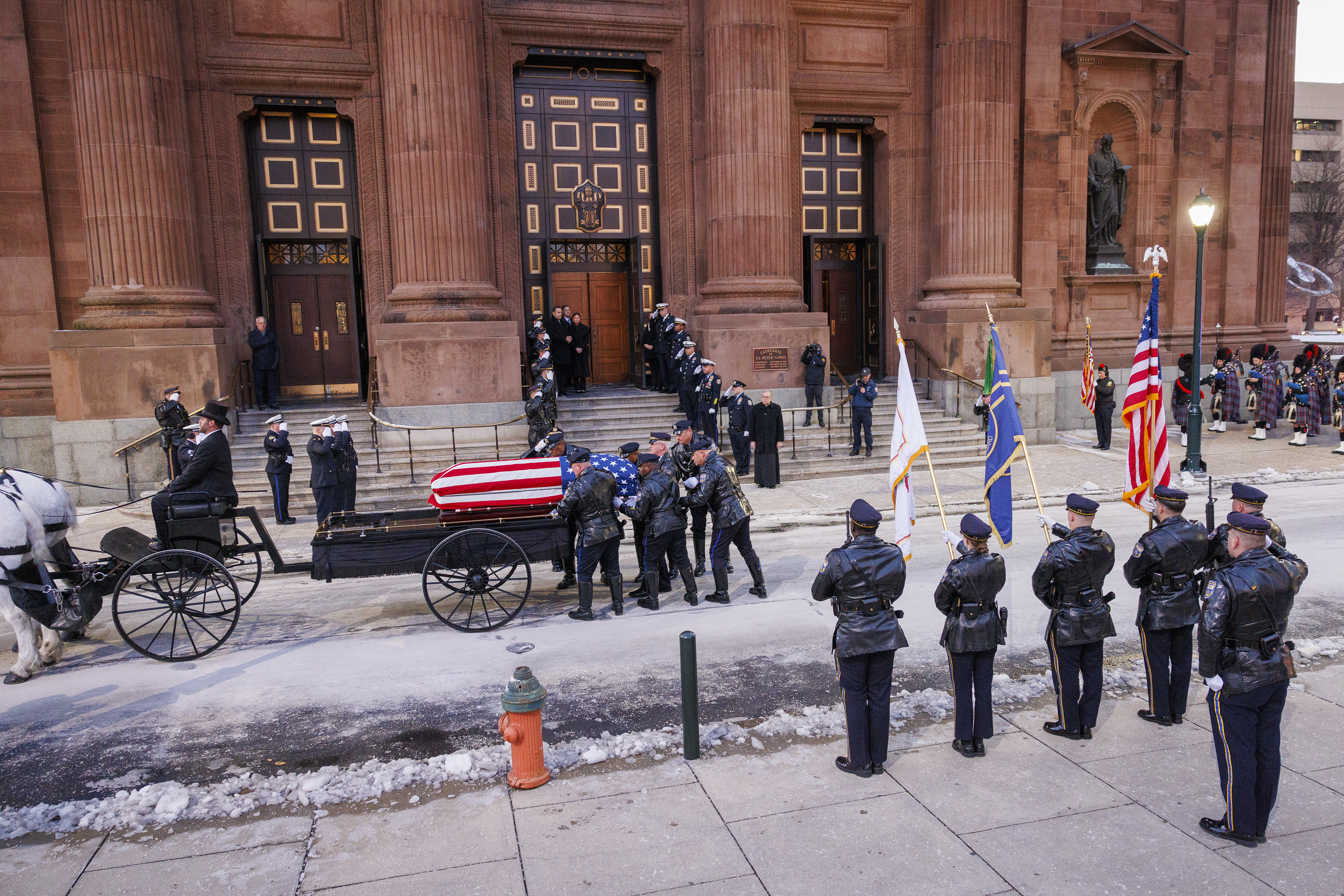
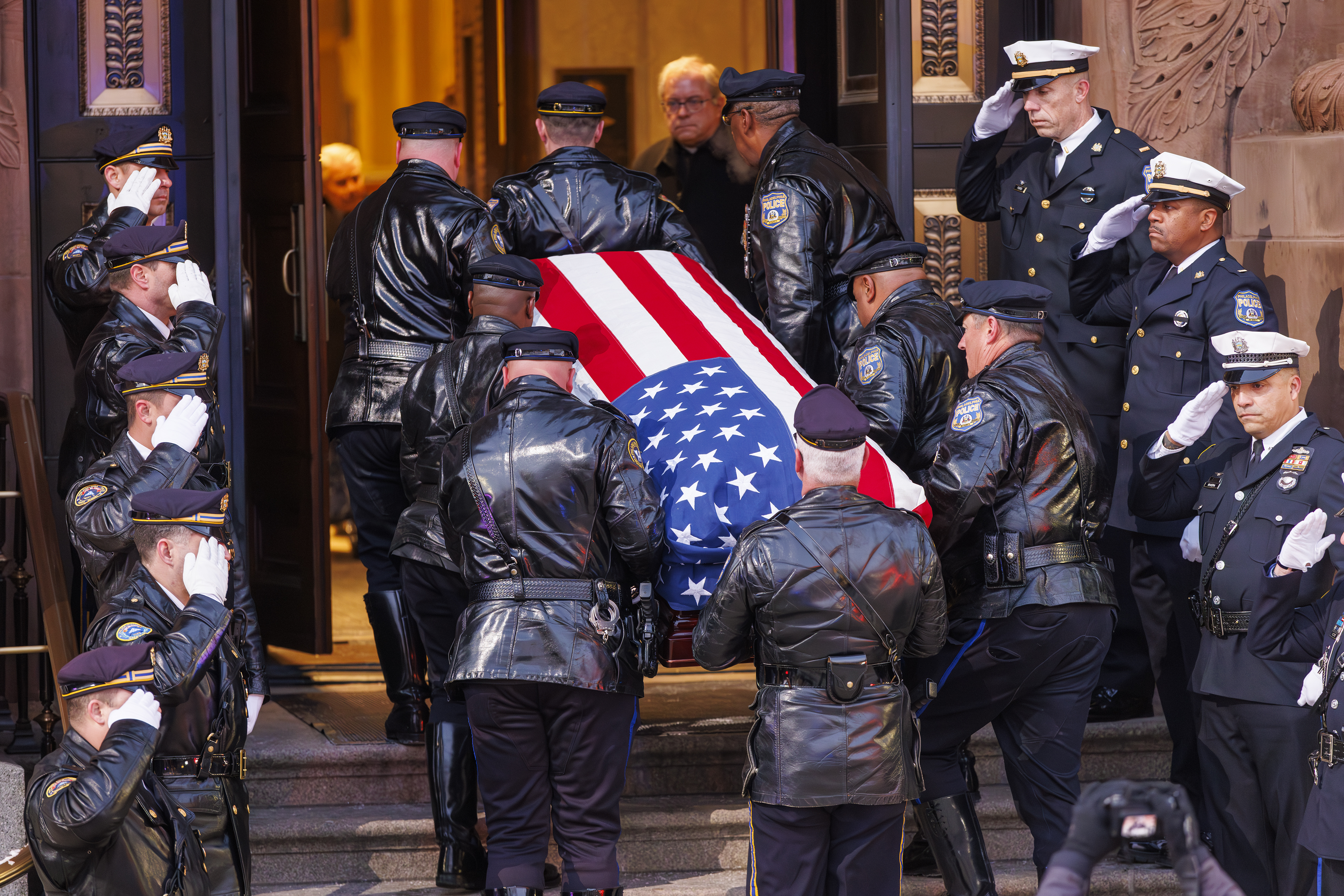
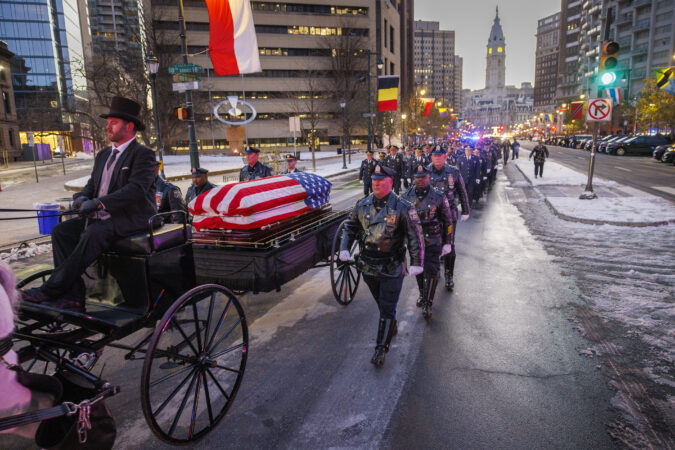
    Philadelphia Police Commissioner Kevin Bethel stood at a podium behind a cherry wood coffin inside the Cathedral Basilica of SS. Peter and Paul on Tuesday and told mourners how Highway Patrol Officer Andy Chan had arrived in the afterlife: on his motorcycle, boots shining, smiling.

    Then he turned to the highway patrol officers standing in the front pews. “And how,” he asked, “did Andy Chan announce himself when he arrived at the gates of heaven?”

    “Highway!” they answered in unison.

    Chan, 55, was laid to rest Tuesday morning, six years after a 79-year-old driver struck his patrol motorcycle near Pennypack Park, catapulting him more than 20 feet away onto the pavement and causing brain injuries from which he never fully recovered.

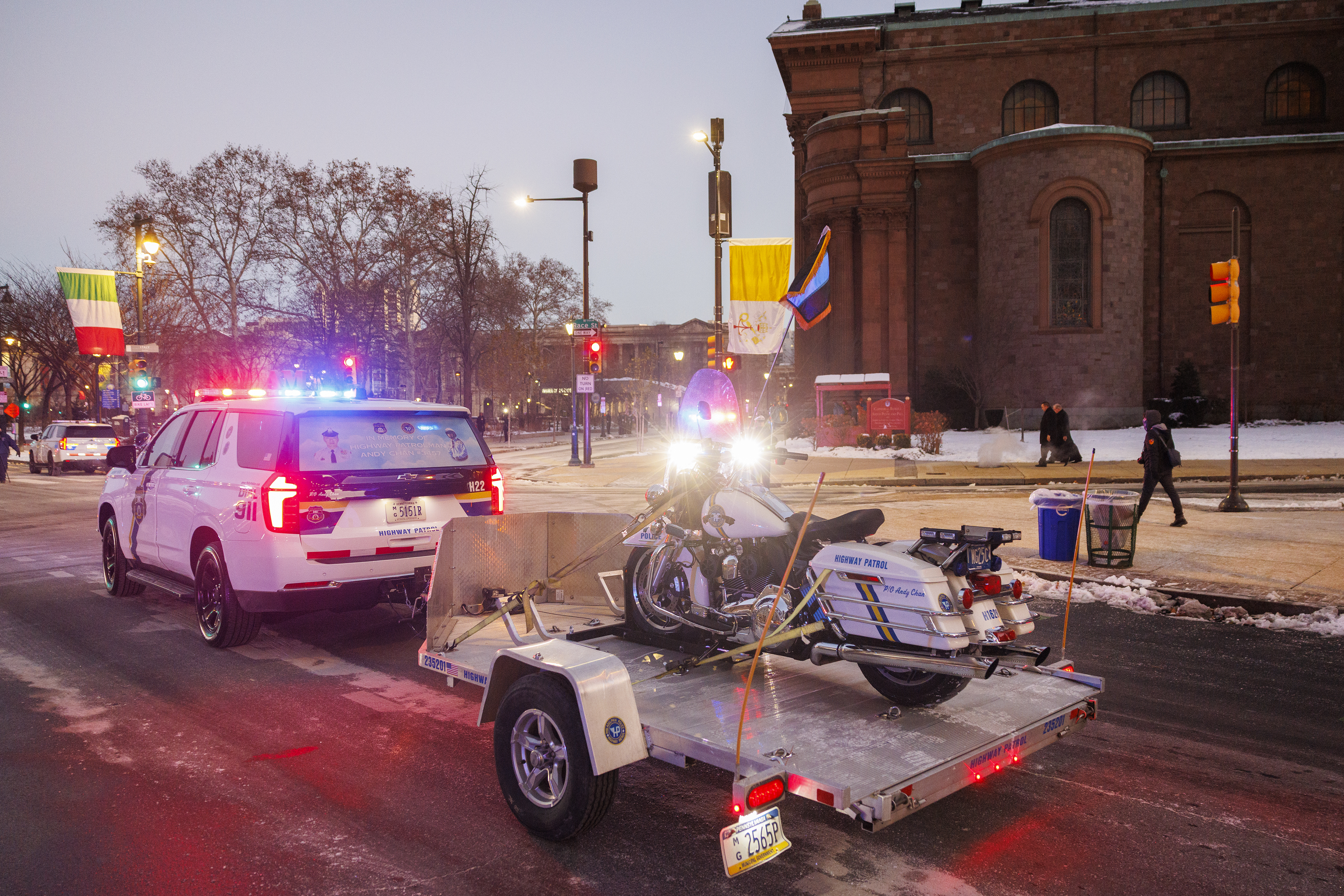
    A highway patrol motorcycle leads the procession to the Cathedral Basilica of SS. Peter and Paul for the funeral of Philadelphia Police Officer Andy Chan.

    Chan served 24 years on the Philadelphia police force before the crash on a quiet stretch of Rowland Avenue irrevocably altered the course of his life.

    A highway patrol officer for nearly his entire career, Chan spent his working days on two wheels, patrolling neighborhoods and highways astride the bike he was known for riding with pride.

    He greeted his fellow officers not with “Hello,” but with “Highway!”

    Officers towed Chan’s motorcycle, still bearing his name, in a procession that stretched nearly 18 miles, from North Philadelphia to Center City and finally, to the cathedral.

    Inside the gilded building, photos of Chan streamed on TVs: Beside his wife, Teng, dressed in their wedding attire, hands clasped and raised triumphantly as they walked into their reception. In a portrait studio, cradling the youngest of his three children. Standing on the grass of the National Mall in Washington, D.C., surrounded by fellow officers. His arm around a gray-haired Sylvester Stallone. On his bike, over and over again.

    The body of Philadelphia police officer Andy Chan is lifted from Caisson after arriving at the Cathedral Basilica St. Peter and Paul, Tuesday, December 16, 2025.

    Chan had wanted to be a police officer since childhood, he once said in a radio appearance. From his parents’ restaurant in Chinatown, he listened with reverence to the uniformed officers who came in to eat and swap stories with his father. “I kind of looked up to police officers,” he said.

    But he was drawn especially to the thunder of their motorcycles as they passed.

    After joining the department, Chan spent eight years riding the streets of the 39th District as a bicycle officer before being promoted in 2004 to the department’s elite Highway Patrol Unit.

    When he introduced himself to the woman who would become his wife, he did so simply with the words: “I’m Highway.”

    The casket of Philadelphia Police Highway Patrol Officer Andy Chan arriving at the Cathedral Basilica of SS. Peter and Paul on Tuesday.

    Teng Chan described her husband’s “unwavering sense of purpose” as rivaled only by his love of his family. On road trips, she said, he gave long lectures to their eldest son about life, inspiring him to become a volunteer firefighter and later, join the U.S. National Guard, she said.

    As for her, his wife said, “He pushed me out of my comfort zone. He made me who I am today: a better person. A fighter.”

    After the Jan. 3, 2019, crash, Chan remained in a coma for weeks, reliant on a ventilator. When he awoke, he required 24-hour care from family, friends, and fellow police officers, who regularly sat by his side. Though he could no longer speak, those close to him said he showed recognition and response when loved ones were present.

    “We were heartbroken every day after the accident,” Teng Chan said. “We prayed every day for recovery, for him to be restored. With his unbreakable spirit, he stayed with us.

    “But,” she said, “it was time. He has a higher calling.”

    Chan was buried in Laurel Hill West Cemetery.

  • Son Nick arrested after Rob Reiner and his wife found dead in Los Angeles home, AP source says

    Son Nick arrested after Rob Reiner and his wife found dead in Los Angeles home, AP source says

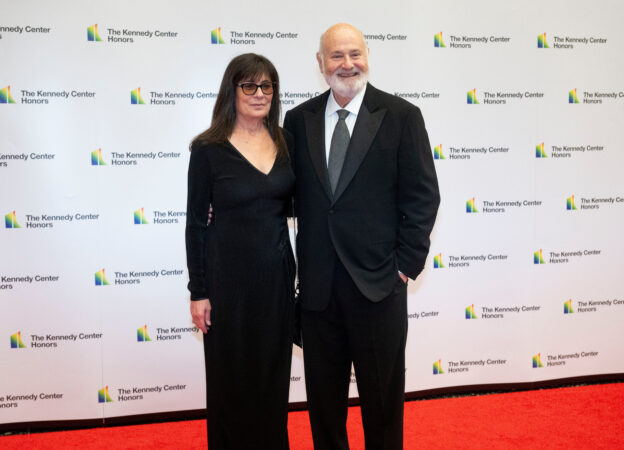
    LOS ANGELES — Rob Reiner’s son, Nick Reiner, was in police custody Monday after deaths of the director-actor and his wife Michele, a law enforcement official told The Associated Press.

    Online jail records show Nick Reiner, 32, was booked by Los Angeles police and remained in jail on Monday. It was not immediately clear what charges he would face. The online records showed a $4 million bail had been set.

    The law enforcement official, who was briefed on the investigation, confirmed that he was being held, but could not publicly discuss the details and spoke to AP on condition of anonymity.

    Representatives for Reiner’s family did not immediately respond to a request for comment and it wasn’t immediately clear if Nick Reiner had an attorney who could speak on his behalf.

    Rob and Michele Weiner were found dead Sunday at their home in Los Angeles, and investigators believe they suffered stab wounds, the law enforcement official said.

    The Los Angeles Fire Department said it responded to a medical aid request shortly after 3:30 p.m. and found a 78-year-old man and 68-year-old woman dead inside. Reiner turned 78 in March.

    Detectives with the Robbery Homicide Division were investigating an “apparent homicide” at Reiner’s home, said Capt. Mike Bland with the Los Angeles Police Department.

    Los Angeles authorities have not confirmed the identities of the people found dead at the residence in the upscale Brentwood neighborhood on the city’s west side that’s home to many celebrities.

    Reiner was long one of the most prolific directors in Hollywood, and his work included some of the most memorable movies of the 1980s and ’90s, including “This is Spinal Tap,” “A Few Good Men,” “When Harry Met Sally” and “The Princess Bride.”

    His role as Meathead in Norman Lear’s 1970s TV classic “All in the Family,” alongside Carol O’Connor’s Archie Bunker, catapulted him to fame and won him two Emmy Awards.

    The son of comedy legend Carl Reiner, Rob Reiner was married to photographer Michele Singer Reiner since 1989. The two met while he was directing “When Harry Met Sally” and had three children together: Nick, Jake and Romy.

    Relatives of Lear, the legendary producer who died in 2023, said they were bereft by the news.

    “Norman often referred to Rob as a son, and their close relationship was extraordinary, to us and the world,” said a Lear family statement. “Norman would have wanted to remind us that Rob and Michele spent every breath trying to make this country a better place, and they pursued that through their art, their activism, their philanthropy, and their love for family and friends.”

    Messages to Reiner’s representatives were not immediately returned Sunday night.

    Los Angeles Mayor Karen Bass called Reiner’s death a devastating loss for the city.

    “Rob Reiner’s contributions reverberate throughout American culture and society, and he has improved countless lives through his creative work and advocacy fighting for social and economic justice,” Bass said in a statement. “An acclaimed actor, director, producer, writer, and engaged political activist, he always used his gifts in service of others.”

    Reiner was previously married to actor-director Penny Marshall from 1971 to 1981. He adopted her daughter, Tracy Reiner. Carl Reiner died in 2020 at age 98 and Marshall died in 2018.

    Killings are rare in the Brentwood neighborhood. The scene is about a mile from the home where O.J. Simpson’s wife Nicole Brown Simpson and her friend Ron Goldman were killed in 1994.

  • ‘I didn’t want to get hit’: A.C. mayor’s teen daughter testifies against him in child abuse trial

    ‘I didn’t want to get hit’: A.C. mayor’s teen daughter testifies against him in child abuse trial

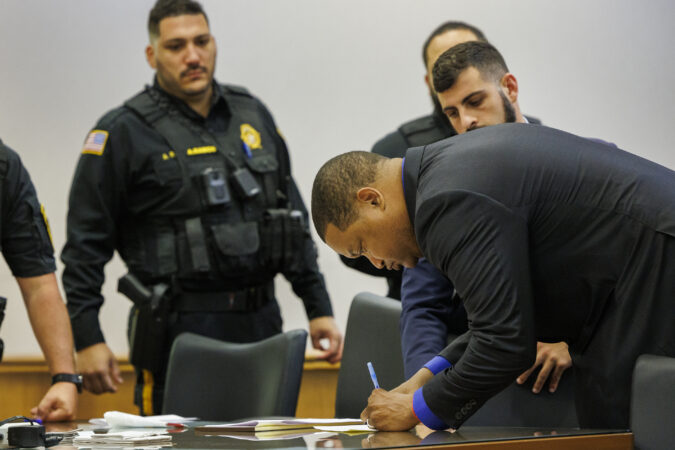
    MAYS LANDING, N.J. — The daughter of Atlantic City Mayor Marty Small Sr. took the stand in an Atlantic County courtroom Tuesday morning to testify against him at trial as he stands accused of physically abusing her.

    As a Superior Court judge looked on, the teen told jurors her father had beaten and punched her and struck her with a broom.

    “He put his hands on me,” she said.

    Small, a Democrat, faces charges of child endangerment, aggravated assault, and witness tampering in connection with a series of incidents in which prosecutors say he punched, beat, and threatened his then-15-year-old daughter, largely over his disapproval of her relationship with her boyfriend. He has denied any wrongdoing, and his lawyers have challenged his daughter’s credibility.

    The girl, now 17, recounted the abuse in a soft voice, calmly answering prosecutors’ questions — and rejecting suggestions by an attorney for her father that she had lied about key details.

    “My dad came home and he was like, upset,” the girl said as prosecutors asked her about crimes they allege took place in the Small family home in January 2024.

    She said her mother had recently gone through her phone and learned that she had sneaked her boyfriend into the house. Her father, she testified, was “mad and disappointed.” As she sat in a chair that she recalled as having a Philadelphia Flyers theme, she told the jury, he hit her with a belt and punched her in the legs.

    Louis Barbone, an attorney for Small, maintained that there were inconsistencies in statements the girl gave to investigators, and he disputed her account of the incident with the broom.

    Earlier in the day, prosecutors played video footage they say the teen recorded at home.

    Though the camera did not show images of Small or others, it captured the sound of the girl and her parents screaming amid what prosecutors described as the chaos that descended on the home after the teen started a relationship they did not approve of.

    Prosecutors also showed Instagram messages the girl exchanged with her boyfriend about the alleged abuse, including one in which she told him, ”I’m scared to get in the shower because my bruise is gonna burn.”

    Small’s daughter told jurors that as her father was rousing his family one January morning to attend the Atlantic City Peace Walk, she did not have her hair done and didn’t want to go. She said she and her father argued and he pushed her, so she splashed him with laundry detergent.

    Small, she said, then got a broom and struck her multiple times in the forehead. She testified that she passed out, and the next thing she remembered was her father telling her brother to get her some water.

    On cross examination, Barbone returned to a theme he struck in his opening statement to the jury on Monday — that Small was a caring father who, watching his daughter’s life veer off course because of a relationship he believed to be manipulative and inappropriate, had legally disciplined a disobedient child.

    He told jurors prosecutors did not have a recording of the incident involving a broom, and he said the girl had been wielding a butter knife and the injuries she sustained that day happened when she fell as the two wrestled for the broom.

    Barbone said the teen had exaggerated her injuries, and he noted that when initially questioned by investigators, she told them she felt safe at home.

    “I didn’t want to get taken away,” the girl said, “so I said, ‘yes.’”

    The trial is expected to continue through the end of the week.

  • Gov. Shapiro ‘was instrumental’ in preventing SEPTA strike

    Gov. Shapiro ‘was instrumental’ in preventing SEPTA strike

    Transport Workers Union Local 234 and SEPTA agreed Sunday night to continue contract talks in the morning, avoiding for now a strike that could have ground to a halt much of Philadelphia.

    Beginning in late afternoon, members of Gov. Josh Shapiro’s staff met with union leaders and SEPTA senior managers at the governor’s Philadelphia office. The goal was to unstick talks that had faltered, seeing if compromise was possible.

    The union’s push for an increase in pensions and SEPTA’s proposal for union members to pay a greater share of the cost of their healthcare coverage emerged over the last week as the biggest obstacles to an agreement, according to both union and transit authority sources.

    “Gov. Shapiro’s office brought the parties together and they made progress,” SEPTA spokesperson Andrew Busch said. “It was significant.”

    In a statement, the union said “significant progress” was made.

    “Gov. Shapiro was instrumental in preventing a strike that could have started as soon as Monday morning. We’re grateful for his close involvement,” said TWU Local 234 President Will Vera.

    Sticking points

    On Friday, Vera declared he was out of patience at what the union saw as SEPTA’s intransigence and threatened to lead members in a walkout.

    A work stoppage would have brought chaos to a mass transit system that carries a weekday average of 790,000 riders.

    TWU Local 234 represents 5,000 bus, subway, elevated train and trolley operators, as well as mechanics, cashiers, maintenance people and custodians, primarily in the city.

    Their one-year labor contract expired Nov. 7, but members stayed at their posts. On Nov. 16, they authorized Local 234’s leaders to call a strike if needed. The vote was unanimous.

    SEPTA and the union were not far apart on salary and both wanted a two-year deal after a series of one-year pacts during a time of financial crisis for the transit agency, sources said.

    Management wanted to hike what union members pay for health coverage and increase co-pays for doctor and hospital visits.

    The union pushed for an enhancement to the formula that determines retirees’ monthly pensions, based on years of service. It was last increased in 2016.

    SEPTA officials calculated that TWU’s proposed changes would have created an annual unfunded liability of about $6 million for an undetermined length of time. The union says the pension plan books showed a bump was affordable.

    Because TWU Local 234 is the largest SEPTA union, its contracts are used as a template for the other locals working for the transit system, which could boost costs.

    Regional Rail was a concern to SEPTA because commuter railroad workers, like others, receive a federal pension that has tended to be less generous. Those unions would have wanted a SEPTA sweetener to their retirement benefits too.

    TWU Local 234 also wanted changes to work rules involving sick time benefits and the length of time it takes new members to qualify for dental and vision benefits — currently 15 months.

    The local also represents several hundred suburban workers, primarily operators, in SEPTA’s Frontier district, which runs 24 bus routes in Montgomery County, Lower Bucks County, and part of Chester County.

    The Victory district has a similar number of employees, who are represented by SMART Local 1594. They run Delaware County’s two trolley lines, the Norristown High Speed Line, and 20 bus routes in the suburbs.

    Unions for both the Frontier and Victory districts could choose to strike alongside TWU Local 234. If that happened, Regional Rail, already plagued by delays and cancellations due to federally-mandated repairs on train cars, would be the only public transit running.

    Strike-prone reputation

    SEPTA unions have walked off the job at least 12 times since 1975, earning the authority a reputation as the most strike-prone big transit agency in the United States.

    TWU last struck in 2016. It lasted for six days and ended the day before the general election. Democrat Hillary Clinton’s presidential campaign was worried about voter turnout, and the city sought an injunction to end the strike. That proved unnecessary.

    Regional Rail would operate during a TWU strike. Locomotive engineers and conductors on the commuter service are represented by different unions than transit employees, and are working under current contracts.

  • In Philadelphia, Frank Gehry’s legacy lives on at the Art Museum

    In Philadelphia, Frank Gehry’s legacy lives on at the Art Museum

    Famed architect Frank Gehry died Friday in his home in Santa Monica at 96 after a brief respiratory illness. And while he is gone, cities all over the world will continue to hold a piece of him — including Philadelphia.

    Though he is known for the striking, rambunctious architecture of buildings like the Guggenheim Museum in Bilbao, Spain, and the Walt Disney Concert Hall in Los Angeles, around here, Gehry will perhaps be best remembered as the man behind the Philadelphia Art Museum as we know it today. Gehry in 2006 was selected from a slate of more than 20 renowned architects to oversee what would become a $233 million renovation of the Art Museum.

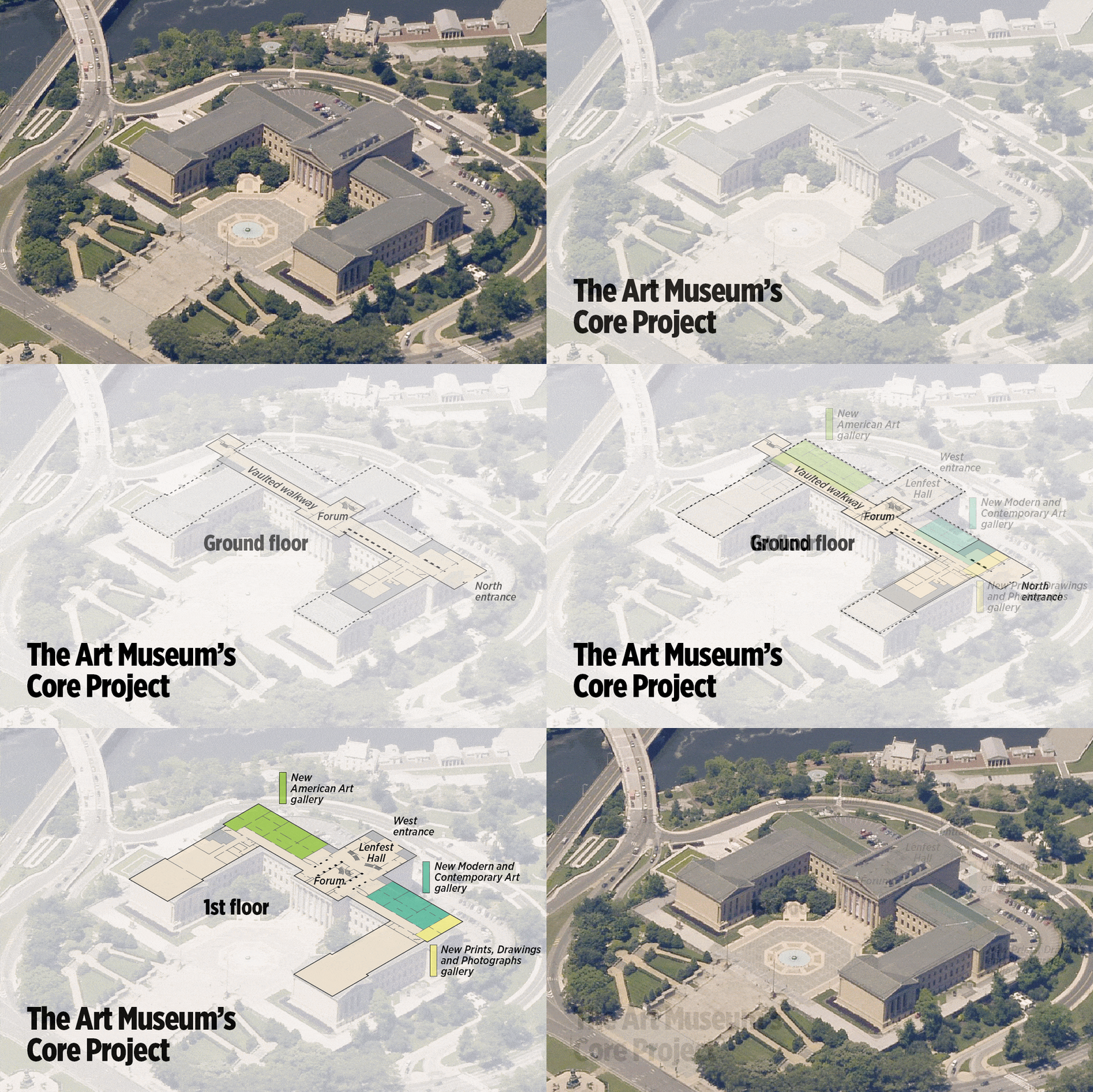
    Known as the Core Project, the effort — completed in 2021 — was designed to open up the museum’s floor plans, reclaim a ground level that had been closed to the public for decades, and add some 20,000 square feet of new gallery space. Completed in phases over more than a decade, Gehry’s planned renovations were designed to make the building more accessible, revitalize its aging infrastructure, and give the space more flow — all while not disrupting the museum’s iconic look.

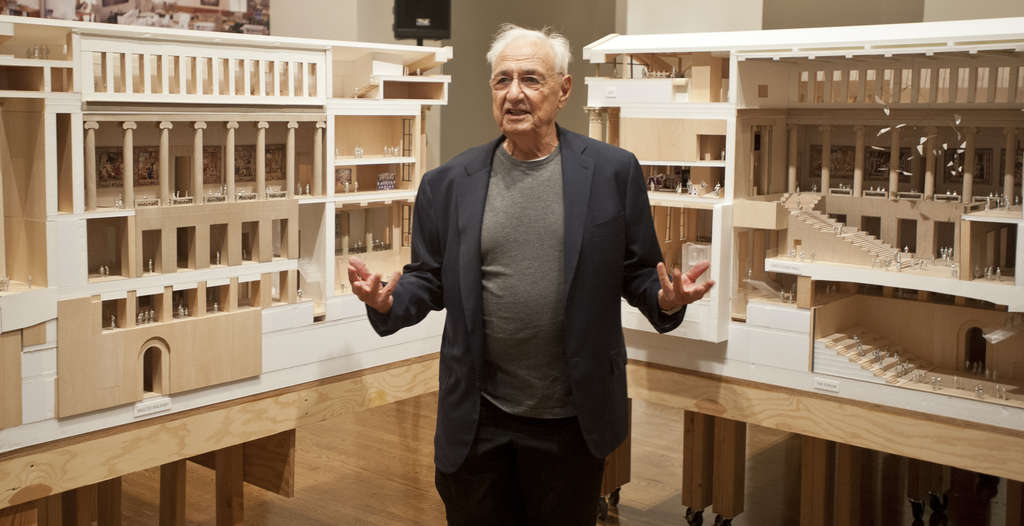
    Frank Gehry with a model of his design for the museum’s expansion, to be on display in the exhibit “Making a Classic Modern: Frank Gehry’s Master Plan for the Philadelphia Museum of Art.”

    “Frank always felt in the design of the core project that he was collaborating with the original architects,” said retired Philadelphia Art Museum chief operating officer Gail Harrity Friday. “He often said he was following the bread crumbs left by the original architects to revitalize a building that needed a flow, needed the restoration of the east-west access, the north-south access.”

    Gehry’s work on the Art Museum created “views toward a work of art that pull you like a magnet into the galleries,” Harrity said. And in a 2021 Inquirer review of the revamp, architecture critic Inga Saffron found that the redesign gave “museum officials precisely what they wanted: clarity, light, and space.”

    A contentious choice

    But when he was selected to lead the effort, Gehry was something of a controversial choice. At the time, Gehry was known for flamboyant architecture dotted with playful, tumbling forms — much different from the Greek Revival and Neoclassical design that made the Art Museum an icon on the Benjamin Franklin Parkway. Some museum lovers worried he would desecrate Philly’s art museum, while others pondered why museum officials would pick such a high-profile architect to design features that largely would not be seen from the outside.

    “Nothing [Gehry] has done gives me a good feeling,” one reader wrote to The Inquirer in 2006. “Please rethink using this man to destroy the Philadelphia Museum of Art.”

    Gehry himself did little to quell his detractor’s worries. As he put it to The Inquirer at one point: “We will set off a bomb. But I can’t tell what kind till the fat lady sings. I think we’ll make it memorable.”

    A $233 million Frank Gehry-designed renovation of the Art Museum focusing on the building’s bottom two floors. The Core Project’s goals were to open up the museum’s floor plans, reclaim a ground level that had been closed to the public for decades, and add 20,000 square feet of new gallery space.

    Ultimately, Gehry’s design would be understated and in line with the museum’s existing structure. In fact, it was Gehry’s work on the ’60s-era Norton Simon Museum in Pasadena — which he transformed into a series of serene, classically arranged galleries in the 1990s — that convinced Art Museum officials to go with him for their redesign, so there was perhaps little to be concerned about all along.

    Museumgoers got their first taste of the revamp in the fall of 2012, when work on an art-handling facility was completed. That project moved a loading dock and backstage area from the building’s northeast side near Kelly Drive to the Schuylkill side, and would allow for Gehry’s redesign project to progress.

    And, at least to Gehry, big plans were afoot.

    “I wonder if people in Philadelphia know what a big deal this is,” he told The Inquirer in 2014. “Bilbao was a sleepy little town before the Guggenheim came along. This is going to change Philadelphia.”

    The unveiling

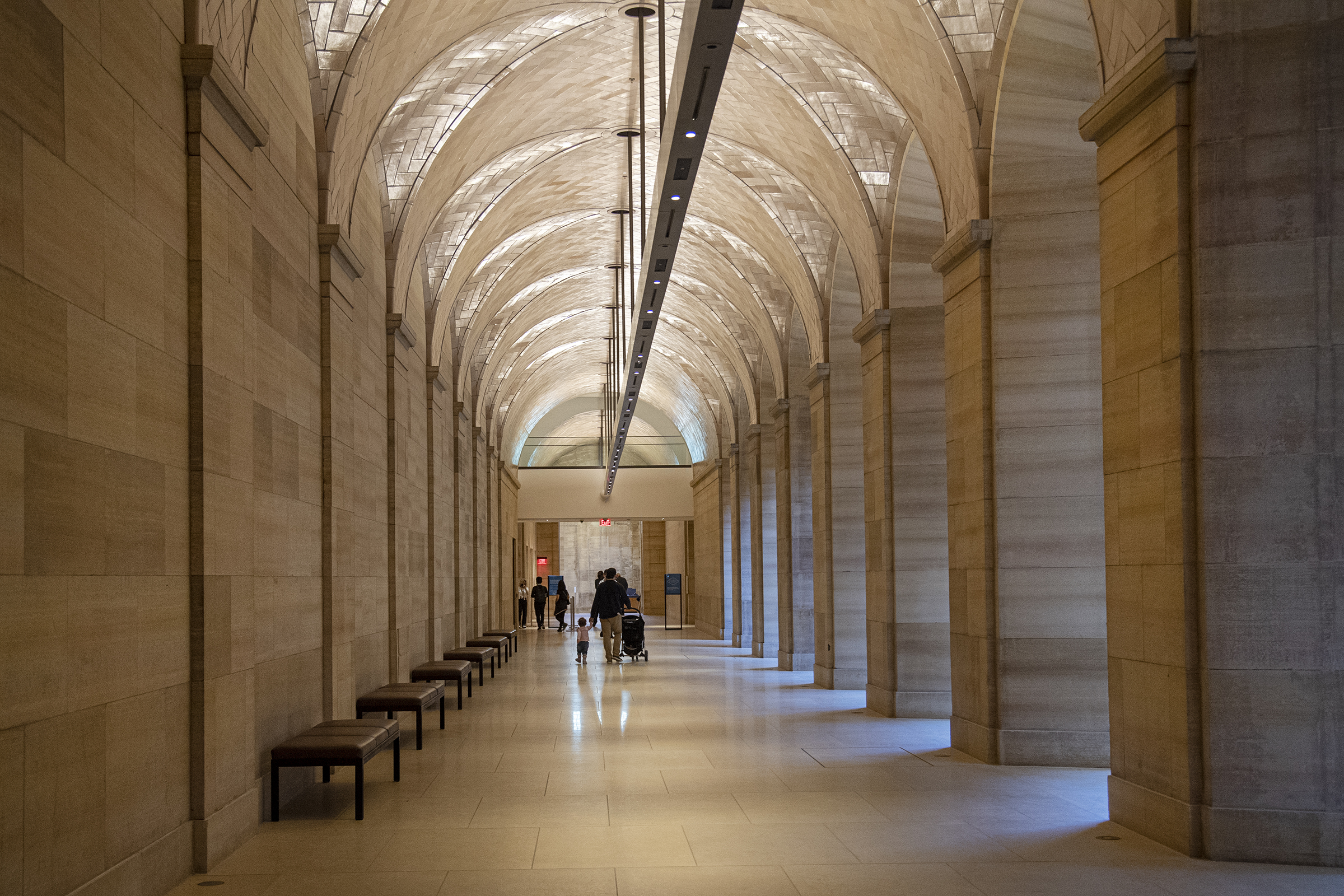
    By 2017, the Art Museum officially broke ground on the Core Project phase of its redesign. Two years later, in 2019, it reopened a long-shut entryway on the building’s north side, leading to a vaulted walkway more than 600 feet long, running the width of the museum. An auditorium was demolished, being replaced by the area today known as the Williams Forum.

    Its removal opened up the interior of the museum, allowing visitors to see through the entire building, bringing in light and street vistas through windows, and “possibly ending that feeling of being lost amid proliferating galleries of art,” The Inquirer reported at the time.

    In 2021, the Art Museum officially unveiled Gehry’s work, showing off the result of 15 years of planning, design, and reconstruction. The Daniel W. Dietrich II Galleries and Robert L. McNeil Jr. Galleries made their debut, housing contemporary and American art, respectively.

    “Gehry has provided the canvas,” Saffron wrote of the redesign. “Now it’s up to the museum to make the most of it.”

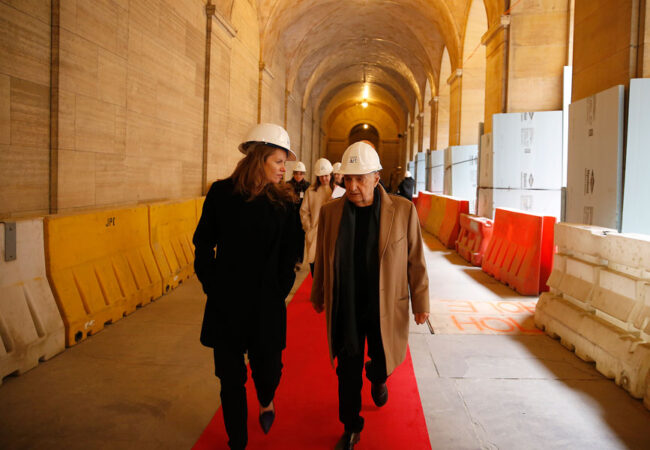
    View of the vaulted walkway at the Art Museum.

    But the design wasn’t exactly completely finished. Gehry also created the Philadelphia’s museum’s master plan that includes a proposed next phase: building more gallery space beneath the museum’s east steps. The project has been on hold for a number of years, and its status remains undetermined, a museum spokesperson said Friday.

    The museum had also had informal discussions recently with Gehry about designing a learning and engagement center, but that project‘s status is also undetermined, the spokesperson said.

    “The building is a landmark that is iconic in Philadelphia, that’s difficult to change the exterior of, and in many respects is on a site that is hard to expand,” said Harrity. “So in looking at previous ideas and designs I think Frank’s solution for further increasing gallery space while responding to the architectural integrity of a landmark that is beloved in Philadelphia is brilliant.”

    This article contains information from the Associated Press.

  • Three Philly cops who defenders say ‘straight up lied’ cause 134 drug cases to be dismissed, hundreds more expected

    Three Philly cops who defenders say ‘straight up lied’ cause 134 drug cases to be dismissed, hundreds more expected

    More than 130 drug cases were dismissed Friday — and hundreds more are expected to collapse in the coming months — after prosecutors said three Philadelphia narcotics officers repeatedly gave false testimony in court.

    Common Pleas Court Judge Lillian Ransom vacated 134 cases during the first in a series of hearings that could see nearly a thousand criminal prosecutions collapse because the testimony of three officers on the Narcotics Strike Force has been deemed unreliable.

    Philadelphia Police Officers Ricardo Rosa, Eugene Roher, and Jeffrey Holden were found to have repeatedly given false testimony against people suspected of selling drugs after lawyers with the Defender Association of Philadelphia recovered video footage that contradicted their statements, the district attorney’s office said.

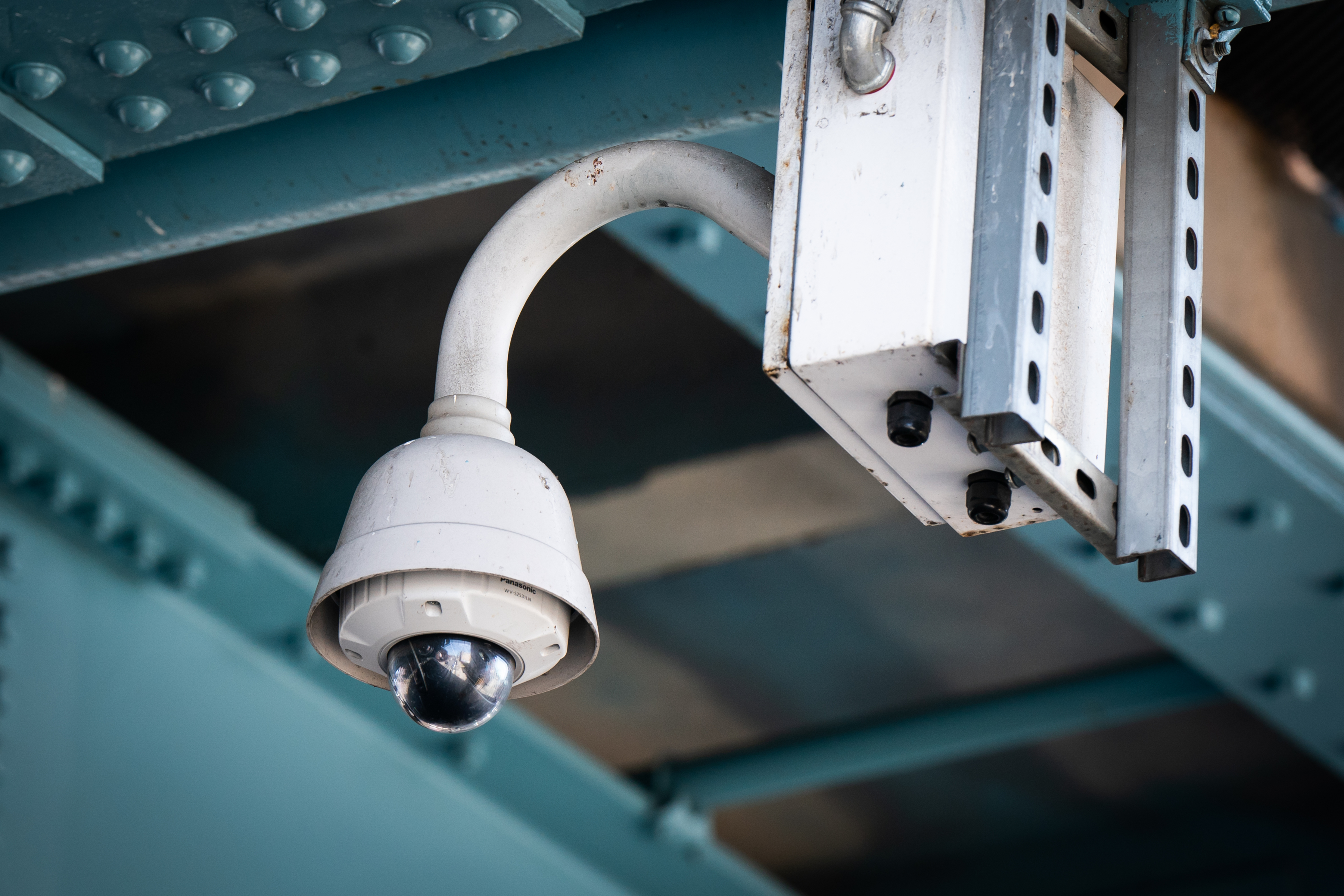
    The defenders said the officers regularly watched surveillance cameras to monitor suspects in drug investigations in real time, then didn’t disclose it to prosecutors or defense attorneys in court, officials said. The video footage later showed they also testified to things that never happened or that they could not have seen from where they were positioned, according to court filings.

    Prosecutors later conceded that they could no longer vouch for the officers’ credibility and are expected to dismiss scores of cases built on their testimony.

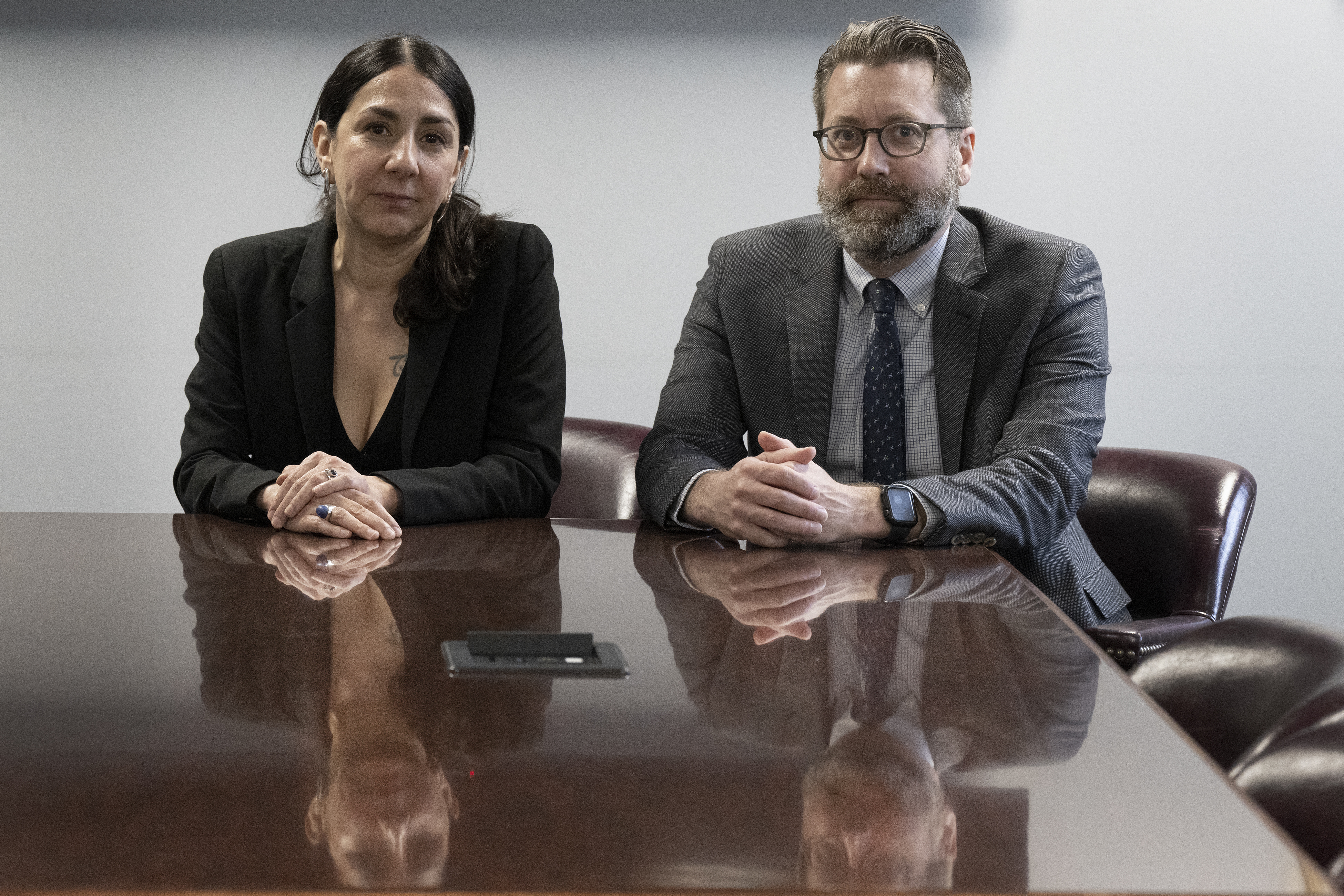
    Michael Mellon and Paula Sen, of the Defender Association, began looking into whether officers on the narcotics squad were lying in court starting in 2019.

    After a review of cases and convictions involving the officers’ testimony, lawyers for the defender association and prosecutors identified more than 900 cases and expect to ask the judge to dismiss them over the next year. It was not immediately clear how many people, if any, served time in jail, or are still in custody, as a result of the prosecutions that are now in question.

    Holden, reached by phone Friday, said he was shocked to learn that his cases and testimony were under scrutiny, and said he had not been told of the move to end the cases at Friday’s hearing. He declined to comment further.

    Rosa and Roher did not immediately respond to requests for comment. The officers remain assigned to their narcotics squads.

    The district attorney’s office said it provided the police department’s internal affairs unit with details of the officers’ false statements in multiple cases last March.

    Police Commissioner Kevin Bethel, in a statement, said the department takes “potential credibility issues with our officers extremely seriously.”

    An internal affairs investigation into the matter was launched last March and remains ongoing, he said.

    The department requested and reviewed cases flagged by prosecutors, he said, but “thus far we have not identified any evidence that would raise concerns of misconduct or criminal behavior on the part of those officers.”

    He added: “We will, as always, take appropriate action if and when evidence supports such action, but we will not preemptively sideline officers absent some verified findings.”

    Bethel said he learned of the plans to dismiss the cases on Thursday, and has asked prosecutors to provide additional information to assist with their review. He also said the police department has been working with the district attorney to develop a clearer protocol on how officers can use surveillance cameras during investigations.

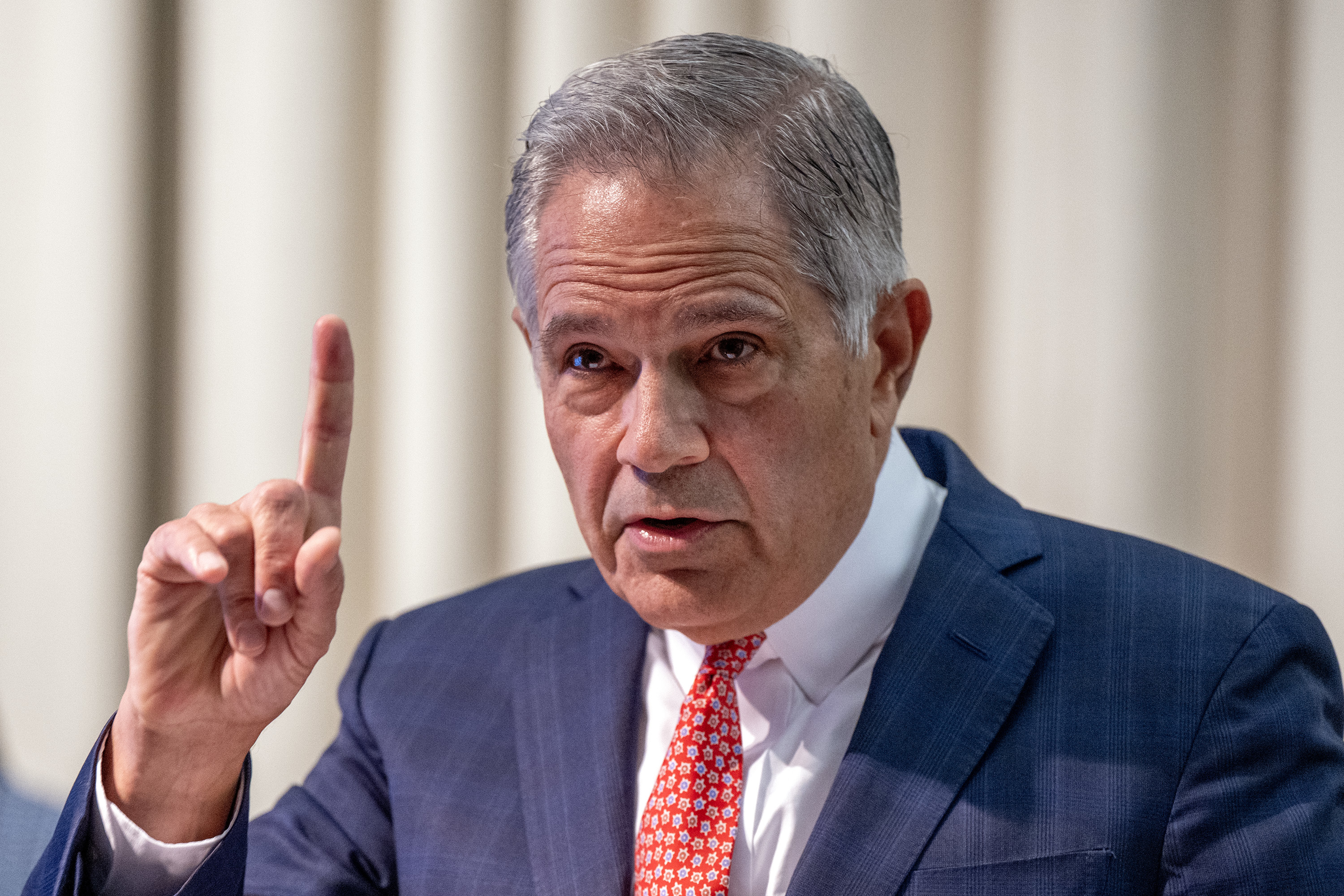
    District Attorney Larry Krasner on Friday declined to say whether his office was investigating the officers’ conduct, but noted that “the statute of limitations for police officers in their capacity is much longer than the statue of limit for other offenses.”

    “I have dealt extensively with Commissioner Bethel. I know he and the mayor are committed to rooting corruption, lying, stealing, and cheating out of the police department,” he said.

    District Attorney Larry Krasner declined to say whether his office was investigating the officers’ conduct as criminal in nature.

    ‘They’re lying’

    Assistant District Attorney David Napiorski, who reviewed the cases for the office, stopped short of accusing the officers of lying, but said “there’s enough of a pattern of inconsistencies across testimony that we can’t rely on them as critical witnesses in court.”

    But Paula Sen and Michael Mellon of the Defenders’ Police Accountability Unit disagreed.

    “It’s a fancy way of saying they’re lying,” said Sen, who has worked with Mellon to uncover the officers’ credibility issues since 2019.

    The unfolding scrutiny is the latest in a series of large-scale conviction reversals in Philadelphia tied to misconduct in the narcotics unit. Over the past three decades, judges have thrown out thousands of drug cases after officers were found to have fabricated evidence, lied on the stand, or stolen money from dealers.

    Bradley Bridge, a longtime public defender, was often the driving force behind those reviews and estimates he’s worked to overturn about 2,500 drug convictions since 1995.

    In 2015, Bridge filed a petition to vacate more than 1,400 drug convictions tied to six ex-narcotics cops after they were charged with robbing and beating drug dealers, then altering police paperwork to cover their tracks. The officers were later acquitted by a jury and got their jobs back through arbitration, but more than 950 cases were thrown out after officials agreed they couldn’t trust their testimony.

    Bridge, who returned from retirement to handle the cases tied to Rosa, Roher, and Holden, said, “Tragically, nothing is unique about this. It’s exactly the same problems that keep arising since 1995, including the lack of supervision and oversight of police officers on the street.”

    A video camera used by Philadelphia police located at Somerset Street in Kensington.

    Sen and Mellon said they first noticed a pattern of false testimony in 2019 after they reviewed surveillance footage that contradicted statements Rosa gave about drug cases. As time passed, they said, they continued to monitor his narcotics squad, and found inconsistencies with Holden and Roher’s testimony, too.

    They said the officers used the city’s surveillance camera systems to monitor suspected drug activity in real time, but didn’t disclose it as part of their investigation — a violation of due process because the evidence wasn’t shared with defense attorneys.

    In court, the officers denied using the cameras, Mellon said, and often said they witnessed hand-to-hand drug transactions that video later showed either never happened or that they could never have seen because the suspect was out of sight.

    “They just straight up lied and invented acts of criminality,” Sen said.

    ‘Who are they gonna believe?’

    In one case, Roher said he was seated in an unmarked police car when he saw Darrin Moss sell drugs to two people near Somerset and Helen Streets in Kensington in April 2022. He said he could see Moss inside the fenced lot retrieve drugs, then hand them to a buyer and accept money in return.

    Prosecutors later said in court filings that video footage captured by a surveillance camera on the end of the block showed that one drug deal never happened, and the other supposed deal was behind a building and would have been impossible to see.

    The charges against Moss were withdrawn.

    When prosecutors learned of the discrepancies, they asked Roher to meet and discuss the case, but he failed to appear in court twice without explanation, they said in a court filing.

    Prosecutors said this became a pattern — once the officers seemed to learn their testimony was under scrutiny, they stopped showing up to court.

    Court filings identify at least nine cases in which the three officers allegedly gave false testimony. Napiorski, of the district attorney’s office, said prosecutors reviewed a few dozen videos from other cases that suggested a systemic pattern of false information in court.

    Sen, of the defenders association, said it was troubling that the officers remained assigned to the narcotics squad and have been able to continue making arrests.

    “How is the public supposed to have trust in a department that continues to employ people who have so clearly proved themselves to be liars, that has resulted in thousands of people being arrested and jailed?” she asked.

    Most of the cases dismissed Friday were drug crimes that led to a sentence of probation, prosecutors said. Seven included a gun charge.

    The drug charge against Ramoye Berry was among them.

    Berry, 29, from North Philadelphia, said that in April 2023, he was standing on the 1300 block of West Boston Street talking to some friends when a group of officers tackled him and accused him of selling drugs.

    When they searched his car, he said, they found a small amount of weed, but he wasn’t selling it. He was charged with possession with intent to sell drugs.

    Berry couldn’t recall which officer testified against him in court, but he said he remembered telling his lawyer that the officer wasn’t telling the truth.

    He said he pleaded guilty to drug possession and accepted a year of probation because he didn’t think he could prove his innocence, and the court dates were challenging to keep up with. It kept him from being able to get a job, he said.

    When he learned on Friday that the officer had a history of giving false information and that his conviction would be vacated, he said he felt vindicated — but frustrated by the time and jobs he lost to the case.

    “This is what I was saying from the beginning,” he said, shaking his head. “But who are they gonna believe? The cops, or me?”

  • The USMNT will play Paraguay, Australia, and a European qualifier at the 2026 World Cup

    The USMNT will play Paraguay, Australia, and a European qualifier at the 2026 World Cup

    WASHINGTON — There’s plenty of history of World Cup host teams getting easy groups. But the soccer gods definitely smiled on the U.S. men’s national team at Friday’s draw.

    The Americans got Australia out of Pot 2, the second-toughest batch, instead of the stars and skills of Croatia, Morocco, or Colombia. In Pot 3, they got Paraguay, instead of Norway’s all-world striker Erling Haaland and playmaker Martin Ødegaard.

    At that point in the glitzy stage show, with President Donald Trump leading the guest list at the Kennedy Center, the U.S. knew it would get a European playoff winner from Pot 4. But even then, they got lucky, landing the bracket of Turkey, Romania, Slovakia, and Kosovo, instead of the one led by Italy.

    Then, as the dust settled and the watching world looked at the results, something else became clear. At least two of the three games will be rematches of recent U.S. games, and all three will be if Turkey wins that playoff.

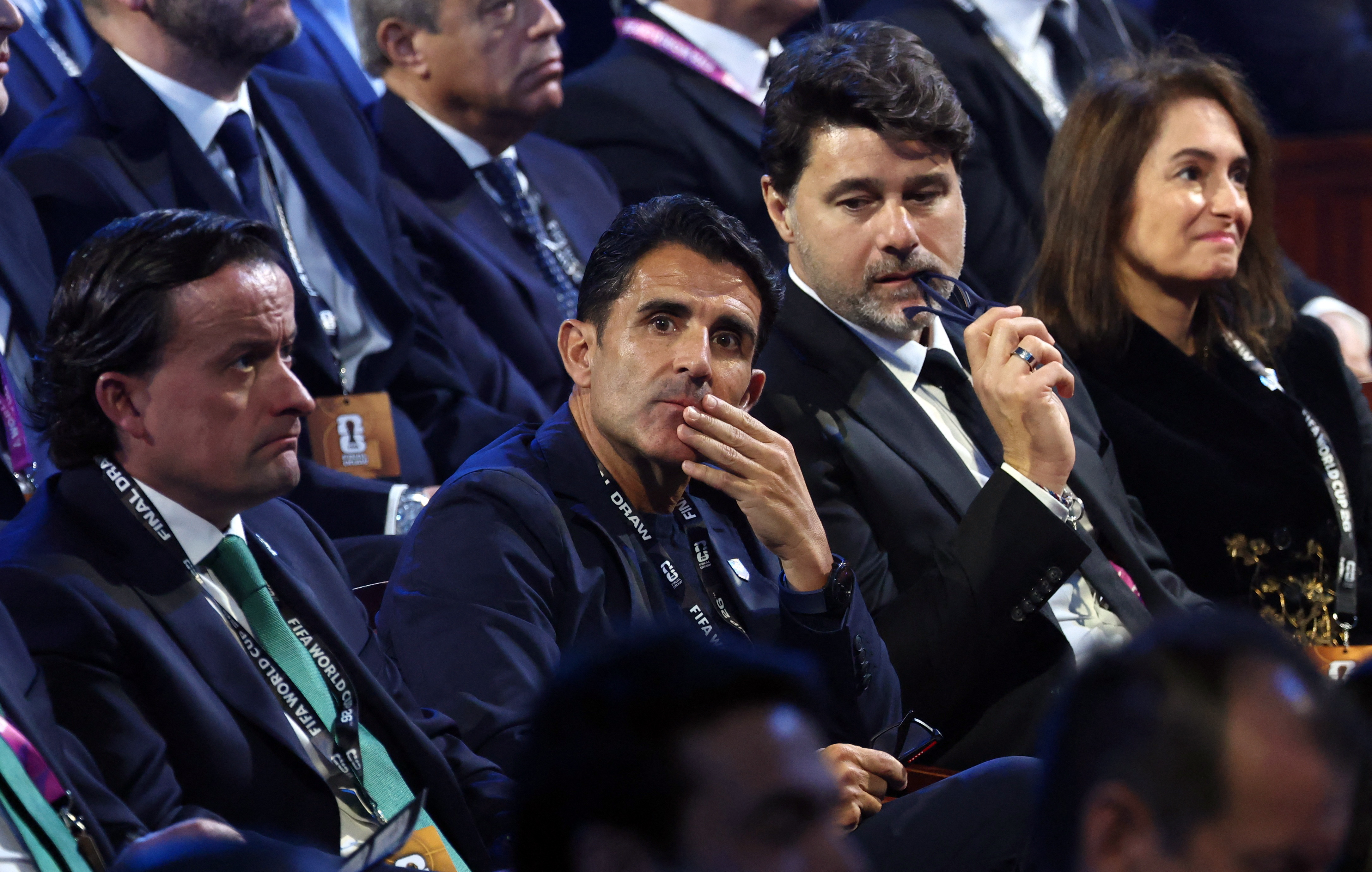
    Mauricio Pochettino (second from right) in the audience in the Kennedy Center’s historic Concert Hall.

    “It means less work,” U.S. manager Mauricio Pochettino said. “We can say we’ve already done the homework because it’s fresh when we played them … It’s still six months. We need to update everything — and we know them, but they know us.”

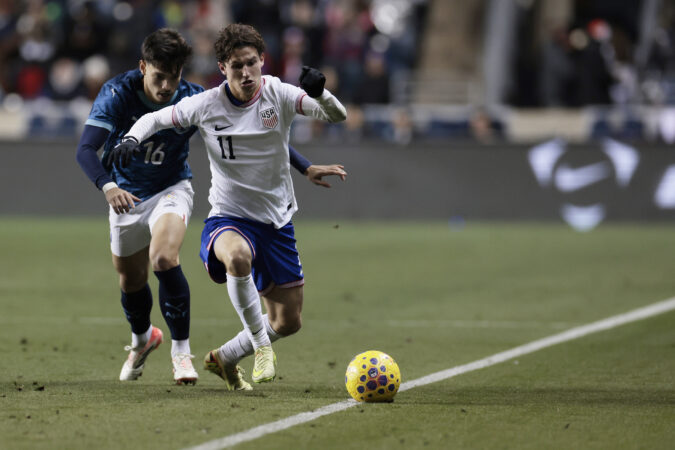
    The Americans’ opening game will be against Paraguay on June 12, the second day of the tournament, in Inglewood, Calif. The teams met last month at Subaru Park in Chester, and the U.S. won, 2-1, with goals from Gio Reyna and Folarin Balogun.

    “I know they’re a very difficult, very complex team, one that has found a way to build a solid foundation, a solid base,” Paraguay manager Gustavo Alfaro said. “And that helps us understand the things we need to improve.”

    Seven days later, the U.S. will play Australia in Seattle, a game that should produce a thunderous atmosphere in one of America’s elite soccer cities. In October, the U.S. came from behind to beat a physical Socceroos squad, 2-1, with two goals from Haji Wright.

    “We know what to expect — a top team, a top coach,” Australia manager Tony Popovic said. “It will be obviously different in a World Cup to a friendly, but that also excites us.”

    Then it will be back to the LA area for the group stage finale, on June 25 against the playoff winner.

    Turkey beat the U.S., 2-1 in June in East Hartford, Conn., but that U.S. squad was missing a lot of its stars — deliberately at that point, by Pochettino’s decision. Turkey’s squad was full-strength, including star playmakers Kenan Yıldız of Italy’s Juventus (where he’s teammates with Weston McKennie) and Arda Güler of Spain’s Real Madrid.

    If Romania pulls off the upset in the playoff, memories will come back of the teams’ 1994 World Cup matchup at the Rose Bowl. Romania’s 1-0 win that day was the last of the teams’ four all-time meetings, with the first in 1991 the only U.S. win.

    The Union’s Quinn Sullivan (left) made his senior U.S. debut in June’s game againt Turkey.

    The U.S. has only played Slovakia once, a 1-0 Slovakia win in that country’s capital, Bratislava. The U.S. and Kosovo have never played.

    The European playoffs are in March. Turkey hosts Romania, and Slovakia hosts Kosovo, and the latter game’s winner hosts the finale.

    ‘Good pressure,’ but realistic expectations

    Pochettino wants his team to believe it can win the World Cup. His favorite slogan lately has been “Be realistic and do the impossible.”

    It’s his job to present that message, even if “realistic” for everyone else is something else. That bears saying loudly because fans who only watch the U.S. men during World Cups might take Pochettino at his word.

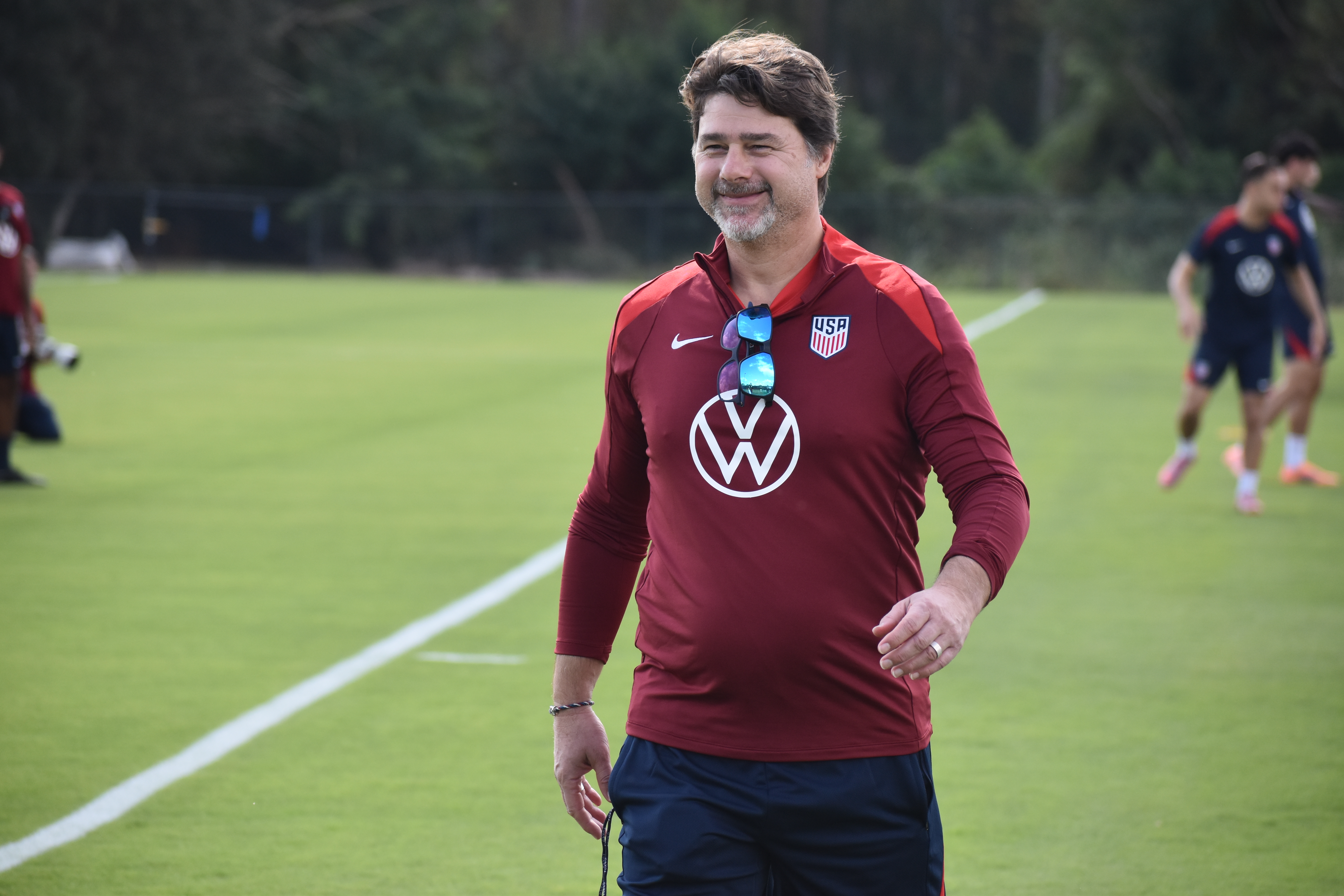
    Mauricio Pochettino at a U.S. team practice last month.

    For them, and for the team’s devotees too, Tyler Adams’ words are worth heeding.

    “Everyone’s going to want us to say winning it is obviously the goal,” the veteran U.S. midfielder and locker room leader said. “Our idea is to win — that’s the goal. But I think setting the benchmark of the furthest the U.S. team has gone is also realistic. So we want to go and make a run, but again, it’s a game by game mentality.”

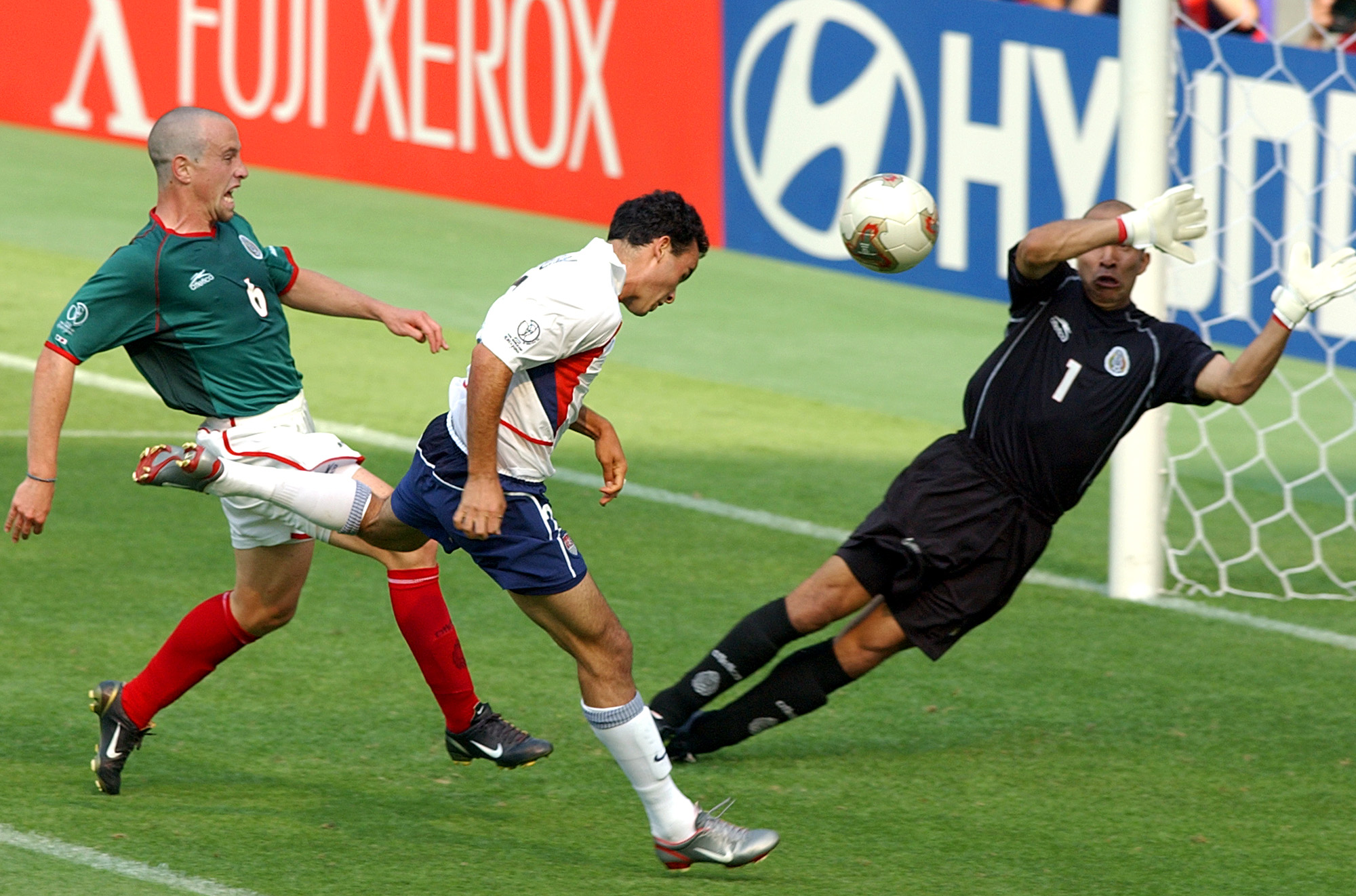
    The farthest the U.S. men have gone at a World Cup was nearly a century ago at the first edition, in 1930, when they finished third in a 12-team field. They have advanced from their group in five of the eight World Cups they have gone to in their modern era, which started in 1990; and their only ever knockout game win was in 2002, against next-door-neighbor Mexico half a world away in South Korea.

    Reaching the semifinals this time would require three knockout-round wins: in the round of 32 in the first 48-team World Cup, the round of 16, and the quarterfinals. The conventional wisdom outside the program is, and likely will remain, that success will be reaching the quarterfinals.

    The U.S. men haven’t won a World Cup knockout game since Landon Donovan (center) scored to help beat Mexico in the 2002 World Cup’s round of 16.

    “We have to focus on ourselves — we have to worry about how we are and who we are and what we are and the connections and the aggressiveness and the intensity and the focus,” said centerback Tim Ream, Pochettino’s captain as the squad’s most experienced player. “At some point, you’re going to have to play the best some of the best teams. So do you play them in the group stage? Do you play with the knockouts? It doesn’t really matter, right?”

    What’s certain is that no matter the opponents, the games matter more now, starting with March friendlies against Portugal and Belgium. Then the U.S. will play its send-off games amid training camp against Germany and a team to be announced.

    As the nation starts to tune in, it will be up to Pochettino and his players to turn that pressure into a force that strengthens them, and potentially powers a history-making run on home soil.

    “I think it’s good pressure,” Pochettino said. “The expectation is good, because it puts good stress in your body.”

    It will only build up over the coming months.

    U.S. men’s soccer team 2026 World Cup group schedule

    June 12: vs. Paraguay in Inglewood, Calif.

    June 19: vs. Australia in Seattle

    June 25: vs. UEFA playoff winner in Inglewood, Calif.

    window.addEventListener(“message”,function(a){if(void 0!==a.data[“datawrapper-height”]){var e=document.querySelectorAll(“iframe”);for(var t in a.data[“datawrapper-height”])for(var r,i=0;r=e[i];i++)if(r.contentWindow===a.source){var d=a.data[“datawrapper-height”][t]+”px”;r.style.height=d}}});

  • SEPTA strike is ‘imminent,’ say TWU leaders

    SEPTA strike is ‘imminent,’ say TWU leaders

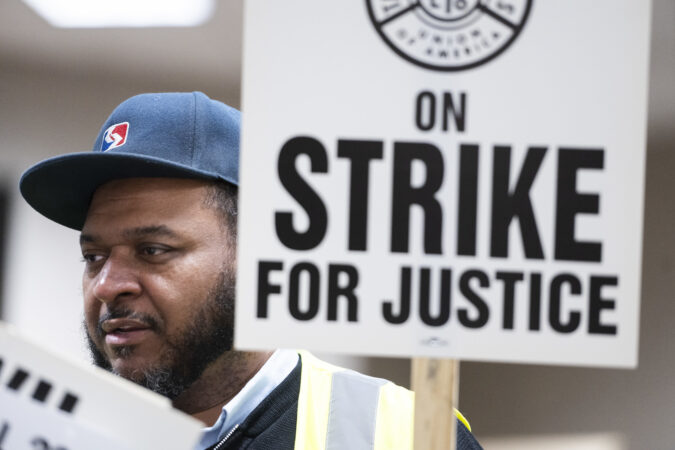
    Transport Workers Union Local 234, SEPTA’s largest union, may soon strike, according to president Will Vera.

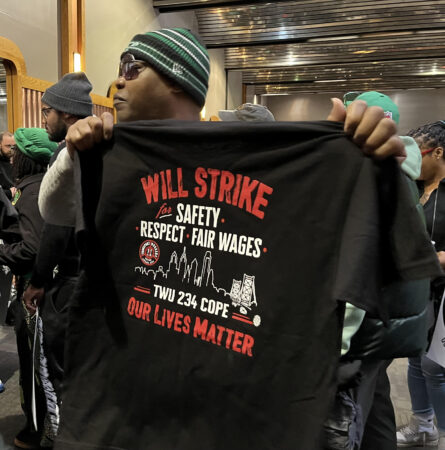
    At a Friday afternoon news conference at TWU headquarters in Spring Garden, Vera said his “patience has run out,” and he said the union’s executive committee was meeting to decide when to call a strike.

    “I’m tired of talking, and we’re going to start walking,” said Vera, who was elected president in October.

    Local 234’s latest contract expired Nov. 7, and the 5,000-member local voted unanimously on Nov. 16 to authorize leaders to call a strike if needed during contract negotiations.

    The union represents bus, subway, and trolley operators, mechanics, cashiers, maintenance people, and custodians, primarily in the city.

    SEPTA unions have walked off the job at least 12 times since 1975, earning the authority a reputation as the most strike-prone big transit agency in the United States.

    John Samuelsen, president of TWU International and former president of NYC’s local, joined Vera at the news conference.

    “A strike is imminent,” Samuelsen said. “SEPTA is the most incompetent transit agency in the country … SEPTA is triggering a strike.”

    In an email sent Friday evening, Samuelsen called on leaders and staff members of TWU locals to travel to Philadelphia to help Local 234 in the event of a strike.

    Andrew Busch, spokesperson for SEPTA, said negotiations were “at an impasse,” noting that the negotiating committees met only twice this week. He said SEPTA’s leaders hoped TWU would “take us up on the offer to continue to talk so we can avoid a strike and the massive service disruption it would cause.” No meetings are scheduled for the weekend as of Friday evening.

    Vera agreed there was room for the two groups to keep talking, if SEPTA provided “a fair and reasonable” contract proposal.

    What TWU wants

    Three TWU contracts in a row have run for one year each.

    The union says it is looking for a two-year deal with raises and changes to what it views as onerous work rules, including the transit agency’s use of a third party that Vera said makes it hard for members to use their allotted sick time.

    SEPTA officials have signaled they are open to a two-year deal as a step toward labor stability.

    In recent weeks, TWU and SEPTA have been negotiating contributions to the union’s healthcare fund. Pensions have arisen as a sticking point.

    Union sources told The Inquirer that TWU leaders are increasingly frustrated with the pace of negotiations.

    Vera said the executive board meeting began at 4:30 p.m. on Friday. He hoped the board would reach a decision on when members would walk off the job.

    TWU last went on strike in 2016. It lasted for six days and ended the day before the general election. Democrat Hillary Clinton’s presidential campaign was worried about voter turnout, and the city sought an injunction to end the strike. It proved unnecessary.

    SEPTA’s financials

    TWU’s contract negotiations are happening as SEPTA is emerging from what it has called the worst period of financial turmoil in its history.

    Like many transit agencies, SEPTA was facing a recurring deficit due to inflation, fewer federal dollars, and flat state subsidies. It reported a $213 million recurring hole in its operating budget.

    Following a prolonged and contentious debate over mass transit funding in the state budget, Gov. Josh Shapiro in September directed PennDot to allow SEPTA to tap $394 million in state money allocated for future capital projects to pay for two years of operating expenses.

    And last month, he allocated $220 million to SEPTA, the second time in two years he’s flexed state dollars to support the financially beleaguered transit agency. While the $220 million is expected to go primarily toward capital expenses related to Regional Rail, the move helps SEPTA’s overall balance sheet.

    What riders should know

    SEPTA riders are no strangers to service disruptions.

    In August, the transit agency cut 32 bus routes, shortened 16 others, and trimmed service across the board as part of drastic cost-cutting measures. Riders complained bitterly about skipped stops, crowded vehicles, and longer commutes until a few days later when a Common Pleas Court judge ordered SEPTA to reverse the cuts.

    In the event of a strike, SEPTA says riders should monitor the app for news of service disruptions.

    A strike would shut down buses, trolleys, and the subway and elevated train lines operating in Philadelphia.

    It would not affect Regional Rail, paratransit, or the Norristown High Speed Line.

    SEPTA says 790,000 people ride transit each day. Eighty percent of those riders travel within the city limits.

  • An ex-Philly labor official claims she complained about sex discrimination and then was fired

    An ex-Philly labor official claims she complained about sex discrimination and then was fired

    A former top Philadelphia labor official claims in a lawsuit that she was passed over for a promotion because she’s a woman, and was later fired after raising concerns about gender-based discrimination spanning two mayoral administrations.

    Monica Marchetti-Brock, the former first deputy director of the Department of Labor, said in a federal lawsuit filed Wednesday that Mayor Cherelle L. Parker fired her last year, days after Marchetti-Brock had reiterated complaints about gender bias at the top rungs of the city government that had occurred before Parker took office.

    Marchetti-Brock had worked for the city since 2013. Under former Mayor Jim Kenney, she rose to the city’s No. 2 labor role.

    But when former Deputy Mayor for Labor Richard Lazer resigned in 2022 to lead the Philadelphia Parking Authority, Marchetti-Brock wasn’t hired to replace him because she’s a woman, alleges the complaint, filed in the Eastern District of Pennsylvania.

    The man hired for the position was Basil Merenda, a former top state labor official whom Marchetti-Brock claims “had a problem with women.”

    What started as a change in boss under then-Mayor Jim Kenney culminated in spring 2024 with Parker firing Marchetti-Brock after she complained of sex-based discrimination, according to the suit. The lawsuit says an outside investigator probed Merenda’s behavior and in 2023 recommended he undergo implicit bias training.

    The lawsuit accuses the city of minimizing the results of that investigation and of terminating Marchetti-Brock and a second woman who was mistreated by Merenda.

    “When [Marchetti-Brock] asked if her termination had anything to do with her sex discrimination complaints, [the city] refused to answer the question,” the complaint says.

    Merenda is currently one of two commissioners of the Department of Licenses and Inspections. Parker announced his appointment in February 2024, a few weeks before Marchetti-Brock says she was fired. It is common for there to be significant turnover in personnel at the beginning of a new mayoral administration.

    A city spokesperson declined to comment, citing the pending litigation.

    Attempts to reach Kenney were unsuccessful. The former mayor appointed many women to his top staff through his more than two decades in City Hall. When he took office as mayor in 2016, the majority of his cabinet were women.

    Marchetti-Brock began reporting to Merenda in January 2023. He ignored his deputy, excluded her from meetings and communications, yelled, and “unjustly” criticized her, the suit says.

    Marchetti-Brock says she complained of sex discrimination in the labor department to a long list of officials, some of whom still work for the city, including City Solicitor Renee Garcia and Chief Administrative Officer Camille Duchaussee. Marchetti-Brock “described how she was treated compared to how male employees were treated, including that Merenda ignored what female employees said and focused on what male employees said,” according to the lawsuit.

    The city opened an investigation in the spring of 2023, the suit says.

    After Parker was elected in November 2023, Marchetti-Brock again expressed her interest in the top labor role. However, the incoming mayor ultimately tapped Perritti DiVirgilio, who was previously the city’s director of labor standards. Marchetti-Brock described DiVirgilio in the suit as a “noncomplaining, male employee.”

    In February 2024, Marchetti-Brock received a letter summarizing the findings of the investigation into Merenda. The letter said that the probe concluded that “no violation” of the city’s sexual harassment prevention policy occurred. According to the complaint, Marchetti-Brock was told that Merenda had received a warning and the investigator recommended he undergo implicit bias training.

    The policy says city employees are protected from sexual harassment regardless if it’s “unlawful,” and it prohibits retaliation against employees who raise concerns or complain. Marchetti-Brock had a role crafting the policy following a critical 2018 City Controller report that said the city’s sexual harassment reporting protocols were inadequate.

    According to the suit, Marchetti-Brock pushed back on the summary letter in an email to Andrew Richman, a city attorney, saying that even though no unlawful behavior was found, “there were findings of bias toward me and other women.”

    “As you are aware, our policy holds our leaders to a higher standard than the law,” Marchetti-Brock wrote, according to the complaint. “It is misleading to say there are no findings under our policy.”

    Three days later, in early March 2024, top officials from Parker’s administration informed Marchetti-Brock that her employment would be terminated, according to the complaint. The suit states that another female employee who had complained about Merenda was terminated as well.

    The lawsuit asks the federal court to find that the city violated antidiscrimination laws and award Marchetti-Brock an unspecified amount of damages.