Tag: Josh Shapiro

  • NFL to buck decades-long trend to open 2026 season; Eagles won’t lose home game to international play

    NFL to buck decades-long trend to open 2026 season; Eagles won’t lose home game to international play

    We knew that Roger Goodell was serious about pushing the NFL internationally, but we didn’t know he was this serious.

    The NFL is considering beginning the 2026 season on a Wednesday night, bucking a two-decade trend of holding the annual NFL Kickoff game on a Thursday night.

    After winning the Super Bowl, the Seattle Seahawks would traditionally host the kickoff game Thursday. But the NFL has also announced that its first game in Melbourne, Australia — featuring the San Francisco 49ers and Los Angeles Rams — will take place in Week 1, and sources confirm the report from Puck’s John Ourand that the NFL is considering having it be the first game of the season.

    The league could also decide to hold the traditional Seahawks-hosted kickoff game Wednesday and the Australia game Thursday. Either way, we’re looking at the 2026 season beginning on a Wednesday night for just the second time in nearly eight decades.

    The last time the NFL kicked the season off on a Wednesday was 2012, when the league shifted its schedule to avoid going up against President Barack Obama’s speech during the final night of the Democratic National Convention. Prior to that, the NFL hadn’t opened the season on a Wednesday since 1948.

    So why doesn’t the NFL just schedule its new Australian game on Friday, as they’ve done the past two years with their Brazil games? Because under the Sports Broadcasting Act of 1961, the NFL is prohibited from scheduling games on Friday nights from mid-September to mid-December to protect high school and college sports.

    With some help from the calendar, the NFL was able to squeeze in a Week 1 Friday night game the past two seasons. This year they league isn’t so lucky, with kickoff Thursday falling on Sept. 10.

    Whether it happens Wednesday or Thursday, the Seattle Seahawks will begin to defend their Super Bowl championship title at home to start the season, likely against the Chicago Bears.

    Two big question marks remain: The first is where will the Australia game air? The NFL is negotiating broadcast rights with streaming companies, and the favorite has to be YouTube, which streamed last year’s Kansas City Chiefs vs. Los Angeles Chargers matchup from Brazil.

    YouTube exec Christian Oestlien has said the streamer wants to carry more live NFL games, and it proved it can handle the demand with minimal tech problems.

    There’s also Netflix, which is entering the final year of streaming NFL Christmas day games and looks for big events to stream on its platform. The league’s first-ever game in Australia airing in primetime in the U.S. would certainly quality.

    But Peacock could also be a possibility. NBC’s subscription streaming service had the rights to the NFL’s first Brazilian game, and last year it had the rights to a Week 17 Saturday night game between the Green Bay Packers and Baltimore Ravens.

    Another unanswered question is when the game will air in the United States. Airing the game in prime time on the East Coast means dealing with a 16-hour time difference. An 8 p.m. kickoff time in Philadelphia on a Wednesday would mean the game was starting at noon Thursday in Melbourne.

    Eagles likely to play in an international game?

    The Eagles played in São Paulo, Brazil in Week 1 of the 2024 season.

    The expansion into Australia is one of a record nine NFL games being held outside the United States this season.

    Here’s a quick recap of what we know:

    • Melbourne, Australia: 49ers at Rams
    • Rio de Janeiro, Brazil: TBA at Dallas Cowboys
    • Paris, France: TBA at New Orleans Saints
    • Munich, Germany: TBA at TBA
    • Mexico City, Mexico: TBA at 49ers
    • Madrid, Spain: TBA at TBA
    • London, England (Tottenham Hotspur Stadium): TBA at TBA
    • London, England (Tottenham Hotspur Stadium): TBA at TBA
    • London, England (Wembley Stadium): TBA at Jaguars

    The Atlanta Falcons — who aren’t on the Eagles 2026 schedule — have announced that they are the designated home team for one of the international games. The Washington Commanders will also be the home team in one international game, according to the Athletic.

    The Eagles have a ninth home game in 2026 thanks to the NFL’s 17-week season, and season-ticket holders have been notified that all will be played at the Linc. But the Birds remain in the mix to play an international game as an away team.

    First, there’s Rio de Janeiro, where the Eagles could face the Cowboys. The Birds have marketing rights in Brazil and played there two seasons ago, but the NFL generally avoids scheduling divisional matchups in international games (though it’s already bucking that trend with 49ers-Rams in Australia, plus the Chiefs have played the Chargers, an AFC West foe, twice on foreign soil).

    Still, this year’s Brazil game will take place on a Sunday afternoon — during daylight saving time, there is a one-hour difference between the East Coast and Rio de Janeiro. While the NFL likely won’t want to move such a marquee matchup into an international venue, Eagles-Cowboys at 4:25 p.m. on a Sunday does feel right.

    Mexico City is also in play, because the Eagles face the 49ers on the road next season. So is London, because the Birds are scheduled to play a road game against the Jacksonville Jaguars and the home teams in the two remaining games have yet to be announced. But it doesn’t seem likely the NFL would want to waste the ratings potential of the Eagles on a game with a 9:30 a.m. Philly kickoff.

    The NFL also hasn’t announced which teams will host games at Allianz Arena in Munich, Germany, and Bernabéu in Madrid, Spain.

    Quick hits

    Two puppies go at it during Puppy Bowl XXII Sunday.
    • The Super Bowl averaged 124.9 million viewers Sunday, down from last year but still good enough for the second-highest audience in the game’s history. But we should be talking about this year’s Puppy Bowl, which featured three Pennsylvania pups and drew 15.3 million viewers on Animal Planet and across Warner Bros. Discovery properties earlier in the day, the show’s biggest audience since 2018.
    • Credit where it’s due: Now former Phillies outfielder Nick Castellanos acknowledged bringing a beer into the dugout last season, but he wouldn’t have fessed up if the Athletic’s Matt Gelb hadn’t asked about the incident.
    • Kudos to the Baltimore Banner, the successful digital news start up down in Charm City, which announced plans to expand its sports coverage to Washington after the Washington Post eliminated its entire sports desk. Banner editor in chief Audrey Cooper said the outlet plans to start by hiring beat reporters to cover the Washington Nationals and Washington Commanders, calling it “part of our unwavering commitment to serve Maryland with honest, independent journalism.”
    • Sports podcaster Josh Shapiro, who also happens to be the governor of Pennsylvania, got former Sixers general manager Billy King discussing a wild, four-team trade that nearly sent Allen Iverson to the Detroit Pistons ahead of the 2000-01 season. Of course, Iverson went on to be named NBA MVP that season and led that iconic Sixers team to the NBA Finals. They haven’t been back since.
  • Josh Shapiro’s clergy abuse investigation boosted his reputation. Years later, some survivors feel he abandoned them.

    Josh Shapiro’s clergy abuse investigation boosted his reputation. Years later, some survivors feel he abandoned them.

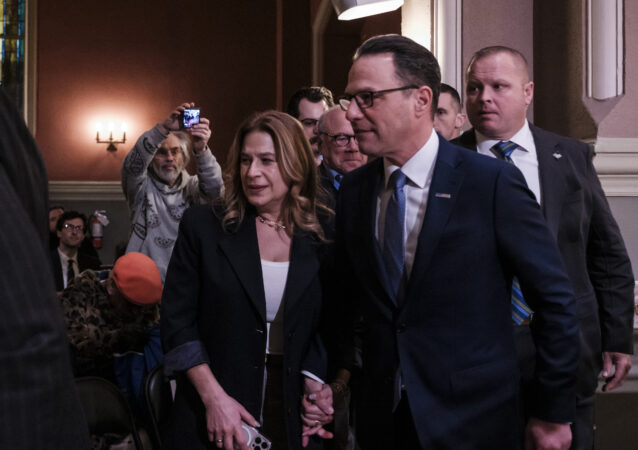
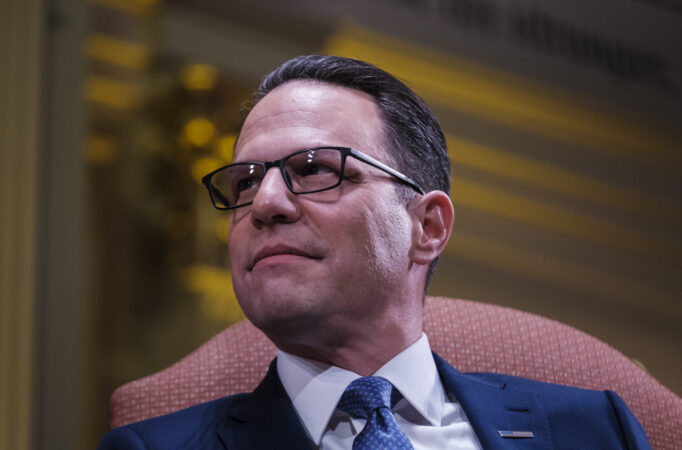
    Sitting onstage in an echoey historic synagogue, next to a U.S. senator and a cardboard cutout of his newly released memoir, Gov. Josh Shapiro reflected on the Pennsylvanians who give him hope.

    As he had in other stops on his book tour up and down the East Coast, Shapiro often referred to his book’s title, Where We Keep The Light, and the ways he finds hope in the “extraordinary impact” of Pennsylvanians. Among them, he said, were those who were sexually abused by Catholic priests in crimes covered up by the church until they were illuminated by the victims’ unrelenting quest for justice.

    In his book, Shapiro details his work as Pennsylvania attorney general to compile and release a bombshell grand jury report that in 2018 revealed thousands of cases of abuse by priests across the state.

    “I find hope in the people I met who were abused over years and years and years,” Shapiro told U.S. Sen. Raphael Warnock (D., Ga.) last month at an event at Sixth and I, a synagogue in Washington, “who still had the courage to show up in a grand jury room to testify and to challenge me to do something to make sure we righted a wrong and brought justice to them.”

    The nearly 900-page report was lauded as the most comprehensive review of clergy abuse across a single state and prompted new laws clarifying penalties for failure to report abuse and allowing survivors more time to pursue criminal or civil cases against their abusers.

    But a key step in delivering justice to those survivors — establishing a two-year window for the filing of lawsuits over decades-old abuse that falls outside the statute of limitations under existing law — remains unfinished.

    The proposal has become one of the most fraught issues in Harrisburg. After a devastating clerical error by Gov. Tom Wolf’s administration killed a proposed constitutional amendment in 2021, lawmakers have been unable to come together on a new path forward. Republicans who control the state Senate have tied the proposal to policies Democrats will not support. All the while, the Catholic Church and the insurance industry have lobbied hard against it.

    Nearly a dozen interviews with survivors, their family members, and advocates reveal a deep frustration with the inaction in Harrisburg. Even as Shapiro renews calls for the Senate to act, survivors are divided over whether he has done enough to use his power as governor to advocate for them.

    A key pledge in Shapiro’s bid for reelection — and his pitch to a national audience — is that he can “get stuff done” by working across the aisle. But some abuse survivors in Pennsylvania say the unfinished business in getting justice for them brings that record into question.

    “He got to where he’s at on the back of victims and survivors, and now he’s forgotten,” said Mike McIlmail, the father of a clergy abuse victim, Sean McIlmail, who died of an overdose shortly before he was supposed to testify in a criminal case against his alleged abuser.

    Shapiro, his spokesperson Will Simons said, has fought for survivors “publicly and in legislative negotiations” since 2018. He has promised to sign any bill that reaches his desk establishing the window.

    With a reelection campaign underway and his eyes on flipping the state Senate, the governor renewed that fight earlier this month. He used his budget address to blame Senate Republicans for the inaction thus far.

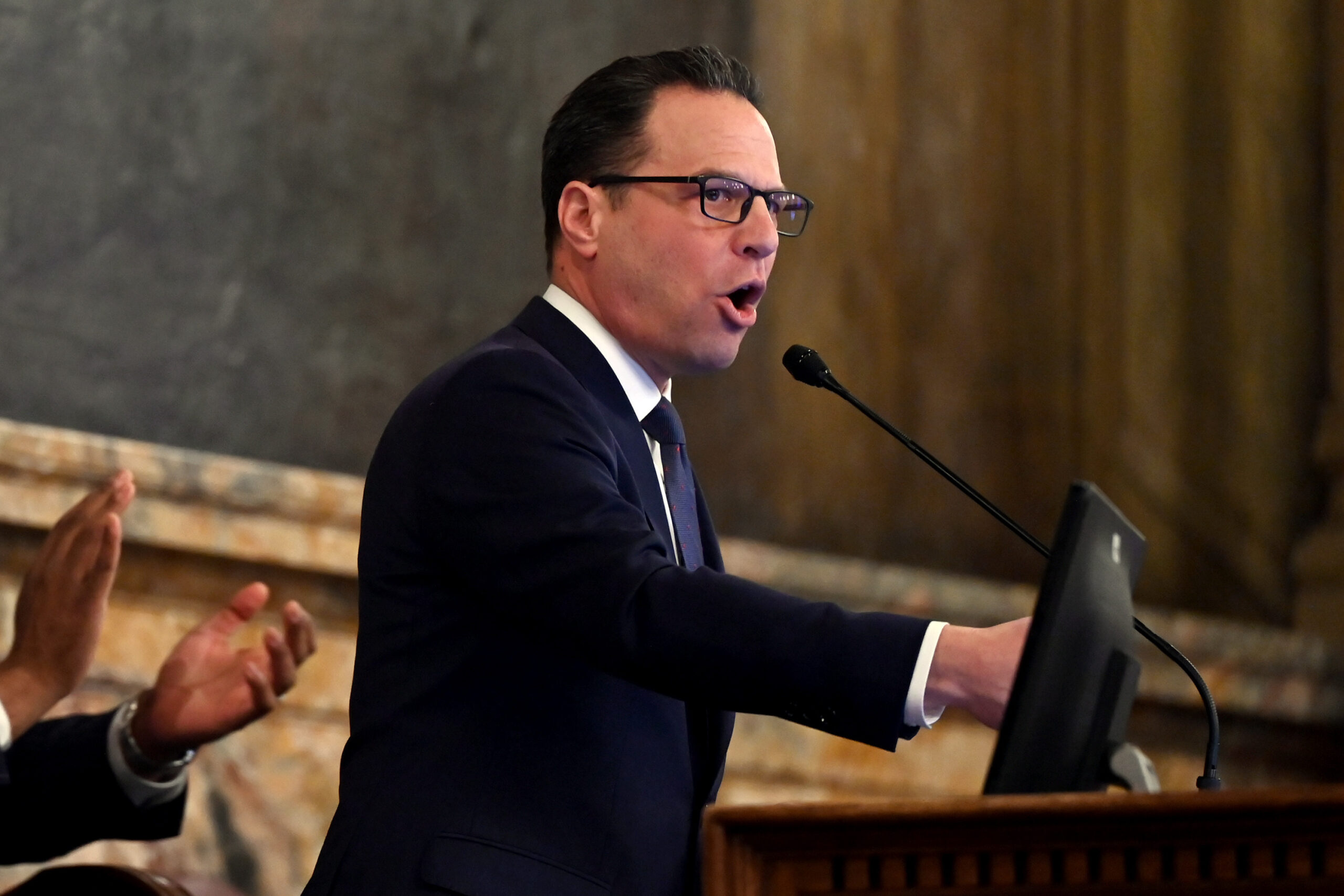
    “Stop cowering to the special interests, like insurance companies and lobbyists for the Catholic Church,” he said, his voice thundering in the House chamber. “Stop tying justice for abused kids to your pet political projects. And start listening to victims.”

    Mike and Debbie McIlmail, parents of Sean McIlmail, in the office of (left) Marci Hamilton, in Philadelphia on March 29, 2022.

    Years of delay

    Pennsylvania’s extensive investigation, which Shapiro inherited when he became attorney general in 2017, chronicled more than 1,000 cases of abuse by more than 300 priests across the state dating back to the 1940s.

    For most of the cases in the report, the statute of limitations had passed, leaving no legal recourse for survivors.

    The report proposed that lawmakers create a two-year window to allow the filing of civil suits over cases that happened years, if not decades, ago. Despite Shapiro’s advocacy since releasing the grand jury report, the proposal has been trapped in a stalemate for years.

    Pennsylvania trails more than 30 other states that have approved similar legislation.

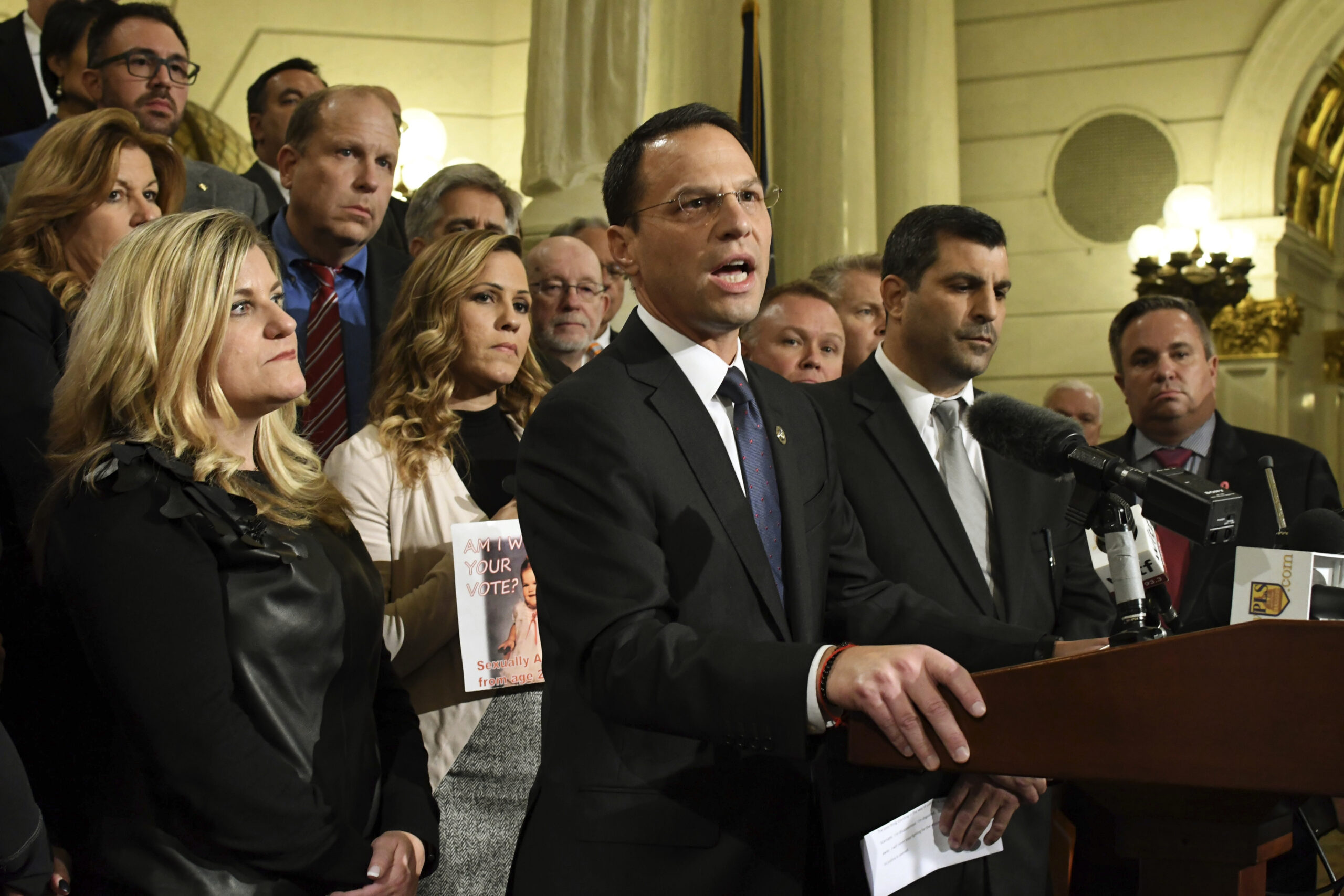
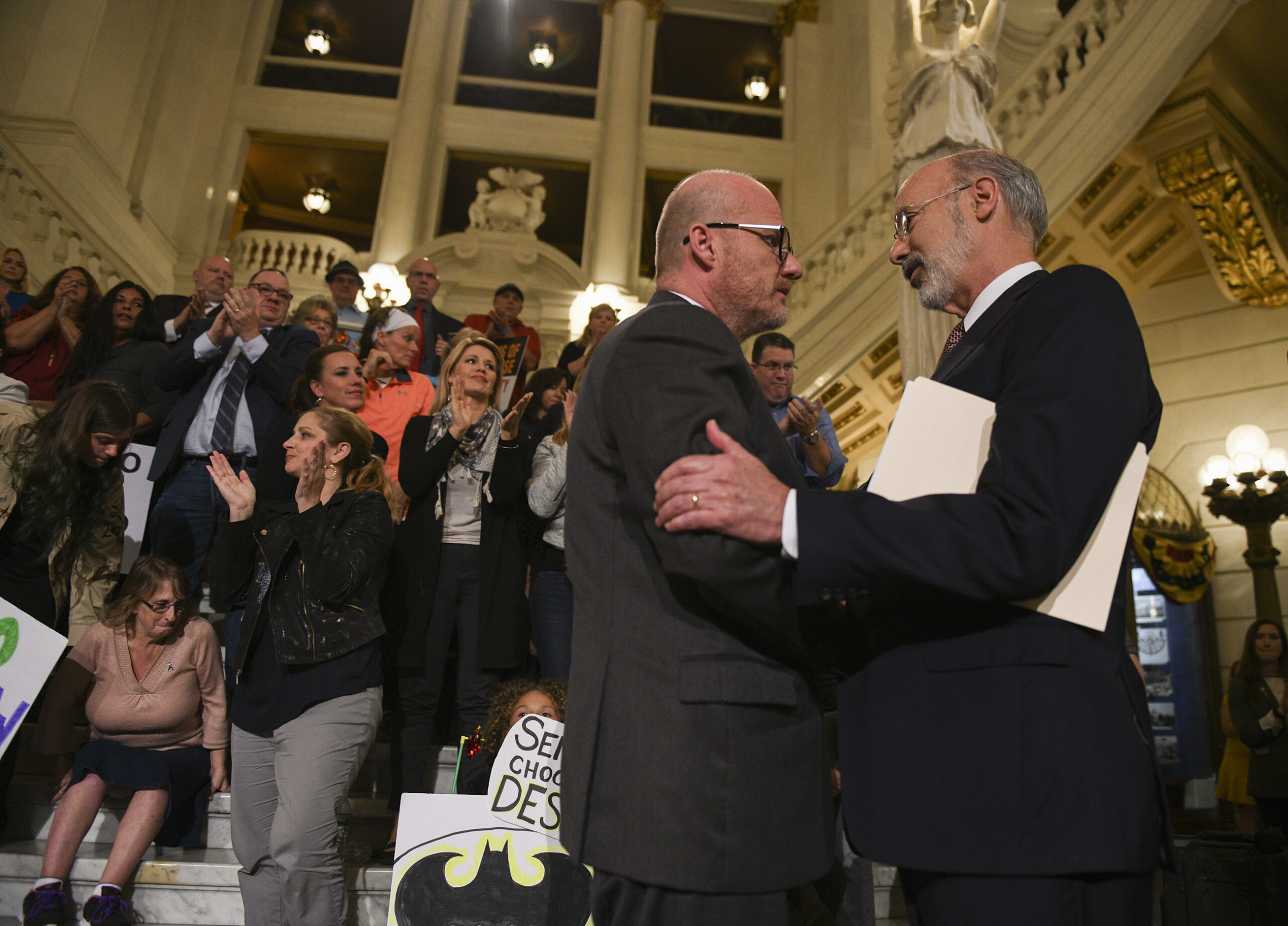
    Then-Attorney General Josh Shapiro speaks at a news conference in the state Capitol in 2018 about legislation to respond to a landmark grand jury report accusing hundreds of priests of sexually abusing children over decades stalled in the legislature.

    “It’s maddening to have people say, ‘We’re committed to this, this is going to happen, we’re committed to it,’ from both sides of the political spectrum and nothing ever gets done,” said Jay Sefton, who says he was abused by a priest in Havertown as a middle schooler in the 1980s. “It does start to feel like these are lives being used as its own sort of theater.”

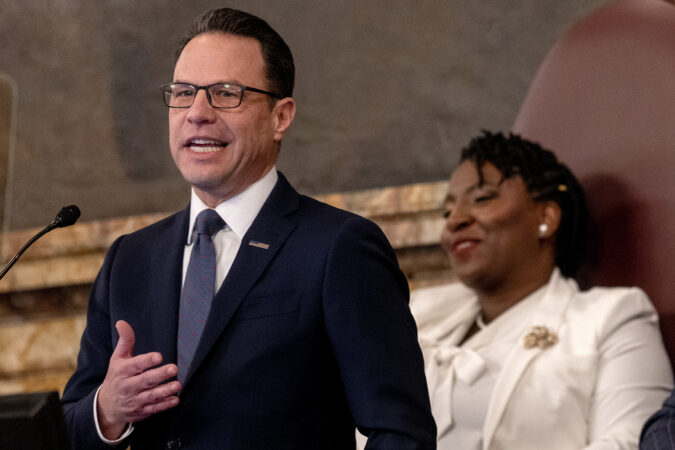
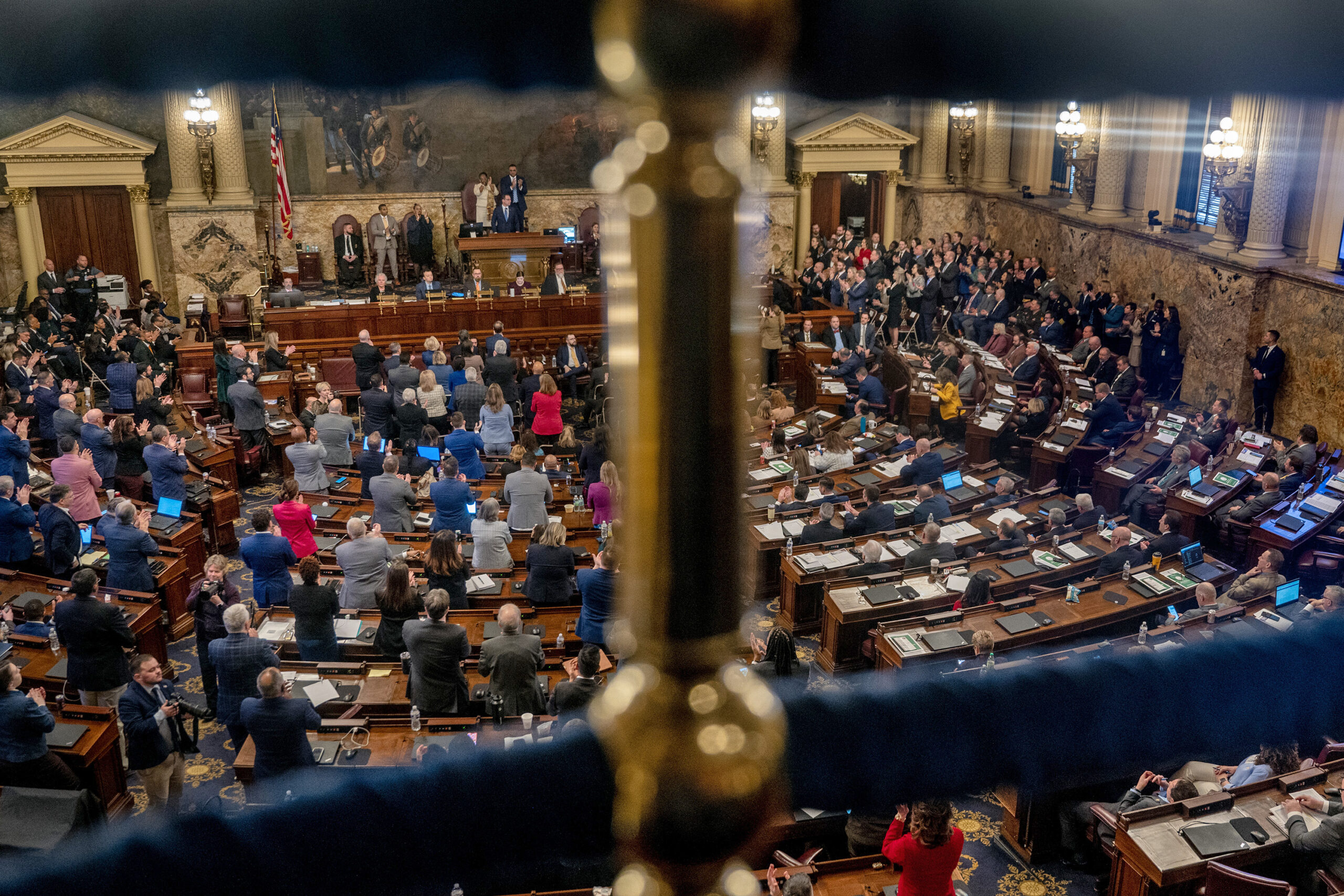
    Gov. Josh Shapiro makes his annual budget proposal in the state House chamber Tuesday, Feb. 3, 2026.

    Speaking to journalists in Washington days before he targeted Republicans in his budget address, Shapiro tied the window’s prospects to Democrats’ ability to win the state Senate for the first time in more than three decades.

    “I’m confident with a Democratic Senate that will be one of the first bills they put on my desk,” Shapiro said.

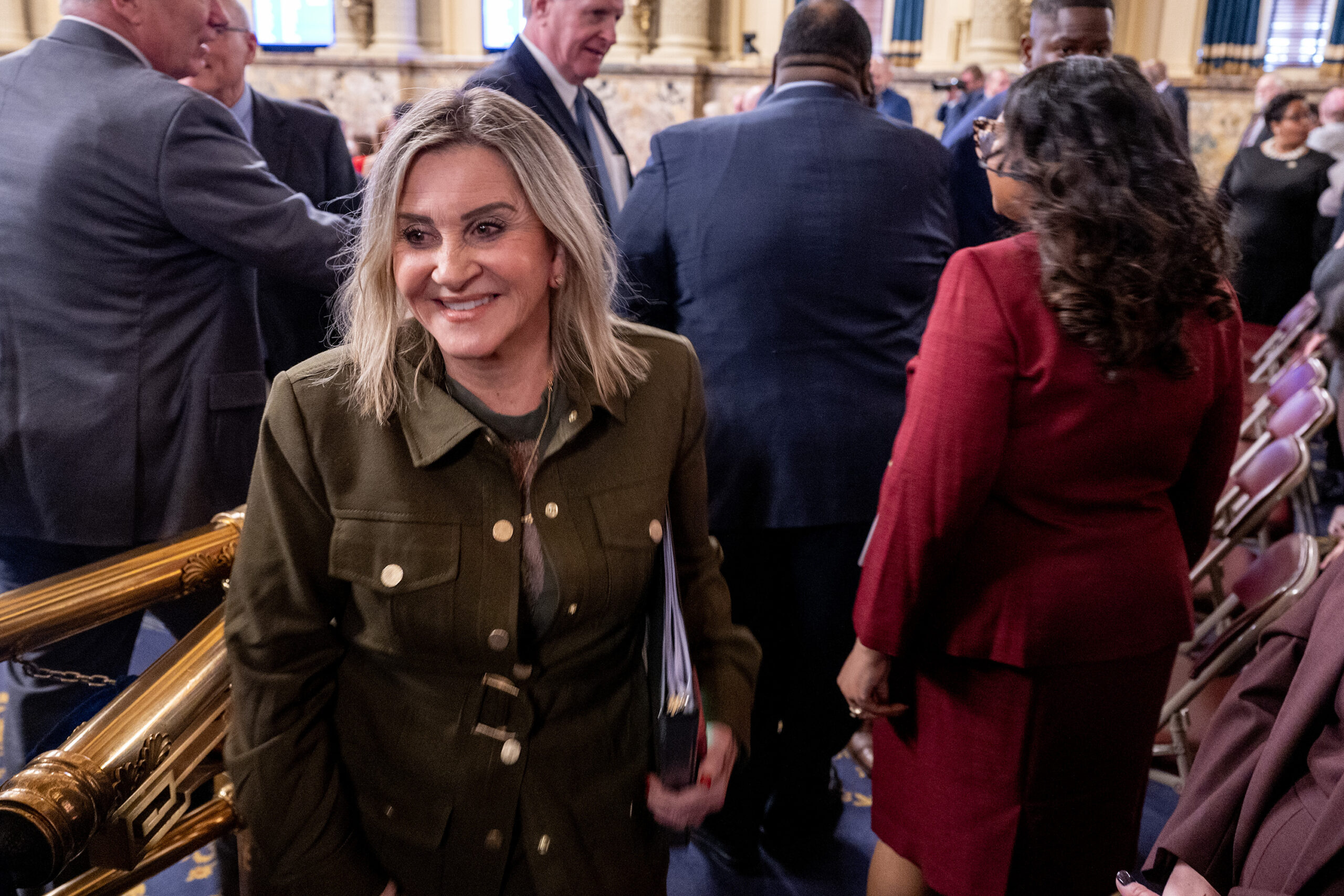
    Senate President Pro Tempore Kim Ward, a Republican, leaves the House chamber following Democratic Gov. Josh Shapiro’s annual budget proposal speech in Harrisburg on Feb. 3.

    In an interview, Senate President Pro Tempore Kim Ward (R., Westmoreland) noted that the GOP-controlled Senate had approved a constitutional amendment to establish the window several times before, although it ultimately failed to ever reach the voters.

    She declined to say whether the state Senate would take up the amendment up this year but said creating the window through legislation, as Shapiro requested, would be unconstitutional.

    She accused the governor of using survivors to score political points as he tries to raise his profile for his reelection this year and rumored 2028 presidential ambitions.

    “He has decided that he’s going to be moral instead of follow the law. Look at his record in his own office,” Ward said, arguing Shapiro has a track record of fighting for some survivors but not others. She pointed to his office’s handling of sexual harassment allegations brought against a former top staffer and close ally. Documents showed that complaints about the staffer were made months before his abrupt resignation.

    For some clergy abuse survivors, the blame lands squarely on Ward and her Republican allies as they insist on a constitutional amendment, which requires two votes by both the House and Senate along with a ballot measure.

    “It’s the Republicans that are blocking it, and I think they’re blocking it because of the church,” said Julianne Bortz, a survivor who testified before the grand jury and whose experience was featured in the report.

    A portrait of former Pa. House Speaker Mark Rozzi hangs alongside painting of other former speakers in hallway at the state Capitol.

    Debate among survivors

    Despite Shapiro’s recent statements, there is a sense among some survivors that lawmakers, and Shapiro, have forgotten about them.

    Former state House Speaker Mark Rozzi, a Berks County Democrat and clergy abuse survivor, said Shapiro “betrayed” survivors and should be playing “hardball” with the Senate to ensure that the bill makes it to his desk.

    “Talk is cheap. Unless you come to the table and cut a deal, nothing else gets done,” Rozzi said.

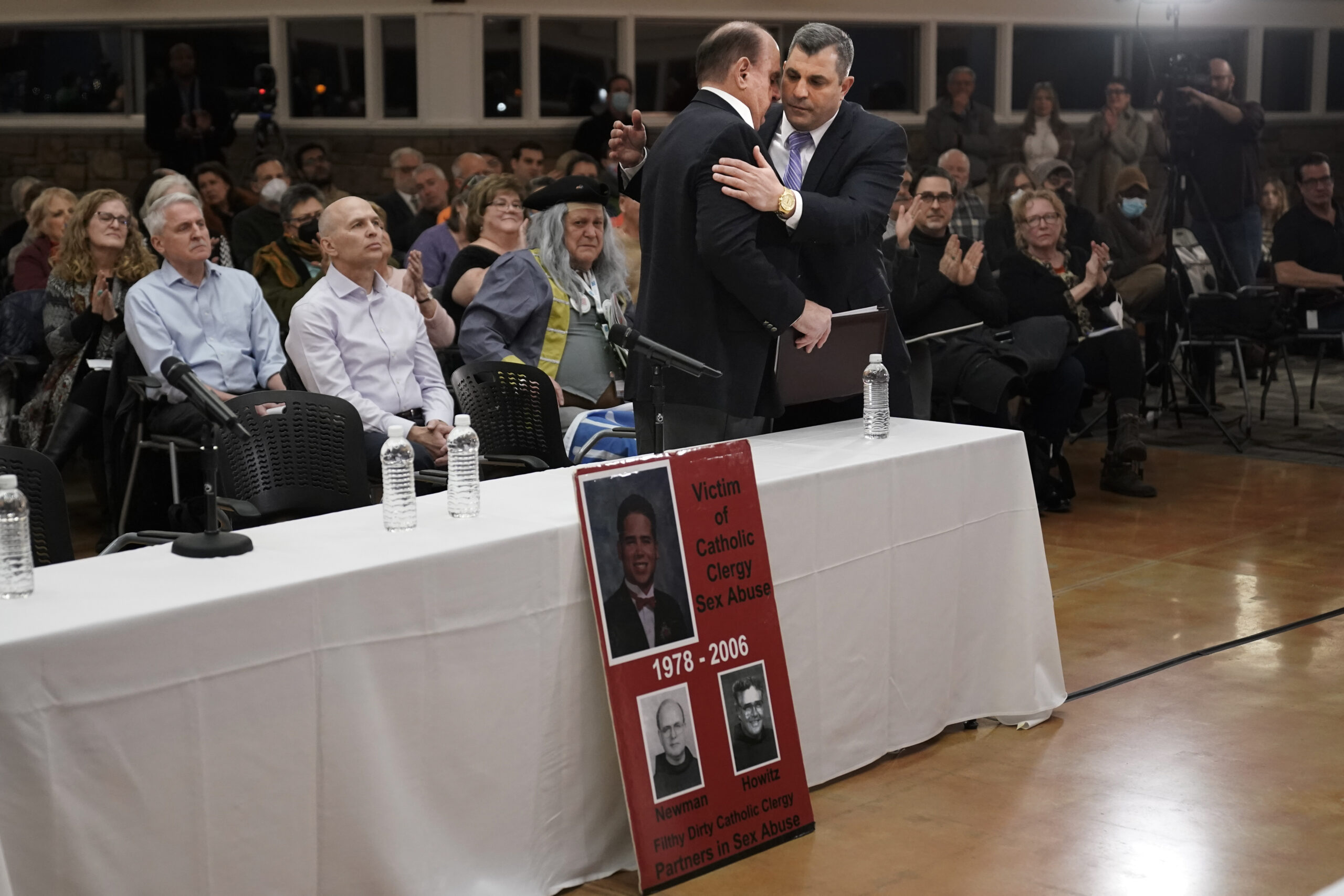
    Then-Pennsylvania House Speaker Mark Rozzi, center right, embraces Arthur Baselice, the father of Arthur Baselice III, after he testified at a hearing in Philadelphia on Jan. 27, 2023.

    Advocates have spent years pushing lawmakers in Harrisburg and have grown increasingly frustrated with the lack of movement.

    “We, being the victims, have always held our end of the bargain. Always. We’ve always shown up when we’ve asked to, we’ve testified when we were asked to, we interviewed, we discussed the worst moments of our lives when asked,” said Shaun Dougherty, who said he was abused by an Altoona-Johnstown priest.

    Now, he said, it’s the governor’s turn to get the work done.

    Former State Rep. Bill Wachob, a Democrat who worked in politics after leaving elected office in the 1980s, is convinced the governor could make it happen through negotiations if he wanted.

    “He and his team have made a calculated political decision that they have gotten as much mileage out of this issue as they’re going to get and they’re not doing anything more,” Wachob said.

    In Shapiro’s memoir, however, he wrote he expected that going up against the Catholic Church in pursuing the 2018 report “was likely the end of the road for me politically.”

    “I’d made my peace with being a one term Attorney General, if it meant that I could put my head on the pillow at night knowing I did my job and made good for these victims,” he wrote.

    Since Shapiro became governor in 2023, his efforts to fight for survivors have been waylaid by an increasingly tense relationship with the GOP-controlled Senate, as evidenced by last year’s nearly five-month bitter budget impasse.

    “I have no doubt that the governor has been doing what he can,” said Marci Hamilton, the founder of Child USA, which advocates for child sex abuse victims. She blamed the challenges in reaching a deal on Harrisburg’s partisan dynamics.

    Recent criticism of Shapiro has driven division within the survivor community in recent weeks, said Mary McHale, a survivor who was featured in a 2022 Shapiro campaign ad.

    “He cares. But he also has a state to run. This can’t be the No. 1 issue,” she said.

    Diana Vojtasek, who said she was abused by the same Allentown priest as McHale, said she worries frustration is being misdirected at Shapiro instead of Republicans.

    “I just don’t see the value in attacking the one who has vowed publicly that he will sign this legislation for us as soon as it’s across his desk,” she said.

    Abuse survivor Shaun Dougherty (left) greets then-Gov. Tom Wolf in the State Capitol on Sept. 24, 2018.

    Could progress come this year?

    Advocates are hopeful that the national bipartisan effort to force President Donald Trump’s administration to release FBI files related to serial abuser and trafficker Jeffrey Epstein may spur new motivation to protect abuse victims in the state.

    “What the Epstein transparency act showed us is we are finally at a point where the protection of sexual abuse victims is nonpartisan,” Hamilton said. “I fully expect to see that that understanding for victims will happen in Harrisburg.”

    Rep. Nathan Davidson, a Dauphin County Democrat who introduced the House legislation to create the window, has scheduled hearings in April to bring renewed attention to the issue.

    Sefton, who said he was abused as a middle schooler in Havertown in the 1980s, will perform a one-man show about his experience in a theater just steps from the state Capitol the week of the hearings.

    He is done hoping lawmakers will establish the window but said it would make the state safer if they did.

    “Nobody is going to give anyone their childhood back. It can’t happen,” Sefton said.

    “There’s always going to be a part of me that’s filled with some rage about people blocking the energy here. If that were to go through, it’s a piece of energy that gets finally freed up.”

  • What’s in Gov. Josh Shapiro’s new housing plan: Protections for Pa. renters, $1 billion for infrastructure, homebuyer support, and more

    What’s in Gov. Josh Shapiro’s new housing plan: Protections for Pa. renters, $1 billion for infrastructure, homebuyer support, and more

    Gov. Josh Shapiro unveiled a broad plan Thursday meant to grow and preserve Pennsylvania’s housing supply as the state faces a shortage of homes residents can afford.

    The plan aims to expand residents’ access to homes, connect Pennsylvanians to resources to keep them housed, make homebuilding faster and less costly, and improve coordination of housing efforts across agencies and levels of government.

    Recommendations and reforms in the state’s Housing Action Plan, which is meant to guide Pennsylvania into 2035, are embedded in the governor’s proposed budget, Shapiro said.

    “And now, the ball is in the court of the legislature to carry this forward and to get it done,” he said at a news conference in Philadelphia.

    The plan is the culmination of a process that started in September 2024, when Shapiro signed an executive order directing state officials to create it.

    In the plan, Shapiro highlights that more than a million Pennsylvania households are spending more than 30% of their income on housing. These households are “cost burdened,” according to the U.S. Department of Housing and Urban Development’s definition. Building more can lower housing costs.

    Shapiro called the plan a long-term housing strategy that “brings together all different groups who are doing this work, builds on their expertise, and tackles housing access and affordability from every single angle.”

    Here are key takeaways from Shapiro’s proposed housing action plan, the first of its kind in Pennsylvania.

    Enacting the plan

    Much of the plan relies on action from lawmakers in the state’s split legislature and other stakeholders rather than Shapiro’s administration exclusively. It does not assign dollar amounts to proposals, but calls on local governments to allow more housing and housing types, on builders to build more, and on both to work together to remove barriers to housing construction.

    Democrats (left) stand to applaud a tax cut proposal while Republicans (right) remain seated as Gov. Josh Shapiro delivers his third budget address to a joint session in the House chambers at the State Capitol Tuesday, Feb. 4, 2025.

    When Shapiro was asked how he intends to make sure the housing plan is implemented, he said he can take some actions through executive orders but “a lot does require the legislature to act and to work in concert with local government.”

    “I hear in rural, urban, suburban communities, districts led by Democrats and Republicans, the need for more housing,” Shapiro said. “… And I would say to any lawmaker that doesn’t like my idea, ‘What’s yours?’ Because we can no longer wait. We have got to get this done. We’ve got to build more housing.”

    $1 billion fund

    In his budget address last week, Shapiro previewed his housing priorities, calling for a $1 billion fund, supported by the issuing of bonds, to pay for infrastructure projects that include housing.

    Shapiro’s budget proposal includes no requirements on the proportion of funding that goes to each infrastructure need, leaving the possibility that the majority of funds could be spent on projects other than housing.

    While Shapiro said Thursday that divvying up the $1 billion will be subject to negotiation with lawmakers, he said he hoped “the lion’s share of it would go to housing.”

    Pennsylvania needs more housing

    If Pennsylvania takes no action to build and preserve more housing, it will be short about 185,000 homes by 2035, according to the plan. To keep up with anticipated demand, the state needs to add 450,000 homes to its supply by then.

    The housing plan has a stated goal of turning Pennsylvania into a leader in home construction.

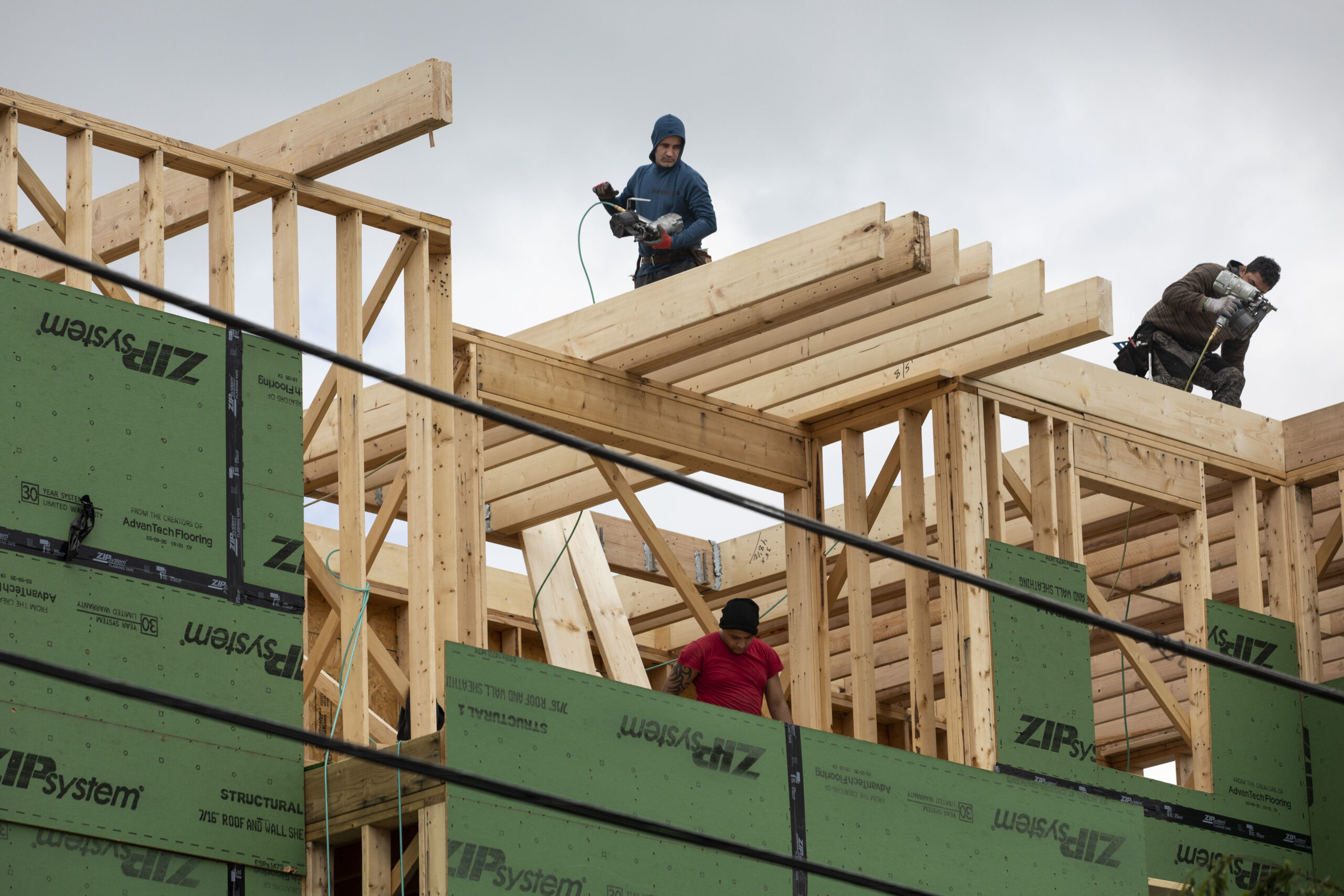
    Construction work on a home at Bancroft and Reed Streets in South Philadelphia, Pa. on Friday, May 1, 2020.

    As it stands now, Pennsylvania is one of the states that have allowed the least new housing. It ranked 44th for the share of homes approved to be built from 2017 to 2023, the Pew Charitable Trusts said in a report released last year. Pew said Pennsylvania’s lack of housing supply is hiking prices for homeowners and renters.

    Shapiro’s housing plan recommends that Pennsylvania:

    • Expand programs to repair and preserve existing homes.
    • Create a tax credit to incentivize home building in underinvested areas.
    • Invest in small residential developers who can help boost housing production.
    • Eliminate outdated or unnecessary state development regulations.
    • Direct funding to help homebuilders pay land development costs, developers convert former commercial buildings into homes, and property owners create mixed-use developments that include housing.
    • Appoint a deputy secretary of housing and create a “housing one-stop shop” to help residents and builders access the state’s existing housing resources.

    Protection for renters

    The housing plan calls for Pennsylvania to bolster protections for households that either rent their homes or rent the land their homes sit on, including protections Shapiro called for in his budget address.

    Suggestions include:

    • More eviction protections.
    • Restrictions on how much landlords can collect as a security deposit.
    • A statewide cap on rental application fees. (Philadelphia City Council members passed their own cap on application fees last year.)
    • Explicitly banning landlords from denying housing to people because they use public assistance or any other lawful source of income. (New Jersey enacted a law last month that does this.)

    Security for manufactured-home owners

    Manufactured homes are single-family dwellings often built off-site and placed on a lot. These households own their homes, but many of them rent the land.

    Manufactured homes represent one of the most affordable forms of homeownership. But homeowners are often left vulnerable because they have no other option than to pay increased rent costs if they want to keep the homes they own. Manufactured-home communities are increasingly being bought by private equity companies and other institutional investors, and rent hikes tend to follow.

    The housing plan says Pennsylvania should:

    • Limit the rent increases that landowners can charge.
    • Make financing easier for buyers of manufactured homes.
    • Give residents of manufactured-home communities the right of first refusal when a landowner decides to sell.

    Recent laws in New Jersey limit annual rent increases for manufactured-home lots and make it easier for residents to buy their communities.

    Across Pennsylvania, 56,000 households live in manufactured-home communities, Shapiro said in his budget address last week.

    Homebuyer help

    The plan calls for Pennsylvania to pursue new ways to help residents become homeowners, including creating programs to reduce home-buying costs and allowing local governments to exempt first-time homebuyers from local realty transfer taxes.

    It also calls for the state to impose a transfer tax when corporate investors buy single-family and certain other types of homes to help households compete for properties.

    Untangling titles

    To protect Pennsylvanians’ generational wealth, the plan calls for the state to allow transfer-on-death deeds to provide a streamlined process for passing down homes. This would help prevent cases of tangled title — or unclear legal ownership of property. This mostly occurs when a homeowner dies and the deed is not transferred to a new owner.

    Tangled titles keep people from qualifying for help to repair their homes and can prevent them from being able to sell properties.

    In Philadelphia alone, tangled titles threaten more than $1 billion in generational wealth, according to a 2021 report from the Pew Charitable Trusts.

    The plan also calls for funding for legal services to help low-income Pennsylvanians resolve tangled titles. In 2022, Philadelphia officials pledged to give $7.6 million over four years to legal-aid groups that are tackling this problem.

    Rachel Gallegos, a divisional supervising attorney for the homeownership and consumer rights unit at Community Legal Services of Philadelphia, called Shapiro’s plan “ambitious.”

    “And I like that,” she said. “I think it has to be in order to keep progress moving forward.”

    The legal-aid nonprofit routinely helps low-income clients with tangled titles, and Gallegos said she was glad to see the plan call for additional support for the work.

    “We want to preserve homeownership for our clients,” she said.

  • Big-money and out-of-state donors helped Josh Shapiro raise $30 million while Stacy Garrity raised $1.5 million from Pa.’s grassroots

    Big-money and out-of-state donors helped Josh Shapiro raise $30 million while Stacy Garrity raised $1.5 million from Pa.’s grassroots

    Democratic Gov. Josh Shapiro is racking up contributions from out-of-state billionaires as well as thousands of individual donors across the country.

    His likely Republican challenger, State Treasurer Stacy Garrity, meanwhile, is capturing small-donor donations from Pennsylvanians.

    That’s according to an analysis of the latest campaign finance filings in the Pennsylvania governor’s contest, as a clearer picture of the race emerges nine months out from Election Day. Shapiro entered 2026 with $30 million on hand — money raised over several years as he has built a national profile — while Garrity raised $1.5 million in her first five months on the campaign trail as she tries to unseat the popular Democratic incumbent. Last year, Shapiro brought in $23.3 million.

    Here are three takeaways from the first campaign finance filings in the race, tracking fundraising heading into 2026.

    Almost all of Stacy Garrity’s contributors are from Pennsylvania, while 62% of Shapiro’s are in state

    Nearly all of Garrity’s individual 1,155 contributors — more than 97% — live in Pennsylvania, and on average gave $889 each.

    Shapiro — who has amassed a national following and is a rumored 2028 Democratic presidential contender — had a much further reach and attracted many more donors from around the country. He received contributions from 4,981 individual donors, 62% of whom are from Pennsylvania. The average individual donor to Shapiro contributed $3,461, a number buoyed by multiple six- and seven-figure contributions.

    Shapiro received most of his remaining individual donations from California (7.1%), New York (6.3%), New Jersey (2.5%), Florida (2.5%), and Massachusetts (2.4%), according to an Inquirer analysis.

    (The analysis includes only donors who contributed more than $50 in 2025. Campaigns are required to list only individual donors who contribute above that threshold.)

    (function() { var l = function() { new pym.Parent( ‘shapiro-garrity3__graphic’, ‘https://media.inquirer.com/storage/inquirer/ai2html/shapiro-garrity3/index.html’); }; if(typeof(pym) === ‘undefined’) { var h = document.getElementsByTagName(‘head’)[0], s = document.createElement(‘script’); s.type = ‘text/javascript’; s.src = ‘https://pym.nprapps.org/pym.v1.min.js’; s.onload = l; h.appendChild(s); } else { l(); } })();

    Shapiro’s broad donor base is a result of his status as a popular incumbent governor who is liked among people of both political parties, said Robin Kolodny, a Temple University political science professor who focuses on campaign finance.

    “These amounts that you’re seeing is a very strong signal that ‘This is our guy,’” Kolodny said. “That underscores he is a popular incumbent.”

    Kolodny also noted that Shapiro’s state-level fundraising cannot be transferred to a federal political action committee should he decide to run in 2028. But his war chest shows his ability to raise money nationally and his popularity as the leader of the state, she added.

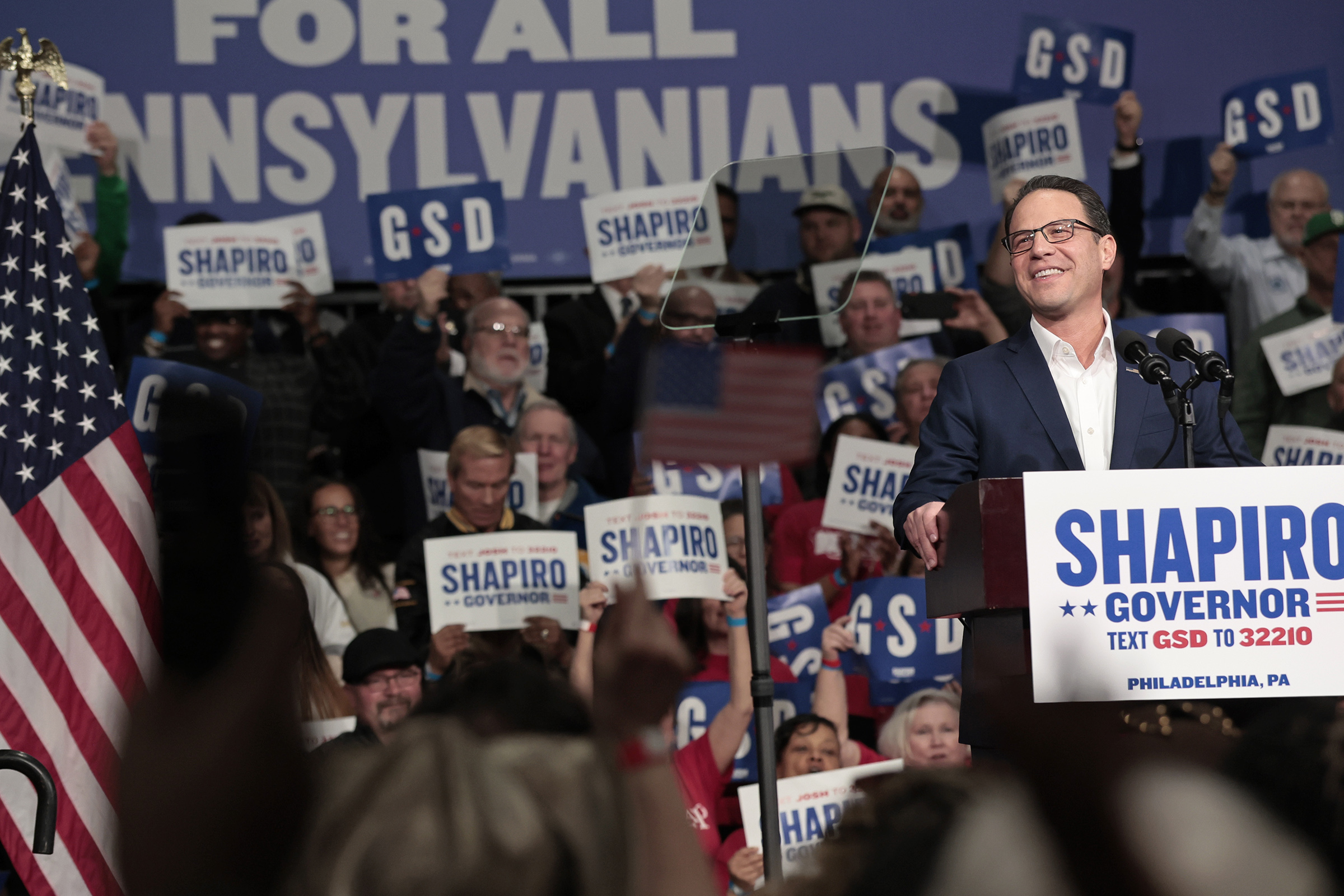
    Governor Josh Shapiro during a reelection announcement event at the Alan Horwitz “Sixth Man” Center in Philadelphia on Thursday, Jan. 8, 2026.

    Only a small percentage of the population contributes to political campaigns, Kolodny said. And sometimes, it’s the smallest contributions that pay off the most, she said. Small-dollar donations suggest grassroots support that can translate into a person assisting the campaign in additional ways to get out the vote, she said.

    Both Shapiro and Garrity have received a significant number of small-dollar donations that illustrate some level of excitement in the race — though Shapiro’s more than 3,000 in-state donors outnumber Garrity’s total by nearly 3-1.

    “Think of fundraising as not just a money grab, but also as a campaign strategy,” Kolodny said.

    Since announcing his reelection campaign in January, Shapiro has run targeted social media ads and sent fundraising texts, asking for supporters to “chip in” $1 or $5. The strategy worked, bringing in $400,000 in the first two days after his announcement, with an average contribution of $41, according to Shapiro’s campaign. This funding is not reflected in his 2025 campaign finance report.

    Most of Shapiro’s money came from out-of-state donors, including billionaire Mike Bloomberg and a George Soros PAC

    While Shapiro garnered thousands of individual contributions from Pennsylvania in all 67 counties, according to his campaign, the latest filings show it was the big-money checks from out-of-state billionaires that ran up his total.

    Approximately 64% of the $23.3 million Shapiro raised last year came from out-of-state donors.

    And more than half — 57% — of Shapiro’s total raised came from six- or seven-figure contributions by powerful PACs or billionaire donors.

    By contrast, only 31% of Garrity’s total fundraising came from six-figure contributions.

    The biggest single contribution in the governor’s race came from billionaire and former New York City Mayor Michael Bloomberg, who gave Shapiro $2.5 million last year.

    Shapiro also received $1 million from a political action committee led by billionaire Democratic supporter George Soros; and $500,000 from Kathryn and James Murdoch, from the powerful family of media mogul Rupert Murdoch.

    Kolodny noted that big contributions from people like Bloomberg are a drop in the bucket of his total political or philanthropic spending.

    window.addEventListener(“message”,function(a){if(void 0!==a.data[“datawrapper-height”]){var e=document.querySelectorAll(“iframe”);for(var t in a.data[“datawrapper-height”])for(var r,i=0;r=e[i];i++)if(r.contentWindow===a.source){var d=a.data[“datawrapper-height”][t]+”px”;r.style.height=d}}});

    “This is not something extraordinary,” Kolodny said. “He’s got nothing but money.”

    In Pennsylvania, Shapiro received notably high contributions from Philadelphia Phillies owner John Middleton, who gave $125,000, and Nemacolin Resort owner Maggie Hardy, who gave $250,000, among others. He also received a number of five-figure contributions from private equity officials, venture capitalists, and industry executives in life sciences, construction, and more.

    Garrity’s single biggest donation was $250,000 from University City Housing Co., a real estate firm providing housing near Drexel University and the University of Pennsylvania. Her largest contributions from individuals included $50,000 from her finance chair, Bob Asher of Asher Chocolates, and another $50,000 from Alfred Barbour, a retired executive from Concast Metal Products.

    Garrity has served as Pennsylvania’s state treasurer since 2020 and has led the low-profile statewide office with little controversy. She did not join the race for governor until August and raised only a fraction of the funds Shapiro did in that same time. Meanwhile, Shapiro spent 2025 at the political forefront as a moderate Democrat trying to challenge President Donald Trump in a state that helped elect him. Shapiro also benefited from his national name recognition after he was considered for Vice President Kamala Harris’ running mate in 2024.

    Shapiro has so far outraised Garrity 30-1, and top Pennsylvania Republicans have said they want to see Garrity fundraising more aggressively nationally.

    Kolodny said Garrity’s low fundraising is a reflection of the state of the race: Republicans put up a weak candidate in 2022 against Shapiro during his first run for governor, and now many powerful donors want to keep the relationship they have formed with Shapiro over the last three years.

    “That will reflect as a lack of enthusiasm for her,” Kolodny said. “Now she could turn that around, but from what I see, I don’t see her that much, only recently. She had the last six months; she could have done a lot more.”

    Controversy over donations tied to associates of Jeffrey Epstein

    Shapiro’s top contributions from individual donors also included a $500,000 check from Reid Hoffman, the Silicon Valley-based billionaire cofounder of LinkedIn. His name showed up thousands of times in the trove of documents recently released by the U.S. Department of Justice related to the investigation into financier and convicted sex offender Jeffrey Epstein.

    Garrity has highlighted the donations Shapiro received from Hoffman, and has publicly called on Shapiro to return the tech billionaire’s campaign contributions from last year and prior years, totaling more than $2 million since 2021.

    Hoffman has claimed he had only a fundraising relationship with Epstein, but publicly admitted he had visited his island. He has not been charged with wrongdoing.

    A spokesperson for Shapiro said Garrity should “stop playing politics with the Epstein files.”

    “Donald Trump is mentioned in the files over 5,000 times. Is she going to ask him to rescind his endorsement?” asked Manuel Bonder, Shapiro’s spokesperson.

    Garrity has previously downplayed Trump’s appearance in the Epstein files, and argued that Democrats would have released them much sooner if there was clear evidence of Trump partaking in any inappropriate behavior.

    Trump endorsed Garrity for governor last month.

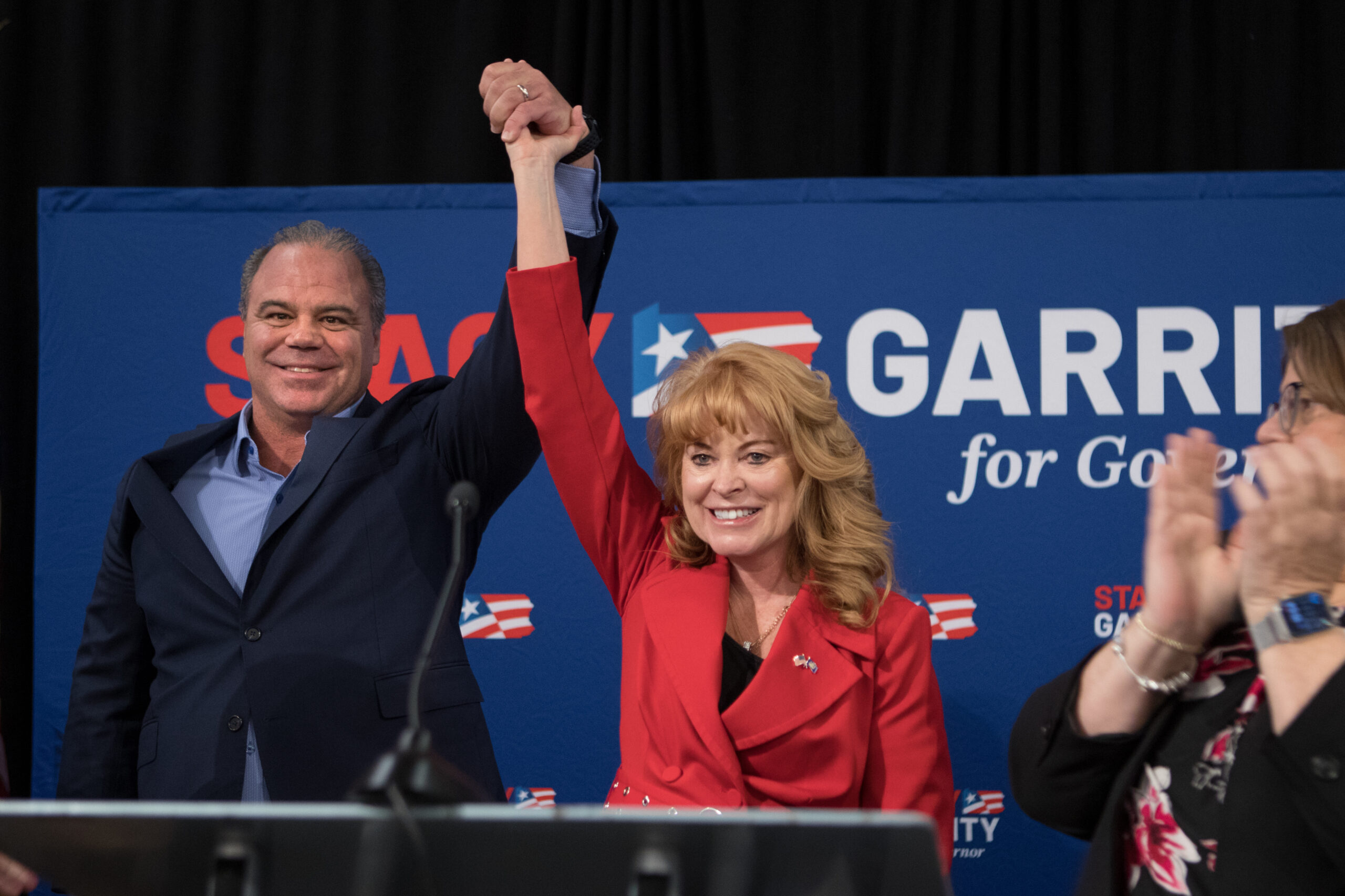
    GOP candidate for Pennsylania Governor, Stacy Garrity and Jason Richey hold up their arms in Harrisburg, Pa., Saturday, February 7, 2026. The PA State Republican Committee endorsed the two in their quest for the governor’s mansion. (For the Inquirer/Kalim A. Bhatti)

    If Shapiro were to return the funds from Hoffman, it would be bad for Garrity, Kolodny said, because she has made very few other political attacks against him.

    “That’s her [main] issue,” she said.

  • Pa. plant that helps make smartphones and bullets finds new suppliers in China trade war

    Pa. plant that helps make smartphones and bullets finds new suppliers in China trade war

    Tungsten is the hardest metal, tough enough to drill steel.

    When your Apple phone rings, its tungsten “Taptic Engine” buzzes. Tungsten hardens artillery shells made for the Ukraine war at General Dynamics’ Scranton Ammunition Plant. It’s used in Boeing helicopters built at Ridley Park and medical device parts from Berwyn-based TE Connectivity.

    More than 80% of mined tungsten comes from China — or did, until limits on China tungsten imports imposed during the Biden administration began last year. China has also imposed tungsten export limits.

    Not surprisingly, tungsten concentrate is now selling at record prices of more than $30 a pound amid the U.S.-China trade war and the budget-busting U.S. military buildup.

    The struggle has fed a global tungsten rush, with investors and their allies in the U.S. and foreign governments paying to reopen old mines and secure new suppliers around the globe. The restrictions have also revived production of other strategic metals in many countries.

    The biggest tungsten processor in the Western world is the century-old, 400-worker Global Tungsten & Powders (GTP) complex in Towanda, Pa., three hours north of Philadelphia. It produced more than 12,000 of the 117,000 metric tons of tungsten powder made in the world last year, crushing the metal into workable powders because it takes too much energy to melt.

    Far from fighting to preserve cheap Chinese tungsten supplies, GTP championed laws supporting China import restrictions.

    Before Stacy Garrity became Pennsylvania’s elected treasurer in 2021, she worked at GTP for more than 30 years. As vice president for government affairs and head of a metals industry group, she lobbied Congress and the first Trump administration to limit tungsten imports from China and its allies under what she called the “don’t buy from the bad guys” law.

    Trump endorsed Garrity last month for the Republican nomination to run against Pennsylvania Gov. Josh Shapiro this fall.

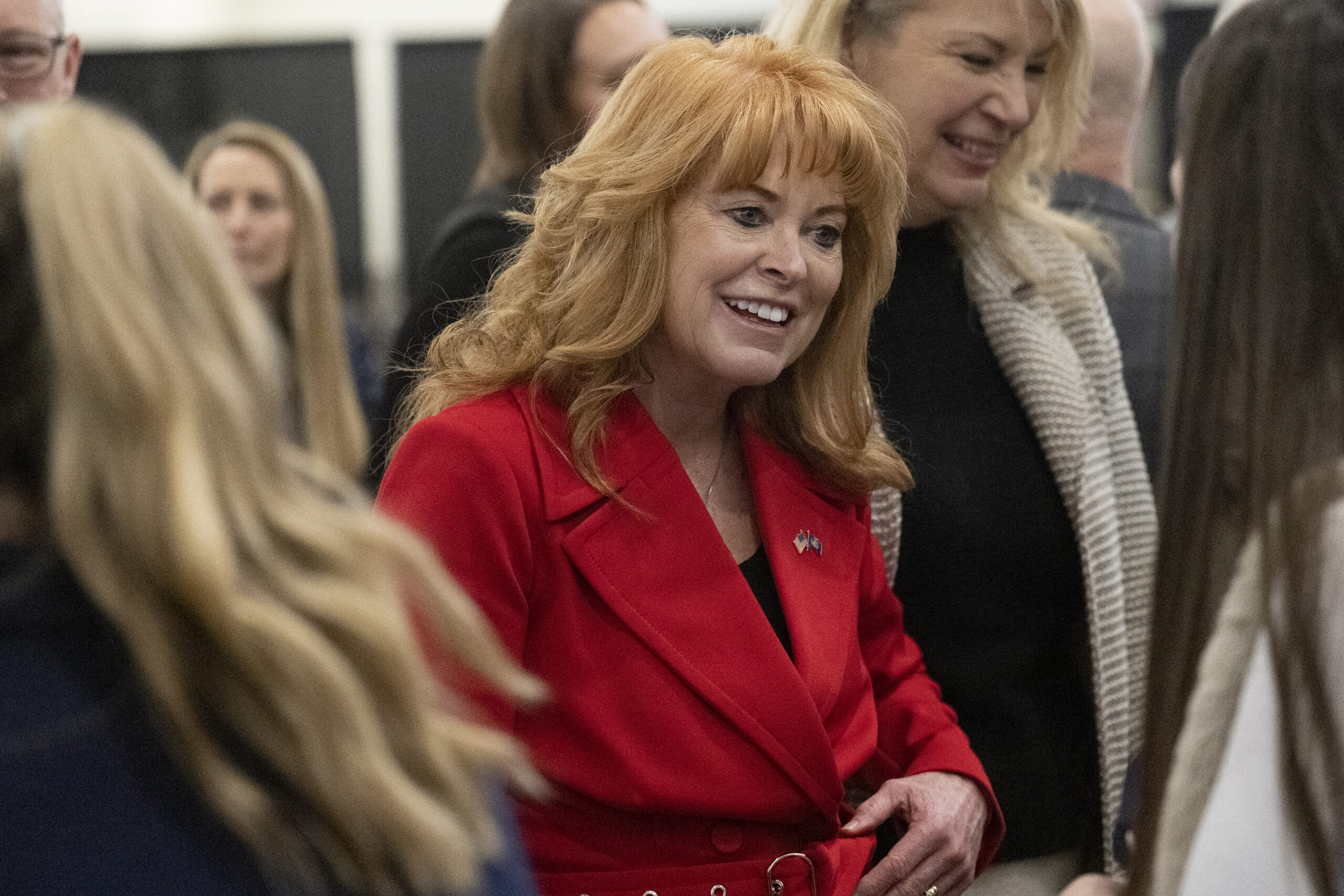
    Stacy Garrity, Pennsylvania treasurer, at the Pennsylvania Farm Show in Harrisburg in January.

    GTP’s owner, Austria-based Plansee, has relied mostly on recycled Western tungsten, along with the few non-Chinese mines. But with tungsten demand and prices surging, the company has contracted mined metal from new sources, including Korea and Rwanda, after many years of effort, says Karlheinz Wex, Plansee’s executive board chairman.

    Korea’s Sandong mine, once among the world’s biggest suppliers, shut in 1994 as cheaper Chinese tungsten flooded world markets. The mine has reopened with financial support from the Korean government, technical assistance from U.S. agencies, and an exclusive supply deal to GTP. It’s owned by Almonty, a multinational mining company partly owned by Plansee. Almonty is moving its headquarters to the U.S. from Canada.

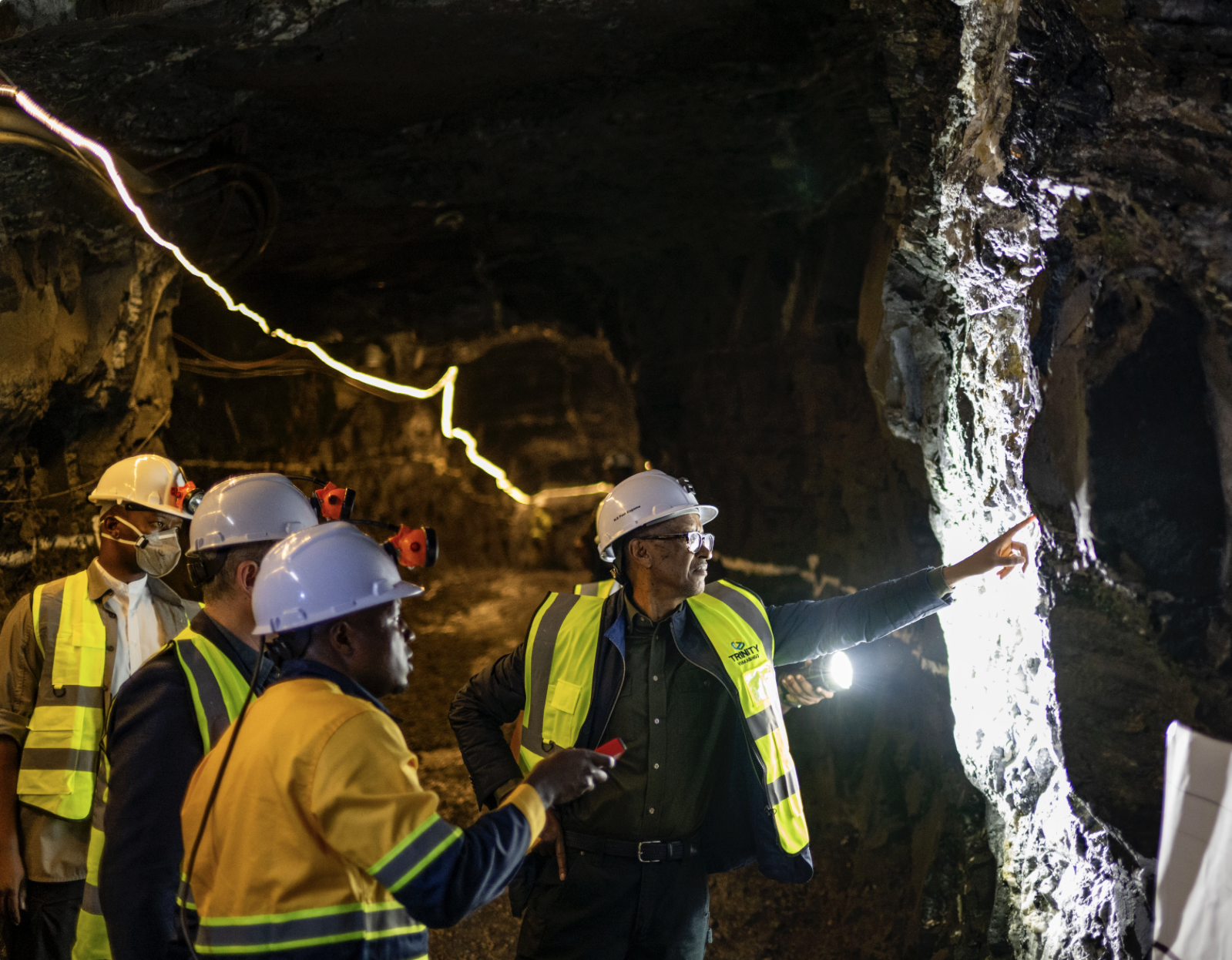
    Tungsten shipping from the mine at Nyakabingo, Rwanda, has been delayed by conflicts between militia backed by Rwanda’s pro-business President Paul Kagame and neighboring Congo, also a mining center.

    Wex agreed to take questions about the tungsten trade and GTP, purchased from lighting maker Sylvania in 2007. This conversation has been edited for clarity and length.

    How did a tungsten processing plant end up in Pennsylvania?

    That is where it started more than 100 years ago. The company focused on medical applications. Later, it went into the lighting business [pre-LED light bulbs used tungsten filament]. We have focused it 100% on tooling and special applications, such as artillery shells, and mostly in alloys with nickel and iron for tools, and with carbide and cobalt in machines for cutting, drilling, mining.

    The journey starts by creating tungsten scrap from customers and competitors. Our tungsten supply is 70% scrap recycling, from tools and drill bits.

    Austria-based Plansee owns the tungsten powdering plant in Towanda, Pa., which processes about one-tenth of the world’s supply of the heavy metal, used in tools and weapons.
    Why did your company, which relied on Chinese tungsten, also lobby to reduce imports from China?

    We always had this topic of sources independent from China, from the politics and their pricing. The mining of tungsten in the West was not that much [because of] the unfair competition flooding Chinese materials into the market. We wanted to get independent of that.

    Why are you buying tungsten from Africa now?

    Tungsten is a so-called conflict material. When we can certify it’s conflict-free, the material from that mine is really sound. The people at Trinity Metals [in Rwanda], we’ve known for years. Our specialists visit their mine.

    The U.S. government’s involvement made it easier to prove we can support national security in the West. We buy their entire production.

    Rwanda President Paul Kagame at Trinity Metals’ newly expanded, reopened Nyakabingo tungsten mine in May 2025. The mine’s entire production is sold to Plansee, an Austrian company that processes one-tenth of world tungsten output at its General Tungsten & Powders plant in Towanda, Pa.
    How does tungsten get from Rwanda to Pennsylvania?

    At the mine they separate the tungsten, crushing and separating the material by weight, or separating it by flood behind a dam. That makes a concentrate, about 60% tungsten. They put it in big bags and drums, very heavy. It’s easy to transport in standard containers [usually through the port of Mombasa [in Kenya], arriving through Newark or other East Coast ports and trucked to Towanda].

    Does the sale price of tungsten today cover all those costs?

    We have record prices in the tungsten market. Last year the price tripled. We don’t have enough [supply].

    The big problem is the Chinese have restricted exports. And the U.S. has forbidden the use of Chinese material for defense applications, as of this year. About 10% of tungsten goes into defense applications.

    Will Rwanda make a big difference in the supply chain?

    Rwanda is a small part.

    We rely on recycling. The biggest growth in supply that we see is the Sandong mine in South Korea. We have supported that financially. They will ship the concentrate to San Francisco [ports] and then by land to Towanda.

    Karlheinz Wex, chairman of the executive committee of Austria-based global miner Plansee, on a 2025 visit to the company’s Global Tungsten & Powder (GTP) mill in Towanda, Pa.

    We are working at capacity. We could produce 50-60% more and sell it on the market. We are sold out for the next six to nine months. Some of our customers are desperate.

    We are thinking of expanding in Towanda.

    Have you kept in touch with Stacy Garrity since she became a public official?

    Yes! It’s good to see her as state treasurer and potentially governor of Pennsylvania. She worked a long time for GTP after she was in the Army.

  • Bad Bunny, MPLS, and the ‘neighborism’ saving America | Will Bunch Newsletter

    Maybe it’s because I’ve watched every blessed one of them, starting as a curious, nearly 8-year-old boy in 1967, but the Super Bowl has always felt like the ultimate barometer of where the American Experiment is at. Super Bowl LX (that’s 60, for those of you smart enough not to take four years of Latin in high school) was no exception. The actual game was something of a snoozefest, but the tsunami of commercials revealed us as a nation obsessed with artificial intelligence, sports betting, weight loss, and anything that can lift us from middle-class peonage without having to do any actual work. As Bad Bunny said, God bless America.

    If someone forwarded you this email, sign up for free here.

    Bad Bunny’s real message: From P.R. to Minnesota, we are neighbors

    Bad Bunny (center top) performs Sunday during the halftime show of the NFL Super Bowl XL football game between the Seattle Seahawks and the New England Patriots in Santa Clara, Calif.

    Right-wing media prattled on for months about how Bad Bunny, the Puerto Rican reggaeton superstar who is the world’s most streamed artist, would politicize and thus ruin the NFL’s halftime extravaganza at Super Bowl LX in Santa Clara, Calif.

    The babble became a scream seven days before the Big Game kicked off, when Bad Bunny won the record of the year Grammy Award and began his acceptance speech with the exhortation “ICE out!” adding, “We’re not savages, we’re not animals, we’re not aliens — we are humans, and we are Americans.”

    But on the world’s biggest stage Sunday night — seen by 135 million in the United States, a Super Bowl record — Bad Bunny sang not one word about Donald Trump, not that MAGA fans even bothered to hold up a translation app. The white-suited Benito Antonio Martínez Ocasio danced his way through the history of Puerto Rico and the Americas writ large, from the plantations of yore to the exploding power lines of the hurricane-wracked 21st century. He whirled past an actual wedding, stopped for a shaved ice, and for 13 spellbinding minutes turned a cast of 400 into what his transfixed TV audience craved at home.

    Bad Bunny built his own community — a place not torn asunder by politics, but bonded by love and music.

    Without uttering one word — in Spanish or English — about the dire situation in a nation drifting from flawed democracy into wrenching authoritarianism, the planet’s reigning king of pop delivered the most powerful message of America’s six decades of Super Bowl fever. Shrouded in sugar cane and shaded by a plantain tree, Bad Bunny sang nothing about the frigid chaos 2,000 miles east in Minnesota, and yet the show was somehow very much about Minneapolis.

    Bad Bunny finally gave voice to what thousands of everyday folks in the Twin Cities have been trying to say with their incessant whistles.

    We are all neighbors. The undocumented Venezuelan next door who toils in the back of a restaurant and sends his kids to your kids’ school is a neighbor. But Haiti is also a neighbor, as is Cuba. We are all in this together.

    The word I kept thinking about as I watched Bad Bunny’s joyous performance is a term that didn’t really exist on New Year’s Day 2026, yet has instantly provided a name to the current zeitgeist.

    Neighborism.

    The great writer Adam Serwer — already up for the wordsmithing Hall of Fame after he nailed the MAGA movement in 2018 in five words: “The cruelty is the point” — leaned hard into the concept of “neighborism” after he traveled to Minneapolis last month. His goal was to understand an almost revolutionary resistance to Trump’s mass deportation raids that had residents — many of whom had not been especially political — in the streets, blowing those warning whistles, confronting armed federal agents, and tracking their movements across the city.

    Serwer visited churches where volunteers packed thousands of boxes of food for immigrant families afraid to leave their homes during the U.S. Immigration and Customs Enforcement raids, and talked to stay-at-home moms, retirees, and blue-collar workers who give rides or money to those at risk, or who engaged in the riskier business of tracking the deportation raiders.

    “If the Minnesota resistance has an overarching ideology,” Serwer wrote, “you could call it ‘neighborism’ — a commitment to protecting the people around you, no matter who they are or where they came from.” He contrasted the reality on the ground in Minneapolis to the twisted depictions by Trump and his vice president, JD Vance, who’ve insisted refugees are a threat to community and cohesion.

    Of course, it’s not just Minneapolis, and it’s not just the many, liberal-leaning cities — from Los Angeles to Chicago to New Orleans and more — that were the incubators of the notion that concerned citizens — immigrant and nonimmigrant alike — could prevent their neighbors from getting kidnapped. Even small towns like rural Sackets Harbor, N.Y., the hometown of Trump’s border czar Tom Homan, rose up in protest to successfully block the dairy farm deportation of a mom and her three kids. It’s been like this everywhere regular folks — even the ones who narrowly elected Trump to a second term in 2024 — realize mass deportation doesn’t mean only “the worst of the worst,” but often the nice mom or dad in the house, or church pew, next to theirs.

    Only now that it’s arrived is it possible to see “neighborism” as the thing Americans were looking for all along, even if we didn’t know it. It is, in every way, the opposite vibe from the things that have always fueled fascism — atomization and alienation that’s easy for a demagogue to mold into rank suspicion of The Other.

    I’m pretty sure Bad Bunny wasn’t using the word neighborism when the NFL awarded him the coveted halftime gig last fall. But the concept was deeply embedded in his show. He mapped his native Puerto Rico as a place where oppression has long loomed — from the cruelty of the sugar plantations to the capitalist exploitation of the failed power grid — but where community is stronger.

    Then Benito broadened the whole concept. Reclaiming the word America for its original meaning as all of the Western Hemisphere, Bad Bunny name-checked “Chile, Argentina, Uruguay, Paraguay, Bolivia, Peru, Ecuador, Brazil,” and Canada, as well as the United States. These, too, are our neighbors. “God bless America,” he shouted — his only message of the night delivered in English.

    So, no, Bad Bunny never mentioned Minneapolis, but a tender moment when he seemingly handed the Grammy he’d won just a week ago to a small Latino boy had to remind viewers of the communal fight to save children like the 5-year-old, blue bunny hat-wearing (yes, ironic) Liam Conejo Ramos, who was just arrested, detained, and released by ICE. (A false rumor that the Super Bowl boy was Ramos went viral.)

    But arguably, this super performance had peaked a few moments earlier, when the singer exited the wedding scene stage with a backward trust dive, caught and held aloft by his makeshift community in the crowd below. Bad Bunny had no fear that his neighbors would not be there for him. Viva Puerto Rico. Viva Minneapolis. Viva our neighbors.

    Yo, do this!

    • Some 63 years after he was gunned down by a white racist in his own driveway, the Mississippi civil rights icon Medgar Evers has been having a moment. A fearless World War II vet whose bold stands for civil rights as local leader of the NAACP in America’s most segregated state triggered his 1963 assassination, Evers’ fight has become the subject of a best-selling book, a controversy over how his story is told at the Jackson, Miss., home where he was killed, and now a two-hour documentary streaming on PBS.com. I’m looking forward to watching the widely praised Everlasting: Life & Legacy of Medgar Evers.
    • After the Super Bowl, February is the worst month for sports — three out of every four years. In 2026, we have the Winter Olympics to bridge the frigid gap while we wait for baseball’s spring training (and its own World Baseball Classic) to warm us up. Personally, I try and sometimes fail to get too jacked up around sleds careening down an icy track, but hockey is a different story. At 2:10 p.m. on Tuesday (that’s today if you read this early enough), the puck drops on USA Network for the highly anticipated match between the world’s two top women’s teams: the United States and its heated rival Canada. Look for these two border frenemies to meet again for the gold medal.

    Ask me anything

    Question: How is it that some towns have been able to prevent ICE from buying warehouses and turning them into concentration camps, while others say they are helpless against the federal government? What does it mean that several are planned for within a couple of hours of Philly? — @idaroo.bsky.social via Bluesky

    Answer: Great question. It seems ICE and its $45 billion wad of cash are racing in near-secrecy to make this national gulag archipelago of 23 or so concentration camps a done deal. The places where they’ve been stopped, like one planned for Virginia, happened because locals were able to pressure the developer before a sale to ICE was concluded. That’s no longer an option at the two already purchased Pennsylvania sites in Schuylkill and Berks Counties. The last hope is pressure from high-ranking Republicans, which may (we’ll see) have stopped a Mississippi site. Pennsylvanians might want to focus, then, on GOP Sen. Dave McCormick. Good luck with that.

    What you’re saying about …

    It’s conventional wisdom that the best argument for a Gov. Josh Shapiro 2028 presidential campaign is his popularity in his home state of Pennsylvania, the battleground with the most electoral votes. So it’s fascinating that none of the dozen or so of you who responded to this Philadelphia-based newsletter wants Shapiro to seek the White House, although folks seem divided into two camps. Some of you just don’t like Josh or his mostly centrist politics. “I think he’s all ambition, all consumed with reaching that top pedestal, not as a public servant, but because he thinks he deserves it,” wrote Linda Mitala, who once campaigned for Shapiro, but soured on his views over Gaza protesters, New York Mayor Zohran Mamdani, and other issues. Yet, others think he’s an excellent governor who should remain in the job through 2030. “Stay governor of Pa. when good governance and ability to stand up to federal (authoritarian) overreach is dire,” wrote Kim Root, who’d prefer Kentucky Gov. Andy Beshear for the White House.

    📮 This week’s question: A shocking, likely (though still not declared) Democratic primary win for Analilia Mejia, the Bernie Sanders-aligned left-wing candidate, in suburban North Jersey’s 11th Congressional District raises new questions for the Dems about the 2026 midterms. Should the party run more progressive candidates like Mejia, who promise a more aggressive response to Trump, or will they lose by veering too far left? Please email me your answer and put the exact phrase “Dems 2026” in the subject line.

    Backstory on how the F-bomb became the word of the year

    Billie Joe Armstrong of Green Day performs Sunday before the start of Super Bowl XL in Santa Clara, Calif.

    I’m old enough to remember when the world’s most famous comedy riff was the late George Carlin’s “Seven Words You Can Never Say on Television” — its point driven home by Carlin’s 1972 arrest on obscenity charges that went all the way to the U.S. Supreme Court. A half century later, you still can’t say dirty words on broadcast TV — cable and streaming is a different story — but that fortress is under assault. In 2026, America is under seemingly constant attack from the F-bomb.

    It is freakin’ everywhere. When the top elected Democrat in Washington, House Minority Leader Hakeem Jeffries, cut a short video to respond to the president’s shocking post of a racist video that depicted Barack and Michelle Obama as apes, he said, “[F-word] Donald Trump!” If uttered in, say, 1972, Jeffries’ attack would have been a top story for days, but this barely broke through. Maybe because that word is in the lexicon of so many of his fellow Democrats, like Mayor Jacob Frey, who famously told ICE agents to “get the [F-word] out of Minneapolis,” or Minnesota Sen. Tina Smith, who begged federal agents to “leave us the (bleep) alone.” (Smith is retiring at year’s end and seems to no longer give a you-know-what.)

    The poor guys with their finger on the silence button at the TV networks, where you still can’t say Carlin’s seven words, can barely keep up. The F-bomb was dropped at this year’s Grammys, where award-winner Billie Eilish declared “(Bleep) ICE!” as she brandished her prize. The F-bomb was dropped, of course, at the Super Bowl, when the only true moment of silence during 10-plus hours of nonstop bombast came during Green Day’s pregame performance of “American Idiot,” when NBC shielded America’s tender ears from hearing Billie Joe Armstrong sing about “the subliminal mind(bleep) America.”

    We’re only about six weeks into the new year, but it’s hard not to think that Merriam-Webster or the other dictionary pooh-bahs won’t declare the F-bomb as word of the year for 2026, even if I’m still not allowed to use it in The Inquirer, family newspaper that we are. So what the … heck is going on here? One study found the F-word was 28 times more likely to appear in literature now than in the 1950s, so in one sense it’s not surprising this would eventually break through on Capitol Hill or on the world’s biggest stages.

    But the bigger problem is that America’s descent into authoritarianism and daily political outrage has devolved to such a point where, every day, permissible words no longer seem close to adequate for capturing our shock and awe at how bad things are. Only the F-bomb, it turns out, contains enough dynamite to blow out our rage over masked goons kidnapping people on America’s streets, or a racist, megalomaniac president who still has 35 months left in his term. Yet, even this (sort of) banned expletive is losing its power to express how we really feel. I have no idea what the $%&# comes next.

    What I wrote on this date in 2019

    What a long, strange trip for Amazon founder Jeff Bezos, one of the four richest people on the planet. Today, Bezos is in the headlines for his horrific stewardship of the Washington Post, which has bowed down on its editorial pages to the Trump regime, lost hundreds of thousands of subscribers, and laid off 300 journalists. It’s hard to recall that seven years ago, Bezos and Trump were at war, and there was evidence Team MAGA had enlisted its allies from Saudi Arabia to the National Enquirer to take down the billionaire. I wrote that “a nation founded in the ideals of democracy has increasingly fallen prey to a new dystopian regime that melds the new 21st century dark arts of illegal hacking and media manipulation with the oldest tricks in the book: blackmail and extortion.”

    Read how from Feb. 10, 2019: “Bezos, the National Enquirer, the Saudis, Trump, and the blackmailing of U.S. democracy.”

    Recommended Inquirer reading

    • My first and hopefully not last journalistic road trip of 2026 took me to Pennsylvania coal country, where ICE has spent $119.5 million to buy an abandoned Big Lots warehouse on the outskirts of tiny Tremont in Schuylkill County. I spoke with both locals and a historical expert on concentration camps about their fears and the deeper meaning of a gulag archipelago for detained immigrants that is suddenly looming on U.S. soil. It can happen here. Over the weekend, I looked at the stark contrast between Europe’s reaction to the Jeffrey Epstein scandal — where ties to the late multimillionaire sex trafficker are ending careers and even threatening to topple the British government — and the United States, where truth has not led to consequences so far. The Epstein fallout shows how the utter lack of elite accountability is driving the crisis of American democracy.
    • One last Super Bowl reference: Now that football is over, are you ready for some FOOTBALL? Now just four months out, it’s hard to know what to make of the 2026 World Cup returning to America and coming to Philadelphia for the very first time, and whether the increasing vibe that Donald Trump’s United States is a global pariah will mar the world’s greatest sporting event (sorry, NFL). Whatever happens, The Inquirer is ready, and this past week we published our guide to soccer’s biggest-ever moment in Philly. Anchored by our world-class soccer writer Jonathan Tannenwald and Kerith Gabriel, who worked for the Philadelphia Union between his stints at the paper, the package provides not only an overview of the World Cup in Philly, but previews the dozen teams who will (or might) take the pitch at Lincoln Financial Field, with in-depth looks at the powerhouses (France) as well as the massive underdogs (Curaçao). June is just around the corner, so don’t let the paywall become your goalkeeper. Subscribe to The Inquirer before the first ball drops.

    By submitting your written, visual, and/or audio contributions, you agree to The Inquirer’s Terms of Use, including the grant of rights in Section 10.

  • A security fence has sparked dueling lawsuits between Gov. Josh Shapiro and his Abington neighbors

    A security fence has sparked dueling lawsuits between Gov. Josh Shapiro and his Abington neighbors

    Gov. Josh Shapiro’s Abington Township neighbors filed a federal lawsuit Monday against Pennsylvania’s first couple, in what is the latest clash over security upgrades to his personal home following an arson attack on the governor’s Harrisburg residence while Shapiro and his family slept inside.

    In the suit, filed in U.S. District Court for the Eastern District of Pennsylvania, the Shapiros’ neighbors in Abington Township, Jeremy and Simone Mock, accuse the governor and his wife, Lori Shapiro, of illegally occupying part of the Mocks’ yard to build an eight-foot security fence last summer in what they claim in the lawsuit is an “outrageous abuse of power.”

    In short, they asked a federal judge to order the Shapiros off their property.

    The Shapiros quickly filed a countersuit in Montgomery County Court of Common Pleas on Monday against the Mocks, asking a judge to declare that the disputed chunk of the property has been theirs for years.

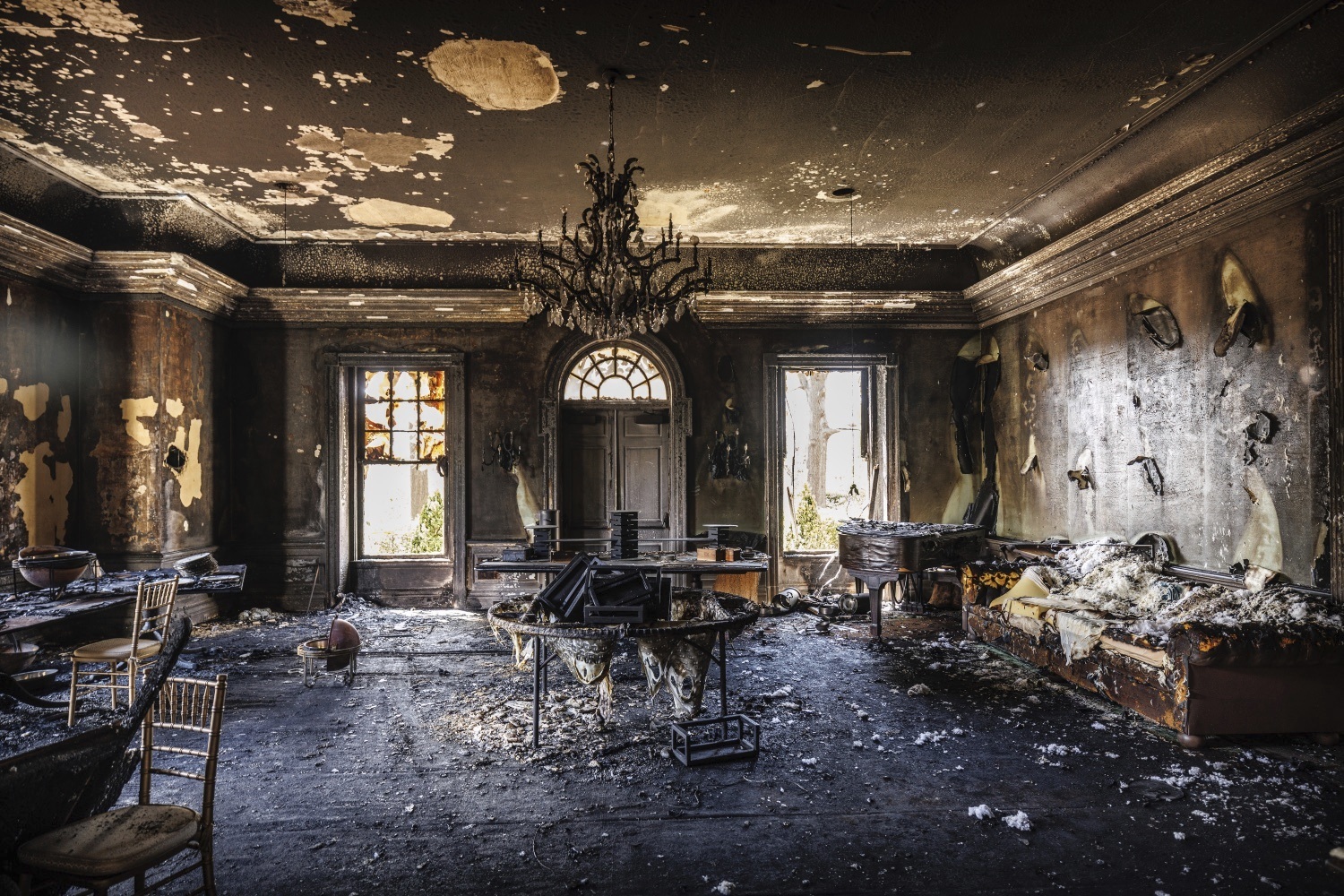
    The attempt to build the new fence is part of a larger security upgrade for Shapiro and his family, following the April firebombing of the state-owned governor’s residence in Harrisburg, when a man broke in to the mansion and set off Molotov cocktails that quickly engulfed part of the home. Cody Balmer, 38, pleaded guilty in October to attempted murder and was sentenced to 25 to 50 years in prison.

    The Mocks, whose property is adjacent to the Shapiros’ Montgomery County property, say the planned location of the fence is on their property unlawfully and violates their rights, according to the lawsuit.

    The couple is represented by Wally Zimolong, a Delaware County attorney who is described as “the ‘go-to’ lawyer in Pennsylvania for conservative causes and candidates” on his firm’s website. He previously represented the political campaigns of President Donald Trump and U.S. Sen. Dave McCormick (R., Pa.), according to his website.

    “The Governor looks forward to a swift resolution and will not be bullied by anyone trying to score cheap political points, especially at the expense of his family’s safety and wellbeing,” Will Simons, a spokesperson for Shapiro, a Democrat running for reelection, said in a statement.

    According to the Mocks’ lawsuit, the Shapiros approached their neighbors in July to discuss the construction of a security fence near where their yards meet. The Shapiros were interested in purchasing a portion of the Mocks’ property for the fence, and also discussed a lease option. But the couples couldn’t agree on the price, according to the suit.

    Things took a turn in late August, when, according to the lawsuit, the Shapiros’ attorney told the Mocks they would obtain the chunk of land through “alternative actions.”

    “What followed was an outrageous abuse of power by the sitting Governor of Pennsylvania and its former Attorney General,” the complaint says. (Shapiro served as Pennsylvania’s attorney general before he was elected governor in 2022.)

    The Shapiros told the Mock family, according to the neighbors’ lawsuit, that they owned the land through adverse possession, a legal mechanism through which a person can gain ownership of a property they’ve actively used for at least 21 years. The Shapiros have lived in their Montgomery County home for 23 years.

    The governor and first lady then began planting arborvitae-type trees and other plants on the Mocks’ property, flying drones over it, threatening to remove healthy trees, and “chasing away” contractors who came to work in the Mocks’ yard, the lawsuit claims.

    The complaint also accuses Shapiro of directing state police to patrol the property. Troopers instructed the Mocks to leave the area of the yard multiple times, calling it a “disputed” area or “security zone,” the suit says.

    The Mocks purchased the house in 2017, according to property records, and their lawsuit says they have paid taxes on the property over the time period. The offer to purchase the land shows the Shapiros knew it wasn’t theirs, according to the complaint.

    “The Shapiros continue to occupy the Mock Property without permission or any legal justification whatsoever,” the lawsuit says.

    The security fencing for the Shapiros’ home was purchased but ultimately never installed, and is being repurposed at the Pennsylvania State Police training academy, Spotlight PA previously reported.

    Zimolong declined to comment on the lawsuit Monday.

    The Shapiro’s countersuit

    The Shapiros’ lawsuit doesn’t dispute many elements of the Mocks’ suit, but casts them in a different light.

    As the Shapiros tell it, a land surveyor discovered in summer 2025 that the Mocks actually owned about 2,900 square feet of land that the Shapiros had believed was a part of their property since they bought the home in 2003. That time period, 22 years, satisfies Pennsylvania’s adverse possession law.

    The Mocks didn’t consider that part of the property to be theirs, according to the complaint, until the Shapiros told them.

    But after negotiations fell apart when the Shapiros attempted to purchase the land, the Mocks sought a permit to erect their own fence and include the disputed area on their property, the suit says.

    Shapiro’s security detail denied a tree-removal contractor access to the area, according to the complaint, because the first couple believe they possessed the land.

    And the state police troopers the Mocks saw were part of Shapiro’s security detail, which after the April attack have conducted review of his Abington home.

    The governor and his wife are asking a judge to find that they are the “legal and equitable owners” of the area in dispute.

    This image provided by Commonwealth Media Services shows damage after a fire on April 13, 2025, at the Pennsylvania governor’s mansion while Democratic Gov. Josh Shapiro and his family slept inside.

    Scrutiny over security

    Shapiro has faced scrutiny for using taxpayer dollars with little transparency to upgrade the security of his personal home, which is the primary residence for two of his four children, who are school-aged. State Police spent at least $1 million to upgrade security on his Abington Township property, in addition to more than $32 million in upgrades and repairs to the Harrisburg governor’s mansion.

    The GOP-controlled Senate Intergovernmental Operations Committee in December took the rare step of subpoenaing Shapiro for access to records about how taxpayer dollars were spent to upgrade the Shapiro property and home, including a new security system and landscaping work previously reported by Spotlight PA. Sen. Jarrett Coleman (R., Lehigh), who chairs the committee, argued the subpoenas were necessary because the Shapiro administration did not turn over the requested documents, or turned over incomplete records.

    As the Democratic governor of the nation’s fifth most-populous state, Shapiro continues to face threats to his safety. Police arrested a Carlisle man last week for allegedly sending messages to the governor’s office, that said “I do plan on stalking and hurting your family, before adding “metaphorically speaking of course.” The man, George R. Brown Jr., later told police they were “fake threats” and he was trying to get help with an eye injury he suffered while at Cumberland County Prison, PennLive reported.

  • In ‘Melt the ICE’ wool caps, a red tasseled symbol of resistance comes from Minneapolis to Philadelphia

    In ‘Melt the ICE’ wool caps, a red tasseled symbol of resistance comes from Minneapolis to Philadelphia

    Some yarn shops around Philadelphia are running low on skeins of red wool, as local knitters and crocheters turn out scads of “Melt the ICE” caps in solidarity with protesters in Minnesota.

    The hats don’t feature a patch or logo that says “Melt the ICE.” In fact, they carry no written message at all. What they offer is a deep scarlet hue, a dangling tassel, and a connection to an earlier, dangerous time, when a different people in another land sought to silently signal their unity.

    “The hat is really a symbol and reminder,” said knitter Laura McNamara of Kensington, who is making two caps for friends. “People are looking for a sense of community.”

    She refused her friends’ offers of payment, asking instead that they not let their involvement start and end with a hat ― but find a means to stand up for civil rights in some specific way.

    The original hat was a kind of conical stocking cap, known as a nisselue, worn in Norway during the 1940s as a sign of resistance to the Nazi occupation. The Germans eventually caught on to the symbolism and banned the caps.

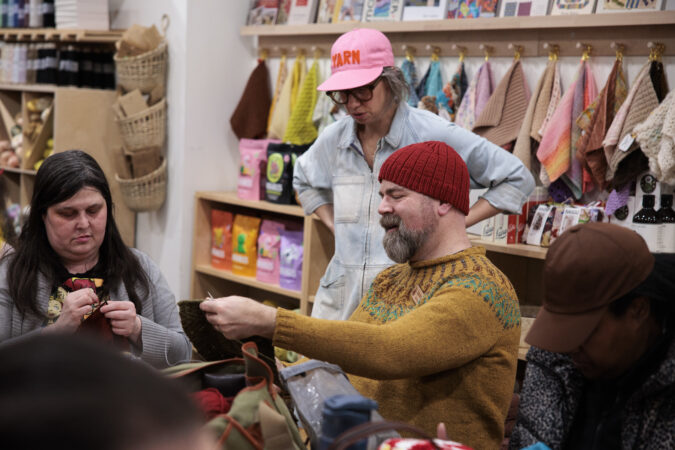
    Amanda Bryman works on a red wool hat known as a “Melt the ICE” hat, during Fiber Folk Night at Wild Hand yarn shop in Philadelphia on Wednesday.

    Now the new version that originated in a suburban Minneapolis yarn shop is spreading across the country. The hats signal opposition to U.S. Immigration and Customs Enforcement, which surged thousands of agents into Minneapolis, and sadness and anger over the deaths of Minnesotans and U.S. citizens Renee Good and Alex Pretti, who were shot to death by federal agents.

    Today, comparisons of ICE agents to Nazis have become both frequent and contentious in American politics, with even some Democrats, including Gov. Josh Shapiro, who is Jewish, rejecting that equivalence as wrong and unacceptable.

    ICE officials did not respond to a request for comment.

    This is not the first time that the Philadelphia region’s craftivist movement, as it is known, has brought its knitting needles and crochet hooks to bear.

    On the eve of Donald Trump’s first inauguration, artisans here turned out scores of cat-eared headgear known as pussy hats, a feline symbol of protest worn at the Women’s March on Washington. The hats aimed to tweak the then-president-elect over his comment about grabbing women by their genitals.

    The Melt the ICE caps carry some controversy within the fiber community, as it calls itself. There have been online complaints that it’s easy to tug a red cap over one’s ears, but unless that is accompanied by action it holds no more significance than clicking a “Like” button on Facebook.

    “It is just preening,” one person wrote in an internet forum.

    Another said that “if your resistance is only this hat, then you have not actually accomplished anything except make a hat.”

    Law enforcement officers detain a demonstrator during a protest outside SpringHill Suites and Residence Inn by Marriott hotels on Jan. 26 in Maple Grove, Minn.

    Liz Sytsma, owner of Wild Hand in West Mount Airy, has heard the criticism.

    But “the people in our community who are participating in making the hats, this is one of many things they are doing,” she said. That includes taking part in protests, calling elected leaders, and giving money to causes they support.

    On Wednesday, more than a dozen people gathered at Wild Hand for the weekly Fiber Folk Night, where crafters gather to knit, crochet, and chat ― and, now, to work on hats.

    Damon Davison traveled from Audubon, Camden County, having developed his own hat pattern, with sale proceeds to go to the activist group Juntos in South Philadelphia.

    He wants to show solidarity with people “who are expressing resistance to what has been happening in Minneapolis, but also what’s happening here in Philly,” he said. “The idea is to make it a little bit more local.”

    The shop has seen a rush on red, sought by about 70% of customers whose purchases have depleted stocks during the last couple of weeks.

    “We’re really low,” said store manager Yolanda Booker, who plans to knit and donate a hat. “I want to do whatever small part I can do to help out.”

    A single hat can take two or three days to make, though the best and fastest knitters can complete one in a couple of hours.

    In Minnesota, the owner of Needle & Skein, which produced the hats’ design, told reporters this month that online sales of the $5 pattern have generated more than $588,000 to be donated to area organizations.

    Store Manager Yolanda Booker, standing, laughs with attendees during Fiber Folk Night at Wild Hand yarn shop in Philadelphia on Wednesday.

    In West Mount Airy, Kelbourne Woolens closed its physical doors during the national “ICE Out” strike in late January and donated its online profits of $4,000 to Asian Americans United, Juntos, and New Sanctuary Movement of Philadelphia, said team member Bailey Spiteri. She estimated the store has sold enough red yarn to retailers to make 500 or 600 hats.

    At Stitch Central in Glenside, customers donated $1,000 during the strike and the store matched it, with the $2,000 going to Nationalities Service Center in Philadelphia.

    “Sometimes people are skeptical. How does wearing a hat or even making a hat make a difference?” asked Allison Covey of Drunken Knit Wits, a local knitting and crocheting organization. “But look at the donations. It does make a difference.”

    Veteran knitter Neeta McColloch of Elkins Park thinks the same. She has ordered enough yarn to make eight hats. And she is curious to see how the phenomenon will develop.

    “This is probably bigger than I think,” she said. “Knitters tend to be the type of people who in my experience have a strong moral compass. If they can combine something they love to do with something in which they can make a statement, that’s important to them.”

  • Shapiro blasts Trump for racist video of the Obamas and ICE’s ‘secretive’ warehouse purchase in Berks County

    Shapiro blasts Trump for racist video of the Obamas and ICE’s ‘secretive’ warehouse purchase in Berks County

    Gov. Josh Shapiro blasted U.S. Immigration and Customs Enforcement (ICE) Friday for buying a Berks County warehouse that may be used to detain people.

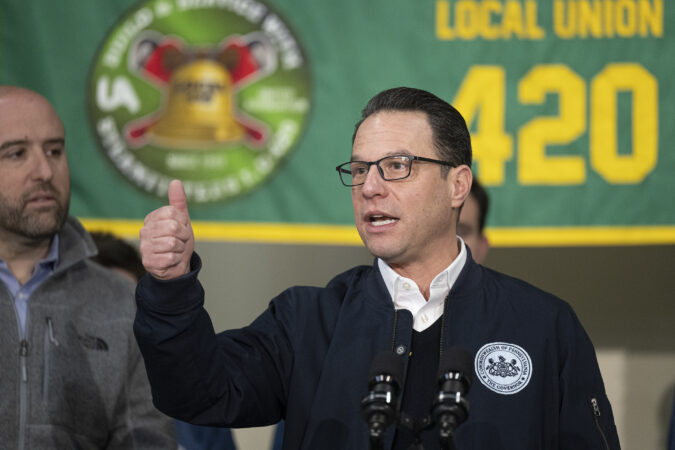
    “I’m strongly opposed to the purchase,” Shapiro said after speaking at an event at the Steamfitters Local 420 in Northeast Philadelphia.

    Shapiro said the facility is “not what we need anywhere in Pennsylvania,” adding that he was not alerted ahead of time of ICE’s $87 million acquisition of the warehouse on 64 acres in Upper Bern Township.

    “The secretive way the federal government went about this undermines trust,” Shapiro said.

    Shapiro has grown increasingly vocal in his criticism of ICE and President Donald Trump in recent weeks as he’s toured the East Coast promoting his new memoir. In addition to voicing his opposition to the warehouse, Shapiro criticized Trump for sharing a racist video attacking former President Barack Obama and former first lady Michelle Obama.

    The Democratic governor, who is widely seen as a contender for the White House in 2028, is in the midst of a reelection campaign against Trump-endorsed Republican Stacy Garrity, who has urged cooperation with ICE.

    He said the commonwealth is exploring “what legal options we may have to stop” the ICE procurement, but he acknowledged “those options are very slim, given that the federal government is the purchaser.”

    Shapiro told this audience of union workers and apprentices that the Berks County building would be better used for economic development.

    At the same event, Shapiro announced a new $3 million Redevelopment Assistance Capital Program (RACP) grant to expand the Steamfitters Local Union 420 Training Center, which he said would help “train the next generation of workers.”

    Shapiro criticizes Trump over racist anti-Obama video

    During the union hall event, Shapiro also leveled criticism at the Trump administration for sharing on social media a racist video depicting Obama, the first Black president, and his wife, as apes.

    When asked for a reaction, Shapiro said, “I actually agree with [Republican] Sen. Tim Scott of South Carolina that it’s racist.”

    Scott, the only Black Republican in the Senate, called the video “the most racist thing I’ve seen out of this White House,” after Trump shared it to his Truth Social account Thursday evening.

    Shapiro said that Trump “seems to always find a lower and lower common denominator. We’re not going to get sucked down into the depths that this president seems to reach for each day.”

    Trump took down the video early Friday afternoon.

    The governor also strongly chided Trump for recently saying the federal government should be in charge of elections.

    Specifically, Trump named Philadelphia, along with Detroit and Atlanta, as cities where the federal government should step in to run elections. The predominantly Black cities are in swing states and have long been targeted with Trump’s false claims of voter fraud.

    “The president of the United States doesn’t run our elections,” said Shapiro. “County officials run our elections, Republican and Democrat alike.”

    “We’re not going to have interference from the White House,” added the governor, who served as attorney general when Trump tried to overturn Pennsylvania’s election results in 2020.

  • The new Norristown school board plans to oust its superintendent, citing poor test scores

    The new Norristown school board plans to oust its superintendent, citing poor test scores

    The Norristown Area School District’s board is moving to oust its superintendent, saying the district needs a new leader to reverse years of poor test scores.

    The move to replace Superintendent Christopher Dormer, who has led the Montgomery County district since 2018 and whose contract expires June 30, comes after five new members were elected to the nine-person school board in November. The board voted unanimously Jan. 20 to give Dormer notice they would not renew his contract.

    Some community members expressed shock at the decision to part ways with Dormer, who is also the president of the Pennsylvania Association of School Administrators. Dormer has been a vocal advocate for increasing funding to Norristown, which is considered underfunded by the state, and where nearly three-quarters of students are economically disadvantaged.

    Jeremiah Lemke, who joined the Norristown school board in December and is now its president, acknowledged Dormer as “a leader statewide” in advocating for a new school funding system and a superintendent who has done “many good things for the district.” But, he said at the Jan. 20 meeting, test scores are a concern.

    “Student achievement in Norristown hasn’t been winning, under Mr. Dormer, for years, not months, but years — seven to be exact,“ Lemke said in an emailed statement Wednesday. ”If the Eagles didn’t win for seven years, regardless of what positive developments happened in the organization, there would be no questions asked when the head coach was replaced.“

    Norristown, a majority Hispanic district, enrolls about 8,000 students.

    About 28% of Norristown’s third-through-eighth graders scored proficient or above in English language arts on the Pennsylvania System of School Assessment standardized tests last year, compared to 48.5% statewide. In math, 27.4% of Norristown students were proficient, compared to 41.7% statewide.

    Over the last few years, changes in Norristown’s test scores have largely tracked Pennsylvania’s as a whole, with ELA scores sliding, and math scores improving. In 2023, 30.7% of Norristown students scored proficient in ELA, compared to 53.7% of students at the state level. In math, 21.6% of Norristown students scored proficient in 2023, compared to 39.4% statewide.

    In a message to staff and families after the Jan. 20 vote, Dormer said he was proud of what the district had accomplished during his tenure — “including consecutive years with minimal to no tax increases, the sizable and significant additions in staffing after years of reductions, the sustained investment in new instructional resources and educational opportunities after years of unaffordability, the development and implementation of our facilities master plan after decades of deferred maintenance, and the commitment to the principles of equity, inclusion, and belonging as we navigated a worldwide pandemic and an increasingly politically divided country.”

    Dormer, who began his career in education as an educational assistant in the Lower Merion School District, spent 13 years as a teacher, coach, and athletic director in the Upper Darby School District before moving into administration in 2005. He became Upper Darby High School’s principal in 2008, a role he held for five years, and came to Norristown in 2016.

    Performance reviews on the district’s website show Dormer was rated “proficient” by the board in 2021-22 and 2022-23. More recent reviews were not listed online.

    On Wednesday, Dormer declined to comment.

    Lemke — who works for a Philadelphia nonprofit, Jounce Partners, that has coached charter school leaders to improve teacher performance — said in a statement Wednesday that the decision was “thoughtful, reflective, data-informed, and unanimous, amongst new and continuing board members.”

    The board last week voted to approve a $79,500 contract with Alma Advisory Group, a Chicago-based firm, to conduct a national search for a new superintendent.

    Jordan Alexander, another new school board member, said during that board meeting that members “often have to make decisions that are very unpopular.”

    “I’m gonna be honest, I wasn’t so sold,” Alexander said. A former Norristown student, Alexander said that when Dormer “came to the scene, the pride did go up, and it was a breath of fresh air.”

    But “we cannot advocate ourselves to be the best if our performance does not reflect that,” Alexander said.

    Community reaction to the ouster

    Some community members accused the board of a predetermined decision.

    “Staff were not aware of these changes … the community was not aware, or anybody. You guys just threw it out there,” Ericka Wharton, a parent and leader of a Norristown community center, told the board at last week’s meeting. Wharton warned the decision could create instability, including a decline in student achievement.

    Carmina Taylor, a local advocate, told the board that community members deserved “a full explanation with dates and details that led to your decision.”

    “This decision is short-sighted, abrupt, without consideration as to how the students will be impacted by this major shift in leadership,” said Taylor, co-founder of the Movement for Black and Brown Lives in Montgomery County.

    The election of the new board came after infighting in the local Democratic Party. Chris Jaramillo, the former board president, lost the local Democratic Party’s endorsement for reelection last year. Jaramillo had opposed a tax break for a senior affordable housing development. Last week, the new board voted to rescind a November district policy that restricted tax abatements, saying it would replace it.

    Jaramillo is also a co-founder of the Movement for Black and Brown Lives in Montgomery County. In an interview Wednesday, he described the board’s new leaders as inexperienced and questioned how it could quickly replace Dormer without causing disruption.

    “I don’t think it’s a sound decision,” said Jaramillo. He said he worried the board would pick someone “without any sort of knowledge of how diverse Norristown and its surrounding area are.”

    Taylor said Wednesday she wasn’t speaking on behalf of Jaramillo. She accused the board of “plotting” to remove Dormer.

    “How in the world, if they didn’t have a sense of what they wanted to do, could they have even attempted to do that in the last 45 days?” said Taylor, who has filed a complaint with the school board, alleging insufficient transparency.

    Lemke said it is “categorially false” that the board acted too quickly and without transparency. “Once we were installed, we had a short time period in which to make a decision because we knew that if we didn’t renew his contract it would not be a quick task to do a national search for a superintendent,” he said.

    Taylor noted that while the district’s test scores “are bad,” Norristown has only been receiving additional state money under a new formula intended to remedy constitutional underfunding for the past two years. (The budget proposed by Gov. Josh Shapiro Tuesday would give underfunded districts their third installment of a nine-year plan.)

    “It’s not enough to address the systemic issue, period,” she said.