Tag: Main Line

  • Medicare coverage for telehealth suspended as result of government shutdown

    Medicare coverage for telehealth suspended as result of government shutdown

    Steve Hirst relies on virtual visits with his urologist, whose office is an hour away from his Broomall home, to stay on top of his treatment plan and renew medications.

    But earlier this month Hirst, 70, got a notice from his doctor’s office informing him that it could no longer schedule telemedicine visits for patients like him who have Medicare because of new federal policy changes.

    Medicare began covering telemedicine services during the COVID-19 pandemic and has maintained the popular offering through temporary waivers approved by Congress since. But the most recent of those waivers expired at the end of September when Congress failed to reach a budget deal and the government shut down.

    The change specifically affects traditional Medicare, which is administered by the government for people 65 and older and some with disabilities. People with Medicare Advantage plans, which are administered by private insurers, should check with their plan.

    Medicare coverage for virtual visits for mental health was made permanent after the pandemic and are not affected by the shutdown.

    Some of the Philadelphia area’s leading health systems, including Temple Health and Penn Medicine, have said they are continuing to provide telehealth services to people with Medicare and temporarily suspending billing for those services, with hope that coverage will be reinstated when a budget deal is eventually reached.

    But smaller provider practices may not have the luxury of delaying payment for thousands of dollars in services for an indefinite period of time.

    With the government shutdown in its third week, Republicans and Democrats seem no closer to reaching a deal. The next vote is scheduled for Monday evening, though no deal is expected.

    Another health policy issue — tax credits for people who buy insurance through Affordable Care Act marketplaces, including Pennie in Pennsylvania — has been a major sticking point in the ongoing federal budget debate. Democrats want the enhanced subsidies extended permanently as part of the budget deal, and Republicans have refused, arguing that lawmakers could address the issue separately, before the subsidies expire at the end of the year.

    Meanwhile, the waiver’s expiration has left Hirst and others who are covered by Medicare unsure how they will access needed health services.

    Telehealth’s rise

    Telehealth rose in popularity during the COVID-19 pandemic, when people were urged to avoid hospitals unless they were having an emergency and when most routine procedures were canceled.

    The approach was especially helpful to older adults and people with disabilities, who needed to stay in contact with doctors for ongoing treatment and who were considered particularly vulnerable to severe illness from COVID-19.

    After the pandemic ended, many private insurers, Medicaid, and Medicare permanently adopted telehealth coverage for certain services, such as mental health, because of its popularity during the pandemic.

    Medicare has used temporary waivers to continue telehealth coverage for other types of doctors’ visits.

    Beyond patient popularity, research has found that telehealth visits can be as effective as in-person visits for certain types of care, such as palliative care for cancer patients, while improving access to patients with transportation challenges.

    Philadelphia health systems respond

    Philadelphia’s largest health systems said they are optimistic that coverage will be reinstated — either by a new temporary waiver or a permanent change — when Congress reaches a new budget agreement and the shutdown ends.

    Temple Health will continue to provide telehealth services to Medicare patients for the next three weeks, in anticipation of Congress reaching a deal.

    Penn Medicine has not billed Medicare patients for telehealth visits since the shutdown began and has paused its process for filing claims until the government reopens, a spokesperson said.

    “Congress has been vocal in its support of telehealth and its value, and we are hopeful that legislation will be passed to ensure permanent Medicare telehealth coverage and flexibilities once the government reopens,” Penn said in a statement.

    Main Line Health has been reaching out to affected patients to help them change previously scheduled virtual visits into in-person appointments or reschedule virtual visits that can be put off.

    Jefferson Health did not respond to a request for comment in time for publication.

    Patients in limbo

    Hirst drives into Philadelphia to see his urologist in person once a year. Every three months, he has a virtual visit to check in and renew prescriptions.

    Driving to Philadelphia for every appointment would be inconvenient, but Hirst will probably do it “for now,” he said.

    But he worries about older adults and people with disabilities who can’t safely drive to the doctor’s office, and for whom virtual care is a lifeline. They could end up putting themselves or others at risk being on the road when they shouldn’t be. Or they may end up skipping needed care because they don’t have a ride.

    “It makes no sense,” Hirst said.

  • The wooded Malvern-area home of a famous Main Line builder is for sale for nearly $2 million

    The wooded Malvern-area home of a famous Main Line builder is for sale for nearly $2 million

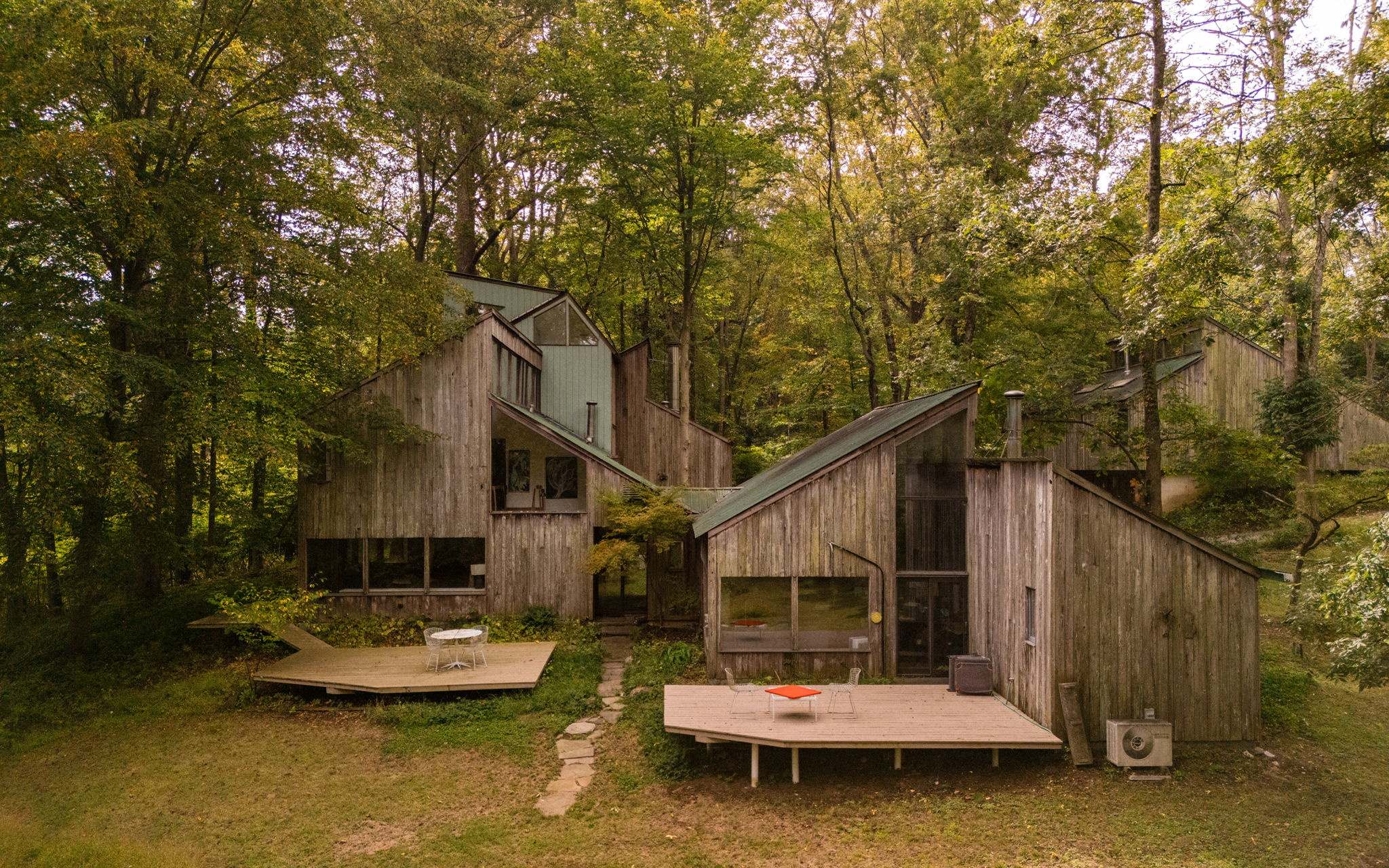
    A Chester County home full of beautiful woodwork and secluded on five acres of land is for sale for nearly $2 million.

    Advertised as the “McElroy House” in an ode to the late builder Robert McElroy, the 4,300-square-foot property near Malvern hit the market last week for $1.99 million.

    This Willistown Township home, for sale for nearly $2 million, was designed by Robert McElroy and has a wing that was devoted to his wife Annamaria’s art studio.

    McElroy, who is credited with building more than 200 homes around the Main Line, designed and built this home for his own family in 1975, according to Marion Dinofa, Compass RE Realtor and modern home specialist.

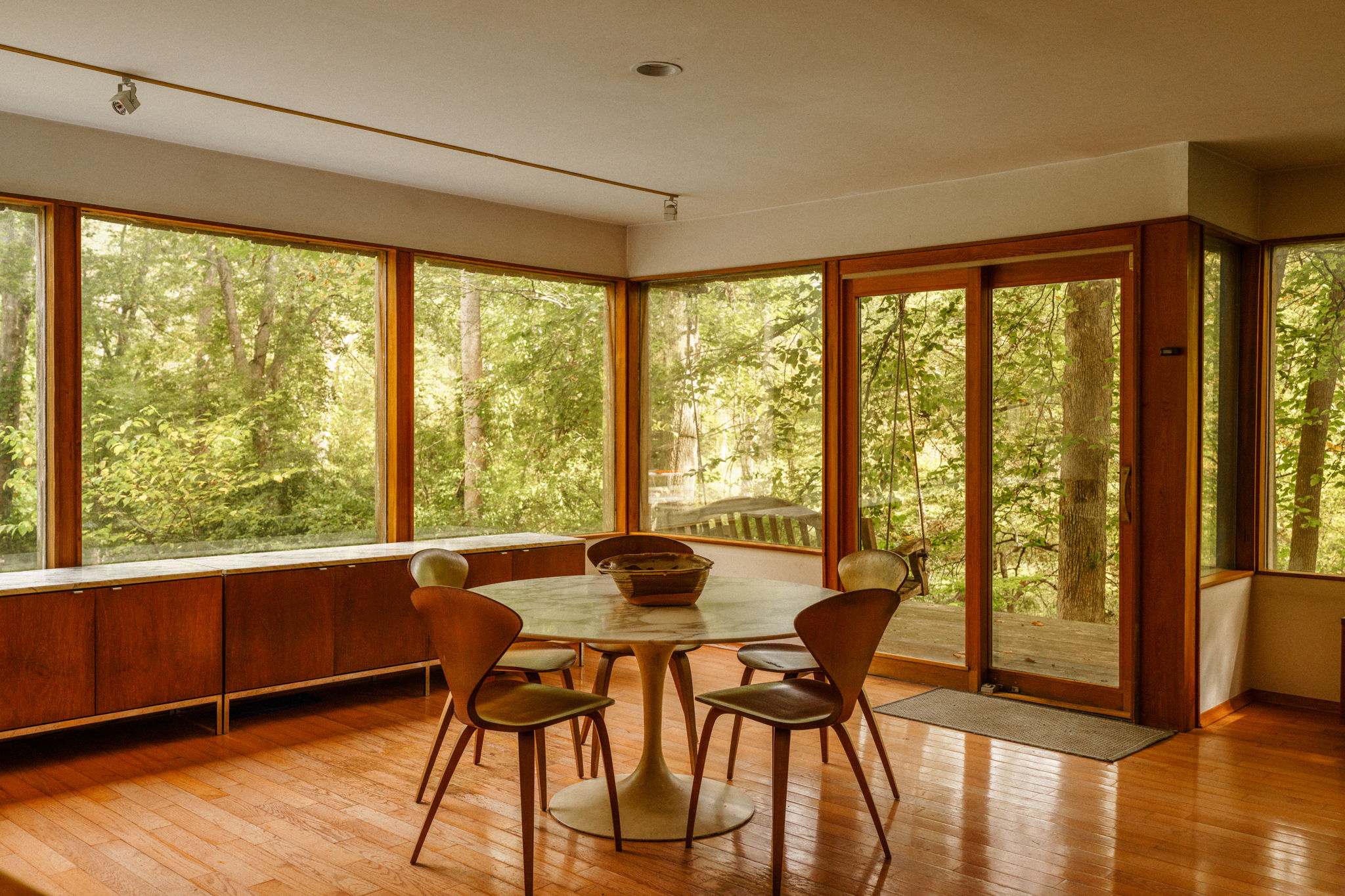
    Tucked far off Rabbit Run Road in Willistown Township, McElroy’s three-bedroom, 3½-bath home features a contemporary design and floor-to-ceiling windows that let in abundant natural light.

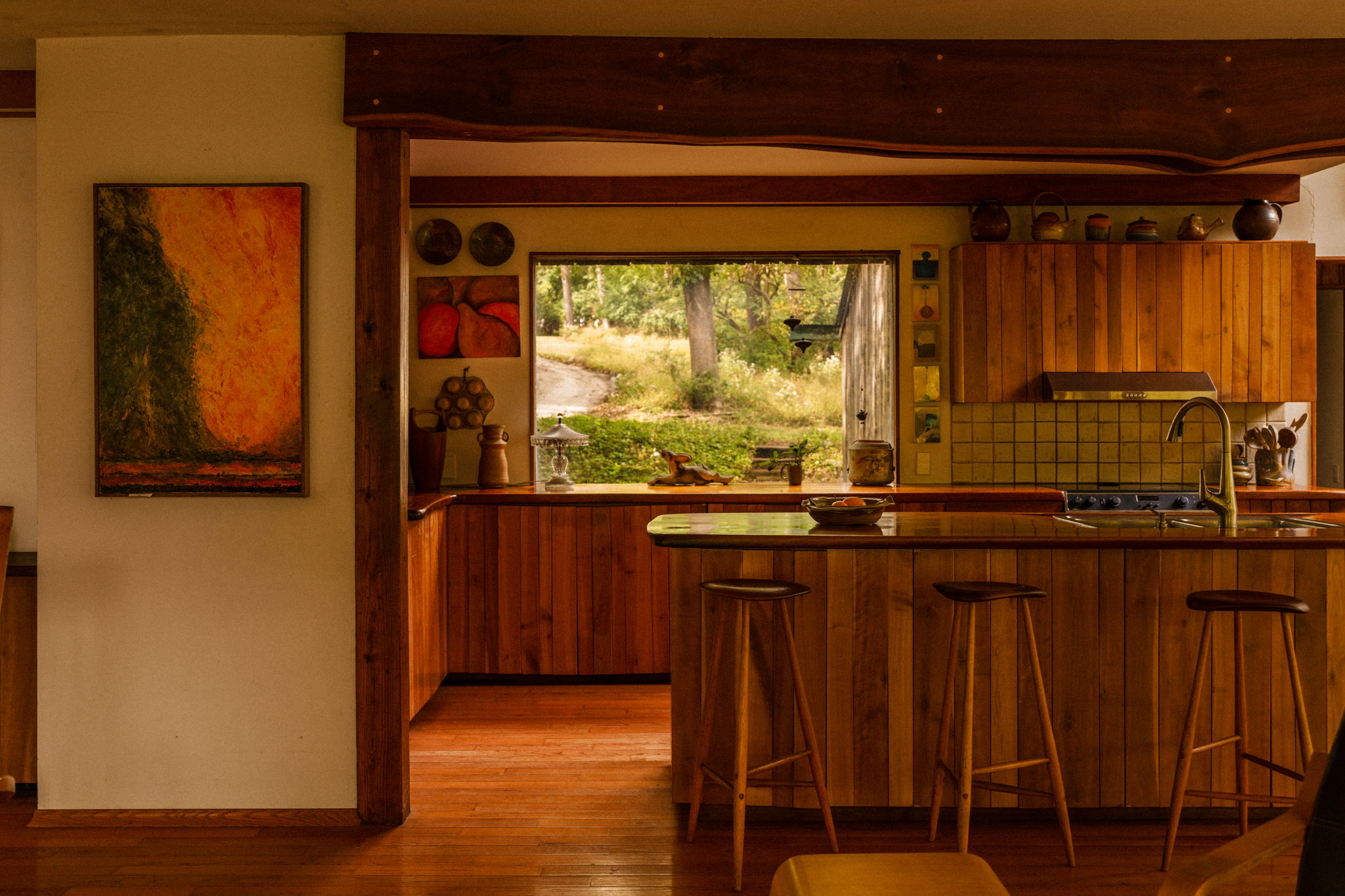
    “I see a lot of really cool houses, but this one, almost more than any other house, is truly like you’re living in a work of art, between the craftsmanship of the woodworking, the views through the windows that are ever changing with the seasons, and the design of the home itself,” Dinofa said.

    Wooden details make Robert McElroy’s former home in Willistown Township unique, said Realtor Marion Dinofa.

    Almost every piece of wood in the home was crafted by Horace Hartshaw, who collaborated with the renowned sculptural furniture maker Wharton Esherick. This includes everything from the wood doors to the custom kitchen cabinets to the staircases, including a spiral one at its center.

    McElroy wasn’t the only artist who resided in the home: His wife, Annamaria, a painter and sculptor, also left her mark, showcasing her artwork on the walls and using a wing of the home as her studio.

    Dinofa noted that the house also includes a detached two-story garage that could be converted into more creative space.

    The secluded home features custom wood features that were crafted by renowned artist Horace Hartshaw and lots of windows.

    Between Robert’s vision and Annamaria’s artistic touches, their home “was a labor of love,” Dinofa said. “And it’s really well preserved. You can tell it hasn’t changed much.”

    Annamaria and Robert lived at the home into their 90s, Dinofa said. They died in 2023 and 2024, respectively. Dinofa said the home is being sold by their daughter, Loretta.

    Dinofa said she could see the property being bought by artists or by adventurous young parents who want to raise their children amid nature.

    “It would be such a fun place for kids to play outside,” with a stream in the backyard and plenty of space to run around, Dinofa said. “I can only imagine the wildlife that they have viewed from that house.”

  • Plan to turn Pennhurst site into massive data center outrages neighbors

    Plan to turn Pennhurst site into massive data center outrages neighbors

    Megan Heiken recently bought a home near the former Pennhurst State School and Hospital, once a center for people with developmental disabilities that now operates as a popular haunted Halloween attraction.

    A new plan to convert Pennhurst into a massive data center has outraged and mobilized local residents, as well as people in neighboring communities in an area known for rolling hills, farms, and an overall rural character.

    Heiken launched an online petition urging her Chester County neighbors and East Vincent Township officials to “work together toward a solution that preserves the Pennhurst property, honors its history, and protects the environment and quality of life for all who live, work and visit here.”

    The petition had 1,825 signatures as of Friday.

    “I made this move to be out in an area with more space, more nature,” Heiken said. “The fact that the owner just wants to plow it over and swap in a data center is kind of alarming.”

    Her sentiments are widely shared. The board of supervisors and planning commission in East Vincent have hosted public meetings on the issue that stretched for hours as residents from Spring City to Pottstown voiced objections.

    Data centers require a large-scale way of cooling computing equipment and are often dependent on water to do that. The amount of water they use can be about the same as an average large office building, although a few require substantially more, according to a recent report from Virginia, which has become a data center hub.

    Steve Hacker, of East Vincent, told the board that his well had already gone dry, as has his neighbor’s, even before a data center has been built. He’s concerned about where the data center would get its water.

    The pushback comes as both President Donald Trump and Pennsylvania Gov. Josh Shapiro champion data center development. Trump aims to fast-track data centers and exempt them from some environmental regulations. Shapiro promotes a 10-year plan that includes cutting regulatory “red tape.”

    State legislators and local governments are scrambling to rewrite local laws as most have no local zoning to accommodate data centers or regulate them.

    window.addEventListener(“message”,function(a){if(void 0!==a.data[“datawrapper-height”]){var e=document.querySelectorAll(“iframe”);for(var t in a.data[“datawrapper-height”])for(var r,i=0;r=e[i];i++)if(r.contentWindow===a.source){var d=a.data[“datawrapper-height”][t]+”px”;r.style.height=d}}});

    1.3 million square feet

    Pennhurst‘s owner has not yet filed a formal application to develop the site, but an engineering firm has submitted a sketch of a preliminary plan to East Vincent Township to develop 125 acres for use as a data center.

    The land is owned by Pennhurst Holdings LLC, whose principal is Derek Strine.

    Strine deferred comment to a spokesperson, Kevin Feeley.

    “Pennhurst AI is aware of the concerns expressed by the residents of East Vincent Township, and we are committed to working through the Township to address them,” Feeley wrote in an email. “What we propose is a facility that would be among the first of its kind in the United States: a state-of-the-art data center project that would address environmental concerns while also providing significant economic investment, jobs, and tax rateables as well as other benefits that would directly address the needs of the community.”

    Feeley said Pennhurst AI plans to continue “working cooperatively with the Township.”

    The sketch calls for five, two-story data center buildings, a sixth building, an electrical substation, and a solar field. Together, the buildings to house data operations would total more than 1.3 million square feet.

    The plan states that a data center is an allowable use within the Pennhurst property because the land is zoned for industrial, mixed-use development. Township officials have agreed a data center would be allowed under that zoning.

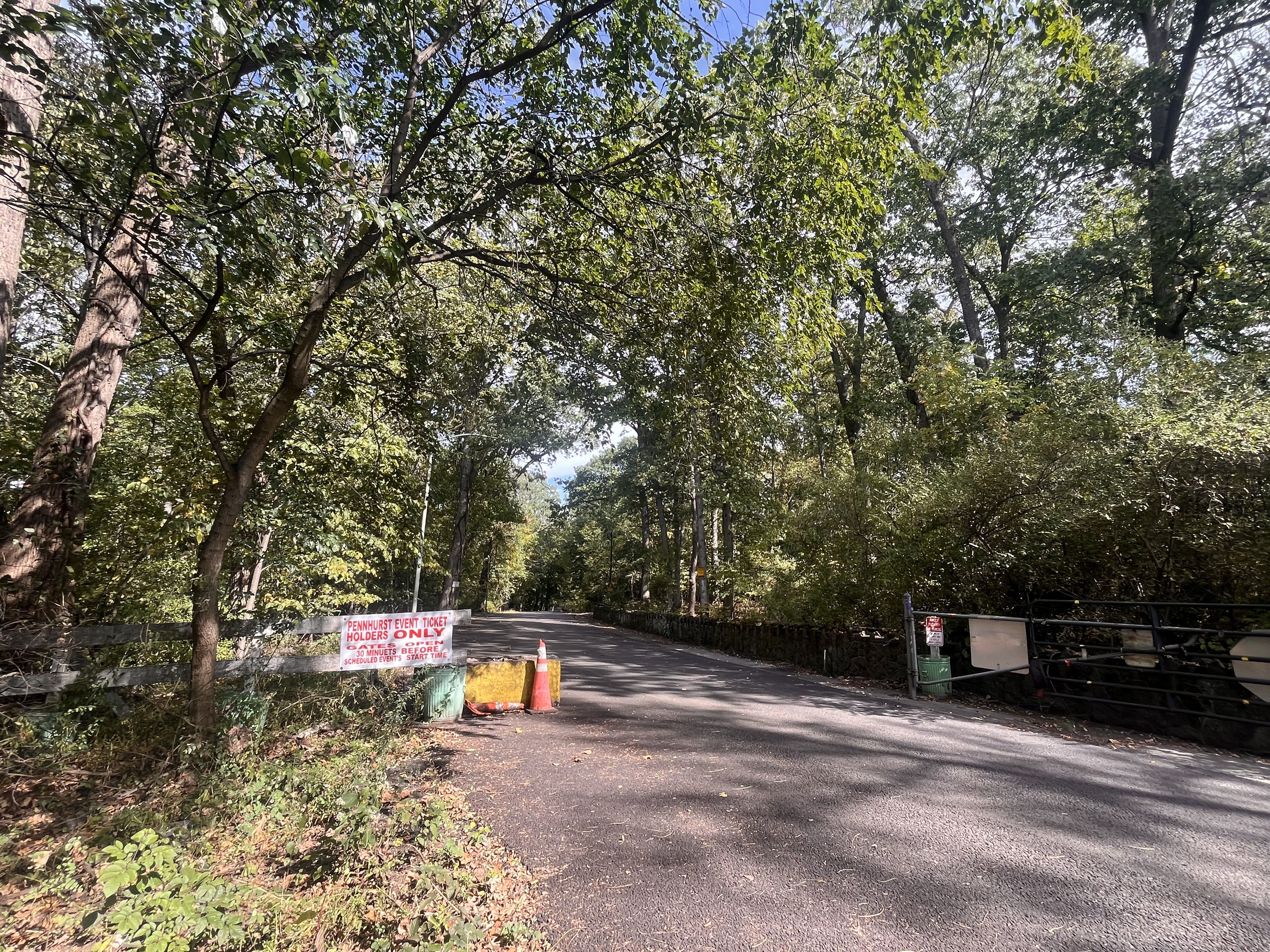
    The grounds are bordered by Pennhurst Road to the west. The Schuylkill lies down a steep gorge to the east and north. The property is near the border of Spring City, which is just to the south.

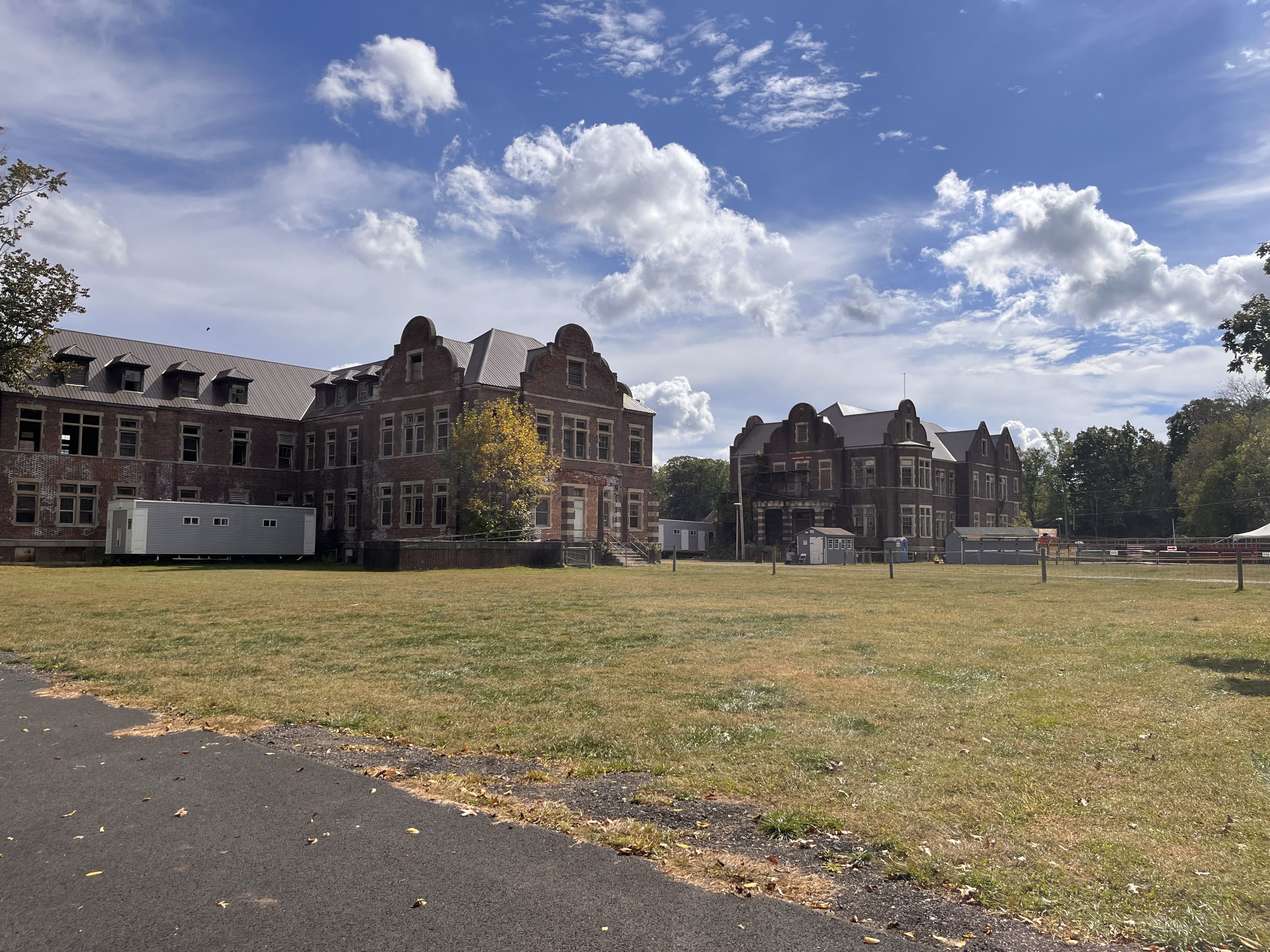
    A view of the entrance to the Halloween attraction at the former Pennhurst State School and Hospital grounds in East Vincent Township, Chester County.

    What’s Pennhurst?

    Pennhurst State School and Hospital, known today as Pennhurst Asylum for its Halloween attraction, has had a long and troubled history. It opened in 1908 to house individuals with intellectual and developmental disabilities. It became severely overcrowded by the time it closed in 1987.

    A 1968 documentary Suffer the Little Children highlighted abusive and neglectful practices, and resulted in legal actions and a landmark disability rights ruling in 1978 that declared conditions as “cruel and unusual punishment.”

    The last patient left Pennhurst in 1987, and the facility sat abandoned until it was purchased in 2008 and converted into a Halloween attraction despite protests from various advocacy groups.

    The Halloween attraction has continued and operators say it shows sensitivity toward those once housed at Pennhurst. Separately, visitors can take historical tours of the exteriors of 16 buildings and learn about people who lived and worked there. The site also has a small Pennhurst history museum.

    A view of the vacant buildings on the former Pennhurst State School and Hospital grounds in East Vincent Township, Chester County.

    Contentious meetings

    In recent months, East Vincent officials have raced to draft an ordinance that would govern data centers by limiting building heights, mandating buffers, requiring lighting, noting the amount of trees that can be cut down, and other restrictions.

    At two contentious meetings in September, residents and the board of supervisors argued about the draft ordinance’s specifics. Residents said the ordinance did not incorporate some community-suggested safeguards aimed at preserving the township’s rural character.

    Residents asked how much water the data center would consume, how much power it would need, and how much noise it would generate.

    Pennhurst’s zoning was changed in 2012 from allowing only residential development to permitting industrial and mixed-use buildings. Township Solicitor Joe Clement told residents that it is difficult for the municipality to argue that a data center would not fit within that zone.

    “If there’s a use that is covered by the zoning ordinance, we can’t stop that use,” board vice chair Mark Brancato explained at a Sept. 18 meeting.

    Officials said the draft ordinance was not specifically aimed at the Pennhurst site but was meant to broadly govern any data centers proposed in the township.

    What we’re trying to do is to come up with a set of reasonable guidelines, guardrails, and conditions in the new zoning ordinance that will … provide as much protection as we possibly can for the residents,” Brancato said. ”We are committed to protecting and preserving the rural character of the township.”

    Township meetings, some of which have lasted hours, have been marked by raised voices and emotional appeals.

    “Our whole community is kind of anxious about the thought of this new data center,” Gabrielle Gehron, of Spring City, said during one meeting. “I’m confused about whether we are or not doing something to prevent that from happening.”

    Pa. State Rep. Paul Friel, and State Sen. Katie Muth, both Democrats from East Vincent, have spoken at meetings. Muth noted that Strine received a $10 million grant and loan package from the state in 2017 to prepare the site for “a large distribution facility” and other industrial structures, new office development, and the renovation of six existing buildings for additional commercial use, amid ample open space, according to a funding request provided by the governor’s office.

    Muth fears Strine is paving a path to clear the data center for development and sell the property — after benefiting from tax dollars.

    “These are not good things to live next to,” Muth said of data centers.

    The board tabled the draft ordinance on Sept. 22 after receiving legal advice that they still had time to incorporate more residents’ concerns.

    Beyond Pennhurst

    Other municipalities in Pennsylvania face a similar issue: Most don’t have existing zoning for data centers. However, state law mandates that municipalities must provide zoning for all uses of land — just as state and federal officials are ramping up plans to embrace the centers.

    Plymouth Township is dealing with pressure as Brian J. O’Neill, a Main Line developer, wants to turn the Cleveland-Cliffs steel mill into a 2 million-square-foot data center that would span 10 existing buildings. The Plymouth Township Planning Commission voted against the project given resident backlash. The plan goes to the zoning board later this month.

    And Covington and Clifton Townships in Lackawanna County in the Poconos are also dealing with zoning issues and widespread opposition regarding a plan to build a data center on 1,000 acres.