Tag: no-latest

  • Court settlement calls for NPR to get $36 million in government funds to operate U.S. public radio system

    Court settlement calls for NPR to get $36 million in government funds to operate U.S. public radio system

    WASHINGTON — National Public Radio will receive approximately $36 million in grant money to operate the nation’s public radio interconnection system under the terms of a court settlement with the federal government’s steward of funding for public broadcasting stations.

    The settlement, announced late Monday, partially resolves a legal dispute in which NPR accused the Corporation for Public Broadcasting of bowing to pressure from President Donald Trump to cut off its funding.

    On March 25, Trump said at a news conference that he would “love to” defund NPR and PBS because he believes they are biased in favor of Democrats.

    NPR accused the CPB of violating its First Amendment free speech rights when it moved to cut off its access to grant money appropriated by Congress. NPR also claims Trump, a Republican, wants to punish it for the content of its journalism.

    On April 2, the CPB’s board initially approved a three-year, roughly $36 million extension of a grant for NPR to operate the “interconnection” satellite system for public radio. NPR has been operating and managing the Public Radio Satellite System since 1985.

    But corporation officials reversed course and announced that the federal funds would go to a entity called Public Media Infrastructure. NPR claimed the CPB was under mounting pressure from the Trump administration when the agency redirected the money to PMI, a media coalition that didn’t exist and wasn’t statutorily authorized to receive the funds.

    CPB attorneys denied that the agency retaliated against NPR to appease Trump. They had argued that NPR’s claims are factually and legally meritless.

    On May 1, Trump issued an executive order that called for federal agencies to stop funding for NPR and PBS. The settlement doesn’t end a lawsuit in which NPR seeks to block any implementation or enforcement of Trump’s executive order. U.S. District Judge Randolph Moss is scheduled to preside over another hearing for the case on Dec. 4.

    The settlement says NPR and CPB agree that the executive order is unconstitutional and that CPB won’t enforce it unless a court orders it to do so.

    NPR, meanwhile, agreed to drop its request for a court order blocking CPB from disbursing funds to PMI under a separate grant agreement.

    Katherine Maher, NPR’s president and CEO, said the settlement is “a victory for editorial independence and a step toward upholding the First Amendment rights of NPR and the public media system.”

    Patricia Harrison, the corporation’s CEO, said CPB is pleased that the litigation is over “and that our investment in the future through PMI marks an exciting new era for public media.”

    On Aug. 1, CPB announced it would take steps toward closing itself down after being defunded by Congress.

  • Medicare costs will eat a big chunk of older Americans’ Social Security cost-of-living increase next year

    Medicare costs will eat a big chunk of older Americans’ Social Security cost-of-living increase next year

    It’s official. Medicare costs will eat up much of older Americans’ Social Security cost-of-living increase next year.

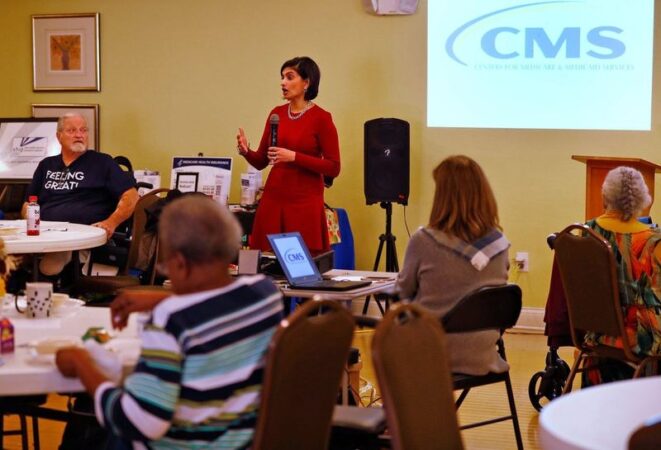
    The standard monthly premium for Medicare Part B, which covers outpatient care, doctors’ services, durable medical equipment and preventive service, will be $202.90 in 2026, the Centers for Medicare and Medicaid Services said on Nov. 14. That’s up $17.90, or nearly 9.7%, from $185.00 in 2025.

    It’s smaller than the $21.50 increase the Medicare Trustees had forecast earlier but still the second largest dollar jump in program history behind 2022’s $21.60 gain and almost 3.5 times the 2.8% Social Security raise for next year. That means seniors will probably see a drop, again, in their standard of living, experts said.

    Seniors were the only ones who saw an increase in poverty in 2024. All other age groups saw a decrease or stayed the same.

    “The public is likely to perceive this Part B increase as taking a significant chunk of or even most of their COLA,” said Mary Johnson, independent Social Security and Medicare policy analyst. “In other words, another continuation in relentless cost increases battering consumer finances.”

    Monthly Social Security checks will rise $56, on average, starting in January because of the 2.8% COLA, the Social Security Administration said. After the $17.90 increase in Medicare Part B, the average monthly COLA increase is cut to $38.10.

    Hold-harmless provision

    Such a large increase in Medicare Part B will likely trigger the hold-harmless provision for Social Security recipients with a Social Security benefit of $640 or less, Johnson said.

    The Medicare hold-harmless provision prevents the Part B premium increase from being larger than the Social Security COLA. If a premium increase is higher than the COLA, the rule prevents the beneficiary from paying the full increase. The portion of the increase those beneficiaries don’t pay is spread out among others who aren’t protected by the rule.

    For those people with a Social Security benefit of $640 or less, the 2.8% COLA next year would mean just less than an $18 per month increase in their Social Security checks. Without the hold-harmless rule, the Part B premium increase would swallow the entire COLA.

    In 2022, only about 1.5% of Medicare beneficiaries had their Part B premiums limited by the hold-harmless provision, government data showed. Part B rose $21.60 to $170.10 in 2022 while the average monthly COLA increase boosted Social Security checks by $92.

    In 2017, when Medicare premiums jumped 10%, or $12.20, to $134.00 and far outpaced the 0.3%, or $5 average, monthly COLA increase, 70% of Medicare Part B enrollees paid a lower-than-standard Part B premium due to the hold-harmless provision.

    Hold-harmless rule isn’t panacea for all costs

    The hold-harmless provision can protect seniors from Part B premium surges, but other costs may bite, Johnson said.

    “If individuals have other automatic deductions such as for Medicare Advantage or Part D premiums, increases in those premiums could reduce Social Security benefits,” Johnson said. The optional Part D covers prescription drugs.

    Some Part D plans are increasing premiums by as much as $50 in 2026, the maximum allowed under a Part D Premium Stabilization Demonstration Program, according to the nonprofit, nonpartisan research organization KFF.

    “To complicate things, there are fewer stand-alone Part D plans to choose from,” Johnson said. The total number of prescription drug plans has dropped by half since 2024, KFF said.

    Is everyone eligible for hold harmless?

    Those who aren’t eligible for the hold-harmless provision include:

    • New Medicare enrollees
    • People who aren’t receiving Social Security benefits
    • High-income earners

    What about deductibles?

    In addition to higher premiums, higher annual deductibles next year will make health insurance even more expensive for Medicare enrollees.

    The annual deductible for all Medicare Part B beneficiaries before insurance covers costs will be $283 in 2026, up $26 from $257 in 2025, CMS said.

    Could it have been worse?

    The Part B premium could have been higher, CMS said.

    “If the Trump Administration had not taken action to address unprecedented spending on skin substitutes, the Part B premium increase would have been about $11 more a month,” CMS said. “However, due to changes finalized in the 2026 Physician Fee Schedule Final Rule, spending on skin substitutes is expected to drop by 90% without affecting patient care.”

    Skin substitutes are materials like biologic, synthetic or biosynthetic products that mimic human skin and are used to cover and treat chronic wounds, such as diabetic foot ulcers. The Trump administration reclassified these bandages so they aren’t billed separately. CMS estimates the change would reduce Medicare spending on these products by nearly 90% in calendar year 2026.

    Medicare Trustees also estimated earlier this year the standard monthly Part B premium would rise $21.50 to $206.50 in 2026 from $185 in 2025. That would have been more than the $17.90 increase to $202.90 in 2026.

  • At 89, she’s a top nutrition expert. Here’s what she eats in a day.

    At 89, she’s a top nutrition expert. Here’s what she eats in a day.

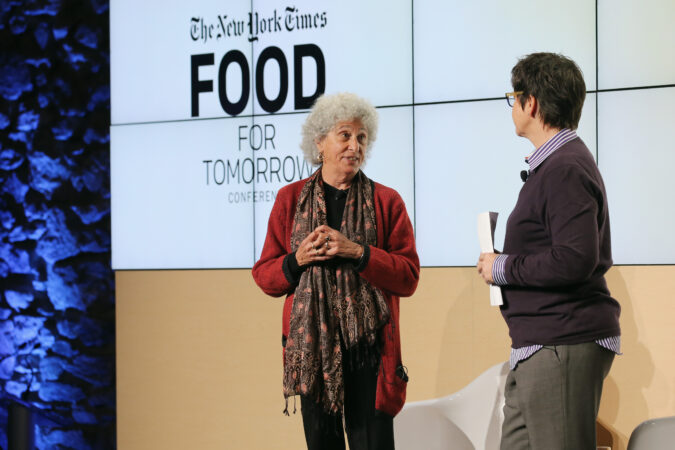
    For more than three decades, Marion Nestle has been telling people what to eat.

    In the late 1980s, she edited the first Surgeon General’s Report on Nutrition and Health, then went on to cowrite the federal government’s Dietary Guidelines for Americans and cofound New York University’s influential food studies program.

    Nestle, now an emerita professor at NYU, says her time in government opened her eyes to the multi-billion-dollar food industry’s enormous influence over Congress. By the early 2000s, she became a critic of the food industry and an advocate for major food reforms, which she made the case for in best-selling books.

    In 2002, Nestle published Food Politics, an exposé that argued that the food industry is at the root of many of the country’s nutritional problems. The industry rakes in ever-growing profits by churning out highly processed foods laden with additives, Nestle wrote, and then aggressively markets those foods to children and adults while lobbying against regulations and trying to co-opt nutrition experts.

    Over the years, Nestle’s blunt nutrition advice, sharp criticism of food companies, and frequent media appearances made her one of the most recognizable names in nutrition. In 2006, she published one of her most popular books, What to Eat, which showed consumers how to navigate supermarkets and improve their health by deciphering food labels.

    At age 89, Nestle, who lives in New York City and Ithaca, is still going strong. In November, she published her latest book: What to Eat Now: The Indispensable Guide to Good Food, How to Find It, and Why It Matters.

    We wanted to know how Nestle’s knowledge of nutrition and the food industry affects her daily food decisions. So we caught up with her to find out what she eats in a typical day, which foods she loves and avoids, which “junk foods” she can’t resist, and whether she takes supplements or has advice on how to navigate grocery stores. This interview has been edited for length and clarity.

    Q: What’s your general approach to food?

    A: I follow Michael Pollan’s famous mantra: Eat food, not too much, mostly plants. And I define food as being unprocessed or as minimally processed as possible. Not ultra-processed. I really think that takes care of it. That doesn’t mean I’m perfect. I’m an omnivore. I eat everything. I just don’t eat very much in part because metabolism drops with age, and I don’t have much metabolism left.

    I eat pretty healthy, but I don’t obsess about it. If I have a bad day of eating, I don’t worry about it. By this time, it’s pretty clear I’m not going to die prematurely. Obviously, what I’m eating is working for me because I’m 89 and I’m still here.

    Q: What do you eat for breakfast?

    A: I start with coffee between 8 and 9 a.m. I’ll have a couple cups of weak coffee with milk, no sugar. And then I’m at work. That’s when I do my writing. I don’t get hungry until about 10:30 or 11 a.m. That’s when I’ll usually have oatmeal or unsweetened Post Shredded Wheat cereal. It basically has one ingredient: wheat. I like the texture of Shredded Wheat and the way that it tastes. I add a little brown sugar, not much. I use a lot less sugar than what’s in presweetened cereals. And then I’ll add blueberries or whatever fruit is in season. That combination to me is really appealing.

    I’ve never believed any of the research on breakfast being the most important meal of the day. Most of that was sponsored by cereal companies.

    Q: What about lunch?

    A: My lunches are totally irregular. Sometimes I’ll have a salad for lunch. Or if I’m having lunch with someone then I’ll eat whatever is in the restaurant. If I’m at home in New York City, I’ll harvest whatever is growing on my terrace. The peaches, cherries, raspberries, and blueberries that I was growing are long gone. But I’ve still got some lettuce and tomatoes, so I’m going to go out and pick those. I might cut up some cheese or have it with peanuts. And I might have some bread with that.

    Q: What about dinner?

    A: It depends. I just don’t eat that much. But I do really like salads. I can have salads twice a day. If I’m at home, I might have an egg. I might have crackers and cheese with that. I kind of like making meals based on what I have available. So, it depends on what I bought, what’s in the house, or what’s on the terrace. That’s my favorite way of cooking. We have a garden in Ithaca, there’s a garden on my terrace, and there’s a farmers market not very far from here.

    I also go to a lot of neighborhood restaurants. I’m going to Mark Bittman’s restaurant this week — the kitchen that he started in the East Village where people pay according to their income. I’ll eat whatever they’re serving. One restaurant that I like a lot is il Buco Alimentari & Vineria. I love going there. They have a particular salad that I adore. It’s always so crisp, and they have wonderful pasta dishes.

    Q: What are some foods that you love?

    A: Fortunately, I like a lot of very simple foods. I like vegetables. I like eggs. I like cheese. I do eat some ultra-processed foods. But not a lot of them. I don’t like ultra-processed foods that have a long list of ingredients. Most of those don’t taste good to me. I do really like vegetables. I like the crunch, the flavors, and the colors. That makes it easy to eat healthy.

    But I recognize that I’m privileged. I weigh basically what I weighed when I was in high school. I don’t have a weight problem. And I have an enormous amount of sympathy for people who do. I consider myself extremely fortunate. Is it genetics? I have no idea. My father died of a heart attack at the age of 47. He was an obese three-pack-a-day smoker. It’s hard to know where genetics fits into this.

    Q: Do you have any favorite treats or desserts?

    A: Ice cream. When I’m at home in New York City, I try to find ginger ice cream, which I like very much. It’s hard to find. But when I find it, I buy it. And then my partner and I make homemade vanilla ice cream in Ithaca. It’s only three or four ingredients. It’s ruined other ice creams for me because a lot of commercial ice creams have all these emulsifiers in them that keep the ice cream sticking together. Real ice cream completely falls apart if it’s left at room temperature and not eaten right away. It separates and liquefies. But I like that. I think it tastes better and has a better texture than the commercial ice creams that have emulsifiers. I like ice cream without the emulsifiers.

    Q: What about snacks?

    A: I like corn chips. Not too salty. Some corn chips are ultra-processed, although most are not. The ones I like are Wegmans. They only have a few ingredients — just corn, oil, and salt basically. I also like candy, particularly See’s Candies. The one See’s candy store in New York is just a couple blocks away from me. I normally get the peanut brittle. Sometimes the lollipops. I can have these things in the house and not feel like I have to eat all of them all at once. Not everyone can do that.

    Q: Can you tell us about your new book?

    A: It’s called What to Eat Now. It’s the updated edition of What to Eat, which was published 20 years ago. It’s a completely rewritten book. I thought it was going to be a six-month project, and it ended up taking me four years because so much has changed in grocery stores. There’s been a huge turnover in products. For example, “functional waters” that contain vitamins, minerals, cannabis, supplements, and other things have replaced Coca-Cola and plain water. Plant milks are new. The only plant milk that existed 20 years ago was soy milk. Now there are tons of others. Plant-based meats did not exist 20 years ago — at least not in the way that they do now.

    Q: What is one takeaway from the book?

    A: It’s not a book about personal diets. It’s a book about how to think about food issues. I think what to eat now boils down to eat food, not too much, mostly plants.

    Q: Do you take any supplements?

    A: I don’t take supplements because I eat a healthy diet. I don’t think I need them. But two out of three Americans take supplements. They make people feel better — and it’s hard to argue with that. Life is tough. If all it takes is a supplement to make you feel better, then I’m not going to argue with that. I used to be much more upset about supplements. But now it’s clear to me that they make people feel better. Whether that’s because they’re doing something or because they’re a placebo, it’s hard to know.

    But I don’t trust what’s in them. There’s so much evidence that what the label says isn’t what’s actually in them. Many studies have found that a remarkable percentage of supplements do not actually contain what’s listed on their labels. I don’t want to put something in my body if I don’t know what’s in it. And there are things in supplements that are not supposed to be there — that’s what so many studies have found. It’s not true of all supplements. But it’s very hard to know which ones are OK and which ones are not. So I don’t take any of them.

    Q: Do you have any advice for our readers?

    A: Eating healthfully in today’s society is very difficult because you’re fighting an entire food industry on your own— and that industry is trying to sell you the most profitable, least healthy foods available. But one thing you can do is read food labels. There’s a lot of information on them. If you’re looking at a packaged food and you can’t recognize the ingredients, or if you can’t purchase the ingredients at a supermarket, then it’s ultra-processed. There are certain ingredients that are indicators of ultra-processed foods. That would be color additives, flavor additives, and emulsifiers such as mono and diglycerides, polysorbates and carrageenan, and texturizers such as agar. I always read food labels. If something has a lot of artificial additives and ingredients that I don’t recognize, then I’m not going to eat it.

  • New analysis shows more U.S. consumers are falling behind on their utility bills

    New analysis shows more U.S. consumers are falling behind on their utility bills

    WASHINGTON — More people are falling behind on paying their bills to keep on the lights and heat their homes, according to a new analysis of consumer data — a warning sign for the U.S. economy and another political headache for President Donald Trump.

    Past-due balances to utility companies jumped 9.7% annually to $789 between the April-June periods of 2024 and 2025, said the Century Foundation, a liberal think tank, and the advocacy group Protect Borrowers. The increase has overlapped with a 12% jump in monthly energy bills during the same period.

    Consumers usually prioritize their utility bills along with their mortgages and auto debt, said Julie Margetta Morgan, the foundation’s president. The increase in both energy costs and delinquencies may suggest that consumers are falling behind on other bills, too.

    “There’s a lot of information out there about rising utility costs, but here we can actually look at what that impact has been on families in terms of how they’re falling behind,” Margetta Morgan said.

    Troubles paying electricity and natural gas bills reflect something of an economic quandary for Trump, who is promoting the build-out of the artificial intelligence industry as a key part of an economic boom he has promised for America. But AI data centers are known for their massive use of electricity, and threaten to further increase utility bills for everyday Americans.

    These troubles also come as Trump faces political pressure from voters fed up with the high cost of living. The president spoke about the economy and affordability issues Monday at an event hosted by the McDonald’s fast food company.

    “We have it almost at the sweet spot and prices are coming down on different things,” Trump said at the event, adding that inflation has been “normalized” at a “low level.”

    Ever since Republicans saw their fortunes sag in off-year elections this month and affordability was identified as the top issue, Trump has been trying to convince the public that prices are falling. Fast-rising electricity bills could be an issue in some congressional battlegrounds in next year’s midterm elections.

    Trump has put a particular emphasis on prices at the pump. Gasoline accounts for about 3% of the Consumer Price Index, slightly less than the share belonging to electricity and natural gas bills — meaning that possible savings on gasoline could be more than offset by higher utility bills.

    The president maintains that any troubling data on inflation is false and that Democrats are simply trying to hurt his administration’s reputation.

    “In fact, costs under the TRUMP ADMINISTRATION are tumbling down, helped greatly by gasoline and ENERGY,” Trump posted on social media Friday. ”Affordability is a lie when used by the Dems,”

    Nearly 6 million households have utility debt “so severe” that it will soon be reported to collection agencies, according to the foundation’s analysis, drawn from the University of California Consumer Credit Panel.

    During Trump’s first six months in office, there was a 3.8% increase in households with severely overdue utility bills.

    “Voters are frustrated and families are hurting because these tech giants are cutting backroom deals with politicians, and it’s causing their power bills to go up,” said Mike Pierce, executive director of Protect Borrowers. “If the Trump administration doesn’t want to do its job and protect families and make life more affordable, I guess that’s its choice.”

    Both Margetta Morgan and Pierce previously worked at the Consumer Financial Protection Bureau, a government agency formed in part to track trends in household borrowing to prevent potential abuses. The Trump administration has essentially shut down the bureau.

    The administration has so far said it has no responsibility for any increases in electricity prices, since those are often regulated by state utility boards. The White House maintains that utility costs are higher in Democratic states that rely on renewable forms of energy.

    “Electricity prices are a state problem,” Treasury Secretary Scott Bessent told ABC News this month. “There are things that the federal government can control. Local electricity prices are not one of them.”

    The new analysis of utility bills by the groups counters that the Trump administration is contributing to higher utility costs “by impeding renewable energy generation” including solar and wind power.

    While that analysis is a warning sign, other economic analyses on consumers suggest their finances are stable despite some emerging pressures.

    The New York Federal Reserve has said delinquency rates of 90 days or more for mortgages, auto loans, and student debt have each increased over the past 12 months, though it said mortgage delinquencies are “relatively low.” An analysis of debit and credit card spending by the Bank of America Institute showed that consumers’ “overall financial health looks sound.”

  • Letters to the Editor | Nov. 18, 2025

    Letters to the Editor | Nov. 18, 2025

    Get in the game

    I was saddened to read the article about the possibility of Lower Merion High School and Harriton High School merging their football programs because of declining enrollment. I remember when Lower Merion was the “powerhouse” when it came to football. My late sister, my brother, and I all attended Lower Merion (Classes of ’56, ’59, and ’61, respectively), and the greatest football rivalry on the Main Line was the last game of the season between Lower Merion and Radnor High School. The local newspapers covered it extensively. Our school had all kinds of placards and decorations up in the school, with the slogan “Beat Radnor,” during the week leading up to the big game. The night before the game, all the students and the coaches had a pre-victory celebration around a bonfire on the football field. The legendary John “Fritz” Brennan was the coach of Lower Merion, and what a successful career he had. His football team went undefeated for 32 straight games, between the years 1952 and 1957, and had only a few losses in the following years when I graduated. A statue of Brennan was placed near the entrance to Arnold Field, which, by the way, was named after Gen. Henry “Hap” Arnold, a graduate of Lower Merion and the only officer to hold the rank of a five-star general in both the Army and Air Force. Today, very few students even attend the games.

    Paul Benedict, Broomall

    Insurance is a blessing

    No one is happy to see another person hurt. But if they have to deal with an injury, it is truly a blessing to have health insurance.

    So while I was sorry to hear Sen. John Fetterman was hospitalized after his recent fall, I thought it was great he had insurance that allowed him to stay in the hospital a few extra days while doctors adjusted his medication regimen. I also couldn’t shake the sense of irony here: It seems grossly unfair that this man, one of eight senators who caved on the Democrats’ demand to save healthcare subsidies in the budget resolution, is able to receive the best of hospital care through his own elite insurance — even after he surrendered in the fight for affordable healthcare for his fellow Americans.

    Mardys Leeper, Bryn Mawr

    Keep the same energy

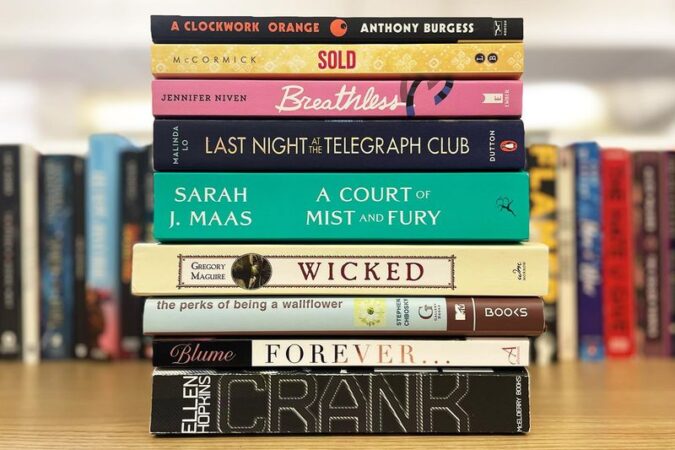
    Recent reporting on the Cherry Hill School District’s internal memo about potential limits on student library books fit a pattern we’ve seen across the country. Few issues galvanize public outrage today like the prospect of “banned books,” and for good reason. Access to a wide, diverse range of literature is essential for a healthy democracy and for our children’s moral and intellectual development.

    But there is a quieter crisis hiding behind the headlines.

    While communities pack meetings and flood social media over which books might be restricted, there is comparatively little uproar over how few of our children can read fluently and confidently at all. Proficiency scores in reading are abysmal in many districts nationwide. That reality should trouble us at least as much as any debate over a handful of contested titles.

    Our students deserve both: school libraries that offer rich, inclusive collections and sustained investment in high-quality reading instruction, tutoring, and early intervention. If we’re going to show up in force over schoolbooks, we should also be showing up over reading outcomes.

    By all means, let’s protect our students’ right to read widely. But we should be just as passionate about ensuring they are able to read anything on the shelf in the first place.

    Brandon McNeice, head of school and CEO, Cornerstone Christian Academy, Philadelphia

    Join the conversation: Send letters to letters@inquirer.com. Limit length to 150 words and include home address and day and evening phone number. Letters run in The Inquirer six days a week on the editorial pages and online.

  • Horoscopes: Tuesday, Nov. 18, 2025

    ARIES (March 21-April 19). Some state their rules like stop signs: “I won’t do X, I don’t want Y.” You take a more creative approach, offering ideas about what you want — scenarios filled with promise. You’re trying to create an experience for others.

    TAURUS (April 20-May 20). You have deep empathy and a compassionate perspective. You realize that when people overreact, it’s usually because they’ve been hurt before. This awareness is what keeps you kind, even when others are prickly.

    GEMINI (May 21-June 21). Efficiency can be overrated. People also need fluff, entertainment, breaks, silliness. Go in for a bit of inefficient fun today and it raises morale and speaks to sustainability. You’re a human doing human work.

    CANCER (June 22-July 22). Your idea is strong and beneficial in principle. But for it to succeed, you also need resources, support and implementation. Keep working on it, talking about it, researching, experimenting — you’re on to something, but these are still early days.

    LEO (July 23-Aug. 22). You’re no evangelist for your viewpoint — you simply live it. Persuasion bores you; conviction moves you. Keep following that inner compass and expressing yourself through action, not argument.

    VIRGO (Aug. 23-Sept. 22). It would be unfair to demand more discipline of yourself than you have. Maybe it’s not about trying harder, but about setting yourself up better. Environmental design matters. Structure and setup are the most reliable allies of willpower.

    LIBRA (Sept. 23-Oct. 23). People who make themselves useful can vanish beneath their own usefulness. You see what labor is happening everywhere around you, even the labor that’s invisible. Your awareness restores those invisible laborers by valuing being over doing.

    SCORPIO (Oct. 24-Nov. 21). Sometimes the socializing isn’t optional and you just have to show up where you’re expected. The mix of people may be strange today, too, but it can still be harmonious. It may help to invite more people. Groups will create their own order.

    SAGITTARIUS (Nov. 22-Dec. 21). Too little stress causes boredom and low motivation. Too much stress causes overwhelm and paralysis. Just enough stress gives you that focused, energized feeling from which your best work can arise. That’s what you’ll have today.

    CAPRICORN (Dec. 22-Jan. 19). Your imagination is vast, but not every vision needs to be polished. Let rough edges speak their own truth — that’s high art. Create freely, finish fast, and let the imperfect masterpiece breathe its magic into the world.

    AQUARIUS (Jan. 20-Feb. 18). Frustration has shaped more of your brilliance than ease ever did. If you hadn’t been dissatisfied, you wouldn’t have reached higher, sought help, or developed your signature style. Today’s frustration is merely a sign of your continued evolution.

    PISCES (Feb. 19-March 20). If you get it right the first time, go again. The second and third tries prove it wasn’t luck. By the fourth and fifth, skill deepens and insight dawns. Repetition will teach you lessons no single success ever could.

    TODAY’S BIRTHDAY (Nov. 18). Welcome to your Year of Graceful Command. You may be a reluctant leader, but people need your steady presence, your ability to see their strengths and needs, and your plans for the progress and well-being of the group. More highlights: You’ll be recognized and awarded for many talents, including diplomacy. You’ll have profitable collaborations, and a wardrobe that feels like armor and art. Cancer and Libra adore you. Your lucky numbers are: 1, 10, 4, 39 and 20.

  • Dear Abby | Emotional toll grows steeper for aging mother

    DEAR ABBY: I have a 54-year-old profoundly disabled, non-verbal child who is in a group home. I have been advocating for her since birth, when we learned she had suffered severe brain damage. The umbilical cord was wrapped around her neck for so long that the damage was irreparable. My first husband couldn’t handle it and left us.

    Luckily, a number of years later, I met and married a wonderful man. He treated my daughter as if she were his own. Every weekend, we would take her out for breakfast. Many times, we’d have to leave the restaurant because of her behavior. He was my rock and my support and helped with her until his death.

    I still visit her, but I find it increasingly difficult, knowing that one day I won’t be there for her. Physically, I’m no longer able to take her out by myself. I also can’t ask friends to help for fear they could get hurt. I feel guilty, but also want to have some peace in my life before I leave this Earth. After visits with my daughter, I am sad for days. How can I get over this guilt I feel and find peace?

    — EMOTIONAL MAMA IN NEW JERSEY

    DEAR MAMA: You have no reason to feel guilty. Your daughter’s disability is not your fault. Neither is the fact that you are no longer physically able to lift and transport her. You are doing the best you can by letting her know you love her. Babies need touch and the reassurance that they are loved. You are already doing that and have for many years. If you haven’t already done so, ensure your daughter will get proper care if anything happens to you. Accomplish this by putting your wishes in writing with the help of your attorney.

    ** ** **

    DEAR ABBY: My long-ago ex-husband “Hal” is friendly with me and my husband. He lives two doors down from us. He can drive, but whenever we visit family, he always asks to hitch a ride. We don’t mind if it’s dark out, because he has trouble with night vision, but we don’t want to be his chauffeur and be regarded as a “throuple” anymore. Worse, he always undercuts me when I’m talking — “that’s not true,” “it wasn’t that day,” “it didn’t happen that way,” etc. I think Hal gets jealous when I receive any attention.

    We’ve been kind to him because his son (and mine) died a year ago. The last straw was when I was talking about a time my son asked my opinion. Hal cut in to say, “I don’t think our son would follow your advice.” How do we remain friends with Hal but stop this without blowing our stacks?

    — CLOSE TO LOSING IT

    DEAR CLOSE: The next time Hal asks to hitch a ride with you to visit family, tell him that while you overlooked his undercutting in the past, when he said he didn’t think your son would follow your advice, he went too far. Then tell him that in the future he will be arranging his own transportation because he won’t be riding with you.

  • Tyrese Maxey and the Sixers rally for 110-108 win over the Los Angeles Clippers

    Tyrese Maxey and the Sixers rally for 110-108 win over the Los Angeles Clippers

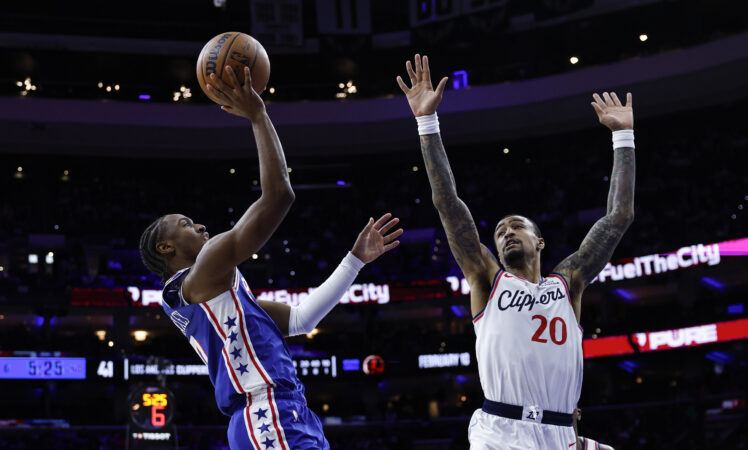
    Tyrese Maxey scored 39 points, Paul George had nine points and seven rebounds in his season debut, and the 76ers rallied for a 110-108 victory over the short-handed Los Angeles Clippers on Monday night.

    Quentin Grimes added 19 points and Andre Drummond had 14 points and 18 rebounds while filling in for Joel Embiid.

    James Harden scored 28 points for the Clippers, who have lost eight of nine. Harden became the 11th player to eclipse 28,000 career points with a first-quarter layup.

    Derrick Jones Jr. sat out after injuring his knee in Sunday’s 121-118 loss at Boston. The Clippers also were without Kawhi Leonard (ankle/foot sprain) for the seventh straight game.

    Embiid (right knee injury management) sat out for the third straight game and eighth of 13 this season.

    Los Angeles controlled the first 3½ quarters and led 91-81 with 8 minutes, 44 seconds left on Ivica Zubac’s 10-footer. But the Sixers used a 14-3 run over the next 2:49, capped by Maxey’s layup, to go in front 95-94. It was close from that point.

    Drummond made two free throws to put the 76ers ahead 110-106 with 1:08 left. Kobe Sanders made a pair of free throws with 13.8 seconds left to pull the Clippers within two before officials whistled Kris Dunn for a foul on Maxey. But that was overturned to a steal by Dunn after a challenge by the Clippers, giving L.A. a chance to tie or win.

    Harden misfired on two three-point attempts in the final seconds.

    In addition to Embiid, the Sixers were missing Kelly Oubre Jr. (left knee sprain) and Adem Bona (right ankle sprain).

    George sat out the first 12 games while recovering from offseason left knee surgery. The nine-time All-Star played 21 minutes.

    Up next

    The Sixers will host the Toronto Raptors at Xfinity Mobile Arena on Wednesday (7 p.m., NBCSP).

  • Judge scolds Justice Department for ‘profound investigative missteps’ in James Comey case

    Judge scolds Justice Department for ‘profound investigative missteps’ in James Comey case

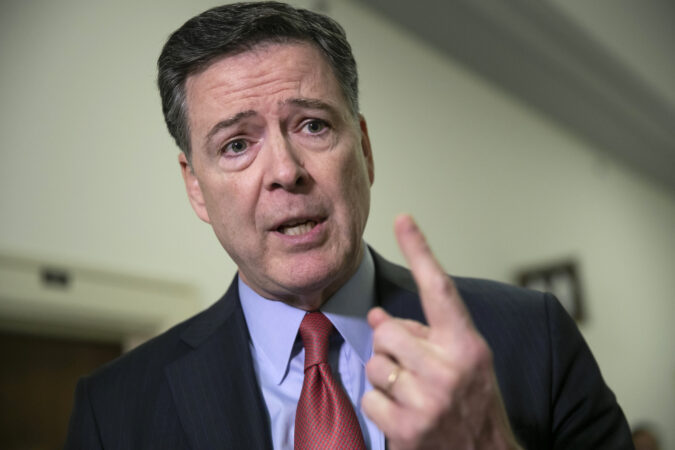
    WASHINGTON — The Justice Department engaged in a “disturbing pattern of profound investigative missteps” in the process of securing an indictment against former FBI Director James Comey, a federal judge ruled Monday in directing prosecutors to provide defense lawyers with all grand jury materials from the case.

    Those problems, wrote Magistrate Judge William Fitzpatrick, include “fundamental misstatements of the law” by a prosecutor to the grand jury that indicted Comey in September, the use of potentially privileged communications during the investigation and unexplained irregularities in the transcript of the grand jury proceedings.

    “The Court recognizes that the relief sought by the defense is rarely granted,” Fitzpatrick wrote “However, the record points to a disturbing pattern of profound investigative missteps, missteps that led an FBI agent and a prosecutor to potentially undermine the integrity of the grand jury proceeding.”

    The 24-page opinion is the most blistering assessment yet by a judge of the Justice Department’s actions leading up to the Comey indictment. It underscores how procedural missteps and prosecutorial inexperience have combined to imperil the prosecution pushed by President Donald Trump for reasons separate and apart from the substance of the disputed allegations against Comey.

    The Comey case and a separate prosecution of New York Attorney General Letitia James have hastened concerns that the Justice Department is being weaponized in pursuit of Trump’s political opponents. Both defendants have filed multiple motions to dismiss the cases against them before trial, arguing that the prosecutions are improperly vindictive and that the prosecutor who filed the charges, Lindsey Halligan, was illegally appointed.

    A different judge is set to decide by Thanksgiving on the challenges by Comey and James to Halligan’s appointment.

    Though grand jury proceedings are presumptively secret, Comey’s lawyers had sought records from the process out of concern that irregularities may have tainted the case. The sole prosecutor who defense lawyers say presented the case to the grand jury was Halligan, a former White House aide with no prior prosecutorial experience who was appointed just days before the indictment to the job of interim U.S. attorney for the Eastern District of Virginia.

    In his order Monday, Fitzpatrick said that after reviewing the grand jury transcript himself, he had come away deeply concerned about the integrity of the case.

    “Here, the procedural and substantive irregularities that occurred before the grand jury, and the manner in which evidence presented to the grand jury was collected and used, may rise to the level of government misconduct resulting in prejudice to Mr. Comey,” Fitzpatrick said.

    The Justice Department responded to the ruling by asking that it be put on hold to give prosecutors time to file objections. The government said it believed Fitzpatrick “may have misinterpreted” some facts in issuing his ruling.

    Fitzpatrick listed, among nearly a dozen irregularities in his ruling, two different comments that a prosecutor — presumably, Halligan — made to the grand jury that he said represented “fundamental misstatements of the law.”

    The actual statements are blacked out, but Fitzpatrick said the prosecutor seems to have ignored the fact that a grand jury may not draw a negative inference about a person who exercises his right not to testify in front of it. He said she also appeared to suggest to grand jurors that they did not need to rely only on what was presented to them and could instead before assured that there was additional evidence that would be presented at trial.

    The judge also drew attention to the jumbled manner in which the indictment was obtained and indicated that a transcript and recording of the proceedings do not provide a full account of what occurred. Halligan initially sought a three-count indictment of Comey, but after the grand jury rejected one of the three proposed counts and found probable cause to indict on the other two counts, a second two-count indictment was prepared and signed.

    But Fitzpatrick said it was not clear to him in reviewing the record that the indictment that Halligan presented in court at the conclusion of the process had been presented to the grand jury for their deliberation.

    “Either way, this unusual series of events, still not fully explained by the prosecutor’s declaration, calls into question the presumption of regularity generally associated with grand jury proceedings, and provides another genuine issue the defense may raise to challenge the manner in which the government obtained the indictment,” he wrote.

    The two-count indictment charges Comey with lying to Congress in September 2020 when he suggested under questioning that he had not authorized FBI leaks of information to the news media. His lawyers say the question he was responding to was vague and confusing but the answer he gave to the Senate Judiciary Committee was true.

    The line of questioning from Sen. Ted Cruz appeared to focus on whether Comey had authorized his former deputy director, Andrew McCabe, to speak with the news media. But since the indictment, prosecutors have made clear that their indictment centers on allegations that Comey permitted a separate person — a close friend and Columbia University law professor, Dan Richman — to serve as an anonymous source in interactions with reporters.

    The FBI executed search warrants in 2019 and 2020 to access messages between Richman and Comey as part of a media leaks investigation that did not result in charges. But Fitzpatrick said he was concerned that communications between the men that might have been protected by attorney-client privilege — Richman was at one point functioning as a lawyer for Comey — were exposed to the grand jury without Comey having had an opportunity to object.

  • A.J. Brown was right. The Eagles offense is still a bleep show. They need to fix it soon.

    A.J. Brown was right. The Eagles offense is still a bleep show. They need to fix it soon.

    A.J. Brown was wrong about one thing.

    The Eagles offense isn’t a bleep show.

    It isn’t any kind of show at all.

    At this point, it’s just plain ol’ bleep.

    If that sounds harsh, well, harsh is a pretty good word to describe the experience of watching the Eagles offense right now. The play-calling lacks imagination. The run-blocking lacks the dominance that was once its hallmark. The quarterback has always lacked aggression. Now, he lacks accuracy, too.

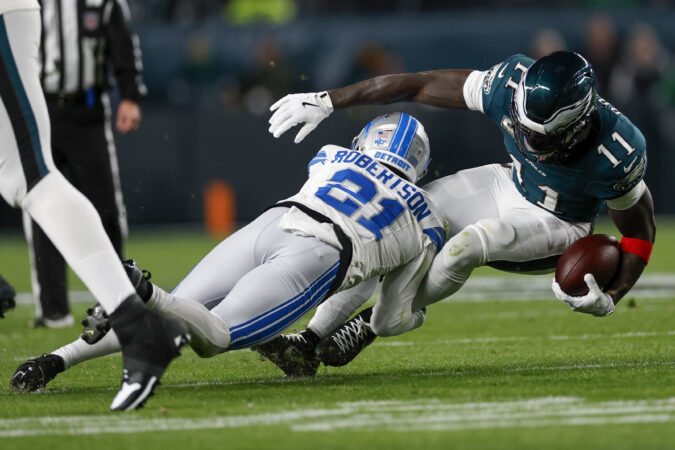
    That’s not an ideal formula. There are all kinds of ways you can shrug off the staggering ineptitude the Eagles displayed while muddling their way to a 16-9 win over the Detroit Lions on Sunday night. It’s an easy thing to do when your defense consistently forces opponents to play bleepier than you. The Eagles are 8-2, with the best Super Bowl odds in the NFC, and victories over four of the five teams whose odds are just behind theirs. That stuff matters. But you can’t shrug off the one question that every team with Super Bowl aspirations must constantly ask itself.

    Are we a championship team in our current form?

    That the Eagles can even think about answering yes is a testament to how good they are everywhere outside of offensive execution.

    Brown said it best on Sunday night.

    “This team is resilient,” said the Eagles’ wide receiver, who broke free of his recent on-field anonymity with 11 targets and seven catches, albeit for only 49 yards. “Show up, work hard, find a way, no matter what it looks like.”

    Brown is right. And he has been right all along. The Eagles are a very good team. Winning football games is important. But so is progress. Right now, the Eagles are a long way off from being the best team they can be.

    Nothing that we saw from them on Sunday night suggests their fundamental problem has been solved. It isn’t just that the Eagles aren’t scoring enough points. It’s that they don’t appear to be getting any better.

    They have scored 17 or fewer in four of their last six games, including a combined 26 in their last two. Are they capable of winning a Super Bowl in their current form? Absolutely. But you can’t ignore how different their current form is from the one that saw them win the Super Bowl last season.

    For the second straight game, and for the fifth time this season, the Eagles failed to crack 300 yards of total offense. That only happened three times all last season. Heck, it only happened five times in 2023.

    There are plenty of mitigating circumstances. Last week’s game in Green Bay was played in real feel temperatures that dropped into the teens. Sunday’s win over the Lions featured a steady wind with wild gusts above 30 miles per hour. In both games, the Eagles lost All-Pro right tackle Lane Johnson to an injury (most recently, his foot, which sidelined him for all of the second half Sunday night).

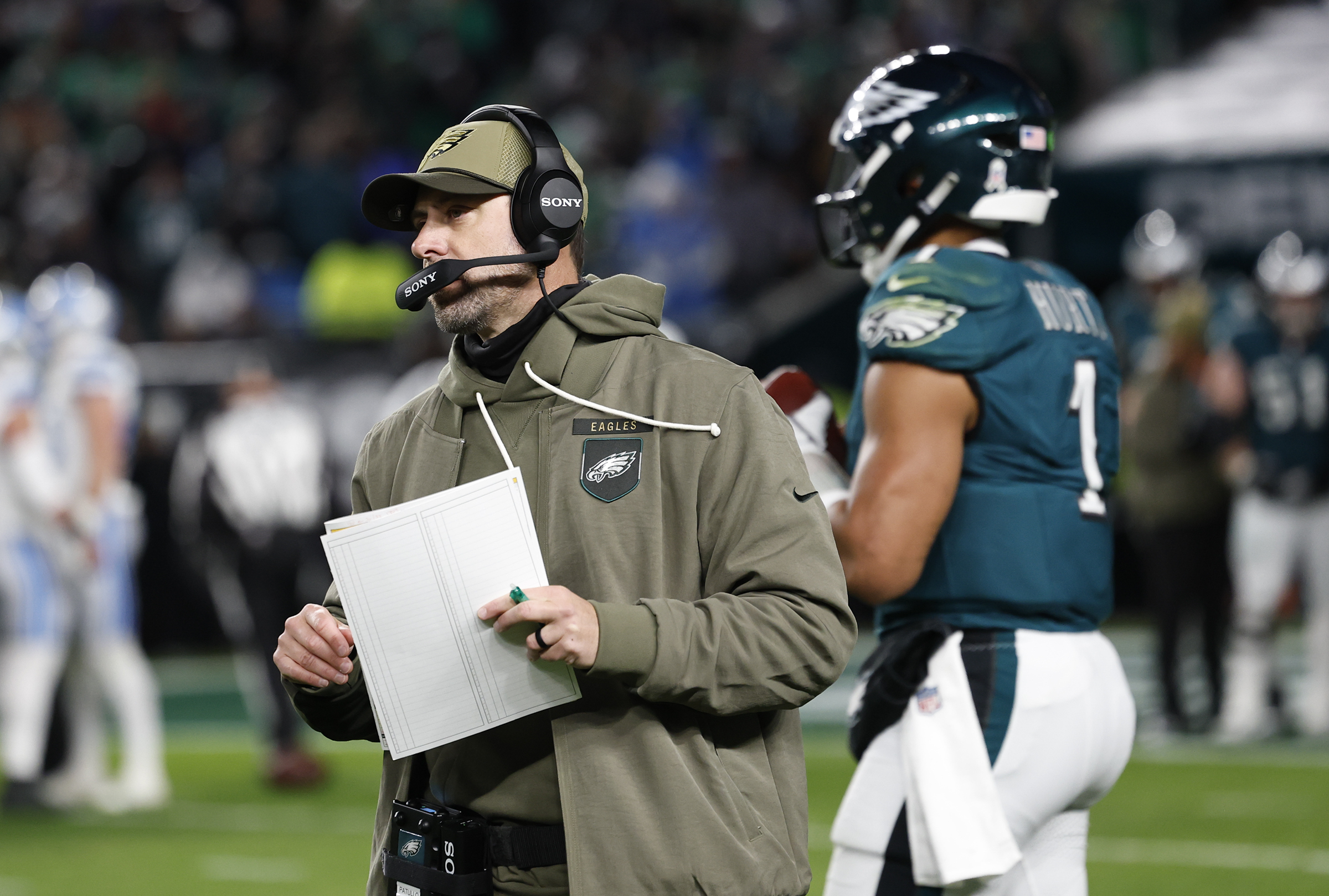
    Coordinator Kevin Patullo is among those seeking answers to the team’s offensive issues.

    The schedule has been brutal. The Lions defense entered Sunday ranked seventh in the NFL in yards per play allowed. The Eagles had already faced three of the six teams who ranked above Detroit (Denver Broncos, Green Bay Packers, Los Angeles Rams).

    “We want to be better than what we were tonight, but every game’s played a little bit differently,” coach Nick Sirianni said. “Every game is played to win, but do we have to clean up things on offense? Of course we do. As good as the defense played, we’re going to have to clean up things on defense. As good as the special teams played, we’re going to have to clean up things on special teams. But on offense, there’s some shooting ourselves in the foot that’s happening and some of those things are things that, we always talk about [things that] take no talent, and we have such good talent that we have to be able to master the things that take no talent so our talent can shine.”

    Give them credit for trying something new. They tried to force the ball to Brown, which is something that he and plenty of Eagles fans have been lobbying for in recent weeks. His 11 targets were more than he had in the last two games combined, including last week’s three-target, two-catch nothingburger in Green Bay.

    The concerning thing is that nothing else changed. Brown’s seven catches went for just 49 yards. The Eagles scored just one touchdown. Even on a night when Jared Goff was out of sync and the Lions went 0-for-5 on fourth down, Detroit’s offense looked like the more highly evolved unit. The pinnacle came in the second quarter, when Goff hit Amon-Ra St. Brown for 34 yards and then Jameson Williams for a 40-yard touchdown. The 74 yards the Lions gained on two plays were more than the Eagles had gained all game to that point.

    There were plenty of stretches last season when the Eagles looked like that sort of offense. Brown was always at the center of it, it seemed.

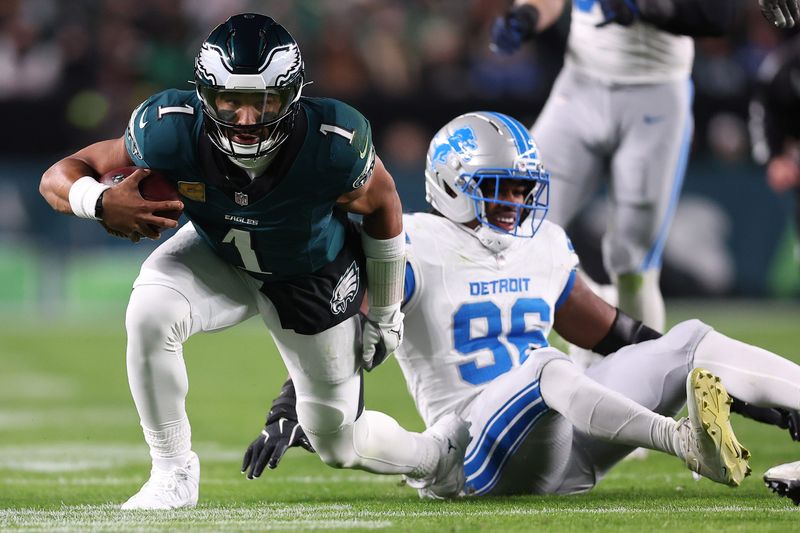
    Jalen Hurts and the Eagles offense must find a rhythm if they wish to make a run at another Super Bowl.

    The Eagles need to find a way to make Sunday night a building block. Good things happen when you target even a diminished Brown. The final example came with 1:47 left, with the Eagles one play away from turning the ball back over to the Lions for a chance at a wholly unearned game-tying touchdown drive. On third-and-8 from the Eagles 37, Jalen Hurts forced a pass to a tightly covered Brown, and Lions cornerback Rock Ya-Sin panicked. Instead of watching Hurts’ pass sail wide of its mark and short of the sticks, he reached out toward Brown and drew a flag. It was a questionable call, but the end result gave the Eagles a first down, and kept the Lions offense on the sidelines for the rest of the game.

    “We’re always trying to get A.J. involved,” Sirianni said. “Always, always, always, always. The game play is played differently each and every week of what happens. I don’t think I’ve been shy about saying this. The game plan’s always going to start in the passing game with him and [WR] DeVonta [Smith] and [TE] Dallas [Goedert], and so we’re always trying to do that and get him the football. That’s the way the game played out a little bit today.”

    At some point, it will need to play out better. Let’s hope that point comes soon.